Happy Holidays!
“On behalf of the Board of Directors of Chicken Farmers of Canada, I would like to extend to you our best wishes for a happy holiday season and a peaceful and prosperous New Year.”
« Au nom du Conseil d’administration des Producteurs de poulet du Canada, j’aimerais vous offrir nos meilleurs vœux pour la saison des fêtes et vous souhaiter une nouvelle année paisible et prospère. »
– Benoît Fontaine
Chair, Chicken Farmers of Canada
Président, Les Producteurs de poulet du Canada
COLUMNS
09 | LRIC Update
Beak treatments in young pullets 10 | Pest Defence
Five steps for winter pest prevention
Updates on whole-farm gassing systems and portable units. DEPARTMENTS 04 | From the
Analyzing production figures to make better decisions.
Large-scale depopulation

by Brett Ruffell
NAFTA 2.0 chips away at supply-managed sectors
After a year of uncertainty, Canada, the U.S. and Mexico finally agreed on ‘NAFTA 2.0’. Renamed the United States-Mexico-Canada Agreement (USMCA), all three countries are expected to ratify the deal fairly soon.
The pact is a mixed bag for poultry. While supply management survives (the U.S. at one point proposed Canada phase out the system), the deal grants our American counterparts even more access to all four supply-managed poultry sectors: eggs; chicken; turkey; and br oiler hatching eggs and chicks. Canada also made significant dairy concessions.
Naturally, Canadian poultry organizations panned the new agreement. For instance, Turkey Farmers of Canada called it a threat to Canadian producers. What’s more, Egg Farmers of Canada described it as concerning development that will have a negative impact on supply management as a whole.
Here’s how the numbers break down. In terms of eggs, the pact means 10 million dozen more imported in the first year. Market access will then increase one per cent each year after that for the next 10 years.
The chicken concession means an additional 57,000 metric tonnes phased in over six years. That’s more than double the access Canada granted during Trans-Pacific Partnership negotiations. Then beginning in
year seven, chicken access will increase one per cent each year for the next 10 years.
USMCA also includes additional access to Canada’s turkey market. The U.S. will be allowed to export turkey duty-free into Canada at a level equal to 3.5 per cent of the previous year’s Canadian production.
“Our farmers are very resilient and they will adapt, but I
can’t
help but think they’ve been sold out.”
Rounding things out, the deal grants generous access to Canada’s broiler hatching eggs and chicks market at 21 per cent of Canadian domestic production for that year.
Bruce Muirhead, a professor with the University of Waterloo and a historian who’s written extensively on trade and agricultural policy, followed the negotiations closely.
He understands the Liberals had to grant dairy concessions for political reasons. However, he was shocked by the extent of the poultry concessions –particularly the amount of egg market access Canada gave up. “I don’t know where that came from and why government felt compelled to give that up,” Muirhead says. “I hadn’t heard about the United Egg Producers in the U.S. pushing for more access.”
The trade expert believes the new deal creates uncer tainty for producers. That’s partly because, while NAFTA had no set expiry date, the USMCA expires after 16 years. It also includes a review period after six years.
“I can imagine in six years they come to us and say, ‘If you want to renew this agreement, we want more share of your supply-managed sectors,’” Muirhead says.
He feels this uncertainty puts egg producers in a par ticularly tough spot given the plan to phase out convention al cages. “Egg farmers will say, ‘How are we supposed to af ford this when we don’t have certainty in the industry? You tell us you’re not going to give up any more access but you’ve said that all along.’”
He says continuing to give away market access is a threat to supply management and to rural communities in general. To soften the blow, agriculture minister Lawrence MacAulay says supply-managed farmers will be provided a “growth package”, and wants that in place before the deal is rati fied. He also formed a poultry and egg working group to de velop mitigation strategies.
canadianpoultrymag.com
Editor Brett Ruffell bruffell@annexbusinessmedia.com 226-971-2133
National Account Manager Catherine Connolly cconnolly@annexbusinessmedia.com 888-599-2228 ext 231

In the end, Muirhead feels the government missed an opportunity to prove its commitment to supply management. “Our farmers are very resilient and they will adapt, but I can’t help but think they’ve been sold out.”
approval. Such approval does not imply any endorsement of the products or services advertised. Publisher reserves the right to refuse advertising that does not meet the standards of the publication.




St. Jacobs, Ontario
Tel: (519) 664.3811
Fax: (519) 664.3003
Carstairs, Alberta
Tel: (403) 337-3767
Fax: (403) 337-3590
Tel:
Tel: (780) 963.4795
Fax: (780) 963.5034


What’s hatching
Bio-Systems launches new Feed Science Platforms
Canadian Bio-Systems Inc. has launched the main phase rollout of its new Feed Science Platforms, offering a comprehensive portfolio of advanced bio-based feed technology solutions to benefit swine, poultry, aquaculture and ruminant production. The Feed Science Platforms include five areas of feed technology innovation: Functional fatty acids; Multi-Carbohydrase technology; grain management technology,; phytogenics and probiotics; and enhanced yeast technology.
Outlook projects continued growth
Agriculture and Agri-Food Canada recently released its Medium Term Outlook, an economic projection of the domestic and international agricultural markets from 2017 to 2027. Poultry demand is projected to remain strong and production is projected to increase throughout the medium term while consumption of eggs in Canada is projected to continue to increase.
New Rosedale expansion
New Rosedale Colony Farms., based near Portage La Prairie, Man., will be undergoing an expansion. It will include large-scale additions to the main mill, which will more than double New Rosedale’s professionally mixed commercial feed production capacity, including complete feeds for swine, poultry, beef and dairy, along with other diversified livestock and equine. The operation has also extended its network of partnerships with feed dealers across the western region, added to its roster of animal nutritionists and worked with an industry partner to develop and launch New Rosedale’s first custom branded feed additive technology, the next generation multi-activity enzyme supplement, Rozyme Plus.
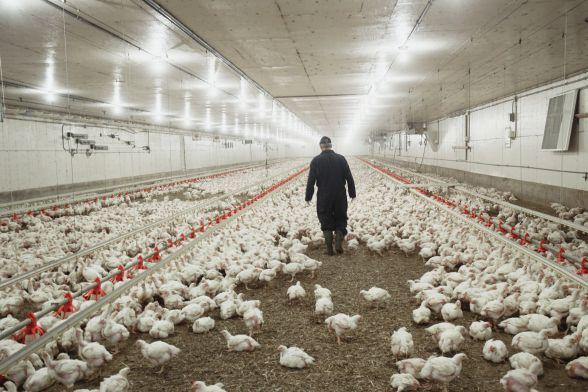
Canada’s chicken sector
sustains over 87,000 jobs, and contributes $6.8 billion to Canada’s Gross Domestic Product.
Chicken Farmers of Canada updates Animal Care Program
Chicken Farmers of Canada (CFC) has unveiled updates to its Raised by a Canadian Farmer Animal Care Program (ACP). The new ACP is enhanced in areas including the environment, bird monitoring and handling, as well as health care practices, and emergency management and preparedness.
ACP Updates
include enhancements to areas like the environment, bird monitoring and handling, health care practices, and emergency management and preparedness.
The program is also currently undergoing its third year of comprehensive third-party audits. NSF International has concluded that, “The national Animal Care Program has been implemented effectively and maintained on an on-going basis. Animal care measures have been consistently applied.”
NSF is an internationally-recognized, third-party certification body, accredited by the American National Standards Institute to ISO 17065.
“Our Animal Care Program is a
clear demonstration of farmers’ commitment to animal care,” said Benoît Fontaine, CFC chair.
“The Raised by a Canadian Farmer brand is synonymous with food safety, animal care, sustainability and quality,” he continues. “ This program is a part of what that brand represents.”
The updated program is based on the Code of Practice developed by the National Farm Animal Care Council (NFACC).
Content included in the ACP has also been independently reviewed by NFACC and found to have met all requirements outlined in Canada’s Animal Care Assessment Framework.
For a detailed list of amendments included in the updated ACP, visit the resources section of chickenfarmers.ca.
A brochure outlines the major modications to the manual, sorted by chapter.
5 questions for renowned researcher Dr. Henry Classen
Dr. Henry (Hank) Classen recently retired after a long and distinguished career as one of Canada’s foremost poultry scientists. To celebrate his contributions, Classen received the Lifetime Achievement Award at the Poultry Service Industry Workshop in Banff this fall, which honours individuals who have played an integral role in advancing the poultry industry in Western Canada.
What is your most significant career achievement and why? It’s hard to say what that is. I’ve worked in many areas, and one of my strengths is to recognize where research is needed and put together teams to try and solve the industry problem. I was involved in some of the early work with feed enzymes, and was part of the licencing of the first feed enzyme in Canada with Leigh Campbell and Yan Grotwassink. I’ve also, through most of my career, looked at lighting programs in turkeys and broilers – how they can be best be used by primary breeders to slow down early growth and so on.
What are your main milestones?
I obtained my B.Sc.Agr. from the University of Saskatchewan in 1971 and then my masters in 1973 from the University of Massachusetts. After that I was an assistant professor for a while at Pennsylvania State University and then obtained my Ph.D. from the University of Massachusetts in 1977. That same year I became an assistant professor in the Department of Animal and Poultry Science at the University of Saskatchewan, where I’d stay for the rest of my career. I later
became a full professor, and then head of the department followed by a distinguished professor. In 2013, I was named Industrial Research Chair in Poultry Nutrition with the Natural Sciences and Engineering Research Council of Canada (NSERC). Finally, this year I became Professor Emeritus.
How should the industry evolve?
Primary breeders now have tremendous ability to select more accurately, and with molecular genetics, that will increase. We need to counteract some of the traits that have been issues in industry. I’d also like to see a more balanced viewpoint of some practices related to animal welfare and in the use of antibiotics. I feel strongly about animal welfare. However, sometimes changes are made in agriculture around the world due to perception of a practice and the science is ignored.
Tell us a little bit about your personal life.
We have a close family. My wife Lynn and I have three married daughters, Michelle, Tara and Stephanie, and five grandchildren. We all go a family vacation every year and we really love canoeing. I like to be outdoors. I like to garden. I don’t run fast but I like running and like to stay in shape. Lynn and I also take ballroom dancing.
What are your future plans?
I’m will continue as Professor Emeritus for the next 18 months, and after that, I may work on some review articles that I haven’t gotten around to. Lynn and I like to travel, so we plan to do lots of that in the future and we’ll also try different physical activities.

Coming Events
DECEMBER 2018
DECEMBER 5
PIC Producer Update, Belleville, Ont. poultryindustrycouncil.ca
DECEMBER 12
PIC Producer Update, Brodhagen, Ont. poultryindustrycouncil.ca
JANUARY 2019
JANUARY 20
PIC Science in the Pub, Guelph, Ont. poultryindustrycouncil.ca
JANUARY 22 – 24
Ag Days, Brandon, Man. agdays.com
JAN. 24 - 26
Pacific Agriculture Show, Abbotsford, B.C. agricultureshow.net
JAN. 29 – 31
FarmTech, Edmonton, Alta. farmtechconference.com
DISEASE WATCH
Stay informed on infectious disease outbreaks with the latest alerts from Canadian Poultry Magazine. For more, visit: canadianpoultrymag. com/health/disease-watch
OCTOBER 5 ILT West Nipissing, Ont.
SEPTEMBER 28
Newcastle Disease California
SEPTEMBER 27
Avian Influenza
Stanislaus County, California
Dr. Henry (Hank) Classen is Distinguished Professor Emeritus with the University of Saskatchewan.
What’s Hatching
Research project aims to improve health, welfare of broilers
In a $1 million, first-of-its-kind study at the University of Guelph, upwards of 10,000 chickens – all wearing fitbit-like devices to track their activity levels – are being monitored in research to improve health and welfare of hundreds of millions of birds raised in North American poultry operations. The study, headed by animal welfare expert and U of G professor Tina Widowski, is expected to provide key information for ensuring that broiler chickens – the world’s most popular meat – are raised not just quickly and efficiently but ethically as well.
“Animal welfare has become a big part of the notion of sustainability – how to improve welfare and create a healthy environment, and how to make it economically feasible,” Widowski says.
About 23 billion broiler chickens are produced worldwide; Canada produced more than 700 million of the birds in 2017. Most North American broiler chickens are conventional, fast-growing birds that reach a market weight of 2.1 kilograms in about 35 days.
Developed over the past half-century through a combination of selective breeding and genetics, better nutrition and improved husbandry practices, those growth speedsters also pack on proportionately more breast meat and less bone. But fast-growing modern broilers are susceptible to immune system and musculoskeletal problems, said Widowski, an animal biosciences professor and holder of the Egg Farmers of Canada chair in Poultry Welfare and the Col. K.L. Campbell University Chair in Animal Welfare.
Often, their legs are not strong enough to support their meaty
bodies, making it difficult for the birds to walk. These sedentary chickens spend much of their time sitting and lying on litter in their free-run houses, which can lead to foot and skin problems, she said.
“Animal welfare concerns for these fast-growing chickens have led to the development of new, slower-growing genotypes,” Widowski says. Slow-growing chickens take at least a week longer to reach market weight than conventional birds and are reported to have improved welfare and better meat, she added.
Broiler chicken health and welfare is a focus of the Global Animal Partnership (GAP), an organization based in Austin, Texas. Over the past year, dozens of multinational restaurants, grocers and food service companies have pledged to source only broilers raised under GAP standards. However, conventional chicken producers argue that raising birds more slowly will add expense, particularly in extra feed, which accounts for about 70 per cent of producer costs. “It’s a very contentious issue,” Widowski says.
What’s missing in the debate, she said, is research to back up those welfare standards and to determine optimum breeds and management methods. Looking for that information, GAP came to U of G for help.
“There’s been no comprehensive look at health, welfare, nutrition, environment and meat characteristics,” Widowski says.
Referring to the University’s strengths in poultry science and welfare, she adds, “Here at Guelph, we have the capacity to do that.”
U of G researchers are now assessing 20 strains of conventional and slow-growing breeds.
CFC creates young farmer program
The goal of Chicken Farmers of Canada’s Young Farmers Program is to bring together young farmers from across the country to learn about how the Canadian chicken industry works, to share their experiences and knowledge, and to identify new leaders in the industry. The program will give these young farmers the tools and training to continue growing in the industry, with the long-term goal of having them play a larger role in promoting chicken farming in Canada.
A formal position on antimicrobial resistance
The International Egg Commission (IEC) and its members support, and will promote, the responsible use of all antimicrobials to allow for the long-term safe production of eggs, safeguarding the availability of eggs and egg products for the world’s consumers. Biosecurity and good farming practice remain the prime tools for disease prevention and the IEC will continue to support knowledge sharing of biosecurity and good farming practice.
New poultry education program in Alberta
Alberta is adding a poultry option to its Green Certificate Program (GCP). Poultry technician joins the list of programs already being offered through the GCP and funded through a partnership between Alberta Education and Agriculture and Forestry. “Adding poultry technician to the Green Certificate Program fills a critical gap in the program and provides an enhanced training path for our future broiler farmers and farm technicians. We recognize the incredible efforts of those driving the development of this program and were happy to have been involved in the process,” said Robert Renema, producer programs manager, Alberta Chicken Producers.
A $1 million University of Guelph study will see about 10,000 chickens wear fitbit-like devices to have their activity levels tracked.

LRIC Update
By Lilian Schaer
Beak treatments in young pullets
It’s long been standard industry practice to remove the tip of a bird’s beak in an effort to minimize the severity of cannibalism in poultry flocks. For at least the last decade, many Canadian hatcheries have primarily been using an infrared beak treatment. While research has been conducted on the impacts on adult hens, there has been little focus on how it affects young pullets.
“Even though infrared beak treatment does not have the same negative welfare impact of previously used methods, there is still some concern that changing the structure of the beak can impact bird health and well-being,” says Dr. Karen Schwean-Lardner of the department of animal and poultry science as the University of Saskatchewan.
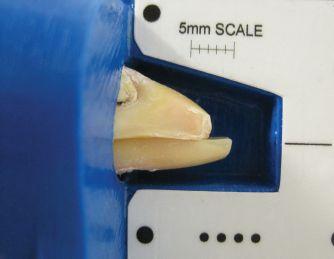
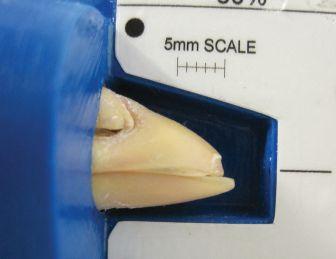
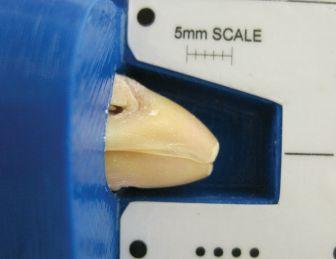
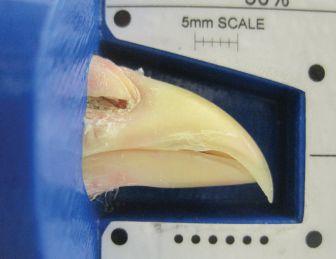
Sarah Struthers, Schwean-Lardner and a master’s student conducted a project that evaluated three different beak shapes and their impact on young pullets’ production, pecking force and behaviour, when compared to pullets whose beaks were not treated.
Results showed there was no effect on pullets’ body weight or feed intake and minimal evidence of birds experiencing pain.
The first experiment focused on the early life of 320 pullets from both brown and white layer strains reared from oneto-28 days. For 160 birds, Struthers tracked production parameters, including feed and water intake and body weight, as well as evaluating two different types of drinking systems.
On a second group of 80 birds, Struthers assessed beak sloughing and tested their pecking force. A final group of 80 birds were monitored for the time they spent resting, preening, feeding, eating and engaging in active behaviours.
A second experiment tracked 640 birds
from one-day-old to 18-weeks of age, looking at their body weight, behaviour and mortality levels. At 18-weeks-old, they were transferred to laying barn cages until 60 weeks of age, and measured for parameters like feed intake, body weight, feed conversion ratio, behaviour, comb damage, feather cover, and mortality rate.
Results showed there was no effect on pullets’ body weight or feed intake. There was also minimal evidence of birds experiencing pain.
“ The different beak shapes had no impact on the birds’ pecking force, suggesting that the birds were not feeling pain from the beak treatment procedure,” Struthers explains.
“And, that’s important because one of the criticisms [of the procedure] is that it’s painful for young pullets, but the evidence did not pick that up.”
There was an improvement in feather cover on birds with treated beaks, regardless of beak shape. In addition, cannibal-
ism became such a problem in the flock of untreated brown feathered birds that the experiment had to be ended early.
“We saw a significant decrease in cannibalism and overall total mortality so beak treatment was very effective at reducing cannibalism,” Struthers says.
For the industry, this means beak treatment is a viable technique in today’s commercial leghorn strains. The practice will improve long-term flock welfare by reducing mortality from cannibalism and does not cause any known negative impacts on young pullets.
The project was supported by Canadian Poultry Research Council, Natural Sciences and Engineering Research Council, Saskatchewan Egg Producers and Clark’s Hatchery of Brandon, Man.
This article is provided by Livestock Research Innovation Corporation as part of LRIC’s ongoing efforts to report on Canadian livestock research developments and outcomes.
Schaer
Top, left: Shovel beak shape. Top, right: Standard beak shape. Bottom, left: Step beak shape. Bottom, right: Untreated control.

Pest Defence
By Alice Sinia
Winter pest prevention
As you bundle up for winter, your livestock aren’t the only ones who want to stay out of the cold. Pests also seek shelter indoors when the temperatures drop. So, make the necessary preparations around your property to keep both the cold air and pests outside where they belong.
While it may seem like pests aren’t around in the winter, they are actually seeking relief indoors, and poultry facilities offer exactly what they need to survive – food, water and shelter.
If they find harbourage in your facility, these pests can breed, and once they are established, they can contaminate food, disturb livestock and even cause structural damage if the problem becomes severe.
Rodents, for example, contaminate food products with their urine, feces and saliva. They also can chew through plastic, support beams, walls, soft metals and electrical wire.
To help protect your property, develop an Integrated Pest Management (IPM) program that goes beyond chemical treatments and proactively responds to conditions that make your facility appealing to pests.
IPM strategies eliminate pests through exclusion and maintenance techniques that focus on pr eventing pests from entering your facility in the first place. In doing so, they also help insulate the facility against cold weather, as the strategies used to keep out pests also prevent heat loss and keep cold air from getting inside. Oftentimes, the cracks, gaps and holes that provide pests access to the building also allow cold air in
and warm air out, impacting energy efficiency. To strengthen your approach to pest exclusion, there are five things you should consider:
1
Work with a pest management provider to review pest hot spots. A pest management professional can assess the facility and help you identify hot spots around your property that are attractive to pests. More than likely, there are maintenance or sanitation deficiencies in these areas that are creating ideal conditions for pests.
2
Ask your maintenance staff to inspect for gaps, cracks and holes. Before you can make repairs, you need a thorough inspection to identify problem areas and pest pressure points. Schedule
You need a thorough inspection to identify problem areas and pest pressure points.
an interior and exterior review of the facility for cracks, gaps, unscreened vents and holes in the building structure, paying close attention to the hot spots you found with your pest management provider. Even small cracks and holes can be a problem, as cockroaches can slide through gaps as small as a fifth of a centemetre and mice can squeeze through holes the size of a dime.
During the inspection, your maintenance team should note the location of:
• Cracks in walls, baseboards, door frames and junctions where two pieces of building material meet;
• Holes in walls and ceilings;
• Gaps around utilities;
• U nscreened vents and pipe endings;
• Unscreened floor drains;
Alice Sinia, Ph.D. is quality assurance manager with regulatory/lab services for Orkin Canada focusing on government regulations pertaining to the pest control industry.
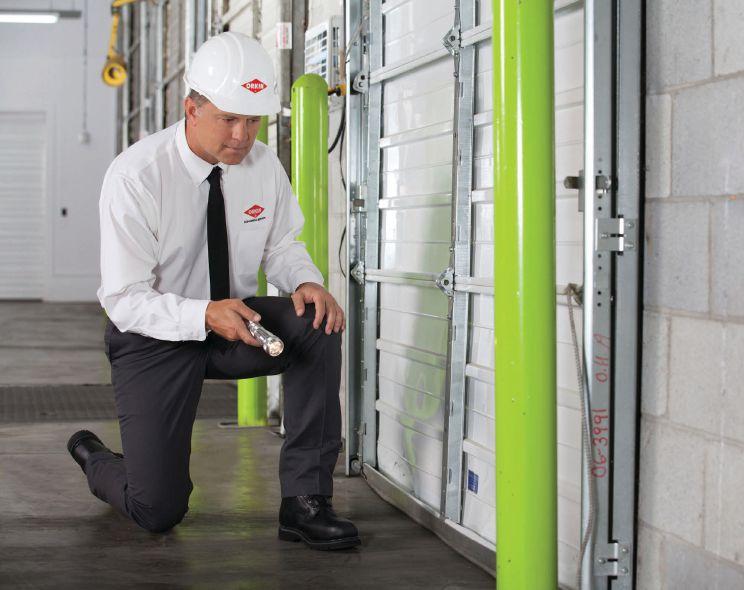
A professional can help you identify pest hot spots around your property.

Pest Defence
• Water leaks;
• Window and door screen tears; and
• Damaged weather stripping and door sweeps.
3
Schedule necessary repairs as soon as possible. Once you’ve identified the areas that require maintenance, schedule repairs right away. The sooner these issues are resolved, the less likely pests are to enter your building. Making these repairs will also fortify your property for the winter weather. As you make your repairs, be sure to:
• Use weather-resistant or permanent caulking to seal gaps and cracks. Doing so will increase the longevity of your repairs.
• Install weather stripping and door sweeps on all exterior doors.
• Replace broken or missing vent covers
4
Implement exclusion strategies. In addition to repairs, these exclusion strategies will deter pest entry:
• Create positive airflow, meaning air flows out (not into) the building. To test your airflow, stand in a door and hold up a strip of paper. If the paper blows away from the building, you have positive airflow. If not, you have negative airflow that actually pulls pests into your building. If this is the case, contact an HVAC professional
to correct ventilation issues. They may recommend air curtains to help push pests out.
• Keep exterior doors closed as often as possible. Do not leave doors propped open while you are accepting shipments, for example.
• Clear the ground around the building of debris, litter, weeds and idle objects that would otherwise provide winter ground coverage for pests.
• Eliminate all potential food and water sources. Water becomes scarce during the winter as it freezes, making liquid water in your building a hot commodity for pests.
5
Regularly monitor the effectiveness of your IPM plan and exclusion strategies. Work with your pest management provider to establish a plan for regular monitoring. Doing so will help you gauge the effectiveness of your strategy and respond quickly if pest pressures change. Insect light traps, sticky glue board monitors and rodent bait stations can be effective monitoring tools as well, so be sure to discuss your plan of attack with a professional. Exclusion is a long-term, effective strategy, and diligent maintenance and monitoring go a long way in protecting your property and livestock from pests and the elements.
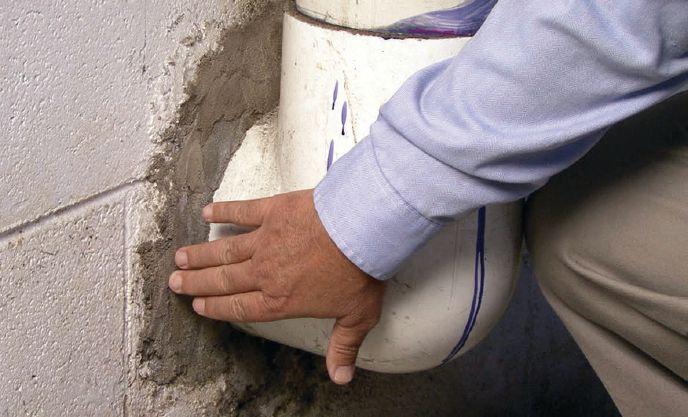
Inspect your facility for gaps, cracks and holes and quickly make repairs.
Canada’s egg economy and supply management
Canadians love the fresh, local, high-quality eggs they get from Canadian farmers. And they support our system of supply management that keeps our egg economy strong.
Learn how you can help keep the #EhInEggs at eggfarmers.ca
Water innovators
Three Canadian producers trial different on-farm water management systems.
By Madeleine Baerg
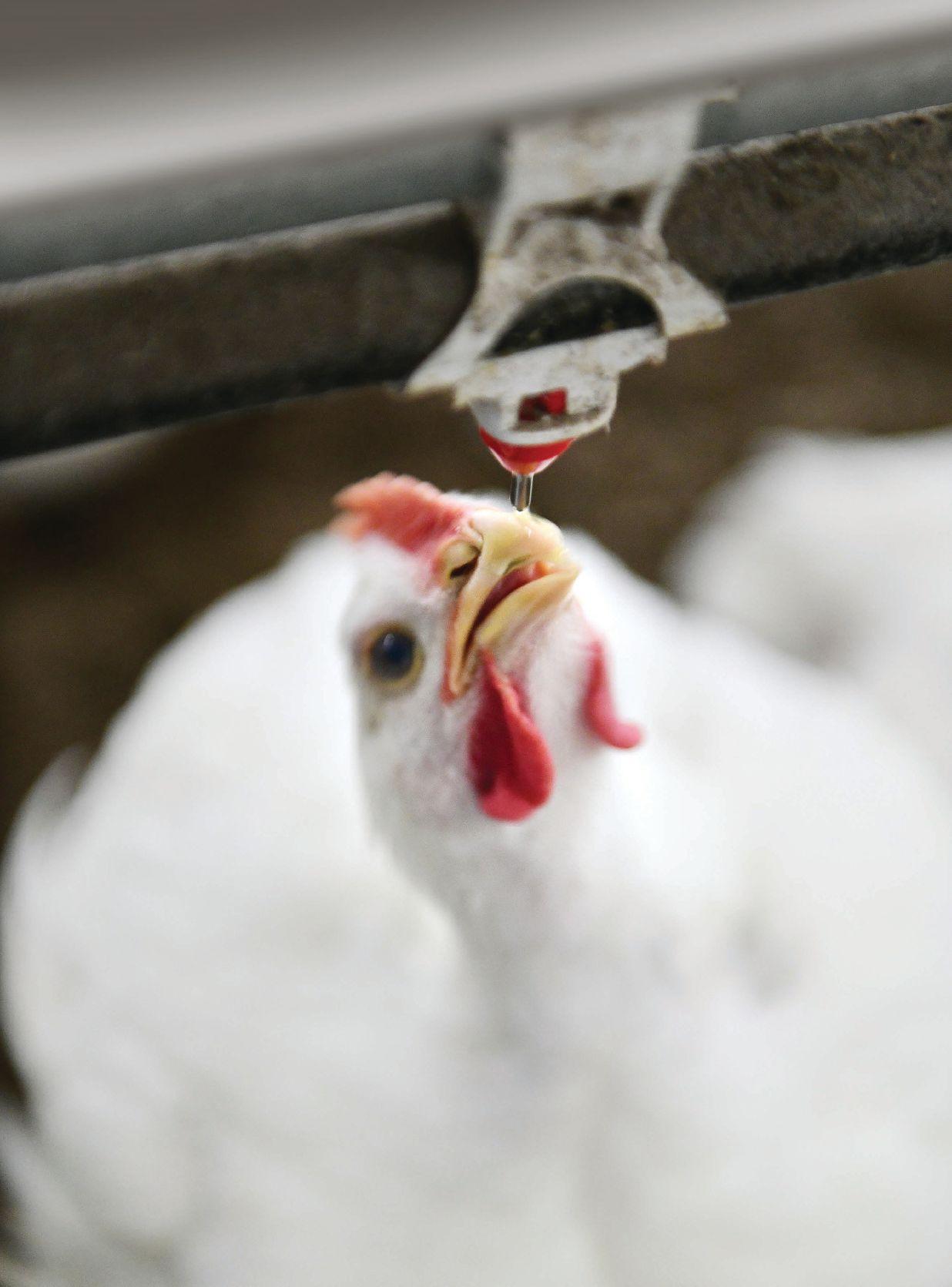
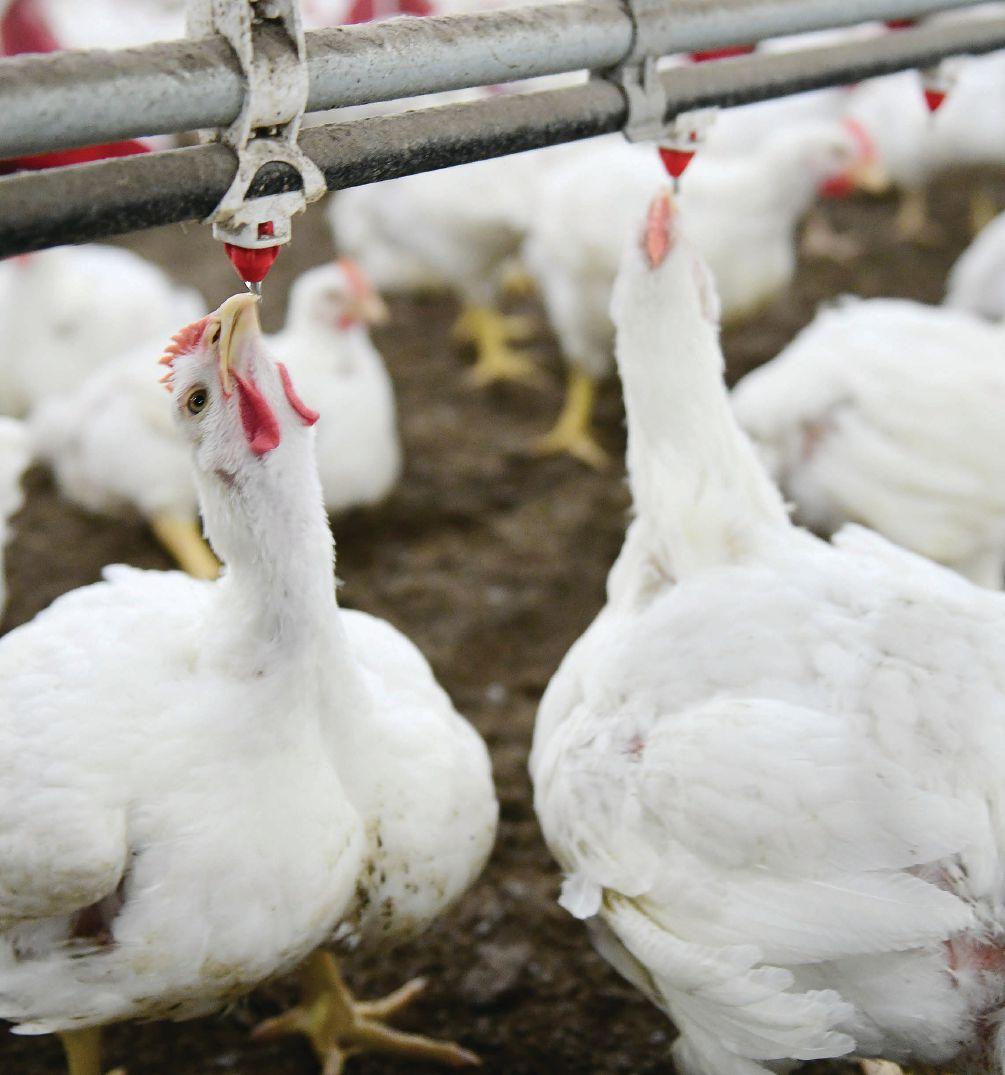
Water is one of the keys to maximizing the performing of your flock. This being the case, some producers go the extra mile to ensure their birds have access to a top quality drinking source. Here, we look at three producers and their unique approaches to water management.
Jordan Fois:
Nothing but the best for his family and broilers alike
Jordan Fois, a second-generation broiler farmer from Wellandport, Ont., is an innovator who isn’t afraid to take a risk or make an investment in order to raise a better product. Though he has access to decent water on farm, he believes ‘decent’ isn’t good enough for his family or his birds. Instead, he ships in water by truck and then puts it through an elaborate decontamination and cleaning system.
“I’m always looking for that edge – that Holy Grail,” he says. “I’m a really big believer in super clean water because I think water is one of the most important things in life.”
Fois believes North Americans
take water for granted, “We turn on a tap and assume what comes out is clean, healthy and life giving,” the producer says. “But do you know for sure that there’s no biofilm; no contaminants? There are only four factors that affect production: Quality of the chicks; management; feed; and water. This water system takes the water factor right out of the equation.”
Fois currently raises five cycles of 70,000 birds per year. Ten years ago, he invested in a Bauer Energy Design Inc. water system for his farm and family. The system is complicated. It relies on electro-coagulation, a patented process that changes the energy charge of water in order to decontaminate and remove impurities, as well as a multistep filtration process and a UV light water purification treatment.
According to designer Walter Bauer, the system’s multi-stage process results in medical grade water with very unique properties.
Though the science of the system is complex, Bauer says the results are clear – the bacterial populations in the digestive tracts of chickens watered with his water shift from primarily anaerobic (not needing oxygen) to almost exclusively aerobic (needing oxygen) populations. According to his research, the shift reduces ammonia in chicken feces and has multiple health benefits.
“I’m not going to vouch for the science because it’s way over my head,” Fois says. “But, I can vouch for the reality of what’s happening and the improvements I’m seeing in my barns.”
Admittedly, such an involved
water purification system is a hefty investment. Still, Fois believes the return on that investment is clear, marked and rapid.
“Feed conversion depends on a lot of factors. Sometimes I hit a 1.58; sometimes I hit a 1.7. But overall, there’s a noticeable difference in my broilers’ performance. It’s a simple cost-benefit analysis. Based on condemns, days-to-market, feed conversion, I think I paid it off in seven years. But in terms of my family, I see that return on investment as immediate.”
Stewart Ritchie: Researching rain
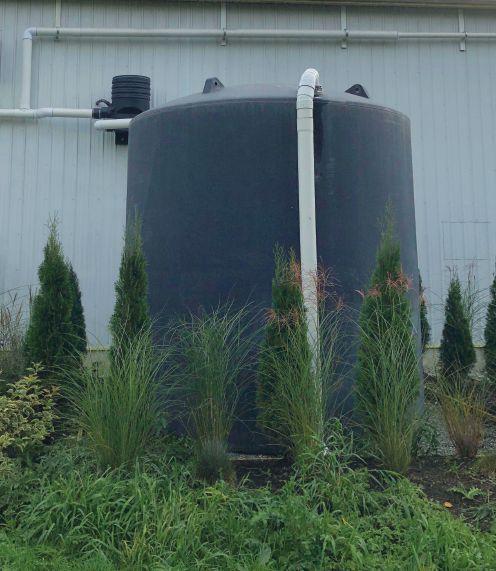
Abbotsford, B.C., broiler producer Stewart Ritchie has insatiable curiosity. A veterinarian and nutritionist by training and part-time researcher by passion, Ritchie uses his own broiler barns to trial management, nutrition and innovations. In recent years, he’s developed a particular interest in sustainable systems. He has installed solar panels to power his barns and, most recently, installed a rainwater collection system.
“Our city water is outstanding. We don’t have a quality issue here. This is more a matter of interest than of quality. When you fly over a lot of barns, you see a lot of bare roofs. I thought, why don’t we recapture some of the sun and rain,” he says.
Ritchie is very new to collecting rainwater. Currently, he has collection, filtration capacity and various purification and sanitation systems in place. However, as a veterinarian who is very familiar with avian in-
fluenza, he has a very healthy concern for biosecurity. Because of this concern, he will insist on being entirely confident in the water’s quality before it ever goes to his birds. Therefore, he hasn’t actually started using any of the water in his barns.
“I’ve got to be honest: I could have bought into a mistake. We just don’t know yet. But we’re in it, and there’s value in the data gathering. This is on-farm research and we’ll share the results and hurdles with other producers for their benefit too,” Ritchie says.
Currently, the producer is tack-
ling the issue of pollen and dust in his water. “I didn’t know the pollen was so heavy. It’s almost gel-like when it is filtered out. You can’t have that going into the nipple drinkers,” he says.
“There are so many variables that are going to be very specific to your farm and your area.”
He adds that, when it comes to these sustainable systems, there are two non-negotiable variables – robustness and the dollars and cents of the system.
“We need a system that doesn’t break down. Producers are busy. It’s risky. You don’t want to add risk
or if you do add risk you need to mitigate it to an acceptable level,” Ritchie says.
“I am willing to invest to gather data, but ultimately these concepts have to make sense financially.”
He hopes to use this project both to become more sustainable and to learn more about how water intake impacts chicken health.
“I’ve always been interested in nutrition via water (NVW). I’ve always felt the water-to-feed ratio is a very important metric and can be associated with bird health and performance. By doing this I’m on a learning curve. It’ll let me gather
On-farm water management considerations
Farming would be so much easier if there were proven answers that worked in every agricultural operation. However, like everything in agriculture, finding the right solution for your on-farm water needs depends on multiple factors:
First, water is not a one-stop solution.
“No matter how good your water, a poor poultry manager won’t get the benefits of excellent water,” says Walter Bauer of Bauer Energy Design Inc.
“Everything starts with good management.”
Second, only invest in what suits you and what you believe in. “I’ve always thought water was one of most critical factors of life. I was looking for a system long before I found the one we have. If you don’t have conviction in this as a priority, though, you might not be willing to spend the money on a system,” says Wellandport broiler producer, Jordan Fois.
Third, even high-quality water can’t fix a problem that already exists.
“If you get bad chicks it doesn’t matter what you do,” producer Bruce Van Der Molen says.
“It all starts with the quality of the chicks.”
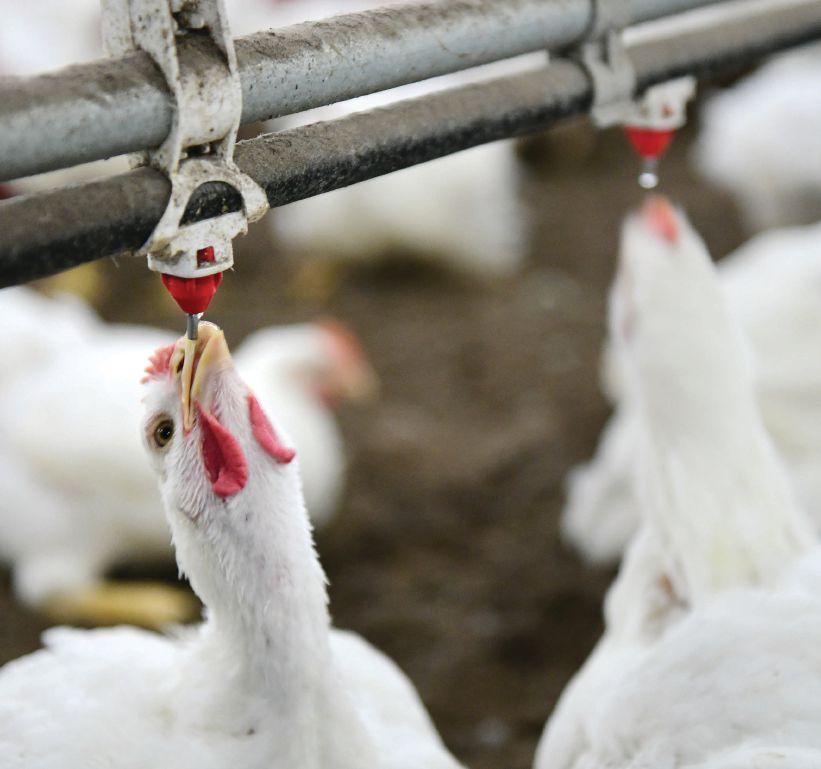
Some producers go the extra mile to ensure their birds have access to top quality water.

accurate data, and I do think that will be very useful knowledge.”
Ritchie has been a practising veterinarian since 1989 and a chicken farmer since 1992. He currently has 50,000 broilers divided into various sections for research purposes. In addition to developing a functional rainwater collection system, he’s currently testing various other broiler production practices. He sees his trials as a calling, a passion, and a commitment. He lives and works, he says, according to one quote: “As I heard someone say: if you’re not living on the edge you’re taking up too much space.”
Bruce Van Der Molen: Simplicity for the win
Bruce Van Der Molen, a broiler producer from Jarvis, Ont., looks to the sky for his birds’ water. Since he and his wife, Kelly, began broiler production four years ago, they have depended on rainwater collected into underground cisterns to keep their 40,000 birds hydrated.
“The reason we decided to use rainwater was because we tried to drill a well and the water we hit was very black and very high in sulphur. The neighbours have bad water as well. We thought we could better deal with the challenges rainwater brings than use that water we could tap into from the ground,” the farmer says.
The Van Der Molens’ system had relatively low investment cost and is intentionally simple. Rain falling on each of their two barn roofs gets directed into one of three 10,000-gallon cisterns via a simple gutter system. The captured rainwater is stored without treatment until, just before use, it is pumped through a peroxide decontamination tank. The only filtering is a leaf-guard on top of the eavestroughs.
“There is absolutely nothing fancy about what we’re doing here. People have been catching rainwater like this forever. But, if you don’t have access to good water, it’s a perfectly good option,” he says.
Van Der Molen is aware of the disease risk inherent to using rainwater. He’s installed
Continued to page 36
Water line sanitation
There are several factors to keep in mind when considering a water line sanitation program, including these:
What is the source of the water?
• Is it a well? If so, how deep is it?
What rock formations does it pass through?
• Is it surface water from a pond, lake, or stream? What is its algae content? Is it clean?
• Is it a rural or community water supply? How is it treated? What is its chlorine level?
Are there issues with health or performance of past flocks?
• Excess mortality?
• Condemnations?
• Poor feed conversions or weight gain?
• Poor egg numbers?
Is the mineral content of the water known?
• What’s in it?
• At what level?
Are additives run through the drinker system?
• If so, are water lines flushed afterwards?
Source: Mississippi State University-

Broiler producer Stewart Ritchie recently installed a rainwater collection system, partly for research purposes.



Water management
Updated tips for a new era of poultry production.
By Treena Hein
With the elimination of antibiotics occurring across Canadian poultry production, factors such as water quality are becoming much more important in the quest to optimize bird health.
A t the Poultry Industry Council’s ‘Health Day’ this summer, Al Dam and Dan Ward (poultry specialist and poultry structural engineer respectively at the Ontario Ministry of Agriculture, Food and Rural Affairs) presented on ways to ensure proper water quality and supply. They noted that every farm should have its well water tested regularly, beyond the requirements of the On-Farm Food
Safety Assurance Program from the Chicken Farmers of Canada. Samples should be taken at well head and furthest line from the well as well.
“For drilled wells, once or twice a year would suffice, and for dug wells, sand points and any surface water sources, then the recommendation is every season of the year,” Dam says. “The free test at your local Health Unit just looks at E. Coli and total coliform bacteria (indicators of fecal contamination in water source), so pay to get the water analysed to see what other issues you may have. Issues could include high sulfur, salt, nitrates, calcium, phosphorous and so on. The complete analysis will tell you the general health of the well and what
treatment options, if any, may be needed.” Draw down and recharge level of your well should also be checked periodically to make sure you have enough capacity for your operation.
Filters must obviously be changed regularly to prevent issues caused by sediment and other particulates. Ward says determining the right time to change filters should not be an issue if farmers continually monitor the pressure dials before and after the filter unit. “ This is especially important at the end of a meat bird flock,” he notes, “or during the hot weather when water demands are the highest.”
Biofilm management involves flushing water lines regularly with pressurized
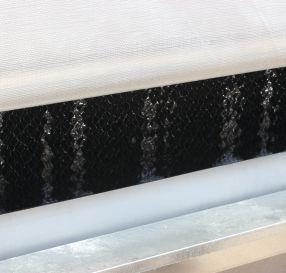
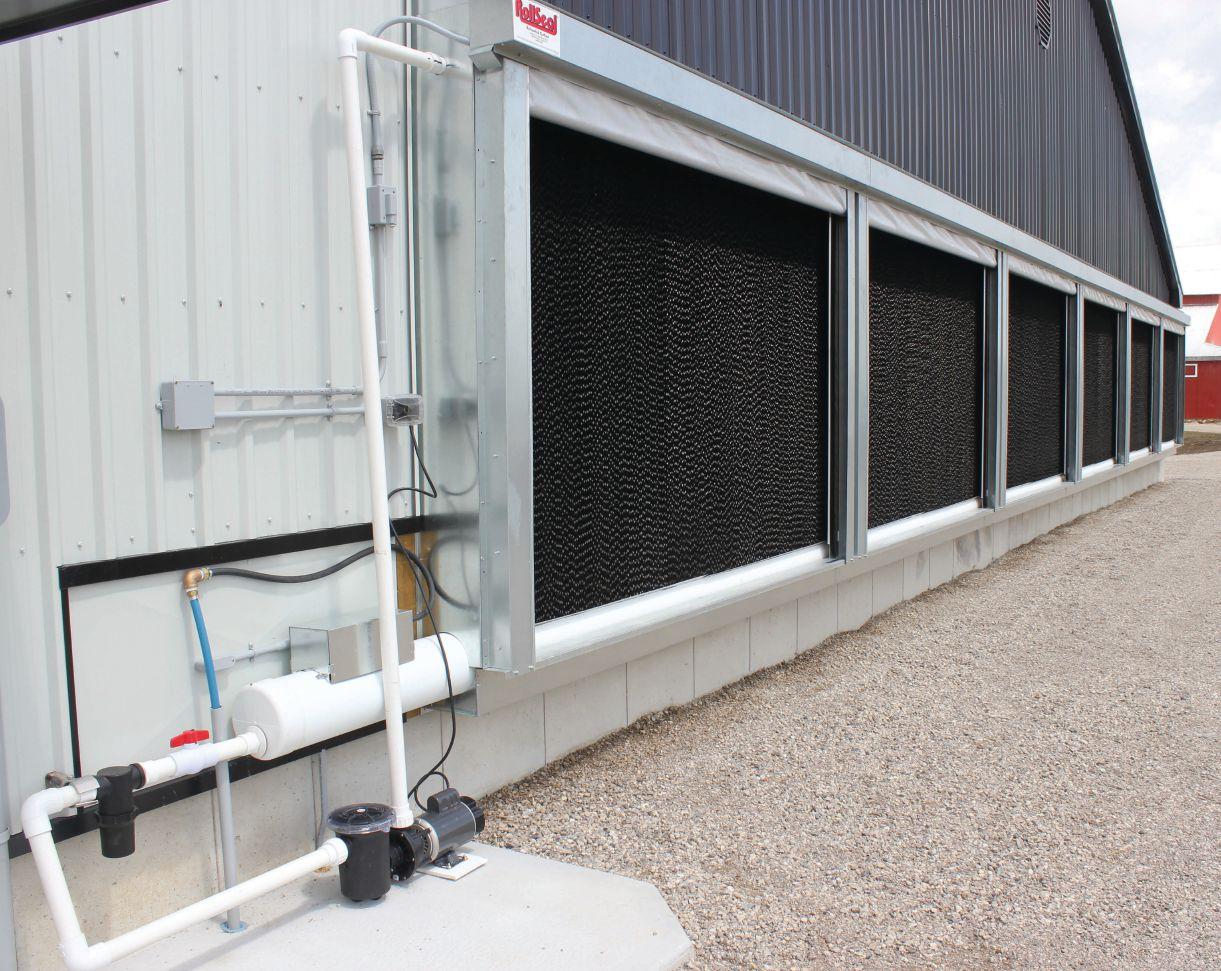
Water-based cooling systems like evaporative cooling pads have seen a resurgence in recent years in all types of poultry barns.
“Unfortunately, a lot of the products we put into our waterlines to help with bird health can contribute to biofilm.”
water. When asked if biofilm is a bigger problem nowadays with the use of probiotics in Canadian poultry production growing by the day, Dam says it’s more of a concern if there is iron in a farm’s water. “Iron-reducing bacteria use the iron to create the biofilm,” he explains. “Once that’s established, then the other products we may use contribute to the further growth. An iron filtration unit should be installed if your iron is too high (>0.3 ppm). Unfortunately, a lot of the products we put into our waterlines to help with bird health can contribute to biofilm.”
Dam and Ward recommend flushing waterlines once or twice a flock for meat birds, and once a month for layers/ breeders, and using a cleaner in between flocks. Preston Rives, Canada/U.S. sales manager with global agricultural hygiene firm CID LINES, recommends that when using cleaning products between flocks (such as his firm’s ‘CID 2000 at a concentration of two per cent), producers should trigger all nipple drinkers as the solution flows through the lines. Let the solution sit in the lines at least four hours and then flush the lines with fresh water, triggering all nipple drinkers again. Dam adds that proper flushing is very important when high doses of cleaner are used. “The scale or biofilm or whatever that you dislodge needs to be flushed completely so that the debris doesn’t end up clogging your nipple drinkers,” he says. (Note that while use of CID 2000 is presently limited in Canada to use between flocks, Rives says regulations may in future allow it to be used in-flock as well, as it is allowed and used in many other parts of the world.)
In terms of other issues relating to poultry farm water quality, Dam lists one that’s often overlooked to be calibration of the injector/medicator. “Also, don’t forget the maintenance that’s needed on the pressure regulators on the nipple drinker lines themselves,” he says. “They can get clogged with biofilm and not have the output that you think they should.” He adds that finally, flushing water lines is important during high heat periods to ensure that all the birds are getting cool, fresh water.

QUANTITY AND COOLING
As to whether well water levels are a concern these days, Ward notes that water level/aquifer recharge capacities in various areas of Ontario and beyond can be affected by many different issues. “Drought can be an issue, and water-taking by other high use users can lower water tables,” he explains. “What kind of aquifer you have and the depth also determine its recharge capacity.”
Ward notes that water-based cooling systems (sprinklers, high pressure misters and evaporative cooling pads) have seen a resurgence in recent years in broiler barns but also broiler breeder and layer barns. He says this is the only cooling method that actually lowers barn air temperature due to the large amounts of heat removed from the air next to water when it evaporates (the energy required when water changes state from liquid to gas). When deciding what type of water-based cooling system to install, type of poultry farm and estimated frequency of use are usually the deciding factors.
However, Ward says producers should check their well capacity/pump rate carefully before adding a waterbased cooling system.
Extra water requirements during heat waves could overtax a farm’s water system if water is being pumped directly from wells and there is only a minimal storage tank. The issue could be mitigated, says Ward, by adding large storage buffer tanks.
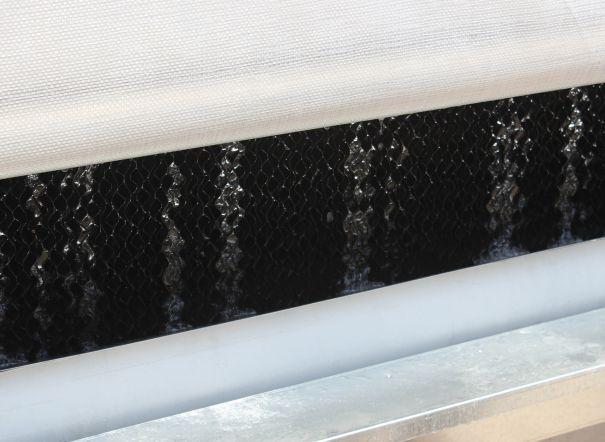
To check how an evaporative cooling system is functioning, Ward advises that the easiest way to do this is to inspect the pads. “If there are blocked header pipes (dirt/debris blocking the distribution holes), then there will be dry patches on the pads directly under these holes when system running,” he says. “If there is scale on the pad, this will indicate if the softener is working correctly. Either of these maintenance issues will reduce the cooling effectiveness of the equipment.”
10 tips for flushing and cleaning waterlines
1. Use a hydrogen-peroxide based cleaner – there are many products on the market today that are specifically formulated for poultry applications.
2. Be sure to use protective wear, goggles, etc. and follow all safety instructions.
3. Open the end assembly so water drains from the drinker lines. When empty, close the end assembly.
4. Prepare the hydrogen peroxide treatment as instructed by the manufacturer for cleaning between production cycles.
5. Fill all drinker lines with the treatment.
6. Allow the treatment to remain in the lines as recommended by the manufacturer.
7. Walk the drinker lines with a broom and activate all the drinkers with the broom bristles. This allows the treatment to clean the drinkers as well.
8. Flush the lines to remove all the treatment water.
9. Walk the drinker lines again with the broom and activate the drinkers.
10. Flush the drinker lines again before the birds are placed.
Inspect your pads to monitor how well an evaporative cooling system is functioning.


Ask your retailers and processors to sign up for the “ Raised by a Canadian Farmer ” program.

Nutrition in cage-free housing
Diet considerations for alternative layer systems.
By Paulien Rutten
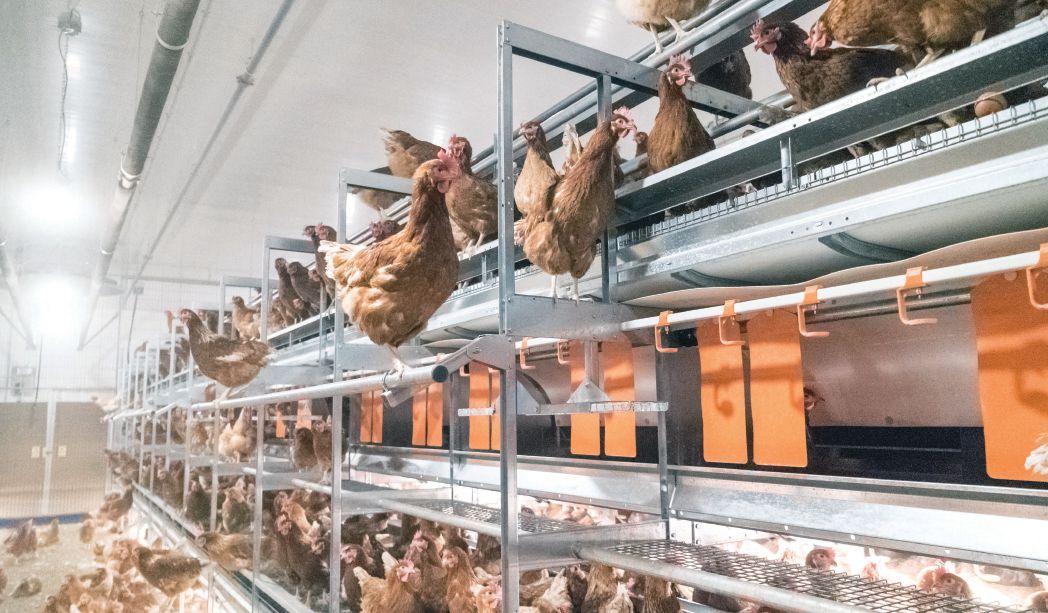
Transitioning from a conventional cage to alternative housing, either cagefree or within an aviary system, requires careful attention to good management. One important aspect of that is nutrition.
ROBUST BIRDS
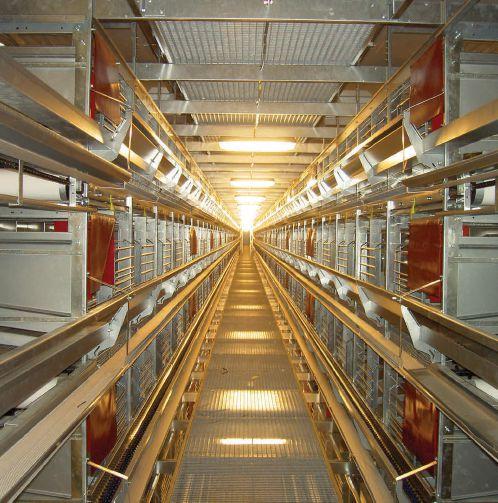
The most important change in understanding what the birds need in an alternative system is the level of energy the hens spend. The energy needed for production is not different because production levels are equal. However, within a cage -free system, the birds are able to move freely and express natural behaviours, so they use significantly more energy in their daily activity.
For this reason, it is important to start out with very robust birds that continue to produce a high number of eggs, maintain good health and are able to resist disease. In order to ensure that the birds continue to lay well at the peak of production, body weight is an important factor. Poor body weight leads to weak birds that are more susceptible to disease with a lowered production rate. At the start of lay, it is advised to reach mature body weight quickly and use feed with a higher energy value (2,850-2,900 Kcal/ kg). Following this, at the middle and end of lay, the goal is to maintain a stable body weight.
If the bird is carrying too much fat, she is at risk for a fatty liver, and being too
light will result in decreased production.
AMINO ACID LEVELS
The daily requirement for amino acids needed in the layer diet in a cage-free system does not differ at all from a cage system diet. Because the amino acid requirement is dependent on the egg mass
produced, the concentration of amino acids in the diet should be adapted to the observed feed intake. Therefore, if the feed intake is higher in the alternative system, the inclusion level of the amino acid feed in percentage could be lower. At the start of lay, there is a higher requirement for growth. Because feed
Feed intake tends to be higher in alternative systems
Paulien Rutten is nutritionist on the global technical team at Hendrix Genetics. She specializes in layer nutrition.
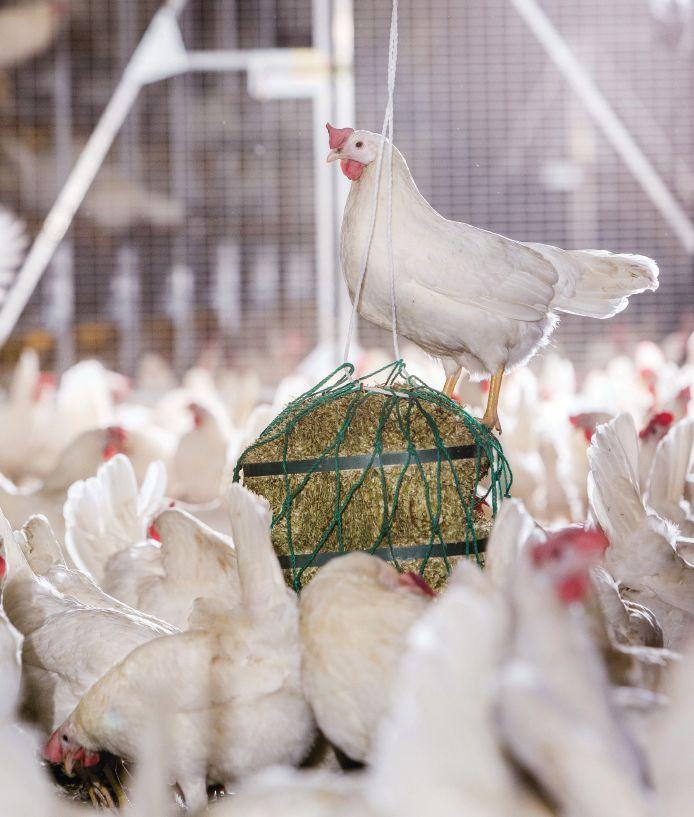
The birds are able to move freely and express natural behaviours, so they use significantly more energy in their daily activity.
intake can vary and flock uniformity can be a challenge, it is recommended to adjust the amino acids in this period of life. A minimum safety margin of six per cent is recommended and advised margin is 10 per cent.
Amino acid levels should be adjusted according to
• Egg production (high egg mass output, higher daily amino acid requirement); and
• Feed consumption (e.g., at low feed intake level the concentration of amino acids should be increased). In the middle and end of lay, there is a lower requirement due to the end of the growth. If consumption is stable and production high, it is not useful to decrease the amino acid concentration to secure laying persistency since a lowered feed concentration pushes down the laying rate.
EMPTY FEEDER TECHNIQUE
Additionally, the feeding technique used when managing hens is a key factor in achieving the best possible shell quality and sufficient nutrition levels. It has been found that the main part of the diet is ingested in the last four hours of the day. This is natural feeding behaviour, and so to encourage this trend, especially in an alternative system, it is advised to provide at least 60 per cent of the daily feed in the afternoon. Before this period, the feeders should be emptied in the middle of the day for one to a maximum of 1.5 hours. This is called the ‘empty feeder technique’. Applying this approach controls body weight, flock uniformity and egg shell quality because the total diet is consumed daily, including the fine particles in the feed that are most of the time the vitamins, minerals and amino acids.
FEED DILUTION WITH COARSE INSOLUBLE FIBRE
In order to achieve the best livability and feathering, introducing coarse insoluble fibres will affect layer behaviour, body weight control, feed intake capacity development, and feather cover. Coarse insoluble fibres improves digestion by stimulating gut movements and stimulates the development







of crop and gizzard in rearing phase. Lignin, for example, is an insoluble fibre. Without this type of fibre, pecking and eating of feathers can occur in order to obtain fibre and to achieve a feeling of fullness. The percentage of fibre included in the diet depends on the environment.
In highly concentrated diets the crude fibre level should not be too high, maximum of 3.5 per cent, because fibre is diluting the diet. Lower fibre diets are recommended in high temperature environments where feed intake is a challenge. It is important not to dilute the feed too much so that the birds will consume enough energy and nutrients like amino acids daily.
Experts recommend focusing on additional fibre in the developer phase in order to stimulate feed intake capacity development.
Including more fibre up to a level of seven per cent is best for birds in a freerange environment where feather pecking is more common.
Increased structural fibres in the feed will encourage fullness in the birds. This, in turn, leads to more docile behaviour and will provide structure in gastrointestinal tract.
At different points during development, layers will need varying fibre levels. At the start of lay feed intake capacity is still low, and so it is important to get a good start for production and growth. A
high density of nutrients and energy is needed with high amino acid. Therefore, fibre content in the feed should be lower in period start of lay in order to get the most amount of nutrients in the feed.
At the end of lay, feed intake is sufficient and so a lower energy concentration and nutrient level is sufficient in their diet. If there is good lay persistency, there is no need to decrease in amino acid requirement. Birds have a drive to eat, and so without adjustments there is the risk of the birds carrying too much fat, leaving them vulnerable to issue with a fatty liver and consequentially poor egg shell quality. The addition of coarse insoluble fibre will help to control body weight, quiet their behavior, and reduce mortality.
FEATHER COVER AND LIVABILITY
In a cage-free environment, feather cover is an important factor that affects welfare standards and economics because a poor feather cover increases the feed intake level because maintenance requirements are higher.
Feather cover will not have an effect on production parameters such as egg production, in terms of egg numbers, egg quality (internal and external), or laying persistency. However, as welfare standards continue to evolve, feather cover will be an increasingly important welfare indicator.
Another negative impact of reduced
feather cover is that the bird’s feed intake level will increase with poor feather cover, depending on environmental factors, leading to an unfavorable feed conversion ratio.
As mentioned previously, diluting the hens diet with insoluble fibre can help improve feather cover. Demonstrated in the graph below, when feed in rearing is diluted with insoluble fibre: Sunflower seed extract or oat hulls (or combination: 50-50 in 7.5 per cent diluted diet) feather score improves. Starting from four weeks of age for oat hulls, eight weeks of age for sunflower, the trends continues towards 16 weeks of age.
In summary, there are a few key nutritional areas to focus on when raising birds in an alternative environment:
• Star t with robust birds by ensuring they receive the right amount of fuel for energy at start of lay and obtain mature bodyweights in time
• Amino acid requirements are not significantly different, but the levels should be adjusted depending on the egg mass produced and observed feed intake. Feed intake tends to be higher in alternative systems
• By applying the empty feeder technique, flock uniformity and egg shell strength will be improved
• In order to ensure good livability, the use of coarse insoluble fibre will improve feather cover and will lead to more docile behavior.
It’s important to start out with very robust birds in a cage-free system due to the amount of energy they use.







YOUR SUCCESS IS OUR SUCCESS












Leveraging flock data
Analyzing production figures to make better decisions. By Shawn Carlton
The goal of any broiler breeder program is to produce the greatest number of hatching eggs per hen housed and life of flock hatch to give us the most chicks per hen housed. A production data analysis can help determine which flocks are meeting their genetic potential and which flocks are not. When conducting a production data analysis, you want to look at body weight curves, uniformity, production, and female and male mortality throughout the pullet and hen growing phases. Identifying trends in these measurements can help determine which key performance indicators we could be missing to give us the desired results. Comparing your top and bottom flocks can provide insight into why the bottom flocks are underperforming.
Key areas of focus:
• Achieving standard four-week body weight to promote flock uniformity.
• Preventing female and male body weights from being overweight during the maintenance phase (from six to 15 weeks of age).
• Females getting the proper turn-up from 16 to 20 weeks of age (this is very important as birds are preparing for the lay phase). Proper turn-up in this phase is 35 per cent.
• Controlling male body weight at move – Males must be synchronized with females at move.
• Having a smooth transition from the rearing house to the production house.
DATA COLLECTION
The success of any breeder program must be driven with data. Decision-making is
dependent upon the quality of data and ensuring that the numbers are accurate and complete. This means making sure that everyone within the complex collects data in the same format, as variability in how data is collected or tracked can skew results. For example, when weighing birds, weigh all the houses the same way (e.g., weighing three pens in the house to get an accurate average weight; weighing all the birds that are caught to weigh). Also, it is important to identify and remove outliers from the production data analysis, as leaving in these data points can skew results. Removing these outliers will give you a more accurate picture of overall flock performance.
EGG PRODUCTION
Producing the greatest number of chicks per hen housed (Chicks/HH) at the low-
A production data analysis can help determine which flocks are meeting their genetic potential.

SECURED PERIMETER

est cost is the ultimate goal of a broiler breeder management program. Therefore, looking at egg production is the first step in a production data analysis. Once the top and bottom flocks have been identified, it is easier to see what could be causing the discrepancy. There are a number of factors that can be attributed to low egg production, including:
• Improper or poor lighting – Must have a tenfold increase in intensity from pullet to hen house.
• Using the wrong light spectrum – Production birds need the red/ orange spectrum to be stimulated. When using LED bulbs, a 2,700 Kelvin rating is recommended.
• Poor light placement and spacing in the house.
• Inadequate feeder space.
• Inadequate water volume or water availability at peak demand times.
• Too much stress (as a result of vaccinations or moving from the rearing to the laying house).
• Lack of nutrients in feed.
• Not achieving body weight standards.
It may be difficult to determine which factors may be contributing to low egg production as even a one to two per cent difference in mortality can have a big effect on production. For example, a one per cent increase in hen mortality is roughly equal to 1.5 fewer hatching eggs. Therefore, egg production can be greatly affected by seemingly insignificant differences between flocks.
Hatchability is another big driver of chicks per hen housed. It is important to manage male weights and fleshing in the hen house.
BODY WEIGHT CURVES AND UNIFORMITY
Other measurements that should be collected in a production data analysis are body weight curves and uniformity. It is important to make sure that each
flock’s body weight curve is matching or close to matching the industry standard by the time of light stimulation. Body weights that are too low or too high can negatively affect peak production. Typically, bottom flocks stall on weights between weeks 16 and 20 if they are heavy in the maintenance phase of rearing, or if they achieve too much body weight gain early in the production house. It is advisable to increase feed intake during production so that the hens can perform to the best of their abilities during egg production, at which point bottom flocks can actually surpass the top flocks. Thus, it is possible to fix poor-performing flocks, but only if you are keeping track of that data.
FEED CURVES
Finally, measuring the feed curves of each flock is the last step to conducting a production data analysis. As feed directly impacts body weights, which directly impacts egg production, this key performance indicator can be the most telling difference between the top- and bottom-performing flocks. In general, the feed curve should increase through peak production, at which point it should decrease at about 29 weeks.
There are many factors that can contribute to feed curves. Amount of feed is typically the most influential, but other factors such as nutrient availability, feeding space and water quantity/quality can also impact feed curves.
CONCLUSION
At the end of the day, decisions should be made according to data collected at your particular location. When it comes to poultry farming, especially broiler breeding, a small variation can have a dramatic impact on your bottom line. That’s why consistent and accurate recording of data is key to staying on top of which aspects of production need adjustment.

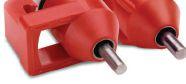
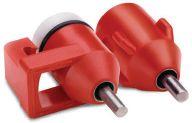
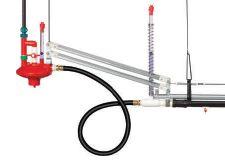
In growout after growout, results prove that Ziggity Systems with Max3 drinkers consistently produce not just great but exceptional performance in every category. That’s because Max3 delivers all the hygienic water birds need to thrive and stay healthy without oversupply that causes wet litter and all of its related problems.
ways to improve performance
management time and make correct pressure adjustment easy with PressurePro.


LARGE-SCALE DEPOPULATION
Updates on whole-farm gassing systems and portable units for humane and efficient euthanasia.
By Treena Hein
In late 2017, the Poultry Industry Council reported that, “increased numbers of reovirus-associated lameness cases were r eported in Ontario broiler flocks by poultry veterinarians between August and October.” It was necessary for some infected birds to be euthanized.
Due to this situation and the possibility of other future disease outbreaks, ther e has been some renewed interest from the Ontario poultry commodity groups in how to best euthanize large numbers of cull or diseased birds. Processors have also been involved in these discussions , notes Canadian Poultry and Egg Processors Council (CPEPC) president Robin Horel.
Gassing is preferable to other methods of euthanasia when a large number of birds must be destroyed, as it’s humane, cost-effective and fast.
Solutions for whole-barn gassing and also mobile cart options for depopulating a part of a flock (for example, one floor in a two-storey barn) seem to both be needed.
Current discussions are focussing on mobile solutions that have been validated to be humane and follow established euthanasia guidelines, as well as overall euthanasia costs, who will bear
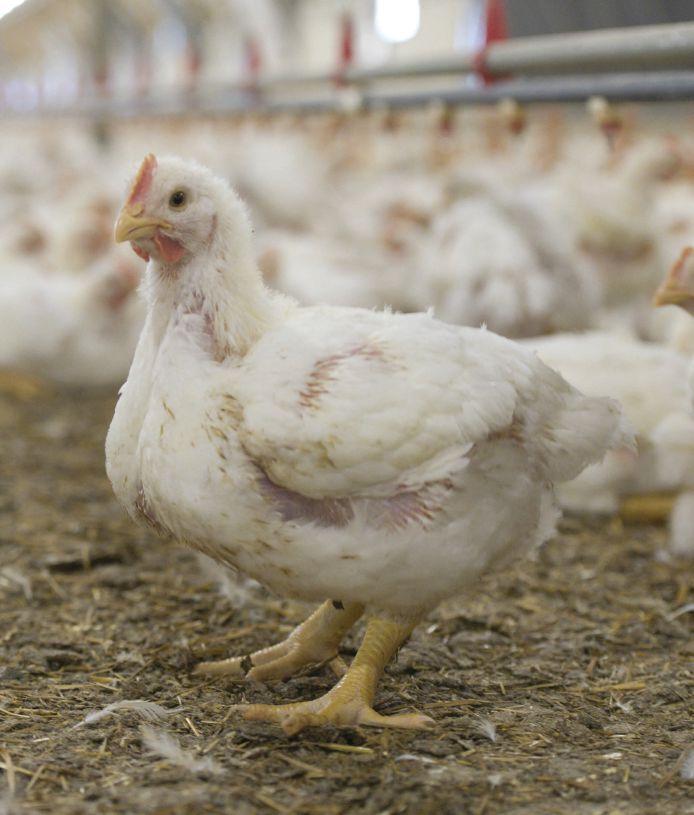
A series of disease outbreaks prompted Ontario's poultry industry to come together in search of humane solutions for large-scale depopulation.
what costs and why, and whether thirdparty providers should be involved.
Regarding whole-barn gassing, Egg Farmers of Ontario (EFO) general manager, Harry Pelissero, stated to Canadian Poultry magazine in early 2018 that his organization tried a carbon dioxide (CO 2 ) system a few years ago and still
use it when necessary in emergencies because it’s most effective and least stressful – but that to be effective, the barn must be airtight.
The Canadian Food Inspection Agency (CFIA) also states that in emergencies, it has used whole-barn gassing for large farms, “the method of choice
for destroying a large number of birds in a timely manner during a disease outbreak. It is an internationally accepted method for humane poultry farm depopulation.”
Regarding the type of gas that should be used, Dr. Patricia Turner, who retired from the University of Guelph’s department of pathobiology in January, published a study with colleagues a few y ears ago on the use of CO 2 gassing. She and her team noted that whole-barn depopulation with this gas “has been investigated as a humane and efficient means of killing large numbers of birds in the event of a reportable disease outbreak” and “has also been considered as a method for depopulating barns containing end-of-lay hens, particularly
when there is limited local slaughter and rendering capacity.” In their research, they found laying hens lost consciousness within two minutes of high CO 2 levels and were brain dead within five minutes.
Mobile gassing units update
In terms of mobile systems, Turner stated in early 2018 that at this point, “there is no approved portable gassing chamber for poultry in Canada, and in fact, we have shown in the past that dumpster-style containers are inhumane.”
However, some feel that mobile units are necessary to prevent suffering of ill birds when no other options exist. In 2003, for example, researchers in the
Netherlands reported that during an outbreak of avian influenza there, “30 million birds were killed on 1,242 farms and in more than 8,000 hobby flocks, by using mobile containers filled with CO 2, mobile electrocution lines and by gassing whole poultry houses with carbon monoxide or CO 2 …Gassing with CO 2 was considered preferable. However, this method is not suited to all types of housing and in these circumstances mobile killing devices were a useful alternative.”
Furthermore, the CFIA states that mobile units “may be useful for the destruction of small flocks. Although the CFIA does not currently use mobile gas chambers, they are considered an internationally-acceptable method for de -
WHETHER CHICKEN, TURKEY OR EGGS, IPPE LAYS SOLUTIONS AT YOUR FEET
atLanta, ga USa | FEB. 12 - 14, 2019
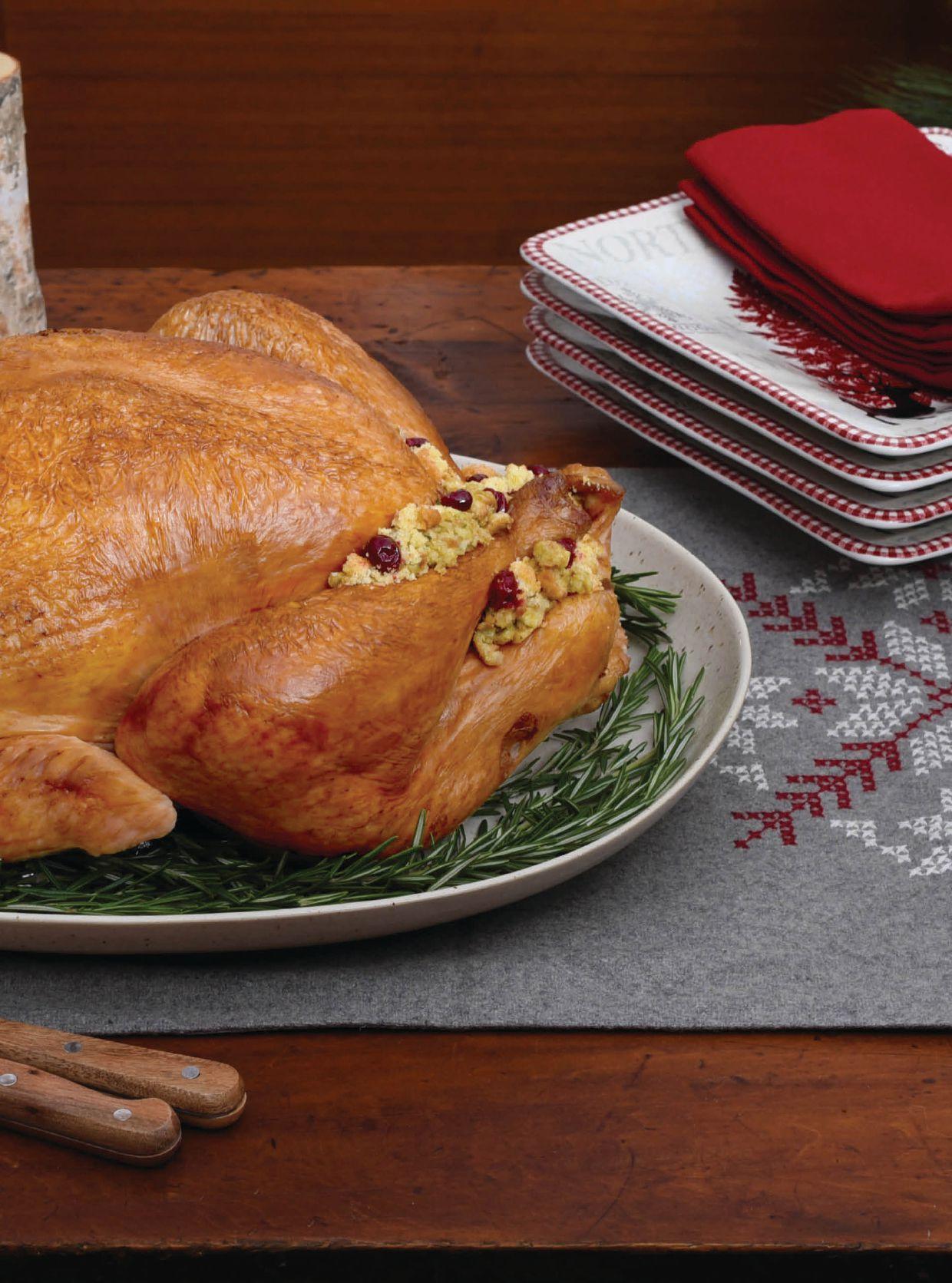
HAPPY HOLIDAYS
From the Turkey Farmers of Canada


Canadian consumers can trust they are getting the highest quality turkey from Canadian farm families.
population of poultry.”
In 2008, mobile gassing units were employed (along with whole-barn gassing and some cervical dislocation) in a strange situation in Ontario relating to pigeons. These birds were being reared by v arious farmers as part of what was uncovered as a large scandal engineered by the leaders of a company called Pigeon King.
“Producers were left with a very limited market for meat birds and holding barn operators were left with thousands of birds that no one wanted,” the Ontario Farm Animal Council (OFAC) stated in a discussion paper written in 2009.
“These challenges left many producers with little choice but to euthanize.”
Bianca Jamieson, media relations strategist at the Ontario Ministry of Agriculture, Food and Rural Affairs (OMAFRA), notes that whole-barn gassing systems are not only fast but also do not require the birds to be handled before they are euthanized. However, mobile gassing units have issues relating to both timing and handling.
“From an animal welfare and biosecurity perspective, it is advantageous to avoid handling the birds,” s he states, adding that, “When using a mobile gas chamber, throughput speed can be an issue based on size and number of chambers and also how birds are loaded and unloaded.”
Egg Farmers of Alberta (EFA) has access to portable manifolds and standard operating procedures associated with these manifolds, which are based on policies and procedures provided by both the CFIA and Egg Farmers of Ontario (EFO), as supported by University of Guelph and OMAFRA research. Jenna Griffin, EFA industry development officer, has been
working to develop a depopulation and disposal emergency program that outlines available and applicable depopulation and disposal methods, equipment, resources and processes for the poultry industry in the province.
“FROM AN ANIMAL WELFARE AND BIOSECURITY PERSPECTIVE, IT IS ADVANTAGEOUS TO AVOID HANDLING THE BIRDS.”
One relatively new option for gassing smaller numbers of birds is the EuPoul, invented in Australia in 2014. It’s a square, airtight, portable enclosure gassing unit that can be inflated around groups of birds in minutes. The unit can be used individually or multiple modules can be attached together.
In Ontario, the Pigeon King situation in 2008 was certainly a learning experience about large-scale euthanasia for those in the poultry industry. Among many lessons that came out of the situation was the importance of working together.
OFAC states in the discussion paper that, “the successes achieved in assisting breeders and holding-barn operators and preventing animal cruelty could not have been realized had it not been for the co-operative efforts of a number of organizations, companies and individuals.” Key partners in the effort were OFAC, OMAFRA, EFO, a firm called Brian’s Poultry and the Ontario Society for the Prevention of Cruelty to Animals (OSPCA).
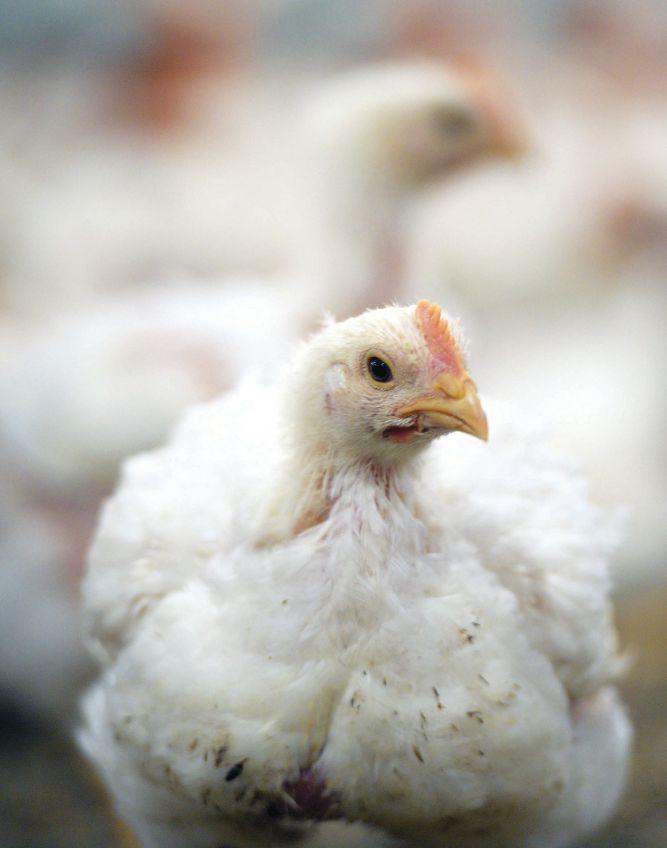
Gassing is preferable to other methods of euthanasia when a large number of birds must be destroyed, as it’s humane, cost-effective and fast.
Continued from page 16
guards to stop wild birds from resting on his eavestroughs but knows that only goes so far to limit fecal contamination and possible disease transfer from wild populations. He trusts the sanitation provided through peroxide. Though some producers prefer chlorine to peroxide to decon-
taminate water, he believes peroxide is the safer, more forgiving option.
“Peroxide offers a bigger, safer window. If your chlorine is a bit too high, the birds won’t like it and they won’t do well. With peroxide, if your pump injects a little extra, that’s okay,” he says. “And, it’s a lot

“I’m always looking for that edge –that Holy Grail.”
easier on the system: Chlorine eats away at rubber seals but peroxide is a lot less harsh.”
Van Der Molen doesn’t worry too much about other airborne contaminants like smoke and dust. Despite not having any filtration system, the cisterns stay quite clean.
“A dirty filter is worse than just letting solid particles go through. If you catch it in a filter, it just sits there and algae builds up. There’s nothing that gets stuck in the barn in the drinkers, so I’ve really not worried about filtration much,” the producer says.
With the 20:20 hindsight of experience, Van Der Molen wishes that he had installed the top of the cisterns aboveground to mitigate groundwater seeping in. He also wishes that he had done everything bigger – bigger cisterns, more downspouts and bigger eavestroughs. While his area should typically get adequate rainfall to meet his birds’ needs, he isn’t able to capture all that water as the eavestroughs and downspouts don’t have the capacity to move enough water in a heavy downpour, and the cisterns don’t have the capacity to hold it all.
“The engineering part of this wasn’t ideal. We’ve had to buy water a few times when we have a drought in the summer, mostly because I just didn’t build big enough to capture all the rain that comes down. It doesn’t cost that much more and it’s not that much harder to build it a little better in the first place. It’s much more of a challenge to fix it after the fact,” he says.
Van Der Molen’s neighbour, impressed by his simple system, recently installed a very similar system on his own farm.





•
•
•
•
•














If you prefer not to receive this information, please indicate so by checking here ( ). We do not share our mailing list (print or
The Weeden Sprinkler System
Sector
Turkeys, broilers, cage-free layers
Company
Weeden Environments
Location
Woodstock, Ont.
Equipment specs
There are three design elements of the Weeden sprinkler system.
Cooling – Water feeds through each sprinkler spinner at low pressure to create a 24-foot diameter circular pattern, covering 450-square feet. Large water droplets fall onto the birds, causing them to stand up. The hot air built up underneath the birds is then exhausted using existing ventilation. The droplets of water on the heads and backs of the birds evaporate, helping to create a wind chill cooling effect as the ventilated air moves over them.
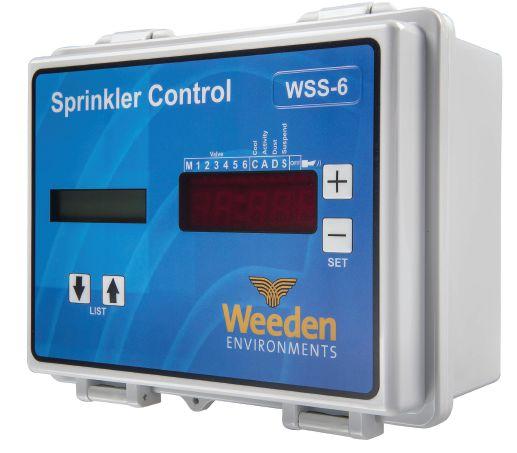
The controller uses bird age and temperature to regulate the amount of water used. Sprinklers use half the water that a fogging system uses: A 20 to 25,000-square foot house uses one five-gallon pail of water per cycle.
Activity promotion – Chickens and turkeys spend a lot of time sitting down, even in only moderate heat stress. Once the birds get up there is a natural tendency to go to the feed and water, improving performance by encouraging the birds to eat multiple times each day.
Dust control – Over 90 per cent of the turkey breeders in North America are using sprinklers for dust control year-round. More recently, this system may find opportunity in the cage-free layer sector to battle dust issues.
Innovation factor
Foggers raise the humidity, which hinders the bird’s ability to pant effectively. The Weeden system cools the birds, performing well combined with cool cells and tunnel ventilation.
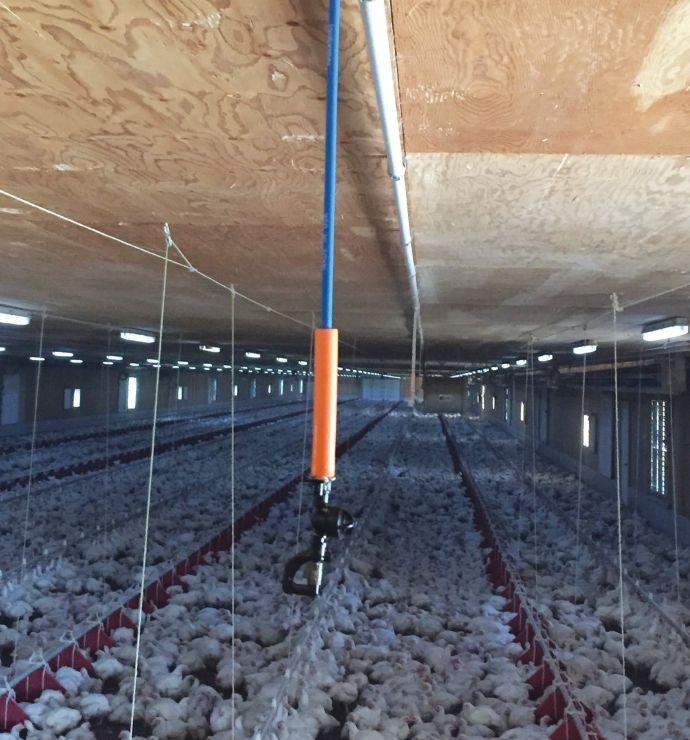
ABOVE: Data from the University of Arkansas (Liang et al, 2011, unpublished) shows how the Weeden Sprinkler System maintains humidity levels up to 20 per cent lower than cooling pads with foggers. Each sprinkler spinner covers 450-square feet.
RIGHT: The Weeden Sprinkler System controller.

The holidays are all about spending time with loved ones. Wishing you and yours a happy holiday season!
La période des Fêtes est toute désignée pour passer du temps avec vos proches. Nous vous souhaitons, à vous et à votre famille, de très joyeuses Fêtes!