
Weathering the Storm TFC meets challenge of supply and demand
the Storm TFC meets challenge of supply and demand

Chris Davison
Weathering the Storm TFC meets challenge of supply and demand
the Storm TFC meets challenge of supply and demand
Chris Davison
BY KRISTY NUDDS
In his monthly Canadian Poultry Research Council update (page 12), Gord Speksnijder rightly points out that the Canadian poultry sector is fortunate to have access to a wide range of scientific expertise that can help our industry confront new challenges and find solutions to the problems we face.
After attending the XXIII World’s Poultry Congress, in Brisbane, Australia, I wrote in our August 2008 issue that the Congress reaffirmed my belief that Canada is a leader with respect to research. We were extremely well represented at the Congress, with more than six members of the Alberta Poultry Research Centre presenting their research, as well as several from the University of Saskatchewan, the University of British Columbia, the University of Guelph, and the Université de Montréal. Eight Canadian students also presented their research.
Although the contributions researchers make to your business may not always be obvious, their passion and diligence behind the scenes need acknowledgment – and more importantly, support – from industry.
But this support seems to be waning, at least in Ontario. At its annual meeting in October, Ed McKinley, chairman of the Poultry Industry Council (PIC), noted that Canadian business invests, on average, 1.06 per cent of gross revenue in scientific research. However, poultry producers in Ontario invested 0.043 per cent of farm gate cash receipts through the PIC (via their marketing boards) in research and education (see “Declining Research Investment” on page 36).
This is not a huge amount – for a farm with $500,000 in farm gate receipts, this works out to be about $215 a year. Many people spend three or four times that amount buying coffee at Tim Hortons.
McKinley noted that this amount is

just a “maintenance” ration for the PIC to support its research and education programs. It’s the future that has him most worried, as PIC funding has been on the decline recently.
He urged industry leaders to think “long and hard” about what reduced research investment might mean for the future of the industry, and reminded attendees that “research will ensure your children and grandchildren of a poultry industry they too can be proud of.”
There are many issues the poultry industry must face in order to prosper in the future, and these will be primarily consumer and energy driven. Consumers are much more demanding than they once were. Getting more out of a bird is something the industry has excelled at and will continue to excel at, but it just isn’t enough anymore. Consumers want welfare and environmentally responsible products. Competition from other sources (industry and other farm sectors) for resources such as energy, feed, and water, will only increase. In order to remain competitive and profitable, we need to have the research infrastructure in place to meet these challenges.
PIC executive director Tim Nelson asked poultry farmers to let him know how the PIC is doing. Is the organization doing a good job, or a lousy job?
I encourage you to let him, and other organizations such as the Poultry Research Centre in Alberta and the Atlantic Poultry Research Institute, know. Sometimes researchers and farmers don’t know how to talk to one another in the same language, and this is a significant issue for the sector. As a farmer, what do you want to know about the research that takes place? Is there a different way you would like research results to be presented? If so, be part of the conversation. n
December 2010 Vol. 97, No. 12
Editor
Kristy Nudds – knudds@annexweb.com
888-599-2228 ext. 266
Associate Editor
Jim Knisley – jknisley@kwic.com
Publisher/Sales Manager
Marilyn White – mwhite@annexweb.com 519-429-5193
888-599-2228 ext 237 • fax: 888-404-1129
Sales Assistant
Mary Burnie – mburnie@annexweb.com 519-429-5175 • 888-599-2228 ext 234
Production Artist
Krista Misener
Group Publisher
Diane Kleer – dkleer@annexweb.com
President Mike Fredericks – mfredericks@annexweb.com
Mailing Address
P.O. Box 530, 105 Donly Dr. S., Simcoe, ON N3Y 4N5
Publication Mail Agreement #40065710
PAP Registration #9850
RETURN UNDELIVERABLE CANADIAN ADDRESSES TO CIRCULATION DEPT., P.O. BOX 530, SIMCOE, ON N3Y 4N5.
e-mail: cnowe@annexweb.com.
Printed in Canada ISSN 1703-2911
Circulation e-mail: cnowe@annexweb.com Tel: 866-790-6070 ext 207 Fax: 877-624-1940
Mail: P.O. Box 530, Simcoe, ON N3Y 4N5
Subscription Rates
Canada – 1 Year $ 25.20
(includes GST – #867172652RT0001) $ 27.12 (includes QST/HST)
USA – 1 Year $ 60.00
Occasionally, Canadian Poultry Magazine will mail information on behalf of industry-related groups whose products and services we believe may be of interest to you. If you prefer not to receive this information, please contact our circulation department in any of the four ways listed above.
No part of the editorial content of this publication may be reprinted without the publisher’s written permission. ©2010 Annex Publishing & Printing Inc. All rights reserved. Opinions expressed in this magazine are not necessarily those of the editor or the publisher. No liability is assumed for errors or omissions. All advertising is subject to the publisher’s approval. Such approval does not imply any endorsement of the products or services advertised. Publisher reserves the right to refuse advertising that does not meet the standards of the publication.




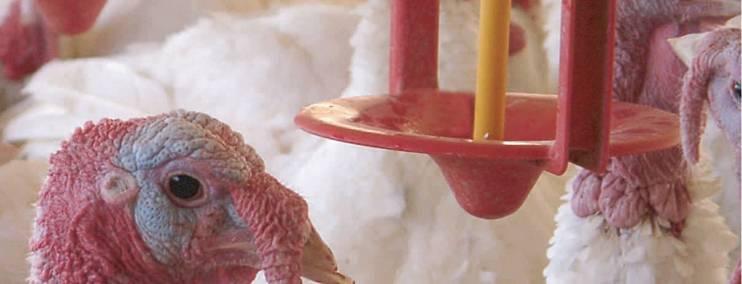







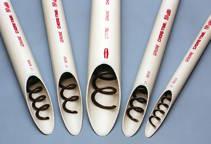
Lubing's EasyLine Nipple Drinking System for turkeys has changed the turkey industry forever. This revolutionary system incorporates a patented pendulum that effectively directs water from the nipple into a self-cleaning drink cup. The low profile cup design allows day-old poults easy access to the water for great starts and has proven to perform with great success delivering water to heavy toms. You too can Live Easy with EasyLine!
Got Lubing? Contact your local Lubing Distributor for more detailed information on the new EasyLine Turkey Drinking System or vist our website at www.lubingusa.com.
St. Jacobs, Ontario
Tel: (519) 664.3811
Eliminates routine cleaning
Provides fresher water supply
Improves litter conditions
Enhances air quality
Improves bird health
Fax: (519) 664.3003
Carstairs, Alberta
Tel: (403) 337-3767
Fax: (403) 337-3590

Tel: (519) 657.5231
Fax: (519) 657.4092 Glass-Pac Canada

Tel:
Fax: (450) 263.9021
niversité Laval VicePresident of Research and Innovation Paul Fortier announced October 14 the launch of the very first Economic Research Chair on the Egg Industry. The purpose of the chair will be to stimulate the creation of cutting-edge university knowledge about the egg-producing industry while generating information that promotes the growth and development of this ever-changing sector.
The event took place in the presence of Laurent Souligny, chairman of Egg Farmers of Canada (EFC), and Maurice Doyon, professor at the Faculty of Agriculture and Food Sciences and holder of this new chair.
Professor Doyon and his colleagues will be interested in such issues as the economic

impact of disease control, concerns about the pricing model, international agreements on trade, and the costs and benefits associated with reducing the industry’s eco-footprint. They will also study changes in egg consumption habits, the rapid growth of the specialty egg market, growing consumer interest in the functional properties of these foods, and the impact of animal welfare on product demand.
The creation of this oneof-a-kind chair in Canada is made possible by the contribution of Egg Farmers of Canada, which will dedicate $770,000 to the chair over the next seven years.
“The scientific knowledge
created by Dr. Doyon and his multidisciplinary team will help the egg industry remain a leader in the Canadian agricultural sector as well as contribute to its international development,” said Vice-Pres. Fortier.
“We need the brightest minds in our academic institutions to guide the egg industry forward,” said Souligny. “That’s why I am proud to call Université Laval a partner of Egg Farmers of Canada, and I thank Vice-Pres. Fortier, Prof. Doyon and the entire university administration for taking this important step to establish the first-ever Economic Research Chair on the Egg Industry.”
trust and confidence in food and farming.
Anew charitable foundation that will support food and farming outreach programs was recently launched in Guelph, Ont. The Farm Care Foundation, an initiative of AGCare and the Ontario Farm Animal Council (OFAC), will focus its activities on public
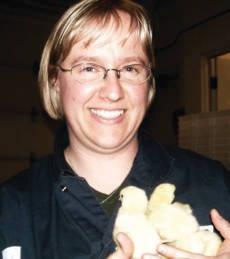
Dr. Clover Bench was recently appointed to a two-year term as Contract Assistant Professor in Applied Ethology in the Department of Agriculture, Food and Nutritional Science (AFNS) at the University of Alberta. The university’s Poultry Research Centre (PRC) says that it is now better positioned to take on the emerging issues of increased public scrutiny over the impact that modern production systems have on the health and welfare of food producing animals.
Since her arrival at the AFNS, Bench has been diligently building the U of A’s research program in applied ethology, while at the same time teaching three courses in ethology and behaviour, as well as being involved with the board of Alberta Farm Animal Care (AFAC). Bench says that the focus of her research is the impact of stress and disease in
The new foundation is an independent, registered charity that will focus on building relationships with donors and developing an effective fundraising program to support OFAC and AGCare initiatives. Funding programs will include regional and national agri-food awareness efforts, as
commercial production systems on performance, product quality, and the development of behavioural vices.
“Having Clover as a resource adds a whole other
well as more specific work on environmental and farm animal care issues.
Potential donors who want to invest in the Foundation will obtain a charitable receipt for their contributions towards educational aspects of current and future programming.
More information on the Farm Care Foundation and how to donate can be found at www.farmcarefoundation.ca.
dimension to the work we’re already doing at PRC”, says Dr. Doug Korver, Professor of poultry nutrition and senior scientist at the PRC. “She is particularly good at seeing where she and what she does can fit in to existing research streams at the PRC and has worked really hard to build collaborative research partnerships across disciplines.”
For more information, Dr. Bench can be contacted by phone at 780-492-9081 or by e-mail at clover.bench@ ualberta.ca.
farming operations.
Nova Scotia is hoping to attract immigrant farmers to rural parts of the province.
Agriculture Minister John MacDonell says $260,000 is being set aside to help promote the plan.
MacDonell says the government will be talking to experienced producers who are interested in immigrating and setting up sustainable
Matt Elderbrook has joined Bell Laboratories’ technical sales team, as territory manager for Canada, representing Bell’s rodent control products to Canada’s professional pest control industry. He also represents rodent control products to the Canadian agricultural market through Bell’s sister company, Motomco.

Maureen Sykes, has joined eBiz Professionals Inc. full –time. In her new role, she will work in safefood consulting, eBiz’s food safety division, helping producers and industry associations with audit preparation and improvements to their food safety programs. Maureen is also working with the company’s traceability team.

The project includes developing detailed agriculture sector profiles, a website and a database of available farm land in Nova Scotia.
It also involves hosting information sessions in targeted countries and preparing profiles of Nova Scotia and selected agricultural sectors.
The province’s Office of Immigration will support the initiative by creating an agrifood sector pilot stream.
Scott Allen, PhD, has also joined eBiz from a postdoctoral fellowship at the University of Guelph. Scott is a member of the Advanced Food and Materials Network, for whom he has led several programs and organized colloquia for specific areas of study. His work with eBiz will centre on traceability models and he will be directly involved in expanding the company’s data management capability.

AWorld Trade Organization (WTO) panel has ruled that a U.S. ban on Chinese poultry is illegal – the first such reprimand for legislation brought in under the Obama administration.
Last year U.S. trade organizations and food companies urged the Obama administration to oppose a provision in the 2009 Omnibus
Appropriations Act preventing the US Department of Agriculture (USDA) from allowing imports of cooked poultry from China. However, the provision was included, continuing a five-year ban on Chinese poultry sparked by the 2004 avian flu outbreak. China asked a WTO trade resolution panel to intervene about a year ago.
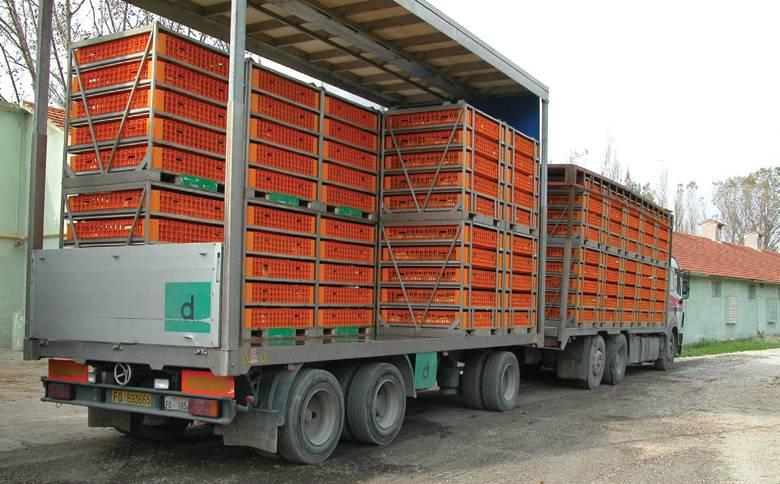
On Oct. 27, 2010, the Government of Canada increased the Canadian Food Inspection Agency’s (CFIA) ability to impose fines for those who violate the Health of AnimalsAct by mistreating and improperly transporting livestock. Now, first-time offenders can be fined up to a maximum of $10,000 through the CFIA’s Administrative Monetary Penalty System (AMPS). The CFIA will also have the ability to look back into the past five years of the offender’s history with the
ability to increase fines by up to 50 per cent of the maximum fine for repeat offenders.
In a joint press release, the Chicken Farmers of Canada (CFC) and the Turkey Farmers of Canada (TFC) expressed their support for the decision and committment to continuing to working with the CFIA and industry partners to update the Health of Animals Regulations governing poultry and livestock transportation, and to ensure that the Regulations are applied appropriately and consistently.
December 8-9, 2010
Hog and Poultry Days, Winnipeg Convention Centre, Winnipeg, Man. For more information, visit: www.hogandpoultrydays. com
January 24-25, 2011
International Poultry Scientific Forum, Georgia World Congress Center, Atlanta, Ga. The forum presents information on industry topics such as environmental management, nutrition, physiology, pathology, processing and products, and avian diseases. Program and registration information available at www.internationalpoultryexposition.com/ipsf
January 26-28, 2011
International Poultry Exposition, Georgia World Congress Center, Atlanta, Ga. For more information, visit: www.ipe11.org
We welcome additions to our Coming Events section. To ensure publication at least one month prior to the event, please send your event information at least eight to 12 weeks in advance to: Canadian Poultry, Annex Publishing, P.O. Box 530, 105 Donly Dr. S., Simcoe, Ont. N3Y 4N5; e-mail knudds@annexweb. com; or fax 519-429-3094.









Aviagen has announced plans to purchase the “Peterson Male” broiler breeder genetic line from Peterson Farms in Decatur, Ark. As part of the agreement, Aviagen will also acquire use of the Peterson brand name for broiler breeder stock.
Randall Ennis, CEO, Aviagen, Inc., said in a release that “acquiring the Peterson male line was a strategic move, as it will increase the diversity of the company’s
genetic pool and also supports the company’s commitment to sustainability.”
The Peterson male was considered the gold standard for broiler breeder males worldwide for many years, providing unmatched reproductive traits, superior feed conversion and rapid growth.
“Lloyd Peterson introduced the Peterson male in 1954-55, and our primary emphasis has continued to be on the male line,” said Blake Evans, presi-
dent, Peterson Farms. “We’re pleased that Aviagen will preserve my grandfather’s legacy and that the Peterson male line will endure for the future.”
The acquisition builds on a shared history between the two companies. Throughout the 1970s and ’80s, Aviagen’s dominant broiler breeder paired the Peterson male with the Arbor Acres female line, a brand that continues to be a global leader.
Glass-Pac celebrated with customers and suppliers on Oct. 22 during the grand opening of its newest facility, located in Madisonville, Ky.
Glass-Pac began servicing producers in western Kentucky in 1995 to meet the needs of the expanding broiler business in that area. After 15 years of working out of rented buildings, the company is pleased to now have its own building in the area, says president Doug Snyder.
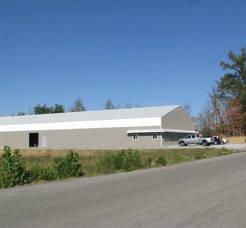
“This move will allow us to better serve our existing local customers, as well as reach out to poultry and hog producers throughout the U.S.,” he says.
“We have exceptional staff, who are committed to our customers and operate the business with honesty and integrity.”
The company offers a complete in-barn package, including Glass-Pac ventilation systems, Lubing watering equipment and Roxell feeders. Installation and service are handled directly through the company.
For more information, please contact Doug Snyder at DSnyder@glass-pac.com, or 519-664-2277.
Manitoba Egg Farmers (MEF) is pleased to announce the appointment of Cory Rybuck as general manager. Starting on Nov. 29, Rybuck will work with longtime GM Penny Kelly to ensure a seamless transition when she leaves the position at year end. Rybuck was born and raised in Winnipeg and earned a bachelor of science and agriculture degree from the University of Manitoba.
For the last five years he has been employed with the Agriculture and Food Council of Alberta, where he served as
executive director of federal programs and general manager for the past two years. As a former Winnipegger, Rybuck is looking forward to coming home and is eager to take on the new challenges this role has to offer. “I am very excited to be joining an organization that is recognized as a leader in a dynamic industry and province. I have always felt that my roots extended back to Manitoba, so my family and I are thrilled to be returning home.”
The MEF board looks forward to adding Rybuck to

their team. Ed Kleinsasser, MEF chair, says, “Cory’s extensive background in food safety and quality assurance will be a valuable asset to our organization. We look forward to working with Cory and feel he will make an excellent addition.”


The Canadian poultry sector is fortunate. We have access to a wide range of scientific expertise that can help us meet new challenges and find solutions to the problems we face. The Canadian Poultry Research Council (CPRC) is developing research programs that will make good use of this valuable intellectual resource. In conjunction with other funding organizations, universities and government departments across the country, the CPRC is administering a wide range of research efforts. Here are a few examples of projects that recently got underway.
Gastroenteritis (infection or irritation of the intestinal tract) in people is often associated with the bacterium Campylobacter jejuni. Reducing numbers of C. jejuni in poultry would reduce the incidence of gastroenteritis linked to poultry products. Dr. Byeonghwa Jeon and his team at the Atlantic Veterinary College (AVC) are developing a vaccine that may do just that. To date, an effective vaccine has been elusive, but Dr. Jeon’s previous work with C. jejuni revealed characteristics of the bacterium that may lead to a vaccine design that effectively targets the bacterium while leaving other beneficial bacteria in the gut unharmed. This work complements that of other research groups in Canada and abroad working towards effective methods of reducing numbers of C. jejuni in poultry. Funding is provided by the CPRC, the Atlantic Veterinary College (AVC), the University of Prince Edward Island and the Government of Prince Edward Island.
Commercial poultry operations emit various airborne pollutants such as ammonia and particulate matter (PM). With
financial support from the CPRC, the Poultry Industry Council (PIC) and the Natural Sciences and Engineering Research Council (NSERC), Dr. Bill Van Heyst at the University of Guelph is leading a study that includes a broad assessment of the environmental impacts of these emissions. While there have been previous studies aimed at measuring emission levels, this project is unique in that it also considers secondary inorganic aerosols (SIAs), which pose a potential health threat to farm workers. SIAs are formed in the presence of reactive gases such as ammonia, which is found in significant amounts in commercial poultry operations. This study also includes investigations into minimizing ammonia emissions from composting poultry mortalities (an effective and increasingly popular method of disposal). These methods involve such factors as control of pH of the pile and choice of bulking agent.
In the face of ever-increasing feed costs, the CPRC has identified an industry need to explore alternatives to traditional feedstuffs. There has been much interest in the suitability of distiller’s dried grain plus solubles (DDGS), for example, as a way to reduce the need for expensive grain ingredients in poultry rations. Drs. Bogdan Slominski and Juan Carlos Rodriguez-Lecompte at the University of Manitoba are leading a unique study looking at the potential for yeast-derived DDGS to contribute to gastrointestinal tract development and immunostimulation in broiler chickens. The concept of reducing feed costs while simultaneously improving gut and immune function is very attractive to the poultry industry. This work could yield very important information on the potential for DDGS to accomplish these goals. The CPRC, the PIC, the
NSERC and Canadian Bio-Systems Inc. are all providing funding.
There has been considerable research worldwide on the cause of necrotic enteritis. The bacterium Clostridium perfringens has long been considered the causative organism of the disease, but the mechanism by which it does so is still under debate. It was once believed that a specific toxin produced by the bacterium caused the tissue damage associated with the disease, but recent studies have cast doubt on this hypothesis. With support from the CPRC, the NSERC and Lilydale, Drs. Andrew Olkowski and Bernard Laarveld at the University of Saskatchewan are adding to the knowledge base by studying poultry-environment-bacterial interactions and teasing out details of how and why necrotic enteritis develops. A better understanding of the disease will lead to effective measures to control it. The researchers have already made some observations that, if confirmed, may lead to relatively simple management practices that could reduce incidence of this disease.
Results from these and other projects will be shared as they become available. For more details on any CPRC activities, please contact Gord Speksnijder at The Canadian Poultry Research Council, 483 Arkell Road, R.R. #2, Guelph, Ontario, N1H 6H8. For more information, phone 289-251-2990, fax 519-837-3584, e-mail: info@cp-rc.ca, or visit us at www.cp-rc.ca. n
The membership of the CPRC consists of the Chicken Farmers of Canada, the Canadian Hatching Egg Producers, the Turkey Farmers of Canada, the Egg Farmers of Canada and the Canadian Poultry and Egg Processors’ Council. The CPRC’s mission is to address its members’ needs through dynamic leadership in the creation and implementation of programs for poultry research in Canada, which may also include societal concerns.
BY JIM KNISLEY
The perfect storm that has buffeted the turkey industry for the past two years has begun to wane. The storm arrived with Maple Leaf’s listeria problem and the recession. Both eroded consumer confidence. The first eroded consumers’ confidence in the food they buy while the second focused attention on bank accounts and the ability or willingness to spend.
Both hit hard at the deli meat segment of the turkey industry that had been growing. In fact, the deli meat business was spelled G-R-O-W-T-H when it comes to turkey. The whole-bird market had remained flat with its traditional seasonal surges for Thanksgiving and Christmas. But the value-added deli meat sector had been picking up steam with bright prospects ahead.
Phil Boyd, executive director of the Turkey Farmers of Canada, said it all came on suddenly with little warning. The economy had been steaming along, sales were strong and most independent forecasters projected good times ahead. Then the storm hit.
The U.S. economy ran aground and nations everywhere were caught in the whirlpool. Even in Canada, which avoided the worst of the American problems, people were or felt poorer and began to cut back.
One area where they cut back was deli

The recession and the listeria outbreak brought the value-added deli meat sector to a screaming halt. As the primary growth driver for the turkey industry, the TFC was forced to make production cuts last year, but the forecast looks good.
meats. “That was our primary growth driver,” Boyd said in an interview.
Because so much of the growth in the turkey industry was based on increased sales of deli meats Boyd says turkey was likely hit harder than other meat producers. Sales didn’t just slow; they actually fell back.
Mark Davies, chairman of the Turkey Farmers of Canada, said this isn’t just a Canadian phenomenon. Sales have fallen in the U.S. and elsewhere. “Globally, what happened here [in Canada] reflected markets everywhere,” he said.
But it wasn’t just the recession that hit Canadian turkey: listeria “took the
legs out from under us,” he said.
From a consumer perspective the reasons are obvious. The listeria outbreak, no matter how well it was handled, scared consumers. They lost trust and trust takes time to rebuild. The recession resulted in a significant jump in unemployment. A rise in unemployment means fewer lunchboxes going out the door every morning and fewer people picking up a sandwich at take-out restaurants. Fewer lunchboxes and fewer take-out sandwiches means less demand for deli meat.
Another factor is cost. Many people were worried that they might not have a job tomorrow or next week and had lost confidence. They took a hard look at their grocery bills and pared them back. This also took a toll on the prepared meat market.
Davies added that turkey is also “a higher priced protein,” and in tough times consumers look for lower prices.
And the hits just kept on coming. The so-called swine flu scare really hurt the pig business but spilled over into other protein markets as well and put a damper on all meat prices, Boyd said.
At the same time as consumer confidence was being shaken and there was downward pressure on all meats, feed prices and fuel prices were on the rise. It was a squeeze, Boyd said. Production costs were going up at a time when there was great consumer resistance to any increase in prices.
Turkey inventories rose and the industry responded the only way it could by reducing production so that it was again in line with anticipated demand.
The growing importance of the deli and value-added segments to turkey producers was recognized years ago and a new allocation policy was introduced five years ago. Turkey producers worked with processors and the new policy takes account of a deli and value-added market that was
MINTREX® chelated trace minerals get in and stay in. Studies prove higher trace mineral levels in the tissue – and fewer minerals looking for an exit. Reduce your overall trace mineral volume and replace with MINTREX for better functioning birds. Visit novusint.com/poultry for more information.
FORECASTS – October 1 to December 31, 2010 (in thousands of kg) HISTORICAL DATA FOR THE PERIOD – October 1 to December 31,
growing and operating beside a flat or slow-growing whole-bird market.
While the new allocation policy hadn’t been fully tested before listeria and the recession hit, it seemed to be doing the job. Even today, Davies said, “We think we have the right allocation policy.”
“We can react very quickly to the market and were able to make huge cuts in a short period of time.”
The measures appear to be working. Inventories are down and sales are starting to grow. Consumers may not have regained all their confidence, but they seemingly aren’t as darkly pessimistic as they were last year or earlier this year.
The forecast direction looks good, said Boyd. “We are turning a bit of a corner here.”
The key to getting around that corner was that turkey producers reacted quickly to situations they didn’t create and that arrived suddenly and unexpect-
edly. They responded to falling demand by curtailing production and keeping supplies in line.
Boyd says supply management allows the industry to respond quickly to imbalances between supply and demand.
“In a supply-managed context we can react and we can shorten the downturn,” he said.
Working together to avoid the most pernicious perils of supply and demand, turkey producers avoided the long-term imbalances that punished other industries in recent years and prompted massive government buyout programs. In effect, turkey producers appear to have avoided the worst of the bust part of a boom-bust cycle.
Boyd said turkey producers are well informed about what is happening in the market with monthly market reports that detail supply, demand, production and disappearance. There are market commentaries that look ahead and changes in market structure are clearly explained. Producers understand that in exchange for the stability supply management provides they will have to reduce production from time to time, Boyd said.
Davies said that he had hoped this downturn in turkey demand would be short lived, but it is taking longer than anticipated to bounce back. But he agreed that the worldwide recession is also taking longer to come back from than expected.
“Hopefully, we’re turning a corner,” he said.
An October turkey market report shows that turkey inventories had fallen 7.1 per cent largely because of an 11.3 per cent increase in sales. And it is worth noting that the September figures represent only about half of the Thanksgiving period.
The Turkey Farmers of Canada Market Highlights says preliminary Oct. 1 storage stocks are 2.9 million kg lower than a year ago. September disappearance (sales) were up about 10 per cent, or 2.1 million kg, from 2009. But year-over-year sales from Oct. 1, 2009, to Oct. 1, 2010, were down about 6.5 per cent, or 10 million kg.
By the end of the year stocks are expected to be down from last year. The TFC report says: “When opening stocks and estimated production are combined with actual disappearance, exports and imports from last year, the forecast for Jan. 1, 2011, stocks is 15.2 million kg, 3.1 million kg lower than Jan. 1, 2010. Whole-bird stocks are forecast at 6.9 million kg, the lowest level since January 2007.”
As a producer he said he finds the cuts and the downturn frustrating. “I was expecting we’d be in a better position by now.”
But the problems everywhere are deeper and lasting longer than anyone expected two years ago.
“I think we will come out of it, but it
may take a little longer than we would like,” he said.
He also said that working in a cohesive industry that works together to resolve problems has its benefits. Producers have seen over the years that seemingly impossible problems can be overcome and know: “The system does work.” n
university
BY CHRIS GUY, AGRICULTURAL RESEARCH SERVICE (ARS)
United States Department of Agriculture (USDA) researchers and their university colleagues have sequenced the majority of the genome of Meleagris gallopavo, the domesticated turkey, creating the first-ever turkey genome map. The nearly complete map could help growers to more efficiently produce bigger, meatier turkeys. The research was reported in the Sept. 9, 2010, edition of PLoS Biology, an online journal of the Public Library of Science.
The research was a partnership led by Curtis Van Tassell and Julie A. Long with ARS; Otto Folkerts and Rami Dalloul of Virginia Tech University’s Bioinformatics Institute (VBI); and Steven L. Salzberg of the University of Maryland’s Center for Bioinformatics and Computational Biology, at College Park.
The researchers used “next-generation” DNA sequencing technology that relied on high-throughput instruments at the ARS laboratory in Beltsville and at VBI in Blacksburg, Va. The new technology produces millions of DNA sequences simultaneously.
The instrumentation used at VBI characterized longer strands of turkey DNA, while the ARS researchers focused on characterizing many more short DNA fragments, permitting greater detail through deeper sequencing of those fragments,
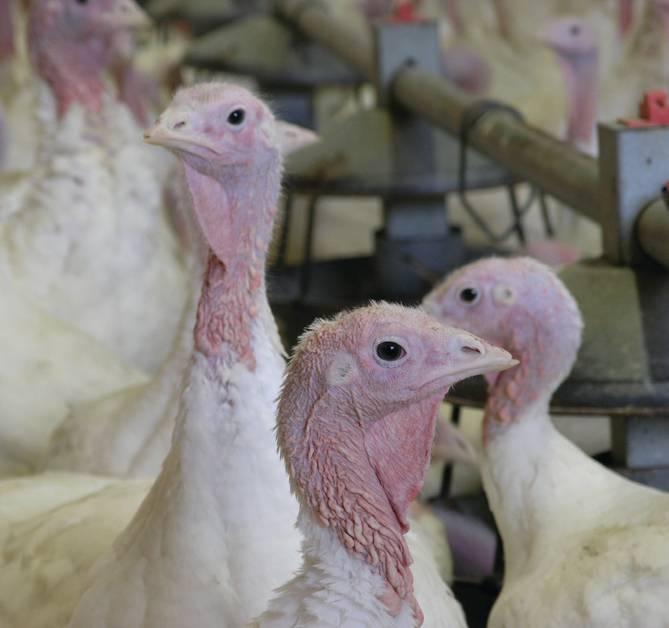
ARS researchers and their university colleagues have created the first genome map of the domestic turkey.
according to Van Tassell. The overall turkey genome was compiled by assembling the various DNA fragments. To achieve that, the scientists had to develop new computer programs to interweave the DNA strands of varying lengths.
The turkey genome assembly was further strengthened when physical, comparative and genetic maps built by researchers from Michigan State University and the University of Minnesota were used to match the DNA sequences to turkey chromosomes. By the end of the project, the
original partnership expanded to include 68 scientists affiliated with 28 national and international institutions.
“The project underscores how rapidly the field of genome sequencing has changed,” said Long. “We sequenced the turkey genome in less than a year, at a fraction of the cost of sequencing chicken and cow genomes. The turkey industry and consumers will benefit from this research.”
The turkey genome sequence is publically available at: www.ensembl.org/ Meleagris_gallopavo. n

BY CHRIS DAVISON
Utilizing anticoccidials as part of the finishing ration for broilers may not be standard practice for poultry nutritionists, but it is for Shawn Fairbairn.
Working with producers in Alberta and Saskatchewan, Fairbairn, a nutritionist with New-Life Feeds in Saskatoon, is a big supporter of maintaining a coccidiostat in broiler finishing rations from 28 to 37 days. “I believe it optimizes our customers’ returns and prevents any potential problems,” he says.
The biggest issue Fairbairn sees with removing anticoccidials from the finishing ration is the potential to “create an environment where you allow coccidiosis to build up in the barn, cycle after cycle. You are basically creating your own enemy – that’s why you get an outbreak. It’s just building up a little at a time because you’re not totally controlling it. For me it’s like preventative maintenance on a vehicle.”
But many producers and nutritionists opt to exclude anticoccidials in finisher rations primarily for perceived economic reasons. “People do the math and figure they can save about half a cent per kilogram,” explains Fairbairn. However, results from a recent Canadian study show that adding an anticoccidial in the finisher phase can indeed have a positive economic effect for producers.
Dr. Randy Bagg, Elanco Animal Health’s manager of research and regulatory, explains that the anticoccidial
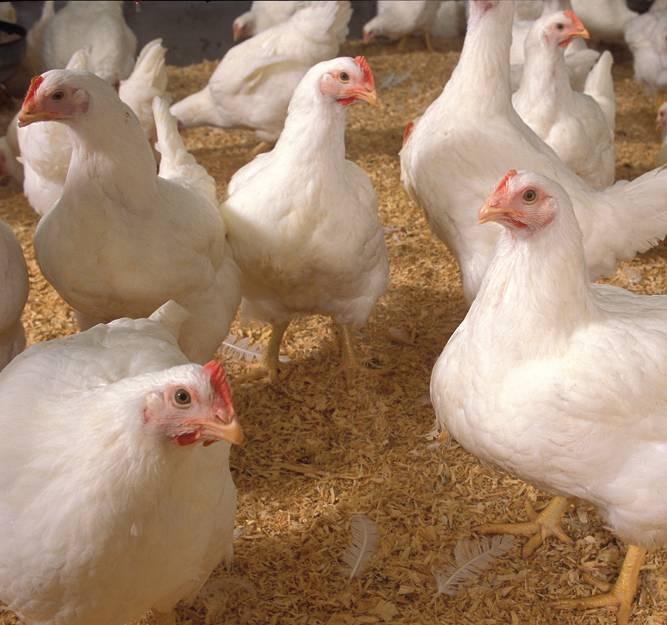
A recent Canadian study shows that adding an anticoccidial in the finisher phase can have a positive economic effect for producers.
finishing phase benefit philosophy has been around for many years, but little research had been done to either validate or dismiss the economic portion of the argument. So in 2009, the company commissioned a study to examine the performance of Monteban, its in-feed anticoccidial, when included in the finisher diet. “The main objective of the research was to determine if there were any performance changes in things like
growth rate, feed intake and feed efficiency, when the feed additive is part of the finishing rations,” Bagg says. Most common programs for broiler chickens involve both a product for coccidiosis control, which is usually removed from finisher feeds and a product for necrotic enteritis control. This research examined the impact when the two products were fed separately or together during the finisher phase.
In the study, three control groups were fed a common starter feed (Maxiban and BMD – bacitracin methylene disalicylate premix) until Day 21 and a common grower feed (Maxiban and BMD) until Day 28. Then, on Day 28, each group was switched to a specific finisher diet until Day 37. The three finisher diets included:
1. Feed with Monteban (narasin premix) at 70 grams narasin/ tonne until the end of the study.
2. Feed with BMD at 55 grams bacitracin/ tonne until the end of the study.
3. Feed with Monteban (narasin premix) at 70 grams narasin/ tonne and BMD at 55 grams bacitracin/tonne until the end of the study.
Overall, performance during the total grow-out period (Day 0 to Day 37) was similar throughout all treatment groups. However, the birds fed the treatment of Monteban (narasin) plus bacitracin (BMD), showed a statistically significant improvement in feed conversion at 2.006, or a four-point advantage, in the finisher phase (see Table 1: Results –Performance Day 28-37).
“Four points on feed conversion is very significant and provides a significant economic benefit,” says Bagg, who notes that the study also showed it costs one-third of a cent per bird to keep Monteban in the finisher phase.
For Fairbairn, the study adds some economic weight to his feeding recommendations at the finisher phase. “That kind of research justifies our reasons for bucking the trend and running the products right out to market. Research on this
subject is quite limited so it’s nice to see some new information.”
“The whole idea of these programs is to control coccidiosis, and lesion scores tell quite a story,” explains Fairbairn. When vets inspect the intestines of birds they establish a score to determine how badly an intestine was infected with coccidiosis. It’s a four-point scale. As the score goes up, feed conversion is negatively impacted.
“If a bird’s intestinal track gets damaged, this reduces the efficiency at which they can absorb the nutrients. You can be losing about two to four cents per kilogram just by moving one step in the wrong direction on that scale,” says Fairbairn.
“Generally, when you pull out the coccidiostat in the last seven days, there are those that say it’s okay to do that as long as you’re monitoring closely,” says Fairbairn. “But generally in the field, nobody is monitoring closely enough to know whether there is sub-clinical coccidiosis nibbling away at your weight and feed conversion. “Plus, that practice ignores the fact that a significant percentage of total feed consumption in commercial broilers occurs in the late stages before processing and performance improvements during this period can have a positive impact on profit potential.”
Bagg says the research confirmed what the company had seen in some European trials and anecdotal evidence that has been gathered over the years. “Monteban is a tool that we’ve had for a long time and this research reaffirms that it not only prevents coccidia and controls bacterial enteritis, but also delivers growth performance that ultimately reduces feed cost and improves profitability.”
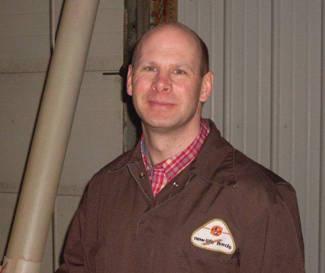
SHAWN FAIRBAIRN, WITH NEWLIFE FEEDS, SAYS HIS EXPERIENCE MIRRORS THE FINDINGS OF RECENT RESEARCH REGARDING THE USE OF ANTICOCCIDIALS IN THE FINISHER PHASE.
factors that he and fellow poultry nutritionists consider when evaluating the benefits of anticoccidials in finish rations. For example, maintaining the anticoccidial ensures better quality litter until the end of the cycle. Simply put, when the finishing feed already includes the anticoccidial, there is less waste – and both the exiting and the incoming flocks are protected. This can be an issue on some farms, if there is a large quantity of finisher without an anticoccidial left over from the previous cycle. The producer, Fairbairn points out, also has the added assurance that the birds are protected when the cocci challenge can be among the highest.
Product note: Monteban is registered for prevention of coccidiosis and should be used based on a treatment rate of 70 parts per million (ppm) in withdrawal feeds. The product has a zero-day withdrawal. n
BY MILT CARR AND ASSOCIATES
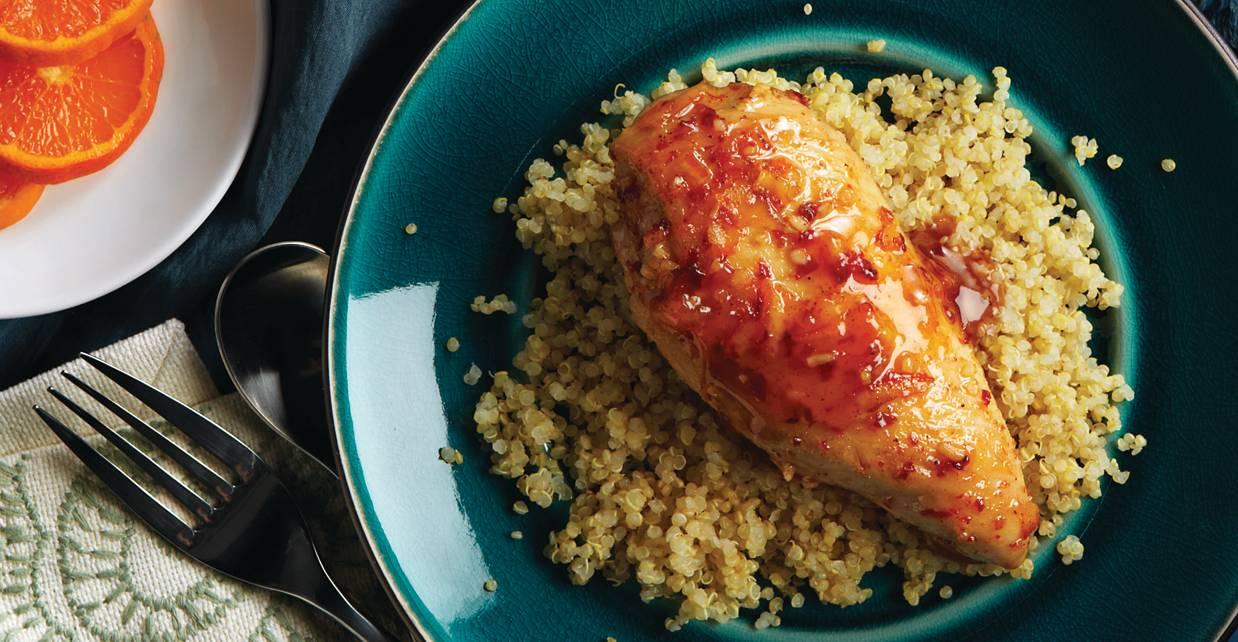
Making a plan can be likened to baking a cake. Before you can sit down, relax and enjoy the fruits of your labour, you have to start by gathering together all of your ingredients. As with most cakes, there are recipes and instructions that need to be followed, such as how many eggs are needed, how much flour, what’s the cooking temperature and time. When it comes to making a plan, there is a recipe that also needs to be followed.
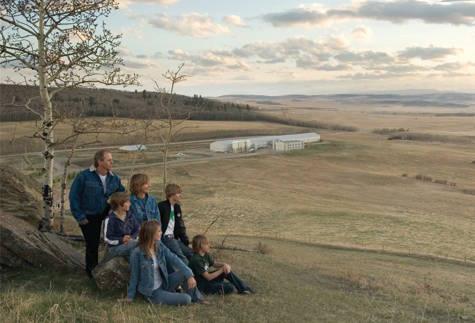
Making a plan may be a daunting task because getting started, and making sure that you have all of the ingredients gathered together may be overwhelming. Preparing a cake is a somewhat easy task, but preparing a plan requires more ingredients and the process is a bit more complicated. Part of the reason so many farm families do not have plans is that so many family members are involved and affected by the outcome and the process of the plan.
Here’s an example of what a family may be faced with. The parents are really good at developing the farm and know all the aspects of the poultry business, waste management, and growing their quota. How to plan for succession is another matter, one they may not be very familiar with.
Getting to step one is usually the hardest part. You want to have a meeting but as you discuss this with the family members, everyone has different thoughts and desire different outcomes. As a result, the meeting becomes disjointed and often time is spent discussing things from the past rather than concentrating on the future objectives. Most of the time, the second meeting doesn’t happen. Some families have told me that without a third-party meeting co-ordinator, a mediator, it would have been impossible to move forward.
to be are discussion topics that seem uncomfortable to address because bringing them up may hurt someone.
To help clear up any confusion about the plan’s end result, there are questions that need to be addressed: What is the purpose of the plan, what is your objective, and what do you want to achieve? If a farm family can start by clearly identifying the purpose and objective of the plan, then this will help clarify the end result. Also, addressing these questions may provide an excellent springboard for launching a productive family discussion regarding the outcome of the plan.
One objective may be to treat your children fairly when preparing for one child to take over the farm. Another objective would be to transfer the farm in a way that is comfortable to the parents: When and how much control do they give up? Is this done in stages?
Once the family has identified the objective of the plan, it needs to be determined if the objective is, in fact, achievable. How do we know if the objective is achievable? There are many factors that need to be written out and thought through well and completely. Every step along the way, every ingredient to preparing a plan may have implications that affect some other aspect of the plan.
For some farm families, agreeing on something is difficult in itself; getting together to talk could be a deal breaker
In order to determine if an objective is achievable, a family basically needs to picture where they are currently and where they want to be down the road. Once they have mapped their path to their objective, then determining factors can be brought into question to test the viability of the plan’s objective.
The greatest stumbling block to the whole succession planning process is that the subject of the family farm is a very emotional topic. It is hard to state one’s feelings when the emotion is great. To tell one family member that their direction is not the one you are taking is very difficult to execute because of the fear of hurt feelings.
So, let’s say that the family has agreed to a plan, and they have all gathered to discuss it. What do they talk about? Where do they start? Now, this is like baking a cake without a recipe and without instructions. When it comes to talking about the plan, there are no templates to follow, no instructions, no agenda. All there seem
This process will spawn many questions that must be addressed; if you change the farm business structure in order to growth, then you need to know how this affects the young and the old in the business.
Preparing a plan is more complicated than baking a cake. Each farm family brings with it a different set of circumstances, different objectives and different desires. No two plans are alike, but the key to any plan is starting with a solid foundation. Once you have determined a firm objective and purpose to creating a plan, then the outcome will be much clearer and more successful. n
If you have any questions or you would like to know more about planning issues, please send us an e-mail to Milt Carr at mcarr@ carrassociates.ca or to knudds@annexweb.com.
Research has found a seasonal variation and suggests water as a source of contamination
BY KIMBERLY SHEPPARD, RESEARCH CO-ORDINATOR
Campylobacter jejuni is the number one cause of food poisoning. In humans, Campylobacter causes diarrhea, often with fever, severe abdominal pain and cramping. In chicken, Campylobacter naturally infects the bowel with no signs of illness. During the slaughtering process, Campylobacter could be transferred from the intestine to the carcass and the processing environment. Eating undercooked poultry or other food that has been contaminated with Campylobacterpositive chicken juice is the main cause of human infection.
Despite poultry farms greatly increasing their biosecurity measures, there has not been a corresponding decrease in flocks infected with Campylobacter jejuni. Thus, current intervention strategies have not reduced consumers’ risk of infection. It is important for the poultry industry that presence of Campylobacter in broiler chicken is monitored, and effective intervention strategies developed.
Dr. Alain Stintzi and his research team at the University of Ottawa have been working on just this in eastern Ontario. In collaboration with the Chicken Farmers of Ontario, the research team measured the presence of Campylobacter jejuni in chicken flocks from four farms over two years, and based on their findings, began testing interventions.
lain Stintzi obtained his PhD in molecular and cellular biology at the Louis Pasteur University, France (1997). He was subsequently a postdoctoral fellow at the department of chemistry, University of California at Berkeley, where he worked on bioinorganic chemistry and siderophore-mediated iron transport. In 2000, he was appointed assistant professor at the department of veterinary pathobiology, Oklahoma State University. He became associate professor at the department of biochemistry, microbobiology and immunology,
University of Ottawa, and a member of the Ottawa Institute of Systems Biology in July 2005. His current research seeks to understand how Campylobacter jejuni colonizes the host gastrointestinal tract by using integrative approaches. He has also a strong research interest in the contribution of the gut microbiota to human health and disease, particularly pediatric inflammatory bowel disease. Dr. Stintzi is a member of the editorial board of Journal of Clinical Microbiology and an associate editor of Frontiers in Cellular and Infection Microbiology.
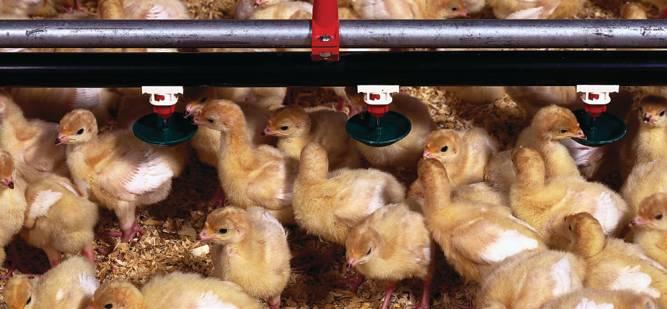
RESULTS SUGGEST THAT DRINKING WATER IS A POSSIBLE SOURCE OF CAMPYLOBACTER INFECTION.
Their findings? Approximately 17 per cent of the flocks were found to be Campylobacter-positive, a relatively low level of contamination compared to other Canadian provinces or countries. A seasonal variation was observed with the absence of positive flocks during the cold months of November to March. Interestingly, Campylobacter jejuni was found in the water distribution systems of chicken farms with Campylobacter-positive flocks, suggesting that drinking water could be a
possible source of Campylobacter infection. Treatment of drinking water with natural products able to kill Campylobacter jejuni was found to be an effective measure for preventing Campylobacter-positive chicken in a laboratory setting. Further optimization and assessment at the farm level are now required to develop a prevention approach, which includes reduced shedding, and in turn, reduced water contamination. To read more, please visit www. poultryindustrycouncil.ca.
Merry Christmas from the CRA . . . yes, that’s right, the tax man!
As a result of a tipoff from dairy farmers (thanks to Wes Lane), the PIC recently sought a ruling from the Canada Revenue Agency (CRA) on the eligibility of poultry producers for a tax credit for the money you invest in research through the PIC . . . and the news is all good!
Under the SR&ED (Scientific Research and Experimental Development) rebate scheme, producers who invest in scientific research through the PIC (via the Feather Boards), are eligible for tax credits from the CRA through SR&ED, the Ontario Business Research Institute and the Ontario Innovations tax credit schemes.
The rebates are claimable at your current tax rate and can be as much as 42 per cent in the dollar (depending on your taxable income).
What can we claim?
• Investment in research (at specified institutions – basically universities, but government, AAFC and OMAFRA research laboratory work also qualifies);
• Investment in research infrastructure in public institutions – Arkell Poultry Research Station;
• Investment in equipment used for the research;
• Investment in research chairs;
• Investment in staff time dedicated to scientific research; and
• The cost of translating the research into layman’s language in order to disseminate the results to industry.
How will this work?
Because CRA has already checked the way in which the PIC manages projects and reports and is satisfied that our systems meet their requirements, it is relatively straightforward.
Each year in January the PIC will complete the necessary forms to enable each of the Ontario Feather Boards to file a “collective” claim on your behalf. The Feather Boards can then issue each
By Bill Van Heyst, University of Guelph
Airpollution increasingly is being linked to human health effects, linked specifically to fine particulate matter. Fine particulate matter is typically a secondary pollutant that is formed in the atmosphere through complex organic and/or inorganic chemistry. It has serious implications for the agriculture sector because it has been estimated that up to 70 per cent of fine particulate matter may be ammonia-based and that agriculture in Canada can account for upwards of 85 per cent of all human-made emissions of ammonia in Canada. This makes the entire agricultural sector a prime target for future reductions, both in terms of ammonia and fine particulate matter.
Atmospheric emissions from farming enterprises are extremely complex and interrelated. Emissions to the air can occur at all stages in the farm operation, including the animal housing unit, the manure storage, and subsequent field application of the manure. It is important that the poultry industry knows where it stands in terms of emissions being produced at all stages of production, and that best management practices are assessed and developed.
Dr. Bill Van Heyst and his research team at the University of Guelph have been working on this, by conducting an integrated investigation of a broiler operation as a whole system. Their goal was to quantify the strength of sources as well as their interrelationship for a suite of air contaminants, including ammonia, greenhouse gases (methane and nitrous oxide), size-fractionated particulate matter (PM10 and PM2.5), and inorganic aerosol concentrations.
Emissions from the broiler house were monitored over four production cycles in order to capture changes in the emissions to the atmosphere due to the varying seasons. Predictive equations were developed that related the atmospheric
emissions of ammonia, size-fractionated particulate matter (PM10 and PM2.5) and methane to commonly measured barn parameters as well as the duration of the growth cycle. Emissions of methane and nitrous oxide were also measured and found to be higher than those in the litter from the above cycles while it was stored outside in a 18- x 16-metre concrete bunker. Estimates of nitrogen lost in the form of ammonia during land application, and of ammonia emissions from composting dead chickens, were also made.
Their findings? Average emissions, for 45,000 broilers raised over a 35-day growth cycle, were calculated to be: 170 kg of ammonia, 6.8 kg of PM10, 1.3 kg of PM2.5 and 260 kg methane. Typically, the emissions of the various contaminants increased as the broilers increased in size. Fine inorganic aerosols, composed mainly of chloride, nitrate, sulphate, ammonia and sodium were being formed within the barn environment and could contribute significantly (up to 100 per cent, in a few instances) to the PM2.5 loading. With the exception of ammonia generated from the litter, the mass of these chemicals can be attributed to feed and water, and further research is needed to reduce their concentration in the indoor barn environment.
It was estimated that 1.8 kg/day of methane and 0.45 kg/day of nitrous oxide were being released to the atmosphere on average from the concrete bunker. Upon land application, broiler litter (composed of 1.4 per cent total available nitrogen and 0.66 per cent nitrogen as ammonium) typically lost 22 per cent of the ammonium within the first 72 hours of application for a surface application.
The composting experiments demonstrated that the pH of the pile had a controlling influence on the emissions of ammonia. To read more, please visit www.poultryindustrycouncil.ca.

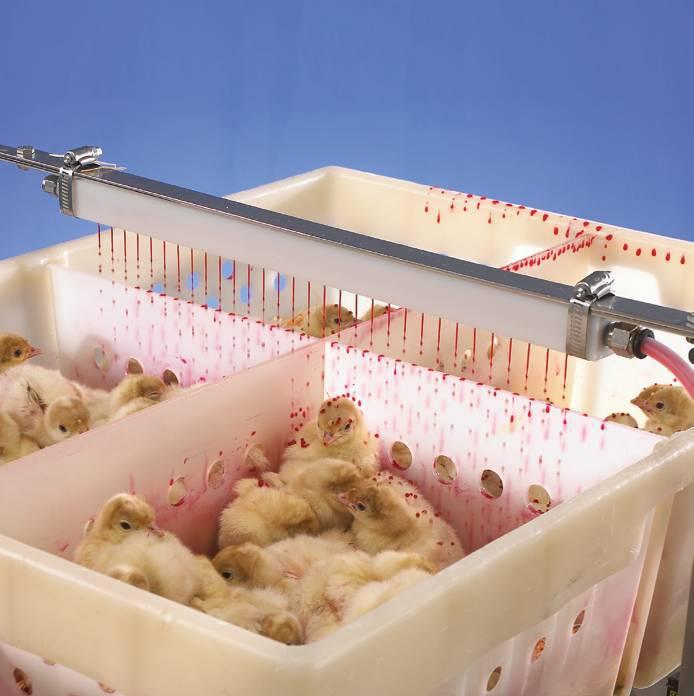

individual producer a form to submit with your tax returns. This will allow you to claim a proportion of the funds that you’ve contributed to scientific research through the monies you pay to your respective Feather Board for this purpose. You then receive the rebate in your personal or business tax return.
Because of the relatively low individual level of investment in scientific research, for most producers this will not add up to a lot of money but collectively for industry it is worth quite a bit – close to $250,000.00* per year in rebates.


Immucox®. Coccidiosis vaccine via a patented gel spray.









As a producer, you know that coccidiosis is endemic in your flock; birds are being challenged and that has a cost—lower feed efficiencies. Expensive medications lose effectiveness as coccidia strains become more resistant, and may not be the answer.
Vaccination is an alternative method of coccidiosis protection that can perform as well as medication without losing sensitivity in disease control. The Immucox gel droplet delivery system provides vaccine to the poults and sees immediate uptake— *we routinely find over 90% beak and tongue coloration within 3 minutes. Because the droplets sit on top of the down, the birds remain dry, stay warm and active, and recover immediately. (Canadian patent pending)




The other side to this is the potential for producers to invest directly in scientific research through the PIC and receive a tax benefit. Check with your accountant, but this, combined with the fact that as a charitable organization the PIC can issue tax receipts directly, may be a very effective way for some producers to give back to the industry in a powerful way.
We should never forget that it was our predecessors whose investment in scientific research enabled the productivity we see from today’s modern broilers, layers and turkeys, and allows us to operate in highly efficient production systems – efficiencies that underpin our profitability. It is only by having that same foresight and commitment to research investment that we will achieve similar leaps forward to underpin the future prosperity and sustainability of our industry for our children and their children.
By capitalizing on the SR&ED Tax credits scheme it will make the realization of that future just a little easier on the pocket.
The board and staff at the PIC thank producers and industry for your support throughout 2010 and wish all of you a merry and safe Christmas and a very prosperous 2011. n
* Based on 2009 claim of a little over $600,000.00 at maximum rebate of 42 per cent


The Ferme St-Ours recipe for success includes organic and conventional eggs, along with maple syrup and sunflower oil
BY ANDRÉ DUMONT
The gold medal goes to . . .
Ferme St-Ours! Quebec’s most prestigious agricultural honour was recently awarded to one of the province’s most forward-thinking poultry farms.
Located in St-Ours, southeast of Montreal, the farm produces regular and organic eggs, as well as maple products and sunflower oil.
The Ordre national du mérite agricole was started in 1890 to recognize farms for outstanding management. A candidacy may be submitted only every five years, as the contest rotates between five regions.
Ferme St-Ours is owned by Serge Lefebvre, his spouse Martine Bourgeois and her sister Chantal Bourgeois.
Lefebvre is an agronomist and the current president of Quebec’s egg producer union, the Fédération des producteurs d’œufs de consommation. Also an agronomist, Martine Bourgeois works as a nutritionist with Shur-Gain.
In 1993, the sixth generation to farm on the same site decided to let go of dairy farming in order to focus on poultry. The farm now employs 25 workers and has four locations: Ferme St-Ours (eggs and maple sugar), Ferme des
OUTSTANDING MANAGEMENT
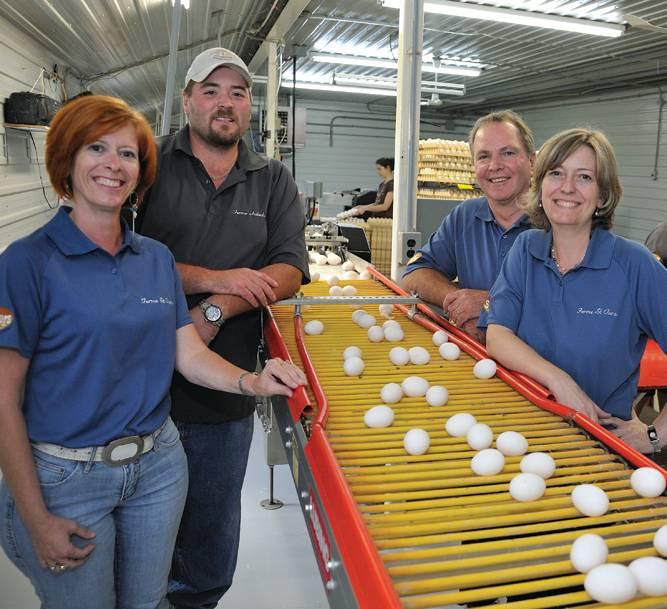
Ferme St-Ours was awarded the Ordre national du mérite agricole. Pictured (left to right) are co-owner Chantal Bourgeois, farm manager Jonathan Cordeau and co-owners Serge Lefebvre and Martine Bourgeois.
Patriotes (organic eggs), Ferme Avistar and Ferme Avitech.
The farms include 200 hectares of land, all organic. Wheat, corn, soybean and sunflower are grown and used to produce organic feed and also products for human consumption.
Despite working in a supply-management context, the owners believe strongly in marketing niche products. They offer white and brown omega-3
eggs, free-range eggs, organic eggs, a variety of organic maple syrup products and organic sunflower oil.
Direct marketing makes for a special contact with consumers. The farm’s store is open seven days a week, from 8 to 11 a.m., at 2382, chemin des Patriotes, in St-Ours. A website showcases all products, with detailed information about the farm’s values: www. fermestours.ca. n

Some pointers on how to make compact fluorescent lightbulbs more efficient and cost effective
BY JOEL FEENSTRA
Lately, the lighting technology used in the farming industry has been moving away from incandescents, and towards fluorescents, induction lighting and LED technology. Although many people have jumped at the chance to use these new lighting options, few really understand how to use them properly. Not surprisingly, one of the most common questions I get on poultry farms is “What do you think about those dimmable fluorescents?” followed by “Will they really save me money?” and “Will I have to change anything?”
The compact fluorescent lightbulb (CFL) is gaining a lot of popularity because of the energy savings it can offer. hen you are running several hundred feet of lighting rows for the bulk of the day, it catches the interest of farmers. They take only a fraction (generally half to one-fifth) of the wattage (billable power from the power supply company) to run, and have advertised lifetimes of up to eight years. This makes them seem like a very smart investment right off the shelf, but there are a few things to take into consideration before you purchase lights and change over your barns.
First, the CFL is a band-aid fix for the inefficiency of the incandescent bulb. The lampholders present in all houses

Joel Feenstra writes that there are several things you need to consider when changing your barns’ lighting to compact fluorescent bulbs.
and barns dictate that any lighting replacement used must be of a similar size and shape, and work off the same voltage characteristics. And since numerous locations (including British Columbia) will soon be banning the manufacture of incandescents, there had to be an energy-saving alternative. Where an incandescent bulb only takes about 10 per cent of the power to create
light and the rest is wasted as heat, a CFL uses close to 90 per cent of its power to create light and dissipates the rest as heat. This heat that the bulbs create is insufficient to heat your barns in the winter, but during the summer heatwaves, anything that can be done to lower the barn temperature is critical. When you first look at a bulb, take a closer look at the advertised lifetime.
The most common advertised lifespan is four years. But if you read the fine print on the packaging, most companies state that the bulb is good for four years of operation, for four hours a day. This means that if you want to have 16 hours of operation a day, you will be getting only a year of rated life out of it. In actuality, you will probably be getting less life than that even, as the longer burn time will eat away at the cathode inside the bulb. Base your lifespan and “power savings versus bulb cost” calculation on the actual calculated burn time rather than the rated lifespan.
Light output is going to be the same with a smaller wattage CFL versus a regular incandescent, but the light value can often be compromised by the barn environment. With a standard incandescent bulb, the glass “bulb” holds onto a lot less dust and debris than the standard glass “swirl” tubing of a CFL. If possible, try to buy CFLs with clear shrouds over the tubing, as barn dust can obscure up to 40 per cent of visible light from being transmitted out to the work area. With a proper, regular blowdown of the barn, most of that can be eliminated, but a CFL with a “bulb” over top of it will hold far less dust, and stay brighter longer.
If you are only controlling your lights through a switch or contactor, most types of CFLs will work. However, if you are planning a dawn-to-dusk or dimming lighting cycle, then you must buy dimmable bulbs. You cannot dim CFLs unless you have bought bulbs that
are designed to be dimmed and sold as “dimmable.” Otherwise, although you may get a few startups out of the light, it will not last, nor will it properly dim.
Along with buying proper bulbs to be able to dim, your actual dimmers used on the circuit must be compatible with CFLs. Most barns using rotary dimmers have large, commercial grade dimmers in the range of 1,000 to 2,000 watts. Although that size of dimmer is necessary when using incandescents, it will not have a large enough load on it to operate properly when using CFLs. As well, any programmable electronic, digital, or remote-control dimmers will not work well with the lamps, and may cause strobing, flickering or bulb failure. Any non-compatible dimmers used on the circuit should be taken out and replaced with an analogue dimmer no larger than 600 watts, and manufactured after 1995.
A CFL will not dim down past 20 per cent, but should offer fairly smooth dimming throughout the rest of the cycle. However, if operated at below 50 per cent light output for extended periods of time, the heating filament that prewarms the gases in the bulb will have a significantly shorter lifespan (below rated output) than if it operates at 50 to 100 per cent light output. Therefore, it is very important to pick a bulb with a light output closer to what is desired, rather than dimming it down too far in search of the desired lighting level. A standard 15- to 20-minute dawn/dusk
Q – My bulbs are flickering a lot.
A – CFLs are much more sensitive than incandescents to any sort of disturbance of the power system. If dimmed down, they will flicker when fans, feeders, or any other sort of heavy load, comes on.
Q – My bulbs aren’t dimming.
A – There are several possible reasons for this one: too short a burn-in period, incandescents mixed with the CFLs on the same circuit, an improper or
broken dimmer, or a different wattage lamp on the same dimming circuit.
Q – My bulbs are glowing pink.
A – If your bulbs are glowing pink, the mercury in the tube hasn’t been heated enough to diffuse through the lamp. If the bulbs are new, this is because the burn-in period hasn’t yet been accomplished. If the bulb is old, the heating element is burned out and the lamp is at the end of its useful lifespan.
15W or
dimming period is fine on most bulbs, but at catch time the minimum dimming level of 20 per cent can still be too bright, meaning rows of lights might have to be shut off or bulbs unscrewed.
Lastly, upon the initial installation of the circuit, the bulbs should be left on for at least 100 hours consecutively for what is called the “burn-in” period. Most lamp manufacturers recommend it, as it increases the overall lifespan of the bulb. Often farmers are not told about this and, therefore, never do it, which often leads to premature failure of the bulbs.
Compact fluorescent lightbulbs, if bought for a low enough price or subject to power savings rebates, and installed properly, will save you money. However, they are less robust, will be more expensive initially, and may require changing of equipment to work properly. The best place to use them is on barns without dimming, as the dimming can cause problems if done improperly. In the next five years, the LED (light-emitting-diode) technology should become more prevalent and cheaper, as it is a smoother, more accurate, and more efficient dimming type of light. Until then, however, as far as saving energy and reducing heat goes, CFLs are a viable alternative to the incandescent. n
Joel Feenstra is the owner of Feenstra Electric in British Columbia’s Fraser Valley. He specializes in poultry and dairy farms, automation, mills, and processing plants, and is a part-time electrical instructor at the University of the Fraser Valley. If you have any other questions, he can be contacted at feenstraelectric@gmail.com or by phone at 778-344-4686.



PIC’s chairman urges producers to think about what reduced research funding means for their industry
BY JIM KNISLEY
Ed McKinley, poultry farmer and chairman of the Poultry Industry Council (PIC) is worried that the poultry industry is shortchanging research and will pay a heavy price in the future.
In his annual chairman’s report McKinley said: “I have to wonder why, in an industry to which we owe so much, we producers are not investing at the level of other Canadian private businesses in scientific research and education?”
“I wonder what this will mean for “the future of our industry, for my kids and grandkids.”
McKinley said that Canadian business invests, on average, 1.06 per cent of gross revenue in scientific research. Ontario poultry producers invested 0.043 per cent of farm gate cash receipts through the PIC for research and education. For a farm with $500,000 in farm gate receipts this works out to about $215 per year or $18 a month.
This is a “maintenance ration” for the PIC and the research and education programs it supports, he said. The money the PIC gets from producers and its investments is enough to keep current projects going. “But there is nothing

PIC Chairman Ed McKinley posed this question to attendees of the PIC’s annual meeting: “I have to wonder why, in an industry to which we owe so much, we producers are not investing at the level of other Canadian private businesses in scientific research and education?
being invested for the future, nothing to replace retiring researchers or crumbling research infrastructure or to develop a robust research platform to underpin our future requirements,” he said.
“I use this opportunity to urge our industry leaders to think long and hard about what reduced research investment
might mean for our future and I remind producers that research will ensure your children and grandchildren of a poultry industry they too can be proud of,” McKinley said.
Tim Nelson, executive director of the PIC, echoed and reinforced the message. “To keep up, move ahead and stay

Greenwich, Nova Scotia in the heart of Annapolis Valley February 9-11, 2011
Come enjoy the Atlantic Poultry Conference and the tranquil atmosphere of the beautiful Annapolis Valley, Nova Scotia
Bruce Rathgeber
Email: brathgeber@nsac.ca
Telephone: 902-893-6654
Fax: 902-895-6734

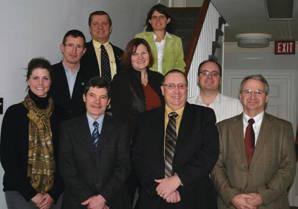
MEMBERS (SHOWN ABOVE) MANAGE RESEARCH AND EDUCTION ON BEHALF OF THE POULTRY INDUSTRY IN ONTARIO.
ahead of the competition requires investment,” he said.
Education and research cost money. Nelson pointed out that three poultry scientists at the University of Guelph are nearing retirement and there is a need to ensure that the positions don’t disappear.
“We need to develop science leaders,” he said.
He added that the emerging, young research stars will be looking for a future in a place where industry supports them and they have research infrastructure that is up to the new tasks they will tackle. Right now, the infrastructure “is not up to the new tasks or is very old,” he said.
He also pointed out that the PIC is able to use money from producers to “leverage” money from other supporters such as government and industry. In 2009, the $428,000 in new investment in research from producers was leveraged six to one and resulted in $2.57 million in research for a 20 to one return for the money producers invested in research.
The downside of leverage is that the PIC can only leverage against what the investing partners want to invest in. Leveraged money also comes with strings attached and it “doesn’t drive our [poultry producers’] objectives as fast as we’d like to drive them.”
He also pointed out that some of the sources of money the PIC has been using are diminishing.
For example, investment income has not been “brilliant” the last two years, the provincial poultry team fund finishes in December 2011 and the lysine fund is diminishing.
The difficult economic times of the last two years also reduced revenues from the PIC’s golf tournament and the London Poultry Show.
Government grants are more difficult to obtain and as both the federal and provincial governments work to reduce deficits grant money could become scarce.
It isn’t about the PIC, he noted. It is about the industry and the producers. He pointed out that the PIC is delivering a program as dictated by a strategy developed by producer groups. And it does this while watching its costs. The PIC hasn’t increased its administrative “ask” from farmers for four years, he said.
He said he wants to hear from farmers. He wants to know if they think the PIC is doing a good job or a lousy job. He wants to know what might be done better.
He also said he wants farmers to understand “the value of collective investment in research and the almost negligible cost this represents to individual producers.”
He wants farmers to see how much they are getting for an average of $18 a week and that for $10 per week more “they could inject some real capacity into our research sector that will stand our industry in good stead for years to come.”
He said: “There was a time when industry invested, why not now? What has changed?”
For more information on PICfunded programs and research, go to www.poultryindustrycouncil.ca. n


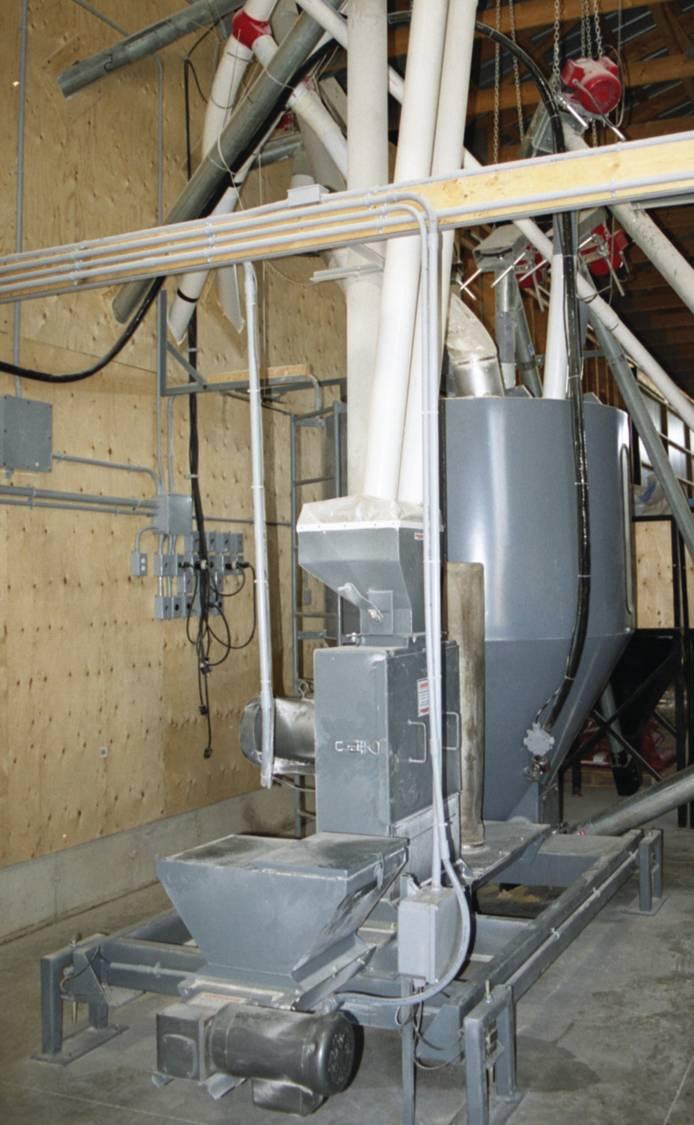
As poultry farms become larger and more land-based with farmers growing grains on their operations, the savings from making feed on the farm has increased signi cantly.
Recent advances in technology have resulted in the development of automated systems, designed speci cally for the manufacture of feeds on farm. The combination of on-farm milling and Grand Valley Forti ers poultry premixes have shown to increase pro ts by 19%.
Ask us how incorporating your own grains and mixing on-farm will add to your net pro ts
Call us today at 1-877-625-4400 and speak to one of our Poultry Specialists.




The facility will put the university at the forefront of improving the health of animals, people and the environment
BY JIM KNISLEY
Two hundred and fifty researchers, technicians and educators, and their equipment, have moved into their new $62-million Pathobiology and Animal Health Laboratory at the University of Guelph.
The building was officially opened in Oct. 7, with delicate equipment and people arriving in stages after the official opening.
The veterinarians and researchers will utilize state-of-the-art equipment to diagnose and study a range of animal diseases and pathogenic organisms, including bird flu, SARS, E. coli, West Nile virus and others.
The 126,000-square-foot, four-storey building contains a 120-seat lecture theatre, flexible laboratory space, seminar rooms, teaching labs and office space.
The federal and provincial governments provided $62 million for the project. Agriculture and Agri-Food Canada (AAFC) contributed $37 million, and the Ontario Ministry of Agriculture, Food and Rural Affairs (OMAFRA) kicked in $25 million.
“The health and safety of Ontarians and a safe food supply are top priorities,” said Carol Mitchell, minister of agriculture, food and rural affairs.
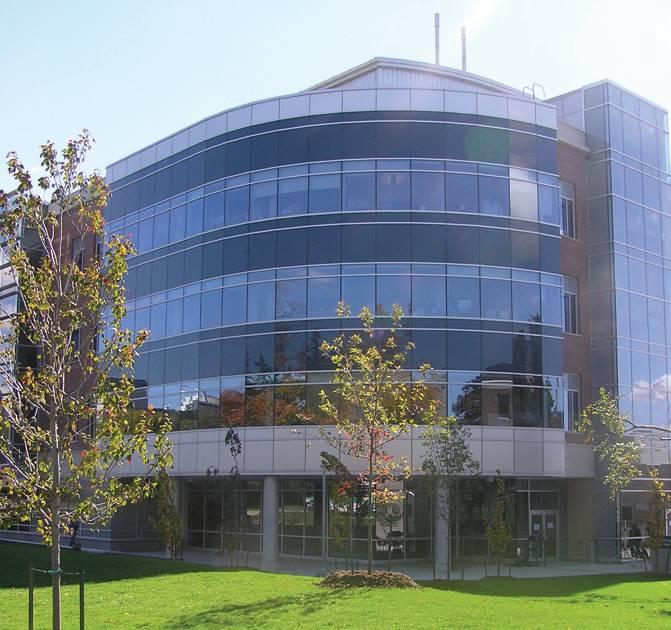
A new Pathobiology and Animal Health Laboratory officially opened Oct. 7 at the University of Guelph.

The provincial government “is pleased to provide funding to the University of Guelph to help support ongoing research activities that preserve consumer confidence, protect against animal disease and demonstrate our commitment to a competitive and sustainable agri-food industry,” she said during the opening ceremony.
University of Guelph president Alastair Summerlee said the facility puts the university at the forefront of improving the health of animals, people and the environment.
“Current and future scientists will make and share discoveries that will improve the health and well-being of animals, people and the planet,” he


said. “This new building will further our ability to identify both the risks we face and the potential benefits and treatments that can be realized by taking an integrated approach to these questions.”
Ontario Veterinary College (OVC)
Dean Elizabeth Stone said veterinarians are a link between animal health and human health. They have information and expertise about health relationships among humans, animals and the environment.
About 75 per cent of new and emerging diseases are transmitted from animals to humans and back again. “Animal health researchers play an important role in identifying, controlling and understanding this phenomenon,” Stone said.
The University of Guelph Animal Health Laboratory (AHL), which is housed in the new complex, helps maintain healthy animals and safe food in


Ontario by providing specialized diagnostic services for OMAFRA, veterinarians and public and private sector agencies.
The new lab includes open-concept space that encourages cross-training and staff sharing. The improved facilities also allow for better control of pathogenic organisms, Stone said. “This will greatly improve our biosecurity and biocontainment, to protect both our staff and our clients.”
The new building fulfils a key component of the veterinary college’s strategic vision, as the college approaches its 150th birthday in 2012. Key initiatives include the OVC Health Sciences Centre, with its Companion Animal Medical Complex, Large Animal Medical Complex, Hill’s Pet Nutrition Primary Healthcare Centre, animal cancer centre, Equine Sports Medicine and Reproduction Centre, and large-animal isolation unit.
The facility has two main components. The pathobiology area is on the first two floors and involves research and teaching as part of the Ontario Veterinary College. The third and fourth floors of the structure are dedicated to offices and laboratories for college researchers and faculty members.
A part of the first floor is dedicated to the post-mortem suite. In that suite scientists will do diagnostic work. Testing will be carried out on specimens and samples to detect disease. Early detection of animal diseases, such as avian influenza, is crucial to prevent the spread within farm animal populations and the potential infection of people.
Following a tour of the building, Mitchell was very impressed.
She said OMAFRA and the university working together to provide laboratory services is a powerful partnership in the campaign against “the many animal


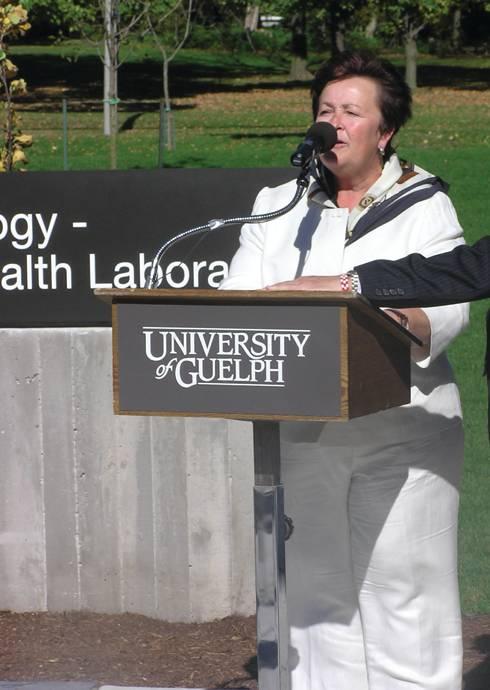
BARB MITCHELL, ONTARIO MINISTER OF AGRICULTURE, SAID SHE IS CONFIDENT THE NEW PATHOBIOLOGY AND ANIMAL HEALTH LAB WILL ALLOW FASTER IDENTIFICATION OF AND RESPONSE TO DISEASE OUTBREAKS. SHE ADDED THAT THE PROVINCE WILL PROVIDE $5 MILLION IN ANNUAL FUNDING FOR ITS DIAGNOSTIC SERVICES.
diseases that can significantly impact public health and our province’s economy.”
The provincial government is committed to maintain Ontario’s reputation for safe, high-quality food and recognized that new, more modern facilities were needed.
“To really address the threat of animal disease we knew that Ontario needed new infrastructure,” she said. “So we were very pleased and very proud to support their animal health facility.”
Mitchell is confident the facility will allow faster identification of and response to disease outbreaks. The province will provide $5 million in annual funding for the lab’s diagnostic services.
Stone added: “This new building represents out commitment in bricks and mortar to the expanding role of veterinarians in the health of the province and the nation.” The new facilities will enhance Guelph’s ability to move animal and human health care forward and “to provide global leadership through research and education.” n

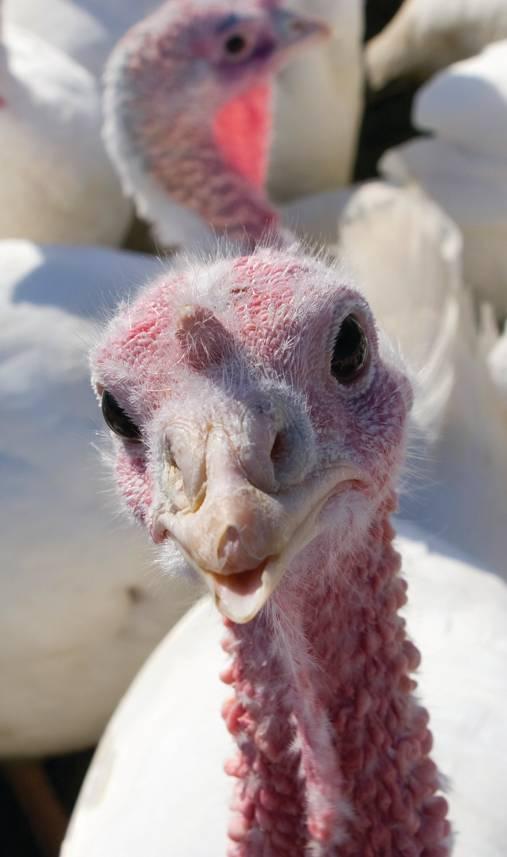



AgriACID® is a CFIA


K. MILLER REALTY, BROKERAGE Each office is Independently Owned And Operated 220 BROAD ST EAST, DUNNVILLE, ONTARIO N1A 1G2 Phone 905-774-7624 or Toll Free 1-888-718-8445 Fax 905-774-5960
•
•
•
•




POULTRY FARM: with 40 x 500 x 2 barn with all poultry and barn equipment. Generator building. 45 acres rented to neighbour. 5 bdrm home with nice principal rooms. Second home on property. Close to major centre. Nice clean property. Call for more details. Jack
SIMCOE AREA: BROILER FARM with 12 acres. 1 Barn operation 40 x 320 x 2. Natural gas, Auto start Genset. Move your quota here. Call Jack
EASTERN ONTARIO: 100 Acre Broiler Farm with 50,000 sq ft of Modern Broiler Barns. 4 Bdrm Century Home with in ground pool. 18000 Units of Quota. Call Jack for more details.
Jack Huitema, Broker of Record (res.) 905-774-8291
Richard Vyn, Broker (res.) 519-674-2434 rtvyn@sympatico.ca
Ross Emerson, Sales Rep. (res.) 905-651-5456 remerson@sympatico.ca
Hans Knuth, Sales Rep. (res.) 905-957-7618 caknuth@allstream.net www.coldwellbanker.com
Poultry Producer or Employee
Government, Libraries, Schools, Universities
Hatchery, Hatchery Employees
Fancy or Show Poultry
Wholesale Produce and Processors, Further Processing
Equipment Manufacturers ❑ Drugs, Laboratories, Vaccine Companies, Chemical ❑ Veterinary and Lab Technicians ❑ Feed Manufacturers, Feed Additives, Distributors and their Salespeople
Other (please specify)
Cheque - Payable to Annex Publishing & Printing Inc.
MC AMEX

Item#: 0702028625 I
Now in its sixth edition, Poultry Diseases is once again fully revised with the addition of vital new material.
It remains the standard reference work on health and disease for those involved in the poultry industry, government and veterinary education. Following a familiar structure, readers of the sixth edition gain concise but major reviews on current knowledge of general and disease-specific topics discussed over 45 (5 new) chapters in seven sections.
The first book dedicated to lighting for poultry.
This user-friendly book covers the science and practice of lighting for poultry, describing the physics of light, the physiology and mechanisms by which poultry react to light and the responses of all classes of poultry to photoperiods, light intensity, colour or source, and the pathological and behavioural consequences of extremes of illumination and describes practical lighting for all types of commercial poultry.
BY JIM KNISLEY
Maybe we’re at a tipping point, but then again maybe we’re not.
It’s become all but impossible to predict or forecast anything. Start with the economy – or should I say economies.
This year (2010) was supposed to be – and maybe it was –the beginning of a worldwide recovery. Some expected economies to come roaring back after almost two years of recession. This had been the recent pattern. Economies would fall steeply and come back fast and strong.
But not this time. Except for China, India and a handful of other less developed nations the recovery is painfully slow, particularly in Europe and the U.S.
Canada avoided the worst of it. The national unemployment rate never soared as it did in the U.S. We don’t have a foreclosure crisis. Our banks are comparatively sound. And our federal debt and deficits, while high, are manageable and pale in comparison to those of the U.S. and Britain.
But it hasn’t been and won’t be a bed of roses – unless you include the thorns with the petals. For example, unemployment in the federal finance minister’s home area of Oshawa was above 10 per cent in October. In the area in which I live –along the Lake Erie shoreline – and what I call outback Ontario the unemployment rate has recently dropped below 10 per cent but remains above nine per cent.
We also learned recently that the fourth largest employer in the county – a food processor – will be pulling up stakes next year and shuttering its plant. Just down the road a pharmaceutical manufacturer that exports to the U.S. has warned its 200 employees that it may have to close next year.

all dead and the best way to get out of a quagmire is for someone to reach out and pull you out. They are arguing for additional government stimuli to get the economic engine running.
Neither side has a particularly coherent plan to deal with long-term debts.
The political debate in the U.S. is, worse. It seems to consist of blaming the Chinese and deciding whether to do nothing at all or little of consequence. Eventually reality will intervene.
Part of this reality is already visible. The U.S. dollar has been losing value against most other currencies. In theory this should stimulate U.S. exports, curtail imports and create jobs.
So far, it hasn’t worked out that way. China and others can still produce many manufactured goods much more cheaply than the U.S. or Canada. And even if they couldn’t, so many North American and European factories have been closed and so much manufacturing has shifted to Asia that rebuilding the infrastructure would take a lot of time and money.
The Americans blame China’s policy of keeping the value of its currency low for many of the problems. Some economists are arguing that we’re now at the beginning of a worldwide currency war. It would be a war fought with low interest rates, devalued currencies and various forms of government intervention. It would end, they say, with rampant inflation and rapidly escalating interest rates.
Opponents to a bilateral deal with the EU worry that supply management could be undercut
The Bank of Canada also warned in October that the recovery is much slower than it had forecast earlier in the year and it froze interest rates for the time being.
To our south, I think it is fair to say that the U.S. hasn’t a clue on how it is going to get out of its mess.
At the highest levels there appears to be a great economic debate between the neoclassicists and the Keynesians over what type of recession they are in and what the remedy should be. One school seems to argue in favour of creative destruction so the U.S. economy can remake itself. This could involve tax cuts, smaller government and letting the chips fall where they may. People may suffer in the short run, but things would better in the long run.
The other side argues, as Keynes did, that in the long run we’re
Another factor in all of this is world trade. The WTO’s Doha round, which is of great concern to anyone in a supply-managed industry, went nowhere in 2010. Some in Geneva seem to believe progress and maybe even an agreement will come in 2011. But divisions between the developing and developed world remain broad and deep and the U.S., with its big domestic issues, remains less than fully engaged.
Meanwhile, countries are busy negotiating bilateral deals. India, for example, recently signed a deal with Singapore and is negotiating one with Malaysia.
In Canada’s case, the biggest one currently on the table is with the European Union.
Proponents say the deal could increase Canada’s GDP by $12 billion. Opponents worry that supply management could be undercut and that provincial and municipal governments’ ability to favour local suppliers in their procurements could be restricted or banned.
Before we enter 2011, perhaps someone should erect one of those traffic signs that says: “Proceed with caution.” n