


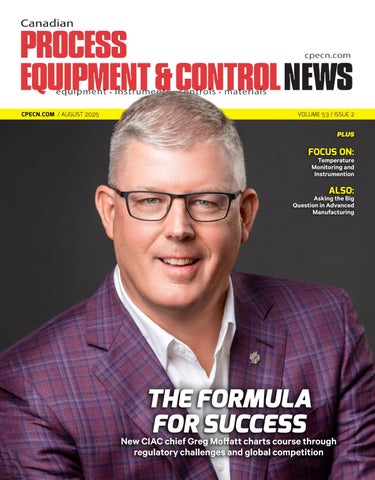
New CIAC chief Greg Moffatt charts course through regulatory challenges and global competition



Our process sensors give you high performance at prices that are easy on your budget.

Starting at $295.00 (FCAL50)




NEW! De ne Instruments
Point-to-Point Wireless IO



Starting at $206.00 (B424B15)

From high-capacity tanks to compact machines, Laumas load cells, transmitters, and mounting kits provide integrated solutions that deliver precision and performance, even for the most challenging weight measurement applications.





NEW! Ashcroft Pressure Switches


They


Starting at $675.00 (DEFINE-TWIN-LINK)









Ashcroft B-Series pressure switches deliver precise, reliable pressure sensing in rugged, compact designs built to withstand harsh conditions. They excel in demanding applications, featuring high-capacity 15A relays, narrow deadbands, adjustable setpoints, and versatile mounting.





Fast free standard shipping* is available for most orders over $49 U.S., and that includes the brokerage fees (when using an AutomationDirect nominated broker). Using our choice of carrier, we can reach most Canadian destinations within 2 to 3 days.
*Free shipping does not apply to items requiring LTL transport, but those shipments can take advantage of our negotiated super-low at rates (based on weight) that include brokerage fees.
See Web site for details and restrictions at: www.automationdirect.com/canada







Define Instruments point-to-point wireless I/O devices feature a dedicated, bidirectional radio link between paired devices, enabling reliable analog and digital signal transfer, perfect for remote monitoring and control where wiring is difficult or impossible.

NEW! Endress+Hauser Temperature Transmitters
Starting at $210.00 (TMT36-13A9/101)












Endress+Hauser iTHERM and iTEMP series temperature transmitters offer precise measurement, broad sensor compatibility, and a robust, field-ready construction. HART or IO-Link communication options ensure seamless integration, while select models feature Bluetooth for quick and easy setup.















‘I cannot imagine a more exciting place!’
It is a great pleasure to introduce myself as the new editor of CPECN. I am taking over the magazine from the redoubtable Andrew Snook who has been a great help in my getting settled. Andrew is moving on to oversee Annex’s forestry group of publications: Canadian Forest Industries, Canadian Biomass, and Pulp & Paper Canada. He will no doubt be a great boon to those magazines.
$119.9
value of exports of Canadian chemical and plastic products in 2024
I come to CPECN having been the editor of Fugitive Emissions Journal, a publication covering global emissions reduction efforts in the energy sector. In that role, I was able to connect with the cutting-edge voices from around the world — Texas, Brazil, Germany, Saudi Arabia, Singapore — that are shaping the energy industry of tomorrow. In the process, I have been gripped by their infectious excitement for innovation, knowledge exchange, and industry mobilization.
I have met a whole range of characters in the energy industry. Some have been promising new graduates, nervous and elated to have secured entry into the sector’s largest companies, lending their fresh eyes to old problems. Others have been in their mid-career ascendancy, burning their brightest and building the technology, institutions and communities that will enable much needed transformation. And many have been weather-worn roustabouts or emeritus engineers, now able to look back on a much-changed industrial landscape.
Every one of them, in their own way, prompts me to think in terms of both continuity and change. If you allow yourself to be a passive viewer of the modern economy, it is easy to be overwhelmed by what seems like an undifferentiated stream of transformation, innovation, and crisis. But look closer and you will see that change always occurs alongside continuity. There are legacy players, legacy methods, legacy relationships that — woven together — form the back-drop to change. Even change itself becomes a constant. In my tenure as editor of CPECN, I hope to track the key transformations and discern the pivotal continuities of the process industry. Certainly, Canadian manufacturing is in a moment pregnant with change. We are still yet to see the full impact of artificial intelligence; global trade networks have experienced seismic tremors that call for bold new vision; our great neighbour to the south must still determine how it wants to share the world with a technologically potent China; and Canada itself
has many questions to answer about the role it wants to play in a world without American stability.
The process industry sits at the junction of it all, and I cannot imagine a more exciting place to be. In this issue, I sit down for an interview with the new president and CEO of the Chemistry Industry Association of Canada, Greg Moffatt, to talk challenges and opportunities. Greg is only the fourth president of the CIAC — each of the three preceding presidents averaged two decades in the role — and he will have a hand in shaping the industry for the coming generation.
I also sit down with Nick Samain, the powerhouse behind the Global Energy Show Canada 2025, to debrief on the enormous energy event. With more than a thousand conference delegates, over 500 exhibitors, over 30,000 attendees, and over 350 speakers, the GES has become an institution in itself. The G7 summit took place in the same month, just down the road in Kananaskis, and GES was in no way overshadowed. Nick takes us deeper.
In addition, we hear from regular contributor Ryan Kershaw , Director of Industrial Process and Controls at Thing-Zero, on the competitive edge that Canada possesses when it comes to advanced manufacturing. In this moment of insecurity, the reactive inclination is to retreat to the comfort of natural resource extraction. However, Ryan urges us to not yield the advanced ground; Canadian standards and quality can be a defensible position.
Finally, for our focus on temperature monitoring, Guru Sosale of ABB discusses the benefits of on-invasive techniques for temperature measurement. Instead of a sensor that necessitates cutting into the piping material, new technologyallows for the retention of the integrity of the pipe.
A common theme in this issue is an exhortation to not back down from thinking big and holding high standards. As the American economy endeavours to haphazardly reshore its industry, Canadian professionals should remember the Kipling line, to ‘keep your head when all about you are losing theirs.’

JUSTIN YULE, editor jyule@annexbusinessmedia.com
Reader Service
Print and digital subscription inquiries or changes, please contact Angelita Potal Customer Service Tel: 416-510-5113
Fax: (416) 510-6875
Email: apotal@annexbusinessmedia.com
Mail: 111 Gordon Baker Rd., Suite 400, Toronto, ON M2H 3R1
Audience Manager
Anita Madden 416.510.5183 amadden@annexbusinessmedia.com
Brand Sales Manager Pat Lorusso 416.518.5509 plorusso@annexbusinessmedia.com
Editor Justin Yule 438.483.7451 jyule@annexbusinessmedia.com
Account Coordinator Kristine Deokaran 416.510.6774 kdeokaran@annexbusinessmedia.com
Group Publisher/ Director of Production Paul Grossinger pgrossinger@annexbusinessmedia.com
CEO Scott Jamieson sjamieson@annexbusinessmedia.com
CPE&CN is published bi-monthly by: Annex Business Media 111 Gordon Baker Rd, Suite 400, Toronto, ON M2H 3R1 T: 416-442-5600 F: 416-442-2230
© All materials in this publication are copyright protected and the property of Annex Business Media., the publishers of Canadian Process Equipment & Control News magazine.
For permission on reprinting or reproducing any materials, e-mail your requests to cpe@cpecn.com
Canadian Postmaster send address corrections to: 111 Gordon Baker Rd., Suite 400, Toronto, ON M2H 3R1
Canadian Process Equipment & Control News assumes no responsibility for the validity of claims in items reported.
Annex Privacy Officer privacy@annexbusinessmedia.com Tel: 800-668-2384
PUBLICATION MAIL AGREEMENT #40065710
Printed in Canada ISSN 0318-0859

Volume 53 No.4 August 2025 Subscription Rates


Mali’s ruling junta has confiscated more than $117 million worth of gold from Canadian mining company Barrick’s Loulo-Gounkoto mining operation. The seizure occurred just days after interim president, Colonel Assimi Goïta, enacted legislation granting himself unlimited power.
State helicopters arrived without warning at the mining site and departed with approximately 35,000 ounces of gold, totaling just over one metric tonne. With gold trading at roughly $3,349 per ounce on Friday, one metric tonne carries a value of about $106.4 million.
According to Barrick’s Friday statement, the gold was presumably taken for commercial sale by the provisional administrator who has been assigned to manage the mine. The company noted that many details remain unknown and the situation continues to develop, providing updates through a dedicated section on their corporate website.
This represents the most recent

intensification in an ongoing conflict between the Canadian mining corporation and Mali’s military leadership, which has governed the nation following a 2021 military takeover — Goïta’s second coup in less than twelve months.
The gold confiscation comes after a June judicial decision that transferred control of Loulo-Gounkoto, among the world’s most significant gold mining operations, to a governmentselected official for a six-month period.
Barrick reports they have not received official notification regarding the administrator’s identity, though they understand Samba Touré, a former company employee who participated in Mali’s disputed mining review, is providing counsel to the government.
Operations at the facility have been halted since January, when officials first confiscated three tonnes of gold and prevented export permits. Barrick responded by pursuing international arbitration through the International Centre for Settlement of Investment Disputes (ICSID), which is currently in progress.
Invixium, a biometric access control and workforce management company based out of Toronto, has acquired U.S.-based Triax Technologies. The acquisition adds Triax’s artificial intelligence-based real-time location systems and connected worker solutions to Invixium’s existing portfolio.
The transaction expands Invixium’s services beyond access control to include workplace safety and productivity monitoring for industrial sites including oil and gas, manufacturing, construction, chemical, mining and energy facilities.
Triax’s primary product, Spot-r, is a location tracking platform that uses wearable tags to collect and transmit data to cloud-based software. The system operates on an independent network and provides real-time insights through software dashboards and AI-based analytics.
The technology is designed to help
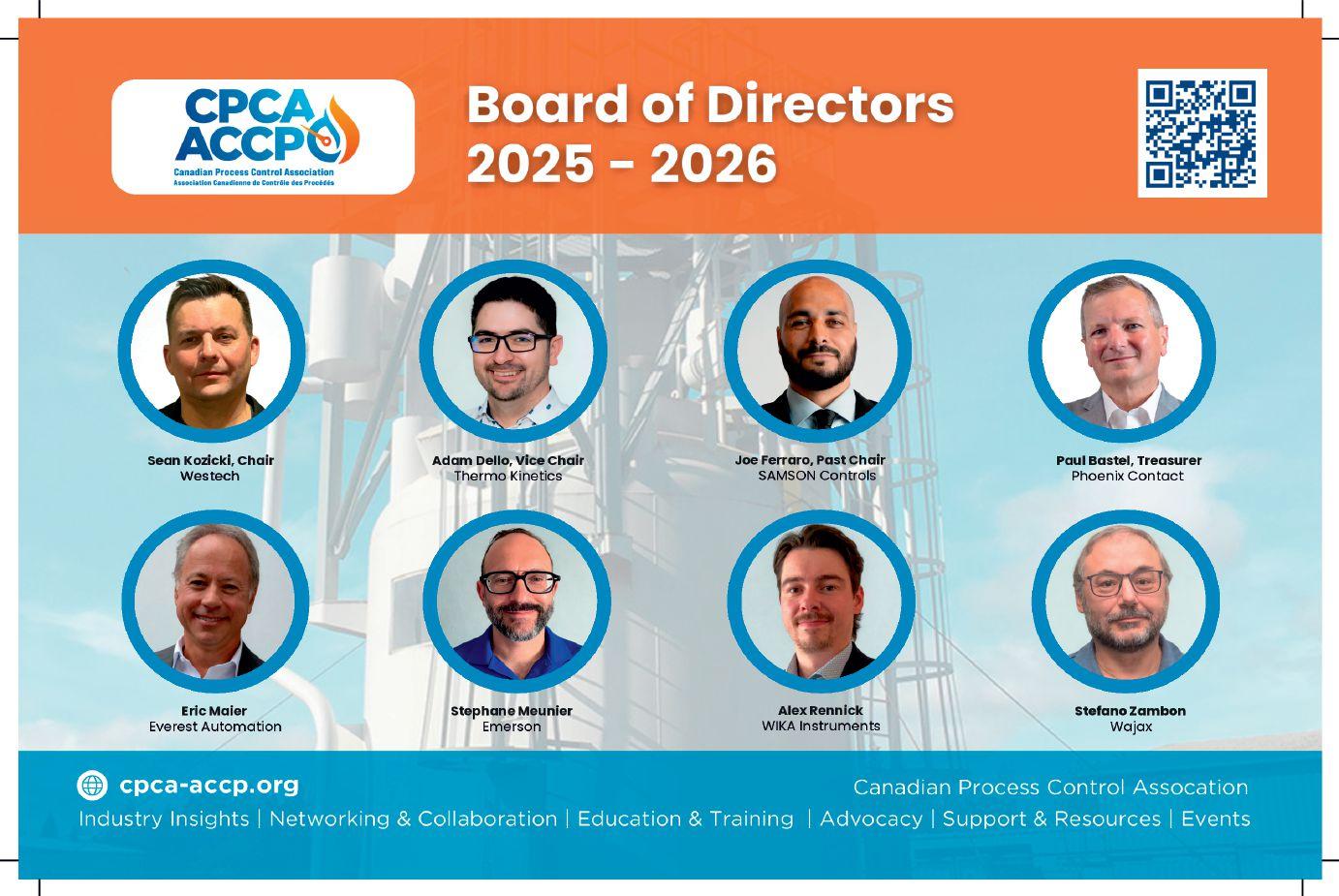
industries track equipment usage, identify productivity issues and reduce emergency response times.
Financial details of the acquisition were not disclosed. The combined technologies are intended to help organizations control access and streamline operations in industrial settings.
LNG Canada shipped its first cargo of liquefied natural gas on June 30, 2025, marking the beginning of operations at Canada’s first large-scale LNG export facility.
The facility is located in Kitimat, B.C., in the traditional territory of the Haisla Nation. The plant operates two processing units with a combined capacity of 14 million tonnes per year.
Chris Cooper, LNG Canada president and CEO, said the facility aims to help Canada diversify its export markets and deliver lowercarbon energy globally.
When LNG Canada made its final investment decision in October 2018, it agreed to meet the B.C. government’s conditions for LNG development, including providing jobs, training opportunities and additional benefits to residents.
According to the company, more than 50,000 Canadians worked on building the first phase of LNG Canada. The connecting Coastal GasLink pipeline employed more than 25,000 Canadians. The facility now employs more than 300 full-time, permanent workers.
The company reports that the cumulative value of its contracts and subcontracts to local, Indigenous and other B.C. businesses has exceeded $5.8 billion, including more than $4.9 billion to Indigenous-owned and local area businesses. This includes a $500-million contract with HaiSea Marine, a joint venture between the Haisla Nation and North Vancouverbased Seaspan that provides harbour and escort tugboat services using battery-powered and low-emissions vessels.
LNG Canada says it has invested more than $10 million in workforce development programs designed to increase participation of local residents, Indigenous communities and British Columbians in trades and construction activities.
The company has also contributed more than $13 million to programs and equipment benefiting Kitimat, Terrace and First Nations communities, and supported the addition of new longterm housing in the Kitimat and

Terrace region.
LNG Canada and its joint venture partners continue to explore a potential second phase expansion, which could include construction of two additional LNG processing units, bringing total plant capacity to 28 million tonnes per year.

Ontario Premier Doug Ford and Alberta Premier Danielle Smith signed two memoranda of understanding (MoU) aimed at developing new energy and trade infrastructure between the provinces.
The agreements focus on building pipelines to connect western Canadian oil and gas to refineries in southern Ontario, expanding export opportunities through a proposed deep-sea port at James Bay in northern Ontario, and constructing rail lines to link Ontario’s Ring of Fire critical mineral projects to western Canadian ports.
The provinces plan to conduct a joint feasibility study to determine optimal routes and endpoints for the proposed economic and energy corridors, examine financing options and assess how to utilize Canadian supply chains, including Ontario steel production.
Ford said the initiative responds to
what he characterized as economic uncertainty related to U.S. trade policy under President Donald Trump. “Canadians need to work together to build the infrastructure that will diversify our trading partners and end our dependence on the United States,” he said.
The memoranda also address nuclear energy cooperation, with both provinces agreeing to share technologies and expertise related to small-modular and large-scale reactors. The collaboration aims to support new nuclear facilities in both provinces to meet electricity grid and industrial

energy demands.
Additional provisions include Alberta’s commitment to prioritize Canadian-made vehicles for its government fleet and Ontario’s support for increased availability of Alberta alcoholic beverages in Ontario stores.
Since April, Ontario has signed
trade barrier removal agreements with six provinces. The province passed the Protect Ontario Through Free Trade Within Canada Act, which received royal assent June 5 and eliminated Ontario’s party-specific exceptions under the Canadian Free Trade Agreement.
Both provinces indicated they will continue consulting with Indigenous communities as the projects advance and will advocate for federal regulatory changes to encourage private-sector investment in energy and trade infrastructure projects.
The Canadian Federation of Independent Business reports progress in removing internal trade barriers, though warns that varied approaches across jurisdictions could create fresh complications.
CFIB’s latest “internal trade report card” ranked Nova Scotia highest for 2025, becoming the first province to implement mutual recognition legislation. Ontario followed closely after eliminating all Canadian Free Trade Agreement exceptions.
Mutual recognition allows provinces and territories to accept each other’s standards, regulations, and laws, facilitating trade flow.

The push to eliminate internal barriers has intensified amid U.S. tariffs imposed by President Donald Trump. SeoRhin Yoo, CFIB’s senior policy analyst, noted the issue is “finally getting the attention it has desperately needed” since the 2017 CFTA signing.
Seven jurisdictions now have mutual recognition legislation, but CFIB’s Ryan Mallough warns this patchwork could “recreate the barriers it was meant to knock down.”
Prime Minister Mark Carney campaigned on eliminating interprovincial trade barriers

by Canada Day. His government passed Bill C-5 on June 26, reducing federal restrictions and speeding infrastructure permitting. However, experts say this addresses only federal red tape, not provincial rules where most authority lies.
The Committee on Internal Trade has been tasked with reaching a pan-Canadian mutual recognition agreement by December. CFIB estimates existing trade barriers cost Canada’s economy $200 billion annually.








By Justin Yule
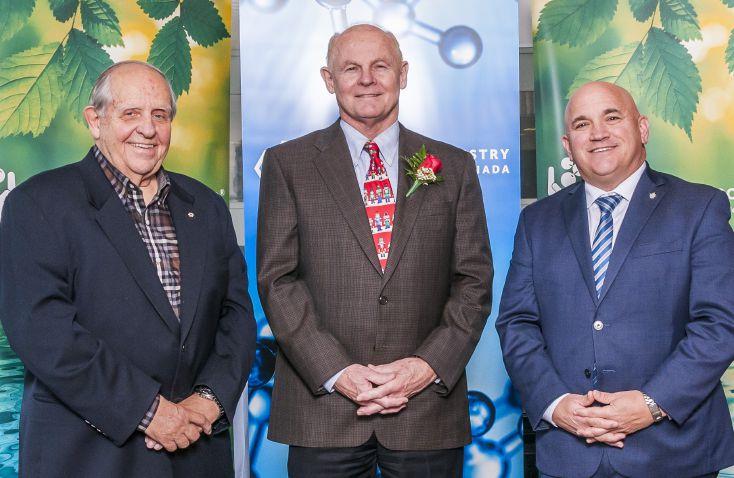
In January 2025, the Chemistry Industry Association of Canada (CIAC) announced the selection of Greg Moffatt as their new president and CEO. Greg has an eclectic background, having worked as a political staffer in Alberta before stints in several of Canada’s key economic sectors, including transportation, energy infrastructure and oil and gas. He becomes only the fourth leader in the CIAC’s 62year history. CIAC represents a sector that functions as the backbone of modern manufacturing in Canada, producing the essential inputs that enable everything from aerospace and agriculture, to semiconductors and critical minerals processing. Under Moffatt’s leadership, CIAC continues to champion Responsible Care®, a made-in-Canada, globally practiced sustainability and safety initiative, while navigating an increasingly complex landscape of regulatory challenges and international competition.
Having always marched to the beat of his own drum, Greg did not grow up with any particular career in mind. “I just wanted to explore.” But now as Greg continues to explore, an entire sector has fallen in behind him, and he now helps lead Canada’s chemical and plastics sector into unknown waters in the pursuit of firm ground, competitiveness, and a sustainable future. Canadian Process Equipment & Control News had the pleasure of sitting down with Greg Moffatt to talk Responsible Care, the leadership role of the CIAC, and what the federal government needs to be doing to support industry.

Moffatt’s path to chemistry leadership was less than conventional. As a young person, he initially considered a legal career. That experience, however, convinced him to pursue a different path entirely. “I am glad I did not pursue law,” he reflects. “I would not change anything that has happened in my past. It has really allowed me to be where I am today.”
As a young man, Moffatt assumed he was headed for a legal career.
Graduating from the University of Calgary with a degree in Political Science, Moffatt spent four years at the Legislative Assembly of Alberta as an intern and researcher. His entry into the chemistry world was the product of a career transition that saw him put his government affairs experience to work in the energy sector, but this career became a vocation when he encountered Responsible Care.
“What really drew me to a career in petrochemicals was this notion of Responsible Care,” Moffatt explains. “My previous opportunity was in the oil and gas sector; prior to that I was in electricity and pipelines. All those sectors have tried sustainability initiatives. But I suspected at the time, and have come to know, that Responsible Care is way more than a sustainability initiative and way more than words on paper.”
What attracted Moffatt to CIAC was not just the industry’s scope, but its collaborative culture. Unlike sectors that produce single commodities like cement or steel, chemistry encompasses a diverse basket of goods. The association has since evolved to embrace the entire plastics value chain, from resin manufacturers to converters, recyclers, and brand owners. “It is an amazing space in which to function, and that is a reflection of our membership and our highly competent staff here within the association.”
“I am glad I did not pursue law. I would not change anything that has happened in my past. It has really allowed me to be where I am today.” — Moffatt
Following in the footsteps of former presidents Jean Bélanger, Richard Paton, and most recently Bob Masterson, Moffatt approaches his role with both humility and ambition. “I just feel immensely privileged to be able to follow in their footsteps,” he says. With only three presidents over 62 years, Moffatt is likely stepping into a position that will define the rest of his working life. It is certainly a weighty burden. The responsibility extends beyond typical industry association duties — CIAC does not just advocate and communicate on behalf of members; it stands up and enables Responsible Care, which is celebrating its 40th anniversary and is practiced in over 70 countries worldwide. Tragically, Jean Bélanger, the ‘godfather of Responsible Care’, passed away in 2023.
This dual mandate of advocacy and stewardship shapes Moffatt’s vision for the organization. He emphasizes that CIAC works with “a membership both in chemistry and plastics that go above and beyond,” supported by “a highly capable team within the association staff.” The expanded scope to include the plastics value chain reflects the industry’s evolution and interconnectedness in modern manufacturing.
Canada’s chemistry and plastics sector faces significant competitive headwinds that mirror broader manufacturing challenges. Moffatt identifies high regulatory costs and industrial carbon pricing — present in Canada since the early 2000s but now at higher price points and
stringency — as primary concerns. Infrastructure limitations compound these challenges, particularly the ability to move goods reliably and cost-effectively within Canada.
Perhaps most frustrating for the sector are the near-annual labour disruptions seizing critical transportation infrastructure. “It seems like we go out of our way on a near annual basis to score an own goal,” Moffatt observes, callously embracing a hockey metaphor so soon after the Oilers lost the Stanley Cup final. “We are trying
to trade and we go out of our way to impair our ability to do that.”
The competition is formidable. Canadian companies compete against operations in the Middle East, the United States, and Asia, where competitors benefit from a mix of industrial policy, incentives, and low-cost financing leveraged against natural resource endowments. Canada possesses its own advantages — abundant, well-priced natural resource endowments including low-carbon natural gas — but Moffatt

argues the country needs better frameworks to upscale these assets domestically rather than shipping raw molecules elsewhere for value-added manufacturing.
The solution, according to Moffatt, requires “regulatory reform, tax reform, and a degree of pragmatism in Canada, around economic growth and what is possible, that we have not had for some time.”
When it comes to attracting investment, Moffatt’s philosophy centers around the liberation of private capital, rather than relying solely on government funding. “There’s just not enough public money,” he states bluntly. “There’s not enough government resources out there to do all the things that need to be done in the Canadian economy.”
His policy wish list includes extending accelerated capital cost allowance provisions, which are set to be extended in the United States with President Trump’s “Big Beautiful Bill”, but are phasing out in Canada. These provisions, he notes, are agnostic — requiring actual spending to claim accelerated depreciation — and represent tax deferral rather than avoidance.
While supporting investment tax credits as meaningful tools for signaling government priorities, Moffatt emphasizes the need for transparency, certainty, and predictability. “As soon as you create a mechanism and incorporate some kind of behind the door government adjudication, it goes into the black box and erodes the value of those investment supports.”
The overarching principle is creating conditions where everyone can succeed rather than picking winners and losers — a market-responsive approach that triggers private capital deployment for building and creating rather than relying on unlimited public funds.
Far from viewing sustainability as a burden, Moffatt identifies Responsible Care as a fundamental competitive asset. The program, entirely voluntary and embracing continuous improvement beyond regulatory minimums, has been in place for 40 years. “Nobody told us we had to do it,” he emphasizes. “It is not about meeting minimum regulatory standards. It is about this notion of continuous improvement.”
The program covers employee health and safety, emissions reductions, and community engagement — a comprehensive approach that Moffatt believes should be standard. His message to governments is direct: if you have chemical manufacturing in your jurisdiction, you should want them to be Responsible Care certified, and if they are not, you should ask why.
This philosophy extends to maintaining competitiveness
against lower-cost producers in emerging markets. With about 80 per cent of Canadian chemistry and plastics production exported (primarily to the United States), the sector must balance higher environmental and safety standards with cost competitiveness. Responsible Care provides that differentiation, offering a sustainability credential that enables plausible premium positioning on the global market.
The sector’s commitment to innovation manifests in concrete projects across Canada. Dow has signaled major investment in circular hydrogen and carbon capture — a world-first project in Canada, though global economics have delayed implementation. Meanwhile, Cabot in Sarnia’s industrial complex is deploying world-first technology to capture flue gas, achieving near-elimination of sulfur dioxide while using less energy and water and creating fewer waste byproducts.
In plastics, the move toward extended producer responsibility is creating new feedstock streams from post-consumer plastics. “Some say waste, I say feedstock!” Nova’s deployment of mechanical recycling technology in Ohio through Nova Circular Solutions aims to create food-grade recycled content — “the holy grail” of plastic circularity. Canadian member Aduro Clean Technologies is advancing similar chemical recycling processes, adding to the innovation pipeline.
These developments reflect broader industry adaptation to market demands for lower carbon and more sustainable products. “Customers generally are demanding lower carbon products, more sustainable products, and that’s particularly true in chemistry and plastics,” Moffatt notes. “Manufacturers will always respond to the demand of their customers.”
Despite current challenges, Moffatt sees significant opportunities ahead. Growing demand for specialty and advanced materials in semiconductors, defense, aerospace, and critical minerals processing means that chemistry is becoming increasingly ‘strategic’. Potential reshoring of manufacturing to North America could particularly benefit Canada, given its natural resource endowments, skilled workforce, and improving trade infrastructure.
Critical minerals exemplify this opportunity. “Without chemistry, critical minerals are just rocks,” Moffatt notes, highlighting the processing requirements that transform raw materials into useful products. While much critical mineral processing currently relies on Chinese capabilities, North America’s push for supply chain resilience creates openings for Canadian chemistry companies.
The sector already produces key inputs for semiconductor manufacturing — hydrochloric acid and hydrogen peroxide
— “in spades.” As North American semiconductor and defense manufacturing expands, demand for these and other chemical inputs will grow correspondingly.
Responsible Care continues evolving to meet changing societal expectations. The program now incorporates Indigenous engagement codes and diversity, equity, and inclusion requirements while constantly seeking improvement opportunities. Recent enhancements focus on transparency and accountability, particularly regarding member impacts on operating communities and value chain interactions.
The association maintains its own data collection and metrics publication, predating government requirements. These efforts cover transportation metrics, employee health and safety performance, and environmental indicators, with members demonstrating consistent improvements across categories.
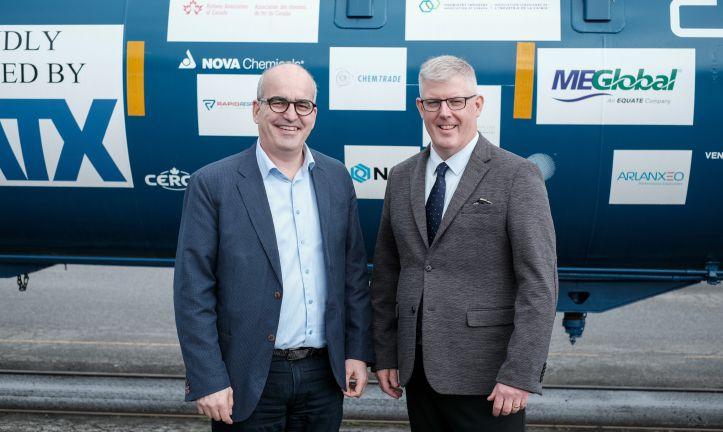
Community engagement takes tangible forms, including a Safety Train — essentially a classroom on wheels — which travels across Canada annually. This rail safety car, operated in partnership with the Railway Association of Canada, engages first responders, elected officials, and community members about chemical transportation safety. The program exemplifies Responsible Care’s transparency and accountability requirements while building essential community relationships.
Under Moffatt’s leadership, CIAC finds itself at the junction of economic competitiveness and environmental responsibility. His vision embraces both the industry’s foundational role in enabling other sectors, and its potential for continued innovation in sustainable chemistry and plastics.
The path forward requires balancing multiple priorities: maintaining Responsible Care leadership while advocating for competitive policy frameworks, supporting member innovation while addressing public concerns about plastics, and enabling private capital investment while meeting evolving environmental standards.
Moffatt’s approach emphasizes pragmatism without compromising core values. “Nobody’s talking here about cutting corners or reducing environmental standards,” he clarifies. “But looking at it through a lens of competitiveness, being a little pragmatic about what you’re trying to accomplish and



The industry’s evolution under his leadership will likely serve as a bellwether for Canadian manufacturing more broadly — exploring the question of whether the country can successfully balance environmental leadership with economic competitiveness in an increasingly challenging global market. For an “industry of industries” touching virtually every aspect of modern life, the stakes couldn’t be higher.
how industry and the chemistry and plastic sector in Canada fits within that.”
As global supply chains reorganize and environmental pressures intensify, Canada’s chemistry and plastics sector faces both challenges and unprecedented opportunities. With Greg Moffatt at the helm, CIAC appears positioned to navigate this complex landscape while maintaining its commitment to Responsible Care and collaborative innovation.

Pondering the big question in Canadian manufacturing
By Ryan Kershaw
Industrial organizations in Canada (and let us face it, globally too) have had a rough go of it over the past half decade. COVID-19 in 2020 forced shutdowns and a radical change in how business was handled on a day-to-day basis. As we got over that, in came high inflation, causing prices to ramp up quickly and inject a massive amount of uncertainty into the market. Finally, just as inflation was coming under control, in came the tariffs. That is three major shifts to the market, and we are just over halfway through the decade.
Canadian manufacturers are under a massive amount of pressure and are trying to figure out where to invest and where to cut. As they chafe under (what are understood as) crippling regulations and a labour pool that is under performing on productivity — when compared to our peers — competition in the current market seems a tall order. Falling back on natural resources and letting manufacturing take place elsewhere seems to be the safe play. However, Canada has a strong background in manufacturing and has proven that it can compete, even with tighter regulations and higher labour costs. Is it easy? No. Will it take place overnight? Hardly. But those companies that can advance their technology, processes, and organizations will flourish. I have seen it before.
THE DOFASCO EXAMPLE
In 2009, the CPCA (Canadian Process Controls Association) had their AGM in Hamilton, and invited a representative from Dofasco to come speak to the members. Anybody working with manufacturing suppliers in the GTA and Hamilton at that time likely found themselves
at some point walking through the facilities of the two major steel makers, Stelco and Dofasco. They were major consumers, and it was pleasant to spend time on the waterfront on a summer day.
While Stelco and Dofasco sit next door to each other, there was no mistaking which you were in. “Antiquated” was probably the kindest way to describe Stelco, while its next-door neighbour was anything but. As you walked into any area in Dofasco you noticed the pipes were labelled, the floors were clean, and no suspect liquids were dripping from the ceiling above. Dofasco had (and still has) a reputation for being an advanced manufacturing facility, employing the latest technologies and processes. It was a similar story on the labour side. They provided good pay, treated workers well, and strove for safety. High labour costs, onerous regulations, and pricey advanced technology: there was no way it could compete globally, right?
In addition to the threat posed by competitors, Dofasco had at that moment been recently acquired by ArcelorMittal, an Indian conglomerate with steel making facilities around the world, many of them in areas with less expensive labour and lax regulations.
The audience at the AGM was looking forward to behind-thescenes insight about how the financial crisis was affecting a major industrial player. Much of the room was expecting to hear a tale of doom and gloom, but the executive told the room that things were actually going pretty well. They had managed to avoid much of the pain that others in the industry had seen, and were expecting things to improve shortly.
He attested the secret to their success were the significant upgrades they had put in place in the decade prior, especially their crown jewel: a new Electric Arc Furnace (EAF). The gamut of improvements had given them a significant cost advantage over others in the sector. In fact, they had done so well that the company had put them ahead of facilities in Brazil when it came to finding capacity. Think about that; a Can-
adian company had managed to outcompete a facility in a country with a much lower cost point, not on quality or delivery or some other metric, but head-to-head on cost.
“Much of the room was expecting to hear a tale of doom and gloom, but the executive told the room that things were actually going pretty well.” — Kershaw
It is difficult to determine what is holding us back, and there are a few reasons.
Quarterly thinking: Manufacturing organizations tend to have a long history, but a short-term horizon when it comes to looking forward. It is not uncommon for manufacturers to have equipment, especially larger equipment, that is decades old. These systems represent large capital investments, and companies are reluctant to replace them. Further, many companies are worried about the next quarter or the next financial year, with the next five years or the next decade being a fuzzy picture at best. This can limit planning or investment for long-term projects with long-term effects.
Shaky foundations: Many companies that do move forward with improvements will invest in proofs of concept (PoCs) and are able to see some improvements and wins. But when they look to scale them across an organization or an enterprise, the difficulty scales with the scope. Building a strong foundation is difficult, time consuming, and rarely has a positive associated ROI. In truth, building a strong digital backbone, implementing standardization, and creating a culture of change and improvement can have significant payoffs when it comes to scaling a new technology or process.
Absence of a holistic approach: Change succeeds when the three
core aspects, people, process and technology, align. Many organizations lead with technology without consideration of who will use it and how. This is typically referred to as “Shiny Object Syndrome” — the tendency to try out the newest cool bit of technology. Designing change needs to take account of all three aspects and, when it is done right, technology should almost be the last thing on that list. Processes first need to be designed for efficiency, people need to be brought into the change process to identify potential issues, and technology needs to be used to weave it all together.
How can organizations both identify projects that will succeed, and build for lasting success?
Think ‘TCO’: Focusing on the Total Cost of Operation, and looking at the alternatives over the long run, can be an effective way to counter quarterly thinking. That said, it can also be the most difficult to nail down. How accurate are the maintenance projections going to be? This is also where better data can help. Keeping better track of what equipment and systems are actually doing, rather than relying on anecdotal evidence, is paramount.
Build a Proper Base: While it can be difficult to justify at the beginning, putting money into foundational projects can make a huge difference later on. Dofasco did not just decide one day to make major investments in cleaner, more efficient technology; it slowly emerged by developing a culture and processes that could make that happen. For those looking at digitization projects, the data backbone will be critical. But it will also be important to develop a data-driven culture that will use and appreciate the infrastructure and improvements. The “build it and they will come” philosophy is not a great strategy outside of fantastical sports facility construction.
Bring Along the Organization: There is a misconception in many organizations that engineering projects should be run exclusively by engineering: ‘When they need it, the engineers will reach out to the finan-
cial department for funding, and HR for people.’ Much better to include everyone from the beginning. Finance can tell you why the project may or may not work, and can help you translate operational advantages into financial ones that will be easier to sell. Involving HR at the strategic level can help to find the right people, determine the right development paths and provide insight on how to structure roles. Get input from those that have expertise in different areas.
Tip the Financial Scales: There are many different programs out there that can help with funding new projects, and can increase efficiency. Canada’s Global Innovation Clusters initiative brings together suppliers, end users, academics, and government to help increase productivity. They are always looking for new projects to support (https://ised-isde.canada.ca/site/ global-innovation-clusters/en). In the energy efficiency arena, many utilities offer programs for projects that can reduce or shift energy usage. Do not let money be an obstacle.
Regulations can be a hurdle to overcome. If the current market conditions have had any immediate positive impact, it will be the reopening of the internal barriers in Canada. It is often surprising to encounter the fact that there is no free trade between the provinces, but try to do certain things and barriers will quickly be encountered. It is not even just formal barriers, but informal ones as well. Something that has been a constant thorn in the side of many Canadian industrial companies, suppliers and end users alike, is the CRN system. With many other barriers dropping, there is hope that this system will be reviewed as well.
While CRNs and pressure regulations may still be behind the times, electrical regulations have been keeping pace. The Canadian Electrical Code was updated a few years ago to be more inclusive, integrating more internationally used standards. This allows Canadian companies to deploy more easily equipment from around the world, helping them keep up with the latest advances in technology. Companies should also know that even those pieces of equipment that do not have local certification can potentially be trialled through the use of a special inspection from a recognized Certification Body (i.e., ULc, CSA, Intertek, etc.). While regulations can appear to be a hurdle, there are ways to address them. A good certification specialist can be worth their weight in gold in these situations!
Canadian companies can be competitive in the global market; we have proved that again and again. But this requires a long-term perspective. The quarter-to-quarter way of doing things just does not cut it. There are headwinds for Canadian companies like labour costs and regulations, but the smart companies will turn these weaknesses into strengths.
While labour costs can be high, so too are the skills of the Canadian worker. Canada typically ranks in the top 5 when it comes to level of education. Taking advantage of this by em-
ploying automation to take on the dull and repetitive jobs can be a major force multiplier and allow workers to focus on issues that are best solved through creativity, something that cannot be automated. In addition to automation, AI and GenAI are two major tools that can help reduce the amount of administrative work that employees are doing. Again, automate the dull jobs.
However, advances are only going to scale if the right conditions are present, and this is one area where long term thinking is certainly required.
Build the foundation, review the processes, and develop a culture of change. Do the hard work, and change will be transformative and lasting. As Dofasco proved, Canadian manufacturing can be cleaner and more cost effective, but it needs smart investment.

RYAN KERSHAW is the Director of Industrial Process and Controls at Thing-Zero and lives in Maple, Ontario.


Precise temperature measurement underpins safety, quality, and efficiency across virtually every industry. Temperature measurement is crucial for safety and hazard prevention. In industries with exothermic and endothermic reactions, uncontrolled temperatures can lead to runaway reactions, fires, or explosions, endangering workers and equipment. It is important for product quality and consistency. Precise temperature control ensures that chemical reactions occur under optimal conditions, leading to consistent product quality and preventing unwanted by-products.
Process efficiency is dependent on temperature measurement. Maintaining the correct temperature helps optimize reaction rates, reducing energy consumption and minimizing raw material wastage. Proper temperature regulation prevents overheating, thermal stress, and corrosion in processing equipment, thereby extending its lifespan and reducing maintenance costs. Finally, many industrial processes are subject to strict environmental and safety regulations, and accurate temperature control helps meet industry standards and avoid legal penalties.
THE IMPORTANCE OF PREDICTABLE PERFORMANCE
In temperature measurement, operators often value repeatability more than accuracy. Knowing whether a temperature measurement is accurate when mounted in any given installation is very difficult to establish. One can check the sensor accuracy as per standards like IEC 60584. But once it is inserted in a thermowell - protective tubing that protrudes into the process, used to protect the sensor - the errors can stack up.

The way operators overcome this is by mounting a second or third thermowell for safety and redundancy. The measurements all have to be the same, whether they are accurate or not, including every time the units are replaced for maintenance.
When used in safety and control systems, temperature transmitters and sensors need to have predictable performance and, preferably, be able to go for long intervals before they are checked. That is why certification, from independent bodies, that the transmit -
ters and sensor assemblies are capable of being used in safety systems is so vital.
The response time of the temperature measurement assembly in any given process condition is critical to setting the control or even safety responses. However, judging the response time of an assembly under a given process condition is very difficult to model and, in many cases, can only be derived empirically for a small subset of assemblies. There are too many variables, and experience plays a significant part. So
having a reproduceable and predictable response time for a given measurement allows engineers to judge where and how a system can be designed.
In process plants, measuring temperature at critical points can be difficult due to equipment design, insulation, and hazardous environments. Ensuring accurate readings without interrupting operations can be a major challenge.
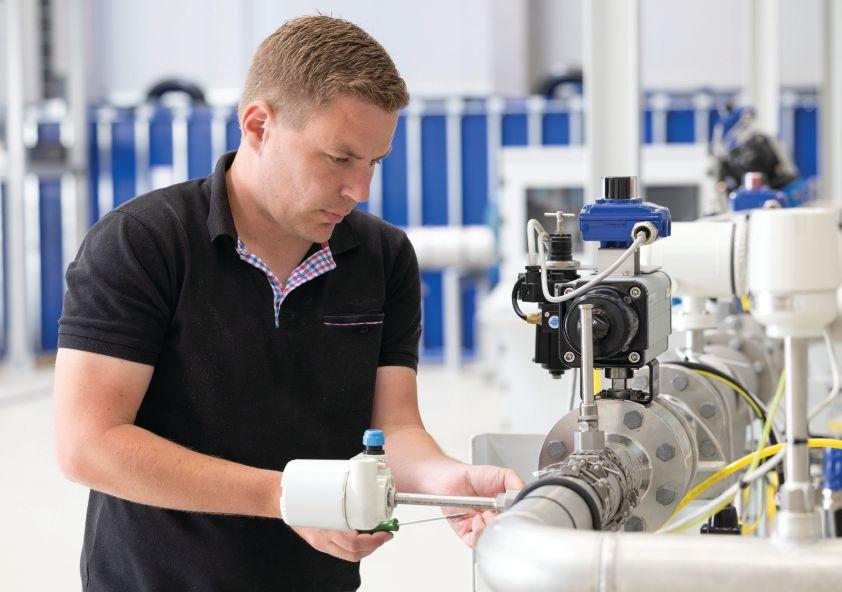
In addition to this, many processes involve extreme temperatures, high pressures, and corrosive or abrasive substances. These conditions can degrade sensors and instruments, leading to inaccurate readings and frequent maintenance. Some reactions are highly sensitive to temperature fluctuations, requiring precise and rapid adjustments. Small deviations can lead to unwanted by-products, reduced yield, or even dangerous runaway reactions. However, these do not capture the true looming challenge. Every penetration or mounting point for a sensor needs to be welded. Welding is an art that can produce many hidden defects, the vast majority of which can only be detected with non-destructive testing. With the generation and skills gap that the industry is facing, there are less and less experienced welders. In addition to this, tremendous amounts of adminis-
“Well-designed surface temperature sensors and modelbased systems can provide the reliability, repeatability and predictable responses required of a temperature measurement without having to penetrate the piping.”
— Sosale


“With the generation and skills gap that the industry is facing, there are less and less experienced welders.” — Sosale
trative paperwork are required and quality checks have to be put in place to ensure that every weld is as safe as possible.
Let us do the math on the risk that we are facing. Assume that a plant has about 100
urement involves several welds both on the thermowell and on the mating connection to the pipe. Typically, there are1-3 on the thermowell and 2-3 on the small-bore connection to the pipe. That is a total of 300 to 600
by a single party but by a host of different contractors and suppliers, depending on who installs the small-bore flanges to connect to the pipe.
Only one failed weld is needed to trigger the release of a toxic gas, an explosion, or to be the source of a major leak. For every small-bore connection that is eliminated, 3-6 potential failure points are eliminated, along with the mountains of checks, time and paperwork involved in verifying them.


There are many current trends such as the use of Wireless, IoT-enabled sensors. These eliminate the need for cabling and allow a more cost-effective proliferation of sensors. However, they are only suitable for monitoring applications and are not widely used for safety or even control applications.
Sensors and transmitters capable of being used in safety systems with SIL (Safety Integrity Level) 2/3 capabilities are being requested as standard, even for non-safety related applications. This simplifies handling and reduces the risk of the wrong device being used in the wrong application. This requirement is also being applied to non-invasive approaches. There is a growing demand to ensure that the transmitters have a mean time between failure that far exceeds the lifetime of the plant, thus reducing the cost and burden of being forced to change

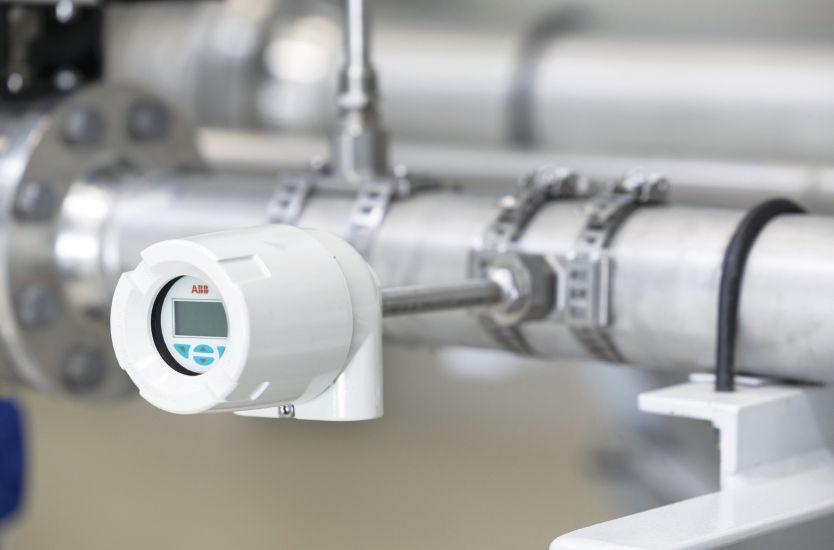
The most interesting trend is the increasing acceptance and use of non-invasive (or non-intrusive) and clamp-on sensing approaches. These approaches use the existing piping surface temperature to infer the process temperature. For a large section of process applications (turbulent flowing media in a metal pipe), the surface temperature correlates closely with the bulk process temperature. Well-designed surface temperature sensors and model-based systems, that can compensate for the typical errors of surface sensors or even infrared sensors, can therefore provide the reliability, repeatability and predictable responses required of a temperature measurement without having to penetrate the piping. This makes such measurements inherently safer, reduces the maintenance needs and eliminates risks associated with thermowell or small-bore weld connection failures. Standards for the use of such sensors are therefore making their way into industry recommendations such as
Non-invasive solutions certainly will not be used for all potential applications, but they can make the thermowell the exception - only to be used for challenging applications with response times or flow conditions that do not allow the piping to be used as a reference for the process (such as in low pressure,
Non-invasive temperature measurement is inherently safer for all the reasons mentioned above. Furthermore, it simplifies the installation dramatically as it eliminates the different variants of thermowells and sensors used in a plant. A single variant can be used from DN15 (1/2”) to DN2400 (96”) piping which greatly simplifies documentation, spares and management of temperature points.
In addition, non-invasive temperature measurement reduces the overall cost of installation by up to 75% vs traditional approaches, while reducing the lifecycle costs of maintenance and inspection.
Lastly, by using the pipe as the body in contact with the fluid, both the accuracy and response of the system can easily be modelled by tools giving a complete paradigm shift in determining if the measurement will meet the safety and control requirements; this can be predicted, giving operators the knowledge of how to tune the system.
“With growing consensus among leading suppliers, non-invasive measurement has proven to be a powerful, viable alternative, eliminating process intrusions, reducing maintenance, and improving safety.”
The rising and justified interest in bringing Ethernet to the field (with APL advanced physical layer) that allows protocols like Profinet or Modbus TCP to be more widely used will open a whole new host of possibilities for ease of documentation, tracing and replacement of temperature measurement points.
The use of Ethernet-APL would further strengthen the use of non-invasive temperature measurement across industries. However, it will still be a few years before standards for the use of such protocols for safety are fully established and temperature, being critical for safety, will take time to be adopted.
Temperature measurement is ubiquitous, and a non-invasive approach is a complete rethink of ascertaining the temperature measurement at a given point. It can be used in any measurement location with a flowing medium in a metal pipe. However, like any technology, it still needs an understanding of the process and needs to determine the response.
For decades, thermowells have been the default for temperature measurement, but
the industry is at a turning point. With growing consensus among leading suppliers, non-invasive measurement has proven to be a powerful, viable alternative, eliminating process intrusions, reducing maintenance, and improving safety.

GURU SOSALE is the Global Product Manager, Temperature and Non-invasive Technologies, ABB Measurement & Analytics. In this role, Guru drives the product strategy for
temperature and non-invasive sensing in the Measurement & Analytics division in ABB’s Process Automation Business Area. Guru joined ABB in 2011 as a Senior Scientist for Industrial Sensing Technologies. In this role, he championed research and development of competitive non-invasive sensors to replace traditional instrumentation in process industries. Guru holds a PhD in Mechanical Engineering from McGill University, Montreal, Canada. He is based in Munich, Germany.

By Justin Yule
Global Energy Show Canada 2025, which took place in Calgary’s BMO centre on June 9-11, continues to be a mainstay energy event. It broke many of its own records in terms of size and attendance, and attracted many esteemed guests both foreign and Canadian. Canadian Process Equipment & Control News had the great pleasure of sitting down with Nick Samain, Senior Vice-President of DMG events and the powerhouse behind the dazzling trade show, to debrief on this year’s event and gauge the mood of oil and gas in Canada. We spoke about opportunities, challenges, and the importance of telling stories.
Canada’s energy sector gathered in Calgary against a backdrop of global fear and uncertainty. It was just five short days after the Global Energy Show that the Calgary region would also play host to the 2025 G7 Summit, where world leaders gathered to tend not only to an agenda itself overflowing with challenge and crisis, but also to navigate growing middle-east tensions that, with a potential closure of the Straits of Hormuz, could cause havoc for oil prices (Samain nevertheless boasted that it was his show that took the lion’s share of the hotel bookings in the city; telling, perhaps).
Further, Canada’s own election of the liberal candidate Mark Carney poses some as of yet unanswered questions. Carney has echoed Poilievre’s language of making Canada an “energy superpower”, and has pledged to speed up the project review process. But the PM must shake off the reputation of his predecessor, not much loved in Canada’s energy provinces. Will election promises prove empty words? Samain says that the Canadian industry is quietly hoping that the new Liberal PM will strike a different tone. ‘I

am hearing voices in Alberta saying “let’s give Ottawa a chance, let’s see if we can work this out.” I haven’t heard that in a long time!’
Indeed, the election of Donald Trump to the presidency of the United States, mustering the energy industry to his banner with a “drill baby drill!”, seemed on the face of it to have torn down the barriers of a Biden-era intransigence, and created a boon for the energy sector. But this was a call made only to the American energy sector. Amid the new era of tariffs and protectionism between the US and Canada, Trump has suggested that America, the buyer of 95% of Canada’s oil exports (99% for natural gas), no longer has
Calgary hosts the second-largest number of corporate headquarters in Canada.
any need of Canadian oil; it will become an energy fortress. It would seem the table is being set for a feast, and Canadian companies are not invited.
Be it war, isolationism, or federal ambiguity, the Canadian oil and gas industry could be forgiven for a degree of pessimism. It is for this reason that the biggest surprise at the Global Energy Show was its ‘cautious optimism’.
Hosted on Calgary’s legendary Stampede grounds, between the meander of the Elbow River and the towers of downtown, the Global Energy Show feels integral to a city that already ripples with

energy. This year, industry professionals, engineers, ambassadors, financiers, politicians and energy influencers from around the world — not to mention Peter Mansbridge himself — were hosted by Albertan Premier Danielle Smith and local industry players to discuss the shape of the sector to come. “This year’s Global Energy Show Canada was a defining moment for the sector. We saw extraordinary engagement from across the energy spectrum, including conventional, transitional and emerging technologies; reflecting the momentum of the global energy conversation,” mentioned Samain.

The event spilled into outdoor areas of the Stampede grounds, where guests could enjoy pancake breakfasts, BBQ, and live music, bestowing the Energy Show with something of the energy of the Calgary Stampede, the world-famous rodeo taking place in the same location only a month later.
‘This year, we saw a measured increase in the mood of the event, even over the 2024 event. The trade show was busier, and the feedback from delegates was really excited,’ said Samain. He explains that the show has seen some success over the years, but the last decade has also
been marred by a cloud of fear and hesitation hanging over the sector — expecting bad news, negative press, and stymied pipeline ambition. Oil and Gas has been in a ‘defensive posture’ for a while, and only this year did the Global Energy Show see the industry unclench its fists and loosen its shoulders. Indeed, the buzzword for this year’s event was ‘cautious optimism’.
‘Cautious’, for the aforementioned reasons; the industry remains clear-eyed. But optimistic because certain key factors seem to be turning, and the mandarins of the industry are able to see past the noise.




The ‘lost-decade’ for Alberta’s energy sector, triggered by the 2014 oil price crash and sustained by a lack of productive investment, seems to be coming to a close. Indeed, final numbers indicate that 36,387 attendees walked the floor of the show — a 25% increase from 2024. That’s something to be optimistic about!
TO
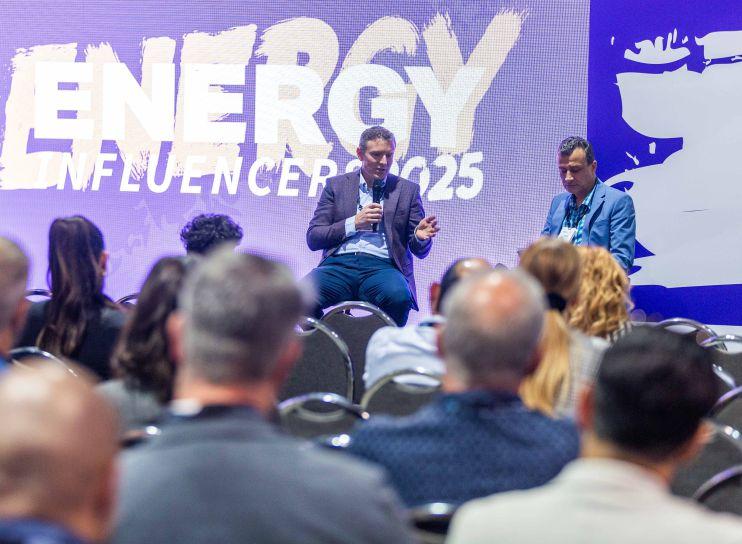
2025 saw the launch of the Energy Influencers Conference; Excellent hospitality breeds excellent connection; Attracting the next generation means rethinking stale concepts.
Even considering all the material success of the event, Samain conveys that the biggest success of the Global Energy Show was the impression it gave, and the story it told. In a period of uncertainty, where people and institutions do not know what the future holds, or what type of story we’re in, it is a significant act to deliver a compelling and plausible narrative. Since the illustrious James K. Gray started the show in the late 1960’s with the purpose of presenting the nascent energy industry to the general public, the show has above all been about telling Calgary’s, Alberta’s, Canada’s energy story — weaving a narrative. That narrative unites and orients us, fixes our eyes on a certain point of the horizon, and readies us for joint action. That is what the Global Energy Show achieved this year, it readied the industry for action.
Nick Samain credits the success of the event to his team of volunteers on the executive committee, a group of energy executives and former energy ministers who represent the leadership of the industry itself. If telling a story is a meaningful act, then it surely matters who does the telling. The ingenuity of the Global Energy Show is its harnessing of these senior voices alongside the next generation. Nick and his team launched a new ‘Energy Influencers’ conference that turned the conference format on its head, inviting young professionals to connect and collaborate over basketball and arcade games. This created an inviting atmosphere that told young people, ‘you could be doing anything, but you have chosen this, and we are grateful for it.’
With this approach, the Global Energy Show is ensuring not only its own longevity, but the longevity of the industry itself.
On the agenda this year was how to turn challenge into opportunity. With an increase in friction with Canada’s southern neighbour, the conference was framed around two major themes: 1) building up Canada’s domestic infrastructure so that refinement can be performed domestically; and 2) diversifying Canada’s energy customer, creating new connections beyond North America.
Even while leadership from the new PM is unsure, Canada’s industry understands the need to bring more of the value-chain under Canadian auspices. ‘The show needed to express a call for the


The conference spilled out into the Stampede Grounds.
energy supply chain to be ready and prepared to build domestic energy infrastructure’, said Samain. As such, much of the marketing material and technical content revolved around the opportunities and difficulties of initiating a whole host of new Canadian projects. There will be money to be made by manufacturers and suppliers in building out the infrastructure of Canada as an energy super-power.
In turn, the show centered the need for Canada to diversify its energy customer. A Canada that can not only extract and refine, but also ship and sell oil and gas outside of the United States is a Canada that can tell its own story. Headway is being made in making that possible. LNG
Canada, a $40B liquified natural gas plant in Kitimat, British Columbia, is coming online this year and will provide access to Asian markets for Canada’s LNG producers. Additionally, the federally owned Trans Mountain Pipeline is up and running, carrying Albertan oil across the Rockies to the west coast. While the pipeline remains underutilized for now, with the fee structure reworked it will be a major artery connecting Alberta to the world.
The demand for Canadian oil and gas is certainly there. The show this year had a record number of international pavilions exhibiting, representing Europe, Africa, Asia, and South America, and Global Affairs Canada tracked over 800 business deals between Canadian and foreign companies. With an unpredictable United States, a heavily sanctioned Russia, and a troubled middle east, Canada is a very attractive energy partner.
This global enthusiasm for what Calgary is selling is well summed-up by the attendance of His Excellency Haitham Al Ghais, Secretary General of OPEC. His speech — urging us to base future energy policies on reality, not ideology, and tangle with the notion that there will be no peak oil moment — made headlines, and it was significant that it was given in Calgary.
NICK SAMAIN joined dmg events in 2014 as Vice President, Energy, and subsequently appointed Senior Vice President, North America in 2022. He has extensive leadership experience in the global events sector serving industries that include manufacturing, energy, technology, construction, mining, professional sports, consumer goods and publishing.Nick oversees P&L, operational and strategic responsibilities for dmg’s diverse and growing portfolio of B2B trade exhibitions in the Americas region, as well as developing new and exciting launches to market. Prior to joining dmg events, he has held leadership positions with SME, RX Global and dmg world media in both trade and consumer exhibitions.

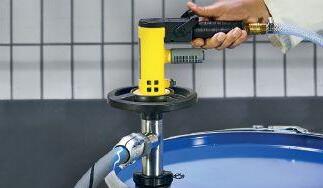
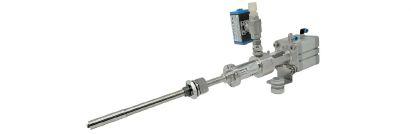
VALMET INTRODUCES ENHANCED PULP FILTRATE EXTRACTOR FOR PH MEASUREMENT
Valmet has released an updated version of its Pulp Filtrate Extractor, designed to improve pH measurement accuracy in pulp filtrate applications. The device features increased filtrate flow rates and continuous process temperature monitoring capabilities.
The extractor incorporates several technical improvements over previous models. The system maintains higher filtrate flow rates, with the company reporting flow rates approximately 70 per cent higher than comparable solutions. This increased flow is intended to ensure measurement conditions reflect the actual temperature of the filtrate being measured.
The device includes self-cleaning functionality that uses existing process filtrate, reducing the need for additional water, pressurized air and manual intervention. This automated cleaning process is designed to minimize routine maintenance requirements.
Safety and usability improvements include a weight reduction of more than 30 per cent compared to similar products. The lighter design is intended to facilitate easier handling during maintenance and installation procedures. www.valmet.com
KAMAN MEASURING DIVISION ANNOUNCES PRECISION SYSTEMS FOR OPTICAL COMMUNICATION

Kaman Precision Products Inc.’s Measuring Division has announced its range of differential non-contact eddy current measuring systems designed for free space optical communication applications. The systems are used in commercial and military imaging satellites, communication satellites, interplanetary exploration vehicles, laser targeting systems, night vision equipment, and optics stabilization systems. The differential inductance transducer systems provide position feedback for applications requiring precise beam alignment over distances of hundreds or thousands of kilometres.
The product line includes three main systems: the KD-5100+ displacement measurement system, the DIT5200L differential impedance transducer, and the KD-5600 digital differential measuring system.
KD-5100+ System
The KD-5100+ measures 2 x 2.12 x 0.75 inches and is designed for laser communications satellites, ground stations, image stabilization systems, and directed energy applications across ground, shipboard and airborne platforms. The system is manufactured to Mil-PRF-38534 Class H standards
and uses MIL-SPEC components throughout its electronics.
The KD-5600 incorporates custom sensors, signal processing, analog-to-digital conversion, and calibration systems. The KD-5690 system configuration provides digital output with high bandwidth and linearity, along with a communication bus for data transfer.
The DIT-5200L offers differential measurement capabilities with common mode rejection. The system provides subnanometer resolution with sensitivity up to 10 volts per mil and linearity up to 0.1 per cent full range. Built to IPC A-160 Class 3 standards, the analog system features a 9-pin mini-D connector for input/output and reverse voltage protection for power connections. Commercial-off-the-shelf screening options are available depending on program requirements. www.kamansensors.com
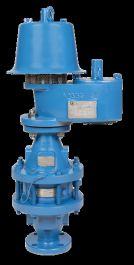
Groth Corporation has announced the release of its Models 88E and 88F Pressure/ Vacuum Relief Valve and Flame Arresters Combinations, designed to provide both pressure relief and flame arresting capabilities in a single unit.
The dual-function valves are intended to protect storage tanks from overpressure and vacuum conditions while preventing flame propagation. The products have received certification under ATEX (EN ISO 16852:2016) and PED standards and meet API-2000 leak requirements.
The 88E and 88F models feature flow rates optimized for high-capacity pressure and vacuum relief at 10 per cent overpressure. The valves incorporate a 316SS spiral-wound flame element designed to provide protection against flame transmission.
The products are available in sizes ranging from two inches to 12 inches (DN 50 to DN 300) and can be manufactured in aluminum, carbon steel, and stainless steel. Optional features include exterior coatings and factory-installed thermocouples for flame detection capabilities. The valves feature removable element housing to facilitate routine inspections and maintenance procedures. Groth Corporation, based in Stafford, Texas, specializes in pressure relief and flame arresting solutions for industrial applications. www.grothcorp.com
Trafag AG has introduced the 8719 Gas Density Monitor for gas insulated switchgear applications in utilities, renewable energy and manufacturing sectors.
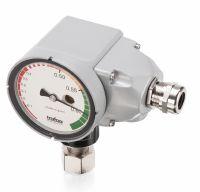
The device features a 75-millimetre dial designed to improve readability of gas density levels. It includes up to five galvanically separated circuits for independent monitoring of multiple density levels and alarm functions.
The monitor operates across temperatures from -40 C to +80 C with full temperature compensation. It offers IP65/IP67 protection ratings for indoor and outdoor installations, with optional rain covers and thermal protection available.
The system uses absolute pressure reference gas measuring to monitor insulating gas density directly. The design eliminates thermal expansion effects through 1:1 compensation across the full temperature range.
The 8719 is compatible with SF6 and alternative insulating gases. Dial scales and units can be customized for specific applications.
The device requires no scheduled maintenance over its operational lifespan.
Trafag AG manufactures precision measurement instruments.
www.trafag.com

Aalberts integrated piping systems has announced its Shurjoint product offerings, which include the XH1000, 7120, and 7180 lines for commercial, industrial, and energy sector applications. The Netherlands-based company, which specializes in integrated piping systems for liquid and gas distribution, said the products are designed for high-pressure environments and system flexibility.
The Shurjoint XH1000 series consists of the XH-1000T and XH-1000E rigid couplings, which the company says can handle working pressures up to 1,000 psi. The couplings use grooved technology that eliminates welding requirements, according to Aalberts. The 7120 series features grooved-end fittings made from ASTM A536 ductile iron with hot-dip galvanized and varnished finishes. The fittings are manufactured to standard pressure ratings and designed for compatibility with model 7707 couplings.
The 7180 universal flange adapter is engineered to work with multiple flange types, including ANSI 125/150, PN10, PN16, JIS 10K, and BS-10E standards. The adapter is designed to facilitate connections between flanged and grooved piping systems. Aalberts integrated piping systems operates as part of Aalberts N.V., a publicly traded Dutch company that serves industrial markets in Canada and around the world.
The products are available through the company’s distribution network. www.aalberts.com

Amplify Content Studio is a full-service custom content studio, helping companies share their story, build brand awareness and garner trust through original content.
There are so many ways to reach a target audience. We’ll craft you content for any medium:
• Thought leadership – long-form or short-form articles
• Blogs, whitepapers, infographics and case studies
• Webinars, podcasts and video
• Tradeshow marketing content, with in-house commercial printing services
• Automated content marketing supported by first-party data ....and so much more!

Connect with an account manager or scan to learn more
Pat Lorusso
T: 416-518-5509
plorusso@annexbusinessmedia.com