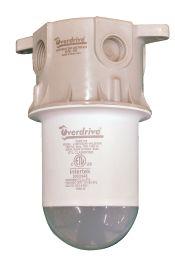
5 year warranty (proper dimmer required for dimmable bulbs)
Tackling
Tech
by Brett Ruffell
Hopeful signs on the avian influenza front
The North American poultry industry has been on edge since late last year. That’s when highly pathogenic avian influenza (HPAI) was discovered on the continent for the first time since the 2015 outbreak.
It was initially detected in Newfoundland in a few wild birds. Then in early December, it hit a small flock – an exhibition farm in St. John’s. Most of its 400 birds died from the virus and the rest were culled.
That’s about where we left off in last issue’s update. Since then, it’s been detected in every other Atlantic province, including in a turkey flock in western Nova Scotia.
That led to 12,000 birds being culled. It also led to international trade restrictions being placed on some Canadian poultry products. That’s because the detection in a commercial flock led to Canada’s animal health status being changed to not free from avian influenza.
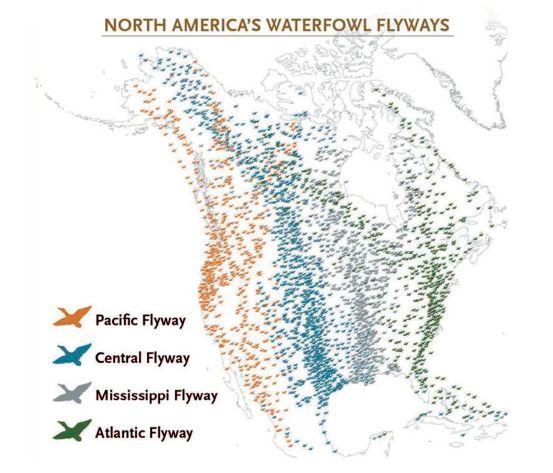
HPAI also reached North America’s Pacific Flyway for the first time this year when it was detected in a bald eagle in Vancouver. A report by the World Organisation for Animal Health (OIE) states, “The finding from B.C. is likely a separate introduction from that in the Atlantic provinces.”
The virus has now been detected in all four North American flyways, the other three being the Central, Mississippi
and Atlantic Flyways.
While the virus is obviously circulating amongst Canada’s wild bird population, experts are relieved no other large commercial operations have been hit since the turkey barn in February.
“Yes, that’s not too long ago. But it’s a hopeful sign,” says Dr. Tom Baker, manager and incident commander of the Feather Board Command Centre (FBCC), who I interviewed for a podcast update on the situation in early March. “It’s even possible that some of those avian influenza control zones could be removed [by April].”
Things are more concerning
“If everyone’s practicing their biosecurity
properly, even if it’s in the wild population it’s not a given that it will end up in the barns.”
stateside. At the time of writing this column, 18 poultry premises have had the H5N1 strain across nine states. This has resulted in 1.6 million birds being culled thus far, according to the FBCC.
Baker says the fact that it’s been detected in Iowa is an ominous sign. “Iowa suffered heavily in 2015. It’s a major egg production region. They lost 35 million birds in 2015. So, they’re very concerned that this might spread into the commercial sector.”
Baker says there are some notable differences this time around. For one, the strain currently spreading is a Eurasian strain of HPAI H5N1. Biologists described the one that spread in 2015 as a North American strain.
The Eurasian strain appears to be more contagious and deadlier, Baker says. “In some cases, the birds die almost immediately.”
Europe and Asia have already been struggling with the strain for a couple of years. “Almost every country in Europe and Asia, even India and Africa, is being hit with the same virus, the same strain, which is unusual,” Baker notes.
Another key difference is where the disease spread from. “Eastern North America really escaped avian influenza in 2015, partly because it’s in a different flyway – the Atlantic Flyway. That outbreak did pretty much stem from the west coast.”
Baker ends with cautious optimism for Canada’s situation. “The migration’s a little bit later here than it is in the States. So, I don’t think we’re out of the woods. But, ideally, if everyone’s practicing their biosecurity properly, even if it’s in the wild population it’s not a given that it will end up in the barns.”
To hear my full conversation with Baker, including his tips for how producers can protect their barns from HPAI, visit canadianpoultrymag.com/ podcasts. Also, watch out for another in depth update on the situation in the May issue of Canadian Poultry.
canadianpoultrymag.com
Reader Service
Print and digital subscription inquiries or changes, please contact Anita Madden, Audience Development Manager Tel: (416) 510-5183
Email: amadden@annexbusinessmedia.com
Mail: 111 Gordon Baker Rd., Suite 400, Toronto, ON M2H 3R1
Account Coordinator Alice Chen achen@annexbusinessmedia.com 416-510-5217
Media Designer Emily Sun
Group Publisher Michelle Allison mallison@annexbusinessmedia.com
COO Scott Jamieson sjamieson@annexbusinessmedia.com
PUBLICATION MAIL AGREEMENT #40065710
Printed in Canada ISSN 1703-2911
Subscription Rates Canada – 1 Year $32.50 (plus applicable taxes)
USA – 1 Year $91.50 CDN Foreign – 1 Year $103.50 CDN GST - #867172652RT0001
Occasionally, Canadian Poultry Magazine will mail information on behalf of industry-related groups whose products and services we believe may be of interest to you. If you prefer not to receive this information, please contact our circulation department in any of the four ways listed above.
Egg Farmers of Canada (EFC) recently announced the release of its National Environmental Sustainability Tool (NEST), an online program that enables egg farmers to measure, monitor and manage the environmental footprint of their own farm. With the beta version of NEST, farmers can perform a sustainability assessment of their farm to understand key drivers of environmental performance, including energy and water use, while also exploring comparisons to farms in their region and across the country.
Weeden Environments sells equipment division to Harkness Equipment
Weeden Environments Inc. and Harkness Equipment have come to an agreement whereby Harkness Equipment will acquire the Poultry Equipment Division of Weeden Environments. Effective February 18th, Harkness Equipment, with offices in Harriston and Hickson, Ont., will operate their expanded poultry equipment business from their Hickson location. Going forward, Weeden will concentrate on its sprinkler systems and family of Proxy Clean Products.
Salmet announces co-operation with Glass-Pac Canada
Equipment companies Glass-Pac and Salmet recently announced they’ve formed a new partnership. As Salmet’s newest agent and distributor, Glass-Pac will be offering the company’s equipment for layers, breeders and broilers in Ontario and Alberta and stateside in Kentucky. Glass-Pac designs and manufactures ventilation systems, as well as distributes feeding and watering equipment.
University of Alberta student Thiago Noetzold was awarded the Aviagen Poultry Genetics Scholarship for his work around feed efficiency.
University of Alberta student awarded Aviagen Poultry Genetics Scholarship
University of Alberta graduate student Thiago Noetzold has been selected as the 2021 recipient of the Aviagen Poultry Genetics Scholarship.
Aviagen is a longstanding contributor to the Canadian Poultry Research Council (CPRC), and each year designates a portion of its donation to this scholarship aimed at encouraging future poultry leaders.
A panel of Aviagen geneticists selected Noetzold for this scholarship based on the quality of his doctoral research and its potential to benefit the poultry breeding industry.
Noetzold is pursuing PhD in Animal Science at the University of Alberta’s Poultry Research Center, Agricultural, Food and Nutritional Science department, where he also serves as a teaching assistant.
A native of Brazil, he holds a Master of Science in Animal Science from the Federal University of Rio Grande do Sul in Brazil and a Bachelor of Science degree in Veterinary Medicine from FAI University Centre in Brazil.
Based on his master’s research, two of his manuscripts were published in Poultry Science
journal.
A panel of Aviagen geneticists selected Noetzold for this scholarship based on the quality of his doctoral research and its potential to benefit the poultry breeding industry.
For his PhD, Noetzold is working on an Aviagen-sponsored project using precision feeding technology to find the optimal nutrient balance and growth curve trajectory, with a goal of maximizing biological performance of broiler breeder hens.
“My goal is to promote sustainable poultry production and increase bird health and welfare by helping birds to become more feed efficient,” Noetzold explains.
“I am grateful to Aviagen for this scholarship, which will help me further my research and fulfill my passion to work toward continual advancements in precision agriculture to enrich our ability to help feed the world with sustainable and healthy chicken meat.”
CFC Update
On-farm investment program
The Poultry and Egg On-Farm Investment Program (PEFIP), established by Agriculture and Agri-Food Canada (AAFC) to help Canadian poultry and egg producers adjust to market access losses due to the Comprehensive and Progressive Agreement for Trans-Pacific Partnership (CPTPP), is now open.
The PEFIP will grant $347.3 million to chicken producers over 10 years to offset qualified investments in their business. Funding for eligible producers is based on their provincial quota or production on January 1, 2021, as determined by their respective provincial marketing board.
Once registered with PEFIPOS, applicants can establish their maximum financing amount.
To participate, producers must first register with PEFIPOS and create a user profile. Project applications can be completed and submitted once the participant profile has been created.
On-farm investments that are eligible include those that:
• increase efficiency or productivity;
• improve on-farm food safety and biosecurity;
• improve environmental sustainability; and/or
• Respond to consumer preferences, such as improving animal welfare, converting to alternative housing systems, or switching to organic production.
All project applications
must be received by March 31, 2030, and all project activities completed by March 31, 2031. Applicants can also apply for financing for actions that began on or after March 19, 2019 and are still ongoing.
Please consult the PEFIP website for all additional information regarding the program and don’t forget to register!
Meeting with federal ag minister
Representatives from the national poultry agencies met with federal Agriculture Minister Marie-Claude Bibeau in mid-January to discuss items included in her new mandate letter. CUSMA support programs were a key priority for the meeting with the Minister, as the government previously committed to determining compensation within the first year of their mandate.
The new mandate letter states:
“As Minister of Agriculture and Agri-Food, as an immediate priority, you will develop a sector-specific strategy to ad-
dress persistent and chronic labour shortages in farming and food processing. You will also prioritize measures to support efficiency and climate-resiliency in the agriculture and food sector to strengthen food security and significantly cut agriculture’s environmental footprint, as well as working closely with provinces and territories and producers to support the sustainable growth of the agricultural and agri-food sectors, with an aim to establish Canada as a global leader in the sector. Furthermore, you will strengthen Canada’s food system, with particular emphasis on developing a National School Food Policy.”
The mandate spells out some of the commitments, including:
• “With the support of the Minister of Employment, Workforce Development and Disability Inclusion, and in partnership with provinces and territories, employers, unions and workers, develop a sector-specific Agricultural
Labour Strategy to address persistent and chronic labour shortages in farming and food processing in the short and long term.”
• “As part of a green agricultural plan for Canada, increase support to farmers to develop and adopt agricultural management practices to reduce emissions, store carbon in healthy soil and enhance resiliency; triple funding for clean tech on farms, including for renewable energy, precision agriculture and energy efficiency; and work with farmers and stakeholders to reduce methane and fertilizer emissions in the agricultural sector.”
• “Continue to protect supply-managed agricultural sectors, our family farms and the vitality of our rural areas, working with supply-managed sectors to provide full and fair compensation with respect to the Canada-United States-Mexico Agreement (CUSMA) and making this determination within the first year of our mandate. You will be supported in this work by the Minister of International Trade, Export Promotion, Small Business and Economic Development.”
• “Working with provincial and territorial governments, develop the next agricultural policy framework to continue to support the sustainable economic growth of the agriculture and agri-food sector, ensuring climate action and resilience are core to the framework.”
Chicken producers can now access the federal government’s $350M grant program meant to help mitigate the impacts of the CPTPP trade pact.
ROSS DELIVERS
• Leading
• Impressive Daily
• Strong Livability ROSS
• Highest Yield
• Excellent Breeder
Performance
• Exceptional Livability
IT’S HERE Highly Pathogenic Avian Influenza (HPAI)
Avian influenza has arrived in Canada, and it will continue circulating throughout North American flyways this Spring.
Strict biosecurity on farms protects your flocks and those of your neighbouring farms.
Closely monitor feed and water consumption, and immediately consult your veterinarian in cases of unexplained mortality or illness.
Stay away from wild birds and avoid handling any dead wild birds. Instead, report them to the Canadian Wildlife Health Cooperative, cwhc-rcsf.ca
PROTECT OUR FLOCKS
THE BEST DEFENSE AGAINST AVIAN INFLUENZA AND OTHER PATHOGENS IS A STRONG BIOSECURITY PROGRAM.
LRIC Update
By Lilian Schaer
Livestock Research Innovation Corporation (LRIC) fosters research collaboration and drives innovation in the livestock and poultry industry. Visit www.livestockresearch.ca or follow @LivestockInnov on Twitter.
Hen housing and egg quality
New research from the University of Ottawa shows that alternative laying hen housing systems can change eggshell cuticle quality, which reduces the risk of bacterial contamination and boosts food safety. The cuticle is the outer layer of the eggshell and serves as both a physical and chemical barrier against bacteria.
Egg farmers are increasingly moving away from conventional hen housing with cages to alternative-style barns that meet growing consumer demands for more welfare-friendly production. Enriched cage, free-run and free-range systems offer birds more freedom to express their natural behaviours. This potentially reduces their stress, which, in turn, can alter the physiology of the egg as well as impact the quality and deposition of the cuticle.
For the egg industry, a safe, nutritious and pathogen-free table egg is an absolute neces-
sity. The number of bacteria on the eggshell surface is a key predictor of how many bacteria might penetrate the egg. The eggshell’s outer cuticle layer is the first line of defense to keep out bacteria like Salmonella, which can cause food borne illness in humans, from entering and contaminating the egg.
“The egg is designed as a package to deliver life to the next generation. So, there are respiratory pores in the shell that deliver gases to the embryo inside – and this is also how bacteria can get in,” explains Dr. Maxwell Hincke of the University of Ottawa, who has recently completed research into this issue in partnership with Burnbrae Farms.
Post-doctoral researcher Dr. Garima Kulshreshtha led the work to examine and establish differences in shell cuticle properties of eggs stemming from birds living in different housing systems. She used spectroscopy and electron microscopy to evaluate the
Our study is the first to show that housing systems can impact cuticle and food safety parameters.
cuticle components and its characteristics. Kulshreshtha also developed an assay to identify how antimicrobial or hydrophobic proteins resist Salmonella adherence to the eggshell surface.
Study results showed that the cuticle plug thickness and pore length were higher in the freerange eggs as compared to conventional eggs, and eggshells from alternative caging (enriched and free-range) had a higher total cuticle compared to eggs from conventional cages.
“We observed that there are differences among eggs from different housing systems, with eggs from alternative housing having better cuticle quality than those from conventional systems,” Kulshreshtha says. “We also observed that bacteria adhered less easily to eggs from free-
range housing compared to enriched housing. These results indicate that the housing systems of layer hens can modify the cuticle quality and thereby impact bacterial adherence and food safety.”
As the industry adapts its production practices to respond to demands from consumers, research like this is important, Hincke believes, to ensure quality and safety aren’t negatively impacted by the changes.
At the same time, the industry’s investment in this type of research can help assure consumers that egg producers are committed to delivering safe, nutritious eggs in a sustainable manner.
“Our study is the first to show that housing systems can impact cuticle and food safety parameters and that there is variability – nobody has ever done this before and it’s important to know this type of information as we transition to alternative housing systems,” Kulshreshtha adds.
This project was funded by Egg Farmers of Ontario (EFO) with in-kind support from Burnbrae Farms. Egg Farmers of Canada, the Natural Sciences and Engineering Research Council and U.S. Poultry have contributed to Hincke’s previous research into eggshell quality, washing and cuticle evaluation that served as background to this study.
Livestock Research Innovation Corporation works with EFO to manage all aspects of its research funding program.
This article is provided by Livestock Research Innovation Corporation as part of LRIC’s ongoing efforts to drive innovation in livestock production.
New research from the University of Ottawa shows that alternative housing systems can change eggshell cuticle quality.
Precision progress
Livestock technology advancements offer advantages to poultry producers. By Melanie Epp
Increasingly, poultry producers face public pressure to lower their impact on the environment while improving animal welfare. In order to remain competitive, they look to improve efficiency and productivity. While the challenge is a complex one, experts believe precision livestock farming technology could provide solutions.
Dr. Lenny van Erp is a professor of precision livestock farming at the Higher Agricultural School (HAS) in the Netherlands. At a recent Poultry Industry Council meeting, she homed in on the value of information and dashboards. Later, in a follow-up interview, she expanded on the types of technology available and the ways in which some Dutch farmers are using precision livestock tools to improve production and efficiency.
Power of dashboards
On the average poultry farm – broiler, layer, turkey or hatchery – there are plenty of systems that gather information and data. Most of these tools come with
proprietary systems that allows producers to track changes on-farm.
Until recently, though, there weren’t any tools that brought that information together.
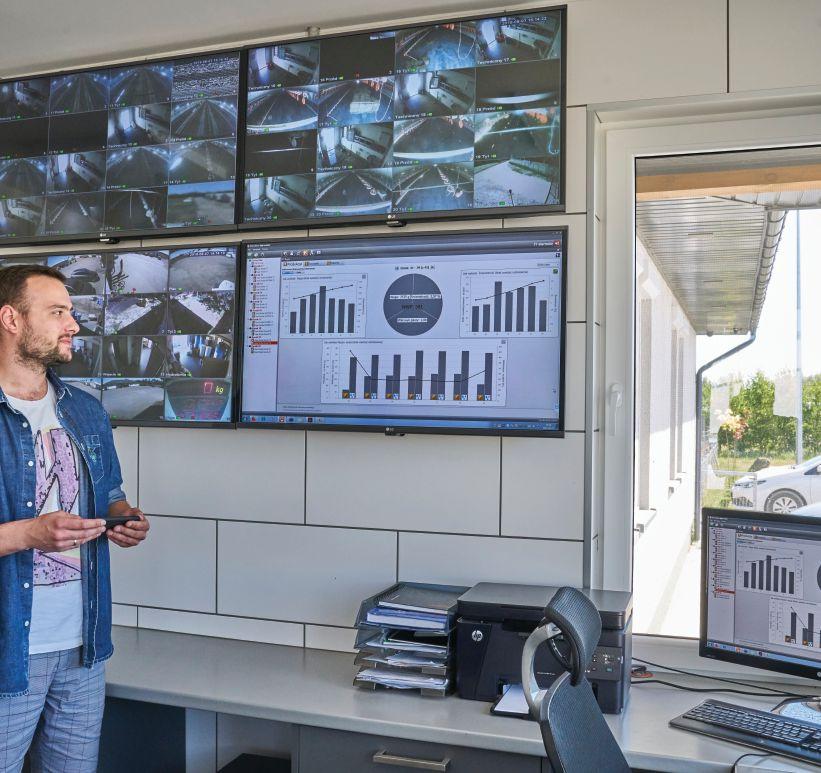
In the Netherlands, companies like FarmResult aim to change that. The company has created two dashboards – Poultry Result Broilers and Poultry Result Layers – that collate data and visually display it in one place for easy analysis.
Van Erp says dashboards are a good start for producers looking to get into precision livestock farming. “Once you have a dashboard then you can easily take it a step further and do little calculations,” she says. “The feed and water ratio is a very simple calculation.”
On top of feed and water intake data, producers can add and compare information from ventilation, lighting, heaters and humidity controls and air quality sensors. Changes to feed can be logged and compared, as can vaccination records. Using automatic weighing technology, poultry producers can assess productivity
but also activity, fitness and overall health.
Producers who want to take it a step further can later invest in camera technology or air quality sensors. While some of the camera options are cost prohibitive, Van Erp says cheaper, top-view models have come to market in recent years, enabling quick assessments of flock activity and distribution.
“Until a couple of years ago, this data was never presented to the farmer – it was somewhere in the computer,” she says. “But in precision livestock farming, I think that a dashboard is really essential.”
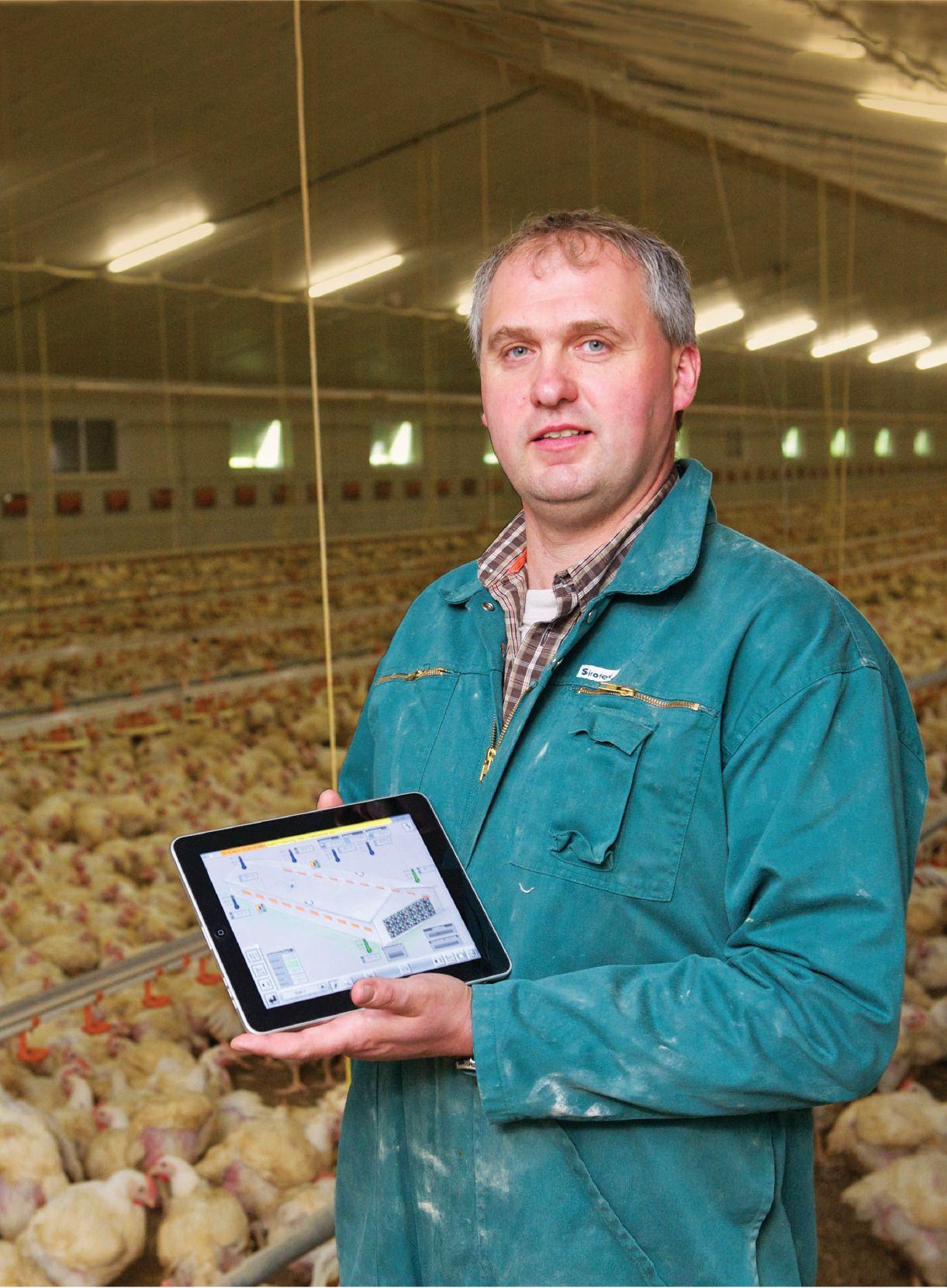
In Canada, Cameron Thompson, technical support specialist at Can-Neth Imports, says a popular option is Fancom’s iFarming system, which collects and collates data and provides producers with easy-to-read reports.
A Netherlands-based company, Fancom started out in computerized climate control but later expanded its system to include lighting, feed rations and costs, water monitoring, behaviour monitoring and automatic weighing and egg counting.
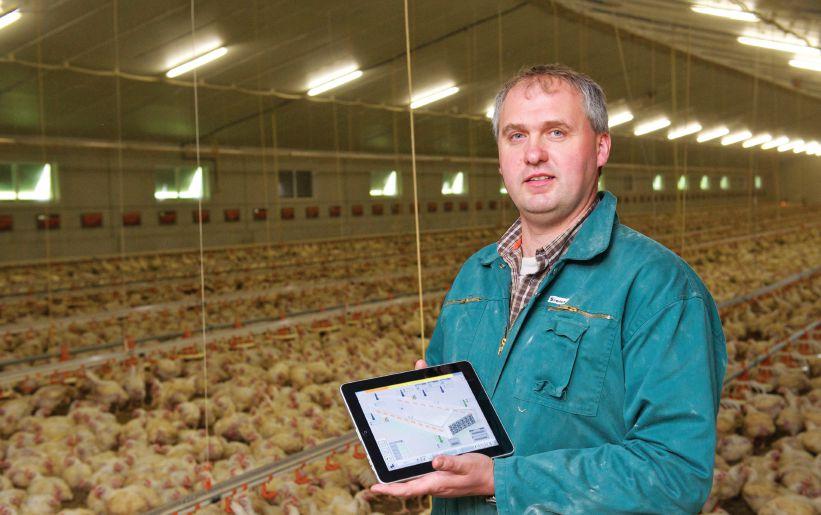
One of the most promising precision technology advancements in recent years has been dashboards that collate data and visually display it in one place for easy analysis.
LET BEAKS IN, KEEP FEET OUT
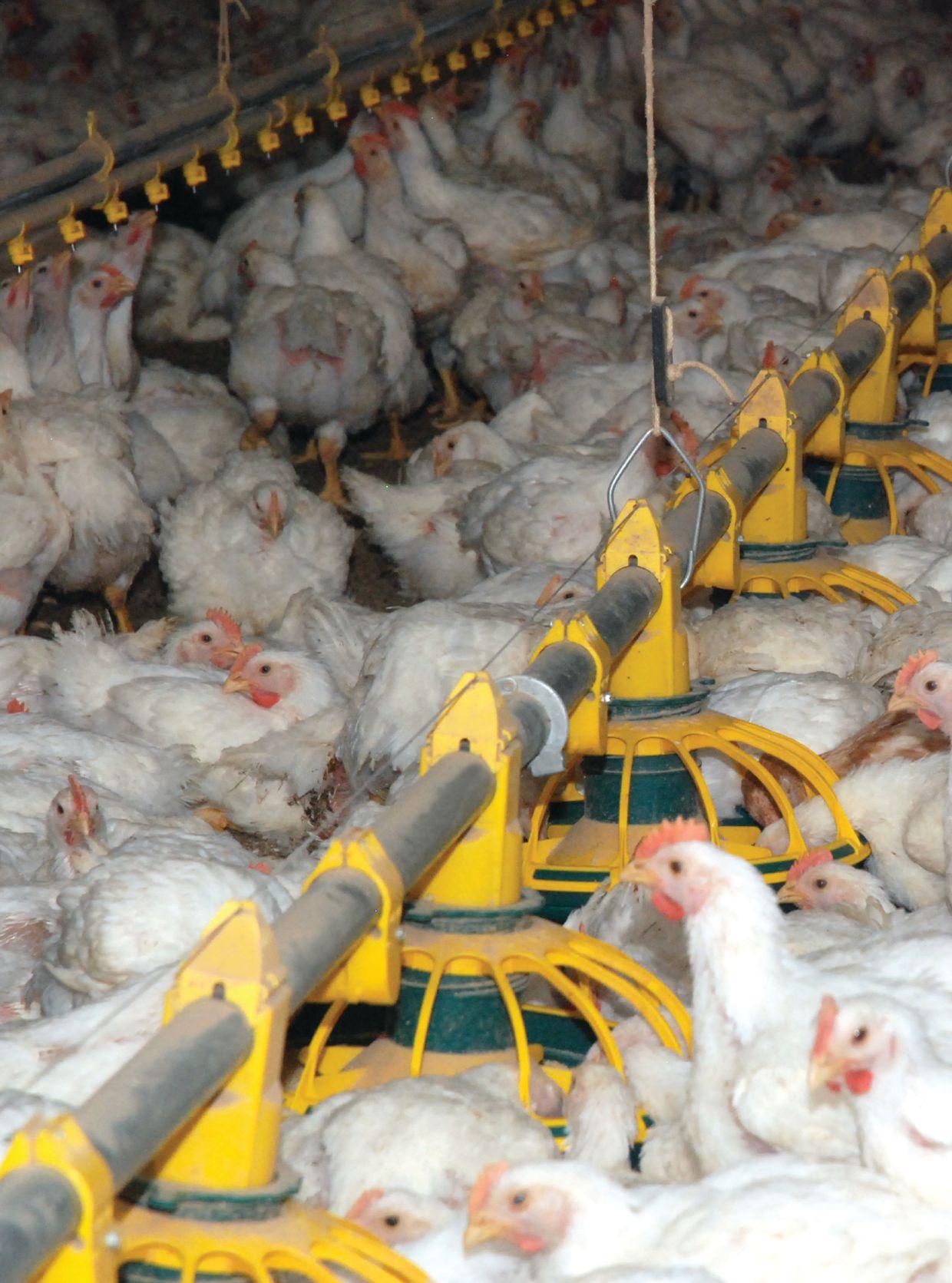
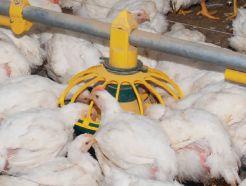
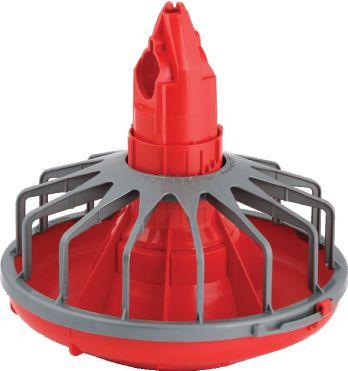
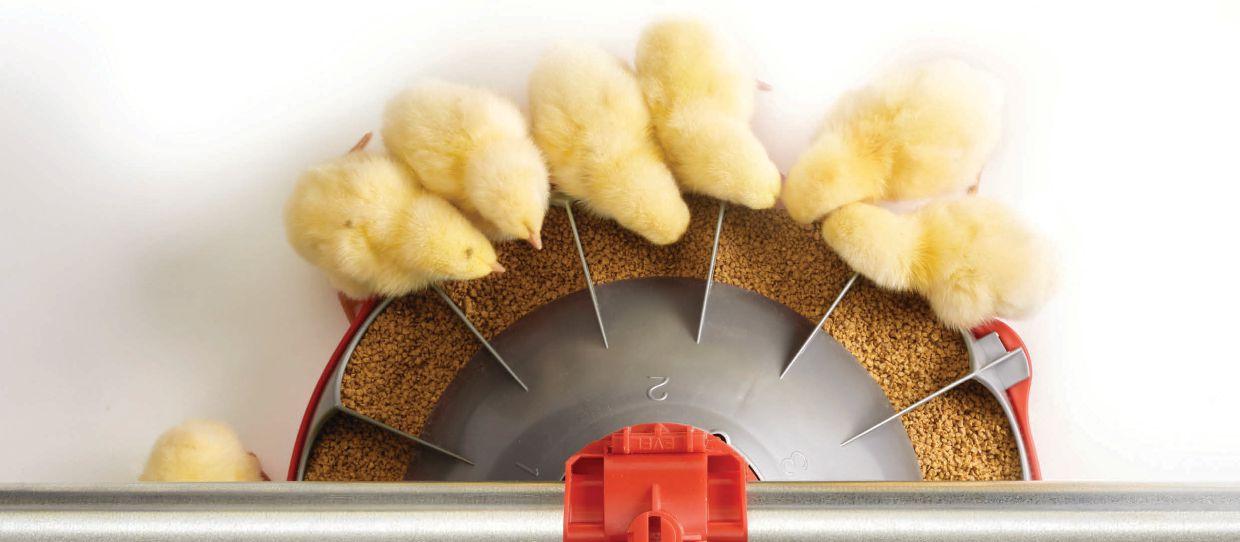
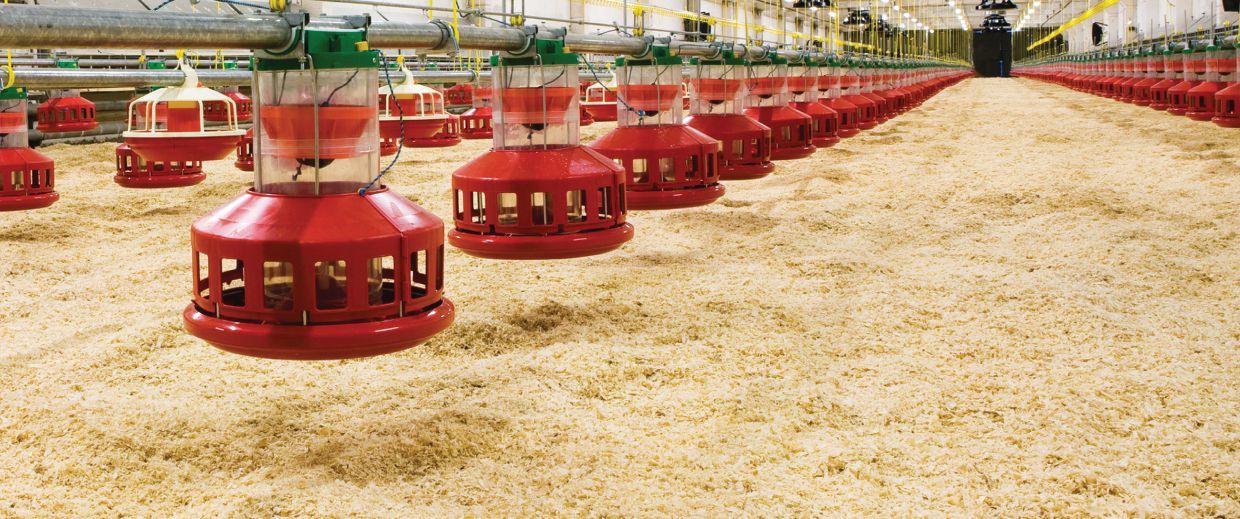
Changing out your old pans for the Chore-Time Konavi pan couldn’t be easier! Simply remove the pans from your ridged feed line and snap the Konavi pans in place. With minimal feed waste, ease of cleaning, durable construction and an increase in ROI of your feed - the Konavi Feeder Pan is the only choice for Broiler Farms. Contact us today to learn more about the industry’s leading feeder pan.
The Chore-Time Konavi Broiler Feeder Pan addresses and solves health and feed waste concerns from the modern producer.
Technology
“On the climate side, we’ll put in temperature sensors, humidity sensors, CO2 sensors, ammonia sensors all in on the barn,” Thompson explains.
“They take readings all the time and they’re actively monitoring the conditions in the barn.”
The data is then sent back to a central computer, which is programmed to adjust as needed. Modifications are based on pre-programmed parameters.
“Back in the day, if it was it was a humid day outside, you’d have to manually go and adjust for that,” Thompson says.
“Whereas now the computers kind of handle that automatically. So, the problem doesn’t become too bad because you’re tackling it in
real time.”
While the system adjusts on its own, should the problem become critical, producers are notified by phone or email. Real-time reactions not only address issues head on before they become big problems,
Thompson says, they also cut costs and improve productivity. Heating costs, especially in the middle of a Canadian winter, can be high.
More accurate and better-timed ventilation can limit heat loss and have a significant impact on the
Experts believe precision livestock farming technology could help the poultry industry improve animal welfare while also lowering its impact on the environment.
Key takeaways
Here’s a summary of some of the key takeaways on the state of precision livestock farming.
• Until recently, there have been plenty of systems that gather information and data but no tools that brought that information together.
• Dashboards have emerged that collate data and visually display it in one place for producers to easily analyze.
• Dashboards make it easier for producers to perform simple calculations like the water-tofeed ratio.
• In some cases, the collected data is being used for storytelling purposes through enhanced traceability for retailers and consumers.
producer’s bottom line, Thompson says.
“Especially in broilers, if energy is being used to keep them warm, it’s not being used for them to grow,” he explains.
“And then your birds would underperform.”
Storytelling
While most precision livestock farming technology improves on-farm efficiency, in some cases, the collected data is being used for storytelling purposes. Marcel Kuijpers of De Kloeke Kip (The Sturdy Chicken) in the Netherlands has adopted blockchain technology on his 250,000-bird broiler operation. While he uses the technology to monitor every-
thing from feed and water intake to on-farm energy use, litter moisture and footpad health to meat quality, he also uses it to engage retail brands, to enhance traceability and in marketing to consumers.
“If something is wrong with one of the components in the feed, we can do traceability in 10 seconds instead of 24 hours,” Kuijpers says.
That traceability comes in handy when marketing to consumers too. De Kloeke Kip doesn’t use antibiotics, which they can prove to consumers or retailers using blockchain technology.
“With blockchain, you can’t manipulate your data,” Kuijpers says.
Using a QR code, De Kloeke Kip provides information to consumers with a short history of the chicken they’ve purchased. They can see when eggs were laid and hatched and where and when the bird was raised.
But his system’s real power lies in being able to provide a precise CO2 footprint per bird. “We think in the future sustainability will be more and more important, and therefore we are focusing on CO2 emissions,” he concludes.
From selling your sustainability story to improving feed conversion ratios to lowering energy costs, there are many reasons to adopt precision farming technology on poultry farms. The only limiting factor is your imagination.
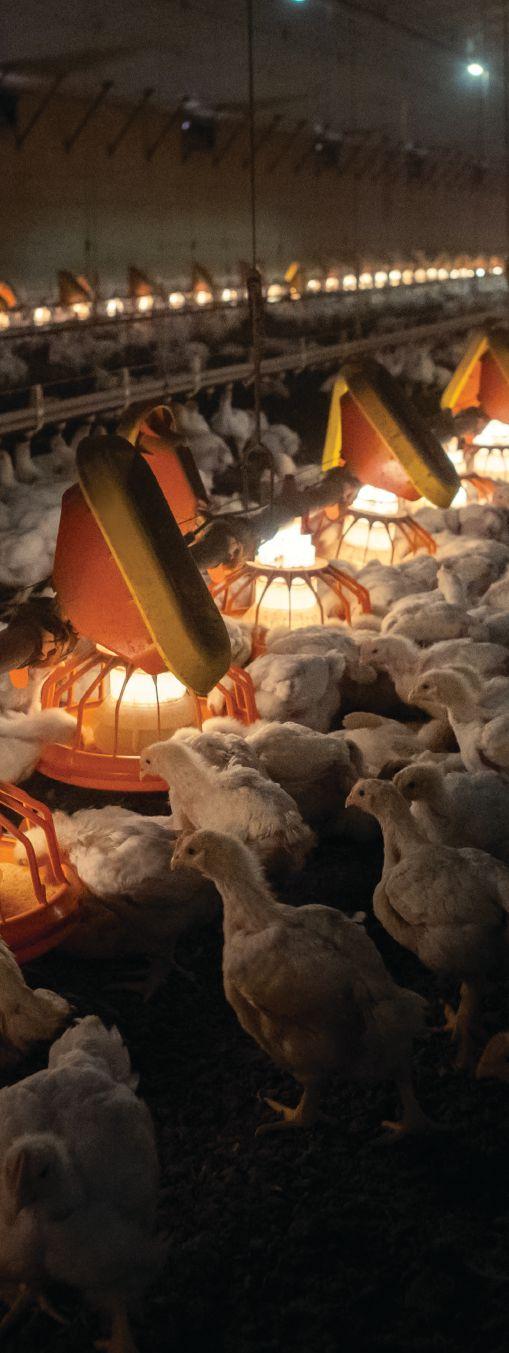
The FLUXX™FX2 GLO feed pan from Big Dutchman places light where it matters most in your barn. Contact your distributor or sales representative today to create an animal friendly environment for your birds.
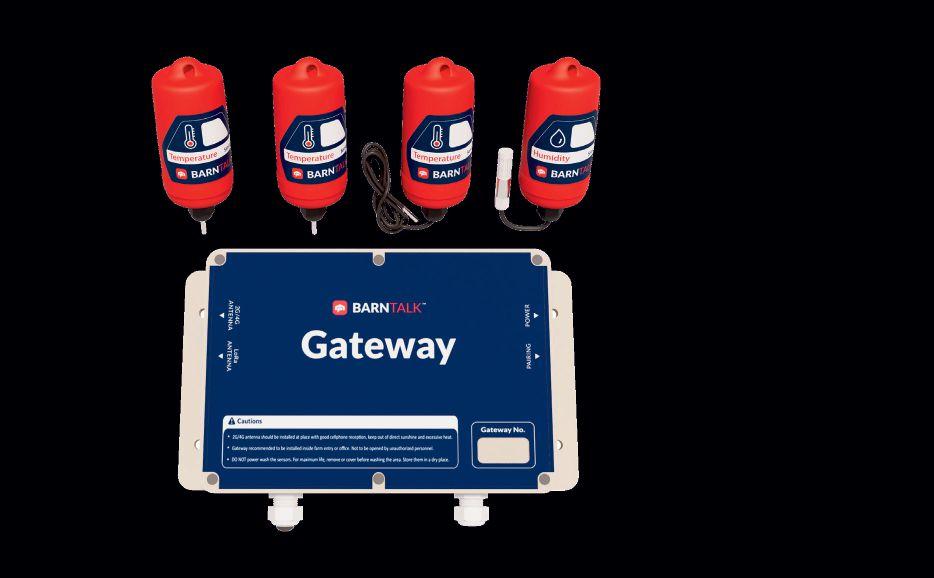
“We
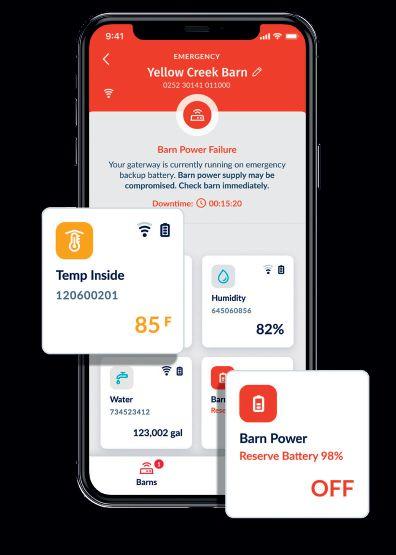
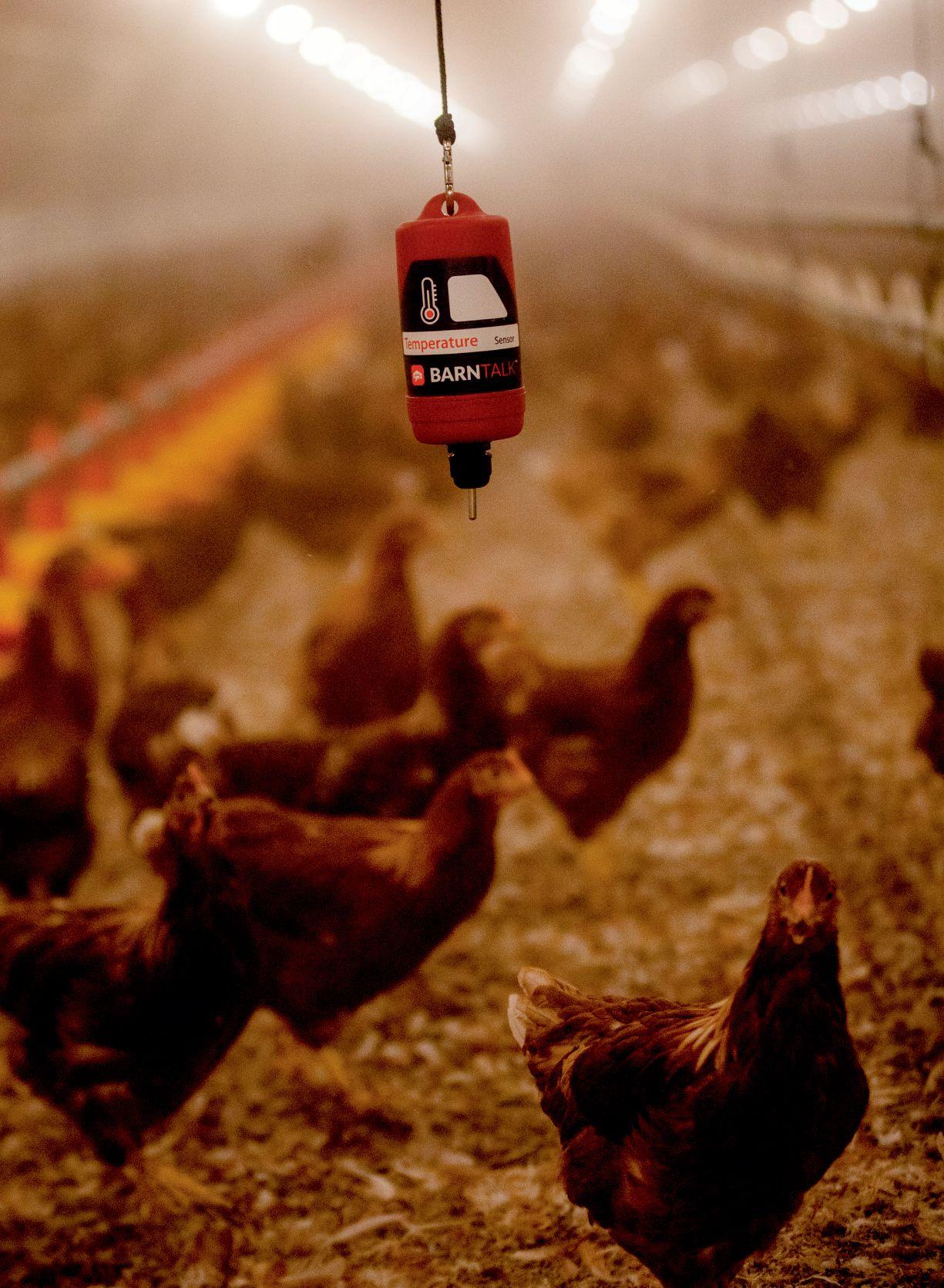
built BarnTalk to be easy and reliable. Our sensors are long range and can be hung, by you, across all your houses to send alarms and real–time conditions right to your phone.”
Michael Hansen | Co–Founder
Anti-trespassing laws update
A year in, a look at how well the new rules aimed at stopping farm invasions are working.
By Mark Cardwell
It was all supposed to go smoothly. But from the moment some 160 animal rights activists began gathering in the parking lot of a Waterloo, Ont., bar at 5:00 a.m. on Sunday, Oct. 3 – just eight days before Thanksgiving – their planned invasion of a nearby Hybrid Turkey farm owned by Hendrix Genetics was already going off the rails.
Hours earlier, police had arrested leaders of the protest, which had been organized for months (supposedly in secret using a special messaging app) by the Canadian branch of Meat the Victims, an international group that stages raids on farms to call public attention to the plight of commercialized animals.
Undaunted, the activists drove to the Hendrix farm in nearby Ayr in a long convoy of cars.
Once there, however, they were confronted by a line of police officers who blocked access to the property and threatened to arrest anyone who entered.
Their invasion plans thwarted, the activists instead staged an impromptu roadside demonstration that lasted five hours and attracted widespread media attention.
“We are here to expose what is deliberately hidden from consumers,” Jenny McQueen, an animal rights activist who still faces charges over the 2019 invasion of a Quebec pig farm – and is 80 per cent of the way to raising $10,000 on GoFund-
Me to cover her legal fees – told the crowd over a megaphone. “Because the public has a right to know what happens to animals before they end up on their plates.”
In the end, six people were charged with break and enter under Canada’s Criminal Code.
ANT-TRESSPASS LAWS
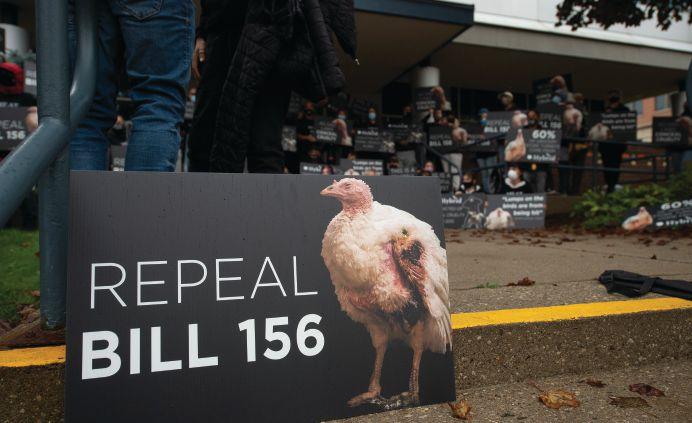
No charges were laid against the activists under Ontario’s Bill 156, the Trespass and Protecting Food Safety Act
Under the year-old law, people who trespass on farms or animal processing facilities face fines of up to $15,000 for a first offence and $25,000 for repeat offences.
People who use “false pretenses” to get a job or to otherwise gain access to farms or slaughterhouses with an intent to film and diffuse images of animal cruelty can also face fines.
Three other provinces have passed similar laws over the past 16 months, including Alberta (Bill 17), Prince Edward
Island (Bills 120 and 124) and Manitoba (Bill 62). Quebec is also currently considering such a law.
Alberta’s legislation carries the harshest penalties, including fines of up to $100,000 and possible jail time for offenders.
The planned invasion of the Hendrix facility was the first incident involving a poultry operation since these so-called ‘ag-gag’ laws came into effect.
SPOTLIGHT ON SECURITY
For poultry industry stakeholders and observers, the harsher penalties, along with increased police surveillance of animal activist groups, will help to stymie farm invasion plans like the Ayr raid.
“I think more than anything else, these laws show how seriously our governments take these threats to the security and proper functioning of our food supply chain,” says Jim Rover, vice president of AFIMAC Canada, an international risk management and site security company
After police thwarted their poultry barn invasion plans, activists from Meat the Victims instead staged an impromptu roadside demonstration.
that notably helps farmers protect their facilities.
According to Rover, some animal rights’ groups are becoming increasingly militant and are getting together through social media to pick targets and plan disruptive events that put the spotlight on them and animal abuse.
“They hit every part of the supply chain,” Rover says. “But they really like to get inside barns and get pictures of animals and themselves wearing logo-covered overalls and masks. It makes great images and sound bites for TV and the Internet. But it’s unsettling for the farmers who have their properties and homes invaded.”
The new laws, he adds, have cast a spotlight on the problem and led to increased police surveillance and enforcement efforts.
“They’re giving out more tickets,” Rover says. “But tickets are like a badge of honour for many activists, who lawyer up and fight them with online moral and financial support.”
The lack of farm invasions in the past year, he adds, may be more the result of the pandemic and strict public sanitary measures than activists’ fear of the new laws.
These laws show how seriously our governments take these threats to the security and proper functioning of our food supply chain.
“I think that many of them have been hibernating,” Rover says. “Now that the pandemic is winding down, we’ll soon see.”
PRODUCERS WELCOME CRACKDOWN
For her part, Lisa Bishop-Spencer, director brand and communications with Chicken Farmers of Canada, says the country’s poultry producers are happy to see governments take measures that protect them, their families and their employees from forced interference into their lives and workplaces.
“We respect an individual’s right to make moral and dietary choices,” she says. “But that doesn’t give people the right to illegally disrupt farm businesses and put biosecurity and animal health at risk in the name of their ideology.”
Though there hasn’t been an invasion of a chicken farm in Canada “for a long time,” Bishop-Spencer says the fear of such occurrences is never far from producers’ minds.
“They create highly stressful situations for people
who spend much of their lives with their animals in their barns and violate every biosecurity measure you can think of,” the CFC representative says.
One happy consequence of the strict biosecurity measures that chicken farmers follow, she adds, such as keeping gates closed and barn doors locked, is that it makes their properties a harder target for invasion-minded animal activists.
“We absolutely support measures that governments take to protect farmers’ properties,” Bishop-Spencer says. “That includes these new anti-trespassing laws.”
LEGAL CHALLENGES
The laws, however, are facing legal challenges and garnering harsh criticism from defenders of both animal rights and free speech.
Toronto-based Animal Justice, for example, the only national animal law advocacy group in Canada, is leading a lawsuit that challenges the constitutionality of multiple sections of Ont.’s Bill 164.
“The law makes it illegal to go undercover to reveal animal abuse, food safety risks and unsafe working conditions that are pervasive in animal agriculture,” reads a press release about the lawsuit on the group’s website.
Prohibiting people from entering farms or slaughterhouses under “false pretences” also makes it “illegal for journalists, animal protection advocates and others to get hired at a farm or slaughterhouse to document and publicly expose animal abuse or other unlawful activities.”
That prevention, according to Dalhousie University associate law professor Jodi Lazare, is problematic from a constitutional viewpoint in a democratic society that puts a premium on free speech.
“It is a potential Charter breech,” said Lazare, who writes, among other things, on the constitutional dimensions of animal rights activities and ag-gag legislation.
In an upcoming article in the University of Toronto’s Osgoode Hall legal journal, Lazare argues the laws “limit high-value, constitutionally protected expression, inter-
fere with the public’s right to know how their food is produced and how the law fails to protect farmed animals, and cannot be justified” under section 1 of the Canadian Charter of Rights and Freedoms.
“It’s not illegal to tell a lie in Canada,” Lazare says.
She adds that by using subterfuge to unmask acts of animal cruelty means “activists have an important objective: to show the public how their food is made and spurring them to democratic activities. They have high-value speech that is akin to political speech,” Lazare says.
Trespassing, she adds, is not legal. So, instead of pushing politicians to pass more punishing laws that she believes are unjustified, Lazare thinks animal farmers and industries of all stripes should work to improve their husbandry practices and make their operations as transparent as possible.
“Locking up people is not the answer,” she says. “That doesn’t help to protect farms, it just raises questions in the public’s mind about what it is they’re trying to hide.”
Lazare admits that installing glass walls on slaughterhouses and allowing unfettered access to farms “won’t change the attitudes of people who are dead-set against the commercial use of animals,” she says. “But it may help to diminish the threat of trespassing.”
Dalhousie University associate law professor Jodi Lazare says so-called ‘ag-gag’ laws implemented in some provinces could violate the Canadian Charter of Rights and Freedoms.
Exploring maternal effects
Breeder hen’s age impacts laying hen behaviour, new research shows. By
Lilian Schaer
Maternal stress can have a big impact on laying hens even before they are born – and recently released research from the University of Guelph has identified a breeder hen’s age as a big contributor to that impact.
The study of maternal effects – how what happens to the mother during pregnancy or just before egg laying affects her offspring – is not new, but this study, led by Dr. Tina Widowski, professor at the University of Guelph and Egg Farmers of Canada chair in poultry welfare, is believed to be one of the first to explore how this happens in commercial layer flocks.
“In the wild, a bird prepares her offspring based on her environment through changes in hormones or nutrients deposited in the egg and through epigenetic changes, where genes are turned on and off,” Widowski explains. “We’ve never explored how it happens in layers, but it could explain some of the variability that producers experience from flock to flock with the same genetics, management and nutrition.”
Flock variability source
Getting to the bottom of the cause of that variability could have significant ramifications for the industry. According to Widowski, every breeder hen produces approximately 150 laying hens and with most of the world’s laying hens stemming from relatively few breeder flocks, one breeder flock can have broad influence on behaviour and welfare of laying flocks.
Typically, layer breeder flocks begin producing offspring at approximately 20 weeks of age and keep producing until about 70 weeks of age. The older hens get the larger their eggs become. The quantity of solid content in the egg also changes with age and yolk testosterone concentration decreases. These are all factors that can affect the embryo as it is developing.
Anxiousness in offspring
Ultimately, the research team discovered that the age of the breeder hen matters when it comes to behaviour of the offspring, particularly with respect to fearfulness and susceptibility to stress. Offspring from older hens were less anxious and responded dif-
ferently to stressors in their environments.
The younger the breeder hens, the more their chicks would produce distress calls when isolated. Those same offspring were also less likely to struggle during restraint and took longer to approach an unfamiliar object. The responses were less pronounced in birds where the mothers were raised and housed in aviary systems. The researchers also found that genetics were a contributing factor.
Brown and white birds, for example, responded differently to behavioural tests, with brown chicks vocalizing more distress when isolated from their peers and appearing more fearful when restrained. As well, brown hens tended to freeze or become immobile when startled, whereas white hens displayed a stronger “flight” response.
Breeding flock age
“We know that age affects egg and chick size, but it’s never been established before how it affects behaviours,” Widowski says, adding that more work needs to be done to replicate the outcomes in different
Inside the aviary at the University of Guelph’s poultry research facility.
flocks. “It’s too early to make any actionable recommendations, but it would be great if both researchers and producers could start keeping track of the age of the parents of their layer flocks, so we can look for patterns in the data from the field.”
As part of the study, the research team raised commercial hybrid hens in aviary or conventional cages, and then moved to aviary, conventional-style or enriched cages. This included two cohorts of Lohmann Selected Leghorn-Lite hens that produced six offspring flocks from insemination at 25, 44 and 68 weeks of age. At various ages, the offspring were tested
Widowski worked with Leanne Cooley and Mariana Roedel Peixoto on this study, which is part of work supported by the second national poultry science cluster. Specifically, this research was funded by Agriculture and Agri-Food Canada, the
Canadian Poultry Research Council, Egg Farmers of Canada, Ontario Ministry of Agriculture, Food and Rural Affairs and LH Gray & Sons. In-kind contributions came from Lohmann Tierzucht Canada and Hendrix Genetics.
UPGRADE PERFORMANCE IN A SNAP!
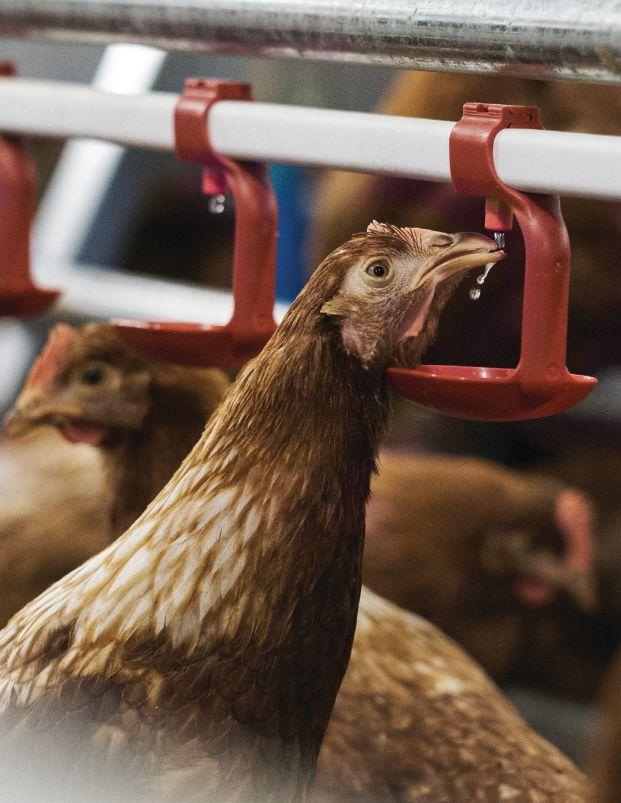
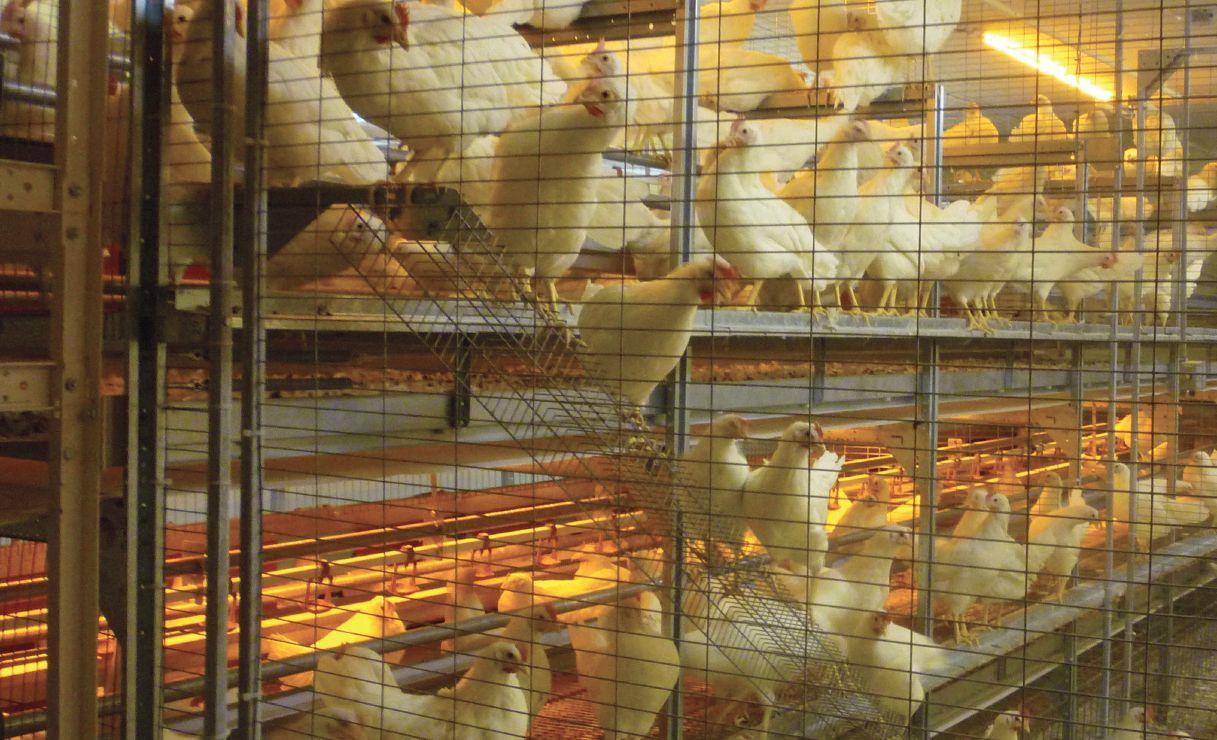
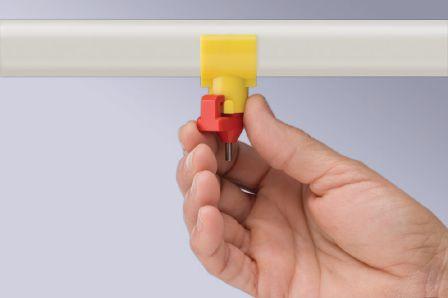
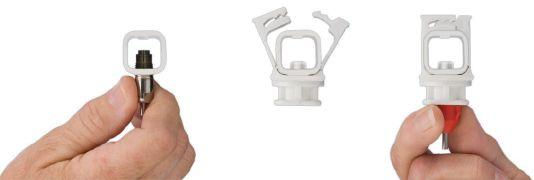
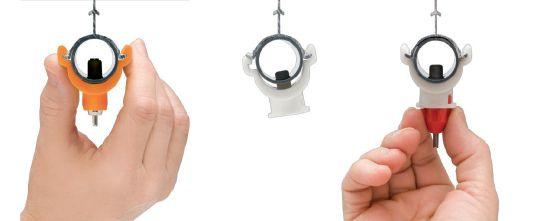
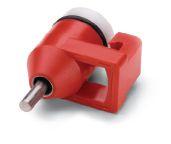
Ziggity makes upgrading your watering system fast, easy and affordable with its lineup of drinkers and saddle adapter products, designed to easily replace the nipples of most watering system brands with our own advanced technology drinkers. So if your watering system nipples show signs of wear, leaking and poor performance, just upgrade to Ziggity drinkers to start enjoying improved results! See how easy it is and request a quote at www.ziggity.com/upgrade.
The Poultry Watering Specialists
Aktive Drinker Max3 Drinker Big Z Drinker
VAL/Cumberland Lubing ChoreTime® Plasson®
Blackhead disease
Tackling disease challenges in turkeys.
By Lilian Schaer
Incidences of blackhead disease in turkeys have been on the rise in B.C. in recent years, particularly in the Fraser Valley. Last year marked the second consecutive year where the first case of blackhead disease was reported in March instead of closer to the summer and 2022 is off to an even more unusual start with one case reported in January and two in February.
That’s according to data shared at a blackhead disease industry update at the end of February. Historically, cases have been low, with only a few farms per year reporting infections that were generally seasonally clustered during the summer months. It wasn’t until 2020 that cases skyrocketed to 20 and, although that number dropped to 13 last year, nine of those cases were reported in a single month – August.
“We’re now getting cases all the way through the year more than we would have seen five or six years ago,” notes Michel Benoit of the B.C. Turkey Marketing Board. “There was a week in August (2021) where I think I was getting a case a day almost. It was really, really unusual to have this incredible spike in one month.”
HEAT DOME CONNECTION?
There is speculation that the extraordinary June heat dome in Western Canada that saw temperatures near 50°C in some regions could be a driver of that spike, as the affected birds were poults during the event.
Blackhead is a parasitic disease with mortality ranging from 10 to 100 per cent depending on the flock. Turkeys are most susceptible among commercial poultry, according to Dr. Gigi Lin of B.C.-based Canadian Poultry Consultants Ltd., but layers and broiler breeders can also be impacted.
“The protozoa that causes this disease can be carried by a worm that you can see in the ceca of birds and their eggs can carry the histomona that causes blackhead,” says Lin, who recently prepared a case report on blackhead. “Ceca eggs are very sticky; once you have histomona and ceca eggs, they are very difficult to get rid of and once you have a flock that shows signs of the disease, it will spread within that flock horizontally.”
LOOKING FOR ANSWERS
There are no real answers so far about what is behind that broad mortality range, but it is thought to be multifactorial. Genetics could play a role, as well as the presence of gut health issues, co-existing diseases like enteritis or E. coli, or even the barn environment itself.
“Blackhead can happen anywhere there is turkey production, but B.C. is unique, especially in the Fraser Valley and Lower
Mainland, which is so susceptible to contagious disease because of the density of poultry and the interconnection between hatcheries, feed companies, workers, personnel, wind and water flow,” Lin explains.
The proximity of different types of commercial poultry production is one of B.C.’s biggest risk factors, she adds. Complicating the problem for turkey farmers are multi-age versus all-in, all-out production facilities that make breaking the disease cycle challenging.
PROVINCIAL APPROACH
The B.C. turkey industry has formed a committee that includes Lin, government veterinarians and industry and producer representatives to collaborate on finding strategies to deal with the disease. That includes research to identify causes and possible solutions.
A retrospective survey of producers by committee member Dr. Doris Leung, a
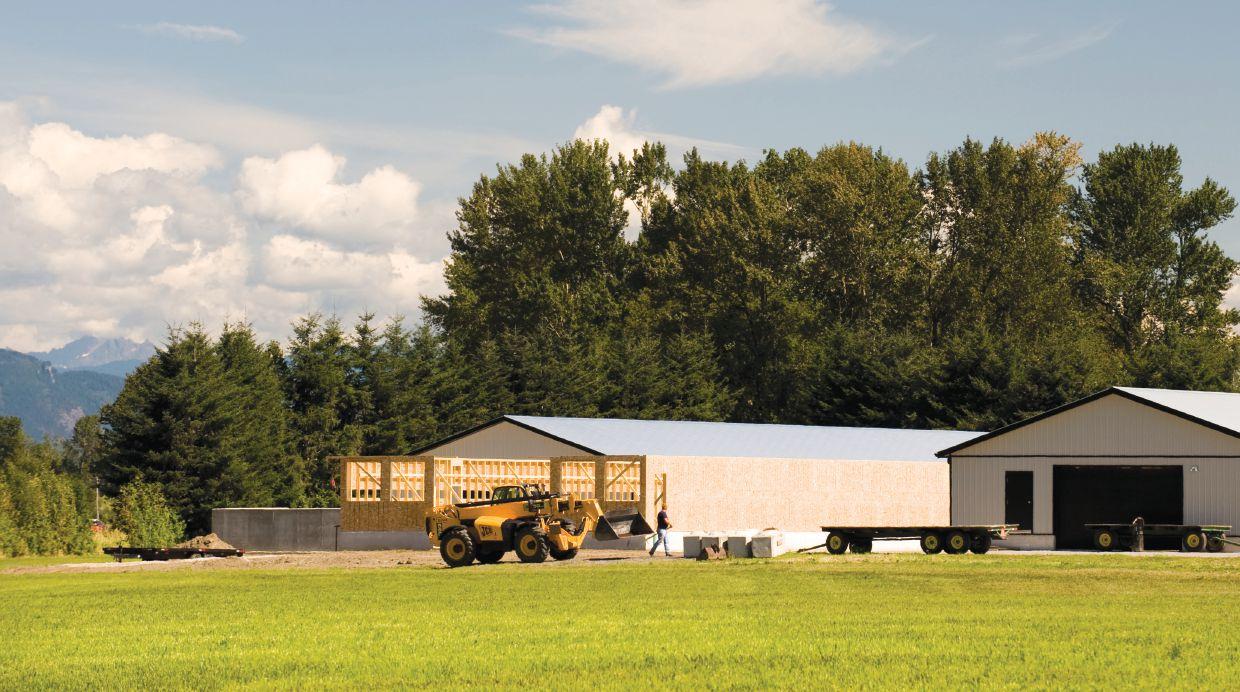
Incidences of blackhead disease in turkeys have been on the rise in British Columbia in recent years, particularly in the Fraser Valley.
veterinary specialist with B.C.’s Ministry of Agriculture, Food and Fisheries, found that farms with blackhead generally had older barns, backyard poultry within 10 km, poor water drainage, manure stored on-farm for long periods, increased presence of rodents and darkling beetles and higher mortality and culling rates.
By comparison, those without blackhead had barns renovated within the last five years, used partitions in the barn and barn-specific PPE and boots that were regularly cleaned and fully cleaned litter from brooders and growers at the end of each cycle.
CONDITIONAL DRUG APPROVAL
In July 2020, Health Canada conditionally approved the use of paromomycin sulfate, a broad-spectrum antibiotic, through an emergency drug release authorization
to try and help the industry cope with the blackhead challenge.
This allowed veterinarians to use the drug to treat infected flocks, which Lin did on three farms in the Fraser Valley between August and October of 2020. She had limited success at best.
According to Lin, the drug is approved for blackhead treatment in several European countries, but in a preventative manner, whereas the Health Canada emergency use authorization was only for flocks already showing symptoms of the disease.
Of the three treated flocks, one suffered over 67 per cent mortality by the eight day of treatment and was subsequently shipped early for mercy cull because of production losses and welfare concerns. A second flock experienced 38 per cent mortality by the end of the fourth week of treatment and was slaughtered early to
minimize production loss.
“Once they have it and you see symptoms, it is too late. The antibiotic function is in the intestinal tract but most mortality comes from damage to the cecal sack lining and then it spreads systemically, where the antibiotic doesn’t do its job,” Lin explains. “The only way it can help would be as a prevention, but we must consider prudent use when it comes to giving antibiotics pre-emptively.”
Ideally, Lin would like to expand her research with paromomycin sulfate on farms who have a history of blackhead disease to see if strategic, pre-emptive use could break the disease cycle. This is not an option currently, though, due to Health Canada restrictions on the product.
More resources
For tips on protecting your flocks against blackhead disease, view the online version of this article at : canadianpoultrymag.com
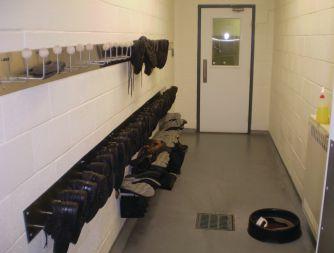
Experts say enhanced biosecurity, such as having barn-specific coveralls and boots, is important for protecting flocks against blackhead disease
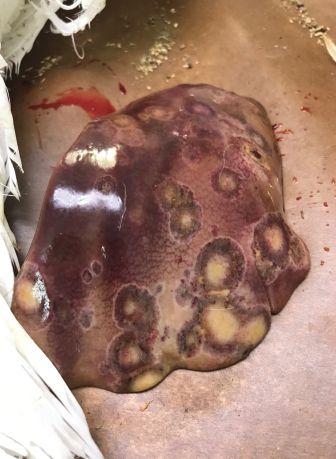
Blackhead is a parasitic disease with mortality ranging from 10 to 100 per cent. Pictured is the liver of a turkey with blackhead.
APRIL 26, 2022 • 2PM ET
Poultry farmers across Canada are no doubt excited about the federal government’s $630 million Poultry and Egg On-Farm Investment Program. But navigating the application process can be complicated and time consuming. Our expert, Jonathan Giret from Elite Agri Solutions Inc. will detail how to take advantage of this program. He will also highlight several different projects, provide an overview of how the program works and much more! Don’t miss this unique and valuable learning opportunity.
Jonathan Giret, Lead Consultant, Elite Agri Solutions Inc.
Biosecurity pilot project
Tech firm Farm Health Guardian partnering with poultry industry to contain disease spread through innovation.
By Melanie Epp
Farm Health Guardian launches pilot project
Animal health track-andtrace technology provider Farm Health Guardian launched a pilot program this January with the aim to further enhance biosecurity and control the spread of infectious disease.
Working in collaboration with the Feather Board Command Centre (FBCC), Farm Health Guardian developers Be Seen Be Safe have chosen the Niagara region in Ontario for its pilot. The program is especially timely given recent avian influenza outbreaks in the east of the country, which highlight the importance of on-farm preparedness.
Farm Health Guardian is a Canadian-made geofencing platform that provides real-time disease monitoring and response technology platforms. The platform uses geofencing, smartphones and GPS technology to track and record the movement of staff, visitors and vehicles in and out of production facilities in real time.
The different technologies communicate with an app and provide contactless digital pre-screening, paperless check-in, vehicle passport and GPS tracking.
When individuals within the network get hit with disease the system can track and trace movement around that location in just a few minutes. An alert is then sent to individuals who visited the location, those intending to visit the location and any producers in the area who are registered to receive alerts. In this way, disease outbreaks can be quickly contained and the risk of spread is all but eliminated. The system works best when all members of the supply chain – feed suppliers, catching crews, egg collectors, manure haulers, veterinarians and producers – participate.
Pilot project
The pilot project is designed to be a simple way to test the Farm Health Guardian system in conjunction with FBCC. Its purpose is to determine how digital technology can be used to speed up detection,
reduce disease spread and improve communication, explains Rob Hannam, director of business development for Farm Health Guardian.
“When disease has happened in the past, and there are some examples in Ontario, it has inadvertently spread to several farms,” Hannam says, pointing to a recent disease outbreak that quickly spread to 11 farms.
“Perhaps, if there were different controls or different biosecurity or different digital information that was available quickly, that spread could have been stopped,” he says. “Maybe it could have been cut in half.”
The pilot project aims not only to speed up detection but also to improve communication, something Hannam says is important to producers who want to know where and when outbreaks occur and how they can reduce risk.
The pilot project was launched in early January and will wrap up in early April. Under the project, the Farm Health
Under the pilot project, the Farm Health Guardian app is used to record movement of people and trucks on and off of farms to do contact tracing.
Lighting Systems for Poultry... Layers, Broiler Breeders, Broilers, Turkey Growers
Tailor-Made Lighting System that is Scientifically Proven, and designed to withstand poultry environments
Return on Investment within 1 Year !
www.agriluxled.com
email: info@agriluxled.com phone: (519)650-1027
Distributed by Thies Electrical Distributing Co. Inc.
Problem?
Guardian app is used to record movement of people and trucks, on and off of the farms, in order to do contact tracing.
The project launched in the Niagara region, a location that was chosen for its relative self-containment and for its farm concentration. The region is home to a mix of chicken, turkey, egg and hatching farms. The region also has experienced infectious disease outbreaks.
“Farmers know about disease and they’re wary of it,” Hannam says.
Response from service companies – feed suppliers, catching crews and hatcheries – has been great, Hannam notes. While a few producers did join the pilot project, Hannam thinks most are waiting to see the benefits before registering on the application. Those who have signed up, however, will get the benefit of receiving instant messages.
Users can turn off the geolocation settings within the app should a producer not want to share their whereabouts. In an outbreak, they will still receive instant messages from FBCC about movement on and off their farm.
Under the pilot project, Farm Health Guardian captures and
records the movement of participating trucks and people on and off-farm over a 90-day period. The project also involves a mock disease simulation.
Using Farm Health Guardian’s mapping and disease analysis tools, FBCC should be able to assess which trucks, people or farms are at risk and send immediate notifications.
Exciting potential
Tom Baker, FBCC manager, believes Farm Health Guardian offers real potential in terms of helping control the spread of disease. While biosecurity is high in Ontario, he says breaches can and do happen. “The tools for controlling disease spread are still, I think, somewhat primitive,” Baker says. “The idea of having tech-
nology like this would allow us to very quickly communicate to at-risk farms and also be able to trace an outbreak forward or backward.”
The traceability aspect is important, especially considering disease incubation periods. Avian influenza, for instance, has a flock incubation period of as much as 14 days. Infectious laryngotracheitis (ILT), an acute, highly contagious herpesvirus infection in poultry, is also of concern. Since many diseases are not federally reportable, the industry is pretty much on its own when it comes to response.
In the past 14 months, there have been two significant disease outbreaks in the Niagara region. Following those outbreaks, industry got together to
INTRODUCING
Offering optimal control in both minimum & maximum ventilation stages
discuss lessons learned to see where improvements could be made. Baker says one criticism they received was on communication timing. Producers felt email notifications were insufficient and inefficient.
“We’re quite excited about this pilot to see if it can be as effective as we think it can be,” Baker says.
Beyond its ability to foster quick communication, Farm Health Guardian offers a mapping feature. Baker finds this part of the application particularly intriguing. It not only allows the FBCC to map out the farms and small flocks in close proximity but also gives them the potential to map other risk factors, epidemiological links, the movement of equipment, personnel and birds, wind direction and humidity. Currently, FBCC is using the tool experimentally and Baker is optimistic.
“Regardless of how successful the pilot might be, it’s not the magic bullet,” said Baker. “But this could be the next step forward in containing disease spread.”
The pilot project will wrap up in early April. To learn more about Farm Health Guardian, visit: farmhealthguardian.com.
The purpose of the pilot project is to determine how digital technology can be used to speed up detection, reduce disease spread and improve communication.
CORRECTION:
Due to an unfortunate error, Canadian Poultry published a classified ad for NEW TECH FOGGING in several previous issues with a bar across the ad indicating “equipment for sale” This text is inaccurate. NEW TECH FOGGING is not selling equipment. We apologize for the error
Barn Spotlight
Rose Valley Colony
Location
Assiniboia, Sask.
Sector
Layers
The colony
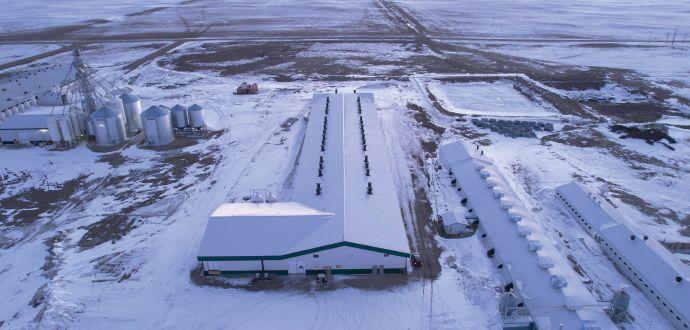
The Rose Valley Colony, located near Verwood, Sask., was founded in 1986. The colony produces eggs, which it sells to Star Eggs, under the guidance of farm manager Sam Kleinsasser.
The need
The colony’s conventional housing system was aging and would have to eventually be replaced with alternative housing to be in step with the code of practice. What’s more, it was near capacity and, thus, unable to accommodate growth as quota increases came. In addition, the colony wanted to find ways to make running the farm less labour intensive.
The barn
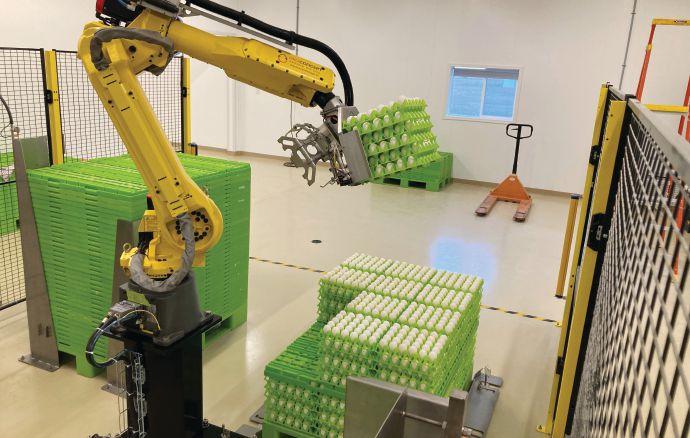
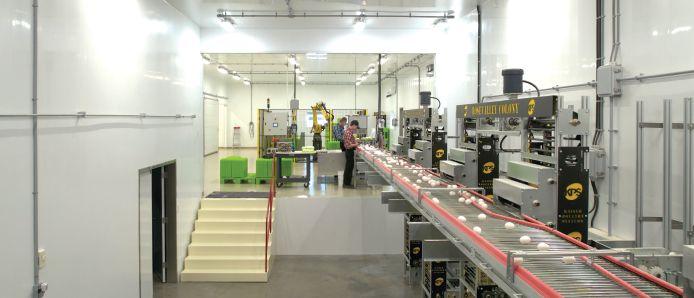
Working with Kaiser Ag Solutions, the colony built a new barn last year. It features Kaiser’s KPS enriched system. One of the highlights of the system is there are no obstructions, which helps to avoid collisions and, thus, cracks. It also has a unique egg timing and escalator system to reduce downgrades. In addition, standard in each system are LED lights that illuminate the scratch areas to prevent eggs from being laid there. What’s more, the system is fully modular. So, producers can add tiers in the future if need be, which is something the colony is considering. In terms of automation, the colony installed a Volker egg packing machine and paired that with an Ovoconcept palatizing robot, making it the first farm in Canada to use the system.
Rose Valley Colony’s egg farm is the first in Canada to install an Ovoconcept palatizing robot, which works hand-in-hand with a Volker egg packing machine.
The barn includes a unique egg timing and escalator system to reduce downgrades. The enriched system also includes no obstructions to further protect the eggs.
The colony build the new barn in 2021 to replace its aging system and to accommodate future growth.
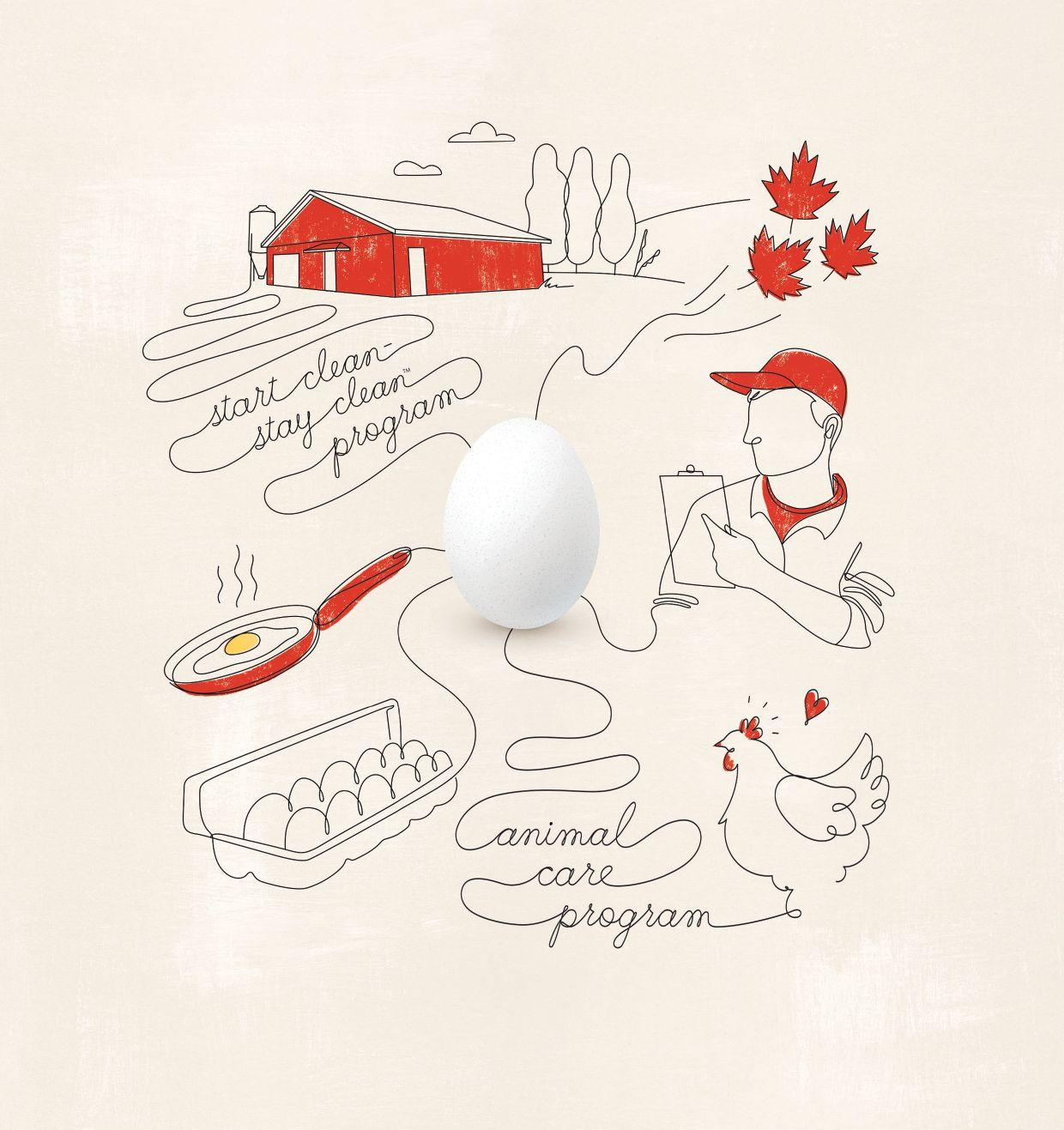
It’s time to celebrate the care that goes into every Canadian egg.
The new Egg Quality Assurance™ (EQA® ) program shows your customers, right on the carton, that their eggs are produced by Canadian farmers dedicated to delivering a top-quality product that meets national food safety and animal care standards.
Visit eggquality.ca and add the EQA® symbol to your cartons today!
YOU HAVE AN INSTINCT TO PROTECT. WE HAVE AN INSTINCT TO PROTECT FAST.
Introducing Poulvac® Procerta™ HVT-IBD. Timing is everything in a poultry operation, and Zoetis created its newest vector vaccine to put time back on your side. Backed by the latest science resulting in excellent overall protection, studies found that Poulvac Procerta HVT-IBD protected chickens fast against classic and important variant IBD strains.1-3 It’s a quick way to full protection from infectious bursal disease. Contact your Zoetis representative.
A. et al., Early Onset and Duration of Immunity of a Recombinant HVT-IBD Vaccine Against Virulent, Variant, and Very Virulent Infectious Bursal Disease Challenges. American Association of Avian Pathologists, Virtual Conference, Jul 30-Aug 6, 2020