
• Leading FCR
• Impressive Daily
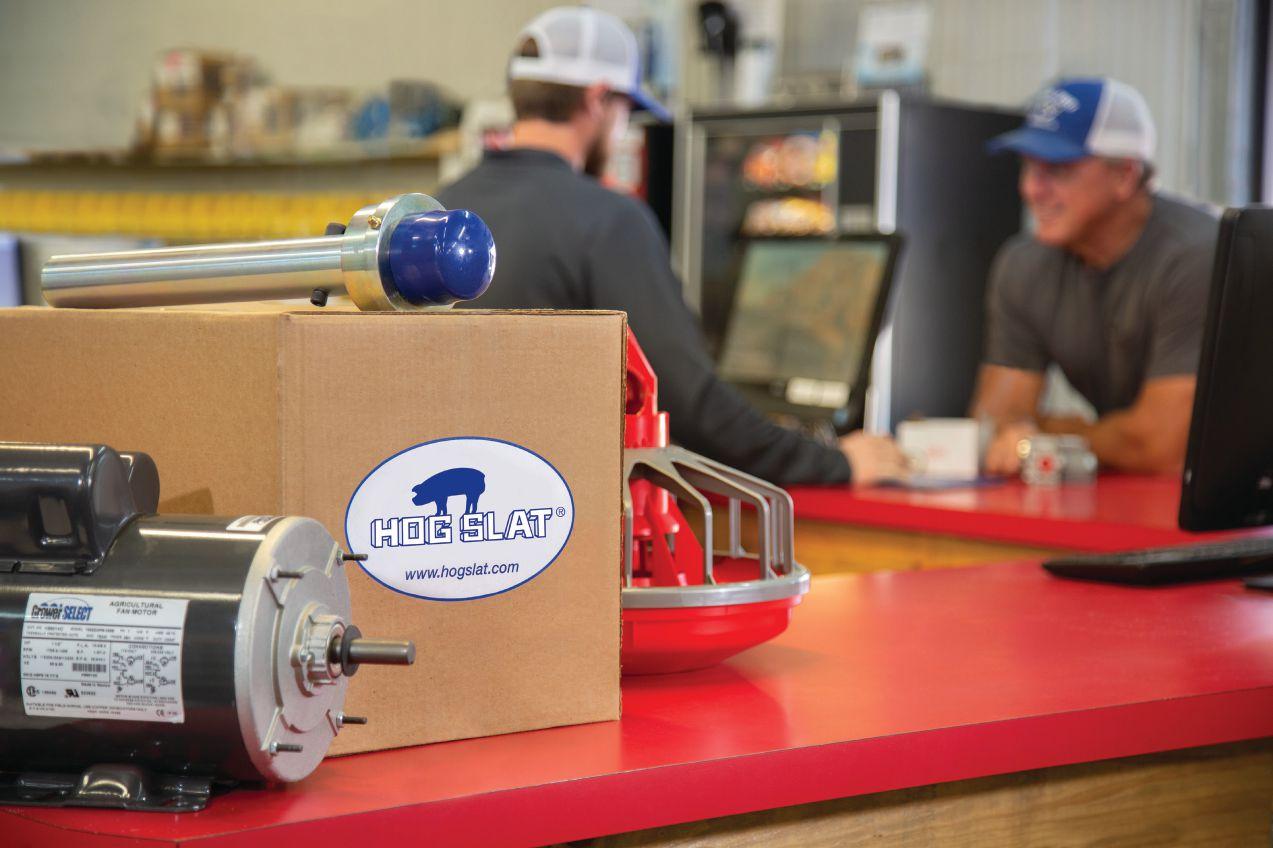
• Strong Livability
• Highest Yield
• Excellent Breeder
Performance
• Exceptional Livability
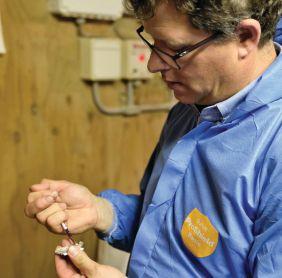

by Brett Ruffell
Spring marks one of poultry’s busiest events seasons. However, as was the case last year, things now look much different because of the pandemic. Only this time around educational providers have had time to polish and adapt their offerings to our new normal.
And while the pandemic has taken that much-coveted networking time from us, it has also led to new learning opportunities. For one, virtual events are easily accessible to everyone across the country and abroad. Secondly, online platforms mean event organizers have access to a wider array of experts.
It’s something the people at Poultry Industry Council (PIC) have learned since COVID-19 turned our world upside down. When the pandemic first hit, the education and extension provider had to quickly pivot towards exploring what online learning would look like.
“We went from zero to 100,” says Ashley Honsberger, PIC’s executive director. “As far as I known, we didn’t do any virtual offerings before the pandemic.”
It has since adapted all of its offerings to a virtual world. Honsberger says PIC greatly expanded its audience along the way. Now, she’s set to deliver PIC’s National Poultry Show in April.
While the in-person tradeshow component is always invaluable, she’s excited for the show’s first virtual edition. “We’ve brought in some bigger speakers that are a little more known outside of Ontario,” she says.
Alberta’s Poultry Innovation Partnership (PIP, formerly the Poultry Research Centre) adapted to a virtual world as well. In March, it ran its Western Poultry Conference online. It also launched a monthly webinar called the Innovation Showcase. Running the first Wednesday of every month, the event features some of the different University of Al -
“I’ve learned to keep it short, snappy and concise. When people log on, their time is valuable.”
berta (U of A) researchers PIP helps support. PIP lead Valerie Carney says they launched the showcase for two reasons. “In part, it’s to introduce people to the researchers at the University of Alberta. But more than that, the biggest strategy is to deliver research outcomes and innovation and make it accessible to folks. So, this is just an opportunity to deliver innovative and new research to the industry in bite sized pieces.”
Additionally, Canadian Poultry Consultants (CPC)
shifted to online as well. It traditionally runs the B.C. Poultry Symposium and WestVet in May, as well as some specialty courses around euthanasia, brooding and more. CPC is now offering those courses online and it launched a new monthly webinar as well where experts cover a variety of topics.
CPC president Stewart Ritchie says he’s learned some important lessons during the pandemic about connecting with your audience online. “I’ve learned to keep it short, snappy and concise. When people log on, their time is very valuable. So, get to the point – and deliver what you advertise.”
Also, in terms of lessons learned, PIC trialed a few online events platforms before settling on one that works best for its needs –Zoom. It chose that platform due to its breakout rooms, which PIC uses to hold question and answer periods throughout its virtual events. This helps replicate some of the interaction people miss with online events.
All three providers plan to at least look into continuing with online events after the pandemic. “Certainly, in the future, we’re going to consider how we can do hybrid events so we can maintain that connection all across Ontario,” Honsberger says.
There are many other interesting online events happening with both Canadian and international providers. Visit canadianpoultrymag. com/events for our comprehensive calendar.
canadianpoultrymag.com
Reader Service
Print and digital subscription inquires or changes, please contact Anita Madden, Audience Development Manager Tel: (416) 510-5183
Email:
amadden@annexbusinessmedia.com
Mail: 111 Gordon Baker Rd., Suite 400, Toronto, ON M2H 3R1
Editor Brett Ruffell bruffell@annexbusinessmedia.com 226-971-2133
Associate Publisher Catherine McDonald cmcdonald@annexbusinessmedia.com Cell: 289-921-6520
Account Coordinator Alice Chen achen@annexbusinessmedia.com 416-510-5217
Media Designer
Curtis Martin
Group Publisher Michelle Allison mallison@annexbusinessmedia.com 204-596-8710
COO Scott Jamieson sjamieson@annexbusinessmedia.com
PUBLICATION MAIL AGREEMENT #40065710
Printed in Canada ISSN 1703-2911
Subscription Rates Canada – 1 Year $32.50 (plus applicable taxes) USA – 1 Year $91.50 CDN Foreign – 1 Year $103.50 CDN GST - #867172652RT0001
Occasionally, Canadian Poultry Magazine will mail information on behalf of industry-related groups whose products and services we believe may be of interest to you. If you prefer not to receive this information, please contact our circulation department in any of the four ways listed above.
Annex Privacy Officer privacy@annexbusinessmedia.com Tel: 800-668-2374
No part of the editorial content of this publication may be reprinted without the publisher’s written permission. ©2021 Annex Publishing & Printing Inc. All rights reserved. Opinions expressed in this magazine are not necessarily those of the editor or the publisher. No liability is assumed for errors or omissions. All advertising is subject to the publisher’s approval. Such approval does not imply any endorsement of the products or services advertised. Publisher reserves the right to refuse advertising that does not meet the standards of the publication.












Scan code to learn more.
Glass-Pac Canada
St. Jacobs, Ontario
Tel: (519) 664.3811
Fax: (519) 664.3003
Carstairs, Alberta
Tel: (403) 337-3767
Fax: (403) 337-3590

For more than 70 years, Lubing has played a key role in helping poultry producers all around the world achieve peak performance with robust, high quality products that stand the test of time.
Our tradition of innovation keeps us at the forefront of technology developing products for poultry drinking and egg transportation that continually push productivity levels higher and help our customers become more efficient and profitable!
From Generation to Generation, you can rest assured that we will be there for you!
Les Equipments Avipor Cowansville, Quebec
Tel: (450) 263.6222
Fax: (450) 263.9021

Specht-Canada Inc. Stony Plain, Alberta
Tel: (780) 963.4795
Fax: (780) 963.5034

In light of recent federal announcements regarding the price of carbon, a national coalition of farm organizations have formed the Agriculture Carbon Alliance. It was established to ensure that Canadian farmers’ sustainable practices are recognized through a policy environment that maintains their competitiveness, supports their livelihoods and leverages their role as stewards of the land. Amongst the coalition’s members includes national organizations representing chicken, egg, hatching egg and turkey producers.
Russian authorities say they have detected what is believed to be “human infection with avian influenza H5N8,” the World Health Organization (WHO) said in statement. Russia notified WHO of the possible strain. “If confirmed, this would be the first time H5N8 has infected people,” a WHO Europe spokesperson said. The reported cases were workers exposed to bird flocks, according to preliminary information, the statement added.
The governments of Canada and Ontario are expanding Ontario’s meat processing sector by investing $127,000 to support a research initiative by Meat and Poultry Ontario. The project will identify opportunities to increase meat processing capacity in order to address a growing demand for abattoir services across the province. The demand for processing facilities in Ontario, especially in the North, continues to grow.
$559K is how much the federal government committed to help Turkey Farmers of Ontario finalize and launch a new insurance product.
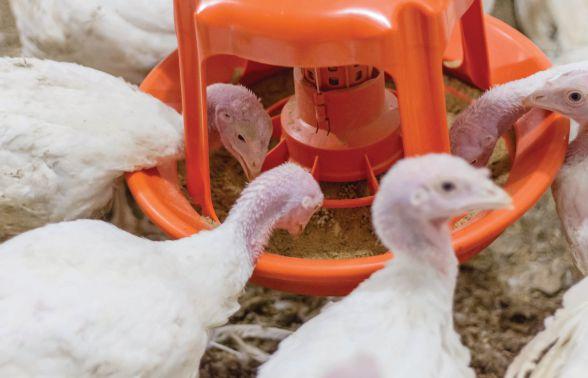
This week, the federal government announced funding of up to $559,285 to help Turkey Farmers of Ontario (TFO) finalize and launch a new insurance product to protect Ontario turkey producers from losses associated with outbreaks of avian influenza.
The new insurance product will be mandatory for all turkey farmers in Ontario.
When fully implemented, this product will help bridge the gap in existing coverage. Specifically, it will cover economic losses resulting from the difference between compensation through the Canadian Food Inspection Agency for animals ordered destroyed and their full market value.
This may include incremental costs such as cleaning and disinfection, veterinary services, the disposal of feed, and other costs related to the resumption of operations.
This should help the turkey industry improve its resiliency
and ensure Ontario producers are able to resume production as soon as possible when disaster strikes.
“Disease outbreaks can have a big impact on producers and our Government is working hard to support them when they face these challenges,” Marie-Claude Bibeau, Canada’s Minister of Agriculture and Agri-Food. “This new insurance product will help Ontario turkey farmers in their efforts to protect their businesses and return to production following a sudden outbreak of avian influenza.”
“The turkey industry has encountered numerous challenges over the past few years and this funding is very important for the implementation of an Avian Influenza Insurance Program,”
TFO chair Brian Ricker adds. “This will protect not only turkey producers but by extension the poultry industry in Ontario.”
the latest poultry-related news, stories, blogs and analysis from across Canada at:
Valerie Carney is one of Canada’s poultry research leaders. After initially working stateside with Aviagen, she returned to her home province of Alberta in 2005 to work with the Alberta government’s Poultry Research Centre. In 2019, that initiative was revamped and rebranded as the Poultry Innovation Partnership (PIP), which Carney now leads.
Tell us about your background. At first, I wanted to be a vet, because that’s really the only job I knew where people got to work with animals. But then when I got into my undergraduate studies, I became interested in research. And so, I did a master’s project, working at Hybrid Turkeys. That opened up a bunch of doors for me. I ended up going to the University of Arkansas to do a PhD in poultry genetics and reproduction. Once I graduated, I moved to Alabama and worked as a research and field geneticist for Aviagen. We then had three children in two years, and I was kind of busy. And so, we moved back home to Alberta. From there I was the tech transfer coordinator for the Poultry Research Centre for about 15 years. And then in 2019, I became the Poultry Innovation Partnership lead.
What’s changed with PIP?
What has changed is our model and how we operate to bring the collective resources of our partners together to advance the Canadian poultry industry. To use an analogy, we were once like a catered dinner where our partners would put money into the university and would expect research outcomes. Now, we’re much more like a potluck. So,
everybody contributes their resources and energy towards moving our strategic plan forward.
How does this change enhance poultry research?
One of the big advantages of how we’re arranged now is our ability to leverage our industry funds. Previously, the way that the centre was funded, our partners would contribute foundational money to the university for operations on the research farm and the Poultry Research Centre for some leadership. And now, those contributions are set aside as industry funds. And what that does for the partners who contribute is it frees up their funding to specifically direct towards research initiatives that they’re interested in.
What is it about poultry research that inspires you?
I love chickens! They are making a difference everywhere in the world. They feed people. They’re a relatively low input protein. There are no religious or cultural barriers to eating chicken. And, poultry supports women entrepreneurs and developing economies. Just in general, they bring life and health and they bring people together, which is really something that I love.
What are you proudest of?
One of the things I’m proudest of is the development of the Western Poultry Conference. For me, that epitomizes all the things that are good about what can happen when industry, academia and government work together. We developed the event for producers and it’s really been taken on by the industry now.

APRIL
APR. 7
PIP Innovation Showcase Webinar Series poultryinnovationpartnership.ca
APR. 7-8
Virtual National Poultry Show poultryindustrycouncil.ca
APR. 13
PIC’s Ag Lenders Webinar poultryindustrycouncil.ca
APR. 21
BCPS Webinar Series bcpoultrysymposium.com
MAY
MAY 5
PIP Innovation Showcase Webinar Series poultryinnovationpartnership.ca
MAY 6
PIC’s Research Impacts Webinar poultryindustrycouncil.ca
MAY 19
BCPS Webinar Series bcpoultrysymposium.com
MAY 18-21
Midwest Poultry Federation Convention, Virtual Event midwestpoultry.com
MAY 25-27
Alltech ONE Ideas Conference, Virtual Event one.alltech.com
JUNE
JUNE 2
PIP Innovation Showcase Webinar Series poultryinnovationpartnership.ca
JUNE 17, 2021
PIC Health Webinar poultryindustrycouncil.ca
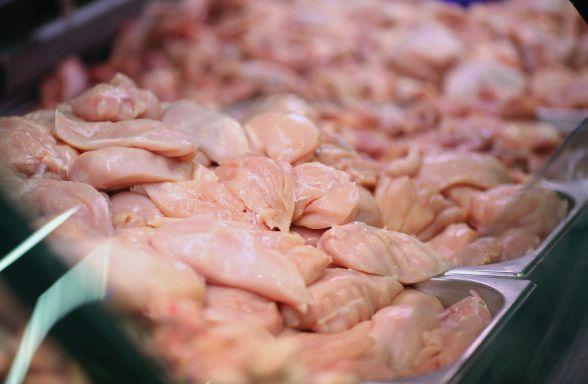
Research from North Carolina State University has found that Campylobacter bacteria persist throughout poultry production and that two common strains are exchanging genetic material.
“There are two strains of Campylobacter that we’re concerned with: C. coli and C. jejuni,” says NC State’s Dawn Hull, lead author of the study. “C. jejuni causes up to 90 per cent of human Campylobacter infections, but the good news is that this strain is less likely to carry multidrug-resistant genes. C. coli is twice as likely to contain multidrug-resistant genes, but it’s a less effective human pathogen.”
“Since Campylobacter has a fairly ‘plastic’ genome, the strains can exchange genetic material,” adds NC State’s Sid Thakur. “If C. coli starts to take in a lot of C. jejuni’s genetic material and increases its virulence, then it will cause larger numbers of infections that are antibiotic resistant. Likewise, if takes up antibiotic-resistant genes from C. coli, the same thing happens.”
They sampled poultry from
grocers across North Carolina. They compared Campylobacter isolates from the meat to USDA samples from North Carolina farms and processors. C. coli was most prevalent on farms and production facilities, at 54 per cent and 60 per cent for chicken isolates respectively, while C. jejuni was found in 69 per cent of retail chicken. They then tested the isolates from food animals and meat for antimicrobial-resistant (AMR) genes and found that 90 per cent of both C. coli and C. jejuni contained at least one AMR gene while 43 per cent contained resistance genes to three or more antibiotic drug classes. Twentyfour percent of C. jejuni included resistance genes to fluoroquinolones, the “last line of defense” against Campylobacter Finally, the team noted a significantly higher number of new Campylobacter strains – 21 – in 2019 compared to only two in 2018. This indicates extensive changes occurring in the Campylobacter genome that have the potential to increase its virulence and drug resistance profile.
If a consumer goes to a supermarket and picks 10 different chicken breasts, four will have Campylobacter, the researchers say.
Tim Hortons will now feature the Egg Quality Assurance (EQA) certification mark on advertisements for its freshly cracked eggs menu offerings across Canada, the company announced this week. The fast-food chain had previously piloted this step in select regions and it’s now adopting the symbol nationwide. The EQA certification mark, developed by EFC, is part of an industry-wide program that includes on-farm inspections and third-party audits.
2is the number of Campylobacter strains the researchers were concerned with, namely C. coli and C. jejun.
In February, a food processing plant in Abbotsford, B.C., was ordered to close by Fraser Health after an outbreak of COVID-19 among staff. Twenty-two employees of Grand River Foods, a poultry processing facility, tested positive for the coronavirus, said Fraser Health in a statement. Health officials inspected the site Feb. 18 after a cluster was identified on Feb. 2. An outbreak was declared Feb. 19.
In February, Merck Animal Health announced it had completed its acquisition of Poultry Sense Ltd., a company that provides health and environmental monitoring solutions for the poultry industry. The company’s technology allows poultry farmers to continuously track and analyze overall health performance for the life of the flock. It provides users the capability to measure, compare and record key health and environmental indicators captured by sensors in the barn.


By Doug Martin
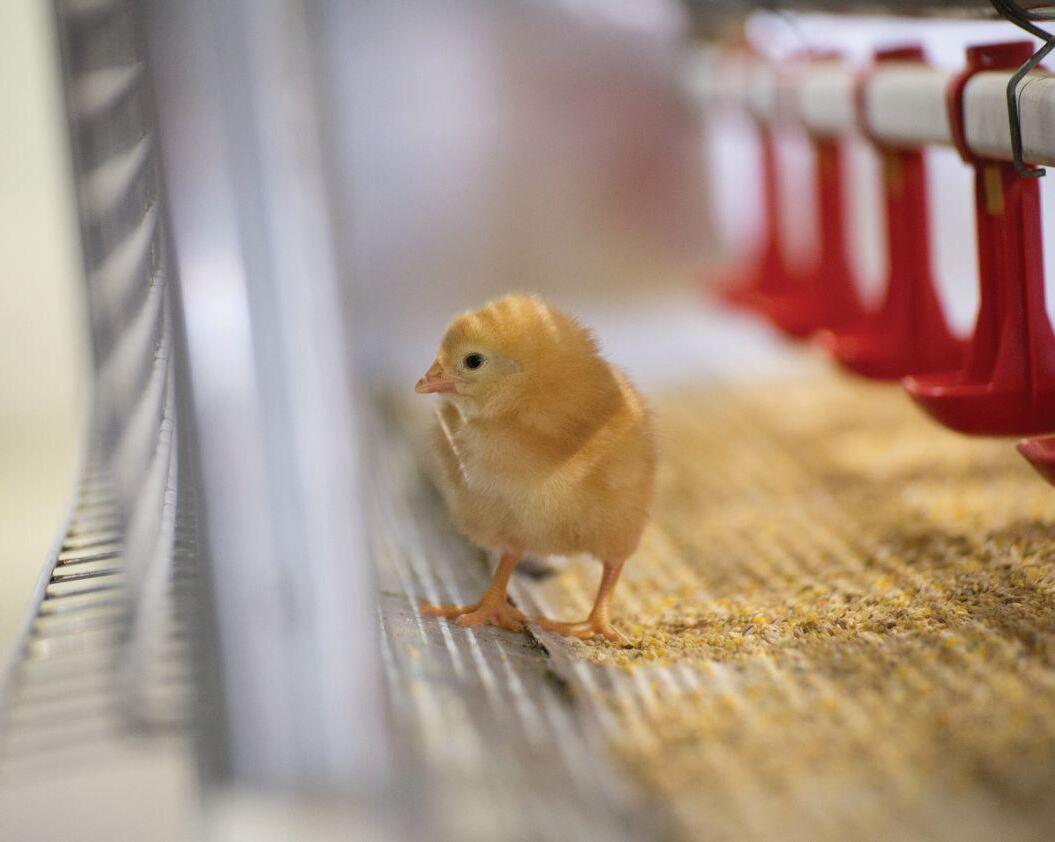
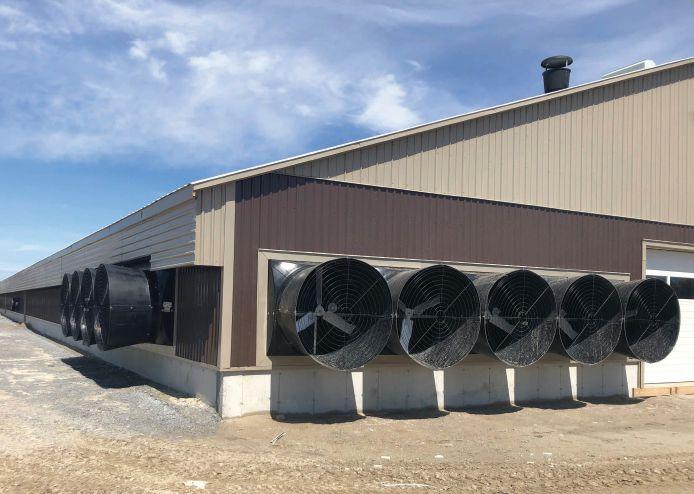
Warmer weather is around the corner and now is a good time to conduct poultry barn maintenance to help protect bird comfort and promote profitability. That said, here are some important things to check to make sure your barn is ready for spring and summer.
Check fan belts for tightness and to make sure they ride on top of the pulleys rather than inside. Grease the bearings, as dry bearings require more power to turn the fan blades, reducing efficiency and shortening bearing life span.
Wash or clean fan housings and shutters of any dirt or debris. Even a thin film of dust can change the airflow, reducing performance.
For example, in tunnel ventilation, provide uniform air flow of at least 600 to 700 feet per minute to avoid areas of slow or dead air. Uniform air flow is essential to maintain a healthy body temperature by enabling birds to dissipate the required amount of body heat.
When cleaning fans, also check that all are operating properly, since some fans typically remain idle during winter months. You want these big fans to run when they are needed.
Dirty cool cells restrict airflow and reduce fan performance, lowering the overall efficiency of an evaporative cooling system. Add cleanser to the water reservoir and run the pump for 15 to 20 minutes to clean the pads.
The longer the contact with the pads, the deeper the scaling will be achieved. Empty the system, rinse the pads with low-pressure water and refill the reservoir with clean water.
Be sure to use an approved cleanser,
replace pads as necessary and clean the wire screen filter of insects and any debris to ensure maximum water distribution to the system.
Service the pump motor, including lubricating the bearings, checking for oil leaks and inspecting the pump casing for any damage.
Make sure settings on the controller are set up for warmer months. Check upper stages to see that everything is programmed properly.
Run a complete test cycle between flocks before warmer weather. If you are using an older controller, upgrading to a more efficient unit can maintain a more consistent barn environment.
Inspect the outside of the poultry barn, and repair any burst pipes or other structural issues. This can include building damage caused by rodents attempting to gain access during the winter months.
A poultry barn operates like a wind tunnel, and any holes can disrupt optimum air flow.
As warm weather approaches, check your thermostat backup system to ensure that proper ventilation will be activated in case of a controller failure.
This is also a good time to make sure that the barn alarm system is fully functional, the zones are programmed properly and the dialer is working correctly. In warm weather, it’s especially important to respond as quickly as possible to any ventilation issues.
In warm weather, birds also need to drink more water. Check that the water well system is working properly and that there is sufficient water in the reservoir.
Weather preparation should ideally be completed no later than May 1. Conducting all the required maintenance and checks now will go a long way toward maximizing profitability through improved bird livability and lower feed conversion.



By Ben Schlegel
The primary author of this article is Ben Schlegel. The vets of Poultry Health Services are regular contributors to Ask the Vet. They work across the country from offices in Abbotsford, B.C., Airdrie, Alta., and Stratford, Ont. Please send questions for the Ask the Vet column to poultry@annexweb.com.
What threats does a surge in backyard chicken ownership pose to commercial farms?
One of the unanticipated outcomes of the COVID-19 pandemic has been a surge in interest among the general public in keeping small flocks of poultry. Early on in the pandemic, bare shelves at grocery stores got people more interested in having their own sources of food close at hand.
As the pandemic has progressed, many people have found themselves stuck at home and looking to take on projects such as building a coop and caring for poultry. Sales of small flock chicks, feed and supplies have drastically increased.
Innovation has proliferated in the sector, with services offering chicken “rentals”, including coops and supplies, all over North America. This trend may help to bridge some of the gap in understanding between farmers and urbanites, when people who are several generations removed from the farm have to figure out how to handle poultry issues.
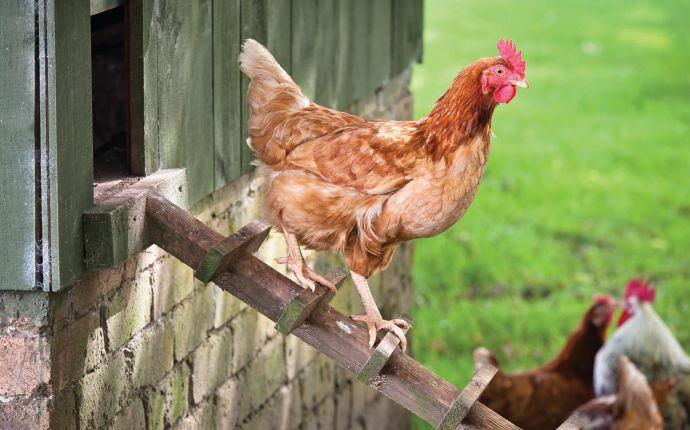
Small flocks are also becoming more common in rural areas, and some of them are close to commercial farms. While I think there are many positives to this boom in backyard birds for professional poultry producers, I also think it is critical that we are cautious of any disease risks that these new, small flocks may pose.
Researchers working at the Ontario Veterinary College, University of Guelph, and Animal Health Lab in Guelph, Ont., recently finished a study on the health of backyard poultry in Ontario. Bacteria that they found in backyard flocks included: Brachyspira spp., Mycoplasma synoviae , Campylobacter spp., Mycoplasma gallisepticum and Salmonella spp.
Viruses that they found in backyard flocks included: infectious bronchitis
“It is critical that we are cautious of any disease risks that these new, small flocks may pose.”
virus (IBV), fowl adenovirus, infectious laryngotracheitis virus (ILT), avian reovirus and infectious bursal disease virus (IBDV), as well as one case of low-pathogenic avian influenza and one case of Newcastle disease virus.
Birds from small flocks should never enter a commercial flock. Previous research has found that “bird movements are not likely to transmit disease from backyard to commercial flocks; however, human movements between backyard and commercial premises could transmit diseases.”
Our industry needs to be vigilant for people introducing disease into commercial flocks from small flocks. It may be that employees and farm visitors have their own small flocks or recently visited one, particularly as they become more common, so it is critical that poultry producers
ask people coming into their barns if they have had contact with small flock poultry.
Professional poultry producers always have biosecurity in mind when thinking about their operations. The National Avian On-Farm Biosecurity Standard from the Canadian Food Inspection Agency (CFIA) provides a great starting point for issues around poultry farm biosecurity. In order to limit the risk of introducing disease from a small flock to a commercial flock by staff or visitors, CFIA makes following recommendations:
“Recommendation 4: Each premises must have established procedures for employees entering a barn and moving to other barns within a premises. Employees should be trained and understand the reason behind and importance of these procedures. These procedures should include but not be limited to: Hand sanitation; not being in contact with other birds within a 24-hour period; and appropriate boot sanitation and change of clothing.”
Additional considerations for personnel and visitors include:
“Ensure those who enter your premises are not sick, and have not been in contact
with poultry, livestock, pets, and/or people that are sick, especially those exhibiting clinical signs related to influenza virus.
People who have had contact with poultry or poultry workers from other farm sites during the preceding 48 hours need to ensure they have washed (preferably showered) and changed into clean clothing before entering the RAZ where live poultry are kept.”
I recommend a strict 24-hour downtime (at least) for anyone entering your barn from a small flock, with mandatory shower in, footwear change, hand-washing and farm-provided coveralls or clothing. Unfortunately, this means that farm staff cannot keep their own small flocks and look after commercial flocks.
For professional service people who understand biosecurity measures and have been on other commercial poultry operations with a high level of biosecurity, there may not be a need for the 24-hour downtime as long as the shower in, hand wash, footwear change and barn specific clothing procedures are met.
Make sure to ask any visitors with previous poultry exposure about the health status of the flocks they were visiting. For example, it may not be top of mind for tradespeople who had been in another poultry barn the day before on a different job. Ensure that any visitors to the barn (inspectors, auditors, service people, visitors) are made aware of these requirements before visiting the farm (or before they come into the barn if it is not possible to contact them beforehand).
Make sure to have locked doors to prevent farm visitors from entering the barn by mistake. If you are operating a poultry flock with an increased level of biosecurity (such as breeders), you may have to follow even more stringent guidelines than these suggestions with longer poultry-free downtime for visitors.
We know that pathogens of concern for commercial poultry production are circulating in small poultry flocks. Producers need to use biosecurity to avoid introducing these diseases to their flocks.
For references, view the online version of this article at canadianpoultrymag.com.

By Jane Robinson
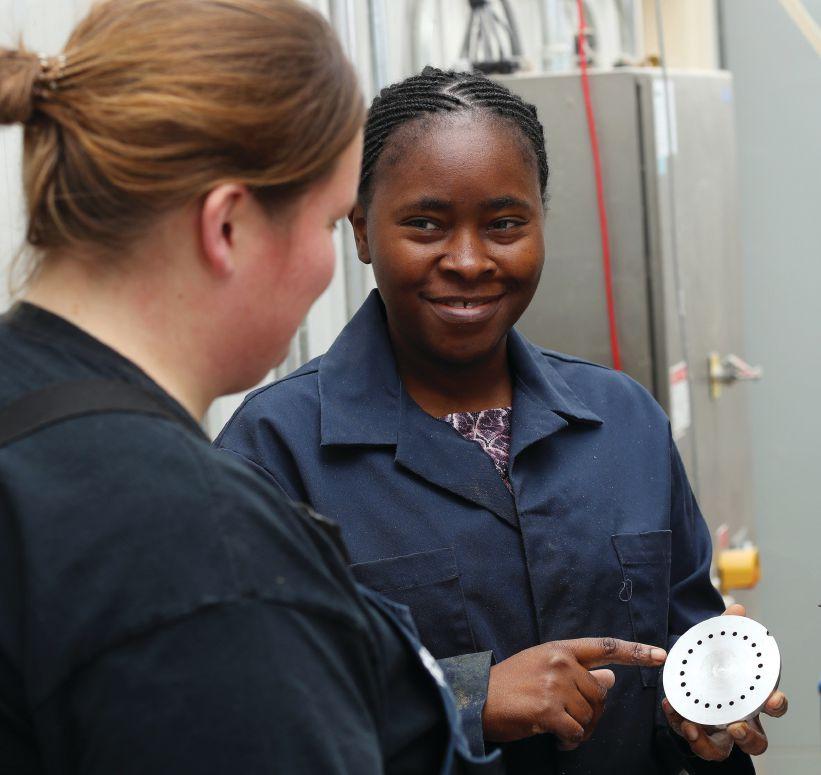
Researchers around the world continue investigating antibiotic alternatives. It’s part of a search for new options producers can use to promote efficient growth in broilers. Deborah Adewole is looking at probiotics as one alternative, and the route of administration that maximizes efficacy.
Probiotics are live microorganisms designed to create a more favourable microflora in the gut. They are commercially available in Canada and usually added to the bird’s diet in the feed. “One of the challenges we find with adding probiotics to feed is that the high temperatures used in feed processing can reduce the activity and efficacy of probiotics,” says Adewole, assistant professor and Industry Research Chair, Poultry in the Department of Animal Science and Aquaculture at Dalhousie University in Truro, N.S.
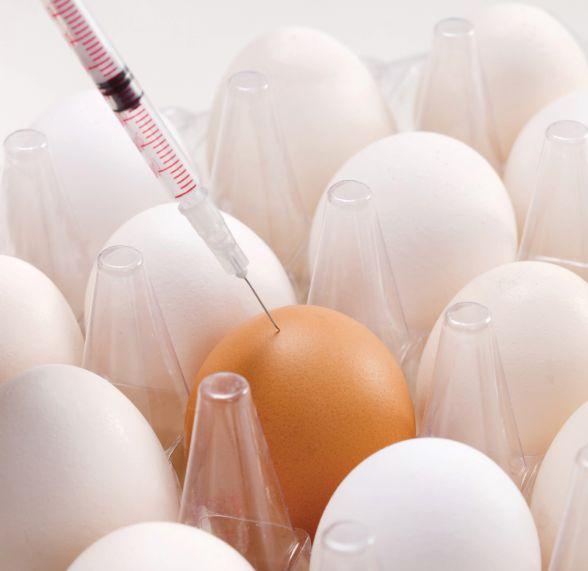
In 2019, Adewole and her research team began investigating the administration of probiotics before hatch to determine what the benefits might be to bird performance and intestinal health. They worked with a probiotic available in Canada that contains Bacillus subtilis fermentation extract. Her team includes PhD student Samson Oladokun, who led the project, fourth year student Alyssa Koehler and research associate Janice MacIsaac.
“We set out to compare different routes of administration of the probiotic in broiler production – adding it to feed, drinking water and injecting directly

into the developing embryo, or in ovo ,” Adewole says. “We looked for the effect on hatch, growth performance and intestinal function.”
Some research existed for the team to draw on about the use of probiotics in ovo, but nothing in Canada. Research on the in ovo administration of some poultry vaccines gave Adewole a head start on what stage of embryonic development to target when injecting probiotics directly into the developing embryo. Researchers
in the U.S. had already determined the best time for an in ovo injection in the 21-day incubation period was between 17 and 19 days of development.
Their research started with 500 fertile eggs, sourced from broiler breeders and randomly divided into three treatment groups for the incubation period – in ovo probiotic, in ovo saline solution and no injection. The scientists made in ovo in-




















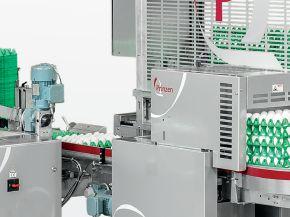
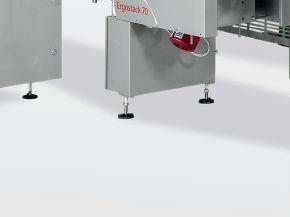

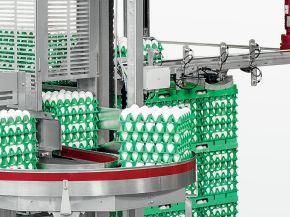
Prinzen packing lines stand out thanks to its small footprint. A fully automated packing line, collecting eggs from egg belt onto a pallet on just 236ft2. Prinzen is known for its gentle egg handling preserving egg quality. Our recent innovation, the Meggsius Detect, is a strong addition to the line as it prevents contamination of the eggs.
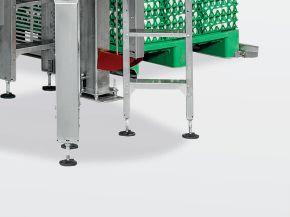
Vencomatic Group o ers a full range of innovative equipment for poultry farms across North America. Our poultry professionals provide expert advice on barn layout, bird management, climate and egg handling.
More information: www.vencomaticgroup.com or please contact your local dealer.



BLR Solutions
QC - T: +1 450 772 2929 jfbourbeau@blrsolutions.ca
Jonkman Equipment Ltd.
BC - T: +1 604 857 2000 info@jonkmanequipment.com
Penner Farm Services
AB - T: +1 403 782 0675
MB - T: +1 204 326 3781 info@pennerfarmservices.com
Pols Enterprises Ltd.
ON - T: +1 905 708 5568 sales@polsltd.ca
Western Ag Systems
SK - T: +1 306 222 4881 wayne@westernagsystems.com


Deborah Adewole was hired in August 2018 as the Industry Research Chair in Poultry Production for sustainable antibiotic reduction at the Department of Animal Science and Aquaculture, Dalhousie University.
The five-year position is funded by Dalhousie University, Chicken Farmers of Canada, Chicken Farmers of Nova Scotia and the Canada/Nova Scotia Growing Forward II program.
In her role, she’s primarily responsible for research and technology development in nutrition and nutrigenomics related to the production of chickens without antibiotics.
She also conducts research and development activities that support responsible use of antimicrobials for chicken production. Before starting this role, she had extensive experience in poultry nutrition and application of nutrition in poultry health.
jections on day 18.5 and tracked hatchability on day 21.
At hatch, chicks were re-alloted to one of six treatment groups – in ovo probiotic, in ovo saline, in-feed antibiotic, in-feed probiotic, in-water probiotic and a control group. The team raised the birds for 28 days, measuring feed intake and body weight, and post-mortem sampling to examine the intestinal morphology.
“One of the most important findings was that in ovo administration of probiotics did not affect hatchability,” Adewole says. “That’s very important because we needed to be sure the injection was not harming the embryo…and it didn’t.” The in ovo application – along with all treatments – also did not affect chick quality. Those were two important hurdles for in ovo probiotic delivery to be able to ultimately move closer to commercial application.
When comparing growth performance – based on body weight, feed intake and feed conversion –none of the probiotic treatments had a significant effect. “The in ovo probiotic birds did have slightly better feed conversion,” Adewole says. “While it’s not significant, it could still represent a slight cost savings in feed for producers.”
Adewole speculates that the slight improvement in feed conversion for in ovo birds may be because the probiotics were able to start functioning earlier to stabilize the gut with beneficial microbes, allowing the birds to absorb more nutrients, be better equipped to fight disease and cope with stress.
Examining the digestive tract of the birds revealed significant improvements in the in ovo probiotic birds. “Probiotics are able to change the structure of the gut, creating more surface area for the gut to absorb more nutrients,” she says.
Regardless of how probiotics
were administered, each treatment delivered the same intended effect of adding beneficial microbes to the bird’s gut.
They also examined a sample of birds from each treatment group at day 28 for incidence of necrotic enteritis in the gut. There was no difference between the treatments. But chickens in the probiotic and antibiotic treatments had the highest number of birds that were completely free of necrotic enteritis. “All the treatments gave the broilers some level of protection, but the results were only significant if the probiotic and antibiotic groups were combined,” Adewole says.
Earlier
Adewole’s research clearly established that when probiotics are administered in ovo – compared to in feed or water – they help the bird establish beneficial bacteria in the gut sooner and help the bird fight
pathogenic disease. “When probiotics are administered before hatch, the beneficial bacteria can start growing in the embryo because it is already able to consume the probiotic as feed and have it get to work on the gut.”
Feeding probiotics in the diet has the potential for the bacteria to be damaged during feed processing. The benefit of water over feed delivery is that if a bird is sick, they tend to still drink water even if they are off feed, which could ensure they still receive the beneficial probiotic. However, water delivery can result in water quality issues.
“In terms of efficacy, the suggested route of administration is in ovo, followed by in the water and then in the feed,” Adewole says. For Adewole, her work on the opportunities for in ovo is just getting going. She’ll be looking at in ovo administration of other substances that could improve growth performance in chickens.


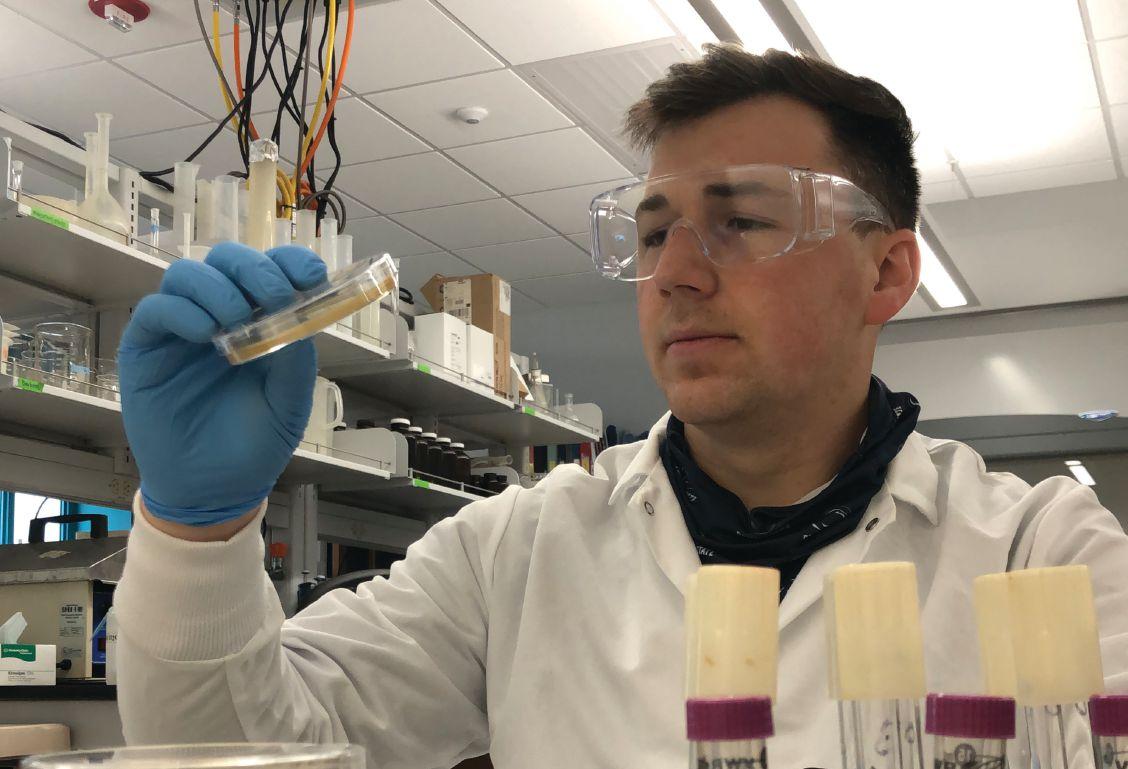
By Lilian Schaer
New research shows that pulsed ultraviolet light can be an effective tool to improve the safety of both table and hatching eggs.
Researchers at Penn State University’s College of Agricultural Sciences scaled up the technology and tested it in a simulated setting similar to commercial egg processing environments, achieving very positive results.
Egg decontamination is an essential part of getting table eggs ready for consumption. It’s particularly important for eggs produced in housing systems that include nesting boxes.
Reducing the microbial load on eggs lessens the prevalence of foodborne illness associated with poultry meat and eggs. Notably, it accomplishes this without compromising chick health.
The egg industry currently uses sanitizers and detergents to decontaminate eggs and wash off any physical debris.
“Eggs in floor systems are exposed to a lot of dust, and bacteria seek out the pores of the eggshell and hide in there,” explains Paul Patterson, a Penn State poultry scientist who worked on the project. “Washing and disinfection take care of a lot of that debris, and because washing opens the pores, the pulsed UV light would be an additional step to eliminate potential pathogens from the eggshell.”
He sees the technology as an extra step to ensure an even higher level of food safety for table eggs and provide an additional layer of assurance to consumers about their cleanliness and safety. In the hatching egg industry, clean eggs are particularly important to avoid incubating organisms that could bring disease to a whole group of chicks.
“This could be a substitute in the hatching egg industry for some of the products they currently use to ensure healthy chicks and could help in a transition to antibiot-
ic-free or no antibiotics ever production,” Patterson adds.
Low-intensity ultraviolet light has already been used as an additional antimicrobial step in egg decontamination, but pulsed UV light is more effective. That’s because it delivers a higher intensity of ultraviolet light to the surface of the eggshell, eliminating more pathogens in a shorter amount of time than conventional UV light.
Pulsed UV light also doesn’t overheat eggs through prolonged light exposure, which is particularly important for table eggs.
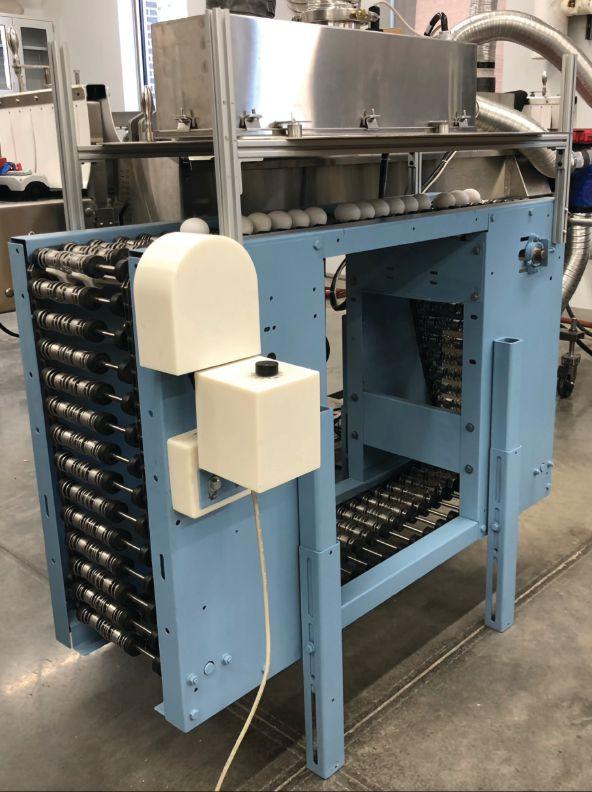
To test the efficacy of pulsed UV light, the research team retrofitted a small egg washing unit by mounting a xenon flashlamp overtop of its conveyor. Because the eggs are rotated a full 360 degrees, it provided an ideal environment for UV exposure under the lamp on the entire surface of each egg.
The egg surfaces were treated with non-pathogenic strains of E. coli and Enterococcus faecium and then exposed to the pulsed UV light for 27 seconds, which achieved acceptable decontamination. At three pulses per second, each egg was exposed to nearly 90 pulses; each pulse has a duration of 360 microseconds (one microsecond is one millionth of one second).
“Mounting the light above the spools fits nicely with many table egg washing and sanitation systems,” Patterson says. “It’s a retrofit that’s fairly easily done and is relatively inexpensive – it’s mostly just the cost of the UV pulsed UV lamps.”
The technology could be equally valuable to hatching egg producers. The research team also evaluated the impact of using pulsed UV light on hatching eggs on both embryo and chick growth.
Using the same system, four batches of 125 fertile eggs were treated with the same and greater intensities of pulsed ultraviolet light. The eggs were then transferred into a commercial incubator under normal incubation conditions.
The study found no significant effect of the pulsed UV light treatment on per cent fertility, hatchability or hatch. Also, there were no significant effects on posthatch observations, like chick livability and average bird weight either at hatch or at 42 days of age.
“Using pulsed ultraviolet light before incubation in a hatchery setting would improve chick health, avoid some of the financial constraints caused by poor chick quality resulting from chicks getting sick from early exposure to microbial pathogens, and potentially would improve the food safety of poultry meat,” concludes graduate student Joshua Cassar, who also worked on the project.
The technology could also be used at breeder barns before eggs are sent to the hatchery.
According to Patterson, the study results mean the technology is now ready for commercialization. It’s a
“Eggs in floor systems are exposed to a lot of dust, and bacteria seek out the pores of the eggshell and hide in there.”
step Penn State has no desire to proceed with, though he’s hopeful that the study results might convince one or more processing equipment manufacturers to move the innovation forward.
The research team also included Patterson, Cassar, Edward Mills and Jonathan Campbell of the Department of Animal Science, and Dr. Ali Demirci, who is in the Department of Agriculture and Biological Engineering.
The U.S. Department of Agriculture’s National Institute of Food and Agriculture provided partial funding for this research. Hy-Line North America supplied the eggs used in this research, and Xenon Corp., of Wilmington, Mass., provided technical assistance with the pulsed ultraviolet light technology.
Cassar is now pursuing his doctoral studies, continuing to investigate the applications of pulsed ultraviolet light as a food safety intervention.
It’s time to celebrate the care that goes into every Canadian egg.
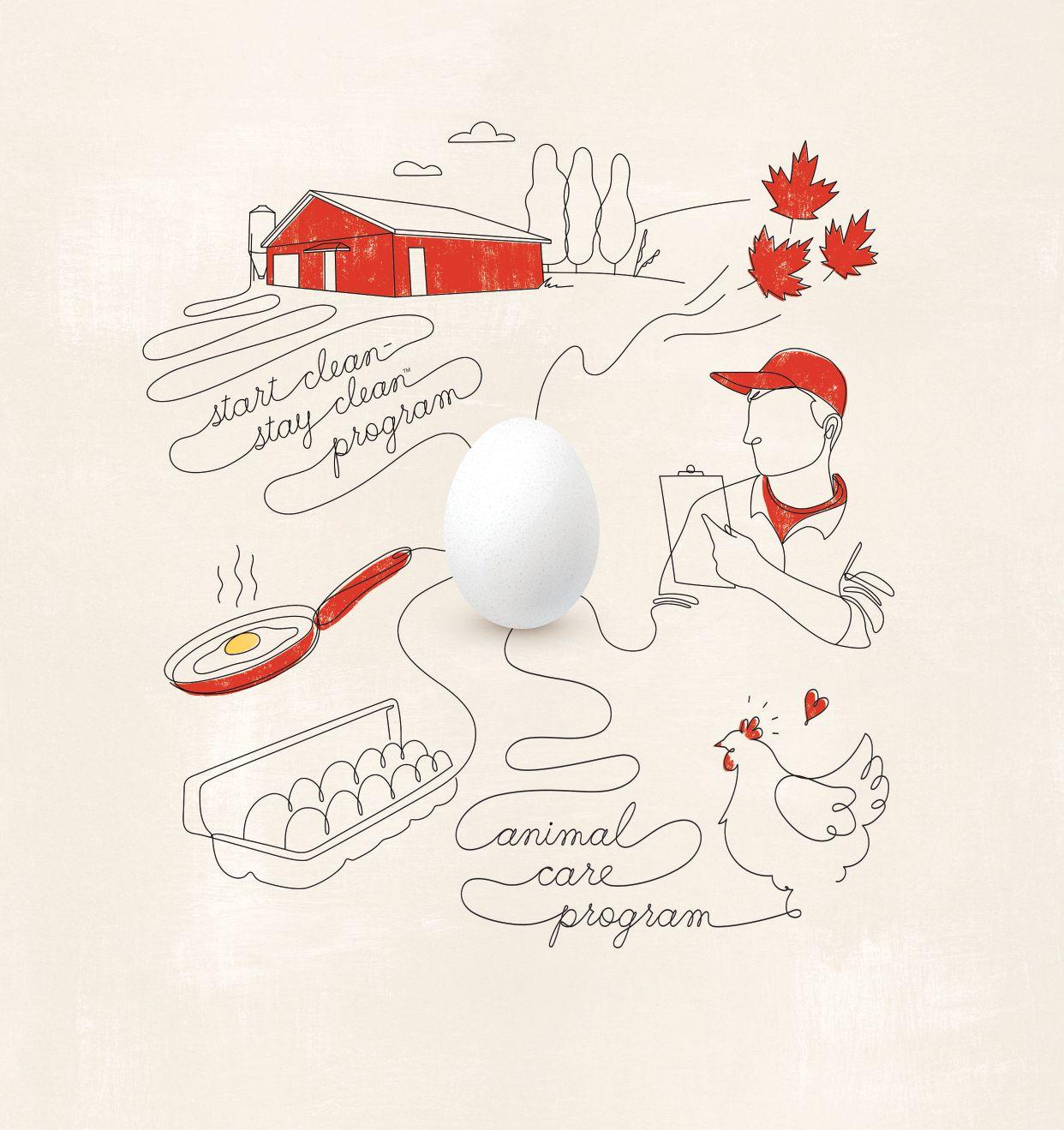
The new Egg Quality Assurance™ (EQA™ ) program shows your customers, right on the carton, that their eggs are produced by Canadian farmers dedicated to delivering a top-quality product that meets national food safety and animal care standards.
Visit eggquality.ca and add the EQA™ symbol to your cartons today!
Does light intensity affects pullet behaviour, growth and bone quality?
By Jane Robinson
Research has confirmed that laying hens headed for aviary-style systems fare much better when they are raised in a similar type of environment. A comprehensive study is underway across Canada that’s looking at several factors of pullet rearing that could impact the successful transition for young birds into more complex layer housing. Led by University of Guelph’s Tina Widowski, the project is looking at factors affecting behaviour as well as musculoskeletal development of pullets.
The researchers identified lighting as one of the performance factors to evaluate in pullet development, and Karen Schwean-Lardner at the University of Saskatchewan (U of S) has recently completed this part of the study, together with her MSc student Jo Ann Chew. U of S offered the ideal setting with its specialized facility designed for lighting work.
The current Canadian code of practice for laying hen lighting is 10 lux. “When hens are in conventional cages, light for maneuvering through an environment is not as important, as mobility is restricted. But in more complex environments, birds need to learn how to avoid crash landing,” says Schwean-Lardner, an associate professor in the Department of Animal and Poultry Science. “Our goal with this research was to see how light intensity affected the behaviour and bone quality of pullets during the rearing phase.”
With little research reference to draw on, the team’s work would also help provide valuable new insights into the impact
of lighting, if any, on pullet development. “Light may impact the ability of pullets to navigate and master more complex spaces,” Schwean-Lardner says.
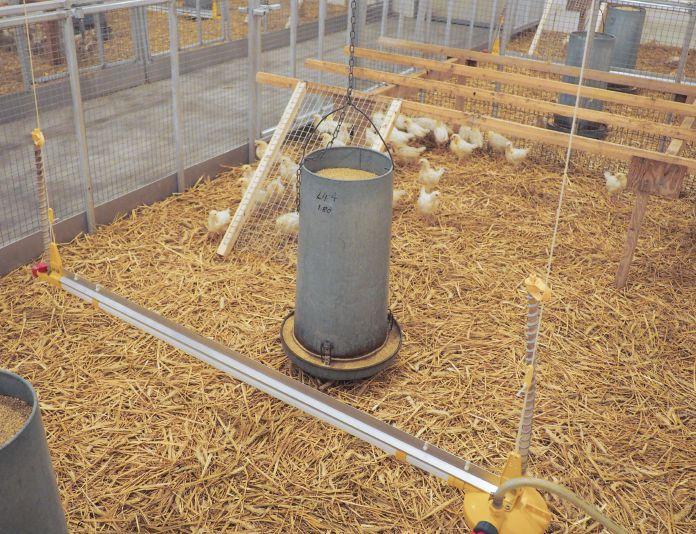
They compared three different light intensities – 10 lux, 30 lux and 50 lux using white LED lights – with pullets from 0 to 16 weeks of age. Birds were raised on the floor in open, perchery-style systems equipped with several parallel perches, a ramp, as well as a drinking line and tube feeders. The study included replicates to compare brown- and white-feathered strains to see if there was a difference in how the strains responded to varying light intensity.
“The perchery set up is not as complex as some aviaries, but it would be an easy rearing system for producers to replicate with birds on one level with a number of perches,” Schwean-Lardner says.
The researchers collected data throughout the birds’ development on body
weight, behaviour, jumping frequency and success, fear and stress responses, breast muscle weight, keel bone damage, tibia bone strength and mortality.
Overall, and across all parameters the scientists measured and monitored, pullets showed very little difference between the three levels of light intensity. There were no significant differences in body weight, breast muscle weight, keel and tibia bone strength, fear and stress responses or mortality.
“Our results show that pullets reared in all light intensities were able to successfully and safely navigate their rearing environment,” Chew says. “We saw a small difference in the jumping behaviour but not enough to significantly affect the bone health of the bird.”
Pullets raised under 30 lux and 50 lux lighting jumped more than those in the 10 lux rooms, especially at about four weeks of age. “Higher lighting may be beneficial to
birds at a younger age, but there is no difference in bone strength or quality,” Chew explains.
They also observed that birds in the 50 lux room spent more time walking at eight weeks of age, but this activity didn’t translate to any measurable difference for pullets. “If we saw significantly different levels of walking activity, we should have seen difference in bone quality, but we didn’t,” Schwean-Lardner says.
When it came to preening activity, pullets raise in 50 lux spent more time preening at 13 to 16 weeks of age. Those in the 10 lux lighting spent more time pecking. Again, the differences were minor and presented no measurable implications for bird health or development.
“We saw a little more comfort behaviour performance with pullets raised in higher intensity lighting, which might suggest improved welfare, but the differences were minor,” Schwean-Lardner says.
They also found that light intensity produced the same results in both white-feathered and brown-feathered strains. There were the usual differences inherent with white strains being more active and brown strains heavier and calmer.
One of the major surprises was that increasing light intensity didn’t increase fear or stress response in the pullets. “Based on a review of any existing literature on light intensity, I expected we might also find an increase in fear and stress in birds when lighting was more than 30 lux. But we didn’t see that,” Chew says. This could be a result of several factors, including using a one level system, and there could be different results in multi-level rearing systems.
With minimal differences in all the factors examined, the researchers concluded that if producers are using lights between 10 lux and 50 lux to raise pullets, they are providing appropriate lighting. “Our current light intensity recommendations of a minimum of 10 lux for lighting is working, but increasing to 50 lux, with a possibility of more comfort behavioural expression, would not result in behavioural issues either. We saw no more bone breakages and very minor differences when raising pullets in high intensity lighting,” Schwean-Lardner says.
As the first study of its kind in Canada, the results are likely to trigger further studies on light intensity. Schwean-Lardner has lots of ideas for what to look at next. “I am very curious about light intensity in more complex rearing systems than the ones we used in our study, and whether 10 lux would be enough.”
Researchers already know that they way pullets are raised impacts the rest of their productive life. These new insights about the role of light will help inform a more successful transition for laying hens into open-style systems in Canada.
This research is funded by the Canadian Poultry Research Council as part of the Poultry Science Cluster, which is supported by Agriculture and Agri-Food Canada as part of the Canadian Agricultural Partnership, a federal-provincial-territorial initiative. Additional funding was received from Egg Farmers of Canada and Clark’s Poultry.

At this point in time, infectious laryngotracheitis (ILT) is more of a struggle for broiler producers in Canada than it is in other nations, and experts say that’s due to the current vaccination situation. In December and January, there was a small epidemic of ILT in the Niagara region of Ontario, but ILT is a disease that poultry producers across the country have to face each year.
The virus can lurk in barns, be spread in many ways between farms and can also appear on a farm when older chickens become stressed. That is, the virus is carried in the birds’ bodies in a dormant state, similarly to the herpes virus in humans, and if a particular bird is stressed, the virus can become active in that bird, be shed into the environment and spread. All of this makes eradication of the disease difficult.
Vaccination is an excellent way to
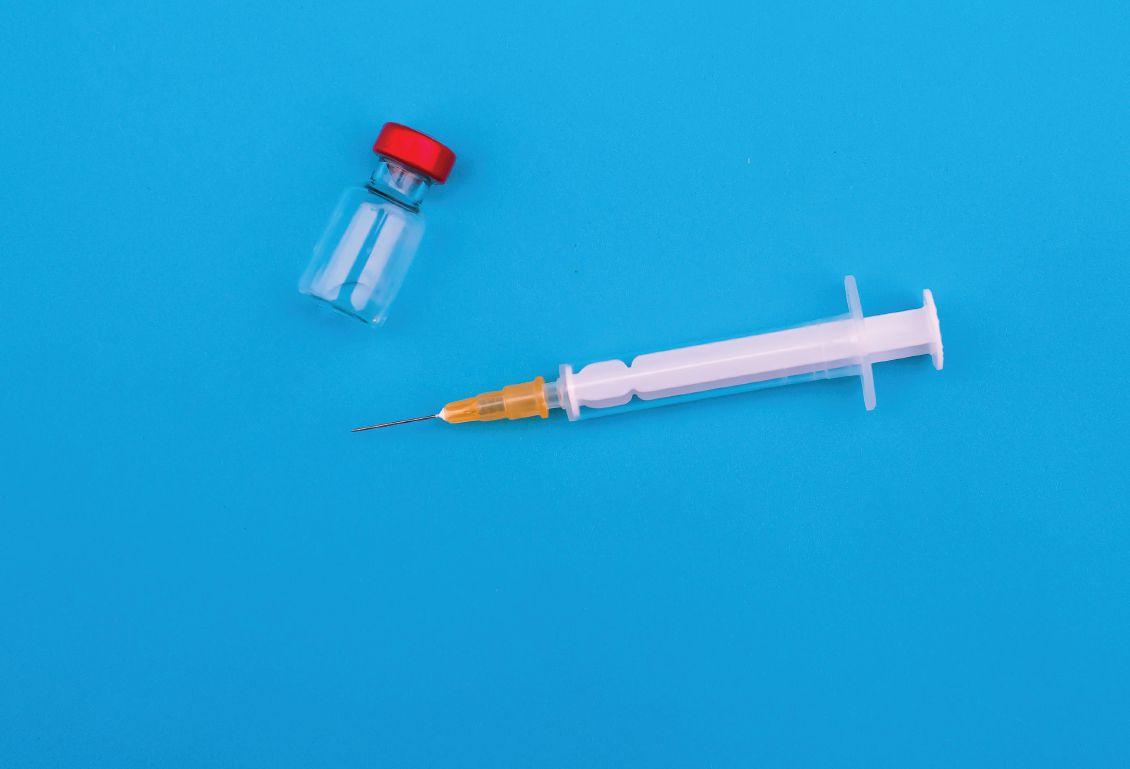
manage the disease, but change needs to occur for that strategy to work. At the hatchery, it’s not standard practice in Canada to vaccinate day-old broiler chicks for ILT, as it’s expensive and may be unnecessary. At the broiler or layer farm, if infection in a flock is a concern, birds can be vaccinated on or after 17 days of age, a point in time when maternal antibody interference no longer has the potential to make the vaccination ineffective. However, right now in Canada, the withdrawal period is 21 days (as it is for all other poultry vaccines). This conflicts in broilers with the processing point, typically at 34 days but it can also occur a few days before that. Experts say the withdrawal period, therefore, needs to be reduced, as it has been in other countries. Indeed, shortening the withdrawal period for ILT vaccines has been a hot topic in Canada for the last few years. Control of the withdrawal period falls under the purview of the Canadian Food
Inspection Agency (CFIA). “What CFIA has told the industry is that it follows the U.S. government on this issue, but the U.S. industry is not interested [in a shorter withdrawal period] because flocks there are processed at least around 42 days of age versus most Canadian broiler flocks at an average of 34 days,” explains Babak Sanei, manager of veterinary services for poultry and medicated feed additives at animal health firm Zoetis. “There is no robust data to show where and how this 21-day period was initially adopted.”
Canadian Animal Health Institute (CAHI) president Catherine Filejski adds that the 21-day withdrawal period policy was likely initially implemented in Canada because the majority of veterinary vaccines used here are imported from the U.S. She notes, however, that although “there has been little pressure” within the U.S. to change the regulation there, “this situation is beginning to change.”
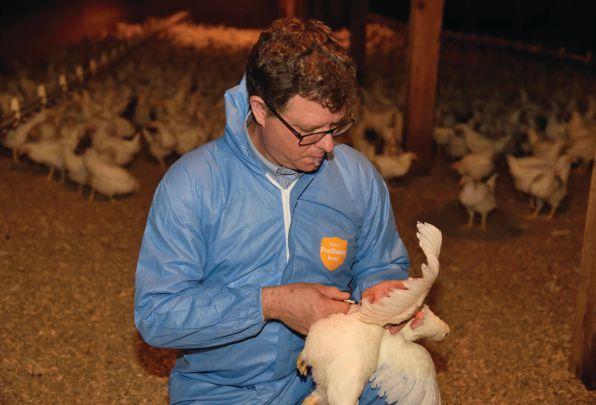
Steve Leech, director of food safety and





animal health at Chicken Farmers of Canada (CFC), explains that “similar vaccines have a zero-day withdrawal in the European Union, Australia and New Zealand.” CFC has requested that CFIA review the 21-day withdrawal period because, as Leech explains, it’s “an arbitrary number, and is now causing issues as the industry tackles animal health, welfare, pathogen and antimicrobial use reduction strategies.”
Vaccination of adult birds for ILT aside, the 21-day vaccine withdrawal period that now exists in Canada also prevents the administration of a vaccine booster, required for many vaccines at about the 20-day mark. One example of this is the booster for the infectious bursal disease (IBD) vaccine. “A booster would be given at day 18 to 21,” Leech explains. “Without the booster, immunity is lowered and flocks can break with IBD and have secondary infections in the week or two prior to shipment.”
At the beginning of 2021, CAHI launched its Priority Animal Health Needs (PAHNs) initiative, aimed at identifying species-specific needs for veterinary products (including vaccines), barriers (regulatory and otherwise) to making these products accessible to Canadian producers and innovative solutions to improve accessibility. PAHNs also aims to develop the partnerships between the animal health industry, the veterinary community and commodity sectors to better understand how regulatory burdens are impacting animal health and welfare in Canada, and the creation of opportunities for veterinarians and commodity groups to voice concerns.
“PAHNs will also be an ongoing CAHI initiative,” Filejski says, “with annual identification of priority
needs for products, which will also serve to track changes and trends in both health needs and product availability for our stakeholders and our regulators.”
For the poultry sector, CAHI has requested input from the Canadian Association of Poultry Veterinarians (CAPV) on priority health needs for all poultry species. Once that input is consolidated, CAHI will reach out to producer associations to obtain their input and then gather information from CAHI’s member companies on the barriers to registering these products in Canada.
Filejski says initial discussions with both Health Canada’s Veterinary Drugs Directorate and the Canadian Centre for Veterinary Biologics (CCVB) of CFIA have yielded enthusiastic support for the PAHNs initiative, and confirmed the commitment of leadership in these organizations to find innovative approaches together.
However, Filejski says, “A high priority need for vaccines with a 0-day withdrawal period was identified before the PAHNs initiative was even officially launched.” This would reduce antimicrobial use, result in better health for Canadian flocks, increased food safety through better control of zoonotic pathogens such as Salmonella, and improved competitiveness for Canadian poultry producers. Discussions about a path forward, involving CAHI, CCVB, CAPV, CFC and vaccine companies, are slated to start in the coming weeks, Filejski says. “Stay tuned to CAHI for developments.”
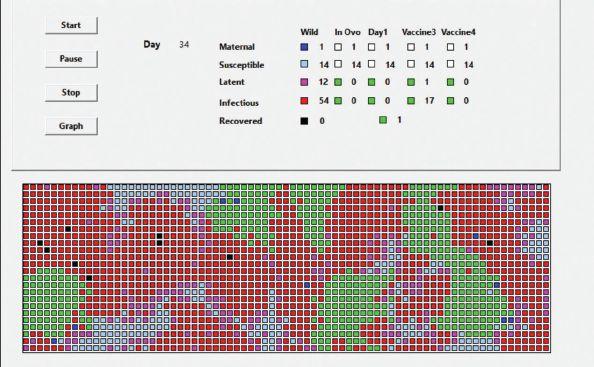
Quebec veterinarian Robert Charrette is now updating a simulation tool he created for farmers, veterinarians and others that highlights the effect of vaccination
timing and more on broiler immunization success. He developed the tool many years ago with data and concepts from Daniel Venne, CAPV co-director and director of poultry health at Quebec poultry company Couvoir Scott. The tool has been used in presentations in other countries as well as in Canada and was presented at the World Veterinary Poultry Association Congress.
On the screen, users can see various flock simulations that show how vaccination (the act of giving vaccines) does not necessarily equate to immunization (effective vaccination). Many factors, as seen in the tool, can affect vaccination success, including quality of barn cleaning between flocks, level and uniformity of maternal antibodies within a given flock, use of different vaccine types, vaccination timing, biosecurity breaches and more, for diseases such as infectious bursal disease (Gumboro) and ILT.
The tool clearly demonstrates how vaccination at 19 to 21 days (if the 21-day withdrawal period is shortened) would help with immunization effectiveness in Canadian broiler flocks, which generally have high level of maternal antibodies. Those wanting to see the simulation should contact Charette at robert.charette.mv@gmail.com.
In terms of additional vaccine concerns in Canada, Leech notes that development for a necrotic enteritis vaccine is a top priority, both for industry antimicrobial use reduction and pathogen reduction. Filejski adds that additional poultry vaccine needs in Canada are in the process of being formally identified through PAHNs. “Initial input has indicated a need for protectotype approaches to vaccination against infectious bronchitis virus (IBV) to reduce the level of IBV disease in chickens in Canada,” she says. “A variety of IBV vaccines currently commercially available in the U.S. cannot be brought into Canada because these are live vaccines. Again, stay tuned for more.”
SYSTEMS OPERATE AT DIFFERENT HEIGHTS TO PROMOTE EFFICIENT NO-SPILL DRINKING
Dedicated MALE drinker system with Big Z Drinkers.
HEADS UP DRINKING™ takes into account what broiler breeders have to do in order to drink - namely, lift their heads and let gravity do its work.
By incorporating gender specific drinker lines and gender specific Big Z Drinkers, water spillage is eliminated as the drinkers are positioned at the proper height for both males and females. The advantage with no-spill drinking is a healthy, ammonia free and a more productive breeder environment.
Benefits of Ziggity’s Broiler Breeder Concept include:
• Dramatically improved male uniformity, livability and performance
• Dry slats and litter means virtually no ammonia release
• Improved bird welfare
• More hatching eggs and improved hatchability
• No bacteria-laden catch cups
The Poultry Watering Specialists




Learn more about Ziggity’s
at ziggity.com/HeadsUp

By Kayla Price

The question of whether to do a complete wet and disinfect clean out of the barn each flock or to do a dry clean and reuse litter, where applicable, often comes up in meetings. When looking into various production systems around the world, specifically broilers, some regions will require a complete wet clean out of the barn, while other regions will complete a dry clean and reuse litter. The results from these different management techniques have their positives and reasons for being used. Yet, both also have drawbacks that each local industry must deal with.
In Canada, there are different recognized on-farm food safety programs for each poultry sector. They include required and suggested cleaning programs to take place after each flock.
• Chicken Farmers of Canada requires a wet cleaning to take place at least once a year, but between flocks requires, at minimum, a dry cleaning with removal and replacement of litter. They recommend a minimum 14 days between flocks as best practice, but when this cannot happen then it is strongly recommended that washing and disinfection should be performed.
Reused litter may help to support gastrointestinal microbiota development but there can be a cost.
• Turkey Farmers of Canada states that brooder barns and combined brooder and grower barns must be completely cleaned out after every flock, whether wet or dry cleaning. Grow-out barns, on the other hand, must be completely cleaned at least once a year. Similar to broilers, it is recommended, but not required, that there is a 14-day downtime between flocks. However, if a turkey barn were to experience a suspected or disease outbreak it must be cleaned and disinfected with at least seven days as downtime.
• Egg Farmers of Canada require at least a dry clean between flocks, but some producers opt to complete a wet clean after each flock.
• Canadian Hatching Egg Producers require farmers to thoroughly clean, wash and disinfect pullet and egg barns after each cycle.
All these different requirements are important for each sector and have been mandatory or suggested based on the
needs of that sector.
Regardless of whether producers apply dry cleaning or the reused litter method, if a viral or bacterial challenge has negatively impacted a flock then it is critical that they complete a full cleaning and disinfection program with the appropriate downtime between flocks.
In some poultry sectors and regions, such as broilers in the U.S., litter is a high added cost and it can be challenging to source or find good quality litter. It is also labour-intensive to spread uniformly across large barns and adds time to cleaning out the barn if the producer uses new litter each flock. By reusing litter over many flocks, sometimes several years, farmers can significantly reduce these challenges.
Reused, deep litter acts as a sponge for moisture, cushion for the birds and can add some heat into the barn. If producers use wood shavings for the litter (farmers in the U.S. commonly use pine shavings), the reused litter helps to soften the sharp edges found within the shavings.
Some of the challenges with reused litter can be a buildup in moisture, which leads to a risk for higher ammonia levels, foot pad dermatitis issues and increased pathogens. In fact, in the U.S. with reused litter very high ammonia levels are found just under the “cake”, crusted dry litter material, and if not treated properly between flocks can lead to many challenges such as stress and blindness. To combat these risks, there are a couple of management techniques that producers often use with reused litter.
When the birds first leave the barn, the litter is “de-caked”, which means that the top layer of the litter is removed. To accommodate the different management techniques and to allow drying time, the downtime between flocks must be at least 10 days and is often longer (e.g., 14 to 18 days), especially in raised without antibiotics production systems.
To help keep litter dry throughout production and between flocks, producers may use litter treatment in addition to

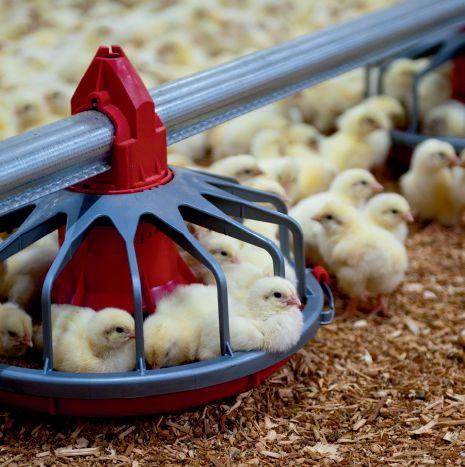
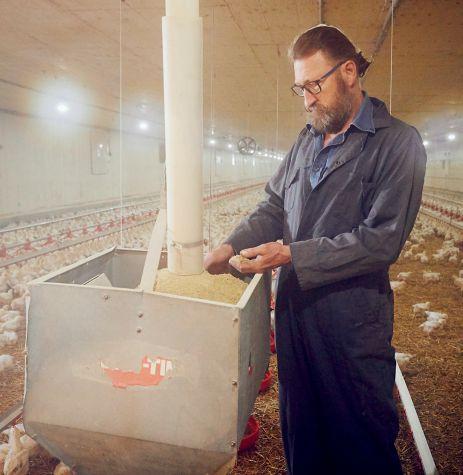
Chicken Farmers of Canada has put together information and resources specifically for farmers. The resources include articles and videos providing detail on management tips.
You can now access the Farmer Resource Portal through the chickenfarmers website under ‘On-Farm Food Safety’ section. You will find updated information on AMU strategy, brooding, feed and water management, flock and environmental monitoring, and necrotic enteritis and coccidiosis.

ventilation and heating. However, certain production systems such as organic may not allow litter treatments to be used.
To help manage pathogen loads, producers often compost or windrow the litter between flocks so it can heat up to at least 54°C (130°F). To windrow litter, it is better to have a longer downtime because this process requires time and expertise.
Often, producers place a fresh top layer of litter on the reused litter, but the depth may vary from three to twelve centimeters depending on their preference. The less fresh shavings farmers add to the top of the reused litter the higher the challenge with ammonia and pathogens from the previous flock.
Gut microbiota and immunity
The intestinal tract of poultry starts to grow within the egg and continues to
develop to 10 days or 12 days post placement for a chicken or turkey, respectively. The gut microbiota will start developing in the egg but go through most of its development in the barn.
For broilers, this development generally happens within the first two weeks of life. For turkeys, this development occurs within the first seven weeks but may go through different changes depending on whether the birds are moved or not. The development and maturation of the microbiota can be changed and sped up or slowed down, depending on the environment and stresses the flock faces.
A dry clean may reduce the total number of bacteria and parasites present but does not change the percentage or representation of which of these microbes are present. A wet clean with disinfection, when completed properly, will help to
dramatically reduce viruses, bacteria and fungi, and may have an impact on the representation of which microbes are present. If producers are bringing litter into the barn, then whether the litter is fresh or reused will have differing influences on the overall flock.
A bird will generally start pecking at their environment from the day of placement. Litter, dust, feed and water provide several sources where bacteria or other microbes can enter the gut of the bird.
Litter has a complex and dynamic microbiota that is generally composed of gastrointestinal and environmental microbes. But which microbes dominate in the litter and when they dominant depends on the litter management technique. Additionally, the type of litter producers use can also impact which microbes can be introduced, grow and survive.

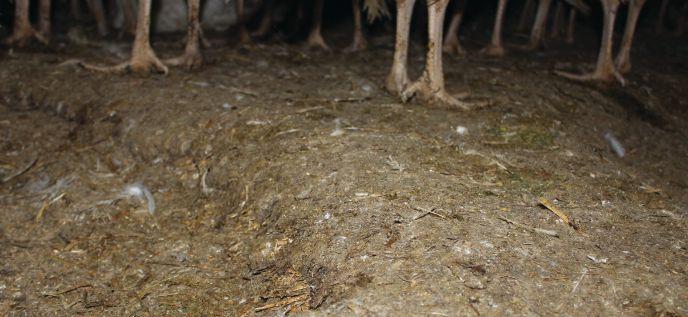
In a 2016 university experiment conducted by Wang and colleagues in the U.S., they looked at both gastrointestinal and litter microbial changes over the life of a six-week broiler flock. The study compared new litter where dry cleaning was conducted between flocks versus reused litter that was composted between six consecutive flocks. There was always a two-week downtime between flocks and both new and reused litter barns had five centimeters of fresh pine shavings added in the barn.
The researchers found different microbiota compositions between the new and reused litter barns. The new litter barns had litter microbiota that contained a greater diversity of bacteria from the environment and some bacteria from the gastrointestinal tract. The reused litter barns’ microbiota was mostly made up of gastrointestinal tract bacteria and bacteria that seem to have adapted to reused litter conditions.
When looking at mid-gut intestinal samples, the researchers found more bacteria representation in the reused litter versus the new litter at 35 days of age. On the other hand, the cecal digesta samples showed increased diversity and better microbiota maturity at 10 days of age in the reused litter birds versus the new litter birds. The scientists noticed the faster maturity of the microbiota early but the difference seemed to fade by 35 days of age.
The greater impact on the young versus the older birds could be related to the fact that as birds age there is a natural progres-
sion of the gastrointestinal microbiota and more feces go on the litter, which can be pecked at creating a never-ending cycle. In the field, veterinarians who have worked with both reused and new litter systems have had similar observations to this study in that birds on reused litter generally build a mature, stable and diverse microbiota faster (e.g., in one to three cycles) than birds reared on new litter (e.g., three to five cycles or more).
When comparing how the intestinal immune system reacts when new or reused litter had been used with broilers, the researchers found some interesting differences. Broilers raised on reused litter appeared to have a low-level chronic inflammatory response in the gastrointestinal tract compared to broilers raised on new litter, which had more of an anti-inflammatory response.
Since birds raised on reused litter are exposed to different litter bacteria earlier than birds raised on new litter, this may help to explain this difference. However, it is difficult to know if this inflammatory response has a major impact on performance if good litter, bird and barn management is maintained.
When birds have access to their manure, especially in litter, coccidiosis is usually a concern. Coccidiosis is a disease complex caused by different species of Eimeria parasites. Coccidiosis can be caused by a single or multiple Eimeria parasites.
The severity of coccidiosis is a numbers game where the more parasites ingested
the worse the challenge. In the field, there are often multiple Eimeria parasites that cause coccidiosis. Interestingly, in university trials there was no difference when or how birds gained protection against midgut coccidiosis, whether they were reared on new or reused litter. However, in the field, experts say that birds reared on reused litter have earlier access and may ingest higher numbers of Eimeria parasites than birds reared on new litter. Additionally, if reused litter has higher moisture near the top of the litter this will impact how the parasite can survive. These differences can have an impact on the dynamics of the parasites in the barn, how birds get infected and how coccidiosis vaccinations may work.
Necrotic enteritis is a disease challenge caused by the bacteria Clostridium perfringens. C. perfringens is a bacterium that can either be picked up from the environment as a pathogen or can be found as an opportunistic bacterium in the lower intestinal tract of the bird.
There are many predisposing factors that lead the bird and flock to develop necrotic enteritis. Since coccidiosis, specifically mid-gut cocci, is often a predisposing factor for necrotic enteritis, if the birds get exposure to the parasite earlier and develop protection earlier, as may be the case with reused litter, then the risk for necrotic enteritis may decrease.
Additionally, if the bacterium C. perfringens is opportunistic in the intestinal tract then developing a mature and diverse intestinal microbiota faster in the life of the flock, as may be the case with well-managed reused litter, may help with competition to keep this opportunistic bacterium in check.
Both the dry-clean and reused litter systems have their own benefits and challenges. However, one thing that producers who manage in either system would agree on is that it is critical to have a complete clean and disinfection with good downtime if a viral, parasitic or bacterial challenge has negatively impacted the previous flock.




Location
Woodstock, Ont.
Sector
Broiler breeders
The business
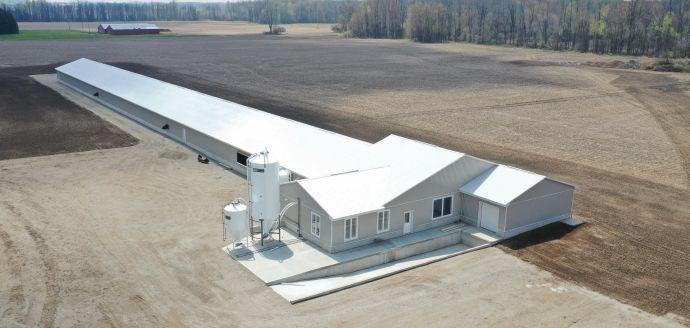
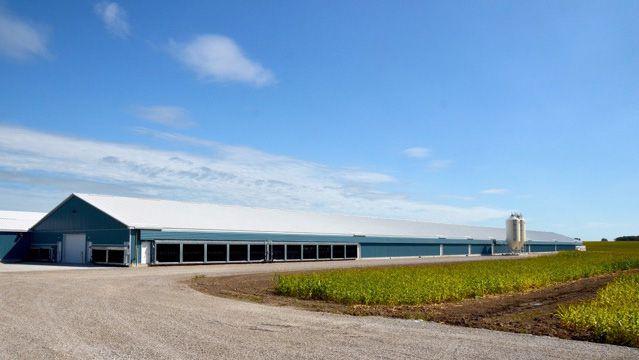
The Sinnige family moved from Holland to Canada in 2004. That same year they bought their first broiler breeder barn near Woodstock, Ont. The producers have since built another three barns, including two on their original farm site and one at a new location close by.
The need
In 2018, the industry had strung together a few consecutive years of strong increases. The Sinnige family was eager to leverage that growth. However, their original farm was near capacity. Thus, they bought a second location that year in order to expand. Then, last June, they opened their first barn on the new site.
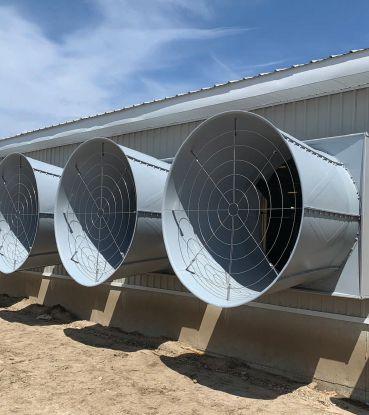
The barn
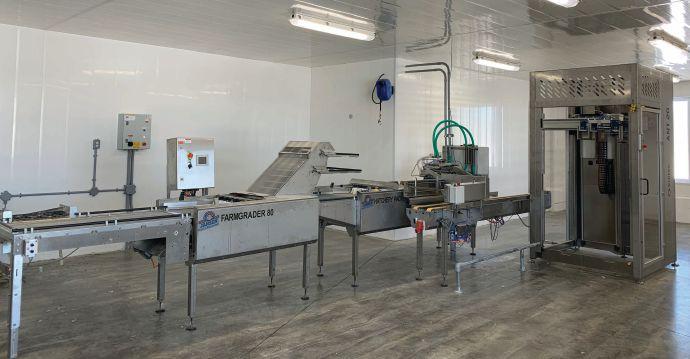
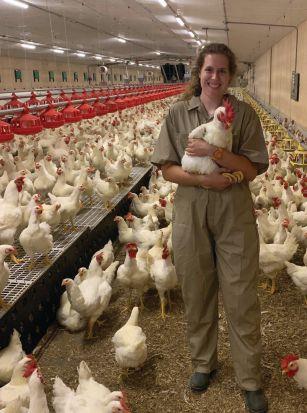
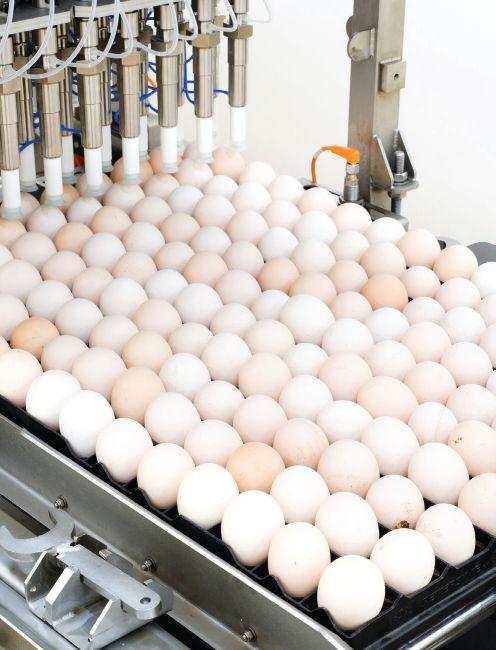
The main highlight of the new barn is an automated egg packing and loading sysem. They have a Jansen packer and a trolley loader from Kletec, a relatively new product made in Europe that the family found online. “So, all the eggs get automatically packed and then the trolley loader picks up the full trays and puts them into the cart,” explains Melissa Sinnige, who’s taken the lead in managing the new barn with support from her father Peter. “So, there’s very little manual labour involved in packing our eggs.”