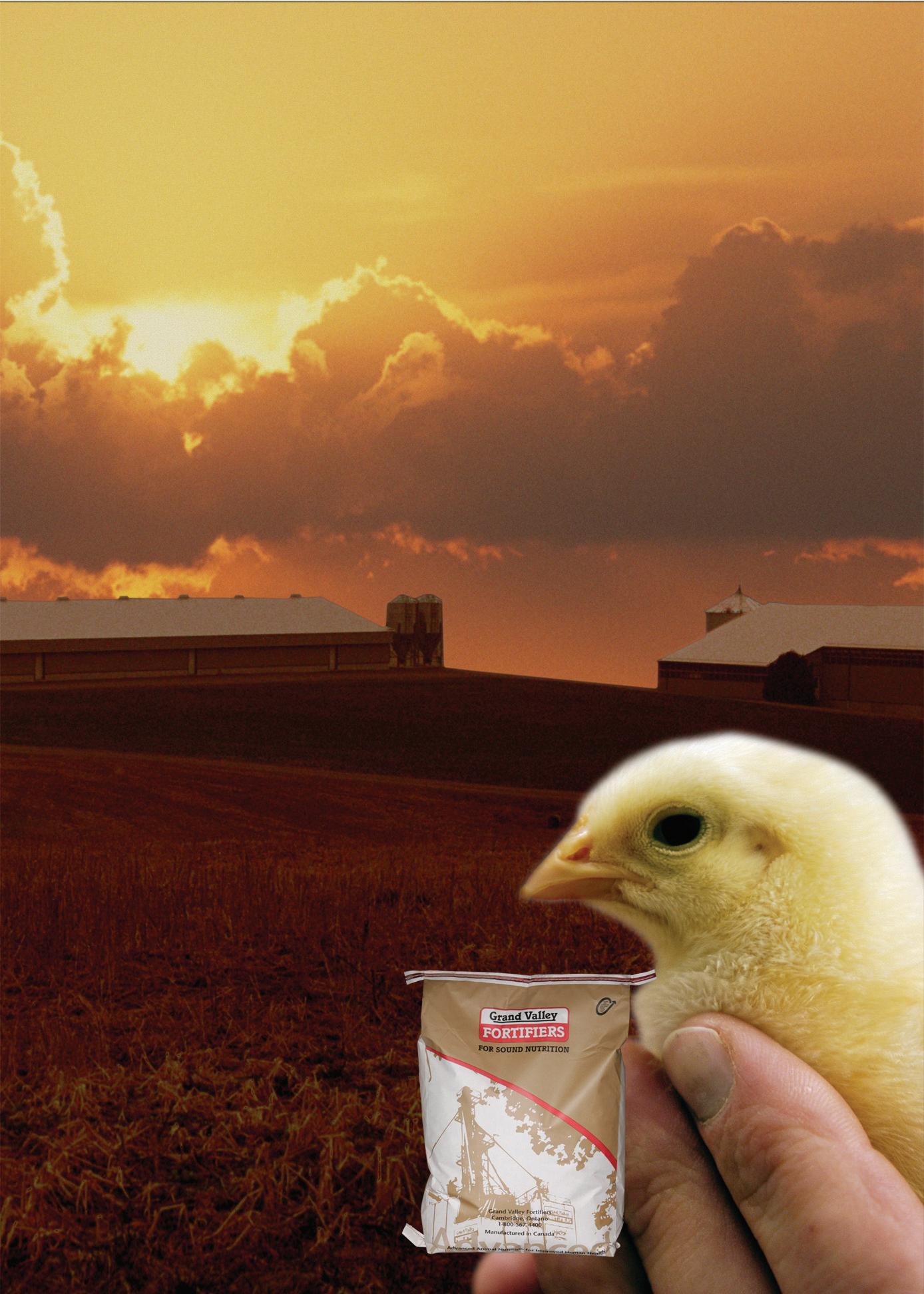
Practical solutions to pathogens in the dirty world of poultry
By Norman J. Stern and Edward A. Svetoch
24
PIC UPDATE: Salmonella Detection
University of Montreal researchers have developed a promising mix-Elisa test that can be a tool for detecting Salmonella-contaminated breeder flocks
By Tim Nelson, Executive Director, and Kimberly Sheppard, Research Co-ordinator 32
TECHNOLOGY: Food Business Data Management
Critical technologies for compliance and risk management for consumer packaged goods companies
By Ravi Shankar
BIOSECURITY: Tracking Traffic
Project uses GPS technology to track vehicular traffic, addressing a biosecurity ‘loophole’
By Treena Hein
BY KRISTY NUDDS
Comfort Food
Ever wish you had a crystal ball? I sure do. Lately, when I listen to the news on the radio, watch TV or read a newspaper, I feel like leaving everything behind and building myself a shack on top of a mountain somewhere, not reliant or dependent on anything that seems to be failing society right now.
There is just no escaping what’s been coined the “the Great Recession,” and I’m sure I’m not alone in wondering: how bad will it get? When will it end, and how long will it take us to get back on track? What will this new “track” look like?
There are a plethora of experts out there trying to figure out what our manufacturing and retail landscape might look like, but it’s really a crapshoot at this point – too many factors are involved to delve into this topic in such a small space.
For agriculture, there is no definitive answer on how consumers will alter their buying and consumption patterns, but as Peter Chapman, founder of the retail consulting company GPS Business Solutions, said during a presentation he gave at the recent Atlantic Poultry Conference, “the recession changes everything.”
Chapman is a former retail marketing executive with Loblaws who provides consulting services to agricultural producers and product manufacturers on how to increase sales and meet the needs of retailers. He spoke to poultry producers and industry representatives in Greenwich, N.S., in February on how producers and processors can work with retailers (see article, page 14).
Chapman is right – the recession does change everything. The goal of retailers is sales, and to achieve sales growth in the current economy will be
no small task. Meeting evolving consumer needs is what will differentiate successful retailers from the rest.
And this doesn’t necessarily mean providing the cheapest product. General Mills CEO Ken Powell said in a Reuters article in late January that, “consumers in North America are rediscovering the grocery store and cooking at home again.”
While restaurants will likely struggle, the grocery store will be king with consumers. However, the fast, easy-to-prepare meals that have gained popularity in the past few years may now be replaced with how grandma used to do it – wholesome, homemade comfort foods that can be used for more than one meal. For poultry, this will likely result in an increased demand for the whole chicken.
How quickly retailers respond to consumer buying patterns will be key, and their response will be either hindered or helped by industry.
Chapman said the first step for industry working together with retail is to have a discussion and ask a retailer if its product needs are being met.
At a time when all meat industries will be vying for consumer attention, Chapman says poultry is poised to come out ahead, having a “great story compared to other proteins.”
Our investment in research and innovation will continue to set us apart, if we are willing to support and expand our research capacity in Canada. As noted by Chapman, if we don’t do it, someone else will.
Contributing Editor Jim Knisley – jknisley@kwic.com
Publisher/Sales Manager Marilyn White – mwhite@annexweb.com 519-429-5193
Sales Assistant Mary Burnie – mburnie@annexweb.com
Production Artist
Kelli Kramer
Group Publisher Diane Kleer – dkleer@annexweb.com
President
Mailing Address
P.O. Box 530, 105 Donly Dr. S., Simcoe, ON N3Y 4N5
Publication Mail Agreement #40065710
PAP Registration #9850
RETURN UNDELIVERABLE CANADIAN ADDRESSES TO CIRCULATION DEPT., P.O. BOX 530, SIMCOE, ON N3Y 4N5.
1703-2911. Published monthly by Annex Publishing and address change to PO Box 611 Niagara Falls NY 14304.
Printed in Canada ISSN 1703-2911
Circulation
Subscription Rates
Canada – 1 Year $ 25.44 (includes GST – #867172652RT0001) USA – 1 Year $ 60.00
From time to time, we at Canadian Poultry make our subscription list available to reputable companies and organizations whose you do not want your name to be made available, contact our
All advertising is subject to the publisher’s approval. Such -
Canada, through the Publication Assistance Program and the Canada Magazine Fund, toward our mailing and editorial cost.ment du Canada pour nos coûts d’envoi postal et nos coûtscations et du Fonds du Canada pour les magazines. www.canadianpoultrymag.com
60 Years A Tradition of Innovation.
Les Equipments Avipor
Cowansville, Quebec
Tel: (450) 263.6222
Fax: (450) 263.9021
Glass-Pac Canada
St. Jacobs, Ontario
Tel: (519) 664.3811
Fax: (519) 664.3003
Carstairs, Alberta
Tel: (403) 337-3767
Fax: (403) 337-3590
Specht-Canada Inc.
Stony Plain, Alberta
Tel: (780) 963.4795
Fax: (780) 963.5034
J. Dean Williamson Ltd.
London, Ontario
Tel: (519) 657.5231
Fax: (519) 657.4092
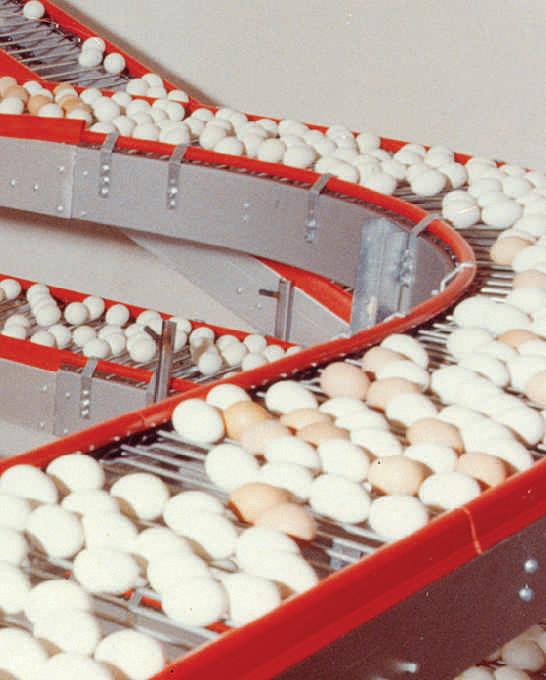
When Ludwig Bening founded his mechanical engineering company in 1949 he probably never imagined it would grow to become such a significant company in the livestock production markets.
Over the course of 60 years LUBING has established itself as one of the leading companies developing innovative products for poultry watering and egg conveying systems. It's our Tradition of Innovation that has contributed to our success and will continue for years to come.
We hope you will join us this year in celebrating our 60 years of innovation. We take this opportunity to express our gratitude to all of our customers who have helped in our success.
Vets Oppose Inspection Changes WHAT’S
Veterinarians who monitor food safety at federally regulated poultry slaughterhouses are taking the government to court, claiming a pilot program that shifts inspection duties to slaughterhouse workers breaks federal rules and could pose a health risk to Canadians.
Slaughterhouse employees would be responsible for monitoring birds as they pass through production lines under the proposed changes, a task normally carried out by veterinarians working for the Canadian Food Inspection Agency (CFIA).
The changes would also mean slaughterhouses wouldn’t have to make public the reasons why carcasses were rejected, say the veterinarians.
A notice of application filed in Federal Court in Ottawa by
the Professional Institute of the Public Service against the CFIA says it is ’contrary to the public interest’ to replace qualified independent veterinarians with unqualified people who are ’not subject to public scrutiny’.
In a CBC report, Michèle Demers, president of the union representing 611 federal veterinarians said “for slaughterhouse operators to watch for red spots or anything of the kind could have more serious ramifications than just the carcass in front of them.
The veterinarians’ union had until the end of February to file affidavits supporting its application. The CFIA has 30 days to file its response in court.
The change in inspection protocol is part of a larger move toward greater industry oversight of meat production in Canada. The CFIA has been moving toward a more deregulated inspection system over the past few years including less hands-on inspection by
federal inspectors.
The veterinarians’ court application says changes to the inspection system will ’eliminate the duty’ set out in the Meat Inspection Regulations requiring slaughterhouse workers to refer abnormal carcasses that show evidence of a potential problem to veterinarians for inspection.
As well, the notice says the current system in which veterinarians issue ’condemnation certificates’ on animals that are deemed to unfit for consumption will become ’proprietary information under the control of operators of poultry slaughter facilities’.
The changes are already in place in two Quebec slaughterhouses and scheduled to roll out across the country, Demers said. Under the new protocols, veterinarians are relegated to observing production lines for as little as 15 minutes a day, twice a day, she said.
Sources: CBC.ca, The Toronto Star
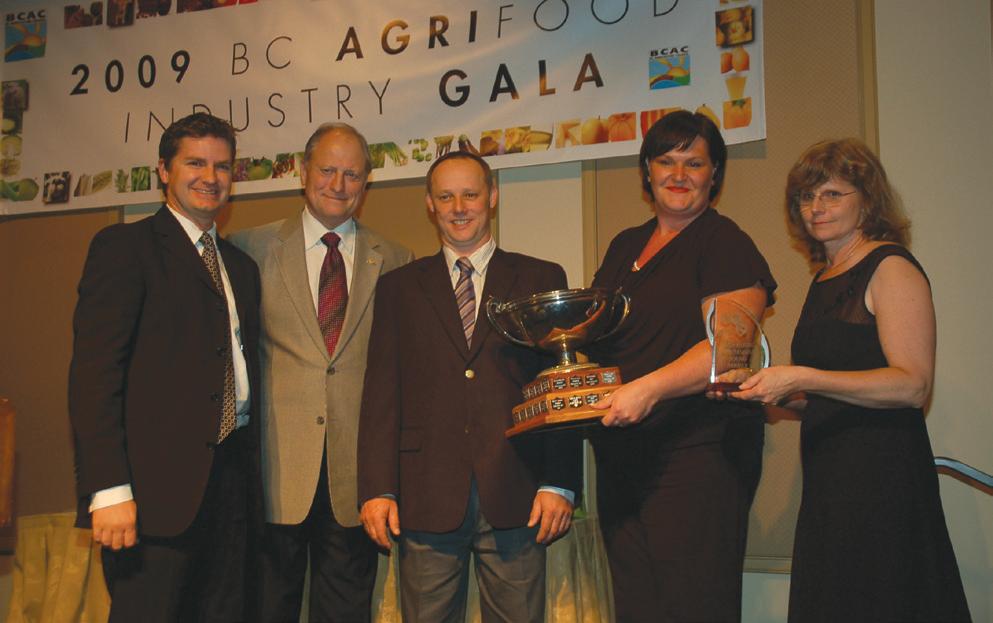
Afocus on innovation, diversification and agricultural education earned Ian and Jennifer Woike of Running W Egg Farm and Farmer Ben’s Eggs of Duncan the prestigious 2009 B.C. Outstanding Young Farmer Award. The Woikes received the award from B.C. Minister of Agriculture and Lands, Ron Cantelon, in front of over 400 people at the annual BC Agriculture Gala in Abbotsford, Feb 18.
Ian’s father, Ben, began Running W Eggs in 1981, with Ian joining the operation following his graduation from Malaspina College in 1992. Ten years ago, he and Jennifer took over day to day management
of the operation which now includes a 44,000 bird layer flock, a wholesale egg grading company which markets white, brown and ‘dark yolk’ eggs all over Vancouver Island, an on-farm egg market, a 140 cow Black Angus cross cow/calf operation and a hay farm producing over 20,000 bales/year.
City of Vancouver councillors voted unanimously on March 5 to direct staff to study the issue of allowing urban residents to keep chickens in their backyards and draft a bylaw amendment.
City staff will take a few months to look at issues such as the prospect of an avian influenza outbreak, noise complaints and a possible rise in predators before presenting
the draft amendment to the council for a vote.
The BCSPCA and members of the Vancouver Humane Society expressed concern that lack of knowledge amongst the public for caring for the animals could pose a welfare risk.
Currently, Vancouver residents can only raise chickens in their backyards if they own a minimum one-acre property.
APRIL
April 8-9, 2009
Poultry Industry Conference and Exhibition (the London Show)
ONTARIO
Ontario farmers view the announcement of the Green Energy Act by Energy and Infrastructure Minister George Smitherman, Energy and Infrastructure as an excellent opportunity to accelerate their entry into the energy production market, says Bette Jean Crews, President of the Ontario Federation of Agriculture (OFA).
When the Act is fully operational, Crews says it will “create new opportunities for our farmers to participate even more in Ontario’s green energy revolution.”
Farmers, by welcoming wind turbines, biodigesters and the production of crops used for the production of energy on their farms without reducing food supplies,
(Left to right) Canadian Outstanding Young Farmer vice-president Derek Janzen; B.C. Minister of Agriculture & Lands Ron Cantelon; Ian & Jennifer Woike; B.C. Outstanding Young Farmer chair Suzanne Cuthbert. >
Progress Building, Western Fairgrounds, London, Ont. For exhibitor information, contact Sharon Pook (ext. 222) or Lena Lindberg (ext. 228), telephone 519438-7203. Registration is available at the door or contact pic@poultryindustrycouncil.ca.
MAY
May 12, 2009
PIC Research Day “What’s Eating Us in What We Eat? Fighting Foodborne Pathogens,” The Arboretum, Guelph, Ont. Registration and lunch for this event starts at 12 p.m. Speaker presentations will commence at 1 p.m. and finish at 4 p.m. Wine and Cheese reception to follow. For more information, visit www. poultryindustrycouncil.ca or telephone: 519-837-0284.
JUNE
June 7-9, 2009
Canadian Poultry and Egg Processors Council (CPEPC) Annual Convention Moncton, N.B. Registration information available at www.cpepc.ca.
June 17-19, 2009
Western Canada Farm Progress Show, IPSCO Place Regina, Sask. For more information, visit www. myfarmshow.com
WHAT’S
have demonstrated their flexibility and desire to be part of a new economy in Ontario, Crews says.
OFA and Ontario farmers are responding to the Ontario Power Generation request for biomass by creating a broadbased partnership to develop a supply of non-food biomass to replace coal.
Crews says the OFA is told the proposed Green Energy Act will lead to regulatory changes and policies
that will create a new, attractive, feed-in tariff regime with a pricing system for renewable energy. This is interpreted to mean guaranteed rates for renewable energy generation, increased investor confidence, and access to financing.
Establishment of a ‘right to connect’ to the electricity grid for renewable projects would be a valuable benefit from the Green Energy Act, she says.
Human Vaccine Against AI a Reality
vaccine to protect humans from a bird flu pandemic is within reach after a new discovery by researchers at the University of Melbourne, Australia.
The discovery, published in early March in the Proceedings of the National Academy of Sciences, reveals how boosting T cell immunity could better protect humans from a bird flu pandemic.
Current influenza vaccines are poor at inducing killer T cell immunity. Researchers wanted to see if they could improve current vaccine formulation to induce killer T cells after vaccination. They added a
JULY
ILDEX India
Pragati Maidan, New Delhi, India. For more information: www.ildexindia.com.
July 20-23, 2009
Poultry Science Association Annual Meeting Raleigh, N.C. Hosted by North Carolina State University. For more information, visit www.poultryscience.org/psa09
SEPTEMBER
Sept. 29 – Oct. 1, 2009
Poultry Service Industry Workshop Banff Centre, Banff, Alta. For more information: e-mail info@poultryworkshop.com or visit: www.poultryworkshop.com
OCTOBER
Oct. 9-10, 2009
compound known to increase immunity to the flu vaccine in an animal model and found that this addition promoted significant generation of potent killer T cell immunity.
The significance of the findings is, rather than having to design a new vaccine altogether, flu vaccines can be improved by adding this potent immune modulator.
Killer T cells recognize components that are conserved between different influenza viruses. Therefore, a vaccine strategy that induced killer T cells pre-emptively would provide protection from a potential pandemic.
Poultry Innovations Conference hosted by the Poultry Industry Council (PIC), Sheraton Fallsview Hotel and Conference Centre, Niagara Falls, Ont. For more information, visit: www.poultry industrycouncil.ca.
We welcome additions to our Coming Events section. To ensure publication at least one month prior to the event, please send your event information at least eight to 12 weeks in advance to: Canadian Poultry, Annex Publishing, P.O. Box 530, 105 Donly Drive South, Simcoe, Ont. N3Y 4N5; e-mail: knudds@annexweb.com or fax: 519-429-3094.
Canada’s poultry industry, Agriculture and AgriFood Canada (AAFC) and the University of Guelph are pleased to announce the formation of a “virtual centre” of poultry behaviour and welfare. A cluster of welfare experts at the University of Guelph will provide leadership for the virtual centre, which will consist of scientists across Canada working on all aspects of poultry welfare and behaviour. Development of the cluster is made possible through a four-way partnership between the University of Guelph, Poultry Industry Council (PIC), Canadian Poultry Research Council (CPRC) and AAFC. The partnership agreement includes the assignment by AAFC of a research scientist, Dr. Stephanie Torrey, to the Department of Animal and Poultry Science at Guelph. This assignment represents a significant step forward in AAFC’s support for poultry research in Canada. Each of the four partners will be represented on an Advisory Committee that will help develop the cluster and provide advice regarding its overall research strategies.
Dr. Torrey is currently a Research Scientist in Behaviour and Welfare with AAFC. A native of Worcester, Mass., she holds a B.Sc. (with distinction) from Worcester Polytechnic Institute (U.S.), an M.Sc. in animal behaviour from Purdue University (U.S.), and a Ph.D. from the University of Guelph, where her research focused on abnormal behaviour and feeding and drinking motivation in pigs. Since starting with AAFC in 2005, Dr. Torrey has worked on projects examining ingestion, abnormal and social behaviour, sickness behaviour, transportation, housing and routine management procedures. Dr. Torrey will be moving from her current position to the University of Guelph by mid-April and looks forward to applying her expertise to the poultry industry.
Dr. Torrey’s new position will add to the breadth of behaviour and welfare expertise already at Guelph. Her position also marks the beginnings of a “critical mass” of poultry welfare science that will attract more people to the discipline to work at Guelph and elsewhere in Canada generating a strong network of welfare-related scientists
across the country. The idea is to build the intellectual capacity in Canada to tackle the myriad issues relating to poultry welfare. In addition to her duties as a research scientist, Dr. Torrey will also teach and play a leadership role to improve communication and collaboration among the
Intralox was recently honored with a 2009 European FoodTec Award in the category of “food safety, security, and quality management.”
The European FoodTec Awards, sponsored in part by the European Federation of Food Science and Technology (EFFoST), recognize food industry process-
ing companies and suppliers that have developed products that contribute significantly to improving functions or processes.
Intralox received the Silver Medal award for its line of hygienic conveyance solutions, which includes Series 850 and Series 1650 SeamFree™ modular plastic
conveyor belts and other hygienic conveyor components such as Angled Sprockets and cleaning systems. The Silver Medal is awarded for existing products that have undergone further development to achieve a significant improvement in function or process.
Over recent years,
Dr. Stephanie Torrey is an AAFC scientist who is one of the experts at a new virtual centre for poultry welfare.
varied welfare-related expertise across Canada. Dr. Torrey can be reached at torreys@agr.gc.ca.
Intralox EZ Clean products have undergone substantial hygiene improvements in food processing by increasing cleaning effectiveness and efficiency. Each product is carefully designed following years of extensive studies at different plants, to respond to the specific sanitation challenges that food manufacturers face.
WHAT’S
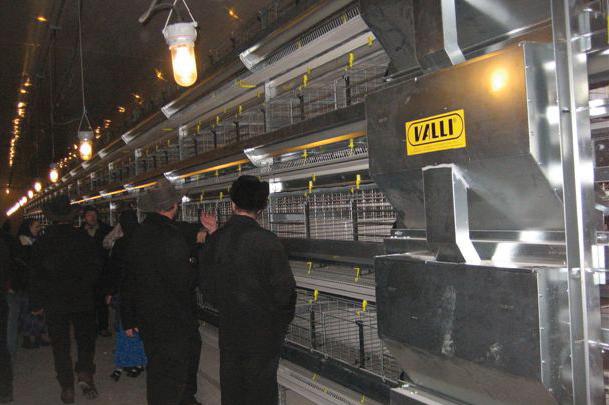
On Feb. 25 in Taber, Alta., an estimated 400 friends and neighbours ventured out on a cold blustery day to celebrate the grand opening of Lakeside Colony’s new layer facility. The facility features VALLI’s enrichable cage, which has adequate room to house 17,920 layers.
The Colony’s decision to purchase the extra large cages will enable the barn manager to meet and exceed current bird space requirements and provide the flexibility for future growth in bird numbers on the Colony to 20,480.
The new facility houses four rows of four-tier manure belt cages. VALLI’s “enrichable “ cage design is 2 1/2 inches higher than
a standard cage allowing for future development to European enriched standards, which include a nest box, scratch area and perch. Birds have access to three nipple drinkers per cage, feeding is by travelling hoppers, egg stopping and egg protector systems are designed for maximum egg protection together with VALLI’s escalator / elevator egg collection system, where eggs are transported from each row end to a central conveying system onto the packer. The manure drying system will ensure that the ammonia levels in the barn are kept to a minimum, and makes manure handling much simpler.
By Mojtaba Yegani
Antibiotic growth promoters (AGP) have had significant beneficial effects in improving commercial poultry health and performance since 50 years ago. Their removal from the poultry diets is therefore a change with consequences. One of the main concerns in this regard is intestinal health and its related issues.
A great deal of efforts and money have been devoted to search for economically feasible alternative (s) to antibiotics within the past 15-20 years. However, we should have realized by now that alternatives to AGP are not a magic bullet and improvements in management practices including implementation of solid biosecurity measures are also of critical importance. In other words, a synergistic approach is needed. What I’d really like to hear from readers of this blog is their opinions about the success of commercially-available alternatives in improving poultry health and productivity? How successful they have been so far?
Please share your experiences on our website.
VISIT OUR WEBSITE TO COMMENT ON THIS BLOG
DIGITAL MAGAZINE
To sign up for a free trial of Canadian Poultry magazine, the digital edition, please go to www. canadianpoultrymag.com.
E-NEWSLETTER
To register for our bimonthly e-newsletter, visit www.canadianpoultrymag. com.
It’s free!
(Left to right) Carmine Paola, installation supervisor; Paolo Zazzeri, VALLI international Sales; Joe Wipf, Lakeside Colony financial manager; and John Toews, sales representative with Stirdon Betker in Red Deer, Alta.
CUSTOMER SATISFACTION ACROSS CANADA
...“The strength and durability of the system told me that this was going to last more years than I had left in the business. ... As we got into the reality of using the system, I knew we had made the right decision.”
Al Dyck, Harman Poultry Farm, Prince Albert SK
...“My Hellmann Cage System is awesome. An excellent system to work with on a daily basis.”
Doug Pauls, Highplain Farms, Niverville MB
...“With the Hellmann Cages I am getting results I cannot believe. Uniformity in the mid 90’s...Feed conversion also improved dramatically (5.9 kilos/bird). The Hellmann troughs keep the feed in the troughs and not on the floor.” Gerard Hoftyzer, Londesboro, ON
... “With 94% uniformity, excellent feed conversion, very good air quality; all accomplished with minimal labour inputs; I am extremely pleased with my decision to purchase Hellmann Pullet Cages.”
Paul Overmars, St. Andrews, NS
Maritimes
Contact: Herb Jansen
Phone: (902) 680-1267
Fax: (530) 430-2020
e-mail: janse17@attglobal.net
Manitoba, Saskatchewan & British Columbia
Contact: Greg Olson
Phone: (306) 260-8081 or (306) 492-2266
Fax: (306) 492-2265
e-mail: gaolson@sasktel.net
Eastern Ontario & Quebec
Contact: Stephane Chouinard
Phone: (450) 266-9604
Fax: (450) 263-2638
e-mail: stef@greenfarmline.com
Alberta
Contact: Len Mandel
Phone: (403) 308-7288
Fax: (403) 320-5866
e-mail: doubledd@shaw.ca
Western & Central Ontario
Contact: Jack Lepelaars
Phone: 1-866-767-2986 or (519) 348-8483
Fax: (519) 348-9271
e-mail: jack@newtechag.com
U.S.A.
Contact: Jim Currie
Phone: (519) 868-1882 or (519) 453-3913
Fax: (519) 453-3996
e-mail: hellmannpoultry@bellnet.ca
The Canadian Poultry Research Council (CPRC) is currently accepting applications for its annual research grant competition. This competition is open to all researchers in Canada (and indirectly to foreign scientists working in collaboration with Canadian researchers). The granting process starts with a “Call for Letters of Intent” (LOI). These LOIs are short proposals that highlight the details of a research project – objectives, methodology, expected outcomes and budget. LOIs are reviewed by CPRC’s Scientific Advisory Committee (plus external reviewers where appropriate) for scientific merit and by the CPRC Directors for relevance to the council’s priorities. The CPRC members then decide which proposals they wish to support and invite successful applicants to prepare a full, more detailed application to be submitted to a funding partner (e.g., the Natural Sciences and Engineering Research Council (NSERC)). Funding from CPRC is contingent on securing matching funds from one or more of these partners. Any given Call usually pertains to two priority research areas. These priorities are set during regular national workshops with participants representing industry, government and academe. The last one took place in 2005 in full partnership with Agriculture and Agri-Food Canada (AAFC). The next one will take place in 2010. These workshops provide participants with the opportunity to collectively decide where major research efforts should be directed. Provisions have also been made within CPRC to support research that addresses acute or emerging needs for the industry. This year, CPRC is calling for research proposals pertaining to “Poultry Welfare and Behaviour”, and “Food Safety and Quality – The Impact of Poultry Health and Disease”. These areas cover a wide range of research topics that are often interrelated. Such a broad Call is aimed at fostering collaborations among different researchers and institutions. Collaborative approaches to research are always encouraged by CPRC, and are especially important this year as they are consistent with new funding opportunities emerging from AAFC. Under its new policy framework, Growing Forward, AAFC is developing programs which are aimed at increasing “competitiveness and innovation” within agricultural sectors. Preliminary details of these programs were provided in the March issue of the CPRC Update. At the time of writing this update, these programs were still subject to government approval. Final details of the programs will be provided in future updates.
APPLICATIONS TO SCHOLARSHIP SUPPLEMENT DUE MAY 1
Further to supporting research through its granting process, the CPRC also directly promotes succession in our poultry research community. One manner in which it does so is through a “Postgraduate Scholarship Supplement”. The supplement is $7,500 per year. To be eligible, a student must be studying (or planning to study) some aspect of poultry science and hold an NSERC scholarship at the Masters level (eligible for one year) or
Doctoral level (eligible for up to two years). Applications are due May 1. Details on past winners are available at the “Updates” section of the CPRC website, where there is also a link to the NSERC website detailing eligibility criteria and application procedures.
NSERC postgraduate scholarships are available on a competitive basis to Canada’s best postgraduate students. The purpose of the CPRC Postgraduate Scholarship Supplement is to attract these students to consider a career in poultry science.
The specific objectives of the program are:
To encourage and support graduate students to carry out research in an aspect of poultry science
To build Canada’s intellectual capacity in poultry science
To promote graduate research in poultry science at Canadian universities
WELFARE CLUSTER AGREEMENT SIGNED
In past CPRC Updates, we have told you about a cluster of poultry welfare and behaviour expertise being developed at the University of Guelph. This process started with a workshop in June 2006, hosted by CPRC and AAFC. One of the main conclusions from the workshop was that Canada’s poultry sector would benefit from a more co-ordinated and collaborative approach to welfare and behaviour research. The CPRC, in conjunction with AAFC, agreed to facilitate the development of a cluster of poultry welfare and behaviour expertise in Canada. The University of Guelph was chosen as the location for the cluster. Through an agreement between CPRC, AAFC, the Poultry Industry Council and the University, an AAFC scientist, Dr. Stephanie Torrey, will be moving to Guelph. Dr. Torrey’s arrival represents the creation of a new poultry science position that will add to the breadth of welfare and behaviour expertise already at Guelph. Her position also marks the beginnings of a “critical mass” of poultry welfare science that will hopefully attract more people in the discipline to work at Guelph and participate in a network of welfare-related scientists across the country. Details of the agreement as well as some background on Dr. Torrey can be found on page 9 in this magazine.
For more details on these or any other CPRC activities, please contact Gord Speksnijder at The Canadian Poultry Research Council, 483 Arkell Road, R.R. 2, Guelph, Ontario, N1H 6H8, phone: (289) 251-2990, fax: (519) 837-3584, e-mail: info@cp-rc. ca, or visit us at www.cp-rc.ca.
The membership of the CPRC consists of the Chicken Farmers of Canada, Canadian Hatching Egg Producers, Canadian Turkey Marketing Agency, Egg Farmers of Canada and the Canadian Poultry and Egg Processors’ Council. CPRC’s mission is to address its members’ needs through dynamic leadership in the creation and implementation of programs for poultry research in Canada, which may also include societal concerns.
only one of them works at the bank.
TD Canada Trust Agriculture Specialists understand farming. In fact, we have years of experience in agriculture and understand the factors that affect the industry in Canada. So whether you’re looking to expand your operation, finance equipment, quota, or livestock, or improve your cash flow, we’re always ready to provide insightful, one-on-one advice and innovative financial solutions tailored to your specific needs. Our specialists work to build a long-term relationship with you, your business, and the next generation of proud Canadian farmers. Because we know you have goals for your farm, and we want to help you achieve them. Contact one of our Agriculture Specialists today.
or
What Do Consumers Want?
How industry can deliver
Consumer needs and wants are the driving force behind many decisions made within the food industry. Retailers, primarily big-chain grocery stores, are constantly trying to compete with one another to retain both consumer confidence and their money. Understanding the needs of both groups can help poultry producers and industry remain competitive.
This was the topic of a presentation given by Peter Chapman, founder of GPS Business Solutions, an independent consulting practice that provides services to agricultural producers and manufacturers who want to increase sales to their customers – the retailer - at the recent Atlantic Poultry Conference in Greenwich, Nova Scotia.
With 19 years experience at Canada’s largest food retailer, Loblaws, Chapman has an in-depth understanding of food retailing in the Atlantic Canadian marketplace, from developing relationships with suppliers through the supply chain system to merchandising at the retail end.
Chapman began his discussion by asking producers in attendance – who is your customer? The immediate answer given by most was the “consumer”; however, Chapman was quick to point out that, as producers, their primary customer is in fact their processor, whose customer is the retailer.
So where do consumers fit into all of this? It’s their perception of what quality means, their dilemmas at dinnertime,
MEETING CONSUMER NEEDS
Consumer needs are evolving, placing demand on retailers to differentiate products. Industry can help retailers ensure supply and offer poultry products that meet consumer demand, says Peter Chapman, consultant.
demographics, and cost requirements that dictate what a customer (processor/retailer) requires, and consequently what poultry producers need to provide.
Although the needs of customers and consumers are closely tied, the requirements of each group have unique aspects. “Are you providing what a retailer needs?” asks Chapman. “You should have conversations about this.”
By far, the most important require-
ment for a retailer is a safe food supply, says Chapman. “They need to be able to provide a consistent, safe product,” he says. “The consumer demands that safety is delivered every day and that there is transparency and responsibility within the industry.”
The next important factor is quality. Colour, taste, cold chain integrity, and code dates are issues that retailers are looking for in a product. Consumers are look-
ing for a well-trimmed product, whether or not moisture is in the packaging, and a long-shelf life once it’s home in their refrigerator. “Retail sales are impulse,” says Chapman. “If the product doesn’t look good, a consumer won’t buy it.”
The biggest variable in poultry quality for a retailer is shrink, he says. “This needs to be reduced.”
After quality, convenience is what consumers look for next. “You need to start thinking about how you can produce products that people can eat in their car,” says Chapman. Sounds far-fetched, but it is far from it. Consumers today have busy schedules and are tight on time, and increasingly meals are being purchased at the drive-thru window.
Other convenience features consumers look for is quick preparation times and simple cooking instructions and resealable packaging. Chapman says, “For ready-to-eat meals, include all the ingre-
dients a consumer needs, in addition to the meat.” He recommends using the “new” (i.e. trendy) ingredient(s) that are currently popular or perceived as healthy.
“It’s a different consumer than what it was,” says Chapman. Consumer demographics are changing. A large proportion of the population is reaching their senior years and ethnic populations are increasing. Chapman states that even people born here in Canada have been exposed to cultural food, in ethnic restaurants, or by using internet recipes, etc. “You need to figure out what foods these people want to eat.”
For the aging population, options might be reduced package sizes and larger print labels, he says. Today’s senior is also more health conscious, wanting to protect their aging bodies and consequently, are looking for better nutrition.
Nutrition is a big factor in consumer purchasing decisions, regardless of age, and
Chapman says that the poultry industry “has a great story compared to other proteins.” Obesity, particularly child obesity, will be the number one nutritional concern/ challenge facing consumers.
Industry can meet this challenge by providing more detailed information on labels, and continue to foster research and innovation into functional foods. “Poultry has great nutritional components and you can do a lot with it,” states Chapman.
At the customer end, retail is undergoing a huge evolution, primarily driven by Wal-Mart, says Chapman. Although no Wal-Mart Supercentre (which includes a full grocery store) is present yet in Atlantic Canada, Chapman estimates that one will open in two to three years. But in the rest of Canada, where many of these types of stores have opened in the last few years, retailers are facing stiffer competition to provide low-cost, high-quality, safe and convenient
Continued on page 30
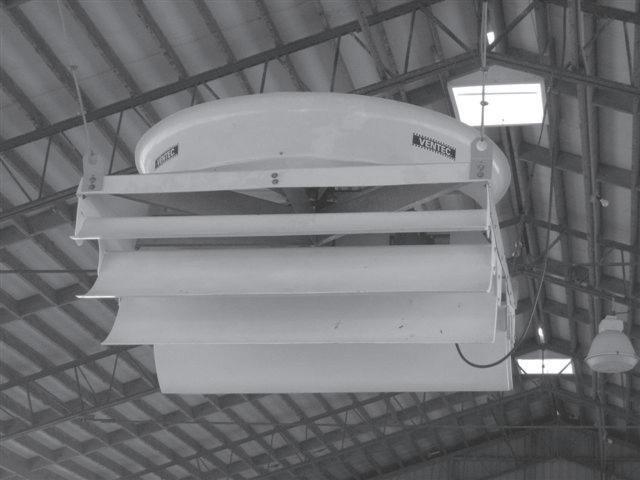
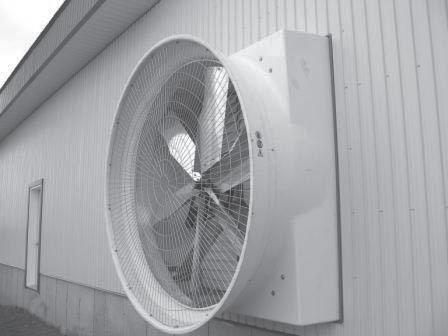
BIG FANS FOR BIG JOBS!!
Dirt Is a Reality
Practical solutions to pathogens in the dirty world of poultry
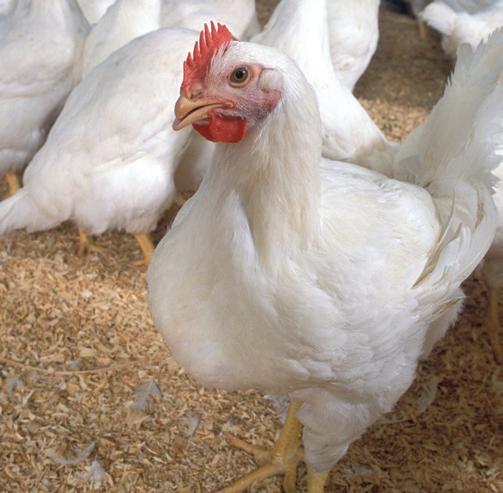
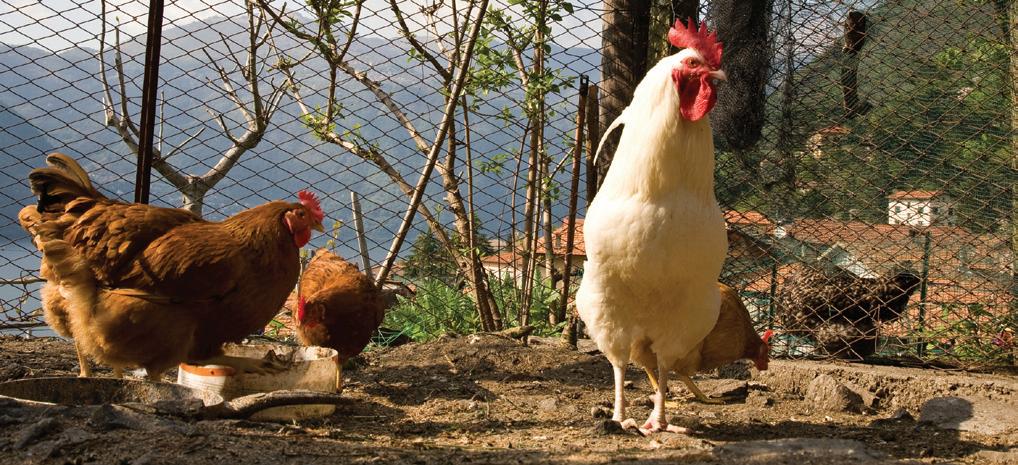
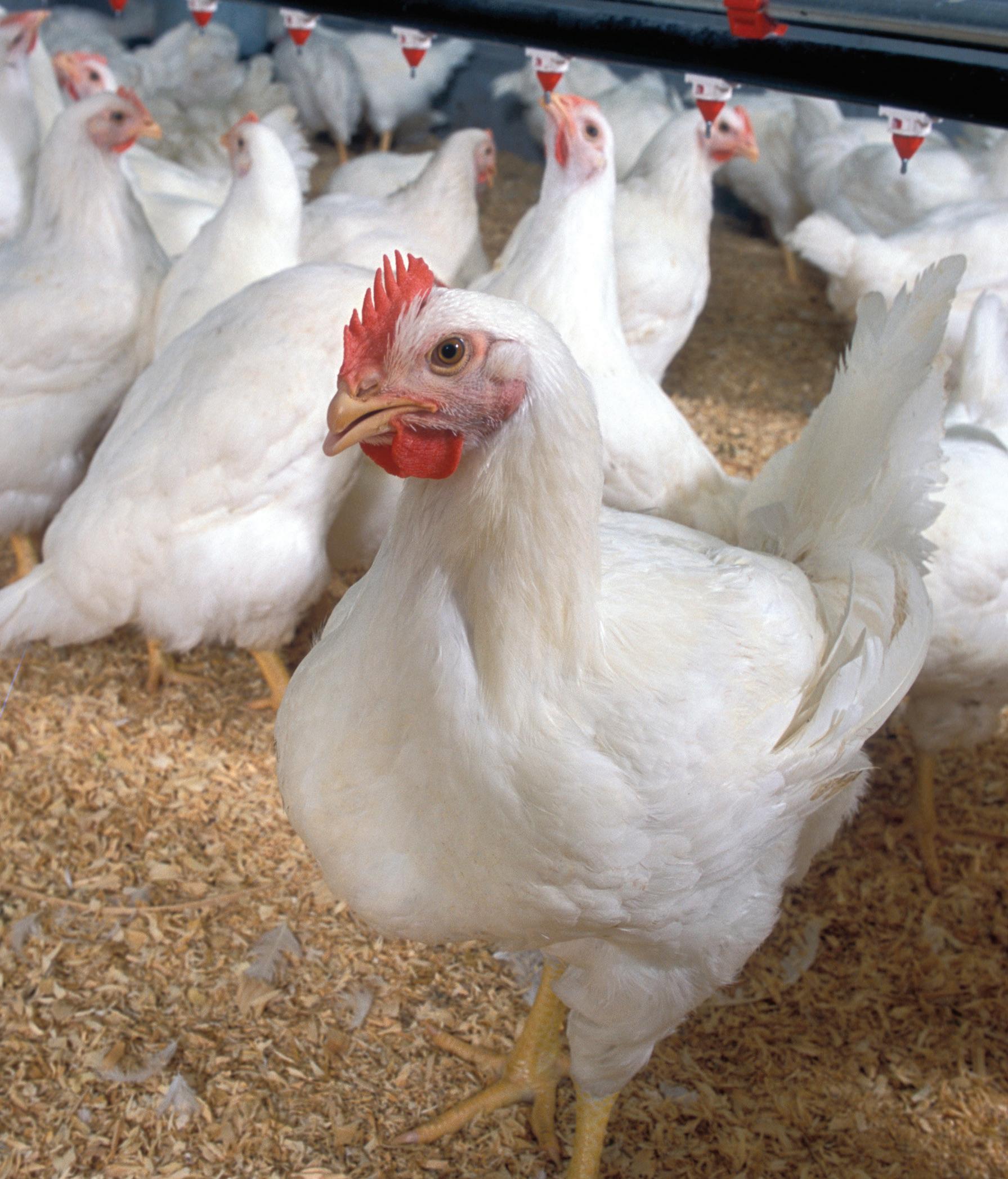
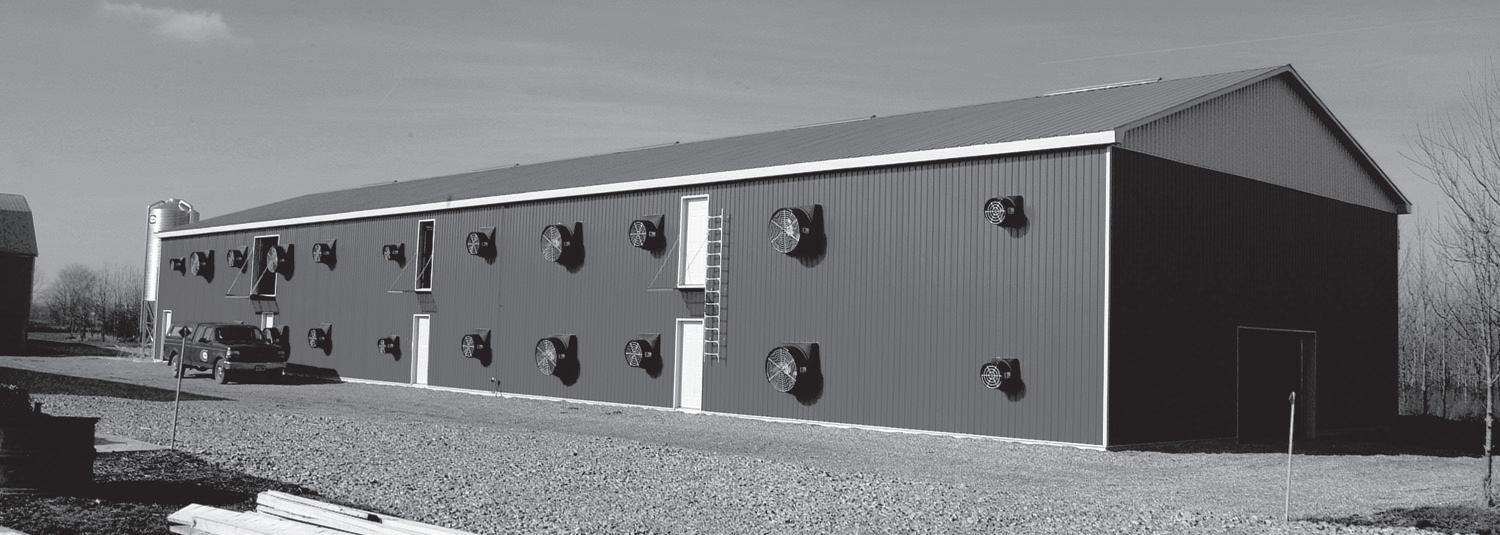
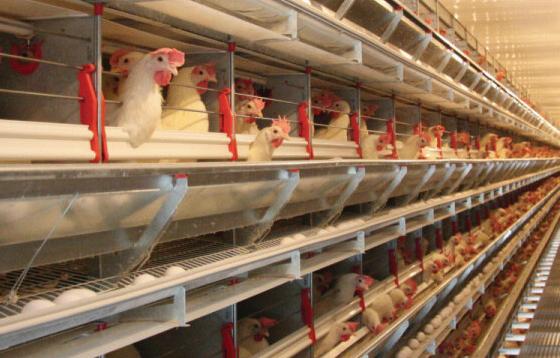
For those who perceive the image of clean, white broilers strutting about spacious immaculate production houses, we have some unsettling insights. Only under highly controlled laboratory settings can such a pretty picture be created. Such pristine conditions are quite expensive to maintain and are only practicable for relatively limited numbers of broilers. Perhaps in countries such as Norway, Sweden and New Zealand, where relatively small numbers of birds held under comparatively highly hygienic conditions, are such conditions plausible. In the large-scale broiler producing countries such as the United States, Brazil, China and Thailand (only for example), dirt is a reality.
Even if dirt is not overtly obvious, the lack of biosecurity is obvious to the trained microbiologist. No right-minded person would eat food from the floor.
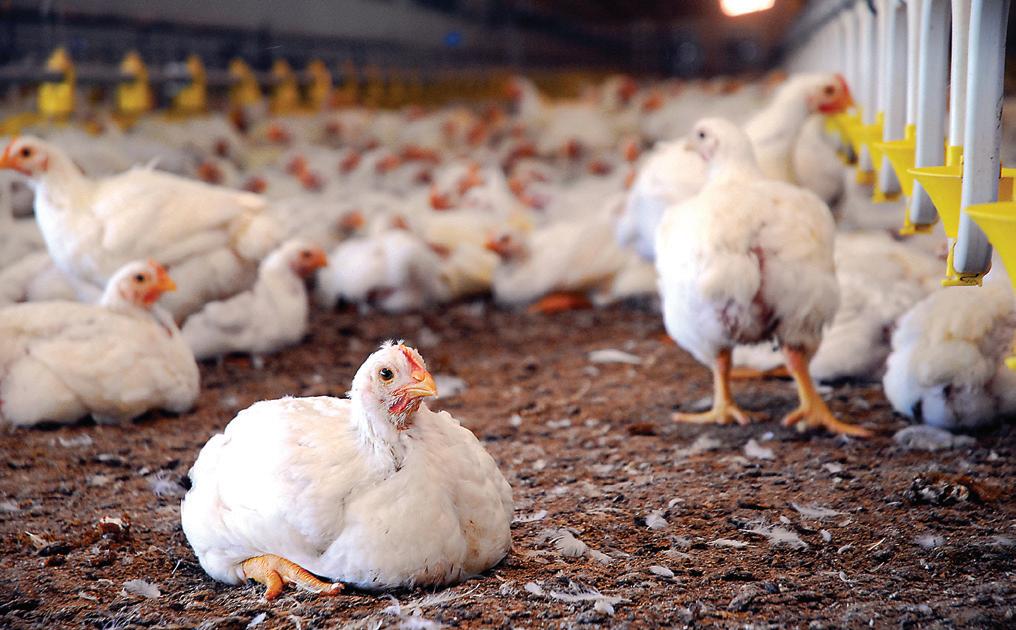
In contrast, chickens are, by nature, coprophagous and happily dirty. The simplest translation for this characterization is that birds randomly excrete feces in their available living environment, settle onto their keel (breast bone) to rest or sleep (dirtying their feathers and skin) and, happily ingest other birds or their own excreta! Thus, no modern person intentionally employs broilers as pets in one’s home.
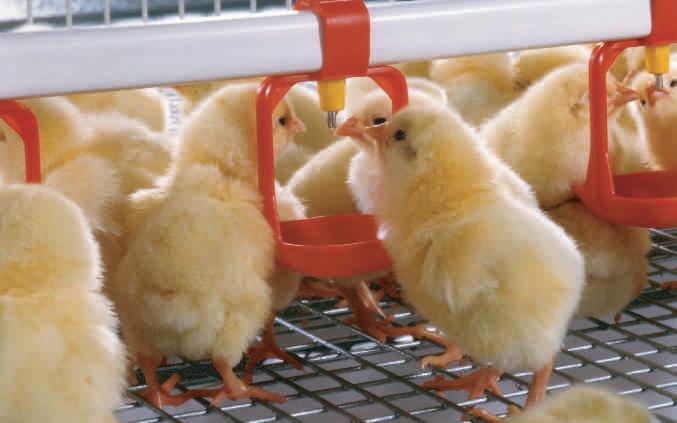
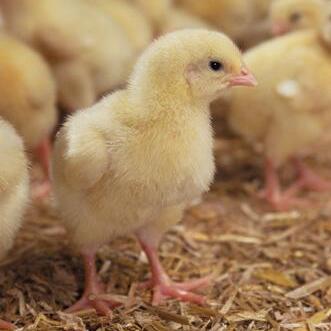
Intensively reared birds are grown among flocks numbering 20,000 to 30,000 individuals within commercial production facilities. Hatcheries may produce birds with bacterial pathogens already on or in the chicks. These birds are brought from a hatchery to the broiler house in multiple
groups of 100 chicks per plastic flat, which are reared for five to eight weeks within a shelter consisting of a roof and four square walls. This setup provides comparative safety and comfort for the flocks, controlling hawk predation and temperature extremes from the outside environment. Often, dirt floors are covered with litter materials that provide comfort, insulation and absorption for the fecal droppings. Other more modern facilities have poured concrete floors, covered with litter materials. Production houses have a variety of chicken feeds and drinking water readily available to optimize flock weight gain and slaughter weights.
CHALLENGE INTO OPPORTUNITY
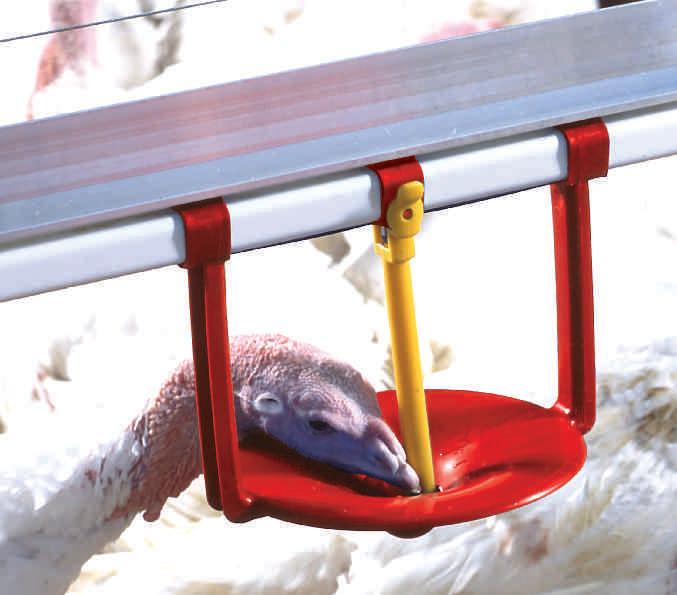
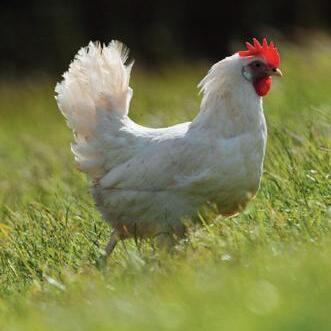
Only under highly controlled laboratory setting can birds be this clean. Dirt is a reality, even if it is not overtly obvious.
Thus, the environment contains essential elements for the chickens (shelter, food and water) that are also attractive to non-production animals. These uninvited guests might include rodents, insects (such as the Darkling beetle) and wild birds. Bacteria, including pathogens, are co-mingled with these uninvited
intruders and serve to seed the flocks, leading to large-scale increases in bacterial numbers. It is the reality of almost inevitable bacterial exposure that is the focus of this manuscript.
HUMAN PATHOGENS AND POULTRY
Campylobacter jejuni (and to a lesser extent, E. coli and Salmonella spp. are the main poultry borne agents of human disease associated with poultry. Campylobacter appears to be commensal within the chicken host, but certain isolates of Salmonella can also cause serious animal disease, as seen with S. enteritidis. Understanding the sources and the physiology of these bacteria may enable those involved in poultry production and processing to take measures which reduce the likelihood of disease transmission.
For example, while hatchery-borne transmission of Salmonella is important, with Campylobacter, the preponderance of available data indicates that vertical transmission rarely, if ever, happens. The opposite to this assertion is that Salmonella can often be cultured from chicks younger than one week post-hatch while, Campylobacter is rarely found in flocks under the age of three weeks. Flocks are often colonized by multiple strains of Campylobacter, while it is infrequent for more than one serotype of Salmonella to be found in a single flock. This would indicate that unrelated repeated breeches of on-farm biosecurity measures occur regularly with Campylobacter transmission.
Both Campylobacter and Salmonella are found widely distributed among a wide array of hosts and, consequently, in water. The transmission of Salmonella in a broiler complex is frequently associated with a single serotype and, this might implicate hatchery-borne transmission as the point source for the broiler chickens. During the cooping and transport of mature flocks to the processing plant Campylobacter numbers on the chicken carcass increase by a thousand fold as compared with onfarm level, while this does not occur with Salmonella because relatively low numbers are colonized in mature birds and the carcasses.
Campylobacter is a relatively fragile bacterium when compared to Salmonella. This is especially important during broiler processing and storage. Campylobacter is very sensitive to even low concentrations of chlorine in chill water; to drying conditions caused by forced air chilling; only moderately warm temperatures kill the
organism and freezing conditions consistently reduce numbers by at least tenfold. By comparison, Salmonella is a far more durable organism and can survive such processing interventions.
Campylobacter does not grow outside of the chicken gut and, actually dies during cold storage of chicken carcasses.
Safe to use humans, animals, environment
Multiple applications foam, spray or fog
Proven effective against most harmful disease causing agents
Non-corrosive to your equipment
Cost-effective based on your real needs
THE PERFECT CHOICE in your Cleaning and Disinfection Program !
Proven effective against viruses causing diseases such as Avian Influenza, Infectious Bursal Disease, Inclusion Body Hepatitis, Porcine Circovirosis, Porcine Reproductive and Respiratory Syndrome.
Salmonella is far more resilient and a single cell is capable of multiplying itself to high numbers under temperature abuse situations. These are important factors as a carcass contaminated with a single cell of Salmonella may multiply and increase the risk of transmission. Higher levels of Campylobacter on carcasses are critically associated with increased probability of disease. Therefore, for this organism, quantification of the level of Campylobacter associated with processed carcasses is far more meaningful than is the mere detection of the organism.
SALMONELLA, CAMPYLOBACTER IN HUMANS AND BROILERS
Internationally, health agencies repeatedly have implicated both Salmonella and Campylobacter in human disease and poultry products are considered as major human health concerns. Poultry-borne transmission of these pathogens has been cited in numerous publications. Sporadic cases of gastroenteritis are most often observed with Campylobacter. However, recent evidence has been presented to suggest that limitations in tracking abilities is the primary explanation that outbreaks are relatively rarely reported. Clusters of human disease associated with poultry-borne transmission was noted in a carefully controlled study conducted in the island of Iceland. Such outbreaks are far more difficult to document among larger populations exposed to far more complex paths of poultry distribution. The same strains (either homologous serotypes or homogenous genotypes) are found in both human and broiler flocks. The Centers for Disease Control and Prevention suggests that perhaps 50 per cent of human disease derives from broiler sources. Certainly, because of the itshigh sensitivity of these strains to even low temperatures, mishandling or cross-contamination of poultry products contribute a great deal to this association. In part this is because of the very low infectious dose of Campylobacter, estimated to be as few as 500 cells capable of causing disease. With Salmonella both >
Biosecurity
sporadic cases and large outbreaks have been widely reported and are associated with poultry products.
Campylobacter is widely distributed in broiler flocks. In the United States, about 85 per cent of all mature flocks are colonized with the pathogen by the time the birds are ready for processing. The levels of intestinal Campylobacter in the processing plant can be greater than 108/gm among more than 90 per cent of the individuals within those colonized flocks. The incidence and the level are primarily dependent upon when the seminal infectious event occurs. In the United States, in the summertime, multiple strains can routinely be cultivated from
positive flocks, indicating that the flocks have experienced multiple point sources of infection during that flock cycle. This is quite different from what is observed with Salmonella infection in poultry flocks. Typically, only low levels of Salmonella intestinal colonization are observed at slaughter and the incidence of colonization is also relatively low. Because of its durability, Salmonella, which may have been associated with the birds’ exterior early in life, persist into the processing plant and can be found on the processed carcass, even if the intestinal tract may not be colonized at time of slaughter. Consequently, comparatively low levels of Salmonella are found contami-
nating processed carcasses. During broiler carcass processing, the highest numbers of pathogens can be found in post-evisceration, pre-chill operations. Disinfectants are widely applied during water chilling of carcasses. Chill waters can be pH adjusted and also amended with chlorine, TSP, ozone or other antimicrobial disinfectants. These are relatively inexpensive and effective interventions designed to reduce pathogens and spoilage bacteria which otherwise contaminate the processed carcasses. There is considerable and growing consumer disapproval for disinfection of carcasses and, a variety of important countries do not allow such antimicrobials to be added to the chiller waters. However, in the United States the USDAFood Safety Inspection Service has observed an increasing incidence of Salmonella in processed carcasses over the past several years, despite considerable efforts relating to HACCP interventions. Most often, these HACCP interventions do include the use of processing disinfectants. Increasingly, consumers advocate natural, unaltered products, whichare free of bacterial risks and are free of residues. This is a major challenge for the poultry industry.
ON-FARM PATHOGEN CONTROL
Economically devastating poultry diseases, such as Newcastle’s, coccidiosis, airsacculitis and avian influenza occur despite considerable efforts at maintaining biosecurity barriers designed to control these agents. The results of these diseases can be accounted by losses in tens of millions of
dollars or in human deaths. Darkling beetles and other vermin exact significant portions of the grower’s profits. Yet, the international poultry industry has not provided surgical suite environments for producing pathogen-free birds while still earning profits. Campylobacter and Salmonella are far less important on the grander scale of things. The industry cannot afford to harvest birds that are uniformly less than 32 days old for the purpose of reducing Campylobacter colonization risks.
As indicated earlier, birds are dirty animals and sources of pathogens as environmental contaminants surrounding production facilities are numerous and cannot practicably be kept out of the production facility. Competitive exclusion – the administering of natural bacterial flora to newly hatched chicks – has been shown to be reasonably successful in the control of Salmonella but has no consistent influence on Campylobacter colonization. Vaccination and phage therapy are potential interventions that are limited by their unacceptably narrow specificities and the constant evolution of bacteria to evade these biological strategies.
BACTERIOCINS
Bacteriocins are small proteins (polypeptides) produced and secreted by select bacteria. These naturally produced proteins serve to kill heterologous bacteria that are in the ecological proximity of the producing organism by creating a pore (hole) in the target bacteria. Bacteriocin production and activities are a very old bacterial strategy evolved
CAMPYLOBACTER IS WIDELY DISTRIBUTED IN BROILER FLOCKS. IN THE UNITED STATES, ABOUT 85 PER CENT OF ALL MATURE FLOCKS ARE COLONIZED WITH THE PATHOGEN BY THE TIME THE BIRDS ARE READY FOR PROCESSING.
billions of years ago and serve to alter the microflora that may otherwise compete with the producing organism. The producer bacterium has evolved an immunity to the bacteriocin and, therefore, it is impervious to the otherwise lethal function of the polypeptide. The distribution of these antimicrobial polypeptides among bacteria is yet unknown because detection of the bacteriocins still depends upon the target organism and assay used for its detection. If a micro-organism does produce a bacteriocin and the wrong target is used for its detection, its presence will go undetected. As bacteria live within niches containing almost inestimable numbers of competitors, gaining an ecological advantage would likely be necessary for the organism to survive. Advantages might be gained by establishing a strong foothold (such as adherence or invasive capacities), having superior reproductive rates (shorter doubling times), using enhanced or diverse substrate metabolism, or by producing antimicrobial substances. We have evidence to believe that
it is through this last approach that enteric bacteria are able to maintain ecological advantage within the intestinal tract. This is where understanding and using bacteriocins can provide agricultural interests with a natural approach to control enteric pathogens. Bacteriocin production and consequent killing of target organisms is an ongoing process within the GI tract of all multi-organ animals (and perhaps in plants as well). Therefore, having a controlled application of bacteriocins might assist the poultry industry in the goal of food safety.
Initially, we were not expressly seeking bacteriocins among a wide variety of intestinal (enteric) bacteria. We were seeking strains of bacteria that could kill or inhibit Campylobacter under in-vitro conditions. Using poultry intestinal materials as our original source, we isolated more than 35,000 bacteria consisting of a variety of genera and species. These isolates were purified and proliferated on agar and, after overnight growth, representative plugs of the growth were placed onto an agar plate containing a lawn
of newly spread Campylobacter jejuni, on Campylobacter medium. The plates were incubated for 24 to 48 hours under microaerobic conditions and subsequently zones of inhibition were measured, when present. Among less than 0.5 per cent of the enteric isolates, we observed zones of inhibition of varying sizes. The most promising of the Campylobacter antagonists (creating the largest zones of inhibition) included Gram + spore-forming and lactic acid bacteria (LAB).
These isolates were then grown in broth, the cells were centrifuged from the culture, and the culture was subjected to ammonium sulfate precipitation and subsequent dialysis. Increased activity units were
detected per ml in the crude antimicrobial preparation (CAP). Activity units were determined by twofold dilutions spotted onto Campylobacter medium containing lawns of C. jejuni. At this point we suspected that we were dealing with antimicrobial peptides because of the plating media and extraction procedure we used. Our Campylobacter plating media contains Brucella Agar, which provides only 0.1 per cent of dextrose. Such a low concentration of sugar would not allow production of acids needed to create the zones of inhibition that we saw. In addition, by removing the antagonist cells and by precipitating with ammonium sulfate, we were likely to have a protein-
enriched solution after dialysis.
Next, we subjected the CAP materials to a battery of enzymes and temperature evaluations. Each of the CAP materials were subjected to beta-chymotrypsin, proteinase K and papain protease enzymes, which resulted in destroying the CAP anti-Campylobacter activities. When the CAP materials were subjected to either lysozyme or lipase the activities remained. Likewise, subjecting the CAP materials to temperatures of 90C or greater for 15 minutes left the antimicrobial activities intact. Activities were maintained through pH ranges of 3.0 to 9.1 at high temperatures over 20 minutes of exposure.
Finally, we subjected the
CAP to sodium dodecyl sulfatepolyacrylamide gel electrophoresis (SDS-PAGE) to separate polypeptides contained in the solution. The gels were renatured and were overlayed by a semi-soft agar seeded with C. jejuni. The gels and the plates were incubated under microaerobic conditions at 42 degrees (optimal for C. jejuni growth) for about 48 hours and were observed for zones of clearing which surrounded the various bacteriocin polypeptides. A similar assessment was used to determine the isoelectric points of the polypeptides and to demonstrate zones of clearing surrounding the bacteriocins. The estimated molecular weights and the Continued on page 42
Salmonella IgY Detection
University of Montreal researchers have developed a promising mix-ELISA test that can be a tool for detecting Salmonellacontaminated breeder flocks
Salmonella is a common bacterium that occurs throughout the world. Most human illnesses are caused by Salmonella enterica, which has been classified into over 2500 serotypes (serotypes are micro-organims that are closely related but have different antigens). Salmonellosis increased dramatically in the 1980s, and since then Salmonella has been a major public health concern. Chicken is a notable food-animal source of Salmonella.
In 1996, the United States implemented the Pathogen Reduction Rule, which imposed a maximum rate of Salmonella contamination of chicken carcasses of 20 per cent to plants exporting to the U.S. This means that every effort must be undertaken to reduce contamination of chicken carcasses at the slaughterhouse level. This is achievable when the prevalence at the flock level is under control, but it can be problematic when flock prevalence is high. Although Salmonella Typhimurium and Salmonella Enteritidis are the most prevalent cause of illness in humans, all Salmonella serotypes are considered pathogenic for humans and thus covered by control programs at the slaughterhouse. Determining
practical methods of Salmonella surveillance will greatly assist the industry in identification and control of Salmonella contamination.
Drs. Ann Letellier and Sylvette LaurentLewandowski, University of Montreal, have been working toward this end. There are a number of commonly identified serotypes of Salmonella associated with chickens, with the most common serovars being S. Enteritidis, S. Kentucky, S. Heidelberg, S. Typhimurium, S. Senftenberg, and S. Enteritidis. Since the mid 1990s, the prevalence of S. Enteritidis has been declining in chickens, whereas that of S. Heidelberg has been on the rise.
To the researchers’ knowledge, the best approach to reduce Salmonella serotypes in broiler chicken farms is to evaluate the status of breeder flocks and establish a set of corrective actions in positive flocks (including investigating Salmonella introduction sources and instituting biosecurity measures). The researchers have been working on development of a mix-ELISA (test for antibodies detection) for detection of Salmonella IgY in broiler breeder eggs,
Researchers have been working on development of a mix-ELISA (test for antibodies detection) for detection of salmonella IgY in broiler breeder eggs, which is less stressful for the birds than taking blood samples.
which is less stressful for the birds than taking blood samples.
Their findings? A mix-ELISA using Salmonella purified lipopolysaccharides antigens (LPS) from eight major Salmonella serotypes, S. Enteritidis, S. Hadar, S. Brandenburg, S. Heidelberg, S.Agona, S. Kentucky, S. Typhimurium, and S. Thompson in poultry was developed. Antibodies were successfully extracted from egg-yolks using a simple method, which gives consistent results. This ELISA is very promising as it is low cost and easy to use. The ELISA is likely to be easily adjusted to test for emerging serotypes as well. To read more about this study, please visit www.poultryindustrycouncil.ca.
SALMONELLA SURVEILLANCE
FEATURED RESEARCHER
Martin Zuidhof was born and raised a pig farmer in central Alberta. His love of applied science led him to pursue a B.Sc., then an M.Sc., in Animal Production, and finally a PhD, in Animal Science, all from the University of Alberta. Martin spent 15 years specializing in poultry at Alberta Agriculture, which he left in the fall of 2008. He is now an Associate Professor of Poultry Science
at the University of Alberta. His research focuses on bioeconomic modeling, which involves identifying and optimizing innovative production systems. He has collaborated extensively with Drs. Frank Robinson and Rob Renema. Together, they have pursued the challenges of feeding and managing broiler breeders and linking maternal efficiency to efficiency and yield in broilers. His research caught the attention of the National Chicken Council, who granted an award in 2008 for broiler research that has had a positive impact on the U.S., poultry industry. He will continue to seek innovative ways to apply science to fine-tune the art of poultry production in his new role as a teacher and researcher at the University of Alberta.
Optimizing production of omega-3 enriched broiler meat
Consumers are increasingly conscious of the effects of food on their health, and have more information with which they can make choices that contribute to long term health. Omega-3 products are receiving more consumer attention than ever, and Omega-3 has been successfully incorporated into table eggs by feeding laying hens omega-3 fatty acids. Similarly, broiler chickens incorporate omega-3 fatty acids into their muscle tissues when fed flaxseed, which contains high levels of fat, and over 50 per cent of that fat is linolenic acid, an omega-3 fatty acid.
Although there is a potential market opportunity for omega-3 enriched chicken, the development of such a product is not without challenges. Feeding flaxseed increases production costs, reduces performance efficiency, and has the potential to taint the flavour of the meat. The industry needs to overcome these obstacles if omega-3 poultry products are to be developed and offered to consumers.
Dr. Martin Zuidhof and his research team at the University of Alberta have been working on designing an optimal production scheme for omega-3 enriched broiler meat that is of acceptable quality, and is palatable to consumers. Specifically, they were interested in optimal feeding
levels for flax, optimal timing and duration of feeding flax, palatability, and incorporation of omega-3 into different muscle types, (i.e. breast vs. thigh).
They fed two levels of ground flaxseed (10 and 17 per cent) to broilers for different lengths of time prior to processing, and measured growth, efficiency, yield, production costs, consumer acceptance, and omega-3 fatty acid levels in the meat.
Their findings? Breast meat could be labeled a source of omega-3 fatty acids after 24 days of feeding 10 per cent flaxseed. Alternatively, thigh meat was enriched within in a much shorter time. It is very likely that the low cost of producing enriched thighs (six cents per live kg), can be recovered through added product value. Consumer studies indicated no difference in consumer perception between regular and enriched meat, however meat quality was reduced with increasing durations of flaxseed feeding. Research team members on this project included: Fernando Hernandez, Brenda Schneider, Val Carney, Rob Renema, Mirko Betti, Wendy Wismer and Doug Korver. To read more about this study, please visit www.poultryindustrycouncil.ca.
niggling away in the background for some time, and there may be some you don’t have solutions for.
As you read this the London Poultry Show will have been and gone and it will be an interesting litmus test of how the industry is reacting to the economic downturn. The most normal reaction during these tough times; is to look at your business operation and try to seek efficiency improvements and reduce costs. When things are going well it’s often hard to identify the one or two little improvements that might provide some incremental productivity gains. Tough times have a tendency to focus the mind on some of the issues that have been
My experience working with poultry farmers in Australia would suggest, that if you have a problem with something, chances are you’re no orphan. So this is an ideal time for you to surface problems at an industry level and we invite you to contact us with the issue(s) so that we can look at either, developing a research question, or an education program that will ultimately benefit the whole industry. Alternatively – as with our call at last years conference, if you have developed some tool, technique or process that has saved you some time
>
PIC PICKS
and/or money that you believe others could benefit from, don’t keep it to yourself. PIC is the conduit through which solutions to technical issues on poultry farms can and will find their way out to the industry at large.
A good case in point is the recently released ILT Fact Sheet, (copies of the full fact sheet can be found on our website, or just give us a call. See PIC update in the next issue of Canadian Poultry Magazine for a summary). We heard there was some concern about ILT and that some producers were not sure about ILT so we’ve produced some information, good practical information about this disease, how to recognize the symptoms, what it may be costing you in production and what to do about it. ILT is something that might be stopping you making as much money as you could. Find out about it and ensure you are clear of it!
PIC have been working with Dr. Bill Van Heyst at the University of Guelph to get a better idea of what comes out of poultry barns and into the atmosphere and into the environment. You’ll be aware of the ‘beefed up’ emissions legislation that came into effect on March 1st and we should all be looking at how this might affect poultry production. The first cut of Bills work is on our website and his valuable work is ongoing – please contact us for an update. I recently met with poultry industry
people and government officials working in the EU on agricultural “outputs.” Whilst much of the regulation being introduced across the EU is market driven and in the realm of moderately sensible, for example, inspection and reporting of the severity of Pododermatitis (Hock burn), a measure which has been used to evaluate broiler welfare for some time, becomes mandatory in 2010. However many of the stories highlight ridiculous measures being imposed on farmers simply to meet regulations. For example, being forced to cultivate fields according to a calendar not when the conditions are right, the government prosecuting a farmer on behalf of his family (without asking them) because they live too close to their poultry barn, and the broiler industry in Northern Ireland exporting used broiler litter by ship to Scotland to produce energy, (where does biosecurity fit in this scenario?), I could go on.
Two things are clear; Firstly we’re lucky we farm in Canada, secondly the work Bill is doing and that you’re supporting through PIC in this area is critical if we are to avoid our combined poultry industries heading down the same path as EU poultry farmers. We need to be prepared for some turbulent times ahead in relation to our environmental impact and with your continued support we will be. Please contact PIC for more information pic@poultryindustrycouncil.ca.
This is just one of the challenges that Danisco can help you solve.
Using new Thermo Protection Technology, Phyzyme XP TPT phytase is heat stable up to 95°C. This highly effective new generation phytase is at least 20% more effective than traditional phytases in improving the digestibility of phosphorus and other nutrients contained in many feed ingredients.
Thermo Protection Technology enables Phyzyme XP TPT to be included before pelleting in the majority of feed manufacturing processes.
Sommers has been a trusted name for standby and PTO power systems in rural Canada for more than 70 years. Over the generations, we’ve been there to keep your lights on and your equipment running with reliable generator systems personally tailored to your family and business needs.
Times have changed, but Sommers is still leading the next generation of power solutions with advanced features like Sentinel remote monitoring and our new easy-to-buy series of packaged systems.
For now and for your future, count on Sommers for “the power to live better.”
nutrition. “Nutrition is critical,” he says. “But don’t make it expensive.”
“A retailers biggest challenge right now is to deliver sales growth,” he says. To compete there are many opportunities that exist for industry and retail to work together.
To differentiate poultry from other proteins, Chapman says innovation is key. “Any opportunity to differentiate the offering is a win.” This can be achieved through premium options and providing dependable orders. “Make sure you can meet the promised supply,” he says. “There is nothing more frustrating to a retailer and consumer if a featured item in a store flyer is unavailable due to lack of supply.”
Premium options are what will differentiate poultry from other proteins in the eyes of consumers. To do so, utilize innovative packaging and pack sizes, improve shelf life, providing value-added products, focus on nutrition, and provide display advertising/marketing material. However, Chapman says the industry needs to understand the size of an opportunity and be objective about whether or not a product really delivers. This is the type of conversation retailers, producers and processors need to have together.
Although poultry has significant opportunities to compete, the current economic recession “changes everything,” says Chapman. “The recession will alter consumer purchasing patterns.”
This is where utilizing smaller package sizes might come into play. “Right now, this might be best for families who have lost 20 per cent of their disposable income.” Or, it could mean an increase in the number of whole-bird purchases, as families can get an extra meal out of leftovers. It could also mean changes in fast-food consumption.
Industry growth might also have to remain stagnant until the economy picks up. “If you are used to a four to six per cent growth each year, remember that after the recession (18-24 months from now) consumers will still be purchasing at 2008 levels,” he says.
www.brianspoultry.com
At CPSI we take pride in being a solution driven company. We are a Proactive, industry leader that provides long-term commitments to our Customers. We offer over 30 years of experience with a network of crews in various provinces.
We are always looking to expand our network, so whether you operate in British Columbia, Nova Scotia or any point in between, give CPSI a call!
Food Business Data Management
Critical technologies for compliance and risk management for consumer packaged goods companies
As we’ve seen in recent years, with listeria contamination of ready-to-eat meats and the peanut butter salmonella outbreak of early 2009, product recalls are a very real aspect of doing business in the food sector of the consumer packaged goods industry (CPG). There’s growing evidence that the public is becoming more aware of and concerned about product safety issues, and as a result they are changing their buying behaviors based on this increased awareness.
As noted in a recent Washington Post story, a 2007 Gallup poll found that, “62 percent of Americans said they avoided buying certain brands or types of food due to a food safety warning or recall in the previous 12 months.”
A panel conducted by the University of Guelph’s International Food Economy Research Group (InFERG) indicated that after the Maple Leaf recall, the proportion of consumers who said they never eat ready-to-eat meats increased dramatically.
Public awareness is leading directly to government and industry action.
PRODUCT RECALLS
The consumer goods market is trending toward increased regulation, and manufacturers and distributors will need to increase transparency into their operations,
Ravi Shankar (inset) writes that when a critical incident such as a recall occurs, it is essential to have the ability to see clearly into product systems, distribution systems and customer-facing systems, and to be able to coordinate the data between them.
and broaden their capability to accommodate recalls and comply with notification rules. This will require increased visibility into product-oriented information systems and a greater ability to reach out to business partners and customers in order to communicate effectively when a recall occurs. For these reasons, smart decision-
makers in the CPG space are now seeking technology investments to help establish good governance models that will in turn help them maintain regulatory compliance, lower operational risk and ensure successful performance at critical times.
Master Data Management (MDM) is this kind of investment and it offers the
STREAMLINING DATA
Services
Whether you’re thinking about expanding your agriculture business or have cash management and investment needs, now is the ideal time to work with a CIBC business advisor. You’ll develop a fresh perspective on where your business is currently and where you’d like to take it.
Want to know more?
Visit a CIBC branch and talk to a CIBC business advisor today. Or call us at 1-888-493-2422 or visit cibc.com/agriculture. It’s worth a talkTM
potential to substantially advance consumer product companies’ compliance efforts. MDM is a comprehensive method of enabling an enterprise to link all of its critical data to one file, called a master file, that provides a common point of reference.
MDM ensures that critical enterprise data is validated as correct, consistent and complete when it is circulated for consumption by internal or external business processes, applications or users. But not all MDM technologies can address the various compliance requirements facing today’s consumer product businesses. Case studies show that an integrated, model-driven and flexible MDM platform provides the functionality needed to meet complex compliance requirements and lower risk. One area of the CPG industry in particular provides an excellent example of where an integrated MDM capability can provide enormous benefit: product recalls.
THE DATA CHALLENGE
Quite often, companies in the consumer goods industry use different systems for each of their various customer and partner communication channels. Customer service representatives use CRM applications to capture contact preferences, while opt-out preferences for mail or fax might get entered into a different database. Also, manufacturers might use a separate web content management system for online interactions. As a result, multiple copies of the same customer’s record can get duplicated across different systems. When a customer communicates via phone call that they do not want to be contacted, this information would probably be entered or updated in the CRM application but perhaps not in the other two systems.
The result is that discrepancies begin to arise in customer records, leading to gaps in customer preferences. Without a holistic view of customer preferences, the effectiveness of outreach campaigns suffers. For instance, a marketing campaign targeting product users who have contacted the company through its website would ignore the opt-out preference phoned in by the customer and updated in the CRM system. As a result, the company would con-
tinue mailing its marketing literature to the customer who had already communicated his or her choice to totally opt-out of any such communication. These incidents can result in fines by the FTC; and the continuation of such practices will often result in customer dissatisfaction which can lead to attrition and brand dilution.
RECALL COMPLIANCE
A useful model of how a new regulatory environment might operate is to look at how the Consumer Product Safety Commission (CPSC) currently regulates toys, child care products and other general consumer goods. Rather than take an adamantly adversarial stance, the CPSC’s Office of Compliance actively encourages regulated companies to accept product recalls as an unfortunate reality of business, and to develop a robust capability to uncover and report problems as quickly as possible. Then, the companies are urged to conduct mass recalls as quickly and efficiently as possible.
To this end, the CPSC sets out various actions consumer goods companies should take in preparing for and conducting recalls. Many of these actions directly depend on effective data governance and the capability to manage data across disparate IT systems. To directly quote the CPSC Recall Handbook, CPSC staff advise that, “Maintaining accurate records about the design, production, distribution, and marketing of each product for the duration of its expected life is essential for a company to conduct an effective, economical product recall.” Included in this group of records and information are:
product systems, distribution systems and customer-facing systems, and to be able to coordinate the data between them.
MASTER DATA MANAGEMENT
Master Data Management can provide food and consumer goods manufacturers with consistent, complete and accurate product information and consumer, contact,opt-in/ opt-out and communication preference information—even when it is captured and stored in different systems. Companies can use this information to both identify its problematic products, report on recall activities to the relevant regulatory agency, and then to effectively reach out to customers to ensure the product recall campaign is as effective as possible. In an MDM framework, if opt-out information is entered into the CRM system, that optout information will quickly be reflected in the web content management system and other customer-facing systems. This means that any campaign using data from the central MDM system would always use the correct preference setting, regardless of the system of origin.
Configurability is important here. If the MDM system is rigid in its functionality, (i.e. if it has a fixed data model), then you may end up compromising your compliance initiatives in order to adapt to the limitations of the technology. Further, such systems make it difficult to extend the compliance efforts to other lines of business or geographies. By ensuring the MDM technology supports the following ten requirements, you will be well on you way to laying the foundation for a complete compliance program with the ability to evolve it to address unforeseen future requirements across the organization.
Despite the importance of capturing this kind of data and ensuring that it is accurate and reliably accessible, it is not uncommon for packaged goods companies to capture and maintain product information in various systems that may be maintained in the U.S. or even overseas at distribution facilities. In the event of a critical incident such as recall, it is essential to have the ability to see clearly into
Using an MDM platform that can handle multiple data types, an organization can begin to ensure compliance within a single business division.
Continued on page 40
Tracking Traffic
Project uses GPS technology to track vehicular traffic, addressing a biosecurity ‘loophole’
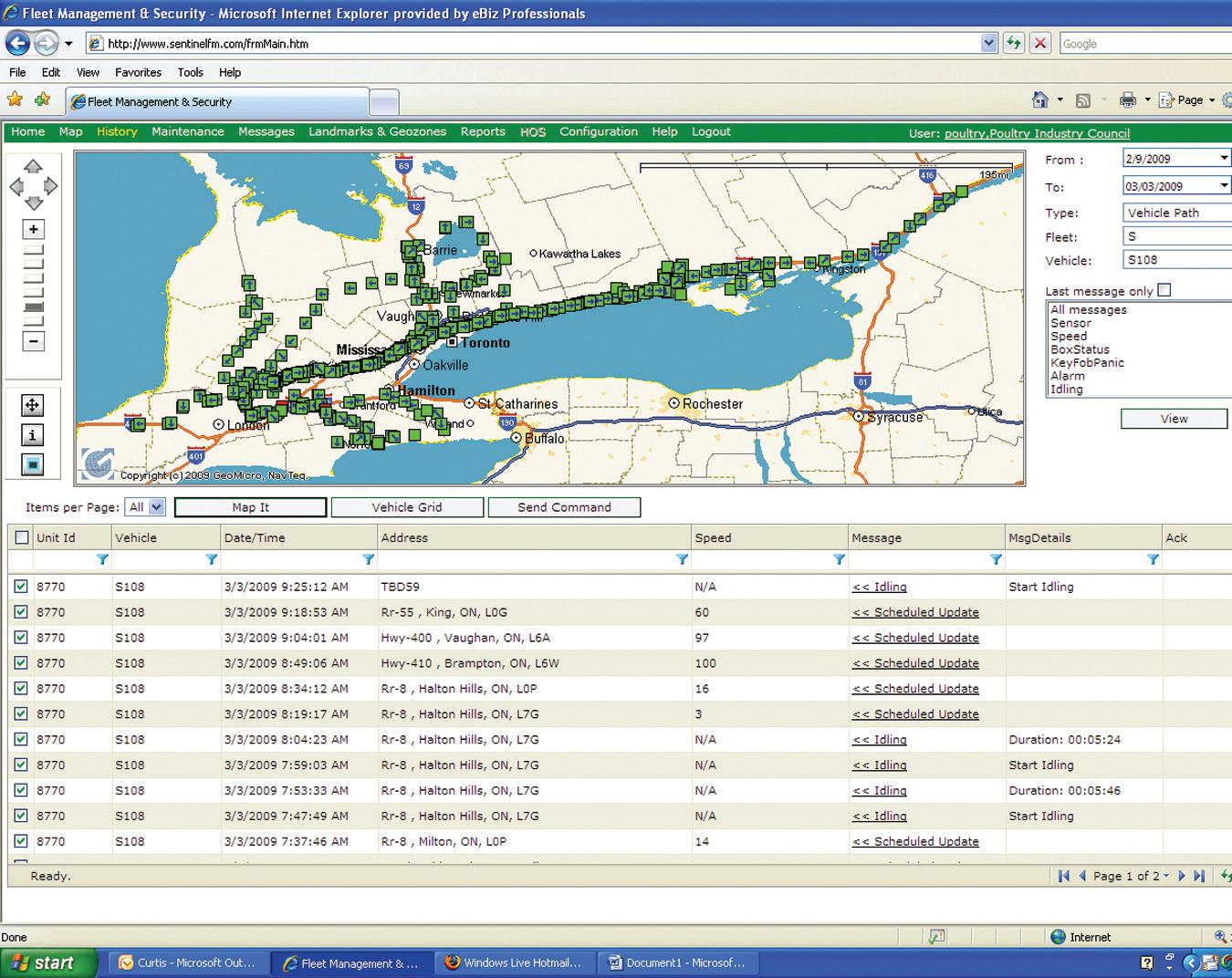
For the poultry and livestock industry, GPS technology can provide many benefits. Veterinarians, government inspectors and service companies can track vehicle movement, stay in better touch with employees, determine how vehicles are being driven in terms of speed and other factors, and route their fleets much more efficiently.
GPS can also help create reliable, integrated biosecurity protocols that help ensure the effectiveness of coordinated efforts to limit the spread of disease.
That’s the rationale behind a current project in southern Ontario. Tim Nelson, Executive Director of the Poultry Industry Council (PIC), says “This GPS trial is one of a number of initiatives being managed by PIC to reduce the risk and minimize the impact of a disease outbreak in our industry.”
Funding for this project was provided in part by Agriculture and Agrifood Canada through the Agriculture Adaptation Council CanAdvance program.
In Nelson’s eyes, the rationale for the project can best be described to poultry producers through a simple thought exercise. “For two weeks keep a tally of every time vehicles (including yours) travel on and off your farm,” he says, noting that most producers already do
MAPPING POTENTIAL
PIC Executive Director Tim Nelson discusses a project examining the use of GPS technology (above) to track the movement of vehicles on and off farm, in order to speed up the industry’s ability to geographically map the movements of potentially infected vehicles in case of a disease outbreak.
this as part of On-Farm Food Safety procedures. “Now try and find out where those vehicles have been over the last 14 days. Then try and find out where those same vehicles went after leaving your farm over the next 14 days.”
He adds “Then, multiply this by the number of poultry farms in Canada.”
“By picturing this,” Nelson concludes, “a person can begin to understand the complexity of monitoring vehicle movements on and off poultry farms across the country. If your brain hasn’t exploded doing the above
exercise, try and think through how difficult it would be to contact every driver of every vehicle that visited every poultry farm in Canada and get them to recount where they’d come from and where they’d been for 28 days – it makes tracking the sale of dodgy U.S. subprime mortgages all over the world look simple.”
CONTROLLING OUTBREAKS
Tracking the movement of vehicles and the people who travel in them
meller Cage Systems
Generate New Income Daily
Utilize
is critical in the quest to control a disease outbreak. Nelson notes “It takes roughly 14 days for diseases to show themselves and be identified. So if someone carries a disease onto your farm but they don’t know they’re carrying it, they could have picked it up anytime between one and fourteen days before they came to your place.”
He adds, “Similarly, if you have a disease on your farm, its quite likely you’ll have had it present for as long as 14 days before it shows up, so anyone who visited your farm within that 14 day period could have picked it up.”
The current project stems from other foreign animal disease simulations conducted by the poultry industry some years ago. “We realized that the movement of vehicles on and off farm and industry’s ability to track the subsequent movements of potentially infected vehicles was at best limited and at worst impossible,” observes Nelson.
“We just did the math – it’s almost impossible to do in a hurry, which is what is required in times of disease outbreak,” he says. In looking for solutions to this serious hole in the ‘biosecurity blanket,’ PIC has been managing a trial on the ability of GPS technology to speed up the above process so that in the case of an outbreak, there is the ability to map the potential geographic spread, by farm, of a disease organism.
Nelson says “If it works, we’re hoping all farm service vehicle owners will install GPS (which has other logistical and business benefits anyway), and in time of crisis, make the tracking information available to a central secure location for analysis.”
DETAILS
The company contracted to deliver the project at the ground level is Guelph-based eBiz Professionals Inc. President Ian Richardson says GPS units were installed between November and January on 52 vehicles
in eight sectors, including vets, board inspectors, dead-stock collectors and chick delivery. The project finished at the end of March.
PROJECT GOALS
The goals of the project are two-fold. One is tracking the vehicles in order to determine to locate the vehicle that might have been on an infected farm quickly and accurately.
There was also an outbreak simulation in March. “We will see which farm the implicated vehicle has visited,” says Richardson, “who else has been to that farm, where has the vehicle been afterwards, and see how long it will take us to do this and how accurate we are.” In the meantime, “We can see the data constantly,” he says. “We do check
reports to see that everything is working properly.”
“The other goal,” notes Richardson, “is to evaluate economic benefits that will be available to the operators we’re working with.” These operators will have the option of keeping the GPS units (currently being rented through project funds) and using them for their own purposes by purchasing a contract from the GPS company. “BSM Wireless Inc. of Woodbridge is providing them with a favourable price if they want to do that,” says Richardson. “Here is a biosecurity advance that in fact will pay for itself.”
Richardson says project support has been strong. There was some resistance to involvement from drivers in one of the sectors due to privacy concerns, but once the operators were assured
the data would be used in a proper way, they were agreeable.
Brian’s Poultry Services Ltd. in Mildmay, Ont., is not involved with this current project, but owner Brian Herman is quick to assert its value. He says, “I’m very confident that GPS is going to become a normal part of business and that this move to new technology is happening rapidly.”
“For a company like mine,” Herman adds, “it allows us to check where vehicles are. Checking the date, time and location of a past job can be used to show what time we arrived, how long we where there and when we left. It also helps with driver safety, since we have a record of how fast our vehicles are driving at all times. Of course it’s good for any company to know the location of all equipment at all times.”
Continued from page 34
It is critical that the underlying MDM platform is able to support the compliance-related data governance policies and processes defined by your organization.
Workflow is an important component of both MDM and data governance, as it can be used to monitor compliance in real-time and automatically alert the appropriate personnel of any potential violations.
Make sure your MDM request for proposal requires a solution that is capable of modeling complex business-to-business (B2B) and businessto-consumer (B2C) hierarchies within the same MDM platform.
-Since MDM is the foundation technology that provides reliable data, any changes made to the MDM environment will ultimately result in changes to the dependent SOA services, and consequently to the SOA applications. You need to ensure the MDM platform can automatically generate changes to the SOA services whenever its data model is updated with new attributes, entities, or sources.
Data cleansing needs to be centralized within the MDM system in order to provide clean data for compliance reporting.
The MDM platform should support a combination of these matching techniques, with each being able to address a particular class of data matching. A single technique, such as probabilistic, will not likely be able to find all valid match candidates, or worse may generate false matches.
-
It is important that the MDM system is able to automatically create a golden record for any master data type (i.e. customer, product, asset, etc.) to enable compliance monitoring and reporting.
The ability to store history of all changes and the lineage of how the duplicate has merged is a very important requirement to support compliance. Any compliance initiative will require the ability to audit such data changes over several years.
Compliance monitoring is performed within an operational system while compliance reporting is performed using a business intelligence tool or data warehouse.
SUCCESSFUL REGULATORY COMPLIANCE
Successful regulatory compliance begins with an integrated and flexible MDM platform. Taking the time to build the foundation for a sound master data management program is critical to the success of any compliance effort. The ten requirements listed above will enable you to identify and evaluate a suitable technology platform – a prerequisite when managing your organization’s master data assets and essential to establishing a consistent master data foundation.
Once your organization starts to make its departmental compliance projects operational, you are likely to find that your larger compliance requirements will expand to include other lines of business or geographies. For example, recalling a food product might first become operational within United States and then be expanded to include other countries. Therefore, it is important to carefully evaluate all MDM options and choose a solution that includes these ten critical requirements. It is equally important to assess the MDM platform’s ability to support the ten core capabilities right out-of-the-box, as they should be integrated components of a complete enterprise-wide MDM platform. In this way, you will be able to mitigate technology risk and improve your return on investment since additional integration and customization will not be necessary in order to make the system operational. Another benefit gained by having these ten MDM components integrated within the same MDM platform is that software deployment is much faster and easier to migrate over time. Finally, it is wise to check vendor references to evaluate the enterprise-wide deployments of their customers and to ensure that the vendor’s MDM solution is both proven and includes all 10 enterprise MDM platform capabilities.
Ravi Shankar is Senior Director of Product Marketing at Siperian, Inc., a provider of a flexible master data management platform.
Continued from page 22
isoelectric points were used to enhance the biochemical purification of the bacteriocins. Finally, the purified bacteriocins were hydrolyzed and the molecular mass was determined by mass spectrometry. The matrix-assisted laser desorption ionization time of flight (MALDITOF) system was used. The unique primary amino acid sequence of each bacteriocin was thereby determined.
APPLICATION OF BACTERIOCINS IN BROILERS
AGRO-DESIGN CONSTRUCTION Ltd.
We have conducted a number of live chicken trials to determine whether we might administer bacteriocins to control concentrations of both Salmonella and Campylobacter in the broiler’s intestine. Using four completely characterized bacteriocins produced by an isolate of Paenibacillus polymyxa, two Enterococcus faecium isolates and, one Lactobacillus salivarius isolate we were repeatedly able to demonstrate reductions of more than one hundred thousand-fold of the target bacteria. Chicken feed emended with 125 mg of E-760 /kg reduced colonization of market age broiler chickens naturally contaminated with Campylobacter spp. Among the untreated 39-day old-broilers the colonization was log10 6.17 cfu Campylobacter spp. per gm of cecal material and, birds given the bacteriocin yielded no detectable (less than 100 cfu per gm) Campylobacter spp. per gram. Likewise, bacteriocin E 50-52 provided in drinking water at levels of 12.5 mg/L reduced Campylobacter spp. from log10 8.00 cfu per gm in the control birds to less than 3.00 cfu per gm of cecal materials in the treated birds. In the same experiment, Salmonella enteritidis was reduced from log10 7.48 cfu per gm of cecal materials in the control bird s vs. non detectable levels in the treated animals. There was also a ten-thousand fold reduction of Salmonella enteritidis in the liver of treated birds when compared to the control bird liver colonization. The minimum inhibitory concentrations of
bacteriocin E 50-52 against 98 C. jejuni isolates ranged from 0.025 to 6.4 mg/ ml, with the large majority of isolates sensitive to levels below 1.0 mg/ml. We have published similar, dramatic reductions using both bacteriocins from the P. polymyxa isolate and the L. salivarius isolate.
Bacteriocins have been FDA approved as human food additives. We have developed fermentations and extraction procedures to produce bacteriocins inexpensively. People have been consuming bacteriocins for millennia in fermented meats and milk without any signs of toxicity. If broilers were given bacteriocins during the last three days of production, both Salmonella and Campylobacter levels would be dramatically reduced and consequently, consumer exposure through processed poultry would correspondingly be reduced. Vaccination of broilers against these pathogens does not seem practicable as there is a wide range of antigenicity among the bacterial groups. Similarly, there is a wide range of susceptibility of lytic phage types among these pathogenic groups of bacteria and the organisms would mutate to evade such treatment. Antibiotic resistance is rampant and becoming ineffective. Regulatory agencies are pulling back authorized use of such antibiotic therapeutics in food animals. Biosecurity as an intervention seems rather pointless in the dirty world of broiler production.
Bacteriocins provide dramatic control measures against both Salmonella and Campylobacter in the broiler and, address the consumer desire for natural and safe foods.
Funds for the conduct of studies contained in this manuscript were provided by ISTC project #1720.
1U. S. Department of Agriculture, Agricultural Research Service, Poultry Microbiological Safety Research Unit, Athens, Georgia.
2State Research Centre for Applied Microbiology and Biotechnology (SRCAMB) Obolensk, Russian Federation.
Presented at the XXIII World Poultry Science Association meeting in Brisbane, Australia
REAL ESTATE
K. MILLER REALTY, BROKERAGE Each office is Independantly Owned And Operated 220 BROAD ST EAST, DUNNVILLE, ONTARIO N1A 1G2 Phone 905-774-7624 or Toll Free 1-888-718-8445 Fax 905-774-5960
Thinking of Buying or Selling?
Come see us at the London Poultry Show, April 8-9, 2009, Booth #227 in the Progress Building
52 ACRE BROILER FARM: 1 Barn – 20,000 sq ft. Driveshed. 16,500 quota. Auto generator. Smithville Area.
For more details call Jack.
BROILER BREEDER FARM WITH 19010 H.E.M.S.: 1 Barn operation. Vencomatic nests. Plasson & Cumberland Nipple Drinkers. Chain feeders for Hens. Pans for Roosters. Bird scales. Plastic slats. Auto Ventilation from cross to tunnel. Birds out Fall 2008. Back in Feb. 2009. 75 KW Generator. 5 Bdrm brick home. 2nd home on property. Call Jack.
50 ACRE BROILER FARM - 2 BARN OPERATION: Barns have new steel, insulation checked and replaced where necessary. All equipment set for broilers. Barns have new vents and controls. Generator building. 3 bdrm brick bungalow completely updated. Large pond for water. Call Jack.
GRIMSBY AREA: 10 Acres on paved road. 32,000 sq ft of barns with auto generator. 40 x 60 x 2 driveshed used as retail outlet. 3 bdrm century brick home, pool. Call Jack
Jack Huitema, Broker of Record (res.) 905-774-8291 jack-huitema@coldwellbanker.ca Richard Vyn, Broker (res.) 519-674-2434 rvyn@ciaccess.com Ross Emerson, Sales Rep. (res.) 905-651-5456 remerson@sympatico.ca
Rich Van Soelen, Sales Rep. (res.) 905-971-1920 Rich-Vansoelen@coldwellbanker.ca www.coldwellbanker.com
Group Lacombe Independently Owned and Operated
4916 50th Avenue
specify)
MAY 2008
Willie Kleinsasser, Jenner, Alberta
JUNE 2008
Amy Bouwmeester, Rockton, Ontario
JULY 2008
Barb Cowan, Auburn, Ontario
AUGUST 2008
Danny Gilbert, Burtts Corner, New Brunswick
SEPTEMBER 2008
Mike B. Hofer, Hodgeville, Saskatchewan
OCTOBER 2008
John Beischlag, Jarvis, Ontario
NOVEMBER 2008
Hardy G. Wipf, Warner, Alberta
DECEMBER 2008
Cathy Green eld, Hagersville, Ontario
JANUARY 2009
Dave Frank, Strathroy, Ontario
FEBRUARY 2009
David P. Waldner, Kyle, Saskatchewan
BY JIM KNISLEY
Revenue’s Other Name
About 15 years ago I was visiting Ottawa and went for lunch with a friend at the Ottawa press club across the road from the Parliament Buildings.
The topic of the day was recent changes to the unemployment insurance program. I was very concerned and since he was an assistant deputy minister in the finance department I figured he would calm my fevered brow. Didn’t happen.
Faced with mounting deficits and a burgeoning public debt finance was pulling out all the stops to raise revenue and get spending under control. A key to this were reforms to unemployment insurance that raised premiums, cut payouts and made it much more difficult to qualify.
The changes worked out better than the government of the day had anticipated. Over the past 15 or so years, the employment insurance fund accumulated more than $50 billion in surpluses.
If this money had been set in a separate account it would be more than adequate for the current difficult times. But the money wasn’t put into a separate account: it flowed into general revenue. As a result the money paid by individuals and employers for employment insurance was actually tax revenue by another name. For many years, this wasn’t necessarily a bad thing. Money paid into EI was responsible for more than a third of the reduction in government debt and has been extremely helpful in reducing and then eliminating government deficits.
But, way back then, I told my friend the changes frightened me. I grew up in an industrial town where there were boom decades and bust years. When things were good everyone was OK. Nobody made a fortune working at the steel mill, the nickel refinery, the chemical plant, the cement plant or the flour mill, but they did alright.
But occasional shutdowns and layoffs were a way of life. Even in the good days of Unemployment Insurance the payouts were barely enough to keep the mortgage paid, food on the table and gas in the car so you could look for a job to tie you over. Under the lower Employment Insurance payouts I knew things could get grim.
They didn’t – until now.
We now have more than 1.3 million unemployed. We now have fewer than half of that number – 538,000? – collecting employment insurance. And those figures don’t count the 400,000 thousand people who have given up and are therefore not considered unemployed. These figures only include December
2008 and January 2009. Unless you’ve been away visiting Mars, you know that the situation has only worsened since then.
This isn’t just an industrial problem. In percentage terms agriculture lost more jobs than any other sector. From January 2008 to January 2009 the number of people employed in agriculture fell 9.6 per cent, which is more than even manufacturing which lost 7.4 per cent.
In January of this year 307,800 people were employed in agriculture compared with 340,400 the previous January. In manufacturing there were 1.85 million employed this January compared with 1.95 million a year earlier.
In the economy as a whole 100,000 jobs disappeared from December to January and 256,000 people lost their jobs between January 2008 and January 2009.
Back in the old days before the changes to unemployment insurance the payout rate was about 65 per cent of previous earnings. Now it is 55 per cent. In the past if you were laid off you could collect for almost a year now there are regional restrictions. In some areas people can collect for 45 weeks, in others for less than 30 weeks.
In more normal times 30 weeks might be enough for the factory to reopen or for someone to find a new job. Now, many factories and companies are gone and they are not coming back. As for finding a new job, good luck. The unemployment rate is up everywhere except Saskatchewan and even there 2,700 full time jobs were lost and 4,300 part time jobs created from December to January.
Under EI, the maximum payment is $447 per week though it could be less depending on your earnings and work history. There is also a two-week waiting period before EI payments begin.
You must also report in every two weeks and tell the EI people what you’ve been up to. You may have worked for 30 years, been a dedicated hard worker who lost a job through no fault of your own and wants nothing more than a new job, but the government is watching over you as if you are a delinquent 15-year-old. That may be justifiable, but it is also deeply, deeply insulting.
Perhaps our MPs and cabinet members should receive the employment insurance rate for a while. At $447 a week – or less – they could then check out the local food bank and see what they can afford to rent on the poor side of town.
And at some point I’m going to have to call my friend, who is no longer with the finance department, and say: “I told you this could happen.”