ALTERNATIVE HOUSING SUPPLEMENT
AN EGG PRODUCER’S GUIDE TO PHASING OUT
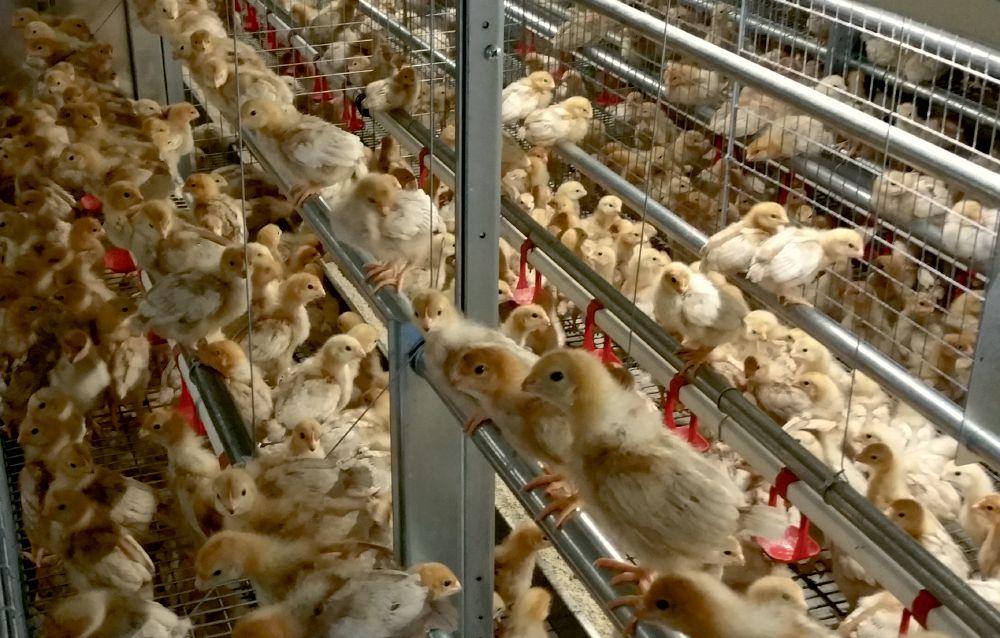
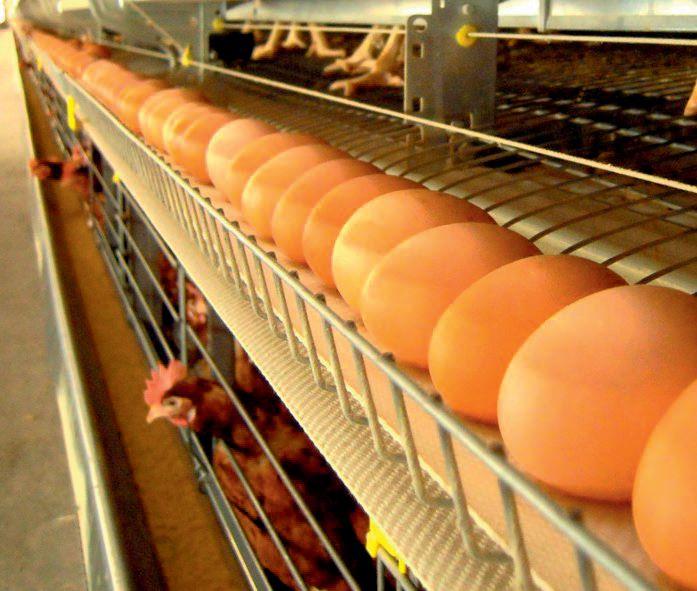

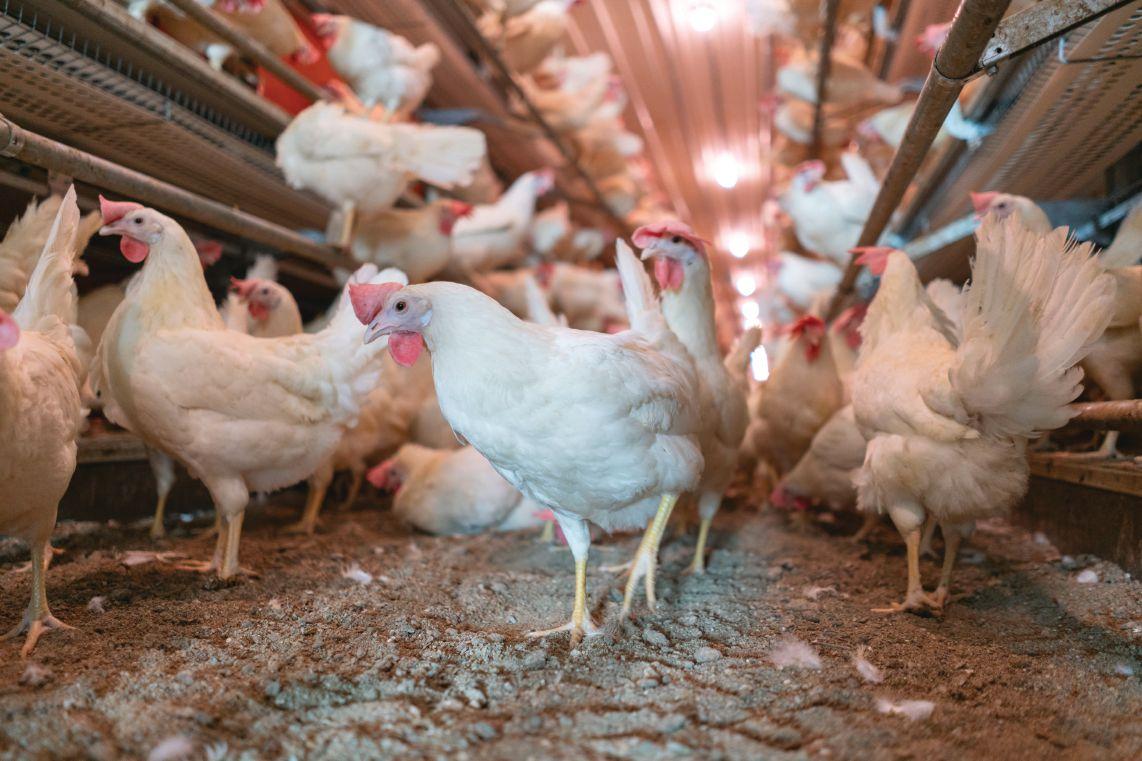
PREPARING FOR YOUR FIRST AVIARY
Tips and tricks to help ease the transition.
BY ERIKA PREWITT
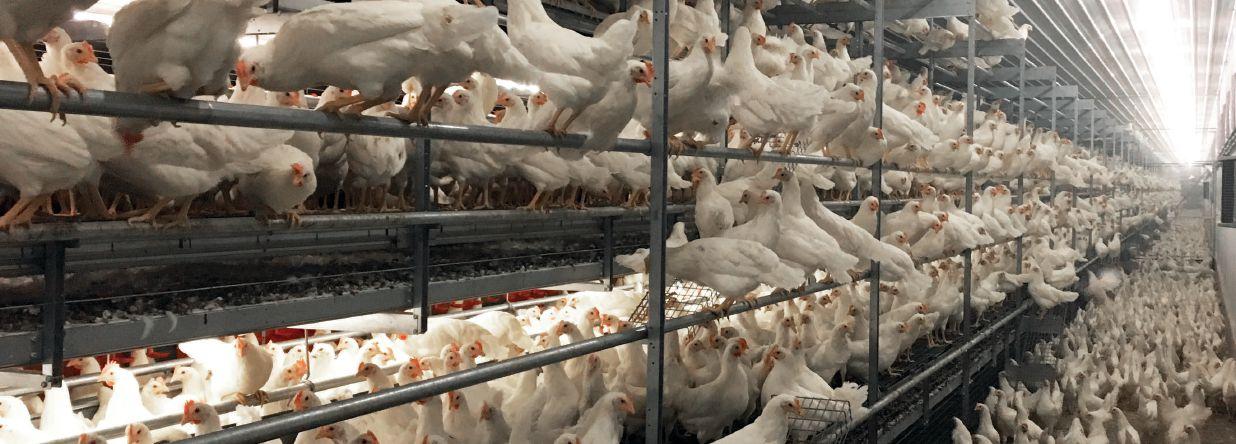
Transitioning from a caged or enriched system to an aviary can be scary if you feel unprepared. Here a few tips and tricks to help with your first aviary flock.
BE FLEXIBLE
Being flexible with your aviary system management is crucial for success. Every flock is different. That will be the only consistent thing that will happen – change. How you light and manage flocks and your daily routine will vary. This is necessary. I’ve seen layer flocks raised as pullets in the same system, at the same barn, and with the same genetics require very different management techniques. The key is to adapt.
For insights, nothing beats sitting in the barn to watch your flock.The hens will tell you what they need.
COLLECT DATA
Producers often overlook the importance of data. Without it, you don’t know when a problem arises or improves. From the very beginning, create an easy to implement data collection system. Keep the data collection sheets simple. They should be located at the end of the aisle on a clipboard with an attached pen. Make sure barn workers know how important these data sheets are.
Data fields to track should include mortality, number of floor eggs and number of system eggs. When you notice a significant increase in these numbers in any category, barn walkers should be able to show you where most are occurring and at what time of day.
Both can be helpful to industry experts to assist you with the given issues. For example, if you have increased floor eggs, your
For insights, nothing beats sitting in the barn to watch your flock. The hens will tell you what they need.
sheet should tell you when the issue started to escalate and the percentage of floor eggs that is occurring. If the barn workers are also able to tell you where and when they are laid, this can be helpful for combating the issue.
AVIARY-REARED PULLETS
If I had to give one single piece of advice for someone looking to house their first aviary layer flock, it would be to house it with aviary-reared pullets. They learn to navigate and move through an aviary system at a young age.
Having this crucial advantage will help you greatly.
I hope you are successful in managing your first aviary layer house and don’t forget to ask your industry experts and reps for help.
Erika Prewitt is aviary systems specialist with Big Dutchman North America.
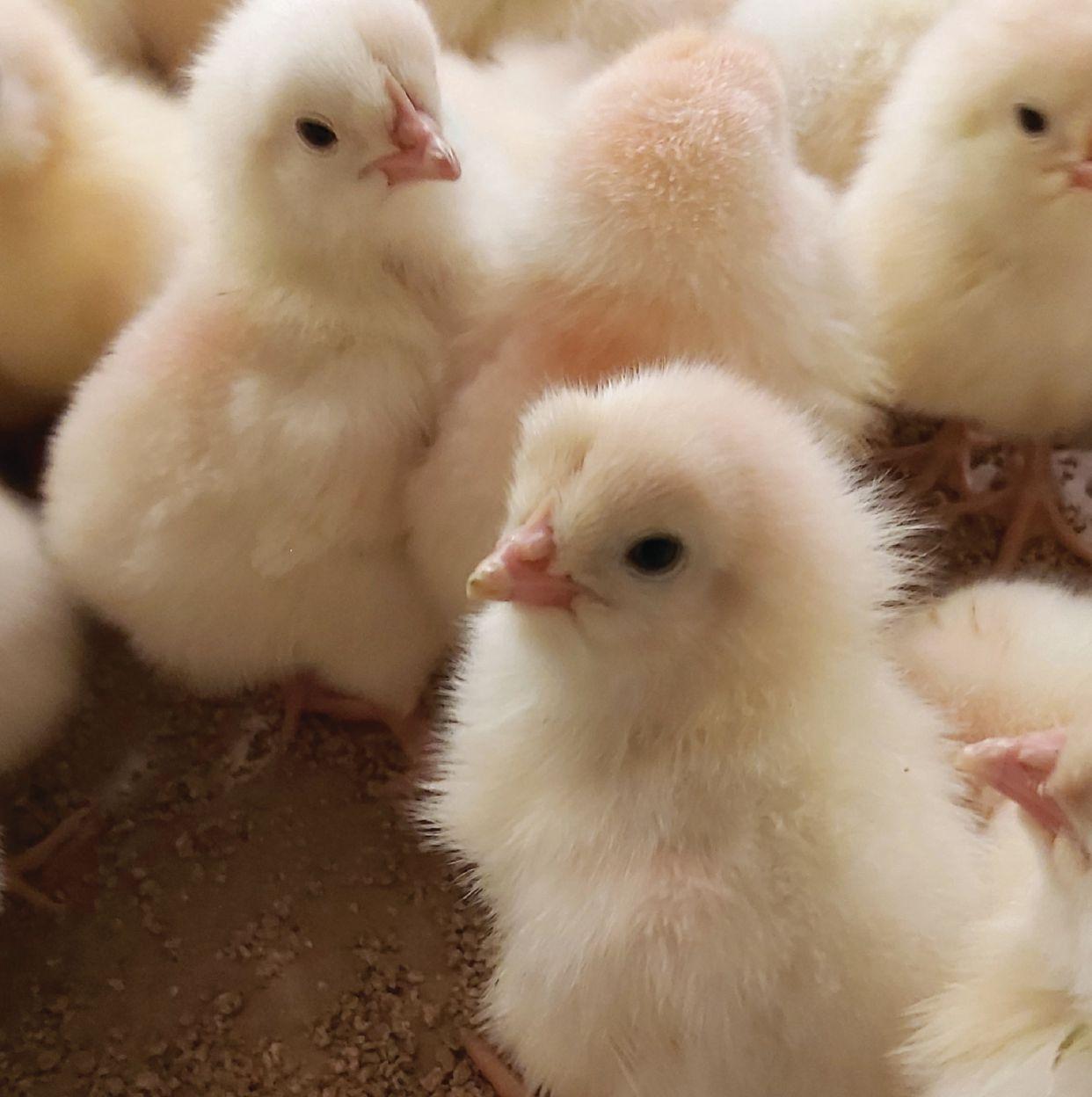
THRIVING IN 3D
Aviary rearing builds better bones and muscles.
BY JANE ROBINSON
Research supporting open-concept housing for laying hens has made great strides as Canadian researchers discover more about how to help birds thrive in new housing environments. Dr. Tina Widowski has led much of this work to help producers evaluate options for their laying operations, with special attention on pullet rearing.
“It is important to raise birds that are intended for cage-free housing in an aviary that offers similar style housing so they can be healthy and productive with minimal animal welfare concerns,” says Widowski, Egg Farmers of Canada Chair in Poultry Welfare at the University of Guelph. “Canada was one of the first countries to add pullet rearing to the code of practice because we know early life experience supports lifelong health.”
Widowski is leading a comprehensive research project evaluating the impact of different pullet aviary designs on several aspects of bird development. “We are looking at how strong the birds are, how calm they are, how physically fit and cognitively prepared they are when raised in aviary housing, so they can thrive in non-caged housing,” Widowski says.
Erin Ross recently completed her master’s degree with Widowski, looking specifically at the physical development of pullets.
“We compared three different commercially available aviary systems to see if there was a difference in the bones, muscles and overall body composition of pullets raised in the systems,” Ross says. “We wanted to determine if there was a rearing environment that supports lifelong musculoskeletal health for the birds to reduce some of the welfare concerns associated with skeletal issues for layers later in life.”
THE FIRST SIX WEEKS
Ross was particularly interested in the first six weeks of life for pullets and how life during this brooding period might impact the physical
It is important to raise birds that are intended for cage-free housing in an aviary that offers similar style housing.
characteristics of the birds, based on how much exercise and load-bearing activity was available in the various aviary styles.
She used three styles of aviary systems. Style 1 was the most similar to a conventional rearing cage and offered the least amount of two- and three-dimensional space for the birds. It included a feeder line, drinking line and two perches.
Style 2 was moderately complex and offered more three-dimensional space for the birds to move in, including a raised platform and three perches at different heights.
Style 3 was the most complex design because of the freedom the birds were given with an entirely open-concept design from day one with perches at different heights and a central raised platform. Styles 1 and 2 kept birds more enclosed for the first six weeks.
“Those first six weeks are when pullets are typically in a brooding compartment when they are too small to physically navigate around a lot of structures to access food and water,” Ross says. “That’s why we refer to style 3 as the most complex because the birds had access to food and water on multiple layers, right from day one.”
MEASURING MUSCULOSKELETAL HEALTH
In all three aviary styles, plus conventional cage housing as a control group, Ross evaluated long bones of the wing, leg and keel, as well as a series of muscles in the breast, wings and leg. Birds were evaluated at six weeks of age, 11 weeks of age and 16 weeks of age. She also compared the difference between white-feathered and brown-feathered birds in the aviary styles and conventional control group.
Not surprisingly, raising birds in conventional cages puts them at a substantial disadvantage for developing strong bones and muscles, compared to those raised in aviary housing. With all three aviary styles, the level of complexity – and opportunities for movement – did not have much impact on the bird’s musculoskeletal development.
PHOTO CREDIT: ERIN ROSS
“We thought giving the birds a total open concept aviary (style 3) from day one would have the greatest positive impact on bone and muscle development, but we didn’t really see that,” Ross says. “All the birds in aviaries developed stronger leg and wing bones, compared to conventional caged housing, and also had proportionately heavier flight muscles.”
Ross also compared overall body composition including body fat, lean content and mineral content of the entire body between the three aviaries style and conventional caged housing.
“We looked at whether load-bearing activities earlier in life – like jumping on and off perches – would affect the overall body composition of the bird,” Ross says.
What she found was that housing style – aviaries or conventional cages – had no impact on the birds lean to fat content.
THE FEATHER FACTOR
Underlying all the work comparing muscle and bone development was feather colour – the genetic differences between white-feathered and brown-feathered birds. “We know that genetics, and particularly feather colour, has a big impact on physical traits of the bird,” Ross says.
On the muscle and bone front, white-feathered birds across all housing styles had proportionately stronger leg bones and larger keels, compared to brown-feathered birds. This wasn’t surprising, as it mirrors results from previous research.
When they looked at body composition, it was again feather colour that brought out the differences. “White birds tended to have more lean tissue and less fat, compared to brown birds,” Ross says. “These results reinforced that rearing environment may not have as much of an impact on overall body composition as the genetic strain of the birds.”
ASSESSING OPTIONS
This project adds more information and insight to understanding the impact of rearing style on laying hens in open housing. “We know that white birds tend to do better in a non-caged environment than brown birds,” Widowski says. “They are better at negotiating open spaces and benefit the most from a more complex rearing environment based on bone health.” When it come to what makes sense on an individual farm, Widowski’s advice is simple: “Use any aviary style for rearing pullets – regardless of its complexity – and the birds will be much farther ahead than conventional caged housing for bone and muscle development.”
This research is funded by the Canadian Poultry Research Council as part of the Poultry Science Cluster which is supported by Agriculture and AgriFood Canada as part of the Canadian Agricultural Partnership.

THE KEEL BONE CONNECTION
BY LISA MCLEAN
For
CRASHES HAPPEN
laying hen health in complex housing systems, think like a ground bird.
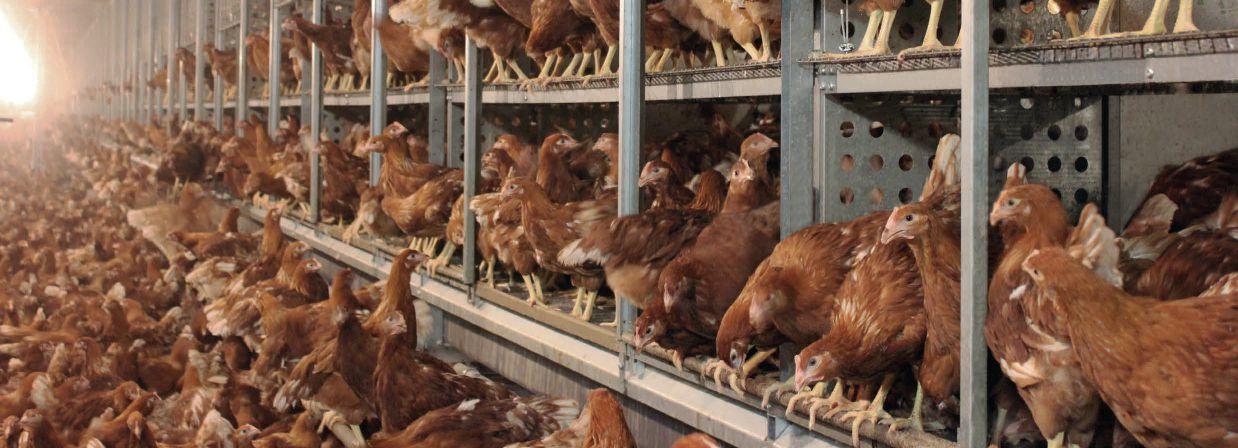
Keel bone fractures and feather loss are common challenges affecting laying hen health. Keel bone fractures are reported in up to 98 per cent of chickens and feather loss can occur in up to 95 per cent of birds. Now, thanks to new work, researchers have a better understanding of how the injuries are connected and how they might be prevented.
In aviaries, hens have space to roam and fly – and must also navigate around structures to access food and water or to respond to threats. Birds in these systems are also more prone to crashes that may lead to keel bone fractures. Harlander says that’s half the story.
ABOVE:
Dr. Alexandra Harlander, animal biology researcher at the University of Guelph, says recent work that looks at chicken locomotion capabilities provides important insight into multiple factors that impair a chicken’s flight abilities. With new understanding of how feather cover, flapping flight mechanics, navigation skills and adaptability play a role, she says farmers can find creative solutions for hen health.
The work is part of a larger study led by Dr. Tina Widowski, with partners across Canada and the U.S., that aims to understand a laying hen’s bone health and behavioural adaptations to complex housing systems, leading to healthier hens until end-of-lay.
“Keel bone fractures and feather cover go hand in hand and it was a unique approach to combine the two,” she says. “If a bird doesn’t have proper feather cover, they have trouble getting up and down and they may have trouble navigating – but the problem is actually much more complex.”
Laying hens commonly experience feather loss due to normal wear-andtear, disease and bird-to-bird pecking. To test how poor feather cover would impact flight skills, Harlander’s research team worked with Dr. Bret Tobalske from the University of Montana to analyze flapping flight performance due to wing condition.
“Chickens are ground-dwelling birds and are not good flyers,” she says. “They perform flight mainly to escape predators and to roost. If they





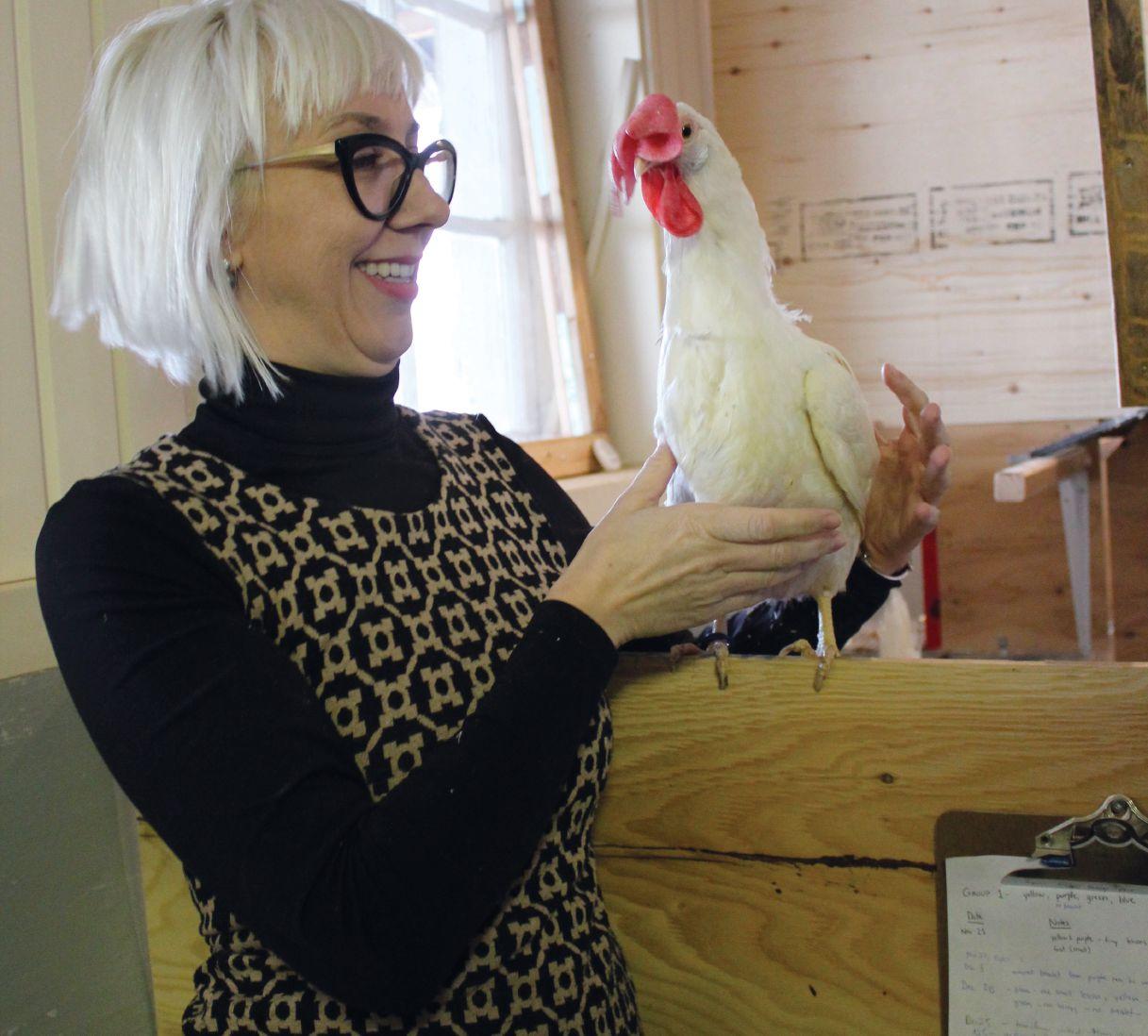
Dr. Alexandra Harlander is an animal biology researcher at the University of Guelph.








Vencomatic Group o ers a full range of innovative equipment for poultry farms accross North America. We are proud to be a global leader in cage-free solutions that are exible, practical and high-performing.
Our poultry experts provide expert advice on barn layout, bird management, climate management and egg handling.
More information: www.vencomaticgroup.com or please contact your local dealer.
BLR Solutions
QC - T: +1 450 772 2929 jfbourbeau@blrsolutions.ca
Jonkman Equipment Ltd.
BC - T: +1 604 857 2000 info@jonkmanequipment.com
Penner Farm Services
AB - T: +1 403 782 0675
MB - T: +1 204 326 3781 info@pennerfarmservices.com
Pols Enterprises Ltd.
ON - T: +1 905 708 5568 sales@polsltd.ca
Ruby360 Ltd.
ON - T: +1 888 218 7829 sales@ruby360.ca
Western Ag Systems
SK - T: +1 306 222 4881 wayne@westernagsystems.com


are outside and they see a tree, they navigate their way up and down on low branches and fly directly down.”
Harlander’s team analyzed the flapping flight of chickens with various wing clipping treatments. They found that even birds with a fully intact feather cover could only support 80 per cent of their body weight. Birds with half-clipped feathers supported less than half their body weight in flight, while navigating down from a height of 1.5 metres. In large aviaries, chickens often navigate spaces that are several metres high.
“This study proved the flight capacity for layers is already poor. In commercial conditions, there are thousands of birds in the landing area and crashes occur if a bird is already having challenges navigating.”
USE IT OR LOSE IT
Egg-laying hens are heavy birds with strong leg muscles for walking, running, jumping and scratching.
Flight muscles are large and place significant force onto the keel bone. In another part of this study, Harlander’s team assessed the impact of feather loss and accompanying muscle weakness on keel bone fracture.
The researchers clipped primary and secondary flight feathers in white-and brown-feathered birds and used ultrasound to measure changes in pectoral (breast) muscle thickness. They also used X-rays to assess the prevalence of keel bone fracture.
“If birds adapt to a more sedentary lifestyle as they lose feathers, they may be more likely to become weaker,” Harlander says. “We wanted to understand if a weaker keel bone is subject to fracture during bouts of vigorous wing flapping, which is a common occurrence during fear/ panic responses or slips.”
Previous research has measured the weight of the pectoral muscle. Harlander’s work using a portable ultrasound machine is unique
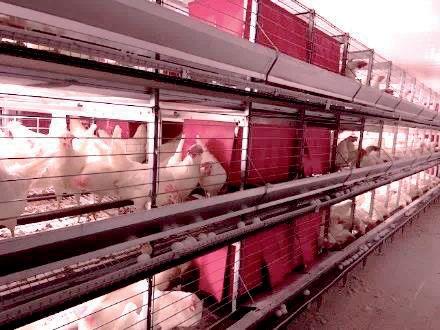
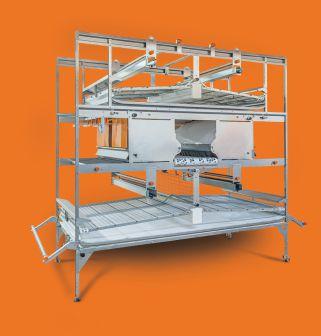
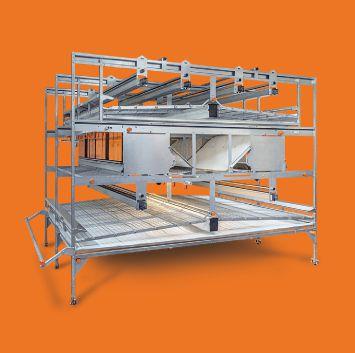
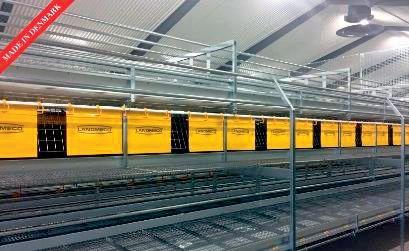
Enriched Layer Unit Small Group “Condo Living” for Laying Hens Now with CBM In-Cage Lights
Meeting or Exceeding 2017 NFACC Code of Practice
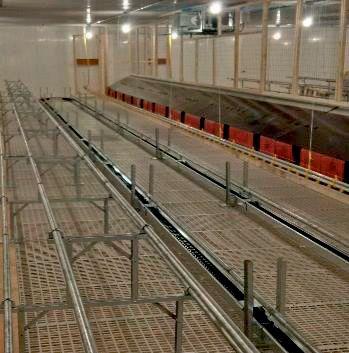
Floor Feeding with “Quad” Perch System Completes a Cage Free System with Community Nests
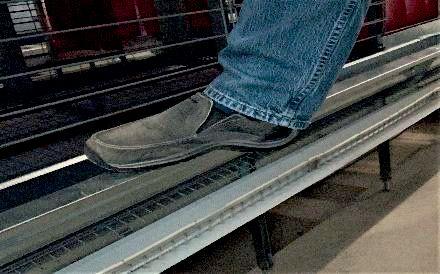
New feed trough with built in step/bumper rail standard on all tiers. The ergonomic wide flat top is gentle on the feet and helps prevent damage to the egg trays.
because it provided a way to measure the muscle’s thickness on live birds. Her team found evidence that feather damage alters a chicken’s morphology –particularly among white-feathered laying hens, through a significant decrease to bodyweight and pectoral muscle thickness. However, feather damage and subsequent muscle thickness were not associated with keel bone fracture.
WHAT IT MEANS FOR FARMERS
“Our results suggest that other untested factors likely function in the development of keel bone fractures, and we need further investigation because of the implications for animal welfare and rearing economics,” Harlander concludes.
This research is funded by the Canadian Poultry Research Council as part of the Poultry Science Cluster which is supported by Agriculture and AgriFood Canada as part of the Canadian Agricultural Partnership.


THE TRADE MITIGATION PROGRAM
Grant can help with alternative housing transitions for layers.
BY LILIAN SCHAER
Government funding programs can be a great way for farmers to access extra dollars to help pay for on-farm improvements. The process of applying for and receiving cost-share funds can often be cumbersome and time-consuming, and past negative experiences have left many farmers frustrated, especially if their applications were unsuccessful.
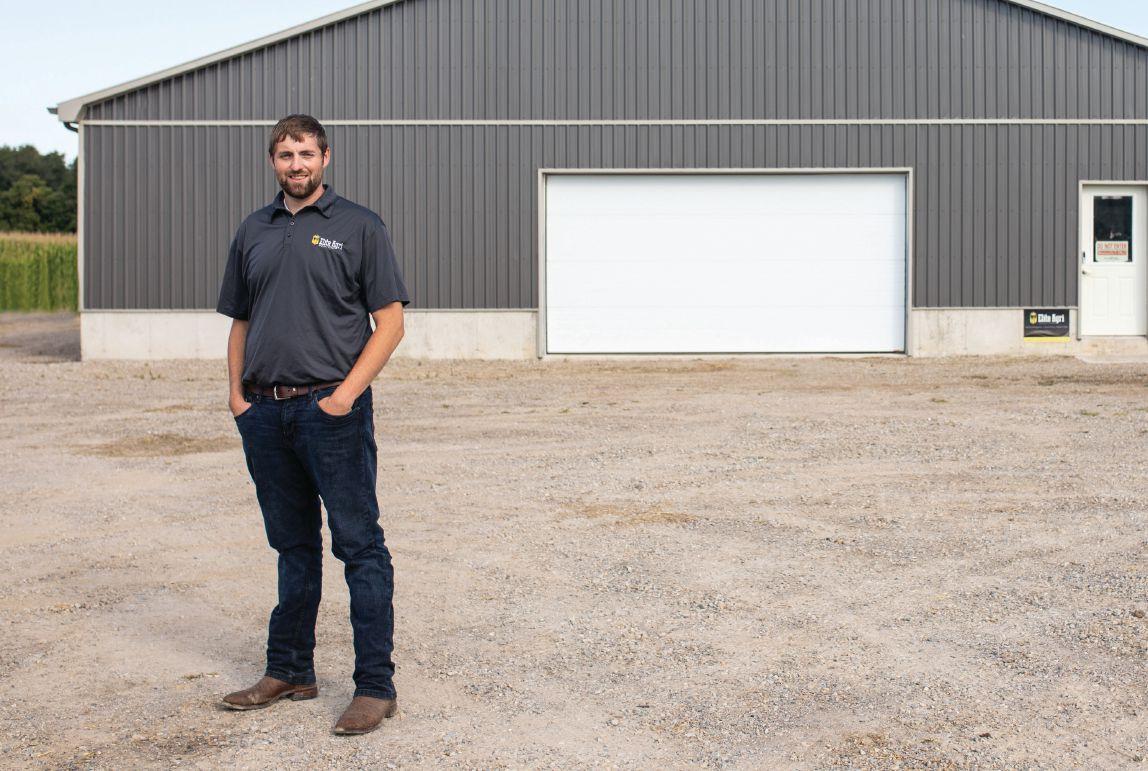
Jonathan Giret of Elite Agri Solutions has some advice on how to make the process easier and why poultry producers in particular should consider giving funding programs another chance. This is especially applicable for egg producers looking at housing-related projects to comply with changes in the code of practice requirements.
The latest Code of Practice for the Care and Handling of Pullets and Laying Hens requires that all laying hens must be housed in enriched cages or non-cage housing systems by July 1, 2036. The phase out of conventional cages began on April 1, 2017.
TRADE IMPACT MITIGATION PROGRAM
When the Canadian government signed on to the Comprehensive and Progressive Agreement for
Jonathan Giret of Elite Agri Solutions advises producers on applying for and leveraging the Poultry and Egg On-Farm Investment Program.
Trans-Pacific Partnership (CPTPP) trade pact, it agreed to give other countries increased access to Canadian poultry markets while simultaneously promising a trade mitigation compensation package for Canadian poultry farmers that will support the long-term competitiveness of the sector. The free trade agreement involves Canada, Australia, Brunei, Chile, Japan, Malaysia, Mexico, New Zealand Peru, Singapore and Vietnam.
Last year, the federal government launched that trade mitigation package for the poultry industry in the form of the Poultry and Egg On-Farm Investment Program (PEFIP), which will provide non-repayable contributions of almost $647 million to poultry farmers over the next decade.
It’s this program that Giret, himself a broiler producer, says is a worthwhile investment of time and effort for poultry farmers, even if navigating the application process can be complicated and time consuming for some.
“This is an entitlement program, so farmers just have to go and get the money with eligible projects; the funding is there,” Giret says, adding that PEFIP covers 70 per cent of cost-share with the ability to stack or apply to other programs for additional funds up to 85 per cent of project costs.
WHAT IS ELIGIBLE?
Project eligibility criteria are broad and include on-farm investments that increase efficiency or productivity, improve on-farm food safety and biosecurity, improve environmental sustainability or respond to consumer preferences.
It’s this last category that can be especially beneficial to egg producers looking to transition from conventional cages to alternative housing systems to become code of practice compliant.
“Under responding to consumer preferences, improving animal welfare is a key area,” Giret notes. “This includes: barn upgrades like transitioning to enriched systems; adding new controllers, fans and heat exchangers; adopting alternative housing systems; or transitioning to organic (production).”
Eligible costs include those directly related to the project, such as planning, design and construction of new infrastructure; software, equipment and accessories related to poultry and egg production; as well as contracted services, labour, tool rental and training.
Also important for producers to know is that the program is retroactive. That means any activities or costs incurred on or after March 19, 2019, are eligible for cost-share, so recently completed projects could also qualify.
And for producers who have already retrofitted an existing barn or built a new facility in the last several years, Giret suggests looking at environmental sustainability improvements like solar planels, alternative heating or composting.
PROGRAM TIMELINES
Ineligibles are expenses like paying taxes, or buying quota or land, birds to replace or expand a flock, or equipment not primarily used for poultry and egg production, for example.
To date, Agriculture and Agri-Food Canada (AAFC), which administers the program, has been slow in reviewing and approving submitted applications. Although their goal is to process all applications within 100
business days, the current average is about 220 days, according to Giret. He does anticipate this will speed up as AAFC’s program officers become more familiar with both the program and the poultry industry.
“My advice is to apply today for pre-approval and get paid in 2023, hopefully,” he says, adding that due to rising costs, he advises producers to get their applications in sooner rather than later to maximize their benefit from the funding.
Any eligible projects must be completed by March 31, 2031.
“My advice is to apply today for pre-approval and get paid in 2023, hopefully.”
TOP TIPS
Here are Giret’s top tips for producers looking to apply to PIFEP:
Be patient.
With an average of more than seven months to receive a response to an application, it will take more than two months to eventually receive payment for approved expenses – and this can take longer if clarifications are needed. “For quite a few programs federally, this is fairly regular,” he explains.
Check for other grants.
When putting a project together, PEFIP allows producers to stack funds with other grant for up to 85 per cent of eligible costs. Giret suggests keeping an eye on the new policy framework program that will be replacing the Canadian Agricultural Partnership (CAP) next spring or programs in other areas like green energy, sustainability and energy efficiency.
“It does take effort and luck but if the projects line up in appropriate time windows, we can apply to
multiple streams. CAP, for example, has supported animal welfare projects like enriched cages and aviaries,” Giret says.
Keep a clean paper trail.
Make sure invoices reflect expenditures for the project being claimed and that payments not only match those invoices but come from the correct accounts and farms. This is one thing Giret, in his work helping farmers secure funds through grant programs, sees often and will require extra work to straighten out before producers receive their payments.
“It’s usually a result of too many projects and not enough contractors. So, we will see payments that don’t line up with bills – and it’s hard to get a claim on something that doesn’t make sense. Pay attention to details or else things are ineligible.”
Group quota holdings.
For producers with both layers and broilers, for example, the incentive can be grouped towards a single project, whether a new barn build or a renovation, for example.
“It’s really just about taking your time and working through it. These programs are supposed to be easy for a farmer to go in and go through the process,” he adds. “With PEFIP, if they give you a denial, they’ll tell you why and then you can ask questions.”
For farmers who don’t have the time or inclination to work through a grant application process themselves, it’s a service Giret now offers through a company he founded in 2016 after his own first unsuccessful attempts at obtaining grant funding.
More information about PEFIP, project eligibility and how to apply for funds is available at: agriculture.canada.ca/en/ agricultural-programs-and-services/poultry-and-egg-farm-investment-program.
Webinar resource
For more from Giret on leveraging this grant program, access the webinar he delivered on this topic at canadianpoultrymag.com/webinars.
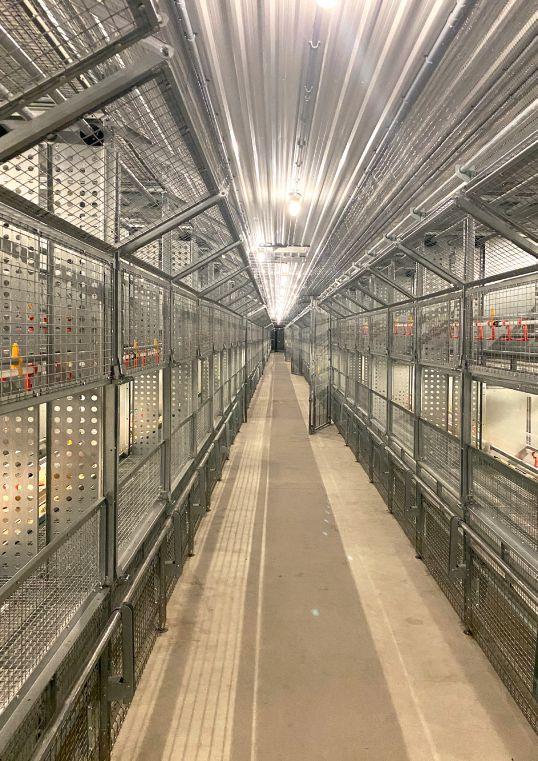
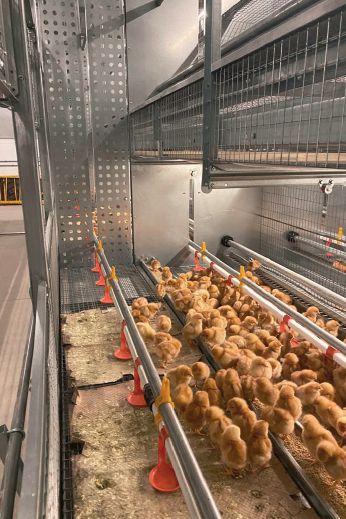
• self-training from day 1
• easy-to-operate
• excellent monitoring
• smooth transition to aviary laying system
Western Canada
Greg Olson
Tel: +1 (306) 260 8081
Ontario
Clarence Martin
Tel: +1 (519) 669 2225
Danny Gilbert
Tel: +1 (506) 470 7370
Manitoba Calvin Hiebert
Tel: +1 (204) 346 3584
+1 (519) 777 1495
British
Dave Coburn Tel: +1 (778) 245 2765
+1 (519) 348 8483
Chouinard Tel: +1 (450) 266 9604

Take your next step with a

Considering an alternative housing option?
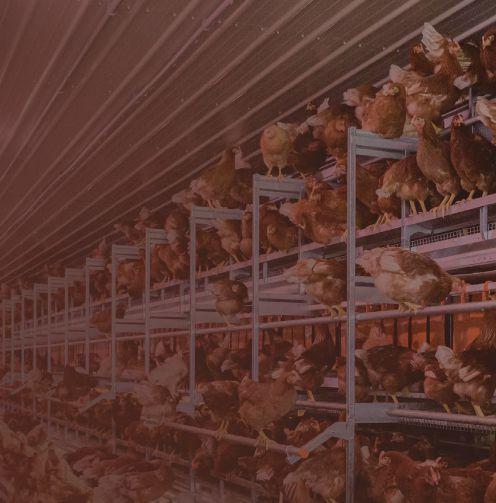
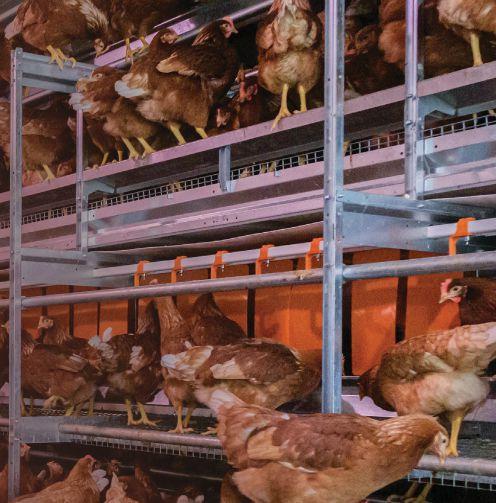
Consider the NATURA® Step and NATURA® Step XL from Big Dutchman.
Multi-tiered true aviary systems which are fully open, these and other proven multitier aviaries from Big Dutchman house over 140 million birds worldwide and can deliver the same great results for your farm.
Contact your sales representative today to discuss a system that works for you.