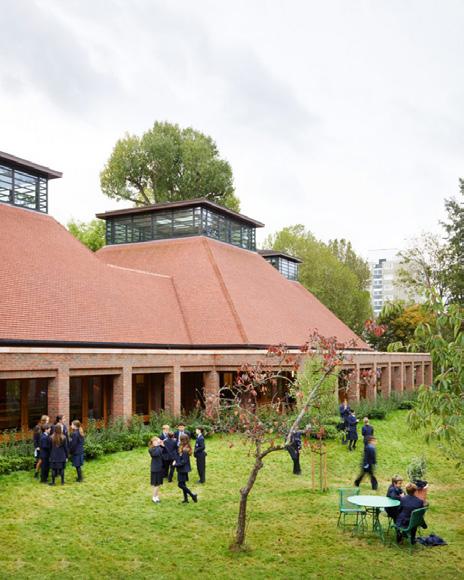
Located in Roehampton, London, the refectory is an open facilities for the school's students for educational and leisure activities during school hours.
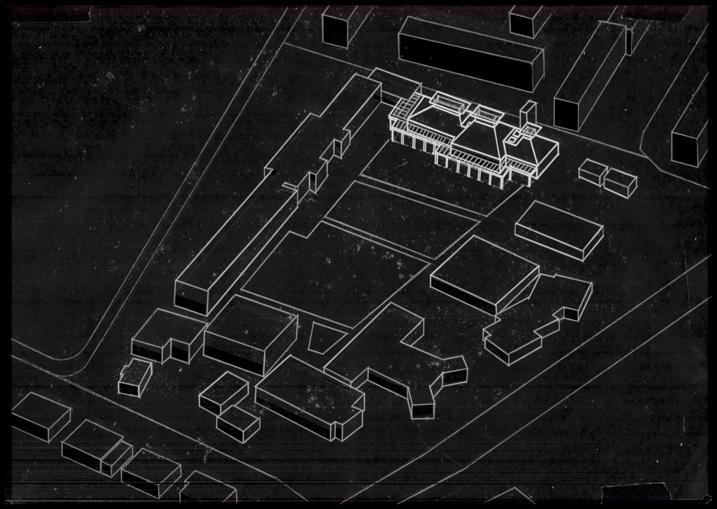
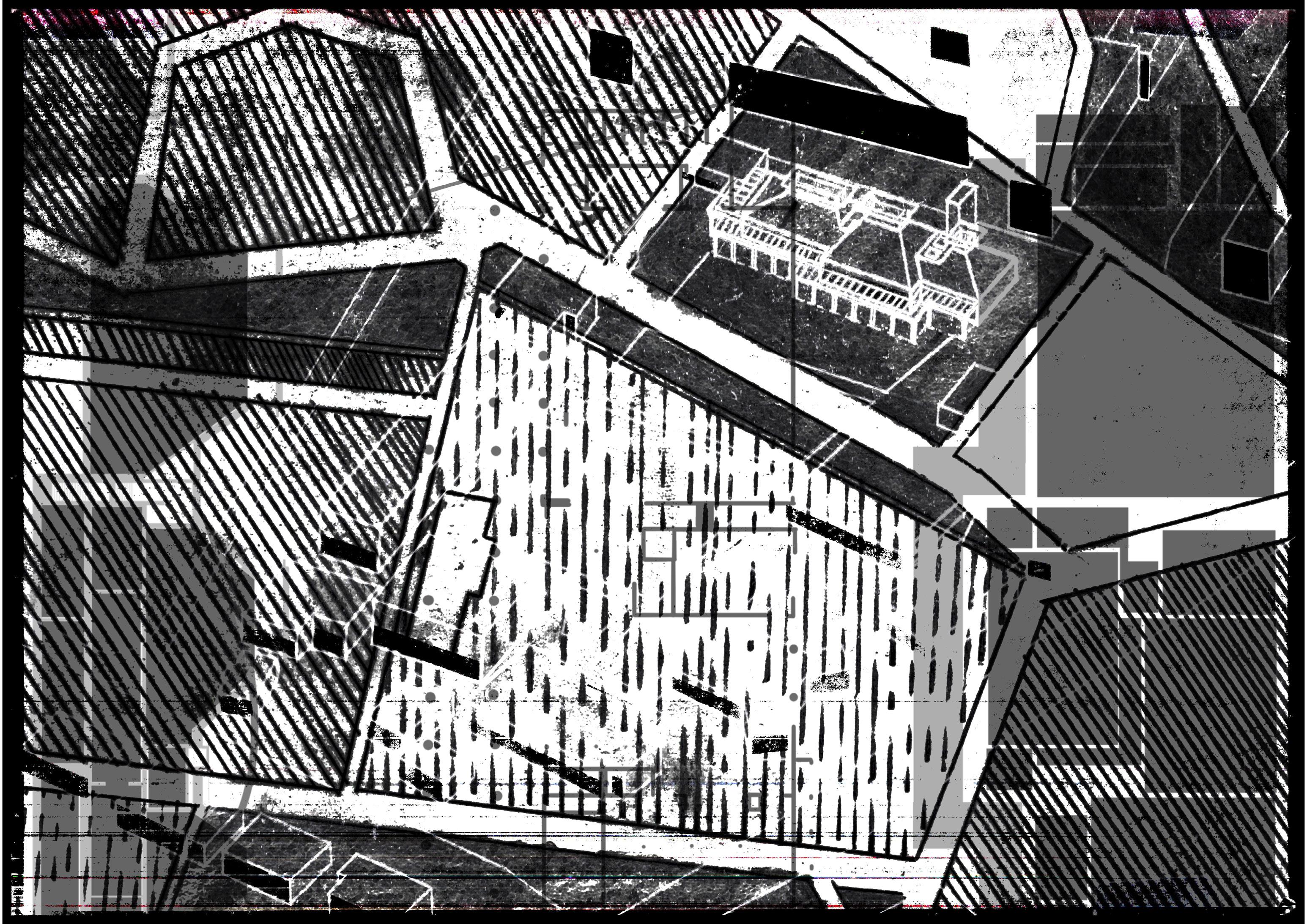
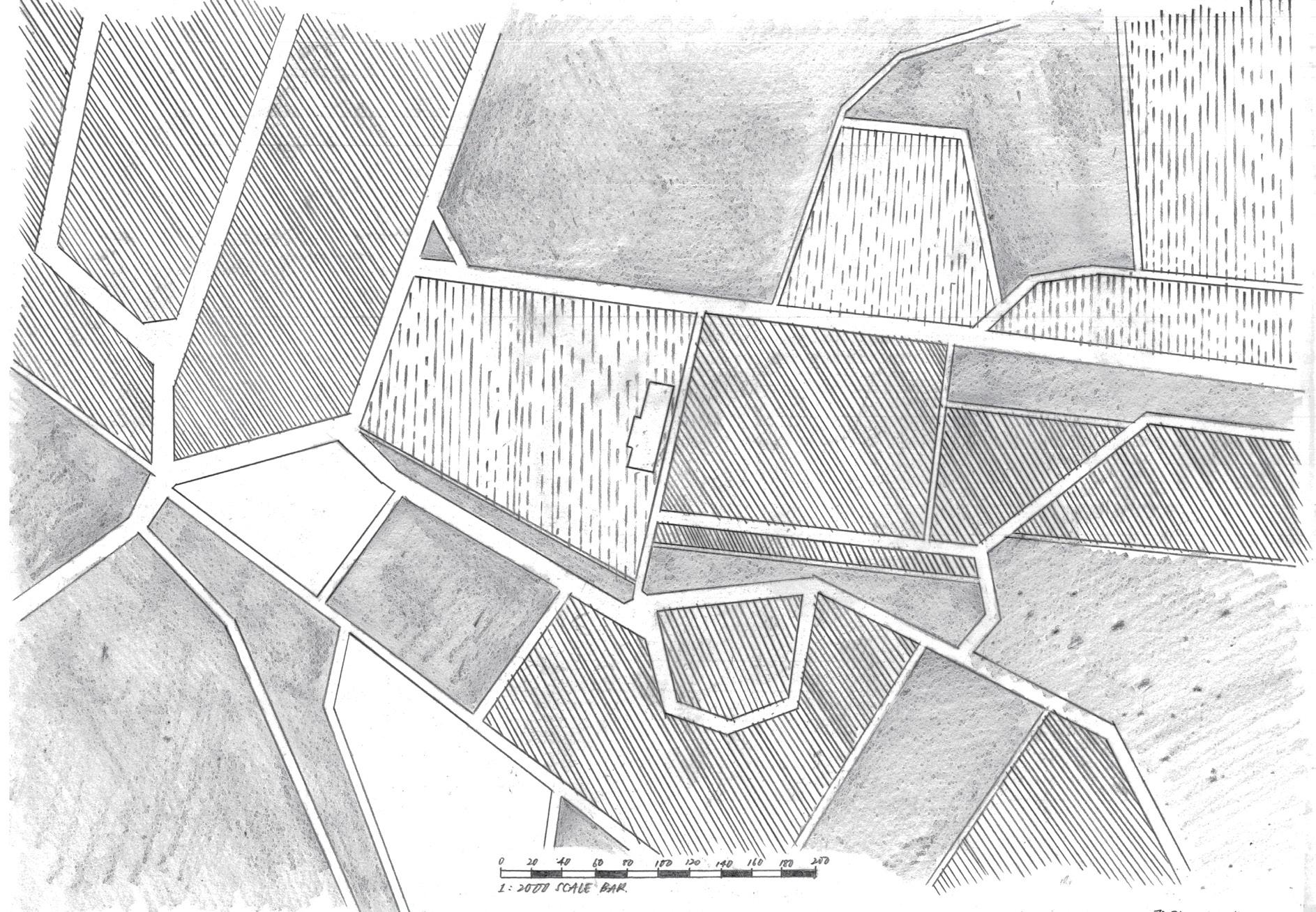
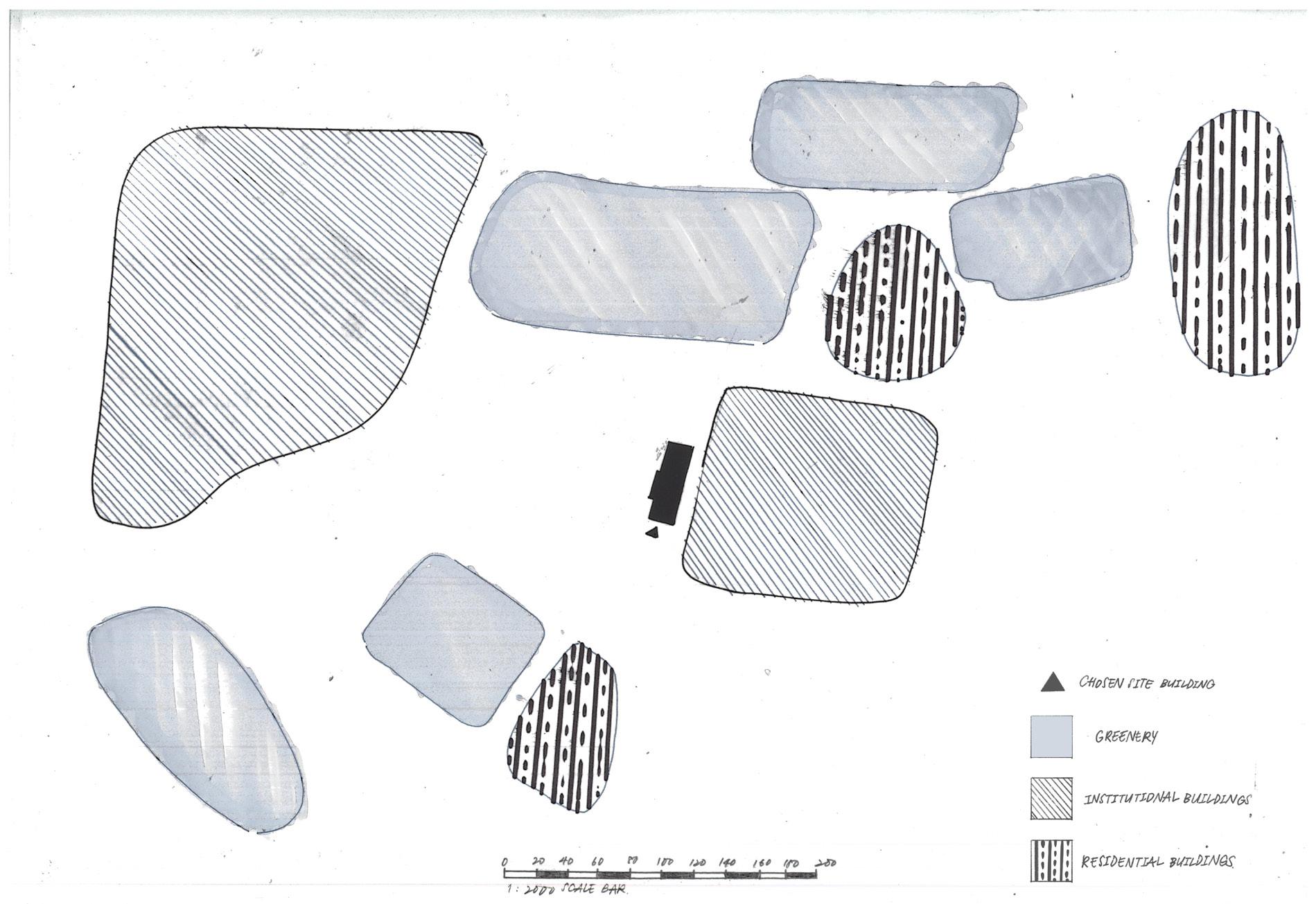
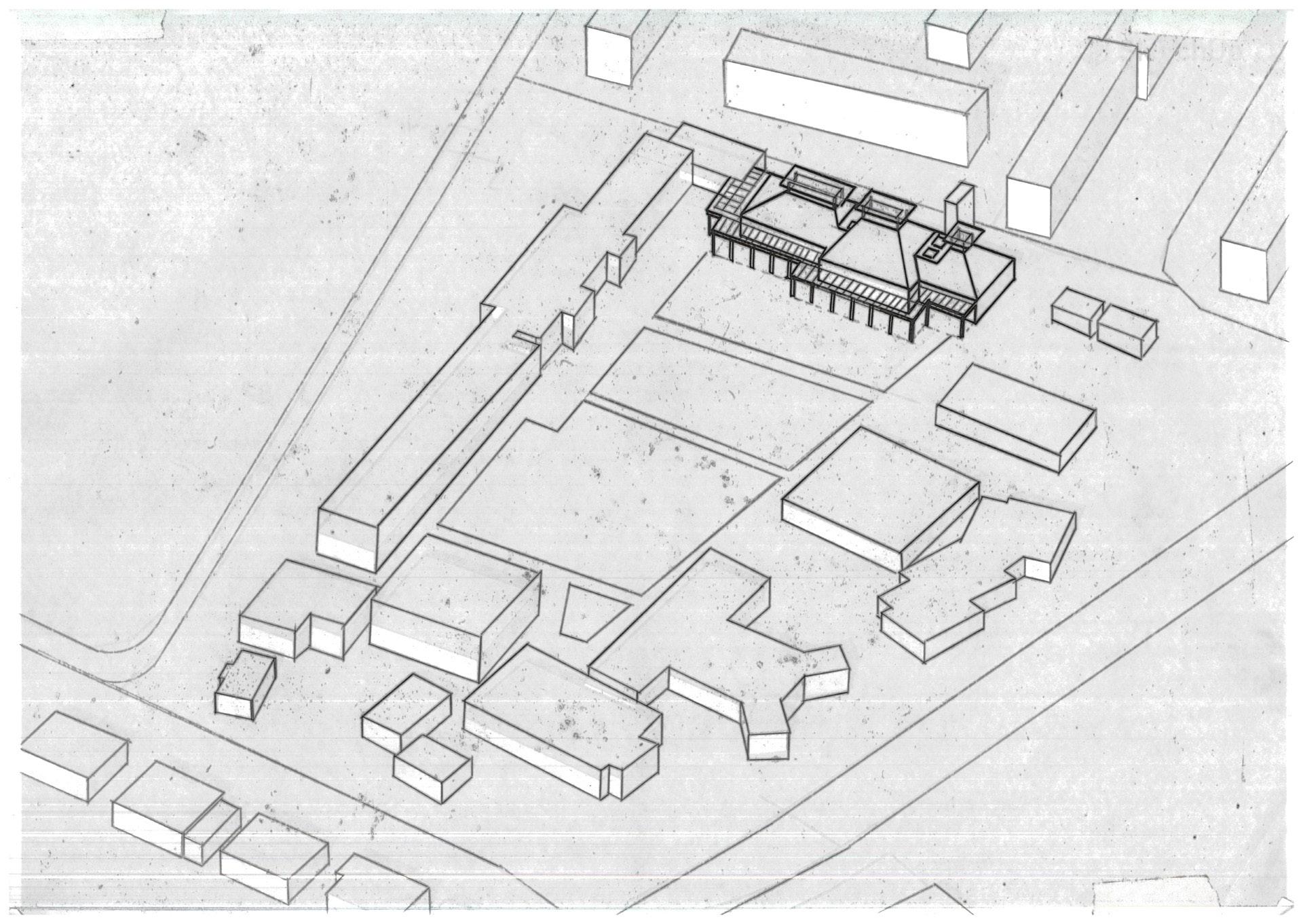
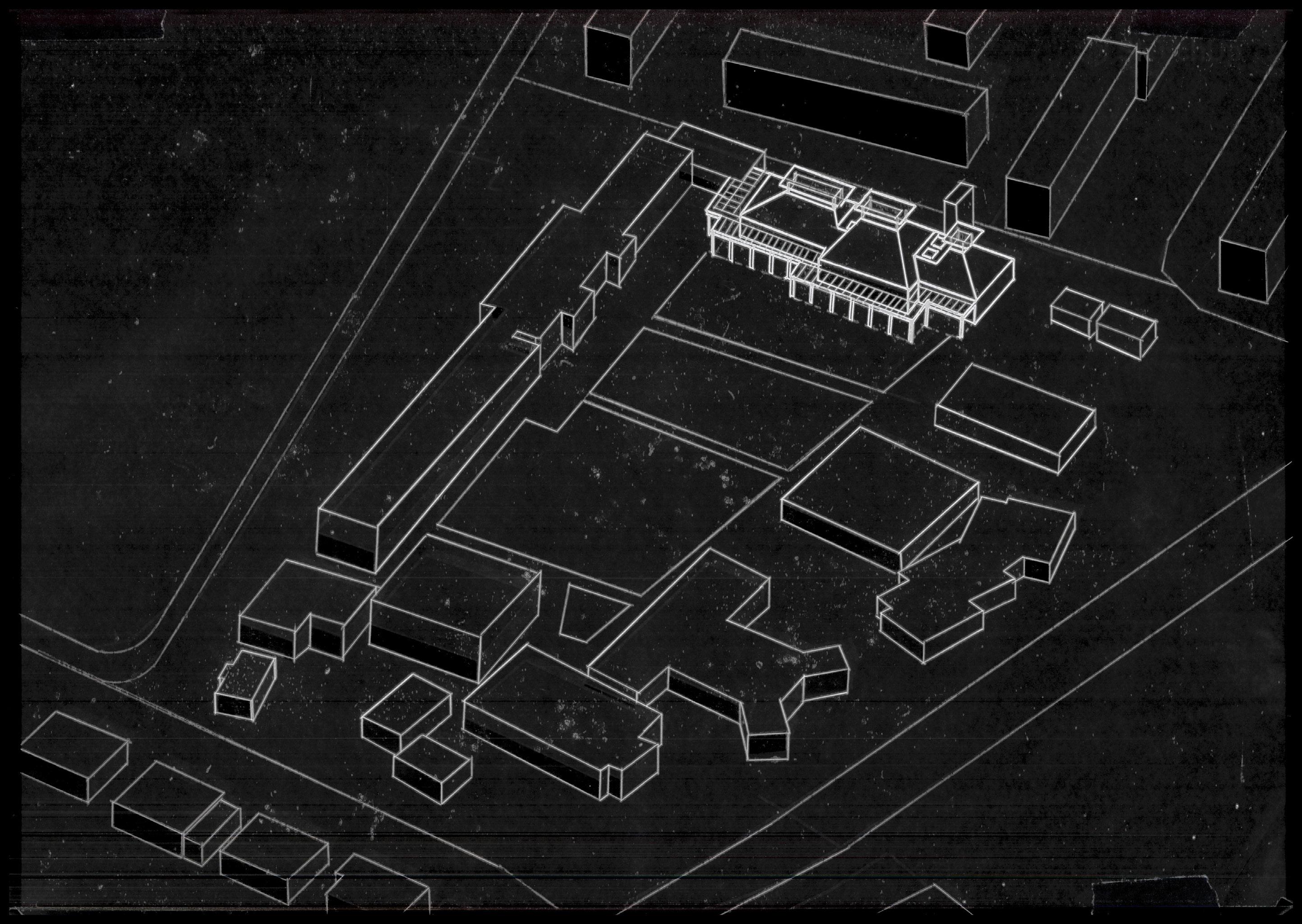
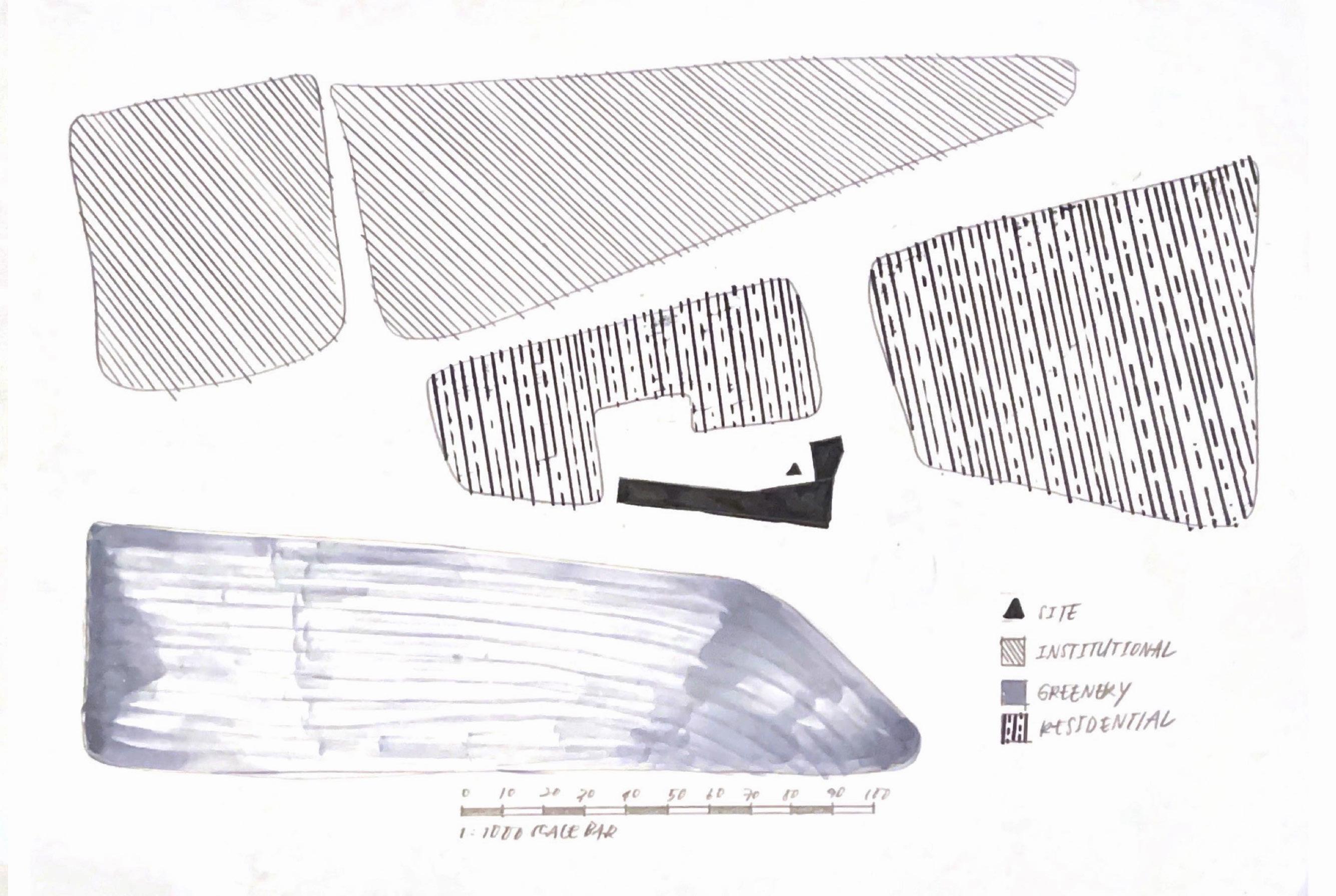
The refectory is surrounded by both urban and rural features, such as residential buildings, other institutional buildings, golf course, and big greenery fields (Richmond Park).
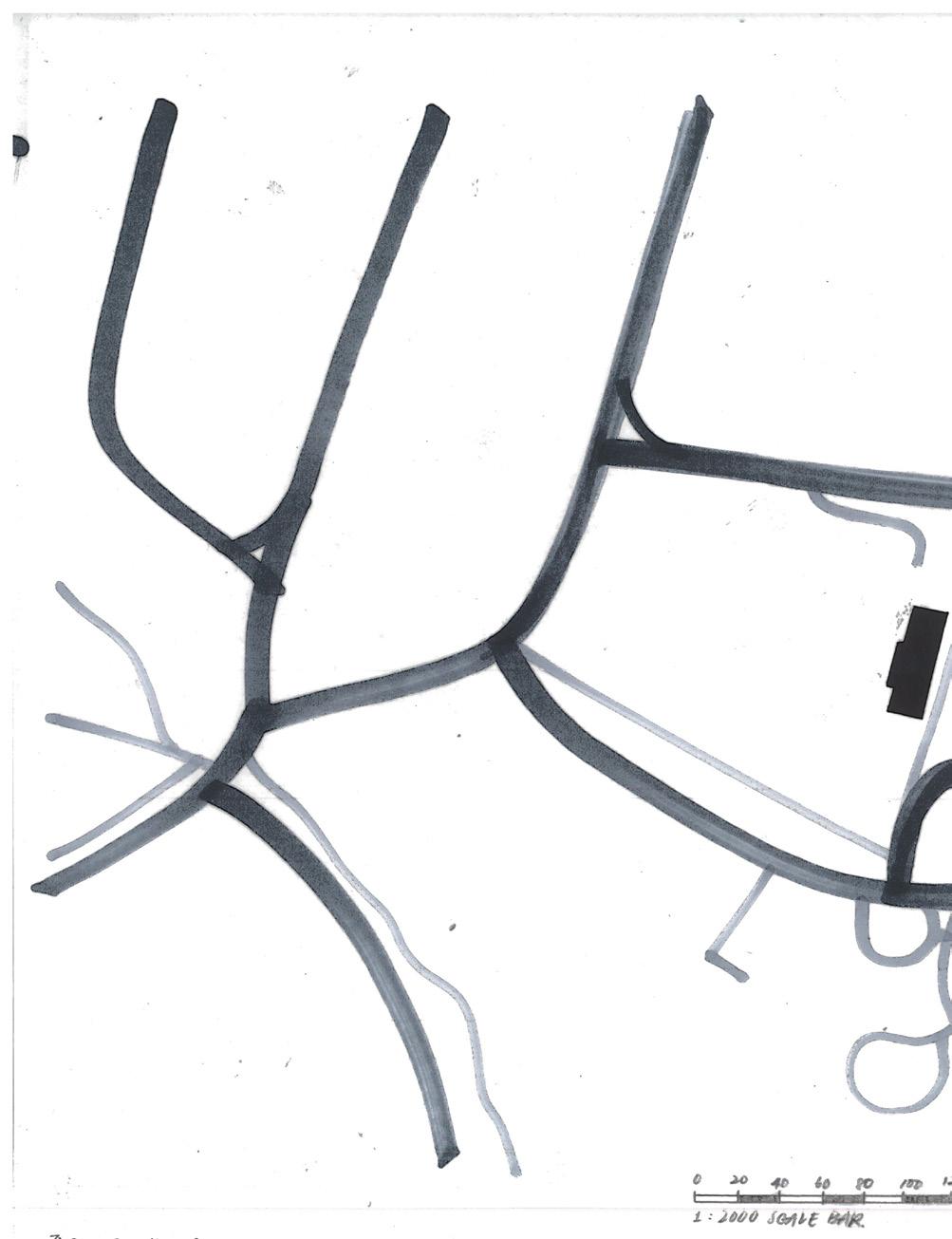
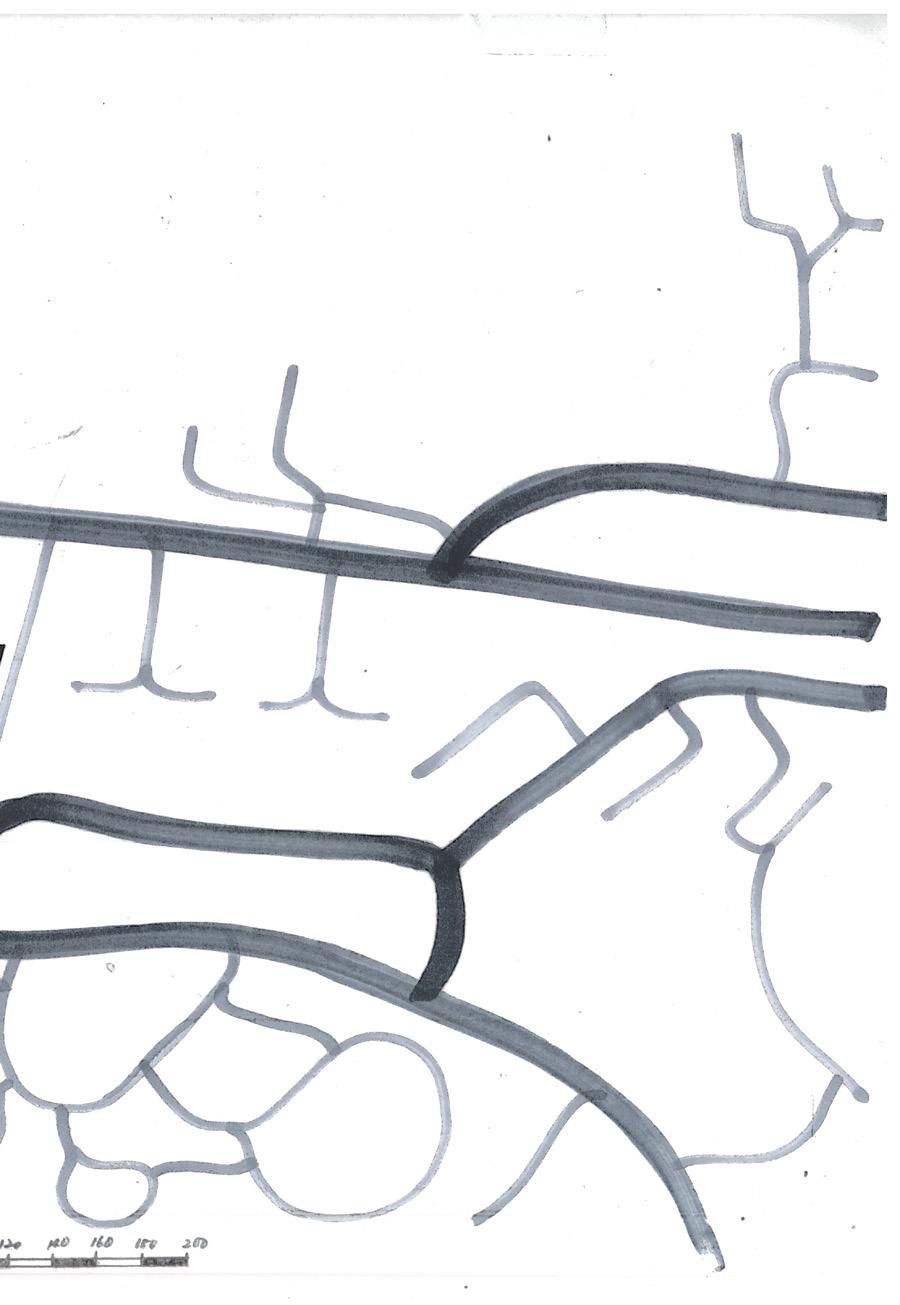
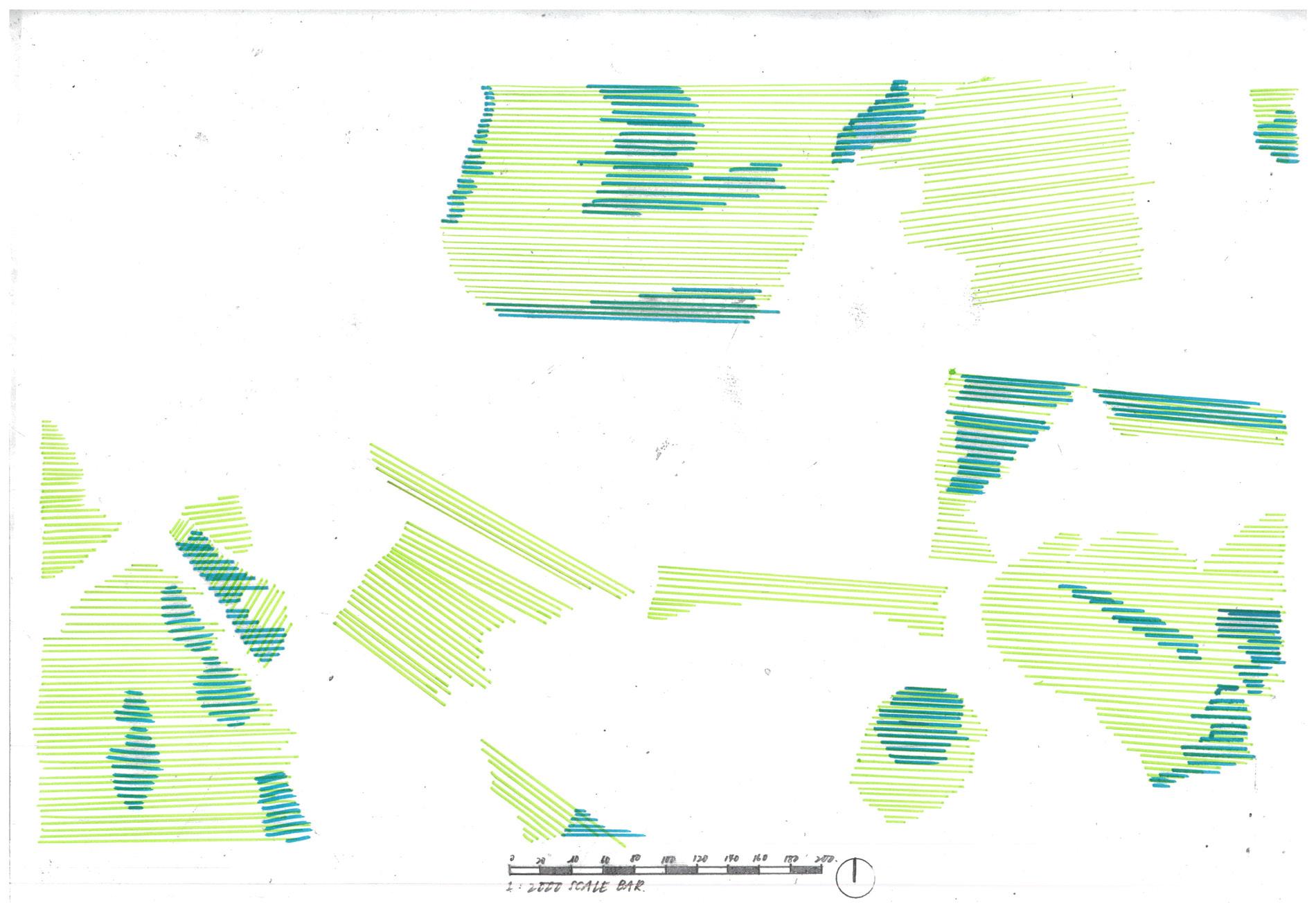
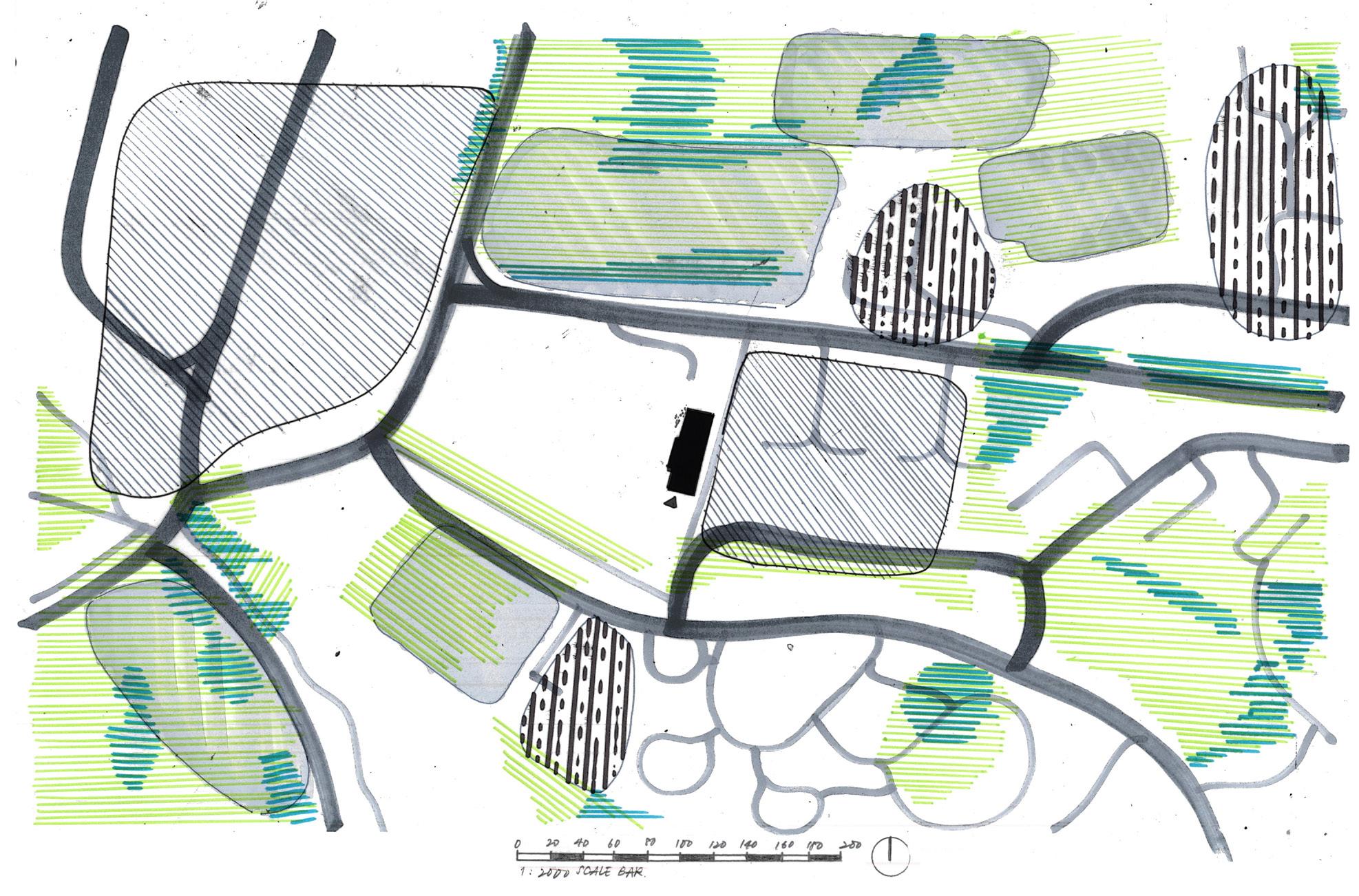
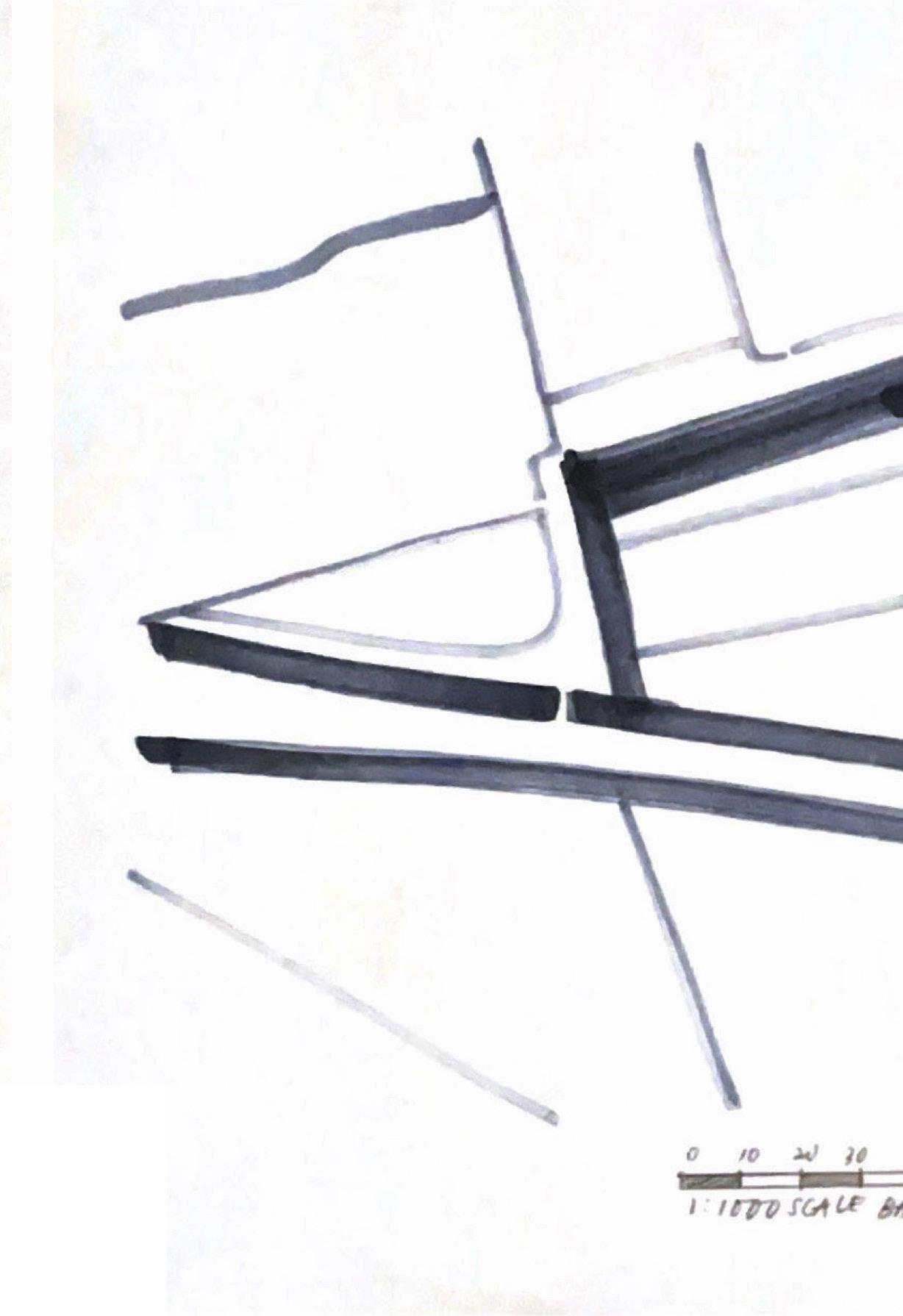
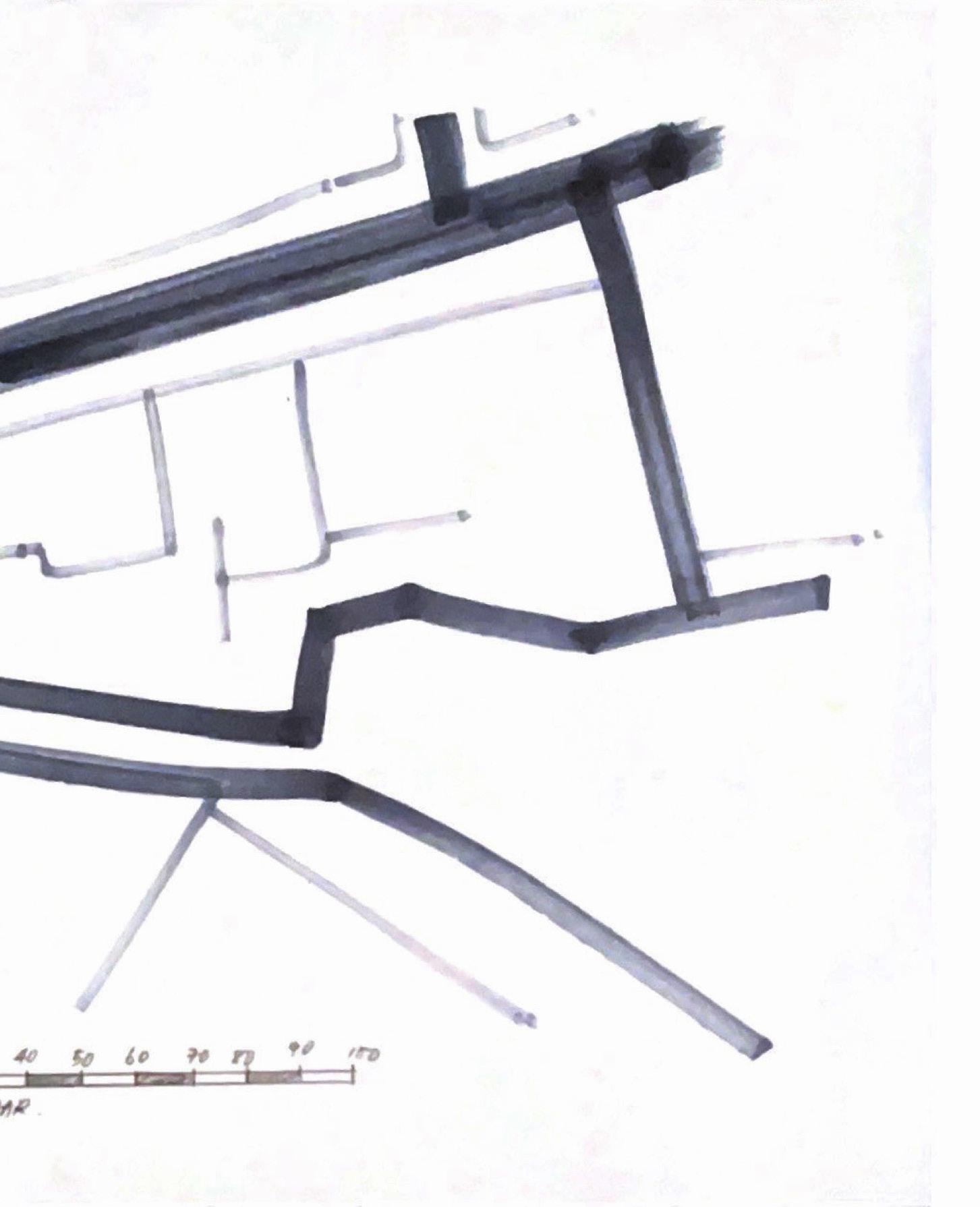
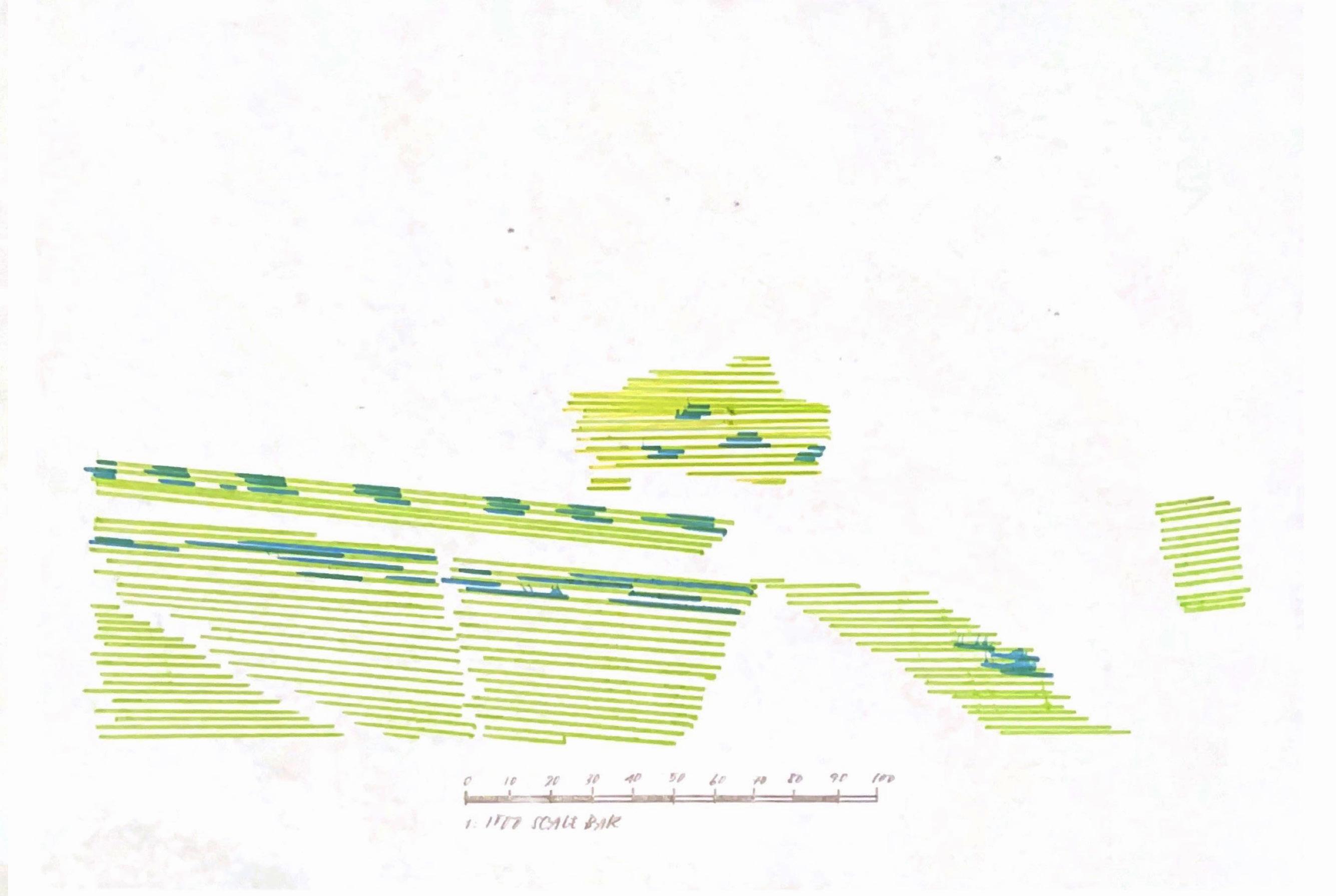
Site analysis are referenced to Kevin Lynch's The Image of The City map where the focus on creating the maps are from user's experiences.
From my research and understandings, the site analysis are then created starting from big scale (location plan) to human scale (interior).
Studies by Karen Akiki, Caroline Chan and Yuhang Xue
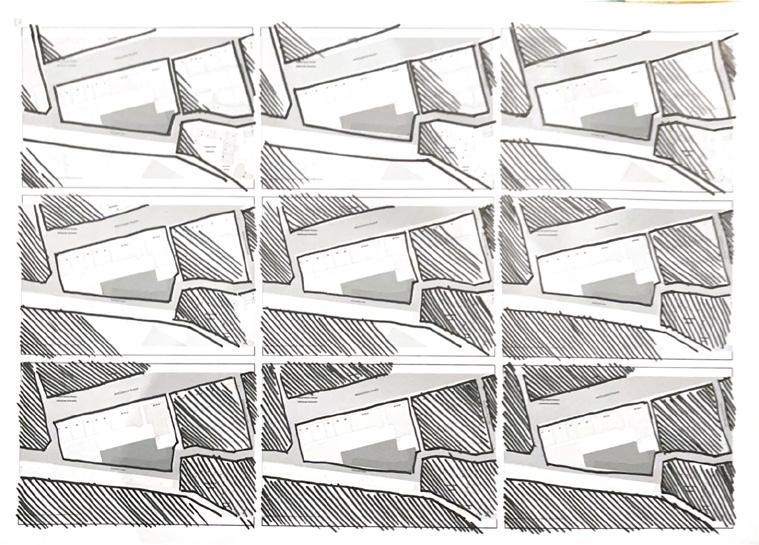
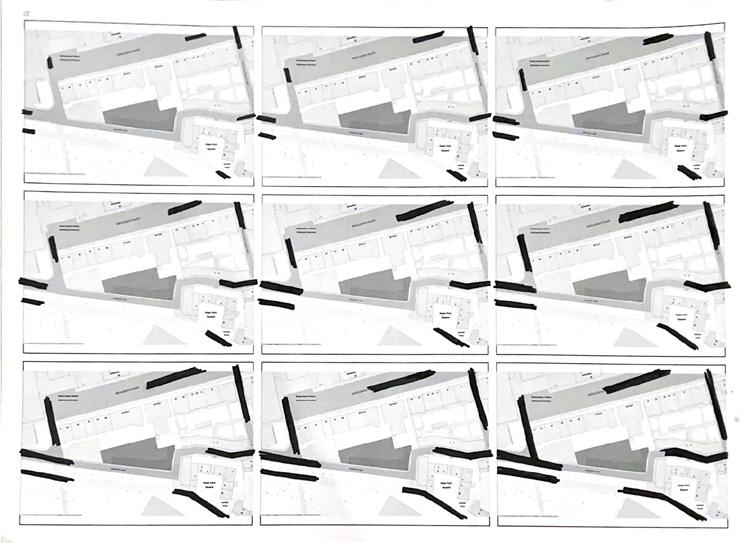
Site Analysis firstly focusing on zoning, followed by two important features of a user experience, circulations and greeneries. I depicted that these were the most important features in determining the different zonings around the school site context to interpret the typologies of the area.
Identity
From the site analysis iterations of the circulation and greenery, there are different but distinct zoning to each facilities located within the area therefore it in between all the cirulations or greenery, there are the various IDENTITIES based on the function of the space.
Zoning
Looking into the Ibstock Place School zoning, the refectory was build at the site where it COMPLETES the zoning of the school that it creates the distinct area for the school which creates a safe spaces for the students within the context.
Sequence of Spaces
Building Scale - Interior
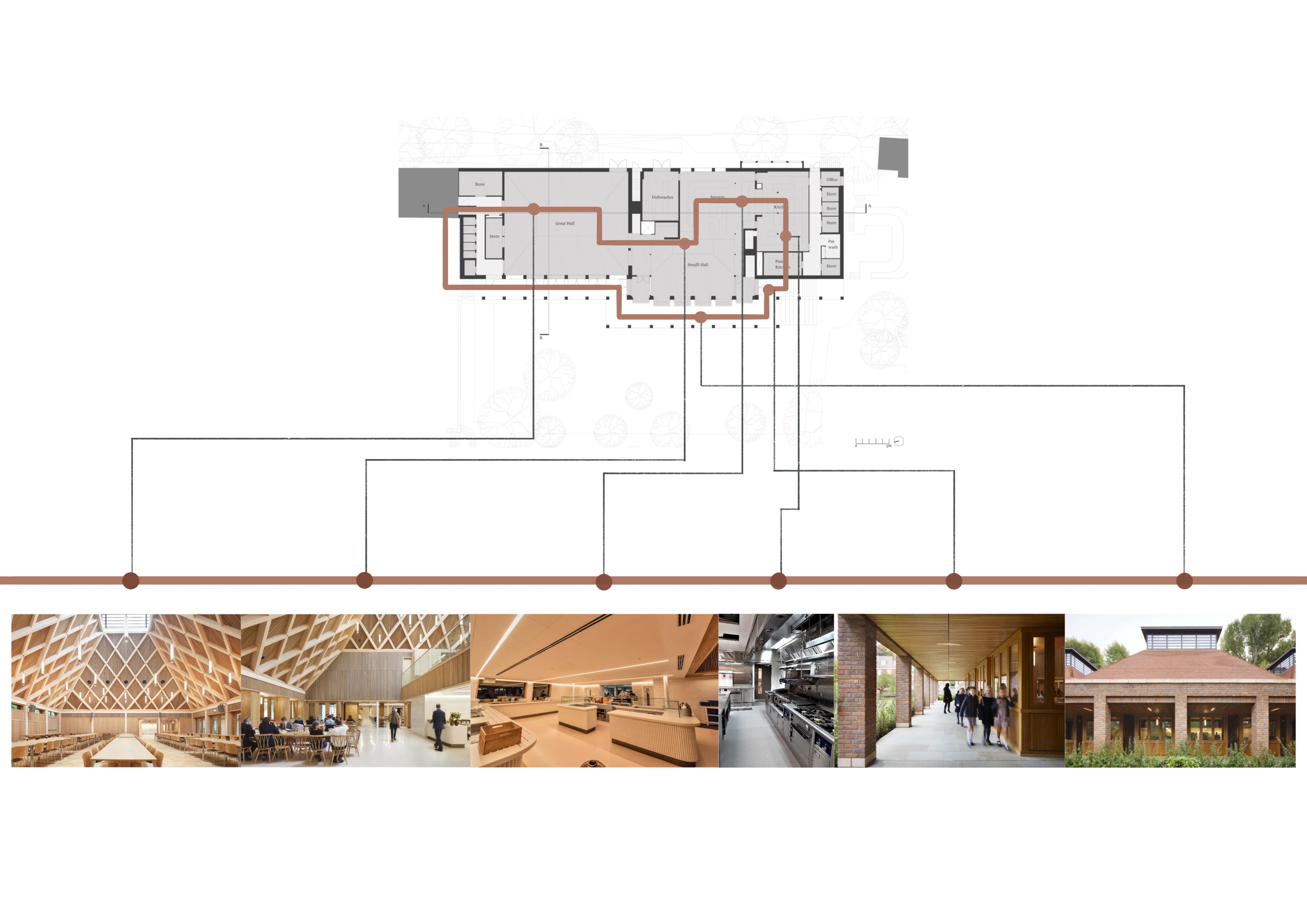
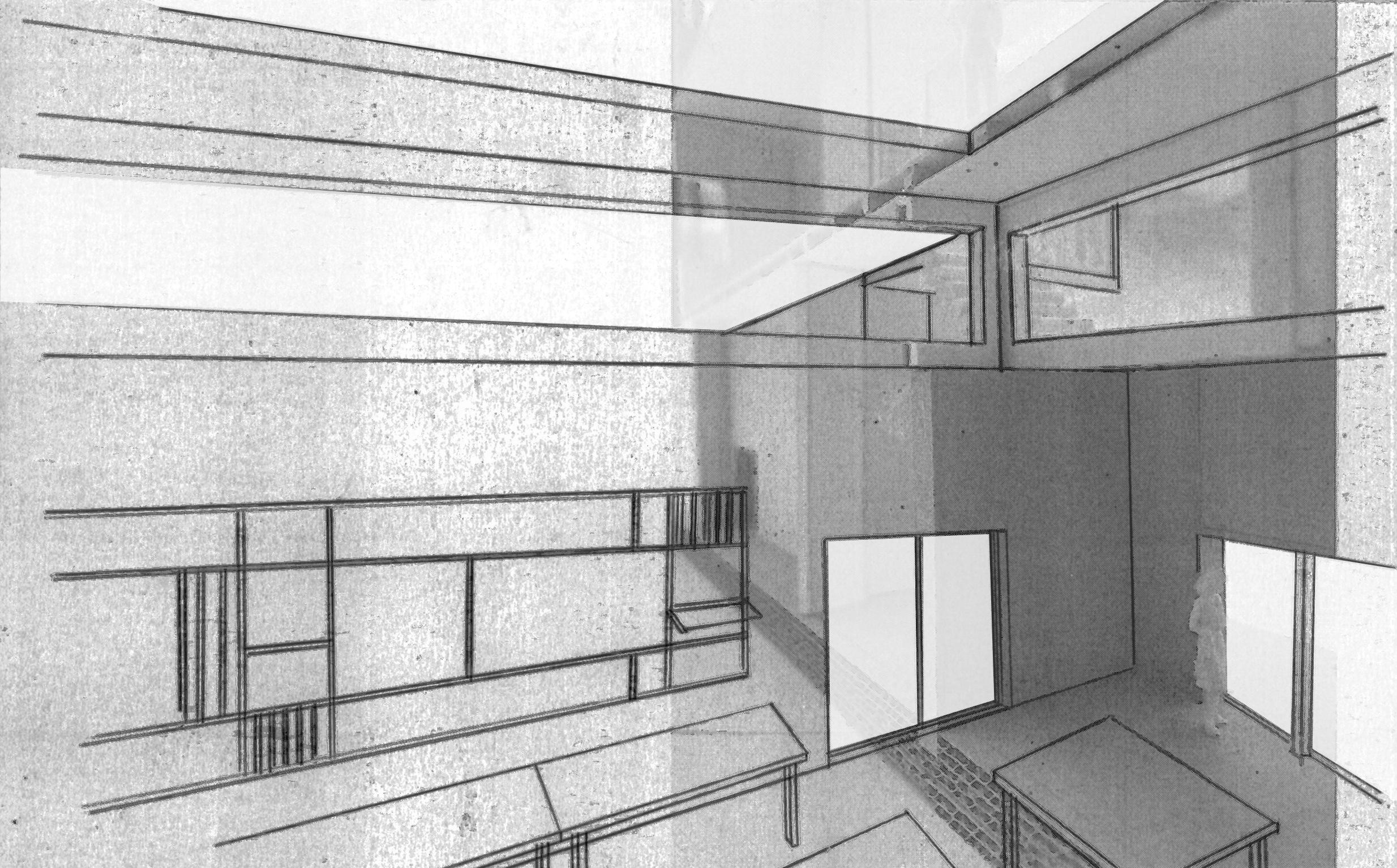
Zooming onto the interior, as this school is a private school, it was important to look at how the buildings shapes the experiences of its primary users which are the students raging from age 4 to 18.
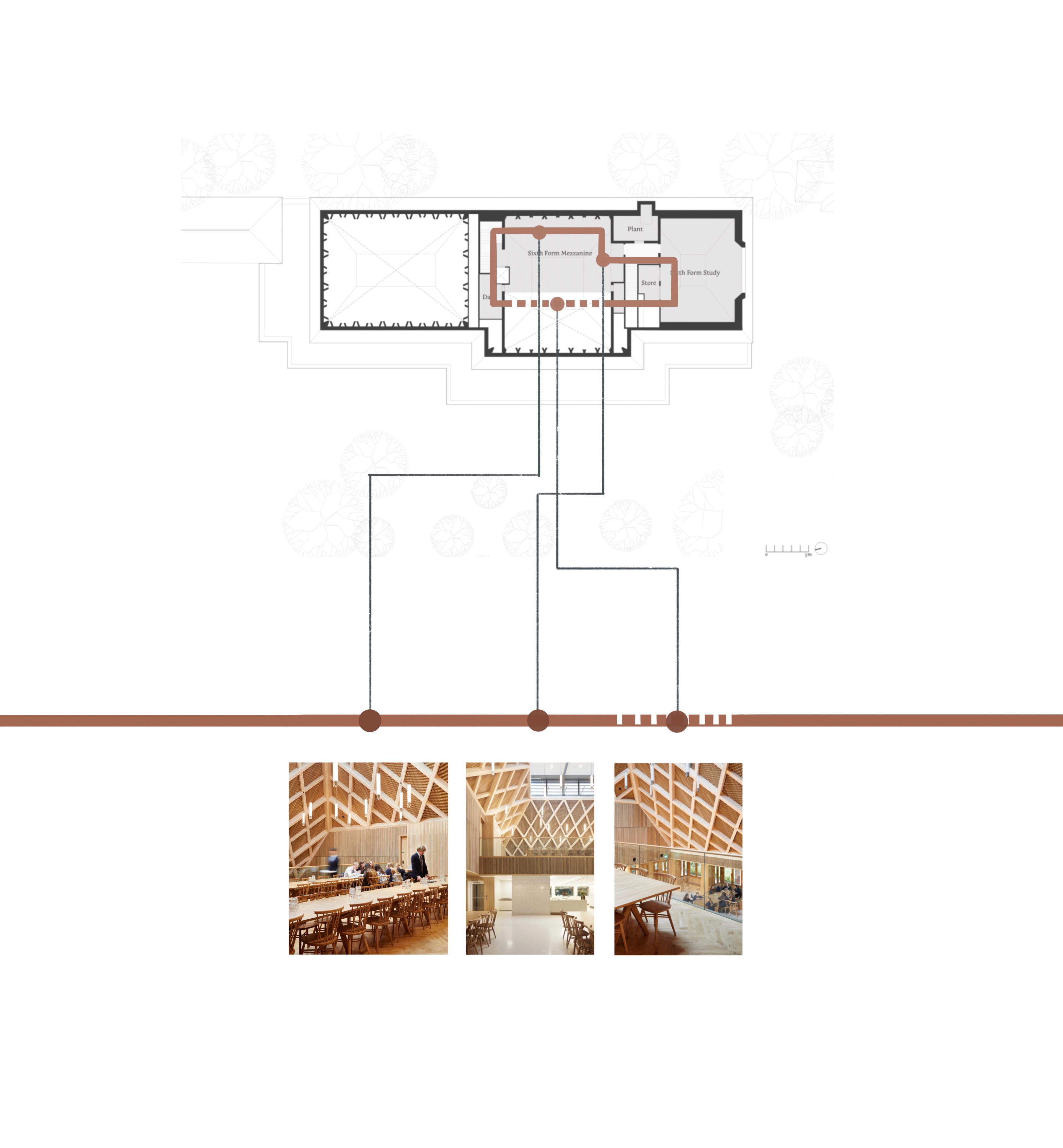
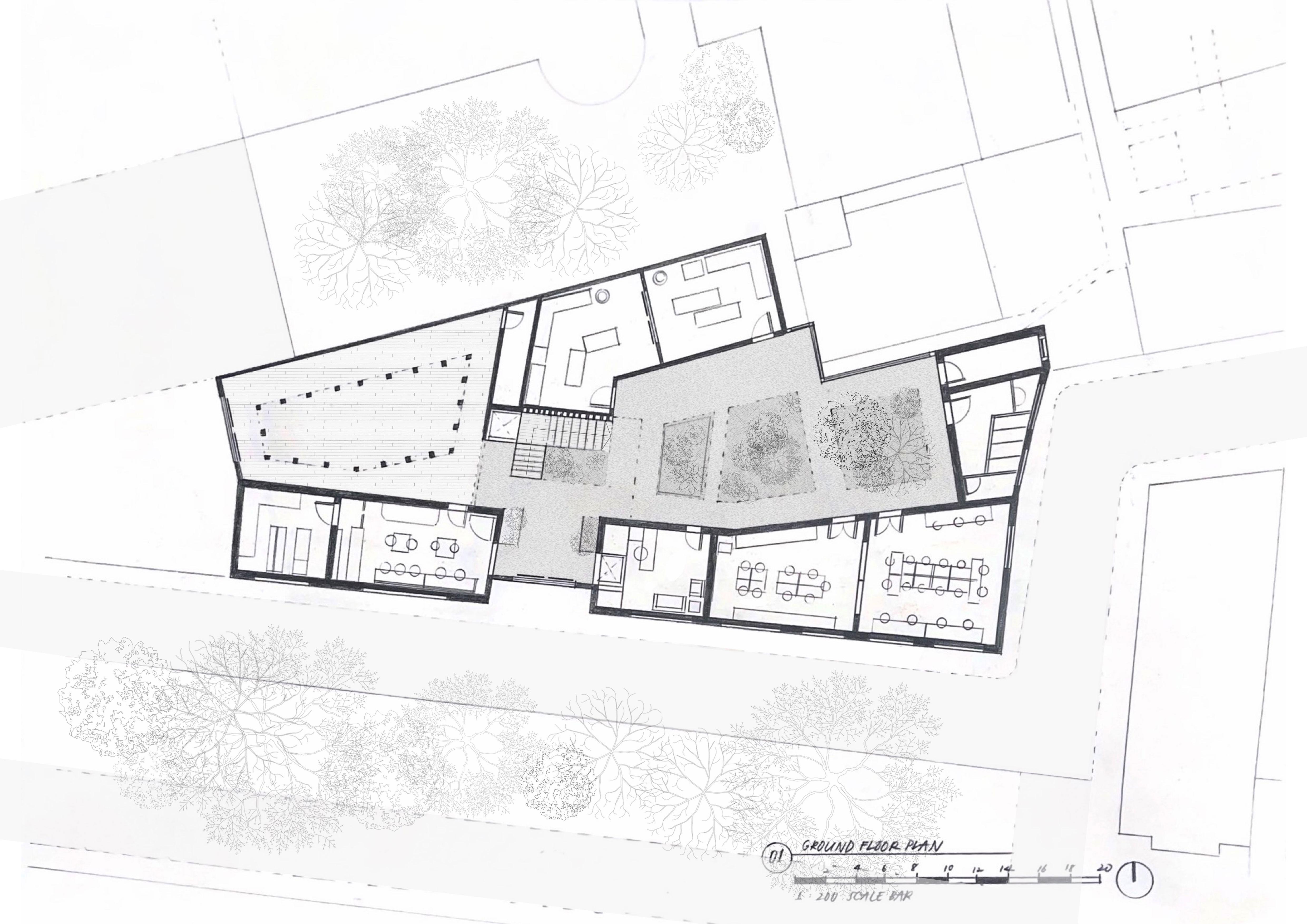
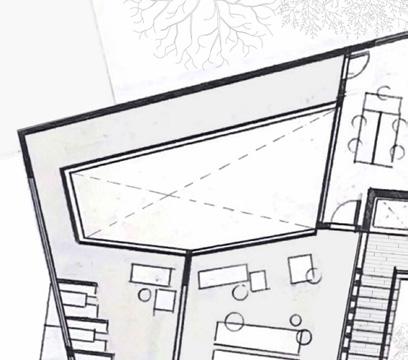
There are ground floor and a mezzanine level therefore it is important to go through the spaces. Even though most of the spaces are public to the students (assembly hall, study spaces and servery area etc.) there are also private spaces for the school employees such as cooks and teachers (kitchen and storage etc.)
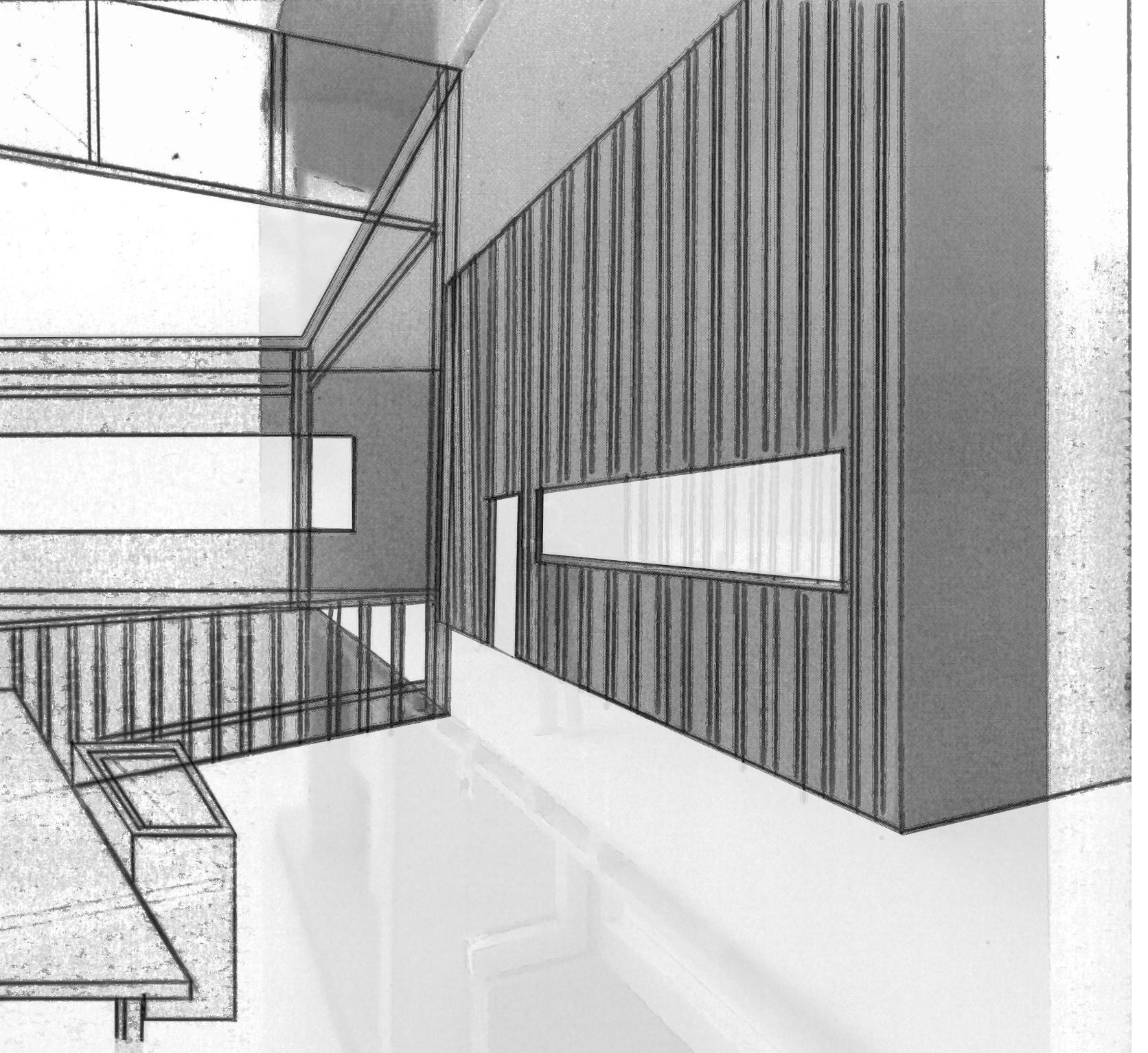
An important aspect that I find interesting is that the mezzanine level does not cover the whole ground floor therefore there are VOID spaces that connects different spaces together.
Perspectives
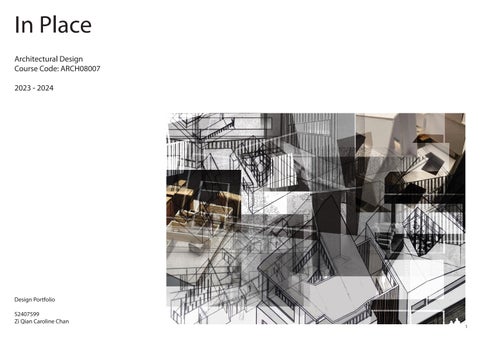
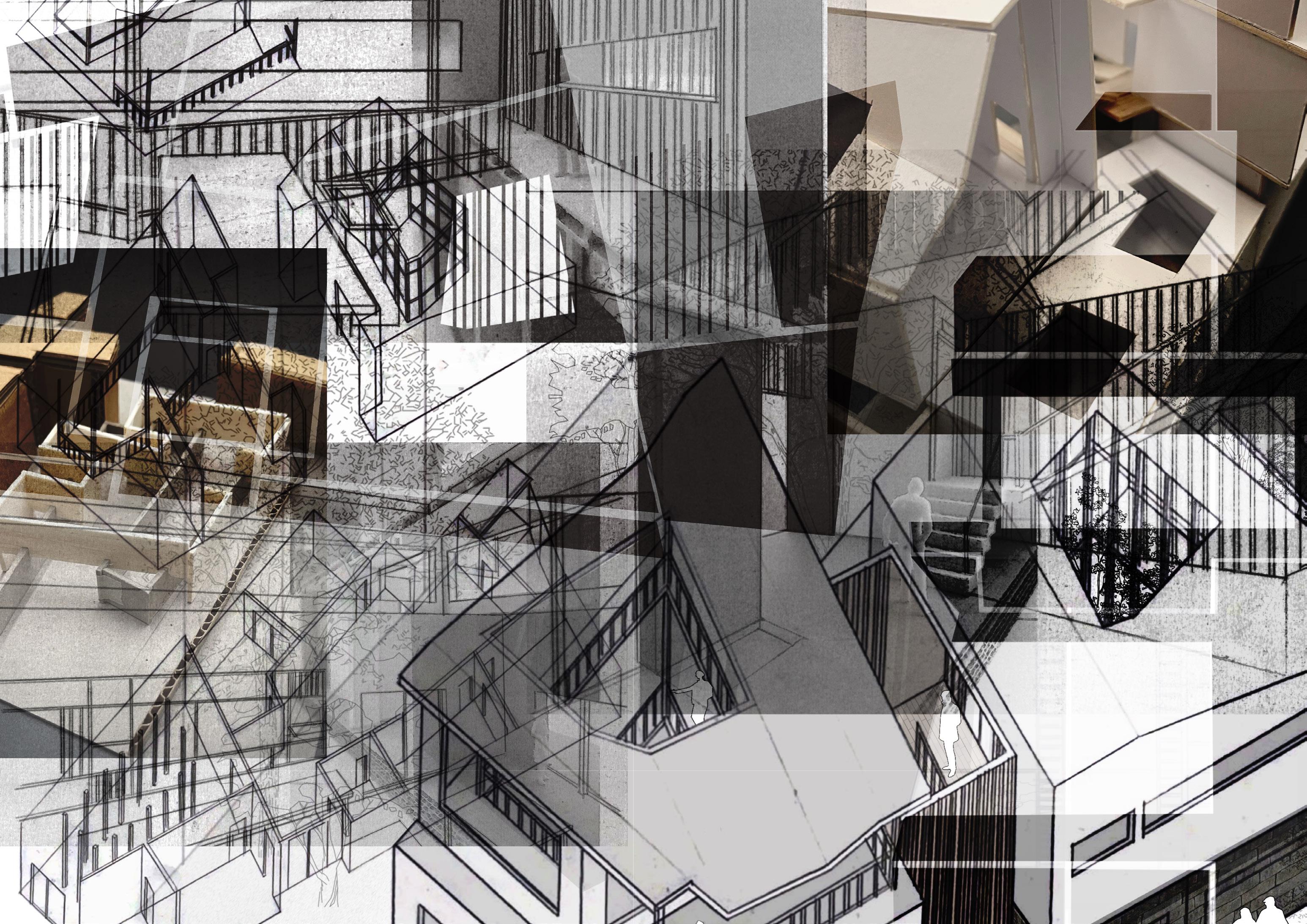
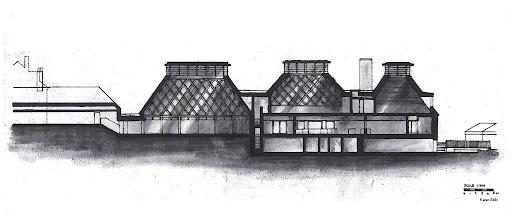
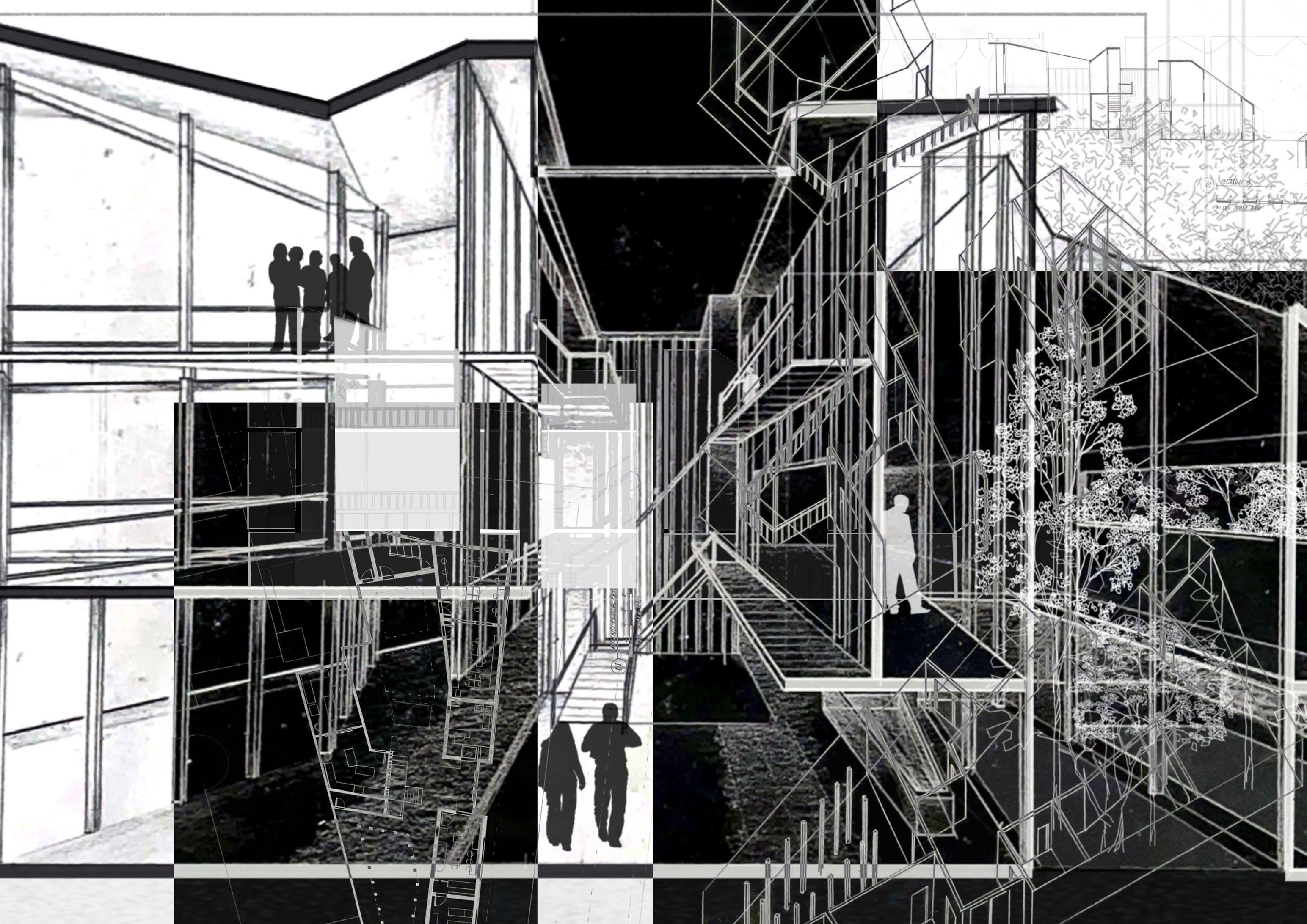
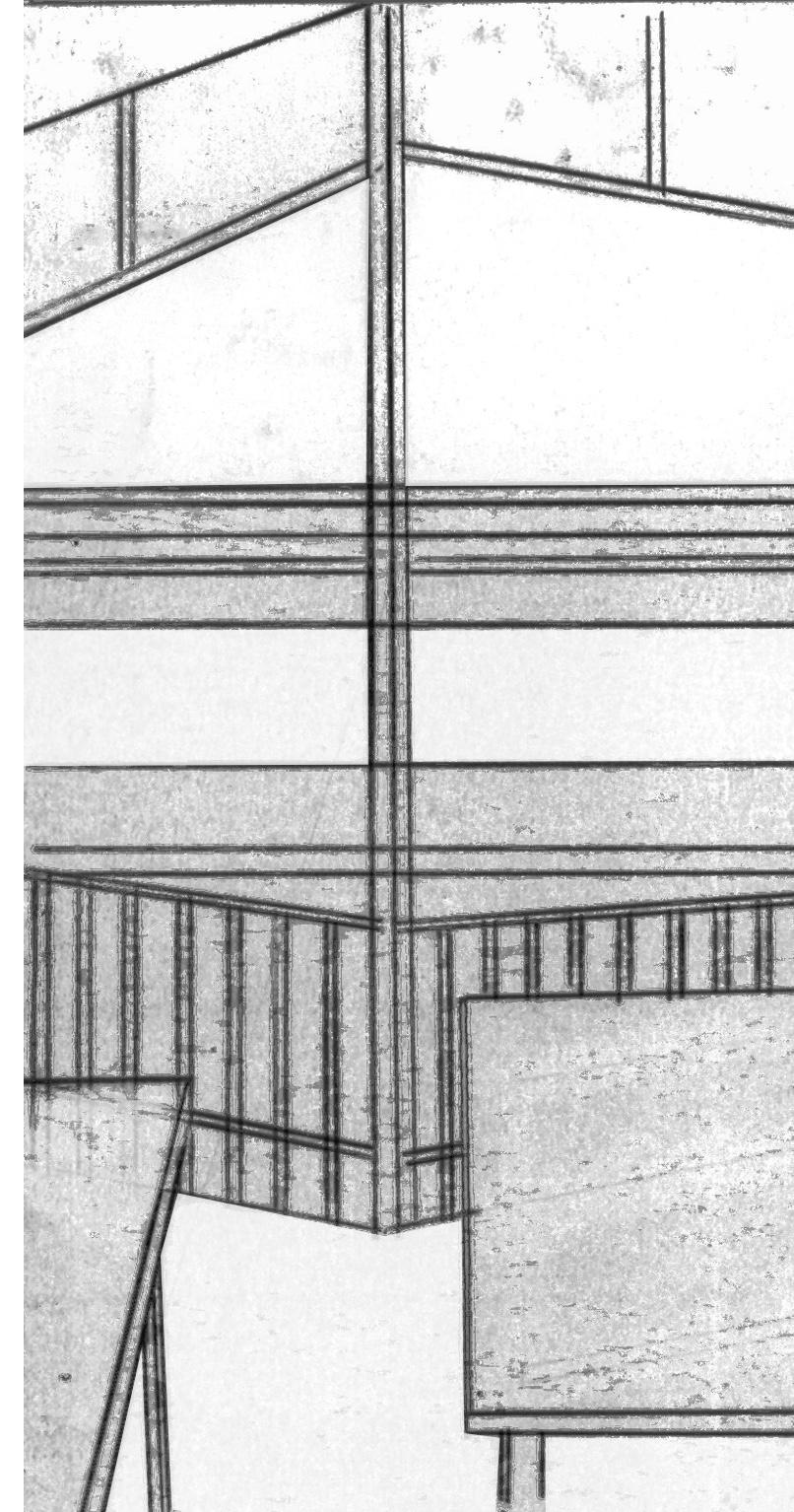
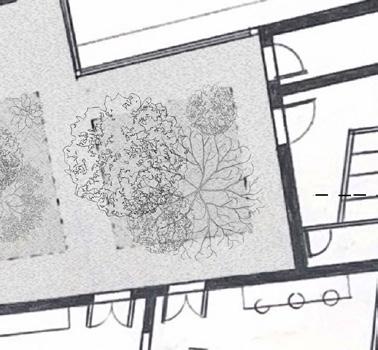
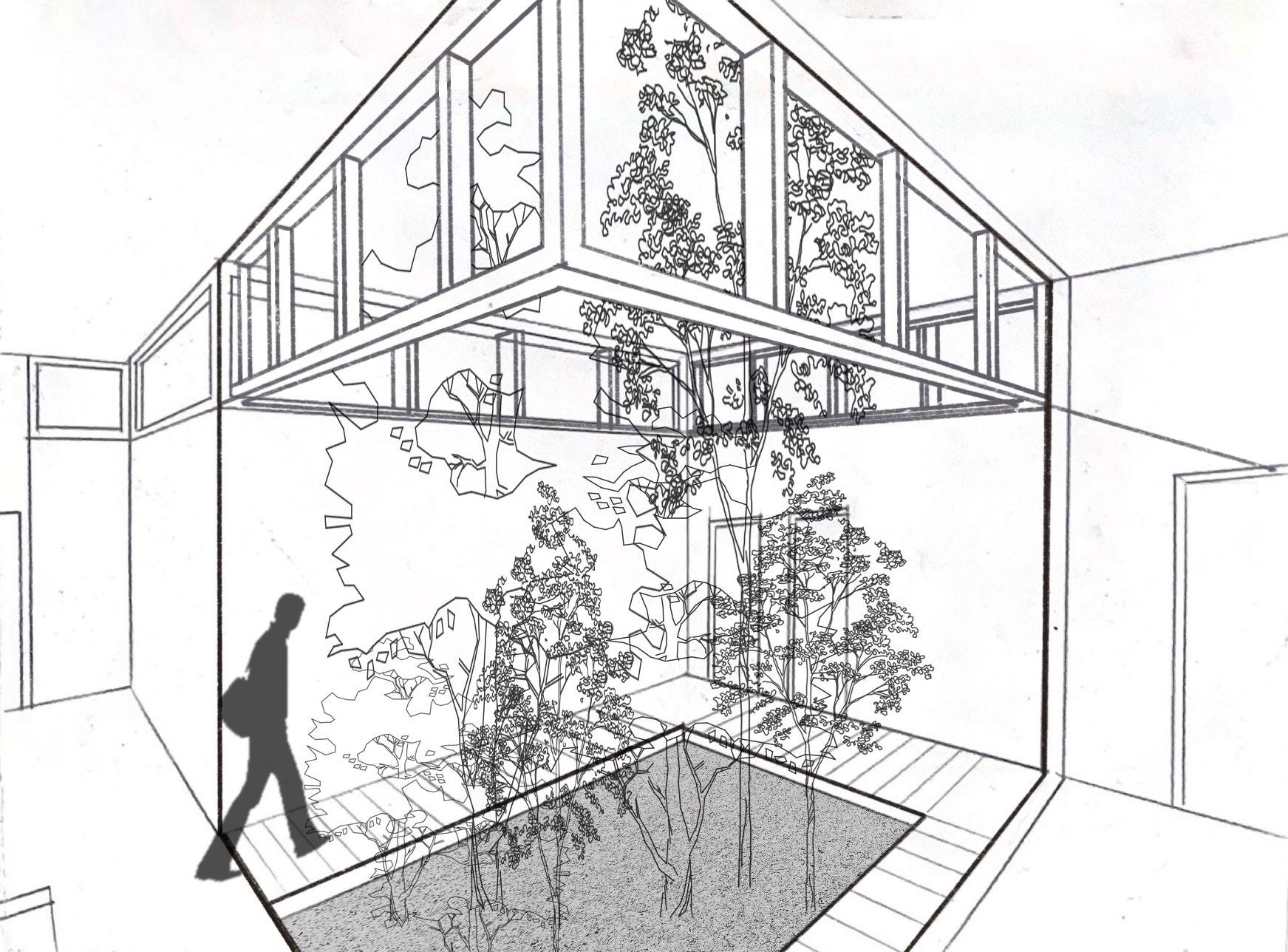
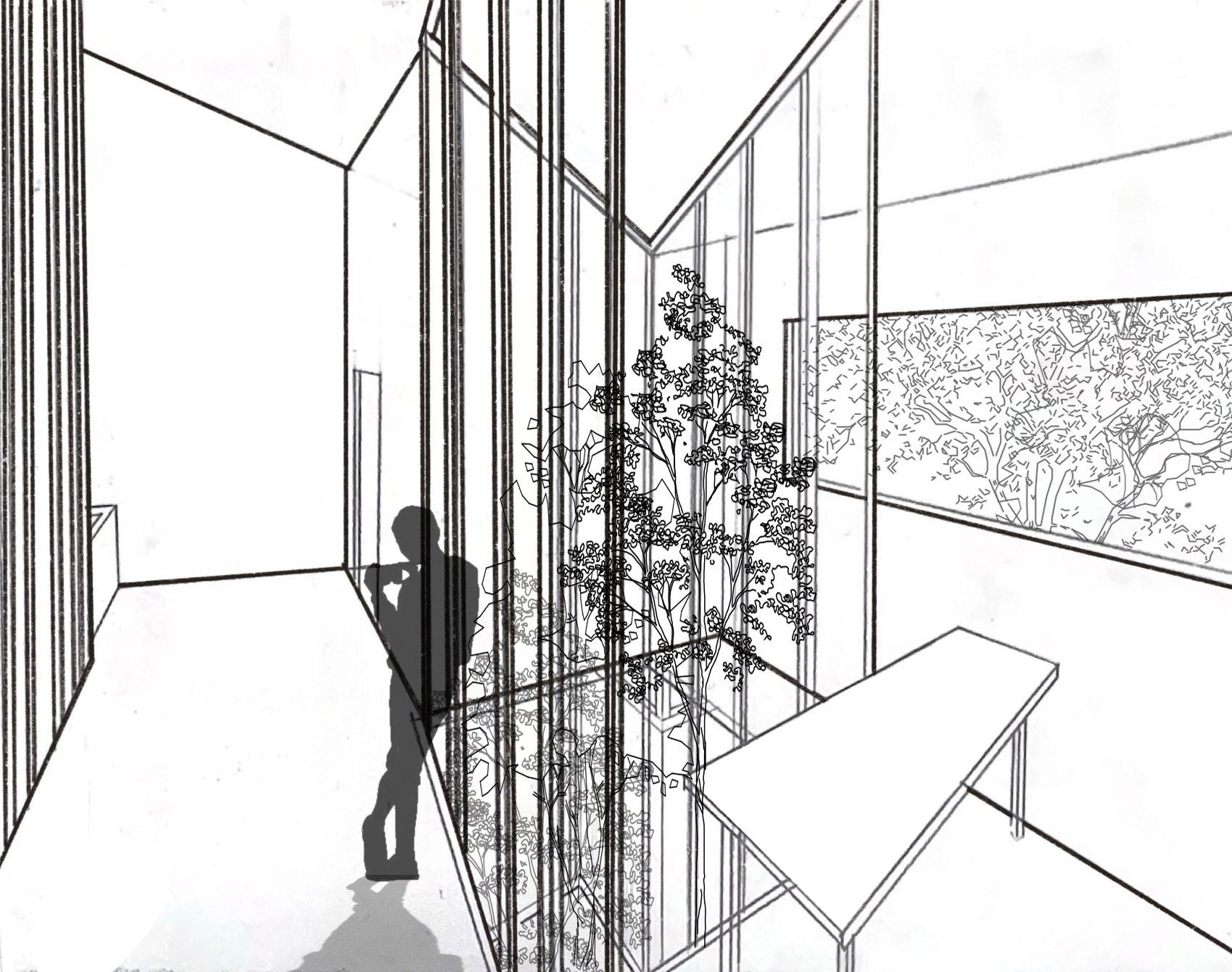
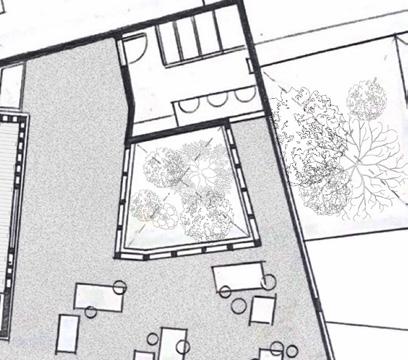
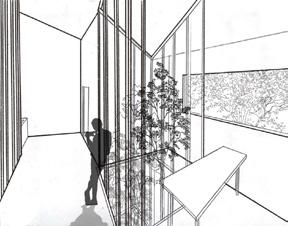
Abstracting the building with its surrounding as the outdoor courtyard plays an important part in many of the refectory design process and outcome. These drawings focus on how the openings would view the exterior courtyard but also how the exterior would view the interior. These connects the refectory to its environmental and physical aspects which is very crucial to how the openings are placed.
Light Studies
Charcoal
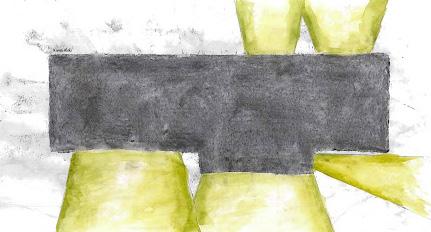
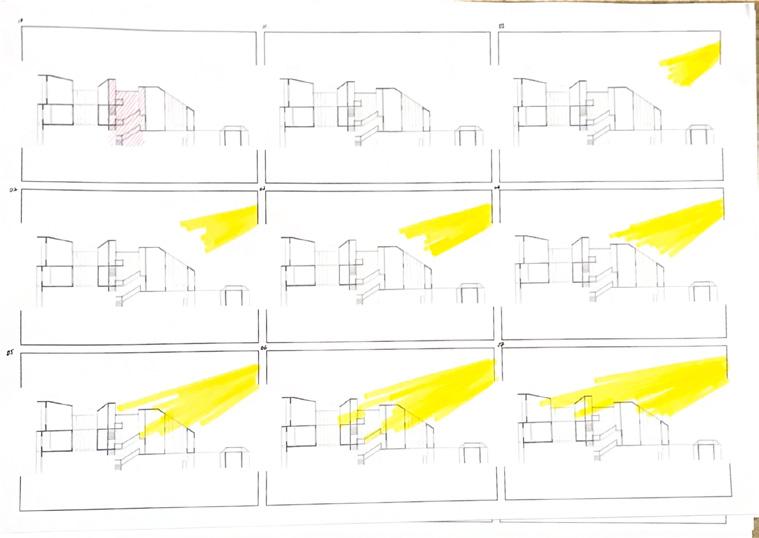
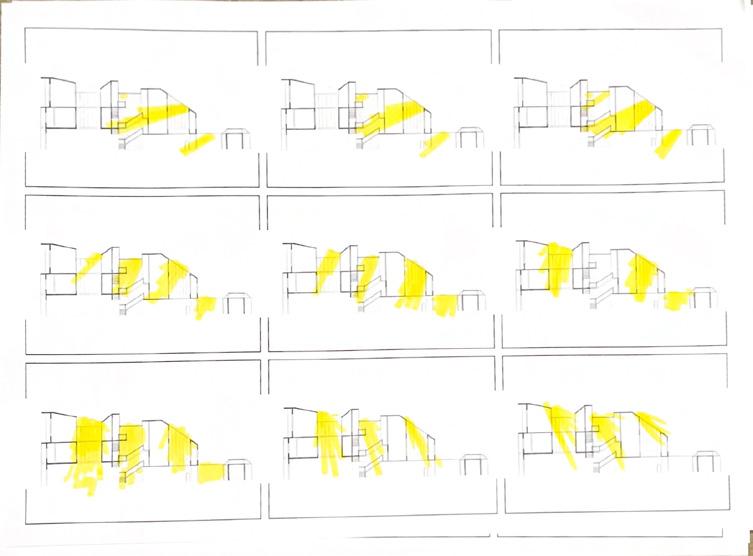
This is a light studies based on solar analysis during Summer which is the hottest period of the year and when the Sun altitude is the highest in the sky . Another reason that we did an analysis during summer is due to the fact that light and heat would affects the students inside directly.
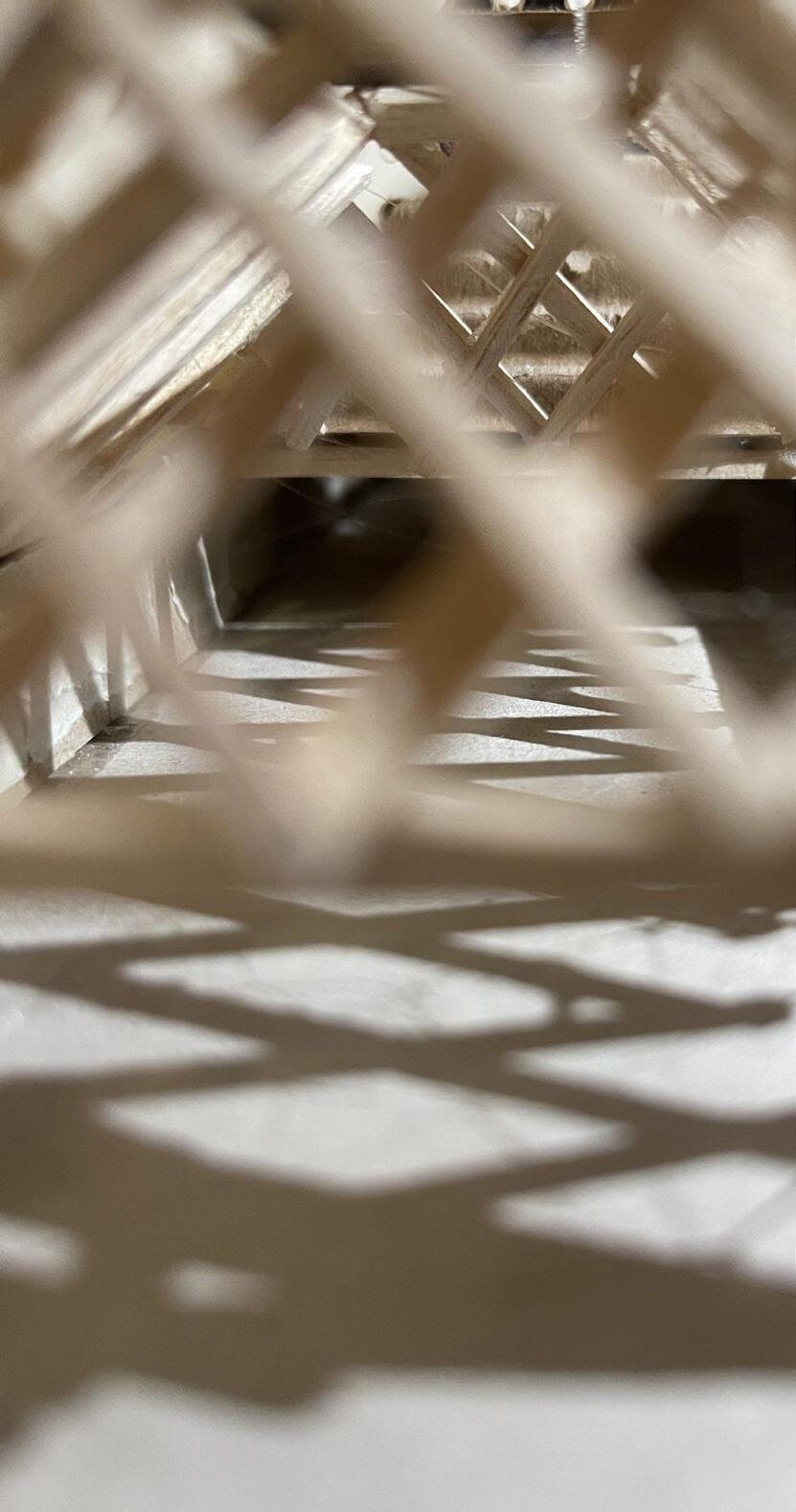
This also reveals how the natural daylights are directly interacting with the roof elaborate structure.
Diagrams by Karen Akiki
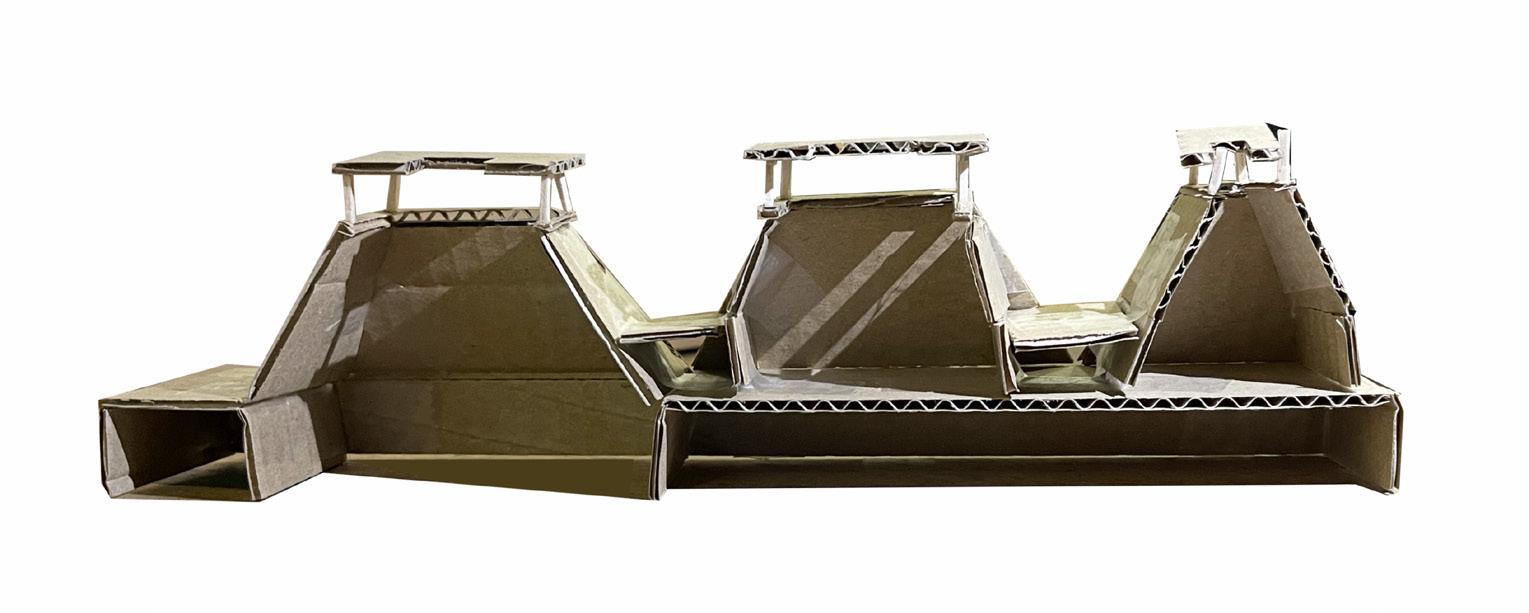
Sketch model by Caroline Chan
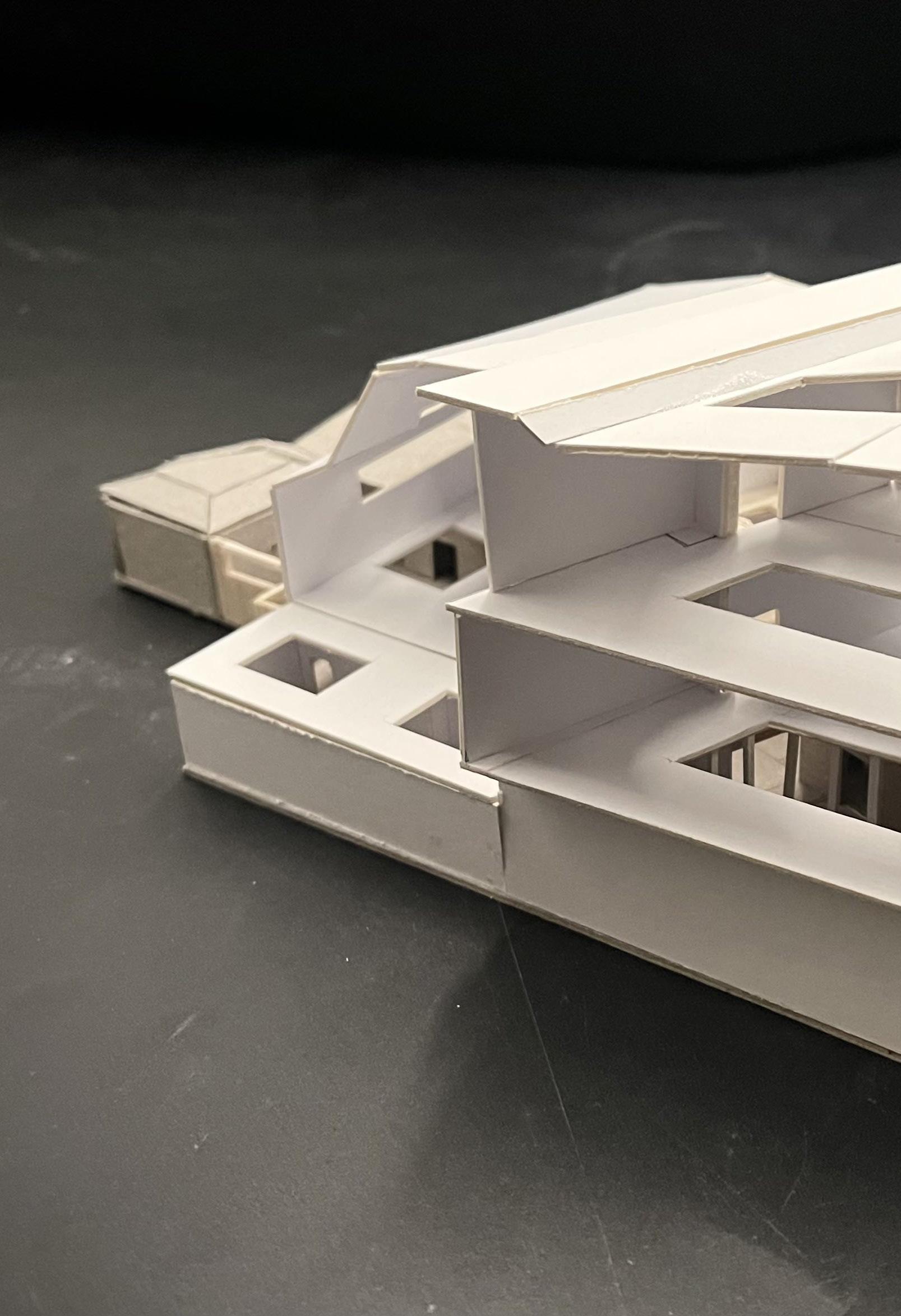
Ibstock Refectory Materiality Model
Model Making Process Diagram
1:200 Scale
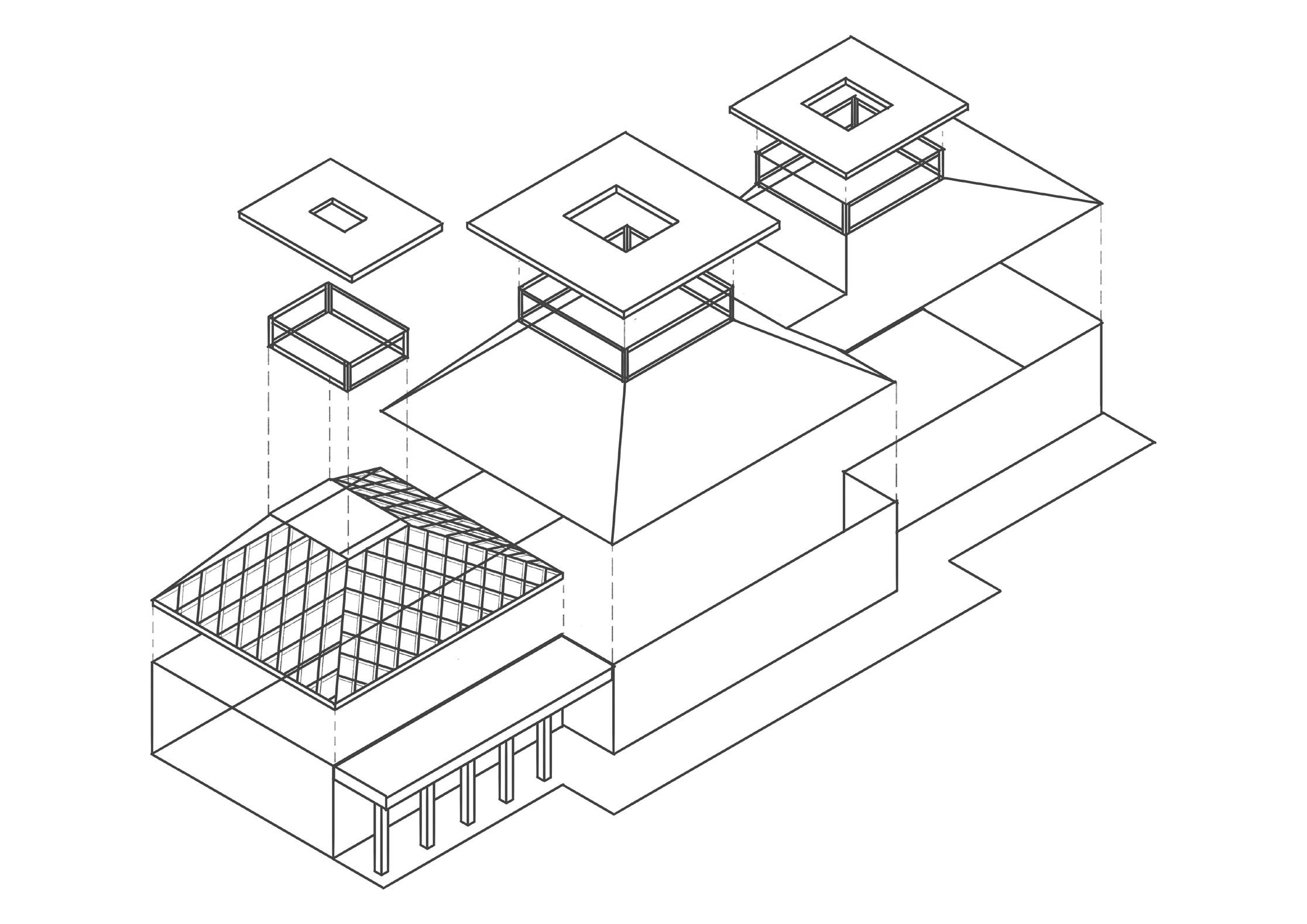
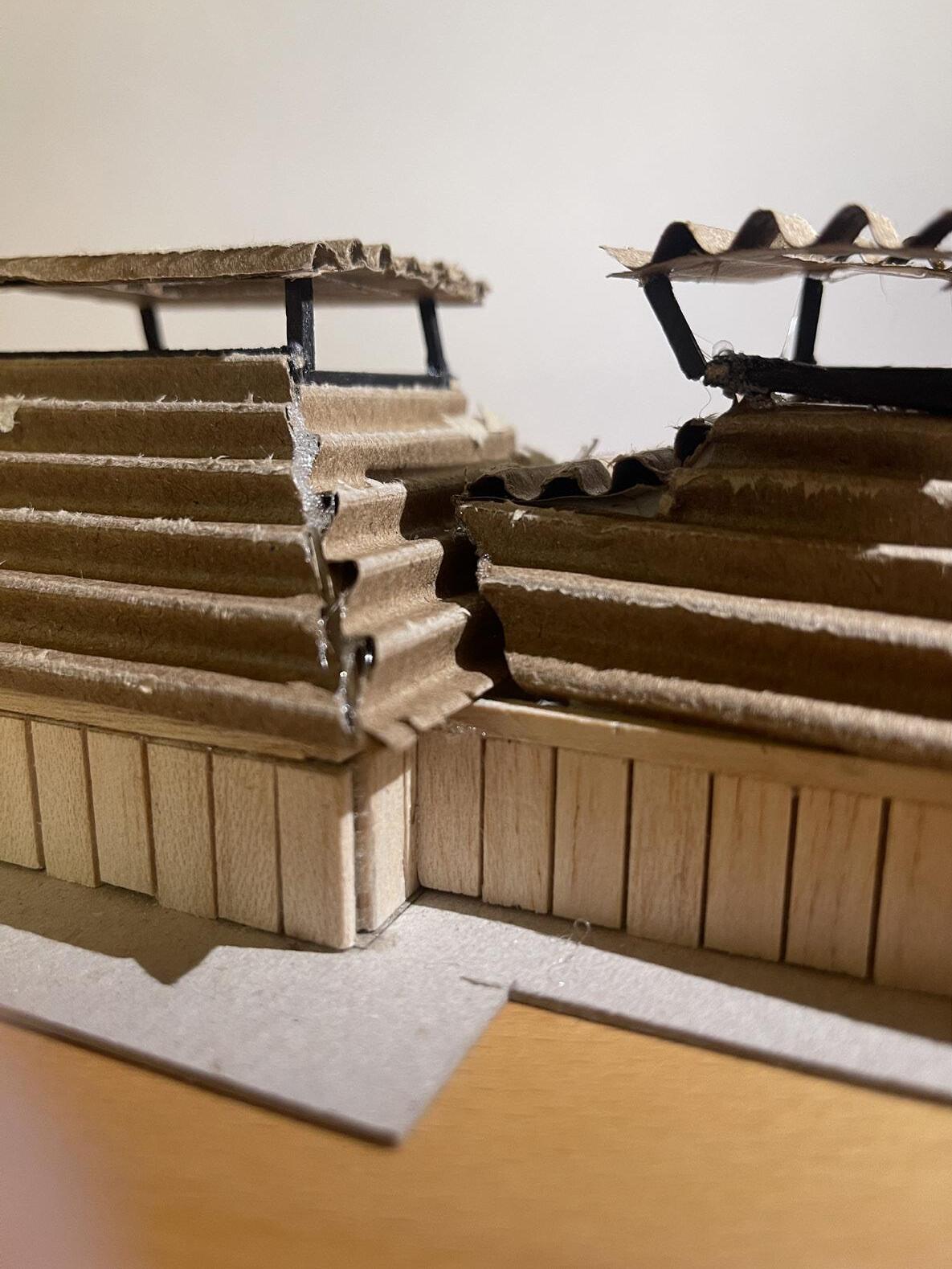
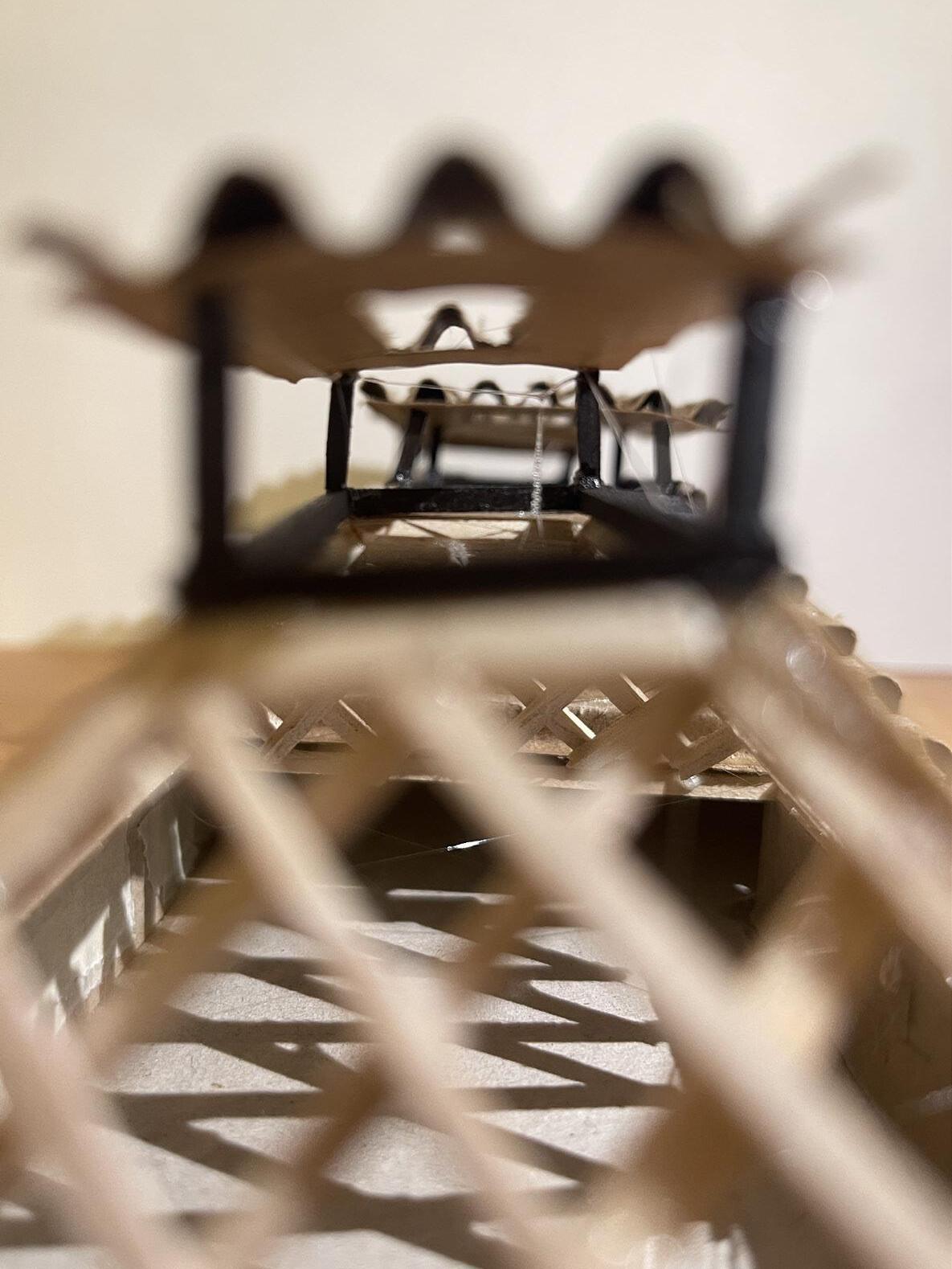
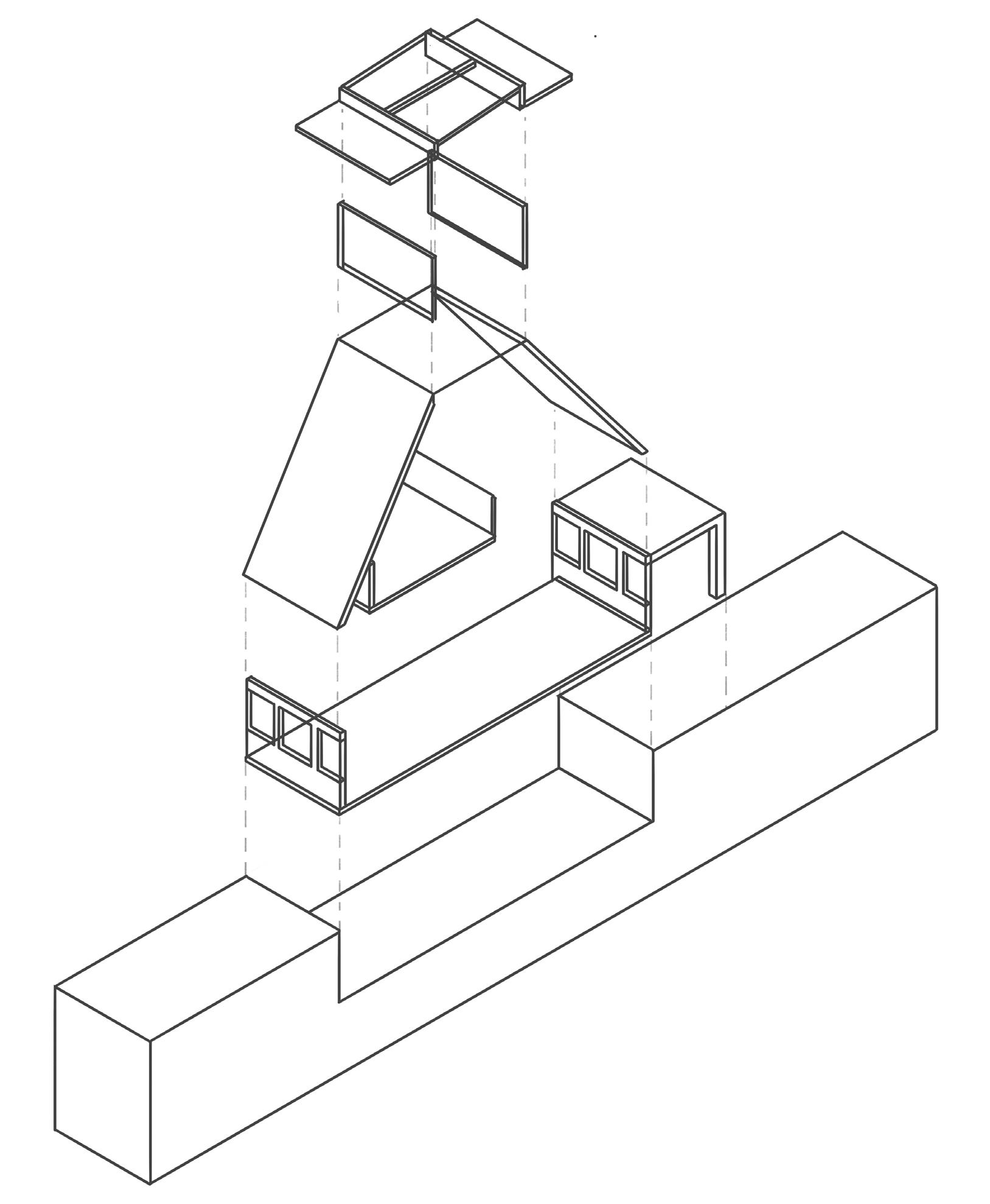
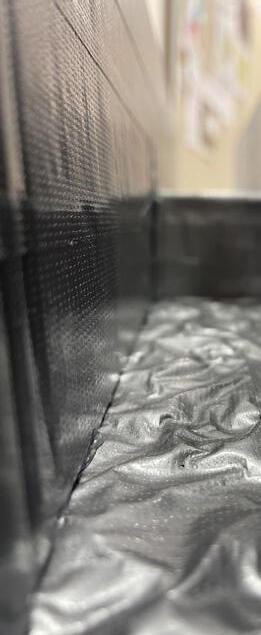
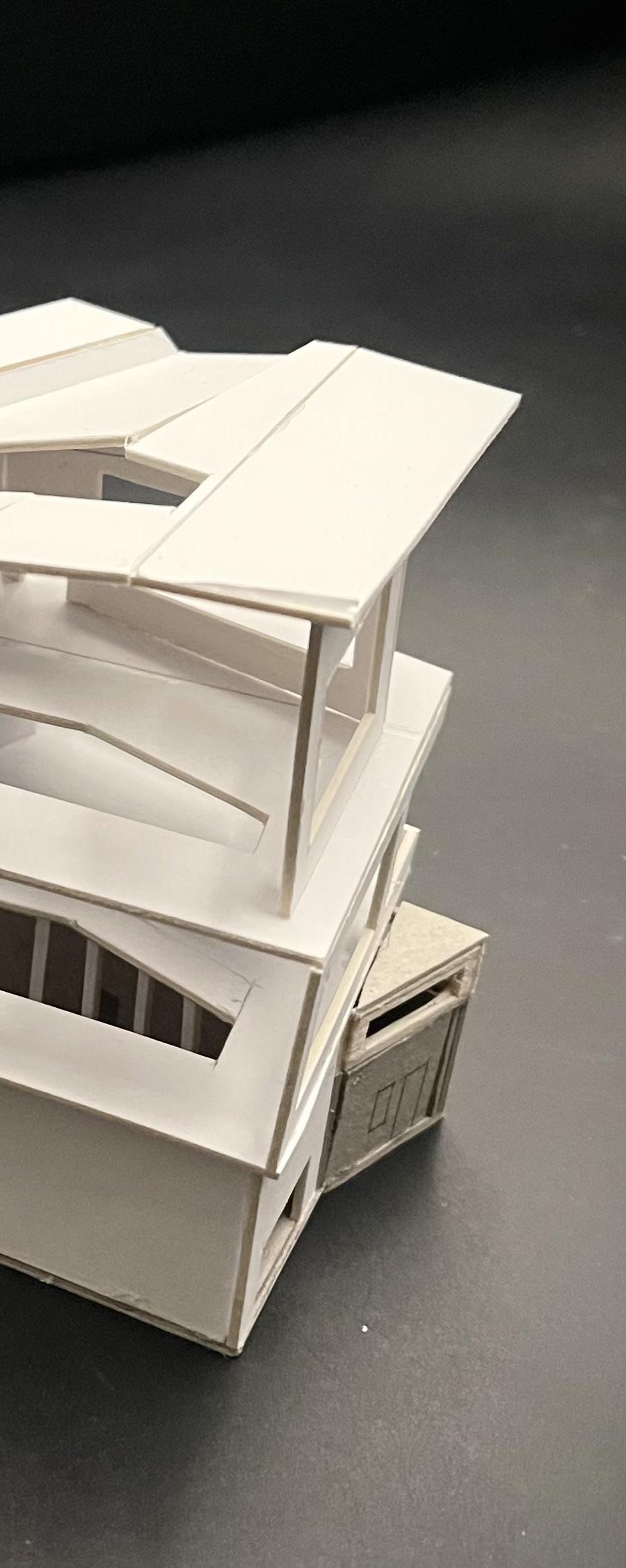
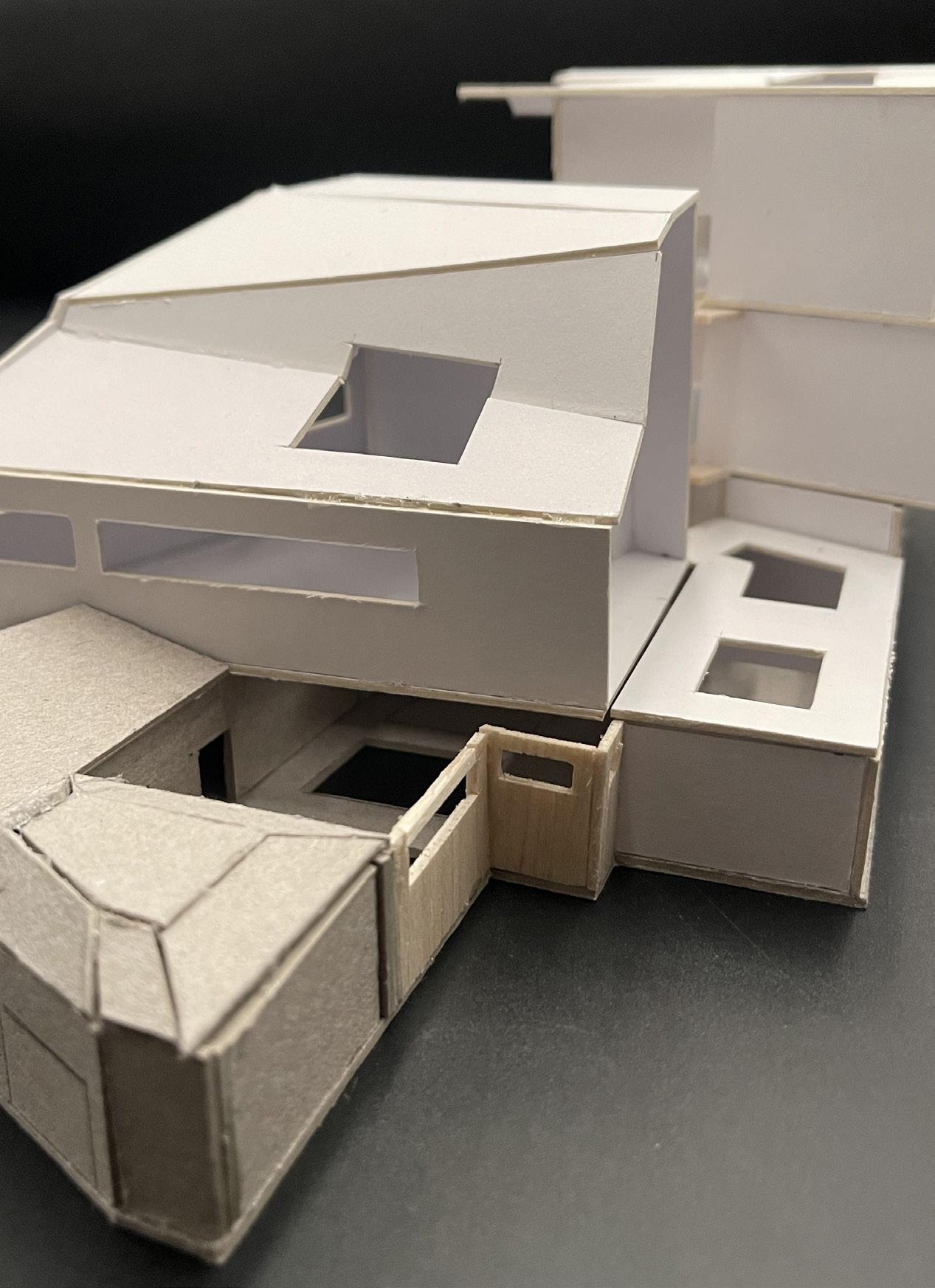
For this model, my Karen and I decided to focus on the materiality of the refectory as it was one of the element that stood out while researching. The materials chosen by the architects are to reflects the surrounding context and typologies. The three connecting roof to reflects the slope ground, the roof shapes is to control ventilation, light and acoustics, and materials chosen to imitate the surrounding rural areas.
We decided to use similar model making materials to replicate as close as possible to the actual refectory and that each components have to be distinctly different.
The interior structure and the exterior cladding deliberately shown to show the contrast they affects both the surrounding users the outside but also how the students inside view the building.
cladding were but also how viewing from inside would
Model by Karen Akiki and Caroline Chan
Model Making Process Diagram
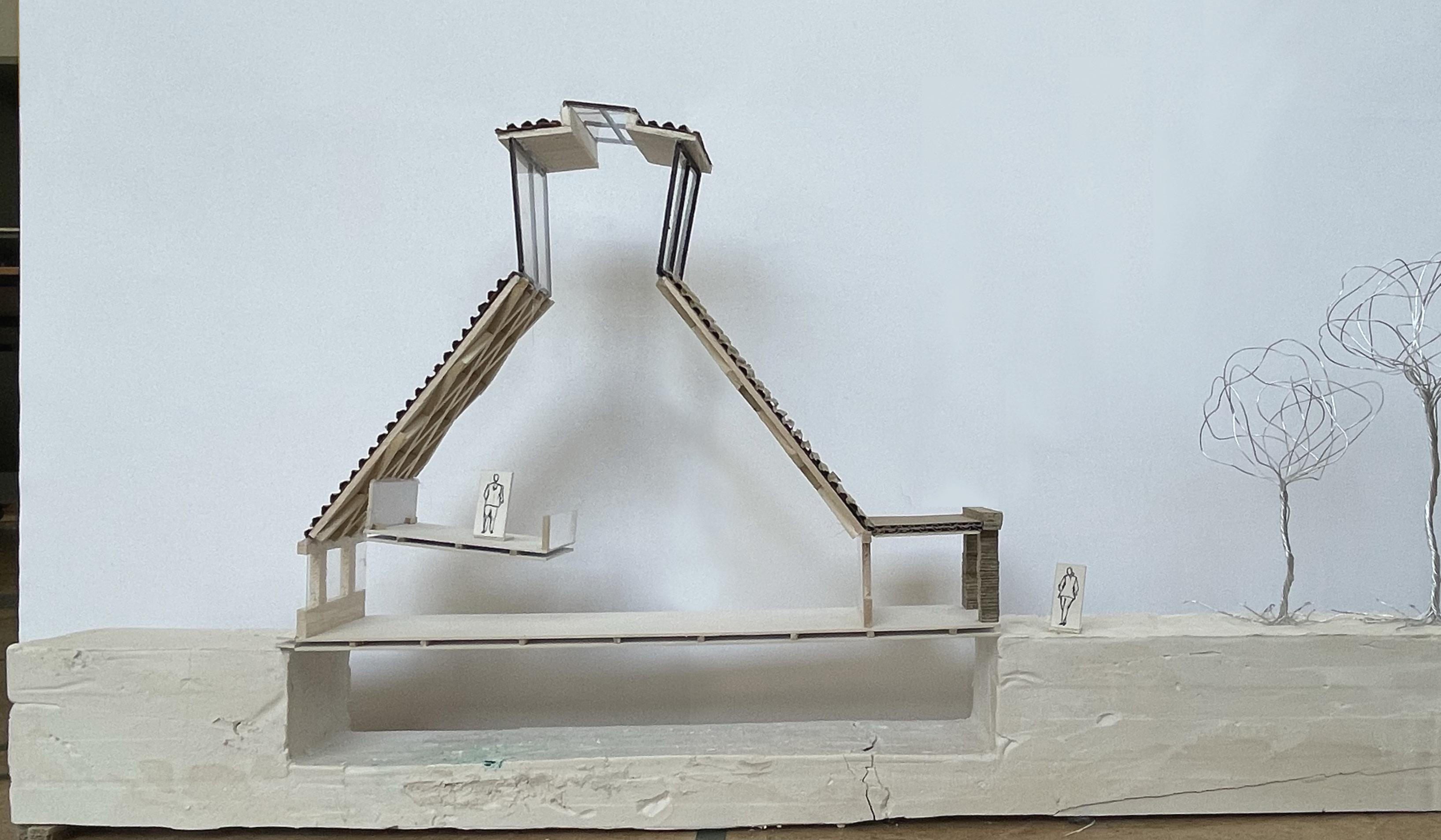
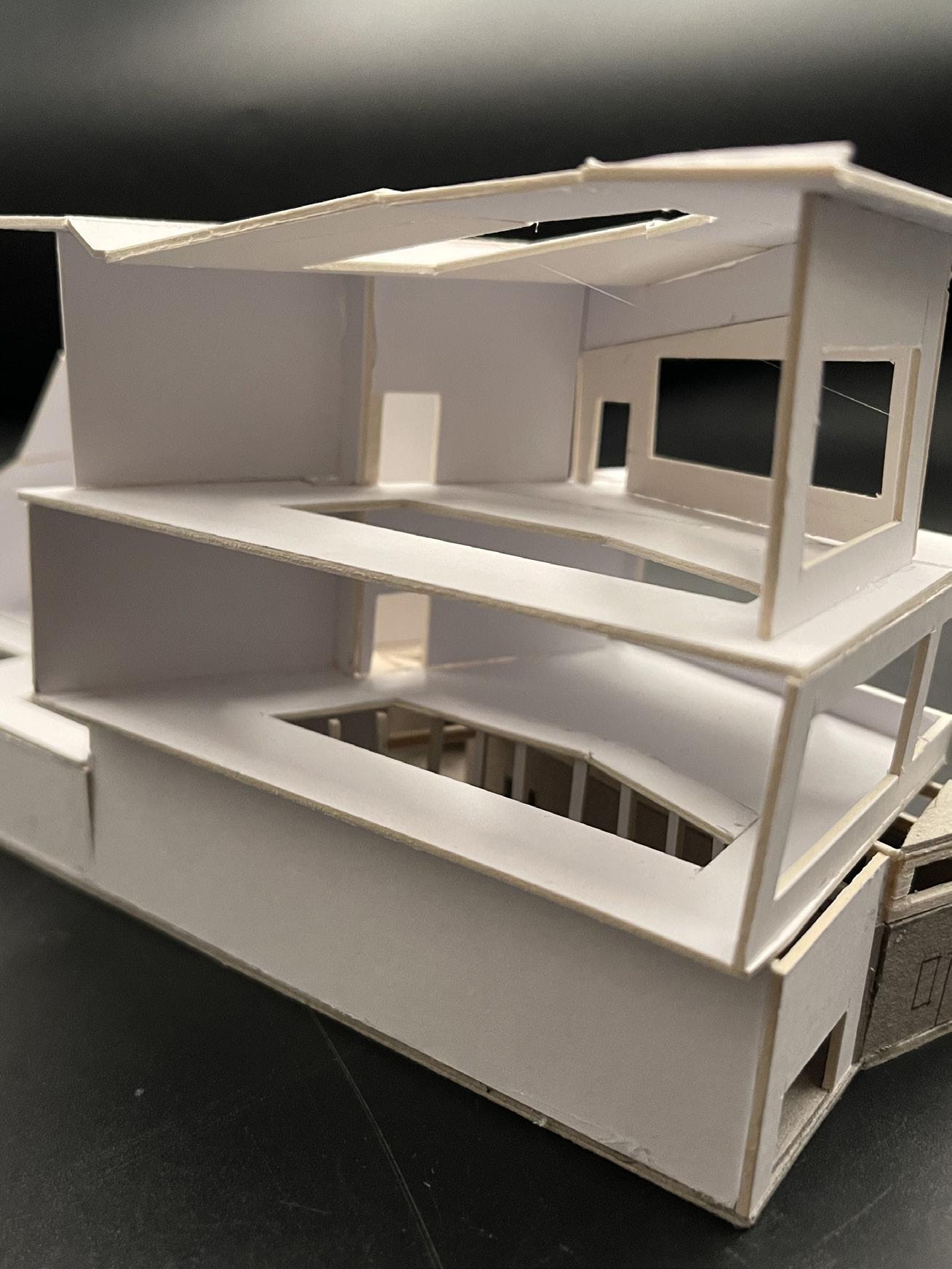
1:50 Scale
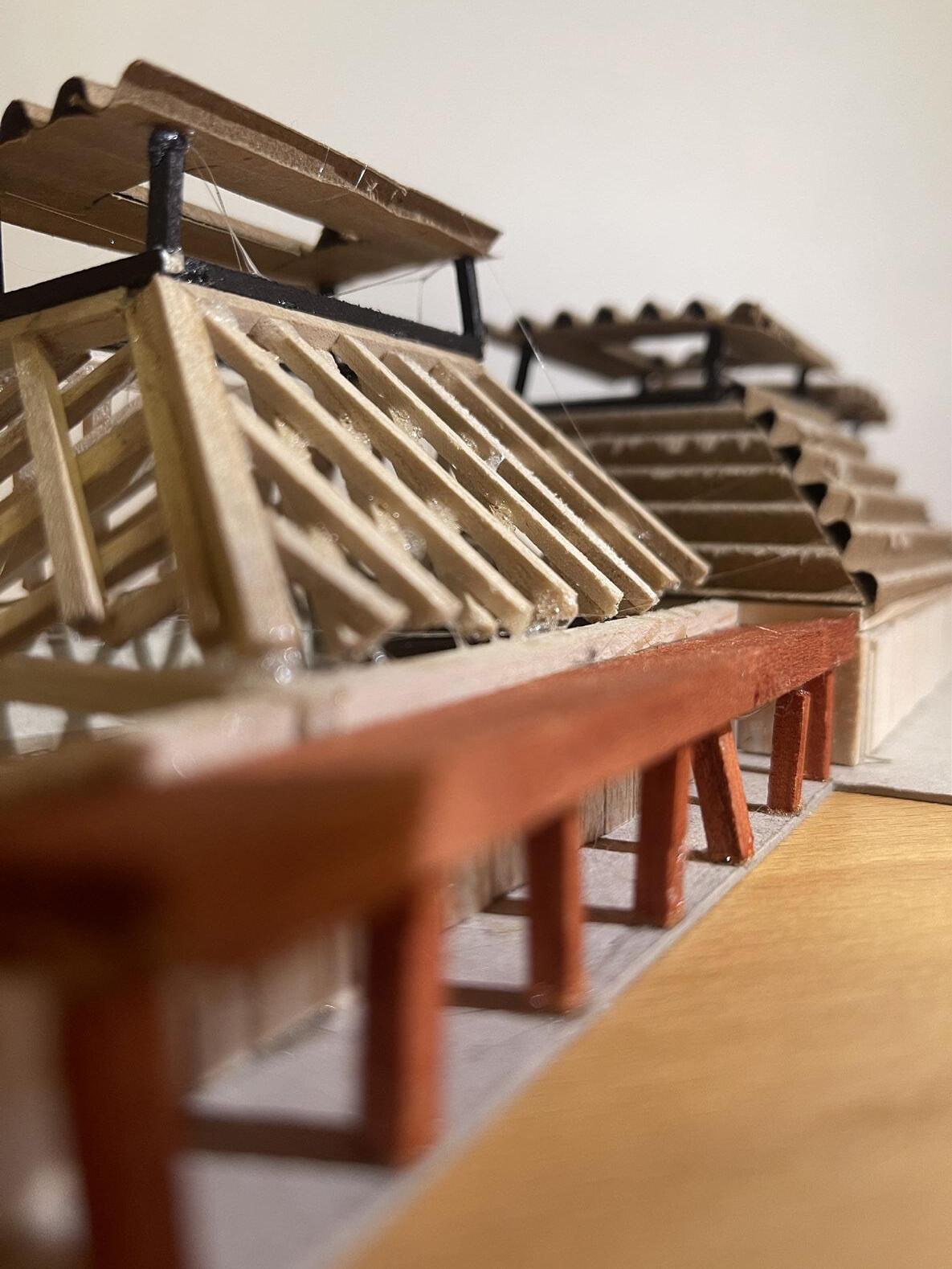
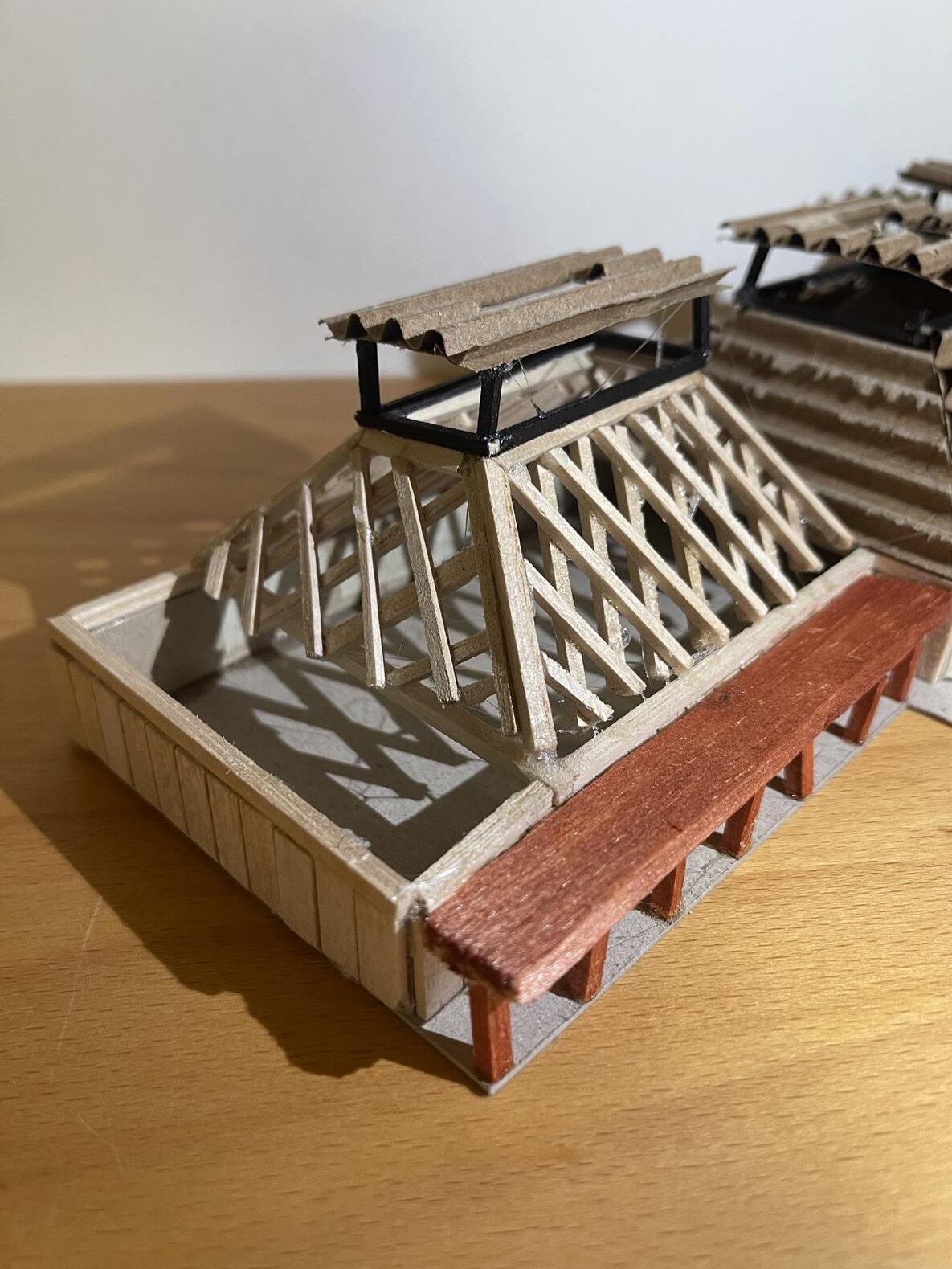
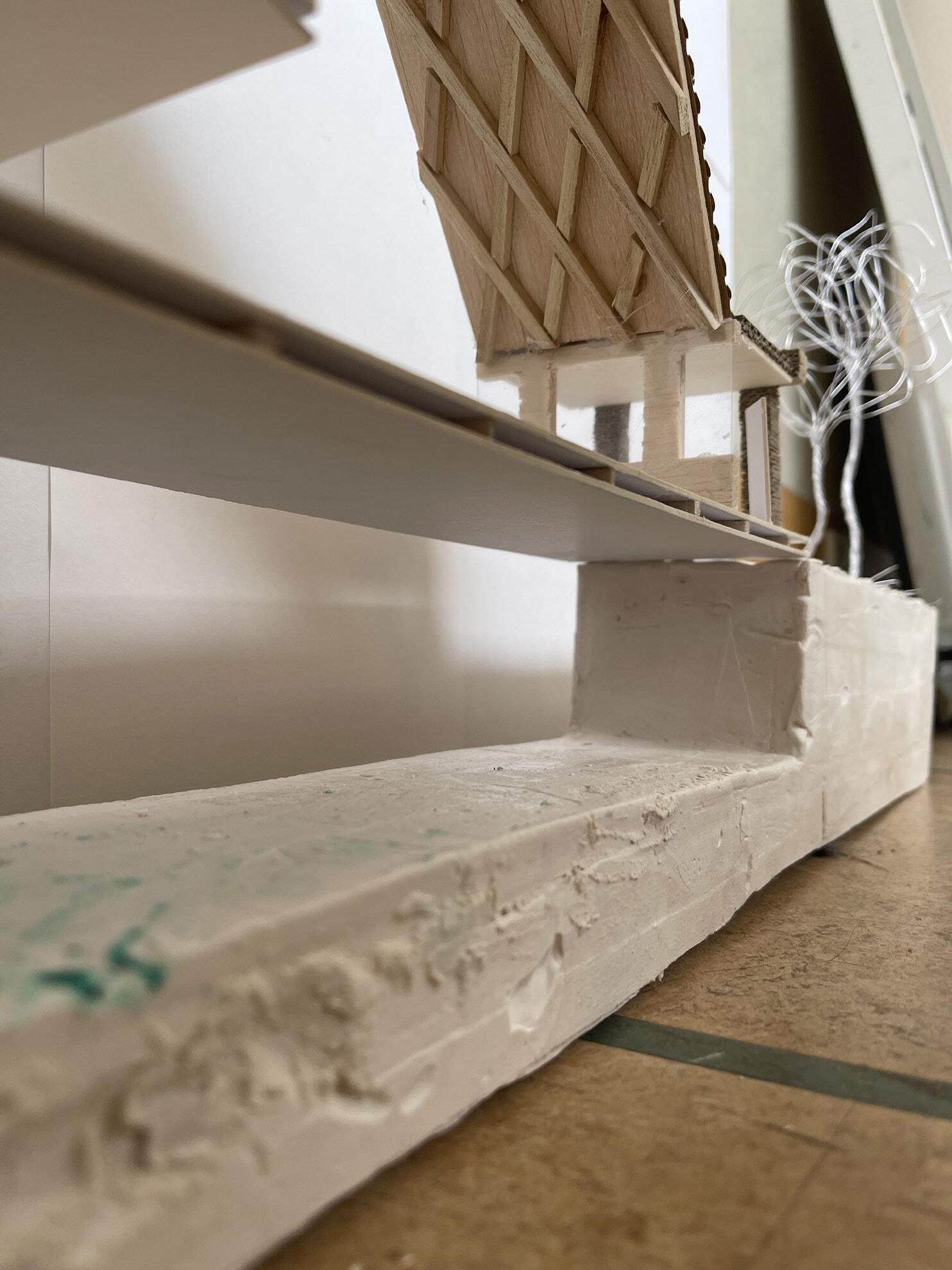
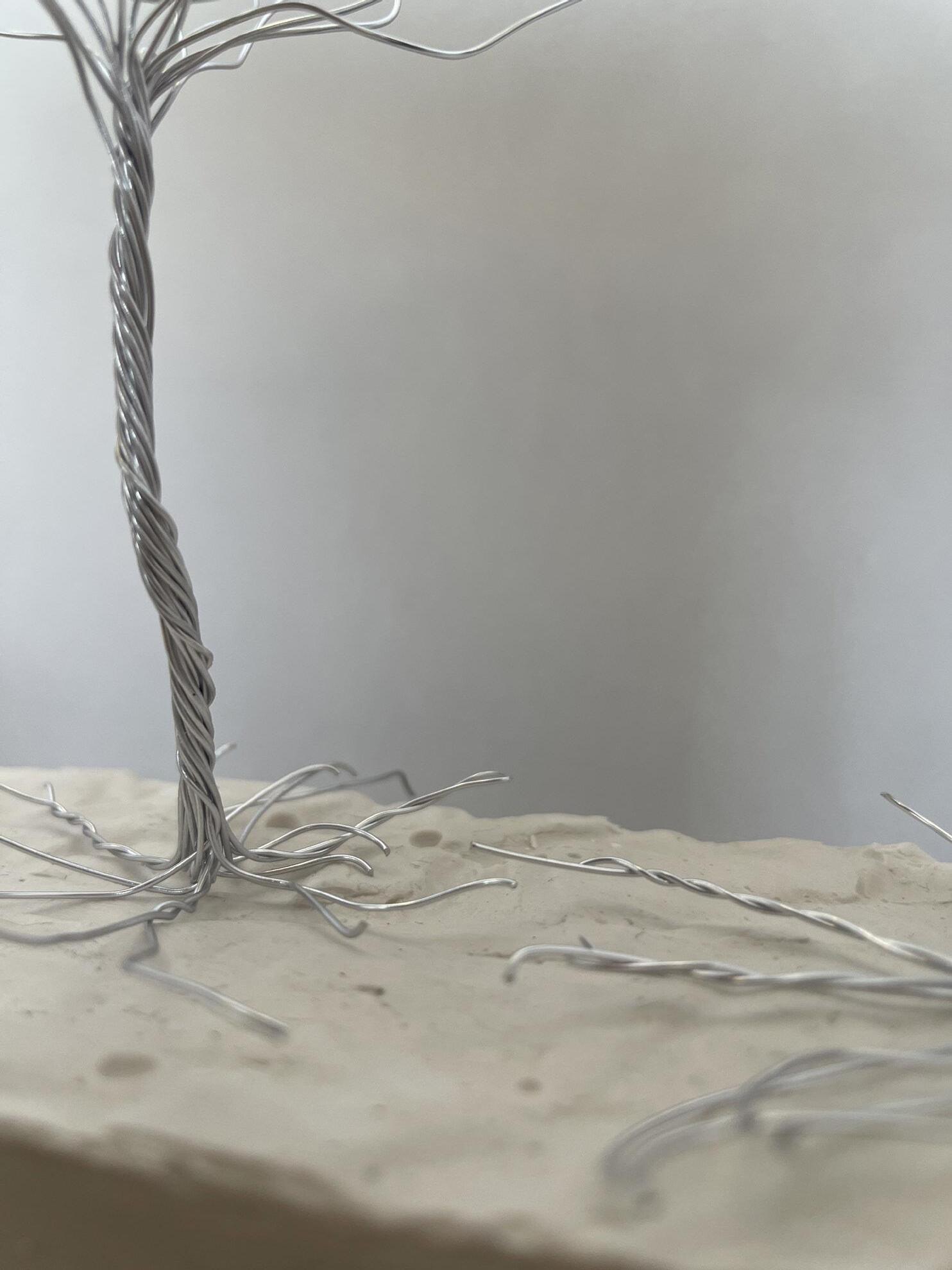
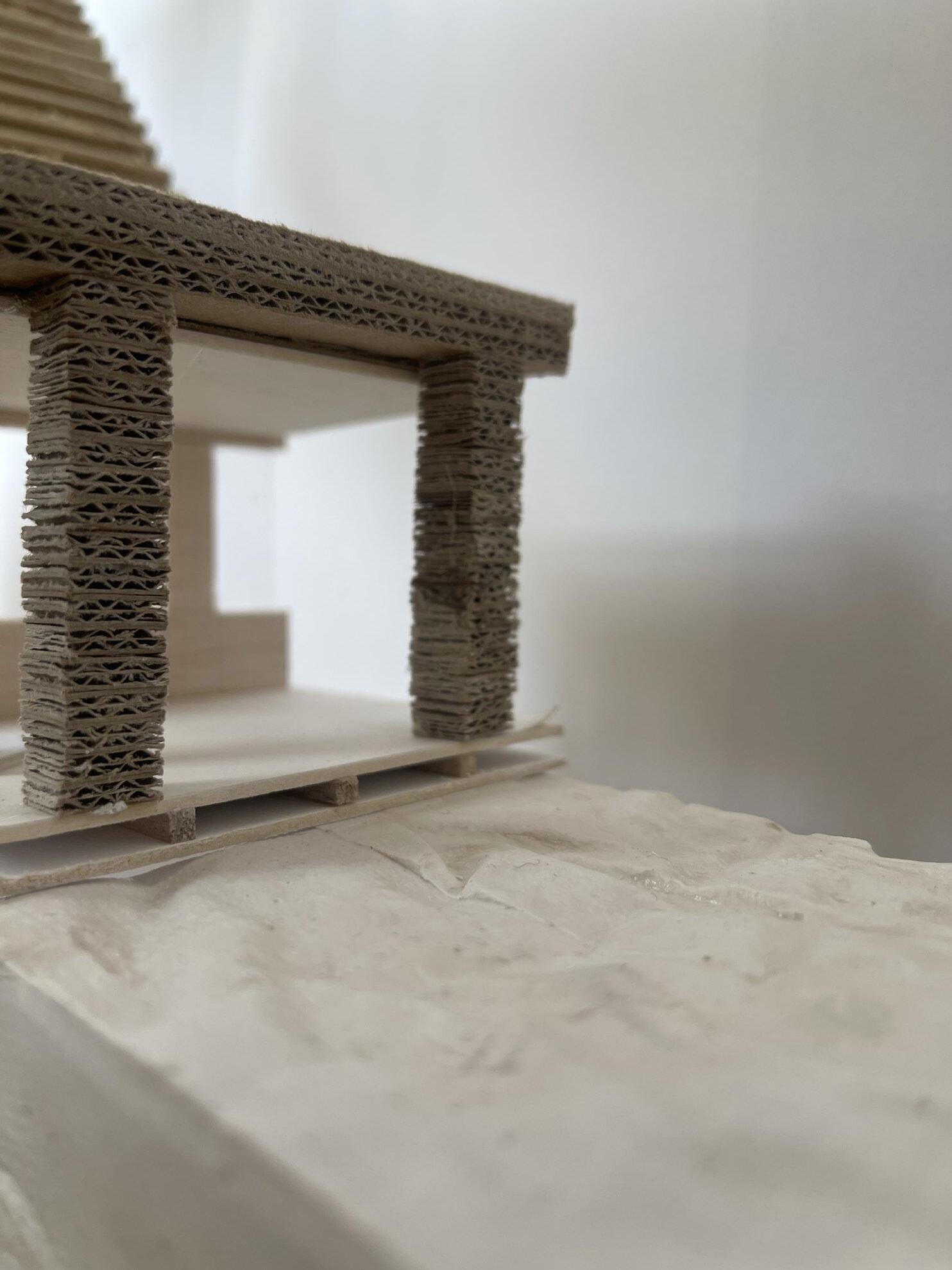
For this model, my Karen and I decided to focus on how the mezzanine interacts with the ground floor towards the exterior spaces on the west-facing facade. Materiality was also an aspect we chose to still focus on as it is very well connected to one another. One different thing a more proper detailing of the internal roof structure and the roof lantern.
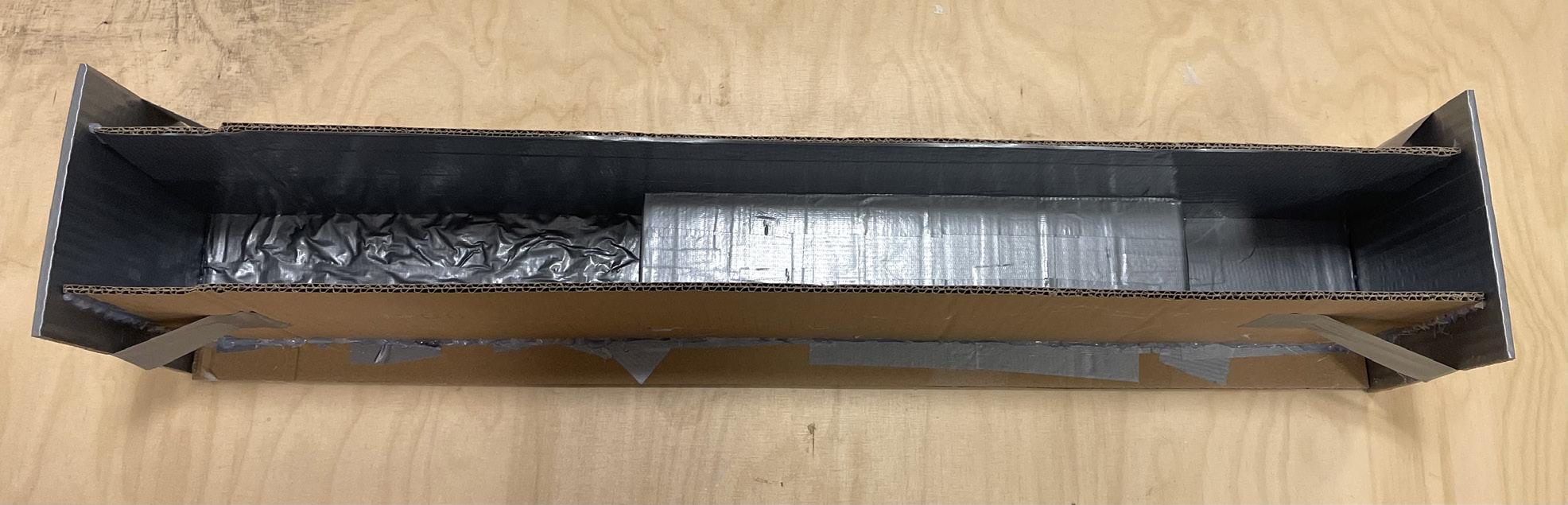
A problem we faced while making this model was the casting broke after it dried even though it was a good option in creating the ground texture, another problem was how to make the building panels stays upright when there were less support from the slice cutting therefore we had to rely most on the placement of the different planes to maintain the balance.
Model by Karen Akiki and Caroline Chan
Massing and Boundaries Diagrams
Inquisitive
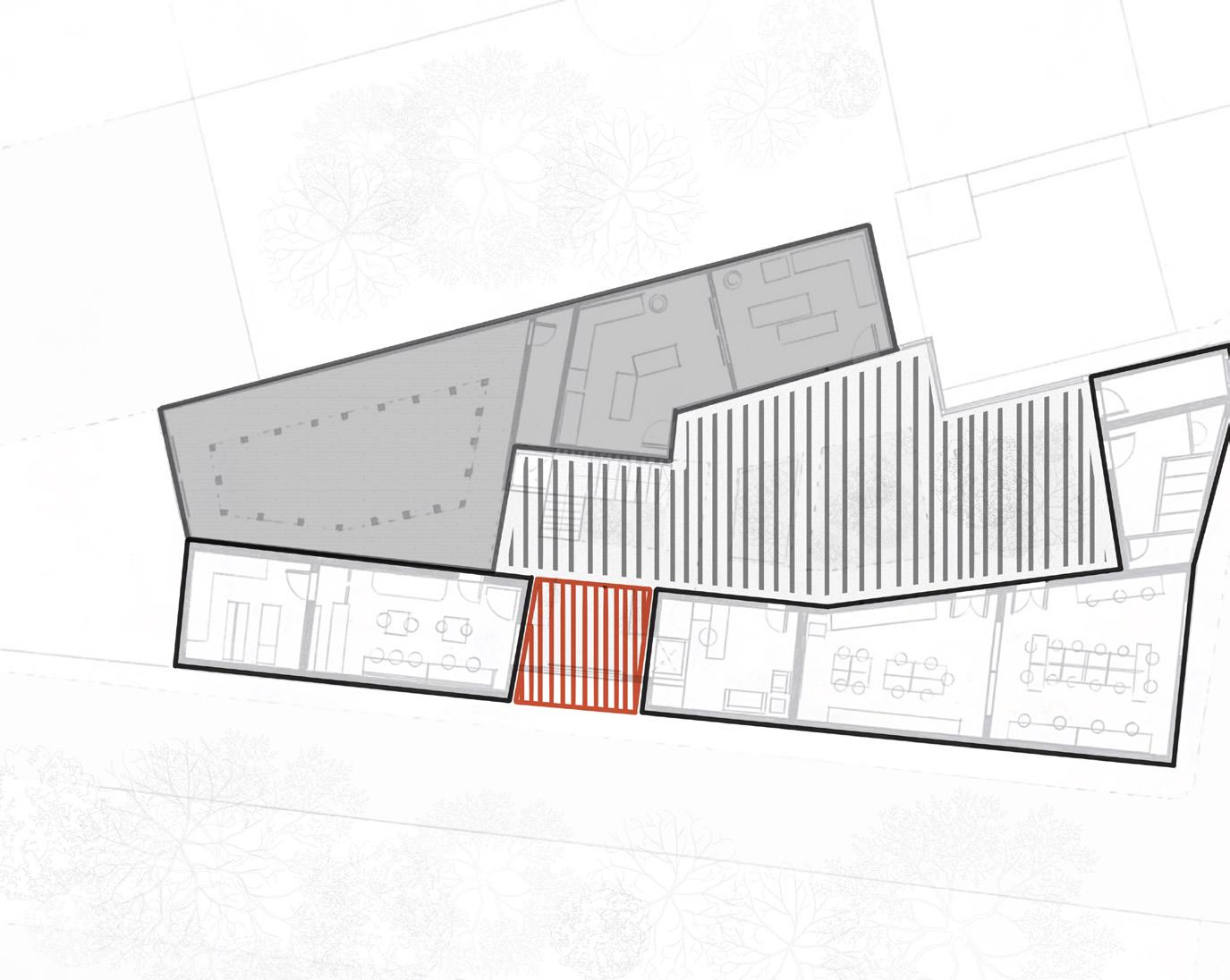
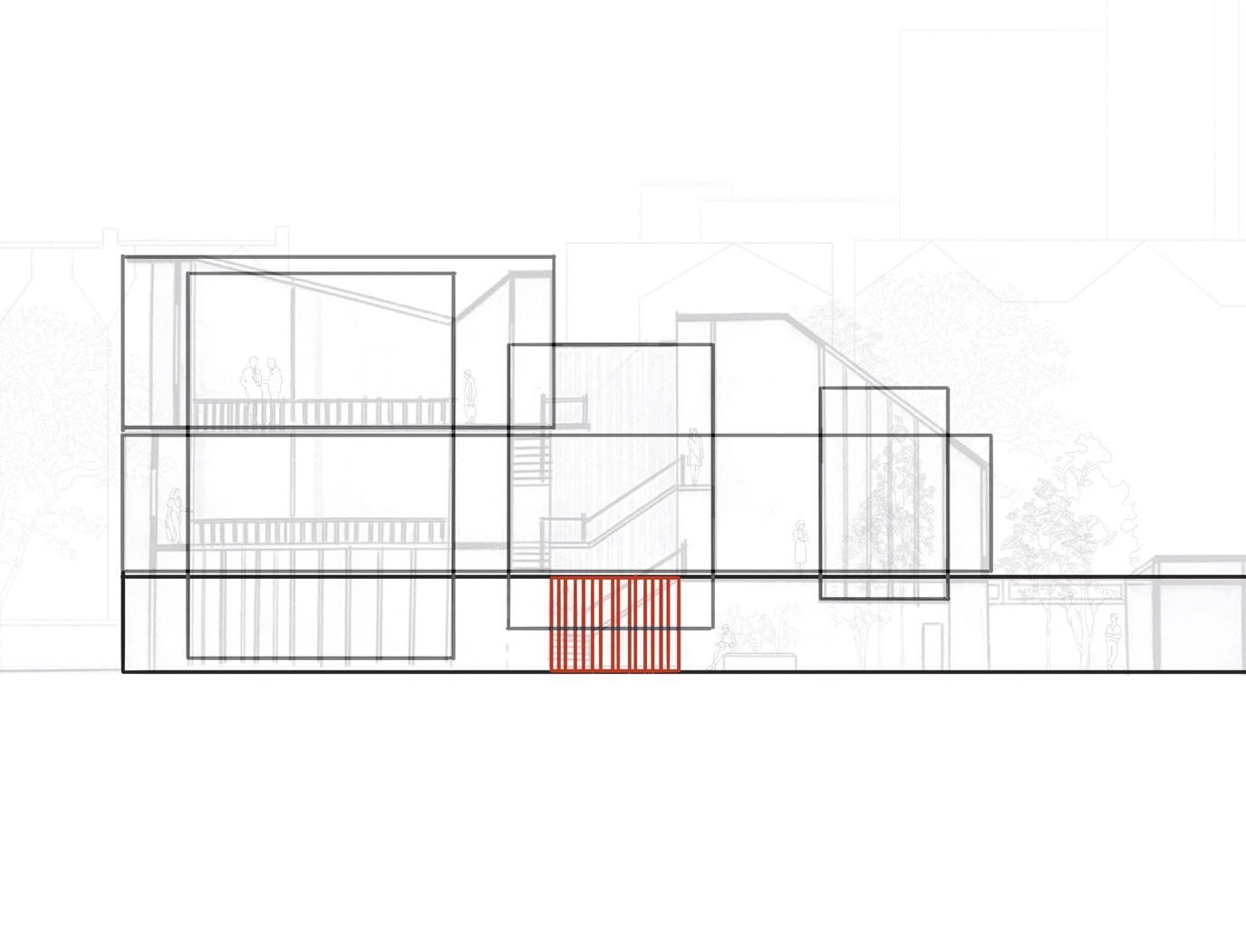
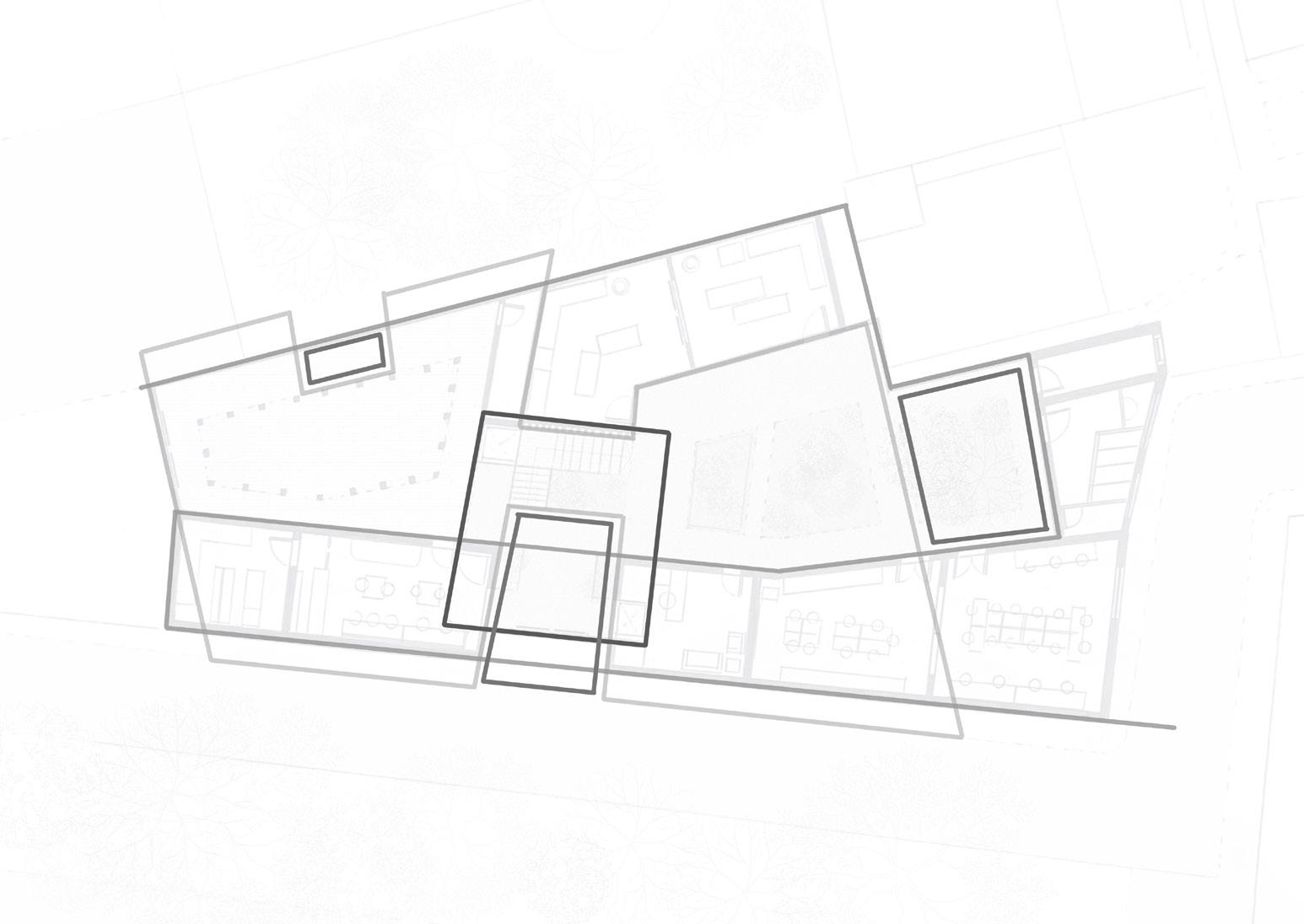
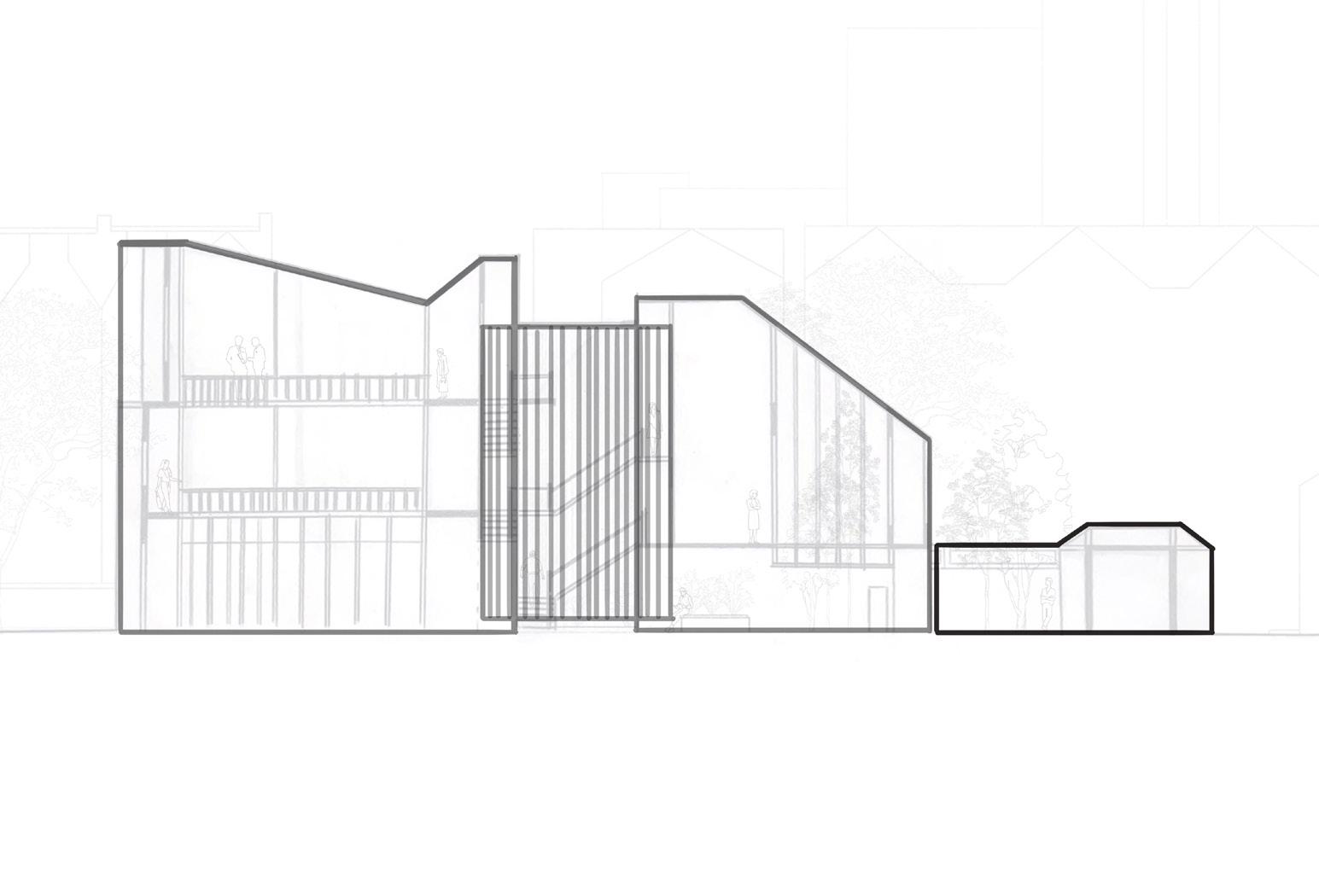
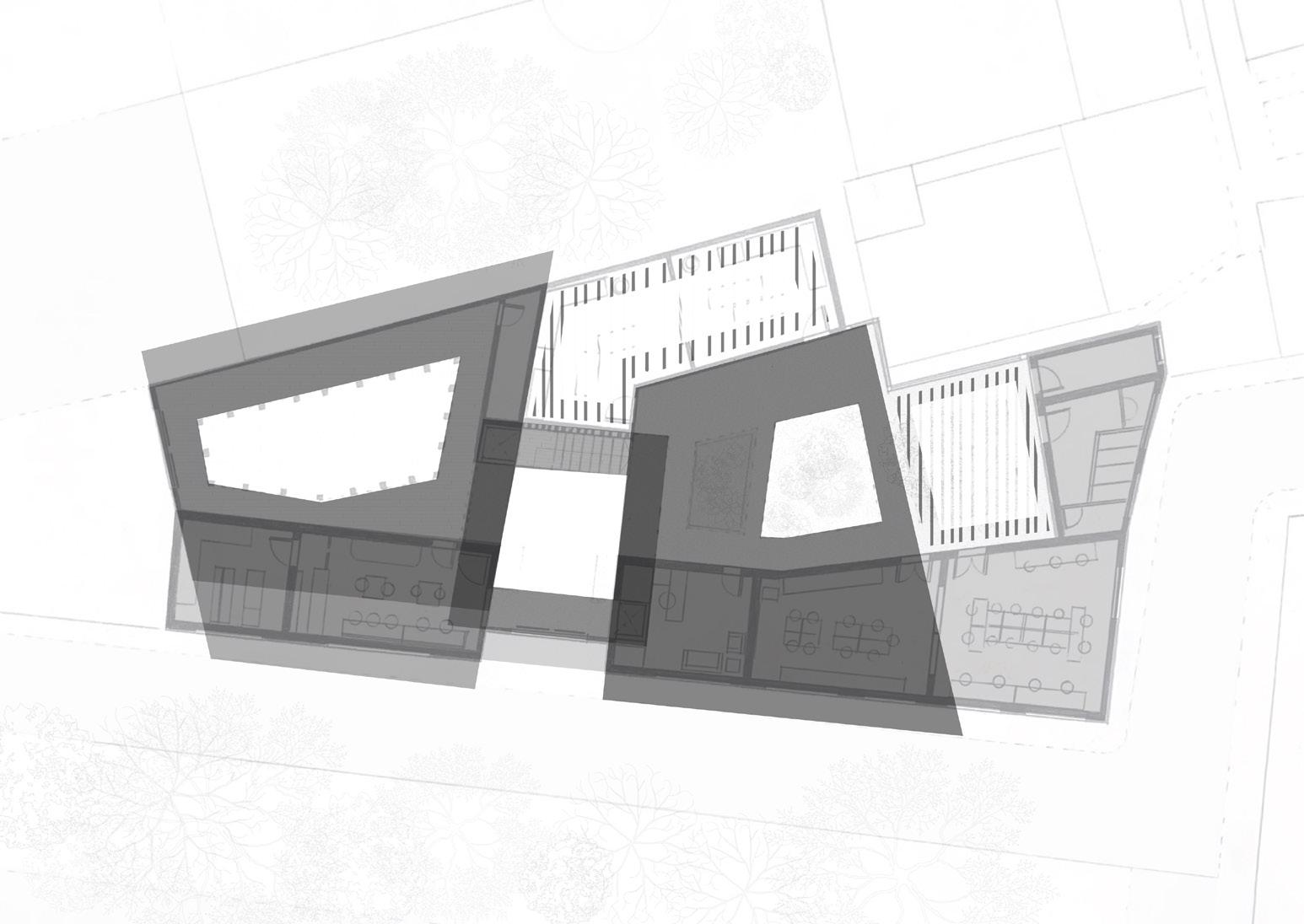
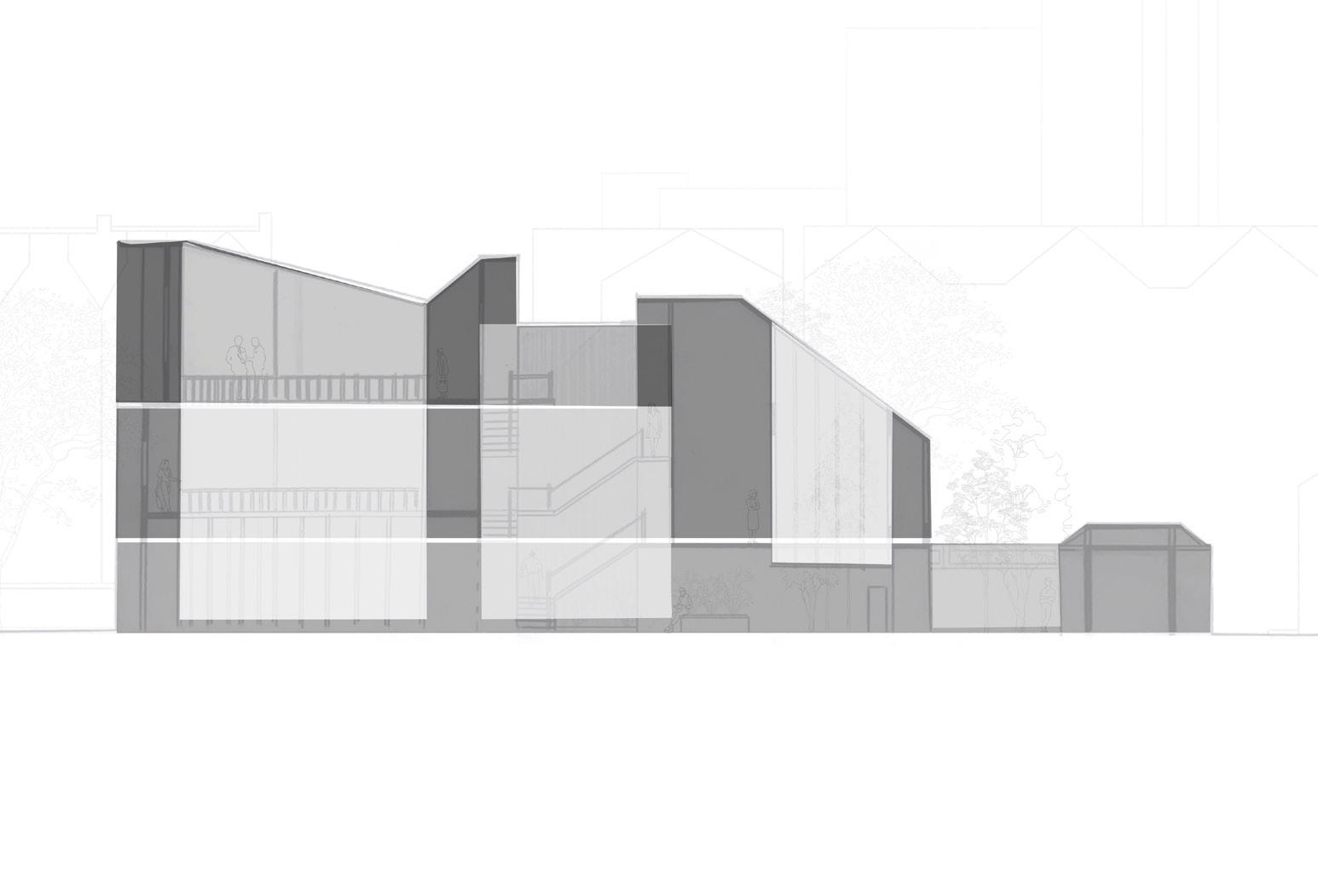
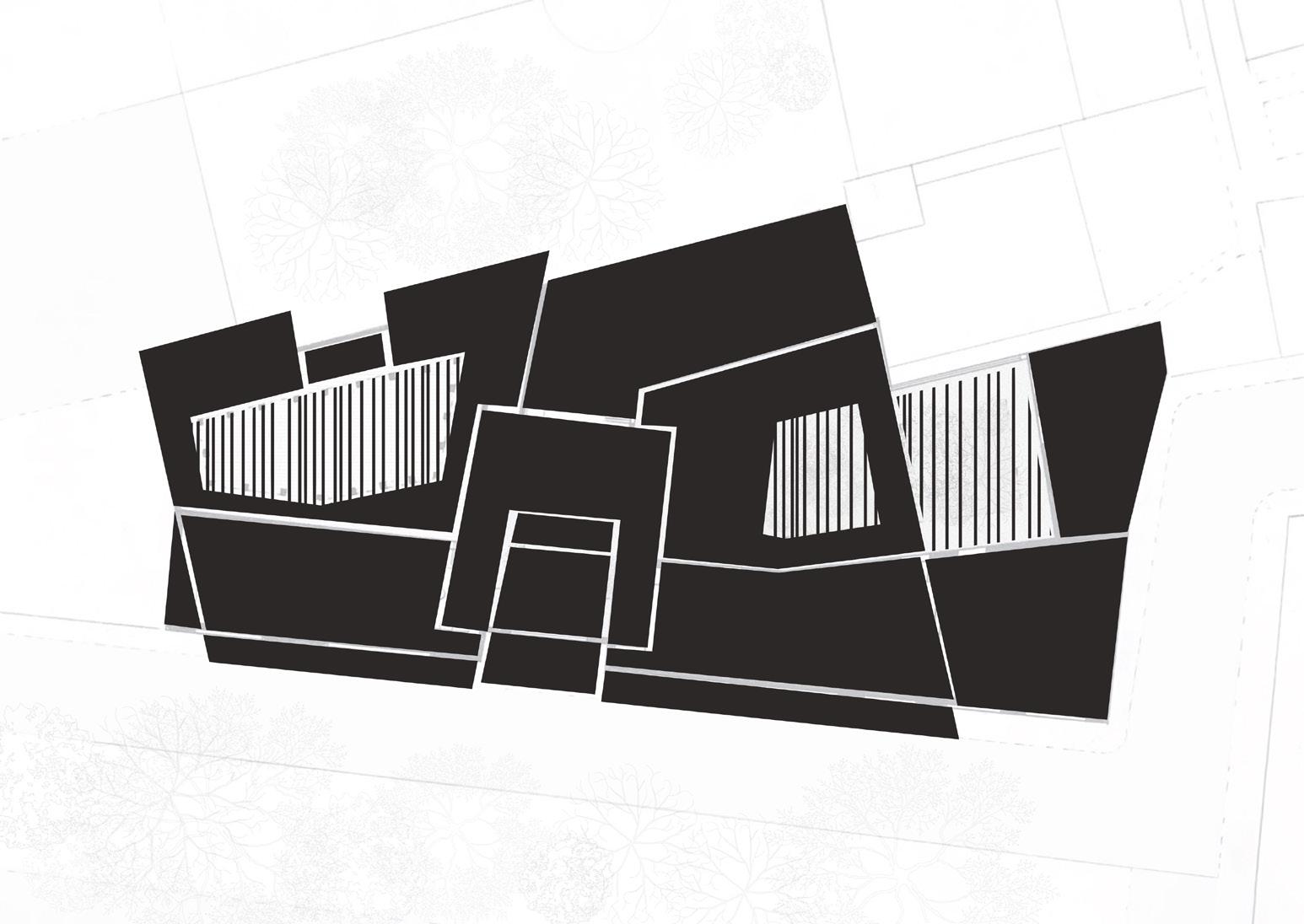
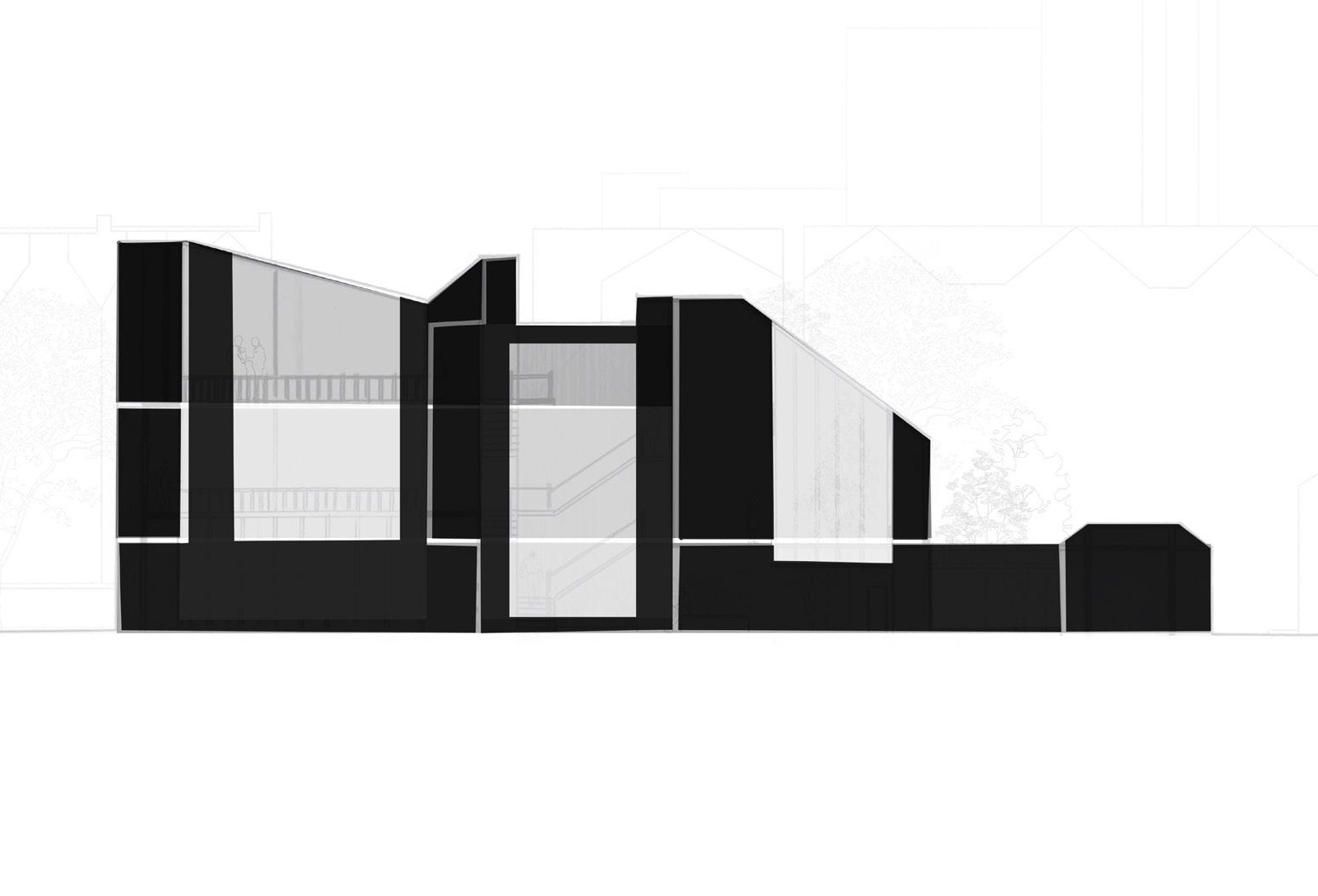
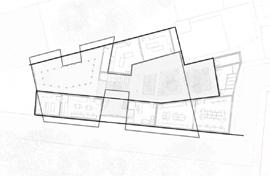
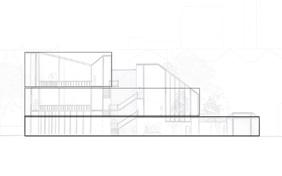
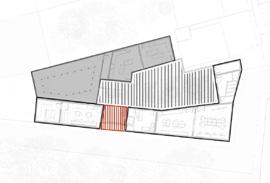
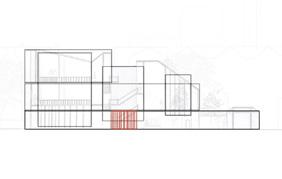
As mentioned to how it was important to look at how the building affects the internal primary user, the students, I was intrigued by the massing and boundaries of the different zoning and openings that would shapes the experiences of the students and other occupants in the building.
While doing the diagrams, it reveals the various pocket of spaces within that would allow different interactions between the occupants. This was interesting as it shows how complex a simple building can be. Explorations were made on both plans and sections which show the consistency but also connection of the different spaces.
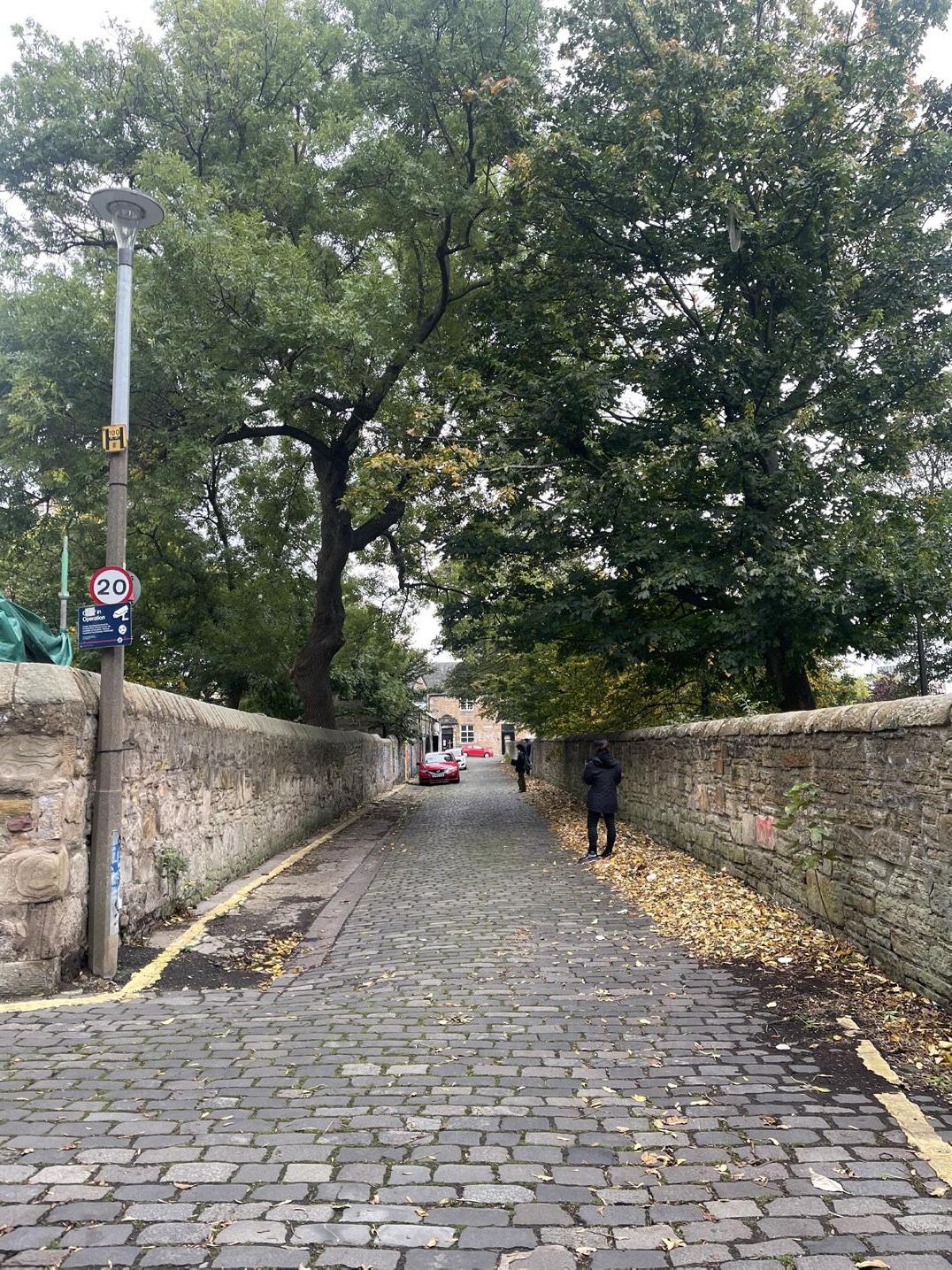
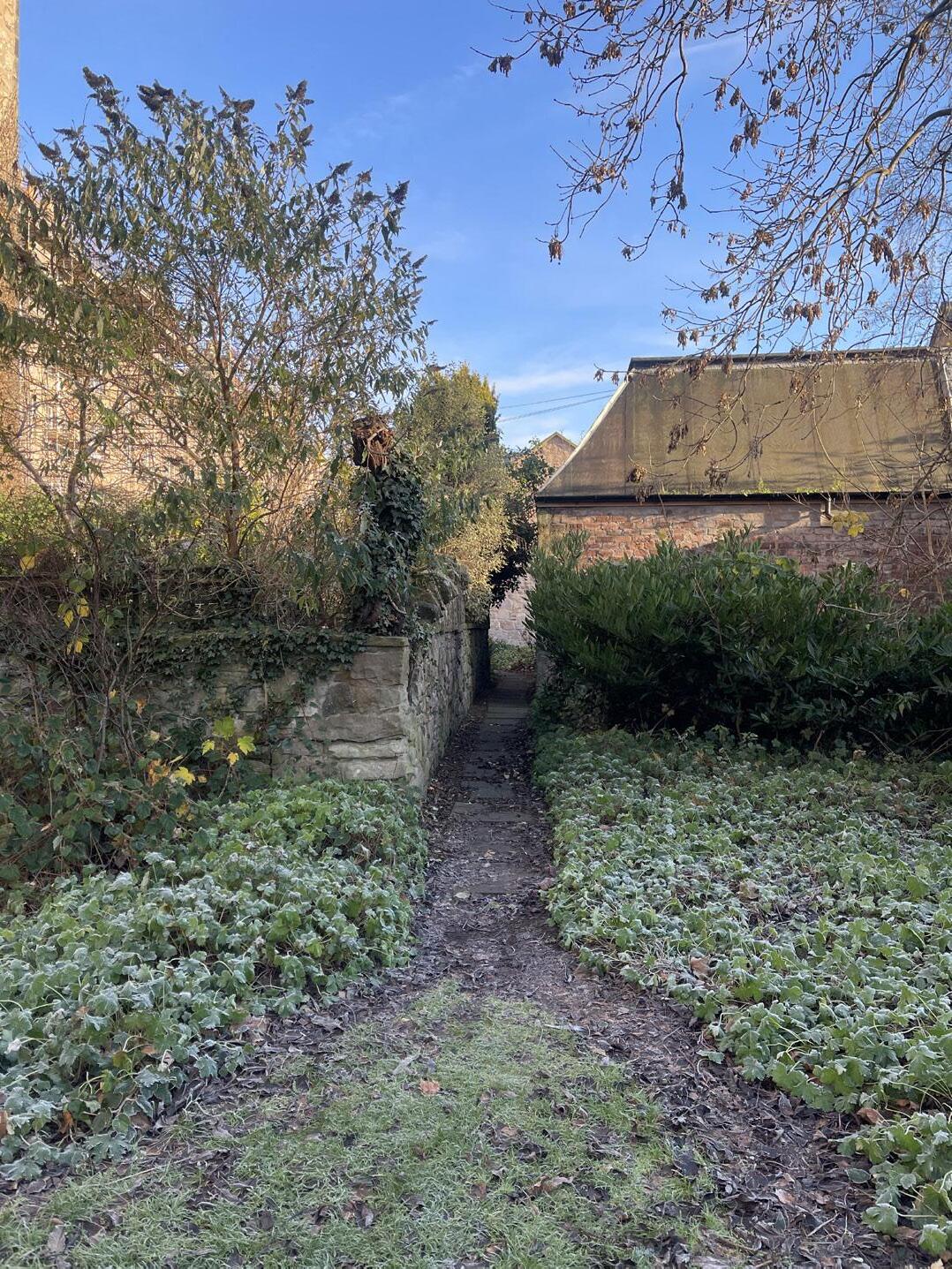
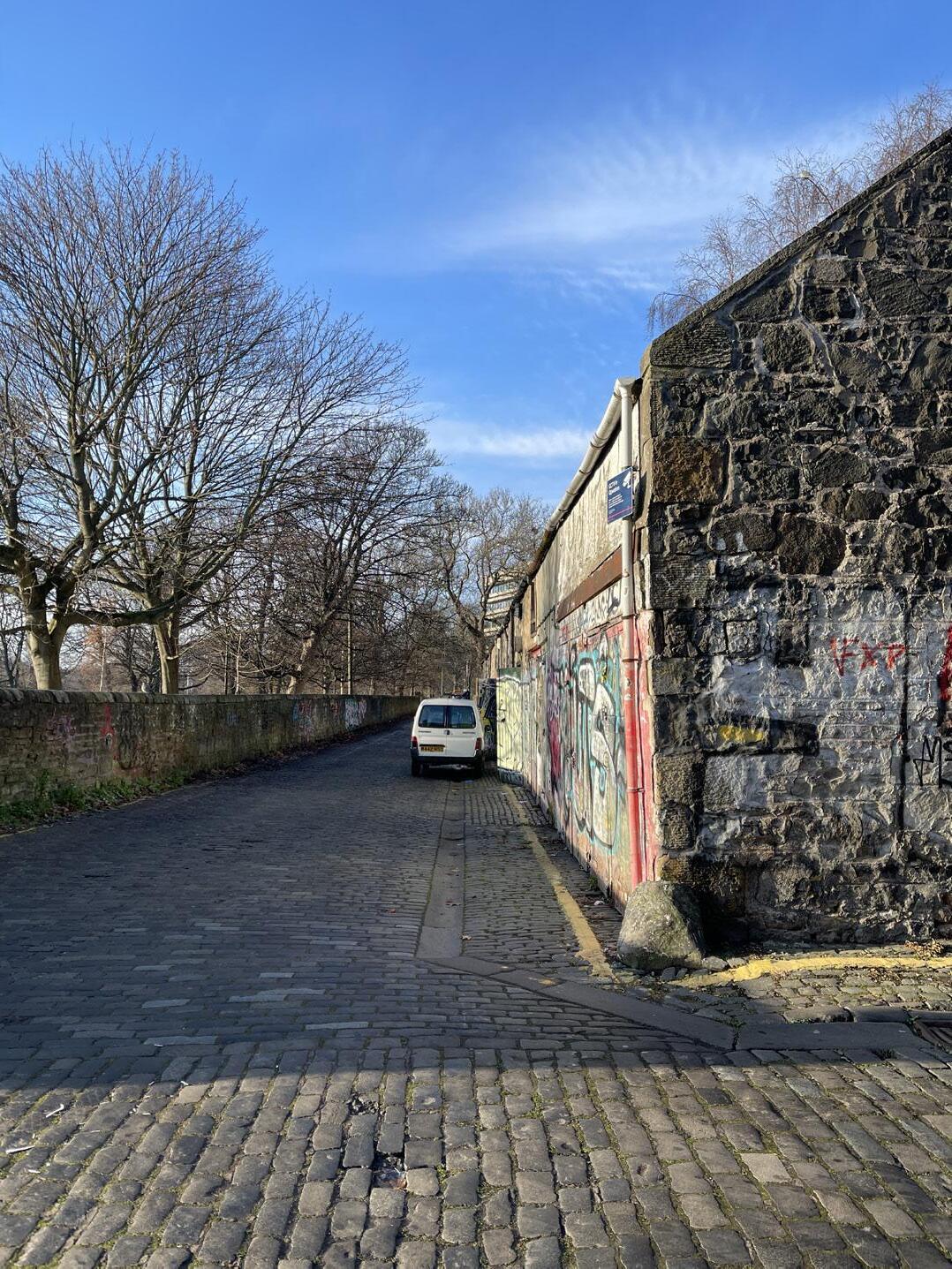
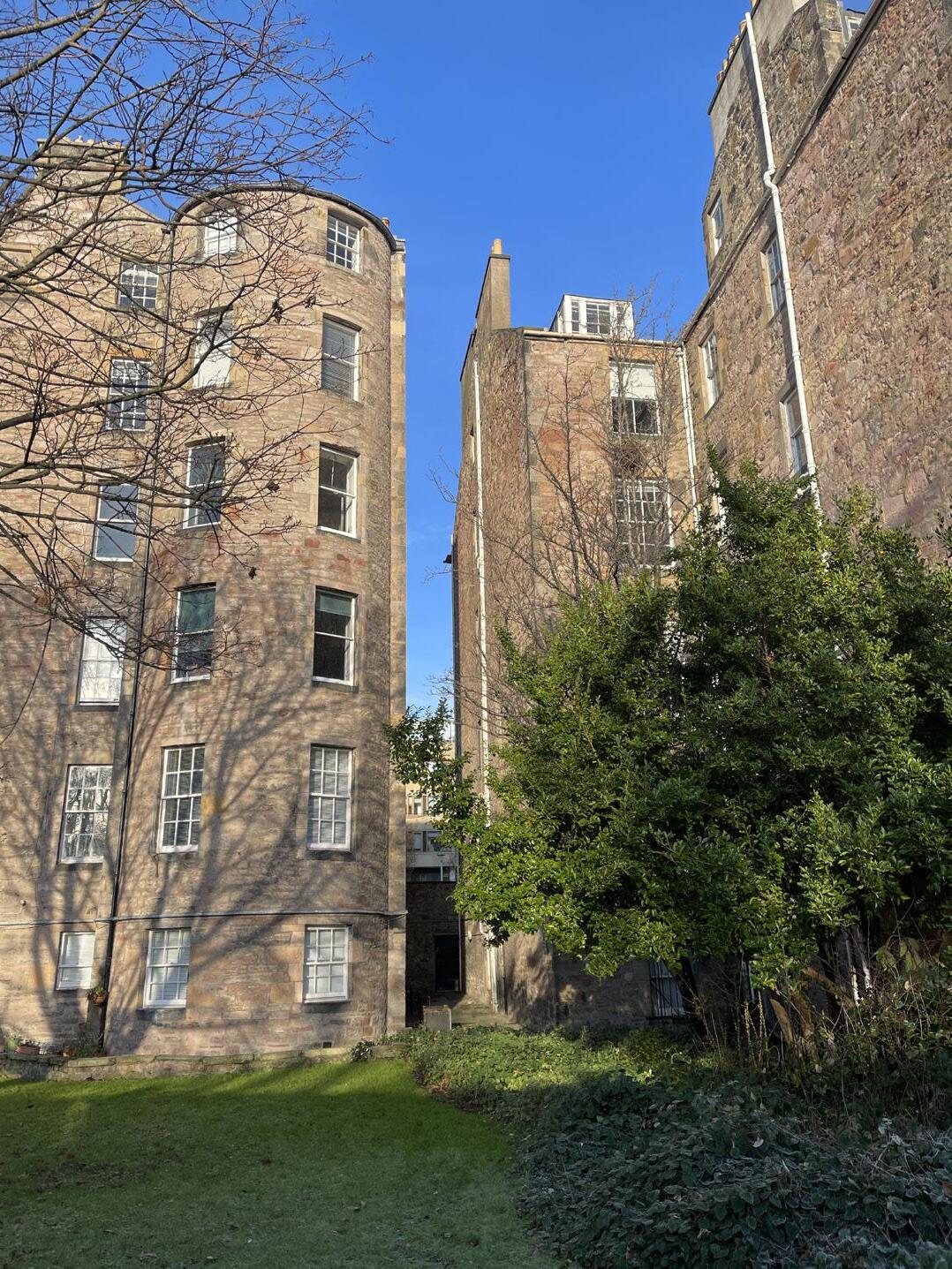
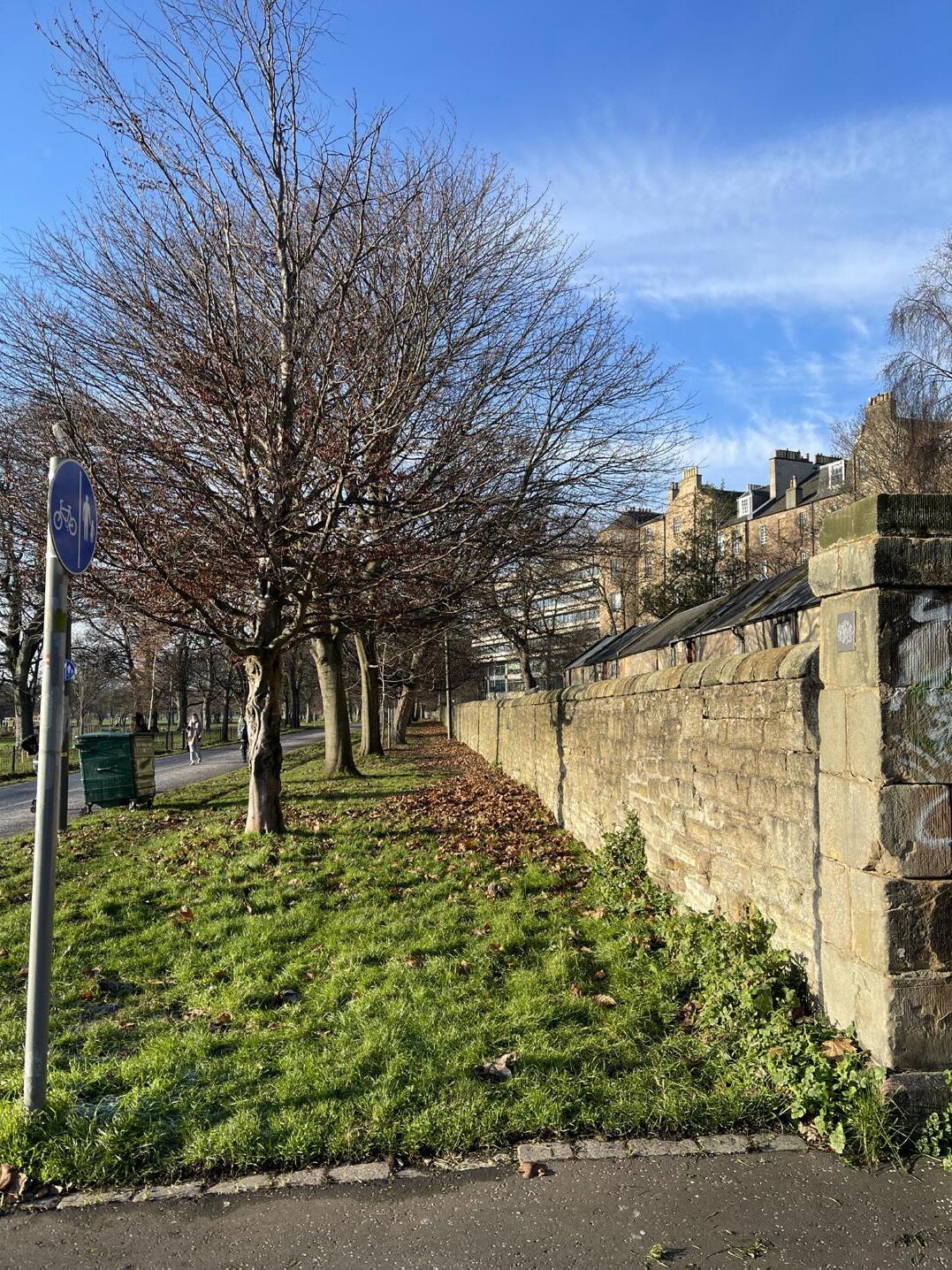
Our group site is MEADOWS LANE which is located just right by the University of Edinburgh's main library.
Meadows Lane is a hidden transitional space connecting the meadows and the university facilities. The existing garages are storage to the university's surfing societies and there is an enclosed courtyard with some private garden of the residential facilities located at the site.
Studies by Group 1 - Meadows Lane
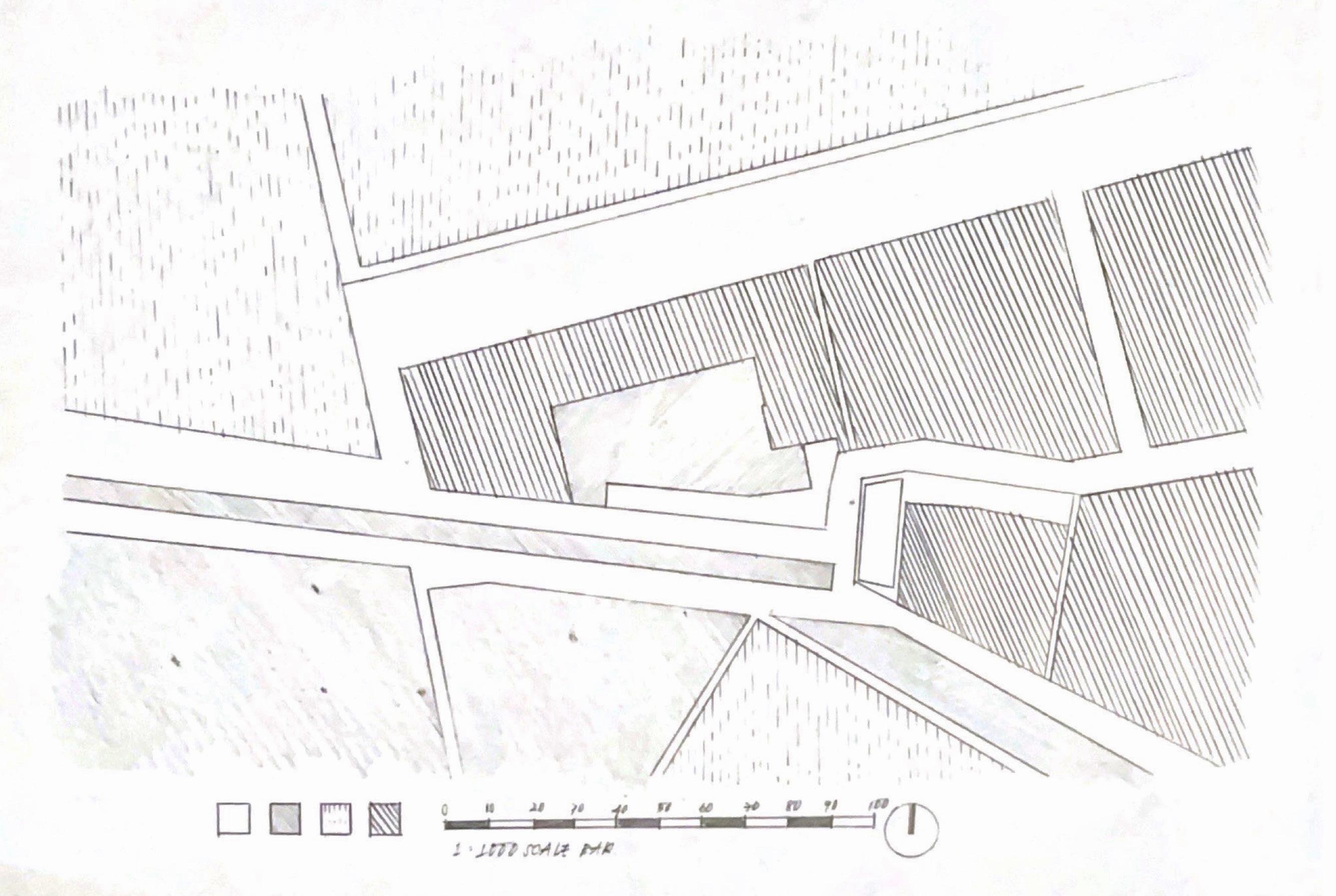
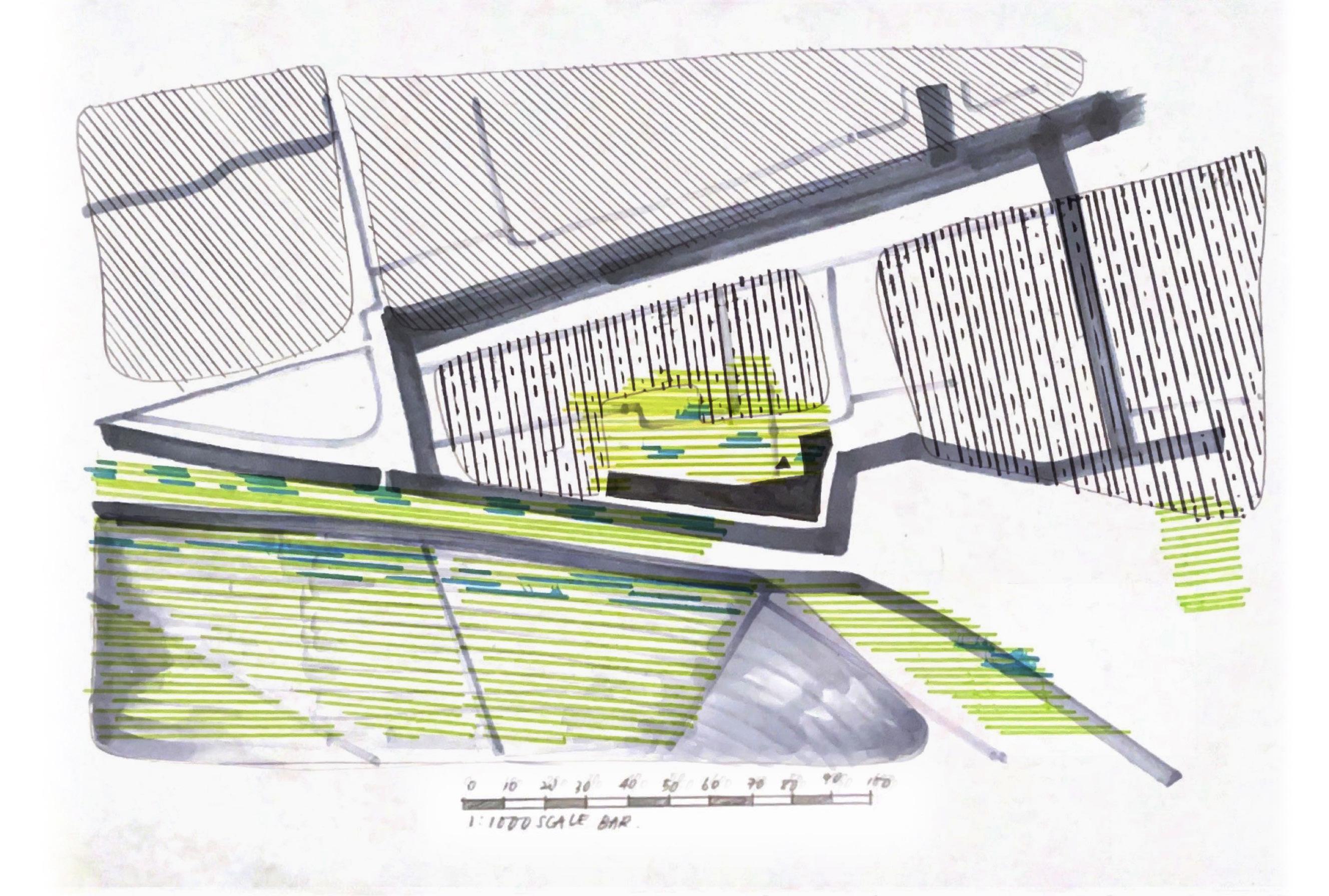
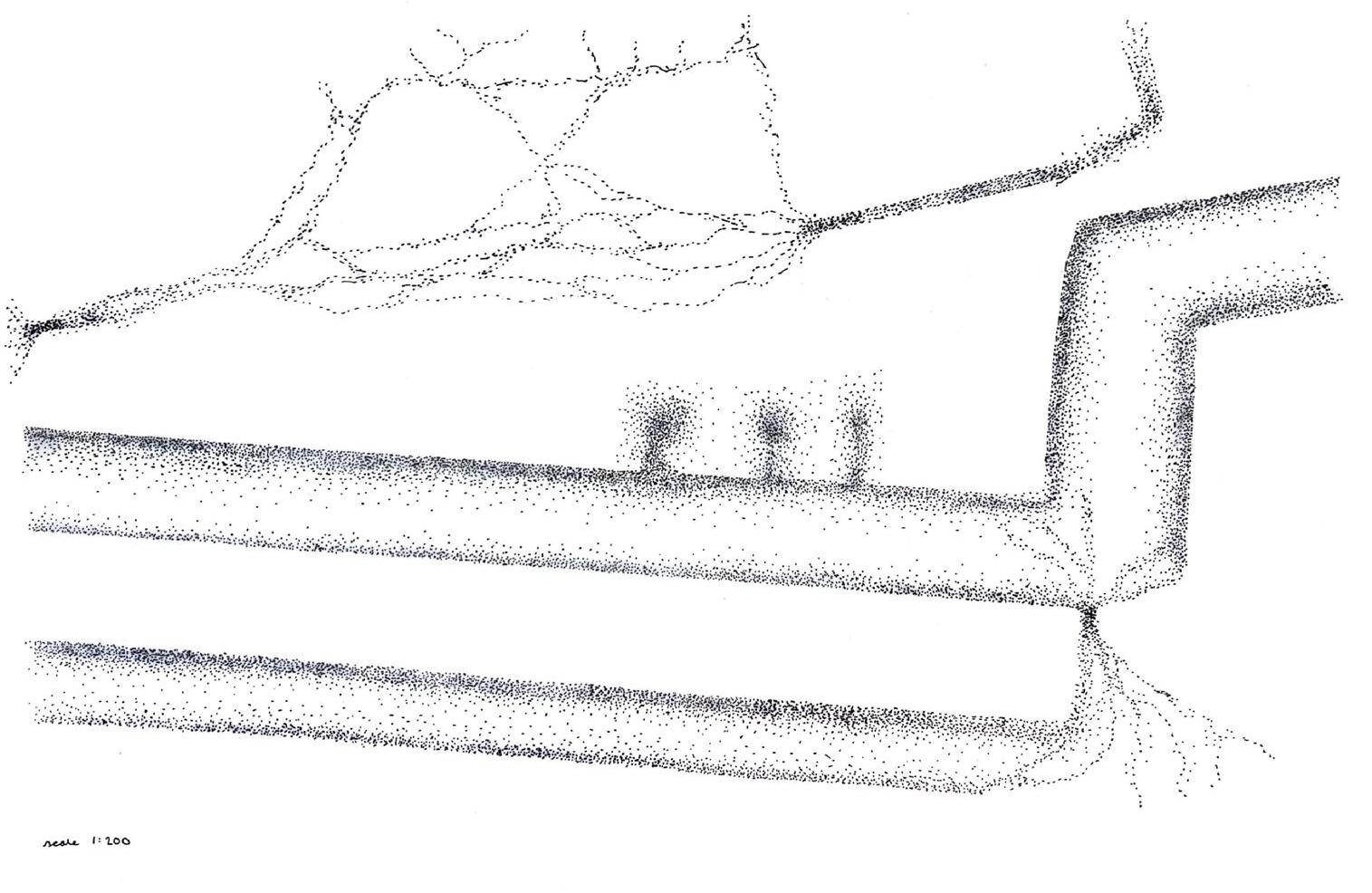
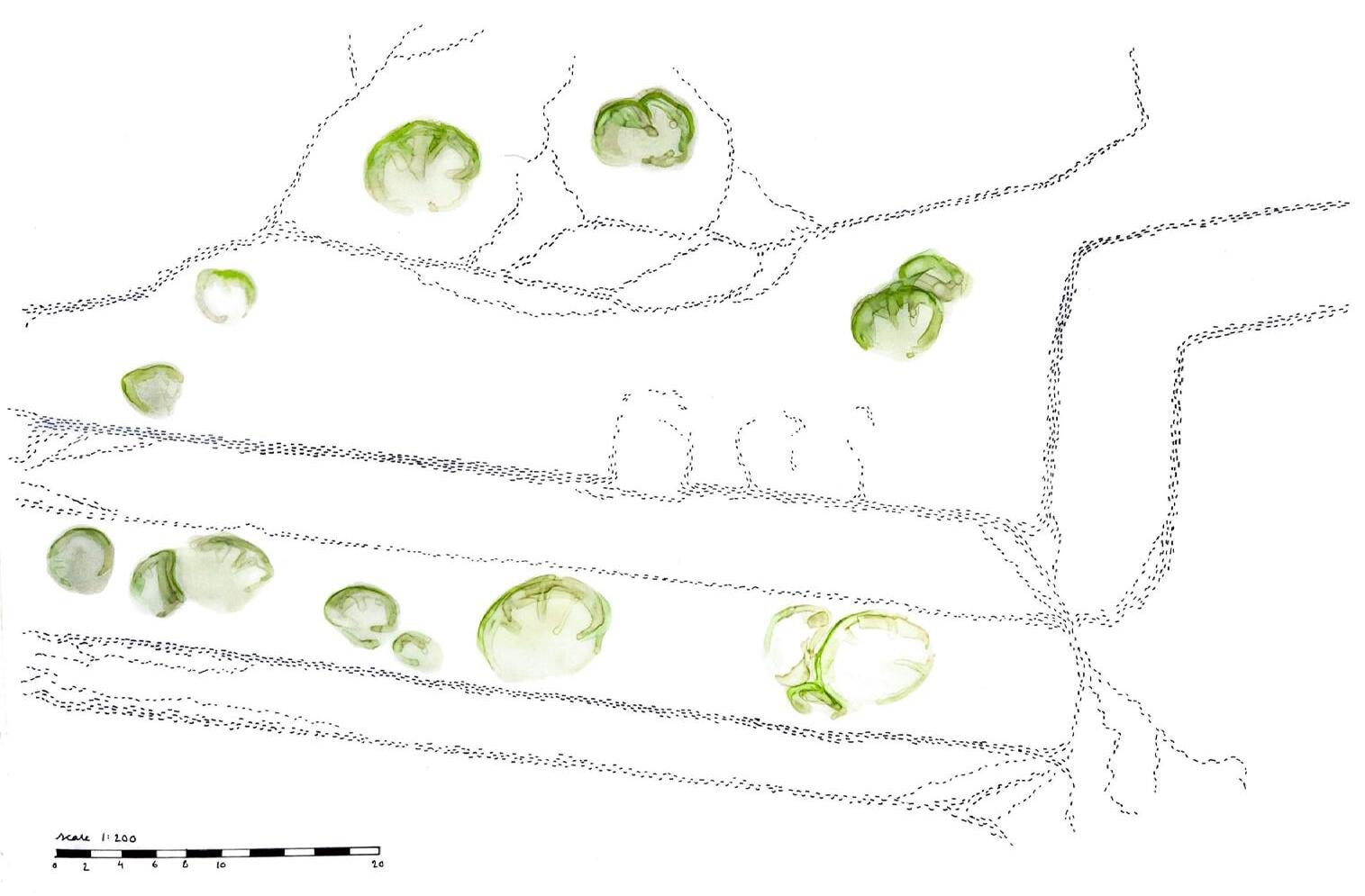
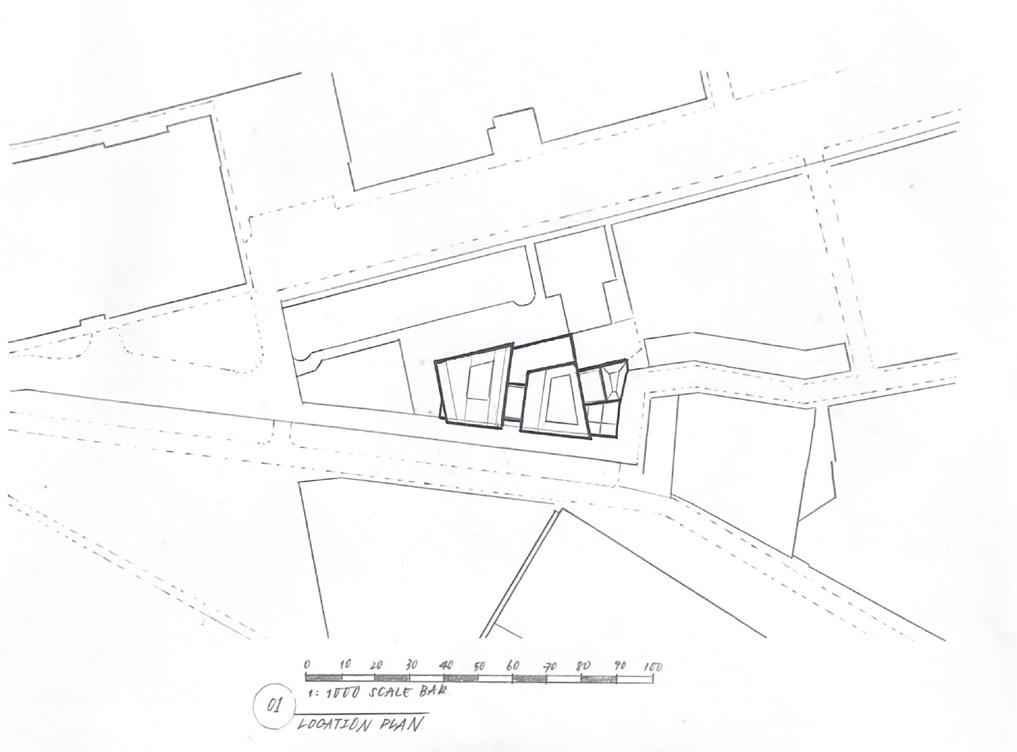
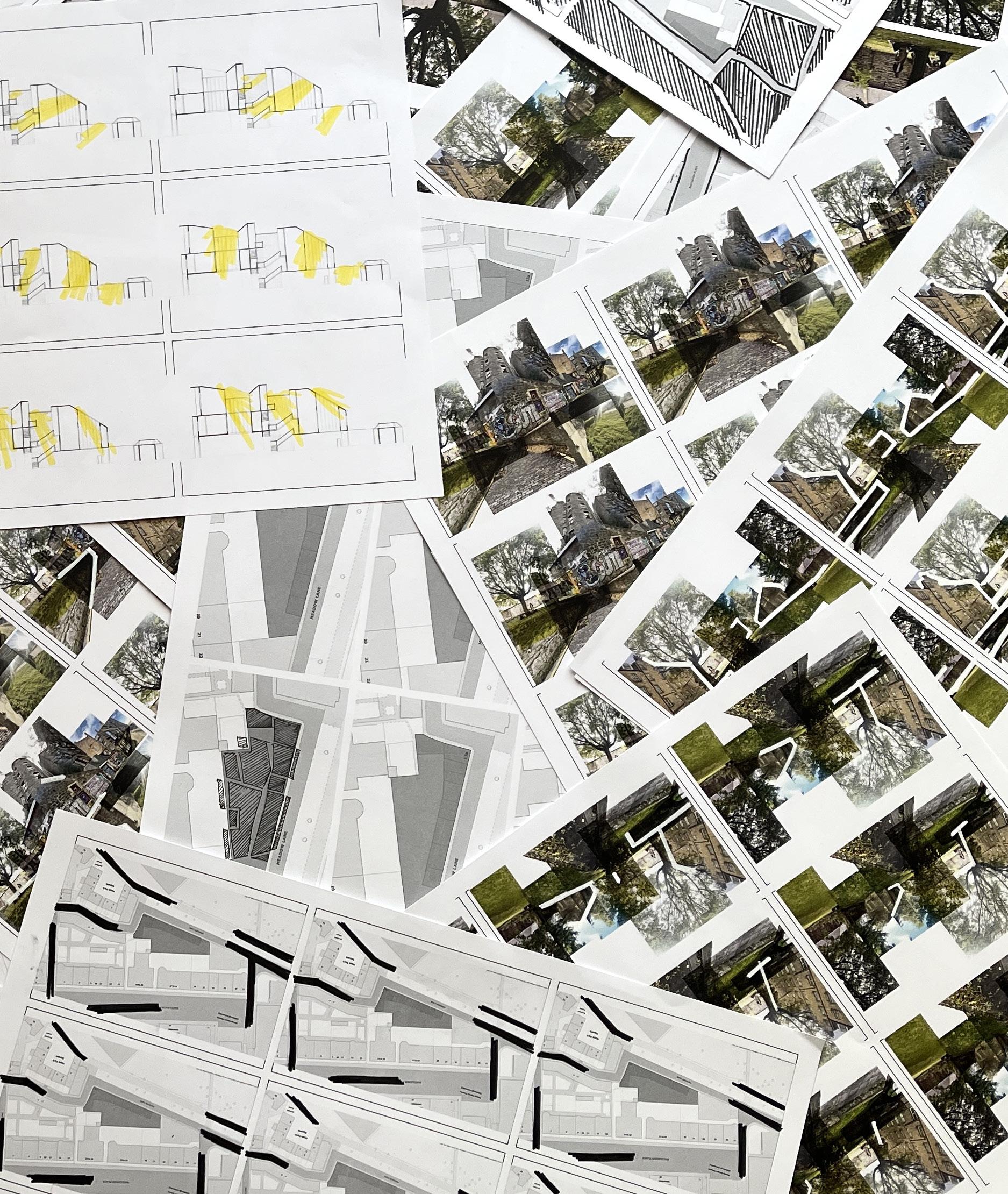
Site Analysis similar to the Ibstock site analysis inspired by Kevin Lynch's the image of the city plans, focusing on zoning, followed by two important features of a user experience, circulations and greeneries. These were important aspects that I have to respond to with my proposal.
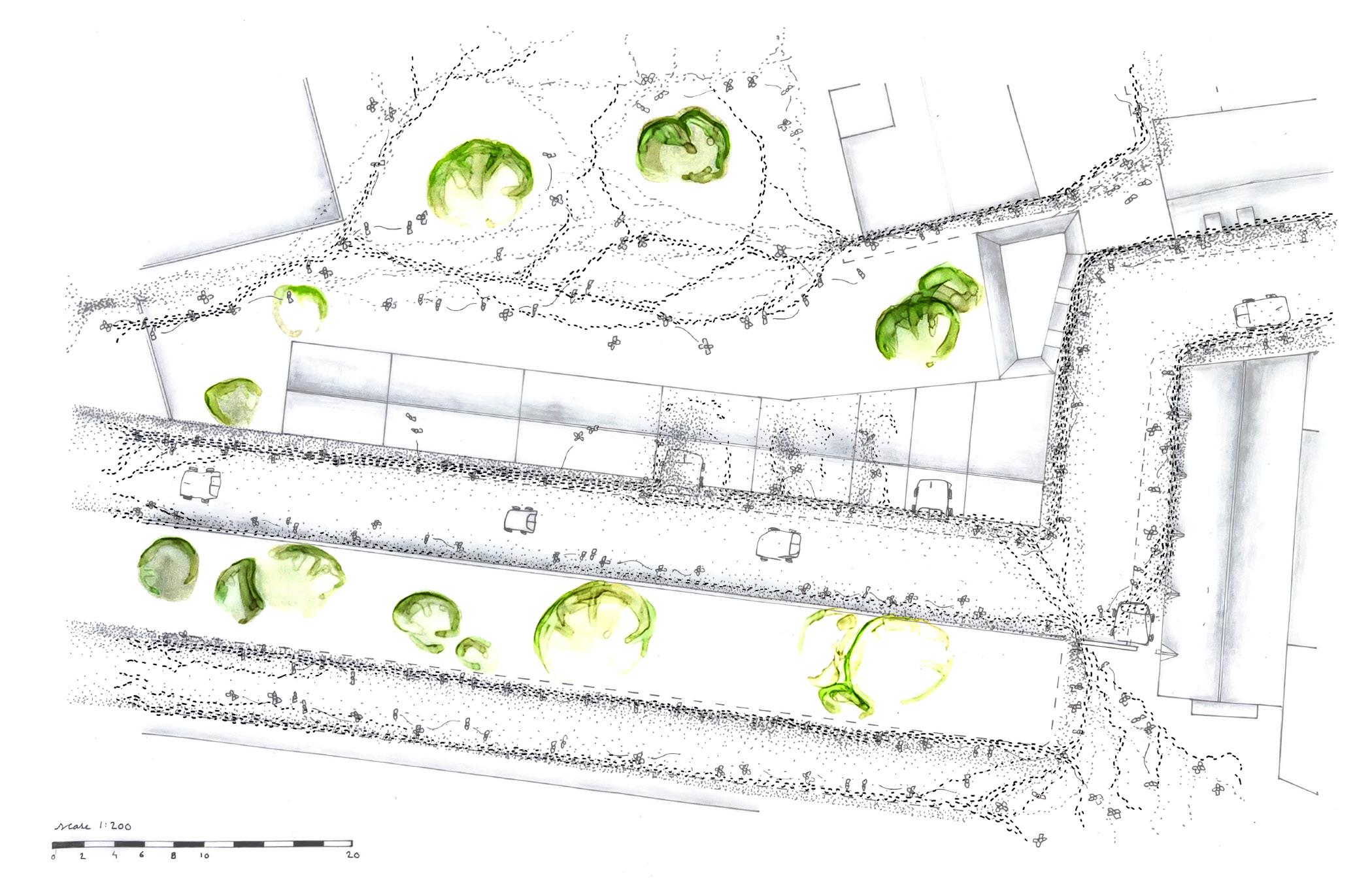
People Tracking Analysis
1:100 Scale
Similar to circulation, people tracking analyses the circulation of people and vehicles within the site context. This shows the different movement that would help depict how the proposal openings would be located.
Meadows Site Model
1:500 Scale
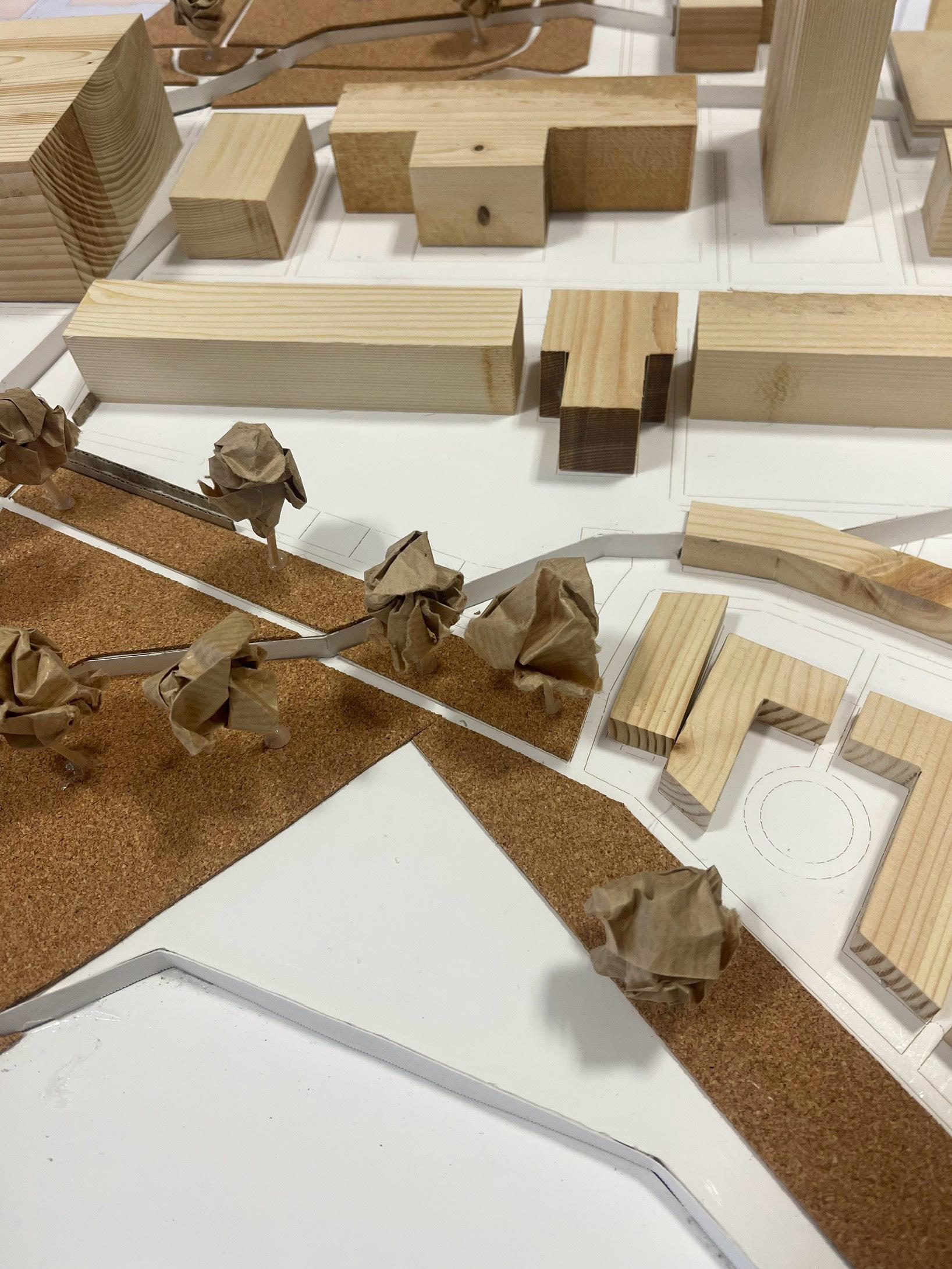
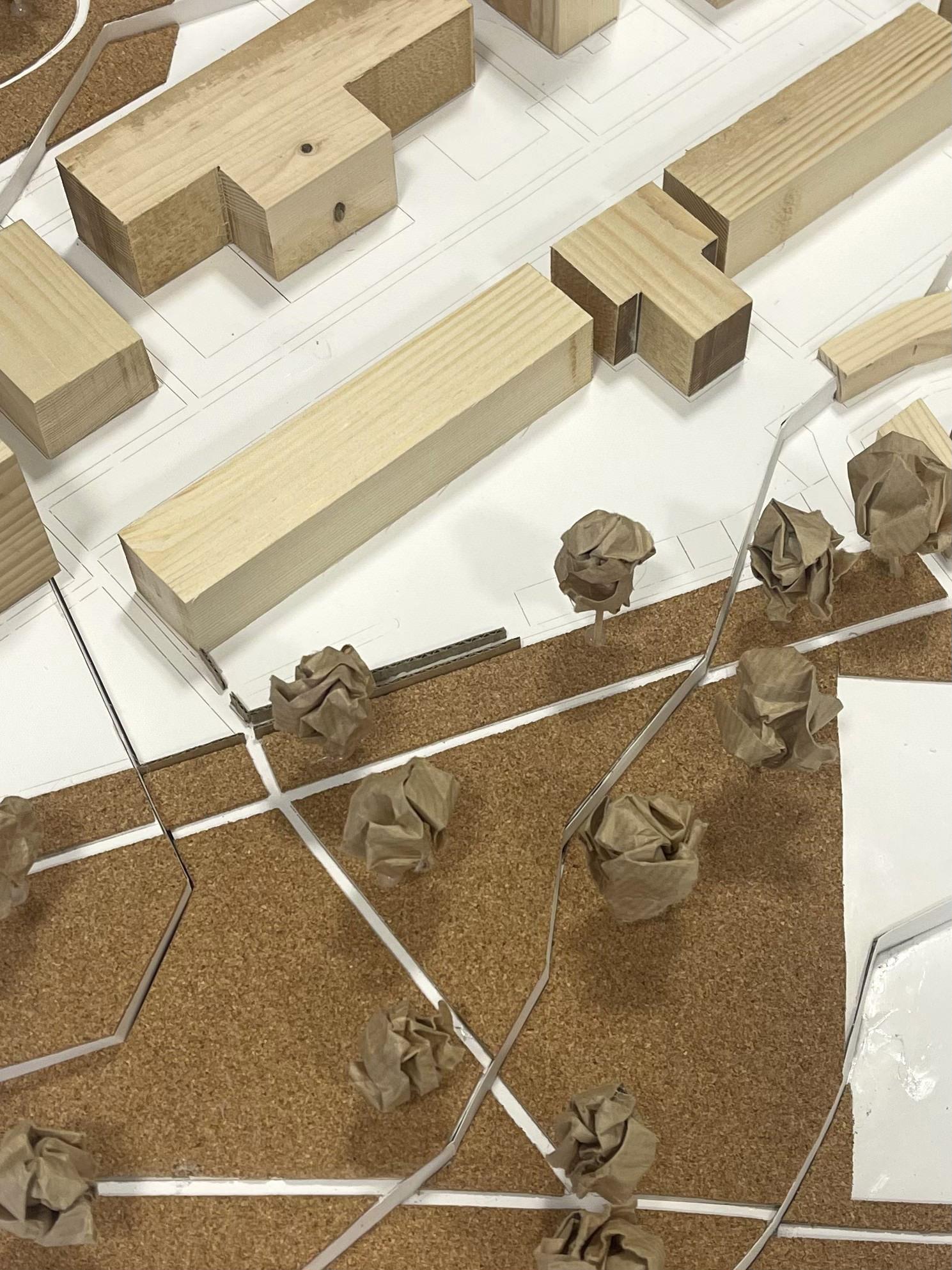
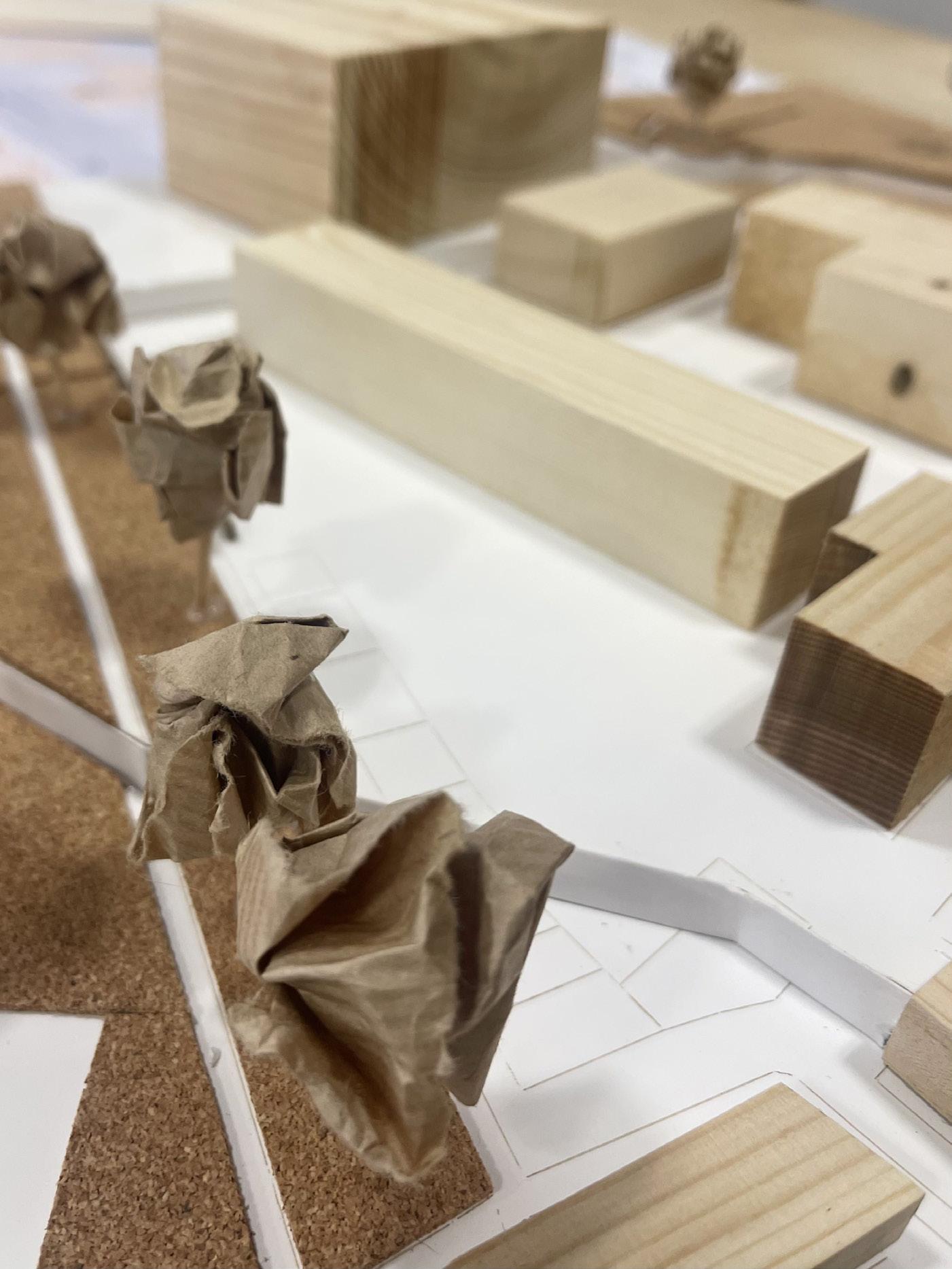
The site model were made focusing on the topographies and the immediate surrounding context.
Site Model by Joyce Fan, Sharon Ding, Cameron Paul and Elliot Osmond
Collage and sequence of spaces
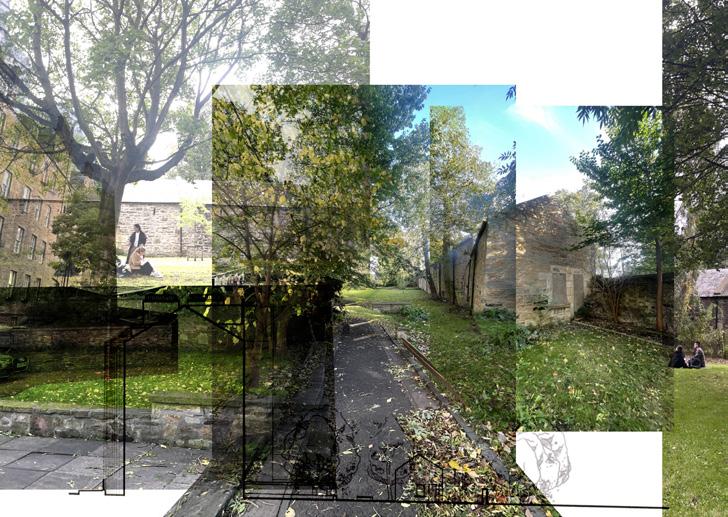
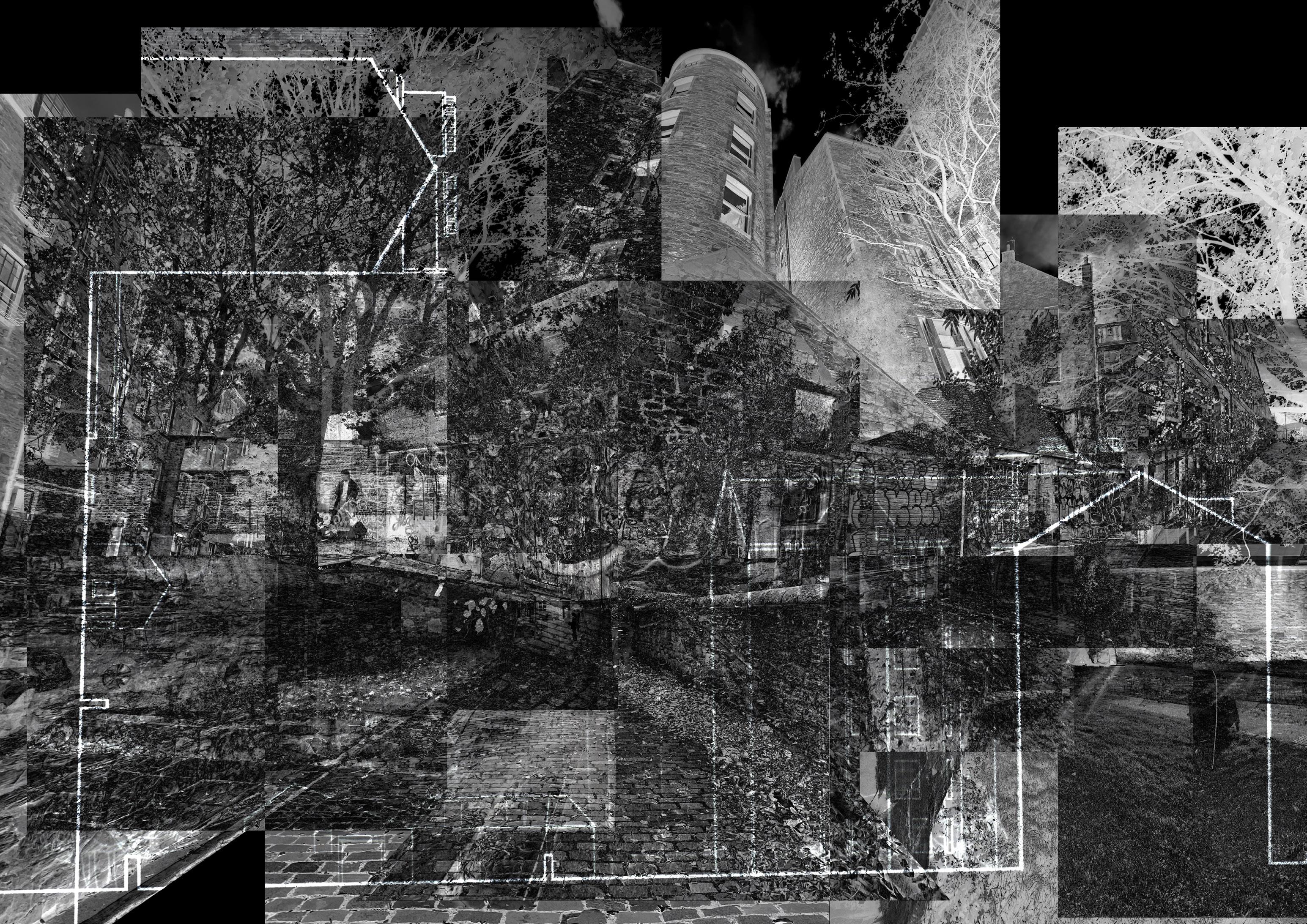
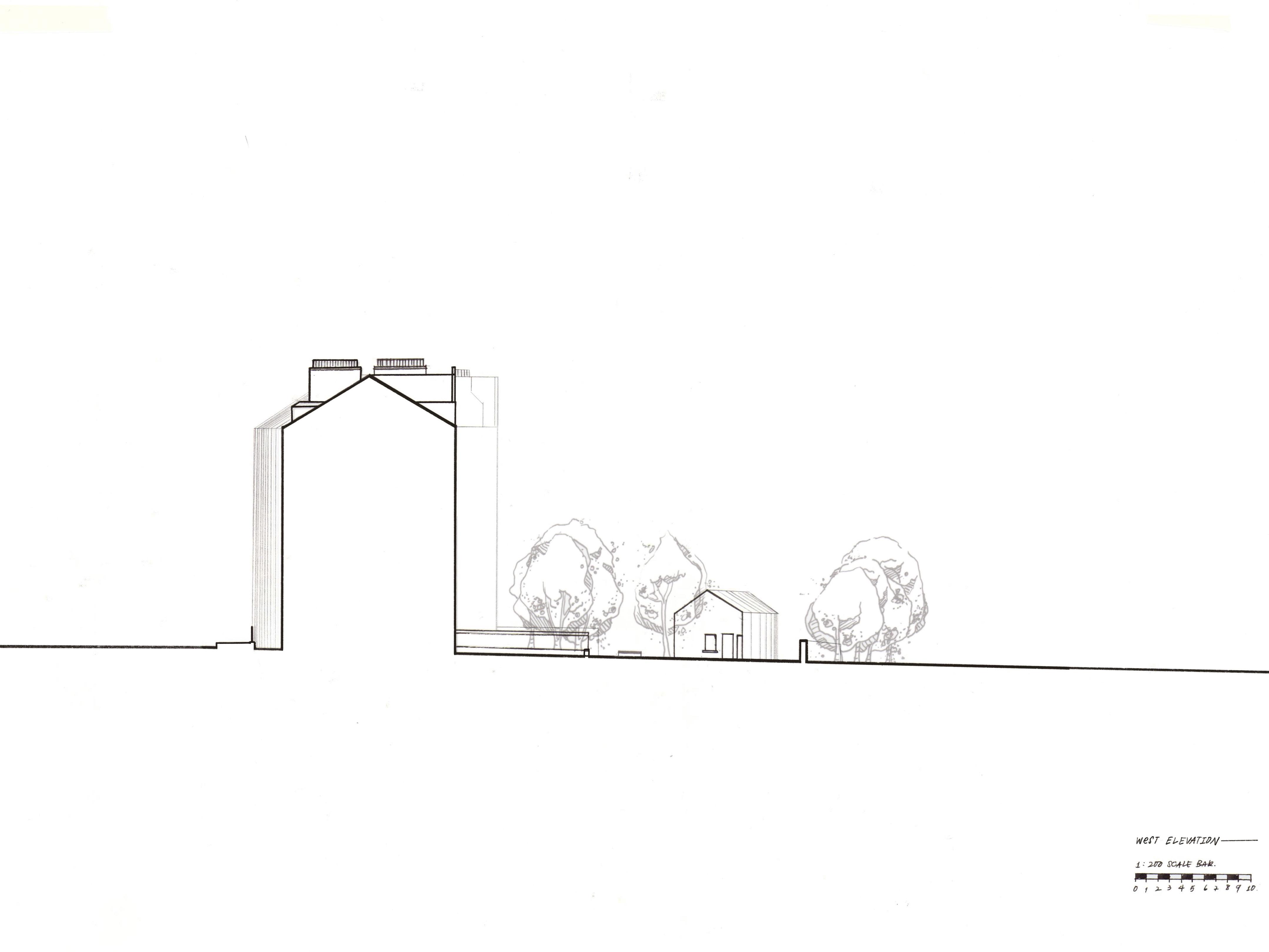
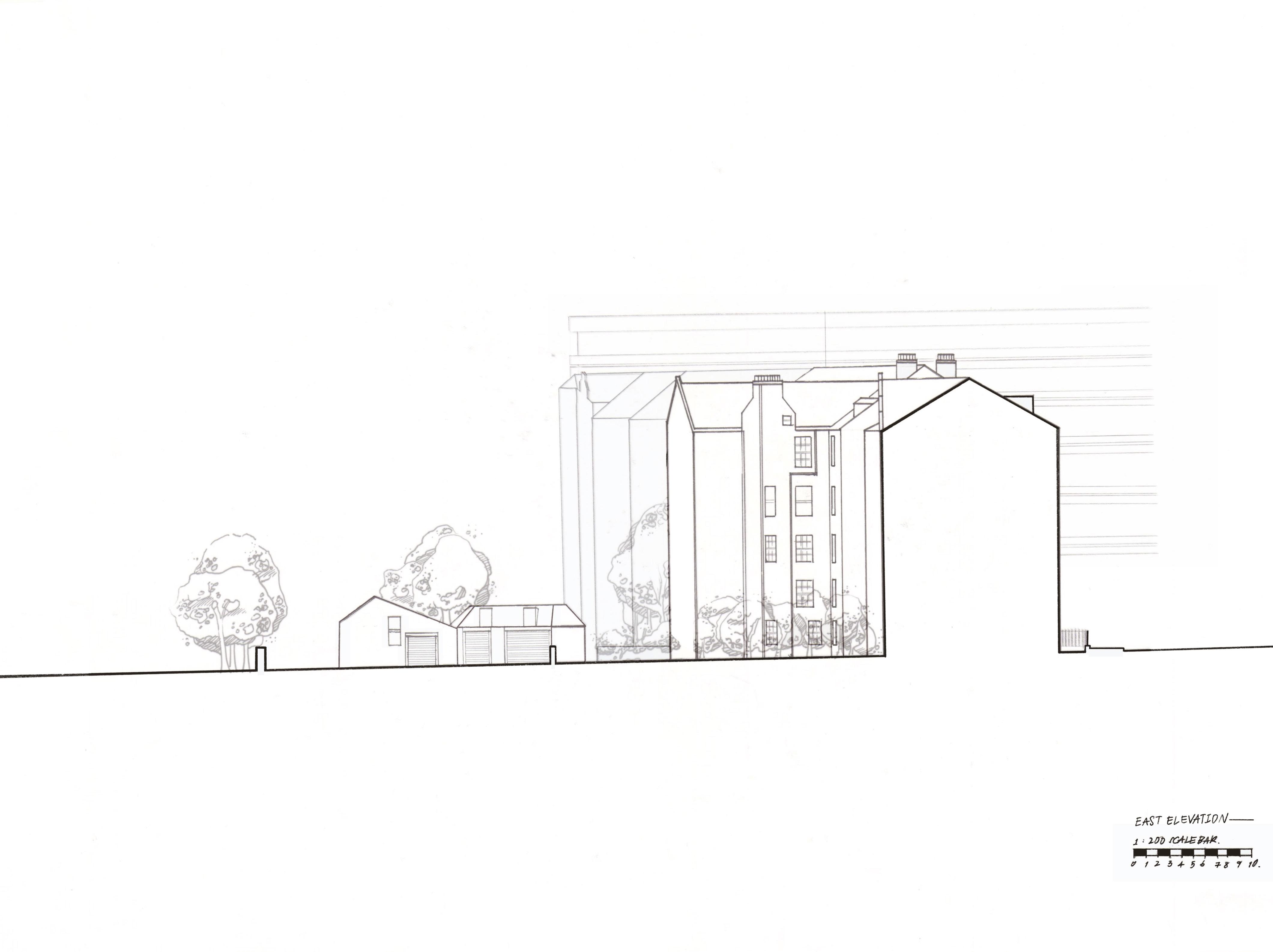
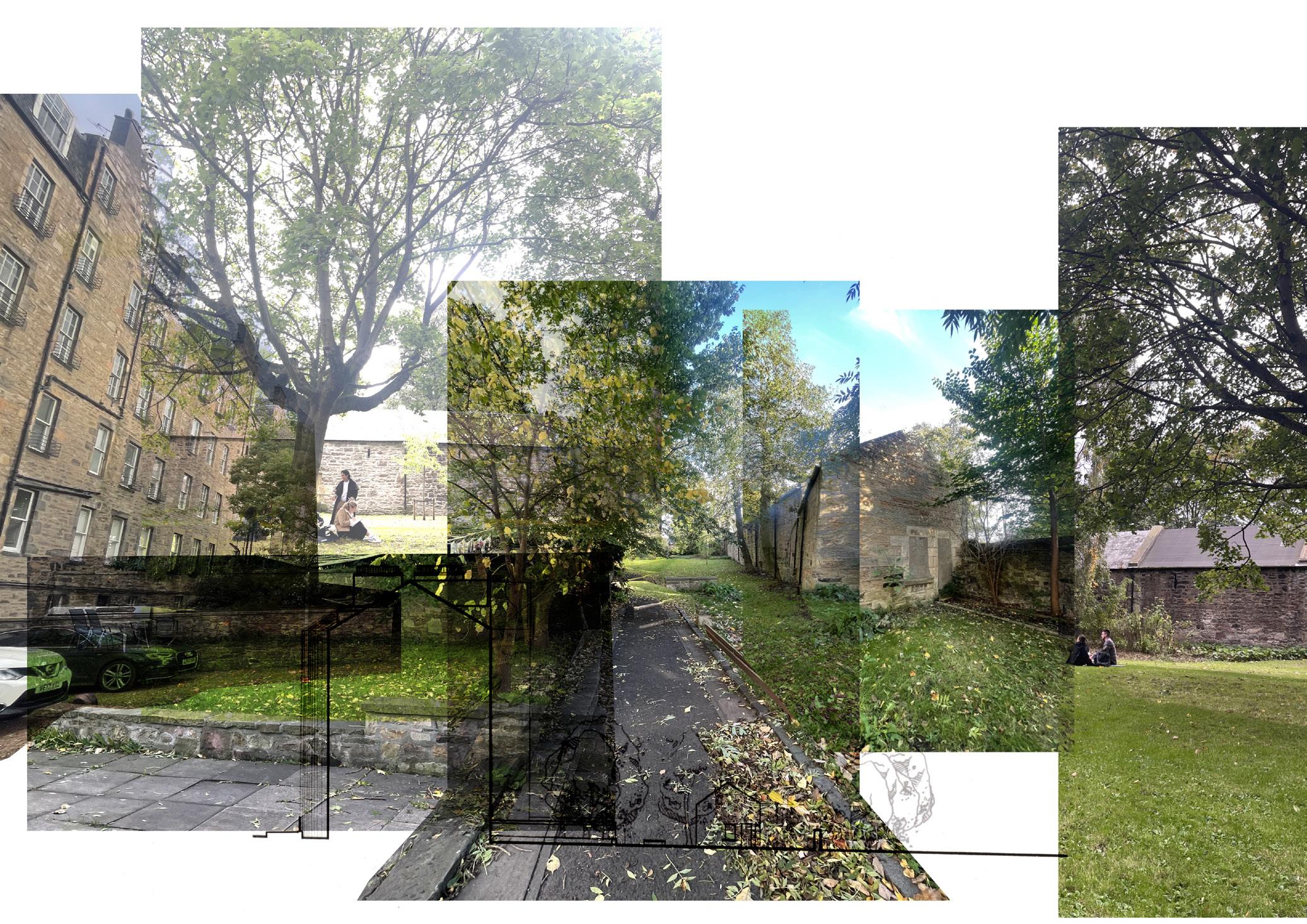
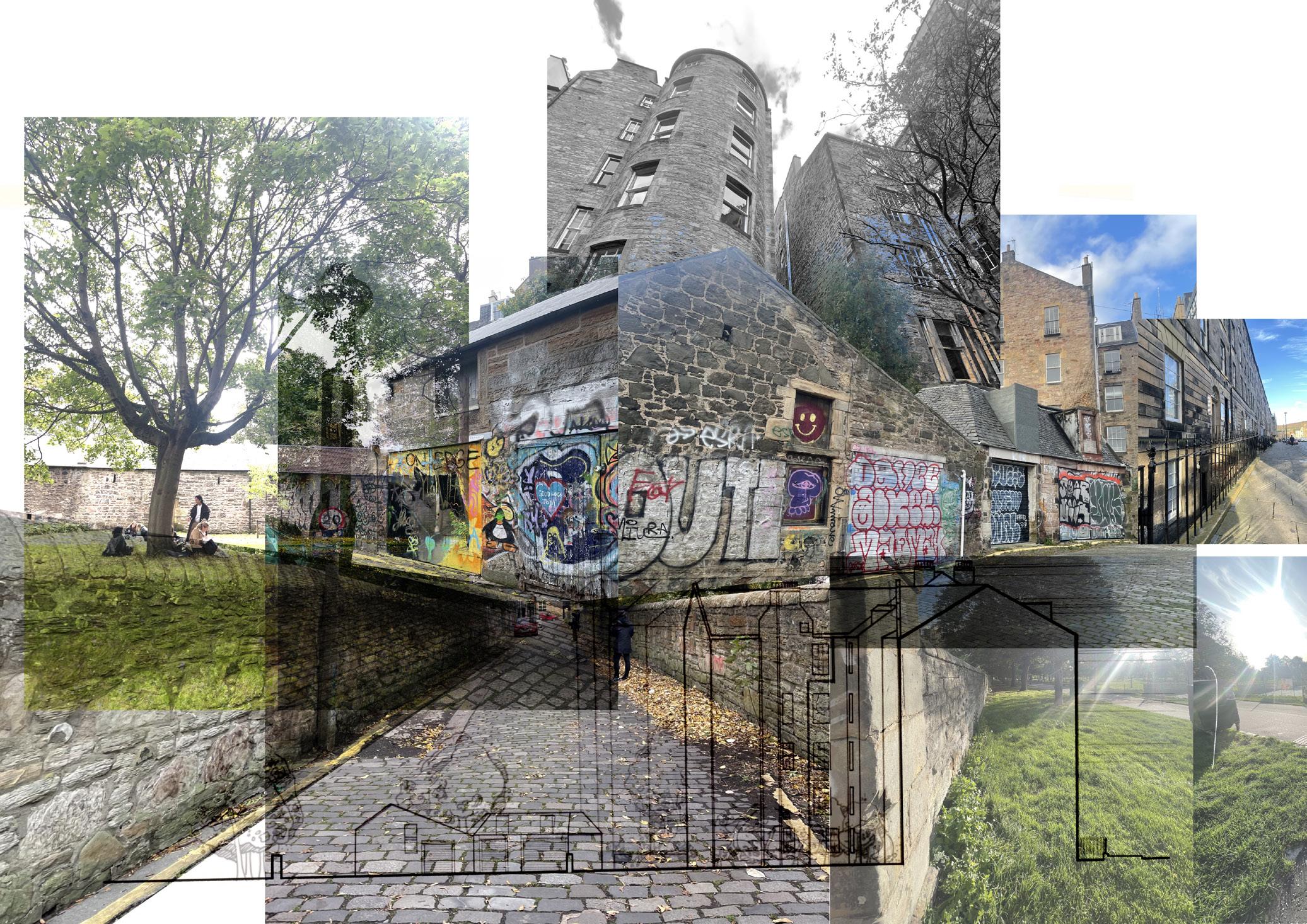
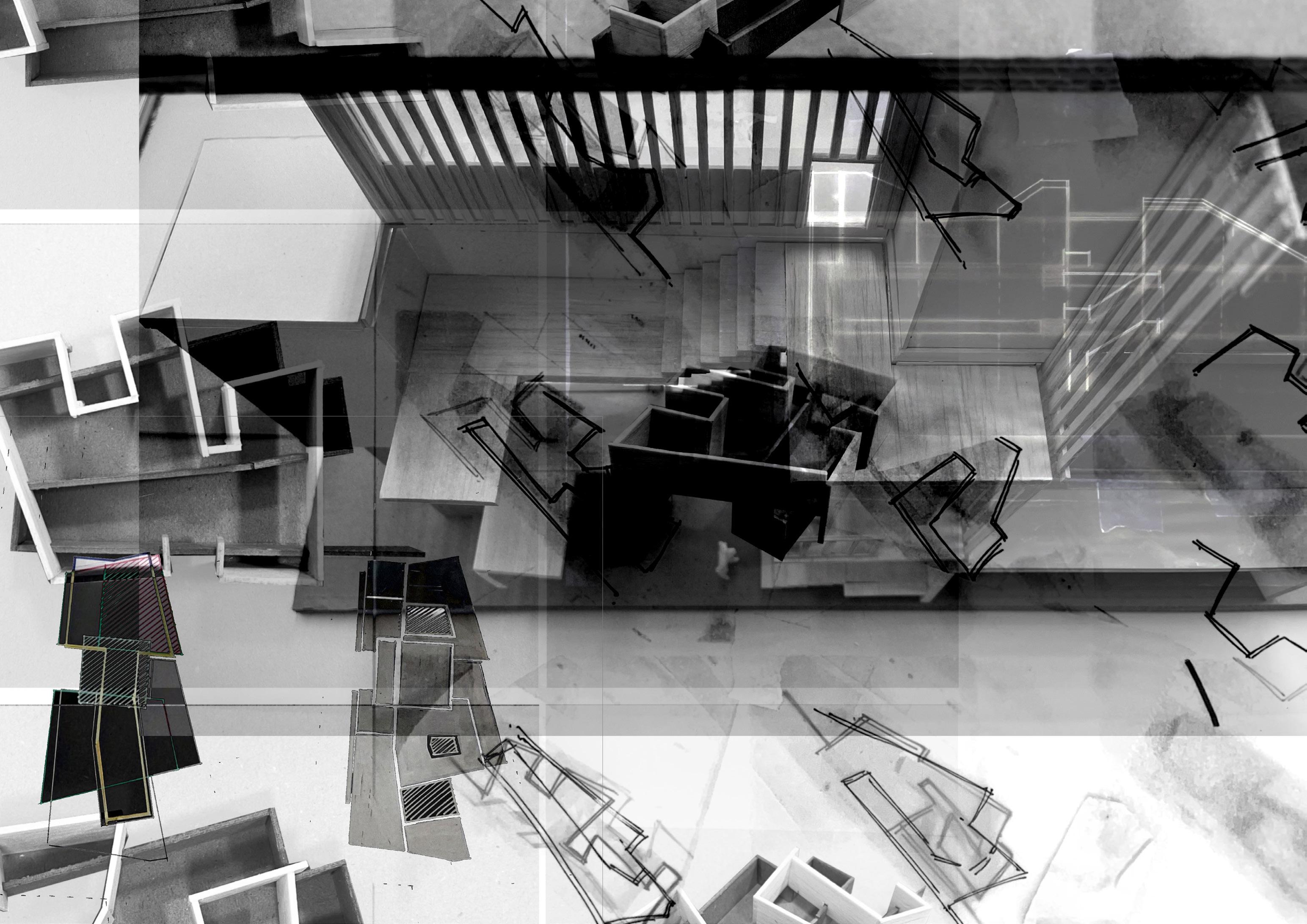
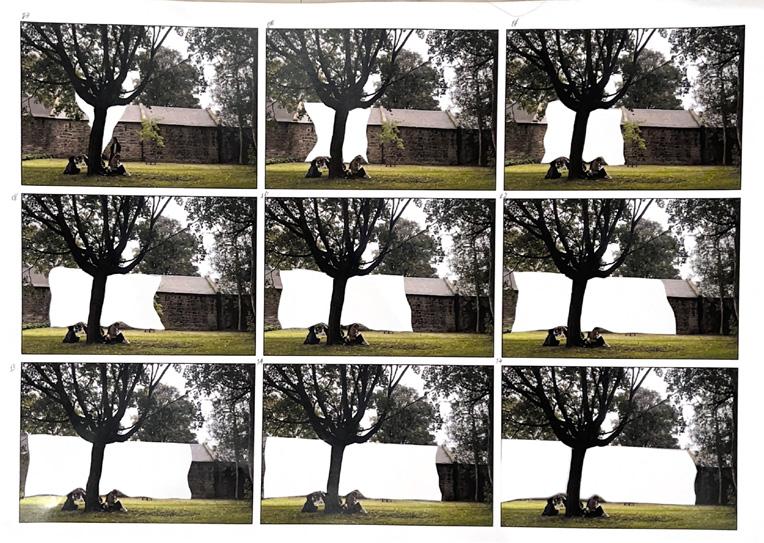
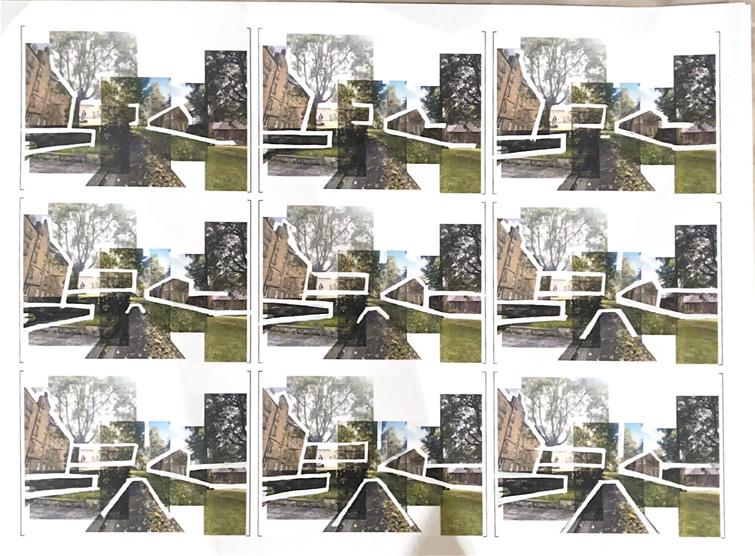
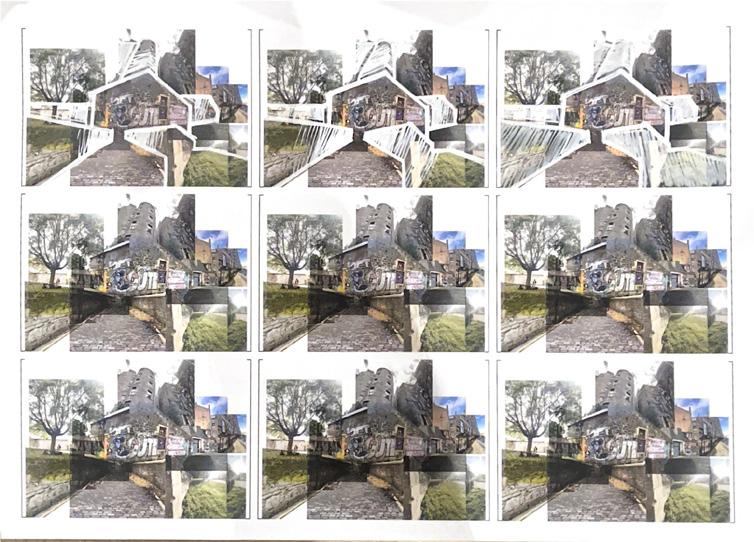
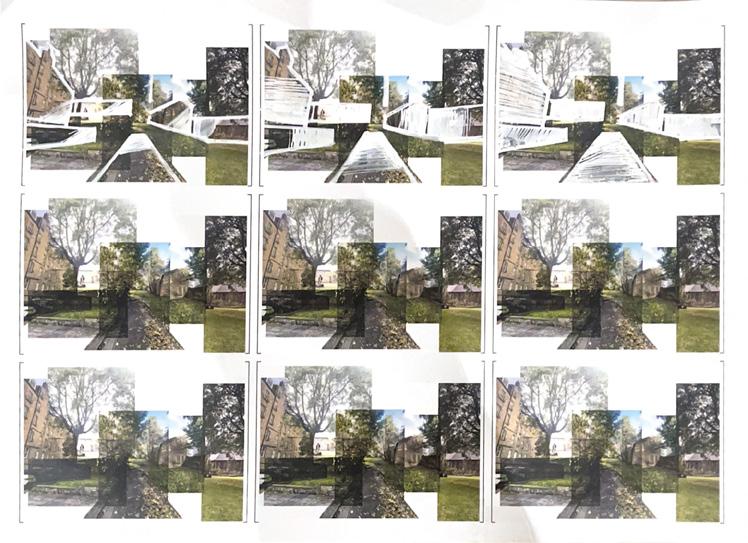
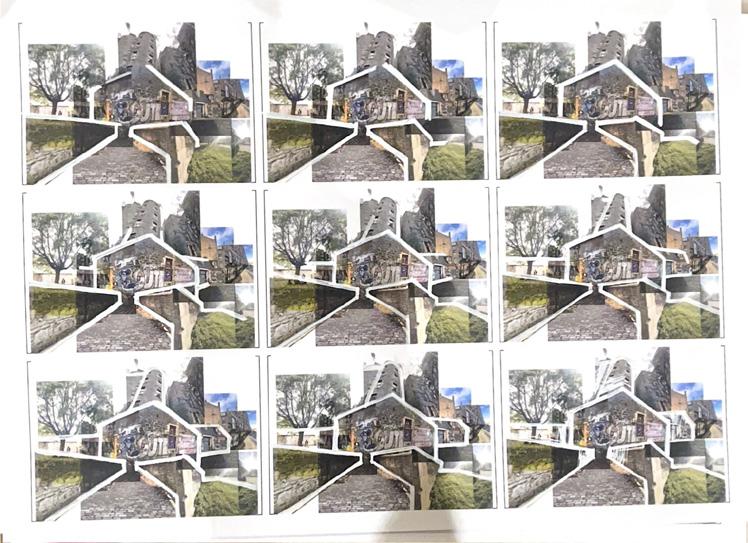
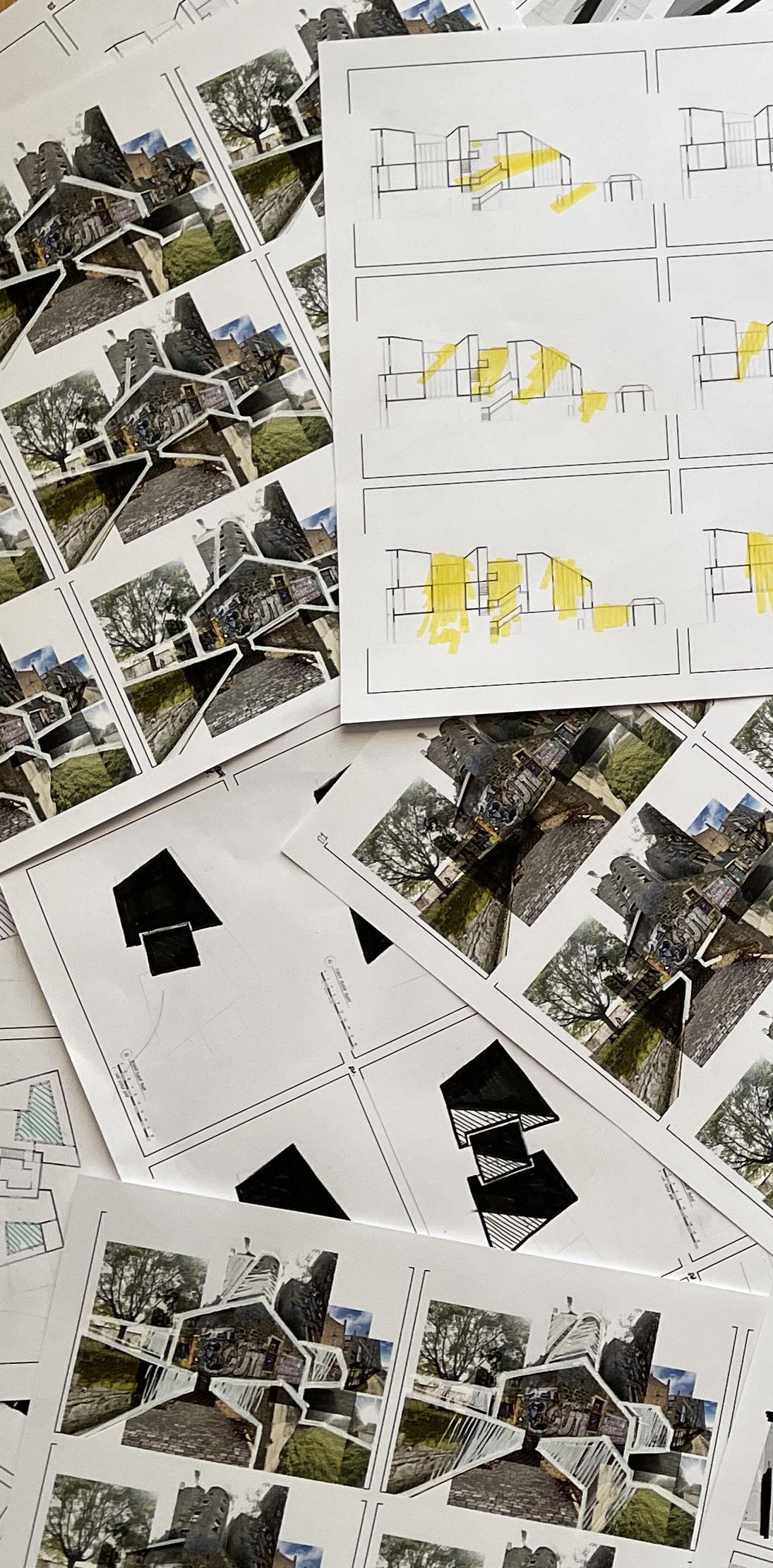
Collages were focusing on the task I got which was to draw the east-facing and west-facing facades elevations. It was made to show the connection and how I experience the space through the different photography moments.
Moments
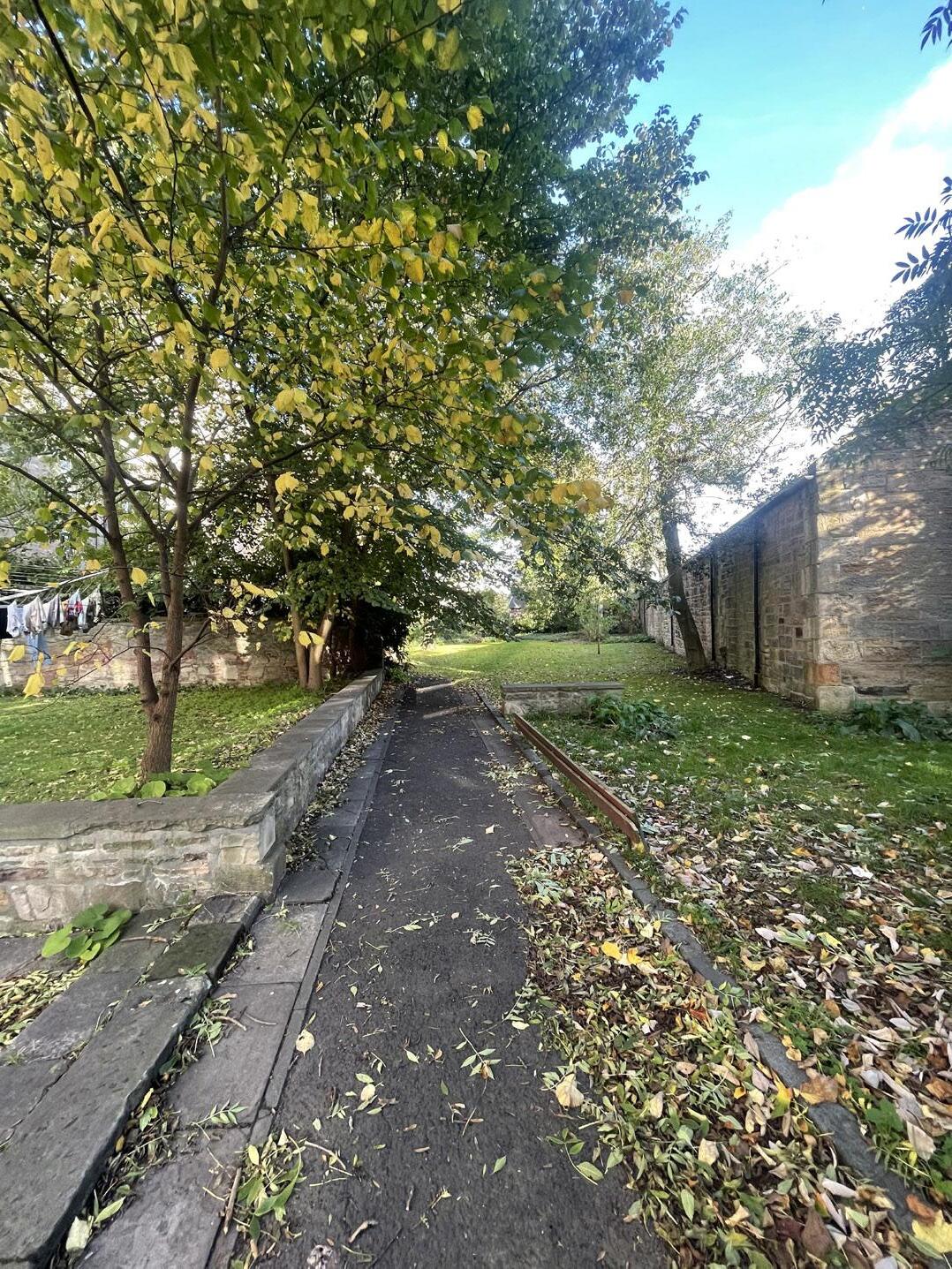
These were the different moments captured at different months (Week 04 and Week 11) when there were a drastic change that can be seen from the trees and leaves colors.
The moments displayed here focused on the elements of BOUNDARIES between the different elements but also an aspect of INVITATION which is directed by the many focal points (one-point perspective-like photography)
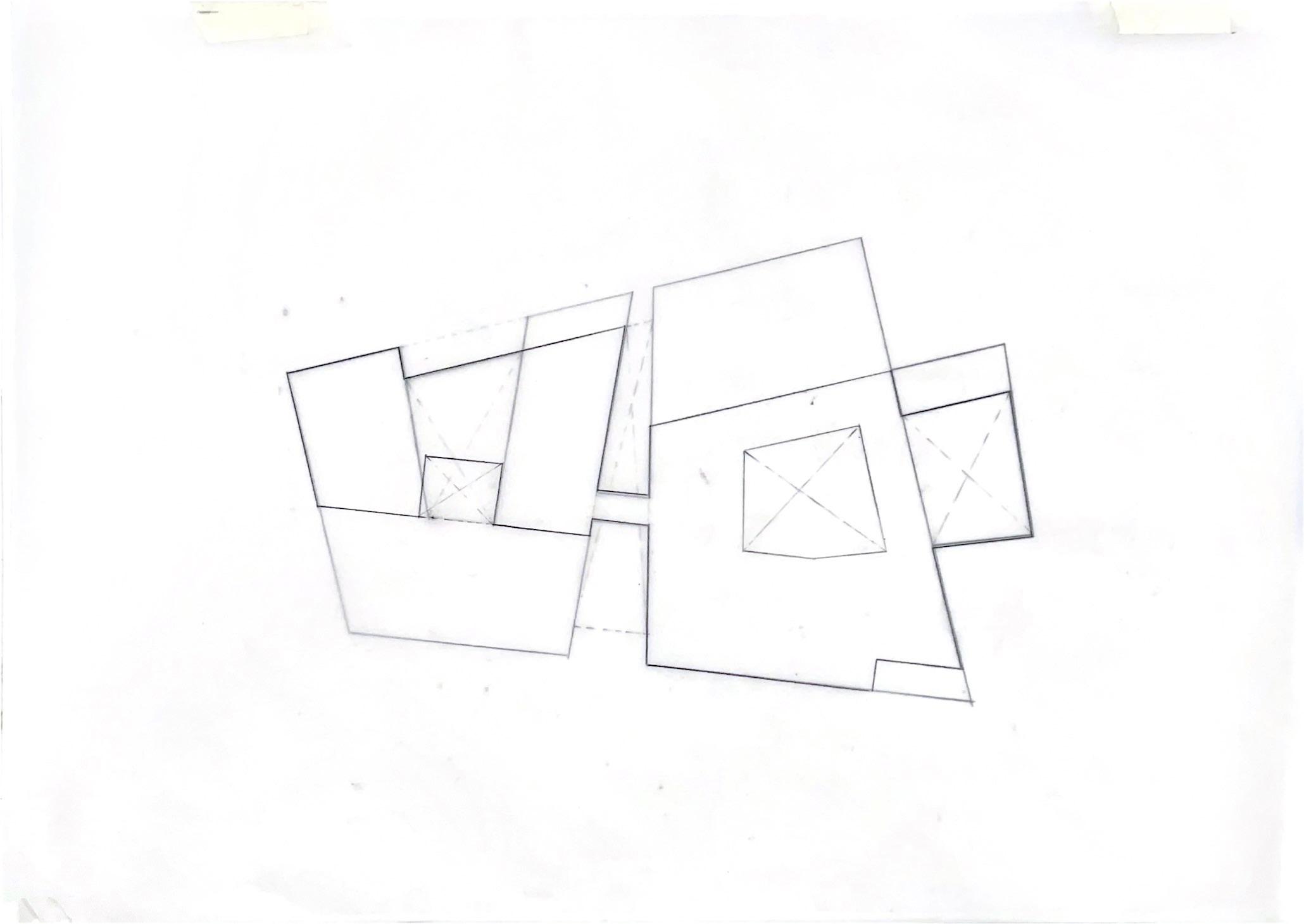
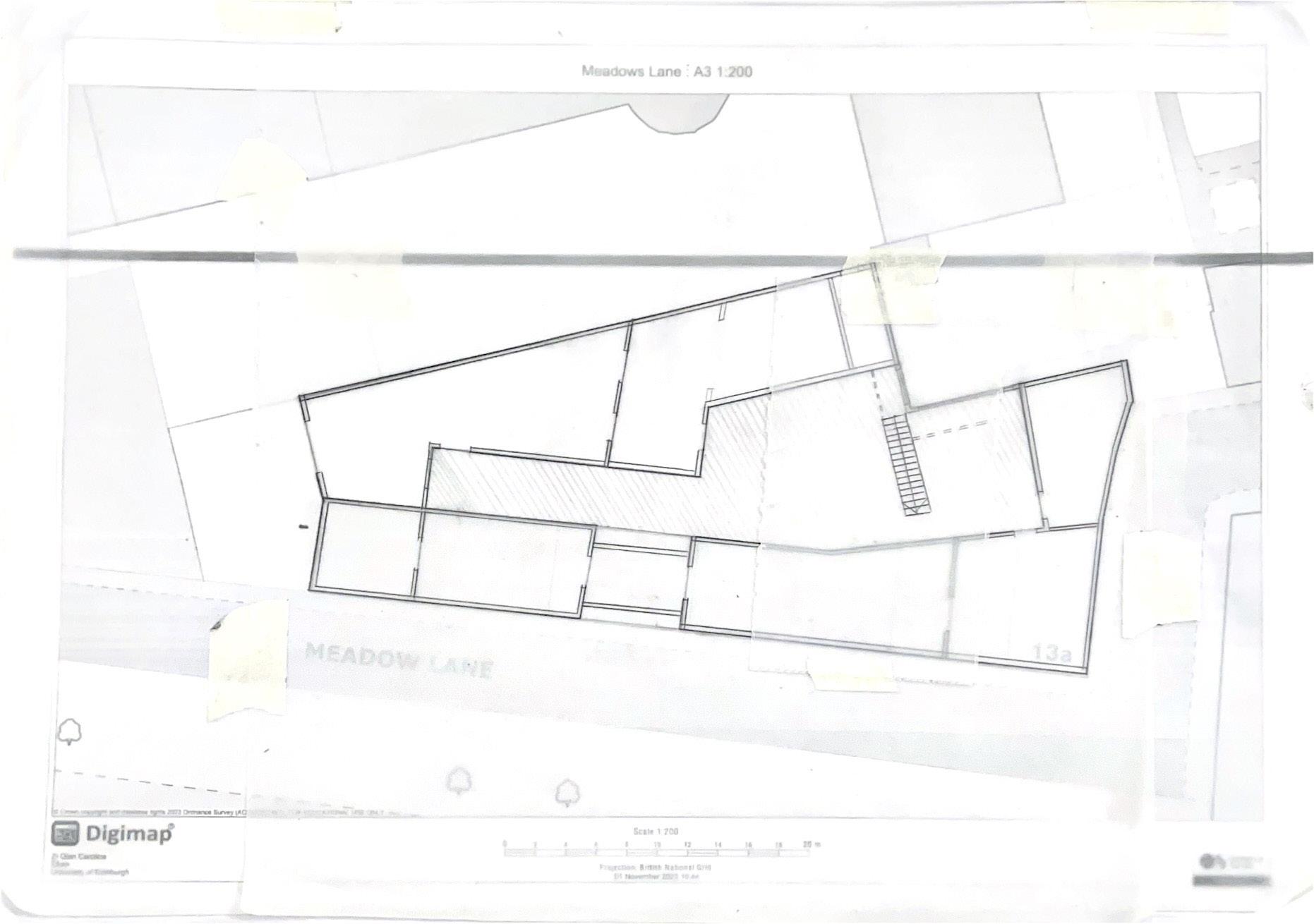
Massing Proposals and Iterations
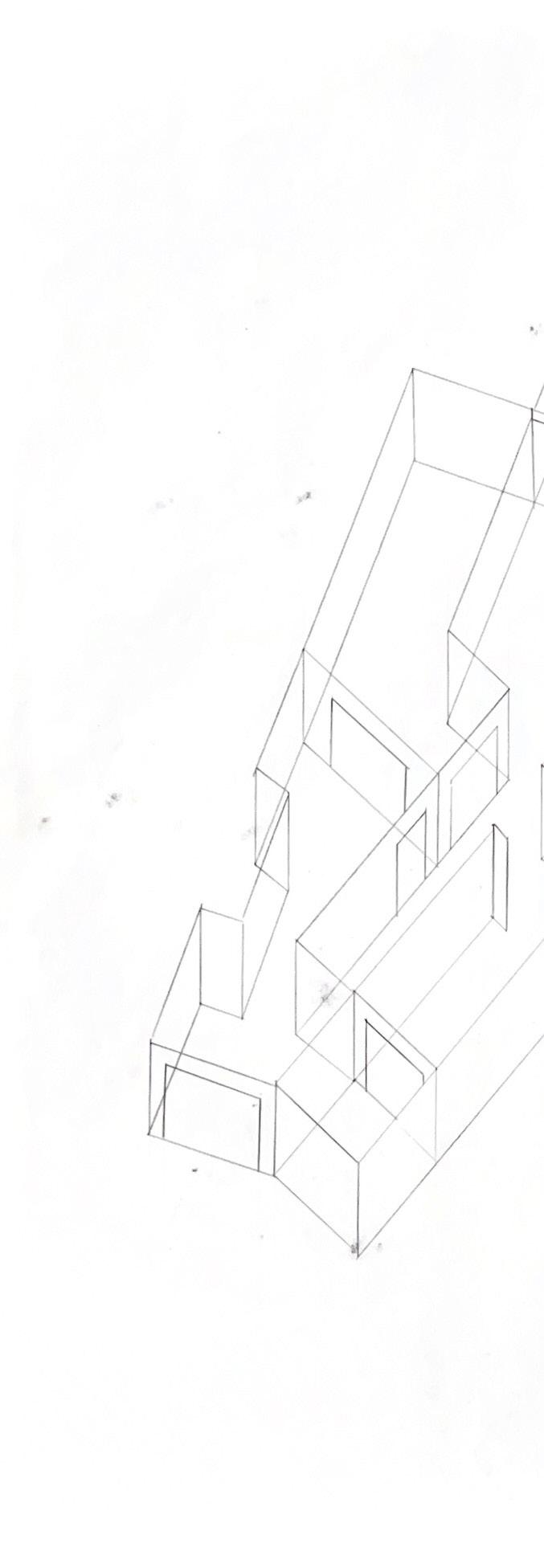
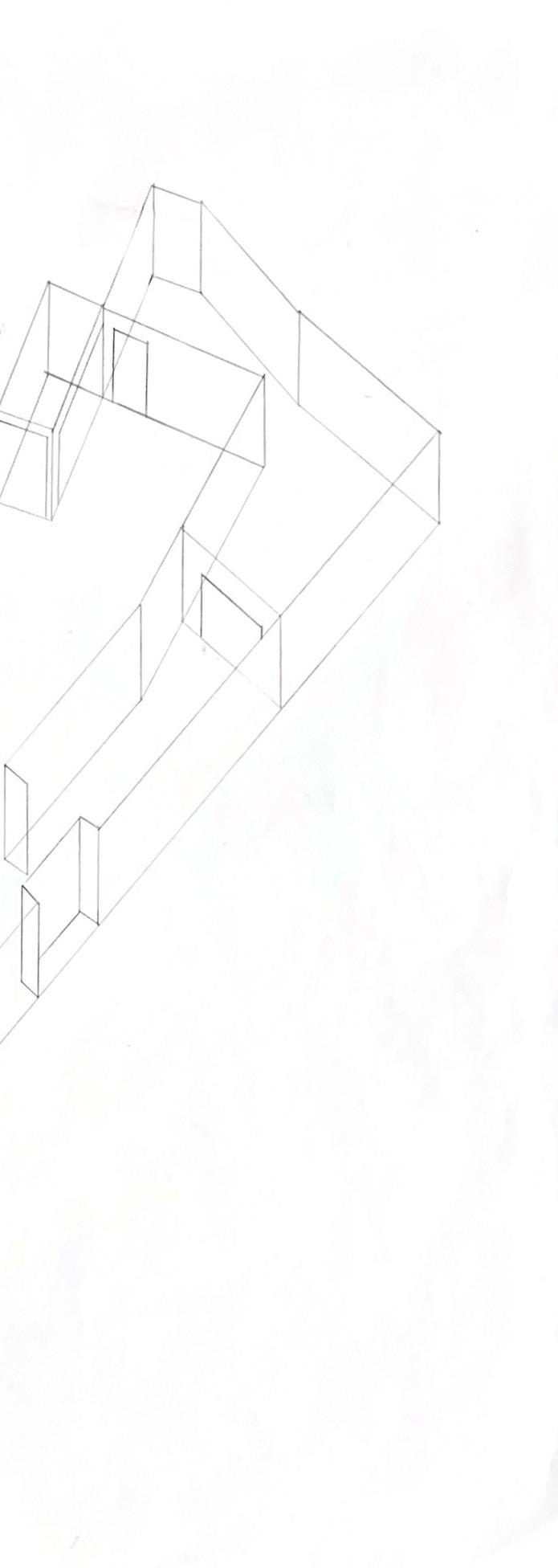
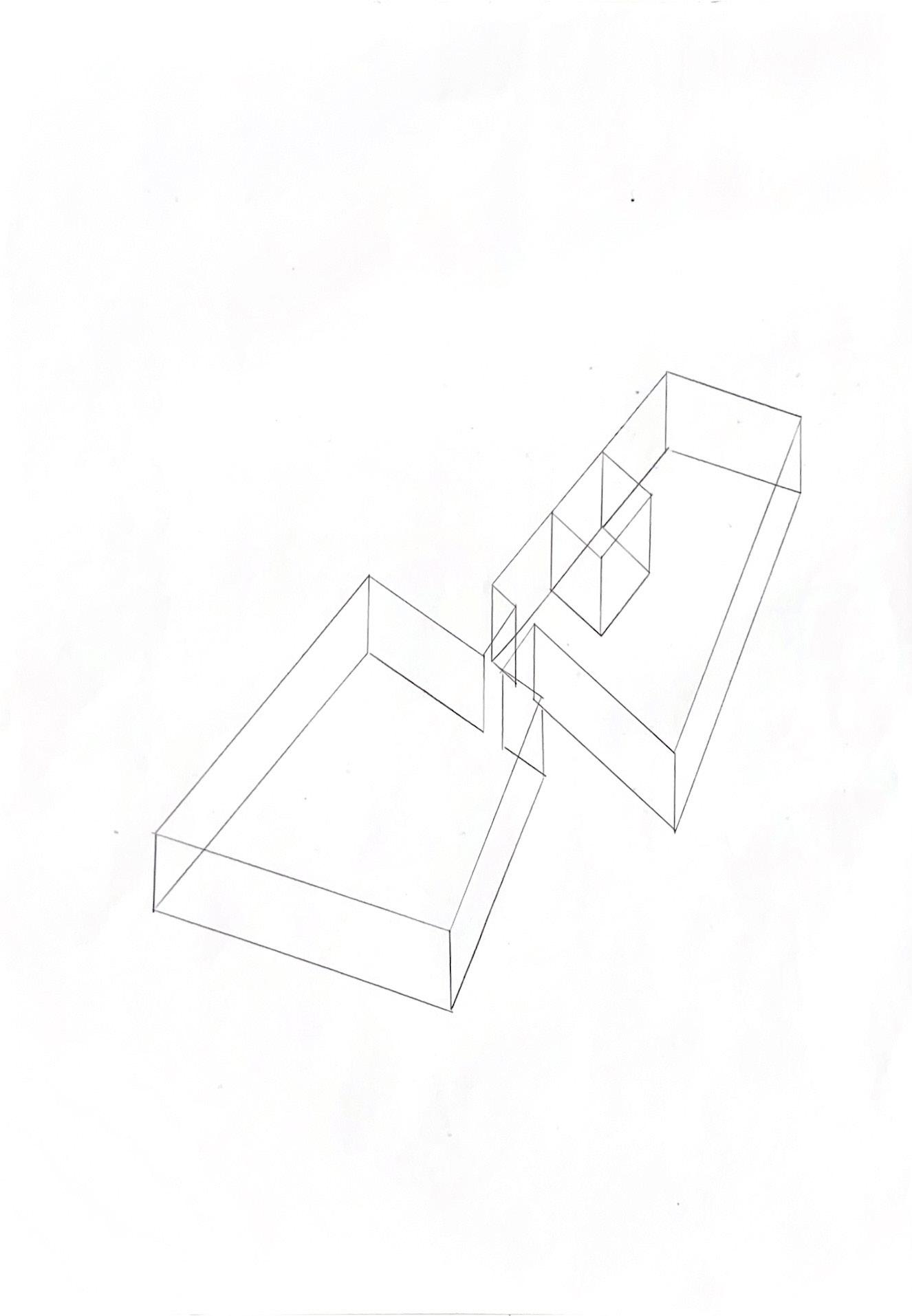
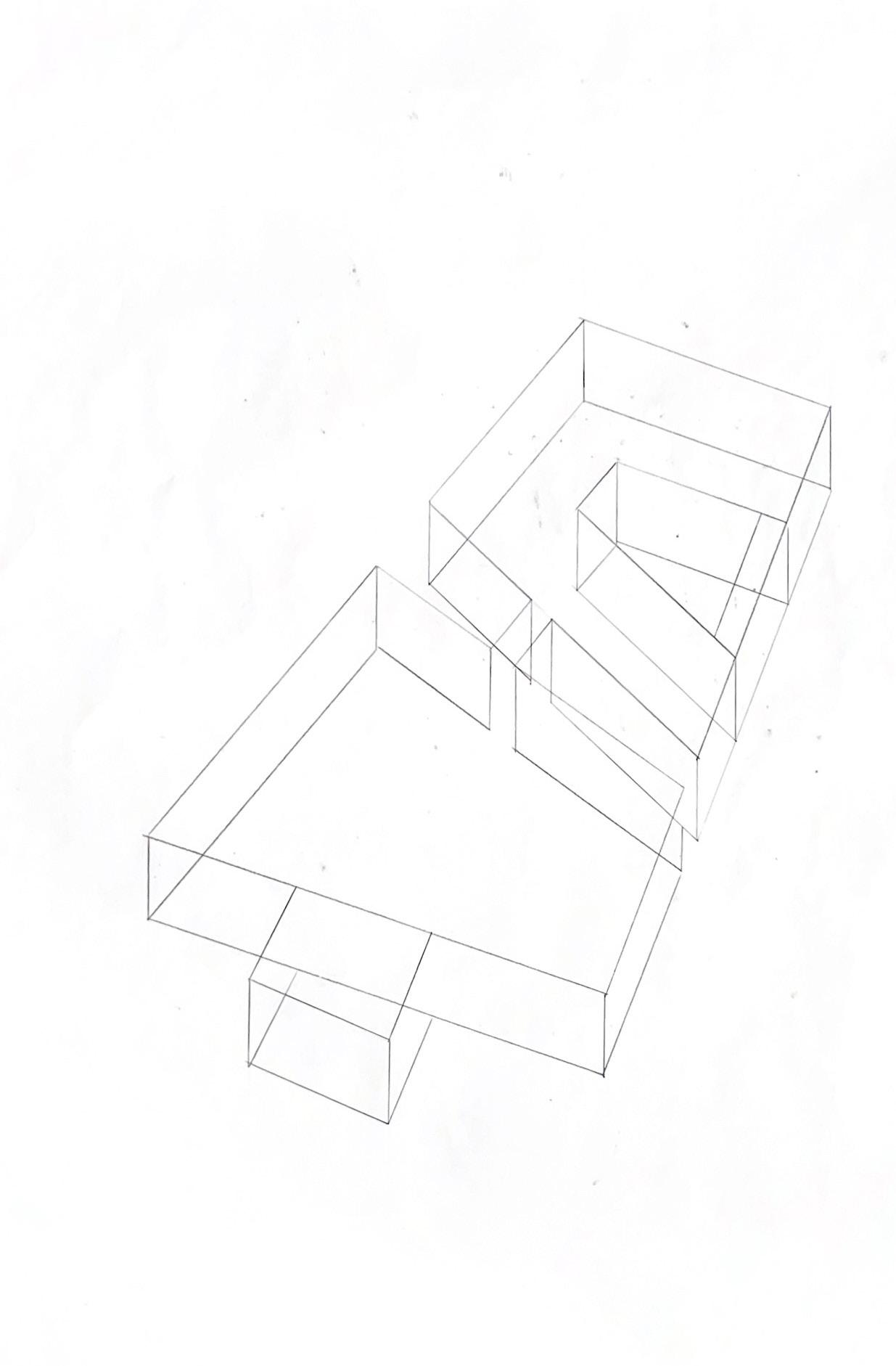
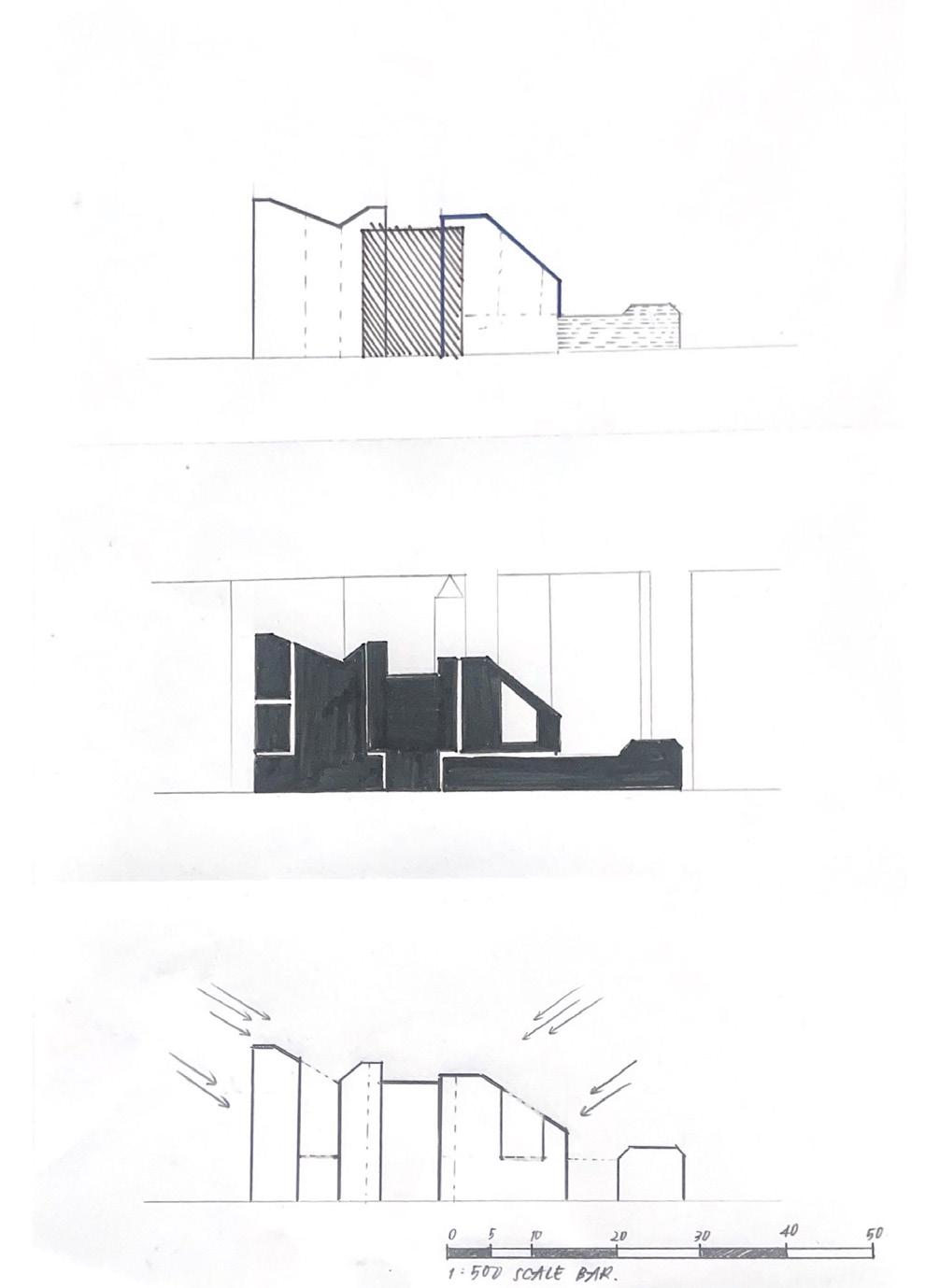
Continuation from the Ibstock interest of massing and boundaries, the approach is used for the different iterations throughout the progressive process.
The approach primary starts from the plan then move to section, isometric and sketch models for explorations and better understanding of my own proposal.
Iterations and Approaches to the Proposals.
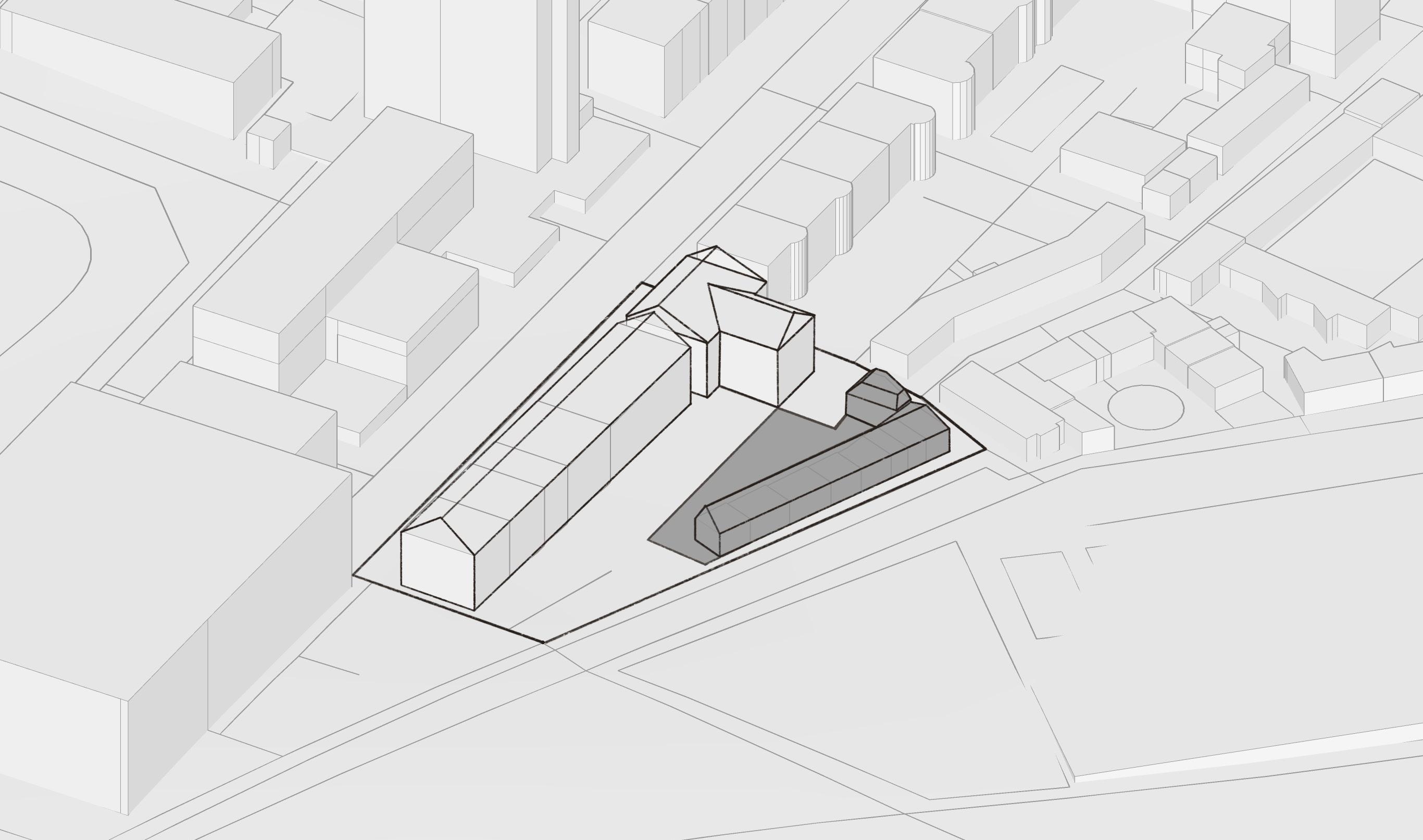
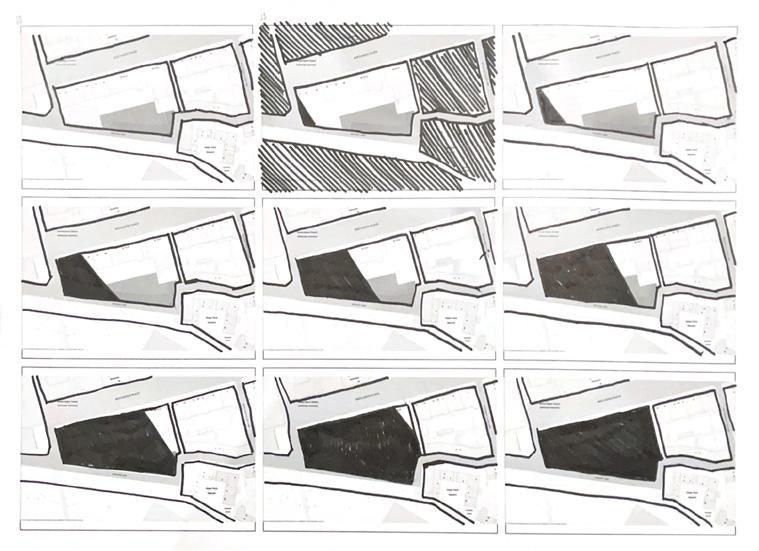
Proposal Limit.
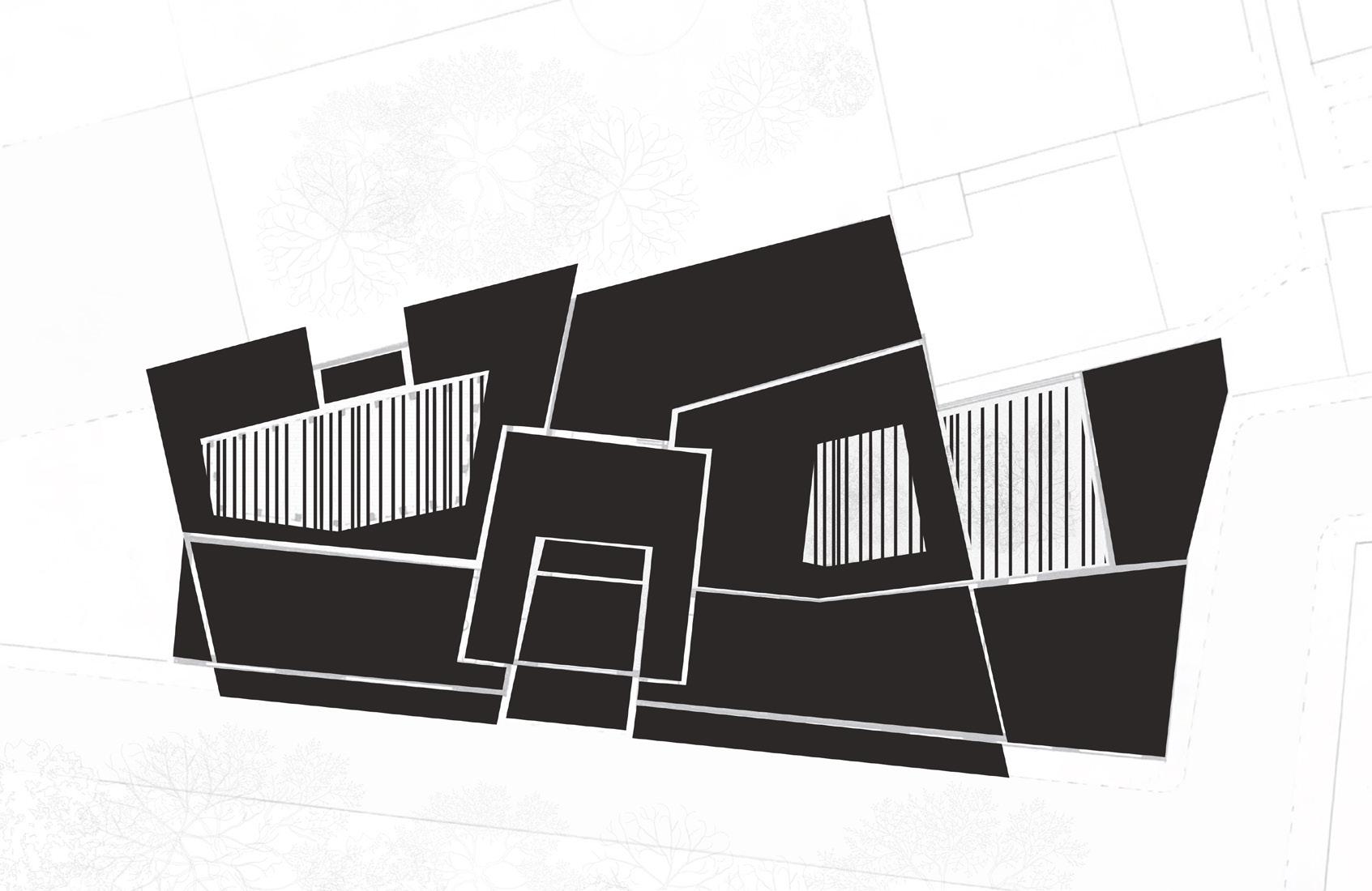
It is important to start out by defying which area and building will be the base of the proposal which in this case is the dark highlight on this diagram. The limit includes the courtyard and the existing garages which are currently use as storage.
Massing Models
1:500 Scale
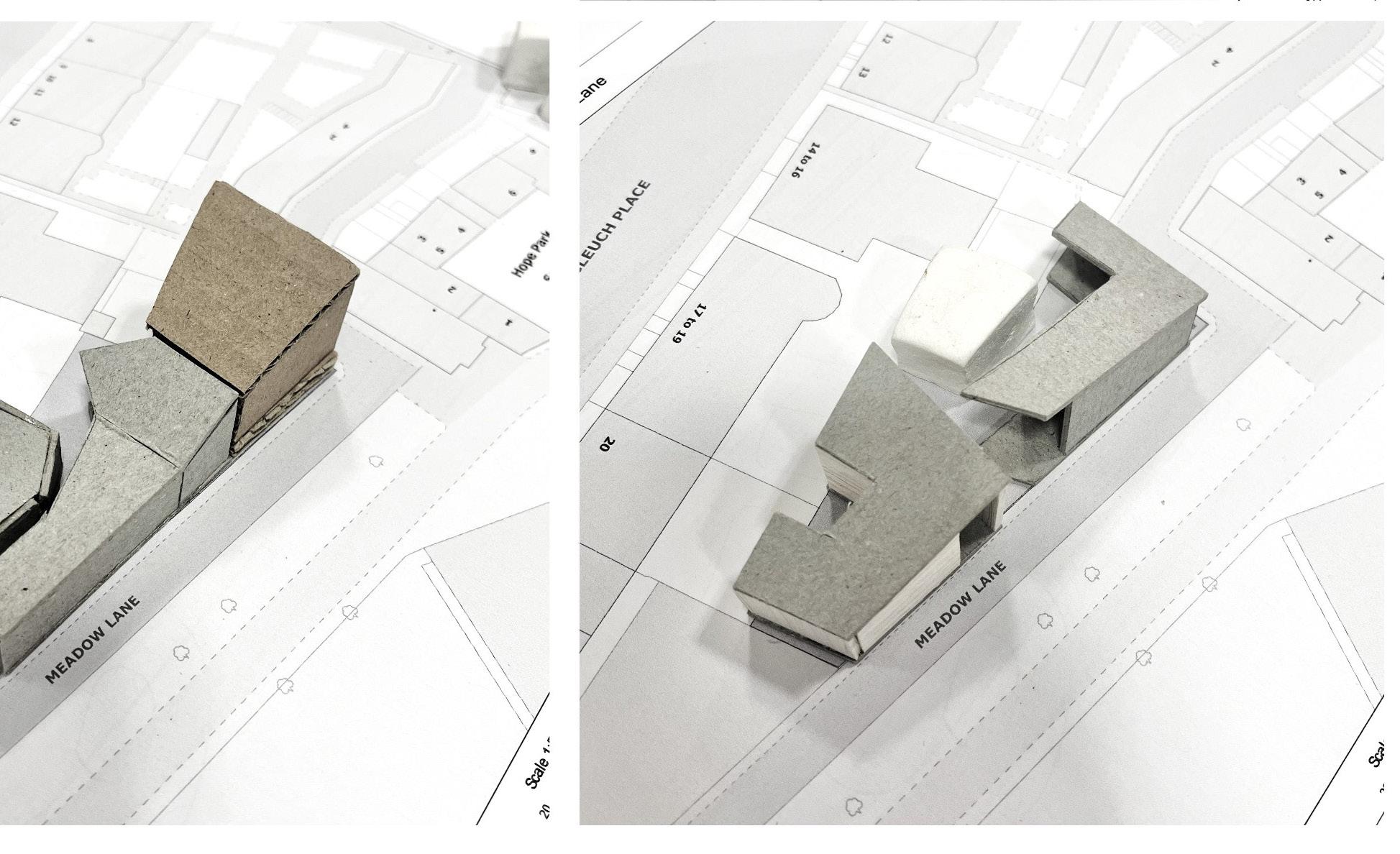
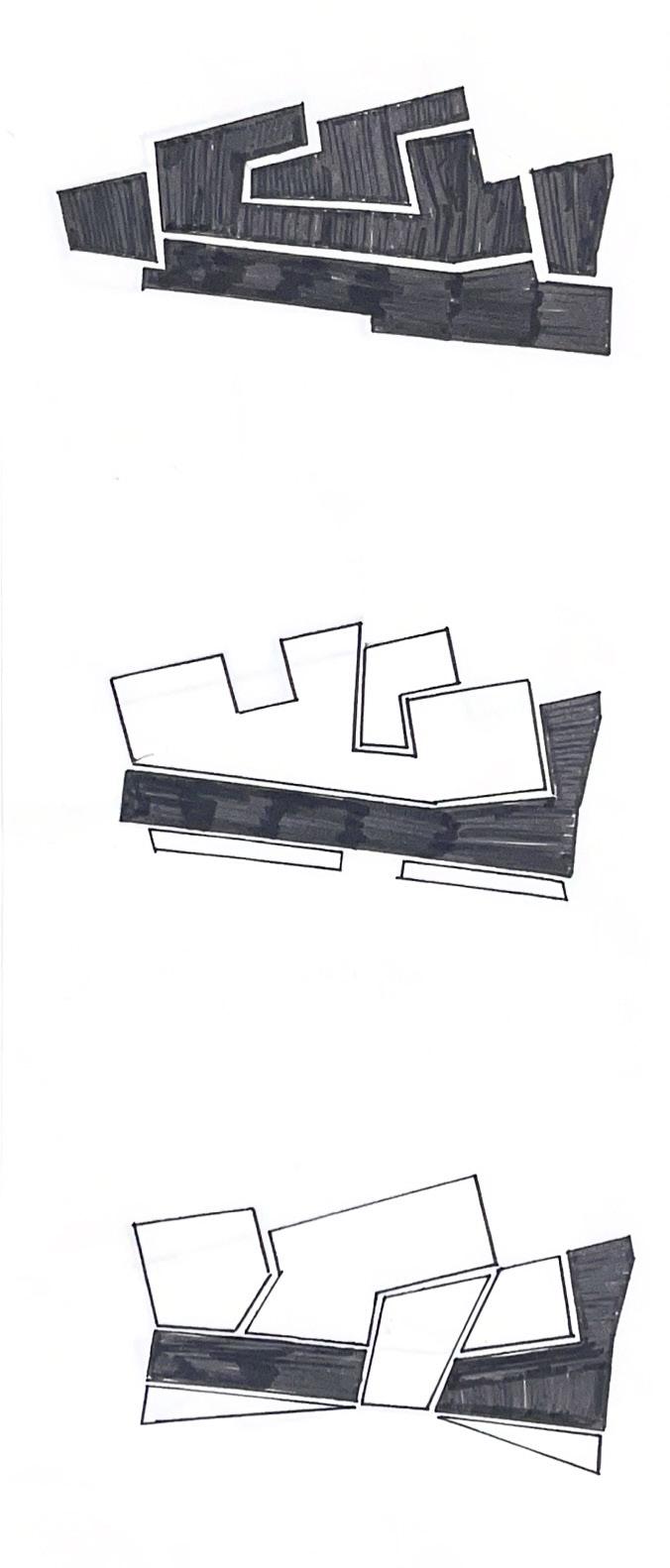
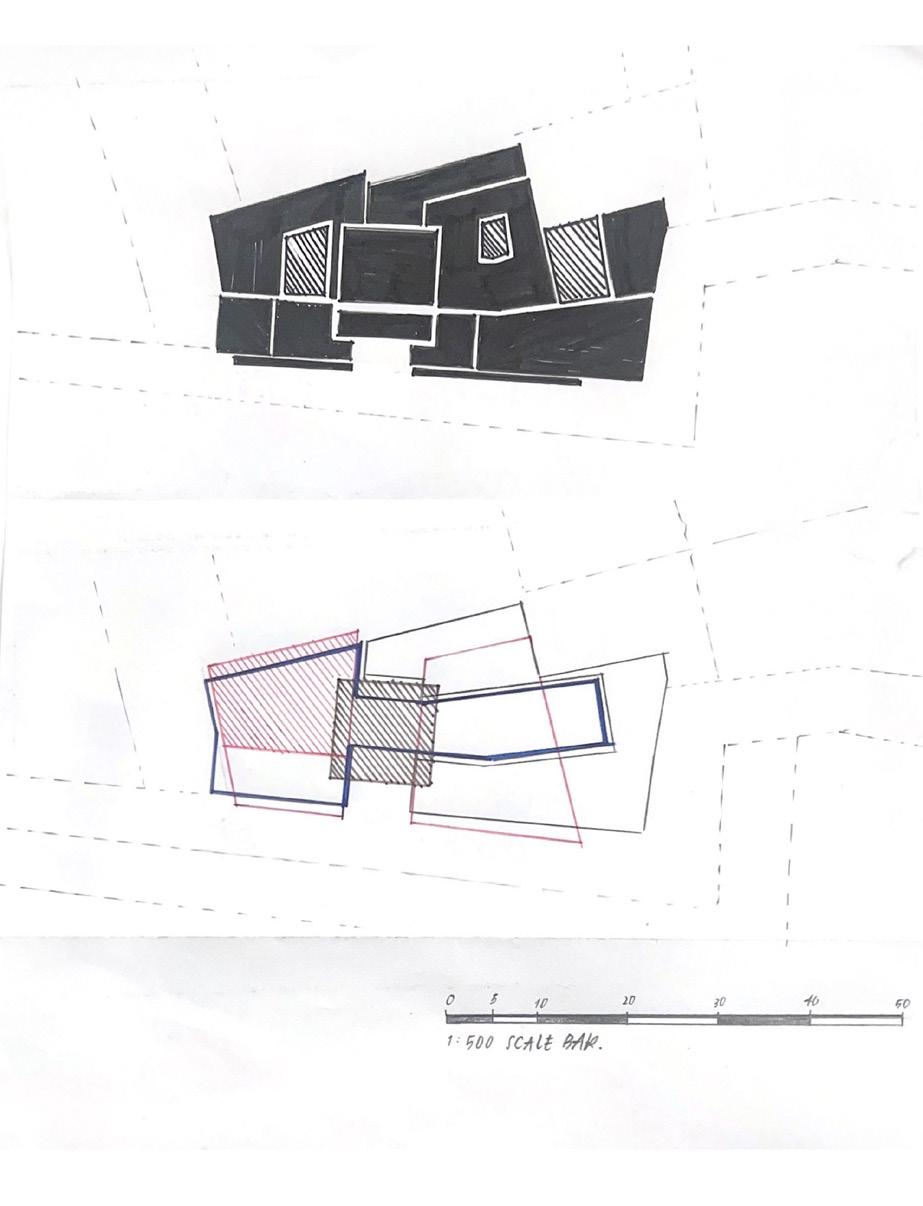
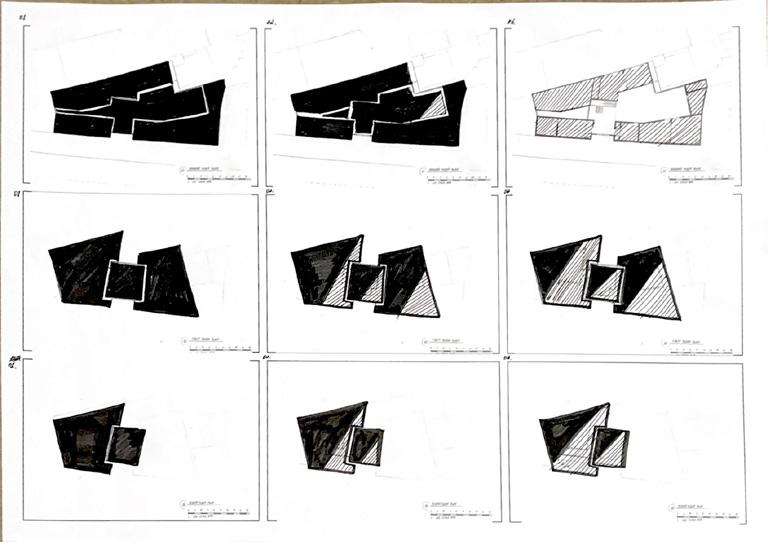
These massing models were created based on the idea of IDENTITY and ZONING from the ibstock analysis. The distinct identity inspired me to create massing that responds to one another in a way that it COMPLETES the zoning.
It was clear that I was already focusing on creating an IDENTITY to the area therefore I am taking making quite big massing pieces with different heights and openings to see how it can be private yet public to the surrounding context.
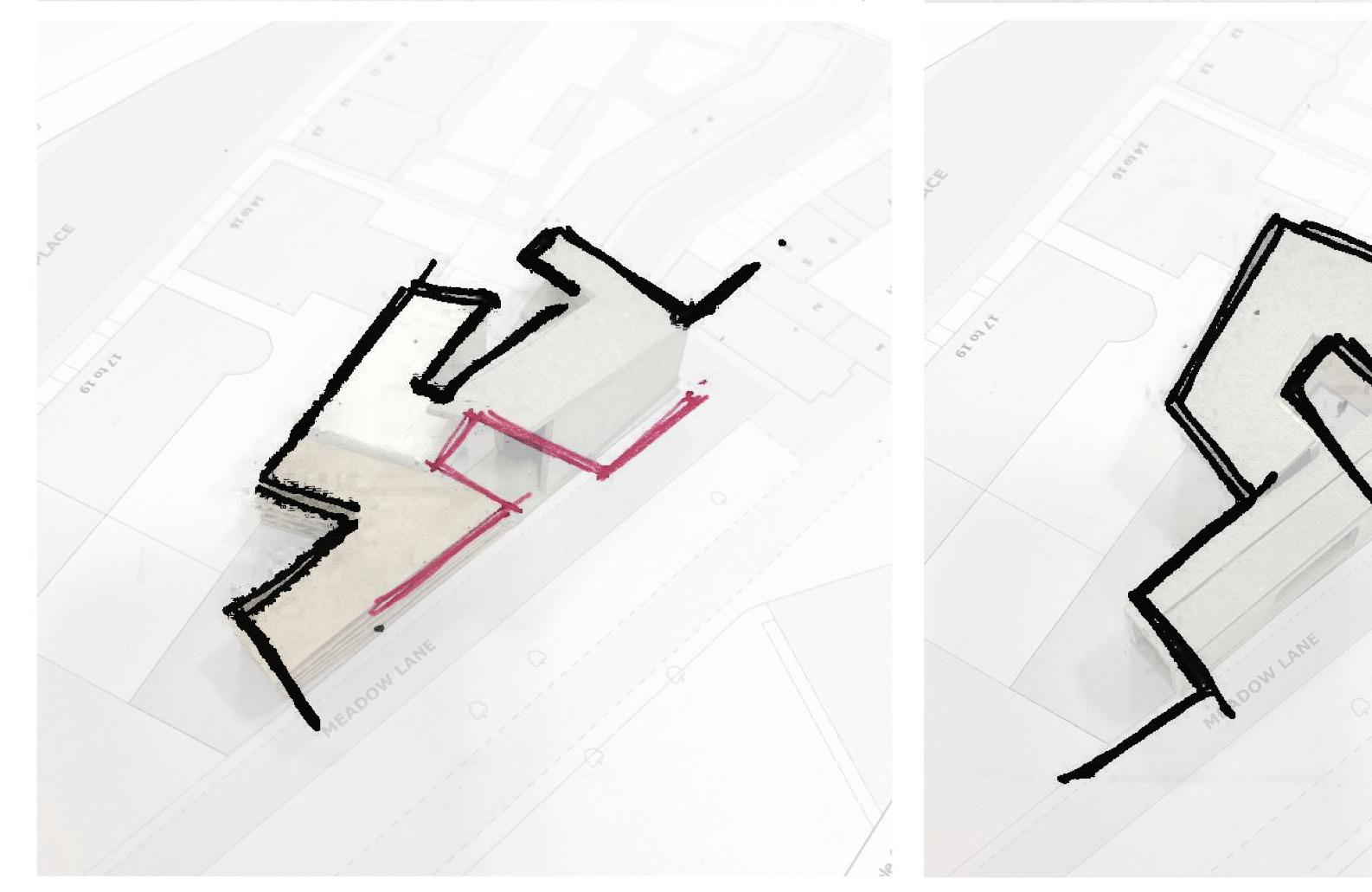
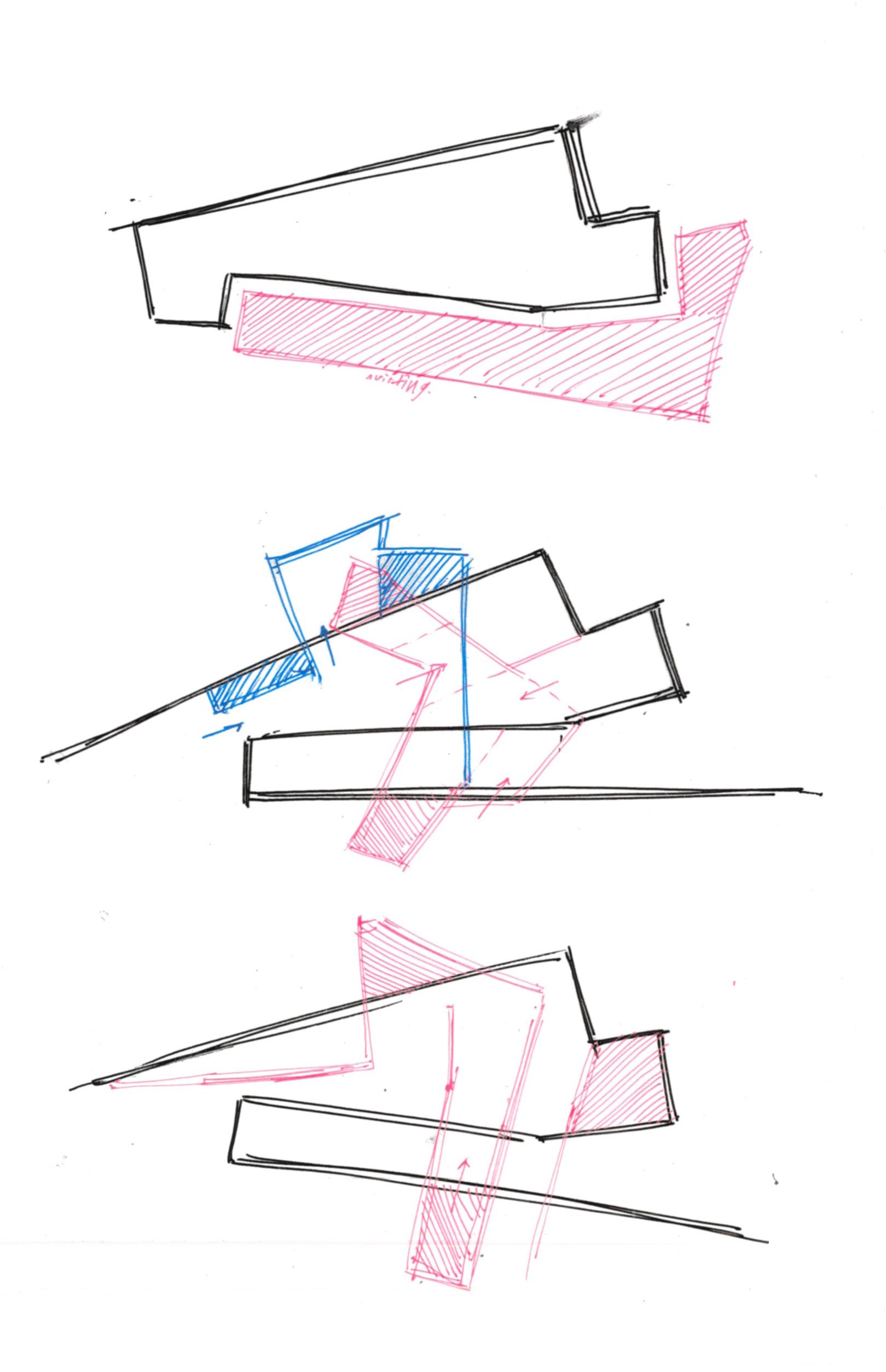
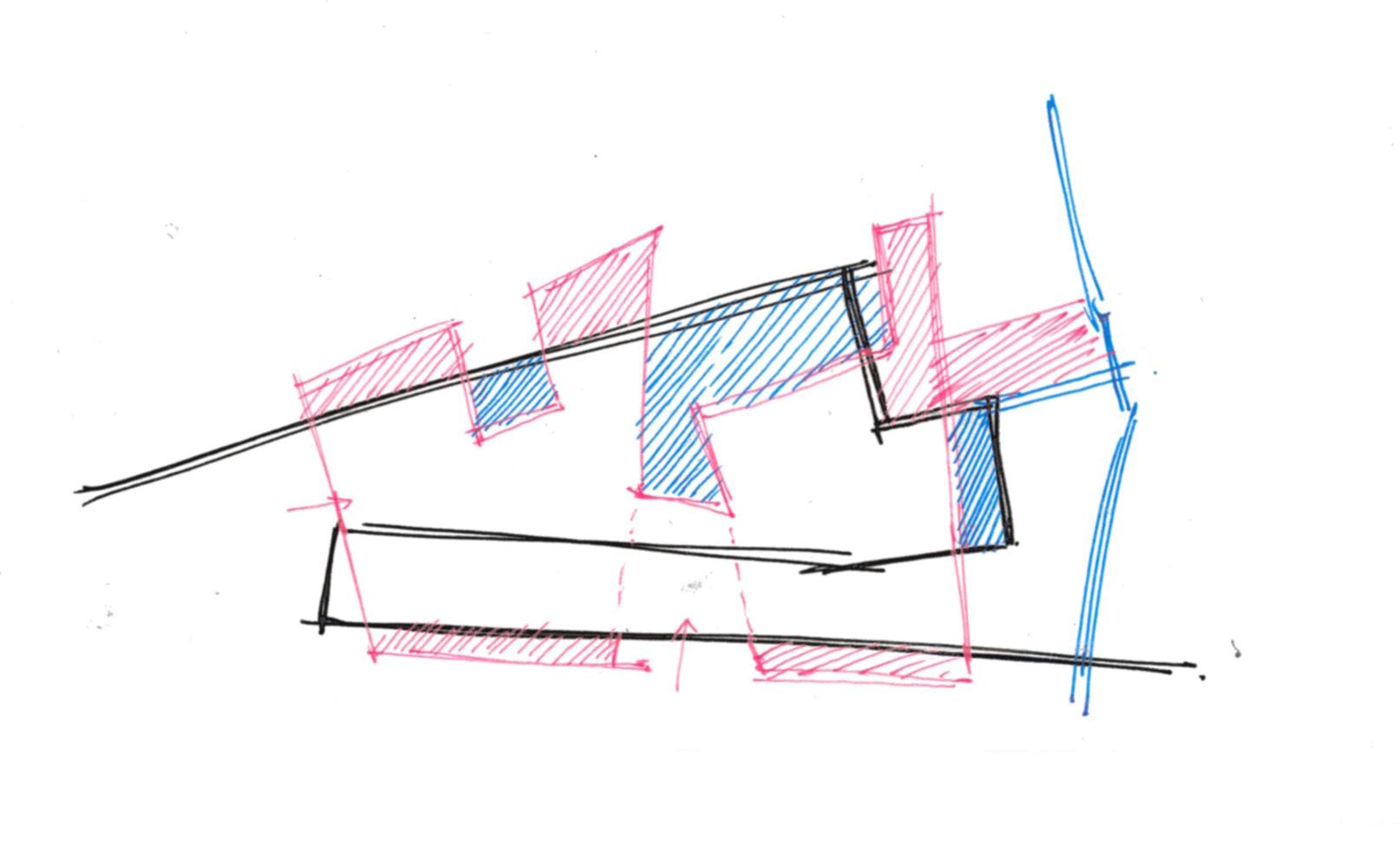
Approach 01
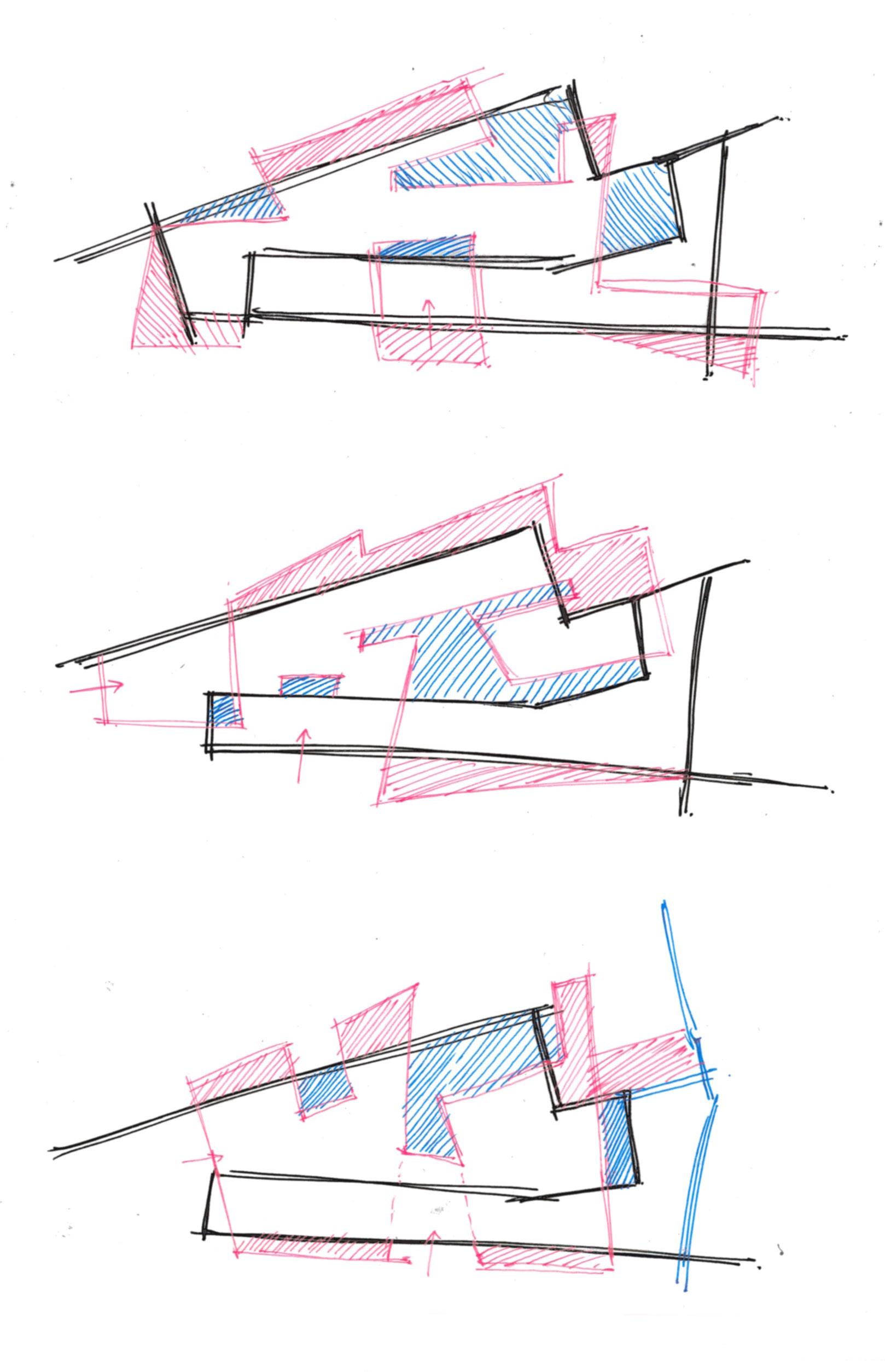
Planes - Boundaries
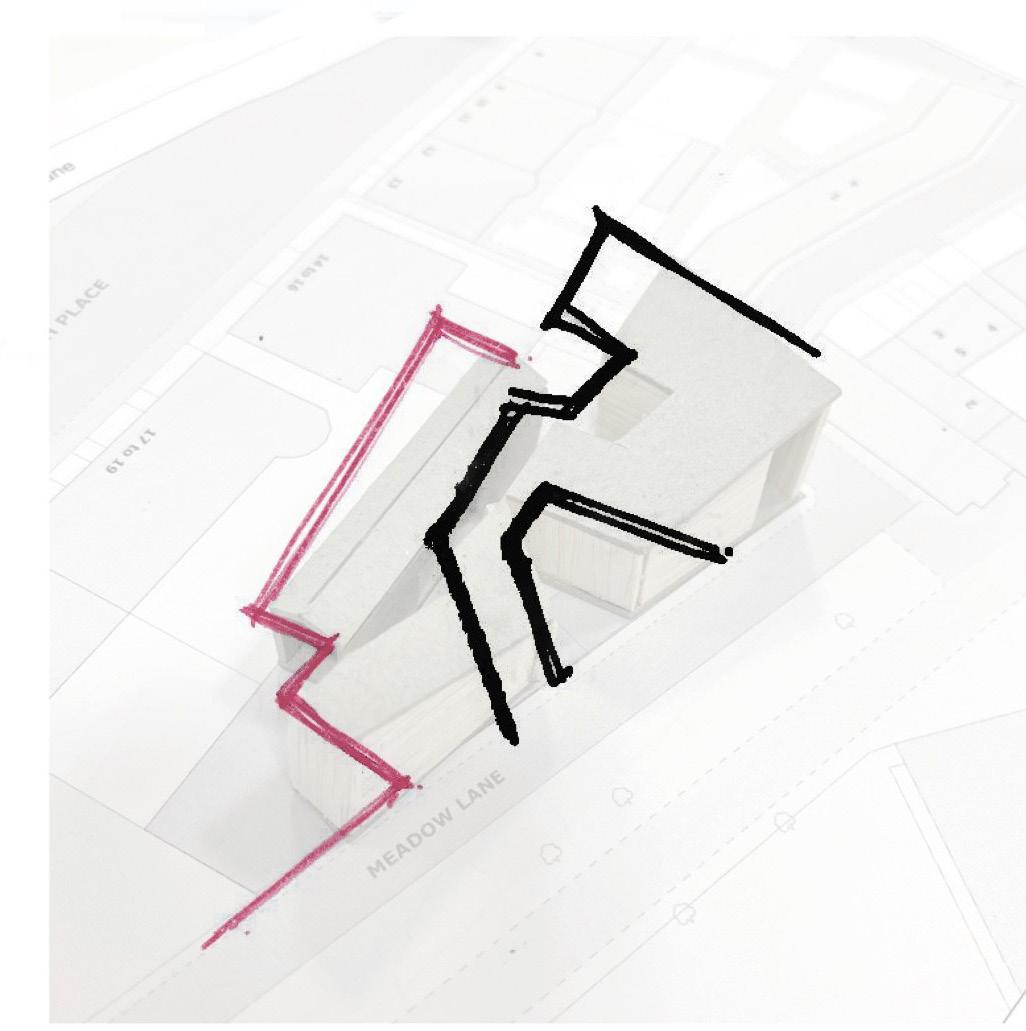
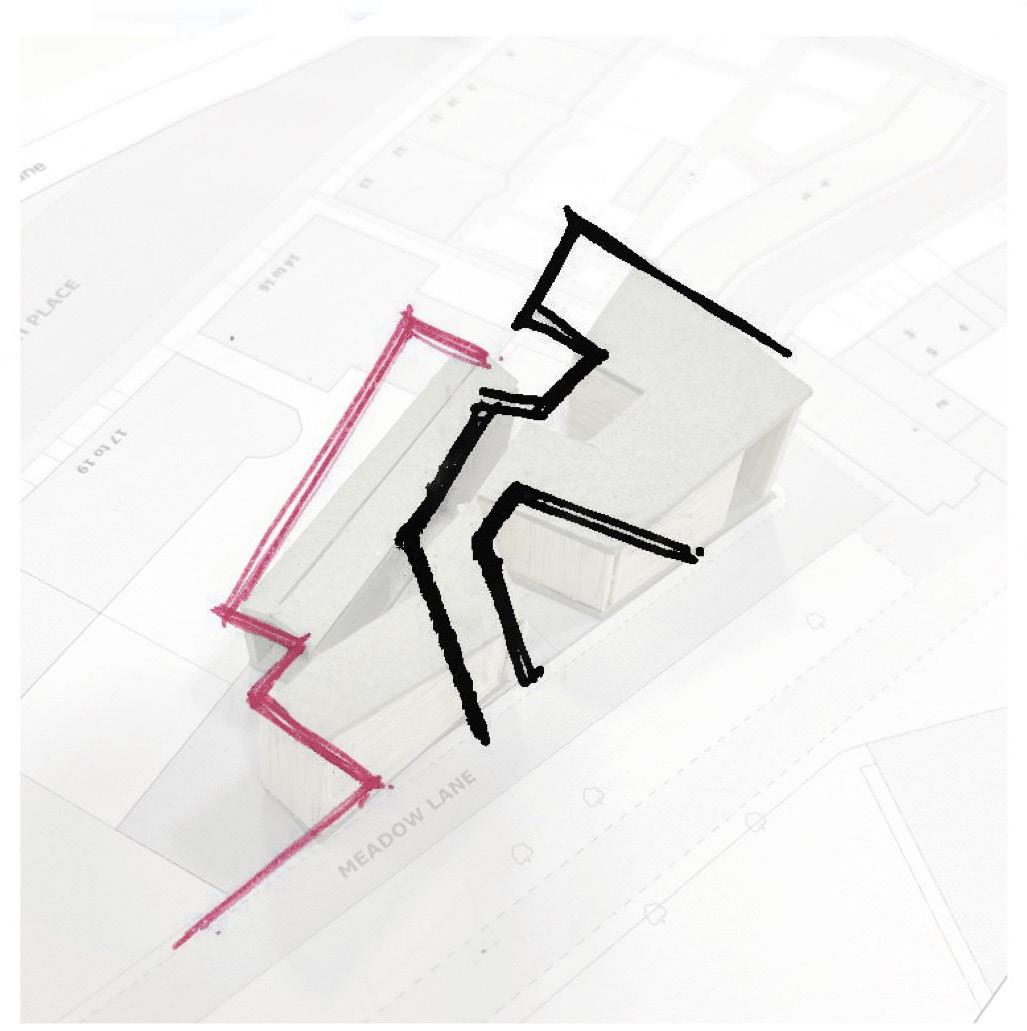
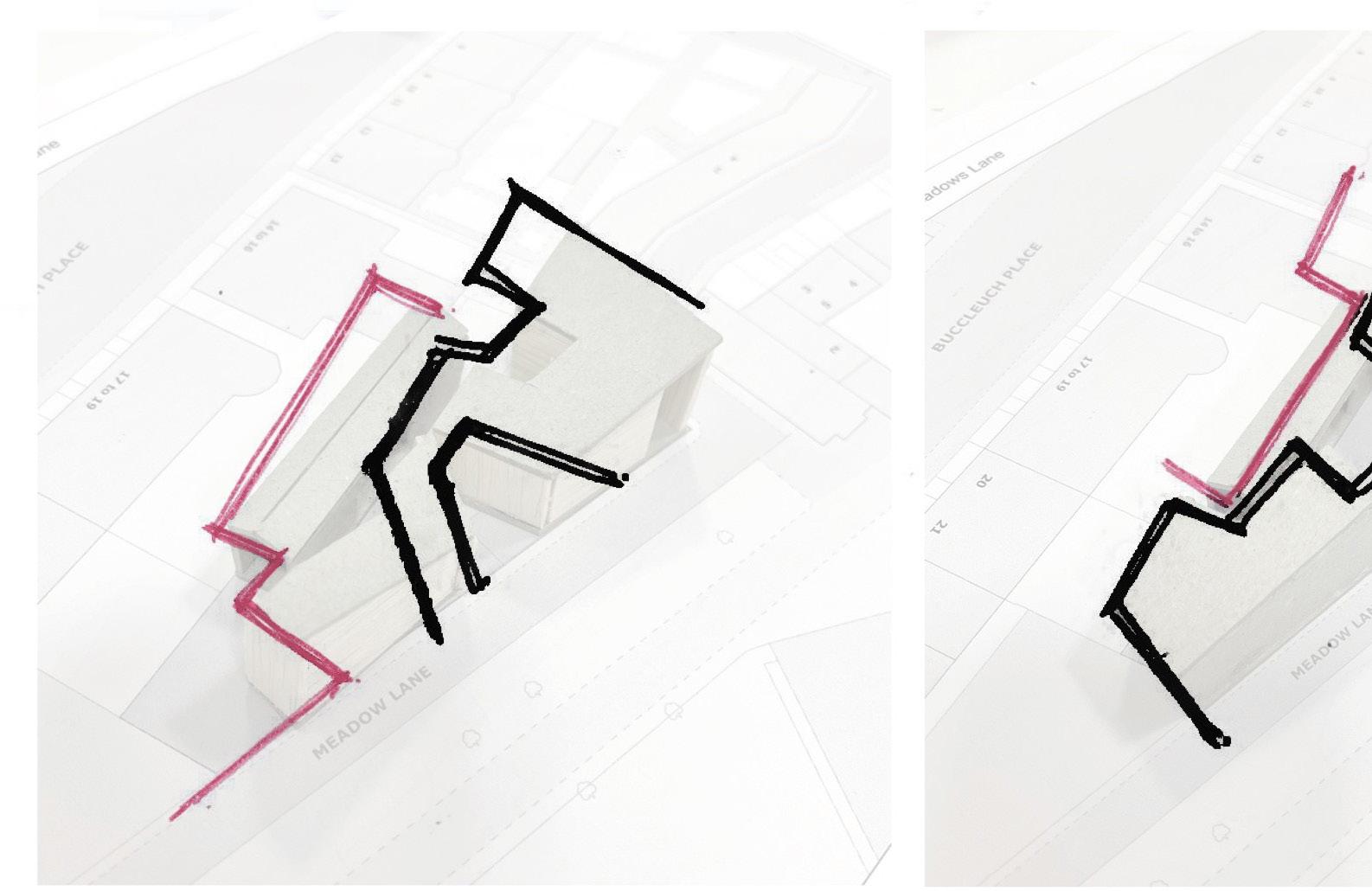
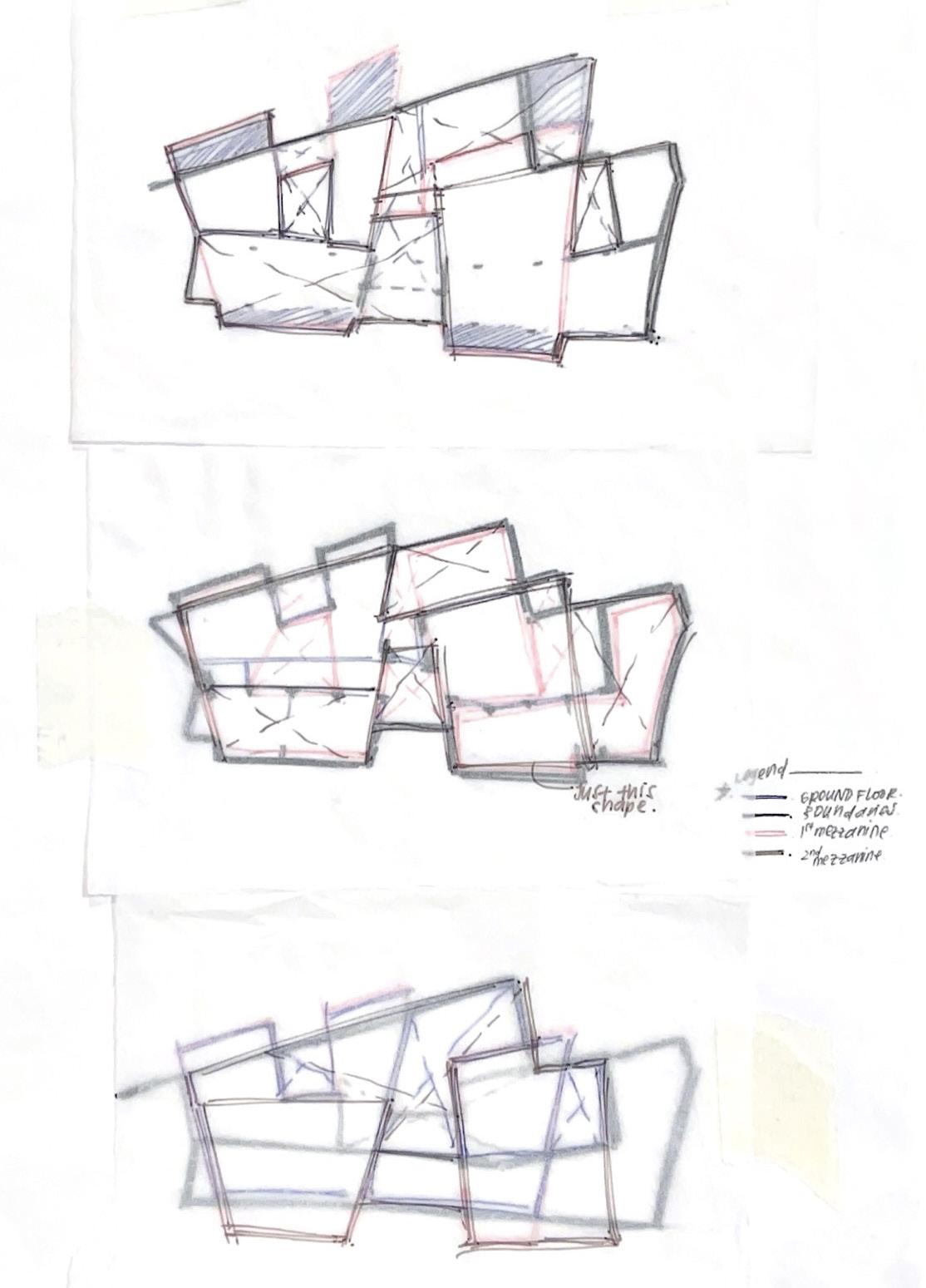
This first approach focus on DECONSTRUCTING massing into planes as seen on the diagrams. there are two colours of the planes, black and pink which is to show how the different planes I depicted can be responding to one another or can be used for other approaches.
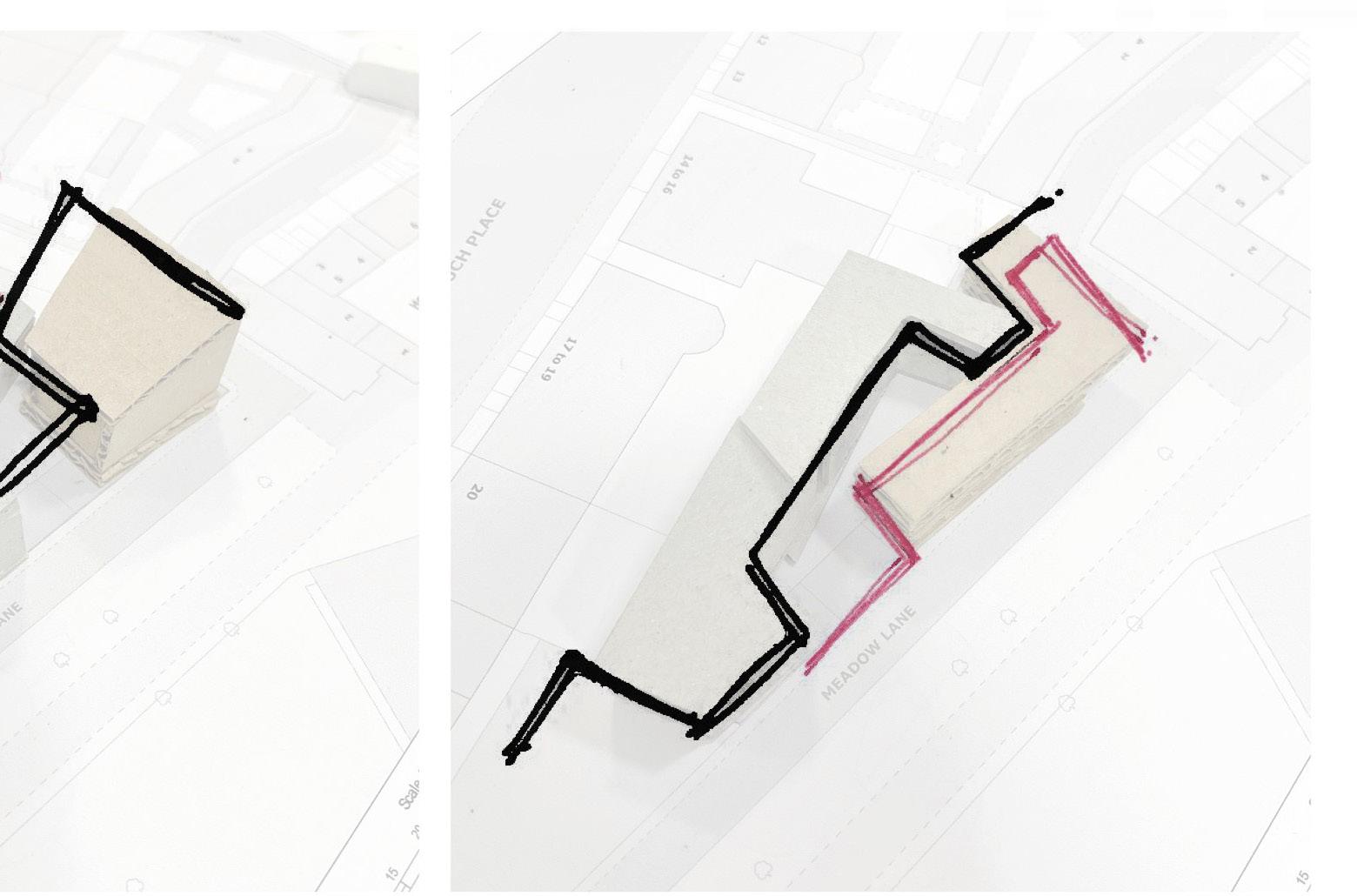
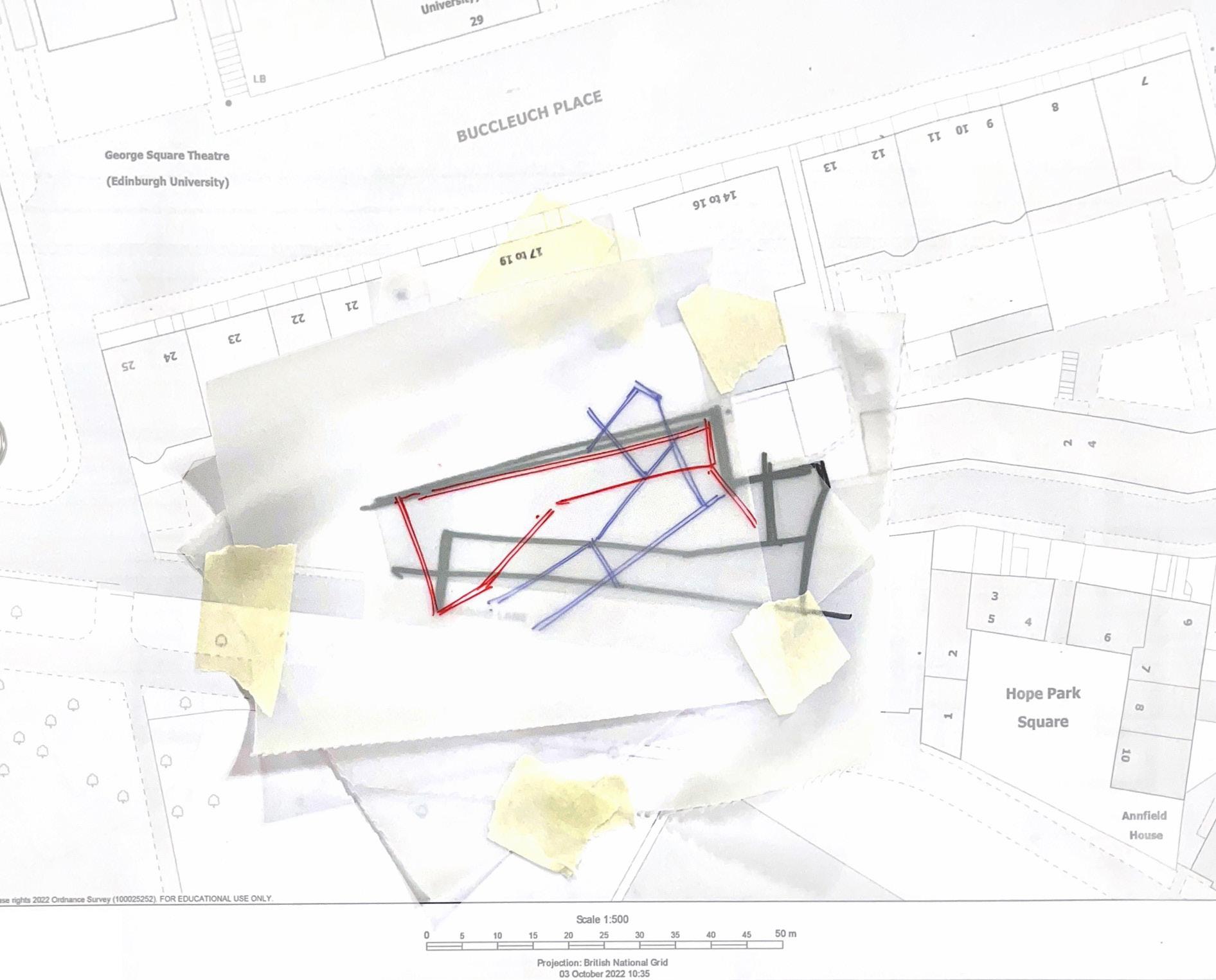
Approach 02
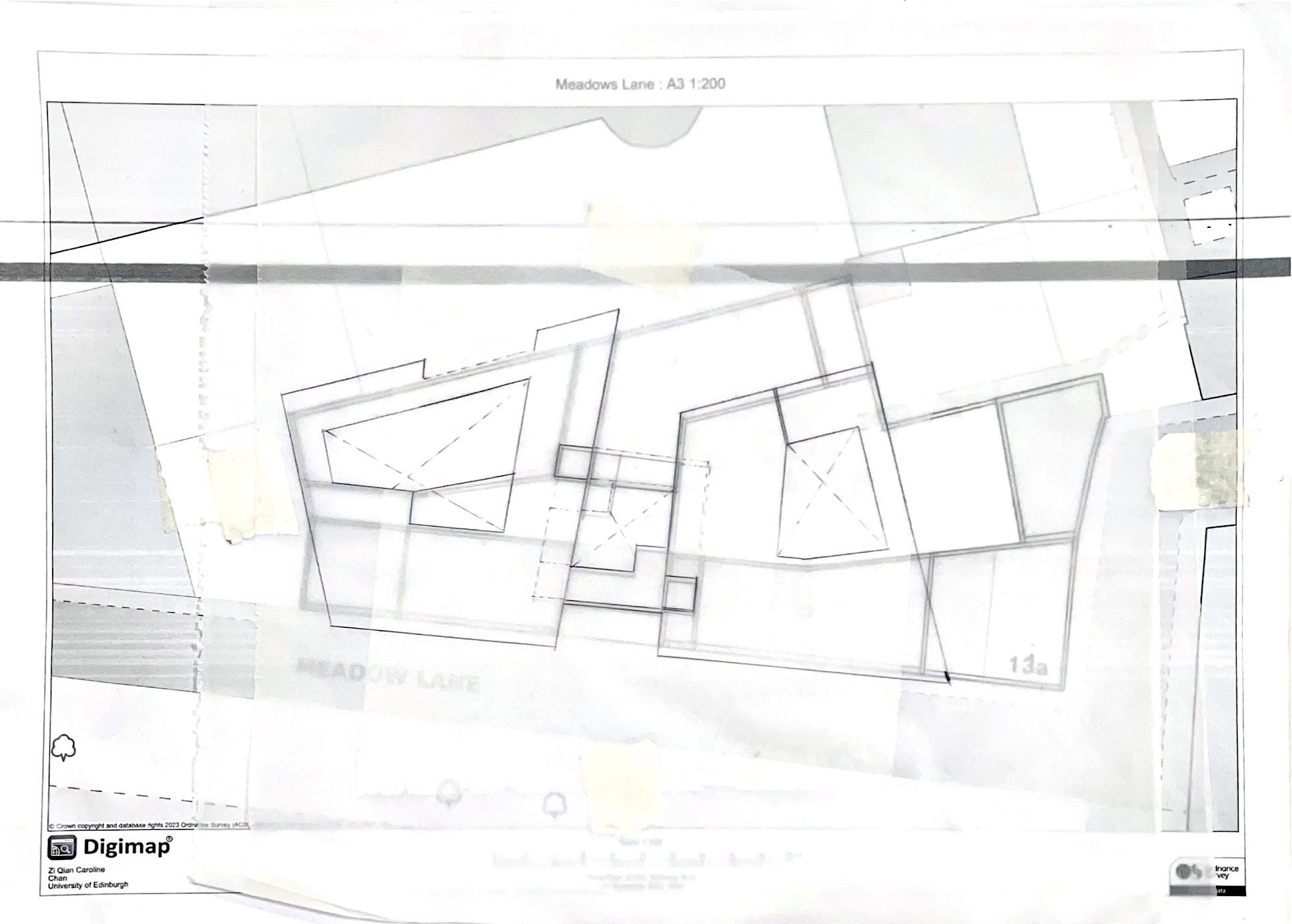
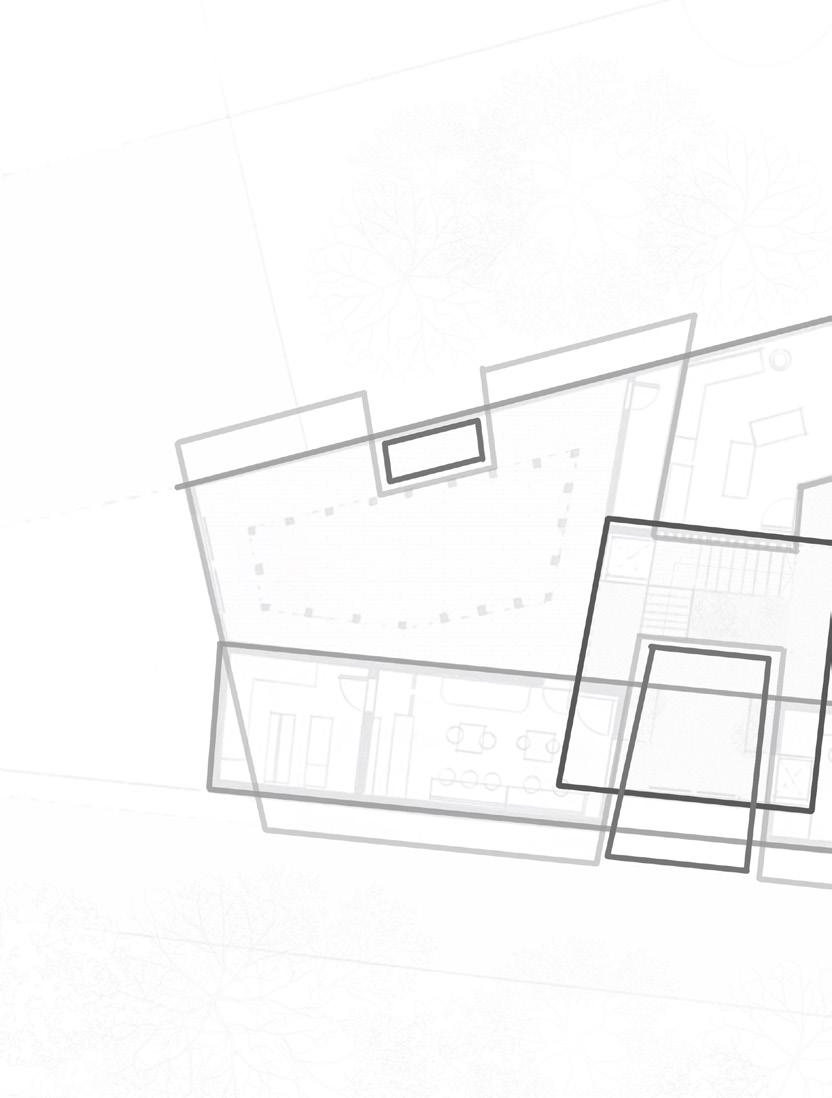
Rotating Site Boundaries
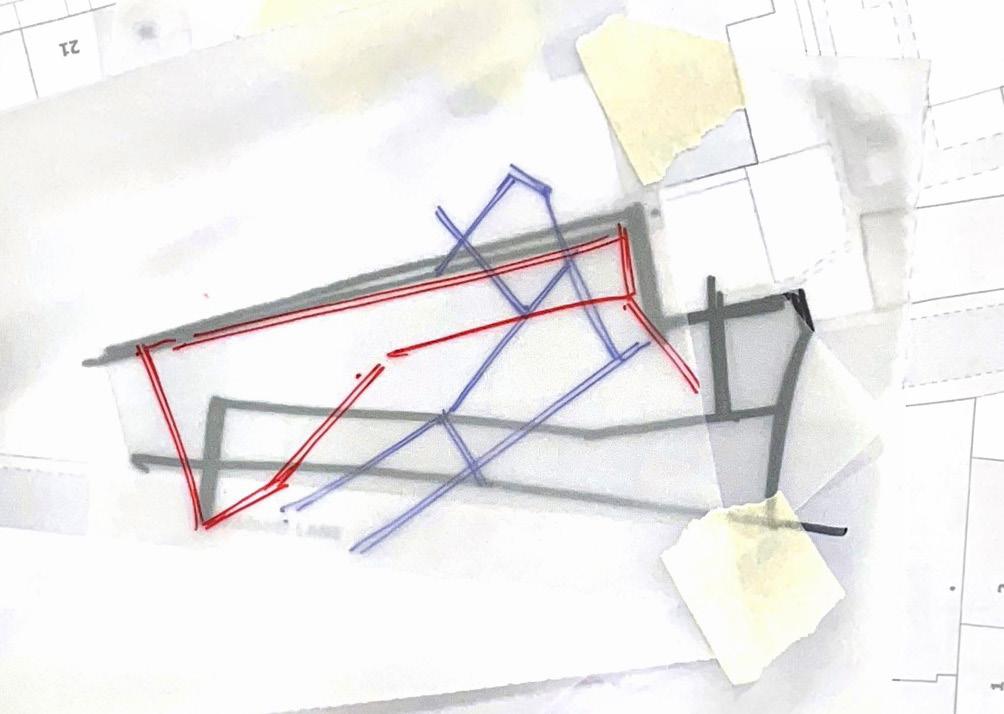
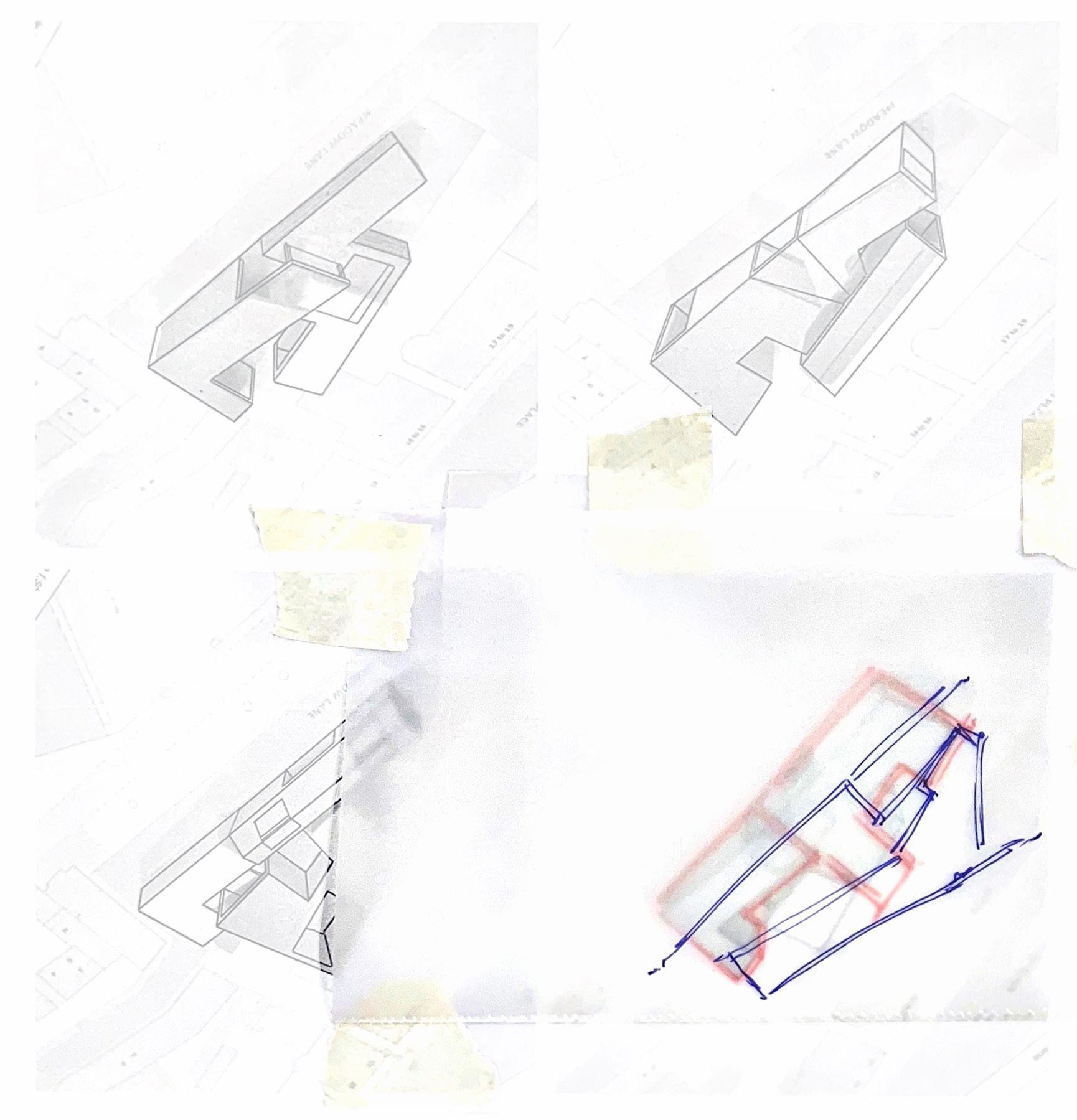
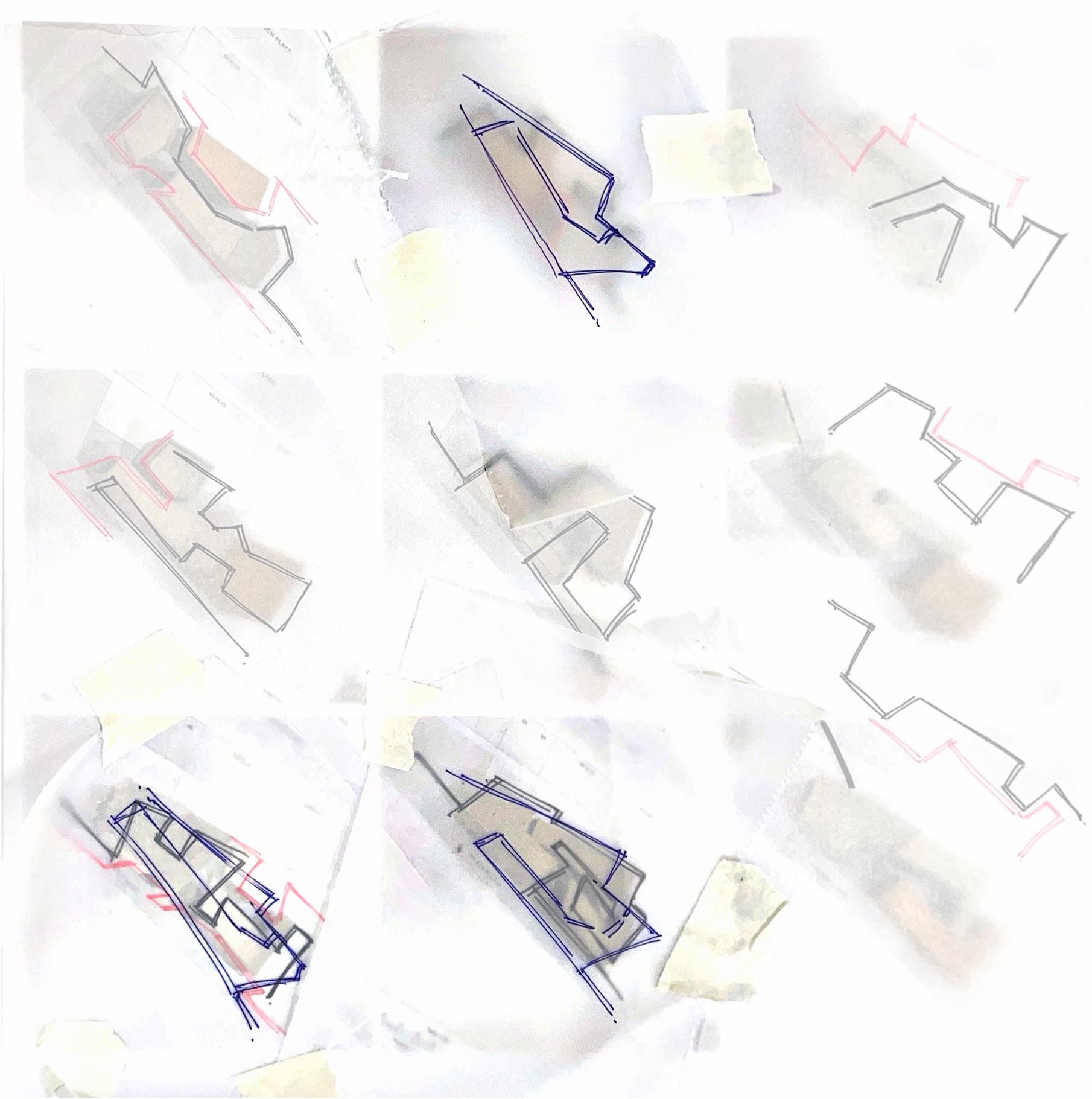
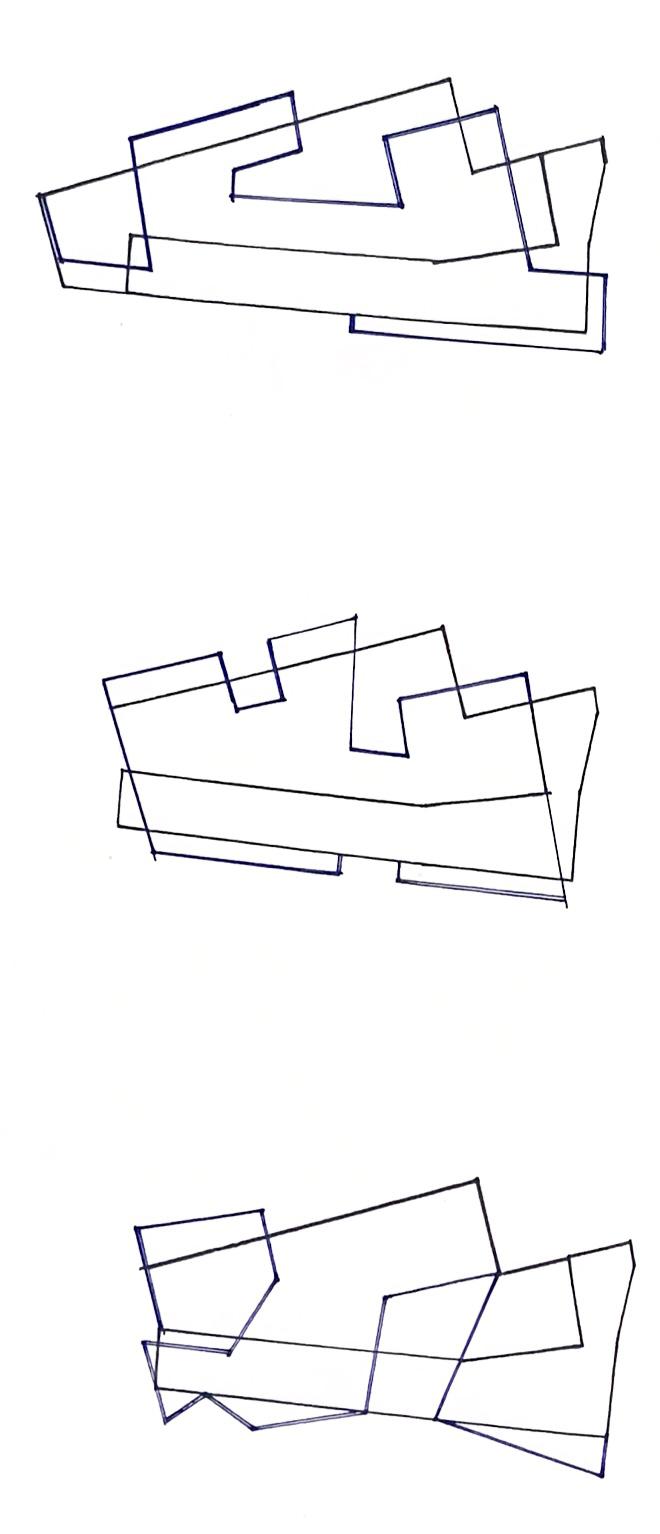
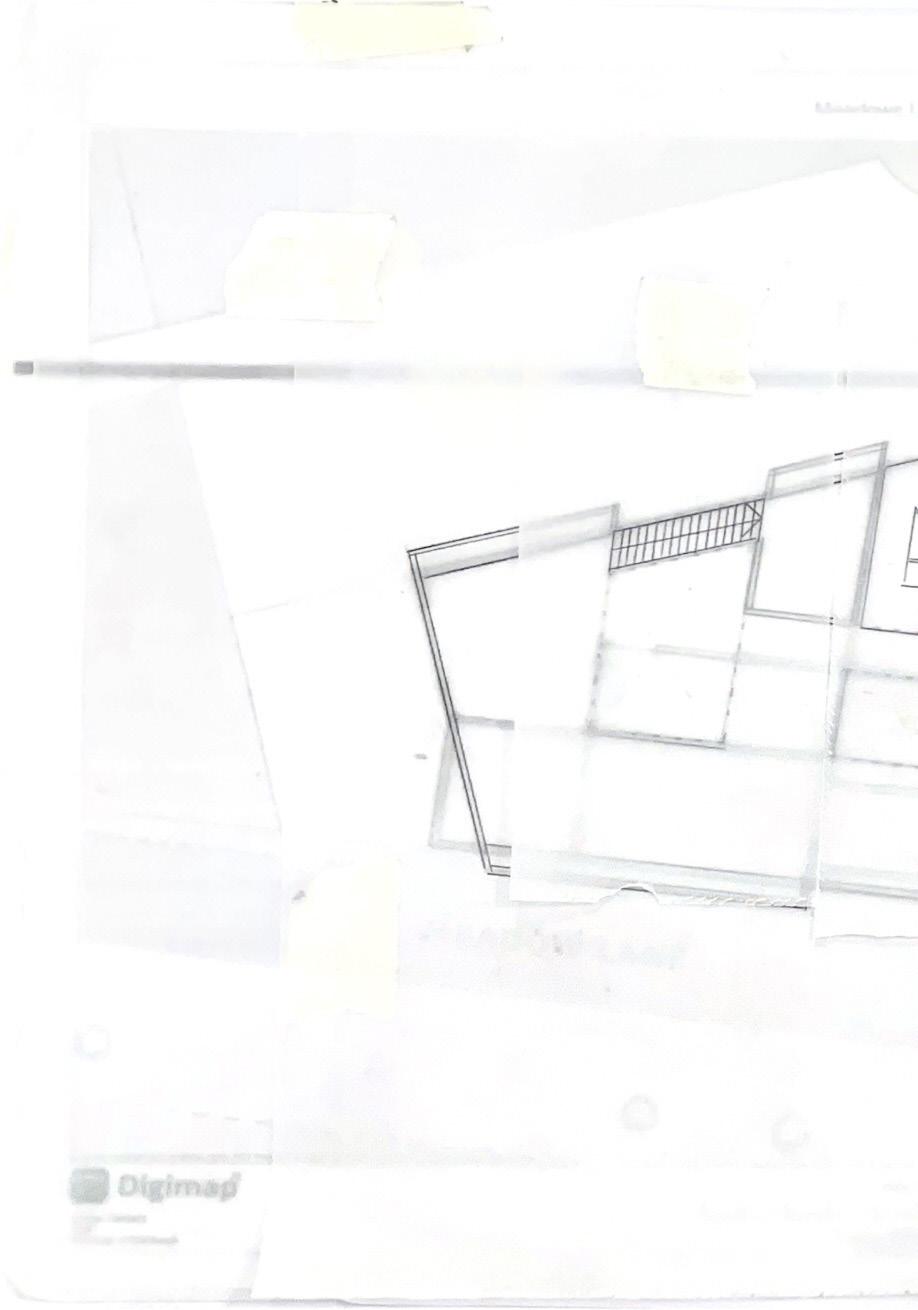
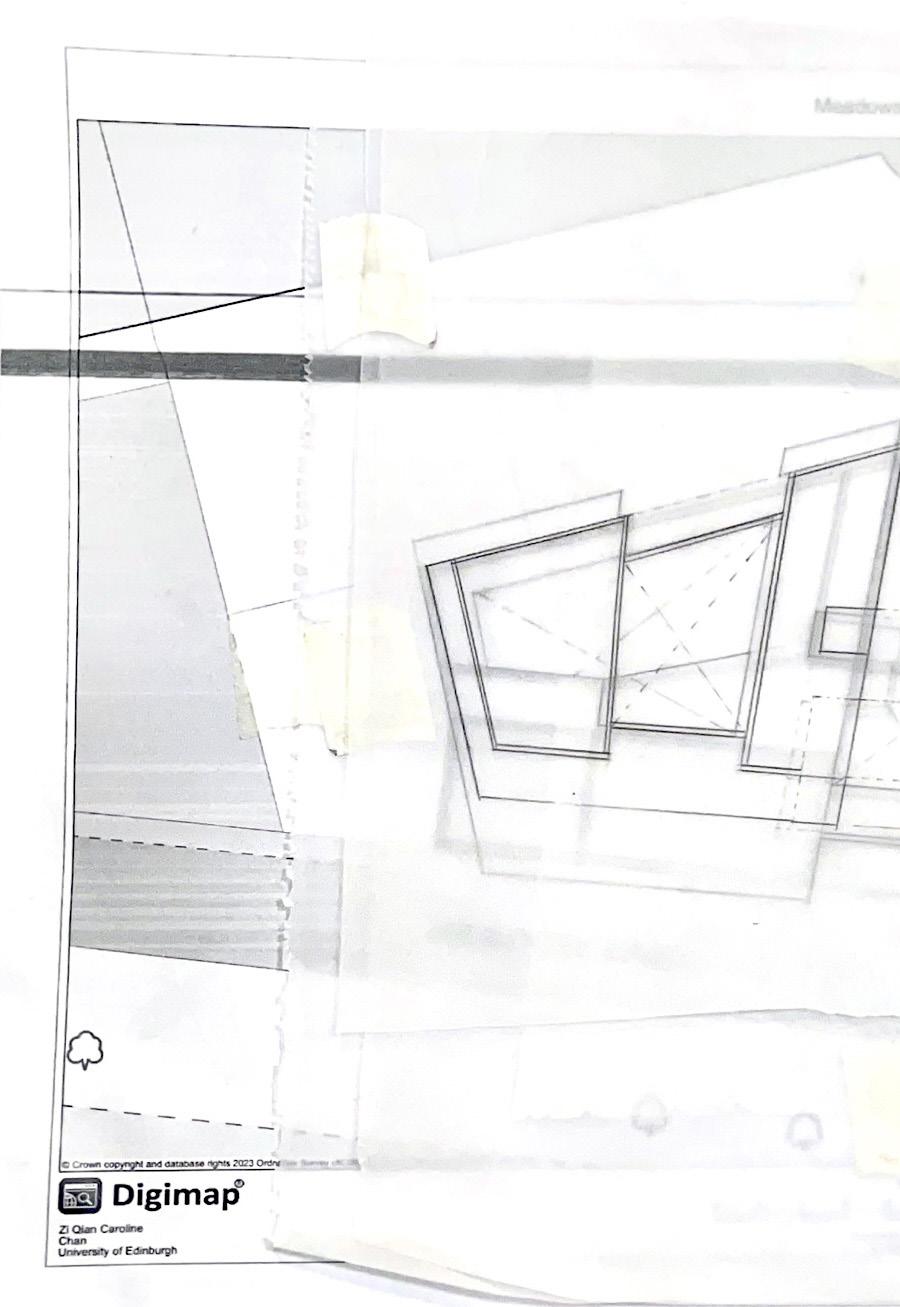
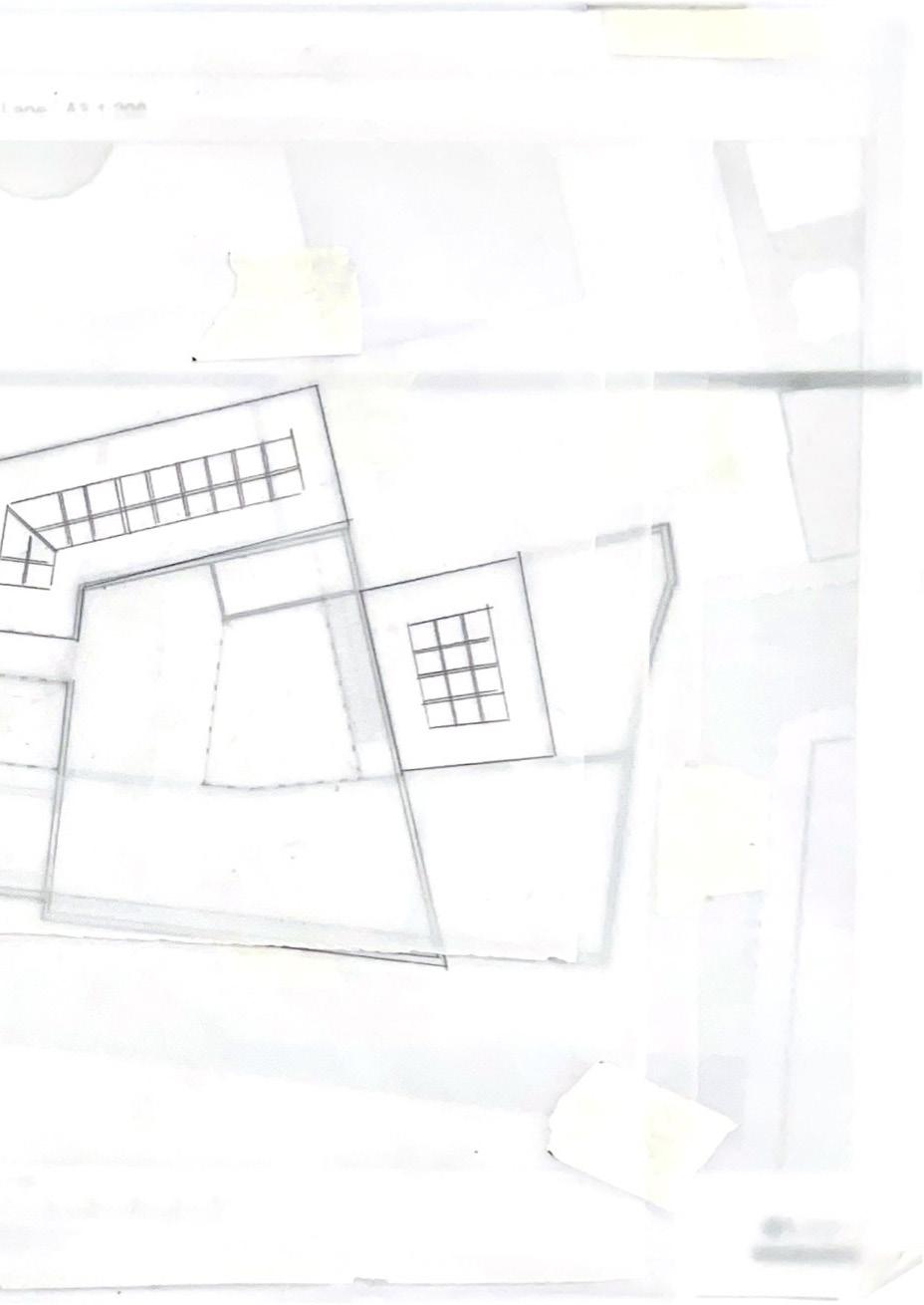
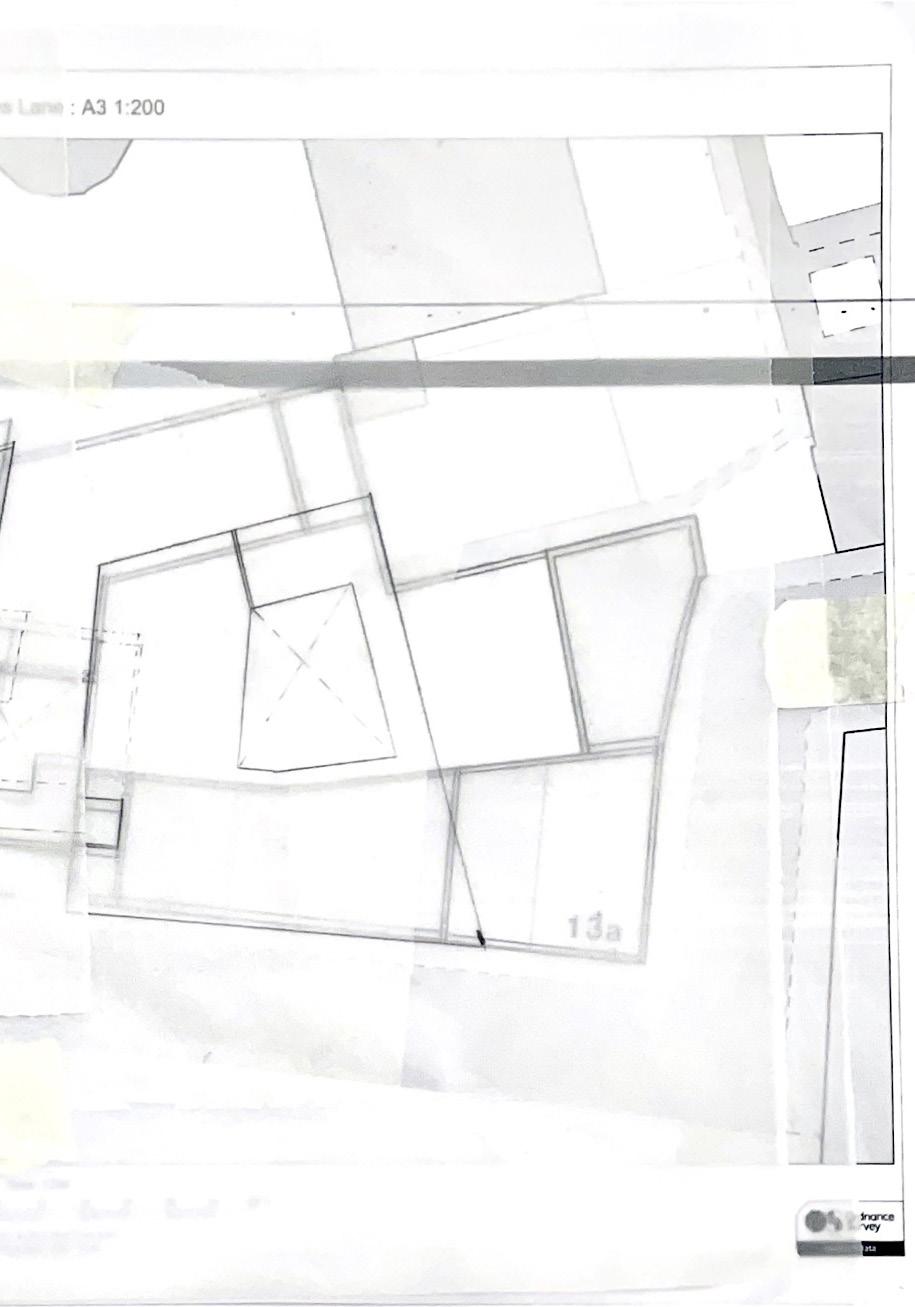
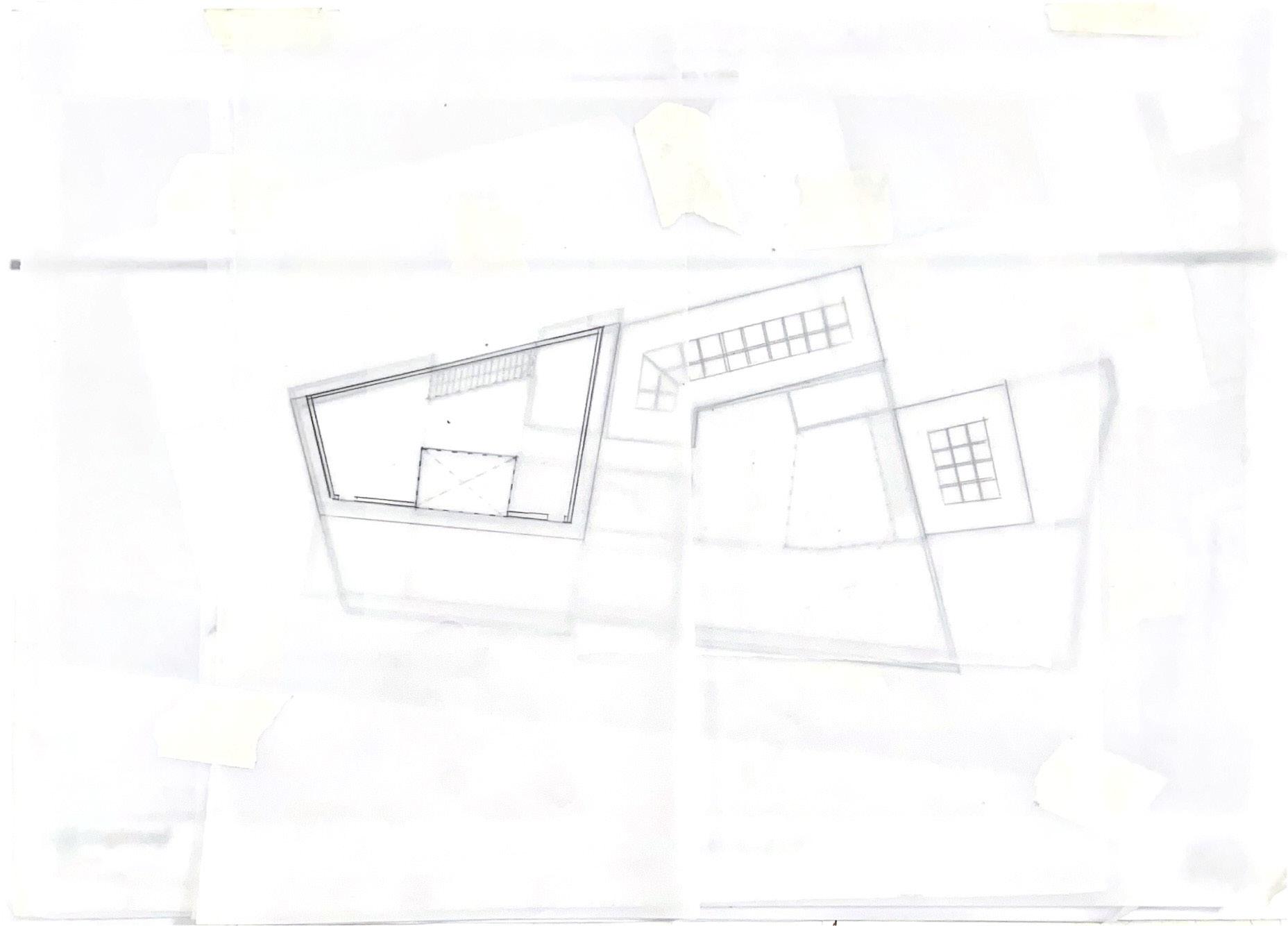
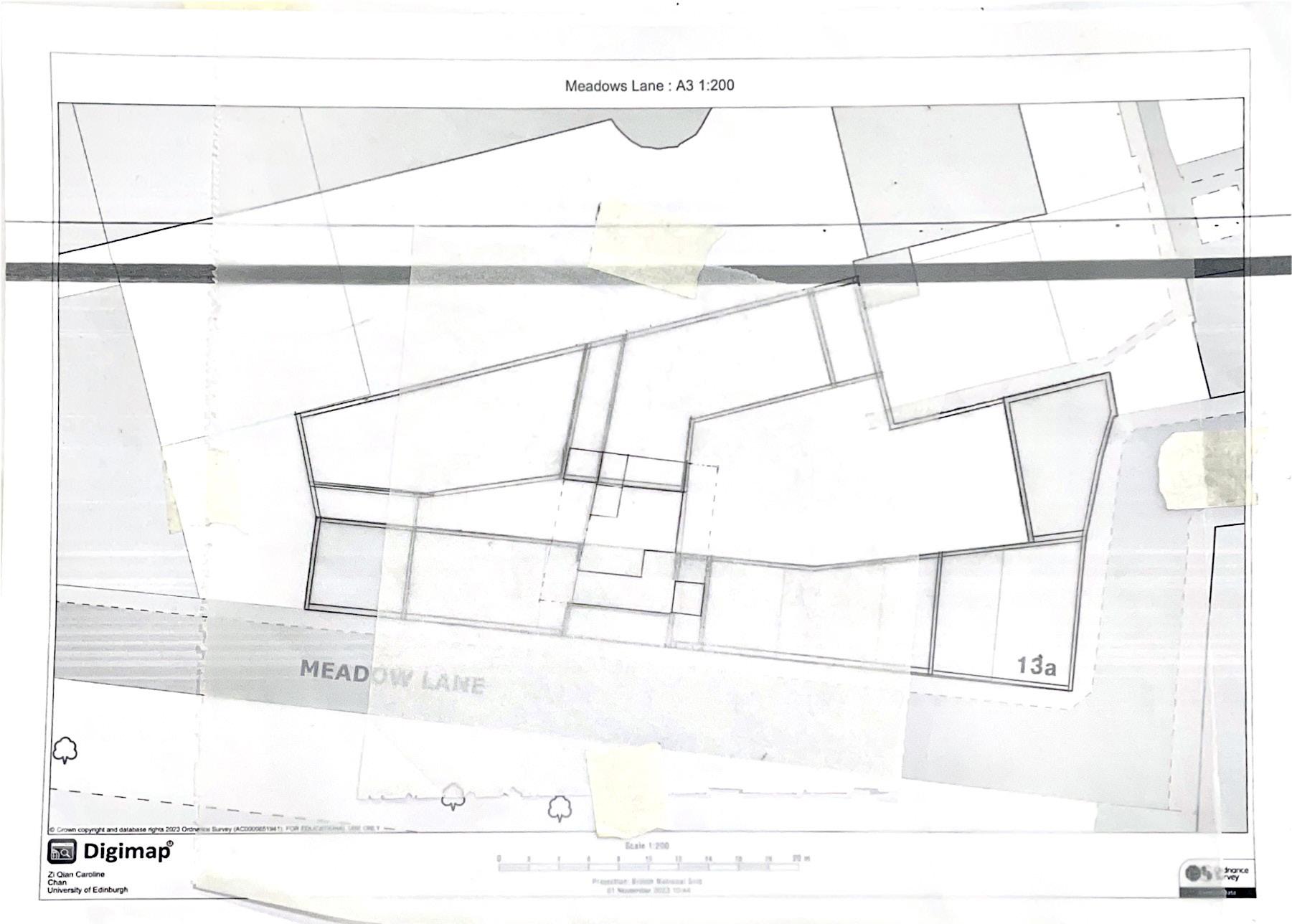
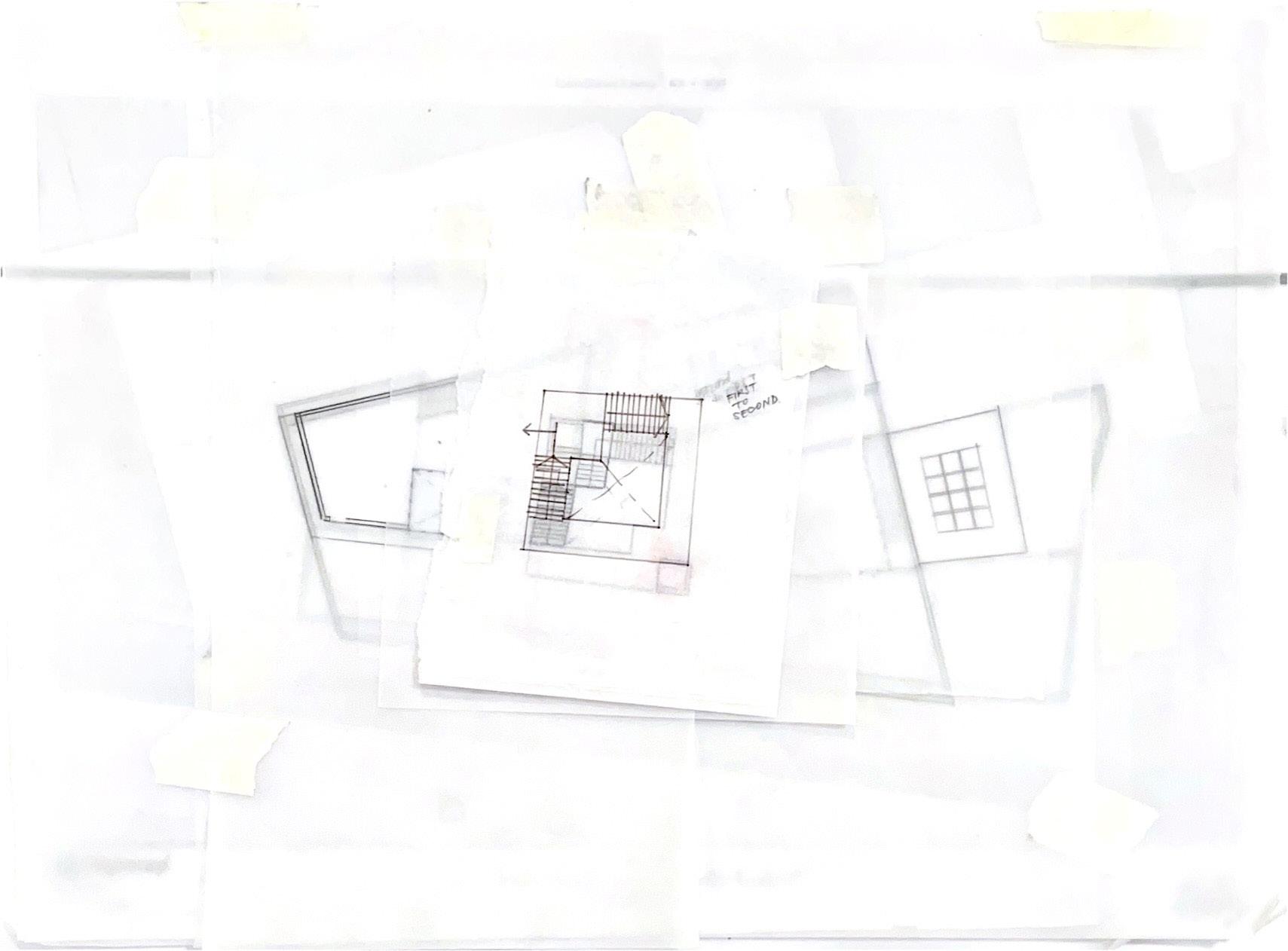
Wanting to explore more with the slanted existing site boundaries, I drew various lines from the site boundaries on different tracing papers and rotate it on a site location plan to see how it would interact with one another and what shapes were formed.
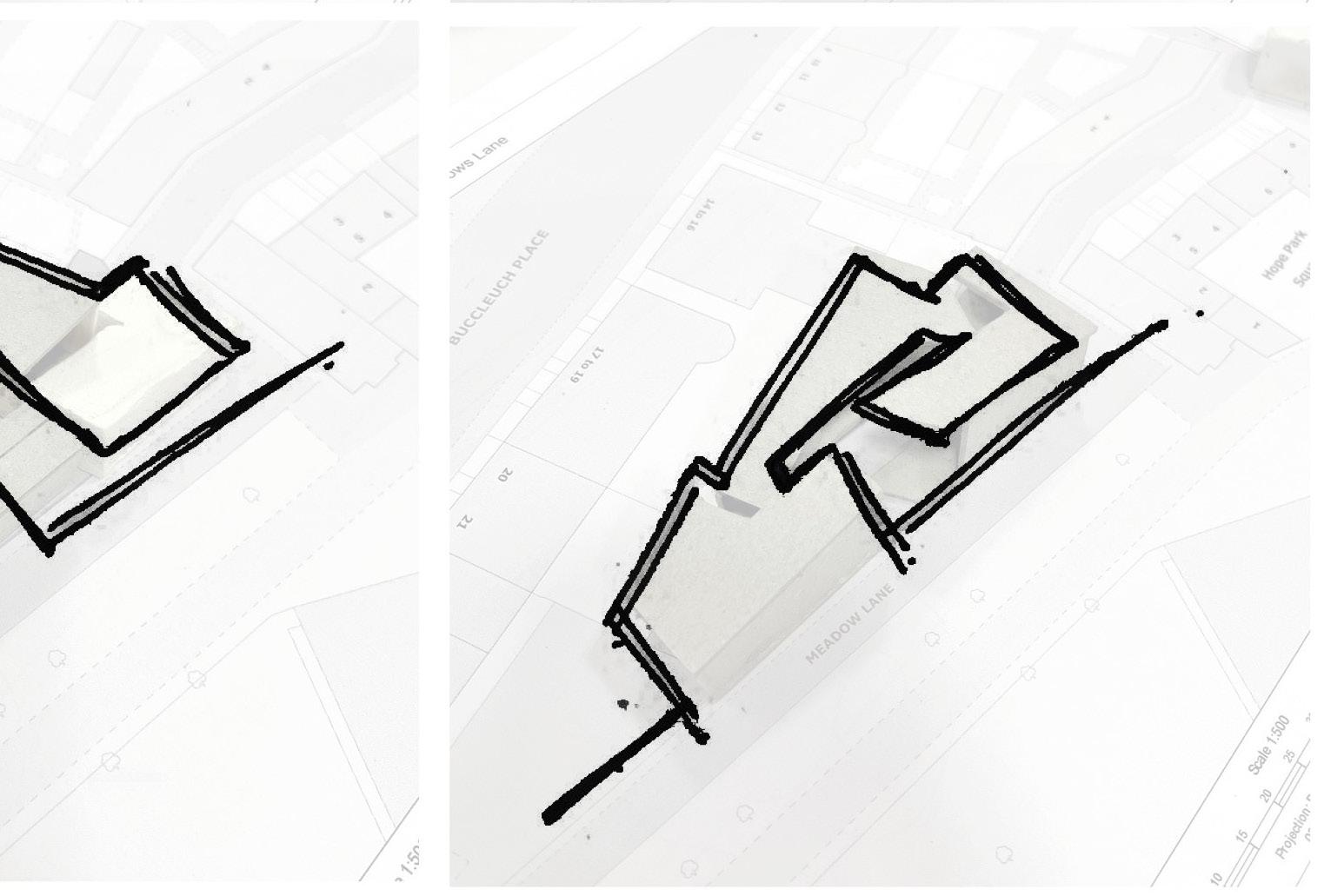
Approach 03
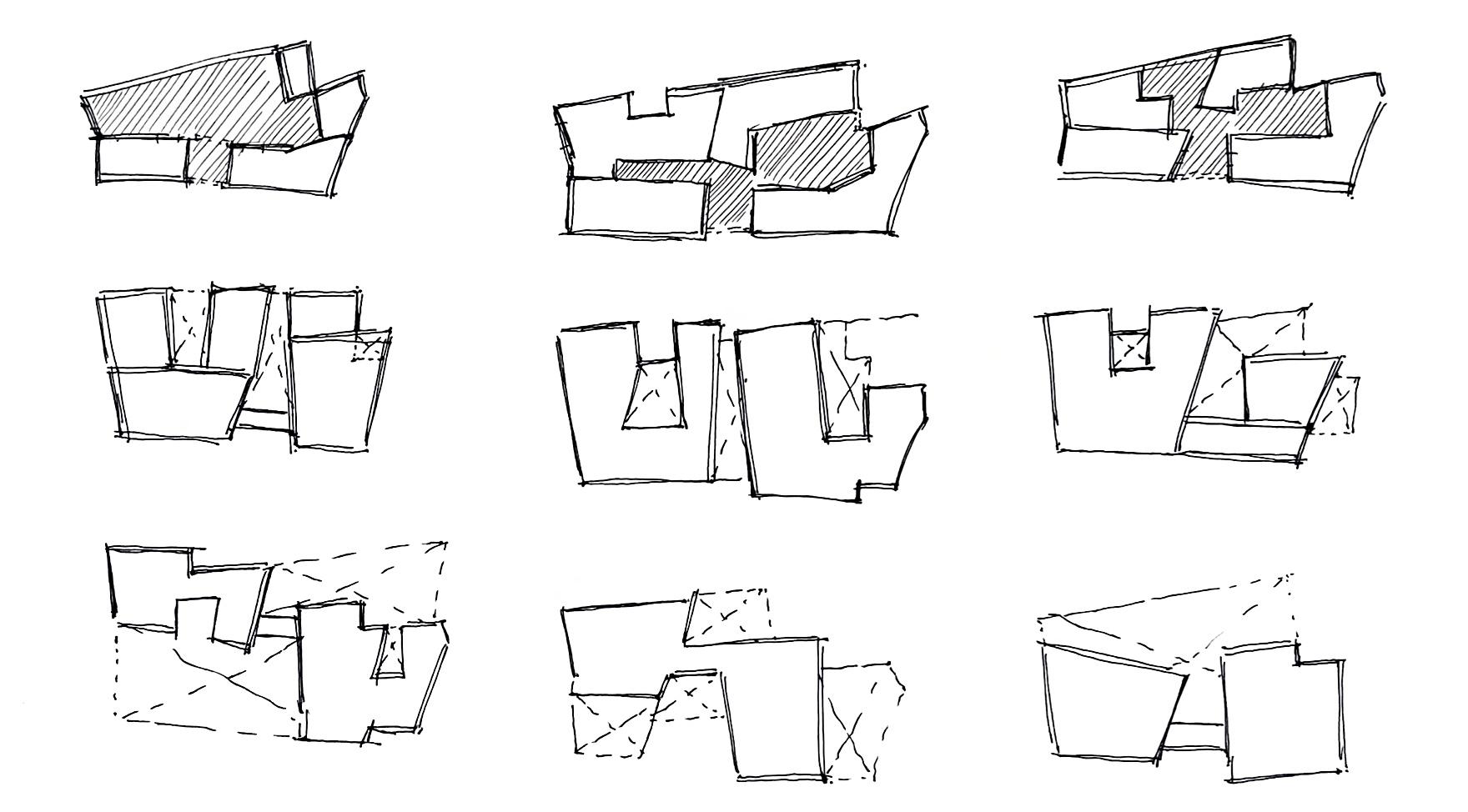
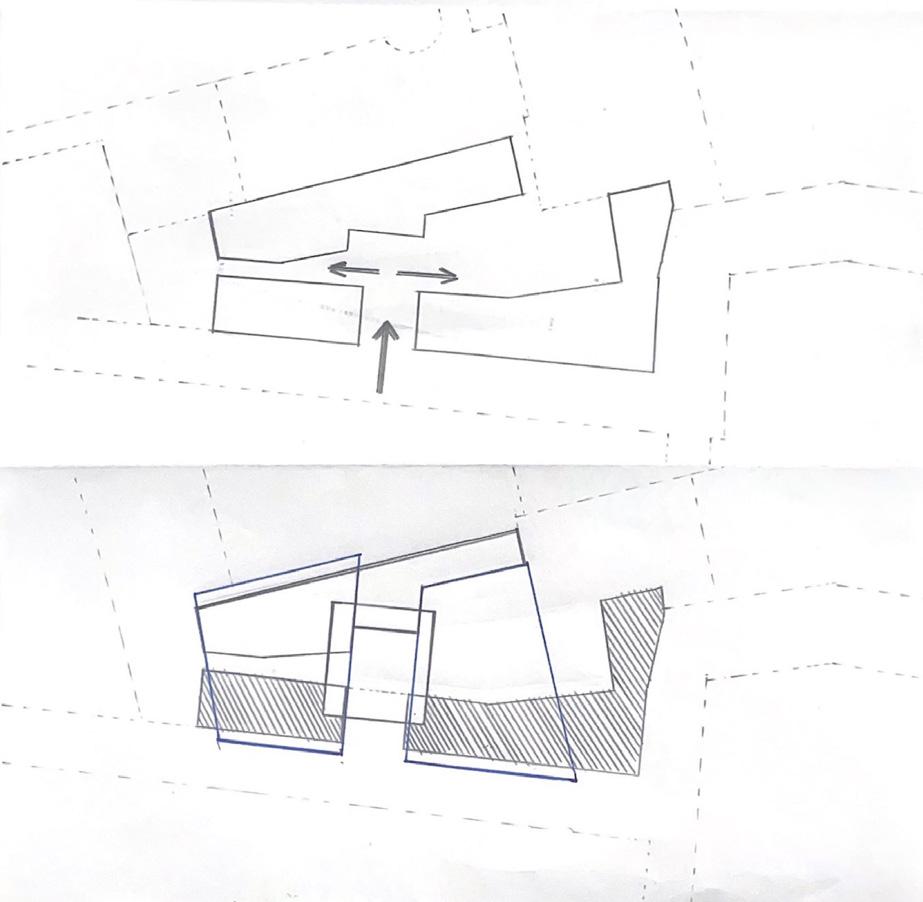
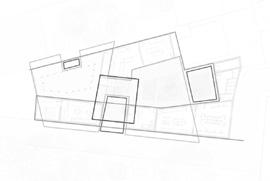
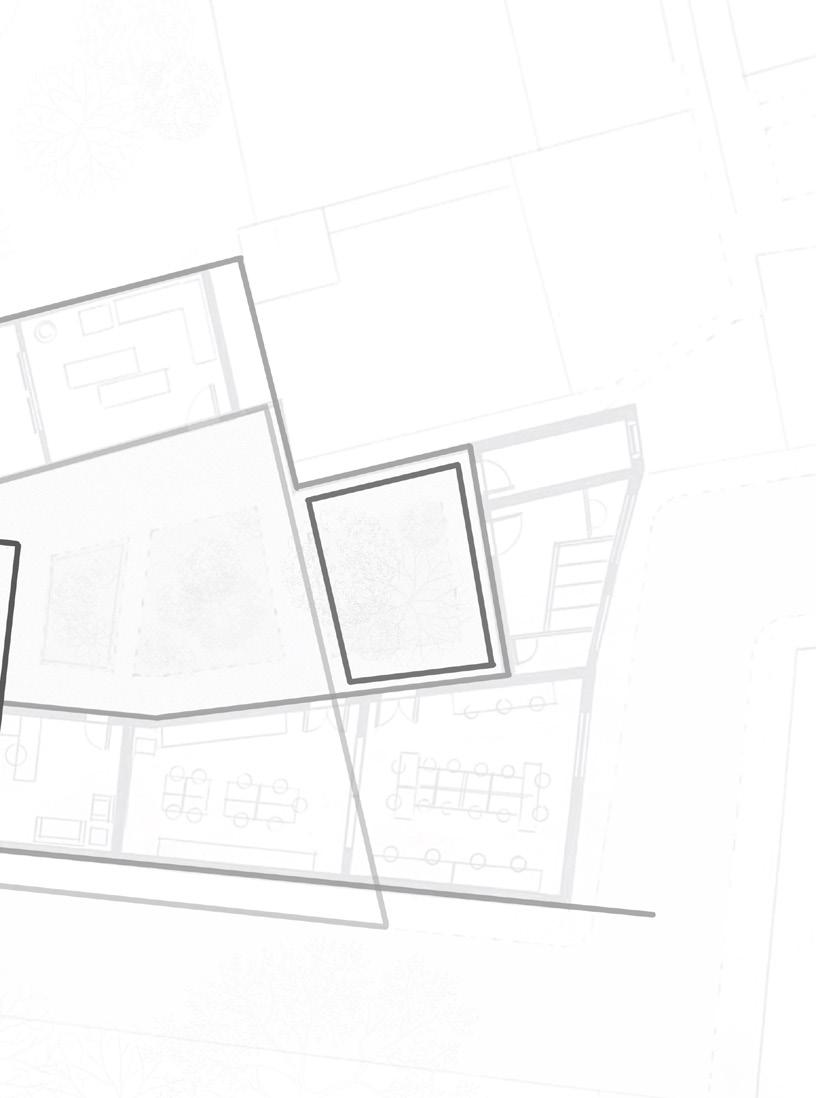
Massing Boundaries
This approach was made by outlining the massing models just by how it looks directly and paste it on the site location plan similarly to see how the forms interacts with one another but also to the surrounding site context.
At this stage, the possibilities of the spaces functions were considered therefore a very complex form would be very challenging.
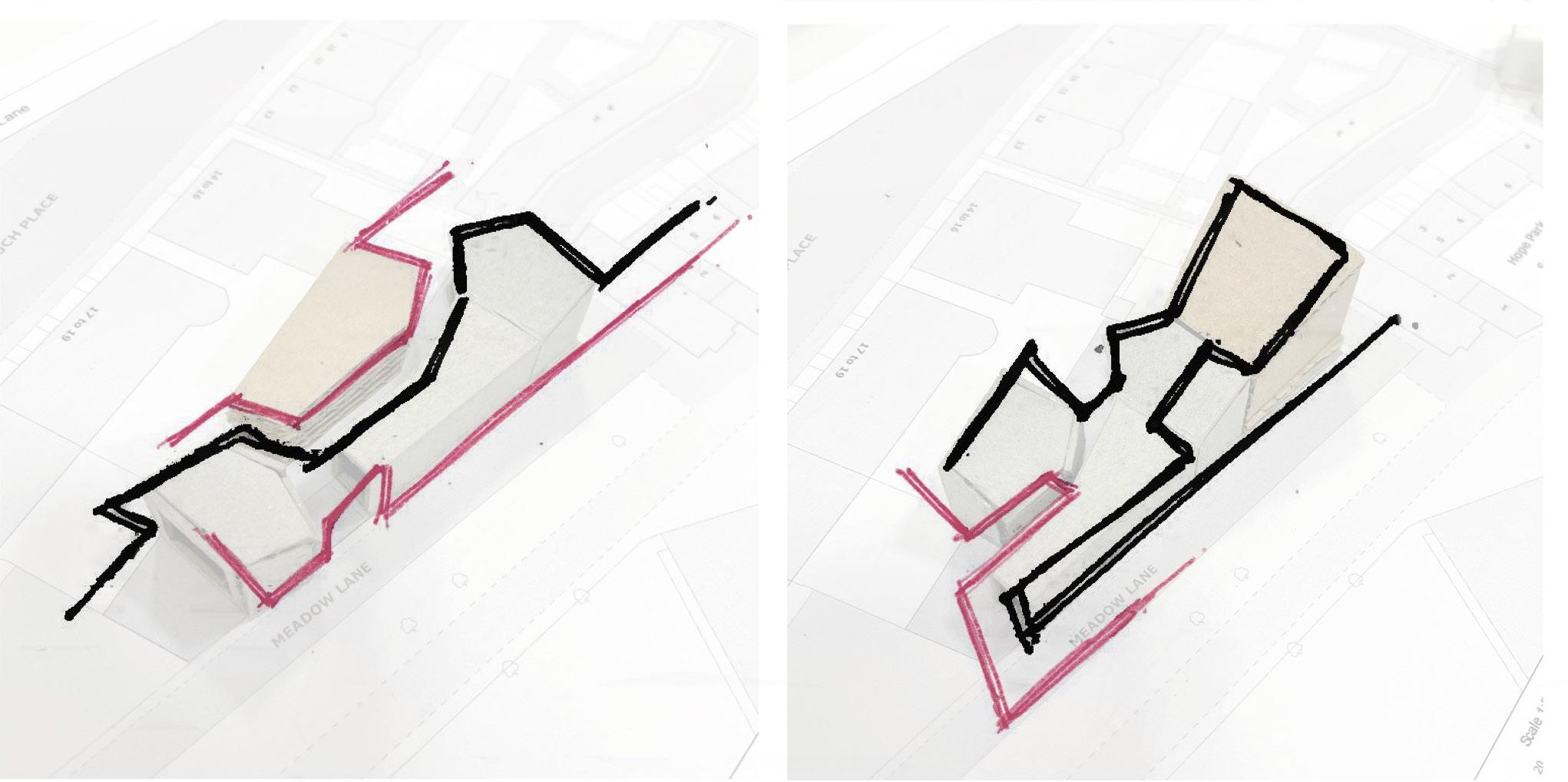
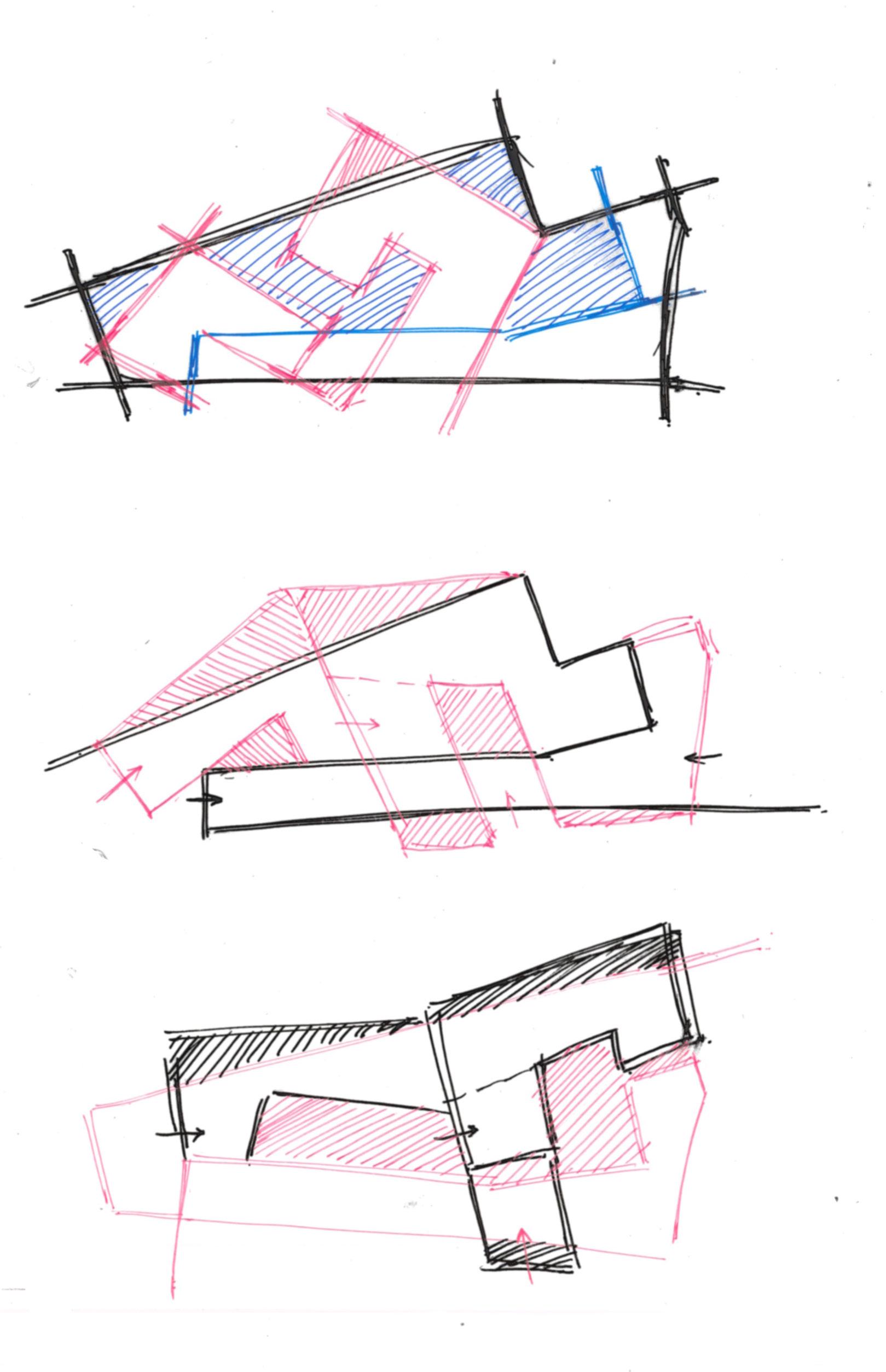
Approach 04
CHOSEN
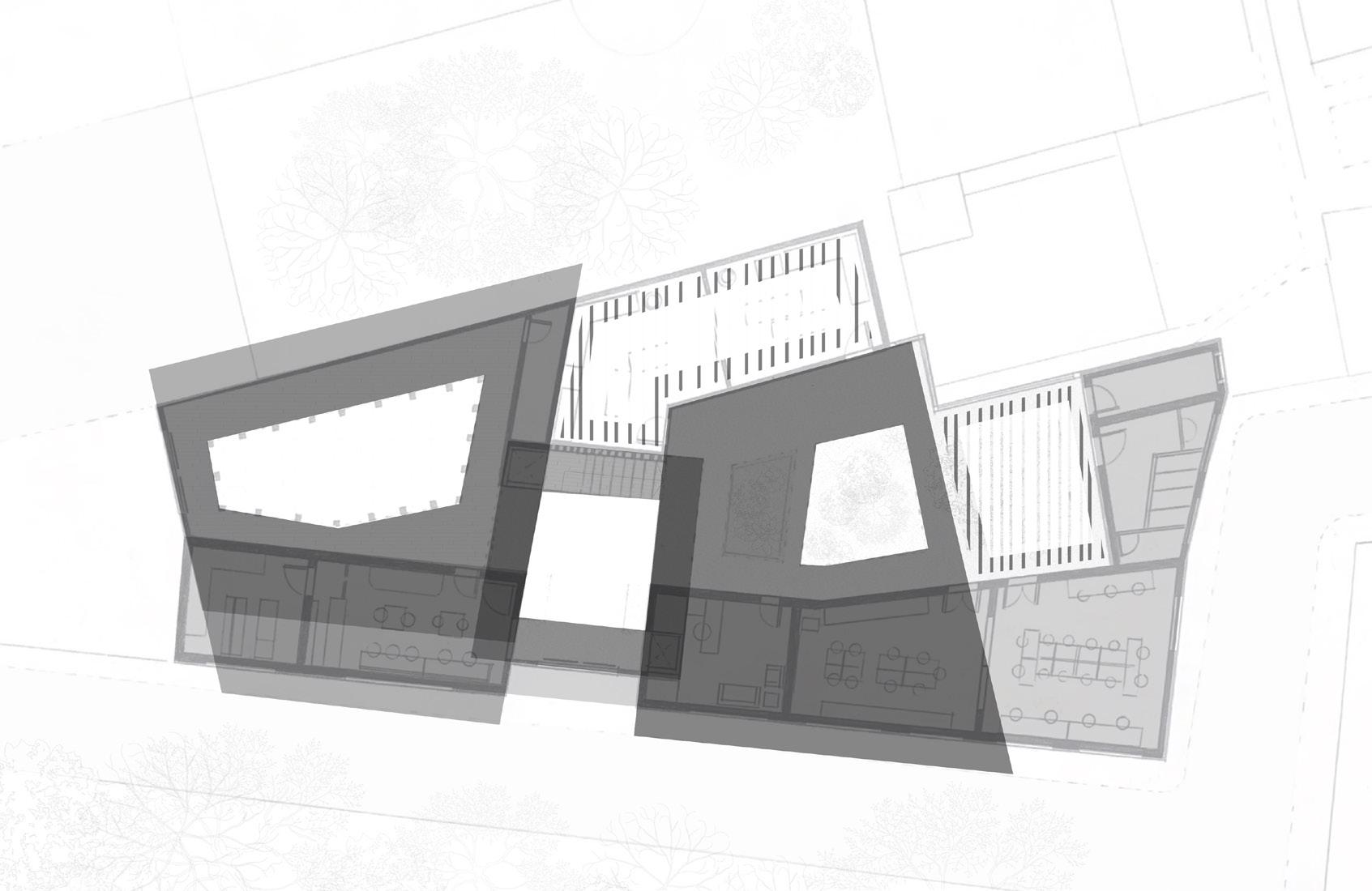
Interpreted Boundaries
This approach was made by outlining the massing models just by how it looks directly and paste it on the site location plan similarly to see how the forms interacts with one another but also to the surrounding site context.
At this stage, the possibilities of the spaces functions were considered therefore a very complex form would be very challenging.
This approach also reveals more interesting pocket of spaces that would implements back into the complexity of the initial forms created.
Chosen Iteration Developments
1:500 Scale
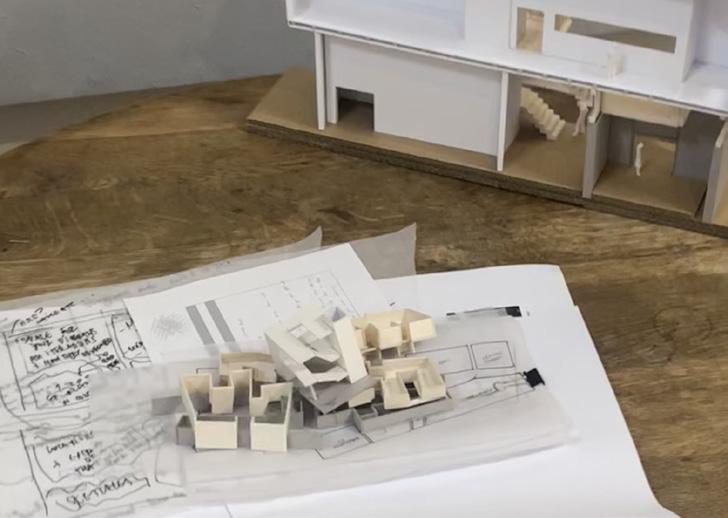
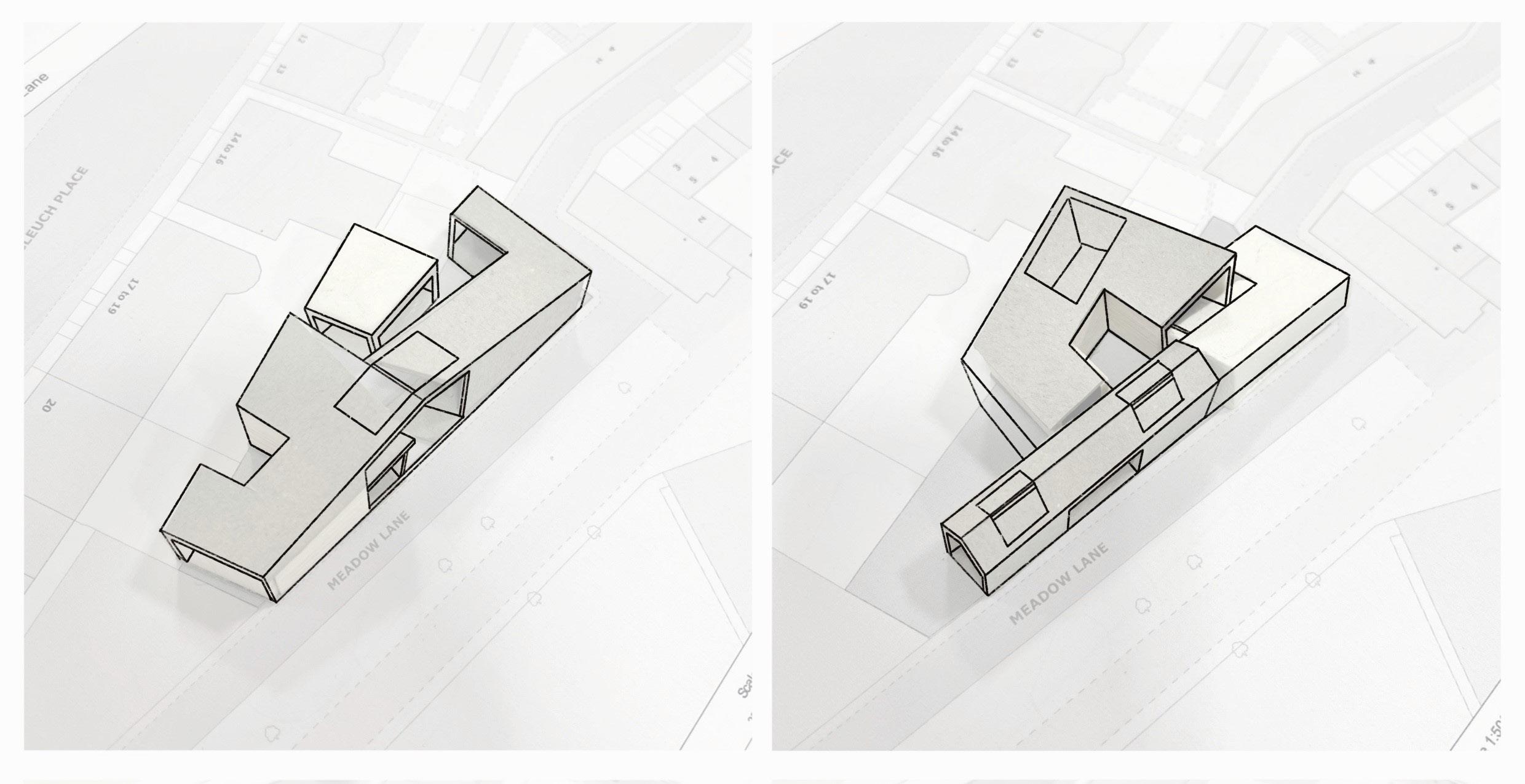
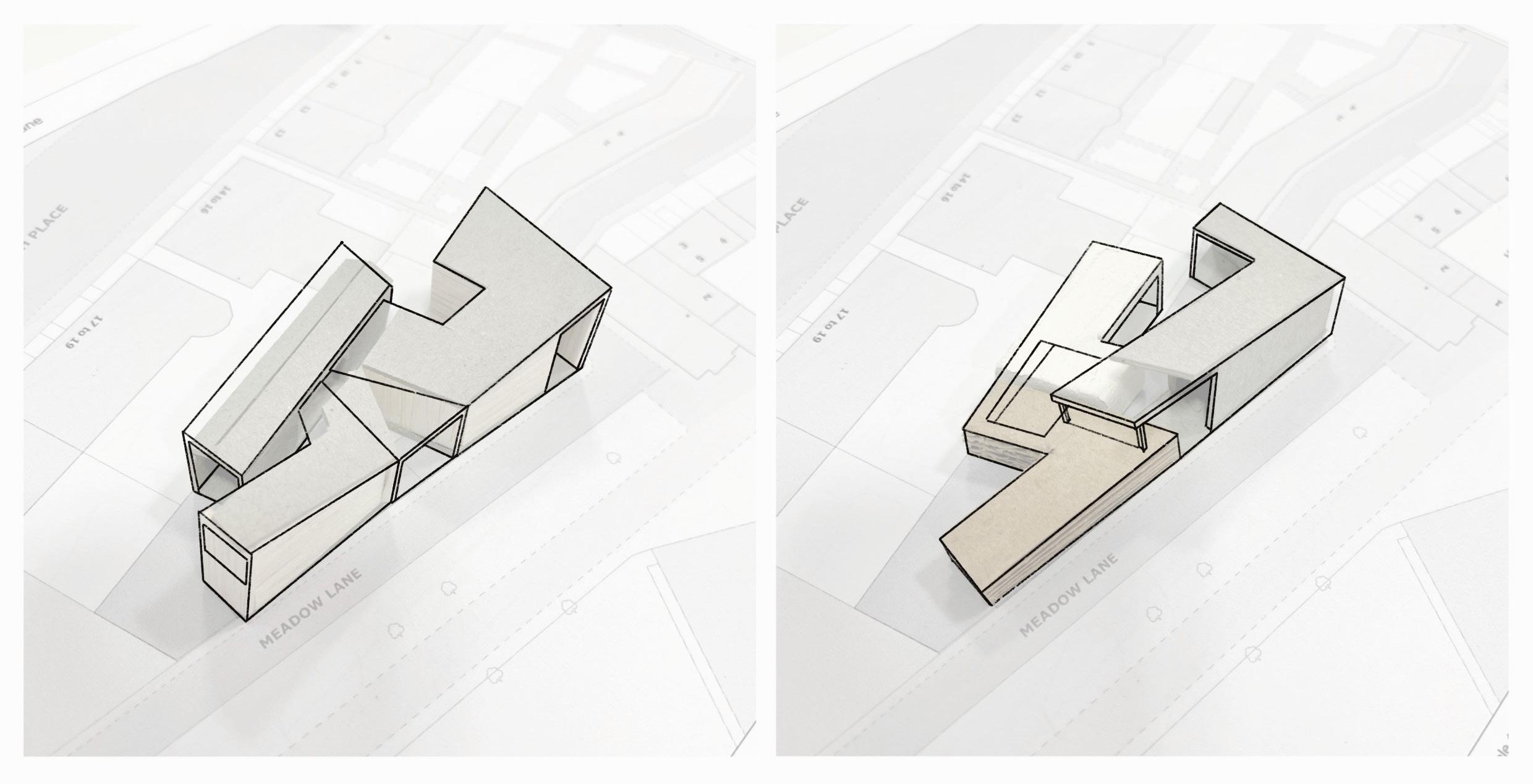
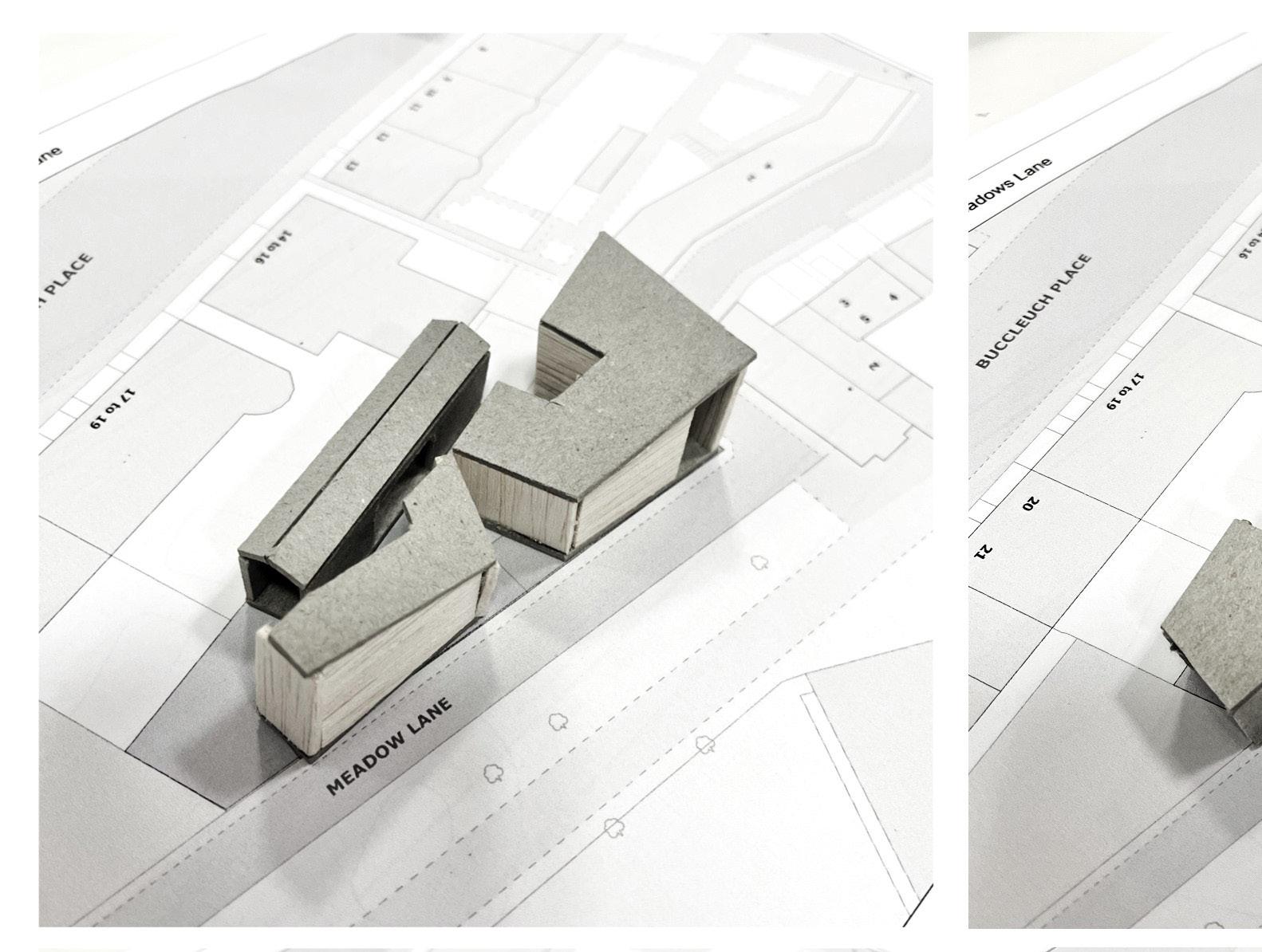
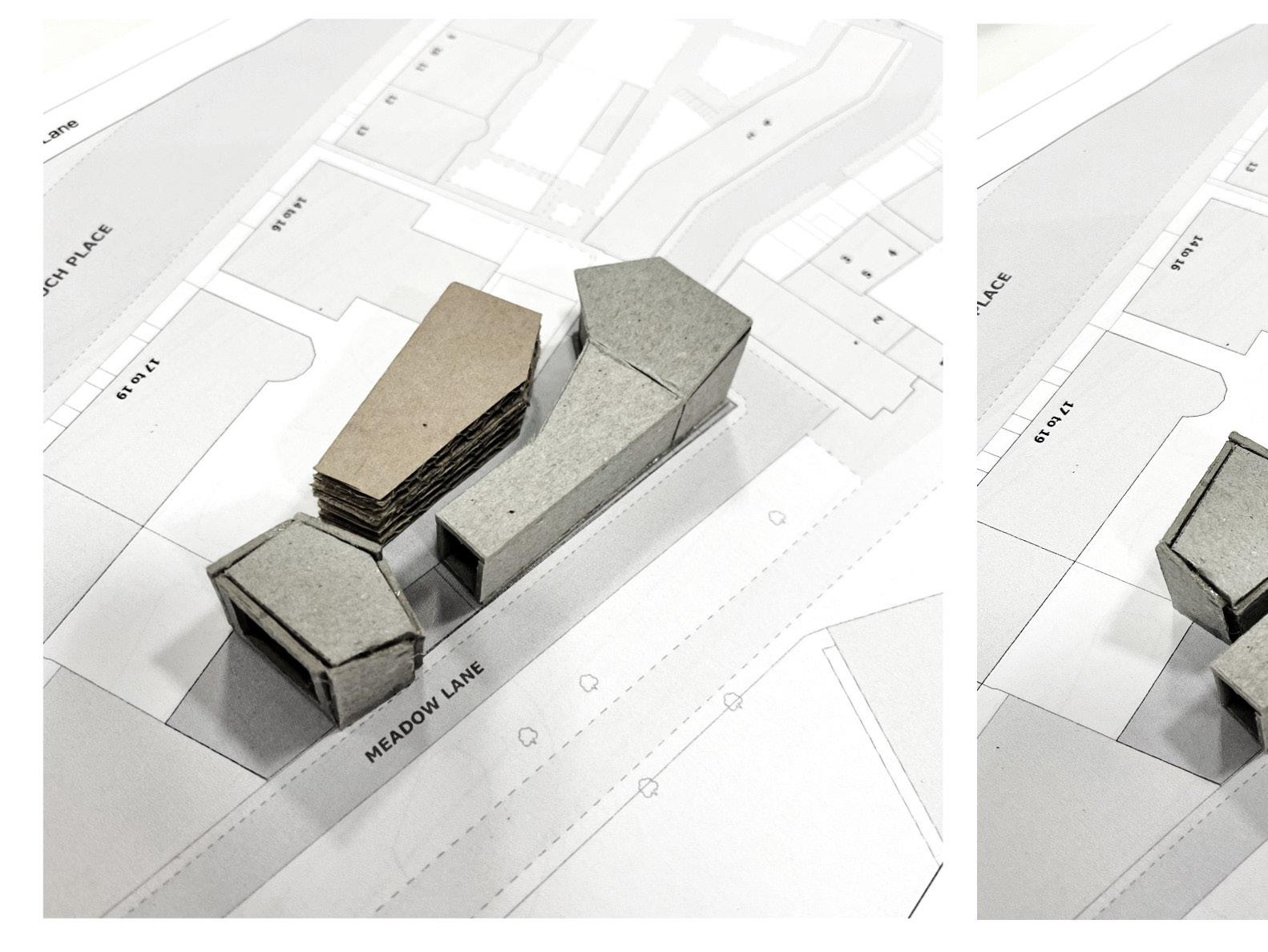
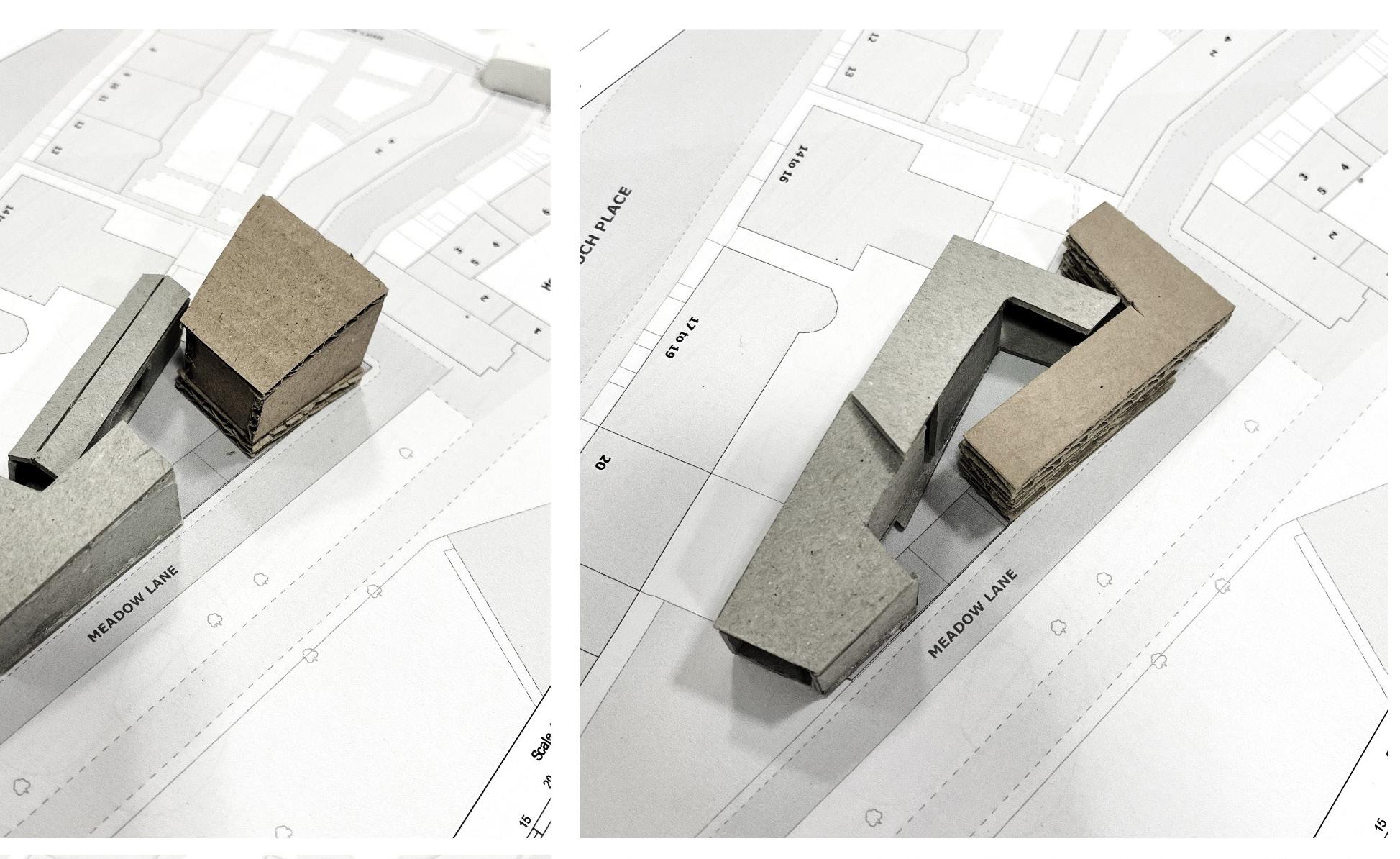
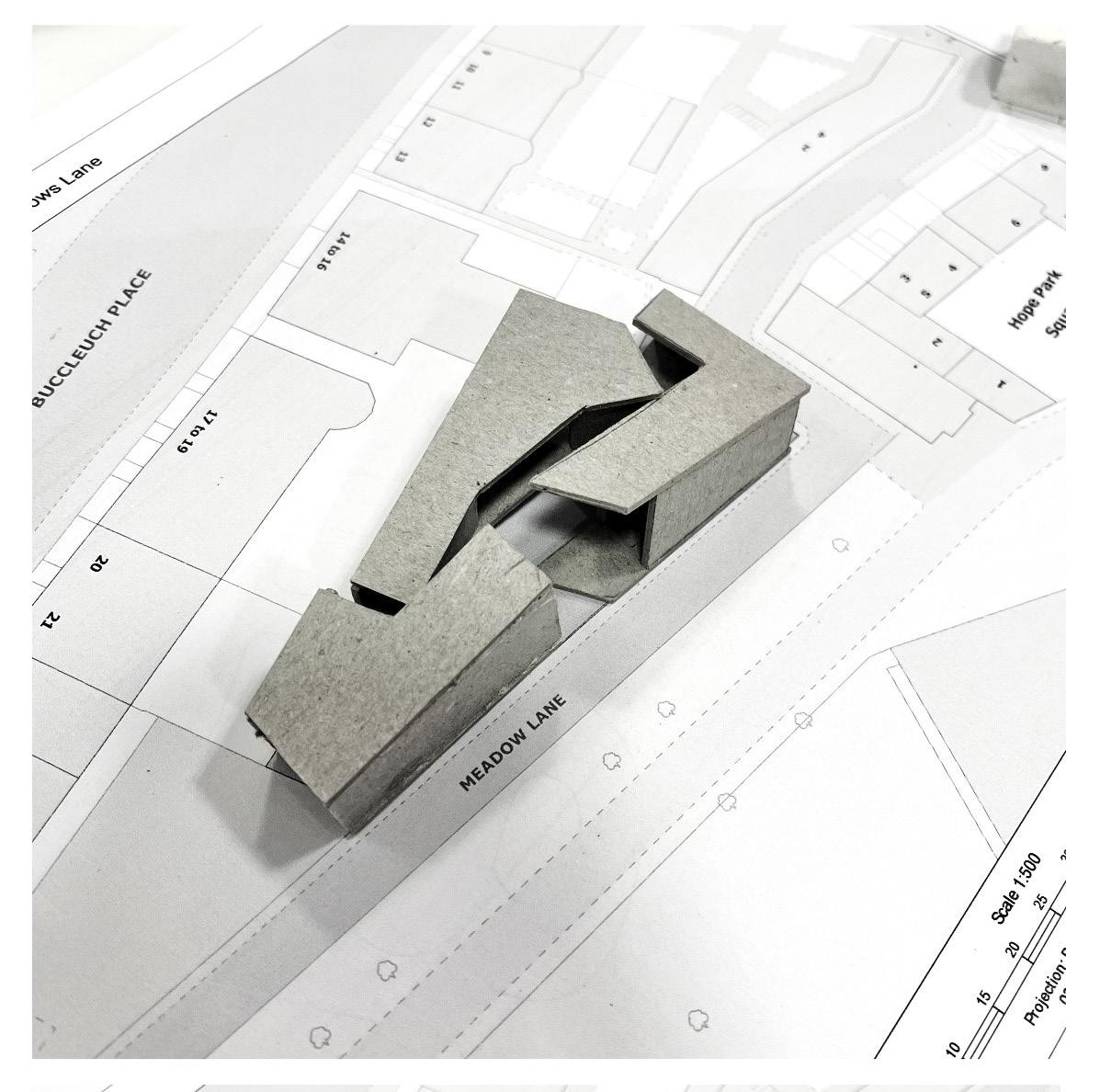
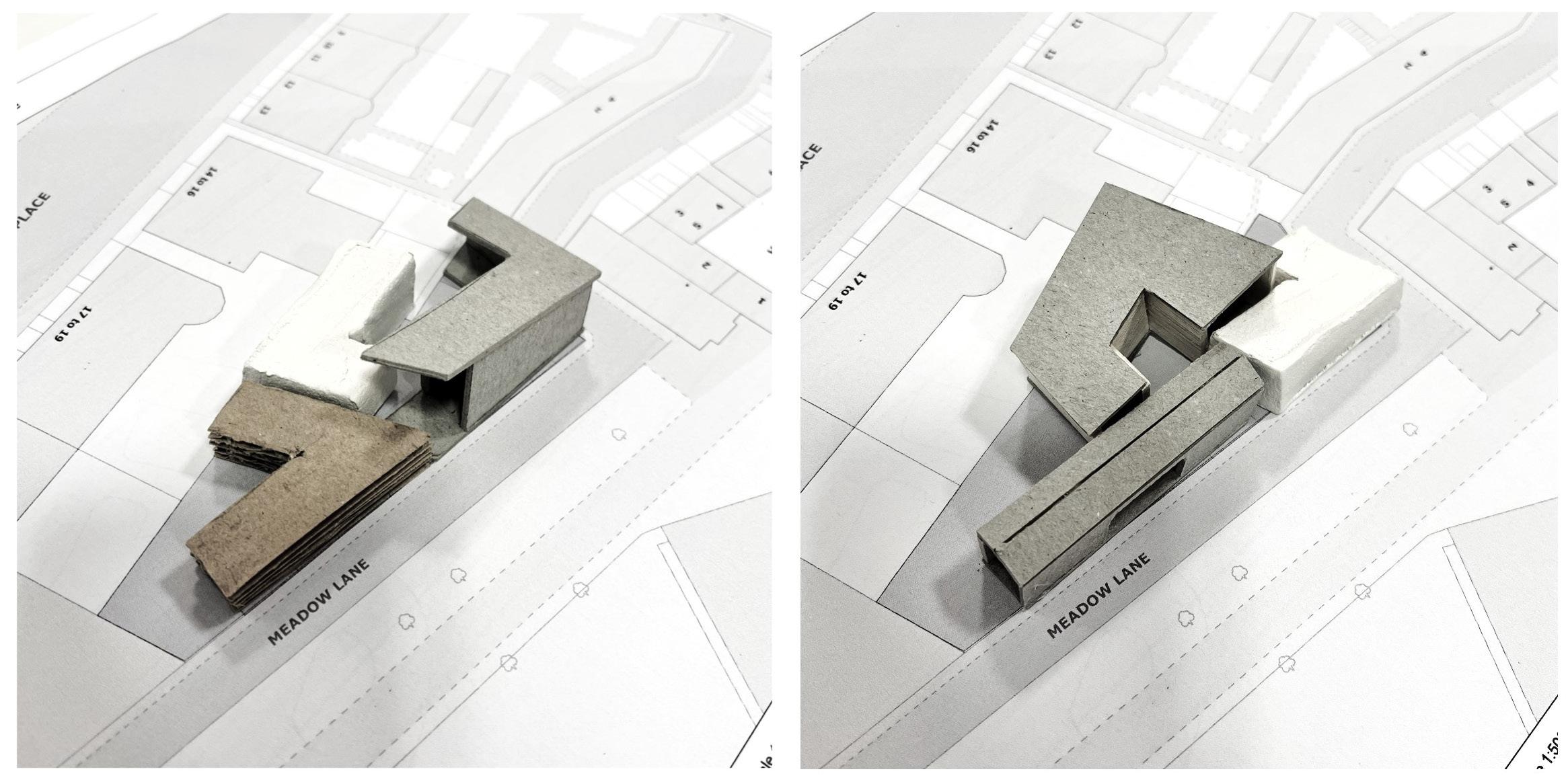
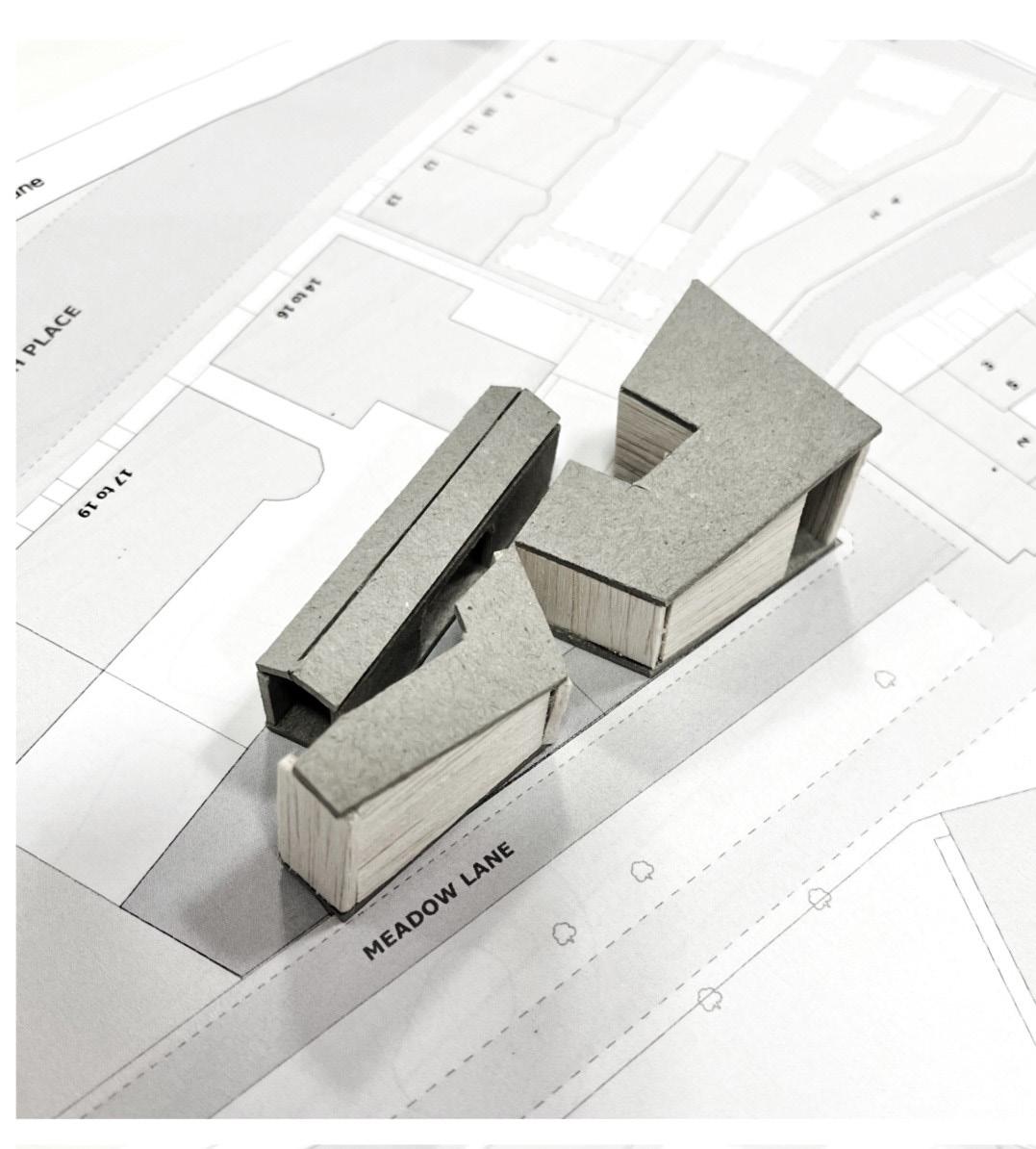
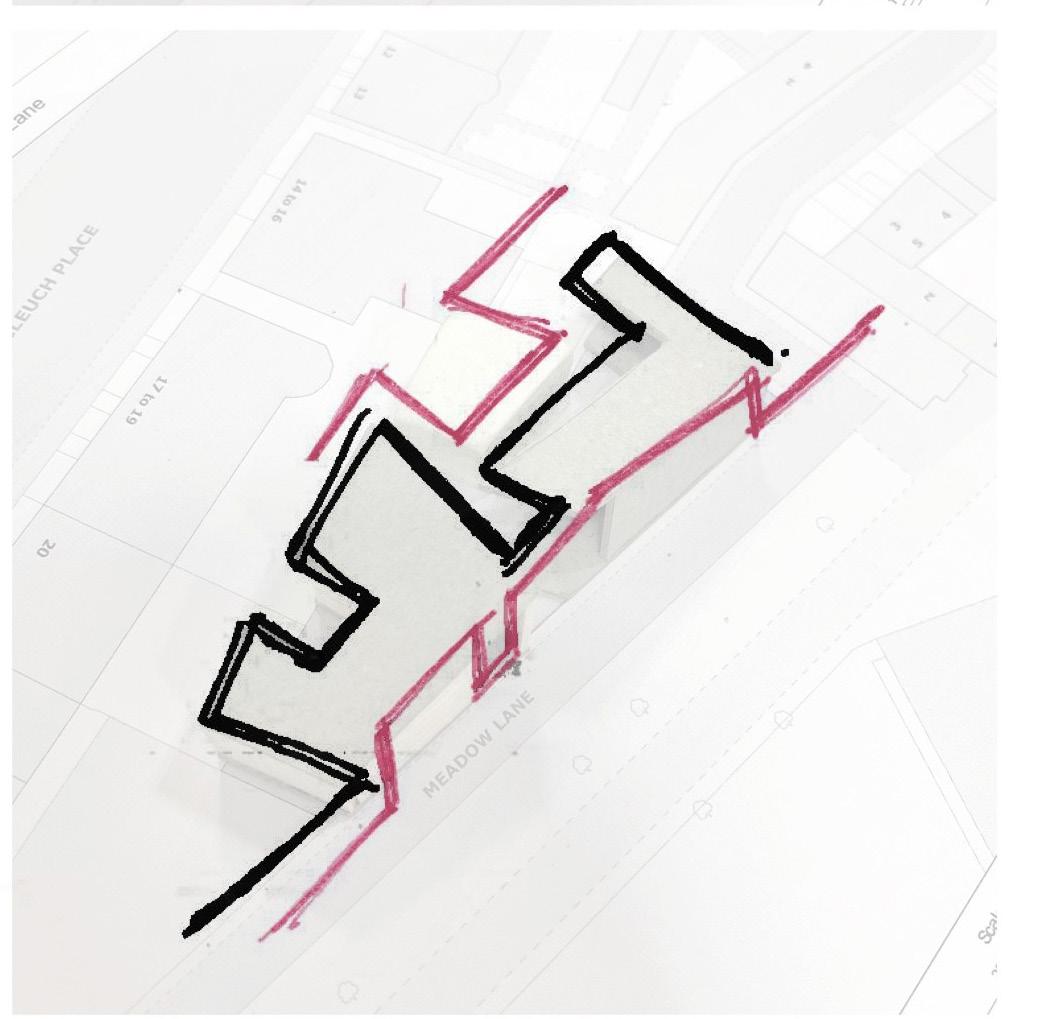
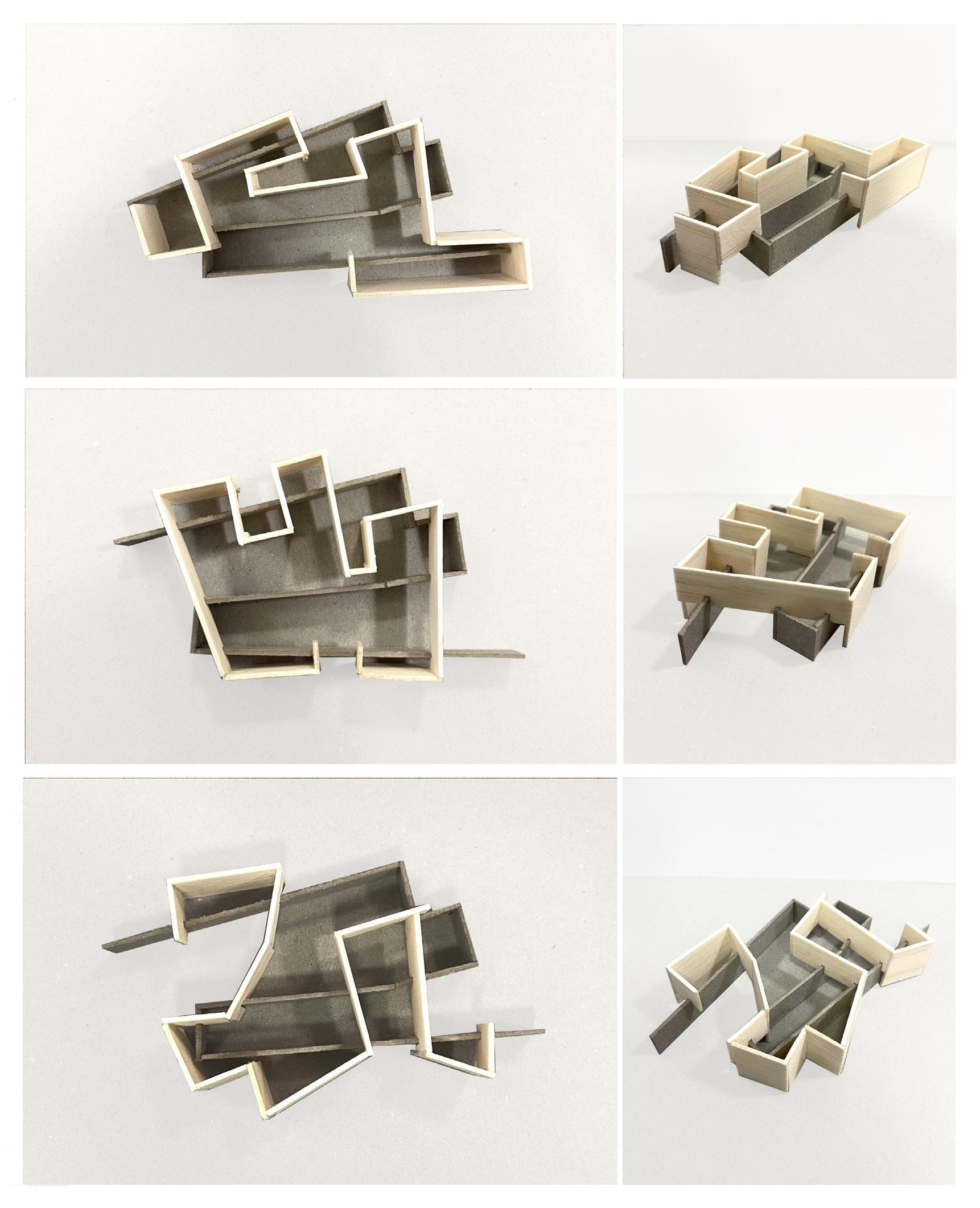
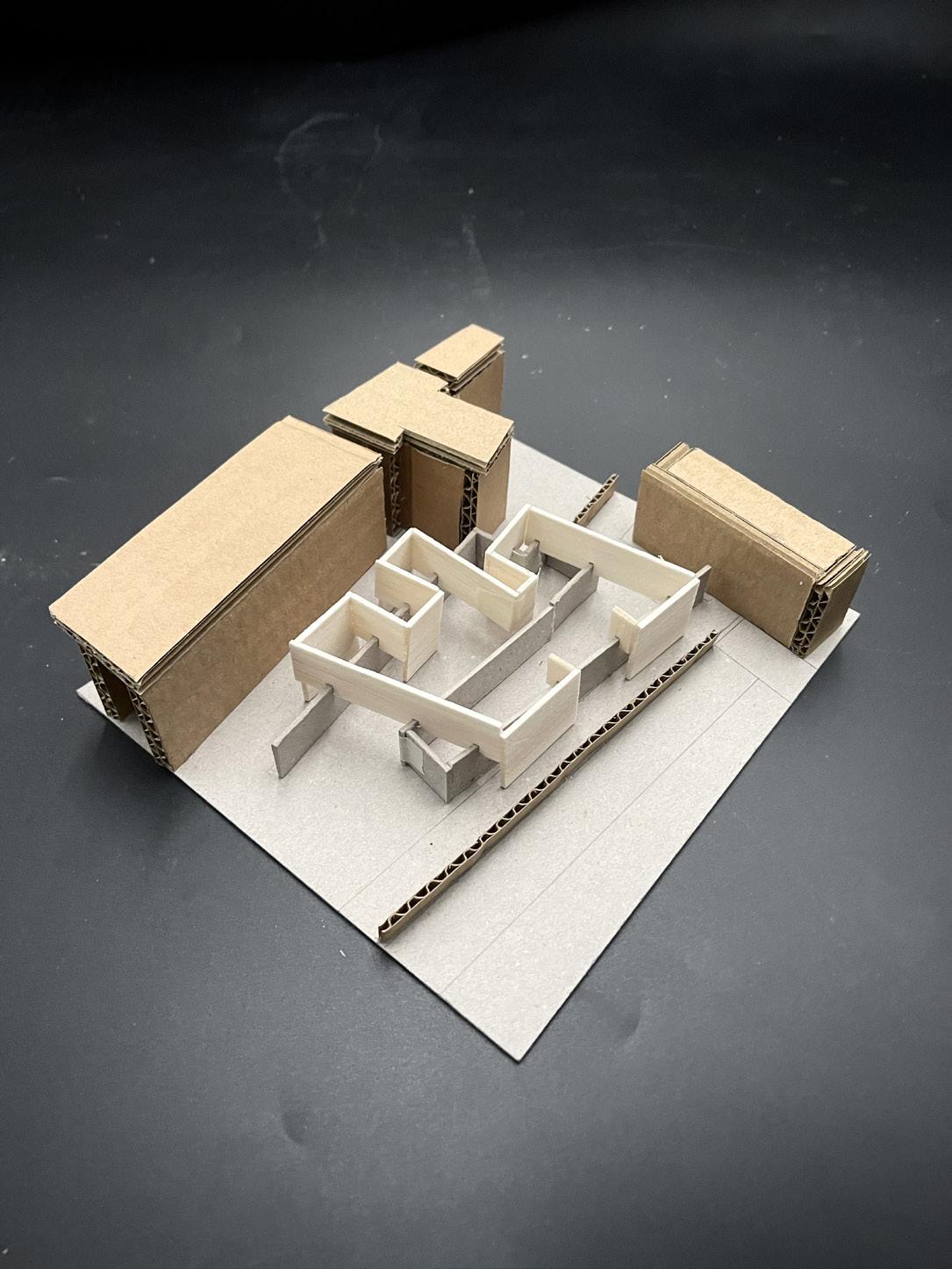
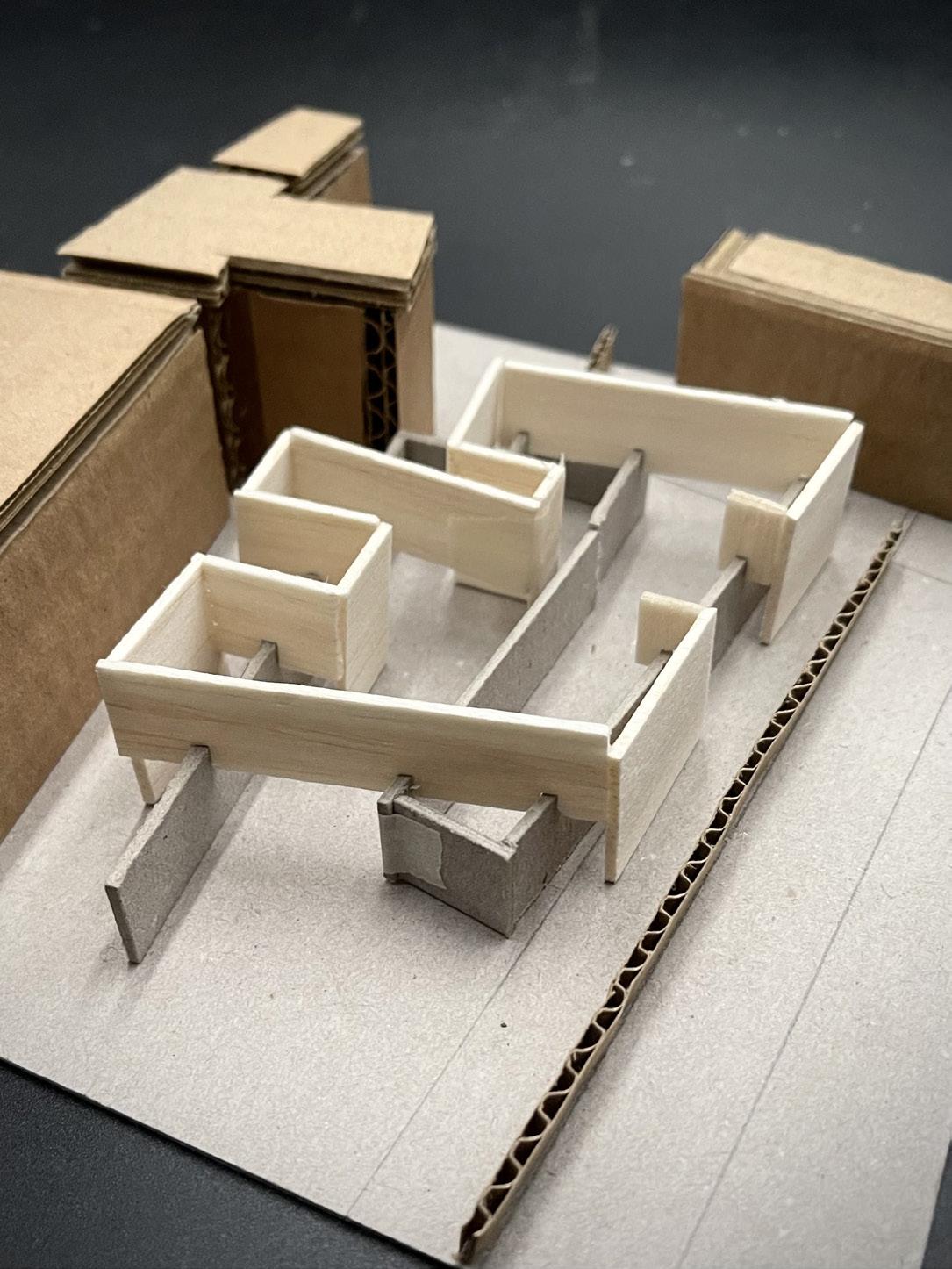
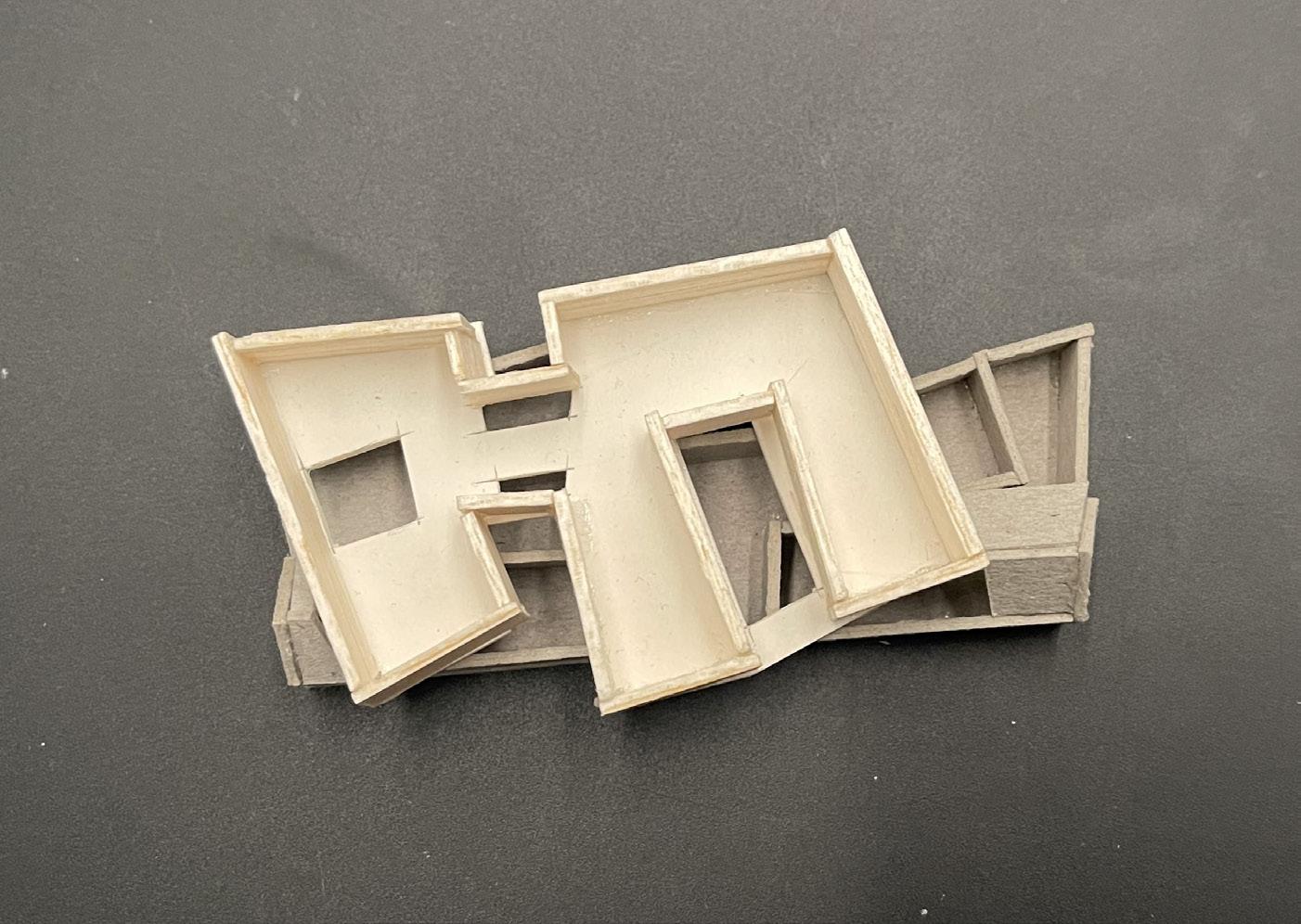
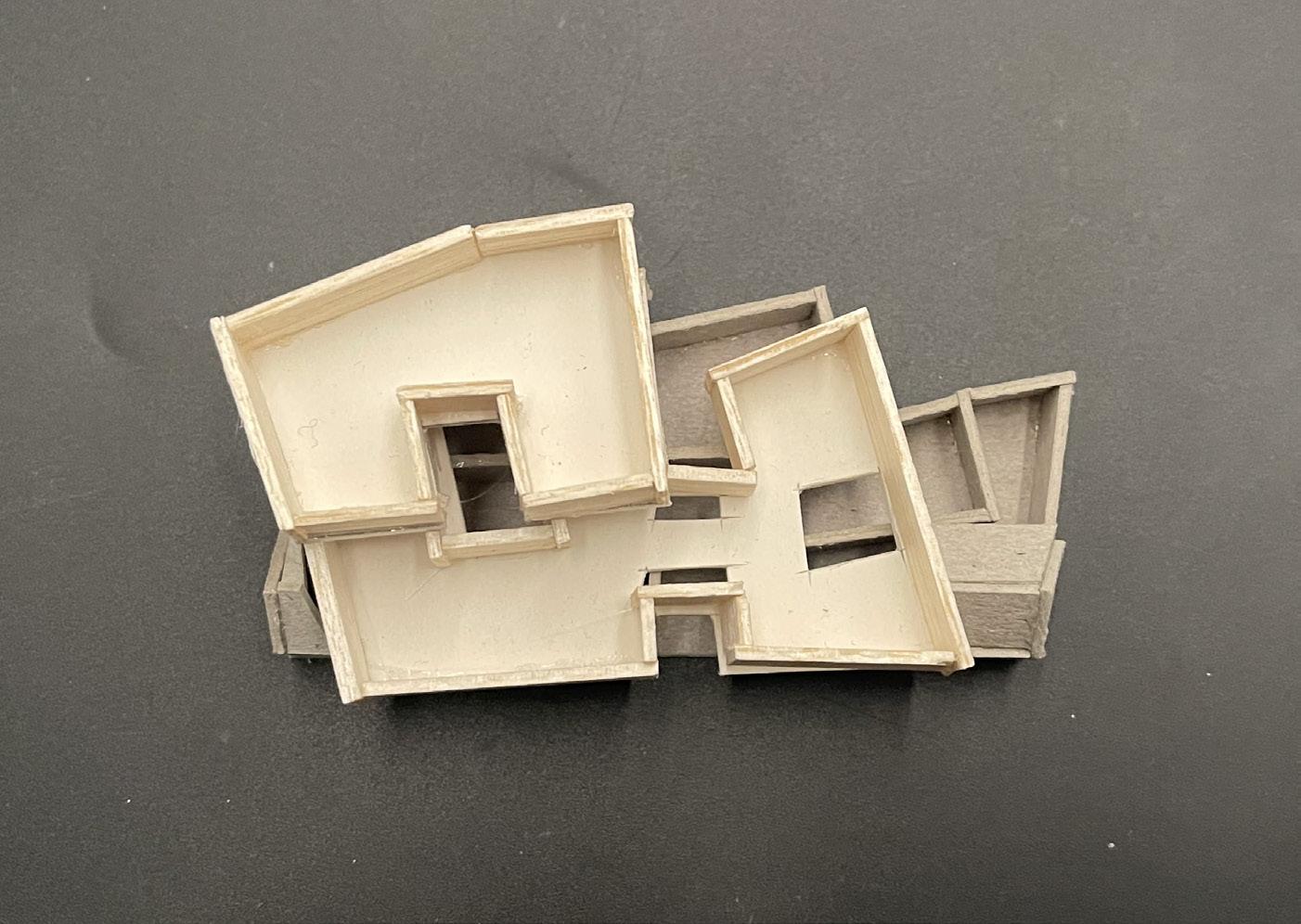
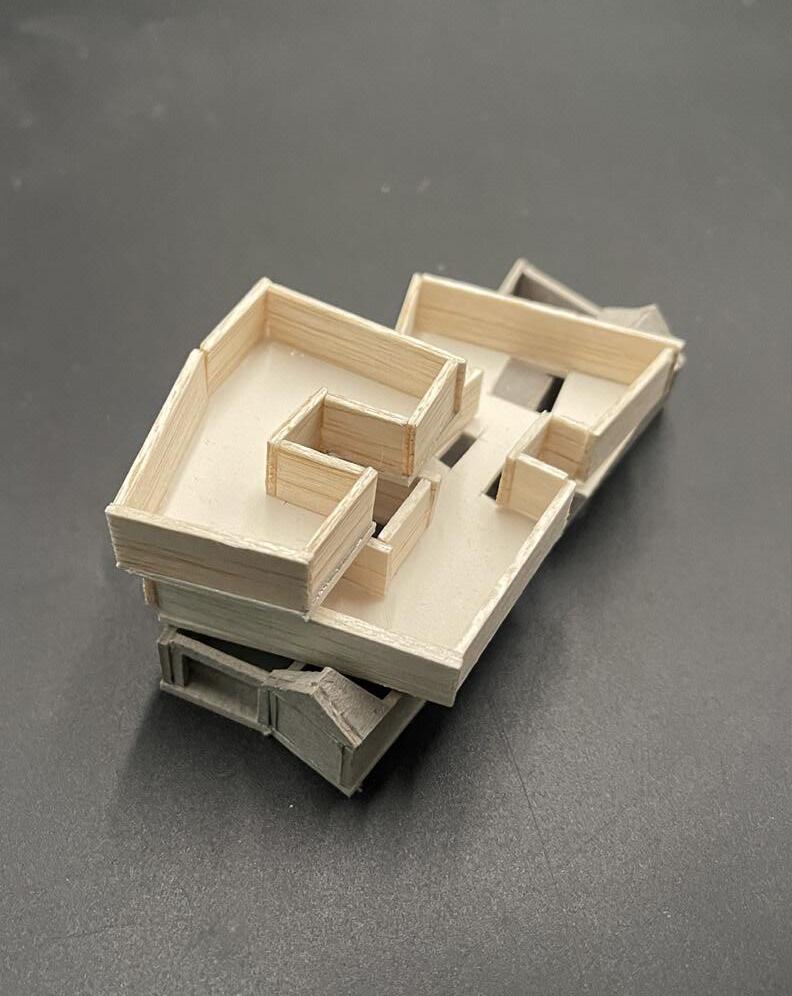
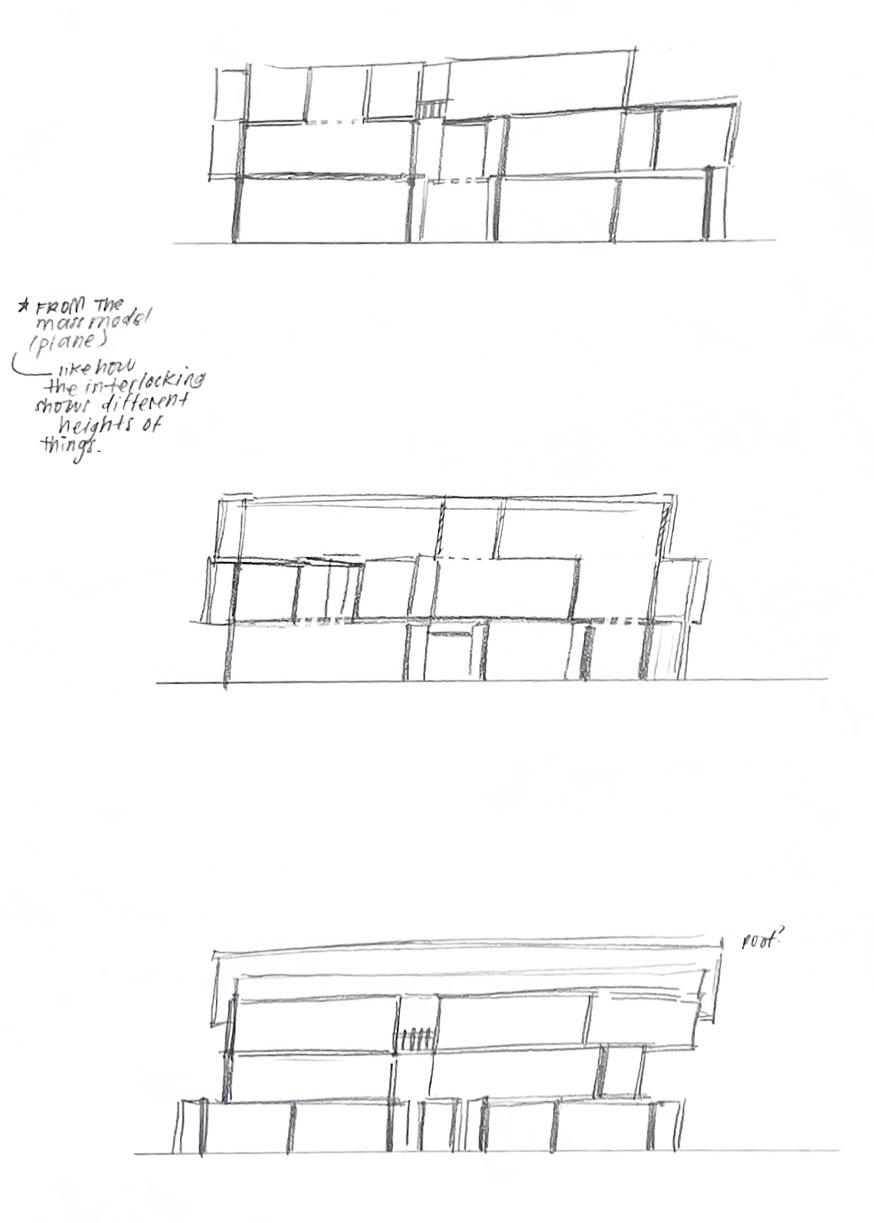
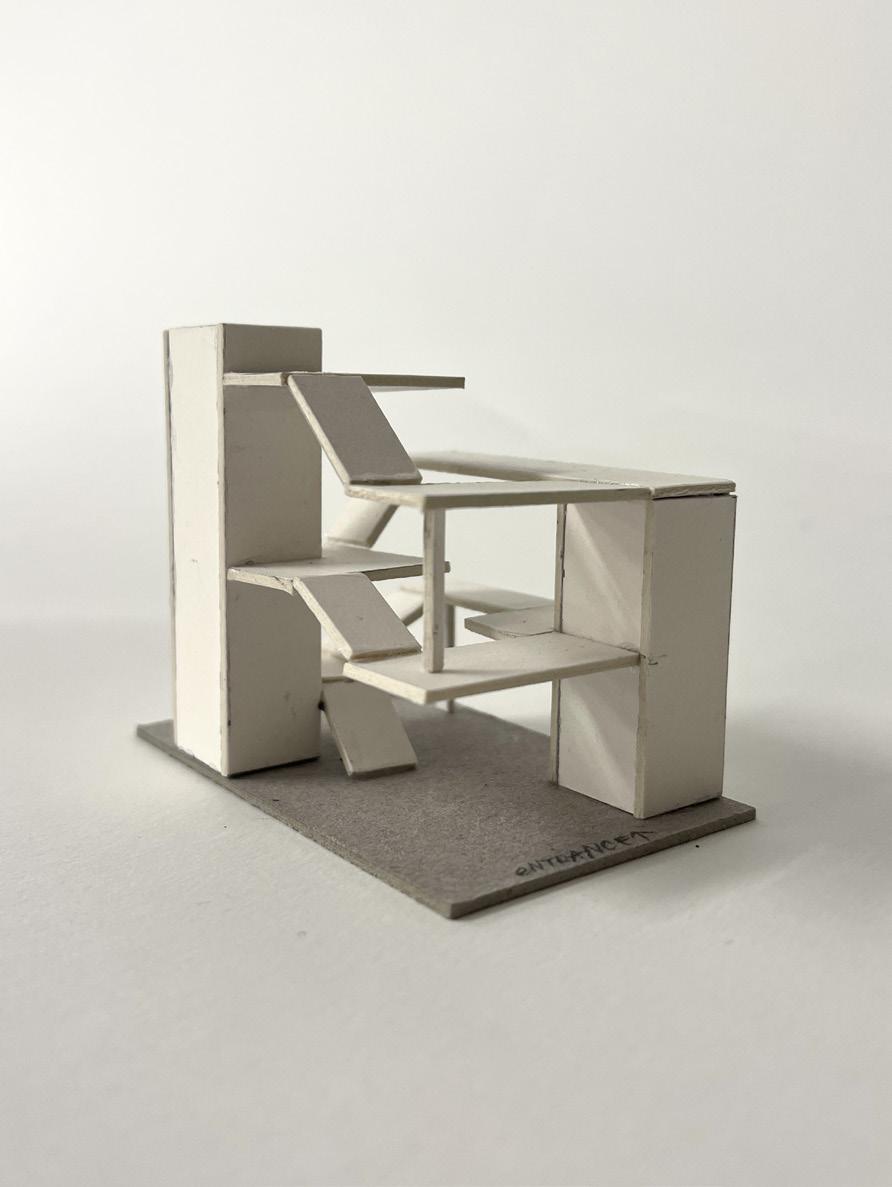
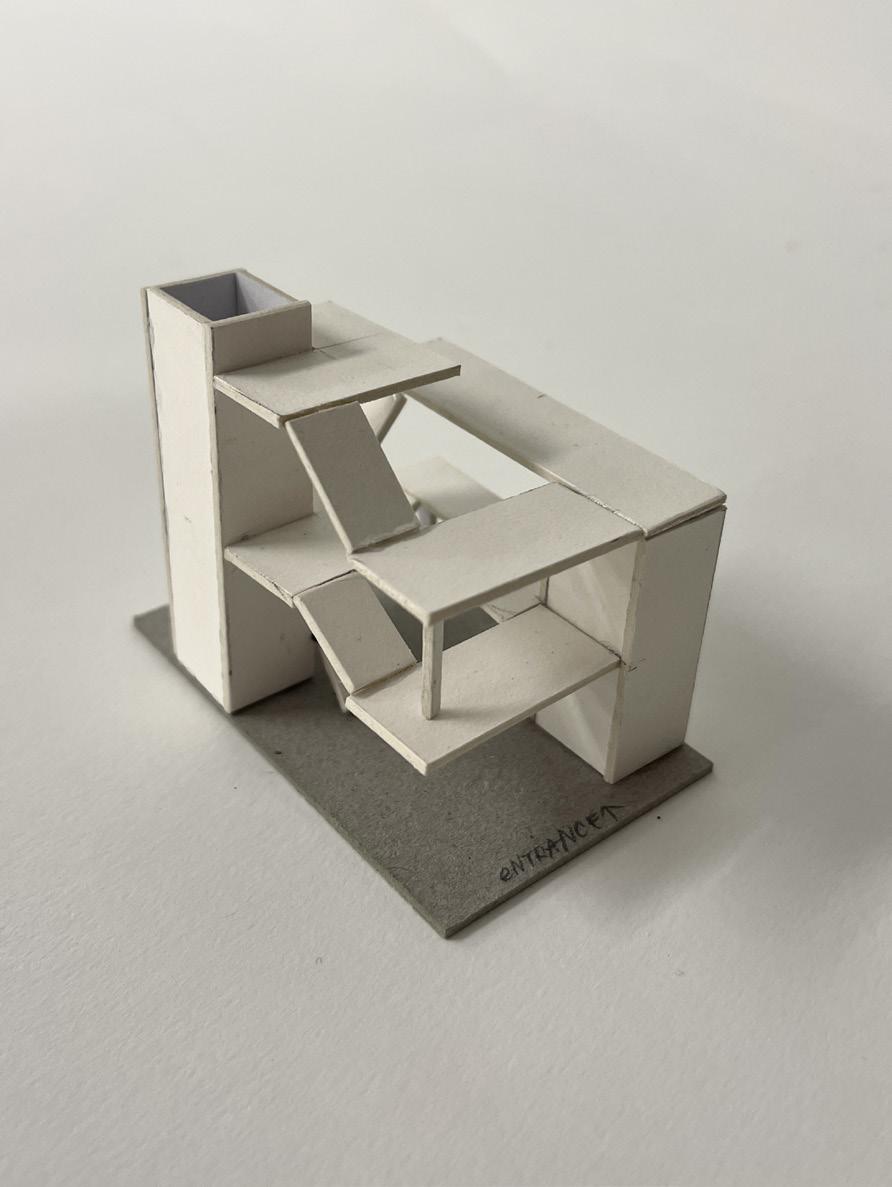
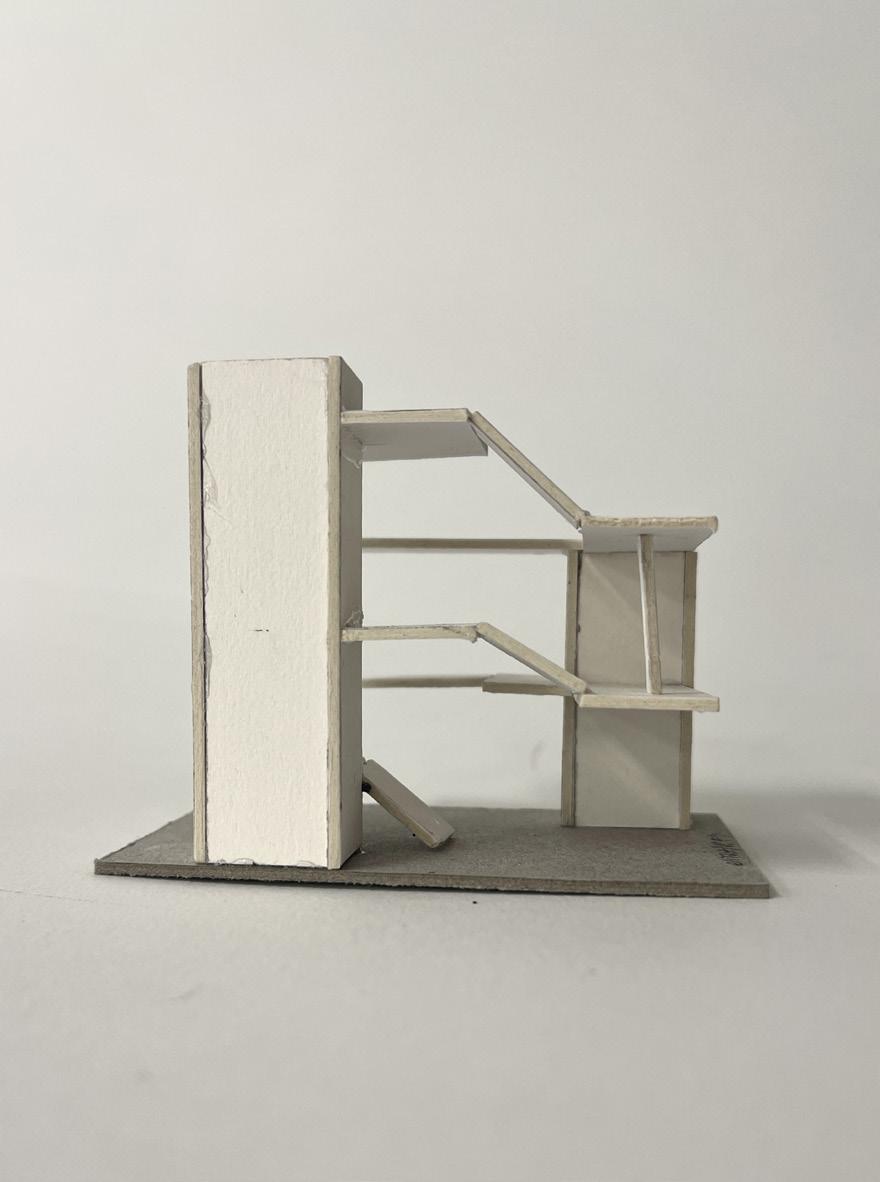
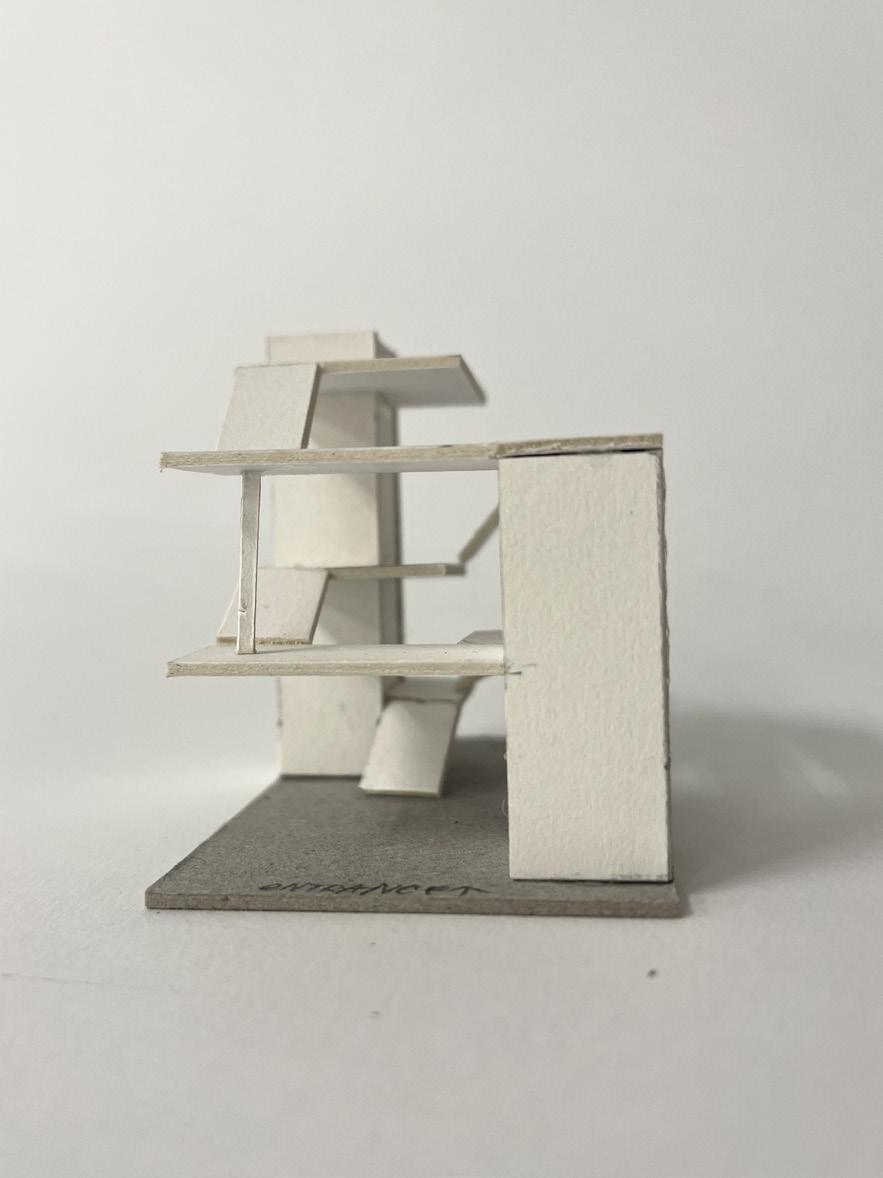
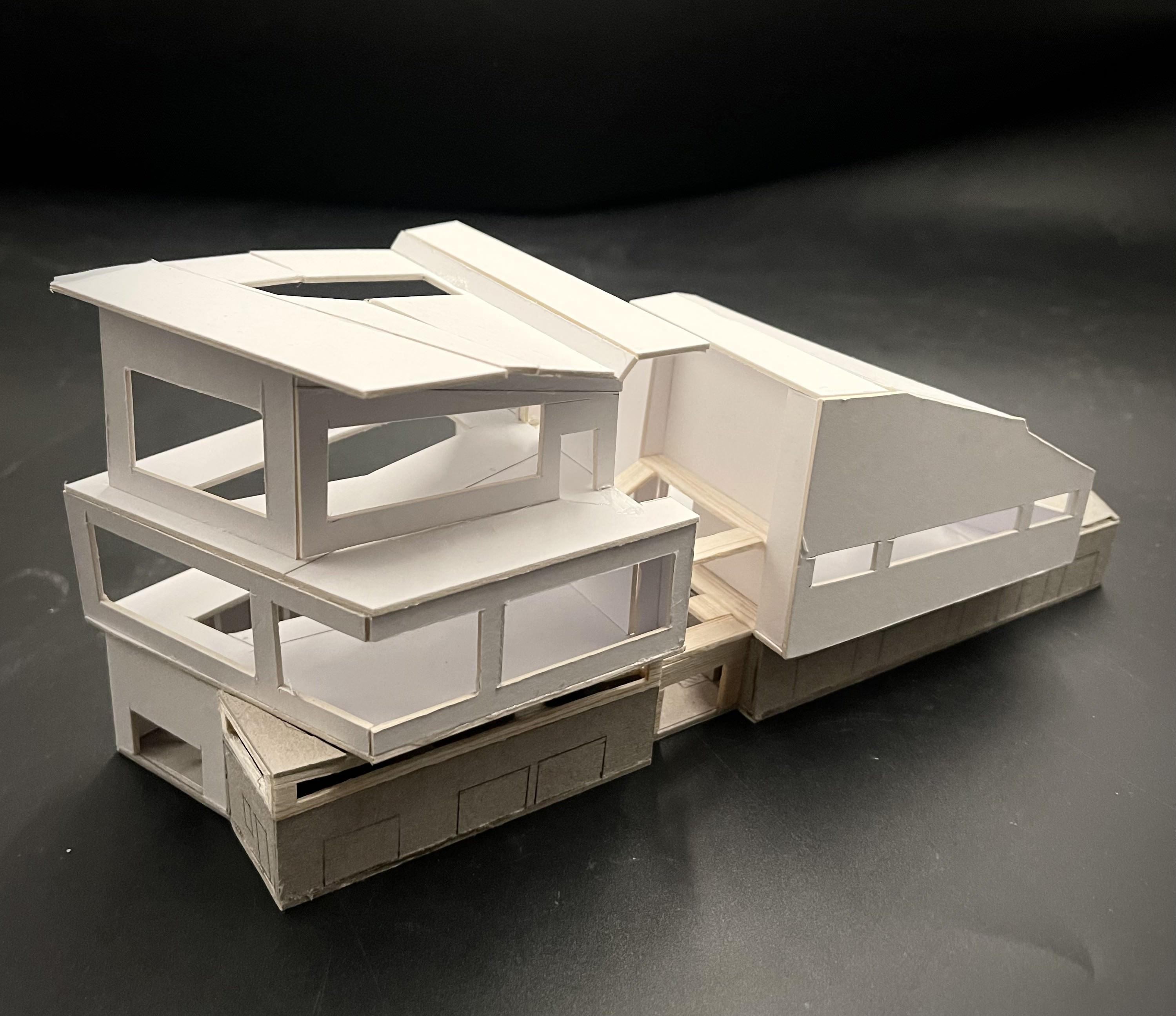
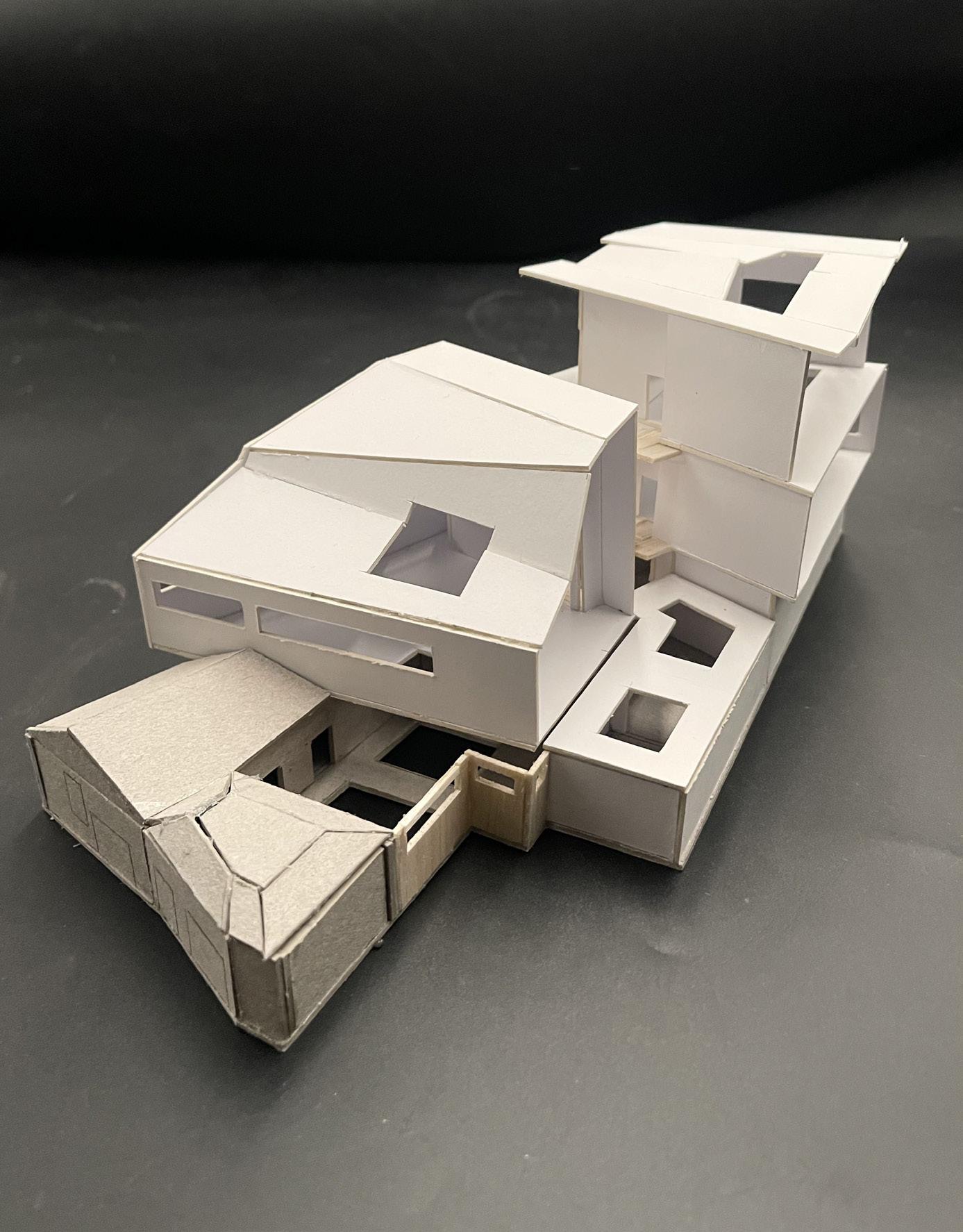
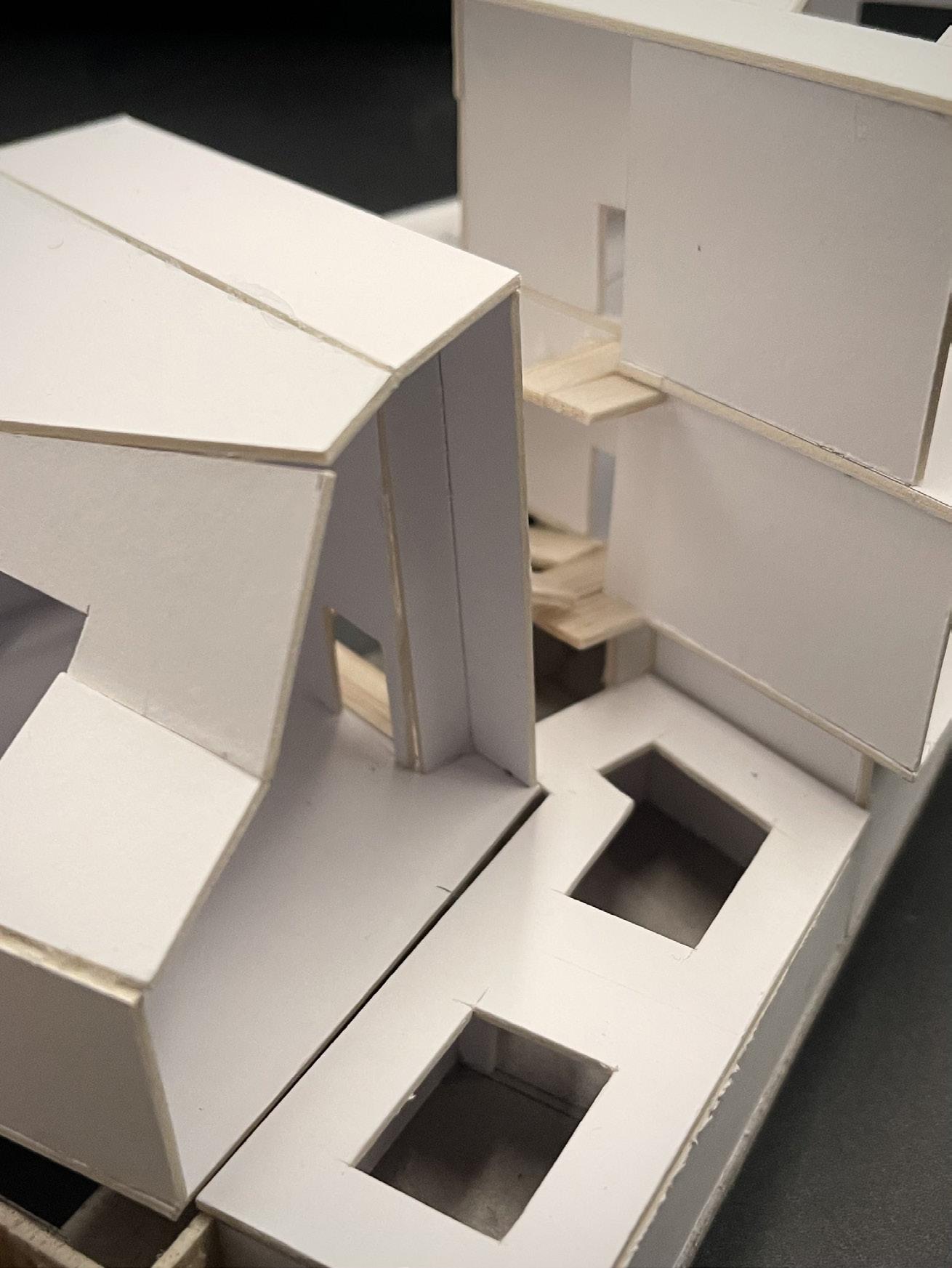
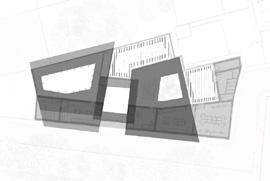
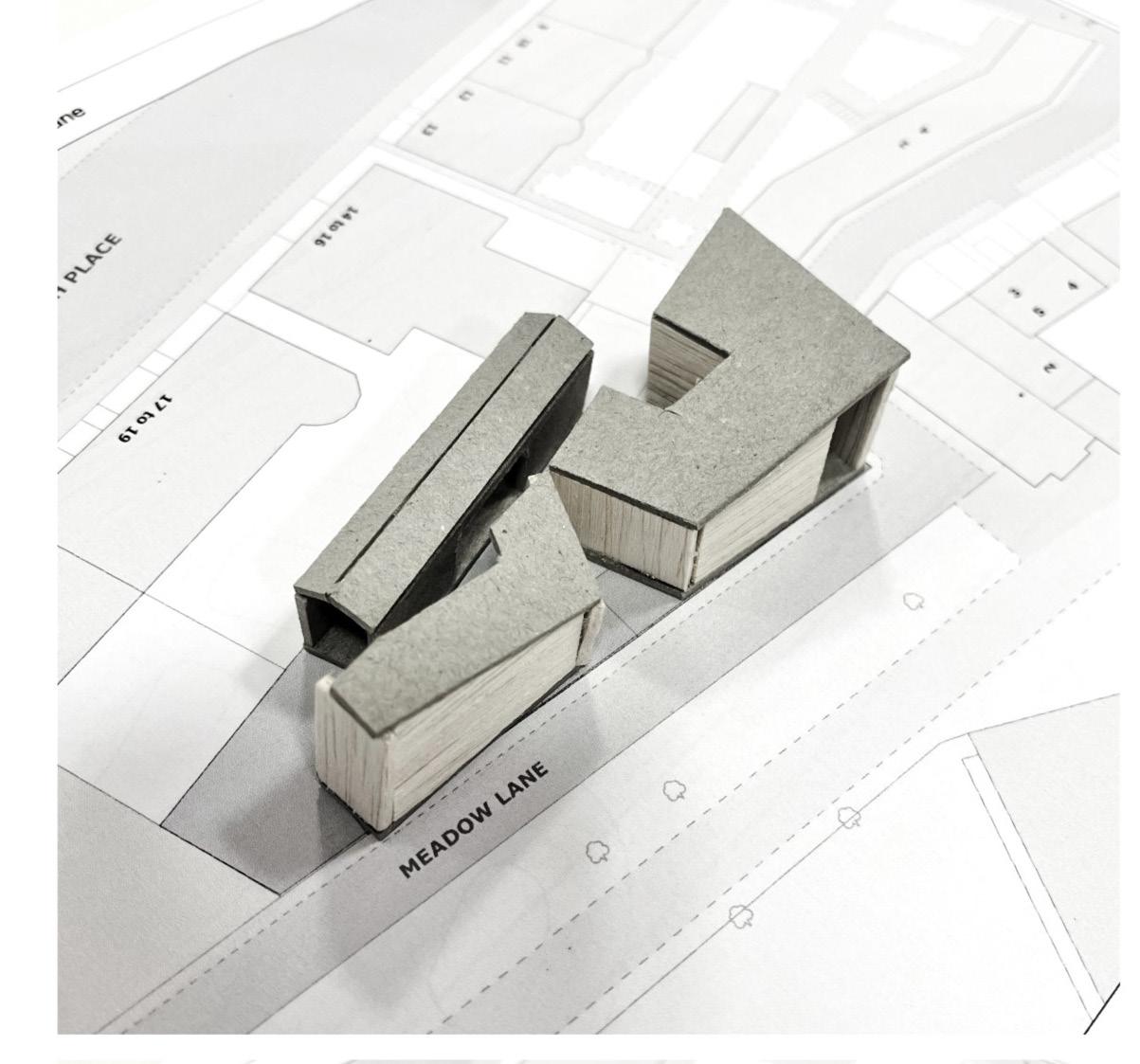
Moving from a 2d plan to a 3d boundaries sketch model explorations. This started off as an interlocking sketch models to determine how the different heights can create an aspects of AWKWARDNESS but also CURIOUSNESS for the proposal.
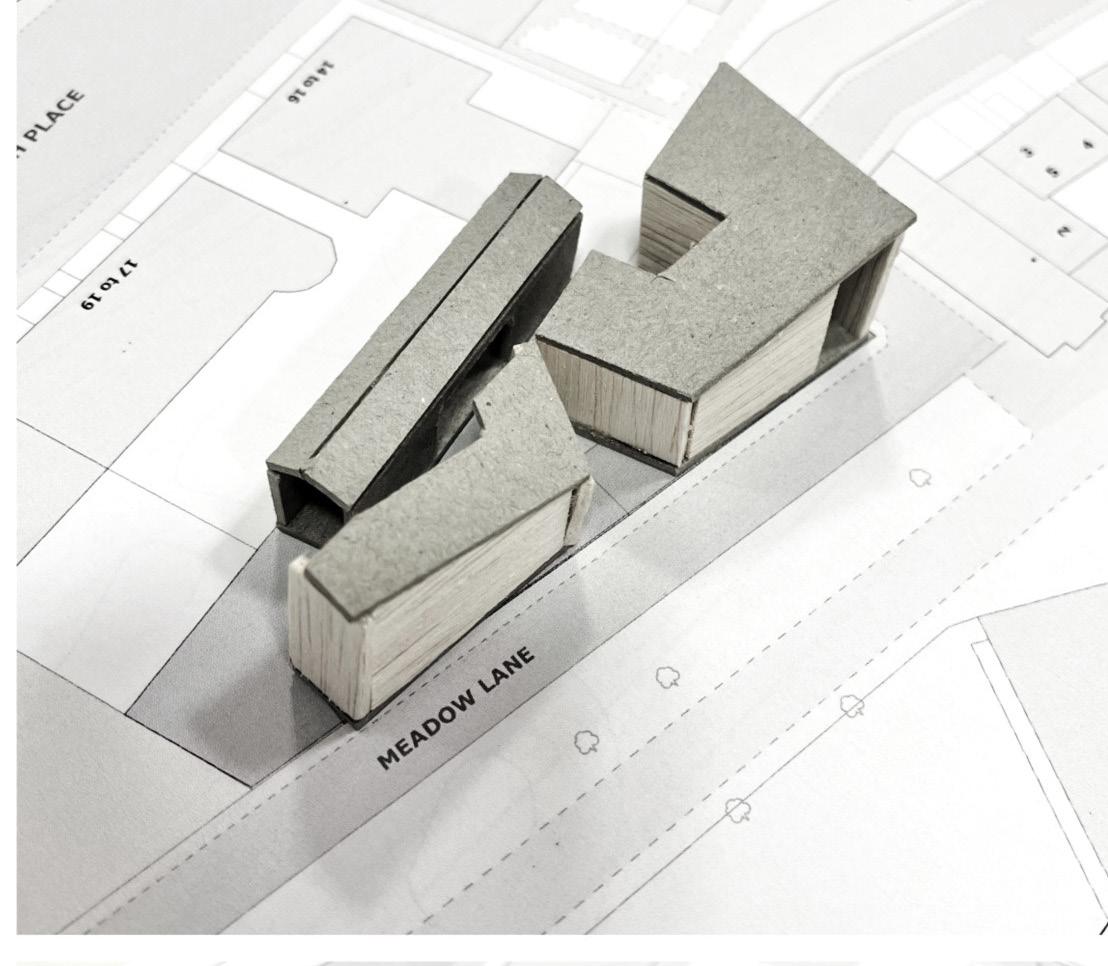
The existing boundaries are made with grey cardboard to represent the heavyweightness of the stone while the additional boundaries are created with balsa wood to c ontrast with its lightweightness.
Chosen Iteration Developments
CHOSEN ITERATION with context to show how it interacts with various elements. It was important to keep looking back at the context as we are taking the proposal back but we must also give back to the site and its occupants. Developments from this iterations onwards are then focusing on the spatial requirements of the different functions.
Clarity
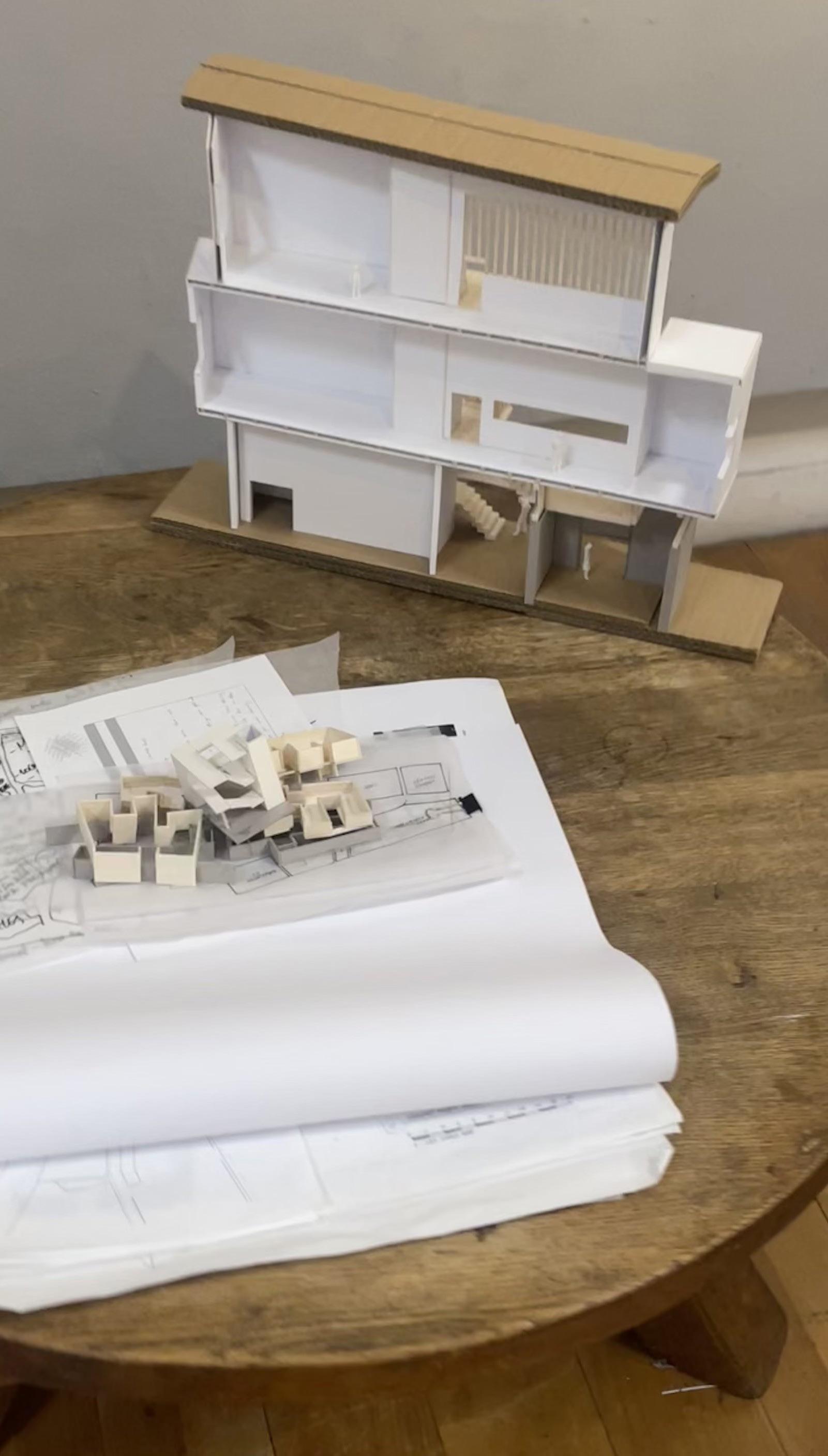
Developments with more sketch model to make sense of the complex shapes and how it could lead to the proposal with various heights, voids and pocket of spaces.
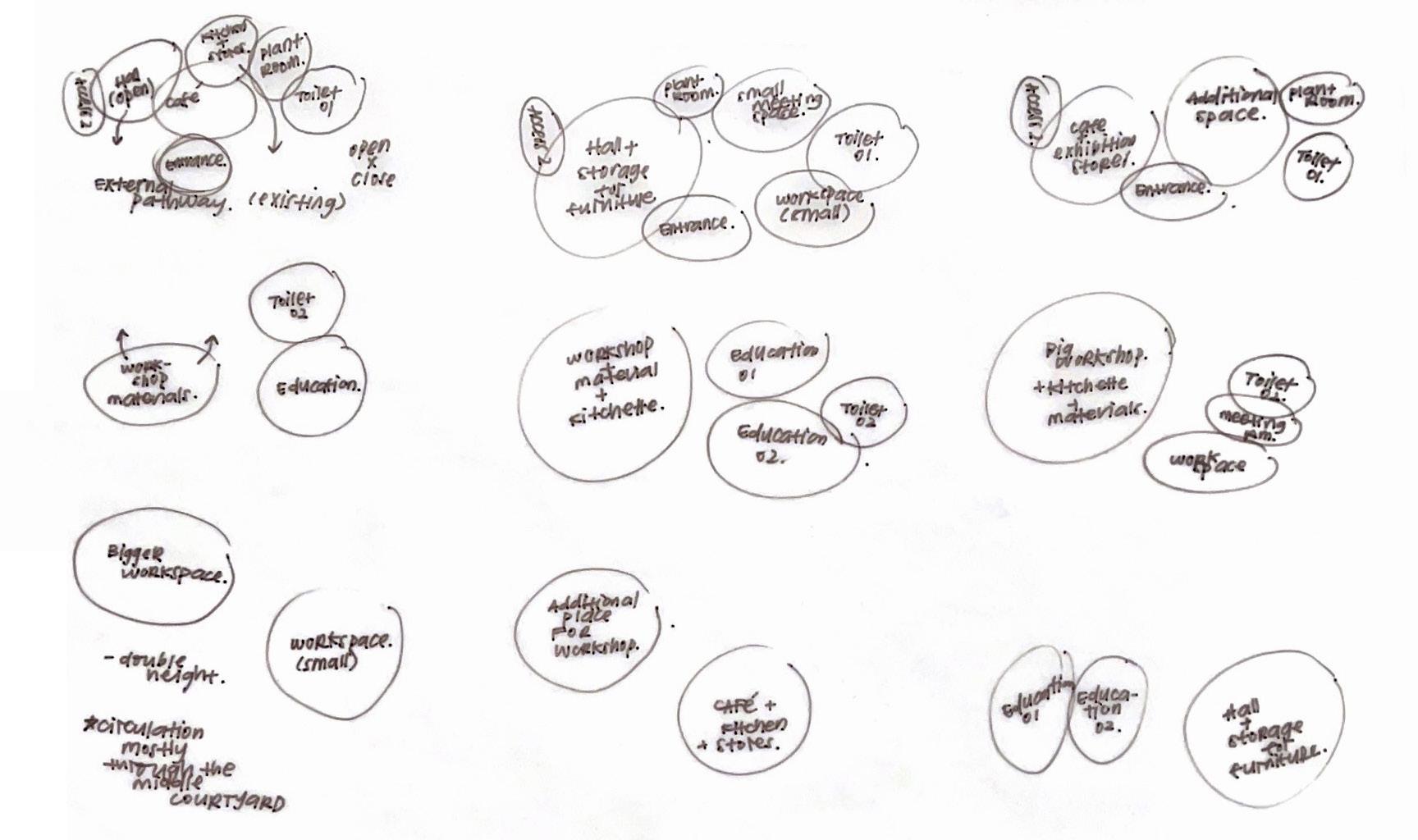
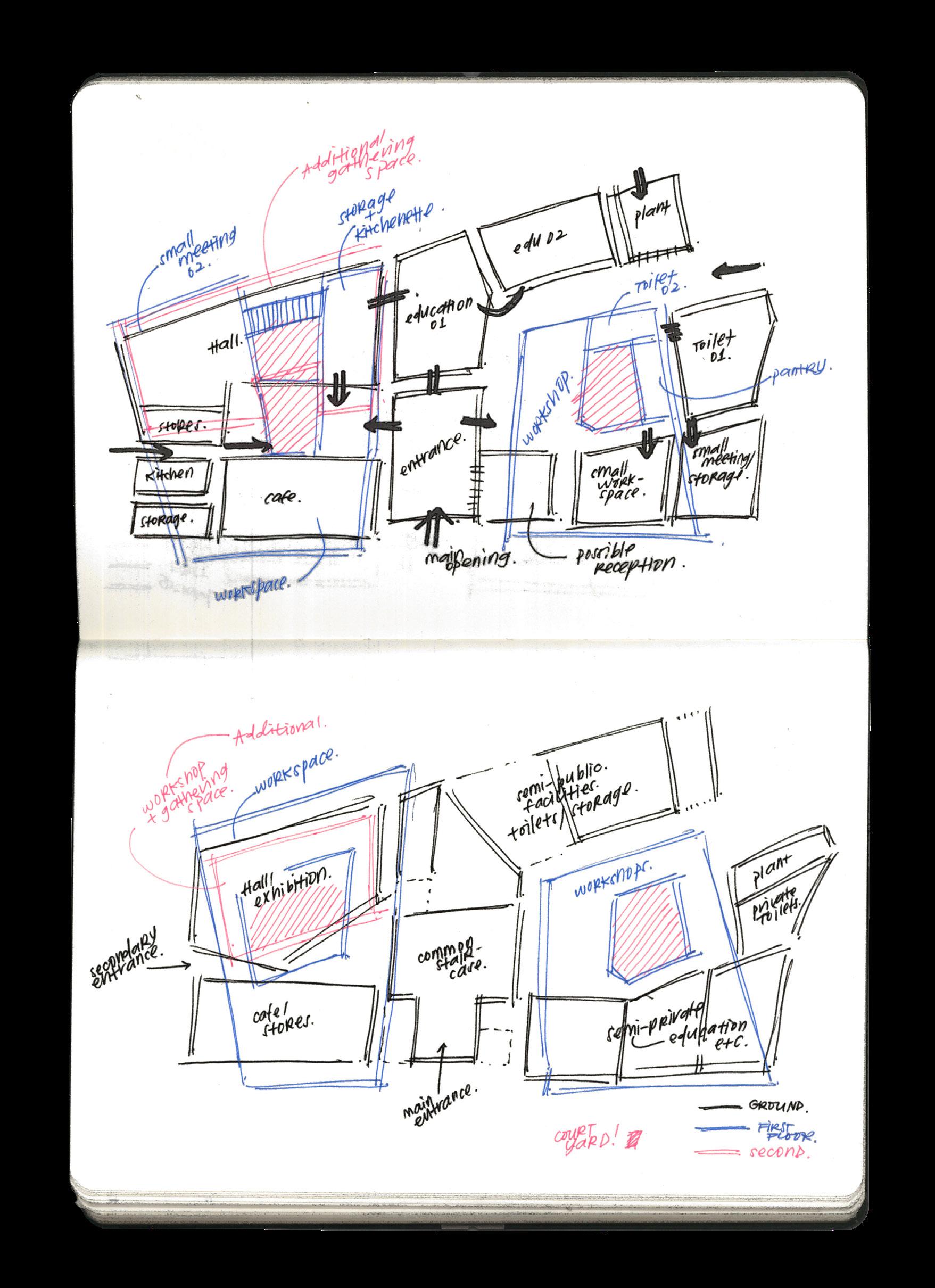
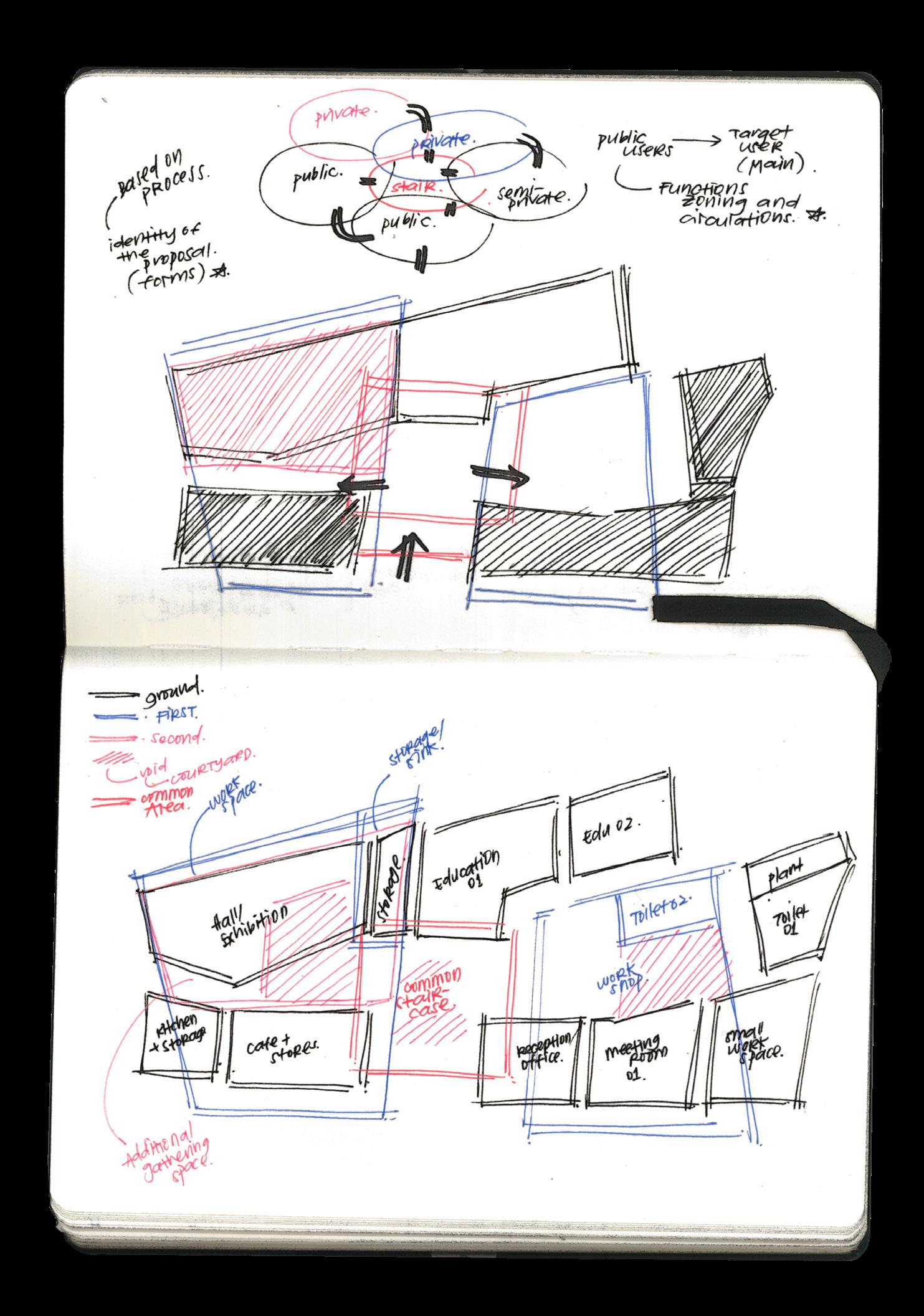
Spatial requirements and schedule focus through bubble diagrams and other diagram iterations, mostly through layerings of tracing papers.
Drawing Refinements
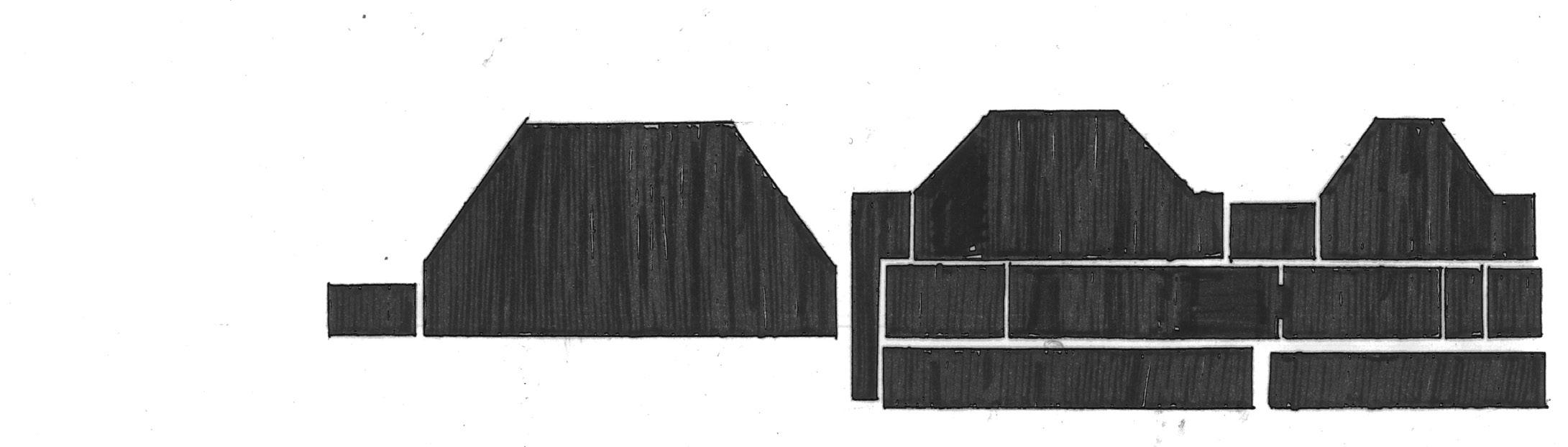
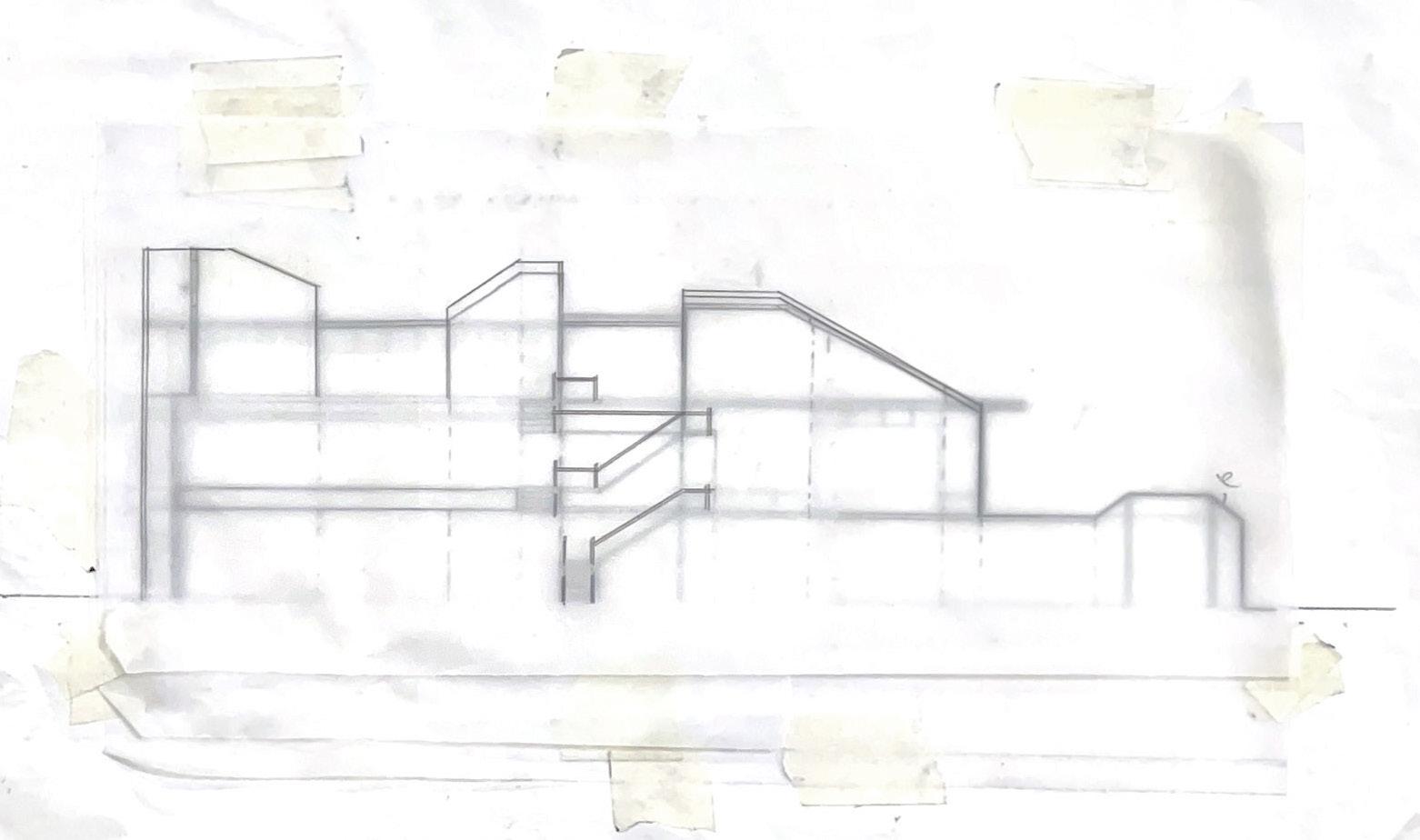
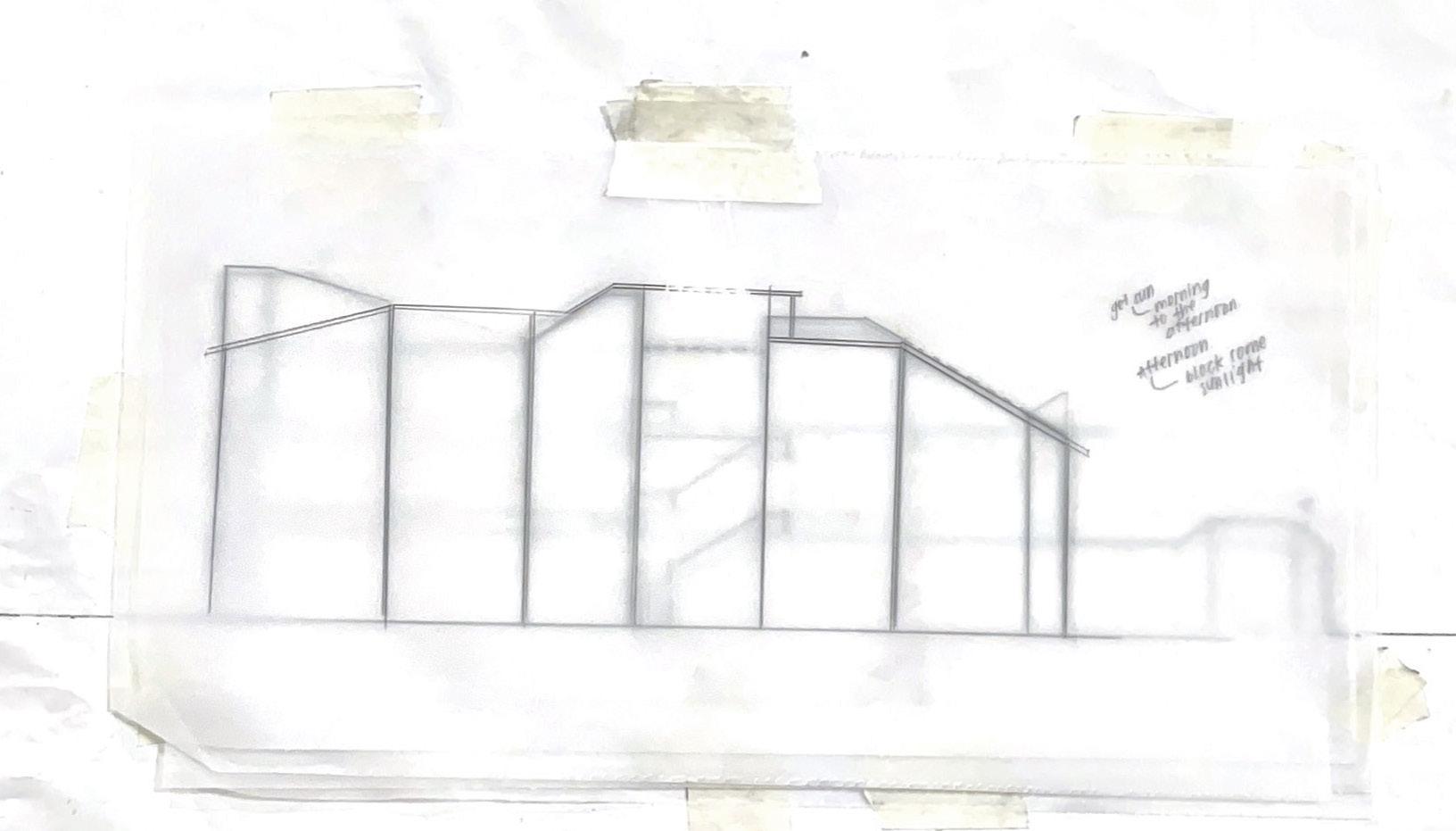
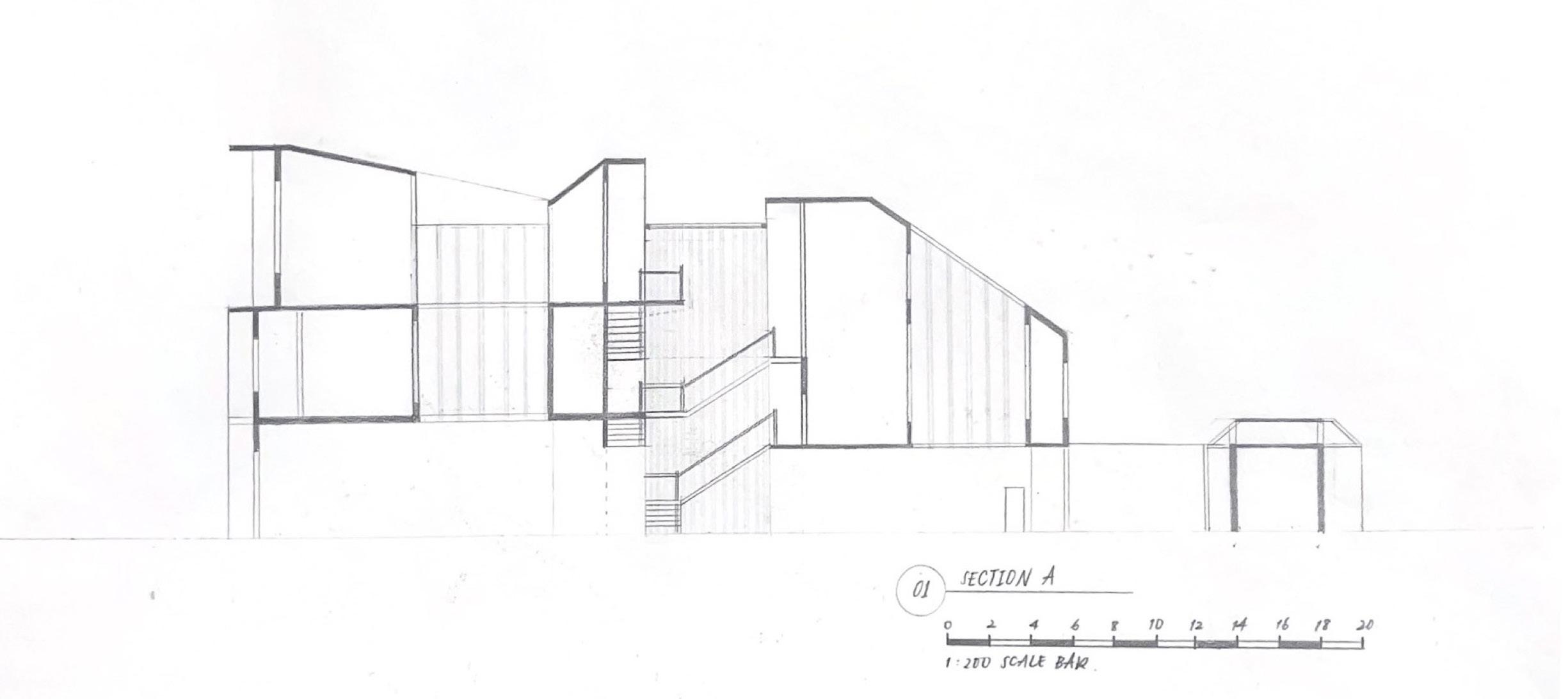
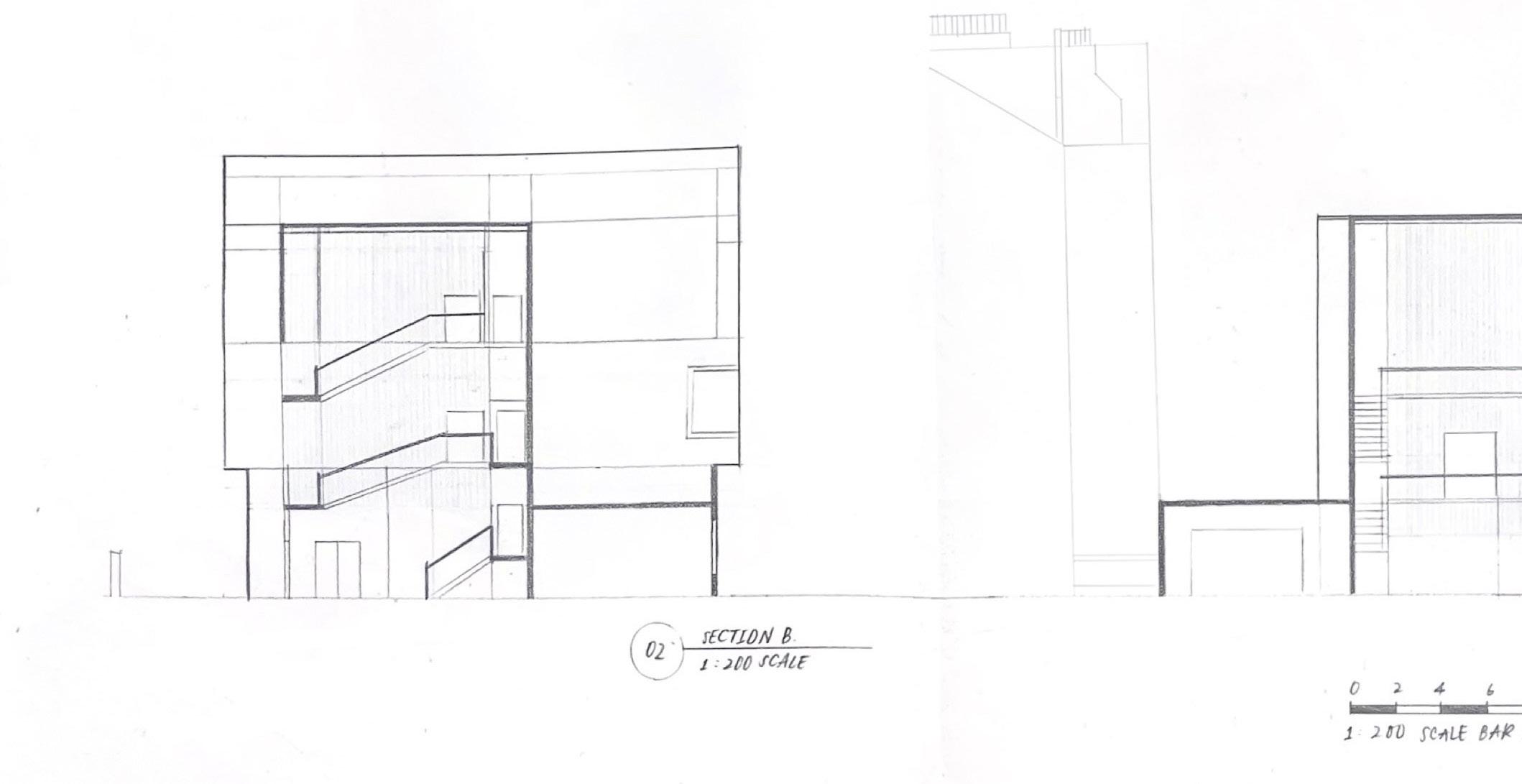
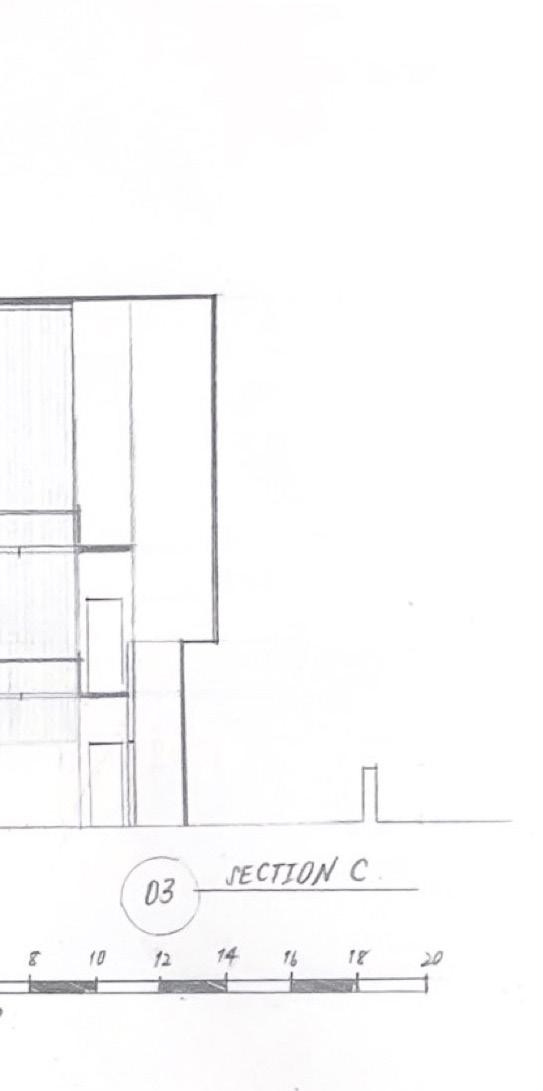
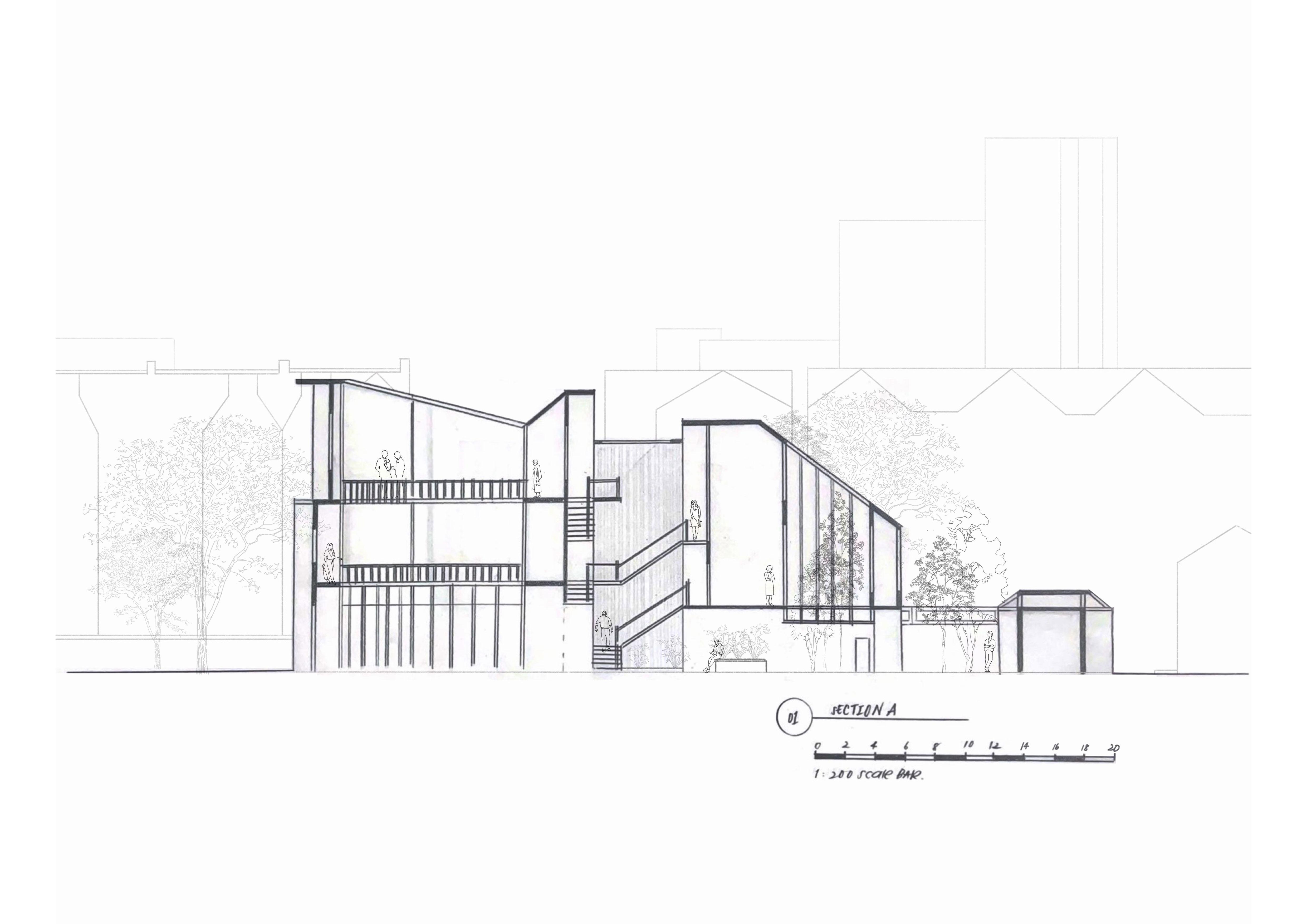
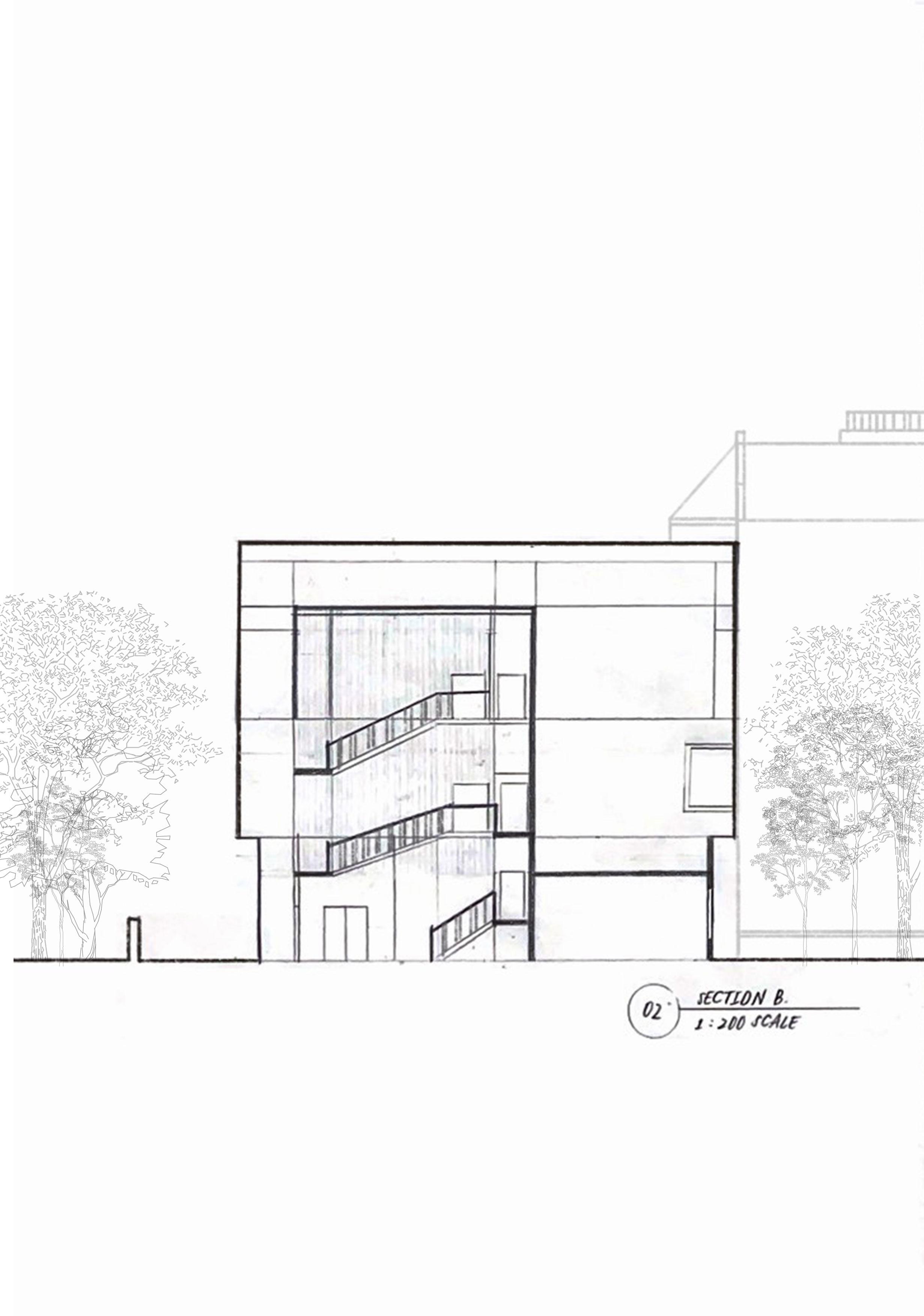
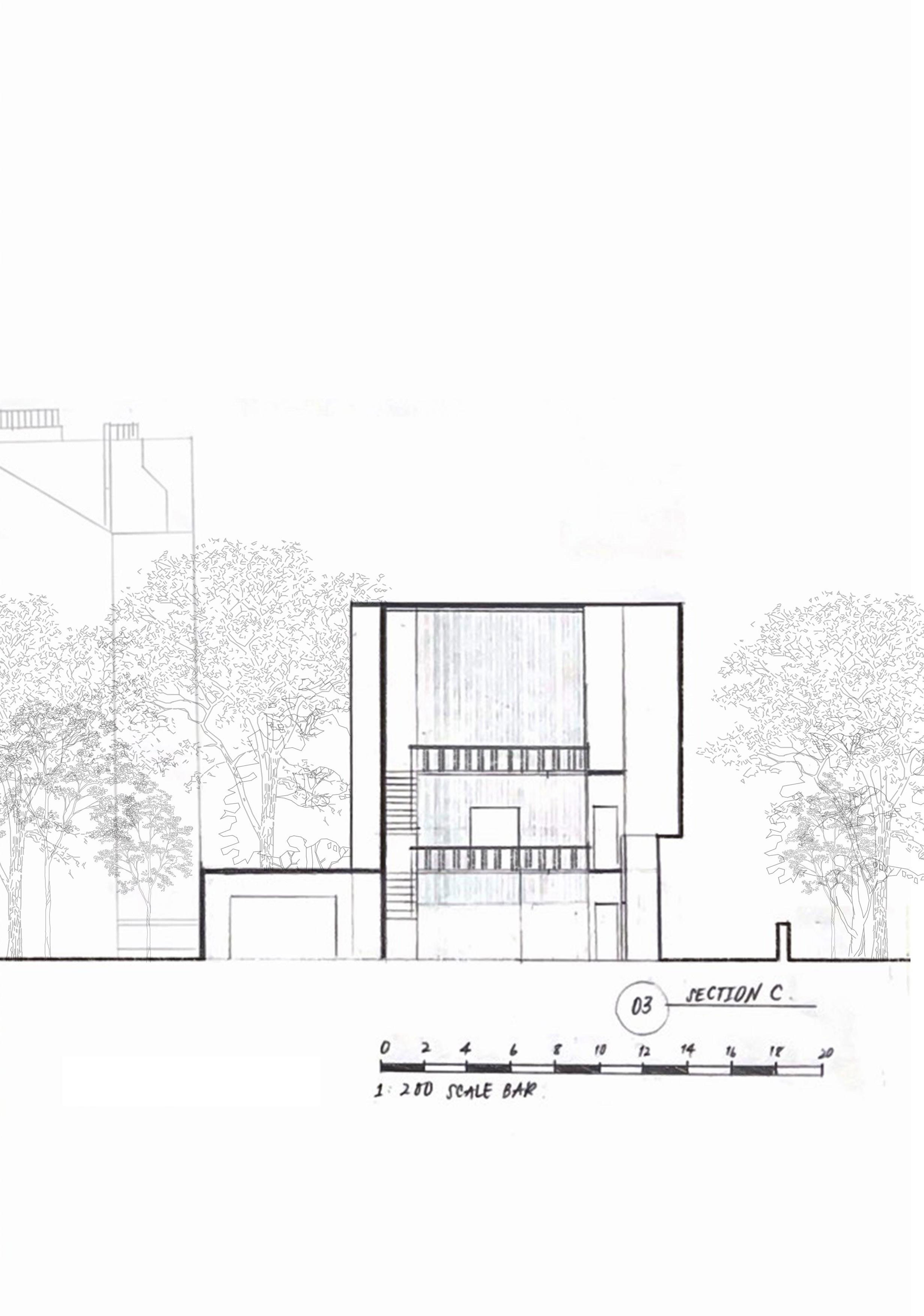
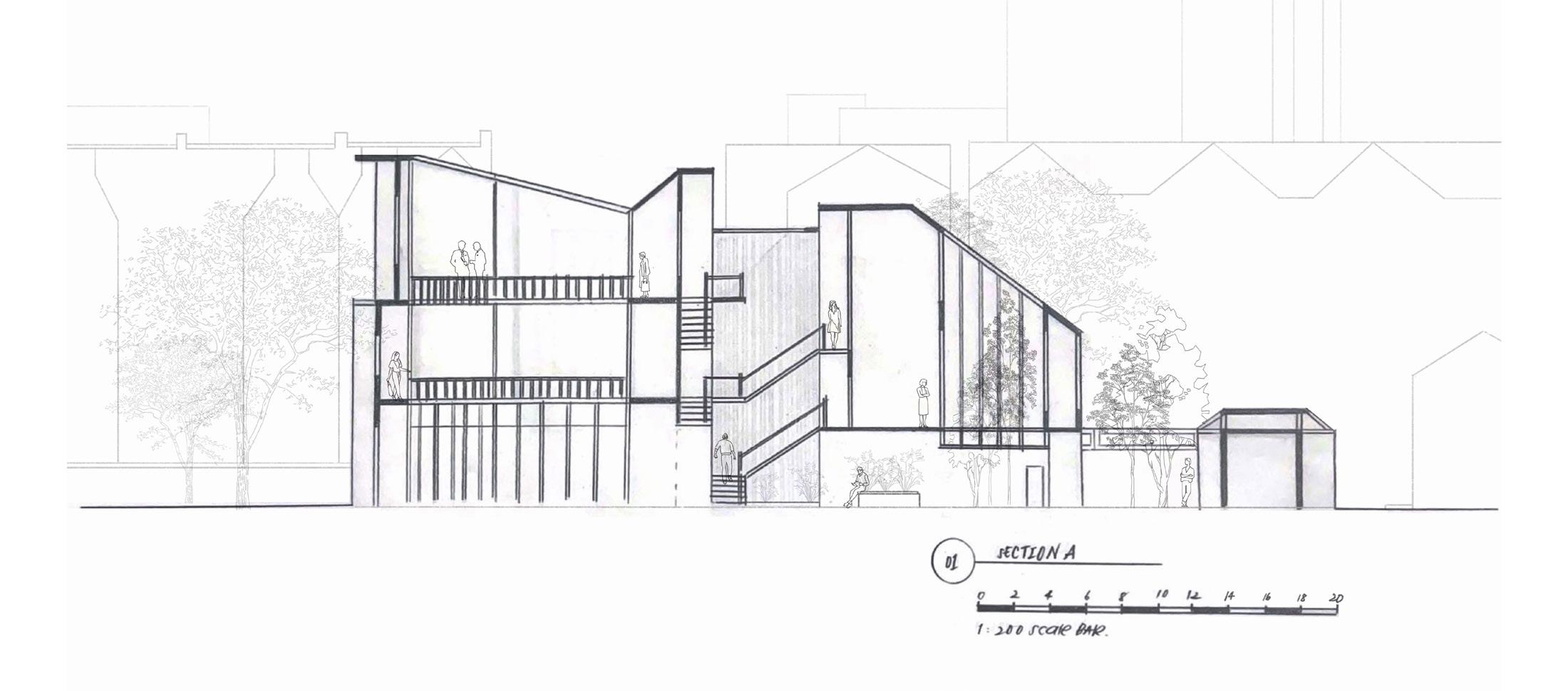
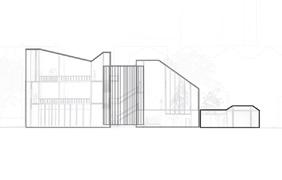
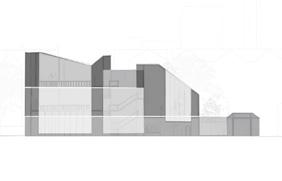
Sections 1:200 Scale
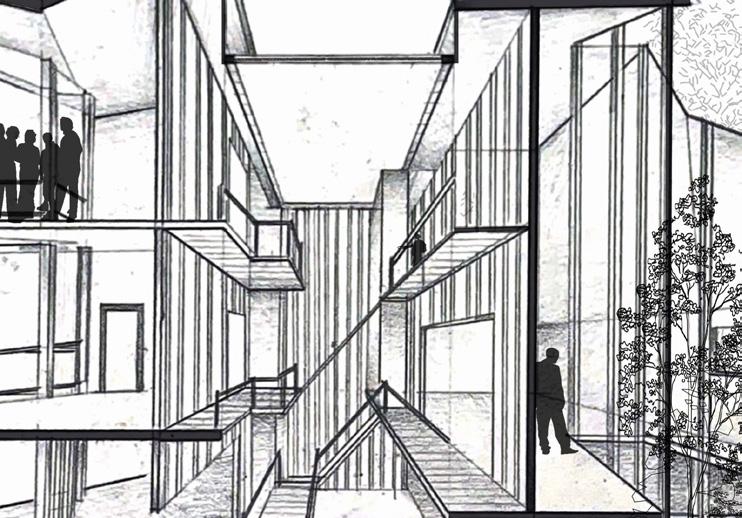
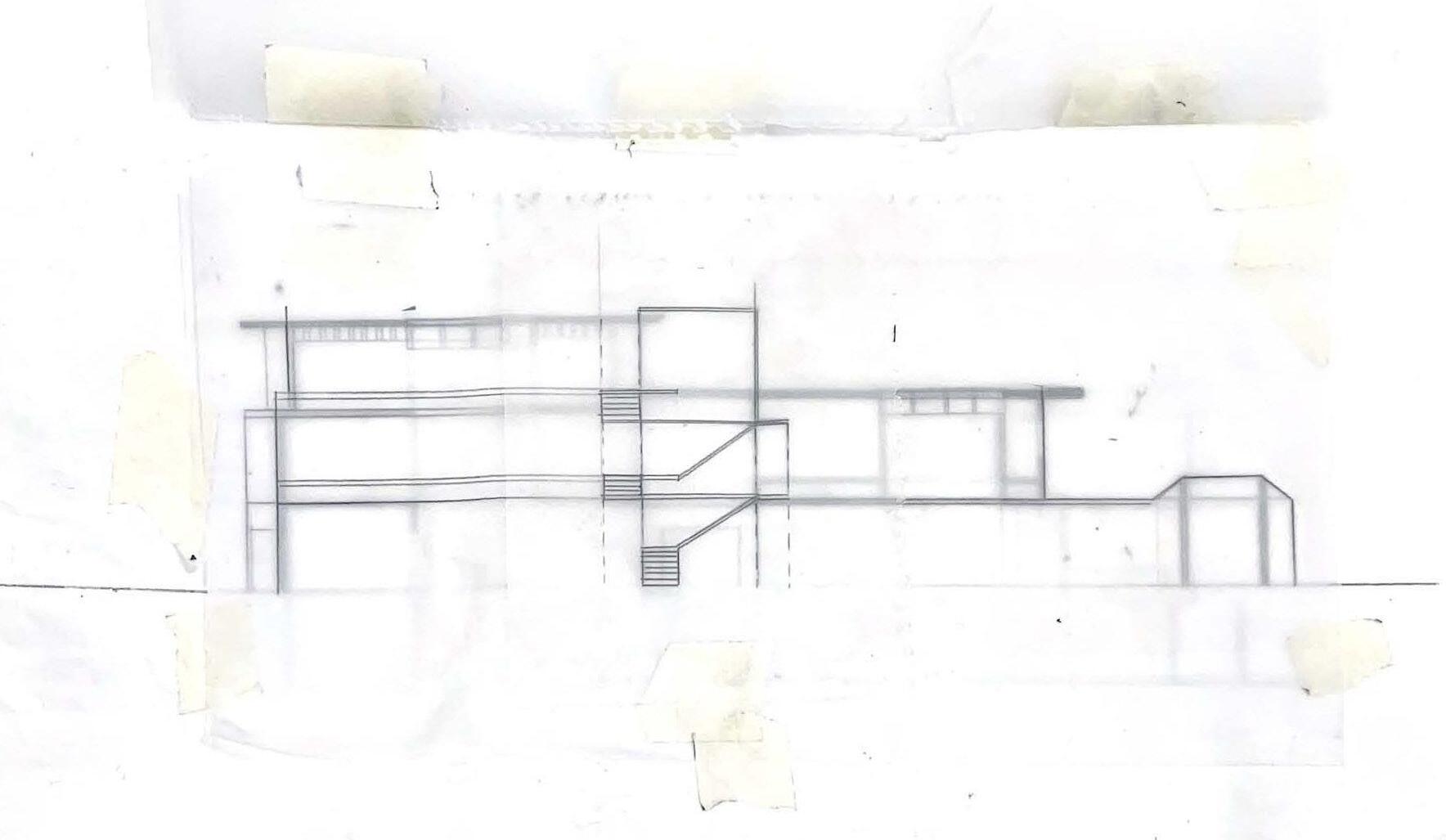
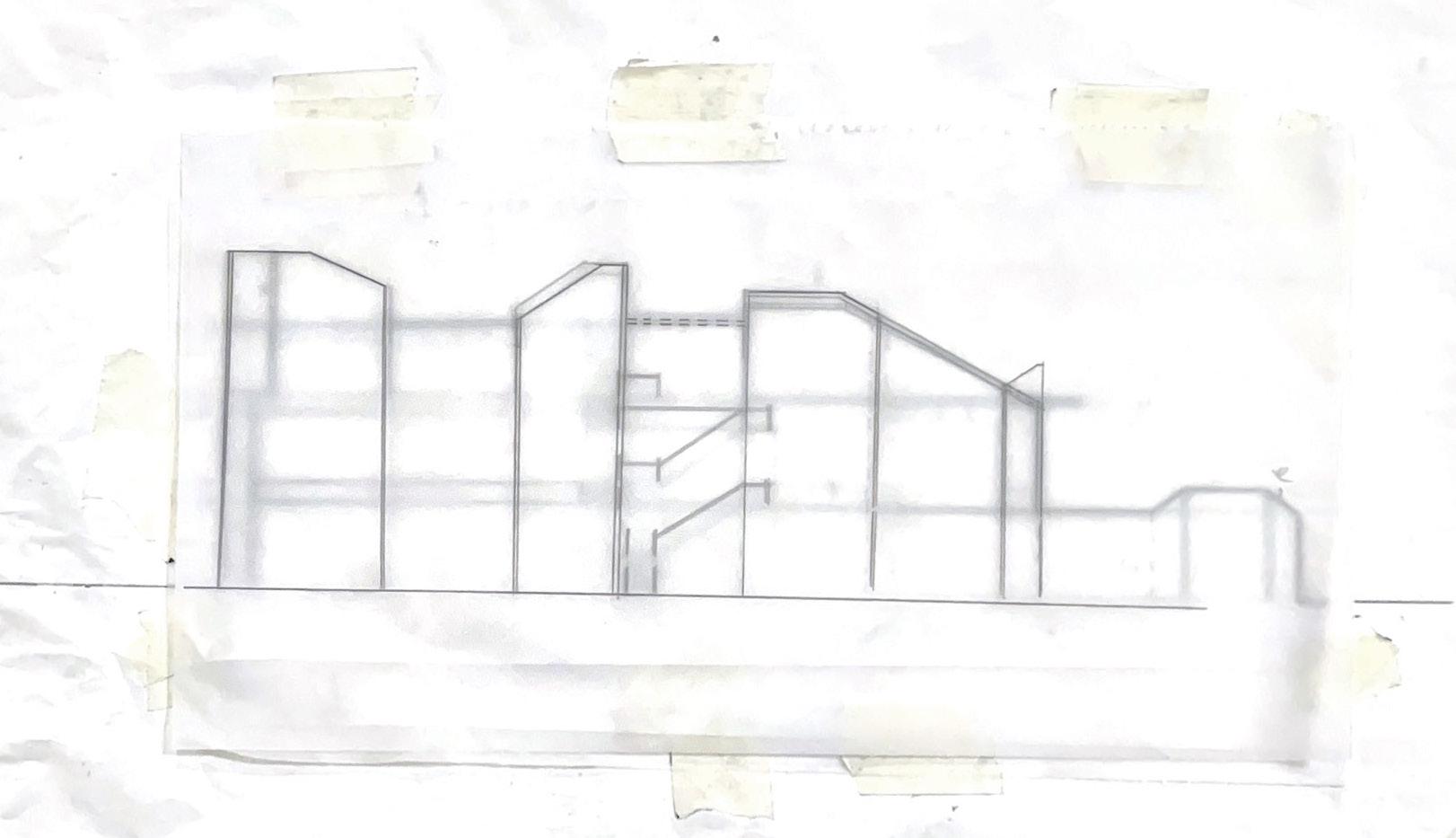
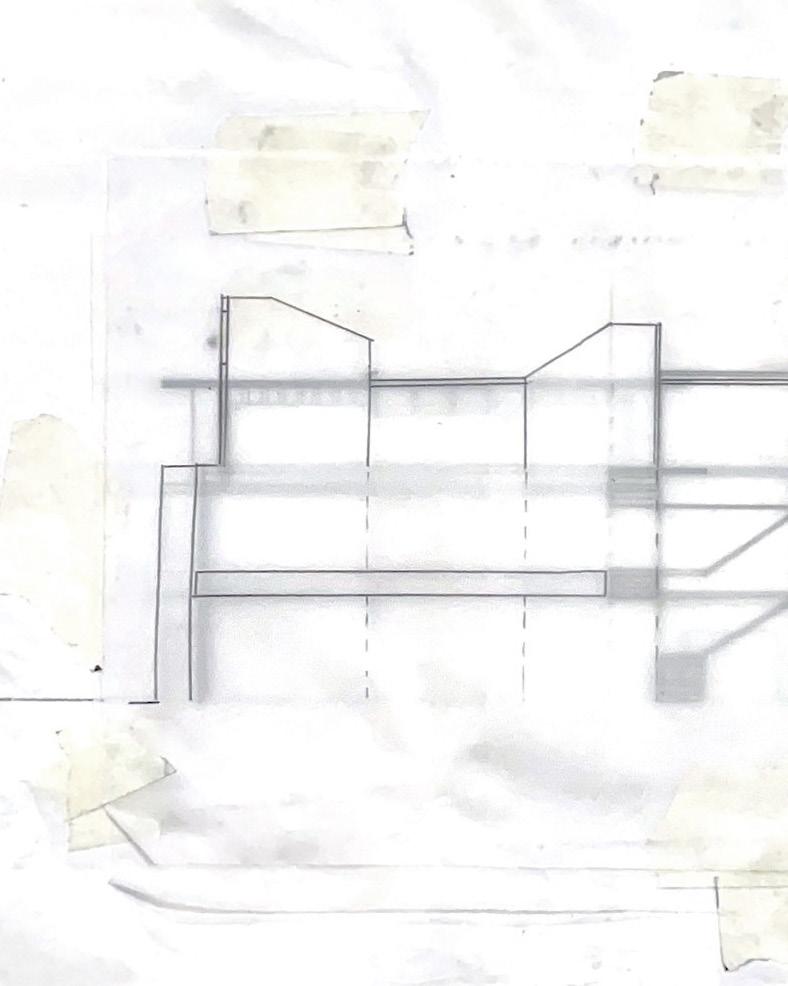
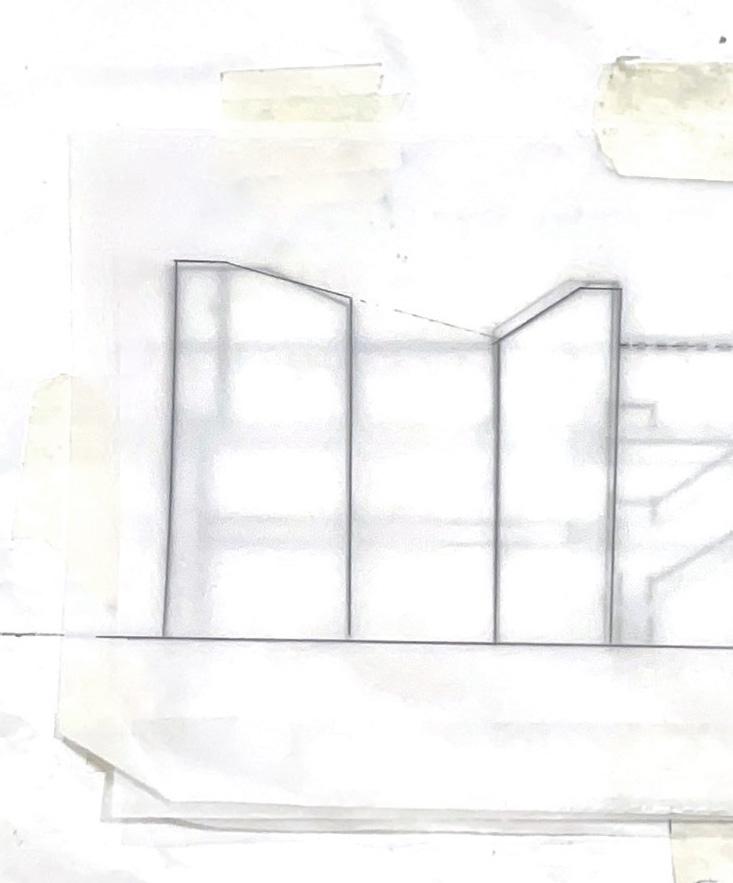
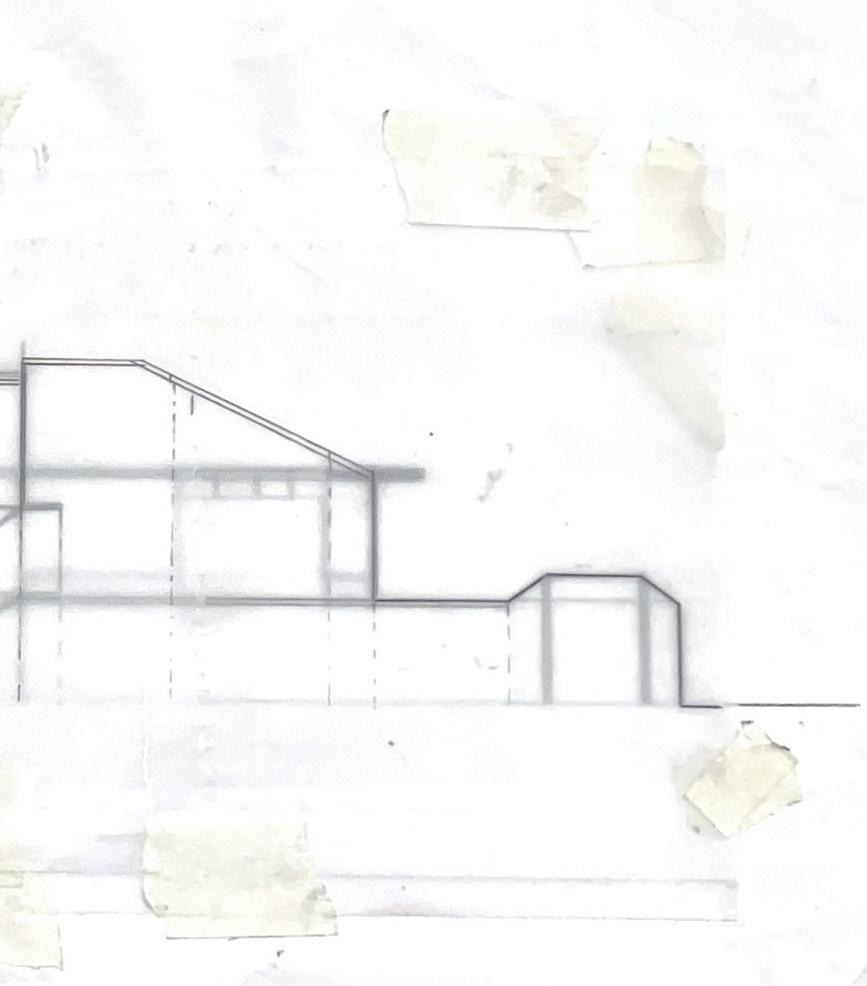
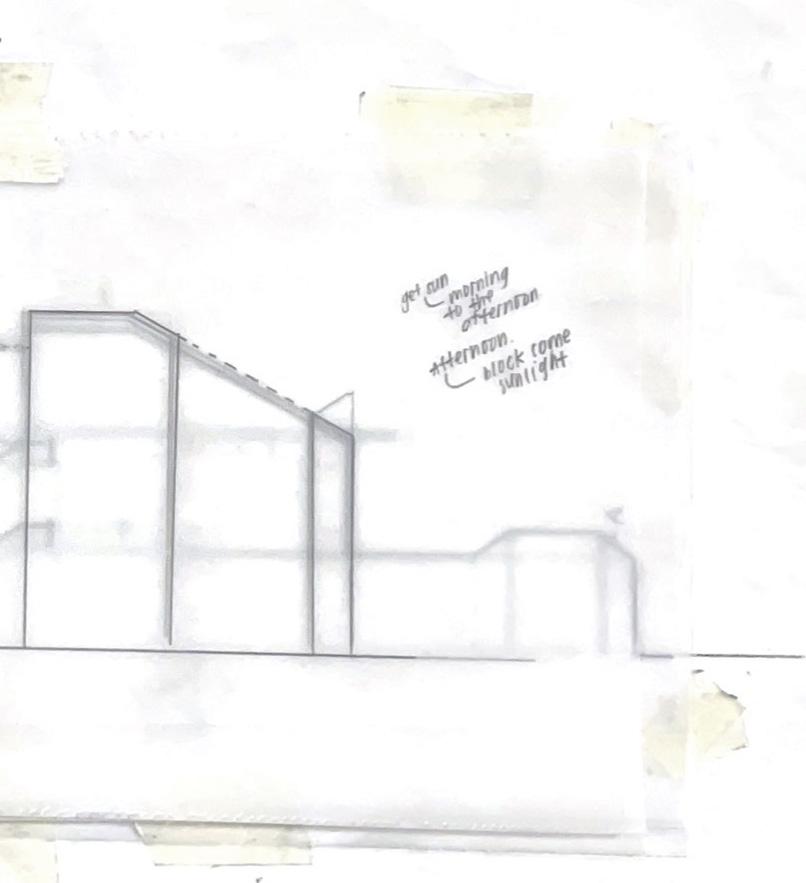
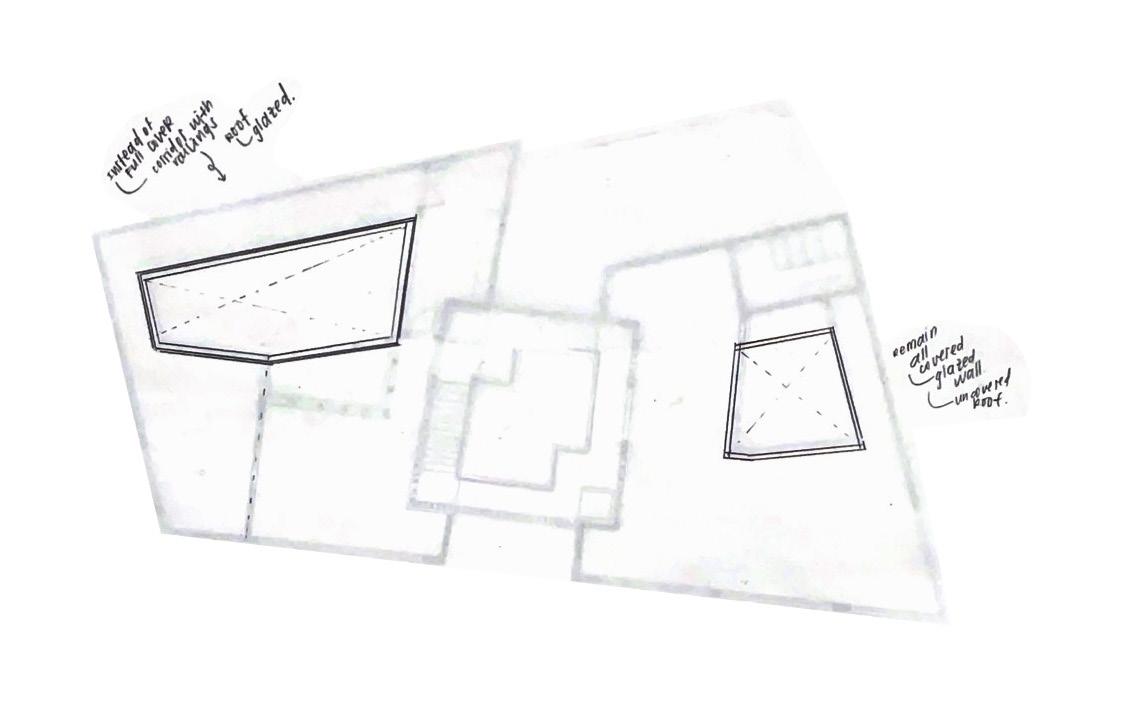
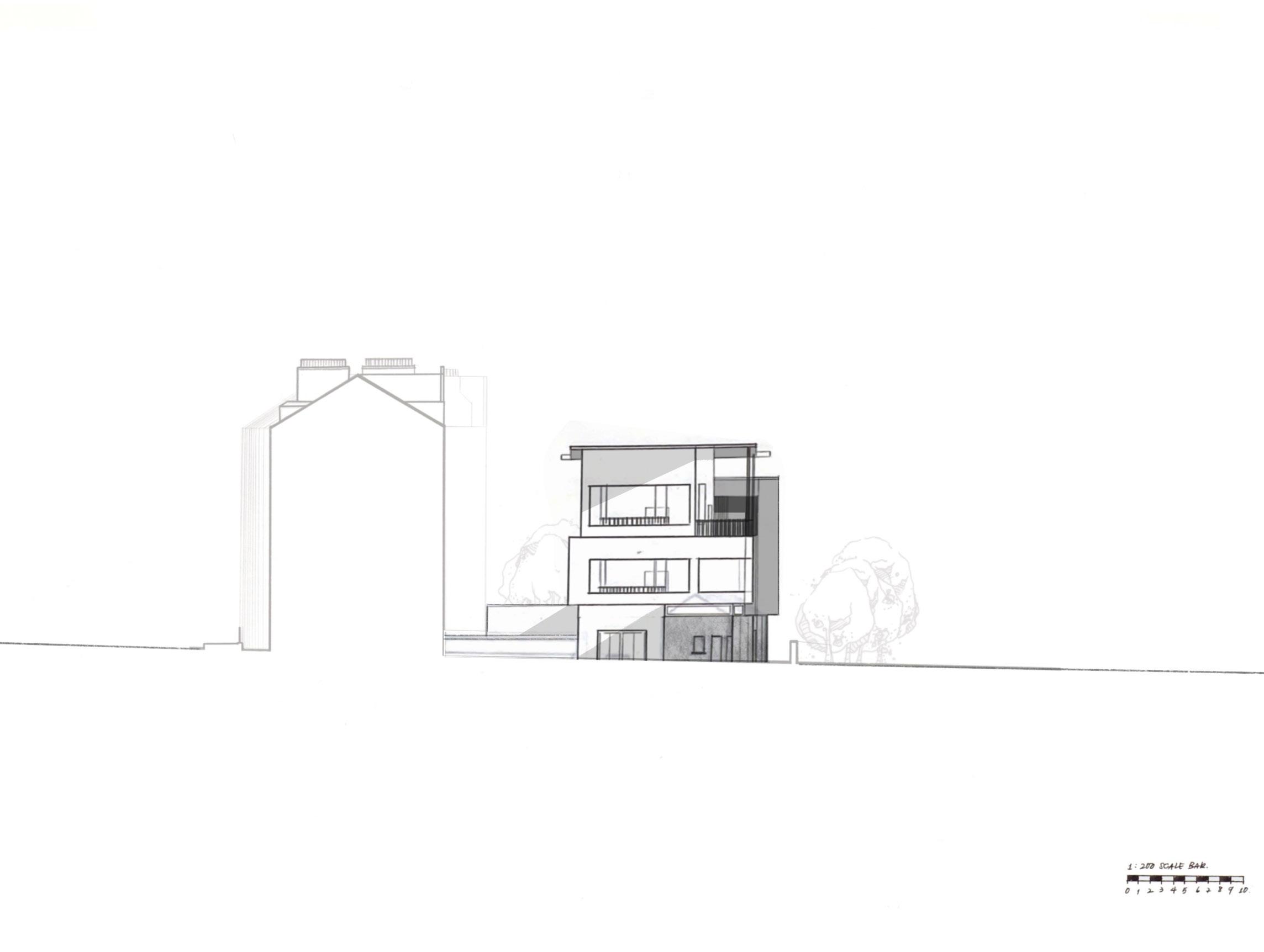
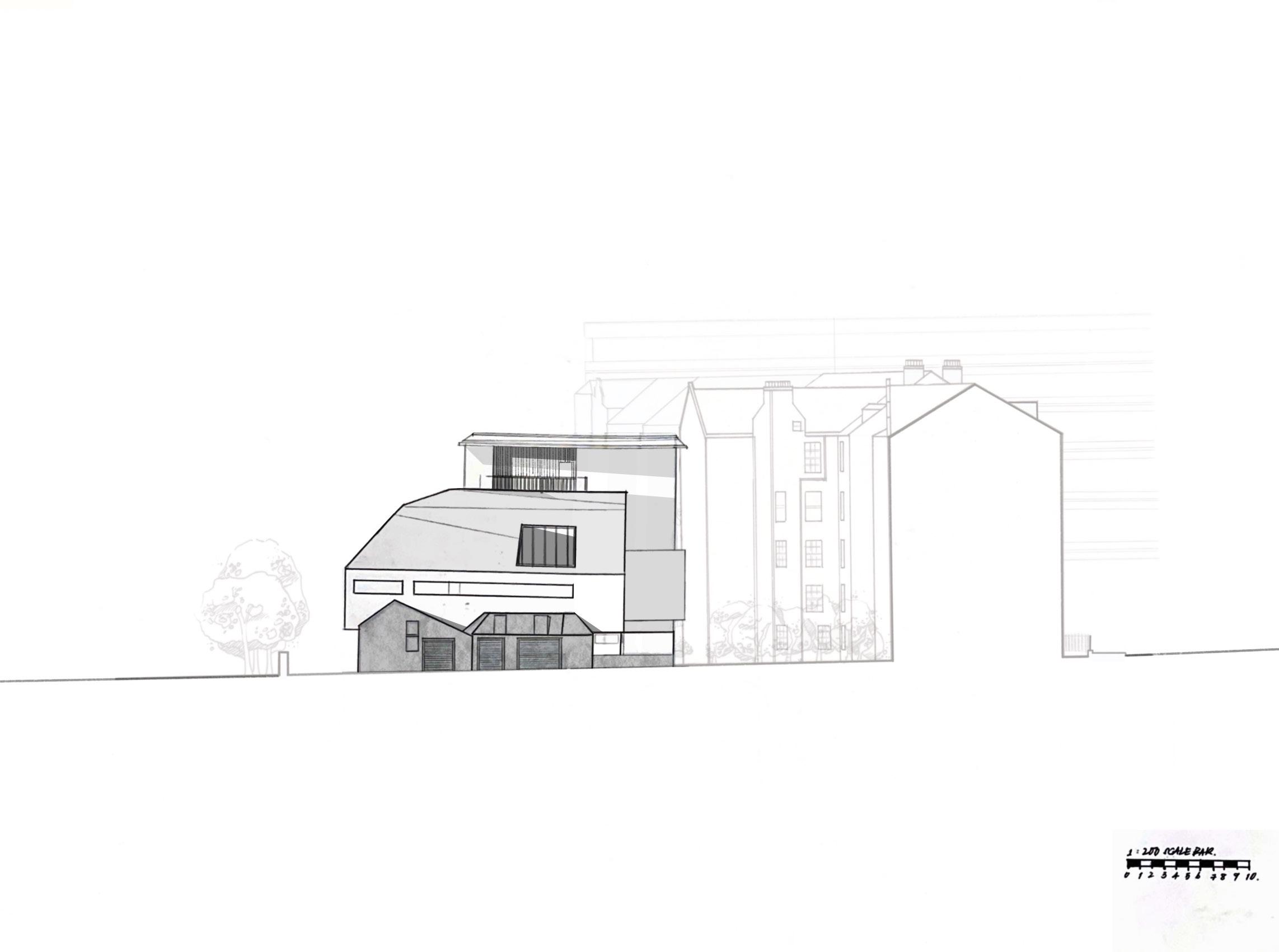
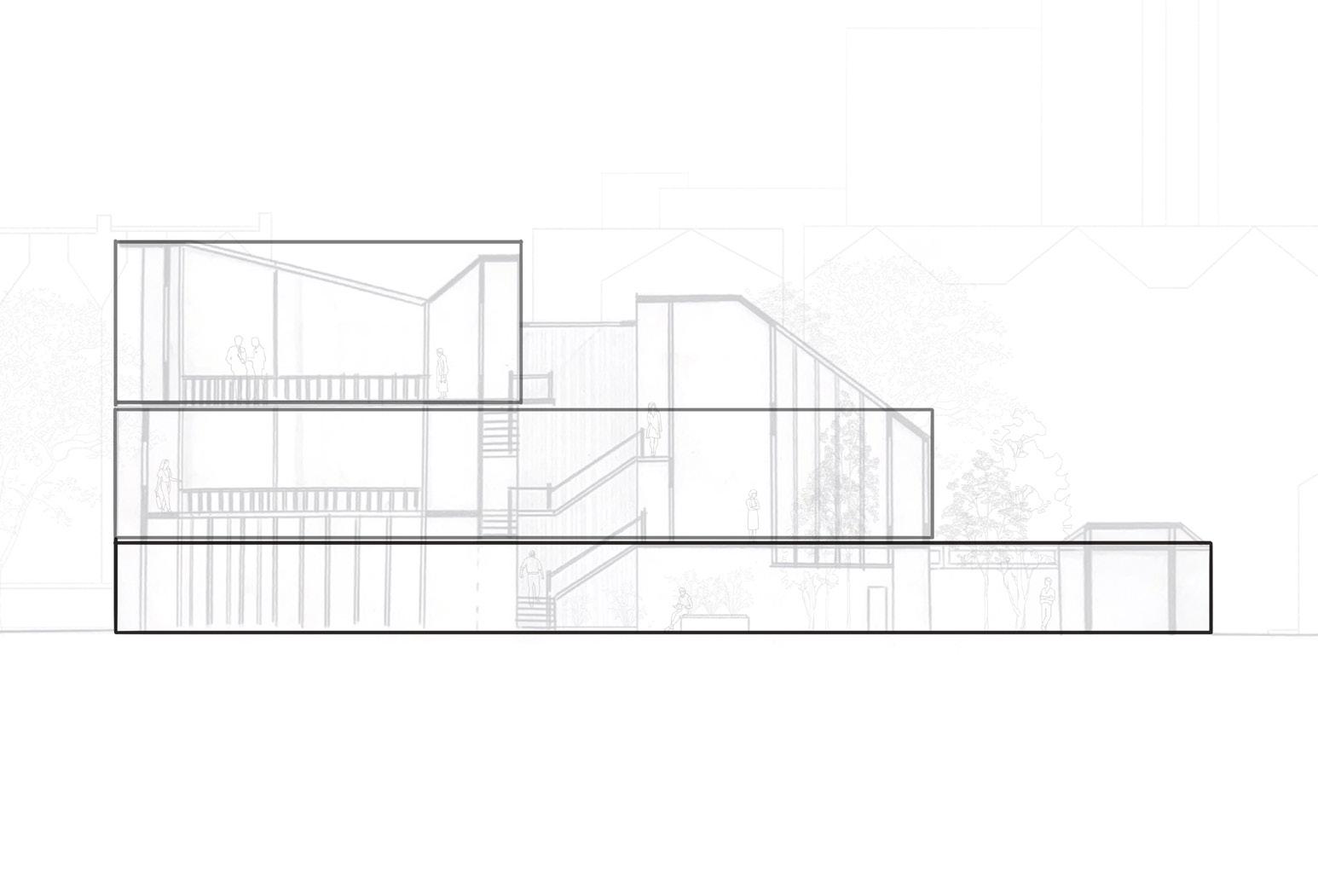
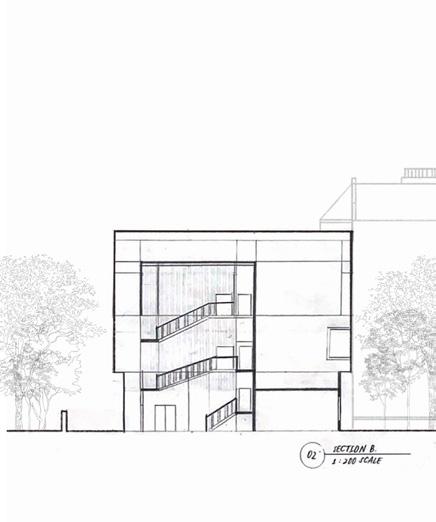
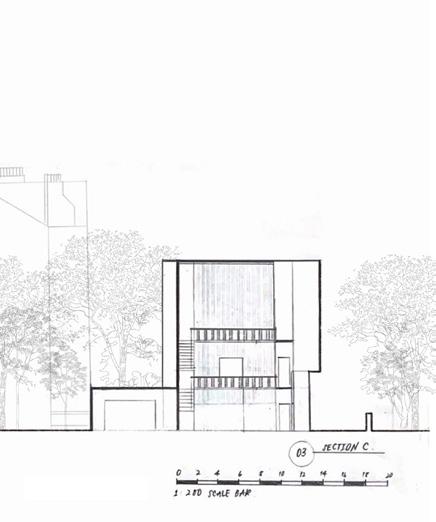
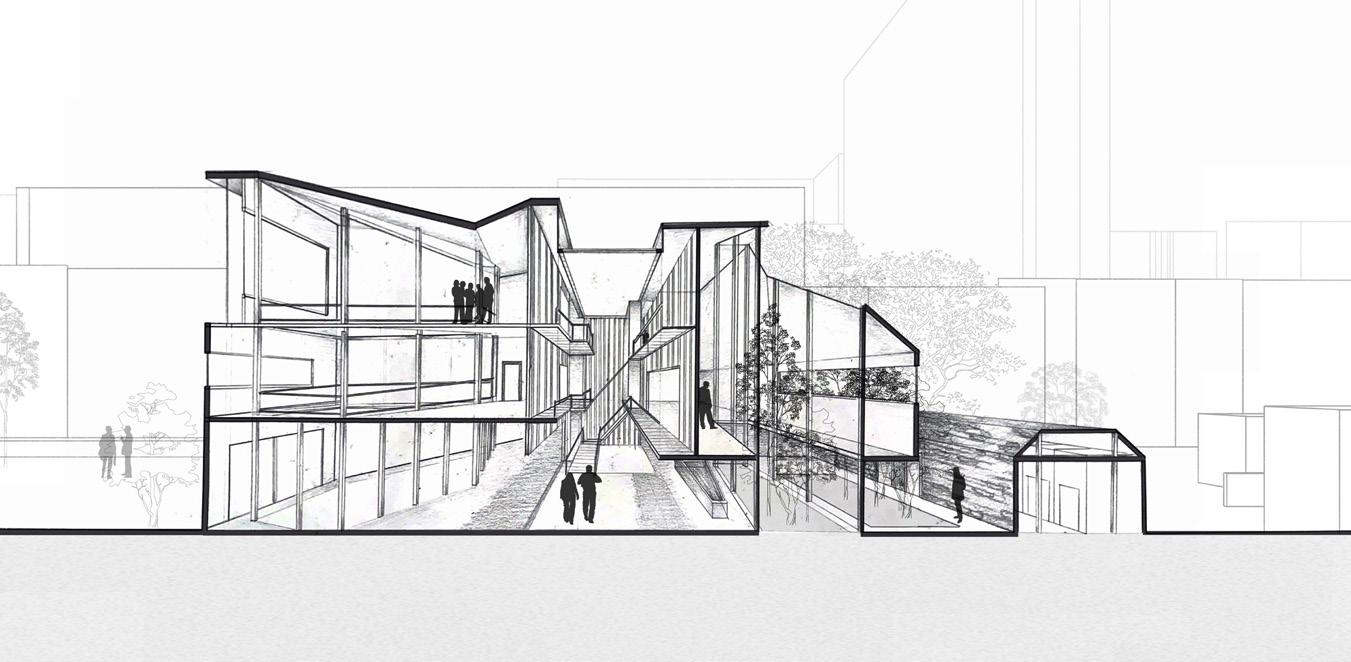
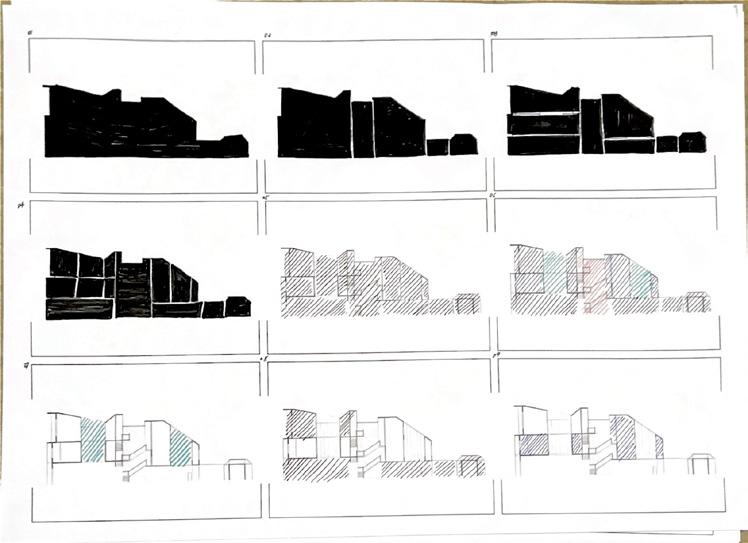
In these drawings, the main focus of the development and explorations are the void space heights, the different heights from the two building mass and the roof shapes.
There are require space height above stairs so I had to adjust accordingly. SImilarly to the different heights of the two blocks. As every components are connected, when I change one thing, another follows therefore LAYERINGS of tracing papers were very useful.
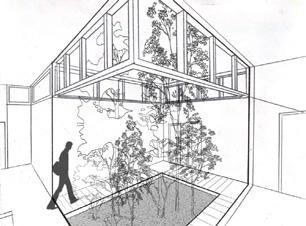
For the roof shape, it is explored and determined by the environmental factor including sun and rain. I decided to open up the void spaces (air well) to connect the proposal to the site environment as these are beneficial to the interior occupants.
I was also exploring with glazed roof on certain parts and also no roof on some parts however the enclosed wall will be glazed so no rain will have a bad impact to the occupants at any weather conditions,
Drawing Refinements
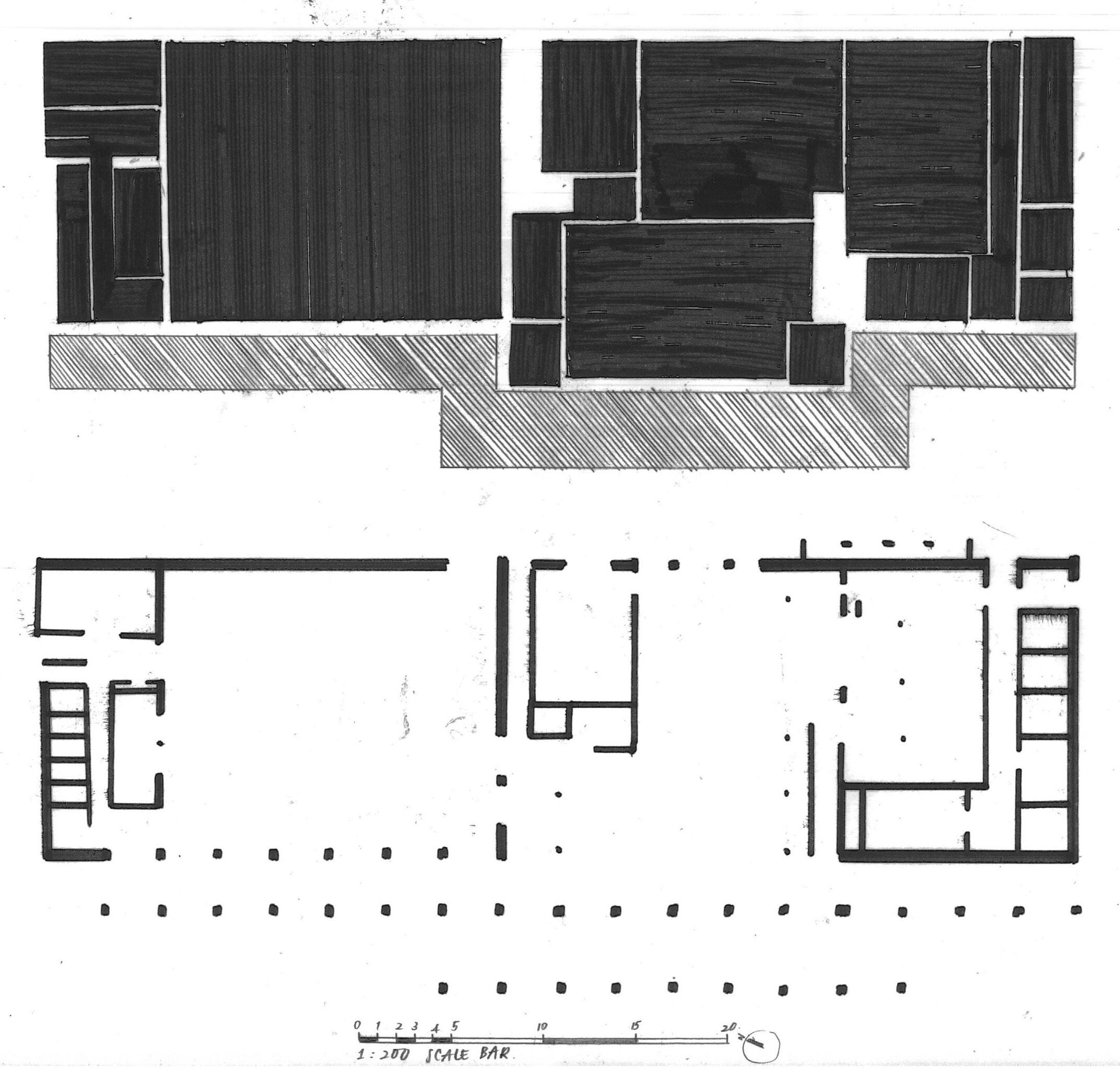
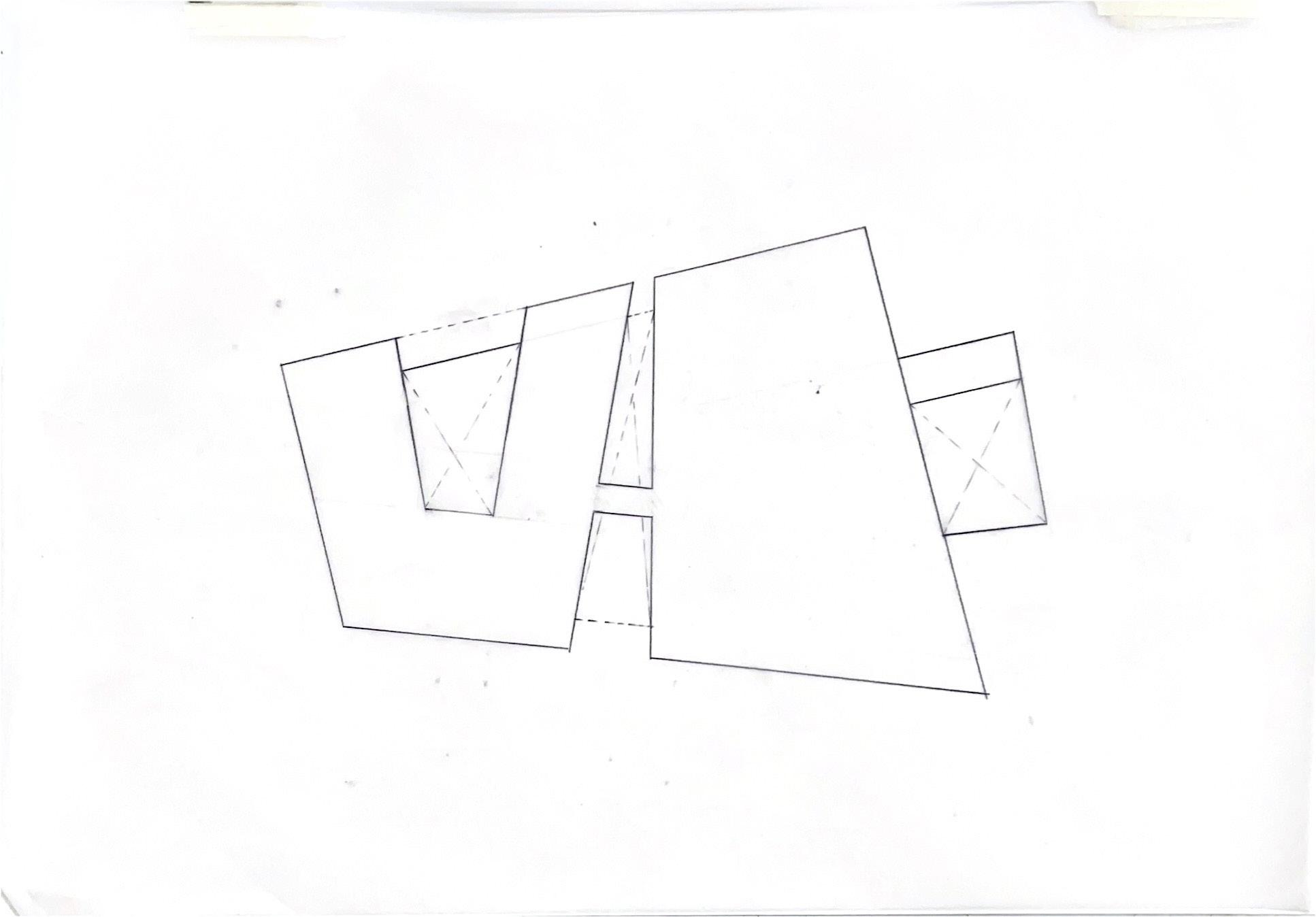
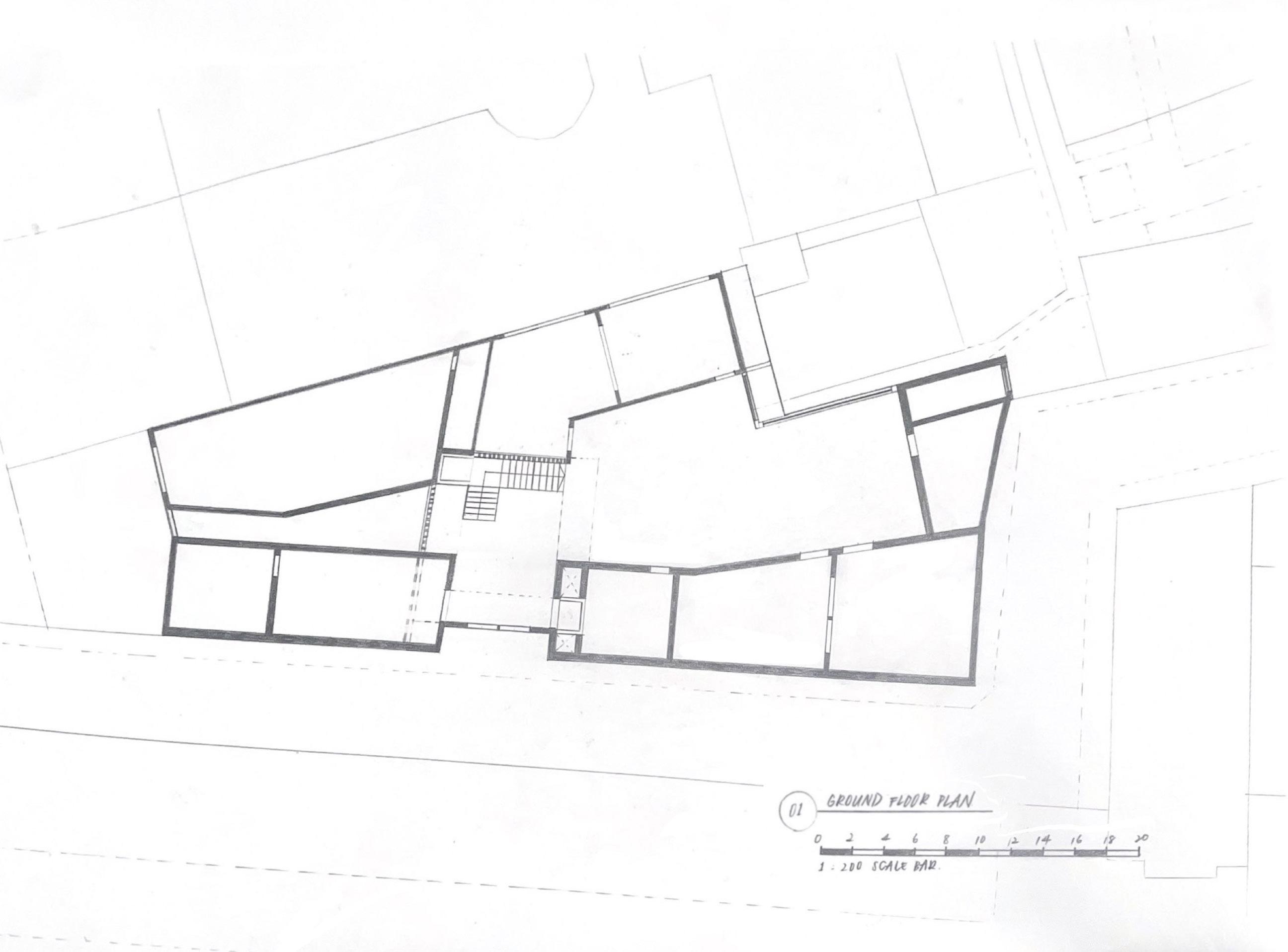
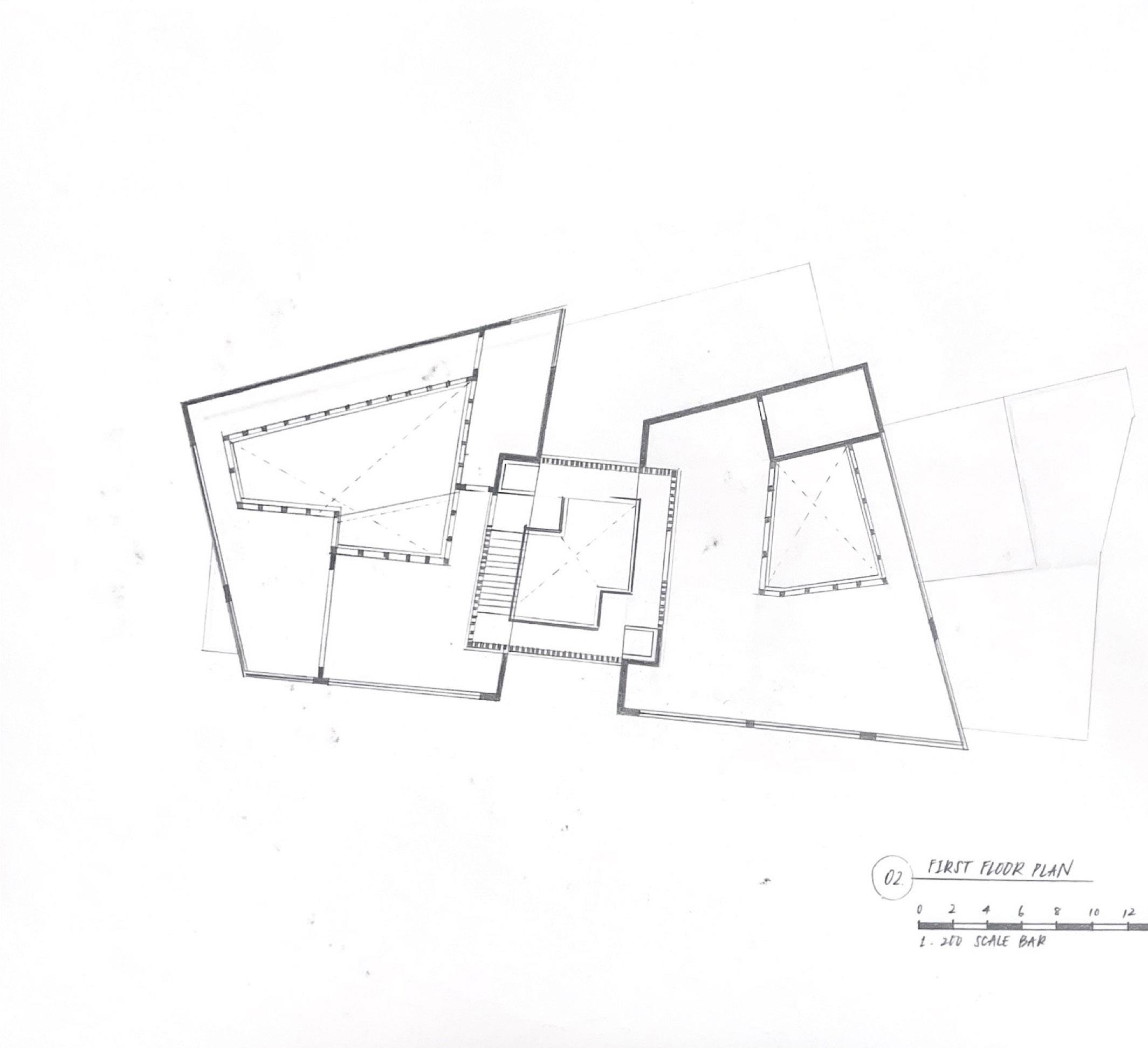
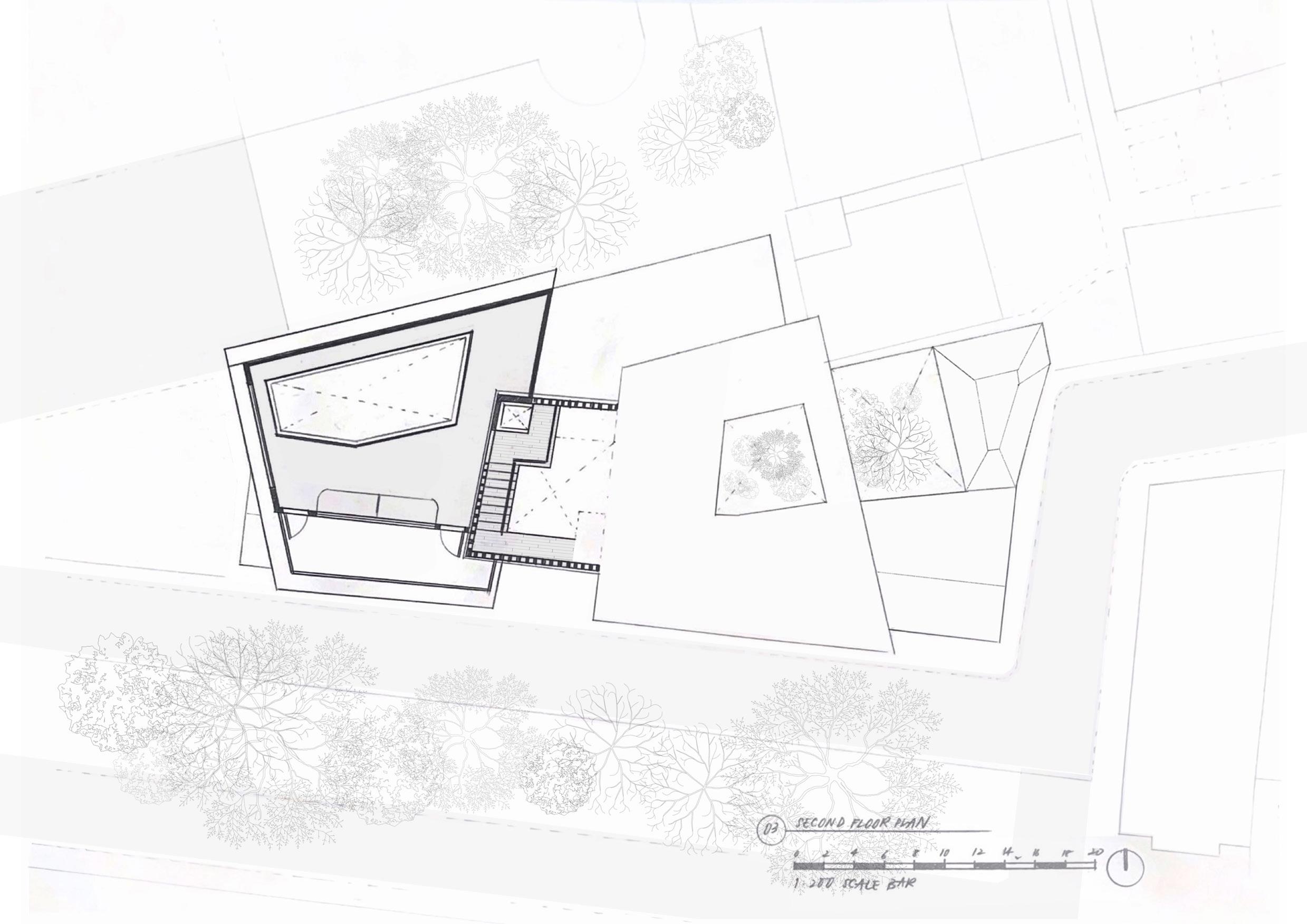
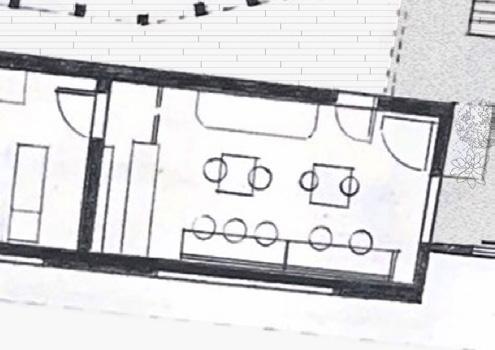
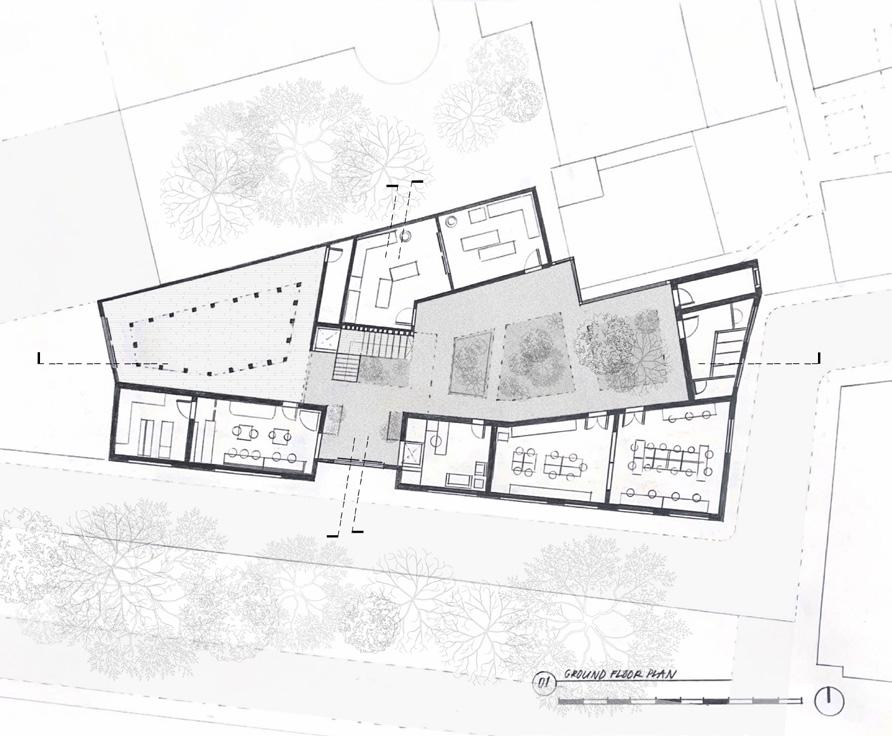
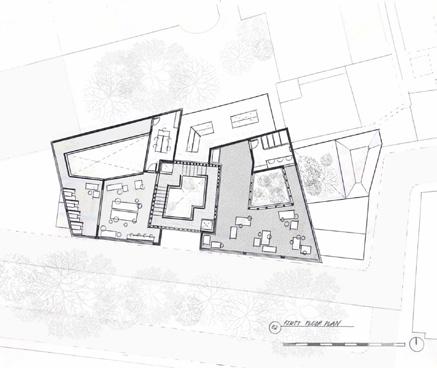
Plans
1:200 Scale
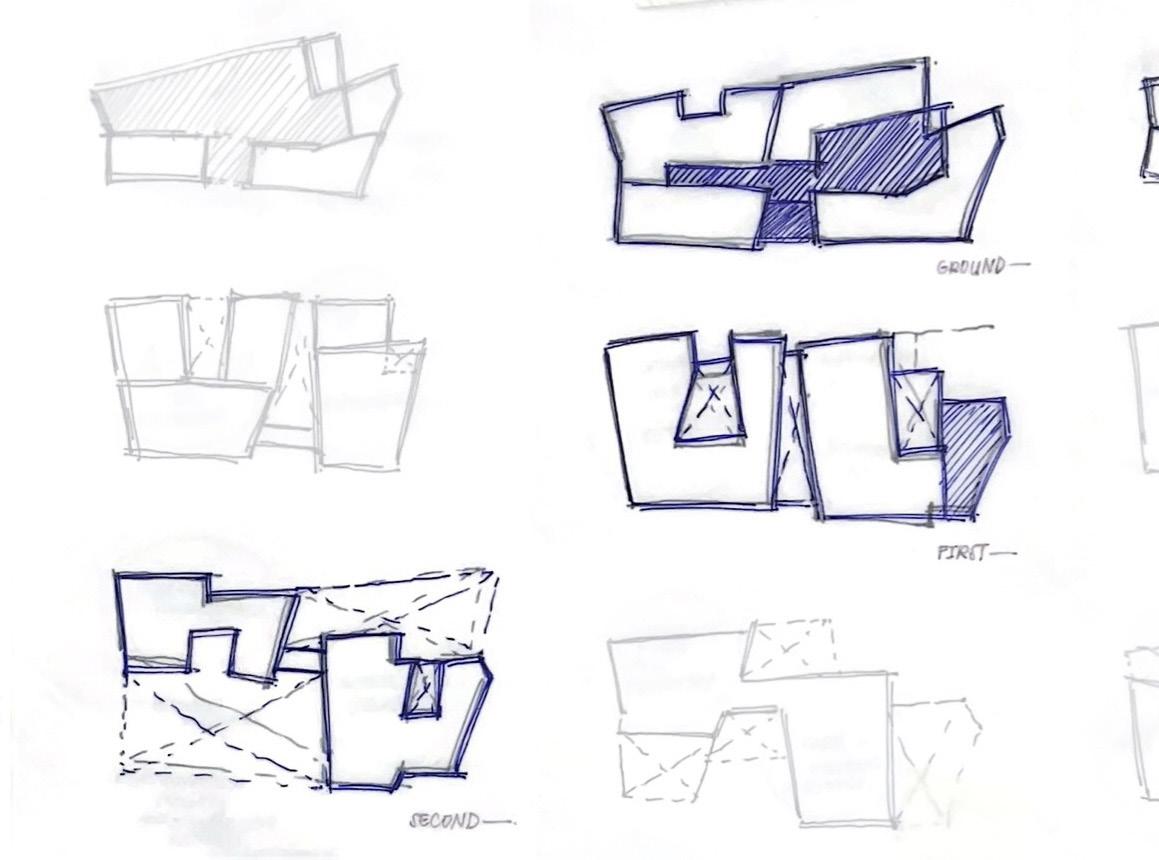
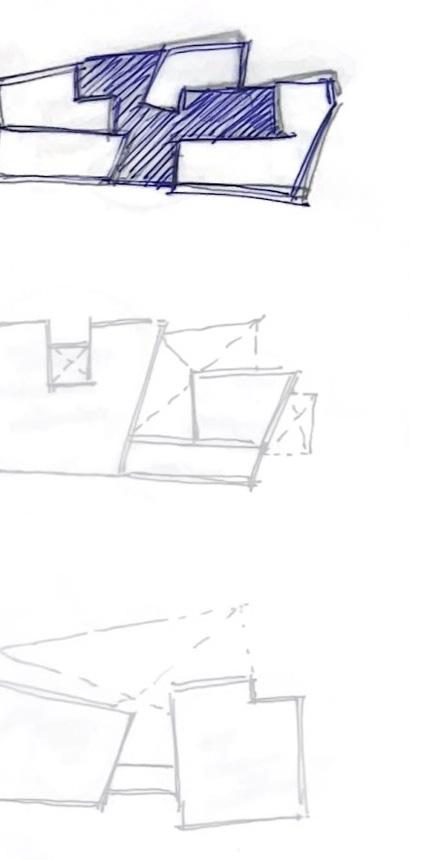
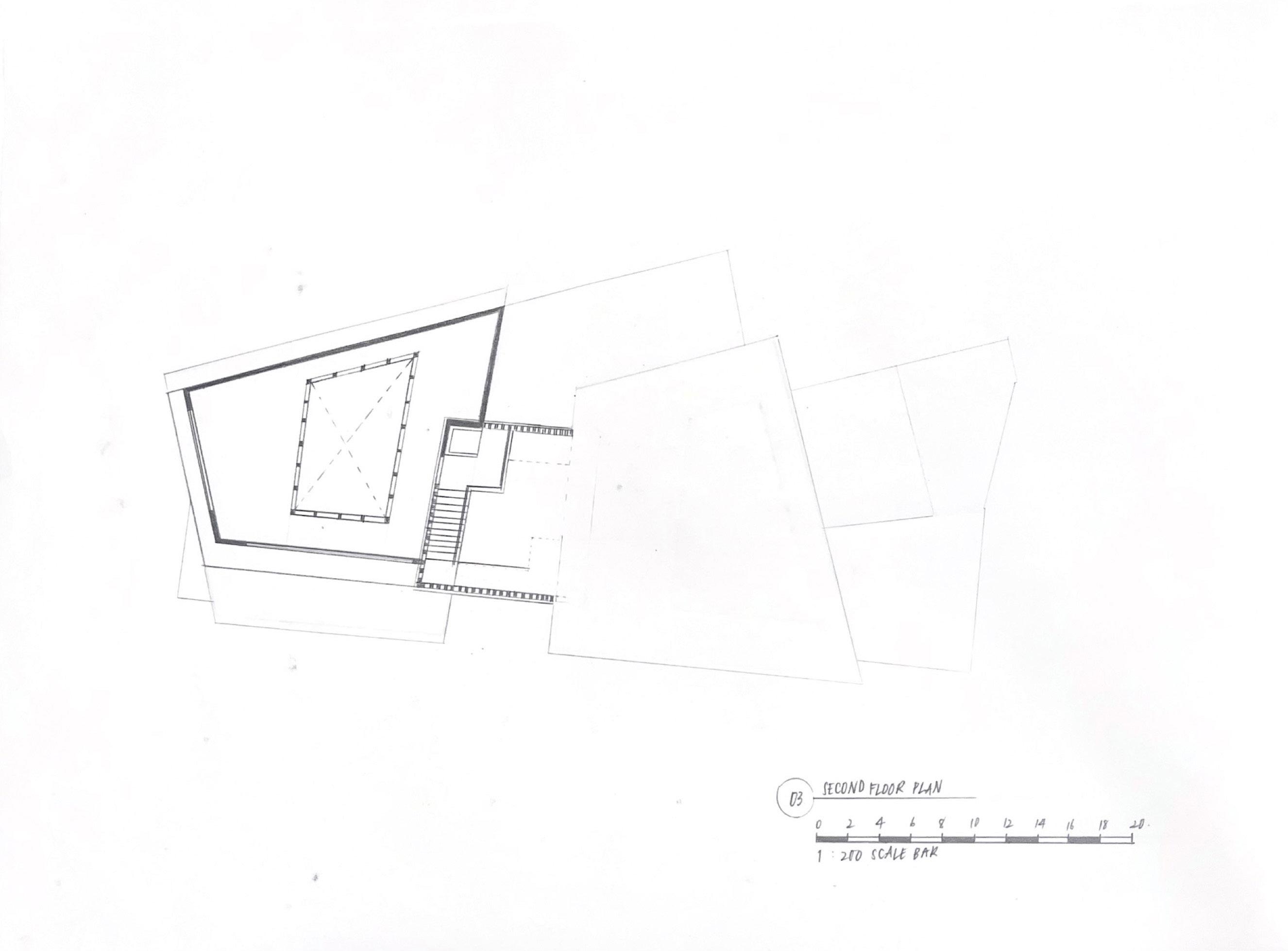
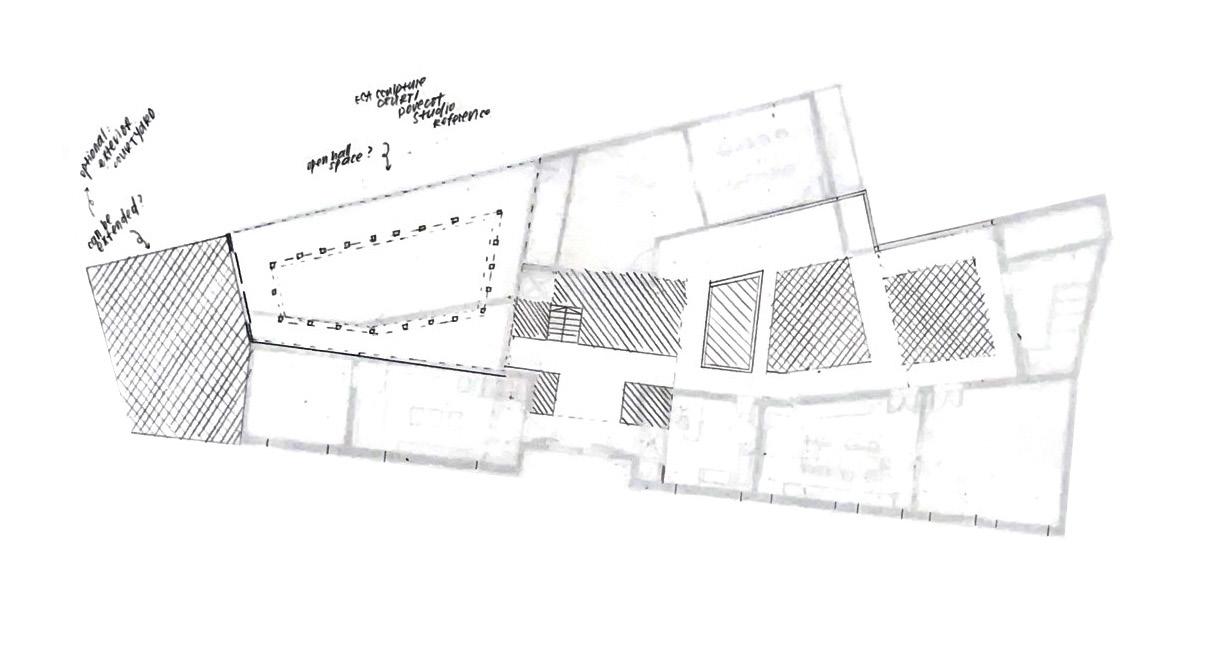
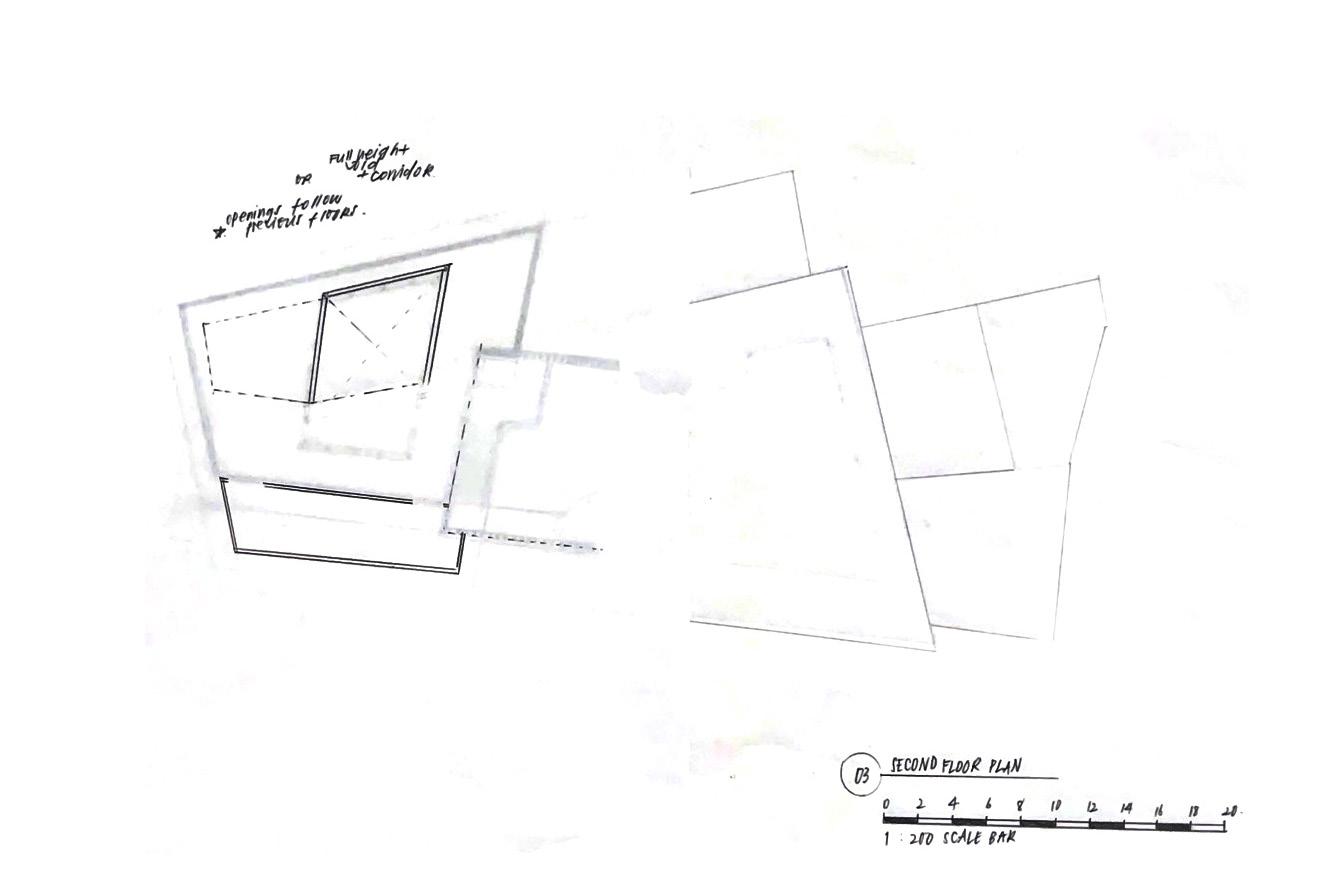
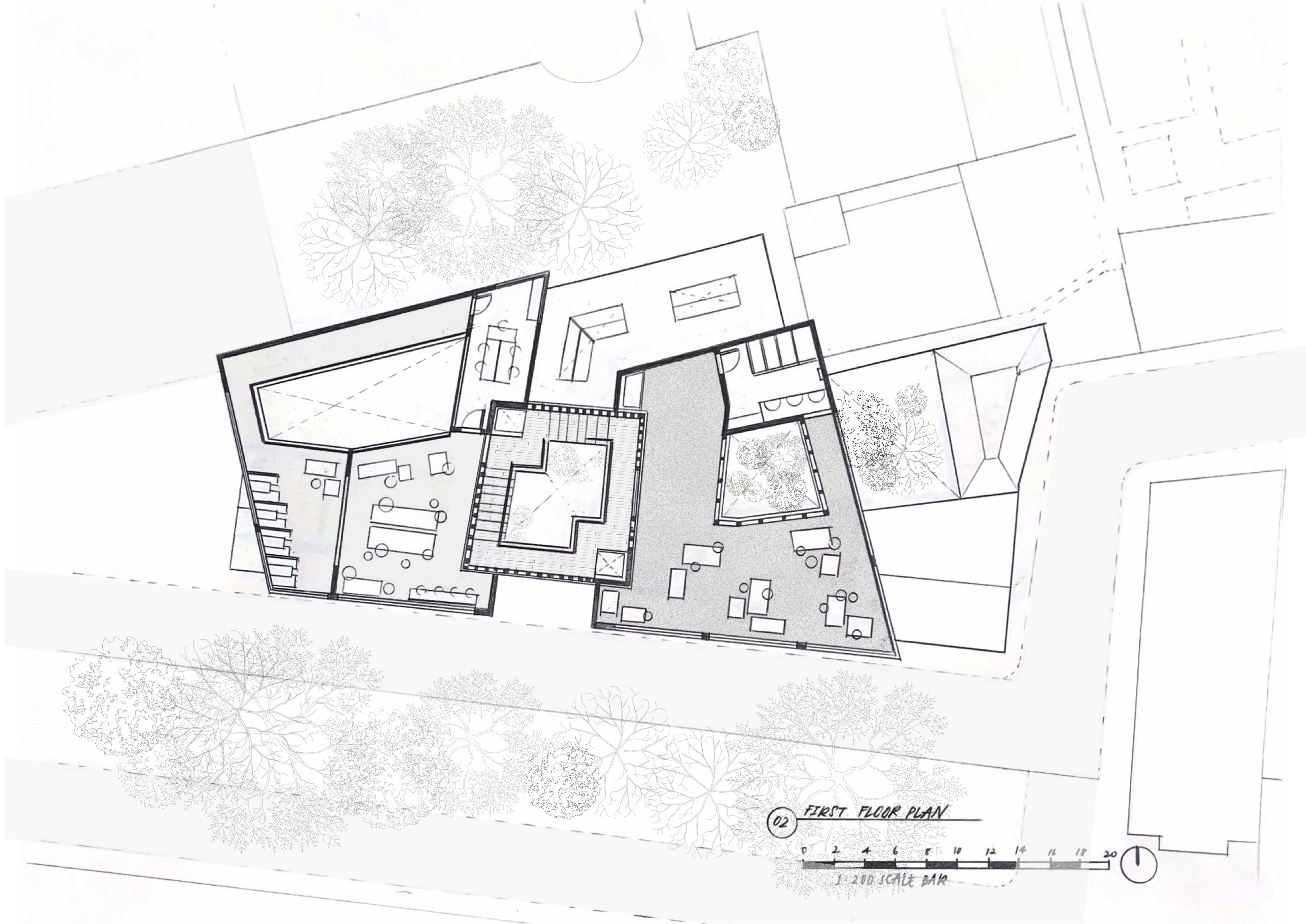
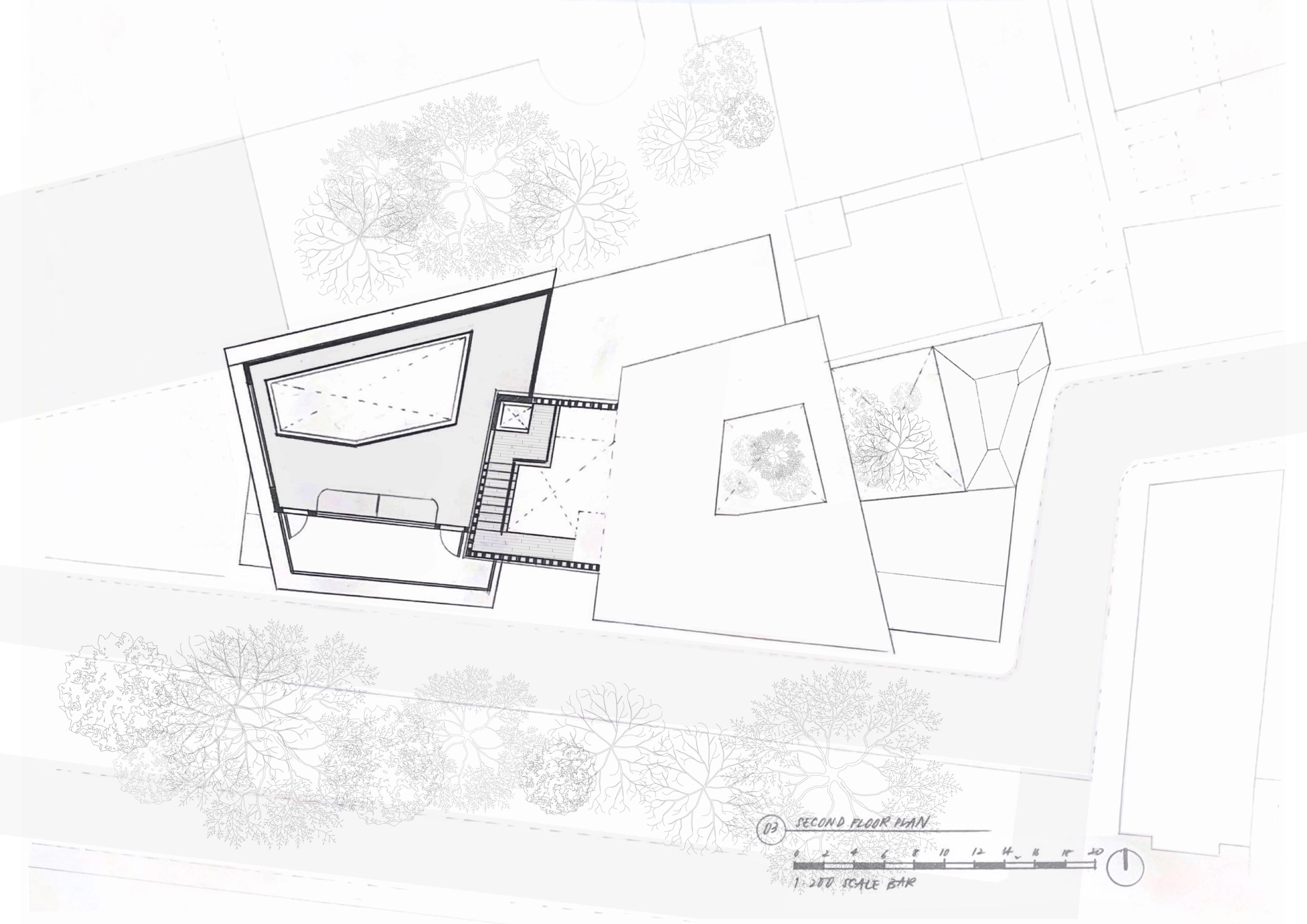
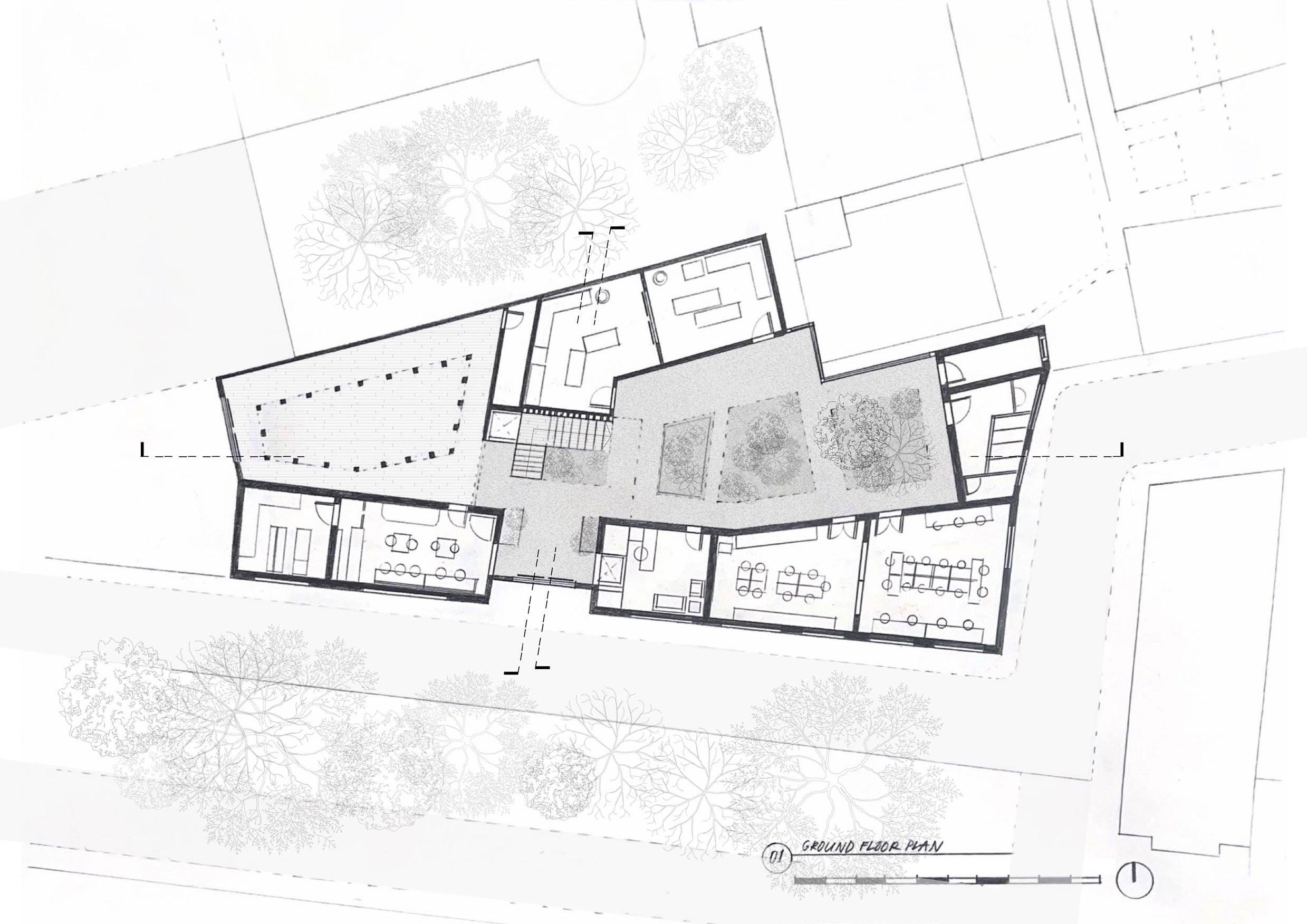
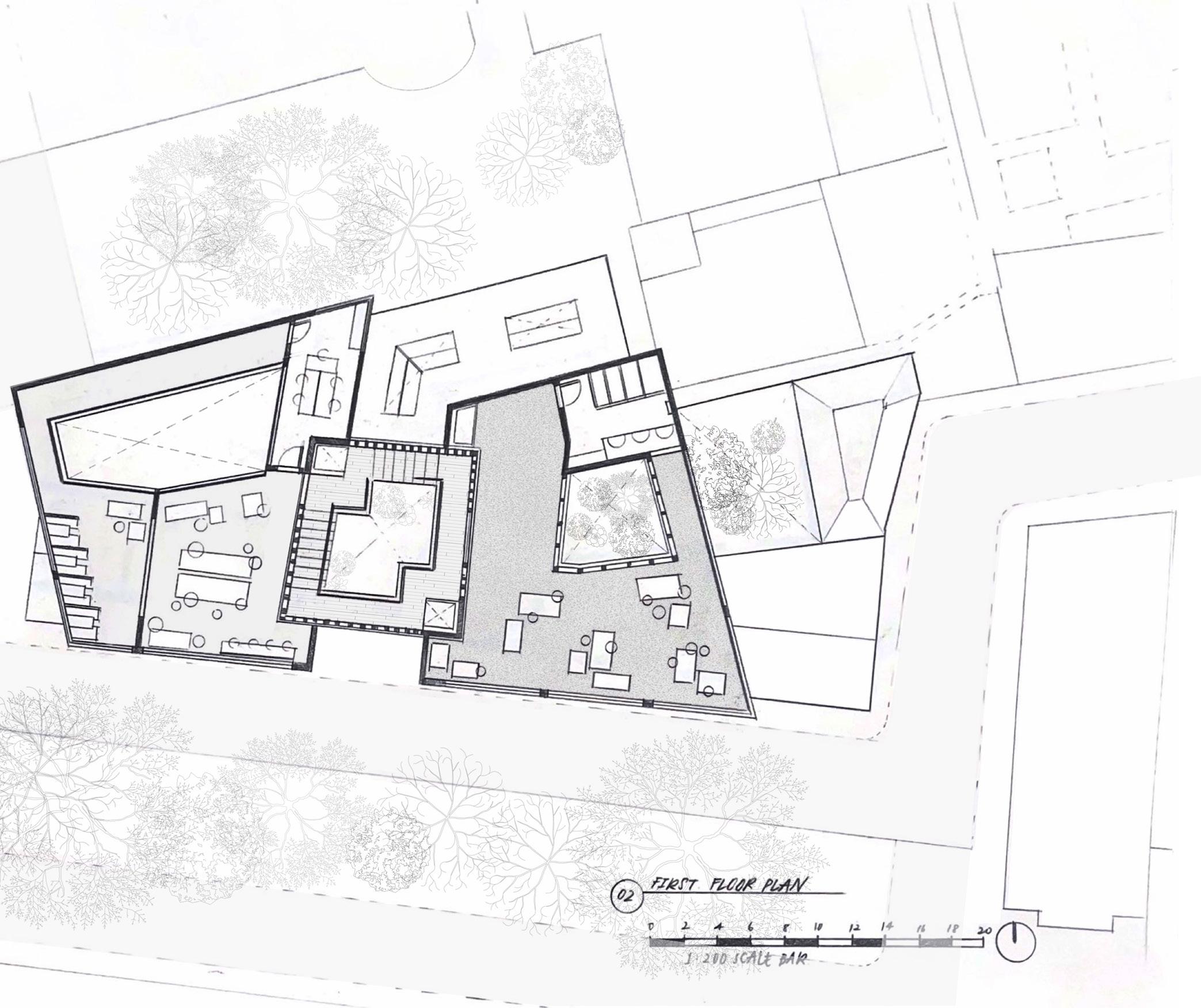
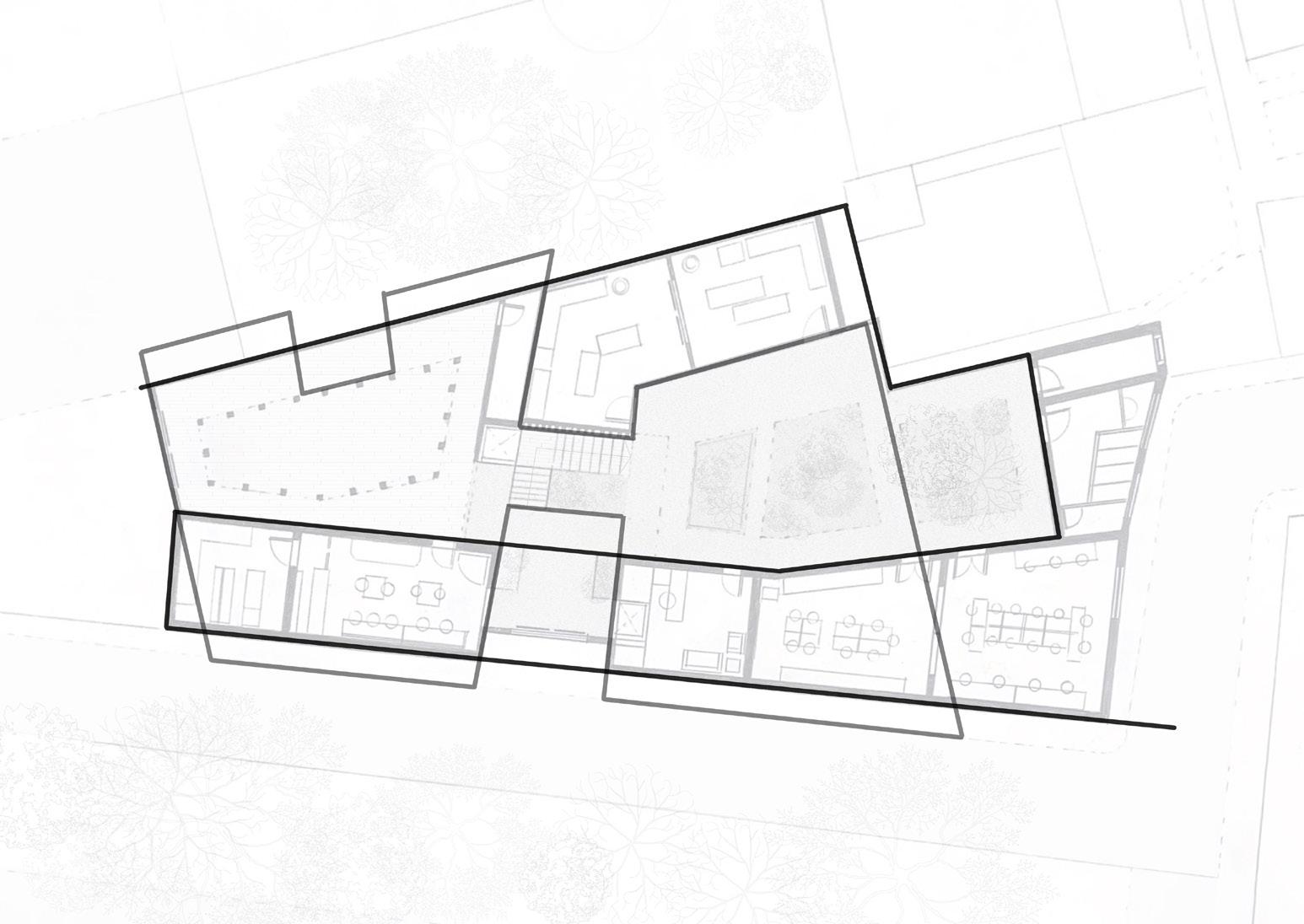
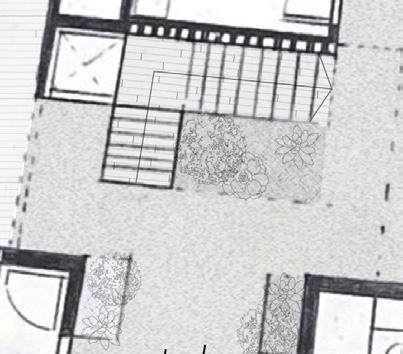
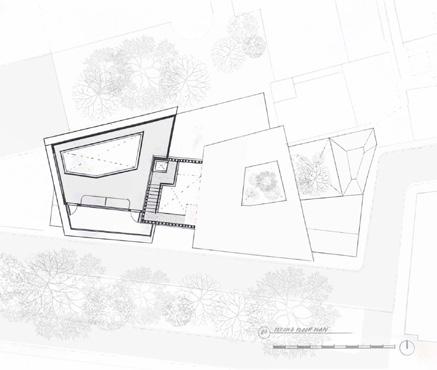
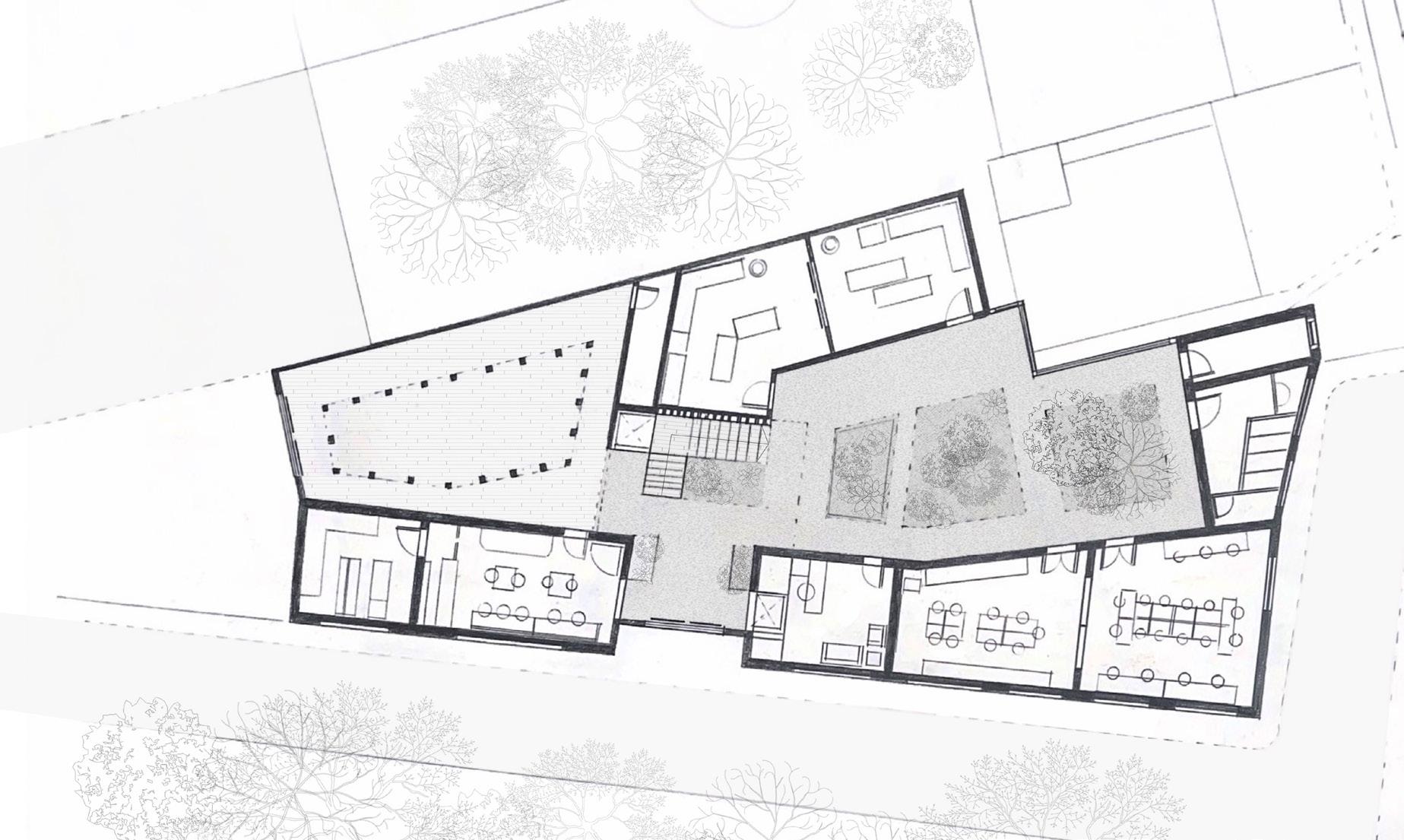
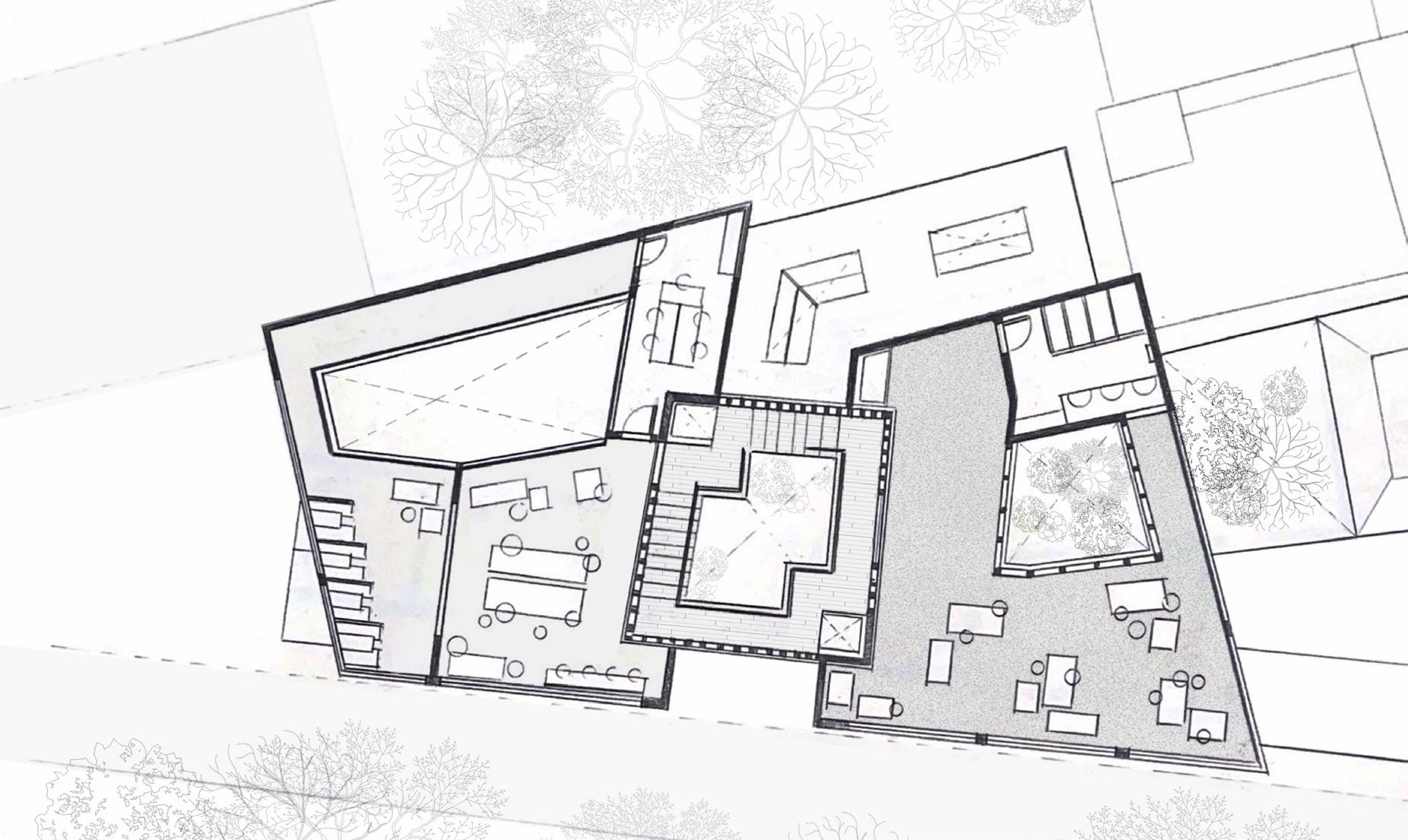
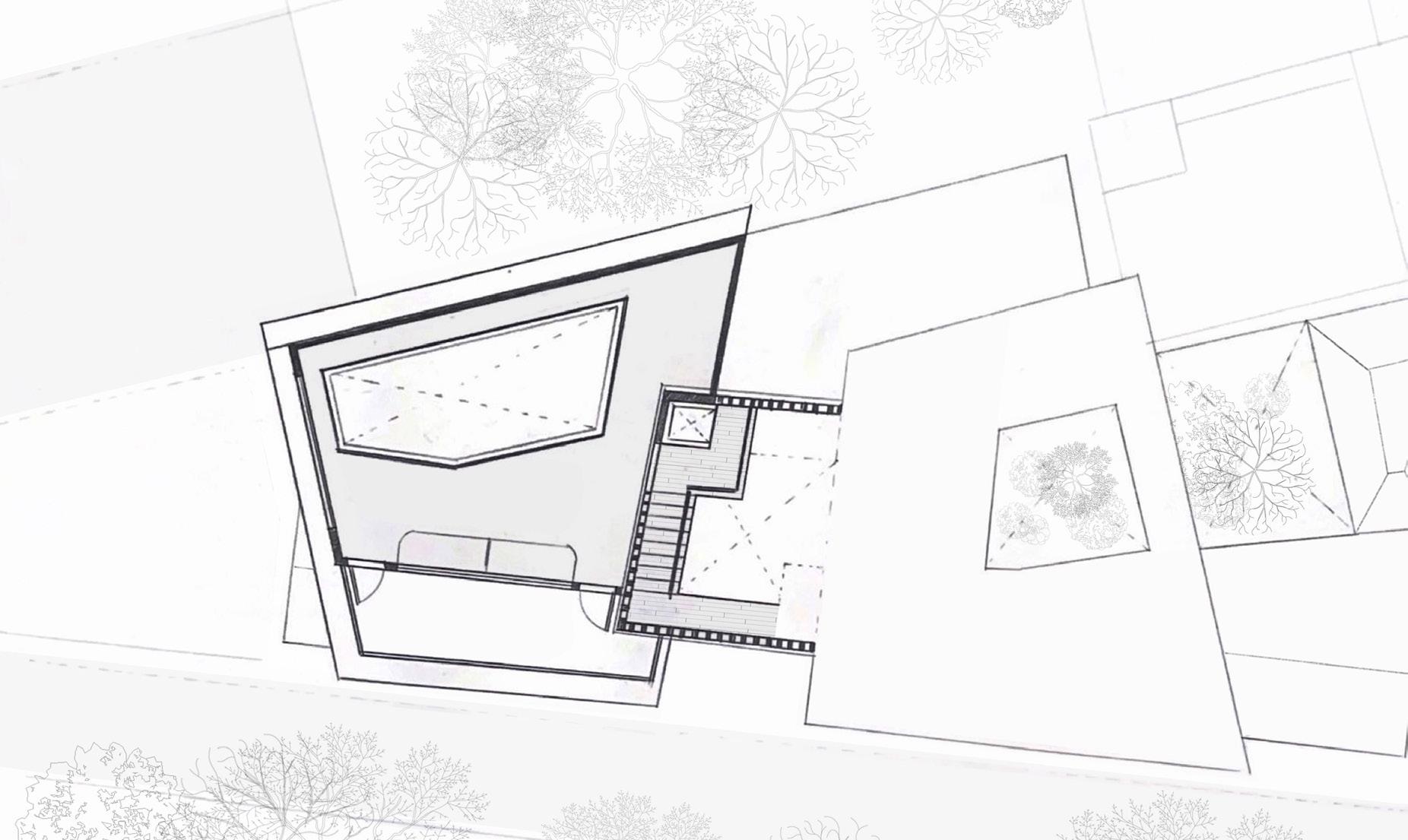
In these drawings, the main focus of the development and explorations are the void space and spatial requirements along with the communal staircase.
Moving back and forth between simplifying and complexity to get the best of both. Similar method of section iterations, layering tracing papers on top of one another repeatedly to see what works and what doesn't.
Connecting back to the site analysis collage and moments, the invitation to the space was very intriging therefore i decided to push back the main entrance.
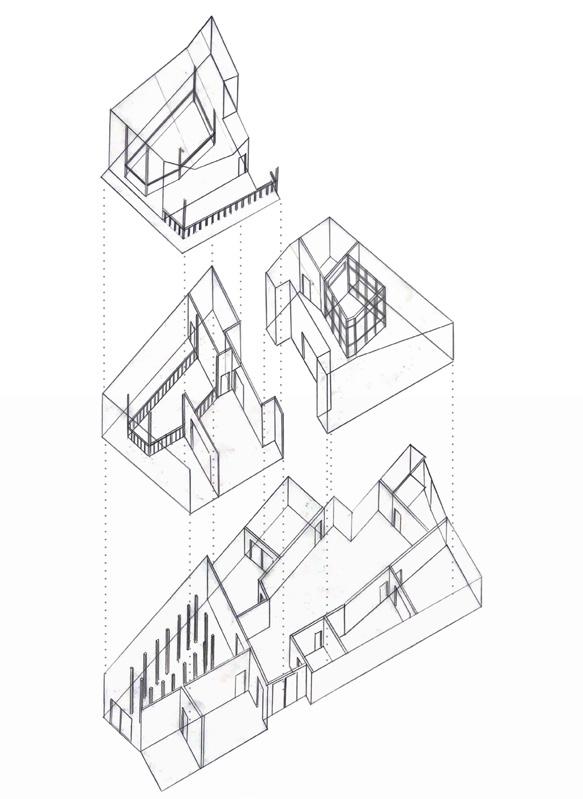
Isonometric drawings
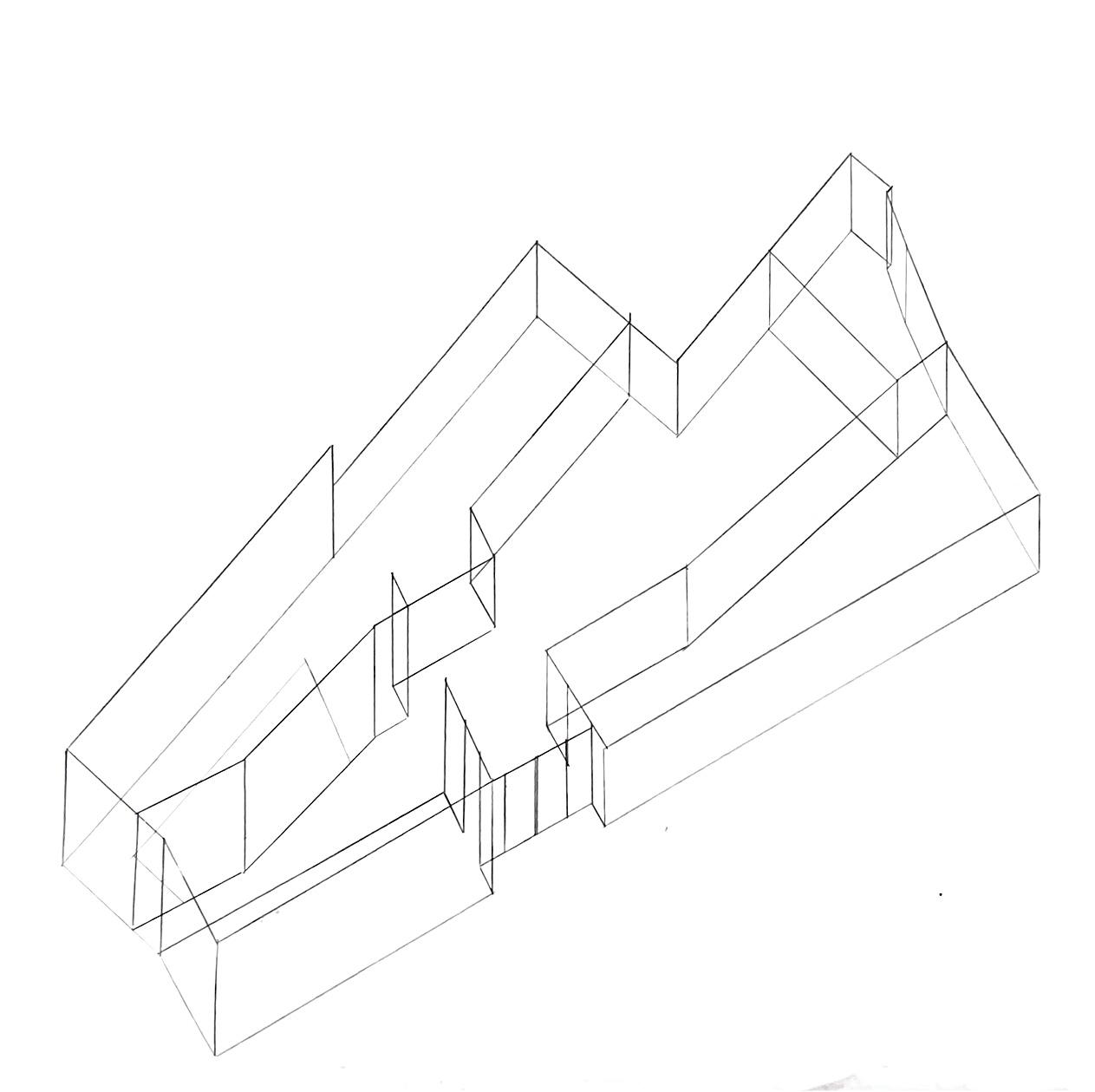
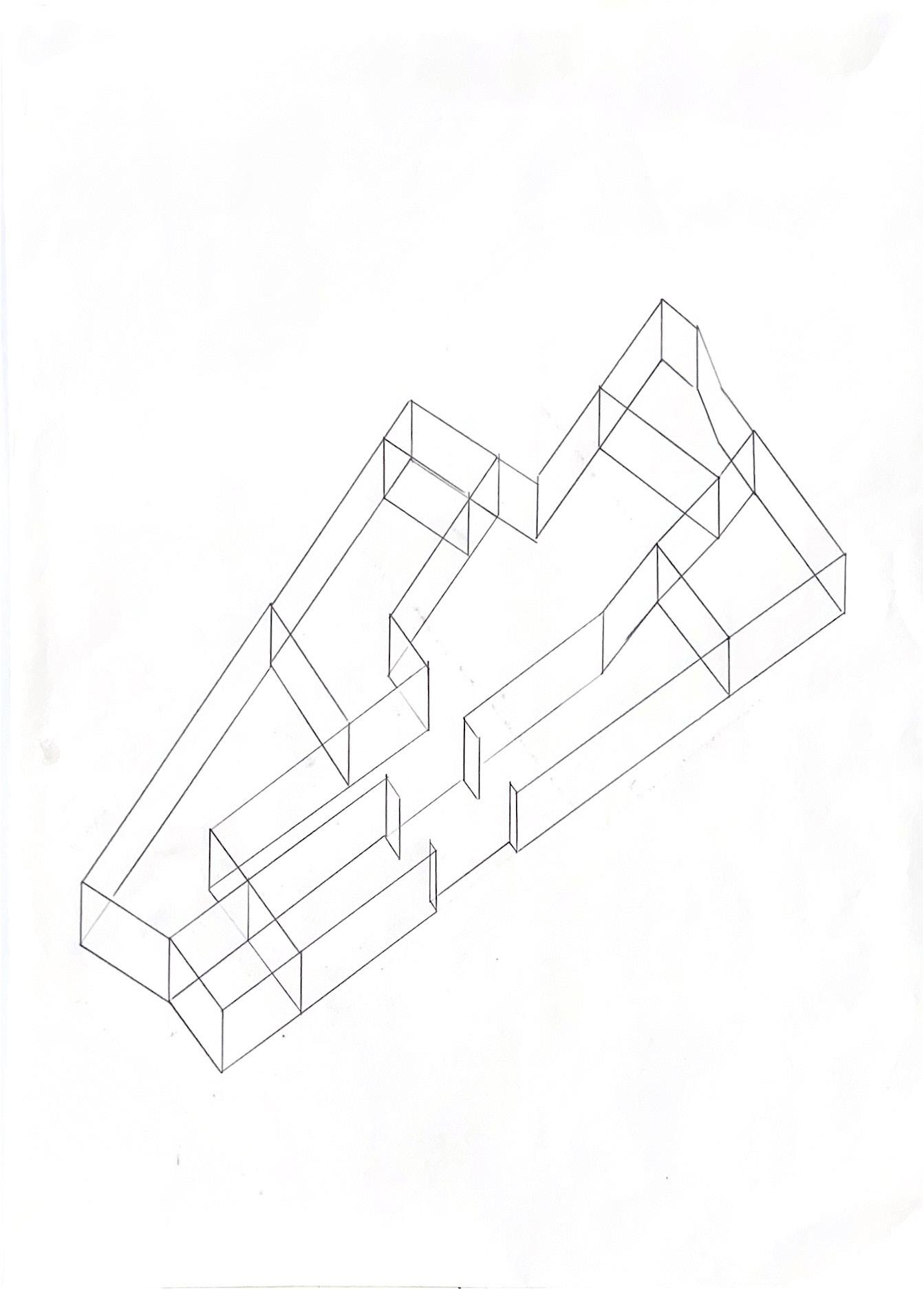
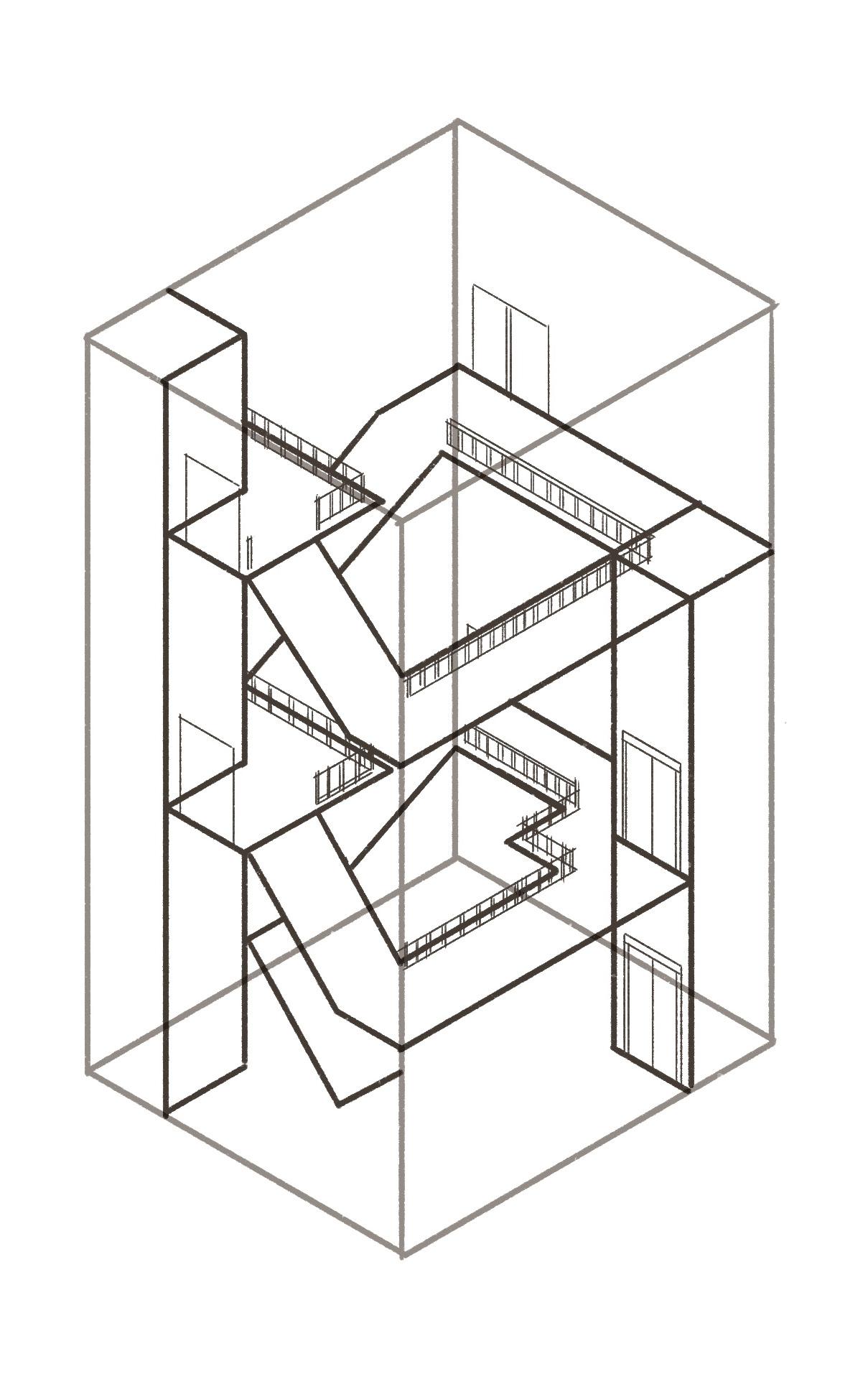
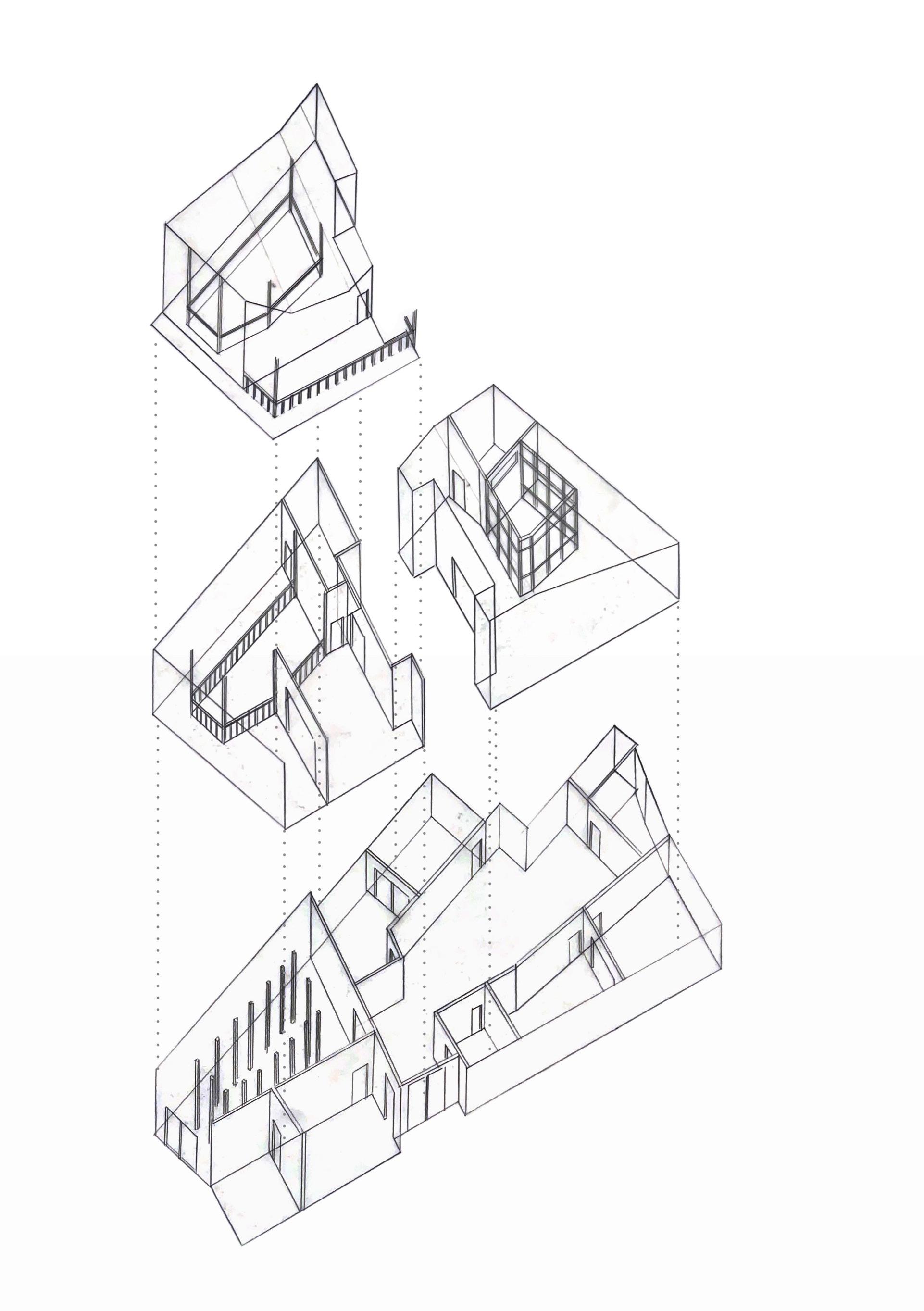
Starting from an empty base then layered by planes and other boundaries wall to see how everything intersect
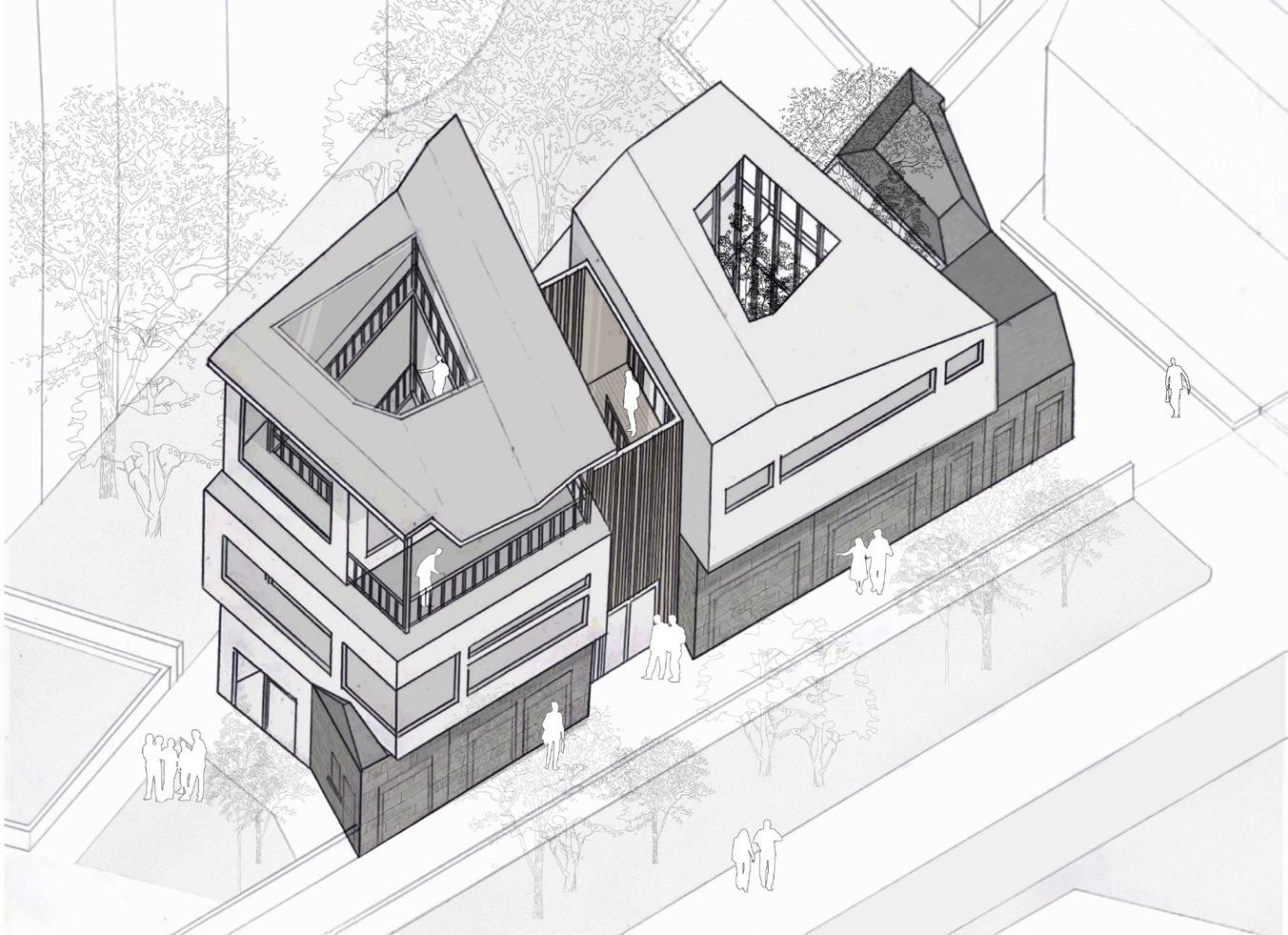
Axonometric Drawings
Simplifying the walls into plane to
to illustrates how everything layered on one another.
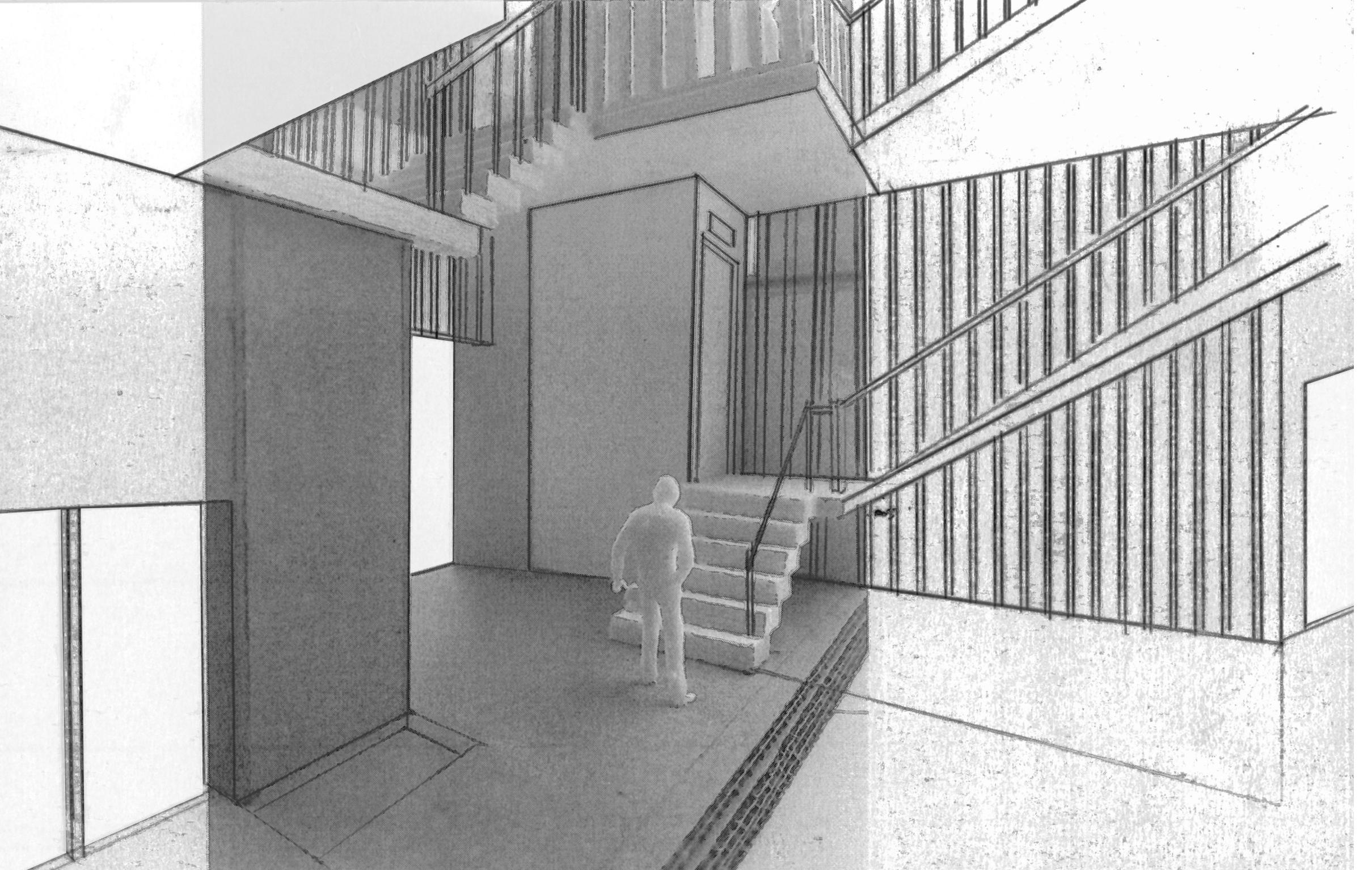
Communal Staircase Iterations
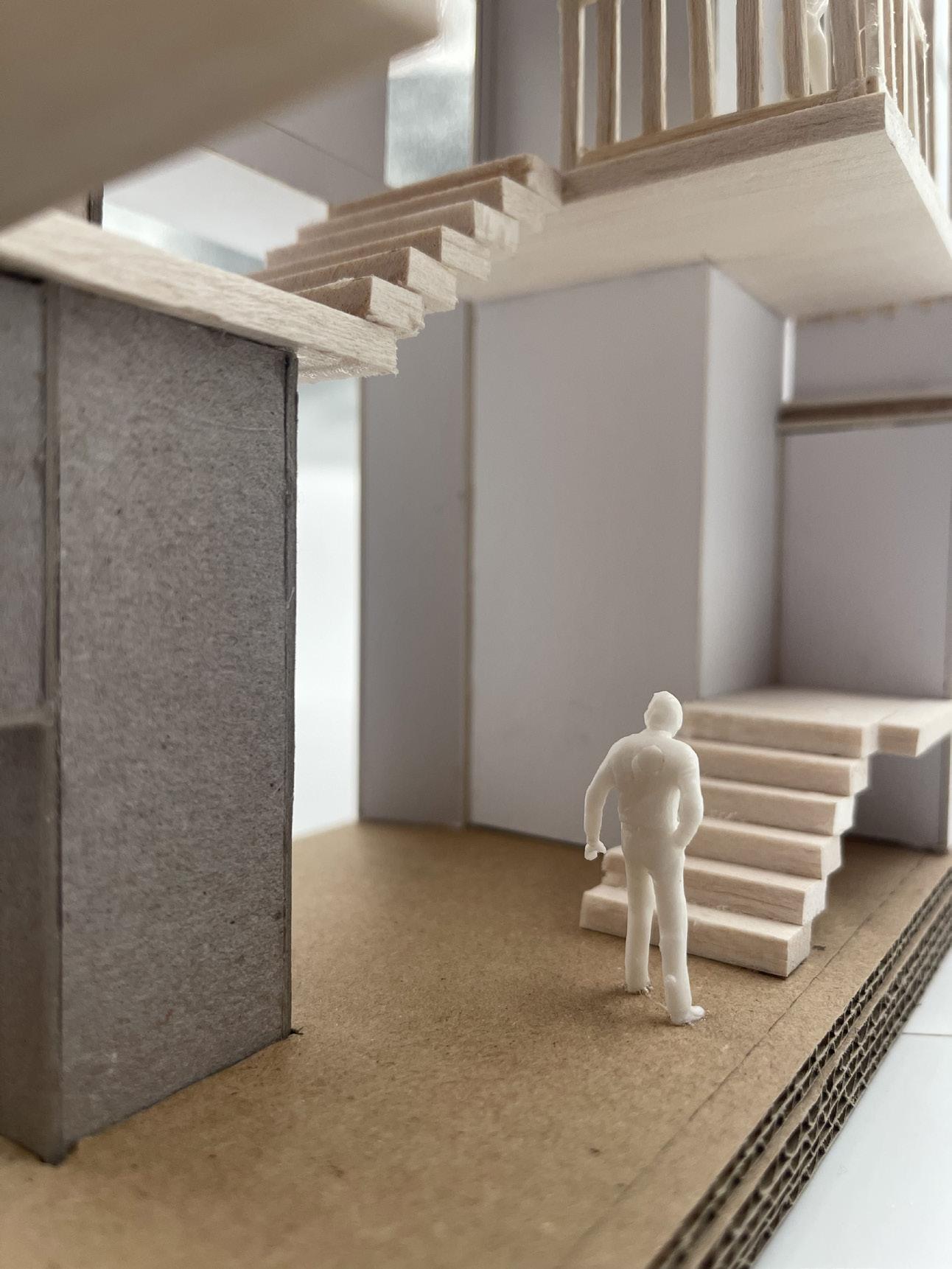
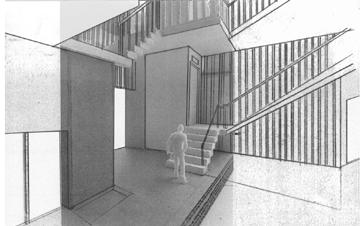
As gathering is my main focus of this community centre, having a common area is essential andto connect all the different heights together, created. Even though the main focus of this communal staircase is to conenct every components together, there are pockets of space private conversations or just fa phone call, a consideration for the occupants.
together, a common staircase was added around the stiarcase for a more
Refinement of Spatial Requirements and functions
The flow of the functions from left to right goes from public to semi-private to a more private facilities on the upper floors.
Main entrance derived from the people tracking where most of the people are usually at the Meadows. Then other functions followed.
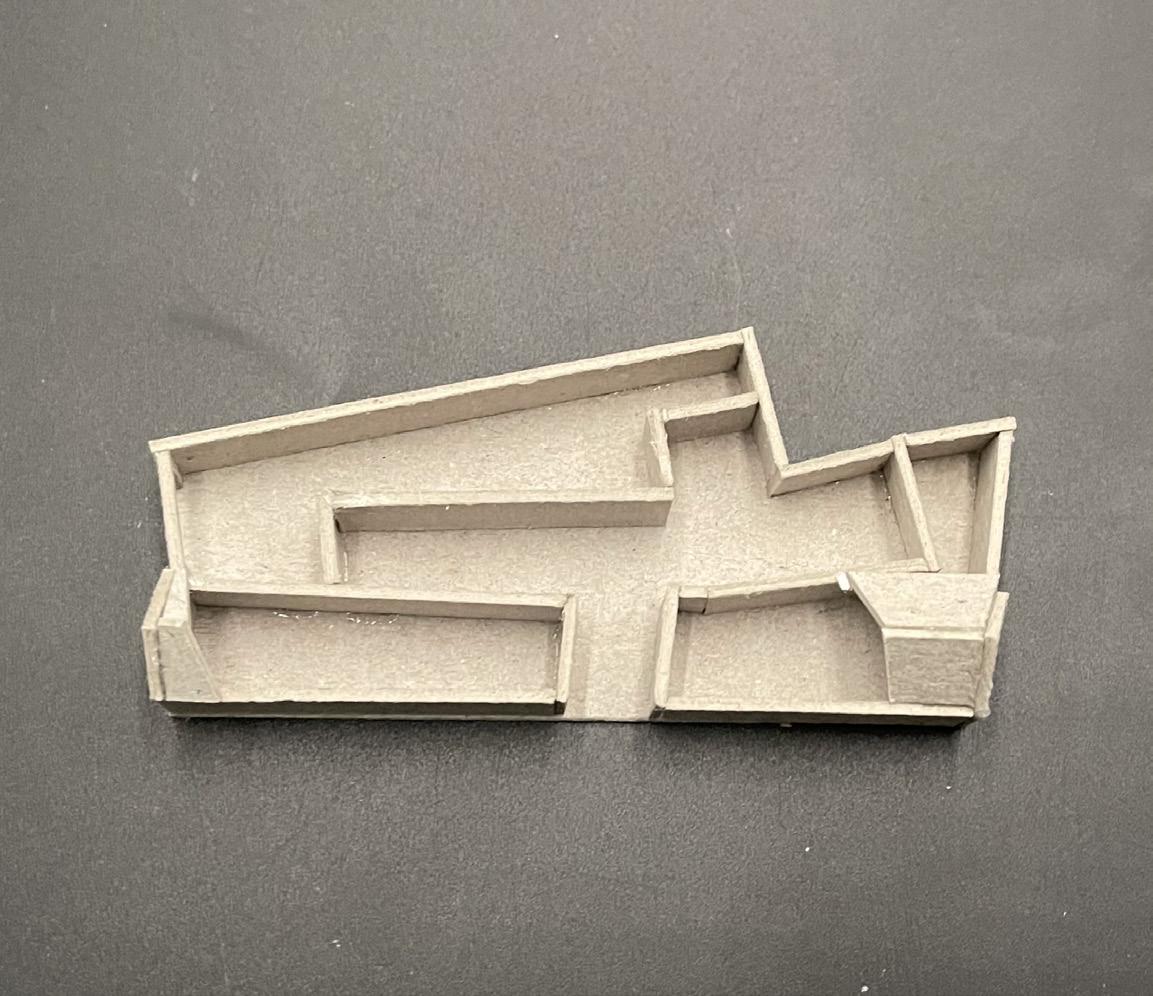
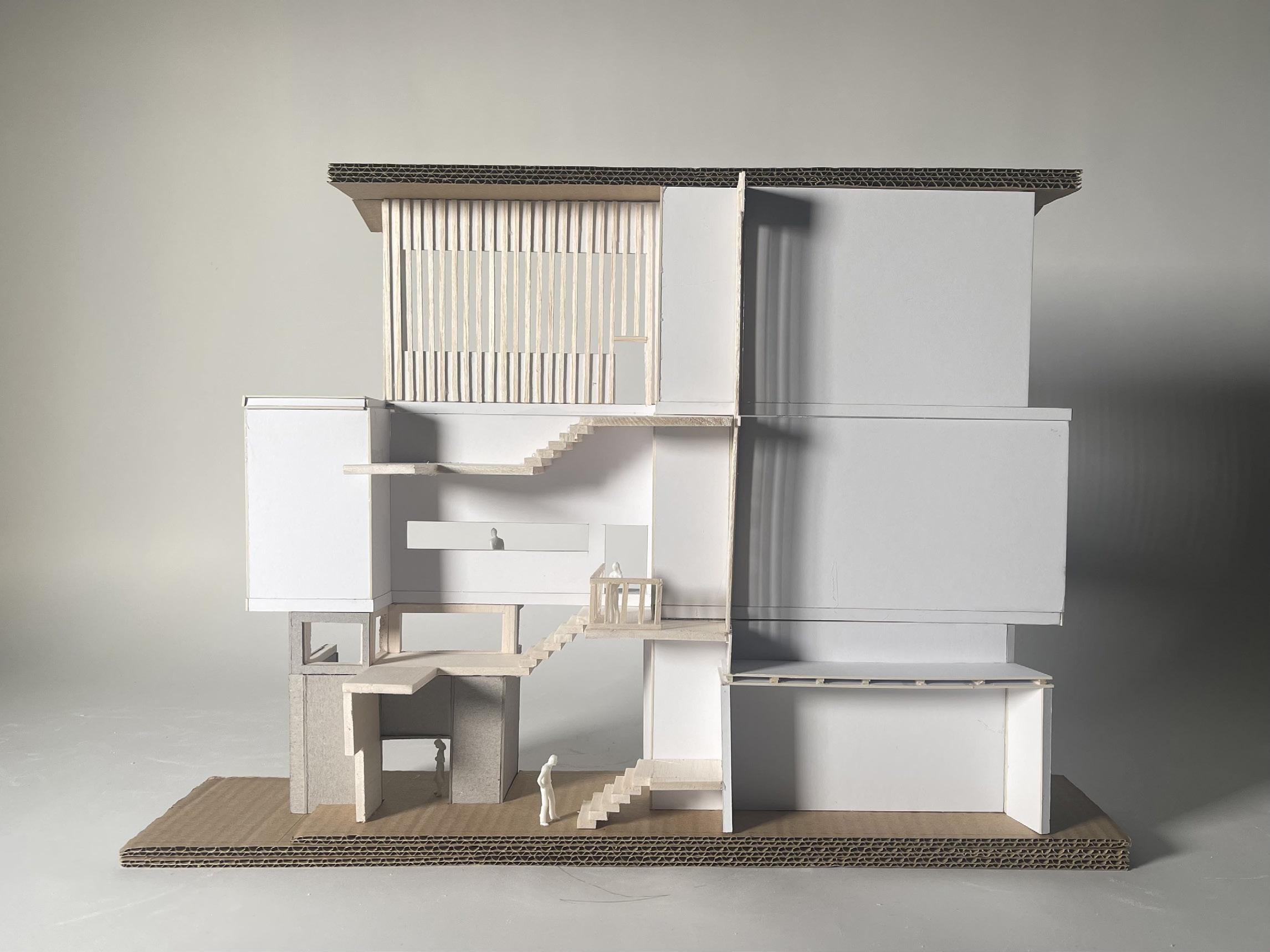
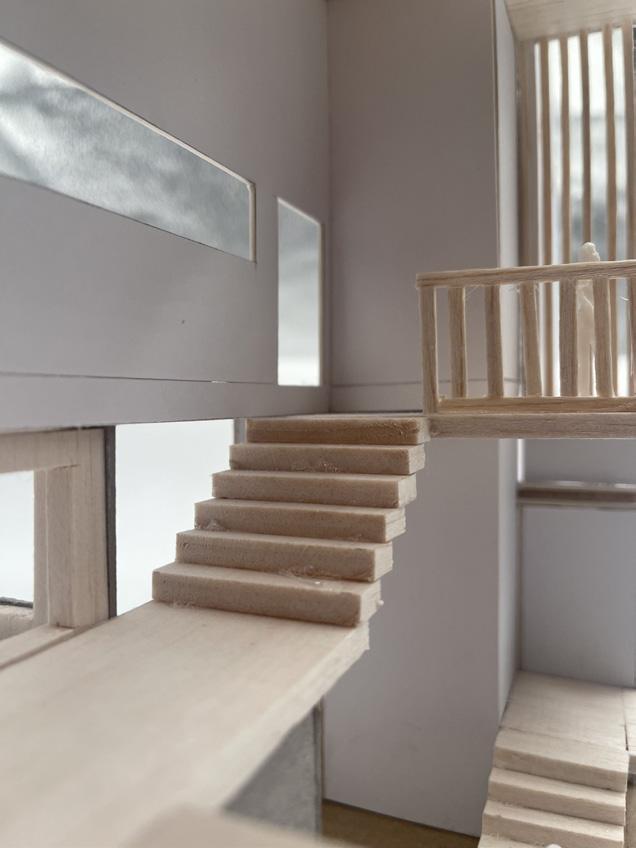
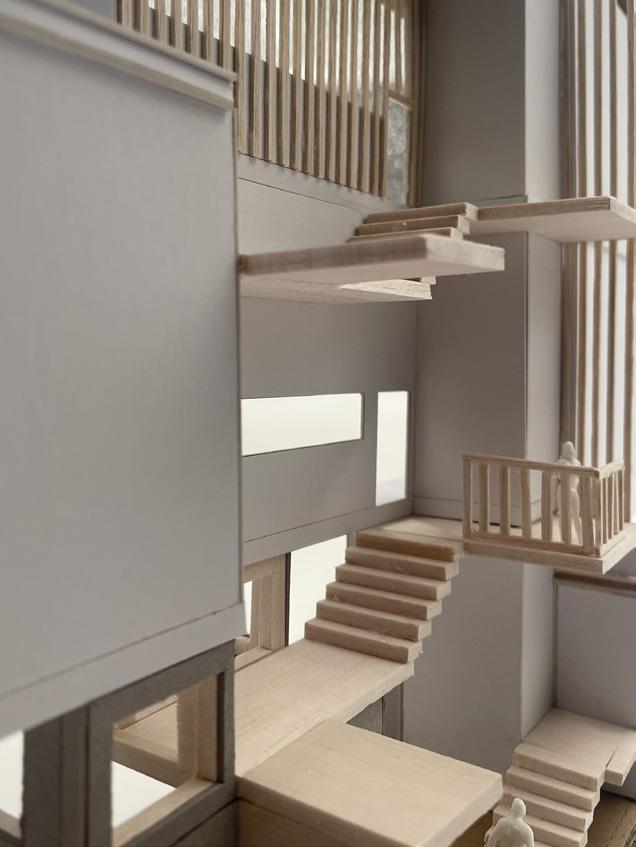
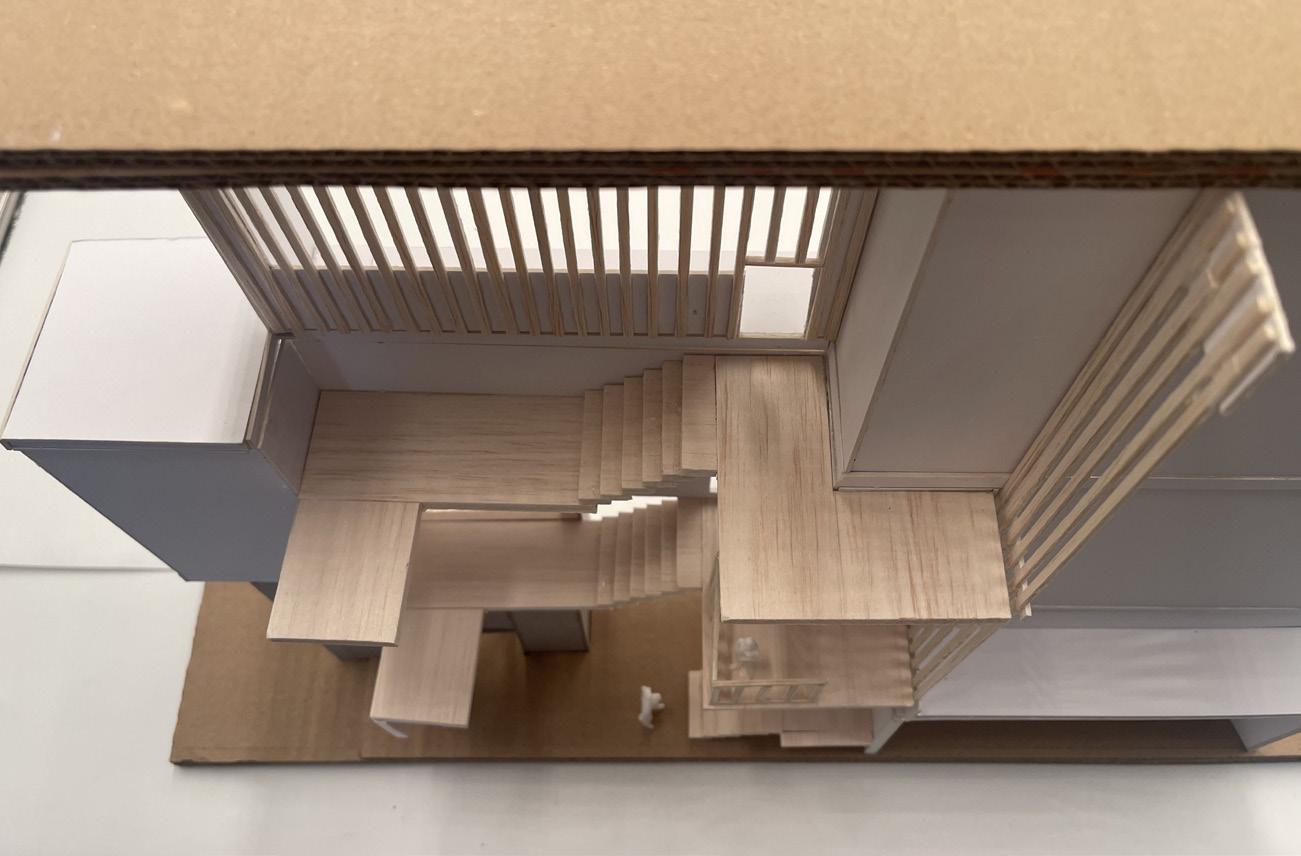
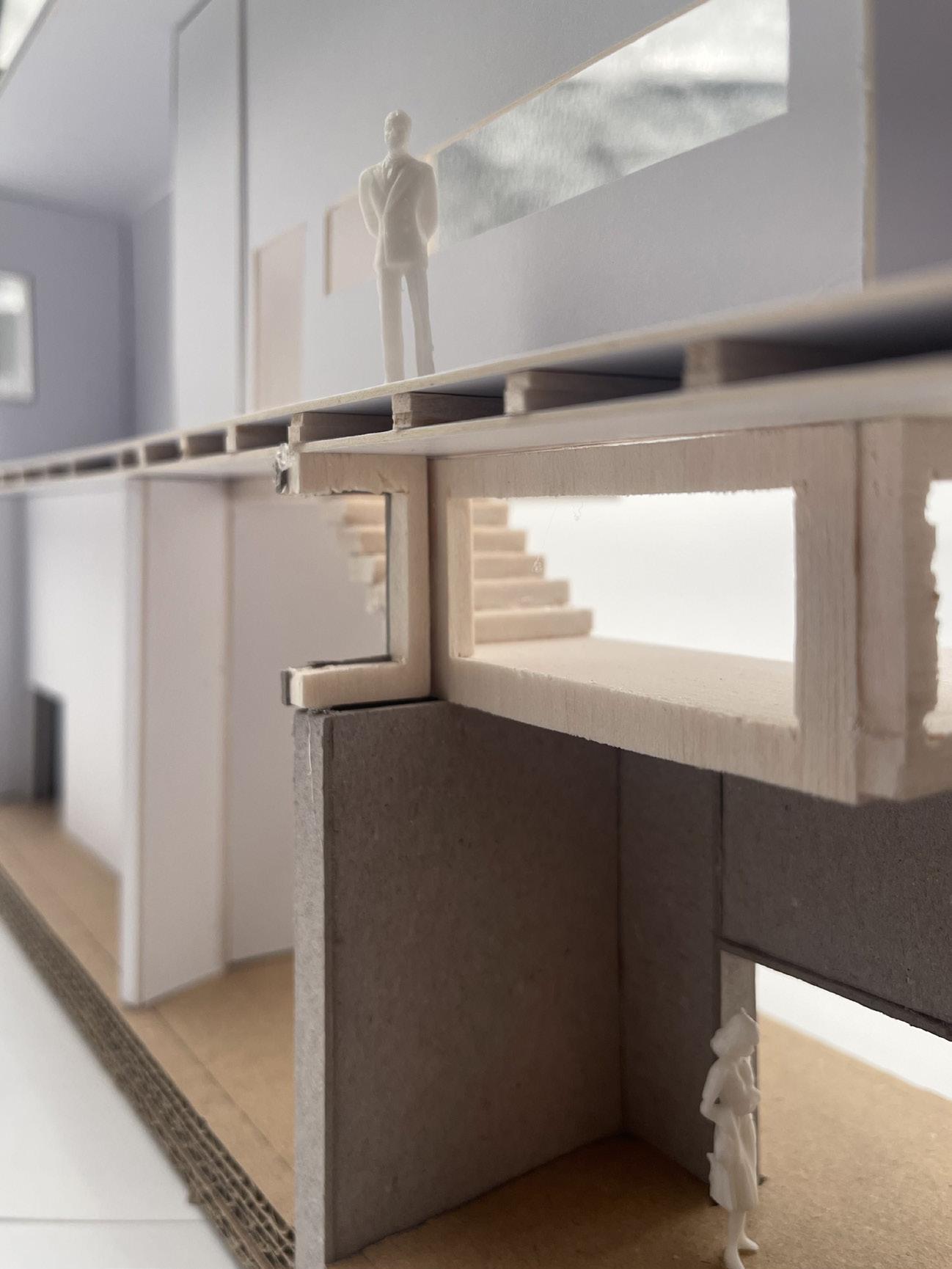
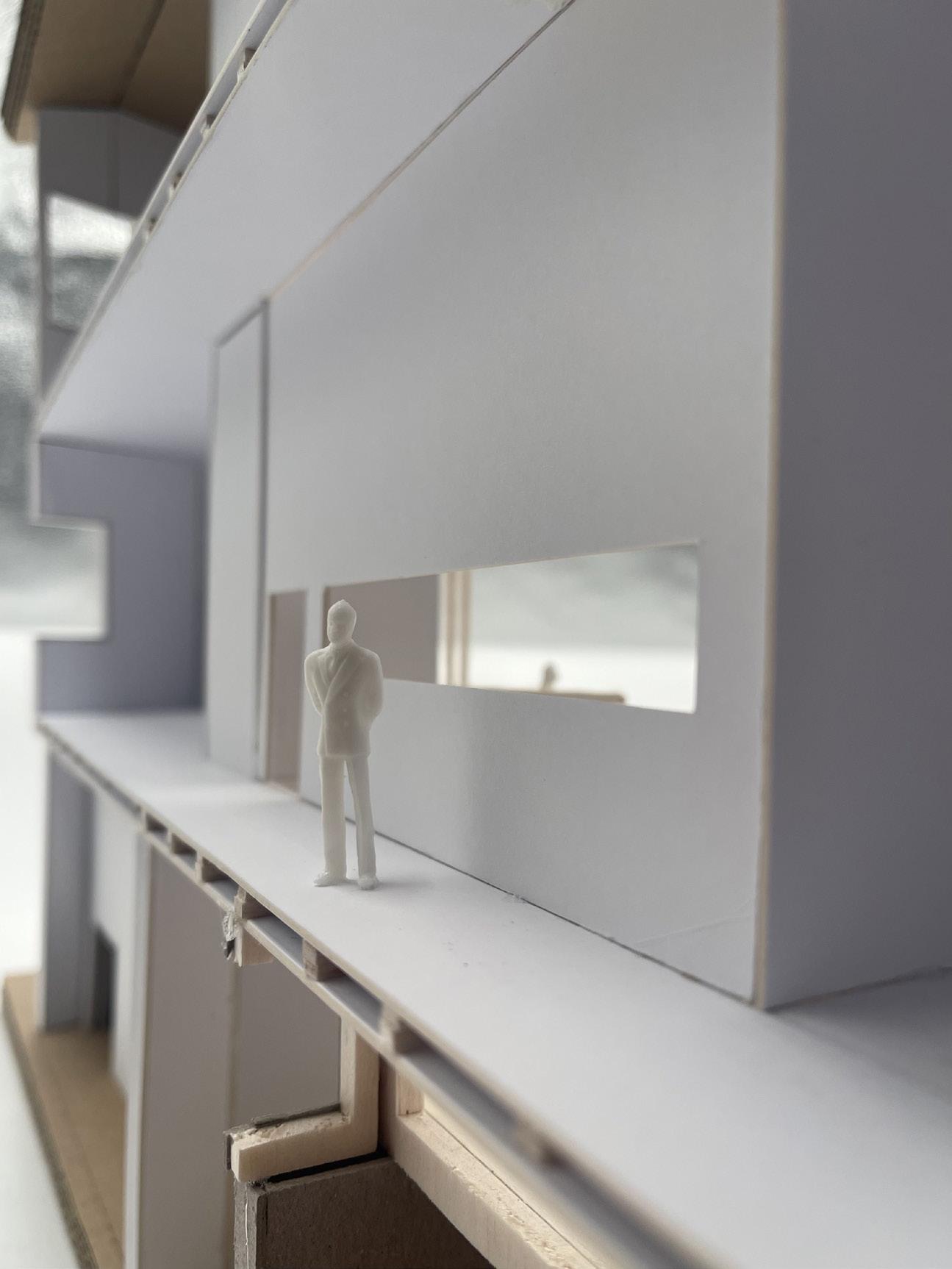
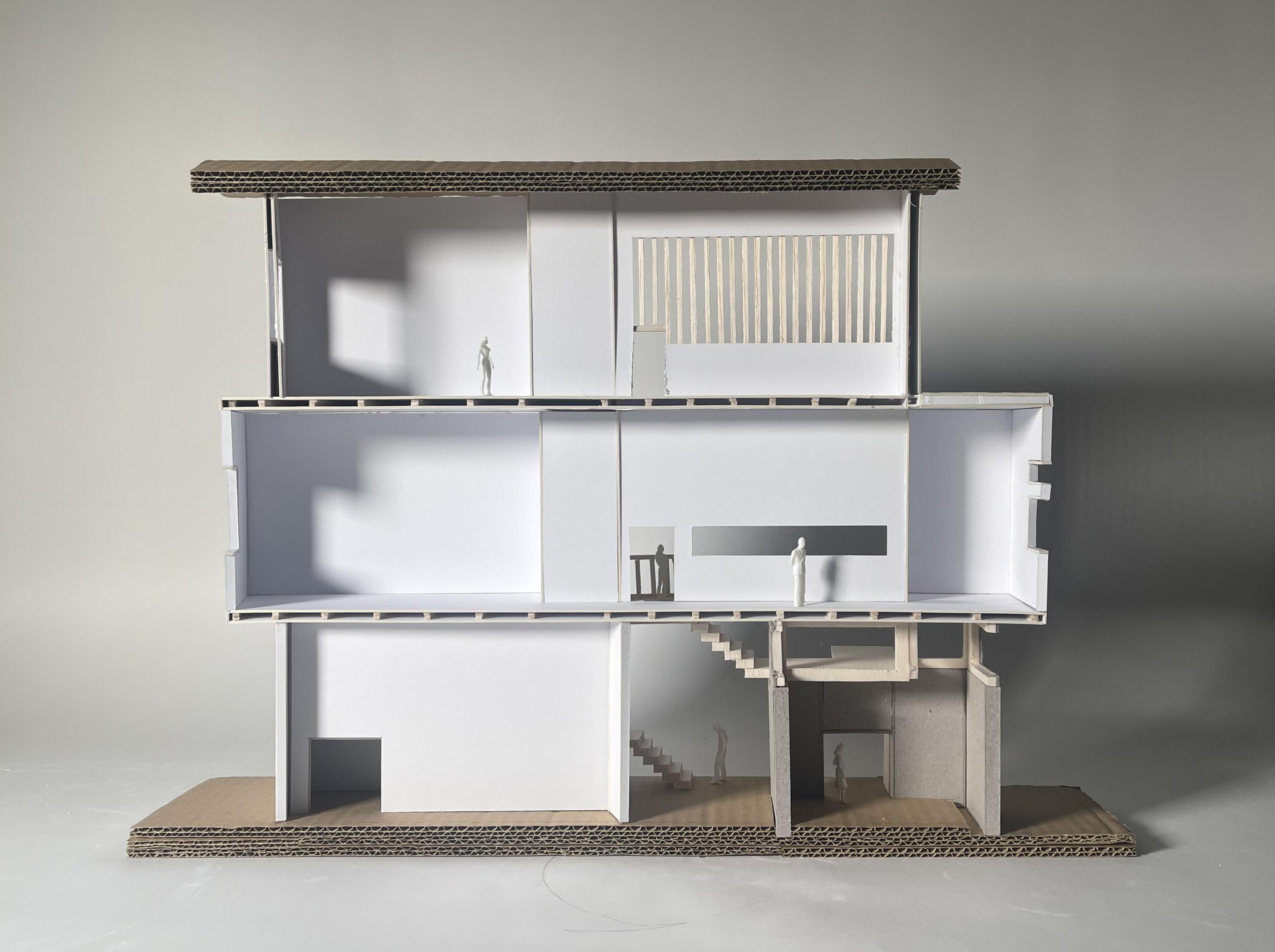
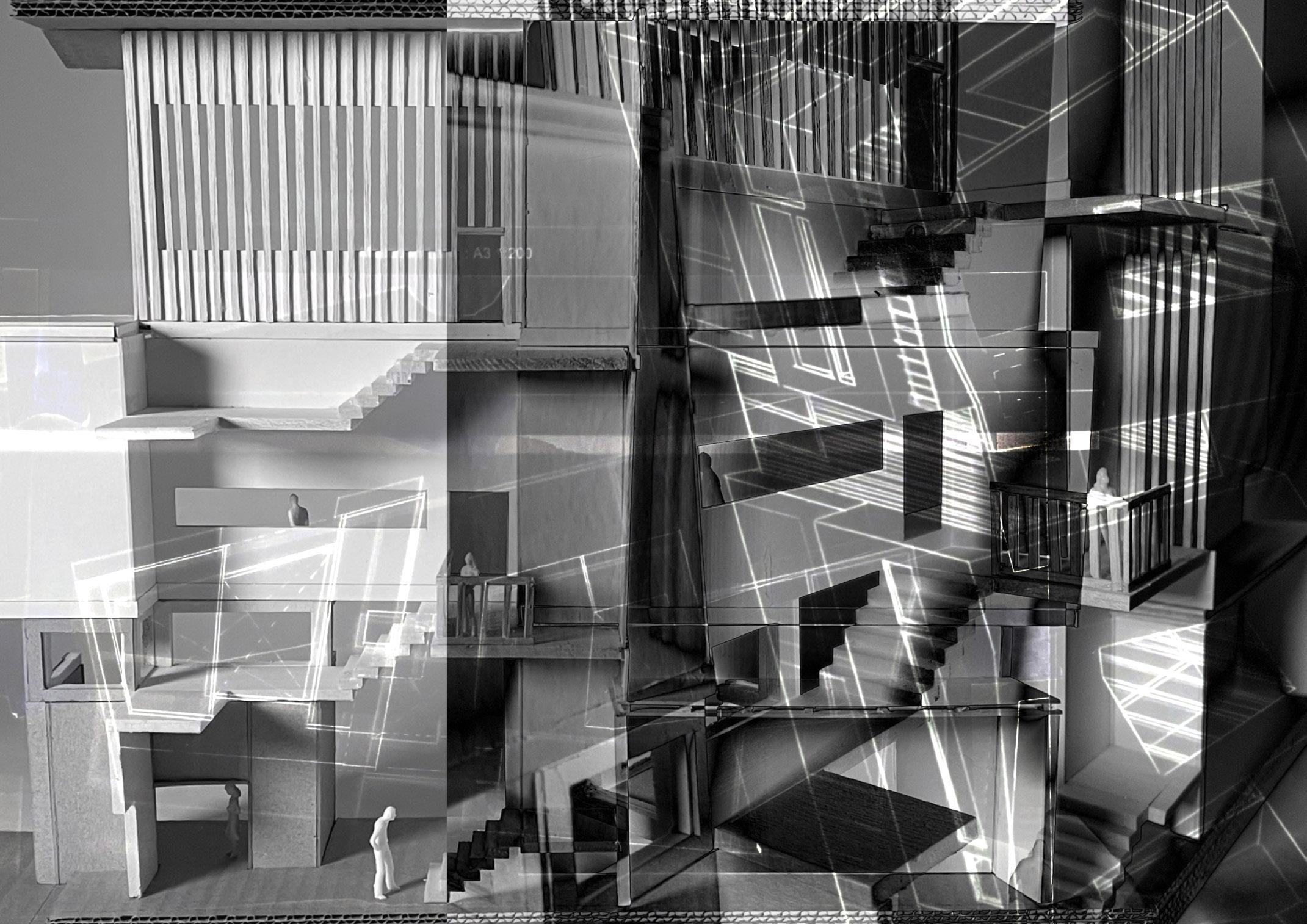
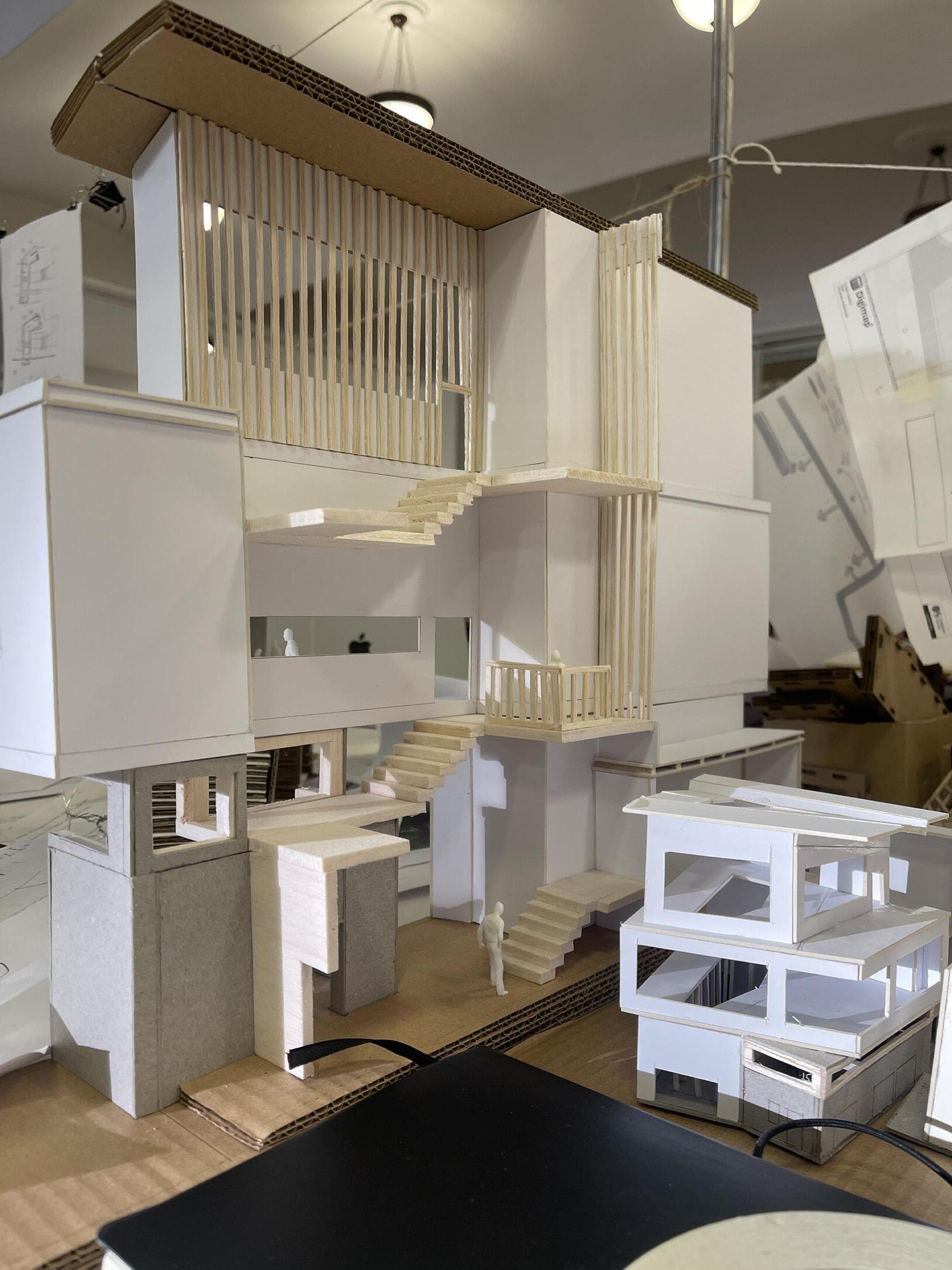
1:50 Slice Model - Threshold
Display of both the plans and sections were presented to show the orthographic drawings and also to like it to the 1:50 slice model of threshold for easy understanding.
These diagrams to show how the process were developed.
Ibstock Place School Refectory, Maccreanor Lavington (2020)
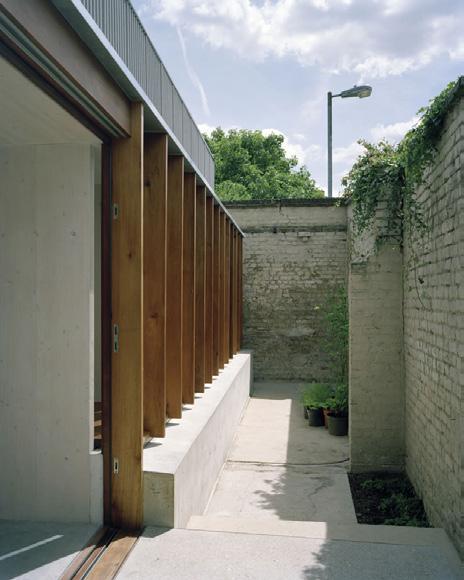
Strange House, Hugh Strange Architects (2010/13)
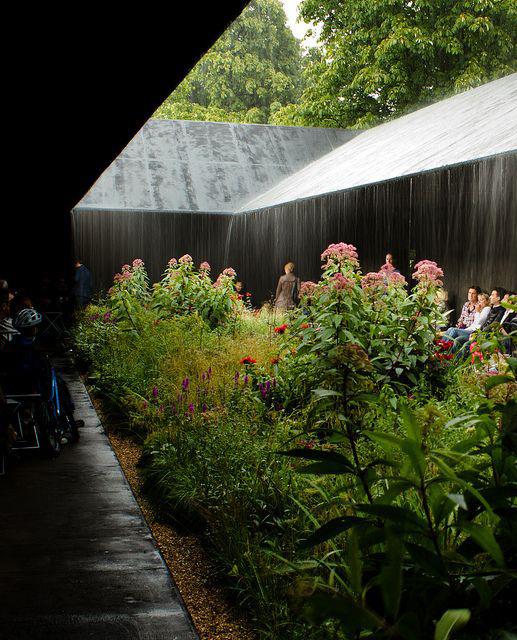
Serpentine Pavilion, Peter Zumthor (2011)
Iterations and Reflections
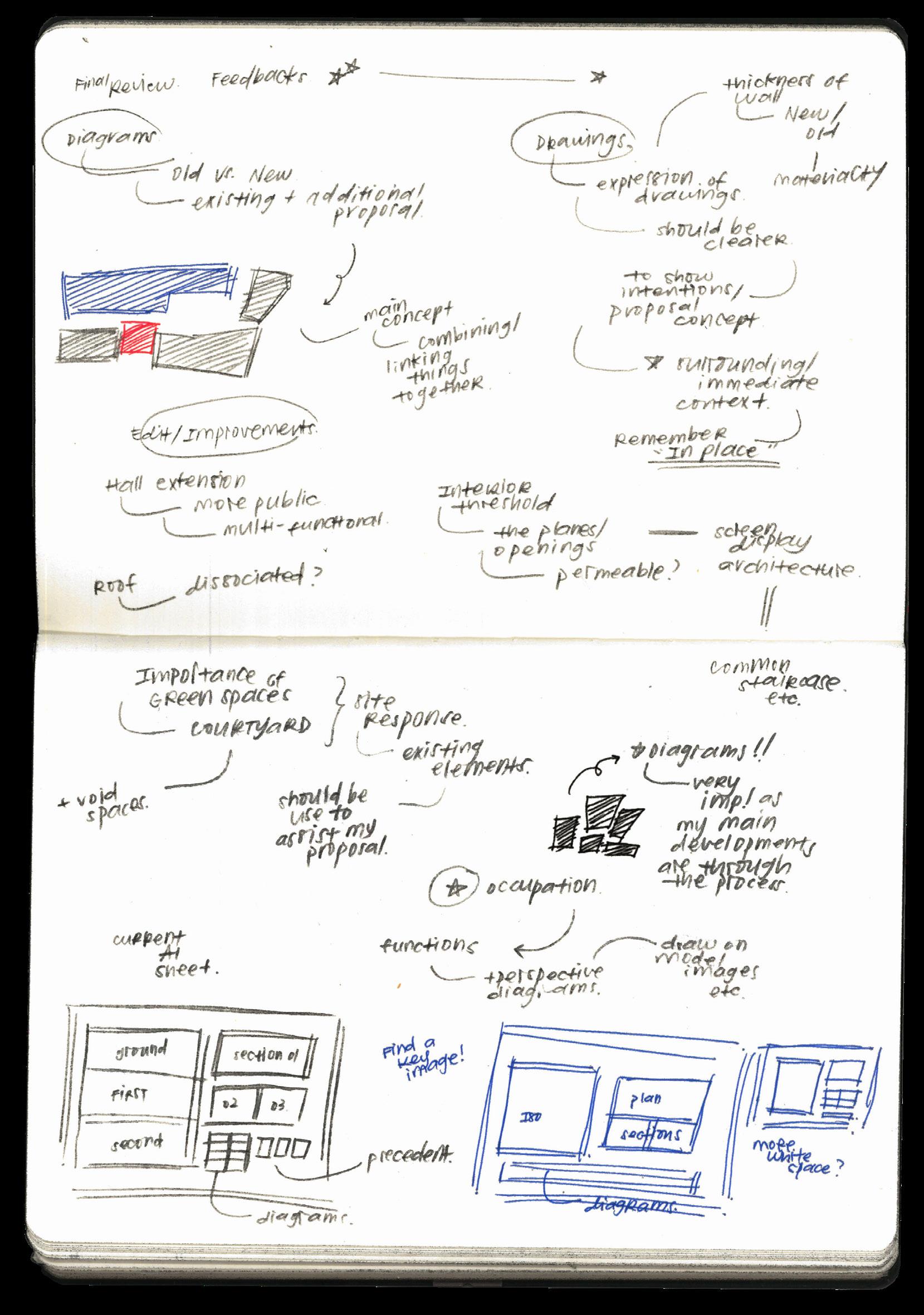
At this finalising stage of collating and editing everything. It is very important that what I am trying to portray is also convey properly on the different layout of portfolio, diagrams and also the display A1 sheet therefore this final review presentation was crucial.
Iterations and Approaches to the Proposals.
Post Final Review feedbacks and improvements to be made.
Most of the feedbacks are regarding my drawings on how it can be shown clearer so that my design clarity is clearer and easier to read.
Hierarchy of images on the different layout is also very important, as well as white spaces therefore it is essential to always know the design intention and proceeds from it. This includes how process is the main part of my design however I did not give it much importance on my display sheet therefore it has to be change.
More technical issue of the design were also discussed and were improved accordingly.
University of Edinburgh's Societies Community Centre
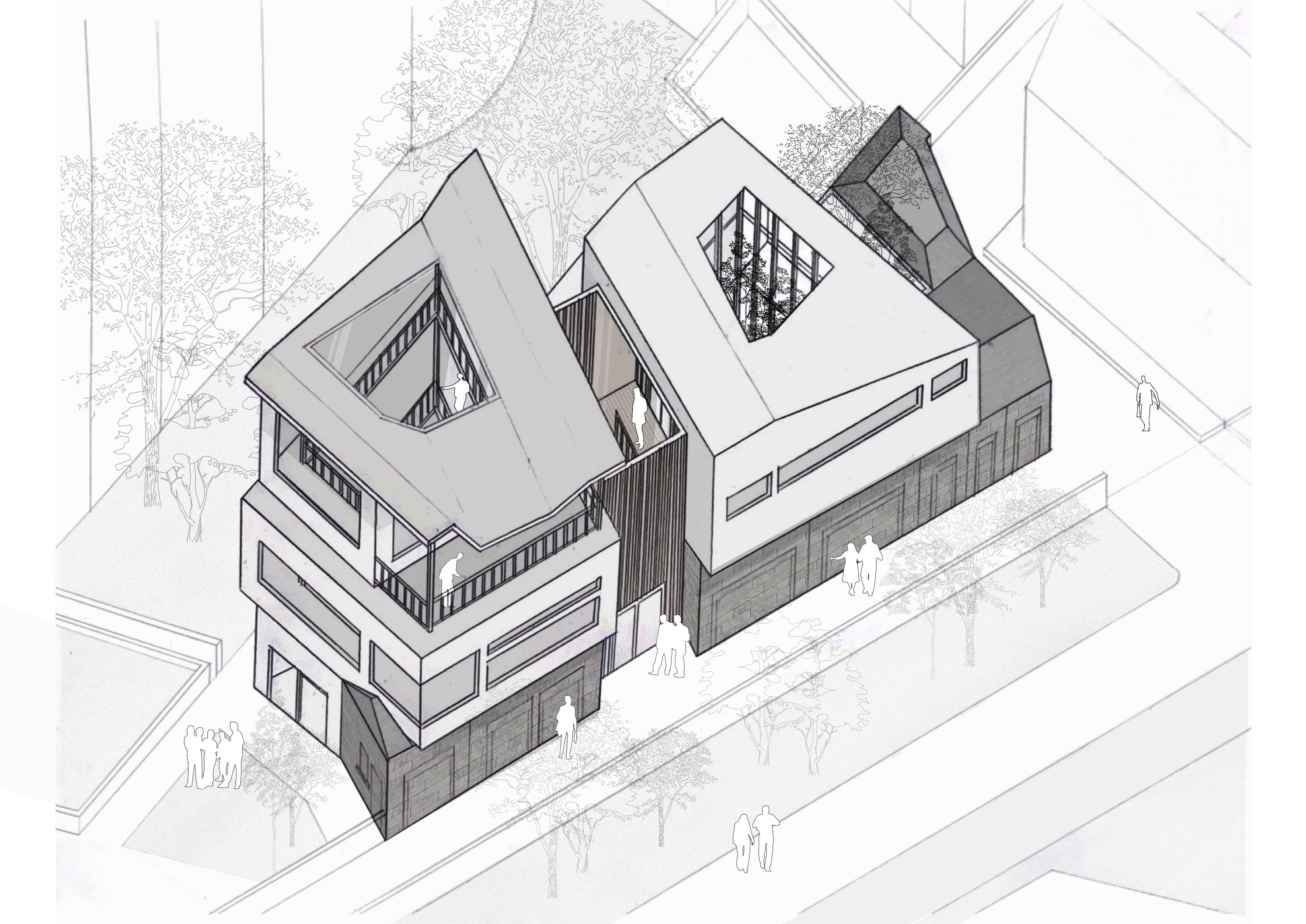
This proposal primary purpose is to serve as a gathering socialising space for university societies group. As a member of a small society (Thai soc) ,finding a place to gather for events are always somewhere else and not in a university area therefore to solve this issue for other societies, I decided to create this Community Centre dedicated to this narrative.
In addition, the existing garages are already a society storage, therefore it enhances the purpose of this community Centre.
The meadows is also a very common area for people to gather and hang around therefore having an additional building that would act as a proper semi-private space would be beneficial.
Meadows Lane Societies Community Centre.
Main Entrance
Hall / Exhibition Space
Cafe and Stores
Storage
Enclosed Courtyard
Reception
Small Meeting Room
Small Workspace
Toilet 01
Plant Room 13. Communal Staircase
Co-Work Spaces
Small Meeting
Workshop Spaces
Toilet
18. Gathering Space
With Context
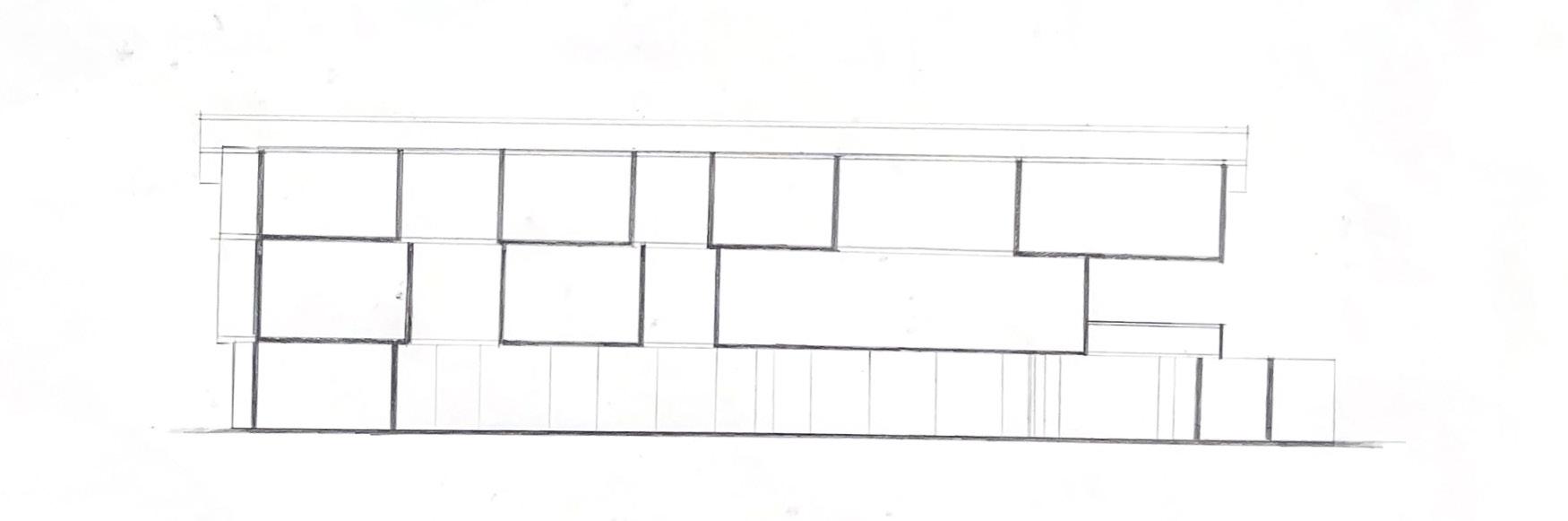
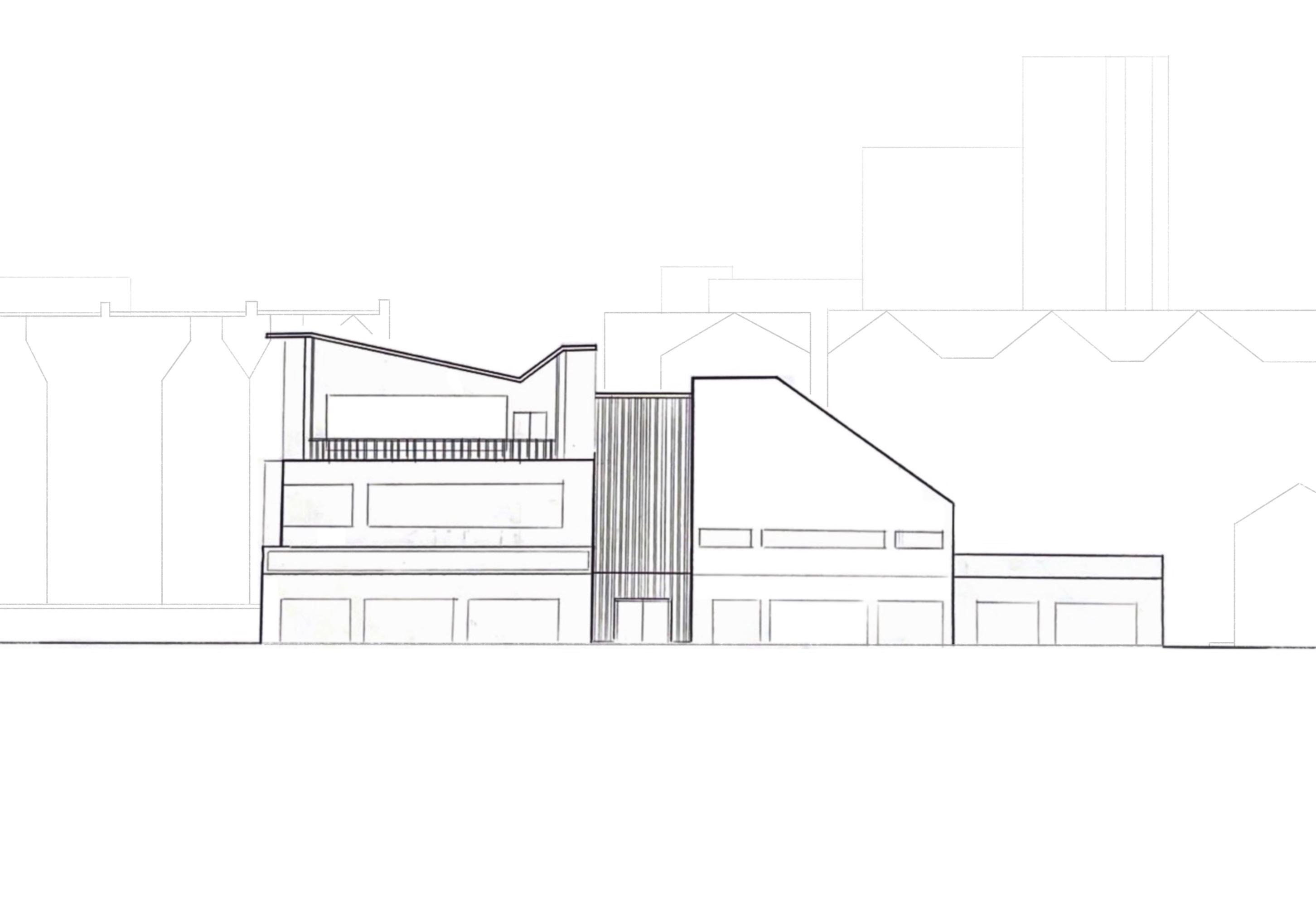
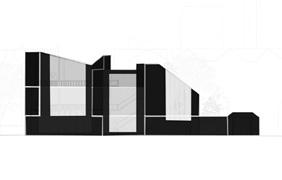
Front Elevation
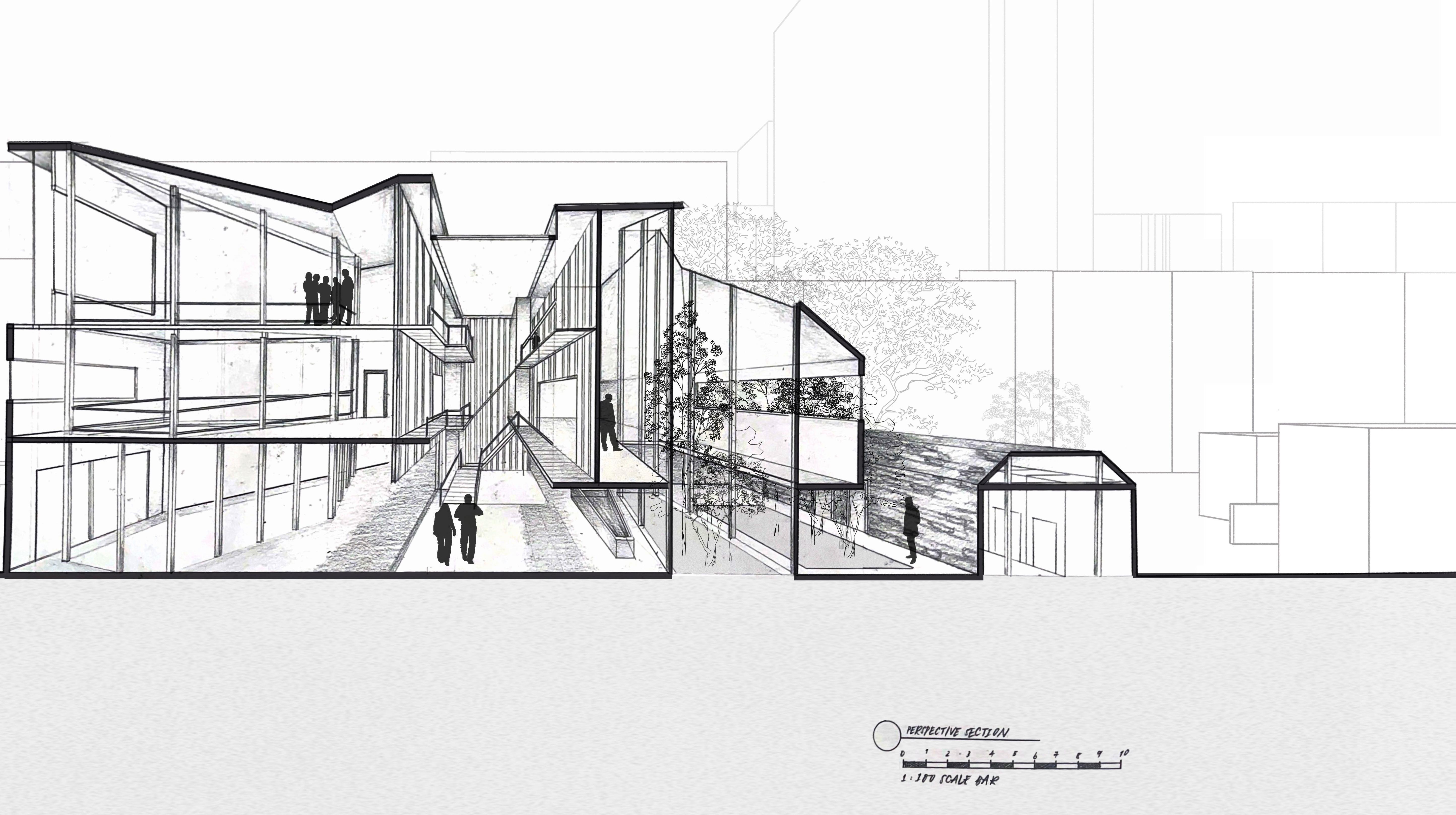
Key Section - Perspective section base
East-facing facade elevation
Isometric within the site context with inhabitations and materiality
Interior Planes Focused
IN PLACE
Massing, Boundaries and Complexity.
Moments hierarchy with the sequences of process Inhabitation also prioritised.
Animation
Stop-motion Animation
For the 60 seconds animation I decided to try out stop-motion as it has been one of the check list that I always wanted to try therefore I thought this was the perfect opportunity. I also think that stop motion works well with how I want to portray my thorough process starting from one point to the final proposal.
Even though it requires alot of time to do and the outcome turns out not as good as I expected I think it portrayed my intention well.
https://youtu.be/c7wgXs8kTks?si=XzaTk84fqu0xZX9f
Conclusions
Personally, I think that I could have explore more with sketch models on a different scale and also link it back to the site context more to be more aware and respond better with my design.
I also wish that I could have push the complexity even further however, it was already difficult to explore with complex forms but I enjoyed it as it is very out of my comfort zone.
Overall I am pretty satified with everything, especially the PROCESS as I got to try out many explorations even if the outcome was not what I was expecting.
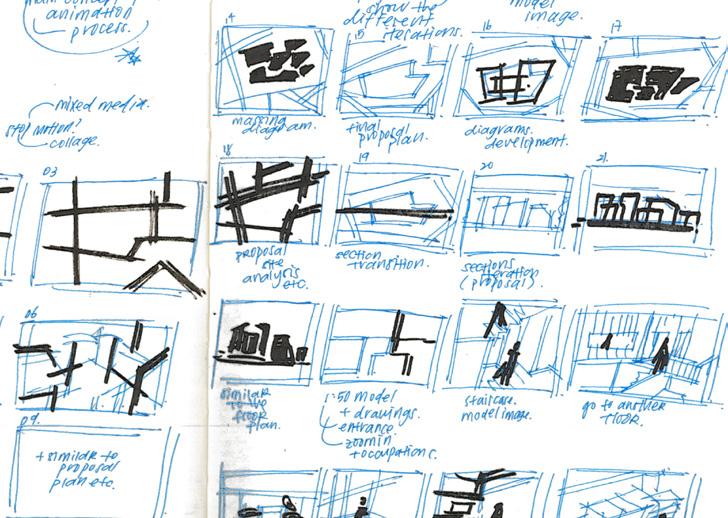
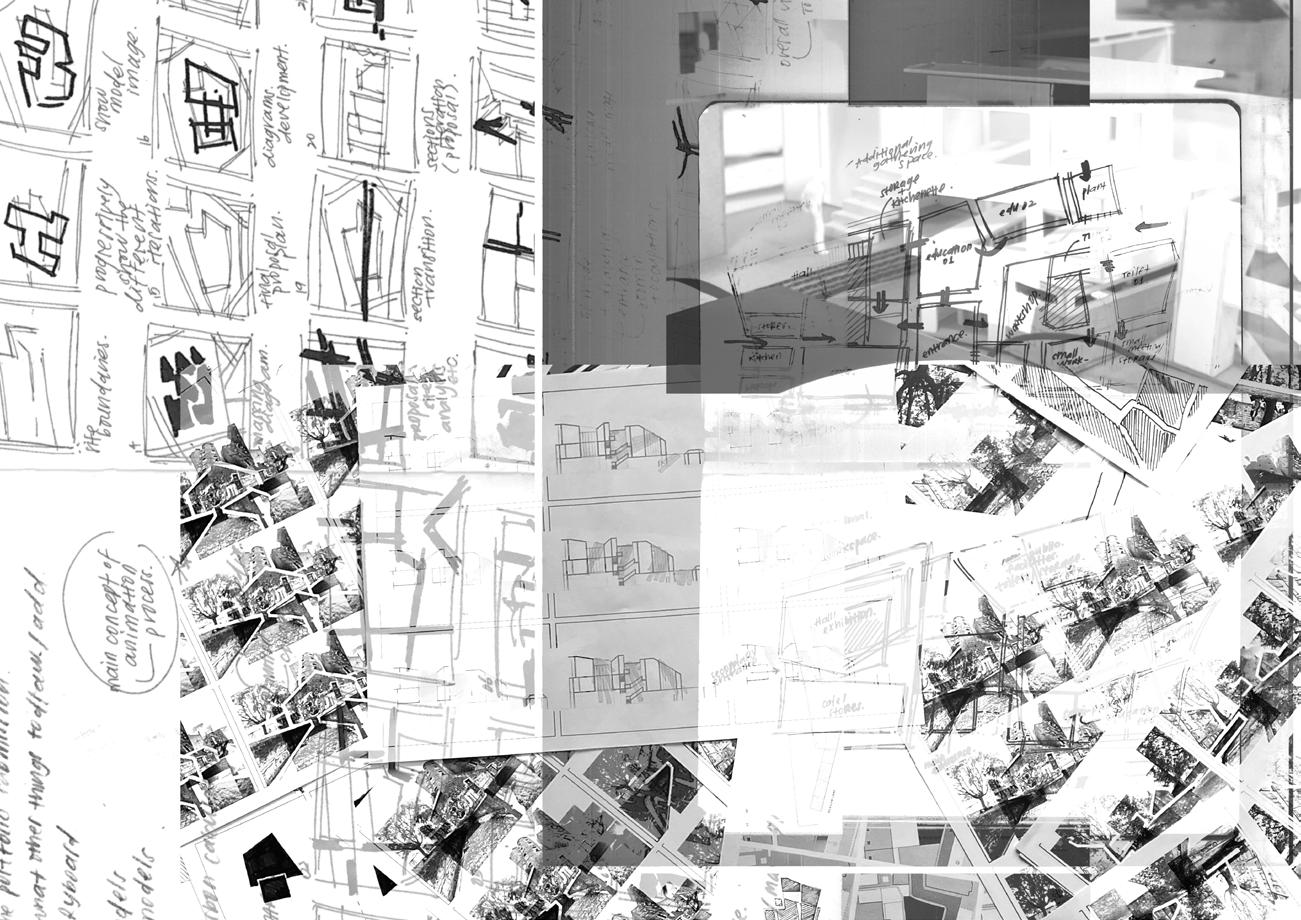
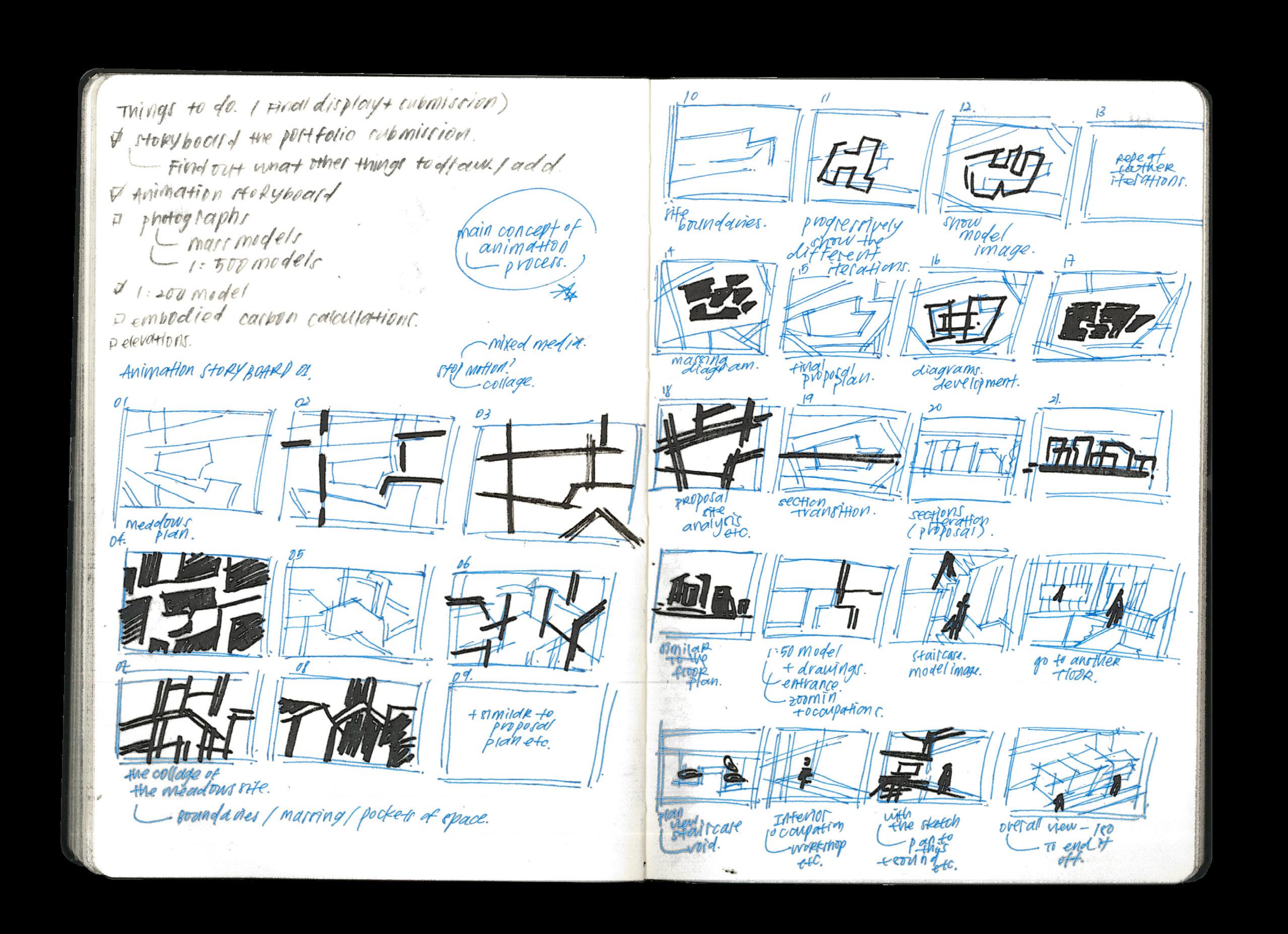
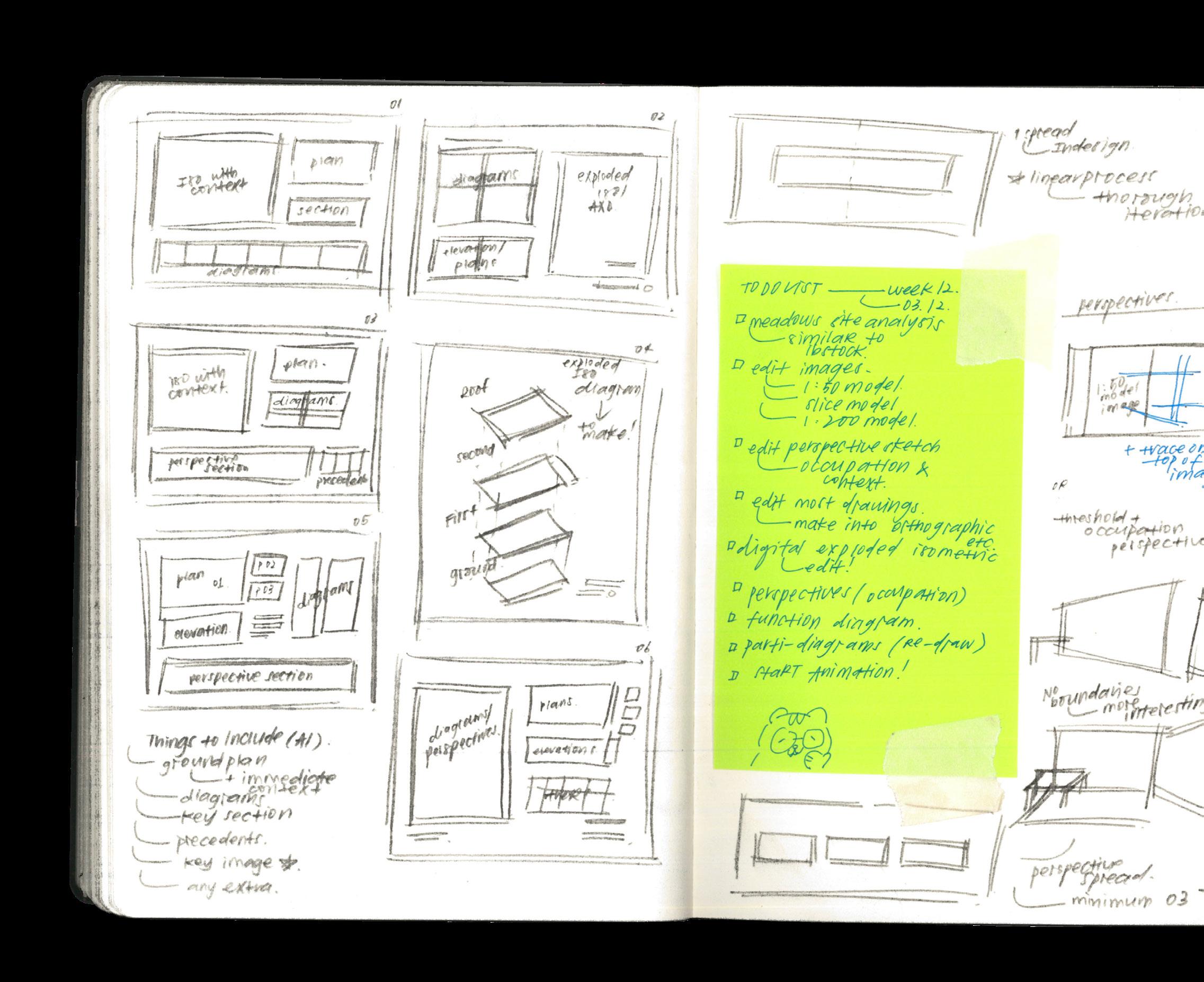
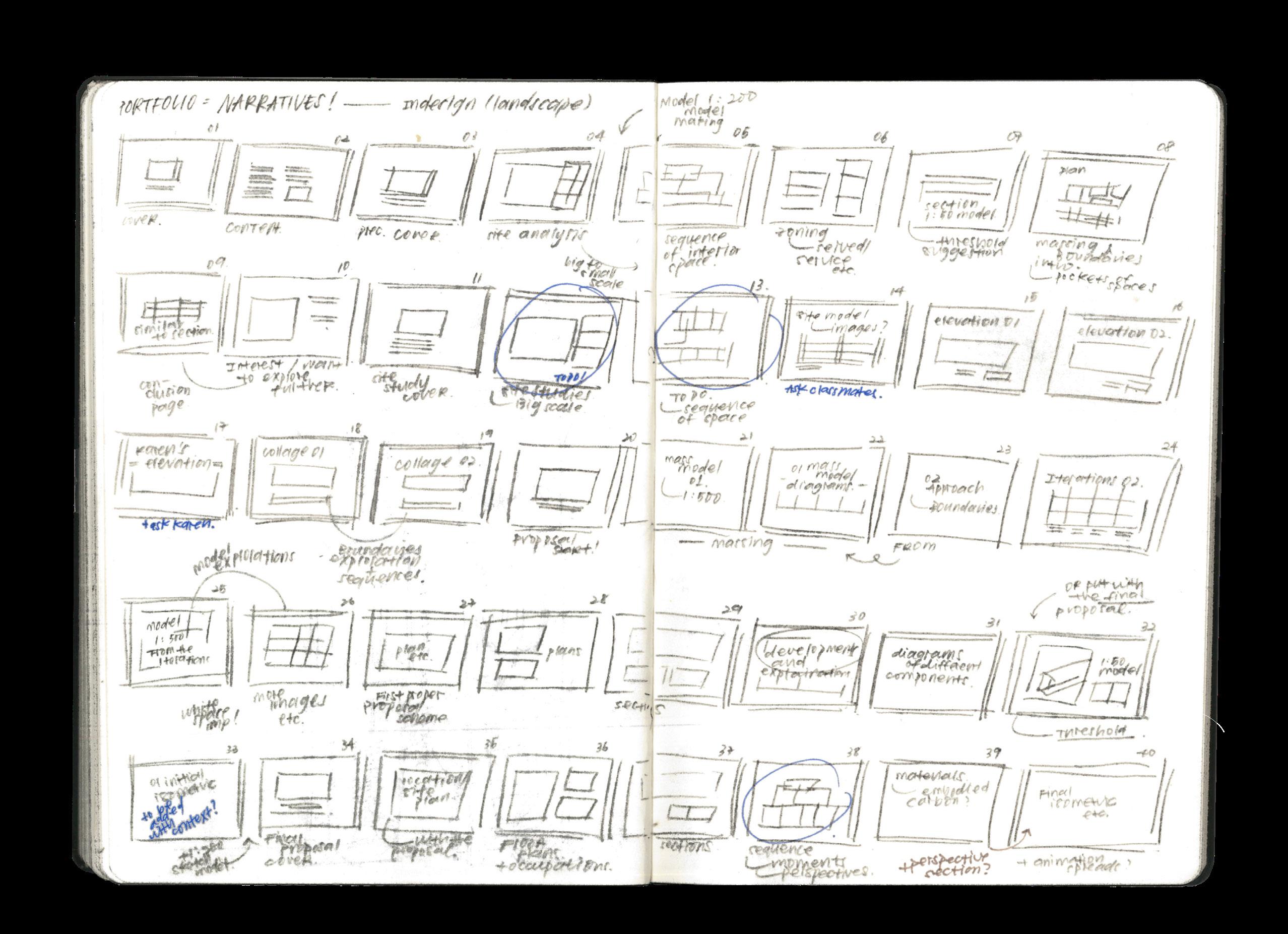
Process - Storyboard
Animation Portfolio Storytelling
Looking back at the various stages from the start, process development has been a big part of my final proposal therefore this portfolio and the animation would be emphasis mostly on how I was able to progress from the start to final proposal. I want to make sure that there is a very direct linear link of my thought process throughout everything.
Therefore storyboarding has been a very important element in creating and portraying everything.