Any Place
Semester 2 2023-2024
Zi Qian Caroline Chan S2407599
Complexity offers Possibilities.
Communal, Sophisticated and
Modular
Semester 2 2023-2024
Communal, Sophisticated and
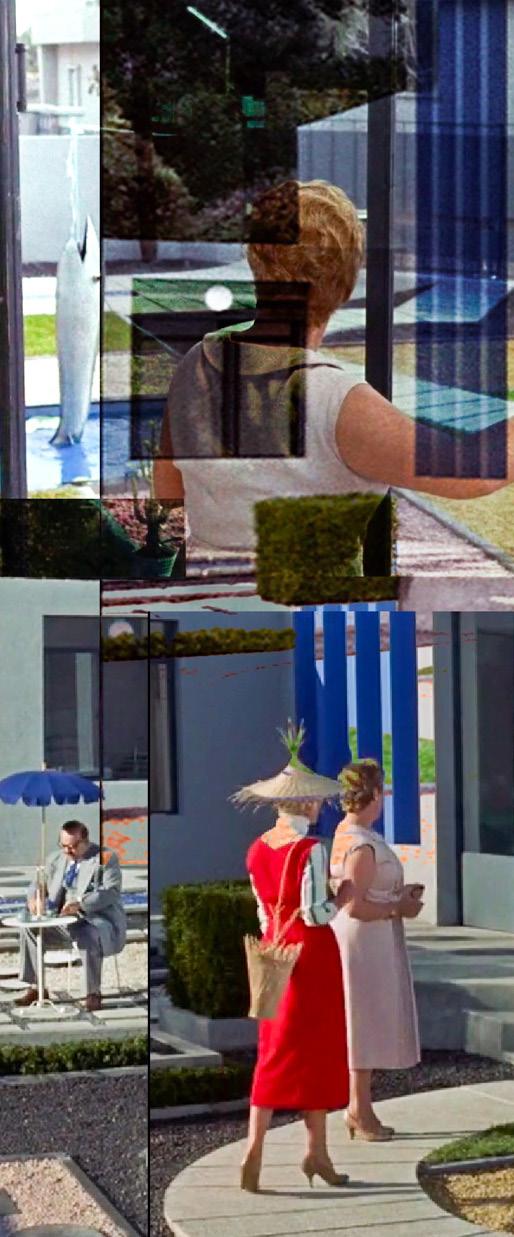
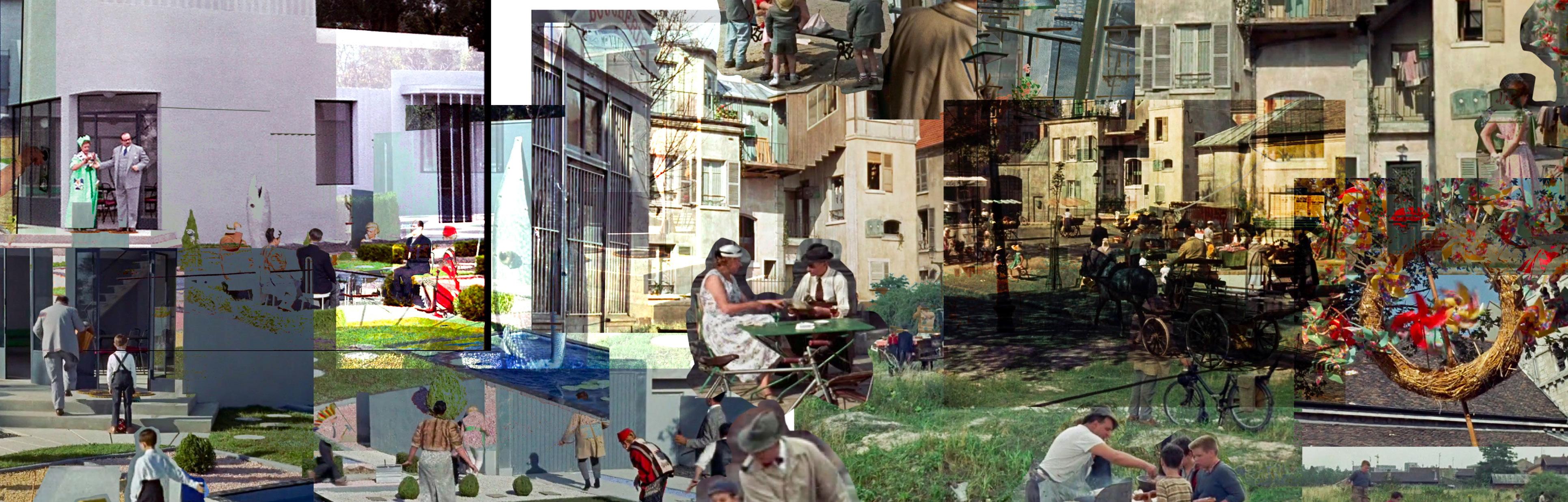
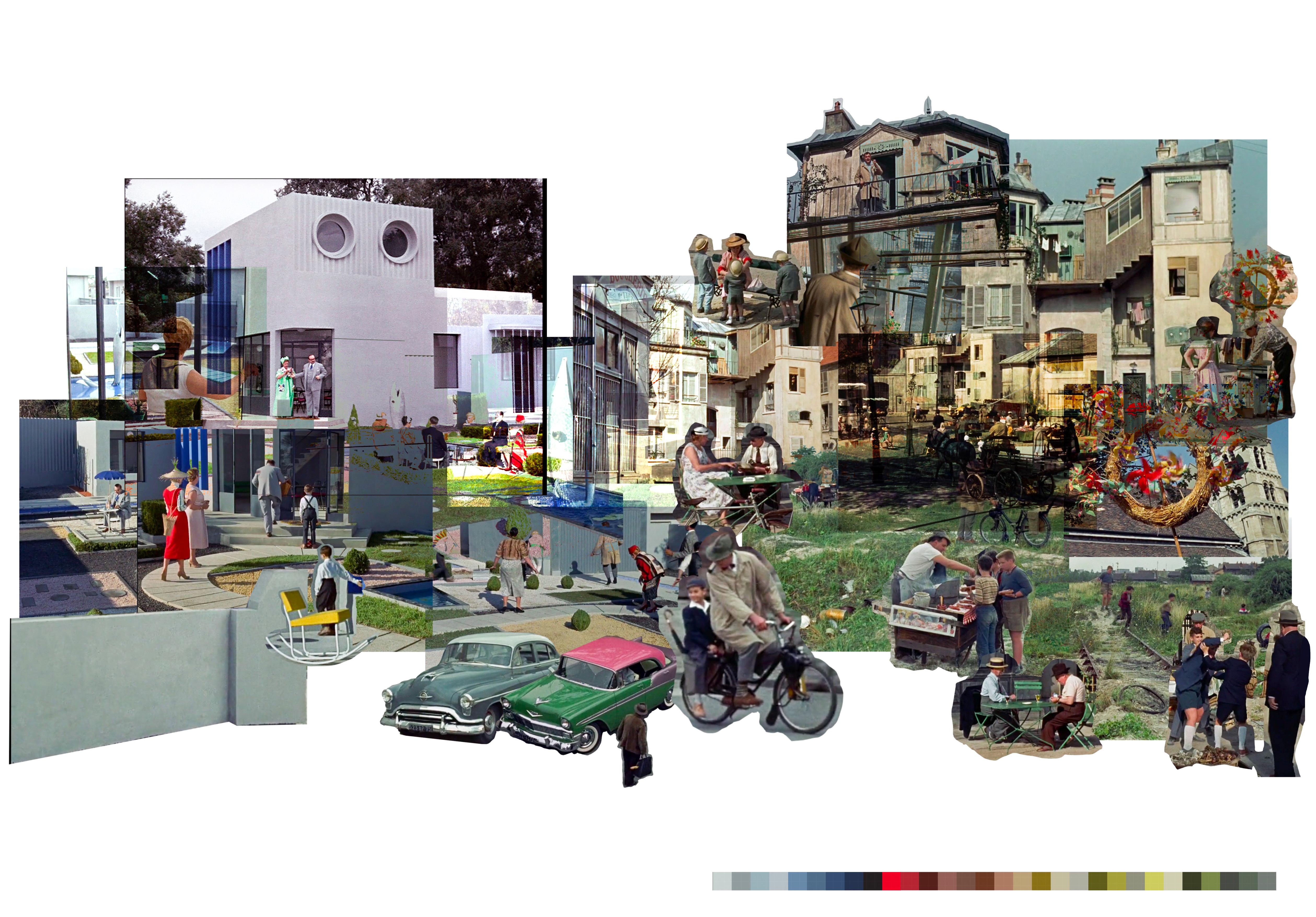
A classic gem of amusing cinema, Jacques Tati's 1958 picture ‘Mon Oncle’ combines sharp social critique with his signature visual wit.
Amidst the emerging modernity of post-World War II France, the movie presents a quaint and amusing examination of the conflict between tradition and advancement. Through the eyes of Monsieur Hulot, Tati's lovable bumbling protagonist, 'Mon Oncle' transports viewers to a universe in which the peculiarities of daily existence reveal more profound realities about interpersonal relationships and societal transformation.
'Mon Oncle' is still a beautiful example of Tati's distinct cinematic style, with its painstaking attention to detail, hilarious slapstick humour, and insightful observations on the human condition.
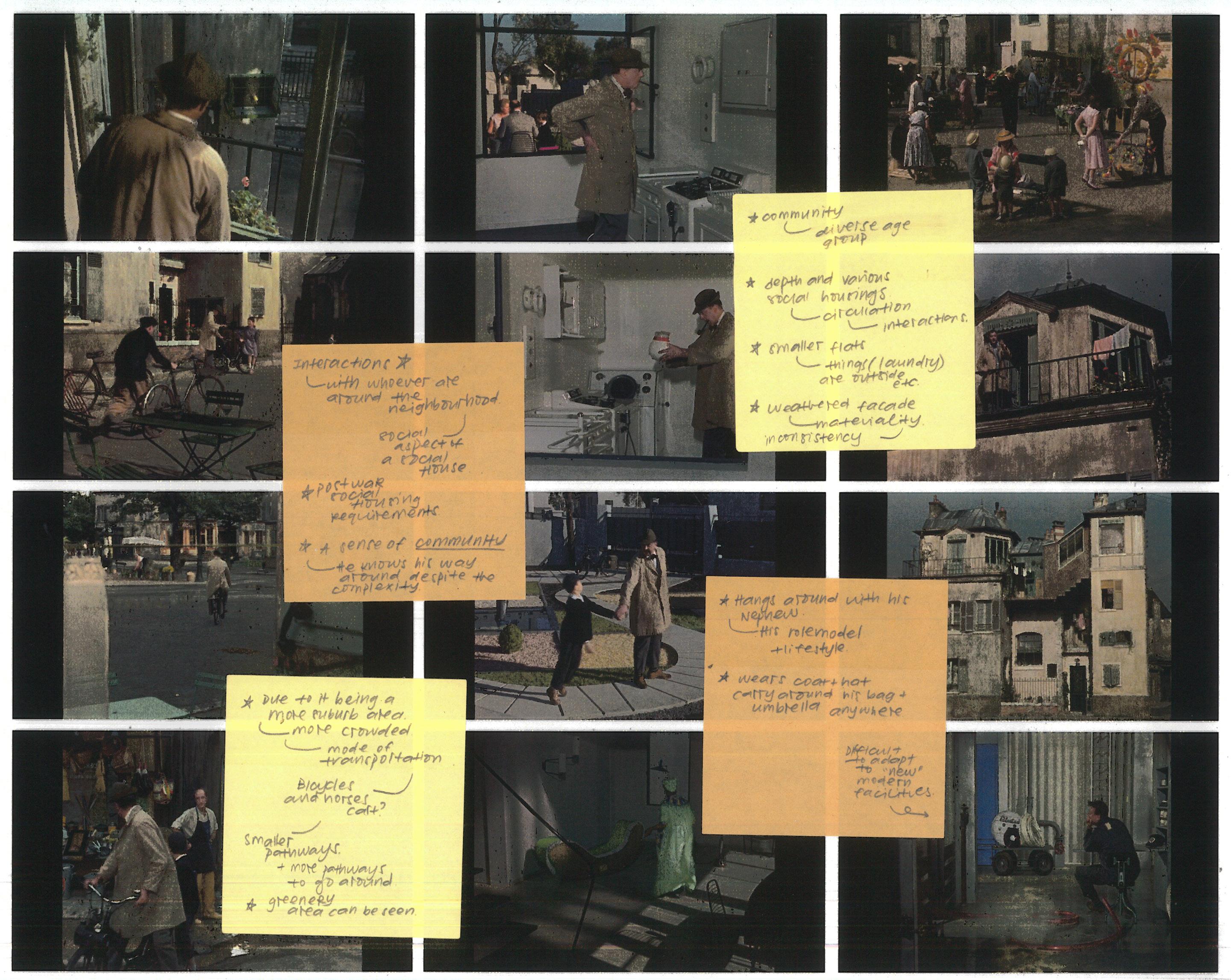
Character Analysis
Chosen character: Monsieur Hulot
The film itself is a reflection and criticism to French’s postwar architecture which is portrayed through Monsieur Hulot’s daily life routine. It offers a sad remark on the age-old struggle to find purpose and belonging in a society that is changing quickly.
Hulot traverses the modern world with a bewildered detachment, his unique walk, pipe, and trench coat; he frequently finds himself at conflict with the social standards and technical achievements of the time. Hulot has a sweet and gentle personality that makes him likeable to both the movie’s protagonists and viewers in spite of his seeming awkwardness and incapacity to adapt to the fast-paced urban setting.
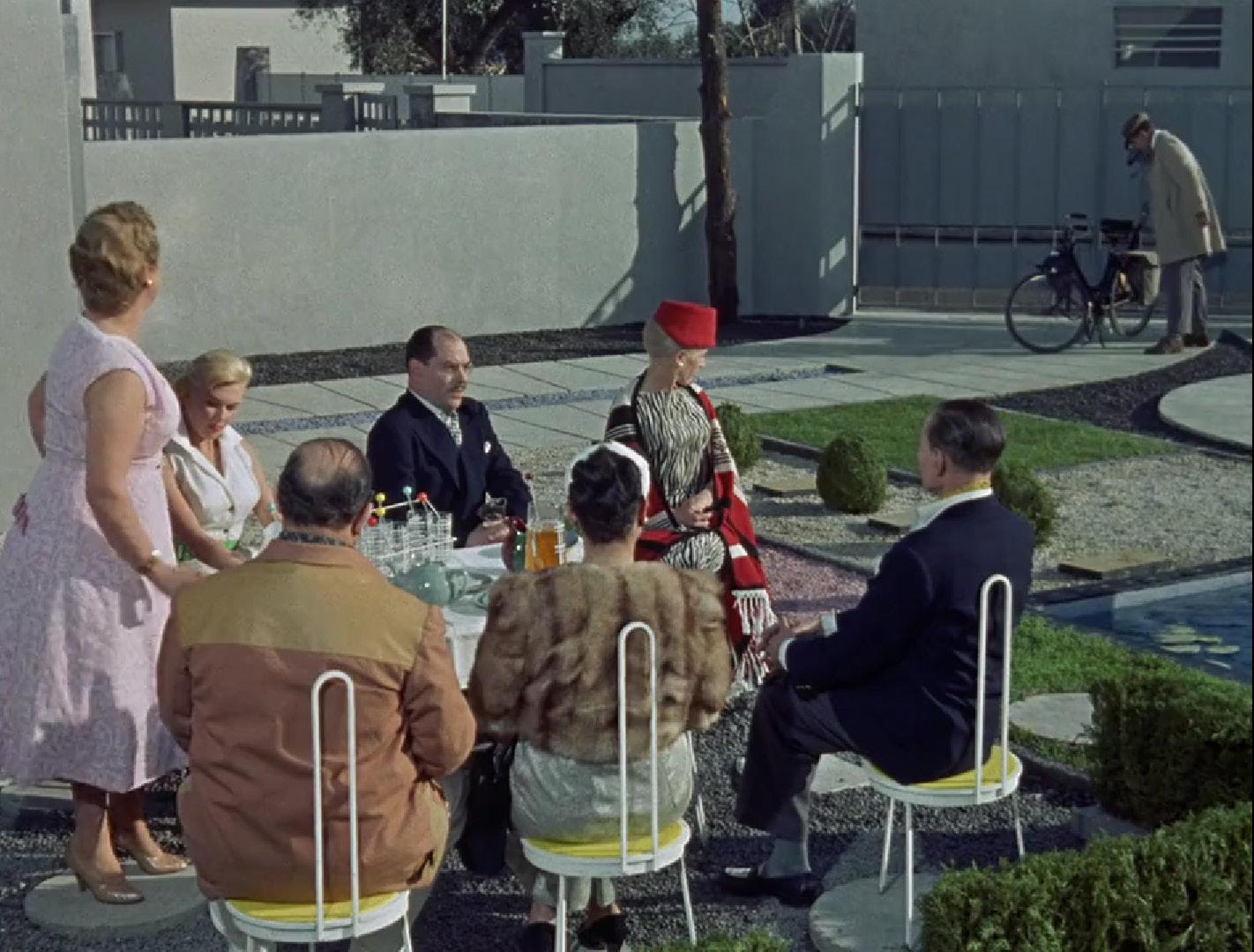
Tati uses Hulot’s relationships with his family, especially his sister Madame Arpel and her family, as a prism through which to examine the superficiality of contemporary urban life. Hulot’s presence disrupts the carefully manicured facade, exposing the ridiculousness and modernism that Madame Arpel is trying to hide from the world.
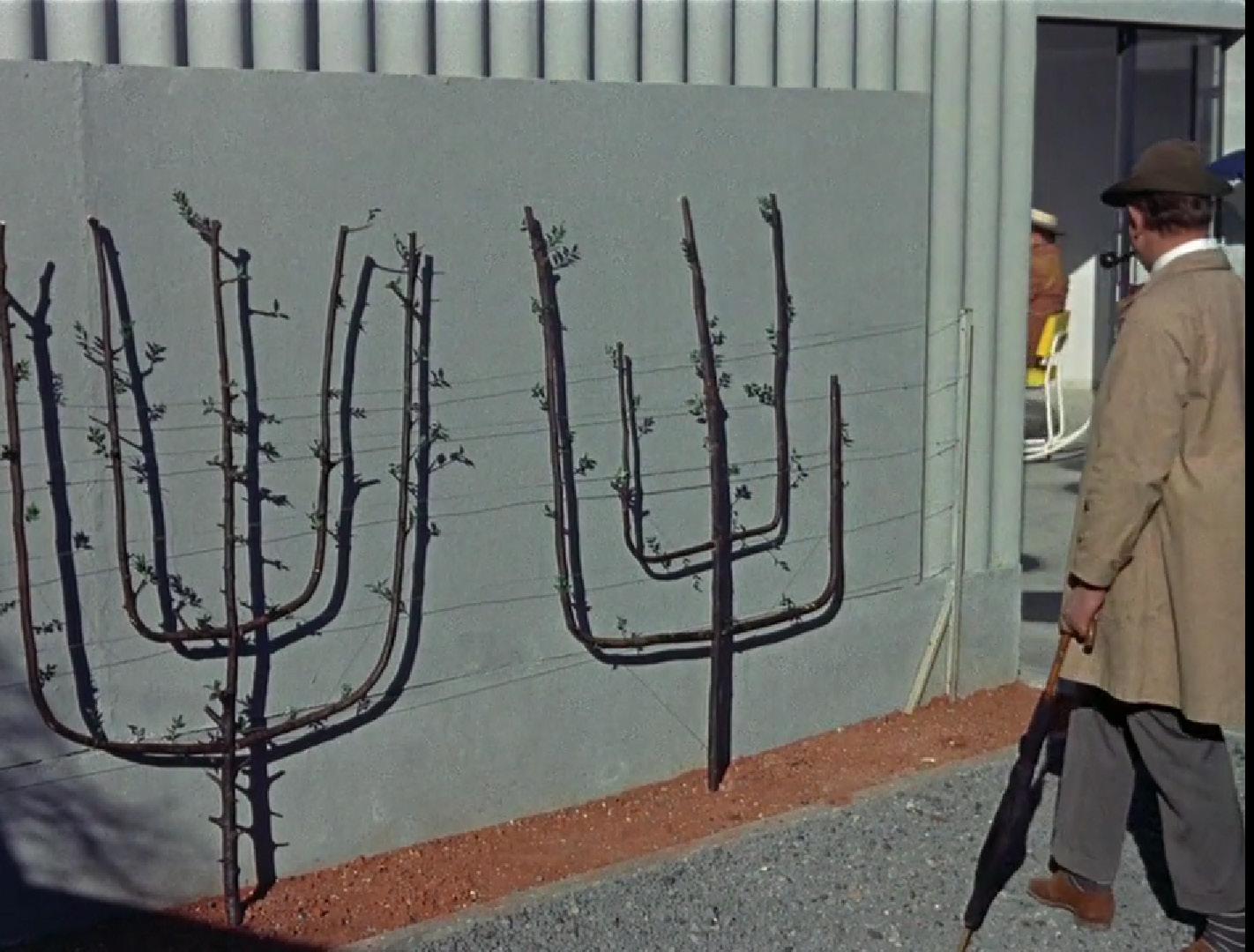
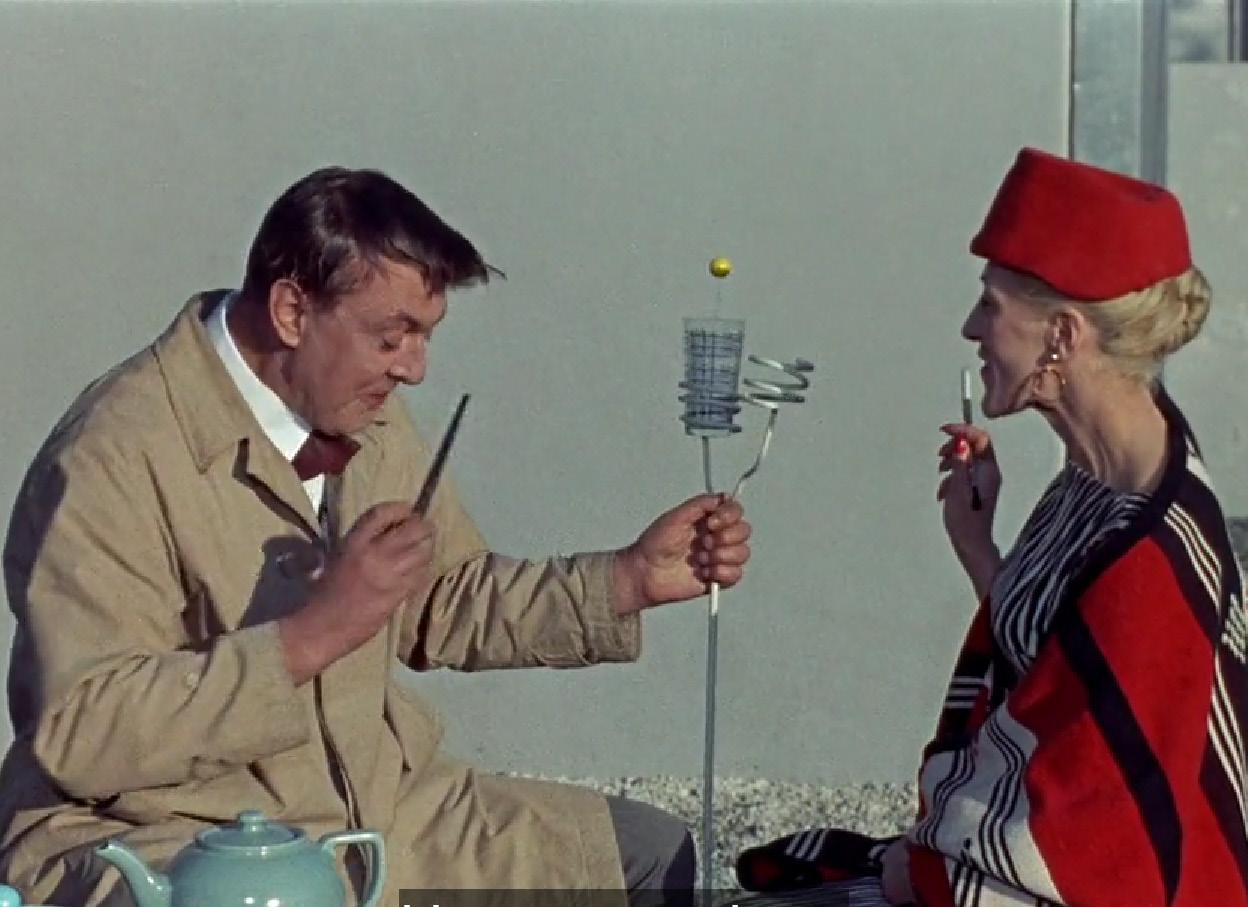
His persona communicates a genuine compassion and genuineness. Hulot is a reminder of the value of simplicity, spontaneity, and real human connection in an increasingly complicated and impersonal world, whether he’s playing antics with neighbourhood kids, spending time in connection with a stray dog, or just quietly observing the world. These are seen when he is around his Parisian flat neighbourhood.
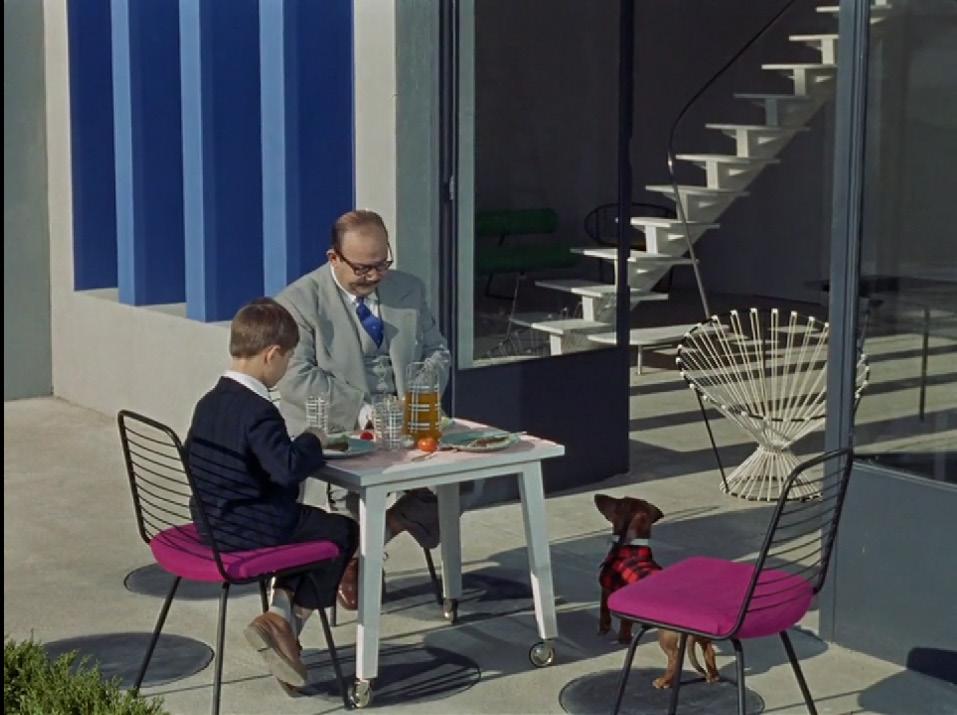
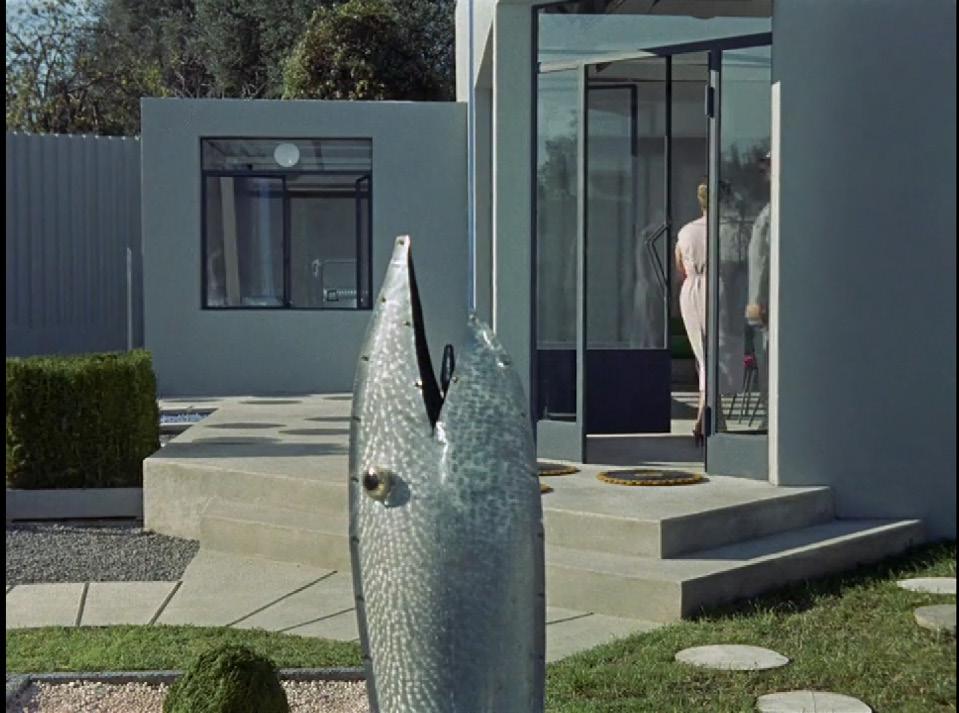
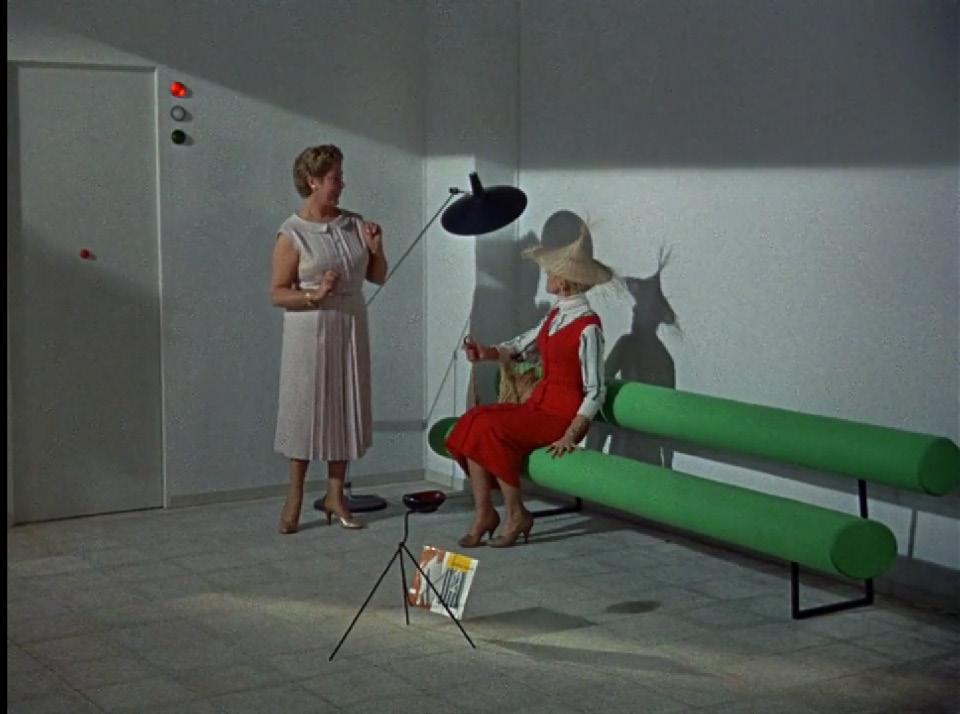
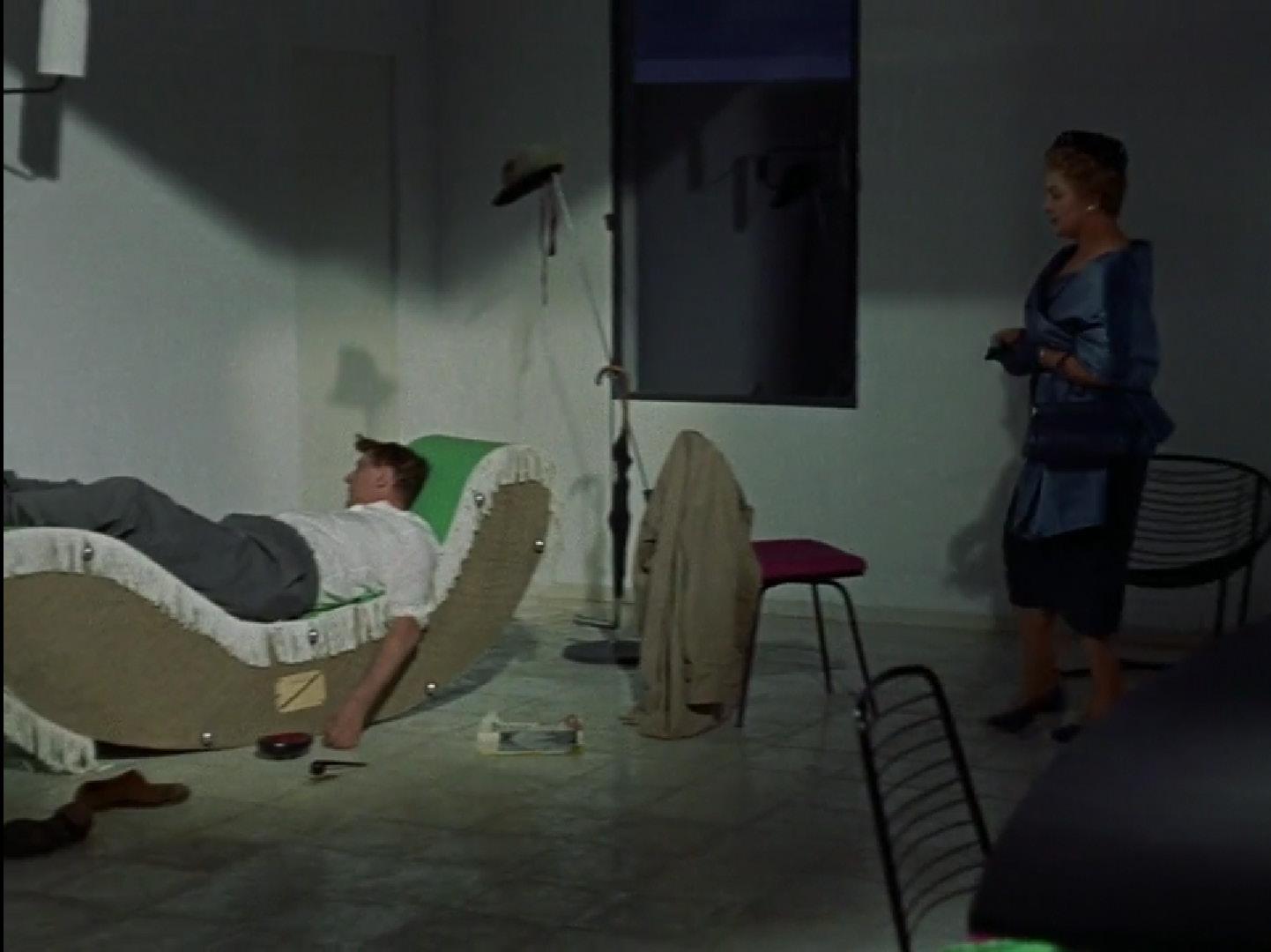
A “modern“ chair that portrays impracticality.

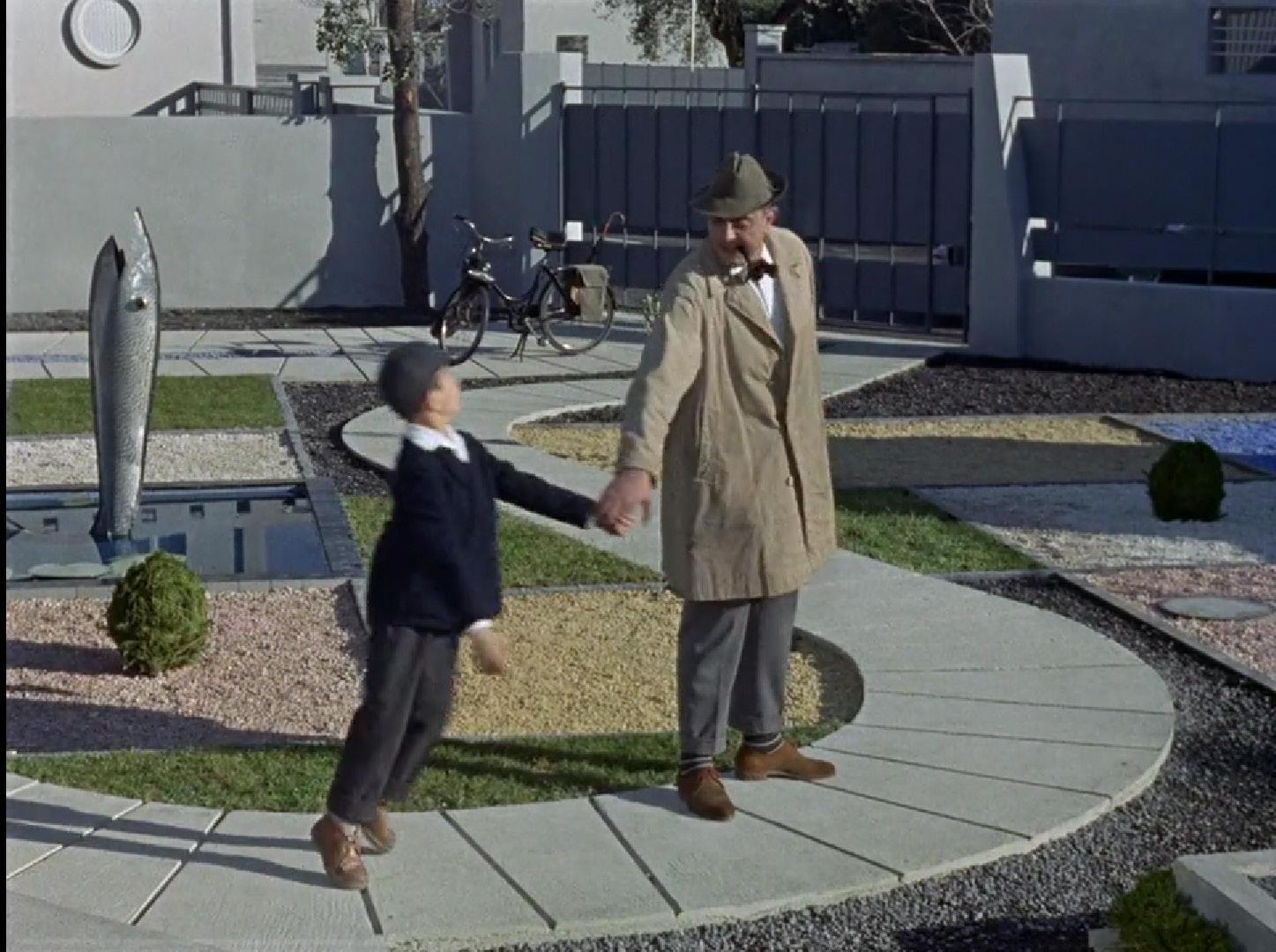
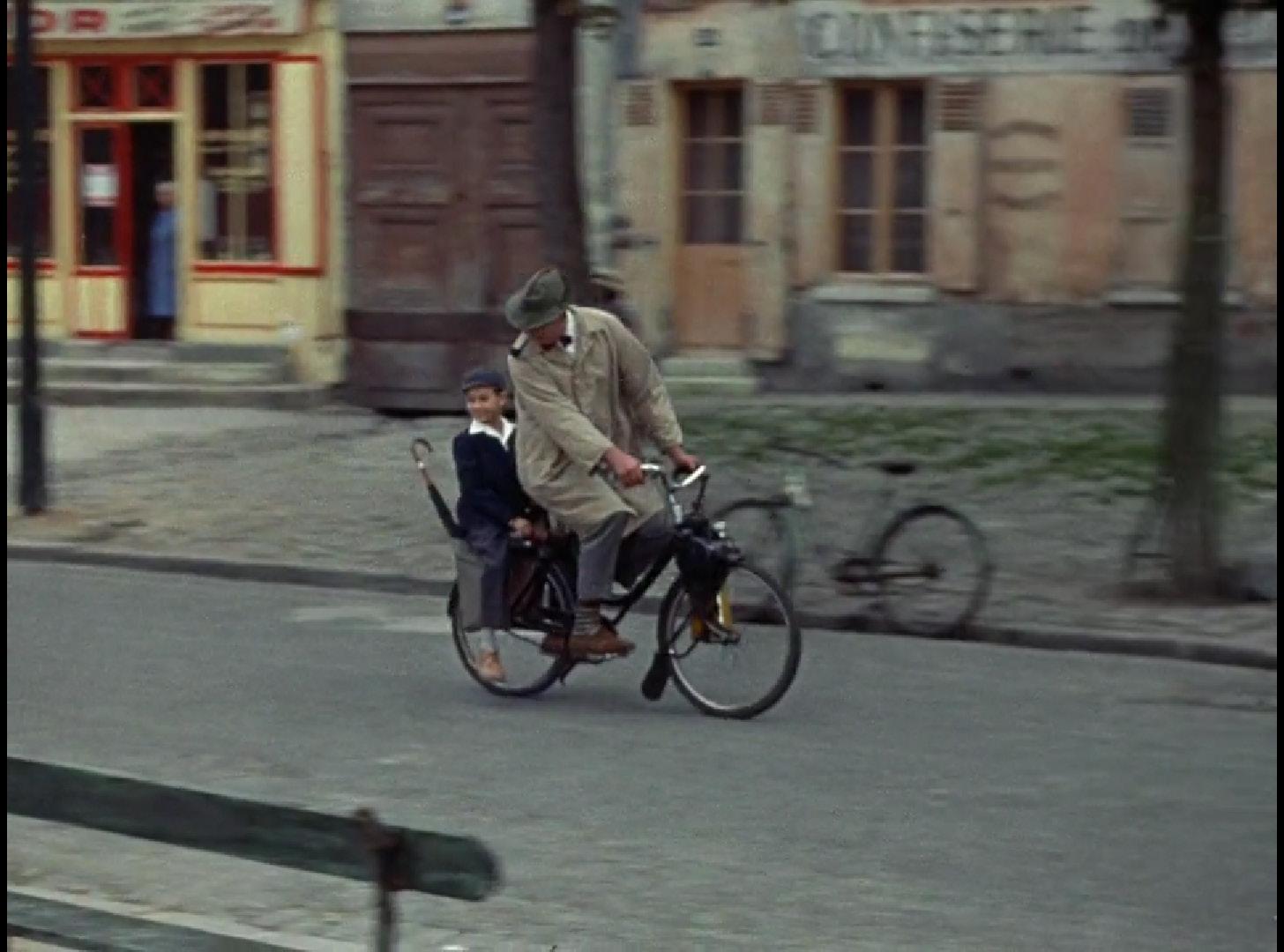
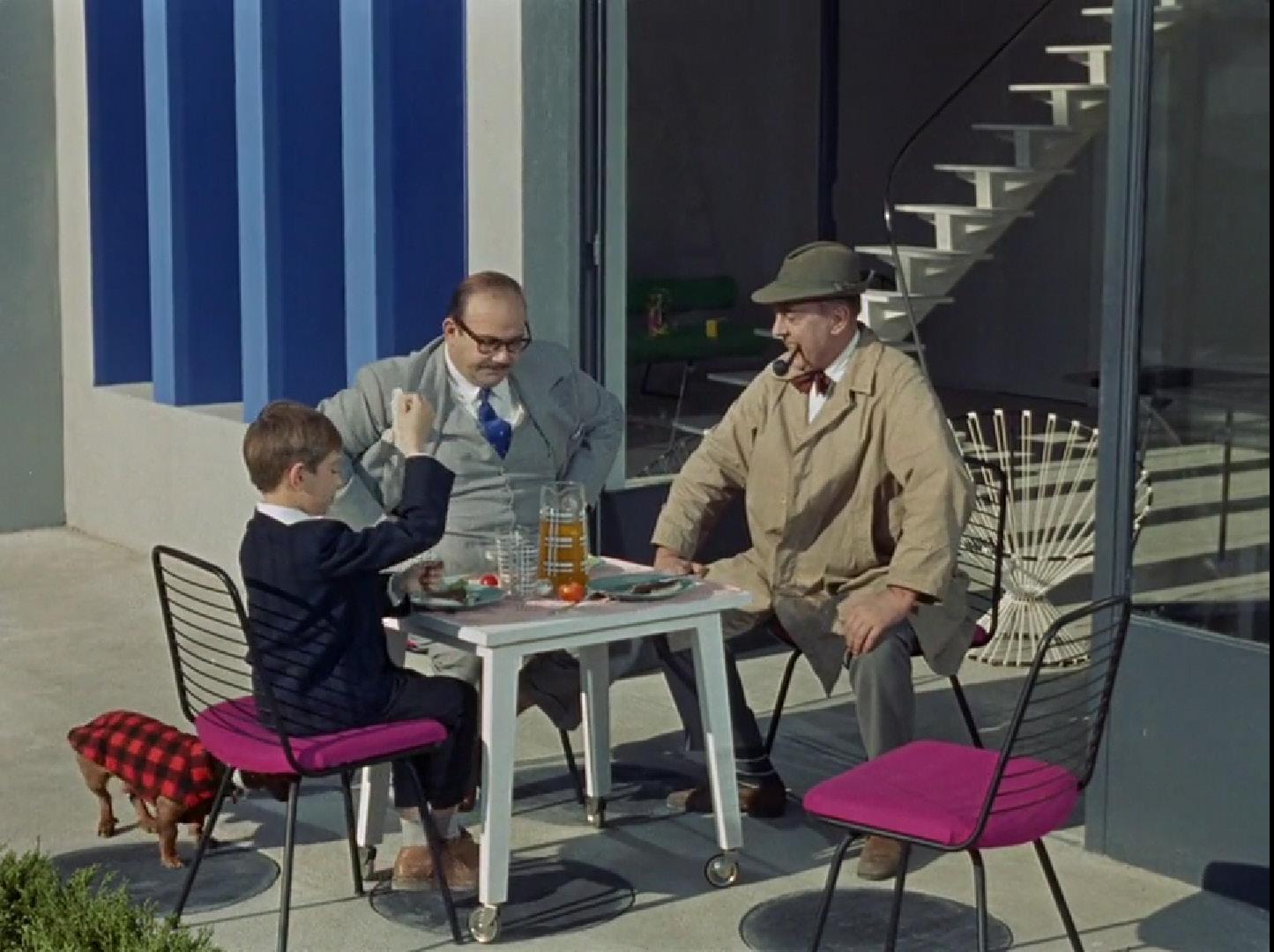
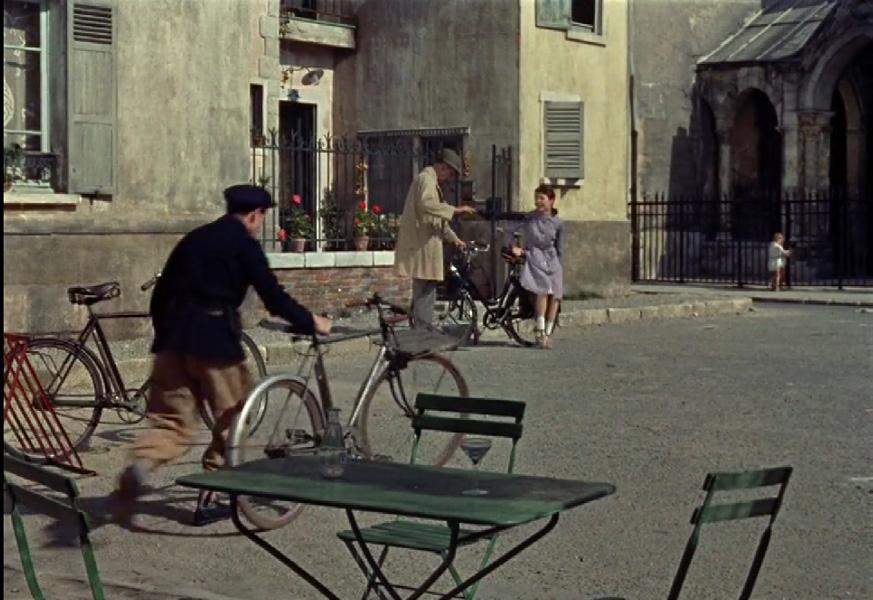
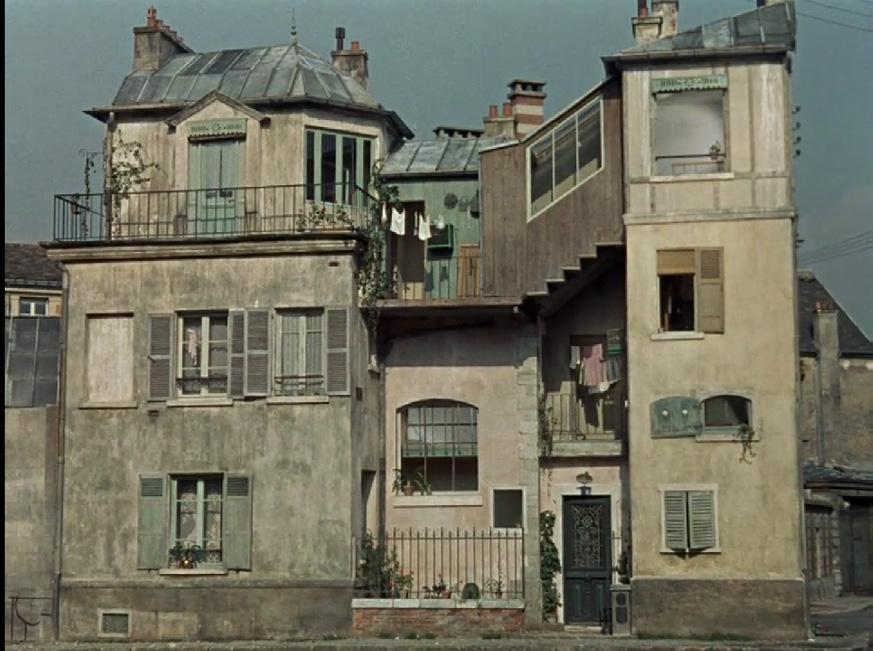
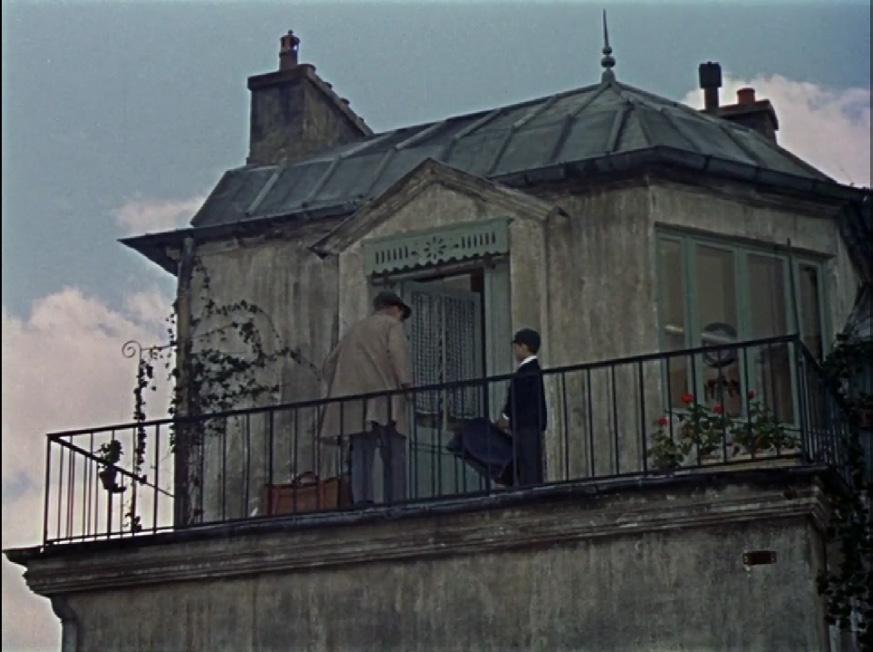
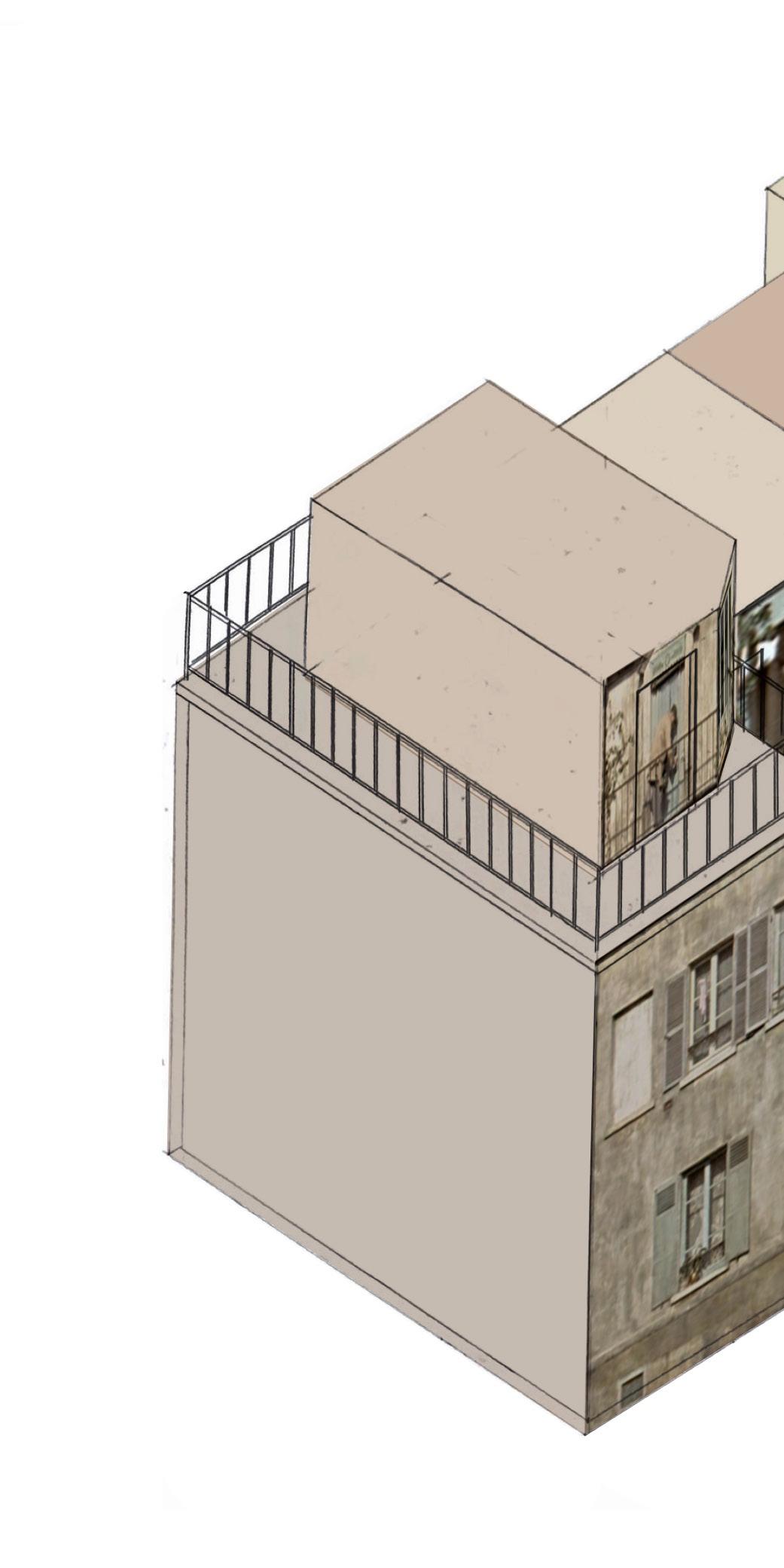
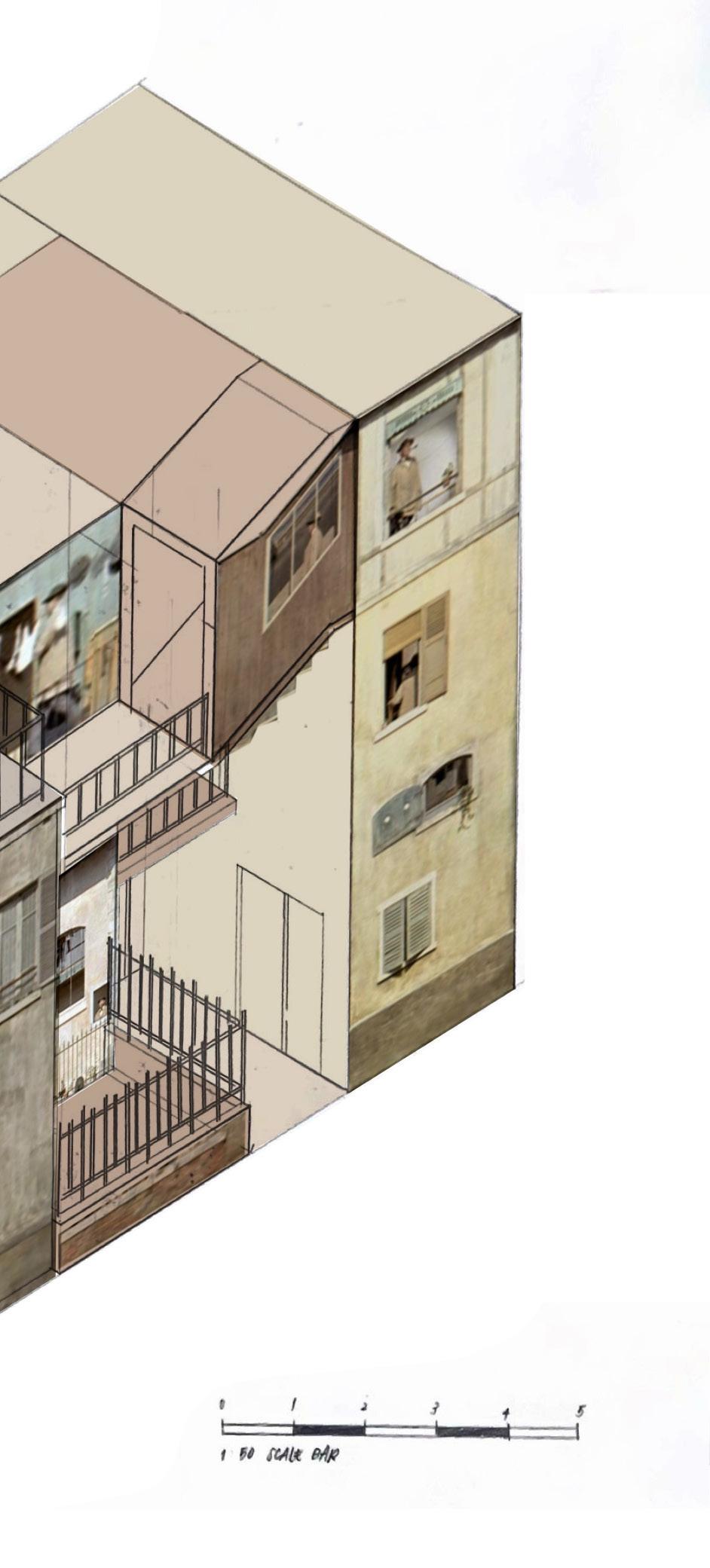
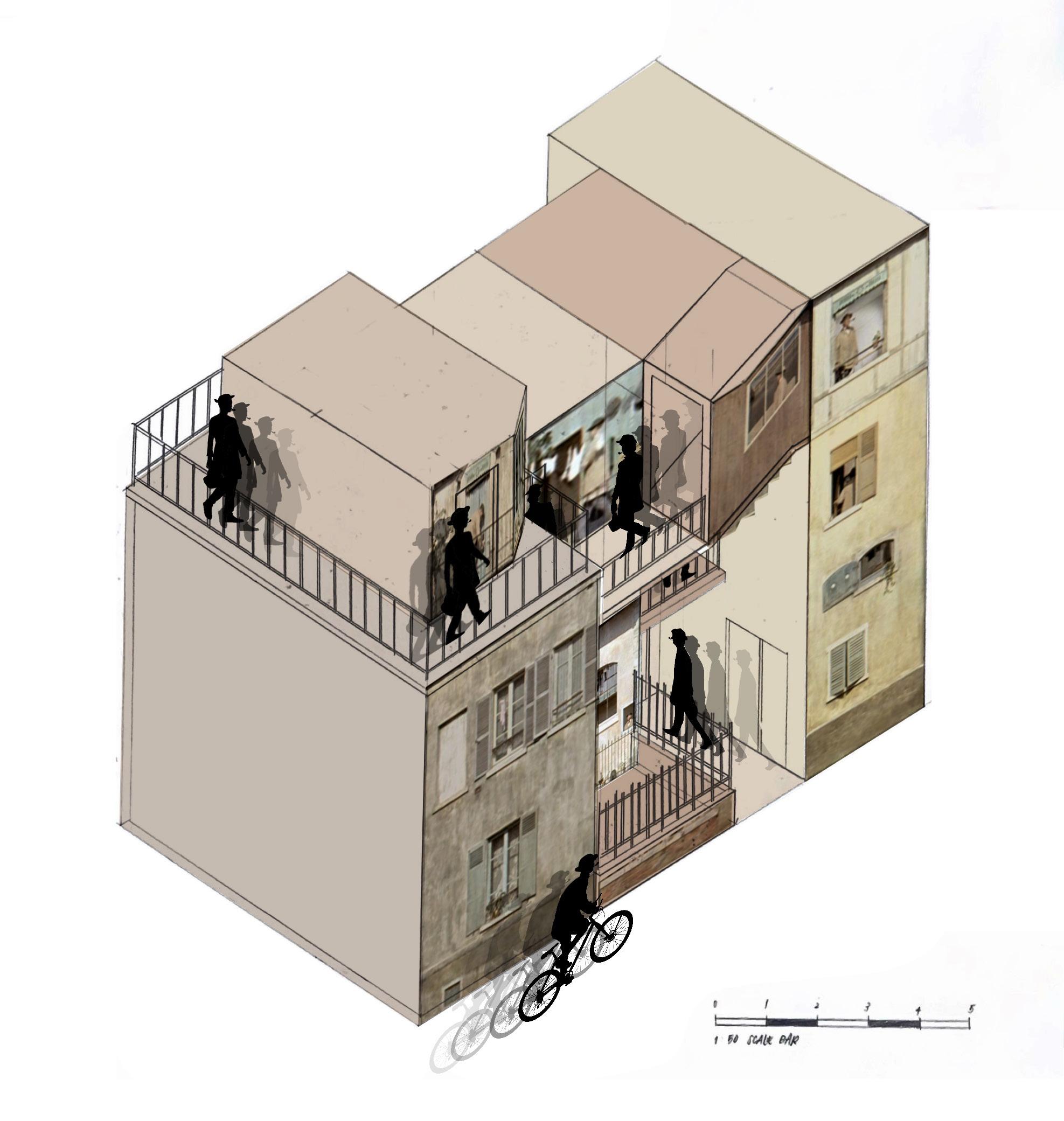
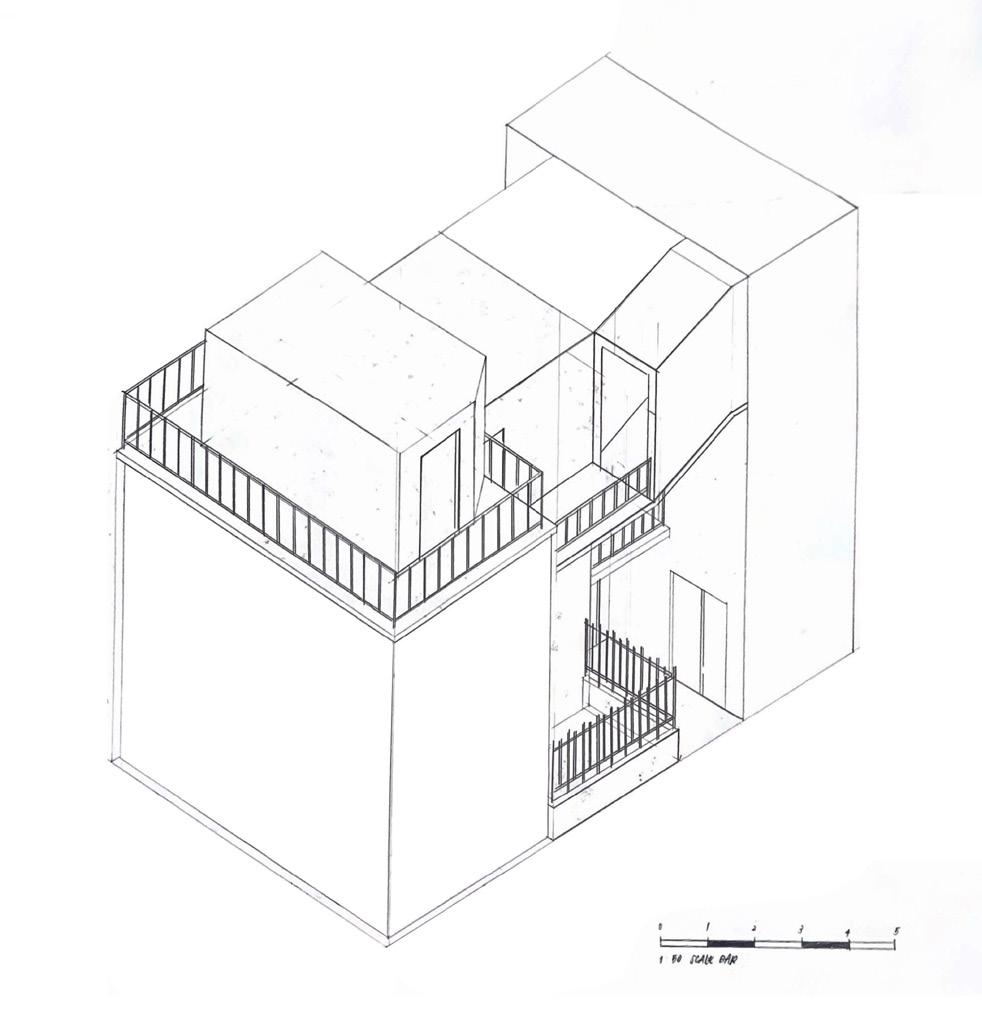
Monsieur Hulot’s Parisian Flat Analysis
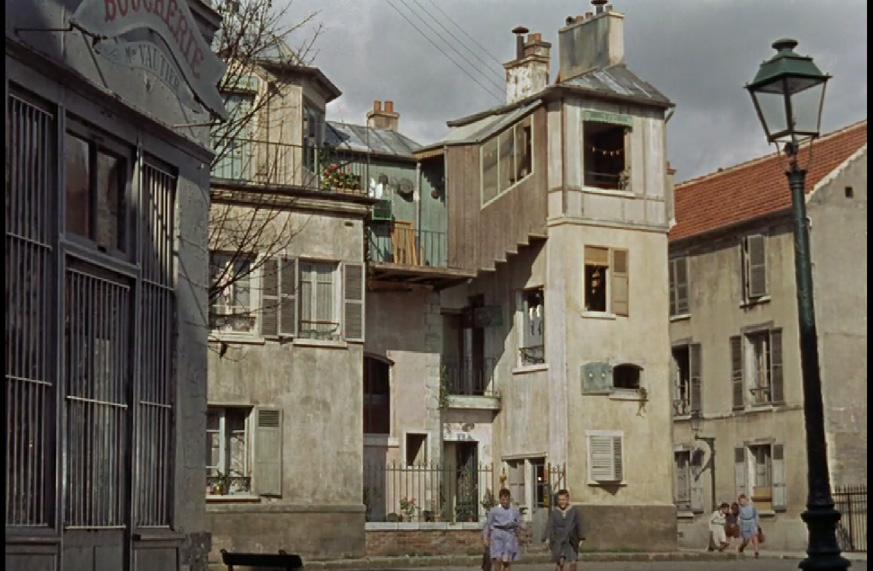
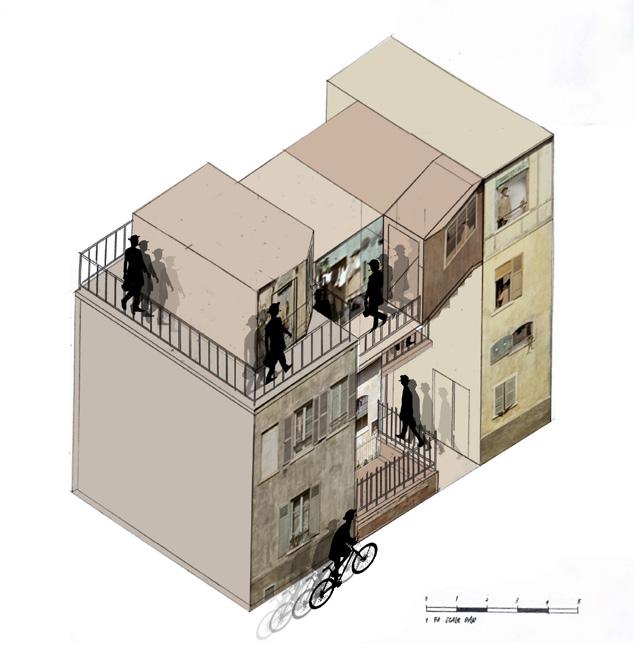
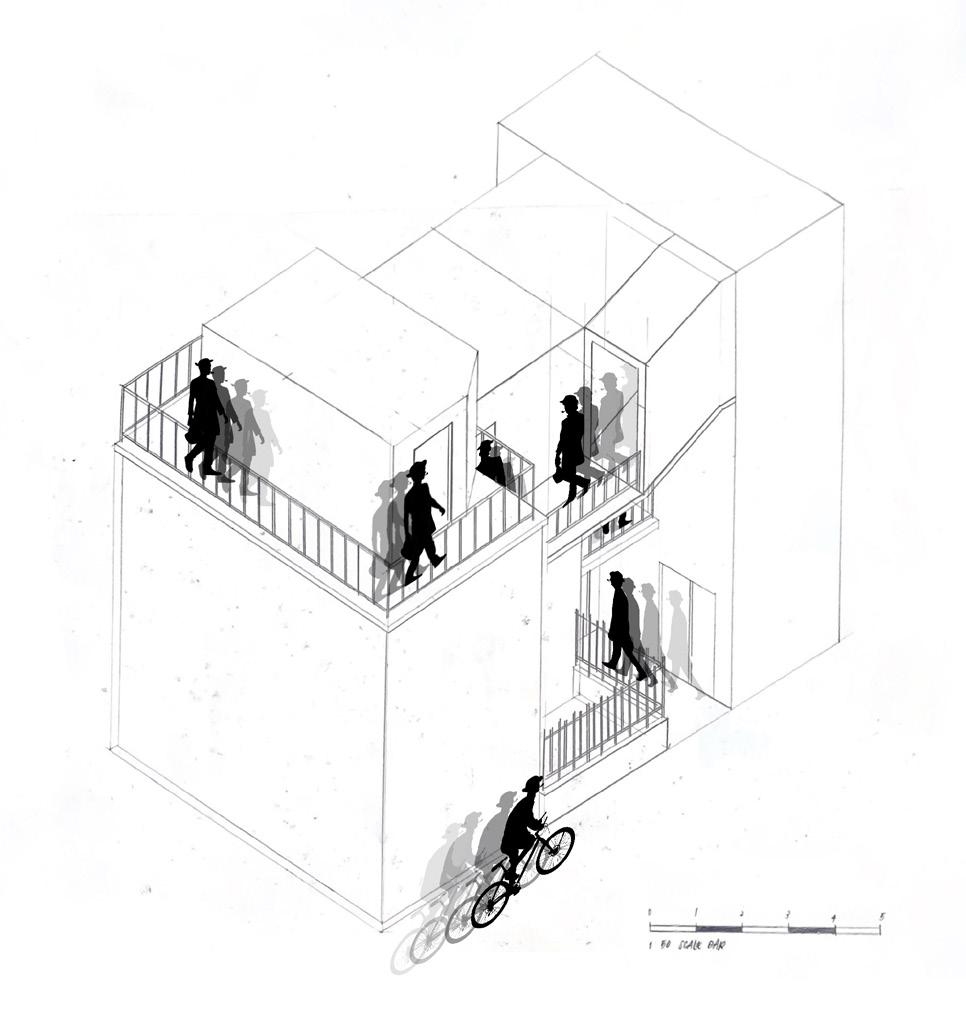
One of the thing that was the most intriguing watching the film was Monsieur Hulot’s movement around his Parisian Flat neighbourhood and especially at his own flat.
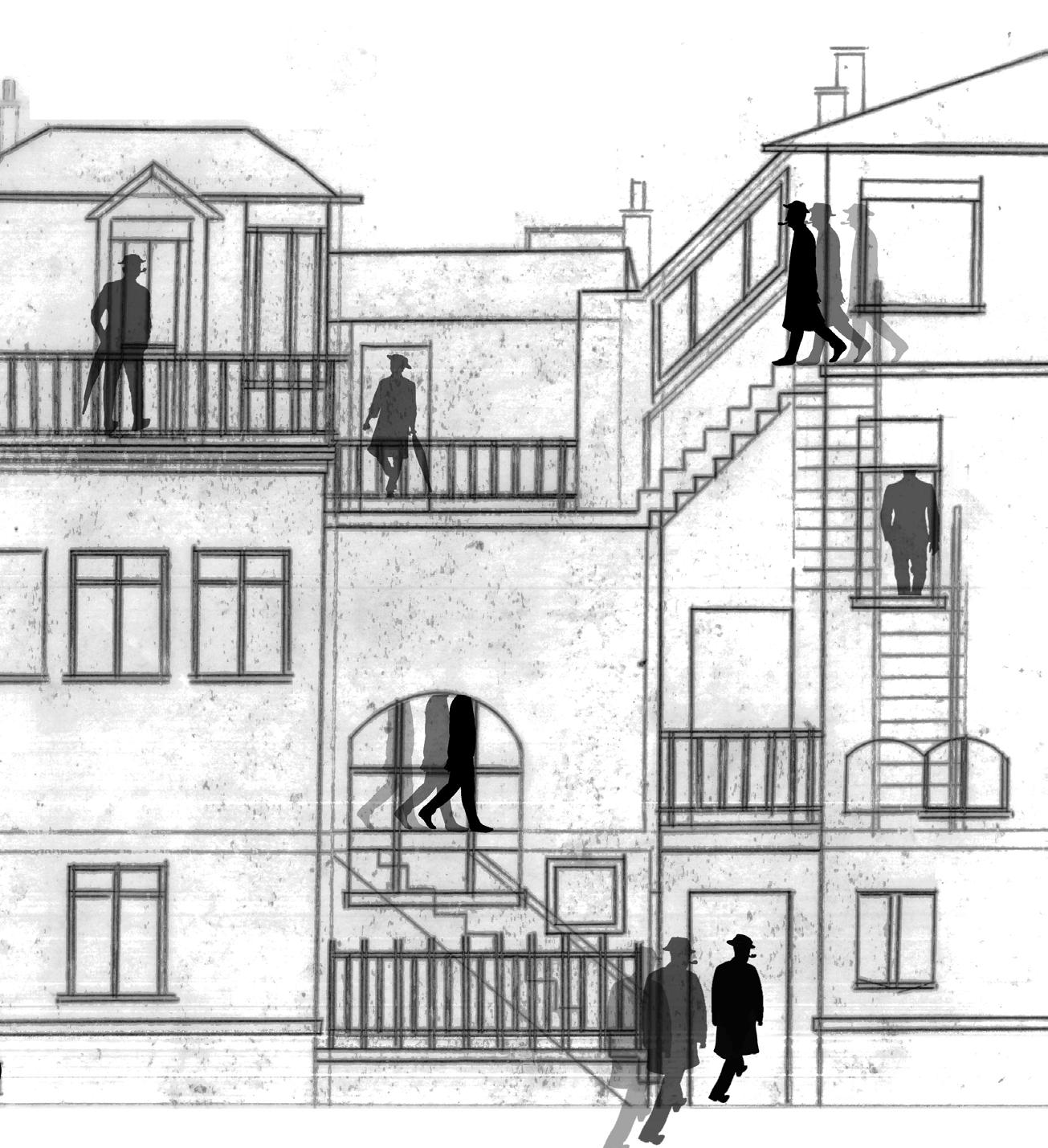
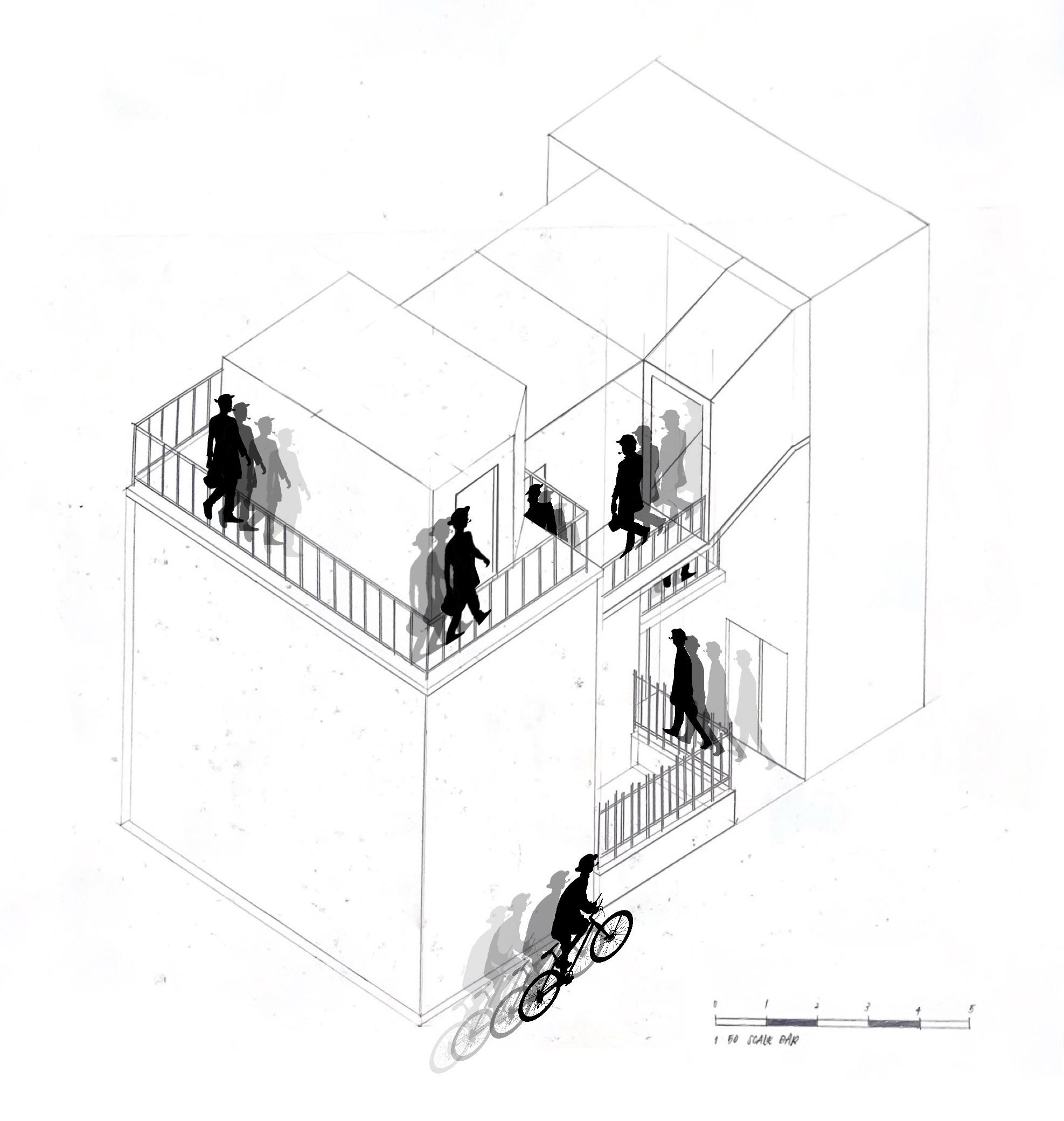
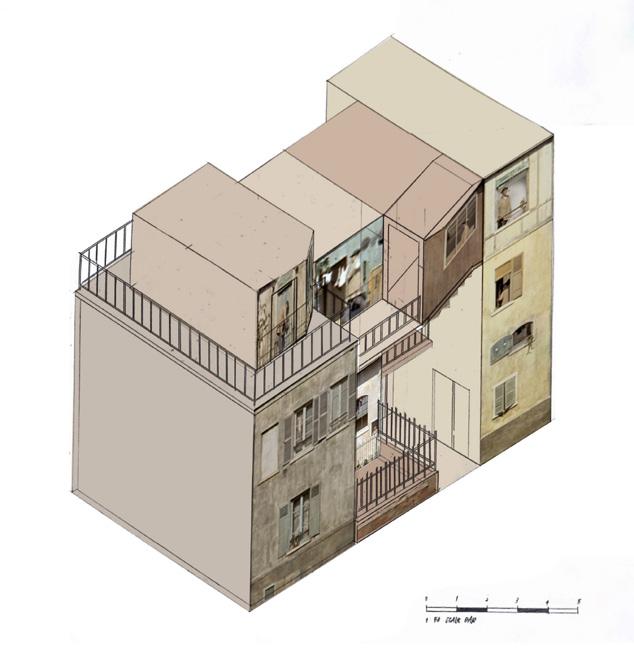
Firstly a movement diagram was made then a facade materiality diagram followed as the flat compromise of combined components that can be easily differentiate due to the colours of the facade which would be due to the different material and the different weathering process.
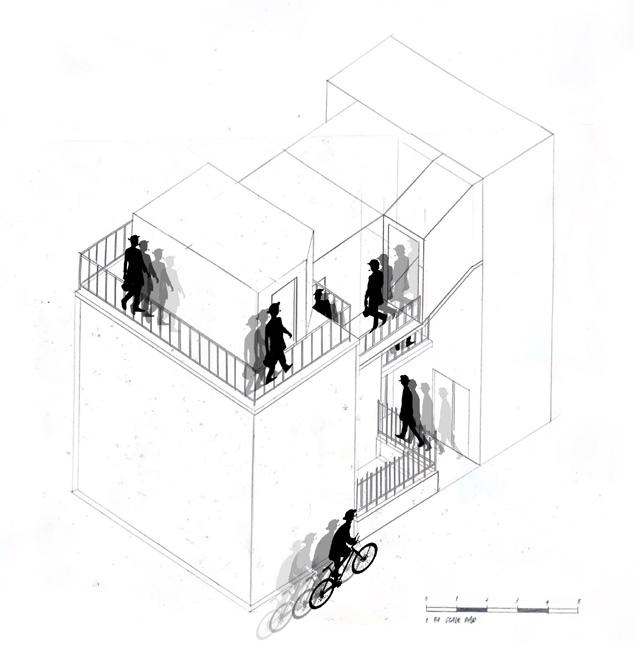
These movement diagrams starts to suggest circulation complexity.
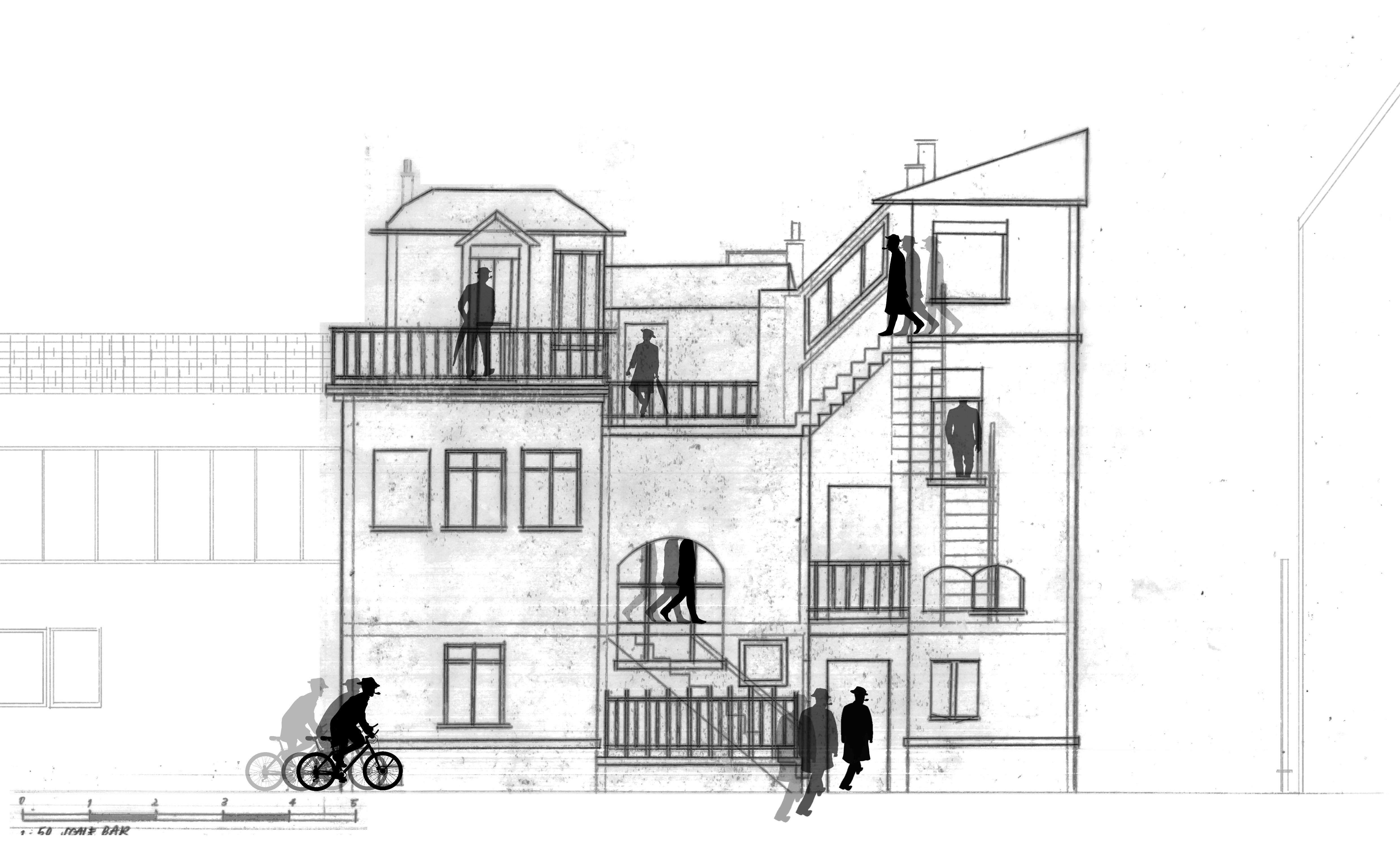
Parisian Social Housing - Openings diagrams
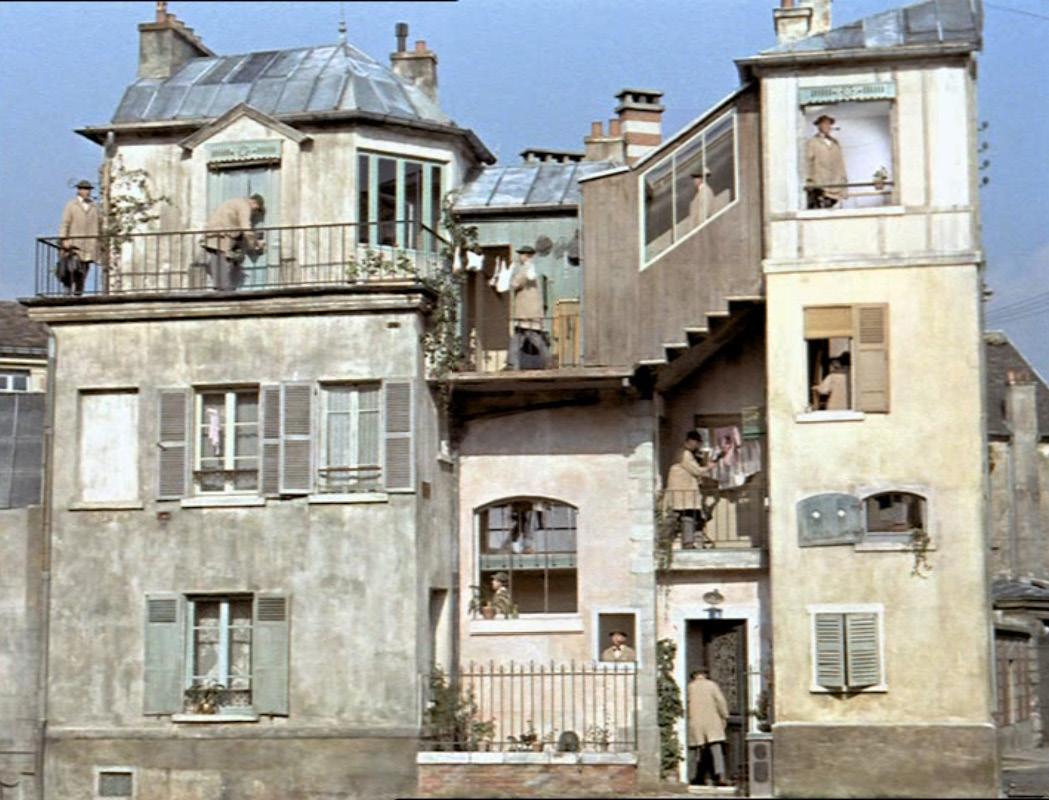
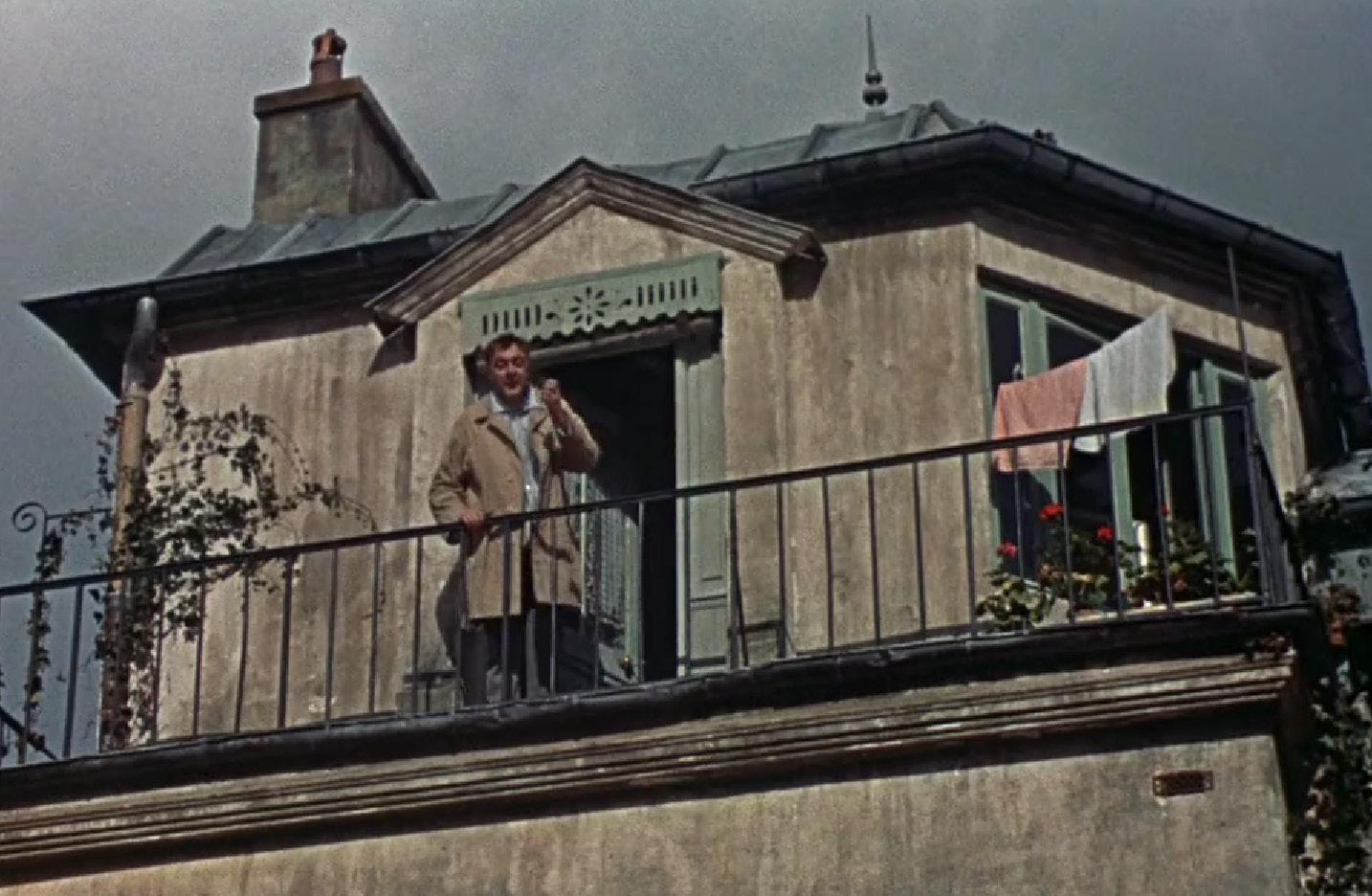
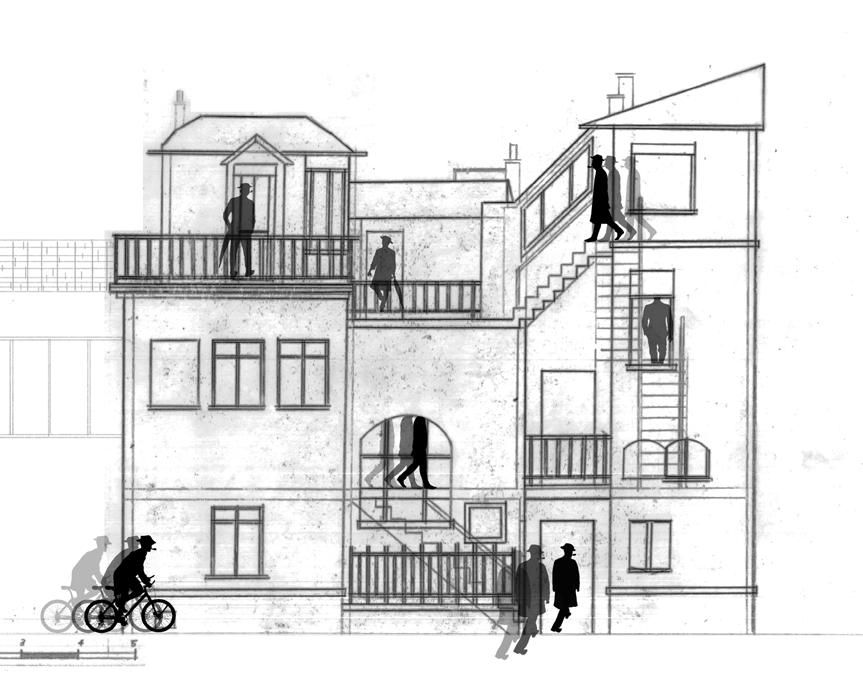
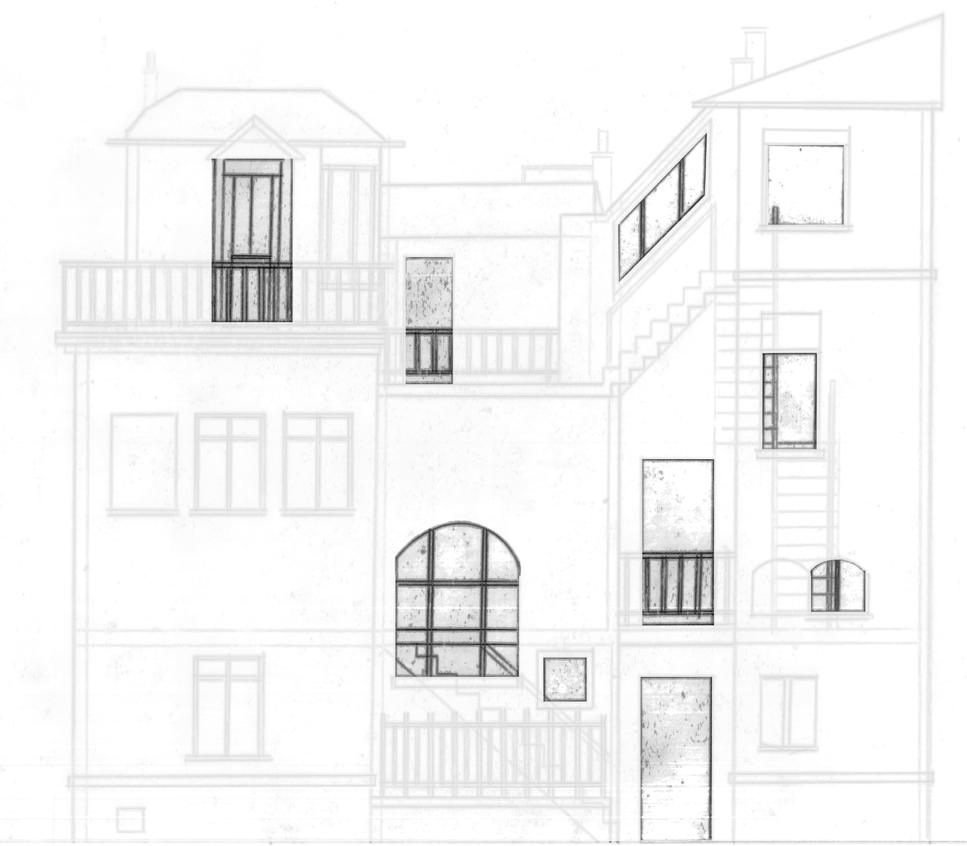
Along with the isometric diagram, the movement diagrams are assisted by the elevation movement diagram which was created directly based on the film part that showed how Hulot’s get through to his flat from the ground floor.
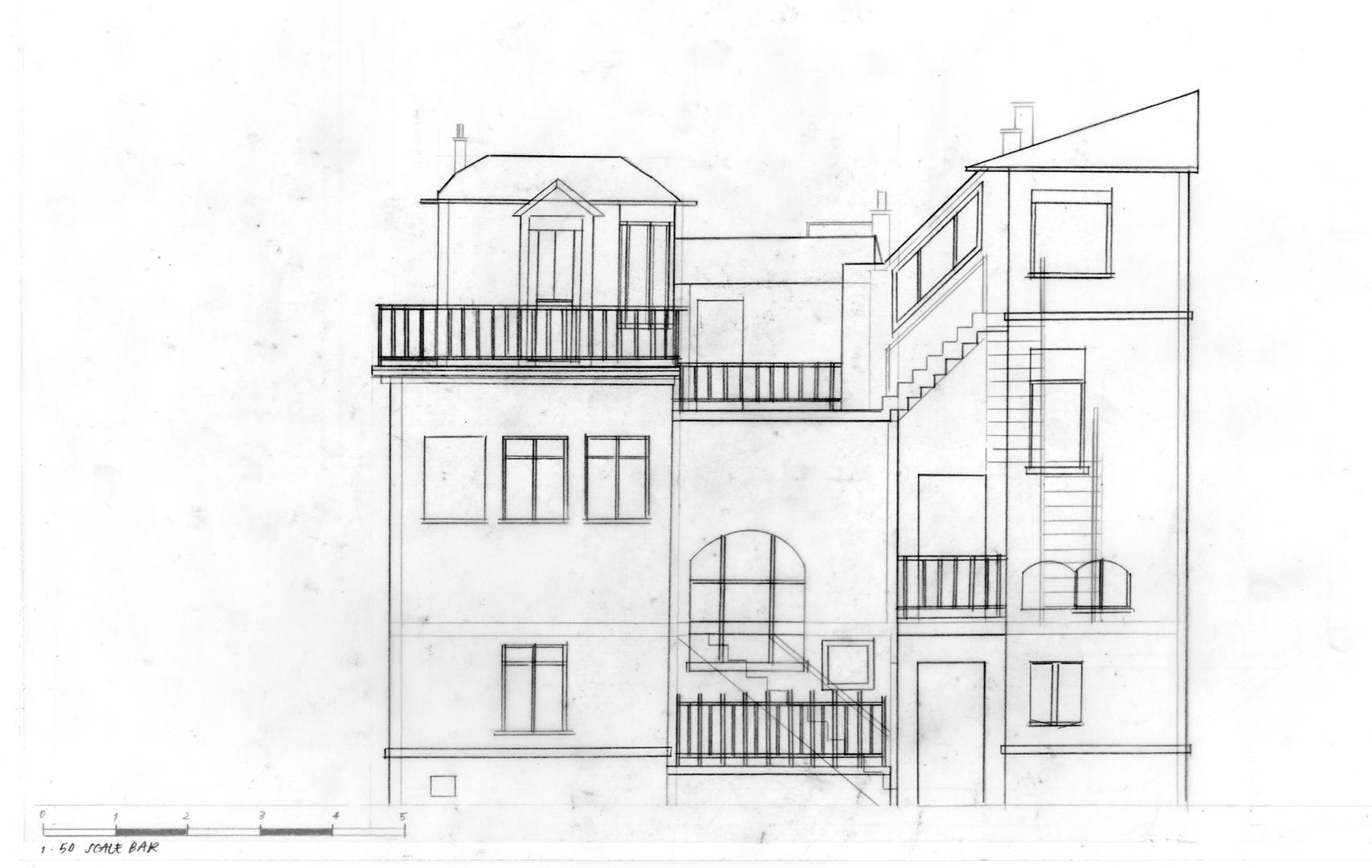
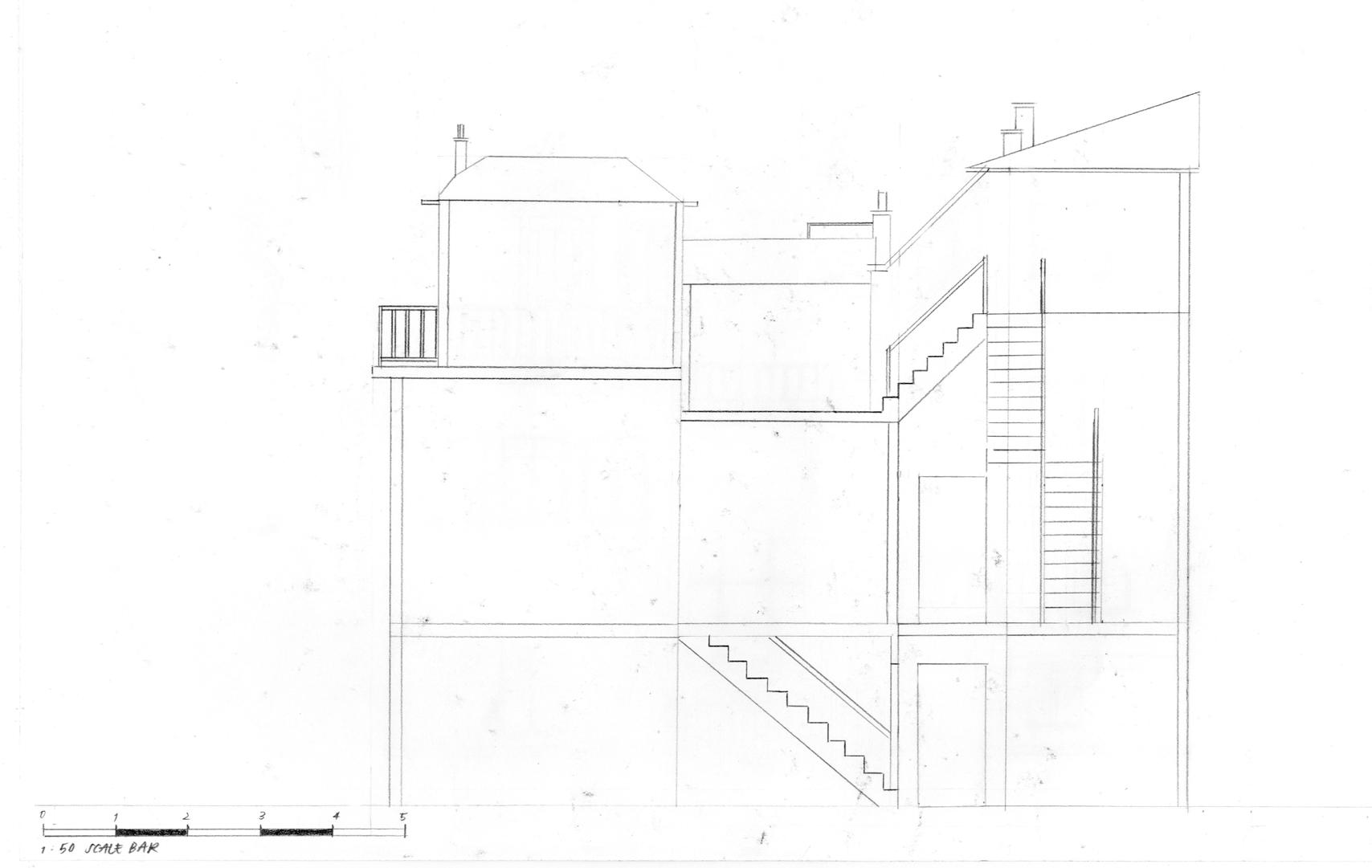
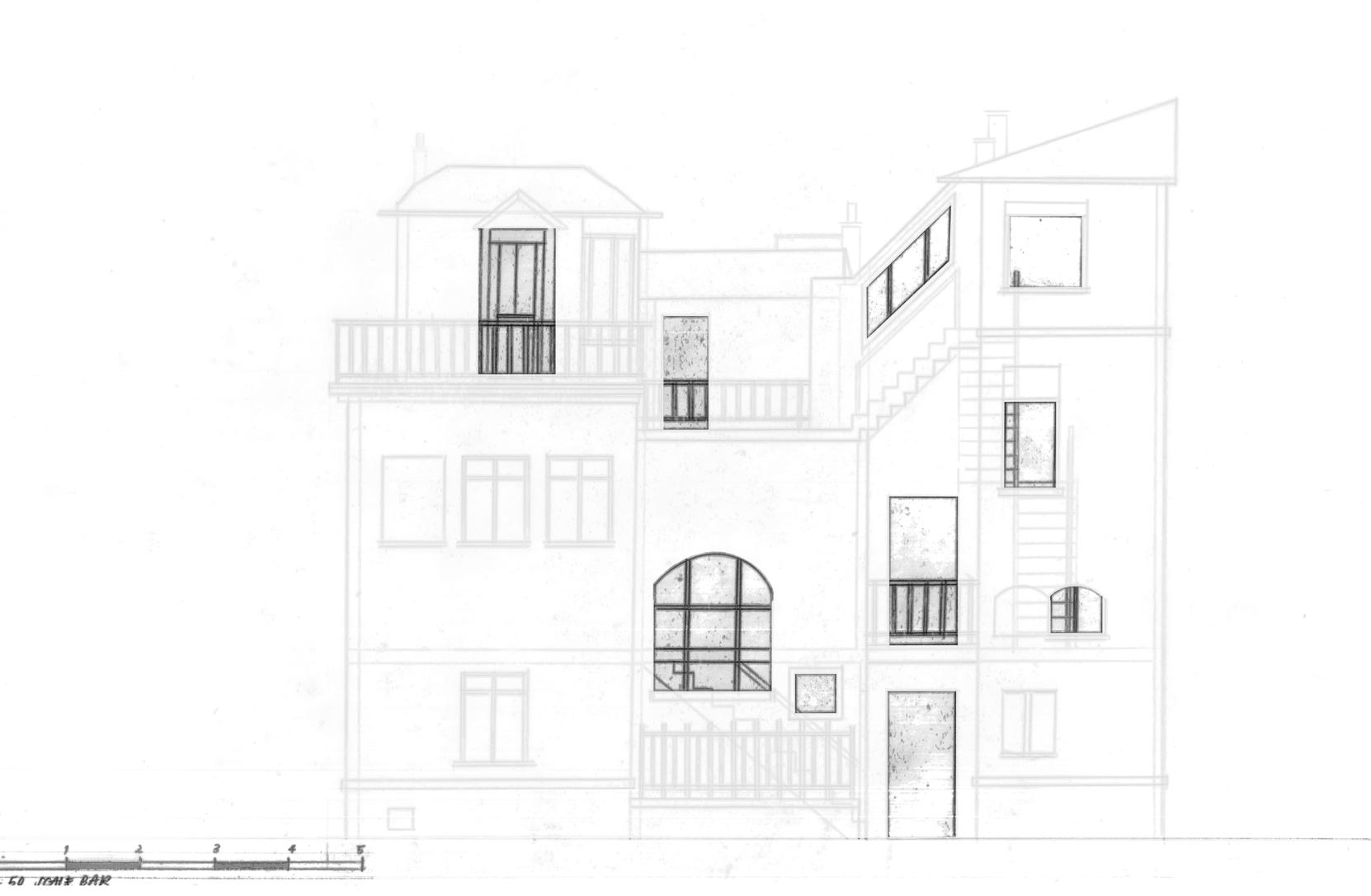
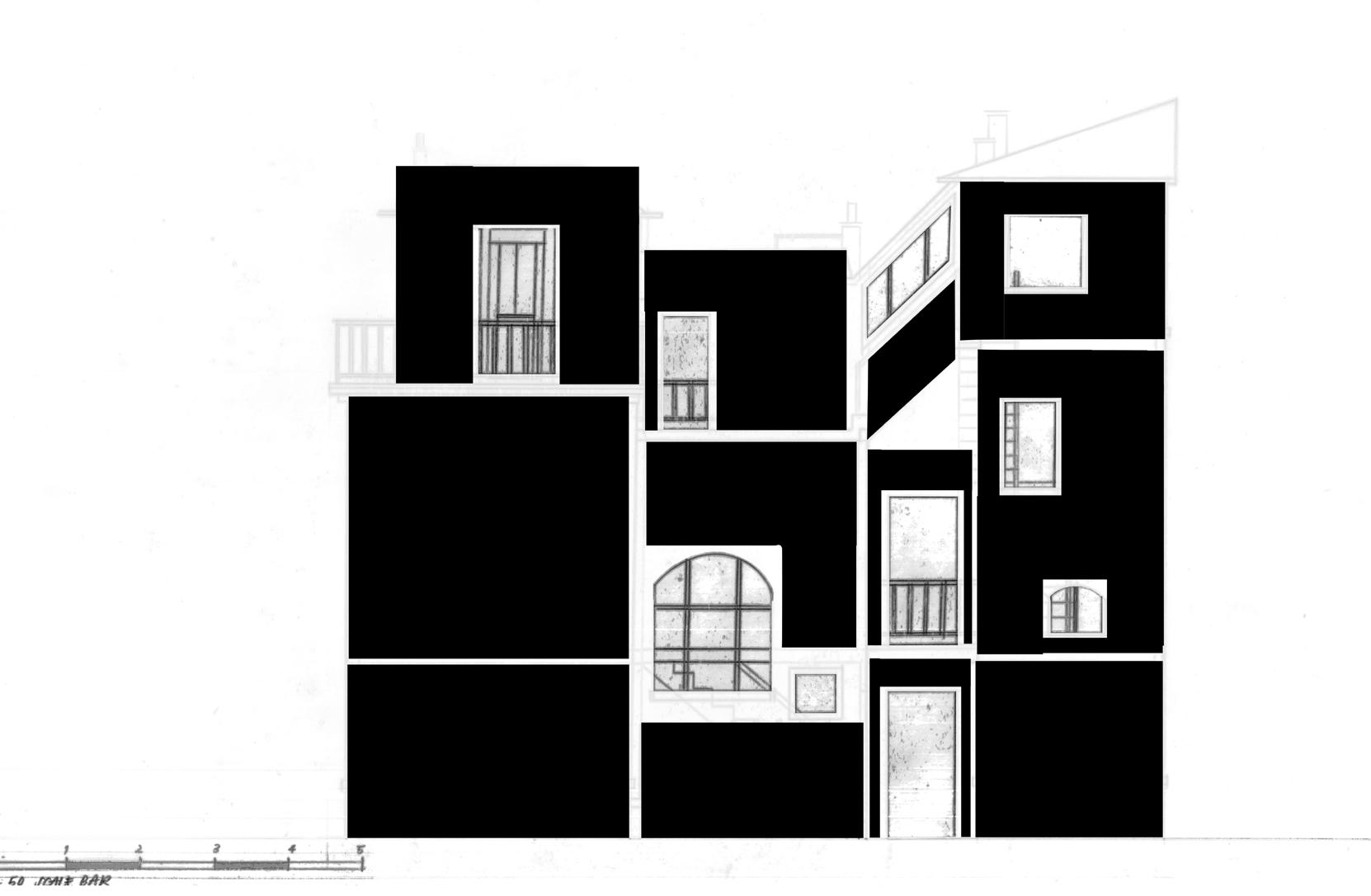
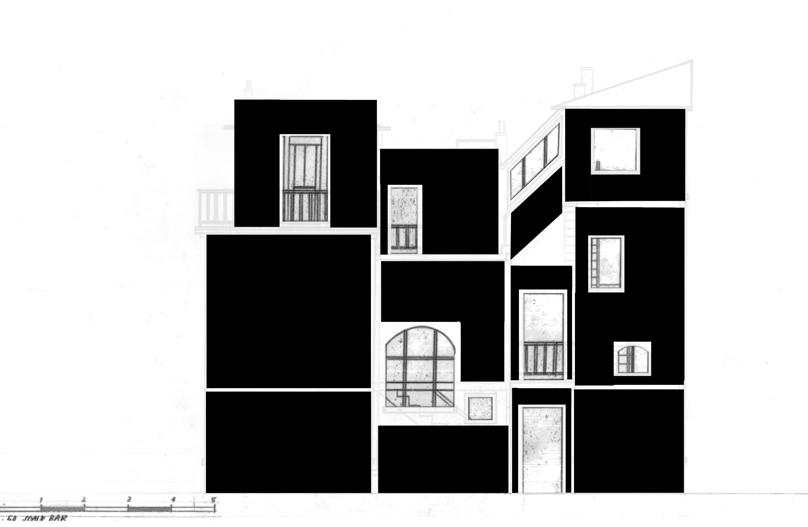
These were diagrams that were created to de-assemble fully the exterior to the interior of the housing. Going from just the front elevation to highlighting the windows which are spaced differently length and height wise but also many variety of windows seen. the windows also help to depicts the circulation way inside as we could only see the movement through the openings. Lastly is a high contrast diagram to show the comparison of the wall and the windows.
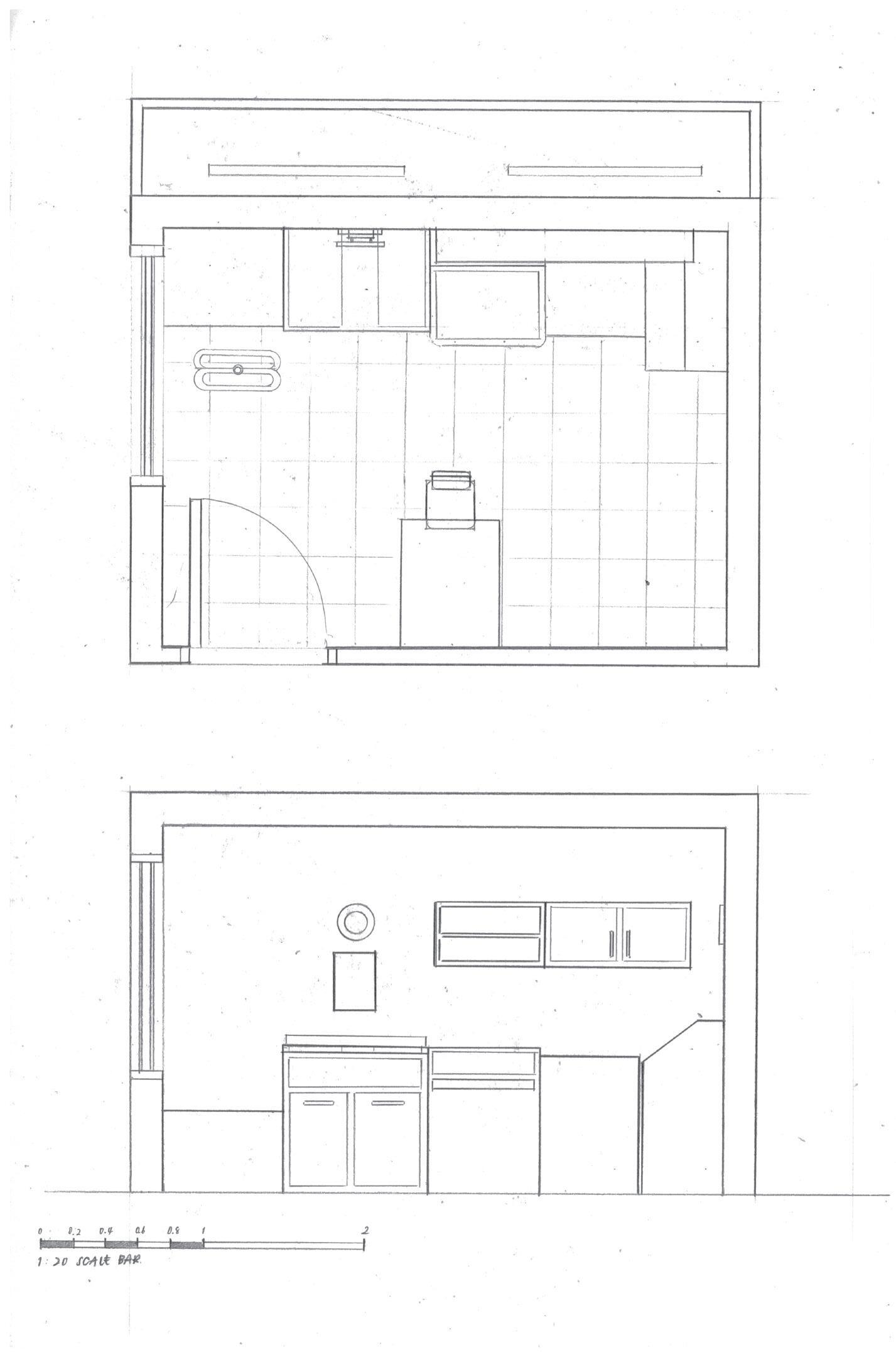
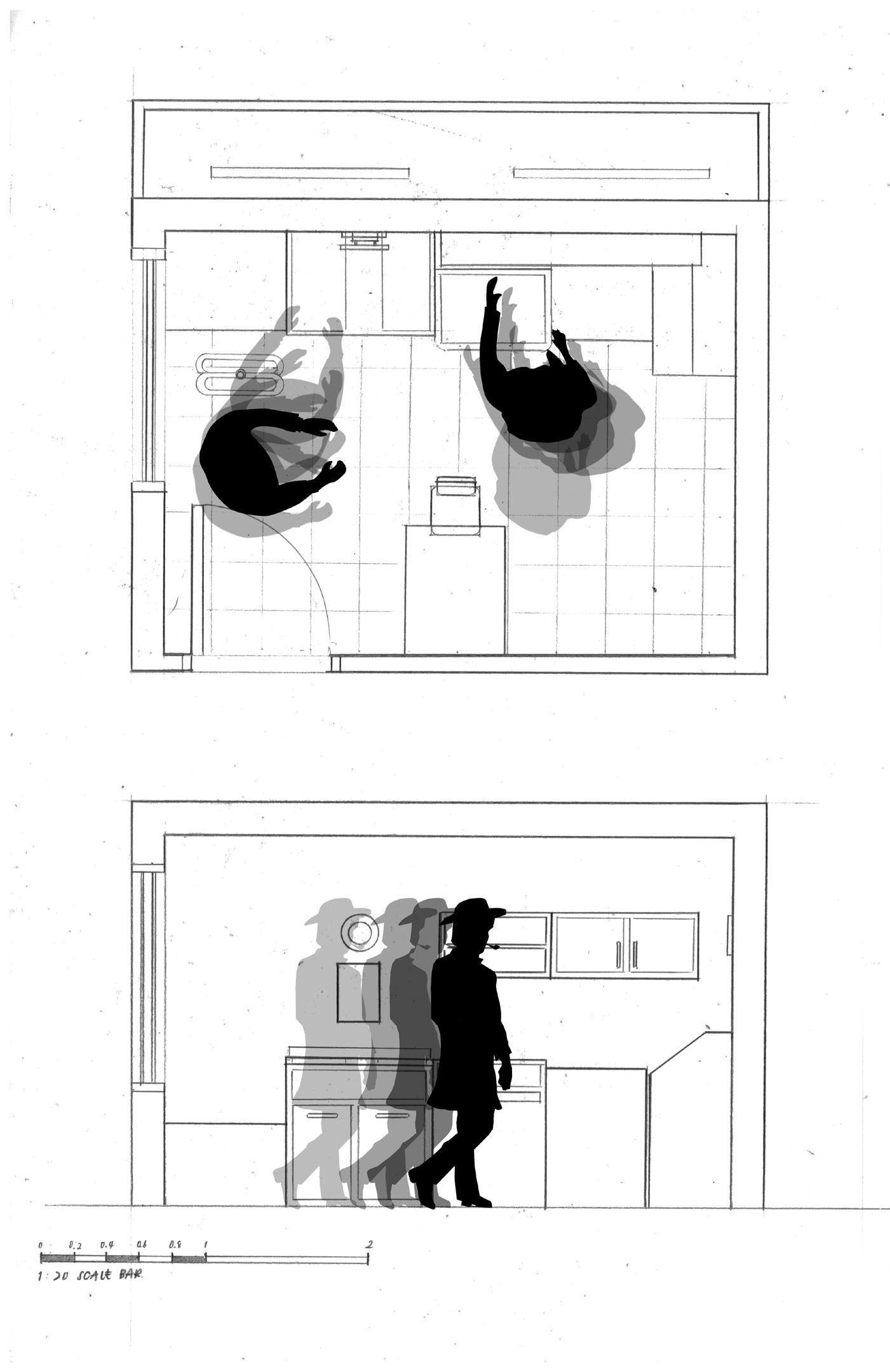
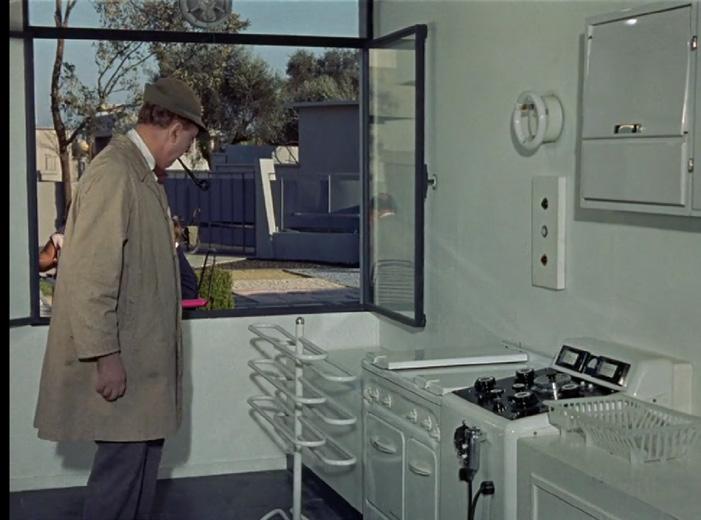
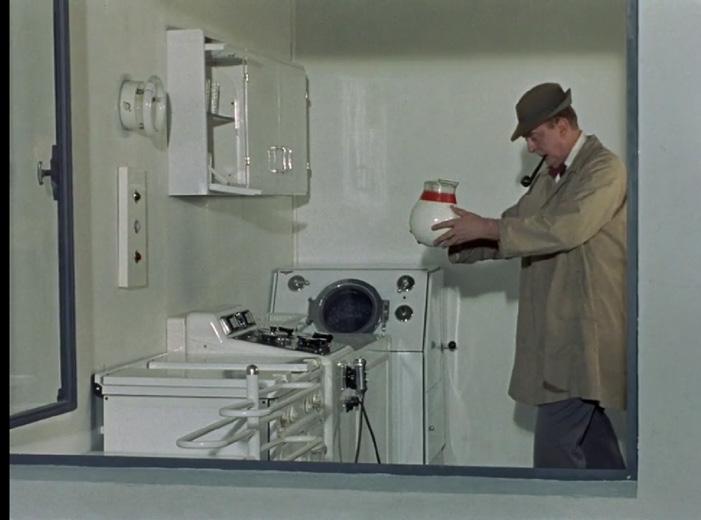
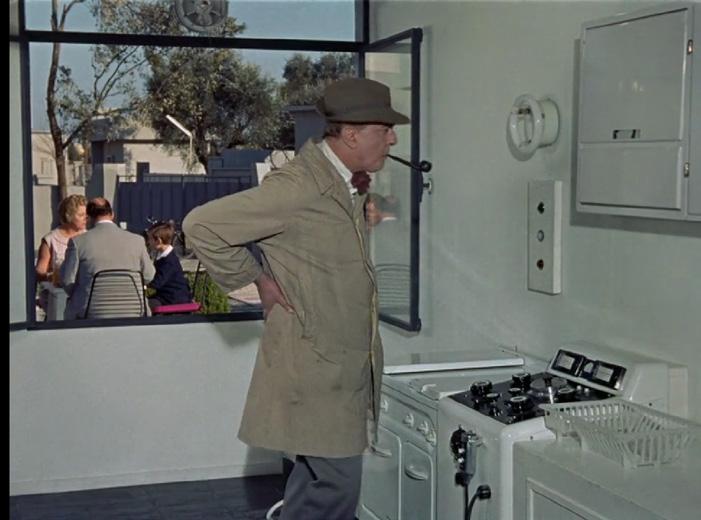
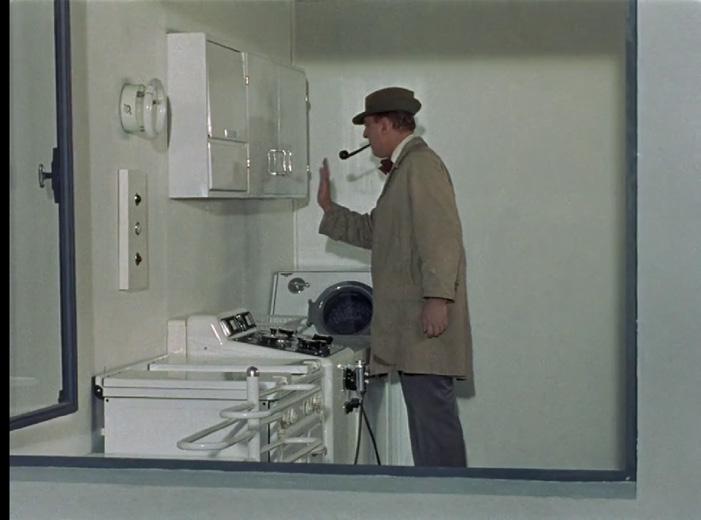
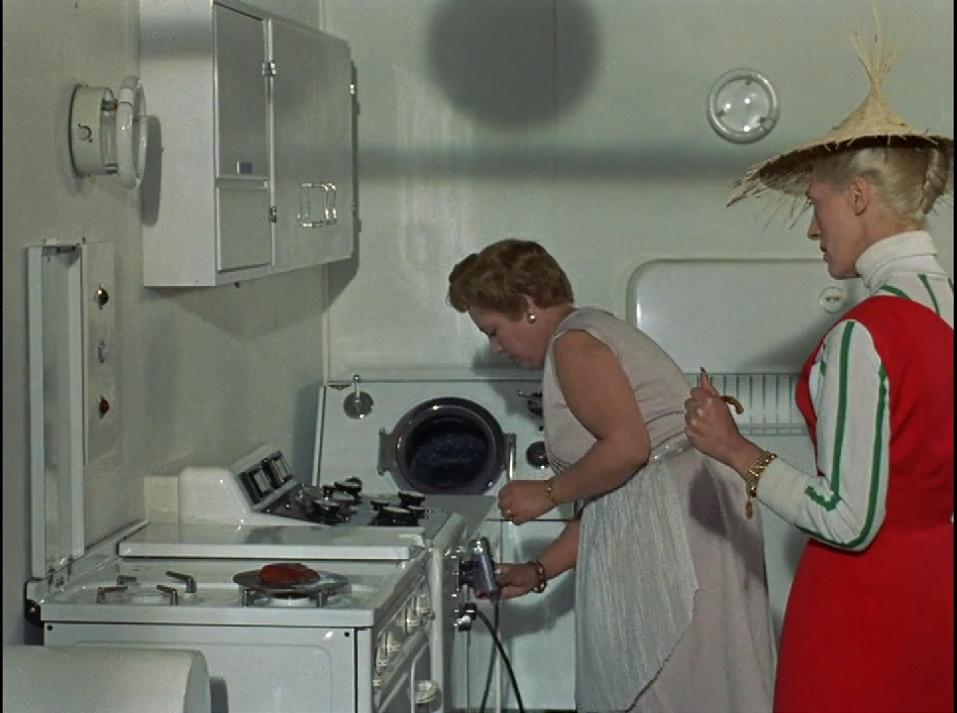
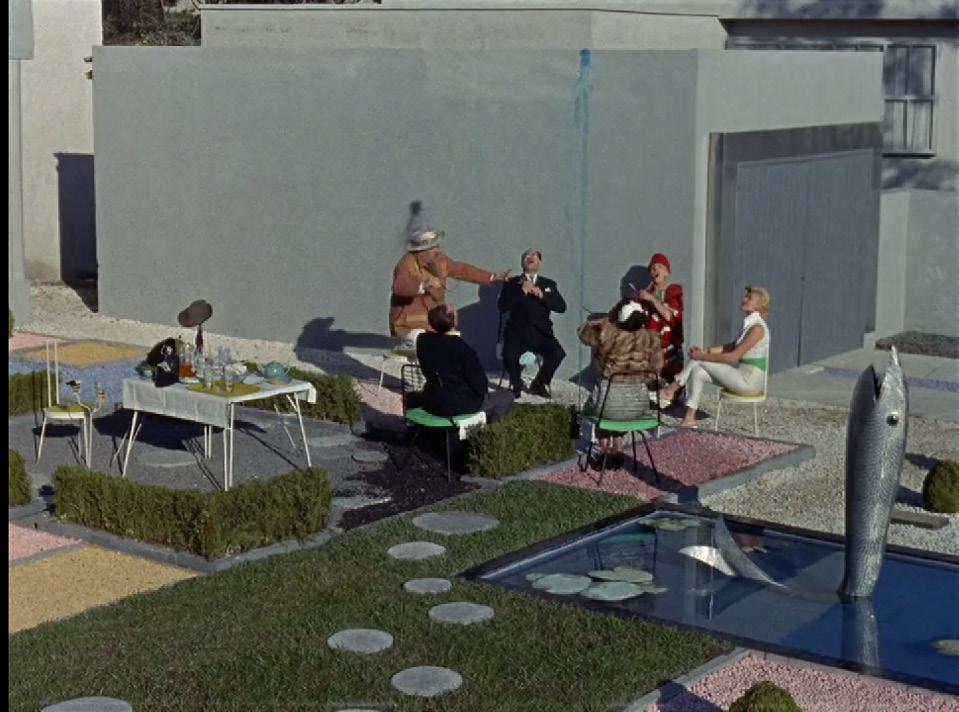
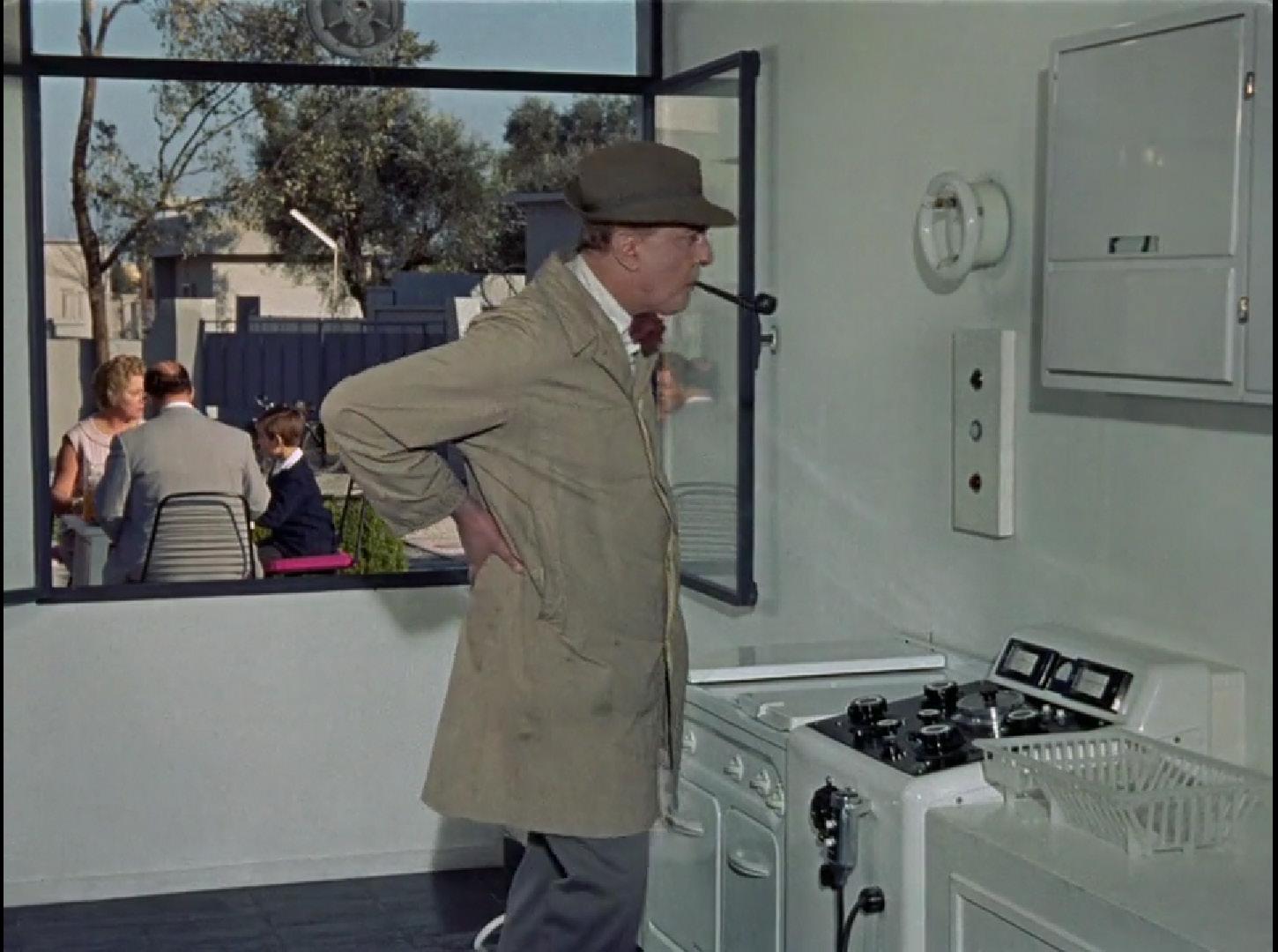
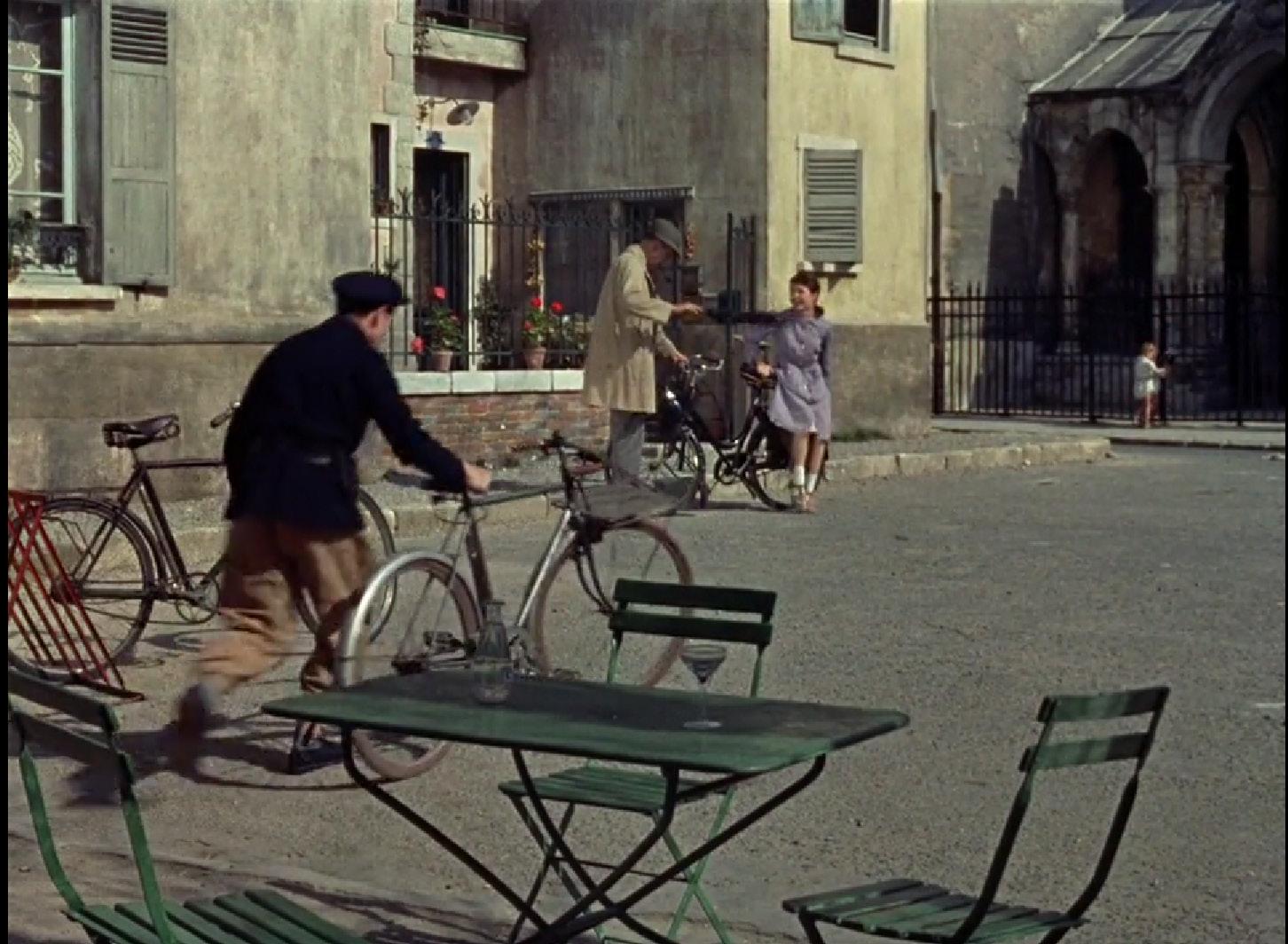
Even though this is not a movement diagram at his Parisian Flat, it was important to show this scene as it emphasise Hulot’s character on reflecting the modernity of the house as he struggles to use any fucntions of the kitchen. It shows his curiosity nature.
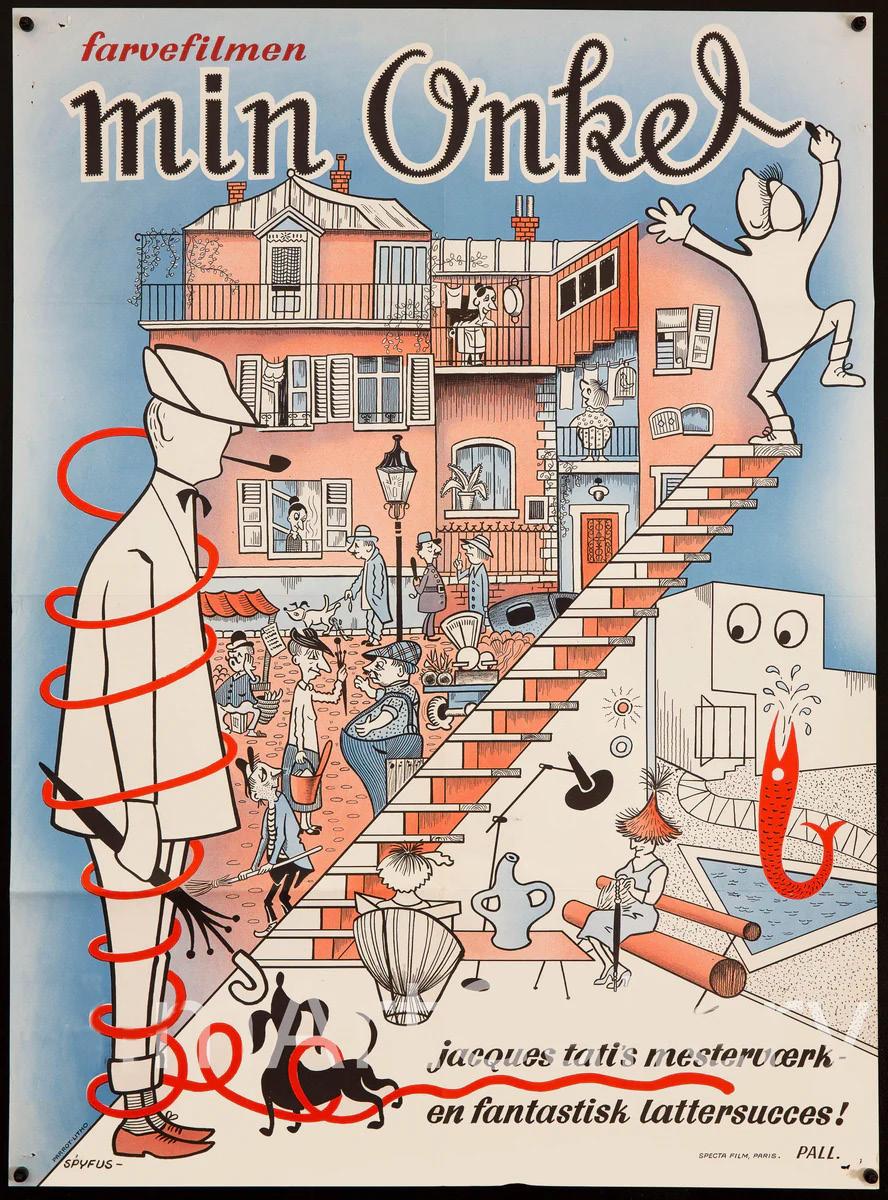
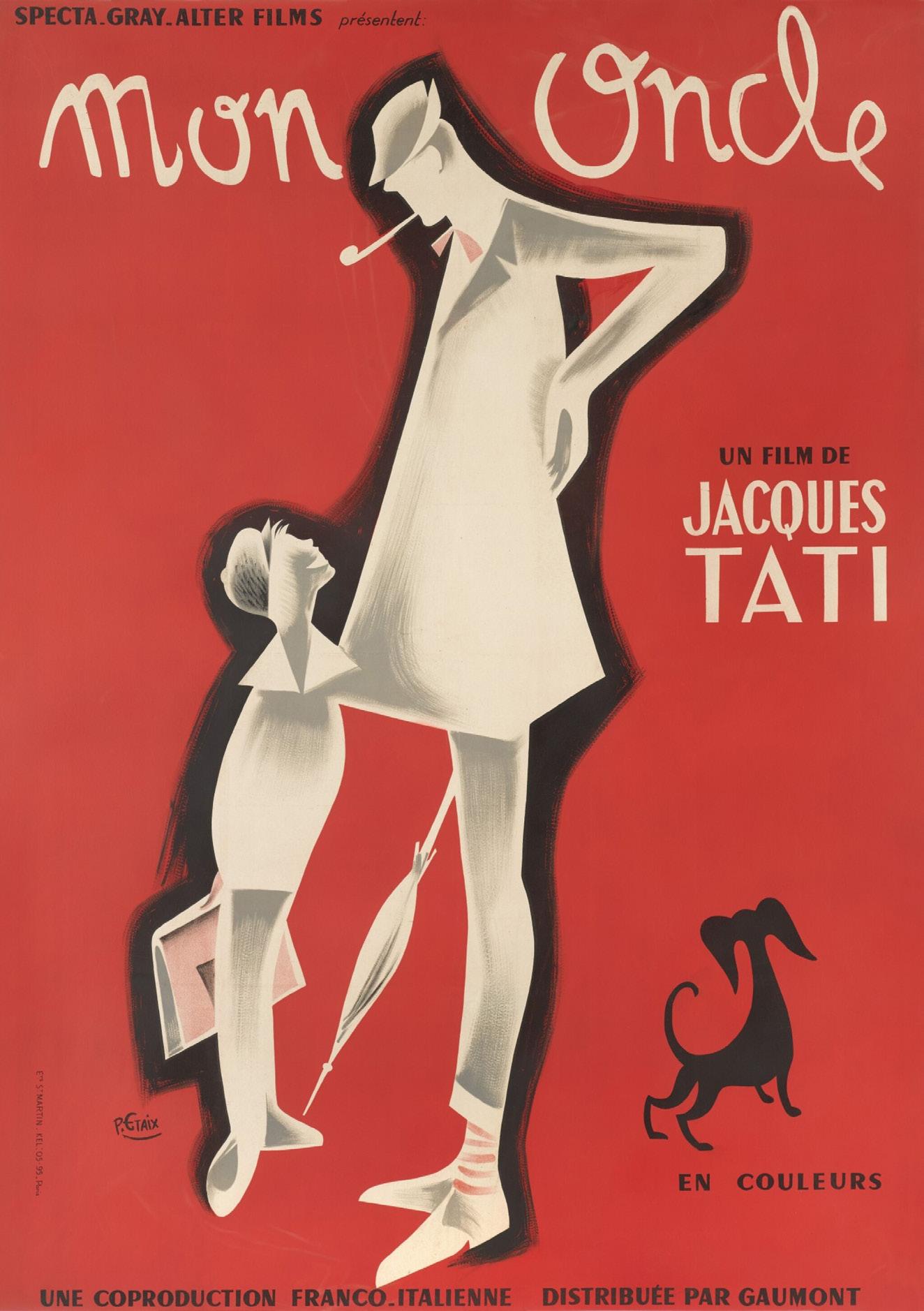
The chaos and charm of the Arpel home towards the end of the film serve as a subdued reminder that, despite the relentless pace of progress, what really endures are the genuine individuality and warmth of family bonds.
It also illustrates the fact that improved technology or aesthetics do not equate to practicality or functionality. It is reflecting many contrast of things and on the main theme of human na industrialisation.
Jean Renaudie and Renee Gailhoustet
Etoiles D’Ivry-Sur-Seine is a collective social housing complex built to provide post-war homes for its inhabitants. There was an urgent need of space therefore many social housing forms are changing vertically and geometrically.
Renowned for her dedication to social housing and urban revitalization, Renée Gailhoustet saw the urban fabric of Ivry as a platform for fostering community connection and engagement. Her creations, like the Ivry Confluence neighbourhood, combine functionalism and a profound comprehension of human needs to create environments that put comfort and community first.
Meanwhile, organic shapes and collaborative design concepts are central to Jean Renaudie’s architectural vision His innovative approach to building goes beyond simple utility in an effort to give occupants a feeling of identity and belonging. In Ivry-sur-Seine, Gailhoustet and Renaudie have collaborated to create a physical environment that honours the commune’s rich cultural past and dedication to forward-thinking urban design. Their contributions to architecture serve as examples of the ability of design to
Renee Gailhoustet and Jean Renaudie intended to push the boundaries and explore innovative Brutalism, focusing on the community social, physical, and functional components as during that post-war period, architectural forms tend towards industrialization.
Renee mentions that because social interactions are intricate and overlapped, architecture reflects this concept. Every tenant has the chance to designate and personalise their own space, regardless of the general composition of the complex. The complexity are seen throughout the forms but also includes the diversity of spaces functionality. (Private and Public etc.)
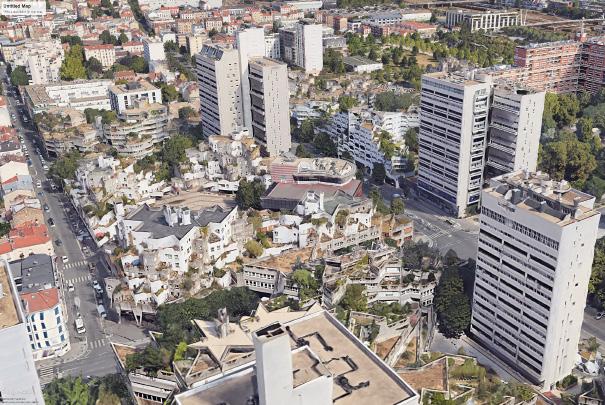
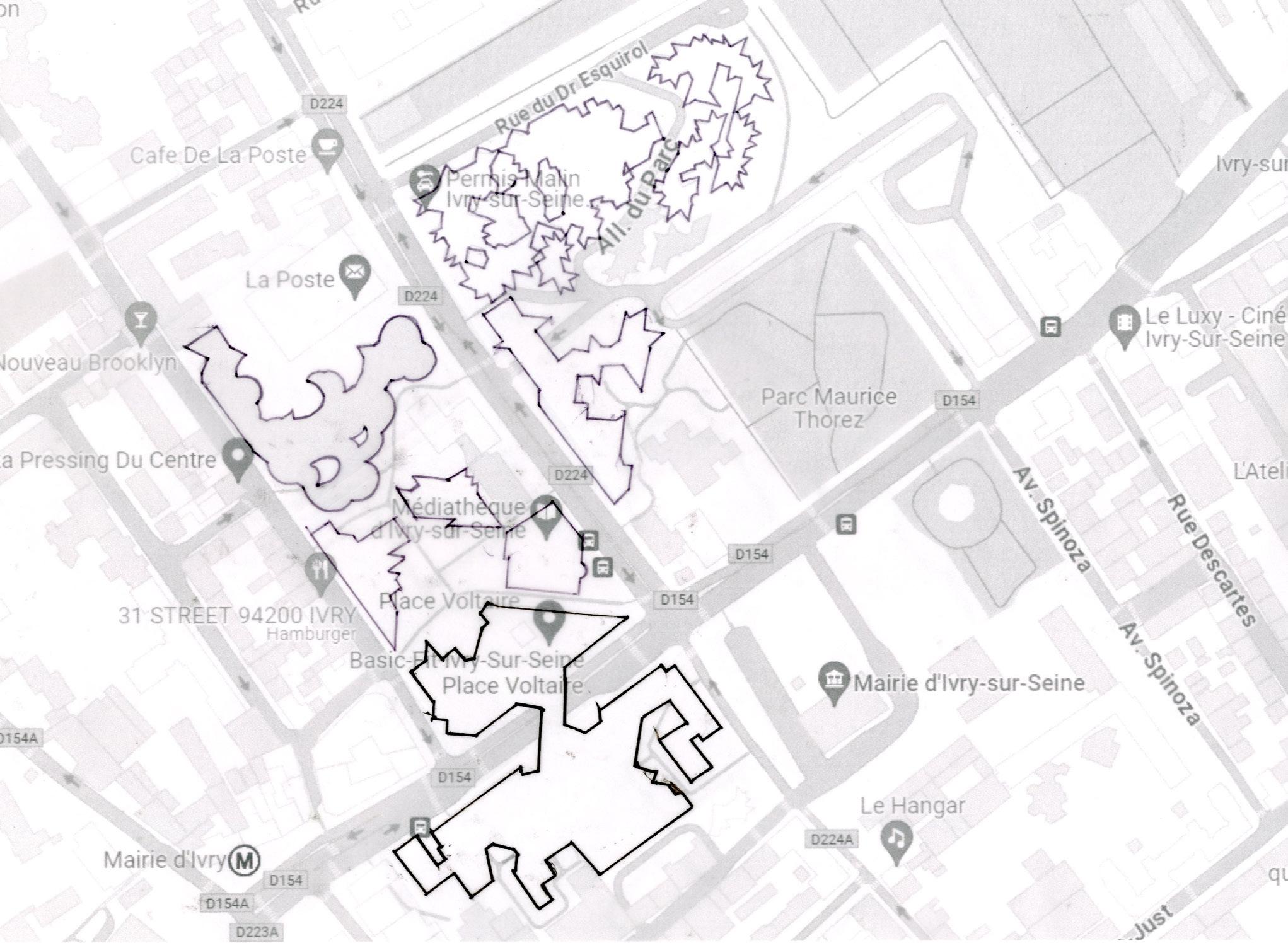
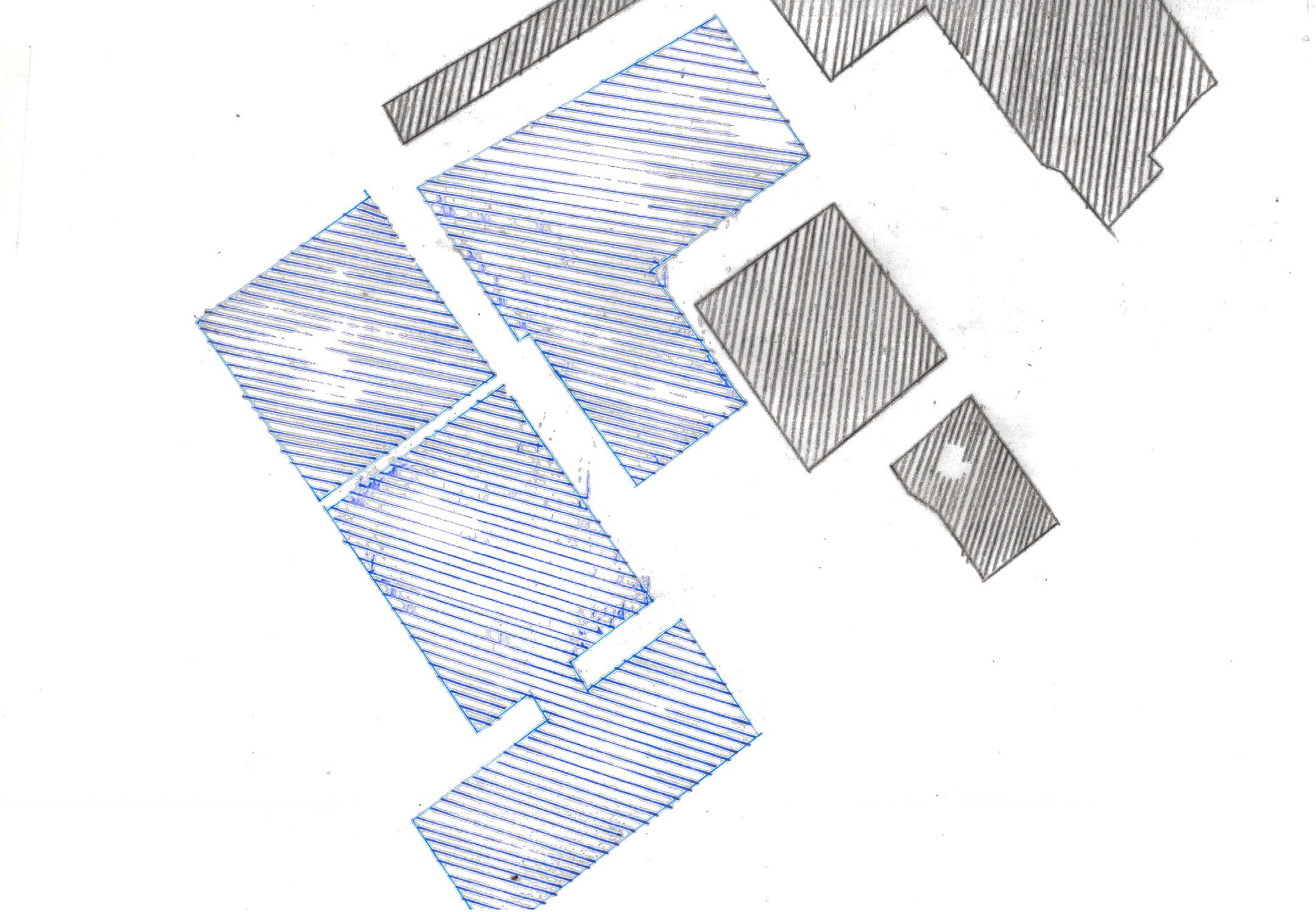
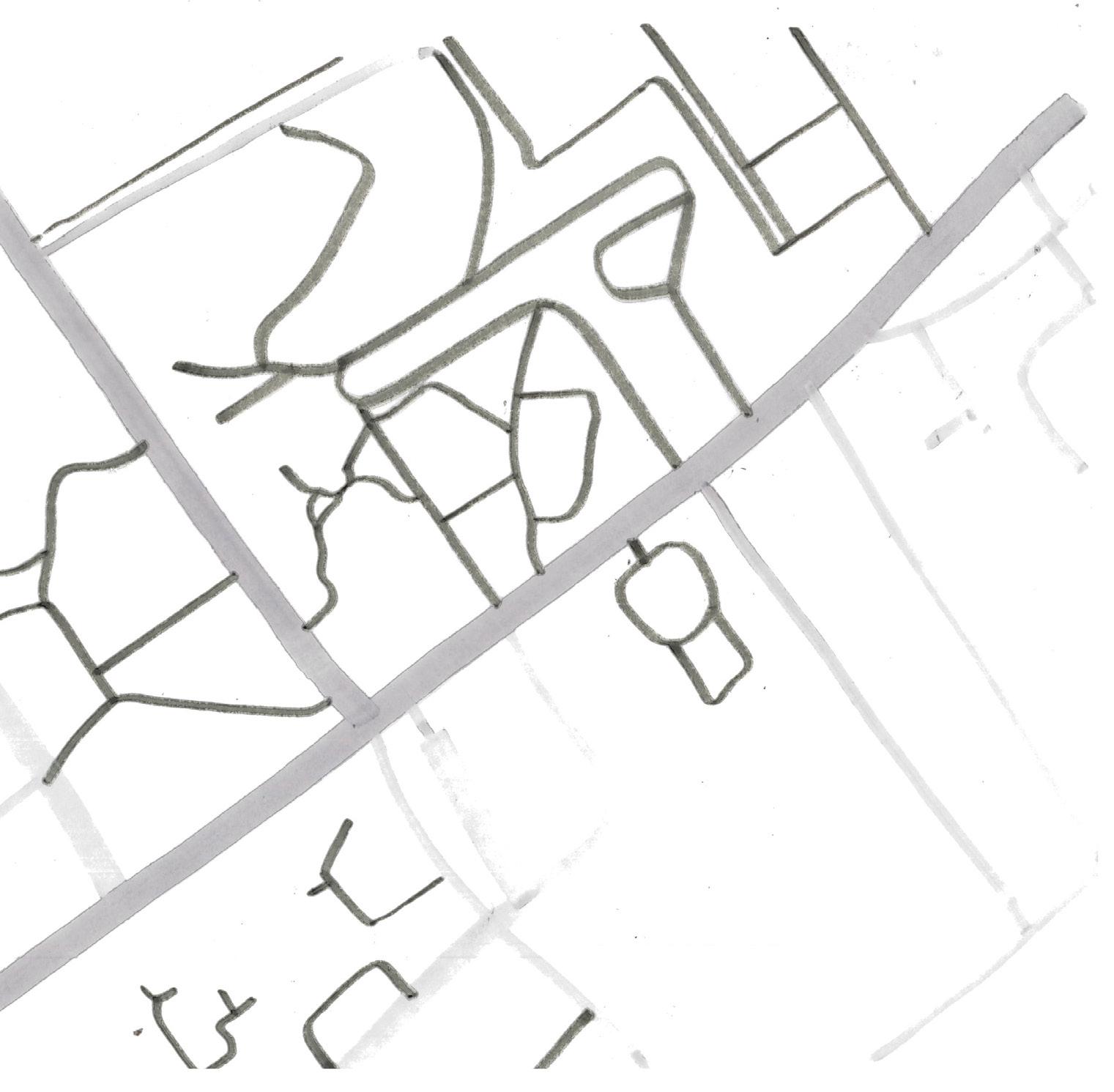
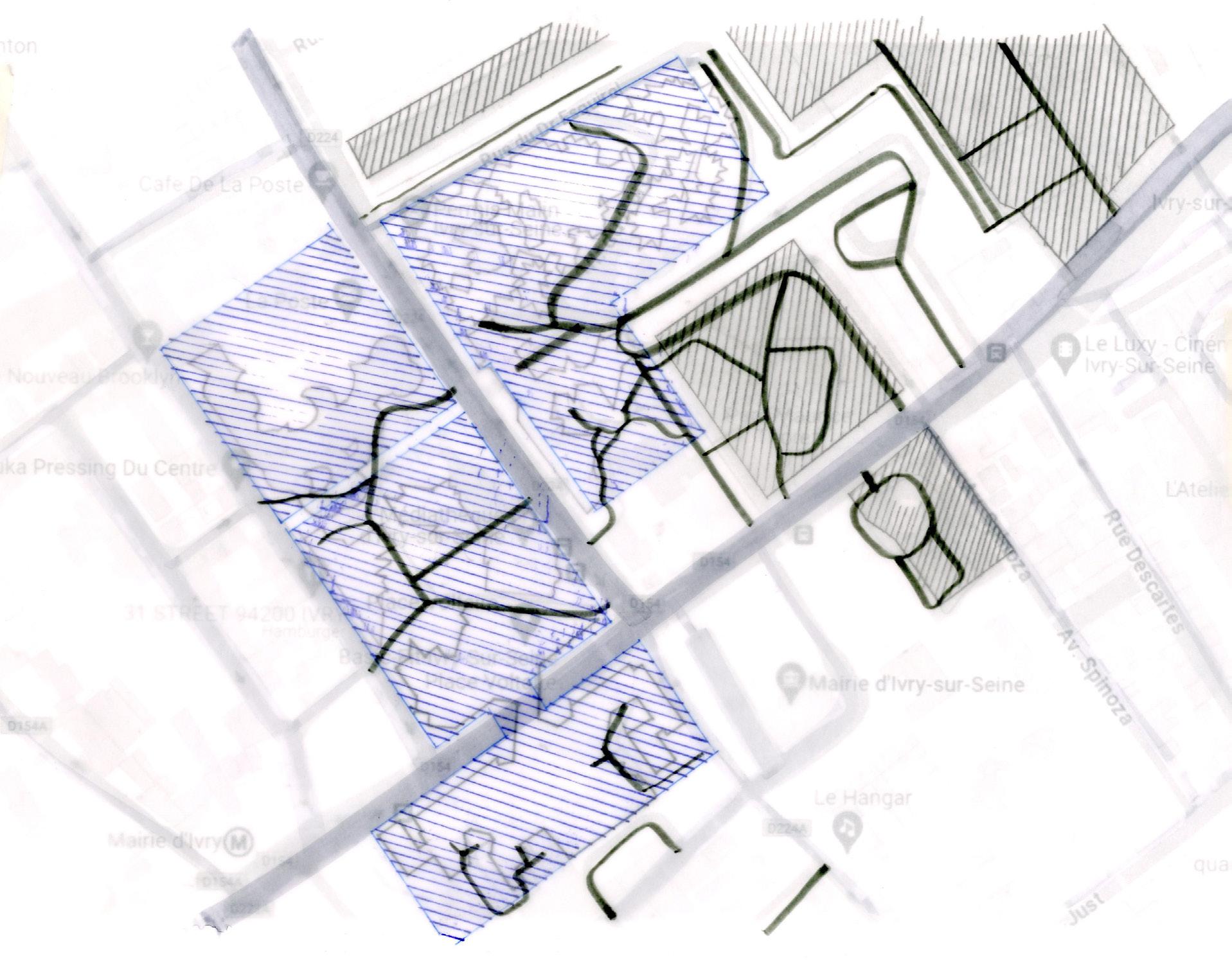
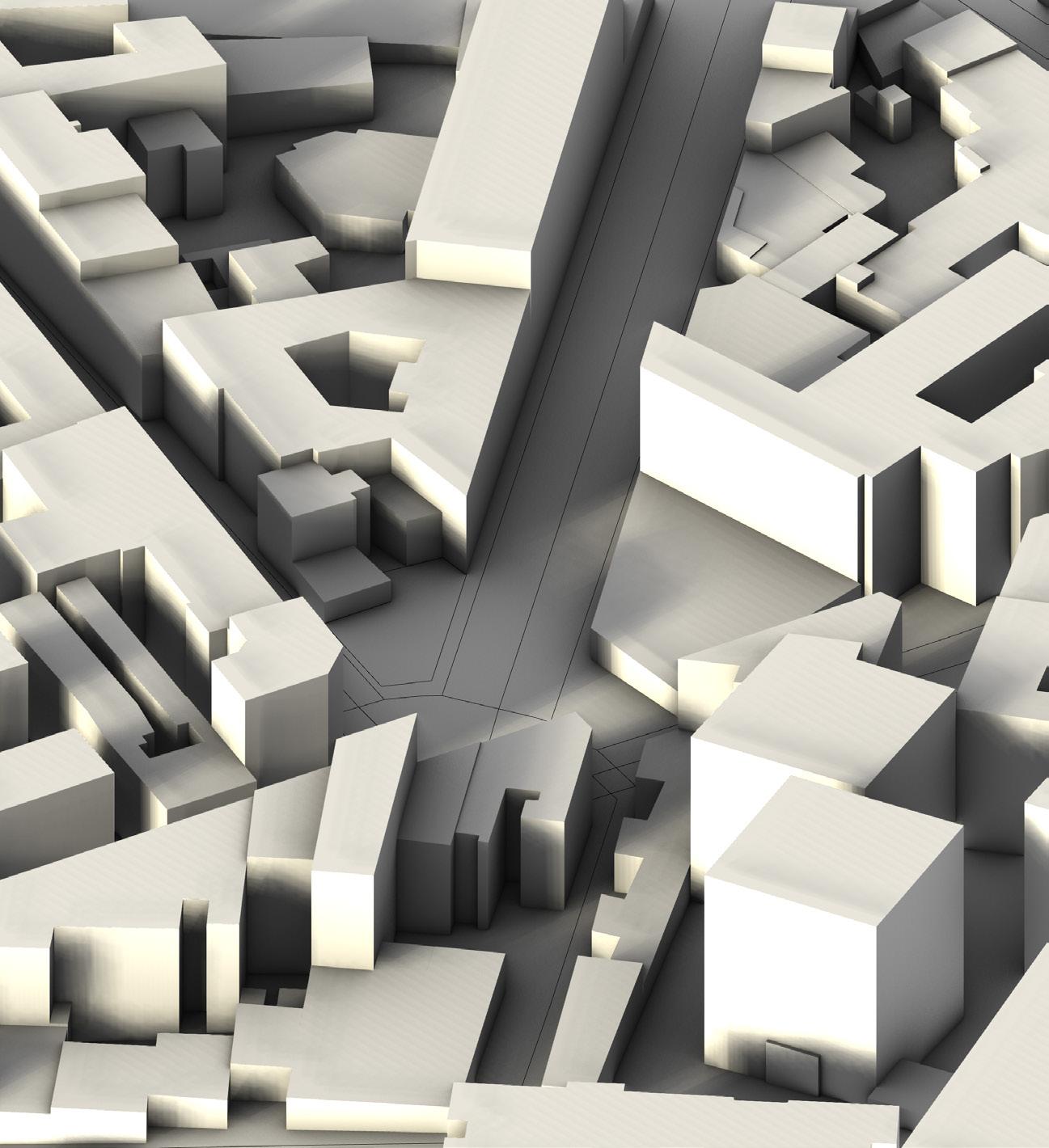
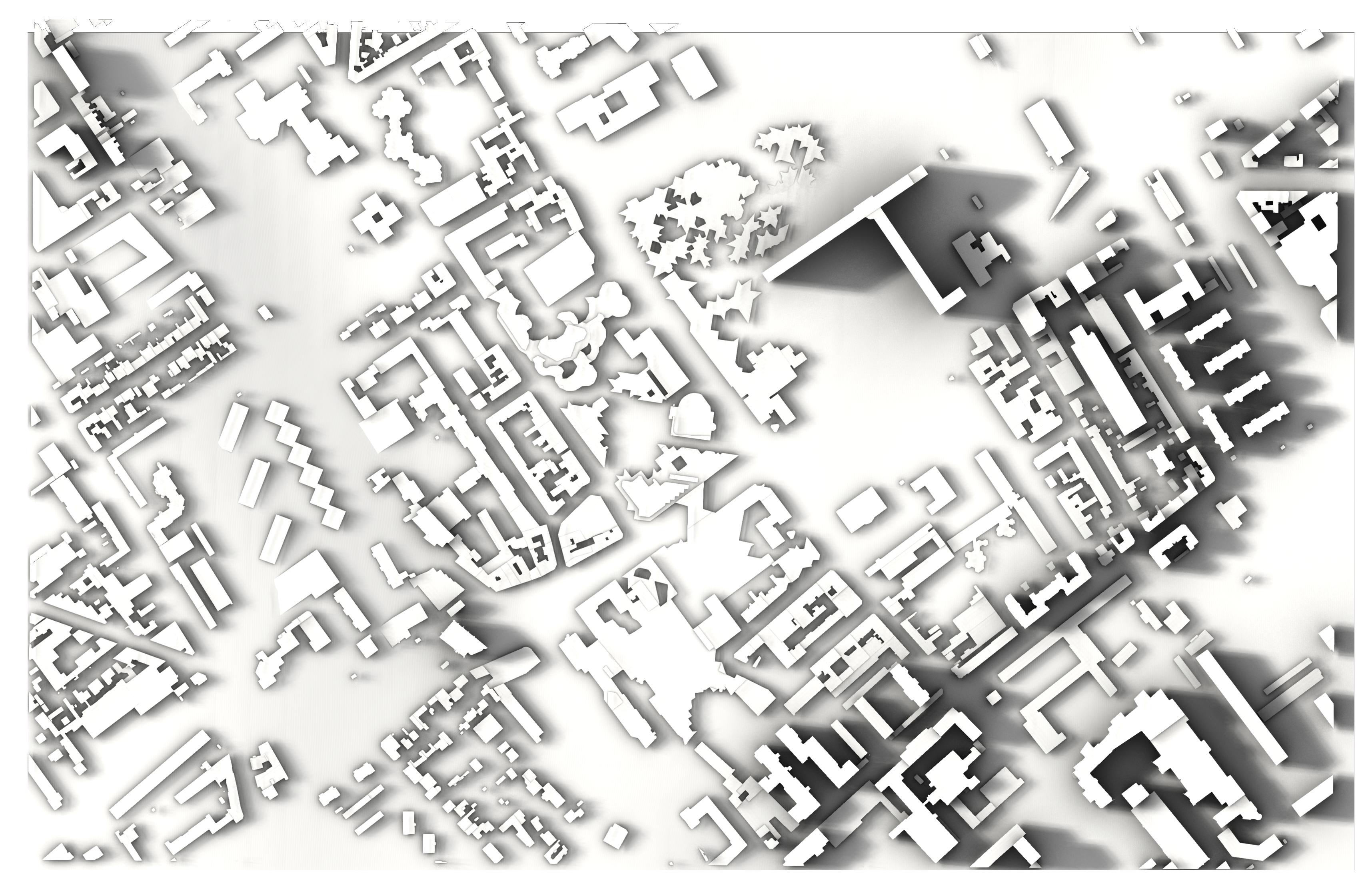
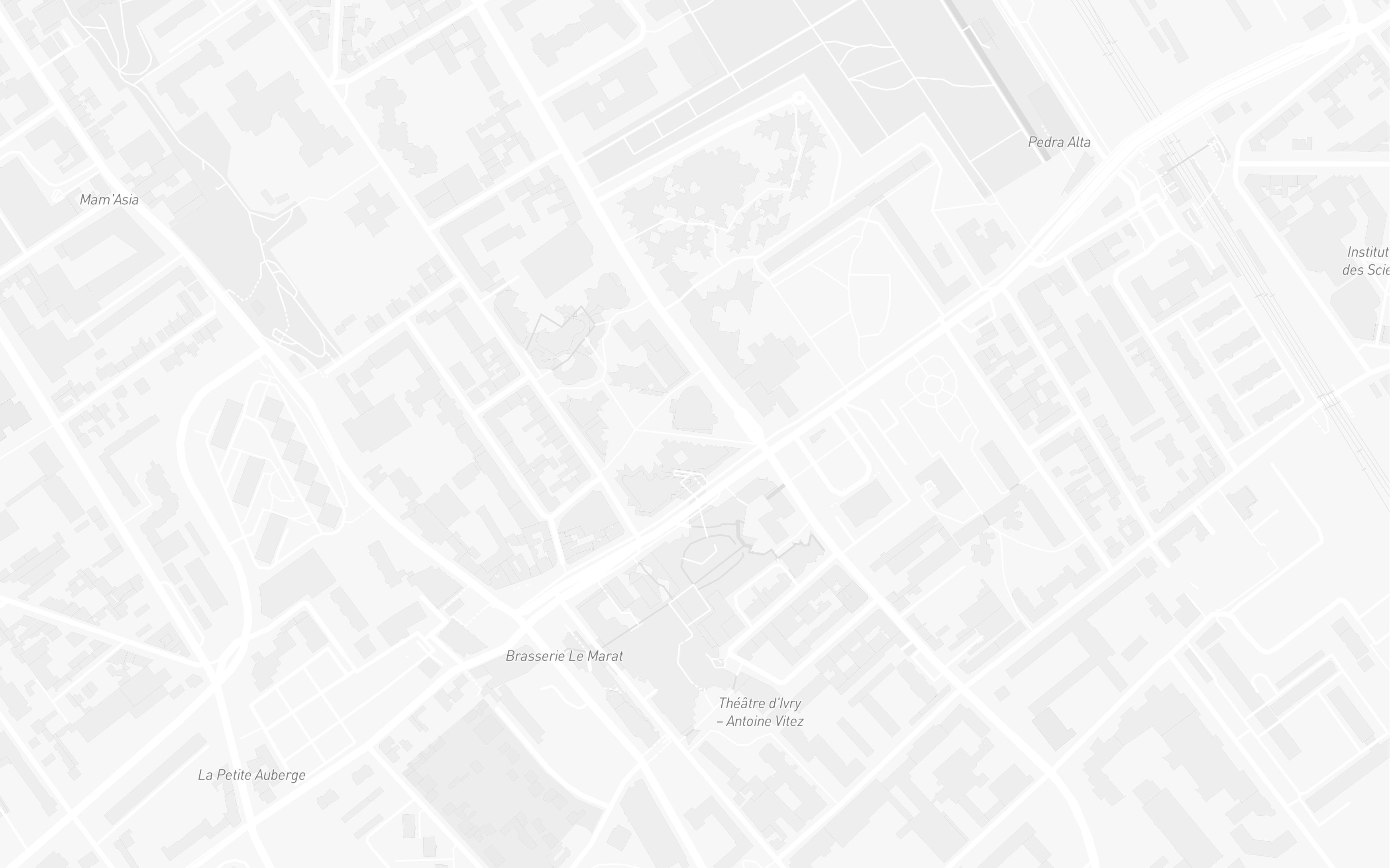
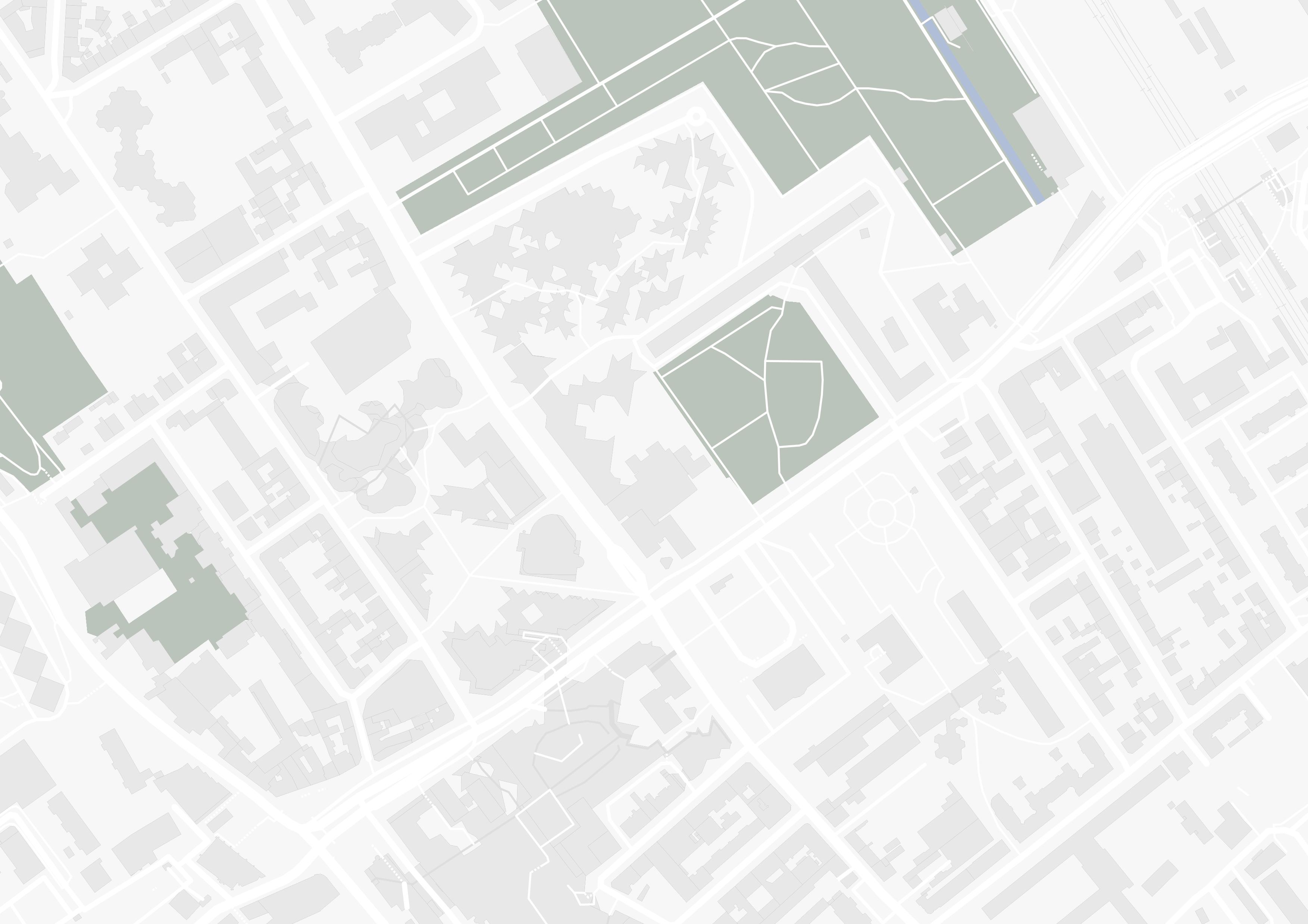
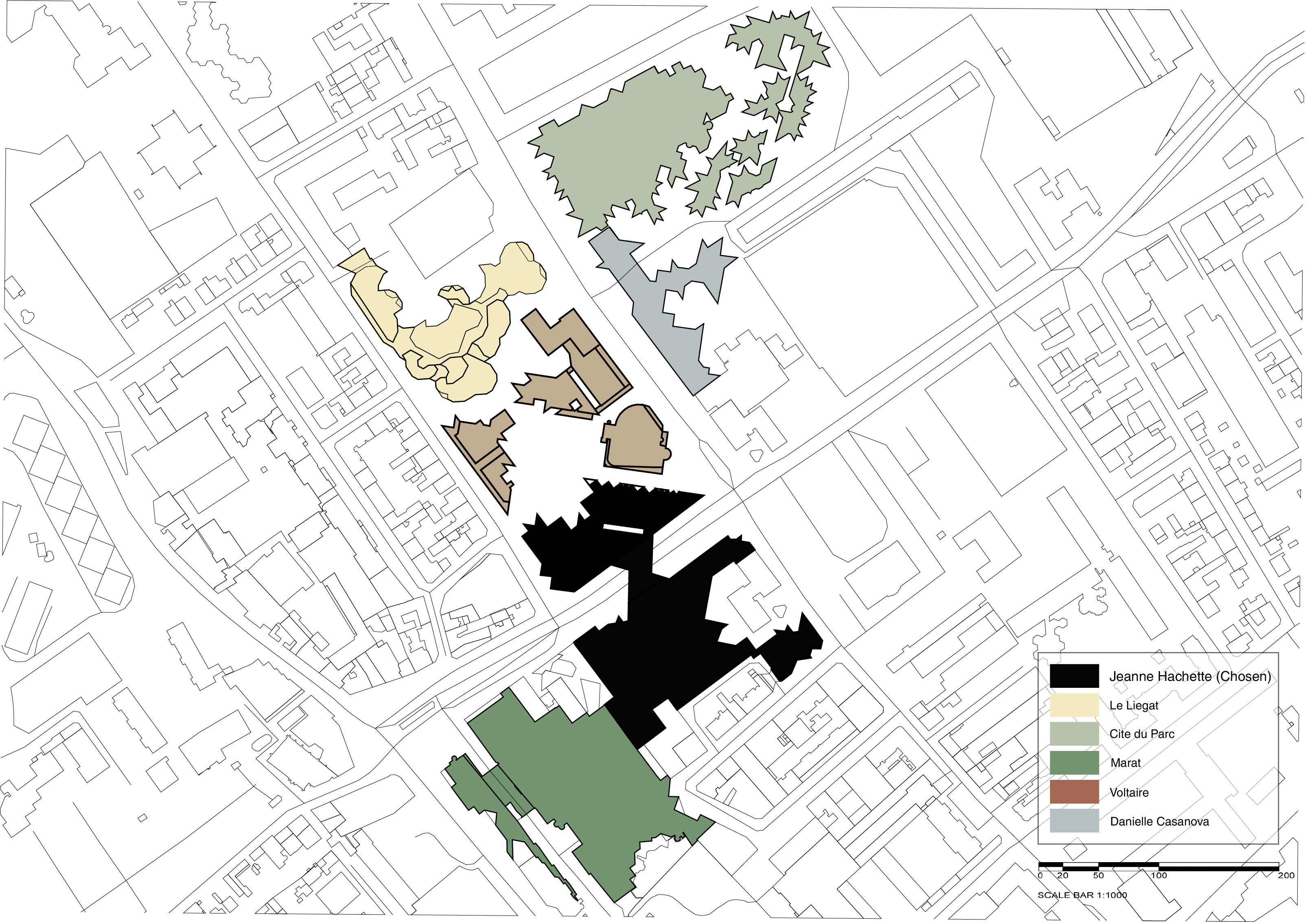
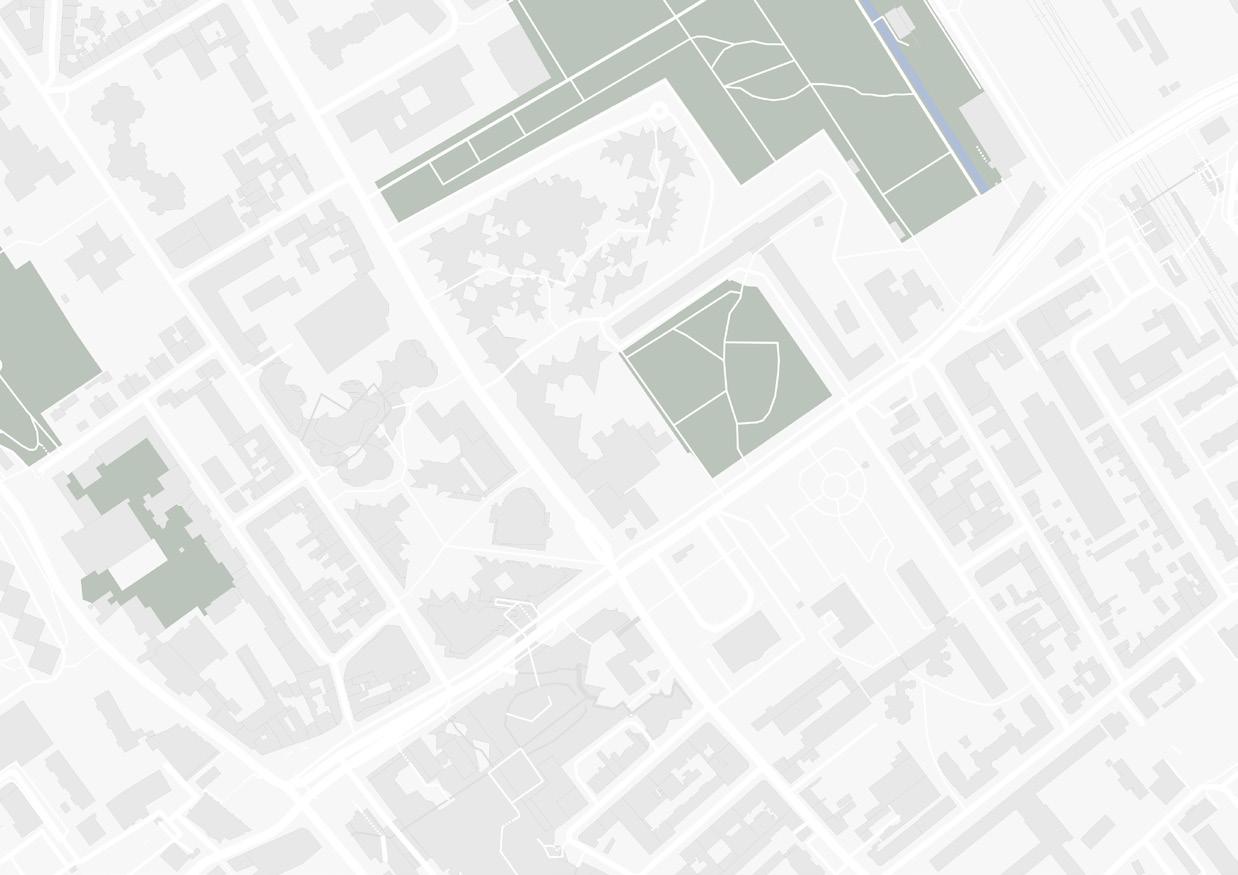
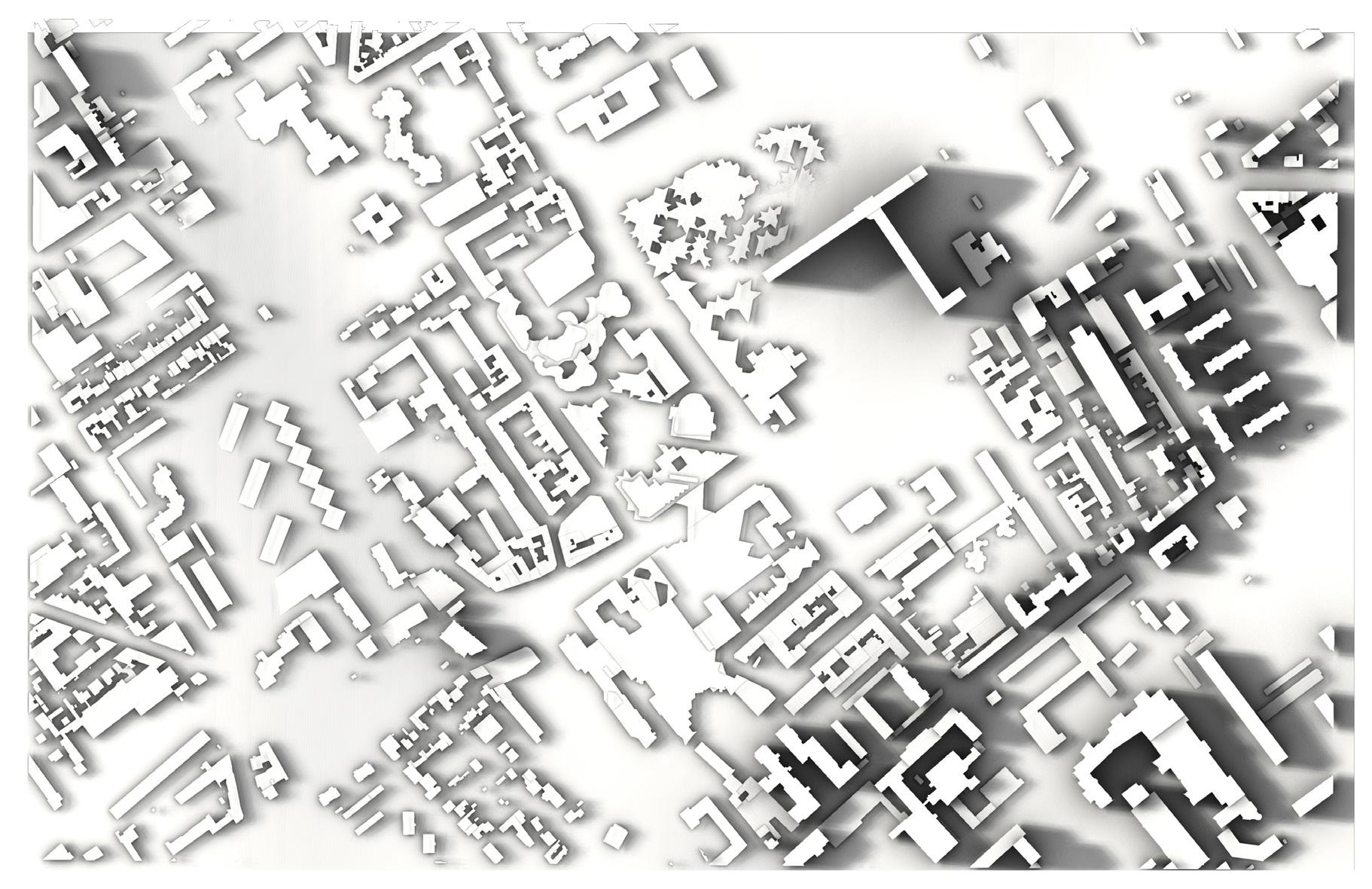
The initial site analysis includes highlighting out the area that is part of the architectural scheme as there are several buildings that are all in the same area.
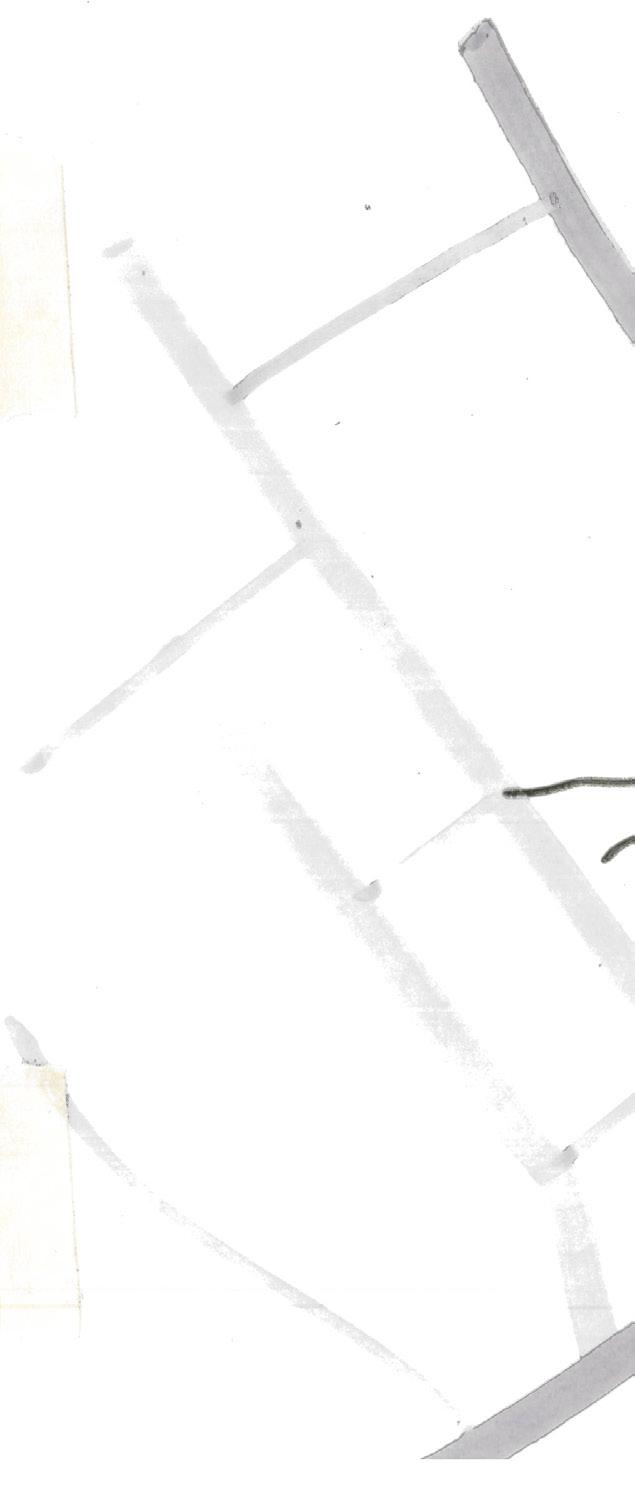
Then the following site analysis are the zoning of the building and public green spaces which has to be highlighted as green community spaces plays a big role to this precedent building lastly the pedestrian pathways along the area as the sense of community is heightened through the social interaction and engagement through a more complex circulation way.
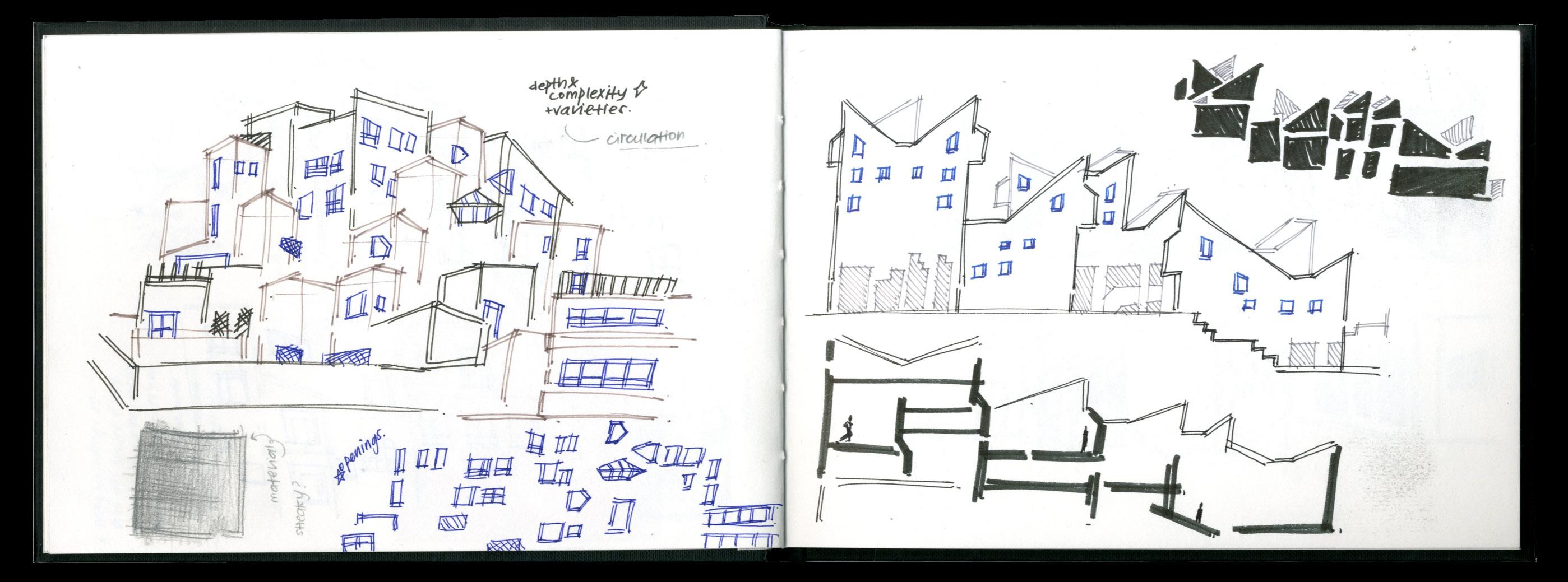
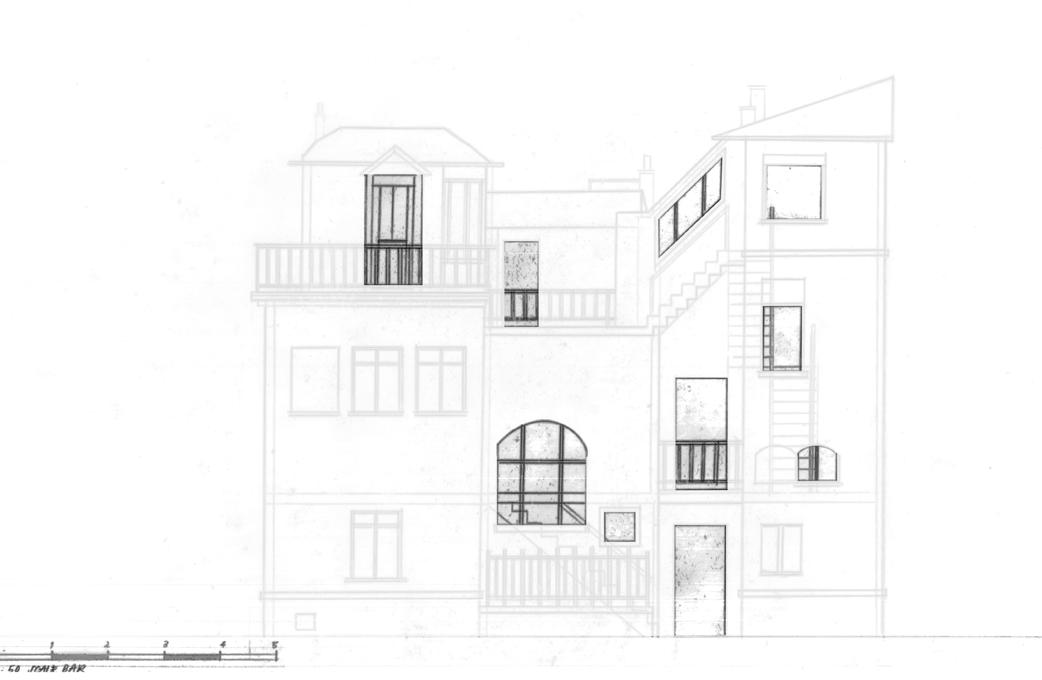
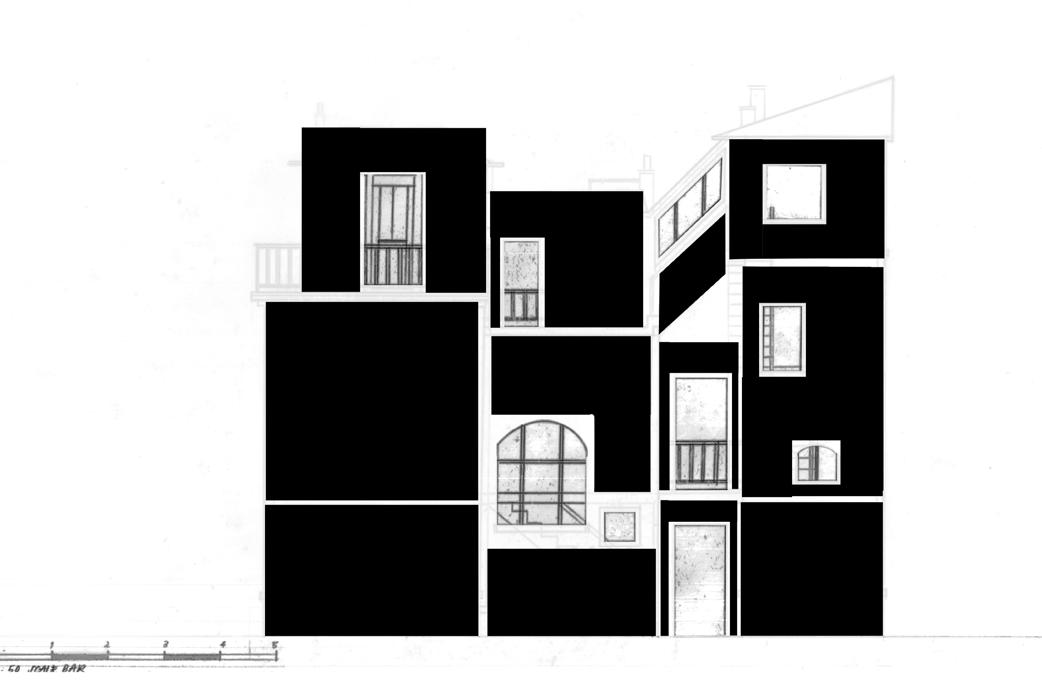
Linking back to the focus of Monsieur Hulot’s Parisian Flat, the study of the facade of the Les Etoiles was also studied as there are multiple variation and they are all at a different height. This shows the similarity between then two architecture and both suggest complex walking circulation around the building both on the inside and outside.
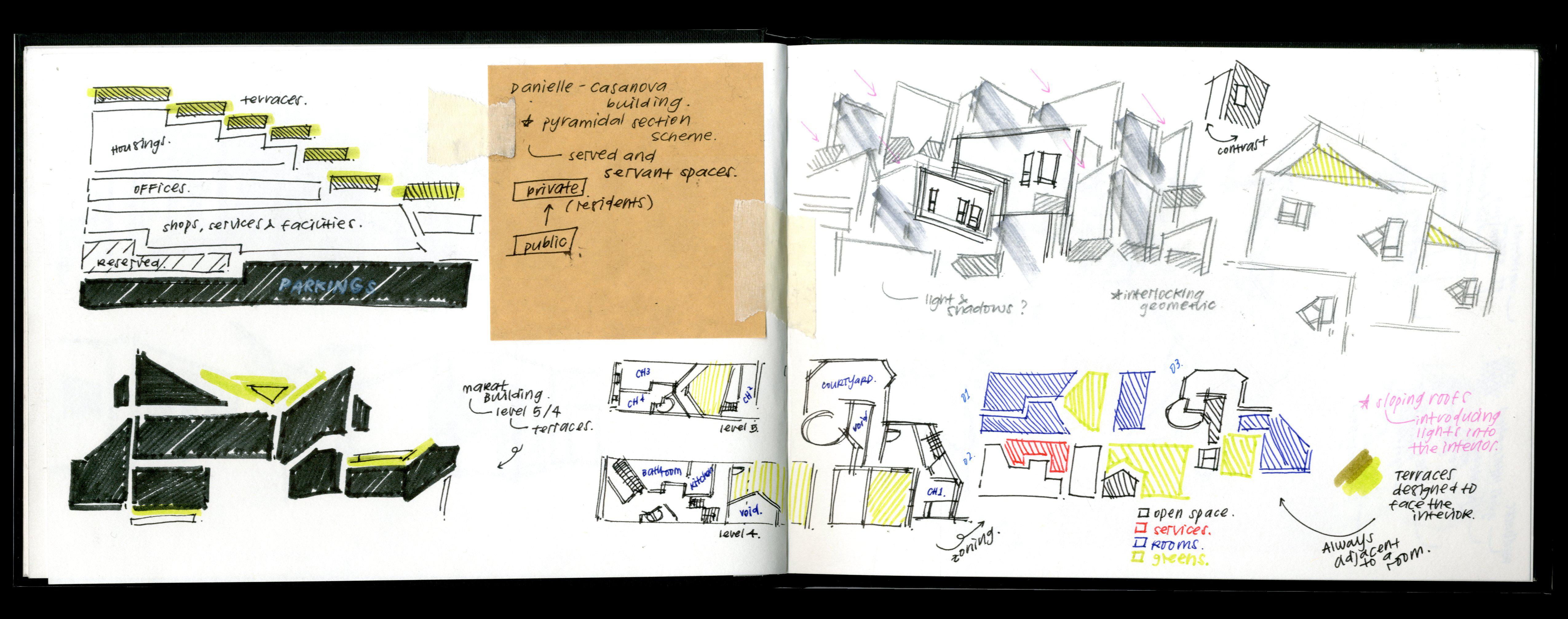
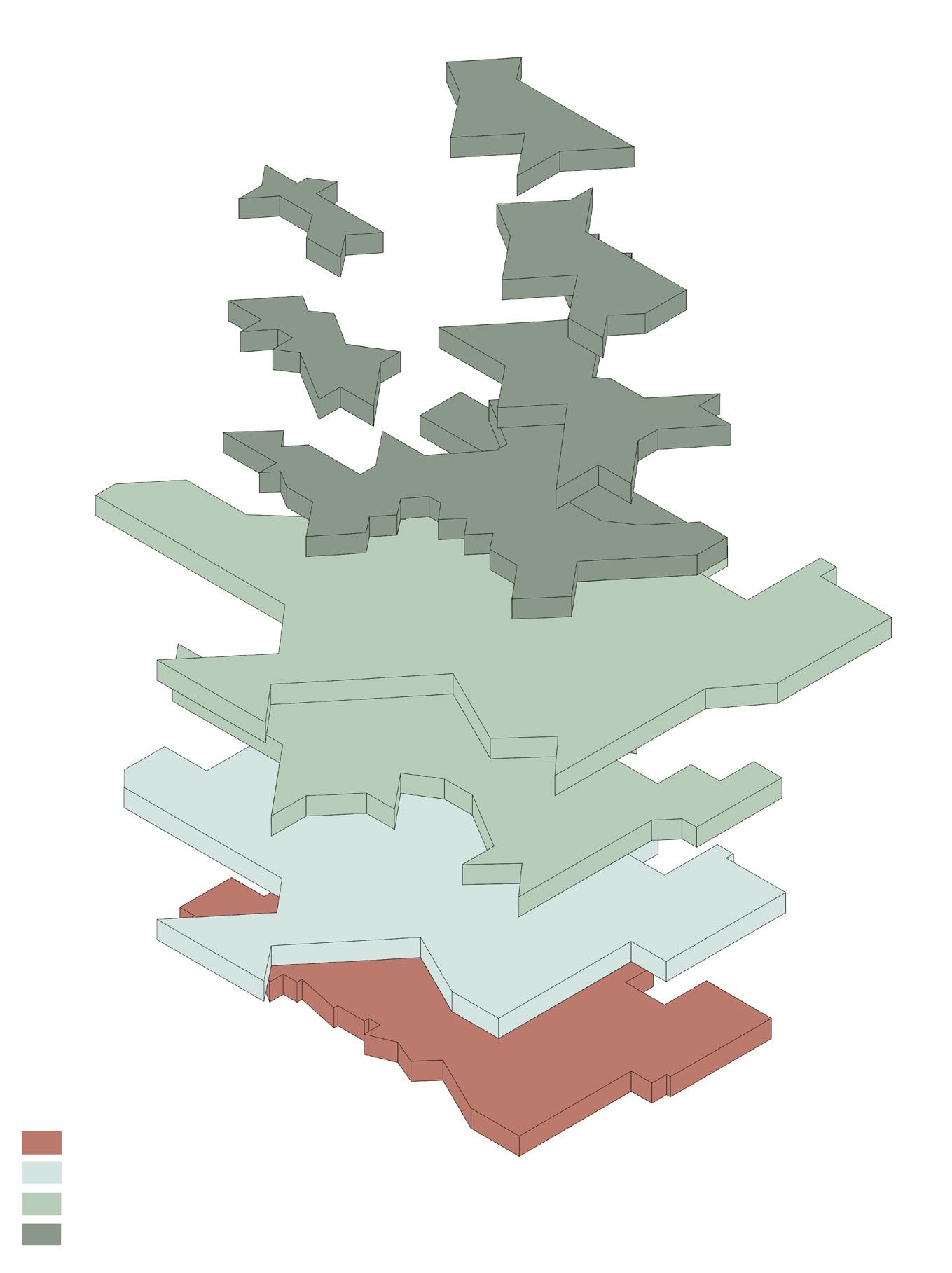
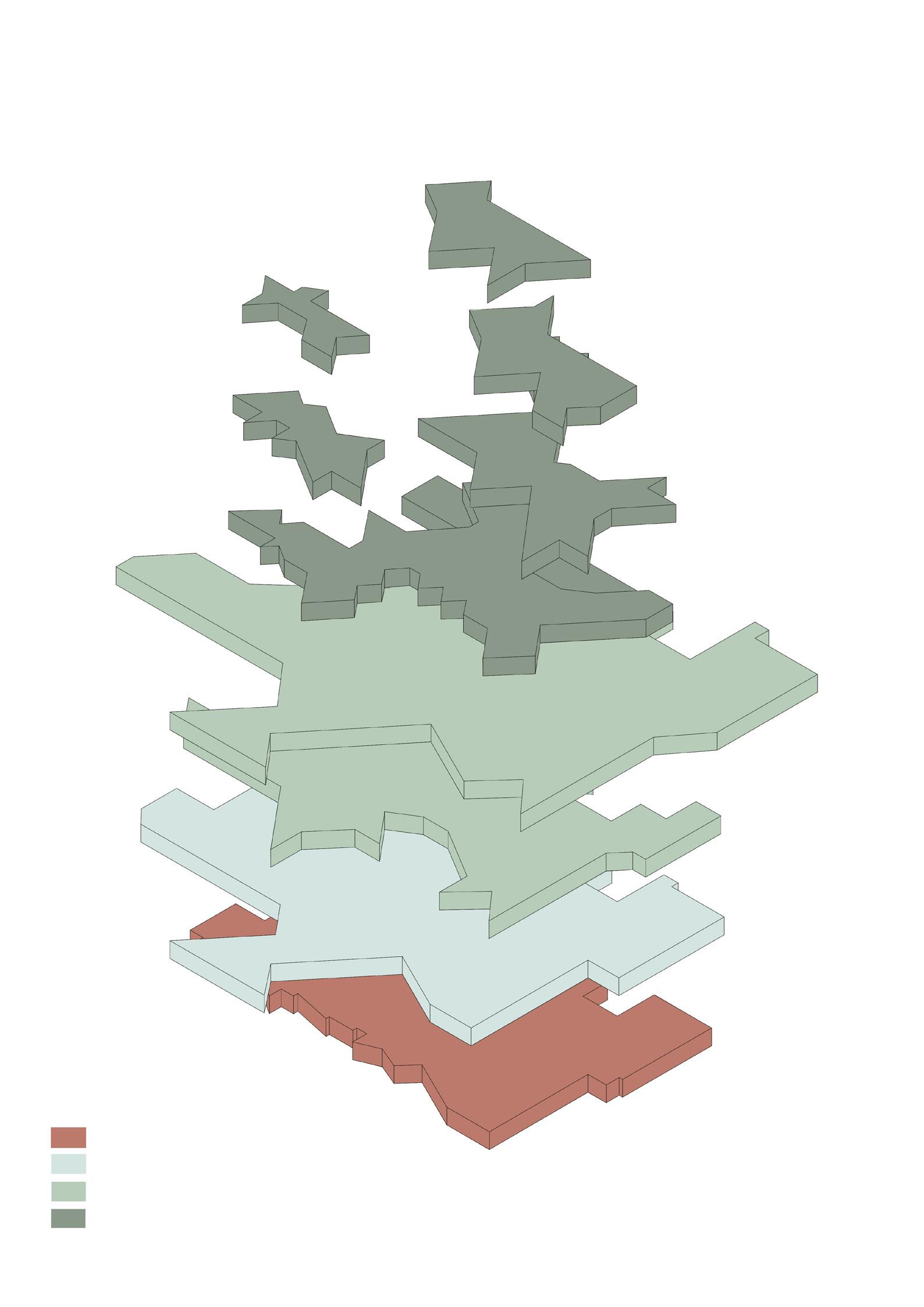
As the precedent building is also a combination of different components, it was important to find out the hierarchy of the zoning from a larger to a smaller scale which inform me on how the public and private spaces are used.
The used of balcony are also illustrated to be a very big part of how the stacking works.
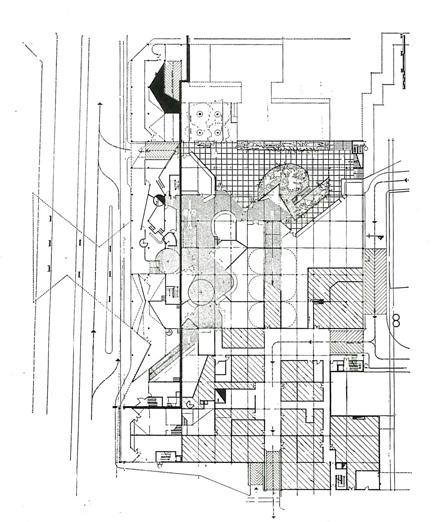
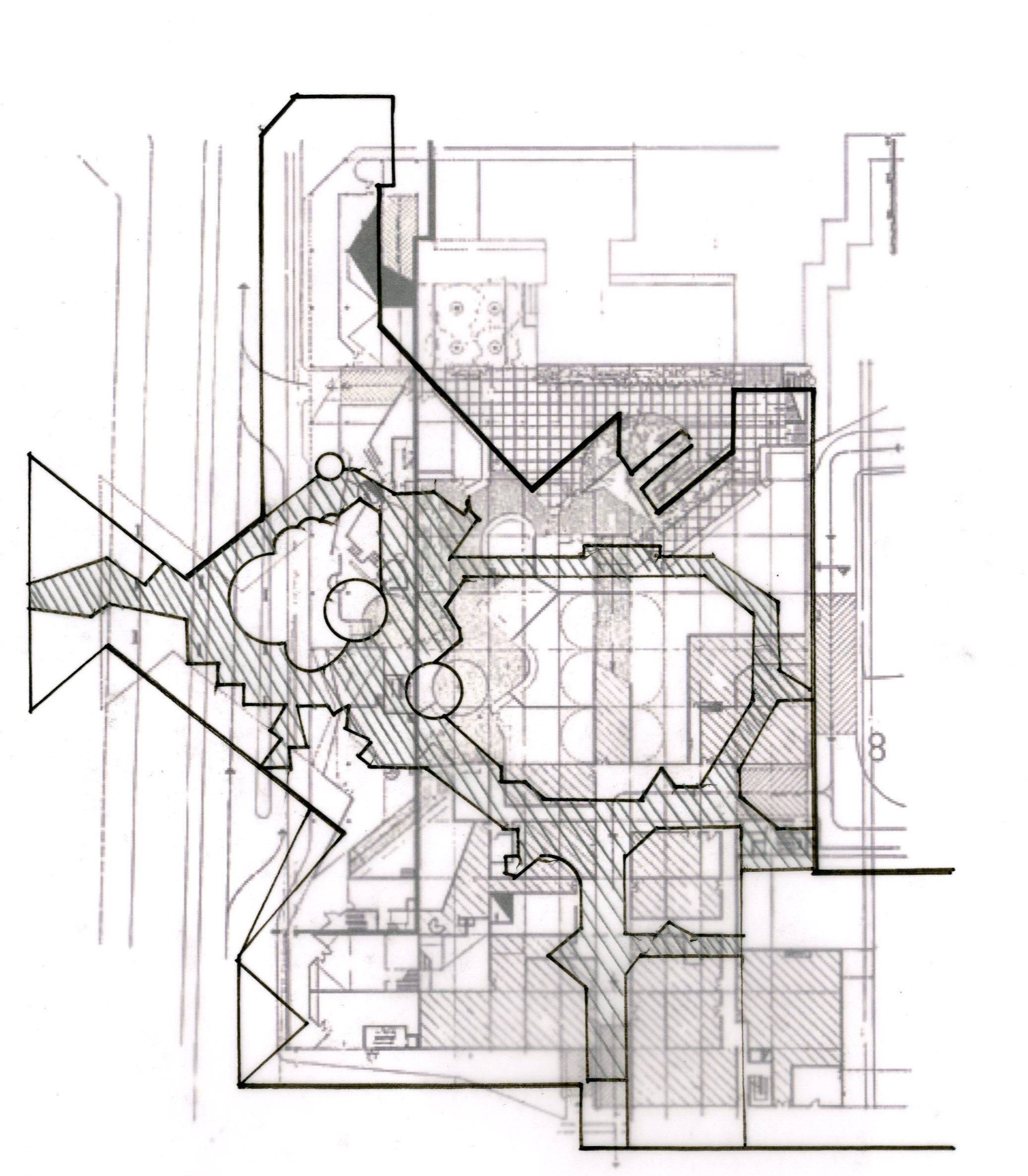
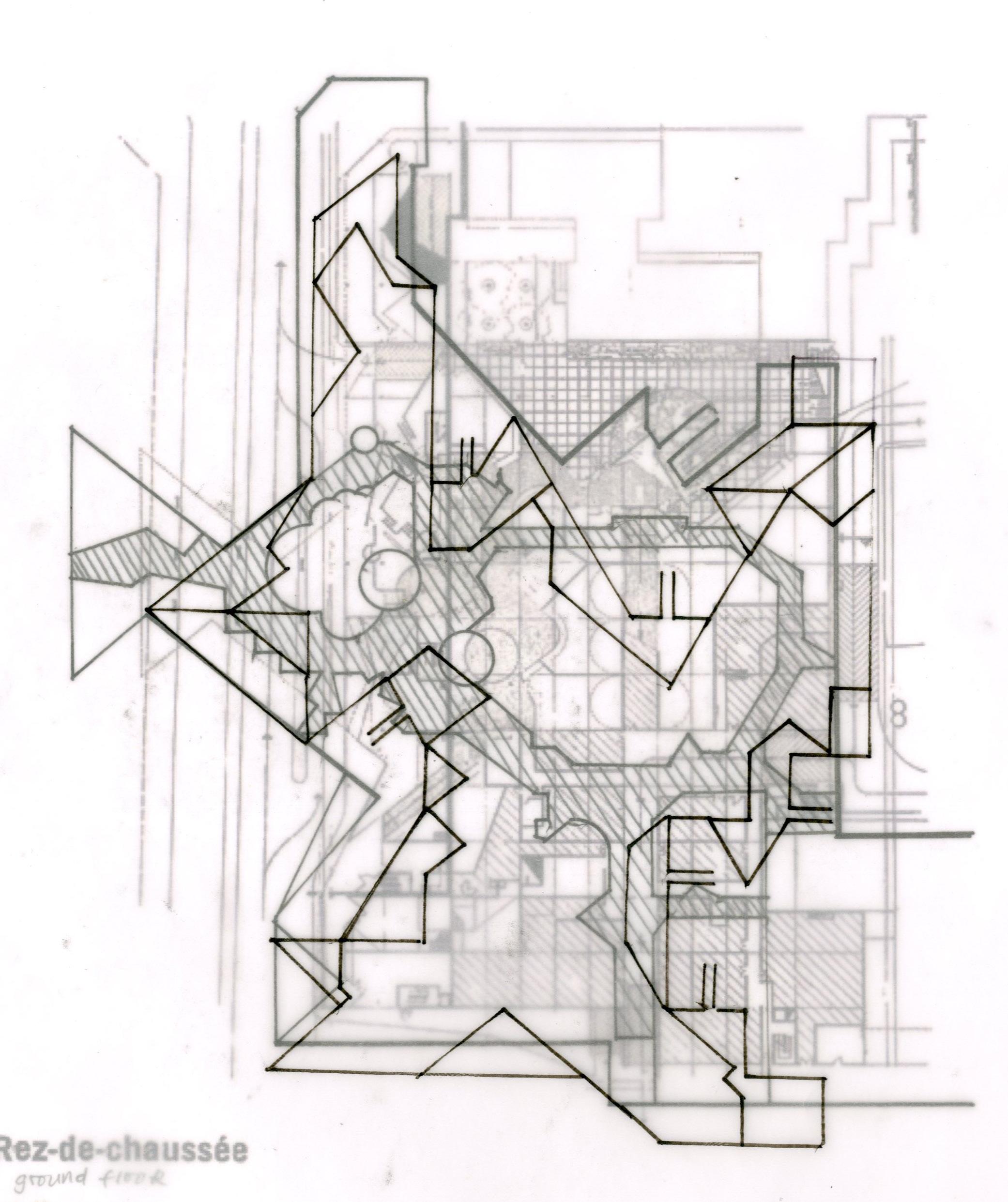
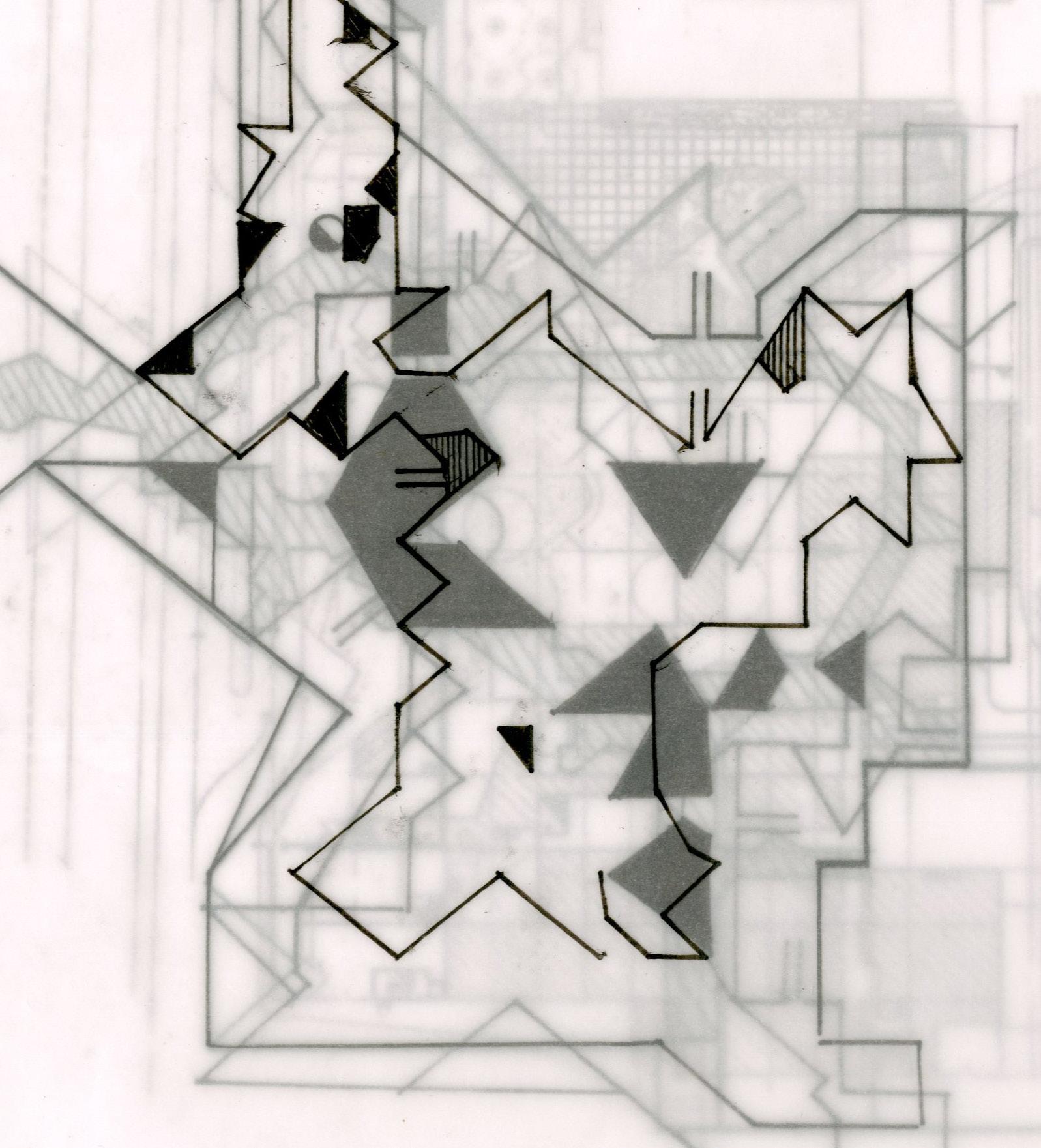
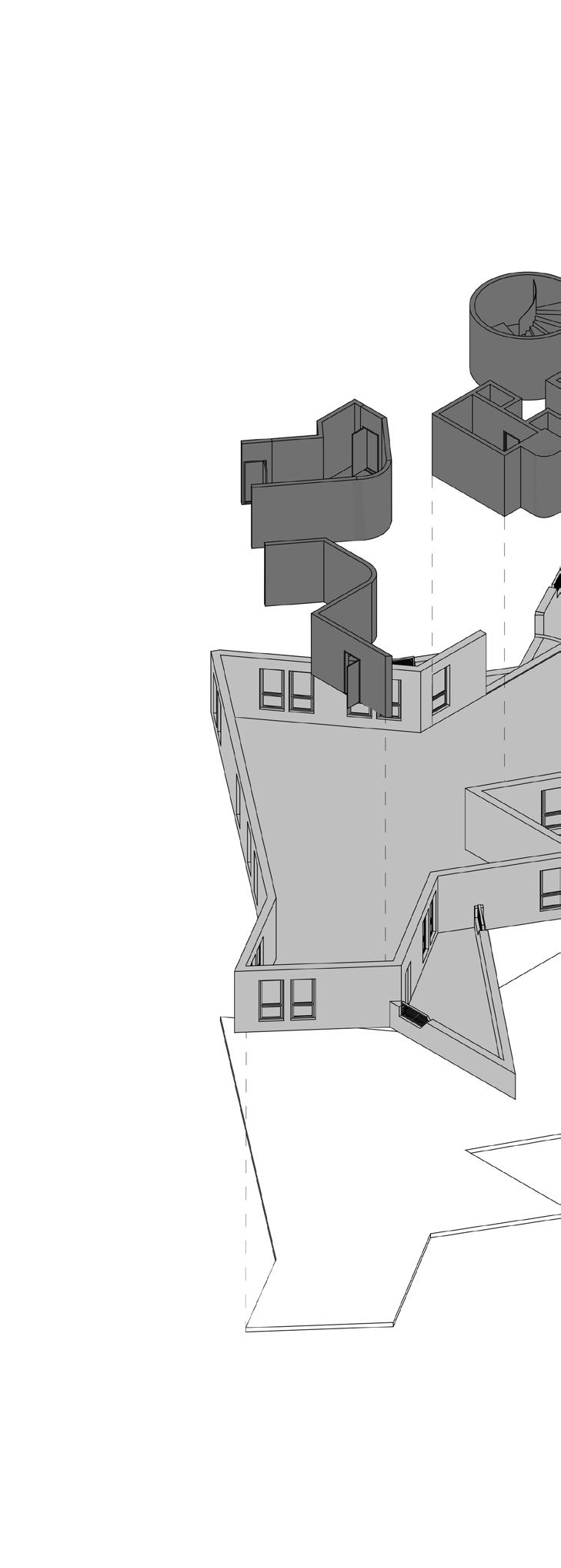
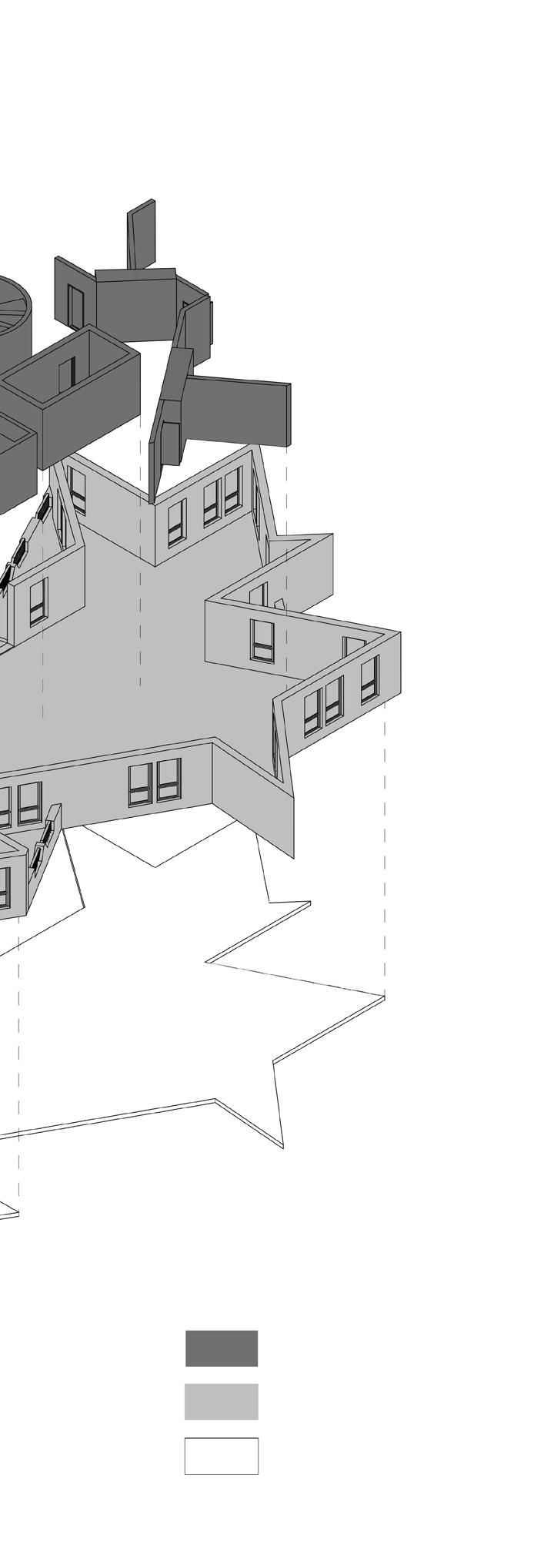
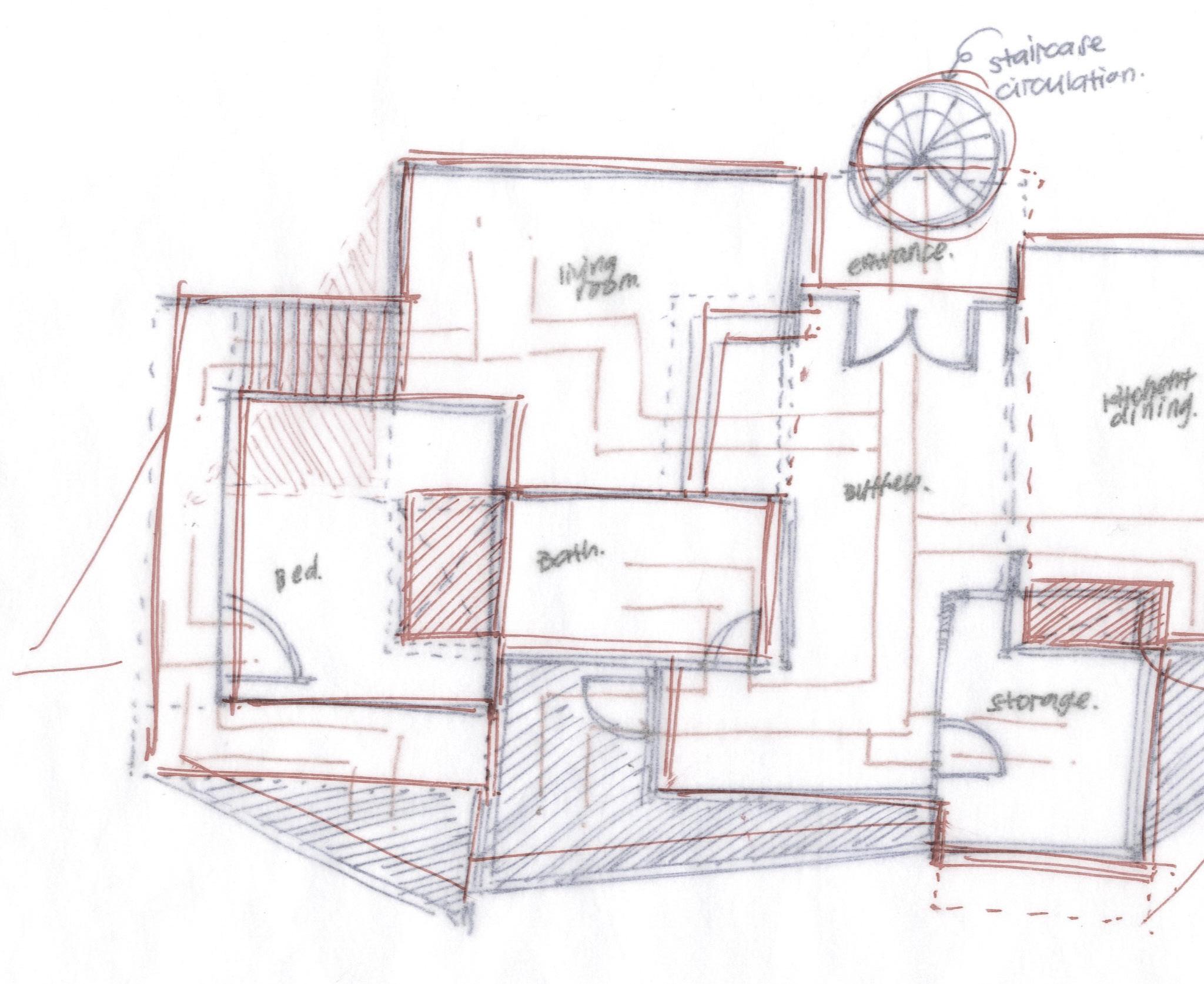
To understand more on how the layers are stacked on one another, I drew out each plan on a tracing paper and stack it one one another to see how each floor are connected , which boundaries remain the same, which are not etc. It helps me understand how their overlapping strategies work.
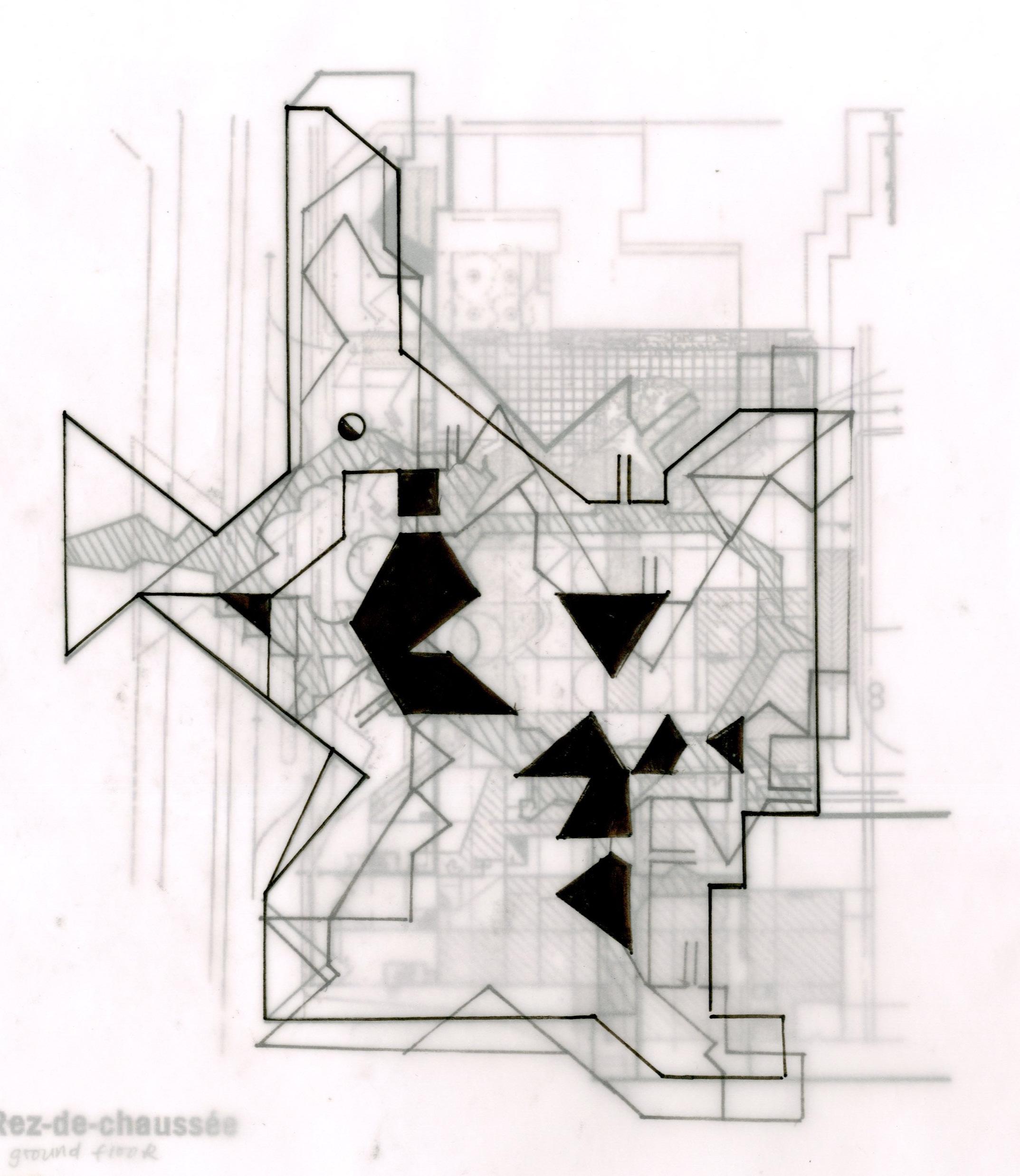
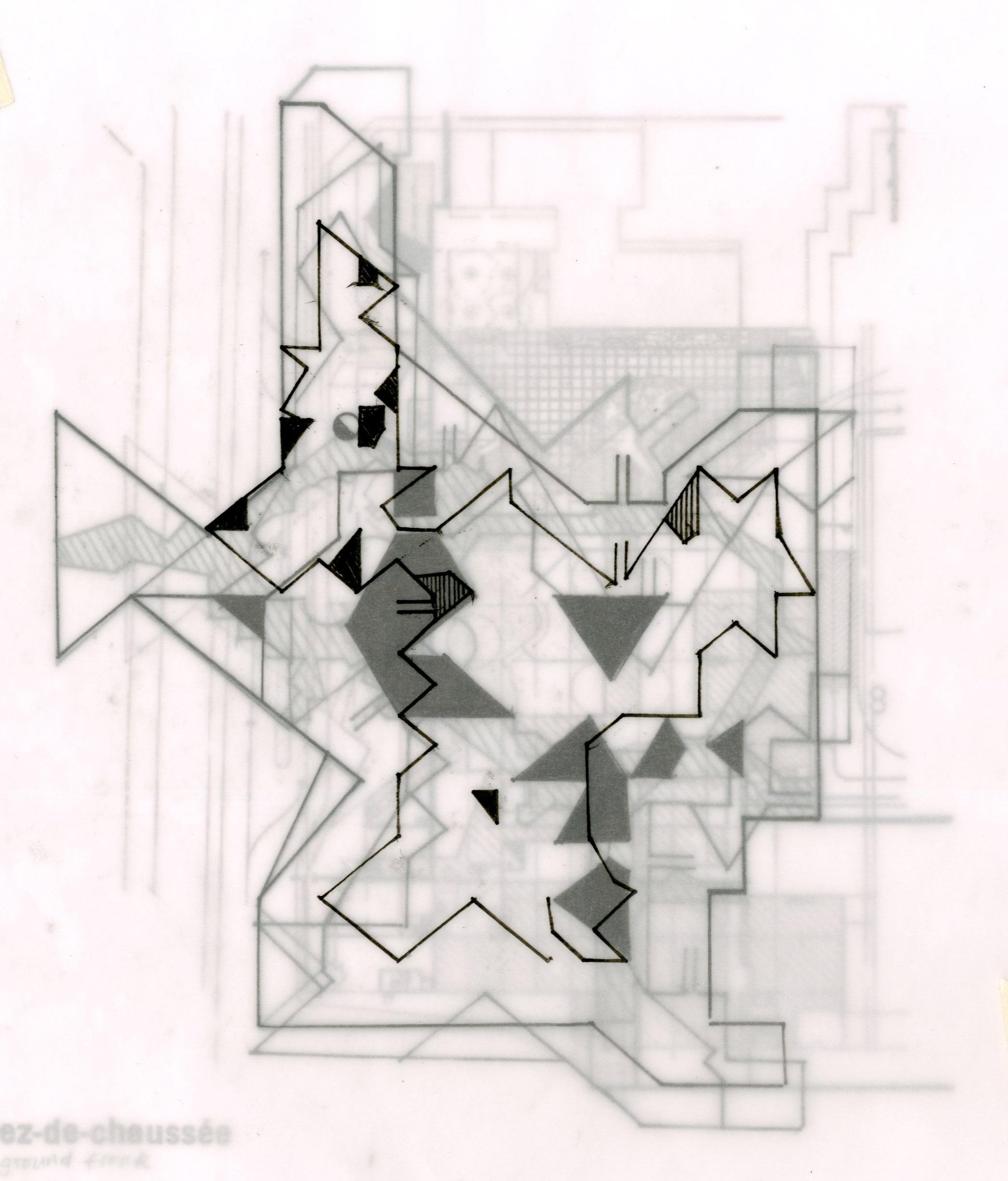
Etoiles D’Ivry-Sur-Seine Renee Gailhoustet and Jean Renaudie
As there are many different buildings that are under the same architects, the building that I chose to focus on is called Jeanne Hachette, a fictional character. I decided to study on this building as it pans across a major road which i thought the two triangle acting as the main bridge over was really interesting. It is visually appealing as it fits the overall theme of stars but it is also functional and works well with the site context.
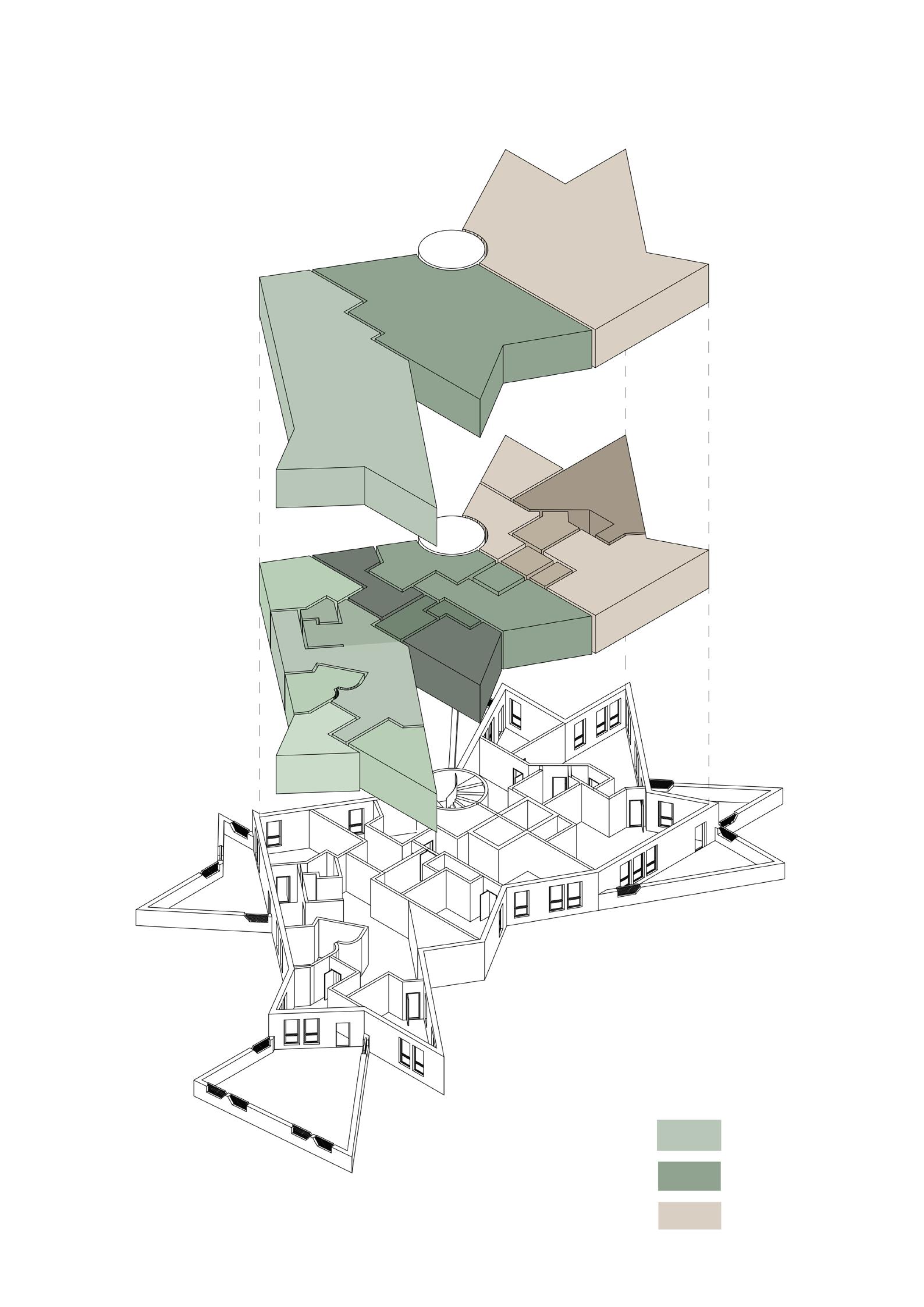
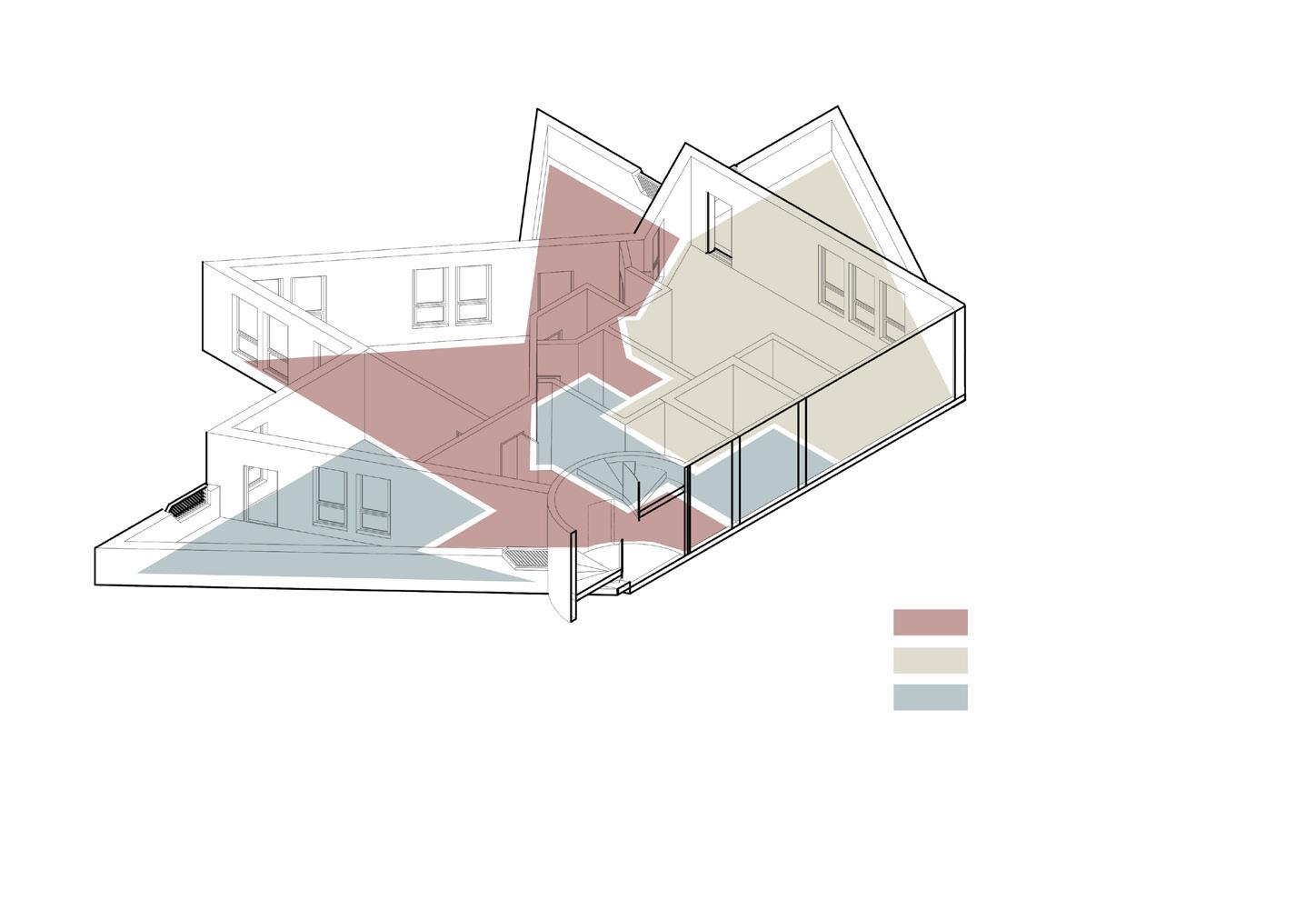
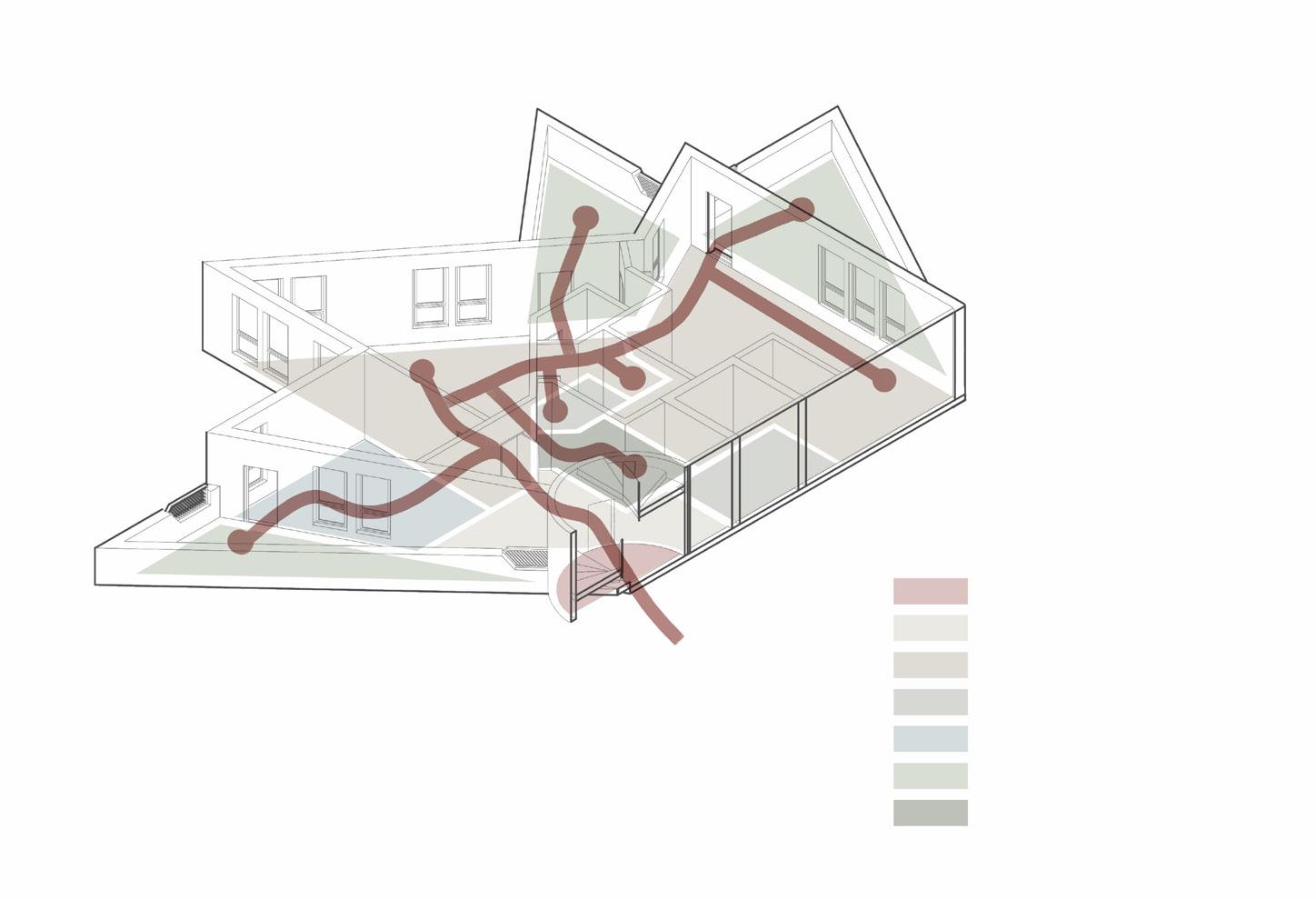
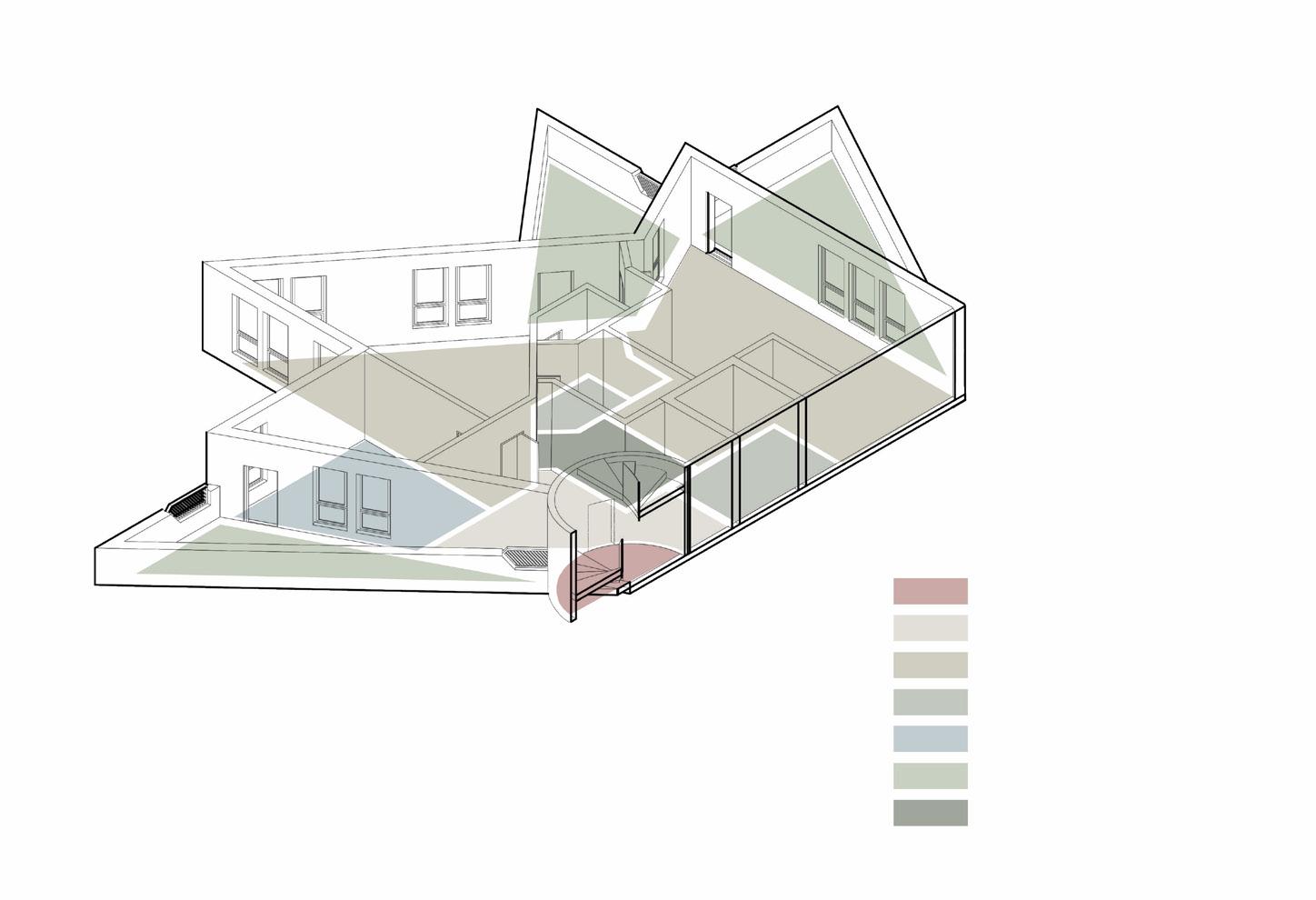
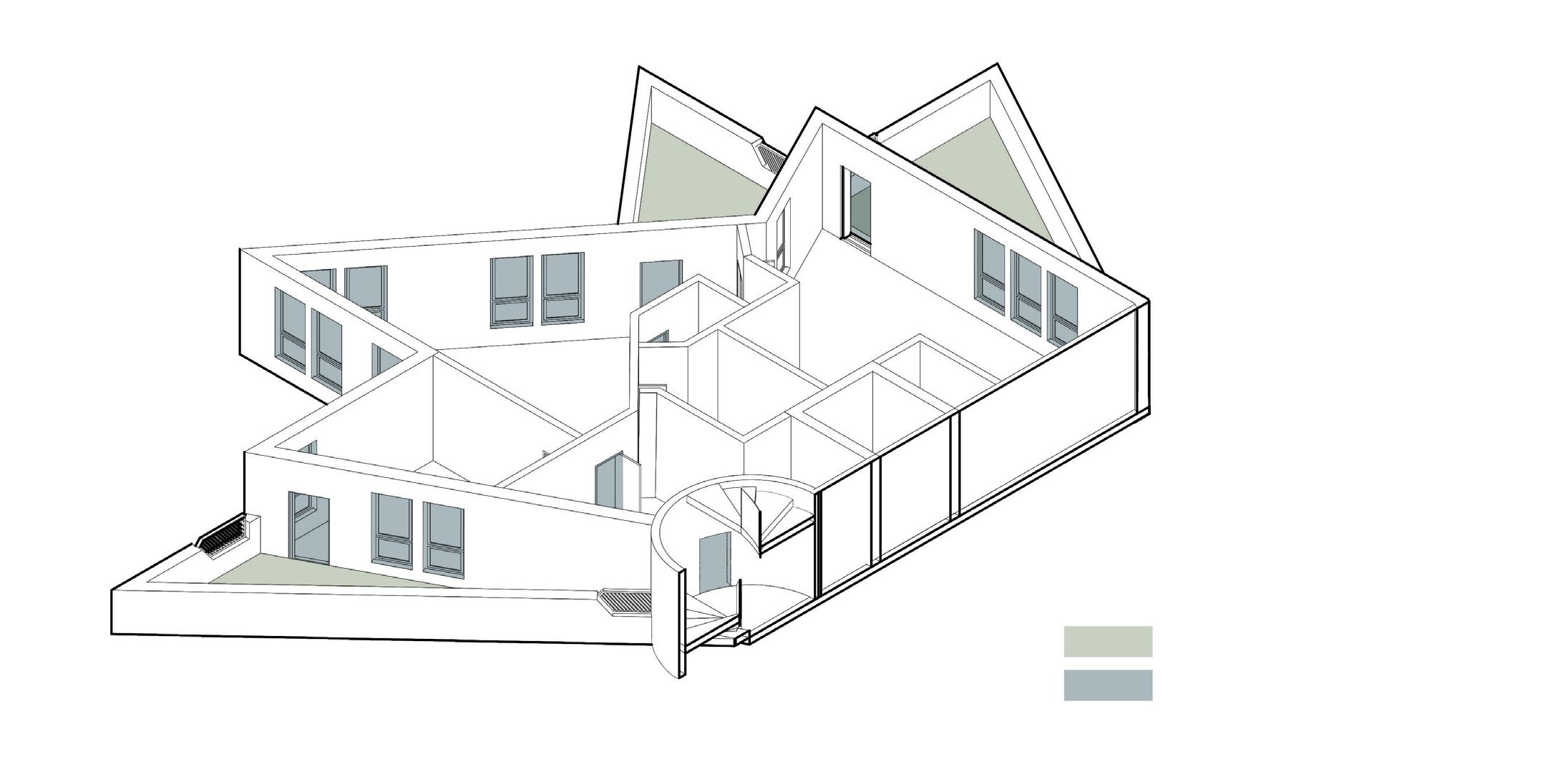
Flat Types Diagram
I decided to zoomed in onto one of the upper floor of the residential space as it is easier to depict what spaces function are. On one floor there is a total of 3 flat all of a different shape however the amount of spaces inside are relatively the same.
It was important for Renaudie and Gailhoustet that the shape are not conventional as it provides ‘an escape‘ or more opportunities for spaces to be individualise by the users.
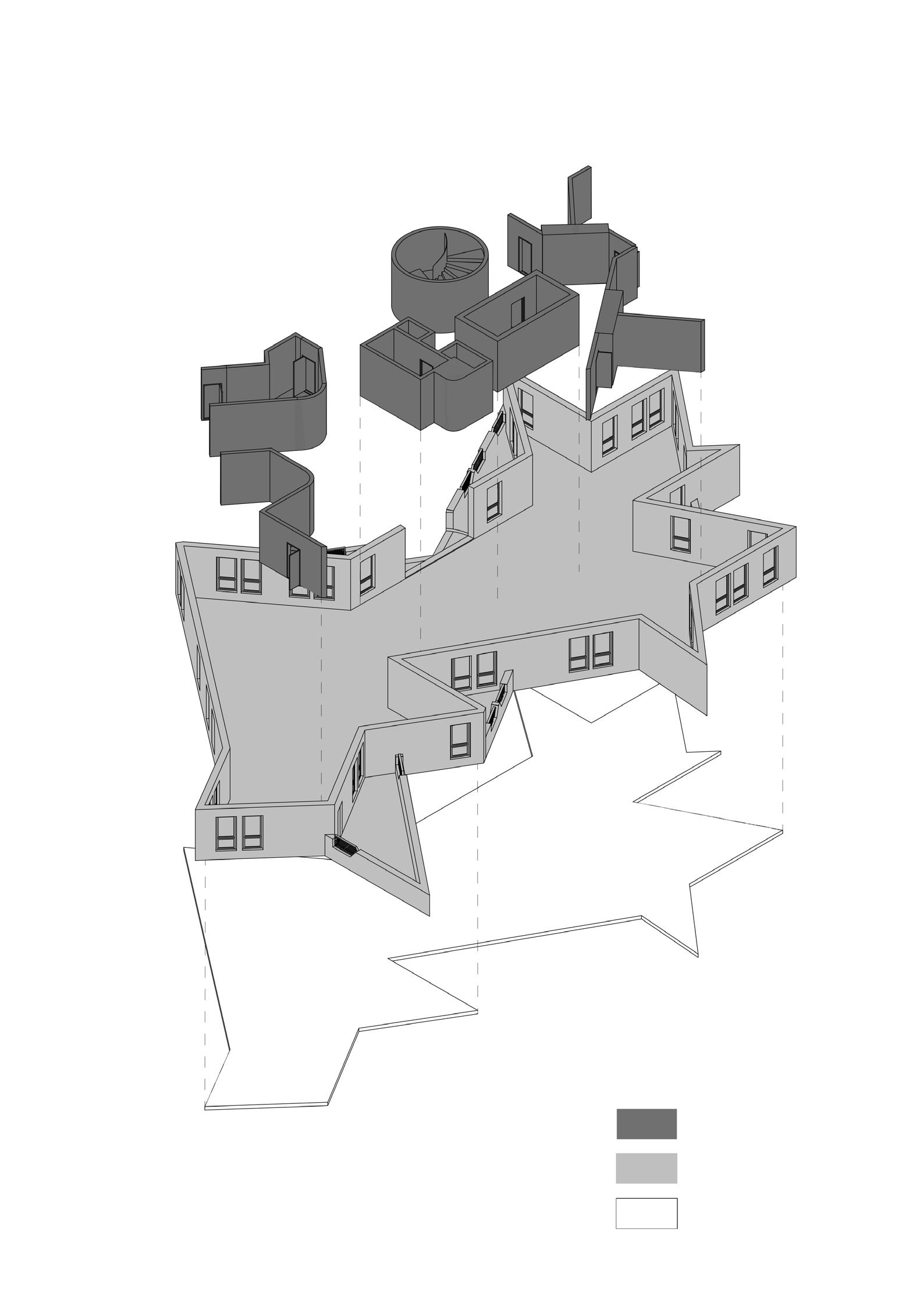
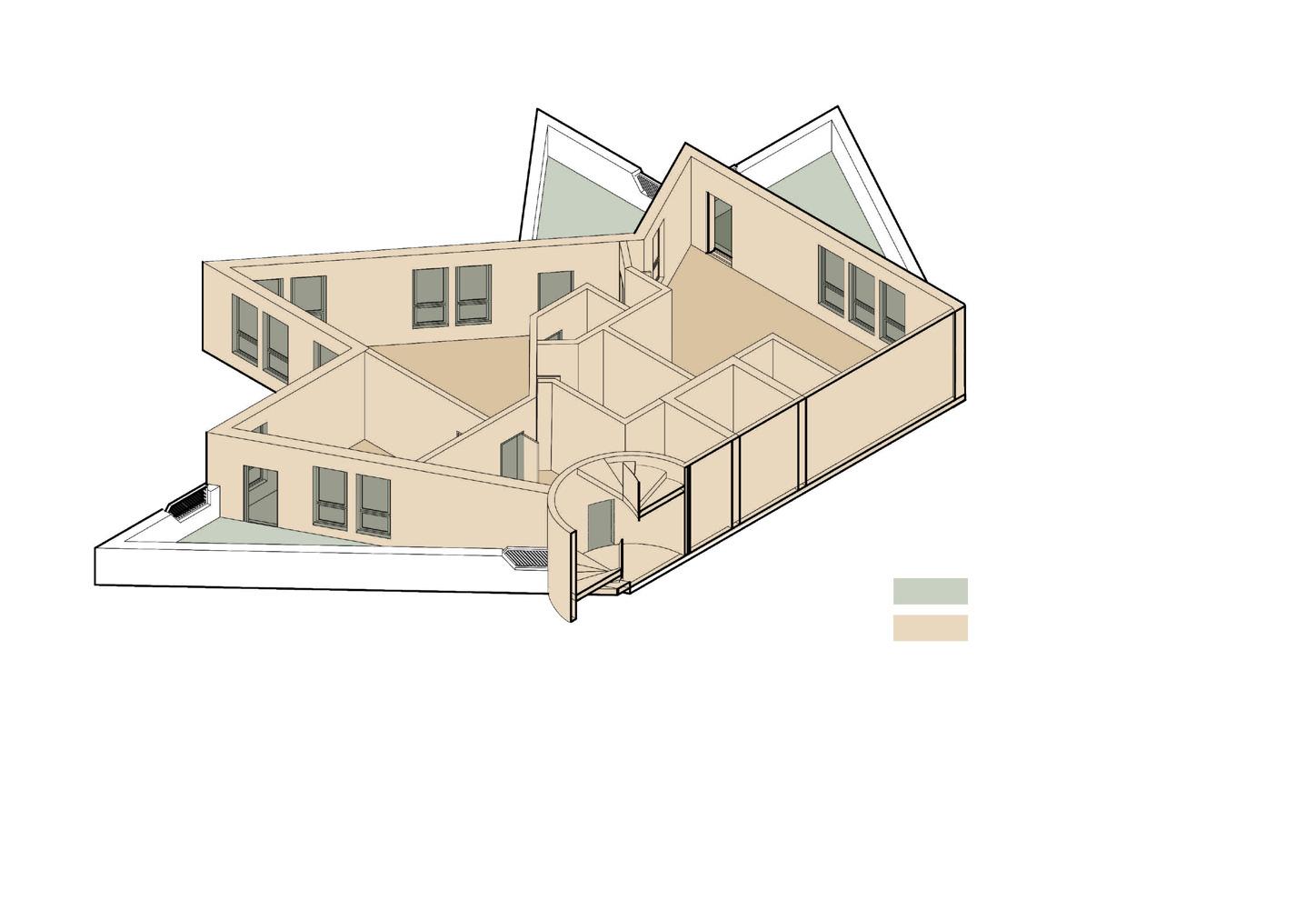
Wall Diagram
This wall diagram is too look at how the interior threshold are shaped bu the walls that are all shaped at a weird placement providing more unique threshold within.
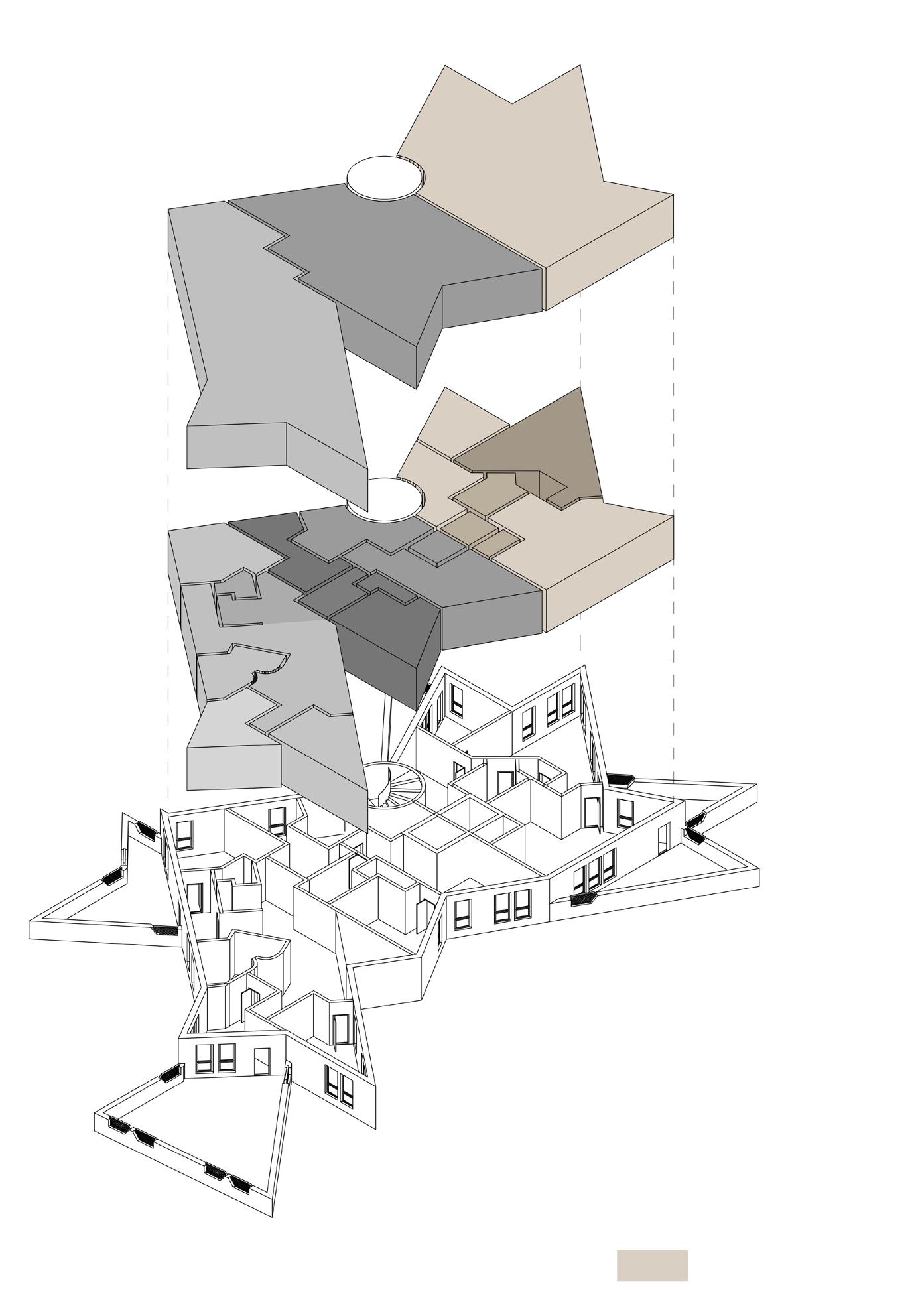
Flat Types
Simple Site Analysis
Focusing on how the spaces are used and how the immediate surrounding affects the user within.
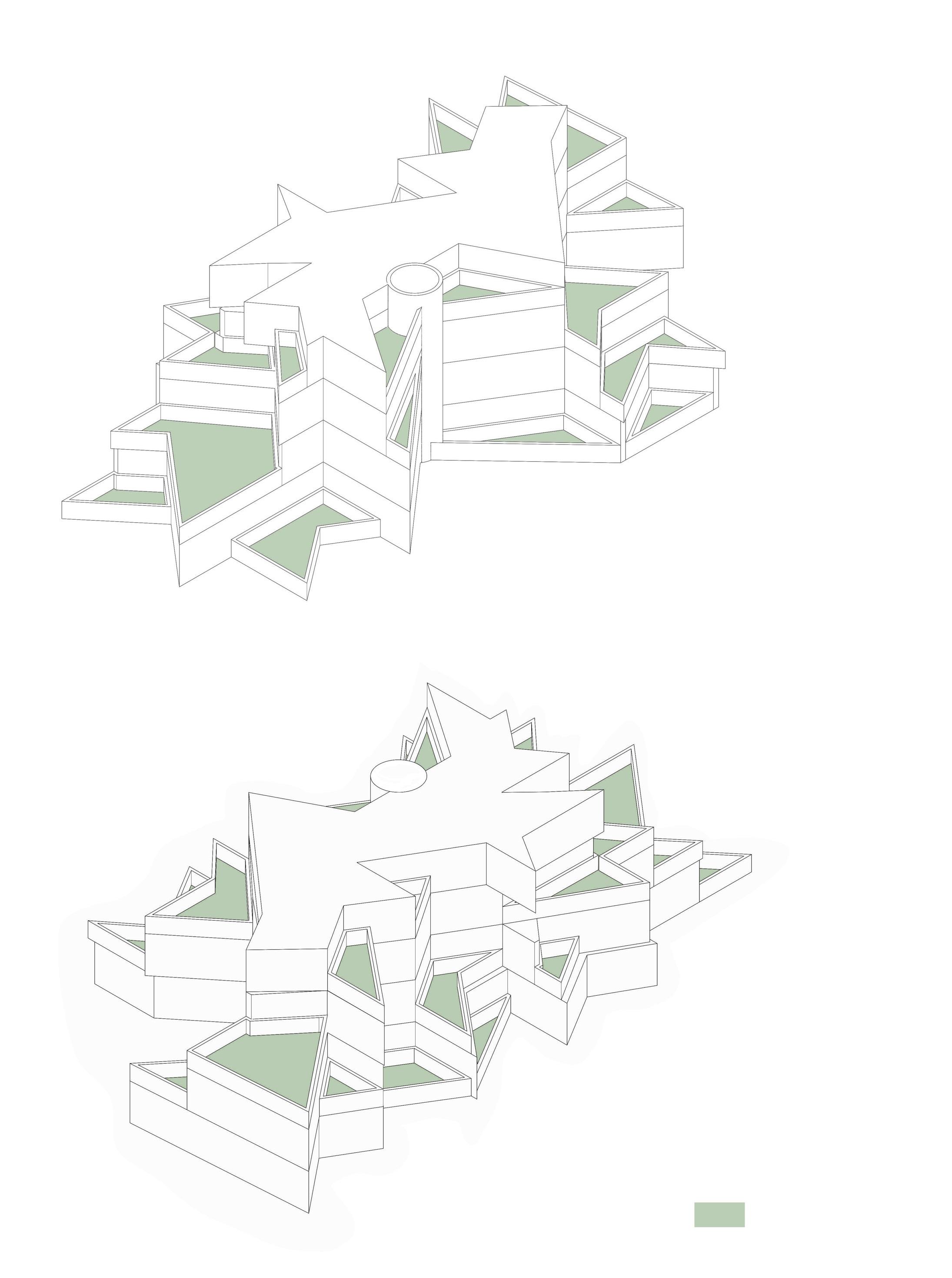
As Green spaces play a big role to Les Etoiles D’Ivry as according to Renausie, each individual deserves to have their own spaces as everyone de serves equal opportunity of living.
Inspired by the modularity of Hulot’s Parisian Flat and the complexity of the Les Etoiles D’Ivry Building, I decided to take both the key features and combines to make a residential building for Hulot.
The development focus on Hulot being the only resident in the flat however there would still be extra spaces for his other family members on various occasions.
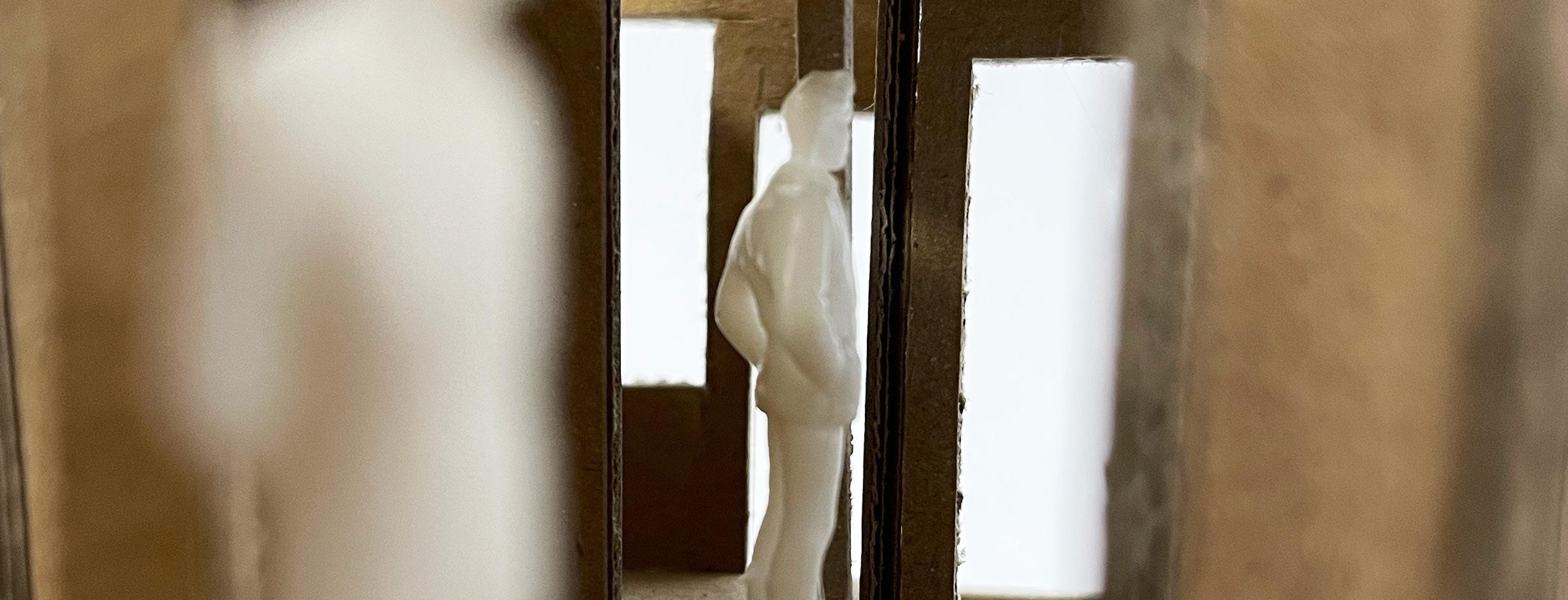
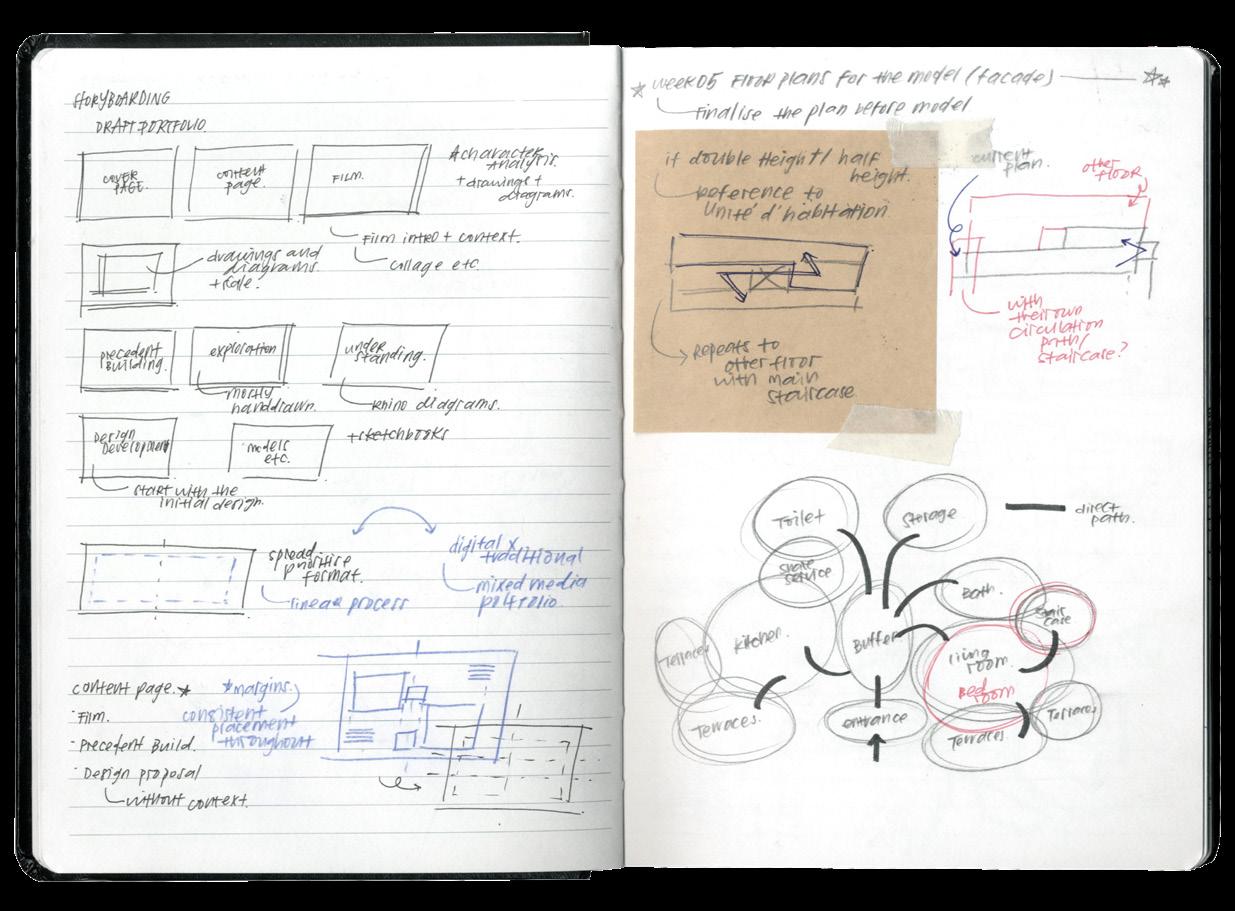
Focus: The concept is to combine both Hulot’s Flats and the precedent building Les Etoiles D’Ivry however the main key idea of working on it is based on ‘Bubble Diagrams’ which depicts the zoning and functionality of each spaces.
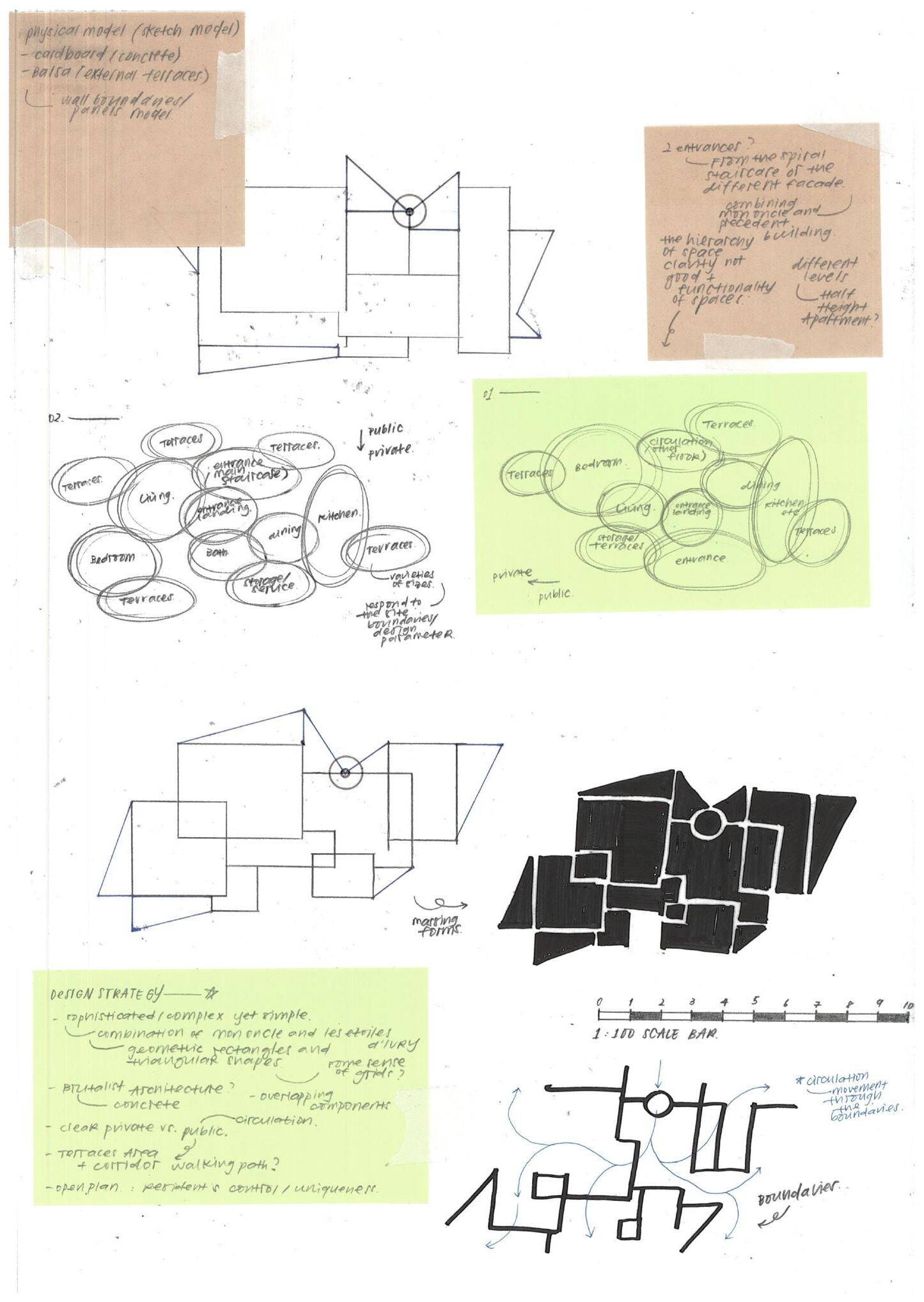
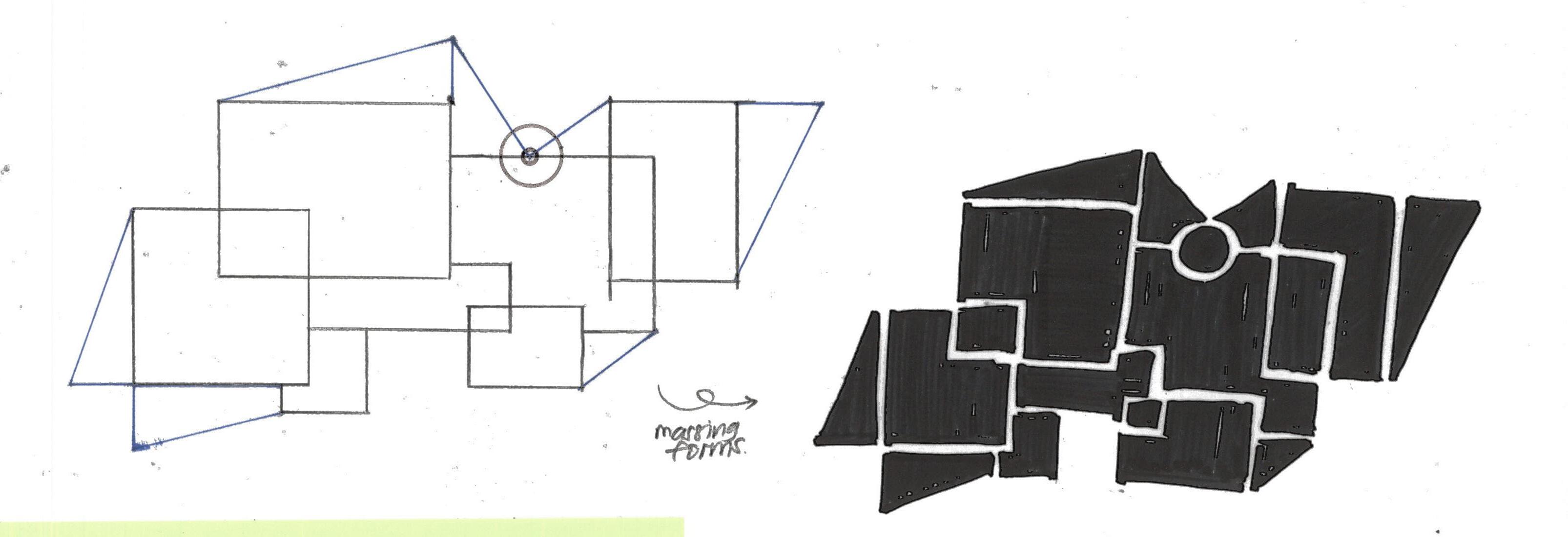
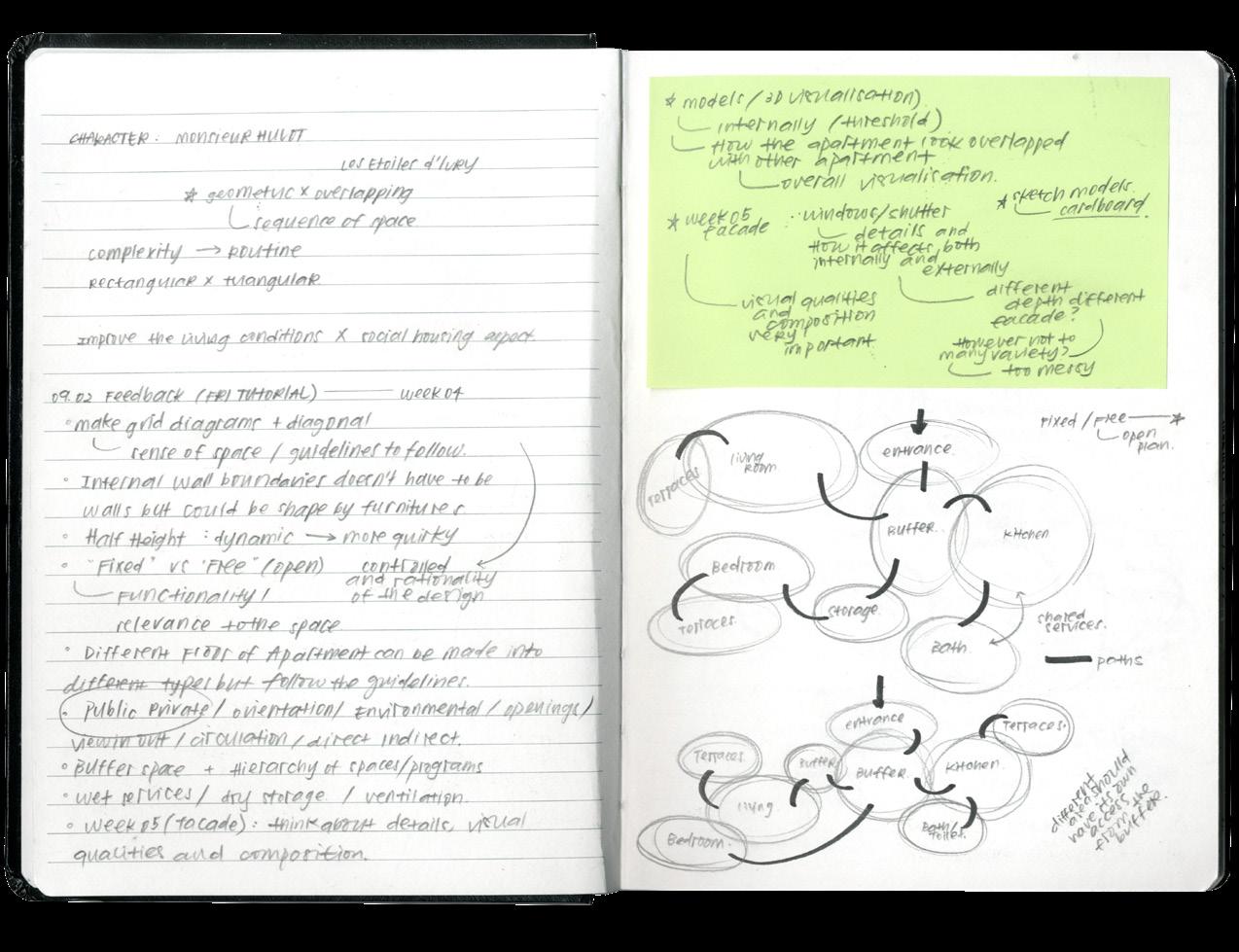
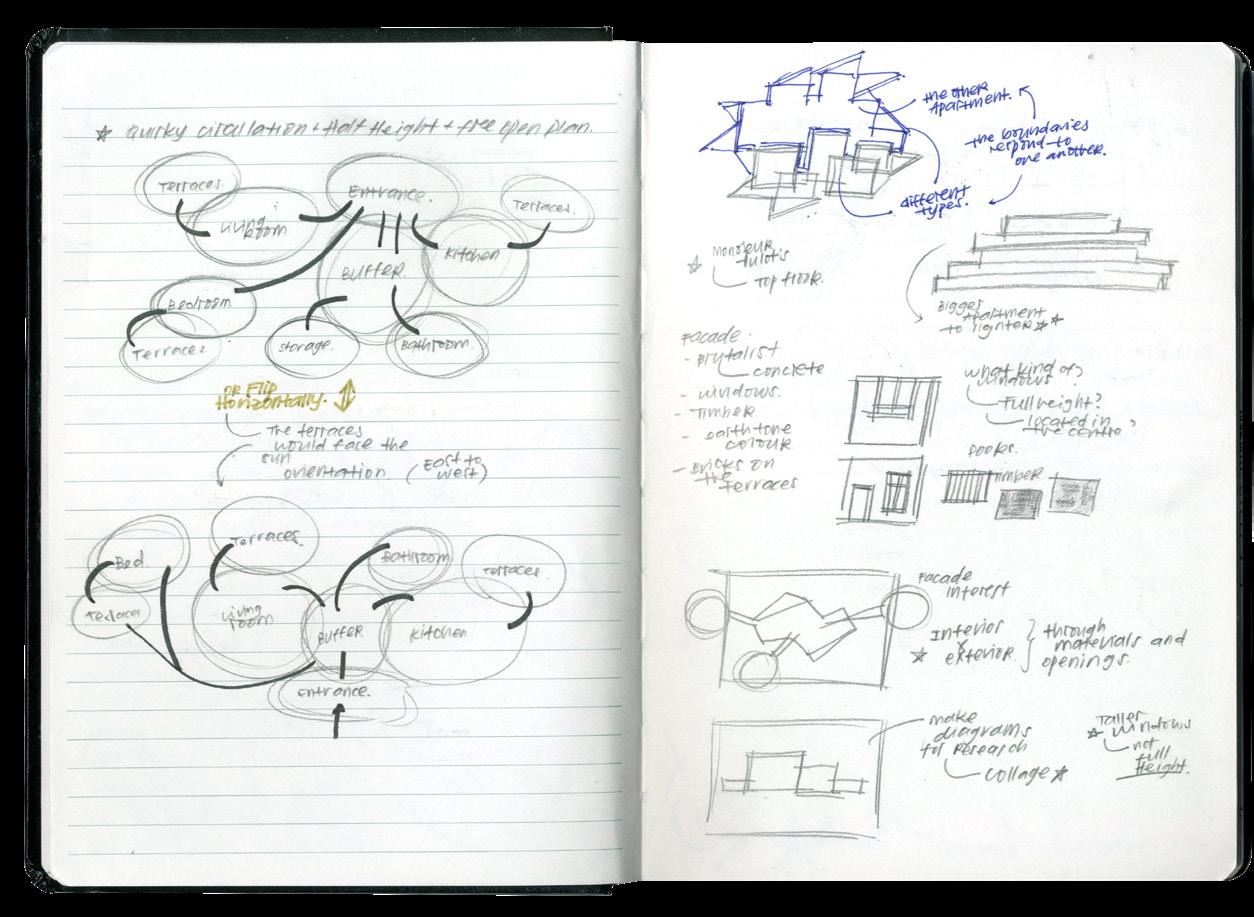
Diagrams
Massing Diagrams made based on the developments and understanding of Hulot’s Flat.
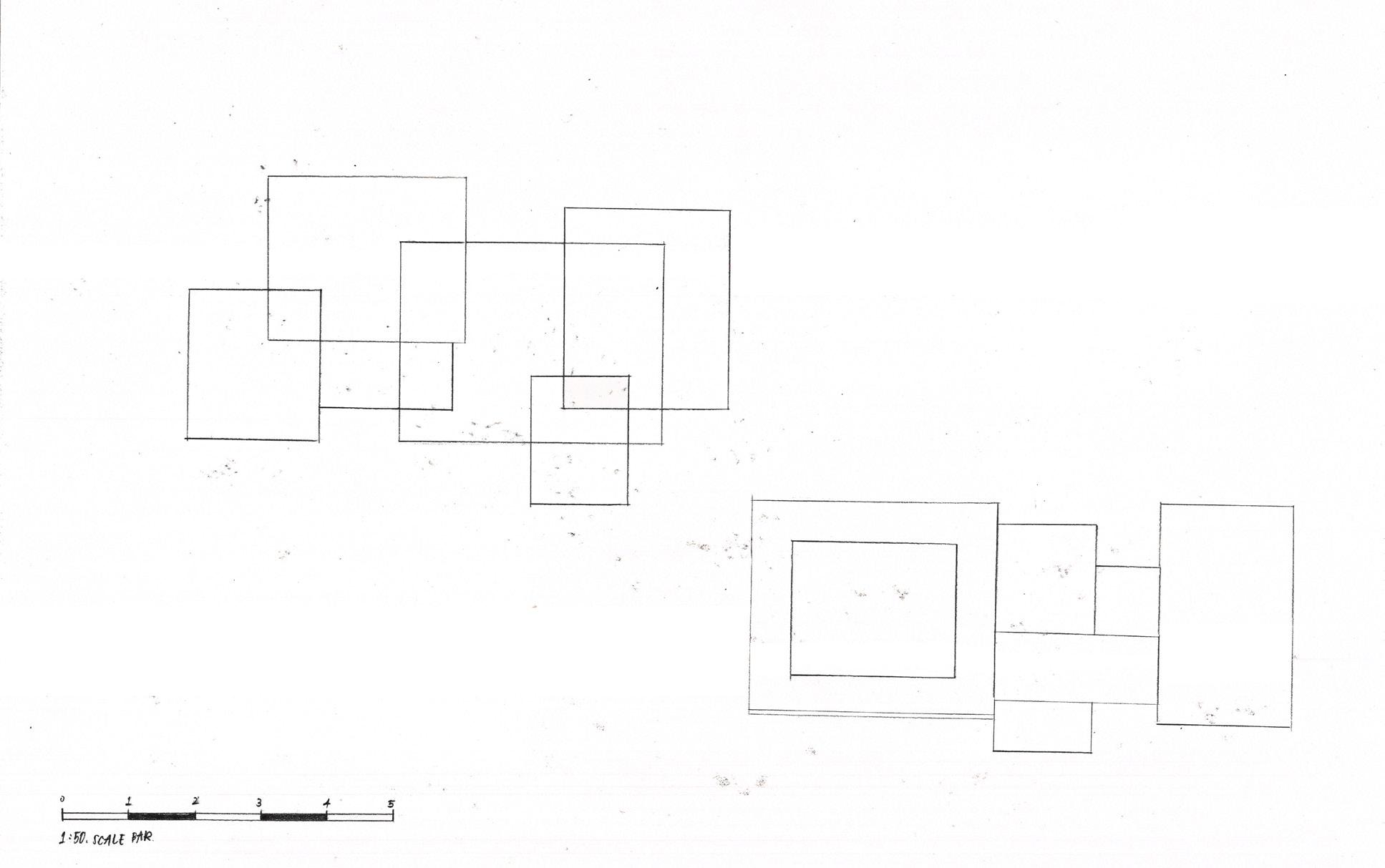
Base Plan
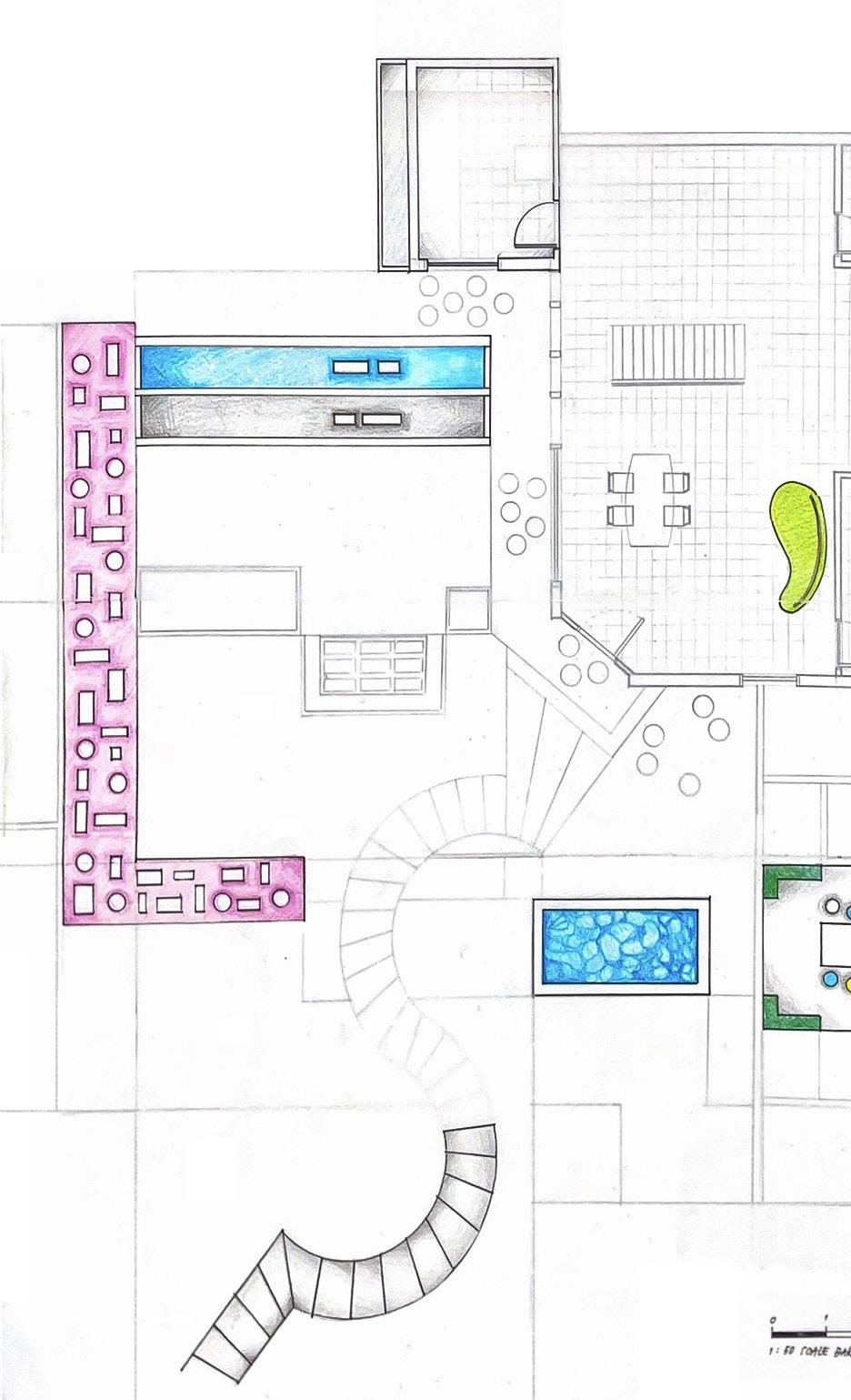
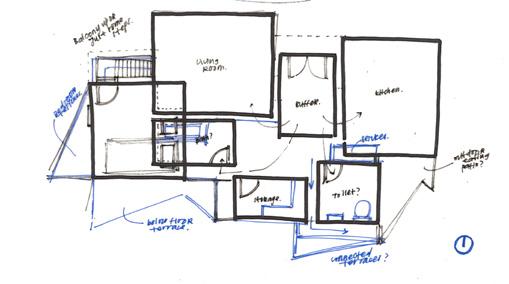
Working with grid like plan and simple rectangular shape ensuring that theres enough space and it makes an interesting interior threshold.
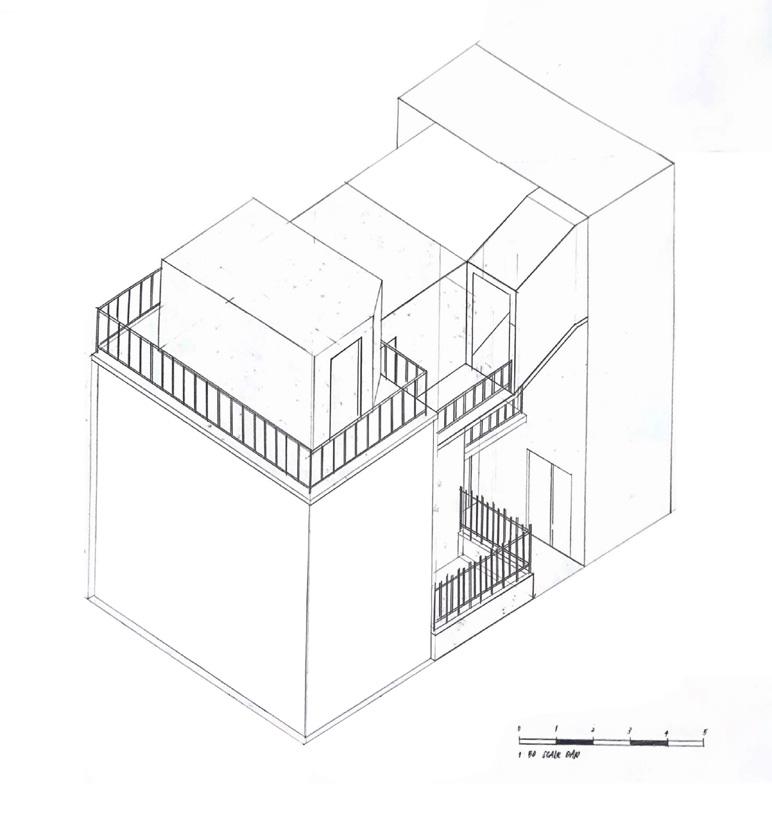
Adding on the the base plan, walls are drawn with the balcony to add more depth to the precedent study.
depth and dimension to the space referencing back
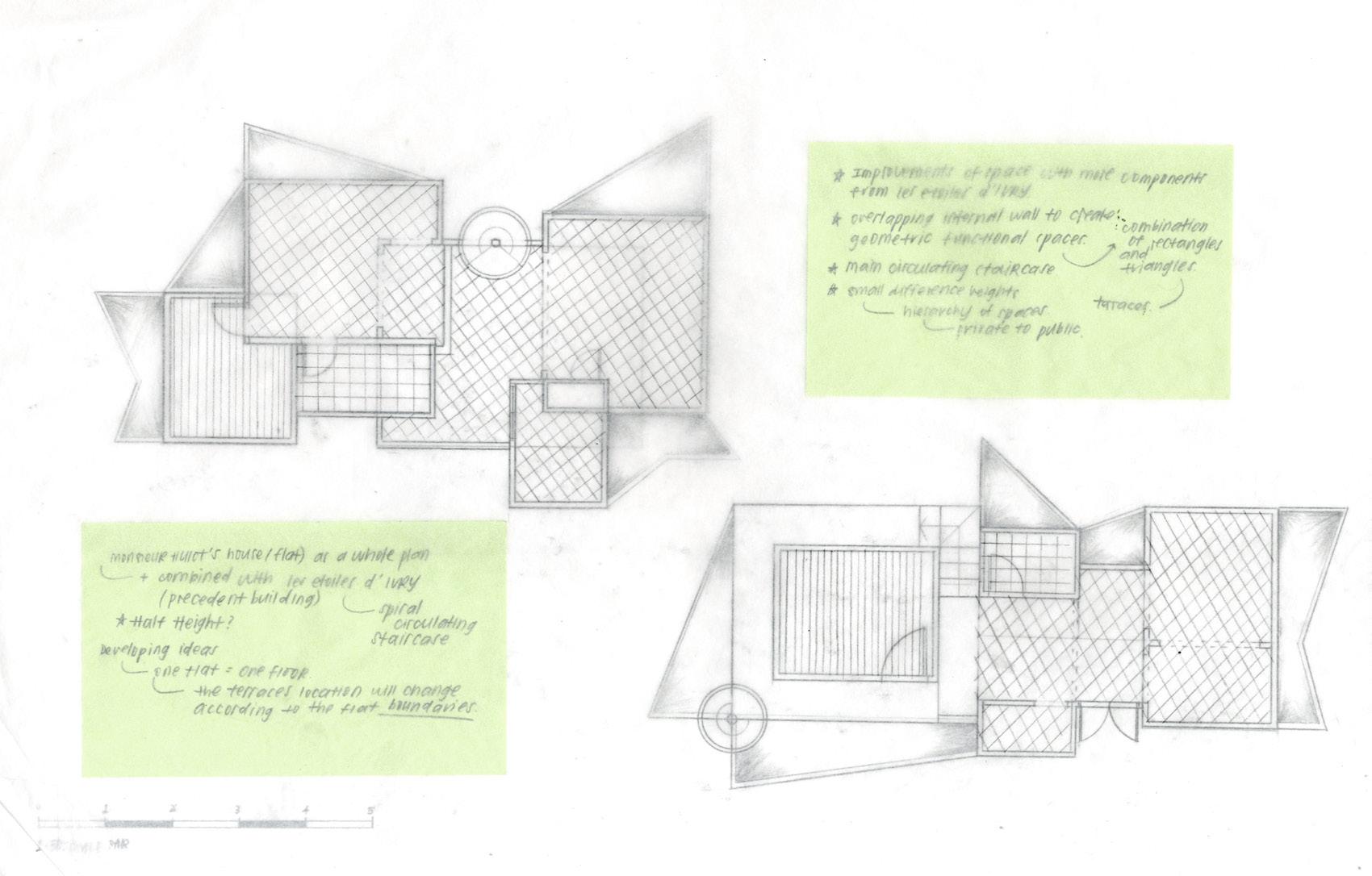
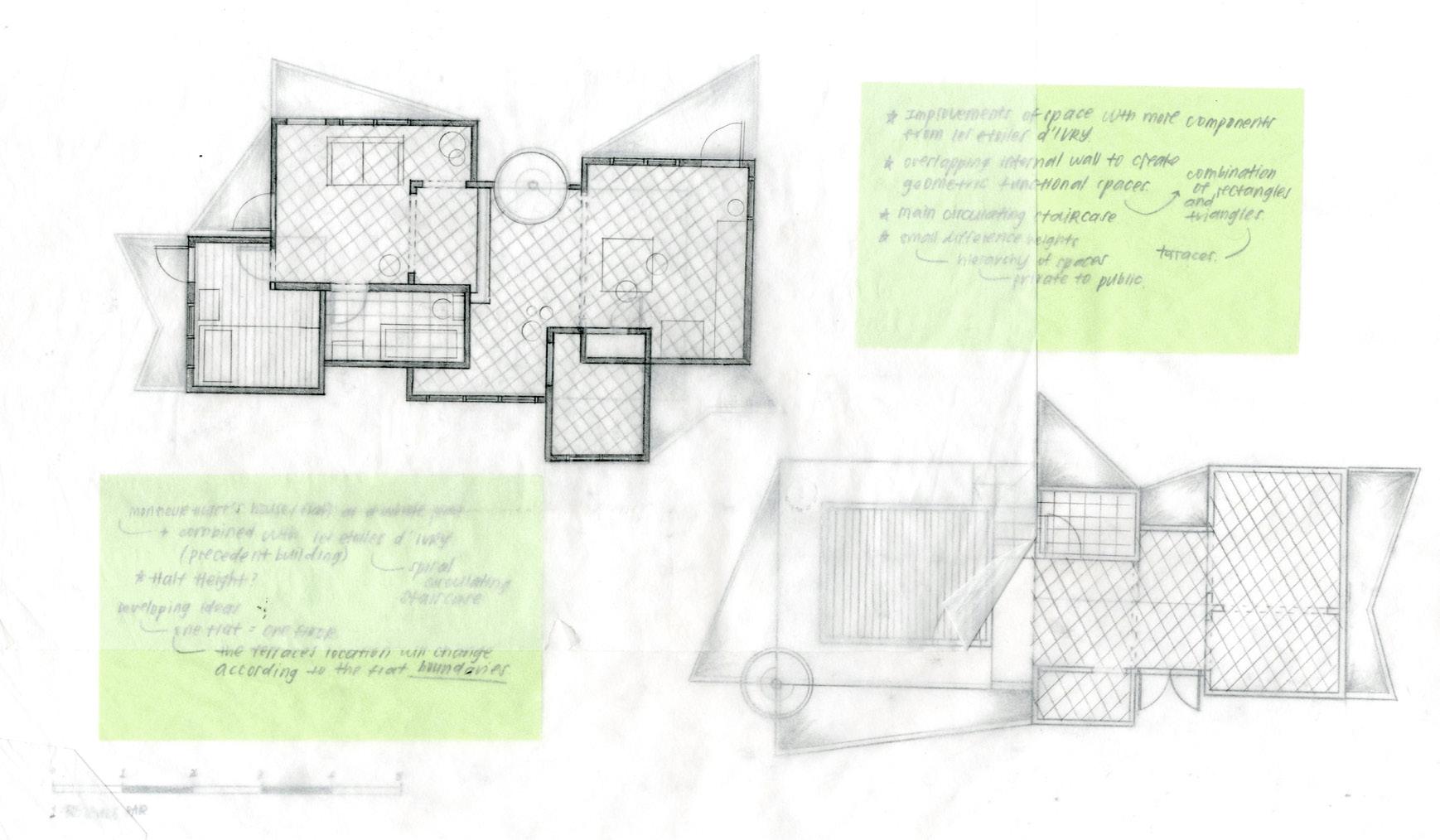
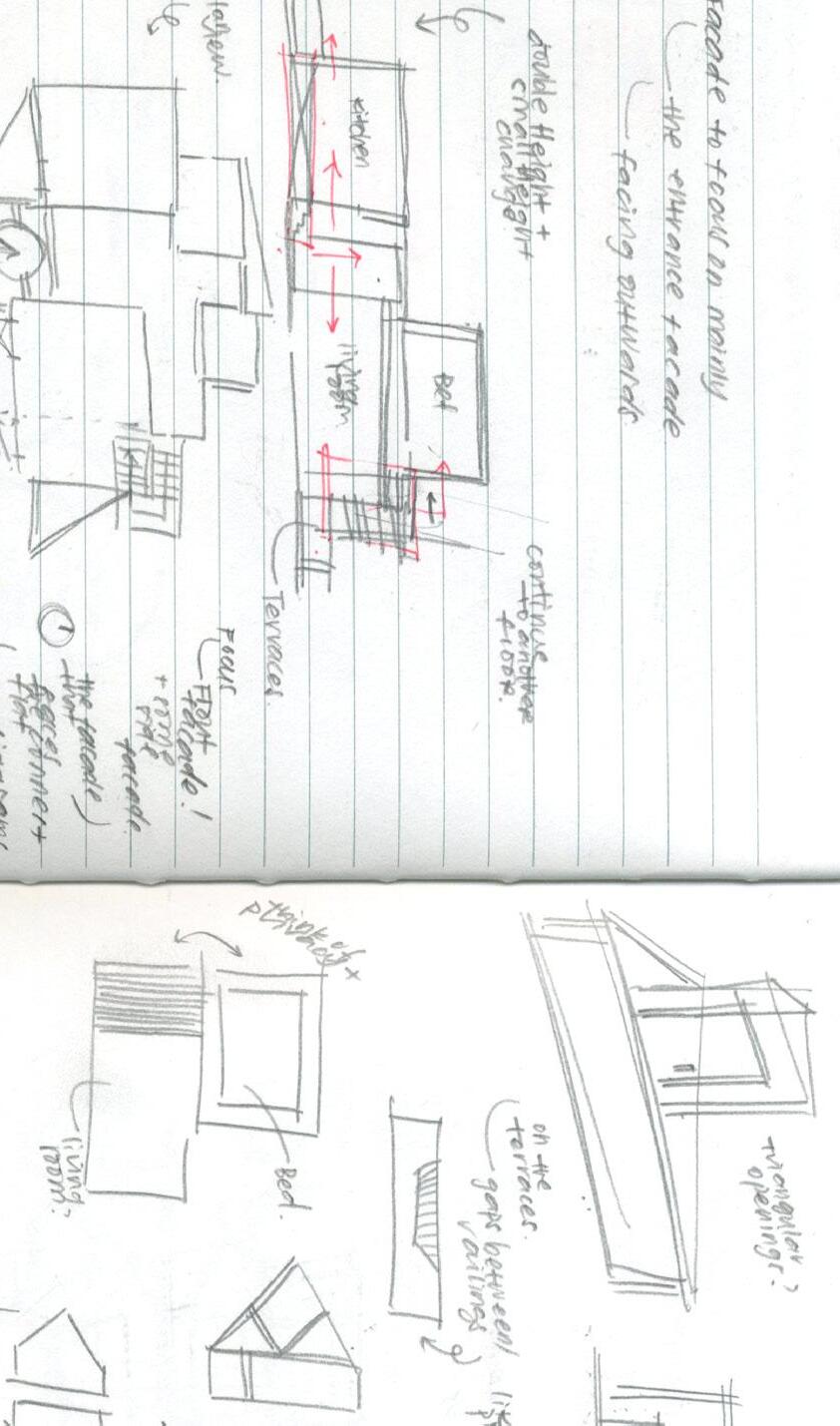
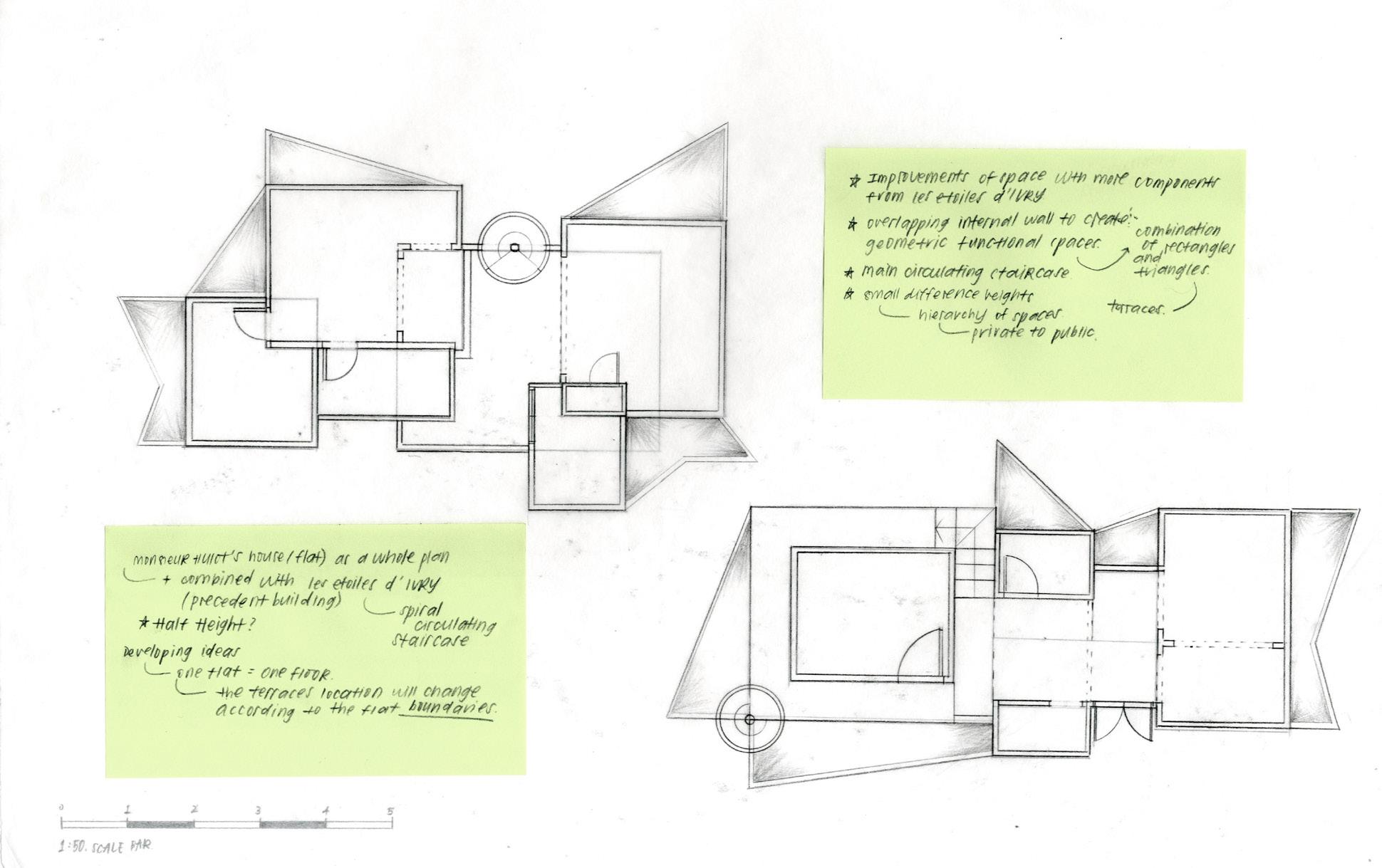
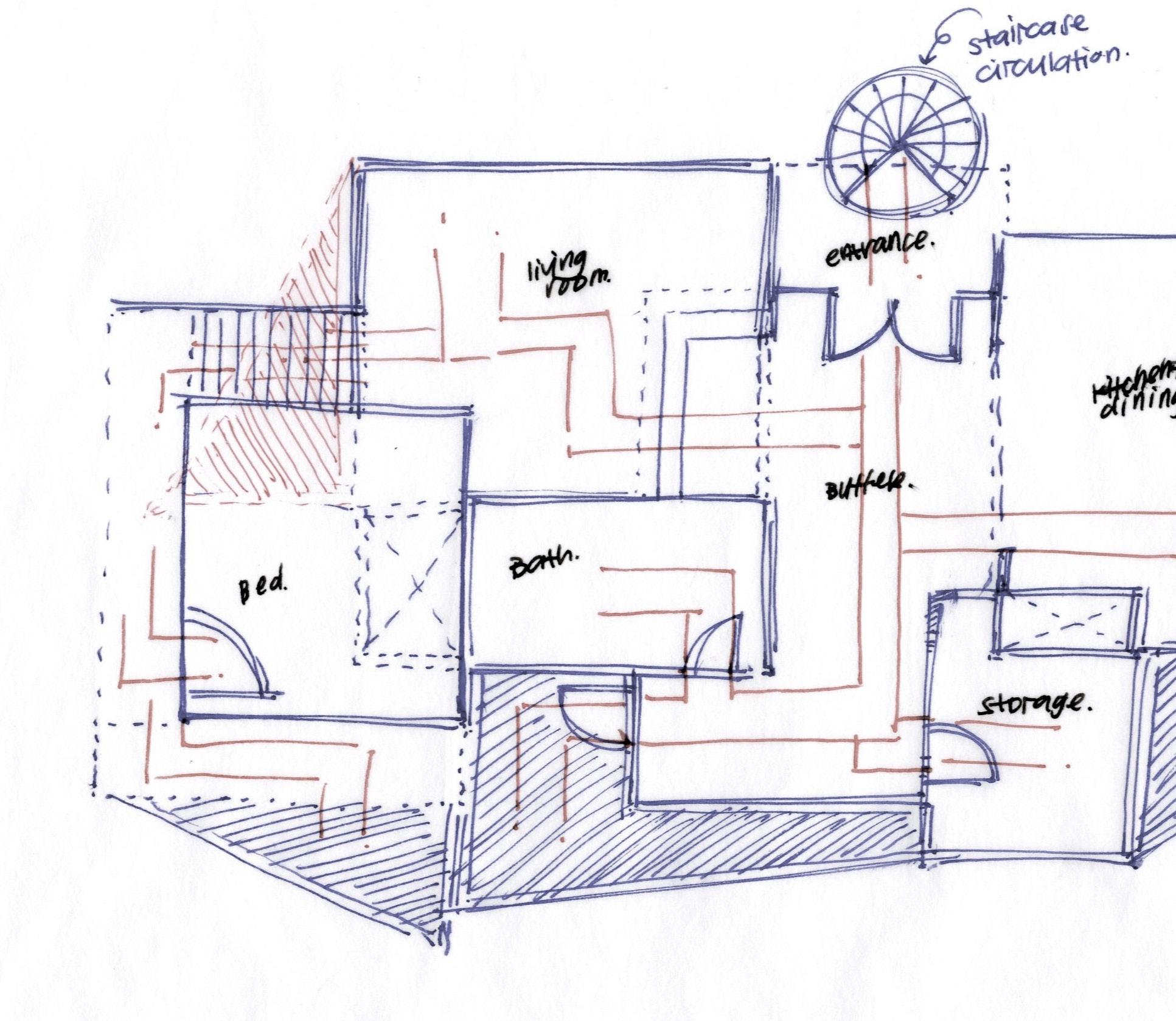
Floor details are added in to see how the zoning of dry and wet spaces work with the walls. The conept of fixed and movable was also suggested to accommodate Hulot’s personality and circulation style.
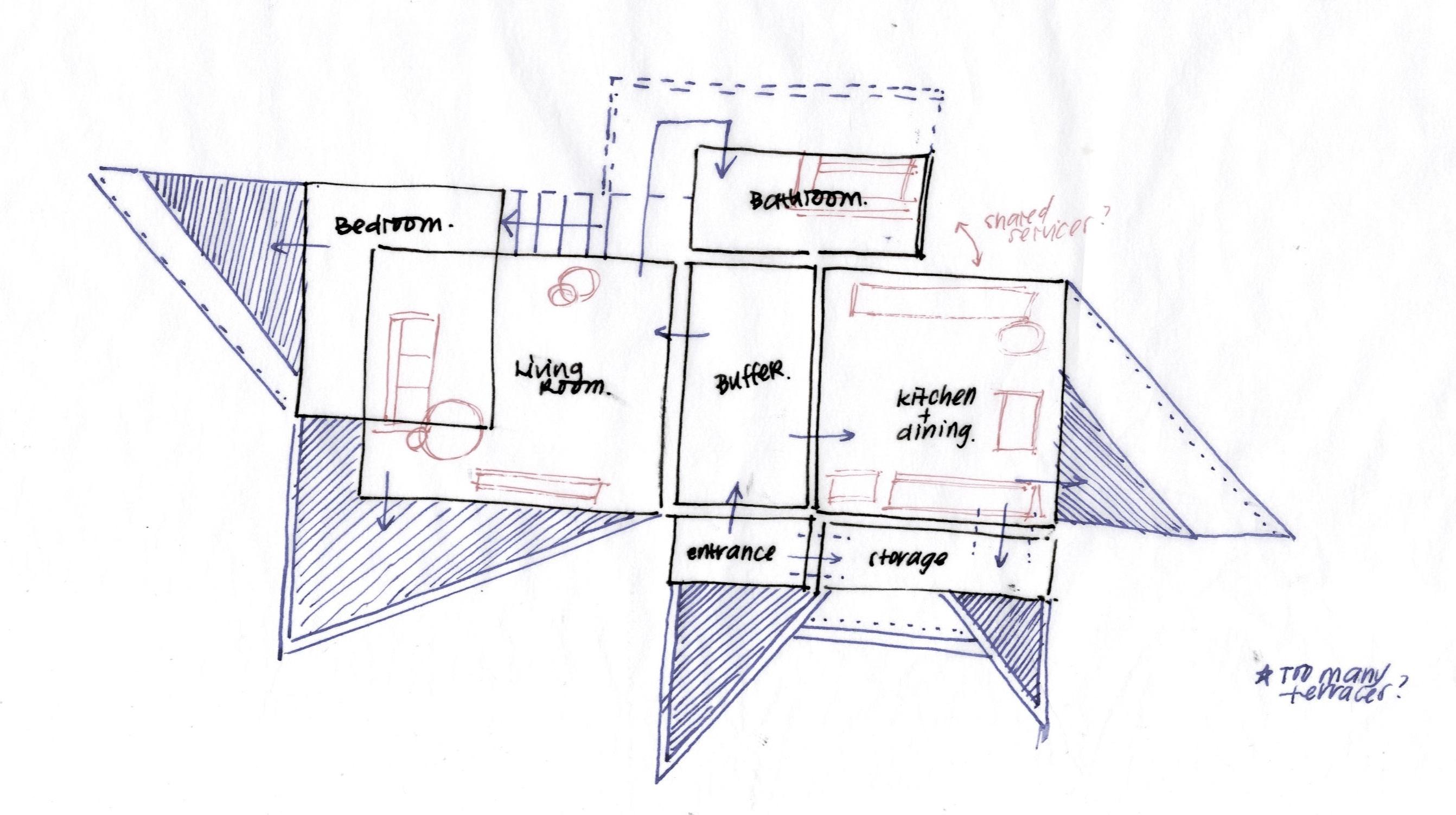
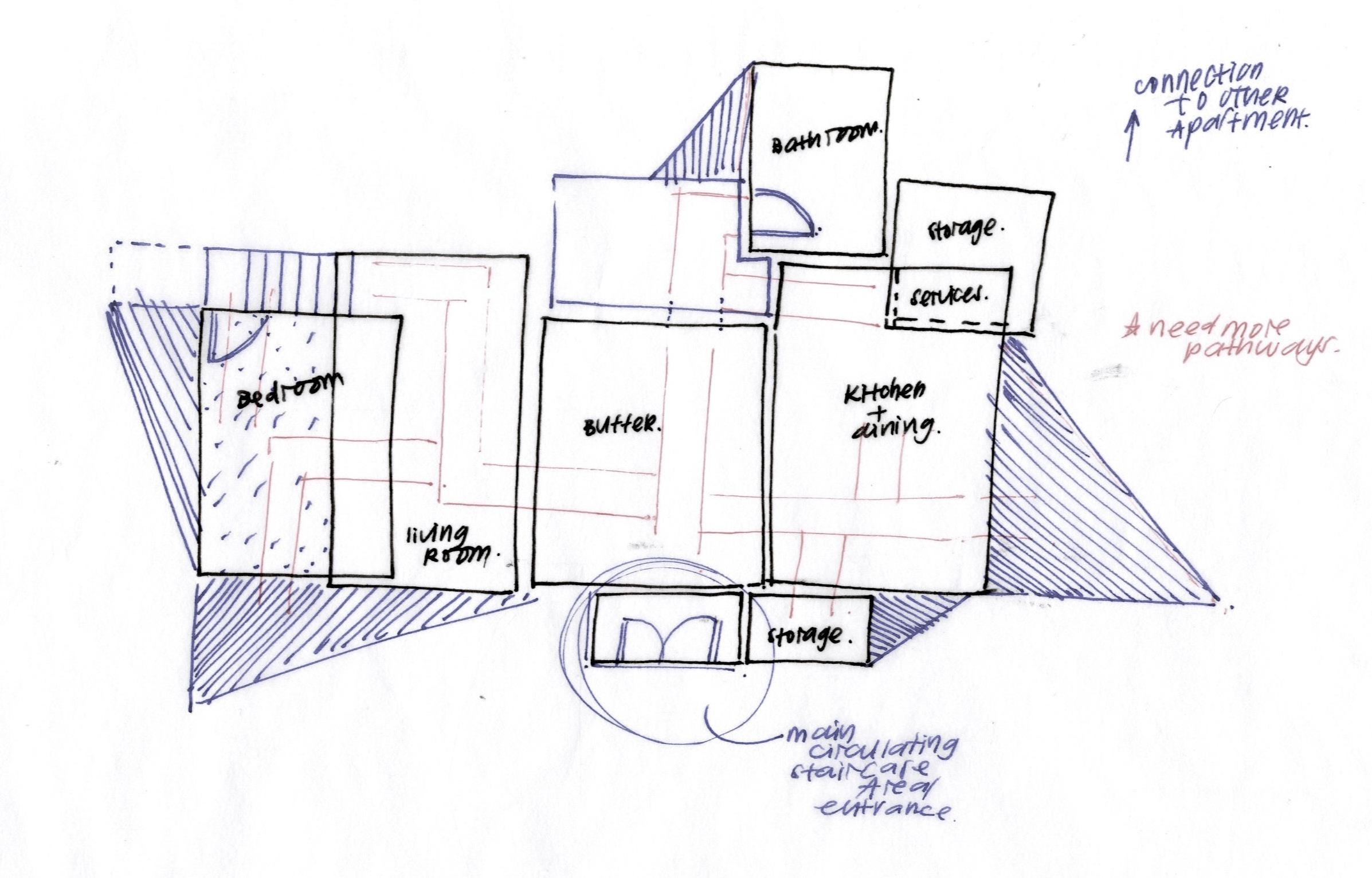
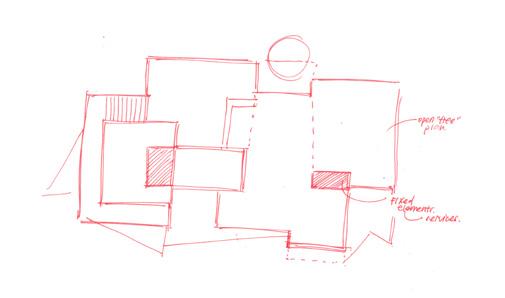
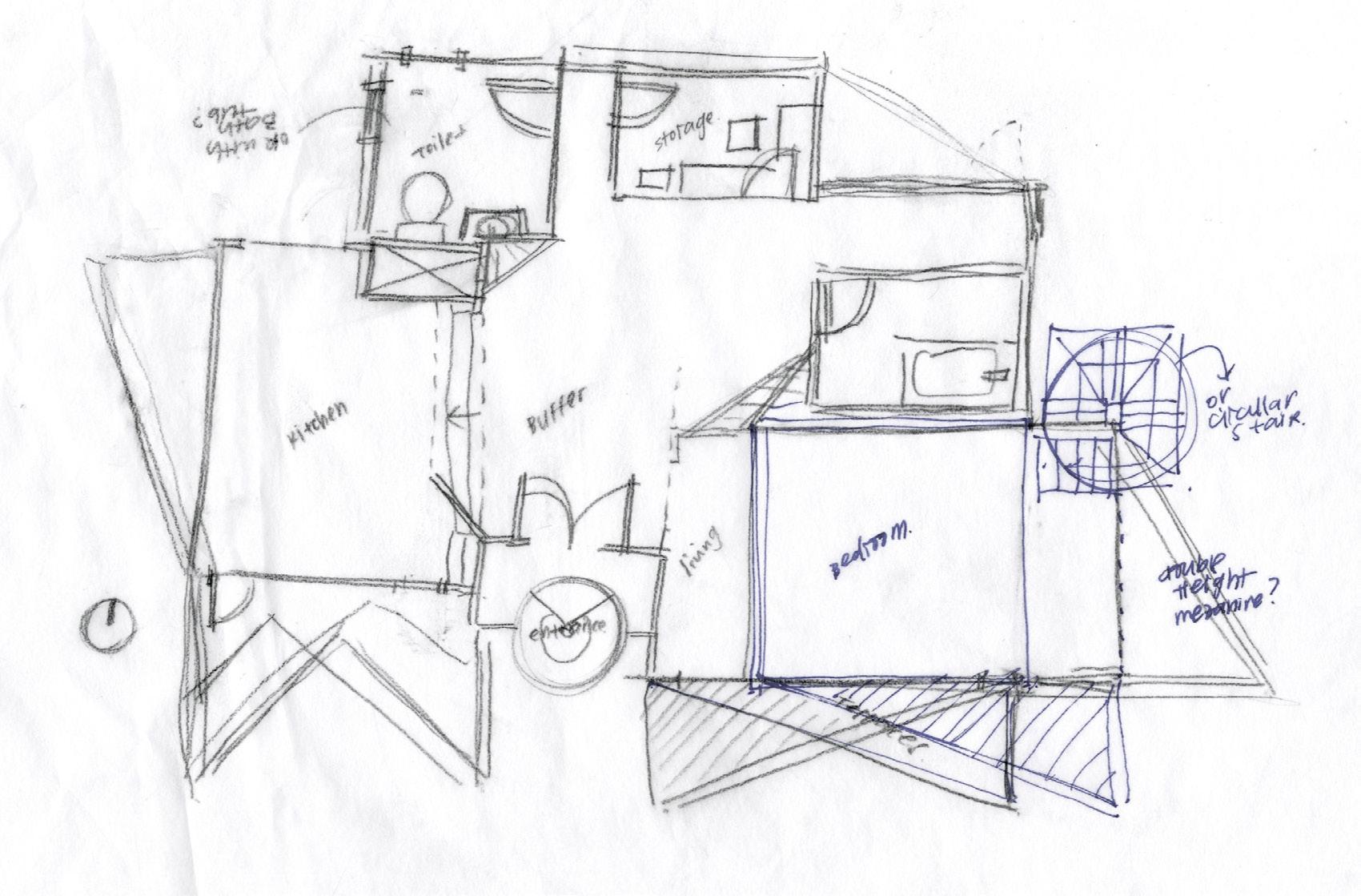
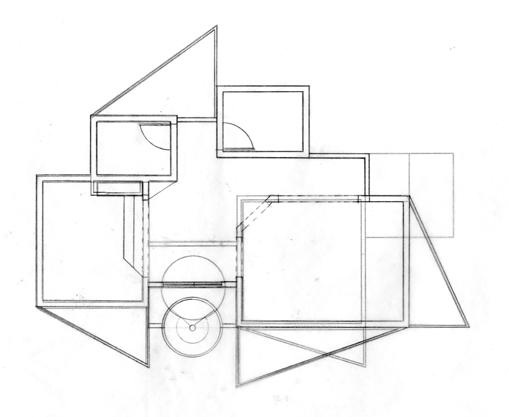
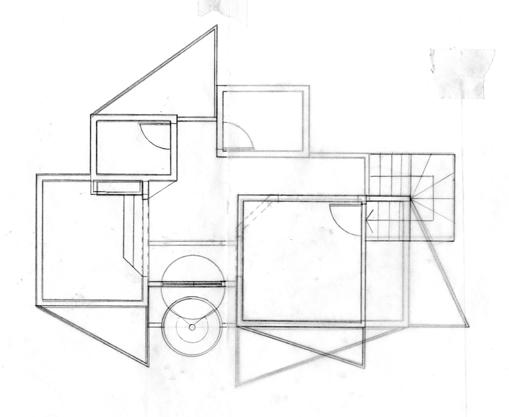
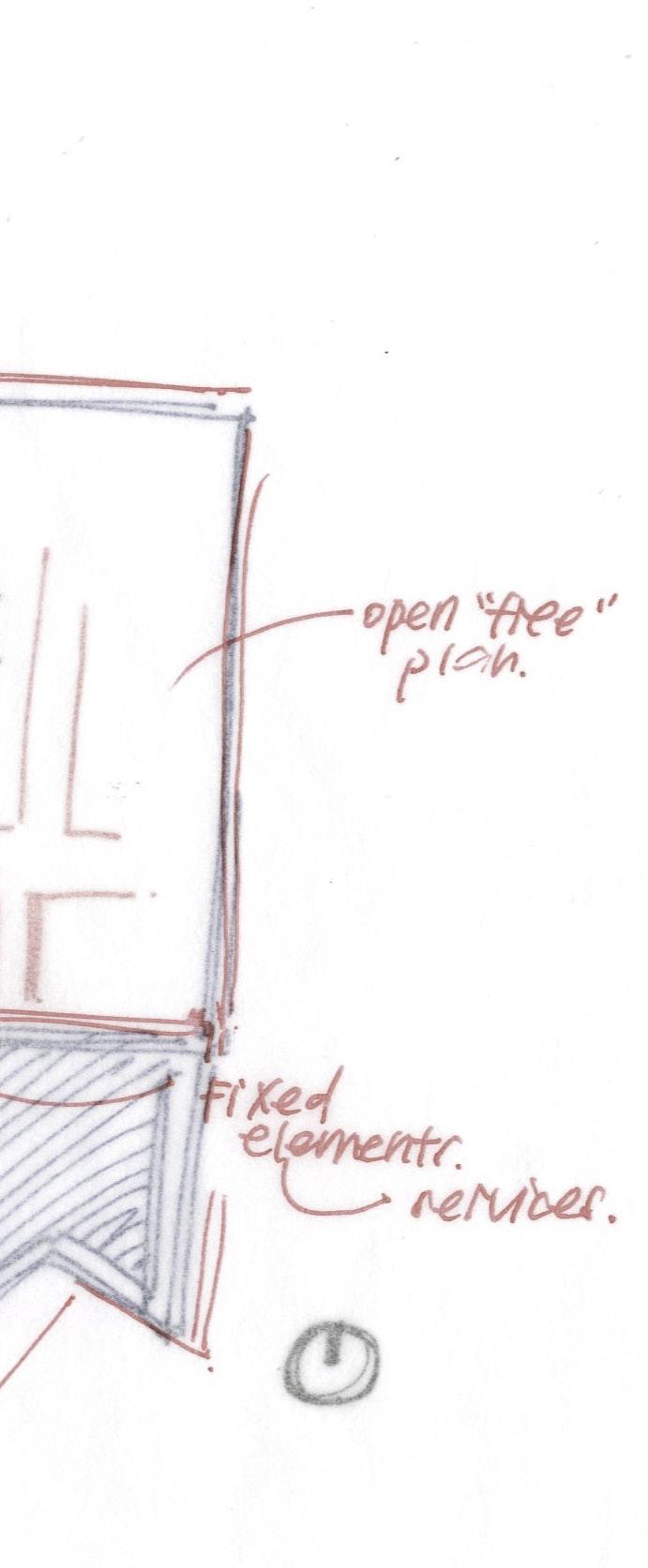
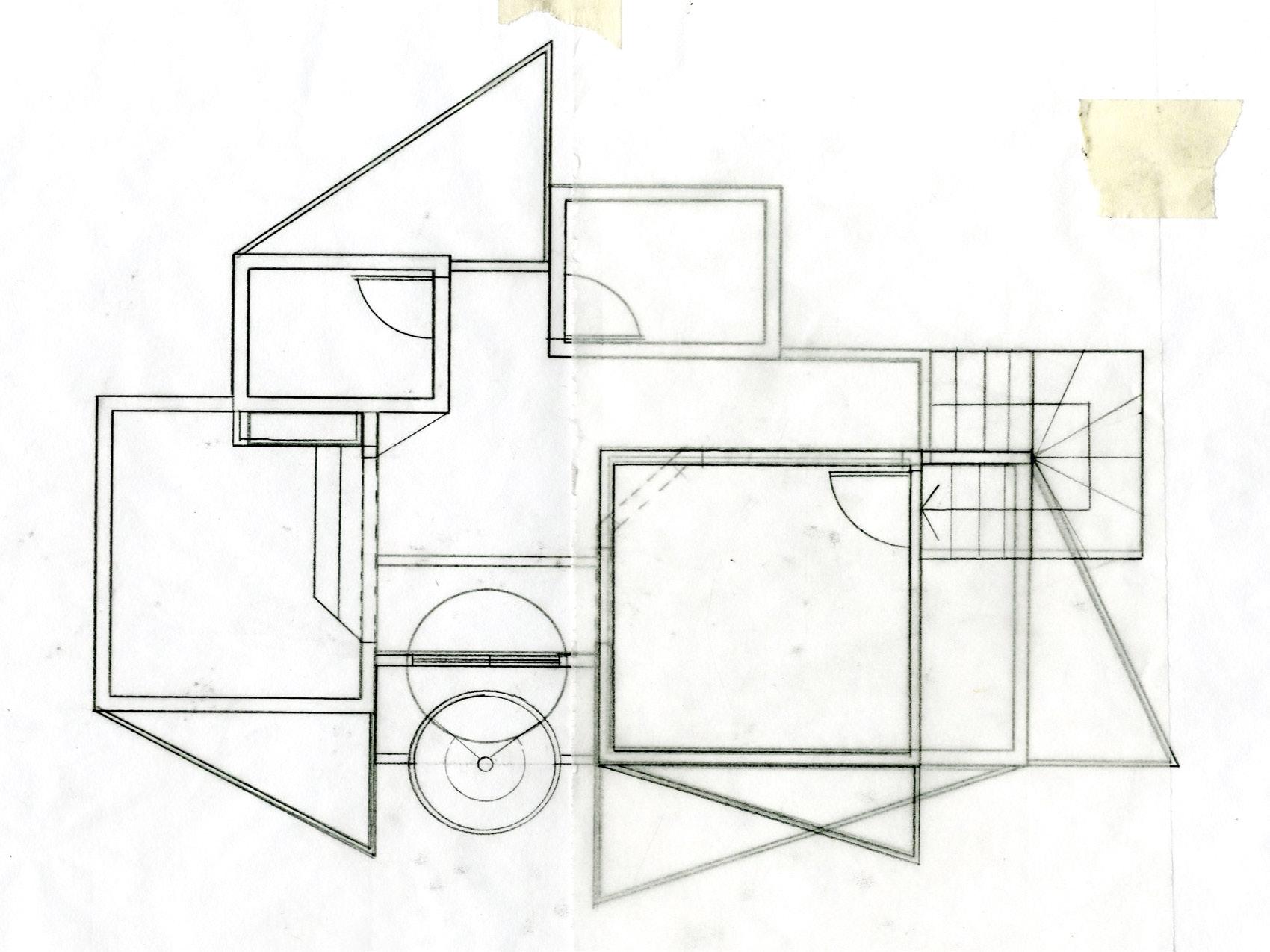
Rationalising the Concept with the floor plans
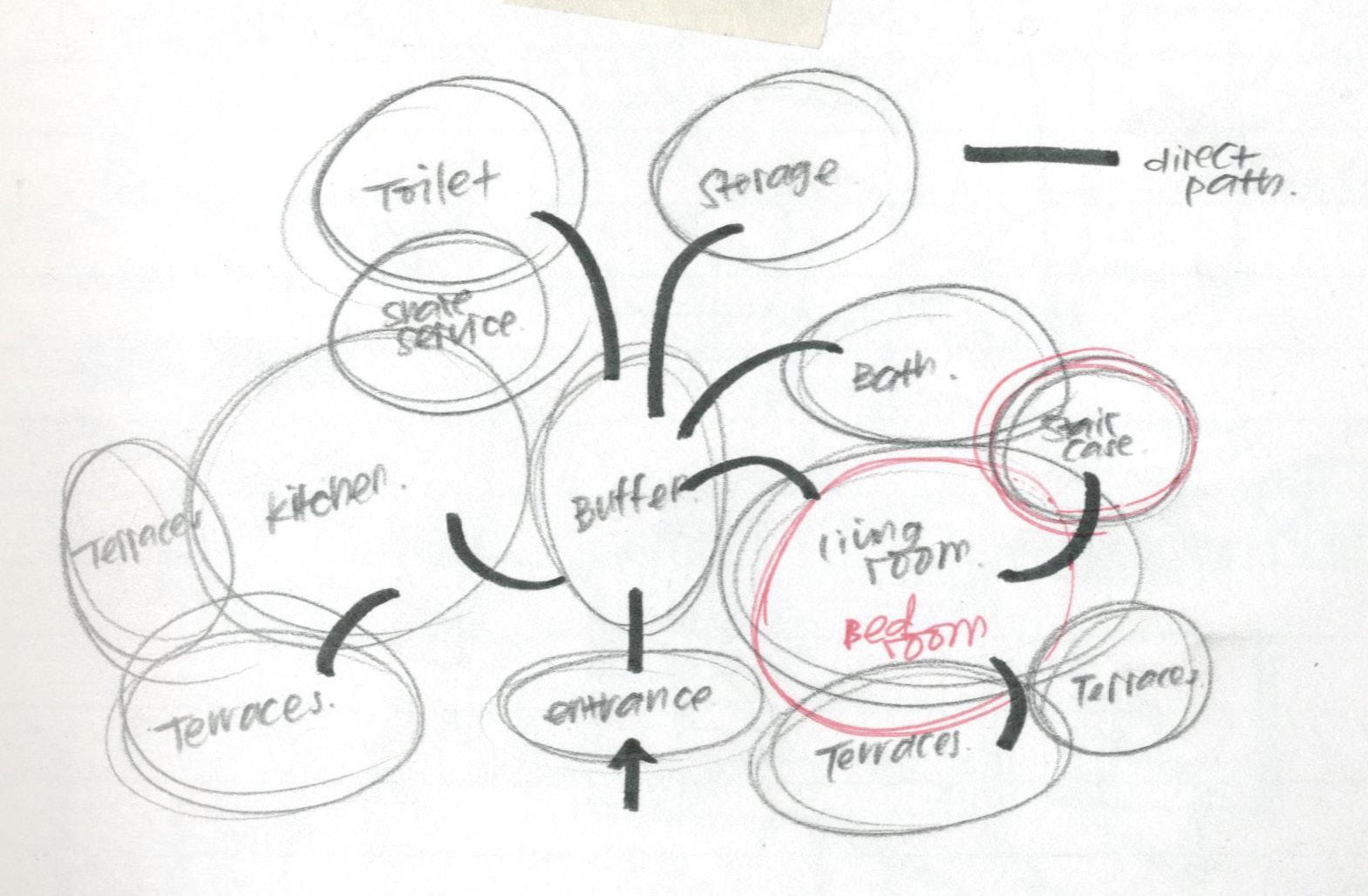
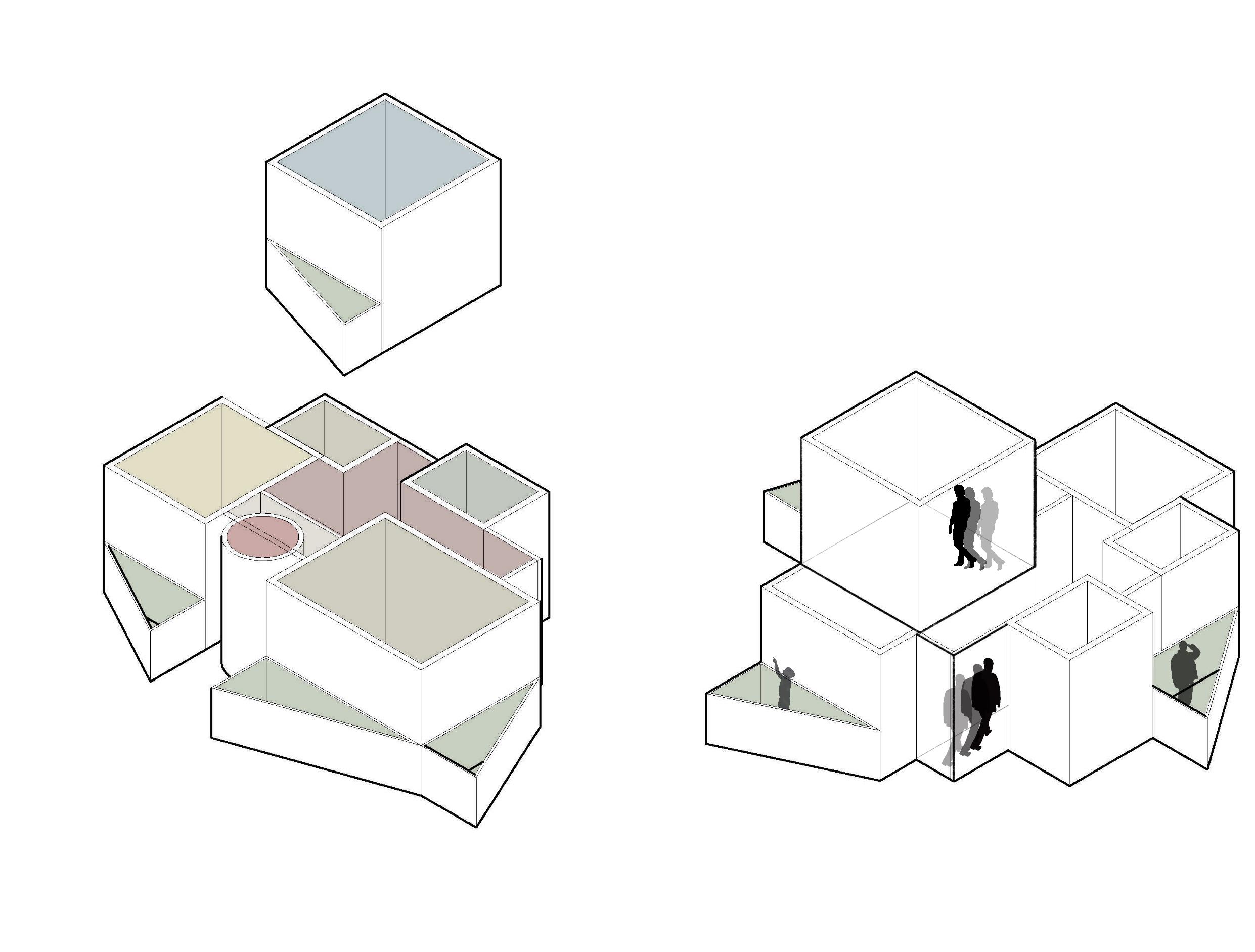
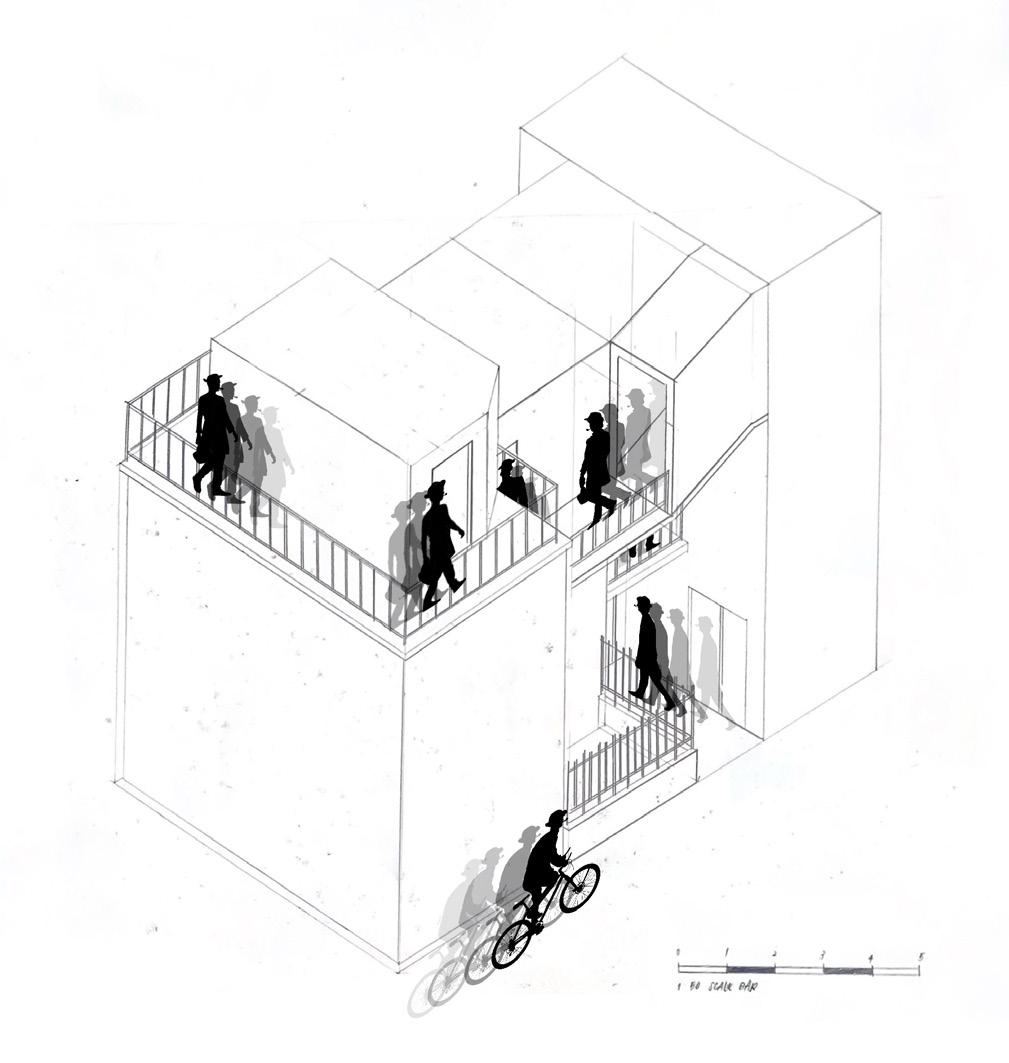
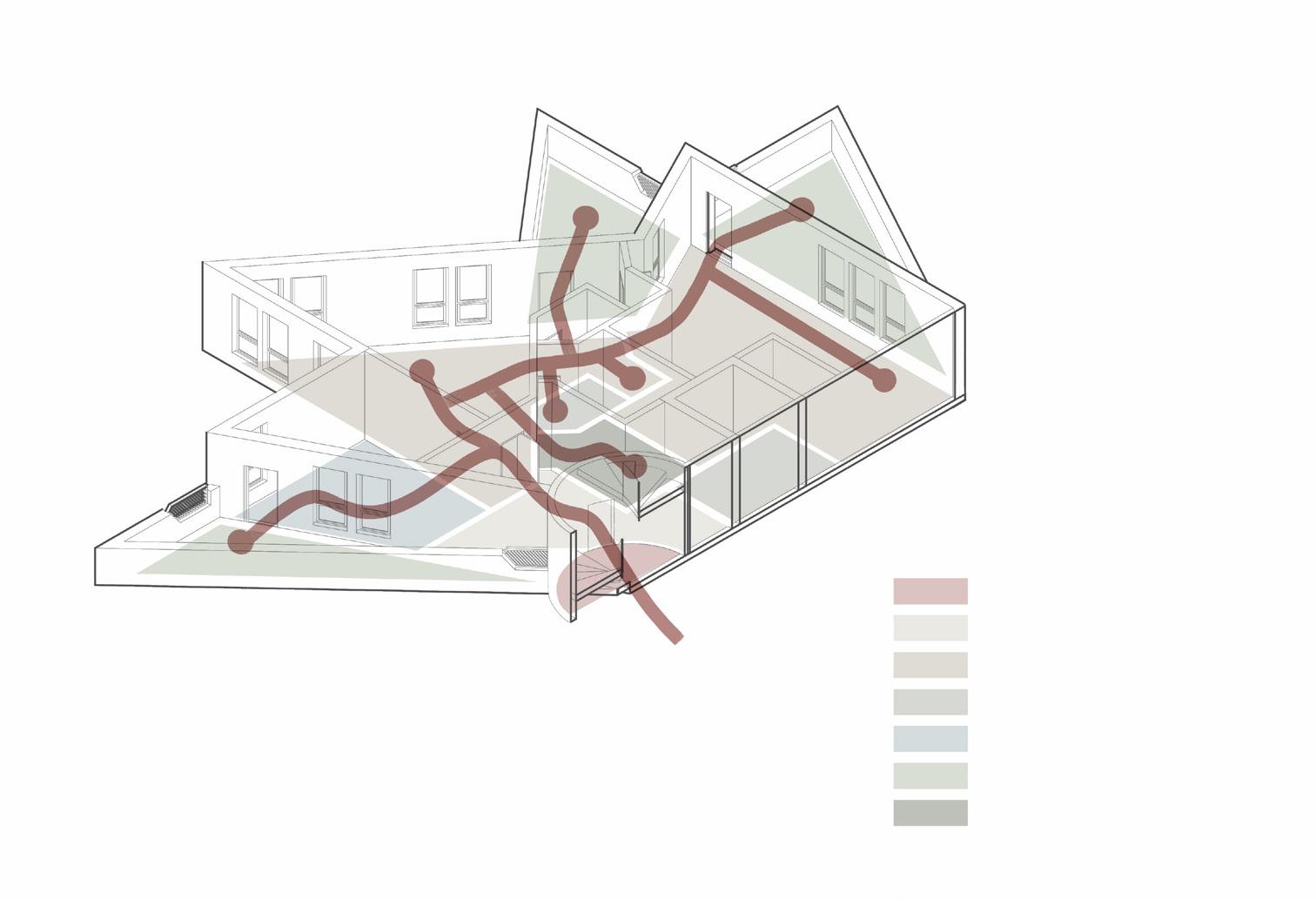
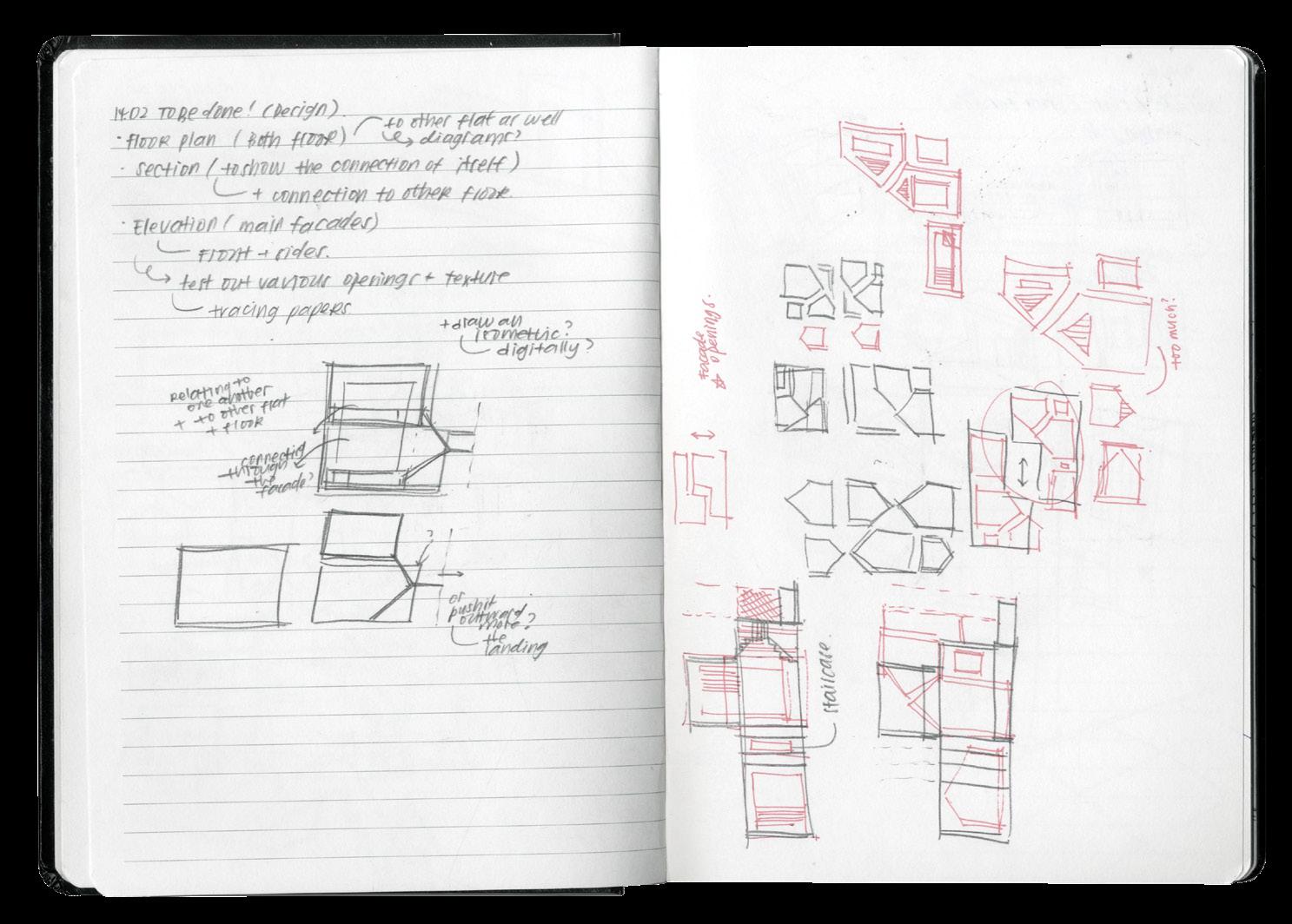
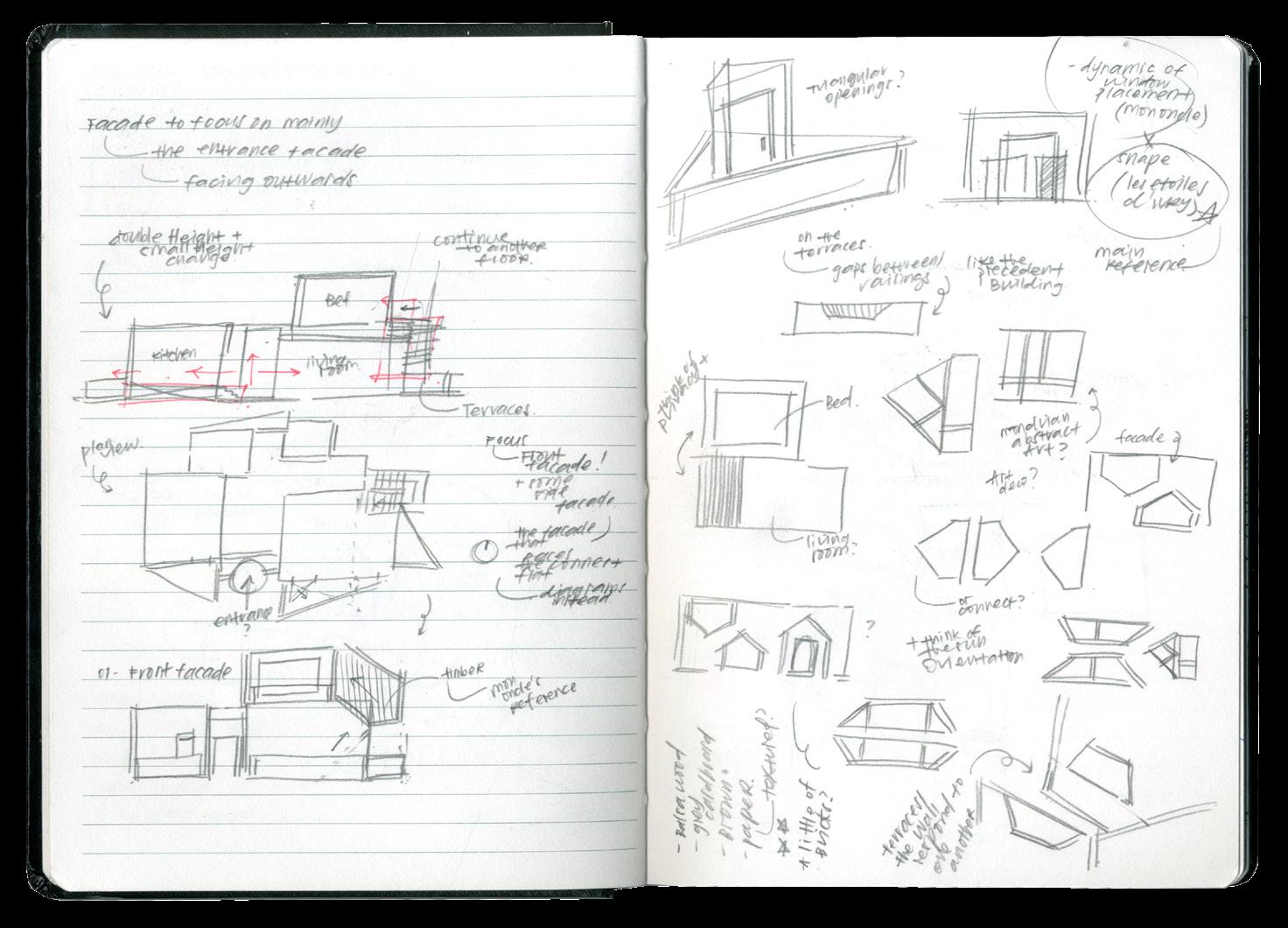
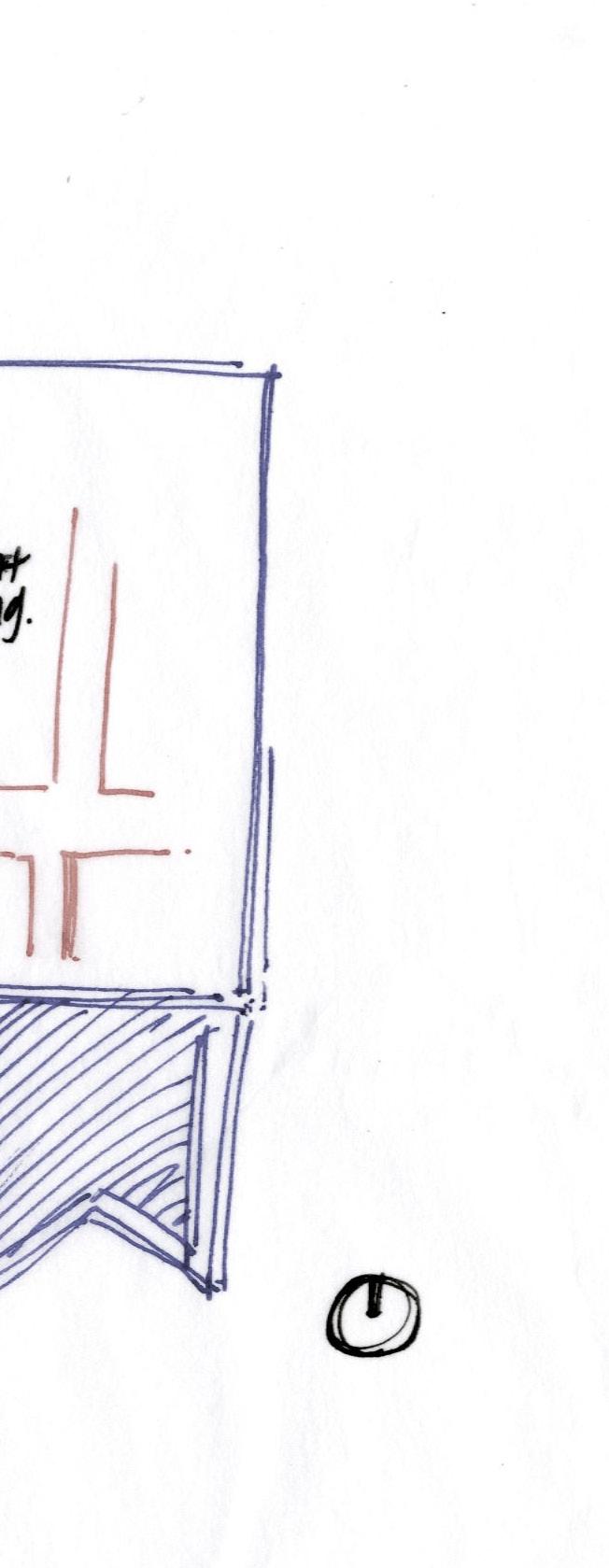
These are the diagrams of developments t o show the connections between all the exercise done so far.
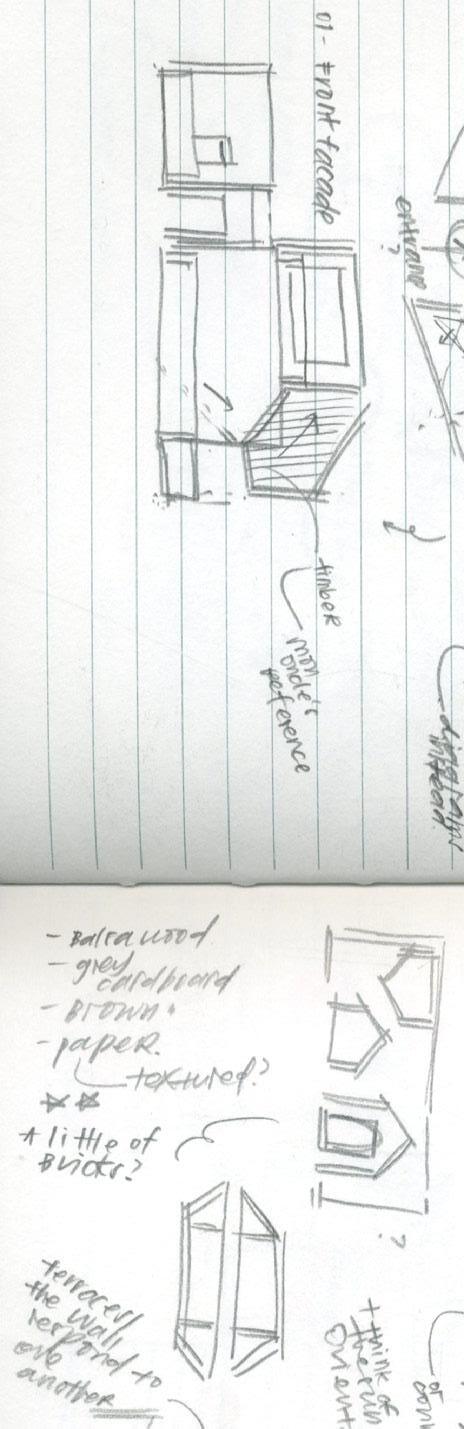
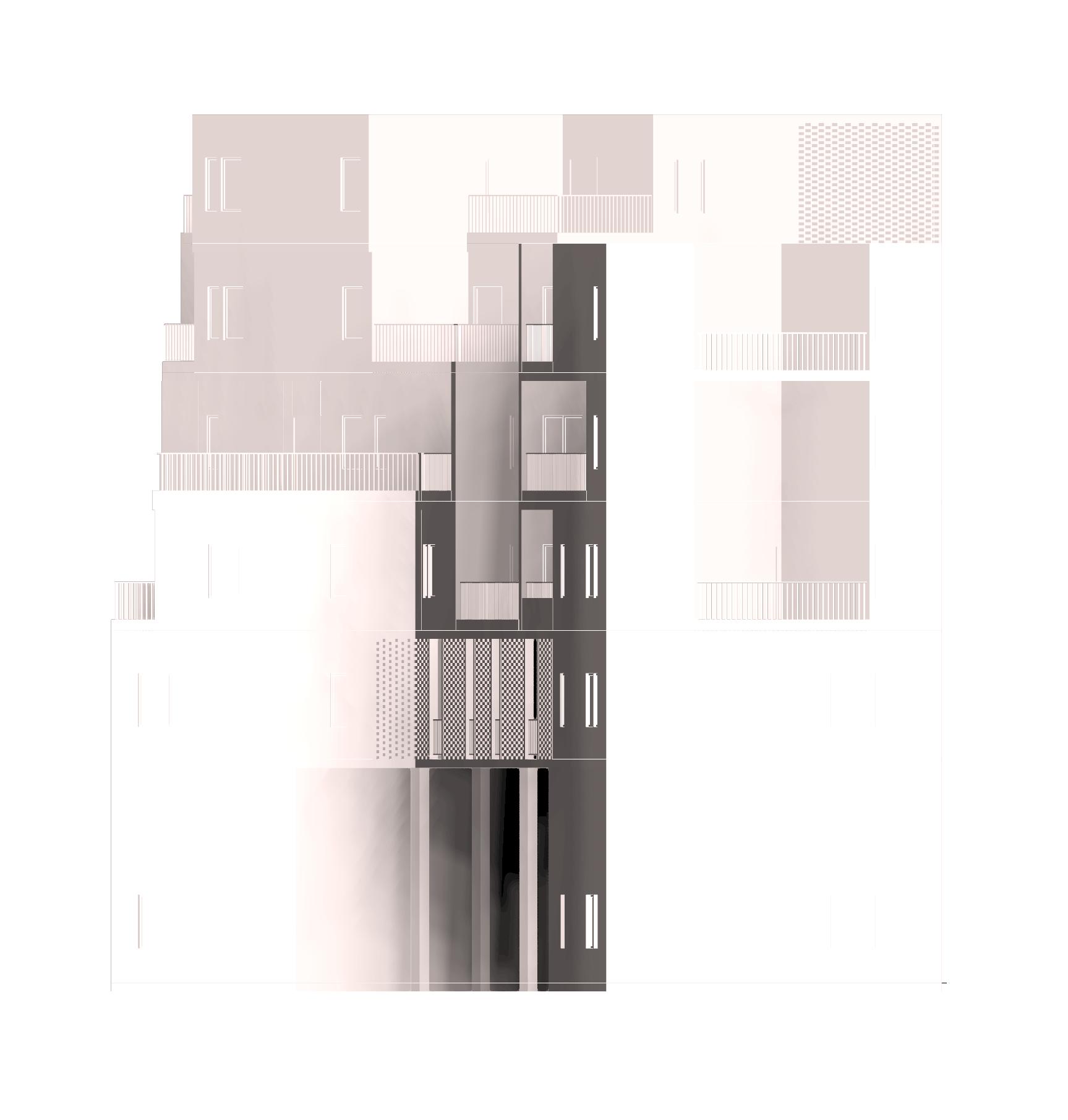
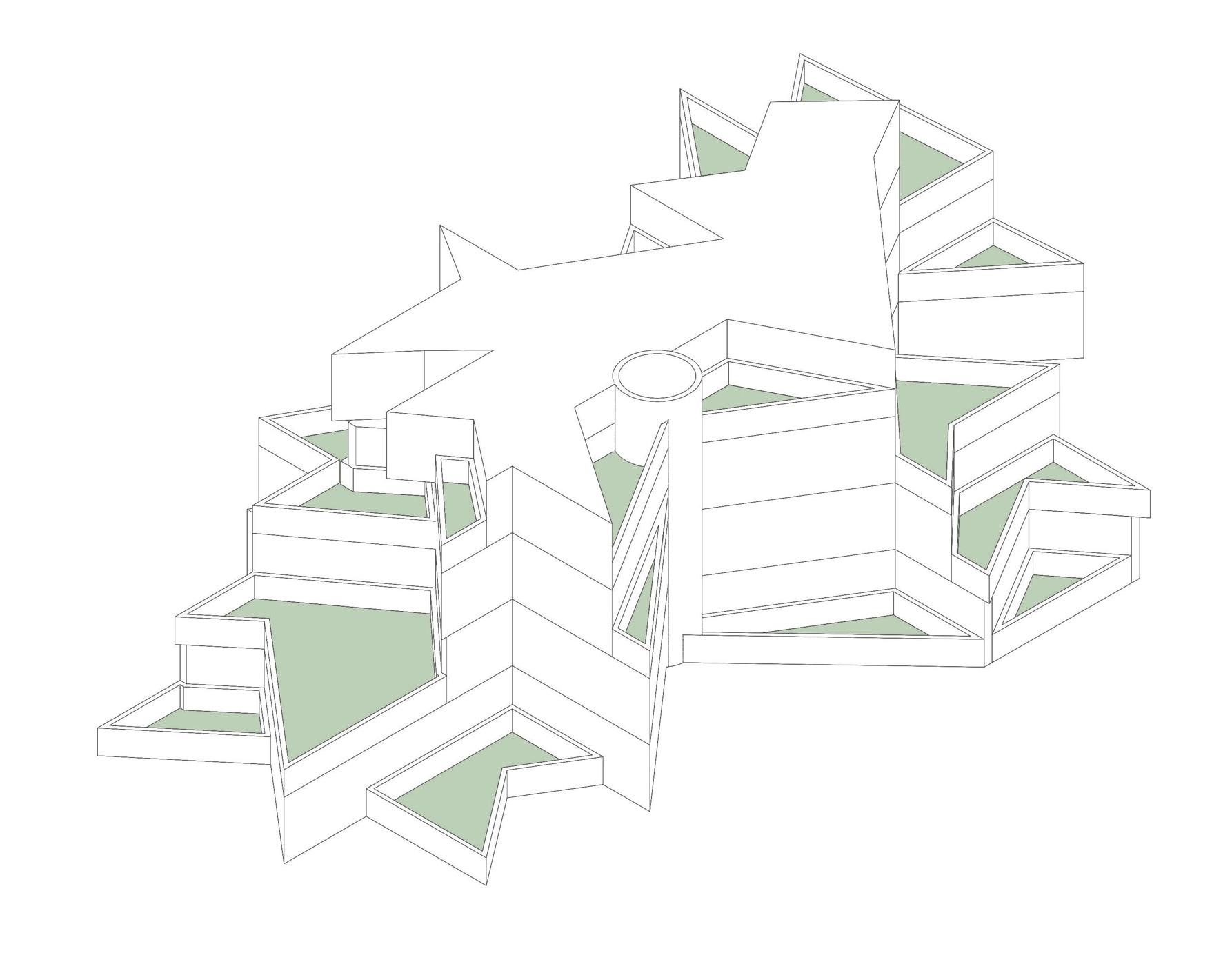
Facade design were also based on the triangular shaped inspired by the precedent building to connect each ot the stacking together even if the wall does not align.
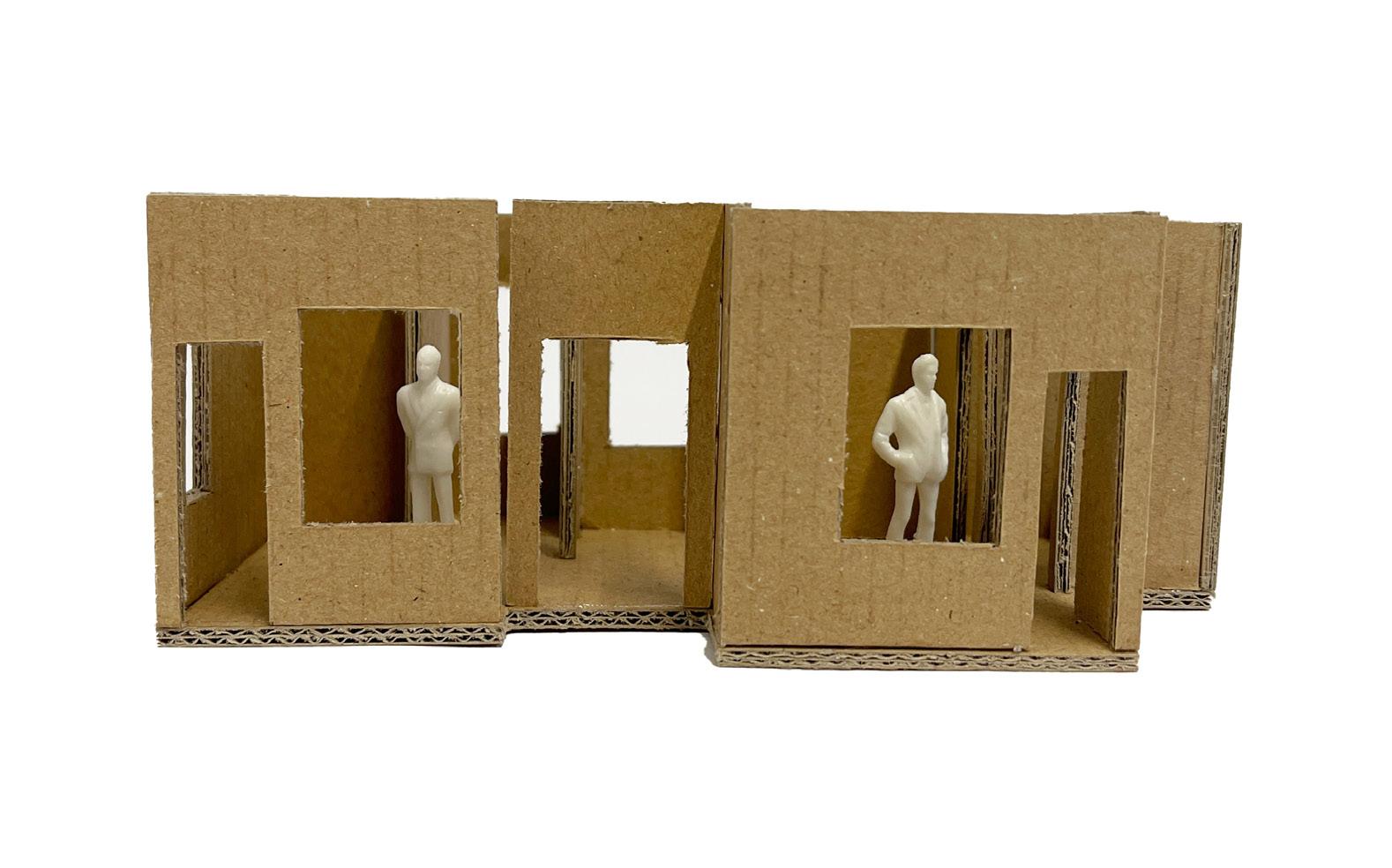
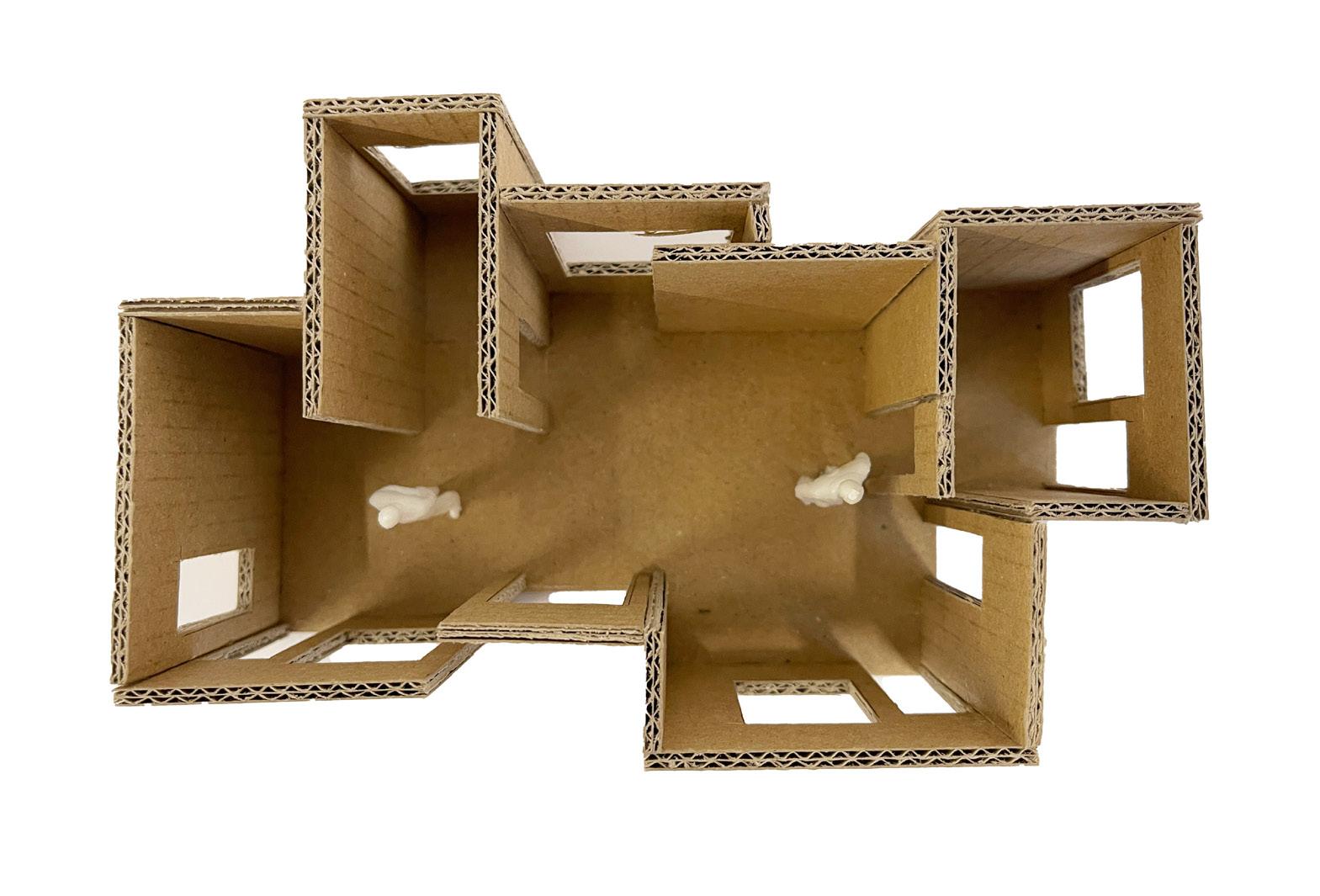
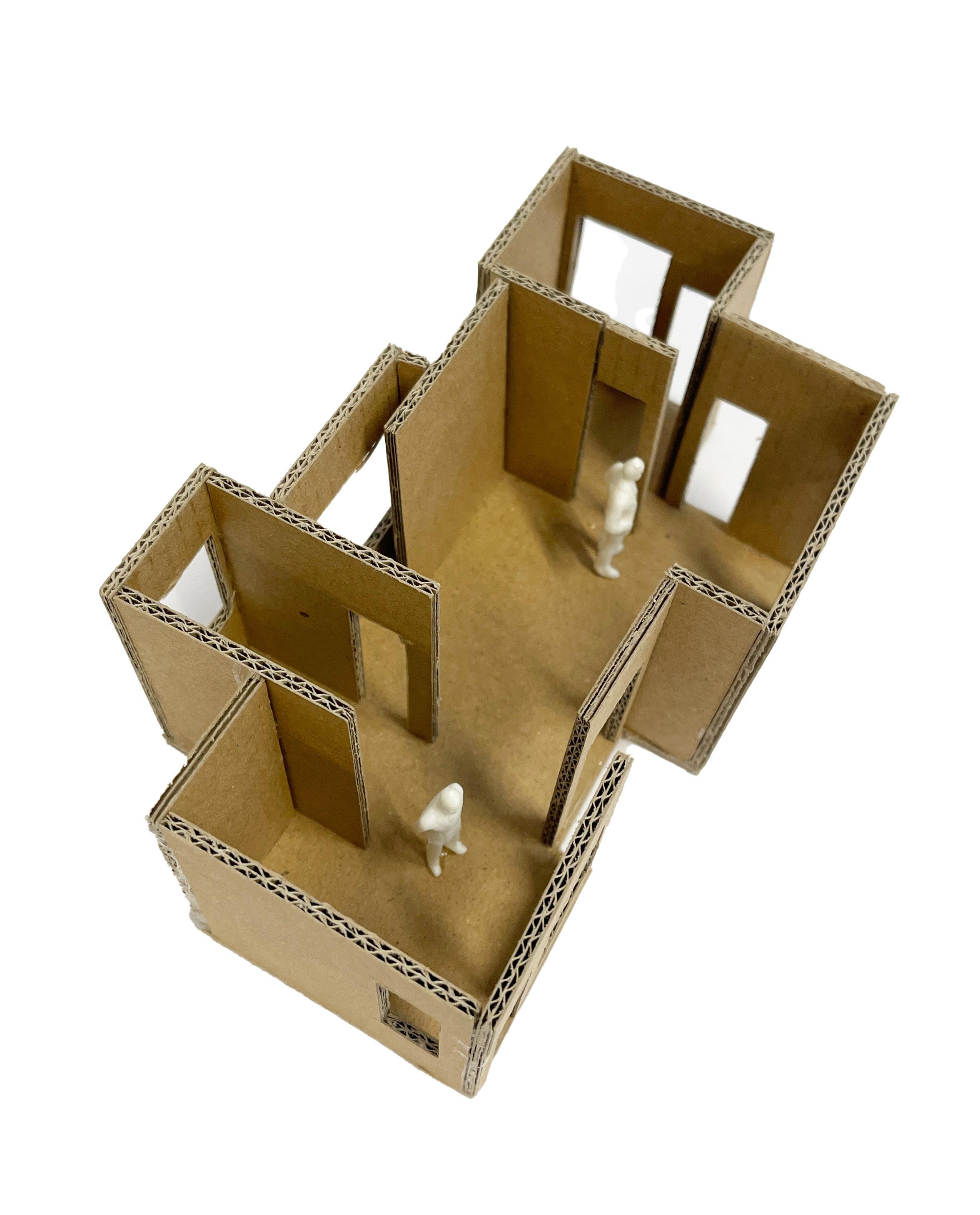
1st Iteration - 1:50 Model
This is the first iteration that was made for Hulot only with a very limited space that was inspired by Hulot’s Studio (assumed from the size from the elevation)
Focus:
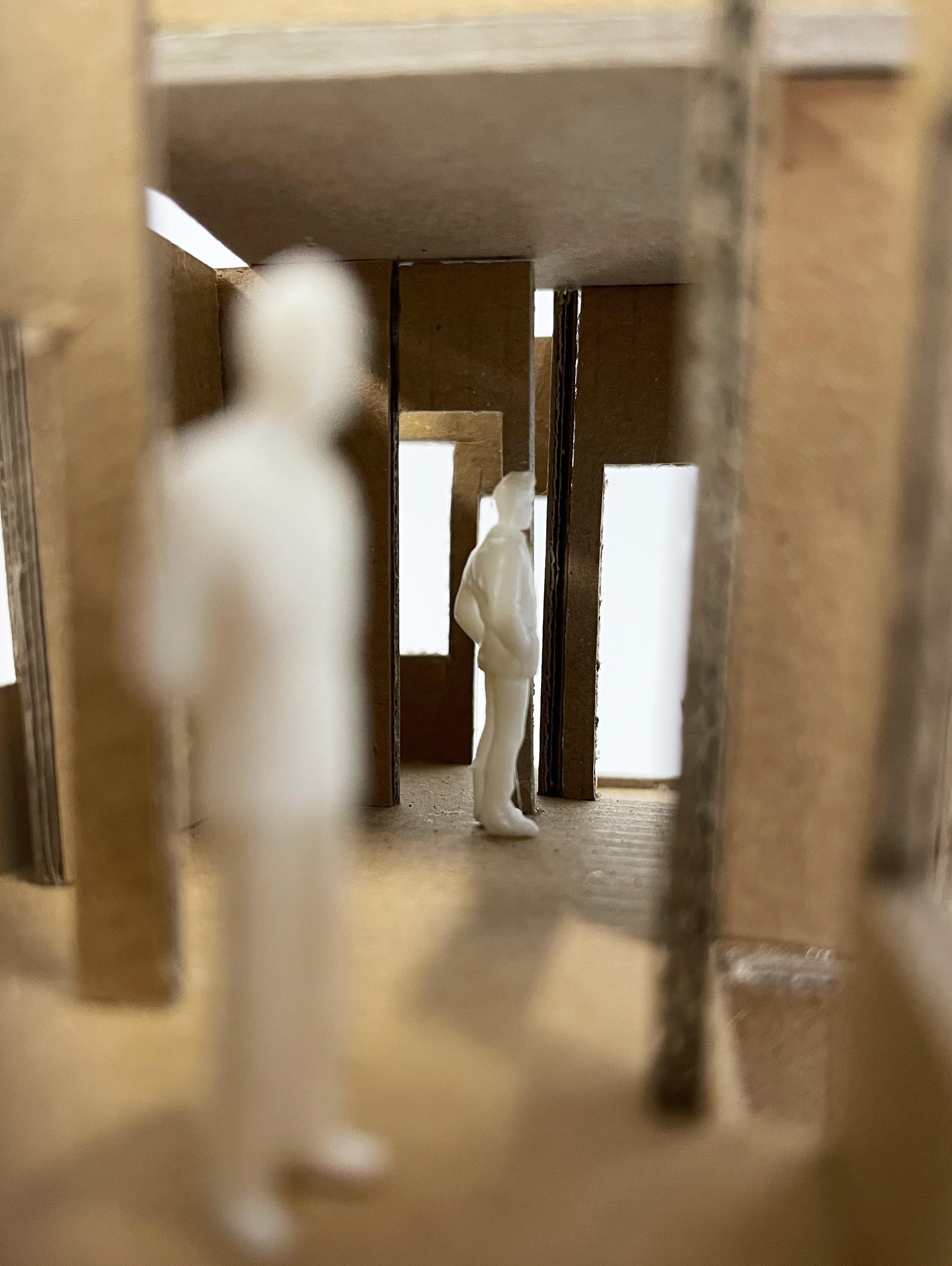
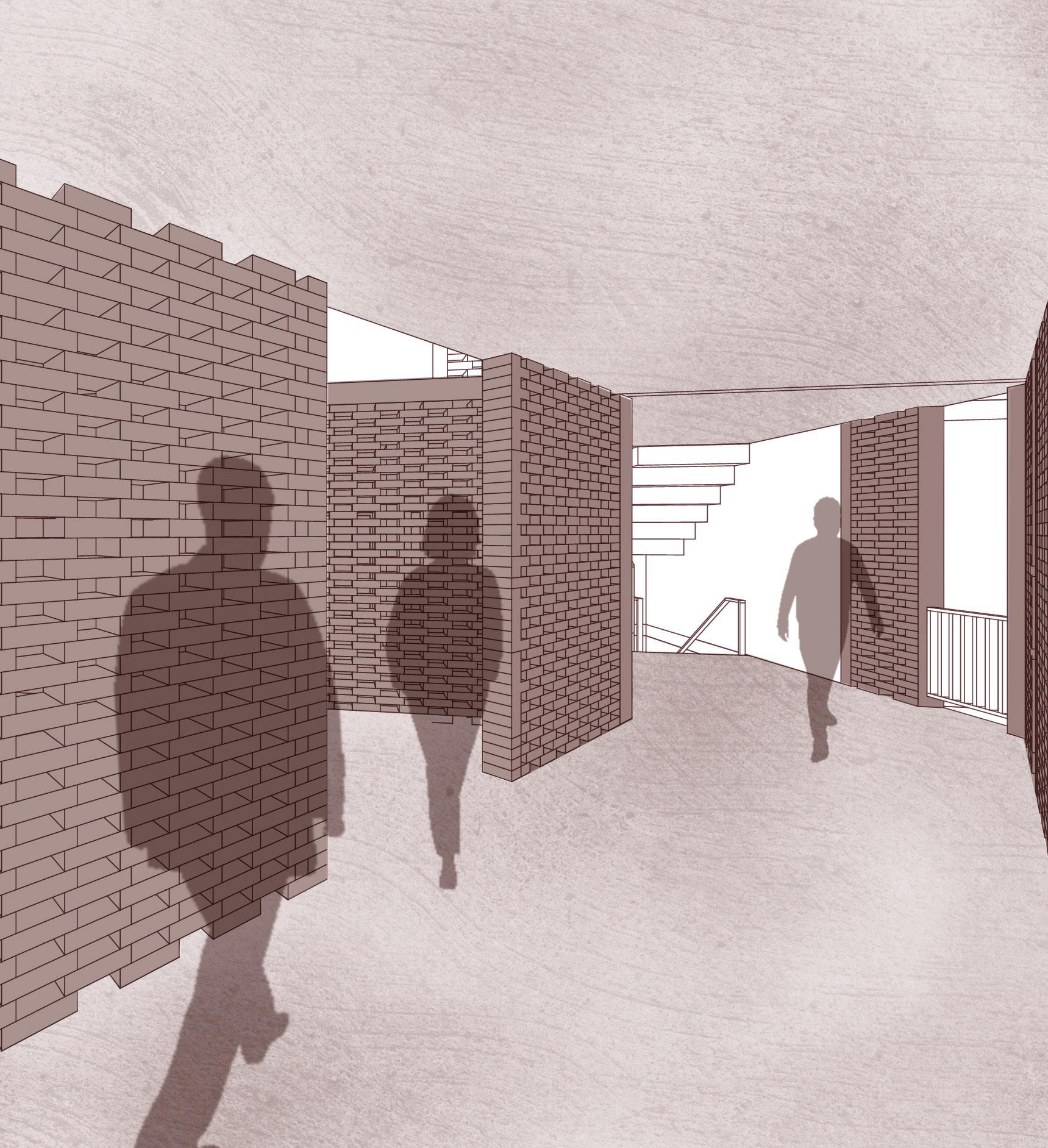
The main key idea of threshold remains throughout, Different experiments on the wall facade moving in and out to create a more unconventional l circulation pathway.
2nd Iteration - 1:50 Model
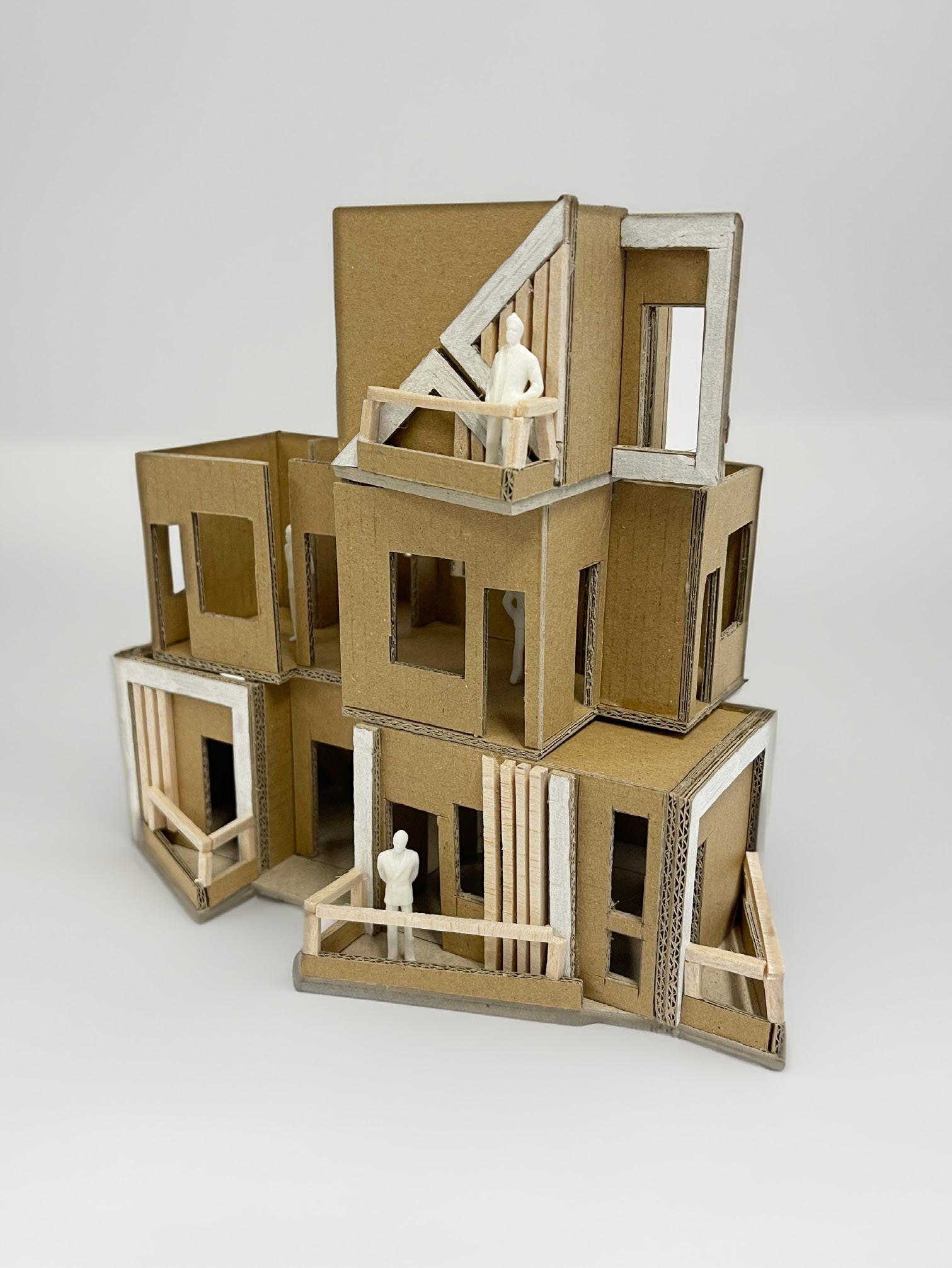
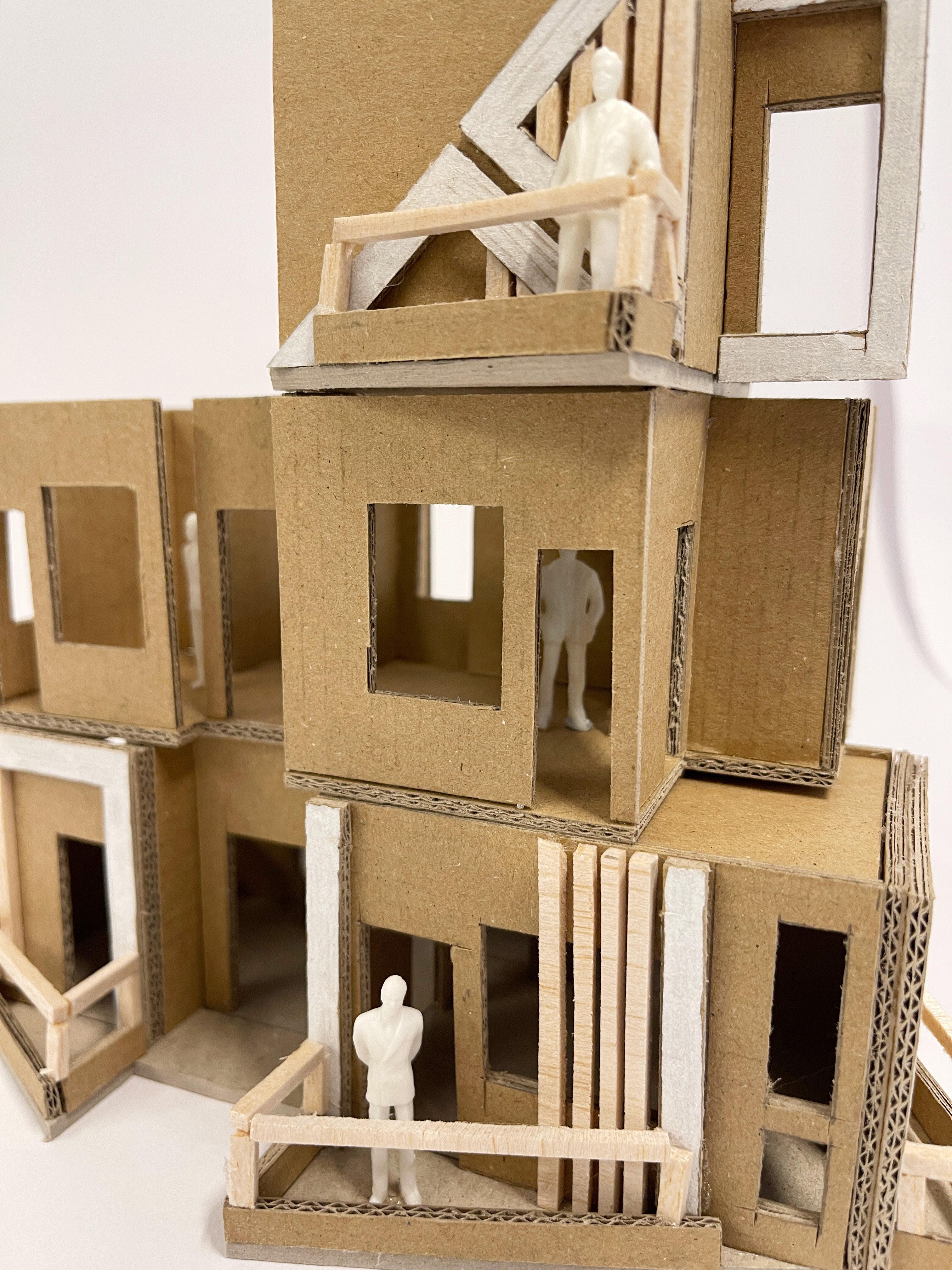
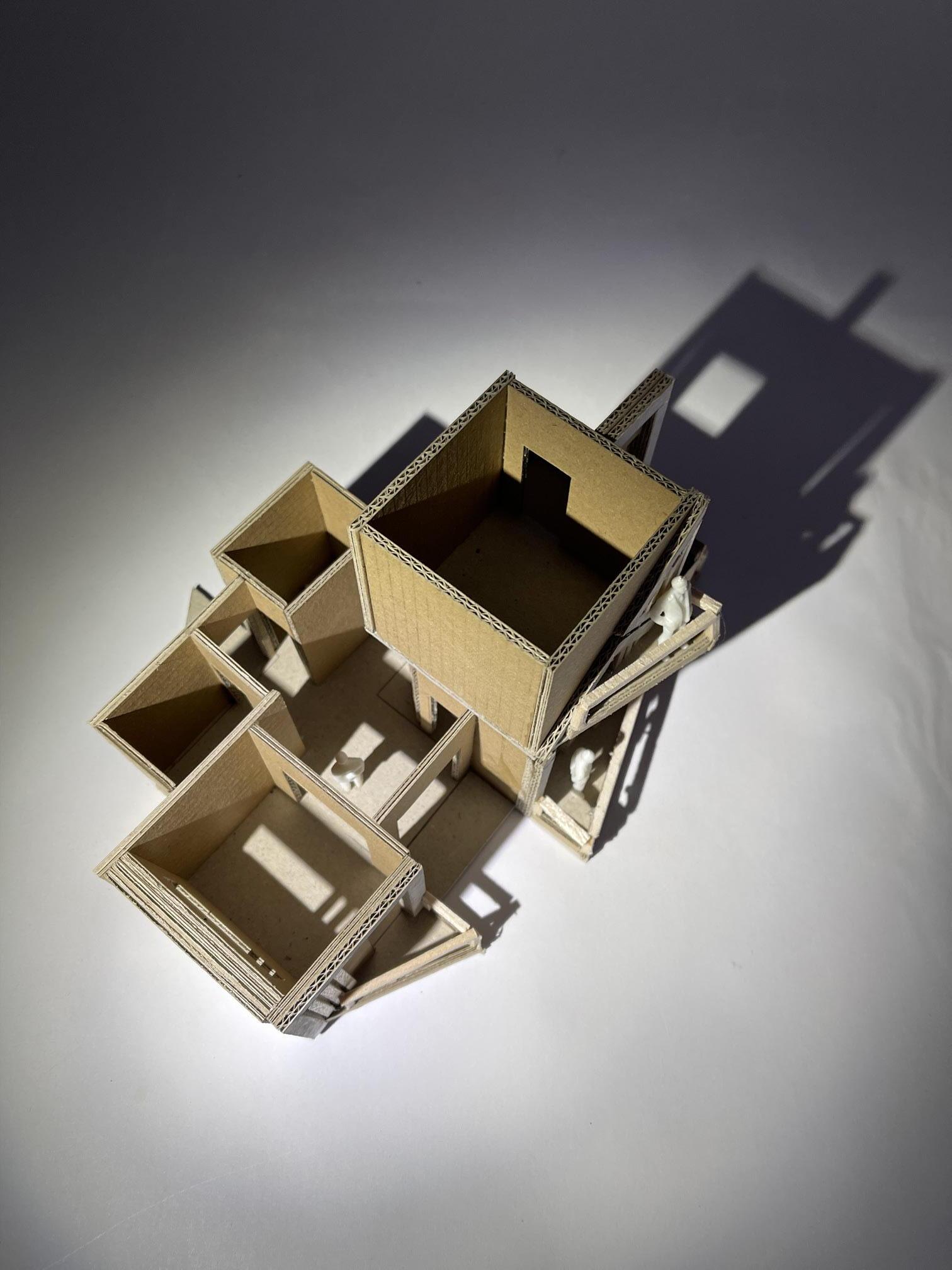
Providing more spaces and also added another floor of height so that there are more spaces to explored on
to suggest change on the interior.
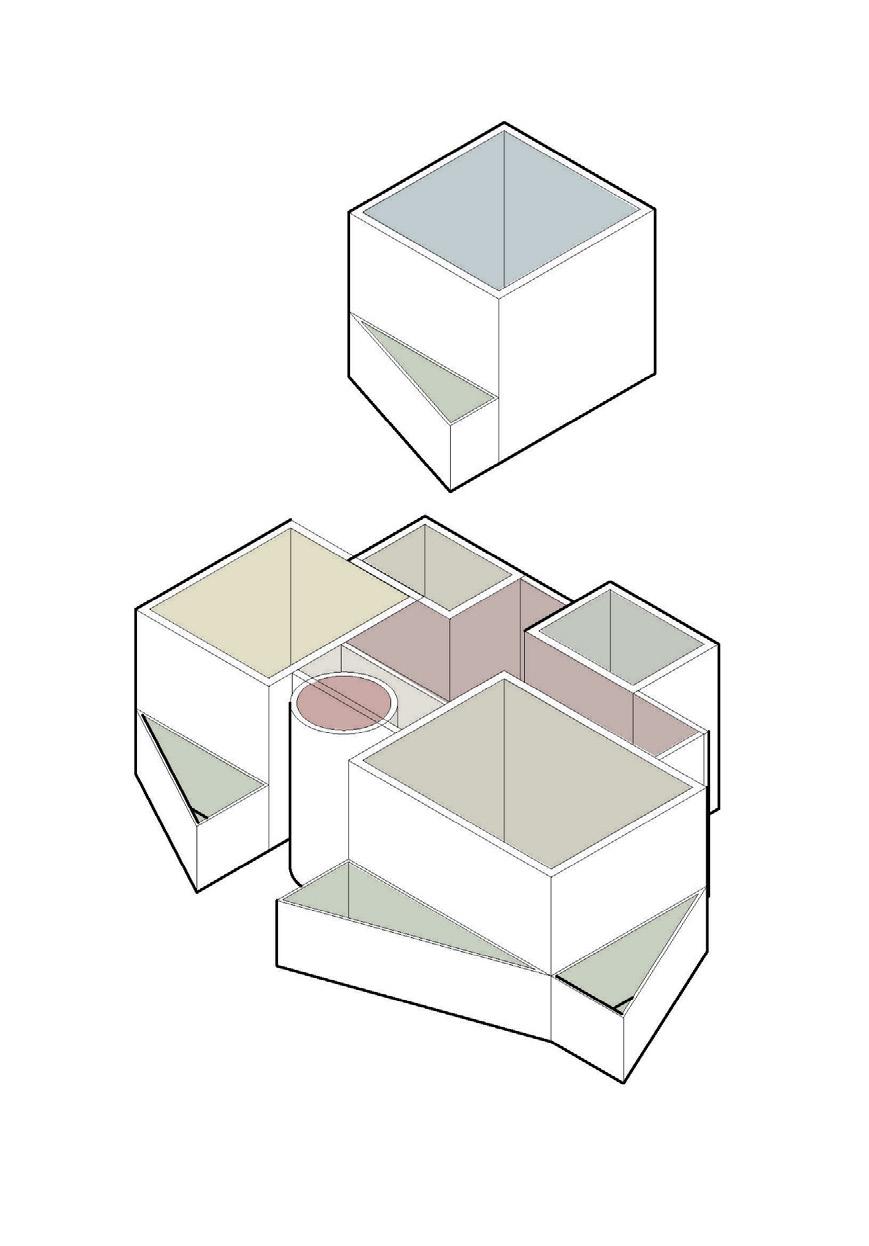
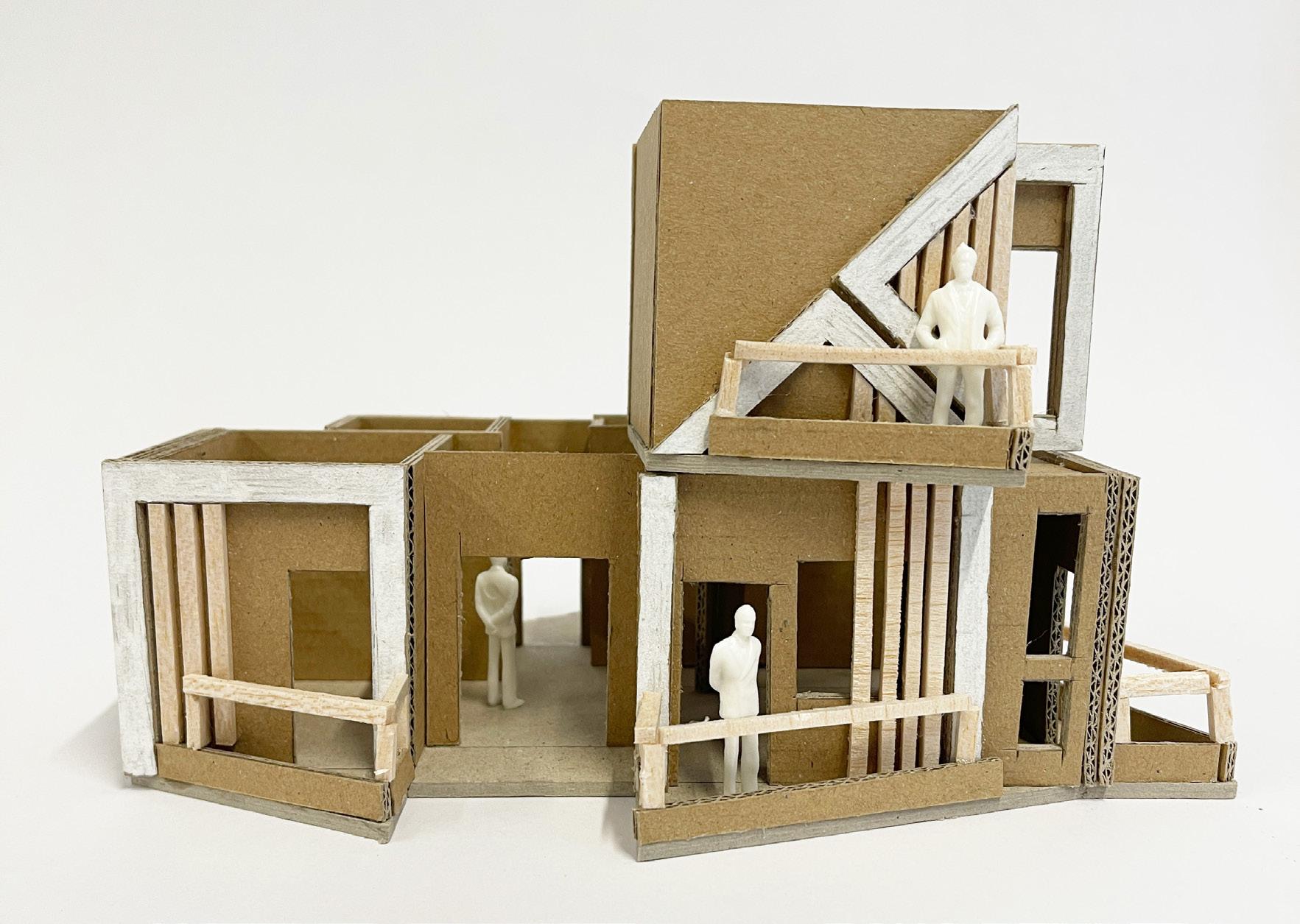
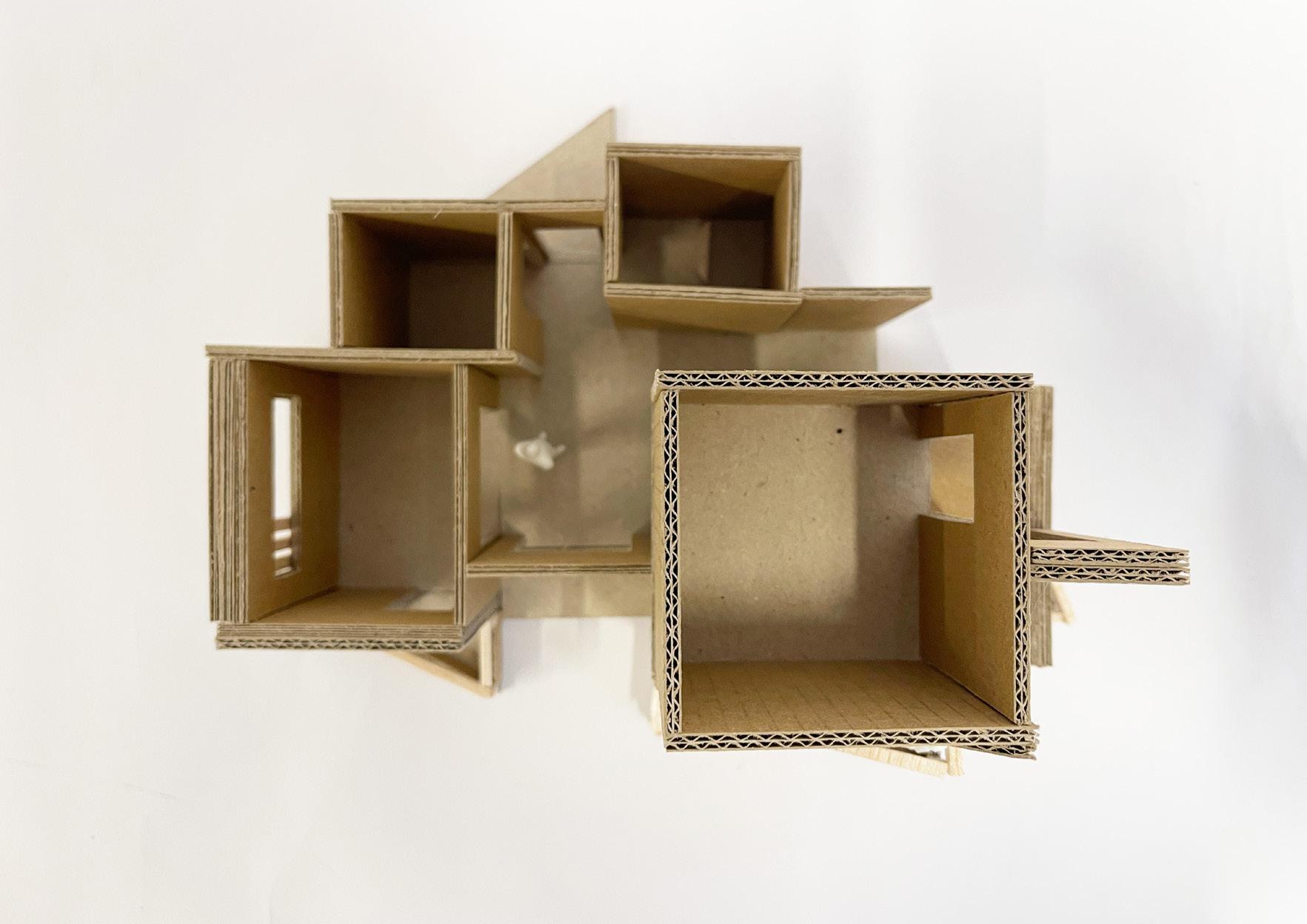
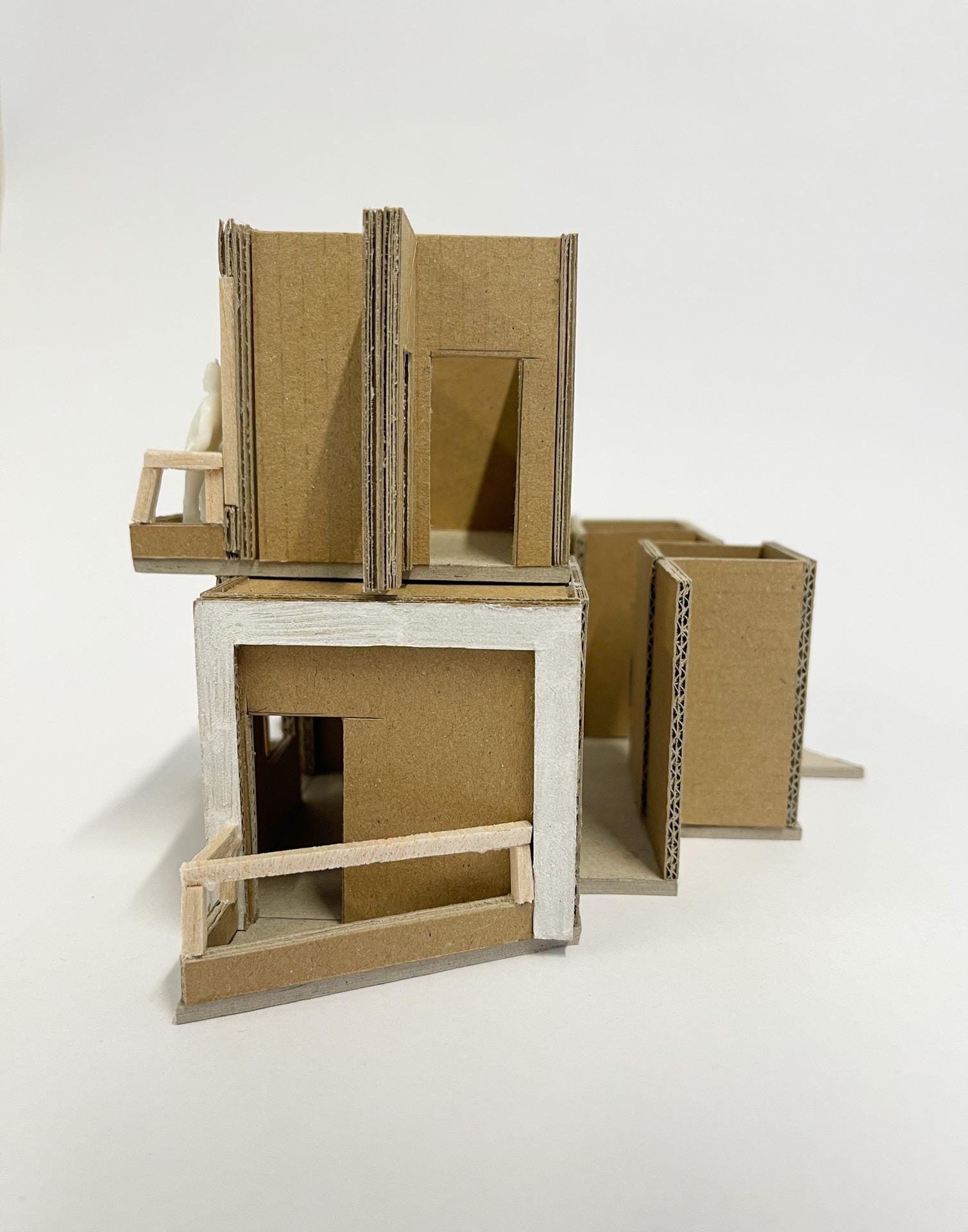
Based on the the previous 2 exercise, I was intrigued by the theme of Brutalism, the use of concrete and its own natural weathering process with timber accents to emphasise the balcony areas.