WITS SCHOOL OF EDUCATION TIMES
TEACHING | THINKING | TRANSFORMING FUTURES

EDITION 2: SUMMER 2025

EDITION 2: SUMMER 2025
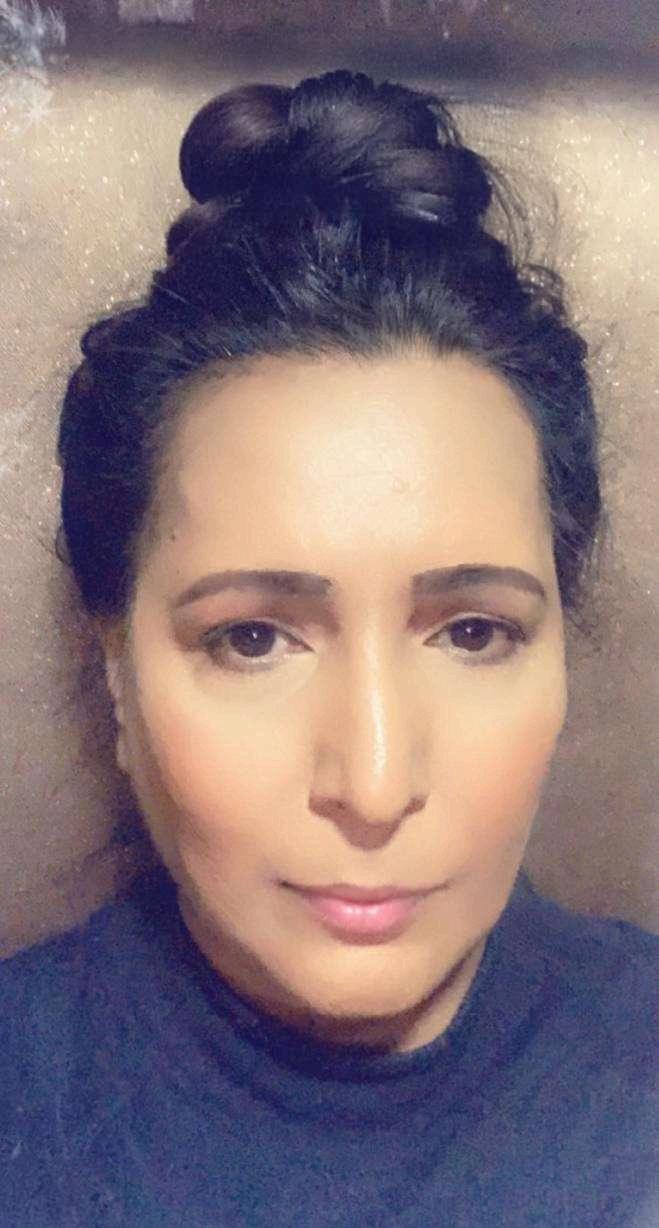



As the year draws to a close, I am pleased to introduce the second edition of the Wits School of Education Newsletter. I invite you to read this edition as more than a collection of highlights: it offers a glimpse into the pulse of our School; the quiet labour, thoughtful experimentation, and textured rhythms of everyday work undertaken across our community. The 2025 Summer Edition weaves together different strands of our institutional life. Alongside visible accomplishments, it draws attention to the slower, often unseen processes through which the WSoE builds its identity and continues its legacy; through shared practice, collaboration, mutual support, and a willingness to try new approaches in classrooms, offices, and community spaces.
Across these pages, three voices come into focus: the voices of our students as they find their footing as teachers; the collective voice of our professional administrative staff as they build cohesion through shared experience; and the critical voice of our academic and research community as they continue to push our understanding of education into new territories. Our students reflect a year in which learning is understood as relational and rarely linear. Their pieces move between campus, classrooms, and communities, showing a growing awareness that teaching is not the transmission of content, but the creation of spaces where we recognise and value our diversity, histories, geographies and ways of being, knowing and doing.
Their work demonstrates emerging confidence. Being and becoming an educator appears as both self-making and world-making, shaped by reflection, collaboration, missteps, and discovery. Our Professional Administrative Staff offer insight into the emotional architecture of teamwork. Their reflections show how trust forms through shared challenge and how everyday collegiality sustains institutional life. Their contributions remind us that culture is built through relationships.
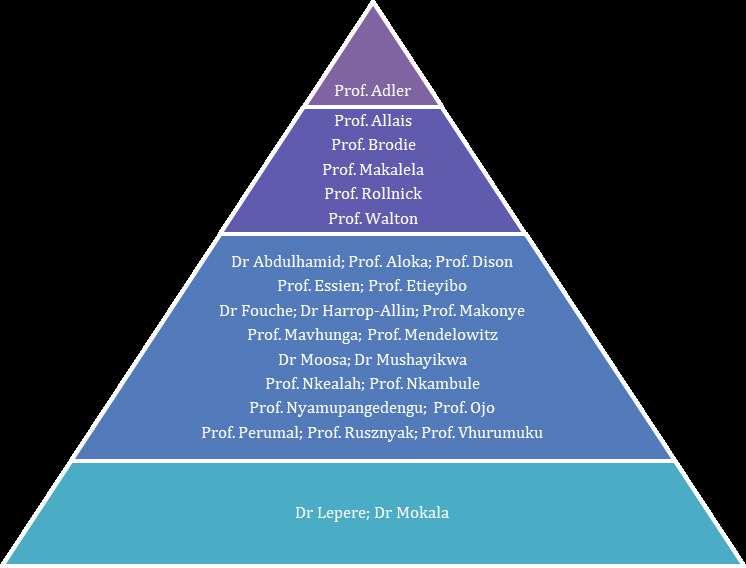
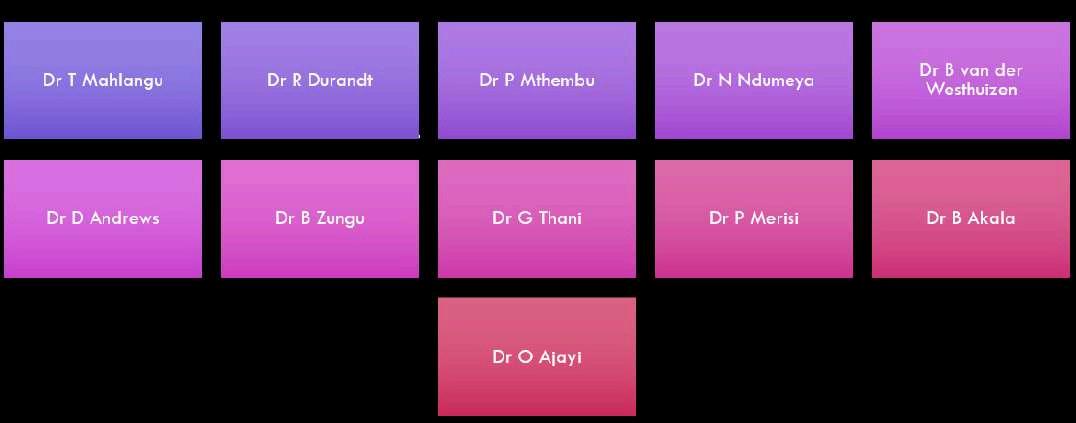
Our academic staff and researchers show a community grappling with complex questions. Questions that shape the design of courses, the mentoring of our students, and the methodological choices in emerging research. We celebrate the important academic advancements with several colleagues promoted across all levels of the academe and several early-career scholars confirmed into their academic roles. Our research output reached a historic high, supported by the growing cohort of NRF-rated researchers whose work continues to strengthen the visibility and impact of the WSoE in South Africa and beyond.
My appreciation goes to all contributors. As we enter the summer break, I hope you find rest, space for thinking, and spending time in the company of those who are the wind beneath your wings. May we return with clarity and renewed energy, guided by the belief that education remains a profound act of hope, courage and love. Happy Holidays! May Your Recess Be Restorative!


Dr Millicent Motheogane
Dr Motheogane reflects: "we grew up believing that education is the key to success." That message guided me as a young woman who knew that breaking my family’s cycle of poverty would only be possible through education. I was born and raised in Seabe, a rural village in Mpumalanga, by parents who both worked as cleaners.
After matric, I enrolled at Boston College for a Diploma in IT, but due to financial constraints, I could only complete a certificate. Life took its course, and I also found myself working as a cleaner. Even then, I held on to the belief that education would open doors for me.
When you are born into poverty, you often inherit limitations, but you don’t have to remain there. One day, a client mentioned a secretary vacancy at Pretoria Zoo. That opportunity became my stepping stone. With that salary, I returned to my studies: first a Diploma in IT at UNISA, then a BTech in Business Applications, followed by an MTech in Information Systems at Tshwane University of Technology, and finally a PhD in Education at Wits under the supervision of Professor Reuben Dlamini.
People often saythat a PhD is a lonely journey, but my experience was different. I had immense support. My supervisor encouraged me to attend research workshops that walked us through every stage of the process, from proposals and literature reviews to research methodology, data collection and ethics. We presented our work, received critique from peers and academics, and built a strong peer-to-peer review community and research network. The Wits School of Education also organised research weekends with keynote speakers and formal presentations, which shaped my thesis and strengthened my confidence as a scholar.
In 2025, the Wits School of Education marked a defining year, graduating 24 PhD candidates across diverse fields through dedicated supervision that continues to shape emerging scholars and future research leaders.
1.
2.
3.
4.Lizanne
5.Morefaith
6.Fatima
7.Mmabatho
8.Bheki Sihawukelwe
9.Vincent
10.Rudo
11.Saziso
12.Frank
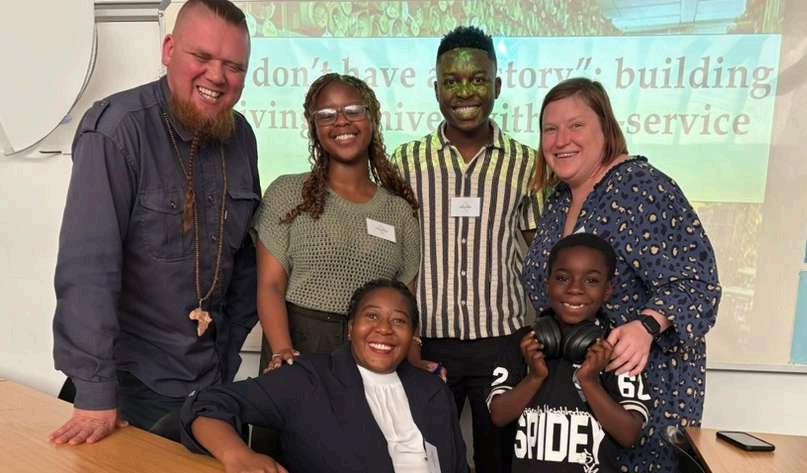
This interesting collaboration of undergraduate and postgraduate students, a tutor, and a lecturer presented at the recent annual South African Society for History Teachers conference in Cape Town. Dr Godsell explains this was an important achievement, as undergraduates rarely have this opportunity of presenting at conferences this early in their careers. The team presented their paper entitled: “I don’t have a history: building living archives with pre-service history teachers,” which explored historical archives, history teaching, and students’ relationships to their own histories within South Africa’s historiography.
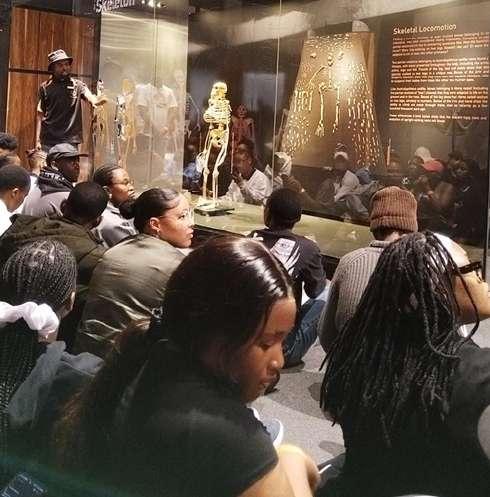
Maropeng Exhibition
This visit for Prof. Eunice Nyamupangedengu’s 4th-year Life Sciences B.Ed. students turned textbook pages into living history, igniting curiosity, connection and a renewed sense of purpose. Future teacher, Mohumi Tlotliso stated: "seeing where fossils like Mrs Ples and Little Foot were discovered made everything feel real. The visit makes you think about how you’ll teach this topic and want your learners to feel that same sense of curiosity and connection." Mogau Seroka also reflected: "I left feeling inspired and can't wait to one day take my own learners there to share the same excitement and knowledge."

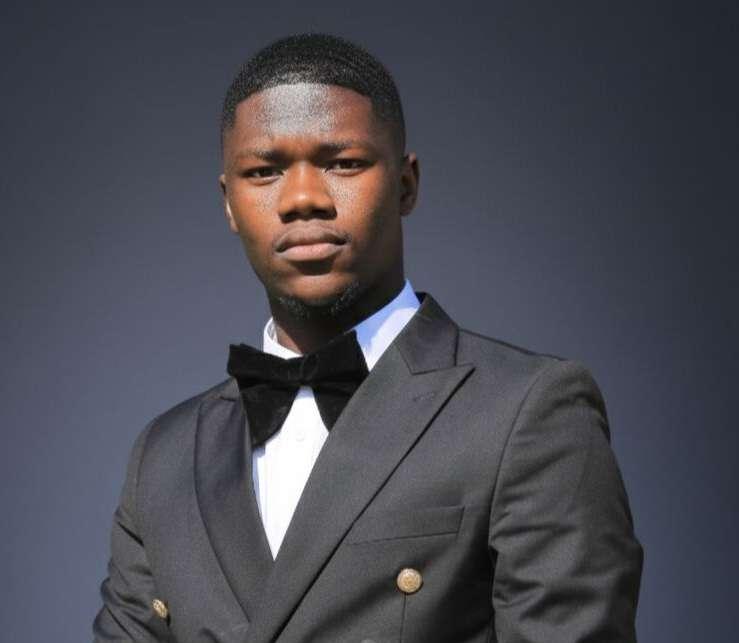
Kabelo Seonyane, a Class of 2025 Mandela Rhodes Scholar and recipient of numerous other prestigious awards, began a Master of Science in African Studies at the University of Oxford in October 2025.
His key area of research at Oxford will be to investigate: The geopolitics of underdevelopment: An evaluation of resource competition’s impact on education and economic development in Africa’s resource-rich countries - South Africa, Nigeria, and Algeria.
He indicates that this will lay the foundation for his proposed doctoral work, which he hopes to complete at the University of Oxford by securing funding as a regional finalist for the 2026 Rhodes Scholarship.
Kabelo graduated cum laude from the Wits School of Education with a B.Ed. (triple majoring in Physics, Life Sciences and Geography) and an Honours in Education. Whilst he is pursuing his studies at Oxford, he is also completing a master’s in Education at the Wits School of Education.
Kabelo has come a long way from Rietvallei Ext. 2 in Krugersdorp, where he was born. Kabelo’s commitment to academic excellence and social action is fundamentally aligned with the ‘Wits for Good’ mission.
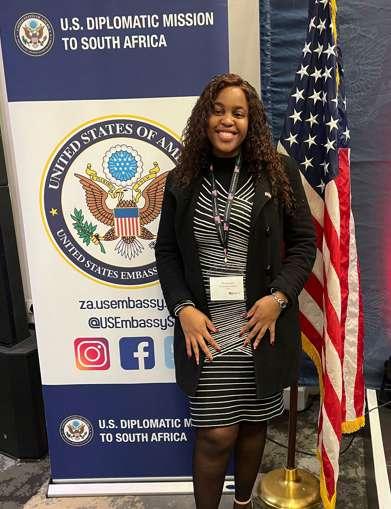
Phumelele Ndlela
Master’s in Education student Phumelele Ndlela is promoting isiZulu globally through the Fulbright Foreign Language Teaching Assistant Programme at the University of Florida.
Rooted in her passion for language, education, and African identity, her Wits journey strengthened her commitment to sharing isiZulu internationally, which began whilst tutoring American students through the Fulbright Hays Group Project Abroad.
Now, as a cultural ambassador, she teaches isiZulu as more than a language; connecting students to its culture, identity, and history. She says: "Hlangana Zulu! Let us come together to celebrate, preserve, and share isiZulu."
Bryan Lepelle and Refilwe Monyela, the founders of the social enterprise Drip Tailors, which they launched earlier this year, have achieved remarkable recognition by being named the National Champion of Enactus South Africa. This accolade has granted them the opportunity to represent both Wits University and South Africa at the prestigious Enactus World Cup held in Bangkok, Thailand.
During this international event, they impressively advanced to the semi-finals, presenting their innovative project alongside competitors from 35 different countries. Lepelle and Monyela emphasise that their newfound connections within a global network have significantly enhanced their commitment to fostering sustainable livelihoods, minimising textile waste, and advocating for circular fashion practices.
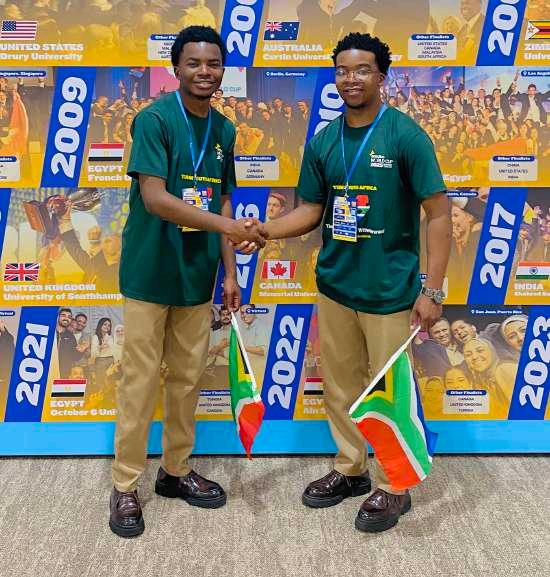
Bryan Lepelle and Refilwe Monyela
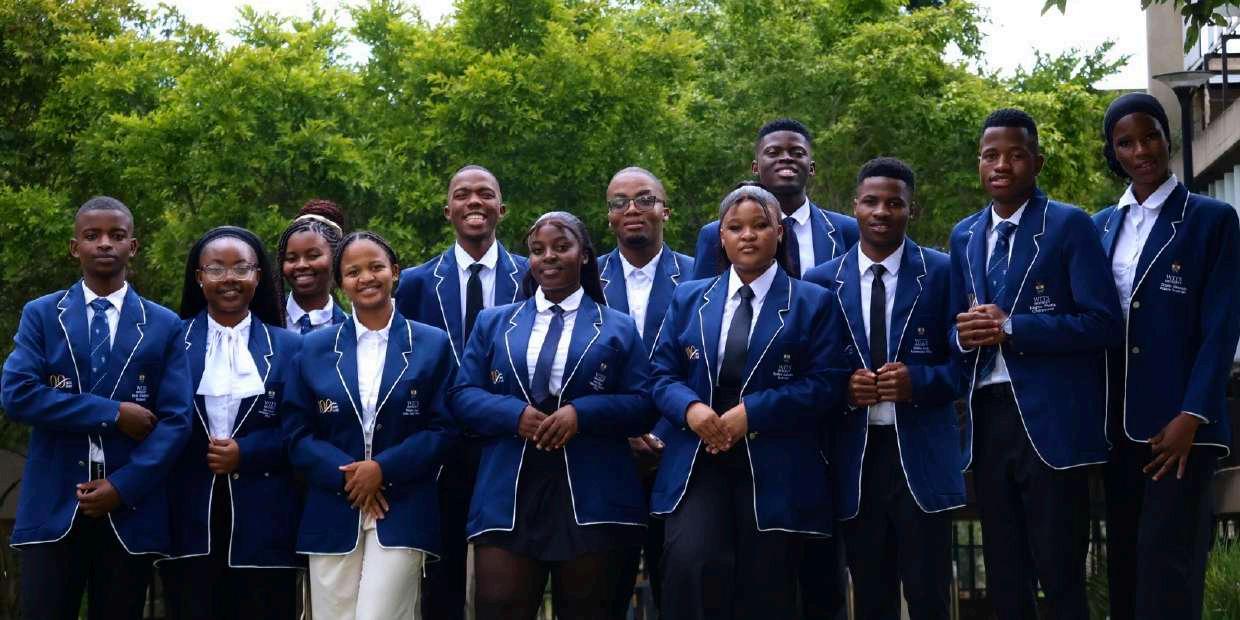
Back left to right: Mulalo Ngesi, Tumalano Lekame, Amkele Nobuye, Thabo Ragophala
Front left to right: Ryan Ntambula, Hawa Maseko, Arefa Moepi, Phila Nkosi, Siyolise Mahamba, Simpiwe Maseko, Kagiso Phetla, Zicqelo Mkhondo
As a sub-body of the Student Representative Council (SRC), the Education Student Council (ESC) is committed to exemplary student leadership in defining the African Century. In pursuit of this, the ESC encourages academic excellence and promotes equality of opportunity through effective, accountable, and transparent student leadership.
Guided by our motto, “Championing for Students and Advancing Education,” the Council strives for the holistic advancement and development of the student community, safeguarding the rights and well-being of all students within the Wits School of Education at the University of the Witwatersrand, Johannesburg.
Our vision as the ESC is to foster a supportive, inclusive, and empowering environment where every education student feels represented and valued. We draw inspiration from the words of Charlotte Maxeke: “The work that we do is not for ourselves but for the people; kill that spirit of self and do not live above your people but with them. If you can rise, bring someone with you.”
Rooted in this spirit of collective upliftment, we aim to promote academic excellence, strengthen leadership, and build a vibrant community of aspiring educators. Through advocacy, service, and partnership, we envision a School where respect, equity, creativity, and integrity guide both learning and leadership. Ultimately, we aspire to empower future teachers who will lead with compassion and transform society.
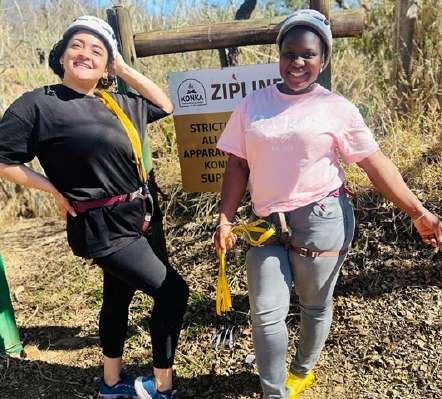
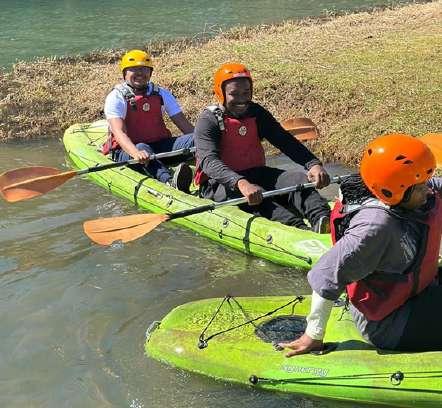
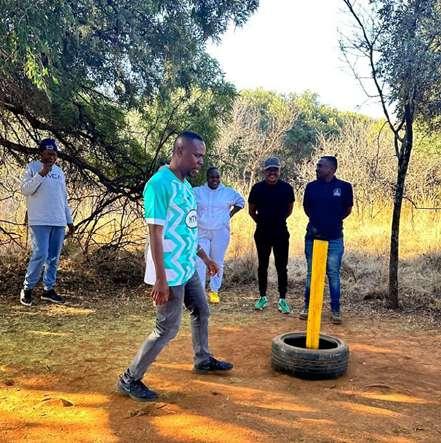
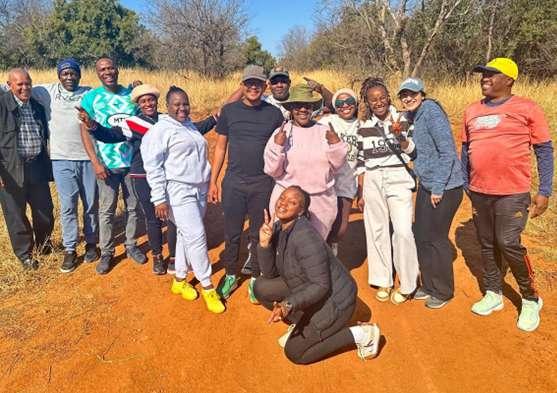
The PAS staff stepped away from their daily routines and embraced the serene surroundings of the Konka Family Adventure Resort for a two-day team building retreat focused on strengthening collaboration, leadership, and unity. They participated in a var iety of dynamic activities such as: Save the Passengers (Titanic challenge) and Tyre Puzzle to Traffic Jam, Marble Tube Sequencing, wall climbing and kayaking. Team members were encouraged to communicate openly, listen attentively, and draw on each other’s strengths.
These challenges fostered creativity, teamwork, and problem-solving in a vibrant environment. The facilitator noted the evident love and support among team members.
At the end of the retreat, the PAS staff returned with a fresh outlook on leadership appreciation, open communication, and a commitment to regular team building for ongoing growth and unity.
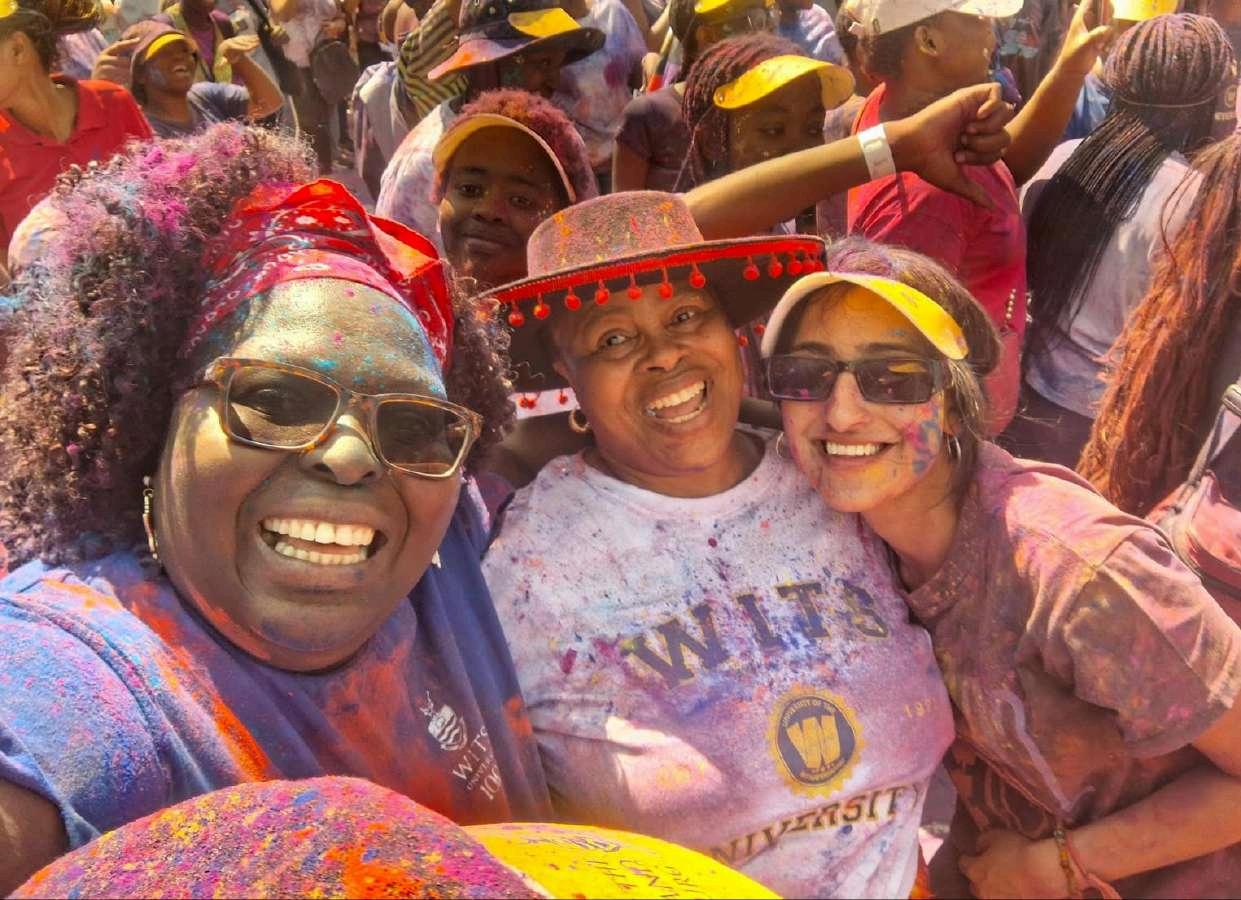
Wits Fun Day 2025 ignited the campus with a dazzling burst of colour, energy, and togetherness, creating an atmosphere that truly embodied the spirit of the University. The WSoE PAS staff enthusiastically joined the Wits Colour Parade, moving alongside hundreds of students and colleagues in a vibrant loop from the main campus through Braamfontein and back. The streets came alive as clouds of coloured powder filled the air, music pulsed through the crowds, and people danced, laughed, and celebrated the joy of being part of the Wits family.
The parade was more than just a festive walk; it was a powerful reminder of the unity and shared identity that bring Witsies together across departments, faculties, and backgrounds. After the walk, the festivities continued at Sturrock Park Grounds, where a relaxed braai offered the perfect setting to unwind. Staff and students gathered in small groups, sharing stories, meeting new faces, and reconnecting with familiar ones while enjoying good food and warm conversations. The sense of community felt tangible, creating a space where everyone could simply be present and celebrate the diversity that strengthens Wits.
Reflecting on the day, Programme Manager, Ms Mfundo Mbatha noted: “It was heartening to witness so many people laughing and connecting, embracing something larger than themselves.” Her words captured the essence of the event; a celebration of unity, joy, and the vibrant spirit that defines the Wits community.


Set on the WSoE Campus in Parktown, the Linder Auditorium has long been recognised as one of Johannesburg’s leading cultural venues. The origins of the Auditorium can be traced to the late 1970s. At that time, the idea of simply building an assembly hall gave way to a far more ambitious vision; one that recognised the need for a purpose-built concert space for Johannesburg. A steeply raked auditorium, carefully designed wooden panelling, and thoughtful acoustic engineering were incorporated into the design, ensuring that music could be experienced with clarity and resonance. When the Linder Auditorium opened in 1983, it created a cultural and educational hub for students and the wider public Over the decades, the Auditorium has remained true to that original intention. It remains a stage for orchestras, chamber ensembles, international guest artists, community ensembles, dance companies, and university events. Its reputation for acoustic excellence makes it a preferred venue for live recording and broadcast. A memorable chapter in the Linder’s history was the 88 Keys Initiative, a community fundraising campaign that enabled the purchase of a new Steinway Concert Grand. Concertgoers and partners sponsored individual keys, securing an instrument worthy of the auditorium’s acoustics and establishing a fund supporting the maintenance and refurbishment of the Linder’s pianos, including the Bosendorfer and Steinway Model O.
The 88 Keys Piano
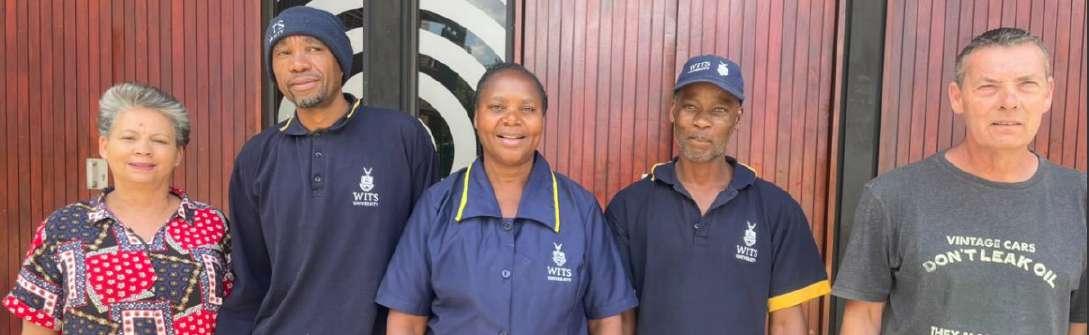
While the architecture carries echoes of its past, the living legacy of the Linder Auditorium is sustained daily by those who open its doors, tune its instruments, prepare its stage, and welcome its audiences. Under the leadership of venue manager Mr van Eerden, together with Bookings and Front-of-House Coordinator Ms Maasdorp and support staff Mr Mabasa, Ms Mudau, and Kekana, including cleaners, technicians, and facilities personnel, the Auditorium remains a welcoming and finely run venue. Their work ensures that every event is delivered with quiet precision and a sense of occasion, allowing the Linder to remain an iconic cultural space.
For booking enquiries, contact: anneline.maasdorp@wits.ac.za


The Wits School of Education Benevolent Fund (WSoESBF) was established to support the well-being of the most vulnerable student teachers at the Wits School of Education. Many students face severe personal financial challenges that hinder their ability to learn and thrive. This fund provides critical assistance to ensure food security, access to basic healthcare, and the ability to fully participate in academic activities.
The fund is administered through the Wits University Foundation. Contributions are tax deductible under Section 18A of the Income Tax Act (Act 58 of 1962, as amended), and donors will receive a Section 18A certificate a�ter each tax year. Regular updates, including monthly support reports and quarterly financial summaries, are available to all donors. The fund’s financials are also submitted to the WSoE Executive Committee for transparency and accountability.
Your contribution helps restore dignity, support academic success, and change lives.
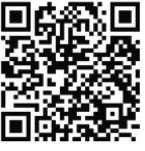
Scan the QR code to donate to the Wits School of Education Student Benevolent Fund

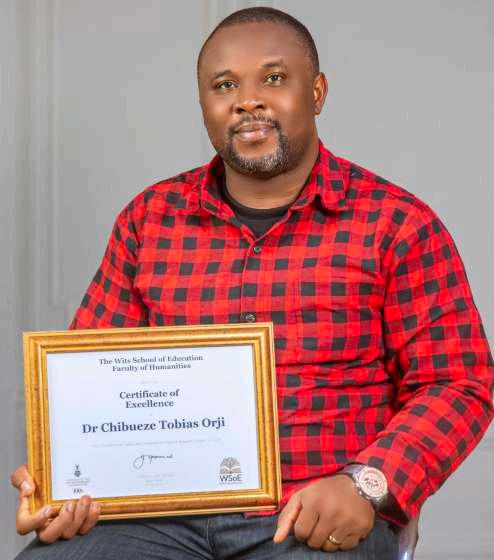
Dr Tobias Orji
Dr Orji, a postdoctoral research fellow at the Wits School of Education, was awarded the Certificate of Excellence for the highest research output for 2024 by a postdoctoral fellow. Presented at the 2025 annual RiSE Celebration, this recognition underscores his exceptional publication record and his active contribution to cross-disciplinary scholarship within the School.
His work with the African Engineering and Technology Network (AFRETEC) on digital education aims to bridge the digital knowledge gap in Africa, advancing innovative teaching methods and supporting digital transformation across the continent. The School commends him for exemplifying research excellence and contributing to educational innovation and knowledge production in Africa.
In recognition of her work, Dr Thetso received a 2024 Certificate of Appreciation, which celebrates her Sesotho chapter featured in a publication by the African Languages Association of Southern Africa and PanSALB initiative. The chapter aims to elevate Sesotho, inform her teaching practice, and address gaps in Higher Education learning resources. Her work shows that Indigenous languages can express complex ideas and sustain scholarly discourse, proving they are languages of science, research, and innovation.
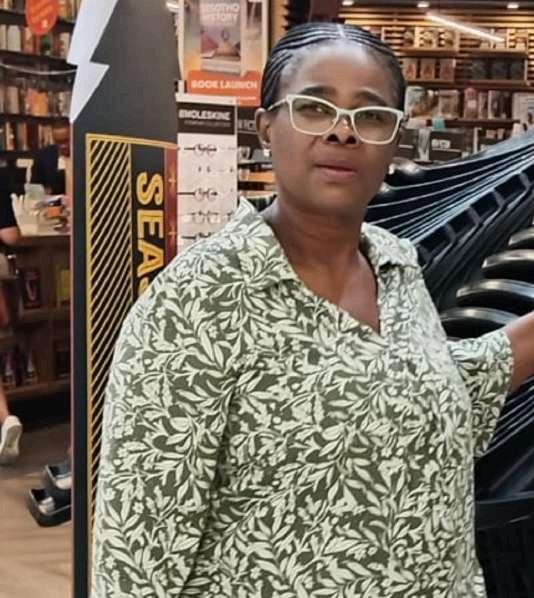
Dr Madira Thetso
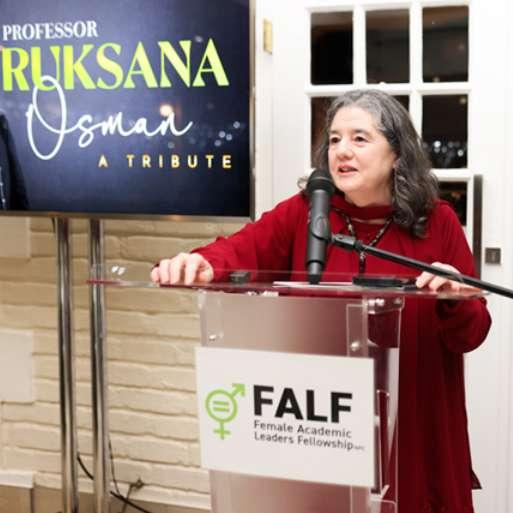
Prof. Osman, Senior Deputy Vice-Chancellor, was honoured bythe Female Academic Leaders Fellowship (FALF) with its first FALF Champion Award for over 40 years of service to education, her leadership in transformation, and her lifelong contribution to Wits University. A scholar, mentor, and leader. Prof. Osman has shaped Wits’ academic trajectory for decades, advancing diversity, excellence and inclusion. Presenting the award at a celebratory dinner on 31 October 2025, Wits Chancellor and FALF founder Dr Judy Dlamini described her as a quiet architect of transformation whose influence reaches far beyond what the eye can see. Her leadership is exemplified by grace; quiet, yet deeply impactful in empowering others. Dr Dlamini’s sentiments were echoed by many of Prof. Osman’s colleagues, friends and students.
The Faculty of Humanities hosted its 2025 Teaching & Learning Awards ceremony on 27 November, celebrating innovation and excellence in blended teaching and learning across the Faculty. The event recognised staff who have demonstrated outstanding and sustained commitment to student-centred, future-focused pedagogy, and highlighted the Faculty’s ongoing efforts to strengthen teaching quality, digital literacies, and inclusive learning. The Faculty awards affirm the value of reflective practice and the transformative impact of teaching on student success. Prof. Belinda Mendelowitz and Dr Ilse Fouché received the Award for Excellent and Innovative Postgraduate Teaching in a Blended Mode. Dr Maria Prozesky received the Award for Excellent and Innovative Undergraduate Teaching in a Blended Mode.
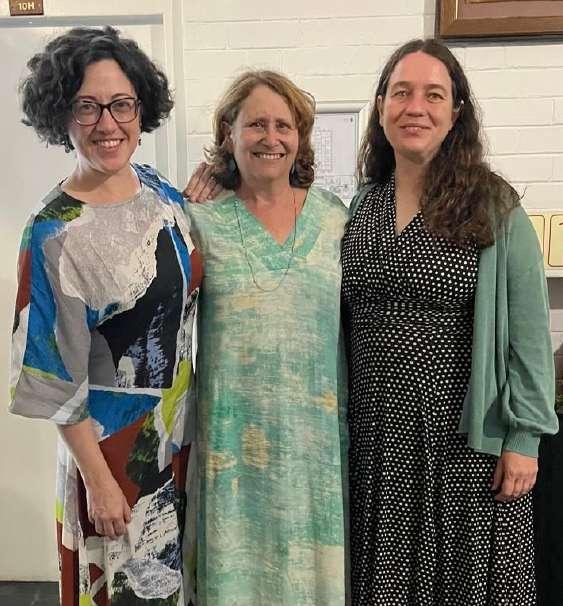
Dr Prozesky, Prof. Mendelowitz and Dr Fouché
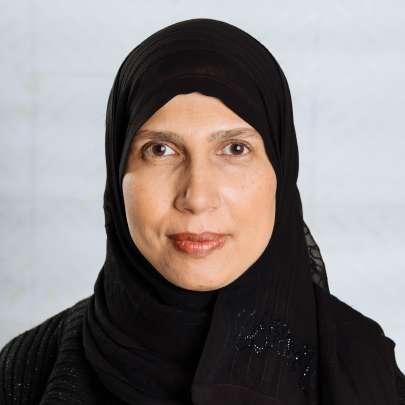
Dr Jina-Asvat, a Mathematics Education lecturer at WSoE, has received the esteemed Nadine Gordimer Short Story Award at the South African Literary Awards (SALA) 2025 for her collection, Tears of the Weaver. This work, which intricately blends culture, spirituality, and identity in modern South Africa, garnered significant attention, having also been shortlisted for the Best Fiction Short Stories at the 9th Humanities and Social Sciences Awards (2024). Her success underscores the impact of Wits scholars in merging storytelling, research, and education.
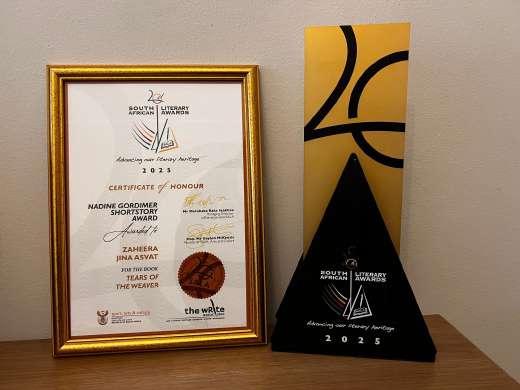
Nadine Gordimer Short StoryAward
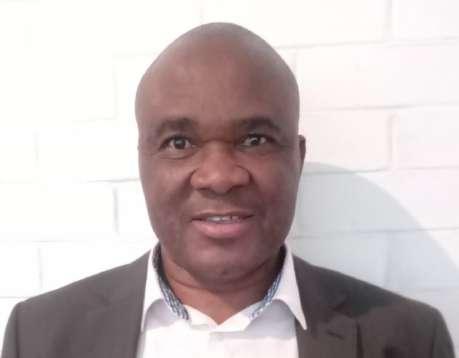
Dr Sego Matlala
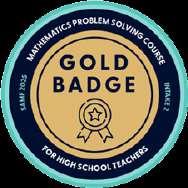
Dr Matlala received the Gold Badge for the Mathematics Problem-Solving Course from the South African Mathematics Foundation (SAMF) on 3rd September 2025. This esteemed award recognises his dedication to academic excellence, analytical thinking, and innovative approaches to solving complex challenges in mathematics education.
“The vision of mathematics as problem-solving challenges teachers’ beliefs about mathematics, how it is learned, and how it is taught. It also prompts teachers to teach mathematics that they may never have experienced before. It is worth noting that teachers are themselves victims of their own prior education and are likely to continue teaching in the manner they were taught unless a way is found to break this self-perpetuating cycle.”
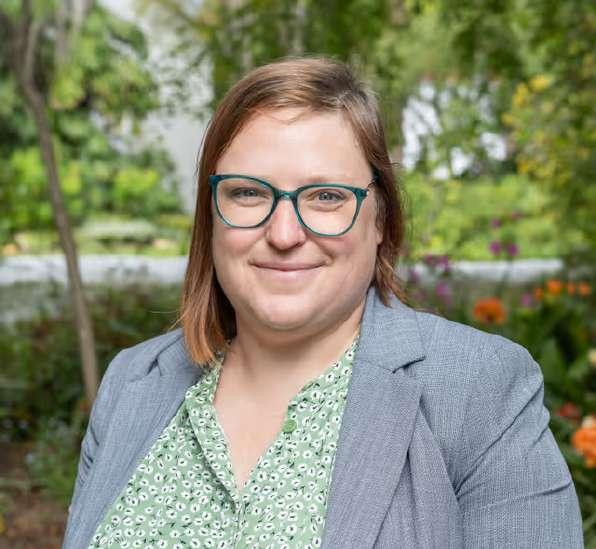
How does our past shape our future? This question goes to the heart of Dr Godsell’s Iso Lomso Fellowship, awarded by the Stellenbosch Institute for Advanced Study. Her project, ‘Historical Feeling: Decolonising History Education’, will explore emotion and feeling as forms of historical knowledge. She believes that being based in Stellenbosch will be ‘generative for both comfort and discomfort’, as the town of ‘pretty white houses, tree-lined avenues, air of ease for certain people’, coexists with racial dynamics that expose the town’s violent colonial past. This “hidden” violence, which continues to shape South Africa’s present, provides a perfect backdrop to thinking about decolonising history education, such as how the past shapes our present and future. What parts are hidden? Why? What does this do to students’ learning history?
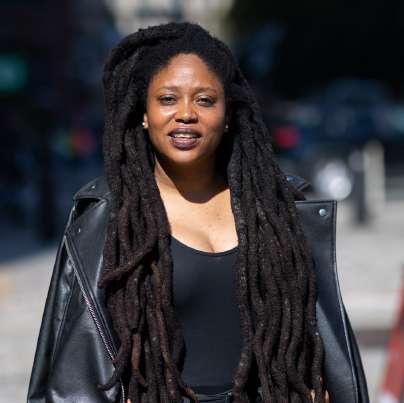
Dr Refiloe Lepere
After receiving a grant from the Atlantic Fellowship for Racial Equity, Dr Lepere was invited to join the Global Atlantic Fellowship for Racial Equity. As an Atlantic Fellow, she continues to deepen her curriculum on Story Circles, rooted in African traditions, which uses storytelling as a tool for learning, healing and inclusion. She reflects: "I have come to see the classroom as a stage for collective becoming, where students and communities compose, in real time, the language of belonging."
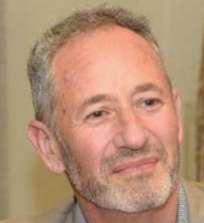
WSoE’s Prof. Fleisch recounts the four-week transformative writing residency at the Rockefeller Foundation Bellagio Center; overlooking Lake Como, Italy. He was amongst an interdisciplinary 14-person cohort of Rockefeller “changemaker” scholars and practitioners; who lived and worked alongside globally distinguished peers such as Atul Gawande, Robert Pinsky, and Shaunak Sen. During the residency, which involved days of sharing meals, conversations and seminars, Prof. Fleisch completed four draft chapters of his new book on system-wide improvement of early learning in the global south, drawing on recent fieldwork with UNICEF and SADC.

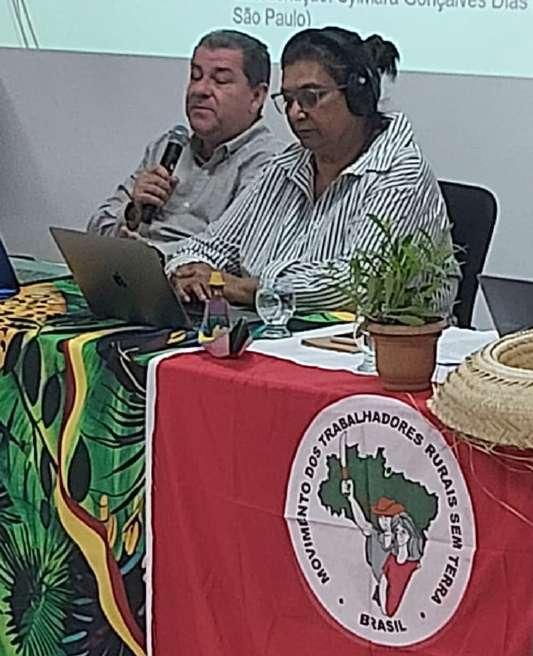
Prof. Ambrizzi and Prof. Ramsarup

Prof. Presha Ramsarup from REAL has recently returned from her participation in the significant Climate Universities conference held in Belém, Brazil. This event is crucial as it serves as a precursor to COP30, uniting universities from around the globe that are dedicated to addressing the pressing climate crisis. In her presentation, which drew upon her extensive work with South Africa’s Presidential Climate Commission, Prof. Ramsarup focused on the topic “Surfacing Work and Learning Pathways for Climate Adaptation.” She emphasised the necessity of recognising and protecting climate adaptation labour, often overlooked efforts to adjust to climate change, as decent work to avert the risk of increasing inequality. Additionally, she engaged in a panel discussion alongside scholars from Brazil and the UK, highlighting the vital role universities play in climate action and showcasing Wits’ initiatives aimed at fulfilling its climate commitments.
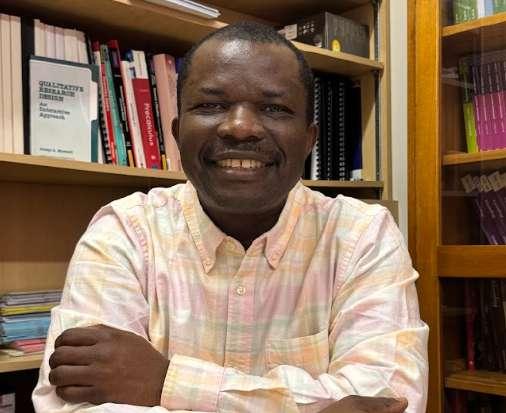
Prof. Essien, who has been at the helm of the Numeracy Chair since 2022, states that the Chair has delivered advanced high-impact research, teacher development, and policy engagement aimed at strengthening primary mathematics teaching across South Africa. Its work, which has positioned Wits as a global voice, has led to the development of the Mediating Primary Mathematics framework and a national rollout of the Mental Starters Assessment Project to internationally recognised research on multilingualism and mother tongue–based bilingual education. As the initiative ends, its legacy continues through its various outputs, supported by the NRF and partner funders.
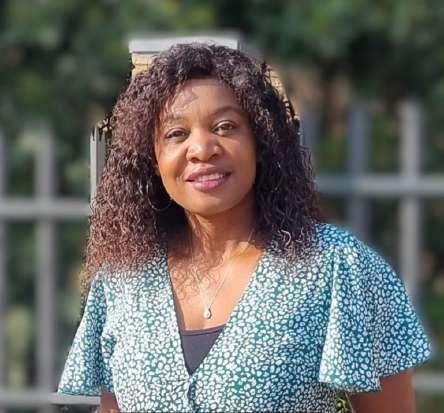
Dr Nkomo is one of a handful of mentors from eleven higher education institutions who are providing their wisdom and learnings to doctoral researchers through an international PhD mentorship scheme; a collaboration between the Royal Society of Edinburgh’s Africa Working Group and the Mastercard Foundation Wits-Edinburgh Sustainable African Futures Doctoral Programme. At the heart of the programme, which cuts across Ghana, South Africa, and Scotland and two continents (Africa and Europe) is mutual learning. As Dr Nkomo explains, support goes beyond professional development, career guidance, and research support to pastoral support - such as navigating isolation.
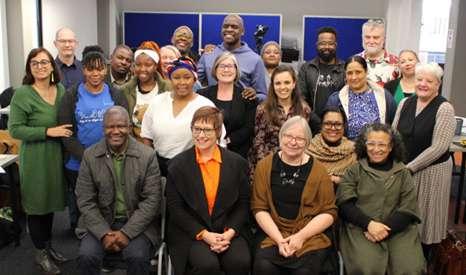
The Centre for Deaf Studies (CFDS) hosted South African and UK researchers in October 2025 through a UK Academy of Medical Sciences networking grant. Prof. Claudine Storbeck, the WSoE CFDS director, explains that the initiative aims to improve deaf people’s access to quality health and social work services by strengthening sign language interpreting. The year long networking grant, which brings together deaf people, interpreters, practitioners, and researchers will build an evidence database that can inform training, professional guidance, and best practice. The network has already produced a range of resources in South African Sign Language and English, while establishing new partnerships with deaf organisations, government, and universities.
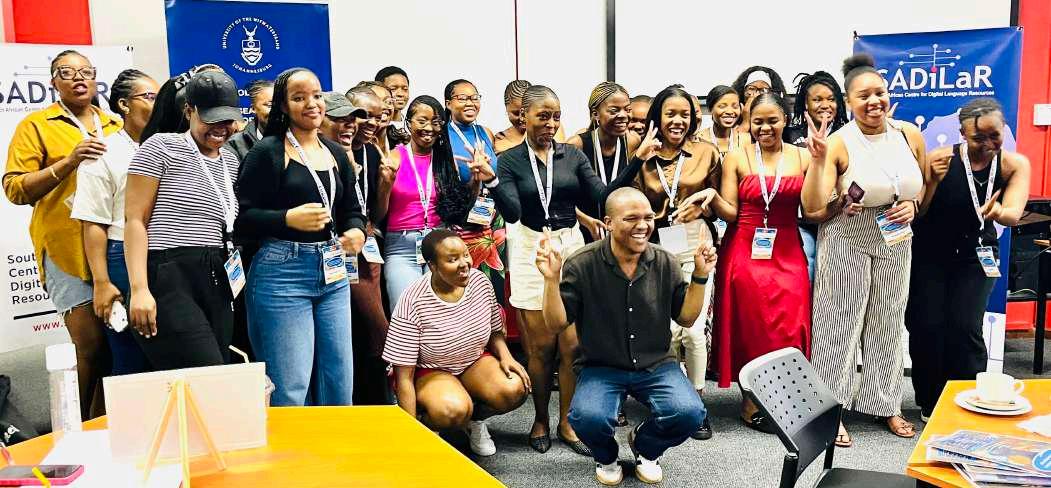
uDkt Sanele Nsele nezifundi ze-B.Ed. zonyaka wesine ngesikhathi somhlangano
Ukusingatha ubuliminingi ezigabeni zeMfundo esiyisiSekelo kanye nesimaPhakathi esikhathini sobuchwepheshe besimanje. uDkt Sanele Nsele noDkt Kolodi Senong babambe umhlangano wokucobelelana ngolwazi wabafundi besiZulu mayelana nokusingatha ubuliminingi ezigabeni zeMfundo esiyisiSekelo kanye nesimaPhakathi esikhathini sobuchwepheshe besimanje.
Lo mhlangano wokucobelelana ngolwazi uxhaswe uMnyango Wezesayensi, Ezobuchwepheshe Nezokuqamba (Department of Science, Technology and Innovation) ngokubambisana ne South African Centre for Digital Language Resources (SADiLaR).
uDkt Nsele uhole ingxoxo ngokusebenzisa ubuchwepheshe besimanje ekufundiseni isiZulu njengoLimi Lokuqala lokwEngeza emakilasini anobuliminingi ezigabeni esiyisiSekelo nesimaPhakathi.
UDkt Senong uhole ingxenye yobuciko bokudweba lapho abafundi beninga ngokuba uthisha wesigaba seSisekelo nesiPhakathi ekilasini elinobulimining esikhathini sobuchwephese besimanje.
uNksz Jessica Mabaso, oyinhloko yeProjekthi i-ESCALATOR, wethule ngokusetshenziswa kobuchwepheshe besimamnje emakilasini. Lo Mhlangano uthanyelwe ngabafundi bonyaka wesine kanye nabenza iziqu ze Honours ezifundweni zesiZulu seMfundo. Leli qembu labafundi liwuthakasele lomhlangano futhi likhombise intshisekelo yokucwaninga kulo mkhakha.


The Teacher Choices in Action (TCiA) programme, which helps student teachers prepare for schoolbased learning, was selected as a flagship Department of Higher Education and Training project being showcased at the G20 Summit Legitimation Code Theory (LCT) Hub director and TCiA project leader, Prof. Lee Rusznyak, explains that the TCiA programme, completed by 75,000 preservice teachers across 24 universities, equips students with the tools to observe, interpret, and design lessons that promote deeper learning, bridging the gap between surface-level observation and professional pedagogical understanding

Check out the Video
Hosted on 6 October 2025, this celebration was done in collaboration with members of the UNESCO Chair in Teacher Education for Diversity and Development under the theme ‘Recasting Teaching as a Collaborative Profession.’ Prof. Thokozani Mathebula, the Deputy Head: Teaching and Learning, noted that this event highlighted how teachers, through mutual support, shared expertise, and collective growth, can transform education and build stronger learning communities. The event included the voices of students, principals, educators, and the UNESCO Chair, Prof. Osman.
Prof. Mathebula concluded: "the future of education depends on our collective commitment to work together, to teach together, learn together, and grow together "
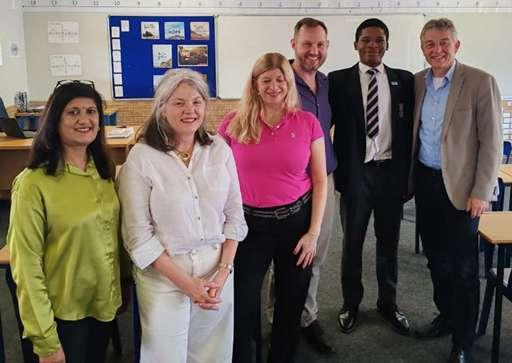
The WSoE recently welcomed two leading scholars from the University of Kassel, Prof. Ferri from Mathematics education and Prof. Meister from Applied Mathematics, who gave an impetus to science engagement with students, academics, researchers, and the wider community. Their time at Wits included mathematical modelling seminars, discussions with emerging researchers, exchanges with the mathematics education community, and more importantly, the possibility of establishing a STEM-Hub at WSoE; similar to the one they set up at Kassel University.
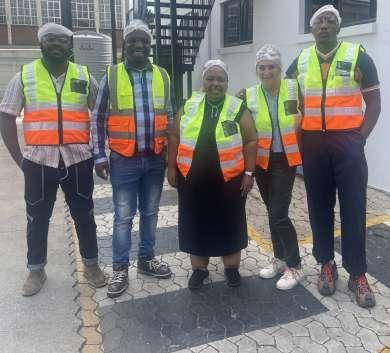
Researchers and Participants for the Food & Beverages Manufacturing
This research project, initiated by the REAL Centre for the Food and Beverages Manufacturing SETA, investigates skill formation at sector, workplace, and occupational levels. Meryl Plasket from REAL highlights how the study examines workplace skill planning, organisation of work, and their impact on training needs, leading to targeted policy interventions. The research involved visits to 53 plants across thirteen sub-sectors in Gauteng, KwaZulu-Natal, and the Western Cape, and will culminate in reports on training patterns, skills planning, and food waste reduction.
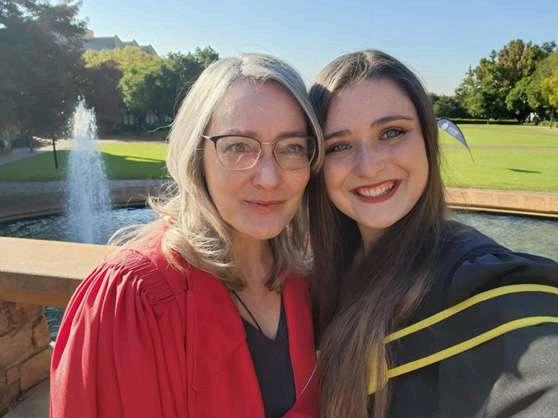
Dr Tanya Bekker and Shaylee Bekker
WSoE Senior Lecturer Dr Tanya Bekker and her daughter, Ms Shaylee Bekker, a neuropsychology student and trauma counsellor, have co-authored an influential article titled “The neuropsychology of trauma-exposed children: implications for inclusive teaching and learning,” published in the International Journal of Inclusive Education (August 2025). Their work brings together neuropsychology and education to show how trauma affects children’s development and learning, offering practical guidance for more inclusive, trauma-responsive teaching.
The publication outlines how many South African children enter classrooms with trauma-related cognitive, emotional, and behavioural challenges that impact attention, memory, executive functioning, and emotional regulation. Drawing on neuropsychological research and the Neurosequential Model of Therapeutics (NMT), the authors highlight the need for teachers to recognise these impacts in order to respond effectively.
To support this, they propose a trauma-responsive pedagogical framework focused on creating emotionally safe learning environments, fostering relational trust, encouraging pedagogical responsiveness, and strengthening social-emotional development By connecting neuroscience with inclusive education, their work promotes a practical, context-sensitive approach to teaching that better supports trauma-affected learners.


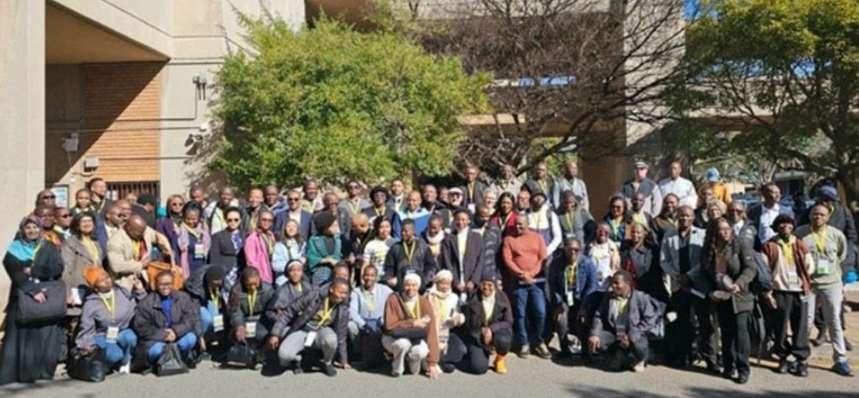
The Wits School of Education hosted the 7th African Regional Congress of the International Commission on Mathematical Instruction (AFRICME 7) from 14–18 July 2025. This event was pivotal for African mathematics education. Prof. Judah Makonye led the congress and drove its success. Over 150 delegates attended. They came from South Africa, Kenya, Tanzania, Ghana, Zambia, Malawi, Namibia, and beyond Africa.
AFRICME 7 featured a rich tapestry of scholarly engagement. Plenary addresses by thought leaders, Prof. Jill Adler, Prof. Mamokgethi Phakeng, Prof. Agida Manizade, and Prof. Mercy Kazima sparked vibrant discussions. Their insights focused on pedagogy, equity, and innovation in mathematics education research. These themes reinforced the congress’s commitment to African-led research and transformative teaching practice.
The School extends heartfelt gratitude to Wits University and the International Commission on Mathematical Instruction (ICMI) for their generous sponsorship. Special thanks also go to Prof. Mucha Musemwa, Dean of the Faculty of Humanities. Additionally, Prof. Juliet Perumal, Head of the School of Education, and the Wits Research Office are thanked for their steadfast support and belief in collaborative scholarship.
Finally, thanks also to the members of the Local Organising Committee, including Prof. Kakoma Luneta from the University of Johannesburg. Building on the momentum of AFRICME's success, the School hosted the Universities South Africa Forum (USAF) meeting on 6 November 2025. This event supported first-year students in mathematics and mathematics education to improve academic outcomes. Attendees included representatives from universities across South Africa and the Southern African Development Community (SADC). Prof. Makonye, Deputy Chairperson of the USAF Mathematics Teaching and Learning Community of Practice and AFRICME 7 confirmed Wits’ role as a continental leader in educational excellence.

The Rethinking Math Teaching Methods project, with funding from the University Capacity Development Programme (UCDP) and the Scholarship of Teaching and Learning (SoTL), helped pre-service teachers see that teaching knowledge grows through shared feedback and thoughtful reflection rather than memorising steps and rules.
The innovation of Dr Jina-Asvat, Dr Abdulhamid and Prof. Pournara combined collaborative critique, open educational resources, and structured reflection; a key activity involving their recording and analysing a group’s lesson design on the equal sign and equivalence. The recording, now used as a resource, modelled how teachers can examine and improve lessons through professional dialogue.
This collaboration informed Dr Jina-Asvat’s Knowledge Structures of Teaching in Emerging Practice (K-STEP) Framework, which maps five layers of teacher knowledge that pre-service teachers can draw on as they design and refine their lessons from inherited and curriculum knowledge to pedagogical reasoning, learner awareness, and contextual understanding.
At the 2025 Independent Schools Association of South Africa Deputy-Principals’ Conference at St John’s College, Dr Andrews spoke about two initiatives at the heart of his research, which focus on professional development in a rapidly shifting educational terrain: The Erasmus+ project, which trained STEM lecturers and master’s students using Open Educational Resources (OERs) and innovative teaching methods such as inquiry-based and game-based learning, improved inclusive and accessible STEM teaching practices. The second initiative, the AFRETEC mentorship programme, which supported school leaders in rural South Africa and Rwanda through digital mentoring and OER-based learning, fostered peer-driven communities that sustain ongoing professional growth.
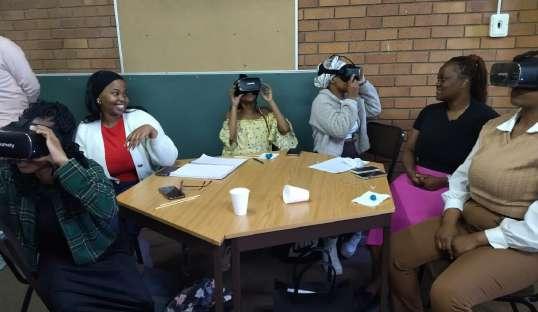
STEM lecturers and master’s students using Open Educational Resources
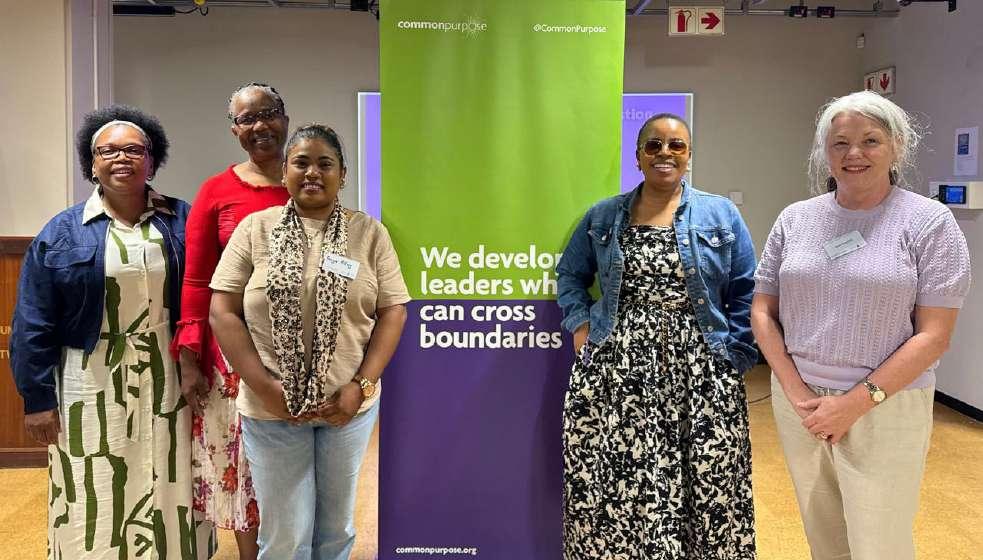
Five WSoE members are participating in the Nexus Management Development Programme, a leadership initiative offered by Wits University in partnership with Common Purpose. One of the participants, Dr Ndlovu, explains that the programme is designed for leaders who are working in complex institutions and seeks to build agility, authenticity, and empathy through deep reflection, beginning with articulating personal leadership purpose. Early modules have focused on self-awareness, adapting to change, respecting difference, and creating environments where others can thrive. Through Nexus, participants are reimagining leadership in teacher education with courage, compassion, and a commitment to building people and possibility.
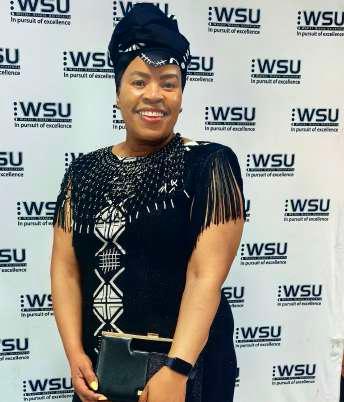
Dr Ntsoaki
At the SAFOS International Conference in September, Dr Mokala spoke about the evolution of folktales, reminiscing about her childhood stories shared around her grandmother's fire, which connected people and culture. She emphasised that the shift from storytelling by the fire to digital platforms should be viewed as an opportunity rather than a threat. By digitising our folklore, we can ensure our languages and cultures thrive, using innovation to preserve and reinterpret traditional tales for future generations. "Ke tshomo ka mathetho!"
The School, through the Education, Training and Development Practices Sector Education and Training Authority, welcomed four interns in Marketing, HR, and Finance, bringing new ideas and enthusiasm. Intern Dikeledi Sekgoloane highlights that this program, part of SETA’s initiatives, aims to boost skills in the ETDP sector while fostering job opportunities and empowering young professionals through hands-on experience.
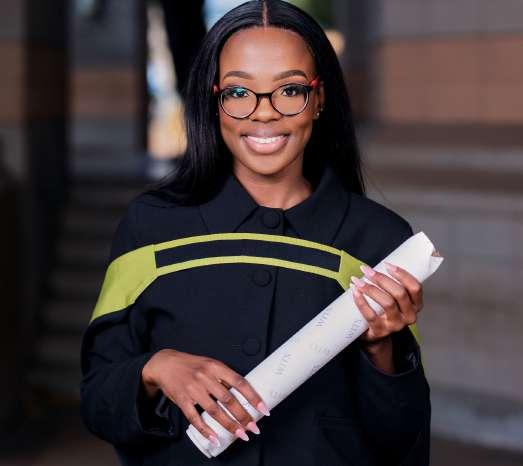
Dikeledi Sekgoloane, a Wits BCom Marketing and HR graduate, is passionate about brand developement, strategic communication, creating audience engagement and community initiatives.
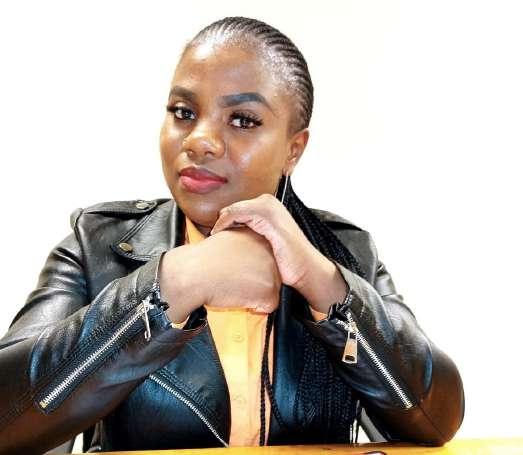
Busisiwe Sibiya, with a Human Resource Management Diploma, works in administration, passionate about people management and organisational growth.

Gingirikani Mkansi is a Wits BCom Accounting graduate, currently completing a Finance Operations internship. She is interested in becoming a Chartered Accountant.
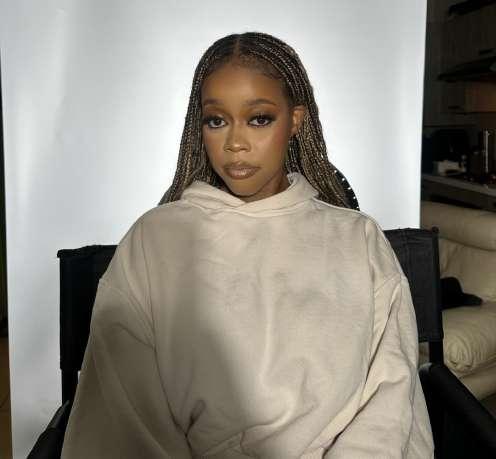
Lethabo Letshokgohla is a Wits BSc graduate with a strong interest in Finance and a keen enthusiasm for outer space exploration.