Safe Routes to School
A plan to make walking and biking to school a safe, fun activity.
OCTOBER 2024
WHITE EARTH, MINNESOTA
Circle of Life Academy
Acknowledgements
We gratefully acknowledge the participation of the following individuals and organizations in the development of the Circle of Life Academy Safe Routes to School (SRTS) Plan.
SRTS PLANNING TEAM
Victoria Wind, Superintendent Circle of Life Academy SRTS Team Co-Chair
Michael Bowman, Director of Public Works White Earth Department of Transportation SRTS Team Co-chair
Kari Cossette, Community Member White Earth
Ken Fox, Transportation Circle of Life Academy
Shannon Heisler, Director of Enrollments White Earth Tribal Nation
Seth Houglum, Principal Circle of Life Academy
Patrick Hollister, Active Living Planner PartnerSHIP 4 Health
Jim Olson, County Engineer Becker County
Cheryle Poitra, Principal Circle of Life Academy
Candace Potter, Bus Driver Circle of Life Academy
Mary Safgren, Planning Director MnDOT District 4
Serria Weaver, Highway Safety Officer Data Clerk White Earth Tribal Nation
Prepared by West Central Initiative
Principal Author – Mallory Jarvi, Transportation Planner with assistance from Wayne Hurley, Director of Transportation Planning and Aaliyah Helland, Minnesota GreenCorps Member
ORGANIZATION OF THIS REPORT
This report is designed to support and be accessible to multiple groups of people involved with Safe Routes to School in White Earth, including students, caregivers, teachers, school administrators, city staff, elected officials, and county and state employees. This plan focuses on key information and recommendations, while the appendices document additional participation, analysis, resources, and deliberation that shaped the development of the plan.
The Vision
The Community of White Earth, along with the Circle of Life Academy, are seeking to become a community where it is safe and convenient for all children to walk and bicycle to and from school and in daily life. We will strive to be a place where our children can travel under their own power, explore, and play in their community safely, and where they learn life-long habits of incorporating physical activity into their daily lives. We will seek to achieve this vision through safety awareness, education, encouragement, and selfevaluation, all while building the infrastructure needed to make walking and bicycling safer and more convenient for all.
THE 6 E’S
Safe Routes to School (SRTS) programs rely on six core strategies, called the “Six Es”, to work towards their vision.
EQUITY – THE OVERARCHING E
Prioritizing positive outcomes for students from lower-income households; Black, Indigenous, and other students of color; students with disabilities; and other students who face disproportionate barriers to walking, biking, and rolling to school because of their group membership. This plan uses the term “priority populations” to refer to disproportionately impacted groups of students and other community members.
ENGAGEMENT
Working with students, families, school staff, and community members and organizations, especially those from priority populations, to identify needs, better understand barriers, and create solutions together for walking, biking, and rolling.
ENGINEERING
Developing Equity-focused changes to the built environment that support youth travel, designed and prioritized through community Engagement.
EDUCATION
Providing students and other community members, especially those from priority populations, with skills and knowledge about walking, biking, and rolling.
ENCOURAGEMENT
Normalizing a culture of walking, biking, and rolling through incentive programs, events, and activities that center priority populations.
EVALUATION
Measuring how Safe Routes to School initiatives are implemented (process evaluation) and what their impacts are (outcome evaluation), especially how initiatives Engage with and support priority populations.
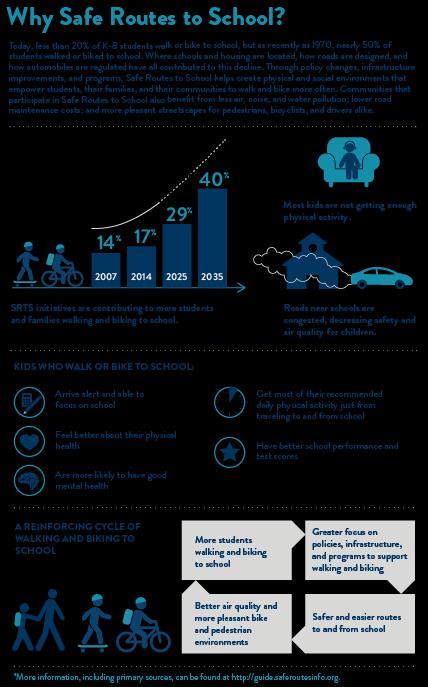
Why Safe Routes to School?
Equity in SRTS
Disparities in access to resources such as high-quality jobs, schools, parks, healthcare, food, and a full range of transportation choices impact the health and wellbeing of communities. These differences are not random they are the results of government policy and funding in the past and present, which has worked to the benefit of some and to the disadvantage of others.
Equity in Safe Routes to School is impacted by transportation system inequities such as limited access to high-quality walking and biking infrastructure or the presence of highways or busy roads in lowerincome neighborhoods and neighborhoods with more BIPOC (Black, Indigenous, and People of Color) individuals as well as inequities in related systems. For example, racial wealth inequities and racial discrimination in housing mean that BIPOC or lowerincome students may live further away from schools than their white peers and those from higher-income families.
Safe Routes to School works to improve walking and biking opportunities for all students, while addressing these inequities through programs, infrastructure, and policy improvements that specifically help priority populations. Priority populations include individuals, groups, and communities who are more likely to rely on walking, biking, or transit for transportation, are more vulnerable to unsafe traffic conditions, or have suffered historic disinvestment in safe, comfortable walking and biking infrastructure. By looking at demographic data, examining existing transportation services and policies, and speaking with members of the community, the Circle of Life Academy Safe Routes to School team worked to develop recommendations that support equity in walking and biking to school.
White Earth Community in Context
Gaa-waabaabiganikaag – White Earth
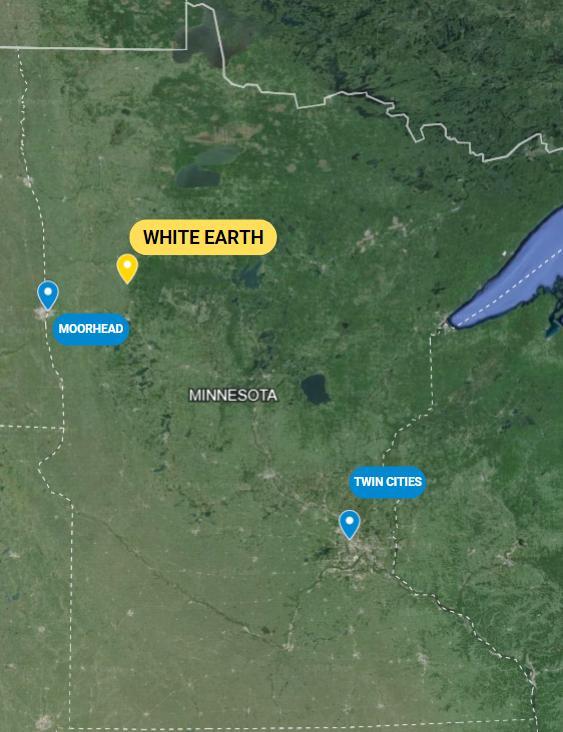
White Earth is a small tribal community in west central Minnesota, located within the White Earth Indian Reservation. It is about 6 miles off Highway 59 near Ogema. White Earth is 60 Miles east of the Fargo/Moorhead metro area and 220 miles northwest of the Twin Cities. It is located near the northern border of Becker and Mahnomen County.
White Earth has a population of 522. The demographic makeup of the population is 91% Native American or Alaskan Native, 6% two or more races, 2% White, and 1% Hispanic or some other race. The White Earth community is young, with a median age of 26.2 compared to the state’s median of 39. At home, 9.6% speak a language other than English. Almost 7% speak “Other Language” and almost 2% speak Spanish.
The average family size is 3.6. The median household income is $21,420, and 53% of residents live under the poverty line. In White Earth, 87% of residents have a high school degree or higher, and 14.1% have a bachelor’s degree or higher.
To travel to work 0% bike, 2.5% use other means, 4.4% walk, 3.4% use public transportation, 4.9% carpool, 18.7% work from home, 66% drove alone. The low number of active transportation users can be attributed to distance from work.
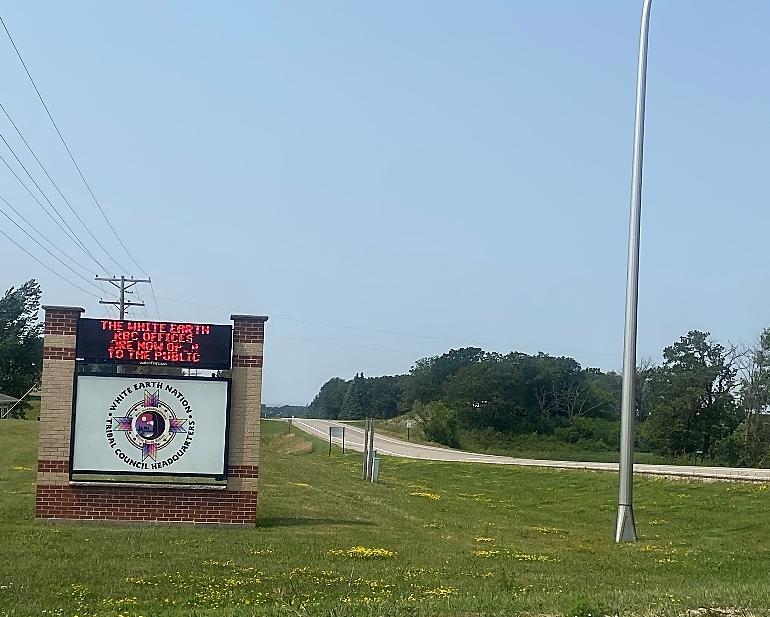
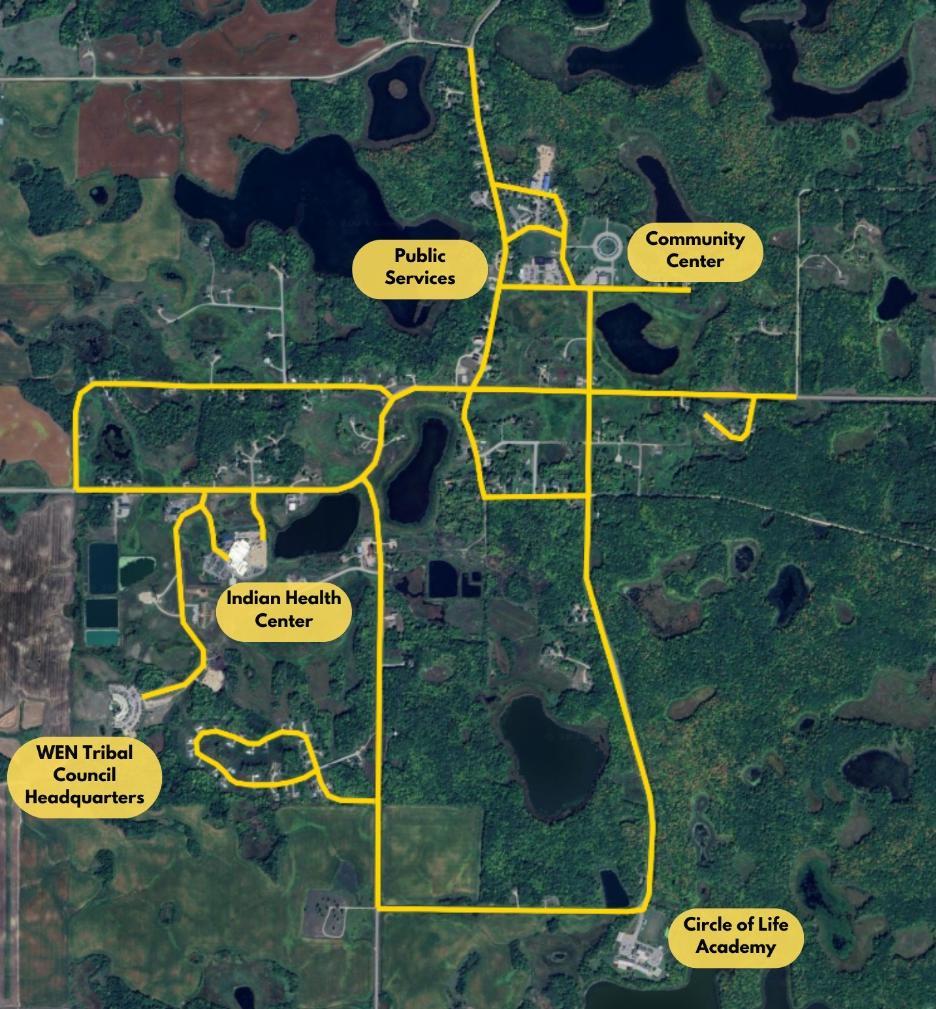
White Earth is located in the southern portion of the White Earth Nation. Surrounded by lakes and forest, this community has a strong connection to nature and its resources. All in or near White Earth is the tribal headquarters, a community center, pow-wow grounds, White Earth Public Works, and the White Earth Health Center. All of these facilities create community and good jobs to support its residents.
White Earth Plans
WHITE EARTH NATION TRIBAL TRANSPORTATION SAFETY PLAN
The White Earth Tribal Nation completed its Transportation Safety Plan in 2024. This plan looks at strategies to reduce fatal and serious injury crashes across the reservation and provides recommendations to make the transportation system safer The Circle of Life Academy Safe Routes to School committee supports the Safe Routes to Parks movement and future endeavors to create a safer transportation network in the community of White Earth, and across the entire reservation.
Recommendation in the plan of note:
• County Road 34 White Earth, Possible Pedestrian and Bicycle Strategies: Lighted pedestrian pathway from residential
development on eastern edge of the community to the intersection of Co Rd 34 and Co Rd 21.
During the planning process, a public survey was conducted. Key takeaways that are listed in the plans:
• More than 50% of respondents avoid walking, biking, taking transit, or driving because of transportation safety concerns.
• More than 80% of respondents drive as their main form of transportation around the reservation.
• 43% of respondents noted that they have been, or almost been, in a crash involving a vehicle, bicycle or pedestrian.
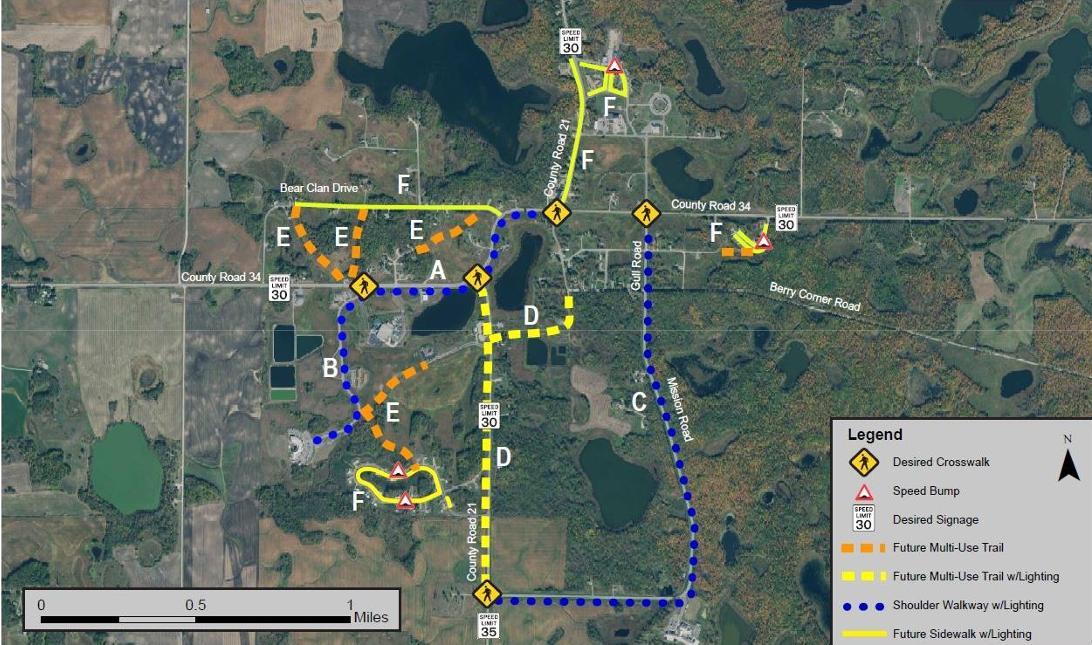
Figure 1: Map from the White Earth Nation Tribal Transportation Safety Plan, originally from the 2018 White Earth Long Range Transportation Plan.
Circle of Life Academy
SITE CIRCULATION
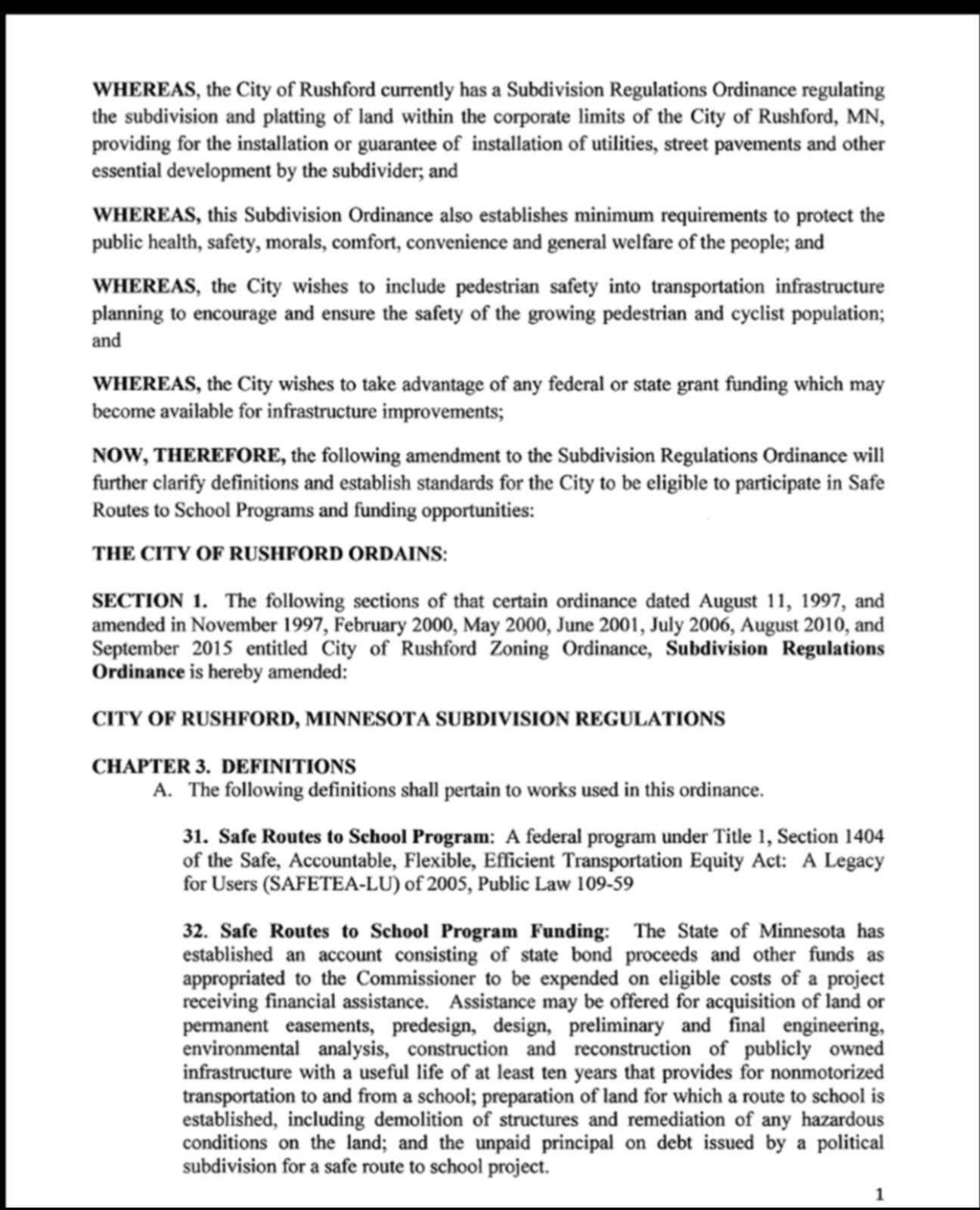
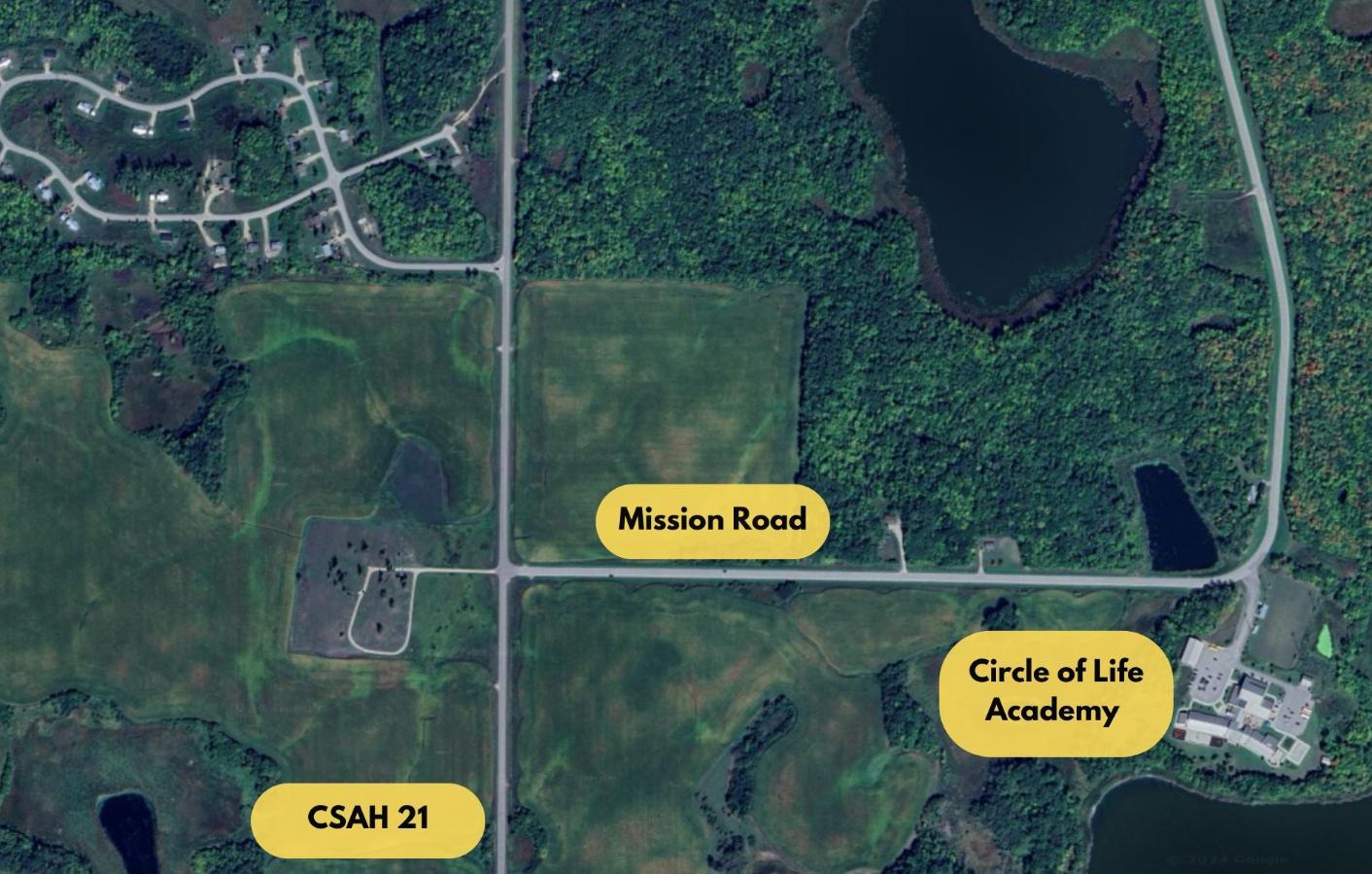
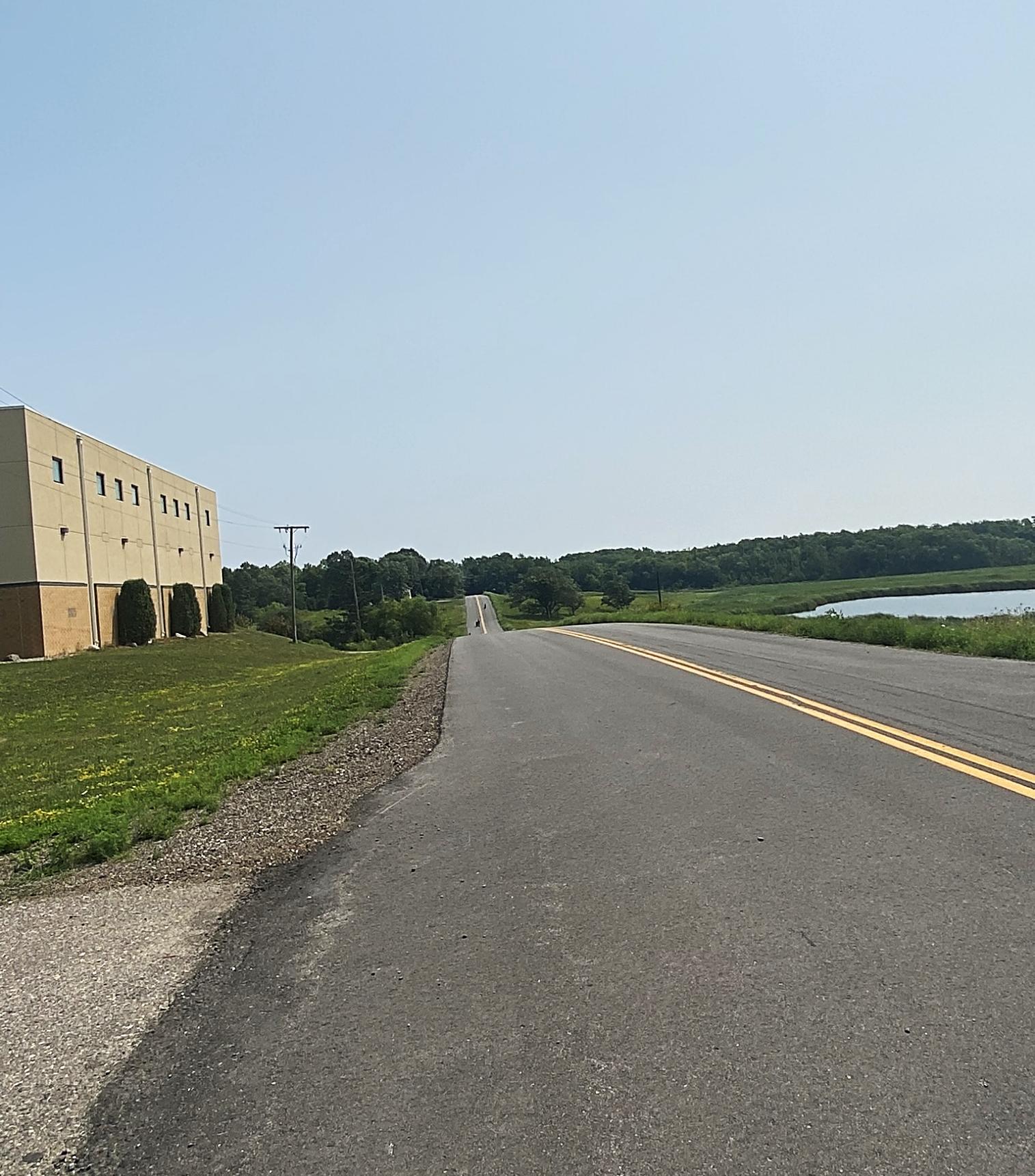
Pedestrians: There were few pedestrians arriving and leaving from the Circle of Life Academy. The Circle of Life Academy is approximately one mile from housing developments west and north of the school. Students would have to walk along the widened shoulder of the roads to reach the school since there are no sidewalks in this part of the community.
The school is also 1.5 miles from the community center, limiting travel to after school activities there by walking or biking. There has been students observed walking to school in the past, but in limited numbers.
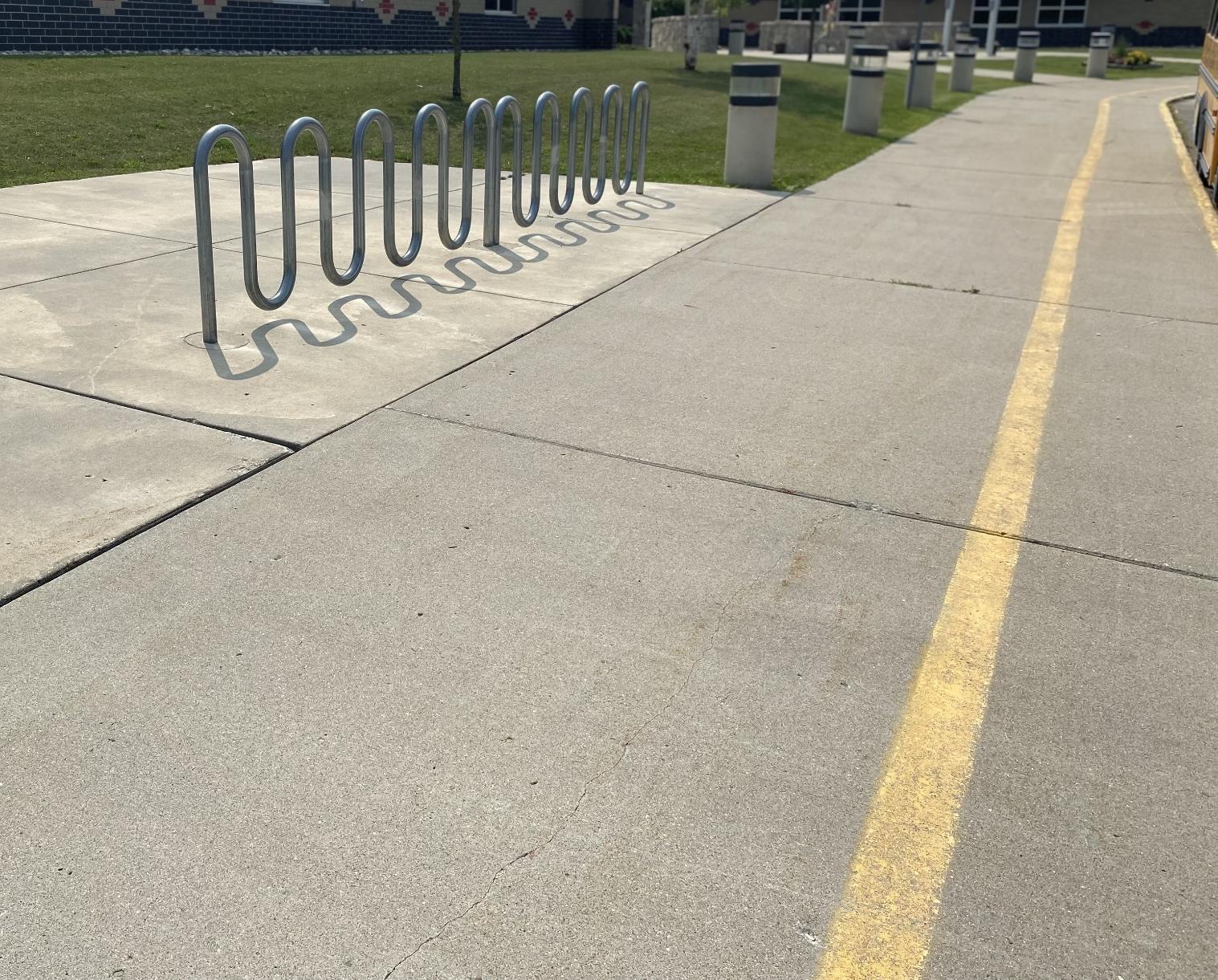
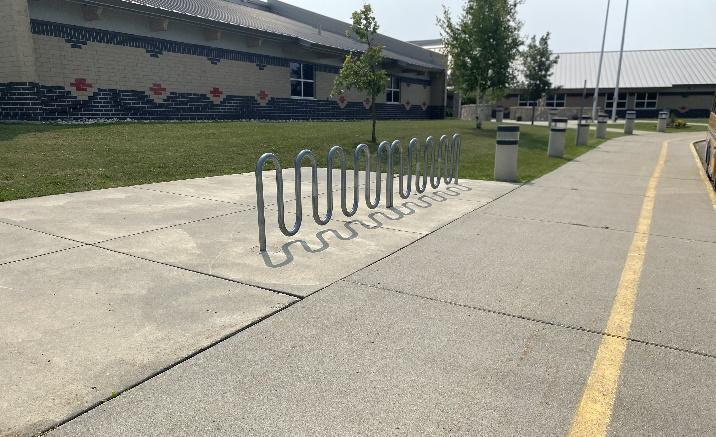
Bicyclists: On observation day, there were no students who were observed biking to school. There is bike parking available
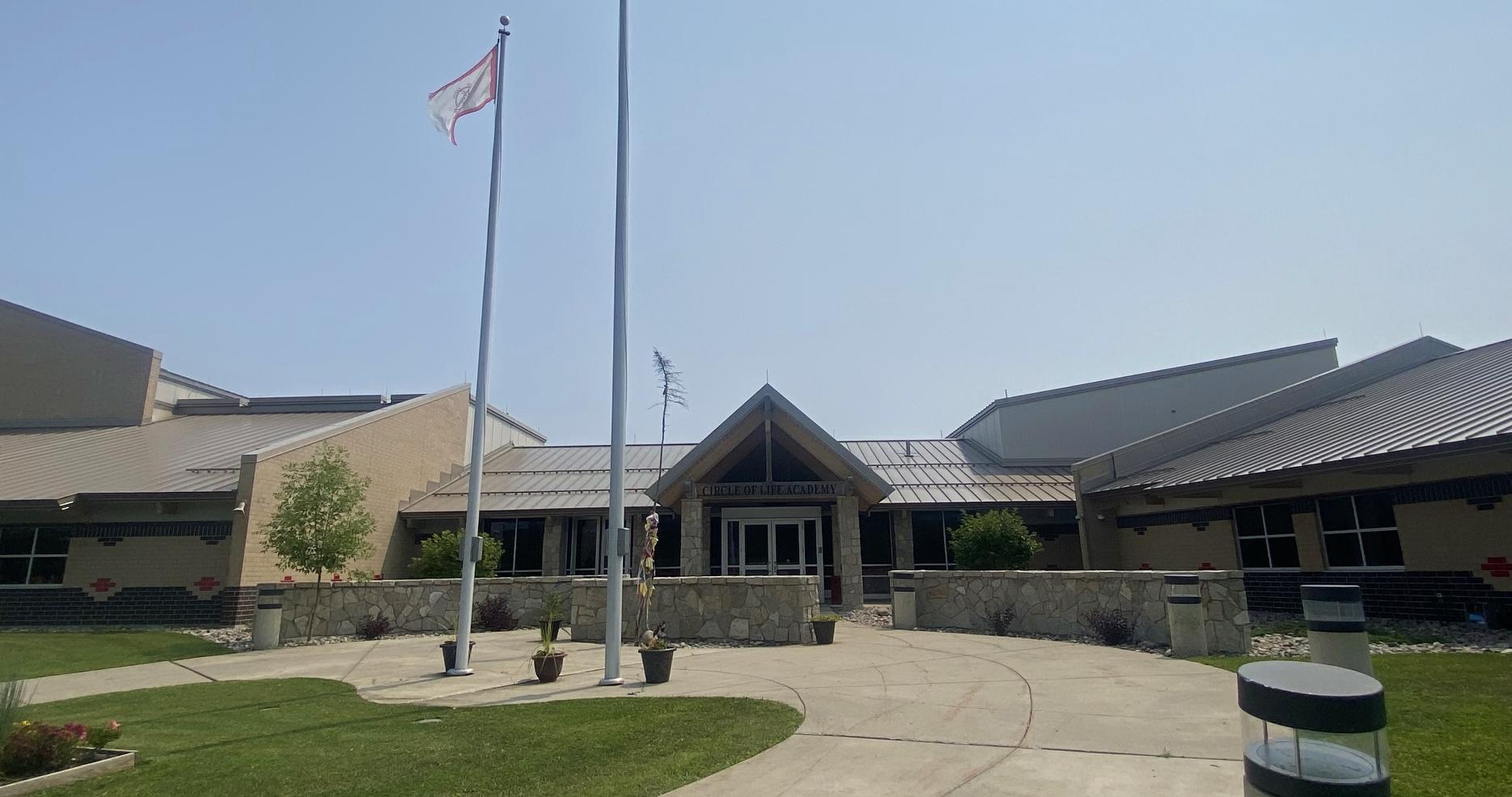
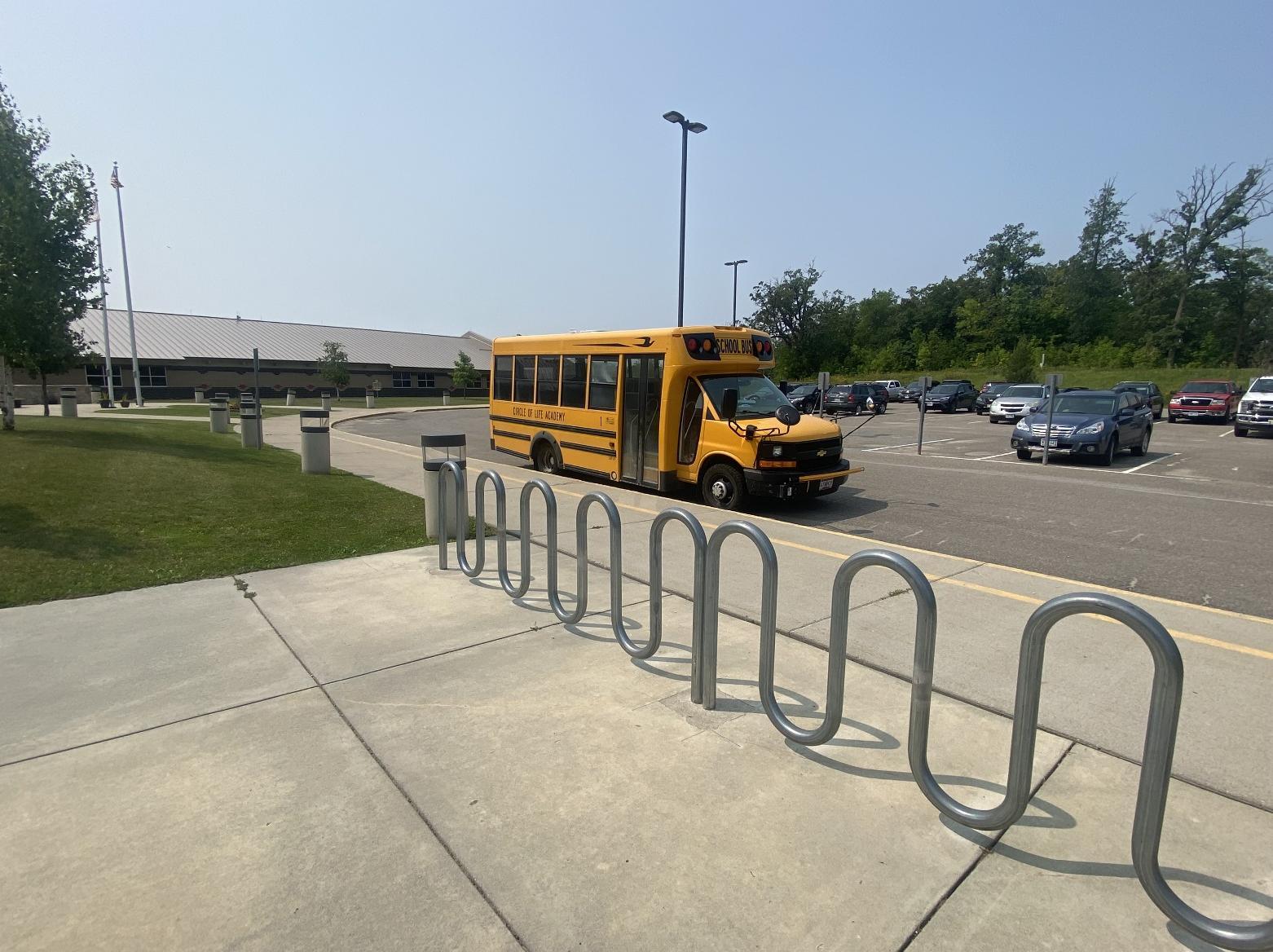
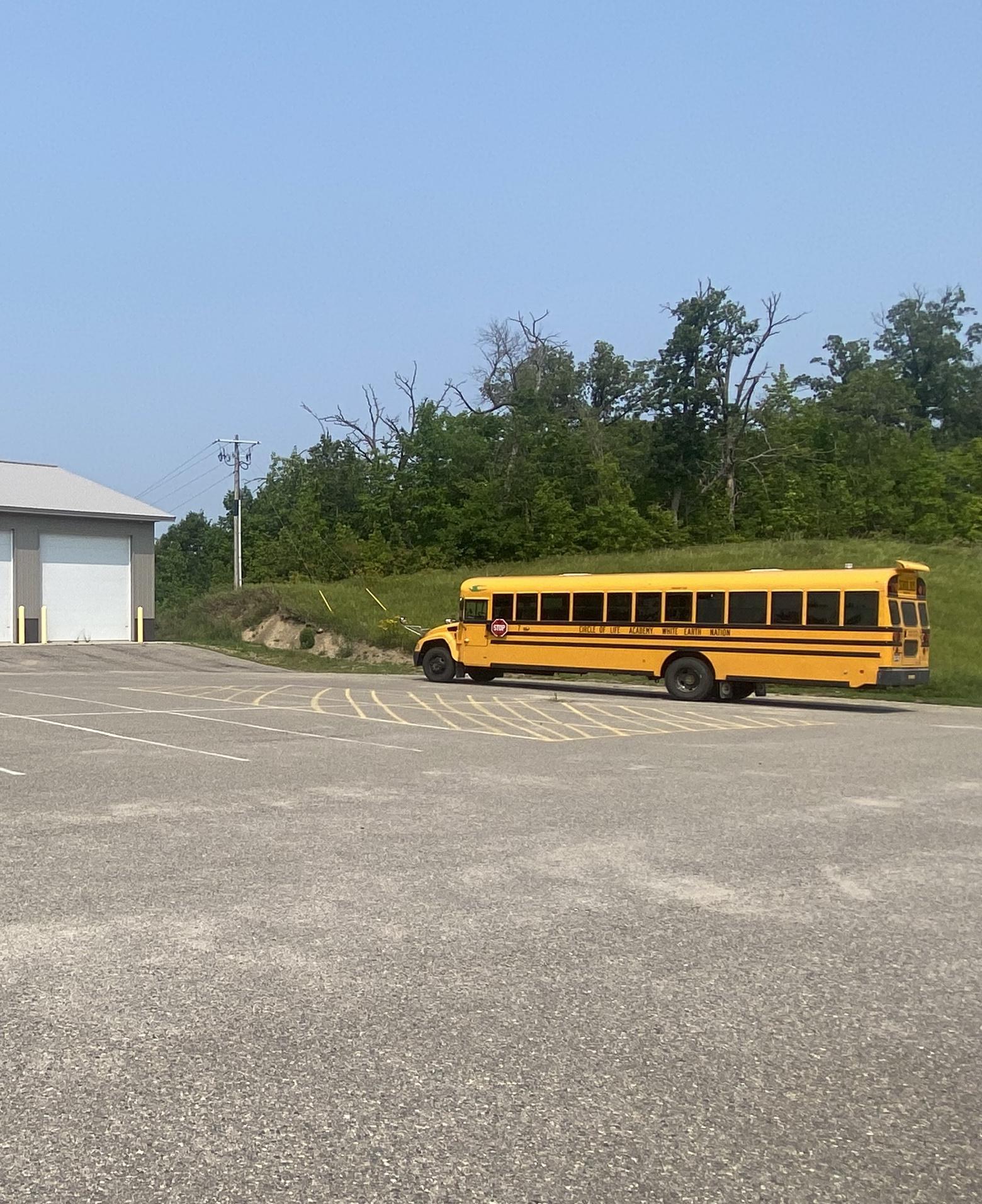
School Buses: Buses enter the Circle of Life parking lot and drop off students off at the front entrance.
Elementary students enter the school from the western front entrance, and secondary students enter from the main entrance. The bus garage is located on the school grounds in the front parking lot.
Students are picked up from across the White Earth Reservation, and other communities such as Detroit Lakes.
Transit: White Earth Public Transit serves the White Earth Reservation and its communities. There is not a transit stop at Circle of Life Academy, but there are stops within the community.
Vehicles: Students are dropped off at the front entrance by parent vehicles. Parents also park in the parking lot and have students walk through the parking lot to the front of the school. There is a rear parking lot for staff.
More information on site circulation can be seen in Appendix A.
SCHOOL CONTEXT:
SUPERINTENDENT:
Victoria Wind
PRINCIPAL:
Cheryl Poitra
ENROLLMENT: 112
GRADES SERVED:
Elementary (K-6): 61
Secondary (7-12): 51
DEMOGRAPHICS* American Indian/Alaskan Native: 100% OTHER DEMOGRAPHIC INFORMATION**
MISSION STATEMENT:
*Source: National Center of Education Statistics **Circle of Life Academy Student Records
children and community while providing the
STUDENT DEMOGRAPHICS:
• Circle of Life Academy’s enrolled population of 112 is spread across kindergarten through 12th grades. All students who are enrolled at Circle of Life Academy are eligible for busing. The school is located just south of the White Earth community along Mission Road.
• The Circle of Life Academy is a tribal school located within the White Earth Reservation. All students who attend the school are American Indian or Alaskan Native. The Circle of Life Academy began in 1977 with 12 students and has expanded over the decades to a new facility in 2012 along the shores of Mission Lake. The Circle of Life offers courses to learn the Ojibwe language, culture, and history.
Infrastructure
Introduction to Infrastructure
Physical changes to the streetscape are essential to making walking, biking, and rolling to school safer and more comfortable.
An in-person walk audit and discussions with the Safe Routes to School Team, school and district staff, caregivers, students, community members, and city and county staff informed recommendations to address key barriers to walking and biking around White Earth
Recommendations are prioritized on the basis of community and stakeholder input, traffic and roadway conditions, cost, number of students impacted, and benefit to priority populations. This planning process was designed to address historical and contemporary inequities in who benefits from and who is burdened by transportation systems, and equity considerations accordingly played a central role in the prioritization of infrastructure recommendations. Especially in the winter months, improved maintenance and lighting can contribute to improving equitable access to walking and biking routes, even where a sidewalk or path is present.
WINTER MAINTENANCE
For students and community members with disabilities, winter maintenance is key to accessing sidewalks and trails during snowy months. This is also true for students and families who walk and roll as their primary means of transportation, either because they cannot afford or choose not to own a vehicle, or because other transportation options aren’t accessible to them. Cities can adopt policies that prioritize winter maintenance of existing infrastructure and make it easier for the most vulnerable users of our transportation system including students to get around in winter. These policies help to increase transparency and improve reliability for the active transportation network.
PUBLIC ART
To create outreach to a variety of populations, public art can be used to educate, encourage, and create a sense of place in a community. Public art can be used to demonstrate safe walking, biking, and rolling actions by being incorporated into infrastructure. Examples include enhancing crosswalks or bike lanes, sculptural art within roundabouts, or aesthetic streetlights. It can also be used to create a sense of place where people may be more encouraged to walk to their destinations than to drive. A mural depicting students walking may educate drivers that there are pedestrians in the areas and that they should be more careful.
Public art can be a quick-win solution to promoting Safe Routes to School efforts while beautifying the community. Cities, schools, and local advocacy groups should partner to create more vibrant, safe, and walkable areas within their neighborhoods or communities.
HOW TO USE THIS PLAN
This plan does not represent a comprehensive list of every project that could improve conditions for walking and bicycling, but rather community priorities, key conflict areas, and potential improvements identified in the planning process. Recommendations range from simple striping changes to more significant changes to streets, intersections, and school infrastructure.
For example, they can:
• Adopt policies that prioritize snow clearing and removal on active transportation facilities
• Prioritize clearing of routes that provide access to transit
• Develop and share information publicly regarding sidewalk and shared use pathway snow clearing and removal practices
• Hold a winter maintenance forum or conduct a survey around specific winter engagement concerns
• Work with schools to establish volunteer groups of residents to clear sidewalks on priority routes to school
Recommendations identified in this plan are not necessarily endorsed by MnDOT but planning-level concepts that will require additional engineering design. Additionally, all recommendations for pedestrian and bicycle crossings will be evaluated by the proper road authority’s guidelines.
LIGHTING AND VISIBILITY
Similarly, lighting for people walking and biking is important for both actual and perceived sense of safety and security. In winter climates like Minnesota’s, where darker days mean school arrival and dismissal can occur in the dark, lighting is especially important for mitigating safety concerns and encouraging active transportation throughout the year.
While lighting can sometimes be seen as a costly investment, it is an important step for ensuring equitable access to walking and biking routes. Lighting should be seen as a necessary component of bicycle and pedestrian safety improvements, not seen as a potential add-on or “nice-to-have” feature.
WHITE EARTH
Communities can consider:
• Creating a lighting plan for priority pedestrian routes to install trail or sidewalk lighting over time
• Partnerships with or requirements for private development to provide lighting
• Incorporating high-visibility safety vests into crossing guard and Walking School Bus events
• Giveaways that help kids access winter gear such as clothing or bike lights
Lighting in White Earth is crucial for the safety of students and residents when traveling in the early mornings and evenings to and from school, and in daily life. High-traffic areas should have adequate lighting, especially when used as a major arterial to school. CSAH 21 and 34, along with Mission Road should have lighting in the community. Lighting towards destinations is crucial for day-to-day life. Routes through neighborhoods and to the White Earth Tribal Headquarters, Indian Health Center, Community Center, and the public service buildings should be prioritized.
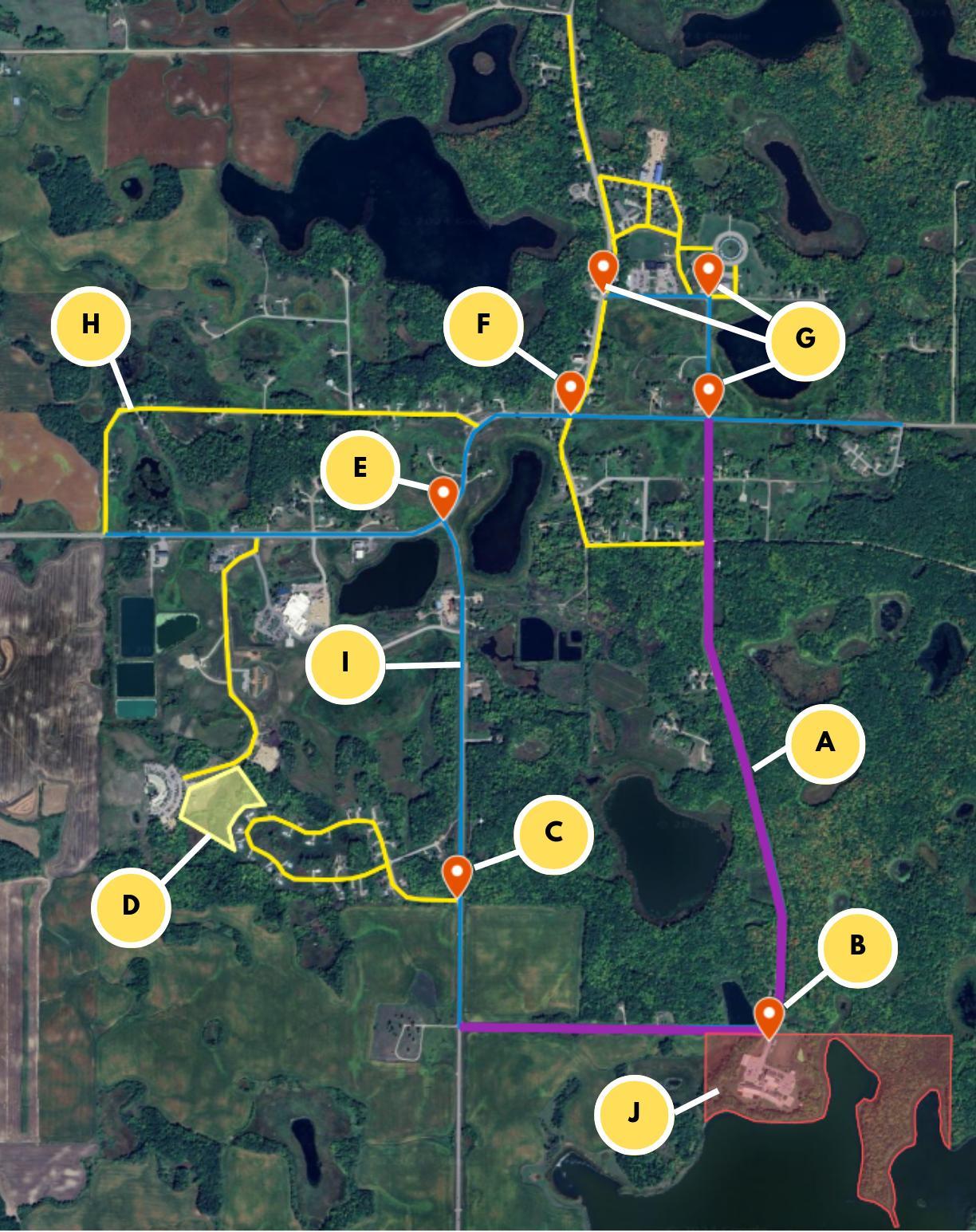
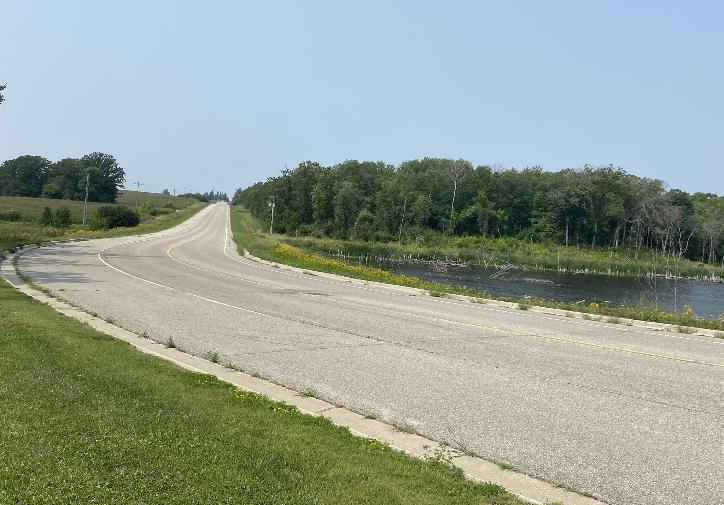
A: Mission Road
PRIORITY: High
RECOMMENDATION
Explore a road diet to reduce traffic speeds along with the construction of a multi-use trail. Suggestions include narrowing the lane widths and using the extra road space to create separated multi-use traffic for pedestrians and bicyclists.
WHY IS THIS RELEVANT?
This route is the main access to the Circle of Life Academy and the community center This is also a corridor where speeding is prevalent due to the wide lanes.
WHO WILL MAKE THIS HAPPEN?
White Earth Nation, community, and school leadership using Safe Routes to School funding, and/or other local, state, or federal funding.
HOW WILL THIS ADDRESS EQUITY?
All ages and abilities would be able to safely navigate through the community and access key destinations that are used primarily school age children and young adults.
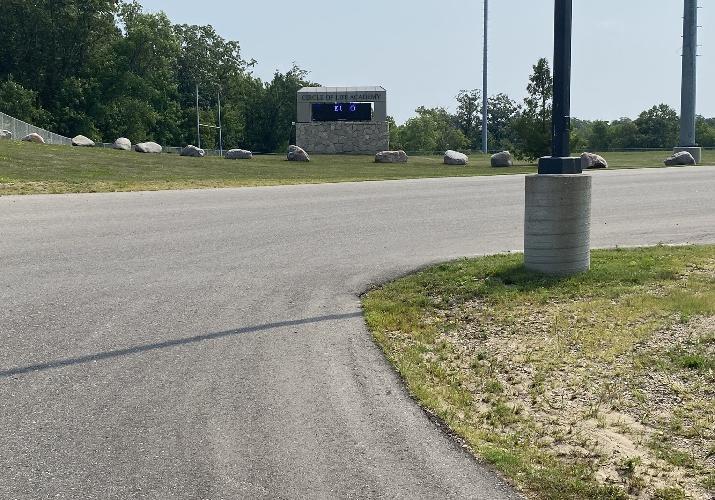
B: School Entrance and Mission Road
PRIORITY: Medium
RECOMMENDATION
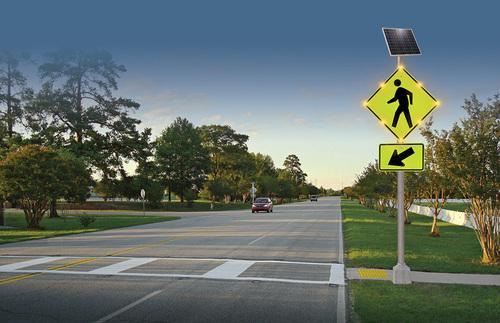
Explore opportunities to improve pedestrian crossings by installing crosswalks, curb extensions, and pedestrian activated signage such as RRFBs (Rectangular Rapids Flashing Beacon) or LED signs at this intersection.
WHY IS THIS RELEVANT?
This intersection is a high-traffic area with pedestrian, bus, and family vehicle traffic before and after school.
WHO WILL MAKE THIS HAPPEN?
White Earth Nation, community and school leadership, using Safe Routes to School funding, and/or other local, state or federal funding.
HOW WILL THIS ADDRESS EQUITY?
All ages and abilities would be able to safely cross the intersection due to improved visibility and reduced crossing distance
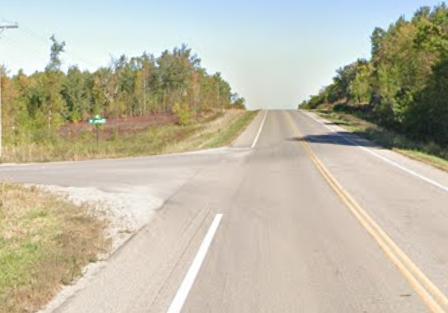
C: CSAH 21 and 353rd Circle
PRIORITY: Low
RECOMMENDATION
Explore opportunities to improve pedestrian crossings. Suggestions include installing crosswalks, curb extensions, and narrowing the curb radius of the intersection.
WHY IS THIS RELEVANT?
This is the only entrance and exit to this neighborhood. Being along a County State-Aid Highway creates higher speeds than are posted. Slowing down entering traffic will make it safer to walk and bike.
WHO WILL MAKE THIS HAPPEN?
White Earth Nation, community, school, and county leadership, using Safe Routes to School funding, and/or other local, state, or federal funding.
HOW WILL THIS ADDRESS EQUITY?
All ages and abilities would be able to safely cross the intersection due to improved visibility and reduced crossing distance.
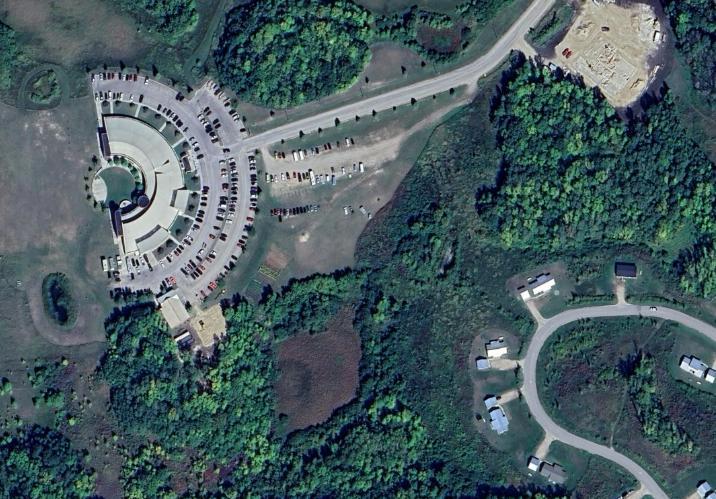
D: Connection to WE Tribal Headquarters
PRIORITY: Low RECOMMENDATION
Explore connection opportunities between White Earth Tribal Headquarters and 353rd Circle Neighborhood
WHY IS THIS RELEVANT?
The White Earth Tribal Headquarters serves the entire reservation and is visited frequently. Creating a path between the neighborhood further connects the community and would create a north/south and east/west corridor off the county highways.
WHO WILL MAKE THIS HAPPEN?
White Earth Nation and community leadership, using Safe Routes to School funding, and/or other local, state, or federal funding.
HOW WILL THIS ADDRESS EQUITY?
All ages and abilities would be able to safely cross the intersection due to improved visibility and reduced crossing distance
E: CSAH 21 and CSAH 34 West
PRIORITY: High
RECOMMENDATION
Explore safer connection opportunities crossing CSAH 21 and CSAH 34 Suggestions include installing more visible Rectangular Rapid-Flashing Beacon (RRFB) signs with high-visibility crosswalks, curb extensions, and narrowing the curb radius at this intersection.
WHY IS THIS RELEVANT?
This is a very high traffic route with the intersection of two Becker County CSAHs. There is a convenience store near this intersection where residents frequently travel to.
WHO WILL MAKE THIS HAPPEN?
City, school, and county leadership, using Safe Routes to School funding, and/or other local, state, or federal funding.
HOW WILL THIS ADDRESS EQUITY?
All ages and abilities would be able to safely cross the intersection due to improved visibility and reduced crossing distance.
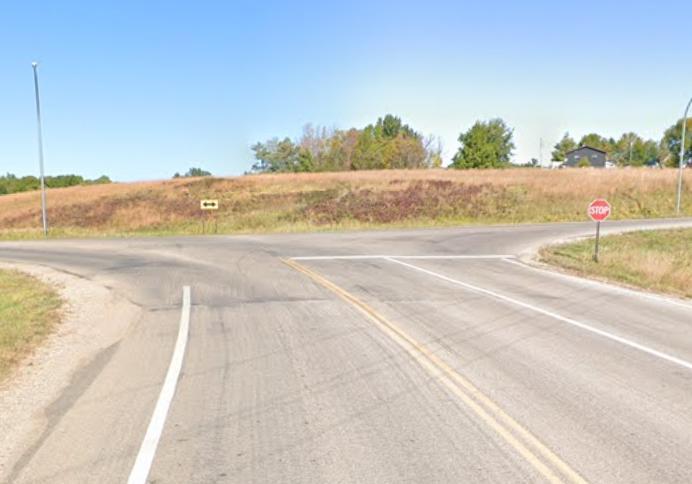
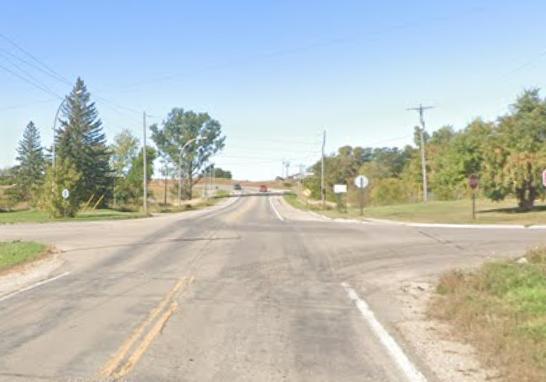
F: CSAH 21 and CSAH 34 East
PRIORITY: High
RECOMMENDATION
Explore safer connection opportunities crossing CSAH 21 and CSAH 34. Suggestions include installing more visible Rectangular Rapid-Flashing Beacon (RRFB) signs with high-visibility crosswalks, curb extensions, and realigning the intersection.
WHY IS THIS RELEVANT?
This road is a high traffic route and adjacent to an existing sidewalk and walking path. This intersection is fairly wide with cars stopping far past the stop signs.
WHO WILL MAKE THIS HAPPEN?
White Earth Nation, community, school, and county leadership, using Safe Routes to School funding, and/or other local, state, or federal funding.
HOW WILL THIS ADDRESS EQUITY?
Reducing speed and reducing crossing distance would make it more comfortable and safer for all road users to cross.
G: Intersections at Gull and Crane
PRIORITY: Medium
RECOMMENDATION
Explore safer connection opportunities on Gull Road crossing CSAH 34 and Crane, and on Crane Road crossing CSAH 21. Suggestions include installing crosswalks, curb extensions, and pedestrian activated signage such as RRFBs or LED signs at these intersections.
WHY IS THIS RELEVANT?
This is a very high traffic route with the intersection of two Becker County CSAHs. There is traffic. This is a high pedestrian route with two gas stations on the north corners and connections to two senior living facilities.
WHO WILL MAKE THIS HAPPEN?
White Earth Nation, community, school, and county leadership, using Safe Routes to School funding, and/or other local, state, or federal funding.
HOW WILL THIS ADDRESS EQUITY?
All ages and abilities would be able to safely cross the intersection due to improved visibility and reduced crossing distance.
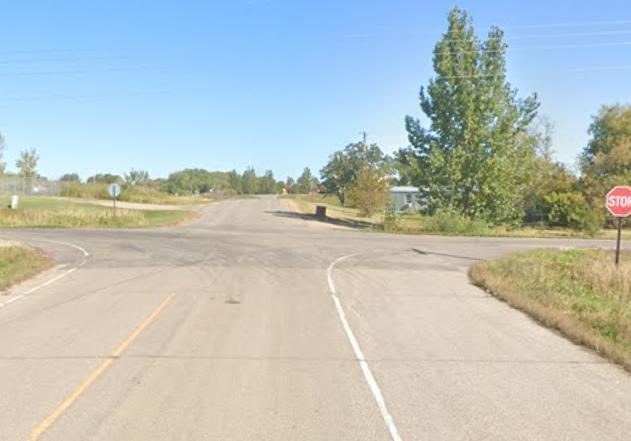
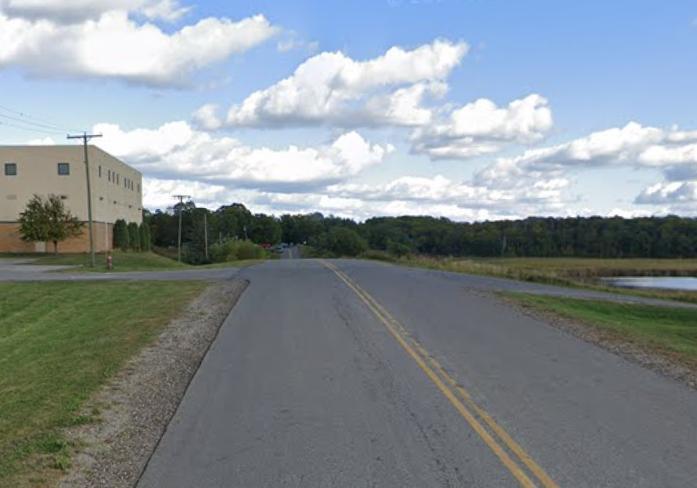
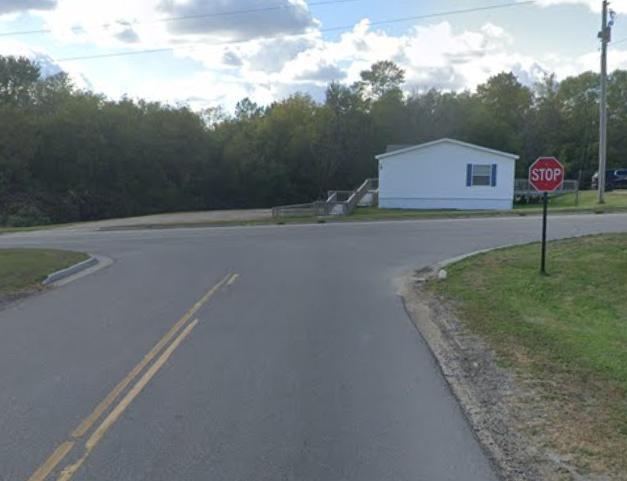
Intersection of Gull Road and CSAH 34
Intersection of Gull and Crane Road
Intersection of Crane Road and CSAH 21
H: City Wide Sidewalk Development
PRIORITY: Medium
RECOMMENDATION
Explore installing sidewalks in specific locations to increase the connectivity of White Earth.
WHY IS THIS RELEVANT?
Installing sidewalks in strategic locations will close current gaps in city sidewalk infrastructure and give sidewalk users more freedom and safety from road traffic.
WHO WILL MAKE THIS HAPPEN?
White Earth Nation, community, school, and county leadership, using Safe Routes to School funding, and/or other local, state, or federal funding.
HOW WILL THIS ADDRESS EQUITY?
Currently there are neighborhoods in White Earth that have incomplete sidewalk networks. Creating equitable access to all neighborhoods, community destinations, and the assisted the living community would create a safer and more resilient White Earth.
I: City Multi-use Trail Development
PRIORITY: Medium
RECOMMENDATION
Explore installing multi-use trails in specific locations to increase the connectivity of White Earth.
WHY IS THIS RELEVANT?
Installing multi-use trails in strategic locations will close current gaps in city pedestrian and bicyclist infrastructure networks and give multimodal users more freedom and safety from road traffic.
WHO WILL MAKE THIS HAPPEN?
White Earth Nation, city, school, and county leadership, using Safe Routes to School funding, and/or other local, state, or federal funding.
HOW WILL THIS ADDRESS EQUITY?
Currently there are neighborhoods in White Earth that have incomplete sidewalk networks. Creating equitable access to all neighborhoods, and community destinations would create a safer and more resilient White Earth.
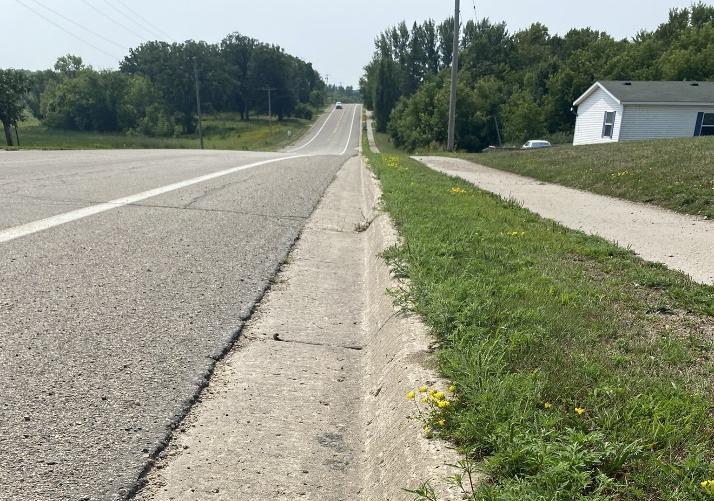
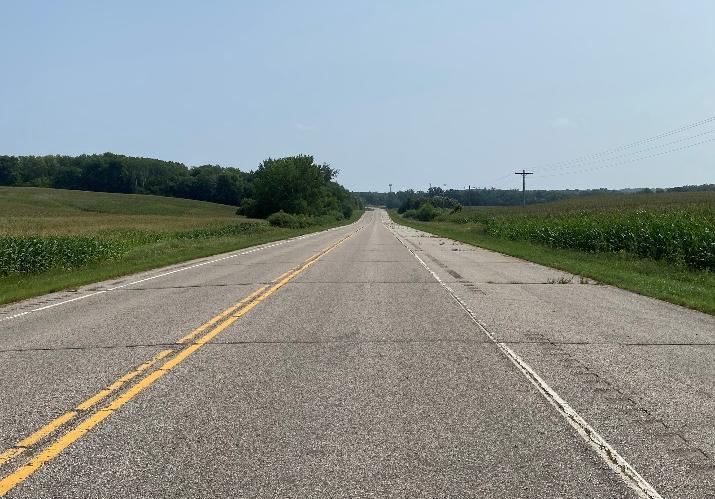
J: Circle of Life Academy School Trails
PRIORITY: Low
RECOMMENDATION
Explore an on-campus school trail system that can be used for an in-school outdoor recreation curriculum. Depending on school preference and desired outcomes, this trail network could be gravel, grass, or paved.
WHY IS THIS RELEVANT?
The Circle of Life Academy is far from some portions of the community and may not be safe for all ages and abilities to walk, bike, or roll. An on-campus trail system would allow all students the opportunity to be involved in physical activity outside.
WHO WILL MAKE THIS HAPPEN?
White Earth Nation, community, and school leadership, using Safe Routes to School funding, and/or other local, state, or federal funding.
HOW WILL THIS ADDRESS EQUITY?
All ages and abilities would be able to utilize the trail system during school hours to learn lifelong habits of being physically active outside.
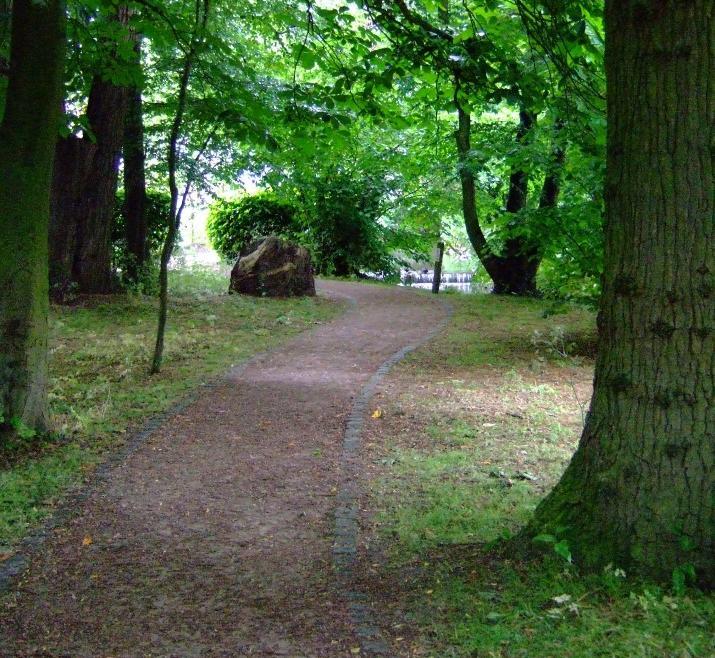
Image courtesy www.pedbikeimages.org / Barbara Gossett.
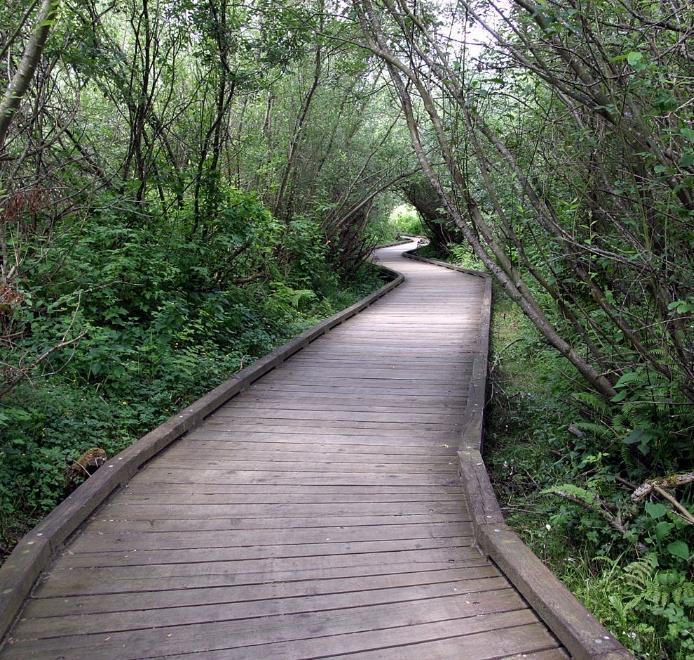
Image courtesy www.pedbikeimages.org / Dan Burden
SRTS Ordinance Change
ADOPT SUBDIVSION INFRASTRUCTURE ORDINANCE
A recently implemented Minnesota State Statute (174.40) requires local jurisdictions to adopt a SRTS infrastructure ordinance in order to qualify for state and federal SRTS funds. This ordinance requires all new subdivisions built within city limits to install infrastructure focused on the safety of pedestrians and bicyclists. This is commonly executed by installing sidewalks. An example city ordinance for reference is in Appendix K.
The Circle of Life Academy Safe Routes to School committee recommends that the Community of White Earth adopt a city ordinance requiring all new subdivisions built in White Earth city limits plan for and install pedestrian and bicycle safety infrastructure.
SRTS Policy Change
ADOPT SCHOOL AND CITY POLICIES TO SUPPORT SRTS EFFORTS
Currently, the Circle of Life Transportation Policies do not address supporting students walking and biking to and from school and school related activities. The White Earth Nation and Community can also support SRTS efforts. An example is Battle Lake’s policy to remove snow and ice on designated safe routes to school.
The Circle of Life Safe Routes to School committee recommends that the Community of White Earth and Circle of Life Academy review their current ordinances and polices, and to add or change ordinances and polices that better support and encourage students to walk, bike, and roll to school.
Examples of Potential Infrastructure Improvements
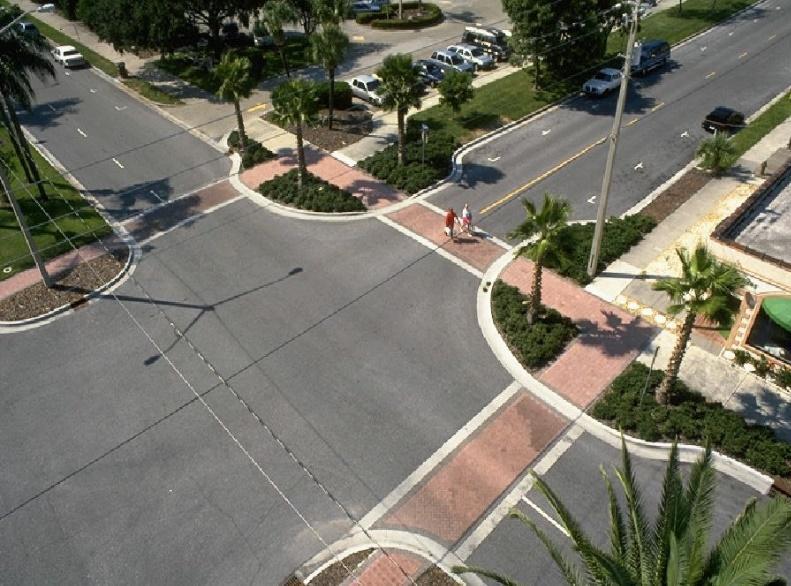
Curb extensions (sometimes called bump outs or bulb-outs) can improve safety by reducing crossing distances and improving visibility for both people driving and people walking. Image courtesy of the National Association of City Planning Officials (NACTO).
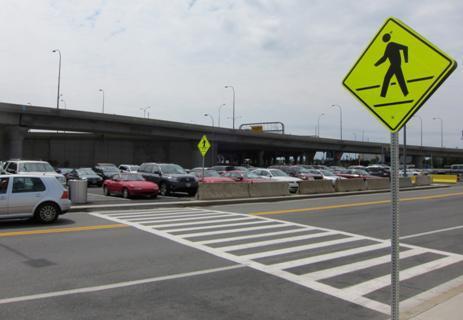
High visibility crosswalks such as this “ladder” style crosswalk “are preferable to standard parallel or dashed pavement markings. These are more visible to approaching vehicles and have been shown to improve yielding behavior” according to the NACTO. Image courtesy Federal Highway Administration.
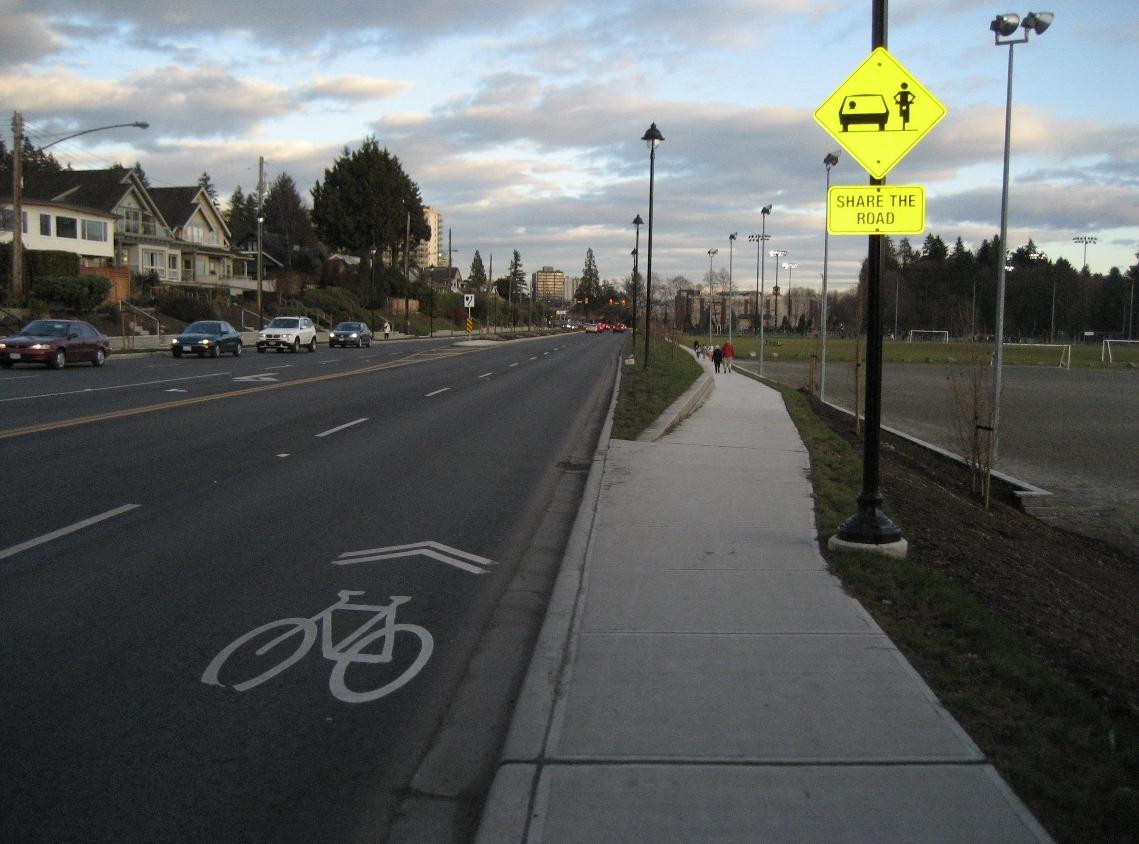
Sharrows, or Shared-Lane markings, are bicycle symbols indications that a bicyclist has the right to ride in the roadway and to warn drivers that bicyclists may be present. Image courtesy www.pedbikeimages.org / Margaret Gibbs.
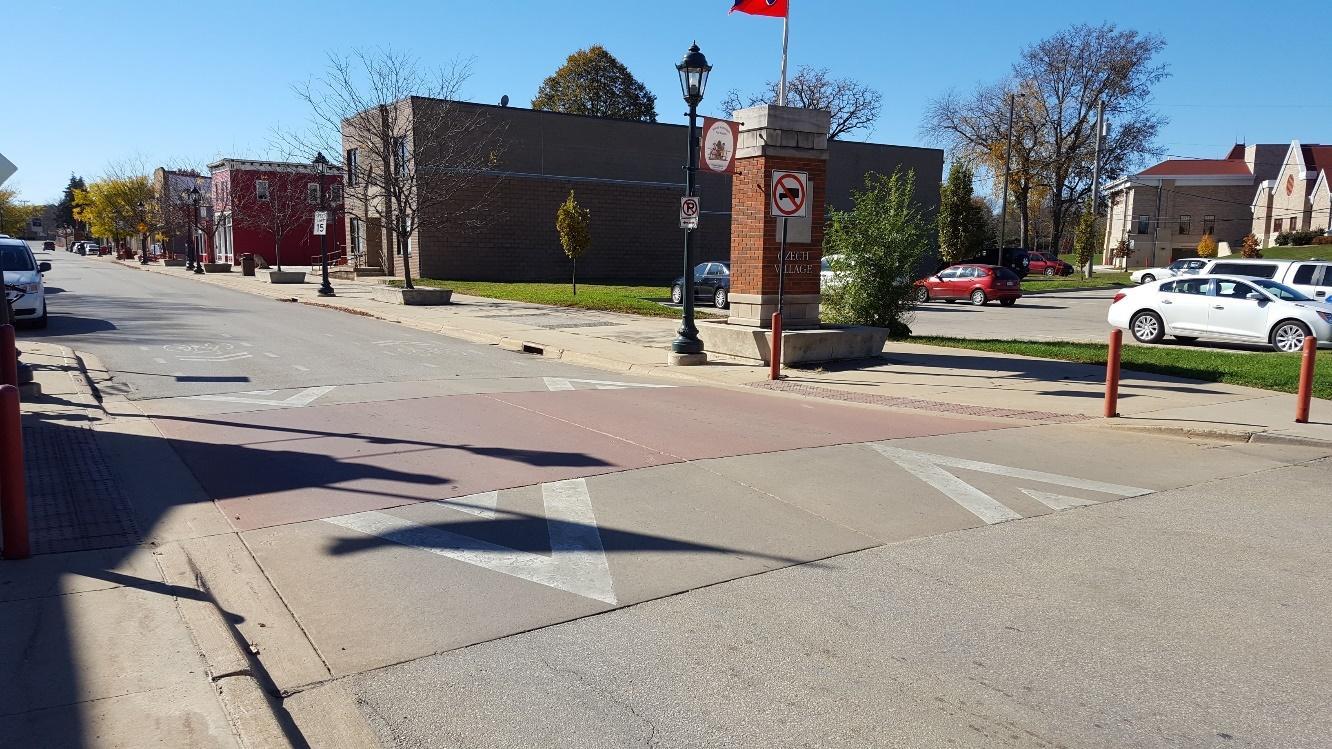
Speed tables, or raised crosswalks, are midblock gradual speed bumps that also function as a crosswalk for bicyclists and pedestrians. They help calm traffic speeds and provide more awareness for pedestrians and bicyclists crossing. Image courtesy www.pedbikeimages.org / Brandon Whyte.
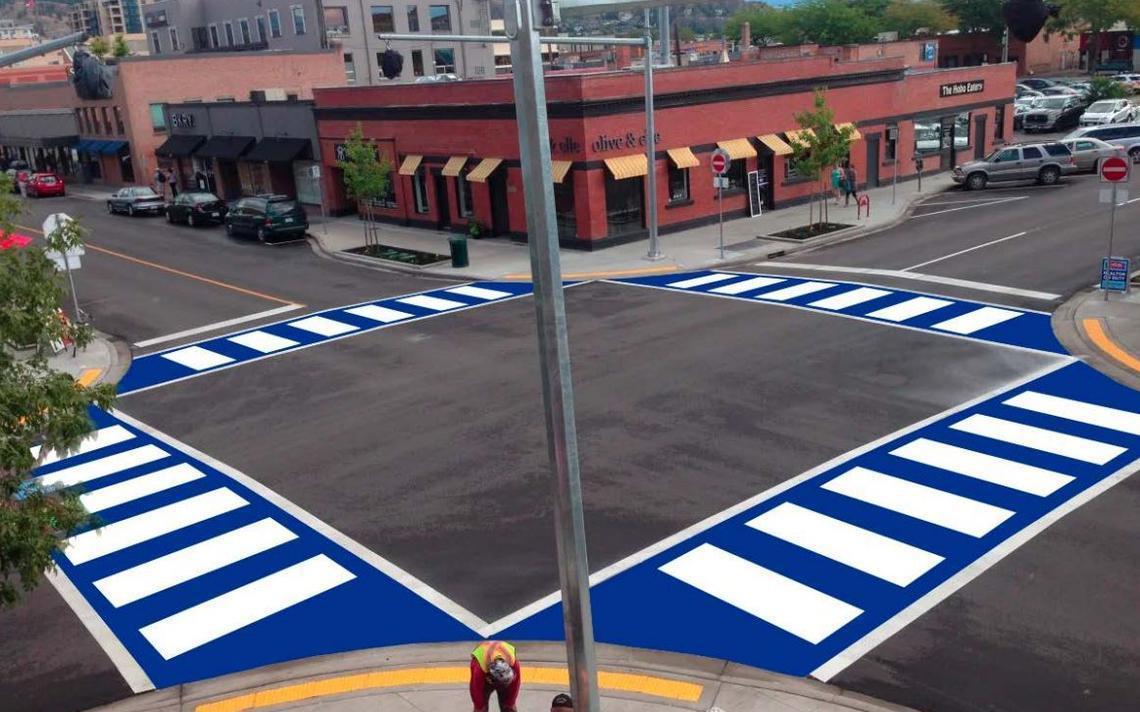
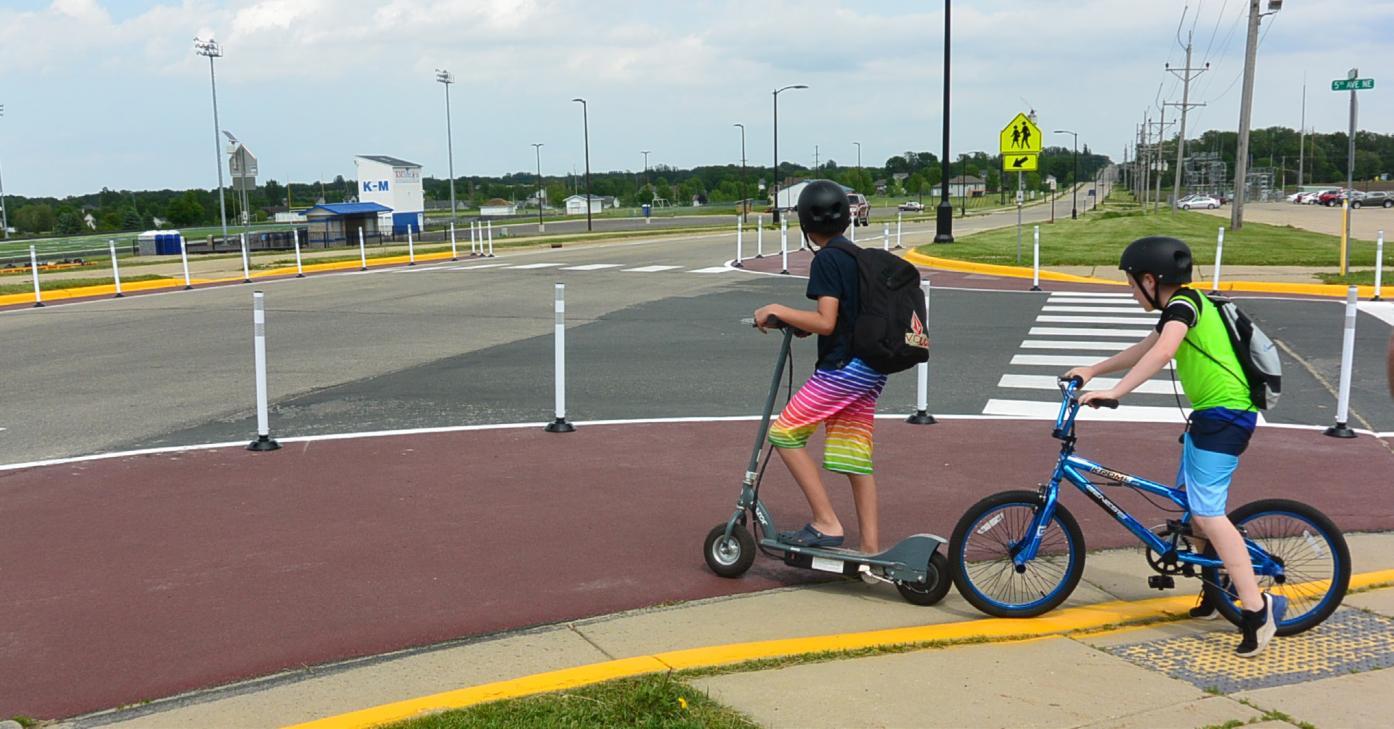
An alternate high-visibility crosswalk such as this color treated crosswalk could be installed near the school, utilizing school colors. This type of crosswalk can improve visibility and enhance student pride. This rendering is of a crosswalk being installed in Brainerd. Image courtesy City of Brainerd.
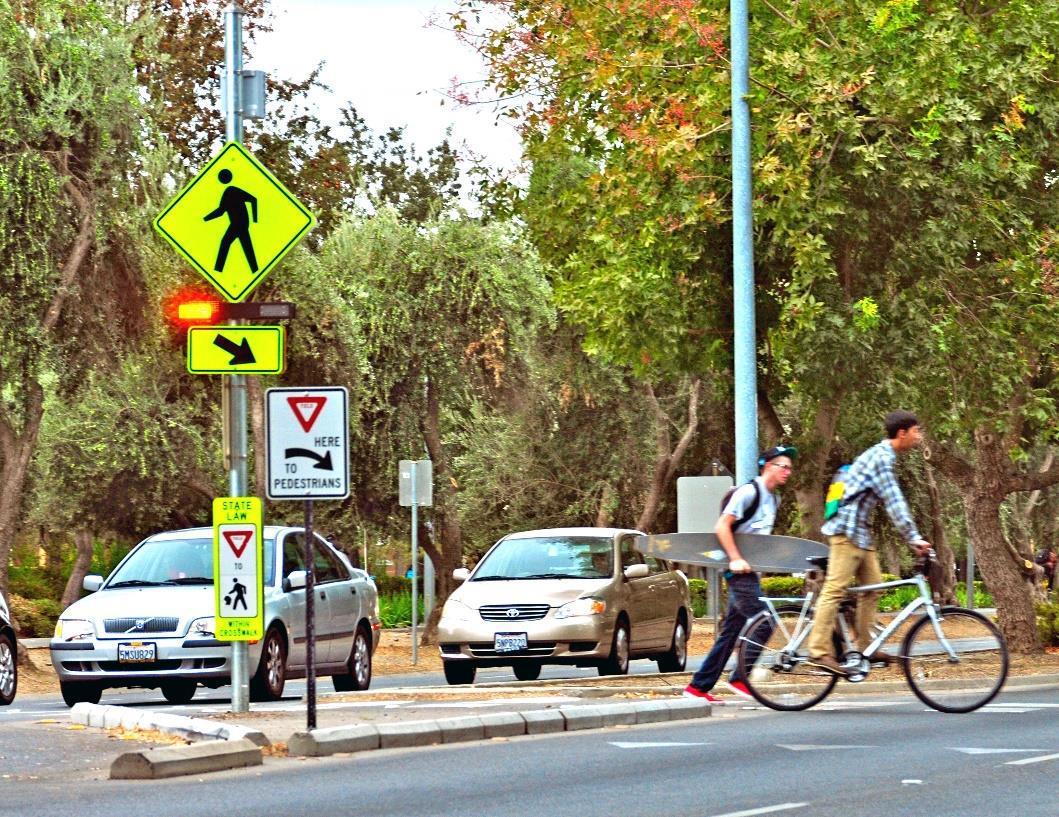
A “Rectangular Rapid Flashing Beacon” (RRFB) is an option to improve safety and visibility for students crossing the street. Image courtesy www.pedbikeimages.org / Lara Justine.
A
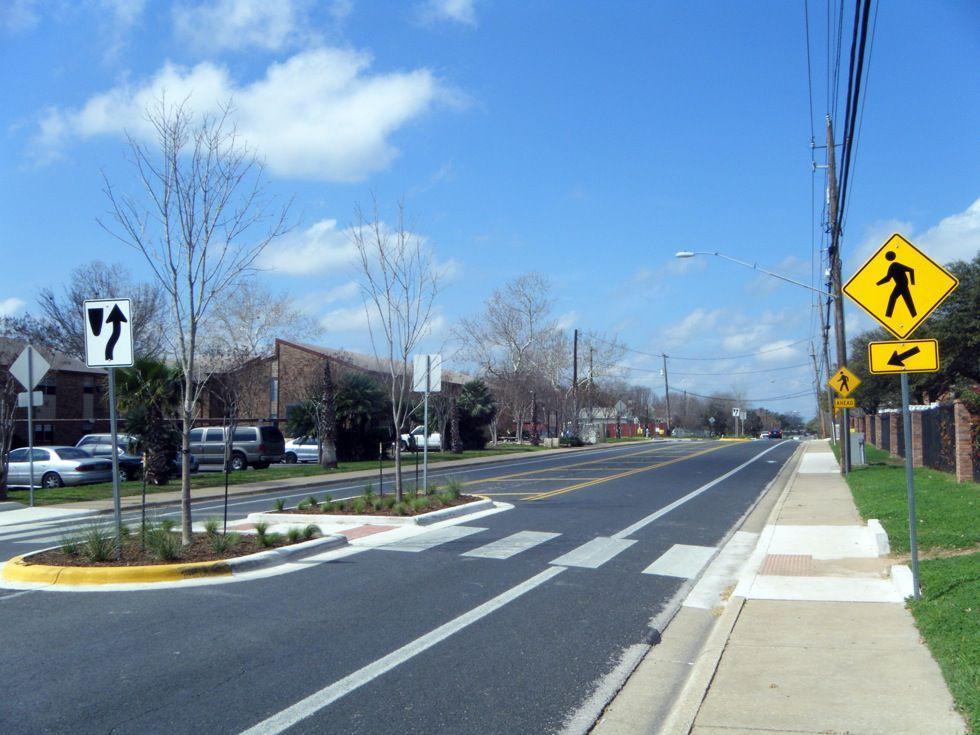
can provide a crossing option in areas with many people crossing the street to destinations that are not near an existing crosswalk. Image courtesy NACTO.
An LED sign like this is an option to improve safety and visibility for students crossing the street at crosswalks. Image courtesy of TAPCO.
mid-block crosswalk
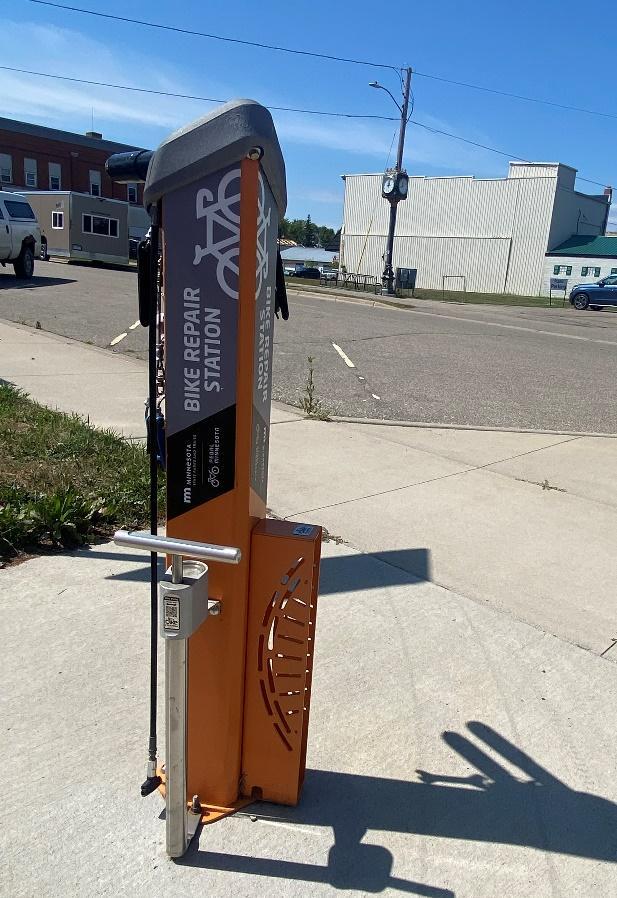
A bicycle repair station like this one provides an opportunity for high school students (plus school staff and faculty) to make minor adjustments and repairs to their bicycles before riding. It can serve as an incentive for students to ride their bikes to school. The Circle of Life Academy can partner with the White Earth community and Nation to determine the possible placement and installation of a bicycle repair station on the school or community grounds.
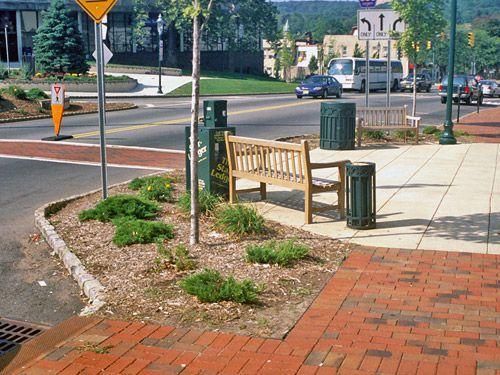
A pinch point can provide a mid-block crossing option which also acts as a speed reduction tool on high speed or traffic road. Pinch points can also add additional space to place amenities such as bike racks or benches. Image courtesy NACTO.
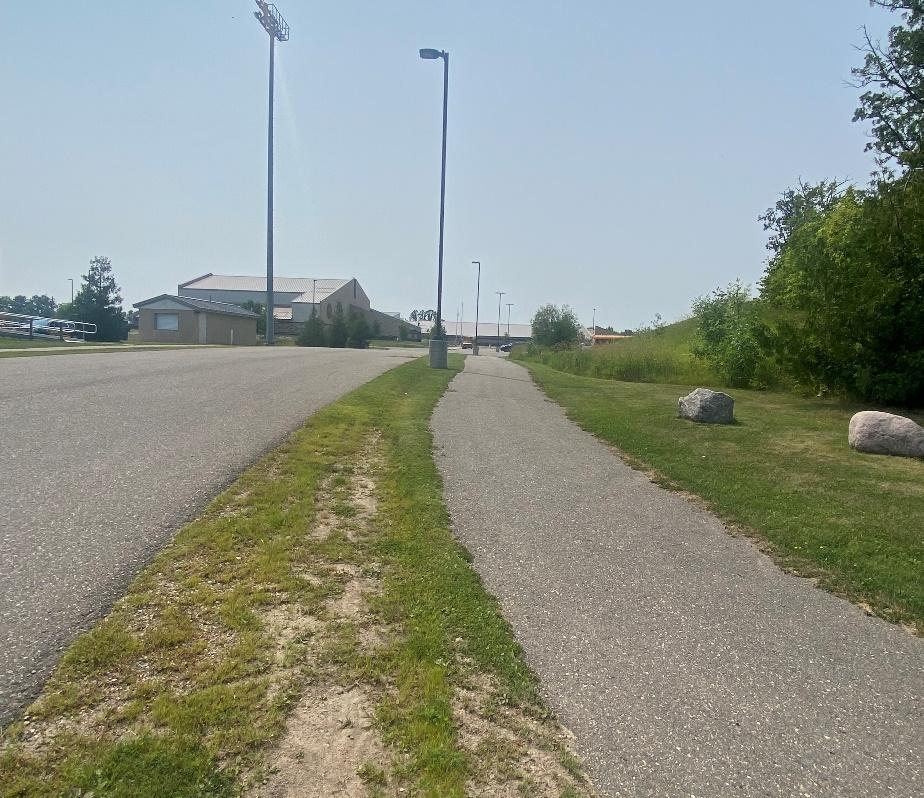
Sidewalks should be a minimum of five feet wide, and potentially wider closer to Circle of Life Academy. Whenever possible, sidewalks should be set back from the street with boulevards. This is a good example from White Earth at the entrance to the Circle of Life Academy.
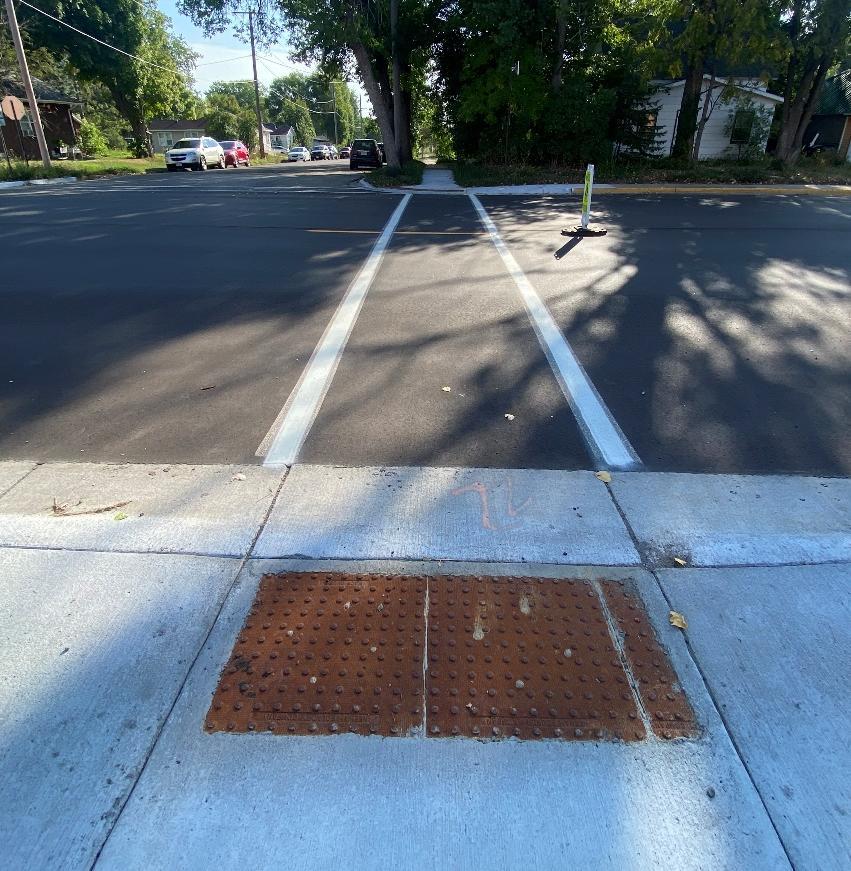
Curb ramps should be compliant with PROWAG. PROWAG-compliant curb ramps such as those pictured here improve safety for young children, people with disabilities, or mobility issues to navigate the sidewalk network.
Programs
Introduction to Programs
Programs are opportunities to increase awareness, understanding, and excitement around walking, biking, and rolling to school.
Programs are focused on educating students, families, and the broader community about walking and biking, as well as on building a culture that supports and normalizes walking and biking to school and other destinations. Because programs are lowcost and can often be implemented quickly by an individual school or the school district, they represent an important Safe Routes to School strategy that complements longer-term strategies, including infrastructure improvements and policy changes
EXISTING PROGRAMS
The Community of White Earth and Circle of Life Academy have been actively working towards providing safe and inviting spaces around school campuses for students. This foundation of encouraging student travel safety provides a valuable baseline for expanding programs to encourage more students to walk and bike.
PROGRAMS ALREADY ACTIVE AT CIRCLE OF LIFE ACADEMY:
• School Zone Speed Reduction
• Field Trip to Itasca State Park
PROGRAM RECOMMENDATIONS
Conversations with school and district staff, caregivers, students, community members, and city and county staff led to the following program recommendations. Programs were tailored to meet the needs, capacities, and interests of the community and were prioritized based on existing programs, input from local stakeholders, the extent to which the program would serve priority equity populations, and the readiness of the school to launch the program.
RECOMMENDED PROGRAMS INCLUDE:
• Automated Enforcement
• Bike Rodeo
• Bike Fleet
• Bike Mechanic Classes
• Bike Train
• Cocoa for Carpools
• Crossing Guards
• Drop and Walk
• Educational Videos
• In-School Curriculum & Activities
• Inter-School Partnership
• Ongoing Evaluation
• Positive Ticket Program
• Rainbow Friends Toolkit
• School Communications
• School Streets
• School Curriculum
• Student Patrols
• Student Clubs
• SRTS Education Campaign
• Suggested Route Map
• Walking School Bus
• Walk & Bike Field Trips
• Walk! Bike! Fun!
• Walk and Bike to School Days
EQUITABLE IMPLEMENTATION CONSIDERATIONS
Each of the recommended programs can be implemented to benefit priority populations. In some cases, programs are inherently beneficial, but other times they require intentional thought to make sure they are implemented equitably and reach students who could benefit the most from them.
When working to start a new or update an old program, school staff and partners should ask themselves:
• Who could benefit the most from this program?
• Are there any barriers to participating in this program, including cultural, social, or financial?
• Are there any school resources that can help reduce barriers to participation?
• Are there community partners who could help us spread the word about this program, or help make it more effective?
After an event, it is also important to think about what went well and what could be improved in the future. Helpful questions to consider include:
• Is this a one-off program, or is there a way to provide ongoing support for it?
• Were any student or family groups absent? Is there something that could help them participate in the future?
• What did students think of the event? Families? Staff?
Taking a few minutes before and after an event to check in on these questions can make a big difference in building a culture of walking and biking that is accessible to all students and families.
WALK/BIKE TO SCHOOL DAYS
National Walk to School Day and Bike to School Day attract millions of students and families to try walking, biking, and rolling to school every October and May. In addition, Minnesota celebrates Winter Walk to School Day in February. Additional education, encouragement, and enforcement programming can be used to promote the event, increase awareness, and expand participation. Walk/bike to school days can also take place more frequently (e.g., Walking Wednesdays) if there’s interest and capacity.
When, where, and how will this be implemented? Circle of Life Academy leadership will promote and support Fall and Winter Walk to School Day, and May Bike to School Day.
Why is this relevant and recommended? To show students and families that the Circle of Life Academy encourages students to walk and bike to school.
How will this address transportation inequities? All children will be supported by the school district to participate in walk and bike to school day.
How will this be evaluated? School will tally how many students participate in the walk and bike to school days.
Who needs to be involved to make this happen? Students, school leadership, and parents.
What is the timeline for implementation? Beginning in the 2024/2025 school year.
DROP & WALK
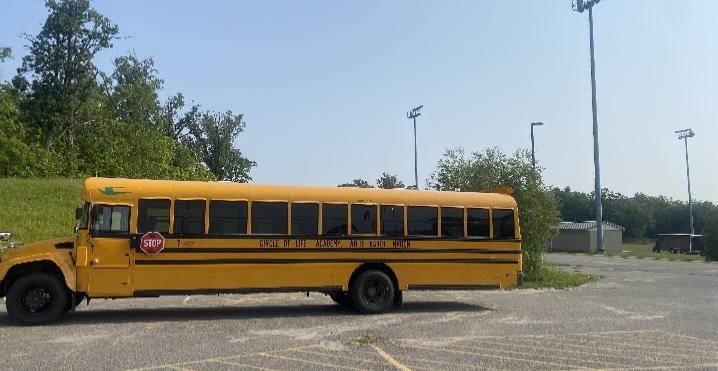
During a drop and walk event (also called park and walk or remote drop-off) bus drivers and caregivers drop students at a designated off-campus location and students walk the rest of the way to school. Remote drop-off events can help reduce drop-off congestion on campus and provide students who live further from school with an opportunity to walk to school.
When, where, and how will this be implemented?
The Circle of Life Academy will hold drop and walk events in conjunction with bike and walk to school days
Why is this relevant and recommended? Many of the students attending the Circle of Life Academy live more than two miles from the school. This would give all students the opportunity to walk to school.
How will this address transportation inequities? Not all students have the ability to walk and bike to school due to the distance. A drop and walk allows all students to walk and bike to school as a group.
How will this be evaluated? This will be evaluated by a tally of students who participate.
Who needs to be involved to make this happen? School district leadership, city staff, and leadership, and parents
What is the timeline for implementation? Beginning in the 2024/2025 school year.
WALK! BIKE! FUN!
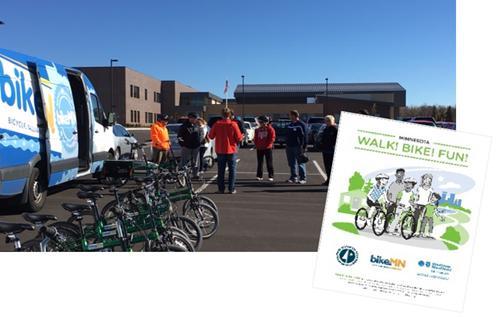
Walk! Bike! Fun! is a two-part curriculum designed specifically to meet Minnesota education standards. The program helps students ages five to thirteen learn traffic rules and regulations, the potential hazards to traveling, and handling skills needed to bike and walk effectively, appropriately, and safely through their community.
When, where, and how will this be implemented? Circle of Life Academy leadership will implement Walk! Bike! Fun! Curriculum in the school after teachers have attended training sessions.
Why is this relevant and recommended? Walk! Bike! Fun! curriculum can increase ridership in students by raising their confidence and teaching them how to bike in town safely.
How will this address transportation inequities? Not all students have access to bicycles at home or were taught how to ride by their caregivers. By teaching kids in school this ensures all students are given the same opportunities to learn how to ride a bike and walk safely on roadways.
How will this be evaluated? This will be evaluated by the number of students who pass the Walk! Bike! Fun! unit in their physical education class.
Who needs to be involved to make this happen? Physical Ed staff, local health organization, and school leadership.
What is the timeline for implementation? Beginning in the 2025/2026 school year.
RAINBOW FRIENDS TOOLKIT
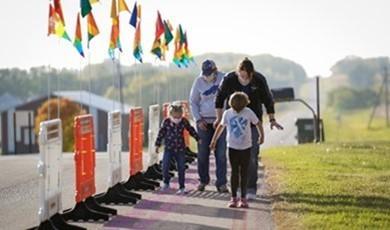
The Rainbow Friends Toolkit was developed by a team at West Central Initiative along with artist Naomi Schliesman to encourage kids to walk and bike to school through the use of colorful animal footprints, art projects, and games.
When, where, and how will this be implemented?
The Circle of Life Academy leadership will work with West Central Initiative to deploy the Rainbow Friends Toolkit on specific walk and bike-oriented days, such as walk/bike to school days or in conjunction with a bike rodeo.
Why is this relevant and recommended? The Rainbow Friends Toolkit makes active transportation more fun and interactive for younger students.
How will this address transportation inequities?
The artwork with the toolkit is includes a variety of methods for active transportation, such as a wheelchair, scooter, or bicycle.
How will this be evaluated?
The use of the Rainbow Friends Toolkit will be evaluated qualitatively by leadership who help with the implementation of the toolkit to see how students and families interact with the games, chalk footprints, and artwork.
Who needs to be involved to make this happen?
School, city, and county leadership, West Central Initiative staff, parents, and students
What is the timeline for implementation?
Beginning in the 2024/2025 school year.
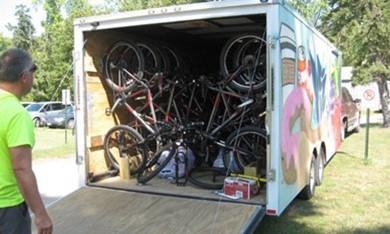
BIKE FLEET
Bicycle fleets are a set of bicycles that a school district, city, or independent entity owns that can be used by students, kids, and/or the general public. Having a bicycle fleet in a community allows students who do not have their own bicycles at home the opportunity to learn how to ride a bike in school or the community. Bicycle fleets should include bicycles of varying sizes, helmets, repair kits, and adaptive bikes.
When, where, and how will this be implemented?
Circle of Life Academy leadership, along with support from local partners, will purchase a bike fleet for the school. The Circle of Life Academy could explore a partnership with adjacent school districts.
Why is this relevant and recommended?
Not all students have access to a bicycle, and this would allow students the opportunity to ride in and possibly outside of school.
How will this address transportation inequities?
This ensures that all students have access to a bicycle regardless of their socioeconomic background, and the inclusion of an adaptive bicycle would ensure that students with disabilities can bike as well.
How will this be evaluated?
This would be evaluated by the completion of purchasing and deploying the bicycle fleet in the school.
Who needs to be involved to make this happen?
School district leadership, local health partners, West Central Initiative, and city staff and leadership.
What is the timeline for implementation?
Beginning in the 2024/2025 school year.
WALK AND BIKE FIELD TRIPS
A field trip made by foot or by bicycle gives students a supportive environment in which to practice their pedestrian safety or bicycling skills and showcases the many benefits of walking and bicycling for transportation, including health and physical activity, pollution reduction, and cost savings. The destination of the field trip may vary, or the field trip could be the ride itself.
When, where, and how will this be implemented?
Circle of Life Academy leadership will hold a bicycle field trip either from the school or drive to a destination where students can then ride their bikes in a bike-friendly location. The Circle of Life Academy can reach out to local partners for resources and hands-on support during the bicycle field trips.
Why is this relevant and recommended?
Some kids do not have access to bikes at home, and this gives students the ability to take an enjoyable bike ride while practicing their cycling skills.
How will this address transportation inequities?
Circle of Life Academy would provide standard bikes to all students who may not have access to bicycles at home.
How will this be evaluated?
This will be evaluated by the number of students who participate in the bicycle field trip.
Who needs to be involved to make this happen?
School District Leadership, physical education staff, and parents.
What is the timeline for implementation?
Beginning in the 2025/2026 school year.
ENHANCED SCHOOL COMMUNICATIONS
Existing communication channels can highlight the benefits of active school travel for students and families. Sharing regular SRTS updates and events throughout the school year will keep the benefits topof-mind for families, gradually shift perceptions about safety and convenience, and contribute to a school culture that supports walking and biking.
When, where, and how will this be implemented? Circle of Life Academy Leadership will post Safe Routes to School updates and information on the school district webpage, along with supplying handouts to families at the annual open house in the fall and parent teachers conferences.
Why is this relevant and recommended? Caregivers feel uncomfortable with their children walking alone given safety concerns.
How will this address transportation inequities? Not all families have access to the same educational and informational materials. By having a variety of communication platforms, this allows more equitable distribution.
How will this be evaluated?
This will be evaluated by the number of informational handouts are given to district families and clicks/downloads on the district webpage.
Who needs to be involved to make this happen? School District leadership, local health partners, and teaching staff.
What is the timeline for implementation? Beginning in the 2024/2025 school year
Working for Change
Action Steps
This plan provides two critical ingredients for creating a more equitable transportation system in White Earth: a prioritized set of infrastructure improvements and program recommendations. To make these recommendations a reality, all members of the White Earth community can play a role. The following text provides ideas for where to start.
Priority SRTS Initiatives
• Reduce speed and traffic along Mission Road and provide a safe multi-use path connecting the Circle of Life Academy and the community center.
• Develop an inclusive PE experience for all students, including the procurement of a bike fleet to teach all students safe biking techniques.
• Create a Safe Routes to School network and develop safe intersection crossings and sidewalks to complete the network.
IMPLEMENTING INFRASTRUCTURE CHANGES
DEMONSTRATION PROJECTS
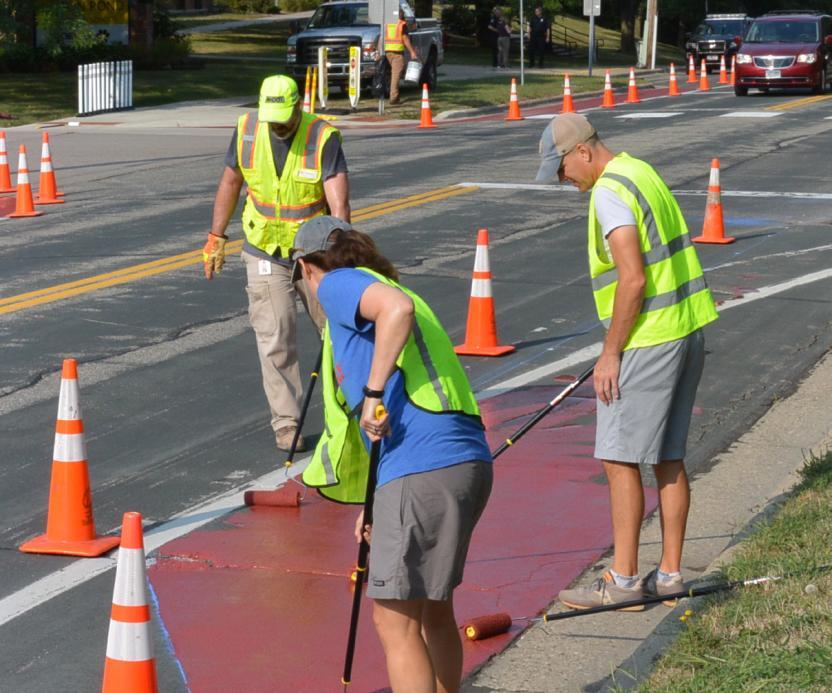
Before investing in a long-term infrastructure change, cities and partners may implement a demonstration project to test out an idea. These temporary projects are quick, have a relatively low installation cost, and build support for a long-term permanent change. Demonstration projects can also help engineers and designers make sure that design details are worked out before any new concrete is installed, such as making sure school buses have enough room to turn.
Demonstration projects can also be paired with programming or educational events to encourage additional behavior change. For example, new curb extensions may be paired with a crossing guard to bring additional attention to tricky crossing locations. Or a school mayorganize a Walk or Bike to SchoolDay after installing a demonstration project to encourage
students and families to try out the new infrastructure.
A demonstration project can include multiple components. The project shown here includes curb extensions and an on-street walking lane where there is currently a sidewalk gap.
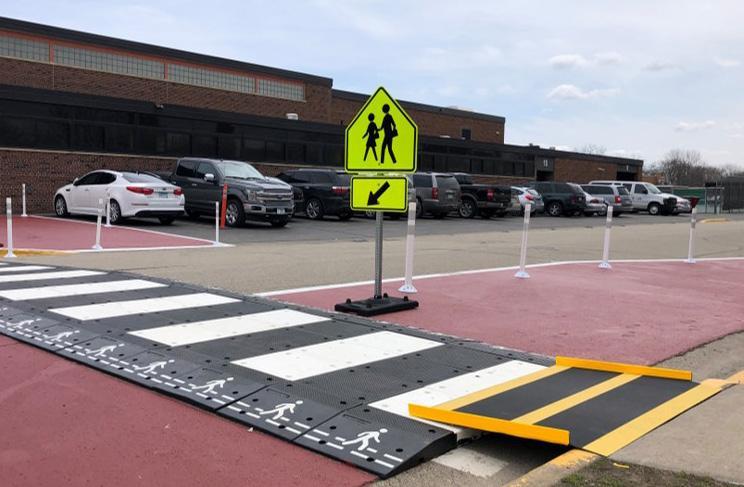
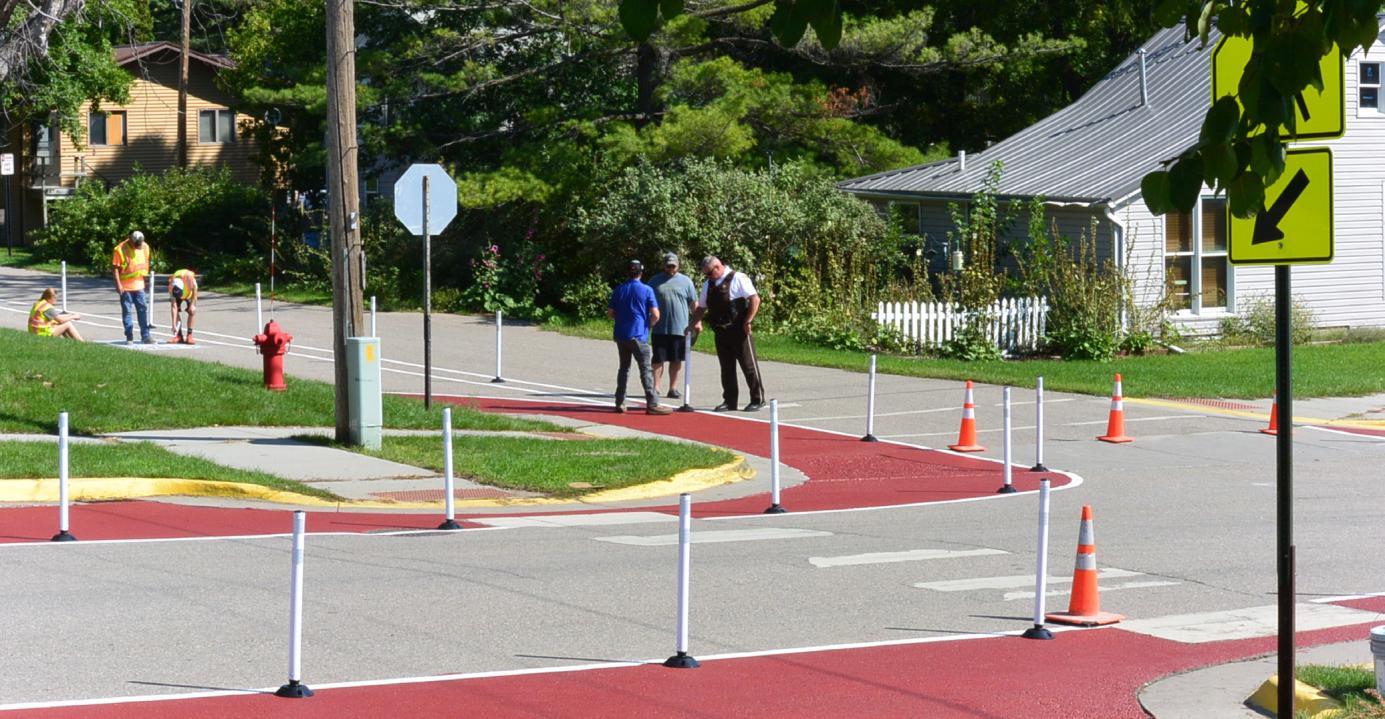
A demonstration project can include multiple components. The project shown here includes curb extensions and an onstreet walking lane where there is currently a sidewalk gap
1his raised crosswalk connects to a school entrance and slows traffic on the adjacent road.
DEMONSTRATION PROJECT EXAMPLES
Demonstration projects can take many forms, with a few examples shown here. In previous SRTS efforts, communities have installed a shared use path on the street where there are no sidewalks (top left photo below), curb extensions at wide and uncomfortable intersections (top right and bottom photos below), and a number of other creative solutions.
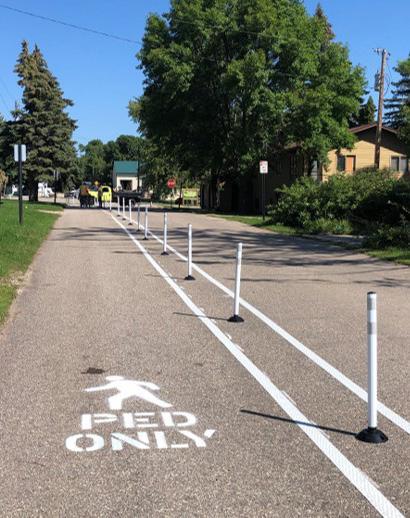
Demonstration projects are typically installed in the spring or fall to have enough time to observe their effects before winter arrives. In some cases, a community may be specifically interested in a component of winter maintenance and may design the project to stay in place through the winter.
TAKING COMMUNITY ACTION
A more equitable transportation system that prioritizes safe, comfortable, and fun opportunities to walk, bike, and roll benefits everyone. While this plan is focused on addressing connections to schools, many improvements will benefit people with no relationship to the schools because we all share the same streets, sidewalks, and trails. Likewise, many needed changes, such as reducing speed limits and normalizing walking and biking, extend far beyond the school system.
Your number one role as a community member is to advocate for changes that make walking, biking, and rolling safer, more comfortable, and more fun. Speak to elected officials, show up to community meetings, talk about walking and biking at school events and with school administrators, and organize and vote for candidates who support walking, biking, and public transit.
I AM A STUDENT, CAREGIVER, OR COMMUNITY MEMBER
Students, families, neighborhood associations, advocacy groups, and local businesses can have incredible influence when advocating for change in their schooland broader community. This is true both as individuals, as well as when community members come together into groups, such as a Parent Teacher Organization or disability advocacy groups. For example, students, caregivers, and community members can support and lead SRTS initiatives including:
• Advocating for policy change and funding at City Hall
• Developing campaigns to generate enthusiasm and improve social conditions for SRTS
• Volunteering time to lead a Walking School Bus or organize a bike drive
• Fundraising for SRTS programs and small infrastructure projects
I AM A SCHOOL DISTRICT EMPLOYEE
School district staff bring an important perspective and voice to advocating for a more equitable transportation system. By describing challenges and opportunities they see confronting their students and petitioning local elected officials for improvements, school district employees can support policy and infrastructure improvements that benefit their students and the broader community. Staff are also ideally positioned to implement the recommendations in this plan, whether it be a classroom-level curriculum or school district-wide policy around walking and biking.
I WORK FOR THE CITY OR COUNTY
As members of the governments that own, regulate, and maintain the roads, city and county staff can be instrumental in re-orienting transportation policies and infrastructure around walking and biking to schools and other destinations. City and county staff can leverage their expertise to identify, advocate for, and implement changes that contribute toward a more equitable transportation system. Key policies that staff can support include:
• Reducing lane widths and vehicular speed limits
• Eliminating minimum parking requirements
• Revising land use regulations to promote denser and more integrated land uses that promote walkable and bikeable trips
• Prioritizing municipal maintenance and snow clearing of all pedestrian and bike facilities
• Requiring complete streets infrastructure as part of all road resurfacing and reconstruction projects
City staff can also use this report to support Safe Routes to School funding applications to programs such as MnDOT SRTS grants, Federal SRTS grants, and the Statewide Health Improvement Program (SHIP)
Appendices
A. Visuals and Maps - 45
B. Student Travel Tally Results - 48
C. Caregiver Survey -
D. Observation Data - 53
E. Public Engagement Data – 54
F. Data Collection Instruments – 55
G. SMART Goals – 58
H. Team Notes – 59
I. White Earth Nation Tribal Safety Plan61
J. Sample Subdivision Ordinance - 63
APPENDIX A: VISUALS AND MAPS
West Central Initiative has created online maps via Google My Maps for the use of the Circle of Life Academy Safe Routes to School committee. Visit the Google My Maps website at: https://tinyurl.com/bddw8n8y.
This map contains multiple layers for easy viewing. This map was created in May of 2023, based on visual assessments and data obtained during community walk audits.
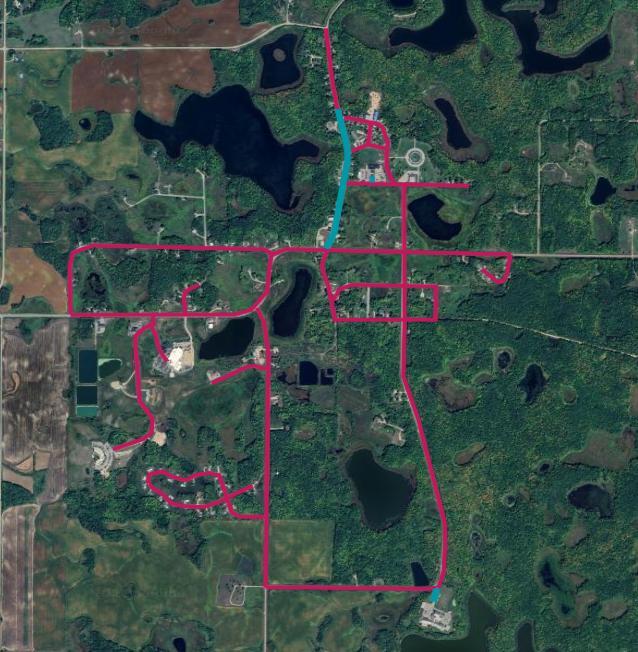
Figure A: Existing sidewalks and locations where there are no sidewalks in the White Earth Community.
Existing Sidewalks No Sidewalks
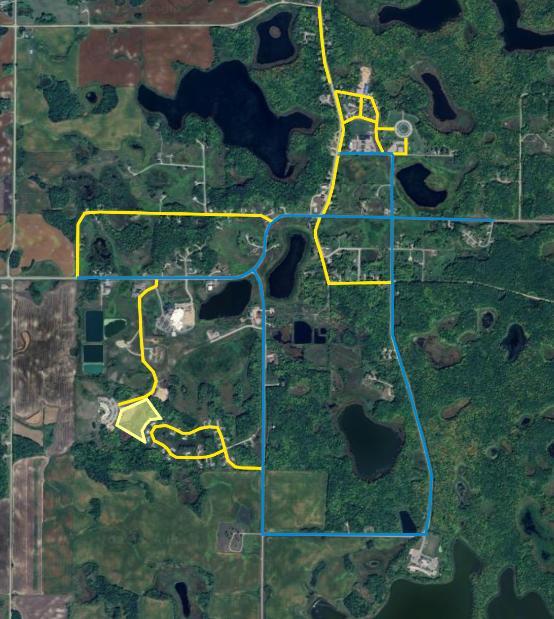
Figure B: A map of infrastructure recommendations including muti-use trails and sidewalks.
Sidewalks
Multi-use Trail
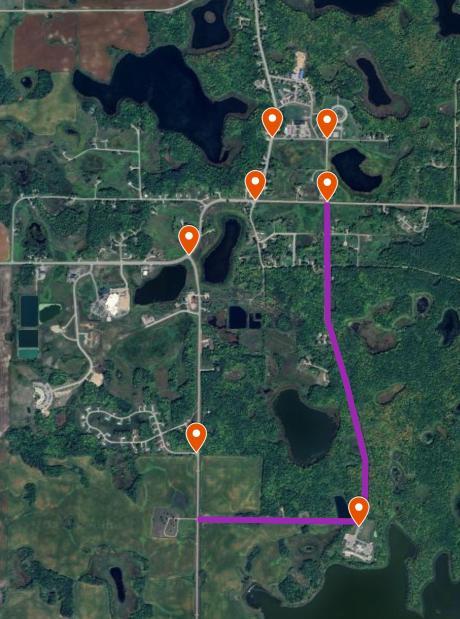
Figure C: A map of infrastructure recommendations where crossings should be enhanced and a road diet implemented.
APPENDIX B: STUDENT TRAVEL TALLY RESULTS
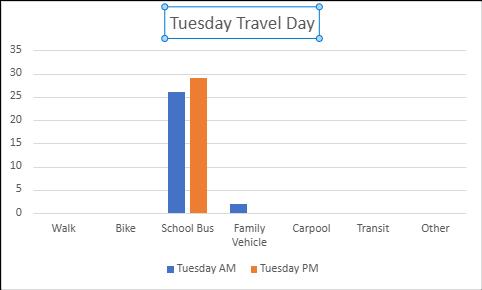
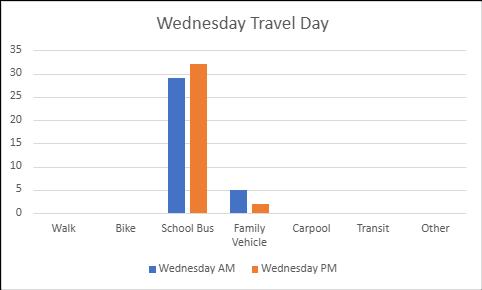
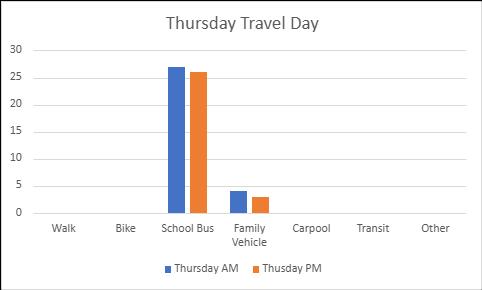
Student Travel Tally Report: One School in One Data Collection Period
School Name: Circle of Life Academy
School Group: Circle Life Academy
School Enrollment: 112
Number of Classrooms Included in Report: 6
Month and Year Collected: October 2023
Date Report Generated: 05/21/24
This report contains information from your school's classrooms about students' trips to and from school. The data used in this report were collected using the in-class Student Travel Tally questionnaire from the National Center for Safe Routes to School.
Morning and Afternoon Travel Mode Comparsion
APPENDIX C: CAREGIVER SURVEY
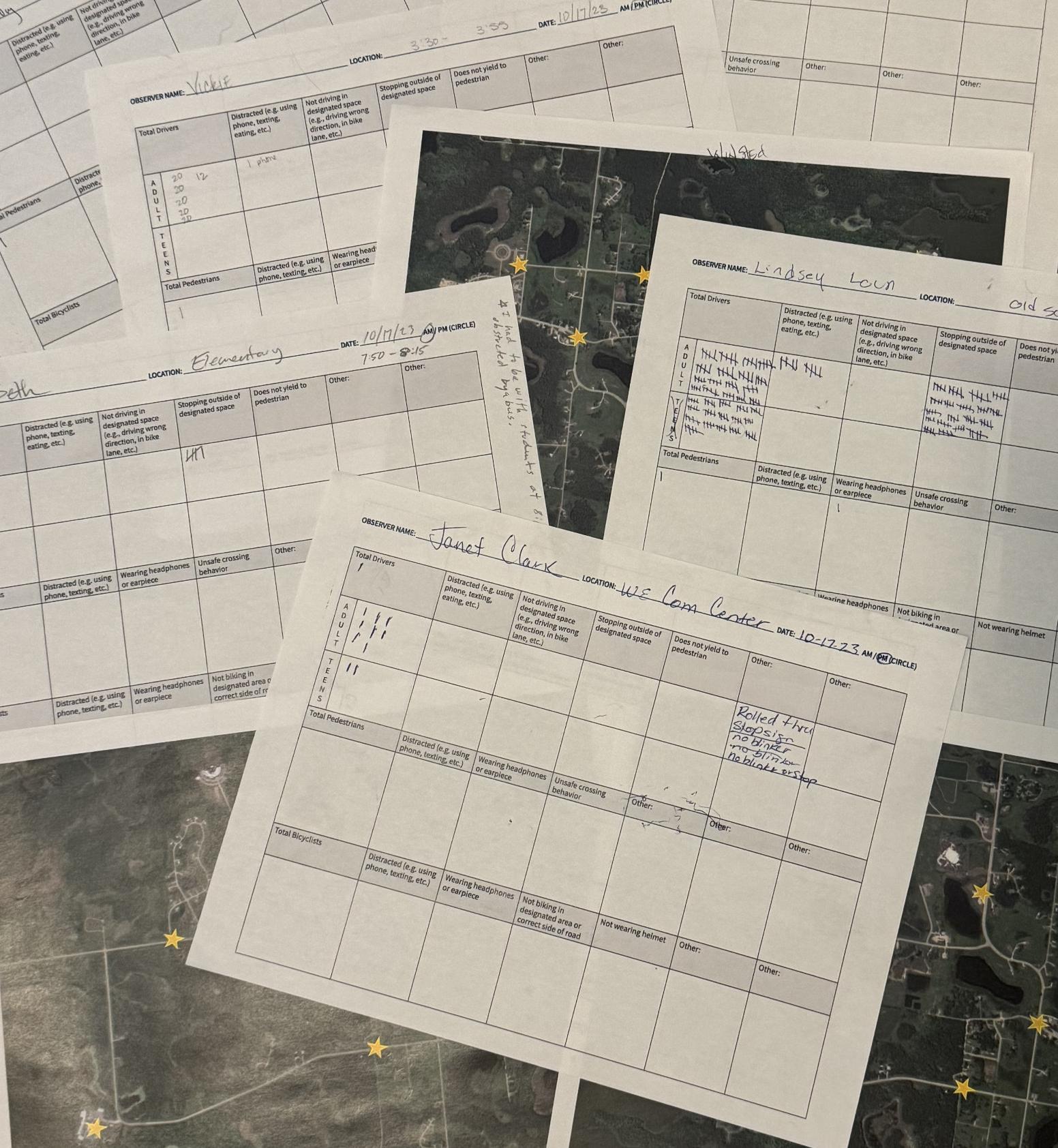
APPENDIX D: OBSERVATION DATA
AM Total
Pedestrians
Stopping outside designated space
Unsafe crossing behavior
Total Bicyclists
Driving Notes
Mallory
Gull and Cherry 3 School buses passed
Wayne, Aaliyah Bus: 7:55, 8:01, 8:03AM
Ken Victoria M&W
Lindsey
Old School:
CSAH 34 & CSAH 21
1 – Wearing headphones
1 – Northside (came to gas station) 1-Drinking 2-Phone 1-Brush
1 – Not biking in designated area or side of the road
7- Did not stop 95- Stopping outside designated space 10- Distracted
Michael 3 – Stopping outside designated space
Seth 4- Stopping outside designated space
PM Total Pedestrians Stopping outside designated space
Mallory Water tower 1
Unsafe crossing behavior Total Bicyclists
Driving Notes
Victoria, Wayne, Aaliyah 1
Ken
Victoria M&W 1 1- Phone
Lindsey Old School:
CSAH 34 & CSAH 21 2
10-Did not stop
52- Stopping outside desginated space
Janet Clark Cars rolled through stop signs, no blinkers, and some no blinker or stop
Seth 25 8 – used x walk button Did not use crosswalk 2 – not wearing helmets
1. SCHOOL NAME: The Circle of Life Academy
2. GRADE: K-12
3. ARRIVAL START TIME: 7:20AM END TIME: 8:15AM DISMISSAL START TIME: 2:40PM END TIME: 3:15PM
4. CIRCLE APPLICABLE WEATHER CONDITIONS: RAINY, OVERCAST, SNOW OTHER: SUNNY
5. APPROXIMATE TEMPERATURE: 47 degrees (AM), 70 degrees (PM)
6. IS THERE AN APPOINTED SCHOOL STAFF MEMBER OR VOLUNTEER DIRECTING TRAFFIC FLOW? No
7. IS THERE A SPECIFIED DROP-OFF / PICK-UP AREA? No
8. IS THE DROP-OFF / PICK-UP ZONE SEPARATE FROM OTHER VEHICLES? No
9. IS THERE A SPECIFIED BIKE ARRIVAL / DISMISSAL AREA? No
APPENDIX E: PUBLIC ENGAGEMENT DATA
What Would Help Children Walk and Bike To School?
Encouragement/Rewards
More Crossing Guards
Slower Car Speeds
Less Traffic
Better Sidewalks/Paths
Safer Intersections/Crossings
Walk! Bike! Fun! Curriculum
Mileage Club
Bus Stop and Walk
Bike Train
Walking School Bus
Figure D: A graph showing the answer to the question, “What would help children walk and bike to school?”
Weather/Climate What Keeps Children From Walking and Biking to School?
Violence or Crime
Lack of Crossing Guards
Safety of Intersections/Crossings
Lack of Sidewalks/Paths
Speed of Cars or Traffic
Childcare
Before/After School Activities
Lack of Adult Supervision
Convenience of Driving Time
Distance
Figure E: A graph showing the answer to the question, “What keeps children from walking and biking to school?”
APPENDIX F: DATA COLLECTION INSTRUMENTS
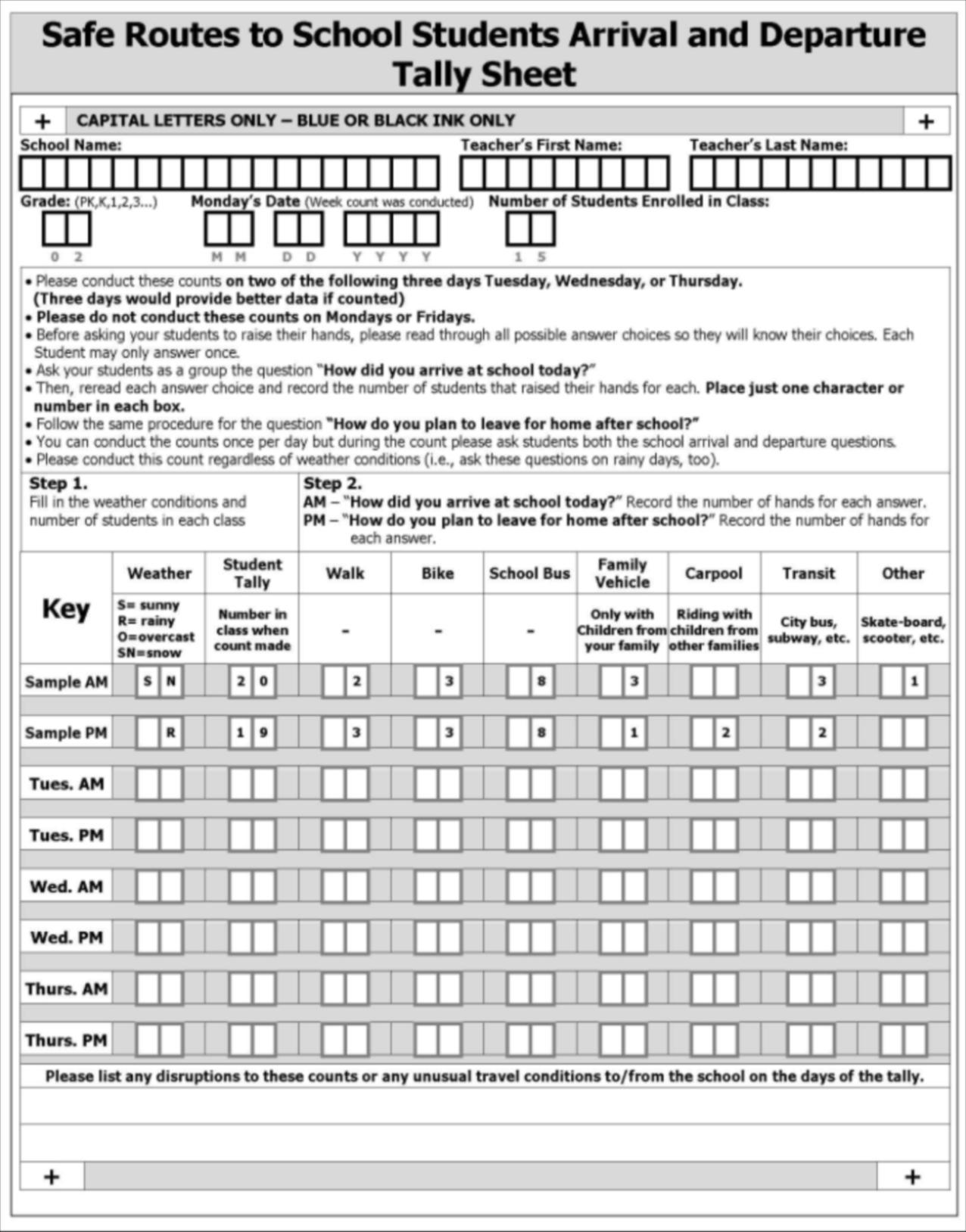
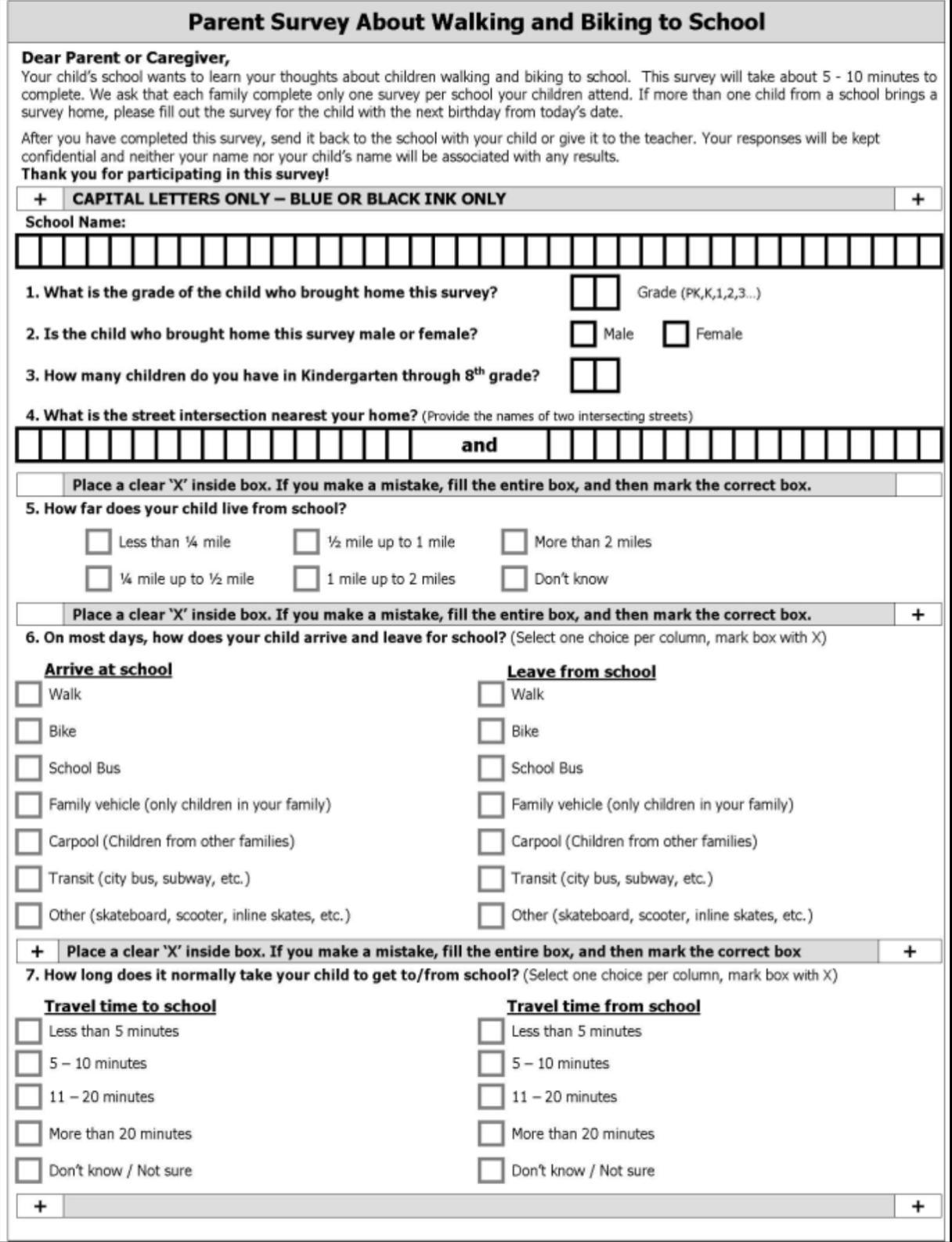
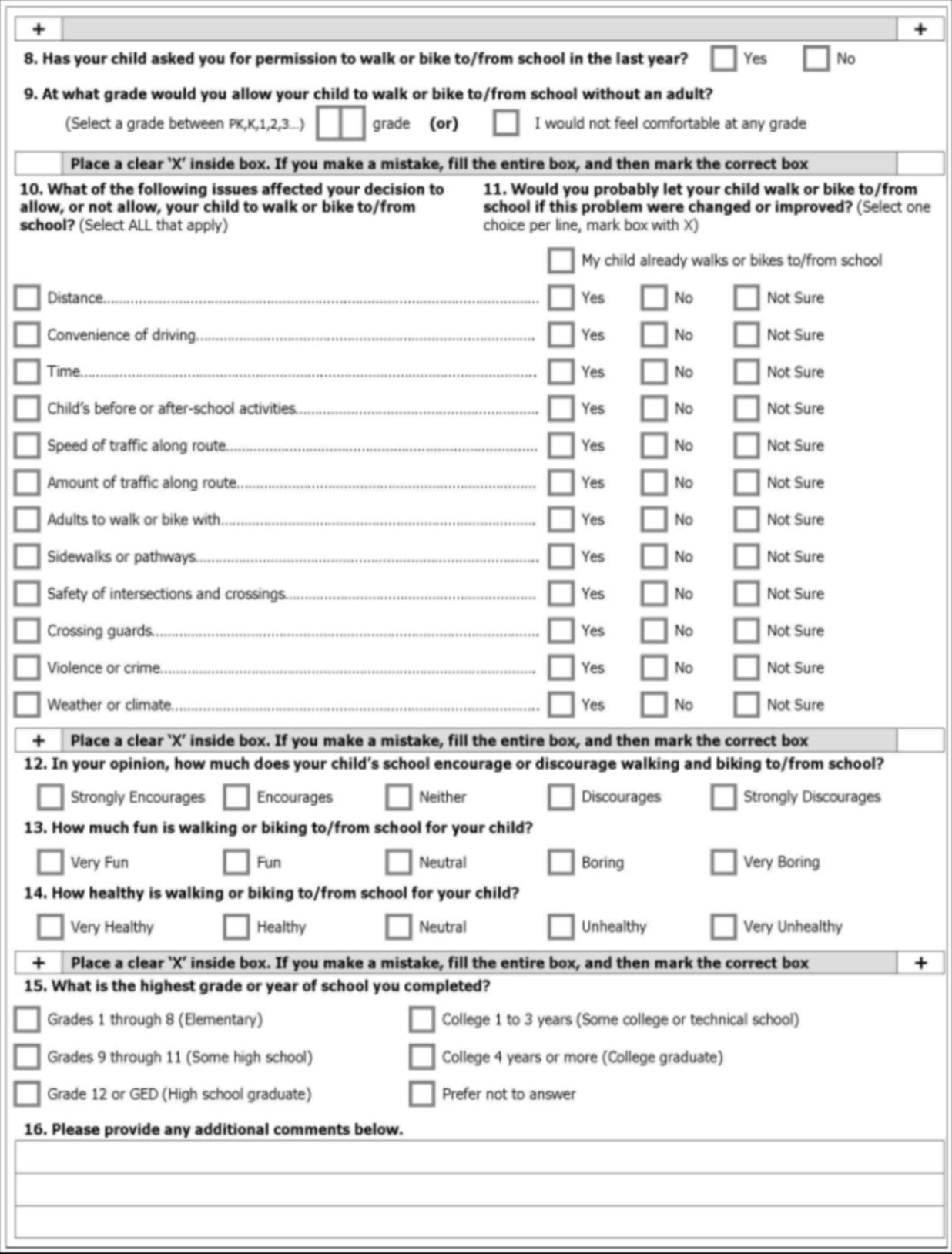
A high-quality and text readable version of this document can be found at Parent Survey. (chromeextension://efaidnbmnnnibpcajpcglclefindmkaj/https://saferoutesdata.org/downloads/Parent_Survey_English.pdf)
APPENDIX G: SMART GOALS
Education:
• The White Earth Police Department will continue to support bike education at community events, expand education, and possibly hold a bike rodeo in the 2024-2025 school year.
• The Circle of Life Academy will display NHTSA provided road safety posters in the 2024-2025 school year.
• The Circle of Life Academy will implement the Walk! Bike! Fun! Curriculum PE class in 2025-2026 school year.
• The Circle of Life Academy will host a Walk! Bike! Fun! Training in 2025.
• The Circle of Life Academy will host bike mechanic training in the 2024-2025 school year.
Engagement:
• The Rainbow Friends Toolkit deployed in White Earth in 2025 in conjunction with a community event.
• The Circle of Life Academy will continue to support SRTS information given to the community at White Earth events.
• The Circle of Life Academy will share walk and bike information at the Fall school powwow and Round Dance in spring in the 2024-2025 school year.
• The Circle of Life Academy leadership will meet with the community council to discuss walking and biking safety in the 2024-2025 school year.
Encouragement:
• The Circle of Life Academy will continue to support the Itasca trip, and potentially bring bikes for the bike field trip in the 2024/2025 school year.
• The Circle of Life Academy will hold a t-shirt/poster contest for the SRTS Walk and Bike to School Days.
• The Circle of Life Academy Family wellness mileage program in the 2024-2025 school year.
• The Circle of Life Academy will create a wellness/SRTS committee in the 2024-2025 school year.
Enforcement:
• The White Earth Police Department will look into speed feedback signs for the COLA school zone in 2024.
• The White Earth Police Department will look into a positive ticket program for the community in 2024.
Engineering:
• The Circle of Life Academy, with support from the transportation department, will look to create a demonstration project in the community in 2025.
Evaluation:
• The Circle of Life Academy will continue to implement student travel tallies every other year or as needed.
• The Circle of Life Academy will host observation day during the 2024-2025 school year.
Equity:
• The Circle of Life Academy will apply for a bike fleet in 2024.
• The Circle of Life Academy will continue/expand road safety materials in Ojibwe continuously.
APPENDIX H: TEAM NOTES
White Earth Kick off Meeting.
Wednesday, October 11th, 2023
Circle of Life Library
Attendees
Serria Weaver - Public Safety
Aaliyah Helland - WCI
Shannon Heilser - White Earth Tribe
Patrick Hollister - Partnership 4 Health
Ken Fox - COLA Transportation
Michael Bowman - Public Works
Kari Cossette - White Earth
Candace Potter - COLA
Victoria Wind - Superintendent
Mary Safgren - MnDOT
Cheryl Poitra - Principal
Mallory Jarvi - WCI
Welcome and Introductions
Mallory started the meeting at 5:00. The meeting started with an icebreaker question and introductions. She went over the agenda of the meeting.
Overview of Safe Routes to School
Mallory explains what safe routes to school is to everyone by sharing a PowerPoint. She explains the health benefits of walking and biking to school. She explains the 6 E’s. Mallory Explained observation day. 10/17/2023 Meeting at the school at 7:30 AM.
October 25 is Family Night. Mallory and Aaliyah will attend for SRTS community engagement.
Patrick asked what time it would be. Family Night will be 4:30-7:00pm
Mallory talked about what we will be expecting from the school next.
Mallory talked about Programs that were available to the city of White Earth
Mallory went over the draft vision statement.
Sierra said it looks good in her eyes.
Mary was saying how walking instead of being in a car can help your experience better and connect you to nature and wanted to add that to the statement. Mallory will draft a new vision statement with Victoria to incorporate nature, education, and a good-life.
No one else had any comments.
Group Discussion
1. Biggest Barriers
Distance, No good paths to get to the school. It doesn’t make you feel safe. Pothole people swerving on the road. They would like better paths and trails. Res Dog they are bad and scary the kids. No access to bikes or don’t know how too. They like the idea of getting bikes for their community.
2. Areas of community where walking and bicycling is difficult?
From the community center to the school has 6 hill a wider shoulder over a sidewalk would be better because it gets muddy and gross at the bottom. Look for more ideas to help with that and put them in the plan. Crossing 24 is hard; they are looking for better crossing paths and better lighting. 4 way needs stop signs and speed signs. 21
needs help with crossing. A stop sign needs to be replaced/placed on that 4way on Mission Road. Mallory talked about the wiki map and explained how it worked.
3. Biggest Opportunities
Health for the kids. Doing hikes with the kids. Getting better exercise. Getting to and from school and community activities. Programs for walking in the school district.
4. Areas of community that are safe.
The only safe place is along 21 which is the only place that has a sidewalk but it is stop by a stop sign sitting in the middle of the way. By the powwow circle
5. What would encourage more people to walk and bike?
Better sidewalks and paths. Less dogs. If you build it, they will come. Community walks advent. Community bike advent. Helping promote safe drivers. Teaching the correct way to walk and bike on the roads with cars to everyone in the village.
Mallory asked what the best way is to do community outreach:
Post flyers
Newspaper – Anishinaabe Today
Door to door, hand out flashlights and freebies to help inform the people in the village.
Mallory explains what bike Mn Was and what they could help with.
Mallory is going over action plans.
Sierra is hoping to get a couple of police offers to assist us on observation day.
Mallory ended the meeting at 6:35PM.
Circle of Life Academy Meeting.
Thursday, February 15th, 2024
Circle of Life Library
Attendees
Victoria Wind – Superintendent
Mallory Jarvi- WCI
Mary Safgren – MnDOT
Virtual
Aaliyah Helland - WCI
Serria Weaver - Public Safety
Mallory kicked off the meeting at 5:00PM with a welcome and introductions.
Mallory gave a short presentation on the current data collected in the planning process.
Mallory then went over SMART goals and how we will make SMART goals for each of the 6 E’s. The rest of the meeting notes were taken within the SMART goals worksheet.
Meeting adjourned at 6:15.
APPENDIX J: WHITE EARTH NATION TRIBAL SAFETY PLAN
The White Earth Nation Tribal Safety Plan was completed in 2024 with a focus on creating a safer transportation system. And excerpt from the plan highlights the importance of prioritizing all roads users.
“Numerous bicycle and pedestrian safety improvements have been identified across the Reservation. Improving bicycle and pedestrian safety begins by connecting important community destinations across White Earth Nation through dedicated infrastructure such as separated paths, wider shoulders, lighting, and specific consideration of people who walk or bike to go about their daily lives. Connecting vulnerable or disadvantaged populations from where they live to critical destinations is an important consideration for all, no matter what mode they choose or in some cases have to take.”

mitigate crashes.
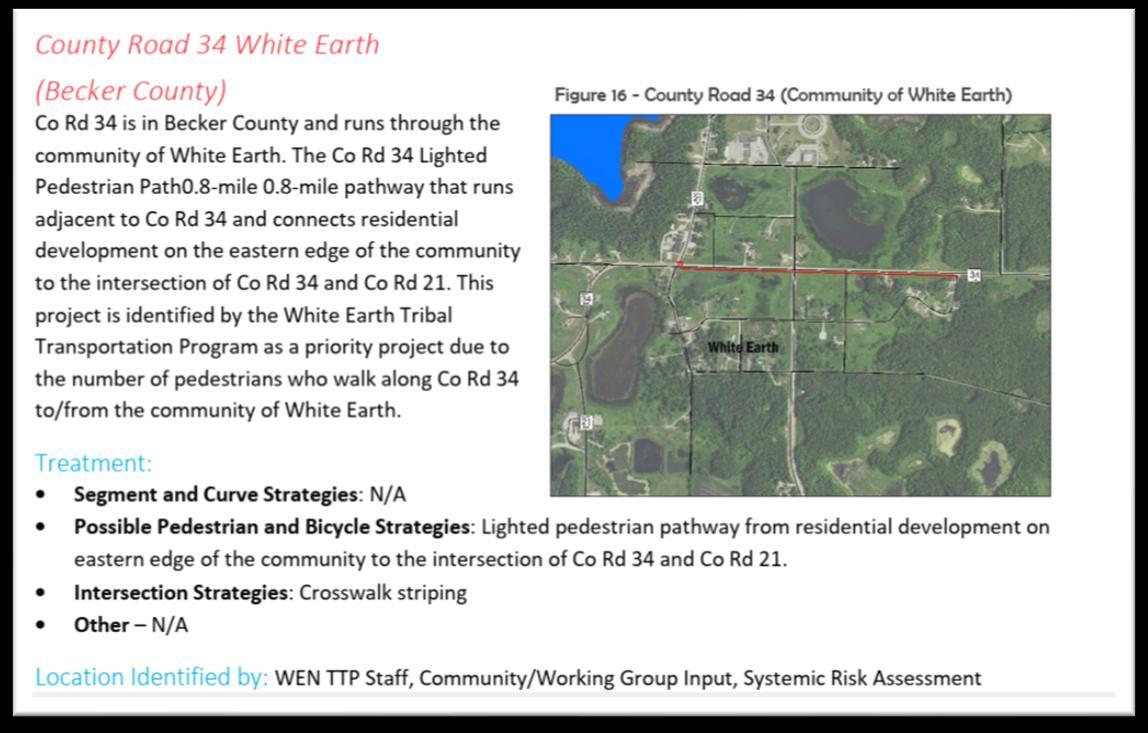
Figure F: Cost benefit analysis of different infrastructure installations to
Figure G: Excerpt from the safety plan to create safe pedestrian access to a residential area in White Earth.
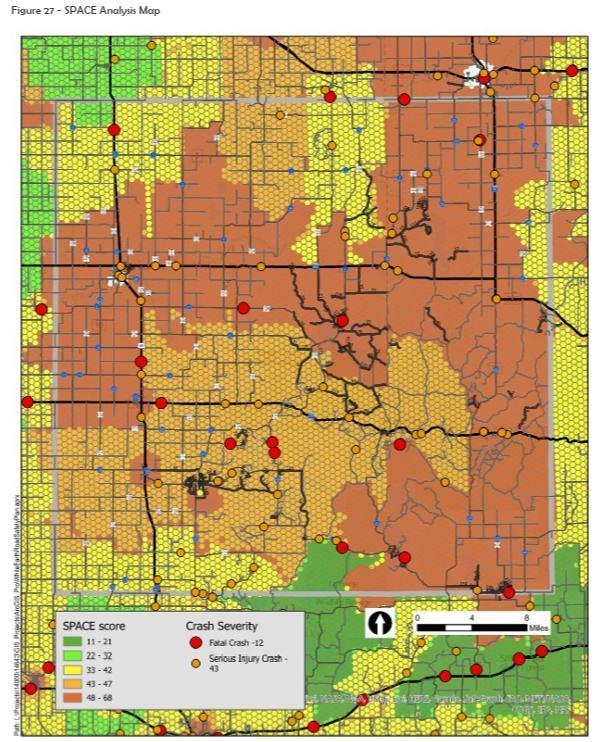
“Prioritizing projects based on equity analysis is an important exercise that displays a strong understanding of the White Earth Nation community and forwarding the goals and objectives of USDOT. Using the SPACE Analysis, the Tribe may consider prioritizing or scoring projects based on SPACE score.”
The White Earth Community scored within the 43-4 SPACE range scoring criteria. There are no fatal or serious crashes in close proximity to the school, but the number of walkers and bikers should make this area a priority for the tribal nation.
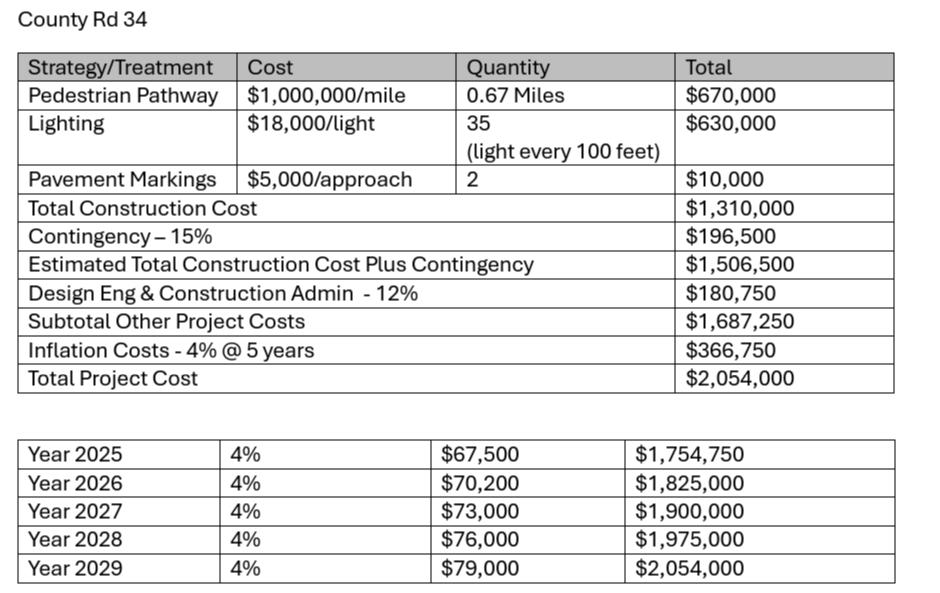
Figure H: Cost to fund the County Road 34 Project.
Figure I: SPACE analysis of White Earth Nation .
APPENDIX L: SAMPLE SUBDIVISION ORDINANCE