Kimberley Read at: kimberley@foodanddrinknetwork-uk.co.uk or Joanne Murphy at: joanne@foodanddrinknetwork-uk.co.uk
WEBSITE:
foodanddrinknetwork.co.uk
Find us on LinkedIn TWITTER: @fdnetworkuk
15 FOOD+BEVERAGE ENGINEERING 2026
Success Factors for the Adoption of a Paperless Ecosystem in Manufacturing Reflecting on 2025 and the accelerating shift toward digital transformation 06 SPECIALIST VIEW
Food+Beverage Engineering 2026: Process and Production Solutions for Plant Optimisation
FRUIT LOGISTICA 2026 17 INNOVATION & TECHNOLOGY
LOGISTICA 2026 Three Days, One Industry, Unlimited Growth
UK Government expands sugar tax to combat obesity - Givaudan comments
Food Safety Mandates to Combat Foodborne Illness with Global Innovation
Go-Pak UK pioneers groundbreaking recycling scheme to close the loop in food and drink packaging 19 SUSTAINABILITY & CIRCULAR ECONOMY
SUSTAINABILITY AND ESG COMPLIANCE
ESRS
24
Unlock a Flexible Future Struggling to balance your packaging sustainability goals with functional performance and visual appeal?
25
Engineering Cleanliness Modernising Food Production from the Inside Out
Auction machines Karl Kemper Convenience GmbH offers opportunities for you 27 BUSINESS & INDUSTRY IMPACT 28 INSPECTION SOLUTIONS PROCESSING
Durham Box creates premium festive gifting experience for Ringtons
Leading corrugated packaging manufacturer, Durham Box, has partnered with long standing customer Ringtons to produce a premium, laser detailed seasonal gift box that demonstrates how digital print and advanced laser die cutting can enhance retail packaging.
Commissioned for Ringtons’ 2025 Christmas gifting range, the one piece box with lid (300 × 200 × 80 mm) features a clay coated outer liner and white kraft inner liner, digitally printed on both sides for full colour impact inside and out. The standout feature is intricate laser cutting that reveals the print beneath and delivers a tactile, visually distinct finish that simply is not achievable with standard die cutting technology.
“We really wanted to focus on the uniqueness of the pack itself, and the laser detailing achieves something that could not have been done using a standard die cutter,” said Sally Caton, business development manager at Durham Box. “It gives the pack a clear point of difference and opens up exciting creative possibilities for gifting.”
Commenting on the finished packaging, Serena Philipson, head of product at Ringtons, said,
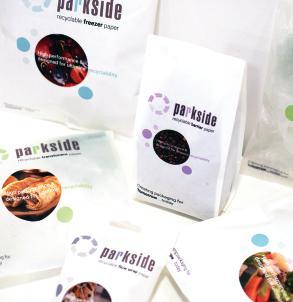
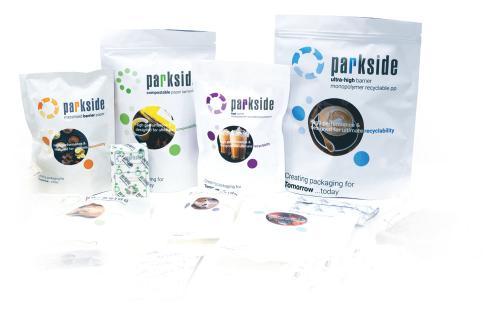
Parkside invests in innovation as New Product Development team expands
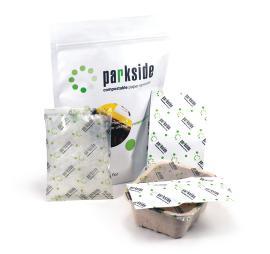
Parkside, a leading provider of flexible packaging solutions, is continuing its commitment to leading innovation by investing in its New Product Development (NPD) team.
Georgina Merry has recently taken on the role of Packaging NPD Manager, drawing on her strong background in packaging development, print, and R&D project management. Her role combines engagement with suppliers on new material technologies with a drive to bring ideas through from early inspiration to commercial launch. Over the past four months, Georgina has focused on collaborating closely with customers to translate consumer and market insights into practical packaging advancements.
Group Technical Director Joshua Swann has also played a central role in guiding Parkside’s technical strategy by leading NPD across the business. Joshua’s leadership ensures Parkside’s solutions align with changing legislation and provides clear direction as the company strengthens its innovation pipeline.
The NPD team is focused on targeting new opportunities and creating novel packaging formats, while continuing to adapt and evolve proven solutions in line with regulatory changes and customer requirements. This dual approach ensures that Parkside can anticipate industry trends and provide agile, compliant responses to the challenges its customers face.
Paula Birch, Managing Director at Parkside, said: “Innovation has always been at the heart of our business. By strengthening our NPD team, we are building the capability to develop packaging that not only meets the evolving needs of our customers but also helps them prepare for the challenges of tomorrow. With Joshua providing clear technical leadership and Georgina adding fresh momentum, we are well placed to drive the future of sustainable packaging innovation.”
To learn more about Parkside’s flexible packaging innovations, visit www.parksideflex.com
“This pack has been a real hero for our festive range, with the laser cut detailing adding a premium, precision finish that transforms what would otherwise be a standard gift box. Introducing laser technology required close collaboration, particularly around achieving perfect colour alignment beneath the detailed cut areas, but the outcome has been worth the focus.”
With strong commercial results already achieved, Ringtons plans to expand the use of laser cut presentation packaging across future launches.
Find out more about Durham Box https://www.durhambox.co.uk/
The Glenlivet unveils ultra-rare 56 year old single malt as the Second
Edition in the Eternal Collection
The Glenlivet, the definitive Speyside single malt, has unveiled the highly anticipated release of the Second Edition in the Eternal Collection, the 56 Year Old. Just 60 bottles are available worldwide from today.
The Glenlivet Eternal Collection is a series of ultra luxury, high aged single malts. Each new limited edition released will increase in age and will be accompanied by an original artform crafted by a visionary artist. For the eagerly awaited second chapter of the Eternal Collection, The Glenlivet has collaborated with pioneering design studio Fredrikson Stallard. Renowned for their audacious, avant garde creations, they have curated a bespoke sculpture in homage to the Speyside terroir that not only accompanies the decanter, but transforms the presentation of this exceptional single malt whisky into a work of art.
The innovative sculpture design is inspired by the rugged beauty of Speyside, The Glenlivet’s home. A testament to the whisky’s complexity and the dramatic elegance of the Scottish landscape, it powerfully depicts scorched, raw heather branches. The precious single malt is then preserved within a spherical glass decanter, carefully enthroned upon a patinated brass plated base in the form of a cairn. This represents the chimney shaped stacks of rocks originally left before battle by ancient Highland clans as a memorial to fellow warriors and the passing of time. The decanter is finished with a 24k gold plated neck and cap, which is further embellished with a layer of coloured faceted glass in The Glenlivet’s emblematic teal on the bottle closure.
The Glenlivet Eternal Collection, Second Edition, 56 Year Old embodies an unwavering pursuit of Scotch perfection, meticulously nurtured and matured for over five decades. Such a distinguished single malt demands unparalleled attention to every flavour detail. This inspired The Glenlivet’s team of cask experts to craft a singular bespoke sherry cask, seasoned with a unique blend of Oloroso, Pedro Ximenez, and Palo Cortado to perfectly complement The Glenlivet Eternal Collection.
Priced at €52,500, this masterpiece is poised to become a coveted addition to the world’s most discerning whisky collections following its global release today. Its introduction further cements The Glenlivet’s status at the pinnacle of single malt Scotch whisky.
Falconer
creates
distinctive
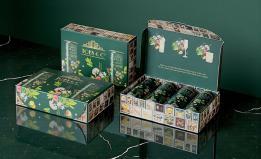
luxury four can presentation box for Toby&Co
Leading carton manufacturer, Falconer Print & Packaging, has partnered with emerging luxury drinks brand Toby&Co to create a distinctive four can presentation pack for the brand’s inaugural expression. Designed to reflect the brand’s premium positioning and storytelling ethos, the new pack represents a step change from the standard 2×2 carriers typically used in the sector.
Crafted to feel rigid, substantial and gift worthy, the box was produced using CrownBoard Prestige, selected for its strength, tactile quality and suitability for high end presentation formats. Falconer printed both sides of the board using a four colour process and applied a matt varnish for a refined finish. Inside, a bespoke fitment system securely separates the cans while elevating the sense of luxury. The structure also features a front locking tab that holds the product tightly in place and ensures a premium unboxing experience from start to finish.
“It was anticipated to be gorgeous, but it turned out even better than expected,” said Founder and CEO Toby Gorn. “The quality is exceptional, it is a perfect design, beautifully executed and a piece of
Peak production period mastered with additional packaging capacity
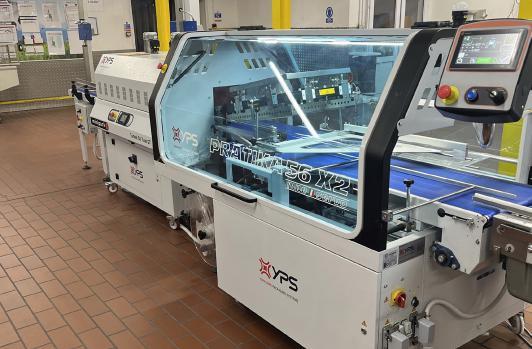
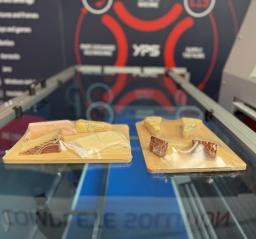
A major cheese supplier has prepared for their pre-Christmas peak production period by sourcing additional packaging capacity. The dairy specialists have secured a fully automatic Pratika L-sealer and double chamber tunnel from Yorkshire Packaging Systems (YPS).
“This customer focusses on the premium heritage brands that so many of us enjoy during the festive period, so they feel the pressure on their production systems at this time of year,” explained YPS MD, Glyn Johnson.
“Having sourced equipment from YPS in the past, they knew we would provide the ideal solution to help them manage this busy time,” he added. The ability to save programmes for different products to the Pratika L-sealer shrink wrapper was particularly attractive for the manufacturer as it facilitates extremely quick changeovers between product runs. The accompanying double chamber tunnel, in combination with the L-sealer, delivers high throughput.
In addition, the shrink-wrapping system was supplied with a rolling belt conveyor, which ensures that no point on the wrapped pack remains constantly in contact with the conveyor. This eliminates potential marking on the pack, resulting in a more aesthetically pleasing finish.
YPS are also supplying film for the cheese distributor’s packaging systems.
“The customer wanted a high gloss, premium finish that reflected their quality brands on the shelf. The film supplied also had to be breathable for these products. We’re supplying them with material that fulfils these requirements and works perfectly with their equipment, from the wide range of food-contactapproved shrink wrap that we stock.”
art in itself. From start to finish, the Falconer team were fast, creative and always thinking outside the box. We are incredibly happy with the result and very grateful to the entire team for their efforts.”
Launched as a limited availability product, Toby&Co’s first expression is available through the brand’s website, with selected listings also live across premium specialist retailers, bars and restaurants. The four can presentation box serves as both a gifting option and a collector style showcase for customers seeking elevated, non alcoholic drinking experiences.
Find out more about Falconer https://falconerprint.co.uk/
Company Shop Middleton turns ten
Celebrating a decade of sustainability and community impact
Company Shop Middleton, part of the UK’s leading redistributor of surplus food and household products Company Shop Group, is proudly celebrating ten years of serving the local community.
Since first opening its doors in 2015, the store has become a vital part of Middleton, helping tens of thousands of local families stretch their budgets and prevent good food from going to waste. Over the past decade, members have collectively saved over £63 million on their shopping and prevented 30,000 tonnes of surplus products from unnecessarily becoming waste.
Company Shop Middleton is one of 13 stores across England and Scotland run by Company Shop Group, which works with retailers and manufacturing partners across the grocery and FMCG sectors to redistribute surplus products. These products are still perfectly safe to consume and are often the result of mislabelling, seasonal changes or overproduction.
With over a third of food produced globally going to waste each year, with 10.7 million tonnes a year in the UK alone, Company Shop Group’s pioneering approach stops unnecessary waste, helps businesses to recover value from surplus stock and ensures good food and essential products reach the households and communities that need them. This redistribution model at Company Shop Middleton has provided the equivalent of 69.3 million meals to households and helped to save an estimated 78,000 tonnes of CO2e emissions.
Akbar Yaqub, Store Manager at Company Shop Middleton, said: “Middleton has been at the heart of our community for ten years, and this anniversary is as much a celebration of our members as it is our store. Their support over the years has helped us deliver real social and environmental impact, saving families money while preventing great products from going to waste. I’ve been extremely proud to be part of the store’s journey since it first opened, and even prouder to now lead the team as Store Manager. As costs continue to challenge households, we remain committed to being a trusted place our members can rely on, and we look forward to the next decade of impact.”
Membership at Company Shop is free and open to those working in the FMCG supply chain, NHS, emergency services, social care, prison services, the British Armed Forces, and employees and volunteers of registered charities. Those in receipt of means-tested benefits can also apply. Membership is available via www.companyshopgroup.co.uk/membership For more information, visit: www.companyshopgroup.co.uk
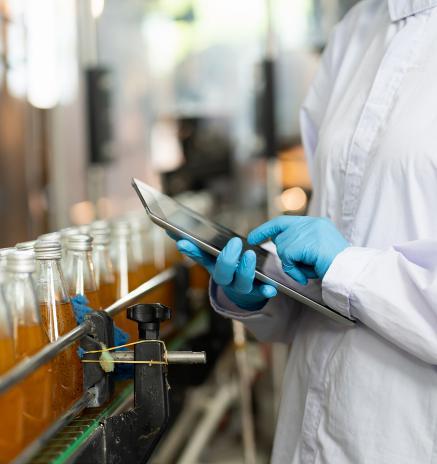
From Paper to Performance
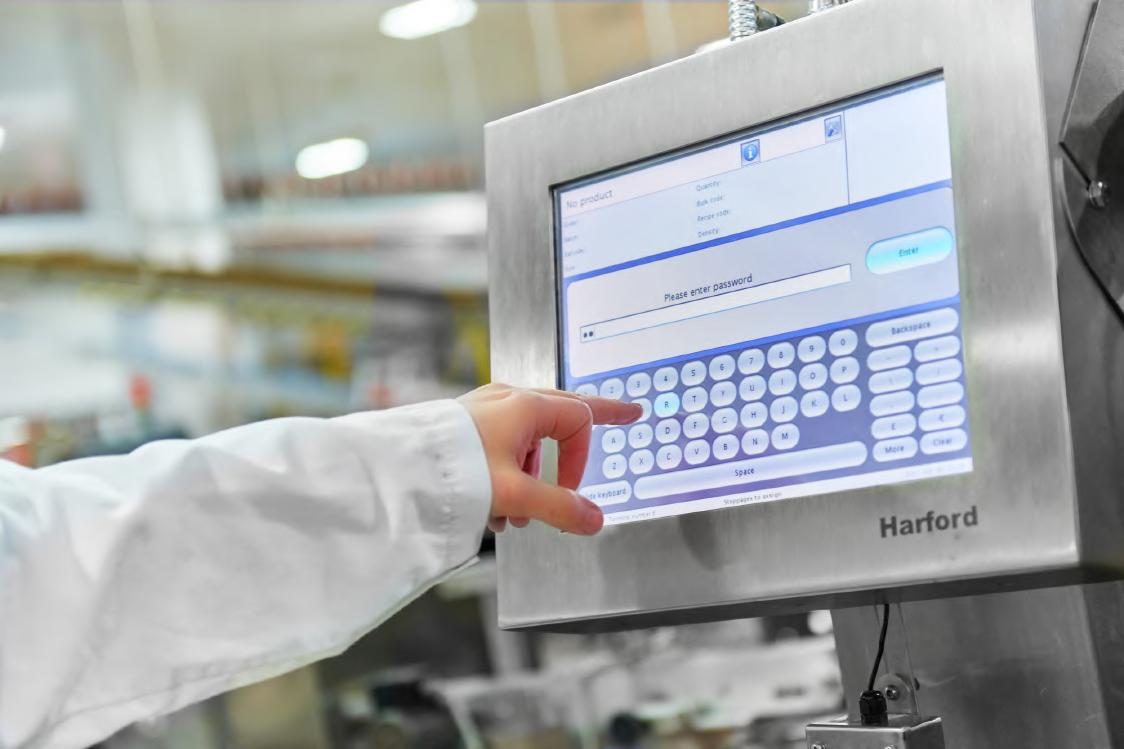
Harness the power of real-time data and digital intelligence with Harford Control.
2025 proved one thing — paper doesn’t belong in a digital world.
In an age of real-time intelligence, sustainability, and performance excellence, Harford Control helps manufacturers eliminate paper, reduce waste, and unlock smarter decision-making.
Transform your operations with Harford:
Smart Data Capture – Replace manual recording with real-time actionable information.
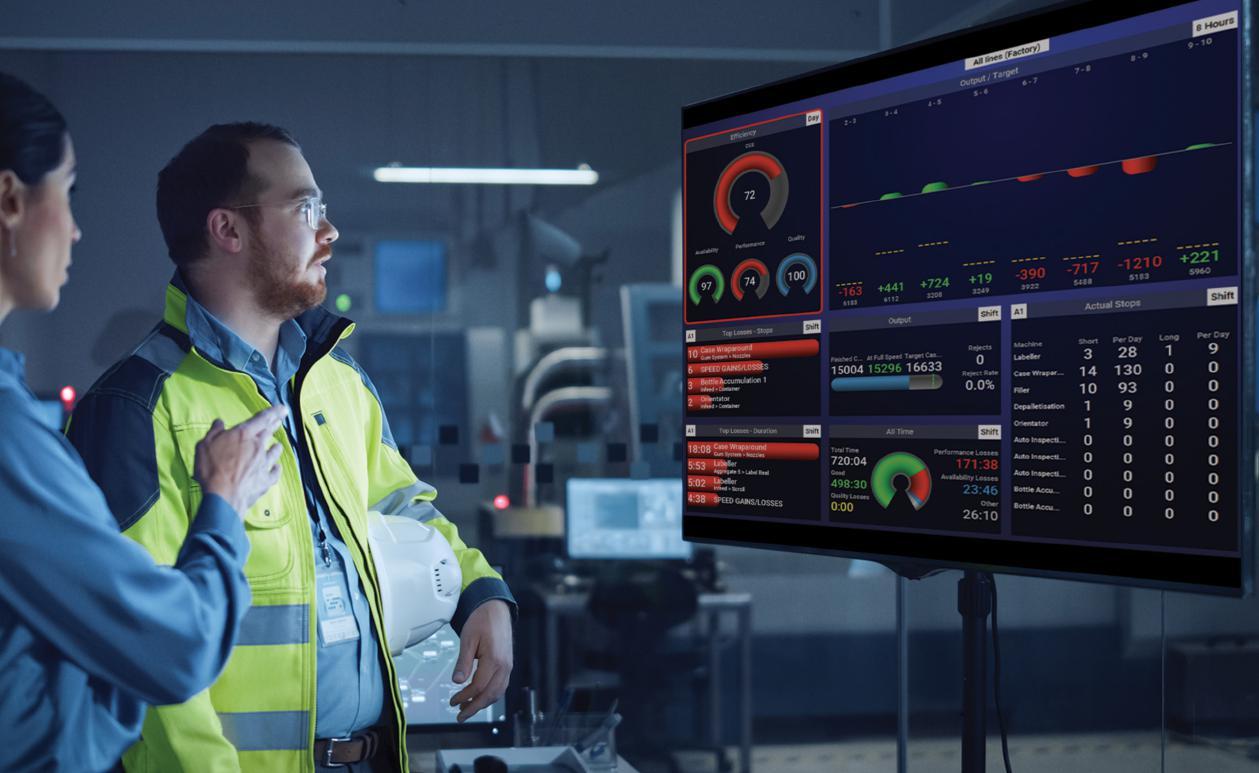
Seamless Integration – Connect MES, quality, production systems and operators into one unified performance improvement system.
Instant Insight – Access live OEE, traceability and compliance dashboards at every level.
Sustainable Future – Reduce paper waste and carbon impact across your operations.
Empowered Teams – Simplify training and boost engagement with intuitive digital tools.
Harford Control — 58 years innovation in quality, performance, and compliance systems for food and drink manufacturers.
Get In Touch
+44 (0)1225 764461 info@harfordcontrol.com
Explore Harford Solutions and request a demo
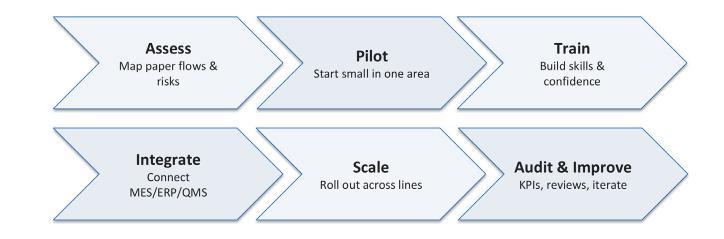
Success Factors for the Adoption of a Paperless Ecosystem in Manufacturing
Reflecting on 2025 and the accelerating shift toward digital transformation
An article By Roy Green, Harford Control Ltd. November
2025
As 2025 draws to a close, manufacturers across the globe are reflecting on a year marked by accelerated innovation, operational challenges, and continued technological evolution. Digital transformation is no longer a long-term strategic aim — it has become a competitive requirement. Yet despite breakthroughs in automation, AI-assisted production, and real-time quality intelligence, one familiar element still remains stubbornly present on many factory floors: paper.
A Brief Look Back
Paper’s history reaches back to ancient Egypt, where early papyrus sheets first enabled structured record-keeping. By the 12th century, Europe had embraced paper as a foundation for administration, communication, and documentation — and the Industrial Revolution only cemented its role. From handwritten batch sheets to maintenance logs and specification records, paper was the backbone of industrial development.
For centuries, it was the perfect tool —
• Accessible
• Affordable
• Simple to use
Yet as manufacturing has evolved, so too has our understanding of paper’s limitations.
Paper’s Downside in the Modern Factory
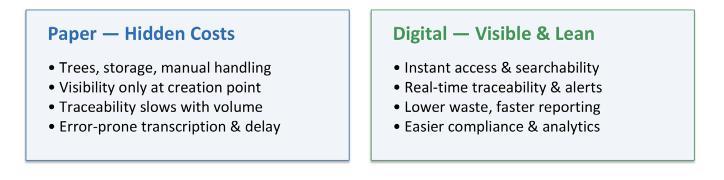
Today, reliance on paper introduces challenges that inhibit modern manufacturing performance:
• Environmental and sustainability impact
• High storage, handling and administration burden
• Slow information flow and delayed decision-making
• Risk of transcription errors, loss, or misinterpretation
• Reduced ability to operate with real-time intelligence
As global manufacturing advisor Jeff Winter highlights, paper inherently delays access to information — a costly barrier in an era where speed, accuracy, and responsiveness drive competitiveness.
Why the Move to Digital Still Stumbles
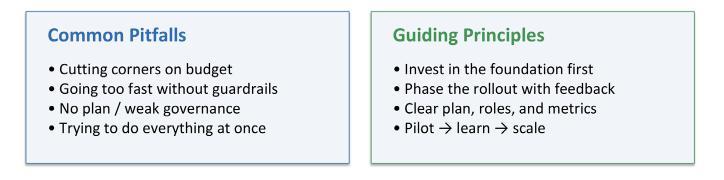
While the benefits of digital systems are undeniable — real-time data, automated reporting, audit trails, improved control — many organisations continue to struggle with the transition. Projects often begin enthusiastically but stall due to rushed planning, insufficient training, budget constraints, or fragmented rollouts.
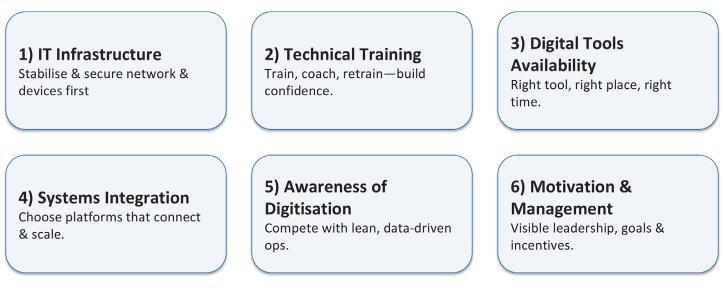
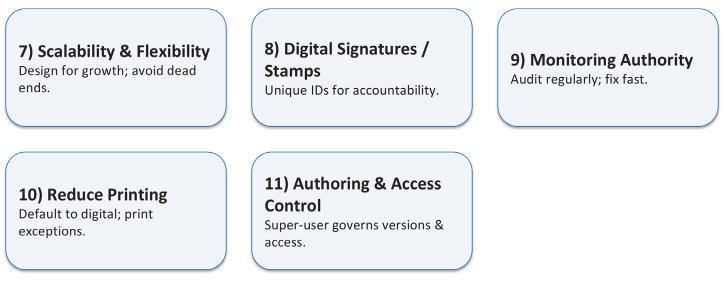
Success Factors for Digital Transformation
To explore the drivers of successful transitions, researchers at the Indian Institute of Technology (ISM) Dhanbad conducted a detailed study in 2023. Their findings highlight the key factors that support a smooth and sustainable shift to paperless operations. Below is an industryapplied interpretation of those insights.
Why Move Beyond Paper?
Looking Back on 2025 — and the Road Ahead
2025 demonstrated how rapidly technology is reshaping the manufacturing landscape. AI-driven quality intelligence, IloT-enabled monitoring, and real-time OEE and compliance dashboards are no longer future concepts — they are becoming industry standards.
At Harford Control, we have decades of experience helping manufacturers replace paper-based systems with intuitive, robust digital solutions that empower teams and enhance performance. The most successful journeys pair the right technology with the right people and the right support.
If your organisation is preparing for the next phase of its digital evolution, we are here to help. Email us at info@harfordcontrol.com or call us on +44 (0)1225 764461.
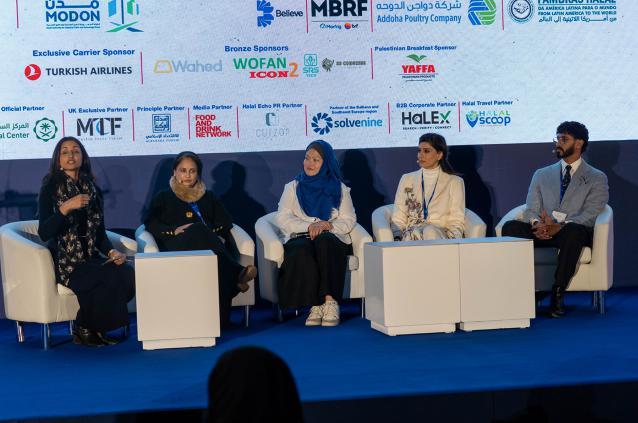
London emerges as a global hub for the US$2.4tn Halal economy with new strategic partnerships and a media network launch at the first-ever London Halal Forum
• Two-day Forum brings together exhibiting businesses, investors, and media at Excel London
• Major strategic partnerships announced between ICCD–Kenya and Halal Product Development Company–DinarStandard
• Palestinian Breakfast celebrates culture and commerce with remarks from the Palestinian Ambassador to the UK
• The Forum announces the soon-to-be-launched Menara Global, a new communications network for 57 OIC member states
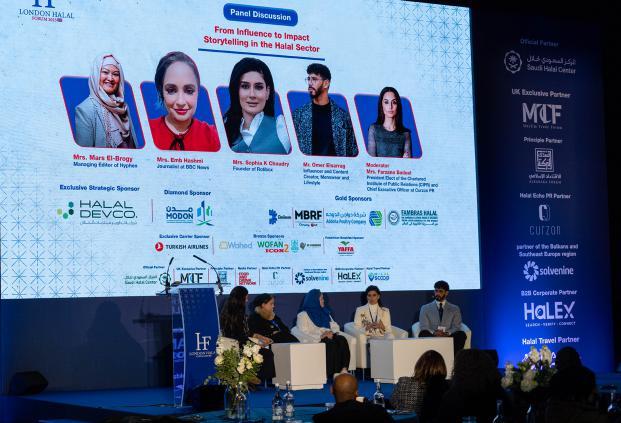
The inaugural London Halal Forum 2025, held on Thursday, 20th and Friday, 21st November 2025, concluded at Excel London after two days of trade discussions, investment meetings and cultural programming, marking a significant new platform for the global Halal economy in the UK. The event drew businesses, investors, and media representatives, with more than 1,500 in-person and virtual visitors, exhibitors from over ten countries, and official delegations including the Heads of Chambers of Commerce or their representatives from over 20 nations.
The Forum’s opening programme and gala dinner were attended by senior dignitaries and industry leaders, including H.E. Osman
Koray Ertaş, Ambassador of the Republic of Türkiye to the United Kingdom; H.E. Dr Husam Zomlot, Ambassador of the State of Palestine to the United Kingdom; H.E. Necmeddin Bilal Erdoğan, Chairman of the Board of Trustees of the İlim Yayma Foundation; Mr Taha Ayhan, President of the Islamic Cooperation Youth Forum (ICYF); Eng. Fahad Alnuhait, Chief Executive Officer of the Halal Products Development Company (HPDC); Mr Yousef Hassan Khalawi, Secretary General of the Islamic Chamber of Commerce and Development (ICCD); Mr Majed Al-Argoubi, Chief Executive Officer of the Saudi Authority for Industrial Cities and Technology Zones (MODON); Mr Abdulaziz AlRushodi, Chief Executive Officer of the Saudi Halal Center (SHC); Mr Marquinhos Molina, Chief Executive Officer of BRF Arabia; and Sir Iqbal Sacranie OBE, Chairman of Muslim Aid and former Secretary General of the Muslim Council of Britain.
The programme featured 35 international speakers and was supported by over 20 regional and global sponsors and partners, positioning London as a growing gateway to a sector now valued at US$2.4 trillion, according to DinarStandard’s State of the Global Islamic Economy 2024/25.
Delegates from across Europe, the Middle East, Africa and Asia explored emerging trade routes, certification standards and investment opportunities in food, finance, travel, pharmaceuticals, technology and advisory services. The Forum also saw the announcement of two key cross-border partnerships: a new collaboration between the Islamic Chamber of Commerce and Development (ICCD) and ICCD–Kenya, and a strategic agreement between the Halal Product Development Company (HPDC) and DinarStandard aimed at strengthening data-driven market access and innovation across the Halal
economy. In total, the Forum facilitated five new strategic partnerships and unveiled more than five new initiatives designed to strengthen certification systems, investment flows and digital trust across Halal markets.
Across the two days, delegates held more than 200 structured business networking meetings, underscoring rising commercial interest in cross-border Halal trade. Conference sessions, held under the theme “Halal Tayyib for Humanity” meaning “Halal Purity for Humanity”, examined governance standards, ESG priorities, women’s leadership, cultural diplomacy and the role of technology in strengthening trust across Halal supply chains. Panels also explored Saudi Arabia’s expanding influence in global Halal development and Bosnia and Herzegovina’s emergence as a European hub for certification and industry excellence.
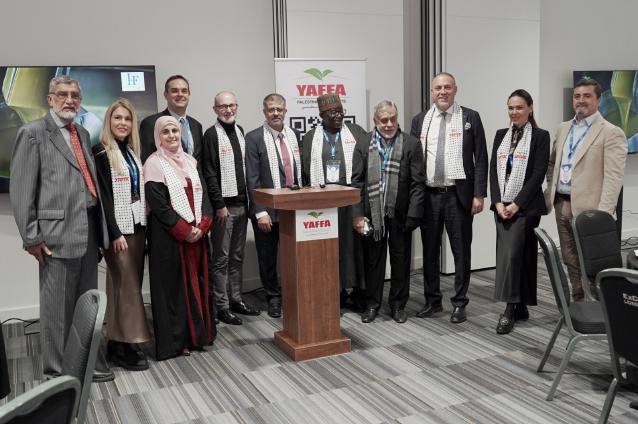
On day two, a “Taste of Palestine” breakfast took place in collaboration with Yaffa Palestinian Products. It marked the first time H.E. Dr Husam Zomlot had addressed a UK business audience since becoming Ambassador of the State of Palestine. The menu, sourced exclusively from Palestinian producers, was presented as both a cultural showcase and an economic statement about provenance and economic opportunity.
Addressing delegates, H.E. Dr Zomlot reflected on the significance of the occasion:
“This is the first time I have addressed a business community as the Ambassador of Palestine, and it could not have been a more meaningful setting. To see Palestinian products presented with such dignity and sourced
H.E. Mr Yousef H Khalawi, Secretary General of the Islamic Chamber of Commerce and Development (ICCD), addressing the delegates at the London
exclusively from Palestinian businesses is a reminder that our economic story is one of resilience, talent and opportunity. The global Halal community has an important role to play in amplifying that story.”
Speaking during the session, H.E. Mr Yousef H Khalawi, Secretary General of the Islamic Chamber of Commerce and Development (ICCD), said:
“We believe that the heart of the Halal economy is how you do business. It is not just about the product or service itself, but the ethics of how you have produced that product. Ethical practice, cultural understanding and narrative power are central to shaping the future of the Halal economy.”
On the second day, delegates attended the Halal Echo Afternoon Tea, a roundtable bringing together journalists, PR practitioners, content creators and media professionals from across the UK and the wider OIC diaspora. The session introduced Menara Global, a new communications network dedicated to elevating the voice, capability and economic influence of the 57 OIC member states ahead of its full 2026 launch.
The day also included two Masterclass sessions exploring innovation in Halal, investment strategy, technology-led trust and the future of global Halal integrity.
https://londonhalalforum.com/
Halal Forum 2025 opening ceremony
(Copyright: Messe Berlin)
FRUIT LOGISTICA 2026
Three
Days, One Industry, Unlimited Growth
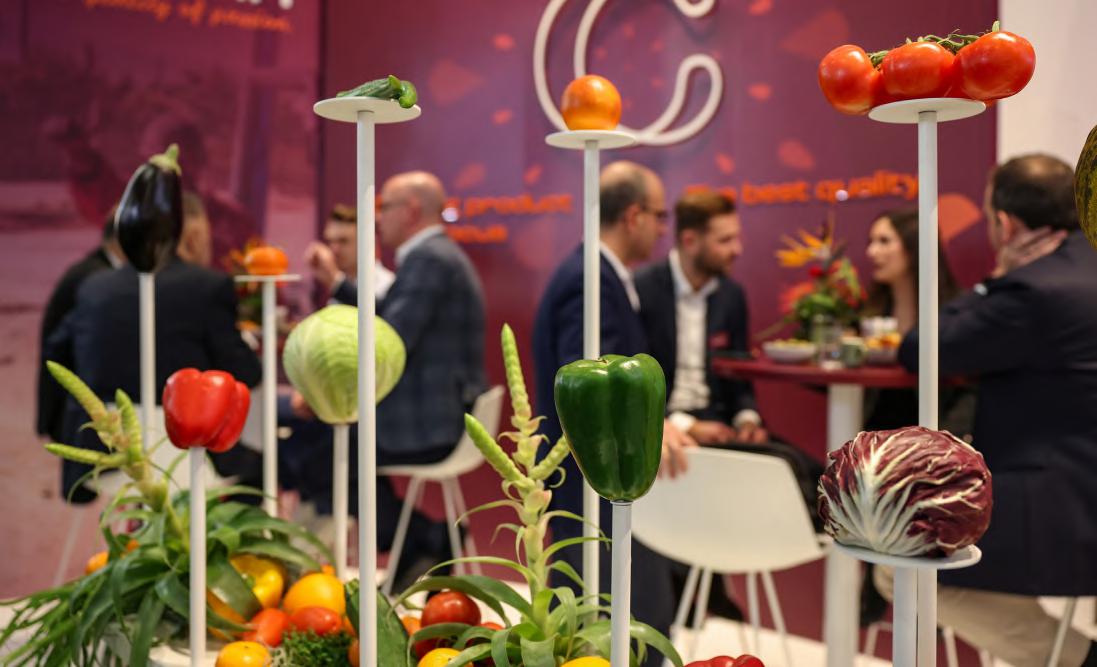
From 4 to 6 February 2026, Berlin transforms into the global home of fresh produce as FRUIT LOGISTICA ignites the industry with groundbreaking innovation, energising connections, and bold ideas shaping its future.
Every February, something special happens in Berlin. The city fills with the colours, flavours and stories of people who nourish the world. For three days, from 4 to 6 February, they will all converge in one place where the heartbeat of the global fresh produce industry will become unmistakably loud: FRUIT LOGISTICA. Growers, traders, engineers, scientists and pioneers arrive from all continents, carrying ideas, ambitions and a shared belief in progress. Over 2,500 exhibitors from around 90 countries are due to take part, making it the world’s largest and most international gathering of companies in the fruit and vegetable sector.
A global meeting point with purpose
In 2025, FRUIT LOGISTICA brought together 91,000 industry professionals from 151 countries, and more than 95 percent said they would recommend the event. From the moment the venue is entered, it becomes clear why: this is where the global fruit and vegetable sector moves forward.
Beyond its scale, the event is defined by real industry momentum – conversations in busy aisles, meetings between long-standing partners, and spontaneous exchanges that lead to new ideas.
This year’s guiding theme, Let’s grow!, captures that spirit. “Let’s grow is much more than a slogan,” says Director Alexander Stein. “It reflects our determination to push ahead, to embrace innovation, and to grow not only technologically and economically but also as a global community. FRUIT LOGISTICA is where that future begins.”
Italy, the Netherlands, Spain, Germany, and France remain the top five countries represented by exhibitors, and participation from Asia, the Middle East and North Africa, and Africa continues to increase.
Three segments that tell the whole story
The story unfolds across three seamlessly connected segments that cover the entire value chain: Fresh Produce, Machinery & Technology and Logistics. In Fresh Produce, trade visitors can explore the global marketplace for fruit and vegetables, discover emerging varieties, gain insights into shifting supply landscapes and meet buyers and retailers from around the world.
In the Machinery & Technology segment, they enter a world where technology becomes tangible, with AI-driven cultivation systems, precision irrigation, advanced grading lines and autonomous harvesting robots demonstrating how efficiency and sustainability can grow hand in hand.
When FRUIT LOGISTICA takes place from 4 to 6 February 2026, Berlin will become the global home of fresh produce.
In the Logistics segment, trade visitors experience the delicate art of moving freshness across the globe, discovering nextgeneration cold chain systems, robotics, drones, port solutions and digital supply-chain platforms that combine speed, safety and sustainability.
Formats that bring stories to life
The Startup World forms a vibrant ecosystem of ideas and ambition, where young companies introduce bold technologies for agriculture, logistics, vertical farming and data-driven production. Industry veterans stop by, ask questions, challenge and inspire. In this environment, the future often begins with a single meaningful conversation.
On the Insights Stage, exhibitors explain the stories behind their technologies, highlight the problems they solve and give trade visitors a direct look at how ideas turn into practical solutions.
Across the Expert Forums, a landscape of knowledge unfolds through six stages: the Fresh Produce Forum, Farming Forward, the Logistics Hub, the Future Lab, the Insights Stage and the Podcast Studio. More than 200 experts present over 100 sessions covering breeding innovations, retail marketing, greenhouse automation, artificial intelligence, vertical farming, climate resilience and the logistics of the future. Each talk opens up a new perspective.
Along the Organic Route, a clearly marked virtual path guides trade visitors to more than 200 exhibitors with certified organic products. It tells a story of responsibility, transparency and the growing global movement toward sustainable value chains.
In the New Product Showcase, trade visitors encounter a gallery of what comes next. Whether it is a new variety, a packaging concept or a technological solution, each exhibit represents a step forward and an idea made tangible.
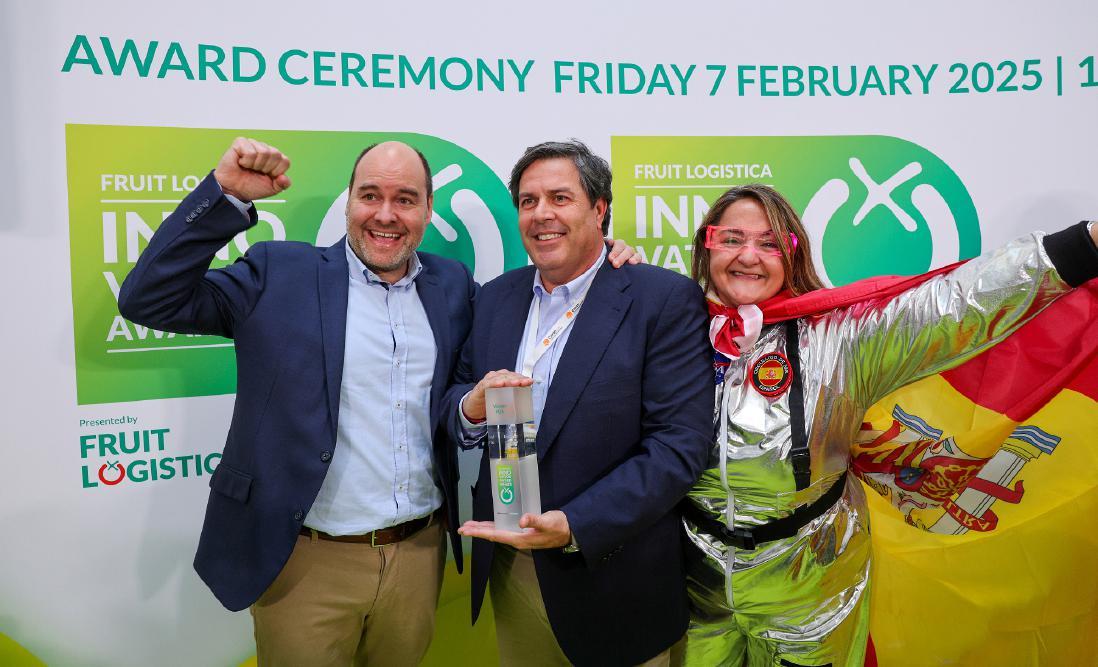
The 20th FRUIT LOGISTICA Innovation Award marks a milestone moment. In 2026, the industry’s most prestigious award celebrates its twentieth anniversary. Throughout the halls, dedicated displays present the finalists, and on 6 February the award ceremony becomes an emotional highlight as visionary teams step into the spotlight and their achievements are celebrated across the global industry.
Friday, 6 February 2026, isn’t just the last day of the trade show – it’s Fruitful Friday, a vibrant celebration packed with business, science, and entertainment. From the Mascot Race at the South Entrance to the inspiring FLIA Award Ceremony and the forward-looking FRUTIC Science Symposium organized in cooperation with the Leibniz Institute for Agricultural Engineering and Bioeconomy (ATB), the day brings together innovation, industry expertise, and fresh energy.
Trend Report 2026
FRUIT LOGISTICA delivers value to the industry not only during the three days of the trade show, but also throughout the year with its recently published Trend Report and the European Statistics Handbook, which will be published shortly before FRUIT LOGISTICA 2026, providing essential guidance for the global fresh produce sector.
The FRUIT LOGISTICA Trend Report 2026 reveals how artificial intelligence and automation are fundamentally reshaping global fruit and vegetable supply chains. Today, AI technologies already enhance key areas such as production efficiency, quality control, logistics, and retail forecasting. Industry experts surveyed for the report highlight the rapid adoption of AI-driven quality grading, predictive crop modelling, and logistics optimisation. They also identify significant future potential in fully autonomous harvesting, non-destructive quality assessment, and intelligent cold-chain management – advancements that are set to redefine efficiency, resilience, and sustainability across the global fresh produce sector.
fruitlogistica.com
The Onix-Orange from Amfresh makes the biggest impression on trade visitors at FRUIT LOGISTICA 2025 and wins the FLIA.
Food, Drink & Hospitality Week has revealed its 2026 ambassador line-up, showcasing a diverse group of industry leaders across food, drink, hospitality, and technology sectors.
The ambassadors will play a key role in shaping the programme, sharing insights, and engaging with visitors at the events, which bring together operators, suppliers, and innovators across the UK’s food and drink landscape.
Food, Drink & Hospitality Week is the umbrella brand for the portfolio of trade events and competitions including IFE Manufacturing, IFE, HRC, International Salon Culinaire, The Pub Show and Hospitality Tech360, collectively the UK’s biggest celebration of industry innovation, taking place at Excel London from 30 March to 01 April.
Nick Powell, Portfolio Director, Food, Drink & Hospitality Week, says: “Our 2026 ambassador line-up reflects the breadth and dynamism of the UK’s hospitality and food sectors. Each ambassador brings unique expertise, and their input will ensure visitors can access the latest insights, practical advice, and inspiration across every area of the industry.”
Mex Ibrahim, Co-Founder, Women in the Food Industry, adds: “I’m absolutely delighted to be returning as an ambassador for IFE Manufacturing. It’s such an inspiring event bringing together so many voices
shaping the future of food and drink. As Co-Founder of Women in the Food Industry, I care deeply about making sure women and diverse voices are heard and celebrated on these stages — and that we also recognise the incredible work of farmers, independents, and those championing natural, sustainable foods.
“IFE Manufacturing is where conversations about the food industry’s future really happen, and I’m proud to be part of helping make those conversations more inclusive and representative.”
James Bielby, CEO of the FWD: “IFE brings together every part of our industry under one roof, creating vital opportunities for wholesalers, retailers and foodservice operators to connect directly with suppliers, understand emerging trends, and strengthen the links that keep the food and drink supply chain moving. I’m delighted to support an event that celebrates collaboration and drives real commercial conversations across the sector.”
Richard Werran, Global Director Consumer, Retail & Food, BSI, says: “Being invited to be an Ambassador for IFE Manufacturing 2026 again is an honour and privilege. I appreciate the opportunity to enable connections and highlight the ground-breaking work happening throughout our sector, and I’m looking forward to engaging with and working alongside dedicated food professionals for future success.”
IFE
Andy Richardson MBE, Food & Drink Council
James Bielby, CEO, Federation of Wholesale Distributors
Karen Green, Business Coach and Keynote Speaker, Buyerology
Kerri Fiddler, Head of Portfolio – Food for Later, Greencore
Mex Ibrahim, Co-Founder, Women in the Food Industry
Ton Knipscheer, Executive Director, European Copackers Association
Richard Werran, Global Director Consumer, Retail & Food, BSI
The Pub Show
Steve Alton, CEO, British Institute of Innkeeping
Emma McClarkin OBE, CEO, British Beer & Pub Association
Hospitality Tech360
Gavin Allison, Global Head of IT, Lore Group
Matt Bell, CEO, Mollie’s
Chris Fletcher, Founder & CEO, Tech on Toast
Tommy Giraux, Head of Restaurant Systems, Honest Burgers
Nicole Goodwin, Marketing Director, Comptoir Group
Ceri Gott, Culture & Leadership Coach
Tom James, CEO, Bill’s
Jo Lynch, Account Director, KAM
Food, Drink & Hospitality Week takes place from 30 March to 01 April, find out more about everything happening as part of this year’s blockbuster event at fooddrinkandhospitalityweek.co.uk.
Sustainable Food Factory 2026: Accelerating Net Zero - from Plant Floor to Supply Chain
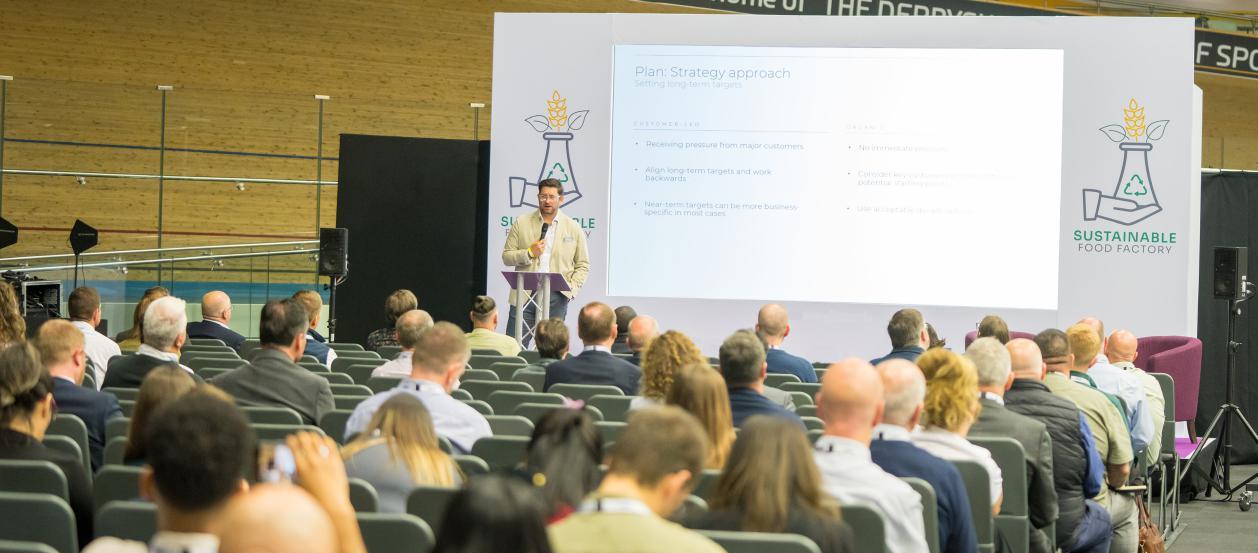
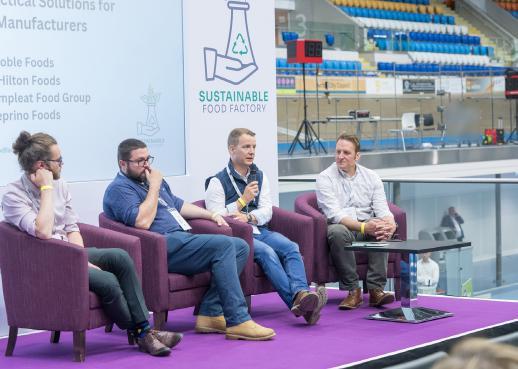
Following another successful event this year, Sustainable Food Factory will return to Derby Arena on 16 June 2026.
Organised by Curious Heads Media, the event has established itself as the UK’s leading forum for food and beverage manufacturers committed to embedding sustainability and driving real progress within their factories and across their supply chain.
As a one-day event, it helps UK food and beverage manufacturers and processors accelerate the decarbonisation of their plants and supply chain operations.
The event is specifically tailored for senior-level professionals across a range of roles - including operations, engineering, supply chain, technical, procurement and sustainability - and features a comprehensive seminar programme and exhibition, all designed to deliver actionable strategies for reducing Scope 1, 2 and 3 emissions.
The seminar programme focuses on strategic, ready-to-implement sustainable practices, delivered via expert presentations and interactive panel debates that directly address the hurdles of achieving net zero in the food and drink sector.
Key themes covered will include advanced energy procurement strategies; the use of renewables; low-carbon technologies for critical processes like heating, cooling, and refrigeration and essential insights into Scope 3 emissions reduction through supply chain collaboration. Attendees will gain access to valuable insights and clear strategies for transforming their manufacturing processes and supply chains.
Complementing the seminar programme, the exhibition offers a valuable opportunity for visitors to engage directly with exhibitors who will showcase a wide range of technologies and innovations that support low-carbon manufacturing and supply chain operations. These suppliers of engineering, energy and automation solutions are ideally positioned to help attendees find the latest products and services to achieve their sustainability goals.
The comprehensive seminar programme now also integrates specialist content specifically tailored for plant, process, maintenance, and reliability engineering professionals - thanks to the event’s continued co-location with Food+Beverage Engineering.
This co-location provides visitors with additional content tailored to address key areas such as operational efficiency and process optimisation. By addressing these topics alongside strategic sustainability goals, the event ensures a holistic approach to enhancing uptime, reducing energy consumption and boosting equipment reliability - all of which directly support broader decarbonisation objectives.
Sustainable Food Factory 2026 is free to attend for all food and beverage manufacturing and processing professionals, promising a rich day of insight, networking and practical solutions for sustainable operations.
For more information and to register for your free pass, visit: www.sustainablefoodfactory.live
Food+Beverage Engineering 2026: Process and Production Solutions for Plant Optimisation
Running alongside Sustainable Food Factory and following its successful launch this year, Food+Beverage Engineering 2026 will return to Derby Arena on 16 June 2026.
Organised by Curious Heads Media, this dedicated forum is tailored specifically for engineering and operations professionals focused on optimising production lines, processes and plant performance to drive greater efficiency and operational excellence.
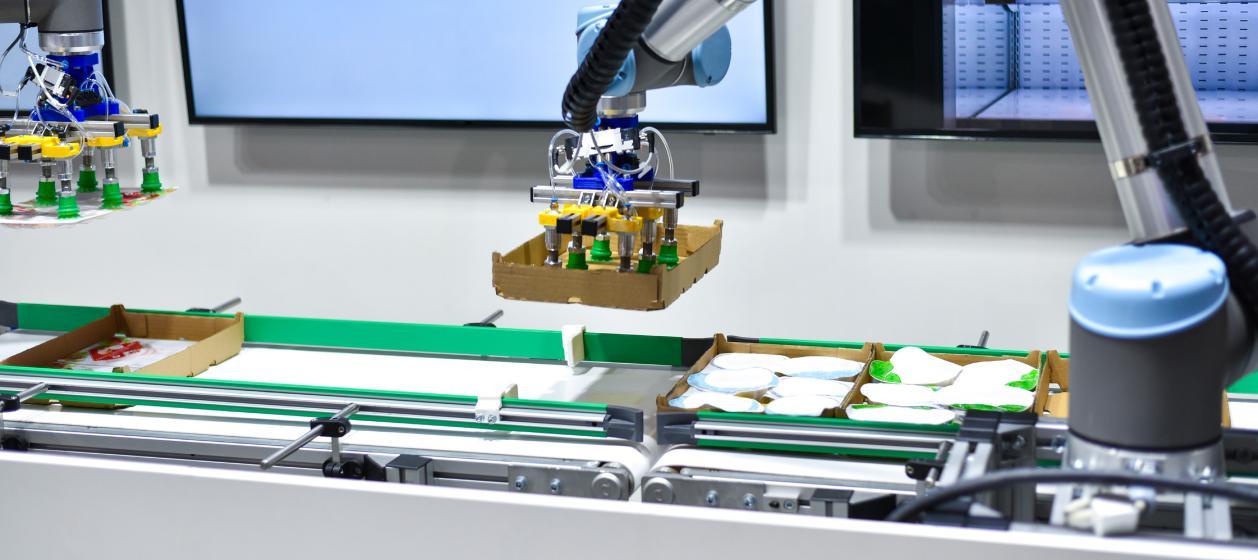
The event is a vital resource for professionals across plant, process, maintenance, reliability and continuous improvement roles. It also offers a comprehensive seminar programme and exhibition to equip attendees with the knowledge and tools to overcome operational challenges, enhance capacity and integrate essential sustainability practices into the plant floor and wider factory.
The seminar programme is delivered through expert presentations and interactive panel debates covering key topics - including optimising energy performance in heating, cooling, and refrigeration -which are critical for energy-intensive food facilities.
The programme also provides essential guidance on water management and focuses heavily on production line optimisation through predictive maintenance and asset management strategies. Dedicated sessions also ensure compliance with engineering safety standards in the demanding UK food and beverage sector.
Complementing the seminars, the exhibition offers a valuable opportunity for visitors to engage directly with exhibitors. These suppliers of engineering, energy, and automation solutions will showcase a wide range of technologies and innovations that are ideally positioned to help attendees find the latest products and services to achieve their sustainability and factory improvement goals.
With a strong emphasis on engineering-driven innovation, Food+Beverage Engineering 2026 offers actionable insights, technology exploration and valuable peer learning. This empowers manufacturers of all sizes to enhance performance, reduce costs and optimise both plant and process efficiency.
Crucially, the continued co-location with Sustainable Food Factory offers attendees the unique opportunity to address both engineering innovation and strategic sustainability goals in a single, focused day.
Food+Beverage Engineering 2026 is free to attend for professionals in food and beverage manufacturing and processing.
For more information and to register, visit: www.foodandbeverageengineering.live
2026 F&B PREDICTIONS
from Pete Gillett, CEO, Marketpoint Recall
With recall volumes climbing and regulators tightening expectations, 2026 is shaping up to be a year of rapid change for the food and drink sector. From AI-driven decision-making to the end of paper notices, here are the trends set to reshape the recall landscape.
1. AI as the recall cost engine
“In 2026 AI will move from ‘nice to have’ to the engine room of recalls across food and drink. A single UK food recall can cost millions once you account for withdrawals, rework, wastage, logistics and call handling. If AI can take just 30 to 50 per cent of the manual handling, call volumes and paperwork out of that process, the saving for large brands is measured in many millions of pounds a year, not loose change. The big shift next year will be leaders asking a very simple question before they sign off a recall plan: ‘Show me where the AI is or show me where the money is going to be wasted.’”
2. Recalls are ripe for a reset
“In the first months of 2025 more than 180 UK recalls were issued across food, electronics, cosmetics and children’s products, with individual events costing brands millions. 2026 will be the year operations teams finally treat recalls as a permanent feature of doing business and invest in modern infrastructure rather than hoping the next incident will somehow be the last.”
3. The year of the ‘unknown’ customer
“Food and drink brands still struggle to reach customers who buy through convenience stores, discounters and mixed baskets where no registration trail exists. Looking ahead to next year, brands will start to use connected data, QR journeys and AI triage to turn anonymous buyers into known
contacts they can actually reach and prove action against. The real competitive edge will be who can find more of the right people, faster, when something goes wrong.”
4. No excuses in a world
of always-on recalls
“Food safety pressure continues to rise. UK food recalls increased again in 2024 and affected more products per incident than in the previous year. At the same time the national Product Safety Database continues to record more than 2,000 unsafe product notifications a year which shapes the expectations regulators have of food manufacturers and retailers. In 2026, ‘we did our best with emails and a PDF’ will not cut it. Tech savvy consumers expect to be identified, contacted and kept informed through digital journeys they can trust, and law firms will expect clients to arrive with a defensible, data rich recall record as standard, not as a nice surprise.”
5. The death of the paper notice
“Many F&B businesses still rely on posters at tills, in store printouts and online notices that customers rarely see. That is an analogue response to a digital scale safety problem. With rising recall volumes and higher scrutiny, a paper notice pinned up in a store will start to look negligent.
The brands that win will be the ones that treat recalls like a live customer journey, with AI, comms and analytics all working together in a single, recall ready system.”
UK GOVERNMENT EXPANDS SUGAR TAX TO COMBAT OBESITYGIVAUDAN COMMENTS
This week, the UK Government announced that the sugar tax threshold would be reduced from 5g to 4.5g per 100ml on fizzy drinks, and that pre-packaged milkshakes and coffees that are high in sugar will face the tax for the first time from 2028. This is being implemented as an effort to tackle the issue of childhood obesity.
The Government had considered lowering the threshold to 4g of sugar per 100ml but decided against this following industry feedback on the practical challenges, costs and risks associated with product reformulation.*
Irma Gonzalez, Global Product Manager, Sweet Taste, Givaudan Taste & Wellbeing shares her insights on the issues of sugar reduction for the food industry:
“Sugar reduction is a scientific domain that’s extraordinarily complex. When you remove sugar, the complexity and delicacy of a sweet flavour can be lost too. Having a deep knowledge of sweetness perception is crucial, but no easy feat. Manufacturers need help navigating the regulatory landscape – which is constantly changing – to meet the necessary requirements but also provide the full taste experience that is desired by consumers.
“Industry players face the huge challenge of creating new and desirable products with less sugar, but without compromising taste – within budget and at scale. Not to mention overcoming various challenges associated with alternative sweeteners, such as aftertaste and bitterness, which can be undesirable for consumers. Food and beverage manufacturers will need to identify solutions to mask off-notes and imbalances in sweetness modulation and develop innovative recipes that consumers prefer.
“The reduction of sugar in brands is viable today. True innovation is needed to meet evolving market needs. Several formulas are available to manufacturers that can deliver flavourful and nutritionally balanced products that cut sugar without compromising taste. Going beyond traditional descriptive profiling, a Holistic Profiling approach that allows a deeper understanding of consumers’ perceptions of foods and beverages will be key to future product formulation.”
*https://www.bbc.co.uk/news/articles/ce91gn5e3yko
Food Safety
Strategic Food Safety Mandates to Combat Foodborne Illness with Global Innovation
Worldwide, food safety nets are extending and strengthening in response to the growing globalisation of food supply chains. In the battle against foodborne illness, industry experts are taking a multifaceted approach to incorporating innovation and international collaboration, to do more than just make great-tasting food - they are working to make food safety provable.
Food safety is increasingly being driven by new technology. Blockchain technologies will create a new level of transparency in which end consumers will be able to scan their food with their phones and see exactly where it came from, farm to fork. Artificial intelligence is also on the rise, with food processing plants being able to use smart sensors that can detect pathogens in real time before they even enter the distribution system. Most notably, however, the use of predictive analytics is on the rise. Predictive analytics use big data to help predict where possible outbreaks will occur before they happen, a preventative measure as opposed to the industry’s usual reactive responses.
However, technology is just one tool in the toolbox. The increasing globalisation of our food supply also requires global solutions. Harmonisation of regulatory safety standards is a key topic on the agendas of many food safety regulators in North America, Europe and Asia. This has led to collaborative initiatives between agencies to ensure alignment and consistency on an international level. In addition, many large retailers are requiring all their suppliers, regardless of location, to be certified to the same certification programs which are often well above regulatory compliance. This has become even more evident with the current pandemic
as electronic and virtual auditing is now being used for on-going compliance monitoring internationally. Many in the industry we spoke to emphasised that such collaboration would not only improve safety outcomes but would also help to ensure consumer trust in markets all around the world, a competitive necessity in today’s more transparent world.
Adapting to this new food safety landscape requires clear priorities. We have to make technology and human intelligence work in perfect tandem, relentlessly emphasising prevention and early detection. Crucially, in our hyper-connected industry, success hinges on robust collaboration and rapid communication across all borders and sectors. The smartest food businesses are doubling down, not just on innovative detection tools, but on the comprehensive training needed for their staff to actually master and apply them. This synergy is what will drive the future: continued advancements will push back foodborne illness rates, even as our global food systems grow more complex.
Sustainability & Circular Economy
Go-Pak UK pioneers groundbreaking recycling scheme to close the loop in food and drink packaging
SUSTAINABLE packaging provider Go-Pak UK and parent company, SCG Packaging (SCGP), have unveiled a pioneering recycling solution to help brands responsibly and efficiently recycle their old corrugated cardboard (OCC) in a fully closed-loop system.
This breakthrough sustainable solution arrives at a pivotal moment, aligning seamlessly with the UK’s Extended Producer Responsibility (EPR) regulations, which place full lifecycle accountability - including take-back, recycling and disposalfirmly on producers rather than taxpayers.
It also coincides with the sustainability efforts of Manufacturer of the Year, Go-Pak UK, and SCG Packaging, as they work towards a more responsible future and aim to achieve net zero greenhouse gas emissions by 2050.
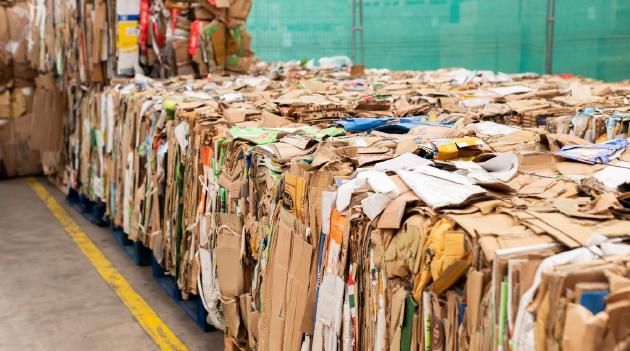
The new service, Go-Recycle, is a cardboard recyclate program designed to help brands reuse more waste, reduce costs and support a genuinely circular economy. Go-Pak UK, says the service responds to growing demand from brands under pressure to reduce waste, meet environmental targets and demonstrate responsible sourcing.
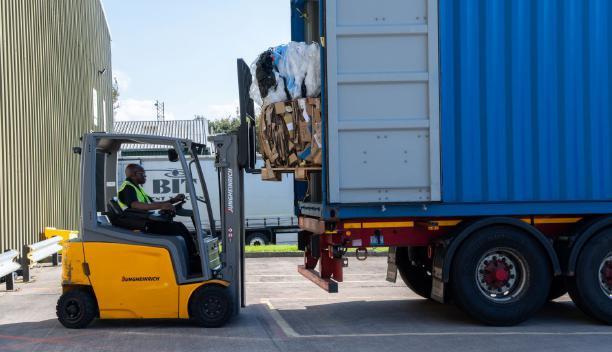
Under the scheme, OCC is collected alongside regular product deliveries before being processed at a dedicated facility. The materials are then returned to SCGP’s Papermills in Thailand and Vietnam, in containers that would otherwise be empty, where they are repurposed into new cardboard packaging and non-food contact cardboard products. These products can then re-enter the supply chain.
Tim Allen, operations director at Go-Pak UK, said:
“We’re thrilled to launch Go-Recycle. The service is a unique offering that the industry has needed for a long time, with no other major suppliers currently providing a comparable solution. It’s a simple, efficient and sustainable cycle that keeps valuable resources in use for longer.
“Our approach also helps brands streamline operations and reduce supply chain friction by integrating product delivery and recycling collection seamlessly into daily processes.”
Recent years have seen the cost and availability of OCC become increasingly volatile, with weak demand in some markets and oversupply in others. Go-Recycle aims to address this by guaranteeing supply quality and continuity for reuse in packaging.
Co-collecting OCC alongside regular deliveries reduces logistical complexity, cuts costs and eliminates unnecessary transport emissions.
Tim adds: “With prices under pressure, collection and processing need to be efficient. Our service ensures companies are less exposed to market fluctuations and can maintain recycled content targets without financial loss - all while using existing delivery routes to keep carbon footprints low.”
Customer and first adopter of Go-Recycle, Darren Howarth at Imperial Furniture, said: “We were looking for a partner to help us with the disposal and recycling of all our cardboard and plastic waste. Go-Pak reached out to us through our installation team while they were carrying out work for one of our customers. They now take all our waste, and I have to say the transition to them was very smooth and efficient. The process is seamless, and the service levels have been excellent. I would recommend Go-Pak to anyone looking for a reliable recycler who always delivers on the promises they make.”
Lynn Creighton, group product technical manager at GoPak UK, said: “Go-Recycle supports regulatory and corporate commitments around reused content in packaging, including the new regulation introduced in April 2025 for separate recyclable waste streams.
“With global demand for recycled materials projected to grow, especially in packaging and non-food cardboard products, companies offering efficient closed-loop solutions are better positioned to strengthen their sustainability credentials and meet increasing ESG and regulatory requirements.”
Go-Recycle offers a practical solution to streamline cardboard collection, ensure high-quality recyclate and establish a true circular loop. The service addresses environmental, operational and supply chain challenges, while helping brands capitalise on growing regulatory and market demand for sustainable packaging.
To find out more about Go-Recycle and its eligibility criteria, head here: https://go-pakgroup.com/sustainability/go-recycle
ESRS E5 and the Circular Economy: A Business Perspective
on Turning Data into Strategy
By Yashy Raghoo Luchmun, Sustainability Scientist
www.tunley-environmental.com
When evaluating a business and looking at the growing stack of mandatory sustainability regulations, the Corporate Sustainability Reporting Directive (CSRD) can feel overwhelming. Among its detailed guidelines and hefty nine disclosure requirements, the European Sustainability Reporting System (ESRS) E5: Resource Use and Circular Economy has a difficult dichotomy to swallow; it is challenging to understand and report on, but may also be the most powerful and valuable to companies.
Why? Because beyond adding another line in an ESG report, E5 focuses on how businesses fundamentally manage resources; what is bought, how products are designed, how they are sold, and what happens when they leave a customer’s hands. This is where compliance meets strategy.
Why ESRS E5 Matters for Business
Global data makes the business case clear:
• Material extraction accounts for 90% of biodiversity loss and 50% of greenhouse gas emissions (UNEP, 2019). That means our supply chains, not just our factories, carry most of the environmental weight.
• Municipal waste could reach 3.8 billion tonnes by 2050 (UNEP, 2024). Disposal costs will rise, regulations will tighten, and landfill will become an economic liability.
• E-waste hit 62 million tonnes in 2022 (UNITAR, 2024). For electronics companies, that’s both a reputational risk and a lost revenue stream from unrecovered materials.
These are not abstract statistics. They point to risks that show up in procurement costs, regulatory exposure, investor questions and even customer expectations. ESRS E5 makes these risks visible through disclosure.
Which Businesses Need to Report?
Not every company is immediately subject to ESRS E5. Under CSRD, reporting is required for:
• Large EU companies that meet two of the following three criteria:
• €50 million net turnover or more
• €25 million or more in assets
• 250+ employees
• Listed SMEs (with lighter requirements and longer phase-in periods).
• Non-EU companies generating more than €150 million turnover in the EU, with at least one subsidiary or branch in the region.
This means that medium-to-large manufacturers, retailers, technological firms and resource-intensive companies will increasingly be drawn into reporting. For smaller firms supplying these businesses, pressure will rise indirectly as larger customers will require resource and circularity data.
Which Sectors Are Most Impacted?
While ESRS E5 applies broadly, certain sectors will feel its weight most strongly:
• Manufacturing and electronics: due to material intensity, e-waste, and complex supply chains.
• Construction and real estate: linked to high raw material use (cement, steel, timber) and significant demolition waste.
• Retail and consumer goods: facing scrutiny on packaging waste, product design, and take-back schemes.
• Automotive and transport: where metals, plastics, and batteries present both risks and opportunities for circular innovation.
• Food and beverage: with growing attention on packaging, waste streams, and resource efficiency.
For these sectors, ESRS E5 applies beyond compliance and can be a competitive differentiator. However, even service-based sectors are expected to think about resource use in their operations and across their value chains.
The Stepping Stone: Life Cycle Assessment
The question every business leader asks is: Where to start?
The most practical answer: With a Life Cycle Assessment (LCA).
LCAs are the backbone of ESRS E5 reporting because they show, with evidence, where the biggest impacts occur. They serve three business functions:
1. Baseline and hotspots: Revealing whether impacts lie in raw material sourcing, production, logistics, use or end-of-life.
2. Scenario planning: Testing if for example, recycled aluminium, modular parts, or other design shifts genuinely reduce impacts.
3. Reporting confidence: Generating ISO 14040/44-aligned numbers that regulators, auditors and investors trust.
According to UNEP’s Global Waste Management Outlook 2024, 38% of global municipal solid waste is improperly disposed; dumped, burned, or left unmanaged. Understanding where your materials end up is essential for credible reporting and for designing more circular products. Without LCAs, companies risk fragmented data. With LCAs, ESRS E5 becomes structured and credible, guiding both reporting and strategic decisions.
Translating ESRS E5 Into Business Language
The disclosure requirements of ESRS E5 can be summarised as:
• Policies: What is the position on resource efficiency and circularity? - Position statements on circular economy and resource efficiency.
• Actions and Resources: Which projects and partnerships are being implemented? - Funded initiatives such as product redesign, repair programmes, or supplier engagement.
• Targets: What measurable goals are in place? - Concrete, time bound goals - for example, reducing virgin material use by 20% or achieving 50% recycled packaging by 2030.
• Metrics: What data shows progress - tonnes of virgin vs recycled inputs, design for reuse, waste avoided? - Quantitative indicators, such as virgin vs recycled inputs, share of products designed for circular use or tonnes of waste avoided.
This makes clear that ESRS E5 isn’t just an environmental tick-box; it touches procurement, supply chain, design and financial strategy.
The Business Lens: Treat ESRS E5 as a Business Opportunity While ESRS E5 is a compliance requirement, it also offers clear business advantages:
• Cost reduction from lower material use and waste treatment. Innovation through circular products and services (e.g. leasing, resale, refurbishment).
• Risk management by reducing exposure to volatile commodity prices.
• Investor trust by demonstrating alignment with EU’s circular economy policy and global sustainability goals.
Emerging Steps for Businesses
For companies undertaking reporting for the first time, certain recommendations warrant particular attention.
1. Run an LCA on one flagship product or business unit. Don’t wait for perfect data; start with what you have. It gives you the baseline and credibility.
2. Map your resource flows. Know what comes in (virgin vs recycled), where it’s used, and where it goes at end-of-life.
3. Set one tangible target. For example: “Increase recycled content in packaging to 60% by 2028.” Ambition grows once you have taken the first step.
4. Engage your suppliers. They hold most of the data you need, especially on raw materials. Early collaboration avoids last-minute compliance scrambles.
5. Build a reporting workflow. Treat E5 data like financial data: version control, audit trails, consistency across business units.
How Tunley Environmental can support?
For many businesses, ESRS E5 feels like uncharted territory. Internal teams often face data gaps, complex supplier networks, and uncertainty over methodologies. External expertise can make the difference between reactive compliance and strategic advantage. This is where Tunley provides clarity and support. Tunley supports organisations by:
• Conducting Life Cycle Assessments (LCAs): Delivering ISO-aligned, defensible data to identify hotspots and quantify impacts.
• Building custom ESRS E5 reporting frameworks that align with CSRD requirements while integrating into existing business processes.
• Building supplier engagement strategies: Securing upstream data that is critical for E5 reporting.
• Turning technical findings into business insights: Connecting circular economy reporting with risk reduction, cost savings and innovative opportunities.
• Offering audit-ready documentation and assurance, reducing compliance risk and enhancing investor confidence.
Conclusion: Compliance as Strategy
ESRS E5 is more than a regulatory obligation. It is a mirror, showing how resource dependent businesses truly are.
Approached with the right tools; particularly LCAs, strong supplier collaboration, and robust reporting system, companies can meet disclosure requirements and at the same time unlock efficiency gains, reduce risks, and discover new revenue opportunities. Companies that embrace E5 early will not only meet compliance requirements but also secure investor trust and unlock opportunities in a resource-constrained future.
References
UNEP (2019). Global Resources Outlook 2019: Natural Resources for the Future We Want.
UNEP (2024). Global Waste Management Outlook 2024. OECD (2019). Global Material Resources Outlook to 2060.
UNITAR (2024). Global E-Waste Monitor 2024.
QR CODES
A Path for Personalised Marketing & First Party Data Collection Strategies
By: Viktor Hermansson, Marketing Director, Markem-Imaje
Incremental advances to familiar technologies add up in the world of marketing. Social media, streaming services, and, more recently, AI have transformed brand engagement with consumers into ways that were un-imaginable 20 years ago.
However, these innovations have also fractured audiences and enabled the spread of disinformation. According to Accenture’s 2025 Life Trends report, 52% of respondents have seen fake news or articles, and 39% have seen fraudulent product reviews online. This complex and fast-changing digital world can make it hard for consumers to trust the information they get on brands and for even the best-intentioned brands to earn their trust.
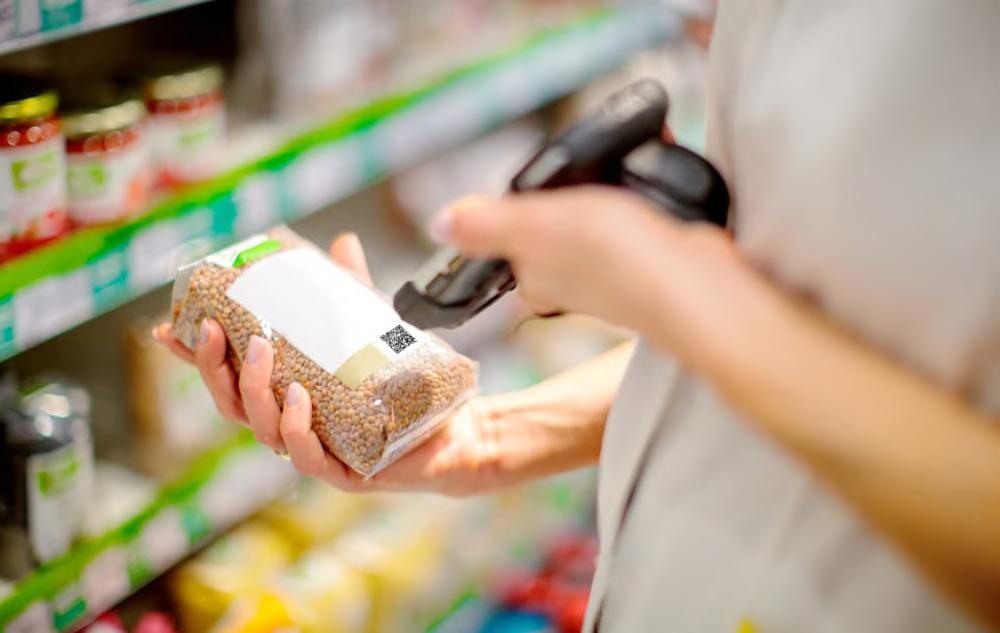
Today, 2D barcodes offer a unique pathway for authentic communication between brands and consumers. Also known as QR codes, 2D barcodes store data horizontally and vertically, which expands capacity for information access compared to the standard UPC (1D) barcodes widely in use for point-ofsale (POS) handling and tracking product batch information. However, GS1 – a global organisation for data compliance –has recently announced a standardised model for encoding important product details such as product and brand data as well as web URLs within a 2D barcode (GS1 Digital Link) that they encourage through their initiative, Sunrise 2027. This push for the widespread adoption of Digital Link technology stands to enable greater data and information accessibility and transparency across the value chain. For marketers, it also unlocks new opportunities for direct-to-consumer promotions and first party data collection to provide greater value.
Knowledge is Power for Consumers
A QR code on product packaging offers a window into a comprehensive—even customisable brand experience. In brickand-mortar stores, the Offline2Online idea is that consumers can scan the 2D barcode to access a wider range of product details at store shelves to increase conversion, engagement, and brand loyalty. This can include extensive information that just can’t be contained by the limited real estate of a physical package or label, including background on third-party certifications, suppliers, ingredient origins, sustainability measures, and ethical business practices to enhance supply chain transparency and build trust. According to Edelman’s 2024 Trust Barometer Special Report: Brands and Politics, 84% of people globally report the need to share values with a brand to use it. Especially for younger consumers, this kind of information can influence purchase decisions at the retail location as nearly 6 in 10 Gen Z feel a connection with people who use the same brands that they do.
Online shoppers also stand to benefit from the use of Digital Link—especially if they can buy direct from the brand. At the scan of a single code, consumers can visit a product landing page that offers regular updates on special promotions, seasonal items, new product launches, and pop-ups in their area. If brands host an ecommerce function, they can also renew purchases, schedule refills, and take advantage of available loyalty programmes.
The way brands communicate in a crisis can make or break their relationships with consumers. Digital Link can also enable brands to implement a more comprehensive communications strategy in the event of a recall. In this scenario, companies typically issue press releases and updates over their branded social media accounts, relying heavily on news outlets to carry the information to consumers. Now, brands must also navigate the added complication posed by the media diet of younger generations, who often forego the nightly news in favour of content fed and filtered by algorithms. For these consumers, Digital Link offers a vital channel for expedient, direct, and controlled communication of important recall information and instructions for disposal or returns. Brands can leverage the linked platforms to let consumers know if their exact product is impacted, what they can do about it, offer refunds—and provide assurance by clarifying if their product is not impacted. While these scenarios are never welcome, swift action and transparency are important components to maintaining or regaining consumer trust.
Take Action: Implement 2D barcodes to facilitate stronger, more detailed communication with potential to strengthen brand perception and loyalty—and ultimately, repeat customers.
Build a Compelling Brand Experience & Feedback Loop
Getting people to scan the 2D barcode can be a real challenge. Brands need to prompt consumers with exceptional experiences worth scanning for, where consumers are greeted with an engaging and interactive online experience. Accenture’s 2025 Life Trends report also identified what they call “impatience economy” – the belief that for many people, the pursuit of health, wealth, and happiness feels slow and tiresome, creating areas of life where people crave long-term support. In a fastpaced world, 68% of respondents said they would engage more with a brand that educates them through blogs and videos. The possibilities extend to entertainment as well. More than ever, brands can extend their creative expression into original content and storytelling aligned with their values that incentivise more regular audience engagement.
Packaging Technology
Especially as AI-generated fakes stand to confuse consumers and counterfeit products threaten brand reputation, Digital Link also offers a channel for consumers to authenticate claims and validate the items they’ve purchased. Details on proper product use, maintenance, and disposal, as well as recyclability guidelines would be welcomed by consumers, working in the brand’s benefit of supporting a satisfying customer experience. 2D barcodes can also link to a feedback portal, allowing for two-way communication between brands and their consumers for a more supportive and personal experience. This tool is especially helpful when navigating GDPR or other data privacy laws to respect the privacy of consumers while inviting them to proactively share their feedback.
Take Action: Think of 2D barcodes as a next generation two-way channel to inform and educate consumers. Making consumers feel heard will increase their confidence and excitement around the brand, potentially spurring more social media engagement and sales.
Marketing Efficiency via First Party Data Collection
An overlooked benefit of 2D barcodes is the collection of data that can improve marketing performance and return on investment. By incentivising consumers to scan QR codes, brands can gain access to their “cookies” and preferences, allowing them to learn more about their consumers and their buying behaviours. This insight can shape marketing strategies and timing of special promotions and even tailor consumer communications based on location, reviews, and purchase history. The information influx can be leveraged to foster stronger, more loyal relationships with the brand by offering better recommendations and potentially perks such as rewards and discounts.
Internally, marketing analytics from data collection and analysis can point brands towards certain customer segments and consumer patterns that might encourage them to modify their strategy. Therefore, 2D barcodes continuously support internal and external business operations from decision-making within a company, to formulating decisions and communications with customers.
The benefits of implementing 2D barcodes throughout a business range from specific product tracking (batch number, best by date, production source) on the manufacturing and supply chain side, to gathering product and engagement data on the marketing side. They provide value to key stakeholders for the brand and retailer across the supply chain by maximising data collection and opening the door to predictive analytics and business intelligence, as well as customised marketing efforts.
Take Action: Bypass retailers or third-party researchers with first party data collection to inform marketing and operations decisions and help shape overall business strategy.
Staying Ahead of the Curve
Incorporating 2D barcodes into business operations is not yet mandated by regulators, but brands that do not implement Digital Link technology in time could face compliance issues and loss in revenue in the future, as more retailers roll out 2D barcode mandates. While standard product packaging is bound with space and mode limitations, brands that implement 2D barcodes can unlock the full extent of this communication by taking the Offline2Online approach allowing for more imaginative and clever expression.
While 2D barcodes can bring great potential to business owners once fully integrated, the journey there is not without its obstacles. Brands need to work together with business partners they can trust to integrate the 2D technology and be able to scale with them as needed. GS1’s Sunrise 2027 project allows brands just enough time to seize the opportunities of 2D barcodes and rejoice in the benefits of data collection and interconnectivity.
ENGINEERING CLEANLINESS
Modernising Food Production from the Inside Out
As global food markets expand and consumer expectations heighten, manufacturers are under increasing pressure to refine their production environments. Efficiency alone is no longer enough, producers must integrate systems that uphold the highest standards of hygiene and reliability. One of the most important, yet often overlooked, components of this evolution is the transformation of the pipework systems that keep production lines moving.
Innovation Across Bakery, Confectionery, and Protein Processing
Growth in bakery and confectionery remains strong, driven by demand for consistent, high-quality products. Meat and poultry processors are also investing in equipment that supports more hygienic handling. With consumer scrutiny over food safety increasing, manufacturers are adopting technologies that help them demonstrate robust, transparent safety practices.
Pipework: The Hidden Backbone of Safe Manufacturing
Food-grade pipework systems play a pivotal role in modern plants. These modular setups ensure ingredients travel smoothly and safely through each stage, significantly reducing contamination risks. Their quick installation and easy cleaning make them invaluable in fast-paced production environments where downtime is costly and operational efficiency is essential for maintaining consistent, highquality output.
Designing with Safety at the Core
With regulations becoming more exacting, manufacturers rely on systems that withstand intensive use. Stainless-steel modular lines— known for strength and sanitation-friendly properties—cope with the heat, pressure, and chemical exposure of daily operations, ensuring reliable, consistent performance.
Strength Through Smart Material Choices
Choosing the right materials is essential. Stainless steel remains the industry favourite for its corrosion resistance, structural integrity, and long service life. Its durability supports food safety while reducing maintenance needs and unexpected failures.
Custom Solutions Through Shared Expertise
Many producers achieve the best results by collaborating closely with pipework specialists. Together, they can design systems tailored to their specific processes—enhancing hygiene, improving flow efficiency, and ensuring compliance with ever-advancing food safety standards.
One System Every Sector Zero Compromise
Our modular pipework system is engineered to handle bulk materials of every kind: powders, pellets, granules, biomass, and more. Designed for absolute reliability, it delivers smooth ow, rapid installation, and long-term performance in even the toughest environments. Whatever your process demands, our system adapts, protects, and performs without compromise.
For more informations www.jacob-group.com/uk/
Auction machines Karl Kemper Convenience GmbH offers opportunities for you
After decades as an established name in the German food industry, Karl Kemper Convenience GmbH has closed its production site in Borken and relocated productions to its main plant in Garrel.
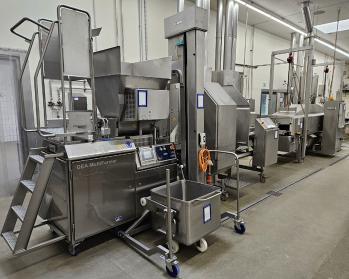
The company, with multiple locations, is known for its high-quality meat and convenience products, ranging from minced meat and schnitzel variations to ready-made meals. Quality, craftsmanship and sustainability have always been central to its production. These values are also reflected in the extensive range of machinery that is now being auctioned through Industrial Auctions.
The online auction, organised on behalf of Progressu GmbH, offers an impressive range of production machinery and inventory. The selection includes forming machines, coating and frying line, grills, ovens, cutters, vacuum fillers, mixers, meat grinders, spiral freezers, refrigeration and freezing equipment, cooking and smoking cabinets, and numerous other machines for the meat processing industry. For years, these machines formed the heart of production at Karl Kemper and now offer new opportunities for companies looking to expand, automate, or optimise their processes.
The viewing day will take place on 20 November, so that interested parties can inspect the machines up close. An appointment must be made for this. The auction closes on 26 November. If desired, Industrial Auctions can assist with transporting the purchased machines to the new owner’s location.
Industrial Auctions is known for its specialisation in online auctions for the food industry. Thanks to its international reach and transparent working methods, companies from all over the world find their way to the platform. The auction at Karl Kemper is a striking example of this: a combination of German reliability, dependable technology and an excellent opportunity for entrepreneurs to purchase high-quality machines on attractive terms.
What also makes Industrial Auctions unique is that it takes care of everything for both the buyer and the seller. The team inventories the machines on site, presents them professionally online, organises viewing days and assists with dismantling and transport. The company and its team are ready to ensure that the entire process runs smoothly from start to finish.
Whether you are looking for a single slicer or a complete production line, Industrial Auctions has proven itself to be a reliable partner for fast, efficient and scalable solutions.
More information about the complete range can be found on the Industrial Auctions website! www.Industrial-Auctions.com
Lidl GB Business & Industry Impact
The Lidl Effect
Discounter reveals £14.5 billion boost to British Economy as it celebrates 1,000th store milestone
Lidl GB has published its first ever socioeconomic impact report revealing that the discounter delivered £14.5 billion in Gross Value Added to the British economy in FY24
A significant taxpayer in FY24 Lidl paid over £1 billion in tax which contributes towards public services such as the NHS, education, transport and state pensions
Reaching over 60% of British households, through its operations Lidl supports 281,813 jobs in Britain from farm to factory
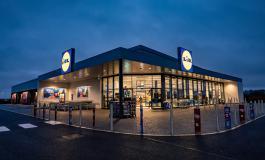
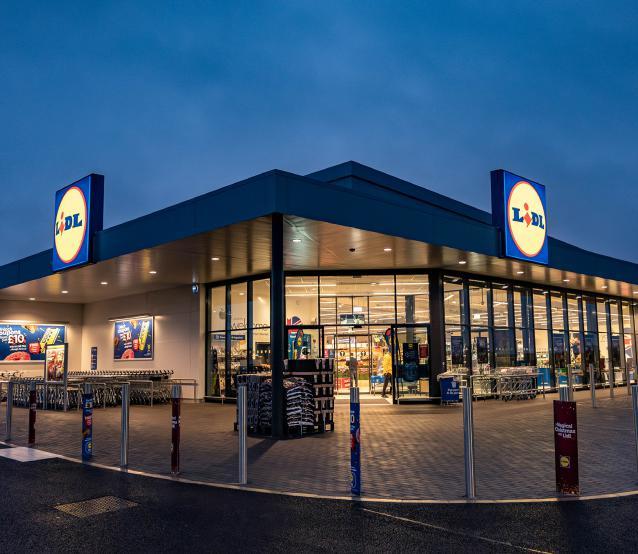
Comes as Lidl celebrates the opening of its 1,000th store at East Grinstead, signalling the discounter’s ambitious growth plans to open hundreds more stores in GB
Lidl GB has today published its first ever socioeconomic impact report which reveals that it generated £14.5bn in Gross Value Added (GVA) through its operations and supply chain in the financial year 2024 alone. As fastest growing bricks and mortar grocer for over two years running[1] Lidl offers more value for people and is taking its suppliers, customers and colleagues on its journey to bring value to all.
Coined as ‘the Lidl Effect’, the economic benefits driven by Lidl via its operations, investments and employment extend far beyond the basket. For example, Lidl is a significant taxpayer and in FY24 paid over £1 billion in tax which contributes towards public services such as the NHS, education, transport and state pensions. The report also highlights that for every £1 of direct value created by Lidl GB, its British suppliers generate an additional £7, with a further £2 added across the wider value chain.
As part of its commitment to Backing British, Lidl invested £5.8bn in British food in FY24, with over two-thirds of the discounters’ products sourced from British suppliers. In this way, Lidl helps its suppliers to grow in order to build long-term and sustainable relationships. Through its direct operations and wider supply network, Lidl also supports 281,813 jobs both directly and indirectly in Britain from farm to factory. Underscoring the vital role Lidl plays in driving economic development in Britain.
Reaching households from Dingwall in the Highlands of Scotland to Penzance in Cornwall, Lidl stores across the country represent the positive impact the discounter delivers to communities. Every store and warehouse is linked to local charities to provide greater access to affordable, high-quality food through its surplus food donations, activated through charity partners including Neighbourly. 11% of UK households experience food poverty[2] and the donations made through Lidl in 2024 provided 18.5 million meals, supporting 6.8 million people in need.
Ryan McDonnell, CEO of Lidl GB, said: “We’re incredibly proud of the socio-economic impact that our operations bring to communities in Great Britain. Given that we’re on track to open hundreds more stores across the country, we’re encouraged by
the numbers reflected in this report because they demonstrate our tangible contribution to the British economy as a whole.
Cutting the ribbon on our 1,000th store is a milestone moment for us as we celebrate not just another new Lidl, but the meaningful impact it will have. We know there are still many communities which could benefit from the Lidl Effect so we remain laser focused on delivering that through our ambitious growth plans.”
Since opening its first store in Great Britain in 1994, Lidl has been going from strength to strength – now reaching over 60% of British households and employing over 35,000 colleagues. Its teams are the backbone to its success and competitive pay is central to the discounter’s commitment. For example, during FY24, this resulted in pay awards totalling £392million above the UK Living Wage benchmark[3]
The inaugural report comes as Lidl marks the opening of its 1,000th store in GB at East Grinstead, not only celebrating another new Lidl, but the socioeconomic impact it will make. The discounter shows no signs of slowing as Lidl invested £478million in the development of new stores and distribution centres in 2024, and renewing that investment, with £500million planned for its expansion plans this year.
Looking to the future, the discounter is continuing to expand at pace and is committed to bringing suppliers and the next generation along in its journey, thereby creating genuine added value. Over the next five years, Lidl intends to double its original sourcing investment into British suppliers, to the value of £30bn. Plus, through its nationwide schools’ programme Lidl Foodies, over 250,000 primary school children will learn the importance of healthy, sustainable eating. Now in its second year, the initiative represents an investment of £650,000 over two years.
[1] Worldpanel by Numerator, 12 w/e 2nd November 2025, Till Roll, Spend
[2] House of Commons Library, Food poverty: Households, food banks and free school meals, published July 2025
[3] The Lidl Effect: Lidl GB Socioeconomic Impact Report
Food safety –a matter of weight
Food safety begins with accurate weight recording and by no means ends there. In everyday practice, weighing systems play a key role in ensuring product quality in food production, complying with legal requirements and avoiding product recalls. The Minebea Intec MiNexx® portfolio has been specially developed to meet these requirements: It includes bench and floor scales as well as powerful weight indicators that reliably evaluate complete systems such as silo, hopper or truck scales.
Too high a salt content in ready-made soup, an incorrectly dosed allergen ingredient in a snack product or insufficiently filled packaging in the hands of the consumer, just a few grams variance can affect flavour, product quality, customer satisfaction and compliance with legal regulations. If errors occur here, there is not only the threat of costly product recalls, but also a loss of trust that has a long-term impact on the brand and market position.
Advanced weighing technology makes a decisive contribution to minimising such risks. It not only ensures accurate weight determination, but also documented traceability, hygienic processing and reliable process control. “Those who rely on precision and control in their production create the basis for consistent product quality and protect consumers and companies at the same time,” says Nils Hubrich, Product Manager at Minebea Intec.
Weight indicators as a key factor for safe and traceable processes
Whether dosing raw materials, filling packaging, checking quantities or monitoring recipes - weighing processes are essential in almost all steps of food production. The MiNexx® C, M and L Weight indicators fulfil a central function here: they process the signals from the connected load cells and platforms, prepare the weight values and control specific functions such as manual batching, piece counting or checking fill levels.
Thanks to the variety of connections and flexible integration, MiNexx® indicators can be integrated into stand-alone solutions such as bench and floor scales - as well as networked lines and automated systems with higher-level control.
“Today, a modern Weight indicator is much more than just a display instrument,” says Nils Hubrich. “It actively contributes to making processes reproducible and safe - and thus creates the basis for consistent product quality and traceability.”
Even under hygiene-critical conditions, which are essential in the food industry to prevent cross-contamination and make cleaning processes easy, the models fulfil the current requirements: MiNexx®M and MiNexx®L have a stainless steel housing with protection class IP 69 and are therefore suitable for use in humid or cleaning-intensive environments. The MiNexx®C model is available for compact enclosed solutions and, with IP65 protection, also offers reliable protection against the ingress of dust or water jets from any direction.
MiNexx®3000: For hygienic weighing of small and large containers
Whether portioning raw ingredients, final inspection of packaged products or weighing heavy units of goods - precise and hygienic weighing is a fundamental component of food safety. The MiNexx®3000 scale series offers two robust solutions for this: a compact bench scale and a powerful floor scale, both made of stainless steel and designed for use in hygiene-critical zones.
The MiNexx®3000 bench scale is ideal for applications such as manual filling, portioning or checkweighing - for example in delicatessen, dairy or convenience production. Its smooth surfaces, open design and IP 69 protection rating enable thorough cleaning even under high pressure. Thanks to their high resolution, even the smallest deviations can be detected at an early stage - a plus point for consistent quality and reliable batch management.
The MiNexx® 3000 floor scale is used when pallets, big bags or drums are being weighed e.g. for incoming goods, recipe production or dispatch control. Its anti-slip tear plate surface ensures stability, even in wet or oily conditions. The load plate can be folded open so that even hard to reach areas can be cleaned quickly and reliably. With a load capacity of up to 6 tonnes and a standard resolution of 60,000d, it offers the precision required for demanding heavy-duty applications.
“In hygiene-sensitive production areas, scales must not only weigh reliably, but also be designed to facilitate cleaning and have no weak points - this is exactly where the MiNexx®3000 series comes in. With this series, we are demonstrating that we fulfil the highest hygiene standards and, thanks to the NSF, we can also point to official certification as a hygienic product,” explains Eren Sagdas, Product Manager at Minebea Intec.
Both models help to avoid cross-contamination, comply with quality standards and systematically eliminate hygienic weak points in the process - key factors for safe food production.
Scales Series MiNexx®
Discover the award-winning MiNexx® indicators: Combined with its weighing platforms or Minebea Intec load cells, MiNexx® can be integrated in almost any weighing application imaginable.
It has got what it takes: GMP compliant for traceable records. Red Dot awarded user interface Blue HMI for process safety and stability. NSF certified for maximum hygiene.
Boost efficiency and protect your brand reputation: Stay ahead and future proof your processes.
From high-end SUVs and iconic sports cars to the F1 teams at the top of their game, precision manufacturing begins in perfectly controlled environments by Jet.
Confectionery
From luxury truffles to family-favourite classics, Jet Environmental ensures your festive treats have been kept in flawless, melt-free condition long before they reach your celebrations.
E-Commerce
The UK’s biggest parcel hubs rely on Jet Environmental for consistent temperatures to keep Christmas deliveries flowing through the seasonal rush.
Clothing Even the outfit you’ll sparkle in this season passed through a Jet climatecontrolled distribution centre on its way to you
Wine Favourite vintages ready for a Christmas toast?
Carefully stored, beautifully conditioned, and waiting to be uncorked; all thanks to Jet Environmental.