LEARNING THROUGH EXPERIENCE
UW TAKES HANDS-ON LEARNING TO THE NEXT LEVEL
The Magazine for Alumni and Friends of the University of Wyoming


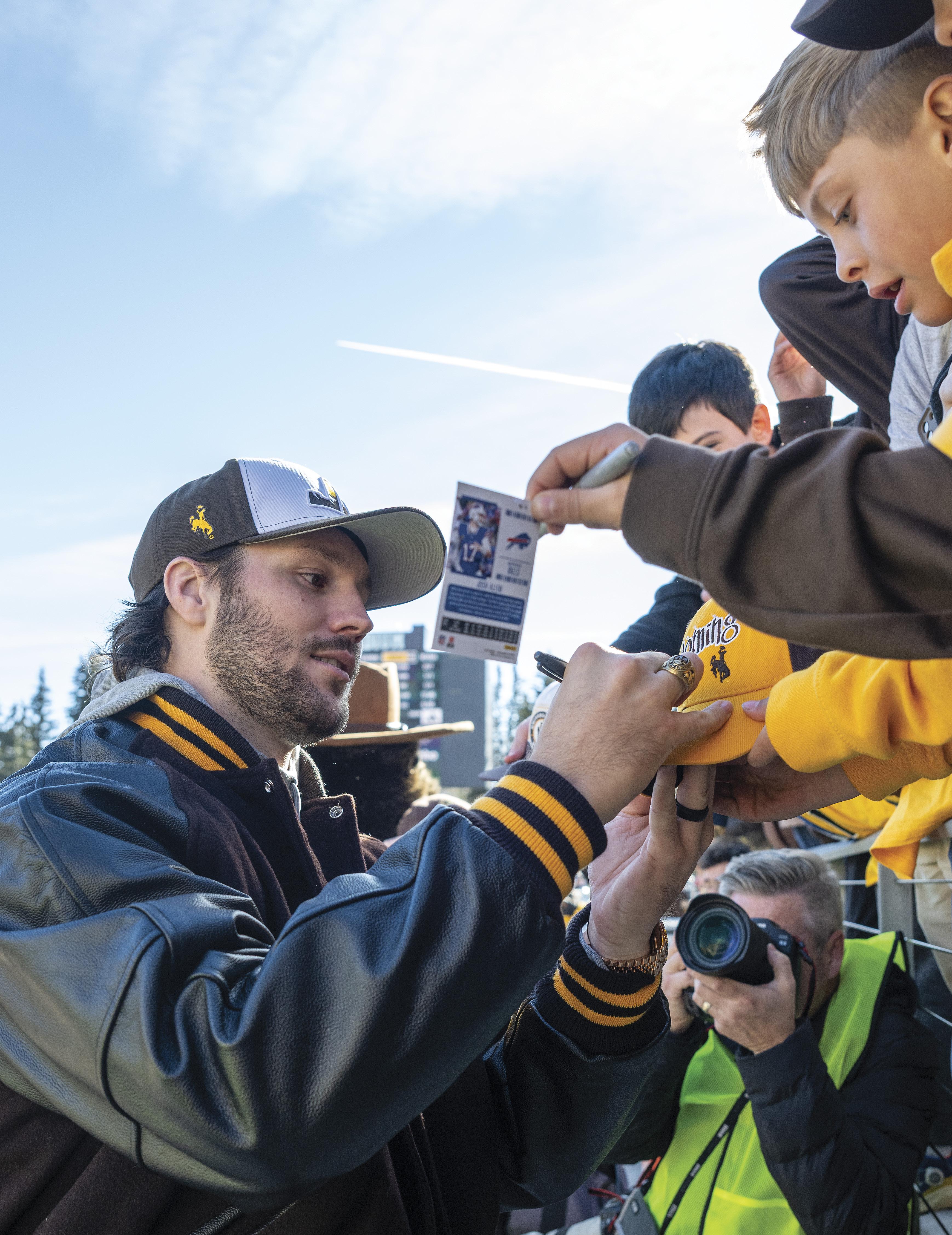
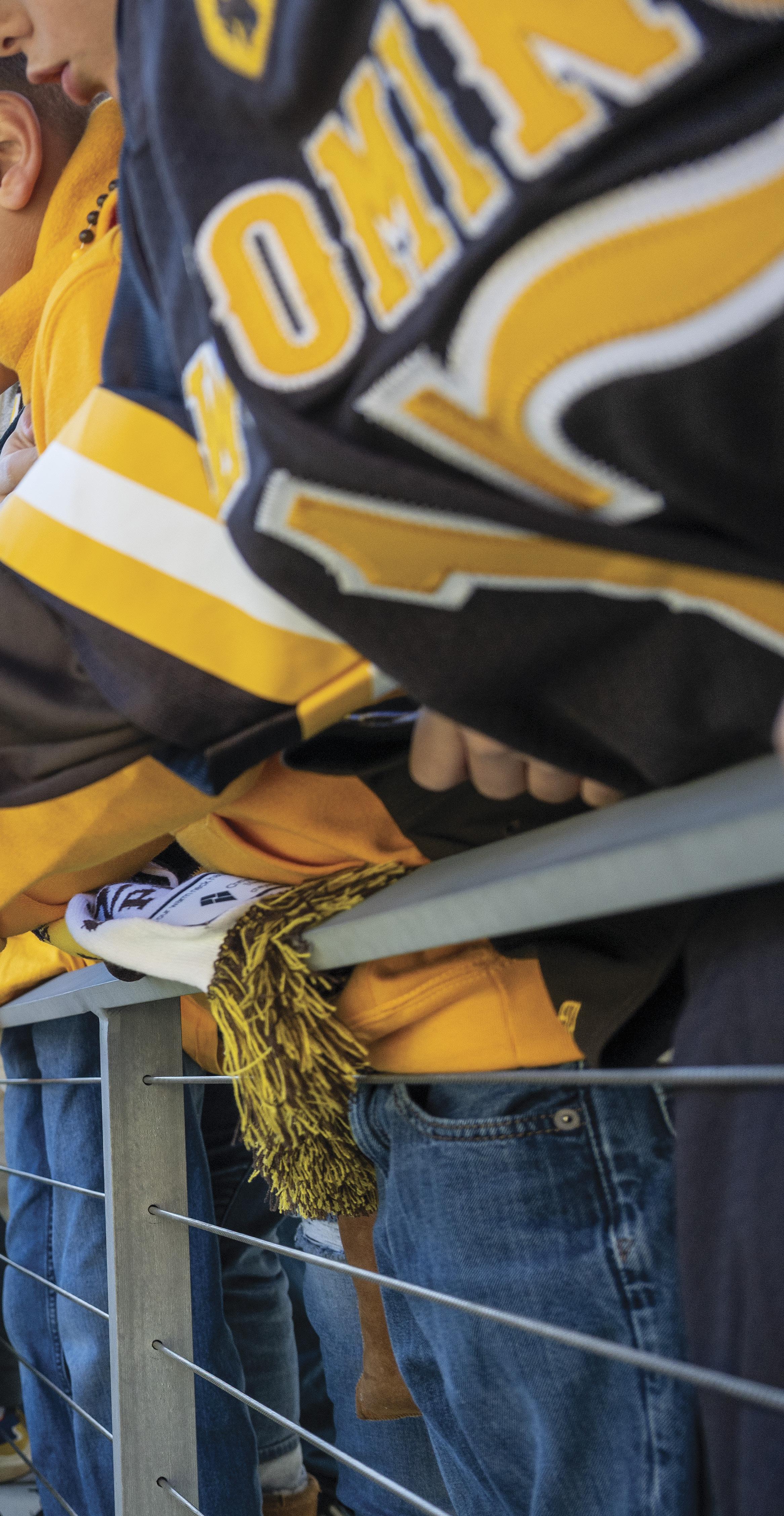
On Nov. 22, 2025, Buffalo Bills quarterback and NFL MVP Josh Allen returned to the University of Wyoming to become the first Cowboy football player to have his jersey retired.
FEATURES
18 / BIG QUESTIONS, BIG EXPERIENCES
The Wyoming Research Scholars Program turns undergraduates into full-fledged researchers.
34 / HANDS-ON CLASSROOMS
Experiential learning takes coursework to the next level.
40 / EXPANDING HORIZONS
Thanks to generous supporters, the Haub School of Environment and Natural Resources offers students the chance to learn in ecosystems around the world.
43 / WHERE THE RUBBER MEETS THE ROAD
Law clinics draw students to UW and provide invaluable hands-on preparation for their legal careers.
62 / ON-THE-JOB EXPERIENCE
Internships offer invaluable experiences, helping students become workforce ready.
70 / DOING GOOD
The Stewart Family Serviceship Award promotes public service to communities near and far.
Departments
04 / President’s Message 06 / News & Notes
10 / Facts & Stats 14 / Snapshots
32 / Athletics
42 / Art Museum
46 / AlumNews
72 / By the Numbers
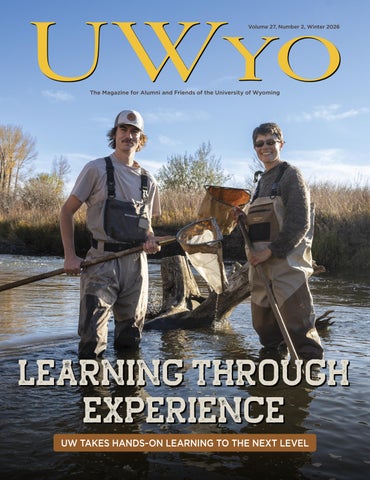
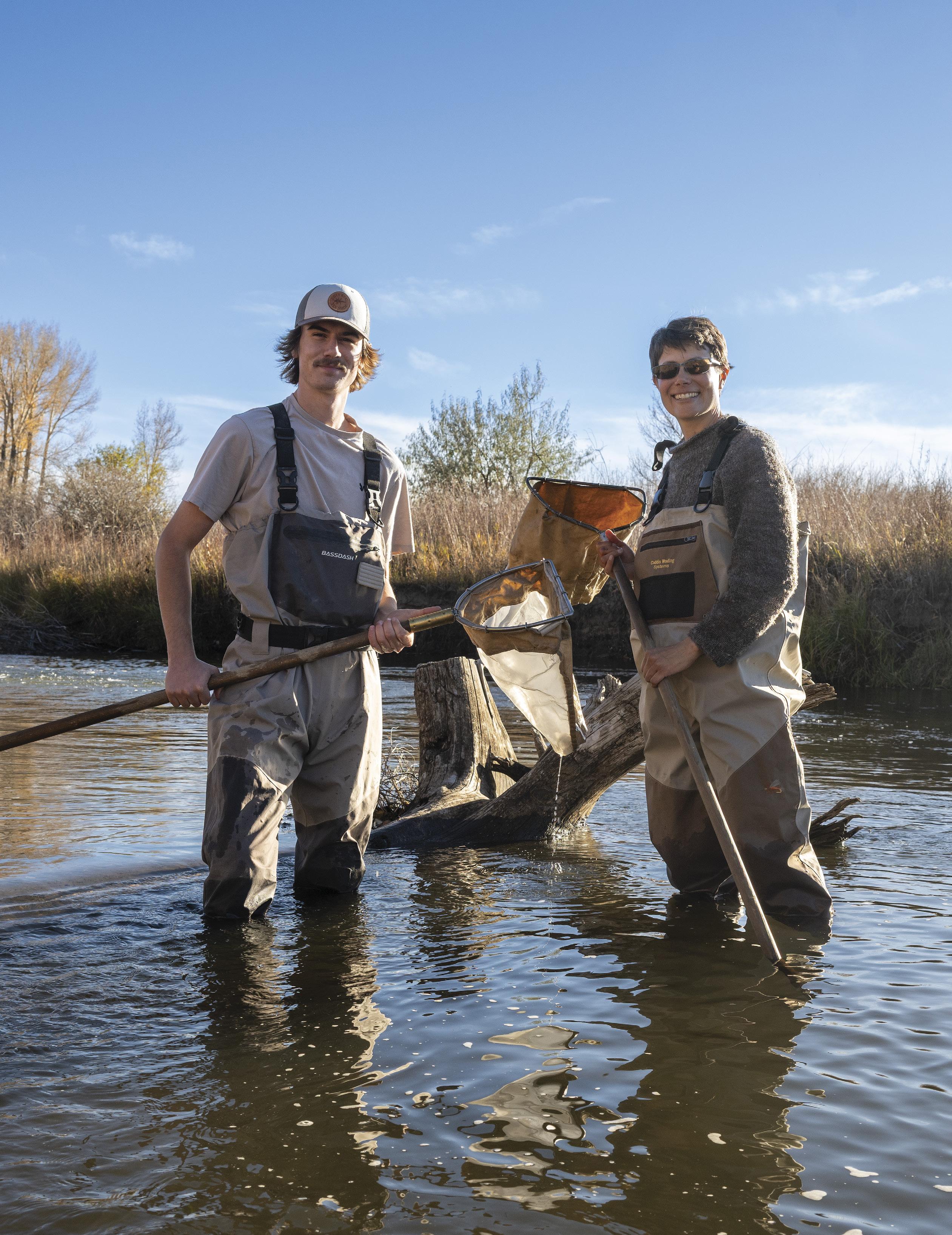
ON THE COVER
Graduate student and Wyoming Research Scholar
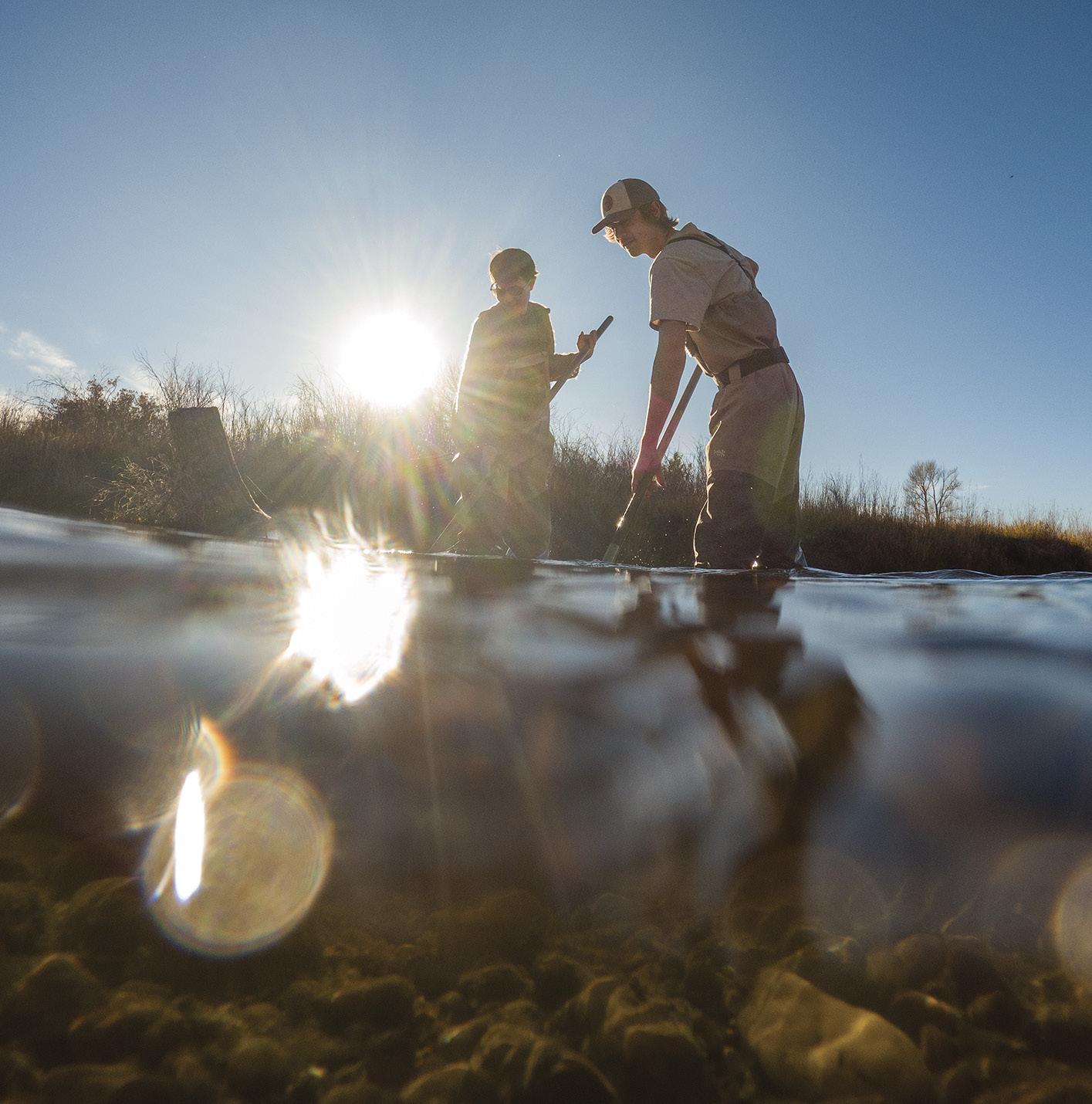
Miles Milbrath conducts research at the Laramie River with mentor Lusha Tronstad. Read more on page 21.
UWyo
THE MAGAZINE FOR ALUMNI AND FRIENDS OF THE UNIVERSITY OF WYOMING
Winter 2026 | Volume 27, No. 2 uwyo.edu/magazine
University President: Edward Seidel
Associate Vice President for Communications and Marketing: Chad Baldwin
Editor: Micaela Myers
Design: Michelle Eberle, Emily Edgar, Brittny Wroblewski
Photo and Video: Ian Bondi, Ali Grossman, Kyriessa Lane, Andrew Wee unless noted
Contributing Editors: Chad Baldwin, Tamara Linse
Contributing Writers: Sunnie Lew, Tamara Linse, Missy Samp, Michelle Sunset, UW Communications
AlumNews/WyoGrams: Jane France, Abi Gerhard Perez, Tamara Linse, Emmett Chisum, Jennifer Kirk
UWyo is published three times per year as a partnership among UW Institutional Marketing, UW Foundation and the UW Alumni Association. UWyo is supported by UW Foundation, UW Research & Economic Development, Student Affairs, Academic Affairs and the Office of the President. ©2026 by the University of Wyoming. All rights reserved. Excerpts from this magazine may be reprinted with permission, provided appropriate credit is given to the University of Wyoming and copies of reprinted materials are provided to the editor.
To access past UWyo publications, visit bit.ly/uwyo-archive
Persons seeking admission, employment, or access to programs of the University of Wyoming shall be considered without regard to race, regard to race, gender, religion, color, national origin, disability, age, protected veteran status, sexual orientation, gender identity, genetic information, creed, ancestry, political status and belief, pregnancy, or any other applicable protected category or participation in any protected activity.
UWYO / University of Wyoming 1000 E. University Ave., Dept. 3226 Laramie, WY 82071-2000 uwyomag@uwyo.edu
Learning Goes Far Beyond the Classroom at UW
At the University of Wyoming, we believe education is most powerful when it extends beyond the classroom — when students have opportunities to apply theory to practice, discover new knowledge, and engage directly with the challenges and possibilities of the world around them. This commitment to hands-on, experiential learning is a distinguishing feature of UW, and we’re continually working to become even stronger in this area.
As the landscape of work, research and innovation continues to evolve at a rapid pace, we are dedicated to ensuring that our students graduate not only with strong academic foundations, but also with the confidence and skills that come from real, meaningful experience.
Experiential learning at UW takes many shapes. Whether students are designing robotic systems in the College
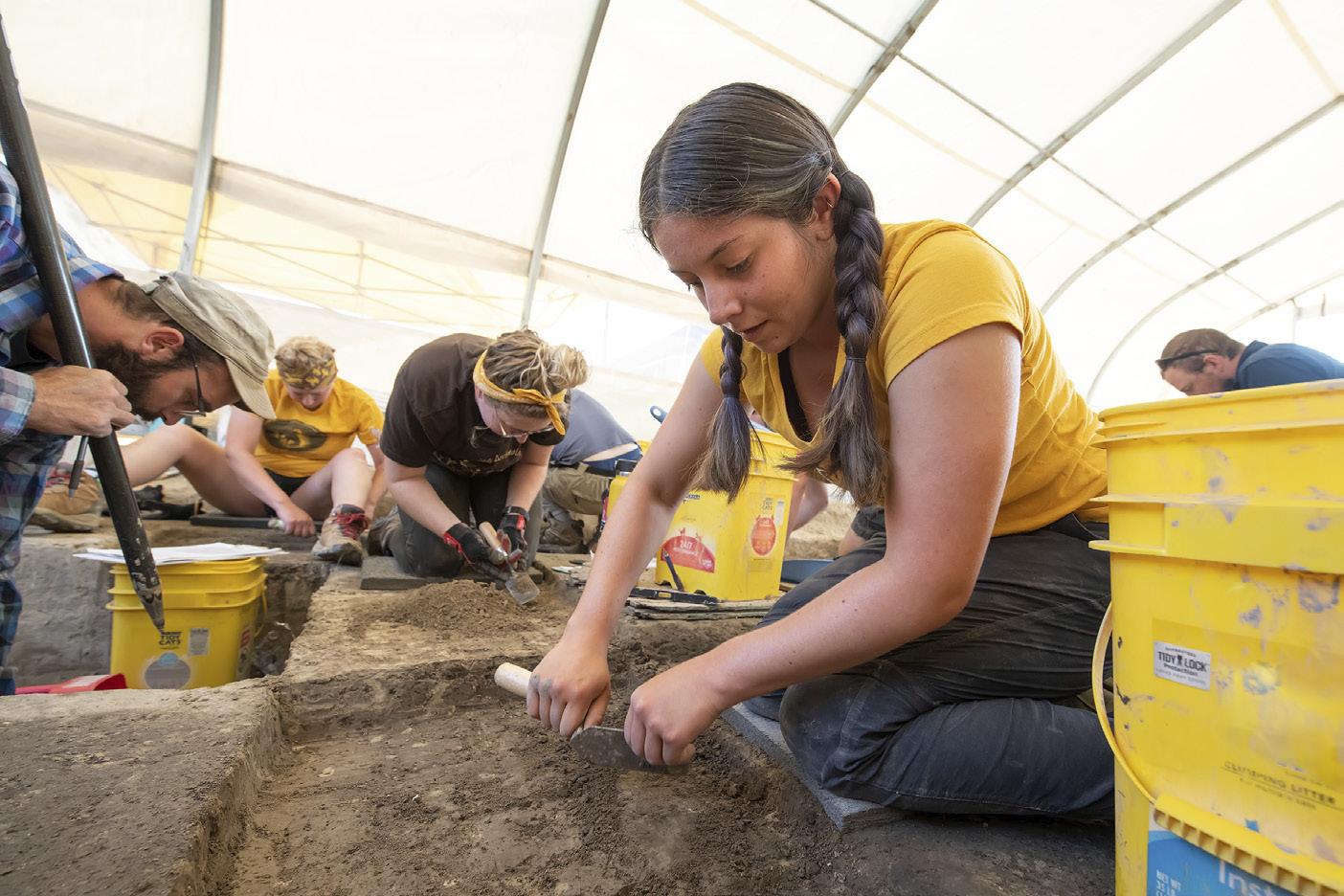
of Engineering and Physical Sciences, conducting archaeological fieldwork in Wyoming’s rich cultural landscapes, or collaborating with ranchers and land managers through the College of Agriculture, Life Sciences and Natural Resources, the common thread is authentic engagement. These handson opportunities help students learn how to solve problems, communicate effectively and work as part of a team — competencies that employers consistently rank among the most valuable.
This issue of UWyo Magazine focuses on hands-on learning, highlighting many examples of how our students are gaining valuable experience outside the classroom. I encourage you to explore the stories of these outstanding students and guarantee that you’ll be inspired by their amazing accomplishments.
Undergraduate research is one of the most transformative avenues through which our students experience this kind of learning. UW’s commitment to research is not confined to graduate students or faculty labs; instead, we intentionally create pathways for undergraduates to join in discovery from their very first year. Through programs such as the Wyoming Research Scholars Program, the Wyoming NASA Space Grant Consortium and college-based initiatives across campus, our students are directly involved in advancing knowledge in fields ranging from energy to wildlife biology, from the arts to data science.
These research experiences provide students with a front-row seat to the process of inquiry — formulating questions, gathering data and sharing results. More importantly, they develop resilience and curiosity. They emerge more prepared to lead in a world that demands continuous innovation.
Internships and cooperative learning experiences form another cornerstone of UW’s hands-on education. Thanks to partnerships with industry, nonprofits, startups and government agencies throughout Wyoming and beyond, our students gain access to an extraordinary range of real-world settings. These internships often serve as launching pads for careers, giving students a chance to explore professional paths, build networks and apply classroom knowledge to pressing issues in their chosen fields.
Our Office of Industry and Strategic Partnerships, as well as Advising, Career and Exploratory Studies, work closely with employers to ensure these experiences are substantive and aligned with students’ academic goals. We also have formed a partnership with the Wyoming Business Alliance aimed at enhancing opportunities for student internships and other forms of hands-on learning with Wyoming businesses and industry partners, increasing the likelihood of keeping skilled UW graduates in Wyoming to meet critical workforce needs. And Gov. Mark Gordon has recommended the Legislature fund a new $2.3 million state
appropriation to expand our efforts to create new paid internship opportunities for our students in Wyoming.
We also are growing opportunities in entrepreneurship and innovation, recognizing that many of today’s students aspire to create their own futures. Our Center for Entrepreneurship and Innovation has helped accelerate efforts to provide experiential learning tied to emerging industries, digital skills and economic diversification. Students working in our IMPACT 307 incubator develop and test business ideas while receiving mentorship from successful entrepreneurs and UW faculty members. These are experiences that change lives and strengthen Wyoming communities.
Another dimension of UW’s commitment to experiential learning is










international study. Hundreds of our students go abroad each year — with support from the university’s ample scholarship resources through the Richard D. and Lynne V. Cheney Study Abroad Scholarship Endowment — to learn about the world, then bring those experiences back to our state better prepared for life after graduation.
At the heart of all this work is a simple belief: Learning is most powerful when students can connect their education to the world. Our faculty and staff understand this deeply, and they create an environment where students are encouraged to explore, take risks and pursue the questions that matter to them. Their dedication ensures that a UW education remains both rigorous and relevant.





As we look to the future, we remain committed to expanding hands-on learning opportunities for every UW student. This commitment reflects our land-grant mission and our responsibility to serve the people and industries of Wyoming. Most importantly, it reflects our belief in the potential of our students — potential that grows when they are empowered to learn by doing.
Thank you for your continued support of UW. Together, we are building a university where experience fuels discovery, and where discovery creates a brighter future for our students and our state.
Go Pokes!
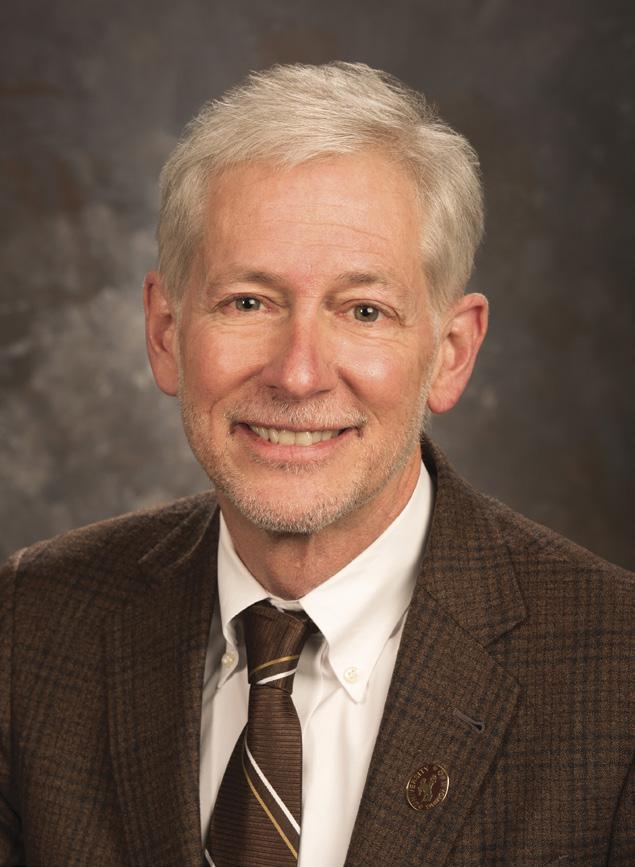
By Ed Seidel, the 28th president of the University of Wyoming


WHERE IDEAS MEET INDUSTRY



Partner with the University of Wyoming to Power What’s Next.

At the University of Wyoming, discovery doesn’t stop at the lab door. It connects with real-world impact. Our researchers work with companies across energy, agriculture, technology, and beyond to turn innovative thinking into practical solutions.


Innovation starts with a single conversation. Reach out and start a conversation with our team.

industry.uwyo.edu | uwcorporate@uwyo.edu

GIFT ESTABLISHES RANCH MANAGEMENT AND AG LEADERSHIP PROFESSORSHIP
A generous gift from alumni Doug and Deniz Stark, doubled by state matching funds, has established the Doug and Deniz Stark Ranch Management and Agricultural Leadership Professorship in UW’s College of Agriculture, Life Sciences and Natural Resources. It will strengthen the university’s Ranch Management and Agricultural Leadership Program, where “Lead Like a Legend” is more than a tagline — it’s the guiding philosophy connecting science, strategy and stewardship. Doug grew up in Riverton and earned a degree in agricultural business from UW in 1980. Over the next 37 years, he built an impressive career with Farm Credit Services of America, rising to president and CEO and helping grow the organization into a $25.8 billion enterprise. Under his guidance, the company invested deeply in its employees, fostered a culture of leadership and launched its first employee professional development program. Deniz was raised on her family’s ranch near Lost Springs. She holds an associate degree in animal science from Northwest College and a bachelor’s in agricultural business from UW. Her career path included work with the U.S. Department of Agriculture Rural Development and service in education.
ADDITIONAL MAJOR INVESTMENT FOR UW TOMÉ SCHOLARS
The Tomé Scholars to Fellows Program is one of UW’s premier scholarships in the Haub School of Environment and Natural Resources. Students of exceptional talent who are enrolled in science, technology, engineering, arts or math (STEAM) degrees receive a full-ride four-year scholarship and experiential learning opportunities. This year, donors Carol and Ramon Tomé gave an additional major gift, multiplying the program’s impact exponentially. Carol currently serves as CEO of UPS, and Ramon served as an environmental specialist for the Georgia Department of Natural Resources Air Protection Branch. In spring 2025, UW was proud to celebrate the graduation of the first cohort of Tomé Scholars.
APPOINTMENTS
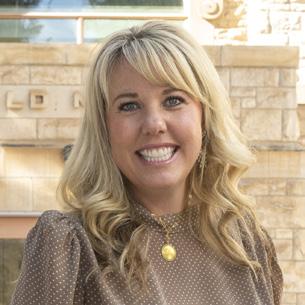
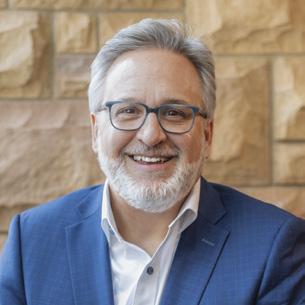
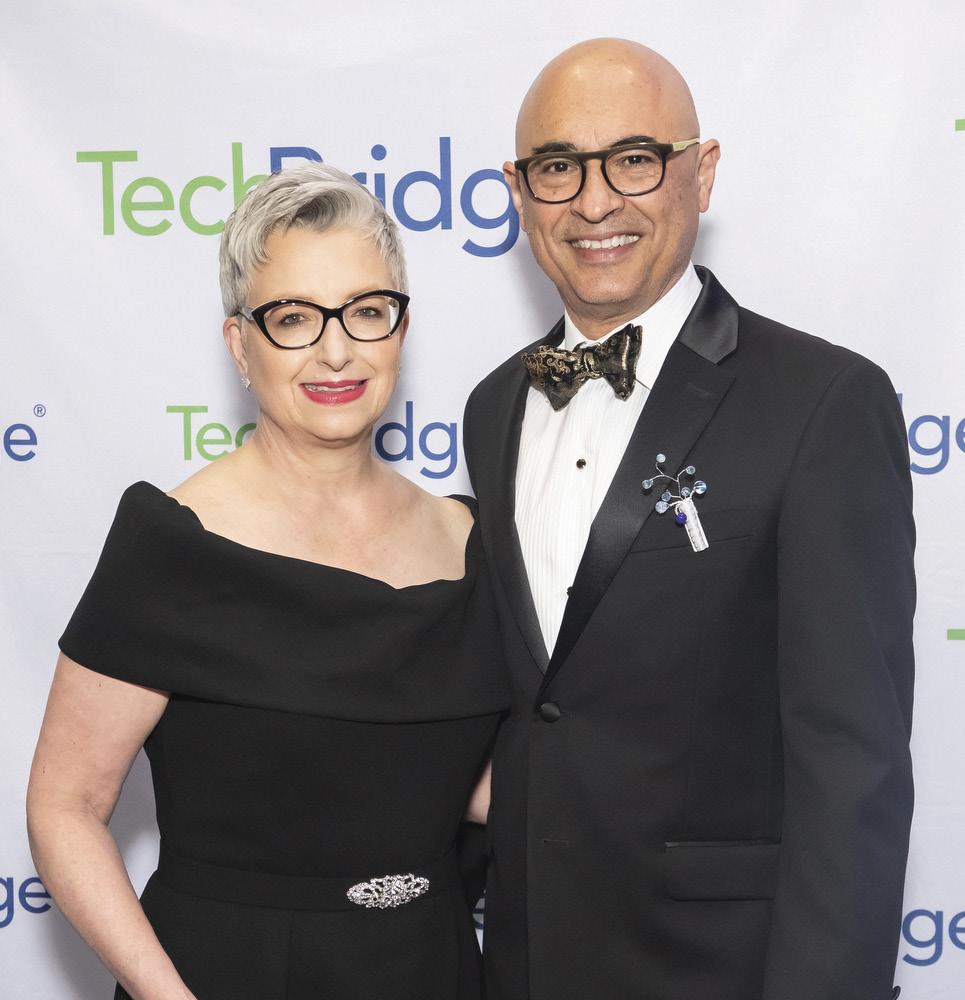
Nycole Courtney, who has led UW’s Division of Student Affairs for almost a year on an interim basis, was named UW’s vice president for student affairs.
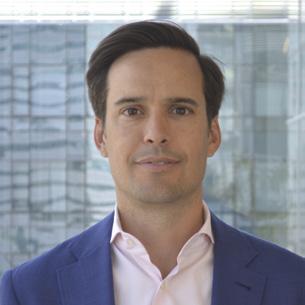
The UW Foundation welcomed Jeremy Forster (economics and finance, ’04) — senior managing director and fixed income portfolio manager at Wellington Management Co. — to its board of directors.
Tom Walsh (accounting, ’87) — a global business executive who brings more than 35 years of leadership experience across technology, finance and data enterprises — was named the first board president of the UW Center for Professional Selling in the College of Business. He will work closely with the center’s leadership team to strengthen corporate partnerships, expand student opportunities and advance the center’s strategic initiatives.
Carol and Ramon Tomé
INVESTMENT SUPPORTS WYOMING MANUFACTURING
Process control plays a crucial role in optimizing production efficiency and ensuring process safety across numerous industries, including Wyoming’s trona and processing industries. A generous investment from
energy company HF Sinclair will bolster UW’s Advanced Process Control Lab with critical upgrades to the lab’s simulation capabilities, equipment and curriculum. It provides students with cutting-
edge technology and handson learning experiences that mirror real-world industrial operations, preparing them for high-demand careers in manufacturing, refining and resource processing.
Suggests
Researchers Discover that Maple Compounds Can Fight Cavities
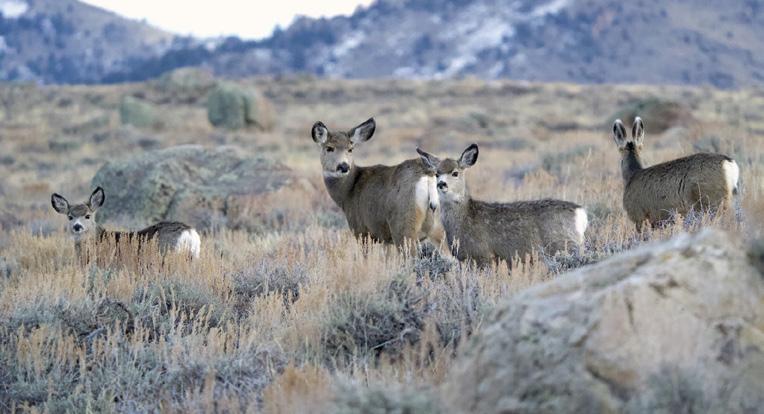
Kurt Smith, a senior research scientist at UW, is the lead author of a new paper in the journal Rangeland Ecology & Management that reveals how mule deer avoid places where invasive annual grasses such as cheatgrass are overtaking sagebrush and grassland habitats. If the spread of these weeds goes unchecked, the study predicts that mule deer may lose more than half of their high-quality habitat in northeast Wyoming in the next two decades. Fortunately, the research also shows that targeted management of invasive annual grasses can reverse this trend.
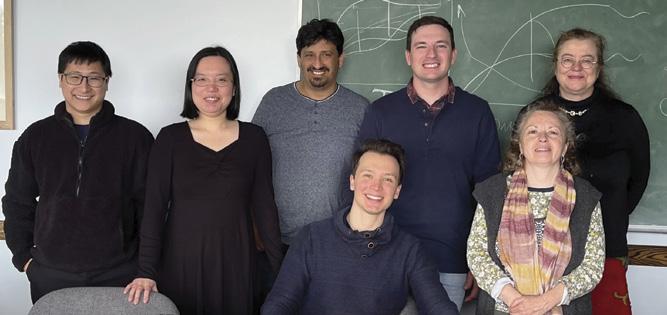
A new study published in Microbiology Spectrum — written by postdoctoral researcher and lead author Ahmed Elbakush, molecular biology Professor Mark Gomelsky and doctoral student Oliver Trunschke — found that compounds in maple can inhibit the bacteria that cause cavities. Many oral health products include toxic ingredients. This new research may offer a safe cost-effective direction for oral health products.
$1M Grant Project to Study Dust/Light Interactions
Researchers Discover Mountain Lions Are Resilient to Human Disturbances at Feeding Sites
It is estimated that between 1,000 million and 5,000 million tons of dust enter the atmosphere annually from the ground, sometimes traveling long distances to affect other regions’ soil, water, climate, and human and ecosystem health. With the assistance of $1,080,636 in National Science Foundation grant funding, Masanori Saito, an assistant professor in the Department of Atmospheric Science, has formed a multistate collaboration to bridge gaps in the understanding this phenomenon.
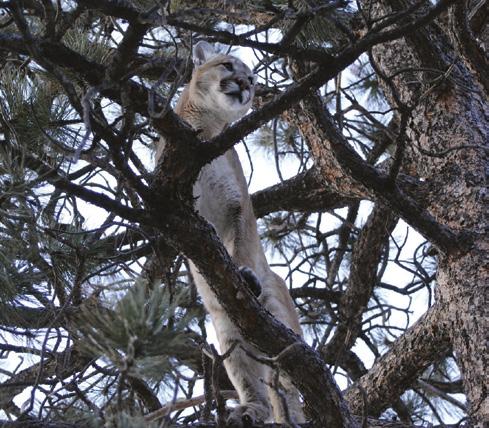
Previous studies have shown that mountain lions tend to shy away from feeding sites that have been disturbed by human presence. However, Joseph Holbrook, an associate professor in the Haub School of Environment and Natural Resources, and Justin Clapp, a Ph.D. student from Riverton, headed a four-year study in the Casper area that revealed that mountain lions showed resilience to human disturbance at feeding sites, staying longer at such sites and often returning multiple times to finish their meals. The resulting paper was published in the Proceedings of the Royal Society B.
Invasive Grasses Threaten Mule Deer but Strategic Action Can Turn the Tide, Research
PHOTO CREDITS FROM THE TOP: GREGORY NICKERSON/WYOMING
MARK GOMELSKY; UW; CADE BOWLIN PHOTO
UW IN BUFFALO, N.Y.
The University of Wyoming was the official game sponsor for the Buffalo Bills Nov. 16 home game against the Tampa Bay Buccaneers.
Hundreds of UW alumni and other supporters traveled to western New York, tailgated with Bills Mafia and enjoyed seeing UW alumnus Josh Allen score six touchdowns in the Bills’ 44-32 victory. Fans attending the game received stickers with Allen’s half-Wyoming halfBuffalo jersey, and UW-Bills co-branded swag was given away before the game in the Billevard area outside Highmark Stadium, where UW murals have been present all season.
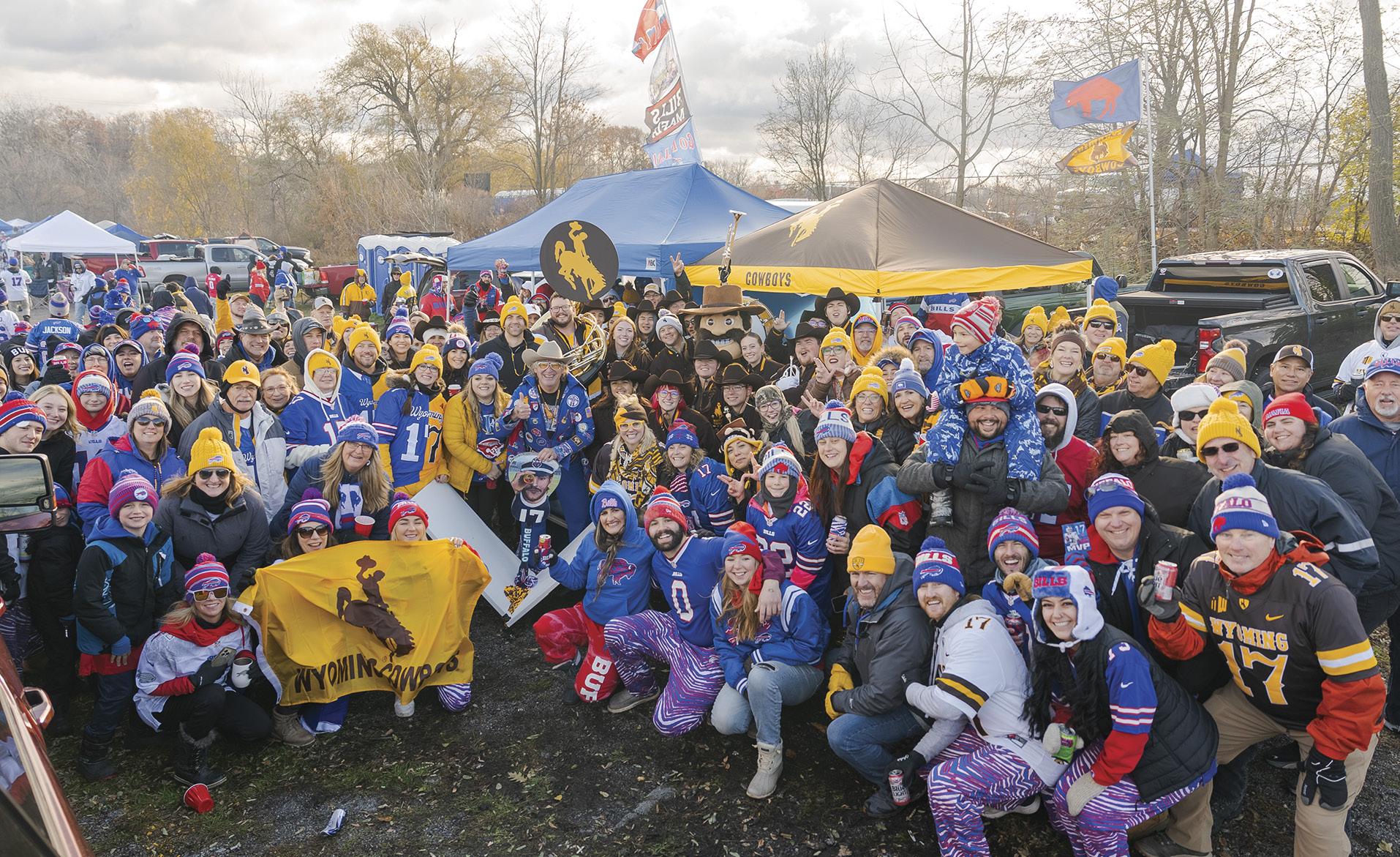
Additionally, in the days leading up
$9M TO ADVANCE AI INNOVATION ACROSS WYOMING
UW’s strategic efforts to lead in artificial intelligence (AI) innovation received a significant boost, thanks to $6.25 million in commitments from donors and from companies and foundations for sponsored research projects, which unlocked $2.5 million from the state matching fund program. UW’s AI Initiative is a people-centered effort to guide the future of Wyoming and beyond, empowering citizens and communities to thrive in an AI-driven world. By addressing key industries such as energy, agriculture, tourism, wildlife conservation and rural health care, UW will ensure that AI enriches lives and drives sustainable growth.
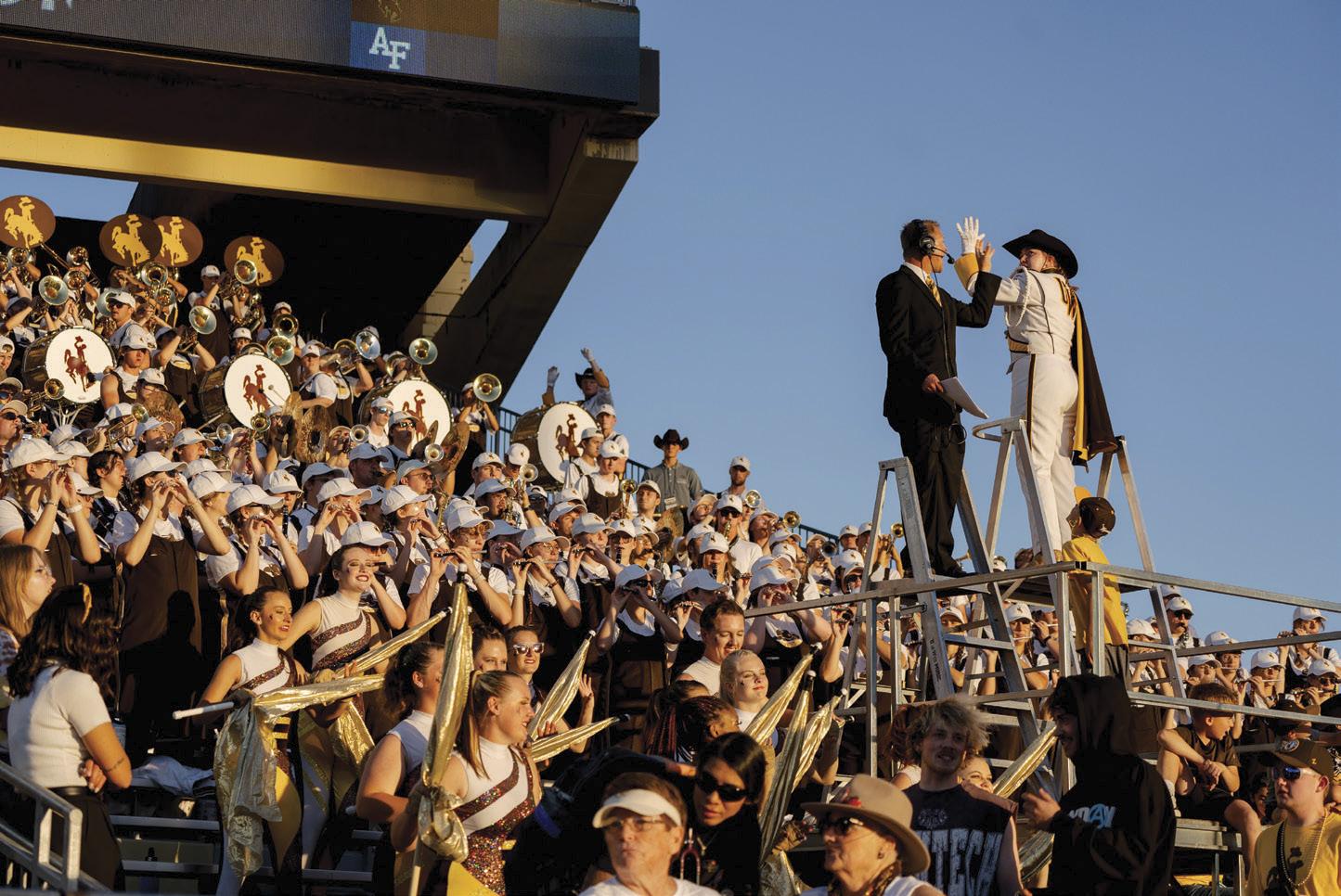
to the game, UW representatives visited local high schools; held a student recruiting event and sponsored high school football playoff games in Highmark Stadium; and received significant local media attention with appearances at prominent locations in the Buffalo area, with Pistol Pete and a Western Thunder Marching Band ensemble participating.
NEW CONTROLLED ENVIRONMENT AGRICULTURE NETWORK

UW launched the Controlled Environment Agriculture Network this fall, a transformative initiative to accelerate workforce development, research and innovation in one of agriculture’s fastest-growing sectors. Controlled environment agriculture is a modern approach to food production in which crops are grown in controlled environments to optimize growth and yield year-round. Leveraging UW’s Plant Growth and Phenotyping Facility, the network — which is supported by the Wyoming Innovation Partnership — will provide hands-on training, industry partnerships and a place to test new technologies.
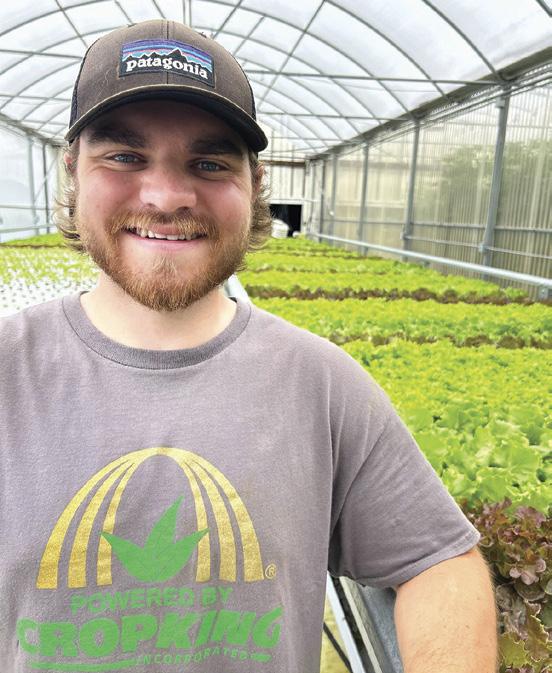
PHOTO BY CROP KING
UW student Jack McKinley works in a Crop King controlled environment agriculture facility during his summer internship in Ohio.
Watch the recap video
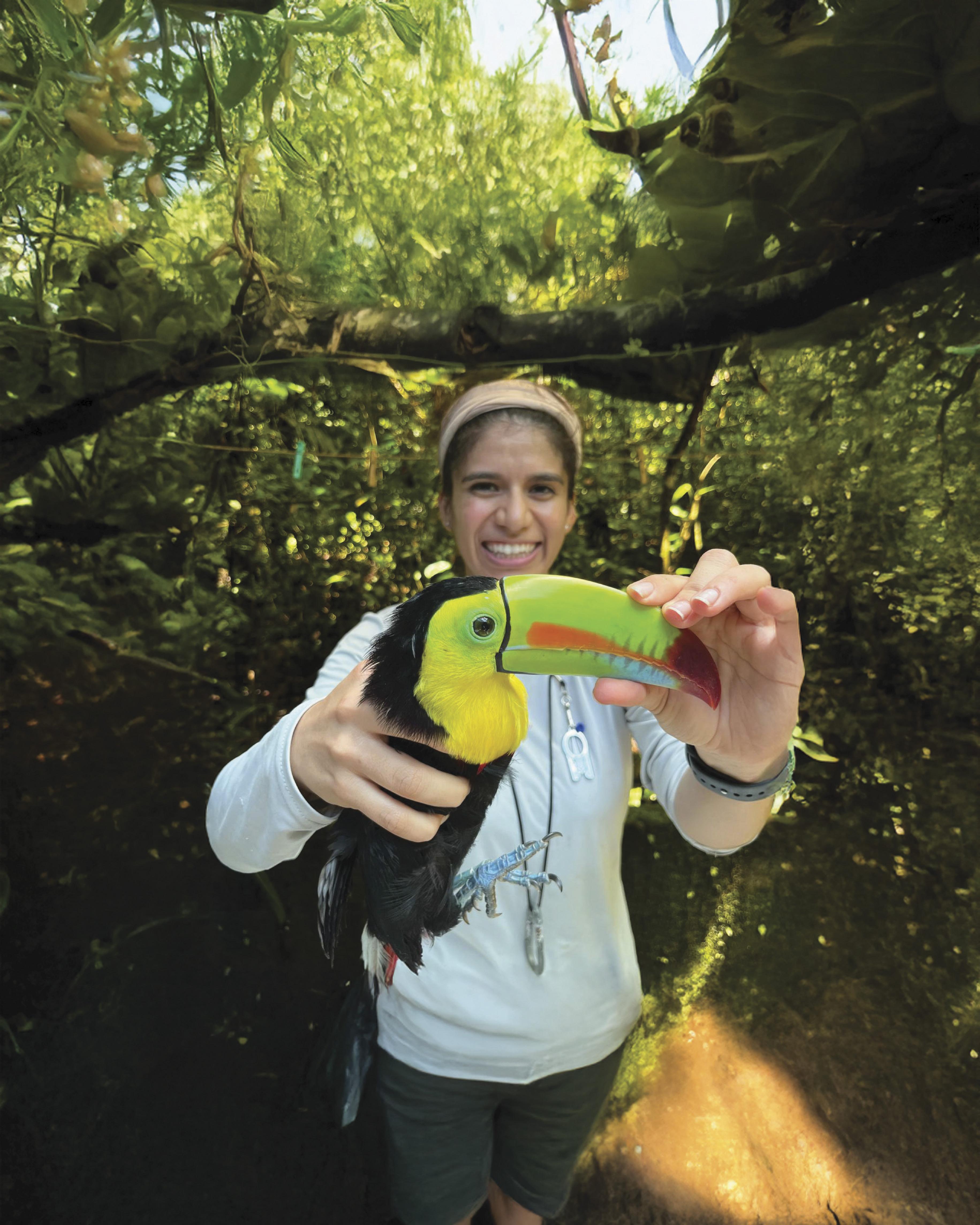


The University of Wyoming is home to numerous cuttingedge laboratories — such as the five highlighted here — that give students the opportunity to use their classroom knowledge, gain industry experience and conduct real-world research.
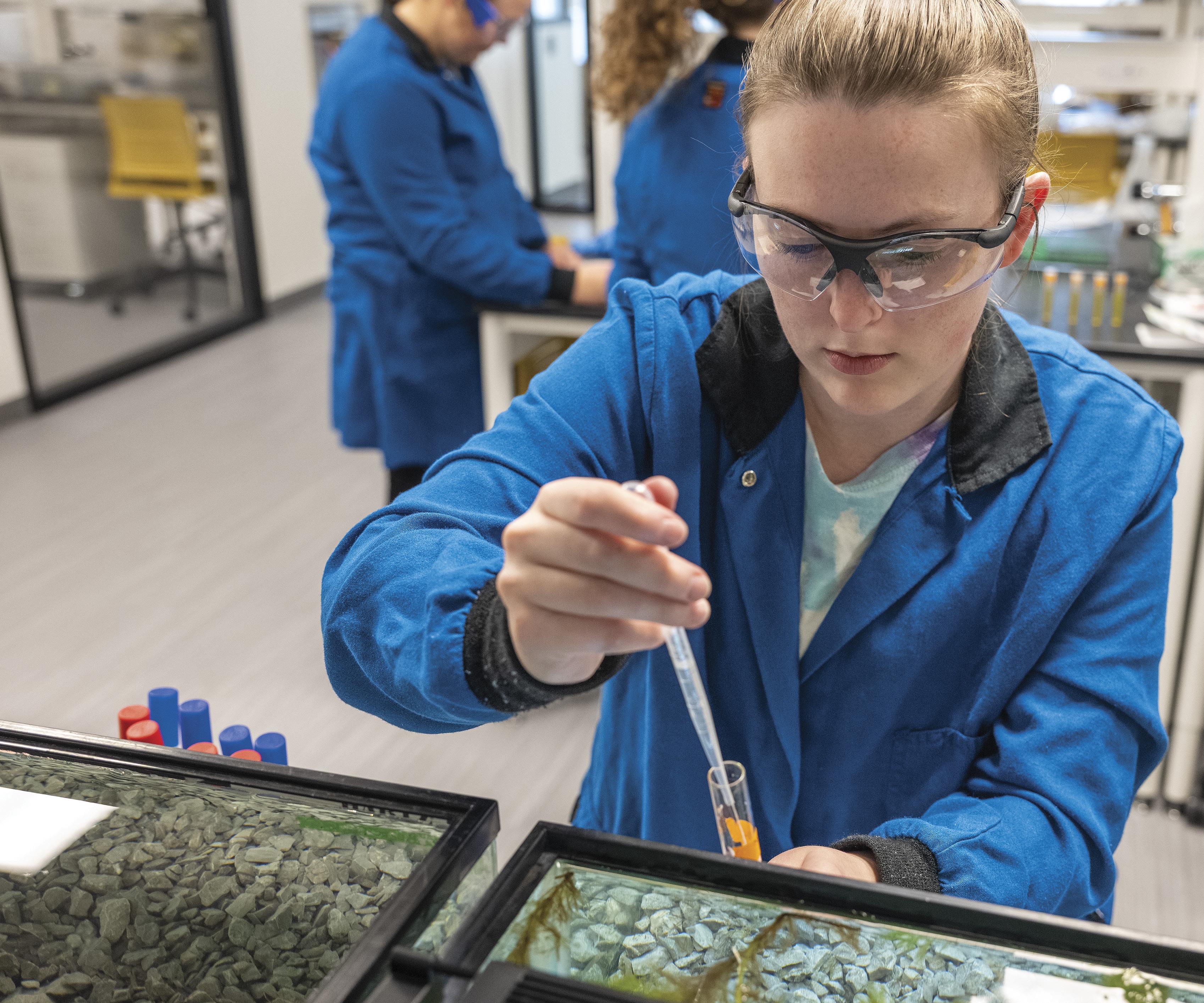
COURSE-BASED UNDERGRADUATE RESEARCH EXPERIENCES (CURE) LAB
Most students who participate in undergraduate research name it as one of their most impactful university experiences. However, not every undergraduate can take part in longer-term research programs due to time, funding or limited spots. Enter the new CURE lab on the fourth floor of the Science Initiative Building, which will give students in science courses the chance to conduct short-term novel research. The flexible lab space can be adjusted for various courses and projects. “Undergraduate research is a well-recognized best practice in science,” says Science Initiative Course Based Undergraduate Research Coordinator Ami Wangeline. “Students are trying to learn the scientific process, so they need to experience it.” Wangeline will work with instructors to design the CURE curriculum and then coordinate the lab space to meet the needs of the course and student projects.
Photo: Recent graduate Kimberly Carter conducts research in the new Course-Based Undergraduate Research Experiences lab in the Science Initiative Building.
PROCESS CONTROL SIMULATION LABORATORY
The demand for qualified process control employees outpaces the availability, which led the Department of Chemical and Biomedical Engineering to develop the process control and instrumentation minor in 2018 and to open the Process Control Simulation Laboratory in 2021 with seed funding from Genesis Alkali. This past fall, HF Sinclair made an additional investment, allowing the lab to expand its hardware and software. “Students can now experience a real-world hands-on learning environment with devices, data and situations congruent with an industrial environment following industrial standards,” says Assistant Lecturer Ian Hammontree. “We utilize plant data and simulations from currently operating plants to give our students the opportunity to see what it’s like in a real control room, which is an invaluable experience.” The department also offers a process control and instrumentation minor. Read more in the upcoming spring issue of UWyo Magazine.
RICHARD AND MARILYN LYNCH MULTIDISCIPLINARY ADVANCED STIMULATION LAB
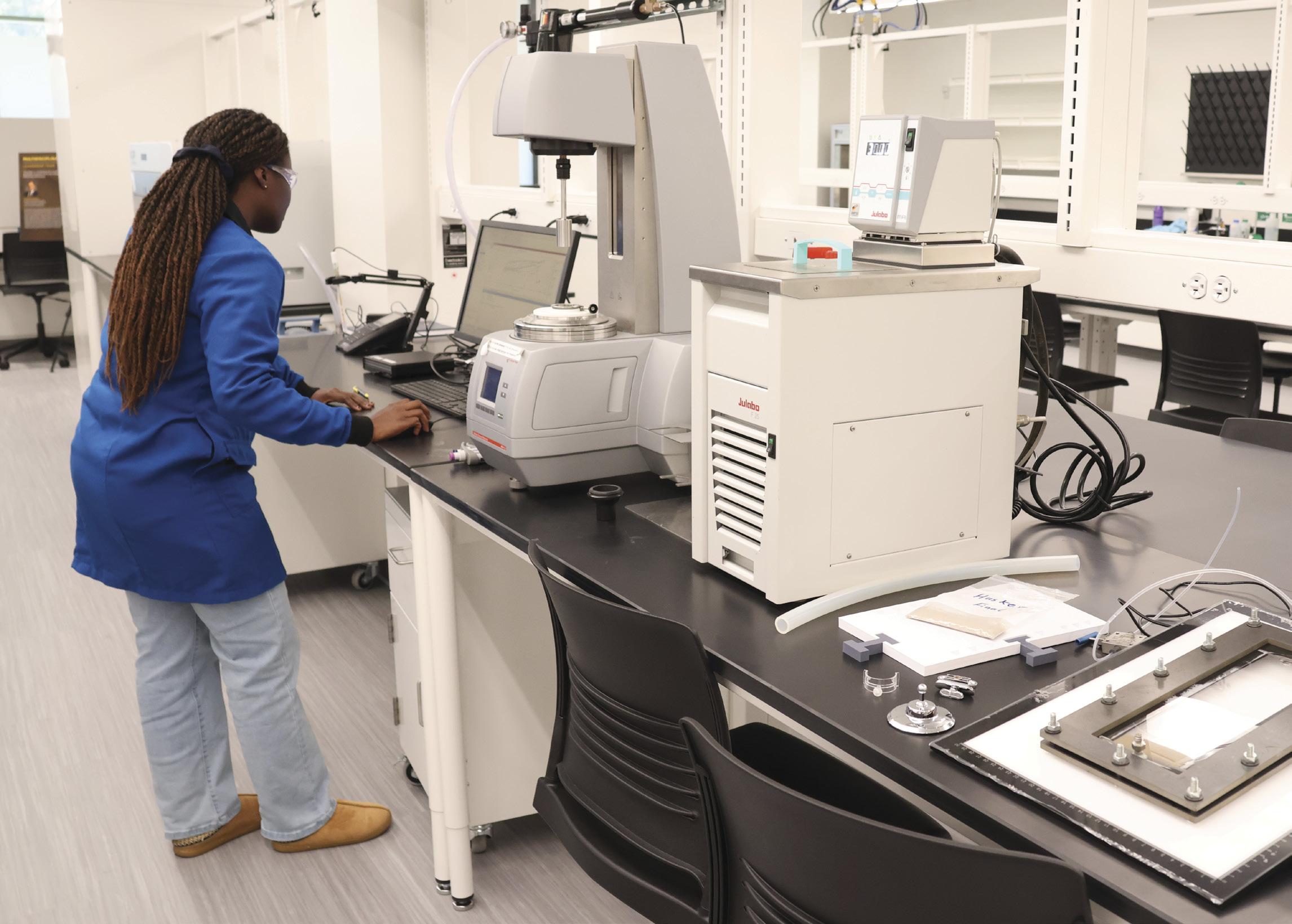
The new Richard and Marilyn Lynch Multidisciplinary Advanced Stimulation Lab is located on the first floor of the Science Initiative Building and features 5,000 square feet and more than $2 million worth of equipment focused on improving oil and gas recovery. Energy and Petroleum Engineering Department Head Soheil Saraji explains that currently only about 10 percent of oil is extracted in the primary stage, making even a 5-percent improvement extremely valuable to industry partners. Industry will sponsor student interns within the lab, and it will welcome visiting industry experts and academics as well as 30 doctoral students and undergraduate researchers. “The lab is supported by the Department of Petroleum Engineering and the School of Energy Resources,” Saraji says. “We brought in a diverse set of expertise from geomechanics, fluid dynamics, drilling and well completion, petrophysics and artificial intelligence, so it is truly a multidisciplinary lab.”
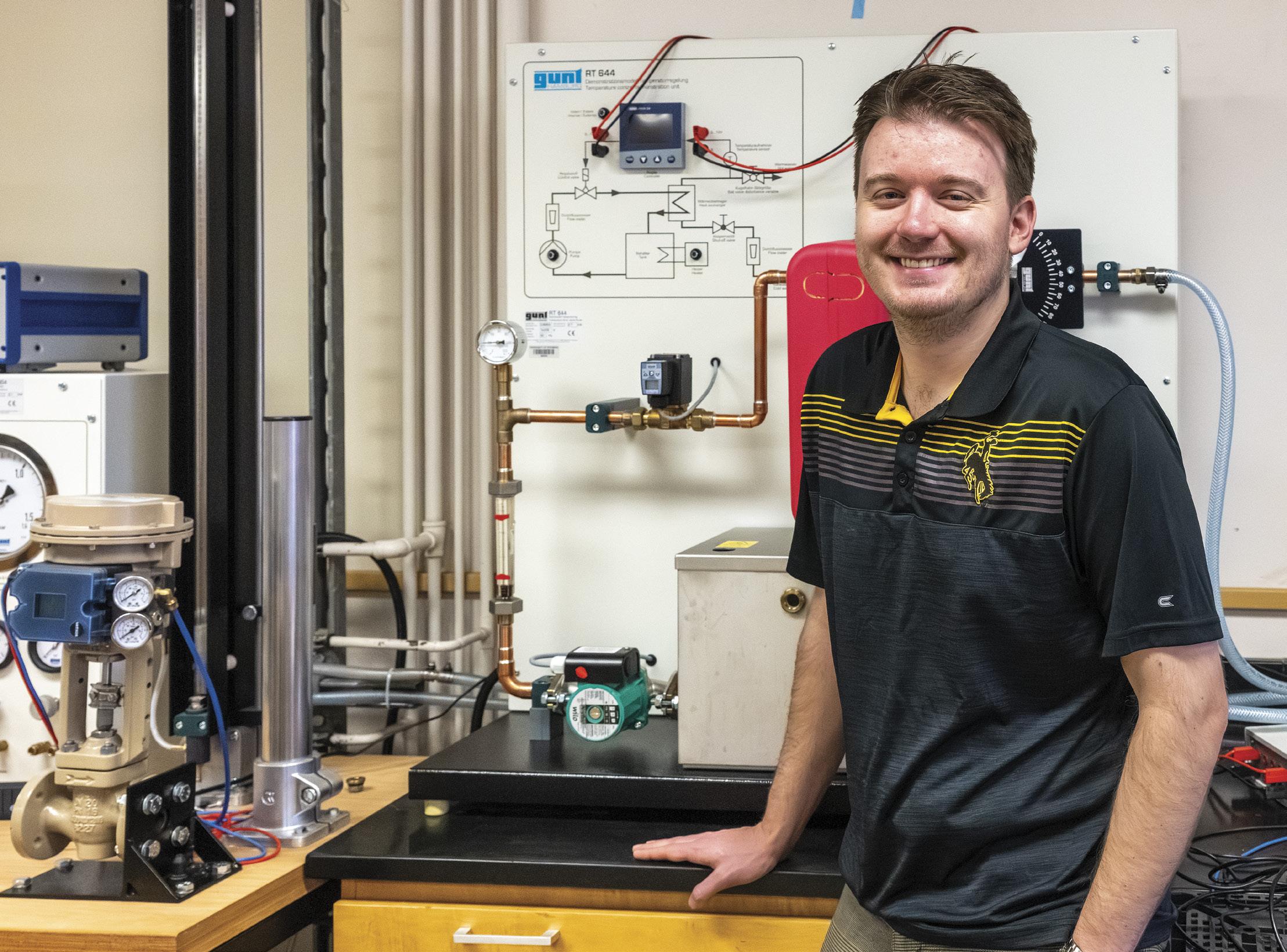
Photo: Ian Hammontree, the coordinator for UW’s process controls minor, helps students utilize the Process Control Simulation Lab.
PHOTO BY JANNA URSCHEL
Photo: Graduate student Cindy Agyemang works in the Science Initiative Building’s Richard and Marilyn Lynch Multidisciplinary Advanced Stimulation Lab.
Facts &
Stats
SIMULATION AND STANDARDIZED PATIENT CENTER
The College of Health Sciences recently launched a new state-of-the-art Simulation and Standardized Patient Center at the Mountain View Medical Center in Laramie. It is designed to immerse students in realistic team-based clinical scenarios that mirror the challenges and dynamics of today’s health-care environments. “The center promotes interprofessional education by bringing together students from nursing, pharmacy, social work, communication disorders, kinesiology and other health programs,” says Dean Patrick Hardigan. “Through high-fidelity simulation and trained standardized patients, students will develop essential clinical communication and decision-making skills in a safe controlled environment.” The space includes ultrasound equipment, six observationstyle treatment rooms, feedback and recording technology and virtual reality technology. In addition to student learning, the space will be used for research and continuing-education courses.
CENTER OF INNOVATION FOR FLOW THROUGH POROUS MEDIA (COIFPM)
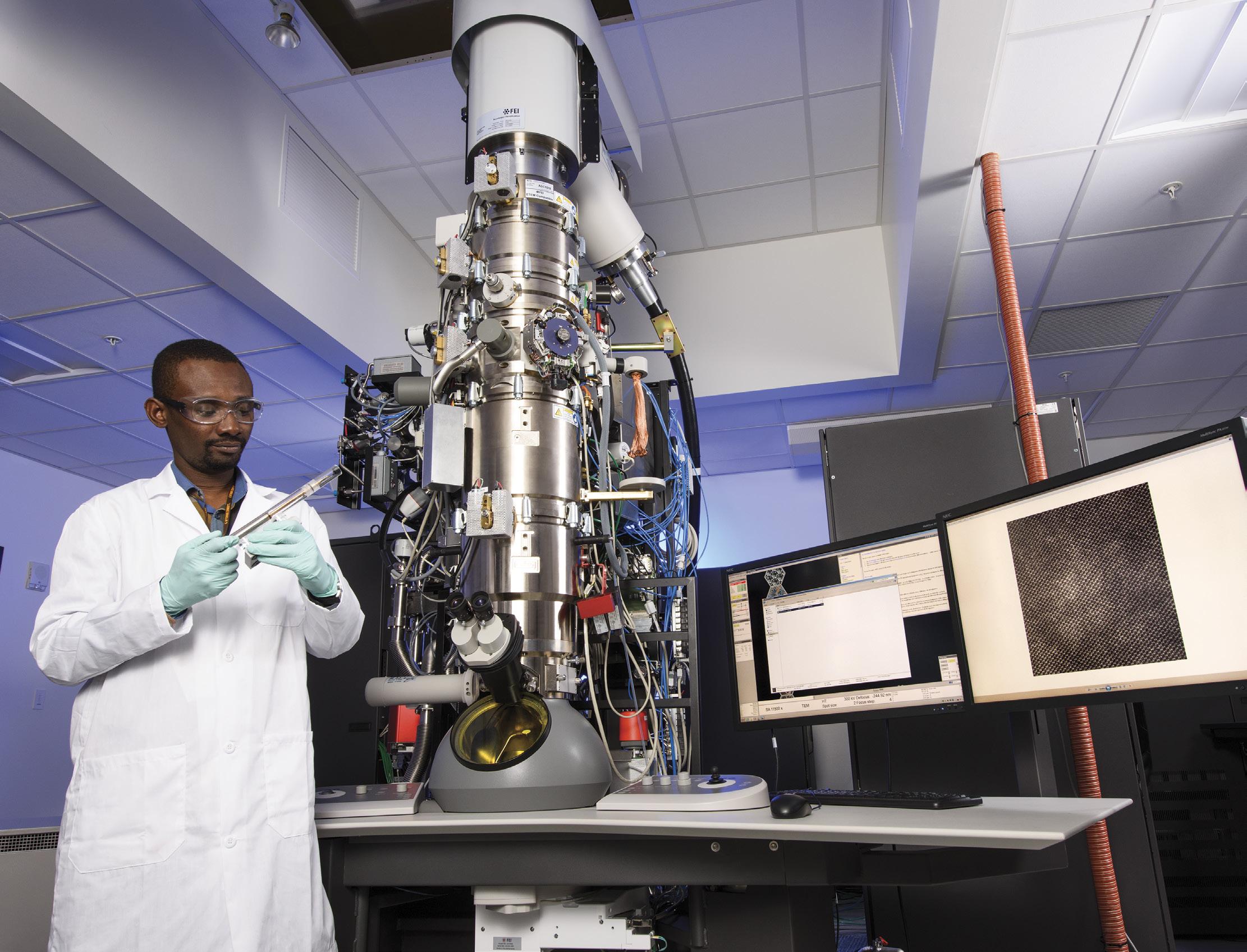
The Center of Innovation for Flow Through Porous Media (COIFPM) is one of the world’s largest and most advanced research facilities of its kind. It is recognized as a global leader in the research and development of novel technologies in the area of flow through porous media and its applications in, for instance, oil and gas recovery, geological carbon sequestration, hydrogen geo-storage and aquifer remediation. Established in 2017, COIFPM offers unparalleled integrated experimental and computational capabilities across the atomic, nano, micro and macro scales. These capabilities, when coupled with the center’s unmatched capacity, allow researchers to conduct numerous multifaceted studies concurrently, generating both fundamental insights and practical innovations. COIFPM serves as a catalyst for innovation, sustainability and economic growth in Wyoming and across the globe. It is a core component of UW’s Tier-1 Engineering Initiative and represents a transformational research hub with broad impact across science, technology and industry.
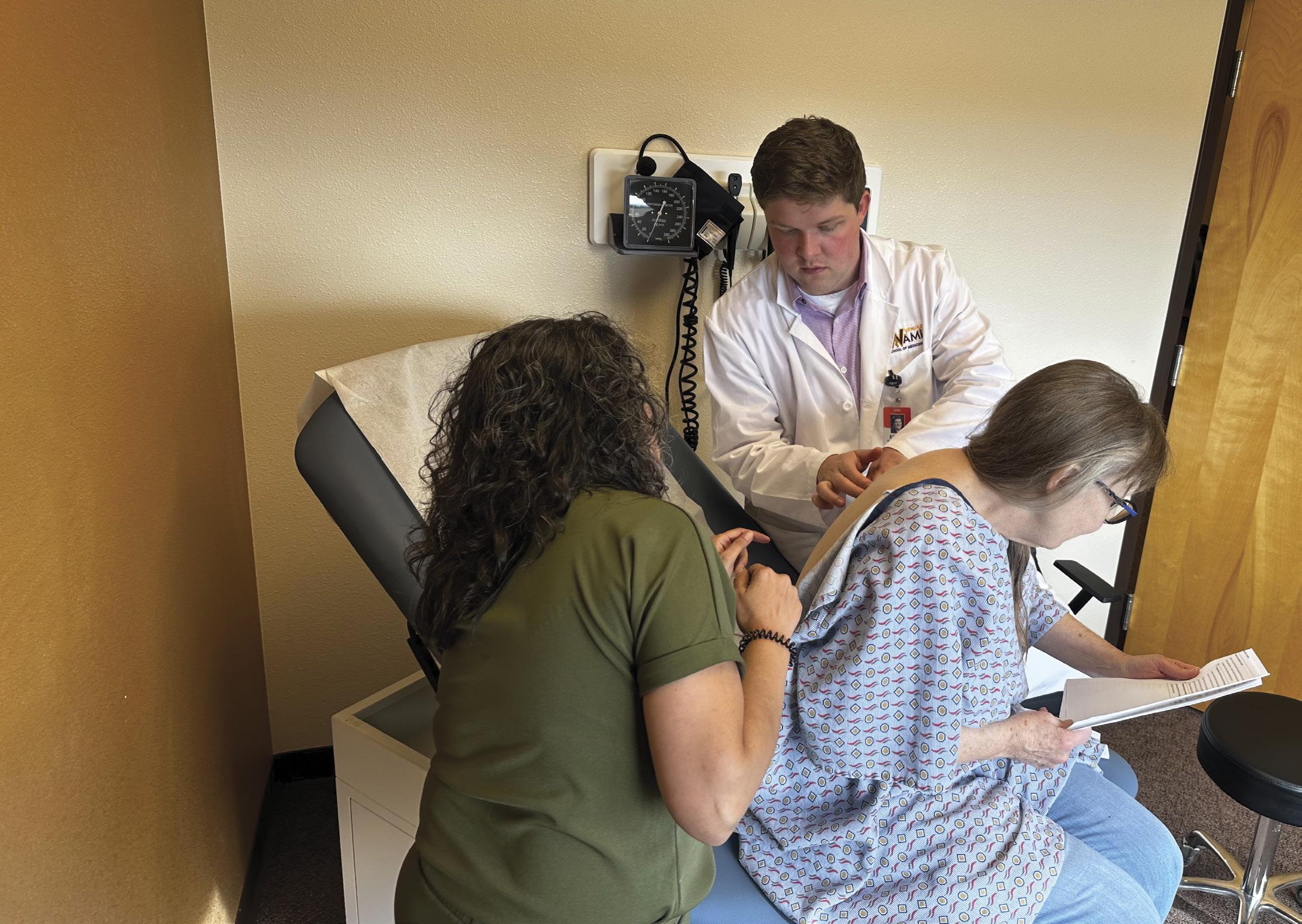
Photo: Former graduate student Samuel Afari works in the Center of Innovation for Flow Through Porous Media in the High Bay Research Facility.
PHOTO BY TODD GUTH
Photo: WWAMI medical student Easton Couch treats standardized patient volunteers in the new center.
PrePA R E
Pre-Service Preparation Advanced Residency Experience
Where Teacher Preparation Meets Real Experience
PrePARE supports the evolution of college students into confident educators. Earn money and gain hands-on experience in the very school where you'll student teach, building the foundation for a successful teaching career before student teaching even begins.
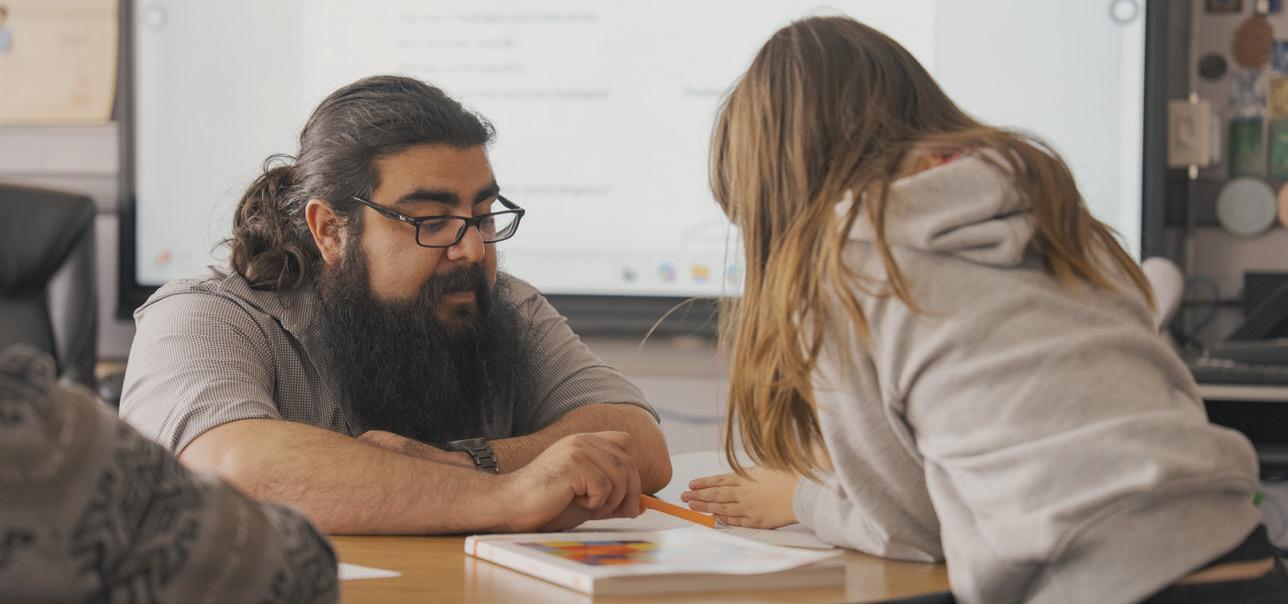
PrePARE students are employed by school districts during their methods semester to work as paraprofessionals within the schools where they will student teach.
PrePARE students work with a variety of K-12 students with and without disabilities in a variety of grade levels.
As paraprofessionals, PrePARE students build relationships with mentor teachers, colleagues, students, and families, becoming valued members of their school communities.
PrePARE students benefit from experiencing a school year from start to finish.
PrePARE students are positioned to directly apply and observe learning from Methods courses.
Students who complete the PrePARE program enter the profession more confident, skilled, and prepared to e ectively meet the diverse needs of students in their future classrooms.
Interested in participating? Be sure to indicate your interest when completing your student teaching application and reach out to Jen Krause (jkraus10@uwyo.edu) or Ti any Hunt (thunt@uwyo.edu) with questions.
The classroom is waiting. Join PrePARE and start your career confident and ready to make a di erence.
Supporting Rural Teachers
THE WYOMING RURAL TEACHER CORPS INTRODUCES STUDENTS TO OPPORTUNITIES IN SMALL TOWNS AROUND THE STATE.
By Micaela Myers
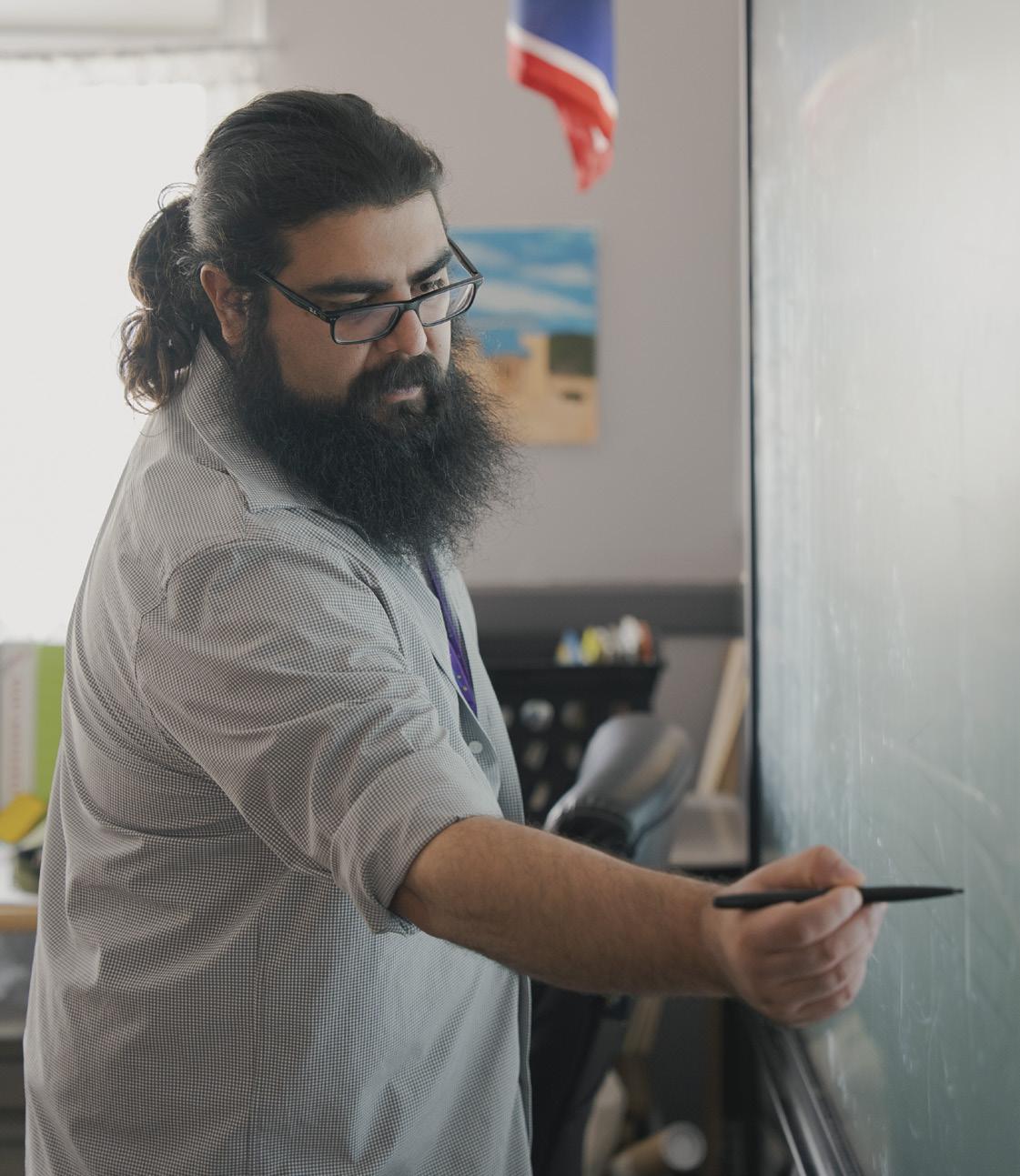
Torin Chavez of Cheyenne took a break from college to serve as a quartermaster in the U.S. Navy. Eight years later, he returned to the University of Wyoming with renewed drive and determination, making a vow to take advantage of any opportunities for growth. Now a senior majoring in elementary education, he is entering his third year in the Wyoming Rural Teacher Corps.
“I have gained a lot more than I ever imagined I would
from the program,” Chavez says. Those gains include friends, a support network, mentors and information.
“We meet every month and go over different aspects of rural schools and teaching,” he says. “Many discussions are based on readings and hearing from presenters who teach at rural schools. I attended the 2024 National Forum to Advance Rural Education conference held in Savannah, Ga., and experienced how rural educators are teaching all over the country. We’ve gone on trips to schools on the Wind River Reservation, in Jackson Hole and other locations. There’s also the annual Rock River STEM Night, where we set up STEM activities for the students focused on place-based education. We also have our capstone event that allows us to see the projects other members in the group have worked on throughout the year and be able to present to other educators. I can’t forget to mention the trip we took to Teton Science Schools, which was a great time.”
The corps was created four years ago to help rural schools better attract and retain teachers. So far, nearly 40 UW students have participated.
Chavez is currently student teaching at Clawson Elementary School in Horse Creek, Wyo., where he works with five different grades at once — an experience he believes is making him a better educator. He encourages other students to explore rural teaching opportunities. Upon graduation this December, Chavez hopes to secure a job in a rural setting.
“Many people don’t know about or overlook rural schools and how valuable they are to their communities,” he says. “There’s a whole population of people and students who don’t live in cities or large communities. These schools not only provide an education for those students but can also act as a community hub in many ways. A program such as the Rural Teacher Corps is a great way to grow interest in future educators (in teaching in rural schools) and help them venture deeper into their degree field. Schools will always need a teacher, and programs like this are a great way to make sure that those positions stay filled.”
Torin Chavez is student teaching at Clawson Elementary School in Horse Creek, Wyo., where he works with five different grades at once.
Stars in Her Eyes
UNDERGRADUATE KAITLYN SCHULTZ EARNED A NASA SPACE GRANT TO STUDY SPACE BUBBLES.
By Micaela Myers
It may seem a lofty goal to study space as an undergraduate, but for motivated University of Wyoming students, the stars are well within reach. Junior astrophysics and physics student Kaitlyn Schultz of Sheridan, Wyo., does just that and earned a Wyoming NASA Space Grant Consortium fellowship to study space “bubbles.”
“Galaxies are made of stars and dust, and I study holes in them — empty spaces and why and how they formed,” Schultz says. “We use data from the Hubble Space Telescope, and we’re hoping to add in data from the James Webb Space Telescope.”
Her research involves a great deal of data and coding, and Schultz is working with her mentors on a paper for publication.
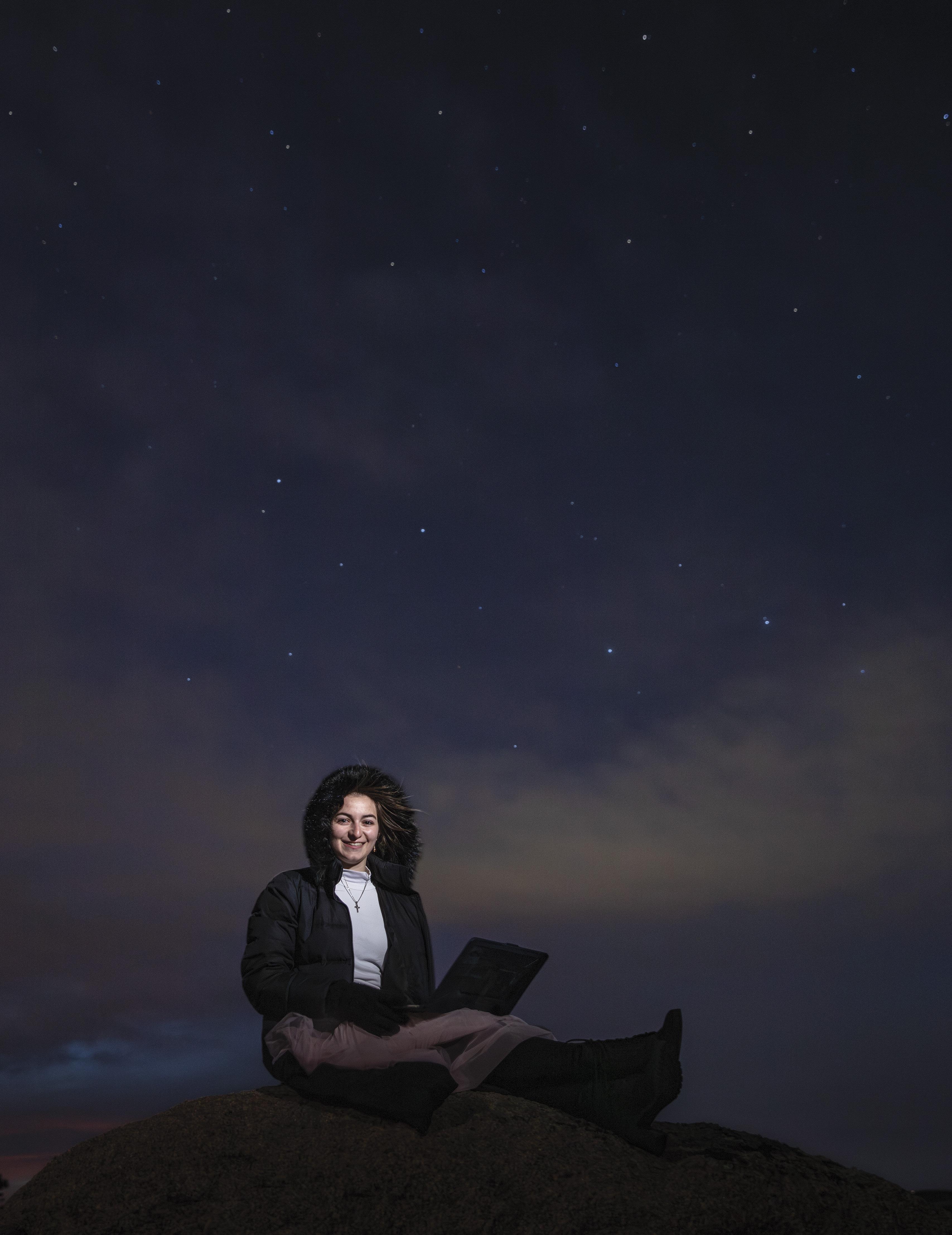
“Classes are great, and you learn a lot, but how you actually apply what you learn to real life is not very clear most of the time,” she says. “Being able to take data from real telescopes and see the galaxy and stars that I’m studying — and use coding and math to find real-world answers for what I’ve been studying — is just amazing.”
The funding from the NASA Space Grant even enabled Schultz to present her research at national conferences such as the American Astronomical Society conference in Washington, D.C.
“It’s so amazing to be a young person in the field and to be able to present what I’ve learned and have people see it as new and interesting,” Schultz says.
Physics and astrophysics graduate programs are highly competitive, and
Schultz’s research experience will give her a leg up.
“Learning how to do the research and what it means to be self-motivated and a team player has been super helpful as I think about where I want to go career wise in the future,” she says.
A big part of that learning comes from her two mentors, UW Harry C. Vaughan Professor of Astronomy Daniel Dale and Hwihyun Kim, who is an instrumentation program scientist for the Gemini Observatory NSF NOIRLab. Having mentors in two different areas of her field opened Schultz’s eyes to the many opportunities available after graduate school.
“Being able to have both of them as mentors has been great,” she says. “They introduced me to a lot of people in the larger field of scientific collaboration. They have been extremely helpful in guiding me on how to speak publicly, learn, grow and present.”
Schultz also pays it forward, doing outreach such as guiding tours of the Wyoming Infrared Observatory on Jelm Mountain during the annual open house.
She says, “It’s really fun to meet citizens in the community who aren’t necessarily scientists but are so interested and so invested in what we do.”
Kaitlyn Schultz, pictured at Vedauwoo Recreation Area, studies space bubbles using Hubble Space Telescope data.
Into the Great Outdoors
UW’S OUTDOOR PROGRAM GAVE INGRID HOFMEISTER EXPERIENCES AND SKILLS SHE NEVER EXPECTED.
By Micaela Myers
Ingrid Hofmeister grew up in Hoehne, Colo., riding horses, hiking, fishing and mountain biking, so when her Haub School of Environment and Natural Resources course brought her to the University of Wyoming’s Outdoor Program in her freshman year, she immediately wanted to get involved. She is now a senior studying wildlife and fisheries biology and management with minors in rangeland ecology and zoology, and she has been working for the Outdoor Program for three years and also completed its Outdoor Leadership Development Series.
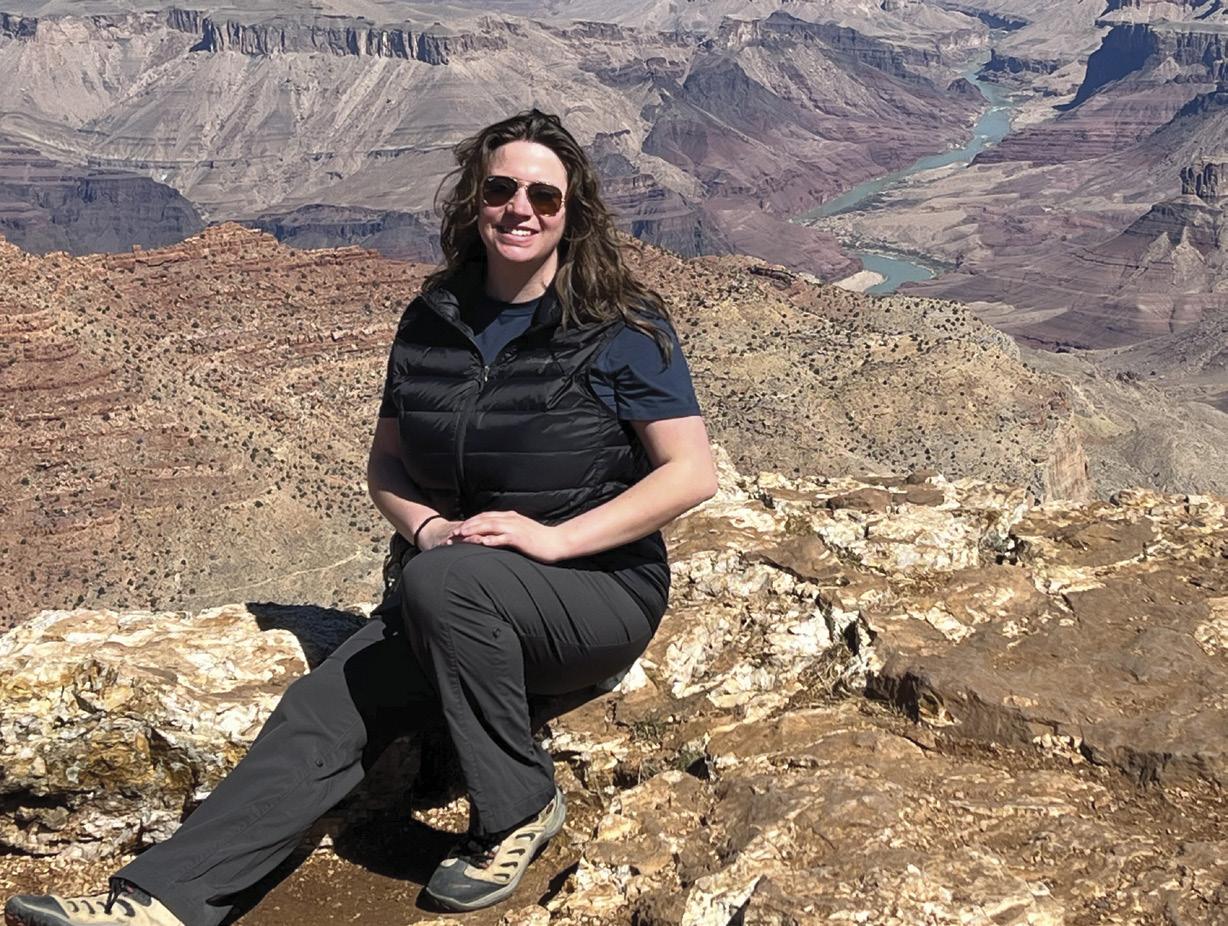
“We live between some amazing public lands and spaces, so getting outside and just meeting others who enjoy these pursuits is huge,” Hofmeister says. “I want to make sure that students, staff and faculty know that the Outdoor Program is a great resource for just about anything outdoor related. We have tents, hammocks, kayaks, skis, snowshoes and all that, and we also have guided trips and clinics if you don’t know
where to go or have anyone to go with, or you don’t know what you’re doing.”
In addition to helping with the rentals and clinics, Hofmeister is in charge of the Outdoor Program’s social media and marketing, which opened her eyes to new job possibilities that combine her passion for conservation with her newfound marketing skills. Her participation in the Outdoor Leadership Development Series also expanded her horizons.
“I came to college with some things in my wheelhouse, but I wasn’t a big skier, and I hadn’t done backpacking or anything,” Hofmeister says. “I wouldn’t have been able to have those experiences without the leadership series. It tested my personal boundaries of what I’m comfortable with, and I was able to do stuff that was super cool.”
The yearlong program is open to undergraduate and graduate students and provides a foundation for leading others in a wilderness environment. It helps participants improve outdoor technical skills, apply leadership methods and group management skills, and obtain wilderness medicine training. Students leave with a certificate of completion plus nationally recognized first responder and first aid certifications.
The program includes classroom learning and three trips. Hofmeister started the series with an introductory trip to Glendo State Park, where the participants mountain biked, rock climbed and bonded as a group.
“After that, we did a backcountry ski trip in the Snowies, and we winter camped,” she says. “We built snow pits to have a fire and everything, which was really fun.”
The third trip, the participants planned and led themselves.
“The last trip was backpacking near Grand StaircaseEscalante, Utah, over spring break,” Hofmeister says. “We had to plan our route and pack all of the food and gear. It was a really great trip. I had never been backpacking before or spent time in Utah. I wouldn’t have experienced that or tested my personal boundaries without the leadership program.”
After graduation in December, Hofmeister plans to use her degrees and experiences in the Outdoor Program to work in the conservation field.
Ingrid Hofmeister, who works for UW’s Outdoor Program, spent her 2025 spring break exploring Grand Canyon National Park.
Building Race Cars
THE WYOMING MOTORSPORTS TEAM GIVES STUDENTS HANDS-ON EXPERIENCE DESIGNING AND REFINING A CAR FROM THE GROUND UP.
By Micaela Myers
This past spring, the Wyoming Motorsports student engineering team brought home its second championship trophy from the Formula Hybrid + Electric Competition at the New Hampshire Motor Speedway. The hybrid formula-one style car was designed and built by University of Wyoming students. The four-day event was organized in part by the Society of Automotive Engineers and Thayer School of Engineering at Dartmouth College and features rounds of technical inspections, performance tests and static presentations.
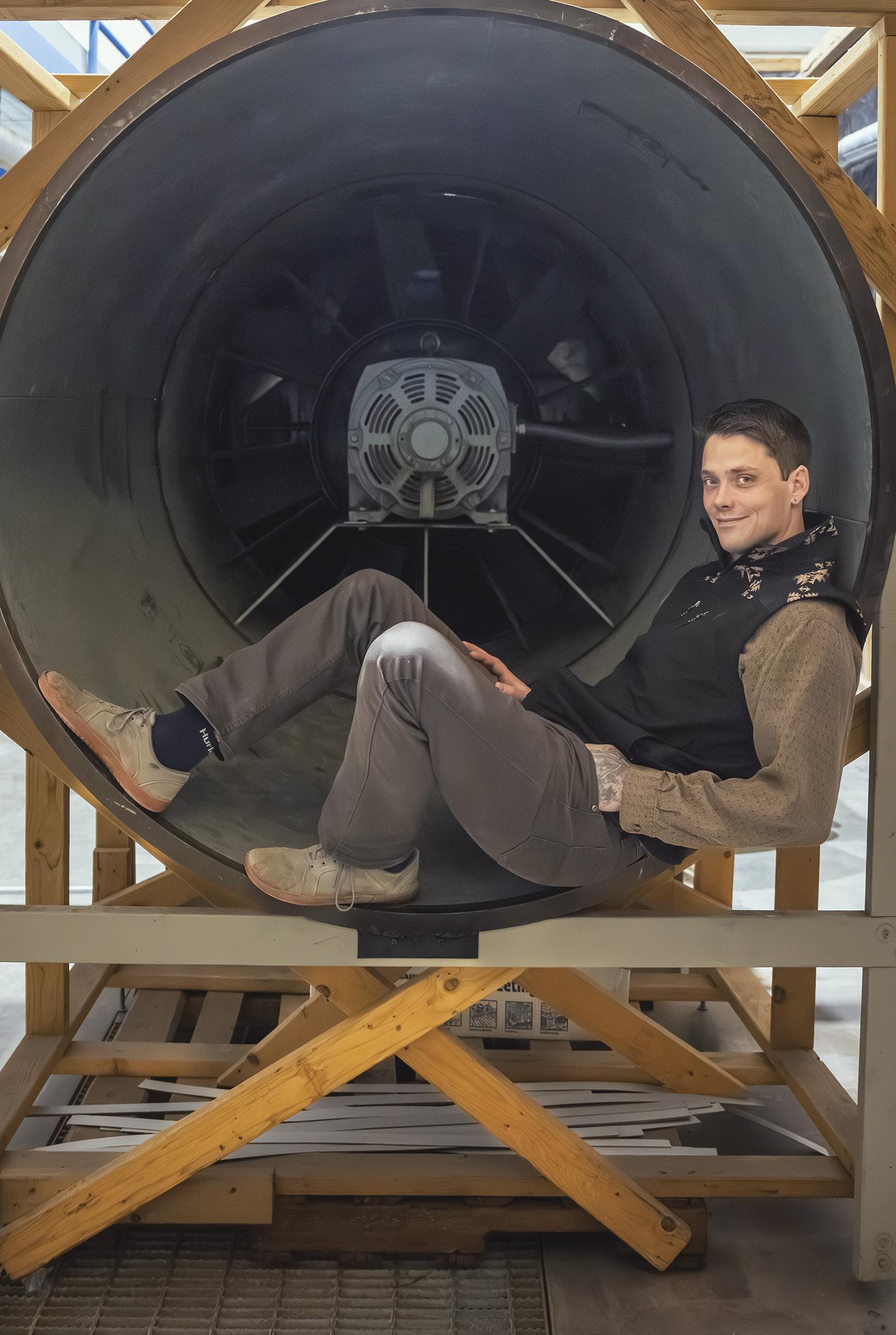
At the start of each year, the UW team of 25-30 students sets goals, meeting weekly but often spending seven days a week in the shop — two garages located in the basement of the original Engineering Building. This year, their goals included building a new car from the ground up.
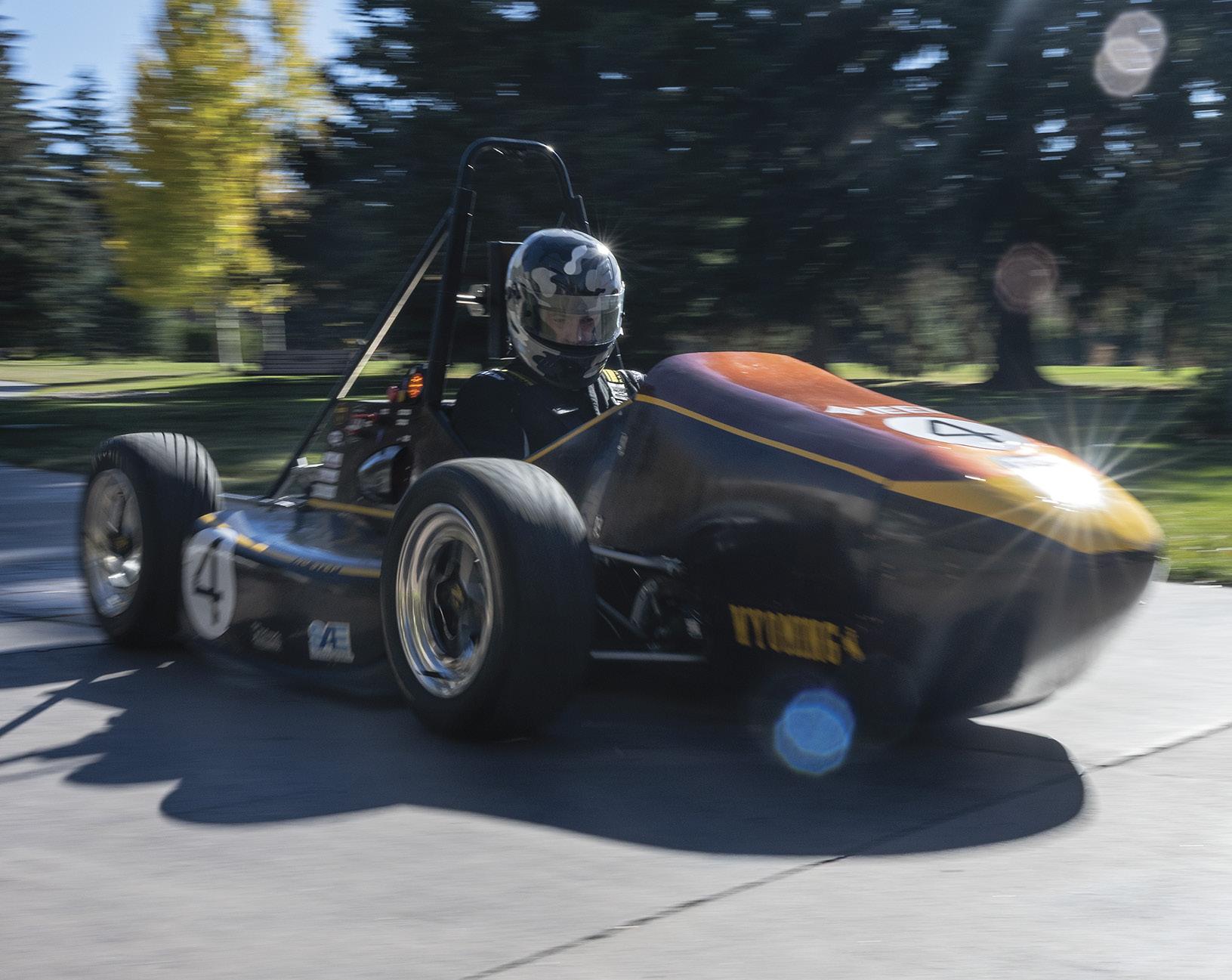
“At the beginning of the summer, I started designing the frame and suspension, and by August I had worked with the powertrain and electrical leads, and we had a good game plan together,” says mechanical engineering senior Zach Goldner of Omaha, who serves as the club president. “Throughout the year, we manufactured and designed different systems and got everything implemented.”
This year, the team added a second car — a Baja-style offroad vehicle, which headed to its first Society of Automotive Engineers competition this past October.
“A lot of learning has gone into trying to design and build a whole different style vehicle,” Goldner says, adding that the club isn’t just for engineers. “We love getting more than just engineering students in the club because we have a business team that reaches out to sponsors and does our branding. We are really looking to expand into a more diverse group to cover all of our bases.”
Goldner spent more time in the garage than in the classroom the last few years — an experience he found invaluable.
“We use 3D CAD software called SOLIDWORKS every day in the motorsports club, so I feel very proficient,” he says.
“I helped weld the entire car last year, and so there’s a lot of hands-on experience that I wouldn’t be able to find anywhere else. I know my future engineering designs will be better off from the beginning because I can anticipate challenges with manufacturing.”
Even if his future job doesn’t involve building cars, Goldner says he’ll be building one in his own garage, just as he did at UW. He anticipates his UW experiences will give him a leg up in interviews.
“I think being able to show that I have these huge integrated projects that I’ve worked on, which are essentially self-guided, will help me stand apart from other job candidates,” he says. “I can show that not only have I worked on this but I’ve seen it from inception to completion.”
UW Wyoming Motorsports President Zach Goldner drives the team’s hybrid formula-one style car.
big questions, experiences big
THE WYOMING RESEARCH SCHOLARS PROGRAM TURNS UNDERGRADUATES INTO FULL-FLEDGED RESEARCHERS.
BY MICAELA MYERS
In 2015, the University of Wyoming Science Initiative launched the Wyoming Research Scholars Program (WRSP), which pairs undergraduate students and faculty mentors to participate in cutting-edge research.
The majority of practicing scientists as well as many corporate and civic leaders credit early research opportunities in college as having a profound effect on their career paths and personal growth. WRSP offers students these same benefits. So far, 280 UW students have participated.
The program helps attract and retain top students with generous stipends for research and travel to conferences. In addition to the individualized student-led research, participants learn writing and presentation skills, present at UW’s annual Undergraduate Research Day and participate in public outreach events.
UWyo Magazine sat down with 10 scholars and their mentors to learn more.
Sweet Dreams
Gustavo Hernandez came to UW from Rock Springs, Wyo., to major in physiology with a plan to become a medical doctor. Figuring research would help him on his path, he joined the WRSP, working with Associate Professor Emily Schmitt in the Division of Kinesiology and Health’s Circadian Rhythm and Exercise Research Lab.
“We work with circadian rhythms, which are your 24hour sleep-wake cycles,” Hernandez says. “If you have poor circadian rhythms or misalignment or disruption — say, from working overnight jobs or traveling — it leads to a bunch of bad stuff like cardiovascular disease, cancer and metabolic disease. We are seeking to find a solution through exercise.”
The three main controllers of circadian rhythms are light, food and exercise. Exercise is the least studied or understood. Hernandez is using different treatment groups of mice to determine the benefits of exercise on circadian regulation. So far, early results show exercise is indeed beneficial to circadian rhythms. They are also studying the upregulation and downregulation of certain genes to understand which pathways are activated and what activates them.
The lab includes expertise from disciplines including
zoology, physiology and neuroscience, and much like the lab, the WRSP program brings together students from across campus who are interested in research.
“Any opportunities that we have to elevate our students, to give our students real-world application experiences and to prepare them for the next step are exceptional, and I think UW does a really good job providing these essential opportunities,” Schmitt says. “I was really fortunate to have wonderful mentors throughout my schooling and my early career, and mentoring is one of the favorite parts of my job. Mentoring students is really how we make a lot of these scientific discoveries. Students are the ones in the lab doing the work. Getting a group of students together from different disciplines and levels allows them to bounce ideas off of each other and their instructors.”
Schmitt believes that research will also help Hernandez, as a future medical doctor, understand a bench-to-bedside approach and the years of research that go into drug and other treatment discoveries.
“I think mentorship is super important, especially for first-generation students and first-generation Americans such as myself,” he says. “There’s a lot of things I don’t really know,
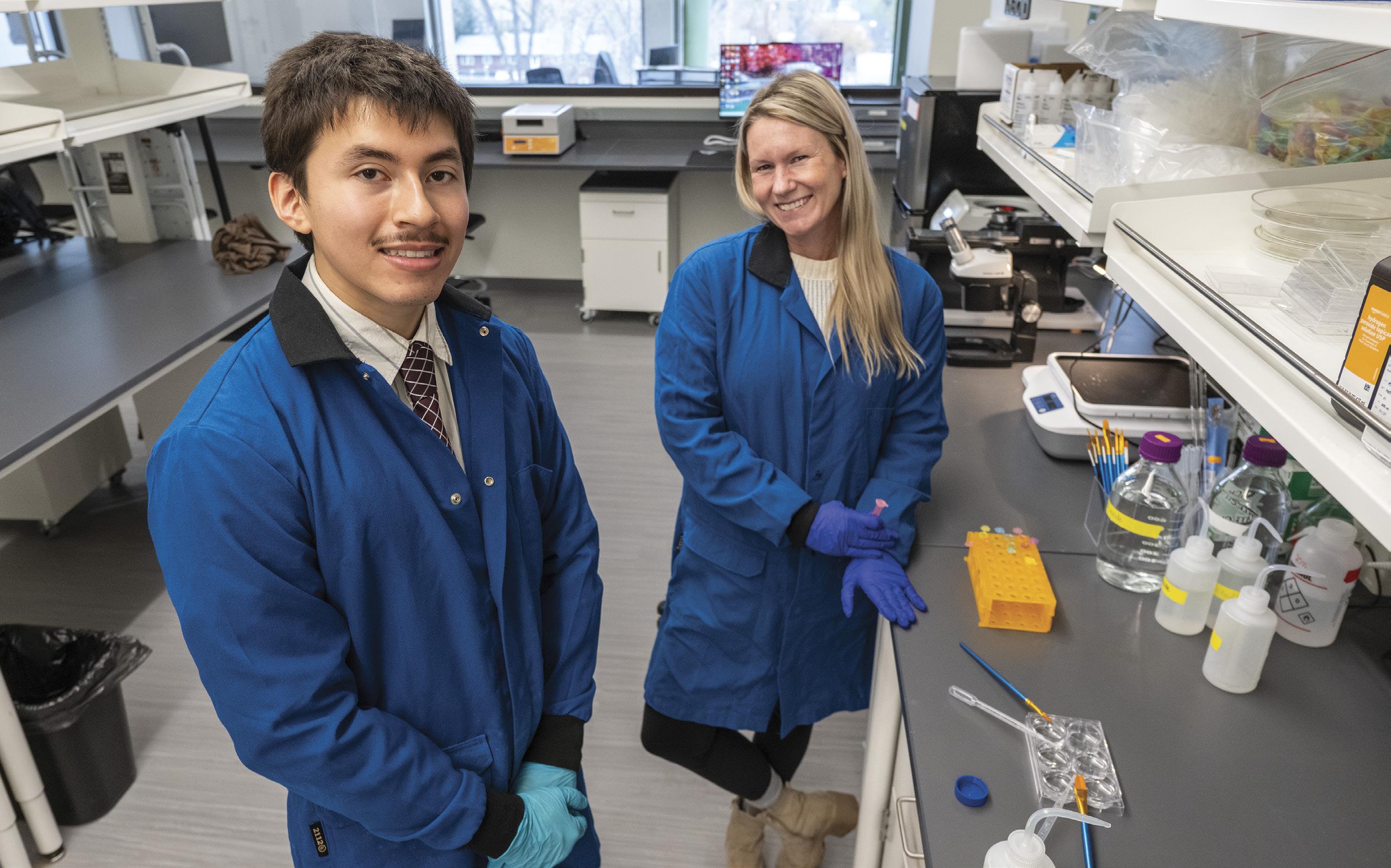
Student Gustavo Hernandez works alongside Associate Professor Emily Schmitt in the Circadian Rhythm and Exercise Research Lab, located in the Science Initiative Building.
and it’s been super helpful to have someone who knows.”
After graduation, Hernandez still plans to apply to medical school. However, his time in the WRSP also helped him appreciate the research side — something he also wants to pursue.
Understanding Impacts of Salinity
Miles Milbrath came from Durand, Ill., to study fisheries management and joined WRSP. After graduation in winter 2024, he stayed on for his master’s degree.
“I think every undergrad, if they’re interested in science to some degree, should do undergrad research where they’re in charge of managing a project and doing their own methods, lab work and writing up a manuscript to have it published,” Milbrath says.
And that’s just what he did. This past fall, Milbrath was the lead author of a paper titled “Evaluating How Growth and Diet of Native Freshwater Fishes Change in Response to Salinity and pH in a Semi-Arid Landscape” that appeared in the international peer-reviewed scientific journal Fishes. The paper was co-written by graduate student Audrey Lindsteadt and Lusha Tronstad, who serves as the lead invertebrate zoologist for the Wyoming Natural Diversity Database and is also an adjunct faculty member in the Department of Zoology and Physiology and the Program in Ecology and Evolution.
For the project, Millbrath studied fathead minnows and northern plains killifish in intermittent streams around Wyoming.
“Freshwater fish ideally like a salinity that’s low and a pH that is neutral,” Milbrath says. “We’ve found streams that are double the salinity of normal ocean water in the middle of Wyoming. Using the fishes’ ear bones, called otoliths, we can understand how much effort they’re putting into their growth each year. We also studied their stomach contents to correlate the salinity and the pH with what they’re eating. There’s a lot of variability with the diet, but less energy was directed toward growth with higher salinity and a pH that’s more basic.”
Milbrath has another soon-to-be-published paper with Samantha Poratti, a master’s degree student studying native mussels near Bear River, Wyo.
“I’ve been doing this job for 16 years, and Miles is only the third undergraduate I’ve worked with who has had the determination to be the lead author of a paper,” Tronstad says. “They learn a lot in the process of writing a paper, and I think it’s excellent to contribute knowledge globally on something they put that much effort into it.”
These types of undergraduate research experiences weren’t available when Tronstad was in school.
“I am a huge fan of WSRP,” she says. “It allows students to use everything they’ve learned in their degree and put it
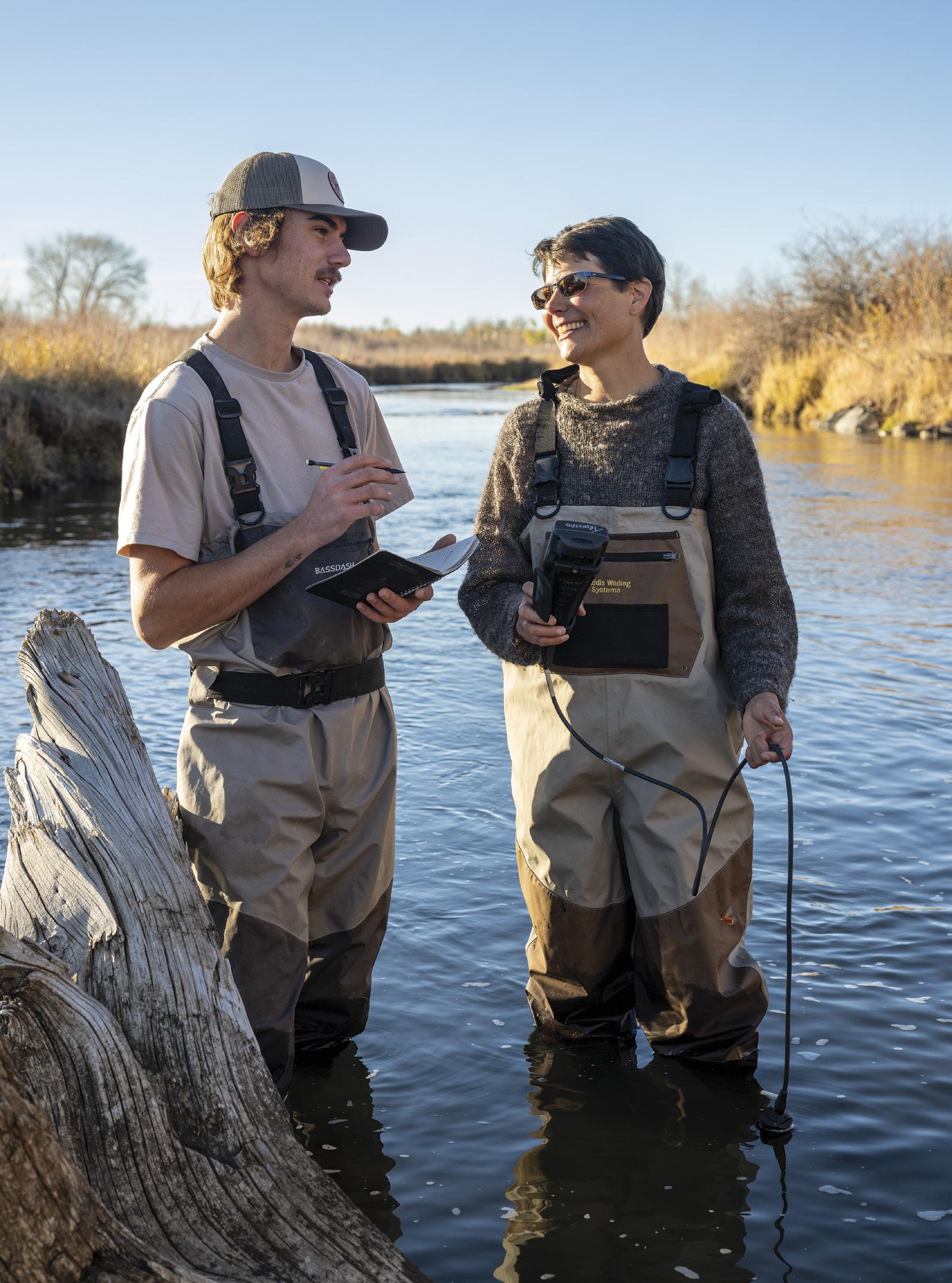
Student Miles Milbrath and mentor Lusha Tronstad conduct research on the Laramie River.
together to make something that they can be really proud of. It will follow them all of their careers.”
Milbrath now mentors a WRSP student himself. He hopes to one day work for a fish and game department in fisheries management and believes his WRSP experiences will give him a leg up.
“Understanding the implications and effects of lack of water on these fish is important,” Milbrath says. “It was a pretty small-scale project, but it does have broader implications. There are a lot more sensitive species like trout that are affected by different salinities and pH. Lack of water, the pooling of water and not being able to escape these harsh environments is applicable throughout the West.”
Studying Stars
Many students enter college unsure of what they want to study. That wasn’t the case for Alexina Birkholz of Sheridan, Wyo.
“I decided around sixth grade that I wanted to be an astronomer,” she says. “By the time I started UW, I knew I wanted to either study black holes or exoplanets.” Her freshman year, Birkholz visited Department of
Physics and Astronomy Associate Dean Chip Kobulnicky’s office hours, eager to join the team at the Red Buttes Observatory studying exoplanets. With WRSP funding, her dream was soon underway.
“WRSP helps students have a job in their field so they can reduce the hours they work off campus,” Kobulnicky says. “A project like this gives UW students a chance to join an international team using NASA satellites to look for planets around other stars, which is an awesome opportunity for Wyoming students.”
WRSP brings all scholars together for workshops and training.
“It really allowed me a broader perspective on how science in general works — and not just astronomy,” Birkholz says.
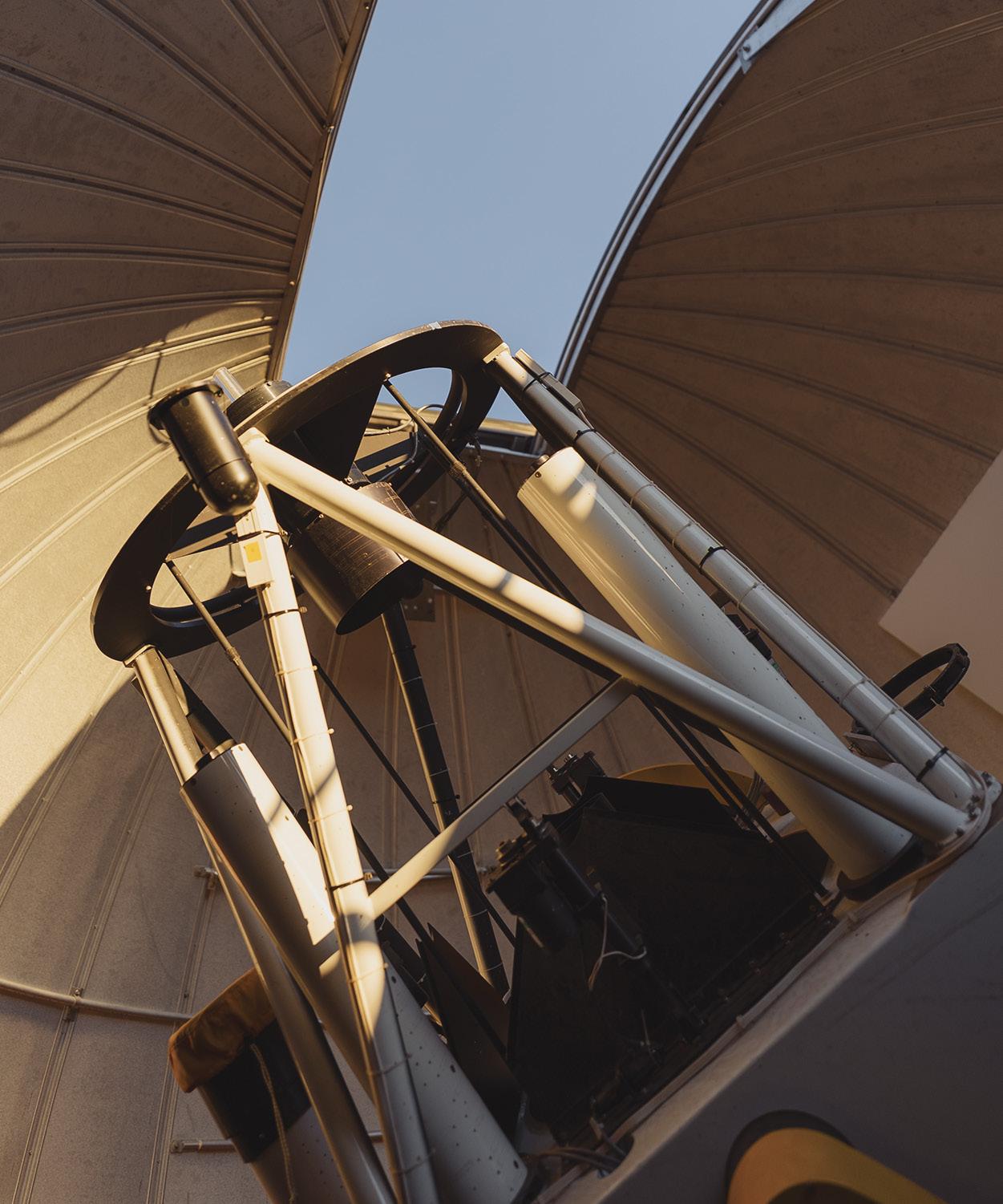
As part of Kobulnicky’s group, she spends hours running the telescope every week working on a team that verifies new exoplanets.
“I teach younger students how to use the telescope, I run our schedule and make sure that we have all the targets for the night entered, and I do a lot of general telescope maintenance,” says Birkholz, who is now a senior. “Professor
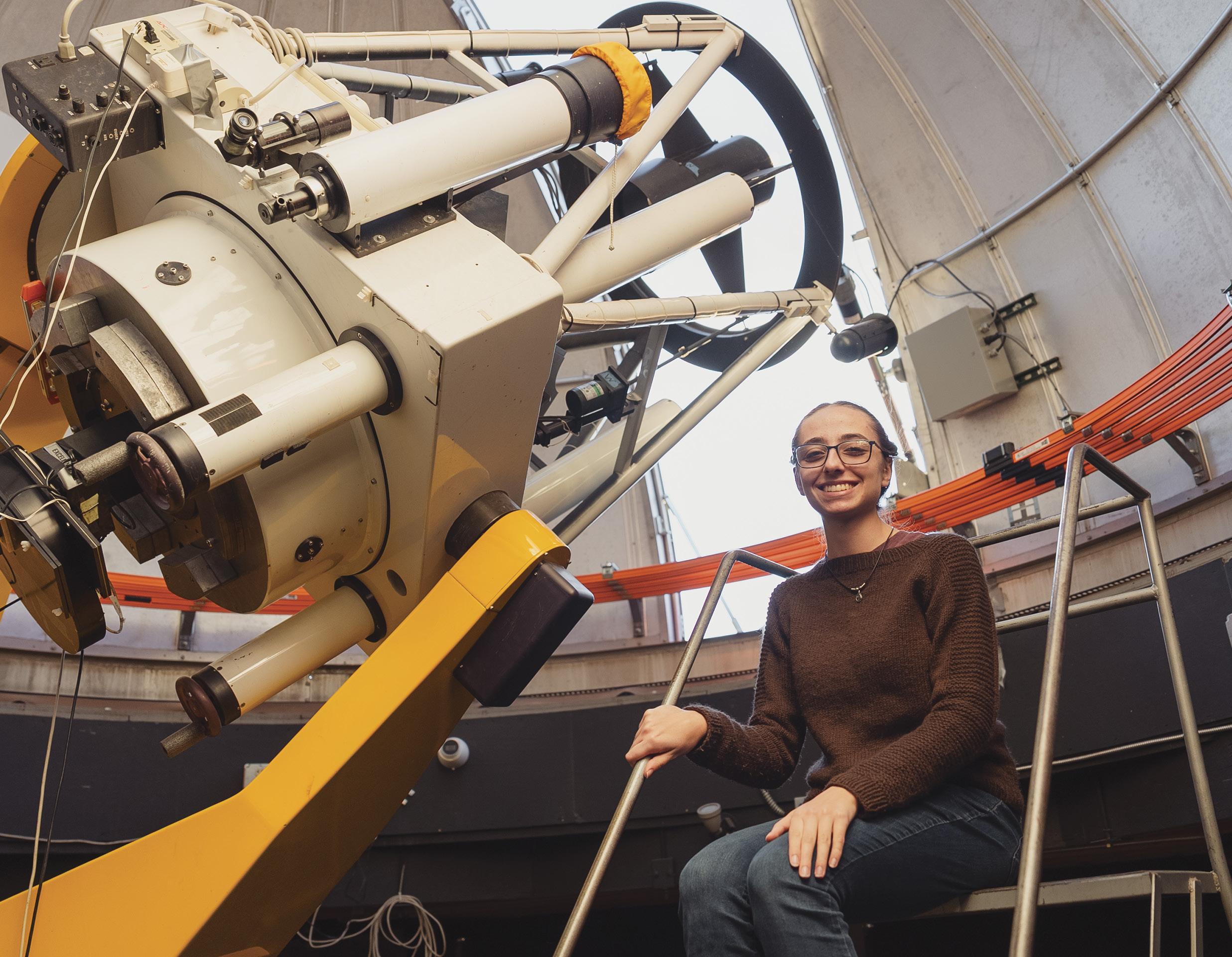
Student Alexina Birkholz is a member of the Red Buttes Observatory team, which operates a 0.6-meter telescope 10 minutes southeast of Laramie.
Kobulnicky is a role model to me. When I have my own students, this is how I want to interact with them.”
As part of the research group, Birkholz learned how to collaborate in a large highly productive team.
“Science teams today are big collaborations with people at different career stages,” Kobulnicky says. “It’s a whole group of people who help each other, work together and learn from each other and from each other’s mistakes. And that’s kind of the way science works.”
Through these collaborations, Birkholz is now a co-author of three papers related to new exoplanets. One of the papers, titled “New Giant Planet Discovered: TOI-6383Ab,” was published in Simple Science this past summer. It details a new giant planet called TOI-6383Ab that orbits the star TOI6383A located about 172 light-years from Earth. Classified as an M3 dwarf star — a small and cool star — it is part of a category of planets known as Giant Exoplanets around M-dwarf Stars. The discovery helps astronomers learn more about how giant planets form and evolve around smaller stars.
“I’d like to go to grad school and get a Ph.D. working on exoplanets as well as work on designing astronomy
instruments,” Birkholz says. “After I get a Ph.D., the next step is usually a postdoctoral position, and then I’d like to either end up working as a professor or work for NASA.”
Looking at Leaves
Paleobiology Professor Ellen Currano is a huge fan of the WRSP program — for its student salaries, its coverage of conference travel and equipment, and its training and mentorship.
“Our undergraduate students who are going through WRSP are getting accepted into really top graduate programs — Ivy Leagues and Big Ten schools, the big research powerhouses,” she says.
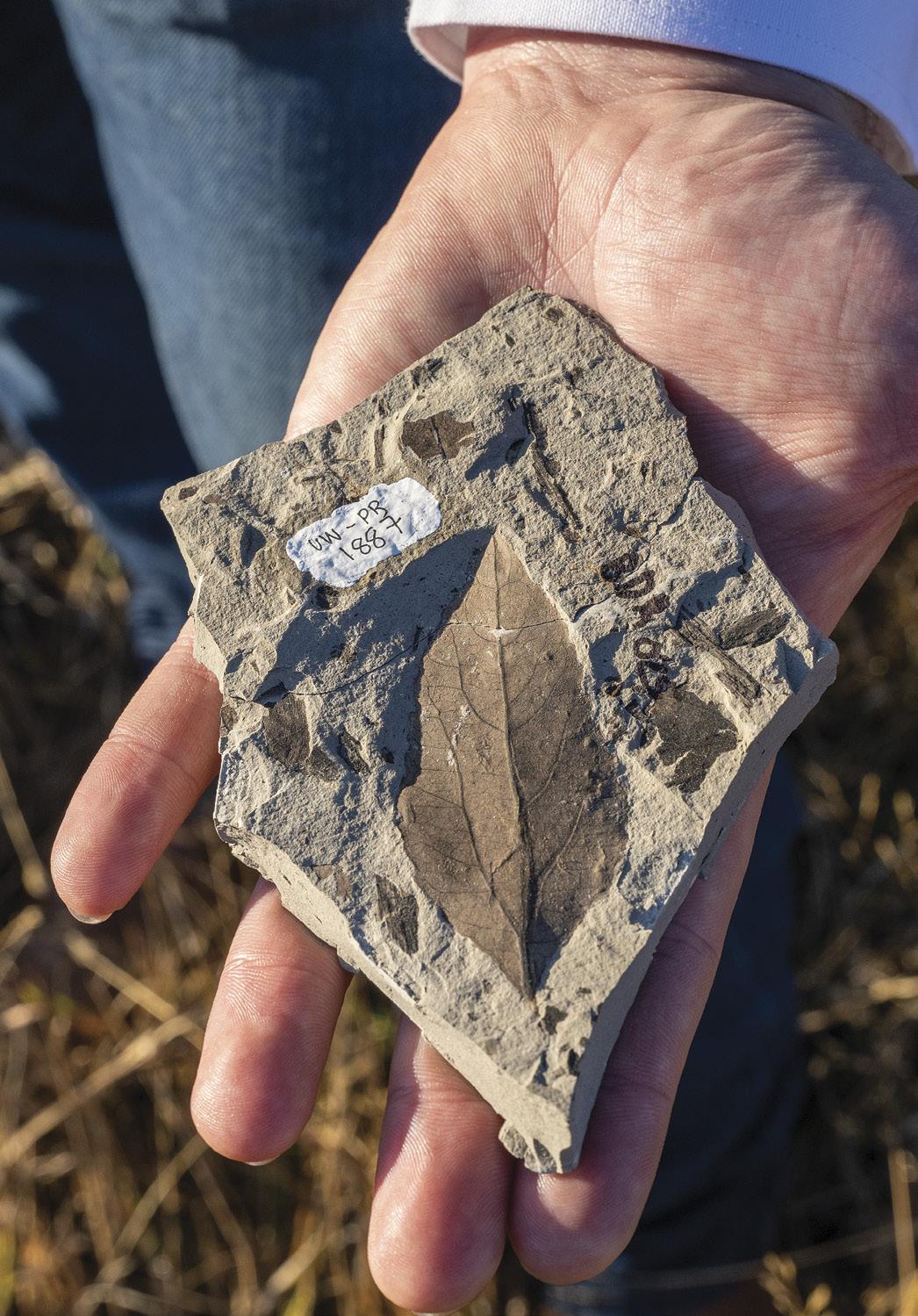
A top graduate program is exactly her hope for current WRSP and NASA Space Grant Fellow Samuel Robertson of Laramie, a senior majoring in botany with an entomology minor. Robertson came to UW with an interest in biology and plants in particular. He joined the Currano Lab in 2023, helping graduate student Matthew Butrim with his project using machine learning networks to automatically identify and extract the different features of leaves. Robertson then
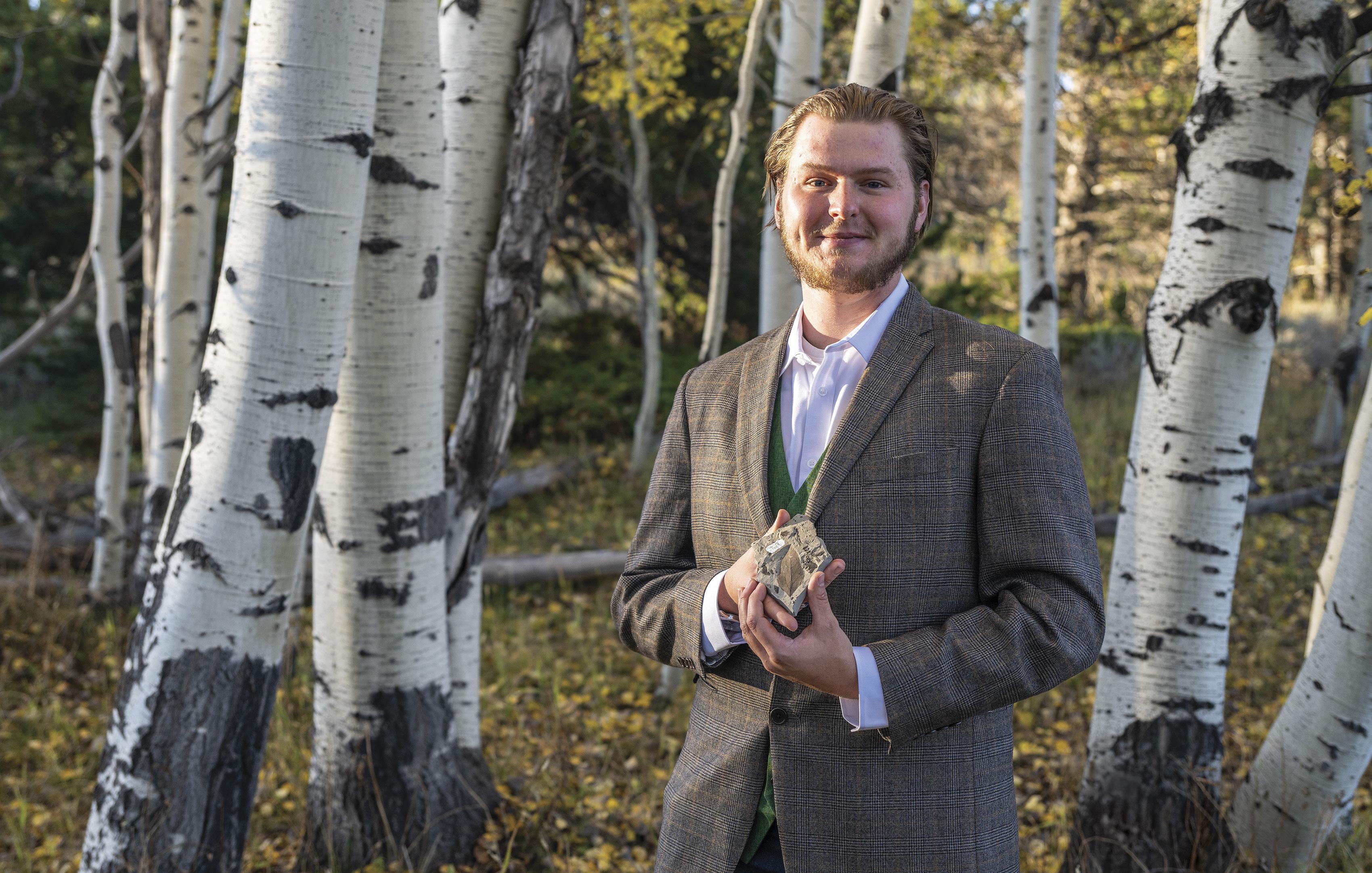
Student Samuel Robertson studies aspen leaves as part of the Currano Lab.
designed his own research project studying the correlation between plant leaf traits and soil moisture.
He spent nine days trekking around the Snowy Mountains collecting aspen leaves at 40 sites. The leaves were then measured and studied for dryness metrics. The project ties into the other Currano Lab projects. A range of measurements were then taken on the leaves, and Robertson tested whether correlations existed between any of his measurements and dryness metrics.
“My lab group has done a lot with trying to take leaves and use them to learn as much as we can about the environments, and then we apply this to the fossil record,” Currano says. “We use the size, shape and different morphological characteristics to learn more about climate. We can apply Sam’s results to fossil sites that are 50 million or 60 million years old.”
With WRSP funding, Robertson can be fully immersed
in the research group, rather than spread his time among various jobs.
“If you’re looking into higher education or STEM jobs, most have preference for students who have research experience that demonstrates those critical thinking skills,” Robertson says. “WRSP offers a big leg up.”
The program’s seminars also taught him how to present and communicate his research to a larger audience. But perhaps the greatest benefit is the one-on-one mentorship Robertson gained.
“You don’t know what you don’t know, and it helps having someone who’s done research,” he says. “They can tell you a lot of the things that you’re maybe missing — things that are obvious in hindsight, but you wouldn’t know until you’ve walked into them.”
Currano adds, “The interactions between undergrads and
grad students are super important because it’s been 20 years since I applied to grad school. Sam gets really important mentoring from my grad students.”
After graduation this spring, Robertson plans to study abroad for a year before applying to graduate school.
“Doing research has become something that I’m really interested in for a career,” he says. “I’m definitely going to stay in botany or plant biology.”
Improving Earth System Models
“WRSP gives students an opportunity to start building their research portfolio and allows them to be more competitive both in the job market and in graduate school,” says Department of Atmospheric Science Assistant Professor Daniel McCoy. “It also allows faculty the opportunity to work with really talented Wyoming students, and it allows
Wyoming to support exceptional students from the state to represent us globally.”
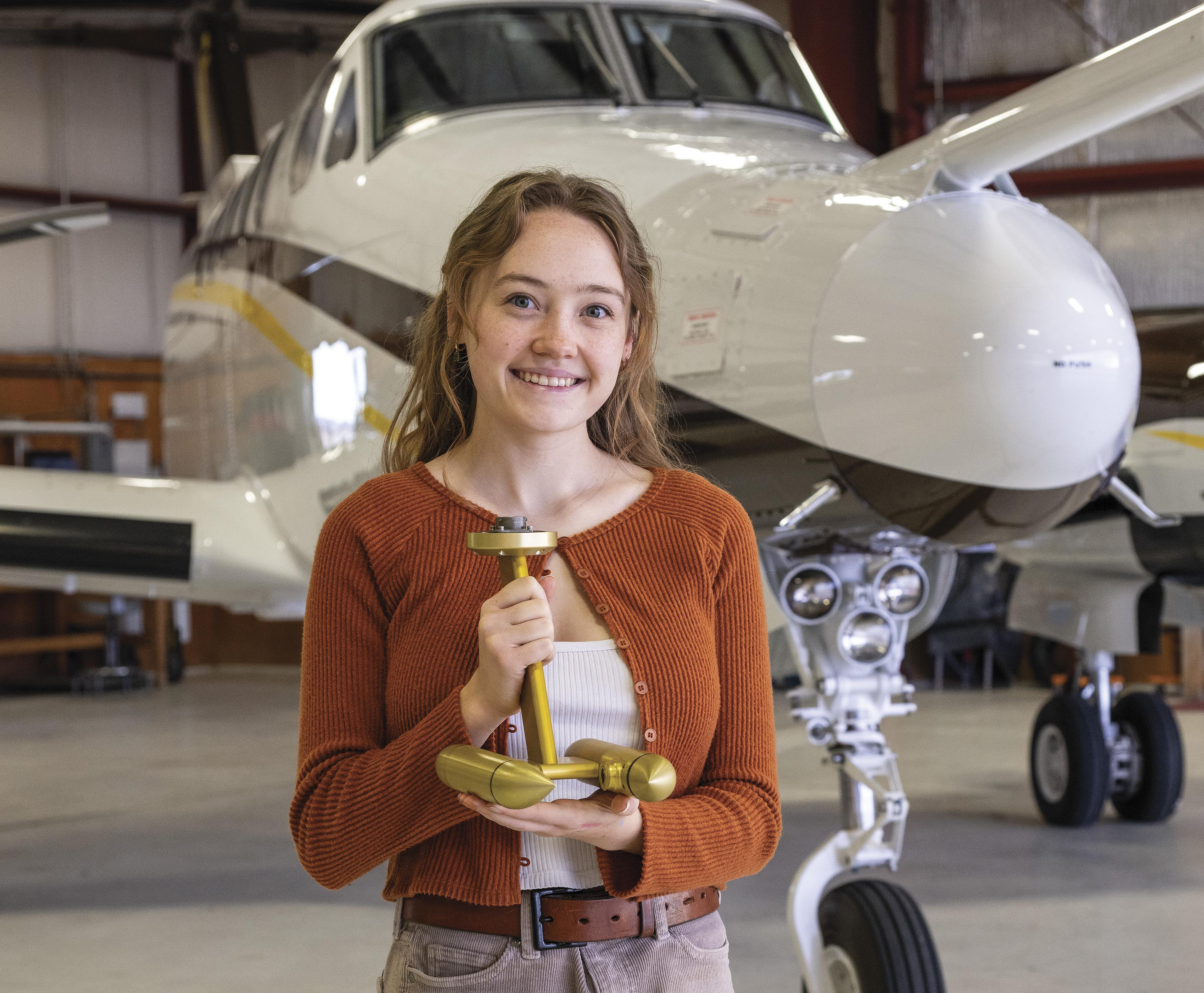
One of the students McCoy works with is Dani Jones of Gillette, Wyo., who graduated last spring with her degree in environmental systems science with minors in math and geology. Jones stayed on in McCoy’s lab as a researcher and plans to pursue her Ph.D.
“I wanted to join WRSP because it gave me ownership in my work,” Jones says. “Because it was self-sustaining, it meant that I could work with almost any professor I wished, since it wouldn’t strain their funding. It also offered support that most other undergraduate research positions don’t such as a competitive hourly rate, funding for conferences and professional development workshops.”
Jones works on a U.S. Department of Energy (DOE) project that focuses on improving Earth system models, which are our most advanced computer simulations that represent how the different components of the Earth interact with one another.
“I compared the outputs from the Energy Exascale Earth System Model to observational values from DOE Atmospheric Radiation Measurement sites,” Jones says. “We looked at cloud microphysical properties that cause uncertainty in predictions of environmental conditions. Better understanding these properties helps us to improve Earth system models, which are used to safeguard public health, homes and agriculture.”
Since completing the WRSP program, Jones’ research has been funded by a grant supported by the DOE’s Atmospheric Systems Research and Earth and Environmental Systems Modeling through the EPSCoR program. Her research even resulted in a scientific paper currently under review.
“We looked at the number of droplets in clouds and the number of a type of particle in the air,” Jones says. “Understanding how the number of droplets changed in the past can be used to understand how the environment will respond to a similar change in the future.”
This work advances scientific understanding, gave Jones hands-on experience and aided the larger research goals of McCoy’s lab.
“Working with Dani was directly beneficial for work being done in my group because she was able to come in and produce professional-quality research that I ended up using as part of our deliverables to the DOE,” McCoy says. “It’s also very rewarding to be able to work with top-notch students and be part of their career trajectory.”
Jones says that McCoy’s mentorship was key to her success. As a newbie, she was given suggestions on research projects
Dani Jones, pictured in front of the NSF/UW King Air airplane, researches Earth system models.
and could adapt them to her interests from there.
“I learned a lot about what my research interests were,” she says. “I really liked dealing with the model and cloud physics, and I was a bit less of a fan of using the observational data from the DOE, which is different from what I expected. I also liked the coding and creation of original work. This has affected the type of work that I will look for as I pursue graduate school. After that, I intend on being a researcher for a government agency such as the National Oceanic and Atmospheric Administration or NASA.”
Asthma, Inhalers and Ice
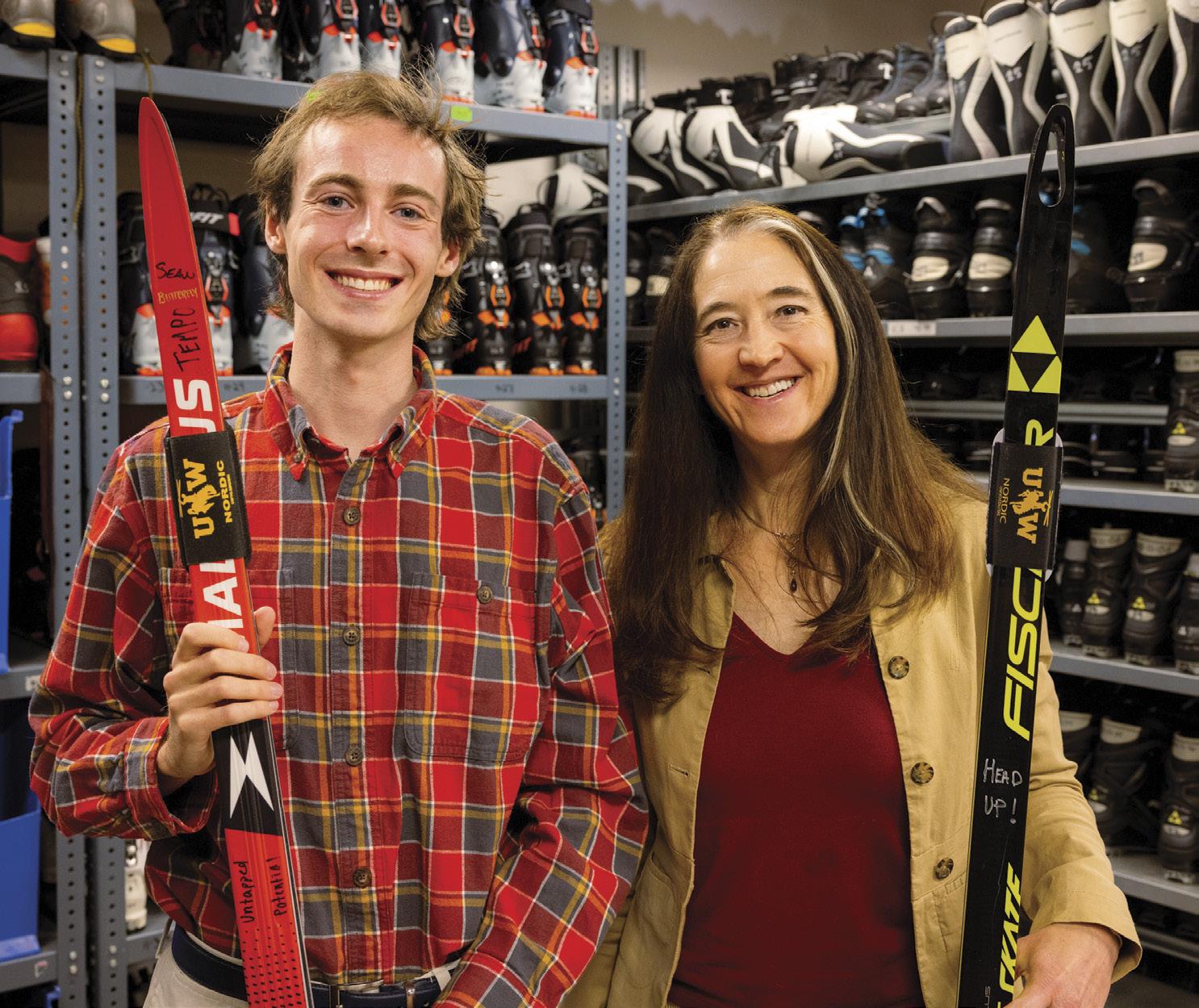
As a member of UW’s Nordic Ski Team, Sean Kraemer became interested in the fact that asthma occurs at a much higher rate in his chosen sport due to the high exertion, the cold temperatures and the poor air quality. He further learned that the necessary use of inhalers has caused debate because of potential doping.
“There’s a lot of quantitative information, but there wasn’t a lot of qualitative information, and skiers didn’t really have much role in that decision making,” Kraemer says.
Joining the WRSP program, Kraemer, who came to UW from Evergreen, Colo., studied these issues by interviewing
top cross-country skiers who suffer from asthma, all the way up to the head of the International Ski and Snowboard Federation in Switzerland.
“The majority of interviewed skiers connected air pollution and cold temperature exposure, especially at a young age, with the development and exacerbation of respiratory issues and the subsequent use of inhalers,” Kraemer says. Furthermore, his study revealed gaps in current literature and research on these issues. He also presented his research at a conference in Austria.
Kraemer recently graduated with his environmental systems science, geography and environment and natural resources degrees and stayed on at UW for his master’s degree in geology.
“WRSP is special for so many reasons,” says Rachel Watson, who worked with Kraemer on the project and serves as the Learning Actively Mentoring Program director and senior faculty development professional for the Science Institute, Science Initiative Programs and Division of Kinesiology and Health. “The No. 1 thing is that it follows the student who’s funded for their entire four years. That vertical potential is very unique for an undergraduate research program. It allows the student to really mature as a scholar. Equally important is that it allows the student to ask their own innovative creative questions and conduct that research from inception to completion. It leads to them graduating with a different set of skills.”
For example, Kraemer knows how to complete Institutional Review Board ethics training, write a grant proposal and much more. He even conducted a second WRSP project on glacial lake outburst floods.
“WRSP allowed me to have a holistic look at research, where I could see a project go all the way through its completion, instead of just being onboarded for a very specific analysis task,” Kraemer says.
Having mentorship from his freshman year on has been invaluable, he adds.
“Mentoring is partly just being present to dialogue as colleagues,” Watson says.
“It’s something I deeply value. I learned just as much from Sean as he’s learned from me, I think. It’s absolutely precious to be able to walk alongside someone as they’re exploring, discovering and finding themselves.”
Student Sean Kraemer worked with Nordic ski team co-coach Rachel Watson to study asthma in skiers.
PHOTO BY UW FOUNDATION
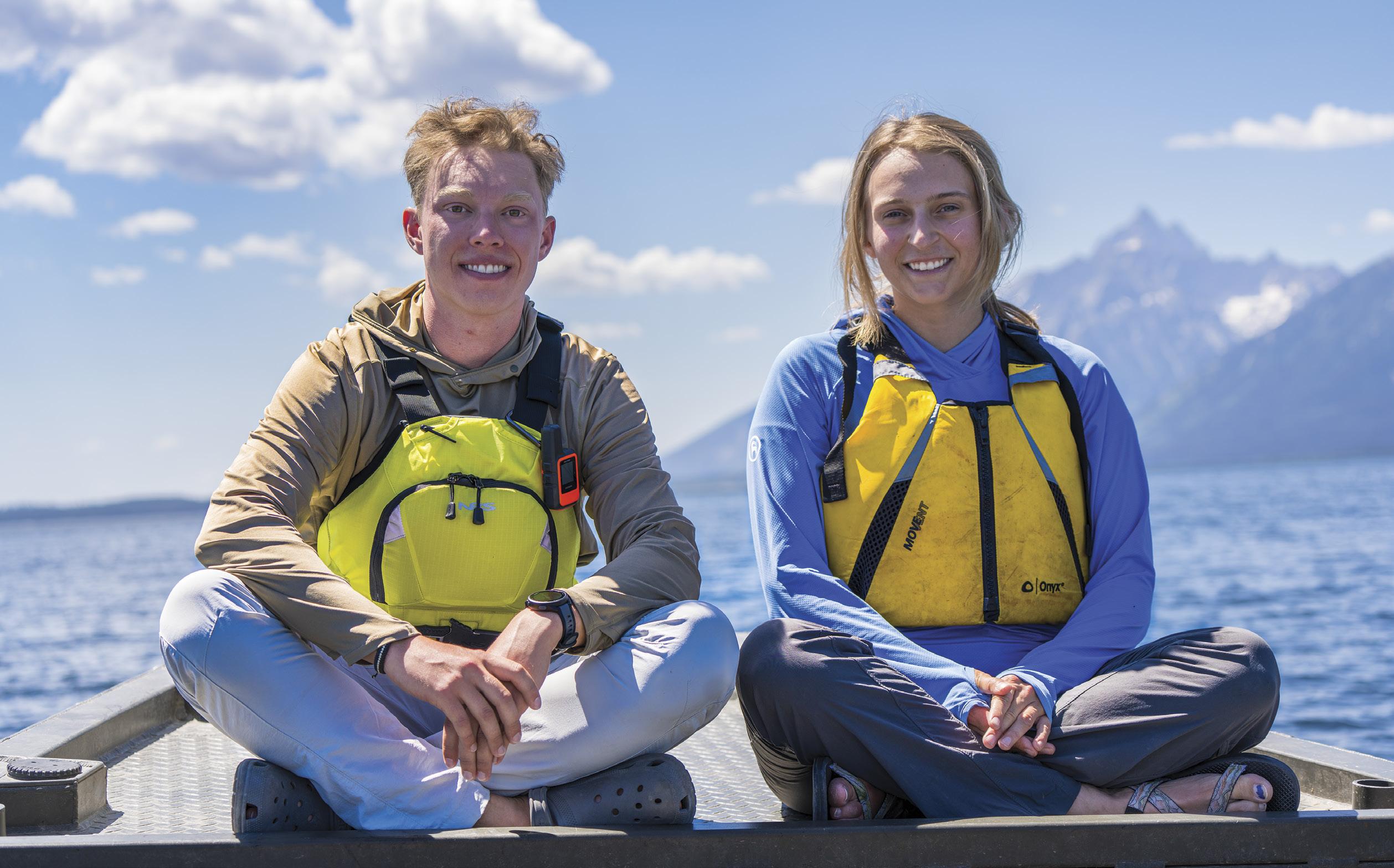
After graduation, Kraemer says his top priority is a job that gives him purpose, something he’s certainly found as a student researcher at UW.
Impacts of Lake Stocking
Stocking lakes for fishing is a common practice in Wyoming and across the country. But how does stocking impact the broader food web within a reservoir? It’s a question Department of Zoology and Physiology Assistant Professor William Fetzer and his team, including Skyler LaRosa of Moose, Wyo., study.
“What are the indirect effects of this stocking?” Fetzer asks. “One hypothesis we have is that, if you stock, you may create too many predators. Once those stocked fish are gone, these predators are still hungry. Is it negatively affecting native non-game fish?”
That’s a question that intrigued LaRosa, a senior majoring in wildlife and fisheries biology and management. When she began in the lab two years ago, she worked closely with graduate student Tristan Blechinger. After joining WRSP, she was able to propose and design her own research project.
“I’m studying white suckers, which are a really common fish found across the U.S. but especially in these larger reservoirs,” she says. “They make up a really large portion of the fish community, but we don’t really know much about them.”
White suckers are long-lived, and LaRosa is using part of the fish’s inner ear bone, called otoliths, to study each specimen’s age, growth, reproduction and mortality. She can then compare her findings to factors in the larger ecosystem, such as the amount of stocking and the number and types of predators.
Much of LaRosa’s research takes place in reservoirs within the North Platte River drainage, which includes Pathfinder, Alcova, Seminoe and Glendo. She believes white suckers are an indicator species that can reveal a lot about these food webs.
“It’s not just conservation of these native non-game species but considering what it means for managing these fisheries,” Fetzer says.
In the past, he has hired undergraduates in a limited capacity to do basic functions, but WRSP enabled students to become full-fledged researchers and lab members.
“WRSP allows her a lot more freedom and capacity to explore her research ideas,” Fetzer says. He hopes LaRosa’s results will lead to solid pilot data for the Wyoming Game and Fish Department, a publication and graduate school. Already, LaRosa took home a best poster award for her research presentation at a regional fisheries conference, and her independent project will help her stand out on applications.
In addition to the research itself, LaRosa gained bigpicture benefits from being a part of WRSP.
“We take a WRSP seminar, and it’s really cool to see what
Students Tristan Blechinger and Skyler LaRosa spent the summer conducting research at UW’s Research Institute at AMK Ranch.
different departments are doing and to talk to other people and get their input,” La Rosa says. “Through WRSP, you get to learn how to do a lot of skills on your own, like doing an actual proposal. We recently did mock interviews. In terms of career development, it’s been really cool to be around all these people who are like-minded and want to go further.”
Inside Air Flows
Most of us have experienced the momentary terror of bad airplane turbulence, felt our car shake as a semitrailer breezed by or caught a truck’s draft on the highway, but these air flows are complex and not easily understood. Department of Mechanical Engineering Professor Jonathan Naughton and his team — which includes WRSP undergraduate Jonathan Crider of Sheridan, Wyo. — study fluid dynamics, aerodynamics, characterization and control of turbulent flows, and wind energy.
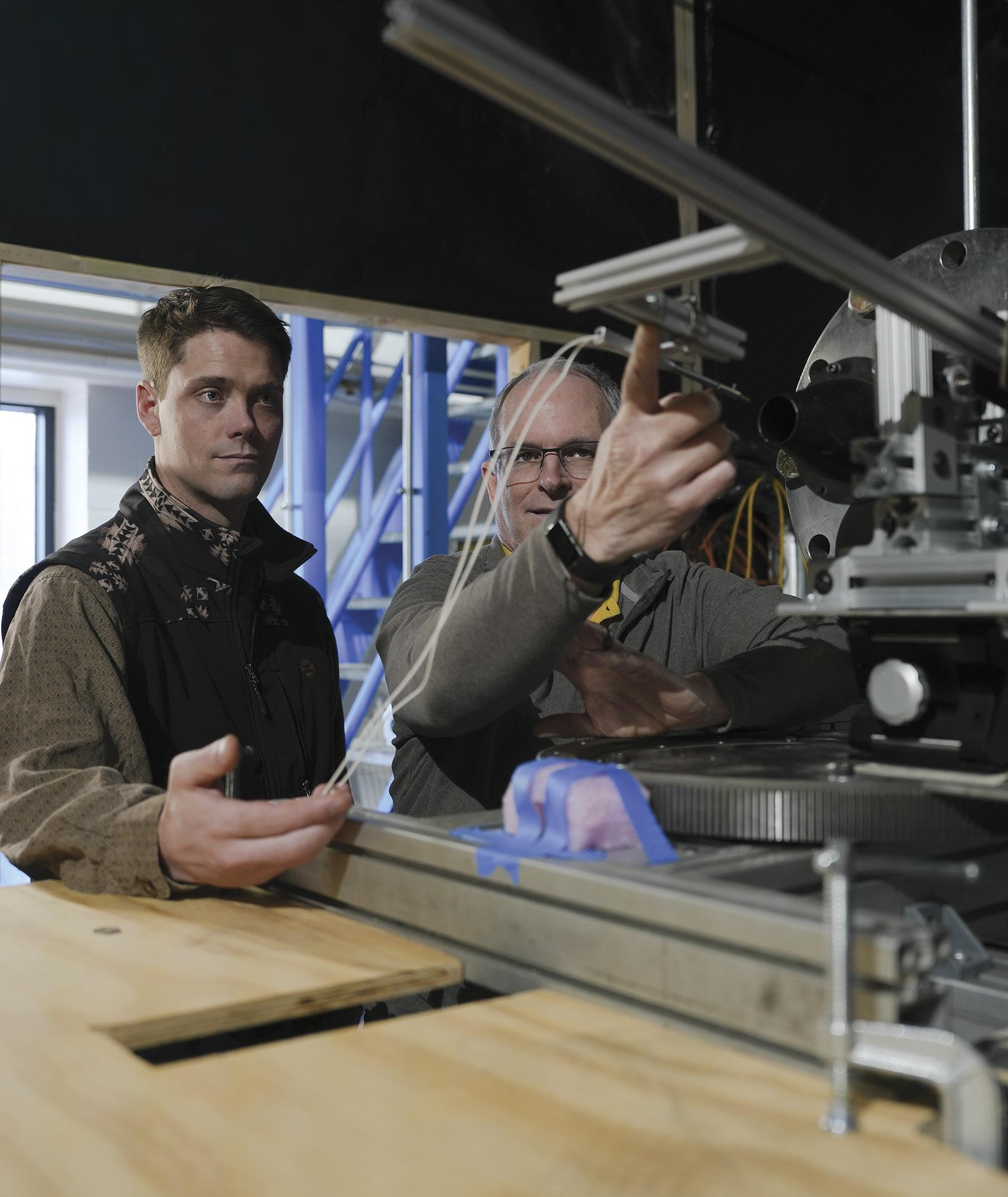
“Jonathan is working with the type of instrumentation and in the flows that are characteristic of what we do,” Naughton says. “We take measurements looking at unsteady properties of flows. The amount of data you have to take to characterize that is quite challenging. If we can understand these complicated unsteady flows such as those with turbulence, it builds up that background and understanding. And if we understand them better, we can design things better based on that information.”
After working as a plumber and starting a family, Crider came to UW as a nontraditional student in mechanical engineering with a minor in electrical engineering,
“I really wanted to get some hands-on experience with actual engineering disciplines, and I felt that experimental fluids was something that would be fruitful for my education,” he says.
But it turns out, Crider is learning about many other fields as well as part of the WRSP cohort.
“We all meet up, and I get to hear about the green index of Wyoming, constellations in the sky, the habits of bighorn sheep, the structure of leaves and all sorts of interesting research,” he says.
Naughton adds that the funding removes barriers, as faculty often can’t afford to pay undergraduate researchers.
“Aside from the monies for research, there’s also money to do things like travel to conferences. That’s another really good source of exposure to what’s out there beyond school,” he says.
At a panel, Crider recently asked an employer what is needed on the job that the person hadn’t learned in school. “The overwhelming answer was they didn’t get real hands-on experience with working with sensors and looking at different physics and applying what they’ve learned,” he says. “The skills I’ve been developing in the lab are really going to help me in whatever avenue I end up going down, whether it’s research or industry.”

To gain that hands-on experience, WRSP students work closely with their mentors, who include at least one faculty member as well as graduate students.
“The mentorship is beneficial in my education and helping me to be a better student and to understand where I’m going and where my education could lead to,” Crider says. “Just having the graduate students and Dr. Naughton to guide the learning process is extremely helpful.”
Student Jonathan Crider studies fluid dynamics, aerodynamics, characterization and control of turbulent flows, and wind energy with Professor Jonathan Naughton.
OuTReacH K-14 STEM EDUCATION
The UW College of Engineering and Physical Sciences is excited to engage students and teachers in handson STEM learning. Strengthening K-14 education can increase the number and quality of students pursuing STEM programs at the University of Wyoming, leading to impactful careers in Wyoming and beyond.
ENGINEERS WEEK » FEBRUARY 22-28, 2026
Professional and student engineers visit Wyoming 3rd grade classrooms to facilitate an engineering design challenge that inspires innovative thinking, design and problem solving. Over 70% of Wyoming’s third graders participated in this event last year. We would love to have you join us! bit.ly/eweek2026
MATHCOUNTS 2026
The Wyoming State MATHCOUNTS competition is part of a national competition series that provides 6th-8th grade students the chance to compete in contests against and alongside their peers. If your child’s school does not already compete in the MATHCOUNTS series, please have them contact Dr. Jones to help get them set up.
LAND SURVEYOR’S OUTREACH, NATIONAL SURVEYOR’S WEEK
» MARCH 15-21, 2026
We connect educators and students in 4th-12th grades with professional land surveyors to learn more about this profession and support Wyoming state STEM objectives. Sign up for a visit from a professional in the field who will talk about the cool history of surveying and engage your students with surveying fun! bit.ly/uwlandsurveyor
CLASSROOM VISITS
Our team of CEPS Student Ambassadors can visit classrooms, virtually or in person, to encourage the exploration of the engineering design process.
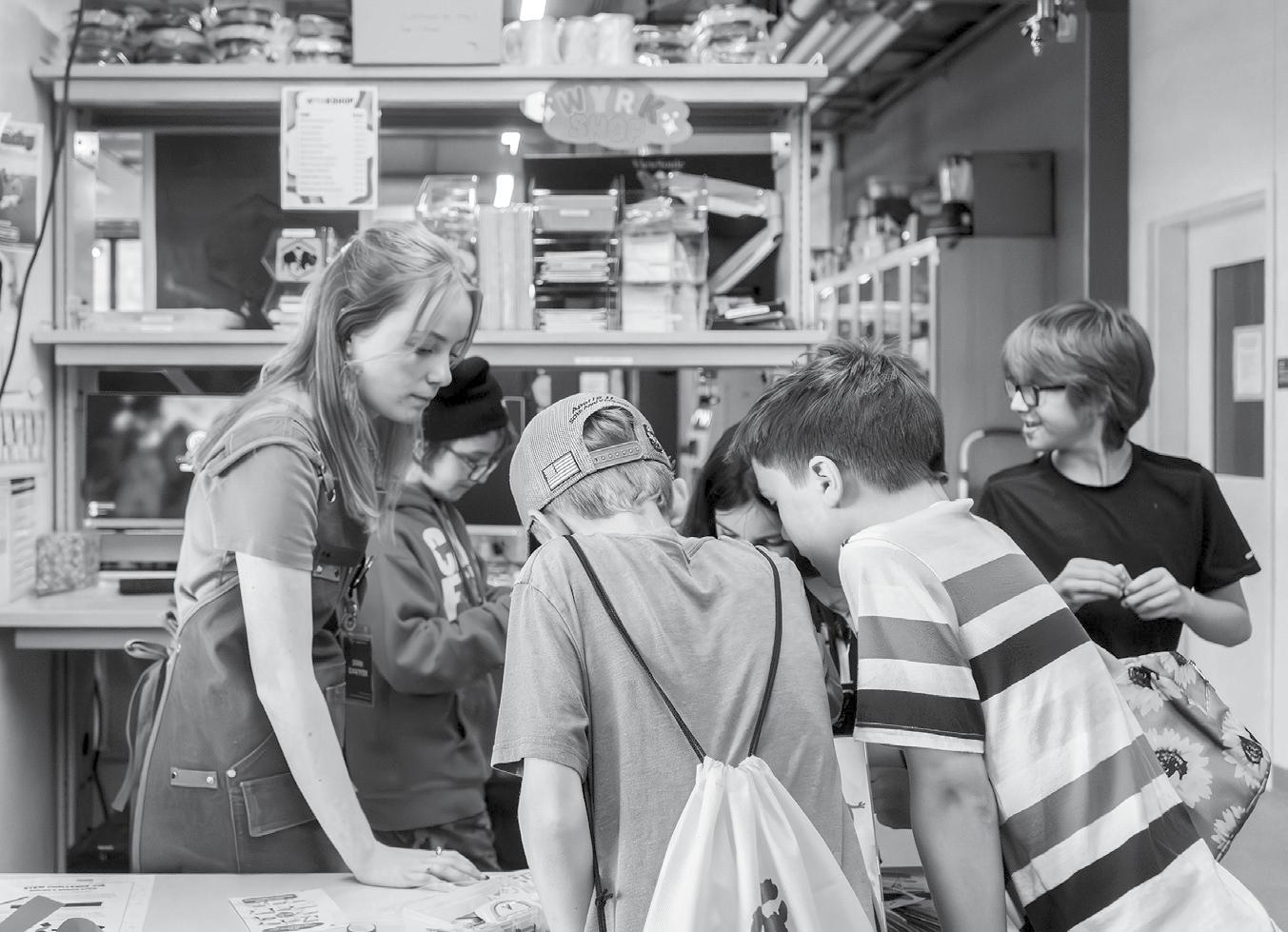
ENGINEERING SUMMER PROGRAM » JUNE 7-13, 2026
High school juniors are invited to apply to ESP to broaden their horizons and understanding of the diverse fields within engineering and physical science. This week-long summer program is designed to give students the chance to work 1:1 with faculty to strengthen their critical thinking and problem solving skills through hands-on exploration. This program costs $350 and the application opens in January 2026. bit.ly/uwyo-esp
ASTRO CAMP
» JULY 12-18, 2026
This academic camp focuses on the science and engineering behind exploring and traveling to a planet in another star system. This program is 100% free for participants and serves up to 24 students entering 7th or 8th grade. bit.ly/uwyo-astro-camp
TETON STEM
ACADEMY » JULY 12-19, 2026
This academic camp is a living/learning summer community of students, teachers, and scientists working together to help youth follow their dreams by encouraging science education. This program serves up to 24 students entering 9th, 10th or 11th grade from Wyoming or other nearby states. bit.ly/teton-academy
FIELD TRIPS TO CEPS
Led by current engineering students to provide an introduction to our programs. Enjoy tours of the engineering buildings, interactive learning in our makerspaces, hands-on activities, world-class drilling simulator demonstration, and much more!
Naughton says everyone in the research group can benefit. “When you put an undergraduate student in a graduate research environment, it stretches them, so having the mentorship there to help out when questions arise prevents overwhelm. It’s also really good for the graduate students to be exposed to mentoring early on, and they get somebody who’s helping them out with their research.”
Now a senior, Crider is considering becoming a graduate student himself.
Dinosaur Discovery
Brayden Green of Marshfield, Mo., was one of those dinosaurloving kids who knows all of their names. But unlike many youngsters, the passion stayed with him. In fact, it’s what inspired his transfer to UW.
“I’d heard great things about the geology department, and UW is in dinosaur country,” Green says. “Whenever you hear
dinosaurs and fossils, you think Wyoming, so it was only natural that I would have to end up here.”
Having already worked in paleontology with his grandfather and at local museums, Green immediately sought out the UW Geological Museum and applied to join WRSP.
At the museum, Green studies osteoderms — bones set beneath the dinosaur skin that either offered protection or thermoregulation.
“In the UW fossil collections, we have many osteoderms, but we don’t know where they belong on the animal, nor do we totally know which animal they belong to,” says Museum and Collections Manager Laura Vietti. “So we’re excited about Brayden’s research because it potentially will answer both those questions. He’s doing the methodology and creating the baseline for understanding how to interpret these osteoderms.”
Green uses a CT scanner to study the bones for identification, which is leading to another important area of study.
“There are interesting implications for this methodology,” he says. “Histology, which is just looking at the inside of the bone, requires thin sectioning, which is an intrusive method. CT scanning is not intrusive because you’re just imaging it. I’m interested to see, once I get all my data together, how these two methods compare.”
This fall, Green traveled to his second Society of Vertebrate Paleontology conference to present his research. The WRSP program covers his travel to the conferences, where Green met leaders in the field.
“I think WRSP is an incredible program because it supports students at all levels,” Vietti says. “In addition to the conferences, it pays for their research time as well as lab analysis equipment. WRSP offers a holistic package for preparing students to conduct research, present their research and then connect to graduate programs.”
Green says that he gained knowledge, methods and connections from WRSP, adding that he highly recommends the program to other students. One of the aspects that makes the program a standout is the one-on-one mentorship.
“I certainly wouldn’t be where I am now without the help of Dr. Vietti,” Green says. “She’s been great, helped me a ton with doing my posters and whenever I’m in a bit of a rut.”
Vietti says: “WRSP gives me that platform on which to mentor. It allows me not to worry about funding for equipment or travel but to instead focus on the student, and it allows the student to also focus on the research.”
After graduation, Green plans to pursue graduate school and to continue in the research field as well as to educate future generations on paleontology.
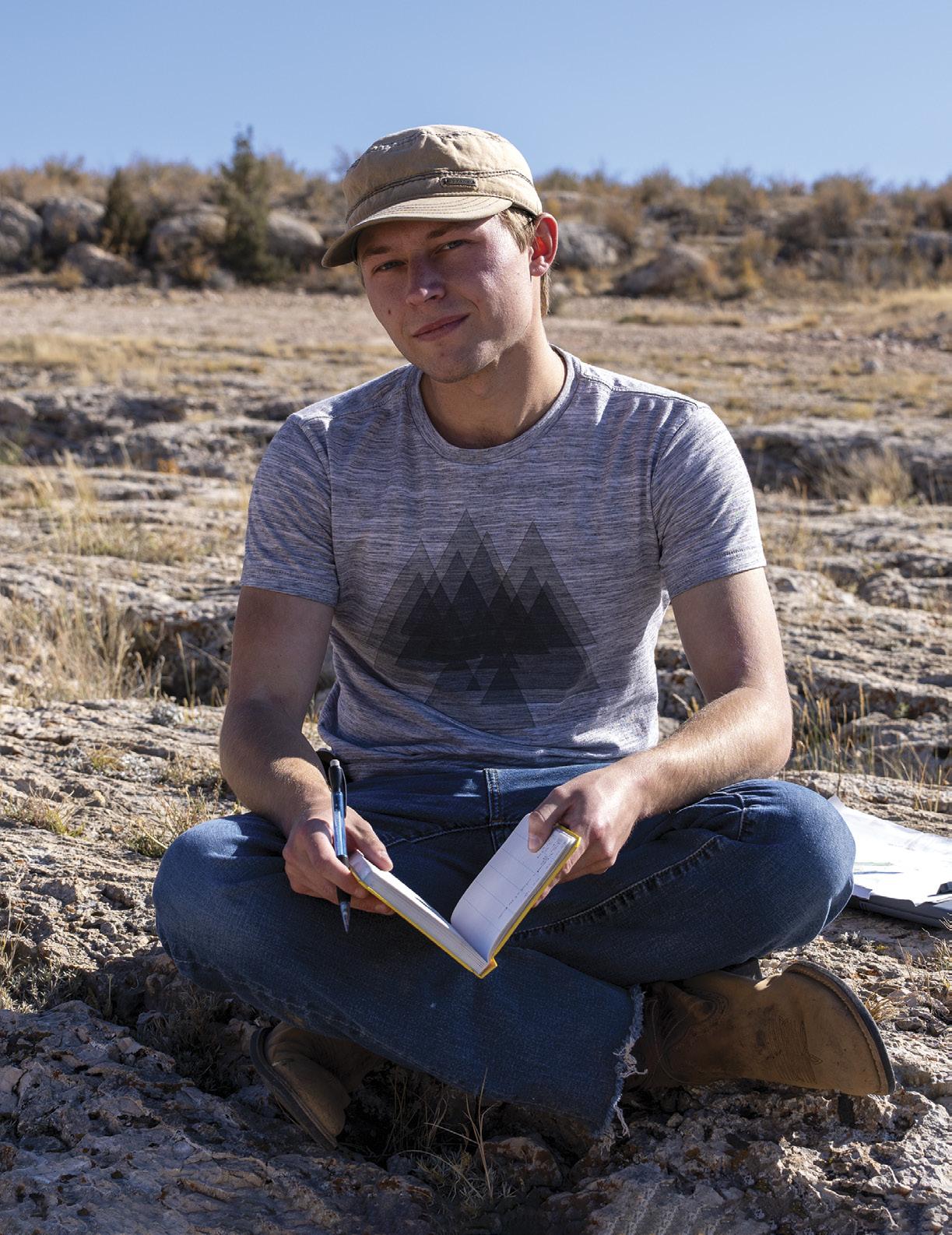
Brayden Green records detailed observations in his field notebook while practicing map-making at Pilot Hill in Laramie as part of Geology 2800.
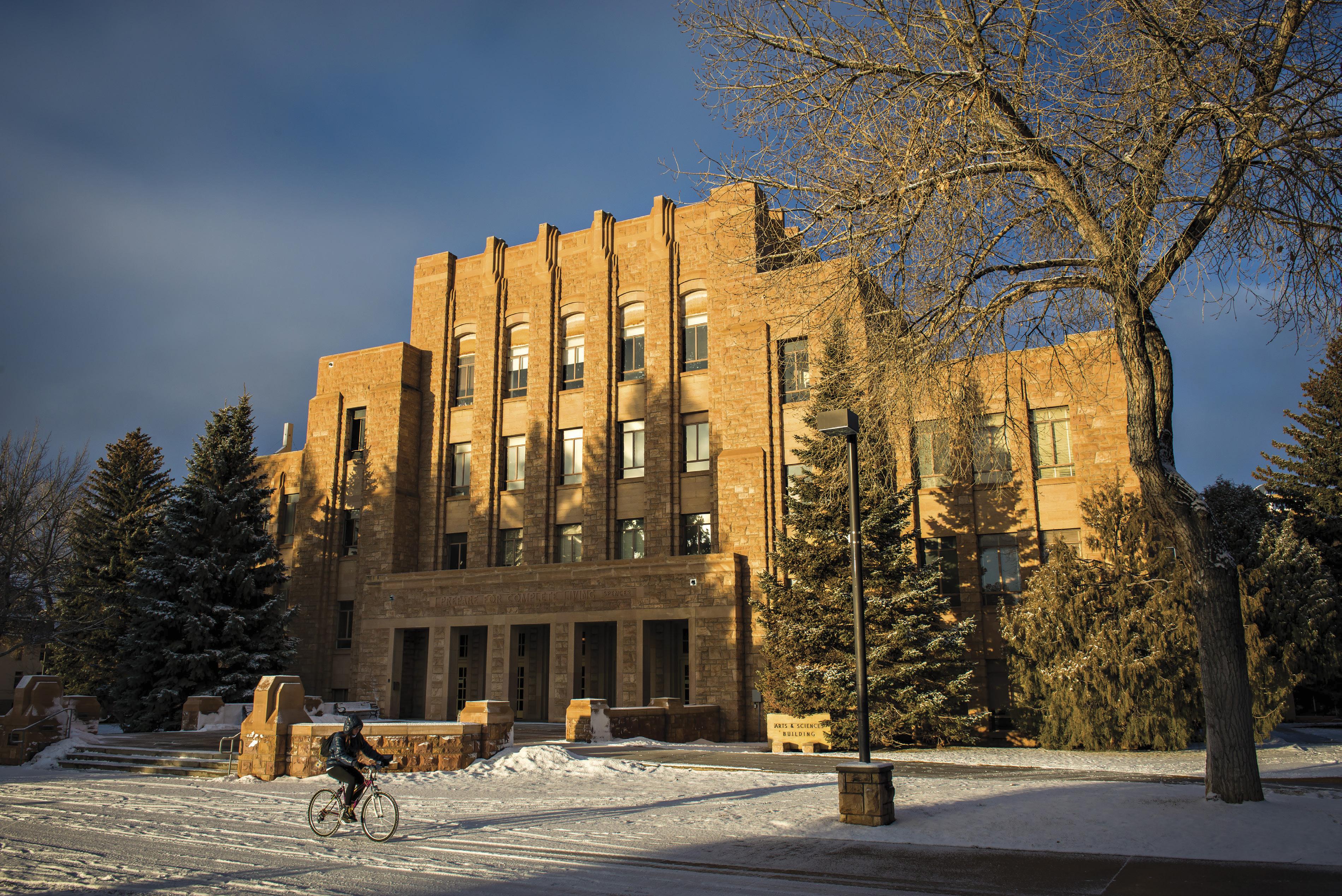
The College of Arts & Sciences o ers a distinct and well-rounded education in Fine Arts, the Humanities, Social Sciences, and Interdisciplinary Programs. Whether you're interested in pursuing a degree in A&S or looking for ways to unlock your creativity, nationally-ranked degree programs and courses with A&S provide an opportunity to gain valuable education and skills. Our programs involve work in the creative fields, using data, learning new languages, understanding the world around you, and much more.
Courses, programs and degrees o ered in:
The Neltje CENTER FOR EXCELLENCE IN CREATIVITY AND THE ARTS
FINE ARTS
Music
Theatre and Dance
Visual Arts
SOCIAL SCIENCES
Anthropology
Communication and Journalism
Criminal Justice and Sociology
Psychology
INTERDISCIPLINARY PROGRAMS
American Cultural Studies
School of Politics, Public A airs and International Studies
Humanities
English
Modern and Classical Languages
Philosophy and Religious Studies
History
Diving into Real Life
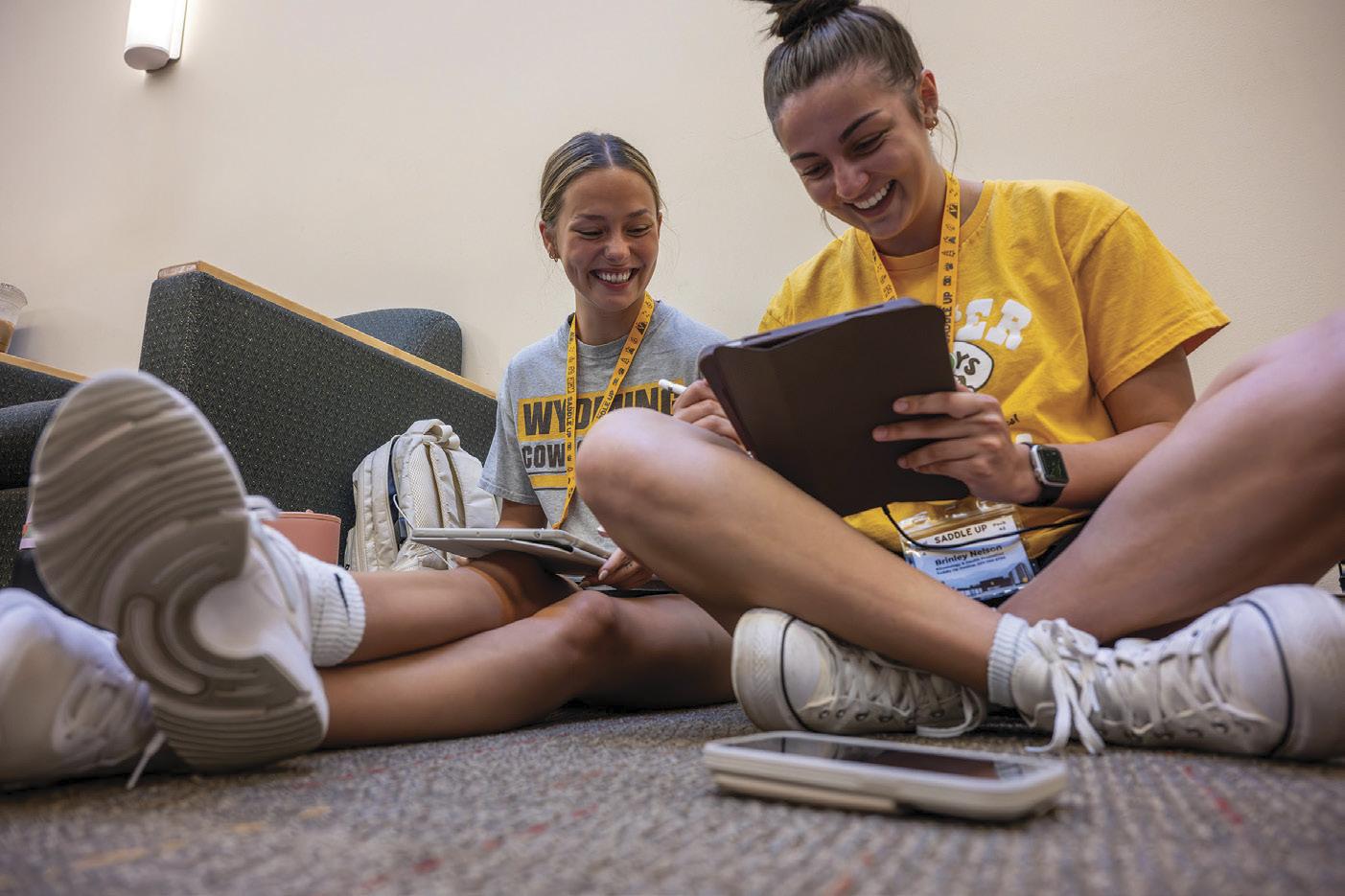
DIVER GABBY HAIGLER’S INTERNSHIP HELPED HER SOLIDIFY HER CAREER PATH WHILE APPLYING CLASSROOM LEARNING TO REAL-WORLD RESEARCH.
By Micaela Myers
Growing up in Casper, Gabby Haigler was a three-time all-state and fourtime all-conference diver as well as a member of the honor roll and winner of the Outstanding Scholastic Achievement Award. She brought that excellence as a scholar and an athlete to the University of Wyoming, where Haigler was named All-Mountain West Conference for three years on the swimming and diving team. This past May, she graduated with her degree in wildlife and fisheries biology and management and stayed at UW to pursue graduate certificates in unmanned aerial systems and remote sensing.
An internship during her senior year helped Haigler gain hands-on experience and narrow down her career path. Through the School of Computing Undergraduate Research Experiences (SURE) internship, Haigler was paired with a doctoral student conducting timeseries analysis of tree ring growth across multiple tree species.
“My role centered on working with large datasets from the International Tree-Ring Data Bank,” Haigler says. “Using RStudio software, I cleaned, analyzed and visualized tree-ring data spanning nearly 1,000 years — from 1050 to 1968. Once I was familiar with the dataset and analysis methods, I had the opportunity to help steer the project in a direction that aligned with my own interests. That freedom allowed me to
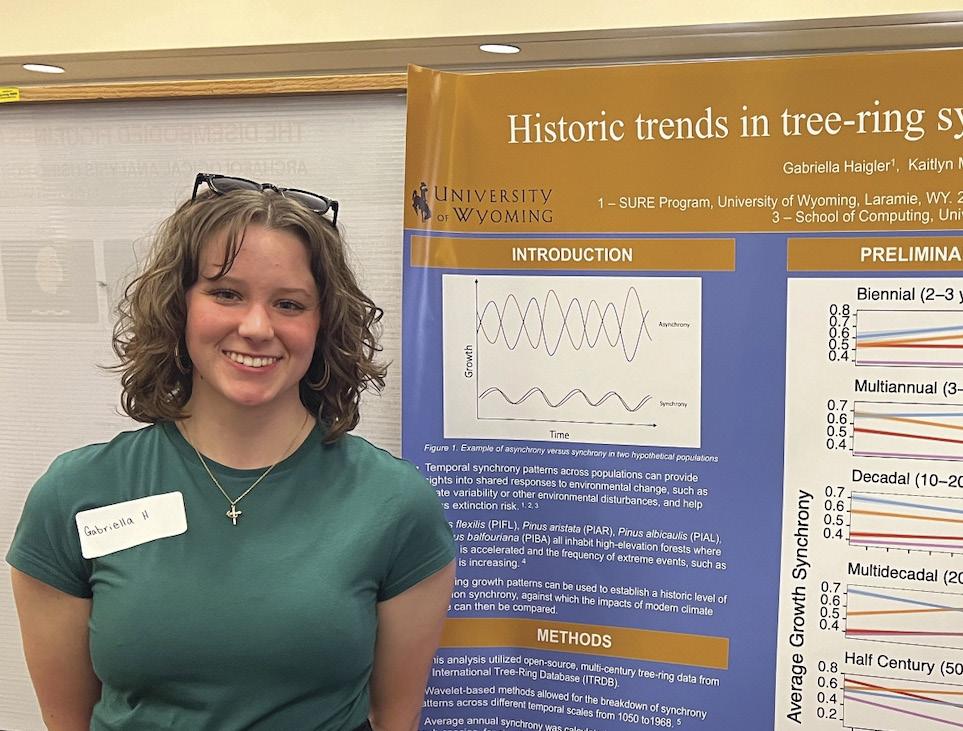

ask some of my own questions within the broader scope of the research.”
For her project, Haigler investigated synchrony patterns among four tree species across six temporal scales. Synchrony patterns are how parts of a complex system coordinate their activity over time. She then applied statistical models to explore how growth synchrony varied. At the end, she presented her research at UW’s Undergraduate Research and Inquiry Day.
“This internship significantly contributed to my academic and professional development,” Haigler says. “It reinforced my interests in ecological research and affirmed my goal of pursuing a career that blends data analysis, environmental science and policy. It also helped me realize that I’m particularly drawn to the research side of conservation and management: asking questions, working with data and
contributing to the knowledge that informs real-world decisions. Above all else, it highlighted the importance of critical thinking and flexibility in scientific work, which are skills I will carry with me as I wrap up my academic journey and move into my career.”
Haigler’s ultimate goal is to combine her background in wildlife and fisheries biology with advanced geospatial tools to support conservation, land management and ecological research.
“I would encourage students to pursue an internship even if it isn’t required for their major,” Haigler says. “It’s one of the best ways to gain hands-on experience, test out different career paths and build skills that won’t come from coursework alone. I’d also suggest choosing something a little outside of your comfort zone — college is the perfect time to push yourself, try new things and expand your skillset before stepping into the real world.”
Gabby Haigler presenting her research at UW's Undergraduate Research and Inquiry Day; right: Haigler competing at the 2025 Mountain West Conference Championships

Experiential learning takes coursework to the next level.
By Micaela Myers
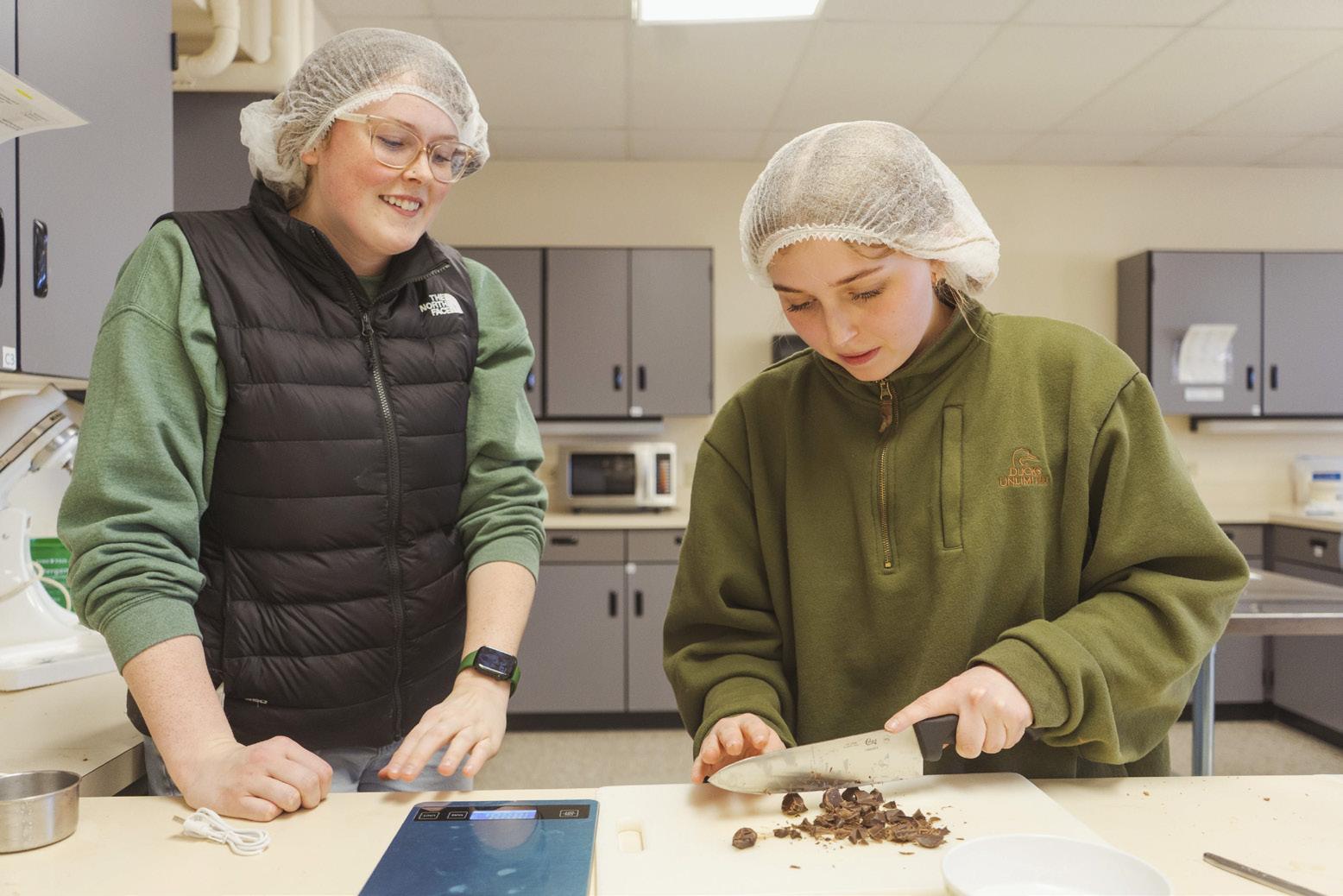
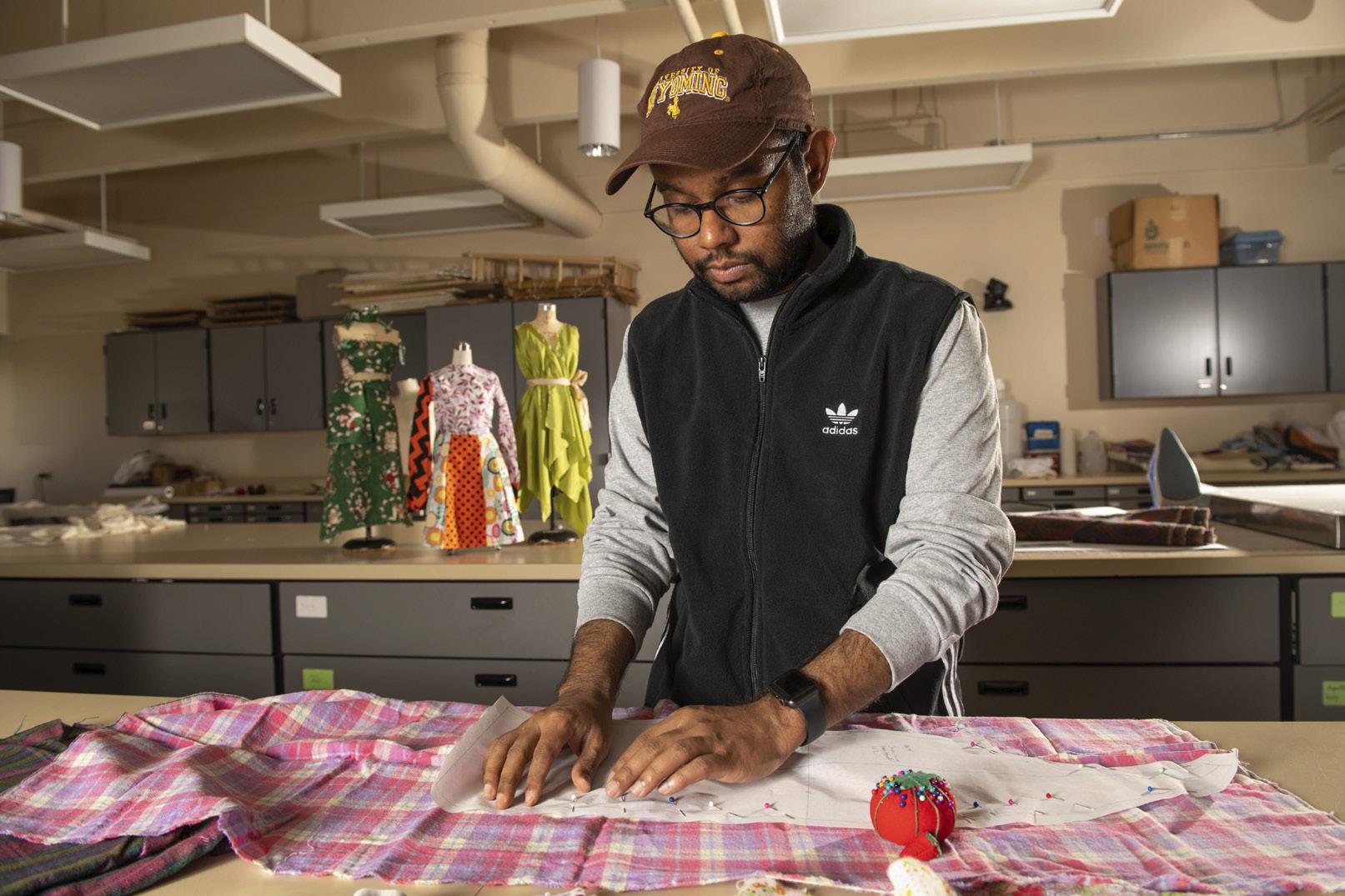
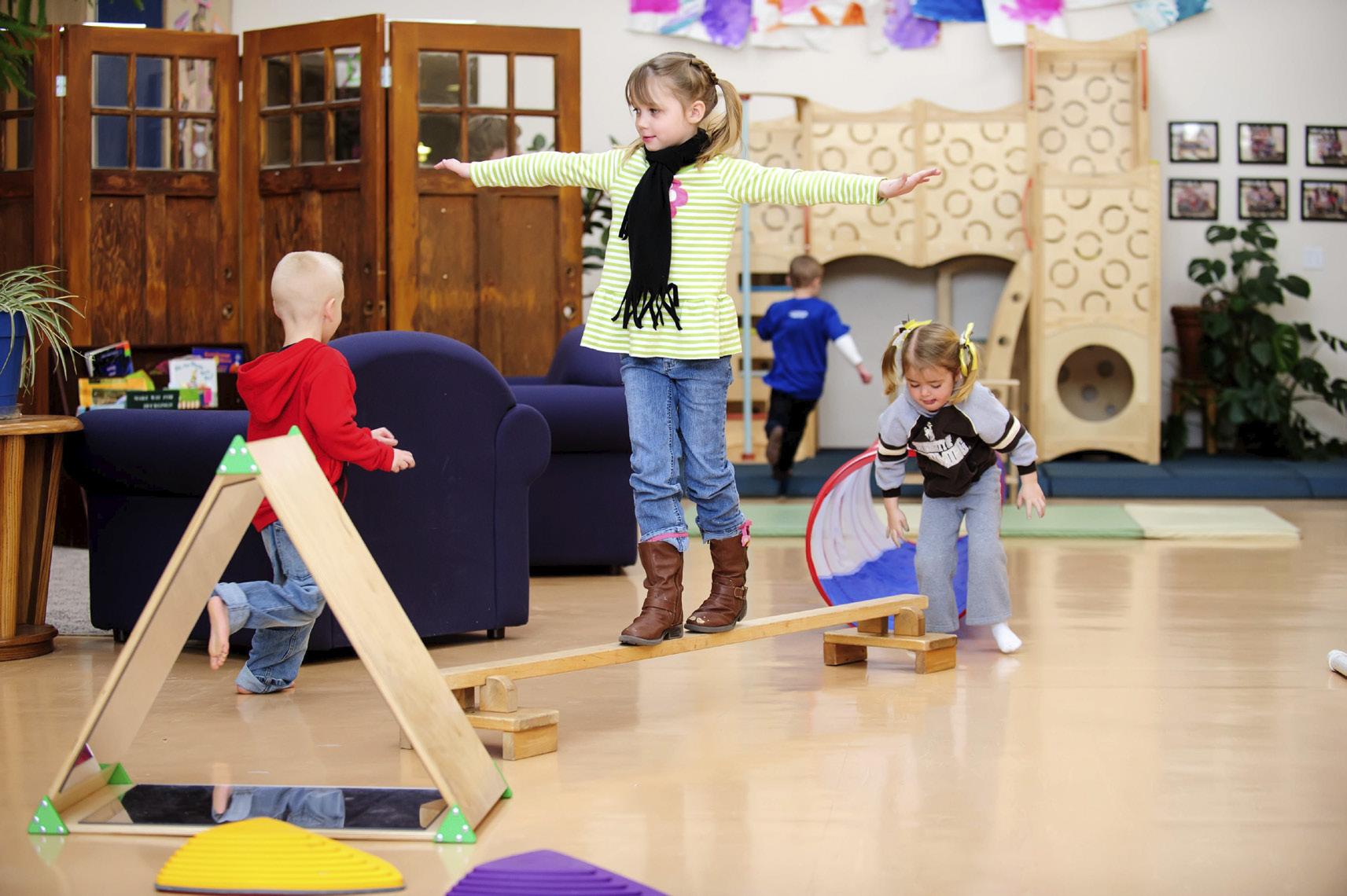
Experiential learning means learning through doing. It includes internships, study abroad, research, projects and much much more. According to the National Association of Colleges and Employers, these high-impact practices are linked to multiple indicators of student success, including retention, engagement, graduation rates, career preparation and student success. The more of these experiences students have, the more they benefit.
“When you have a concrete experience, you’re experiencing it with all of your senses, so it’s literally lighting up and engaging more areas of the brain,” says Rachel Watson, director of the University of Wyoming Science Initiative’s Learning Actively Mentoring Program (LAMP), one of several efforts on campus to boost experiential learning. “Students are having multimodal learning experiences, and they’re also reflecting back on their learning, which adds to metacognition.”
LAMP trains and supports student teachers, UW faculty and Wyoming community college faculty in incorporating active-learning techniques and methods into their curricula during an intensive summer retreat, yearlong workshops and learning communities.
“We’ve trained hundreds of educators across the state,” Watson says.
She adds that experiential learning can happen in online courses as well. Watson recently partnered with Christi Boggs from UW’s online and digital learning team to launch the first experiential education online summer institute for faculty. They used the virtual world Second Life to explore learning environments such as Genome Island and a virtual DNA lab.
Of course, Watson also incorporates experiential learning into her courses, including her microbiology capstone course where students are working with the Wyoming Game and Fish Department and students on the Wind River Indian Reservation. The course is co-taught by doctoral candidate Erin Bentley and Instructional Professor Liana Boggs Lynch.
“The schools have been
The class is also unique in that we must recall or research information on our own to solve problems, rather than being given all the answers through lectures.
— Taylor Erickson
adopting a Trout in the Classroom project where they rear rainbow trout and release them, and they’ve had some troubles with their tanks around microbiology and biochemistry, so my UW students are partnering with them to study imbalances in the tanks,” Watson says.
Senior microbiology student Taylor Erickson of Star Valley, Wyo., says that the students broke up into groups, studying various hypotheses about what’s causing the trout mortality.
“This class is different because it works with real people in the community to solve real-world problems,” Erickson says.
“Like in life, we are presented with a problem and a set of observations, and it’s up to us to develop a solution. The class is also unique in that we must recall or research information on our own to solve problems, rather than being given all the
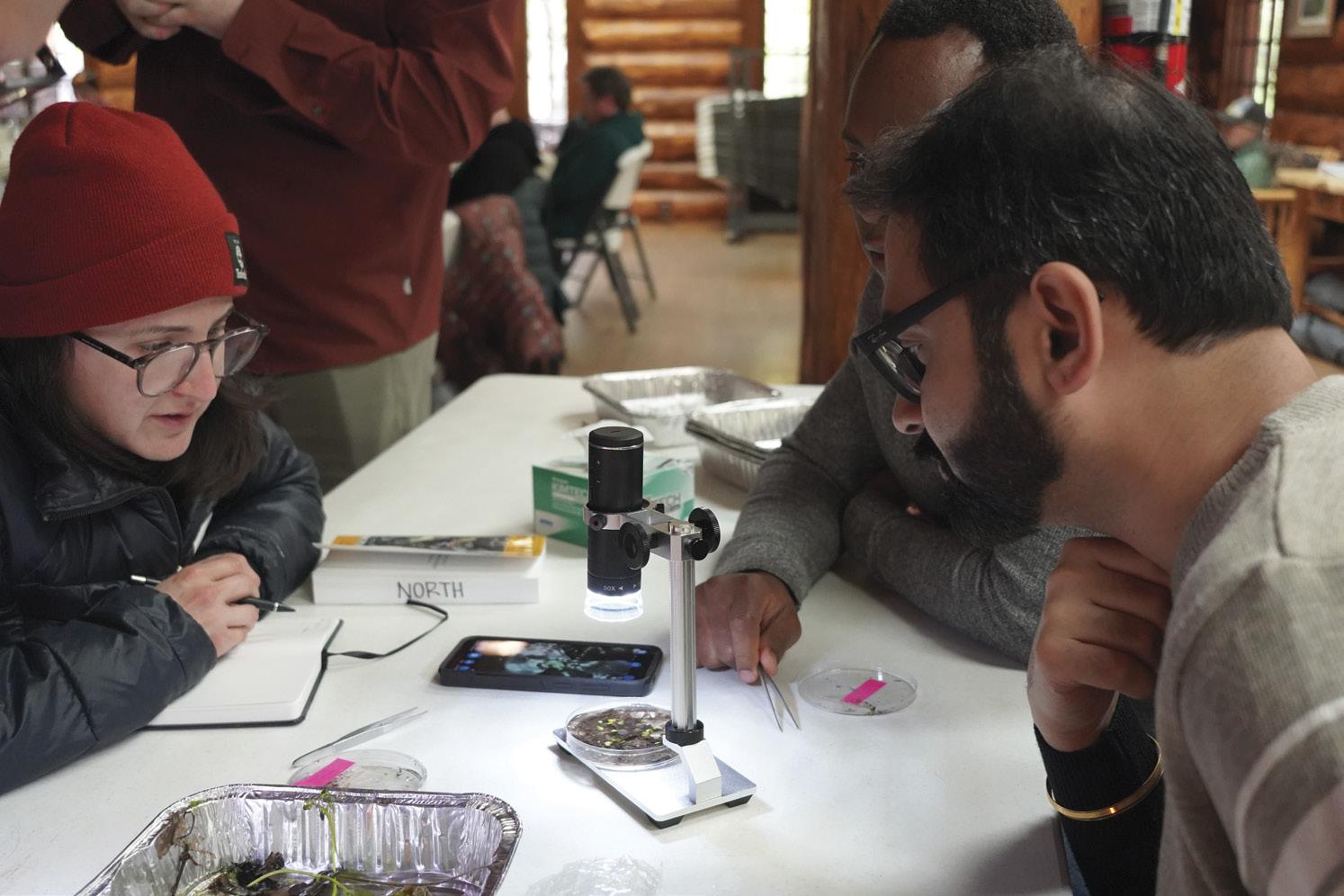
PHOTO BY CHRISTI BOGGS
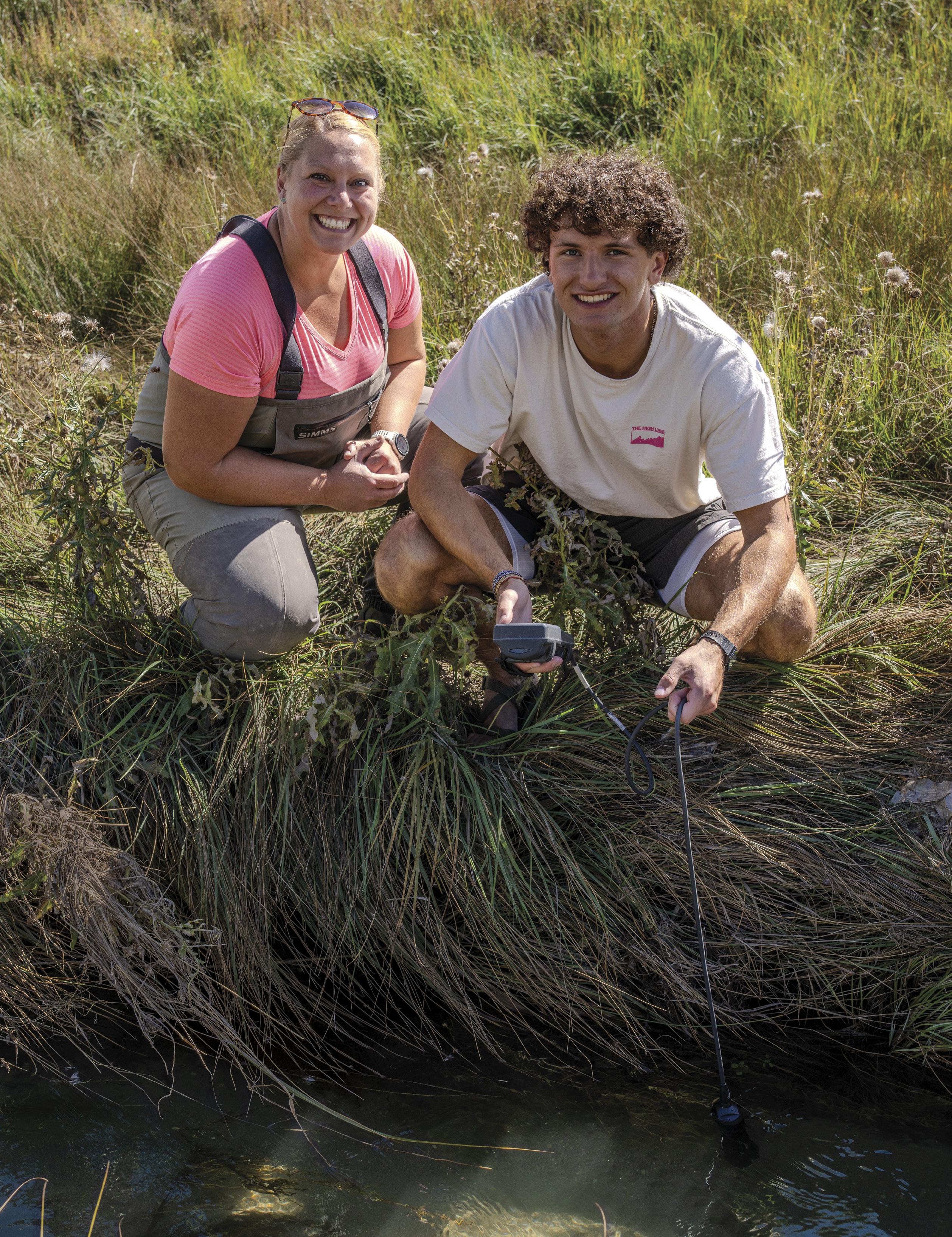
Left: Visiting Assistant Professor Ashleigh Pilkerton explores Spring Creek with student Aiden Roth.
Right: Teachers participate in hands-on learning at LAMP’s Summer Institute.
answers through lectures. I am excited to work on my group’s project since it is something that we came up with together.”
Honors College Water Course
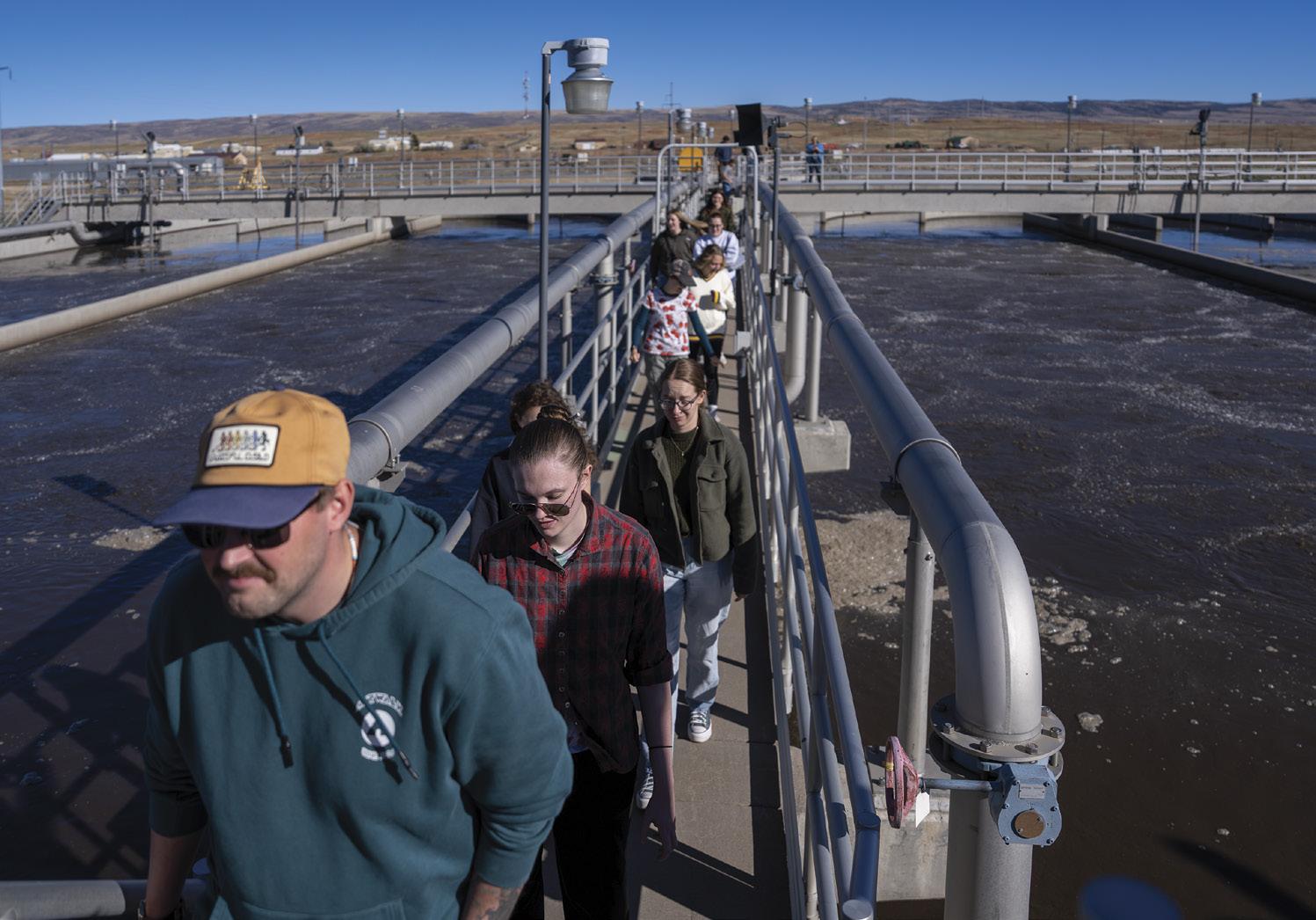
Aquatic ecologist and visiting Assistant Professor Ashleigh Pilkerton centers her multidisciplinary Honors Water course on experiential learning with field trips, guest speakers and student-led projects about local water issues.
“We explore water through multiple lenses — scientific, historical, cultural, economic and political — to understand its fundamental role in ecosystems, humanity and the future of our planet,” Pilkerton says. “The students choose and conduct integrative learning projects that allow them to research local water-related issues and develop projects that combine scientific evidence, community context and actionable strategies.”
This year, the students broke
up into five groups. The first is researching the psychological impacts of changes in quality and quantity of water in the Laramie River; the second is looking at the social, economic and environmental impacts of the new Glade Reservoir; the third is investigating water waste on campus; the fourth is looking at microplastics in local waterways; and the fifth group is researching eutrophication, which refers to the process of nutrient enrichment in a body of water, which can lead to excess plant growth such as harmful algal blooms.
Sophomore Mo Amelotte of Casper is part of the eutrophication group.
“I’m eager to further understand the effects of eutrophication — and, more importantly, what we can do to fix such a problem,” says Amelotte, who is double majoring in botany and honors with a minor in zoology.
“However, soft skills and the art of planning are also
Students in Ashleigh Pilkerton’s Honors College Water course visit the Laramie wastewater treatment plant.
important aspects. I’m hoping to learn how to best organize a complex project, collaborate under pressure, reach out to professionals, share opinions and ideas, and spread awareness about a serious problem in a manner that encourages hope rather than panic.”
Amelotte hopes to work in the field of ecology and appreciates the course’s handson approach.
Students will be more likely to remember a class if they’ve actually experienced it.
— Mo Amelotte
“There is a certain depth of understanding that comes through hands-on and interdisciplinary experiences,” Amelotte says. “There’s something about actually witnessing an aspect of a class in real time that adds a dimension of reality and understanding that the two-dimensional nature of a slideshow can’t achieve. Students will be more likely to remember a class if they’ve actually experienced it.”
Museology II
Across the university, experiential learning is becoming commonplace in all types of courses, such as history and anthropology Associate Professor Alexandra Kelly’s Museology II course. This course is cross listed among history, anthropology, American studies and art and is also part of the museum studies minor.
“The class focuses on realworld museum issues using the repositories around Laramie — the UW Anthropology Museum, UW Geological
Student articles from the Honors Water course
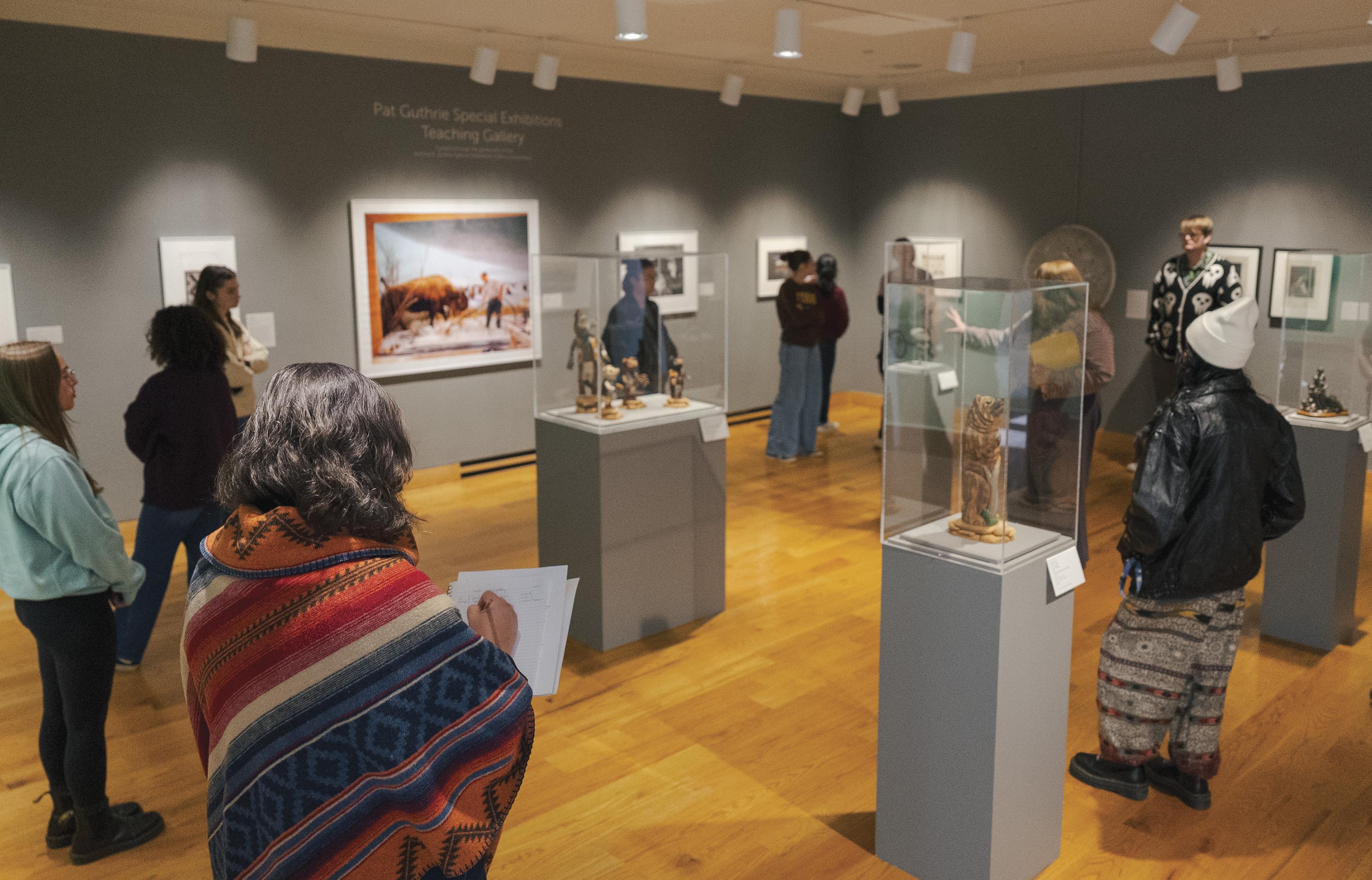
Museum, Laramie Plains Museum, American Heritage Center, UW Museum of Vertebrates and UW Art Museum,” she says.
The class starts with education on museum history, ethics and theory. After field trips to the museums and meeting with the directors to discuss their current issues, students form groups to develop and present proposals.
“I’m always really impressed with what they propose,” Kelly says.
This semester, students are investigating a wide range of topics. These include voices left out of the historical records such as women noted only by their husbands’ names at the American Heritage Center, issues regarding private excavation with the Geological
Museum, how to tie the Art Museum’s teaching gallery into the current theme of the museum’s exhibitions, and developing a policy about collection for the Laramie Plains Museum.
Kassandra Dutro of Casper took the course as an undergraduate in anthropology with minors in museum studies and Spanish. She’s now pursuing her master’s degree in anthropology with an aim to work as a fire archaeologist for federal or state entities.
“Museology II was a great class where I was able to have deeper conversations with my peers,” Dutro says. “I especially enjoyed visiting all of the repositories and museums around Laramie where we got to ask working professionals about how they are responding to
— Alexandra Kelly Students in Associate Professor Alexandra Kelly’s Museology II course visit with Curator of Academic Engagement Alex Ziegler at the UW Art Museum.
challenges. This was important for my future career as an archaeologist because we do not just excavate cultural material to learn about the past — we also use professional techniques to care for those objects, to store them in repositories or museums and to make sure that future generations can learn from them.”
They have a stake in it. I could lecture in class, but actually dealing with specific scenarios provides a much more meaningful experience.
Kelly says hands-on learning makes it real for the students: “They have a stake in it. I could lecture in class, but actually dealing with specific scenarios provides a much more meaningful experience.”
Science Communication
In her Science Communication course, Department of Zoology and Physiology Associate Professor of Practice Bethann Merkle teaches science graduate
and undergraduate students key skills using hands-on projects based on issues in their hometowns.
“Communication is the top job skill required in all sectors,” Merkle says. “Yet, most scientists receive zero formal training in science communication and feel ill-equipped to share science effectively beyond the academy.”
After an initial research phase, students in her course choose issues in their hometowns that science could help with.
“They use all the theory and tools from the class to develop a detailed issue report, to map out the people likely to be affected and then to identify a way that they can contribute something new to the efforts,” Merkle says.
For example, Taylor Wagstaff conducted an outreach program about mountain lion safety in Hulett, Wyo., where encounters are common. Seeing the
prevalence of bear pamphlets, Wagstaff decided to put together similar literature on mountain lions and how to handle encounters, which she presented at the local high school.
“It was very satisfying to be able to take my project into a classroom and interact with high school students,” Wagstaff says.
After graduating with her degree in wildlife and fisheries biology and management in 2022, Wagstaff was hired as a lab coordinator in UW’s Monteith Shop and uses skills she learned in the course. “I have a much broader perspective on what scientific communication and outreach can look like, which has allowed us to pursue novel outreach and deepen existing opportunities.”
Senior physiology student Terrin Fauber, who also has a minor in neuroscience, focused his project on fireworks.
I have begun to use personally relevant real-world ideas for my class assignments, which makes projects much more interesting and applicable.
— Terrin Fauber
“I operate a couple of firework stands in Johnson County during the summer, and during the 2024 season, we ran into some issues around fire bans being put into effect just before the Fourth of July, which had a massively negative impact on our sales,” he says. “To counteract this, I held countless meetings with town officials and other important members of the community. We eventually agreed that if we could find an irrigated section of land outside of city limits, we could organize a controlled-shoot site, where members of the community are allowed to launch any legal fireworks under the supervision of local firefighters. We found the event to be a massive success, hosting more than 1,000 people with zero reported fires.”
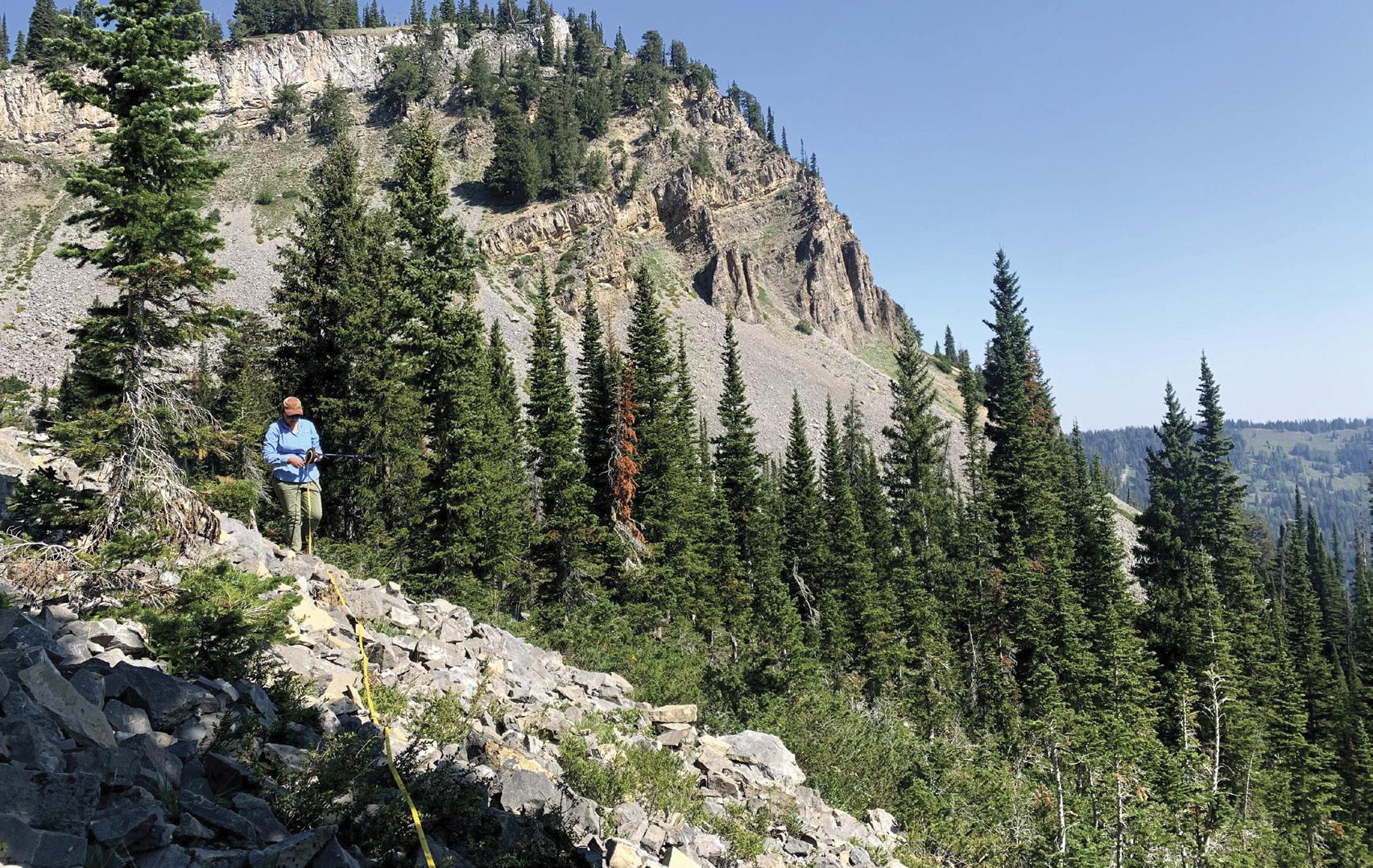
The project had a lasting impact on the county, which can again use this approach whenever fire bans are in effect — and on Fauber, who uses these communication and research skills on a regular basis.
“I have begun to use personally relevant real-world ideas for my class assignments, which makes projects much more interesting and applicable,” he says. “I just completed a professional research proposal on chronic stress and its relationship to Alzheimer’s disease for INBRE funding, and this class was immensely helpful in writing my research proposal.”
Taylor Wagstaff, who used UW’s Science Communications course to take her career to the next level, rolls transect tape in the Wyoming Range.
ENVIRONMENT, NATURAL RESOURCES & SOCIETY
Online master of science
The Haub School offers a Master of Science in Environment, Natural Resources & Society (ENRS) at the University of Wyoming that is a fully online professional graduate program designed to prepare you for roles in a range of environmental and natural resource fields.
• FLEXIBLE & ONLINE earn your degree on your schedule with asynchronous courses
• APPLIED LEARNING focus on real-world projects instead of a traditional thesis
• INTERDISCIPLINARY APPROACH gain expertise across ecology, policy, conservation, and more
•COLLABORATIVE EXPERIENCE engage with faculty, industry professionals, and peers to solve pressing environmental challenges
• CAREER FOCUSED build marketable skills to thirve in a wide range of environmental fields
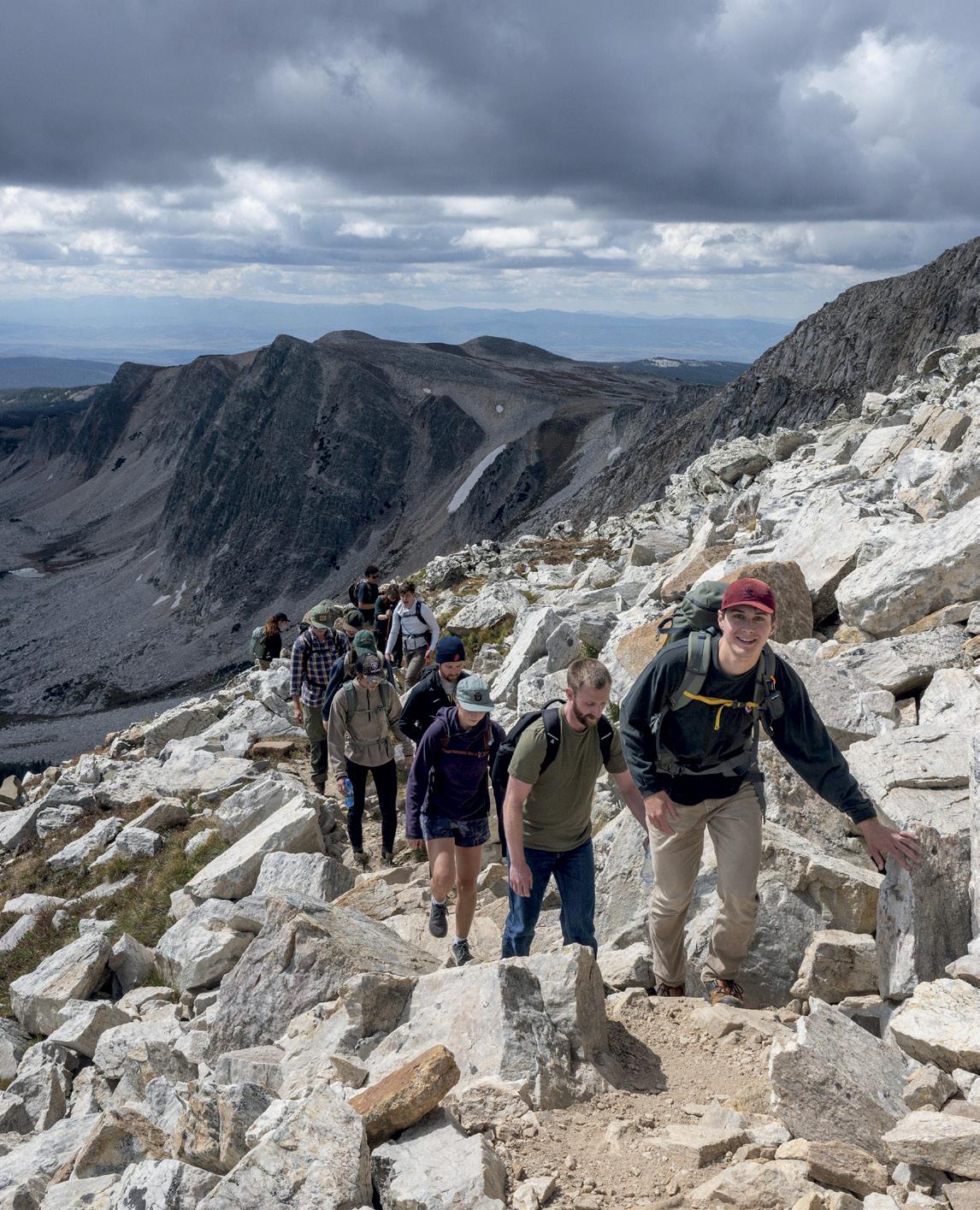
Become a collaborative interdisciplinary leader in conservation, sustainability, resource management, and policy.
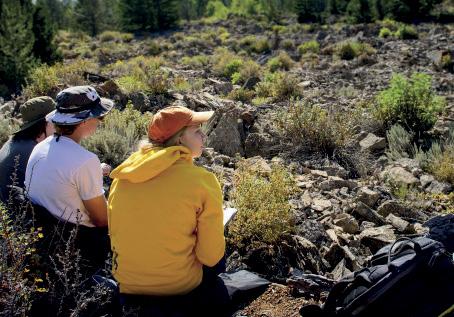
Learn more & apply
Stackable Graduate Certificates: Enhance your degree with our Graduate Certificates in ENR Law & Policy or Collaborative Practice, both designed to deepen your expertise and expand your professional toolkit. www.uwyo.edu/haub
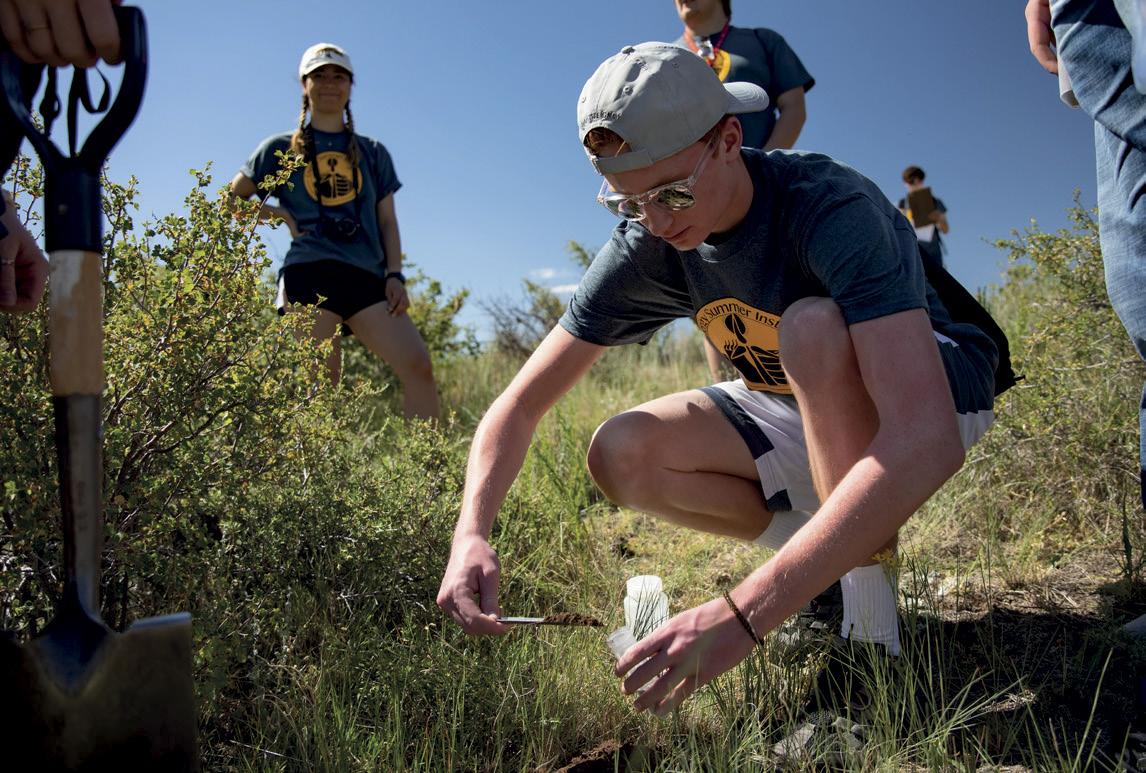
EXPANDING
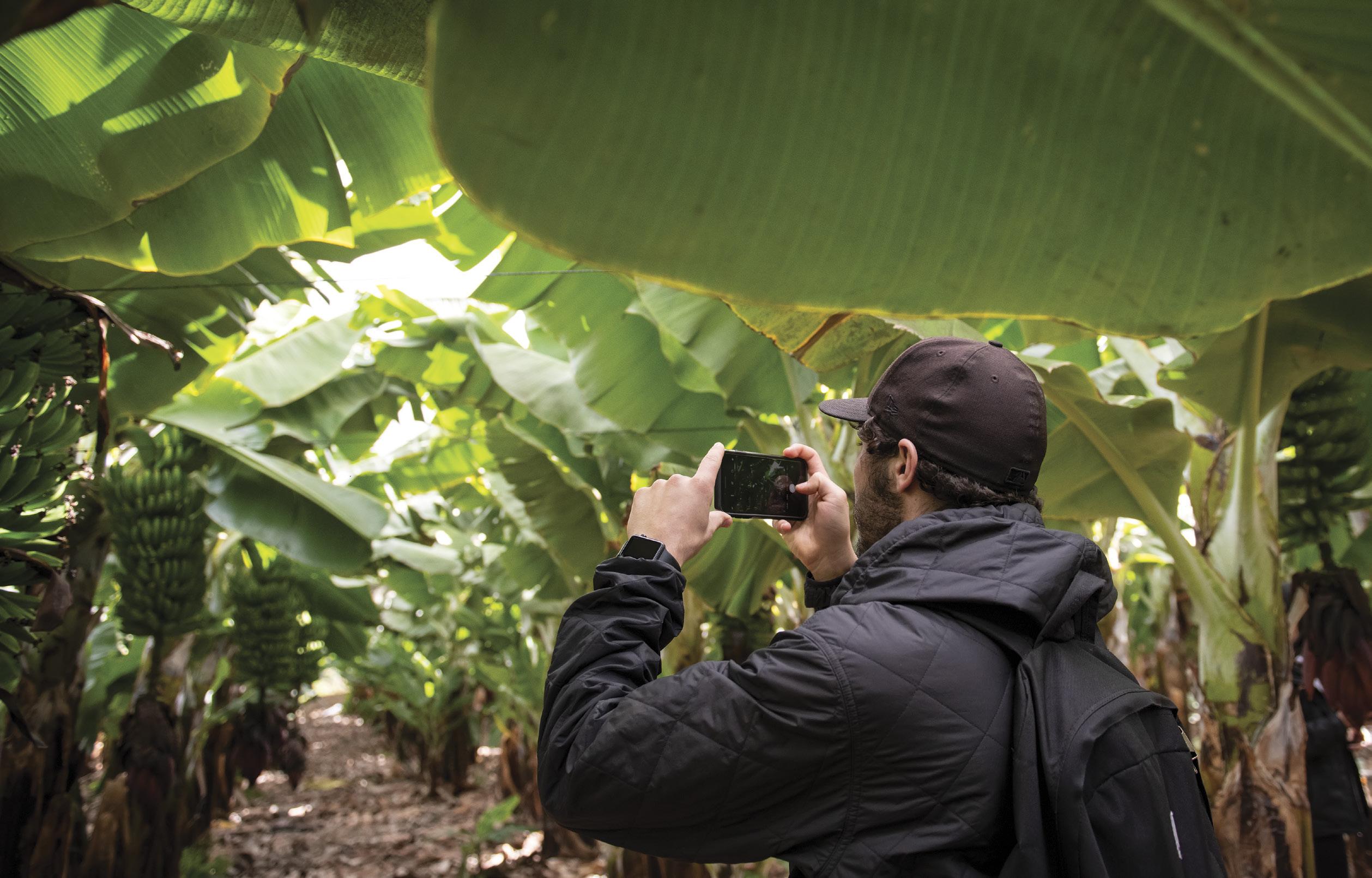
From Yellowstone to Mongolia, University of Wyoming students are immersing themselves in unforgettable landscapes while learning to understand today’s most pressing environmental challenges.
Through its field and global programs, the Haub School of Environment and Natural Resources is redefining what it means to learn about land, water and environment by placing students directly in the ecosystems they are studying. The results have been remarkable, yielding meaningful outcomes for students in both their personal development and professional readiness.
Thanks to generous supporters, the Haub School of Environment and Natural Resources offers students the chance to learn in ecosystems across the state and around the globe. By
Sunnie Lew
“The generosity of such wonderful friends of the Haub School and UW is what creates transformational student opportunities across Wyoming, the West and the world,” says John Koprowski, dean of the Haub School and a Wyoming Excellence Chair.
Students are challenged to travel, observe, engage and reflect. The program listings comprise a rich variety of opportunities, ranging from canaries and climate in Spain, to conservation and sustainability in the Arctic Circle, to wild and working lands in Nepal, just to name a few.
What makes these programs special is the alignment of
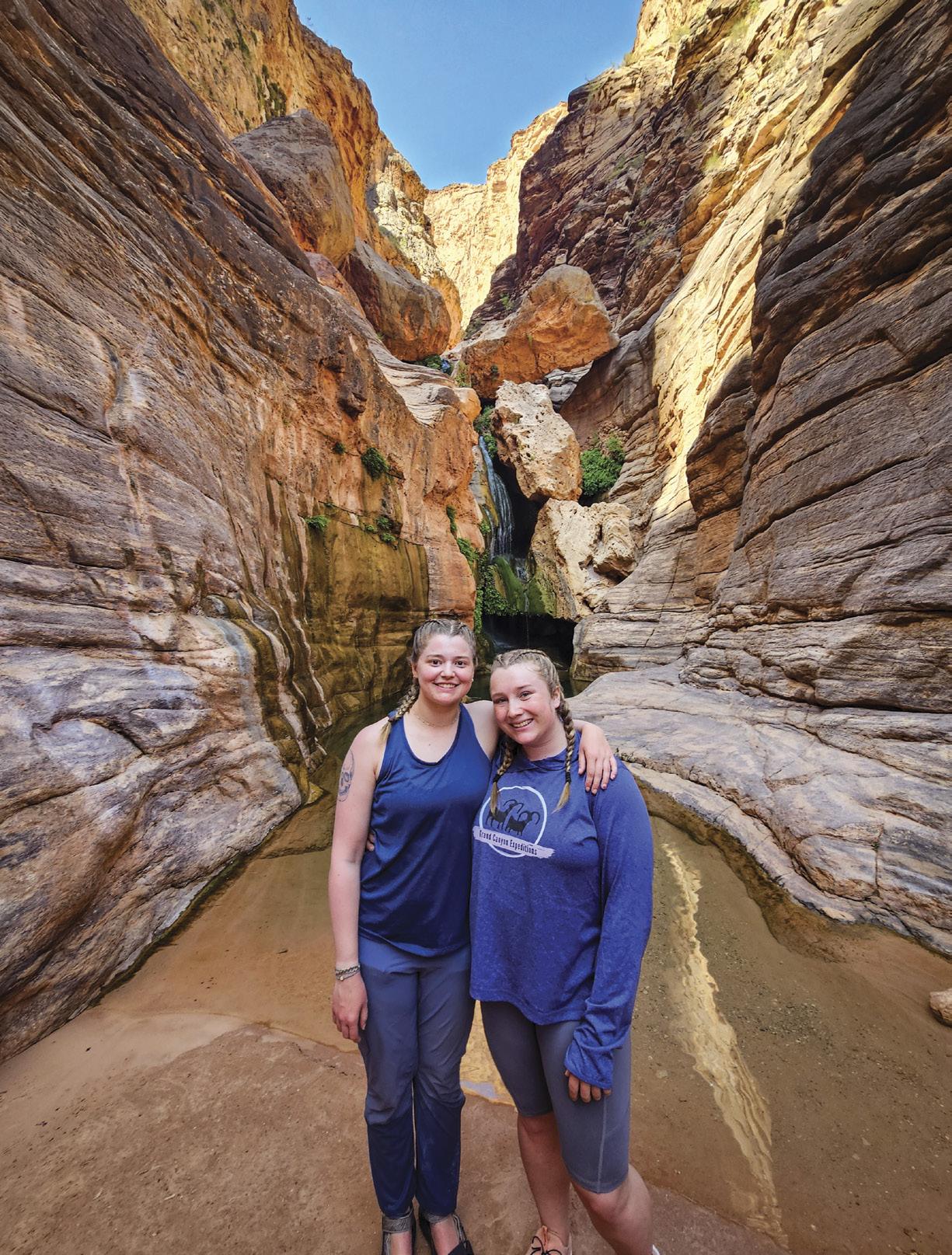
real-world environmental challenges with students learning in spectacular landscapes. For example, in the Canary Islands, UW students discover the complex environmental challenges facing island ecosystems on Tenerife, the largest of Spain’s Canary Islands, which is a volcanic archipelago off of Morocco’s coast. Students collaborate with faculty from Universidad de La Laguna and UW during an intensive field experience combining real-world experience with classroom discussions. Most days are spent exploring Tenerife’s diverse ecosystems — from coastal zones to volcanic highlands — while investigating the intersection of climate change, environmental conservation and sustainable development.
The transformative experiences offered through the Haub School’s field and global programs are made possible in part through philanthropic support, such as the Dr. Steven Rodermel Student Enrichment Fund. Established to encourage unique learning opportunities for students engaged in environmental studies, this endowment was created to help remove financial barriers so that all students can participate in hands-on, high-impact learning. Through this support, students gain the confidence, perspective and practical skills to address complex environmental challenges, enriching education both inside and outside the classroom.
Thanks to the generosity of Brad and Yancy Bonner, more Wyoming students can expand their horizons beyond state
EXPLORE GROW
and national borders through the Bonner Family Wyoming Explorers Fund. The fund was established to help Haub School students — especially Wyoming residents — add an international experience to their education, fostering a global perspective that complements their understanding of the landscapes they call home. In honoring students who share a passion for the environment and natural resources, the Bonner family’s support celebrates both exploration and empowerment. Their endowment makes it possible for students to take part in field courses, research and studyabroad opportunities that deepen their connection to place, broaden their worldview and prepare them to lead with confidence in a rapidly changing world.
The Tomé Scholars to Fellows Excellence Program stands as one of UW’s most transformative opportunities for Haub School students. Through the generosity of the Tomé family, this program provides full scholarships for exceptional students pursuing STEM degrees who bring new perspectives and diversity to the Haub School community. In addition to covering tuition and room and board, the program funds participation in both an international field course and a community service experience — ensuring that every scholar graduates with global awareness and practical leadership skills. By investing in these future leaders, the Tomé family has helped create a pathway for students to engage deeply with the world and elevate their potential to make a lasting impact in their careers and communities.
“The world needs more Cowboys, and our Cowboys and Cowgirls benefit when they learn and share about the environmental and societal opportunities and challenges around the world,” Koprowski says. “These endowed and expendable gifts guarantee that students will forever have experiences that provide perspective and empower our graduates to have impact not only across Wyoming but also around the globe.”
Together, these programs and the donors who support them exemplify the Haub School’s belief that education should extend far beyond the classroom. When students stand in the landscapes they study, they gain perspective, purpose and the confidence to lead. Through hands-on experiences and the generosity that makes them possible, UW continues to prepare the next generation of environmental stewards — ready to meet the challenges of a changing world.
Left page: : Japheth Frauendienst tours a banana plantation on Tenerife in the Canary Islands as part of his 2020 global seminar. Right page: Megan Hollingshead and Katelyn Fisher explore the landscapes of the American Southwest as part of an immersive 2024 field-based Canyonlands course.
Up Close with Art
THE GERALD AND JOYCE LANG PRINT STUDY ROOM ALLOWS STUDENTS TO STUDY THE MUSEUM’S PRINT COLLECTION IN A WHOLE NEW WAY.
By Michelle Sunset, Director of Curatorial Affairs, and Alex Ziegler, Curator of Academic Engagement
The University of Wyoming Art Museum is thrilled to announce the opening of the new Gerald and Joyce Lang Print Study Room — a dynamic space for experiential learning that combines the concepts of open-storage, study room, exhibition space and educational laboratory. The former studio classroom has been transformed into the
botany under esteemed Professor Dennis Knight. Gerald loved his time in Laramie and the human connections made here. He credits his research on the tropical forest on Barro Colorado Island in Panama with launching a successful career in science and academia that enabled him to foster an art collection that he and his wife, Joyce, are graciously donating to the UW Art Museum along with funding for the print study room.
The Gerald and Joyce Lang Print Study Room offers transformative possibilities for UW curricula. The print study room is a classroom and exhibition space where educators can facilitate direct engagement with original artworks. Unlike gallery spaces where students observe from a distance and behind glass, facilitated visits in the print study room allow for more detailed examination of artistic techniques and materials. Students can develop essential skills in evidence-based interpretation through close looking, while the space also enables faculty to model how researchers approach primary sources with both analytical rigor and appropriate care.
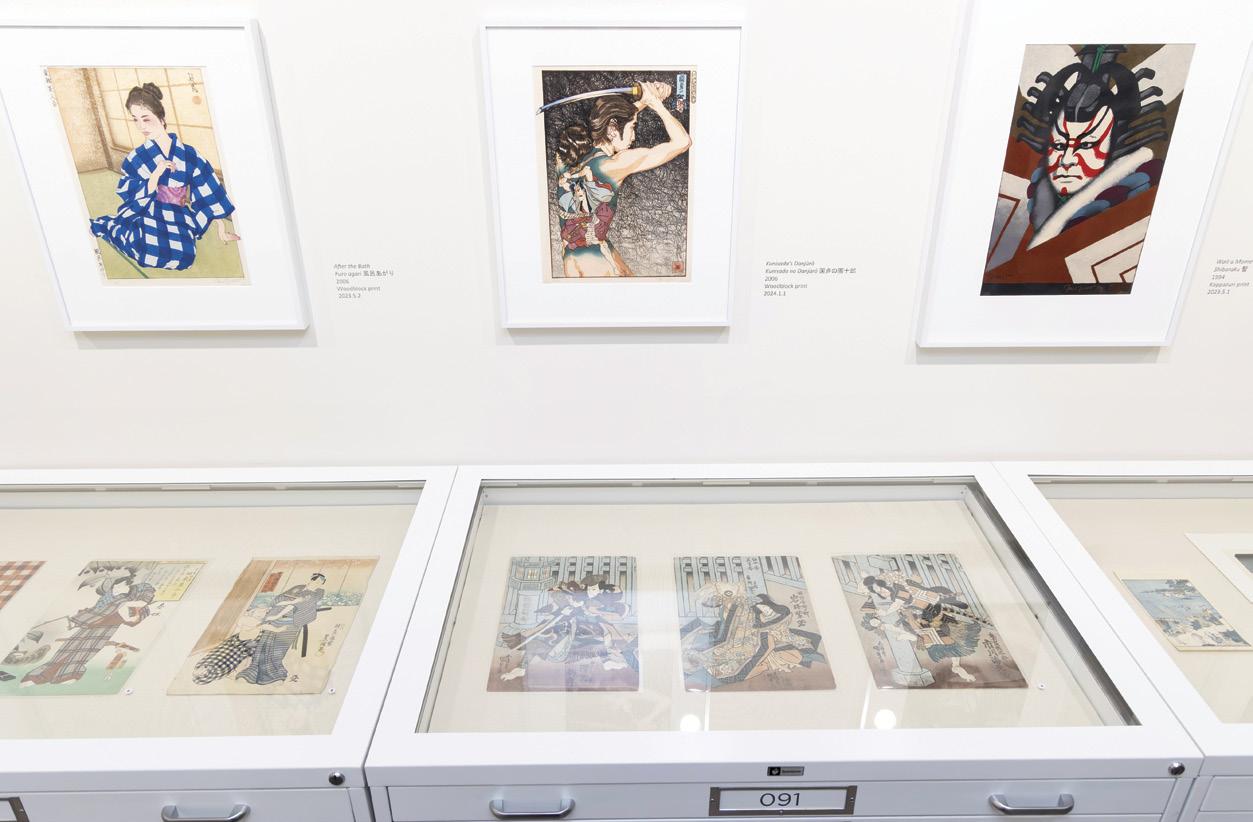
museum’s first dedicated collections study space open to classes, researchers and the public.
State-of-the-art flat file cabinets line the walls, providing much-needed secure storage for a portion of the museum’s print collection of over 5,000 works. The room exists thanks to the generosity and enthusiasm of Gerald and Joyce Lang, whose personal collection of Japanese and Japanese-inspired woodblock prints have found a home at Gerald’s alma mater. Gerald came to UW in 1966 to pursue graduate studies in
This environment encourages deeper critical thinking about the materiality, authenticity and historical context of prints from the UW Art Museum collection. The space also provides a basis for specialized lessons on topics including curation, collections management and art historical methodology. In this intimate setting, small groups can handle research materials directly and learn to formulate questions, test hypotheses and draw conclusions based on direct observation rather than assumed interpretation. This process of discovery mirrors the investigative methods central to professional-level research across disciplines, making the Gerald and Joyce Lang Print Study Room a valuable resource for students regardless of their academic focus.
The UW Art Museum is pleased to offer these exciting new opportunities and extends the sincerest gratitude to the room’s champions — Gerald and Joyce Lang.
The print study room’s inaugural exhibition features Paul Binnie (Scottish, b. 1967) woodblock prints on the walls and historic Japanese ukiyo-e prints in the glass-top cases.
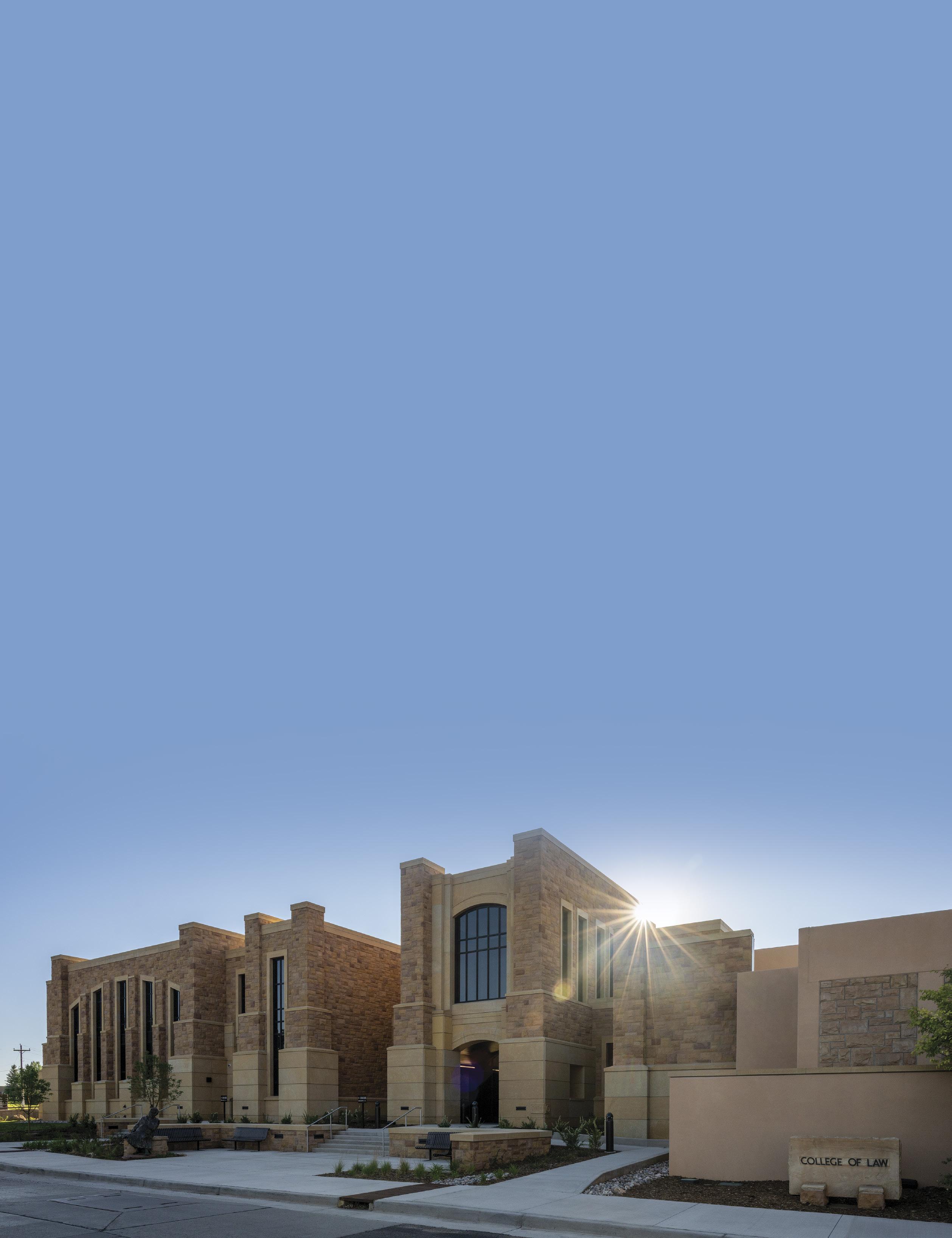
Law clinics draw students to UW and provide invaluable hands-on preparation for their legal careers.
‘WHERE THE RUBBER MEETS THE ROAD’
By Tamara Linse
First and foremost, students come to the University of Wyoming College of Law to earn their degrees, but they overwhelmingly choose the law school for two reasons — affordable tuition and the experience offered by the college’s law clinics.
Not coincidentally, it is the College of Law’s mission to prepare students for the experience of real-world lawyering after graduation — and the law clinics do just that with actual cases and real clients, not just simulations. In fact, since 2013, the college has proudly offered a “clinic guarantee,” which ensures that every student has the opportunity to participate in a legal clinic.
The clinics also address critical access-to-justice gaps in Wyoming by providing free legal services to low-income residents, veterans and other vulnerable populations who otherwise could not afford representation. Under Wyoming law, clinic students can brief and argue cases before the Wyoming Supreme Court, a rare opportunity for law students.
The Defender Aid Clinic — the oldest clinic — was founded in 1965, followed by Prosecution Assistance and Civil Legal Services. More clinics have been established since then.
Real-world experiences translate into real-world results. UW graduates go on to work in law firms; in academia; in business and industry; in government; as public defenders; and in judicial clerkships.
Third-year law student Mason Teague of Casper serves as student director of the Civil Legal Services Clinic. He is interested in corporate law, but his experiences in the clinic gave him “a love for helping the Wyoming community and representing people who cannot afford legal representation.”
The Clinics
• The Civil Legal Services Clinic represents low-income Wyoming residents in a wide range of civil matters, including housing, property and name changes.
• The Defender Aid Clinic — UW’s first clinic, founded in 1965 — represents people unable to afford counsel at all stages of criminal defense practice across Wyoming, including sentence reduction, parole proceedings and federal compassionate release cases.
• The Energy, Environmental and Natural Resources Clinic, in partnership with the Wyoming Attorney General’s Office, works on energy, environmental and natural resources law. It remains the only clinic of its kind in the U.S.
• The Estate Planning and Probate Clinic helps Wyoming’s low-income population with estate planning, including wills, powers of attorney and advance health care directives.
• In the Family and Child Legal Advocacy Clinic, students form direct lawyer-client relationships to handle civil legal matters including divorce, child custody and domestic violence protection orders.
• The International Human Rights Clinic has litigated cases before constitutional courts in Uganda, investigated trafficking in Southeast Asia, provided country conditions reports for immigration judges and successfully represented asylum seekers.
• The Prosecution Assistance Program assists Wyoming county and prosecuting attorneys, the Wyoming attorney general and the U.S. attorney for the District of Wyoming in criminal and selected civil cases.
• The Business Planning Practicum provides legal services in partnership with the UW Center for Entrepreneurship and Innovation, which nurtures an entrepreneurial mindset.
“The clinics play a pivotal role in sharpening legal education,” Teague says. “The clinics in some ways are more important than traditional classroom learning because they allow the students to dive in and get hands-on experience with the practice of law.”
Third-year law student Tori Dunivan is student director of the Estate Planning and Probate Clinic. She is earning a dual degree — her law degree and a master’s in environment and natural resources. She wants to bridge the gap between
agriculturists and environmentalists with a focus on justice in rural areas.
“Our clinic directors describe the clinic experience as ‘where the rubber meets the road,’” Dunivan says. “The clinics have transformed my idea of what being a lawyer is. It’s not adversarial all the time, and it’s not courtrooms all the time. We are ‘counselors’ in so many senses of the word. We are problem solvers who counsel people on the law and their best options given the facts.”
Donors have provided vital support to the clinics through endowments such as the John Burman Fund, the Kepler Fund for Professional Education, the John P. Ellbogen Foundation Endowment to Support the Center for International Human Rights Law, and the Robert J. Golten Memorial Fellowship. In 2024, the donor-supported Alan K. Simpson Center for Clinical and Experiential Learning opened, providing a safe and professional space to house all the college’s clinics in one building.

2
MAY2026
Tori Dunivan Mason Teague

A DEEP SEAT AND A LONG REIN
B Ch i N varro
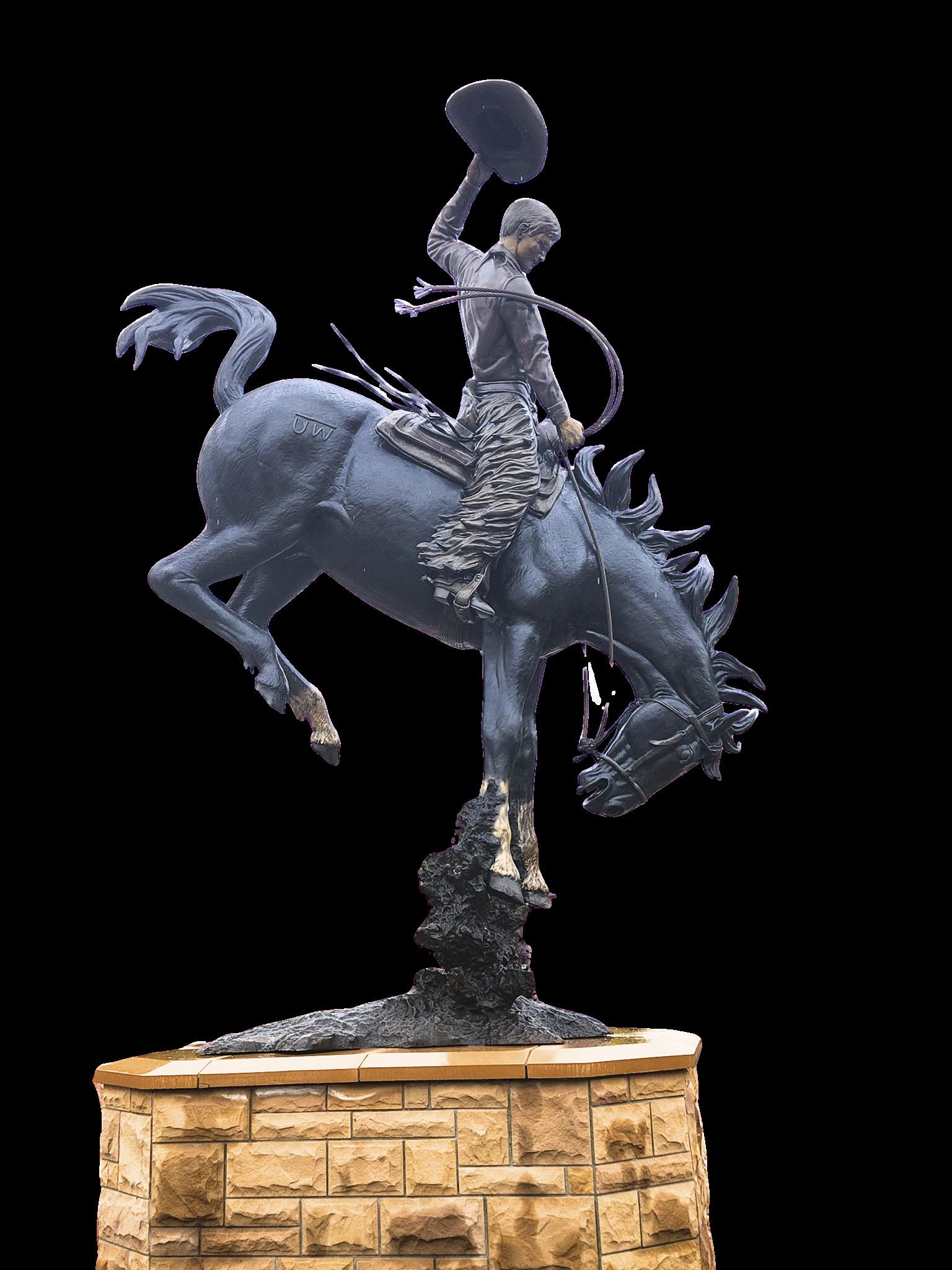
A DEEP SEAT AND A LONG REIN by renowned Wyoming sculptor Chris Navarro. The new 15.5-foot monumental bronze sculpture for the University of Wyoming donated by the Double 4 foundation is located at Ivinson & 15 St. Roundabout. Dedicated October 11, 2025. The sculpture pays tribute to Allen Tupper True, the ar tist who created the iconic "Steamboat" bucking horse logo for Wyoming license plates since 1936. The logo has since become the state's symbol, representing the "Cowboy State". “Steamboat” is not just a logo; it’s a symbol of resilience, adventure, and the indomitable spirit of Wyoming. It represents our beloved state and the University of Wyoming, inspiring generations of students and athletes alike. A limited edition of 75 bronze sculpture maquettes H-24’ ’ L- 16’ ’ X 9’ ’ price $6000. To order your bronze sculpture of Wyoming histor y. th contact Navarro Galler y at (928)-204-1144 or chrisnavarro.com
FUND FOR DAD FUND FOR DAD
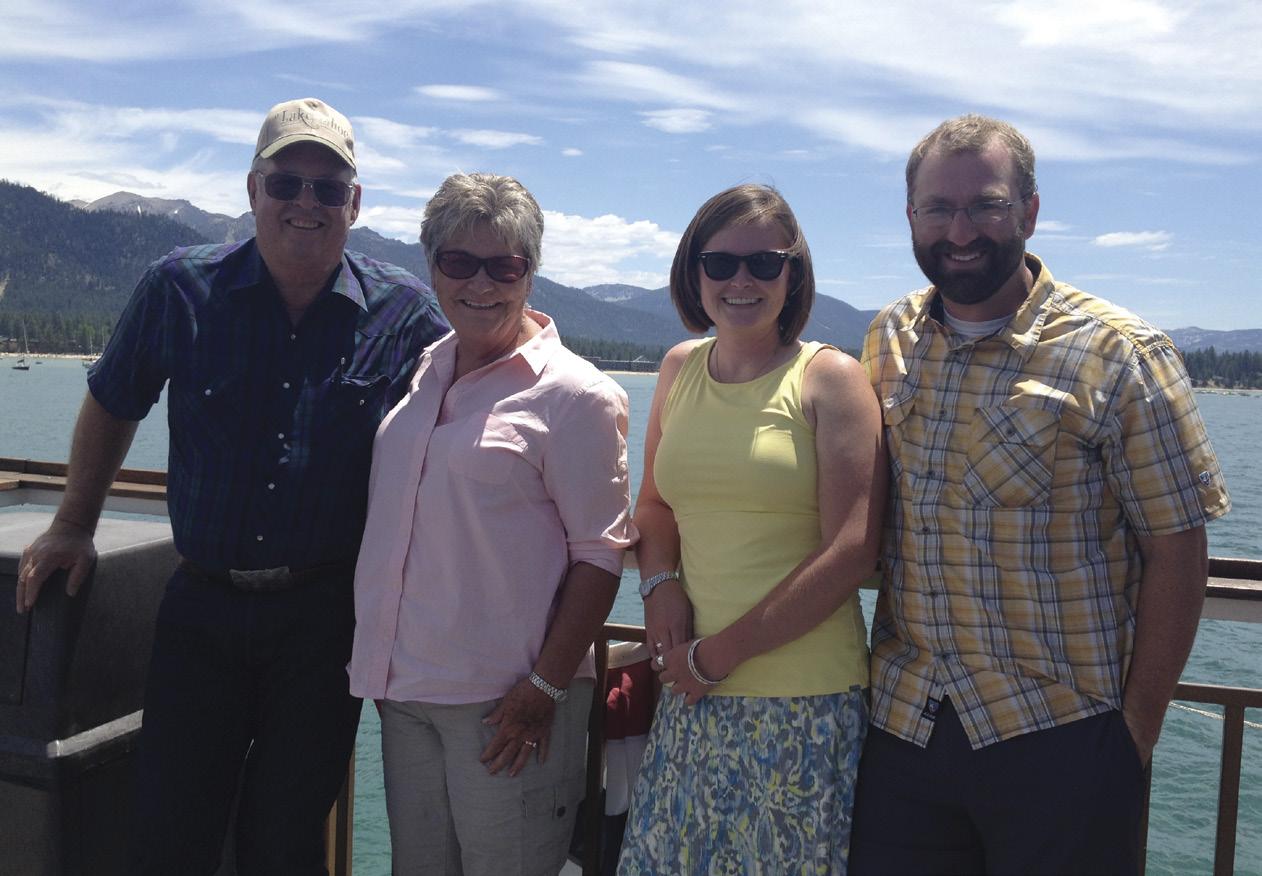
By Jane France
For University of Wyoming Alumni Association Board President Jane France, the UWAA has always been more than an organization — it’s been a significant part of her family story. Her connection began long before she joined the UWAA Board of Directors in 2017. Her parents, Dwight and Candace “Candy” France, served on the UWAA Board of Directors in the 1990s, instilling in her a lifelong appreciation for alumni engagement. Following her father’s passing, Jane and her mother established the Dwight H. and Candace C. France Excellence Fund, continuing their family’s legacy of service and support to the Cowboy community.
Jane says: “I worked as the UWAA Membership Services Coordinator from 2006 to 2011 while I was an undergraduate and law student. I really hadn’t looked for a job yet, but Robbie Darnall inquired to see if I might be interested, and a wonderful opportunity fell into my lap. I was responsible for processing all the UWAA memberships and providing data updates to the UW Foundation as well as helping with the board meetings and scholarship auctions. It was a perfect part-time job for a student because it was a fun place to work, the hours were flexible, and I had a little spending money. More importantly though, I got to meet dozens of incredible graduates from around the country who found it important to stay in touch with the university via the alumni association. They included
board members, volunteers and, of course, the Distinguished Alumni and Medallion Service Award winners. I remain friends with many board members who I met while I was a student employee nearly 20 years ago.
“Working at the UWAA was especially satisfying when I was in law school. It was a place of calm when the stress of law school got to me. I could go to my office in the Alumni House, do my work and take my mind off my studies. It remains, in my opinion, one of the most beautiful buildings on campus.
“My affinity for the UWAA started when I was very young, as both my mom and dad served on the UWAA Board of Directors. I tagged along to many meetings and homecomings. When my dad passed away in 2022, my mom and I were humbled by the number of gifts given in his memory to the UWAA. We thought he would be pleased if we endowed a fund in his memory, the purpose of which is to support student interns working at the UWAA. It is named the ‘Dwight H. and Candace C. France Excellence Fund’ and has supported five interns since its creation. I know he would be very happy that we continued to support an organization that was so important to him and in a way particularly meaningful to us.”
The France family’s lasting dedication reminds us that the heart of the UW Alumni Association lies in the people who make it feel like home, generation after generation, and in the hands-on experiences that inspire future Cowboys to learn, grow and give back.
PHOTO COURTESY OF JANE FRANCE














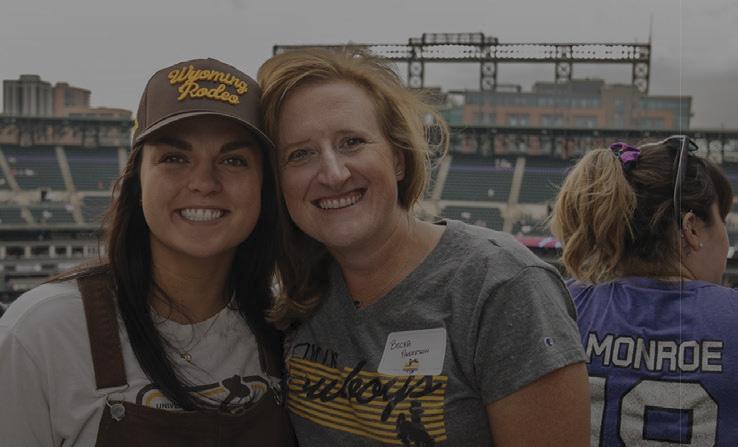









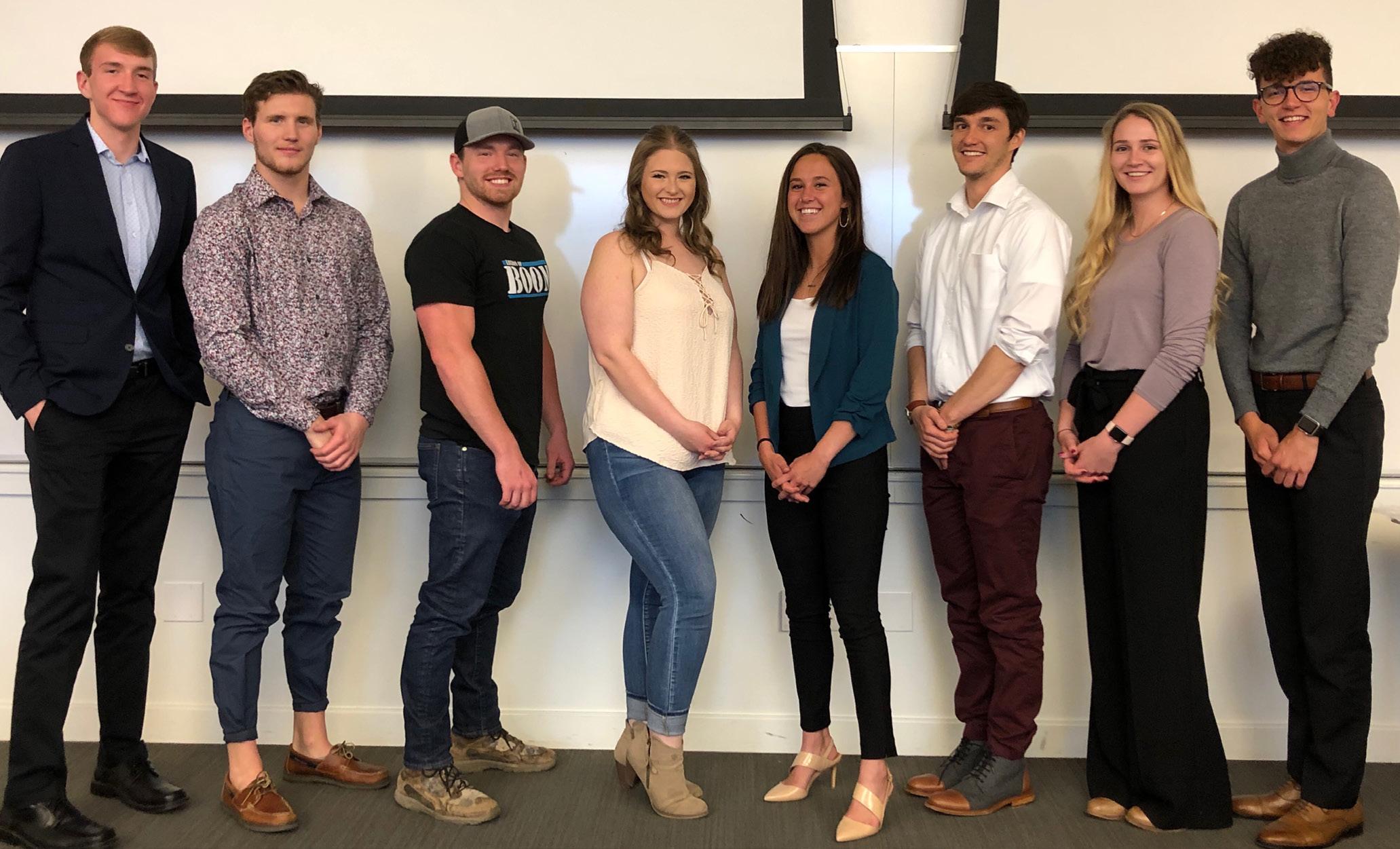
SPARKTANK ALUMNI
By Taylor Weidinger
At the University of Wyoming, SparkTank brings experiential learning to life by blending ethics, innovation and philanthropy. Through this hands-on experience, students in the Ethics Club collaborate to evaluate nonprofit proposals, make funding decisions and witness the real-world impacts of their choices. More than a competition, SparkTank challenges students to think critically, act responsibly and lead with purpose. These skills continue to positively influence our alumni and those around them long after they leave campus .
Faculty adviser Kent Noble describes SparkTank as a defining example of how ethics education extends beyond the classroom, an experience that teaches the value of principled leadership through action.
“SparkTank challenges students to lead with integrity, think beyond themselves and recognize that ethical leadership is measured not just by what you achieve but by how you achieve it,” he says.
To hear more, we went straight to the source. These alumni brought their Ethics Club experience to the SparkTank floor, and their reflections reveal the power of experiential learning, ethical leadership and the impact of giving back.
Kenna Blaney (J.D., ’23)
What about SparkTank’s mission — combining ethics, innovation, and philanthropy —resonated with you?
“SparkTank’s mission resonates with me because it teaches students the power and importance of giving back to their community and rallying others to help those in need. SparkTank provides students with the unique opportunity
to contribute to the Laramie community through the generosity of others and helps them understand that together they can make a greater impact than they can alone.
“SparkTank leaves a lasting impression on everyone involved, and I’ll always carry with me the feeling of helping others alongside my peers. It taught me that one of the best things you can do for yourself is give it back.
SparkTank is special because its process is rigorous and requires participating nonprofits to clearly demonstrate how the fund will be used to maximize their impact on the community.”
Shane Dawson (B.S., ’23)
What was your role in SparkTank?
“I’ve been involved in SparkTank in almost every capacity — first as a member, then as vice president and marketing officer, and now as the staff adviser for the Ethics Club alongside Kent Noble, who acts as the faculty adviser.
“As a member, I helped deliberate on funding decisions and attended nonprofit presentations during meetings. As an officer, I took on more responsibility for planning, organizing and judging, including attending site visits and ensuring our officer team did our due diligence.
Shane Dawson
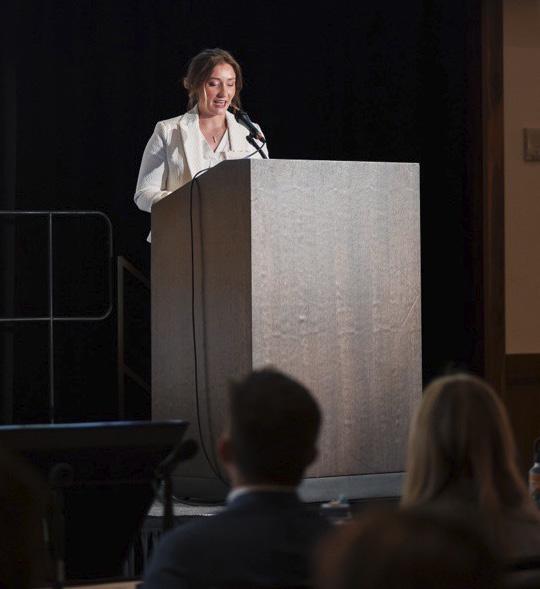
I started by listening better, setting clear expectations and following through. Those habits make trust possible and keep the work honest. In SparkTank, teamwork became genuinely collaborative for me, and it remains that way. I align roles early, write the plan down and check in regularly. It’s shared ownership and steady communication.
“My view of giving also changed through my time in the Ethics Club. It works best as a relationship. It taught me to align goals, co-create a realistic path, aim for lasting outcomes and circle back with honest updates and gratitude. Overall, those years taught me ethical habits, stronger collaboration, steady leadership and relationship-driven giving, and I carry those forwards in how I plan, build relationships and lead.”
“Now, as staff adviser, I support the current officers with logistics and planning while keeping the event entirely student-run, which is one of the things that makes SparkTank so special. Every year, I’m blown away by how professional and polished the students make it.”
Tess Stonehouse Snow (B.A., ’18)
Can you describe a moment when you truly saw the impact of what students were doing, either on campus or in the community?
“After graduating from UW, I had the privilege of working for a nonprofit that later became a SparkTank contestant. Seeing the process from the other side was incredible—the professionalism, preparation and thoughtfulness of the student teams were truly impressive. The funding we received made a meaningful difference for that organization and the individuals served. It was a full-circle moment that reminded me how powerful community collaboration can be.”
Michael Blaney (B.S., ’19)
What did the experience teach you about ethics, teamwork, leadership or the philanthropic process of giving?
“Ethics Club and SparkTank taught me that ethics are practiced in the details, and I still apply that every day.
Tucker Norman (B.S., ’23)
If you could speak to a current UW student thinking about joining SparkTank or the Ethics Club, what would you tell them?
“I would highly encourage joining the Ethics Club or being involved in SparkTank in some capacity because you won’t realize the amount of an impact that you have in your community if you just sit by. You’re going to meet great people, you’re going to have a network for a lifetime and you’re going to learn some great skills while doing it. We can only learn so much in the textbooks that we have here in college. However, the experiential learning that you get through being involved is going to pay dividends in the future.”
McKenna Kail (B.S., ’24)
How has SparkTank continued to influence the way you think, create or lead today?
“SparkTank continues to shape how I think and lead every day. Now in law school, I actively seek mentors who embody the ethical principles SparkTank instilled in me — people who charge fair rates, carefully consider the cases they take and respect the trust clients place in them. SparkTank didn’t just inspire me — it set the ethical foundation for the kind of lawyer I want to become.”
BUILDING A BETTER WYOMING
UWAA honors Sue Consolo-Murphy for her lifelong commitment to conservation.
By Sunnie Lew
Sue Consolo-Murphy fell in love with Wyoming at 12 years old.
On a family vacation, she crossed Togwotee Pass and saw the Teton Range. “I can still remember that view opening up of Jackson Hole,” she says. “I hadn’t seen it before, and it just caught my breath — and it still does to this day.”
That moment changed her life. On that trip, she met a female park ranger and told her father, “That’s what I want to be when I grow up.”
The West is where she chose to build her life. She left Ohio to attend the University of Wyoming and, after graduating in 1977 in recreation and park administration, began a distinguished career with the National Park Service. She served in Yellowstone and Grand Teton national parks, among others, devoting nearly four decades to protecting the natural treasures that define Wyoming and shaping how people experience the greater Yellowstone ecosystem.
“I’ve always thought the point of doing your job is to try to keep things wonderful or to make them better if you can,” Consolo-Murphy says. “Building a better Wyoming happens when people just live here, love this place and put their heart into their work.”
At Yellowstone, she participated in grizzly bear recovery programs and supported the successful return of wolves to the region. As chief of science and resource management at Grand Teton National Park from 2003 to 2019, she championed science-based management
to guide decisions affecting wildlife and visitors. She led restoration of aquatic and terrestrial ecosystems, oversaw the removal of diversion dams to restore native trout passage, supported the restoration of historic structures, and promoted awareness of the nation’s first designated wildlife migration corridor for pronghorn antelope.
Under her guidance, strategic relationships flourished with many public and nonprofit conversation partners to ensure the long-term health of one of the most intact ecosystems in the continental United States. Working with local communities, she says, underscored the importance of listening and building understanding across perspectives.
“Listening to people who were very passionate on both sides taught me the value of respecting different viewpoints coming together to find common ground,” she says.
Her influence extended beyond park boundaries. A lifelong advocate for research and education, ConsoloMurphy was instrumental in renewing the agreement between UW and the NPS to operate the Jackson Lake UW-NPS Research Station, the longest operating research station in any US national park. The partnership has supported generations of students and faculty studying everything from pikas and Teton glaciers to pollinator health and the cultural history of the American West. “It flies under the radar,” she says, “but the research done there benefits every agency and community that depends on the greater Yellowstone ecosystem.”
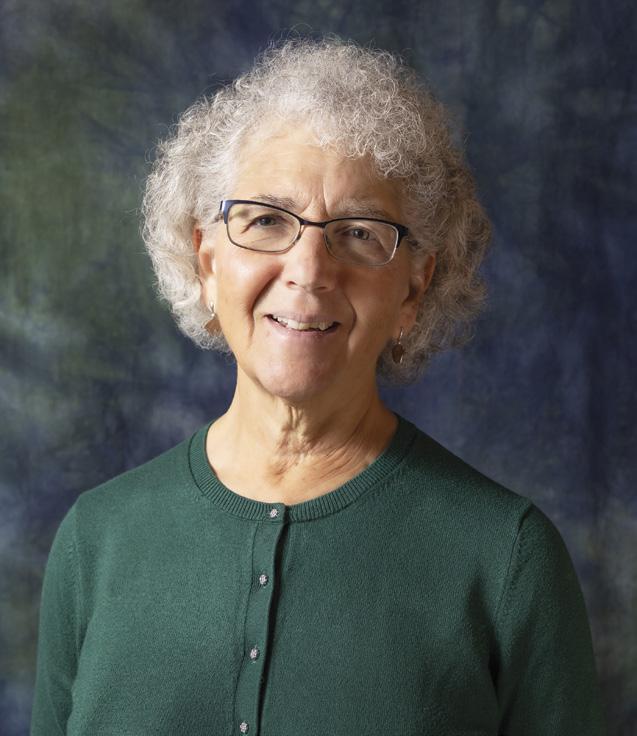
A mentor to many, Consolo-Murphy inspired a generation of scientists— especially women—entering the field of resource management. Her leadership earned her the 2013 National Park Service Director’s Award for Natural Resource Management and recognition from the Interagency Grizzly Bear Committee for her contributions to grizzly recovery.
In retirement, she continues her commitment to preservation through storytelling. Her book, The Bears of Grand Teton: A Natural and Cultural History, offers the first comprehensive account of black and grizzly bears in the park and the evolving human relationship with them.
“There are so many stories in parts of Wyoming that deserve to be told before they’re lost,” she says. “If it’s at all interesting, write it down or share the story in some way.”
For her lifelong dedication to Wyoming’s landscapes, her stewardship of science and collaboration, and her enduring commitment to education and conservation, the University of Wyoming Alumni Association proudly honors Sue Consolo-Murphy (B.S. ’77, College of Arts and Sciences) with the 2026 Building a Better Wyoming Award.
BY
PHOTO
KATHY LICHTENDAHL
Articles by Tamara Linse
RISING ALUM: MARYGRACE BEDWELL
MaryGrace Bedwell lights up a room. She makes everyone feel welcome. She has the ability to identify community needs and mobilize volunteers to create meaningful solutions in an impressive career in public service while simultaneously transforming her community through grassroots initiatives.
Bedwell earned three degrees from UW — dual bachelor’s degrees in geology and geophysics and Spanish in 2017 and an MPA in environment and natural resources in 2020. She currently serves as public affairs specialist for the U.S. Forest Service’s Rocky Mountain Region. Previously, she was a public affairs specialist for the Medicine BowRoutt National Forests and Thunder Basin National Grassland. Earlier in her career, she supported statewide journalism at Wyoming Public Radio, helping to raise approximately $750,000
annually, and while in grad school, she worked for the City of Laramie as a natural resources intern.
Bedwell is remarkably creative in addressing local needs. In 2025, she founded the Laramie Cookbook Project, an illustrated community cookbook, and she established Laramie Creative Reuse, which collects and distributes art and craft supplies throughout the community. She regularly hosts monthly community dinners that bring people together around food and connection. All this is done sustainably. While working for the City of Laramie, she secured a $150,000 Blue Sky Grant to fund a solar facility for community recreation spaces, advancing renewable energy adoption and reducing municipal emissions.
Originally from Summerdale, Ala., Bedwell has built her career and life in Wyoming while embodying the spirit of
NETWORK LEADER: SHELLY GAMS
Shelly Gams is a dedicated supporter of the University of Wyoming. Her attention to detail, organizational skills and genuine enthusiasm make everything she does shine. As a UW Alumni Association Network Leader based in Billings, Mon., she ensures that UW alumni in Montana have a vibrant welcoming community where they can stay connected to each other and to the university they love.
For over two decades, Gams has been a driving force behind alumni activities in Montana, leading the Billings Alumni Network with remarkable energy and passion. Under Gams’ leadership, the Billings network has flourished. She has organized countless events such as watch parties for Cowboy football and basketball games where alumni can gather to cheer on the Brown and Gold.
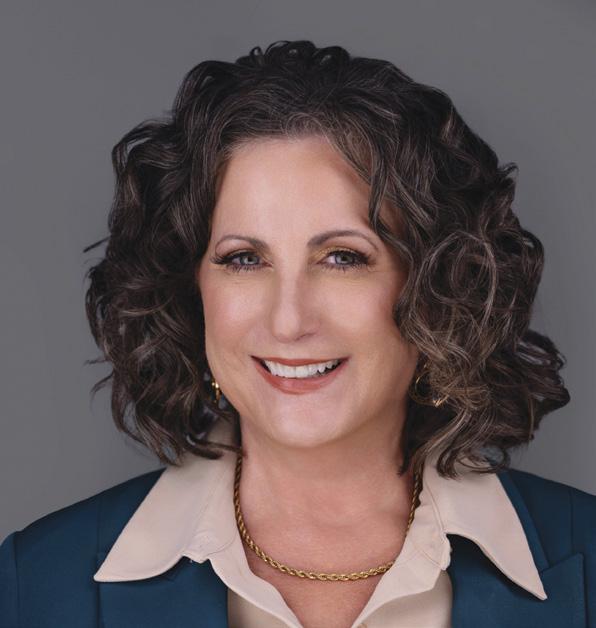
She planned an event at the Northern International Livestock Expo’s Nile Ranch Rodeo and introduced “Pokes at the Park,” a collaboration with the Billings Mustangs baseball team. She has also served on the UWAA Board of Directors.
Originally from Cowley, Wyo.,
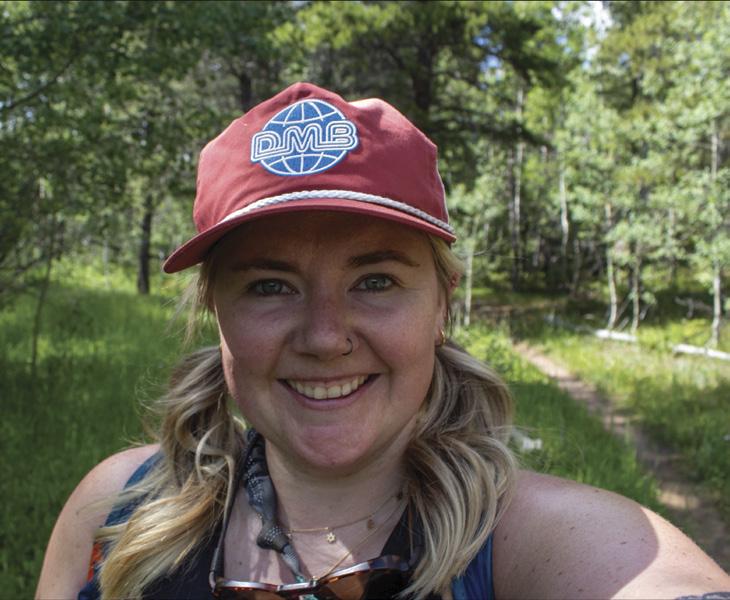
service and dedication that the Rising Alumni Award celebrates. Through her federal service, local impact, mentorship and creative leadership, she represents the best of what UW graduates contribute to their communities and the nation.
“Community is at the center of every single thing that I do,” Bedwell says. “You see a need, and you fill the need. You just genuinely want to help.”
Gams is a 1993 graduate of the College of Business with a degree in business administration and a minor in psychology. She has built a distinguished career as a certified financial planner who owns her own financial services company and has been recognized by the Accounting and Financial Women’s Alliance as a Woman of Influence. She volunteers with numerous nonprofit organizations and contributes articles on financial planning to a number of publications.
Gams’ enthusiastic dedication to creating community for Wyoming alumni has made a significant impact on our UW family.
“If you like Wyoming — you love Wyoming — you’re more than welcome to come into our little fold up here,” Gams says.
COURTESY PHOTO
PHOTO BY ARICA LIPP PHOTOGRAPHY
THE SHERROD W. FRANCE LIFE MEMBER SERVICE AWARD: CHUCK BROWN
By Tamara Linse
Chuck Brown embodies the very best of what it means to be a Wyoming alum.
Chuck and his wife Kate became lifetime members of the University of Wyoming Alumni Association immediately after graduation. Less than a decade later — from 1969 to 1970 — Chuck served as president of the UWAA, a role that reflects his deep commitment to the organization and its mission. Over the past seven decades, he has remained consistently involved as a leader, volunteer and enthusiastic supporter. Chuck’s service to UW extends far beyond the alumni association as he served on the UW Board of Trustees and as its president.
The Browns both graduated from UW in the early 1960s — Chuck with bachelor’s in business administration


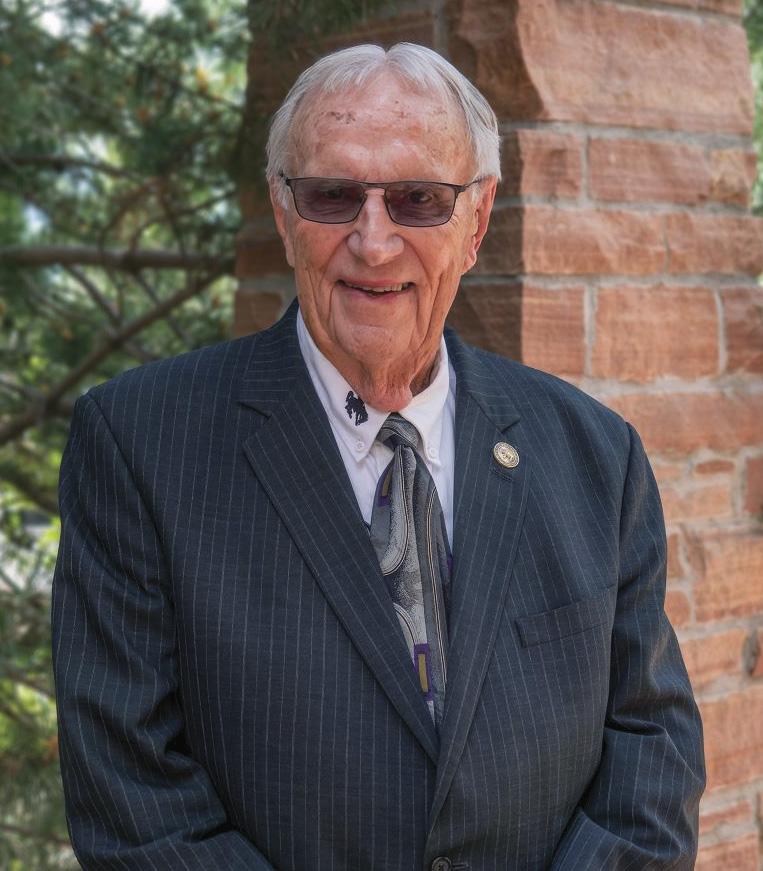
and Kate with English secondary education. Chuck enrolled at UW after serving in the U.S. Army in Korea.
Chuck dedicated his career to the C.H. Brown Company, the Wheatland-based business founded by his father in 1949. Chuck and Kate
grew it into a successful enterprise that finances and leases agricultural, construction and transportation vehicles across Wyoming and the surrounding states.
The Browns have held season football tickets for 50 consecutive years and continue to support the university through generous contributions to athletics, the College of Business, the College of Education and the UWAA. Chuck was awarded the UW Distinguished Alumni Award in 2011.
Graduation wasn’t the end of Chuck Brown’s relationship to UW — it was just the beginning of a lifetime of service that would impact countless students, faculty and fellow alumni.
“I just found early on that I enjoyed being helpful,” Chuck says. “A lot of people use the words ‘pay it back’ — that’s what it’s about, I think.”











SHERROD W. FRANCE SERVICE AWARD THE LIFE MEMBER

















TO HONOR SHERROD FRANCE’S DECADES OF SERVICE & LEADERSHIP, THE UW ALUMNI ASSOCIATION BOARD OF DIRECTORS UNANIMOUSLY VOTED TO RENAME THE LIFE MEMEBER SERVICE AWARD AS THE SHERROD W. FRANCE LIFE MEMBER SERVICE AWARD.
By Amy Morgan
Recruited to join UW Track and Field while pursuing her MBA, Taylor Weidinger came to Laramie in 2023 after four years competing at the University of Oregon.
“Coach Santos made me feel welcome right away,” she says. “Wyoming just felt like home.”
Now part of the UW Alumni Association as their digital engagement specialist, Weidinger brings that same spirit of connection to her work.
“My role is about engaging alumni and sharing the stories that make our community special,” she explains. “Through media and events, we get to celebrate how Pokes grow and stay connected to UW.”
Her favorite part so far? “The team,” she says with a smile. “Everyone is so genuine and welcoming. Homecoming

was a big first experience, and we all approached it together.” Weidinger is eager to expand her skills in capturing uniquely Wyoming moments and memories.
As an alum herself, her favorite memories of campus include early-morning breakfast burritos with her MBA cohort and meeting the track team at a Cowboy football tailgate. Outside the office, Weidinger enjoys fall weather, cooking soups and spending time with her miniature dachshund, Sweet Tea.
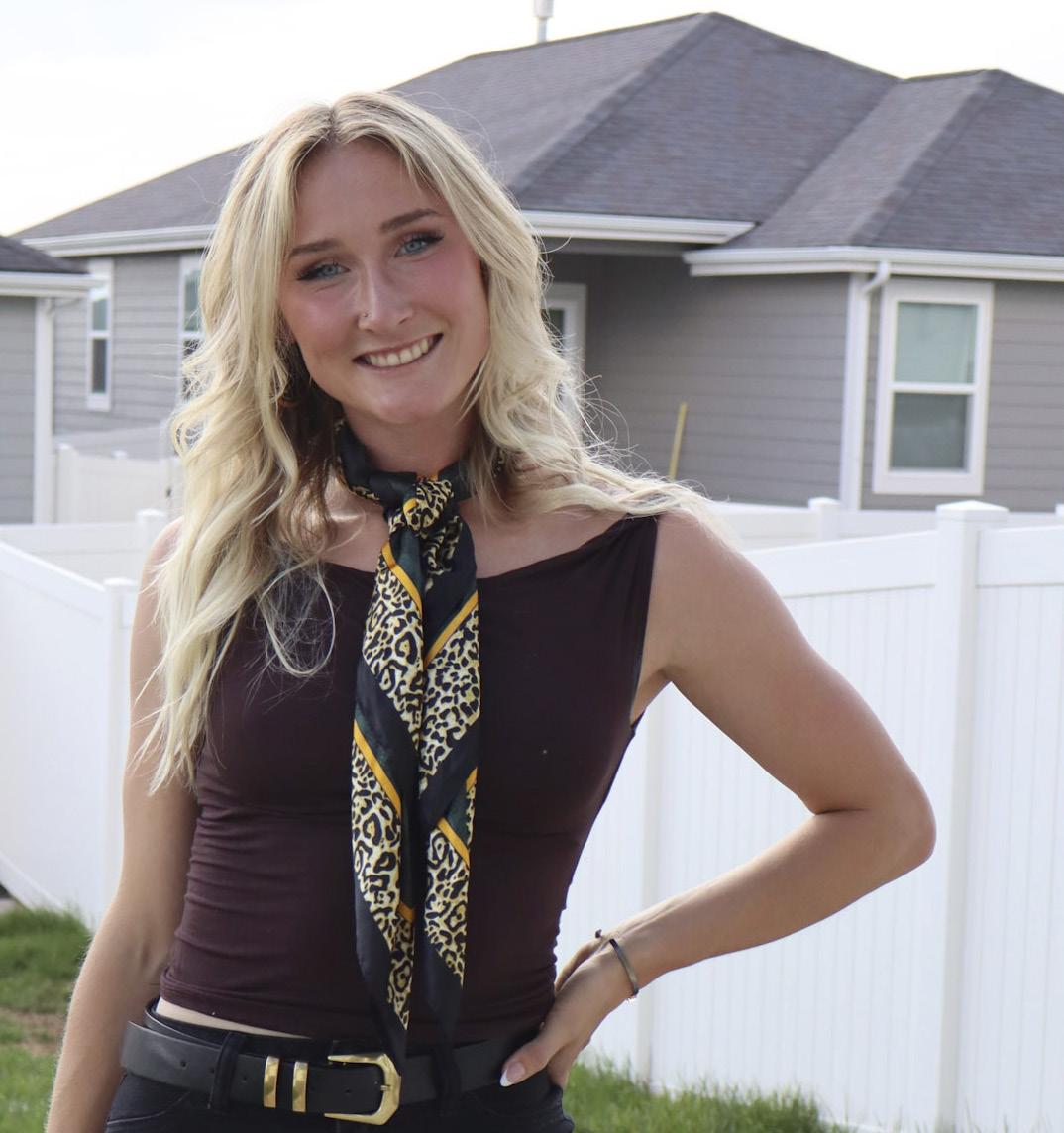
For Weidinger, being part of the UW family means belonging to something lasting.
“People here have your back and your best interests in mind,” she says. “I want to amplify the voices and stories that define our Cowboy community. If I can remind others why Wyoming feels like home — that’s success to me.”














The UW Alumni Association is excited to o er a chance to win the ‘Alumni Wyoming Cowboy’ statue by Chris Navarro. This 17-inch statue is a replica of the sculpture “Wyoming Cowboy” which is a silhouette of a cowboy riding the great bucking horse, Steamboat. This replica is o ered exclusively through the Alumni Association.


A portion of the proceeds from this ra e will help fund the UWAA scholarship program which, since its inception in 1906, has grown steadily to impact many students in pursuit of their education.





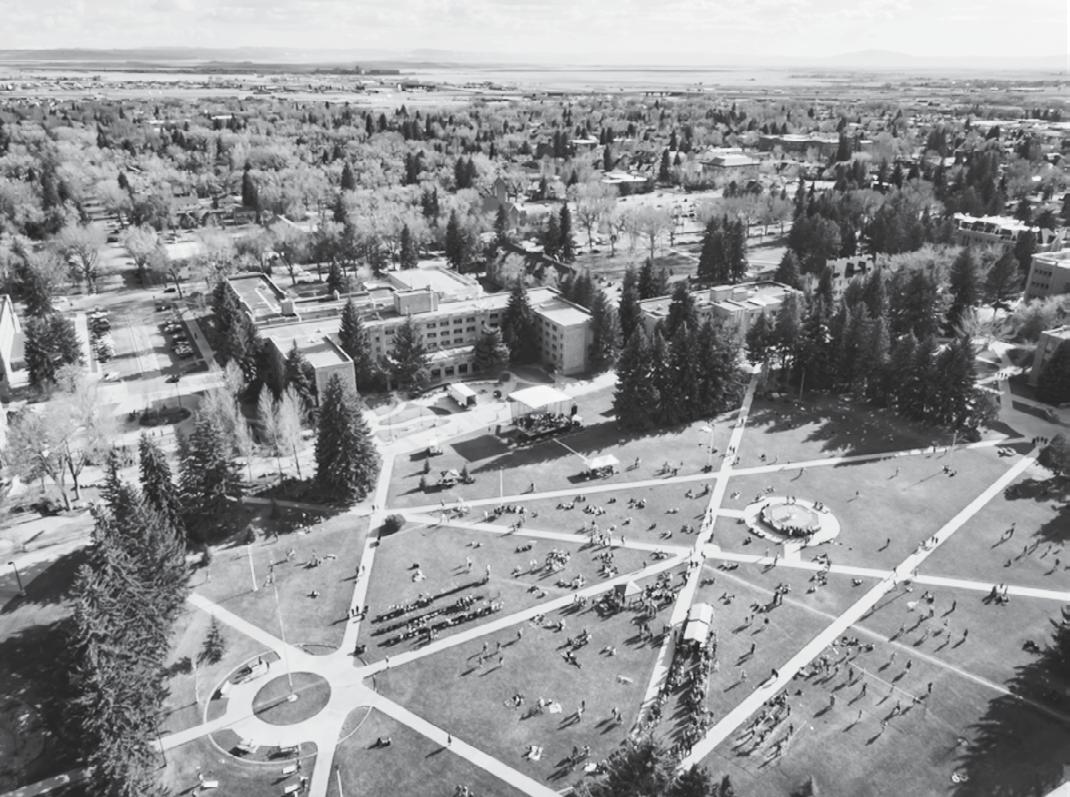







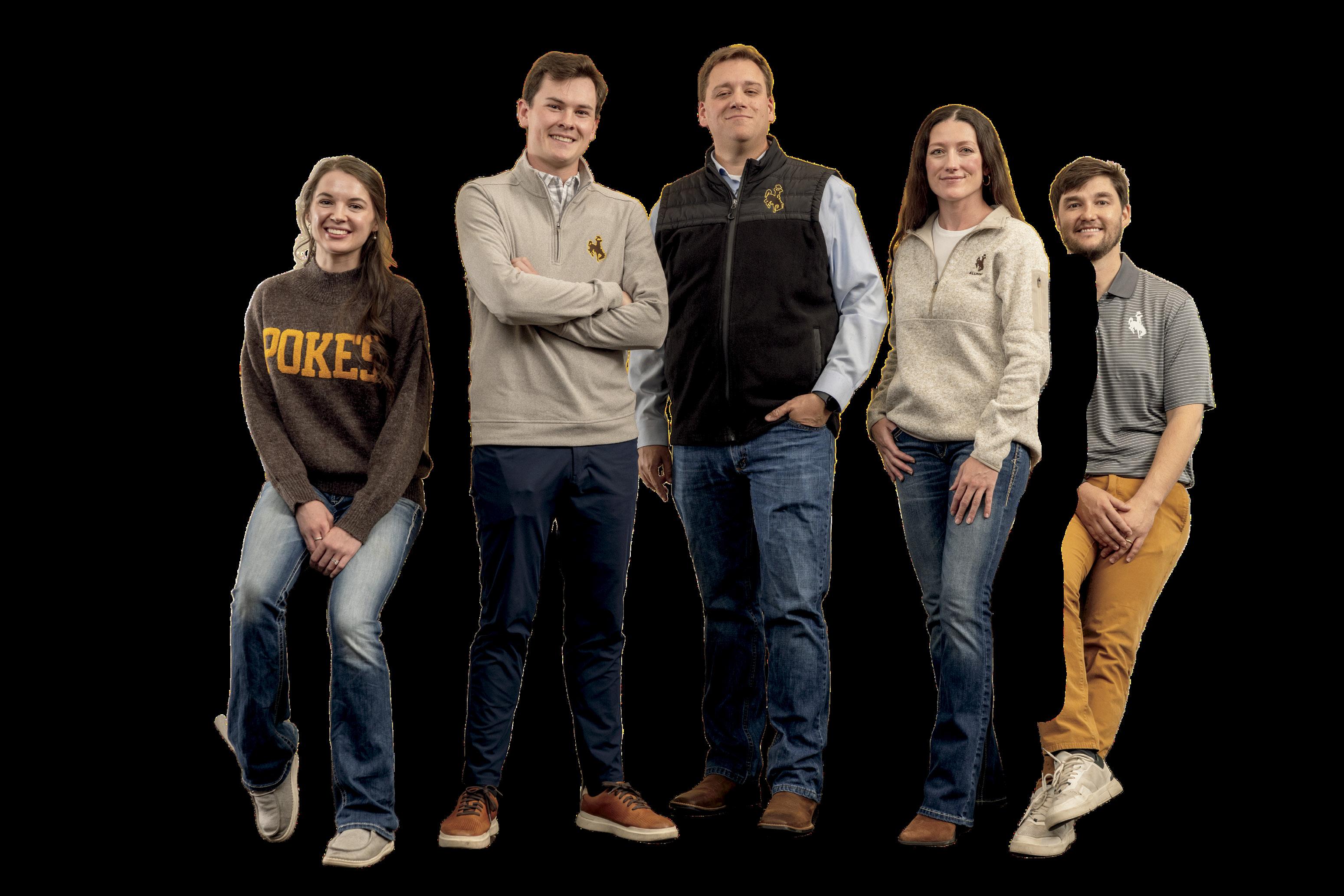

distinguished in their business, profession, or life’s work; are persons of integrity, stature, and demonstrated ability; reflect upon and realize the importance of their UW education.
THE MEDALLION SERVICE AWARD recognizes alumni or friends of the university who have given unselfishly of their time, talent, or support to the university, and are a person of integrity and stature. This award may not be given annually, but nominations are accepted each year, and MSA nominees need not be UW alumni to be eligible.



UWAA Alumni Travel Program
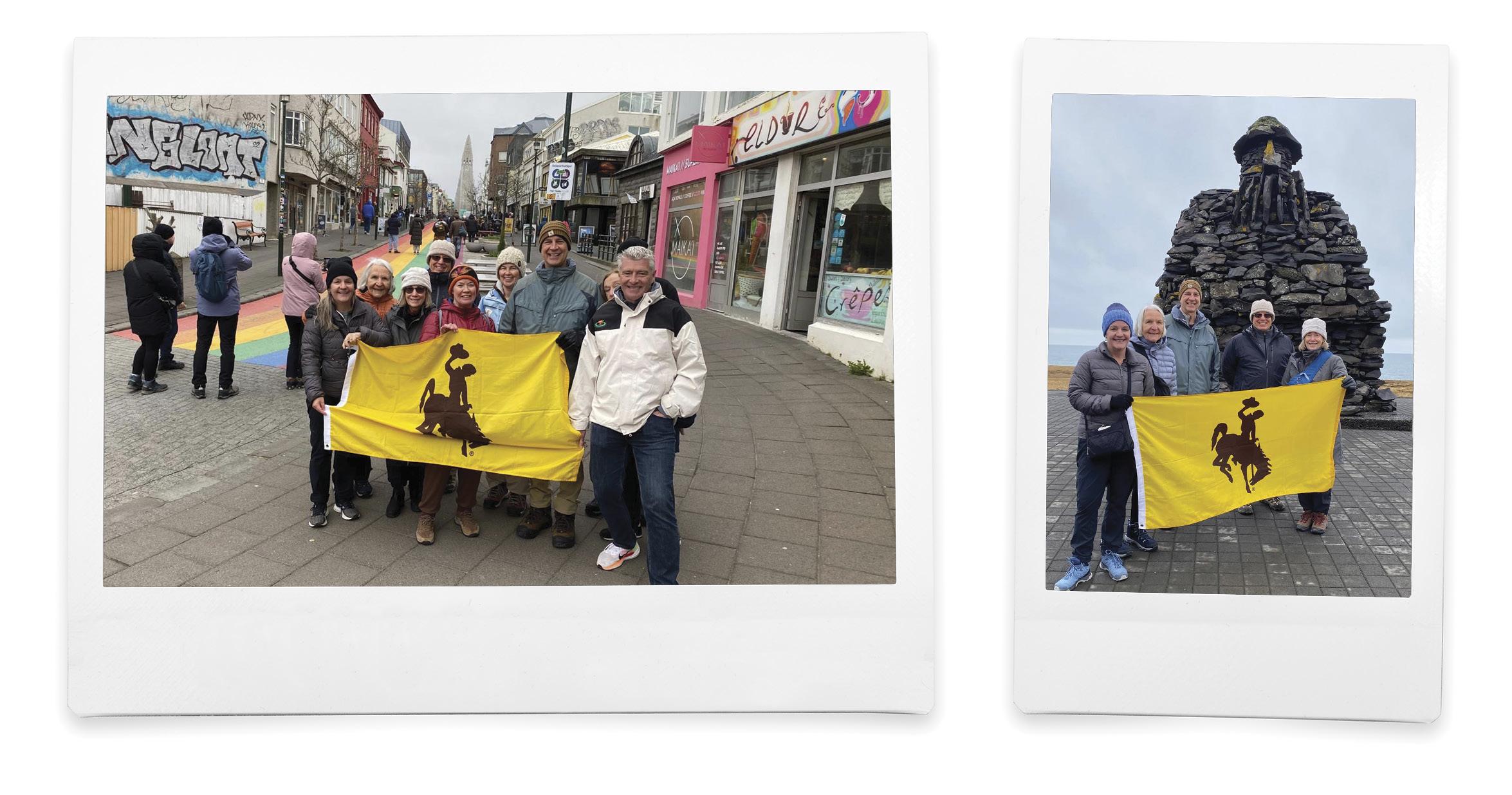
By Tori Campbell and Donna Yocum
All University of Wyoming alumni and friends are invited to explore the UWAA Alumni Travel Program, an opportunity to learn, connect and discover alongside fellow curious minds. For those seeking smaller groups, hands-on experiences and deeper cultural immersion, the Alumni Study Tours offer unforgettable adventures that connect Pokes across the globe.
This spring, mother-daughter duo Tori Campbell and Donna Yocum joined Interim Provost Anne Alexander and Professor Tristan Wallhead on a journey through Iceland — the “Land of Fire and Ice.” Here’s a glimpse into their rugged and unforgettable adventure.
Wyoming and Iceland: Rugged, Expansive and Adventurous
Our April 2025 journey to Iceland was a deep dive into volcanic terrain, expansive vistas of mountains, glaciers and ocean, and hands-on adventures in hiking, horseback riding and dining. The trip revealed striking parallels with life in Wyoming.
Both places celebrate wide open spaces and low population density. Iceland’s coastline, glaciers and volcanic
highlands echo Wyoming’s mountains and plains in their sense of scale and solitude. Circumnavigating the island, we visited multiple waterfalls daily and felt the same expansive sweep that defines Wyoming.
The weather shaped our experience. The first and last days brought brutal wind, rain and cold, while most days offered mild springlike conditions. Like Wyoming, Iceland’s weather can change quickly, so flexibility is essential for outdoor activities.
Culture and Language
Iceland’s Norse and Viking roots create a culture rich in folklore and myth. Wyoming’s cowboy heritage shares its affinity for resilience, independence and storytelling. Iceland’s trolls bring Christmas gifts to well-behaved children and a rotten potato to naughty ones.
Icelandic combines descriptive elements into single words. The famous volcano Eyjafjallajökull (“eyja” island, “fjall” mountain, “jökull” glacier) is easier to pronounce once broken into parts.
Nearly Forty Active Fissure Volcanos in Iceland
The week prior to our trip, Eyjafjallajökull erupted and closed the Blue Lagoon. Thankfully, Iceland’s
version of WYDOT quickly rerouted roads around lava flows, allowing us to soak in the cloudy blue waters, apply silica masks and enjoy a warm welcome to Iceland. Two more times, we enjoyed natural hot springs and practiced Iceland’s strict hygiene custom of showering without swimwear before entering public baths — a sharp contrast to Wyoming.
Geothermal energy shapes Icelandic life — hot water and heat are abundant, and geothermal pools are a national pastime. Over 10 percent of the island is covered by glaciers that yield more than 10,000 waterfalls.
Agriculture relies heavily on greenhouses. A visit to a tomato hothouse producing over two tons per day highlighted local innovation. Even sheep and cattle spend most of the year indoors to escape harsh weather.
Our group of 10 adventurous ambassadors, including UW faculty Anne Alexander and Tristan Wallhead and guide Ragna, found that travel naturally invites comparison to home. Icelanders are resilient stewards and fiercely supportive of family and community — traits we also enjoy in Wyoming. We returned grateful for the island’s waterfalls, hot springs, glaciers and generous people, eager to carry those memories into future UW Alumni Study Tours.
CAREER CELEBRATIONS
By Taylor Weidinger
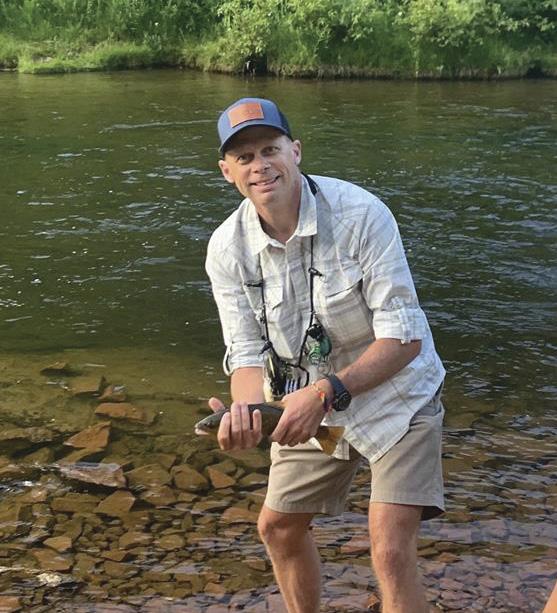
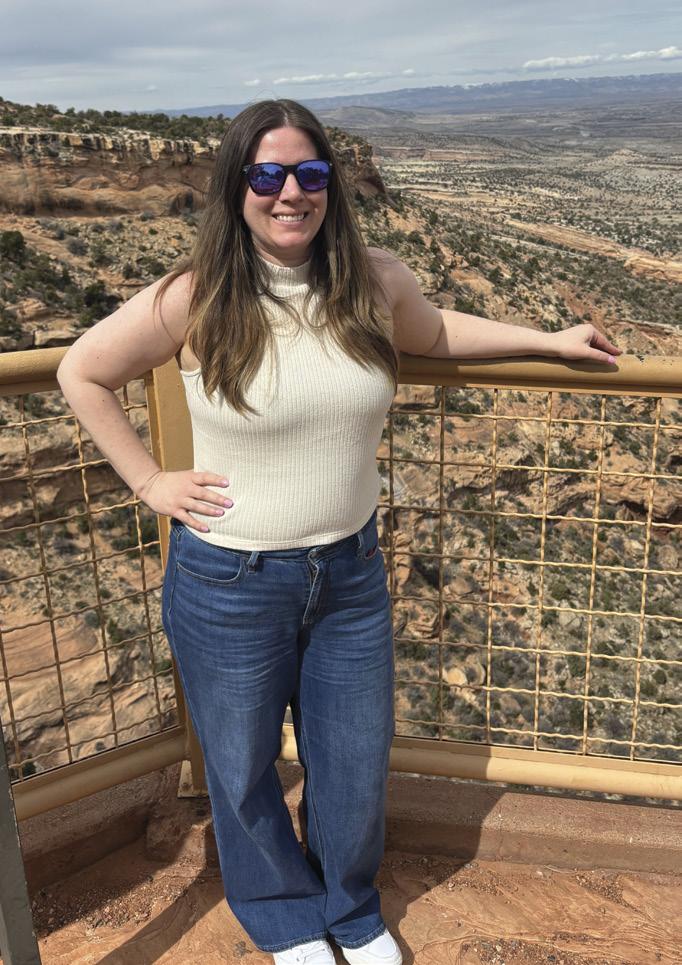
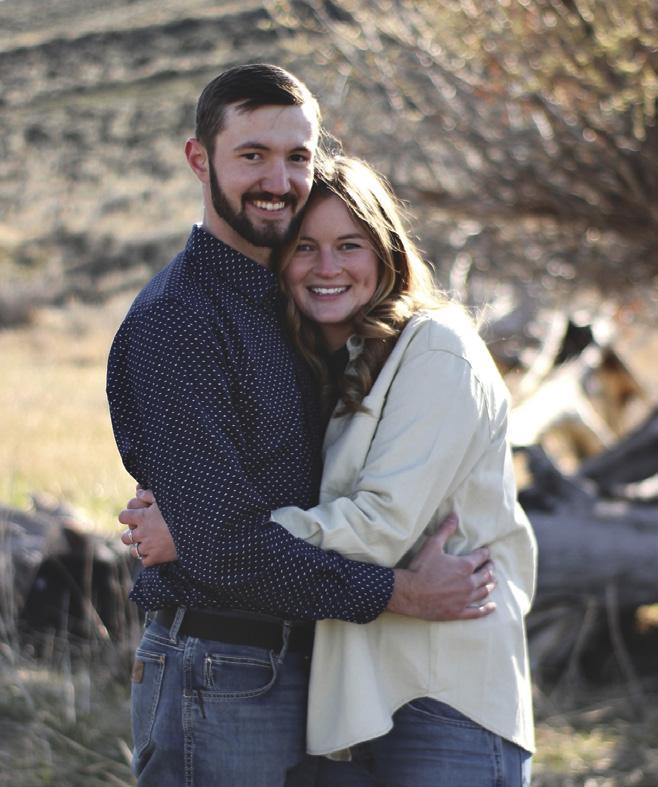
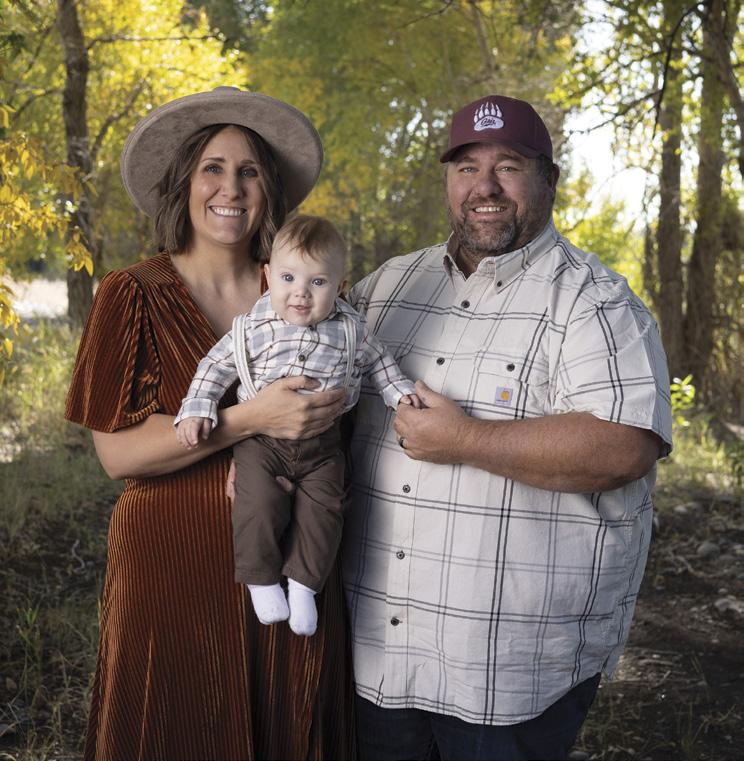
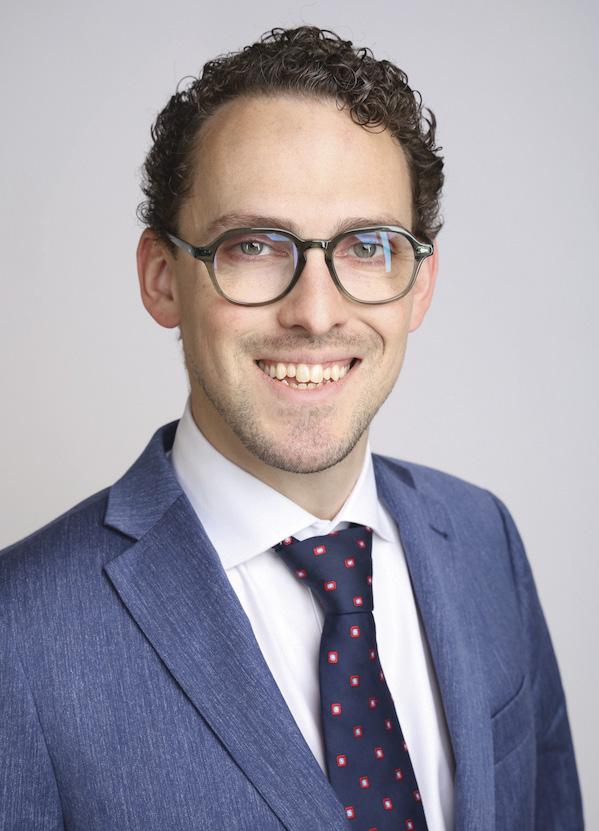
We love celebrating the achievements of our alumni. From career milestones and promotions to publications, creative work, certifications and awards, we invite you to share the moments that mark your professional journey. Submissions and photos may be mailed to Career Celebrations, UW Alumni Association, 222 S. 22nd St., Laramie, WY 82070, or emailed to uwalumni@uwyo.edu for consideration.
Shawn Wormke, B.S., ’01, built a dynamic and impactful career that began with a job fair at the University of Wyoming and led to his current role as senior vice president of product management at F5, where he oversees a product portfolio generating more than $1.4 billion in annual revenue. After starting his career as a test engineer at Cisco Systems, Wormke joined a cloud startup as its fourth employee and helped scale the company through acquisition. Throughout his career, he’s worked in engineering, product incubation and executive leadership, driven by a passion for solving real-world customer problems. Wormke’s journey through UW was equally unique: After taking a seven-year break to work and reflect, he returned as a nontraditional student and credited the university’s support network with helping him succeed.
His advice? “Don’t panic. You don’t need to have all the answers right away. Stay curious, embrace the setbacks and know that every step, even failure, can move you forward.”
Tracen Mills, B.S., ’23, was recently promoted to manufacturing engineer at Mesa Natural Gas Solutions, where he
continues to pursue his passion for hands-on problem solving, CNC machining and process improvement. Mills began his career with Mesa as a design engineer after connecting with their team at the UW Career Fair. In that role, he led the design of a belt drive system for a 22L engine, an innovation that was later adopted by the engine OEM as a standard configuration. Even more rewarding? He got to machine the very parts he designed.
“Few engineers get to design, draw, program, machine and install their own projects. I’m grateful I’ve done it all,” he says.
Mills credits UW’s machine design and manufacturing courses and the career fair for opening the door to a career he loves.
His advice to students? “Get out and try new things. Move somewhere new. Being out of your element is where you grow the most. Go Pokes!”
Candace Leczel, B.S., ’12, recently launched her own business focused on IT asset disposition, remarketing and recycling, following a successful career spanning sales, recruiting and technology leasing. After a brief stint in life insurance sales, Leczel realized that her passion lay in working with businesses and transitioned into marketing and recruiting, where she helped companies find top talent. She later found her niche in equipment finance and hardware lifecycle management, which inspired her to become an entrepreneur.
“Every role taught me something valuable,” she says.
Leczel credits her UW experience with shaping her career: “My
degree opened the door, and UW’s network gave me meaningful connections, including one of my first hiring managers.”
Her advice to students? “Confidence is your biggest asset. Believe in your ability to learn and adapt, even when you don’t have all the answers.”
Cole Inghram, B.S., ’20, was recently promoted to engineer IV at Sunrise Engineering, where he leads projects, manages teams and works closely with clients to move infrastructure developments through funding and execution. Inghram began his career with the Wyoming Department of Transportation shortly after graduating during the uncertainty of the COVID-19 pandemic. He went on to serve as a civil engineer for the City of Laramie, where he earned his professional engineer license and helped advance one of the state’s first clean water SRF-funded CMAR projects.
“I’ve always wanted to stay and build my career in Wyoming,” he says.
Inghram credits UW with preparing him for the road ahead: “The academic rigor and the professionalism instilled by professors like Larry Willey taught me to take pride in the details.”
His advice to students? “Hard work and determination can make up for a lot. Show up, stick with it and take pride in your work.”
Oaklee Gilliland, B.S., ’12, recently became the executive director of The Food Group in Sheridan, Wyo., continuing a career devoted to public service and community engagement. Gilliland’s journey began in Sen. John Barrasso’s Cheyenne office, followed by a promotion
to Sheridan, where she quickly found a lasting home. After several years in public service, she transitioned into the nonprofit sector as executive director of the Wyoming FFA Foundation, which deepened her connection to agriculture and youth leadership. Her newest role allows her to continue serving Wyoming communities through food access and local partnerships.
“UW gave me more than a degree — it gave me a network,” she says. “Those early campus connections led directly to my first job and have opened doors ever since.”
Her advice to students? “Utilize your relationships and stay connected. So many opportunities in Wyoming come from a simple conversation.”
Adam R. Boyd, B.A., ’13, recently joined Palladino, Isbell & Casazza, an immigration law firm in Philadelphia, where he will specialize in immigration appeals, federal litigation, asylum and removal defense. He previously served as an attorney at the Office of the Principal Legal Advisor at Immigration and Customs Enforcement headquarters. Boyd credits his UW experience with preparing him for his initial move to the East Coast, law school and a meaningful legal career across the departments of Justice and Homeland Security. He also recently passed the Pennsylvania Bar Exam and is now licensed in Florida (2019), Washington, D.C. (2020) and Pennsylvania (2025).
Jessica Killian, B.S., ’12, leads a team of 20 project managers across North and South Carolina as part of Turner & Townsend Heery, where she specializes in large-scale public-sector
CAREER CELEBRATIONS
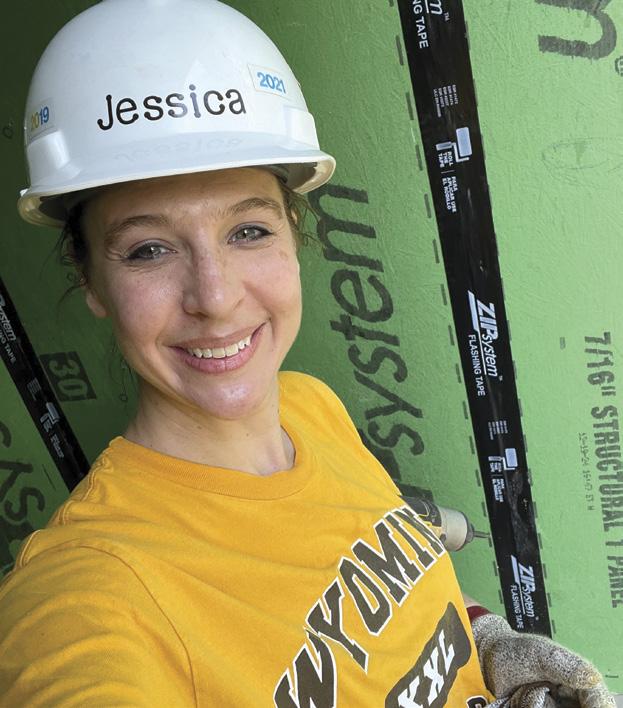
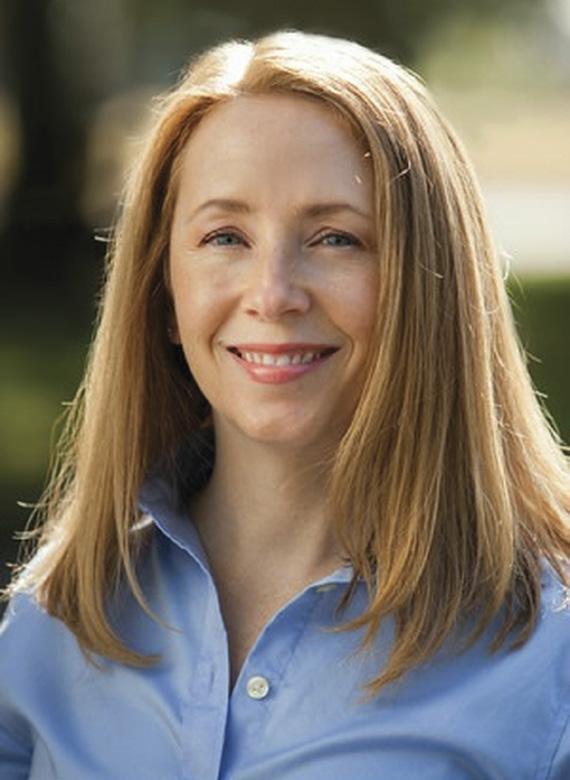

construction management. After starting her career as a structural engineer in Phoenix, Killian discovered a passion for seeing the full lifecycle of building projects, leading her to transition into owner’s representation and construction project management. Her 15-year journey has taken her from high-rise towers in Philadelphia to school bond programs valued at $1.7 billion in Colorado and North Carolina.
A proud UW alumna, Killian also served two terms on the advisory board for UW’s Civil and Architectural Engineering and Construction Management department, helping launch the Construction Management degree program.
“The breadth of education I received at UW set me apart in my field,” she says.
Her advice to students? “Always say yes and look for ways to get involved. Don’t wait for the world to come to you — keep learning and growing every day.”
Erik Hawkinson, B.A., ’02, returned to Wyoming after building a global career across the advertising and pharmaceutical industries and now serves as a fractional executive and growth advisor for organizations spanning health care, AI and advanced manufacturing. As CEO of Bristle and CMO of Inferno-Roll Shutters, Beyond Physicians and The Big Dill, Hawkinson helps companies scale through strategic leadership and operational precision. His journey began as sports editor of The Branding Iron and a student in UW’s Sports Information department. He later led global marketing and product development teams for major life science companies in Switzerland and Germany before launching multiple ventures.
“UW shaped how I think about leadership, collaboration and resilience,” he says. Hawkinson also manages the largest UW alumni group on LinkedIn.
His advice to students? “Your degree is just the start. Be adaptable, keep learning and surround yourself with people who challenge your assumptions.”
Jesse Thomas, B.S., ’09, serves as executive officer for a surgical company within a U.S. Navy Medical Battalion, leading a team of over 200 physicians, nurses and allied health professionals. His career began with a surprise announcement during a senior seminar at UW: He had enlisted in the Navy. That decision set him on a path of adventure and purpose, earning a commission, completing graduate and doctoral studies, achieving board certification and serving around the world.
“That moment in 2009 shaped everything that came after,” he says.
Thomas credits UW with preparing him academically and personally: “From sharpening my writing to building teamwork on the Rugby field, UW gave me the confidence to pursue ambitious goals.”
His advice to students? “Get involved in professional societies early. And yes, class attendance matters, even when the Snowy Range winds are howling.”
Jessica Garate, B.A., ’98, is a longtime evening main anchor at KRQE in Albuquerque and an Emmy Award–winning journalist with more than 25 years in the field. Her career began at Wyoming Public Radio then took her through KTWO in Casper and KWES in Midland before she landed in New Mexico.
Garate has reported from Russia, investigated government corruption, interviewed presidential candidates and covered everything from wildfires to mass shootings.
A proud representative of Hispanic women in journalism, she has spent decades amplifying community voices, especially through coverage of New Mexico’s child welfare system.
“UW and Wyoming Public Radio gave me the foundation I needed,” she says, crediting WPR News Director Bob Beck as a formative mentor.
Her advice to students? “Work hard, take tough assignments, and ask for what you need. You won’t always get a yes, but you’ll never know unless you ask.”
Traci Donnell, B.A., ’92, M.B.A., ’00, was recently named to the USB Implementers Forum (USBIF) Honor Roll in recognition of her foundational contributions to the development and global adoption of USB technology (a standard technology that connects peripheral devices to computers). Donnell has been involved with USB-IF since 2000 and has served as its executive director since 2009. Her leadership has shaped major iterations of the Universal Serial Bus standard, including USB 2.0, USB 3.0, USB4 and the widely adopted USB-C connector.
Established in celebration of the 30th anniversary of USB, the honor roll recognizes individuals whose vision helped make USB the most successful I/O interface in computing history. Donnell’s work continues to influence how billions of devices connect and communicate around the world.
Morgan (Houtsma) Clay, B.S., ’16, began her career in the nonprofit sector with Greater
Wyoming Big Brothers Big Sisters before transitioning into the tech industry as a marketing manager for a Salesforce implementation partner. In 2020, she pivoted to project management in health care, where she combines a passion for helping people with the innovation of larger organizations.
“I love that I get to support others while working in spaces that constantly evolve,” she says. She credits UW for laying the foundation for her success: “The College of Business helped me grow as a communicator and leader and taught me to stay adaptable.”
Her advice to students? “You’re just getting started! It’s OK not to have it all figured out. Some of the best opportunities come from unexpected turns.”
Chuck Brown, B.S., ’62, has built a remarkable 60-year business rooted in gratitude, relationships and Wyoming values. From a young graduate with big dreams to a successful business leader with clients in all 50 states, Brown credits his journey to the people who supported him: suppliers, bankers, customers and employees. He also attributes his professional growth to his public service, including activities on the UW board of Trustees, the Federal Reserve Board and the Wyoming Business Council, among others. Now a member of the Wyoming Business Hall of Fame, Brown reflects a lifetime of achievement and appreciation. His advice to students? “Find something you love that allows you to stay in Wyoming. It’s a special place to have a business, to raise a family and to build lifelong friendships.”
RETROGRAMS
Discovered and summarized by Emmett Chisum Special Collections staff and Jennifer Kirk
Experiential learning has long been a hallmark of the University of Wyoming experience. From laboratories and clinics to forests, fields and studios, students have built knowledge through hands-on engagement for generations. These images from our yearbooks celebrate the enduring tradition of learning by doing.
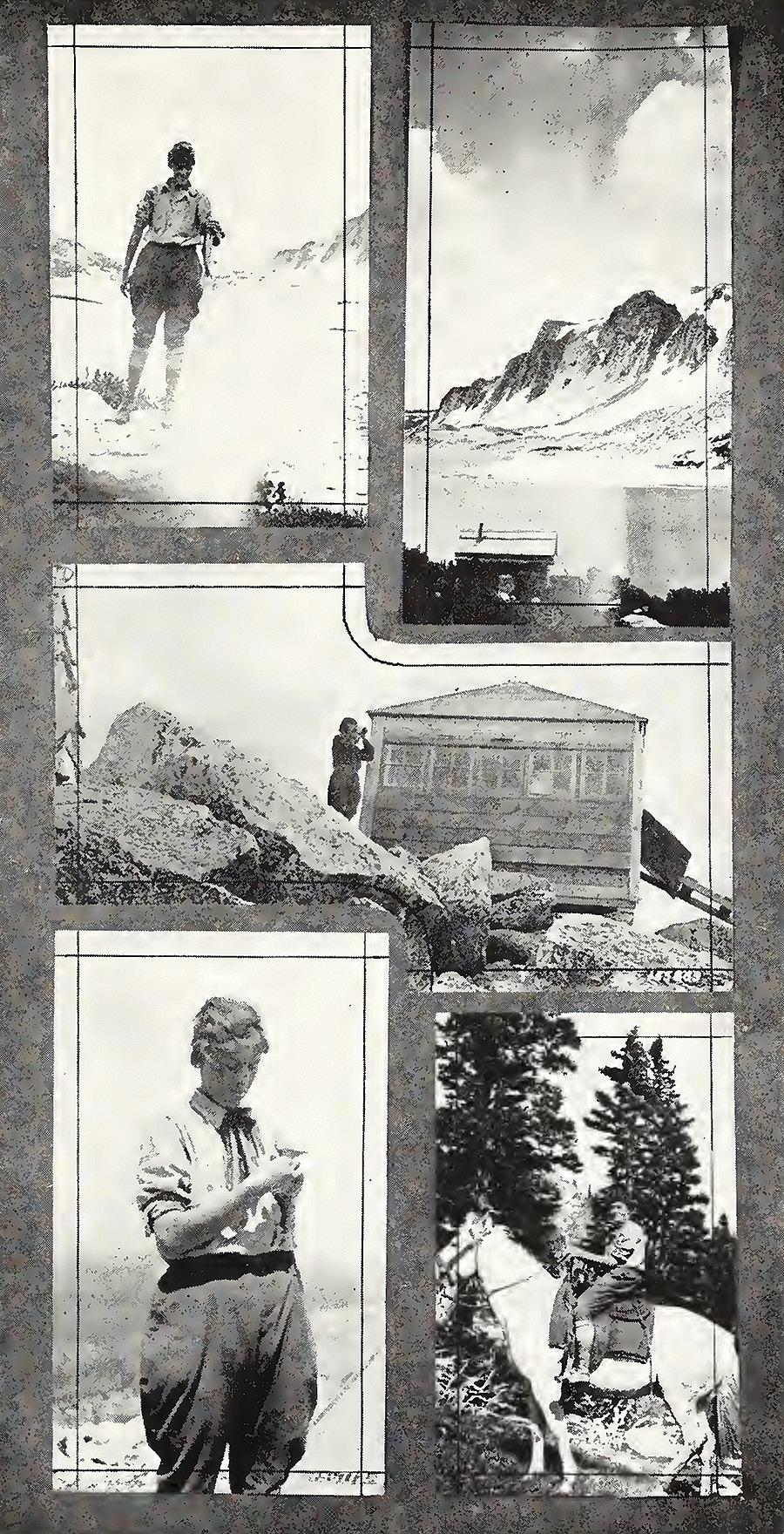
In 1923, UW student Lorraine Lindsey traded classrooms for a stint in the Medicine Bow National Forest, serving as a fire guard. Her summer in the field reflected an early spirit of experiential learning.
Citation: The University of Wyoming 1923 Wyo. Hebard LD6268.W86 V.51 1923 pg. 349. UW Libraries Emmett Chisum Special Collections.
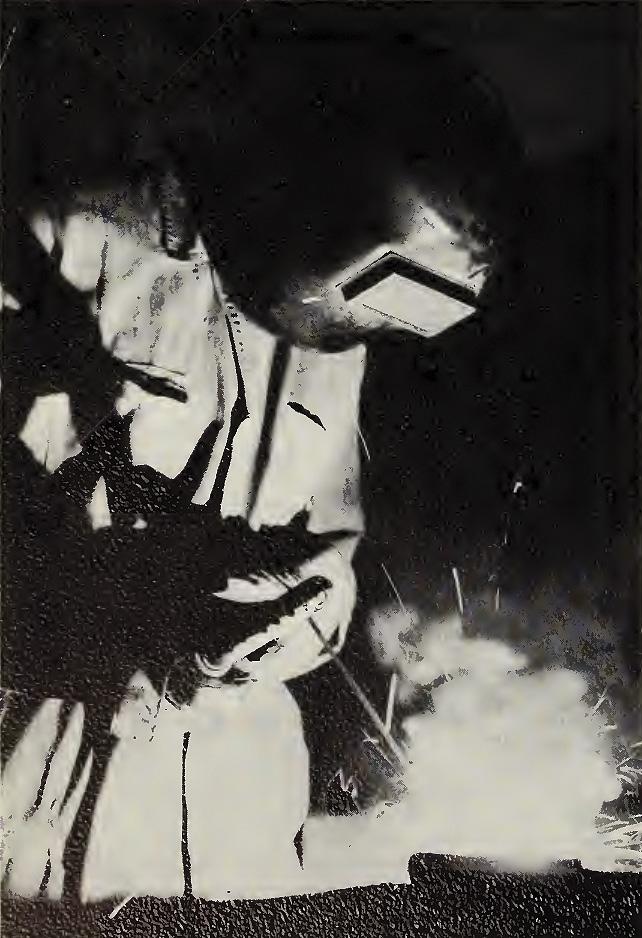
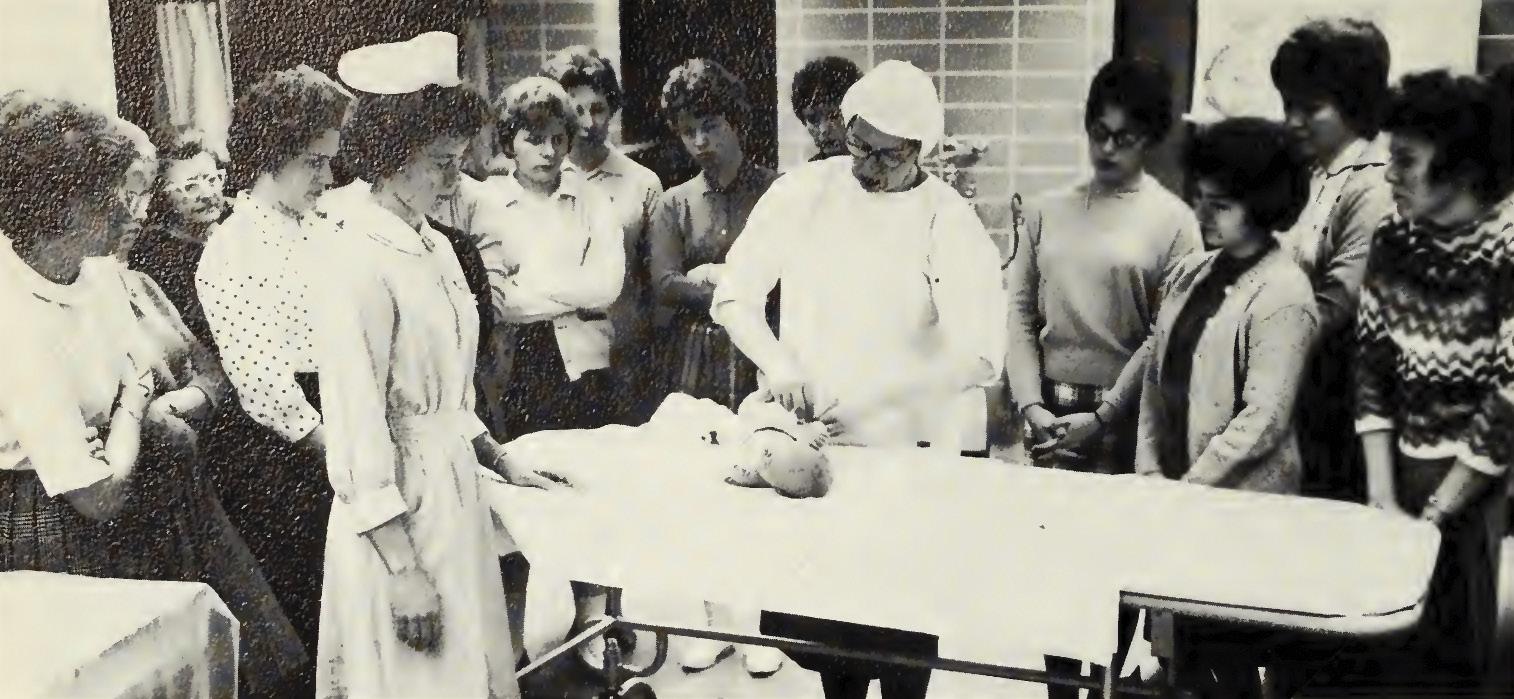
Above: In 1964, UW’s student nurses honed their skills through demonstrations, clinical observations and hands-on practice.
Left: Behind the scenes in the physics department, students learned the science of heat and metal through live demonstrations. Donning protective gear, they tested theories in real time.
The University of Wyoming 1964 Wyo. Hebard LD6268.W86 V.51 1964 pg. 32. UW Libraries Emmett Chisum Special Collections.
Left: Weighing and testing soils from Wyoming ranches, this 1942 agriculture student embodied the university’s land-grant mission.
Right: Art students in 1942 brought creativity to life — sculpting, dressing and performing with their handmade marionettes. Through tactile exploration, they learned that craftsmanship and imagination go hand in hand.
Citation: The University of Wyoming 1942 Wyo. Hebard LD6268.W86 V.51
1942 pg. 188. UW Libraries Emmett Chisum Special Collections.
Citation:
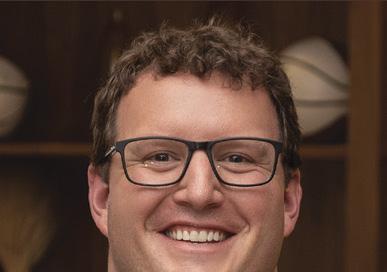
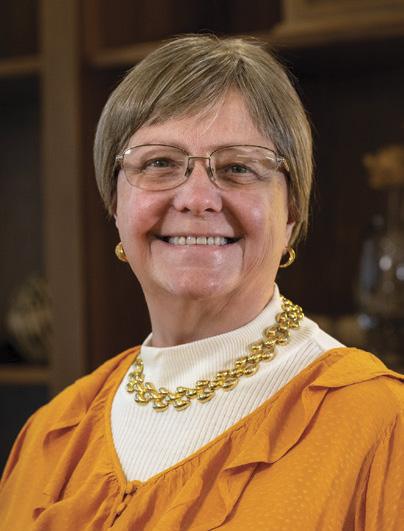
jack
Executive
307-766-6875
jtennant@uwyo.edu
Director
307-766-4167
trusse20@uwyo.edu
amy morgan
Special
307-766-4166
amorga19@uwyo.edu
lindsey
Executive
lmoniz@uwyo.edu bailey
bbutche2@uwyo.edu
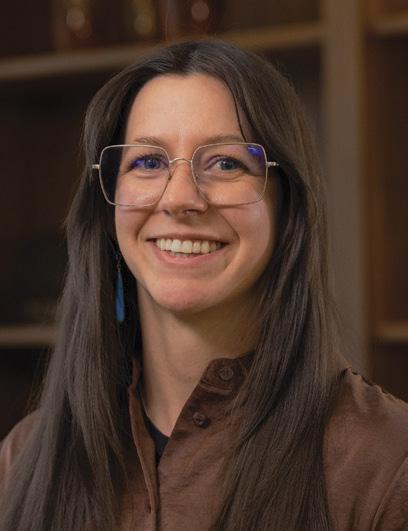
tpursel@uwyo.edu




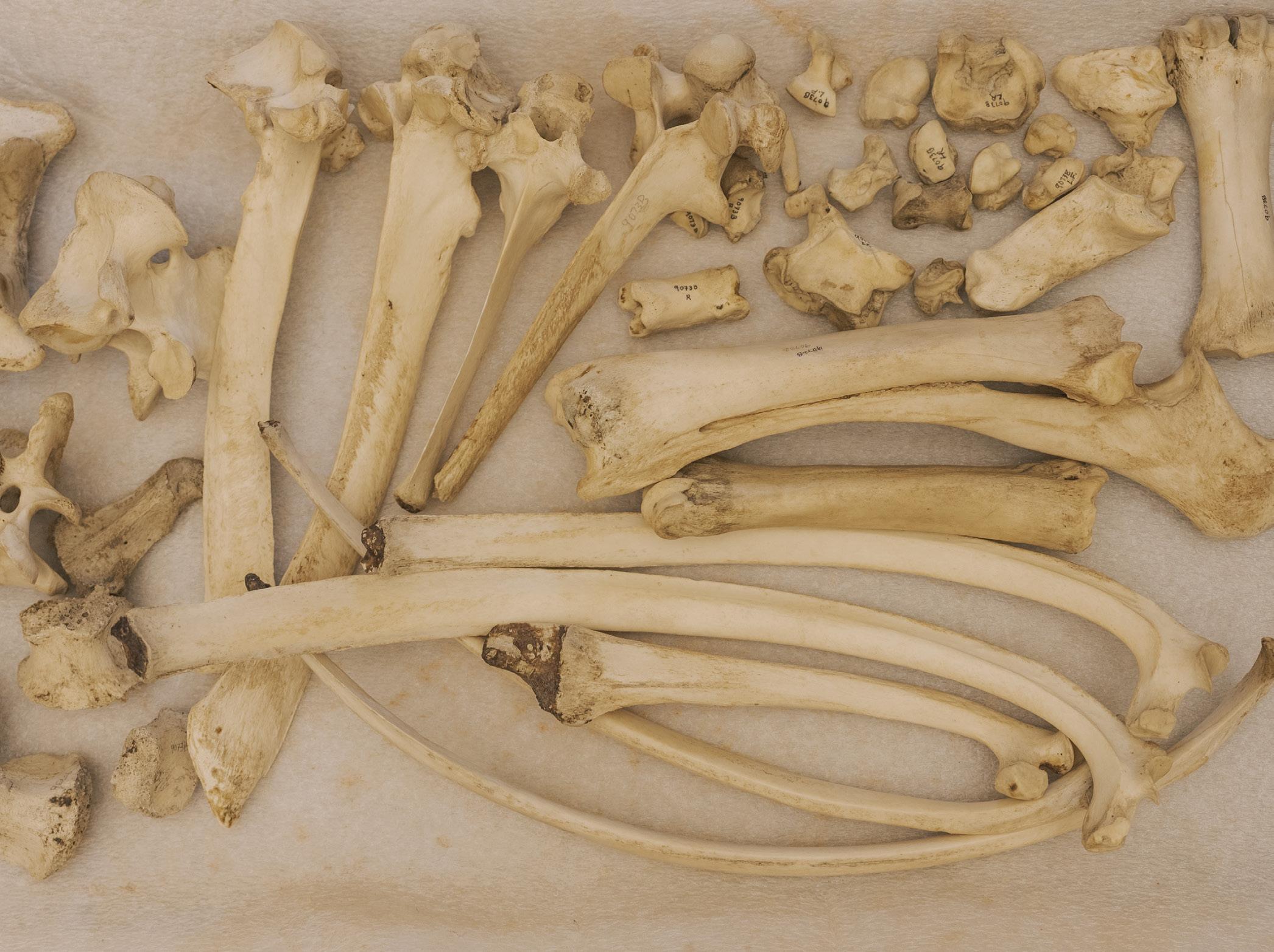
On-the-Job Experience
Internships offer invaluable experiences, helping students become workforce ready.
By Micaela Myers
Internships give students real-world experience, help them narrow down their areas of interest and offer a host of employment benefits upon graduation. For example, companies offer nearly three-quarters of their interns full-time jobs, and students who complete paid internships receive nearly twice as many jobs offers as well as higher first-year salaries, according to studies. The University of Wyoming understands the importance of internships and promotes opportunities for students from all majors.
Digging Up History
UW’s Archaeological Repository partners with the Vore Buffalo Jump Foundation to support two internships per semester.
“The Vore Buffalo Jump is located in the northeast corner of the state and is a natural sinkhole that Native Americans used to trap large numbers of bison over a period of approximately 250 years,” says Cassidee Thornhill, the collections manager for UW’s repository. “The student interns learn to identify, inventory, clean and rehouse the bison remains from the jump. Archaeological excavations of the site started in the 1970s and collected massive amounts of bison bone and other archaeological artifacts. Currently, the internship program is integral to bringing the collection up to modern curation standards — allowing for research, educational and cultural programs to occur while also providing interns with knowledge of two major technical skills essential to the field of archaeology: faunal analysis and artifact curation.” Anthropology senior Anatoliy Zayarko completed an internship and stayed involved with the foundation for his senior thesis work.
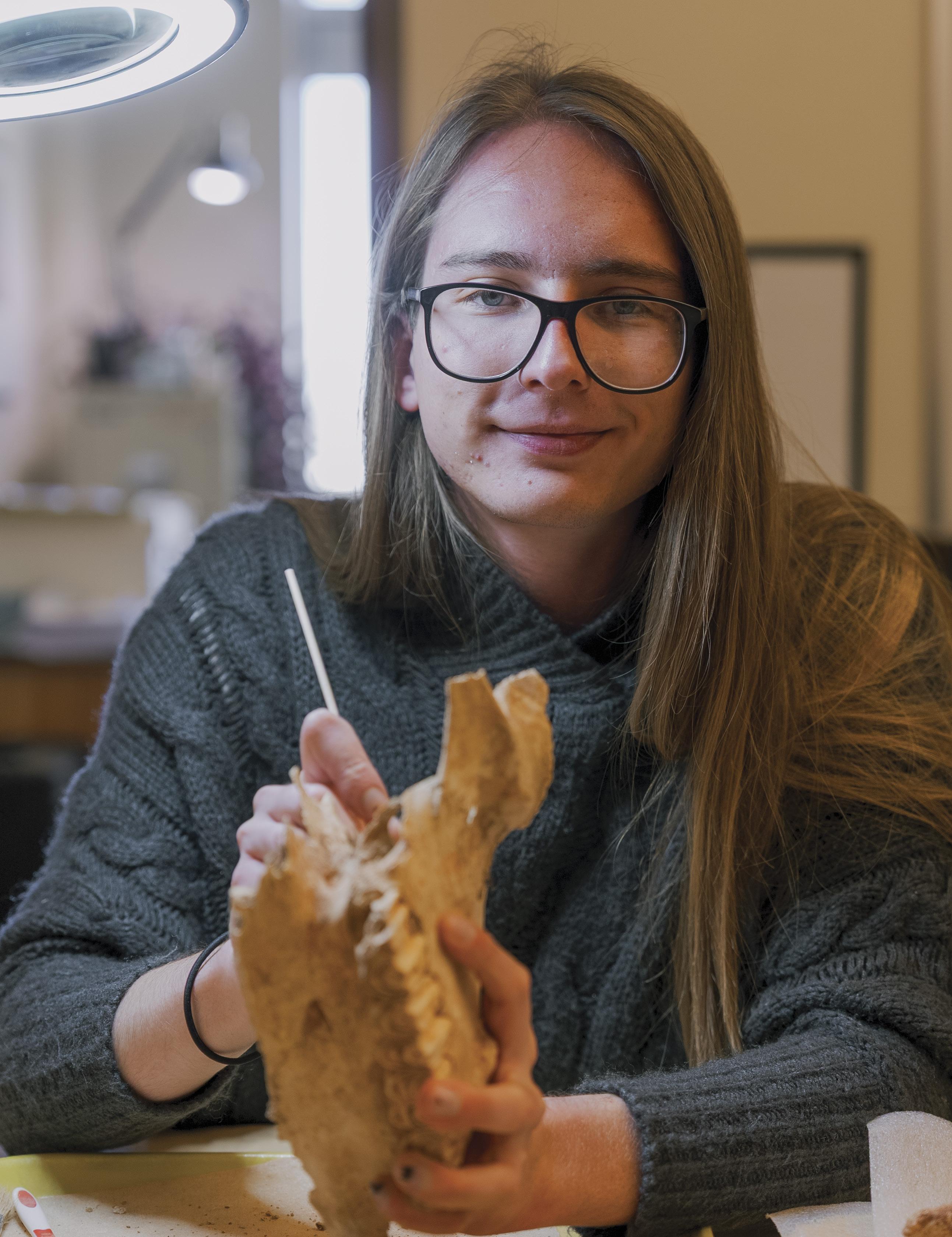
During his internship with the Vore Buffalo Jump Foundation, Anatoliy Zayarko learned to identify, inventory and clean bison remains.
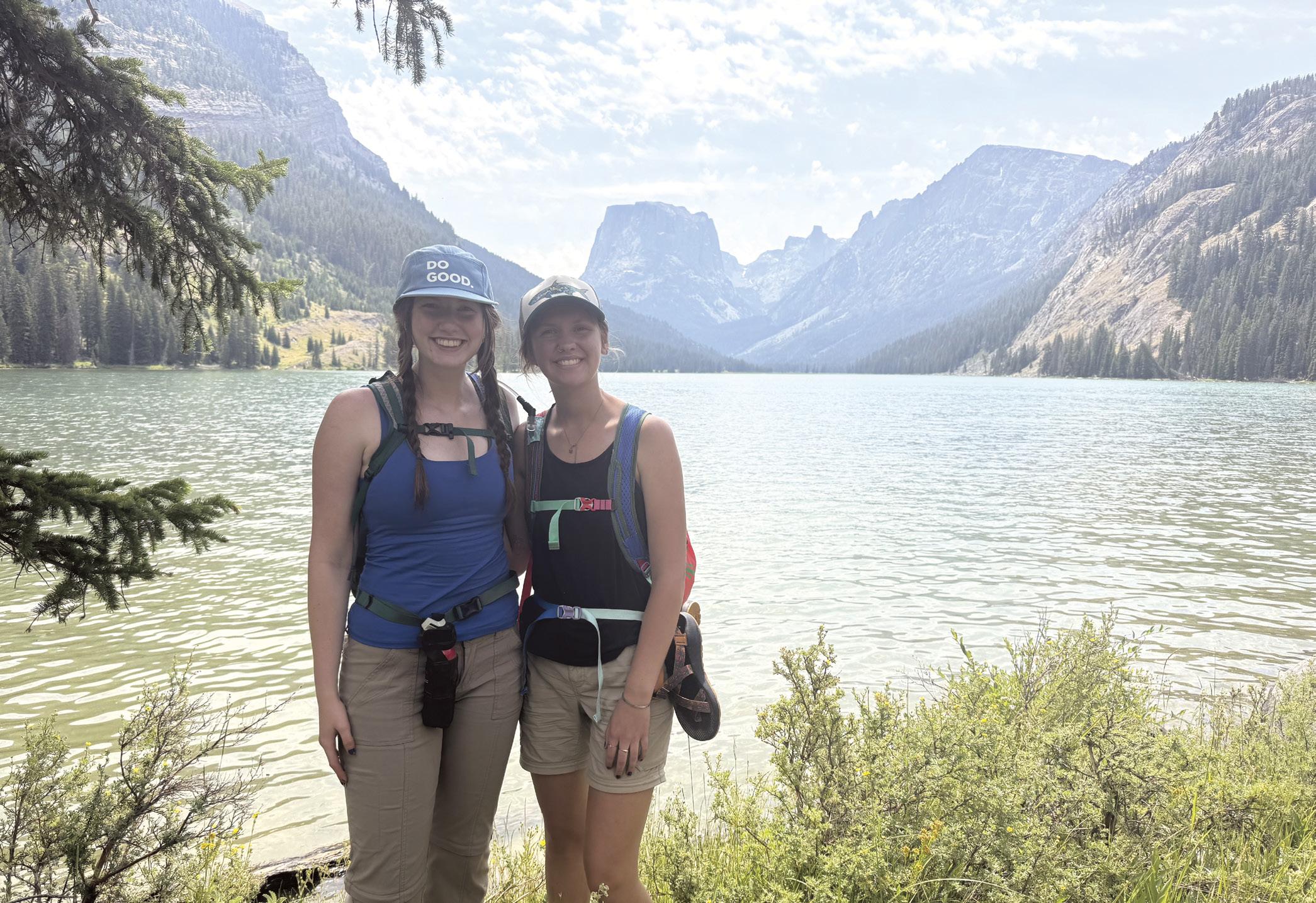
“The site is very interesting, and I’ve learned quite a bit,” says Zayarko, who grew up in Cheyenne after immigrating from Kyrgyzstan. “I learned how to identify different bone elements of the animal and about stone tools and the raw materials from which they’re made.”
When he learned the projectile points they were working with may have come from hundreds of miles away, it turned into his senior thesis project. Zayarko did fieldwork this summer with Wyoming State Archaeologist Spencer Pelton collecting materials for further study.
A surprising takeaway Zayarko gained from the internship came from interacting with the public and creating social media posts for the foundation.
“I think one of the most important skills I’ve learned is just how to talk to people and how to educate the general public about what archeology is like and what archeologists do,” he says.
After graduation, Zayarko plans to work in cultural resource management before applying to graduate school, and he knows the internship will help him in his career and education.
Hear more about Kara Waskowiak’s internship.
“The internship gave me the kind of experience all archeologists should have,” he says. “The Vore Buffalo Jump Foundation does really good work studying this history and making it more accessible.”
Recreation Meets Conservation
This past summer, Kara Waskowiak — a junior from Gothenburg, Neb., studying outdoor recreation and tourism management and environment and natural resources — completed an internship through Friends of the Bridger-Teton National Forest in Pinedale, Wyo.
“I think an internship like this was the best thing that I’ve done throughout my college experience,” Waskowiak says. “The internship cemented my decision that this is what I want to do for the rest of my life. I was also able to make many connections and have amazing experiences, and I feel like I’m just so much more knowledgeable.”
Friends of the Bridger-Teton stewards 3.4 million acres, balancing recreation, conservation and ranching. Its mission is based on three pillars — education, collaboration and action — and Waskowiak got to experience all three.
Smokey Bear’s birthday was a highlight for her. “We
Kara Waskowiak and fellow intern Lis Ressler helped Friends of the Bridger-Teton conduct conservation work and outreach.
COURTESY PHOTO
had a giant 20-foot inflatable Smokey Bear in Jackson Square, and we played Smokey Bear trivia with nearly 400 kids,” Waskowiak says. “That was super fun because everybody was able learn more about fire prevention. In Star Valley, we helped the volunteer trail crew. It was really inspiring to see that people who really care can have such an impact.”
The interns also set up tents at trailheads and farmers markets to educate the public on recreating responsibility. In the process, Waskowiak says she gained public speaking skills.
“We spoke to people about how to put out their campfire safely, how to store food to minimize wildlife encounters and more,” she says. “We got to engage over 800 people throughout the summer. We were able to also interact with city councils, mayors and commissioners, so that was amazing.”
Waskowiak learned about the behind-the-scenes work that goes into running a successful nonprofit — a field she’s considering for her career.
“I really loved working for a nonprofit,” she says. “I felt like there was a lot of passion and purpose behind what we were doing every day, and that’s something I would like to continue for my future as well. I also really enjoyed how they incorporated recreation with conservation efforts because I believe that if people are outdoors having great experiences they’re going to be more likely to want to protect those environments.”
Wyoming Outdoor Recreation, Tourism and Hospitality (WORTH) Internship and Employment Coordinator Jordan Kobliska says: “We’re very fortunate at the Jay Kemmerer WORTH Institute to help support students build their career skills and explore opportunities in the outdoor recreation, tourism and hospitality fields. Internships, like those with Friends of the Bridger Teton, help students learn about the many opportunities to work in this state.”
Agricultural Immersion
The Department of Agricultural and Applied Economics GrowinG Internship Program bridges the gap between classroom learning and real-world agricultural careers. It pairs interns ages 18 and up with hands-on experiences on working farms and ranches across Wyoming.
“This program isn’t just about ranch skills — it’s about life skills,” says co-Director John Hewlett. “It’s the living version of what we teach with tools like RightRisk — helping young people learn to make smart risk-savvy
decisions when things don’t go as planned. At the same time, it’s about succession, connecting experienced producers who have a lifetime of knowledge with the next generation that has the energy and passion to carry that legacy forward.”
Since it was launched in 2022, the program has supported nearly 40 interns who have worked with range livestock, specialty crops, direct-to-consumer meats and agricultural services. Internships typically last 10 weeks, and interns receive a stipend.
“We designed this program as a living laboratory, bridging the gap between economic theory in the classroom and the complex real-world decisions producers face every day,” says co-Director Benjamin Rashford. “From a policy perspective, it delivers a high return on investment — supporting local economies, fostering small business development and addressing the critical issue of agricultural succession. And the data is clear: By inspiring over two-thirds of our interns to pursue agricultural careers in Wyoming, the program is directly strengthening the state’s workforce pipeline and building long-term human capital.”
English and zoology senior Leigh Stockton of Burns, Wyo., completed two GrowinG internships — one in Sheridan and the second in Buffalo.
“On both ranches, I got an in-depth and hands-on education on what it takes to run a successful cattle ranch
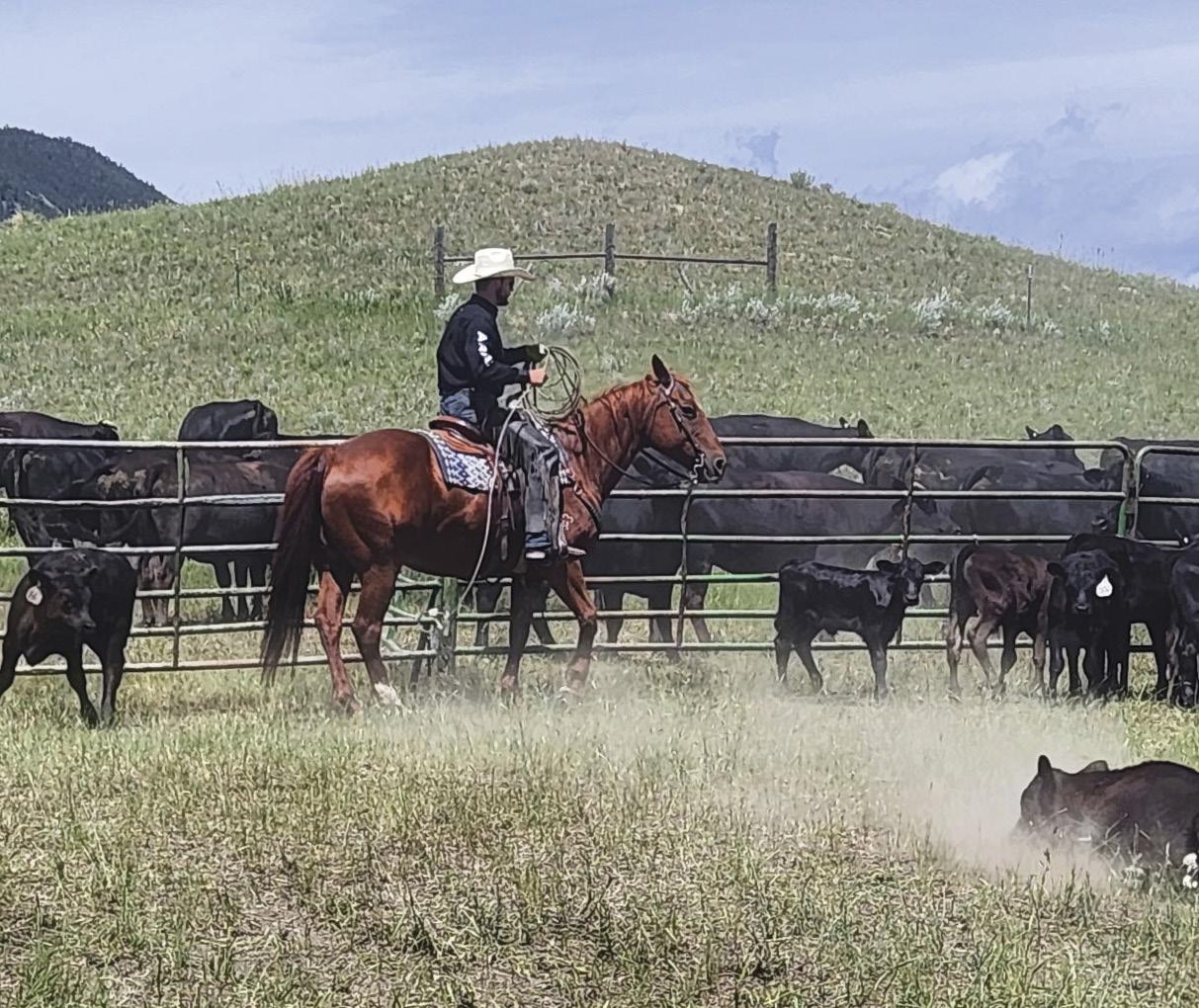
Leigh Stockton completed two GrowinG internships on cattle ranches, cementing his decision to enter the field.
COURTESY PHOTO
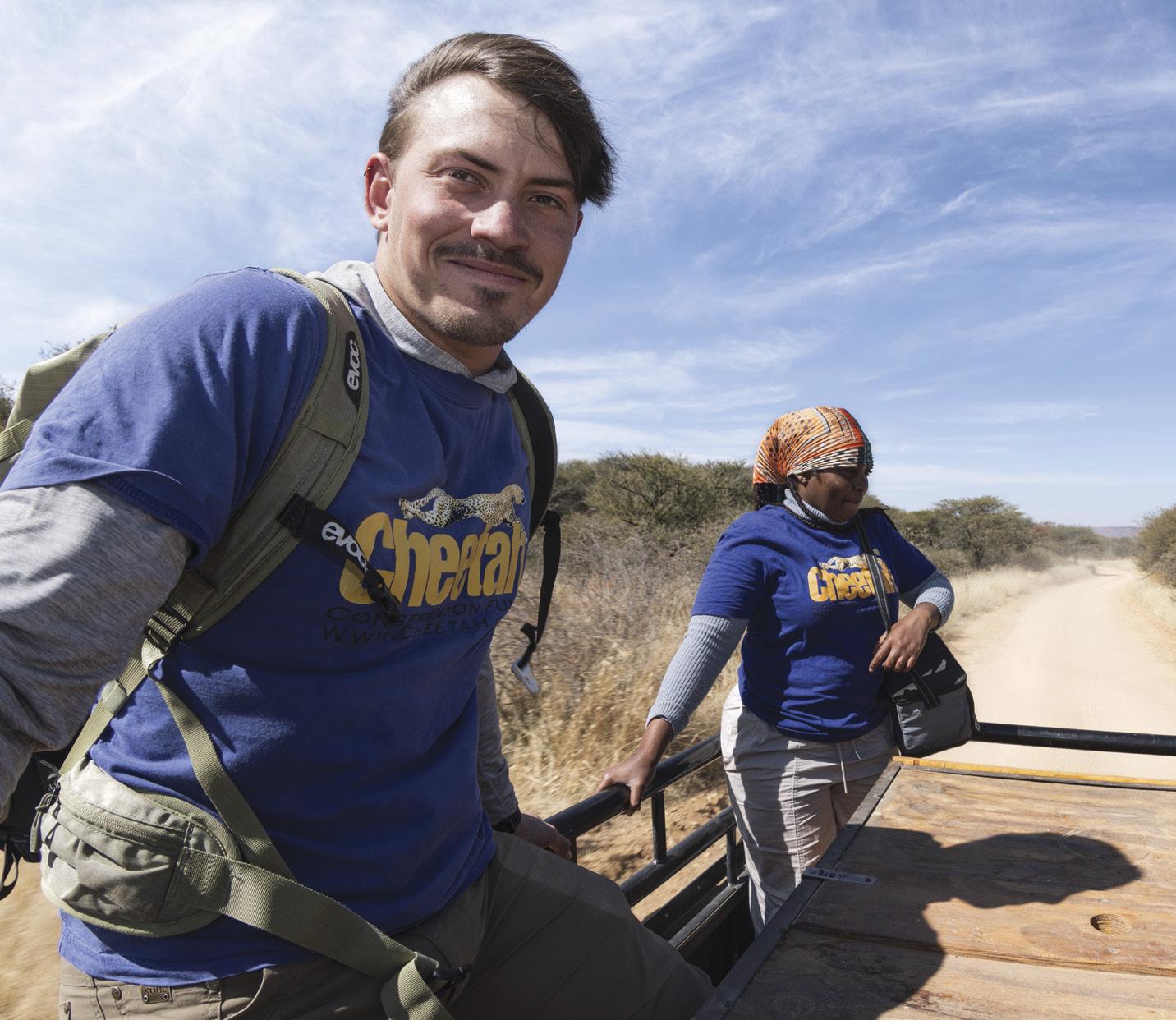
in today’s age,” Stockton says. “I learned basic skills like how to ride on a hillside, move cattle, rope and shoe horses, build and tear down fence, vaccinate cattle and work a skid steer, but the most valuable lessons I learned were about community. The ranching world lives on helping a neighbor, on reaching out and giving someone else the hand you wish you got when you stood in their shoes. Both internships taught me the value of teamwork and the incredible connectedness of Wyoming.”
The connections he formed range from a handyman in Sheridan to the governor of Wyoming. What’s more, the internship made his career choice clear.
“If I wasn’t a cowboy before, I’m set on being one now,” he says. “If you’re thinking you’ve got what it takes to be in the ranching world, give it a try. Any day you can swing a leg over a horse beats even an hour spent at a desk.”
Exploring the Energy Industry
School of Energy Resources student Lars Quinlivan of Cheyenne secured an internship with the energy land service company Hoover & Stacy Inc. in his hometown over the summer, where he helped with title-related projects.
“I learned that being a landman and a professional overall requires a mindset that the learning is never over and that it is important to find where you can bring
value,” says Quinlivan, who graduated this December with his degree in energy resource management and development with a concentration in professional land management. “By taking on an internship experience, I was able to find my strengths and weaknesses and get a real taste of what working in the energy industry was like. I think internships are important to students for determining how your skills align with your work and career goals.”
He also appreciated spending the summer at home near family, which enabled him to continue his volunteer work at Cheyenne Frontier Days. Quinlivan says that the internship helped him to gain experience and confidence as well as to determine his niche within the industry. This January, he will start a job as a landman for Uranium Energy Corp. in Casper, Wyo. School of Energy Resources Academic Director Kami Danaei says internships are one of the most valuable experiences students can have: “Internships bridge the gap between classroom learning and real-world application. While our curriculum builds a strong foundation, internships put that knowledge into context — showing students how concepts play out in actual projects and decisions. They also help students explore different career paths, build professional networks and often open doors to full-time opportunities after graduation. Most importantly, internships give students the confidence and clarity they need to step into the energy industry prepared and ready to contribute from day one.”
A Summer with Cheetahs
Forrest Cole grew up in Wheatland, Wyo., and developed a passion for skiing and photographing action sports. This led him to study journalism with a photography focus at UW, graduating this past spring. During his final semester, Namibia’s Cheetah Conservation Fund founder visited campus, noting the organization’s need for a communications and media intern. The nonprofit focuses on cheetah conservation, education and research. Cole applied for a grant from WyoGlobal, and the rest is history. He spent the summer there, documenting the
Forrest Cole served as a communications and media intern for the Cheetah Conservation Fund in Namibia, introducing him to conservation photography. He’s pictured here helping to transport a cheetah to the clinic.
PHOTO BY NICOLE OLIVIER
EXPERIENTIAL LEARNING



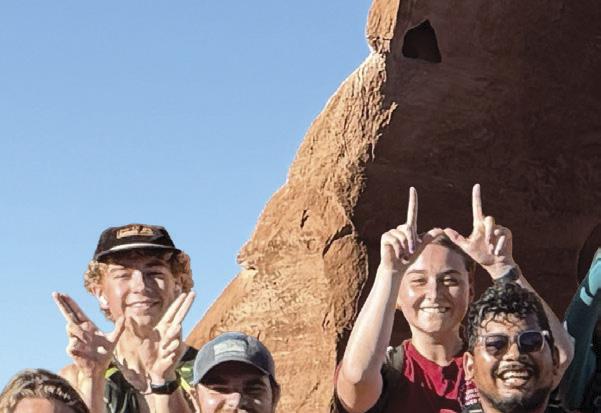
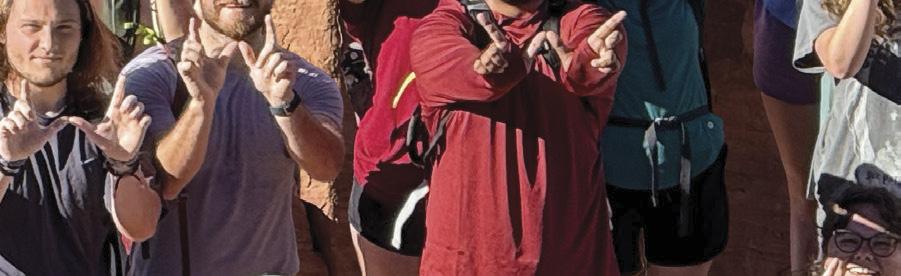













Experiential learning is a cornerstone of the School of Energy Resources (SER). We provide students with unparalleled opportunities to connect with industry leaders and visit regional energy development sites, directly applying classroom knowledge to real-world challenges.








Site visits to active energy development projects






Guest speaker events featuring professionals from across the energy sector


Networking mixers with industry partners and alumni

Hands-on workshops focused on professional tools and practices
Social events to build camaraderie among students in the program
work in photos and video and learning about all aspects of the operation, which includes care of cheetahs, a livestock guarding dog program that helps local ranchers protect their livestock from cheetahs, and other conservationrelated studies and efforts.
“I tried to be that camera that tags along and shares with the world this important work,” Cole says. “Each intern picks a project, and I ended up doing a photo story on the scat detection dogs.”
These Belgian Malinois have been trained to sniff out cheetah and African wild dog scat. The scat is then studied in the center’s genetics lab to determine what group of animals it came from, what they’ve been eating and more.
“Cheetahs in the wild are in very isolated pockets with lowered genetic diversity, which makes them really
susceptible to singular species threats,” Cole says. Over last 100 years, the world has lost 90 percent of the wild cheetah population. The lab’s work helps the nonprofit study population movement and health.
Cole’s photos and videos were used for social media, donor outreach and more. He says that the internship completely changed his career direction. While Cole still plans to photograph action sports, he’s now also dedicated to conservation work and spent the winter back at the center.
“It was amazing,” he says. “I’d never really stepped into conservation photography. It felt like there was a lot more meaning behind the work I was doing there, and it opened my eyes to the role that media can play in conservation efforts.”
New Fund Supports Humanities Internships
The new Pete and Lynne Simpson Student Enrichment Fund in the Humanities launched this past summer to support internship opportunities in the humanities for students in the UW College of Arts and Sciences. The fund can be used to cover travel costs, housing and internship stipends for internships that would otherwise be unpaid, and preference will be given to students who want to complete internships in Wyoming.
“Experiential learning needs to be at the heart of a world-class education in every discipline and can be transformative in the arts and humanities,” UW President Ed Seidel says. “This fund helps our students turn what they learn in the classroom into real-world experience, enhancing their success today and tomorrow. It’s a powerful way to support hands-on learning and to honor the Simpson family’s incredible legacy.”
The new fund was established through the generosity of donors
who made gifts in honor of the prominent Simpson family, which includes the late U.S. Sen. Al Simpson, brother of Pete, and his wife, Ann.
“At this time, humanities programs have come under pressure from government funding cuts and deprioritization in curricula at all levels of formal education,” say the fund’s namesakes — Pete and Lynne Simpson of Cody.
“It is gratifying to know that this fund will give Wyoming students opportunities to learn and experience the importance of the humanities and the arts in the development of the community and in human development itself.”
For more than 50 years, the Simpsons have been influential figures in the arts and humanities sector in Wyoming. Lynne earned a UW bachelor’s degree in humanities and fine arts, a master’s degree in public administration and a master’s degree in education. She is a Governor’s Arts Award
recipient, a former Wyoming Arts Council board member, a National Endowment for the Arts Fellow and a UW Alumni Association Distinguished Alumni Award recipient. She has brought her passion and commitment to excellence in community theater to every Wyoming community she has lived in.
Pete earned his bachelor’s and master’s degrees in history from UW. He is an author, former UW vice president for institutional advancement and a UW Alumni Association Medallion Service Award recipient. He also was a UW distinguished visiting professor of political science. He has served on the boards of several of the state’s premier cultural institutions, including the Wyoming Humanities Council, the McCracken Research Library at the Buffalo Bill Center of the West, the Heart Mountain Wyoming Foundation and UW’s American Heritage Center.


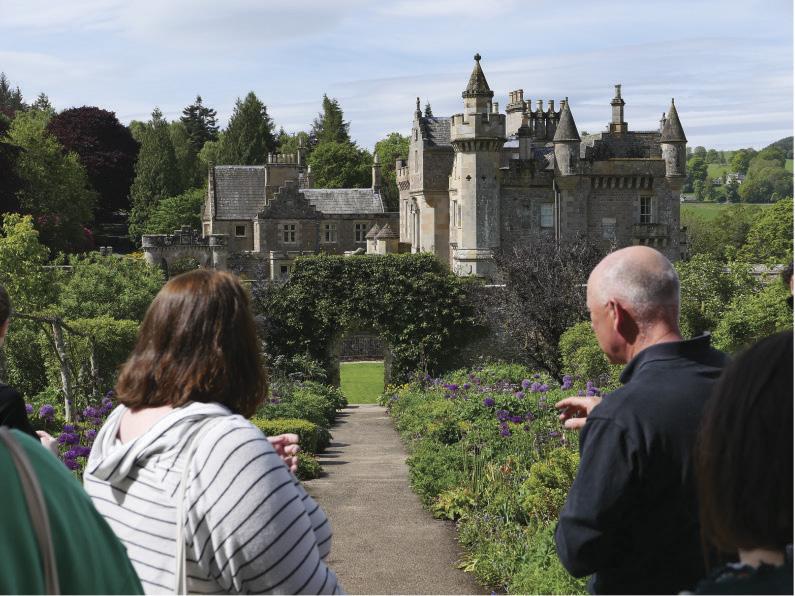
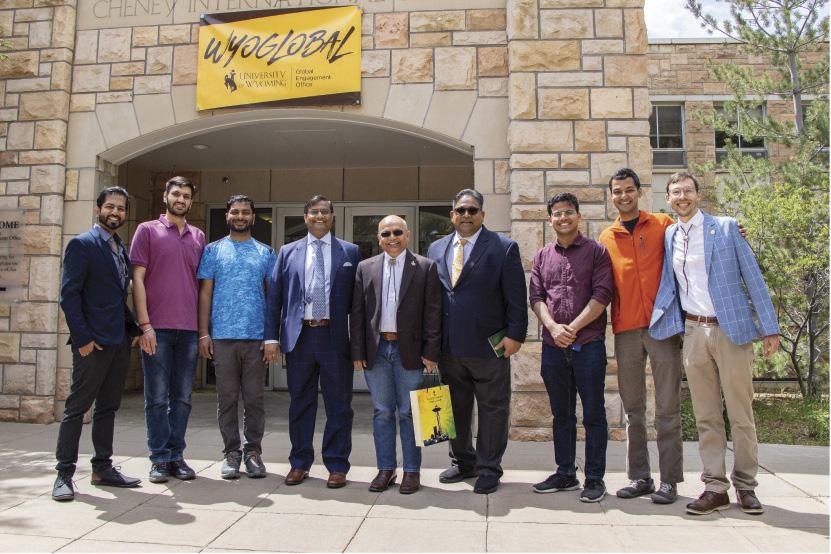
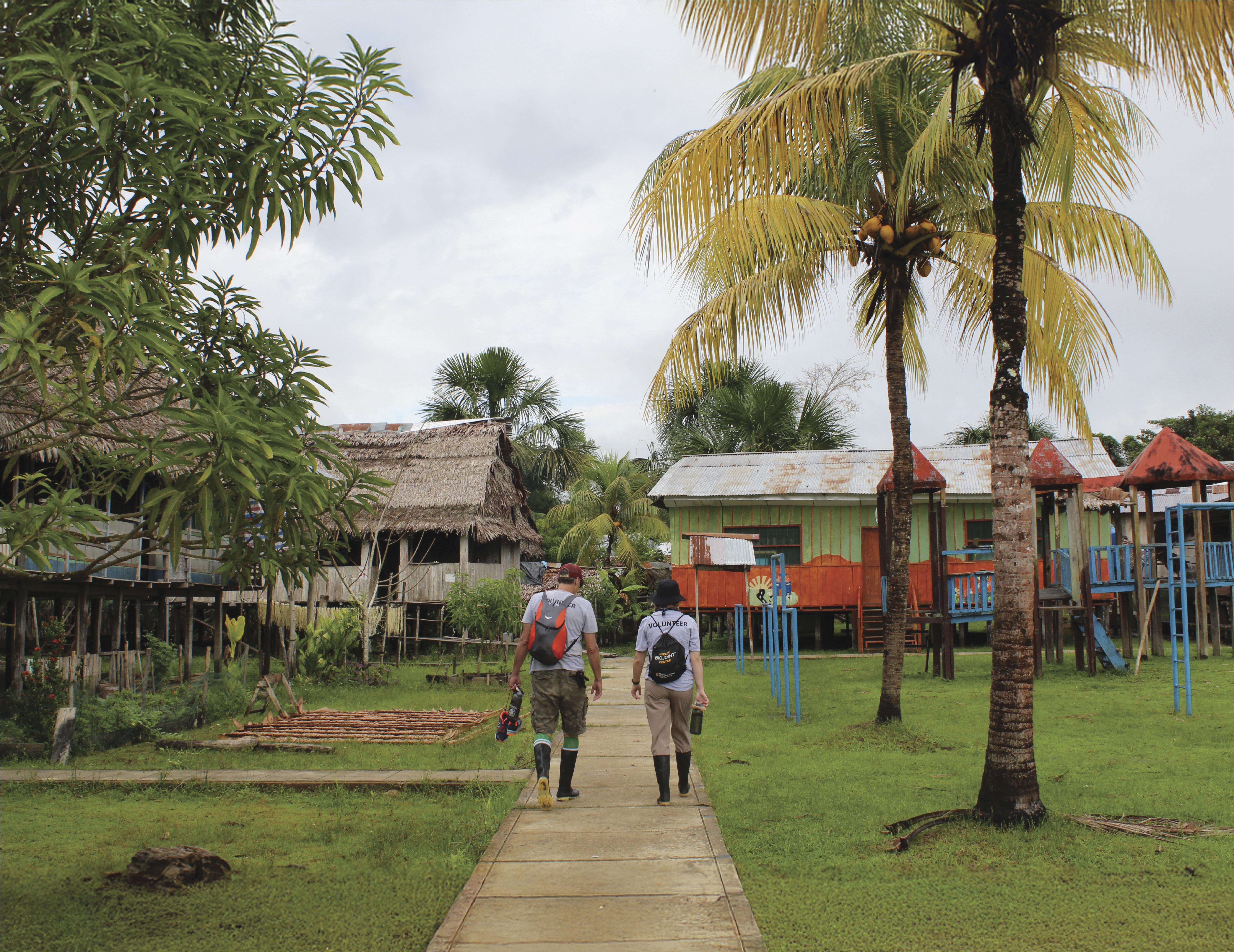
DOING GOOD
The Stewart Family Serviceship Award promotes public service to communities near and far.
By Missy Samp
Sabrina White loves bugs — so much so that she earned her undergraduate degree in entomology. Now, the fourth-year Ph.D. student from Orlando, Fla., is studying bumblebees as part of her graduate program in the University of Wyoming Department of Zoology and Physiology.
To raise awareness and excitement about the importance of bees and other pollinators to our ecosystems, this outreach assistant with UW’s Science Initiative Roadshow created the Bee the Scientist program. Unlike other traditional educational programs that often target K–12 students, White’s program focuses on older adults.
The Bee the Scientist program combines information sharing with interactive hands-on activities. After learning about pollinators, participants build bee houses to provide nesting habitats for pollinators; create seed bombs by mixing balls of compost, clay and Wyoming wildflower seeds; and construct Arduino-based weather
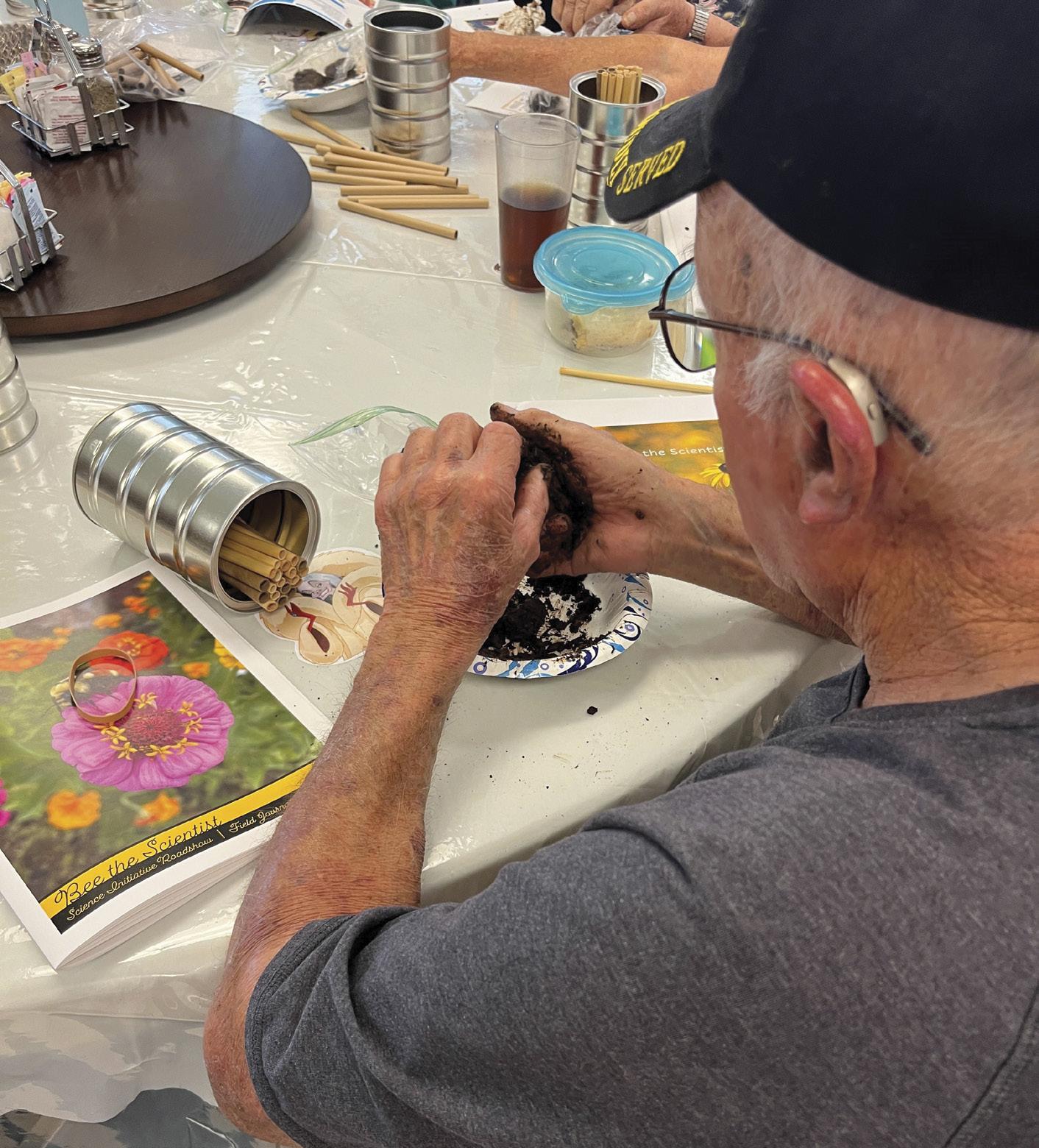
stations that measure temperature and humidity.
During 2024, the program’s inaugural year, White and other Science Initiative Roadshow team members traveled to 10 senior centers in eight Wyoming counties and engaged with 149 participants. Wanting to keep the buzz around the program going, White applied for and received the 2025 Stewart Family Serviceship Award.
This serviceship award is funded by the Stewart family in honor of their late parents, Clyde and Jerrine Stewart of Sheridan, who valued family, community and work. “We feel that our parents led their lives in service to the public,” says Kendall Hartman, daughter of the Stewarts. Created in 2021, the award supports undergraduate and graduate students working on applied community research or
BY
A participant in a Bee the Scientist workshop at the Worland Senior Center creates a seed bomb to provide a food source for pollinators.
PHOTO
KARAGH BRUMMOND
service projects that address realworld challenges.
White used her award to purchase supplies for 75 participants at seven senior centers and a Master Gardener club.
“The serviceship award is especially wonderful because it’s so broad and far-reaching,” White says. “Its effects reach communities all over, and I think that’s what makes it so special. I’m extremely grateful for this funding. It allowed us to share important information and to build connections with communities across Wyoming.”
Recent UW graduate Jessica Petri received this award as an undergraduate. “The serviceship award asks nothing of you other than to try to do something good for others,” Petri says. “There is no
requirement that it takes a certain amount of time, that you are in any specific field, have achieved any particular level of education, or are anyone super special. All you have to be is someone who wants to do good.”
A year earlier and half a world away from the Cowboy State, Petri used her award to teach English to refugees — ages 8–21 — from Myanmar living in Thailand. She chose her project after hearing a Burmese student at UW speak about the civil war in Myanmar and his community’s suffering in 2021.
Three years later, the Green River native embarked on a journey spanning more than 8,000 miles to instruct 143 students for the summer. “I see teaching as a moral calling, especially in the context of providing disadvantaged groups educational opportunity,” she says. “I believe education has the power to transform the world
because every educated person can transform their own life.”
While teaching her students, Petri learned about the realities of war, exploitative aid and poverty.
“No class, no matter how well taught, could have etched these realities into my mind as well as spending the summer surrounded by them did,” Petri says.
Despite facing these harsh realities, her students were incredibly grateful — for school, for friends and for their lives.
Before going to Thailand, Petri was preparing for a career in education and international human rights. Her experience there confirmed she is on the right path.
Petri graduated in May 2025 with bachelor’s degrees in secondary social studies education and political science. Currently, she is serving as an English teaching assistant in Laos as part of the Fulbright U.S. Student Program.
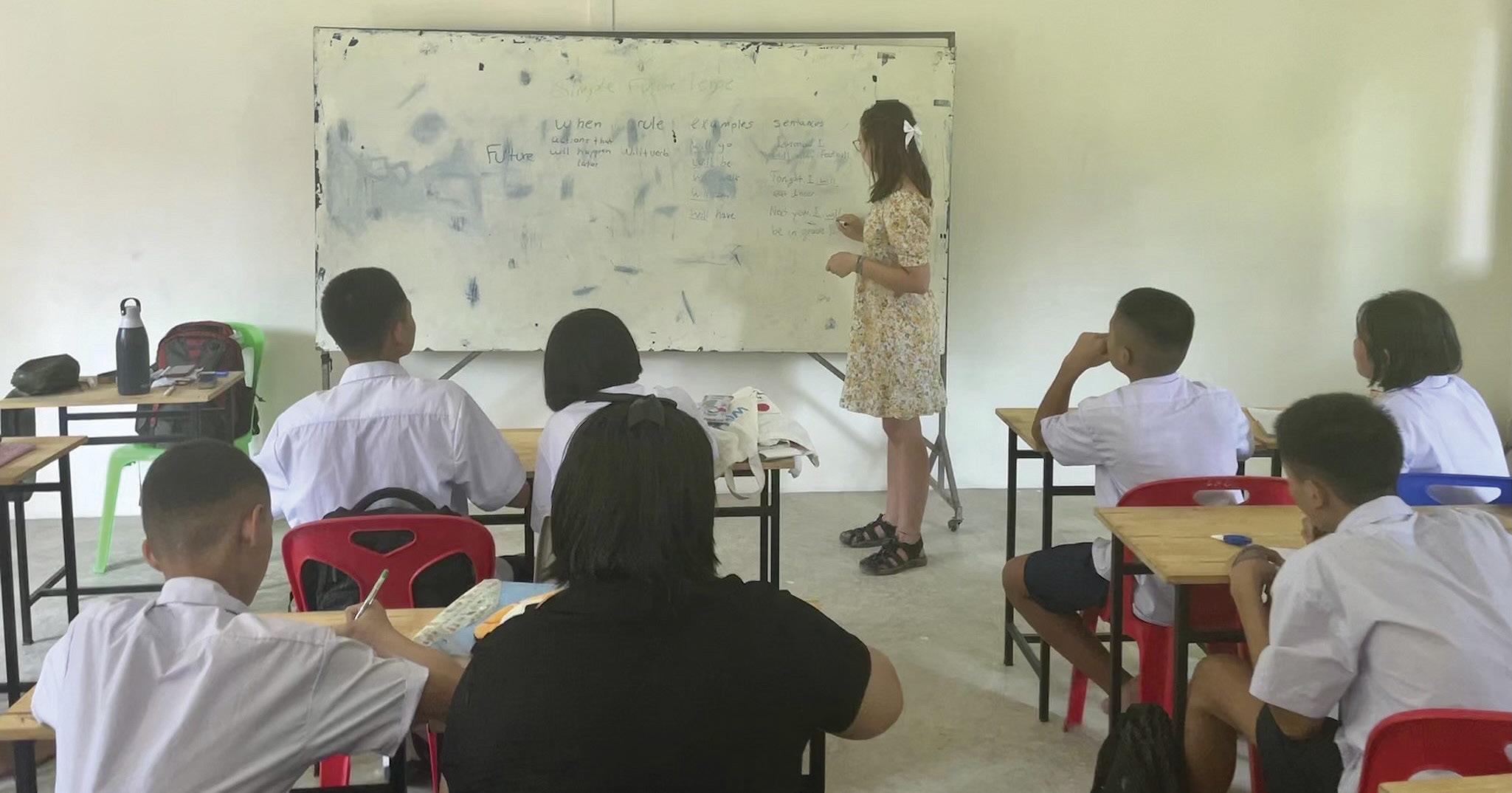
BY
Recent UW graduate Jessica Petri teaches English to refugees from Myanmar living in Thailand.
PHOTO
JESSICA PETRI
By The Numbers By The Numbers
146 and 172
By the Numbers
Research.com ranked UW No. 146 in its “Best Universities in United States 2025” list, and U.S. News lists UW No. 172 among U.S. universities in its “Best Global Universities” rankings.
6th Year
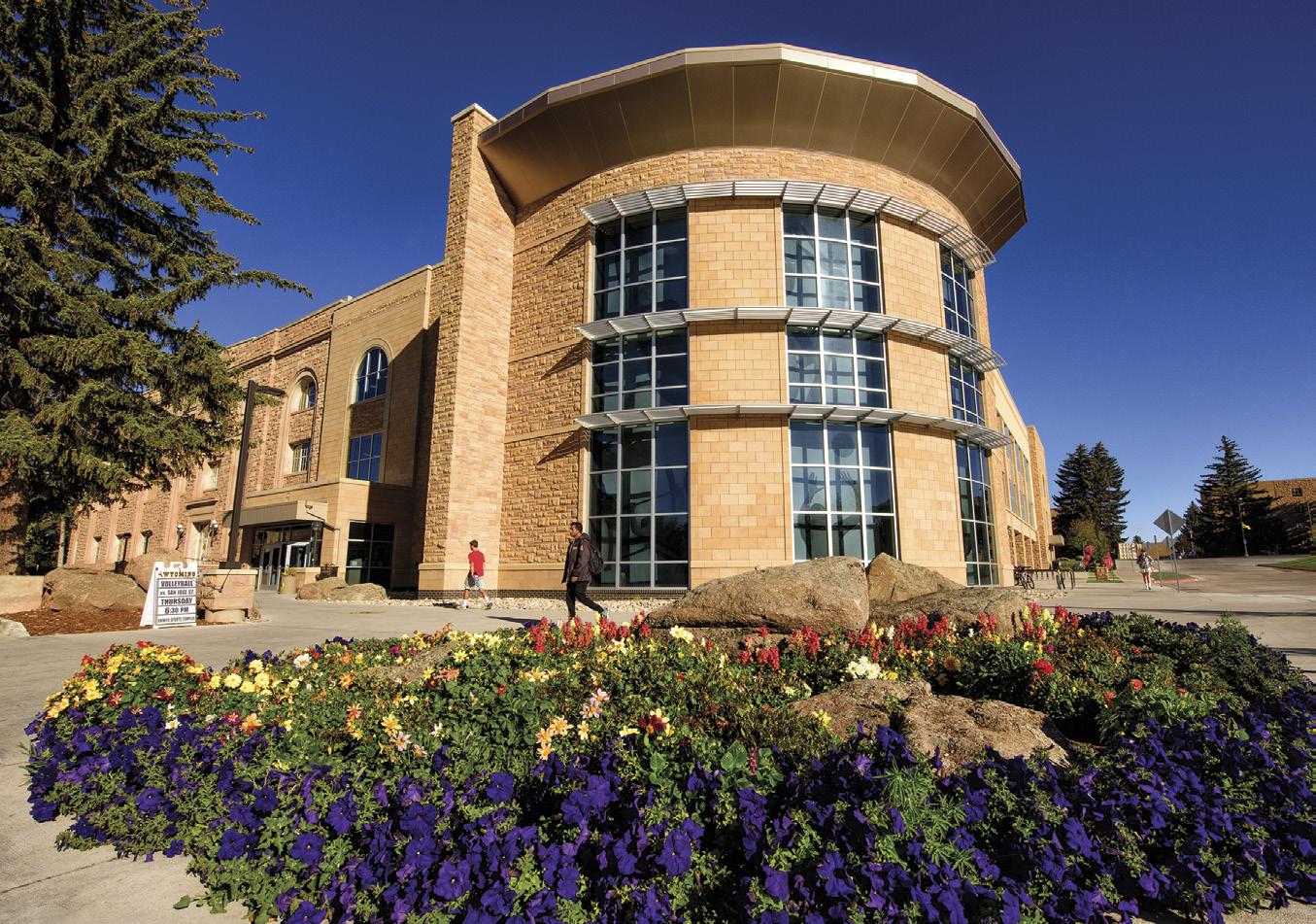
4 Million
Laramie ranks as the nation’s fifth-best small college city on WalletHub.
UW’s Half Acre Recreation and Wellness Center received the 2025 Campus Prevention Network Seal of Prevention for the sixth consecutive year.
2 Honored
No. 1 6th 5th
For UW’s 11th annual Giving Day on Oct. 23-24, a total of 9,271 donors seized the day, contributing $4,027,891 in support of UW colleges, programs, student organizations and more.
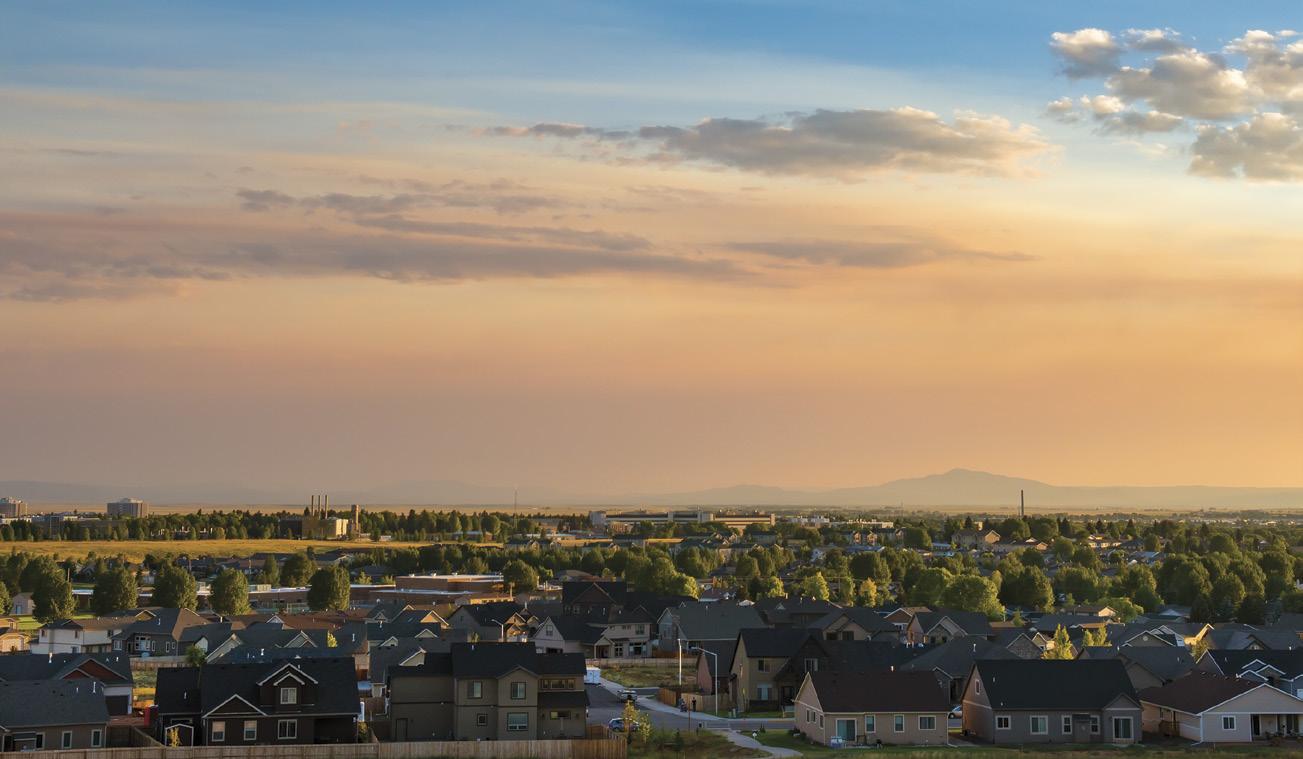
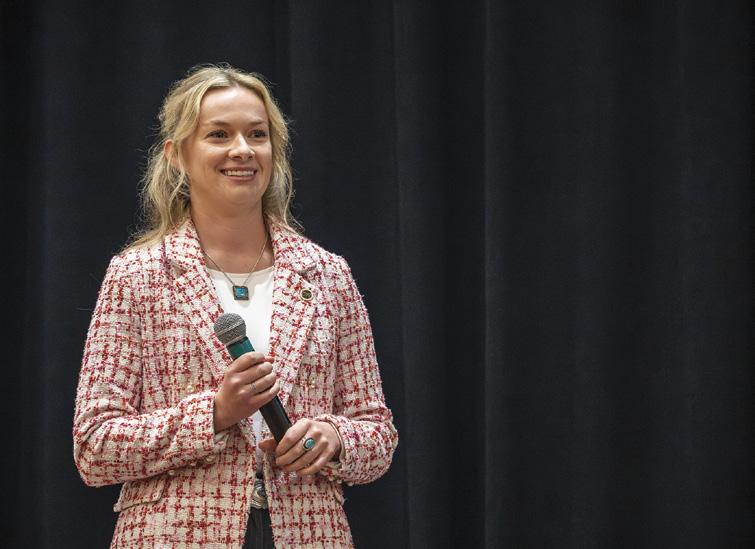
A compelling threeminute presentation on ranchers’ willingness to join the carbon market earned Nicki Nimlos a win at UW’s inaugural Three-Minute Thesis (3MT) Competition.
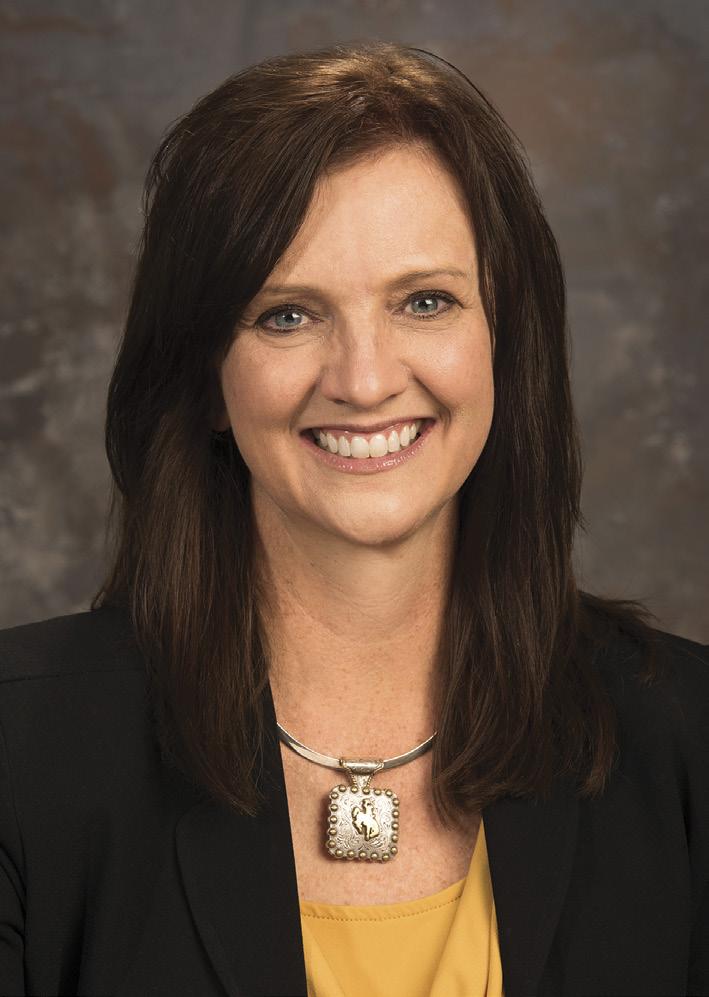
At the 2025 Wyoming Women of Influence awards, Laura Schmid-Pizzato, treasurer of the UW Board of Trustees, received the Lifetime Achievement honor, and Wyoming Public Media’s Ivy Engel was the honoree in the Media Journalism category.
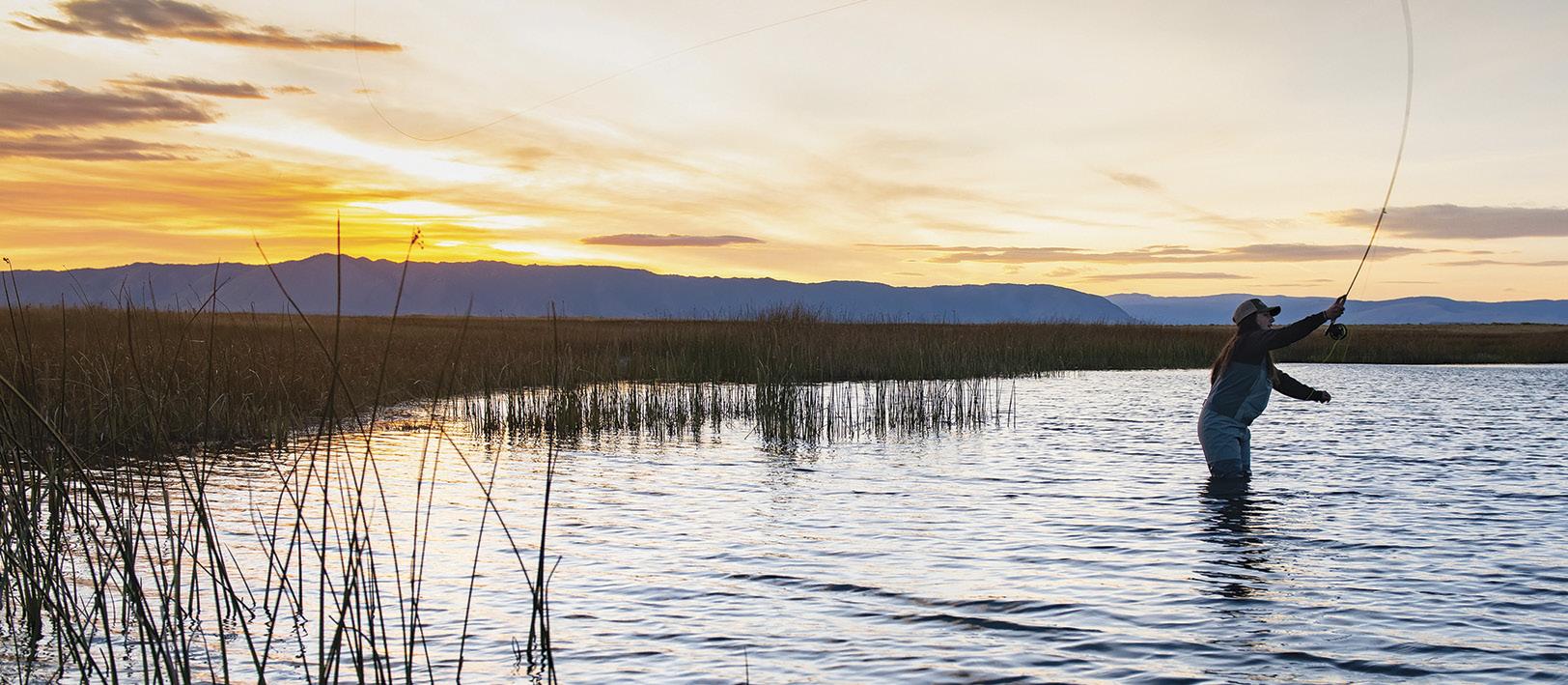
The online magazine Flylords ranked Laramie No. 6 on its list of the “Top U.S. College Towns for Fly Fishing.”
Advance Your Career in Pharmacy and Healthcare
M.S. Health Services
Administration (MSHSA)
Designed for professionals in pharmacy, nursing, healthcare, and beyond.
Gain leadership skills in health policy, finance, quality, regulatory, compliance, and administration.
Flexible, online format tailored for working professionals.
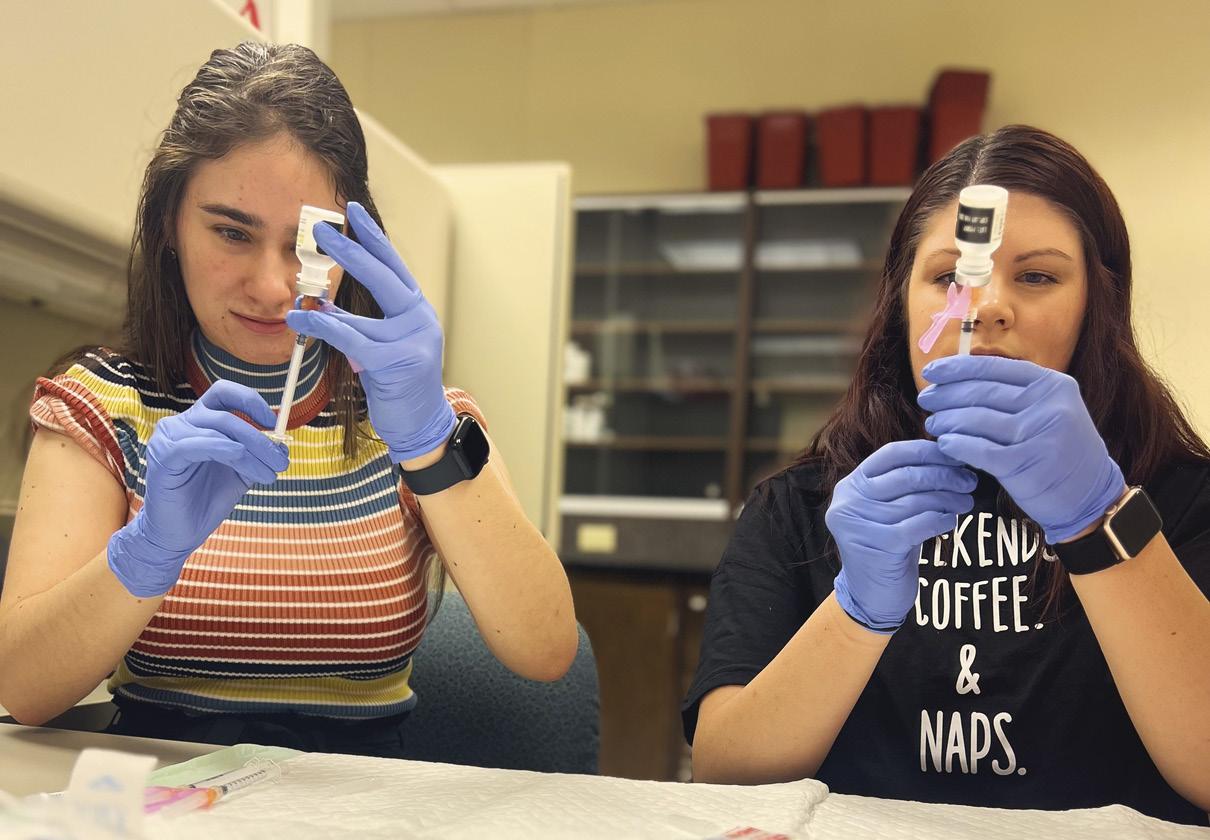

Pharmacists impact the health and wellbeing of the communities they serve. Program Options: Early Assurance Program or B.S. Physiology/PharmD. Hands-on learning, clinical rotations, and strong career outcomes.
Combine clinical expertise with business and management skills. No