OuTReacH K-14 STEM EDUCATION
The UW College of Engineering and Physical Sciences is excited to engage students and teachers in handson STEM learning. Strengthening K-14 education can increase the number and quality of students pursuing STEM programs at the University of Wyoming, leading to impactful careers in Wyoming and beyond.
ENGINEERS WEEK » FEBRUARY 22-28, 2026
Professional and student engineers visit Wyoming 3rd grade classrooms to facilitate an engineering design challenge that inspires innovative thinking, design and problem solving. Over 70% of Wyoming’s third graders participated in this event last year. We would love to have you join us! bit.ly/eweek2026
MATHCOUNTS 2026
The Wyoming State MATHCOUNTS competition is part of a national competition series that provides 6th-8th grade students the chance to compete in contests against and alongside their peers. If your child’s school does not already compete in the MATHCOUNTS series, please have them contact Dr. Jones to help get them set up.
LAND SURVEYOR’S OUTREACH, NATIONAL SURVEYOR’S WEEK
» MARCH 15-21, 2026
We connect educators and students in 4th-12th grades with professional land surveyors to learn more about this profession and support Wyoming state STEM objectives. Sign up for a visit from a professional in the field who will talk about the cool history of surveying and engage your students with surveying fun! bit.ly/uwlandsurveyor
CLASSROOM VISITS
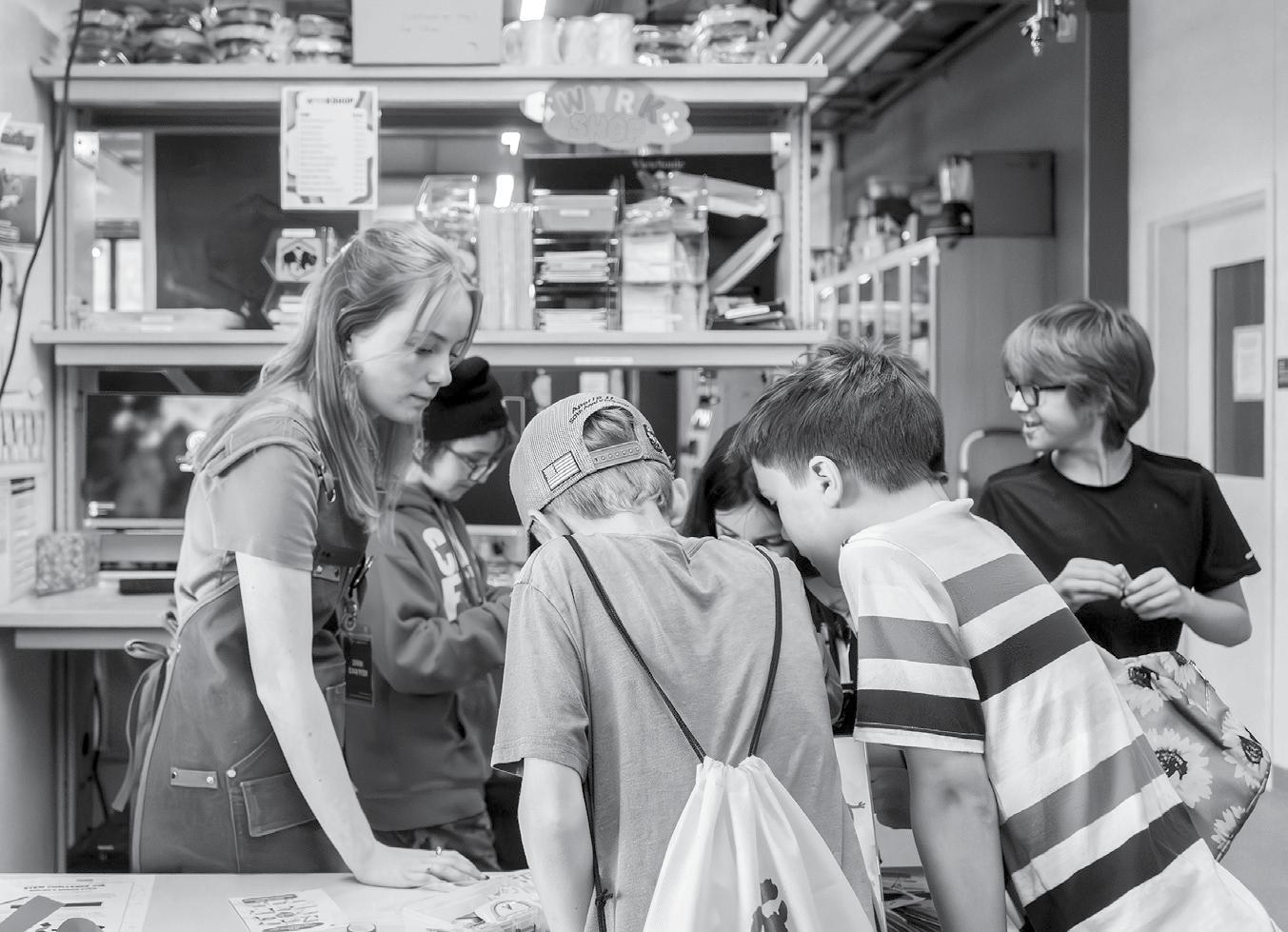
Our team of CEPS Student Ambassadors can visit classrooms, virtually or in person, to encourage the exploration of the engineering design process.
ENGINEERING SUMMER PROGRAM » JUNE 7-13, 2026
High school juniors are invited to apply to ESP to broaden their horizons and understanding of the diverse fields within engineering and physical science. This week-long summer program is designed to give students the chance to work 1:1 with faculty to strengthen their critical thinking and problem solving skills through hands-on exploration. This program costs $350 and the application opens in January 2026. bit.ly/uwyo-esp
ASTRO CAMP » JULY 12-18, 2026
This academic camp focuses on the science and engineering behind exploring and traveling to a planet in another star system. This program is 100% free for participants and serves up to 24 students entering 7th or 8th grade. bit.ly/uwyo-astro-camp
TETON STEM ACADEMY » JULY 12-19, 2026
This academic camp is a living/learning summer community of students, teachers, and scientists working together to help youth follow their dreams by encouraging science education. This program serves up to 24 students entering 9th, 10th or 11th grade from Wyoming or other nearby states. bit.ly/teton-academy
FIELD TRIPS TO CEPS
Led by current engineering students to provide an introduction to our programs. Enjoy tours of the engineering buildings, interactive learning in our makerspaces, hands-on activities, world-class drilling simulator demonstration, and much more!
DEPARTMENTS
04 / W. Edwards Deming Honored at Homecoming
10 / New Richard and Marilyn Lynch Multidisciplinary Advanced Stimulation Laboratory to Address Some of the Most Pressing Challenges in the Energy Industry
12 / UW Land Surveying Program Recognized for Excellence by NCEES
13 / Engineering a Legacy: A Tribute to Professor Samuel D. Hakes
16 / Gerry Meyer Makes Possible a New Endowed Department Head Position
18 / Pulte Family Charitable Foundation Pledges Scholarships to UW Construction Management Students
19 / Michael Svoboda Honored with Bowen Prize
24 / Top Engineering and Physical Sciences Honors Awarded at Spring 2025 College Awards Banquet
02 / Message from the Dean
/ Students in Action 06 / Faculty in Action
/ News & Notes
/ News & Notes 22 / New Faculty 26 / CEPS Highlight 28 / Alumni In Memoriam
On the Cover
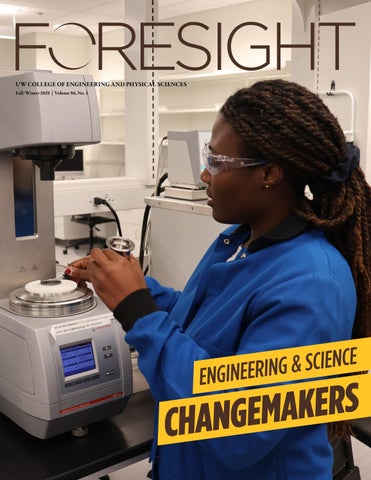
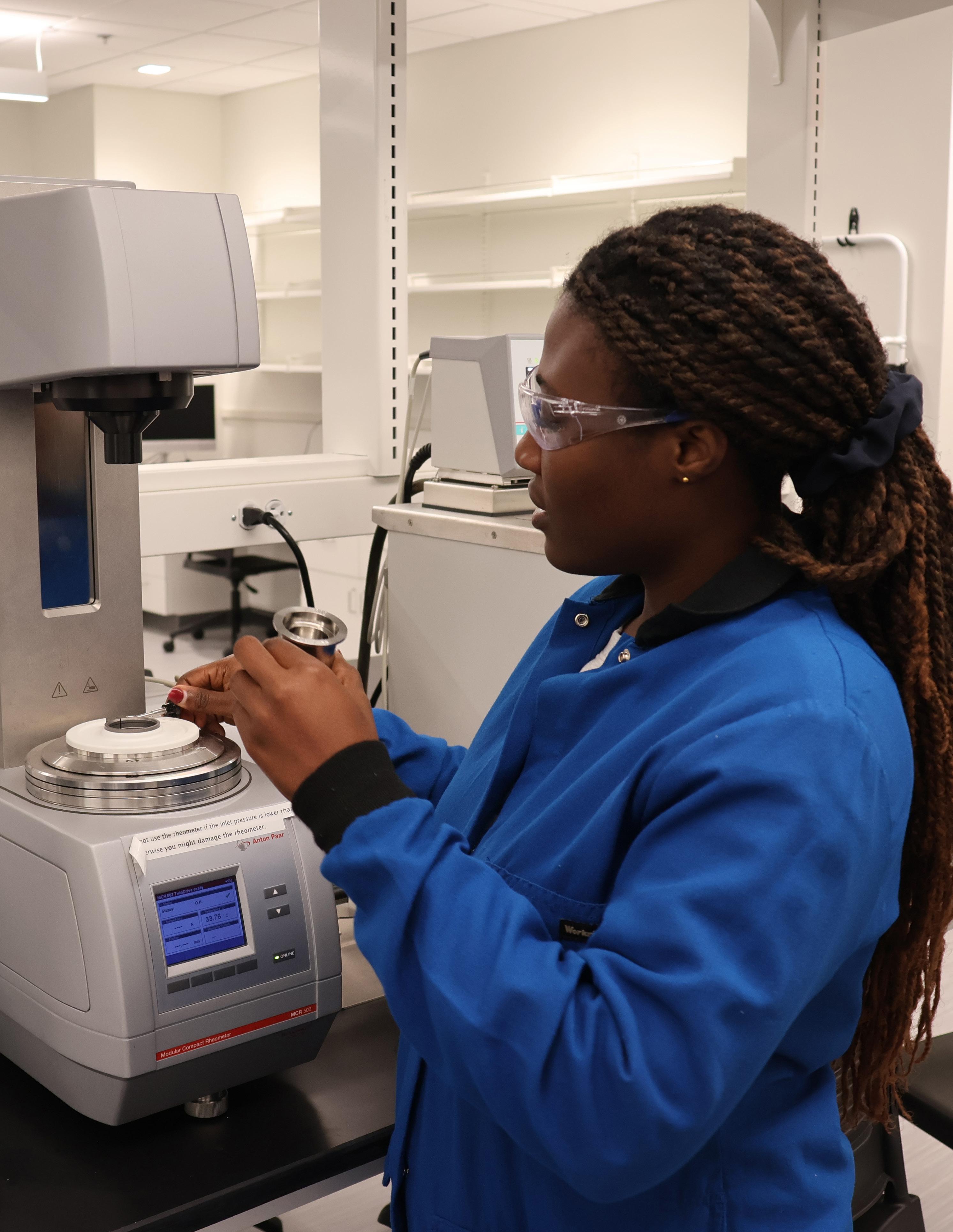
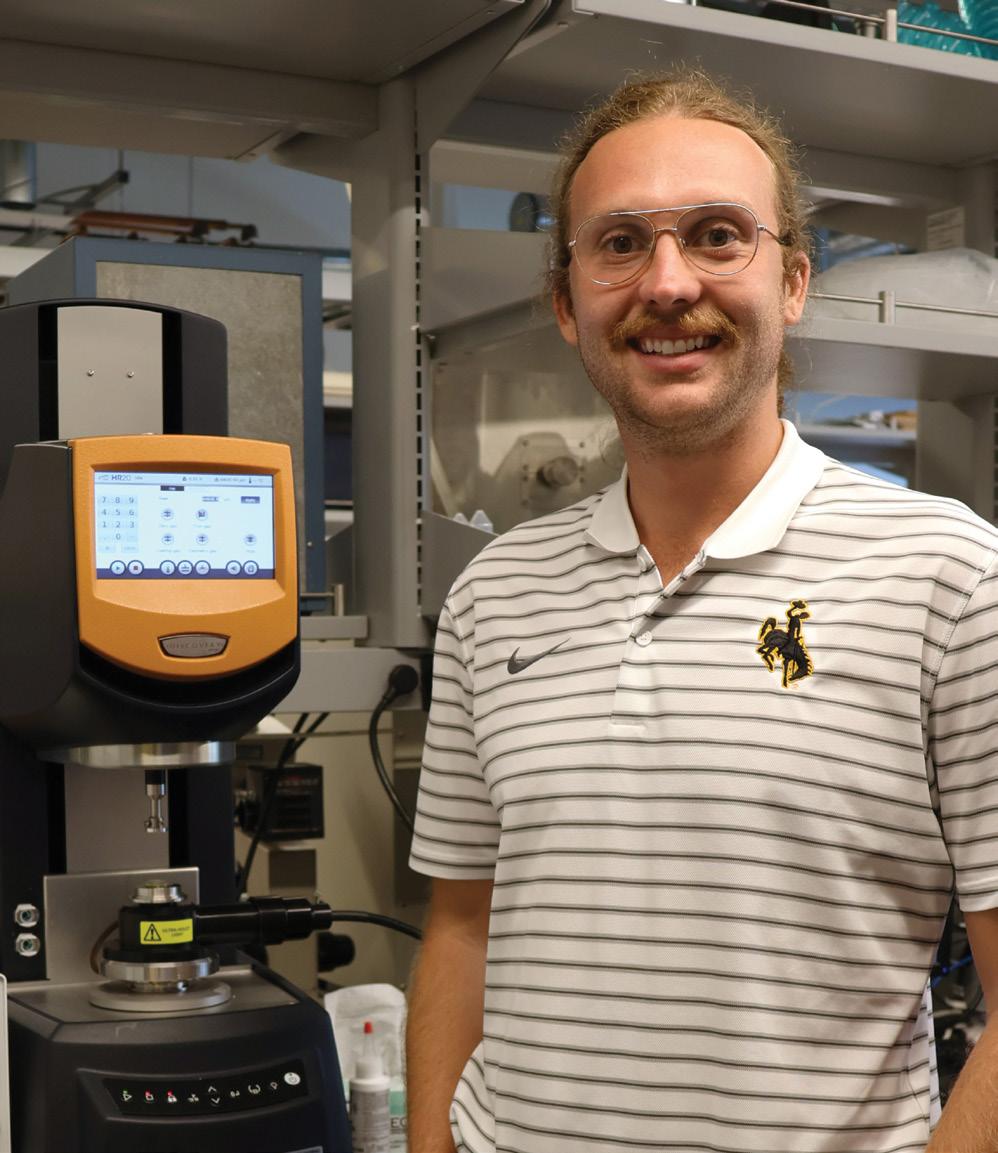
Ph.D. student Cindy Agyemang uses a rheometer to study the properties of viscous fluids in the new Richard and Marilyn Lynch Multidisciplinary Advanced Stimulation Laboratory.
UW COLLEGE OF ENGINEERING AND PHYSICAL SCIENCES
Interim Carrell Family Dean Danny Dale
Associate Dean, Undergraduate Programs Steven Barrett
Associate Dean, Graduate Programs Chip Kobulnicky
Assistant Dean for Student Success Cindy Jones
Interim Associate Dean, Graduate Research Saman Aryana
Director, Business Operations Cindy Woods
College Affairs Coordinator Mindy Zwieg
DEPARTMENTS:
Atmospheric Science Jeff French, Head
307-766-3245 | uwyo.edu/atsc
Chemical and Biomedical Engineering
Vladmir Alvarado, Head
307-766-2500 | uwyo.edu/chemical
Chemistry Brian Leonard, Head
307-766-4363 | uwyo.edu/chemistry
Civil and Architectural Engineering and Construction
Management Tony Denzer, Head
307-766-2390 | uwyo.edu/civil
Electrical Engineering and Computer Science
Ian Walker, Head
307-766-2279 | uwyo.edu/EECS
Energy and Petroleum Engineering Soheil Saraji, Head
307-766-4258 | uwyo.edu/petroleum
Geology and Geophysics Mark Clementz, Head
307-766-3386 | uwyo.edu/geolgeophys
Mathematics and Statistics Jason Williford, Head
307-766-4221 | uwyo.edu/mathstats
Mechanical and Energy Systems Engineering Ray Fertig, Head
307-766-2122 | uwyo.edu/mechanical
Physics and Astronomy TeYu Chien, Head 307-766-6150 | uwyo.edu/physics
Editors Janna Urschel, Micaela Myers, Chad Baldwin
Graphic Design Michelle Eberle, Emily Edgar, Brittny Wroblewski
Photography Institutional Marketing creative team, unless noted
*Thank you to all contributing writers for creating a dynamic and diverse collection of content.
Foresight is created twice per year as a collaboration between CEPS and UW Institutional Marketing. For extra copies, contact the Dean’s office. For address changes, please email fdn-bio-update@uwyo.edu.
Persons seeking admission, employment, or access to programs of the University of Wyoming shall be considered without regard to race, regard to race, gender, religion, color, national origin, disability, age, protected veteran status, sexual orientation, gender identity, genetic information, creed, ancestry, political status and belief, pregnancy, or any other applicable protected category or participation in any protected activity.
Dear Colleagues and Friends,
Here at the College of Engineering and Physical Sciences, we are humbled and honored by the opportunities and responsibilities that come with being agents of change. An inscription on the cornerstone of UW’s legacy engineering building, which has stood for almost 100 years, reads “The Control of Nature for the Service of Man.”
As engineers, scientists and mathematicians, our business is that of guiding the direction that control takes towards positive changes which will enhance the quality of life for people across all walks of life here at home in Wyoming and beyond.
From students and faculty members whose research is breaking through persistent barriers to advancement, to new opportunities to partner with institutions across the globe, to alumni making an impact through real-world solutions in construction and industry, this issue of Foresight Magazine highlights some of the change makers from our college who are forces for positive growth.
Due to a gap in the position of Marketing and Communications Specialist for the college, we were unable to release a spring/summer issue of Foresight Magazine. With that position now filled, we are including in this issue news and announcements from throughout the previous year, including the honorees at our spring 2025 Tau Beta Pi Awards Banquet.
We are grateful for the enthusiastic support we receive from our CEPS community, resulting in a record-setting fundraising effort this Giving Day, as well as the robust partnerships throughout the public and private sectors which ensure our programs thrive.
As Interim Dean for the college, I am committed to building upon the course set by my predecessor, Dean Cameron Wright – one that celebrates and seeks out innovation and lifts up the change makers who make it possible. Thank you for your continued support as we navigate new opportunities and challenges in the year ahead.
Sincerely,
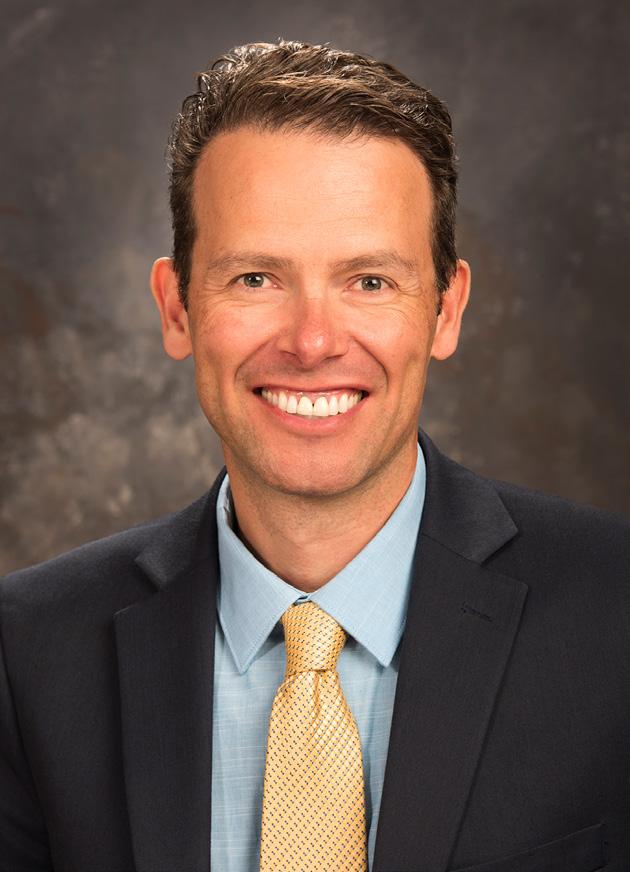
Danny Dale
Interim Carrell Family Dean College of Engineering and Physical Sciences
DONORS 674 DONATED RECORD $ 251,279 MATCHES COMMUNITY ADVOCATES 93 ALUMNI DONORS 25%


W. Edwards Deming Honored at Homecoming
The College of Engineering and Physical Sciences was honored to host guests from the Deming Institute for homecoming this year, culminating in an inspired lecture given by W. Edwards Deming’s grandson and president of the Deming Institute, Kevin Edwards Cahill. He was joined by his wife Judy, a powerhouse at the institute, and Executive Director Jake Rodgers.
During his homecoming address, Cahill spoke about the legacy of his grandfather’s globally revolutionary business management philosophy. Cahill argued that this philosophy grew directly from Wyoming roots during Deming’s early years in Cody and Powell at the turn of the 20th century. Deming was strongly impacted by the spirit of cooperation, the power of community and the resilience of Wyoming residents during his upbringing.
Following his graduation from UW in 1921, Deming taught both here and at the Colorado School of Mines, gaining expertise in mathematical physics. He rose to become an acclaimed expert and consultant in statistical studies. He published and presented extensively on his theories of Total Quality Management, including his seminal work “The New Economics.”
During introductory remarks at the homecoming lecture, Vice-Consul of Political and Economic Affairs of the Consulate-General of Japan Yuki Zaitsu spoke of the transformative legacy of W. Edwards Deming’s
impact on the economic and industrial recuperation of Japan following WWII. For this service, Deming was awarded the Second Order Medal of the Sacred Treasure by the emperor of Japan in 1960.
The principles Deming espoused went on to revolutionize the ways in which major U.S. companies, including Ford, Xerox, GM and Proctor and Gamble conduct business. Key among those principles is to always analyze and improve the system rather than placing blame on individual people. This emphasis on systemic change requires an altered approach to leadership and a commitment to building quality into products, reducing waste and increasing efficiency in the system.
Cahill described his grandfather as a “kind, gentle man,” who was always thinking about how we might improve things. Cahill himself has
found inspiration and purpose in his grandfather’s teachings. For example, as he was wrestling with issues in his own startup software company, Cahill realized that the company was suffering from a lack of definition of purpose. Addressing clarity of purpose and ensuring that the vision was understood and shared by the company’s stakeholders helped turn things around.
The experience was so transformative that Cahill, together with his wife, shifted gears to focus on the work of the Deming Institute, expanding global access to Deming’s philosophy through education, partnerships and innovative technology.
Wisdom, Cahill insists, comes from asking the right questions and learning from those answers. Even on the eve of what would have been W. Edwards Deming’s 125th birthday, this vital Wyoming legacy continues to have a profound impact in the realms of business, government and education.
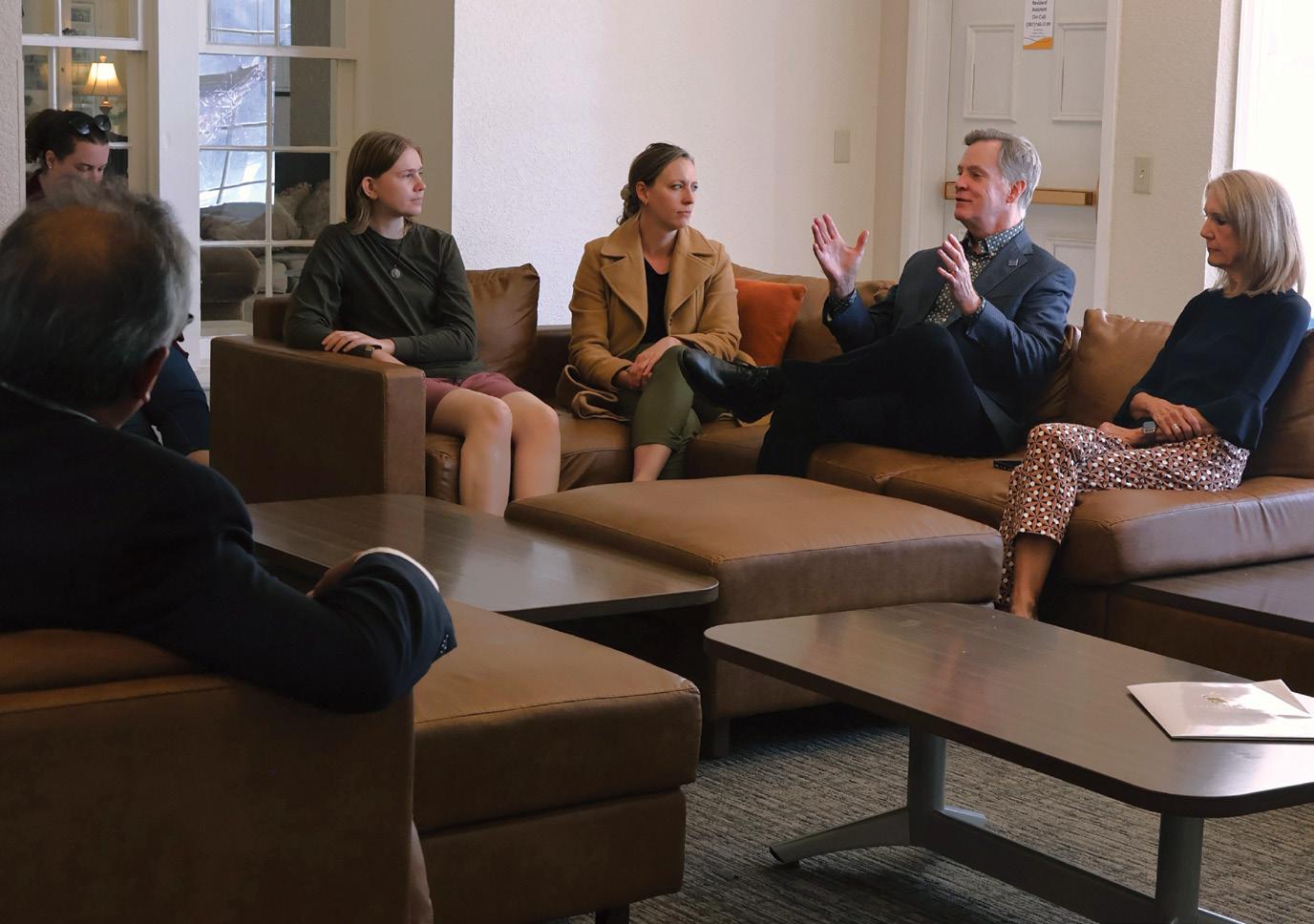
Kevin Edwards Cahill and his wife Judy (at right) visit with UW honors students to discuss W. Edwards Deming’s influential ideas.
UW Electrical Engineering Student Awarded Best Paper at International Conference
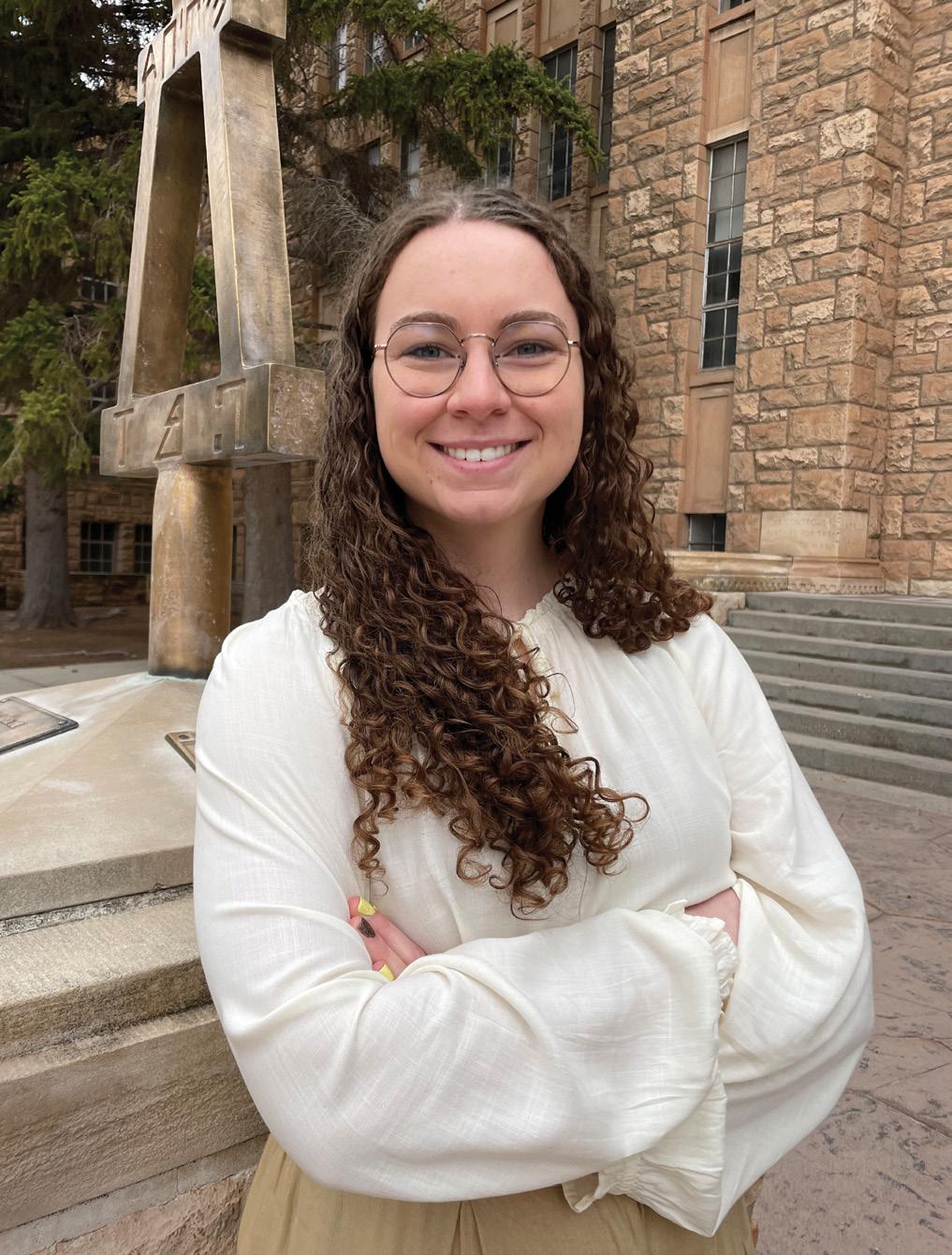
Master’s student Tessa Livingston of Lander, Wyo., came to UW determined to make a meaningful impact on people’s lives, and her research in the Department of Electrical Engineering and Computer Science stands to do just that. Livingston was recently recognized at the 11th World Congress on Electrical Engineering and Computer Systems and Science (EECSS 2025) for her paper titled “Synthetic Data Generation of Surgical Drills using Physics-Constrained GAN: Preliminary Results.”
The judges at EECSS 2025 recognized Livingston not only for the quality of both her paper and associated presentation at the congress, but also for the innovation, clarity and potential for real-world impact of the research itself.
Livingston came to UW with a background in health care and family expertise in orthopedic surgery, so it comes as no surprise that her research capitalizes on the intersection of her interests in machine learning,
generative AI and the health-care sector.
The paper she presented at EECSS concerns a novel approach to using machine learning to improve the accuracy of the drilling procedure during orthopedic surgery. Inaccuracy while drilling through bone is a major contributor to complications from surgery such as distal radius fractures, a common fracture among pediatric and elderly patients, and which require guiding a bone drill through multiple layers of bone without impacting underlying soft tissue.
Different properties of those layers of bone have made precise real-time assessments of drilling depth difficult, however. Livingston’s research, under the guidance of her adviser, Professor Suresh Muknahallipatna, innovated a novel approach to estimating drill timing and depth by incorporating physics-informed constraints into Generative Adversarial Networks, a prominent machine learning framework used in generative artificial intelligence.
Judges were so impressed by the promise of Livingston’s work that they encouraged her to explore broader applications of the proposed generative approach beyond orthopedic surgery, as it has strong potential for making a critical difference in other areas of health care, as well as in fields including robotics, industrial systems and environmental monitoring.
While this is not Livingston’s first professional publication, it is the first paper she has written on her own applied research. Of this process and her award, Livingston says, “This experience taught me how essential it is to communicate research in a way that enables others to build upon it. Scientific progress is inherently collaborative, and the value of research lies in how effectively it contributes to the broader body of knowledge.”
Livingston is on track to complete her master’s degree this winter and plans to pursue a career in machine learning or quantum computing. “My goal is to apply advanced computational methods to solve problems that directly improve people’s lives, whether in health care, sustainability or intelligent systems,” she says.
Livingston credits her adviser, Muknahallipatna, with helping her reach these goals. She says, “His support and insight were instrumental in the success of this research and in my growth as a researcher.”
Tessa Livingston
PHOTO BY CINDY
DIAS
New Department Head of Energy and Petroleum Engineering
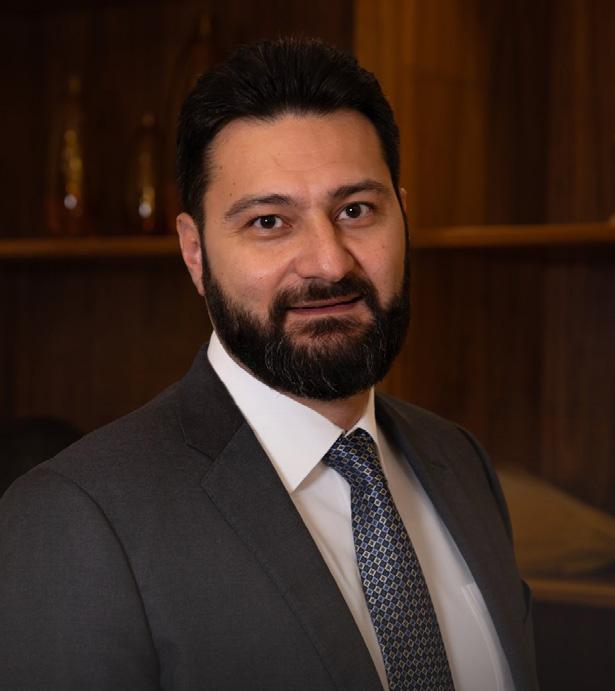
Dr. Soheil Saraji has been appointed the new head of the Department of Energy and Petroleum Engineering. Saraji received his Ph.D. from UW in 2013, followed by a position as a postdoctoral research associate. He has been a professor in the department since 2016, as well as in the UW School of Energy Resources, earning the distinction of the Richard and Marilyn Lynch Non-Endowed Chair in Subsurface Energy and Digital Innovation in 2024.
Saraji’s extensive energy research expertise lies in the areas of subsurface processes, stimulation technologies and digital innovation. He has been deeply involved in the department’s Top 5 in 5 initiative, the development of the Multidisciplinary Advanced Stimulation Laboratory, 2+2 pathways and curricular innovation.
Saraji’s vision for the department moving forward emphasizes collaboration across disciplines, hands-on student training and strong engagement with industry partners, ensuring the department will continue to lead in energy research and education.
National Academies Report Highlights Way Forward for Domestic Mineral Resource Development
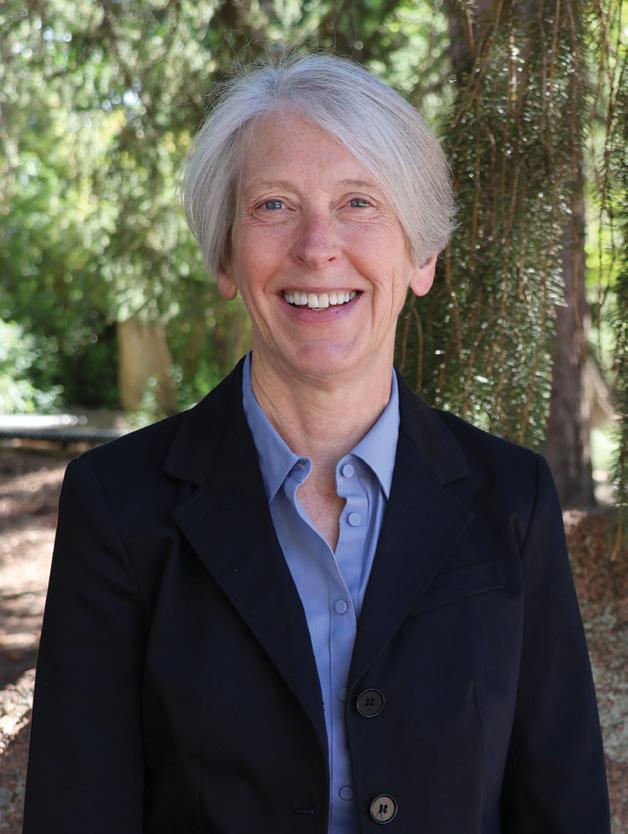
A new study co-chaired by Geology and Geophysics Professor Emerita Carol Frost identifies key challenges to meeting mineral resources needs in the United States and recommends a way forward for the nation.
Producing accurate estimates of available mineral resources and planning for their domestic development is especially important for guarding against instability in global supply chains and bolstering national security, especially with respect to critical minerals.
The newly released report, “Meeting Future U.S. Mineral Resource Needs: The Role of the U.S. Geological Survey Mineral Resources Program,” was produced by the National Academies of Sciences, Engineering and Medicine (NASEM), an independent review board contracted by the U.S. Geological Survey to review the effectiveness of its Mineral Resources Program (MRP). The
study committee co-chaired by Frost included professionals from academic, government and private sectors.
The report identifies seven challenges for the mineral resources sector and proposes seven recommendations for moving forward for the MRP, including increasing computing resources, strengthening the Earth MRI program and charting paths for domestic development of key critical minerals.
Frost presented the results of the report at two professional meetings this fall: at the Geological Society of America annual meeting in San Antonio, Texas, and at AGU (formerly American Geophysical Union) at its annual meeting in New Orleans.
Frost is dedicated to the role of the NASEM in producing valuable, unbiased products to assist in decision-making across government and industry sectors, having had the opportunity to commission a report
from the agency in her former role as division director for earth sciences at the National Science Foundation.
“It is an honor to be co-chair of the USGS MRP study, and I hope it will be equally helpful,” she says.
Read the full report at: www. nationalacademies.org/ publications/29068
Carol Frost
Soheil Saraji
New Helium Recovery System will be a Major Boon for Low Temperature Labs
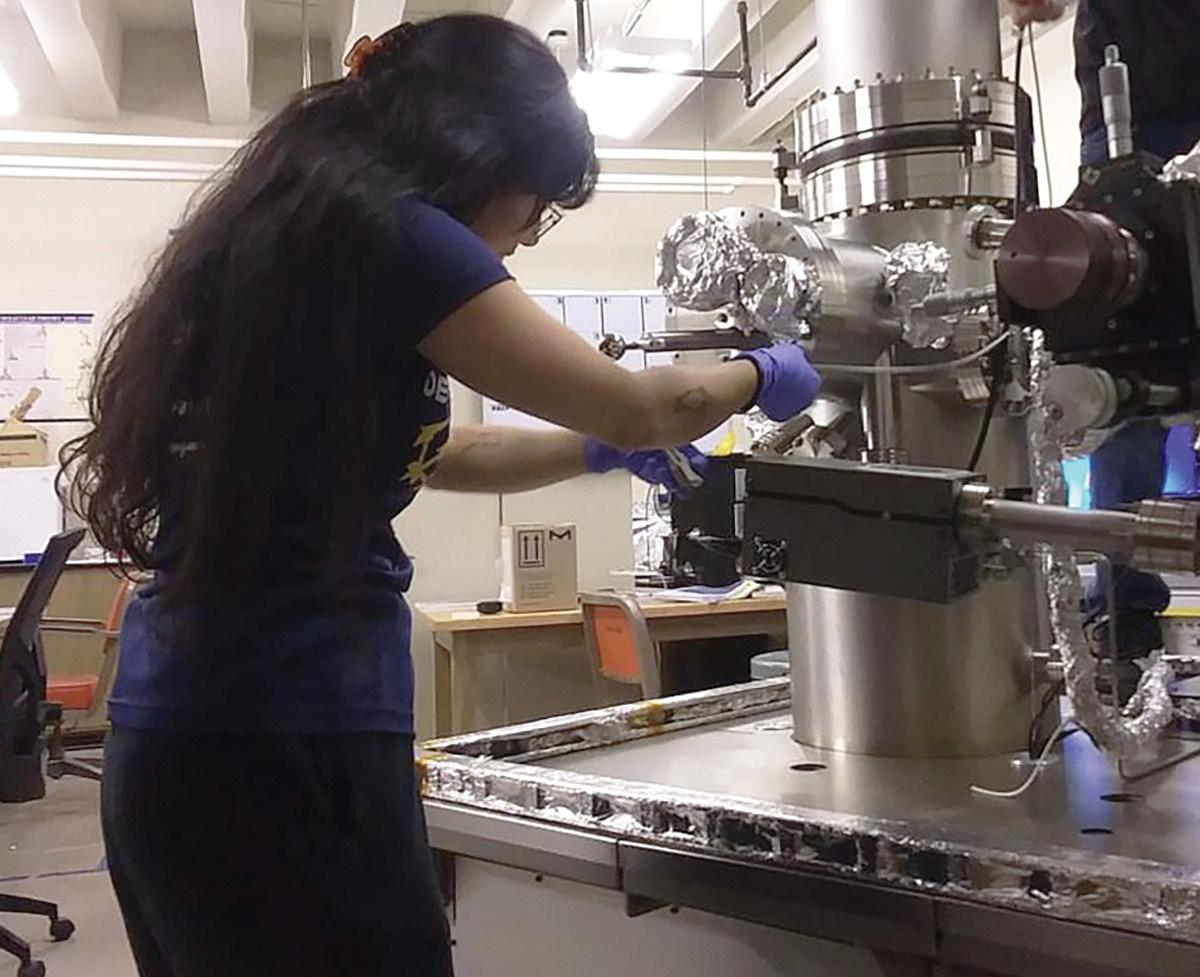
TeYu Chien, a professor in the Department of Physics and Astronomy, has received a $644,711 Major Research Instrumentation grant from the National Science Foundation in order to overhaul the university’s low temperature labs by installing a new, state-of-the-art liquid helium recovery (LHeR) system.
Currently, the university must purchase new liquid helium every time it is used; however, global helium supplies are dwindling and costs are skyrocketing. The new LHeR system will enable recovery of helium when it warms into a gas after use, essentially recycling it back into liquid form for re-use, with a projected 90 percent recovery rate.
This is great news for the many labs across campus that rely on an ultra-low temperature system, capable of reaching 4.2 degrees Kelvin or even to tens of millikelvin with additional helium-3. This system is critical for experiments using technologies such as scanning tunneling microscopy and spectroscopy and nuclear magnetic resonance.
The new system will serve five physics labs and two chemistry labs in the Physical Sciences building, immediately
benefitting dozens of graduate and undergraduate students. It will also be available to any on campus who need it, for example for research in quantum computing, materials science, superconductors, geology, biology and more. In addition to the installation of the new system, the grant includes the development of an educational program related to low-temperature systems operation and materials handling, which will enable a graduate-student run committee to handle daily operation of the LHeR system.
UW AT THE FORE OF COLLABORATIVE ATMOSPHERIC RESEARCH PROJECT
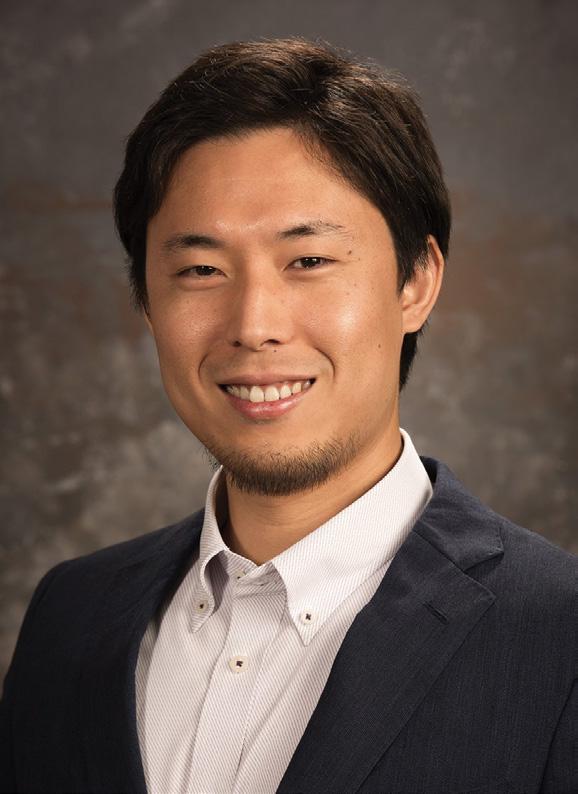
With the assistance of a $1,098,000 grant from the National Science Foundation, Masanori Saito, an assistant professor in the Department of Atmospheric Science, has formed a multistate collaboration to bridge the gaps in our understanding of the optical properties of atmospheric dust. The project, totaling over $5 million distributed between partner institutions in Nevada, Oklahoma and Wyoming, has broad implications for human health, telecommunications, national defense, transportation and our understanding of climate change and modeling.
Researchers on the grant project, “Optical Properties of Mineral Dust Aerosols: Building Capacity for Use-Inspired Applications Through Experimental and Theoretical Investigations,” will not only study how the properties of mineral dust aerosols interact with light, they will consider how that knowledge might be applied to real-world problems.
As a large, multidisciplinary project, the funding includes provisions for hiring several graduate students and dozens of undergraduate students, who will conduct research and have the opportunity to participate in professional development forums.
UW graduate student Lauren Kim operates the ultra-high vacuum system housing a Scanning Tunneling Microscope for her research in condensed matter physics. The instrument operates at ultra-low temperatures made possible with liquid helium.
PHOTO BY ALEX QUINN
Masanori Saito
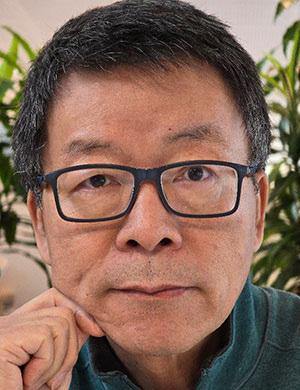
Jinke Tang Named Director of the UW Science Institute
Jinke Tang, a professor in the Department of Physics and Astronomy, has been named the new director of the UW Science Institute. The Science Institute is a cross-disciplinary endeavor which supports research and collaboration across the sciences, with projects including “wildlife
RAM Lab Awarded NSF Engineering Research Initiation Grant
Daniel Rau, associate professor in the Department of Mechanical Engineering, has been awarded a competitive National Science Foundation (NSF) Engineering Research Initiation grant to investigate the fundamental process dynamics governing the Vat Photopolymerization Additive Manufacturing of soft elastomers. Additive Manufacturing, commonly known as 3D printing, has become a household technology, but is really only able to produce hard, brittle materials at present. Rau’s NSF-funded research aims to better understand why the technology struggles to produce usable soft materials with a more flexible or stretchy consistency.
Rau and the students funded through the NSF grant, titled “Improving the Vat Photopolymerization 3D-Printing of Soft Elastomers Through a Deeper Understanding of Process Dynamics,” will use two novel approaches, photorheology and x-ray photon correlation spectroscopy (XPCS), to study the adhesion process during curing of the photopolymers on a much deeper level. For the latter experimental process, Rau is collaborating with a team at the Brookhaven National Laboratory in Long Island, N.Y. XPCS uses Brookhaven’s 2.5 km synchrotron to accelerate X-ray beams onto the material to get a very localized understanding of what is happening during the curing process.
biology; materials research; controlled environment agriculture; quantum information sciences; engineering; and rural resilience.”
The aim of the institute is to support economic growth across these sectors through robust research and education outreach. Congratulations, Tang; we eagerly await exciting new opportunities ahead under your leadership!
With the insights gained from these experiments, Rau intends to produce a cookbook of sorts with recipes to help tailor manufacturing processes for soft materials. Successfully mobilizing this technology could have a huge impact on daily living, especially in the biomedical industry, enabling custom printing of implants and wearable devices, among other critical products and their components.
Daniel Rau
MEREDITH JOYCE SET TO RE-WRITE THE HISTORY OF THE STARS
Department of Physics and Astronomy’s Assistant Professor Meridith Joyce has received a grant from the National Science Foundation’s EPSCoR program to make a revised set of models based on astrophysics go-to program Modules for Experiments in Stellar Astrophysics (MESA) Isochrones and Stellar Tracks. Together with grad student Eliza Frankel, and in partnership with the School of Computing, Joyce aims to increase the accuracy of stellar age estimates by taking into account information about convection for the first time.
Joyce and Frankel’s results could put to bed an age-old dilemma in astrophysics, whereby common models of stellar evolution place the age of some stars as older than the known universe.
This would not only re-write what we know about the age of some of the oldest stars in the universe, but the grant will also be establishing a home
for the MESA Summer School at the University of Wyoming, bringing it back to the United States for the first time in years.
As a prominent annual event in astrophysics, the summer school brings together undergraduate students, graduate students, postdoctoral
researchers, professors and industry professionals to hear about the latest developments in astronomy and to get hands-on experience with computational astrophysics models. Together, these initiatives stand to shine a spotlight on Wyoming in the global astronomical community.
BY
Saxena Plans a Revolution in Particle Damping
Seismic activity poses a significant threat to nuclear reactors and other energy infrastructure. Assistant Professor of Mechanical Engineering Ankit Saxena will be using his recently awarded $199,064 in National Science Foundation Energy Research Initiative grant funding to develop new designs for particle dampers specifically geared towards the nuclear sector. His project will use topology optimization and take advantage of developments in additive manufacturing. In particular, Saxena plans to work on simplified damper designs which can be tuned to dissipate or reflect seismic frequencies.
The two-year research grant is titled “ERI: Passive Seismic Protection for Nuclear Power Plants Using Embedded Particle Dampers” and will run through July of 2027. In addition to supporting a UW Ph.D. student and two undergraduate research students, the grant will help support collaboration within UW and across institutions. Saxena will also conduct outreach to undergraduate and high school students to generate enthusiasm for engineering and energy research. While this project is specifically geared towards protecting nuclear reactors, Saxena sees great potential for further applications, including “aerospace, automotive, civil engineering structures, robotics, defense applications and other energy applications.”
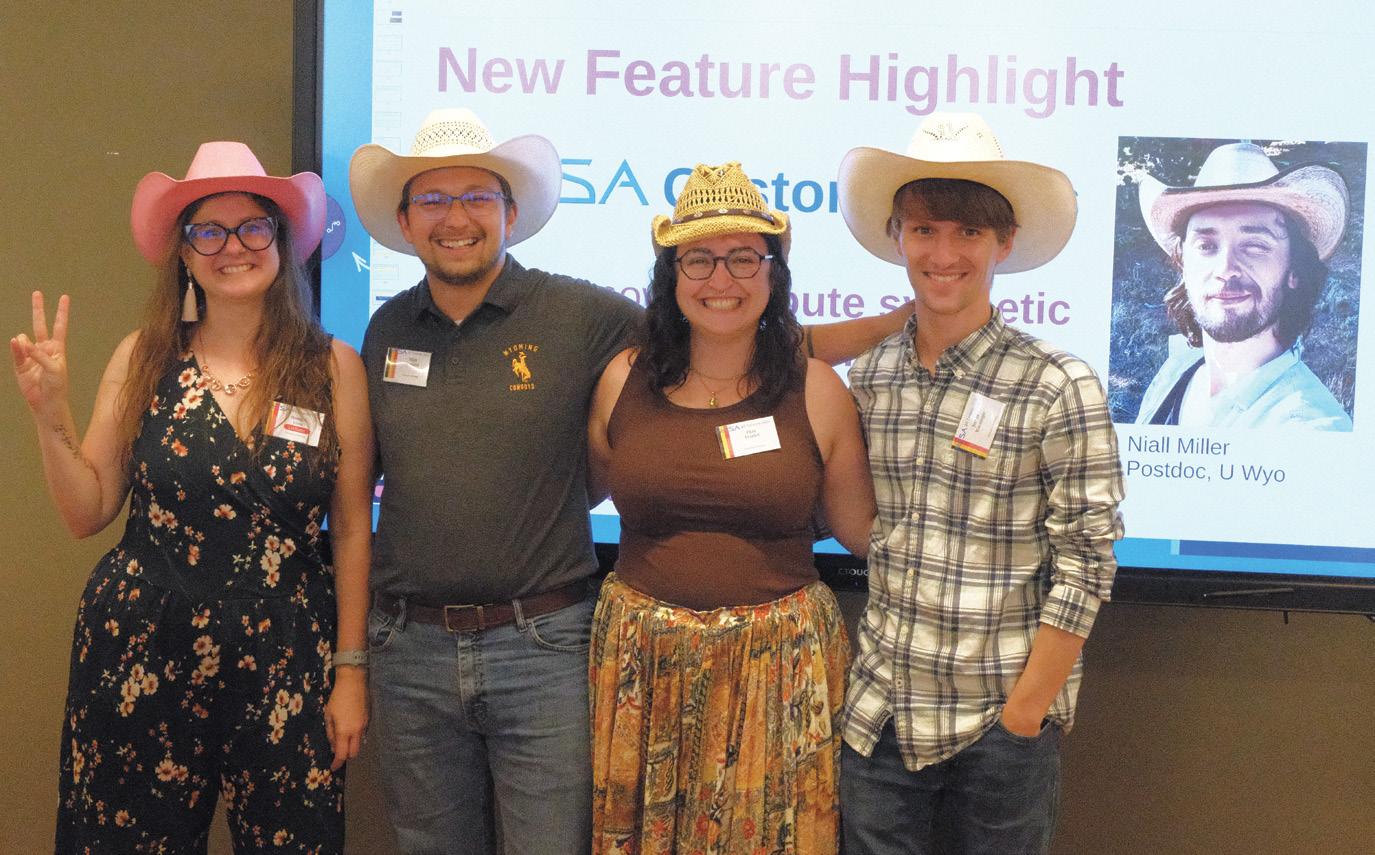
UW Assistant Professor Meridith Joyce, left, attends the MESA Summer School in Belgium with astronomy Ph.D. students Caleb Eastlund, Eliza Frankeland and Josh Wanninger. Postdoctoral researcher Niall Miller is pictured on the screen.
PHOTO
MATHIJS VANRESPAILLE
New Richard and Marilyn Lynch Multidisciplinary Advanced Stimulation Laboratory to Address Some of the Most Pressing Challenges in the Energy Industry
On Oct. 10, the University of Wyoming welcomed dignitaries and energy industry representatives from across the nation to the grand opening of the brand new, state-of-the-art Richard and Marilyn Lynch Multidisciplinary Advanced Stimulation Laboratory as part of the university’s Energy Day celebration. The event was marked with a ribbon-cutting, reception and
open house, as well as a tour of the facilities to visit with current graduate students and faculty members who will use the lab to conduct research into some of the most pressing challenges in the energy industry today.
The Lynch Lab is led by UW’s Department of Energy and Petroleum Engineering within the College of Engineering and Physical Sciences in partnership with the School of Energy Resources. The new facility, located in the Science Initiative Building, is equipped with cutting-edge equipment, which enables exciting advances in understanding subsurface processes through integrated geomechanics, fluid dynamics and advanced reservoir characterization.
“Our research aims to improve oil recovery from unconventional reservoirs, including those in Wyoming,” says Soheil Saraji, an associate professor and head of the department of energy and petroleum engineering. “By advancing stimulation technologies and better understanding subsurface processes, the Lynch Lab can help unlock Wyoming’s resources and make them more economically viable for industry development.”
Accomplishing this mission, however, requires expertise from across disciplines, which is why the term “multidisciplinary” is built into the very name of the lab. Saraji is excited to collaborate with faculty, students and industry professionals across a variety of fields, including geology, geophysics, petroleum engineering, chemical engineering and computing, as they work on common goals.
The lab will make this kind of integrated research possible in a way it has not been in the past, with target objectives in the following areas:
• Stimulation Fluids and Proppant Transport Systems: Design, testing and optimization of hydraulic fracturing fluids, proppant materials, fluid-fluid and fluid-rock compatibility, and placement techniques to enhance recovery in unconventional reservoirs.
• Rock Physics, Geomechanics and Geological Engineering: Experimental studies on the mechanical

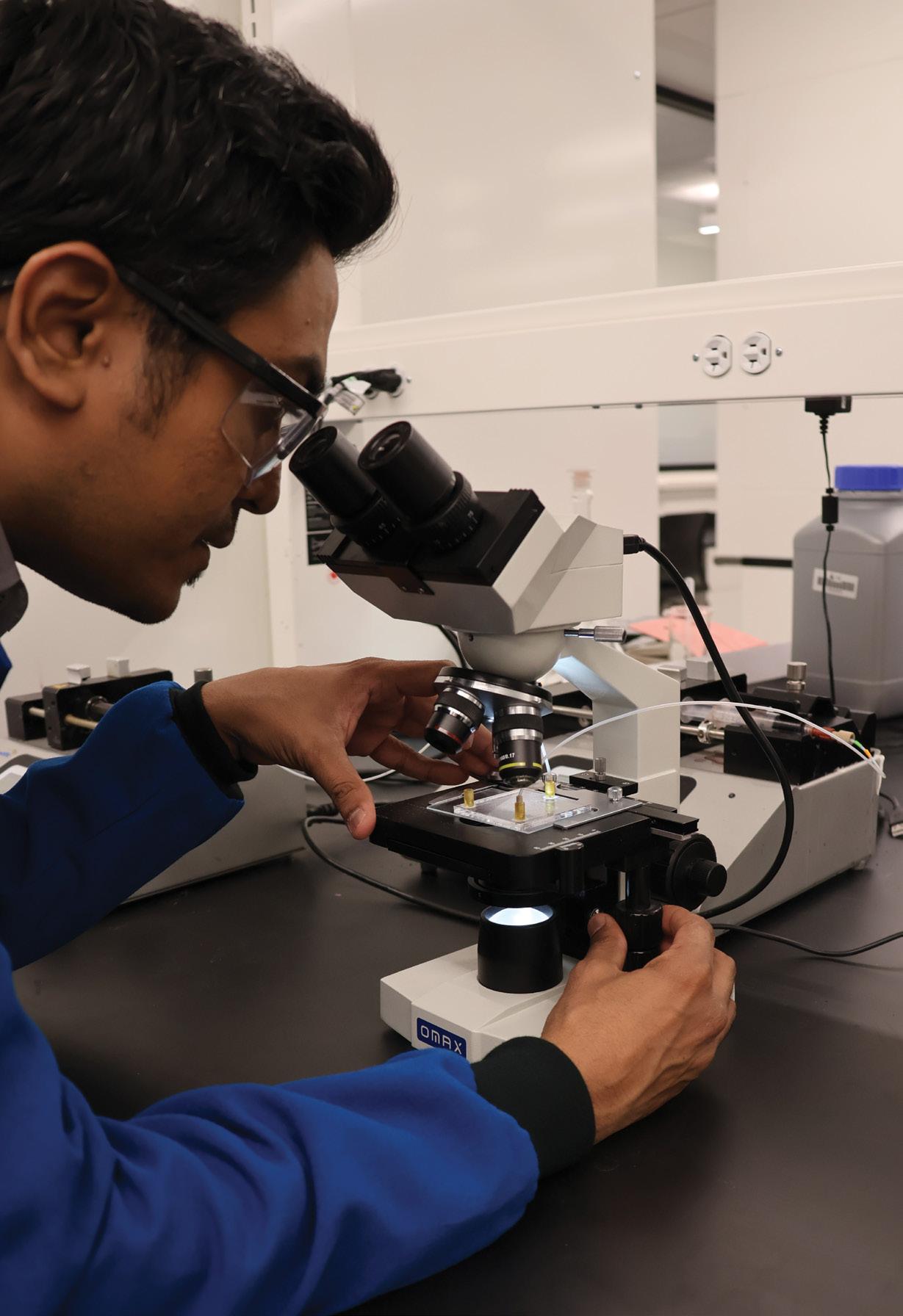
Ph.D. student Faraz Sufyan studies foam flow and bubble dynamics in rough channels in micromodels.
behavior of reservoir rocks under subsurface conditions, with applications in stimulation design, wellbore integrity and formation evaluation.
• Multiscale Reservoir Characterization and Petrophysics: Integrated workflows combining core analysis, organic matter characterization, digital rock physics and geophysical data for characterizing pore structures, thermal maturity, mineralogy, fluid flow and heterogeneity across scales.
• Innovative Drilling Technologies: Development and testing of novel drilling methods to improve efficiency, safety and recovery in challenging formations.
• AI and Machine Learning for Subsurface Operations: Leverage laboratory and field datasets to develop AI- and ML-driven models that enhance operational efficiency, optimize stimulation design and improve decision-making in real time.
Currently, 16 doctoral students and one undergraduate student work in the lab under the guidance of lab directors
Soheil Saraji, who holds the Richard and Marilyn Lynch Chair in the Subsurface Energy and Digital Innovation

Center as well as the Le Norman Endowed Leadership Chair of Petroleum Engineering, and Tim Fischer, oil and gas program manager at the School of Energy Resources.
Not only will the students gain invaluable experience in fields critical to both Wyoming’s economy and the national economy, including oil and gas recovery, carbon capture and storage, geothermal energy and rare earth elements; they will also have opportunities to interact directly with industry stakeholders.
“This close engagement allows our students to work on real-world problems, significantly strengthening their technical skills and career prospects,” Saraji says.
The new capabilities provided by the Lynch Lab will raise the profile of UW’s reputation as a leader in the field of energy research and help to attract new talent to the university, as well as to create new opportunities for industry partnerships. Ultimately, the goal is to create real-world solutions for a safer, cleaner and more robust domestic energy sector.
Learn more about the goals and capabilities of the Lynch Lab, as well as opportunities for industry partnerships, here: www.uwyo.edu/petroleum/facilities/masl/index.html.
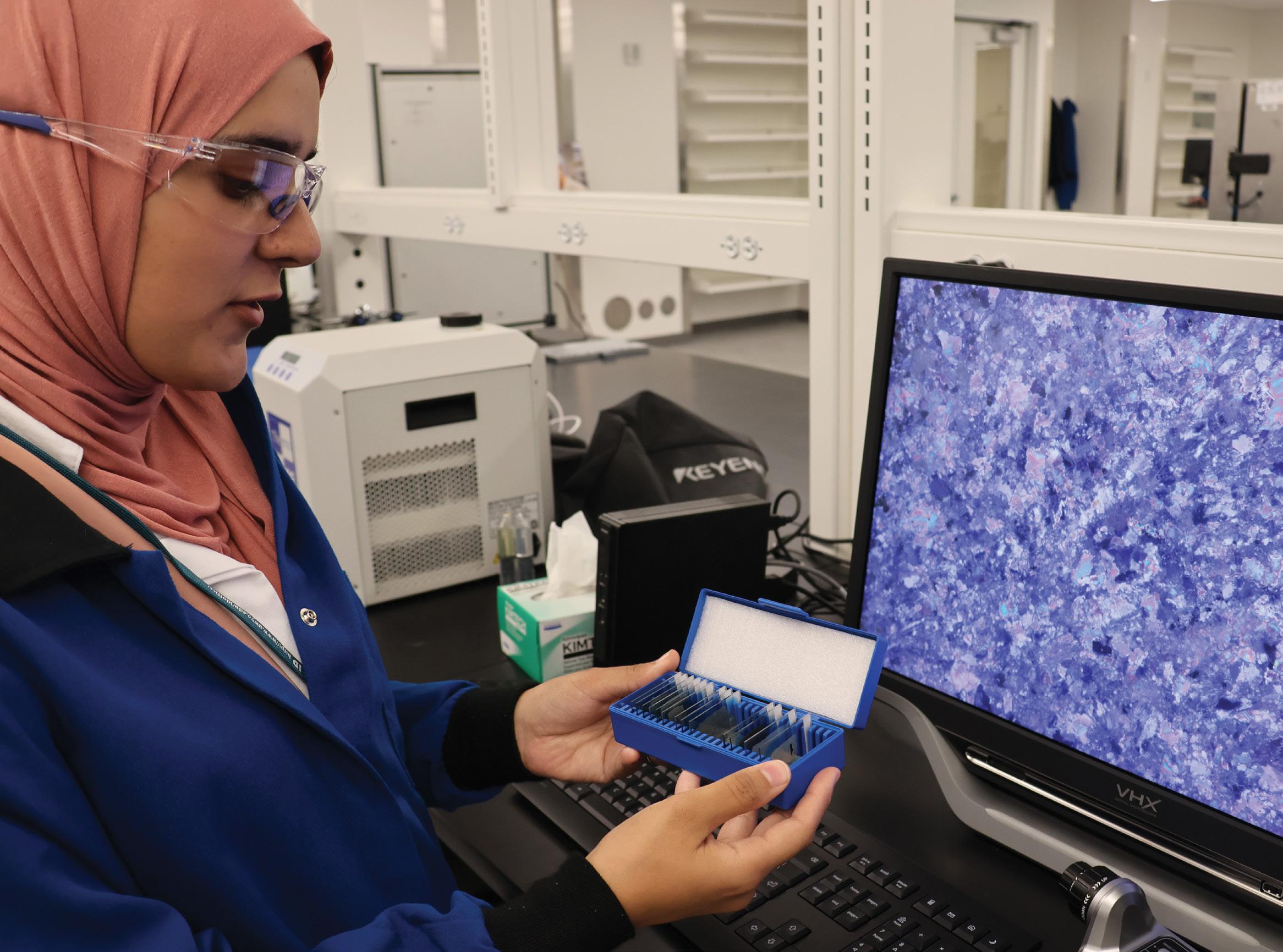
Petroleum engineering student Djihane Gourari uses digital microscopy to characterize the properties of complex mineral samples.
UW Land Surveying Program Recognized for Excellence by NCEES
This summer, the University of Wyoming Land Surveying Program was honored with a 2025 National Council of Examiners for Engineering and Surveying (NCEES) Surveying Education Award. A ceremony to present the award was held on campus Sept. 25, during which NCEES Western Zone Vice President Aaron Blaisdell praised the UW program, saying, “We applaud the program’s commitment to preparing students for professional practice.”
The UW Land Surveying Program is one of seven programs recognized nationally this year. The award is presented to programs with a breadth of curriculum that demonstrate excellence in helping their students attain professional licensure through engagement with field professionals and instruction in new technologies.
In particular, the awards committee judges programs based on student outcomes, student involvement, outreach and recruitment. These are benchmarks which UW Land Surveying Program Director Shelley Macy credits to the long-standing dedication of team members Spencer Cherry, Kelsey Fleener, Dave Hammond, Duncan Hotchkiss, Karen Meckel, Dennis Mouland and Danny Swain.
In addition to recognizing educational excellence, the NCEES award provides $10,000 in program funding. “The award will be used to bolster the program by offering more boundary and legal classes to students and deepen community college relationships with more collaborative
efforts to benefit students,” says Macy, who is also an assistant lecturer in the UW Department of Civil and Architectural Engineering and Construction Management.
Macy emphasized “how lifechanging the award can be for individuals, the choices they’re able to make in their careers and the pride they have in their professions.”
in land surveying on the horizon. In addition to fulfilling requirements for UW degree programs, many of the courses are required by programs at other institutions throughout the state for their degree and certificate completion as well.
As a further testament to its value across the field, the program not only serves students; it also helps licensed
The UW Cadastral and Land Surveying Program is Wyoming’s only route to land surveying licensure and is offered 100 percent online, serving over 100 students from across the nation and filling 450 seats in land surveying classes each year. Students can work toward a Cadastral Survey Certificate or a minor in surveying, with the rollout of a bachelor’s degree
land surveyors and those pursuing licensure to access materials for continuing professional development.
Join us in congratulating Shelley Macy and the PLS team for this award honoring their robust commitment to serving the community and excellence in advancing the NCEES mission of ensuring public safety through routes to professional licensure.
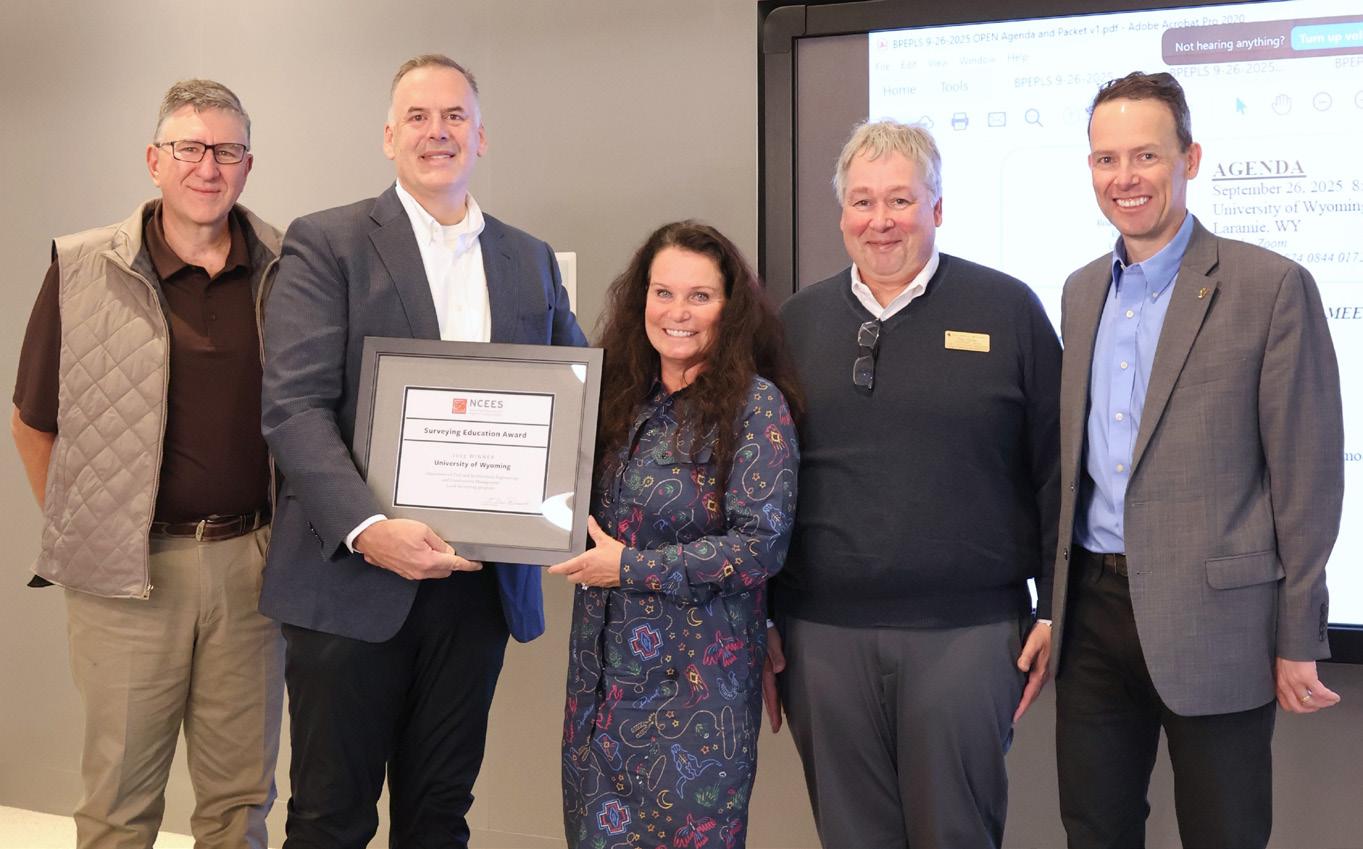
Aaron Blaisdell presents the NCEES Land Surveying Education Award to Shelley Macy at a ceremony on Sept. 25, 2025. Pictured left to right: Pictured left to right: Cevin Imus, land surveyor, Campbell County; Aaron Blaisdell, Western zone vice president, NCEES; Shelley Macy, director, UW Land Surveying Program; Tony Denzer, department head, UW Department of Civil and Architectural Engineering and Construction Management; Danny Dale, interim dean, UW College of Engineering and Physical Sciences.
Engineering a Legacy
A Tribute to Professor Samuel D. Hakes
By Tamara Linse
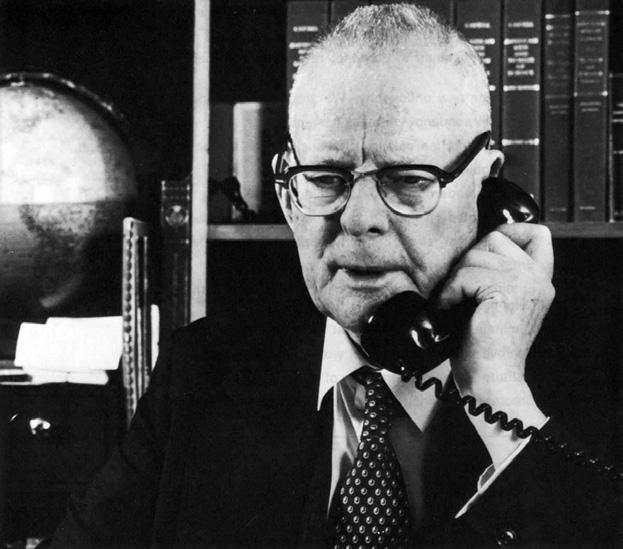
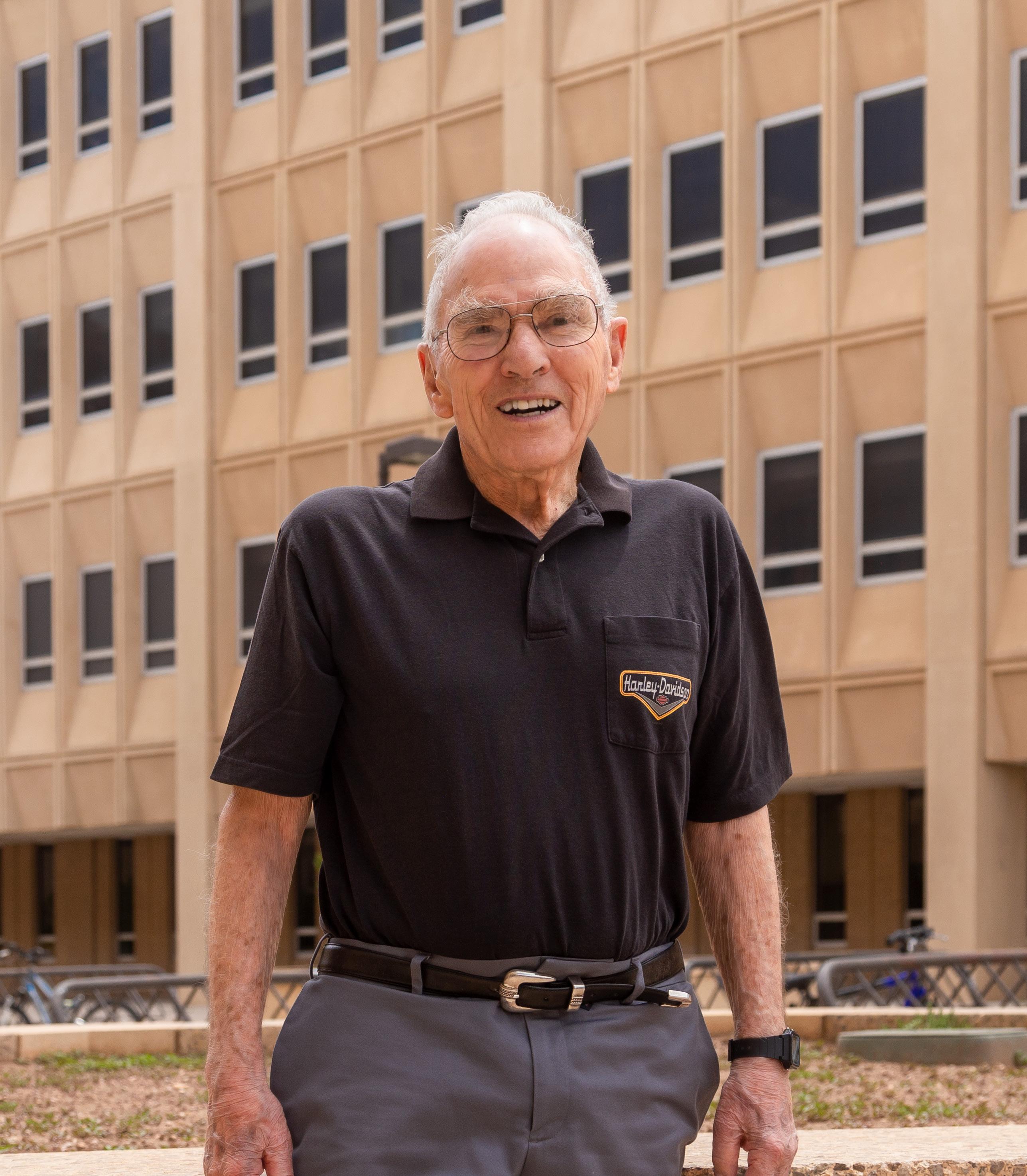
When Professor Samuel “Sam” D. Hakes passed away in 2002 — just one day shy of his 72nd birthday — the University of Wyoming lost a visionary whose impact continues to shape the College of Engineering and Physical Sciences today.
“In his 21 years as a highly respected outspoken dean at UW, he left no room for doubt where his priorities were — he fought hard for the College of Engineering in terms of academics and dollars,” noted the college’s Foresight newsletter tribute.
Born in 1930 in Manitou Springs, Colo., Hakes attended Western State College before enlisting in the U.S. Navy in 1950. He served with distinction during the Korean War as a radio operator in a PB4Y2 aircraft, participating in numerous combat missions and earning the National Defense Medal, China Service Medal and several battle campaign ribbons.
Following his honorable discharge in 1954, he earned bachelor’s and master’s degrees in electrical engineering at UW, graduating with honors and inducted into Tau Beta Pi. After completing his Ph.D. at the University of Iowa, Hakes
joined the UW faculty in 1958 as an instructor of electrical engineering and was promoted to professor in 1969.
A computing pioneer, Hakes became UW’s first Computer Center director. “In 1959, I started my computing experience on a vacuum tube machine with a temperamental drum memory,” he recalled. “There was no maintenance budget, so the university sent me to the factory to train, and I became not only the director but the maintenance engineer and soon opened the first programming classes to be offered in the state.”
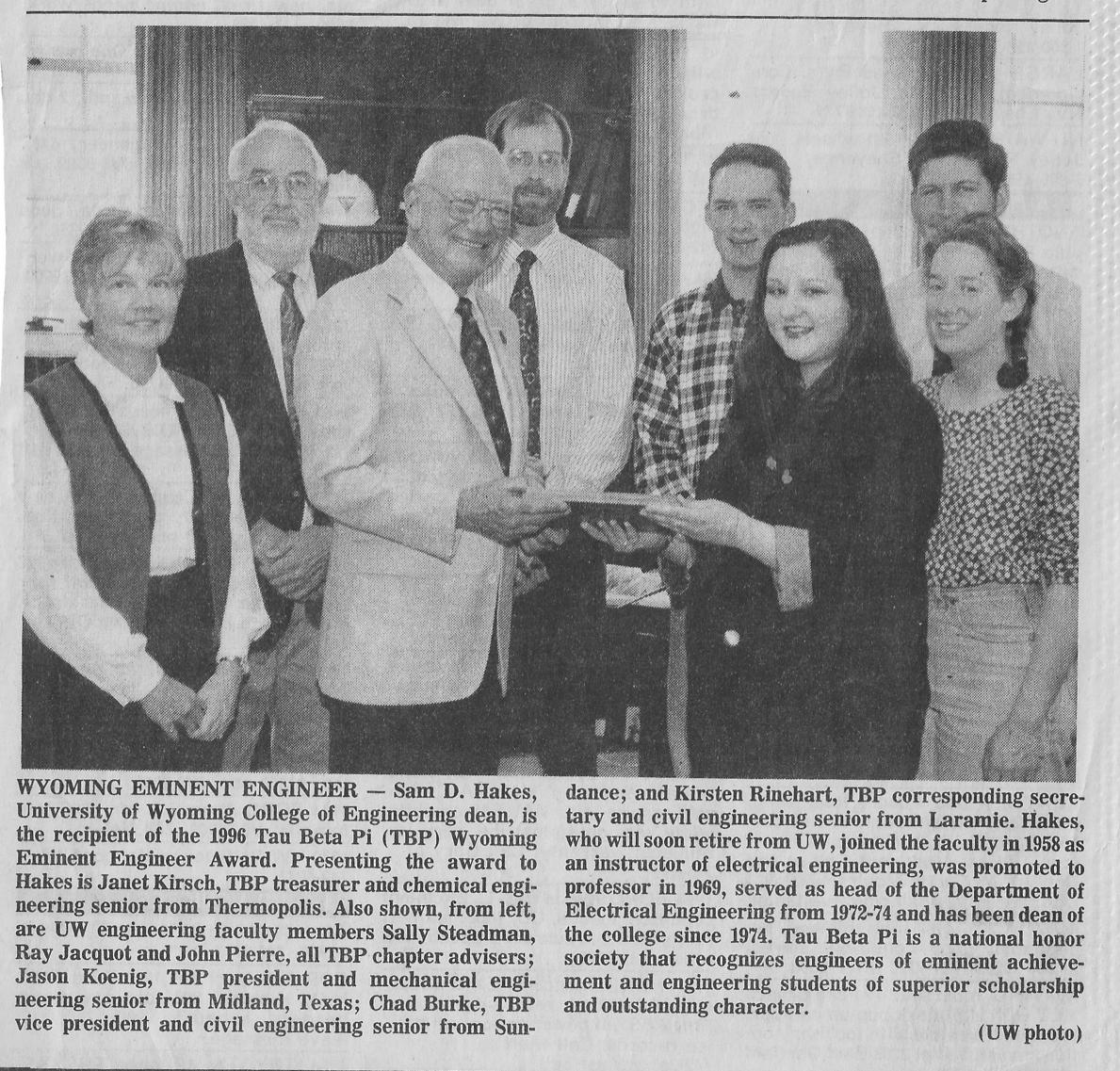
He served as head of the Department of Electrical Engineering from 1972–74 before becoming dean in 1974 — a position he held until his retirement in 1996. The year he became dean, he was named Outstanding Faculty Member, in 1996 he received the Tau Beta Pi Wyoming Eminent Engineer Award, and in 2025 he received the College of Engineering and Physical Sciences Distinguished Service Award.
Despite his administrative role, Hakes was never an “ivory-tower type.” His down-to-earth teaching style was described by former students as practical, creative and thought-provoking. His engineering expertise in electronic instrumentation design led to the development of the Tele-
Heart System for measuring heart rates and a highly effective athletic timer used for Winston Cup racing, rodeo, skiing and track events.
Hakes’s commitment to engineering education extended beyond the classroom. Beginning in 1990, he gave consistently to support the college through various endowments. In 1995, he established the Samuel D. Hakes Scholarship for
engineering students, with preference given to those who served in the U.S. armed forces and have financial need.
In 2025, the Samuel D. Hakes Sr. Memorial Endowment was created anonymously to honor his memory while supporting innovation, cutting-edge research, teaching programs, and industry partnerships at the College of Engineering and Physical Sciences.
“Through the creation of this endowment, the Hakes family is extremely grateful for the esteemed honor the University of Wyoming bestowed upon the legacy of Samuel Duncan Hakes Sr.,” says Barbara Hakes, his widow. “Support for this endowment creates a lasting impact on the university’s and college’s ability to prepare students with hands-on expertise to meet these rapidly changing needs.”
The legendary Professor Hakes was an engineer’s engineer whose contributions to UW and to engineering were immeasurable.
To contribute to the Samuel D. Hakes Sr. Memorial Endowment, visit bit.ly/samuelhakes or contact Teddi Freedman, director of development, at (307) 766-3967 or Teddi.Freedman@uwyo.edu .
TOUR THE UNIVERSITY OF WYOMING

COLLEGE OF ENGINEERING AND PHYSICAL SCIENCES

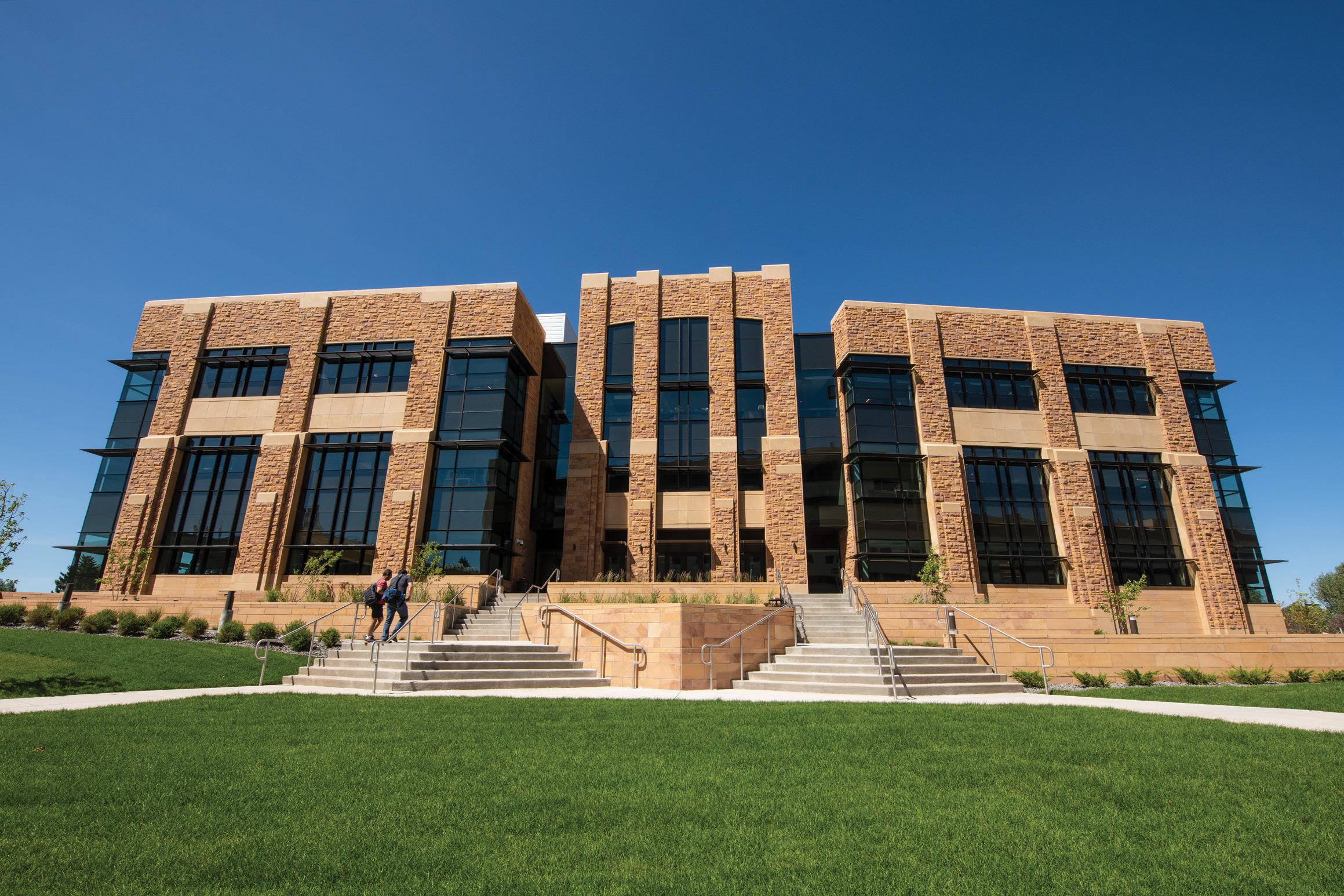
As part of the Front Range of the Rocky Mountains, the University of Wyoming o ers one of the most beautiful campuses in the nation. Our region’s natural beauty is matched with cutting-edge learning facilities that make for an unbeatable student experience. Our UW virtual tour o ers 360-degree panoramas of classrooms, residence halls, University of Wyoming facilities, outdoor spaces, and more!

Connect with the UW College of Engineering and Physical Sciences today at stem@uwyo.edu.
Historic Trip Promotes International Relations Through STEM Education Collaboration
This spring, College of Engineering and Physical Sciences Interim Dean Danny Dale participated in a historic celebration of healing relations between two international powerhouses.
In 1995, President Bill Clinton secured the normalization of diplomatic relations between the United States and Vietnam. Throughout those 30 years, many initiatives have helped to strengthen ties, including veterans who have returned to the country to aid in the recovery and repatriation of remains for both American and Vietnamese families and USAID’s efforts towards environmental rehabilitation from the use of Agent Orange.
This year marked the 30th anniversary of this landmark accord with an inaugural initiative cementing partnerships between American and Vietnamese academic institutions. Representatives from 21 United States universities met with faculty from 30 Vietnamese universities over the course of five days in early April.
The International Academic Partnership Program (IAPP) trip was funded by U.S. Mission Vietnam and organized by the Institute of International Education. The mission of the IAPP is to encourage academic partnerships through virtual exchanges and organized trips such as this one. Together with the other representatives from the IAPP Vietnam delegation, Dale traveled to Hanoi and Ho Chi Minh City, where they also met with Vietnamese Prime Minister Pham Minh Chinh. Topics of discussion included continued strengthening of scholarship programs, English language training and joint research funding, with a special focus on STEM research and exchange.
Dale reported that the trip was in some senses akin to speed dating, with site visits to 11 Vietnamese
institutions and several round tables that introduced the delegation to representatives from the full delegation of 30 institutions. However, there were opportunities for some in-depth exchanges to encourage collaborations on emerging technologies, such as semiconductors, and to launch a pilot project that will bring college students from Vietnam to the University of Wyoming. This latter program aims to recruit high-quality graduate students through a four-week immersive experience at UW, organized by the Global Engagement Office. Vietnam is currently the largest source of Association of Southeast Asian Nations students in the U.S., contributing more than $1 billion to the economy.
Dale was honored to represent the dedicated faculty and students of the University of Wyoming by learning from sister institutions and sharing our resources, opportunities and expertise. We look forward to seeing how these partnerships bear fruit in the coming years.
For more information, see: bit.ly/us-vietnam.
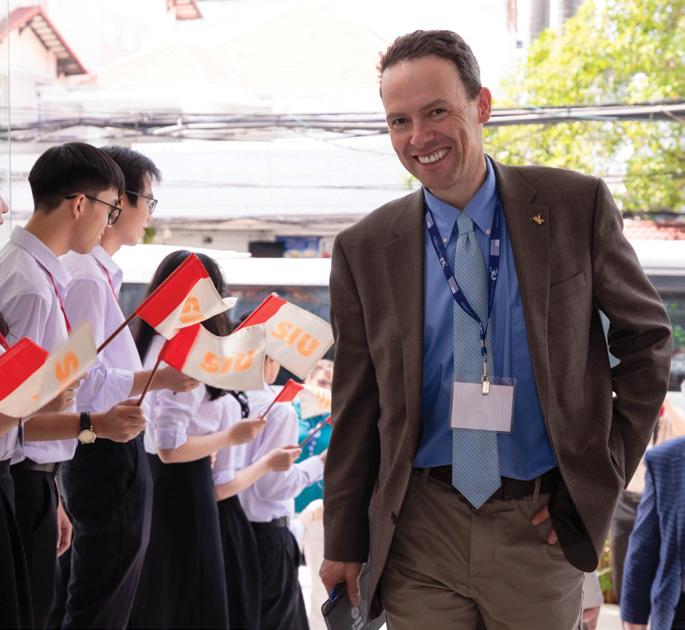
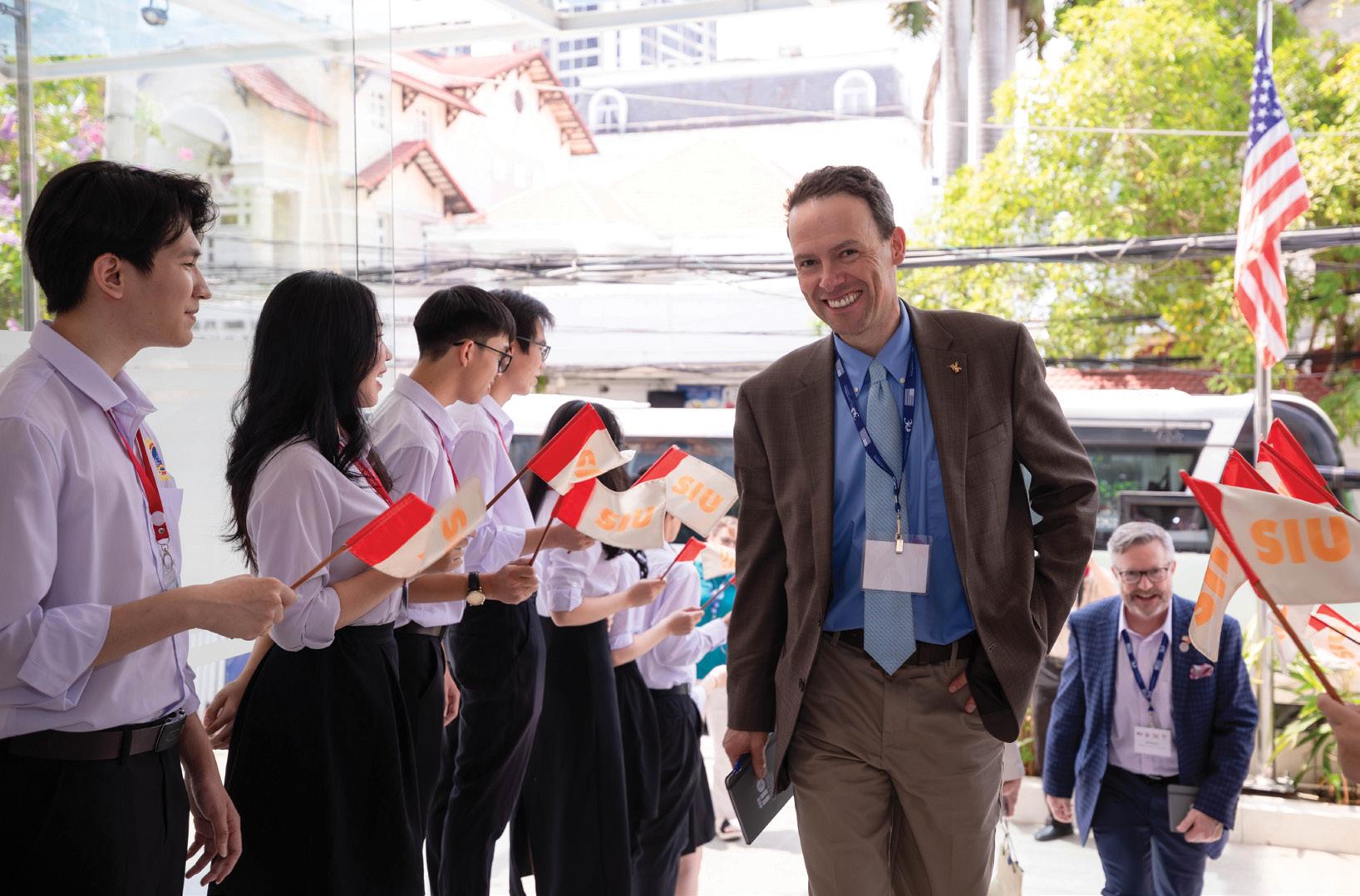
Interim Dean Danny Dale is greeted at Saigon International University in Vietnam as part of a historic delegation promoting increased collaboration in STEM research and educational exchange.
PHOTO COURTESY OF THE INSTITUTE OF INTERNATIONAL EDUCATION
PHOTO

GERRY MEYER Makes Possible a New Endowed Department Head Position
A gift to the University of Wyoming from retired UW professor and administrator E.G. “Gerry” Meyer, coupled with state matching funds, has created a new endowed fund — the E.G. Meyer Family Chemical and Biomedical Engineering Department Head.
This $2 million endowed department head position will elevate the department’s profile and the university’s reputation, helping to attract and retain a strong leader who is driven to move the department forward by fostering faculty excellence and supporting student success. Additionally, the position provides dedicated financial resources to support cutting-edge research, innovative teaching methods, special projects and other departmental needs.
“Few individuals have had as profound an influence on UW as Dr. Meyer,” UW President Ed Seidel says. “From shaping our campus to inspiring generations of students and faculty, his legacy is part of the very fabric of this university. This gift ensures that his passion for engineering and education will continue to drive progress for decades to come.”
Meyer was hired by UW President George Duke Humphrey in 1963 to serve as dean of the College of Arts and Sciences and as a professor of chemistry. His initial duties as dean were to finish raising funds and to oversee the construction of a science center. Meyer worked with Wyoming architects to design the science center, which consists of the Biological Sciences, Physical Sciences and Classroom buildings on the west side of campus. This massive project was completed in 1969.
Besides serving as the College of Arts and Sciences dean, Meyer filled other administrative roles at UW. He was appointed the university’s first vice president of research in 1976. Five years later, he served as director of the Science and
Mathematics Teaching Center. He retired in 1990.
A physical chemist, Meyer holds 14 U.S. and foreign patents. He is a past president of the American Institute of Chemists and an active member of the American Chemical Society (ACS), serving on the ACS National Council for 27 years. Meyer was a board member of the Chemical Heritage Foundation Board, the American Institute of Chemists, Associated Western Universities, and those of several private corporations.
In addition to his decades of service to UW, Meyer has generously supported the university with his philanthropy for nearly 50 years. He has named numerous funds, including the E.G. Meyer Family Staff Recognition Award and the William D. Carlson Excellence Fund. He also gifted a
“This gift ensures that his passion for engineering and education will continue to drive progress for decades to come.” — Ed Seidel
significant portion of his primarily Western American art collection to the UW Art Museum.
“We deeply appreciate Gerry’s generous and continued support of UW,” says John Stark, president and CEO of the UW Foundation. “His recent gift marks a significant milestone for the College of Engineering and Physical Sciences. This gift strengthens the ongoing efforts of the UW Board of Trustees, the UW Foundation and the UW administration to support faculty excellence. It will play a key role in attracting and retaining exceptional leaders in the department.”
Pulte Family Charitable Foundation Pledges Scholarships to UW Construction Management Students
Thanks to a generous new gift from the Pulte Family Charitable Foundation, two full-ride scholarships will now be awarded each year to community college students transferring into the University of Wyoming’s Construction Management program. Each William J. Pulte Scholar in Construction Management will receive an annual award, renewable for a second year, covering the full cost of tuition.
“These scholarships will be vital
in helping to support the pressing construction workforce need across Wyoming and also to support community college students, who might not have had an opportunity to attend UW,” says Francois Jacobs, the Roy L. and Caryl L. Cline Distinguished Professor in Engineering.
In establishing the fund, the Pulte Foundation expressed that it seeks to support “students who are
Assistant Instructional
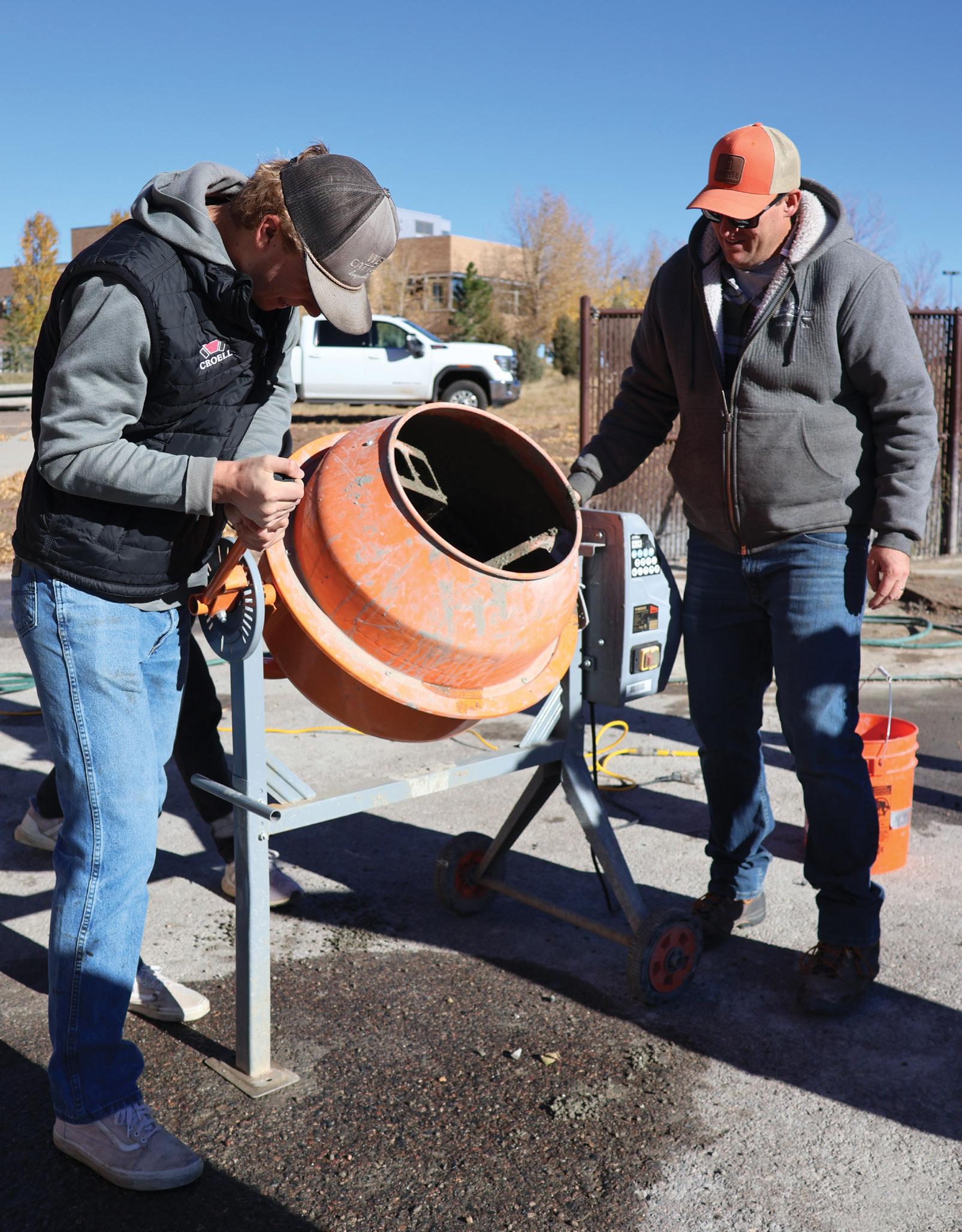
Professor Shawn Griffiths gives construction management student Lane Jones of Cheyenne, Wyo., pointers on the use of equipment during class.
passionate about and dedicated to the construction industry and who demonstrate a strong work ethic, ambition, integrity, humility and kindness.”
Eligible students must be Wyoming residents transferring from an in-state community college with a GPA of 2.8 or higher.
The Pulte Foundation’s investment comes at a pivotal moment for UW’s Construction Management program, which has seen noteworthy growth since its launch in 2019. In just six years, the program has expanded from 24 students to 200, and from one faculty member to six. The scholarships are designed to strengthen the pipeline between Wyoming’s community colleges and UW, ensuring that more students can pursue a four-year degree in a high-demand field.
The Construction Management program already maintains a strong partnership with Casper College, including co-taught courses that help smooth the transition for transfer students. The new scholarships will build on these efforts, opening doors for more Wyoming students to continue their education and to meet the state’s growing construction workforce needs.
The Pulte Family Charitable Foundation’s ties to both Laramie and the construction industry run deep, including through their recent purchase of Laramie’s Hilton Garden Inn. This property will be transformed into a Graduate by Hilton with 100% of profits funding humanitarian initiatives and local philanthropic programming. The Pulte Foundation has made significant philanthropic gifts to UW since 2023.
Svoboda Honored with Bowen Prize
Michael Svoboda, University of Wyoming class of 2013, has been honored with the inaugural Bowen Prize for Great Builders for his critical role in the planning and construction of the Broadway Bridge Replacement Project in Nashville, Tenn.
The award is issued by the Associated General Contractors of America (AGC) Education and Research Foundation to honor the under-sung heroes of the construction industry: “the leaders with boots on the ground, who, day in and day out, managed that critical construction project from planning through execution,” according to the AGC website.
Svoboda met the AGC’s criteria with flying colors, demonstrating excellence in leadership, customer service, jobsite safety and innovation in construction methods in his role as project manager at Kiewit Infrastructure South Co.
“In today’s great builders, we see state-of-the-art engineering, never-before-seen construction methods, leader-management at the forefront and a deep commitment to service to the community,” the AGC stated. “The Bowen Prize seeks to recognize those builders who are most responsible for extraordinary contributions to the built environment.”
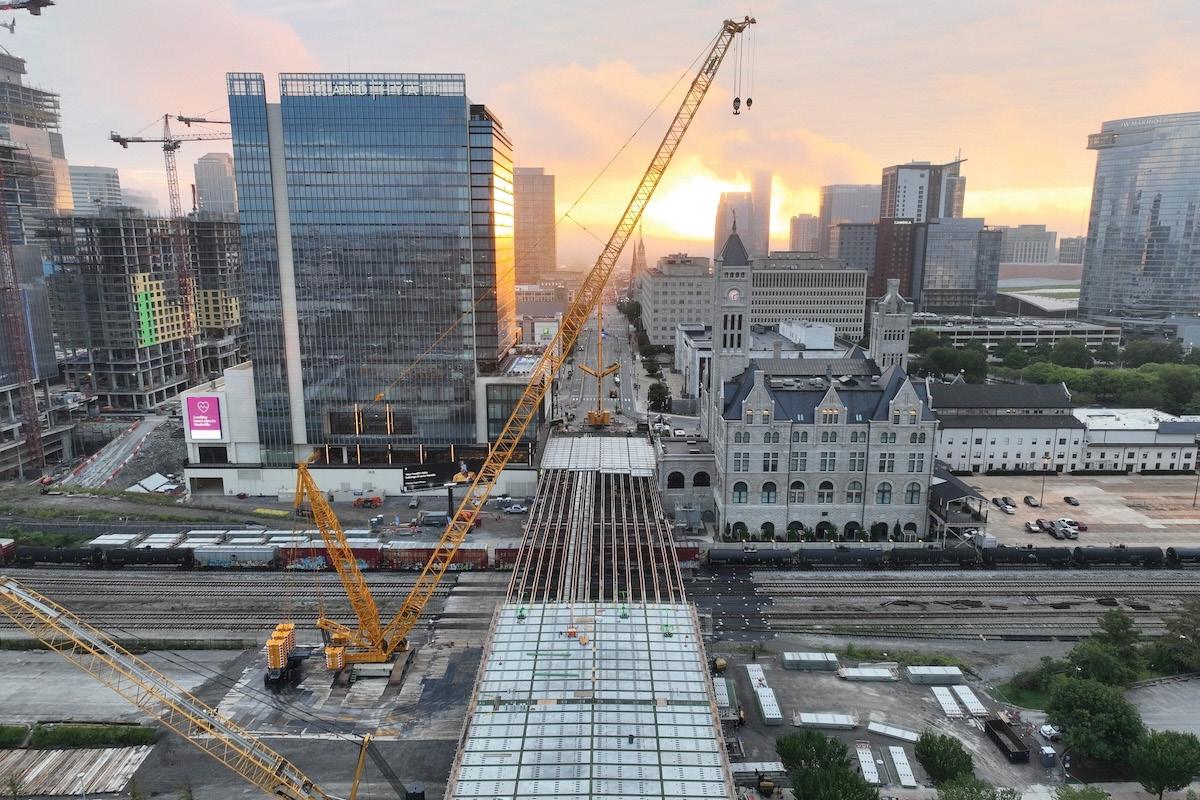
The Broadway Bridge Replacement Project certainly represents an extraordinary achievement. The $71.8 million project presented multiple unique challenges, including a remarkably short timeframe to replace one of the main thoroughfares into Nashville, which spans busy downtown city streets and five active CSX rail lines.
Svoboda’s team was allowed an eight-week closure to both demolish the original 75-year-old bridge and erect the new one. They completed the massive undertaking two weeks ahead of schedule without a single safety incident over the course of 110,000 work hours.
This impressive feat was made possible through outstanding planning and the use of novel techniques, including 3D plans and the construction and installation of precast concrete panels, allowing the new bridge to be built quickly with minimal disruptions. The substructure was built within one foot of the existing bridge while both the high-traffic highway and railway remained open. Demolition and addition of the superstructure proceeded during the closure.
Svoboda’s team also had to strategize around existing telecommunications lines and very tight quarters for guiding new sections into place, while also maintaining access to popular bridge-adjacent hotels on both ends. This required extensive coordination with multiple stakeholders to ensure minimal impacts on essential services.
This isn’t the first complex project for Svoboda, whose 12-year track record with Kiewit also includes emergency bridge repairs over the Nolichucky River in eastern Tennessee after Hurricane Helene. So, he was well-prepared for the project, both by his professional experience and by his UW education in architectural engineering.
Svoboda credits his professors at UW with helping him find his current career path and get connected to Kiewit.

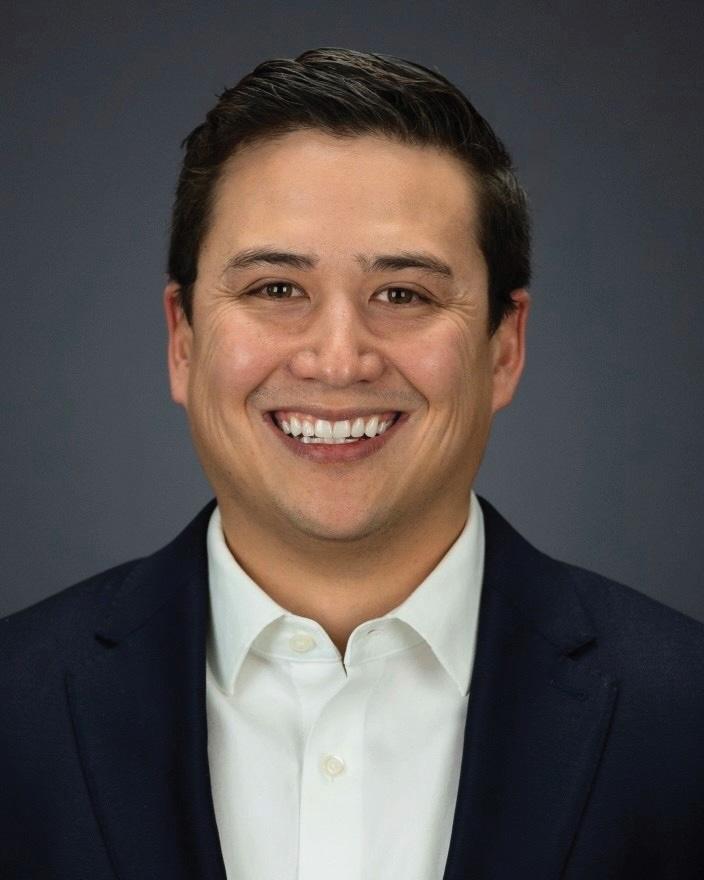
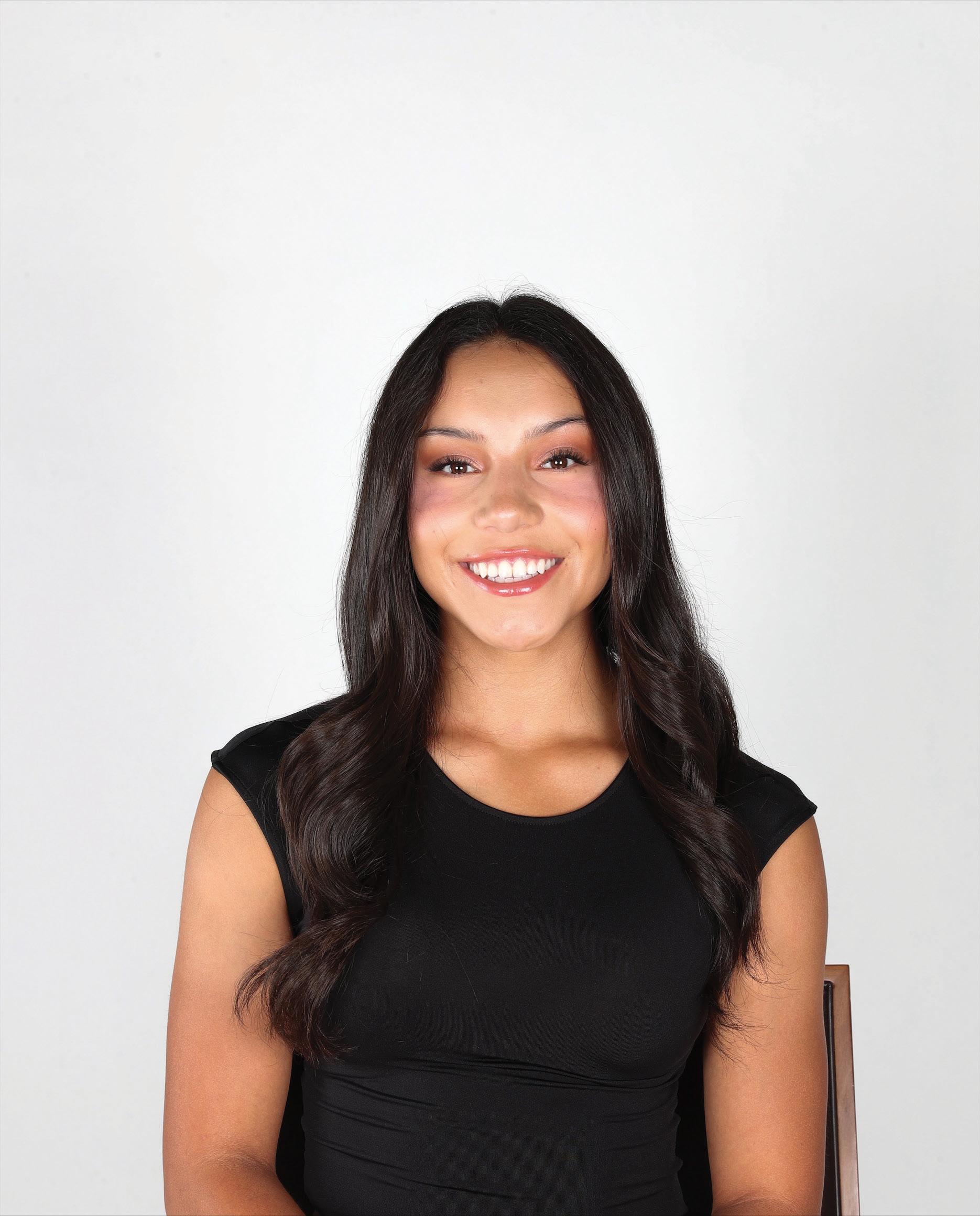
UW graduate and Kiewit project manager Michael Svoboda (left) spearheaded the Broadway Bridge replacement project in Nashville, Tenn.
PHOTOS BY KIEWIT CORPORATION
“There is a work ethic and passion for continuous improvement which I think gets instilled in students who graduate from the college.”
— Michael Svoboda
“Aside from just a great academic program, I think the culture of University of Wyoming’s College of Engineering helped prepare me for my current career,” Svoboda says. “There is a work ethic and passion for continuous improvement which I think gets instilled in students who graduate from the college.”
Not only does Svoboda embody that work ethic, which will inspire many future students, but he designated UW’s Construction Management program in the Department of Civil and Architectural Engineering and Construction Management as the recipient of his $50,000 Bowen Prize award. Donating the award funds to a construction education program of the awardee’s choice is stipulated
by the AGC, and the support will help one of UW’s newest programs make the most of its robust growth.
Francois Jacobs, the Roy L. and Caryl L. Cline Distinguished Professor of Civil and Architectural Engineering and Construction Management at UW, says, “The CM program has decided to require all CM students to engage in a minimum of one internship during their course of study. This funding will be used to strengthen the relationship between companies and our students and to also expand the internship platform in the program.”
Svoboda, who has continued his involvement at UW by serving on the Construction Management Industry Advisory Board, says it was a no-brainer to support his alma mater.
“It was just the natural choice. Being able to see what the program has done in a short time has been truly amazing to witness, and it is exciting to contribute in whatever little way I can. Once a cowboy, always a cowboy!”
To learn more about our ser vices and how we connec t student s and alumni with employers , contac t us at C E P SC areer Ser vices@ uw yo edu
The CEPS Career Services o ce played a huge role in helping me prepare for my future career in forensic science. Through resume and interview guidance, I gained the confidence and professional foundation needed to secure my internship with the Aurora Police Department’s Crime Scene Investigations Unit. That experience strengthened my passion for forensics and allowed me to apply my science background into crime scene investigation. I’m very grateful for the support and guidance I received from CEPS that allowed me to take steps that get me closer to my career goals.
- Sydnee R.
CEPS COLLABORATIONS GROW
This fall, Danny Dale, interim dean, has been globe-trotting from the American South, to Alberta, Canada, to Cardiff, Wales, cultivating new collaborations for the University of Wyoming’s College of Engineering and Physical Sciences (CEPS). At the top of the agenda for these visits were opportunities to partner on AI-enabled automated design and fabrication and attracting new talent through student exchanges.
Dale traveled to Atlanta, Ga., Sept. 17–18, along with UW President Ed Seidel and Vice President for Research and Economic Development Parag Chitnis to visit with representatives from Georgia Institute of Technology, including President Ángel Cabrera and Vice President of Commercialization and Chief Commercialization Officer Raghupathy “Siva” Sivakumar.
One special area of interest to CEPS includes Georgia Tech’s approach to encouraging entrepreneurship and innovation. Entrepreneurship is such a focus of this institution that it has even become a required component of Georgia Tech’s engineering curriculum. Also of interest was its Interdisciplinary Research Institute model and the construction of the new lab tailored for AI-enabled automated design and fabrication.
Dale’s trip to Wales in October marked a waypoint in the middle of UW’s five-year strategic partnership with Cardiff University. The partnership also involves the UW WWAMI Medical Education Program, the College of Business and the Haub School. Dale had the opportunity to tour Cardiff’s
state-of-the-art Translational Research Hub and evolving AI-enabled manufacturing facility. He also explored possible research collaborations in engineering as well as student exchanges and internships in physics and astronomy.
Also in the works for collaborations with the college are 2 + 2 agreements with Canisius University in Buffalo, N.Y., and Ames College in Greeley, Colo. Through the 2 + 2 program, students would complete the first two years of their studies at their home institutions before transferring to UW to finish the last two years of their degrees in engineering.
Such agreements have recently been signed between CEPS and Southern Alberta Institute of Technology in Calgary and Northern Alberta Institute of Technology in Edmonton with a particular focus on petroleum engineering.
This fall, UW’s Department of Energy and Petroleum Engineering hosted several students from Southern Alberta Institute of Technology on campus for Energy Day. Those students gave rave reviews of their UW experience, citing especially their appreciation for the people, the facilities and the town of Laramie, resulting in a high likelihood of transferring in the future.
These new collaborations herald exciting developments in keeping UW at the forefront of cutting-edge research and tapping into new sources of talented students for the college.
Interim Dean Danny Dale and UW representatives Isa Helfgott, Melissa Morris, Jeff Hamerlinck, Shelley Jewell and Shannon Albeke met with key representatives at Cardiff University in Cardiff, Wales, to discuss the ongoing strategic partnership with UW.
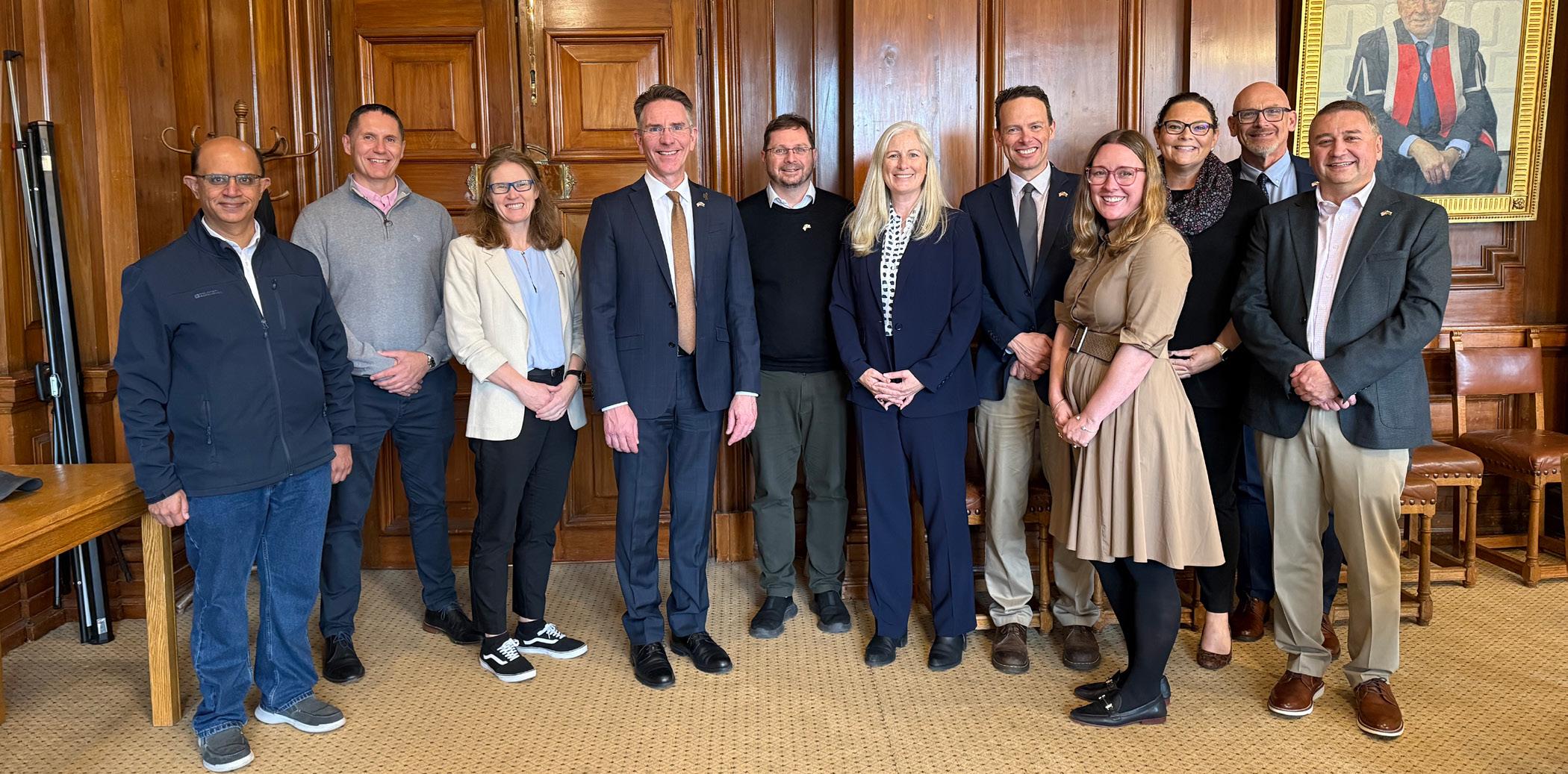
PHOTO COURTESY OF DANNY DALE
NEW FACULTY, FALL 2025
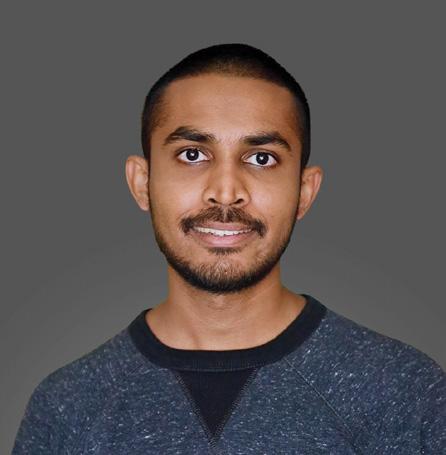
Heshan Aravinda is a lecturer in the Department of Mathematics and Statistics. Aravinda completed his Ph.D. in mathematics at the University of Florida in 2023 and has held visiting positions at Sam Houston State University and Willamette University, Oregon. His research interests lie at the intersection of discrete probability and analysis, with a special focus on functional inequalities and extremum problems involving convexity.
Sudipta Banerjee joined CEPS as a tenure-track assistant professor in the Department of Electrical Engineering and Computer Science this fall. Before coming to UW, she was a research assistant professor at New York University. She completed her doctoral studies in computer science at Michigan State University. Her research focuses broadly on biometrics and digital forensics with a special interest in AI and its applications to improve robustness and reliability of systems that use sensitive data and analyze its implications on security and privacy.
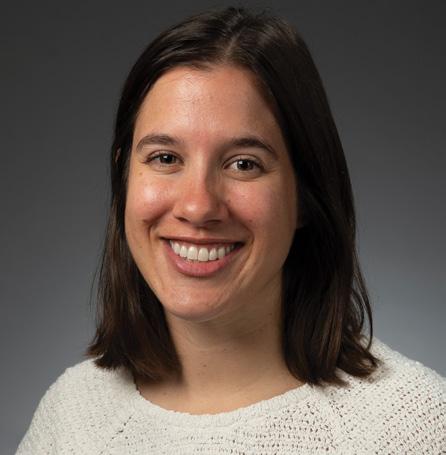
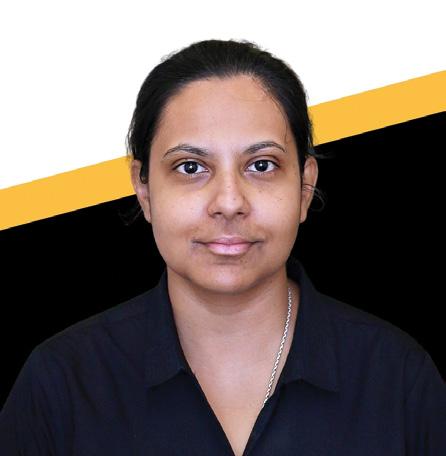
Bridget Benner was a Hibbitt Engineering Postdoctoral Research Fellow in the School of Engineering at Brown University before joining the UW Department of Mechanical Engineering as an assistant professor this fall. She received an A.S. in engineering from Bunker Hill Community College as well as her B.S., M.S. and Ph.D. degrees in mechanical engineering from the University of Massachusetts Amherst. Benner’s research seeks to provide a deeper understanding of and guidelines for design of renewable energy systems, including wind and novel energy extraction devices, using theoretical and experimental techniques. In her free time, she enjoys hiking, swimming and baking with her husband and young daughter.
Gerardo Freyre is an assistant instructional professor in the Department of Mechanical Engineering. Originally from Mérida, Yucatán, Mexico, he earned his B.S. in civil engineering and M.S. in civil/structural engineering from the Autonomous University of Yucatán. His doctoral research at UW focused on masonry wall behavior using computational (finite element) simulations. He is excited to share his passion for teaching and engineering with students, from helping freshmen and sophomores build strong foundations in introductory computing courses, to guiding upper-level students through advanced topics finite element analysis, and mentoring seniors through their year-long senior design projects.
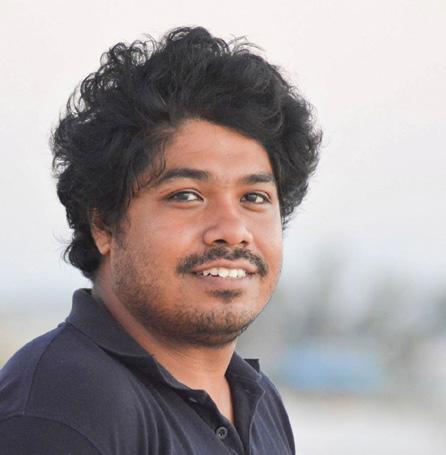
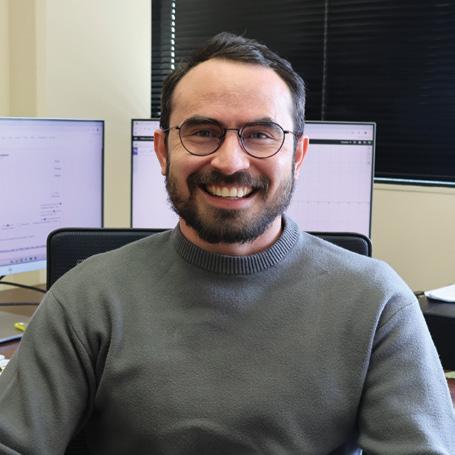
Md Abul Hasnat is an assistant professor in electrical engineering and computer science. He previously served as a postdoctoral research associate at the University of Virginia. His research focuses on developing signal processing techniques to enhance the security, reliability and resilience of energy systems and other critical infrastructures. He works on smart grids with modern sensing technologies, addressing challenges such as situational awareness under uncertainty, risk-aware decision-making and multi-resolution sensor data analytics. He also explores heterogeneous data analysis across smart city components and power system cybersecurity.
Vinit Katariya is an assistant professor in the Department of Electrical Engineering and Computer Science and the School of Computing at UW. He previously served as a postdoctoral researcher at the University of North Carolina-Charlotte, collaborating with academic and industry partners on artificial intelligence and machine learning applications for intelligent transportation and smart city systems. His research spans computer vision and applied machine learning, with an emphasis on multi-modal fusion, interpretable deep learning models and efficient edge deployment. His prior work includes developing real-time, resource-constrained artificial intelligence/computer vision systems that enhance traffic safety and strengthen resilient infrastructure.
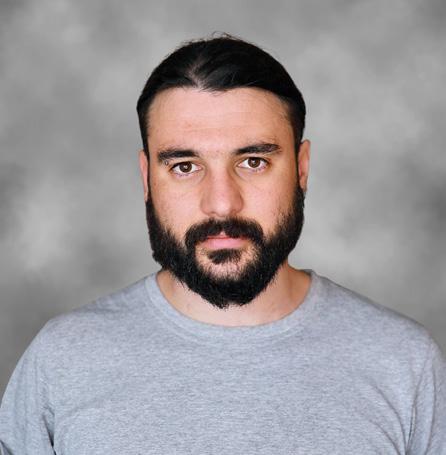
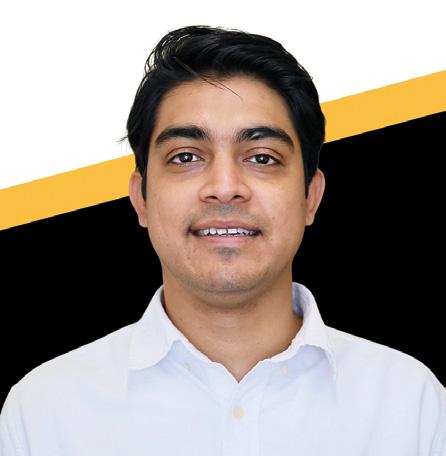
Kostas Kydoniatis graduated with his Ph.D. in mathematics in August 2025 from Kansas State University, where he served as a graduate teaching assistant since 2019.
Kydoniatis is an assistant professional lecturer in the Department of Mathematics and Statistics.” His work is focused on the Hardy-Littlewood circle method and the Davenport-Heilbronn method. Kydoniatis is currently the coordinator of Calculus 3 and of the math compartment of CASM. His hobbies include hiking, painting and TTRPGs.
Pei Li is an assistant professor in the Department of Civil and Architectural Engineering and Construction Management at UW. He was a scientist at the University of WisconsinMadison. His research interests include traffic safety prediction, knowledge-driven artificial intelligence, transportation digital twins, vehicle trajectory planning and human factors.
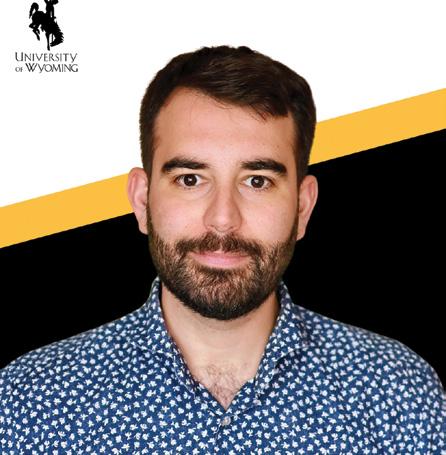
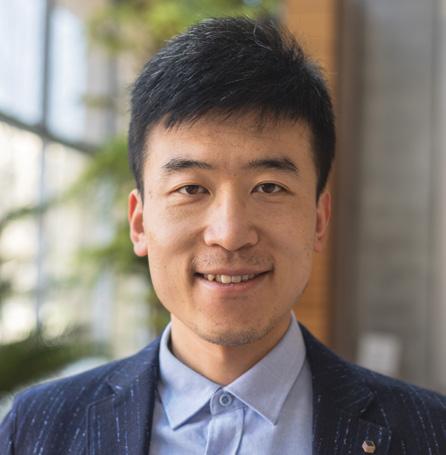
Konstantinos Mamis is an assistant professor of applied and computational mathematics. Mamis came to UW after a three-year postdoctoral appointment in the Applied Math Department at the University of Washington. He is interested in stochastic modeling that can adequately describe the dynamics and evolution of real-life physical and biological phenomena. His current research focuses on mathematical epidemiology and oncology, with applications such as the spread of communicable diseases under environmental uncertainties, the disruption of homeostasis in early tumorigenesis, and the dynamics of biomarkers in the blood for early cancer detection.
Liane Moreau is an assistant professor in the Department of Chemistry. She has degrees in material science and engineering from Cornell and Northwestern universities, where she explored both properties of nanoparticles and X-ray characterization. During her postdoctoral fellowship at Lawrence Berkeley National Laboratory, she was introduced to actinide chemistry. Her research focus since then has been about synthesizing and characterizing radioactive nanoparticles to explore how to make nuclear fuels safer and more efficient and environmental remediation more effective.
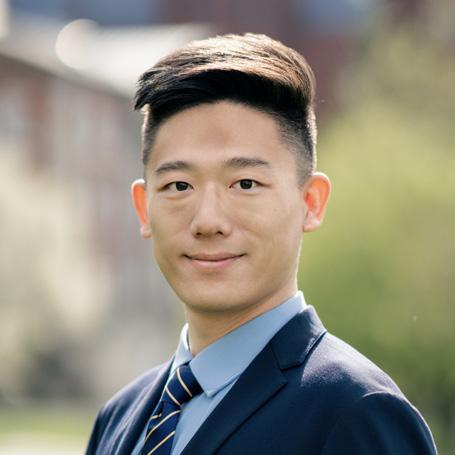
Yibo Wang recently earned his Ph.D. in computer science from Syracuse University and has joined UW as an assistant professor in the Department of Electrical Engineering and Computer Science. His research focuses on blockchain systems security, particularly the detection of vulnerabilities in decentralized transaction processing and the design of defenses to strengthen blockchain infrastructure. He also explores broader topics in system and device security.
SPRING 2025 COLLEGE AWARDS BANQUET
Top Honors Awarded
The College of Engineering and Physical Sciences and the Wyoming Alpha chapter of Tau Beta Pi, the national engineering honor society, has announced the award recipients for 2025. The awards were presented at the annual College of Engineering and Physical Sciences Awards Banquet this spring semester at the Marian H. Rochelle Gateway Center. The College of Engineering and Physical Sciences would like to congratulate this year’s award recipients.
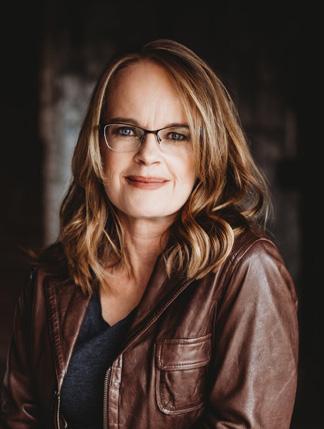
Lifetime Achievement Award – Wyoming Eminent Engineer or Scientist
Angie Schrader, a 2000 mechanical engineering graduate, began her career as a System Engineer for Raytheon Missile Systems in Tucson, Arizona before returning to Wyoming in 2008. Since that time, Schrader has built up several highly successful Wyoming-based startup companies, including Firehole Composites (now Autodesk), which develops engineering software for finite element analysis of composite materials. She then co-founded Flowstate, which builds software for leak detection in oil and gas pipelines. In just five years, Flowstate has developed relationships with some of the nation’s leading midstream companies. Schrader serves on the UW CEPS Dean’s Council as well as the UW-Casper Bachelor of Applied Sciences Advisory Board.
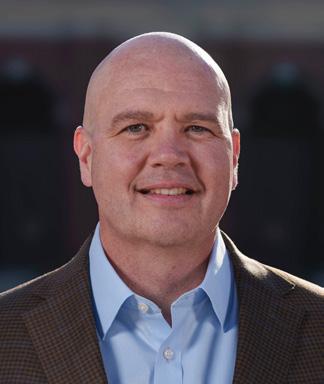
Lifetime Achievement Award – Alumnus Eminent Engineer or Scientist
Colonel Jason Vap, an electrical engineering graduate from the classes of 2002 and 2004, has served in the Air Force for over 30 years. As Commander of the 804th Test Group at Arnold Air Force Base in Tennessee, he currently oversees the execution of developmental tests on a wide range of aerospace systems. Colonel Vap’s distinguished career includes service roles as the lead flight test engineer on the
Airborne Laser, Deputy Mission Commander on Open Skies Treaty Flights, overseeing ejection seat and weapon system ground testing as commander of the 846th Test Squadron at the Holloman High Speed Test Track, Program Manager in the F-35 Joint Program Office, and Senior Military Assistant to the Air Force Chief Scientist in Washington, D.C.
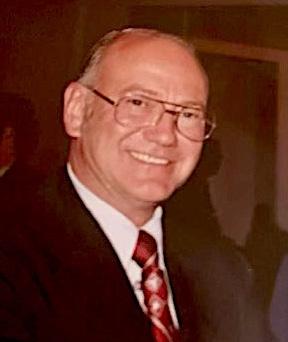
Lifetime Achievement Award – Distinguished Engineer
Samuel D. Hakes, an electrical engineering graduate from the classes of 1957 and 1958, went on to rise through the ranks at UW from lecturer to full professor in electrical engineering and then Department Head, and Dean of the College of Engineering, faithfully serving in that capacity until his retirement in 1996. Hakes holds multiple patents in electronic instrumentation design, including for a portable cardiotachometer, an athletic timer, and instruments used in aerospace, telemetry, and computer systems. Hakes was initiated into the national engineering society, Sigma Tau (now Tau Beta Pi). Throughout his career and until his passing in 2002, Hakes continued to support the college, including through the establishment of a teaching award in his name.
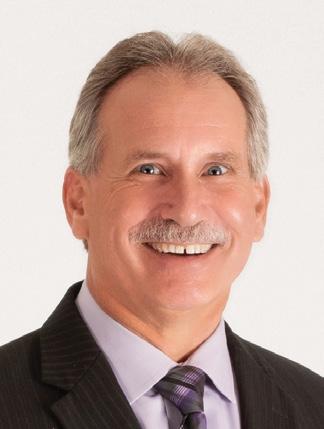
Lifetime Achievement Award - Hall of Fame
Kathryn Hitchcock, a 1996 chemical engineering graduate, was commissioned in the United States Navy, where she served as Nuclear Propulsion Plant Watch Officer, Officer of the Deck, and Reactor Mechanical
Division Officer onboard a carrier ship. She then taught at the US Naval Academy at Annapolis while simultaneously completing a masters degree in mechanical engineering. Following her time in the navy, Hitchcock earned a Ph.D. in Biomedical Engineering in 2010 and her M.D. in 2012. She joined the faculty of the University of Florida, where she now runs an active clinical research program with a focus on the engineering of radiation oncology with an emphasis on the use of AI, as well as running a vigorous cancer clinic.
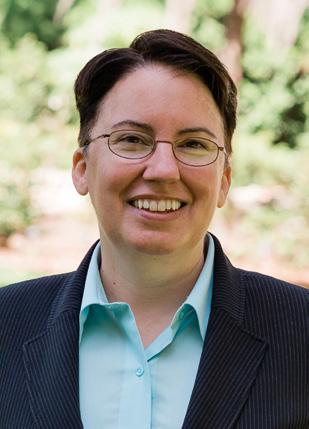
Lifetime Achievement Award - Hall of Fame
Joe Leimkuhler holds a masters of science degree in petroleum engineering from UW. He is a seasoned oil and gas industry executive with over 44 years of extensive experience in offshore drilling, well engineering, and production operations. Leimkuhler currently serves as Chief Operating Office at Beacon Offshore Energy, overseeing all offshore operations, engineering, and projects, including deepwater production. Throughout
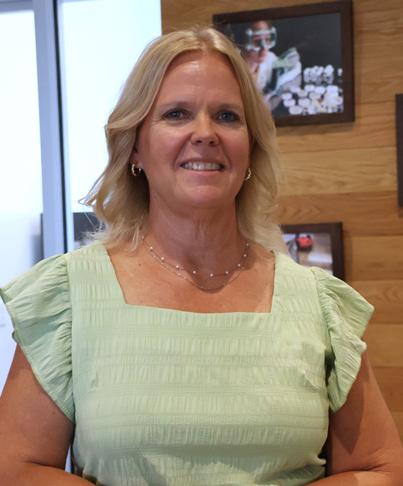
his career he has remained dedicated to ensuring the highest safety and environmental standards in the energy industry. He also currently serves as Chairman of HWCG Well Containment Corporation, Chair of the National Ocean Industries Association, and the National Advisory Board for the College of Engineering and Physical Sciences.
Outstanding Faculty
Award
• Outstanding Undergraduate Teaching Award: Christina Grace Knox, Associate Lecturer, Department of Mathematics and Statistics
Outstanding Staff Awards
• Tau Beta Pi Outstanding Staff: Tricia Olson, Office Associate, Department of Chemistry
• College of Engineering and Physical Sciences Outstanding Staff: Jo Marie Paintin, Business Manager, Dean’s Office
Outstanding Student Awards
• Joint Engineering and Physical Sciences Council Outstanding Senior: Annalise Nicole Gade, Worland, Wyo.
• Wyoming Engineering Society Student Engineer of the Year: Abigail Gruner, Casper, Wyo.
• Tau Beta Pi Outstanding Member: Kayla Ketterling, Cheyenne, Wyo.
Longtime Business Manager Megan Barber Retires
Mēgan Barber was a University of Wyoming dynamo for 21 years, spending the last decade of that time as director of business operations for the College of Engineering and Physical Sciences. Barber retired from the college in early September 2025.
A UW alumna herself, Barber found a home at the university, working for seven different deans across campus during her tenure. Barber’s leadership has been a backbone for the college during critical phases of its development, including coordinating the establishment of a centralized business office, overseeing the initial interior design and building management of the Engineering Education and Research Building, and coordinating the incorporation of the new physical sciences departments into the college. While Barber loves Laramie for its beautiful summers and bountiful outdoors, she doesn’t plan to take it easy in retirement. Instead, she will be focusing on growing her own public accounting consultation firm. Barber has left an indelible imprint on the college, helping it grow into the strong and vibrant organization that it is today.
Earth Work Solutions
ENGINEERING ALUMNI HELP POSITION WYOMING AT FOREFRONT OF THE NATION’S MINING AND ENERGY SECTORS.
A Wyoming Success Story
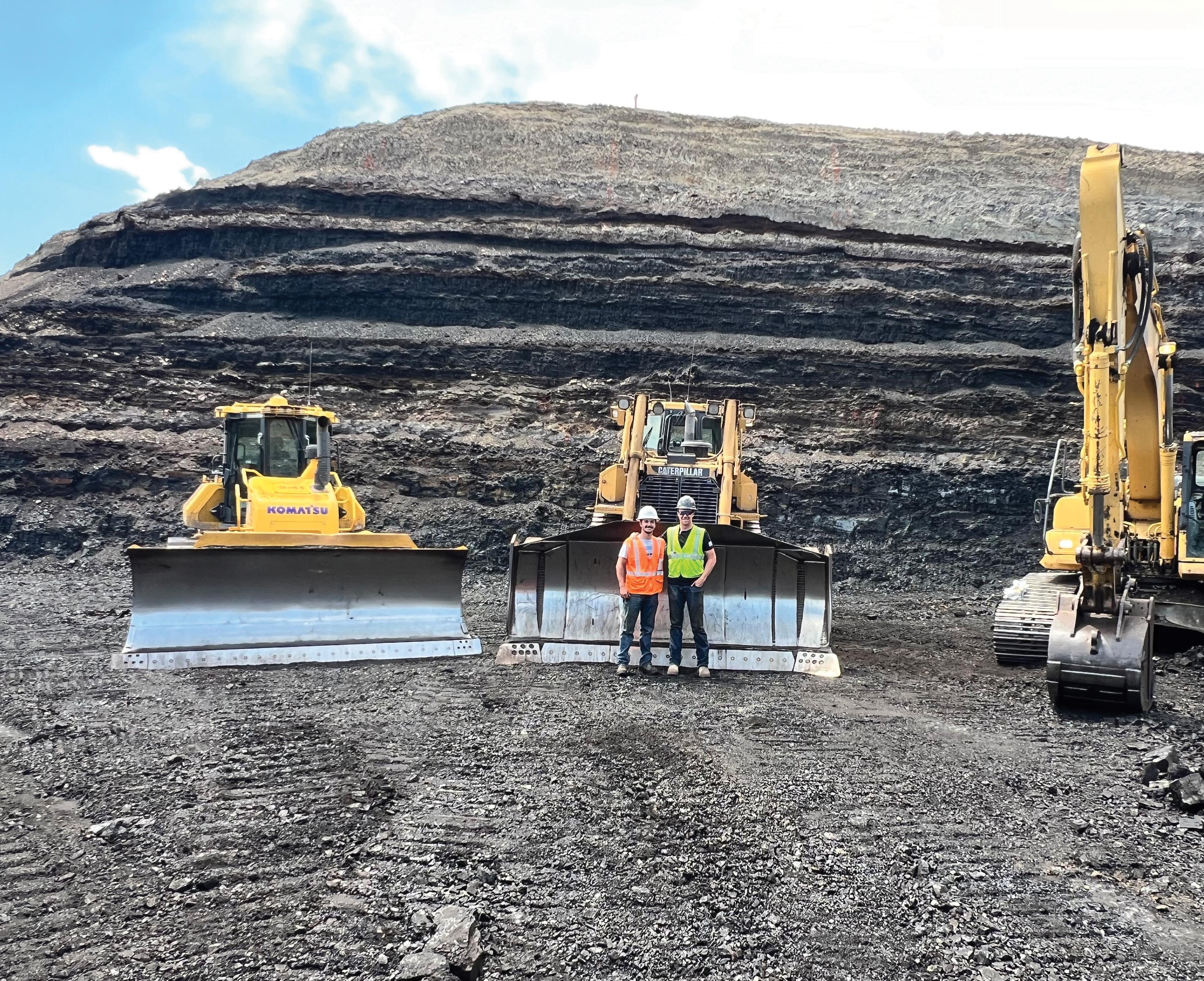
University of Wyoming civil engineering alumnus Tyler Miller has been at the helm of the Gillette-based construction company Earth Work Solutions since 2006. Founded in 1970 as Osborne Brothers Construction, the company focused primarily on oilfield projects during its first decade in operation. Since that time, Earth Work has undertaken over 250 construction projects which run the gamut from mine contracts, state highway work, municipality projects, county work, private site work, major railroad projects, coal-bed methane development, reservoir dam safety and abandoned mine reclamation.
During Miller’s tenure as CEO, Earth Work has gained regional prominence, expanding services to include surveying, computer aided drafting, engineering, value added design and construction management.
Over the course of just this past year, Miller has taken on
some projects of significant national importance. For example, Earth Work was awarded the contract for preparing the site for the Natrium Nuclear Facility in Kemmerer, Wyo. — a major development for energy production in Wyoming that stands to become a national model for sustainable clean energy. The Earth Work team has engaged in grading, site stabilization and excavation at the site, maintaining a commitment to safety, sustainability and environmental stewardship.
Earth Work also recently completed major work for the opening of Ramaco’s Brook Mine for rare earth elements in Sheridan, Wyo. — the first new coal mine to open in the last 50 years and the first rare earth mine to open in the last 70 years.
The Brook Mine is one of only two such mines in the United States and is believed to house the nation’s largest unconventional deposit of rare earth elements and critical minerals sourced from coal and carbonaceous ore. This
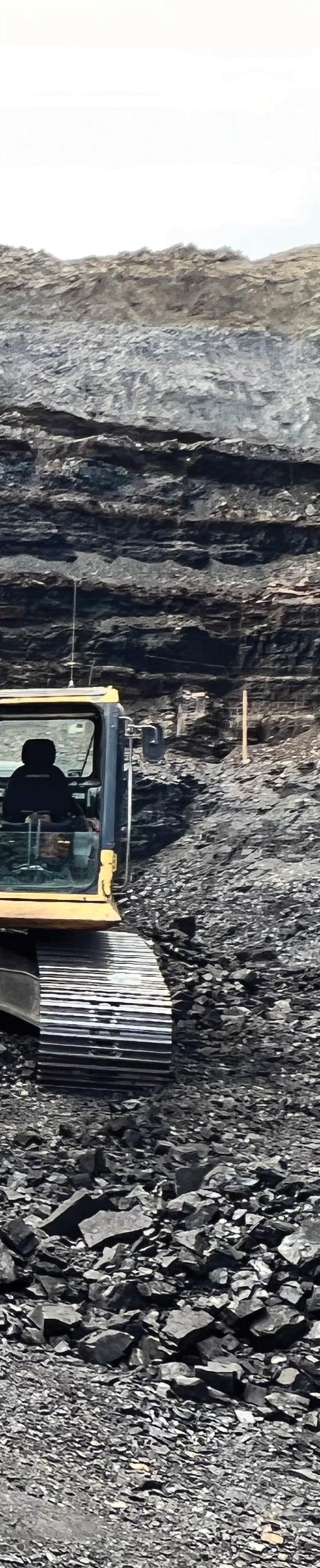
means that the mine stands to play a major part in reducing the nation’s dependence on foreign critical minerals, especially on China, which is currently the primary source globally.
Rare earth elements are critical to the production of emerging technologies, including providing the power source for electric vehicles, so the mine will position Wyoming at the forefront of national security and the technology industry.
For the Brook Mine project Earth Work built roads, handled heavy excavation, provided reclamation services and installed necessary infrastructure, which is to say that Earth Work has been essential to the successful opening of the mine.
Miller is rightfully proud of the enormous strides taken by the company in recent years, especially in stepping up to meet rigorous industry standards as a subcontractor for global contracting giant Bechtel Corp.
“Earth Work Solutions is a Wyoming company, building Wyoming projects, with Wyoming workers,” he says. “It doesn’t take importing out of state contractors to build Wyoming; there are a lot of outstanding companies already here. The money spent on these projects with Wyoming companies stay in Wyoming. Being the first company on-site performing the groundbreaking on these two projects has been amazing for both the learning experience and seeing the growth of our business.”
Cultivating Local Talent
Miller is a Cowboy’s cowboy, dedicated to giving back and providing opportunities. He earned his bachelor’s degree in civil engineering in 1993 and master’s degree in civil engineering in 1995 from the University of Wyoming, specializing in transportation and geotechnical engineering. In 1998 he became a registered professional engineer and was named Wyoming Small Businessman of the Year in 2018.
Miller serves on the boards of the YES House Foundation, Gillette Rotary Club, the Society of Mining Metallurgy and Exploration and First National Bank of Gillette.
Moreover, Miller is dedicated to providing opportunities to other UW engineering graduates. He says, “Hiring UW students and alumni is very important for me personally
because I know they already love Wyoming and support our values. UW engineering students are very competent and have proven to be very effectively educated and easily trained.”
Among the Pokes currently employed with Earth Work are UW engineering students Mason Miller, Brock Hinkle and Logan Dymond, as well as alumni Zach Bradley (2024) and Joel Klaassen (2025).
Tyler’s son Mason has been working for Earth Work since he was 14, when he would collect pallets and run parts. Now a civil engineering major at UW, Mason was on the team which helped to prepare the Kemmerer nuclear project site.
“We were the first people on site, which was surreal considering how much of an impact this project will have for Wyoming when it opens in 2030,” he says. “From building silt fence and stripping topsoil to helping with the project management and surveying, I got so much experience and can also say that I was part of the ground-breaking crew for a historical Wyoming development.”
From that project, he moved on to the Brook Mine site, where he has been working with a crew of three other UW students and alumni.
“I love this project because it’s three of my college buddies and me opening a new mine, with the oldest person being 23. It goes to show how competent UW students are and the variety of jobs students can have that go to school there,” Mason says. “When we started this job, I didn’t think it was a big deal, and we were just going to dig a large hole in the ground, but the farther along we got, the more serious it became…turns out [for the mine’s ribbon-cutting], the United States secretary of energy, both Wyoming senators, and our Governor [came], and that’s when I realized it was a big deal. It’s pretty cool to have that publicity when I was just having fun playing in the dirt with my three college friends from UW.”
Joel Klaassen is the superintendent and operator on the Brook Mine project. Now in his ninth year with Earth Work, he credits Tyler with giving him the push he needed into civil engineering while he was still a student at UW.
“I haven’t looked back since,” he says. From summer laborer to operator and now to superintendent, Klaassen credits his preparation at UW, and especially classes taken with Assistant Instructional Professor Shawn Griffiths in geotechnical engineering and AutoCAD, with his success on his current career path.
“Working on this project — and others like the first nuclear facility in Kemmerer, Wyo., has shown me just how involved Earth Work Solutions is in shaping Wyoming’s future. From rare earth minerals to next-generation energy projects, I’m proud to be part of a team that’s helping lead the industry.”
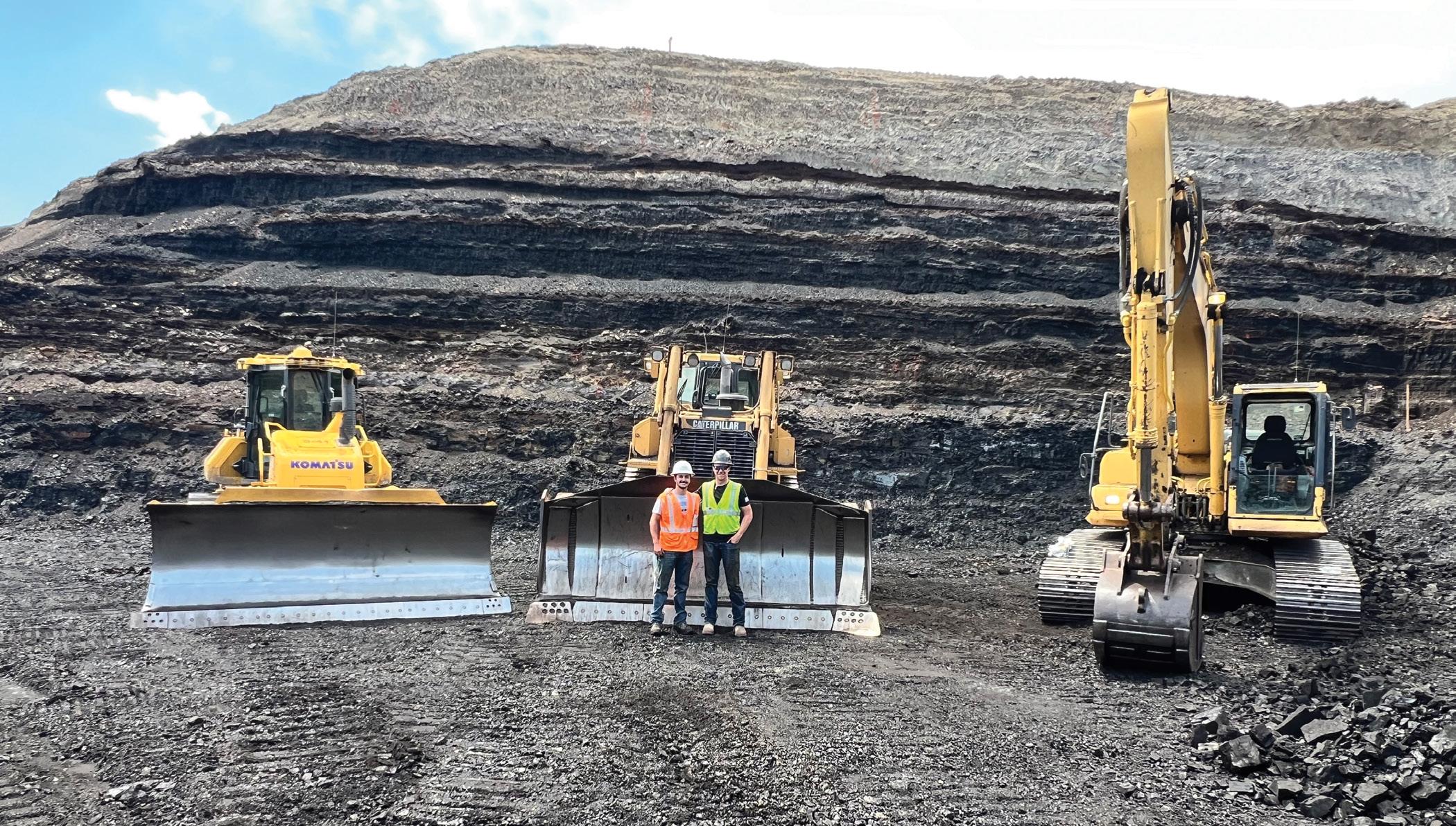
Mason Miller and Joel Klaassen at the Ramaco Rare Earth Mine in 2025.
We regret to announce the passing of the following alumni. May 2024 – October 2025
Hal Amick Sundance, Wyo.
Robert C. Baldridge Mesa, Ariz.
Darrell G. Bassett Ogallala, Neb.
Robert C. Bergman Conifer, Colo.
Lawrence R. Bishop Ann Arbor, Mich.
Richard D. Blaha Gering, Neb.
Peter A. Borgo Santa Fe, N.M.
Kenneth R. Brittain Casper, Wyo.
Richard R. Brosius Stratford, Conn.
David E. Brown Washington, DC
Lynn A. Brown Ellensburg, Wash.
Ronald E. Brown Saint Paul, Minn.
Michael P. Bunten Cheyenne, Wyo.
William Butkovich, Jr Dubois, Wyo.
Donald A. Carlson Cheyenne, Wyo.
Virgel D. Carr Athens, Texas
Larry K. Claypool Cheyenne, Wyo.
Donald R. Cutler Portland, Ore.
Dale E. Ellis Columbus, Ga.
David J. Evanson Carson City, Nev.
Donald L. Fanning Winchester, Tenn.
Brian A. Foley Califon, N.J.
William A. Ford, Jr Allegany, N.Y.
William G. Foy Cheyenne, Wyo.
Thomas F. Hamm Cheyenne, Wyo.
Bill Heink Merritt Island, Fla.
John H. Heitman Loveland, Colo.
Lee F. Higginson Rochester, N.Y.
L. D. Hillberry Craig, Colo.
Gordon R. Houston Houston, Texas
Richard F. Humphreys Laramie, Wyo.
Juan R. Ibarra Phoenix, Ariz.
John T. Jamison Steamboat Springs, Colo.
Wayne L. Johnson Rock Springs, Wyo.
Richard F. Karstoft Cheyenne, Wyo.
Marshall S. Kauffman Portland, Ore.
Richard L. Keuck Casper, Wyo.
Daniel L. Kinnaman Rawlins, Wyo.
David C. Lindmier Douglas, Wyo.
Vaughn L. Lotspeich Blackfoot, Idaho
David W. Madden Borger, Texas
Robert H. Madsen Billings, Mont.
Clyde R. Magill, Jr Spokane, Wash.
Stephen J. McCrady Loveland, Colo.
Phillip R. McGowan Redwood City, Calif.
John R. Menghini Sparks, Nev.
Joseph R. Milner Stuart, Fla.
Margaret D. Montgomery Cheyenne, Wyo.
Carl L. Moore Lubbock, Texas
Michael G. Mores Cheyenne, Wyo.
Charles C. Nash Laramie, Wyo.
Jack L. Noblitt Scottsdale, Ariz.
Kevin P. O’Leary Cody, Wyo.
Ralph Onstine McCammon, Idaho
Thomas E. Osborne Stewarts Point, Calif.
Stephen R. Ownbey Laramie, Wyo.
Peter F. Patterson Albuquerque, N.M.
Robert C. Perry Grand Junction, Colo.
Martin E. Petersen Cornville, Ariz.
Dale E. Peterson Evanston, Wyo.
Richard C. Phillips Laramie, Wyo.
Robert D. Prahl Redding, Calif.
Jaden E. Reece Casper, Wyo.
Franklin Ribble Lubbock, Texas
John L. Rife Colorado Springs, Colo.
Kenneth H. Roberts San Diego, Calif.
Raymond D. Saunders Gillette, Wyo.
James A. Schenck Cheyenne, Wyo.
Clifford R. Schenk Pasadena, Calif.
Kevin C. Schmid Cheyenne, Wyo.
Louis A. Seaverson, II Westminster, Colo.
Donald D. Thayer La Barge, Wyo.
Clyde H. Thompson Litchfield Park, Ariz.
Thomas B. Tippetts Gilbert, Ariz.
Adam L. Uhrich Casper, Wyo.
Richard W. Vandekoppel Littleton, Colo.
Duane R. Weber Casper, Wyo.
Terry L. Wells Scottsdale, Ariz.
Jerry L. Westerfield Encampment, Wyo.
Robin P. Whiteplume Colorado Springs, Colo.
Robert O. Winchester Satellite Beach, Fla.
Richard M. Wymore, Jr Brigham City, Utah
Howard W. Yant Greensburg, Penn.
Delmer H. Yonts Malabar, Fla.
Name:
Address:
City:
State: Zip:
Phone Number:
Email:
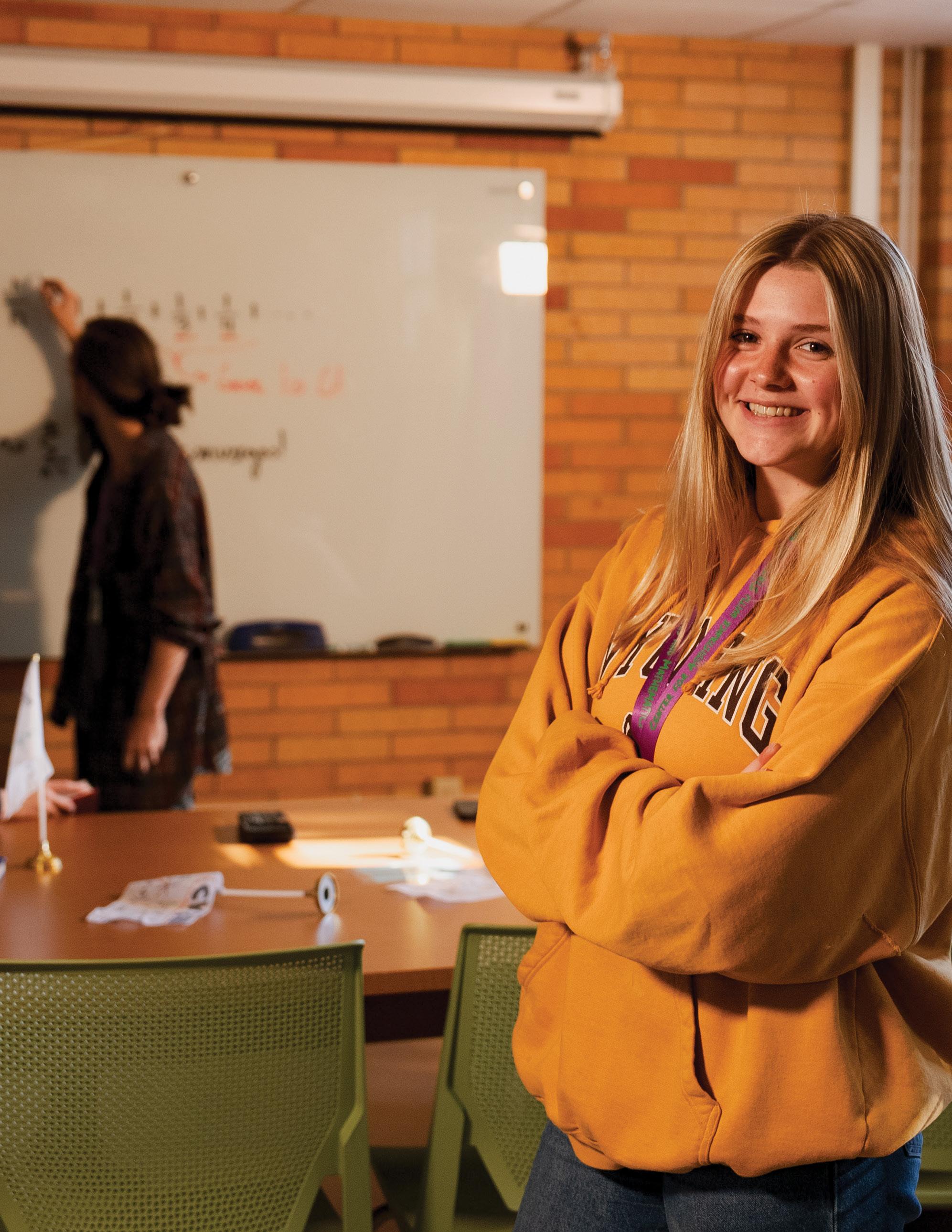
MY GIFT IS:
$2,500
$125 ❏ $250
MY GIFT IS FOR:
$500
Other:

❏ College of Engineering an d Physical Sciences (600304)
❏ Engineering Scholarship Fund (630223)
❏ Atmospheric Science (500046)
❏ Chemical and Biomedical Engineering (500131)
❏ Chemistry (500072)
❏ Civil and Architectural Engineering and Construction Management (500074)
❏ Electrical Engineering and Computer Science (500661)
❏ Geology and Geophysics (500194)
❏ Mathematics and Statistics (500266)
❏ Mechanical Engineering (500272)
❏ Energy and Petroleum Engineering (500132)
❏ Physics and Astronomy (500302)
❏ Other (please specify)
WAYS TO GIVE:
ONLINE: www.uwyo.edu/giveonline
CALL: (307) 766-6300 or (888) 831-7795
MAIL: Fill out and return mail with your gift to the University of Wyoming Foundation, 222 South 22nd Street, Laramie, WY 82070
Make checks payable to the University of Wyoming Foundation.

$1,000 Steamboat Society
College of Engineering and Physical Sciences Dept. 3295
1000 E. University Avenue Laramie, WY 82071-2000
FOLLOW US ON SOCIAL MEDIA!
@uwyoengineering
@uwyoengineering
@uwyonews
uwyo.edu/ceps
bit.ly/engineeringinaction
bit.ly/uwengineering
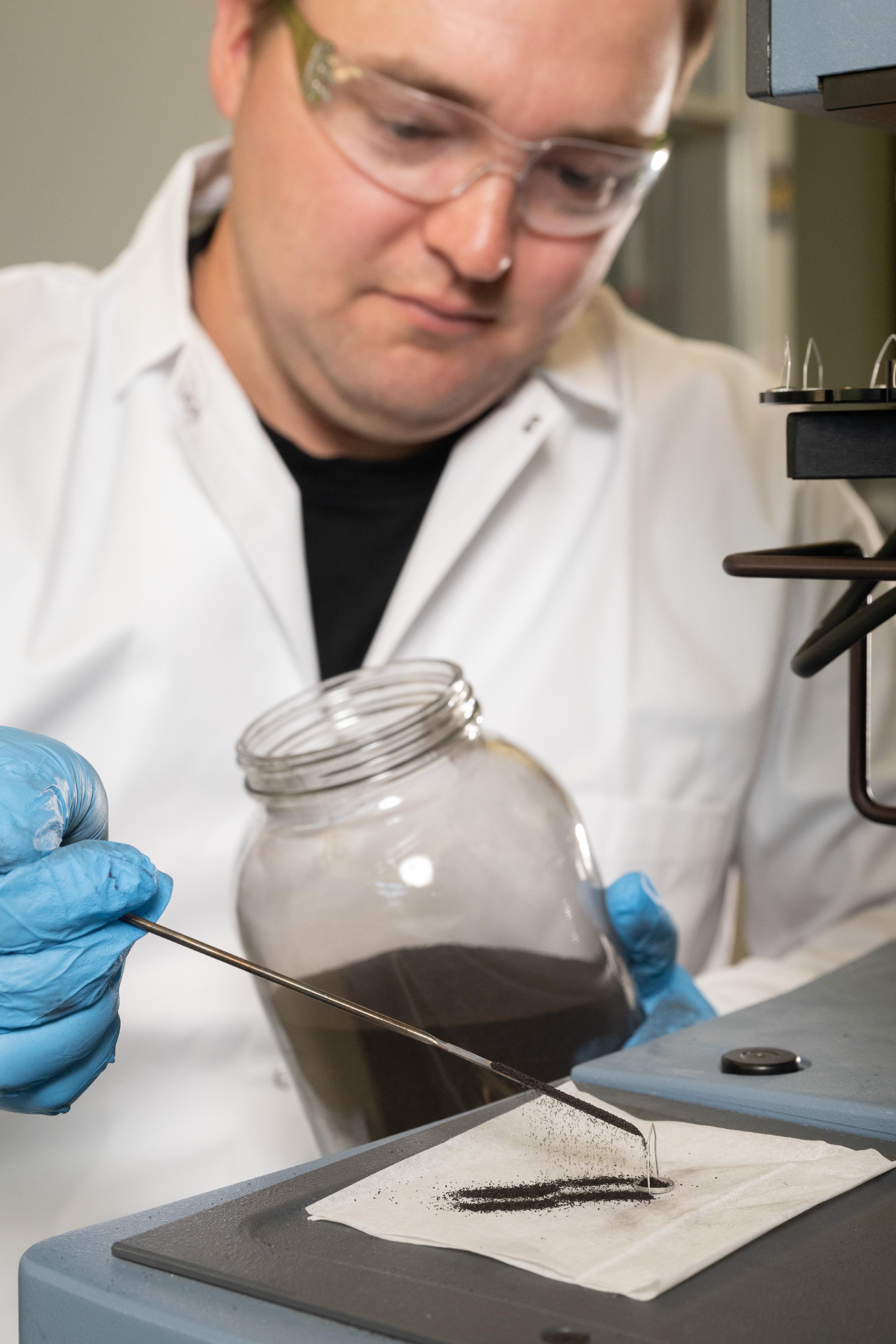
RECOGNIZING OUR RECENTLY PROMOTED FACULTY
Navamoney Arulsamy Department of Chemistry Five-year FTRC
Amy Banic Department of Electrical Engineering and Computer Science Professor
Dana Caulton Department of Atmospheric Sciences Associate Professor
Je French Department of Atmospheric Sciences Professor
CONGRATULATIONS!
Chao Jiang Department of Electrical Engineering and Computer Science Associate Professor
Nga Nguyen Department of Electrical Engineering and Computer Science Associate Professor
Noriaki Ohara Department of Civil and Architectural Engineering & Construction Management Professor
Andy Parsekian Department of Geology and Geophysics Professor
Randy Pfei er Department of Chemical and Biomedical Engineering Associate FTRC
Minou Rabiei Department of Energy and Petroleum Engineering Professor
Diksha Shukla
Department of Electrical Engineering and Computer Science
Associate Professor
Dane Taylor Department of Mathematics and Statistics
Associate Professor
Liping Wang
Department of Civil and Architectural Engineering & Construction Management Professor
Xiang Zhang
Department of Mechanical and Energy Systems Engineering Associate Professor