
InauguralIssue
MESSAGE FROM THE DEAN
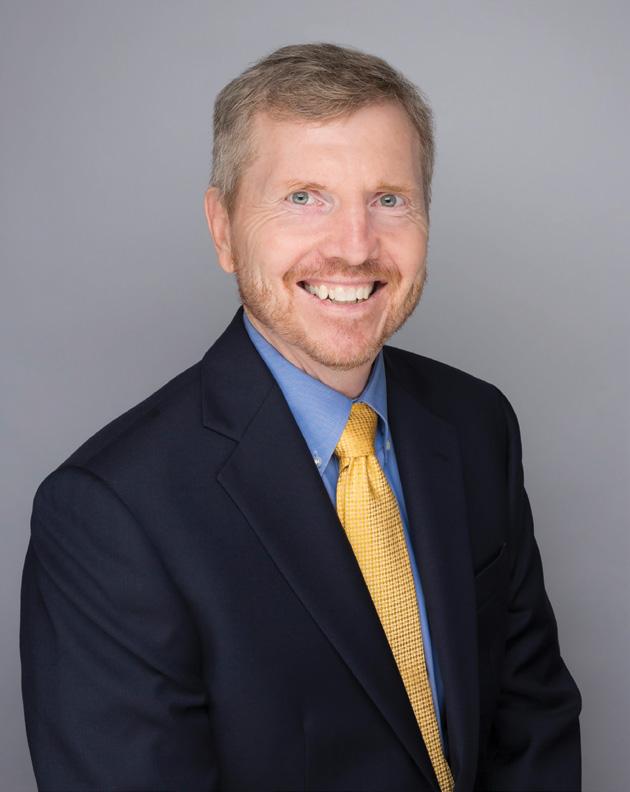
As the new dean of the College of Health Sciences, I am honored to lead this remarkable college at a time of renewal, opportunity and growth. Since stepping into this role, I have been inspired by the dedication of our students, faculty, alumni and community partners — each committed to improving health and well-being across Wyoming and beyond.
The College of Health Sciences plays a vital role in the fabric of our state. Across our divisions and programs — Nursing; Social Work; Kinesiology and Health; Communication Disorders; Pharmacy; Medical Education (WWAMI); and the interdisciplinary Health Sciences Program — we are preparing the next generation of clinicians, scholars, and community health leaders. Our clinical training enterprises, including the Speech, Language, and Hearing Clinic; the School of Pharmacy’s community outreach initiatives; and the Family Medicine Residency Centers in Casper, Cheyenne, and Thermopolis, deliver essential services across Wyoming, particularly in rural and underserved areas.
UW College of Health Sciences Grand Rounds Fall 2025, Vol. 1
1000 E. University Ave, Dept. 3432 Laramie, WY 82071 (307) 766-3495
Dean Patrick C. Hardigan
Senior Associate Dean Derek Smith
Associate Dean TBD
Associate Dean Eric Moody
Editor Mark Belcher
Contributing Editors Jill Worden, Derek Smith, Justin Rowe, Krista Howe, Michelle Jarman, Mark Guiberson, Maria Bennett, Bailey Vogler, Sherrill Smith, Valerie Thompson-Ebanks, Todd Guth, Qin “Arthur” Zhu, Beth Robitaille, Nanette O’Connor, Jen Paintin and Jed Doxtater
Graphic Design Michelle Eberle, Emily Edgar, Fernando Lechuga
We are equally proud of our statewide centers and initiatives: the Wyoming Institute for Disabilities (WIND), which promotes disability access, inclusion and assistive technology; the Rural Health Institute, which drives collaborative innovation in education, research, and workforce development; the Assertive Community Treatment program; and our growing simulation and interprofessional education infrastructure. As we prepare to launch new programs — including the Occupational Therapy Doctorate and the Physician Assistant Program — we are expanding opportunities for students and strengthening the health workforce pipeline across the Mountain West.
Looking ahead, the College of Health Sciences will continue to serve as a catalyst for expanding access to care, advancing education-to-practice pathways, and contributing to the economic vitality of our state. With your continued support, we will deepen our impact and deliver on the promise of healthier, more resilient communities.
To our alumni, supporters and public leaders — thank you for your partnership and advocacy. To our faculty, staff and students — thank you for your excellence, your service and your unwavering commitment to the people of Wyoming. I look forward to the journey ahead.
Sincerely,
Patrick Hardigan, Ph.D. Dean, College of Health Sciences University of Wyoming
Photography and Video By the Institutional Marketing creative team and Mark Belcher unless otherwise noted.
Grand Rounds Magazine is published once a year for College of Health Sciences alumni, friends, and constituents.
Mailing addresses are provided by the University of Wyoming Foundation. To change your mailing address and/ or contact information, please send email to foundation@uwyo.edu
The University is committed to equal opportunity for all persons in all facets of the University’s operations. All qualified applicants for employment and educational programs, benefits, and services will be considered without regard to race, color, religion, sex, national origin, disability or protected veteran status or any other characteristic protected by law and University policy.
School of Pharmacy
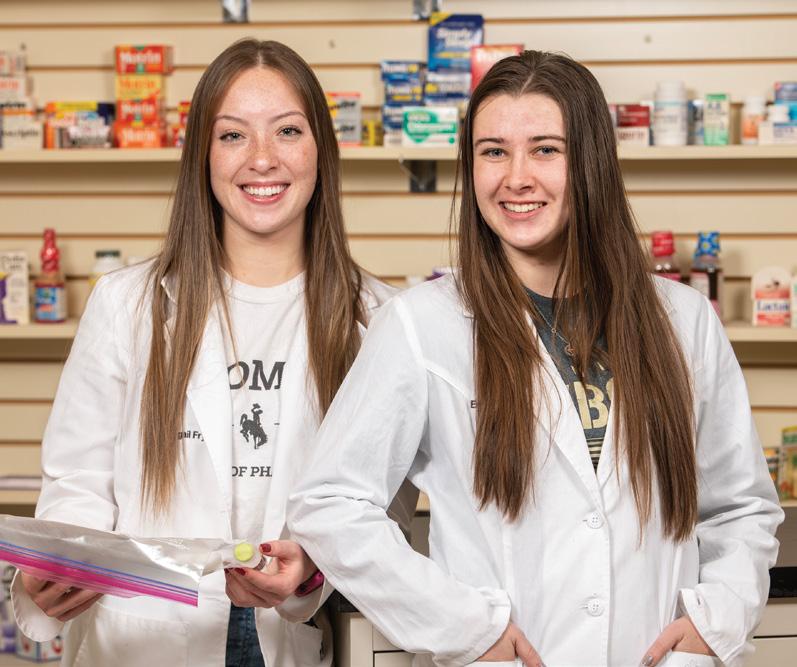
The University of Wyoming School of Pharmacy offers a four-year program of study leading to a Doctor of Pharmacy degree as the only entry-level professional degree in pharmacy.
The Master of Science in health services administration is ideal for entry level and mid-career professionals to gain an education while maintaining full-time employment. The online MSHSA program can be completed in two years of part-time study to balance with students’ schedules. Choose from unique specialty tracks to match career goals.
The Medical Laboratory Sciences program is located in Casper. The program curriculum is based on major requirements of the UW’s College of Health Sciences and program specific requirements for NAACLS accreditation.
Division of Kinesiology and Health
The Division of Kinesiology and Health offers a comprehensive Bachelor of Science (B.S.) in kinesiology and health promotion, featuring specialized tracks such as exercise science and physical education teacher K-12. We also offer a Master of Science (M.S.) in kinesiology
and health, preparing graduates for advanced practice, research and leadership roles. Our programs emphasize hands-on learning through extensive laboratory experiences and practical internship opportunities. The recently developed innovative international programs, study-abroad experiences, and online graduate certificate in community and public health offer global perspectives on health and performance.
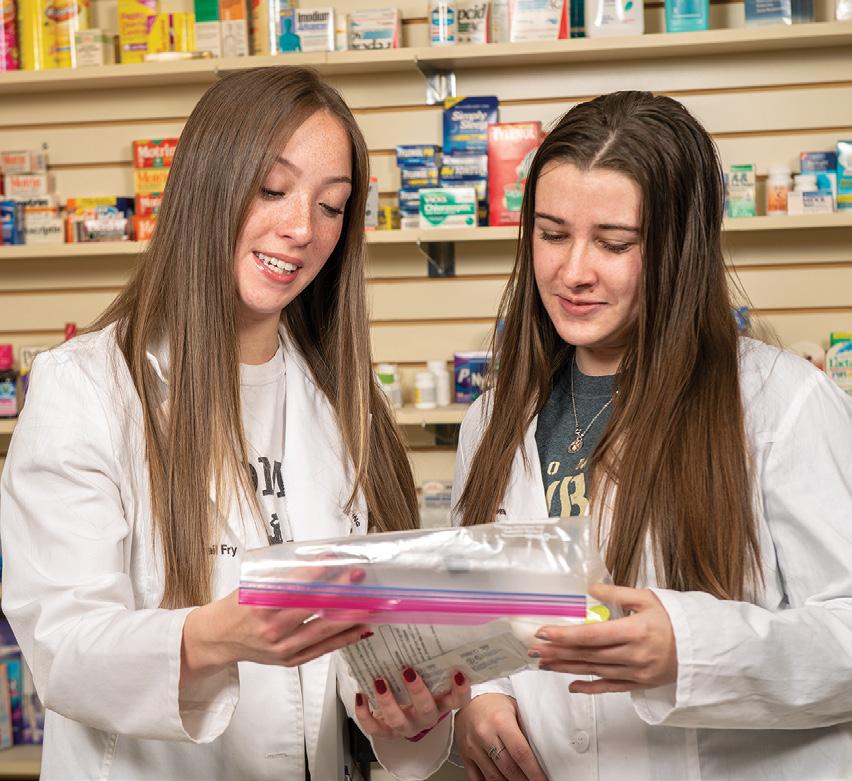
Abigail Fry and Emily Powell in the Pharmacy Practice Lab.
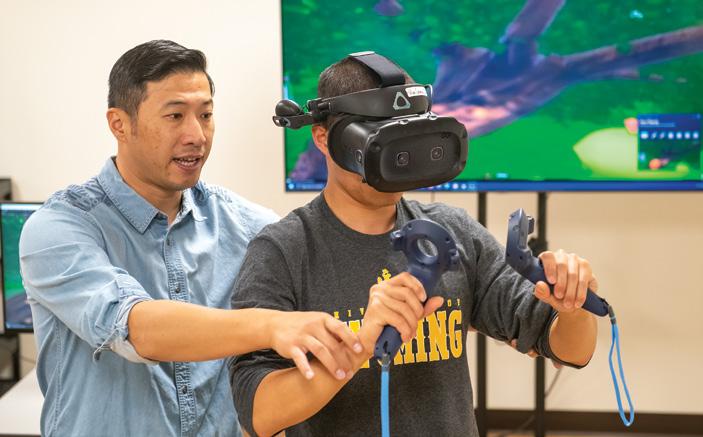
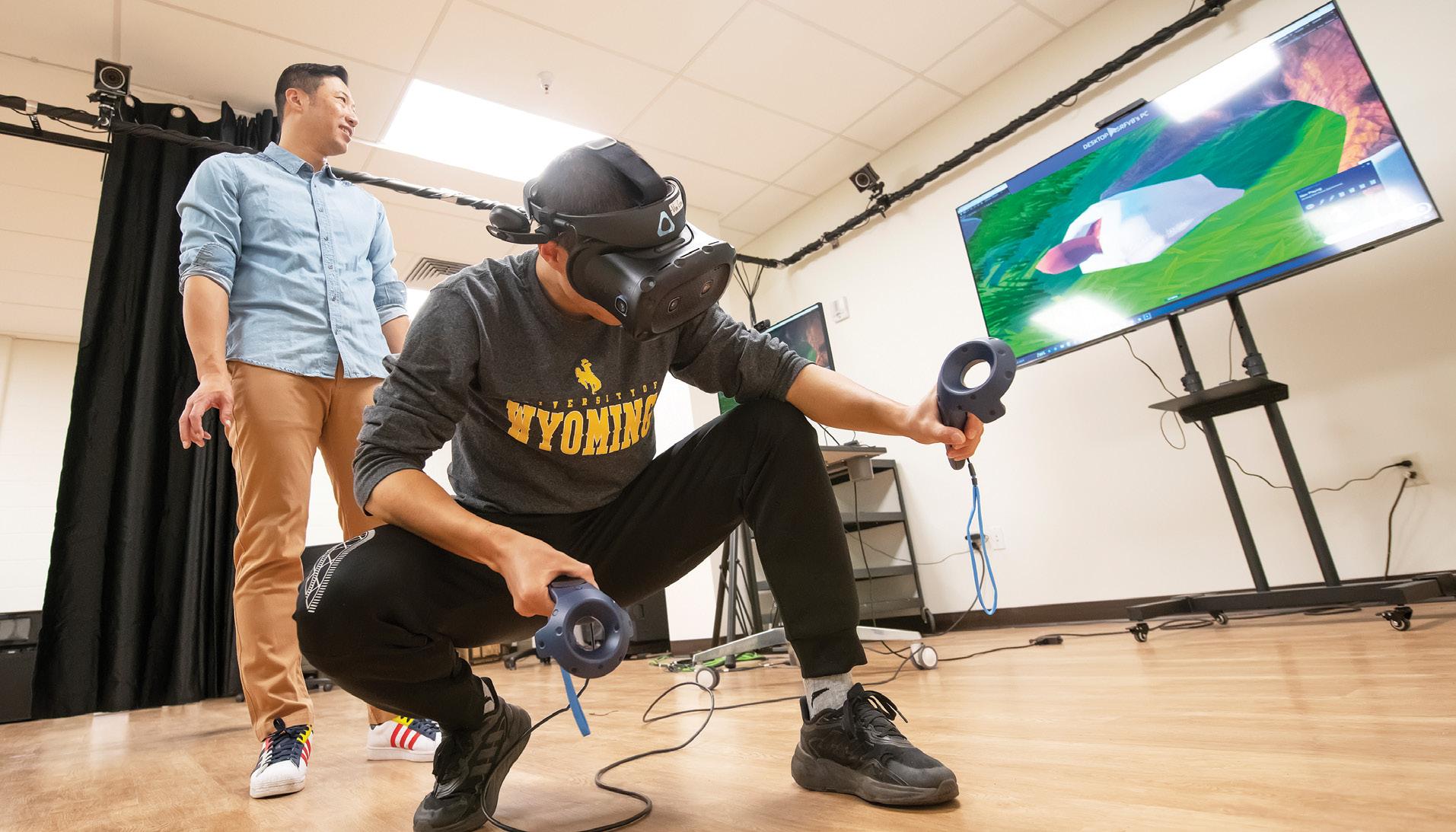
Dr. Qin “Arthur” Zhu’s kinesiology lab
Division of Social Work
The Division of Social Work at the University of Wyoming has been preparing social workers to lead change for over 50 years. Our Bachelor of Social Work (B.S.W.) program, first accredited in 1974, is offered on both the Laramie and UW-Casper campuses, allowing students the flexibility to study close to home or experience both communities, and to start and finish on either campus. Our Master of Social Work (M.S.W.) program, accredited since 1999, offers a full-time track in Laramie and a part-time option at UW-Casper (established in 2023).
Fay W. Whitney School of Nursing
Today the Fay W. Whitney School of Nursing has students on campus and around the world. It serves those entering nursing at the basic level; those who have previous bachelor’s degrees and are changing
career paths; nurses who want to earn a baccalaureate degree; nurses who want to become a nurse educator; and now for those nurses who would like to work toward the new standard in advanced practice nursing. We provide the DNP program — doctor of nursing practice — offering family nurse practitioner or psychiatric mental health nurse practitioner tracks.
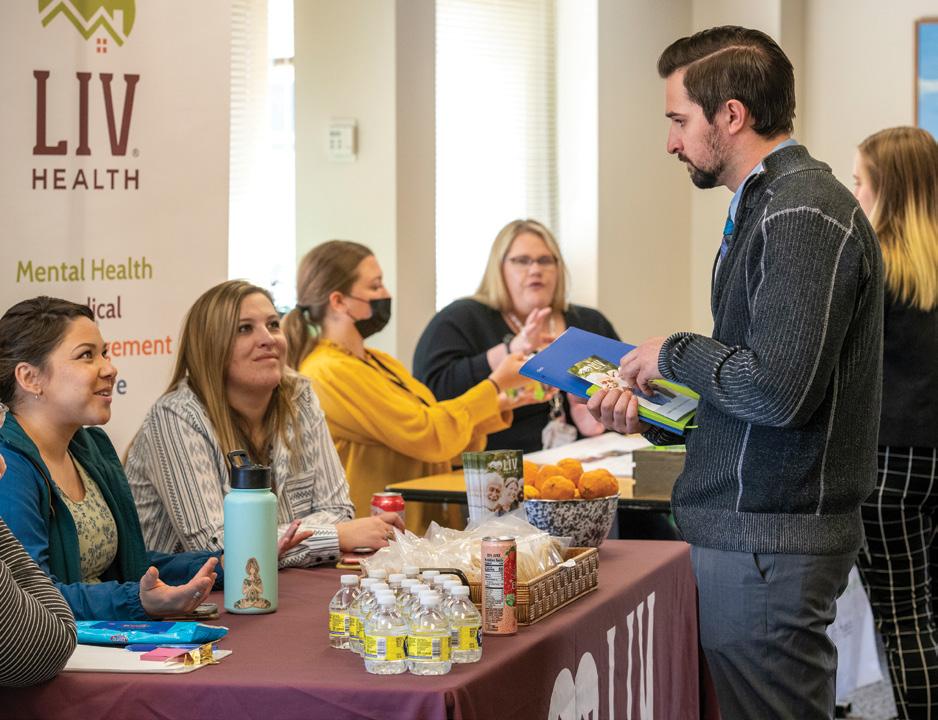
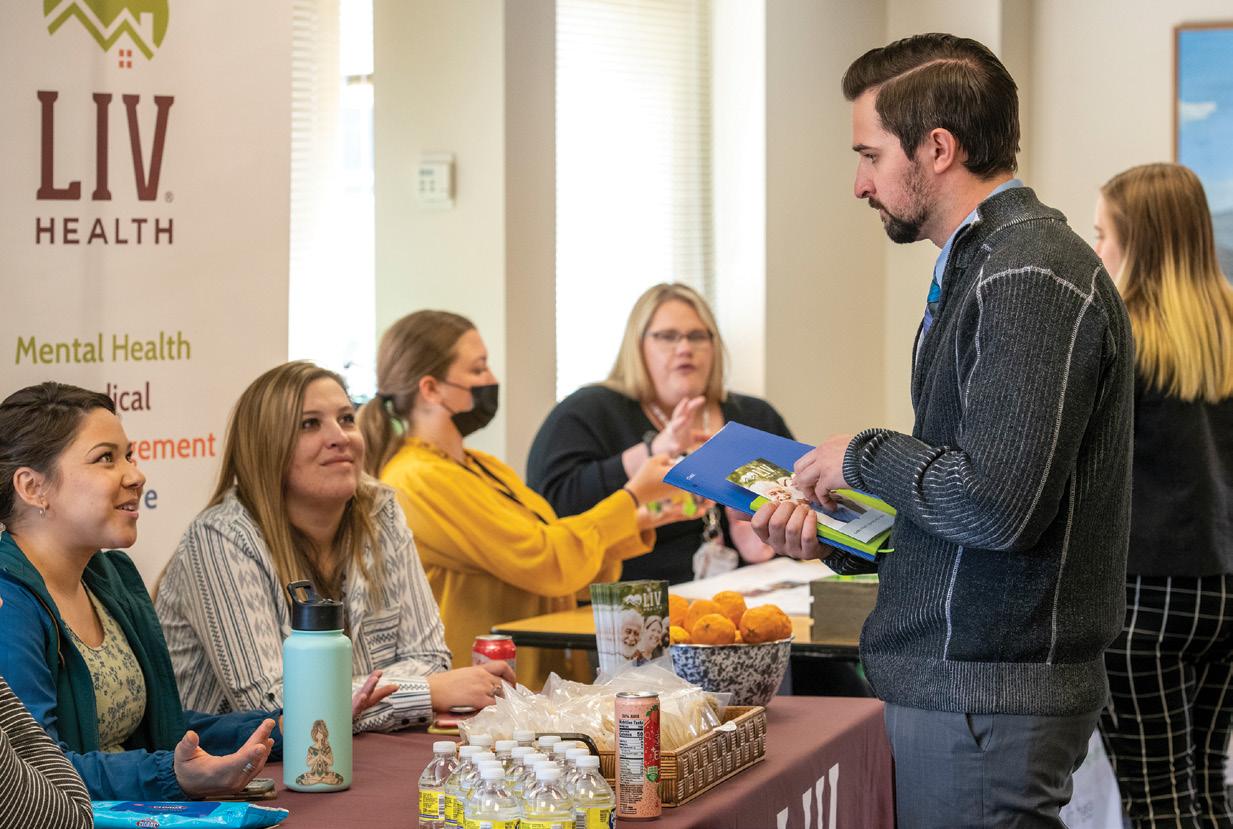
Trevor Warren, Casper, Wyo., speaking with representatives from LIV Health at a social work job fair.
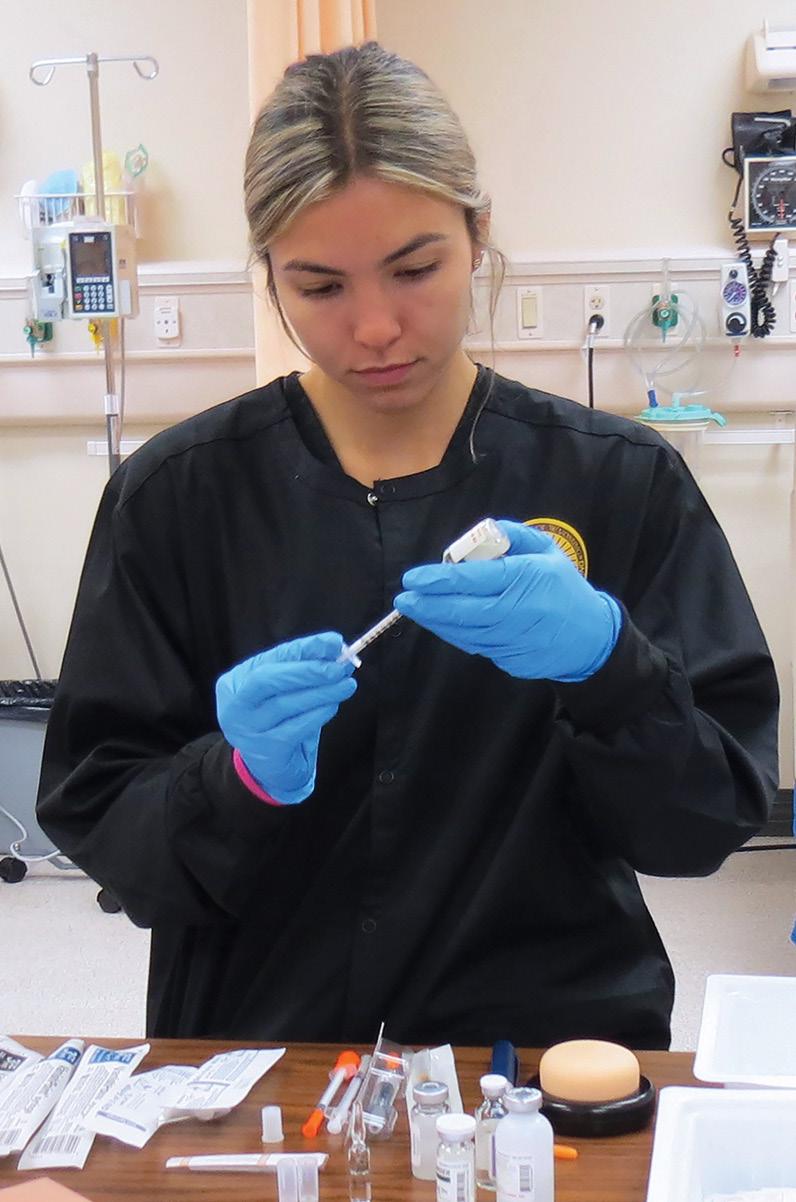
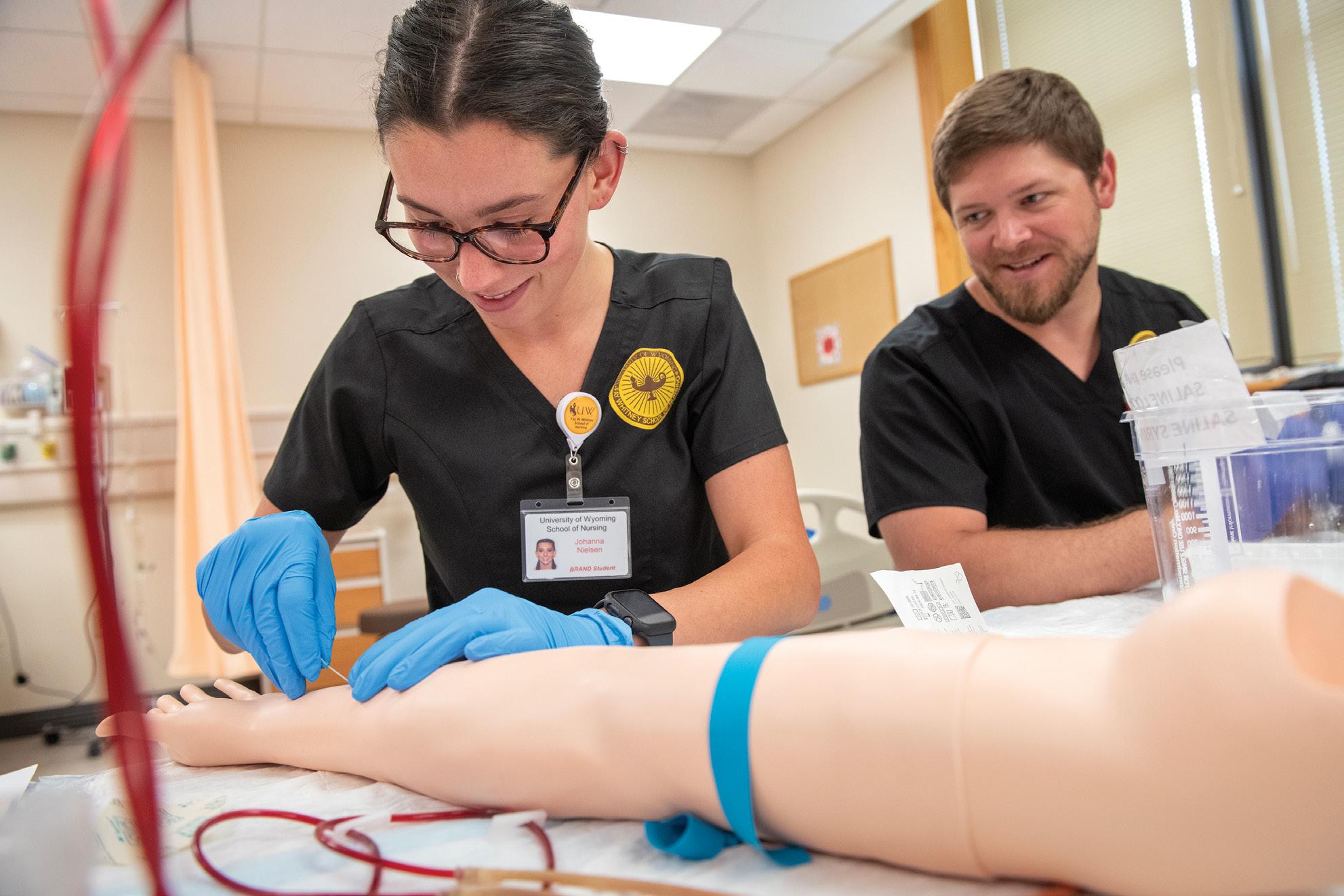
Students in BRAND, the accelerated nursing program, practice IV and injection skills.
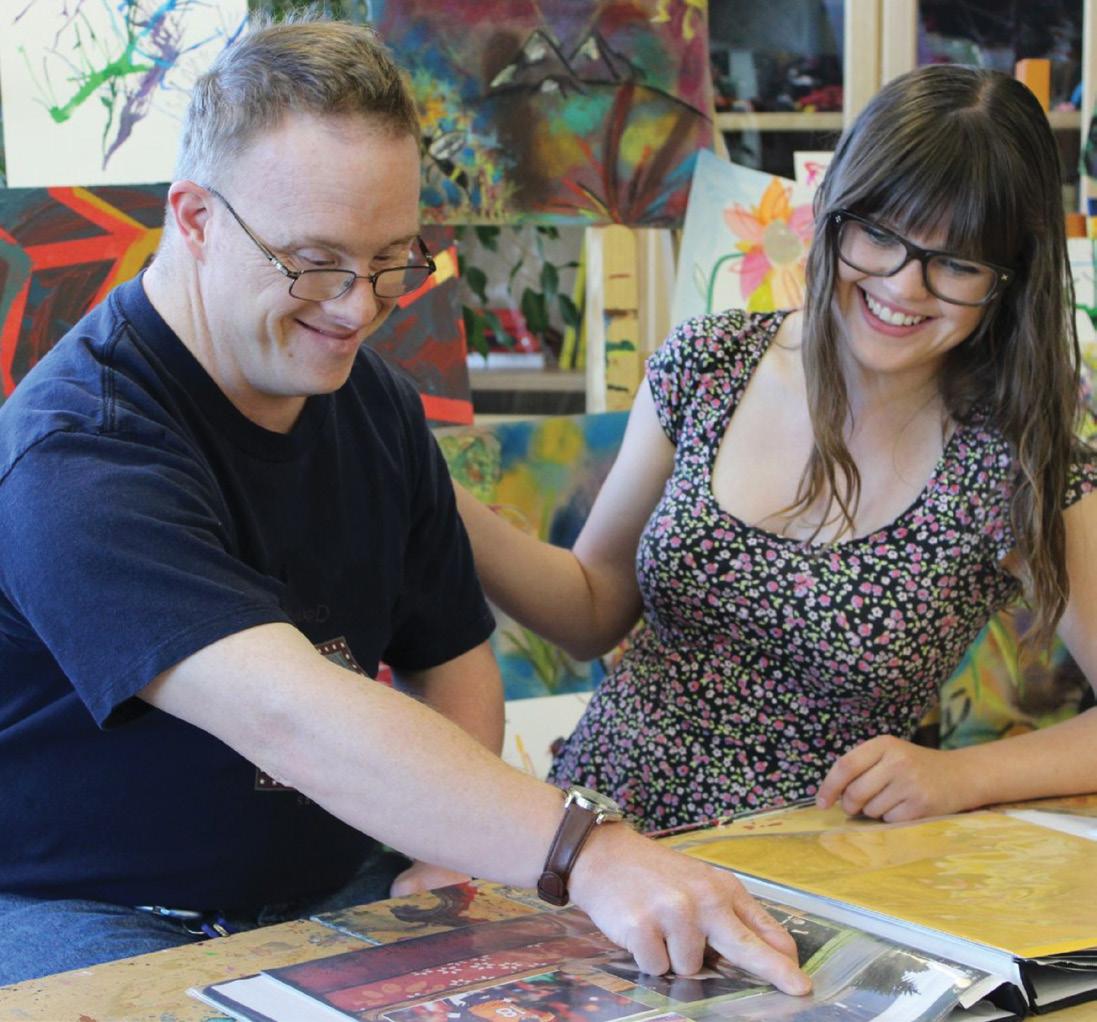
Wyoming Institute for Disabilities (WIND)
The Wyoming Institute for Disabilities (WIND) is an academic unit in the College of Health Sciences and a University Center for Excellence in Developmental Disabilities (UCEDD), as authorized by the Developmental Disabilities Assistance and Bill of Rights Act of 2000. WIND works to assist individuals with developmental disabilities, their families, professionals and University of Wyoming students through education, training, community services and early intervention. The Wyoming Institute for Disabilities envisions a Wyoming where all people can participate in everyday community life as they choose. Our work is guided by the values of service, dignity, collaboration and innovation.
Division of Communication Disorders
Communication Disorders has been an area of study at the University of Wyoming for over 70 years in what was then known as speech correction, which began in 1940, and the first bachelor’s degree was awarded in 1952!
The Division of Communication Disorders offers a Bachelor of Science (B.S.) in speech, language and hearing science, as well as a Master of Science (M.S.) in speech-language pathology. Our M.S. program is accredited by the Council on Academic Accreditation in Audiology and Speech-Language Pathology. In addition, we offer a certificate in American Sign Language (ASL) studies, which attracts students from a wide range of majors. This program includes a unique opportunity for students to serve as teaching assistants in ASL courses.
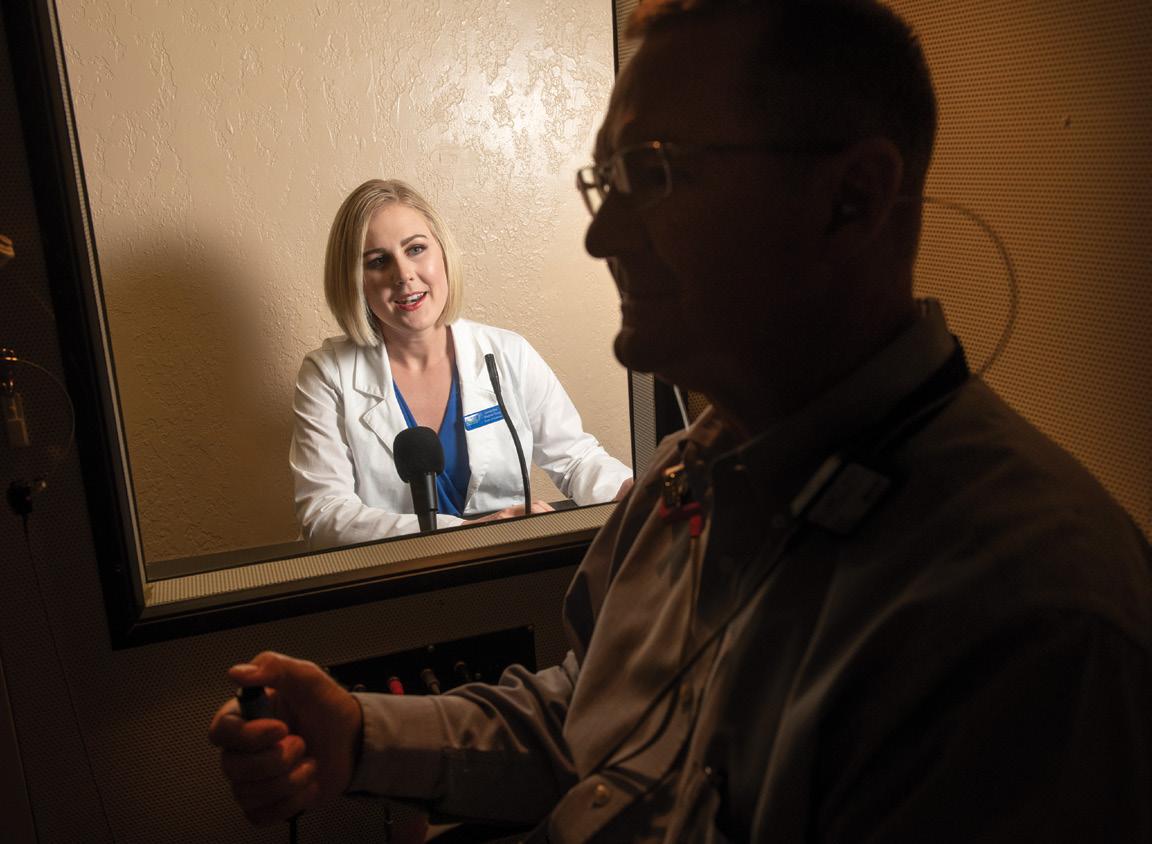
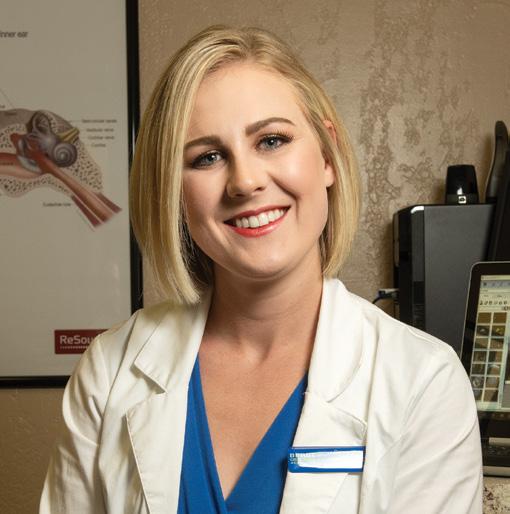
Alum Samantha Wagner Yung works with a patient in her practice in Torrington, Wyo.
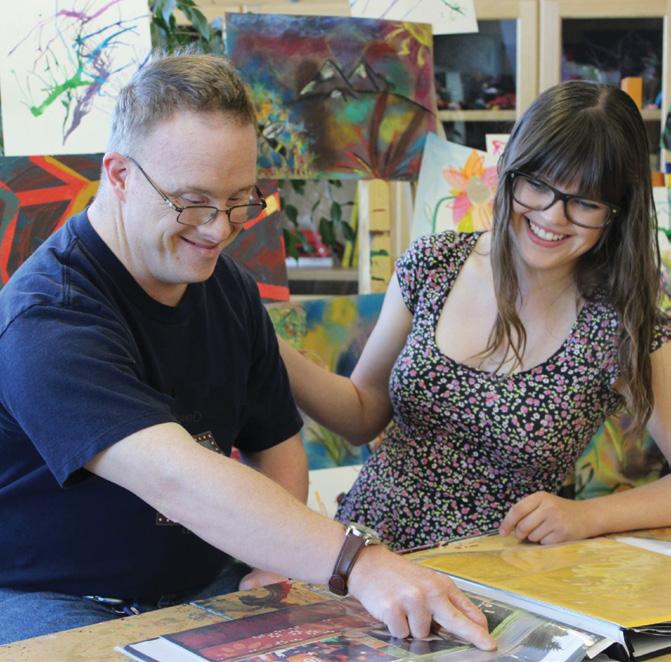
Former student during internship at Cooper Center for the Creative Arts
PHOTO COURTESY OF WIND
Wyoming WWAMI Medical Education Program
WWAMI is Wyoming’s Medical School! The University of Wyoming participates in the WWAMI Medical Education Program, which is affiliated with the University of Washington School of Medicine (UWSOM) in Seattle, Washington.
WWAMI is an acronym for the five states that participate in this program: Washington, Wyoming, Alaska, Montana and Idaho. The UWSOM curriculum, content and testing are the same at all WWAMI sites. Students who complete this four-year medical education program receive their Doctor of Medicine degree (M.D.) from the UWSOM.
The WWAMI program reserves 20 seats each year for qualified Wyoming residents. Students accepted to the program spend 18 months on the UW campus. The third and fourth years are spent at selected clinical sites throughout the WWAMI region.
CHS Alumni and Community Appreciation
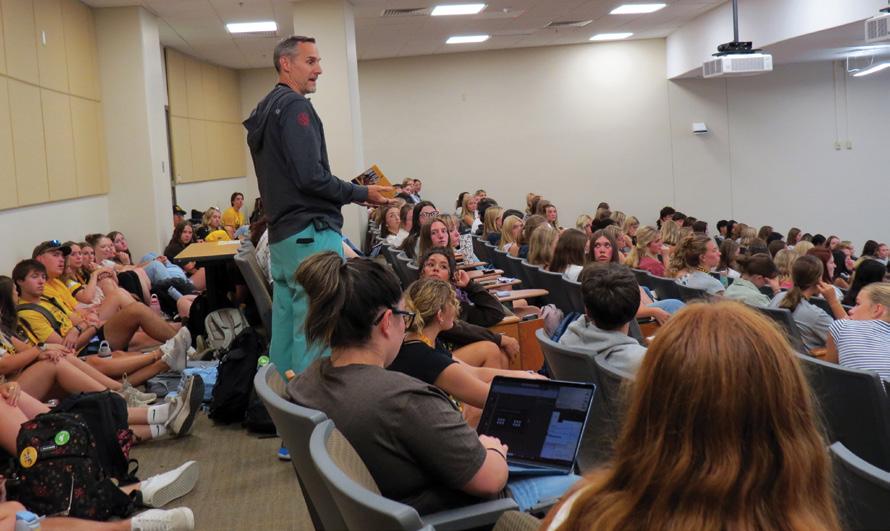
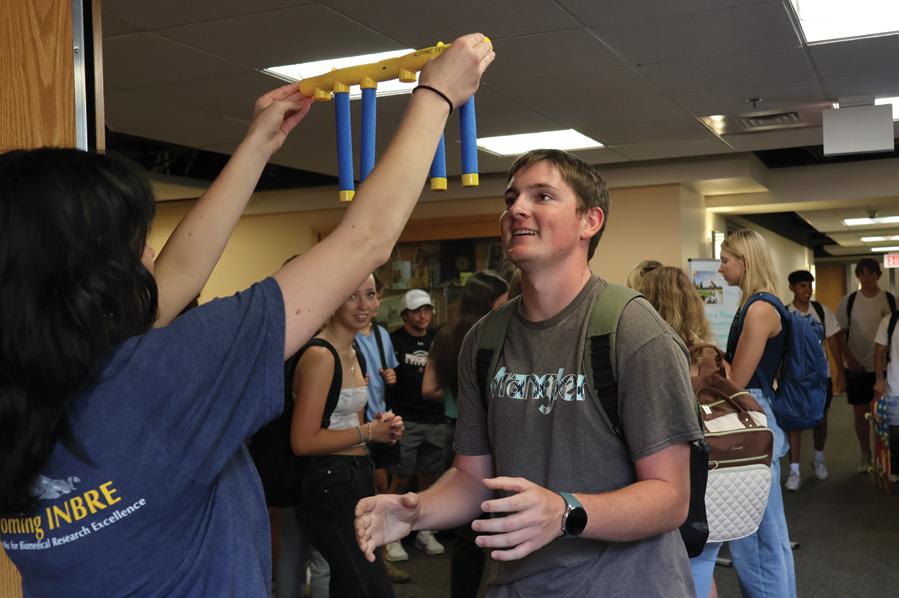
UW’s Saddle Up program supports student engagement with CHS alumni and community appreciation.
Since 2022, College of Health Sciences alumni have returned to the UW for Saddle Up — a weeklong new student orientation. Engaging in conversation and asking questions of alumni who have gone on to have successful careers in fields these students are interested in pursuing is one of the students’ favorite activities of the week.
The CHS hosted eight different panels of alumni across various disciplines including social work, speech pathology, dental hygiene, nursing, medicine (optometry, physical therapy, pharmacy, dentistry) and physical education. The college is grateful for the gift of time and mentorship our alumni provide to our students during Saddle Up and in our classrooms.
Each Spring, Health Professions Admission Strategies hosts a panel of alumni and community members to provide interview practice for students applying to competitive professional healthcare programs. Students enjoy practicing interviewing skills with dentists, optometrists, athletic trainers, physical therapists and various other UW faculty and student service staff members.
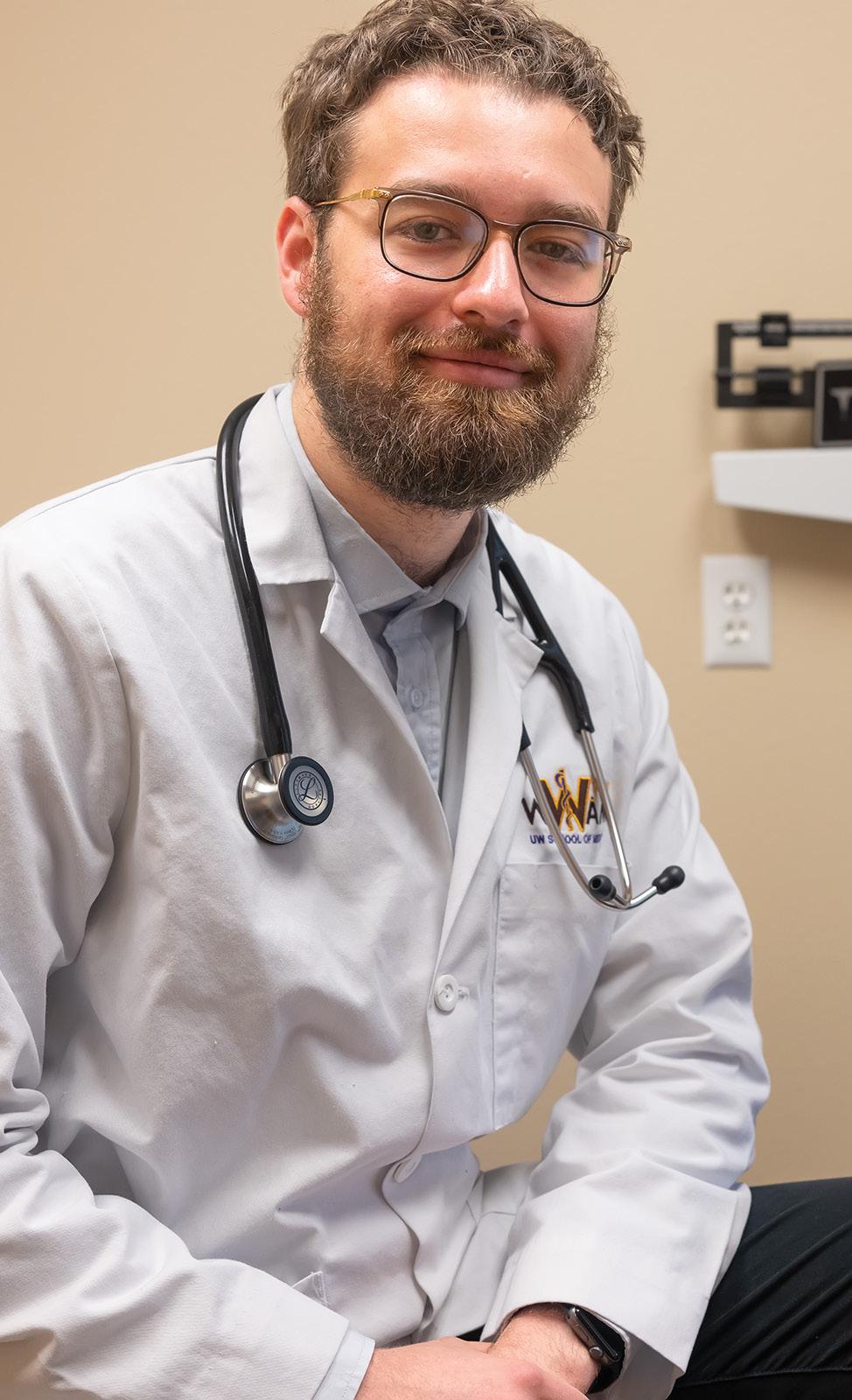
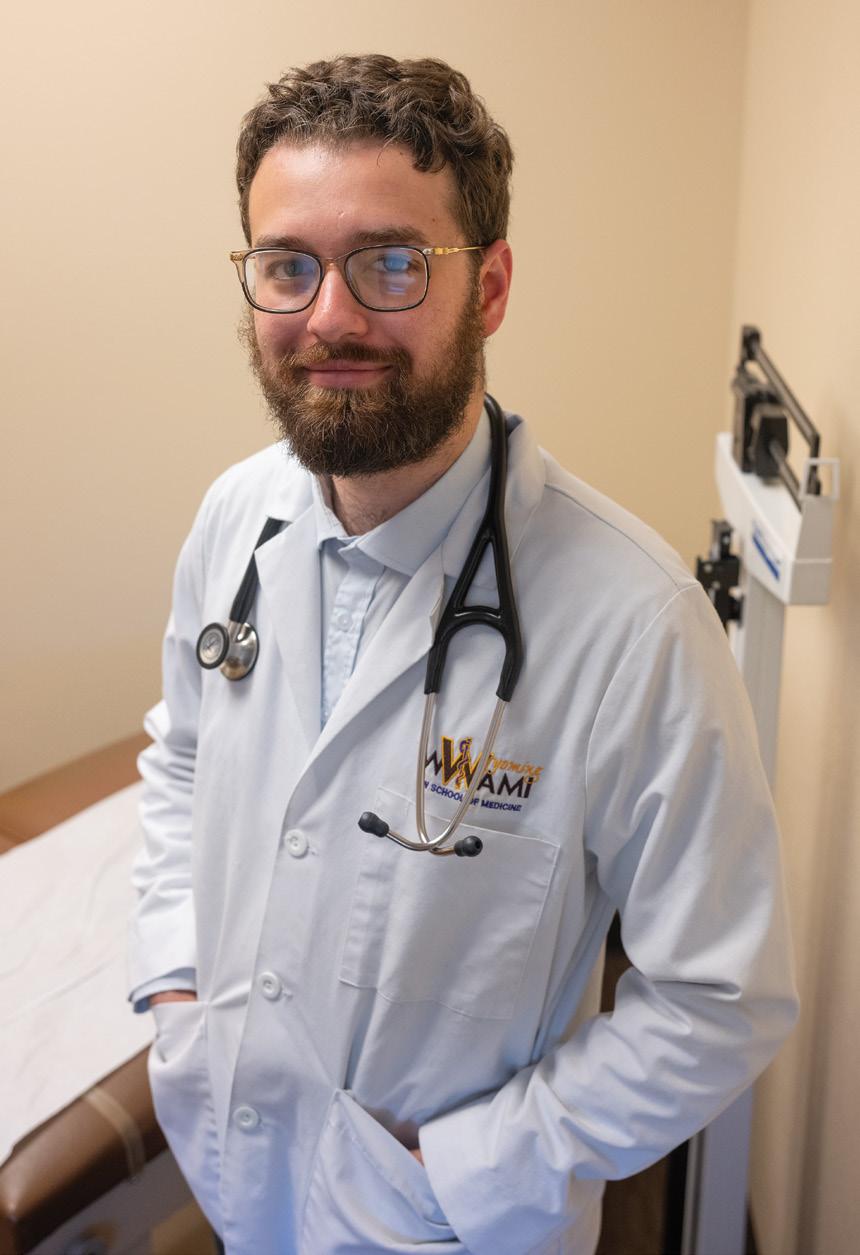
Rafael Homer at Mountain View Medical Park in Laramie
Faculty Research Spotlight
Communication Disorders faculty research improves outcomes for patients and providers alike.
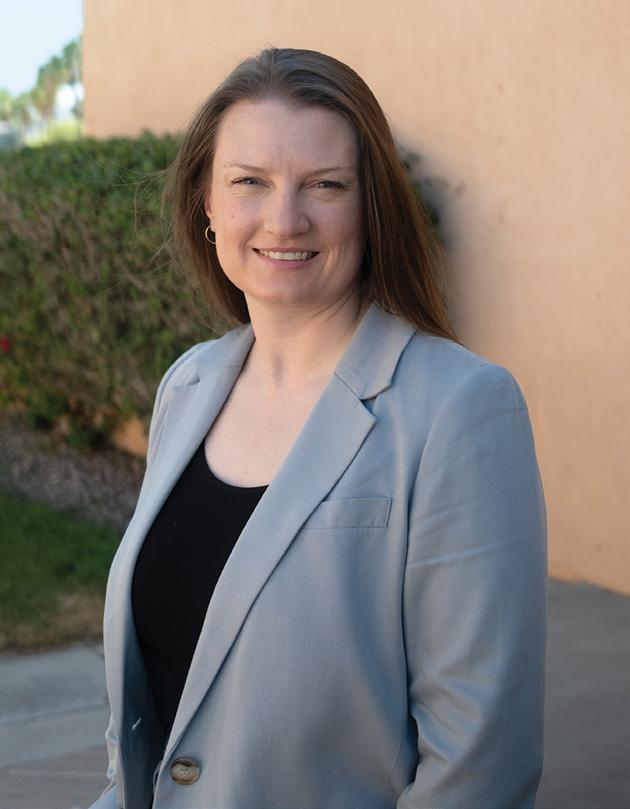
Katelyn Kotlarek, associate professor in the Division of Communication Disorders, joined UW in the fall of 2019. She specializes in velopharyngeal anatomy and physiology in individuals with craniofacial differences. Funded by the National Institutes of Health (NIDCD & NIDCR) and the American Speech-Language-Hearing Foundation, her research integrates magnetic resonance imaging and measures of speech production to characterize speech and surgical outcomes for individuals with cleft palate.
Focused on describing typical and atypical velopharyngeal morphology
and determining the effect of primary palatoplasty on the velopharyngeal mechanism, the overarching goal of her work is to improve speech and surgical outcomes for individuals with craniofacial differences. Last summer, she was awarded an Early Career Research R21 from NIDCD, and data collection is currently underway at Children’s Hospital Colorado helping infants with cleft palate to identify mechanisms for early speech monitoring and surgical selection. Results of this work will help us move toward advancing treatment options in children with cleft palate. Defining current practice patterns
A Powerful Visual Language
and improving training for providers in craniofacial care is another research focus of Kotlarek. Her work thus far has found that across disciplines, providers rely heavily on continuing education to learn about caring for individuals with craniofacial differences in both feeding and speech/ language domains.
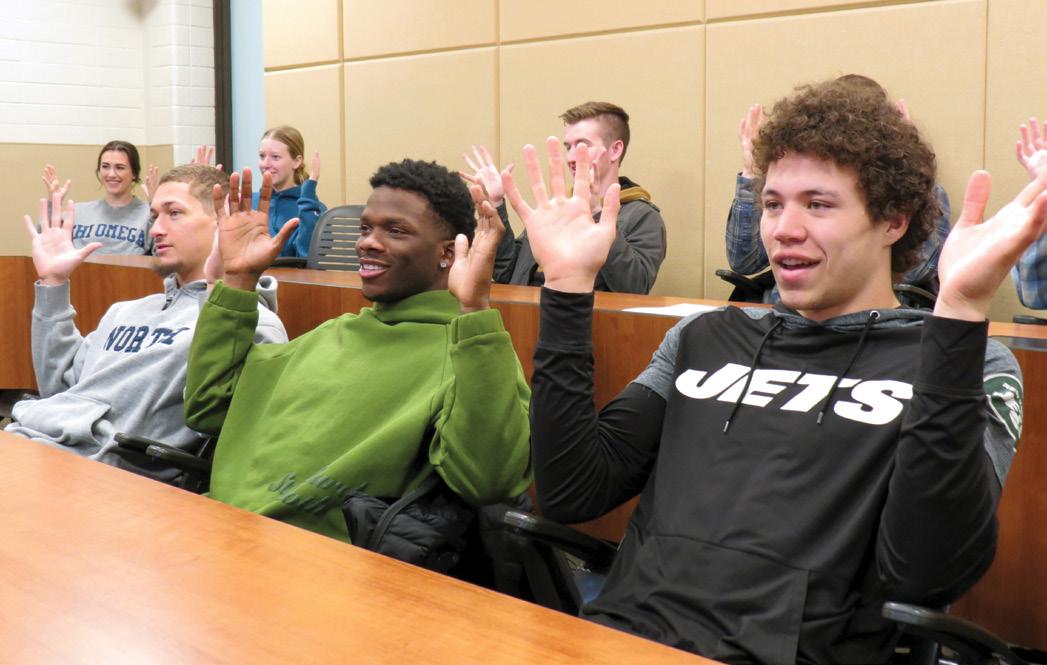
The ASL certificate introduces students to beginning ASL skills and Deaf culture.
ASL is a rich, visual language used by the Deaf community across the U.S. and parts of Canada. It combines hand movements, facial expressions and body language to communicate — making it a powerful tool not only in Deaf culture but also in settings where spoken communication
may be difficult, such as with young children or individuals with speech and language challenges.
UW’s Division of Communication Disorders has offered ASL courses for over 50 years and provides an ASL studies certificate that introduces students to beginning ASL skills and Deaf culture. The certificate is especially valuable in fields like speech-language pathology, audiology, education, nursing, counseling and others where strong communication is essential.
New to the program is the ASL Discourse and Literature in Society course, which explores ASL use in storytelling, performance and everyday life. A new course is also in development — ASL for Medical and Educational Settings — designed to help future professionals communicate more effectively with Deaf and hard-of-hearing individuals.
Come learn ASL and discover a dynamic language that opens doors to new ways of connecting, expressing and making a difference, whether in the classroom, clinic or community!
Katelyn Kotlarek
Student participate in an American Sign Language class.
Wyoming Institute for Disabilities
The Wyoming Institute for Disabilities (WIND) is an academic unit in the College of Health Sciences and the state’s only University Center for Excellence in Developmental Disabilities (UCEDD). Every state has at least one UCEDD, and currently there are 68 such centers in the United States. WIND connects evidence based research and practice from our national network and the University of Wyoming with professionals and communities across the state. Through academic programs, education, training, research, and model services, WIND promotes the health, access, and full participation of people with disabilities in all aspects of community life.
Celebrating ECHO
The University of Wyoming’s Project ECHO (Extension for Community Healthcare Outcomes) is a statewide training and capacity building initiative that uses collaborative, real-time learning to connect professionals and promote best practices in health, education, family, and disability services.
As an authorized ECHO Superhub, UW ECHO recruits, trains, and supports new partners by hosting Partner Launch Trainings, offering mentoring, and ensuring fidelity to the ECHO model. It also provides outreach support, access to resources, and facilitates knowledge sharing within the broader MetaECHO community, strengthening professional networks across Wyoming and beyond.
Celebrating 10 Years of ECHO Superhub! From 2014 to Now
19 partner launch trainings
52 organizations trained
80 individuals trained
Hubs in 24 states and 3 countries (USA, India, Mexico)
72 ECHO programs launched
Wyoming’s First Inclusive Post-Secondary Education Program
Inclusive Postsecondary Education (IPSE) refers to college for people with intellectual and developmental disabilities. There are over 350 such programs across the country, but until this year, Wyoming was the only state without an IPSE Program. This is no longer the case! In January 2025, WIND launched a pilot program with a single student, with the goal of enrolling
5-6 new students every fall. After spending time on campus in the IPSE program, our first student said, “When I get home, I am going to look in the mirror and say, ‘I feel like a college student.’” With support from the College of Health Sciences and partnerships across the university, WIND is excited to make this opportunity a reality for students and families in Wyoming.
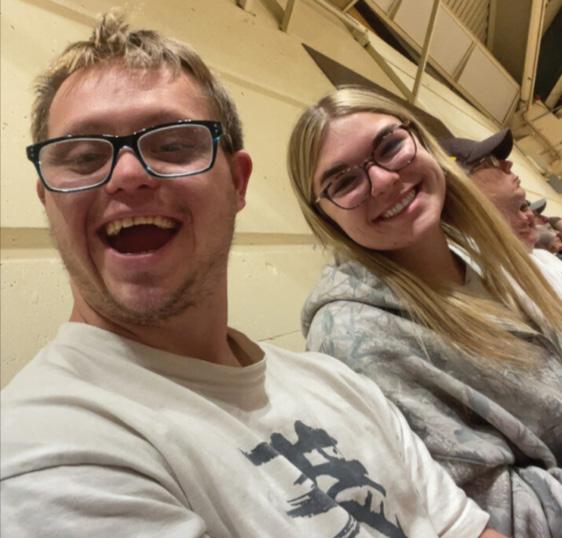
UW IPSE student attending a University sporting event.
PHOTO BY SYDNEY BLACK
Establishing International Learning Collaboration
Kinesiology graduate students studied abroad in a first-time Chinese-sponsored scholarship exchange program.
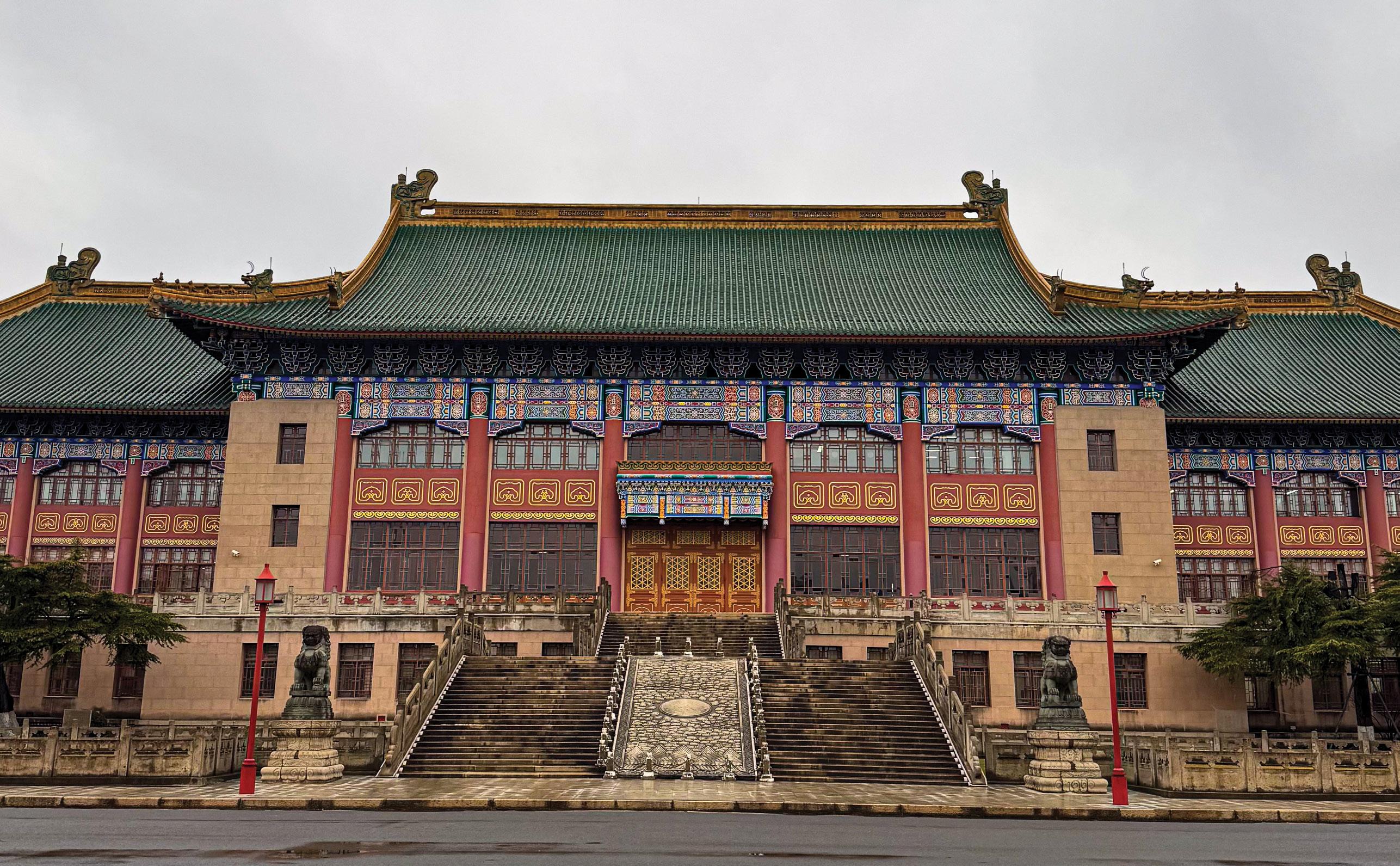
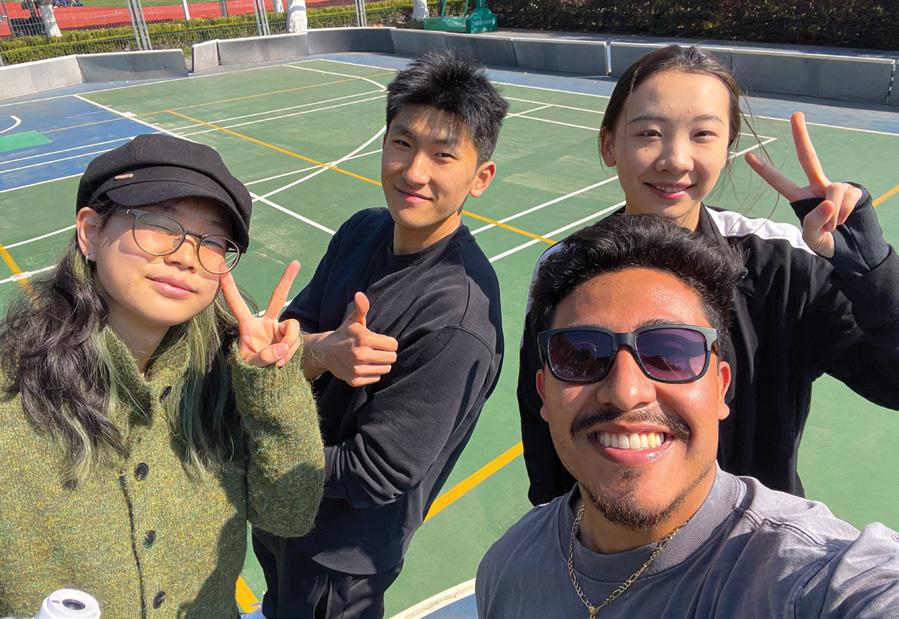
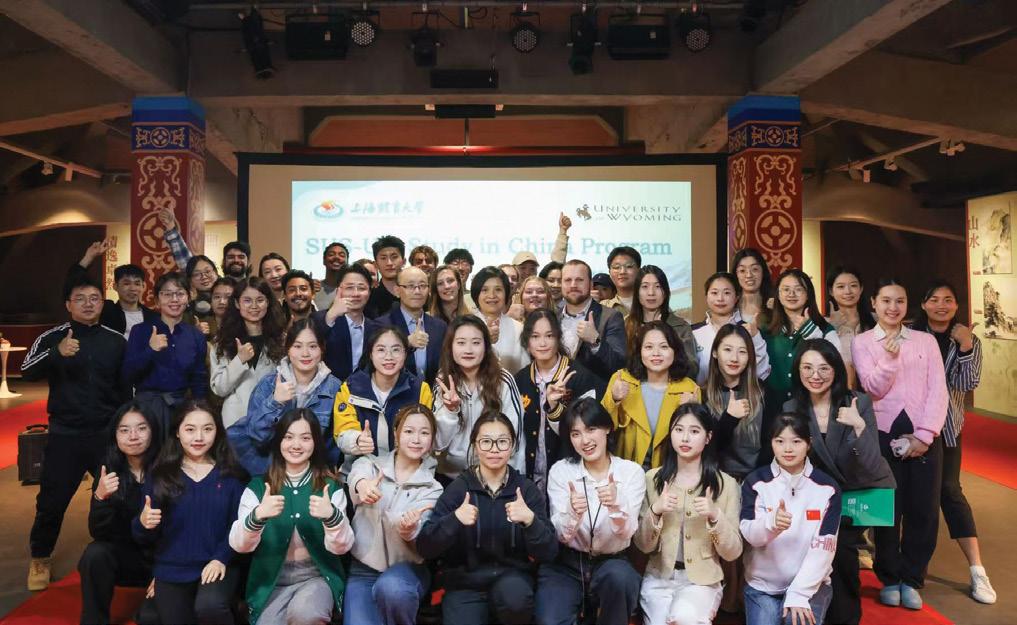
Seven graduate students and two faculty members from the University of Wyoming’s Division of Kinesiology and Health traveled to Shanghai China in March of 2025 to take part in a four-week study-abroad program at the Shanghai University of Sport (SUS) — a first ever international education and cultural exchange for the graduate program.
The study-abroad opportunity was sponsored by the American Short-Term Study in China Initiative scholarship program and administered by the American Association of State Colleges and Universities, which enables international educational travel from accredited institutions across the U.S.
The program was led by Professor Tristan Wallhead and Assistant Professor Kelly Simonton in the Division of Kinesiology and Health.
The main focus of the learning exchange between visiting UW students and those from SUS was to establish a collaborative mentorship learning environment in physical education/teacher education (PETE), where the UW graduate students mentored the SUS graduate students to deliver a physical education teaching model.
“My goal for this program was to provide our PETE
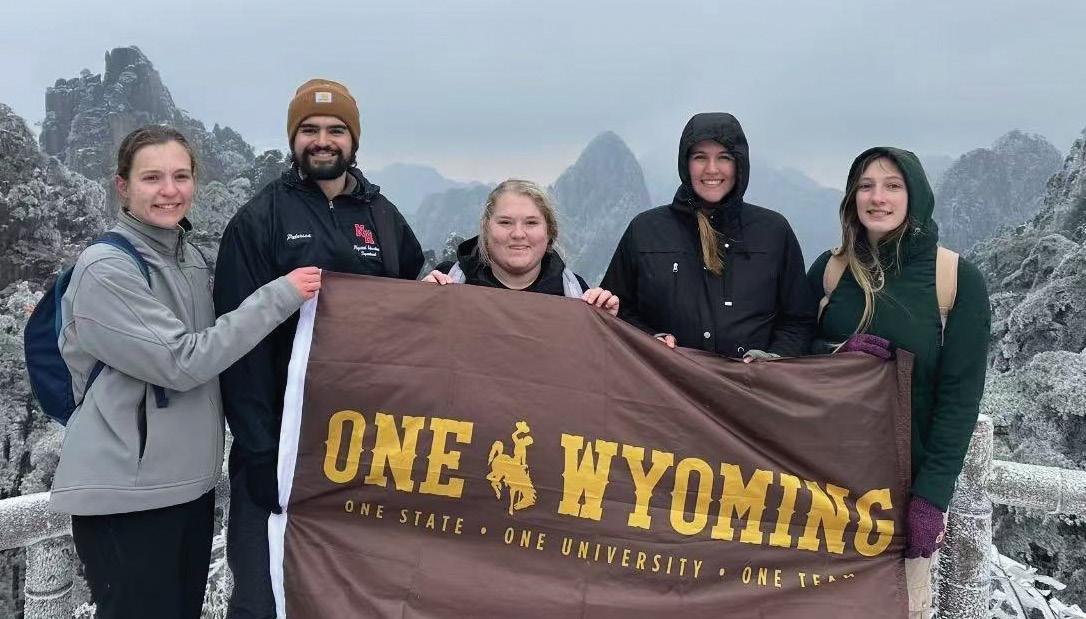
Huangshan Mountains
PHOTO BY JAMES PATERSON PHOTO
PHOTO BY MICHAEL TORRES
graduate students an opportunity to engage in cultural collaboration through an immersive academic mentorship program,” says Wallhead. “The UW graduate students were partnered with a SUS graduate partner and mentored them through the process of learning to teach with a studentcentered model of physical education instruction ... namely sport education.”
Wallhead notes that many study abroad programs tend to visit places of interest in a location without engaging in deeper academic immersion through extended collaborative learning. “This was my first attempt at designing an integrated study abroad opportunity and partnering with another institution to deliver on the learning goals,” he adds. “From my perspective, the program was a resounding success.”
The educational immersion and exchange of knowledge goes hand in hand with what students learn about each other’s cultures and ways of sharing their perspectives and experiences.
For UW graduate student James Paterson, the monthlong UW Kinesiology and Health time with SUS students and faculty gave him a perspective on not only shared ideas between the two institutions, but a world view on improving health.
“While our mission was to introduce the sport education model, the true value of this experience was the mutual exchange of ideas, cultures and perspectives,” says Paterson. “The opportunity to teach and collaborate with SUS students and faculty not only deepened my understanding of physical education but also highlighted the universal bond we share in striving for a healthier, more active world.”
Fabien Correia joined the group as a Ph.D. student from Auburn University and reflected on the relationship building and cultural immersion aspect of the program, saying, “My peers from UW welcomed me with open arms, allowing me to feel comfortable from the very beginning of the trip.
Even with the language and cultural nuances, everyone was so open-minded and willing to engage in education that the transition was seamless. This was a result of the thorough job the staff and volunteers at SUS provided us. They led us in the exploration of Shanghai and offered a deeper connection with the culture, only adding to the significance of the trip.”
Qin “Arthur” Zhu, director for the Division of Kinesiology and Health acknowledges the successful launch and completion of the inaugural study abroad program in China.
“It is particularly rewarding to witness the profound impact of this international experiential learning on all involved,” says Zhu. “Furthermore, this program’s innovative structure, welcoming non-UW students into a UW-quality international academic experience, establishes a promising new model for international education and significantly enhances the University of Wyoming’s global profile.”
Shanghai University of Sport Global Director Zac Zhang notes that sports serves as a good connector.
“In addition to the academic side, we also wanted the UW cohort to know about daily life and sport atmosphere in China with real, firsthand experiences,” says Zhang. “Young people represent the future, SUS and UW students learned from each other during the month-long program, establishing true friendship and understanding, just as the two institutions have for the past seven years. I also see the unlimited potential of this good initiative, making UW and SUS important gateways or portals, connecting American and Chinese young people through the sport bridge.”
Professor Wallhead adds, “This program has such huge potential in building positive internationalization such that knowledge can be shared across cultures for the betterment of global societal health.”
Faculty and students from US and SUS during the closing ceremony.
PHOTO BY JAMES PATERSON
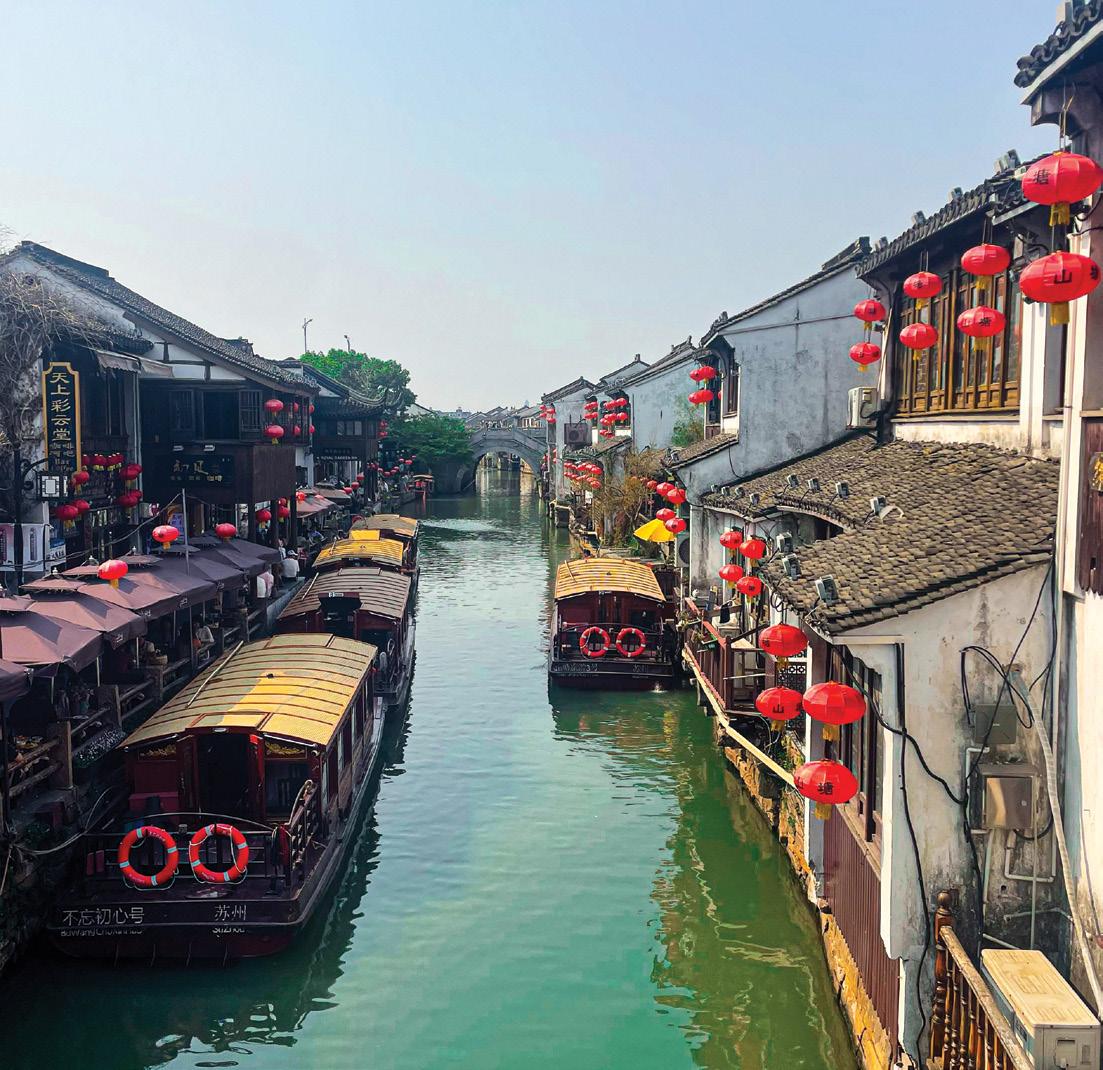
Suzhou China
PHOTO BY MEGAN LEE
INTERNATIONAL TRAVEL FOR SCHOOL OF PHARMACY STUDENTS BROADENS WORLDVIEWS AND EXPANDS CULTURAL AWARENESS.
Pharmacy Student
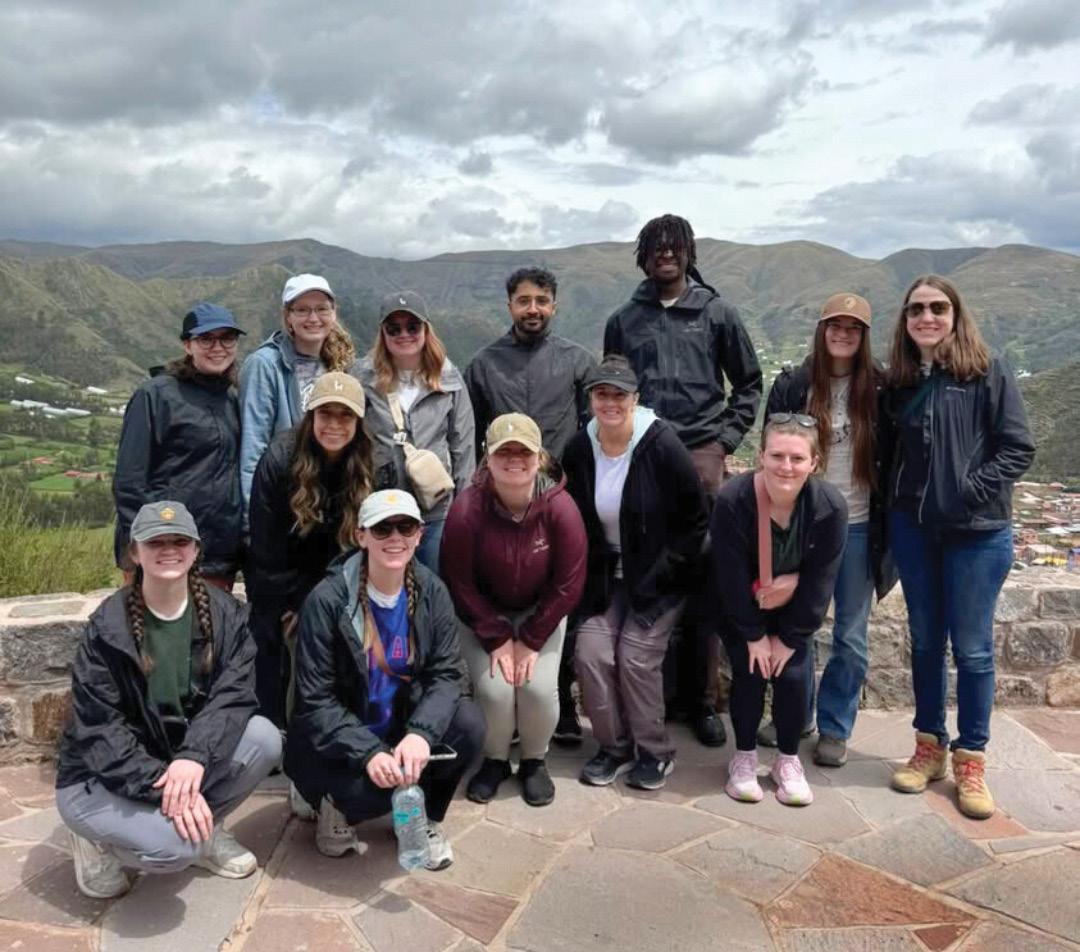
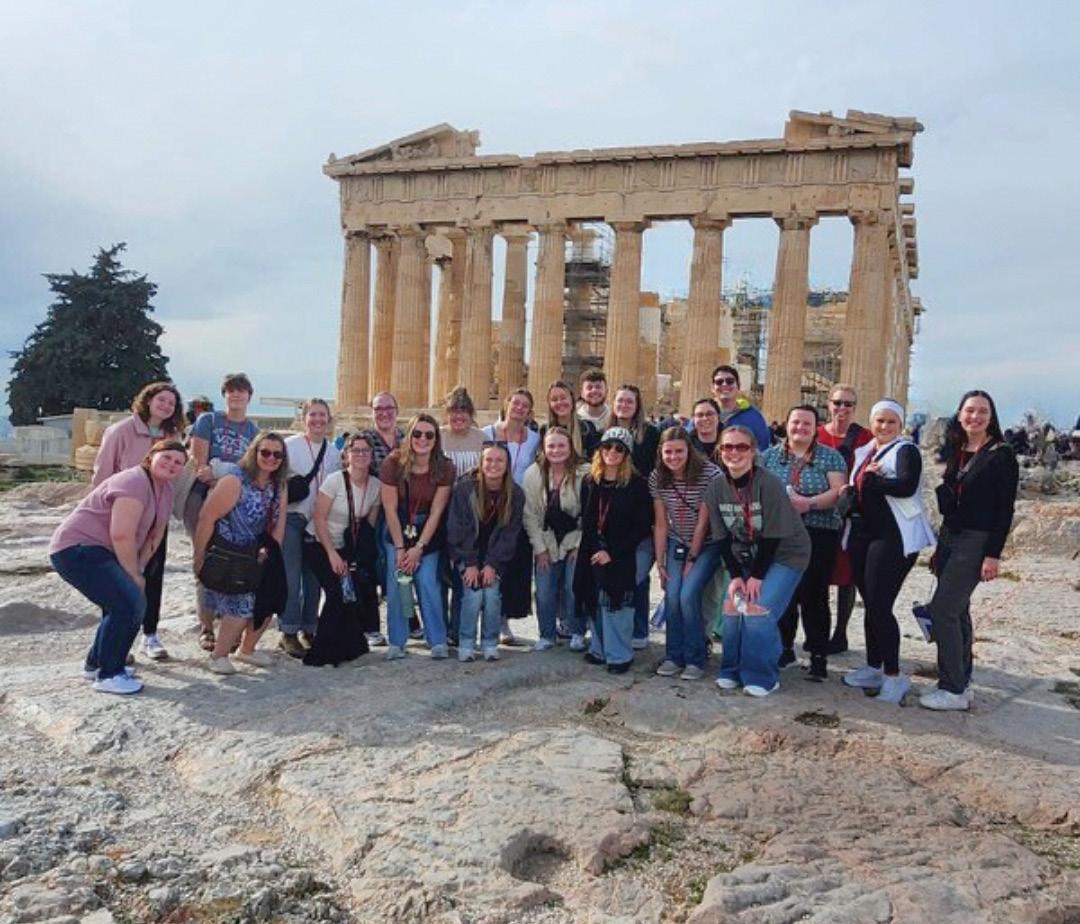
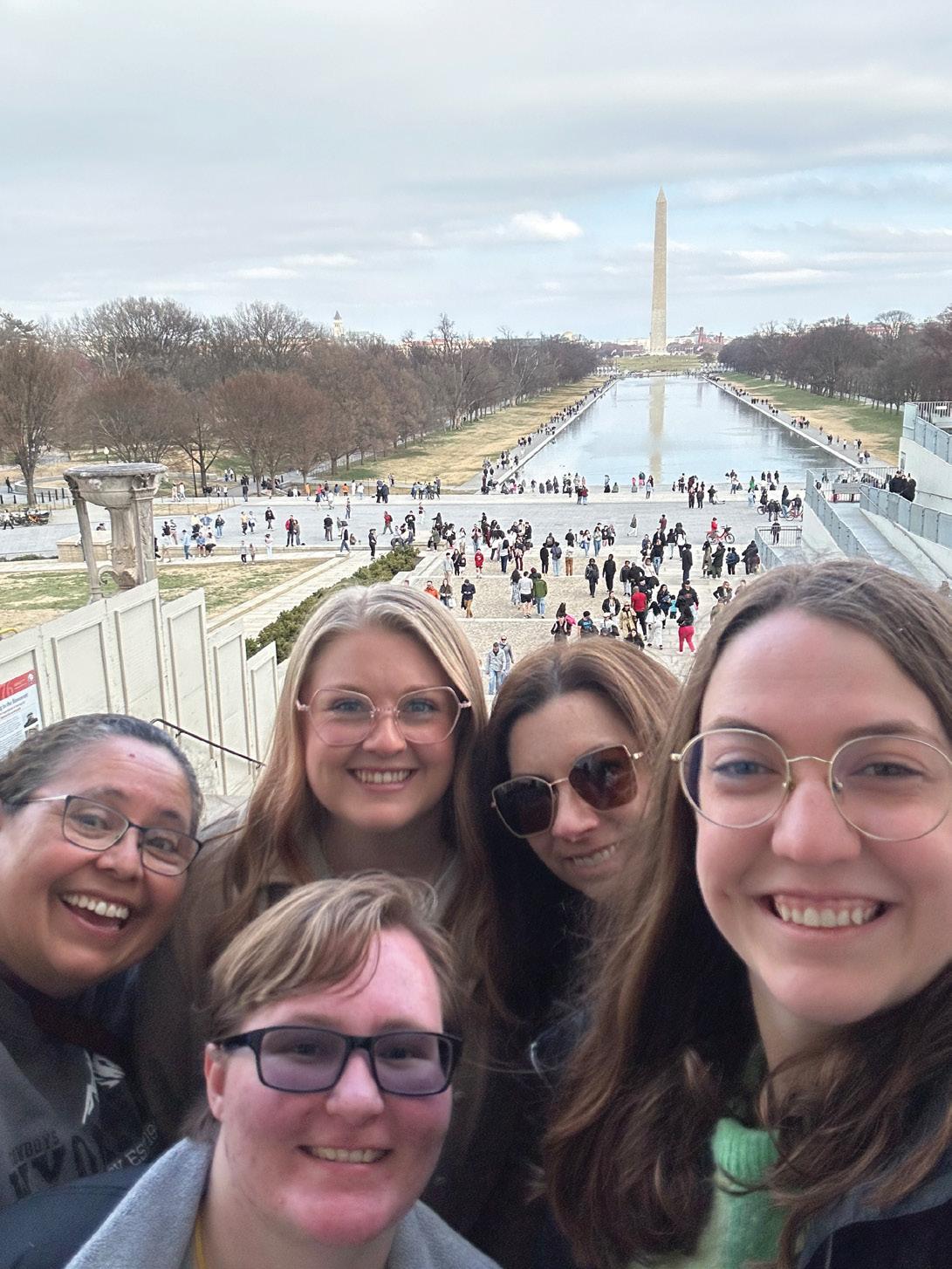
Pharmacy students were on the move this year, participating in a range of enriching experiences that broadened their professional and global perspectives. A group of students embarked on exciting international journeys to Peru and Greece, led by faculty members Melissa Hunter and Jessica Richards. Additionally, students involved in the Health Access Leadership Program traveled to Washington, D.C., under the guidance of Tonja Woods. Several students also attended key national conferences, including the APhA National Meeting in Nashville and the ASHP Mid-Year Meeting in New Orleans.
The School of Pharmacy has long encouraged students to attend national meetings, recognizing the importance of these events in fostering professional growth, staying at the forefront of a rapidly evolving field, and building meaningful contributions to their careers and the healthcare community at large. This year, international opportunities that provide students with a broader view of their profession, were exciting additions to enrich the academic journey and enhance abilities to serve diverse communities in a globalized

world. During the Washington, D.C. trip, students engaged in leadership training and learned about the unique challenges of urban and rural healthcare through their exchange with Howard University.
The Student Perspective
“Throughout my time at the School of Pharmacy, I was able to take part in an exchange program with Howard University in Washington, D.C., to learn more about health disparities and treating different patient populations. I was also able to attend the APhA Annual Meeting in both Orlando and Nashville as the organization president! All of these opportunities taught me how to better treat patients and grow as a leader to become a well-rounded pharmacist and healthcare provider!” — Joy Nguyen, a fourth year pharmacy student.
“I chose to go on the Greece study abroad because it has always been a dream of mine to travel, and there is no better way than to do that than to go with your classmates and one of the amazing faculty of the UW School of Pharmacy. The trip was valuable in so many ways. I loved learning
Travel
Washington, D.C.
about the development of a healthcare system in another country and how religious beliefs and culture shaped it over the years. I was able to make some important comparisons to the healthcare system of the United States and develop some beliefs about ways that we could better our system if we adopted similar policies to those present in the Greece healthcare system. Overall, I was amazed and very much admired some of the cultural differences in Greek culture about slowing down, being present in the moment and enjoying the company around you. I hope to go back again someday and soak up even more great experiences there.”
— Kalli Pierantoni, a third year pharmacy student.
“Study abroad courses offer students the chance to broaden their worldview through immersive, first-hand experiences. Traveling and learning alongside faculty and peers also deepens the connections I can build with our students.” — Dr. Melissa Hunter
New Faculty and Student Awards
The UW School of Pharmacy is proud to welcome several outstanding new faculty members and is excited about their future contributions. Their diverse backgrounds, academic excellence, and dedication to student success and innovative research will greatly enrich our learning community. These new additions reflect continued commitment to providing a high-quality education and fostering a collaborative environment for both faculty and students.
Practice Faculty
• Christina Berg, Clinical Assistant Professor
• Aaron Brown, Clinical Assistant Professor
• Katelynn Jackson, Clinical Assistant Professor
Science Faculty
• Khaled Elokely, Assistant Professor
• Alex French, Assistant Professor
Student Awards
• Honor Cords: Kairstyn Holden, Kaci Schmick, Levi Sinn
• Pharmacy Honor Award: Sebastian Mooney
• President’s Council Award: Tessa Raba
• Ambassadors of the Year: Katelyn Randall and Megan Schwantes
• Viatris Award: Kaci Schmick
• Merck Award: Levi Sinn
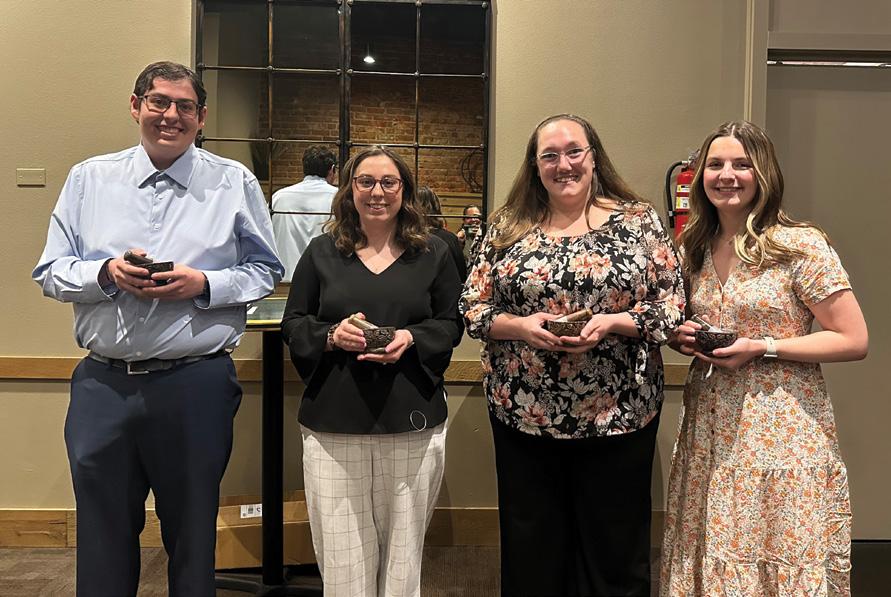
Left to Right: Sebastian Mooney – Outstanding P3 Award (awarded to highest GPA), Katelyn Randall – Ambassador of the Year, Megan Schwantes – Ambassador of the Year, Tessa Raba – President’s Council Award
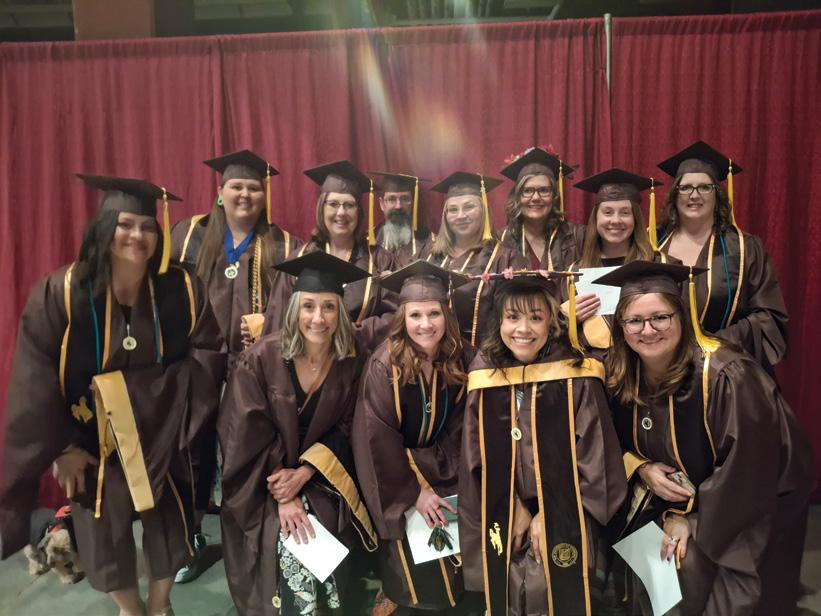
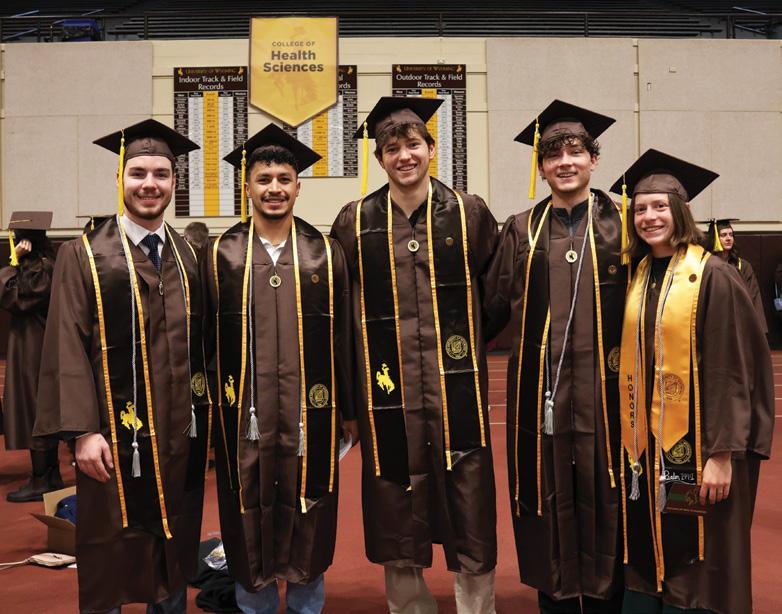
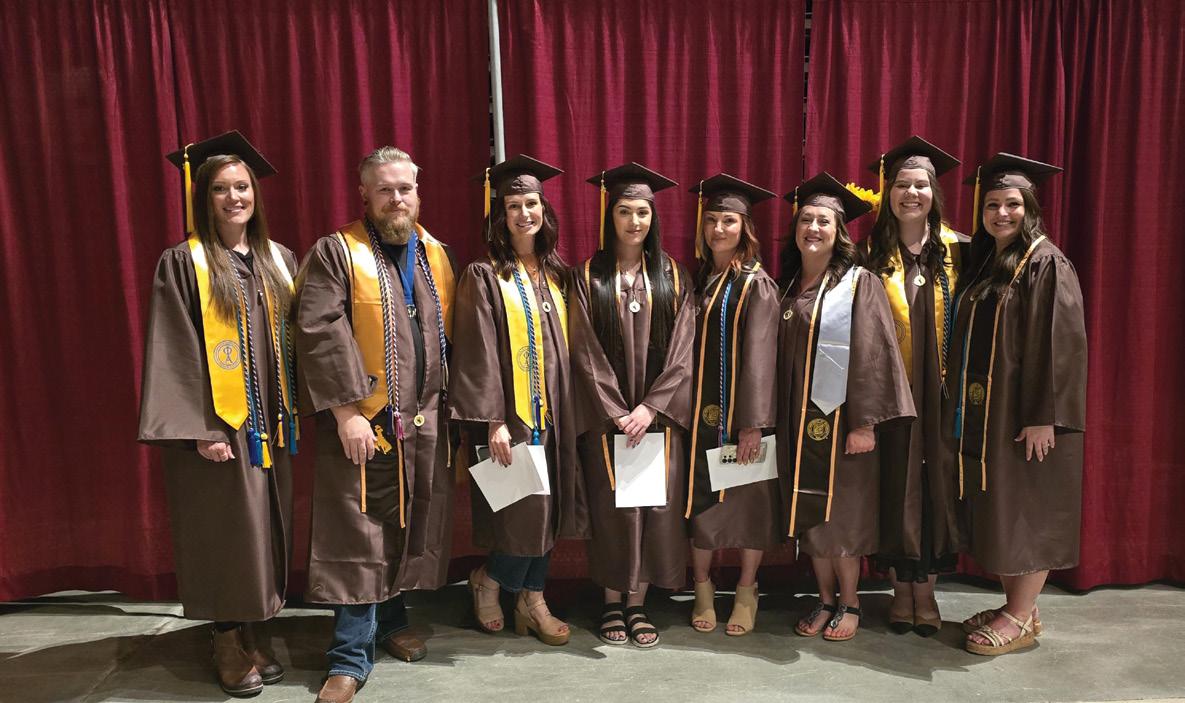
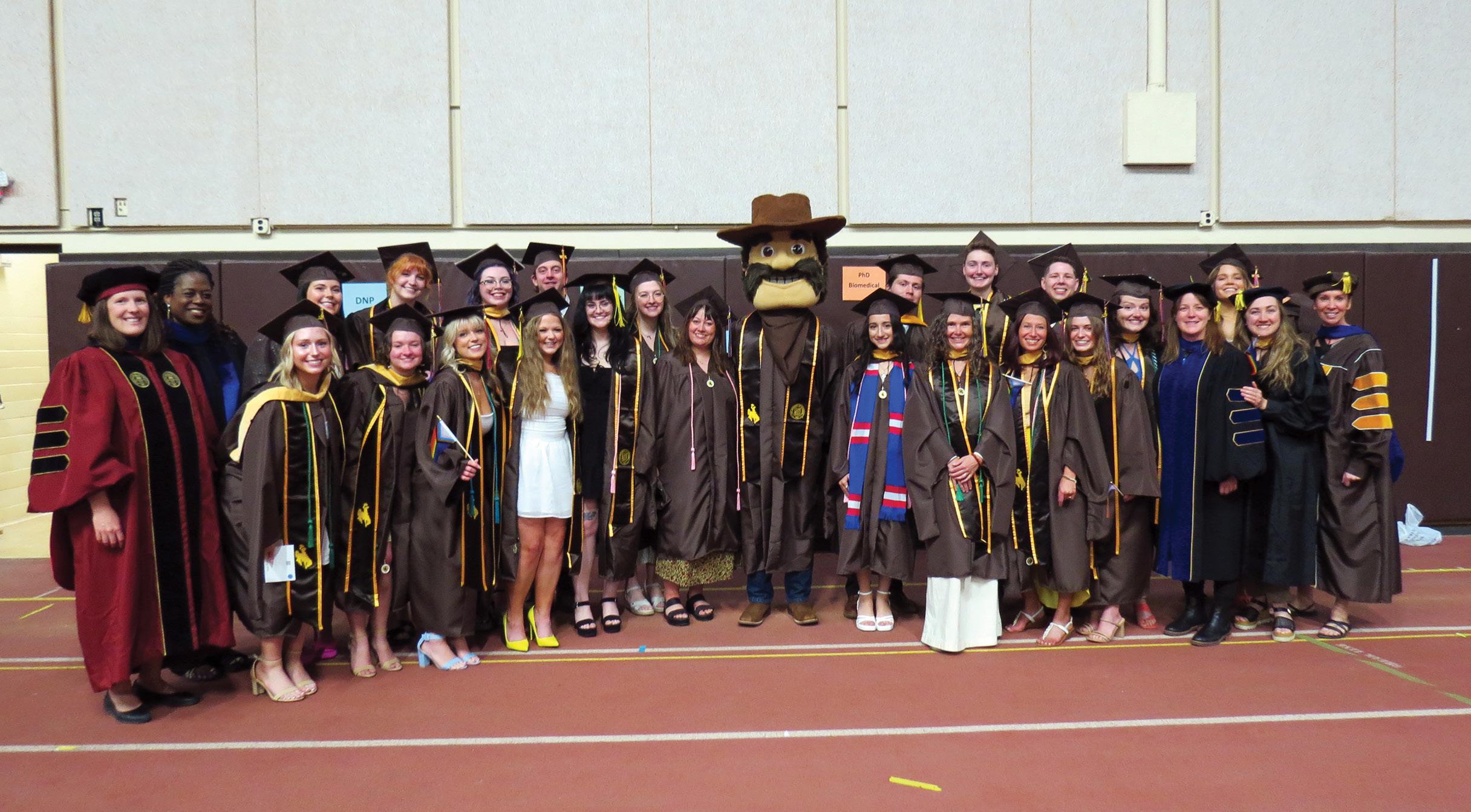
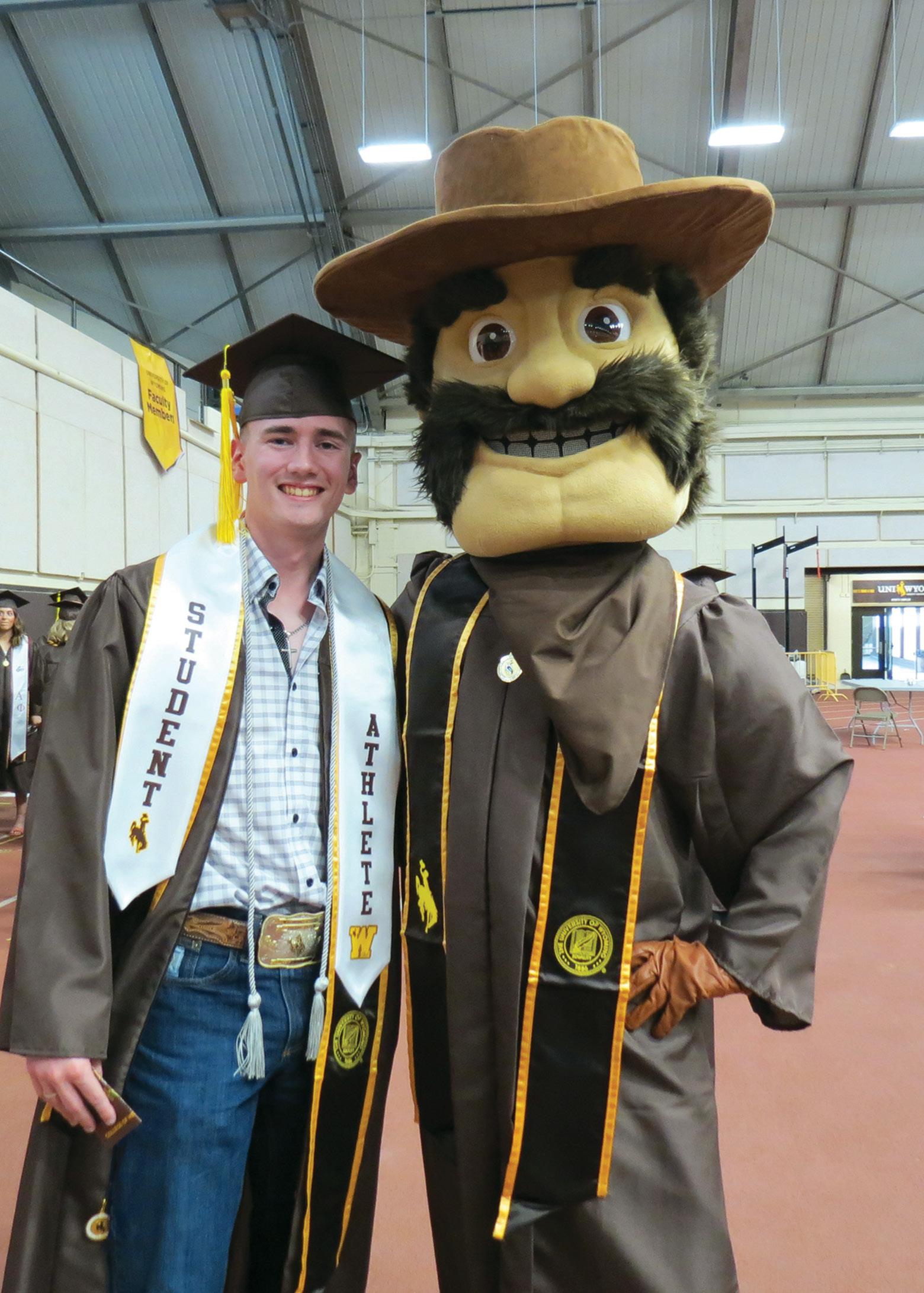
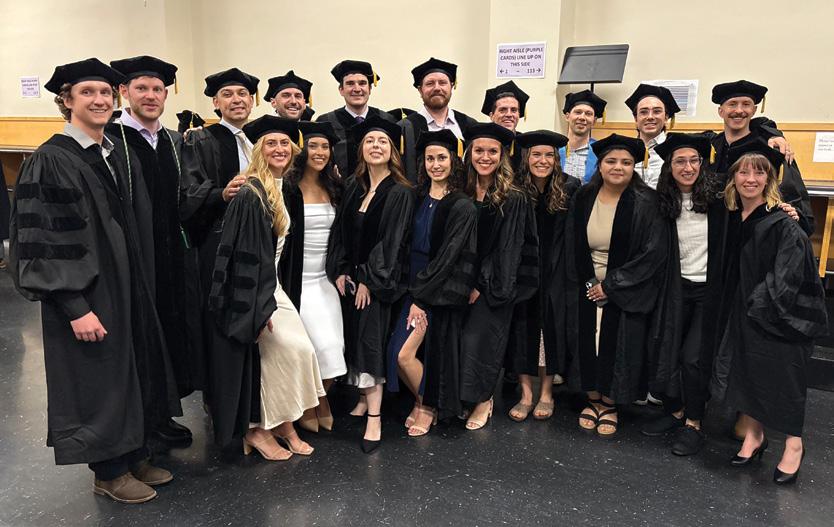
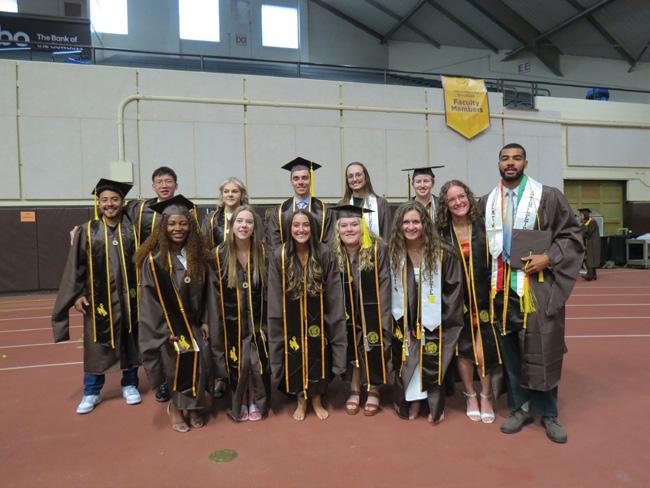
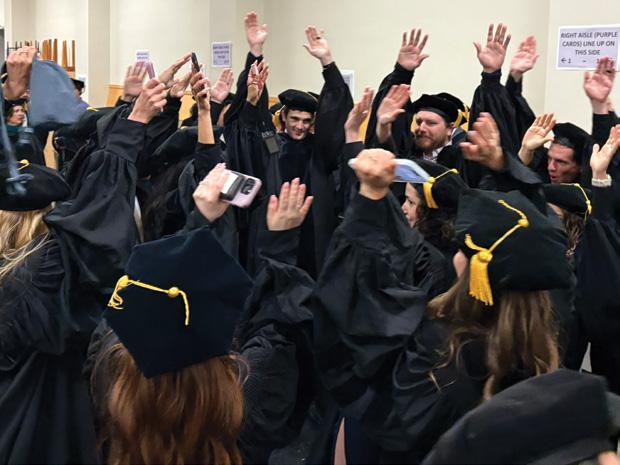
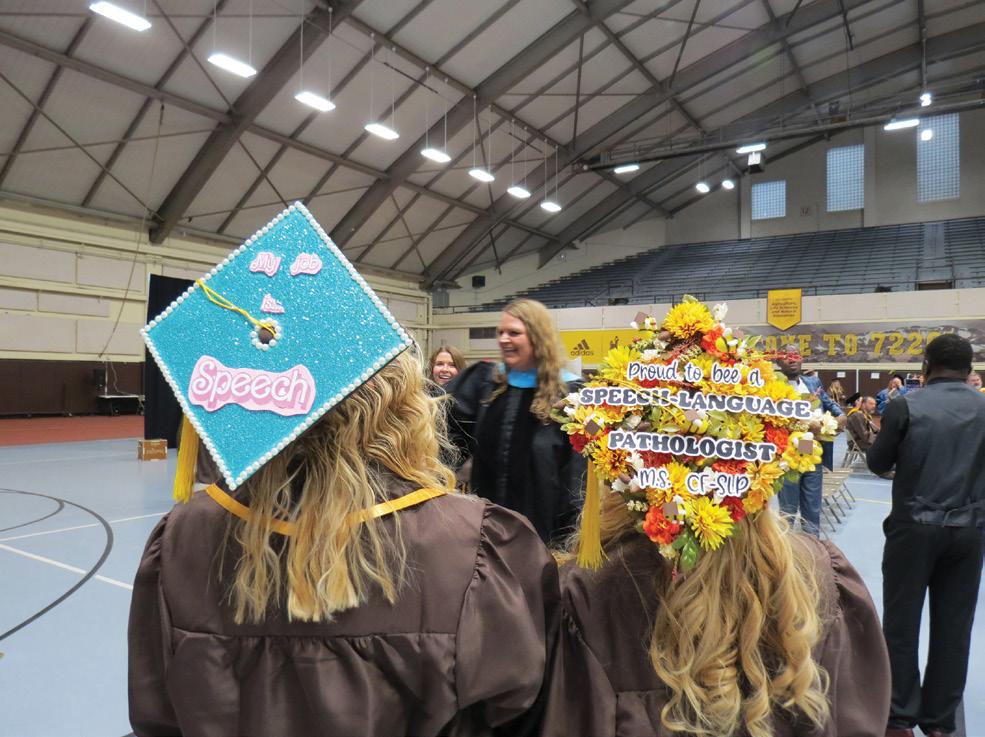
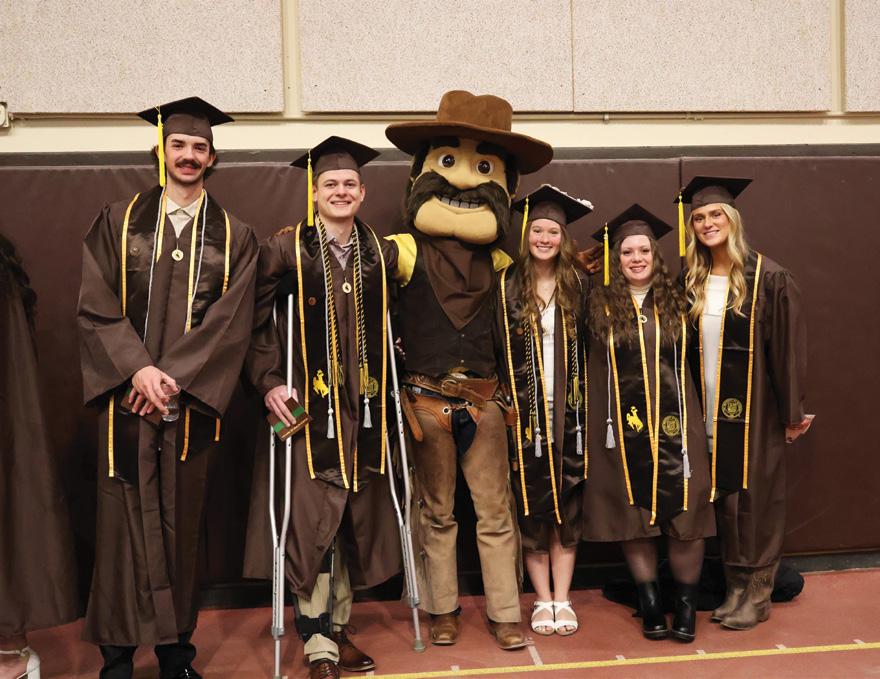
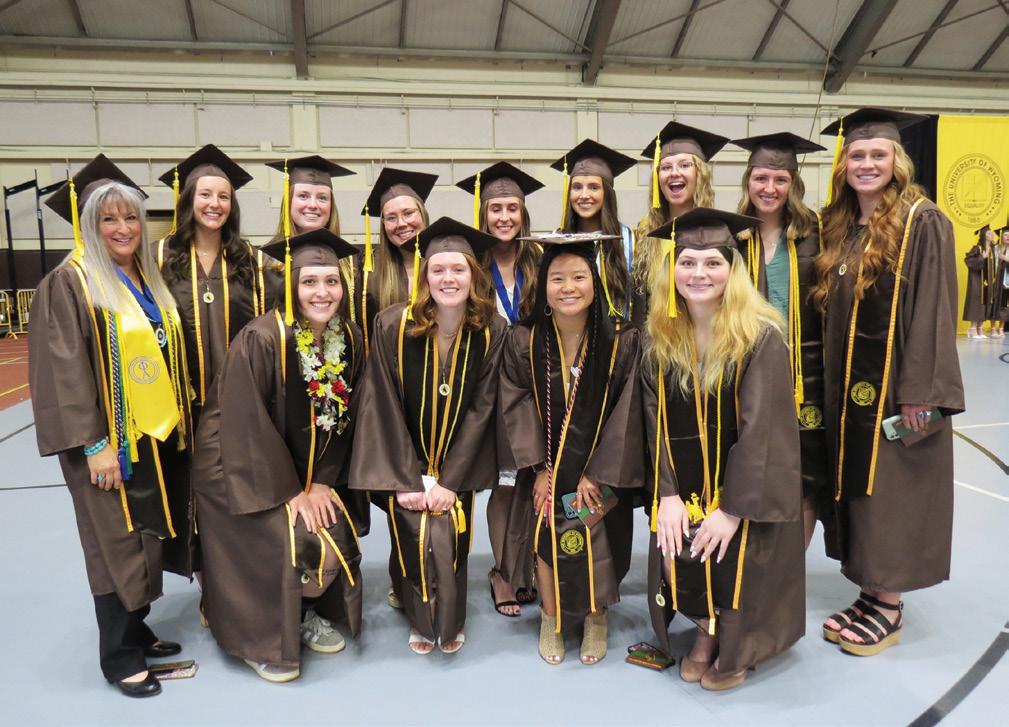
Congratulations graduates!







Wyoming continues to face a persistent challenge: a shortage of physicians serving its rural and underserved communities. The Wyoming WWAMI TRUST (Targeted Rural Underserved Track) program was created to address this critical need. By immersing medical students in authentic rural healthcare environments, the program fosters deep connections between future physicians and the communities they serve, ultimately encouraging them to return as practicing doctors after their training.
The TRUST program is a longitudinal curriculum embedded within the University of Wyoming’s WWAMI Medical Education Program — a partnership with the University of Washington School of Medicine to train Wyoming residents to become physicians. The mission of TRUST is to create a continuous connection between underserved communities, medical education and health professionals throughout the WWAMI region (Washington, Wyoming, Alaska, Montana and Idaho).
Students selected for the TRUST program are linked to a rural or small community health center even before they begin their first year of medical school. This community becomes their “home base,” where they return for clinical experiences throughout their four years of training. The program incorporates mentorship, advising and participation in programs such as the Rural Underserved Opportunities Program and the WWAMI Rural Integrated Track Experience clerkship.
Giving Rural Docs Staying Power
THE WYOMING WWAMI TRUST PROGRAM BUILDS PHYSICIANS FOR RURAL WYOMING.
Students frequently report that working closely with a small group of physicians in one setting is extremely beneficial for building both competence and confidence in their clinical skills. They also gain a deeper understanding of the intricacies of small local hospitals and clinics and how these institutions ultimately benefit their communities. As one Wyoming WWAMI student noted, “The TRUST program was what drew me to the WWAMI program in the first place. I firmly believe it was my best clinical experience in medical school and contributed more than any other experience to my learning.”
Authentic Rural Experiences: The Heart of TRUST
A defining feature of the TRUST program is its commitment to authentic, longitudinal rural experiences. Students are not just visitors — they become a part of the community’s healthcare fabric.
“Choosing to participate in TRUST was one of the best decisions I’ve ever made! Most of my classmates aren’t in one place long enough to build meaningful relationships with attendings or gain the trust to do things independently. I started forming a relationship with my TRUST community during the first summer experience, before medical school even started,” reflected Chantelle Barr of the entering Class of 2023. “Since then, I’ve returned to my TRUST Community, Thermopolis,
several times and have been able to maintain longitudinal relationships with both providers and patients, which has just confirmed that I want to pursue a primary care specialty to have that continuity.”
This continuity allows students to follow patients over time, understand the unique challenges of rural medicine, and develop the confidence and skills needed to thrive in resource-limited settings. “I was pushed to be more autonomous, more hands-on and more directly involved in patient care and decision-making than an academic hospital can offer,” Tazle Markovich, a member of the entering Class of 2021. “The longitudinal experience allowed me to build trust with my preceptors, which enabled me to function at a higher level.”
Wyoming TRUST Scholars: Real Stories, Real Impact
Wyoming’s TRUST program currently accepts up to four students per year. Recent scholars include Chantelle Barr (Thermopolis), Bradford Burns (Fremont County), Annaliese Fitzsimmons (Douglas) and Matthew Rasmussen (Powell) from the entering class of 2023, and Caden Crooks (Cody), Audrey Peasley (Douglas), Celestin Keelin (Rock Springs), and Annika Syvrud (Rock Springs) from the entering class of 2024.
The TRUST program creates early and sustained exposure to rural medicine, demystifies the challenges and highlights the rewards. Students report that TRUST takes
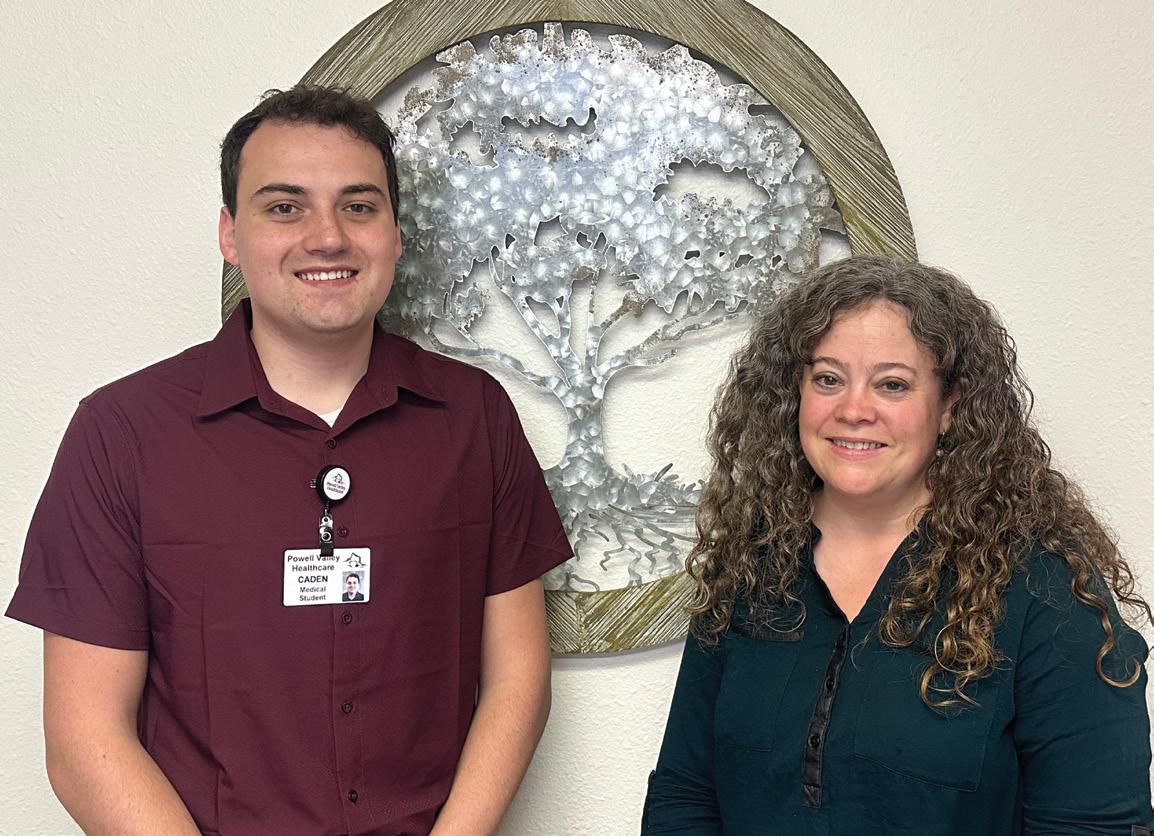
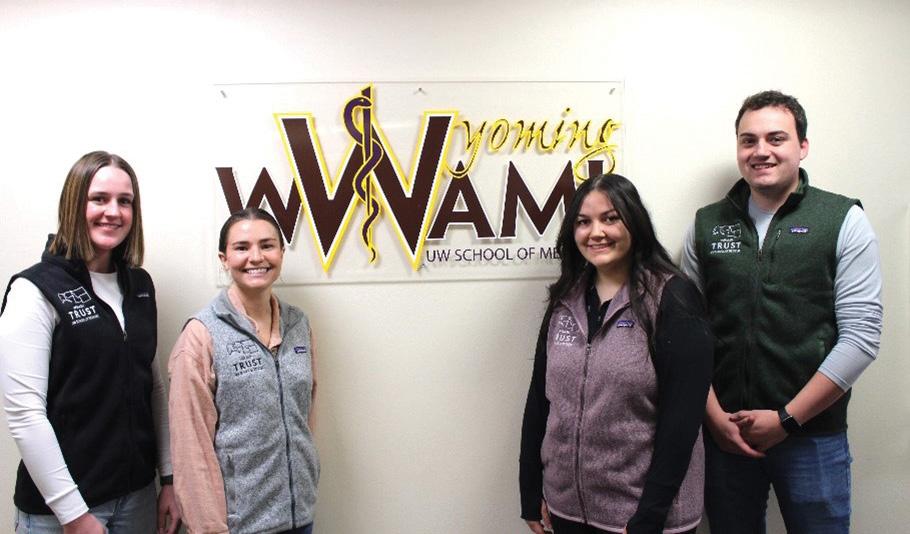
Left: Caden Crooks poses for a photo with his TRUST preceptor, Dr. Sarah Durney, at Powell Valley Medical Center during a clinical experience in July 2025. Below: Members of the Wyoming WWAMI E-24 TRUST Cohort (Annika Syvrud, Audrey Peasley, Celeste Keelin, and Caden Crooks) pose for a photo in their TRUST embroidered vests in front of the Wyoming WWAMI offices in Laramie.
anxiety out of preparing for rotations, eases the transition into clinical practice, fosters a sense of community belonging and purpose, and excites the community around the potential that the students want to return to work in the rural setting.
The impact of the TRUST program extends beyond clinical experiences to meaningful community outreach. Student Doctor Powell says, “I was able to contribute meaningfully from the start, not just in patient care but in community engagement-organizing a mountain biking camp with basic first aid education and presenting an opioid literacy project for local high school students. The strength of the TRUST program lies in its intentional design to bridge early clinical exposure with meaningful community integration.”
Return Rates: Do TRUST Graduates Come Back?
A central goal of the TRUST program is a “full-circle pipeline” bringing physicians back to Wyoming’s rural communities after residency and fellowship training.
The WWAMI TRUST initiative has demonstrated that immersive rural training significantly increases the likelihood that graduates will return to practice in the communities where they trained.
“TRUST reaffirmed my desire to come back to Wyoming to help my local communities. This was done through seeing my preceptors know their patients on much deeper levels than other doctors I have met, which I feel
often led to much better and patient-specific plans that would be followed,” says Brandon Young, a member of the entering class of 2021. “I often ran into patients outside of the clinic who would approach me and respectfully give me quick updates on their health status or just thank me again for participating in their care. This was very rewarding and reminded me why I want to work here in Wyoming.”
National and regional studies consistently show that medical students with sustained rural experiences and mentorship are much more likely to choose rural practice after completing their training. The program’s structure — linking students to a community from the very beginning and providing continuous, authentic rural experiences — has been shown to be a key driver of these outcomes.
The Power of Place: Why Rural Experiences Matter
TRUST fosters not only clinical competence but also a deep sense of responsibility and connection by embedding students in the communities they may one day serve.
One TRUST student said, “The extensive hands-on and continuity of care I was able to develop with patients during my clinical experiences in the TRUST program has allowed me to get the very best training in rural medicine and will help me succeed as a practicing physician in a rural hospital.”
Franklin Powell, a member of the entering class of 2022, says, “The strength of the TRUST program lies in its intentional design to bridge early clinical exposure with meaningful community integration. By placing students in underserved rural settings and investing in longitudinal relationships, TRUST fosters a learning environment where students are not only trained but truly welcomed as part of the healthcare team.”
The clinical experiences within the TRUST program help guide students in their specialty choices and practice locations. Student Doctor Markovich says, “My experience with TRUST not only confirmed what I wanted to do as a future doctor, but I also believe it was instrumental in me matching to my top choice for residency and my decision to return to Wyoming. Rather than full-spectrum family medicine being an idea that I wanted to do, it was a reality I had experienced, which I could write about in applications and discuss during interviews.”
Looking Ahead
The Wyoming WWAMI TRUST program stands as a model for rural medical education, demonstrating that when students are given real, meaningful experiences in rural healthcare, they are far more likely to return and serve those communities. As one student said, “TRUST offers a unique opportunity for students to make intimate connections with a small community early on in their medical school continuum. Students become an integral part of the system essential to helping small communities maintain access to healthcare in rural areas.” In doing so, TRUST is helping to ensure that Wyoming’s rural residents have access to the dedicated, skilled physicians they neednow and in the future.
“TRUST reaffirmed my desire to come back to Wyoming to help my local communities.” — Brandon Young
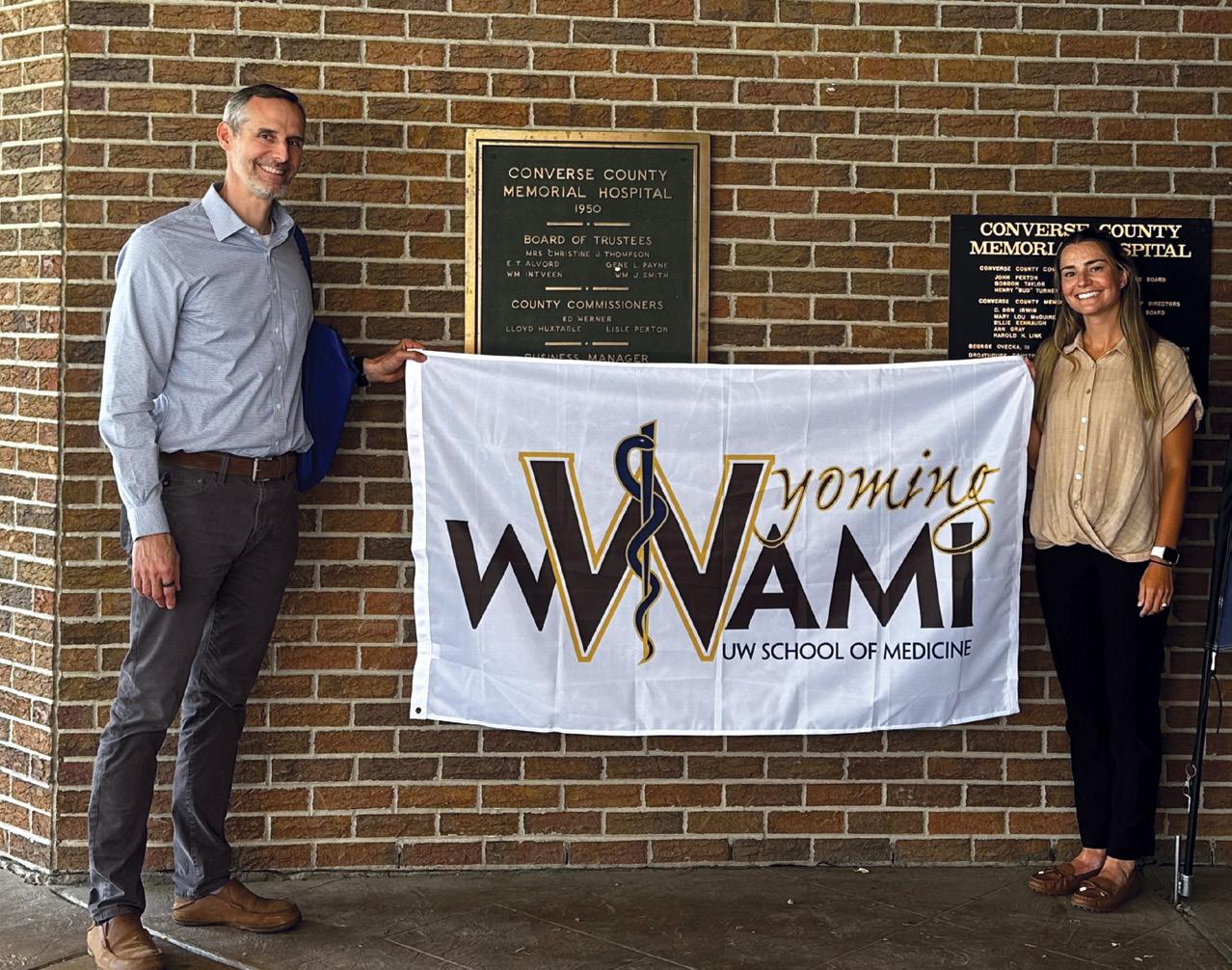
Audrey Peasley, from Douglas, is pictured here with WWAMI Director Dr. Todd Guth at the main entrance to the Converse County Memorial Hospital during a TRUST site visit in July 2025.
UW’s Nursing School Receives Top Rankings
UW’S FAY W. WHITNEY SCHOOL OF NURSING PROGRAM EARNS TOP RANKINGS BY NATIONAL LICENSURE REPORT.
There are many ways to examine the success of an academic program, including student evaluations and enrollment numbers. In addition to those factors, the Fay W. Whitney School of Nursing can point to a 100 percent pass rate for Bachelor of Science in Nursing (BSN) graduates who took the national licensure exam for registered nurses (RN) this past year.
As a result of the successful nursing graduates’ exam pass rate, UW’s nursing school’s Basic BSN program has been ranked No. 1 in RN programs in Wyoming as well as first
among 1,124 BSN programs and first among 2,228 RN programs across the country (data reported from Mountain Measurement Inc., Portland, Ore.).
The Basic BSN program is an oncampus option for students who want to become registered nurses and earn the BSN degree. The school accepts up to 40 students each year.
Sherrill Smith, dean of the Fay W. Whitney School of Nursing, credits the success of the Basic BSN graduates’ pass rate to the extensive work of school faculty in helping students prepare for the exam.
“Our faculty have been working very hard to prepare our graduates for the new NCLEX-RN exam that started in 2023,” Smith says. “It is very exciting to see the impact of their work to prepare our students for practice as registered nurses.”
The analytic report allows the school to see how students performed on the four categories of the RN exam — safe and effective care; health promotion and maintenance; psychosocial integrity; and physiological integrity.
The report allows faculty to see areas where students do well and where program improvement can better assist students.
Carrie Barr, BSN programs director and senior lecturer, sees the importance of having not only excellent faculty, but an entire school devoted to helping students.
“We have phenomenal faculty who go above and beyond to ensure that our students’ success both in clinical practice and on the NCLEX-RN exam,” Barr says. “Our faculty, staff and students are the best of the best and that shows in our program’s No. 1 ranking.”
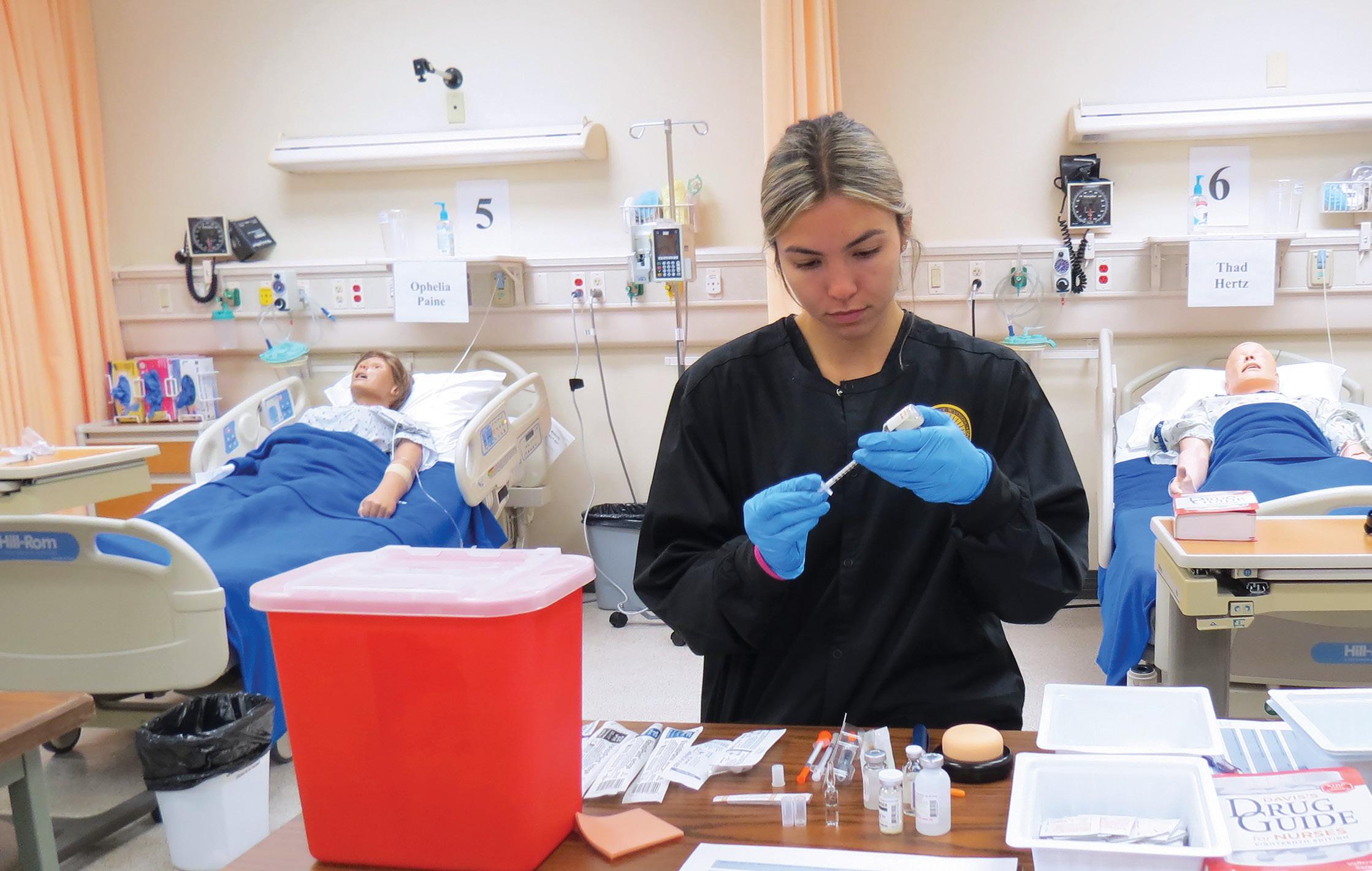
Tommi Olson practices IV and injection skills.
Celebrating Student Leadership
THE ASSOCIATED STUDENTS OF SOCIAL WORK LEADERSHIP HELP BUILD COMMUNITY THROUGH SERVICE.
The Division of Social Work at the University of Wyoming proudly fosters student leadership across its programs. In recent years, the Associated Students of Social Work (ASSW), a recognized BSW student organization with active members on both the Laramie and UWCasper campuses, has taken its initiatives to new heights and stands out as a leader in community service and engagement.
ASSW has consistently gone beyond the classroom to make meaningful connections in the community. Through numerous service and fundraising efforts, members have worked to address local and global needs. In past years, they’ve raised funds in the fight against breast cancer, collected diapers for families served by Mercer House, gathered care supplies for U.S. troops stationed abroad, cooked and served meals at the Central Wyoming Rescue Mission, embarked on a campus-wide clothing drive for a local
homeless shelter and raised funds for local nonprofit agencies.
ASSW also cultivates a sense of belonging among social work students. Monthly meetings allow members to build connections, support one another academically and professionally, and grow as leaders. This peer community not only enhances student engagement but also fosters a stronger sense of identity and purpose within the social work profession.
In May 2025, at the Division of Social Work’s graduation celebration, ASSW was honored with the Exemplary Community Service Award — an annual distinction given to a graduating student or student organization that has demonstrated extensive leadership and community involvement.
The award recognizes ASSW’s commitment to community-building across cohorts, campuses and the College
of Health Sciences, including several high-impact community engagement events that elevated awareness of the social work profession and drew in participants from across the university.
During March, in honor of Social Work Month, ASSW organized a dynamic series of events on the Laramie campus, starting with a kickoff luncheon that brought together students, faculty, staff and the dean. The month culminated in an evening celebration of the profession, featuring two special events that recognized the broader social work community. The first was a workshop by Virginia Avery, LCSW, titled “Neurodivergence: The Social Worker’s Approach to Compassionate Clinical Care,” which offered continuing education units to attendees and highlighted inclusive clinical strategies. Later that evening, ASSW hosted a dinner celebration where
Avery delivered a keynote address titled “Compassion in Action: The Heart of Social Work Ethics.”
Virginia Avery, a Licensed Clinical Social Worker and Navy veteran, is the owner of Avery Counseling & Services LLC. She specializes in traumainformed, neurodivergent-affirming care and currently serves as chair of the NASW Montana Policy and Social Action Committee. ASSW’s thoughtful planning of these events reflects its commitment to education, advocacy and meaningful recognition of the profession’s values.
Mary Ivanoff, secretary/treasurer of ASSW, Laramie chapter
On the planning and impact of Social Work Month events: “Being part of the overarching efforts of Social Work Month events really brought meaning to our roles as future social workers. ASSW was honored to begin what we hope are inaugural events to this important tradition around our field of practice.”
On building community through service and leadership: “Service and leadership are at the heart of the mission of ASSW at the University of Wyoming. To play an integral part in many efforts directed toward the benefit of broader
communities cemented for many of us why we chose this path. It is inspiring, challenging, and rewarding to see our efforts pay dividends in the lives of others.”
On the UW-Casper campus, ASSW students participated in service activities with several local nonprofits in Casper, including Mercer Family Resource Center’s annual fundraiser, Dancing with the Stars, assisting the Court Appointed Special Advocates of Natrona County with their gala fundraiser, and gathering donations of needed items for youth crisis center residents.
A goal set by the ASSW UWCasper was to build connections and relationships with not only each other, but also with UW-Casper faculty, staff and students, as well as the Casper College Social Work Club. Students independently planned and invited the Casper College Social Work Club to events such as a Meet and Greet with Social Work, a Dip into the Nest MidSemester Gathering and the Second Annual Halloween Party.
Throughout the year, the students’ impact both in the community and the branch campus did not go unnoticed, with several members of the community commenting on the fellowship and gratitude they had for the social work students of ASSW.
Noelle Romer, president of ASSW UW-Casper chapter
Describes her experience building community through service and leadership: “Being part of ASSW enhanced my experience both as a student and as a community member. Not only did I have so many opportunities to grow in my leadership, I was able to make meaningful impact within my community, engage with others who are also passionate about helping and being of service, and strengthen the bond among the students of social work across our campuses.”
ASSW’s exceptional work this year exemplifies the best of student-led engagement, by full-time undergraduate students who are also balancing rigorous academic demands. Their ability to organize inclusive events, advocate for meaningful change, and foster strong connections between campus and community speaks volumes about their passion, commitment and leadership. Their accomplishments now foreshadow a profound impact as future social workers in the field.
Much credit is also due to faculty advisors Billie Chapman and Christine Vencill, whose steady guidance and enthusiastic support are instrumental in nurturing this dynamic student organization.
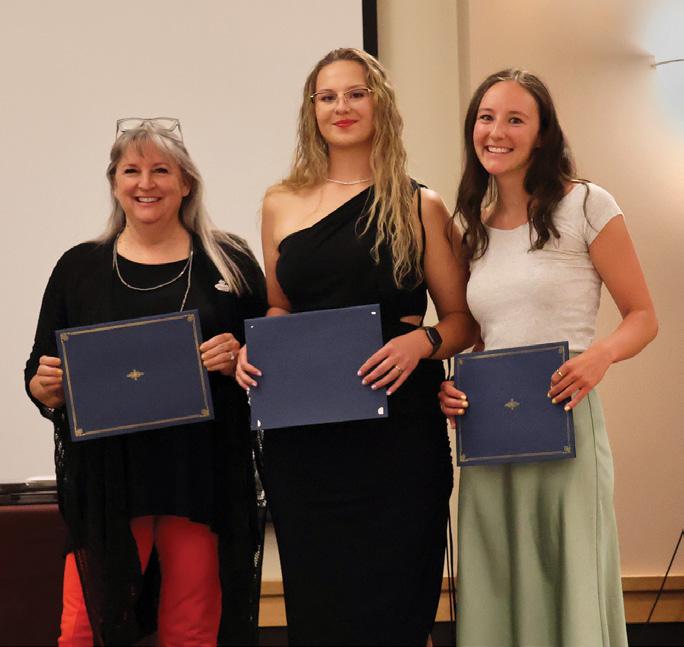
Members of the Associated Students of Social Work 2025 graduating officers (Laramie campus) from left to right: Mary Ivanoff (secretary/treasurer), Lexi Arp (president) and Sage Kilgore (vice president).
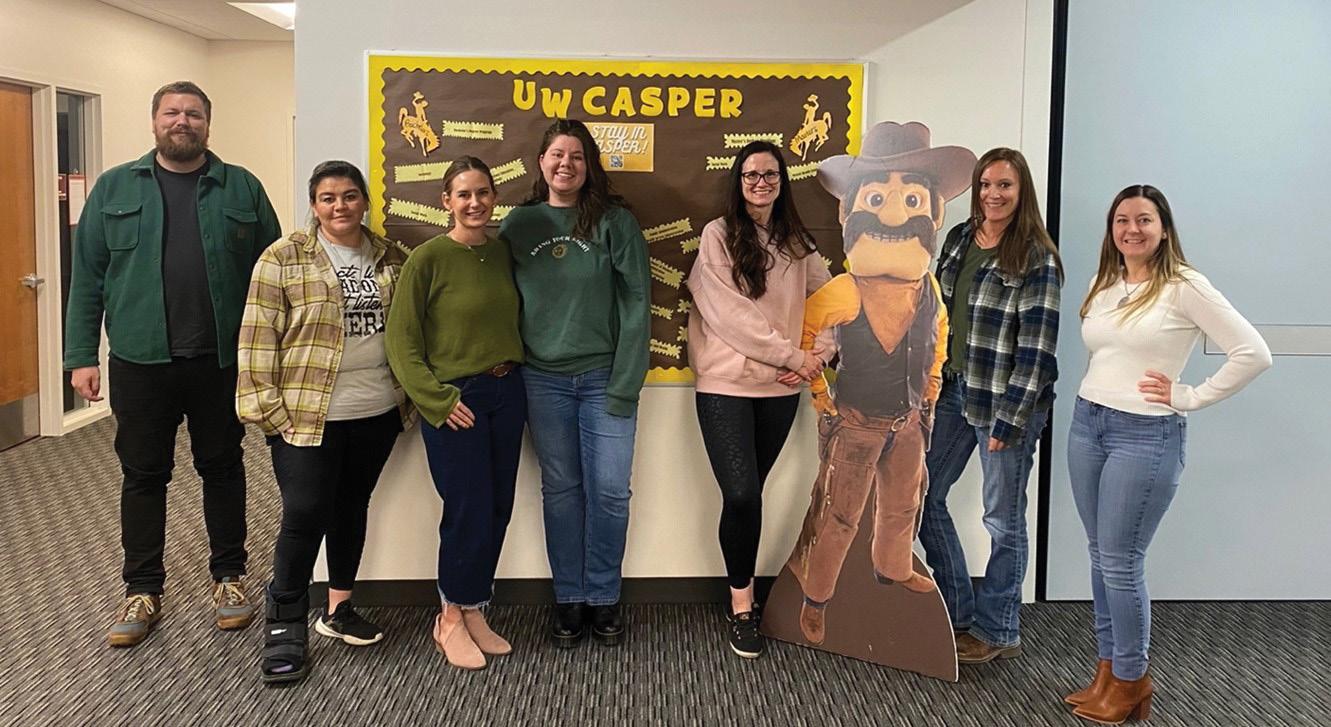
Members of the Associated Students of Social Work UW-Casper campus, 2025. From left to right: Jacob Bailey (treasurer), Yolanda Isaldo, Haley Lensert, Bronwyn Harstad (secretary), Caleigh Grundhoffer (vice president), Noelle Romer (resident), and Christine Vencill (faculty advisor).
Leading the Future of Healthcare
The UW Master of Science in health services administration (MSHSA) program prepares health-care professionals and related support roles to lead in today’s evolving and complex health-care systems. With coursework delivered primarily online and two in-person seminars, the program offers flexibility for working professionals along with real-world experiences that build leadership confidence.
Students choose between two focus groups (health institution leadership or biopharmaceutical regulatory compliance) with specialty track options.
The program welcomes students from diverse healthcare backgrounds — including pharmacy, nursing,
kinesiology, public health and biotechnology — and has enrolled learners from 40 states. In-state tuition is offered to qualifying members of professional healthcare organizations, making this nationally reaching program both accessible and affordable.
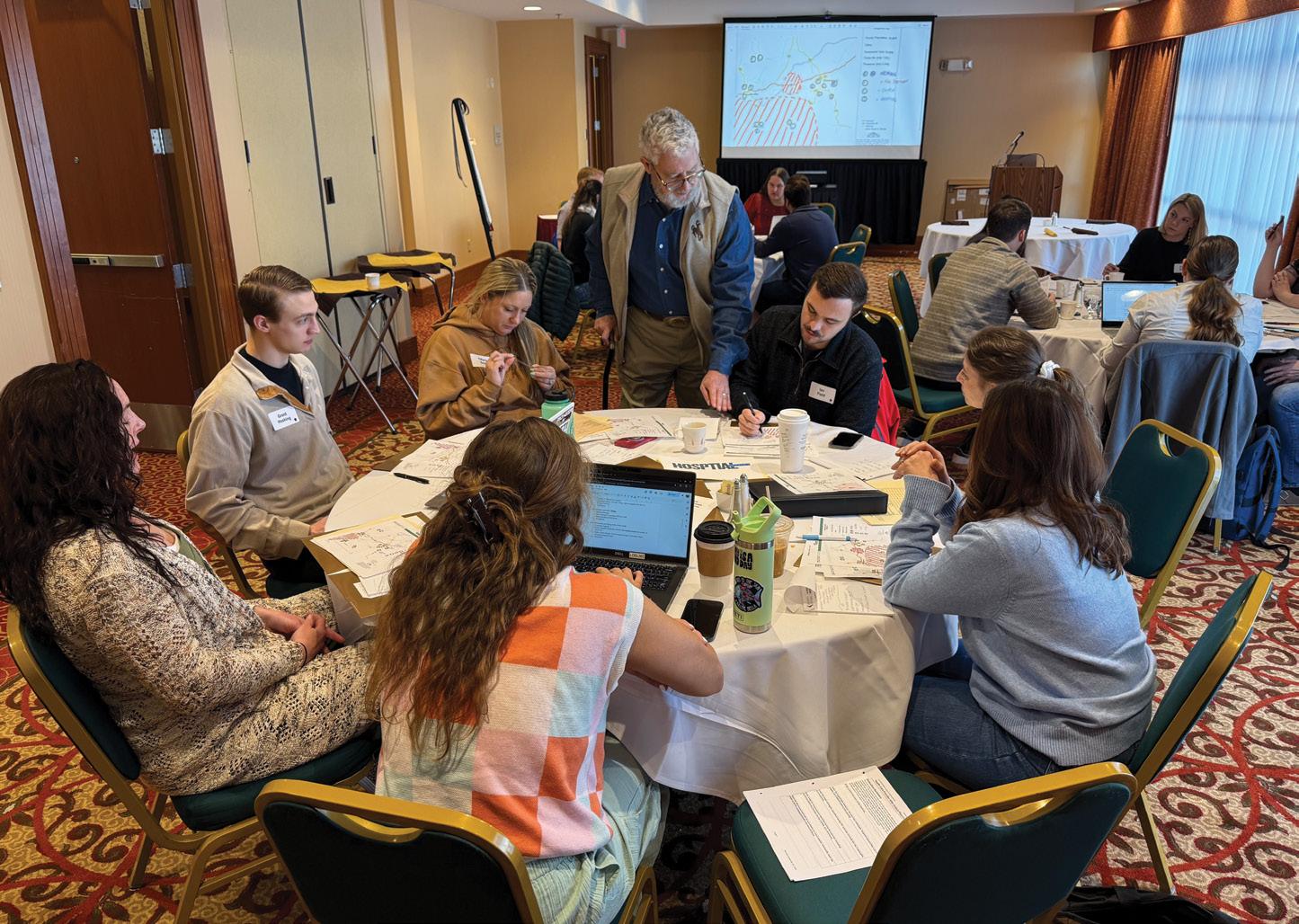
In spring 2025, 22 students first and final semester students participated in a seminar course, gaining handson insights into emergency response leadership. Students engaged in a two-day simulation led by emergency management experts Steve and Pat Adams, with support from Dean Kem Krueger and Program Director Elliott Sogol.
Here’s what students had to say about the experience:
“Being a part of the EMS team, where our responsibilities were so broad, reinforced the importance of structured coordination, adaptability and effective communication.” — Lily Joslin
“Participating in the seminar provided valuable insights into the complexities and challenges of responding to real-life emergencies. It highlighted the importance of preparedness, communication and coordination.” — Melissa Ragsdale
“A highly valuable takeaway was the overall scope of an emergency and how you must focus on several tasks at once to ensure a wellrounded, thorough response.” — Abigail Osburn
Students in the M.S. in health services administration spring 2025 seminar work in teams to tackle an emergency planning challenge, guided by expert insights from Steve Adams on real-time crisis decision-making.
The MSHSA Advisory Board was established fall 2024 to engage the learning community. Members include both alumni and current students (Donovan Downey, Holly Eastridge, Payton Gambill, Jill Goldstein, Kelli Perrotti, Tiffany Scott, Jennifer Stewart, and Joe Wright), meeting each semester to advise on program goals, curriculum and innovation.
Advisory Board Chair Donovan Downey had to say about his experience:
“The MSHSA program through UW has helped prepare me in several ways for my role today as a senior human resources and compensation leader and manager. First, the curriculum is directly correlated with what a leader or manager can expect to see from the side of an administrator within health services. From understanding organizational behavior to health finances in health services, and even to the clinical side of quality and compliance management, the foundational knowledge from all the courses in the program has been extremely useful for me in my role.
“Next, the diverse background of the faculty and students within the program provides a wide range of points of view and they can provide an understanding of the clinical and non- clinical side of administration.
“Finally, how the program is set up has helped me tremendously in my role in navigating critical thinking situations that aren’t always easy winwin types of situations within administration. Throughout the program’s courses, students are faced with similar challenges and topics where the answers aren’t always black and white from an administration standpoint, which forces students to think as a leader or executive faced with similar situations in an organization and how they could handle these different types of problems.”
Meet board members, students, alumni and faculty on Facebook (WyomingMastersHealthServices), Instagram (uwyo_mshsa) or LinkedIn (uwmshsa).
Applications are currently being accepted for both Fall and Spring semester starts. Learn more at uwyo.edu/pharmacy/mshsa .
Expanding Access and Advancing Practice
The UW Health Professionals Continuing Education Group — an interdisciplinary partnership between the School of Pharmacy and the Fay W. Whitney School of Nursing — provides highquality, accessible continuing education to pharmacists, pharmacy technicians and nurses across Wyoming and beyond.
The School of Pharmacy earned provider accreditation from the Accreditation Council for Pharmacy Education in 2020, and the School of Nursing became an accredited provider through the American Nurses Credentialing Center in 2022. Together, these designations empower UW to offer evidence-based, professionally accredited continuing education (CE) that meets the diverse needs of today’s health-care workforce.
To date, UW has delivered over 100 CE activities for pharmacists and pharmacy technicians and more than 65 activities for nurses. Programs have ranged from regulatory updates and patient safety to leadership development and clinical best practices.
Educational formats include in-person sessions, live virtual presentations and asynchronous online modules — all designed to support professionals at every career stage.
Collaboration remains a cornerstone of UW’s CE efforts.
Partners have included:
• Wyoming Pharmacy Association
• Wyoming Society of Health-System Pharmacy
• Pharmacists Mutual Insurance Group
• National Association of Boards of Pharmacy
• Wyoming Nurses Association
• Project ECHO at UW
• Washakie County Public Health
• UW’s Sigma Theta Tau – Alpha Pi Chapter
In addition, UW’s innovative spirit has extended globally with study-abroad CE programs in Peru and Ireland, providing unique opportunities for health professionals to explore global health systems and cultural perspectives on care delivery.
With a growing list of partners and a commitment to professional excellence, the University of Wyoming is proud to support the continuing education needs of health-care professionals throughout the Mountain West and beyond.
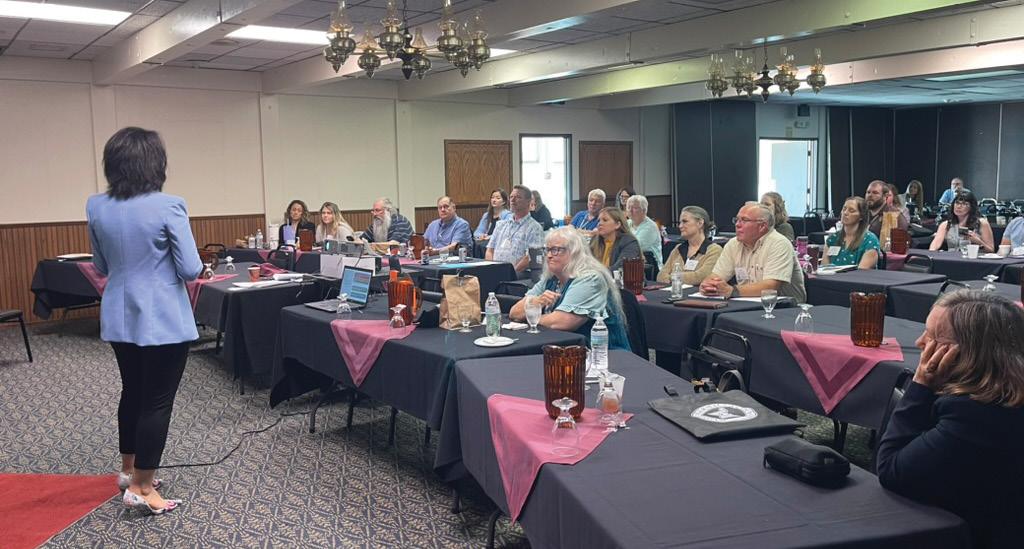
Lavinia Salama delivers a presentation titled “Covering the Bases with GLP-1s: Diabetes, Obesity, and the Insurance Conundrum” at the 2024 Wyoming Pharmacy Association Convention in Thermopolis.
Pharmacy Updates
Dual Degree Programs
The School of Pharmacy recently broadened its academic portfolio to provide students with more diverse and careerfocused educational pathways. These dual and combined degree programs are designed to enhance professional preparation, support competitive residency applications and provide graduates with a strong foundation in complementary disciplines.
B.S. in Physiology/Doctor of Pharmacy (PharmD): The B.S. in physiology/PharmD is the newest offering. Students often pursue this integrated path to strengthen their scientific background and enhance their competitiveness for residency placements. Completion of this dual-degree program typically requires an additional year of study beyond the standard PharmD curriculum.
Master of Science in Health Services Administration (MSHSA)/PharmD: The MSHSA/PharmD dual-degree program enables current PharmD students to concurrently earn a MSHSA without extending their time to graduation. This program provides valuable training in health-care leadership and administration, equipping graduates with the skills necessary for career advancement or enhancing their qualifications for residency programs.
Master of Business Administration (MBA)/PharmD: Students in the longest-standing dual-degree dedicate an additional year to complete their MBA coursework before resuming their professional pharmacy curriculum. This program prepares graduates for leadership roles in health-care management, pharmaceutical industry and business operations within pharmacy practice.
Medical Laboratory Science Goes International
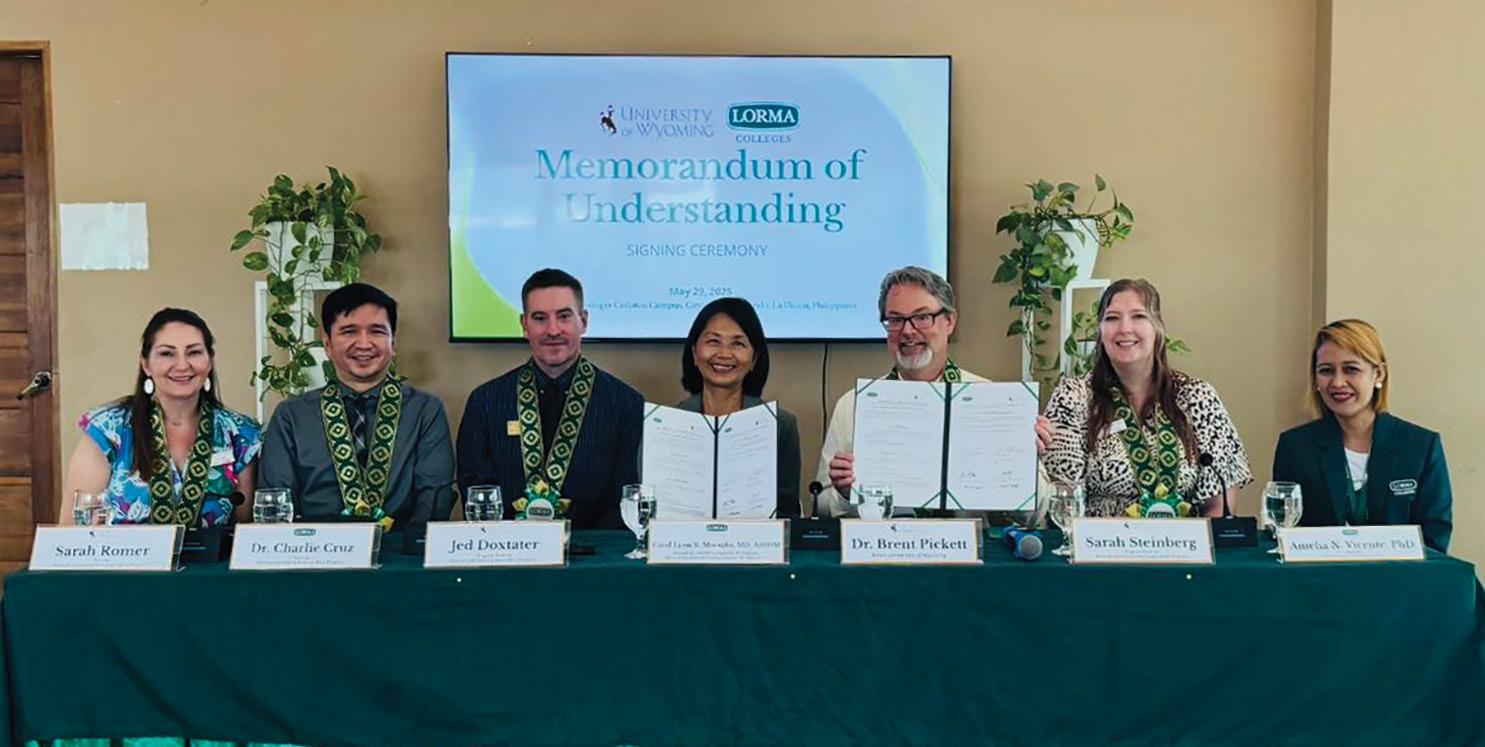
A new global opportunity is taking shape for Medical Laboratory Science (MLS) students at the University of Wyoming. From May 25 to June 9, 2025, a delegation led by Program Director Jed Doxtater and faculty member Dr. Charlie Cruz, along with UW-Casper Dean Dr. Brent Pickett, traveled to the Philippines to explore international collaboration opportunities. They were joined by Casper College’s Medical Laboratory Technician (MLT) Program Director Sarah Steinberg and MLT Clinical Coordinator Sarah Romer.
During their visit, the team signed a memorandum of understanding with a partner higher education institution in the Philippines outlining a commitment to a range of joint academic initiatives, including:
• Joint research activities
• Faculty and student exchange
programs and study abroad opportunities
• Participation in academic seminars and conferences
• Sharing of instructional resources and materials
• Development of short- and long-term academic programs Beyond academic planning, the group also experienced cultural immersion by visiting historic sites and sampling traditional Filipino cuisine.
BY
This visit marks the pilot for a future cohort slated to participate in the first international clinical and cultural immersion in the Philippines, expected to launch in 2026. The program aims to include current MLS and MLT students, alumni and interested community members. This milestone opens doors for MLS students to learn about global practices in clinical laboratory science.
Early Assurance Program
Now in its fourth year, the School of Pharmacy Early Assurance (SPEA) program offers highly qualified high school students a provisional pathway to admission into the Doctor of Pharmacy (PharmD) program at the University of Wyoming. This selective program is designed to identify and support students with a strong commitment to pursuing a career in pharmacy.
Student Achievement Highlight
Congratulations to Megan Allen, named the 2025 Distinguished MLS Graduate for outstanding academic and clinical performance.
Students accepted into the SPEA program are guaranteed a seat in the professional PharmD program, provided they maintain a minimum cumulative GPA of 3.3 at UW throughout their preprofessional coursework. As part of the final admission process, students are still required to apply through PharmCAS and participate in an admissions interview. Each year, the SPEA program enrolls approximately nine to 10 incoming freshmen, maintaining a consistent and competitive cohort of future pharmacy professionals.
Left to right: Sarah Romer; Casper College MLT faculty, Dr. Charlie Cruz; UW-C MLS faculty, Jed Doxtater; UW-C MLS Program Director, Dr. Carol Macagba; President & Chairman of the Board, Lorma Colleges, Dr. Brent Pickett former UW-C Dean, Sarah Steinberg; Casper College MLT Program Director, Dr. Amelia Vicente; Director, GPLO Global Partnerships & Languages Office
PHOTO
LORMA COLLEGES
GRADUATE MEDICAL EDUCATION’S LEGACY OF EXCELLENCE LEADING WYOMING HEALTHCARE
The University of Wyoming serves as the Sponsoring Institution for Graduate Medical Education (GME), which operates under the College of Health Sciences. GME oversees five residency and fellowship programs across Wyoming: Family Medicine residency programs in Casper and Cheyenne, a Rural Training Track residency in Thermopolis, a Geriatric Medicine fellowship in Casper, and an Ambulatory Care PharmD residency in Casper.
Of the nearly 500 physicians our department has trained, we honor six Distinguished Alumni who exemplify our mission’s success. These graduates have dedicated their careers to serving Wyoming and now lead the programs where they trained, providing outstanding patient care and inspiring future healthcare professionals through their commitment to medical education.
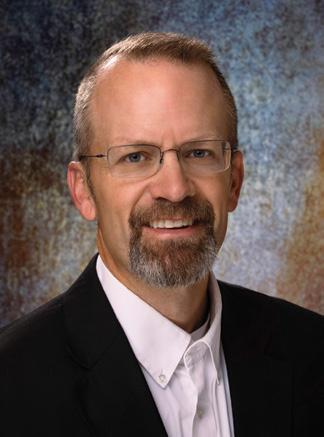
W. Travis Bomengen, M.D.
My time at the UWFMR Casper program was transformative in developing the comprehensive skillset and clinical knowledge essential for practicing frontier medicine in Wyoming. The extensive procedural training, OB deliveries and C-sections, intensive ER rotations and demanding inpatient service all contributed to building a robust clinical foundation that prepared me for the diverse challenges of rural practice.
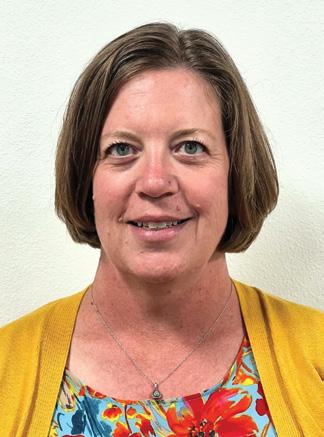
Jaime Rose Bobinmyer Hornecker
The pharmacy residency, which is now a part of the GME department, was instrumental in shaping my professional growth and career path. I completed my pharmacy practice residency training in 2004, stayed on at the clinic as a staff pharmacist in the outpatient pharmacy for a year, and then was hired as the faculty pharmacist in 2005. I loved my experiences and still get to work with some of the same colleagues I trained with!
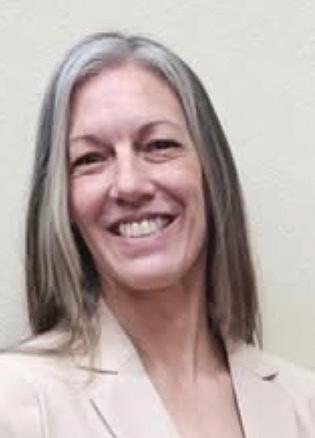
Tabitha Thrasher, DO
As a proud alumna of the Wyoming Family Medicine Residency and Geriatric Fellowship Programs, I attribute much of my success to the training I received. The patient population provided invaluable exposure to a wide range of medical conditions, sharpening my diagnostic and treatment skills. The mentorship was instrumental, offering guidance and fostering a supportive environment that encouraged growth and confidence.
Brian M. Veauthier, M.D.
Completing my residency in Casper is the reason I am where I am today. I grew up in Northeast Ohio and completed my schooling in the eastern half of the country. For residency my wife and I wanted an adventure, so we chose Casper, and it didn’t disappoint. I loved the breadth of medicine in residency and the people I worked with even more. Having the great outdoors right in our backyard didn’t hurt either.
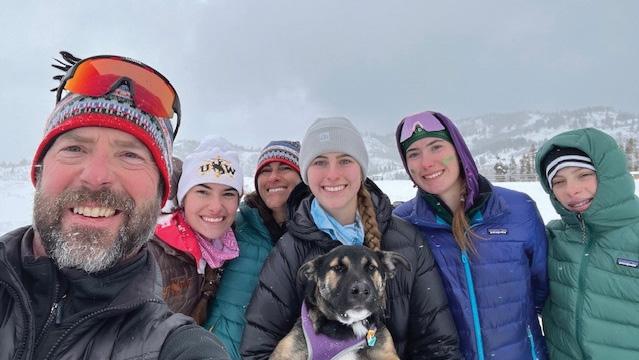
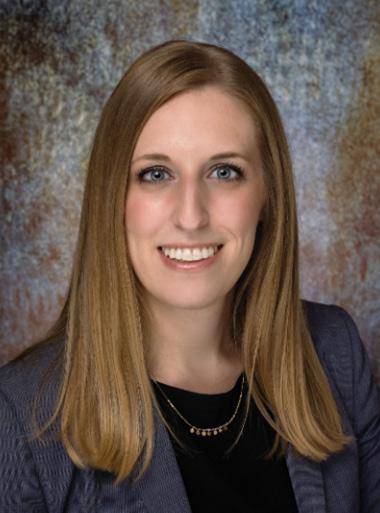
Dr. Evan Norby, DO
My residency training in Cheyenne’s Family Medicine program provided the comprehensive foundation that shaped my career as both a clinician and educator. The program’s emphasis on preventative medicine and wideranging clinical experiences allowed me to develop my interests in dermatology and lifestyle medicine while building the broad skill set essential for effective family practice.
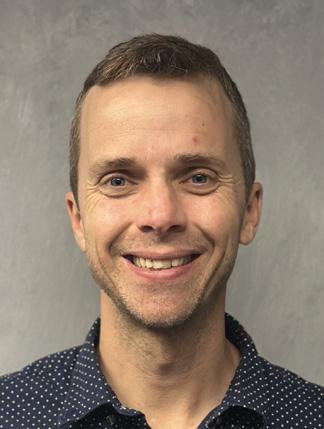
Dr. Megan Olson Winger
Dr. Winger is the first graduate of the Thermopolis Rural Training Track. She is a Wyoming native, attended University of Wyoming for her undergraduate studies, and graduated from University of Washington (WWAMI) School of Medicine in 2020. She interned at the core Casper Family Medicine Residency Program before moving to Thermopolis to finish her final two years of training in rural Thermopolis.
THE UW COLLEGE OF HEALTH SCIENCES RECOGNIZES ALUMNI ACHIEVEMENTS AND IMPACTS ON FUTURE HEALTHCARE PROVIDERS.
A Cheyenne speech-language pathologist, a nurse practitioner who works in Wyoming and overseas, a Sheridan physician, a Cheyenne social worker and a Douglas pharmacist were all distinguished alumni honored in 2024 by the College of Health Sciences.
The alumni were honored for their contributions to education and career achievements at an awards ceremony that was part of UW’s 2024 Homecoming activities. The alumni also met with students, visited classrooms and attended social events — all aimed at engaging and encouraging students, along with faculty and staff, on the advancements in their specific areas of health care.
3 Leah Horst, Division of Communication Disorders, Cheyenne Horst says her choice to pursue a degree in speech-language pathology after reading a single-paragraph description of the field was the best decision she could have made. She graduated from UW in 1994 with her bachelor’s degree. She earned her master’s degree at the University of Nebraska-Omaha in 1996. Horst worked for a year in the Omaha area, primarily in skilled nursing facilities. She found her passion for working with children and their families while working in a birth-toage-3 center in Milwaukee. Following a move to Cheyenne in 2015, she expanded her focus when she joined Mountain West Speech Services, working with children from birth to age 21. She is a member of the Wyoming Speech-Language-Hearing Association and is currently scholarship chair and presidentelect of the Wyoming Speech-Language-Hearing Association.
3 Maria Kidner, Fay W. Whitney School of Nursing, Cheyenne Kidner’s nursing educational path included an Associate of Science in nursing (1987), a Bachelor of Science in nursing (1998), a Master of Science in nursing-family nurse practitioner (2001) and a Doctor of Nursing Practice (2008). Although she started in labor and delivery, Kidner has spent most of her nursing career as a nurse practitioner in cardiology. Along her career path, she got involved in international work, with six
months in Guyana and then 12 months in Rwanda. Additionally, Kidner was Wyoming’s second American Association of Nurse Practitioners Fellow and has been instrumental in increasing the number of Wyoming Nurse Practitioner Fellows. She is a published author with her book on advanced practitioner nursing role transition for the International Council of Nurses, and she speaks nationally and internationally on leadership, cardiology and the role of advanced practice nurses.
3 Brian Menkhaus, WWAMI Medical Education Program, Sheridan Menkhaus grew up in Laramie and pursued his academic journey at UW, earning two bachelor’s degrees in agroecology and natural science, and mathematics. He completed his Doctor of Pharmacy degree at UW in 2007, after which he was employed as a pharmacist in Sterling, Colo. As a member of the entering class of 2008, he graduated from the Wyoming WWAMI (Washington, Wyoming, Alaska, Montana, Idaho) Medical Education Program affiliated with the University of Washington School of Medicine in 2012.
He completed his pathology residency at the University of New Mexico and returned to Wyoming in 2016 to work as a pathologist at Sheridan Memorial Hospital, where he continues to practice. During his time in Sheridan, Menkhaus has built a robust career in both clinical and academic settings. In addition to his role as a clinical pathologist, he shares his knowledge with Wyoming students and future medical professionals. As the histology and pathology lead instructor, he helps to prepare future physicians by teaching first- and second-year Wyoming WWAMI students in Laramie.
3 Jennifer Mumaugh, Division of Social Work, Cheyenne Mumaugh has been a licensed clinical social worker for over 15 years, specializing in gender-affirming care in Wyoming. She has delivered gender-affirming training to various organizations, including the National Association of Social Workers (NASW) Wyoming chapter, the Wyoming Guardians and Litem Program in Cheyenne, local private practices and Cheyenne Regional Medical Center.
Since graduating from UW’s Master of Social Work (MSW) Program in 2009, Mumaugh has remained
committed to staying in and serving Wyoming to provide critical mental health services. She has been actively involved with the NASW Wyoming chapter, serving on its board as vice president and volunteering with the local community college gay/straight alliance. She also has been a dedicated preceptor for MSW students from UW for over 12 years.
3 Gary Shatto, School of Pharmacy, Douglas Shatto graduated from UW, where he developed a deep appreciation for community and service, in 1976. In 1978,
Alumni
he purchased Shatto’s Frontier Drug, an independent pharmacy in Wyoming, where he has dedicated over 45 years to providing compassionate care to his community.
Throughout his career, Shatto has been an advocate for pharmacy, serving as president of the Wyoming Pharmaceutical Association from 1987-88 and contributing to the National Association of Retail Pharmacists on both the legislative and consumer affairs committees. His dedication to public service earned him a seat on the Wyoming governor’s advisory committee for the state Medicaid program, where he played a key role in enhancing pharmacy services.
In recognition of his impact, he received the prestigious Bowl of Hygeia Award in 1992 and led Shatto’s Frontier Drug to win the national Good Neighbor Pharmacy of the Year Award in 2018.
The UW College of Health Sciences honored our Distinguished Alumni for 2025 during UW’s Homecoming Celebrations Sept. 29 – Oct. 4.
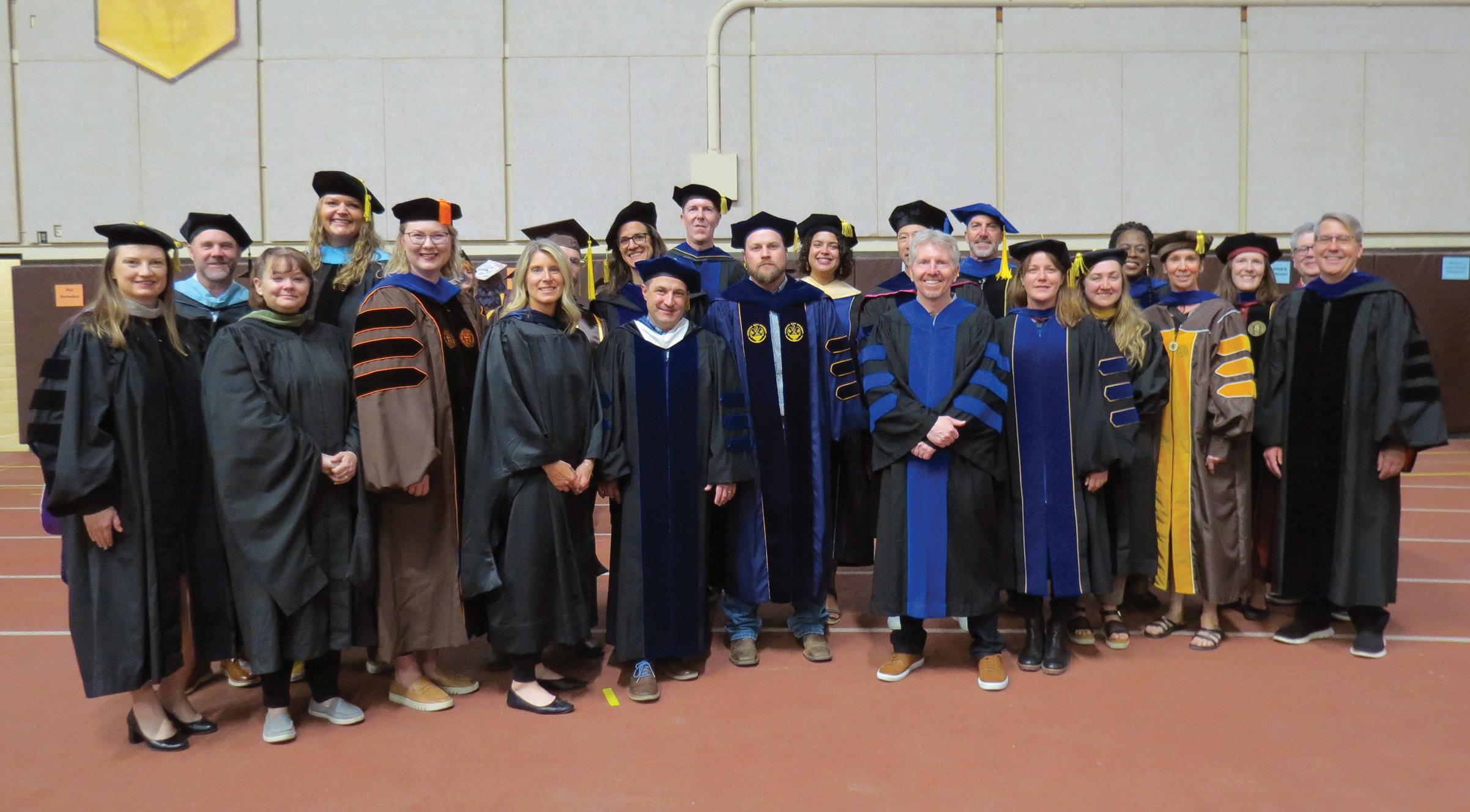
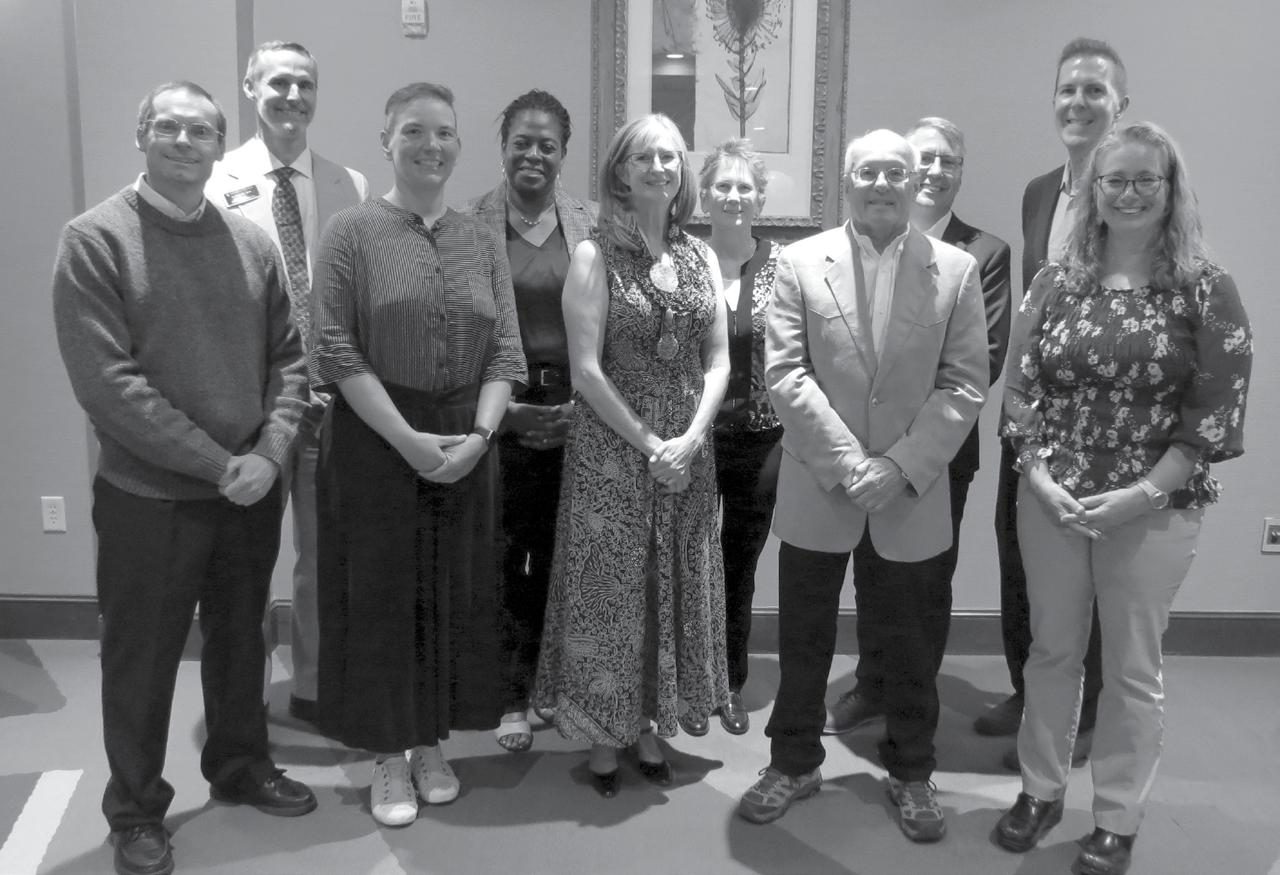
UW College of Health Sciences leaders and Distinguished Alumni for the UW 2024 Homecoming are, from left: front row, Brian Menkhaus, Jennifer Mumaugh, Maria Kidner, Gary Shatto and Leah Horst; back row, Todd Guth, director of the WWAMI Medical Education Program; Valerie Thompson-Ebanks, director of the Division of Social Work; Karen Gorton, associate dean of the Fay W. Whitney School of Nursing; Kem Krueger, dean of the School of Pharmacy; and Mark Guiberson, director of the Division of Communication Disorders.
College of Health Sciences
1000 E. University Ave, Dept. 3432
Laramie, WY 82071
YOUR GIFT TO THE UW COLLEGE OF HEALTH SCIENCES ENSURES THE FUTURE OF HEALTHCARE EDUCATION IN WYOMING AND BEYOND.
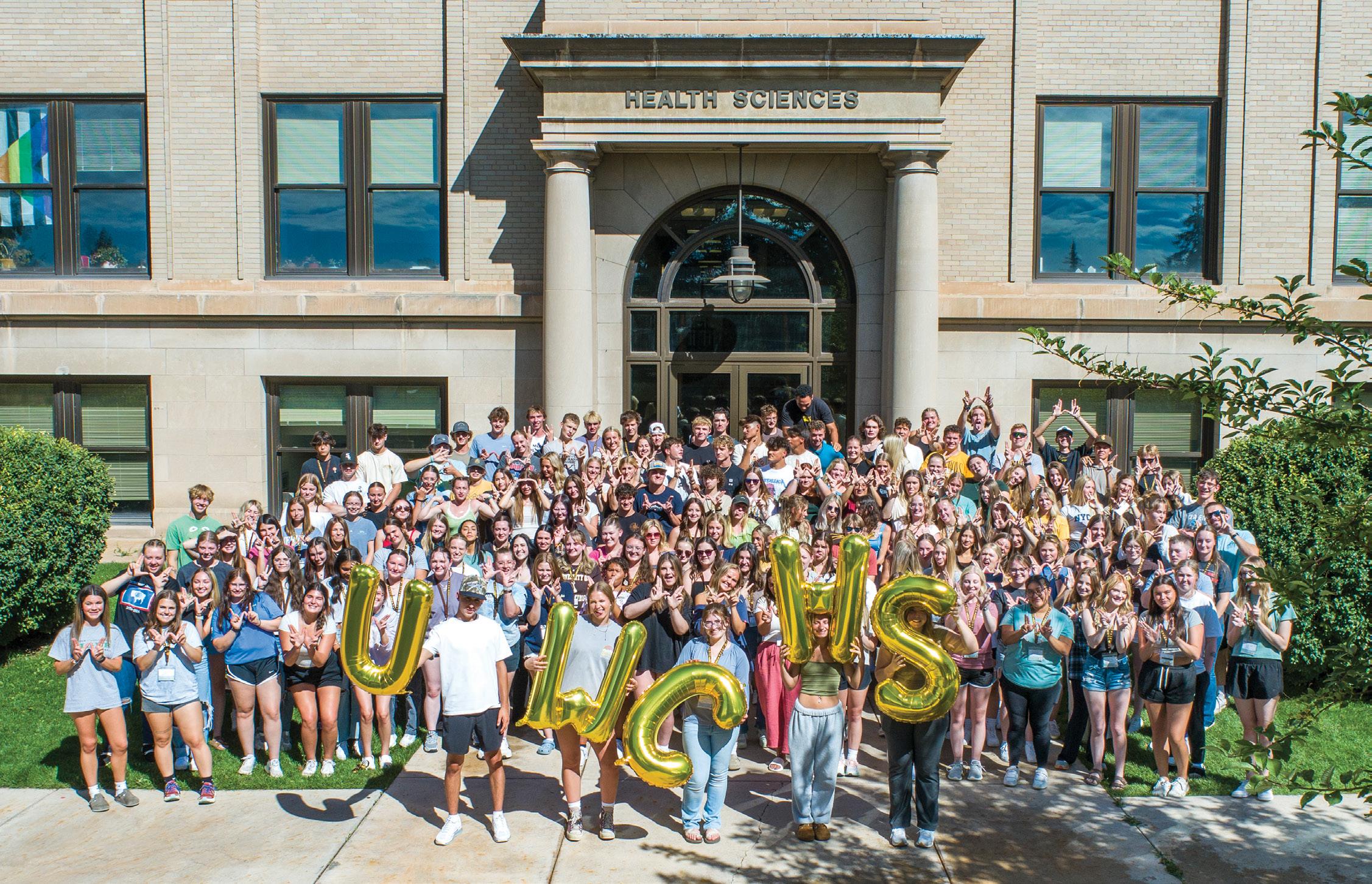
Future health leaders in their first week during Saddle Up.