



Introducing the all-new Volvo VNR

The new Volvo VNR promises to redefine your expectations for productivity, safety, and maneuverability. Boasting up to 7.5% improved fuel efficiency compared to our legacy model. A new era is arriving for Class 8 local and regional haul. Learn more at volvotrucks.ca
Volvo Trucks. Driving Progress
























Our Background
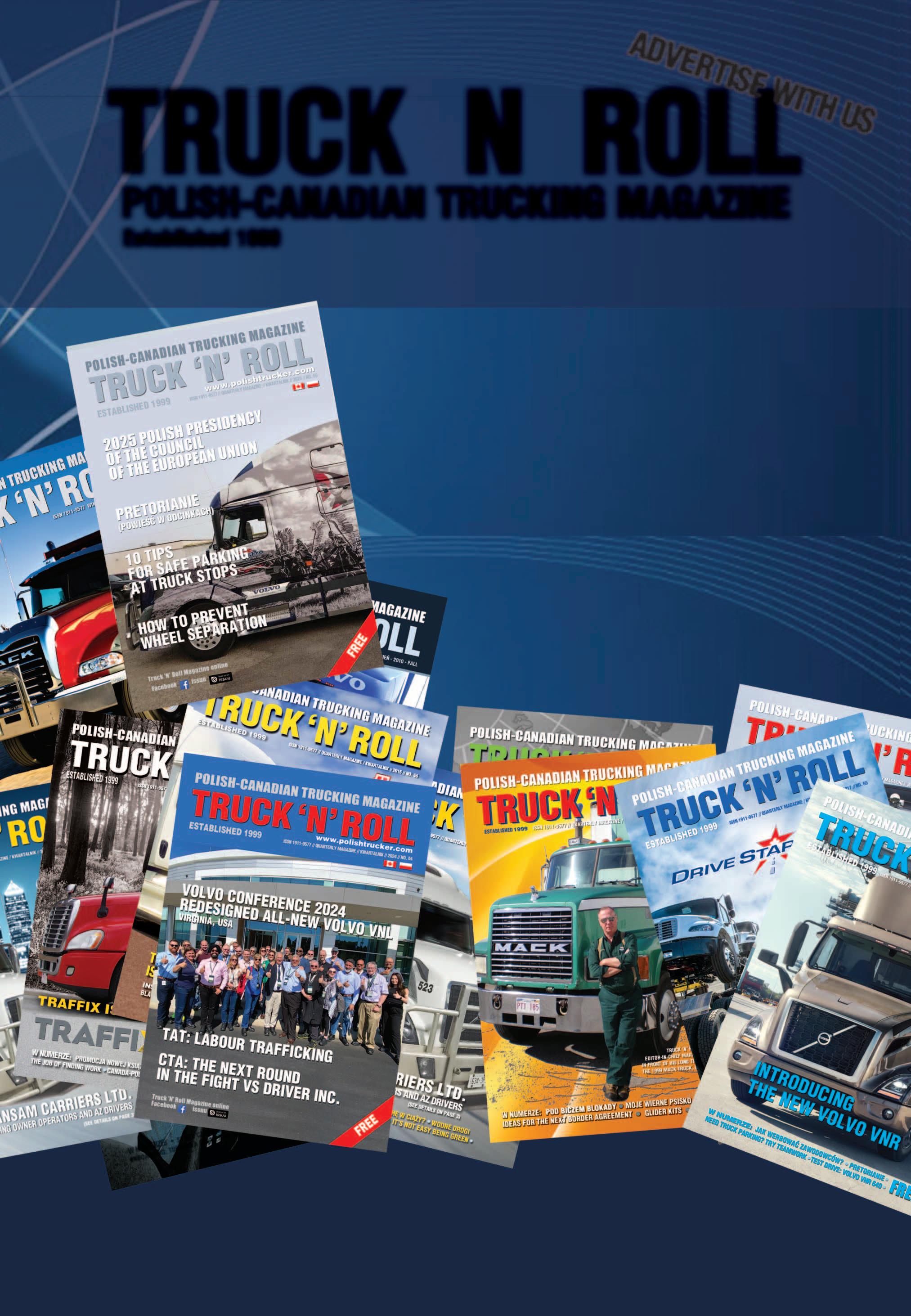
Truck 'N' Roll Magazine is a Canadian publication for owner-operators, company drivers and other professionals of Polish descent working in the trucking industry in Canada. Since its inception 1999, Truck ‘N’ Roll has been dealing with different aspects of the industry and addressing the issues that are unique to the trucking lifestyle. It provides Polish-Canadian trucking professionals with regular access to information regarding products, services, employment, finances, health, family, recreation, and many other issues that are relevant to their livelihood.
Our Audience
Our readers are mostly truck drivers and owneroperators, but also fleet owners, managers, dispatchers, truck mechanics can find interesting topics here. While the magazine addresses the trucking community in general, its particular target group is the estimated 10,000 Polish-Canadians who work in the trucking industry. They are ambitious, hardworking people who set high work standards in the industry.
Our Distribution
Truck 'N' Roll Magazine is distributed in Ontario and Alberta in a circulation of 20,000 copies per year and is available for free pickup at many industry-specific locations such as truckstops, trucking companies, truck service centers, and various places of distribution of Polish press. Quick facts
4 editions per year / published in English & Polish / 20,000 copies annually / full colour / highgloss paper / dimensions 6.5'' x 9.5'' /
We invite you to promote your company in the pages of Truck 'N' Roll Magazine and gain valuable exposure within the Polish-Canadian trucking community. For our rates or additional information, please email us at contact@trucknrollmagazine.ca or call 905-290-2282.
Marzena Wiktorowicz, Publisher


Publishers
Marzena & Roman Wiktorowicz
Truck 'N' Roll Magazine
3412-450 Kincora Glen Road NW
Calgary AB T3R 1S2 e-mail: polishtrucker@sympatico.ca
Editor-in-Chief
Roman Wiktorowicz
Contributors:
Marcin Baraniecki
Former Editor-in-Chief, Truck 'N' Roll Magazine
Aleksandra Kucy Consul General of the Republic of Poland in Vancouver
Stephen Laskowski
President & CEO
Canadian Trucking Alliance & Ontario Trucking Association
Jim Park Truck Journalist
Irmina Mrozowska-Wiktorowicz
Managing Editor
Magdalena Michoñ
Circulation Specialist
Malina MiedŸwiedzka
Press Photographer, Distribution Coordinator
Robert Pasiak
Marketing & Strategic Partnerships Consultant
Roman Wiktorowicz Design and Layout
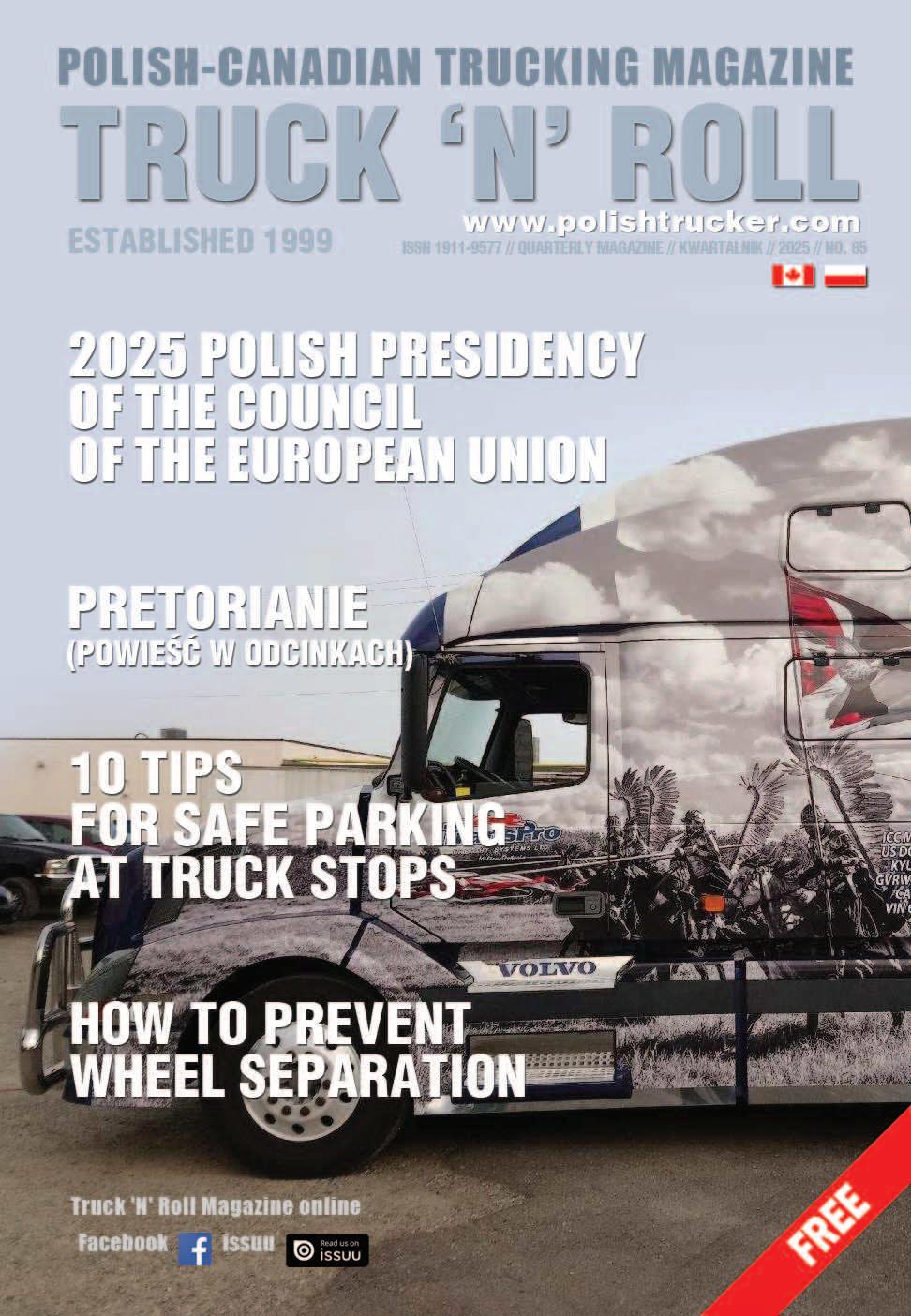
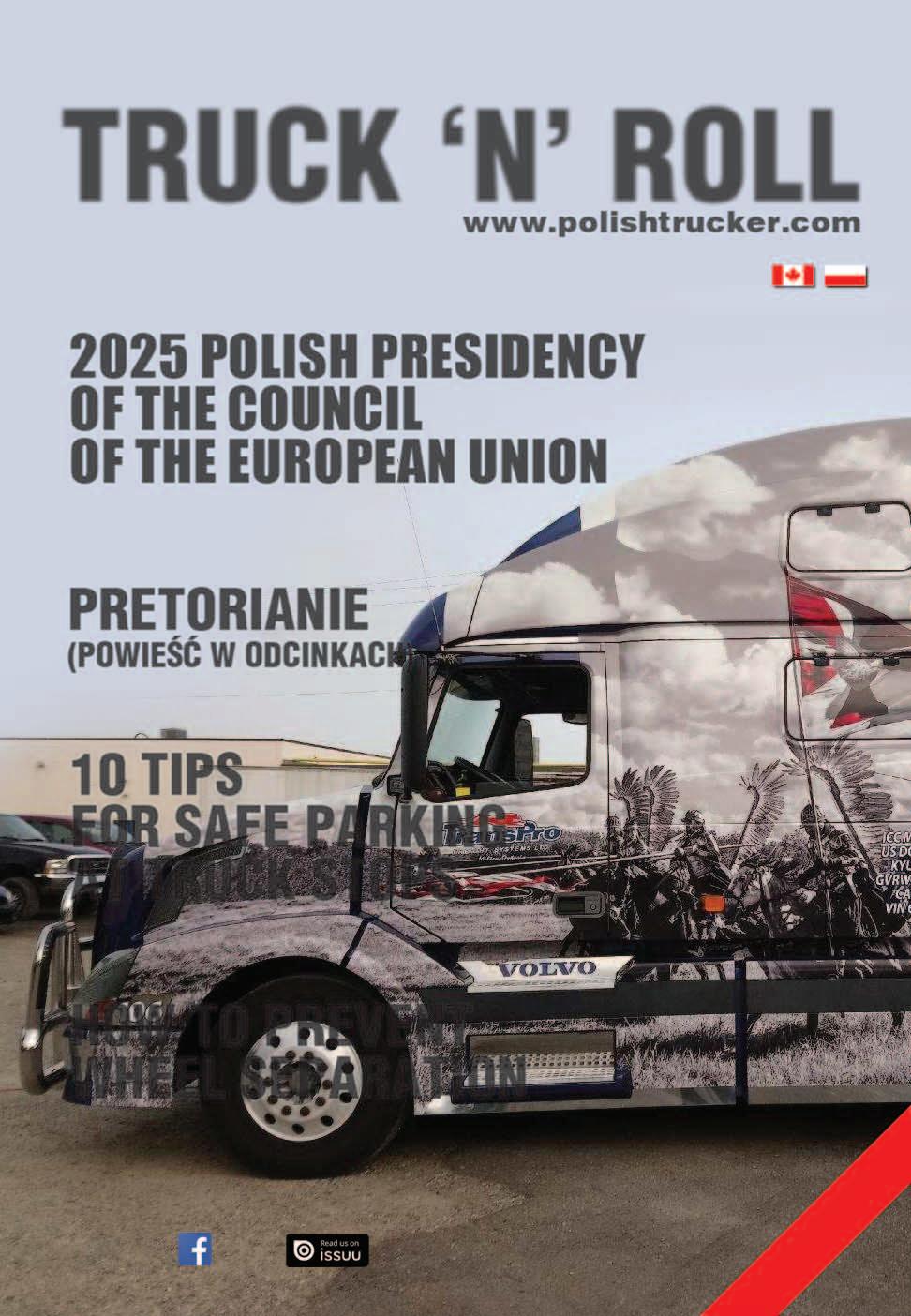
ON OUR FRONT COVER
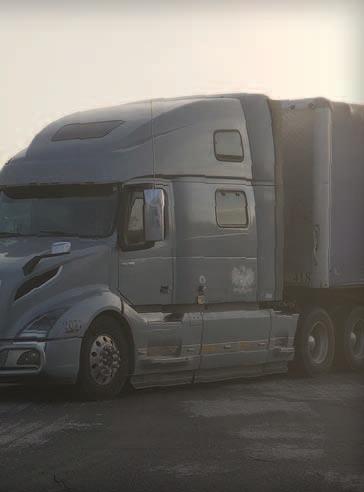
Polish accents in Canadian trucking: A Volvo truck decorated with an image of a Polish hussar charge — a tribute to the famed Winged Hussars (husaria), the elite heavy cavalry of the Polish–Lithuanian Commonwealth, renowned for victories at Kircholm (1605), Klushino (K³uszyn, 1610), Khotyn (Chocim, 1621 and 1673), and Vienna (Wiedeñ, 1683). Photo credit: TransPro
‘N’ Roll Magazine or its staff. Truck ‘N’ Roll Magazine does not verify or endorse any claims or guarantees made in this publication. We assume no liability for any products or services advertised herein.
Zadanie wspó³finansowane ze œrodków Kancelarii Senatu w ramach sprawowania opieki Senatu Rzeczypospolitej Polskiej nad Poloni¹ i Polakami za granic¹ w 2025 roku.

"SECURITY, EUROPE!" IS THE MOTTO OF POLAND’S PRESIDENCY OF THE COUNCIL OF THE EUROPEAN UNION, WHICH STARTED JANUARY 1ST, 2025. YOU CAN LEARN MORE AT: https://polish-presidency.consilium.europa.eu/
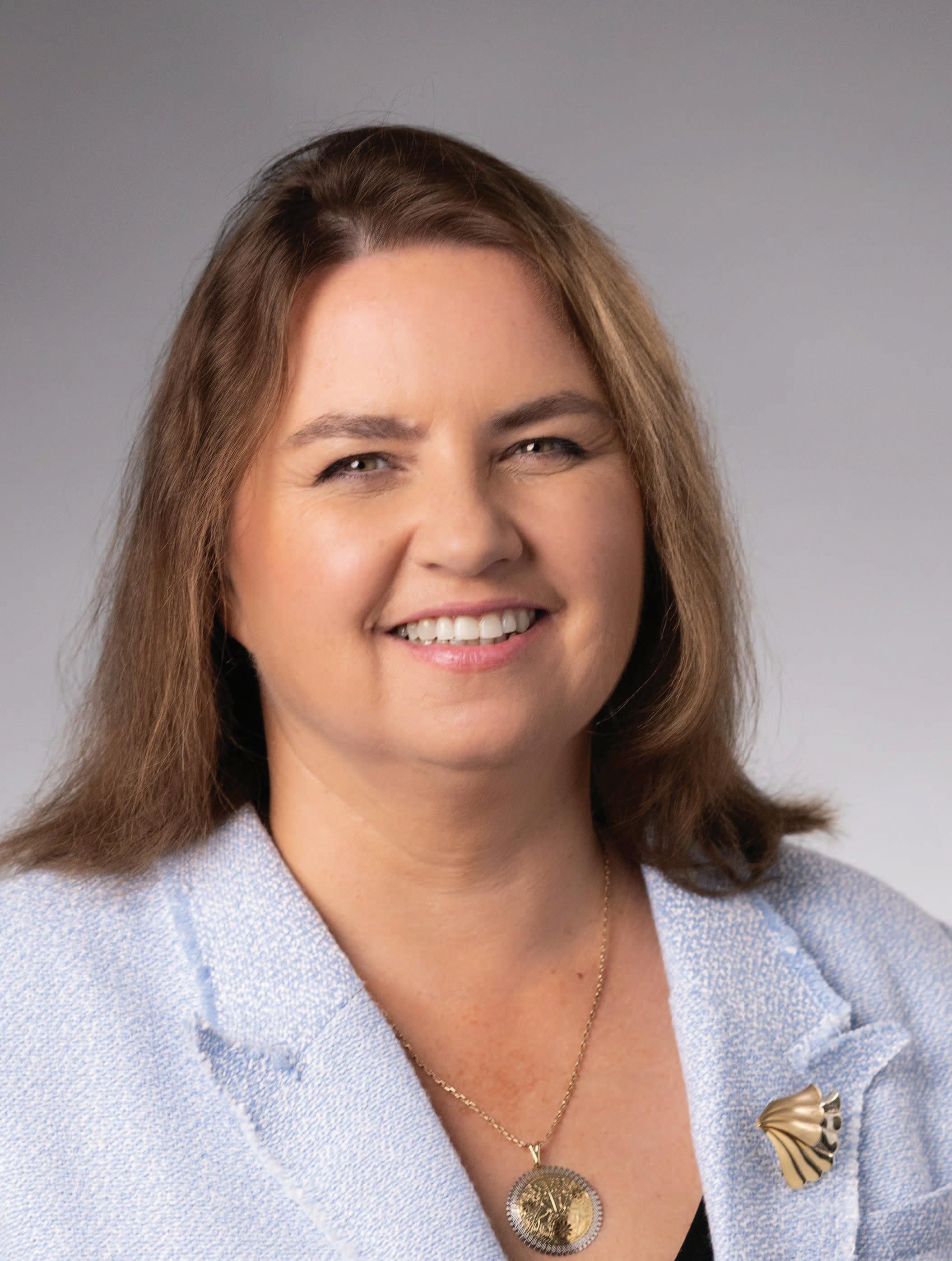
ALEKSANDRA KUCY KONSUL GENERALNA RP
KONSULAT GENERALNY RZECZYPOSPOLITEJ POLSKIEJ W VANCOUVER
1 stycznia 2025 r. Polska po raz drugi objê³a przewodnictwo w Radzie Unii Europejskiej i bêdzie przewodniczyæ jej pracom przez szeœæ miesiêcy. Priorytety polskiej prezydencji dotycz¹ szeroko rozumianego bezpieczeñstwa, st¹d has³o: Security, Europe!
Rada Unii Europejskiej to jeden z najwa¿niejszych organów decyzyjnych Unii Europejskiej. Sk³ada siê ze wszystkich ministrów z 27 pañstw cz³onkowskich Unii Europejskiej. Poszczególni ministrowie bior¹ udzia³ w formalnych i nieformalnych spotkaniach (tzw. radach), dotycz¹cych ich resortowych zadañ. Radom tym przewodniczy minister pochodz¹cy z pañstwa sprawuj¹cego prezydencjê, czyli w tym pó³roczu z Polski.
Do zadañ Rady nale¿y m.in. negocjowanie i uchwalanie unijnego prawa, uchwalanie bud¿etu UE wraz z Parlamentem Europejskim, zawieranie w imieniu UE umów miêdzynarodowych czy wspó³tworzenie unijnej polityki zagranicznej i bezpieczeñstwa (to zadanie jest realizowane we wspó³pracy z Parlamentem Europejskim i na podstawie propozycji Komisji Europejskiej).
Ka¿de pañstwo cz³onkowskie szeœæ miesiêcy kieruje pracami Rady nad unijnym ustawodawstwem i dba o ci¹g³oœæ dzia³añ Unii Europejskiej i wspó³pracê pañstw cz³onkowskich.
Prezydencja trwa 6 miesiêcy, kolejne pañstwo cz³onkowskie obejmuje rotacyjne przewodnictwo raz na 13.5 roku.
Do zadañ Polski bêdzie nale¿a³o: przewodniczenie pracom Rady UE i jej organów przygotowawczych (komitety i grupy robocze);
reprezentowanie Rady wobec innych instytucji UE, w szczególnoœci wobec Komisji Europejskiej i Parlamentu Europejskiego; reprezentowanie Unii Europejskiej w stosunkach z pañstwami trzecimi i organizacjami miêdzynarodowymi (we wspó³pracy z Komisj¹
Europejsk¹ i Europejsk¹ S³u¿b¹ Dzia³añ Zewnêtrznych);
rzetelne i transparentne komunikowanie wyników posiedzenia Rad.
Pañstwa cz³onkowskie, które sprawuj¹ prezydencjê po sobie, œciœle wspó³pracuj¹ w grupach po trzy (tzw. trio prezydencji). Ka¿da trójka ustala d³ugofalowe cele i przygotowuje wspólny program tematów i spraw, którymi Rada bêdzie siê zajmowaæ przez 18 miesiêcy. Na podstawie wspólnego programu ka¿de z tych pañstw opracowuje w³asny, bardziej szczegó³owy program szeœciomiesiêczny. Polska wspó³tworzy trio z Dani¹ i Cyprem.
Polska objê³a przewodnictwo w Radzie Unii Europejskiej 1 stycznia 2025 roku. Pocz¹tek roku to szczególny czas nie tylko dla Polski, ale dla ca³ej Wspólnoty, gdy¿ jesteœmy po wyborach do Parlamentu Europejskiego (maj 2024), zaœ Komisja Europejska rozpoczê³a prace w nowym sk³adzie.
Polska prezydencja bêdzie mierzyæ siê z wyzwaniami dotycz¹cymi m.in.: europejskiego bezpieczeñstwa, migracji, zmian klimatu, i koniecznoœci zapewnienia konkurencyjnoœci UE na globalnym rynku.
Polska, chc¹c odpowiedzieæ na te wyzwania, przedstawi³a program, którego priorytetem jest bezpieczeñstwo 450 milionów Europejczyków.
Mottem naszej prezydencji jest zawo³anie: Bezpieczeñstwo, Europo! (Security, Europe!): bezpieczeñstwo w ka¿dym jego aspekcie.
Pod przewodnictwem Polski w Radzie UE odbêd¹ siê 22 spotkania nieformalne w Warszawie i oko³o 300 wydarzeñ towarzysz¹cych:
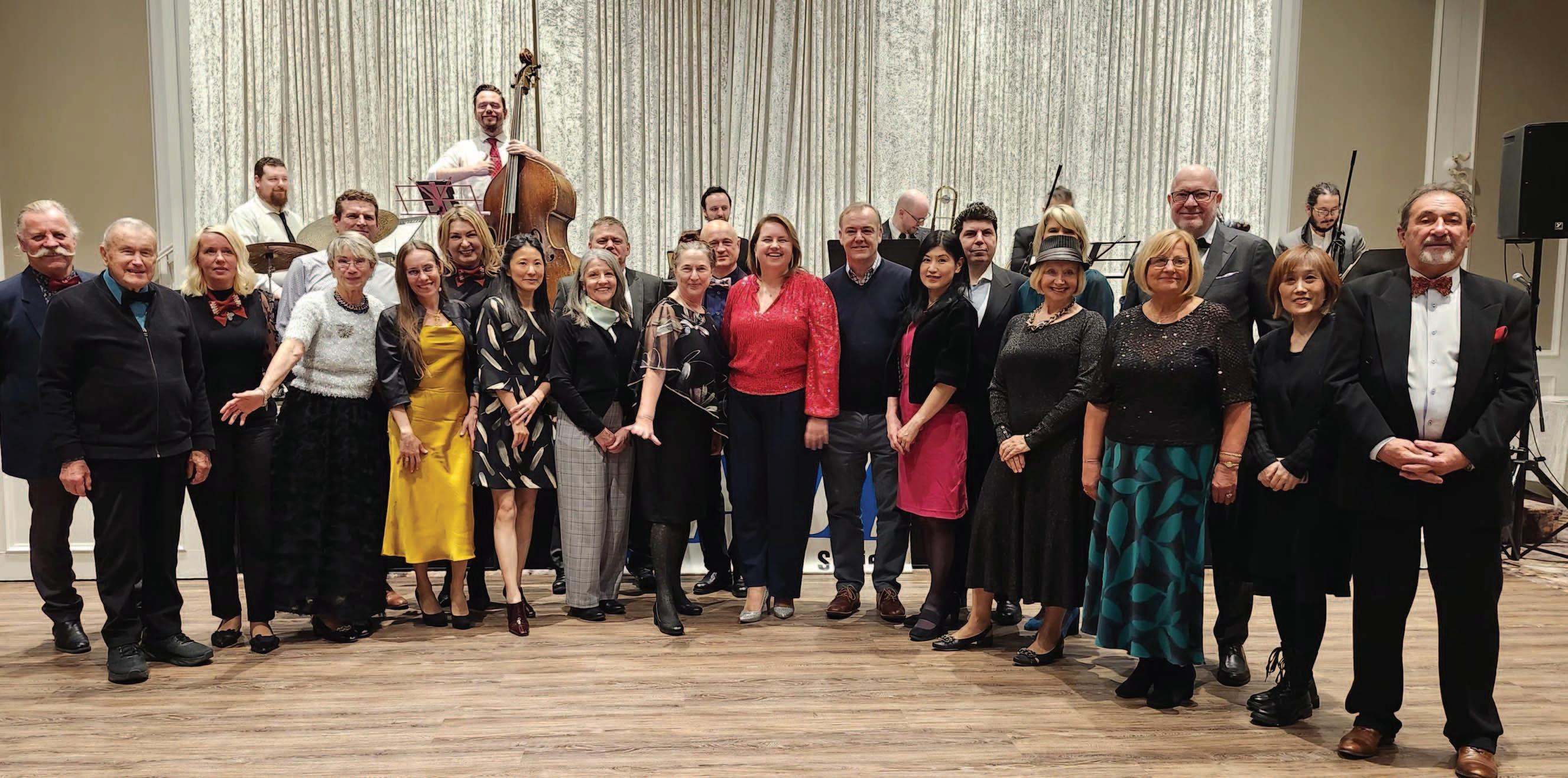

In Vancouver, Poland’s Presidency of the Council of the European Union, which began on January 1, 2025, was inaugurated in the spirit of jazz with the 'Ball Under the Stars.' Congratulations to the Polish Canadian Jazz Society on 15 years of promoting Polish jazz.
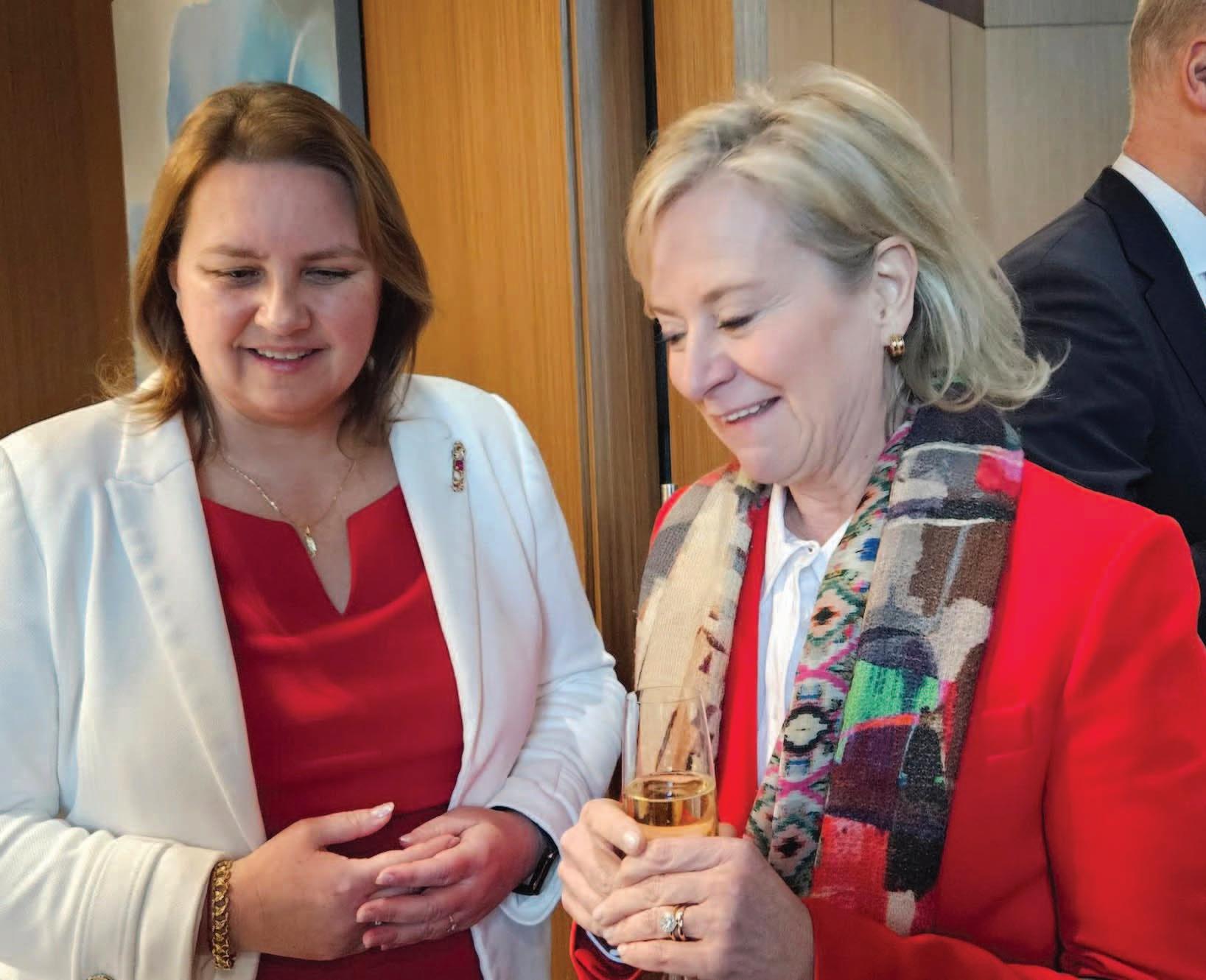
EU Ambassador to Canada, Genevieve Tuts (right), was hosted by Consul General Aleksandra Kucy (left) at the customary Consul Generals' European Union meeting, held at the Polish Consulate in Vancouver in January. During the meeting, the Consul General presented Poland’s priorities for its Presidency of the Council of the European Union. She emphasized the presidency’s motto and its most important focus: "Security, Europe!" “Europe is well represented in Western Canada," said Ambassador Tuts. “Together, we will continue to coordinate our efforts in areas such as consular affairs, culture, and trade promotion, in the spirit of Team Europe."
spotkañ eksperckich, urzêdniczych. Poza nimi Polska realizuje interdyscyplinarny program kulturalny prezydencji w kraju i poza nim. W Vancouver prezydencjê uczciliœmy spotkaniem grupy konsulów generalnych z krajów Unii Europejskiej z ambasador UE w Ottawie pani¹ Genevieve Tuts. Kolejnym wydarzeniem by³a organizacja –wspólnie z Polsko-Kanadyjskim Stowarzyszeniem Jazzowym "Balu pod Gwiazdami".
Warto jednak pamiêtaæ, ¿e w Europie dzia³a kilka instytucji podobnie siê nazywaj¹cych, ale maj¹cych ró¿ne zadania:
RADA EUROPEJSKA (European Council)
Sk³ada siê z g³ów pañstw i szefów rz¹dów wszystkich pañstw cz³onkowskich Unii Europejskiej. To ona wskazuje i wytycza ogólne kierunki i priorytety dzia³añ Unii Europejskiej. Liderzy europejscy obraduj¹ w Brukseli najczêœciej raz na kwarta³ podczas tzw. Szczytów Europejskich. Pracom Rady Europejskiej przewodniczy jej Przewodnicz¹cy, którym od 1 grudnia 2024 r. jest António Costa.
RADA UNII EUROPEJSKIEJ
(Council of the European Union)
Sk³ada siê z ministrów pañstw cz³onkowskich
Unii Europejskiej i zbiera siê na posiedzeniach organizowanych wed³ug dziedzin polityki. W ich trakcie ministrowie prowadz¹ dyskusje nad aktami prawnymi proponowanymi przez PE, wprowadzaj¹ zmiany w ich treœci oraz przyjmuj¹ lub odrzucaj¹ wypracowane regulacje. Ka¿de pañstwo cz³onkowskie przewodniczy pracom Rady przez pó³ roku w systemie rotacyjnym. Ze wzglêdu na szczególny czas, na który przypada polskie przewodnictwo w Radzie, w centrum jego zainteresowañ znalaz³o siê bezpieczeñstwo. Polskie przewodnictwo trwa od 1 stycznia do 30 czerwca 2025 r. (poprzednia prezydencja Polski mia³a miejsce od 1 lipca do 31 grudnia 2011 r.)
RADA EUROPY (Council of Europe)
Nie jest instytucj¹ Unii Europejskiej. Jest organizacj¹ miêdzynarodow¹, do której nale¿y 46 europejskich pañstw. Rada Europy ma swoj¹ siedzibê w Strasburgu. Do jej zadañ nale¿y obrona praw cz³owieka, demokracji i praworz¹dnoœci.
Wiêcej informacji o polskiej prezydencji mo¿na znaleŸæ na stronie Polska prezydencja w Radzie Unii Europejskiej:
https://polish-presidency.consilium.europa.eu/pl/
Medical tourism in Poland has been growing remarkably over the past few years with the boom after Poland has joined the European Union. Nowadays, Poland is visited by around 500,000 patients yearly and it becomes one of the main destinations for health and wellness tourism, as well as also one of the most perspective sector of the Polish economy.
High standard of medical services, professional medical staff, modern medical equipment, high quality of health treatments alongside of affordable prices, determine the Polish offer as extremely attractive. As for ones, the main reason has mainly economical background, for the others it could be quality. Prices of medical services in Poland are among the lowest in Europe and are comparable to those offered in Mexico and Malaysia. This essential difference justifies decision to seek treatment in Poland even from the far countries.
40 sanative resorts, 13 highly professional thermal baths, together with over 200 spa resorts, create Polish base offer rich and well organized, that allows Poland to compete with other countries. Climatotherapy, balneotherapy, talassotherapy, as well as criotherapy – a choice of treatment methods in the spas is vast. In addition, tourists may also benefit from breathing with salty air at the biggest in Europe graduations tower, drinking mineral water in Iwonicz-Zdrój or taking peloid poultice in Go³dap. Sojourn in spa resort, bubble bath, fango poultice became popular among people of all ages.
First sanative resorts were built in 17th century. Currently, Poland is among ten European countries in terms of number of health spas. The majority of them are located in the areas unique for their natural healing environment. The most important spas in Poland are located in: Wieliczka, Na³êczów, Polanica-Zdrój, Ko³obrzeg, Duszniki-Zdrój, Krynica-Zdrój, Ciechocinek, Kudowa-Zdrój. Most of them are specialized in treatment of certain ailments.
The profile of Polish tourism has been a subject to a thorough, you could even say a surprising, metamorphosis in recent years. A country which used to offer a frolicsome, motley tourism based on badtaste folklore is becoming a center of health, biological regeneration, aesthetic medicine and high-quality relax.
Furthermore, Poland is a leading country in the region in executing clinical studies and its value is estimated for EUR 250 million, what constitutes around 3% of the world's market of clinical studies, in terms of the number of conducted trials. This activity is proving the highest standards of diagnostic, therapies, patient care and the professionalism of the medical staff. Recently released report considering the quality of national healthcare systems in the EU countries "EuroHealth Index 2012" indicates that, in aforementioned fields, Poland has been top scored.
Medical tourism is determined as one of the fastest developing sector of tourism.
Foreign patients are coming to Poland for healing purpose specifically in areas of: dentistry, aesthetic medicine, cardiology and cardio surgery, plastic surgery, ophthalmology, infertility treatment, rehabilitation, diagnostics, spa and wellness.
Due to the popularity of Polish dental clinics, new terminology such as “dental holidays” or “dentourism” has inscribed into tourism dictionary. For instance, according to London’s Cosmetic Dentistry Guide, nearly a hundred thousand of British choose yearly “dentourism” option and the trend is still developing, confirms British Dental Association. Apart British, the most frequent guests seeking the treatment in Poland come from Belgium, Canada, Denmark, Germany, Ireland, Norway and Sweden. Numerous patients come from Russia and Ukraine. More and more often Poland is visited by Arab nationals, mainly from the Gulf region (United Arab Emirates, Qatar and Saudi Arabia). Polish resorts attract them with high standards of service (many clinics contract Arabic speaking staff) and infra-
structure. Richness and diversity of the Polish nature, monuments as well as respect for tradition and hospitality, make Poland superlatively captivating country for tourists. Opulent history and location, where influences of the different nations and cultures have clashed, made Poland a country, which fascinate with its unique material and spiritual mosaic.
Combining above together with price attractiveness and high quality of the medical services, blending above together with all must-to-see tourist attractions, Poland seems to be one of the most enticing medical tourism directions. In a very short time Poland became a considerable spot at the world’s medical tourism map and is considered the regional leader in this sector. Multibillion investments in private hospitals that initially were supposed to compete with inefficient state centers earned them the best equipment and the best doctors. Differences in prices of procedures, with their quality re-
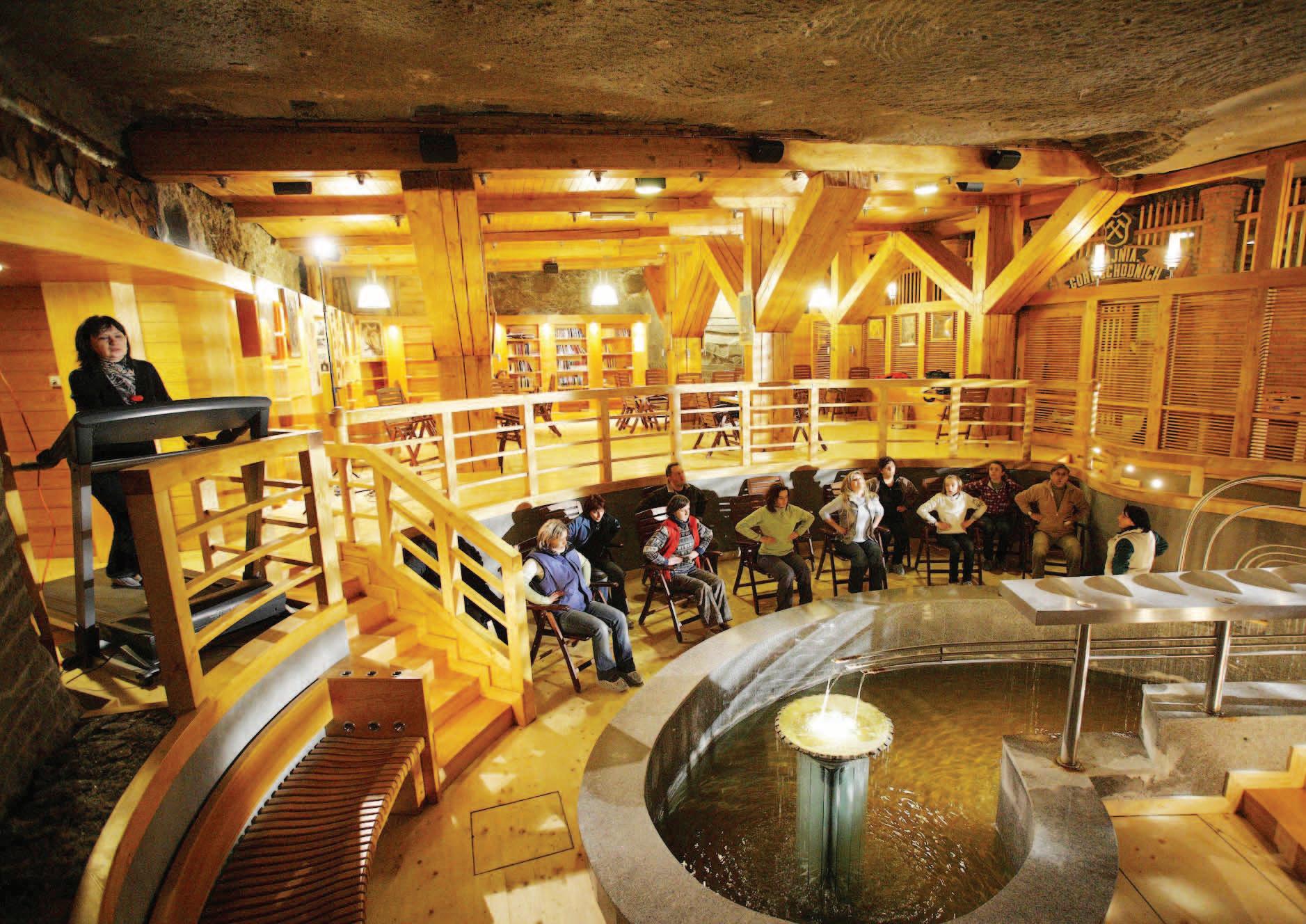
"Wieliczka" Salt Mine – The "Wieliczka" Salt Mine offers treatment services in the underground mining chambers with the use of a unique microclimate: an air free of pollution and allergens, rich in micronutrients, with a constant temperature, high humidity, and free from harmful radiation. This innovative treatment method - subterranotherapy - was created right here and active rehabilitation of the respiratory system is still conducted at the mine, using the medicinal properties of the underground environment at the depth of 135 meters! Due to its unique features, it is also a world class monument featuring among 13 objects on the UNESCO’s World Cultural and Natural Heritage list. The activities of the health resort are beneficial to patients suffering from asthma, COPD, recurrent infections of the upper and lower respiratory tract and allergies. Increasingly, also people who do not suffer from the health problems choose to rest in the depths of the earth to improve their fitness, attain psycho-physical balance, and regenerate the body.
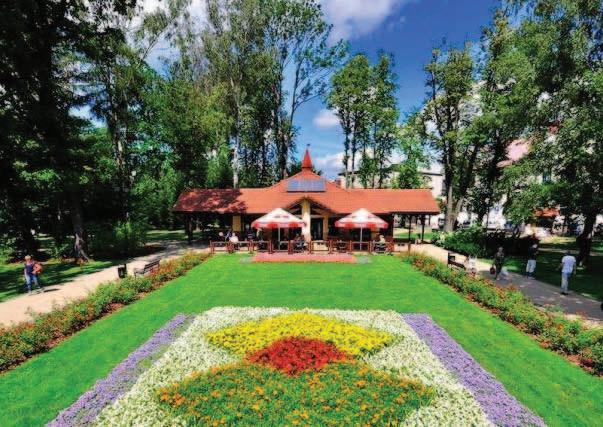
Rabka-Zdrój – situated in the Gorce mountain range is a famous children's health resort renowned for its unique microclimate. Rabka's role as a health resort started developing in the 18th century, when it was discovered that the local springs are one of the most concentrated chlorine-sodium-iodine-bromine brine sources in Europe. The first physiotherapy centre was established here in 1860, followed by a children's hospital in 1887. After WW II, Rabka became the main centre for tuberculosis treatment, which affected mainly children in the war-ravaged Poland. The 1960s saw the opening of the new Springs House, fountains, clinic with treatment facilities, the inhalatorium and specialist children's clinics. A variety of attractions await the youngest patients in Rabka, the biggest one being Rabkoland, a theme park with a gigantic Ferris wheel. Today, Rabka health resort is open to both children and adults. It specializes in allergies, asthma, upper respiratory tract disorders, metabolism conditions (diabetes and obesity) and cardiac conditions.
maining high, attracted the first foreign patients, who quickly discovered that Polish medical offer was no worse than that of their native centers and sometimes it was just superior. According to the Grail Research report, estimated value of the medical tourism market might reach around USD 100 billion and Poland may become one of three the most perspective directions for foreign patients in Europe. This forecast has been noticed by the Polish government. The Ministry of Economy has recognized this branch as one of the fifteen having the potencial and perspective for development in Poland. 2012 saw the kick-off of the new promotional program coordinated by Polish European Center for Enterprise, Polish Information and Foreign Investment Agency and Ameds Center company. More than EUR 1 million from the European Funding will be spent to promote Polish medicine abroad.
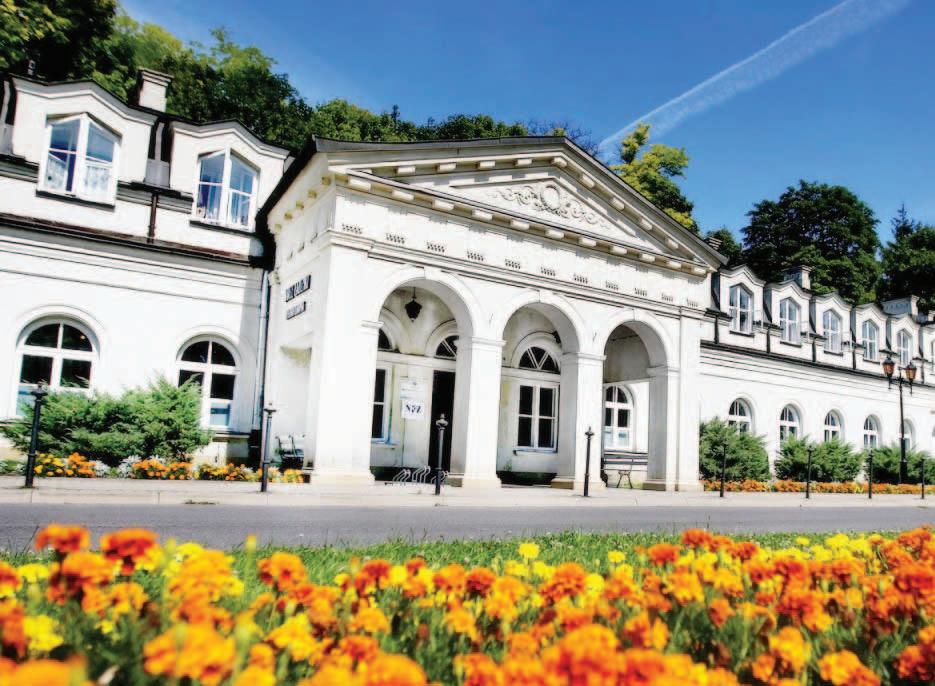
Spa Na³êczów – Historically, Spa Na³êczów is one of the best known sanative resorts, that has been attracting people for many years, not only thanks to its healing values but also due to its unique microclimate, green areas all over the place. The most eminent attraction: mineral water springs allure visitors starting from 18th century. Its healing values have been proved by numerous tests. It is a place where patients can improve their heart function, calm their nerves and reclaim a general sense of well-being. The focal point of Na³êczów is its Springs Park, the location of the oldest sanatorium, antique baths overlooking the pond, and mineral water fountains rich in magnesium, potassium and calcium which have a soothing effect on human’s body and soul.
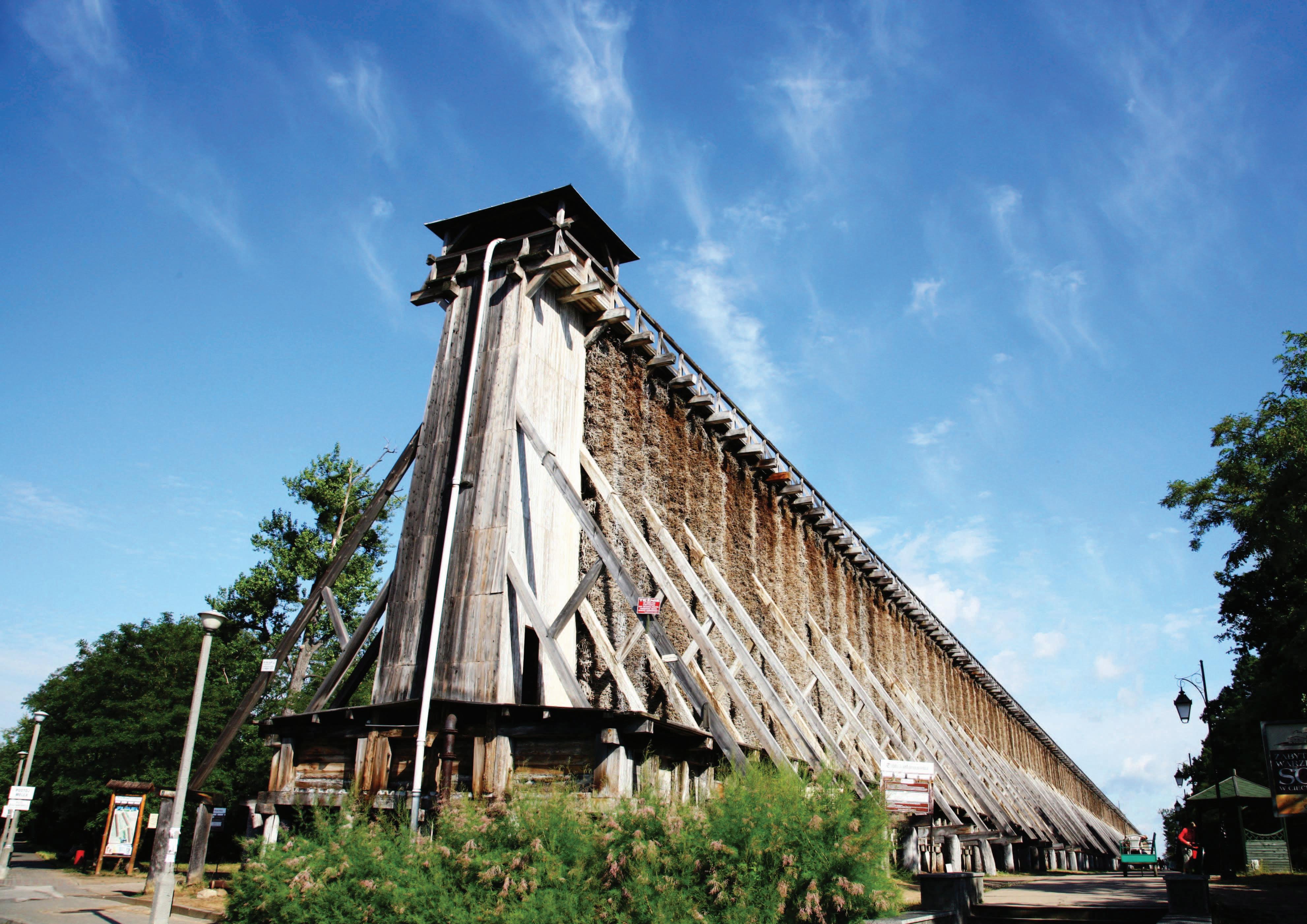
Ciechocinek – is one of the most popular health resorts in Poland. It is famous for the largest wooden graduation towers in Europe and a climate conducive to the visitors' well-being, health and relaxation. The resort is situated in the Vistula proglacial valley, between Toruñ and W³oc³awek. Large sources of the brine were discovered here at the beginning of the 19th century. Building of salt-works commenced on the initiative of the Enlightenment era writer and reformer, Stanis³aw Staszic. Since 1825, wooden graduation towers use for its functioning water evaporation from brine. As a result, a therapeutic, iodine-rich microclimate is formed in the vicinity of the towers. It was the air in Ciechocinek, comparable to the quality of coastal air, its peat and iodine-bromine sources that made it an ideal location for sanatoriums. Ciechocinek specializes in the treatment of respiratory, circulatory and locomotor conditions. Mineral water is bottled here and the famous Ciechocinek salt enriched with microelements is produced.

BY DR. £UKASZ DZRZYMA£A
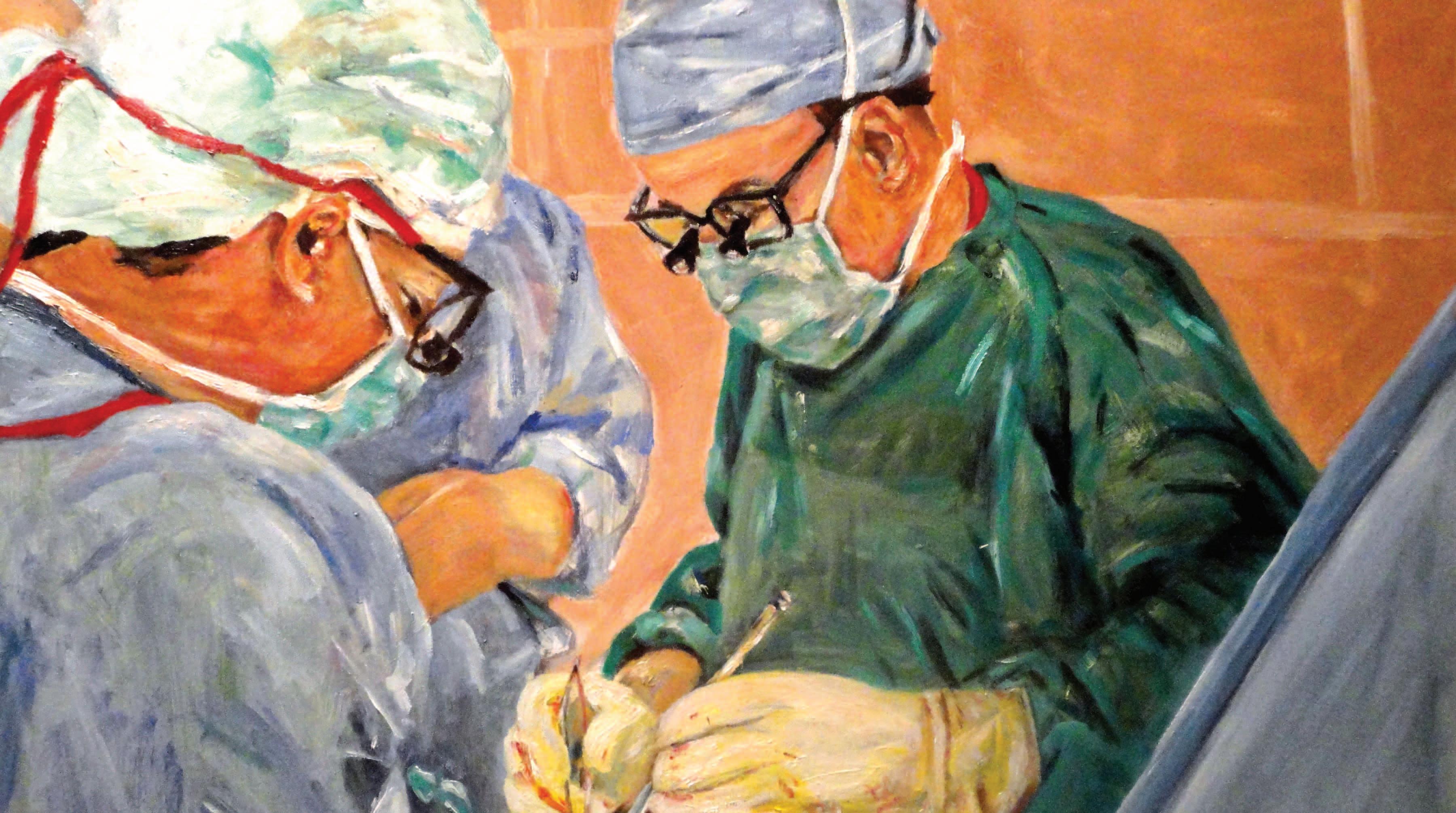
The heart is an amazing machine. Together with arteries and veins, it forms our cardiovascular system which unlike other organs always has to be 'ON'. It has to be on because the big boss upstairs (the brain) cannot last more than a few seconds without oxygen before turning off the lights and having a fit (seizure). It is also different from other parts of the body because the heart and the arteries are made of moving parts, and unlike other muscles which are flaccid for one third of our lives, the heart muscle is never still, constantly pumping and pulsing. So in many ways, it is like all the trucks and vans on the roads today. When most people are sleeping, your diesels and hearts engines are on the move. Oh, and there is also one similarity; we cannot function without them.
The heart pumps and the arteries deliver blood to all the parts of your body, from your temples to toes and everywhere in between. It is hard to believe that a muscle which is the size of your fist pumps 5 liters of blood per minute (7 liters per minute in the last 3 months of pregnancy); starting 8 months before we are born and working without a pit stop until well you know, it stops.
Over the approximately 10 years I have
been looking after patients as a cardiologist, technology and pharmacology have taken a big bite out heart disease. Although only a few can be cured (like for you can be cured of pneumonia, a broken bone or stage I cancer), people with heart disease are living longer and better that when I started. Sadly, despite all the advances in medical diagnostics and treatment, heart disease and stroke are still the number two and number three cause of death

in Canada. And these statistics do not just apply to seniors who live into the ripe old age of 85 or longer and eventually have to die of something; it applies to men and women in their 50s and 60s who are still working and have a lot of living left to do!
Now I decided to write this article not to wow you with cardiac trivia or scare you into asking your GP for a referral to a Cardiologist. If you have not seen a family doctor in a while maybe this reading this will make you go. By the way, I am not accepting more patients into my practice and my patients live forever, so I have no openings.
The reasons for writing this article are a few. First, the publishers asked me, and they seem like nice people. Second, there is a lot of misinformation out there; I hear about it every day from patients. The 'conventional' medical recommendations are often confusing, sometimes contradictory and always changing. And besides the medical 'consensus advice', there is a lot of 'non-sensus' advice which is often half-true. Thirdly, I need you to be healthy, off and on the

road, for selfish reasons. After all, I drive my Chevy Equinox on the same roads as you drive your huge tractor-trailers. Furthermore, I - and everybody else - depend on you to bring me all the things I use every day. And since there is apparently a shortage of good truck drivers, I need to you be fit and ready to work way past the retirement age of 65. Unfortunately, heart disease can sometimes prematurely cut short your career (and your life) and may make you unfit for commercial driving. The Ministry of Transportation and medical guidelines mandate physicians to report certain cardiac conditions (fortunately there are only a few) which disqualify people from commercial driving. These Cardiovascular Assessment Forms for Commercial Drivers are 5 pages long and I hate filling them out so please take what you read here to heart.
Dr. £ukasz Drzyma³a is a cardiologist at the St. Joseph's Health Centre in Toronto and board-certified member of American Society of Nuclear Cardiology.











Okreœlenie forced dispatch je¿y kierowcom w³osy na g³owie!
Myœlê, ¿e wielu z nas doœwiadczy³o tego na w³asnej skórze.
MARCIN BARANIECKI
Określenie forced dispatch je ży kierowcom włosy na głowie! Myślę, że wielu z nas doświadczyło tego na własnej skórze.
Kilka słów wprowadzenia:
Tak się jakoś złożyło, że przez całą moją tzw. karierę zawodową zawsze miałem za dużo pracy. Wiem, że powinienem się z tego cieszyć Wielu moich znajomych mówiło nieraz: – Toż to szczęście! Nie masz co narzekać! Prawdę mówiąc, nie byłem żadnym wyjątkiem. W takiej sytuacji byłowielu truckerów – i nadal jest. Oczywiście ilość pracy niekoniecznie oznacza większe pieniądze, bo to przecież wyższe podatki, większe ryzyko awarii, szybsze zużycie sprzętu, a nade wszystko – zdrowia. Niemniej w ogólnym rozrachunku oczywiste jest, że lepiej mieć za dużo roboty niż za mało. To nie ulega wątpliwości!
No więc ja zawsze miałem jej za dużo. Bywały chwile, że marzyłem o tym, by dyspozytor wysłał mnie do domu z uwagą: 'Nie ma nic do roboty, idź do żony i dzieci…'. Ale przez trzydzieści pięć lat jakoś dziwnie nigdy do takiej sytuacji nie doszło! Zawsze pojawiały się jakieś dodatkowe, nagłe ładunki, jakieś dostawy, jakieś niecierpiące zwłoki trasy do jakiegoś goddamn miejsca, gdzie czekał narwany magazynier, który musiał wysłać swoje palety teraz, zaraz i już!
Boże, jak mnie to wtedy złościło! Zwłaszcza w okresie świąt Bożego Narodzenia. Dzień wigilijny, w domu żona przygotowuje kolację, a tu dyspozytor z lisim uśmiechem mówi:
– Weź trailer taki a taki i jedź szybko tam i tam, ale pamiętaj, że musisz być przed ósmą, bo oni zamykają wcześniej!
– Przed ósmą?! Przecież ja mam wigilię, są święta! Chciałbym choć trochę posiedzieć w domu!
– Taaak? No to idź do domu, ale pamiętaj, że po tych twoich świętach ja ci już roboty nie gwarantuję!
To jest właśnie tak zwany forced dispatch. Szantaż stosowany wobec kierowców.
Jeszcze całkiem niedawno sądziłem, że takie praktyki należą do przeszłości. Były normą w zamierzchłych latach dwudziestych i trzydziestych – właśnie dlatego wtedy powstały związki zawodowe kierowców. Ale teraz?!
Wprawdzie jeszcze w latach osiemdziesiątych w Kanadzie takie metody stosowano nagminnie, ale zdumiałem się, słysząc o tym parę miesięcy temu. A jednak – to prawda!
Forced dispatch, czyli zmuszanie kierowców do pracy, jest nielegalny, ale wci ąż ma się dobrze.
A przecież to kierowca odpowiada za wszystko, co może się zdarzyć na drodze. Jeśli wyjeżdża zmęczony, wbrew przepisom o czasie pracy; jeśli prowadzi niesprawny sprz ęt; jeśli bierze niezabezpieczony ładunek, bez odpowiedniej dokumentacji – w razie kontroli czy wypadku to on poniesie konsekwencje.
Nie dyspozytor, który wydał polecenie. Nie on!
On zawsze znajdzie wytłumaczenie: – Kierowca miał wypadek? Mógł nie jechać! Jego sprawa!
Ale w rzeczywistości to 'mógł nie jechać' brzmi zupełnie inaczej.
Nie jest łatwo odmówić. Są rachunki, kredyty, mortgage, niepracująca żona, dzieci… Pamięta się, jak to było, gdy nie miało się pracy, chodziło od firmy do firmy… Więc ten i ów zaciśnie zęby i powie: 'Dobrze, pojadę'.
Wiem, że takie stawianie sprawy wygl ąda blado. Powinno si ę mieć odwagę odmówić i odejść – ale niewielu, naprawdę niewielu, może i chce sobie na to pozwolić. Mimo że pracy jest dużo, a wszędzie trąbi się o braku kierowców. Tak to już jest.
Pamiętam, jak jeden z takich kapo-podobnych dyspozytorów zmuszał kierowcę do wyjazdu w trasę. Kierowca był już 'poza logbookiem', ale dyspozytor wziął jego książkę, podarł ją na oczach wszystkich i powiedział:
– Teraz już jesteś legalny. Otwieraj nową książkę, bierz trailer i zasuwaj!
Ileż razy byłem świadkiem scen, w których dyspozytor podniesionym głosem mówił:
– Jak nie chcesz jechać, to parkuj trucka i możesz już nie wracać!
W tym wszystkim kierowca jest bardzo samotny i niemal pozbawiony jakiegokolwiek wsparcia. Znane są przypadki, gdy kierowcy –chcąc udowodnić swoją rację – sami zgłaszali się do kontroli, raportując zły stan techniczny pojazdu, którym zostali zmuszeni do wyjazdu. Jedynym skutkiem były jednak mandaty i punkty karne.
Oficerowie DOT-u mieli tę samą odpowiedź co dyspozytor:
– Trzeba było odmówić i nie jechać Odpowiadasz za bezpieczeństwo na drodze!
I tak zamyka się koło, z którego niesłychanie trudno się wyrwać. Wiedzą o tym ci, którzy jeżdżą. Jeszcze raz powtarzam: forced dispatch jest nielegalny i musimy zrobić wszystko, by go zwalczać
Rzecz w tym, że w naszej pracy istnieje mnóstwo 'szarych stref', w których nasze decyzje mogą być różnie interpretowane i oceniane.
Zostawiam Was z tym otwartym tematem, ale nie opuszczajmy rąk. Pamiętajmy, że na koniec dnia to my jesteśmy odpowiedzialni.
Za wszystko.
BY JIM PARK
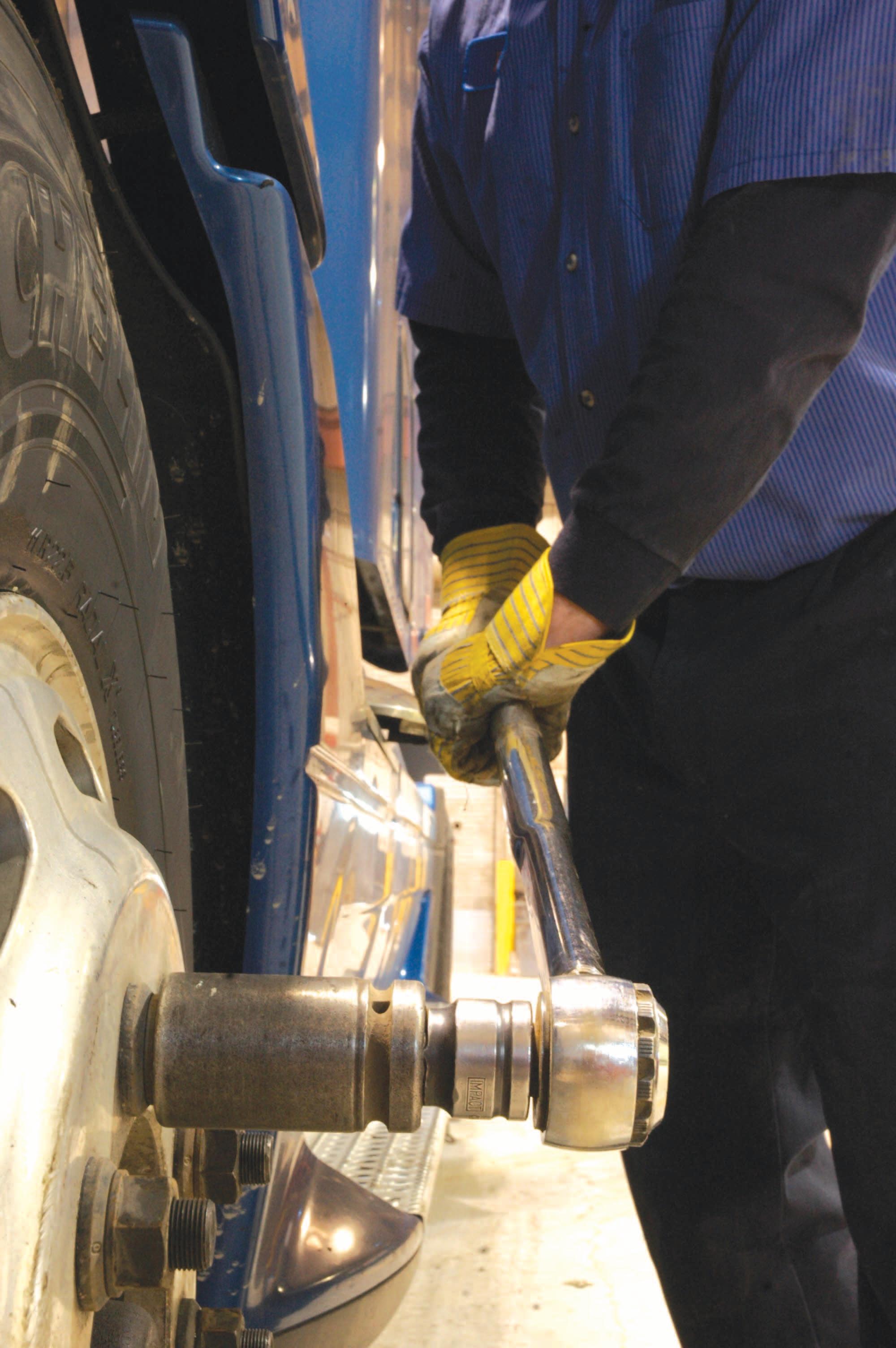
Impact wrenches are fine for running wheel nuts up onto the studs, but a torque wrenche must be used to set the nuts. Retorqueing is highly recommended, but few, apparently, get around to it.
Keeping your wheels where they belong is simply a matter of process. Manufacturers issue procedure manuals and update bulletins all the time. The American Trucking Associations' Technology & Maintenance Council has several Recommended Practices related to wheel ends and preventing wheel separation. Yet wheels manage to part company with their trucks at an estimated rate of two or three per day across the country.
Here are five reminders of what needs to be done when servicing truck tires and wheels to ensure they do not separate from the truck.
With several types of wheel bearing and hub systems on the market, it's imperative that technicians use correct procedures for the system in question. TMC's RP 618A, "Wheel Bearing Adjustment Procedures," speaks to these differences, and provides guidelines for manual bearing adjustment, which list an acceptable bearing end-play of anywhere between .001" and .005".
Bearing manufacturer Timken strongly suggests establishing accurate and repeatable wheel bearing installation/adjustment procedures to ensure consistency across the fleet. In its Commercial Vehicle Tech Tips guide on bearing adjustment, it emphasizes the use of dial indicators to verify adjustment - as does bearing maker SKF and TMC's RP 618A. But according to several industry sources, that part of RP 816A's nine-step adjustment procedures is often left out, despite being one of the most critical parts of the process.
That's a recommendation for an ideal situation. Getting techs to use torque wenches was a huge step for the industry. Use of dial indicators is growing and more fleets are adopting the practice, but we still have a long way to go.
Additionally, techs often incorrectly install preset or LMS type hub systems, torqueing the nut down and then backing it off, as they would when installing conventional single-or doublenut systems.
That can damage the spacer and the bearings. Fleets should work with the techs to ensure they understand how to install the various types of wheel end systems they use.
2. Wheel and hub preparation
Before you even think about putting the wheel back on the truck, the contact surfaces between the hub and the inner and outer wheels must be
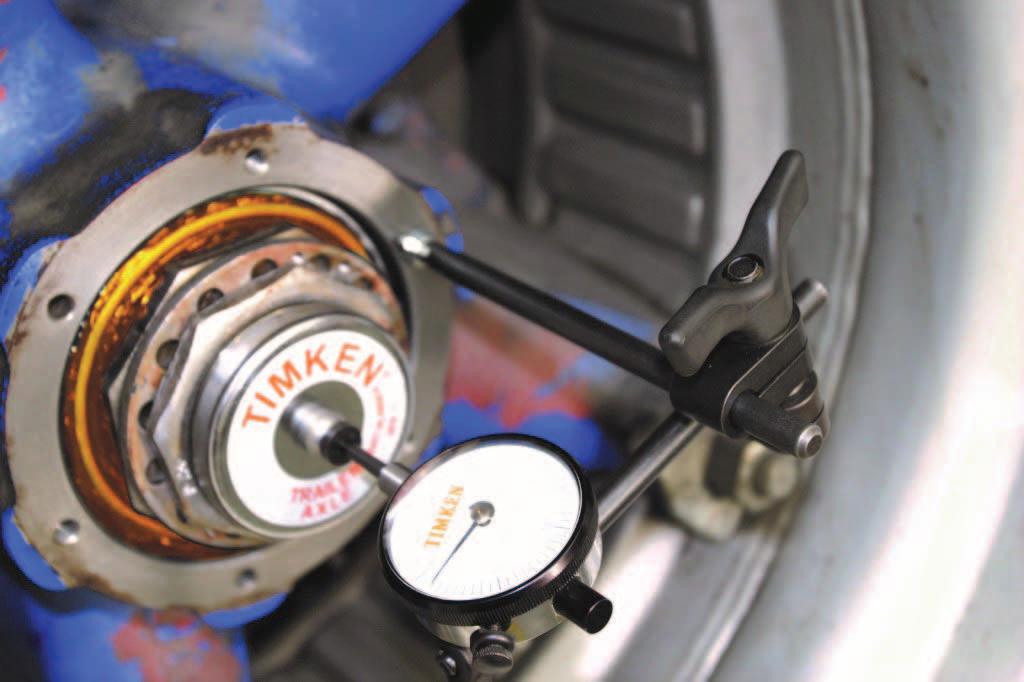
Most everyone close to wheel and bearing installation and adjustment advocate the use of dial indicators to measure correct bearing endplay.
absolutely free of dirt, rust, grease and other contaminants.
A buildup of foreign material on the wheel end mounting surfaces causes extra thickness in the joint. The foreign material may settle or work its way out of the joint, causing the tension in the bolt to decrease, resulting in a loss of clamping force.
Extra care is needed with painted steel wheels. For one thing, rust can develop under the paint if the finish is broken, causing flaking. This material can drop out over time, reducing the clamping force. The coating thickness on a painted wheel is important, too, as coatings thicker than 3 - 3.5 mils thick can affect the mounting surfaces and between the bolt holes.
Excessive coating thickness can lead to a loss of clamping force and eventually loose nuts and possibly a wheel loss.
The contact areas must be rigorously cleaned with a wire brush to remove all foreign material before mounting the wheel. Wheel studs should be cleaned with a wire brush as well to rid the thread grooves of rust and foreign material that can affect the torque on the nut.
3. Proper fastener torque
Tighter is not better. Many technicians at-
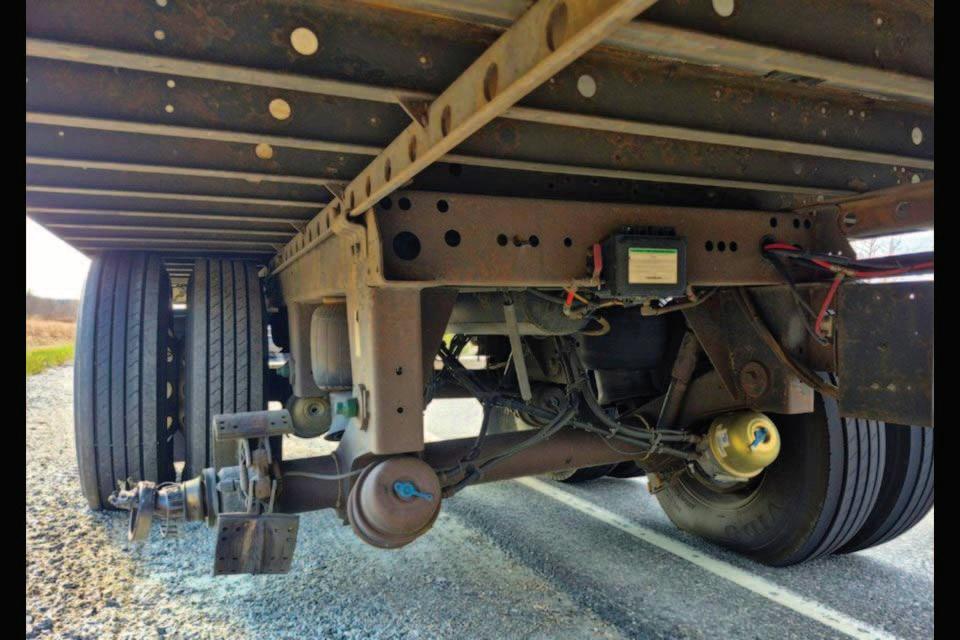
In the incident depicted above, a trailer being towed by a commercial truck on Highway 11 in Ontario lost two wheels, which flew across the highway. The driver and owner were charged with several offences, including wheel separation, operating a vehicle with detached parts, and failing to comply with inspection and performance standards. Incidents involving wheel detachment or vehicle defects pose serious risks to all road users.
tempt to achieve maximum clamping force by applying more than 500 ft-lbs. of torque without realizing the possible consequences.
If a wheel stud is subjected to excessive torque, it is possible to stretch the stud past its yield point. If this occurs, the joint will act as if it is under-torqued and there will be low clamping force.
The best way to avoid this condition is to snug the nuts and then bring them up to their final torque with a calibrated torqueing device. Impact guns are not recommended.
Technology & Maintenance Council's RP 237A, "Torque Checking Guidelines for Disc Wheels," shows torque fastener recommendations ranging from 300 to 900 ft-lbs., depending on the wheel type, fastener and procedure. There is no one-size-fits-all here. Refer to this RP for proper torque ratings and procedures or consult with the manufacturer.
Torque is critical due to the fact the stud stretches like a spring, If the correct torque is not applied you will not get the correct clamp load. Over torque is the most common [mistake] in the industry.
nents
Some wheel-end parts can be re-used - provided they are thoroughly inspected and still in good condition and within spec. Studs and nuts can be reused as long as there's no evidence of thread damage or stretching of the stud due to over-torqueing. A couple of drops of oil on a clean stud and between the nut and the flange can help with restoring torquability to new condition. Bearings, however, require special attention.
Bearings should examined for drag on the rollers and the overall condition of the bearing
assembly. Even the tiniest burr on a bearing roller can cause havoc with the mating surfaces.
The bolted joint will not stay new forever, especially with environmental factors that add dirt, debris, and corrosion to the wheel end.
When the wheel end condition deteriorates, the clamping force drops and eventually the nuts, bolts, and other components will have to be replaced.
Drivers and maintenance staff have a role to play here, and need to be trained how to keep a watchful eye out for developing problems.
For example, lubricant leaking from an inner wheel seal leaves oily streaks on the inside of the inner tire. This is a sign if lubricant loss that can lead to overheated and failed bearings.
During visual inspection, drivers and maintenance personnel should keep an eye out for abnormal tire wear, evidence of lubrication leaks and lubricant contamination. Hubcap window discoloration and gasket striation associated with high temperature operation should also be noted.
Missing oil caps on the hub caps can allow contamination into the bearings, water, sand, etc., which can lead to bearing failure.
Fastener tightness cannot be verified without proper tools, but drivers can look for tell-tale signs a fastener may be coming loose, such as rivulets of rust extending outward from a wheel stud, or signs of slippage on the wheel around the flange nut.
Inexpensive nut position indicators are available that show the position of the nut relative to an adjacent nut. Movement of the indicator warns that a nut is coming loose.
Drivers should physically touch the hubs to get a sense of how hot they are running. Warm to the touch is normal. Hot to the touch means something is wrong. And one final note: Retorqueing the wheel somewhere between 10 and 100 miles after wheel service is performed is critically important, but probably the least observed off all these wheel installation procedures.
And that's how you keep your wheels where they belong.
ABOUT THE AUTHOR Jim Park is a truck journalist covering the industry and providing perspective since 1998.
Success in business is not a right. It's a reward for a well-executed business plan.
BY JIM PARK
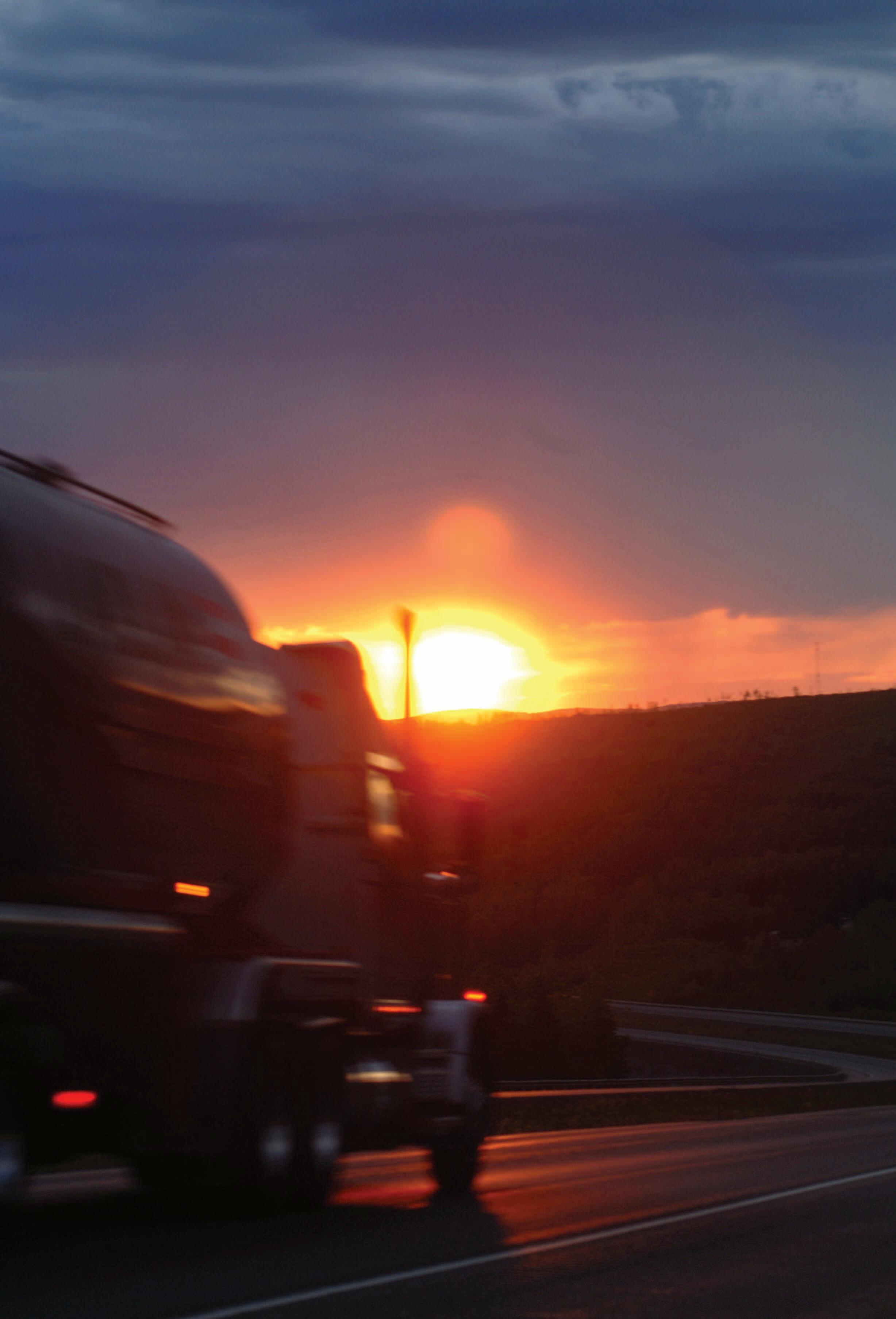
You may find this hard to believe, but sometimes owner-operators are their own worst enemy. They too often do things to undermine their business.
Your relationship with the carrier or customer is an important factor in determining your ultimate success or failure, but your part in succeeding can't be understated.
You may find this hard to believe, but sometimes owner-operators are their own worst enemy. They too often do things to undermine their business -- like budgeting based on the best of times, not year-long averages. Or they switch carriers to one promising more home time, for example, without checking every-
thing, only to discover they can't make payment with the truck parked in the driveway every night.
A small fleet owner who has had experience with owner-ops who don't look at the big picture, offers these tips on how to sabotage your future as an owner-operator.
1 2 3 4 5
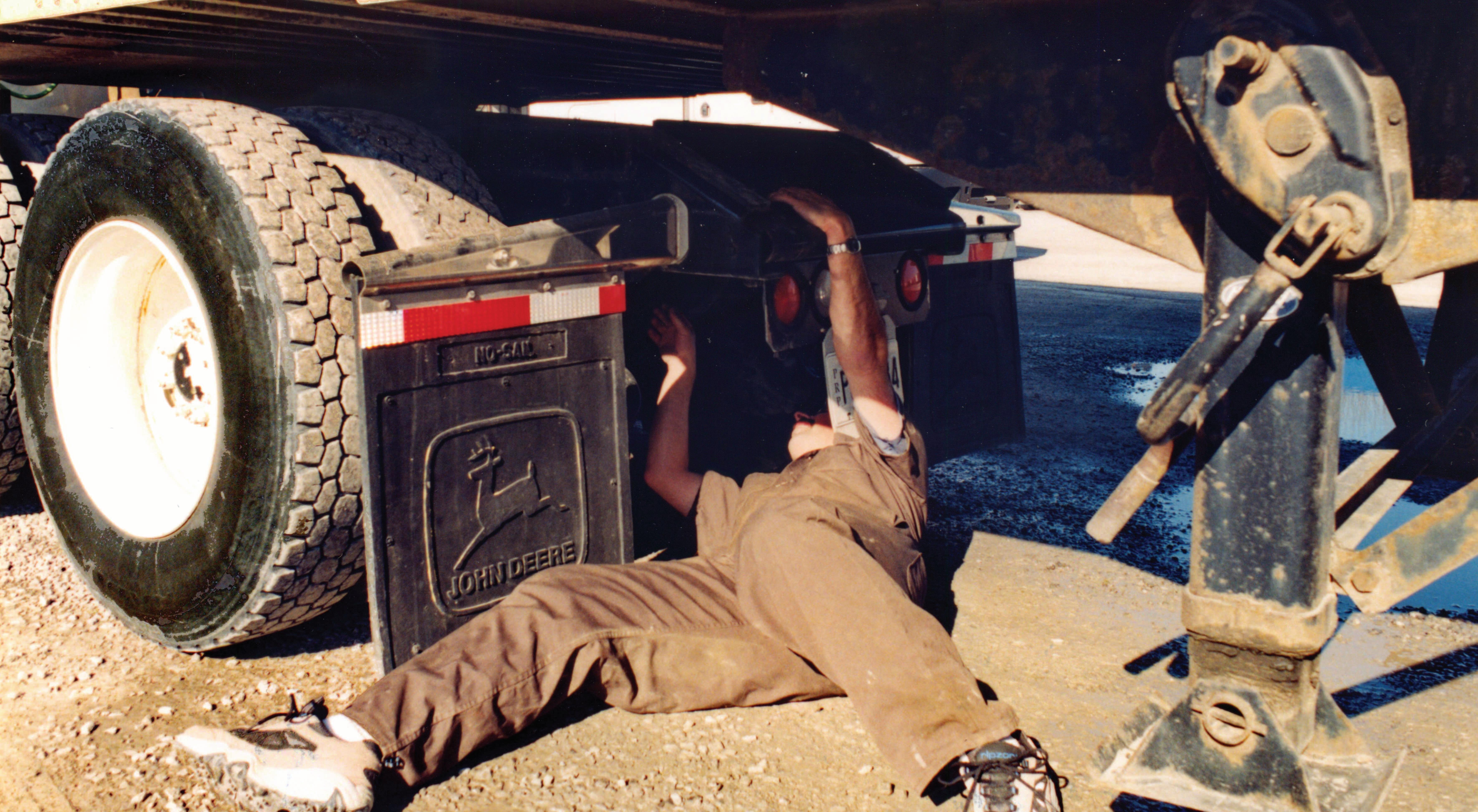
Assume that the warranty on a new truck will result in near zero maintenance costs.
Assume that a big horsepower engine hauling light loads will actually get better mileage than a smaller engine, and assume the truck will deliver the fuel economy numbers the sales rep promised, all year round under any load.
When starting a new job, after having checked out trip sheets and income statements for existing drivers, assume your work ethic is at least as good as theirs, and that you'll be happy doing the work required to produce the big income.
Believe whatever a recruiter tells you is involved in the job, and assume that it can all be changed in a heartbeat at your request.
Assume the work will always be there, and live (and budget) as if your costs and revenue will never change.
That may sound cynical, but those observations are accurate -- at least some of the time in almost all cases. It's human nature to be optimistic, but as a business operator, only you can make the right decision. Whether it's running a single-truck operation or a large fleet, you have to do what's best for the business.
Good decision-making comes from being informed and knowledgeable. That's why one of the biggest and most common mistakes both new and seasoned owner-operators make is not asking enough questions, followed closely by looking at the world through rose-colored glasses. Success
Take off the rose-colored glasses. Life as an owner-operator requires lots of hard work and self-reliance on stuff other than driving.
as an owner-operator is not a right. It's a reward for a well-executed business plan. So, here are
five tips from successful owner-operators on how to succeed with a small trucking business.
1 2 3 4 5
Understand and accept that people will pay you only for the work you do. If you're willing to do more work and take on more responsibility, you'll earn more. Nobody makes $2.50 a mile in a hook-and-drop operation.
Build long-term relationships. Jumping from carrier to carrier only costs money, and the reason you have to jump is probably because you didn't do enough research up front. Rates, costs, customers, safety records, internal relationships all affect your operation. Know what you getting into before you sign on so you won't have to quit and start all over again in three months..
Understand the economy and sector of the business you're getting into. Avoid sectors in a downturn. Search out carriers that serve growth industries, have long-term relationships with good customers and their own drivers. High-turnover carriers aren't the place to build long-term relationships.
Keep your revenue and income expectations realistic, and budget for the slow times. Know your costs, and live within your means. This applies especially when choosing your truck -- spec to squeeze every penny of profit out of the thing and drive it like your life depends on it.
Never lose sight of the fact that trucking is a business and a truck is just a tool. It's easy to be in love with the open road and a big shiny truck.
Many successful owner-ops have achieved all of that and more, but it takes years of hard, smart work to get there.
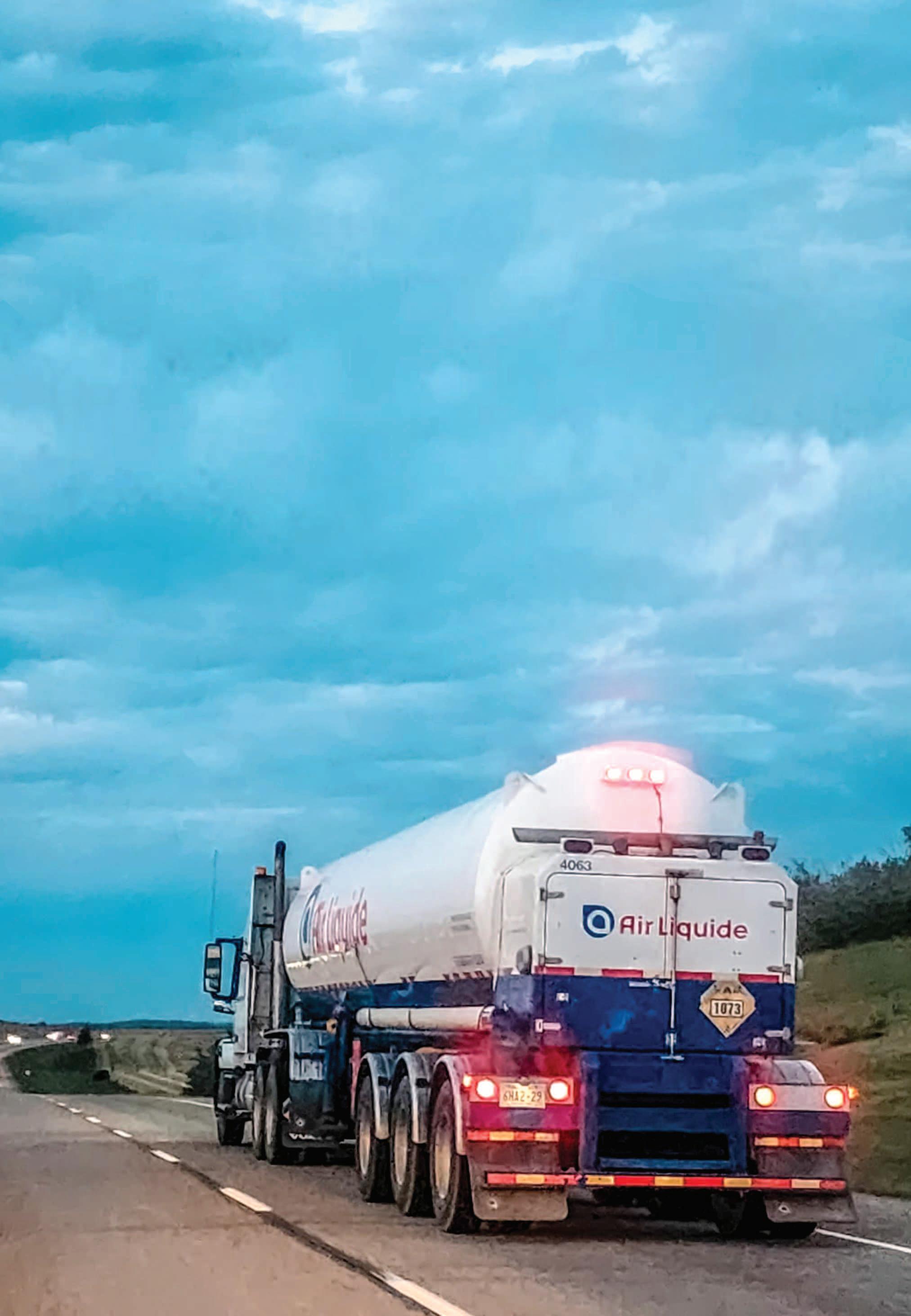
You are finally off the traffic-congested roadway and safely parked at a truck stop. But you may not be as safe as you think. A large percentage of truck-trailer accidents occur at truck stops which should be the safest place to park. Drivers can never let their guard down when behind the wheel. Trucking accidents are expensive to both the employer and to the driver. Below are a few tips to help reduce a trucking accident/incident at a truck stop.
1 2 3 4
Pre-plan your route so you know you will be stopping at a location with plenty of room and that is well lit. Choose your stops, don’t let them choose you.
Plan to take care of everything you need at a truck stop when you are there the first time. Stopping to fuel, refill your coffee, and eat is better than stopping five times.
Never underestimate the usefulness of a rest area. Not only do rest areas offer easy access, but they are set up to allow trucks to pull through a parking spot versus the higher risk of backing into a spot. Statistics don’t lie….more accidents happen in truck stops than rest areas.
Avoid parking on the end of a row. Not only is there traffic crossing next to you but most people park on the end because they are tired and after a long day the end is the closest spot. Avoiding the end of a parking lot helps you avoid drivers who are parking when they are tired. Removing yourself from high traffic areas can only help.
5 6 7 8 9 10
Avoid a spot that will force you to back out when you leave. Choose a spot you can either pull through (the best option) or back into (second best option).
Avoid parking in a location where the trucks across from you will be required to back out of their spots. Being behind a vehicle that will be blindly backing toward you is a recipe for disaster.
If the truck next to you looks close, is over the line, or parked odd (for example the cab is angled to the trailer for some reason) then move on to a new spot. If you have to take that spot don’t be afraid to write down the name and number on the truck. You may be glad you did when you wake up in the morning.
Park where there is space around you. The back of the lot will usually have more room than the front so let other drivers take the risk of all that traffic coming and going. No need to be a super Trucker when a safe and easy place is available. Think safe, not convenience.
Use your four-ways when pulling through the lot and backing up. People in truck stops, or even other parking lots, are usually tired or distracted. Four-ways activate peripheral vision and increase the chance of someone seeing you. And if required use your horn gently when needed to tell someone “Hey, I’m here”.
Park with your tractor and trailer straight. It reduces the area others have to hit while backing.
Source: IMCCA
MARCIN BARANIECKI
£añcuchy wyprostowa³y siê, naprê¿y³y… Buldo¿er stale siê cofa³... Kalina poczu³ ciê¿ar. Delikatnie, tak delikatnie, jakby dotyka³ najwra¿liwszej kobiety, przycisn¹³ gaz. Szczêknê³o. £añcuchy gra³y ju¿ jak struny i wtem… wtem... sta³ siê cud –olbrzymi zestaw ruszy³ z miejsca i cal po calu zacz¹³ wychodziæ z wyrwy!
Kalina zamar³.
– ¯eby tylko wytrzyma³y! – przemknê³o mu przez myœl – ¿eby tylko…
I truck wyszed³!
Wyszed³ na równ¹ powierzchniê! Wyszed³ i sta³ spokojnie jak cz³owiek, którego wyci¹gniêto z topieli i który nie mo¿e uwierzyæ w³asnemu szczêœciu. (...)
Ju¿ po wyjeŸdzie z farmy, zdjêciu ³añcuchów z kó³ i doprowadzeniu siê do porz¹dku mia³ tylko jedno pragnienie – kupiæ karton fajek! Ca³y karton. Mo¿e nawet dwa! A gdy znalaz³ siê na highwayu i skrêci³ na po³udnie ku siedemnastce, w kierunku Sault St. Marie, ¿eby przekroczyæ tam granicê z Michigan, czu³ siê jak nowonarodzony. By³ zmêczony. Praca na mrozie, nerwy i napiêcie wyczerpa³y go. Postanowi³ zatrzymaæ siê na truck stopie Husky i przespaæ do rana. Jego myœli bieg³y coraz wolniej. Mimo woli zaczê³y kr¹¿yæ wokó³ tego, co boli. A bola³o to, ¿e jego ma³y, piêcioletni Staœ nie rós³. Dziewczynki wybuja³y jak œwie¿e pêdy, a ma³y Staœ ci¹gle by³ ma³y.
(fragment poprzedniego odcinka, Truck ‘N’ Roll Magazine nr 84)
Jeszcze do zesz³ego roku Jolka mia³a zwyczaj mierzenia dzieci i odznaczania ich wzrostu o³ówkiem na framudze kuchennych drzwi, ale gdy zorientowa³a siê, ¿e Staœ jest taki, jak podczas ostatniego mierzenia, da³a spokój. (...)
Chodzi³a do rodzinnej lekarki, ale doktor Szumi³owicz uspokaja³a j¹, mówi¹c, ¿e tak bywa, i ¿e ch³opak "doci¹gnie" w póŸniejszych latach. ¯artowa³a te¿, ¿e i niscy s¹ bardzo potrzebni i mog¹ byæ na przyk³ad d¿okejami albo pracowaæ na ³odziach podwodnych, albo… Takie "¿arty" doprowadza³y Jolkê do furii, bo czy¿ mog³o byæ inaczej? Rozmawia³a te¿ o tym z Ros¹ – Filipink¹, która zna³a problemy wychowania dzieci jak nikt inny, ale Rosa te¿ nie zna³a odpowiedzi.
– Ró¿nie z dzieæmi bywa, Jolu – mówi³a. – Czasem po takim okresie zatrzymania zaczynaj¹ rosn¹æ jak szalone, ale kto to wie? Ka¿de dziecko jest inne. Narazie niech siê bawi, biega, gra w pi³kê i robi wszystko to, co ch³opcy w jego wieku. Zobaczymy!
To by³a dobra rada, tym bardziej ¿e Staœ by³ zdrowy jak rydz, wszystko mia³ proporcjonalne, silne i szczególnie w grze w pi³kê no¿n¹ by³ nadzwyczaj sprawny. Zwraca³ te¿ tym uwagê innych i Jolka parê razy s³ysza³a, jak ojcowie innych ch³opców mówili miêdzy sob¹:
– Popatrz na tego ma³ego, jak prowadzi pi³kê! To mo¿e byæ kiedyœ gwiazda!
I mówili to miêdzy sob¹ – nie do niej – i to tym bardziej cieszy³o. Przynajmniej na tym polu mo¿na by³o ch³opczynê pochwaliæ i podnieœæ jego ego! Kalina myœla³ o tym nie raz i wini³ siê, ¿e mo¿e to jego wina, bo nie ma go w domu. Ch³opak potrzebuje ojca. Katowa³ siê myœl¹, ¿e to, ¿e synek nie roœnie, mo¿e byæ wynikiem stresu, ale z drugiej strony co ma jedno z drugim? Adler powtarza³ mu nie raz, ¿e ojciec wcale nie musi byæ ca³y czas z dzieæmi. Ma byæ wtedy, kiedy ma byæ – i nie wiêcej! Có¿ – skoro on by³ ca³y czas poza domem!
Te myœli wraca³y do niego w chwilach zmêczenia. Czêsto budzi³ siê z nimi. Oprócz wszystkich innych spraw ta by³a najwa¿niejsza bo dotyka³a jego synka! Jego ch³opaka! Pociesza³ siê tym, ¿e najwybitniejsi pi³karze byli doœæ niskiego wzrostu, ¿e kto wie, mo¿e Staœ bêdzie gra³ i zarobi miliony jak jakiœ Garrincha czy Pele... Z tymi k³êbi¹cymi siê w g³owie myœlami dojecha³ do granicy i wtedy te¿ dozna³ ma³ego skurczu w brzuchu, bo przypomnia³ sobie, co wszem i wobec gada³ ten wœciek³y Nietoperz, ¿e jak to jest, ¿e karany kierowca mo¿e jeŸdziæ do Stanów i nikt go o to nie zapyta?
Ale wszystko posz³o dobrze i ruszy³ ju¿ bez przeszkód w kierunku Salt Lake City i do Promontory Point do bazy Lucin Cutoff Trestlewood Company, dok¹d od tylu miesiêcy zwozi³ rozbiórkowe drewno z Ontario.
–Tak – mówi³ w myœlach do siebie – co by nie powiedzieæ, to jest dobra robota! To prawda, ¿e od czasu do czasu s¹ ró¿ne obciachy, ale w sumie pieni¹dze s¹ dobre i nie ma co wymyœlaæ. Jak dobrze pójdzie, to w tym roku zarobiê mo¿e i trzysta brutto, a wtedy pomyœli siê o kupnie nowego trucka, nowego flat-bedu... Mo¿e "ustawiê" drugiego trucka, przyjmê kierowcê... Mo¿e odnajdê si³acza Ola, który pracowa³ dla mnie w Cottrell Transport? Tego, który umia³ œcisn¹æ surowy kartofel na miazgê? To by by³o dobre! Olo by³ super! Ten drugi, niedosz³y ksi¹dz te¿, ale Olo by³by najlepszy!
Jednoczeœnie przypomnia³a mu siê umowa z Ryœkiem Tulibabk¹, ¿e po roku czy dwóch zwolni mu miejsce... Coœ dawno Rysiek nie dzwoni³... ciekawe co tam u niego... trzeba bêdzie zadzwoniæ...
OdpowiedŸ przysz³a szybciej, ni¿ myœla³. By³ ju¿ za Des Moines, gdy nagle pos³ysza³ na CB polski g³os:
– Hej, Kalina, gdzie jedziesz? – To by³ Lelo Majchrzak, znajomy z czasów, gdy Kalina jeŸdzi³ w Chicago.
– Czeœæ Lelu! Tak jak zawsze, do Utah. Co s³ychaæ?
I tak po paru wstêpnych pytaniach i relacjach, co s³ychaæ i co siê dzia³o, Lelo nagle wykrzykn¹³: – A wiesz, co jest z Ryœkiem?
– Co ma byæ? Nie gada³em z nim chyba od miesi¹ca...
– Raka ma. Raka prostaty. Jest na chemii i ju¿ nie jeŸdzi. Mówi¹, ¿e to stara sprawa, ale ostatnio mia³o mu siê pogorszyæ.
– Raka?!
– No tak, nie wiadomo, jak to bêdzie! Z rakiem nigdy nic nie wiadomo. No to czeœæ – przerwa³ nagle – ja tu ju¿ zje¿d¿am. Szerokiej drogi do tej twojej Juty!
Tak mówili – nie Utah tylko "Juta". Niby to samo, ale Kalinê denerwowa³a ta odmiana – "do Juty, w Jucie". Tak jak nie cierpia³ mówienia "w Toroncie" zamiast "w Toronto". Ale teraz nie o to chodzi³o! Nie o to! Tulibabka? Raka?! A¿ go zmrozi³o. To dlatego by³o to gadanie o zwolnieniu mu miejsca za rok czy dwa! Tulibabka ju¿ wtedy wiedzia³. Myœla³, ¿e przez ten czas siê wyleczy i od nowa zacznie pracowaæ pe³n¹ par¹.
Tulibabka! Kto by pomyœla³!
(...)
Zaraz po przyjeŸdzie do Promontory Point Kalina dosta³ ³adunkek do Oregonu. To by³ uszlachetniony, przetworzony materia³ powsta³y ze starych, sczernia³ych, smolistych belek i desek ze starych stodó³. Wyczyszczone, wypiaskowane, równe i starannie zapakowane by³y wspania³ym materia³em do budowy mebli, boazerii i temu podobnych. Tym razem mia³ jechaæ do jakiejœ nowobudowanej posiad³oœci w górach Ochoco.
Trasa nie by³a d³uga. Highwayem osiemdziesi¹t cztery przez Twin Falls, Boise (przez Twin Falls i Boise?), a potem ju¿ szos¹ dwadzieœcia cztery na zachód.
To by³o dobre, ¿e firma nie wysy³a³a go z pustym flat-bedem z powrotem do Ontario. Dyspozytor w Promontory Point stara³ siê wykorzystaæ swoich kierowców do cna. Co jakiœ czas mia³ ³adunki gotowego materia³u na Wschód i ontaryjski kierowca by³ zajêty w drodze powrotnej, ale na taki ³adunek trzeba by³o poczekaæ. Wtedy dostawa³o siê do rozwiezienia to, co akurat by³o gotowe do wysy³ki. Kierowcy brali ³adunki do Kalifornii, Nevady czy na Po³udnie. Gdy wracali, zazwyczaj czeka³ ju¿ na nich ³adunek na Wschodnie Wybrze¿e albo – co by³o absolutnie idealne – do Ontario albo Quebeku. Zdarza³o siê, ¿e to oczekiwanie na "wschodni" ³adunek przeci¹ga³o siê i trucker robi³ parê kursów po Zachodzie, ale to nie by³o zbyt czêsto.
Podstawowym wymaganiem Firmy by³a dyspozycyjnoœæ. Trucker musia³ byæ dyspozycyjny i w miarê swojej ksi¹¿ki czasu pracy (logbook) zawsze gotowy do pracy. P³acono doskonale, a za trudne dostawy – jakich nie brakowa³o – jeszcze lepiej, ale nie tolerowano odmów. Kierowca mia³ jechaæ i koniec.
Inna rzecz, ¿e nigdy nie ³amano przepisów dotycz¹cych czasu pracy. Kalina dobrze pamiêta³ swoje zatrudnienie w Sureway Transport, gdy w 1987 i 1988 roku nieludzki dyspozytor trzyma³ go calusieñk¹ zimê na drodze, co w ostatecznoœci doprowadzi³o do wypadku na Coquihalla. Ten facet przypomina³ jakiegoœ kapo z obozu koncentracyjnego. Log-book nie mia³ dla niego ¿adnego znaczenia.
Kalina ba³ siê panicznie wpadniêcia w podobne ³apy, ale w przypadku Lucin Cutoff te obawy okaza³y siê kompletnie nieuzasadnione. Po prostu drobiazgowo przestrzegano przepisów. Mormoni. Ogromna wiêkszoœæ zatrudnionych w Lucin nale¿a³a do Koœcio³a Œwiêtych Dni Ostatnich. Ale w koñcu to i nic dziwnego, bo firma mieœci³a siê w samym centrum Kraju Mormonów – tych imponuj¹cych swoj¹ pracowitoœci¹ i religijnoœci¹ ludzi, którzy przybyli na tê ziemiê w ucieczce przed
przeœladowaniami w Ohio, Pennsylwanii i w ogóle na Wschodzie. Przybyli tu sto piêædziesi¹t lat wczeœniej. Drogê z przez dziwicze podówczas tereny przebyli w strasznych warunkach cierpi¹c, walcz¹c i mr¹c. W latach czterdziestych dziewiêtnastego wieku przybyli na tê niegoœcinn¹, bo s³on¹ pustyniê i uczynili z niej kwitn¹cy ogród i wspania³e miejsce do ¿ycia dla nadchodz¹cych pokoleñ.
Nie raz, nie dwa Kalina s³ucha³ opowiadañ o tych pocz¹tkach osadnictwa Mormonów w Utah. Zdumiewa³a go ich skromnoœæ, nies³ychana pracowitoœæ i sk³onnoœæ do poœwiêceñ i wiele razy pyta³ samego siebie, co by to by³o, gdyby Polacy byli podobni. Skoro Mormoni ze s³onej pustyni zrobili to, co zrobili, to do jak kwitn¹cego stanu mo¿na by doprowadziæ tak naturalnie ¿yzny, urodzajny i bogaty kraj jakim jest Polska!
Z biegiem czasu zrozumia³, dlaczego ci dziwni ludzie maj¹ takie wyniki. Ich tajemnica le¿a³a w tym, ¿e pracowali razem. Razem i w zgodzie. Pracowali z takim zaanga¿owaniem, jakby od tej pracy wszystko zale¿a³o. Dyscyplina, zgoda i jakaœ ogromna wzajemna ¿yczliwoœæ – to by³ klucz do ich niebywa³ego sukcesu.
Takimi te¿ byli w firmie Lucin Cutoff Trestlewood Company i Kalina bardzo szybko zorientowa³ siê, ¿e z ich strony nie musi siê obawiaæ ¿adnych oszustw czy nadu¿yæ. O to móg³ byæ spokojny. A to by³o nies³ychanie wa¿ne zw³aszcza wobec jak¿e¿ czêstego wykorzystywania kierowców w innych kompaniach. Zdarza³o siê przecie¿ zwyk³e niep³acenie za pracê, nieuzasadnione potr¹cenia, obcinanie iloœci przejechanych mil, a co za tym idzie kwoty wynagrodzenia, i temu podobne.
W Lucin Cutoff tego typu nieprawoœci by³y nie do pomyœlenia. Nie tolerowano nieuczciwoœci – nawet tak pozornie "niewinnych" rzeczy jak k³amstwo czy k³amstewko w ma³o znacz¹cej sprawie. Dawano nie-
















ograniczony kredyt zaufania, który jednak móg³ byæ zrujnowany jedn¹, ma³¹ nieuczciwoœci¹. Dyspozytor z Promontory Point Nephi Guderson podkreœla³ to w czasie sesji orientacyjnej dla kierowców.
– Pamiêtajcie, ¿e u nas trzydzieœci sekund nieuwagi mo¿e przekreœliæ trzydzieœci lat zas³ug! Rozumiemy, ¿e mo¿na siê spóŸniæ, ¿e pogoda, ¿e zima, go³oledŸ, inspekcja na wadze... Rozumiemy nawet, ¿e mo¿na mieæ wypadek – ostatecznie jesteœmy tylko ludŸmi – ale nigdy nie zrozumiemy i nie bêdziemy tolerowaæ jakiegokolwiek nadu¿ycia. Zapamiêtajcie to sobie. Kto zawiedzie zaufanie, bêdzie musia³ odejœæ.
I firma by³a konsekwentna. Paru kierowców wyrzucono za jakieœ tam grzeszki i to wyrzucono w trybie natychmiastowym: mieli zostawiæ trucka tam, gdzie sta³ – i bye, bye! Z w³aœcicielami trucków by³o to samo. Pracuj, bierz dobre czeki, ale musisz byæ lojalny. Lojalny do bólu! Tego rodzaju pouczenia przekazywano jednak tylko kierowcom "z zewn¹trz", bo mormoni uczciwoœæ i solidnoœæ mieli po prostu we krwi.
Kalina kocha³ siê w tym porz¹dku, bo to dawa³o spokój o zap³atê, o przestrzeganie porz¹dku, prawdomównoœæ i s³ownoœæ. Wszystko to, czego tak niewiele by³o na Wschodzie – jak to mówi³ na wschód od "starej Mississippi", która by³a granic¹ pomiêdzy dwoma œwiatami – tym wschodnim, zabieganym, geszefciarskim i powierzchownym i tym zachodnim – prawdziwie amerykañskim, solidnym i rzetelnym.
Wszystko tu by³o inne i wskazywa³o na porz¹dek i pracowitoœæ. Mówi³y te¿ o tym monstrualne pnie wyci¹gniête z wody w czasie demontowania wielkiego kolejowego pomostu biegn¹cego wpoprzek jeziora. Nephi Guderson opowiada³ o tej budowie, o przesz³o trzech tysi¹cach robotników, którzy na pocz¹tku wieku dokonali tego niebywa³ego dzie³a. Skoszarowani w barakach, ¿ywieni ze wspólnego kot³a pracowali na trzy zmiany, nie robi¹c ¿adnych dni wolnych. Pracowali non stop prawie dwa lata. Zwieñczeniem tego – godnego piramid – wysi³ku by³ dziewiêtnastokilometrowy pomost kolejowy, który skraca³ drogê poci¹gu o wiele setek mil. Ten w³aœnie pomost koñczy³ swój przesz³o osiemdziesiêcioletni ¿ywot i sta³ sie zaczynem kompanii.
Ale nie by³o zbyt wiele czasu na wspominki. Na drugi dzieñ po przyjeŸdzie Kalina ruszy³ z wysoko za³adowanym flat-bedem dalej na zachód – do Oregonu w góry Ochoco. Nephi poinstruowa³ go o lokalizacji miejsca dostawy, da³ mu dok³adn¹ mapê i œmiesznie wygl¹daj¹ce radio, którgo mia³ u¿yæ na miejscu, ¿eby daæ znaæ ekipie budowalnej o swoim przyjeŸdzie. Nephi mówi³, ¿e budowa, do której jedzie le¿y wysoko w górach. Dojazd do niej musi byæ anonsowany robotnikom, którzy zje¿d¿aj¹ w dó³, do highwayu i eskortuj¹ trucka do samej budowy. Trochê to wszystko wyda³o siê Kalinie dziwne i odrobinê niepokoj¹ce, ale co mia³ robiæ – lepiej, ¿e uprzedzaj¹ go teraz, a nie w ostatniej chwili.
– Widzisz, Kalina – mówi³ Nephi – oni tam maj¹ pewien sprawdzony system przyjmowania ³adunków, który musi byæ przestrzegany. Po prostu stosuj siê do ich instrukcji, a bêdziesz okay. Zreszt¹ mo¿esz porozmawiaæ z Ammonem, on tam by³, to ci powie.
Ammon by³ mormonem, jednym z najstarszych truckerów w kompanii. Akurat wszed³ do dyspozytorni. Usiedli na ³awce.
– Jak dojedziesz do drogi podjazdowej, zatrzymaj siê i wywo³aj ich przez to radio, co ci da³ Nephi. Oni przyjad¹ wielk¹ maszyn¹, która popcha ciê na górê. Sam nie dasz rady, bo jest za stromo. Na górze buduj¹ wielki cottage dla jakiegoœ bogacza z Kalifornii. Miejsca jest du¿o. O to nie musisz siê baæ, ale droga podjazdowa jest ciê¿ka i bez tej ich maszyny nie wjedziesz. O tej porze dodatkowo bêdzie tam œnieg, ale tak myœlê, ¿e odgarniêty, bo przecie¿ oni tam ca³y czas pracuj¹ i musz¹ jakoœ wje¿d¿aæ.
– Trochê ryzykowna ta robota – powiedzia³ pó³g³osem Kalina. – Jak myœlisz, Ammon?
– Eee, nie bardzo. Jak wiesz, co robisz, to dasz radê. Ty przecie¿ prze¿y³eœ ju¿ co nieco w tej robocie – nie musisz siê baæ. Nephi ciê zna i wie, ¿e dasz radê. Innym by tej roboty nie da³. Za
nowi. A co te¿ nie jest bez znaczenia – to ¿e ten kurs p³aci jak dwa inne – mo¿esz mi wierzyæ. No, jedŸ i niech ciê Bóg prowadzi... – Ammon, wieczny mormon! – pomyœla³ trochê z przek¹sem Kalina.
Wyjecha³ z samego rana. By³o jeszcze ciemno i wiatr wia³ od jeziora. Z Promontory Point do Boise w Idaho jest raptem jakieœ piêæ mo¿e piêæ i pó³ godzin jazdy, a stamt¹d do okolic Ochoco drugie tyle, ale to wszystko w lecie, gdy jest sucho i bezpiecznie. W styczniu taki kurs mo¿e trwaæ tyle, ile chce albo tyle, na ile pozwoli pogoda, œnieg i oblodzenie. Ale tym razem do Kaliny uœmiechnê³o siê wreszcie trochê szczêœcia i pogodê mia³ jak kryszta³.
Flat-bed by³ w miarê ciê¿ki, oko³o czterdziestu tysiêcy funtów. Jad¹c, ca³y czas myœla³ o tym, co powiedzia³ dyspozytor.
– Coœ tam musi byæ na rzeczy – mówi³ do siebie – skoro nawet Ammon wspomina³ o doœwiadczeniu i o tym, ¿e tak dobrze za tê robotê p³ac¹. Coœ tam musi byæ i mogê siê za³o¿yæ, ¿e nim siê to wszystko skoñczy, to spocê siê jeszcze jak ruda mysz.
Musia³ sobie to coœ rudego wykrakaæ, bo gdy przyjecha³ w umówione miejsce i porozumia³ siê z ekip¹ budowlañców, z góry zjecha³ wielki buldo¿er prowadzony przez marchwioworudego grubasa. Kalina jeszcze w ¿yciu nie widzia³ kogoœ tak intensywnie rudego i w pewnym momencie chcia³ nawet zapytaæ, czy grubas jest farbowany, ale ca³e szczêœcie, ¿e tego nie zrobi³, bo jak siê okaza³o, rudzielec nie mia³ za du¿o poczucia humoru.
Poza tym, gdy Kalina zobaczy³ buldo¿er, to tak naprawdê straci³ ochotê do jakichkolwiek pytañ i ¿artów.
– Bo¿e – szepn¹³ do siebie – znowu buldo¿er! Nie za du¿o tego dobrego? Przecie¿ dopiero co mia³em z jednym do czynienia!
A sprawa wygl¹da³a tak:
Budowa by³a prowadzona wysoko w górach. Materia³y, maszyny i wszystko, co do niej by³o potrzebne, dostarczano prowizo-














ryczn¹ drog¹ zbudowan¹ tylko w tym celu. To by³ trakt trawersuj¹cy zbocze. ¯eby truck móg³ siê do niego dostaæ, musia³ najpierw podjechaæ od g³ównej drogi przera¿aj¹co stromym podjazdem. Ale problem na tym siê nie koñczy³, bo na trawersie czeka³y inne niespodzianki. By³a to w¹ska droga i z jednej jej strony piêtrzy³o siê poroœniête lasem zbocze, a z drugiej to samo zbocze zwala³o siê kilkaset metrów w dó³. Droga sz³a pod górê, ale ju¿ nie tak stromo jak na pocz¹tku, niemniej utrzymanie siê na tej karko³omnej œcie¿ce dla kozic nie by³o robot¹ dla kogoœ o s³abym sercu. Ale na koniec – jakby na deser – doje¿d¿a³o siê do placu budowy, gdzie by³o ju¿ du¿o miejsca i do roz³adunku, i do wykrêcenia truckiem – jednym s³owem – rozkosz!
Ekipa przyjê³a system polegaj¹cy na tym, ¿e buldo¿er pcha³ trucka na stromiŸnie a¿ do trawersu, a potem pod¹¿a³ za nim "dla ubezpieczenia". Na czym to "ubezpieczenie" mia³o polegaæ, Kalina ¿adn¹ miar¹ nie móg³ zroumieæ, bo jeœli – dajmy na to – truck z ³adunkiem zacz¹³by siê zsuwaæ po zboczu z t¹ – cha! cha! cha! – myœl¹, ¿eby siê elegancko roztrzaskaæ na samym dole, to co taki "ubepieczaj¹cy" buldo¿er móg³by w ogóle zrobiæ?
Patrz¹c na to wszystko, Kalina dobrze rozumia³, dlaczego dypozytor z Promontory Point mówi³ o ekstra pieni¹dzach.
Rudy grubas wytoczy³ siê z buldo¿era i zacz¹³ mu wszystko t³umaczyæ. – Nie ma obaw. My to robimy codziennie. Trucki przyje¿d¿aj¹ i odje¿d¿aj¹ i wszystko jest dobrze. Wypadków nie ma, no, mo¿e z jednym wyj¹tkiem. Jeden gówniarz chcia³, ¿eby za niego wjechaæ na górê, bo tak siê trz¹s³, ¿e siê w koñcu posika³. Trzeba go by³o odes³aæ, bo nikt tu za nikogo nie bêdzie robi³ roboty! Ka¿dy ma wystarczaj¹co du¿o na swoim talerzu. Zak³adaj ³añcuchy i wje¿d¿aj wolno na podjazd. Trzymaj radio pod rêk¹ – jak coœ nie tak – to wo³aj. Trzymaj obroty na tysi¹c, ale nie wiêcej. Ja bêdê pchaæ leciutko. Pierwsza sprawa – nie zatrzymuj siê. ¯eby nie wiedzieæ co – nie zatrzymuj. Jak ju¿ bêdziesz na trawersie bêdê za tob¹. Trzymaj siê prawej strony i nie szalej.
– Ciekawe, o jakich szaleñstwach ten t³uœcioch gada? – pomyœla³ Kalina. – Coœ mu siê chyba w tym rudym ³bie pomi¹cha³o. Szaleæ na takiej pó³ce?! Te¿ coœ!
A g³oœno zapyta³:
– Jak masz na imiê?
– Jayson.
– S³uchaj, Jayson, ten mój ³adunek wa¿y lekko licz¹c czterdzieœci tysiêcy. Co zrobimy, jak nie dasz rady wypchn¹æ go na trawers?
– A jak ty masz na imiê? – grubas by³ wyraŸnie rozbawiony.
– Kalina.
– No to pos³uchaj mnie, Kalina! Nie takie trucki, jak ten twój, dopycha³em na górê! Nie takie –mickey mouse – ³adunki z drewnem! Mój Cat to jest powa¿na maszyna, a nie jakiœ tam – za przeproszeniem – Freightliner!
– No, skoro tak – Kalina te¿ siê rozluŸni³ – to zasuwamy! Ale póki co, to zapalmy sobie na dobry pocz¹tek.
Grubas mia³ kawê w termosie, wiêc ³yknêli pod papieroska.
Jayson przypomina³ trochê wielkiego Ola, który pracowa³ kiedyœ w Cottrell Transport.
– Ciekawe, czy Olo da³by radê temu rudzielcowi? – pomyœla³, ale zna³ odpowiedŸ, bo Olo to by³a góra miêœni, a ten tutaj to t³uœcioch! – Szkoda, ¿e go tu nie ma! To by dopiero by³o ubezpieczenie! Ciekawe co siê z nim dzieje? Trzeba go bêdzie odnaleŸæ.
Skoñczyli paliæ a i czas pili³, wiêc Kalina prze¿egna³ siê nieznacznie i szepn¹³ do siebie:
– No – w Imiê Ojca i Syna – jedziemy!
(ci¹g dalszy w nastêpnym numerze)
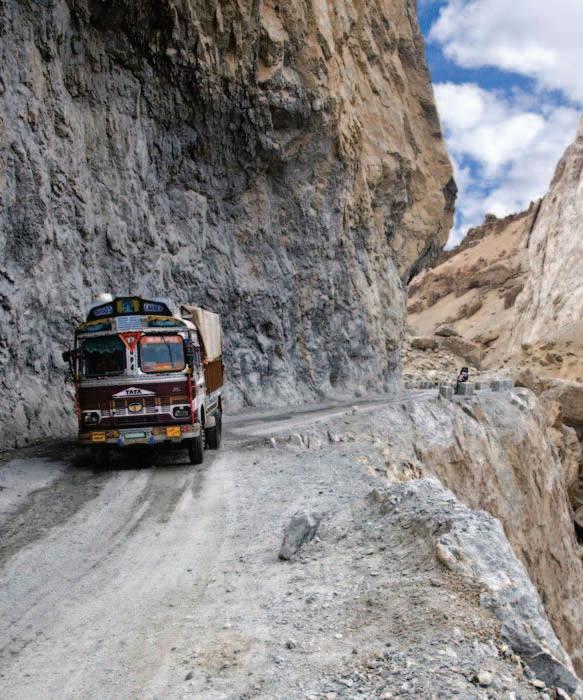
WISH YOU WERE (NOT) HERE