In today’s fast-paced world, strong leadership is more important than ever. But what makes a great leader?
To find out, we looked at some of the most innovative and influential people who have inspired change in our world as we know it today: Michael Jordan, Elon Musk, Tom Brady, Shirin Ebadi, Oprah Winfrey, the Dalai Lama, Sheryl Sandberg, Warren Buffett, and Malala Yousafzai. Each individual has a unique perspective on leadership, but some common themes emerge from their words and actions.

These leaders teach us that true leadership is not a one-size-fits-all concept. It encompasses a diverse range of principles, such as perseverance, vision, self-belief, social responsibility, personal growth, compassion, inclusivity, and independent thinking. By studying the leadership principles of these greats, we can all learn valuable lessons that can help us become better leaders in our own lives.
The Ultimate Test of a True Leader
BY DAVID T. FAGAN
Not all leaders are created equal. Many so-called leaders are actually managers, and although leaders can be managers, not all managers can be leaders.
A leader that needs a title to lead isn’t much of a leader at all, so the ultimate test of a leader is whether or not they can lead volunteers. It’s one thing to get people to do what you want when you can threaten their job or bribe them with a pay increase but to lead without the traditional carrots and sticks available requires more true leadership attributes.
BY LA TRIBUNE EDITORIAL TEAM
There comes a time in everyone’s life when they take a step back and begin to look at the bigger picture, the greater meaning, and the impact they are here to make. It wasn’t that long ago when Lady JB Owen, author, speaker, publisher, humanitarian, business owner, and mom of four, stopped to reassess how she could make a more significant impact in the world and, in turn, Ignite Humanity™.
Born in an average-sized town in the middle of the Canadian Prairies, JB set her sights on more at a very young age. Her desires were in fashion, and 11 days after she graduated from high school, she ventured to the big city to study fashion design and textile science. Earning her degree, she immediately dove into the fashion industry, starting her own business and eventually working on the sets of major motion pictures and
Four Ancient Tools to Transform Your Leadership
BY CARISSA JOHNSEN
One of the oldest forms of spiritual practice on the planet is known as Shamanism. Its roots can be found across every single continent and nearly every culture, with a history that goes back thousands of years.
The word shaman originated in Siberia and means “one who knows”.
They are the keepers of supernatural healing, empowerment, and wisdom and are considered the leaders of their communities. These individuals value the sacredness of all life and believe in the relationship between all things. Shamans facilitate transformation and create harmony within themselves and, therefore, their tribes.
Lady JB Owen on 7 Principles to Ignite Humanity The Best You Expo Returns to LA
Their work is to tap into higher states of consciousness and stand as a bridge, or medium, between the spiritual and threedimensional world, allowing access to information that can help individuals step into their sovereignty. Much of the growth that comes from either working with a shaman or implementing their techniques far exceeds what modern medicine and current human knowledge can explain.
The path to this kind of Spirit-led leadership is not necessarily an easy or accessible one. To become a shaman, you need to be initiated and surrender your life to the Divine completely. However, one of the many lessons we can all take from their lifestyle is to come into ‘the
television shows as the set supervisor in the costume and wardrobe department.
Always passionate about designing and creating, JB expanded into jewelry making, sculpting, decorating, painting, printing, and writing. Her astute business sense had her constantly forming businesses and living the life of a serial entrepreneur.
As she entered her forties, her companies spanned the globe, and her products were sold around the world. She admits she started her first little business when she was nine, selling macrame necklaces for $2.00 outside the town’s local pub. She shares, “I loved making something with my hands and using my imagination to create a product that people wanted to buy. When a customer loved my creations, smiled, and then paid me for them, I was hooked! That excitement from making and selling –
Naveen Jain Receives LA Tribune Lifetime Achievement Award
The Los Angeles Tribune Lifetime Achievement Award for 2023 was presented to Naveen Jain last February 18, 2023, during The Money Forum Live Event, in recognition of his remarkable contributions to the world of philanthropy. The Los Angeles Tribune presented the award to him as a part of their prestigious humanitarian awards program, which recognizes individuals who have made significant contributions to their communities and the world at large.
Jain is a widely successful and intensely curious entrepreneur and philanthropist, as well as the founder of several successful companies, including InfoSpace, Intelius, and Viome. He also has several global future positive movements in the works, such as X-Prize and Singularity Group, empowering leaders to adapt to a world of accelerating change.
Aside from being recognized for his leadership and innovation in the technology industry, Jain is also known for his work in space exploration and founded several space-related companies, including Moon Express, which is focused on commercial lunar exploration and settlement.
This March 3-5, 2023, The Best You Expo returns to Los Angeles, California, as the Los Angeles Convention Center hosts this exciting and transformative event. Entrance is free, but a VIP option is also available for guests who are interested in getting hold of special gifts and incentives.
Founded in 2008, the Best You EXPO is one of the world’s largest and most respected personal development events. This landmark event brings together some of the world’s leading experts, authors, and coaches in one place. Bernardo Moya, event founder as
He is actively involved in philanthropic work through the Naveen and Anu Jain Foundation. This private family foundation focuses on a wide range of issues, including education, healthcare, and environmental sustainability. In addition, he is a member of the board of directors of the XPRIZE Foundation, a non-profit organization that aims to inspire technological breakthroughs that benefit humanity.
Jain’s contributions to the world of philanthropy are truly remarkable. His foundation has worked tirelessly to make a difference in people’s lives worldwide, particularly in developing countries. One of the key areas of focus for the foundation
SPECIAL EDITION | QUARTERLY | NEWS THAT UPLIFTS AND INSPIRES | TRIBUNELA.COM | $5.00 SPECIAL THOUGHT LEADER EDITION THE WORLD’S FIRST SPECIAL EDITION ISSUE DEDICATED TO LEADERSHIP AND PERSONAL DEVELOPMENT
In cover:
The Power of Leadership: Lessons from the Greats
(Top: left to right) Malala Yousafzai, Elon Musk, Warren Buffet, and Oprah Winfrey.
SINCE 1886 SEE INFOGRAPHIC ON LEADERSHIP, PAGE A18-A19 NAVEEN JAIN, PAGE A25 BEST YOU, PAGE A12 ANCIENT TOOLS, PAGE A26 HUMANITY, PAGE A28 TRUE LEADER, PAGE A11 What’s Inside What’s Inside NEWS/BUSINESS FEATURES/LIFESTYLE HEALTH IN FOCUS OPINION/EDITORIAL THE JOY OF LIVING ...PAGE A2 A SECRET TO ACCESSING YOUR SUPERPOWERS ...PAGE A2 IN CONVERSATION 5 TAKEAWAYS FROM BRIAN TRACY’S TALK WITH DENIS WAITLEY ...PAGE A3 STAYING COMPETITIVE IN A RAPIDLY-CHANGING GLOBAL MARKET IN 2023 ...PAGE A3 MONEY & YOU® –– USHERING IN THE AGE OF SUFFICIENCY ...PAGE A3 THE TOP 10 INDUSTRY DISRUPTIONS SINCE COVID-19 ...PAGE A4 HOW TO USE CREATIVE ECONOMY TO BUILD YOUR PERSONAL BRAND ...PAGE A5 THOUGHT LEADERS IN THE 12 INDUSTRIES... ...PAGE A20 HOW START-UP COST DEDUCTIONS CAN HELP ...PAGE A5 FROM POSTPARTUM DEPRESSION TO HIGH-END LUXURY FASHION ...PAGE A24 CONNECTION AND COLLABORATION: THE MOST IMPORTANT PATH TO BUSINESS SUCCESS ...PAGE A17 3 WAYS TO CREATE GREATER RESULTS ...PAGE A17 WITHOUT INTEGRITY NOTHING ELSE MATTERS ...PAGE A7 LEADERSHIP IS A MANDATE ...PAGE A7 EVERY DAY IS A NEW YEAR ...PAGE A7 MY WIFE TRIGGERS ME ...PAGE A6 TAKE IT TO THE LIMIT ...PAGE A6 HEART-CENTERED CONSCIOUS LEADERSHIP USING MANIFESTATION ...PAGE A9 HOW MINDFULNESS SUPPORTS LEADERS ...PAGE A9 AN UNASSUMING PATH TO GREATNESS ...PAGE A9 AN IGNITE MOMENT WITH HIS HOLINESS THE DALAI LAMA ...PAGE A10 BEING REMEMBERED ...PAGE A10 LEADERSHIP - THE HEART OF A CHAMPION ...PAGE A12 HOW TO LEAD WITH SOCIAL MEDIA IN 2023: PRACTICAL TIPS ...PAGE A11 MALALA’S IMPACT ...PAGE A11 HOW TO REDEFINE BALANCE AS MOMPRENEURS OF SPECIAL NEEDS CHILDREN ...PAGE A12 HE HAS ARRIVED: ROOSEVELT WILLIAMS III TAKES CENTER STAGE IN 2023 ...PAGE A13 THE HEART-CENTERED LEADER ...PAGE A13 BULLETPROOF LEADERSHIP: A SPY’S PERSPECTIVE ...PAGE A14 A MOVEMENT OF WHOLENESS ...PAGE A21 I CAN BUY MYSELF FLOWERS ...PAGE A16 FEMALE EMPOWERMENT ...PAGE A16 WHAT IT MEANS TO BE AN OUTSTANDING LEADER ...PAGE A14 TRUE LEADERS PREVAIL ...PAGE A15 TAKE A SWING AT LEADERSHIP ...PAGE A17 HEALTHY BUSINESSES NEED HEALTHY LEADERS ...PAGE A27 THE TRUTH ABOUT NEUROPLASTICITY AND HOW TO USE YOUR MIND TO HEAL YOUR BRAIN ...PAGE A27 WHY WE NEED TO TAKE A STAND AGAINST THE DESTRUCTIVE DIETING INDUSTRY ...PAGE A27 OPRAH : A TRUE LEADER ...PAGE A30 BARRY SHORE ...PAGE A29 BERNARD0 MOYA ...PAGE A30 ANN LANDSTROM ON STARTING OVER IN YOUR 50S ...PAGE A31 DR. SONJA STRIBLING ...PAGE A28 “4C” YOUR BUSINESS SUCCESS ...PAGE A30 EDITOR’S NOTE ...PAGE A32 THE LOS ANGELES TRIBUNE TAKES A NEW STAND TO REDEFINE MEDIA ...PAGE A33 THE ART OF WRITING, CREATING, AND PERSUASION ...PAGE A32 FOR THE LOVE OF COFFEE ...PAGE A32 THE POWER OF GIVING BACK ...PAGE A33 IS IT JUST ME? ...PAGE A34 TRUST AND MONEY ...PAGE A33 WHAT’S YOUR DREAM FOR 2023 ...PAGE A35 LETTER FROM THE CEO ...PAGE A36
(Bottom: left to right) Michael Jordan, Shirin Ebadi, Tom Brady, Sheryl Sandberg, and Dalai Lama
BY AVA V.
MANUEL
A Secret to Accessing Your Superpowers
BY JEFF BENTON
My firm Paragon Performance Evolution is fortunate to work with several FORTUNE 500 companies, private firms, military special forces, Olympic athletes, premier academic institutions, CEO organizations, the Hollywood elite, and many other interesting individuals, including astronauts. One of the inspirations for starting Paragon came from my personal journey.

I was a rising corporate executive in the sports and entertainment industry who looked “pretty on paper” with credentials and capabilities. Yet, the reality was I was operating in a perpetual state of anger, anxiety, and fear in my dayto-day world. It wasn’t until I experienced a life tragedy, the suicide of my mother, that I was truly able to make a sustainable shift that served me at a higher level and, ultimately, those around me.
Following my mother’s death, I searched for solutions to change how I felt. Through a friend, I was introduced to a few different pieces of training and techniques that taught me, for the first time in my life, how to self-regulate my own emotions.
One training was led by the HeartMath Institute (HMI). This globally recognized organization has been at the leading edge for decades, studying the relationship between the heart and brain and their impact on human behavior and performance.
They taught me how to self-regulate my emotions and, through several simple techniques that I could use in realtime, how to ultimately sustain a state of coherence (HeartMath defines coherence as “An optimal state in which the heart, mind, and emotions are aligned and in sync. From a physiological standpoint, it is where the nervous, hormonal, and immune systems are functioning in a state of energetic coordination.”)
As I entered this state of coherence on a more regular basis, I began to see and experience the world differently. I found joy in the present moment more frequently and the feeling of gratitude for the first time in my life. I truly became a better person.
This shift in my behavior and how I was feeling provided the epiphany — if I could go from this state of fear and anxiety to a deeper state of appreciation and flow, anybody could.
That realization shaped how my business partner, Brett Weinroth, and I built Paragon Performance Evolution. We wanted to implement training programs for our clients specific to key areas of their businesses or organizations, such as leadership, negotiations, team building,
culture, communication, flow state, and other popular topics.
But we knew that before we could do that, they had to understand the power of self-regulating their own emotions first. We wanted to show them how this focus at an individual level would ultimately impact and positively influence all of the other programs we would deliver around leadership and high performance.
As we engaged more deeply with clients on this heart-centered approach and enhanced our own practice for building coherence, it became apparent to us that when we prioritize our state of being through self-regulation, this then serves us and those we come in contact with powerfully. When we can shift from an emotional state that might deplete us, including anxiety, anger, and frustration, to more renewing emotions that give us energy, including gratitude, joy, appreciation, and calmness — deep transformation takes place within the body that can even be considered “miraculous.”
The Paragon team continued to witness that when our clients had the ability to self-regulate and shift into a state of coherence regularly, they started to experience greater productivity, improved health, more mental clarity, increased resilience in challenging situations, and heightened energy. Also, we saw our clients reduce their ongoing stress response, which the science and research supports, allowing for significant improvements from a physiological standpoint, including blood pressure, hypertension, autonomic nervous system disorders, better sleep, improved mental function, and decreases in inflammation.
As we worked diligently to support our clients, something very interesting started to happen. Our clients who selfregulated their emotions and entered into a coherent state started to influence their external environment. Not just in a woo-woo, mystical way, but in a way that science and research have proven over and over.
We saw individuals who were shifting into a state of coherence profoundly influencing those around them, including colleagues, clients, family members, and even pets. This state of coherence allowed for more harmony in relationships and personal interactions, calm amid chaos, and more optimal outcomes in situations that would have generated more stress and dissension in the past.

In fact, science and research continue to support that when individuals enter into a state of coherence, the influence on their environment is significant. This is because
The Joy of Living
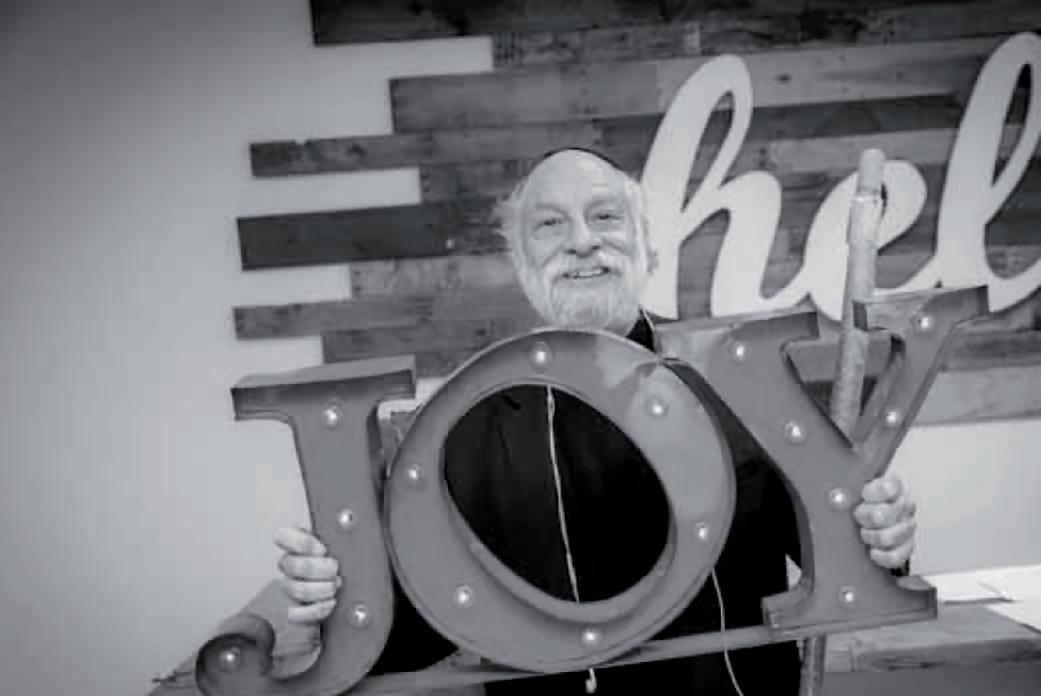 BY BARRY SHORE
I used to be a quadriplegic, having been completely paralyzed overnight from a rare disease. Many years before this, I had been in a head-on car collision that almost took my life while on a trip to New York City. I also experienced losing all of my money and having to start all over again. There have been a lot more challenges that I encountered in my life, but those three are what I would consider the biggest of them all. Nevertheless, giving up was never in my vocabulary and I always chose to live my best life despite the situation.
Now, many years later, I have become a Mental Wellness Activist, using my own encounter with deep trauma and despair to help other people deal with theirs. In addition, I’m a successful serial entrepreneur with 2 multi-million dollar exits, 3 issued US Patents, and a vision for enabling people to donate money at no cost.
Oh, I also now swim 2 miles per day, six times a week. I have been doing so for over 14 years and have accumulated over 8,800 miles which is equivalent to more than a third of the way around the World.

I have also become a best-selling author, a successful podcaster in the Top 2% of all Podcasts, and a sought-after Business Consultant and Coach. Most importantly, I’ve been married for over 45 years and have 2 grandchildren.
During this time, I have also built a system that enables people to Live in JOY every day and have been privileged to Found, Nurture and Grow the World Wide KEEP SMILING Movement. We have distributed more than 4 Million JOY Cards which have saved lives, enhanced marriages, and helped people to live happier and healthier.
I am a living testament to the human capacity to survive and fight for their lives, as well as our potential to grow and keep on going despite the boulders that life throws our way. I hope that my experiences can serve as inspiration to someone who is facing his own troubles or feeling despair, and this is why I share my story.
our heart generates an electromagnetic field, the most powerful rhythmic energy field produced in the body.
HMI has shown through studies that the heart’s magnetic field can be detected and have a measurable effect on others up to five feet away. And, similar to a WiFi signal, our emotions are broadcasted through this electromagnetic field produced by the heart. Extensive studies also illustrate that when smaller groups come together and achieve a state of coherence, there are positive, significantly measurable effects on the global community.
So now that you have a sense of just how powerful you are, what will you do with this new information? How will you create changes in your life so you can become a healthier, more energized, better version of yourself?
There is a Jedi Master and alchemist within you that has the ability to shift your state of being. You can also influence those around you into a more optimal state using simple tools & techniques that can be applied in real time during the most challenging situations. Let’s try one of them now! Coherence Technique to Access Your Superpower
This Quick Coherence Technique is a powerful tool to utilize throughout the day. You can easily create a state of coherence in about a minute by releasing stress and emotions such as frustration, irritation, anxiety, and anger. When you are coherent, your thoughts and emotions are balanced, and you experience ease and inner harmony.
Step One: Focus your attention on the area of the heart, the center of your chest. Imagine your breath is flowing in and out of your heart, breathing a little slower and deeper than usual.
Suggestion: Inhale for 5 seconds, exhale for 5 seconds (or whatever rhythm is comfortable for you
Step Two: Make a sincere attempt to experience a regenerative feeling, such as appreciation or care for someone or something in your life.
Suggestion: Try to re-experience a regenerative feeling you have for someone you love or focus on a feeling of calm and ease.
We recommend practicing the Quick Coherence Technique at least 3 times a day for a few minutes each time. Ideally, practice in the morning, after lunch, and before you go to bed at night. With practice, you may experience better sleep, mental clarity, and more serenity.
About the author:
Jeff Benton is the Founder & CEO of Paragon Performance Evolution. Paragon creates and implements leadership, high-performance, and resiliency programs for organizations around the world. This includes FORTUNE 500 companies, Special Forces, Professional and Olympic athletes, Astronauts, Premier Academic Institutions, and CEO organizations. Paragon develops and implements customized programs that create measurable change, allowing for greater productivity, inspired purpose, disciplined focus, and authentic communication. Their mission is to empower the world’s elite performers to access and evolve to their highest potential in all spheres of life.
Jeff’s work allows him to combine his deepest passions of connecting people, supporting individuals in their journey of transformation, and being his own human lab, exploring what is possible in this lifetime. He received his bachelor’s degree from Emory University in Atlanta. He is a Master HeartMath Certified Trainer, Activating the Heart of Teams Trainer, and Certified Coach with Coach Training Alliance.
LIVING, but this is where I learned about Service, Exceeding Expectations, and Gross Margin. Here’s where I learned that in BUSINESS, the U comes before the I. College Dropout
Cheech and Chong.
Tragedy and the AHA Moment
While traveling via car from Boston to the National Boutique Show in NYC in June 1972, I was in a head-on collision at 60 mph! I lived, although it was touch and go for a few hours.
How I Became an Entrepreneur I grew up in Boston, Massachusetts which is a great place to be from despite its cold snowy winters and hot and humid summers. During my childhood, starting when I was around ten, I was involved in doing things that brought benefit to people and made money. Yes, I was entrepreneurial before I could spell the word. Keep in mind that dealing with householders, especially neighbors, is not so easy when you’re ten. But the early exposure taught me a lot about business. The ability to knock on doors, discuss a price, walk away if necessary (a great tactic that I didn’t realize at the time), agree on a mutually beneficial price, and then Do the Work was a great educational tool for me. I had a few friends who wanted to make money but didn’t want to talk to people or negotiate. So I offered to share the wage on an 80/20 basis. I always tried for a $10 job because it was easy math and my friends got $8 which incentivized them to do about 5 jobs a day.
They made $40 while I made $10 per person. Plus, I would take on about five jobs on my own and earned $10 from each
one. I usually had 5 friends on the TEAM so I would earn $50 from them, and another $50 from the jobs I would do myself. That’s $100 for a full day’s heavy work. But this was in the 1960s, and a hundred dollars then was equivalent to about $958 today. And compared to my allowance of 25 cents per week, earning this much money felt good. It was amazing.
To top it all off, I also learned about organizing, negotiating, encouraging, coordinating, and dealing with unhappy customers. I also loved sharing the opportunity with my friends and feeling of ownership, having control over my time, my ideas, and my own success.
The Gold Mine
I had the ideal job for a kid growing up in Boston – I sold scorecards outside Fenway Park. From the ages of twelve to fourteen, I made lots of money, have some great stories, and learned important life lessons for other successful business ventures. And I saw dozens of Red Sox games for Free!
Here’s where I met Elijah, a wizened black man who taught me about Life, Selling, Value, and Caring. I talk more about all these in my book, The JOY of
The Ambassador of JOY was also an inveterate traveler. I had gone cross country twice by the age of 18. At nineteen, I dropped out of college and went to Europe on a one-way ticket. Living in Europe was eye-opening. I was based in Amsterdam which was the crossroads of the world in those days. We were a group of 12 or so from different backgrounds and cultures. This was a challenging time that enabled me to utilize my talents and refine my skills working with people from many cultures, languages, and viewpoints to not only survive but flourish.
Return of the Prodigal Son
When I returned to Boston at the age of 22, I was a budding entrepreneur in a unique field. While in Amsterdam, we started making products from discarded oriental rugs that we bought at the flea market. They sold well in Europe and I decided to do the same in Boston. So I bought a crate load of rugs and shipped them along with my car to Boston.
I opened a fashionable boutique on the hippest shopping street in the City: Newberry Street. This store, named FRED, was written up in Boston Magazine and was frequented by local and national celebrities like
The result was a broken thigh bone and shards of glass all over my upper body. Thankfully this happened in Westchester County, NY and I was operated on by top surgeons.
Was it assured I would ever walk again? NO. Did I? Yes! It took more than 2 years of intensive physical therapy. This was mostly hatha yoga for 3 hours/day for 5 days/week, plus Tai Chi, Acupuncture, and two more operations. And most of all, a resolute prayer oriented positive purposeful powerful attitude
The Formula for Success despite
intense pain and immobility was Prayer, Therapy, and LOVE. That’s the AHA! Seeking and finding the Formula for Healing and LIVING well. By studying for hours per day with devoted teachers and consciously thinking about the healing power of the body, I became a model for hundreds of people with challenging physical and mental issues, and I was happy to be of benefit.
Path to Success: Diamonds and More I returned to University and Graduated with a double degree from the University of Massachusetts. Then in 1975, I relocated to Southern California to attend the Gemological Institute of America (GIA), the foremost school in the world for studying diamonds and gems.
Not only did I attend, but I also excelled. I was asked to teach the diamond program. I did this for 3 years and met some of the most important people in the diamond business. By 1979 my business partner and I became wholesale diamond dealers. Within 3 years we bought and sold over 100 million dollars worth of diamonds. It was a whirlwind.
The best part of all these amazing adventures: I met and married my amazing wife, Naomi. She was attending the GIA from Bangkok, Thailand and now, we’re still married 45 years later. Nothing compares.
A major Venture Capital Company approached our diamond company and made an offer I can’t refuse. Now I was out in the field teaching and training more than 1200 agents to position diamonds in people’s investment accounts. Audiences ranged from 50 to 2,000. Keep in mind that this was all done before the Internet, Zoom, Cell Phones, Texting, and even Email.
The Greatest Lesson for Business and LIFE: Work Together so Everyone Achieves Miracles. We did so well that I decided to “retire” at the age of 34. But I couldn’t. I returned to business and built an international telephony company. From this, I envisioned an innovative process
UNLEASH YOUR SUPERBRANDS A2
NEWS / BUSINESS
JOY, PAGE A23
Staying Competitive in a RapidlyChanging Global Market in 2023
BY OLIVIA SORIA
Have you ever tried to aim at a fastmoving target? Depending on your skill level and mastery, it can be dizzying and frustrating, and you will often have more misses than hits.
That’s what it’s like being a competitive business in today’s rapidlychanging global market. If you feel like staying ahead and relevant is an everyday task, that’s because it is. You’re not just exaggerating your worries, and you’re not crazy. Okay, maybe a little bit. It does take a bit of crazy to be a thriving business owner and entrepreneur in this present climate. The truth is it’s not just you; you’re not alone. Here are some of the rapidlychanging market conditions that we, as businesses, are facing today:
Technological advancements - The rapid pace of technological advancements is disrupting traditional business models and creating new opportunities and challenges for businesses every day.
Globalization – Competition in products, services, and talents has increased because of the growing interconnectedness of the global economy. While this has created new challenges for businesses, it has also opened up new markets, resulting in more opportunities for all.
Consumer behavior - The changing behaviors, preferences, and expectations of consumers are driving changes in the market every day. At the same time, they are shaping business strategies as well.
Demographic shifts - Demographic shifts, such as aging populations and migration patterns, are affecting the demand for certain products and services and changing the makeup of the consumer base.
Environmental concerns - The growing awareness of environmental issues has affected consumer preferences and business practices, shifting the focus on sustainability and eco-friendliness, especially in recent years.
Economic uncertainty - Economic uncertainty, such as fluctuations in the stock market, currency exchange rates, and government policies, can impact business operations and decision-making daily.
Political instability - Political instability, such as unrest, conflict, and changing policies, can affect businesses by creating uncertainty and disrupting trade and investment. In some cases, their impact can even be felt on the market every hour. These changing market conditions require businesses to be agile and adaptable in order to stay competitive.
Stay Competitive and Ensure Continuous Success
It used to be that businesses just worry about the other businesses down the street. Now businesses worry about losing their customers to a supplier from another country, losing their best employee to a company from another state hiring remotely, or another business going viral online overnight and taking over their market.
In this day and age, staying competitive is no longer optional. It’s the name of the game. That being said, here are some of the top ways to stay ahead of the game in this rapidly changing global market:
Embrace technology - Adopt and utilize new technologies, such as AI, automation, and cloud computing, to streamline operations, increase efficiency, and improve customer experiences.
Innovate continuously - Continuously create and develop new products, services, and business models to stay ahead of the competition and meet changing market demands.
Focus on customer experience - Prioritize the customer experience to stand out in the market and deliver exceptional customer experiences, building loyalty and driving repeat business during the process.
Personalize the customer experience
– Know your customer and customize their experience according to their wants, needs, and preferences in order to build stronger relationships and increase customer loyalty.
Build a strong brand - Develop and maintain a strong brand image that differentiates the business from competitors, making it appealing to customers and enabling it to establish a unique market position.
Invest in marketing – Plan and execute effective marketing strategies that reach target audiences, keep them engaged, and
GLOBAL MARKET, PAGE A21
BY LA TRIBUNE EDITORIAL TEAM
International Best-Selling Author and Motivational Speaker Brian Tracy and Self-Development Living Legend Denis Waitley got up close and personal during The New Psychology of Winning Tour. In this historical live-streamed event hosted by The Los Angeles Tribune, these two powerhouse speakers discussed the power and possibility of change. From this, we captured five key takeaways to win in life and business.
First, growth and advancement are based on one’s response-ability, that is, one’s ability to respond well in the face of adversity.
Brian Tracy expounded on this by citing how every civilization started as a small tribe of people who were invariably attacked by another tribe. When they were attacked, they had to reorganize, respond and fight back.
Tracy further explains how the tribe that wins will grow and repeatedly gets into conflict with another tribe. They would once again reorganize, respond and fight back. And when they win against the new tribe, they grow, reorganize, and eventually fight another tribe.
He shared his favorite example of this evolution in the person of Genghis Khan, someone Tracy himself had studied for hundreds of hours.He narrates that Khan’s tribe was wiped out with just him, his mother, and his brother escaping, later finding protection from an uncle. Genghis Khan then went ahead and built the greatest empire in the history of the world, starting with that small tribe of three.
Tracy says that it is the same with all the other empires he studied and that they all underwent the same evolution. “Every society continued to grow as long as it continued to accept responsibility and fight back. But whenever it reaches a point when they start to make excuses, blame other people and sell out to the enemy, then the society collapses.”
He then addressed viewers who were engaging with him as appreciative messages flashed on the screen during this live streaming. Comparing this evolution of early civilizations with business, he shared in a heartfelt tone that “in life whenever you start off, you’re gonna have to attack, and counter attack and learn; and take in new lessons and try new things, and fail and fall down and get back again. And if you do it right, and you keep doing it, then you will survive, and you will grow, and you’ll become a big success. So, therefore, you gotta tell people, you’re gonna have big challenges in life.”
Responding well in challenging times will help you devise the best plans to navigate those tough periods and set you up on an even greater path. As Confucius once said, “Our greatest glory is not in never falling, but in rising every time we fall.”
Second, be empowered, not entitled. In response to Brian Tracy, Denis Waitley talked about the value of meritocracy, which he defined as “being a person of merit, meaning using whatever you have inside of you to make the best you possibly can achieve by merit, rather than just by need.” He further explained, “if you expect to be entitled, it is very difficult to be empowered. It’s very difficult to use empowerment if you feel entitlement.”
By taking charge of your situations and doing everything you can to solve issues, you empower yourself, increasing your chances of success. After all, you are only empowered by what you believe you can do.
Third, make money by creating value. As Brian Tracy talked about the book he’s currently writing, book #92, entitled Make More Money, he cites that “millionaires are always looking for ways to create value and to add value to other people - always looking at the world as what can I do to bring value, to improve people’s lives. And when they see an idea, then they throw their whole hearts into it because they know that’s how you make money”.
Millionaires are only rich because they add value to drive positive outcomes in many facets of their lives. Furthermore, it is imperative to acquaint yourself with how rich people think. What they do before they sleep and after waking up, and how they spend their weekends. Look at their mindsets, habits, and self-discipline, which brings us to our 4th point.
Fourth, self-discipline is an important recipe for success. According to Tracy, “Albert Hubbard, a great writer and thinker, said the key to success is selfdiscipline, and self-discipline is defined as doing what you should do when you should do it, whether you feel like it or not.”
Stressing that fact, he reiterated that anyone could do what they need to do when they feel like it, but it doesn’t earn anyone credit. It’s when you don’t feel like doing it, but you still have to that selfdiscipline matters.
Tracy simplifies it by encouraging the viewers and listeners that “Anything you do repeatedly becomes a new habit. And everything is hard before it gets easy.” He emphasized how he loves that last part.
“Once you develop the habit by repeatedly practicing it, it becomes easier and easier, and then it becomes automatic,” he continued. He then sums it up, saying, “discipline yourself to start and complete your most important task.”
And for the fifth and last one, Tracy drops the bomb with his best advice on time management which he claims has made many millionaires: “decide the most important thing you can possibly do right now, start doing it, and stay with it until it’s done. That’s it. Go home. Be rich.”
BY DAME DORIA (DC) CORDOVA
Money & You® –– Ushering in the Age of Sufficiency In Conversation: 5 Takeaways From Brian Tracy’s Talk With Denis Waitley

What has happened in the last two centuries is nothing short of miraculous. Everything has changed faster than anyone could have predicted in the Information Age. There are different schools of thought about the Age we may be living in - some believe it is the Transformation Age, while others believe it is the Consciousness Age
Whatever it is called, it is our responsibility to ensure that everyone has a bright future and that no one falls behind. With power comes responsibility, and for those who have abundant resources, the more we share them, the wealthier we become.
After humans survived through hunting and gathering at the beginning of human evolution, farming and animal domestication reigned over the world for thousands of years. This period, called the Agricultural Revolution, was followed by the Industrial Revolution
Though the German goldsmith Johannes Gutenberg invented the printing press around 1436, the automation of printing in the mid-1800s is considered the start of the Industrial Revolution. As a result, when The Los Angeles Tribune debuted 36 years later, it cemented its place in history by distributing news, information, knowledge, and wisdom faster than anyone else.
Our friend and teacher, R. Buckminster (Bucky) Fuller, an American architect, systems theorist, author, designer, and inventor, one of Time Magazine’s top 100 Persons of the 20th Century, taught us about the extraordinary rate at which information increased between the time he was born in 1895 and the time he was 30 years old. Every day, the speed at which information, technology, products, and services are shared, and thus the advancement of humanity, increases at an even faster exponential rate.
In the early 1900s, only a small percentage of the world’s population had financial, health, and well-being stability as we know it today. Newspapers were extremely important. The Los Angeles Tribune and its various incarnations were on the “fringes” of the Information Age as we know it today. The industry didn’t really take off until the 1950s, when computers and their processors began to truly transform the world, despite the need for large rooms to house them at the time. And, given the global pace of AI or Artificial Intelligence, the future has endless opportunities.
When Henry H. Boyce published the first edition of The Los Angeles Tribune in 1886, he had no idea that the newspaper— or its title—would have such a long legacy, which CEO and Publisher Moe Rock and team now carry on. Moe is committed to highlighting those who are doing good in the world as well as sharing worthwhile articles that can make a difference in people’s lives. This is the reason why I am honored to be a part of this first edition of the next generation of news-making by such a legendary publication.
If I could call the next Revolution the Age of Sufficiency, I would. This is a time when the world finally realizes that there is more than enough for everyone.
What is sufficiency?
To quote Lynne Twist, author of one of my favorite books, The Soul of Money: Sufficiency is when you let go of trying to get more of what you don’t really need; it frees up oceans of energy to make a difference with what you have. When you make a difference with what you have, it expands.”
Bucky Fuller strongly focused on sustainability and the idea of “doing more with less”. In his work, he taught that
sufficiency could create a more sustainable and equitable world. He believed that sufficiency was key to solving many of today’s problems, including poverty, hunger, and environmental degradation.
This takes us back to Bucky Fuller’s inspiring question that we have lived by for decades and encourage others to answer as they develop their products, services, and programs:
“How do we make the world work for 100% of humanity in the shortest amount of time, through spontaneous cooperation, without any ecological offense or the disadvantage of anyone?”
In our own work, beginning with our signature program, Money & You®, we teach generalized principles that run everyone’s lives. The program has been running strong on a global scale since 1979.

The program, which has over 200,000 graduates from 85 countries, is based not only on the teachings of the great thinker Buckminster Fuller, but also on Nobel Prize winners, changemakers, and industry creators. This includes notable persons like Georgi Lozanov (creator of Suggestopedia, Accelerated Learning), W. Edwards Deming (Productivity Genius), and Ylia Prigogene (Nobel Prize winner in Chemistry 1977 for the Theory of Dissipative Structures). These have all been synthesized and made palatable and understandable for everyone by the genius and creator of the entrepreneurial, experiential, transformational training industry as we know it today, Marshall Thurber, Esq.
It is in this environment that we learn that historical events have an impact on the lives of every human being on the planet, as well as on your bottom line if you are in business. Seeing the big picture and implementing tried-and-true tools in your daily life will accelerate your success.
Money & You® is about experiencing and integrating business tools in a transformative environment. It is critical to understand the tried-and-true Business Success Model. This technology has aided tens of millions of people in establishing high-profit organizations that add value to others by utilizing genius-discovered principles, particularly the Science of Leverage, for increased productivity, income-generating activities, time, and money.
Bucky Fuller’s inquiry has been addressed. We have “churned out” more socially responsible entrepreneurs than any other single event in history, including numerous millionaires and a few billionaires. The graduates are a Who’s Who of financial literacy, exceptional entrepreneurs, industry creators, influencers, and world changers: Ben Cohen (Ben & Jerry’s Ice Cream), Jack Canfield & Mark Victor Hansen (Chicken Soup for the Soul), Tony Robbins (Celebrity Coach), Paul & Angus Mitchell (Hair Products), Robert & Kim Kiyosaki (Rich Dad Series), Sharon Lechter (Rich Dad Series +Think & Grow Rich for Women), Jac Holzman (Creator of Panavision), Bob Goldberg (Follow Your Heart), Gary Kurtz (Star Wars Producer), Moe Rock (CEO The Los Angeles Tribune), and many more.
We are on the right track when people discover their life’s purpose and understand how to build wealth engines, moving away from the struggle of chasing seemingly unattainable or impossible targets. That is precisely what Money & You® accomplishes.
When people realize their own ability to create wealth, they realize that their ideal life is not something they can create in the future but something they can create right
now. Our job is to assist people in shifting from pursuing to attracting the things they desire in their lives. The greatest gift of all is to assist them in moving beyond “terminal mediocrity” and becoming fully engaged in their lives in a meaningful and fulfilling way. Are you doing this?
Because no one else will, people must design their ideal lives for themselves. The ideal life can be created by having the right strategies, skills, and tools, as well as taking the right action with the right support based on a deep and intimate understanding of the “Laws of the Universe” as well as the principles taught in the Money & You® program. It’s liberating to realize that anyone can create and live their ideal life, getting exactly what they want. They will then be able to decide when to begin. Everyone must make a promise to themselves that they will only be able to keep. Understanding how the world works and how anyone can create and play a powerful game to make a difference leads to a fulfilling life.
What better way to usher in the Age of Sufficiency?
Finally, may you be inspired by another Bucky Fuller quote for you:

“It will not be a matter of earning a living. You’ll be doing what you see needs to be done because you’ll feel you’ll want to do it — you’ll want to qualify to be able to serve one another. If you can do it, if it is spontaneously arousable in you to operate with integrity and really to go along to love, to love comprehensively, that’s it.”
About the author:
Dame Doria (DC) Cordova is the CEO / Owner of Excellerated Business Schools® and Money & You®, two global organizations operating since 1979 with over 200,000 graduates from over 85 countries. She is the only Latin woman that was part of the group of pioneers, led by Marshall Thurber and Bobbi DePorter of http://www.Supercamp.com, that began the development of the transformational, experiential, entrepreneurial training industry. After inheriting the work over 36 years ago, Dame Doria has expanded the business to what it is today through countless partners, associates, teams, graduates, and the support of many. She is also one of the contributors to the book Think & Grow Rich for Women, and the author of the comprehensive systems manual, Money–Making Systems. Dame Doria has contributed stories and written forewords in countless books and has participated in dozens of motivational films, television, and online shows.

UNLEASH YOUR SUPERBRANDS A3 NEWS / BUSINESS
The Top10
Industry Disruptions
Since COVID-19 That Changed How We Do Life and Business and A Closer Look At The Business Opportunities and Challenges They Created
transformation across many industries. The changes in digital transformation since the COVID-19 pandemic have significantly impacted both life and business in the following ways: Remote Work - The pandemic has accelerated the remote work trend and changed how we collaborate and interact with each other.
Digital Adoption - The shift to remote work and virtual interactions has rapidly increased digital adoption across various industries and demographic groups.
Cloud Computing - The demand for remote access to data and applications has driven the growth of cloud computing, allowing for more flexible and accessible ways of working.
Business Process AutomationCompanies have been forced to digitalize their operations to adapt to the pandemic, leading to a rise in the use of automation and AI in business processes.
E-Commerce - The pandemic has led to a surge in online shopping, changing the retail industry and altering consumer behavior.
Digital Customer ExperienceBusinesses have had to shift their focus to the digital customer experience, improving online accessibility and the user experience for their customers.
Data and Analytics - The increased use of digital technologies has led to a growth in data and analytics, which businesses can use to make betterinformed decisions and improve their operations.
Cybersecurity - With more companies and individuals relying on digital systems and remote work, there has been a rise in cyberattacks, leading to increased emphasis on cybersecurity.
New Jobs and Skills - The growth of digital transformation has inspired the opening of new jobs in areas like digital marketing, data analysis, and software development. It also highlighted a need for new skills like digital literacy and data management.
4. Health Technology
use of technology, such as virtual and augmented reality, to enhance attendees’ experience.


New opportunities for collaboration
Three years ago, the global Covid-19 pandemic forced nations and borders to close down one after another. As different versions of mandatory stay-at-home mandates were implemented, jobs were categorized as essential versus nonessential, and the world grappled for a sense of direction.
Those days were the beginning of the many global paradigm shiftsfundamental changes in how people think, act, and behave. These shifts encompassed nations, professions, industries, and the way we live, all brought about by the interruption of the COVID pandemic.
Dame Doria Cordova, CEO of Excellerated Business School® for Entrepreneurs, Money & You®, and other Excellerated programs since 1979, spoke about the global paradigm shift during her interview with Michelle Quevedo on the Ignite Your Essence Show on the Los Angeles Tribune Network.
Cordova stated, “We are going through a global paradigm shift which, if you can learn to ride with it, is bound to be one of the most magnificent changes we’ve ever experienced. We’re going to look back at this time five years, ten years from now, and realize that some of the greatest discoveries have been made in medicine, health, money, and just about every industry. All of a sudden, everything is shifting!”
Between the lines, a keen entrepreneurial eye will see opportunities for business shift, adaptation, and expansion by being sensitive to the ripples created by disruptions and by riding the waves of change.
One just has to look at the needs and wants that were created by the global disruptions we all faced together, and then find ways to resolve them.
In the words of Zig Ziglar, “you can have anything you want if you help enough other people get what they want.”
The 10 biggest industry disruptions
So many things have shifted and are still shifting since the pandemic started, and we have not yet seen the full extent of it. However, considering that it has been three years since these global paradigm shifts started, here’s a look at the top changes in industries that created new demands, gaps, trends, and opportunities.
1. Remote work
The COVID-19 pandemic has accelerated the trend of remote work and changed the way we work and interact with each other. This shift to remote work, also known as telecommuting, has significantly impacted how businesses operate. Some of the changes and impacts that have been observed include:
Increased flexibility - Remote work has made it possible for employees to work from anywhere, which has increased the flexibility of employees and companies.

Reduced overhead costs - By not having to maintain a physical office, companies have been able to reduce costs associated with rent, utilities, and office maintenance.
Changes in communication - With people working from their own spaces, remote work has changed how teams communicate and collaborate. It then led to an increase in the use of communication technology, such as video conferencing and instant messaging.
Changes in productivity - Some research suggests that remote workers are more productive, while others suggest they are less productive. This is still a topic of debate, but productivity may vary depending on the industry, the job, and the individual employee.
Changes in recruitment - Remote work has made it easier for companies to recruit talent from all over the world, as the location is no longer a barrier.
Changes in culture - Company culture has shifted due to having employees work outside the physical office space, creating greater emphasis on trust, autonomy, and self-motivation.
Impact on mental and physical health
- While the effect is not always positive, it cannot be denied that remote work has affected people’s mental and physical health to a certain extent. Some people find that working from home reduces stress and increases work-life balance, while others may find it isolating and lead to increased stress.
2. E-commerce
The pandemic has also led to a surge in online shopping, changing the retail industry and altering consumer behavior.
These changes in e-commerce since the COVID-19 pandemic have significantly impacted both life and business in the following ways:
Increased Online Shopping - The pandemic has led to a surge in online shopping as people look for safer and more convenient ways to purchase goods.
Delivery and Logistics Changes
- With a higher demand for online shopping, logistics companies adapted to the volume surge, leading to changes in delivery methods, time frames, and tracking systems.
Online Marketplaces - The growth of online marketplaces, such as Amazon, has allowed a wider variety of products and services to be purchased online and has impacted brick-and-mortar retail stores.
Business Model Changes - The shift to e-commerce has required businesses to adapt and change their business models to include online sales channels, digital marketing, and new payment methods.
Consumer Behavior Changes
- Consumers have become more comfortable with online shopping, and their expectations for convenience, accessibility and delivery times have increased.
Data and Analytics - The increased use of e-commerce has led to a growth in data and analytics, which businesses can use to make better-informed decisions and improve the online shopping experience for consumers.
Competition - With new opportunities created by the e-commerce boom, competition has intensified among online marketplaces and traditional brickand-mortar retailers.
New Jobs and Skills - The growth of e-commerce has opened up new jobs in areas like online marketing, delivery and logistics, and data analysis. It has also led to a need for new skills, such as digital marketing and e-commerce operations.
3. Digital Transformation Companies have been forced to digitalize their operations to adapt to the pandemic, leading to rapid digital
The pandemic has accelerated the development of health technology, which includes telemedicine and remote patient monitoring. The changes in health technology since the COVID-19 pandemic have significantly impacted both life and business in the following ways:
Telemedicine - The pandemic has accelerated the use of telemedicine, allowing patients to receive medical care remotely, which helped lower the risk of infection while improving access to care.
Remote Patient Monitoring - The growth of remote patient monitoring has allowed patients to track their health from home, reducing the need for in-person visits and improving patient outcomes.
Digital Health Records - The pandemic has highlighted the need for more efficient and secure digital health records, resulting in increased investment and development in this area.
Artificial Intelligence - AI has been used in various aspects of the healthcare response to the pandemic, such as predicting outbreaks and drug discovery.

Wearables - The use of wearable technology, such as fitness trackers, has increased as people look to track their health and well-being from home.
Medical Equipment - The pandemic has led to a surge in demand for medical equipment, such as ventilators and PPE, leading to operational shifts in production, supply chains, and distribution.
Business Model Changes - Changes in health technology have required healthcare providers to adapt their business models to include telemedicine and remote patient monitoring, causing changes in reimbursement and regulations.
New Jobs and Skills - The growth of health technology has opened up new jobs in areas such as telemedicine, medical devices, and digital health. It has also led to a need for new skills, such as digital literacy and data management.
5. Virtual events, entertainment, and the rise of the influencer economy
Restrictions imposed on gatherings, plus social distancing measures, have driven the growth of virtual events, concerts, and entertainment. Virtual presence and followings grew in value as people adapted to watching online, and ad spend also started diversifying online.
It can be said that the pandemic has driven a significant shift in virtual events and entertainment, along with the rise of the influencer economy. These changes include:
Increase in online events and entertainment - Due to social distancing and travel restrictions, many events and shows have gone virtual, allowing people to participate from their homes.
Rise of remote work - With virtual events becoming the norm, remote work has become more widespread. This has led to the need for companies to invest in technology and infrastructure to support virtual events and remote work.
Changes in consumer behaviorPeople have increasingly adopted online entertainment options and are now more likely to attend virtual events.
Increased importance of online presence - With more people spending time online, the importance of having a solid online presence has grown, leading to an increase in the number of influencers and the value placed on their reach and engagement.
New business models and revenue streams - Virtual events and entertainment have created new opportunities for companies to reach a larger audience and generate revenue through virtual ticket sales and sponsorships. The rise of technology-driven events - Virtual events have seen a rise in the
- New opportunities opened up for influencers to collaborate with brands and businesses since virtual events and entertainment have created a platform for influencers to reach a larger audience.


Changes in content creationInfluencers have had to adapt to changes in content creation, as virtual events and entertainment highlighted the need for quality digital content that can be streamed online.
Growth of niche influencer markets
- The pandemic has accelerated the growth of niche influencer markets, as people sought out specialized content and information in areas such as health and wellness, cooking, and DIY crafts.
Shift to e-commerce - The rise of e-commerce has increased opportunities for influencers to monetize their online presence through sponsored posts, product placement, and affiliate marketing.
6. Edtech or Remote Learning
The switch to remote learning has led to an increase in the use of educational technology, such as online learning platforms and virtual classrooms. This created a significant impact on a number of different businesses and industries. Some of the changes and impacts that have been observed include:

Changes in the education industry - Remote learning has led to a rise in the usage of online education resources, such as online courses, virtual tutoring, and educational software.
Changes in the technology industryDemand for devices and internet access grew, along with an increased need for online collaboration tools and software.
Changes in the workforce - The number of people working remotely in
the education and technology industries also multiplied in response to the demand created by remote learning. Changes in the retail industry –Growth was observed in the product segments that are often used for remote learning, such as laptops, tablets, webcams, and other technology devices.
Changes in the way we learn - Remote learning has enabled a more flexible and accessible approach to education. It has also led to a shift in the way we think about teaching, as it is no longer limited to a traditional classroom setting. Changes in the way we work - Online collaboration and communication were pushed to the forefront due to remote learning. As such, it has affected how we think about work since it is no longer limited to a traditional office setting. Changes in the way we socialize - As isolation and social distancing measures were implemented across the world, social interactions underwent a shift. This changed the way we socialize and make friends as well.
7. Clean Energy
The push towards sustainability and the need to combat climate change has driven the growth of clean energy and alternative fuel sources. The focus on clean energy since the COVID-19 pandemic has significantly impacted both life and business in the following ways:
Renewable Energy - The pandemic has accelerated the growth of renewable energy sources, such as solar, wind, and hydropower, with governments and businesses getting more serious about reducing their carbon footprint. Energy Efficiency – Global focus on clean energy has led to increased investment and adoption of energyefficient technologies like LED lighting and smart building systems to reduce energy consumption.
TOP10, PAGE A23
UNLEASH YOUR SUPERBRANDS A4 NEWS / BUSINESS
BY AVA V. MANUEL
How To Use Creative Economy to Build Your Personal Brand
How Start-Up Cost Deductions Can Help New Entrepreneurs
BY IBENJAMEN ADEYANJU BY JENNINA JOHANSEN

Last year, we as a nation expressed our disdain for the workplace in huge numbers. The entrepreneurial spirit had been planted in 2021, and 2022 was the execution time.
Starting a new business can be a daunting task for entrepreneurs. It requires careful planning, research, and investment. With so many different expenses to consider, it can be overwhelming trying to figure out what costs to prioritize and how to make the most of your budget.
As a manager for a leading nationwide tax company, I was astonished at the number of erroneous tax returns and audits that were causing major disruptions in the lives of honest, hardworking taxpayers. I was frustrated that the public was paying balance due notices without even knowing if the balance due was correct. So last 2020, after seeing the extent of financial trauma erroneous letters created, I created The TAX Group LLC in order to spend more time
educating my clients without the pressure of time productivity measures.
Entrepreneurs should get passionate about tax saving as much as making money.
Simply put, the money you don’t have to pay in taxes is the money you can and should maximize to grow your business.
And trust me, the IRS wants entrepreneurs to make money and succeed in their businesses. From the perspective of the IRS, when entrepreneurs make money, they contribute to the country’s overall economic growth and stability, which in turn benefits everyone.
Becoming a successful entrepreneur requires being tax savvy and educated.

What does this look like? It requires you to be extremely passionate and diligent with taxation rules or work with a businesssavvy tax professional who will take the time to understand you and your business.
One way to save money and reduce the overall cost of starting a business is by taking advantage of tax deductions.
Understanding the various start-up cost
deductions available to new entrepreneurs can help you save money and keep your business finances in order.
The first step in maximizing your start-up cost deductions is to understand what types of expenses are eligible for deductions.
Generally, start-up costs include all expenses incurred when creating a new business, such as research and development, advertising and promotional expenses, and organizational costs. Some typical start-up costs that are eligible for deductions include the following:
Business Formation Costs: The fees for incorporating your business, such as licenses, legal documents, doing business as, trademarks, and accounting fees, are included here.
Research and Development Costs: All expenses related to researching and developing your business ideas, such as market research and product development, are listed here.
START-UP, PAGE 21
With today’s digitalization, the world as we know it has become one large global market. It is a huge market where one simple and unintentional content can go beyond its limitations, turning into a trend or becoming a household name almost overnight.
This era gave birth to viral marketing - videos, dances, songs, fashion trends, slang - when a 15-second video can convert into a 6-figure compensation. All of these point toward the emergence of the creative economy.
Everyone is leveraging influencer marketing from the corporate world to sports, entertainment, technology and innovation, education and culture, not excluding systemized product launch sequences. And why not? It makes absolute sense if you consider the higher magnified astronomical conversion rates.

Let’s keep it real and simple. In my studies, I realized that finding answers to the following questions can open up a world you cannot even imagine possible if you are thinking about growing a personal brand.
These two questions can change the way you look at things, positioning you to take advantage and speedily become the next best thing. Just like that, you turn your passion, idea or culture into a profitable enterprise.
The first question is, who are the influencers? And second, how can you build a personal brand that can become the go-to spot for sponsors, marketers, and corporate brands?

Before I answer these two questions above, let’s talk about the big buzzword “creative economy”. The creative economy is a growing sector in the global market. It’s arguably the fastest way to generate income from the production of creative products. It is also an avenue for any individual to take the very things they are passionate about and creatively influence the market to turn it into a profitable business.
Building a personal brand through the creative economy can be an effective and rewarding venture. However, there are simplified systems and proven processes that must be followed before you can taste some of its rewards.
A typical impact that an individual
can make over a city or state economy is becoming the norm in today’s world.
Think back to when Lebron James left Cleveland for Miami; that simple decision significantly impacted the city’s economy. Studies have shown that it resulted in a decrease in tourist spending, a decrease in the city’s corporate sponsorship, and a decrease in merchandise sales. In addition, the local businesses that relied on media coverage of the Cleveland Cavaliers to attract customers saw a significant decrease in their profits, and some small businesses closed down.
Now check this out: while the city of Cleveland saw a decrease in economic activity, Miami enjoyed an increase in economic activity due to Lebron James’ presence.
Today’s impact on how we consume and transact our market is indeed the emergence of the creative economy. Let’s discuss how to position yourself and leverage it while building your personal brand.
Back to the previous questions: who are the influencers? And how can you build a personal brand that can become the go-to-spot for sponsors, marketers, and corporate brands?
An influencer can be any individual who gives himself or herself permission to intentionally express their creativity in a specific field and influence a tribe of people to a certain extent. In other words, you can be an influencer if you are determined to be one. There is absolutely no limit.
Hence, you just need to master the following five simple steps:
The first step is for you to understand the creative economy’s five areas or categories: Arts & Design, Music & Entertainment, Media and Publishing, Technology and Innovation, and Education and Culture. Awareness of these categories will help you know where you can function based on your love, passion, and life assets.
As for what your life assets are, the answer to this leads us to the next step.
The second step is knowing your life assets. Your life assets are your past and current experiences of life that are designed to determine the next phase of your assignment. To build a personal brand and to leverage any economy, it’s much easier for you to improve on the things that come naturally to you versus learning new tricks.
Don’t follow the crowd or learn new unnatural things just because everyone else is doing it. Look at the five categories previously mentioned, then choose based on your life experiences. Ask yourselfwhich one of them are you truly passionate about?
The third step is to build a definitive message of impact using your life story in the category you choose. And begin to tell this story with intent and passion. Build a story-telling system and content distribution that works for you and just release it. Don’t worry about perfecting the content or the process in the beginning. Just get started.
The fourth step is to know the tribe of people that can connect well with your story of impact and determine the kind of transformation that you want them to experience. For example, if you go through
and overcome the emotional trauma of going through a divorce, think of how you can share your story of transformation to the specific audience willing who is to listen over and over again.
Lastly, find a mentor that can help you build a profitable system. You don’t need money to start making an impact. But to take your impact to the next level, you must create a system, a process, and profit in order to become sustainable.
The key thing is to get started before talking yourself out of it. I can tell you many stories of today’s influencers converting their simple 15-second content into enormous amounts of money. The difference is that they make up their mind to simply do something. If there is one thing I want you to take away from this article, it is that you have all that it takes to leverage the creative economy to build your personal brand.
All the tools are available and accessible; it is up to you to become unstoppable by knowing the categories that resonate well with you, looking at your life asset, and creating a story and message. Then find the people you are called to serve who will resonate with your story, share the transformation they need over and over again, find a mentor, and get it done.
The Otis report shows that the creative economy grew and survived the tenure of the Covid pandemic. You can leverage that same creative economy to build your personal brand. You are next!
About the author: iBen has been described as an authority when it comes to bringing ideas to life. He studied, practiced, and taught about Product Launch Blueprint. Having lived in Silicon Valley for about two decades, he created the idea-to-launch framework, which his agency has used to help many start-ups create millions of dollars in results.
UNLEASH YOUR SUPERBRANDS A5 NEWS / BUSINESS
A great leader’s courage to fulfill his vision comes from passion, not position.
—John Maxwell
My Wife Triggers Me
It’s crazy to think that there was a time in my marriage when I would get negatively triggered by my wife simply by her coming into the same room.

I remember several years ago when my wife would walk into the room while I was sitting on the couch in the living room, or I’d be in the family room watching TV.
For reasons I didn’t understand, I would suddenly become very irritable and frustrated with her.
We hadn’t been in a fight, nor had she done anything wrong, but it was obvious that I was often getting triggered when she would come into the room where I was.
On one occasion, when Lisa noticed the change in my demeanor, she asked me, “Honey, are you okay? Is anything wrong?” I simply said, “No, nothing’s wrong!”
I was definitely lying to her.
I didn’t know why I was being triggered like this, nor did I know how to change it, but it was a very discouraging place I found myself in until one day, when I had a very unusual experience.
It happened in 2020, right in the middle of the pandemic. My wife had a chiropractor appointment that she needed me to take her to. I was not allowed to go inside because of Covid rules at that time so I dropped her off and left to do my own thing. On my way back to pick Lisa up, she texted to inform me that she was done, and I let her know I was almost there. As I pulled into the parking lot, I saw my wife standing next to the building waiting for me, and when I saw her face, something very unusual but extraordinary happened to me:
Suddenly, I was overcome with intense feelings of passion and excitement, like in the movies when the guy and girl lock eyes on each other, the romantic music starts playing, and imaginary fireworks go off.
That’s what I felt at that moment with my wife, the woman I had been married to for over 30 years!
What in the world was going on?
What was wrong with me?” Such strong emotions caught me off guard. I wasn’t sure if I was experiencing a nervous breakdown or a midlife crisis, but
something unusual was happening, and it was freaking me out.
When Lisa got in the car, I didn’t say anything about this because I didn’t want to alarm her. I decided to play it cool as best I could. I had a hard time understanding what was happening. At first, I thought it was just a fluke, but I soon discovered it wasn’t.
A couple of days later, I was home sitting on the couch when I heard the garage door open, and Lisa’s car pulled inside. A few moments later, I heard her say, “Honey, I’m home!”
I turned to see her coming out of the kitchen, and when I saw her face, I experienced the same thing that had happened a couple of days ago in the parking lot. The fireworks went off, and I was flooded with exhilaration, feeling passion and excitement for my wife.
That was when I realized what was happening: through a particular activity that I began to practice that I felt God had guided me to do, I unknowingly rewired my brain and changed the way I thought about my wife!
As if simultaneously, I also had the realization that the negative triggering occurred because I constantly dwelled on my wife’s flaws. I was fixated on the things she did that bothered me, things that I felt that she should have been doing that she wasn’t, the times I felt disrespected by her, and especially all the times that she would reject my advances for physical intimacy.
This habit of fixating on her flaws that I didn’t realize I had come to form were piling on and were dumping into my soul. Unfortunately, they had been programming my brain on how to think about and perceive my wife.
I also failed to notice how all the negativity and preconceived notions have affected not only our marital relationship but our other family members as well.
As parents, we aim to teach our children the correct values and lead them as they prepare to take their own path in life. However, we sometimes forget that these teaching moments are not limited to the times when we talk to them or try to correct their ways. Rather, it is every moment that they spend with us.
Our children observe us all the time,
Take it to The Limit
BY JESSA CARTER, MMS, PA-C
“In your moments of deepest decision, your destiny is shaped.”
- Ed Mylett (paraphrased)
The words in Ed Mylett’s quote above profoundly resonate with me, and I remember that moment in my life as though it were yesterday, even though it happened years ago.
At the time, I was six years into my career in Neurosurgery. For years, I loved the work and found a sense of purpose until the day that was no longer the case.
It may have been the 60 to 80-hour work weeks year after year that began to wear on me. Or maybe it was the passing of my fiancé only one year in. Or perhaps, it was both factors that led me to two lifealtering moments of clarity.
Realizing the Divine Opportunity
The first moment of clarity was waking one day with a swift kick in the rear end that I can only describe as coming from my higher self or a higher place. “Jessa, what are you doing? This isn’t life. This isn’t living. Life is too short.”
Losing a significant other at age 31
picking up on our attitudes, behaviors, and body language. This is how they learn about themselves and the world around them. Soon, they will start emulating what they see.
If children are fed with negativity at home, they will reflect the same to their environment. As a husband and father, this is not something I want to happen, so I had to look for solutions.
I found out that it all had to do with choice. Instead of dwelling on my grievances and grudges, I chose to substitute these thoughts with those that supported me in having a more loving and emotionally connected relationship with Lisa.

I want to share with you this simple exercise that revitalized my 32 year marriage and, that can have an incredible impact on your marriage, even if you already have a good one:
First, you’ll need to get a private space where you will be uninterrupted for the next 10 minutes. Then you will need to pull up a photo of your wife on your
phone. I recommend a recent photo that you like that provides a close and clear picture of her face. Gaze on (or stare at) your wife’s face for the next five to 10 minutes, and while you’re gazing at her, ONLY think of the following:
1. How amazing she is — think about those things that make her unique and incredible.
2. How beautiful she is — dwell on the features and qualities about her that you found attractive many years ago when you first met.
3. All the wonderful things that she does for you that are so easy to take for granted
4. Think about the way she looks at you when you know she is pleased with you Don’t be in a hurry when doing thistake your time and enjoy the process. I challenge you to do this simple but powerful exercise every day for the next 40 days. If you unintentionally miss a day
or two, just jump back on the train and keep going. You can set a daily reminder on your phone to support you in being consistent. The more consistent you are, the faster your transformation will be.
After you’ve done this for 40 days, continue to do it regularly and see what happens.
These days I still find myself getting triggered by my wife on occasion, but this new triggered response is a whole lot different and better than what it used to be.
I now feel more connected to, infatuated with, and attracted to my wife than ever before.
It’s not that my wife has suddenly become “perfect” and no longer does things that bother me. On the contrary, she happens to do some things that I don’t like. The difference is that I don’t dwell on them anymore, and it made me and the whole family happier.
About the author:
CJ is the CEO of Momentum-Family & Life Coaching and founder of the “Takin ‘Em With Me” Men’s movement. He is an ordained minister who served as a church leader and Sr. pastor for 31 years, served as the lead chaplain for the law enforcement community in his former city for almost four years, and has traveled to several countries teaching, preaching, and equipping followers of Jesus.

CJ has been married to his beautiful wife and “most favorite person on the planet” for 32 years. He has six amazing children; five sons, one daughter, and three beautiful grandchildren. Now, he is on a mission to see fatherlessness obliterated. By creating a safe environment through his training/coaching programs, CJ empowers men to effectively love, serve, and build heart connections with their wives and children, where they become loving and affectionate husbands and superhero dads.
teaches you loud and clear the reality of the saying, “life is too short.” However, the lesson can easily be forgotten on the journey of healing through loss, grief, and pain.
The second moment of clarity came a few months later. I arrived home after an 8-day work stretch, nearly 100 hours of work, and fell to my knees in tears.
At that moment, I spoke to/prayed to my love, who had passed. I told him, “These are the moments I wish you were still here so I could have a conversation with you. I know my life is supposed to be going in a different direction; I just don’t know what that is. I need your help; I need your guidance.”
Within 48 hours, I received my answer. And it forever changed the direction of my life.
I feel that this is a divinely appointed opportunity to briefly speak about the internal battle that took place for some time as someone with an extensive Neuroscience and Western medicine background. There is a general societal expectation that for something to ‘be real,’
it must make sense and be tangible.
This generalized expectation is amplified in the Western medical community. Yet, after my fiancé’s passing, as well as after the passing of my father and my grandparents, I experienced many things that were not tangible nor made sense logically but were very real.
Since childhood, I always avoided sharing or speaking of such experiences for fear of being judged or deemed ‘crazy.’ While I am my own version of crazy, which I prefer to call crazy fun, I am also a very realistic and practical person with a balanced blend of the metaphysical realm.
When you understand Neuroscience and the metaphysical realm, you learn that the metaphysical realm is very much based on science. This was very grounding to the western medically trained facets of myself. Learning to listen to and trust my inner guidance took much trial and error and an enormous amount of faith and trust in a power far greater than myself.
The day that I listened, trusted, and followed that answer, is when I lived Ed’s quote, for in that ‘deepest moment of
decision,’ my destiny was most certainly shaped. I have also found those ‘deepest moments of decision’ to be the moments when leaders are born.
Before that day, the vague feeling of ‘something missing in my life’ and the abstract thought ‘there has to be more’ had been prevalent in my core for longer than I care to admit. Less than a year later, while attending my first personal/ professional development seminar, I experienced another moment of clarity and guidance, “Jessa, you are supposed to be on that stage.”
Whoa. It was never a thought or possibility I had ever considered. Yet I was presented with two choices, answer that ‘call’ or ignore it.
I chose to answer it. And it is because I chose to listen, trust, and answer the call that I am here now.
If you’ve ever thought or felt that something is missing in your life or that there is more to life than you are currently experiencing, you are absolutely validated. And you are not alone.
Anything that comes into your mind
as a dream, goal, or desire is meant for you, no matter how big or unrealistic that dream, goal, or desire might seem.
The Path of Self-Discovery
“It is the plunge deep within the ocean of self that expands one’s capacity to experience the vast depths of others and the world around them.” ~ Jessa Carter
Before embarking on a path of self-discovery, personal growth, and professional growth, there were many aspects of myself that I did not understand and many that I did not like. Even as someone with a strong sense of self and self-love, there were still parts of myself I hadn’t yet learned to love, forgive, or even knew existed.
The most profound facet of self I discovered were depths of heart and intelligence of the soul that consistently wow me to this day. At the beginning of my journey, I initially sought greater wealth and success, but what I’ve received instead and who I’ve become far exceed anything I could have imagined then.
Even though I was seeking greater wealth and success, what I chose to focus on during that time was becoming the highest and best version of myself which I now refer to as the ‘highest expression of self.’ As a transformational leader, that’s my secret sauce. Giving you access to your highest expression of self and highest potential is a super highway to more wealth, success, and anything else you choose to have.
You might not feel called to lead others in the traditional leadership role. However, you are still a leader. You are leading your friends, co-workers, family, and yourself, whether you realize it or not.
How you lead yourself translates into how you show up for yourself. Therefore, I invite you to bring more awareness into who you are being than what you are doing. One way to do this is to phrase it as a question and ask yourself the question often.
For example, I frequently pause and ask myself, “Jessa, who are you being while you are doing the things that need to be accomplished?” I wear many leadership hats, so this simple question continues to become increasingly important to me.
Why? Because who you are ‘being’ is how you show up for yourself. And how you show up for yourself is how you show up for the world - personally, professionally, romantically, & financially.
I leave you with these final words: There is a world within yourself the world would love to know. No matter where you are on your journey or what you’ve been through, in the beautiful lyrics of The Eagles, I invite you to “Take it to the Limit One More Time.”
About the author: Jessa Carter, MMS, PA-C, is the award-winning author of “The Peaceful Millionaire,” which is known as the Entrepreneurs Secret Weapon. She is the world’s most highly sought intuitive Life and Wealth Mastery Mentor for CEOs, entrepreneurs, and leaders who desire nextlevel success, wealth, and a life brimming with peace, joy, and fulfillment rather than settling for the typical life of stress and burnout.
She is the NYC chair of the Global Leaders Organization, founder of Divine Heart Dynasty™, and curator of ‘The Path of The Peaceful Millionaire: Wealth in HD with your Heart & Soul on Fire.’ Jessa excels in re-defining and re-inventing yourself, your life, your business, and your bank account to soaring heights that defy logic so that your time on earth is by intentional design, never by default.
Jessa is a maverick of the mind and human-potential pioneer who transformed a rewarding but exhausting 10-year career in Neurosurgery into a purpose-driven mission to illuminate 1 million Peaceful Millionaires worldwide. From brain surgery to mind surgery, her extensive expertise takes your dreams, goals, and desires from possible to inevitable.

UNLEASH YOUR SUPERBRANDS A6 FEATURES / LIFESTYLE
BY CJ ELLIS
The supreme quality of leadership is integrity.
–Dwight Eisenhower
Leadership and learning are indispensable to each other.
–John F. Kennedy
Every Day Is A New Year –Use Today To Make The Changes You Want
BY REX SIKES
If you’re like many people, you want to make some positive changes and create a fresh start. Some people use New Year’s Day to mark a new beginning and make resolutions for the new year. That’s great, but you don’t have to wait for a specific date to make changes in your life. Think of every day as the start of a new year. Today can be the day you decide to move forward, discover new opportunities, and excel in ways you may previously have not. Get it? Make today the day!
You can resolve today to expect the best, be optimistic, and move forward with renewed faith. Remember, every day is a fresh start. That said, you want to keep these promises to yourself and others. You want to develop new habits to live healthier, happier, and wealthier, then include more friends, family, and romance in your life.
How To Start Making Positive Changes
Too many people rush into the gym, eager to begin weightless programs and diets, only to abandon it a few weeks later. This is because old habits die hard UNLESS you know what to do. Here are some tips, principles, and practices to help you keep moving forward positively. First is to understand that there is inertia. That’s the tendency of things to remain the same until acted on by an equal or greater force. When you accept this reality, then you can begin winning. This means that to get going and keep going, you must repeatedly act and apply what you want to think, feel or do for long enough. You want to turn the new behaviors into new permanent, reliable habits. Once you do that, then inertia works for you. A body remains at rest or in motion until an equal or greater force acts on it. Once the new habit forms, it becomes automatic and reliable, like the old habit you replaced.

So here is the secret to making and keeping new habits – whatever you want to do, you must do it correctly, repeatedly, and consistently for a long enough period. How long is long enough? UNTIL it’s a habit. For some, it could be a couple of years, while for others, it may only take six months.
How long does it take to become good at cooking, playing piano, or juggling? How good do you want to be? It’s different for each person, depending on your abilities and mental attitudes, as well as your passion and desire to learn and master new skills.
Second, don’t bite off more than you can chew. Concentrate on one goal
or habit at a time. How do you eat an elephant? Bite by bite. Make the new pieces small and manageable enough that you can do them but still large enough that they’re worth doing. Pick a sweet spot - something small enough that makes it easy to do but challenging or large enough to keep it interesting and push you to continue. Remember to make them as enjoyable and exciting as possible.
Another tip is to do what you like because people tend to put off or avoid things they don’t. How much you want something matters! If it can’t hold your interest, there’s a high chance you won’t be doing it for long. It has to be something you really want or need.
Understand this, and you’ll get further faster. Be consistent. Do it regularly. Be persistent. Realize it takes time for your brain to wire in the new habit. It takes time for it to form. Decide you’re in for the long hall. Don’t cheat yourself out of it by setting a time limit on success. Either go all in or don’t go. Maintain a positive outlook. Keep it simple.
Next is consistency. Actors rehearse lines and movements for many weeks and months in order to remember them naturally. They practice and rehearse daily. You must do so as well. Consider what you are doing as rehearsal and keep rehearsing.
Stick with it when it’s easy and even when it’s tough. You get better through consistent rehearsal. Whatever you want to do, think of it as learning to juggle. You will only become better if you keep doing it. You may make mistakes. It may be harder some days than others but stick with it. Learning to juggle means dropping balls. It’s part of learning how not to drop them but juggle them. Understand this, and you will be miles ahead of those who don’t.
Add in other changes you want to make slowly when you are ready. Keep at it. Don’t try to do too much at once. Remember, the past doesn’t matter. No matter how often you have failed before, if you stick with it, you’ll master it. You will develop these new habits in time, so make sure you are practicing the behavior that you want to become automatic and reliable.
Lastly, stop complaining. When you complain, you practice complaining. Don’t reinforce that habit. If you’re like most people, it will serve you to change this behavior.
Decide to stop complaining and make a new habit of remaining positive and optimistic. Manage your mindset! Decide to speak only positively and stop whining, blaming, and making excuses.
Speak what you want. Stop talking about what you don’t want. Make entering the new year you begin today delightful and exciting. Look for the good. Emphasize it. Stay focused on the good and the positive changes you’re discovering and making. Realize that it will happen under your power and direction if it’s to be.
Take charge.
Be a benevolent director of your own thoughts, feelings, speech, and behaviors. Love yourself and reward yourself as you accomplish the tasks, goals, and changes you want to make. Wanting it isn’t enough. It requires doing it. Do you want money, or do you prefer having it? Get it?
Wanting is fine but does nothing by itself. Doing what is necessary, repeatedly, correctly, consistently (and legally) for long enough will wire in the new habit. If you want to learn to juggle, you have to begin juggling. As I said, you’ll drop balls along the way, but that IS part of the process as you continue learning and acquiring the skill.
Soon enough, you will get better. Keep at it, and you’ll get even better. Eventually, you can say you juggle because you do. Get
About the author: Rex Sikes is a Master Trainer of NLP & DHE, A Master Hypnotherapist and Master Hypnotist, an Educator in Whole Brain and Accelerated Learning and the Law of Attraction, as well as the founder of IDEA Seminars. He is also an actor, filmmaker, and consultant to the entertainment industry, as well as a coach for actors, directors, performers, and other speakers. At the same time, Rex is a professional speaker, coach, business consultant, educator, and author. As a speaker, he presents in seminars, public and corporate programs, full workshops, and training events, coaching professionals and newcomers in their fields. He has programs on productivity, diversity, and other topics for business. Rex writes a blog called Daily Inspiration And Gratitude.
Without integrity, nothing else matters
BY REX SIKES
If you’d like to make significant changes and achieve more progress in your personal and business life, there’s one important habit that you need to acquire: take full responsibility for all your actions. Apply this principle, and you can become more successful.
When you accept responsibility and are accountable, others will understand you to be a person of honesty and integrity. Why? Because you are one, and your actions match your talk. You keep your word. The buck stops with you. You don’t blame or make excuses. You’re accountable. You’re reliable. They know they can trust you.
You demonstrate integrity. If you don’t have integrity, nothing else matters. At times it’s difficult to do the right thing and take responsibility for what happens. Even for those things that appear outside your control. But it’s the right thing to do!
A good leader takes responsibility for the actions of the staff, is accountable for what the staff does, and does not shift the blame. Choose the higher road. Be
responsible for all. Integrity means doing the right thing when no one is watching.
There are harmful people, events, and circumstances. Some are willing to cheat, say or do anything to crush others or the competition. Some don’t care about the harm it causes. Don’t be one of them.
Make sure you never intentionally harm or deceive another person. When we behave negatively, we perpetuate the negative. Stop holding grudges or speaking to harm. End gossip. Speak only to bless, heal, prosper, inspire, educate, and transform. Seek to uplift!
Weed your mental garden. Plant positive seeds. Be a role model. Walk your talk. Live an exemplary life. Clean up your words and actions. Be optimistic. Think kindly about others. Operate with compassion and generosity.
Add value and be willing to go the extra mile for others in your service to them. They’ll appreciate it. Don’t you?
When you create more positivity, vibe high, and feel good, so will others. There may be a holdout or two, but mostly you will find yourself surrounded by
it? Whatever change you want to make, be smart, wise, gentle, kind, loving, and committed. Persist. See it through. Learn that YOU got this! Trust that you can do this. You absolutely can. Believe in yourself. Affirm the best in you and from you. Drop the negative self-talk. Support yourself in making your changes. Make everything as delightful as possible, and take time to enjoy it all. Keep the faith. Believe in you!
If you stop, don’t be foolish and let it defeat you. Simply start again. Build on the positive momentum you create, and it gets easier. Some people start and stop many times. That’s okay. You wake up each day after sleeping and begin again. When you fall, you get up. Get it? Decide to do it and do it. Keep your word. Keep the commitments you make to yourself.
After all, a promise is a promise. Make today and each day count. Remember, the journey is just as important, if not more
Leadership is a Mandate
BY DR. NATALIE FOREST
It may initially sound strange to put it like this, but when we look at leadership, it is truly a mandate – in all the ways we may then interpret it socially. The social definitions usually comply with “good” or “bad”, when essentially, they all are leadership.
In all kinds of leadership, a mandate is given or received. The leader receives authority to perform specific tasks and has a certain amount of power to achieve goals. In some cases, that mandate may be withdrawn.
Based on this definition, it does not really matter whether the focus of the leadership goals is “good” or “bad” as dictated by society. This is because the power was bestowed on this person and can be withdrawn at any time.
We witness this in our daily lives. Of course, withdrawing the initially bestowed authority may need drastic action – such as a revolution – and yet, it is always possible and always a choice. Right now, we can see it in Iran or Afghanistan, in Russia, and the US. The debates are ongoing everywhere in big and small waves.
The key to any leadership is how leaders become leaders and ascend to leadership positions. We know the socially defined path and have often seen that it’s not necessarily the best and brightest who get those positions.

a better quality of people, events, and circumstances. It works this way!
Love and be peaceful. People with integrity always do. They live by their word because their word is the law. True leaders don’t blame others. They walk their talk. They accept the consequences of their actions. They keep their promises. Integrity means having a high level of honesty.
When someone takes responsibility for their actions, you know they’re honest. How do you know that? Because it’s not always easy to take responsibility, but it’s the right thing to do. People with integrity choose to do the right thing even when it’s hard. Choose to do the right thing! As you become known for keeping your word, accepting responsibility, and not making excuses, you develop a reputation for honesty and integrity. You are best served by getting known as someone who keeps their word. People value those who walk their talk. Do this, and your world will positively change for the better!
At the same time, we often see leaders being almost catapulted into the spotlight while not really wanting that position, the attention, and everything that comes with it in modern society. Instead, they either want to continue doing what they were doing or may have already been battling with that mandate on a spiritual plane.
These are the servant leaders: those who do not seek the mandate and often try to argue about it. Some even try to pass it on to someone else. However, in the end, the spiritual mandate is just that: a path chosen
by a person as well as the struggle before, during, and after, is what Joseph Campbell and so many prior spiritual books have defined as “the hero’s journey.”
A true hero, in that sense, is the one who wishes to have a private life and live without being highlighted. He is the one who listens and hears others with his whole being. A true hero, in that sense, is one who takes action when needed.
A true hero like that – the servant leader – is happy in the background doing the work while not seeking fame and fortune. Because this hero, this leader, knows the true meaning of leadership: empowering and accepting everyone around him just as they are.
Providing insightful, individual, and loving guidance is the leader’s most magnificent tool or instrument, and passing on the acquired knowledge is his greatest gift. True leadership is not taken. It is granted – and often granted against a person’s inner longing for privacy. This person cannot wiggle out of the responsibility and accepts it – sometimes grudgingly – as s/he understands the power of the mandate and the soul alignment.
True leadership is a combination of energies, with the feminine energy taking center stage through heart-mind coherence. This is a connection between the mind (head) and the heart, as both can think and feel. Together, they are stronger, more powerful, and able to inspire and motivate with integrity.
True leadership is not measured in numbers but in lasting impact. Numbers are only a deflection of today’s society and don’t equal impact. Rather, impact is achieved first 1-by-1 before it begins to spread. Like a wave, a snowball, or a soft gust of wind, it reaches individuals across the globe through loving guidance.
Of course, there is a lot of talk about
About the author: Natalie Forest, Ph.D., is an International Best-Selling Author & International Keynote Speaker who is also a TV host, Event Producer, and Humanitarian. Through her unique process, “The Hidden Power of Patterns”, she has enabled thousands of people to find their mission and create the life they desire. She received the President Barack Obama Presidential Volunteer Service Award, Lifetime Achievement Award in 2016. Natalie uses her spiritual assets and modalities with hands-on individualized mentoring, coaching, and analytical strategies to get you where you can and truly want to be – as your amazing self. She shares global stages with Bob Proctor, Les Brown, Brian Tracy, John Assaraf, Dennis Waitley, Bryan Tracy, Forbes Riley, Sharon Lechter, Dr. Joe Vitale, Dame Marie Diamond, and other legends in the personal development field.

important, than the destination. If you enjoy it all along the way, you are far better off when you get there. Have fun. Enjoy life because every day is a new day and a new beginning to another year. You don’t have to wait. NOW is always the right to make good things happen. So, make good things happen beginning today. Celebrate everything!
leaders and leadership. Many are clamoring towards the spotlight, putting themselves in the center while not really achieving impact or facilitating positive movement and change. Just take a look around you. You will see who is really impactful with a true spiritual mandate and who claims authority without it.
Always remember that the soft voice carries more authority and impact than the loud, screaming voice. A whisper receives attention by the sheer sound of it. Softly spoken words gain more significance because they set themselves apart from general noise.
Point in case: the leaders that speak softly, smile, and share love and peace don’t usually raise their voices to be heard –yet, we lean into them. Thus, leadership is a mandate we need to acknowledge and take seriously. It is a mandate bestowed upon some of us and deserves to be carried out with respect, love, and kindness.
What kind of leader do you follow or portray? Are you living in full coherence, or is the head (mind) and the analytical, predominantly male energy still dominating your experiences? If so, the next question would have to be: Is your life filled in all areas that matter, or are there some areas in which it is lacking?
If there is a lack, it may be time to listen to your heart’s thoughts and your mind’s emotions. Then, by reconnecting those two, you can live YOUR life YOUR way and also be the silent, impactful leader the world needs.
Remember – leadership always starts within and then spreads to the outside.
The mandate you have is first: leadership of self, then – maybe – leadership of others if they make that choice. The mandate, though, cannot be felt or fulfilled when there is a disconnect between the heart and the head.
UNLEASH YOUR SUPERBRANDS A7 FEATURES / LIFESTYLE

UNLEASH YOUR SUPERBRANDS A8 FEATURES / LIFESTYLE
Heart-Centered Conscious Leadership Using Manifestation
BY BARBIE LEYTON
Leadership looks different in the age of the Great Resignation, and it isn’t enough to manage people the way we used to. True leaders now need to dedicate themselves to doing deep inner work as a catalyst for raising consciousness.
As a quantum healer and executive coach for CEOs, professional athletes, and individuals, I see the necessity of coming from a heart-centered approach. As the famous psychologist Carl Rogers shared, unconditional positive regard helps people fall in love with themselves where they are and start from there to reanimate their dreams.
Ancient and modern methods are both valid. We can use ancient wisdom and our modern-day, ever-expanding technological capabilities at the same time to achieve our objectives. I am happy to share how I have implemented these into my life to help others.
The New Era of Conscious Leadership Kings, presidents, and leaders throughout history have counted on mystics, sages, and oracles when making important decisions. Even in Napoleon Hill’s classic book, “Think and Grow Rich”, he discusses major corporations in the 1900s that had healers on staff that enabled them to have a secret edge, which can be very lucrative. Today, corporations have intuitive readers that help them solve complex problems, while quantum physics is scientifically proven to allow that field to be in play.
The new model of conscious leadership calls for a servant leader who focuses on the positive, providing encouragement and support to the team. Such behavior creates a higher dynamic in organizations where members can trust their leaders and work towards the best possible outcome, which benefits everyone.
From that conscious space, the fight or flight mode of fear that the amygdala experiences is mitigated, and the positive effects of oxytocin and dopamine kick in. Within that container, co-collaborative communities are created where employees can relax and move into the depths of their creativity, creating a winwin for employers and employees. Google regularly expects half of its projects to fail so that it can call forward unbridled creativity from its members without the suppression of excellence.
The second part of stepping into full conscious leadership is about the generosity of spirit and making agreements that work for everyone. Many
people see the selfishness of resources and connections as the way to do business. However, staying in the spirit of reciprocity that comes from sheer joy to connect creates deeper relationships and trust within organizations and aligns with an abundance mindset.
The competitive nature still exists, but it can be channeled positively so that people become co-creators and cocollaborators rather than adversaries.
Co-elevation in leadership roles allows growth and encouragement to flourish.
Whatever can be done in leadership roles to eliminate fight or flight stress modes is optimal and creates dynamic teams that can accomplish amazing things.
When Toyota did a Random Acts of Kindness campaign, they initially allocated $250,000 in funds, but it was so popular that they increased it to $750,000! That’s the synergy that can occur when people feel good within their organization.
How to Manifest Your Goals into Reality
I’d like to share some personal manifestations that I hope are inspiring. I always tell this to my audiences : I’m here to show you that if I can do it, so can you.
During the pandemic, I really hunkered down and didn’t watch TV for over a year.
I went to MindValley Live in February 2020 in Los Angeles and met Vishen, the CEO, in person, and then the whole world shut down thirteen days later. That was a pivotal moment for many, whether they were going to go deep into virtual communities or shut down.
I worked three screens a day, learning, growing, and connecting with others as I had this hunger to harness my imagination. Since everyone was figuring it out, I was very fortunate to find all these different groups of famous, world-class people who ended up on Zoom, which I call the great equalizer. I felt like I was getting an MBA from Harvard and started manifesting what I would call the miracle of the day! All of it begins with clearing your limiting beliefs and shifting into an abundance mindset, as this is an infinite universe.
I call this the great YES to the Universe. When things or people come into your life, don’t say no. Instead, get into it, stretch beyond your comfort zone, and you will be handsomely rewarded. This is where intentionally choosing your frequency comes in. Every hour on the hour, you can tune in to your vibration. When you can raise the consciousness of yourself, and those around you, everywhere you go becomes sacred work.
There is a tension that kicks in when the true expression of your desire is in play, which connects you to manifestation. This leads us to another component of
conscious leadership: the ability to share from your heart. So many people, who were used to being up on different stages all over the world, still wanted to share their gifts and connect since all we had was virtual back in 2020.
From there, all of these opportunities started opening up and presenting themselves to me, which made me feel really blessed that I was able to manifest. Even though that was a very tragic time on our planet, many were able to capitalize on making this a positive life experience as well as a way to serve others and create a genuine connection.
Self-discipline and the willingness to show up for whatever you manifest is a very important skill, and steadfastly showing up wherever you’re invited to be is for your own good. Saying no when people or opportunities show up is the biggest blocker of your abundance. I didn’t stop any of the flow. When things didn’t manifest as expected, I reshifted into asking different questions.
Staying in your big, hairy audacious dream keeps you juiced up for unexpected miracles. For example, in June 2022, I became a number one international bestselling author in the “Women Gone Wild” franchise, and we were on four massive New York Times Square billboards for a month!
Previously, that would have sounded crazy, but when it becomes a reality, you have to embrace it. These manifestations have been epic and beyond my wildest dreams, but staying open to the extraordinary and magical experiences and not shutting yourself down opens up so many new spaces.
The best part is the opportunity to share this with others as a role model.
In addition, I manifested my own global TV show, multiple magazine articles, speaking engagements, plussize modeling, and appearances in documentaries that appeared out of thin air because I didn’t limit the energy surrounding me and kept my integrity.
When you resonate at a high frequency, such as 528 HZ, which is also known as the love frequency, positive energy and manifestations occur regularly. I love hearing from my quantum coaching clients when they pop into the miracle manifestation energy frequency, and it becomes normalized.
It’s very exciting that we are moving into new conscious leadership. As more people at the top of global organizations choose differently, the more we can, as Gandhi eloquently stated, “Be the change you wish to see in the world.”
An Unassuming Path to Greatness
BY PARISA ROSE
What is greatness? Someone with greatness is set apart from the rest, has established excellence, and is looked up to with eminence in his field. The storied greats throughout history have become woven into the culture because we love to revel in their journeys to victory while gleaning inspiration from their triumphs.
After investing 14 years as an athlete in the sport of swimming to become a national champion, complete an NCAA Division 1 career, and garner 8 AllAmerican titles, I can attest confidently that my experiences produced some invaluable learnings.
When greatness is discussed, people often emphasize the fixed mindsets, motivation, hustle, skill mastery, and sacrifice it requires. While these are all absolutely relevant, the concept of greatness can be deconstructed to reveal more bang for your buck.
Achieving personal greatness definitely requires immense dedication, and while reflecting on my own journey, I believe we work against ourselves in many unassuming ways. I have found these ways residing comfortably within the nuances of the mundane. So, grab a flashlight and come with me while we shine a light to turn the unassuming into the obvious.
Have you ever thought about what greatness looks like on a regular Tuesday?
Not championship qualifying or recordsetting, but a regular Tuesday that involves endless emails, traffic, and the dinner that you still haven’t figured out yet. Greatness requires us to hold a spirit of anticipation and appreciation for the mundane.
Greatness on those Tuesdays looks like choosing to hold within yourself a spirit of anticipation as you scan each email, maneuver through traffic at each congested intersection, and prep ingredients to make a stir-fry dish while standing at your kitchen counter.
It’s simple - you choose to anticipate the goodness in that specific moment, regardless of how it may uniquely appear.
When you anticipate the goodness in a given moment and do that repeatedly, it develops your ability to hold a spirit of anticipation for the mundane.
An appreciation for the mundane comes from believing there is value in
each repetition. It’s when you allow yourself to connect with the idea that continuing to show up and executing each rep is ultimately an expression of respect for yourself.
This approach stacks a repetition-based valueadding mindset with selfrespect. You can insert more bang for your buck there. It’s easy to forget that it required Steph Curry to complete thousands of reps by scoring the same shot before his greatness could be enjoyed live on ESPN.
Another unassuming place resides in mindless scrolling on our preferred social media platforms. I’m not going to tell you to get rid of them but rather entertain a proactive approach of intentional curation.
Now, slow down with me and imagine everything you see is speaking to and feeding your mind. Answering honestly, would you want to feast on what you currently see?
When we choose not to be proactive, we default into constantly protecting and defending the state of our mind. An exercise I love, both simple and effective, involves creating digital dream boards. You can do this by intentionally designing your personal feed on each social platform, turning mindless scrolling into vision casting.
This will bring intentionality into each account you choose to follow and the ability to position content that affirms your greatness. By curating what you passively intake, you position yourself to be empowered over and over and over again because we both know how many times you open Instagram and TikTok daily.
Remember to bring your flashlight because we’re definitely going to need it for this last one. We’re essentially addressing patterns and people as we explore the last
About the author:
Barbie Layton is a CEO, motivational speaker, author, and TV show host. She is an International Best You Expo speaker and has a global TV channel called “You Are Amazing!” where she interviews world thought leaders. She also helps CEOs, professional and elite athletes, and individuals alike reanimate their dreams, fall in love with themselves, and become the VIP of their own lives.
After earning an MA In Spiritual Psychology from the world-famous University of Santa Monica, she participated in the Cannes film festival award-winning documentary “The Prison Project” as a counselor to women serving life sentences in California. Barbie’s enthusiasm and desire to spread the Kindness Revolution, combined with her animated storytelling, have landed her on massive stages. She has also been invited to guest on multiple podcasts worldwide.

unassuming place.
By patterns, I mean taking an honest look at your physical environment because it’s actually telling the bigger story of what narratives are running through your mind. Because in my world, efficiency holds its weight in gold, let’s dive straight into illuminating an environment that will work for you, not against you.
Identifying how you tend to your closets, cabinets, drawers, and other storage spaces shows you how open you are toward change. Do they show as cluttered, disorganized, or jampacked? These tendencies are important to acknowledge because they are old patterns with new excuses we’ve assigned to them, and we end up carrying them into every regular Tuesday.
Marshall Goldsmith said, “After living with their dysfunctional behavior for so many years, people became invested in defending their dysfunctions rather than changing them.” The moral of the story is by clearing the clutter, you eliminate the opportunity for your dysfunction to get cozy.
Now that we’ve gone through the effort of deconstructing greatness, we must also bring to light the necessity for
creating space for that greatness to call home.
One way to create space is to identify the relationships that have reached completion in your life, then release them. These relationships are the ones that continue to be a drain on our time, energy, and other resources.
I have found this practice to be deeply honoring to both myself and the other person. Not all people are intended to go into the next season of life with us, and that’s okay. Not all people move with us in the same capacity or with the same access to our mental and emotional conditions.
Identifying and releasing these completed relationships really allows us to step into the next level of autonomy by choosing to honor our own greatness.
While these decisions are challenging, they allow radical shifts to happen because we now have the space to receive and the bandwidth to step into what is already on the way. We now embody our readiness and therefore become the home of our greatness.
Mastering and curating the mundane helps us to navigate with excellence every regular Tuesday to come, and decluttering the mundane creates the space, so our
How
Mindfulness Supports Leaders in Accessing their True Potential
BY CHRISTINA RENDON
About the author: Christina Rendon is a meditation guide, mental health professional, speaker, and author. She is passionate about holistic wellness and co-creating with others to make a positive impact and is certified in various healing modalities. After completing a degree in Religious Studies from UCLA, she is now pursuing a master’s in Clinical Psychology.


At some point in our lives, we likely would have felt the desire to awaken or reach a new potential. However, our internal state influences our capacity to feel a sense of fulfillment and achieve excellence as a leader. Accomplishments without feeling an inner alignment, connection to our purpose, and the ability to appreciate the journey can leave us unsatisfied with our lives regardless of our achievements.
Mindfulness can have cascading benefits to the sense of alignment we feel from within, as well as how we show up in our lives, relationships, and leadership positions. Developing mindfulness through meditation or other practices is a key that can be a catalyst for our personal transformation and help us reach new levels as leaders.
Mindfulness practice supports us in developing the resources from within to navigate life and achieve our potential as leaders. Our emotional, mental, and internal states are reflected in how we show up as leaders and in our lives. Cultivating more balance from within helps us access more of our potential to act from a place of awareness through the ebbs, flows, and all that can arise as a leader.
What is the Importance of Mindfulness? Mindfulness relates to the development of our presence and awareness, which helps us be engaged in the moment without judgment, distractions, or filters from the past. Through mindfulness, we can also enhance our sense of calmness, compassion, and ability to respond to life rather than react.
When we create alignment in our mind, body, emotions, and awareness through mindfulness, it helps us live into our authentic expression in an embodied way, rather than simply experiencing something that feels disconnected from our true self. Thus, mindful leadership is a leadership style that emphasizes the importance of self-awareness, presence, and intention.
Four Ways Mindfulness Supports Leaders in Embodying their Potential Mindful leadership is based on the idea that being more mindful can help us make better decisions. Our self-awareness, ‘way of being,’ presence, and vision can influence how we show up as leaders. It will also enable us to communicate more effectively, embody more of our potential, and create results that correspond with our visions.
There are multiple benefits to developing a mindfulness practice. Here, I’ll share four core ways in which mindfulness supports us in reaching our greater potential as leaders:
1. Self-Awareness
One of the most important skills we can develop through mindfulness is awareness. Self-awareness helps us understand what drives our thinking, emotions, and actions. The more connected we are to ourselves, the more we can show up as leaders.
Knowing ourselves, our strengths, our weaknesses, and our needs will help us to become embodied leaders. Through self-awareness, we improve our ability to communicate, understand others, develop compassion, and remain aligned with our authentic selves. Self-awareness is the foundation of transformation,
greatness has a place to land.
The bottom line is we get to show up for ourselves in greater ways than we ever have. We each get to confront the dysfunctional parts that don’t support the progress, contribution, and greatness assigned to us. Facing our own dysfunction also becomes tremendously supportive when we’re experiencing a traumatic Thursday or grieving Sunday.
We cannot experience our greatness without a foundation of self-respect, personal autonomy, and an honest evaluation of the effectiveness of our mundane. So go ahead and brighten the lights, turn up the volume and BE the greatness you are already.
presence, intentional action, and living up to our greater potential.
2. Way of Being
Our impact and experience as leaders stem from ‘who’ we are and our ‘way of being.’ Knowing our values and the energy we want to bring into every interaction is essential. It is also necessary to develop a practice that allows us to make choices that enable us to remain faithful to who we want to be as a leader, even in moments that bring challenge, change, or stress. Meditation can help us nurture desired emotional states and reaffirm the qualities we wish to express in our lives. When we show up in alignment with who we want to be, whether it’s to be inspiring, courageous, directive, wise, or compassionate leaders, it has benefits that emanate from our way of being and throughout our lives. As such, meditation and self-awareness can enhance our connection to our true selves, affirm attributes we wish to embody, and help us make choices from an aligned place from within.
3. Present Awareness
Our power is related to our presence and attention. Meditation and developing mindfulness will improve our focus, thus enhancing our ability to stay present. Consistent meditation can help us quiet our minds, focus on the present moment, attain balance from within, and better understand our thoughts and emotions. Becoming more present can help us release mental distractions, emotional attachments, and limiting patterns. These are all vital to developing awareness, expanding past limitations, navigating challenges effectively, and creating a more intentional impact in our lives as leaders.
4. Vision and Intention
A mindful leader is tapped in and guided by his vision and intention. To live into our greater potential as leaders and experience a more profound sense of purpose requires tapping into our abilities as creators. A mindfulness practice helps us access new creative possibilities and stretch outside our comfort zones. We are continuously inundated with external stimuli, which can make us reactive to the circumstances that are disconnected from our vision in life. A mindful leader can set intentions and remain guided by a vision that emerges from within. Having a clear vision and purpose helps us realize opportunities and create new possibilities that move us toward our vision.
Enhancing our self-awareness, connection to our authentic self, presence, and vision are all vital to living into our potential as leaders. These will help us develop the emotional, mental, and internal states that support us in navigating our lives and leadership roles.
The more aligned we are within, the more we can create fulfillment and progress toward manifesting our vision into reality. We can access our greater potential through regular meditation practice, self-reflection, and activities that cultivate our awareness. When we prioritize the development of our presence, it helps us expand into new possibilities and reach new levels in our inner and outer experiences of life.
About the author: Parisa Rose is an 8-time All-American National Champion and Human Rights Activist. She is also an NCAA D1 Athlete, holding more than 20 swim records in the US, with some having stood for over 20 years. Of Iranian-American descent, Parisa used her life experiences to help women move past their traumas and reframe how they view them. She was recently recognized as an icon for her activism for Iran and continues to produce content that drives many to reimagine a greater world.
UNLEASH YOUR SUPERBRANDS A9
FEATURES / LIFESTYLE
No man will make a great leader who wants to do it all himself, or to get all the credit for doing it.
–Andrew Carnegie
An Ignite Moment with His Holiness the Dalai Lama
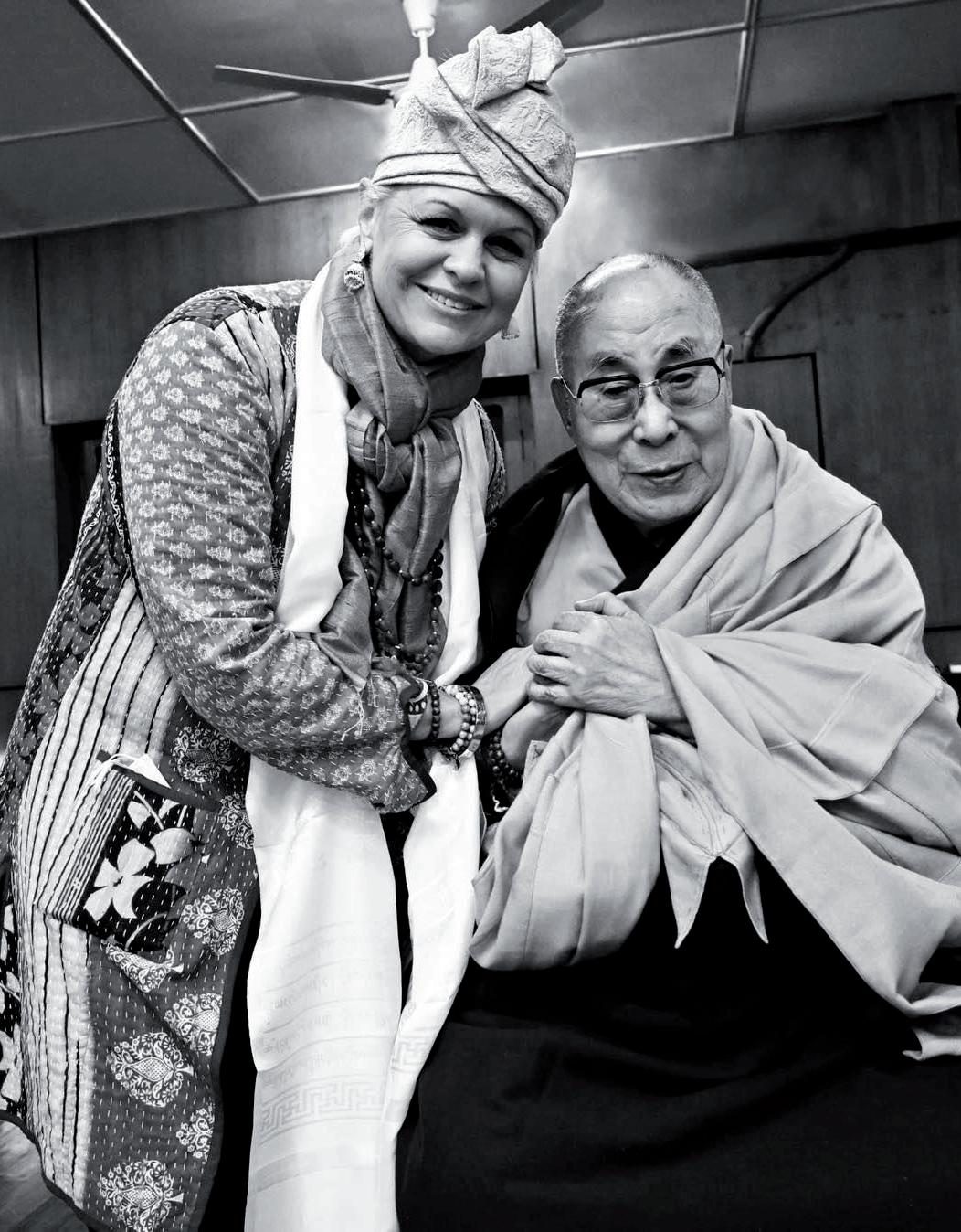 BY LADY JB OWEN
We all have those moments in our lives that define and redefine us. Those pivotal, magical, profound moments that inevitably spark something new. I like to call them Ignite Moments™.
For many of us, our Ignite Moments are ground-breaking, almost earthshattering, as they shift our thinking in such a way nothing will ever be the same. If you ask a person what that moment when everything changed was, they can often remember it right down to the second. They know precisely when their life was ignited toward who they were destined to become. We all have Ignite Moments, many in fact. When it comes to work, relationships, faith, parenting, health, and happiness, most of us have a time in our lives when something unfolded so precisely that it ignited a whole new version of ourselves.
Although many Ignite Moments are challenging and difficult, they all have a silver lining. They are laced with wisdom and infused with learning that becomes the ignition point toward something powerfully new.
Recently, I had an Ignite Moment.
I was sitting in Dharmshala, India, waiting to meet His Holiness, the XIV reincarnated Dalai Lama of Tibet. I had been waiting seven months for this meeting, and many things had to unfold to have that meeting occur; background checks, numerous emails, appropriate paperwork, and a deep understanding of why I needed to meet Him. My mission to Ignite Humanity™ had to be explained, and the effort I was making to achieve such a goal needed to be understood.
A year prior, still under the effects of the pandemic, I noticed a fearful fog in the attitudes of my three teenagers. They each showed signs of uncertainty, concern, and a lack of hope for their futures. They were burdened by the prospects of what the world was going to be like as they stepped into adulthood. Despite my continuous efforts to soothe their concerns and assure them of brighter days ahead and greater opportunities, they felt concerned and worried that life would never be the same.
I will admit, in my mind, I also felt life would never be the same, yet I chose to believe that the effects of the past two years were the beginning of something better. I decided this was the ignition point of new possibilities, a brighter future, and a chance for humanity to come together and improve our conditions for a better world. I felt that from hardships comes great growth and inner fortitude.
In a moment of optimism, I Googled™ women igniting humanity. I wanted to find which woman was doing her best to uplift humanity and inspire global transformation. To my surprise, I found no one. Not a single post on the search engine recognized a woman igniting the planet.
I could see references to men hailed as igniting a difference, but nothing was listed about a woman inciting a massive change for humanity.
That night I went to bed feeling frustrated there wasn’t a woman making that kind of impact, or somehow it wasn’t listed. I had to ask myself, why wasn’t there a woman committed to igniting humanity? Who was going to step up? Who would make it her mission to Ignite hope, change, and a greater experience in everyone? What female leader was willing to ignite positive change not just in some
people but in ALL of humanity?
That was the beginning of an Ignite Moment smoldering, kindling, and becoming a roaring fire within me. I awoke the next morning hearing a voice that said, “the woman to ignite humanity is you!”
As an entrepreneur for the majority of my life, when I see a problem, I want to find a solution. I look for creative and collective ways to work toward solving or improving things. Before I knew it, my
Being Remembered: Your Ultimate Legacy
BY CATHERINE KING
How do you want to be remembered?
Whether it’s your work, words, example, charity, or more, since time immemorial, people have desired to be remembered and to leave behind something that outlasts them and continues to inspire and impact future generations.
A new approach is now available to help leave your ultimate legacy: its timing and availability could not be more perfect!
Are You Ready? The Largest Wealth Transfer in History is Upon Us!
Over the next two decades, as baby boomers pass the torch to the next generation, over $70 trillion of wealth –an amount greater than the GDP of the United States and China combined - will be passed on. What’s troubling is that statistics confirm that a staggering 70% of wealthy families lose their wealth in the first generational transfer. About 90% of them lose it the following generation after that.
The size, strength, or influence of the family does not matter. Even with a family as well-resourced as the Vanderbilts, this figure has been proven true.

You want to leave a legacy, right?
Creating wealth is only half the battle.
Passing it down and making it stick, a concept known as creating generational wealth is even more challenging. When Americans think about managing wealth, most only consider two options: financial
planning and estate planning. One is about protecting and growing wealth, while the other revolves around preparing to leave it to your family. Yet these two pathways have never been enough to overcome what destroys building generational wealth.
The Ultimate Legacy Fortunately, a new approach is emerging, based on how royal families and monarchies pass on their legacy and wealth - one that can turn the tide. What is curious is that it’s not about passing money or assets. It’s about passing virtues, values, wisdom, family history, and skill to empower your heirs to protect the family, embrace the legacy, and pass it on to future generations much as a king would.
According to the research, half of the wealthy individuals over 70 think their kids will only be able to handle wealth properly once they’re around 40 years old. It’s also reported that 64 percent of parents admit that they’ve talked very little, if at all, about their wealth to their heirs. Being unable to transfer the wisdom and guidance of those who created the wealth to their heirs is a primary reason most inheritances disappear in a single generation without any means of recovery.
Fortunately, a subsection of passionate attorneys, financial advisors, and tax experts have developed a new approach. By using technology, an advisory group, storytelling, and other resources, people are now able to continue passing on their wisdom, counsel, and resources to their heirs from beyond the grave.
mind was racing with ideas to help and use my words and resources to make a difference in Humanity. That decision sparked the next idea and then the next, and before I knew it, I truly felt like I was on fire!
Soon enough, I was making phone calls, lists, spreadsheets, and plans on ways to ignite each and every person on the planet. I began thinking of what it will take to bring our hearts and minds
It’s modeled after the way monarchies have successfully passed generational wealth for hundreds of years without losing any assets or the legacy, which is why it’s known as the Ultimate Legacy approach.
This isn’t science fiction or the subject of a Hollywood movie like “The Ultimate Gift”, although there are some clever ways that those principles can be applied to your family.
This new approach combines traditional Estate Planning and Financial Planning with technology, training, and key advisory groups. It means you finally have a way to help ensure that your legacy continues and that your heirs are protected and directed by your wisdom, giving them the greatest chance to continue growing their wealth and impacting multiple generations.
together. What is the one thing all people have in common? What is something we each can connect with and relate to that transcends our differences?
I knew immediately it was Ignite Moments. No matter our nationality, background, or religious beliefs, we all have an Ignite Moment. And it does not matter if you live on the street or in the Taj Mahal, poor or rich; your Ignite Moment matters.
Make Sure You’re Leaving a Legacy, Not a Burden
This new approach will help you change the statistics on the success of creating a long-term legacy for your family and help your heirs create generational wealth. Even so, it’s crucial to ensure you understand the basics of what it takes to prepare properly in California or your home state so that passing on an inheritance to the first generation doesn’t destroy your assets or the family you leave behind. A will is inadequate for most estates and can leave the proverbial “trail of tears” for heirs when effective estate planning is not in place. California’s estate tax rates and probate laws are among the most complex and highest cost in the nation. A will doesn’t protect much in California. Unless you have more in place, which does not cost much, your estate will be tied up for
Within seconds I knew that Ignite Moments would speak to hearts, awaken minds, and allow us to truly understand one another. As the idea grew in proportion and the need felt critical, I asked myself who else was bringing people together; without any prodigious or limitations. Who speaks to all people and is raising the consciousness amongst all nations? I immediately thought of His Holiness, the Dalai Lama.
They say when you know, you know, and when you are called, you must answer the call. Sitting in a beautiful courtyard on a sunny day in November, I awaited my Ignite Moment to meet His Holiness and share what I was called to do. To ease the butterflies in my stomach, I closed my eyes, took in the smells of the blossoming flowers, and turned my face toward the shining sun.
Many moments had accumulated to get me there, and many moments had transpired to bring me to that exact spot with my mission blooming in my heart. I kept playing over in my mind what I was going to say; how I would explain my desire to Ignite all of Humanity.
When my time came to meet His Holiness, it was both powerful and humbling. Holding His hand, I felt solidified in my purpose and capable of achieving all I envisioned for a greater, more peaceful humanity. I felt the compassion, connection, and collective desire within His Holiness gifted to me. And I knew at that very moment that everything I wanted to accomplish was waiting for me to achieve it.
What I wanted, wanted me. Humanity wanted me to be determined, brave, and resolute. Humanity needed me to be focused, strong, and devoted. That was the defining moment that confirmed I needed to do everything possible to ignite not just myself but all of the people on the planet, including you.
Inside of you is a desire sparked by an Ignite Moment from your life. Somewhere in your journey, you have been dealt a handful of cards that you get to decide how to play. You get to choose how to think, act, and what to believe in. You get to take what has been given to you and decide how to make a difference in your life and then the lives of others.
We all have a stake in where humanity is headed. We each have the possibility to impact change, create solutions, and give all that we can. As someone who wishes to ignite the planet, I ask that you join me in igniting others because when you ignite your dreams and desires, that will ignite someone else.
When you live in your greatest potential and go after your mission, you inspire others to do the same; you ignite them! I believe Ignite Moments will heal humanity if we each use our Ignite Moments to nurture ourselves, our communities, and our countries, to create deeper connections, collectively, with care and compassion for the future of all of humanity.
Share your Ignite Moment with others and find the lessons and blessings within them. Let them not define you but refine you and allow them to be the catalyst for you to become the greatest version of yourself. You being you will ignite someone else, creating a ripple effect that will truly Ignite Humanity.
months or years of court proceedings, guaranteed.
This sets the stage for disputes to arise among family members and beneficiaries. The Court will authorize sizable probate fees, then your estate and heirs will be faced and likely overwhelmed by taxes. This will deplete the inheritance you leave behind and can create family rifts that may not be easily repaired.
With proper planning, all of these are easily and very affordably avoided.
Yet, the most significant benefit of this Ultimate Legacy approach is how you set your family up now to perpetuate your legacy, continually receive your wisdom, and make sure the inheritance achieves the highest good for your heirs and future generations. The heart of it rests on Living and Giving.
Here’s How to Begin:
Here are a few of the preliminary steps to consider to help create a comprehensive ultimate legacy plan to ensure that your impact on the world is remembered and continues for generations:
1. Identify your values and what you want to be remembered for: It is essential to identify the values and beliefs that are most important to you, along with what you want to be remembered for. This will help guide your legacy planning and ensure that your impact on the world aligns with your values and beliefs.
2. Reflect on your past legacy: Take time to reflect on the experiences, relationships, and achievements that have shaped your life and made you who you are today. This reflection can help you understand your past legacy and the impact you have had on the world.
3. Assess your present legacy: Assess your current impact on the world and consider what you want to change
About the author:
Lady JB Owen is a fearless female leader who believes in the power of empowerment. Her true focus is on helping others, which is why she started Ignite Publishing™, the leader in empowerment publishing, in 2019. She is a world-class speaker, 20-time bestselling author, and powerful business owner committed to raising the planet’s vibration and Igniting the lives of every person on the planet. Motivated by the opportunity to assist individuals in breaking through their limiting beliefs and experiencing their own Ignite Moment™, she aims to change their perspective and positively alter the course of their life. She was knighted by The Royal Order of Constantine the Great and Saint Helen as Lady JB Owen for her entrepreneurial and philanthropic endeavors.


A true leader has the confidence to stand alone, the courage to make tough decisions, and the compassion to listen to the needs of others. He does not set out to be a leader, but becomes one by the equality of his actions and the integrity of his intent.
–Douglas MacArthur
or improve. This can help you shape and redirect your present legacy and ensure that it aligns with your values and goals.
4. Plan for your future legacy: Consider what you want your future legacy to be, then find a qualified team of attorneys, financial advisors, and tax experts who are well-versed in the Ultimate Legacy approach to help you create the plan to achieve it.
About the author:
Catherine King is the founder and principal of King Law Office. She has served Northern California communities for over 30 years in her law practice while also devoting herself to educating and serving families in Estate Planning and practices with an emphasis on leaving a legacy. She is the author of the book “Paths to Prosperity: A Guide to Living from your Heart not your Wallet.”
UNLEASH YOUR SUPERBRANDS A10 FEATURES / LIFESTYLE
The Ultimate Test of a True Leader
Although my first opportunities to lead people were at a bank in my twenties, it wasn’t until I served in church callings or positions of authority at a building that housed the homeless on cold winter nights that I really had to rethink how I would inspire action. The people that came to serve alongside me could quit at any time, or even worse, they would come but never really “show up.”
It was at this point that I wanted to become a student of leadership. More than ever, I knew I had to be something more than what I currently was to be of the greatest service to my community and the world at large. I was young, so I needed to have the look of experience or wisdom to lean on. I didn’t have a fancy education to leverage or create trust with. I had no significant accomplishments to speak of, so essentially I was a young nobody kid in my twenties wondering why someone would listen to me.
After another frustrating day of low-energy volunteers coming late (while others never came at all), my discouragement was at an all-time low. I decided to approach a man twice my age and ten times my experience.
I intended to ask why he was late and why he didn’t do what he was assigned, but just as I was about to call him out, something else happened. It was a question that came from nowhere. As if another part of me emerged, I asked, “why do you volunteer your time here?”. He was caught off guard. It was just the two of us, and before he could answer, I expanded my question, saying, “I mean, I know you’re busy. I know you could be home right now with your family, watching TV, watching the game, I mean you could be doing so many other things so why do you volunteer for this?”.
The 50-year-old Hispanic man with the full beard before me seemed to melt a little before saying, “David, I’ve been one of these people. A place like this saved me. I do this because I’ve been blessed, and I can’t stay home knowing I can help people here.”
For the next 20 minutes, we just talked. I asked what he wanted to get out of the experience and how he thought he could best help the people coming in off the streets for a warm place to stay. His answers connected us and showed me the way to help him help others. This opened
my eyes and ears to search for what people want from their time and experiences. It created a new way for me to lead.
Do you know why people do what they do? Do you know what drives them, their goals, or what success means to them? Knowing this puts you in a position of opportunity to lead as a true leader.
Zig Ziglar spoke of the idea that in order for you to get what you want, you need to help enough people get what they want. Still, it’s even more than that because this isn’t just some business formula. Rather, it’s a way of life, and I believe Zig knew that too.
I’d like to say this transformed my leadership overnight. Still, it was just the first of many steps in honing and testing my leadership over the years as I discovered many more ways to activate people. The greatest lessons I learned in leadership came from leading people who were essentially just volunteers.
I took those lessons into my corporate job at the time and later into the businesses I started and still run to this day. I’m a lifelong student practicing the art of inspiring action in every individual through what I call true leadership.
Mother Theresa leads by example with acts of service and a life dedicated to those most afflicted with pain and poverty. Martin Luther King Jr. had people risking their jobs, safety, and even their lives to follow him. He created a movement with his inspirational words, genius for seeing the big picture, and heart-centered actions. These are the leaders I admire most. These are the servant leaders that the world needs most now.
How to Lead with Social Media in 2023: Practical Tips
BY YAQUELIN LIZAOLA
Social Media has changed our lives forever, and we all know it. But I believe it hasn’t reached its peak yet, and there’s still so much to discover online.
Why? Well, because there simply isn’t a limit to human creativity. From personal profiles to business brands, everyone has a voice and a story to tell.
If they can’t find your username, they will move onto their next option, most likely a competitor, and you lose on what could’ve been a potential client. If your coffee shop doesn’t show us your beautiful latte art and wifi access, we will pick the one that does.
As a business owner, you should be focused on daily operations and scaling. Have someone else bring your vision to life with proper marketing and give your brand a real voice.
About the author:
David T. Fagan is the former CEO of Guerrilla Marketing, which sold over 23 million books in 62 languages all over the world, as well as the former owner of LCO Communications, a Beverly Hills PR firm that represented 58 Academy Award Winners, 34 Grammy Winners, and 43 New York Times Best Sellers.

He is the best-selling author of several books, including Word Genius: What to Say and How to Say It, Guerrilla Parenting: How to Raise an Entrepreneur, Cracking the Icon Code: How to Become an Icon in Your Industry Through Your Advice, Image and Expertise, and Becoming Significant: How to Invoke Sacred Words that Unlock Real Power. Also an International Speaker, he has been to places as far away as Dubai, Bangladesh, Kenya, and Australia, sharing the stage with everyone from Former Secretary of Defense Dr. Bob Gates to Mark Victor Hansen.
David is the father of eight children (four girls and four boys) and even has three grandchildren. He is married to Isabel Donadio-Fagan, and they live in the Phoenix, Arizona area.
The truth is that our daily lives now revolve around Social Media. After all, we use it to keep track of what’s going on with the world and our friends. Sometimes, we even find some inspiration depending on the content we consume. It is the source of local and national news and can be considered a 24/7 digital newspaper of our era with a mix of photos, 10-30 second videos, and captions that convince us that we need what pops up on our screen. There are 4.48 billion global social media users - this means if you are not online, you are missing out on a significant amount of exposure for your brand or business. And it will only increase because that’s just about half of the current world population.
Here‘s the best part of all Social Media Platforms:
1. You recognize the importance and power that is at your fingertips.
2. Strategize to monetize. Recognize. Strategize. Monetize. Repeat. Notate this: Marketing is about the stories you tell. The more you tell, the more you sell. So, invest time in telling a fascinating story.
“Social Media is bad for our mental health, distracting, and a time-waster….”
“Social Media is only for the young people….”
“My business is already successful… what’s the point?”
Wrong.
Always remember that Social Media is good; it just depends on what you are allowing your eyes to see and mind to consume. You are always in control and can’t argue that you can’t put your phone down or unfollow pages that aren’t adding value to you.
I am talking on both a personal and professional level. You should know this as a business owner and as a regular consumer. Everyone knows what they like and what they don’t. It’s all about the power of will: whether or not you know how to push a button or swipe in the other direction.
I always find myself explaining the question: Why do businesses need a social media presence? The answer is a nobrainer and within the question itself.
The keyword is presence
Malala’s Impact On My Life
BY KETRINA HAZELL
Growing up, I was very shy and only spoke to my parents and siblings. You see, I was diagnosed with Cerebral Palsy at nine months old.
There were challenges from the very beginning, and it was no different when I started school. While entering the public school system, I was evaluated by a school psychologist who assumed I didn’t know my colors and should be placed in a class with children who were referred to as ‘mentally retarded’ at the time, which is now known as intellectual disability.
My mom met with the Department of Education and appealed the decision. She assured them that I knew my colors, and we won the case after a fair hearing. I then attended mainstream schools with special education support.
That was just the beginning.
I have watched my mom advocate for me, fearlessly and tirelessly, within the education system. Back then, I was often the only one in my entire school or class in a wheelchair.
In 8th grade, I was assigned to write a persuasive letter of my choice addressed to my school principal. My other classmates focused on persuading the principal to no longer require a school uniform. I, however, decided to write about why my dad had to take a day off from work to bring me on my senior trip because the school didn’t order an accessible bus to accommodate me as a student who uses a wheelchair. My dad was the only one working because my mom stayed home to care for me.
This letter made it to the bulletin board of my school, and it caught the attention of my teachers, my principal, and officials from the Department of Education. I had no idea back then, but that experience marked the beginning of my journey toward speaking up and making a difference for other students with disabilities.
That was when I noticed and felt the separation between the students with and without disabilities. I held on to Malala’s quote, “when the world is silent, even one voice becomes powerful”.
Growing up, I often heard my mom say little girls are not supposed to be loud in order to be seen. But on the other hand, she also reminded me to speak up in class from time to time because “otherwise the teachers will never know what you are capable of”.
More and more often, I would break my silence, find my voice, and become a voice for the voiceless.
At 14 years old, I started high school. I didn’t have many options to choose from because many New York City public schools were not wheelchair accessible. Even at that young age, I realized there is a difference between accessibility and inclusion.

The special education classroom for students with disabilities in self-contained classes was only held on the first floor, and the classroom I spent most of my school days in was the size of a closet with no windows. Thus, I began to write letters to many officials about my high school experience and the unfair treatment of students with disabilities.
I remember writing a letter to my local
councilman about the issues I was facing, and he called me directly. Once again, the letter made its way to the Department of Education. It took years for change to happen, but eventually, it did.
Malala’s words encouraged me, “Even if I am a girl, even if people think I can’t do it, I should not lose hope”.
Recognizing the need for people to know about our experiences and to be heard, I started my own website, Voice on Wheelz, to share stories and experiences with others. My objective was to give voice to those who were struggling just like me. In giving voice to them, I found my purpose. This is also the way Malala started her journey to fight for education. We both found our voice through writing, and
through my writing, I started to embrace my disability. The first time I heard about Malala’s story on the news and her mission, I felt deeply connected to her. Our visions as young women – to be seen and heard – to bring light to the inequalities as well as the lack of access and inclusion in our worlds of education.
“Education is neither Eastern nor Western, it is human.” Malala inspired me to take my mission internationally. In the summer of 2017, I found the courage to visit my parents’ home country in the Caribbean, St Vincent and the Grenadines. In this place, disability is not visible and is instead viewed as a curse or something to be ashamed of. Accessibility for wheelchairs
People instantly connect with something they can see and identify themselves with. Whether you are just starting a business or have been around for a while, your social media needs to be active and up to date, no matter your industry. People need to know that you exist, and you need to make that footprint.
Find out what those in your industry are doing, study the strategy that is keeping their audience engaged, and don’t just match or copy it, but elevate it, making it better and hassle-free
Think about it; there’s a reason why businesses like Netflix took out brick and mortars like the iconic BlockBuster. They are more accessible, convenient, and affordable; all you need is access to a digital device with a dash of Wi-Fi. Look at how fast they took them off the map and how similar platforms followed suit to create something similar. Do you see it yet? Check this out:
The Social Media User Statistics:
84% 18-29 years old
81% 30-49 years old
73% 50-64 years old
45% 65 and above
The younger generation has easier access to mobile devices, and older generations are still learning how this new technology works. If you study these statistics and grasp where your target market stands, you can determine how to capture their attention on each platform.
Own it.
Ultimately, the key is catering your content to your target audience. There are multiple social media platforms, and you should get on all of them. Some may argue that it is too time-consuming to create content, schedule posts, engage with your audience, and manage your page, but that’s why you must invest in an agency that focuses on each. Social Media is no longer a one-person job because there are multiple pillars to make it flow:
Yes, it is “time-consuming”, but there are those of us who understand, and that is why we created agencies that can assist in managing that for you. Globally, the average time a person spends on social media daily is 2 hours 25 minutes or 145 minutes. That’s a lot of screen time that you are missing out on. Let’s chat and get the ball rolling.
In closing, as a First-Generation Latina who saw my immigrant parents and other individuals fight to make something of themselves in this country, I feel like those who exist in this social Media digital era have no excuse to attain success.
We have a very powerful tool at our fingertips: our phones and complimentary laptops. You have the potential to reach millions of people. If that alone doesn’t inspire you to launch your idea, I don’t know what will. I see the increasing demand, and I am here to educate and help you execute your online presence. Many people are still waiting to see you and learn about what you offer. Invest in your content creation.
About the author:
Yaquelin Lizaola is a First-Generation Latina Marketing Agency Owner, born and raised in Las Vegas. She is also a Content Strategist and Manager as well as a Business Strategist and Consultant for small businesses, with an emphasis on the Latino Business Sector.

was not a thing. Thus, I went on a mission to enlighten youth and educators by sharing my story and educating them on disability awareness.
I could hear Malala’s words ringing in my ears: “don’t wait for someone else to come and speak for you. It’s you who can change the world.”
Meanwhile, back in the US, as a senior in high school, I was not prepared by the school system to plan for college. I’d been told a day program would best fit me. Because of my many physical disabilities and all the support I needed, college was impossible.
I still applied for college but was emotionally prepared to look for a job if I wasn’t accepted. I was ready to embrace whatever doors opened for me.
Once I turned 18 years old, the disability system providers kept reminding my parents to let them know when they’d be ready to apply for guardianship. It is a legal action that takes away the rights of a person with disabilities, making someone else be in control of my life instead of me. Needless to say, that did not happen here.
Malala invited us to take action. She says, “We call upon our sisters around the world to be brave — to embrace the strength within themselves and realize their full potential.”
I’ve gone on to create Voice on Wheelz. My mission is to spread light and healing, as well as provide inspiration to one person and each creation at a time. I have become a motivational speaker, again inspired by the courage, passion, and compassion exemplified by Malala. I also founded the not-for-profit organization Disability Champions Mentoring Network Inc., and most recently, I’ve written a book called “Special Education to College, The Ketrina Story”.
I serve on The NYS Developmental Disabilities Planning Council, The NYC Access- A-Ride Advisory Committee, and The NYS Advisory Council on Post-Secondary Education. All these things happened because a young girl reached out, and our voices and journeys connected at heart across the ocean.
There have been countless adults supporting me and my journey, but it has been Malala’s journey that has propelled me to take uncomfortable and dangerous actions and to speak up for the greater good.
About the author:
Ketrina is an author as well as the Executive Director and Founder of Disability Champion Mentoring Network. She was diagnosed with a disability called Cerebral Palsy at 9 months old. Throughout her life, her doctors, educators, and other professionals in the field created low expectations for Ketrina in many aspects.
Despite these expectations, she attended a mainstream New York City Public School with Special Education services and classroom support in her surrounding neighborhood of East New York and Brownsville. She graduated from Teachers Preparatory High School in Brownsville, Brooklyn, and received her Associate’s degree in Liberal Arts from Kingsborough Community College. Through Partners in Policymaking, Ketrina became a well-trained and educated advocate for individuals with disabilities and their families and has received other certificates in advocacy and Disability. She was also crowned Ms. Wheelchair NY 2018. Now a motivational speaker and Certified Professional Coach, she is using her platform to focus on bringing self-advocacy into schools and making them more inclusive.

UNLEASH YOUR SUPERBRANDS A11 FEATURES / LIFESTYLE
Photography Videography Editors Graphic Design Writing Copy Scheduling Community Management Engagement
TRUE LEADER, FROM PAGE A1
Leadership - The Heart of a Champion
BY COACH CHRIS BROWN
The most potent tool that leaders have in their toolbox is themselves because an organization or team can only rise to the same level as its leader. This is not new information, but it is essential to remember that at the end of the day, the person in charge makes the final decision, and it’s what he does that sets the atmosphere and standard for everyone else to follow.
As a leader, we have to understand that if we want the people we lead to achieve something, we must first become it. Zig Ziglar sums it up brilliantly - “Life is an echo. What you send out comes back. What you sow, you reap. What you give, you get. What you see in others exists in you.”
flow toward you. Another way to assess what you are honoring is what you accept or tolerate. No leader intentionally wants to attract average performers, but often the example they set, especially in building relationships, is average.
Too many leaders struggle to get certain people to buy into their vision. However, as the leader, they have never taken the time to get to know the person or make them feel seen or essential. Another common issue in teams and organizations is the leader demanding accountability from others but not taking responsibility for their actions.
But the most detrimental attribute is watching leader after leader spend much of their time gossiping about others, which leads to low unity and trust. As leaders, we need to understand that what we say about other people says more about us than them, and what we respect, love or tolerate will determine the trajectory of what we produce in our lives.
Another important trait that leads to someone becoming a Champion is understanding that what they consume, they will eventually come to believe. So, they are careful with what they listen to, watch, or read. They are careful who they
About the author:
Chris is a Breakthrough Coach, Team Building Expert, Keynote Speaker, and Award-Winning Olympic Rugby Coach. He has made a career of getting leaders and athletes unstuck to help unleash their potential.

Chris has a gift for turning everyday underdogs into overachievers. His mindset and development techniques are renowned for helping the underrated get unbelievable results on and off the sports field. Get to know more about Chris at coachchrisbrown.com.
Now, this doesn’t mean there aren’t several factors that determine whether a team is successful or not. However, it does mean that if we want to unleash the team’s full potential, our number one priority as a leader must be our own development. To intentionally prepare our own hearts and become the example that our team needs in order to expose the gold within. Why the heart? Because everything we do flows from it (Proverbs 23:7).
In sports, there are certain traits that lead to someone becoming a Champion.
The first is Courage. Muhammad Ali said, “He who is not courageous enough to take risks will accomplish nothing in life.” The challenge with Courage is that it cannot be faked. But what makes being courageous so powerful is that Courage means Heart Strength. This implies that the more you choose it, the stronger you become.
As Franklin D. Roosevelt stated, “Courage is not the absence of fear but rather the assessment that something else is more important than fear.” So, the first question a leader must ask themselves is what will drive them through the fear and help them come out on the other side?
The next trait is Honor. Honor is the highest form of respect. What is critical to understand about honor is that what you honor and respect and love will eventually
How to Redefine Balance as Mompreneurs of Special Needs Children
BY MICHELE WILSON
allow around themselves and whom they let speak into their situation and life.
They understand that if they are to go where they haven’t been before, they are going to need help. However, the help must come from the right people, those who want them to win and can help them see further and focus on what is most important.
In conclusion, the most critical success factor in unlocking the Gold within a team is the leader’s heart. This is why it must always be the number one development priority.
Best You Expo Returns to LA
BEST YOU, FROM PAGE A1
well as a renowned personal development expert, author, and speaker himself, carefully curated a roster of experts and thought leaders who are at the forefront of their respective fields. Whether it’s a psychologist sharing the latest research on self-improvement or a spiritual teacher offering wisdom and guidance on mindfulness, the Best You Expo provides attendees with the opportunity to learn from some of the best in the world.
One of the main components of the event is its focus on providing attendees with a hands-on, immersive experience. In addition to the keynote speeches, workshops, and interactive sessions, it also features a range of interactive exhibitions and demonstrations, including a VIP reception and a variety of interactive activities designed to promote self-discovery and personal growth. These opportunities allow attendees to connect with other like-minded individuals and build relationships that can help them achieve their goals.
The Best You Expo attracts thousands of attendees and has become a platform for some of the world’s most influential personal development experts to share their insights and wisdom. Over the years, the event has also transformed into a hub for personal growth, self-discovery, and self-improvement, with attendees leaving the event with new skills, knowledge, and a renewed sense of purpose.
After a successful launch in London more than ten years ago, the Best You EXPO has continued to share its expertise around the world, including events in the United States, Canada, Australia, and New Zealand. (By LA Tribune Editorial Team)
After three decades of entrepreneurship experience, I’ve learned about the struggle to achieve a work-life balance. Add being a mom of a special needs child to the mix, and it starts to feel impossible. However, I want to comfort you by saying: finding balance is possible; it just takes practice.
The Unique Challenges of Being a Mompreneur of Special Needs Children Mompreneurs make great business leaders because we know how to manage our time, bring our projects to the finish
line, and adapt to any situation. That’s why it’s no surprise that women own about 43% of small businesses (14 million) in the US.
According to a Gusto survey of female business owners, the most common reason women started a business during the pandemic was to have more flexibility. In addition, 58% of the women surveyed wanted more control over their work schedule, while 37% wanted to improve their financial opportunities.

However, being a mom of a special needs child comes with unique challenges. Our daily lives are more
complicated, so working a full-time job is nearly impossible, let alone finding that precious work-life balance. Our to-do lists are longer than usual because we have to include regular doctor appointments, multiple forms of therapy, medication administration, and much more.
Redefining Balance Is Key to Running a Successful Business
For special needs moms, work-life balance is not about time management. It’s about redefining balance and making choices that align with your family,
purpose, and passion. Through my observations and experience, I have discovered three empowering strategies to help redefine balance so that you can start and grow your business:
1. I’ve learned from the book
“Language of Achievement” by David Bryd that positive change and growth are best achieved by learning how to manage the power of choice. Future success is built on your daily choices, day by day, moment by moment.
2. Unfortunately, we do not experience immediate results from our
choices. Achievement simply results from consistently doing the “right things” over a sustained period. The process of achievement begins with learning how to manage the effectiveness of your momentby-moment choices.
3. The Wheel of Life, also known as the “life balance wheel,” “the coaching wheel,” or the “life wheel,” is used to assess and understand how areas in your life are currently balanced and to help achieve a work-life balance. It is a simple yet powerful visualization tool that allows you to observe all areas of your life: Spirituality, Health & Wellness, Money & Finance, Career & Business, Social & Friends, Love, Family, Kids, Personal Growth, Hobbies & Recreation Community, and Giving Back. Using The Wheel of Life as an assessment tool helps you determine how to realign with your core values.
Ultimately, work-life balance as a mompreneur of special needs children is about aligning your passion with your profession. You can do this by establishing a personal management system, a set of tools and techniques that moms can use to effectively organize and manage their time, tasks, and goals.
This system will enable you to make effective choices aligned with your passion and goals. It often includes your vision statement, dream list, calendar, todo list, and a system for tracking progress on goals. A personal management system aims to help moms be more productive, efficient, and organized so that they can achieve their goals and objectives more easily.
Conclusion
What I want you to take away from this is that you can become the mompreneur you’ve always wanted to be. The thing about life is that it’s different for all of us. Our past experiences and memories shape us into who we are. As such, words have different meanings for every single one of us. However, it’s important to remember that words have power.
Moreover, I’ve learned that words only have power when shared in the same context. To redefine balance takes practice. If you need help figuring out where to start, ask for help. I’d recommend finding a group that supports mom entrepreneurs of special needs children.
You could also work with a business coach who understands time management and productivity. He can help you create a personal management system focused on goal achievement instead of goal planning and one that is tailored to your specific needs and goals.
About the author: Michele A. Wilson is a multipassionate mompreneur, enlightened leader, business lifestyle consultant, columnist, best-selling author, and a seeker of untapped solutions.
As a single mom raising a special needs child and running multiple businesses for over three decades, many times from her son’s hospital room, Michele has successfully handled many challenges along the way. She has taken her 30 years of entrepreneurship experience and helped over 300 businesses and families start and protect their businesses during the past 13 years. Today Michele is the Founder & CEO of Mompreneur Universe. She gets to teach mothers of children with special needs how to redefine balance, clarify their lives, and start a business they love.
 Harvey Firestone
UNLEASH YOUR SUPERBRANDS A12
FEATURES / LIFESTYLE
The growth and development of people is the highest calling of leadership.
If we did things we are capable of, we would astound ourselves.
–Thomas Edison
The Heart-Centered Leader: Cultivating Emotional Intelligence for Prosperity
BY DAWNA CAMPBELL
In recent years, there has been a growing importance on heart-centered leadership. As a key ingredient for success and prosperity, heart-centered leadership emphasizes the importance of authenticity, honesty, commitment, purpose, service, and solitude. By cultivating these essential elements, leaders can create positive environments, achieve prosperity, and inspire others to do the same.
He Has Arrived: Roosevelt Williams Takes Center Stage In 2023
BY VYNCENT DE’VAUGHN
goals. Leaders dedicated to their vision, mission, brand, and organization achieve success, resulting in prosperity.
Passion and Purpose
About the author: Dawna Campbell is a renowned transformationalist coach and author who has dedicated her career to helping people achieve the life they desire and deserve. With over 25 years of experience in the field, she has become known as The Mind Whisperer for her unique Heart-Centered Healing approach that combines her wisdom, knowledge, and experience. Her work has produced instantaneous results, earning her recognition as a #1 international best-selling author of “Financially Fit: Living the Secrets to an Abundant and Prosperous Life.” She is also a sought-after speaker, sharing the stage with prominent figures such as Bill Walsh, Mark Victor Hansen, and Sharon Lechter. Dawna has been featured on various media outlets, including Fox News, NBC, Yahoo Finance, Amazon Fire, and Roku TV. In addition, Dawna writes as a monthly contributor for Best Holistic Life Magazine and partners with The Mentor Studio, a global community of entrepreneurs dedicated to making an impact in the world through mentorship.

Authentic and Unapologetic Authenticity is a crucial aspect of heart-centered leadership. Authentic leaders lead from a place of deep selfawareness and have a genuine connection to their values, beliefs, and vision. They are comfortable being vulnerable and are transparent about their strengths and weaknesses. Transparency fosters trust, respect, and loyalty, enabling leaders to build strong and connected relationships.
Being authentic also means heartcentered leaders are unapologetic about who they are and what they believe in. They are confident in their abilities and are not afraid to speak their minds or make difficult decisions that align with values and beliefs. Heart-centered leaders are assertive, decisive, and not influenced by external pressures or outside opinions. By being themselves in front of others, they build trust and respect, feeling valued and supported in their communities.
Honesty and Integrity
Honesty and integrity are crucial aspects of heart-centered leadership.
Honesty fosters trust and accountability and encourages others to feel comfortable in speaking up and taking risks. Leaders who are honest and have integrity are also more likely to attract high-quality people and build strong relationships with them. People are naturally drawn to leaders who have their best interests at heart.
A strong sense of moral and ethical values guides leaders who embody integrity. Leaders who operate with integrity are trustworthy, dependable, and are respected for their strong ethical principles. They act with transparency and are committed to doing the right thing. This helps to create a stable and resilient foundation for growth with a positive reputation and image with you, as well as your brand and position of authority.
Commitment and Dedication
Commitment and dedication are both essential because leaders who are committed and dedicated to their work also inspire others to do so. They are likely to overcome challenges and obstacles while achieving their goals. Dedicated leaders inspire others to do their best and help create an atmosphere of excellence. Thus, being committed attracts highquality people who are also committed to success.
Dedication is a key driver to heartcentered leadership. Heart-centered leaders are relentless in their pursuit of excellence and are willing to put in the time and effort necessary to achieve their
Leaders who have a passion for their work are driven by a deep sense of purpose and are motivated by a desire to make a positive impact in the world. This enhances an environment of creativity, innovation, and collaboration that truly thrives. With passion and purpose, leaders are more resilient, adaptable to change, and driven to succeed.
When leaders walk their talk, others are likely to adopt the same values and principles, creating a virtuous cycle of growth and success. Ultimately, purpose and passion are the driving force and the key to cultivating prosperity. By aligning your actions and decisions with your deepest values and aspirations, you can bring your vision to life, positively impact the world, and create a life of abundance and prosperity for yourself and those around you.
Service and Solitude
Leaders who prioritize service create generosity, empathy, and compassion within. By putting the needs of others first, leaders demonstrate selflessness and kind-heartedness. Being of service also helps leaders reach out to those in need and create a legacy. By prioritizing service to others and putting the needs of others before your own, you can create a true life of abundance and prosperity.
Being of service also should be balanced with solitude. This is a time for leaders to reflect on their values, beliefs, and vision while connecting to their own emotions and thoughts. Solitude gives leaders the space to recharge and reconnect with what is most important to them with clarity and awareness. Leaders who engage with solitude are able to manage their emotions better, essentially cultivating their emotional Intelligence to lead with service.
Heart Centered leadership is a powerful approach that prioritizes a strong and deeply-held value system that guides decisions and actions. This is where the secrets of successfully rich people come into play.
Successfully rich people who have built their wealth and prosperity through a heart-centered value system understand the importance of balancing their professional and personal lives while prioritizing their own well-being and happiness. They understand the value of giving back and positively impacting their communities, leading with compassion and empathy.
The call to action is clear if you want to increase your prosperity: Adopt a heartcentered value system. By doing so, you will experience greater prosperity in your own life while uplifting and inspiring others. Heart-centered leadership isn’t just a way to achieve prosperity but a way to lead a meaningful and impactful life. Embrace your heart center, lead with compassion and authenticity, and watch your prosperity soar.
One of the founders of San Diego, Alonzo Horton, stands tall looking over a map of the downtown city he helped design in the early 1900s. Roosevelt Williams III makes it a daily ritual during his work week to come over to the statue and size himself up with Horton. He deeply admires the man who stands in the Plaza named after himself. But he also understands it is time for someone to fill his shoes within the city he loves. And he’s willing to take up the mantle and make that happen by any means necessary.
“He’s the reason why downtown doesn’t have any alleys. He’s also why the corner buildings downtown are so large. He had them be like that so he could sell that prime real estate for more profit,” Roosevelt says. His main goal in this new year is to position himself as a new architect of the people, for the people.
A former sole cobbler by trade, Roosevelt’s style of service has always been accompanied by a certain level of decorum and positive swagger. As the CEO of YB&NB, his role as super-connector continues to build bridges that serve the needs and desires of YB&NB’s swelling membership. YB&NB, as a business organization, dedicates its resources to providing instruction and inspiration to business people through the organization’s events, programs, and digital magazines. It also works with the NAACP San Diego Chapter and the Urban League of San Diego County to spread the word about its offerings.
Roosevelt and I continued to stroll the blocks of downtown, admiring Horton’s work as we made our way to The US Grant Hotel’s Grant Grill, one of Roosevelt’s regular meeting spots with clients and potential business collaborators. During our lunch, we spoke about his various plans for his business venture YB&NB as well as how he’s branching out of California and taking center stage at speaking engagements throughout the year.
Vyncent: Roosevelt, it’s been a while since our last interview. What’s planned on your end for yourself and YB&NB in the First half of 2023?
Roosevelt: Before our main event BIZCON, we’ll develop our latest YB&NB manuscript for Black History Month to honor Black Educators. It will be compelling, highlighting men and women from our San Diego Unified School district who have devoted their lives to teaching our future scholars how to thrive and providing them with life lessons and principles to excel inside & outside of the classroom.
This will be a part of our upcoming BIZCON focus, April 5th - April 6th, at Sycuan Casino in San Diego. We’ll have a Mastermind on the Mezzanine, a wonderful experience with two of their ballrooms for two days.

One is designated specifically for the trade show, the other for the seminars which will take place, classroom style. We’ve already begun to receive sponsors for the event, and I will have the local construction industry there for the event, as well as some special guests I’ve met networking thus far this fiscal year.
African American Heritage week, with the Padres, is also on the horizon. We met on January 17th to solidify this year’s assets, including doing the first pitch that week during the game series and ringing the bell during the match-off. We are also preparing swag giveaways with our partners to benefit our local youth who will be attending the game for the first time, or potentially the only time this year. We’re incredibly excited about the decisions made thus far, mainly the decision to honor a local baseball icon from San Diego. More information about this will be delivered soon to our YB&NB members and collaborators.
Since the dates are so close to BIZCON, I will reach out to the Padres and see about having a section of our programming named Business & Baseball. The intention is to invite the studentathletes from Lincoln, Morris, San Diego High, Crawford, Hoover, and Kearny high schools to attend BIZCON and interact with MLB players, whether retired or active with the Padres, to speak directly about the business within baseball to the student-athletes.
The construction industry will be attending as well, about blue-collar opportunities, as well as white-collar professionals. The interest to involve uniformed individuals is also vital, and setting this all up, as we’re discussing, can be another homerun for the hometown I love and cherish.
Vyncent: Earlier in the day, we spoke about you branching out to do speaking engagements. Please speak to me about your intent to do so in more detail.
Roosevelt: I will be speaking on the same stage as Les Brown this year in February at the Global Awakening Summit in Florida. I’ll be talking there early this year. This March, I’ll also attend a Rotary International Leadership conference in Alabama.

I will be traveling more in 2023, but this will occur organically. The other
day, one of my buddies, a newscaster in Vegas, caught up with me, and we had a conversation. I wanted to let him know that we needed to do an interview when I got to town this year. He told me that I was already taking over San Diego, and that humbled me to a large degree.
Another gentleman said similar things at the tail end of 2022, so it’s time to take my brand and its message on the road this year. The value I’m aware I can receive by entering new spaces outside my current reach can lead to new investors and partners that benefit the YB&NB community. It’s already a blessing to hobnob, rub shoulders and interact with the leadership of San Diego, whether with the various grassroots leaders or the established majors within our city.
Being the “elephant hunter” for my growing tribe of 100 members, I always focus on where the prize is to take what’s been built to the next level in San Diego and beyond. We’ve grown exponentially from an initial Facebook group centered around an intentional local movement to align a collective spirit in economic collaboration.
As a business this year, we’re already set to do six figures, but we’re in a position to supersede that in a few years. It’s inspiring and valuable to see how far we have come thus far, yet there is much more to accomplish.
Vyncent: What is something that most people who see you now are aware of that has led you down the path you are now on?
Roosevelt: One of the things that most are unaware of about me is that I’m a part owner in a kiosk here on Broadway downtown called Joey’s shoe shine repair. I’ve been a part owner for years because I was a former shoe cobbler by trade.
We used to be competitors at one point, as I was the only black cobbler in San Diego. Once I retired, I became a patron of his business, sending my old customers and former employees to help
him scale his business. Joey has been in the industry for almost 30 years, with plans to expand his operational reach into the new courthouse. Our YB&NB manuscripts containing our 100-year plan can be found on his shoe shine stand locations and are getting placed in the hands of the influential people that are his customer base daily. Businessmen and women, judges, politicians, and lawyers.
Most prominent individuals visiting his stand are checking out the YB&NB manuscript. They are watching the local news and witnessing the growth of our movement and initiatives. The blueprint is being seen and felt by those who make things move downtown. And it feels good to know it’s getting into the right hands.
About the author: Vyncent D. Eiffel is a syndicated journalist for the Los Angeles Tribune and founder of Paradice Creative Agency. As a journalist, his career started with the San Diego Monitor in 2018, the oldest Blackowned business journal on the West Coast. His professional experiences in journalism, public relations, and brand concept development within various creative industries span over a decade.


UNLEASH YOUR SUPERBRANDS A13 FEATURES / LIFESTYLE
Bulletproof Leadership: A Spy’s Perspective
BY JANICE NIEDERHOFER
The 22-year-old female police officer was called to a disturbance, where one unknown male was described as a danger. She entered the small room and saw a man with a broom slowly sweeping the floor. He ignored the young police officer attempting to engage him verbally. Since the broom was considered a potential weapon, she kept a safe distance as taught in the police academy.
The 6’2” formidable man wouldn’t look or respond to her, but his behavior provided little clues that prompted the 911 call to the police. The officer was unafraid, determined to secure the subject. After briefly negotiating, the subject complied, and the situation was resolved.
This was a training scenario, and the rookie was satisfied with how she had dealt with the potentially violent situation.
To her surprise, the lieutenant in charge of training was not: she had failed. The brawny lieutenant was larger than life and had a reputation for being terrifying and tough.
In full uniform and military stance, he stood with his fiery eyes piercing from
beneath the shiny black brim of his police hat. He demanded, “Why did you not engage the suspect physically?” There was no hesitation in her response, “Because it wasn’t necessary!”
She didn’t know it then, but the lieutenant didn’t like female police officers and certainly didn’t like one who spoke the truth. He was determined to have her fired, and everything she did was under strict scrutiny. To remain in-service of her badge, she learned to do her job 150% better than her male counterparts. She quickly discerned what constituted a powerful leader versus one that leads by intimidation and ego.
Accidental Career
This is a true story, and the young police officer was me. My accidental law enforcement career began when I was 21 years old. I intended to become an attorney in college, but destiny stepped in. In my junior year of college, a Criminal Justice professor told the class, «If you think you are so smart and want to be a police officer, go to Ocean City,
Maryland, for the summer. They hire sixty extra seasonal officers, train you through a short police academy, and put you out on the streets by yourself with a gun!»
It sounded like fun. At age 21, I was interviewed, hired, and assigned to patrol - solo! On our days off, we could work overtime doing undercover work. That sounded uniquely interesting, so I gave it a go. I didn’t know it then, but I had found my calling: the underworld of undercover work.
Trailblazer and Leader
I was known as a trailblazer, assigned to notable positions that sharpened my spy skills and promoted my acute interest in studying human behavior. My assignments included undercover work, SWAT team, hostage negotiator, and narcotics detective.
As a leader, I recognized a need for excellence in law enforcement training. Consequently, I created first-of-its-kind training programs for agencies such as the FBI, NCIS, CIA, SS, DEA, ATF, ICE, NSA, DHS, DCIS, Mexico’s Congreso
International de Control de Confianza, Los Angeles Police Department, Detroit Police Department, Royal Canadian Mounted Police, and numerous other local, state and federal agencies.
Bulletproof Leadership
Some leaders lead with fear and ego, while others do so with self-assuredness, flexibility, courage, and integrity. The best leaders are innovative and know how to empower others to reach a common goal.
This is my perspective from many years of working covertly. A spy’s perspective, which I refer to as “Bulletproof Leadership.” I both demonstrated and taught this hard-earned wisdom because when implemented – it’s bulletproof.
5 Targets of Bulletproof Leadership

Target #1: Anticipate Change
Leaders anticipate change professionally and personally. Stay informed and be flexible, which prepares you for inevitable change. You are a reflection of the books you read, the music you listen to, the entertainment you seek, the places you travel to, and most importantly, the people in your circles of influence. Exceptional leaders don’t have their heads in the sand - they anticipate, plan, and have contingency plans.
During my days of complex investigations both nationally and internationally, we always had a plan A, B, and C. Yet, we still anticipated the unexpected and were mentally ready for anything. Otherwise, the consequences could be dire, causing injuries or death to one of our own, the criminals, or worse, an innocent bystander.
Target #2: Lead by Example
Be an example that lifts people up, believing in them unwaveringly. To do this, you must believe in yourself first. Actions speak louder than words. Leading by excellence encourages your people to follow. Leading by example means caring about the people you lead, possessing genuine compassion for humanity, and accepting responsibility for your own behavior. Leaders get things done and are decisive. They are not afraid to make mistakes, admit to doing so, extrapolate the lessons learned, and pass them forward. Obstacles become welcomed challenges, and leaders will prevail against the odds.
One shortcoming of leaders is the belief that the rules don’t apply to themselves. If a leader is enforcing rules, they better be willing to lead by example through following the rules.
Target #3: Genuine Confidence
What can’t be learned from textbooks is genuine confidence gained through experience. Knowing yourself is crucial and fundamental. It is our responsibility to continuously discover, learn, and expand ourselves. Lead with power, not force. Power is inspiring and motivating; force is intimidating and condescending. With genuine confidence, leaders easily delegate, not micro-manage, which is a sure killer of morale.
Leaders have magnetism and easily attract people around them because of their positive, inspiring, and enthusiastic attitudes. They realize their success is the culmination of many peoples’ efforts, and they don’t believe they are better than others.
Target #4: Be Flexible
Experience informs flexibility which is beneficial in choosing between diplomacy and when to fight a battle. If a leader believes they know it all, they will eventually fail. Let go of complete control.
Leaders’ competence relies on their steadfast and solid principles and practices. They possess patience and realize there could be more than one way to accomplish a task. This flexibility becomes a morale booster.
Target #5: Motivate and Inspire
A leader must know more than giving orders and demanding respect. They must have sincere compassion for the success of the organization’s big picture as well as the care and welfare of their subordinates.
Outstanding leaders realize the well-being, safety, and success of their personnel are the heart of a thriving organization. When a leader encourages their staff to possess the same sincere interest as their coworkers, there is a ripple effect, and morale rises.
Leadership Into the Future I continue to innovate, having founded Humankind Alliance, a nonprofit to heal the divide between communities and law enforcement. I’m sharing and passing forward my hardearned knowledge through experiential and immersive education to create a bolder, wiser, and more evolved world.

I am a thought leader passionate about rebuilding trust and strengthening our nation’s communities.
Becoming an extraordinary leader is a choice. Becoming an inspiring leader requires conscious effort. These are just some simple targets that will help you become a Bulletproof Leader. Think and act wisely because you are leaving a legacy.
What It Means To Be An Outstanding Leader
BY CALLY PEDERSEN
I practiced for this moment more times than I could count. I was nervous walking up to the stage with the bright lights, feeling so many eyes on me. Yet, I knew I was going to nail it.
Every roller coaster moment as an entrepreneur, a CEO, and a leader came together as I began my first keynote speech, “Making Your Ads Work For You”. My speech was a huge success, with an overflow of audience questions, successfully kicking off a three-day marketing conference in Las Vegas.
However, the real pivotal moment in my leadership journey came the next day when I walked across that same stage and accepted an Outstanding Leadership Award at the Marketing 2.0 conference.
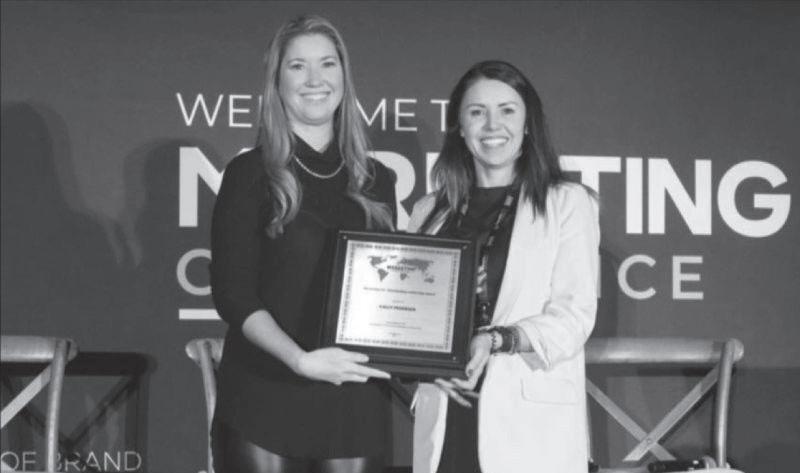
This award was not just for me. It was for my team members, who treat The Sage Agency clients as their own and keep producing outstanding profitable results. For my mentors, friends, and family who stood by my side as I doubted myself, crying and wanting to give up. And, most importantly, it’s for all the women leaders and entrepreneurs who watched ‘Who’s the Boss’ when they were young and are now the boss!
Because being a leader means holding yourself to a higher standard. Being an outstanding leader takes courage. It takes releasing control and trusting your team to be responsible so they can support you as the leader.
Leadership takes compassion for yourself and others while managing your emotions, managing other people’s emotions and personalities - sometimes more than one personality per personand ultimately not giving up on yourself.
Being a leader means knowing that if you just take that next step, it will open up a world you never thought you could create. Knowing that 100% is possible, 100% of the time, and it’s up to you to make it happen. Even though I knew I was meant to receive this award, it did not always feel that way. It took time, making some ‘wrong choices’ and kissing some business frogs along the way.
One of the most challenging times for me as a leader was building a team and meeting others with the same work ethic and lifestyle goals. After hiring, training, and firing a few team members, rather than feeling like I made the wrong choices, I now see every obstacle as learning rather than losing. There’s no right or wrong way
About the author:
Janice Niederhofer is best known for her impressive 29+ year law enforcement career, most of which she served as a Special Agent for the Drug Enforcement Administration (DEA). She has been breaking glass ceilings for women and forging new ways law enforcement officers perform their duties.
After earning a B.S. in Psychology, B.A. in Criminal Justice, and an M.A. in Forensic Psychophysiology, Janice became certified in several modalities, such as Neuro-Linguistic Patterning, life transformational and success coaching, leadership, communication, and conflict resolution. An expert in human behavior, she excelled in many positions, including leadership development, hostage negotiator, SWAT team member, narcotics detective, interview/interrogator, polygraph examiner, undercover work, primary firearms instructor, defense/ tactical instructor, trauma team, and sensitive specialized details.
Janice is the innovative Founder and Board Chair for Humankind Alliance, a non-profit organization healing the divide between communities and law enforcement. Her well-honed skills and transformative insight form the basis of Humankind Alliance. Janice believes in sharing her knowledge through experiential and immersive education to rebuild trust and strengthen our nation’s communities.
A leader is one who knows the way, goes the way, and shows the way.
John Maxwell
to do it because you need to learn in order to know the best fit for you, your clients, and the other team members.
Once I became extremely clear on the type of client I wanted to spend my time with, stopped being guarded, and stopped playing small, my business blossomed.
In my second year of business, with an incredible A-team, I increased the Sage Agency’s profits by 297%. The third year by 117%, and this year we’re going to cross the $500,000 profit goal. I never thought this would be true in my wildest dreams, and I did it all with Google Ads!
Unlike many ad agencies, we ensure your Google Ads account will be profitable at The Sage Agency. If there’s a chance it won’t be, or there are a few things that need to happen in your business before you are ready for Google Ads, we let you know.
Because of this, we have incredible client results, which is one of my favorite things about being a leader. Knowing that I’m making it possible for another business leader to expand and scale is one of the best feelings. Imagine your business having so many potential customers that you need to pause or reduce your ad spend.
“I need to either pause or drastically reduce our Google Ads spend. Not for any negative reason but because we are booked and unable to take any more appointments. It seems crazy to keep advertising since we have a waiting list at this point for our services.”
Leadership is not only about profits, KPIs, and customer retention. It’s also about giving and being generous. Not only do I support my team and their families, but I also donate 10% of The Sage Agency profits to Compassion by sponsoring children in Indonesia, Guatemala,
About the author:
Cally Sage Pedersen is the CEO of the Sage Agency and has provided expert digital marketing experience to help businesses increase their profits with Google Ads for the past 15 years.


As a certified Google Ads partner, Cally and her team are proficient at identifying wasteful spending risks and discovering creative ways to improve our clients’ accounts, helping them increase their website traffic and conversions like never before. They have been hailed as one of the ‘Top 20 Advertising Agencies to Watch 2021’ by The Australian Business Journal. She has a Bachelor of Science, Advertising degree from The University of Texas at Austin.
Ethiopia and Colombia. Our clients get to be a part of my leadership journey through generously supporting others in need around the world.
Ultimately, being an outstanding leader means building a life you want with every decision, every choice - big or small - that you make. Growing boldly and courageously while giving yourself the grace to do what you can, where you are, and with what you have.
UNLEASH YOUR SUPERBRANDS A14
FEATURES / LIFESTYLE
Through The Toughest Times, True Leaders Prevail
BY BILL WALSH
As a top business coach, venture capitalist, and entrepreneur, it was an honor to receive the Leigh Steinberg Leadership Award at a Super Bowl party this past weekend in Scottsdale, Arizona.



When I look back and think about being able to serve more than a million clients that have attended the events that we hosted or sponsored over the last ten years, I realize that building something great always takes time. It never happens overnight, and you must go through the challenges and struggles required to build something great.

As you launch, grow, and build a business, it’s okay if it doesn’t happen overnight. Even if it takes one year to five years to build a real business, it’s worth it.
As someone who grew up on the south side of Chicago, where we didn’t have a lot of money, I know that the only true path to building something great was through entrepreneurship. At nine years old, I knew this when I started my journey
with a paper route. This is very similar to how other successful entrepreneurs also began their own careers.
As I went through grammar school, high school, and then college, I knew that my career path would be focused on entrepreneurship. Sure enough, after trading in currency in New York and Chicago, working for nearly a decade in fixing businesses, and helping them launch, grow and scale or sell or even go public, I confirmed that any real success is always built around surrounding yourself with a great team.
In addition to all that, it’s never easy during tough times. You need to understand that leadership is earned and not granted. It’s the same with success –it’s never granted. And when you do pay the price for success, I believe you always pay full price, and you always pay in advance. If you’re reading this today, you know it comes with a struggle.
As leaders, we go through similar
struggles as someone just going through the grind. The only difference is that we begin to move the big rocks first. I always go after the biggest challenges and get the big things done first; then, the easier things seem to be much more fluid and easier to handle.
As an entrepreneur, it is essential to surround yourself with people who believe in your vision, feel your passion, and understand your path and purpose because they genuinely care about your success.
You’re going to find during your path to becoming a great leader that it requires you to take the time to be very careful of who you spend your time with. Who do you allow into your inner circle? Who do you allow into your ear? Who do you listen to? Who do you not listen to?
If you allow the wrong people in, they might suck the life out of you. Though you may think they’re in your corner and helping you, in reality, they may not be.
It’s always easy to look and pay attention to those that truly support your small victories because those are the same people that will support your big victories. I would challenge everyone to be very thoughtful about who you allow into that inner circle.
When you decide to do something, go all in, give it everything you have, and don’t be afraid to fail. That’s the mark of a great entrepreneur. When we launched our business course Rainmaker Summit to help entrepreneurs nearly 18 years ago, the vision was about changing the world, one entrepreneur at a time. We wanted to elevate the concept and belief that you can be successful as long as you put in the work, have a plan, and have systems and a team to achieve those excellent outcomes. It is the only way to get there.
In addition, make sure that you realize there’s a price that goes along with leadership. It means you’ve got to show up even when you don’t want to.
This reminds me of a funny story of this young man named Johnny. When he woke up, he talked to his mom about not wanting to go to school that day. He said, “Mom, I just can’t go to school. You don’t understand that all the kids always laugh at me. They say things behind my back.”
His mom told him, “But Johnny, you have to go to school”. And he said, “No, you don’t understand. When I go on the playground, sometimes they write things in the playground and make fun of me as I walk past everybody. And many
times, they’ll lock the doors or do crazy things that keep me away from where I’m supposed to be. So really, Mom, I don’t want to go to school today.” And the mom came back and said, “But Johnny, you’re the principal. You have to go to school today.”
I would tell you the same thing in your business: you have to go to work every day, even if it’s part-time. If it’s a part-time business, give it full-time effort. And if it’s a full-time business, you have to give it everything you have.
As you know, the crazy test for entrepreneurs is that entrepreneurs are the only ones that work 100 hours a week, so we don’t just work 40. But that is the price you’ll pay to become a great leader.
If you want the real secret and leadership, it’s not about people blindly following you. It’s not about having people that do just what you say because you say it. Instead, it’s the ability to truly inspire others to see their own greatness. It’s about giving them the best possible path to achieve all their biggest goals and dreams, which go along with where you’re taking your brand, company, and story.
So hopefully, you get a bit of an understanding of what it takes to become a great leader. It is always through the toughest times that true leaders prevail.
I was asked these questions as well: how do you define leadership? How do you define success? I believe that success is defined by putting these two things together: persistence and failure equal success.
When you begin to think about it, leadership is about making a difference, serving other people, and knowing that your heart and mind are in the right place. Leadership becomes a natural trait in everything you do, so if you truly want to become a great leader, start by becoming a great servant and then get exceptional at what you do. Before you know it, because you serve so many other people, you are recognized as the true leader you’re born to be.
About the author:
Bill Walsh is a venture capitalist and the CEO/Founder of the Success Education/ Business Coaching firm Powerteam International. He hosts and speaks at events worldwide, and his passion is to empower entrepreneurs and business owners to create massive success.
Aside from being an amazing speaker, radio personality, and movie celebrity, Bill is also the best-selling author of the book “The Obvious”. He has a very successful background in finance and marketing, having spent over two decades working with start-ups to major global brands to help them increase sales, productivity, and overall success.
Bill also has an extensive background in foreign currency trading, real estate development, and building businesses in more than 30 countries. Over the past two decades, his firm has specialized in helping companies launch, grow and create exponential valuation in the market.
UNLEASH YOUR SUPERBRANDS A15
FEATURES / LIFESTYLE
I CAN Buy Myself Flowers
BY ROSIE RODRIGUEZ
Female Empowerment is at an All-Time High: How are You Showing Up for Other Women?
BY CHRISTINE CURRAN
Understanding yourself to the core is the first step toward empowerment as a woman. Do you really know who you are? What are your non-negotiables in business and relationships? How do you show up for yourself? How do you show up for others?
An empowered woman has conviction in her decision-making, knows what she wants, and is strongminded. However, she is also flexible, understanding, and able to own her own mistakes while being gentle with others when they make mistakes.
What makes women such beautiful creatures are our diverse emotions and feelings. This allows us to think outside the box and be highly creative in handling adversities and solving problems.
Coco Chanel said it best “A woman should be two things: who and what she wants.”
Everyone is talking about the new song by Miley Cyrus called “Flowers”.
A few reasons the theme has exploded is because it speaks to the modern-day reality of both personal and professional relationships between men and women and a woman’s relationship with herself. It reminds the listener that everything they feel they are lacking or are trying to seek in another individual, they can find within themselves.
Key phrases like “I can ‘buy’ my own flowers” alludes to a woman’s economic power, while “say things you don’t understand” speaks to the intellectual side. Essentially, it reminds women of their power.
That Boss Girl
Let’s begin by discussing how the song’s message connects to the boss ladies in the business world who have had to climb their way to the top and, despite all of the limitations, have still made it.
Crazy Fun Facts:
1. Women were not allowed to vote until 1920. ( Only about 100 years ago)
2. Women weren’t granted equal rights until 1964. (Just over 50 years ago)
3. Women weren’t allowed to have credit until 1974. (No kidding)
4. Women could not own real estate or homes without men until 1974.
So how does this play out in the working world, and what does it have to do with the song “flowers”? Let me put it into perspective for you.
Let’s assume we have a 25-yearold male executive who grew up in the workforce in the early 70s. That 25-year-old guy, 50 years later, is 75 today. That means that there may be an entire generation of men in leadership positions today that have grown up in the business world with a different view of the role of women.
It’s no surprise that women have to work harder to earn only 86% of the same dollar compared to the guy sitting at the desk next to her, not to mention the other realities like the “me too” movement and other similar campaigns.
The song “Flowers’’ is only one of many songs with similar themes that have hit the top of the charts. Shakira’s recent savage song “Pa’ Tipos Como Tú” reclaiming her self-worth after her recent
breakup with her cheating ex, broke Youtube’s record for most views within 24 hours at approximately 64 Million. A key line in the song goes, “Today’s women don’t cry; they get paid”.
There are countless others like “Victoria’s Secret” by Jax, “The Man” by Taylor Swift, “Run the world” by Beyonce, “The Champion” by Carrie Underwood, and of course, “Girl on Fire” by Alicia Keys. I could go on and on. The point is that the ladies are speaking up and owning their strength.
Songs like these speak to women’s desire to express their independence. It reflects their realization of the power of their autonomy and the expression of their internal power. Simply stated, “I can buy my own flowers” in the business world means that women can walk the same walk as men.

Now, let’s go a little deeper into the personal and relationship side of the conversation: I Can Love me Better - I’ve got this.
Self- Love has been such a foreign concept to most women. “I can love me better” - what does that even mean? In relationships, especially immature ones, sometimes a person is looking to be fulfilled or made whole by the other.
There is a perceived lack within, and the woman is trying to fill that void externally. This is not so much about not needing anyone but more about just realizing that you are whole and complete just the way you are. Everything that a woman needs is already within herself.
Ladies, Ask yourself this: first and foremost, are you taking care of YOU?
What are the things that you enjoy and are important to you? What are your dreams?
What are your goals? What lights up your soul? What is, in essence, your path?
Having an unrealistic view of what relationships “should“ look like results in unreal expectations of the other person and vice versa. The reality is that each of us has an individual journey through this life, and each person has unique gifts. These gifts will develop over time, and as we grow and become aware of them, we become a more fulfilled version of ourselves.
Inevitably that leads to each individual discovering our own gifts, the sources of energy, the things that inspire us, the things that bring us joy, and quite frankly, the things that don’t. This is
what makes a complete individual and a complete life.
This is what makes you - YOU!
Listen, Ladies, if you are looking for that perfect partner who will “make you complete”, stop, look, and listen: You are perfectly whole the way you are. Learn to love you: own all the parts and pieces, and explore your own interests. Discover all of the wonderful things about this life, and find the journey that fills your spirit.
Take yourself dancing! Wear red lipstick! Go write your own name in the sand!
You might discover how much you enjoy your own company. And then, you can offer the best version of yourself to your goals, dreams, career, partner, and the rest of the world. We will continue to hear women screaming from the rooftops singing songs like these, as we continue to celebrate the power that we truly hold and as this new generation of women continue to own their power.
This is a phrase I live by daily. Women are busting through glass ceilings now more than ever, living unapologetically to the restraints that society once had on us. We are making extraordinary strides in leadership, business development, finance, entrepreneurship, and every major sector of the professional world.
As an advocate for women’s empowerment in the entertainment business, I have created a TV show that honors women from all different backgrounds and ethnicities to unite over food, fun, and travel. The Dining Divas movement is changing the media game. Instead of drama and catfights, we bring laughter and entertainment in a positive and uplifting way. Food and travel TV will never be the same.
After two local seasons on the CW South Florida and one national season on WE TV (Women’s Entertainment Network), we have just finished filming our first episode in Southern California for our new spin-off series airing on the Travel Channel called Dining Divas ‘Destinations’. We even launched our
own app under ‘Dining Divas’ to connect further with our supporters and give exclusive access to our content and upcoming events.

During the pandemic, when the Dining Divas had to take a hiatus from filming, I founded the first cryptocurrency for Women, the WEMP Token (Women Empowerment Token). With a mission of empowering women globally, we are launching an accelerator program for women entrepreneurs in partnership with Leaf Capital Partners. This program will make waves for women looking to scale their companies to reach new heights. The WEMP token has proudly been supported by strong women like Vivica Fox, who broke down barriers for women in film and advocated for women’s rights.
I also serve as President of the Influential Model Awards, a unique show focused on women’s empowerment where female influencers are recognized and celebrated for their talent and contributions to social media and the world. Twenty-four awards are presented, including best in fashion, dance, sports, music, fitness, and entrepreneurship. We have also included an award for National Service, which recognizes women who serve or have served in the military.
To further push female empowerment into the future, we need to have more women entrepreneurs and women in positions of leadership. We need to support the new generation of young women, giving them access to education and creating a better environment for career development.
Of course, all of these begin with small steps. Everyone can do their part in helping women reach higher and go further than they ever have before.
Start with your mother, sister, cousin, friend, colleague, or neighbor. Give them compliments and boost their self-esteem. Shut down the negativity and teach them how to embrace their uniqueness. Support women-led businesses or become a
mentor to someone who needs help.
Together, we can build a community of empowered women who will lead the way into the future. I am honored to have worked with so many diverse female boss babes worldwide. No matter how different we are, we are all women, united through our emotional and nurturing instincts. When we are confident in ourselves and know who we are, we show up for other women and make a positive impact. If you are looking for a place of camaraderie, please join my movements and be part of our tribe.
About the author: Christine Curran, known as the Entertainment Guru, has over 18 years in the entertainment business. Christine has infiltrated all the industry sectors, from being a model, actress, talent agent, red carpet TV host, reality TV star, TV producer, and event planner. Her entrepreneurial spirit has landed her countless interviews, such as Entrepreneur Magazine, The Los Angeles Tribune, and POWER Magazine. You can see her full background at www. ChristineCurran.com
About the author:
Rosie Rodriguez is a successful Real Estate- Multipreneur, Investor, Businesswoman, Best Selling Author of the book “Women Who Boss Up”, and a Personal Development and Success Coach. She also serves as the current president of Exp Latino Nationwide.

Rosie has a passion for wealth creation, educating future businesswomen, and supporting orphanages in Baja, California, through her non-profit organization, the Amparo Organization. She is also a proud mother of three and a health fanatic.

UNLEASH YOUR SUPERBRANDS A16 FEATURES / LIFESTYLE
The challenge of leadership is to be strong, but not rude; be kind, but not weak; be bold, but not bully; be thoughtful, but not lazy; be humble, but not timid; be proud, but not arrogant; have humor, but without folly.
—Jim Rohn
BY DAVID S. CHAMETZKY
“A person always doing his or her best becomes a natural leader just by example”
– Joe DiMaggio.
We see great leaders in many places, and our culture always looks to sports for motivation while also referencing many of our leadership qualities. Leadership in life and business is a lot like playing America’s favorite pastime: Baseball. A successful leader needs a few things, like having the right tools, team, opportunities, and strategy. Being short in any of them makes the tasks that much harder.
The moment you decide to step into the batter’s box to take a swing at whatever is thrown your way is when you decide you want to be a leader. Step up and find ways to hit your sweet spot to do the best you can; when you do that, you might even hit a home run.
First, you must put all our efforts into everything you do. Play to win, and that holds true whether you are playing a game or leading a team. It is so important to put all you have into your efforts. This means setting big goals and working tirelessly to achieve them.
Setting big goals can be intimidating, but it is important to remember that even the best players in the game need to start somewhere. You need to start with a goal, just like you wouldn’t get in the car without
a destination.
Visualize what your goal is, and then you can begin to build the plan to achieve that end goal. While you might never know what opportunities will come up during the year, the one thing you need to know is to always bet on yourself and do your best.
Think of this past season, Aaron Judge was offered a huge contract before the season, and he decided to bet on himself. Aaron went from 39 home runs the year before to hitting an American League record 62 home runs and won the M.V.P. You, too, can strive for your own recordbreaking achievements when you set those goals and bet on yourself.
While each of us has a unique personality and the way we swing, it is important to choose the right approach and find the right balance. You should have a clear understanding of your why.
Ask yourself why you chose the goal you want to achieve, and then decide how passionate you are about that goal. The passion will ensure that you will continue to push even when things get more difficult and will assist you in many ways as you go forward. A strong drive to work towards your goals will mean you will not give up until you get what you want.
Now that you know your goal, it is essential for any successful person to break down each big goal into small, manageable
steps, and create a timeline for when you achieve each smaller goal leading up to the larger goal. Before you step up to the plate, you need to have a plan. The same goes for leadership. You need to know where you are going and how to get there.
Creating the game plan with your strategy assists in managing the steps you need to take them. Creating the plan and knowing that is a start but plans on paper still need to be executed on the field. To do this, you will need to work on your skills as well as your team’s.
Stepping into the batting cage and taking those cuts are crucial because repetition builds muscle memory and enhances the ability to perform when the game is on the line. Putting in the time and effort with each step and swing will also build resilience and will stop you from giving up when things get difficult. Knowing you were able to perform means you just need to tap into that memory once again. Part of the knowledge of creating the plan will build a road map to build upon.
As we start the season, we must remember that starting right can make the end goal much easier to achieve.
As Billy Martin, a famous manager, once said, “The wins in April also count in September.” Tracking your small goals and ensuring they align themselves with the
larger ones is important to ensure you are on the right path.
Now that you have a goal, we must remember that life is a team activity. No great player has ever made it to the top alone. Surround yourself with the right team, a fantastic group of mentors who will encourage and motivate you along the way. The best teams are made up of players who complement each other and work together towards this common goal. As a leader, it’s essential to understand how each player, coach, and mentor fit into the team dynamic. It is not just about skill. The team becomes more powerful when each player understands their role, and you have a shared vision. Seeing the same goal and vision is so important because it encourages you to support each other along the way.
When you are a good leader, you are able to know how to motivate and support your team best. Each person might be different in how they work and whether they need encouragement. Knowing your team well and how they perform best will be vital because you need to know when to celebrate their successes and guide them through their failures.
Consistency is always going to be how you achieve your goals. Even in baseball, developing a solid battling average is so important. You do not need to be perfect,
Take A Swing at Leadership and Find your Sweet Spot Connection and Collaboration: The Most Important Path to Business Success
 BY ADORA EVANS
As we move into 2023, the importance of collaboration, joint ventures, and connections for businesses cannot be overstated. Whether you are a small business just starting or a large corporation with years of experience, aligning with the right partner can make all the difference in achieving success.
One real-life example of a small company that has become famous after aligning with a big name is Gary Brecca and his partnership with Grant Cardone. Grant Cardone is a top CEO, real estate entrepreneur, and New York Times bestselling author. Four years ago, he realized that the wear and tear of building his empire were taking a toll on his health, and he knew he needed to take action.
That’s when he came into contact with Gary Brecca, the CEO of Streamline Medical Group. Brecca ran tests on Cardone and instituted a new regimen for the then-60-year-old. The results were so impressive that Cardone offered to buy the company and partner with Brecca to form the 10X Health System, which focuses on preventive health programs that provide access to customized health solutions based on individual genetic testing.

The 10X Health System has been a game-changer for Cardone, who credits it with helping him get in the best shape of his life and feeling the best he ever has. It’s clear that Cardone’s partnership with Brecca has been a success for both of them, and it’s a testament to the power of collaboration and joint ventures.
But why is collaboration so important for businesses in 2023?
First and foremost, it allows for faster growth and scaling. By partnering with another company, you can tap into their resources, knowledge, and experience and accelerate your own growth. This is especially important for small businesses that may not have the same level of resources as larger companies.
Collaboration can also lead to increased innovation and creativity. When two companies come together, they bring their own unique perspectives and ideas, which can lead to exciting new developments and breakthroughs. This is especially important in constantly evolving industries where staying ahead of the curve is key.
Furthermore, collaboration can lead to increased exposure and brand recognition. You can increase your visibility and credibility by partnering with a well-known company or brand.
This can lead to new customers, increased sales, and a stronger reputation in your industry.
Finally, collaboration can lead to more efficient and effective operations. By sharing resources and knowledge, companies can streamline operations and eliminate redundancies. This can lead to cost savings and increased productivity, which can be a gamechanger for businesses of all sizes.
Collaboration, joint ventures, and connection will be the single best thing
that businesses can do to achieve success.
The benefits are clear, and the potential for growth and innovation is immense.
Whether you are a small startup or a large corporation, the power of collaboration should not be underestimated.
In conclusion, the story of Gary Brecca and Grant Cardone is a powerful example of the importance of collaboration and joint ventures in business. By aligning with the right partner, businesses can achieve faster growth, increased innovation, greater exposure, and more efficient operations.
As we move into 2023, businesses of all sizes should prioritize collaboration and joint ventures as a key strategy for success.
About the author:
Adora Crystal Evans has been nicknamed the Celebrity Connector for her ability to connect the right people and businesses for strategic partnerships and alliances that elevate their status and business so they can go faster, scale, and create more impact. She also hosts and produces events in person, virtual, and on TV that are focused on connecting
- Thomas Edison
as perfection is only one moment and constantly changes.
Just like a great hitter, a great leader needs to be consistent. You can’t get discouraged by a few strikeouts or a slump because those are just part of the game. Focus again on what you’re doing right, and work to improve your weaknesses.
Seeing the larger picture will assist you in achieving your greatness as a leader.
Hall of Fame pitcher Walter Johnson once said, “You can’t hit what you can’t see.” As a leader, you will see a curveball or change up every now and then, and how you are able to adjust your swing will determine the success of yourself and others.
No matter how you play the game and approach your leadership, take time to celebrate your accomplishments individually and with your team.
Celebrating along the way is a special way to acknowledge and build team unity.
A few well-placed singles along the way create momentum. Take time to celebrate it all - the great catches that save the day or the runs crossing home, which are just as special as the home runs.
No matter what you do to lead, keep setting big goals, and step up to the plate. It takes courage, hard work, and determination, but the rewards are so worth it. Take your best swing and make sure you find the sweet spot.
About the author: David Chametzky is a Producer, Author, Media Host, Growth Coach, Mentor, and Philanthropist. He is an Amazon #1 Best-Selling Author of three books: Proximity to Power, Cracking TheRich Code, The lessons I Learned from Being an Entrepreneur, and his first solo book, When Your Heart Says It’s Your Time to Soar.
As the Media Host of the internationally high-ranking PODCAST “Peace Love & Bring A Bat”, David helps people who are ready for higher levels of living & succeeding to Soar or be ON THE PATH to Powerful Personal Growth. For others whose life challenges have taken them to their knees, David Chametzky’s PHOENIX RISING Program lifts them from the ashes and resources them to soar at levels they’ve never experienced. And following his heart for philanthropic community support, David Chametzky co-founded the organization Goons ForGood, serving people who need hope and resources.
3 Ways To Create Greater Results And Impact In Your Business While Creating More Time For You
 BY JASPER DAYTON
My grandmother taught me how to paint when I was five years old. I immediately got hooked, and all I wanted to do back then was to create art.
Then when I was around twelve, I noticed that my mother’s store, which sold helpful products for people with special needs, was getting few customers. So, I created a coupon that enticed new customers with a special offer. Suddenly people started coming through the door holding that coupon and wanting the product being offered.
It felt like pure magic. I realized that I could use my talents to build my mom’s business and improve people’s lives. I found my purpose then, and 15 years later, after some excellent training working for companies building their brands, I realized it was time to go into business myself.
Since then, I have served top ad agencies, TV stations, and universities and owned a local magazine. I love helping entrepreneurs and companies build brands that work for them. My mission is to turn your dream into a brand that works harder than you do so you can create the revenue, impact, and big ROI you want.

Because of this, I have simplified the process of building a brand that works hard for visionaries, game changers, and disruptors obsessed with finding better ways to solve problems. I started WebWorx Formula to give business owners a reliable and effective way to turn their leads into repeat customers. I wanted to provide entrepreneurs with a platform to help them generate more revenue without sacrificing quality or their budget. WebWorx Formula originated from excitement and frustration. I felt passionate about creating a product specifically for small business owners, allowing them to increase sales without
investing large amounts of time or money.
I envisioned a custom CRM combined website and marketing development platform offering an intuitive interface and easy-to-use features while providing maximum ROI.
Over the years, we have helped businesses increase their bottom lines and better serve their customers by connecting the dots between lead acquisition and sales. Companies that use the software have seen significant growth in their customer base, products, and revenue. In addition, users have praised its simplified process, accurate analytics, and comprehensive support system.
I have worked with many companies from different industries and seen many struggling with time management without getting the desired results. But there are certain adjustments you can make to improve productivity and efficiency without affecting your bottom line. Here are the three strategies that can help you create great results for your business in less time:
1. Make Technology Work for You
Have a software tool capable of building a steady customer base and translating leads into connected conversations that ultimately create profits by bringing your communications from different platforms, emails, and text messages into one inbox. Here are some of the most significant benefits:
Improved productivity: When you have all your communication in one place, you can manage your messages more efficiently, and you won’t waste time switching between different apps and platforms. You can quickly check your messages, respond to them, and return to work.
Better organization: A unified inbox lets you quickly sort and prioritize your
messages. You can create filters, labels, and categories to group messages based on their importance, sender, or subject. This organization helps you to stay on top of your messages and avoid missing important communications. More comprehensive view: You can get a more comprehensive view of your communications with a unified inbox. This will allow you to quickly see all your conversations with a specific person, regardless of the platform or medium. This view helps you understand the context of your conversations and make more informed decisions. Reduced stress: Managing multiple communication platforms can be stressful and overwhelming. A unified inbox can reduce that stress by simplifying your workflow and making it easier to keep track of your messages. You won’t have to worry about missing an important message or forgetting to respond to someone.
Better communication: A unified inbox can improve your communication with others. You can respond to messages more quickly and efficiently, and you can avoid miscommunications arising from switching between different communication platforms. Overall, a unified inbox can make your life easier, improve productivity, and help you communicate more effectively.
2. Keep Track of Communication
Keeping track of your clients and potential clients is essential to building and maintaining a successful business. Here are some of the benefits of having your clients and potential clients’ contacts, notes of your conversations with clients, and different categories to organize your clients:
Improved communication: By keeping notes of your conversations with clients, you can remember important
3 WAYS, PAGE A25
UNLEASH YOUR SUPERBRANDS A17 FEATURES / LIFESTYLE NEWS / BUSINESS
If we did the things we are capable of, we would astound ourselves.
is passionate about
work with Project Uprise to support effective nonprofits in ending child trafficking here in the USA.
entrepreneurs, leaders, and resources. Adora
her
The Power of Leadership: Lessons from the Greats

JORDAN
MICHAEL
“I’ve missed more than 9,000 shots in my career. I’ve lost almost 300 games. Twentysix times I’ve been trusted to take the game-winning shot and missed. I’ve failed over and over and over again in my life. And that is why I succeed.”
Jordan is known as one of the greatest basketball players of all time, but his leadership extends far beyond the court. Through his successful and iconic career, philanthropy, and impact on pop culture, he has made a significant impact on the world.
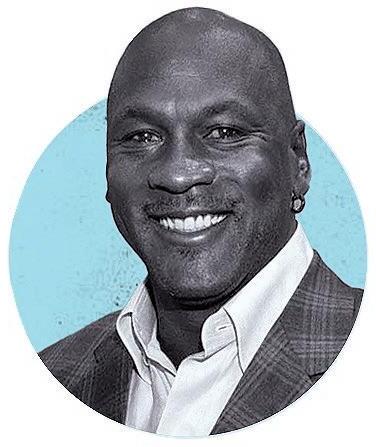
As a highly marketable athlete, he changed the way athletes were marketed and compensated. He also supported several causes, including healthcare, education, and sports programs.
This quote highlights the leadership principle of embracing failure as part of achieving success and perseverance. His experience teaches us that failure is a natural part of life and that it’s important to keep trying, even when things don’t go as planned. Jordan also reminds us that success is not a straight line. Instead, it’s a journey with many twists and turns.
A true leader is someone who can acknowledge failure as a part of the process and can appreciate that the greatest lessons and stepping stones to success can be learned from it. Jordan’s level of success, strongly influenced by his attitude towards failure, reminds us of the famous story of how Thomas Edison failed to refine the light bulb so many times. He was even quoted saying: “I have not failed. I have just found 9,999 ways that do not work”.
Worth noting, from all his failures, Thomas Edison had successfully acquired a record number of 1,093 patents: 389 for electric light and power, 195 for the phonograph, 150 for the Telegraph, 141 for storage batteries, and 34 for the telephone – all of which became the foundation for our technology and society today.
BRADY
TOM
“When
Musk is a visionary entrepreneur who has changed the way we think about space travel, electric cars, solar energy, underground tunnels, and artificial intelligence.
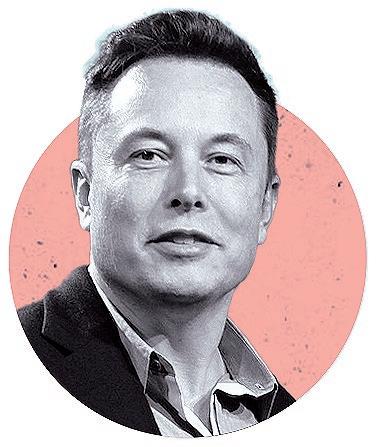
Most recently, he created opportunities for open digital dialogues and cryptocurrencies.
Despite uncertainties, high risks of failure, and staunch criticisms from many, he continued to exhibit his idealism and concern for the progress of humanity through the multiple projects he has engaged with, such as space exploration, renewable energy resources, and digital space.
This quote from him highlights the leadership principle of having a clear vision and the courage to pursue it, regardless of the obstacles. While not perfect, his ventures are all game changers that have influenced the direction of many scientific and business research.
It also highlights an important leadership quality of leading by vision, purpose, and conviction. Leaders who accomplish extraordinary undertakings lead from these three pillars: vision, purpose, and conviction.
Musk teaches us that true leaders are willing to take risks and pursue their passions, even when the risk of failure is high. A true leader is not afraid to take bold steps and risk failure to achieve something truly meaningful, even if it means going against the norm.
SHIRIN EBADI
“I never lost faith in what I was doing. I know there’s a lot of criticism out there, but I don’t listen to it.”
Tom Brady is a quarterback for the Tampa Bay Buccaneers and is considered one of the greatest quarterbacks of all time. With this widespread success, he helped popularize and elevate American football and the National Football League (NFL), making the game more exciting and accessible to fans from around the world. However, his leadership is not limited to the field of sports but has spread out to his philanthropic projects while also using his platform to make an impact. He has supported various causes, including cancer research, while donating money to various charitable organizations.
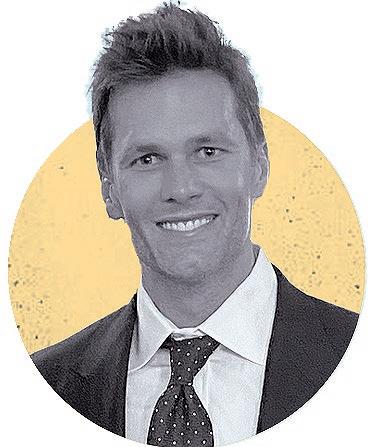
This quote highlights the leadership principle of self-belief, which can be challenging for leaders who lead with inclusivity and team empowerment. Brady teaches us that true leaders have an unwavering belief in their actions and don’t get bogged down by critics.
The willingness to not be liked and the ability to make unpopular decisions mark true progressive leadership. A true leader is someone who has a clear sense of self and the conviction to pursue what they believe in, despite the criticism and skepticism of others.
“Human rights are not just the concern of one nation or group of people. They are the concern of all nations and all people.”
Ebadi is an Iranian lawyer and human rights activist who is the first Iranian and first Muslim woman to receive the Nobel Peace Prize. Aside from fighting for the rights of women and children, she also advocated for political prisoners and prisoners of conscience, even going so far as to represent them in court.
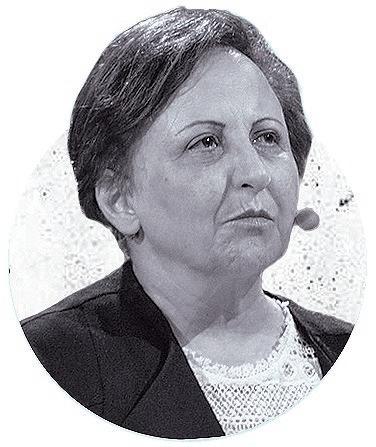
After founding the Center for the Defense of Human Rights in Iran, Ebadi focused on promoting civil liberties and the rule of law, aiming to improve the country’s legal system.
She has also spoken out against the death penalty and other cases of human rights abuses in Iran, even writing a book about democracy and the details of her work and experiences as a human rights lawyer.
This quote highlights the leadership principle of justice and global vision. Ebadi teaches us that true leaders are committed to serving the greater good and that human rights are universal values that everyone should uphold. Her quote highlights the leadership principle of social responsibility. A true leader is someone who is aware of the impact their actions have on the world and is committed to making a positive change.
12 Industry Changes that Impacted the Way We Do Business in the Last Decade
THE SHARING ECONOMY:
THE GIG ECONOMY & E-LEARNING:

TECHNOLOGY:
The past decade has seen significant rapid advancement of technology which have had a profound impact on the way we do business. The proliferation of smartphones, social media, and the internet has made it easier for businesses to connect with customers and has enabled the rise of e-commerce, digital marketing, and other online business models. Visionaries like Jeff Bezos and Elon Musk: The leaders of companies like Amazon and Tesla have been at the forefront of technological innovation and have changed the way we think about retail, logistics, and transportation.

E-COMMERCE:

The rise of e-commerce has changed the way we shop and buy goods, with online marketplaces and platforms like Amazon and Alibaba becoming major players in the retail industry. It’s worth noting that the COVID-19 pandemic has accelerated the shift to online shopping, as many brick-and-mortar stores were forced to close or limit their capacity and consumers were encouraged to stay home.
ARTIFICIAL INTELLIGENCE:
The field of artificial intelligence has advanced significantly, leading to the development of more sophisticated software and systems that can perform tasks previously only done by humans.


AI has been increasingly implemented in many businesses, from chatbots to selfdriving cars, and it has the potential to revolutionize many industries. This has resulted in increased automation and efficiency in many industries, but also raised concerns about job displacement.
BIG DATA AND ANALYTICS:
The rise of big data and the internet of things has enabled the collection and analysis of vast amounts of information, which is being used to improve decisionmaking with better risk management through data-driven predictions, and create new business models in various industries. Also used to enhance customer experience through personalized marketing and to increase operational efficiency through real-time monitoring, these benefits led to widespread adoption of big data and analytics technologies in various industries, including finance, retail, healthcare, and manufacturing.
Companies like Uber, Airbnb, and Taskrabbit have popularized the concept of the sharing economy, in which people share resources and services rather than owning them. This has disrupted traditional business models and has created new opportunities for entrepreneurs. Companies in the newlybirthed sharing industry have disrupted their respective traditional industries by making it easier and more convenient for people to get around, and have also created new business opportunities for millions.

The gig economy, in which people work as independent contractors rather than employees, has grown rapidly in the last decade. Companies like Upwork and Fiverr, Door Dash have made it easier for people to find freelance work and have changed the way many people think about employment.
Worth noting is the simultaneous rise in remote learning, also known as online learning or e-learning which changed the way we do business by introducing new demands for resources and services, and it has also brought a new perspective on education, work and learning.
UNLEASH YOUR SUPERBRANDS A18
ELON MUSK
something is important enough, you do it even if the odds are not in your favor.”
LEADERSHIP , CONTINUED FROM FRONT PAGE
NEWS / BUSINESS GRAPHICSBYMAYBELLET DEJASCO
REMOTE WORK & CYBER SECURITY:


The COVID-19 pandemic has accelerated the trend towards remote work or telecommuting, with many companies realizing the benefits of having a distributed workforce. It has changed the way we do business by introducing new ways of working, communicating and collaborating leading to the creation of new jobs and business opportunities in areas such as technology, consulting, and cybersecurity. It also has had some challenges and opportunities for companies to adapt to, bringing forth opportunities for fresh solutions such as a greater need for cybersecurity including the areas of threat intelligence, incident response, and risk management.
OPRAH WINFREY
“The greatest discovery of my generation is that a human being can alter his life by altering his attitudes.”
Winfrey is the ultimate multi-hyphenate woman as she is not only a media mogul but also a philanthropist, actress, television producer, and talk show host. She has impacted the world in different ways and blazed the trail for many others who came after her. One example is her program, “The Oprah Winfrey Show,” which was on air for 25 years and popularized the talk show format.
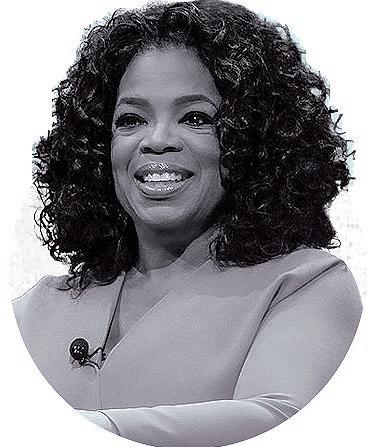
As a philanthropist, Winfrey advocated for many causes, including gender equality, education, and poverty alleviation. She also actively campaigned on issues involving racial discrimination and used her platform to lend her voice to marginalized communities.
This quote highlights the leadership quality of communicating hope and inspiring possibilities, Winfrey teaches us that true leaders have the ability to change their lives by changing their attitudes, and this quote from her highlights the leadership principle of selfawareness and personal growth. A true leader is someone who is aware of their own thoughts and feelings and has the ability to take control of them in order to create positive change in their lives. They understand that one’s attitude and mindset play a crucial role in achieving success, and they constantly strive to better themselves.
DALAI LAMA
“The ultimate source of happiness is not money and power, but warm-heartedness.”
The Dalai Lama is the spiritual leader of Tibet and a Nobel Peace Prize laureate. He has made major contributions to the world through his spiritual teachings as well as his advocacy for human rights, peaceful reforms, and cultural preservation.
As one of the most prominent spiritual leaders in the world, the Dalai Lama has helped advance the cause of Buddhism, spreading an understanding of the religion and its tenets that are based on compassion, non-violence, and wisdom. His thoughts on compassion on mindfulness have also significantly impacted the lives of many people around the world.
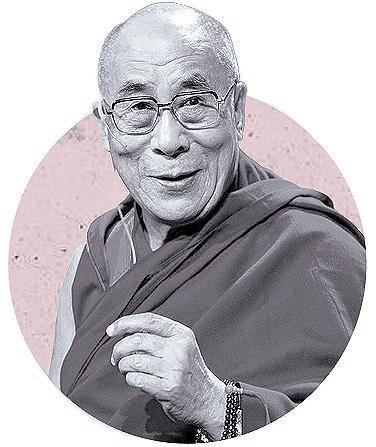
This quote highlights the leadership principle of emphasis on developing positive relationships with others and creating a sense of community rather than simply accumulating material possessions or achieving status.
The Dalai Lama teaches us that leaders who prioritize warm-heartedness demonstrate empathy, kindness, and respect for others. They seek to understand the needs and perspectives of those around them and strive to create an inclusive and supportive environment for their team. They inspire trust and loyalty among their followers by demonstrating that they care about their well-being and are committed to their success.
Overall, the leadership principle highlighted in this quote is that true success as a leader comes from prioritizing human connections and fostering a culture of warmth and compassion.
WARREN BUFFET
SHERYL SANDBERG
“In the future, there will be no female leaders. There will just be leaders.”
Sandberg is the COO of Facebook and the author of Lean
In. As a technology executive, her work was instrumental in expanding the reach of social networking and enabling the use of technology as a way of connecting people and improving communication.
She is a staunch supporter of women in the workplace, becoming a female role model and helping raise awareness of the challenges women have faced in the workplace. Sandberg wants to encourage women to be more ambitious and assertive in their professional lives and keep striving for leadership positions.
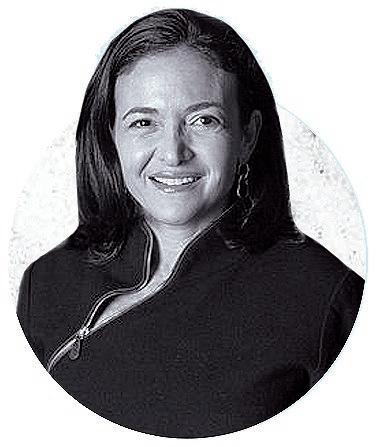
This quote highlights the leadership principle of inclusivity. She teaches us that true leaders don’t see gender as a barrier to success and that everyone has the potential to be a leader. Her message highlights the leadership principle of inclusivity and breaking barriers.
A true leader is someone who is inclusive and doesn’t discriminate based on gender, race, or any other characteristic. They see the potential in everyone and work to create a level playing field where everyone can succeed.
MALALA YOUSAFZAI
“I will tell you how to become rich. Close the doors. Be fearful when others are greedy. Be greedy when others are fearful.”
Buffett is an American business magnate and investor. Considered as one of the greatest investors of all time, his success helped popularize the value of investing and longterm financial success. His investment approach has inspired many people around the world to be more conscious of their financial decisions.
Despite his huge success and enormous wealth, Buffet remains humble and has pledged to donate a majority of his assets to charitable organizations, even influencing some of the world’s richest to also do the same. He has become a cultural icon, and his personal philosophy has influenced people’s perceptions of business, money, and life in general.
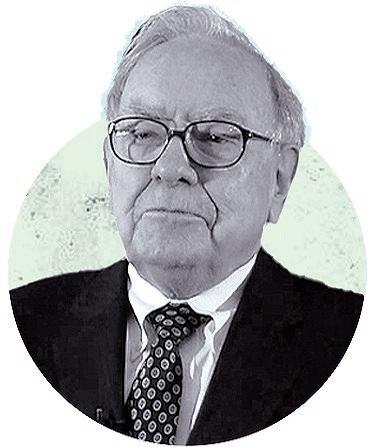
This quote highlights the leadership principle of certainty and self-trust. Buffet teaches us that true leaders have the ability to think differently than others and that they can act in a way that is opposite to the crowd. This quote highlights the leadership principle of independent thinking.
A true leader is someone who can think for themselves and make decisions based on their own principles rather than following the crowd. They understand that in order to be successful, one must be able to see opportunities where others see none.
“Some people ask others to do something. I believe that, why should I wait for someone else? Why don’t I take a step and move forward?”
Yousafzai, the youngest United Nations Nobel Peace Prize laureate, is an international activist for the right of every child to receive an education. She has enlightened the world about the plight of millions of girls in countries who were not allowed to go to school and brought awareness to 57 million children still remaining out of school in the United Nations.
From the young age of 11, Yousafzai demonstrated courage by bringing to light the Taliban’s activities in her hometown through blog writing and continued to defy orders forbidding girls to go to school despite threats. Speaking at the United Nations on her 16th birthday, just nine months after she was shot in the head, Yousafzai stated: “The terrorists thought they would change my aims and stop my ambitions, but nothing changed in my life, except this: Weakness, fear, and hopelessness died. Strength, power, and courage were born.”
This character highlights the leadership principle of resilience and tenacity. Having observed her daughter becoming more articulate and confident after fighting for her life, Yousafzai’s father told an ABC reporter: “I think your circumstances teach you what’s to be done.”
Yousafzai has shown us true leaders rise stronger in the face of hardships, opposition, and threat. Very much applicable to business and career, Malala shares, “if we want to achieve our goal, then let us empower ourselves with the weapon of knowledge and let us shield ourselves with unity and togetherness”.
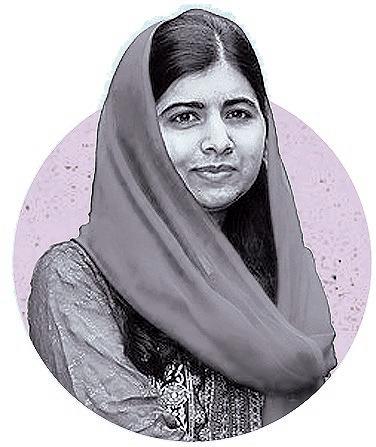
EMPHASIS ON SUSTAINABILITY:
The increasing interest in sustainability and the need to reduce carbon emissions has led to growth in the clean energy sector, particularly in areas such as solar and wind power. This has led to the creation of new jobs and business opportunities in areas such as installation, maintenance, and the manufacturing of clean energy equipment; and there has been a growing awareness of the need for businesses to operate in a more sustainable way. This has led to the rise of “green” business practices, such as the use of renewable energy and the reduction of waste and pollution. The development of renewable energy sources and electric vehicles has begun to address the issue of climate change and reduce the world’s dependence on fossil fuels.
DIGITAL MARKETING:


The rise of digital marketing has made it easier for businesses to reach customers, with social media and other online platforms providing new opportunities to connect with target audiences. Social media platforms like Facebook, Twitter, and Instagram have allowed businesses to connect with customers in new ways, making it easier for businesses to connect with customers. It also has enabled the rise of e-commerce, digital marketing, and other online business models.
SOLAR ENERGY: The increase in the use of solar energy has led to the development of new technologies and business models. For example, the growth of photovoltaic (PV) panel production has led to economies of scale and a decrease in the cost of solar energy. This has made solar power more competitive with traditional forms of energy and has led to more businesses and individuals using solar power to meet their energy needs. Additionally, the rise in solar energy has led to the development of new jobs and business opportunities in areas such as installation, maintenance, and the manufacture of solar equipment. As the world is moving towards more sustainable energy, more companies are shifting to solar energy which is making it profitable for them.

STREAMING:
Streaming has changed the way businesses operate in the entertainment and media industries by introducing new ways of distributing and consuming content and changing the business model, consumer behavior and competition in the market.Streaming has introduced new competitors to the market, such as streaming services like Netflix, Amazon Prime Video, Disney+ and many others, which have disrupted traditional media companies such as television networks, cable and movie studios.
FINTECH: Financial technology has changed the way we think about banking and finance; and has had a significant impact on the financial services industry, with companies like PayPal, Square, and Stripe enabling businesses to easily accept online payments and making traditional financial services more accessible to small businesses and consumers. Cryptocurrency and blockchain technology have disrupted the traditional financial industry by enabling the creation of digital currencies and the secure transfer of assets online, and have also created new business opportunities for developers and investors
UNLEASH YOUR SUPERBRANDS A19 12 INDUSTRIES , CONTINUED IN PAGE A20
NEWS / BUSINESS
Elon Musk
Aside from being the CEO of Tesla, SpaceX, and Twitter, this tech mogul is also the founder of Neuralink and The Boring Company. He has been leading the conversation in the fields of electric vehicles, space travel, and artificial intelligence and was instrumental in advancing these technologies.
Mark Zuckerberg
Meta, the giant tech company that owns Facebook, one of the largest social media platforms in the world, as well as Instagram and WhatsApp, was founded by Mark Zuckerberg, who is still serving as the CEO. Zuckerberg has been a leading voice in the field of technology and was a key player in shaping the future of the internet and social media.

Tim Cook
Tim Cook is the CEO of Apple and has helped shape the future of technology. He has significantly contributed to the advancement of artificial intelligence, privacy, and augmented reality.
Satya Nadella
As the CEO of Microsoft, Satya Nadella played a major role in shaping the future of technology, particularly in the fields of artificial intelligence, cloud computing, and the Internet of Things (IoT).
Sundar Pichai
Artificial intelligence, cloud computing, and mobile devices have progressed swiftly in the past few years, thanks to the efforts of Google led by its CEO, Sundar Pichai.
Jeff Bezos Amazon, one of the largest e-commerce companies in the world, was founded by Jeff Bezos, who is currently serving as the company’s executive Chairman. He contributed significantly to the field of e-commerce and was instrumental in shaping the future of online shopping.
Jack Ma One of the largest e-commerce companies in China, the Alibaba Group, was founded by Jack Ma. He has been vocal about his desire to push e-commerce forward to make it accessible to more people and has played an enormous role in the development and progress of online shopping in China.
Pierre Omidyar
As the founder and Chairman of eBay, one of the largest e-commerce companies in the world, Pierre Omidyar has been a leading voice in the field of e-commerce and has helped popularize online shopping.
Adam Neumann
Adam Neumann is the co-founder and former CEO of WeWork, a global office space and co-working company. His team helped push e-commerce forward and promoted online workspaces and the sharing economy.
Greta Thunberg
A Swedish climate activist, Greta Thunberg has become a significant voice in the global movement for climate action. She has inspired millions of people worldwide to demand action on the climate crisis and has helped to raise awareness about the urgent need for sustainable solutions.
Paul Hawken
An environmentalist, entrepreneur, and author, Paul Hawken is widely regarded as one of the world’s leading experts on sustainability. He is a prominent advocate for sustainable business practices and has been instrumental in promoting the transition to a more sustainable economy.
Al Gore Former US Vice President Al Gore is a recognized leader in the fight against climate change. He is the founder of the Climate Reality Project and has been a major driving force in the global movement for sustainable solutions.
Amory Lovins
Amory Lovins is a leading expert on energy efficiency and renewable energy. He is the co-founder and Chief Scientist of the Rocky Mountain Institute and has been instrumental in promoting sustainable energy solutions and reducing the world’s dependence on fossil fuels.
Pope Francis Leading the charge in the global sustainability movement, Pope Francis pushed for a greater emphasis on environmental stewardship and protecting God’s creation. His encyclical on the environment, “Laudato Si,” has been widely praised for its clear and powerful message on sustainable solutions.
Jane Goodall
A world-renowned primatologist and environmentalist, Jane Goodall is the founder of the Jane Goodall Institute and is dedicated to promoting sustainable solutions and conserving the natural world.
DJ Patil As the former Chief Data Scientist of the United States Office of Science and Technology, DJ Patil was instrumental in shaping the field of big data and has been a leading voice in advocating for its use in various industries.
Jeff Hammerbacher Jeff Hammerbacher is a co-founder of the data science company Cloudera and a former Facebook data scientist. He has been a thought leader in big data and has helped shape the future of data-driven decision-making.
Fern Halper
A leading expert on big data, Fern is a renowned speaker and author and has been a thought leader in the industry for many years.
Michael Li Michael Li is the founder and CEO of The Data Incubator, a data science education company. He has helped lead the discussions in big data and contributed significantly in promoting data-driven decision-making.
Mike Gualtieri
Brian Chesky
Brian Chesky is the co-founder and CEO of Airbnb, one of the largest sharing economy companies in the world. He has been a thought leader in the sharing economy and has been instrumental in shaping its future.
Travis Kalanick
Uber, a global ride-sharing company, was co-founded and led by Travis Kalanick. Over the years, the company has been instrumental in popularizing the concept of online ride-sharing.
Jessica Scorpio
As the co-founder and CEO of Getaround, a car-sharing company, Jessica Scorpio has made significant contributions to the sharing economy, helping it grow and develop to the market size that it is today.
Rachel Botsman
A bestselling author and a renowned speaker on the sharing economy, Rachel Botsman is known for her research and writing on the topic.
Rand Fishkin

As the founder of Moz, a leading provider of search engine optimization (SEO) software and services, Rand Fishkin is a recognized leader in the field of digital marketing and is a regular speaker on the topic.
Gary Vaynerchuk
Known for his work in social media, branding, and marketing, Gary Vaynerchuk is a leading voice in the field of digital marketing. He is the CEO of VaynerMedia, a fullservice digital marketing agency.
Seth Godin
Seth Godin is a marketing expert, author, and speaker known for his innovative ideas in marketing and entrepreneurship. He has written many marketing books, including “Permission Marketing: Turning Strangers Into Friends and Friends Into Customers” and “Purple Cow.”
Neil Patel Neil Patel is a well-known digital marketer and the founder of several successful companies, including Crazy Egg, Hello Bar, and KISSmetrics. He is a regular contributor to top marketing blogs and a sought-after speaker on digital marketing.
Ann Handley Being the Chief Content Officer at MarketingProfs, Ann Handley is a prominent leader in the field of digital marketing. She is also a bestselling author and regular speaker on content marketing.
Sara Horowitz
As the CEO of Trupo and the founder of the Freelancers Union, a national advocacy organization for independent workers, Sara Horowitz has led the charge in the gig economy and played a significant role in advocating for the rights and benefits of freelancers.
Chris Lehane
A political strategist and advisor, Chris Lehane was instrumental in shaping the public discourse around the gig economy. He has advocated for gig workers’ rights and benefits and helped shape public policy in this area.
Arun Sundararajan
A professor at New York University’s Stern School of Business, Arun Sundararajan is a leading expert on the sharing economy and has helped drive the public discourse around this issue.
Susan Fowler Susan Fowler is a former Uber site reliability engineer and a leading voice in the tech industry. As one of the thought leaders in the gig economy, she advocated for the rights and benefits of gig workers in the tech industry.
Hu Weiwei
As the founder and CEO of Mobike, a leading bike-sharing company, Hu Weiwei was instrumental in shaping the future of on-demand services and the sharing economy.
Reed Hastings
Co-founder and co-CEO of Netflix, Reed Hastings is widely considered as one of the pioneers of the streaming industry. Under his leadership, Netflix has transformed from a DVD rental service to one of the largest streaming platforms in the world.

Ted Sarandos
As the Chief Content Officer and co-CEO of Netflix, Ted Sarandos is responsible for overseeing the company’s content strategy, including the acquisition and production of original programming.
Kevin Mayer
Kevin Mayer is the former CEO of TikTok and was tasked with leading the company’s global expansion efforts. As the former head of Disney’s Direct-to-Consumer and International Division, Mayer brought a wealth of experience in the media and entertainment industry to the role.
Jennifer Salke
Jennifer Salke is the head of Amazon Studios and is responsible for the company’s original content production and distribution. With a background in television and film, Salke is well-positioned to lead Amazon’s push into the streaming space.
Dana Walden
As the Chairman of Disney Television Studios and ABC Entertainment, Dana Walden is responsible for the company’s television and streaming content. She is widely regarded as one of the most influential executives in the industry.
Dara Khosrowshahi
In his role as the CEO of Uber, Dara Khosrowshahi is leading the company’s push into new and emerging markets. He is also a strong advocate for the role of technology in shaping the future of transportation and commerce.
Leaders
Impacted the Way We Do Life & Business in the Last Decade
Thought in the12 Industries That


Many thought leaders in the top 12 industries impacted the way we do life and business in the last decade. While the “top” one may be subjective depending on the specific area of the field being considered, notable figures in the respective industries have made significant contributions and continue to shape the field. Here are some of them:


Andrew Ng Andrew Ng is a computer scientist and entrepreneur known for his work in machine learning and AI. He is the cofounder of Google Brain and former VP and Chief Scientist at Baidu, where he led the company’s AI efforts, as well as the cofounder and leader of the Google Brain Deep Learning project. He is currently an adjunct professor at Stanford University and acts as the Chairman of his co-founded educational company, Coursera.
Yann LeCun
A computer scientist and AI researcher known for his work in deep learning and computer vision, Yann LeCun is a professor at New York University and acts as both the Vice President and chief AI scientist for Meta. He is also a pioneer in convolutional neural networks, a type of deep learning algorithm that has been used to achieve breakthroughs in image recognition, natural language processing, and other areas.
Demis Hassabis
The co-founder and CEO of DeepMind, an AI research laboratory that Google acquired in 2014, Demis Hassabis is a computer scientist, neuroscientist, and AI researcher who is known for his work in artificial general intelligence (AGI). He and his team have developed several algorithms that have achieved superhuman performance in games such as Go, chess, and shogi.
Yoshua Bengio
Known for his work in deep learning and natural language processing, Yoshua Bengio is a computer scientist and AI researcher, a professor at the University of Montreal, and the Scientific Director of the Montreal Institute for Learning Algorithms (MILA). He is a pioneer in the field of deep learning and has made significant contributions to the development of deep neural networks, which is a key component of the current state-of-the-art in AI.
Geoffrey Hinton
A professor at the University of Toronto and a researcher at Google, Brain Geoffrey Hinton is a cognitive psychologist and computer scientist known for his work in deep learning and neural networks. He is considered a pioneer in the field of deep learning and has made significant contributions to the development of deep neural networks and the backpropagation algorithm.
As a principal analyst at Forrester Research and a leading expert on big data and analytics, Mike Gualtieri was a key player in shaping the future of big data and data-driven decision-making.
Juliet Schor Juliet Schor is a known academic scholar in matters regarding the sharing economy. She is the bestselling author of After the Gig: How the Sharing Economy Got Hijacked and How to Win It Back.
Elon Musk
As the CEO of Tesla, Elon Musk has been a major force in advancing the use of solar energy. Tesla has developed innovative solar products through his leadership, including solar panels and energy storage solutions.
Jigar Shah
Being the co-founder of Generate Capital, Jigar Shah has been leading the discussion in the solar industry. He advocates for the widespread adoption of renewable energy and has been instrumental in developing financing solutions that make solar accessible to a broader range of customers.
Dan Reicher
Dan Reicher is the Executive Director of the Steyer-Taylor Center for Energy Policy and Finance at Stanford University. He is a leading expert on renewable energy and has been a vocal advocate for the adoption of solar energy.
Jack Dorsey
As the founder and former CEO of Twitter, as well as the current CEO of Square, Jack Dorsey is a leading figure in the technology and finance industries. He is known for his innovative ideas and commitment to using technology to transform traditional industries, including finance.
Satya Nadella
Under the leadership of its CEO Satya Nadella, Microsoft has become a major player in the Fintech space. Nadella led the company’s efforts to bring cuttingedge technology solutions to the financial sector.
Brian Armstrong
A leading figure in the cryptocurrency and blockchain industries, Brian Armstrong is the CEO of Coinbase. Through his leadership, the company transformed into one of the largest cryptocurrency exchanges in the world and is driving the growth and adoption of digital currencies.
Jane Fraser
Jane Fraser is the CEO of Citi Fintech, Citigroup’s innovation division. She is a leading voice in the Fintech industry and is dedicated to using technology to transform the financial sector.
Bradley Tusk
Known for his expertise in regulatory affairs, Bradley Tusk is the founder and CEO of Tusk Ventures, a venture capital firm that invests in early-stage Fintech startups. Tusk has strongly advocated for the growth of the Fintech industry.
Frank Sanchez
As the CEO of Finxact, Frank Sanchez is a leading figure in the banking technology industry. He is an expert in digital transformation and has been instrumental in helping financial institutions embrace new technologies to modernize their operations.
Tim Ferriss
Tim Ferriss is an author, entrepreneur, and podcaster known for his book “The 4-Hour Work Week” which is considered a bible for remote work and digital nomads. He has been an advocate for remote work for many years and has been a speaker and advisor on the topic.
Jason Fried
An entrepreneur, author, and speaker, Jason Fried is the co-founder and CEO of Basecamp, a company known for its remote-first approach to work. He has written extensively on the topic of remote work, including the book “Remote: Office Not Required” which he co-authored with David Heinemeier Hansson.
Buffer
Buffer is a social media management company that has been a remote-first company since the company’s founding in 2010. They have been open about the benefits and challenges of remote work and have shared their experience through their blog and podcast.
Cal Newport
A computer science associate professor and author, Cal Newport writes about the intersection of technology and productivity. He has published several books about remote work, including “Deep Work” and the “A World Without Email” series, which are considered to be leading resources for remote work professionals.



Lynn Jurich
As the co-founder and former CEO of Sunrun, Lynn Jurich is one of the leading figures in the residential solar industry. Under her leadership, Sunrun has become one of the largest providers of solar energy solutions for homes and businesses.
Gao Jifan
Gao Jijan is the CEO of Trina Solar, one of the largest solar panel manufacturers in the world. He is an expert in the field of photovoltaics and has been a strong advocate for the growth of the solar industry.
Pranav Mehta
In his role as the Chairman of the National Solar Energy Federation of India, Pranav Mehta has helped drive the advancement in the global solar industry. He has played a pivotal role in the growth of the Indian solar market and is a strong advocate for the adoption of renewable energy.
Bruce Schneier
A well-known security expert, Bruce Schneier authored several books on cyber security and is a leading voice in the industry. He is recognized for his insights on the latest security threats and trends.
Mikko Hyppönen Mikko Hyppönen is the Chief Research Officer at F-Secure, one of the world’s leading cybersecurity companies. He is a known expert in the field for his ability to identify and understand the latest security threats.
Troy Hunt
As the creator of Have I Been Pwned, a widely used security resource that tracks data breaches, Troy Hunt is widely acknowledged for his ability to translate complex security issues into accessible information for the general public.

Richard Clarke
A former special advisor to the US President for cyber security, Richard Clarke is regarded as one of the world’s leading authorities on cyber security. He has been a key voice in the industry for many years and is known for his insights on the latest security trends and threats.
Dan Kaminsky
Dan Kaminsky is a well-known security researcher and the founder of White Ops, a leading cybersecurity company. He is an expert in the field of network security and is known for his ability to identify and address complex security issues.
Rachel Tobac
As the CEO of SocialProof Security, Rachel Tobac has led the discussion in social engineering and cyber security awareness. She is dedicated to raising awareness about cyber security threats and helping organizations adopt best practices to protect their networks and data.
UNLEASH YOUR SUPERBRANDS A20
ARTIFICIAL INTELLIGENCE FINTECH BIG DATA AND ANALYTICS SOLAR ENERGY THE SHARING ECONOMY TECHNOLOGY THE GIG ECONOMY & E-LEARNING STREAMING DIGITAL MARKETING REMOTE WORK CYBER SECURITY E-C0MMERCE EMPHASIS ON SUSSTAINABILITY NEWS / BUSINESS
12 INDUSTRIES , FROM PAGE A19
Staying Competitive in a RapidlyChanging Global Market in 2023
build brand awareness.
Collaborate - Build partnerships and networks. Strengthen relationships with suppliers, partners, and customers to expand reach and tap into new markets and resources, then collaborate with other businesses to leverage their strengths and create new opportunities.
Embrace diversity - Encourage diversity and inclusiveness in both the workplace and customer base to create a unique and inclusive culture.
Invest in talent - Invest in talent by running training and development programs in order to build a strong, motivated, and skilled workforce.
Foster a positive company culture
Foster a positive and supportive company culture that attracts and retains top talent and encourages innovation and collaboration.
Monitor the market - Continuously monitor the market to stay informed about emerging trends and competitive threats, then respond quickly to stay ahead of the competition.
Diversify revenue streams - Create multiple sources of income to reduce dependency on a single product or service and increase financial stability.
Manage finances effectively - Implement sound financial management practices, such as budgeting, forecasting, and cost control, to ensure financial stability and support growth. Stay agile and adaptable - Stay flexible and open to change. Quickly adapt to market shifts and be ready to pivot swiftly in response to market changes and new opportunities.
With such a rapidly-changing global market filled with noise, businesses need to maintain the highest level of standards in order to stay on top of their game. By implementing these strategies, your business can stay competitive in this rapidly changing global market and position itself for ongoing success.
From moguls to start-ups, from large companies to solo influencers building brand loyalty, we’re all in this together… globally. And that’s what makes it competitive. Leaders get their game on.
A Movement of Wholeness
BY NICOLE MIXDORF, FOUNDER & CHIEF WELLNESS OFFICER, BALANCE BY NATURE


Many people are struggling now more than ever with their health and wellness, primarily due to the mental and emotional toll of having lived through a global health pandemic, coupled with the intense responsibilities of daily life.

One thing I’ve learned over the past ten years of running an award-winning corporate wellness company is that there are many ways to heal the body.
I’ve been on a healing journey over the past decade, bringing my body back into balance after the chronic stress from my old corporate career and my dad’s cancer diagnosis made me sick.
I developed bleeding ulcers that left me weak, making everything in my life feel like a struggle.
The truth is that I didn’t know how to slow down back then. I was a jet setter, hopping on planes every other week, leading and training international teams for a global firm. Eventually, this health condition interfered with my ability to function and do my job, leaving me with no option other than to take time off work.
After removing a significant source of stress from my life and focusing more on my own self-care, my symptoms disappeared! It was an awakening moment for me, as I realized that a ‘healthy lifestyle’ of exercise and nutrition wasn’t enough in the face of chronic stress.
I knew my story wasn’t unique as my colleagues and corporate clients also suffered from stress-related conditions: migraines, digestive distress, insomnia, anxiety, depression, etc. They did not even realize that stress was truly the underlying culprit causing the symptoms. We had a stress epidemic in this country and around the world, and I was inspired to do something about it.
I launched Balance by Nature in 2012 to inspire busy professionals to create sustainable balance in their lives so they can heal their bodies and thrive. It’s far too easy to get caught in the rat race of trying to get ahead while stuck in an unhealthy pattern of feeling overworked and stretched thin from the demands of corporate life and personal responsibilities.
It’s no wonder that according to a study by Deloitte, 70% of C-level executives are experiencing burnout and considering leaving their jobs for one that provides a better work-life balance. There is a need to give people the skill sets and tools to calm their nervous systems and shift their mindsets to eliminate stress, build resilience, heal from old patterns, and structure their day for optimal balance so they can feel good and do their best work.
Over the years, the bleeding ulcers would flare up on me every time I experienced intense periods of stress from my dad’s 7-year battle with cancer before losing him in 2015, just three months after the birth of my first child. It was a heartbreaking and deeply spiritual experience witnessing the entire cycle of life and death as I watched my son take his first breaths and my dad take his last.
to the purpose that propelled me forward. Wanting to inspire people to believe in themselves and heal from the inside out so they could play a bigger role in their own lives, I never let anything stop me from pursuing my dreams and finding things to smile about every day. It pushed me to actively focus on the aspects of my life that were going well rather than the pieces that were out of alignment.
Perspective is everything. I became super intentional about how I structured my day to support my needs as I simultaneously held space for healing, mothering two young kids, and running a growing business. Throughout that process, I learned that balance was the key to having it all.
After my daughter was born in 2018, I fell extremely ill from a horrible flare-up of ulcerative colitis that wouldn’t respond to traditional medications or treatments. I lost a lot of weight and was down to 105 lbs. with debilitating daily bleeding, as I simultaneously took care of a newborn baby and rambunctious 4-year-old boy while meeting with clients and expanding our footprint and impact. I walked my talk to keep things balanced as I navigated one of the most challenging times in my life.
The doctors said that I was suffering from an auto-immune condition, which meant that my immune system was attacking my body for unknown reasons, and there was no cure. The only option they had was to put me on immunosuppressant drugs for the rest of my life, which would destroy my immune system in the process. I refused to let that be my story, so I embarked on a remarkable journey to healing my body naturally, doing what doctors said was impossible.
Chinese Divine Healing Master named Master Zhang, who had abilities beyond the scope of what we can understand is possible. The little Chinese woman spoke no English and had a translator, explaining each of the mind-blowing treatments she performed on me.
Knowing nothing about me or my background, she sat 6 feet away from me, held out her hand, and started scanning my body from head to toe with her eyes, revealing every health issue I had with pinpoint accuracy. When she reached my abdomen, she leaned in and said that my intestines were all red. I told her I had been bleeding for a year and a half straight. She said that she could see a rare form of bacteria in my intestines that she doesn’t often see in this country and asked me if I had traveled to China, India, or Thailand. I told her that I had traveled all over the world, so she asked if I had ever gotten sick while traveling. Interestingly, the first flare-up I ever had of ulcerative colitis was three weeks after returning from our honeymoon in the Maldives islands off the coast of India. Coincidence? I think not.
About the author: Olivia Soria is a marketing professional with 20 years of experience managing multinational personal care brands. She has represented her brands at conferences and trade shows around Europe and Asia while also helping startup companies in the US and Asia refine their business development, marketing, brand, and communication strategies.

I then went through an intense period of loss and grief as I said goodbye to four more family members in the following two years, along with three miscarriages. The health condition came back after each loss, adding new challenges to everything on my plate. I calmed down the symptoms in different ways, including western medication, diet, plant medicine, and energy healing.
Based on my experience, I knew it would be important to take a deep dive within to find meaning behind the suffering. This would enable me to release the emotional wounds and stay connected
I worked with 14 different healing modalities, including nutrition, naturopathy, acupuncture, energy healing, light healing, medical intuition, ayurvedic medicine, Chinese medicine, hyperbaric therapy, shamanic healing, reiki healing, sai shakti healing, sound healing, reconnective healing. Each modality offered its own layer of restoration, releasing toxins, recalibrating my energy centers, or uncovering the emotional wounds associated with the physical symptoms I was experiencing. It healed my soul.
Ultimately, I experienced and received a true healing miracle from a
Next, she read a layer of my aura and told me about my spirit guides that appear to her in the form of animals. Then she read another layer of my aura and told me that there were five entities stuck in my energy field. These were the spirits of family members who passed away and got stuck on their spiritual journey.
They are in the yin energy in the spirit realm, and we are in the yang energy of the physical realm, and the yin and yang energies are incompatible. Their presence in my energy field was preventing my healing. She would give me detailed instructions to do a fire ceremony at home
to release them to go wherever they are meant to be.
Finally, she did the most miraculous thing of all, which was called “catching medicine from the air,” in which she materialized Chinese medicine from thin air to heal me. I watched in amazement as she held her bare hands and arms up and began praying to the Medicine Buddha to give her the medicine I needed.
She prayed and prayed with her arms raised. Then she rubbed her thumb and index fingers together furiously as she continued praying. Eventually, she had me hold out my cupped hands underneath hers, and I watched in amazement as her fingertips swelled up and bright yellow clumpy powder fell from her fingertips into the palms of my hands.
I stared dumbfounded at the powder in my hands, hardly believing what I had just witnessed! She guided me to breathe the medicine in, which had the most beautiful aroma I had ever smelled in my life! It was like the freshest flower or herb, absolutely intoxicating. I had never smelled something so fresh or beautiful in my whole life — clearly, this was nothing that had been sitting around in a jar.
After giving me the materials I needed for the fire ceremony, she sent me on my way, never even touching me the entire time. Within three days of seeing her, 70% of my symptoms were gone, and after doing the fire ceremony a week later, all my symptoms were gone. It was an absolute miracle! After 547 days of bleeding every day, I was healed! She gave me my life back, and I am forever grateful.
My healing journey changed me profoundly as I discovered many ways to heal the body. Throughout my experiences, I was inspired to integrate
How Start-Up Cost Deductions
Can Help New Entrepreneurs
START-UP, FROM PAGE A5
Equipment and Supplies: This includes the cost of purchasing equipment and supplies necessary for your business, such as computers, furniture, and office supplies.
Advertising and Promotional Costs: These are expenses related to advertising and promoting your business, such as brochures, flyers, and other marketing materials.
Travel Costs: Expenses related to traveling for business, such as airfare, hotel, and meals, are included here.
Once you clearly understand what types of expenses are eligible for start-up cost deductions, you can begin to take advantage of these deductions to reduce your tax liability.
Here are some of the most important deductions to keep in mind as you plan your start-up costs:
Section 179 Deduction: It is a tax provision that allows businesses to immediately deduct the full cost of qualifying assets, such as equipment and supplies, up to a specified dollar limit. This
deduction can be especially beneficial for small businesses and new entrepreneurs who are just starting out.

Depreciation: This tax deduction allows businesses to spread the cost of equipment and property over several years rather than deducting the entire cost in the year it was purchased. This can be a useful way to reduce your tax liability over time.
Home Office Deduction: If you are using part of your home as a dedicated workspace for your business, you may be eligible for a home office deduction. This deduction allows you to deduct a portion of your mortgage interest, utilities, and other related expenses.
Business Meals and Entertainment: You may be able to deduct 50% of the cost of business-related meals and entertainment, such as business lunches or networking events.
Research and Development Tax
Credit: If your business is involved in research and development activities, you may be eligible for a tax credit that can
more and more healing modalities into our corporate wellness programming, as I wanted to introduce these healing practices to the masses.
The traditional western approach to healthcare is limited to surgery and medication, rarely addressing the root cause of the dis-ease within the body behind the symptoms. Offering busy professionals access to these modalities transcends symptom management into true healing, taking our programming beyond wellness and well-being into wholeness.
Wholeness is achieved when we successfully balance all areas of our lives, allowing us to feel whole, complete, and at peace with ourselves. My mission is to create a movement of wholeness where we inspire people to become the best versions of themselves as they bring their lives into balance.
Mental, emotional, spiritual, and energetic healing are critical components of physical healing. Our new Balance by Nature app incorporates all of them to provide a whole, well-rounded experience.
If you are ready to find balance and heal from within, I invite you to download our app and get started on one of our self-development or healing journeys. You’ll be supported by a daily schedule of live-streamed holistic healing events (meditation, somatic healing, reiki, EFT tapping, etc.) and a library of on-demand fitness and nutrition classes.
You’ll also join a wholeness community of peers where you can share stories and cheer each other on as you achieve your health, happiness, stress, and energy goals. Our health is our true wealth, and it’s up to us to reclaim it and live our best lives.
About the author:
Nicole Mixdorf is a #1 International Best Selling Author, Keynote Speaker, and the Chief Wellness Officer of Balance by Nature. She was awarded the Top 100 Healthcare Leader in the World 2020-2021, Most Influential Woman in Corporate Wellness Services USA 20202023, and a Top 10 Successful Business Leader Revamping the Future 2021. She is a prolific speaker, master teacher, and healer, delivering over 30 masterclasses on inspirational personal development topics. Nicole’s passion, wisdom, and enthusiasm draw her audiences in to uncover deep truths about themselves so they can live their best lives. Her unique brilliance lies in her ability to instantly put people at ease and uplift the energy of everyone around her. She is passionate about teaching busy professionals how to create balance in their lives so they can thrive.
help offset some of the costs associated with these activities.
Subscriptions and memberships: Monthly and annual memberships and even software and app subscriptions can be significant expenses for a business.
However, they can also be deductible as business expenses as long as the subscription or membership is directly related to your business and necessary for the conduct of your trade or business.
Taking advantage of start-up cost deductions can help new entrepreneurs save money and reduce their overall tax liability. By understanding what types of expenses are eligible for deductions and how to maximize these deductions, you can keep your business finances in order and stay on track as you grow your business.
Whether you are just starting out or have been in business for a while, it’s important to stay informed about the latest tax provisions and take advantage of every opportunity to save money and reduce your tax liability.
About the author:
Jennina Johansen is the CEO of The Tax Group LLC, based in Redding, California. They are a group of tax specialists and enrolled agents working together to serve and protect the financial health of their clients from all 50 States and Canada. The Tax Group specializes in handling IRS notices and negotiating with IRS, so you don’t have to.

The only impossible journey is the one you never begin.
Tony Robbins
UNLEASH YOUR SUPERBRANDS A21 NEWS / BUSINESS
GLOBAL MARKET, FROM PAGE A3
Maximize the Power of Virtual Events
According to a report by Allied Market Research, the global virtual events market was estimated at $306.3 billion in 2021 and is forecasted to reach more than one trillion dollars by 2031. This growth, pegged at 13% CAGR for ten years, shows the enormous potential of this industry for performers, brand and business owners, event organizers, and many others.
About 30% of this market is expected to come from North America, owing to the growing popularity of digitally simulated gatherings. Here are some facts and tips:
9 Benefits of Doing Virtual Conferences:
1. Cost-effective: Virtual conferences are often less expensive than in-person events since there are no travel or lodging costs.
2. Convenient: Participants can attend virtual conferences from anywhere, which eliminates the need for travel and allows for greater flexibility.
3. Content-rich: Virtual conferences often have a greater variety of session options with more access to contents, as it is easy to record the presentation and share it with attendees.
4. Efficient: Virtual events are more efficient in terms of time. They are often offered as ondemand content, which allows participants to watch sessions or presentations at their convenience, rather than having to be present at a specific time.
5. Environmentally friendly: Virtual events are more environmentally friendly as they reduce the carbon footprint and the number of resources required.
6. Engaging: Virtual events, when done right, can give attendees opportunities to engage effectively, including use of live polls with immediate results, the use of Q&A and live chats, breakout rooms, spotlights, and other ways for gamification and engagement,
7. Networking opportunities: Virtual conferences often provide opportunities for networking and connecting with other participants through chat or video conferencing.
8. Accessibility: Virtual conferences can be accessible to a broader audience, including those who may not have been able to attend an in-person event due to location or mobility issues. Also available are tools like closed captions for hearing-impaired attendees and multiple language transcription to make the contents globally accessible.
9. Greater reach: Virtual conferences can reach a global audience and allow more attendees to join the conference.
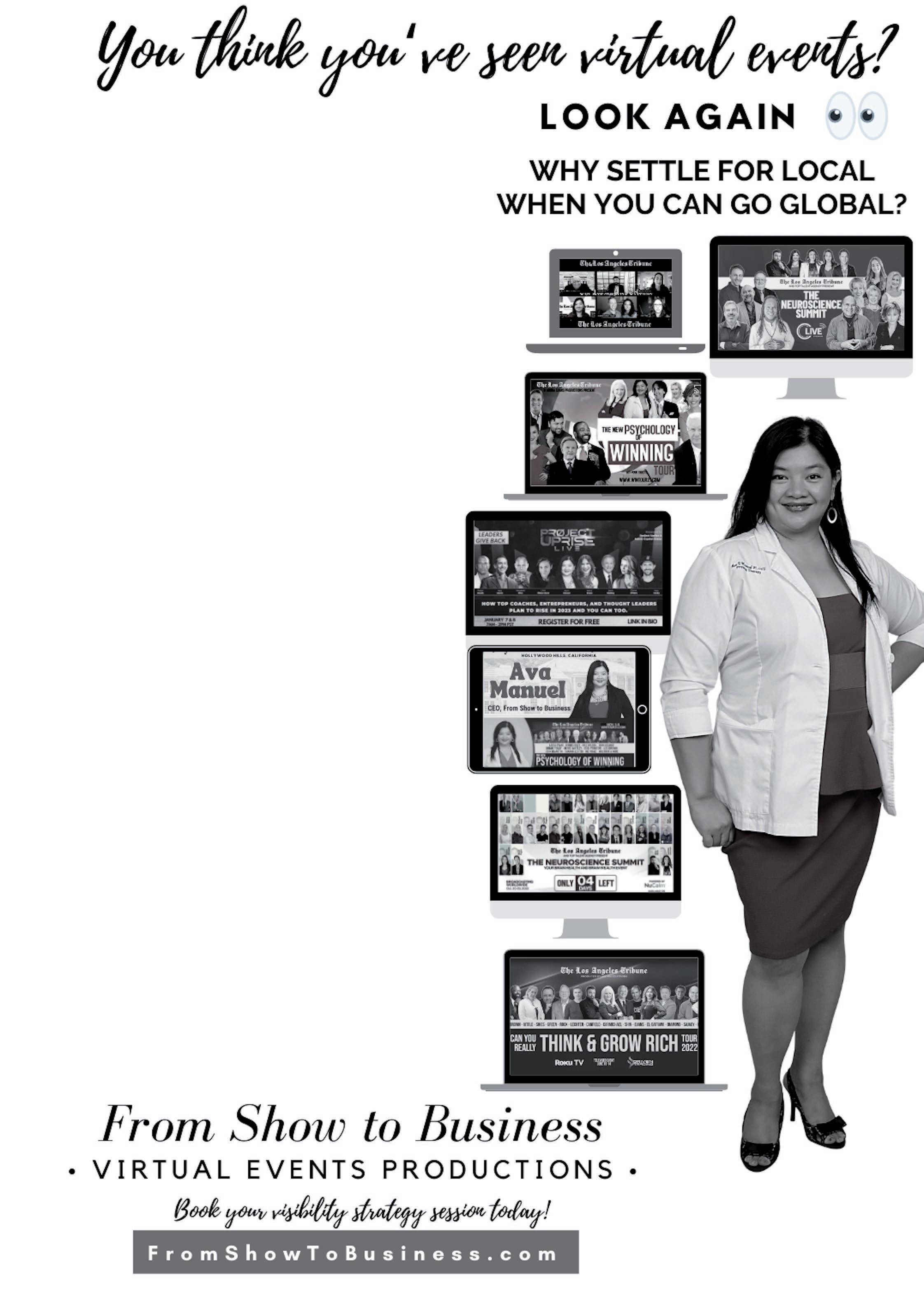
21 Ways to Create Engaging Experiences
When organizing a virtual event, it›s important to remember the audience and the event›s purpose and then come up with a strategy that aligns with the goal. Here are some ways available to engage your audience:
1. Create an event schedule that keeps attendees engaged. Mix up the format of the sessions by alternating between keynote speeches, panel discussions, Q&A sessions, interactive workshops, and include breaks to keep attendees engaged.
2. Allow attendees to customize their own experience by allowing them to pick and choose sessions they want to attend.
3. Use breakout rooms to create smaller, more intimate groups for attendees to network and interact with each other.
4. Build opportunities for attendees to network, such as virtual networking lounges or coffee breaks, to keep attendees engaged and connected.
5. Organize pre-event activities, such as webinars or virtual meetups, to build anticipation, and post-event activities, such as virtual happy hours or follow-up webinars, to keep attendees engaged even after the event.
6. Utilize virtual networking tools, such as the built-in networking features of the virtual event platform or third-party networking apps, to enable attendees to connect.
7. Use virtual exhibitor booths to enable attendees to interact with vendors and sponsors.
8. Provide virtual business cards to attendees to exchange contact information.
9. Use virtual meetups to enable attendees to connect with people who share similar interests.
10. Connect attendees with others who have similar interests or business goals through matchmaking sessions.
11. Schedule regular breaks throughout the event to allow attendees to stretch, grab a snack, or network with other attendees.
12. Create a sense of community through the event›s platform, chat, and social, and encourage attendees to interact with each other and with the speakers and hosts.
13. Use gamification to create fun and interactive activities, such as virtual scavenger hunts or trivia, to keep attendees engaged and motivated.
14. Enable live chat and allow attendees to communicate with each other in real time.
15. Offer live polls and Q&A sessions to encourage engagement and interaction among attendees.
16. Use engaging presentation techniques, such as storytelling or infographics, to keep attendees interested in the content.
17. Offer live closed captions and sign language interpretation during the event, enabling attendees who are deaf or hard of hearing to access the content in real time.
18. Use high-quality video and audio to create a professional and immersive experience.
19. Capitalize on live streaming to create a sense of immediacy and to allow attendees to watch and participate in real time.
20. Make the event mobile-friendly so that attendees can join from their mobile devices.
21. Provide a way for attendees to give feedback and rate the sessions. This will help to identify the sessions that are most engaging and to improve future events.
10 Ways To Monetize a Virtual Event Monetizing a virtual event can be achieved through various methods, including charging a registration fee, selling sponsorships and advertising, renting virtual exhibitor booths, offering on-demand content, and product or service sales. Here are some ways to monetize a virtual event:
1. Ticket sales: Charge a registration fee for attendees to access the event.
2. Sponsorships: Sell sponsorships to companies or organizations that want to promote their products or services to the event›s audience.
3. Advertising: Sell advertising space on the virtual event platform or website to companies or organizations that want to reach the event›s audience.
4. Virtual exhibitor booths: Rent out virtual exhibitor booths to companies or organizations that want to showcase their products or services to attendees.
5. On-demand content: Offer on-demand access to event content for a fee after the event has ended.
6. Product or service sales: Offer attendees the opportunity to purchase products or services related to the event›s topic during or after the event.
7. Lead generation: Sell access to attendee contact information to companies or organizations that want to reach the event›s audience.
8. Affiliate marketing: Partner with companies or organizations that sell products or services related to the event›s topic and earn sales commissions.
9. Consulting: Offer consulting services to companies or organizations that want to learn more about the event›s topic or how to host their own virtual events.
10. Virtual networking: Offer attendees networking opportunities and charge a fee for premium access to those opportunities.
If you have an expertise that a group of people would want to learn, you can create a virtual event even when you have no social following through the power of targeted ads that your ideal audience will see. It is important to plan with an experienced virtual events producer to choose the monetization methods that align with the event›s audience, topic, and goals.
UNLEASH YOUR SUPERBRANDS A22 NEWS / BUSINESS
The Top 10 Industry Disruptions Since COVID-19 That Changed How We Do Life and Business and A Closer Look At The Business Opportunities and Challenges They Created
TOP 10, FROM PAGE A4
Electric Vehicles - The pandemic has driven growth in the electric vehicle market as consumers and businesses seek to reduce their dependence on fossil fuels.
Battery Storage – An expanding market on renewable energy and electric vehicles has led to rising demand for battery storage systems, allowing for more efficient and sustainable energy use.
Green Investments - With clean energy in the spotlight, there has been an increased investment in green technologies, which includes renewable energy and energy-efficient products and services.

Supply Chain Changes - The shift to clean energy has led to changes in energy production and supply chains, requiring businesses to adapt their operations to new technologies and energy sources.
Climate Change Awareness – Due to the pandemic, people now have a heightened awareness of the need to address climate change, which has resulted in greater pressure on governments and businesses to adopt more sustainable practices.
New Jobs and Skills - The focus on clean energy has created new jobs in areas such as renewable energy, energy efficiency, and electric vehicles. It has also opened a need for new skills, such as clean energy technology and sustainability management.
8. Cybersecurity
With more companies and individuals relying on digital systems and remote work, there has been a rise in cyberattacks, emphasizing the need for tighter cybersecurity. Some of the changes in cybersecurity since COVID-19 include:

Increased Cyber threats - With millions of people working from home due to the pandemic, there has been an increase in cyber threats such as phishing scams and malware attacks aimed at remote workers.
Increased cyberattacks - The pandemic has created new opportunities for cybercriminals to target individuals and organizations, significantly increasing cyberattacks.
Cloud security – With the rapid shift to remote work, there was a significant increase in the use of cloud-based services and storage, requiring organizations to take a closer look at their cloud security strategies.
IoT security - The increase in connected devices used for remote work and home automation has raised concerns about the security of these devices and the need for better IoT security measures.
Healthcare security - Healthcare organizations and systems were
also affected, getting more frequent cyberattacks as criminals attempted to steal sensitive patient data.
9. Homeschooling Homeschooling, which is the practice of educating children at home rather than sending them to a traditional school, has impacted many different businesses and industries. The rate of homeschooling has been increasing in recent years globally, particularly in the United States.
According to the National Center for Education Statistics (NCES), the number of homeschooled students in the United States increased by 3% between the 2016-17 and 2017-18 school years, by 2% between the 2017-18 and 2018-19 school years, and by 37% between 2019-20.
It’s worth noting that the data on homeschooling is not always consistent and accurate, as it’s not mandatory for parents to report to their government about homeschooling. Additionally, the rate of homeschooling increases can vary depending on the location, cultural and social background, and other factors. Some of the changes and impacts homeschooling had on business and work-life balance includes:
Changes in the education industryHomeschooling has led to an exponential market growth for homeschooling resources, such as curriculum materials, educational software, and tutoring services.
Changes in the technology industry - Devices and internet access were also very much in demand, as well as online education resources and software.
Changes in the retail industry –The retail sector also benefited from homeschooling as it drove up purchases of related products, such as school supplies, craft materials, and educational toys.
Changes in the childcare industry - Homeschooling has reduced the need for formal childcare services, as parents assumed more responsibility for their children’s education.
Changes in the way we learn - More flexible and personalized approach to teaching became the norm as educators had to adjust to the new conditions of remote learning. This has changed the way we think about education, as it is no longer limited to a traditional classroom setting. However, parents were forced to relearn subjects from many years past to fill in the role of a teacher for their children.
Changes in the way we socialize – Since children’s social interactions were reduced in the remote learning setting, the way they socialize and make friends was also affected. As a result, immediate family members felt the weight of responsibility in keeping children engaged and emotionally healthy.
The Joy of Living
JOY, FROM PAGE A2
in 1999 that enabled a FAX to be sent and received via email. It seems funny now but FAX was more dominant than email!
Suffice to say I found a team to build a process that could send and receive fax to 17 countries for free. I was awarded two patents in this space and built a stellar executive team. I sold the company 18 months later for more than $10 million.
Today, the acquiring company has a $6+ billion market cap.
The Internet was THE Place to Be I then built a predecessor to Skype, enabling people to call 21 countries for FREE. In nine months, the company was bought by a NASDAQ-listed company.
And then it Wasn’t. I Lost $40 Million
The Crash of Internet 1.0 wiped out billions of dollars and many recently listed companies. Did I lose all my money? No.
Only most. Was I devastated? No, and yes.
I recalled the days of my Youth –selling and building, the lessons from good people, my knowledge of working with people, my knowledge of diamonds, my health, and my wife. I had so much to be thankful for, and I have so much gratitude inside me. Would I let events ruin what I did have and cherish? The answer was a resounding NO.
Eventually, I was contacted by a major California real estate company. They wanted to bring internet services to their portfolio of 20,000 apartment units and millions of square feet of commercial properties.
With my team from the real estate company, we brought in millions of dollars and provided valuable services to residents. Everybody was benefiting, which is the hallmark of how to do business.
The Unexpected Happens
Changes in the workforce volumeWith more parents taking on the role of homeschooling teachers, the available workforce also dwindled, particularly among mothers and primary caregivers.
Changes in the workforce wellnessMany parents had to take on the additional responsibility of homeschooling their children, leading to longer working hours. In addition, the blurring of boundaries between work and home life has led to a decrease in work-life separation, leading to burnout and stress.
Changes in workforce morale – Among the multiple concerns reported in remote learning, many working parents have complained about the lack of support from employers, schools, and governments, leaving them to manage homeschooling and work on their own.
Changes in productivity - The need to constantly supervise and assist with schoolwork and distractions at home have made it harder for parents to focus on work, resulting in a decrease in productivity in the workforce.

10. Streaming Streaming significantly impacted how we consume and interact with media, entertainment, and business. Streaming services have disrupted traditional cable and satellite TV providers, leading to a shift towards online streaming as the primary way people consume television and film. Some of the changes and impacts that have been observed include the following:
Changes in content distribution - Streaming has enabled businesses to distribute their content directly to consumers over the internet, bypassing traditional distribution channels such as cable and satellite providers.
Changes in business models – From the traditional pay-per-view model, consumers shifted to a subscription-based model, where consumers pay a monthly fee for access to a wide variety of content.
Changes in consumer behavior – The way people watch videos have changed because of streaming. More people have turned to binge-watching shows and watching on-demand content instead of waiting for the next episode of their favorite show or changing channels while waiting for the ads to finish.
Changes in advertising - Streaming services have also introduced new ways for businesses to advertise to consumers, such as targeted advertising and interactive ads.
Changes in production – The demand for original content grew significantly, since streaming services needed to brush off competitors in order to attract and retain subscribers with exclusive content.
Changes in competition – New players
Good health. Real wealth.
Just when I thought that I was back on my feet again, I had another “head-on collision”. On September 17, 2004, life as I knew it changed. I became paralyzed overnight, not from an auto accident or a spinal injury, but from a rare neurological disease called Guillain-Barré Syndrome, or GBS, which took over my body.
All I could do was blink my eyes. I was a quadriplegic.

Now, a new journey began. Money, fame, and success meant nothing. All I had was stress, pain, fear, worry, anxiety, and depression. I’ve been through them all.
But through all these, I have still found the success formula that Works: Prayer. Therapy. LOVE.
The same Keys that brought me through to life at the age of 22 were the Keys to life at 55. They are still applicable now that I’m in my 70s and looking forward to decades more.
People often ask me, “tell us what You were thinking during those early days of total paralysis?” I always tell them that it’s to live life to the fullest no matter the situation.
Stress, anxiety, depression, worry, and fear were constant in my life. What saved me? Gratitude.
I survived because of the ability to be
Grateful for the smallest of life’s functions.
To wipe away a tear. To go to the toilet. To sit up. LOVE and Gratitude have been my constant companions once I resolved to let them fill me up.
Complaints are the antithesis of Life.
As you’ll learn when You read my book “The JOY Of LIVING, How to Slay Stress and Be Happy”, one of the 11 Strategies for Living in JOY daily, no matter the circumstances is:
Don’t Complain. Don’t Blame. Recognize the Value of True Happiness.
have entered the market, including streaming services like Netflix, Amazon Prime Video, Disney+, and many others, disrupting traditional media companies such as television networks, as well as cable and movie studios.
Changes in the way we consume entertainment - Streaming has changed the way we consume entertainment because it allows for more flexibility in terms of time, place, and device. The idea of “appointment watching” has been replaced by “binge watching” where people watch entire seasons of a show in one sitting.
Conclusion: With all these significant changes creating such an immediate need to levelup mindsets, skills, strategies, approaches, and the ability to self-regulate, can you see with your keen entrepreneurial eye the reasons behind the demand for the growth of the coaching industry and the areas of opportunities?
About the author: Ava V. Manuel is a Transformational Leadership Coach; a Fellow Member of the Institute of Coaching, McLean; an Affiliate of Harvard Medical School; and a phenomenal physical therapist who has taken patients from bed bound to walking and thriving in life for over 25 years. She is the author of the book, “What Every Parent Needs To Know About Preventing Viral Complications: A Physical Therapist Guide Using First Principles Thinking,” releasing on March 3, 2023.
Inspired by her passion for transforming healthcare, Ava V. Manuel pursued mastery in creating events and stages where she discovered her love and passion for event production and content creation. She is now the CEO of From Show to Business and a Strategic Partner of the Los Angeles Tribune, where she actively takes the lead in events productions and publications.
Imagine, I was a quadriplegic for years. Thankfully I regained partial mobility through intense Prayer, Therapy, and Love. These enabled me to “GO MAD,” my acronym for Go Make a Difference!
This means in essence bringing into the world the unique combination of your positive purposeful powerful attitude with a zest for LIFE that is based on JOY.
Joy is the sine qua non of Living Life to the Full. JOY stands for JOURNEY Of YOU. The Success Formula learned from an early age continues to animate: Prayer, Therapy, and LOVE.
While lying in bed and unable to
move, I envisioned a universally accessible portal that would enable people to learn to live in joy every day, no matter the circumstances. At the end of the day, it’s all about becoming the best you possible. And when you do so, you make the world a better place. You build bridges of harmony. You create more joy, happiness, peace, and love.
As part of the r/evolution, I am bringing together several of my most successful processes that touch and transform people. One of these is the Keep Smiling Movement which is currently available in 32 languages. They make a difference in people’s
lives, and more than four million have been distributed worldwide for free. In addition to the physical cards, there is the opportunity to send joy inspiration cards worldwide via email, also totally free, and highly impactful.
I am dedicated to transforming the world with joy. As are you. We suffer from a joy deficit today, but together we can create a joy surplus. You can JOYN the mission to touch one billion people for free. JOYN the JOY Of LIVING Community (™) and encourage others to do so.
About the author:
—Bob Marley
The Ambassador of JOY, Barry Shore, is a change-maker and life transformer whose profound message of JOY is being embraced globally. A successful serial entrepreneur with two multi-million dollar exits and 3 issued patents, Barry acquired a disability that left him completely paralyzed overnight. Barry’s decision to use this experience to better his life and the lives of others has opened a unique opportunity to find JOY in living regardless of circumstance. In the process of recovering from full paralysis Barry has become an avid swimmer and now swims 2 miles/day 6X/week and has accumulated more than 8,221 miles over 12 years. Barry is a charismatic, JOY-contagious speaker who captivates audiences and elevates them to a new level of extraordinary. His Keep Smiling Movement has distributed over THREE million Keep Smiling Cards for Free to all. His podcast, The JOY of Living is heard worldwide with over THREE Million downloads. Barry founded the JOY of Living Institute (™), helping thousands of people learn to live in JOY, daily. The FREE Course is available here: www.barryshore.com.

UNLEASH YOUR SUPERBRANDS A23
NEWS / BUSINESS
Love the life you live. Live the life you love.
From Postpartum Depression to High-End Luxury Fashion
BY SHAGUN GUPTA
Like many other women, I’ve worn many hats starting from being a mother, a wife, an entrepreneur, a philanthropist, and the founder and CEO of my LA Fashion closet. Today, I run a very successful business as an event producer and wedding planner. I have hosted and produced some very successful events in Los Angeles and partnered with designers and collaborators in New York. Currently, I am working on hosting and producing many more fashion events, not just in New York and LA but also in Paris, Milan, and India.
I also run a very successful network of Indian women, where I promote female empowerment through collaboration and promotion of their small businesses. I do a lot of community service in the Indian community, giving women a platform to come out on the show, talk about their businesses, get together, and network.
I also was recently chosen to represent Rasanari, a high-end luxury fashion brand, as their brand ambassador.
But while it may seem that I am a very confident woman today who has achieved some success in life, this was not who I used to be. I was an introverted little girl in Delhi, India - a girl with very low confidence but big dreams. A girl with a lot of hustle inside her but did not have the courage to give life to that hustle.
Since I was young, I have always been creative. I wanted to do things like fashion designing or something along those lines, or other jobs related to makeup or modeling. However, I came from a very conservative family, and discussing these things was taboo. I was not encouraged to pursue those streams because my family had all the doctors and engineers like a typical Indian family. And I was required to choose one of those professions.
So, I did some work to comply with the family pressure, and I did enjoy corporate work. I joined human resources, where I started as a human resource executive and eventually became a human resource manager. I did that for quite some time and continued to do that even when I came to the US. Even after getting married, I continued to work in the corporate field because I thought this was what I knew best, and I did not know any better.
My heart knew something was missing. But my mind kept going because this was what I was supposed to do. I also didn’t want to upset anybody by wanting to do something so out of the norm, so I continued living as a good daughter and then a good wife. Then I had babies. I had two kids, one after the other.
When I got pregnant the first time, I had a very problematic pregnancy and
postpartum depression. It was a high-risk pregnancy, and I gained a lot of weight. I had no help. No family. There was no one. I had to do everything by myself. My husband was too busy getting his job in order and could not provide me with much moral support then. It was me alone, dealing with a lot of loneliness, a lot of health issues, and missing my parents and my family back home while at the same time managing a household. My son was born, and I was pregnant again before I knew it. The second time I went through the same cycle again of highrisk pregnancy, more depression, more loneliness, and no support whatsoever. And it just continued. It seemed to be endless.
I was the only one dealing with all the household chores along with my mental and physical issues while my husband was out to work. I had to do everything while having a baby inside my belly and another one in my arms that I needed to feed and take care of, which is a full-time job. My second son was born, and I was confined inside the four walls of my house. I was only a caregiver and a mother for the longest period of my life. And it got to a point where it was tough to battle all those mental and physical issues alone. It became harder and harder for me to get through my day because of all the weight I put on having two kids back-to-back.
If I sat down, I would take time to get up. If I just wanted to sit down, this would hurt my body. I stopped recognizing myself whenever I looked at myself in the mirror. I stopped seeing the person that used to be controlled.
One day when I sat down on the floor feeding my child and tried getting up because my other kid started to scream in the other room, I could not get up. I tried to stand up on my feet instantly, but I could not. It took me a while to hold on to something, pull my weight up from the floor, and slowly wiggle my way into the room where my son was screaming for me.
That’s when I started thinking: What have I done to myself? This isn’t me. There is a lot more to me than just being a mother, than just being this overweight person who’s depressed all the timewho’s not happy and certainly unable to keep anybody around her happy. So that is when I decided to start my journey to good health. It was a long and arduous journey, but I decided to take each day as it came.
I went out on the treadmill for about 10 minutes every day. That’s 10 minutes of either running or walking. I cooked my food in half, cut my portions in half, and started to care for myself. I started to wear makeup again. I started to look at myself in the mirror again and lose weight.
As I started to lose weight, I gained confidence and was able to get a grip on my situation eventually. I shed those extra pounds and felt beautiful again. I felt that I was ready to go out there and hustle, live my dreams, and be able to do what I always wanted to do.
But this time, I had other challenges.
I was a brand-new mother with two little kids, the sole one with no help or support. This time the challenge was not what I couldn’t do but shouldn’t do. That I shouldn’t go out and work, I should not pursue my dreams because that’s not my job.
A typical Indian woman is often told that her job is to be indoors, taking care of the house, the kids, and the husband, and not explore the opportunities outside that would take them out of their house. And that is exactly what happened to me.
So I hustled my way into being a designer, creating clothing and jewelry in India, bringing them to the US, and selling them here. And I did pretty well. I felt proud of myself and the direction I was going until one day, I was told that it was keeping me away from the house a lot and good mothers do not leave their kids at home and go outside and hustle. I faced extreme motivation and discouragement.
But I kept going because my new hustle did not only allow me to live my childhood dream of fashion, makeup, and creativity but also enabled me to use the people skills I learned as an HR manager. I started doing smaller events in the Indian community, promoting women-owned businesses. They were women like me when I started many years ago, lonely and alone.

I found many women like this looking up to me for help and encouragement because I learned it the hard way. I didn’t have anyone to encourage me, but I thought it was my duty to talk to those women to help them out so that they could find a friend and then they can find someone who they could trust, someone who’s been through those situations before, just like they are right now.
I tried talking to those women, and doing that gave me so much satisfaction. It was like I was going back in time and helping myself. So when I saw the women being so thankful to me for coming forward and uplifting them and motivating them, I turned this into my life’s goal: through my events, I will empower and promote women in whichever way I can. I will promote their small businesses. I will give them a platform.
I started doing smaller events in Indian communities, and many women came forward with their support and motivation. I found a new family. I found a new circle of friends who were my supporters and who were there for me when I needed them. I didn’t have that support when I was starting, but I have finally found it this time.
With all the support and encouragement of those women, all of my events were very successful and were always sold out. Then it started to get bigger and better. With every event, I did something newer, got a bigger venue, and attracted more people. Eventually, I began doing big fashion events with fashion shows where I was able to invite influencers and socialites, and big designers who wanted to collaborate with me. This has led to newer projects, which will take place this 2023, starting with a collaboration with New York Fashion Week. I’m also doing some projects with producers in Paris, Milan, and even India.

So, all I want to tell all the women out there who are struggling just like I was is that it’s okay to struggle, and it’s okay to fall. It’s okay to be depressed, totally unmotivated, not know where to go, to be lost, and to be directionless. It’s okay.
But what’s not okay is to stay there. What’s not okay is to not get up and not start walking again.
It’s fine to take baby steps, but you have to pick yourself up somewhere and start walking in the direction you want. You will get somewhere someday. It happened to me, and can it happen to anybody else. Through my organization, I want to support all such women to come forward and talk to me. I provide coaching and counseling to many upcoming women business owners who are not confident, who want to start something new, or who have started something new and they need to learn how to go about it. My mission and my goal have always been about female empowerment. I would love to help whichever way I can, whether talking to women, uplifting and motivating them, or helping promote their businesses and bring them forward. By making them part of my events, they can network and utilize the opportunity to make it themselves.
The idea is to teach women the power of collaboration over competition - the power of the pack because I firmly believe that we are stronger together. We can achieve a lot more if we get over jealousy and hatred and instead support and truly empower each other.
I have always firmly believed and will continue to believe that when women help women, amazing things happen. And this is not just a tagline but my reality. It’s the reality of my company, LA Fashion closet.
About the author:
Shagun Gupta is a mother, wife, entrepreneur, and avid supporter of female empowerment by building relationships through networking, raising each other, and channeling the power of collaboration and supporting one another.

She founded her brand LA Fashion Closet in 2018 with the main mantra of “When women support women, amazing things happen”. The company has quickly become the leading source of networking, promoting, advancing, and entertaining women and girls by empowering them, bringing them forward, and highlighting their respective fields of work and entrepreneurial skills.
Shagun graduated from New Delhi, India, and did her Master’s in Human Resource Management at UCLA, Los Angeles.

UNLEASH YOUR SUPERBRANDS A24 NEWS / BUSINESS
Naveen Jain Receives LA Tribune Lifetime Achievement Award

has been education, with a particular emphasis on girls’ education.
Jain believes that education is the key to breaking the cycle of poverty and inequality and has worked tirelessly to create opportunities for children in underserved communities to receive a quality education. His foundation has provided funding for the construction of schools and the development of educational programs in countries such as India and Africa and has also awarded scholarships to deserving students.
In addition to his work in education, Jain’s foundation has also been leading the fight against healthcare disparities. The foundation has provided funding for medical research, as well as programs to improve access to healthcare for underserved communities. It has also been a strong advocate for environmental sustainability, supporting initiatives to reduce carbon emissions and promote the use of renewable energy.
Jain’s philanthropic work is a testament to his commitment to making a positive difference in the world. He has proven that success in the business world can be leveraged for good and that those fortunate enough to achieve great success are responsible for giving back to their communities and the world at large.
The Lifetime Achievement Award presented to Naveen Jain by the Los Angeles Tribune is a well-deserved recognition of his contributions to the world of philanthropy. By honoring Jain, the Los Angeles Tribune has not only recognized his remarkable achievements but has also shone a light on the importance of giving back and making a positive difference in the world.
While receiving the award, Jain stated, “All I can say is I’m accepting this on behalf of millions of entrepreneurs out there who dedicate their lives to solving problems, and not every idea you have will be successful. But always remember that an idea that does not work is simply a stepping stone to a different idea and a bigger idea.”
“So as an entrepreneur,” he continues, “I accept this award on your behalf and just know that as long as we all are focused on improving people’s
lives, whether you succeed or someone else succeeds, we all together improve everyone in our community. Because of your success, our children and grandchildren will live better lives. So, to every entrepreneur out there, remember that we all are in it together. Not every idea we have is going to work, but just being in that arena and fighting every day, getting bloody and getting up again and going out again and living another day to fight is all we can do. All I can say is thank you. Thank you. Thank you for giving me this honor. And I am humbled, and I accept this award on behalf of every entrepreneur. Thank you.”
Moe Rock, the CEO of The Los Angeles Tribune took note of the way Jain received the award and commented, “I’m so glad that you decided to accept it on behalf of entrepreneurs, because you’re going straight back to giving back even when you had a chance to talk about yourself. You decided to talk about the entrepreneur.”
Jain’s recognition at the Money Forum Live underscores the importance of philanthropy in the world of finance and

3 Ways To Create Greater Results And Impact In Your Business While Creating More Time For You
3 WAYS, FROM PAGE A17
details, such as their preferences, needs, and goals. This information can help you provide better service and communication with your clients, which can build trust and foster long-term relationships.
Better organization: Organizing your clients into different categories will help you to easily access their information and prioritize your communication efforts. For example, you can create categories based on the level of interest, stage of the sales process, or geographic location. This organization helps you stay on top of your client’s needs and avoid missing opportunities.
investment. As Jain has shown through his work with the Naveen and Anu Jain Foundation, there is a great opportunity for those in the business world to use their resources and expertise to make a positive impact on the world.
The Money Forum Live, where the award was presented, is a globally broadcast public service program designed to educate the public on the future of money and investment. This special program was produced by The Los Angeles Tribune, Top Talent Agency, and Adora Evans Productions and is supported by the New in the Streets NASDAQ show, which provides information and analysis on the latest developments in the financial markets.
Naveen Jain’s Lifetime Achievement Award is a testament to his remarkable contributions to the world of philanthropy. His work with the Naveen and Anu Jain Foundation has made a positive difference in the lives of countless people and serves as an inspiration to others to give back and make a positive impact in the world. (By LA Tribune Editorial Team)
Personalized marketing: Having your clients’ contact information allows you to send targeted marketing messages relevant to their needs and interests. When you understand your client’s preferences, you can tailor your marketing messages to their specific needs and increase the likelihood of making a sale.
Improved customer service: By having your client’s contact information and notes of your conversations, you can quickly respond to their inquiries and resolve any issues they may have. This quick response time shows that you value their business and care about their needs, which can improve customer satisfaction.
Increased sales: A comprehensive understanding of your client’s needs and interests will enable you to offer personalized solutions that meet their needs. This approach can increase your chances of making a sale and foster longterm relationships with your clients.
3. Work on Your Online Presence
Having a combined CRM, website, landing pages, and marketing platform custom designed to your business, vision, and lifestyle can offer a range of advantages, including:
Improved User Experience: Creating a unique and consistent look and feel can build a stronger brand identity that resonates with your target audience.
A custom-designed platform can be tailored to your business needs and customer requirements, leading to a better user experience.
Cost-effective: Hosting multiple websites in one account can be more cost-effective than paying for separate hosting plans for each site. It allows you to save money on hosting fees and any additional costs associated with managing multiple accounts.
Competitive Advantage: A customdesigned platform can give you a competitive advantage in your industry by providing a unique offering that differentiates you from your competitors. This can lead to increased market share, customer loyalty, and profits
Efficient management: Managing multiple websites from one account allows you to streamline your management processes. You can easily update content, make changes, and monitor performance across all your sites from one central location, saving you time and effort.
Enhanced Marketing Capabilities:
By leveraging personalized messaging, advanced targeting, and marketing automation, you can deliver the right message to the right person at the right time, leading to higher engagement and revenue. In this way, a custom marketing platform can help you generate more leads, convert more sales, and increase customer retention rates.
Streamlined Operations: A customized platform can be designed to integrate with your existing business processes and systems, resulting in streamlined operations and increased productivity. You can automate tasks and workflows and reduce manual data entry, freeing time to focus on strategic business activities.
Scalability: Your platform can be built with scalability, which will enable it to grow easily with your business. As your business expands, you can add new features and functionality to the platform without having to start from scratch.
About the author: Jasper Dayton is the founder of BrandWorx Productions, a brand strategy and graphic design company based in Wisconsin. She recently released WebWorx Formula, a tool that helps businesses turn leads into profits. This innovative software has attracted the attention of many entrepreneurs and professionals who are looking for ways to maximize their business potential.

UNLEASH YOUR SUPERBRANDS A25 NEWS / BUSINESS
NAVEEN JAIN, FROM PAGE A1
In the end, it’s not the years in your life that count. It’s the life in your years.
—Abraham Lincoln
Four Ancient Tools to Transform Your Leadership
right way’. This essentially means living in truth, reverence, integrity, and love with all things, including self, purpose, others, mother nature, and the Creator.
These four foundational practices below will help you to master the basics of self-leadership so that you can transcend beyond your own potential and serve humanity on a greater level:
The first practice is grounding. Mother Earth vibrates at a frequency of 7.83 Hz, also known as the Schumann Resonance. Electromagnetic fields generated by technology can disrupt your energy system and disconnect you from this frequency, leaving you feeling unbalanced, unregulated, and chaotic. As a leader, you know that being healthy, clear-minded, and showing up in a regulated state are top priorities.
A simple practice for grounding is to walk outside barefoot, swim in the ocean and connect directly with the earth. When you do this, you would be able to come back into harmony with this frequency. Mother Earth has an infinite supply of free electrons which, when accessed, will allow energy to flow naturally in your body. This can reduce inflammation, improve sleep, enhance circulation, normalize your biological rhythms, and promote calmness.
The second practice is breathwork. Your breath is your life force. When you are stressed, tense, constantly performing at peak states, and not making time for your body to relax, you restrict oxygen from circulating and regulating your nervous system. Connecting to your breath, paying attention to its rhythm, and guiding it can enhance your ability to go from a survival brain state to an emotional brain state and then to an executive brain state.
There are many different styles of breath work, but one of my favorites is to breathe in for 4, hold for 7 and exhale for 8—ensuring that the exhale out is the longest. The longer the breath, the more you feel. This activates the parasympathetic nervous system, releases tension, and allows for inner peace and introspection. Your breath is how you let yourself be led by higher consciousness.
The third is my favorite, which is ritual. In Shamanism, they refer to life as a ceremony. Everything you experience is medicine. You are walking a path
surrounded and supported by the spiritual world. By creating sacred space through intention setting and ritualistic processes, you can clear energy from your field, remove beliefs from your awareness, call in your desires, and come into greater connection with God/Source/Creator.
An example of a leadership ritual would be to block off one hour or more in your calendar at least once a week. Use some herbs, like sage, to clear the space, light some candles, state intentions and ask for clarity around problems you are solving, decisions you are making, and areas you can improve. You can also ask for a sign to be shown what to do. You will receive guidance—whether in that moment or thereafter if you pay attention.
The last practice is prayer. This is one of the most underrated yet potent tools for leadership. Your prayer is how you direct your energy. It is the fabric of life. When you pray, you are not only creating your reality and asking for what you want but also acknowledging your openness and willingness to be led. Prayer helps you get present in the moment and access your heart, which is the medium between worlds. Leading requires great courage, and when you can call upon more support, you can surrender to the divinity and perfection of everything.
If you are uneasy before your work day, place your hand on your heart and state: “Dear God/Creator/Universe, I am feeling ______. I thank you for helping me release this easily, and effortlessly. If I am meant to learn more, I ask that you guide me to clarity and integration. I am here to serve and I further release all fears and false beliefs around my purpose and am now aligning with the highest source of truth. Thank you for empowering me. Thank you for guiding me. Thank you for allowing me the greatest gift of being a conduit for the healing and growth of all. I dedicate myself to being a clear, loving, open channel for love. I accept and receive support from a higher wisdom through unconditional love. I trust in this now. So be it.”
Implementing these four simple yet incredibly effective ancient practices will offer you the gift of coming into the ‘right way’ with yourself. As you reconnect with the power within you and around you, this will radically transform your leadership.
About the author:

Carissa Johnsen is a Shamanic Practitioner, Transformational Speaker, Executive Producer, and Podcast host of Transcendent leadership. She has a Master’s degree in Clinical Psychology and is a trained Shamanic Healer with over seven years of experience in the field of human behavior, energy healing, leadership coaching, and business consulting. She is passionate about health, leadership, and performance through the lens of merging ancient wisdom and the modern world, working and speaking alongside high-performing leaders and public figures such as Dr. Joe Vitale, Marie Diamond, and Dr. John Demartini. Carissa has co-produced, as well as co-hosted events that featured Brown Kevin, Michael Beckwith, Harrington, and Sharon Lechter.


UNLEASH YOUR SUPERBRANDS A26 HEALTH
TOOLS, FROM
ANCIENT
PAGE A1
You are not wealthy if you are not healthy.
—Carissa Johnsen
Healthy Businesses Need Healthy Leaders
BY BILL JANESHAK, DC, CCST
Leadership is a crucial aspect of running a successful business as it determines the direction and success of the company. As such, it is common for business leaders to prioritize their work above their own health, leading to a range of physical and mental health issues.
However, effective business leadership and good health are not mutually exclusive. Rather, prioritizing one’s health will lead to improved performance and decision-making abilities, ultimately benefiting the company as well.
There are several ways in which business leaders can prioritize health and still maintain demanding schedules. As a matter of fact, you must have the physical (and mental) energy needed to execute tasks consistently when you have a demanding schedule.
The most effective way to do this is through regular exercise. It can boost your mood while also reducing stress and increasing energy levels, which are essential for effective leadership.
In addition, exercise can also improve sleep, balance blood sugar, and regulate hormones, all of which are crucial for both physical and mental health. Together, these would result in a stronger body, brain, and mind, reinforcing your decision-making muscle.
Take a Step Back To Step Forward
In addition to exercise, it is important for business leaders to prioritize selfcare. This can include activities such as meditation, yoga, or even taking time to relax and disconnect from work.
Taking breaks to recharge can improve productivity and decision-making abilities as well as prevent burnout. Exercise and diet can be considered as the accelerators of the body, while meditation, yoga, and sleep are more like the brakes. You need both of these to navigate the treacherous roads of business most efficiently.
Another way to prioritize health as a business leader is to prioritize a healthy work-life balance. This can involve setting boundaries and making time for personal pursuits and relationships outside work.
It is important to remember that work is just one aspect of life and should not consume all of one’s time and energy. While successful leaders are almost always healthfully committed to their work (that’s why they are successful), it’s important to balance that with activities that work other portions of their brain.
The effect is the same if you went to the gym and only worked out one side of your body. You would look awesome from one angle, but in truth, you would be weaker overall. Anything off balance can be easily toppled by the slightest of movement, and this applies to both your body and business.
Health and Productivity are Contagious
Just like an illness that can wreak
Tell
The Truth About Neuroplasticity and How to Use Your Mind to Heal Your Brain
havoc on a business through close contact, so can health and productivity. When a leader is healthy, fit, and energetic, the people around the leader will follow suit.
Jim Rohn’s quote, “you are the average of the five people you associate with the most, “ definitely applies here. We spend much of our day with our workmates and are influenced by them. As a health-conscious business leader, you can influence them through your mere presence.
Business leaders can also prioritize the health of their employees by creating a healthy work environment. This can include providing access to healthy food options, encouraging regular breaks and physical activity, and promoting a positive work culture. When employees feel supported and healthy, they are more likely to be productive and committed to the company.
Business is a Mental Game Too
In addition to the physical health benefits, prioritizing physical wellness can also have positive effects on mental health. Chronic stress and burnout are common issues among business leaders, which can lead to a range of mental health issues, including depression and anxiety. They are signs that you’re not using your mental powers efficiently.
Stress doesn’t allow you to access the higher-thinking parts of your brain. No matter how hard you work, you won’t be able to make those decisions that will move the needle in the direction you want.
Frustration can lead to poor decisions, poor decisions to poor outcomes, and poor outcomes to burnout. By prioritizing self-care and maintaining a healthy worklife balance, business leaders can reduce their risk of developing these issues or circumvent them altogether.
In conclusion, business leadership and health are not mutually exclusive. Instead, prioritizing one’s health can lead to improved performance and decisionmaking abilities, ultimately benefiting the company as well.
By incorporating regular exercise, self-care, and a healthy work-life balance into their daily routine, business leaders can prioritize their health and still be effective in their roles. Additionally, creating a healthy work environment for employees can benefit the individual and the company.
To Up Your Game Even More
Incorporating chiropractic care and massage into a business leader’s healthcare routine can have numerous benefits. Chiropractic care and massage are forms of alternative medicine that do not only focus on the treatment of neuromuscular disorders such as neck pain, back pain, and headaches. Both have been proven effective in reducing pain, improving range of motion, and reducing the need for medications. In addition, they have been shown to
About the author:
Dr. Bill Janeshak is a Health and Fitness Expert, Best Selling Author, Keynote and Educational Speaker, as well as a Clinic Director of Yorba Linda Family Chiropractic. His practice is a scientifically based holistic practice focusing on root cause issues using his advanced degrees in Neurology, Nutrition, Functional Medicine, and Spinal and Sports Rehabilitation.
Taking his passion for health and fitness out of the office, Dr. Janeshak regularly participates in Triathlons, Crossfit, mountain biking, and other physical challenges to make sure that he practices what he preaches.

effectively balance the nervous system by turning off the stress response, increasing immunity, and aiding in digestion.
One of the main benefits of chiropractic care is its ability to reduce stress on the body. Business leaders often have demanding schedules and are at risk of developing musculoskeletal issues due to prolonged periods of sitting or standing, as well as physical stress from travel. Chiropractic care can help to alleviate these issues altogether and prevent them from returning.
In addition to its physical benefits, chiropractic care and massage can positively affect mental health. They are effective at reducing anxiety and depression as well as improving sleep quality. These factors can all contribute to improved overall health and well-being.
Incorporating Chiropractic care and massage can be a valuable addition to a business leader’s healthcare routine. By finding a reputable chiropractor and discussing any concerns or preexisting conditions, business leaders can effectively incorporate chiropractic care and massage into their healthcare and productivity routine.
In conclusion, business leadership and health are not mutually exclusive. Prioritizing one’s health will lead to improved performance and decisionmaking abilities, ultimately benefiting the company.
By incorporating regular exercise, self-care, and a healthy work-life balance into their daily routine, business leaders can prioritize their health and still be effective in their roles. Additionally, creating a healthy work environment for employees can benefit the individual and the company.
—Benjamin Franklin
BY HAYLEY NELSON, PHD
The other day, my childhood friend (let’s call her Jodi), who is currently going through a nasty divorce and has very low self-esteem, asked me, “What can I do if my brain is broken?”
As a neuroscientist and professor of Psychology, I will never call someone’s brain broken because one of the most beautiful things about the brain is that it is moldable and plastic. So, her question to me should have been, “How can I heal my brain from all the damage that has occurred through the years?”
Unfortunately, because of early childhood traumas and the current chaos in her life, Jodi’s brain was likely altered to accommodate the chronic and toxic stressors in her life. You may have heard of the term neuroplasticity, which is precisely what this is - our nervous system and brain changing and creating new connections through experience.
But, just as the constant stress and traumas altered the trajectory of Jodi’s brain development, Jodi can now regain control and change her brain to function differently because the brain is so moldable. One recommendation I gave Jodi was to practice positive affirmations, which we’ll discuss later.
First, let’s understand a bit more about neuroplasticity. I like the analogy of a stream going down the side of a mountain. This stream is not going to flow up the mountain or try to cut through trees. Instead, it will want to go along the path of least resistance.
Like this stream, our nervous system also wants to flow along the path of least resistance.
Through repetition, neural pathways are created to maximize and automate our actions and thoughts, which become the path of least resistance in our nervous system.
So if you grew up in a chaotic environment like Jodi, your nervous system is adapting to this repetition of constant chaos. The more you experience this environment, the stronger the neural connections become. Further, the emotions tied to those experiences are also being repeated.
As such, the more you experience these environments, especially if there’s an emotion tied to it, those pathways become even stronger. Your nervous system becomes primed to automate your response to these constant stressors. Consequently, those thoughts and behaviors become the automatic responses you will find yourself dealing with as a child and throughout your life.
For example, you might find yourself, just as Jodi did, falling into destructive patterns of negative self-talk, leading to lowered self-esteem, and being stuck in an abusive relationship. Or maybe you’re dealing with social anxiety, eating disorders, or substance use. Such behavior patterns are quite common in individuals with a history of trauma.
Importantly, when your nervous system is following the path of least resistance, it will mark this environment as familiar and safe. In Jodi’s case, the chaos and stress are familiar, so her actions and thoughts will work hard to continue following this path.
From an outsider’s perspective, it makes no sense: Why would you do this? Why would you make your life harder? Why can’t you just stop? Maybe consciously, you want to, but your nervous system is fighting against you, and you feel a strong resistance to this change, just like a stream trying to flow up a mountain.
Like the stream, your nervous system wants to do whatever it’s always done and follow that familiar pathway. In fact, there are regions within the brain that are impacted by chronic stress, especially trauma. Specifically, there’s an area deep in our brain called the amygdala, which is our emotion center.
When the amygdala recognizes a threat in the environment, whether it’s a gunshot or a challenging task at work, it will activate your stress response system. However, when this stress is chronic and perpetual, your amygdala takes over and “runs the show.”
As a result, your prefrontal cortex and hippocampus become underutilized and physically become smaller and less active. You can think of the hippocampus as a filing cabinet that is not emotionally charged, while your prefrontal cortex oversees our executive functioning and decision-making.
Because of these brain changes, new memories and decisions you make throughout your life are now being processed by your overactive amygdala instead of being controlled by your hippocampus and prefrontal cortex as they typically would. This can explain why emotionally charged decisions and behaviors continue to occur.
For example, maintaining our selfesteem and confidence is one of the many jobs of our prefrontal cortex. If the prefrontal cortex is not functioning properly, you may end up speaking negatively to yourself, which could lead to lowered self-esteem and mood. In turn, this now becomes the path of least resistance.
So, back to Jodi’s question: How can we stop this? How can we make that stream go up the mountain and work against the resistance we feel when we try to change?
The first step is awareness.
Once you have that, you’ll need to commit to changing things that you can control, like how you speak to yourself. By consciously choosing to stop negative self-talk and replacing it with positive selftalk, over time and through repetition, the brain will rewire itself to make this the new path of least resistance.
There are many tools to facilitate such brain changes, so I encourage
About the author: Dr. Hayley Nelson is a neuroscientist, tenured Psychology Professor, and international speaker. She is also the founder of The Academy of Cognitive and Behavioral Neuroscience and Be Well with Dr. Hayley, where she is passionate about making neuroscience approachable. She earned her PhD in Psychological and Brain Sciences from The Johns Hopkins University and has over 20 years of teaching experience with students from diverse backgrounds. Dr. Nelson also has several peer-reviewed research publications and previous research and faculty appointments with The National Institutes of Health, The Johns Hopkins University, and The University of Pennsylvania.
By creating Certification Programs with The Academy of Cognitive and Behavioral Neuroscience, Dr. Hayley combined her knowledge of the human mind and brain health with her passion for education, teaching, and consulting to truly make neuroscience accessible. For more information about Dr. Hayley and the Certification Programs in Cognitive and Behavioral Neuroscience, visit: https://www.academyofneuro.com/ and https://www.academyofneuro.com/ certifications
people to expand their toolbelt, so to speak, and search for what is the best fit for their unique needs. One simple technique I commonly recommend is practicing gratitude journaling and positive affirmations daily, especially if you can look at yourself in the mirror and tie emotions to them.
Think about how it makes you feel knowing that you are valued and loved and that people want to be around you (or whatever your specific affirmations are). Couple that emotion with your affirmations. Over time, by changing your mindset, you can change your brain and see it rewire itself and heal what was “broken”.
Remember that these actions go against what you have always done, leading to resistance. There’s going to be a temptation to quit and go back to what’s familiar because, hey, you survived up until this point, right? However, my wish for Jodi and everyone else reading this is that we don’t just learn to survive, but we feel empowered to use neuroplasticity to allow us to thrive and become the best version of ourselves.
Why We Need to Take a Stand Against the Destructive Dieting Industry
 BY MARISA PEER
I have been working as a therapist for over 30 years, and during that time, I have been dismayed by the number of clients I have worked with whose lives have been held back and dominated by weight issues and unhealthy eating habits.
There’s no specific demographic either. It’s everyone from teenage girls to menopausal moms, front-line workers to famous superstars and high achievers. It affects all areas of their lives - romantic relationships, family life, work, personal goal setting, physical health, and mental well-being.
Clients come to me with stories of how they’ve tried every diet, exercise regime, and even surgery. While some have had success for a short time, the majority struggle to keep the weight off, leaving them demoralized, anxious, and even depressed as their confidence and self-esteem plummet.
The diet industry has a lot to answer for in this respect. It makes billions from abusing people by exploiting their low self-esteem and hatred of their bodies, promising (mostly unachievable) results from diets that revolve around selfloathing and abuse, and often fueling cases of eating disorders and body dysmorphia. The diet industry has made millions by shaming us for gaining weight and promising they can sell us a solution, then blaming us when it does not work, so we feel even more shame.
airwaves, and filtered photographs fill our newsfeeds, we are continuously bombarded with images of perfect lives and bodies. These images don’t reflect reality but make us feel pressured to follow and aspire to achieve them.
Also, think about the language that is used to ‘control’ people and make them feel bad about themselves: punishing workouts, strict diets, rigid diets, controlling your eating, being good, being bad, and cheating. Living on powdered soups, shakes, and ultra-processed diet food, along with being weighed in a group, is abusive. These things hurt our selfesteem and lead to us feeling disconnected from ourselves.
Unsurprisingly 98% of diets fail and leave so many wrongly feeling like a failure. The truth is that diets alone don’t work as they don’t address the root cause of people’s relationship with food and eating and where unhealthy beliefs come from - which is, in all areas of life and overcoming problems, the key to taking control back.
A lot of the time, the issue is even belittled, made to look and seem ‘easy’. However, the reality is that food addiction is very real. Junk foods actually cause the body to release dopamine in the same way drugs do, so the more you eat, the more you crave them.
Food can be a drug, and it can be very difficult to break the cycle without tackling the heart of the problem. But sadly, diet plans, calorie-controlled pre-packaged meals, and diet pills are all big money spinners, providing a sticking plaster solution for those desperate for a cure.
So it’s no surprise that in 2018-2019,
the US estimated 4.39 million cases of women and 1.09 million cases of men with eating disorders. A recent report by the Irish Journal showed that in 2020 there was a huge 66% increase in hospital admissions relating to eating disorders compared to 2019.
These figures are alarming, and as a nation, we need more thought leaders in the world of nutrition and well-being to make a stand against this. We need leaders who would challenge the destructive industry norms, normalize the struggles many have with weight issues, and acknowledge them.
Instead of promoting punishment and shame as a solution, let’s help to make a shift toward focusing on selfdevelopment and self-love. Let’s focus on strategies that tackle the emotional issues surrounding destructive eating habits and encourage healthy eating rather than promoting faddy, restrictive diets, and unrealistic images of ‘perfection’.
This is exactly why, last year, using the knowledge and learning from all of the clients I have seen over the years, I developed my own innovative approach to weight management called Dietless Life.
The program shuns endless souldestroying diets in favor of helping people reconnect with their feelings around food and hunger. We help them learn to love, respect, and care for the only body they will ever have, rather than punishing themselves, allowing them to achieve and maintain their perfect weight and a life free from diets.
Because ultimately, it’s not about what you’re eating but what’s eating you.
About the author: A world-renowned therapist and best-selling author, Marisa Peer is one of the most recognized names in the wellbeing industry and was recently awarded the Mental & Emotional Health Provider of 2022 by UK Health Radio.
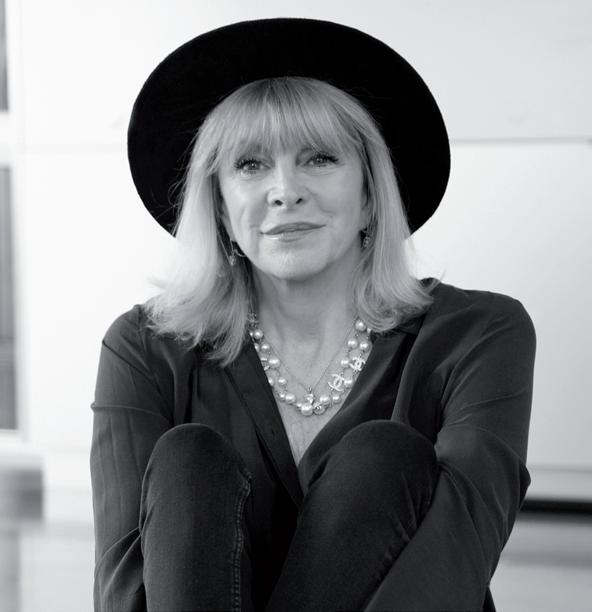
Over her thirty-year career, she has helped thousands of clients reframe their issues and turn their lives around thanks to her unique approach - Rapid Transformational Therapy® (RTT®). Given its potential, Marisa took the decision in 2017 to establish the RTT® School and has helped to train over 13,000 therapists globally.
Last year saw the publication of her sixth best-selling book - Tell Yourself A Better Lie. She also launched Dietless Life, her unique weight management program, which is designed to enable people to lose weight and keep it off for a lifetime and maintain a healthy relationship with food.

UNLEASH YOUR SUPERBRANDS A27 HEALTH
world
In a society where social media influencers lead the way, reality TV dominates the
We also live in a
of comparison.
me and I forget. Teach me and I remember. Involve me and I learn.
Dr. Sonja Stribling: Shattering Expectations
A retired U.S. Army Major and combat veteran, Dr. Sonja Stribling is also the recipient of the Barack Obama Presidential Lifetime Achievement Award and a former TV Host on Bravo Network.

After her 21-year military career as a highly decorated combat veteran, Dr. Stribling faced a series of life-changing experiences at a young age, including a difficult divorce that left her financially and emotionally bankrupt.
These incidents made her draw upon her past pain to connect her closer to her purpose. Dr. Sonja Stribling created a movement and a model empowerment infrastructure for women that’s designed to help them shatter expectations in Life and Business by mastering the art of unapologetically tapping into her own Power, Prestige, and Profits.
She is now using this training & experience to lead thousands to their victory in dominating their space and use their inner POWER to ascend to their Next Level of life and business. Thousands have shifted their lives, careers, and business as a result of her one-on-one coaching, group training events, and online seminars.
At present, her mission is to use her leadership skills and own journey to help others ignite their inner strength and realize their true potential as human beings, business owners, and world changers. As the Chairwoman of the P3 Global LLC®, her firm’s courses, events, and results-based coaching & consulting programs enable emerging and established women, thought leaders, influencers, entrepreneurs, and game changers to find their P.O.W.E.R to have
fulfilled life, booming business, and be able to live life on their own terms.
Dr. Stribling believes that regardless of what the world or other people expect from you, you can do more. Regardless of what they expect, you won’t be held back and you can do the impossible. It all starts with having the courage to discover and unlock the amazing woman that exists in you.
It’s time for you to Own It: Own Your Power, Own Your Voice, Own Your Message To The World, Own Your Career, Own Your Wealth, Own Your Destiny. Dr. Stribling truly believes that people can do something great together. Women can shatter expectations regarding the career space, who they are in our relationships and business, and what they represent in the community.
Throughout her journey, Dr. Sonja prides herself on one of her most impactful learnings which she continues to coach her over 150,000+ clients. In order to be successful as a women thought leader and business owner, there are five things needed to generate the desired revenue as tomorrow’s empowered woman: Consistency, Systems, Accountability at the Highest Level, One Killer Product, and lastly, Confidence to sell the vision.
“I’m 21 years ex-military, and there’s nothing that makes me crazier than waiting for something to happen. I want results, and I want them NOW - and I want the same for my clients. Creating your own economy is key! Don’t be a robot, be a messenger! Help your clients see the vision for themselves.”

Lady JB Owen on 7 Principles to Ignite Humanity
HUMANITY, FROM PAGE A1
instantly an entrepreneur was born.”
Yet, like all great entrepreneurs and risk-takers, JB shares that she also lost it all. Working too hard, extending too much, and not finding balance, cohesion, and proper leadership skills forced her to walk away from her million-dollar company and shut everything down. She confesses, “I had to make a choice; my health was deeply suffering, the nanny was raising my kids, I was sleeping in the guest room, and my marriage was over. Not one thing had to change; everything had to change.
I had to decide what I wanted my life to look like, what was important to me and my future.”
That began her deeper journey, the one she calls igniting her life, finding out how she could make a difference
and do more for herself and others on a heartfelt, authentic level. Like many of us, JB endured hardships, loss, divorce, bankruptcy, loneliness, isolation, fear, doubt, and anxiety.
Her life needed a new direction, and in reinventing herself, JB began to share her personal experiences in the hopes that it would be healing to those that could gain wisdom from what she had been through. Like all great entrepreneurs who see a problem and want to find a solution, JB noticed that when people share their stories, they heal their hurting hearts.
That spark created the flame that began JB’s next global phenomenon, Ignite You™ along with Ignite Publishing™
“I realized that when you tell your story, you transform your life. When you share
in a vulnerable way, you connect on a deeper level. When you reassign a new meaning to something that happened in your life and find ways to use that experience to help others, you heal, grow, and ultimately benefit from becoming a better version of yourself.”
JB calls them Ignite Moments™, those powerful, transformational moments that change your life and catapult you toward what means more to you and who you are destined to become. Intentional living, conscious awareness, heartfelt sharing, and honest communication are the joys that come from embracing your Ignite Moment and learning from it. When you use that knowledge to help others, you are creating a ripple effect of change and selfempowerment.
To date, Ignite Publishing has published over 700 authors and helped to transform the lives of hundreds of thousands of people. They have created the Ignite series with books about parenting, health & wellness, female leadership, happiness, forgiveness, consciousness, love, wisdom, and many more.

The team has partnered with industry titans such as Ryan Serhant, Brandon Dawson, and global thought leaders such as Les Brown, Lisa Nichols, and Dr. Shefali Tsabary with the goal of Igniting a billion lives with a billion words. They have reached international best-seller status in 13 countries in 197 categories, sharing stories by authors from 47 countries.
When asked about achieving such a big goal, JB told us, “There comes a time in everyone’s life when they take a step back and begin to look at the bigger picture. They ask themselves, how can I do more and leave a legacy that will go beyond my lifetime? How can I make a greater impact in the lives of others and ensure that my contribution makes the world a better place?”
With this philosophy in mind, JB has begun her next initiative, to Ignite Humanity™. Recently returning from India after meeting His Holiness the Dalai Lama, JB is committed to sharing the power of storytelling and how stories transcend all barriers, build compassion, and unite hearts. She believes that sharing our authentic stories brings us closer, creates empathy, and allows us to see beyond our differences to recognize our common bond.
“Everyone has a story!” JB shares, “Everyone’s story matters. Our stories are our own, no one can take our stories from us, and our stories make us unique. When we share our stories, we allow others to see where we have come from and why we are as we are. They speak directly to the heart and have the ability to unite and Ignite us all.”
Recently knighted for her humanitarian work and devotion to igniting literacy by building schools and offering free books through her Legacy Library, Lady JB works tirelessly to ensure as many people as possible are ignited in their lives. She believes that “When we ignite ourselves, we ignite others, and that will ignite humanity.”
Her dedication to raising the planet’s vibration through Ignite has had a major impact, and Lady JB reminds us, “Anything and everything is possible when you put your mind to it and commit.”
Five days a week, Lady JB interviews interesting guests to hear their own Ignite Moments on her TV show, Ignite Humanity Live, aiming to ignite people to do something in their community that will benefit many. Her new magazine shares the stories of her guests, and her upcoming book, Ignite Humanity, is working toward setting a Guinness World Record for the largest compilation book ever written.
Lady JB wants the world to know that it only takes one person. You can be the person to uplift and inspire another. Your story could be exactly what someone else needs to hear to help them create a better life. The knowledge and wisdom you have gained from your life experiences might
be the very thing that helps someone else and encourages them to go on to help someone else.
That ripple effect, that spark, the idea that a single flame can light endless candles, is what Lady JB believes will truly Ignite Humanity. She wants you to share your story, transform your life and be a part of what will make this world a better place for everyone.
Lady JB has created the 7 Principles to Ignite Humanity:
1. Raise the Consciousness of What is Possible
Anything and everything IS possible when we come together to raise the planet’s consciousness and teach people that they can do anything they dream of.
2. Unite All People and Connect Everyone
Every individual on the planet deserves to feel like they belong. We need to feel like we are heard, seen, and a part of one another.
3. Instill True Happiness and Inner Peace
Through a commitment to all areas of our lives, mental, physical, emotional, financial, and spiritual, we can instill inner peace and true happiness.
4. Foster Positive Expansion and Loving Evolution
By fostering the expansion of our minds and ideas of what is possible, we can create lasting, positive change.
5. Empower Others to Empower Themselves
By being leaders of empowerment and inspiring others to do the same, we create a ripple effect that brings positivity to every corner of the world.
6. Live Authentically and With Genuine Integrity Values, commitment, and devotion through authenticity and integrity will empower us to be successful, happy, and fulfilled.
7. Give First and Offer All You Can
Give what you can for the betterment of Humanity, and be the first person to extend a helping hand to those who need it. This is how we will create a culture of giving.
In Focus
Lady JB Owen is a fearless female leader who believes in the power of empowerment. Her true focus is on helping others, which is why she started Ignite Publishing™, the leader in empowerment publishing, in 2019. She is a world-class speaker, 20-time bestselling author, and powerful business owner committed to raising the planet’s vibration and Igniting the lives of every person on the planet.
Motivated by the opportunity to assist individuals in breaking through their limiting beliefs and experiencing their own Ignite Moment™, she aims to change their perspective and positively alter the course of their life. She was knighted by The Royal Order of Constantine the Great and Saint Helen as Lady JB Owen for her entrepreneurial and philanthropic endeavors.
HER WHY
“I believe anything is possible. There is no such thing as “No,” and you can have it all.
Connecting, collaborating, and creating fuels my existence, and I wake up every day devoted to filling my world with just that. I became a publisher to help others find the silver lining of their stories and the gold nuggets of valuable wisdom within them.
I want to show others how to focus on what’s possible rather than what’s holding them back. My publishing work focuses on Igniting possibilities for everyone and empowering authors and readers alike.
I feel driven to empower others to embrace their greatness and be the best versions of themselves while creating heartfelt connections, establishing profitable, cohesive collaborations, and cultivating happiness and grace around the world.”
UNLEASH YOUR SUPERBRANDS A28
IN FOCUS
~Dr.
Sonja
If life were predictable it would cease to be life, and be without flavor.
—Eleanor Roosevelt
Barry Shore: From Paralyzed to Swimming Around the World – A Story of Triumph Over Diagnosis
BY LA TRIBUNE EDITORIAL TEAM
Mr. Shore, I need Your help. Please blink twice if You can understand me.
I blinked twice.
Mr. Shore, I’m Doctor Abrekov, the neurologist on duty. You have something very serious. It might be fatal. We need to run tests.
Are You with me? Blink twice if Yes.
I blinked twice.
Do we have Your permission to go ahead with the tests? Blink twice if Yes. Once if no. I blinked twice.
On September 17, 2004, Barry
Shore experienced one of the greatest crises in his life. He was diagnosed with Guillain-Barré Syndrome, or GBS, a rare neurological disorder wherein the body’s own immune system causes damage to the nerves, resulting in muscle weakness and sometimes, paralysis.
Barry was paralyzed overnight and became a quadriplegic.Prior to this, he had a thriving career, having been an entrepreneur from age twelve, and had helmed several multimillion-dollar businesses in his prime. He was at the top of the world, but then he lost everything. Fame and success were replaced by stress, pain, fear, worry, anxiety, and depression.
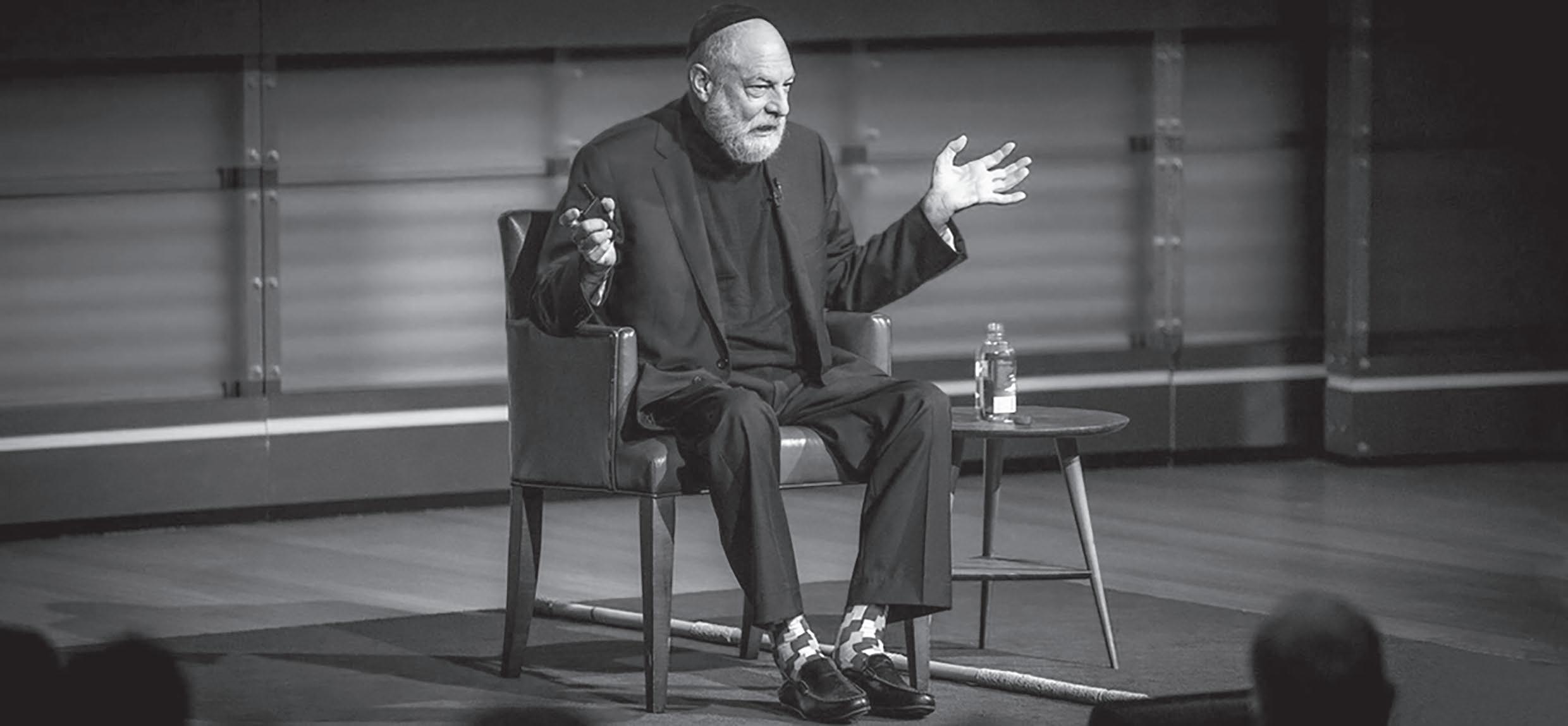
Many people would have given up at this point, but not Barry. While lying in bed and unable to move, he envisioned a universally accessible portal that would enable people to Learn to LIVE in JOY, daily. No matter the circumstances.
At present, from being a quadriplegic and totally paralyzed from the neck down, he is now swimming 2 miles per day, 6
days per week with the help of assistive devices. He would wear floaties on his legs to keep him from sinking, and paddles on his hands because his fingers don’t close. He also uses a snorkel to help him breathe.
But he swims.
Barry can now swim for more than one hundred minutes without stopping, something that he wasn’t even able to do before the disease caught him. And by the end of Summer 2022, he had already accumulated almost 9,000 miles – an equivalent to swimming a third of the way Around the World.
How a Miracle Happened
The road to recovery was not easy. After one year of treatments and therapy, there were barely any improvements in his condition. He was still not able to sit by himself and was even farther from being able to walk.
Barry started looking for other options and was then approached by Vince, a friend and neighbor, who offered to help. Calling himself the greatest aquatic
therapist in America, Vince convinced Barry about water therapy and promised to help him stand up again within a year.
Being a believer in the power of positive thinking and open to trying new solutions, Barry gave it a try, and they went to work. In a facility that provided a special lift to get him in and out of the water, Barry cooperated with Vince and his TEAM of 4 other therapists who were eager to find the miracle that will help them beat this disease.
They attached flotation devices on his legs, arms, and waist to prevent him from sinking. Then for three days every week, at 35 to 40-minute sessions, these dedicated people moved his arm and legs, trying to revive some spark in his nervous system.
It went on for 16 months with not much progress, but no one gave up. And then one day, Barry managed to move his arms over his head and, lo and behold, moved his body in a Back Stroke. He started swimming.
Barry hit his head against the pool’s edge, shouted for joy, and continued
swimming for the next 98 minutes. That’s right. They clocked it at 98 minutes. He just kept going because he didn’t want to stop. There was applause at the pool, and the therapists were celebrating, congratulating each other with high fives.
He swam a mile that day, and then continued swimming one mile 2 times, then 3 times, and finally to 5 times every week. Within two years, Barry was able to swim on his belly for two miles each session, supported by floaties on his legs and paddles on his hands.
What’s Next? The Vision
Barry believes that he regained partial mobility through intense Prayer, Therapy, and Love. He understood that each day is a gift to be cherished, and chose to focus on sharing his joy of living with the world.
And after being a quadriplegic for years, Barry has decided to use this experience to better his life and the lives of others. This enabled him to “GO MAD,” his acronym for Go Make a Difference!
In essence, this means bringing into the world through the unique combination of a positive, purposeful, and powerful attitude with a zest for life based on joy. He formulated the 3 Fundamentals of Life:
1. Life, Your Life has Purpose
2. Live a Purpose Driven Life and You can GO MAD
3. Unlock the Power and Secrets of Everyday Words and Terms
Barry’s Keep Smiling Movement has distributed over three million keep smiling cards for free. His podcast, the joy of living is heard worldwide with over three million downloads. He has also established the Joy of Living Institute (™), helping thousands of people learn to live in joy every day, offering a free course that can be accessed through his website www. barryshore.com
Along with this goal, Barry has a three-point vision. He envisions partnering with Michael Phelps; together, they would be dedicated to Mental Well Being, and third, they would raise millions of dollars at 2 cents/mile.
UNLEASH YOUR SUPERBRANDS A29 IN FOCUS
Barry Shore at the National Geographic Headquarters
Oprah: A True Leader
BY ADORA CRYSTAL EVANS
I still vividly remember that moment when Oprah Winfrey stood on stage with Tina Turner, singing “Proud Mary” and bringing the audience to their feet. It was a powerful moment, not just because of the music but also because it highlighted Oprah’s authenticity, vulnerability, and courage as a leader. Oprah shared with her audience that she was nervous about singing with Tina Turner and that she wanted to get it right.
But, as Oprah shared later, she had a change of perspective. She decided to focus on having fun and enjoying the moment rather than worrying about being a singing sensation. This change in mindset not only helped her to relax on stage and enjoy the performance, but it also allowed her to connect with the moment and her audience in a deeper way. This moment is a perfect example of ’s leadership style. She has been an open book, willing to share herself, including her struggles with weight, with her audience. Her vulnerability and authenticity have made her relatable in a way that few other public figures have been. But it’s not just her willingness to be vulnerable that has endeared her to her audience; it’s also her generosity.
Leadership by Example is the most recognized face and voice on the planet, and that is because her leadership style is unmatched and amplified by the media. She represents contribution at the highest level and has always wanted to give back to her audience.
Since the start, her priority has always been on uplifting and empowering people. In her talk show, she brought in experts to educate her audience on various topics. At the same time, in her media empire, she used her platform to amplify the voices of others and bring attention to important issues. These are truly remarkable attributes that I strive to emulate in my own leadership journey.
Oprah’s generosity is also seen in her commitment to education, particularly
when it comes to women. Her Leadership Academy for Girls in South Africa provides young women with an outstanding education and the tools they need to succeed.
Aside from these, she also made a courageous decision to stop giving negative voices the news time and energy on her platform and instead dedicate it to uplifting and educating humanity. These are all examples of the power of Oprah’s leadership.
Leadership that Inspires
In the realm of connecting, Oprah is probably one of the most powerful encouragers/connectors on the planet.
Oprah has spent a lifetime having thoughtprovoking conversations with people from all walks of life. She engages sincerely, asks revealing questions, and has these a-ha moments, taking a global community along with her for the ride. Most people would consider it a dream to be interviewed by Oprah.
Oprah is a person who is not only wildly successful but has used her resources to make a massive, positive impact on society. The person being interviewed is honored and usually gets a flood of support, the audience experiences growth, and it happens consistently.
Oprah is a true inspiration to me, and she has a powerful ability to create change through conversations backed by the media. Her commitment to contribution is palpable.
Oprah Winfrey is a true inspiration when it comes to leadership. She leads with contribution, has been able to change the world through conversations, and is most talked about not for what she has overcome but for who she has become.
Each person is a leader in his or her own right. What we choose to focus our energy, attention, and resources on impacts the world around us. Oprah is someone whose qualities are worth emulating. May her example inspire us all to lead with the same kind of authenticity, vulnerability, courage, and generosity that she has shown throughout her life.
Bernardo Moya: Empowering Personal Growth
Born in London to Spanish immigrants, Bernardo Moya was brought up in Spain and then, later on, returned to London to work for 15 years. While growing up, he developed a passion for personal development and selfimprovement, being inspired by the works of great personal development authors such as Tony Robbins and Wayne Dyer. He knew that he wanted to make a difference in other people’s lives as early as then.
While building his career, he received a lot of training in sales and marketing, as well as NLP. Moya then decided to pursue his passion for personal development full-time, becoming a certified coach and consultant.
place.
Moya’s vision for the Best You Expo is to create a community of individuals who are dedicated to personal growth and selfimprovement. Through the annual event and the various resources and tools he provides, Moya aims to empower people to transform their lives and achieve their full potential.
“I came up with this idea of creating a global brand that would be multimedia, that could connect and engage with anyone and everyone because personal and professional growth means many different things to many different people,” Moya shares.
Find Your True Purpose”, and the most recent one, “A Man Evolving: Confessions About Monogamy, Passion and Broken Hearts.”
About the author: Adora is a TV and Event Producer as well as an Elite Business Matchmaker. She spends a lot of her time and energy with Project Uprise, where she brings together celebrities, professionals, athletes, and influencers for unique and transformative experiences, where 100% of the are dedicated to ending child trafficking in the USA. Get to know more about Adora at Adoracrystal.com and Timetouprise.com
Do the one thing you think you cannot do. Fail at it. Try again. Do better the second time. The only people who never tumble are those who never mount the high wire.
Oprah Winfrey
It was in the early 2000s when Moya began to make a name for himself in the personal development field, first as a promoter and eventually as an author and speaker. He quickly gained recognition for his dynamic and engaging presentations as well as his ability to inspire and empower his audiences. Over the years, Moya has become one of the world’s most sought-after personal development speakers, and he has shared his insights and wisdom with audiences in over 50 countries.
One of Moya’s greatest achievements is creating the Best You Brand, which includes the Best You Magazine and the Best You EXPO. Founded in 2008, the Best You EXPO is one of the world’s largest and most respected personal development events. The event brings together some of the world’s leading experts, authors, and coaches in one place, and it has become a hub for personal growth, self-discovery, and self-improvement for thousands of attendees worldwide. The idea for the Best You EXPO started when Moya saw an opportunity to create a platform where industry experts could share their knowledge and expertise with a broader audience. This was a time when personal development was still a niche industry, and there were few events that brought together the world’s leading experts, authors, and coaches in one
“4C” Your Business Success: Effective Communication to Transcend the Times
BY SAJINDRA GUNAWARDANE
“Just stop your crying, it’s a sign of the times…” – Harry Styles
Without question, the times are changing. You can see it everywherefrom global economies to geopolitical structures and standings, to business norms and workplace expectations as we once were or knew them to be, plus the imminent possibilities and points of tension introduced by AI software applications.
The multiple complexities of our evolving social and business worlds are on a fast path to change, maybe even upend, nearly every aspect of what we view as normal or predictive in business and employment dynamics, entrepreneurial journeys, and our own lives.
Signs of the Times
Whether these times are different than the days, years, and eras prior, there is no shortage of theories promulgated by the talking heads of the season. From television to social media to members of your business teams, everyone these days seems to have accepted a varying sense of concern if not fear that the prospects of a bright future are dimming by the day.
Whether it’s the perception of an economic downturn to reports of rising unemployment and threats to industry, the people you need on your team – business partners, employees, investors, regulators, and other key stakeholders – are all navigating seemingly tumultuous times.
When our firm launched in 2008, we faced different circumstances, such as an economic recession fueled by failings in the subprime mortgage market, a war abroad, and a slate of domestic security threats. These events fueled a nearidentical sense of fear and anxiety in the business community that this time, for sure, the sky was falling.
In many ways, it did, bringing with it the deepest recession since 1929. But in many other ways, especially in ways most relevant to this article, it did not.
For business leaders whom the US Business Counsel served closely following those recession years, and owners of businesses who are coming of age today, one truth has become exceedingly clear: There is only one way through uncertain times. And that is through it.
But to get through times like these while still maintaining key relationships in and out of your companies, it is imperative that you employ communication skills that rise above the clatter and clamor of the times. More than financial wherewithal, product supply, and other metrics central to measuring business viability, it has been the method and manner in which business owners communicate, which has had a direct correlation to their enterprises both surviving and thriving. Leaders who can communicate their
vision, goals, and expectations clearly and effectively are much more likely to inspire their team, build trust, and achieve success through any societal and organizational challenge periods.
Seeking Models of Effective Communication? Look Within
Models for effective communication as a business leader are often inconsistent at best. Much has been said, and there’s more to be said about thought leaders, whether recognized or self-anointed, as well as political candidates, educators, and yes, even lawyers pontificating to their masses but rarely ever connecting with their audiences.
The senator with the perfect pedigree and resume who consistently polls low; the faculty member with ivy league distinctions and doctorates justifying that she be hailed accordingly but is consistently unsuccessful at climbing her tenure ladder; the creator and owner of one of today’s most promising software applications who successfully recruits promising talent, but is unable to retain them – these are the presumed leaders whom we look up to as examples of success all seemingly fall short in one way or another of what we really need to see to help model our success.
And then there’s You, the hapless entrepreneur of our new generation, full of hope and just enough ambition to make a meaningful impact on the lives of your community, your loved ones, and maybe even the world. Stepping out at a time when every objective metric and traditional indicator says, “Turn Back. Now.”
But if you were going to do that, you wouldn’t be reading this edition of The Los Angeles Tribune, now would you? Instead, you are here to march on. And for a good reason: You know your worth, you present a solution to something the world needs, and, more importantly, you possess and have mobilized a mindset to succeed.
Fore C’ing Your Success
Effective communication is the nucleus of all requisite skills for anyone poised to be in a leadership or management position, particularly when leading your own (ad-)venture. Clear communication is critical to the success of a business. It is an invariable fact that one’s inability to listen, empathize and communicate effectively can and will lead to misunderstandings, mistakes, and missed opportunities which will either hinder or harm the ability to achieve business objectives.
As a business leader or employer, it is crucial to understand the importance and power of clear communication and how it can help you mitigate risks posed to your business viability and growth and ultimately lead to the success of your
business.
1. The Power of the Calm:
The first and foremost skill to hone in order to be able to be an effective, communicative leader is to find the calm within the storm and stay in it. As the leader of your enterprise, you are entrusted by key stakeholders to be the person who will maintain the stability of the enterprise. Among all your operational and strategic duties, this is your chief responsibility.
To do this, you, as the business owner and entrepreneur, must see yourself as your venture’s “Chief Relationship Officer” with respect to everyone else, both internal and external to your organization.
To be effective at this, you must appreciate that effective communication involves not only conveying your message clearly and articulately but also actively listening to your team, responding to their feedback, and engaging in open and honest dialogue at and through all times. This means that in addition to verbal communication, it’s essential to prioritize the same in written communications, such as key updates to employees, investors, and vendors essential to your success via operational contracts. However, this is easier said than done.
As the examples of leaders mentioned above illustrate, it is difficult to build trust and confidence in your words, but they can easily be broken. However, one chief characteristic common to all the business leaders we have helped at our law firm is that of a skilled listener who remains calm amidst all emotional factors. This remains unchanged whether the company is poised for exponential growth or the market is sounding warning flares for their industry.
The way to do this is by finding your center and staying in it, often by recruiting like-minded, competent, and exceptionally-centered deputies in key management positions at your organization. Achieving calmness at the nucleus of operations begets the benefit and the power of more of the same. You will find that you have built a strong and cohesive slate of key players who share and support your business goals and will also help engender faith and trust in you as a leader when it matters the most.
2. Collect, Listen, and Continue to Collect
As the leader and Chief Relationship Officer of your enterprise, the key to achieving that calm center is to collect as much information as possible. Get it from those who have any degree of influence on the direction or degree of your success.
As a business leader, one of the most important skills you can develop is the ability to listen. Listening is critical for effective communication, understanding the needs and concerns of your
In order to reach as many people as possible, Moya was determined to offer the event for free to anyone who wanted to attend. Despite the challenges of logistics, expenses, and a host of other problems, he is most proud to be the catalyst that brings so many people together, enabling different concepts to come to life. “We really put this event together with that intention of helping people become the best version of themselves,” he adds.
London was chosen as the first stage for the expo, and it was an instant success. Attendees were inspired and empowered by the diverse range of speakers, workshops, and interactive sessions, leaving the event feeling motivated and reinvigorated.
The success of the first event led to the creation of the Best You EXPO in the US. This landmark event attracts thousands of attendees each year, and has become a platform for some of the world’s most influential personal development experts to share their insights and wisdom. It has also evolved over the years to incorporate new technologies, including virtual and hybrid events, making it accessible to a wider audience and reaching people worldwide.
In addition to creating the Best You brand, Moya has significantly impacted the world of personal development through his books. He is the author of several books, including “The Question:
Moya’s impact on the personal development and self-improvement industry has been profound, and he continues to inspire and empower people from all walks of life to become the best version of themselves.
Whether you are an experienced personal development practitioner or someone who is just starting on your selfdiscovery journey, Moya’s teachings and wisdom will provide you with the tools and insights you need to create lasting change in your life.

One of his key principles is about elevating consciousness, which he explains in plain terms: “Elevating consciousness is very simple. It means becoming aware of your surroundings, and ideally doing something about it and implementing steps or actions to become part of society, part of humanity to make the world a better place.”
Moya is a visionary and a pioneer in the personal development and selfimprovement industry. With his passion for personal growth and his commitment to empowering others, he has made a lasting impact on the lives of countless people, and he will continue to inspire and empower future generations to become the best version of themselves.

When asked why he is doing all these, he says, “At the end of the day, it is just simply about stepping up. You know the world needs leaders – it needs people to step up to become part of the solution.”
(By LA Tribunal Team)
employees, customers, and stakeholders, and making informed decisions. Without good listening skills, you risk missing important information, misinterpreting messages, and making decisions based on incomplete or inaccurate information.
By actively listening to your employees, you can build trust and respect, promote a positive and inclusive work environment, and foster a sense of collaboration and teamwork. When employees feel heard and valued, they are more likely to be engaged and committed to their work, boosting productivity, innovation, and job satisfaction. Additionally, by listening to your customers, you can gain insights into their needs and preferences, which can inform product development, marketing strategies, and customer service initiatives.
Moreover, listening is essential for effective conflict resolution and problem-solving. By listening to different perspectives and opinions, you can identify common ground and find mutually beneficial solutions that satisfy all parties involved. This helps to resolve conflicts, avoid misunderstandings, and demonstrates your willingness to collaborate and work towards the best outcomes for your business and stakeholders. As a leader, developing good listening skills can help you build stronger relationships with your employees, customers, and partners and make more informed decisions that can drive your business forward.
3. Create and Inspire Your Team The keys to being an effective business leader are maintaining calm at the center of your business operations as well as your own, and collecting information via intentional listening. However, your ability to communicate effectively correlates very closely with your ability to connect and stay connected with those who are pivotal in helping you achieve your goals year after year, crisis after crisis, and opportunity after opportunity.
Inspiring your employees to be creative and innovative can significantly impact the success of your business. Aside from maintaining a strong sense of Your Why as the underlying mission of your business, always remember that this is likely the same Why that inspired the right people to support your business to begin with.
It’s your job as Chief Relationship Officer to continue to inspire them in your communications. Create opportunities at your business that foster innovation, encourage your employees to think outside the box, experiment with new ideas and approaches, and come up with solutions to problems that may have previously seemed insurmountable. This often leads to increased productivity, better products or services,
and a competitive edge in the marketplace. It also helps shed light on areas where risk mitigation is needed to help keep your enterprise stable.
When employees and partners feel empowered to be creative and be a part of your success, they are more engaged and motivated in their work. This has been seen in our business clients, where it often results in a more positive work environment, higher levels of job satisfaction, and lower turnover rates.
Additionally, innovative employees are often more willing to take risks, which can lead to breakthroughs in product or service development and new business opportunities. Encouraging and rewarding creativity can also help you attract top talent and build a reputation as an innovative and dynamic company.
In order to inspire your employees to be innovative, it’s important to create an environment that supports and encourages creativity. This can involve providing resources such as time, training, and funding for new projects, as well as celebrating and recognizing innovative ideas and accomplishments.
You can also encourage employees to collaborate with one another and with other departments, as crossfunctional teams can often bring fresh perspectives and new ideas to the table. By demonstrating that you value and prioritize creativity and innovation, you can foster a culture that inspires your employees to push boundaries, take risks, and create new opportunities for your business.
4. Commit and Exemplify Your Why
As a business leader, communicating your commitment to your ideas is essential to gaining your employees’ and investors’ support and buy-in. Stay passionate and enthusiastic about your ideas, and demonstrate that you not only commit to your word but stay committed through any stressors to the enterprise. This can be the most influential trait that will help motivate and inspire your partners, investors, and employees to stay on board with your vision.
Communicating your commitment to your ideas can help build trust and confidence in your leadership and your ability to drive your business forward and through the storms that appear. Effective communication can also ensure that your employees and investors understand your vision and are aligned with your goals. Correspondingly, you can prevent misunderstandings and misinterpretations that lead to confusion, conflict, and a lack of productivity.
When you clearly and consistently communicate your commitment to your ideas, you can create a shared sense of purpose and direction that can help guide decision-making and actions throughout
your organization. This can result in greater cohesion and collaboration, as well as a more motivated and engaged workforce and investor base. In conclusion, clear, effective, and empowering communication is the most critical skill for business entrepreneurs and leaders. It helps mitigate risks that harm or hinder business growth, boosts productivity and efficiency, builds trust and credibility, and creates a positive and inspired work culture that, in turn, engenders faith in you.
You’re at the end of this article because you foresee your continued success. That’s half the battle. Investing and empowering yourself in your authenticity will evoke a clear, centered, creative, and committed voice to your mission. This, bar none, is the most effective tool for a business leader to navigate challenges and achieve success through all signs of the times.
About the author:
Sajindra Gunawardane is the Founder and Managing Attorney at US BUSINESS COUNSEL, with offices in Southern California and the Central Coast. US BUSINESS COUNSEL provides business and legal counsel to entrepreneurs and growing businesses in various dynamic, highly-regulated industries –from family-owned businesses to Fortune 200 companies.
Founded in 2008, US BUSINESS COUNSEL is proud to have been recognized by legal publications and, most recently, The Los Angeles Tribune as the “Best Business Law Firm” for its innovative and nationally-recognized flatfee Corporate Counsel Program which has revolutionized the legal industry. The firm is unique among experienced business law firms, offering accessible, high-caliber legal counsel to guide entrepreneurs and business owners to successfully navigate contracts, employment matters, regulatory compliance, strategic planning, and mergers & acquisitions. Find out more at www.usbusinesscounsel.com

UNLEASH YOUR SUPERBRANDS A30 IN FOCUS
Ann Landstrom
on Starting Over in Your 50s
BY LA TRIBUNE EDITORIAL TEAM
As an award-winning master photographer with over 20 years in the photography industry, Ann Landstrom has photographed public figures and influencers such as international public speaker/author Lisa Nichols, Stedham Graham, Forbes Riley, and Les Brown.
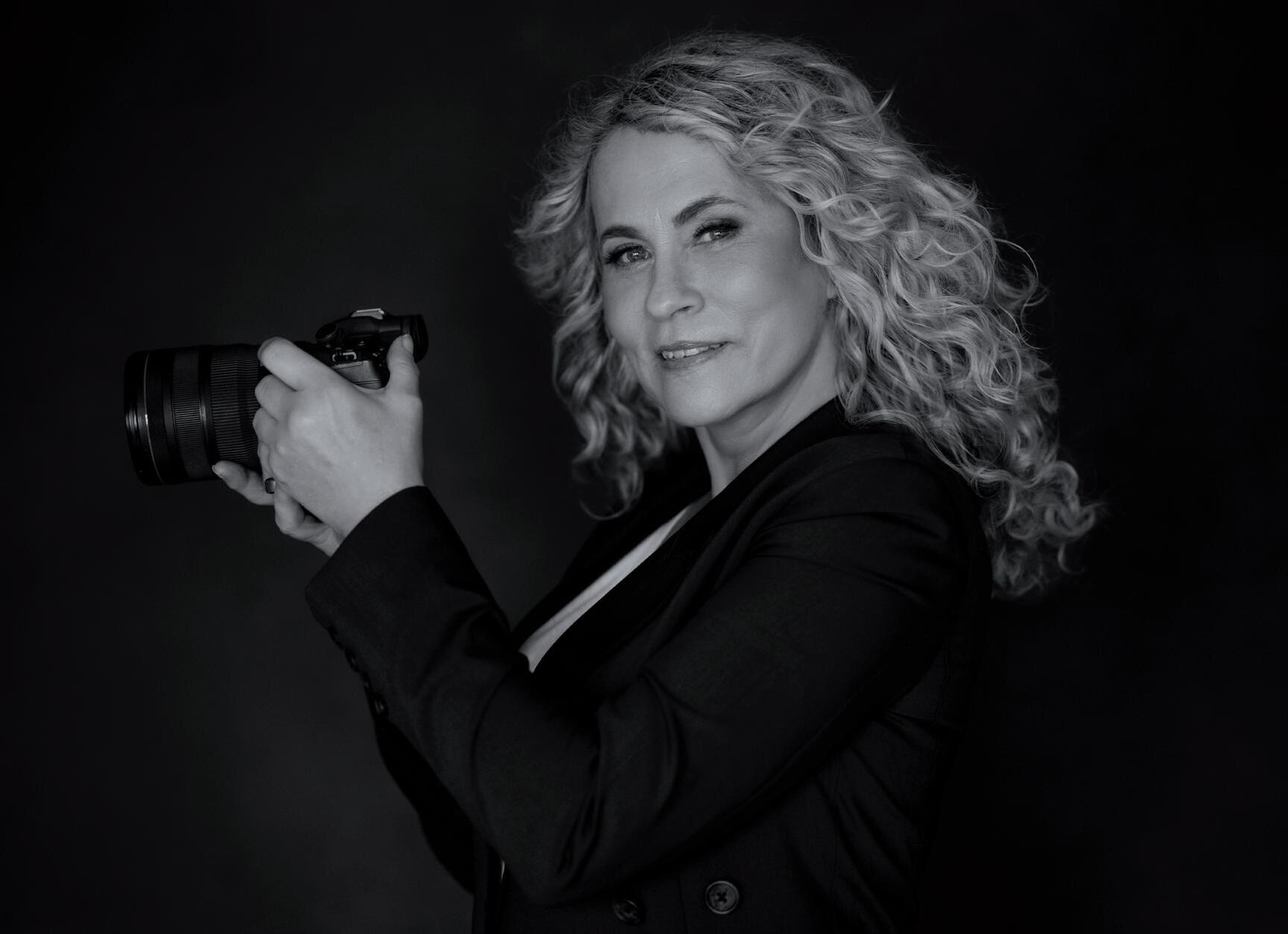


Her passion started in 1967 back when she was 5 years old. She loved playing with Barbie, going into her mom’s closet and dressing up with her beautiful bras while stuffing them with her dad’s socks, and heading over to her jewelry chest and adding those must-have accessories. Ann would wear her mom’s clothes that were 5 sizes too big, put on her favorite purple suede and black lacquer stilettos, and walk around admiring herself in front of the mirror with her Barbie doll.
But the path to success is not always a straight line, and Ann is proof of this. After coming out of a verbally and mentally abusive marriage, she experienced being broke, broken, homeless, and having to start over with nothing at age 50.
Watching the movie “The Secret” changed her life, and she went on a journey of self-development while also studying the law of attraction. Fast forward to ten years later, and she has now become a big inspiration for a lot of people.
Ann shares her story with other women and men in the hopes that it will give them the courage and inspiration that they need to start over if the situation calls for it. She believes that people can overcome obstacles in life if they take the right steps. Everyone has the power within them to get out of the victim role and rescue themselves rather than waiting for someone else to come to their rescue.
She has since become a big proponent for women in building back self-esteem. Her objectives are focused on making them feel good and proud of themselves, no matter where they are in their life, regardless of age, size, or stage.
After becoming a professional photographer, Ann has transformed her passion into advocacy. She has helped women embody and appreciate their sensual essence by photographing them in lingerie or their desired wardrobe for their branding photography.
Through her photography journey, Ann has realized that the boudoir
experience helps rebuild self-esteem and increase the sense of self-worth of women. Her clients now say that she brings out the essence and soul in the portraits that she captures of them, and these are the results of the hard work she has done on herself.
Ann started the AGELESS project a few years ago by photographing women over age 40 in lingerie. During the process, they also had to write a love letter to themselves, which turned out to be a very transformational experience for a lot of the women that participated.
Eventually, she published a magazine that had a compilation of all the women’s images and love letters. This was followed by the first AGELESS summit online in February 2022, over 100 women came together, speaking about and sharing their own journeys. The project raised enough money to put four women from a domestic abuse shelter into professional training to get back out in the workforce through the help of a non-profit organization called Leap To Success.
As a branding photographer, Ann sees a lot of solopreneurs and business owners struggling with their social media and marketing. After realizing that she has a lot of knowledge in the area, including what she has personally gone through while building her now six-figure business, she has decided to do what she can to help the community.
With an aim of inspiring entrepreneurs and business owners to show their full potential, Ann then launched an interactive branding course that teaches clients how they can “Brand Like A CEO”. The team was fueled by the mission of accelerating their clients’ marketing presence so they can serve their customers with confidence, expertise, and style. Through the course, clients will learn how to set up a photography studio on a budget either at home or in their office, create their own images, and produce stunning marketing for all their needs.
When asked how she was able to juggle multiple responsibilities, Ann responds “When you love what you do, you don’t work a day in your life. My passion is about bringing out the best version of each of my clients, to elevate their business and most importantly, their self-esteem and confidence.”

In focus:
Ann is an award-winning master branding photographer with over 20 years of experience in the photography industry, specializing in Branding, Boudoir, and Fine Art Portraits. During this time, she has photographed public figures and influencers and has been featured in magazines and numerous podcasts. She is also a mentor, educator, and part of the largest online education for photographers called “The Portrait System”. You may check out her various programs at these websites: https://www.annphotography.com/ and https://www.brandingceo.com
UNLEASH YOUR SUPERBRANDS A31 IN FOCUS
When you love what you do, you don’t work a day in your life. My passion is about bringing out the best version of each of my clients, to elevate their business and most importantly, their self-esteem and confidence.
IN PHOTO: FORBES RILEY
IN PHOTO: LES BROWN WITH ANN LANDSTROM IN
PHOTO: LISA NICHOLS
Editor’s Note

It is with great pride and excitement that we present to you the first issue of the Los Angeles Tribune’s Quarterly Special Thought Leader Edition - the world’s first newspaper exclusively dedicated to leadership. Since its launch in 1886, our newspaper has had a long history of rising up in times of transition, and we have always been dedicated to delivering insightful, thought-provoking, and forward-thinking content to our readers.
This edition is particularly special as we honor the thought leaders in some of the fastest-growing industries of our time. From tech and finance to healthcare and sustainability, these leaders are shaping the future of our world through their innovative ideas and uncompromising beliefs.
At the Los Angeles Tribune, we understand the importance of recognizing and celebrating the achievements of these thought leaders. These individuals represent the very best of what our society has to offer and they embody the spirit of innovation and progress that drives us forward. Through their tireless work and dedication, they are creating a better future for us all.
In this issue, we have invited the brightest minds in their respective fields to share their thoughts, ideas, and perspectives on some of the most pressing issues of our time. From business and healthcare to technology and culture, these thought leaders offer unique perspectives and insights that will challenge and inspire you.
We are proud to present this first issue of the Los Angeles Tribune’s Quarterly Special Thought Leader Edition, and we hope it will serve as a valuable resource for our readers. We believe that the exchange of ideas and viewpoints is essential to a thriving and dynamic society, and this edition provides a platform for just that.
I want to acknowledge 2 of our team leaders who demonstrated utmost commitment to publishing the newspaper you now hold at the highest standards: our Copy Editor Olivia B. Soria and our Design Editor Maybelle T. Dejasco.
All you gotta do now is sit back, relax, and enjoy this issue of the Los Angeles Tribune’s Quarterly Special Thought Leader Edition. We hope it will inspire you to think more deeply about the world around you and engage in discussions that will help shape our future.
Sincerely,
Ava V. Manuel
 Senior Editor LA Tribune SpecialThought Leader Edition
BY
creativity. He put on a classic instrumental record whose name I can’t recall other than the word ‘sunset’ that was in the title. The others sat intently, listening to the music, probably hoping to capture and interpret the emotions that filled the room. Meanwhile, I grabbed my pen and started writing as I looked out the window. I could see Galiano Island, sitting across the strait from where I lived. I looked at
BY CYNTHIA MCCONNELL
I grew up with three older brothers, so I was a little tomboy. I was a confident young girl and never experienced anxiety while going to school. It’s only unfortunate that now as an adult, I experience it because of my desire to discover what I am good at. I always took on new challenges, traveled to new places, or tried new jobs to find my niche.
When I realized that I like to travel and would drink coffee from different places every time, I thought to myself: Coffee makes me happy.
It prompted me to do some research in a bid to find the perfect coffee beans. I knew Mexico grew coffee because my grandfather was a farmer, and my mom helped out when she was young. Plus, I speak Spanish, so I made phone calls to some farmers I found a farmer whose family has been growing their coffee at high altitudes up at Tapachula Chiapas, Mexico, near the Volcan Tacana since the 1800s. The indigenous people were told they could do what they wished, so they’ve been growing coffee beans with natural water and picking them at the right time, giving them the best flavor.
Because they believe that the coffee beans that grew from higher elevations have the best flavor, the family would go way up in the hills to grow and pick their coffee beans, then carry these 100-pound bags of beans on their back when going down. They have to move the coffee beans every three hours to dry. They also have to know how much to roast and how much to grind. Their specific technique is an art form that has been passed on to them from their grandfathers’ grandfathers.
When I found the source and the family was willing to work with me, we started negotiating. They sent me samples of two types: Robust and Arabica, but they recommended Arabica because it grew at a higher altitude and has a smoother chocolatey taste while also being less acidic.
I tried it, and I was stoked because the coffee was excellent and was nothing like what I had tasted anywhere else. I also got other people to try to see if I was being a little biased, and everyone I asked liked it just as much.
After finally deciding to go for it, we immediately went to work on the permits, customs, FDA, and all other regulatory requirements that we had to comply with.
I felt like a little detective doing all this stuff because there was so much research that I had to do, but I loved all of it. I also enjoyed the research and development process, including working on my company name, logo, and packaging details and dealing with logistics issues.
It was definitely not easy, but we got through it. I recently got my first shipment through the border, and I’ve been putting it out there and selling it through my website at LeafyBeansCoffee.com. I want to grow this business to help keep the coffee artform among the indigenous people of Mexico.
Coffee farming and production are art forms we must protect for the next generation. There are not many independent workers nowadays because their family has grown up, and the kids want to do something else because coffee-making is such hard work but not profitable enough to sustain their families.
About the author:
Cynthia McConnell is the founder of Leafy Beans Coffee LLC, which began its operations in 2021, born out of her love for a good cup of coffee. The company imports and distributes organically-grown Mexican coffee, working directly with an indigenous family to create medium-dark roast coffee.
My vision is to get the best coffee beans available for my clients while at the same time helping the coffee farmers preserve their traditions. I want to help our natives continue doing what they have done best since the 1800s and allow us to enjoy the highest quality of coffee out there.
And so when people get their Leafy Beans Coffee delivered, and when they open it, they’re getting a piece of the mountains of Chiapas, Mexico, of the indigenous people, their hard work, their heart, their passion, and their culture.

the sheer rock that was part of the cliff, reaching several hundred feet from the base, and I recalled the times when I watched the sunset dance across the bank.
As the others sat, I wrote the images that flashed in my mind, writing what I felt. The music ended, and my article was done. I took it home to correct the errors before typing out the assignment.
When the teacher graded the assignments, he read mine to the class. At 16, it even impressed me, not to mention getting an A+ felt mighty awesome considering I was a C student.
I learned a couple of valuable lessons from that experience. First, being an ‘A’ student isn’t necessary to write captivating, expressive words that compel people to want to listen. Second, creating is possible when you put your heart and soul into the task.
Those were the days of manual typewriters and before the pleasure of using liquid paper. Those days of carbon paper and printers resembling a mini press in the typing room. They were never very conducive to my creative side of writing. Typing was tedious, and you had to pray that you would finish without errors or key malfunctions.
Fast forward to the digital age. It opened up a whole new world for writers. I recall sitting in front of my home computer in awe of a program called ‘Word’
The possibilities of this new technology were endless. Make a mistake, backspace, and zap – it was gone. If I didn’t like the placement of a sentence, I just had to copy and paste it elsewhere. The art of writing today is no longer engulfed
with frustration, so I gave up digital art, propelling me to create with words instead.
Writing has become an obsession, a passion, and a pursuit of knowledge. To be a writer, you must read, research, and, of course, write.
Eventually, creating, designing, and writing for many websites became intriguing. During this time, I took online psychology classes. The education was fascinating, and I was putting a lot of thought into writing, but it needed more luster.
Then six years ago, I took writing seriously.
Copywriting became a journey of learning. It was interesting to understand what this newfound career meant. The first time I heard of copywriting, I conjured up visions of law, which is an entirely different word.
My next thought was the ugly word of selling. But top copywriters don’t sell, although it may appear that way. In reality, you need to get past the concept of selling. Yes, the purpose is to make sales of products, services, or ideas, but this is best achieved through storytelling because people remember stories.
Copywriting is about filling a need. And to me, that was a foreign idea to grasp in the beginning.
The Power of Persuasion
When I was 11 or 12, a representative from the Fuller Brush company visited my mom. She was never a pushover for salespeople, and she rarely spent a dime on any item she deemed unnecessary.
The first words he spoke were, “I know you don’t want to buy anything.”
He then proceeded to tell her of the shampoo he used and how his hair shone in the sunlight. I was amused at his ‘no sales’ approach.
Of course, she was not in the market for his shampoo, but she eventually bought a bottle of vanilla extract. After that, he dropped by a few times a year, and sometimes she parted with a few more bucks.
The fine art of persuasion.
Things could have turned out very differently if he had used pressure instead of persuasion. Pressuring her may have resulted in the door being slammed in his face, but he knew his audience and chose the correct method to make a sale.
My copywriting training taught me that knowing your audience is key. A sale was virtually impossible if there was no benefit to a potential customer. If your customers get bullied into buying your product, they may suffer from buyer’s remorse. Thus, that is not an ethical way to sell.
Throughout Our Lives, We Sell
There is an immense wealth of information in copywriting, and we can learn many lessons from it.

For example, you prepare your resume to get that dream job, listing down all your qualifications and skills in the hopes of grabbing the attention of the recruiters and impressing them. However, being the most qualified candidate doesn’t guarantee you will get the job. On the other hand, if you can persuade a
About the author:
Mary Stephenson is a freelance writer and AWAI-verified copywriter. She is also the co-creator, web designer, and web editor for a non-profit organization.
future employer that you will benefit their team, you could be their next employee. The key is to prove your value, even if the requirements far outweigh your skills. This comes full circle back to the art of persuasion. It pertains to everything in life – from family, friends, jobs, store clerks, or any casual meetings with people we meet for the first time. Copywriting classes have taught me that writing, like life, is about giving and helping. It is a form of art. I never expected to get that from the simple task of tapping on a keyboard, but it opened a parallel world of writing and living.

UNLEASH YOUR SUPERBRANDS A32 OPINION / EDITORIAL
The Art of Writing, Creating,and Persuasion The story draws you in as the writer weaves the words across the page, planting an image you can’t shake, capturing your mind, and compelling you to keep reading. It’s the same overwhelming desire you feel when you sit on the edge of your seat, straining to hear the punch line at the end of a joke. I remember when my English high school teacher wanted to test our
MARY STEPHENSON
For The Love Of Coffee, My Heritage, and Keeping The Indigenous Coffee Art Form Alive in Mexico
The Power of Giving Back
BY LESLIE VERA
Many people wait to give back because they feel that they lack the money or time. It is not the lack of resources that is stopping them, but the lack of resourcefulness. But there are many ways to impact someone’s life - a simple act of kindness, bringing hope or happiness to someone’s life, can be enough.
My first memory of giving back goes back to when I was six years old and still living in the Peruvian Amazon. It was Christmas Eve, and like many other Peruvians, my family and I were celebrating Christmas that night. The tradition was to go to the plaza - the park in the center of town - have a Christmas dinner, and stay up until midnight to open presents.
That evening, my family and I went to the plaza, and as we walked closer, I noticed two boys around my age cleaning shoes for 20 cents. I couldn’t stop wondering why they were working on Christmas Eve, so I turned to my mom and asked her if we could invite them over for our Christmas dinner. My mom couldn’t say no, but she said, “If you want to invite them, YOU have to go ask them yourself.”
I ran over to them to ask if they would want to join us for dinner, and they happily accepted. The smiles on their faces lit up mine, so I ran back to my mom to tell her they would be coming.
Although, at the time, we were also struggling with money and didn’t have much, my mom quickly walked over to a store nearby to buy them something small for their Christmas presents. The two boys and their mom walked back home with us and celebrated Christmas with us that night.
It was the first time that they had a Christmas dinner and presents in their lives. The happiness they radiated brought joy to everyone in our household, and from that moment forward, I knew that bringing joy to those around me would fulfill me in life. After all, studies show that individuals who give back typically live longer and happier lives.
I share this story because it shows that you don’t need too much in order to start giving back. Start small and start today.
Once you start giving back to the community, you can inspire others to
The Los Angeles Tribune Takes a New Stand to Redefine Media
BY CARISSA JOHNSEN
do the same and create a ripple effect of positive impact. Find an area of philanthropy that speaks to you, develop a habit of giving back regularly, and prepare to reap the benefits of giving back.
My passion for giving back led me to start a 501(c)3 non-profit organization called End The Cycle that aims to end the cycle of poverty through technology and education in the Peruvian Amazon. Our President, Leslie Vera, comes from a small town in the Peruvian Amazon and has experienced and witnessed the poverty that people on that side of the world must endure.
Many families don’t send their children to school because of a lack of resources. She decided that investing in children’s education was one of the best ways to help end the cycle of poverty in her hometown.
End The Cycle started its work with the Peruvian community five years ago to help kids go to school by providing backpacks, materials, and tuition. It was created to raise funds and awareness to make a bigger impact and help end the cycle of poverty in the Peruvian Amazon.
Our mission is to provide resources and opportunities to impoverished children in Peru, giving them the tools necessary to break the cycle of poverty in their families. We do this by bridging the economic gap in families and providing opportunities inside and outside the classroom for children living below the poverty line.
Every year, for the last four years, we have sponsored 100 kids who live in extreme poverty to go to school with the tools necessary to succeed in the school year.
What about you? Are you in the habit of being generous? Make a commitment this year to share your time, resources, or experience with a cause that speaks to you. It does not have to be much, but the reward for you and the receiver will be worth it!
If you would like to learn more about End The Cycle and how you can send children in the Peruvian Amazon to school and help end the cycle of poverty in their families, please visit EndTheCyclePeru. Org or follow us on Instagram at EndTheCycle.
Trust and Money
BY LORNA SHERLAND
Making money and self-trust are the same. They go hand in hand. Hence, if you struggle with trusting yourself, you will also likely struggle with making money. On the other hand, if you have faith in yourself, you will have the confidence to make money, and as a result, you will make money.
Brene Brown talks about the anatomy of trust, which has seven elements: Boundaries, Reliability, Accountability, Vault, Integrity, Nonjudgement, and Generosity. When any of these elements get violated, it can damage your selfesteem. However, when you trust yourself, you have the conviction to take the necessary steps and risks to achieve your financial goals. As you gain more experience and success, making money will also increase your self-trust. It is a perpetual cycle that will only grow and improve over time.
Having trust in yourself is crucial when it comes to creating money. When you believe in yourself and your abilities, you are more likely to take calculated risks that can lead to financial success. You are more likely to listen to your intuition and make decisions that align with your values and goals. This can help you avoid making impulsive or short-sighted financial decisions that can negatively impact your financial stability.
In contrast, a lack of self-trust can restrict you from taking prudent advantage of opportunities and making the decisions necessary for financial growth. It becomes even more difficult when it comes to investing in yourself to get the education and knowledge needed to build wealth. Typically, individuals who make impulsive short-term financial decisions are operating under the influence of others, wanting to please and be liked by people.
A key aspect of trusting yourself is having a growth mindset. This means
Since 1886 The Los Angeles Tribune has been offering censorship-free news, complementary resources, world-class events, and a community focused on self-actualization and service of others.
It is considered one of the longest-lasting historic names in the journalism industry and has earned a reputation for being a legacy publication that practices integrity, authenticity, and responsibility.
While keeping traditions and values alive and ensuring they are stronger than ever, The Los Angeles Tribune has remained steadfast in the desire to reinvigorate its extraordinary name.
It is doing so by bringing about a new generation of individual readers and a growth-oriented community who proudly live in a new era of self-development. This is no easy feat.
Never shying away from the unwavering stance to keep its integrity, The Los Angeles Tribune has declined corporate influence, speaking solely on behalf of partisan interest and campaigning for our constitutional right to freedom of speech. This time, The LA Tribune and team are becoming even more audacious with their everexpanding vision and approach to change the narrative on what’s newsworthy, as it initiates the movement to redefine the media.
This special quarterly Leadership Edition of The Los Angeles Tribune is one of many strides being made to accomplish this undertaking. It is the world’s first newspaper edition dedicated exclusively to leadership and personal development.
“We are in a unique time of opportunity, where we can come together to rise into our highest potential as individuals and make changes to unite for the greater good of humanity,” says Moe Rock, CEO of The Los Angeles Tribune stated, when asked why the team decided it was important to bring this project to life now. “The people are speaking up and asking for what they want, which in my opinion is the truth. The Los Angeles Tribune is here to serve the people. We are doing so by publishing transparent information and providing transformational resources, cutting-edge education, and access to a lifelong community.”
As a leadership content source, The Los Angeles Tribune wants to go
beyond simply putting out “newsworthy” information. What separates this media conglomerate from the rest is that they are devoted to making a lasting impact by changing the narrative on what constitutes newsworthy, as well as impacting the local community and setting goals to touch the lives of those across the globe.
The Los Angeles Tribune team demonstrated their ability to achieve this with the latest Neuroscience Summit. In partnership with Top Talent Agency, both organizations brought together some of the world’s most renowned and diverse experts in brain health and brain wealth, such as Michael Beckwith, Mark Waldman, and Dr. John Demartini. This event served as a stage for evolving research and personal opinions from international leaders who hail from different industries and hold various perspectives.
The team believes that the way to the hearts of the people is by creating deep and meaningful conversations that give the community the power of choice. This can be achieved through diversified information instead of forcing a single narrative or agenda. It was therefore not surprising that this event reached audience members from 7 countries – it only affirmed the extent of what’s possible.
The Los Angeles Tribune also continues to stand behind significant movements, as demonstrated by its hosting of women’s events that promote equality and opportunity. It has partnered with household names of female scientists, thought leaders, doctors, and other outstanding professionals such as Dr. Natalie Forest, Sharon Lechter, and Dame Marie Diamond. Their team has also been peacefully protesting and has published articles to bring greater awareness to issues surrounding women’s rights in the Middle East with help from Dr. Joe Vitale. They are even opening up registration for their highly anticipated Money Forum scheduled for February 16th-19th With no plans to slow down their events, workshops, personal and digital networking, and media opportunities-this is the best time to subscribe.
As a co-producer for their last two events and a contributor to this publication, I have realized that honoring the people of our world, embracing diversity, standing for important causes, and offering opportunities to those wanting to share their voice are some of the most important pillars of The Los Angeles Tribune. This is why it is offering
a multitude of different ways you can be involved with this newspaper and the movement behind it.
One way is to become a subscriber and join the community of like-minded individuals who value connection and interpersonal development as well as a desire to gain access to unadulterated information, events, and world-class leaders. The other, and also remarkable, path to involvement is to become a contributor by offering your voice and wisdom, leaving your positive mark on the world.
Hearing about the Leadership Edition of this newspaper has brought me a sense of relief. Finally, there is an intentionally curated news outlet and platform for our generation’s empaths, coaches, speakers, and way-showers. This newspaper is a collaborative effort for all. The Los Angeles Tribune is giving a voice to those who have felt voiceless, power to those who have felt powerless, and most of all, offering hope to those who have felt hopeless.
“We can all be proud of the impact and change we are making on the world.”
- Moe Rock, CEO.
So how does this traditional newspaper company plan to survive in a modern age and redefine what’s newsworthy? It seems very obvious to me. It’s by attentively listening, actively responding, and consistently showing up for the people.
As a female entrepreneur, leadership and performance coach, podcast host, and fellow truth seeker myself, I have taken notice. I am hopeful about the trajectory of humanity as a whole because of the strides being made by The Los Angeles Tribune in offering more positive and uplifting content. I believe the way to shift the consciousness of humanity is by way of personal transformation, coming back to love, and leading ourselves into true prosperity. This newspaper is one of the many ways we can all hold each other accountable for doing that.
I’m walking into 2023 feeling eager, inspired, and empowered. I’m also willing to bet that those who decide to become a part of this community will likely feel the same.
This is history in the making, and I invite you to be a part of it with us.
About the author: Carissa Johnsen is a Shamanic Practitioner, Transformational Speaker, Executive Producer, and Podcast host of Transcendent Leadership. She has a Master’s degree in Clinical Psychology and is a trained Shamanic Healer with over seven years of experience in the field of human behavior, energy healing, leadership coaching, and business consulting.
She is passionate about health, leadership, and performance through the lens of merging ancient wisdom and the modern world, working and speaking alongside high-performing leaders and public figures such as Dr. Joe Vitale, Marie Diamond, and Dr. John Demartini. Carissa has co-produced, as well as co-hosted events that featured Brown Kevin, Michael Beckwith, Harrington, and Sharon Lechter.
being open to learning and growth, and having the resilience to bounce back from setbacks. When you approach your finances with a growth mindset, you are more likely to seek out opportunities for growth and improvement, even when things don’t go according to plan.
Another piece of this conversation on trust is around identity. It is a shame to see how in the entertainment industry, many celebrities who find themselves in financial difficulty will choose to end their lives when they lose their money.
This likely happens because their identity is tied to money and not their authentic spiritual being. It could also be due to their lack of knowledge that money is actually a spiritual and energetic experience.
People don’t trust themselves because they have lost their identity or are disconnected from their authentic selves. While this does not apply to everyone, there are many wealthy people who have grounded their identity in money. When they lose this foundation, they begin to feel helpless, hopeless, and desperate, leading them to make unfortunate decisions and even wanting to end their lives.
Through the law of polarity, there is the other side of that coin. The person with no money or a deeply disempowering money story would have difficulty connecting their identity with being wealthy. As a result, he would unconsciously repel or reject money every time, calling it “bad luck” or saying “that’s not for me.”
Others say they trust God, yet do they really? My other question would then be, how can you trust God if you cannot trust yourself? The first commandment says to love God and love others AS you love yourself. The last is actually the first! You must love yourself before you can love God and love others. The secret is hidden
About the author: Lorna Sherland is a Mindset Empowerment Coach and a Boutique Real Estate Broker in Success Power Brokers, Hudson Valley. After practicing real estate consulting and sales for over 20, she stands firm by the policy that every deal and every client relationship is either a Win-Win or No Deal.

Her mission is to shift people’s mindsets from who they are NOW to who they WANT TO BE because she believes that the secret to success is something people have within themselves — the power of their MINDS.
in plain sight.
Therefore, love is also synonymous with trust. If you love yourself, your identity will be so grounded that you can trust yourself, bet on yourself to earn and keep the money, and have the impact you want to make in the world.
In conclusion, trust, identity, and money are closely related and can positively impact each other. When you trust yourself and believe in your true identity, you are more likely to make sound financial decisions and achieve financial success, and in turn, financial success can increase our self-trust. Thus, it is vital to cultivate a strong sense of self-trust to achieve financial stability and success than to create money just to say, “look at me; I’m rich.”
About the designer: Maybelle Dejasco has an extensive background in graphic and industrial design. She is also into photography and product styling. She has been working as a graphic designer for 20 years in various companies and institutions, both in local and international, and has instilled the skills required for a senior designer. Her entire work experience is enriched with promotional projects, and in the design and development of all marketing and creative materials carried out in teams; some of which, have been involved in the leadership role. This includes, but not limited to, launching events for companies, creating product lines, and branding. Over the years, she has been awarded for her hard work and dedication in her field by the companies she has worked with.
UNLEASH YOUR SUPERBRANDS A33 OPINION / EDITORIAL
Many of life’s failures are people who did not realize how close they were to success when they gave up.
—Thomas A. Edison
Is It Just Me?
BY TIM DAVIS
I love old Hollywood.
There are many reasons for this. Foremost is the fact that there seemed to be an attitude of gratitude and respect in the general population which is reflected in so many ways - from manners and etiquette to how one dressed and certainly the way one spoke. The cultural norms were that of kindness and politeness. What happened to those ideals? When did they become unattractive?
As an actor, writer, and producer with my own media group, I have been working on honing my vision statement, and this is how it has gone so far:
“To create film, television, and live entertainment at the highest level in storytelling and visual and sonic excellence, which reflect the ideals of joy, human kindness, and sophistication which were much more prevalent at the dawn of the entertainment industry.”


It still does not sound quite right. So, I think about it some more…
Whenever I turn on the television, I instinctively brace myself to be assaulted by gratuitous visuals and dialoguewhether relevant to the story or not. It’s stressful for me, particularly when my kids or in-laws are in the room.
It has always been an elevated virtue to be an envelope pusher:
“Push the boundaries!”
“Rail against the norm!”

I get it. But how much further can we push? And what is proved by this pushing? When will “the more extreme, the better” finally have run its course?
When I see a show or a film that is beautifully written and produced but doesn’t contain gratuitous content, I have instant respect for the creators. I know it takes more effort to write intelligent dialogue that isn’t riddled with the f-word and “Jesus Christ”, and this leads me to another thought: how is the use of a religious figure’s name as a curse word not considered “hate speech” in today’s culture? I’ll just leave that there for thought


and possibly another article. Maybe I’m a prude. Probably so.
But there are millions of people in the world just like me - people who love good storytelling and riveting content but could do without the extreme language, violence, and sexual content that are present in 90% of media today.
And hear me out - my senses are just as offended when I watch a faithbased film that sacrifices all production value in order to promote a message. In my estimation, their horribly produced piece does more damage to the faith than anything else.
All these beg the question - Isn’t it possible to produce amazing content that isn’t offensive to millions but has the highest production value?
When I watch series like “Man In The High Castle”, I am captivated by the level of excellence in cinematography, acting, storyline, and masterful character development - but then the foul language is gratuitous. Does it really need to be done like this in order to tell the story? Does it make it better? This is an honest question.
“Come on, Tim. Are you that out of touch? Everyone talks this way”.
Do they? I don’t. Actually, very few people I know do.
I’ve lived and worked in the industry in LA for the last 24 years, and I know some people who use the f-word occasionally and humorously. But if you ask me if I have met anyone who rhythmically inserts the word in every sentence, I would say no.

I heard once that “curse words are power words”. People use curse words when they feel powerless. Honestly, I believe it. When I encounter a person who constantly curses, I wonder if they feel powerless or insignificant, and using that language somehow makes them feel seen and heard. That’s again another thing to consider.
I love period pieces, particularly about the early part of the 20th century. I search out every film and tv show I can find that centers around those periods. I am baffled, however, when the language in the piece is entirely inaccurate to the period.
Matthew Weiner’s “Mad Men” was full of mature themes, which could have been very real in the day, but he stayed away from extremely foul language because it was not as commonly used in that time period. Writing powerful dialogue without using such power words
takes much more thought and effort.
With the proliferation of foul language, sex, and violence, Instead of art reflecting culture, it seems that there is an aggressive campaign to have culture reflect art - to push the boundaries to the absolute edge.
It’s interesting to me that after all the loss and hopelessness brought on by the second World War, the hunger in our country for renewed hope and joy were palpable, and the public rushed in droves to experience the beautiful images, joyous music, and happy people on the silver screen.

Entertainment was a healing agent in those days. What about today?
I’ve been pondering about our emotional and psychological state as a culture. Coming out of one of the biggest pandemics in our planet’s history, it seems that an epidemic has emerged – that of fear and hopelessness. Now, more than ever, we need a resurgence of hope-filled, joyful entertainment.


Is it just me? Or are there others who want great storytelling at the highest levels of production excellence without having to navigate an assault to your senses? Perhaps our silence has signaled to the world that we don’t exist. I wonder.
So, this op-ed is more about a series of questions I am leaving for the reader to ponder. Still, I believe there is a way to create the highest level of artistic expression without using the lowest common denominator standards for pervasive language, sex, and violence. That’s what I want to create. What do you think?

About the author:
Tim Davis has been arranging and producing vocalists and music on film, television, and artist recordings for countless projects for the past 26 years. An accomplished singer himself, Tim has sung on hundreds of projects and still performs with artists like Jane Lynch, Idina Menzel, and Barbra Streisand.


Currently, Tim is an actor and screenwriter for his own production company, Tim Davis Media Group, and is attached as a producer to several films, series, and live entertainment projects.

UNLEASH YOUR SUPERBRANDS A34 OPINION / EDITORIAL
THE LORAX
AMERICAN IDOL
MOVIES ARTISTS
BARBRA TELEVISION
DOCTOR SLEEP
AMERICAN HORROR STORY
DISNEY GOES CLASSICAL
BEAUTY AND THE BEAST
AMERICA’S GOT TALENT
KEITH URBAN
MONSTERS
GLEE
UNIVERSITY
RACHEL PLATTEN
GHOSTBUSTERS
GRAMMY AWARDS 2021
ICE AGE
ARIANA EMMYS
SAM SMITH
What’s Your Dream for 2023
 BY ELYSSA KING
The necessity of a dream is undeniable. How can you dream when you’ve lost a dream? How do you get back up again for another round of dreams when the world falls apart? When year after year it’s hard, how do you dream again for a better one? How do we dream?
There is a key. And the key is vision
A vision is not just a dream. It’s not just a plan or a goal but the ability to dream. Your eyes have the ability to see, and Vision is like the eyes for your soul.
Where a dream says, “I want to grow up to be a doctor in Africa,” vision says, “I will heal many.” When the report shows that your hands aren’t steady enough to become a surgeon, the dream will shatter where vision finds another way.
Vision can rise again after losing a dream that bruises, breaks, and dies. Where we outgrow dreams, vision can keep up with us.
When a dream is too far away, the vision stays near. Vision stays close. The ability to dream lasts where a dream doesn’t. Vision lives in hope. Without it, vision sleeps. Hope makes it alive. To hope again - that is the key to a dream.
An old proverb says, “For lack of vision, the people perish.” This is the first reason to have vision and to dream — it is to live. CS Lewis says, “Love anything and your heart will be wrung and possibly broken. If you want to make sure of keeping it intact, you must give it to no one, not even an animal. Wrap it carefully with hobbies and little luxuries; avoid all entanglements. Lock it up safe in the casket or coffin of your selfishness.”
To love, to dream, to risk — is to live “Vision gives pain a purpose.”
Vision stands the test of time and fire, while a dream can break and fade. This ability to dream keeps you going. It’s bendable enough to adjust, flexible enough to grow, and can sustain where a
dream doesn’t. Where a golden egg has an end, the golden goose doesn’t!
Your vision gives you a framework to choose from. Without a vision, what should you choose? What would be best? Without a vision, really - why choose anything? Vision gives purpose language, and then you’ll be able to use it. Indecisiveness, whether by lack of hope or confusion, is solved with vision.
How do you get a vision? Amazing question! Vision lives in hope, so find hope.
As a person, we have three parts: a body, a soul, and a spirit. Let’s talk about the body. Vision takes guts. Hope takes guts. Courage is required not just to have and pursue a dream, but it is necessary to find, choose, and commit to a dream.
In your soul, it takes heart to love something enough to risk something for it. The creativity in your soul will flourish with vision. Use and exercise your creativity to grow and establish your vision.
Creativity gives vision color and texture. Vision is already inside you, and you’ll see it come alive with your imagination. Vision requires that. Finally, your spirit finds vision and hope with faith.
To dream, we need vision. It’s the key! That vision makes life alive, giving pain a purpose and, and giving us a reason to choose. Vision is the golden goose for dreams. In your body, when you’re brave, you’ll find your vision. With your soul, your heart, creativity, and imagination will pour water on the seed of vision already inside of you. Lastly, vision walks with faith.
It’s time to dream again. What’s your dream?
About the author: Elyssa King is a lover of learning and life! She pursues education aggressively and excellently while serving in ministry school and internships for three years. She will complete her Bachelor’s in Business Administration in May and is set to pursue her Master’s degree at Liberty University. She has earned her real estate agent’s license as well as her notary license and enjoys serving the community in those arenas. Elyssa is a mentor to many and is well-traveled for both pleasure and community service.

UNLEASH YOUR SUPERBRANDS A35 OPINION / EDITORIAL
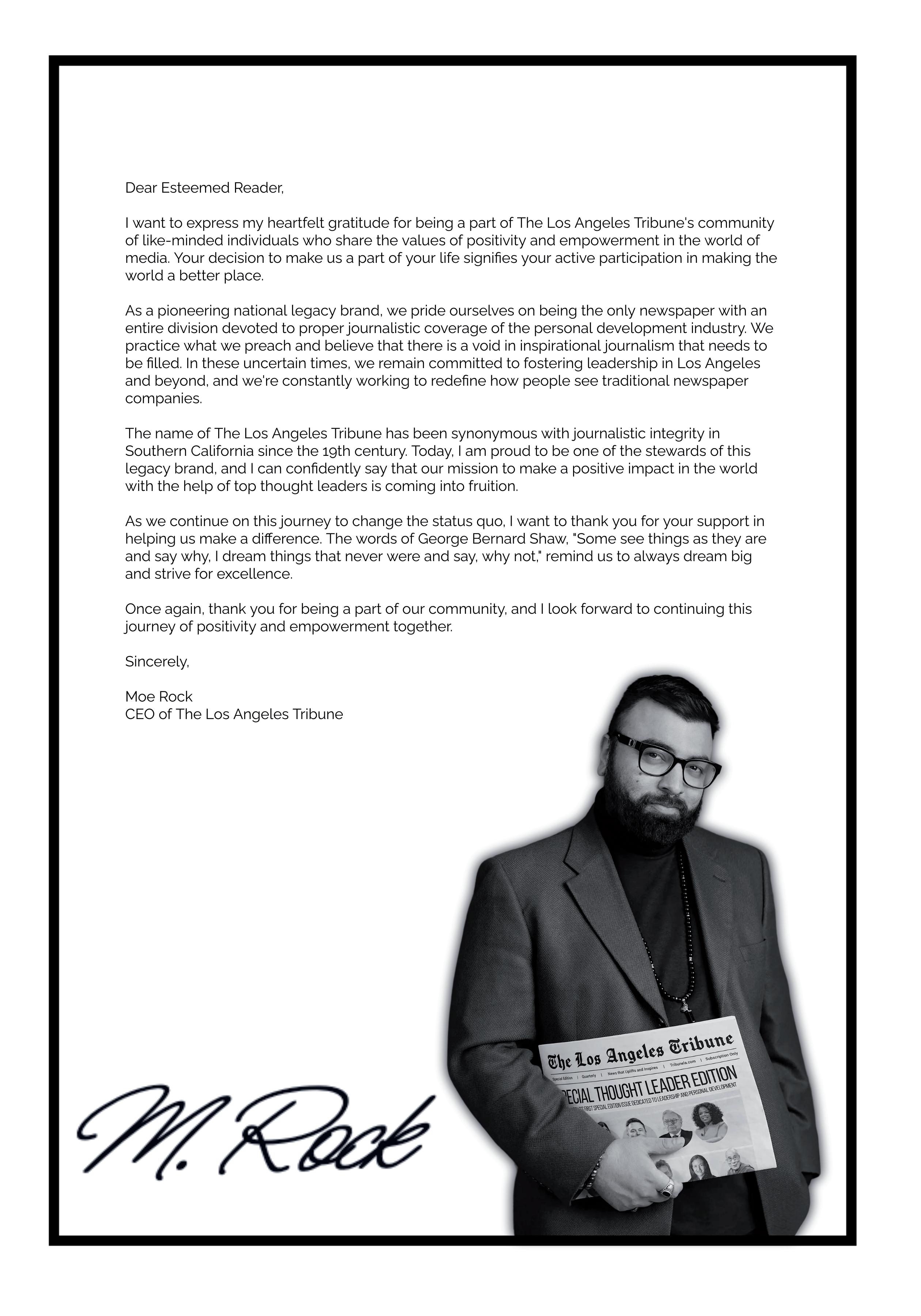
UNLEASH YOUR SUPERBRANDS A36 OPINION / EDITORIAL
