
BLACK HISTORY MONTH
The Harlem Chamber Players & hosted by Terrance McKnight
Sponsored by ConEdison & the New York City Department of Cultural Affairs
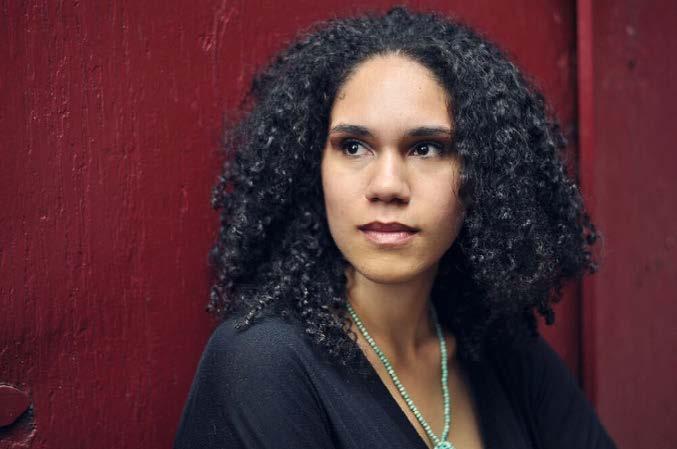
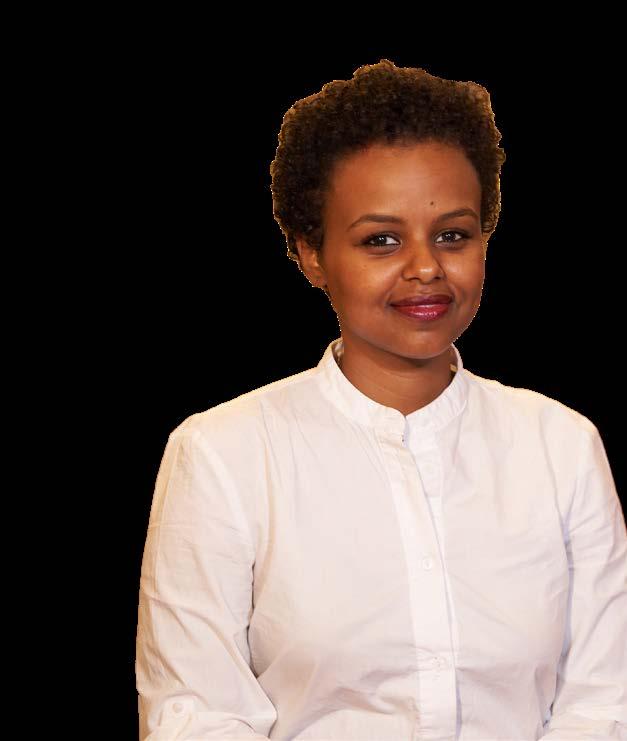
Composer Jessie Montgomery
Black History Month at The Town Hall: Welcome
Since 1997, with the generous support of Con Edison and the New York City Department of Cultural Affairs, The Town Hall has hosted an annual Black History Month Celebration that promises to both educate and entertain students throughout the five boroughs.
We dedicate this year’s celebration to all the educators who have gone above and beyond during the COVID-19 pandemic.
THIS GUIDE & YOUR CLASSROOM
This year’s celebration is a creative collaboration between The Town Hall, the Harlem Chamber Players, and WQXR radio personality Terrance McKnight.
The purpose of this guide is to illuminate the history and legacy of the Black composers and performers featured in this video program. It is our intention that you use the guide, along with the performance video, to lead an arts-infused lesson in your classroom.
The contents of this study guide were compiled and adapted by Jocelyn Bonadio-de Freitas, Britni M. Montalbano, and the Black History Month team at The Town Hall Foundation.
Black Performers at The Town Hall
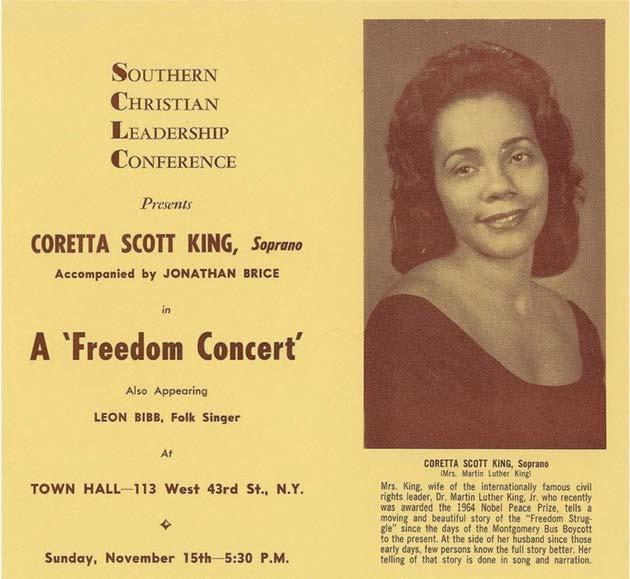
The history of Black music at The Town Hall began on April 24, 1921—just three months after the doors opened—with a concert given by the Washington Conservatory of Music and School of Expression. From that day on, nearly every major Black classical musician made their debut at The Town Hall, including Marian Anderson, Paul Robeson, Dorothy Maynor and Coretta Scott King. Following in the footsteps of Leontyne Price and George Shirley, the first few generations of Black stars at the Metropolitan Opera all made their debuts at The Town Hall. This Black History Month, we turn to the history of Black classical composers, many of whom had their work performed at our hall.
We are so delighted to partner with our friends at the Harlem School of the Arts, which was founded by the aforementioned Dorothy Maynor. Maynor is an inspiration to us at the hall for her musical excellence, but also for her work as a community leader, making musical instruction accessible to children. In the Harlem Chamber Players, we found that there is no greater musical ensemble that could bring the beauty and history of great Black composers to life.
Program for Coretta Scott King, who performed at The Town Hall in 1964
Eurocentric: centered on Europe or Europeans
especially : reflecting a tendency to interpret the world in terms of European or Anglo-American values and experiences
WHAT IS CLASSICAL MUSIC?
What is thought of as classical music in America originates in Europe. It is deeply related to another European tradition: the writing down of music, also known as musical notation. Musical notation and European classical music developed at the same time, over centuries, allowing us to look back and see the evolution of these traditions by playing or studying musical scores. In the 19th century, when Euro-classical music began to be performed and appreciated in America, American composers developed their own brand of classical music, building upon the European style and notation, while also breaking new ground.
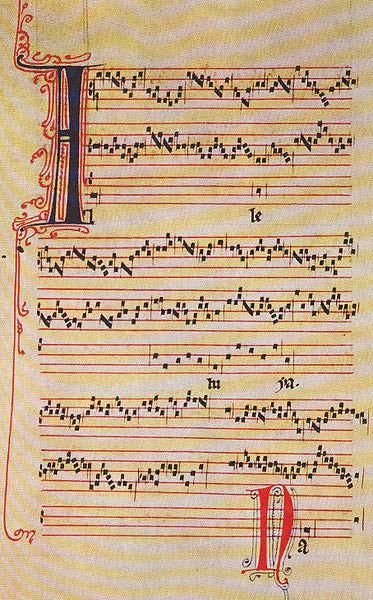
It is important to remember that all cultures have their own version of “classical” music. Many traditional styles of music, for example Puerto Rican bomba and plena, may not always be written down, and are part of an oral tradition. Sharing cultural practices orally - by speaking - continues to be one of the most widespread means for evolving, storing, and sharing knowledge, art, and ideas.
Whether or not a culture’s music is written down or not, it is valuable. At The Town Hall, we believe in cultural equity, or the idea that no culture’s artistic practices are more valuable than any others, and all deserve to be celebrated, shared, and understood.
Black Classical Musicians
Many people of color, especially Black people, were excluded in the Eurocentric world of classical music. Facing discrimination and prejudice, Black classical artists demonstrated undeniable talent and creative genius, and made themselves irresistible to audiences while living rich and fascinating lives. Black artists continue to contribute immeasurably to the classical genre, as they have with nearly every genre of American music in history.
All of the composers on this program are Black. All are trailblazers and musical masters, who we hope you are excited to experience
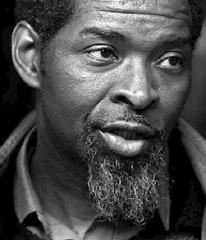
“We know that there are different types of Black life, and therefore we know that there are different kinds of Black music. Because Black music comes forth from Black life.”
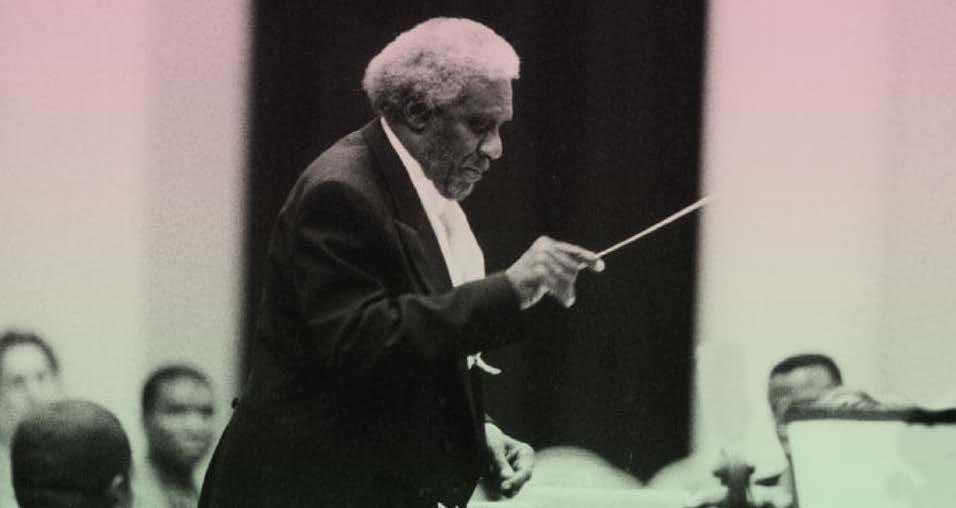
Composer & Conductor Coleridge Taylor-Perkinson
Photo Credit: Center for Black Music Research
- Composer and pianist Muhal Richard Abrams
Photo Credit: Paolo Ferraresi
MEET THE HOST! TERRANCE MCKNIGHT
When Terrance McKnight moved to New York City, his 96-year-old grandmother offered him a few words of wisdom: “If you’ve got something to say, get out there in the middle of the road and say it; don’t go hiding behind no bush.” From a long line of passionate citizens — his maternal family founded a branch of the NAACP in Mississippi and his father the pastor of a church in Cleveland — Terrance and his siblings were expected to contribute to their community while growing up. Early on, Terrance decided he would take the musician’s journey.
As a teenager, he played trumpet in the school orchestra and played piano for various congregations around Cleveland. At Morehouse College and Georgia State University he performed with the college Glee Club and New Music Ensemble respectively and subsequently joined the music faculty at Morehouse. While in Georgia he brought his love of music and performing to the field of broadcasting.
Terrance is an Artistic Advisor for the Harlem Chamber Players and serves on the board of the Bagby Foundation and the MacDowell Colony. He’s frequently sought out by major cultural organizations for his insight into the cultivation of diverse perspectives and voices in the cultural sphere. He regularly curates concerts and talks at Merkin Concert Hall, the Billie Holiday Theatre, the Schomburg Center for Research in Black Culture and the Museum of Modern Art.
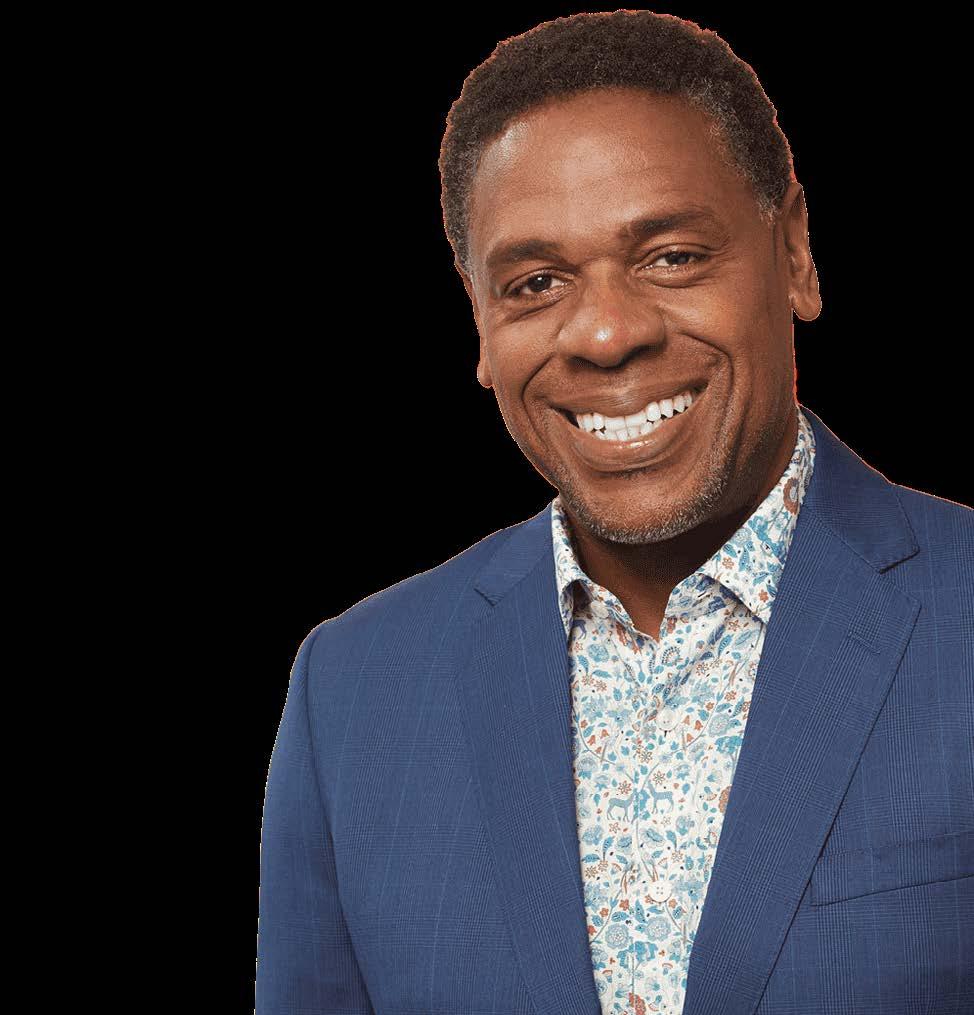
Photo Credit: Matthew Septimus
What’s On The Program?
Chevalier de Saint-Georges
(French, December 25, 1745 – June 10, 1799) String Quartet No. 5 in G Major, 1st Movement (1777)
Samuel Coleridge-Taylor
(English, August 15, 1875 – September 1, 1912) Nonet, 1st movement, Allegro Energico (1893)
Florence Price
(American, April 9, 1887 – June 3, 1953) String Quartet in G Major, 2nd movement, Andante Moderato (1929)
Coleridge-Taylor Perkinson
(American, June 14, 1932– March 9, 2004) Louisiana Blues Strut for Solo Violin (2002)
Jessie Montgomery
(American, December 8, 1981-) Strum (2006; revised 2012)
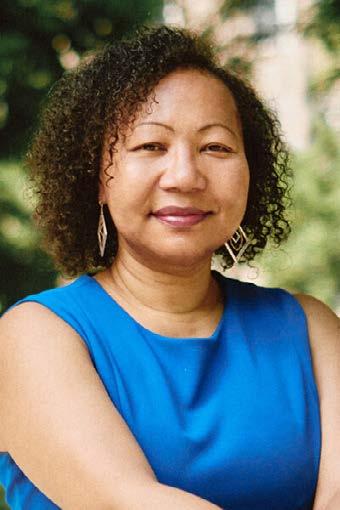
Note on the Program from Liz Player, Founder, Harlem Chamber Players
I worked on this program in consultation with Terrance to try to reflect a representative cross-section of past and contemporary Black composers from the Classical period to today. The first two pieces by Joseph Bologne a.k.a. the Chevalier de Saint-Georges and by Samuel Coleridge-Taylor were written more in the traditional European styles of their times. Samuel Coleridge-Taylor, however, also wrote music that infused some of the Black vernacular. The pieces by Florence Price, Coleridge-Taylor Perkinson, and Jessie Montgomery all use elements from the Black vernacular.
Learn to pronounce noun
1. the language or dialect spoken by the ordinarypeople in a particular country or region. “he wrote in the vernacular to reach a larger audience”
Liz Player
Photo Credit: Simbarashe Cha
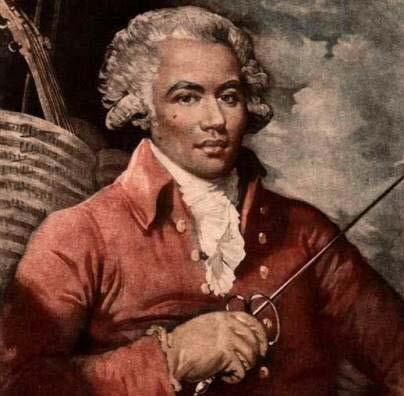
“He was the most dazzling and fascinating figure at the most splendid court of Europe; as a violinist, pianist, poet, musical composer and actor, he was phenomenal; as a swordsman he so far eclipsed the best of his time and in his prime none could match him; as a marksman none could pull a trigger with such unerring aim; as a soldier and commander he performed prodigious feats on the field of battle; as a dancer, swimmer, horseman, and skater, he was the most graceful in a land supreme for its grace and elegance; in the matter of dress, he was the model of his day, setting the fashions in England and France; king of France, a future king of England, and royal princes sought his company, and to crown all he possessed a spirit of rare generosity, kindliness and rectitude.”
-Black Historian J.A. Rogers, about Saint-Georges, World’s Great Men of Color, Volume II, Volume 2
The Chevalier de Saint-Georges
DISCUSSION QUESTIONS: BEFORE THE CONCERT
• What is Black vernacular? What are other musical vernaculars you can think of? Does white vernacular exist?
• What is cultural equity? Start by defining each word, then imagine what they might mean together.
• What does Eurocentric mean? What makes something Eurocentric
• What comes to mind when you hear the phrase “classical music?
• Do all cultures have “classical music? What’s an example?
• Where do people in New York City go to listen to classical music?
• What kind of instruments play classical music? What kind of people play or listen to classical music?
• Is classical music part of your culture? Why or why not? Is it part of Black culture? Why or why not?
WHO IS PLAYING? ABOUT THE HARLEM CHAMBER PLAYERS
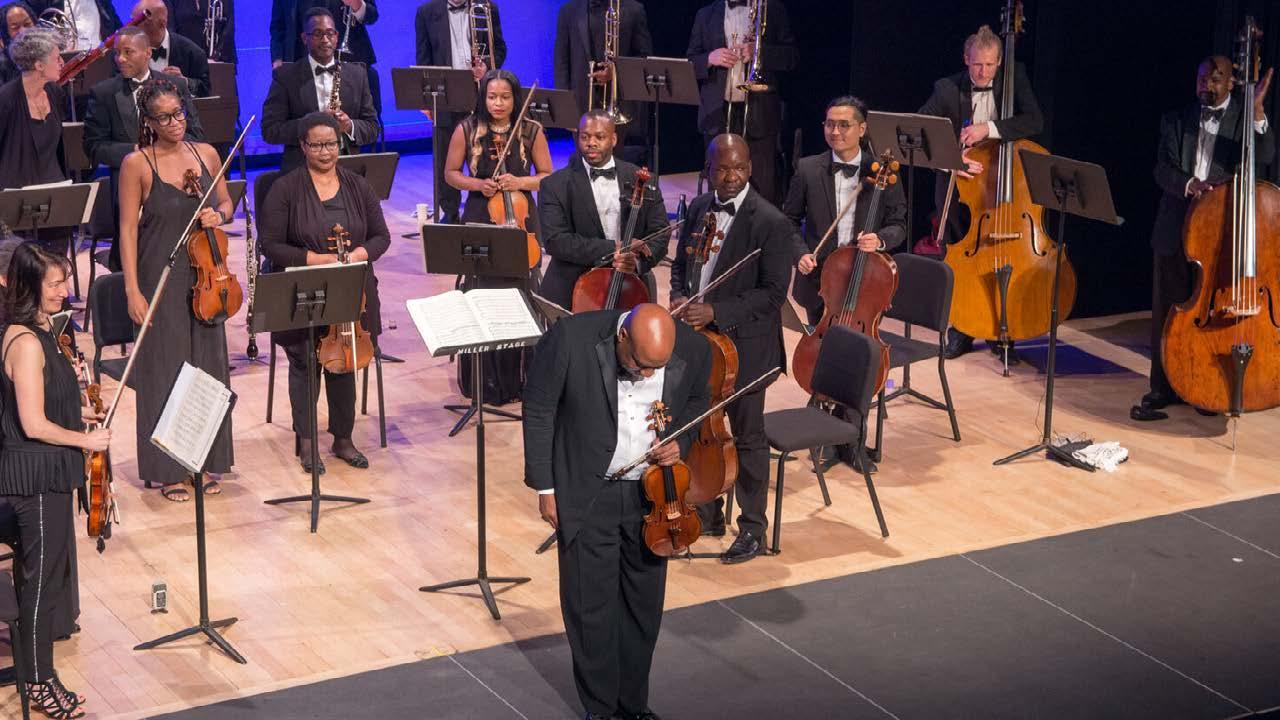
The Harlem Chamber Players is an ethnically diverse collective of professional musicians dedicated to bringing high-caliber, affordable and accessible live classical music to people in the Harlem community and beyond. In addition, The Harlem Chamber Players builds diverse audiences for classical music in general through community and educational outreach, as well as through collaborations with Harlem’s other arts organizations, schools and cultural institutions, while creating opportunities for classically trained musicians of color.
Photo Credit: Bob Curtis
WHERE IS THE CONCERT? ABOUT THE HARLEM SCHOOL OF THE ARTS
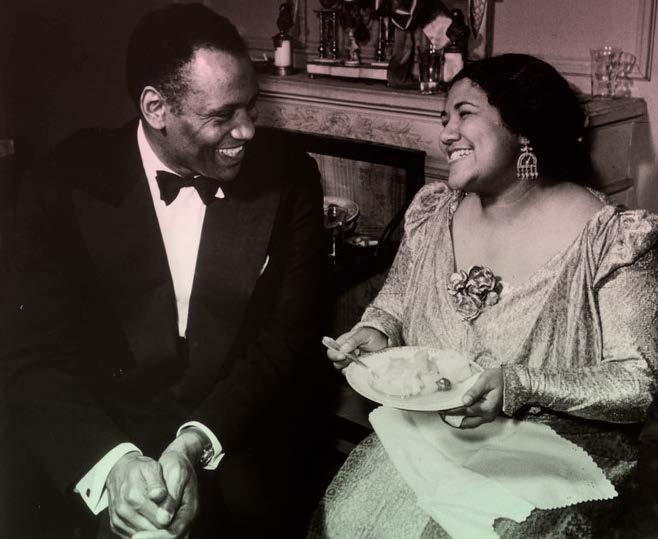
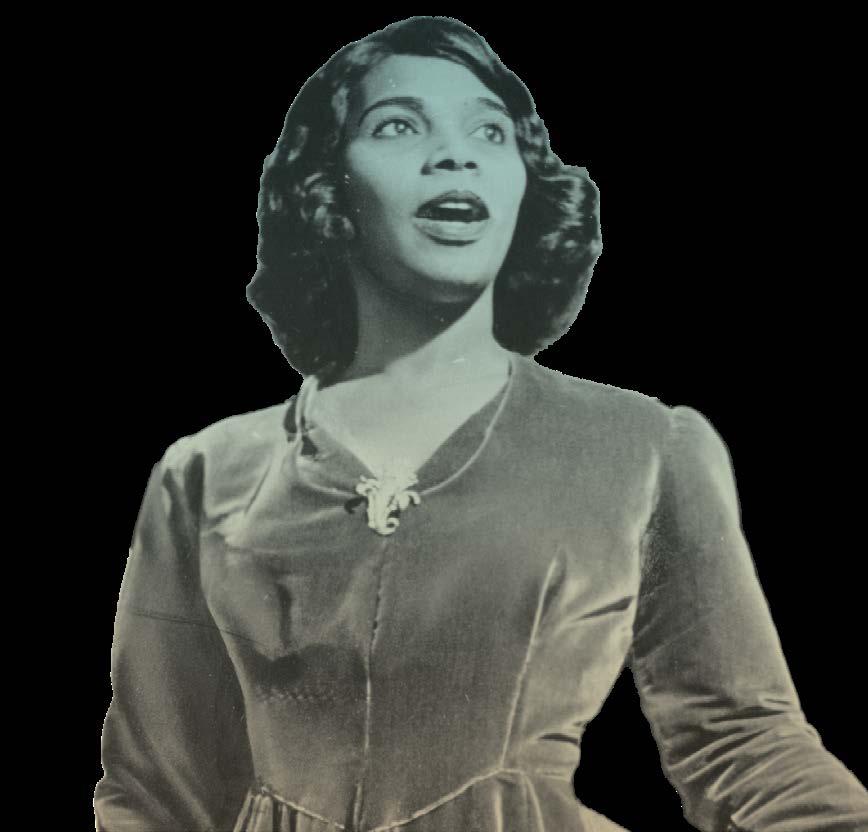
The Harlem School of the Arts was founded in 1964 by internationally acclaimed concert soprano Dorothy Maynor, inspired by her fervent belief that world-class training in the arts stimulates the child, strengthens the family and gives pride of ownership to the community. She opened Harlem School of the Arts in the basement of the St. James Presbyterian Church in Harlem at a time when the community suffered severe physical blight, high levels of poverty, and offered few cultural resources for its young people. From toddlers to adults, the students who came through its doors developed an invaluable sense of purpose and focus, whether or not they pursued professional careers in the arts.
Dorothy Maynor performed her debut recital in New York City at The Town Hall on December 9th, 1939, and eventually became the first Black person to sing at a Presidential inauguration, performing at President Harry S Truman’s inaugural gala in 1949 and at President Dwight D. Eisenhower’s 1953 presidential inauguration at Constitution Hall, where the Daughters of the American Revolution famously refused to let Marian Anderson sing in 1939.
Dorothy Maynor and Paul Robeson at the party following the soprano’s Town Hall debut, New York, 1939.
Photo Credit: Robert Capa
DISCUSSION QUESTIONS: AFTER THE CONCERT
• How does it feel to listen to this music?
• Did it make a difference to you to know who wrote the piece? Did it surprise you that Black composers wrote these works?
• What does this music have to do with Black history?
• What other styles of music do you associate with Black culture?
• Does it matter who writes a piece of music, or who plays it? Do the identities of the players or composers matter? Why?
• “Like whiteness,” writes author Kira Thurman in her new book, Singing like Germans, “classical music is frequently racially unmarked and presented as universal—until people of color start performing it.” What do you think she means by this?
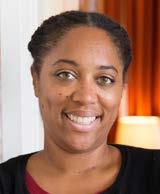
Photo Credit: Annette Hornischer
Poster and Essay Contest
Enter our Poster and Essay contest by March 31st, 2022 to win cash prizes. The Town Hall will award: 1st Place: $100, 2nd Place: $75, 3rd Place: $50 In both Photo and Essay categories.
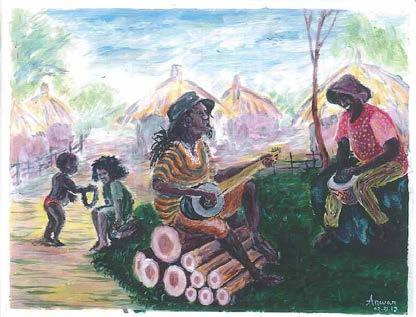
In either words or image, answer the following prompt: What, to you,
All contest entries must be submitted by March 31st, 2022 via email to: bhm@thetownhall.org
Subject line should include “Contest BHM 2022” as well as entry type (poster or essay).
Please include: - Student name - Teacher name & contact information - School & Grade
Questions can be directed to: bhm@thetownhall.org or 212-997-1003 x 17
Image by Musrical Anwar, MS 664, Grade 8
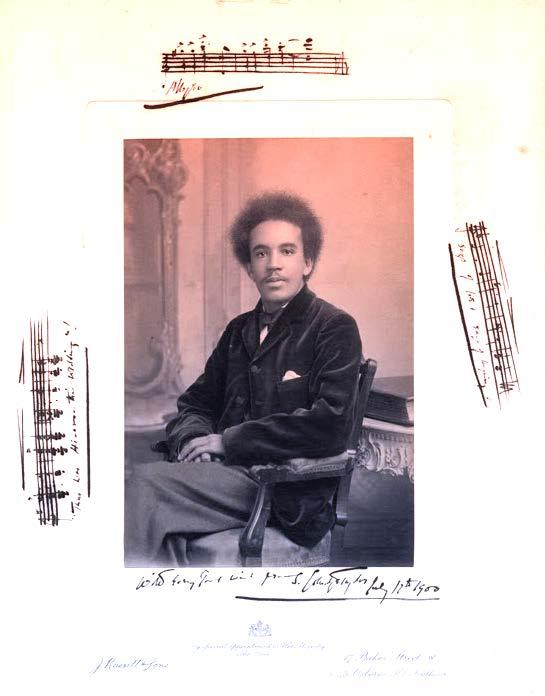
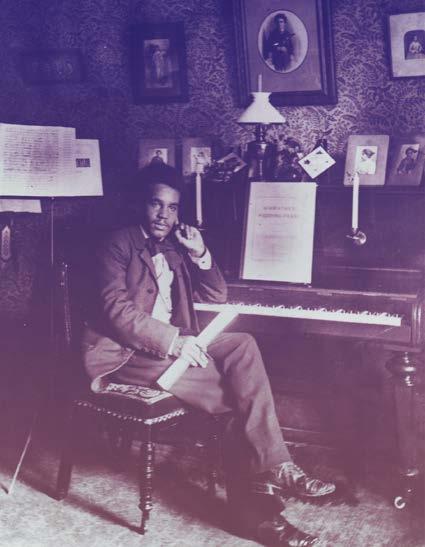
Composer Samuel Coleridge-Taylor
WHO WROTE THE MUSIC? COMPOSER BIOGRAPHIES
Joseph Bologne, Chevalier de Saint-Georges
| String Quartet No. 5 in G Major, 1st movement
Joseph Bologne was born on Christmas Day 1745, the illegitimate son of the wealthy French planter Georges de Bolokgne Saint-Georges and his wife’s slave Anne Nanon. Though he came to be known as the “Black Mozart,” it’s more likely that his own work influenced the Austrian composers, Bologne being the older of the two.
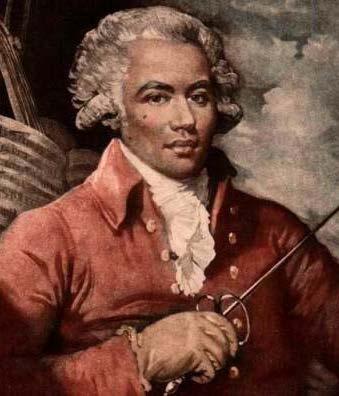
Given a strong education in Paris, he became an acclaimed master musician, despite the circumstances of his birth. He was lauded as a classical music genius throughout France. It’s possible he was the most important Afro-descended contributor to European classical music.
He ultimately left the comforts of a high social status to fight for racial equality. A frequent subject of controversy, by his death in 1799 he’d survived multiple assassination attempts.
String Quartet No. 5 in G Major reflects the independence of the individual instruments of the quartet. Like Bologne’s other works, it contains graceful themes and a juxtaposition between major and minor modes.
The Chevalier de Saint-Georges
Florence Price | String Quartet in G Major, 2nd movement, Andante Moderato
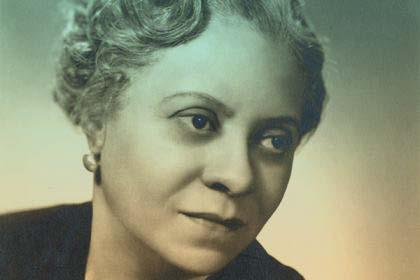
Florence Price was the first Black female composer to have a symphony performed by a major American orchestra. She began learning music very early; her mother started teaching her piano before she was four years old, and she was composing by age eleven.
She went on to study at the New England Conservatory, where she received two degrees within three years: the Teachers Diploma in Piano and a Soloists Diploma in Organ. By her early twenties, she was running the music department of Georgia’s Clark Atlanta University. She also won multiple awards for her compositions, including first prize in the Wanamaker Competition with her Symphony No. 1 in E minor, which led to the piece being premiered by the Chicago Symphony Orchestra.
Composer Florence Price
Fllorence Price
Photo Credit: G. Nelidoff, courtesy of the Arkansas Symphony Orchestra
Samuel Coleridge-Taylor | Nonet, 1st movement, Allegro Energico
Samuel Coleridge-Taylor was part of a musical English family. His father, a doctor from Sierra Leone, went back to his country without knowing that Samuel’s mother was pregnant with him. So he was raised by his mother and her family and was given the opportunity to study music and gain a reputation as a composer.
With music full of subtlety and sophistication, he was a musical prodigy. He composed the Nonet, for nine different instruments, when he was about 17. He became Britain’s greatest Black classical composer, and his music has impacted the modern world.
He unfortunately lived a short life, dying at 37 due to a bad infection. The circumstances of his death brought widened awareness to the undercompensation of composers & led to reforms in England.
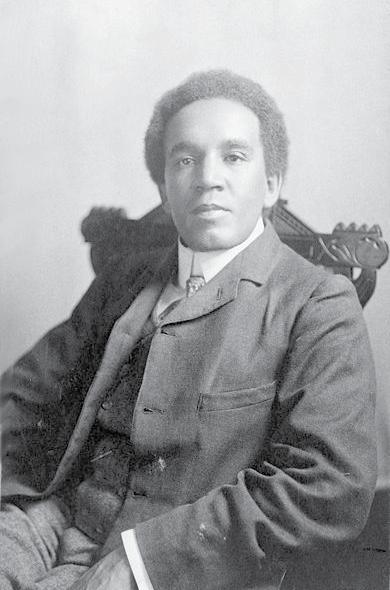
Composer Samuel Coleridge-Taylor
Coleridge-Taylor Perkinson | Louisiana
Blues Strut for Solo Violin
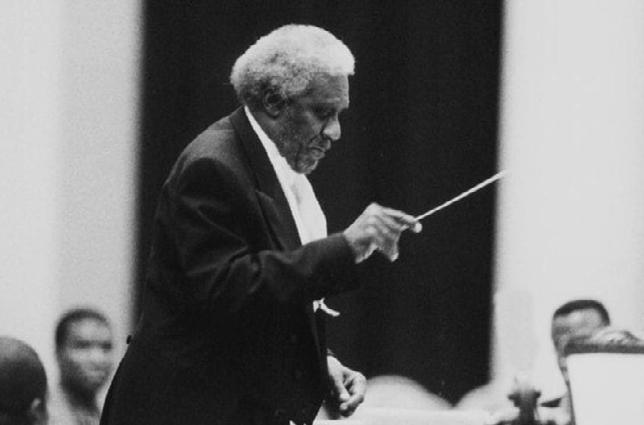
Coleridge-Taylor Perkinson, born to a pianist, organist, and theater director mother, was named for the Nonet composer Samuel Coleridge-Taylor, who’d died 20 years before he was born in 1932.
Perkinson had a strong musical education. He attended New York’s High School of Music & Art, winning the LaGuardia Prize for music by graduation; NYU, where he majored in education; and the Manhattan School of Music, where he studied under the likes of Charles Mills, Vittorio Giannini, and Jonel Perlea.
He went on to tackle many major musical projects in his life, including writing music for artists such as Marvin Gaye and Harry Belafonte and composing ballet scores for companies such as the Dance Theatre of Harlem and Alvin Ailey. Besides being the composer-in-residence for the Dance Theatre of Harlem, he also filled this role for the Negro Ensemble Company. Additionally, he was a cofounder of the all-Black orchestra Symphony of the New World.
Photo Credit: Center For Black Music Research
Jessie Montgomery | Strum
Manhattan-born and -raised Jessie Montgomery was born in 1981 and still composes today. She’s received The ASCAP Foundation’s Leonard Bernstein Award and worked with the Sphinx Organization, which supports young Black and Latine string players. She’s currently the composer-in-residence for Sphinx’s flagship professional touring ensemble. She was also selected by the New York Philharmonic as a featured composer for Project 19, a celebration of the ratification of the 19th Amendment, which secured voting rights for American women.
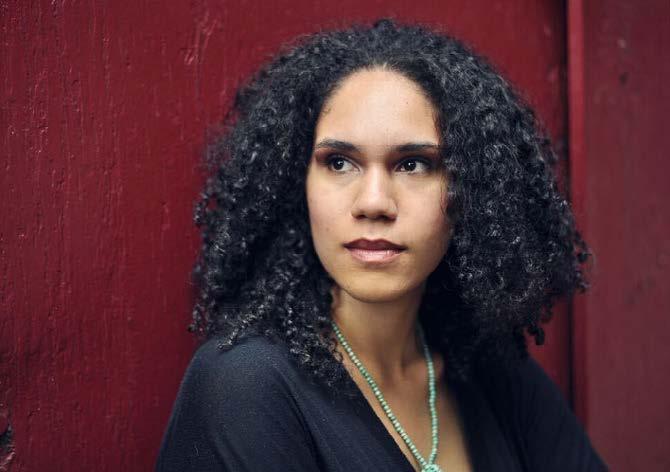
Composer Jessie Montgomery
LEARN EVEN MORE: ADDITIONAL READING AND RESOURCES
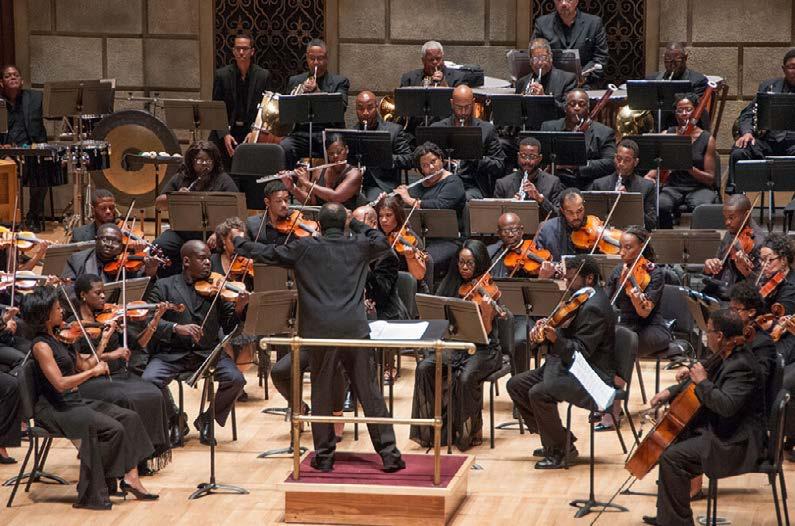
Articles to Read:
Black Musicians Who’ve Shaped Classical Music (Classical FM)
Classical Music & the Color Line (Boston Review)
10 Black Women Composers to Discover (Bitch Media)
Piano Music by Black Women Composers (University of Colorado Boulder)
When Marian Anderson Defied the Nazis (The New Yorker)
Queer Black Composer Julius Eastman (NPR)
Singing Against the Grain: Playing Beethoven in the Black Lives Matter Era (The Point Magazine)
Organizations To Explore:
Chineke! Orchestra & Tyler, the Creator for Virgil Abloh’s Louis Vuitton Show
The Sphinx Organization
The Dream Unfinished
Castle of Our Skins
The Gateways Music Festival
Gateways Music Festival Orchestra
Photo Credit: Keith Bullis, Media Manager, Eastman School of Music
Thank you!
Black History Month is sponsored by Con Edison.
This and other programs are made possible, in part, by the New York City Department of Cultural Affairs, in partnership with the City Council
Town Hall’s education programs in schools and community-based organizations are made possible by the New York State Council on the Arts with the support of Governor Kathy Hochul and the New York State Legislature
123 WEST 43RD ST NYC 10036


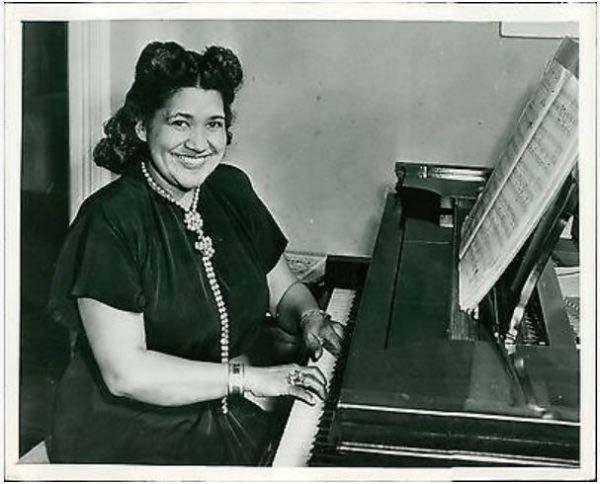
Dorothy Maynor, Soprano and Founder, Harlem School of the Arts