FR ANCHISE





The Great American Franchise Expo is the USA's premier franchise expo series. Experience the power of virtual reality & tour the world's top franchise brands from the expo floor. Educate yourself with the largest & most comprehensive series of seminars on franchising & business ownership.
• Choose from hundreds of concepts in dozens of industries.
• Meet franchise law experts to guide you through the legal process
• Learn about financing options to fund your new business.
• Interact with quality franchise company executives.
PROUD MEMBER












FEB 21-22, 2026
Stafford Centre

FORT LAUDERDALE
MAY 2-3, 2026
Broward County Convention Center

SEPT 26-27, 2026
Oakland Expo Center HOUSTON
MAR 21-22, 2026
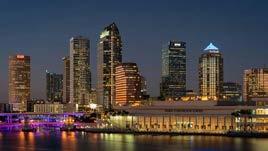
Tampa Convention Center ATLANTA
Nashville Fairgrounds TAMPA

MAY 16-17, 2026
Cobb Galleria

DENVER
OCT 10-11, 2026
MAR 28-29, 2026

MAY 30-31, 2026
Columbus Expo Center

OCT 24-25, 2026
National Westren Center COLUMBUS
Irving Convention Center MIAMI
APR 18-19, 2026
Miami Expo Center


PHOENIX
NOV 7-8, 2026
Mesa Convention Center

From the Gridiron to the Community: How Kevin Rutland Is Turning Competitive Drive into Community Impact by Aaron Bakken
Shaquille O'Neal: From Dominance on the Court to Ownership at Scale by Magnus Nilsson
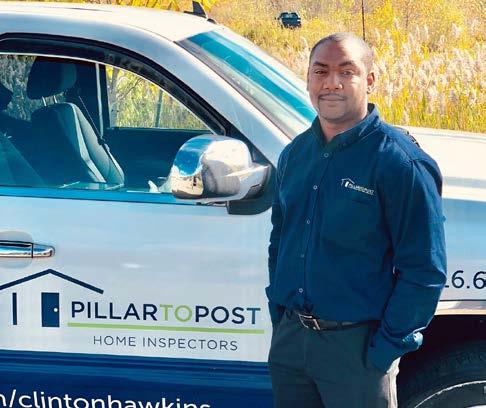
TO POST HOME INSPECTORS This Franchisee is a Marine Corp Veteran and a Pillar To Post Veteran Who Continues to Grow His Business by Rhonda Sanderson
by
William Edward Flippin,
Jr.
Opening Doors, Building Futures: How Franchising Is Creating New Pathways to Ownership by Dave Sullivan
JC Canty: Building Franchise Growth Inside One of America’s Strongest Public Platforms
From Vision to Execution: Samuel Idossa Brings Practical Robotics to Northern Virginia
CONTENT RECOVERY SPECIALISTS
The Business of What Matters Most: How CRS Franchise Is Redefining Restoration at Scale
72 Sunk Costs, Scarcity & Smart Franchise Buying: Lessons from the $20 Auction by Mark Martuza
Building the Pipeline: Practical Steps to Grow Black Franchise Ownership by Ozzie Grupenmager
The #1 Franchise for Black Entrepreneurs Building Wealth Through Ownership by Joe Carter
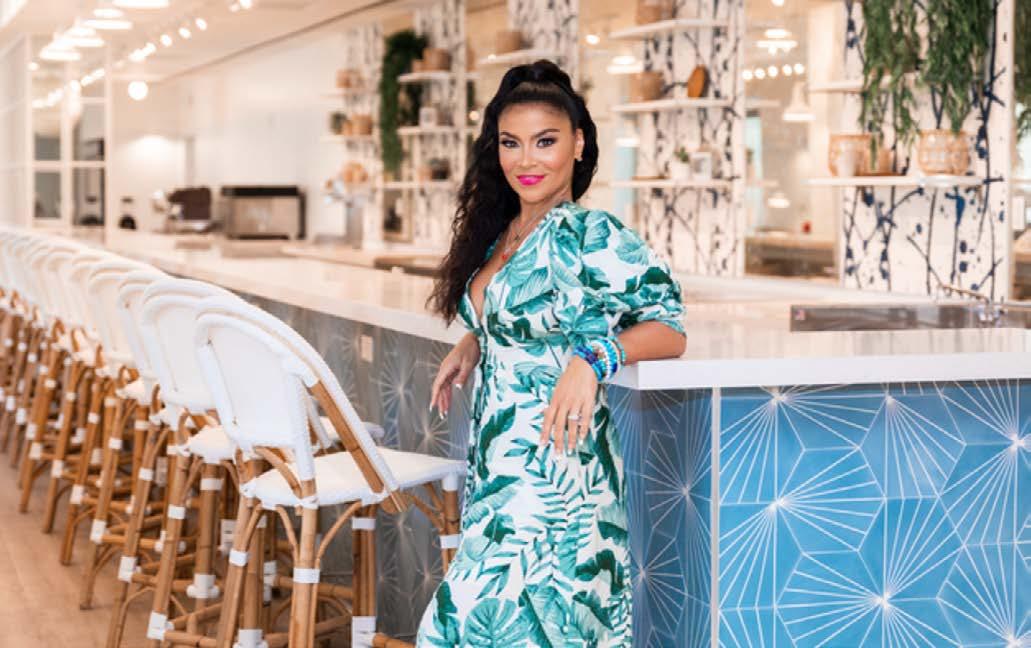
How Shannon Allen Is Building a Healthier Fast-Food Company—and a Smarter Franchise Model
From Legacy to Leverage: How Franchise Ownership Builds Generational Wealth in Black Communities by Ron Fillian
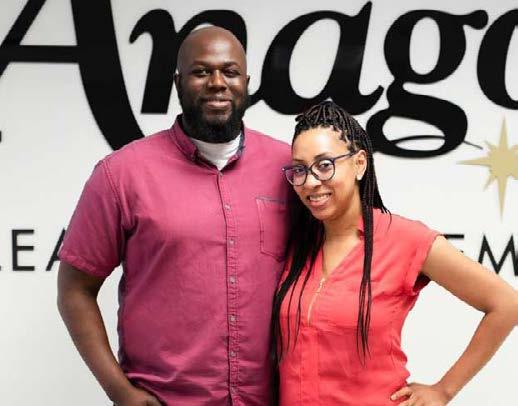
Franchisee Couple Brings Perfect Skillset Combination to Their South Orlando Location by Rhonda Sanderson
Coloring Outside the Lines: Empowering Entrepreneurs to Dream Big by Tracy Woods
The Power of AI by Tony Jeary
John Biagas Built the Grid Now He Is Franchising the Future by Dudley Harris
The Second Act: Verdine Baker, Anthony Geisler, and the Purpose-Built Future of Sequel Brands
Nikki & De'Von Fitts Is Building the Next Kind of Home Service Business: One Built on Trust and Love



Every February, Black History Month invites reflection. But in business, reflection without action is just nostalgia. The real question is not whether we celebrate African American excellence in entrepreneurship—but whether we are building systems that make ownership more accessible, more durable, and more generational. Franchising, at its best, is one of the most powerful vehicles for economic mobility ever created. It combines entrepreneurship with structure. Independence with support. Risk with repeatability. And when done right, it lowers
barriers that have historically excluded talented operators from ownership.
That is why diversity in franchising is not a talking point. It is a growth strategy.
For decades, African American entrepreneurs have been overrepresented in hustle and underrepresented in ownership. The reasons are structural and well-documented: limited access to capital, fewer inherited assets, thinner safety nets. Yet despite those constraints, Black founders and
operators have consistently built resilient, profitable businesses in every sector of the economy.
Franchising can change the math. By providing proven systems, brand recognition, vendor relationships, and operational playbooks, franchising reduces the friction that keeps many would-be owners on the sidelines. It does not eliminate risk, but it replaces guesswork with process. That distinction matters.
We see it every day at Franchise Journal. When access meets execution, outcomes change.
Before we talk about modern franchise systems, we have to acknowledge something more fundamental: ownership at scale is only possible when the law protects participation.
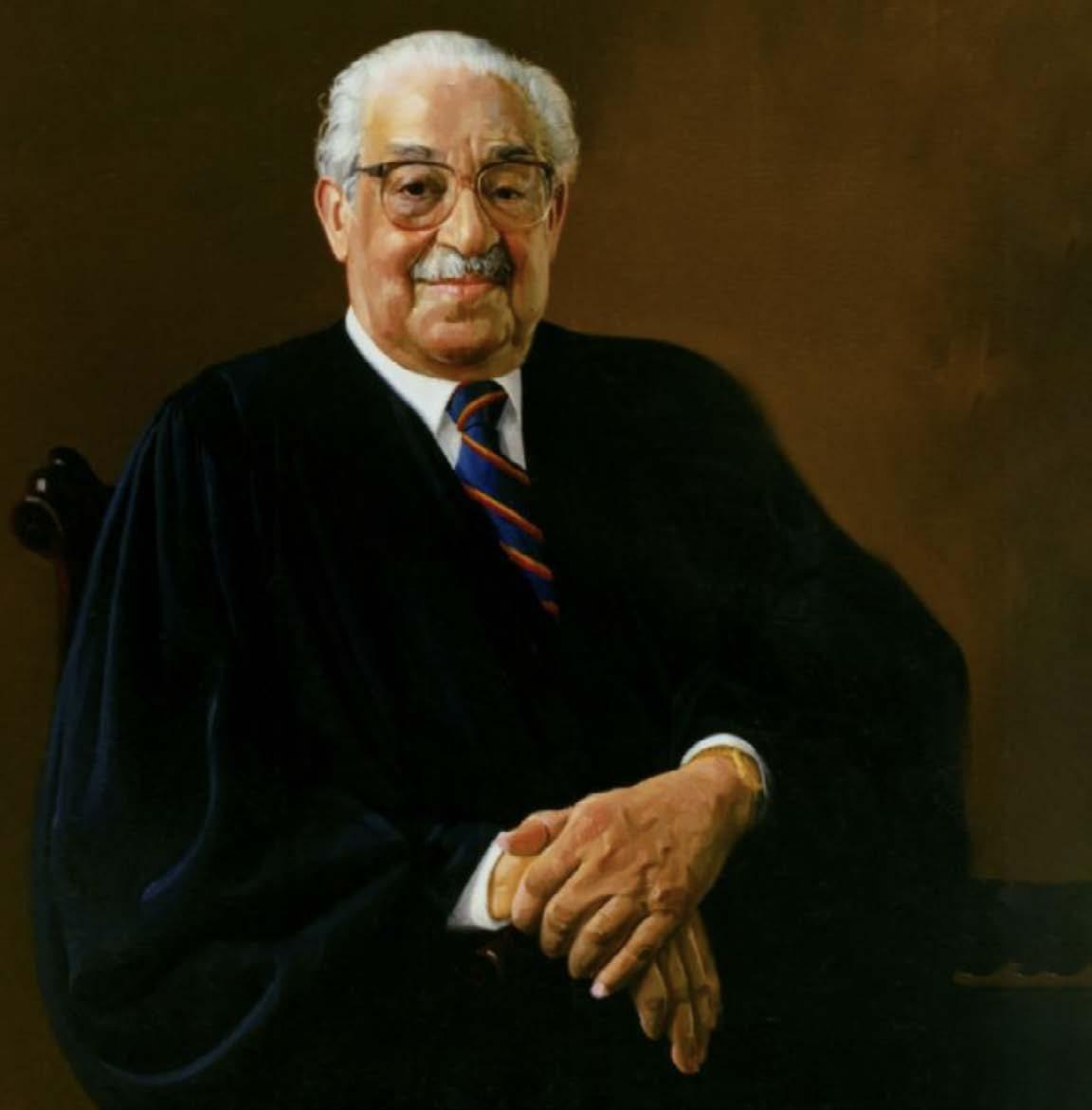
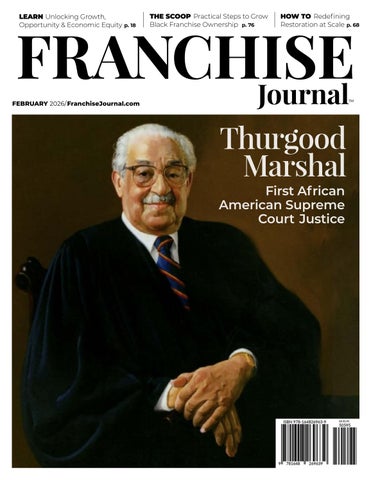
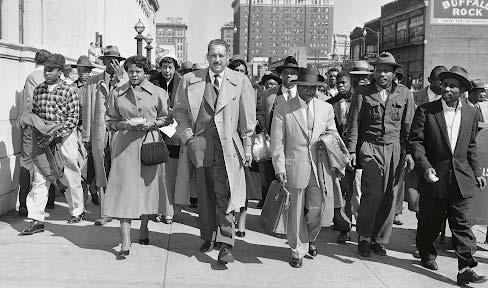
Few individuals did more to dismantle the legal barriers that constrained opportunity than Thurgood Marshall.
national brands—exist on legal ground that leaders like Marshall helped clear. His legacy is not abstract. It is operational.
The modern franchise landscape includes African American leaders who did not wait for permission to build at scale.
Take John Biagas, founder of Bay Electric and a driving force behind 4EverCharge. Biagas’ story is often framed around technical expertise and scale, but the deeper lesson is infrastructure thinking. He built a business by mastering complex electrical systems, understanding regulatory realities, and designing solutions that work in the real world, not just on paper. Today, he is applying that same discipline to EV charging, helping property owners and franchisees navigate a rapidly changing energy landscape while building durable, cash-flow-focused businesses anchored in long-term demand.
MEAN LITTLE UNLESS THEY ARE ENFORCED, REPEATABLE, AND DURABLE.
Long before he became the first African American Associate Justice of the U.S. Supreme Court, Marshall won nearly 30 cases before the Court as an attorney, many under conditions of extreme hostility and personal risk. His work with the NAACP Legal Defense Fund systematically attacked segregation, exclusion, and unequal treatment under the law—culminating in Brown v. Board of Education, which overturned the “separate but equal” doctrine.
Marshall understood something that applies directly to franchising today: systems matter. Rights on paper mean little unless they are enforced, repeatable, and durable. By forcing institutions to open, Marshall did not just change schools or courtrooms. He changed the future of ownership, employment, and economic participation.
The franchise opportunities we discuss today— multi-unit portfolios, generational businesses,
Take Shannon Allen, co-founder of Grown. Her story is often told through wellness and food, but the deeper lesson is systems thinking around health. Shannon didn’t set out to open a restaurant. She set out to solve a problem she understood personally: how hard it is for families and athletes to eat clean, nutrient-dense food without turning meals into a full-time job. Grown was built by reverse-engineering performance and metabolic health—starting with ingredients, sourcing, and preparation—then designing a menu that works in real life. That same discipline is now being applied to franchising, giving operators a repeatable model that aligns mission with margins.
Take Verdine Baker, CEO of iFlex Stretch Studios. Baker’s story is often framed around rapid growth and leadership titles, but the deeper lesson is operational mastery. He rose from the front lines of fitness, learning the business by selling memberships, running
“WHERE YOU SEE WRONG OR INEQUALITY OR INJUSTICE, SPEAK OUT, BECAUSE THIS IS YOUR COUNTRY. THIS IS YOUR DEMOCRACY. MAKE IT. PROTECT IT. PASS IT ON”
studios, and building teams before ever leading a brand. That grounding shaped his belief that sustainable growth comes from systems, discipline, and people-first leadership. Today, Baker is helping define the next era of recovery and mobility-based wellness, while proving that thoughtful franchising can be a powerful engine for ownership and long-term impact.
Leaders like Don Thompson reshaped what corporate leadership looks like. Thompson rose from engineer to CEO of McDonald’s, overseeing tens of thousands of franchisees globally. His tenure mattered not just symbolically, but structurally. Representation at the top influences policy, pipeline, and perception.
While CEOs make headlines, franchisees build communities.
Across food service, fitness, home services, and retail, African American franchise owners are quietly creating jobs, stabilizing neighborhoods, and generating generational income. Many are multi-unit operators who started with one location and scaled through discipline and reinvestment.
Brands like McDonald’s, Popeyes, Wingstop, and Planet Fitness have seen some of their strongest operators come from diverse ownership groups. Not because of preference— but because execution wins.
What separates top-performing franchisees is rarely background. It is leadership, adherence to systems, and the willingness to play the long game.
That said, access still matters. Capital still matters. Mentorship still matters.
If franchising has an Achilles’ heel when it comes to diversity, it is financing.
Many qualified African American candidates are operationally strong but capital constrained. They can run the business. They understand the customer. They know how to lead teams. What
they lack is access to flexible, patient capital.
Progress is being made. SBA programs, community development financial institutions, minority-focused lending initiatives, and franchisor-backed financing have expanded. But the industry can do more.
Smart franchisors are beginning to recognize that helping the right operators get funded is not charity. It is risk management.
Another quiet shift is happening around education. Organizations, expos, and broker networks are doing more outreach in historically underrepresented communities—not to sell franchises, but to explain them. How royalties work. What Item 19 really means. Why validation matters more than marketing.
When prospective owners understand the rules, they make better decisions. And better decisions create stronger systems.
Celebrating Black History Month in business is not about revisiting the past. It is about recognizing momentum in the present and responsibility for the future.
The legal groundwork laid by leaders like Thurgood Marshall made today’s ownership conversations possible. The entrepreneurs and franchisees building now are turning that possibility into reality.
Ownership creates stability. Stability creates legacy. And legacy is what this industry should be about.
At Franchise Journal, we will continue to spotlight leaders, franchisees, and systems that expand access to ownership—not because it sounds good, but because it works.
That is how history is made.
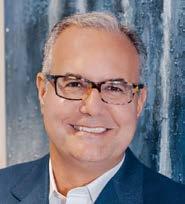
Nick Neonakis Editor, Franchise Journal

DESIGN DIRECTOR
Pete Neonakis
DIGITAL DIRECTOR
Chantae Arrington
ART DIRECTOR
Brenda Lesch
SENIOR EDITOR
Joe Fox
SENIOR CONTRIBUTING
EDITOR
Rob Petka
ONLINE EDITOR
Seth Lederman
STAFF WRITER
Alex Neonakis
SOCIAL MEDIA
EDITOR
Ted O'Shea
ASSOCIATE EDITOR
Mariel Miller
ONLINE EDITOR
Greg Gasparini
VIDEO PRODUCER
Matt Panepinto
CONTRIBUTORS
Aaron Bakken
Joe Carter
Ron Fillian
William Edward Flippin, Jr.
Ozzie Grupenmager
Dudley Harris
Tony Jeary
Alex Johnson
Seth Lederman
Mark Martuza
Alex Neonakis
Magnus Nilsson
Rhonda Sanderson
Dave Sullivan
Jewan "Jack" Tiwari
Jimmy Ray Whiteside II
Tracy Woods

by Seth Lederman, Consultant, The Franchise Consulting Company
Franchising has long been heralded as a pathway to entrepreneurship — offering proven systems, brand recognition, and operational support that make business ownership more accessible. Yet despite its promise, minority representation among franchise owners has historically lagged behind overall population demographics and broader entrepreneurial growth. Today, however, data and industry trends point to a turning point: franchising is becoming a potent vehicle for economic empowerment for minority entrepreneurs.
For instance, the International Franchise Association (IFA) reports that Black-owned franchises earn 2.2 times more than Black-owned independent businesses on average. Stronger ethnic and cultural diversity also has a positive impact on performance with companies displaying more diversity 22% more likely to out-perform companies lacking ethnic and cultural diversity. Finally, franchising offers American people of color a unique entrepreneurial avenue — nearly 26% of franchises are
owned by a minority compared to just 17% of non-franchised small businesses.
Minorities — including Black, Hispanic/Latinx, Asian, Indigenous, and other historically underrepresented groups — are among the fastest-growing segments of small business owners in the United States. According to the latest U.S. Census and Small Business Administration data,
minorityowned businesses increased at a rate far above the national average over the past decade. Yet these gains are not always reflected proportionally in franchising.
Barriers such as access to capital, credit history disparities, lack of exposure to franchising opportunities, and limited mentorship networks have constrained participation. Franchising can also require hefty franchise fees, real estate commitments, and working

capital that disproportionately impact minority candidates without generational wealth backing.
Despite those hurdles, momentum has begun shifting. Franchise associations, lenders, and large brands are implementing targeted programs — from training and financing support to mentorship and pipeline building — aimed at closing the equity gap. And the economic impacts are compelling: franchise ownership can deliver stable income, create jobs in underserved communities, and build long-term generational wealth.
The growth potential for minority franchise owners is strongest in segments that align with broader demographic shifts, consumer preferences, and serviceoriented market demand.
Health and wellness is a rapidly expanding category across the economy — and especially so among minority populations, which are driving demand for accessible care and culturally relevant services. This includes:
• Home health care and senior services, where aging populations require scalable care delivery.
• Fitness and wellness studios, including yoga, boutique fitness, and holistic wellness.
• Mental health and counseling support services, which have seen increased demand postpandemic.
“WE SHOULD ALL KNOW THAT DIVERSITY MAKES FOR A RICH TAPESTRY, AND WE MUST UNDERSTAND THAT ALL THE THREADS OF THE TAPESTRY ARE EQUAL IN VALUE NO MATTER WHAT THEIR COLOR.”
— Maya Angelou
Minority communities often face gaps in health care access and preventive services. Franchise models that prioritize community health not only meet market demand but can build trust and longterm engagement in areas that have been underserved.
The childcare industry is undergoing significant transformation, with families demanding quality, flexible, and affordable care options. For many minority families juggling multiple jobs or nontraditional work schedules, these services are often a necessity — and represent stable, recession-resilient business opportunities.
Franchises in this segment include:
• Child development centers
• After-school programs
• STEM-focused and bilingual education services
Minority entrepreneurs often have deep cultural insights into the needs of diverse families. Franchising in education and childcare enables them to bring culturally responsive programming to the communities they understand best, while tapping into a market that continues to grow as workforce participation increases.
Food is one of the most visible business categories where minority culture influences entrepreneurship. Historically, many ethnic cuisines have begun as small, community-based restaurants. Franchising allows these concepts to scale, standardize quality, and expand into mainstream markets.
Rising opportunities include:
• Fast-casual ethnic dining
• Specialty beverage brands (e.g., boba tea, coffee, juices)
• Mobile and kiosk-based food businesses that require lower startup costs
Cultural representation matters in dining trends. As mainstream consumers seek authentic, diverse flavors, minority-led food franchises are well-positioned to capitalize on both cultural heritage and broad market appeal. Moreover, many of these concepts have relatively lower capital requirements compared to full-service restaurants, making them more accessible.
Home services and personal care are among the fastestgrowing B2C sectors in the U.S. — and many of these models have lower entry costs, flexible

management requirements, and strong local demand. Examples include:
• Cleaning, landscaping, and handyman services
• Pet care and grooming
• Senior relocation and home setup services
• Beauty, spa, and grooming services
These franchises thrive on repeat local customers and can be built without traditional storefronts. For minority entrepreneurs seeking scalable yet community-anchored businesses, home service franchises offer strong cash flow potential and operational flexibility.
Emerging franchise models blur the line between digital platforms and local services — such as tech-driven marketing agencies, IT support services, and remote education or
tutoring franchises. Younger minority entrepreneurs, particularly Gen Z and Millennials, are driving demand for tech-enabled services and are more likely to adopt digital business models. These franchises often require lower upfront inventory costs and allow owners to leverage digital marketing and remote management skills.
Several key forces intersect to make these segments especially promising:
• Demographic Shifts — Minority populations are among the fastest‐growing groups in the United States. This growth translates into cultural influence, purchasing power, and
market niches that savvy franchise leaders — including minority owners — can serve authentically.
• Consumer Preferences Today’s consumers increasingly prioritize: Diverse and culturally authentic brands; Personalization and community connection; Health and wellness; and Convenience and quality service. Minority entrepreneurs often have firsthand insight into underserved preferences and can tailor offerings that resonate beyond traditional markets.
• Supportive Ecosystems
— Franchise associations, lenders, and large brands are increasingly focused on equity initiatives — including:Minority franchisee financing programs;
Training and mentorship networks; Partnerships with community development financial institutions (CDFIs). These support systems are leveling the playing field, helping entrepreneurs with less access to conventional capital to compete effectively.
• Economic Resilience
— Service-oriented and essential sectors — such as health, childcare, cleaning, and personal services — have demonstrated resilience through economic cycles. Franchise models in these areas are less vulnerable to downturns than discretionary retail or hospitality segments.
While opportunities abound, meaningful growth requires sustained action from all stakeholders:
• Franchisor Commitment: Brands must build inclusive recruitment pipelines, equitable financing options, and mentorship programs.
• Access to Capital: Banks and lenders should expand credit pathways for minority entrepreneurs, including flexible working capital.
• Community Outreach & Education: Early exposure to franchising through business development programs and entrepreneurship education can expand the pipeline.
• Policy Support: Federal, state, and local policymakers can help incentivize minority small business ownership through tax credits, grants, and procurement opportunities.
Minority entrepreneurs are poised to redefine the future of franchising. The latest market dynamics favor segments where cultural insight, community connection, and service orientation are strengths — from health and wellness to food concepts, personal services, childcare, and digital franchises.
By aligning opportunity with support and shared commitment, franchising can become not just a path to business ownership, but a catalyst for economic equity and community revitalization. When minority entrepreneurs succeed, they create jobs, strengthen local economies, and expand access to services that enrich lives — ultimately
proving that franchising’s greatest potential lies in the diverse voices and visions leading the next wave of entrepreneurial growth.
If you are considering franchising as a way to secure your future or pursue your entrepreneurial dreams, contact Seth Lederman with Frannexus to learn how to find the best options for your goals.
Seth Lederman, CFE, a Franchise Acquisition and Development Specialist, is a multi-faceted entrepreneur with over 30 years of experience in small business success, including ownership and sale of his business enterprises. He frequently contributes to The Franchise Journal and is on the exclusive Forbes Business Council. Contact Seth at seth@ thefranchiseconsultingcompany.com.

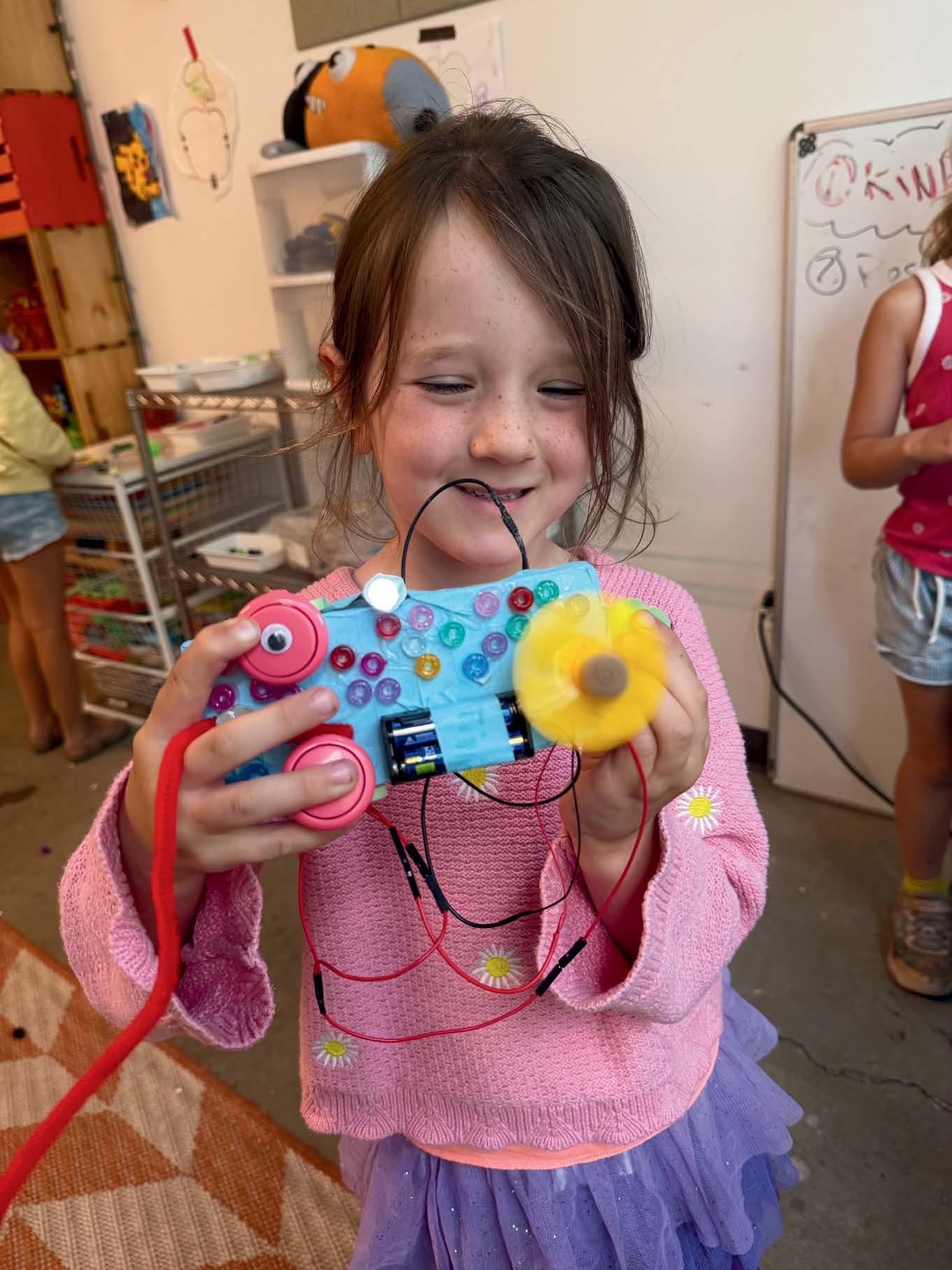



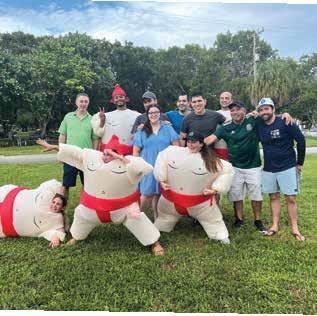
Weekend PE is more than a business opportunity it’s your chance to build a stronger, more active community Since 2015, we’ve delivered high-energy events for all ages, from sports parties and summer camps to community gatherings and classes. Now, you can help bring that mission to life where you live.
Email us at to learn more.

• High Profit Margin Potential
• Easy Training & Staffing
• Semi- Absentee Model
• Diverse Revenue Streams
• Scalable Business Model
addition Wow! A wholesome and exciting to our neighborhood. Coaches were H ighly recommended!

by Alex Neonakis, Writer, NYU Class of 2030
Next year, I’ll be heading to New York University. Like a lot of people my age, I’m excited, nervous, and trying to make sense of the world I’m stepping into. It’s a world that still has serious problems, but it’s also a world where barriers that once felt permanent are finally starting to crack. Not all at once. Not evenly. But undeniably.
That matters, not just socially, but economically. Especially in business.
I grew up around entrepreneurs. I’ve seen how opportunity compounds when people are allowed to participate fully. And I’ve also seen how much talent gets
wasted when doors are closed for reasons that have nothing to do with ability. Inclusion, to me, isn’t a slogan or a checkbox. It’s a practical idea with real consequences.
For a long time, access to education, capital, and ownership followed a narrow path. If you didn’t look a certain way, come from the right background, or know the right people, your chances were smaller before you even started. That’s not opinion. That’s history.
But something important is happening right now. We’re watching those systems loosen. It’s not perfect, and it’s not finished. But the fact that more people can build businesses, raise capital, lead companies, and shape culture than ever before is not an accident. It’s the result of pressure, awareness, and a generation that’s less willing to accept “that’s just how it is” as an answer.
When people talk about inclusion as if it’s controversial, I think they miss the point. Inclusion doesn’t take opportunity away. It expands the field.
One of the clearest places you can see this shift is in entrepreneurship.
When ownership becomes accessible to people who were historically excluded, the market gets smarter. Products get better. Services improve. Companies reflect real communities instead of theoretical ones. This isn’t charity. It’s competition. Different perspectives create better decisions. Leaders who have had to navigate obstacles tend to be more resourceful, more disciplined, and more connected to real customer needs. When those people are allowed to build, everyone benefits.
The idea that business excellence only comes from one background was always false. We just didn’t always have systems that proved it.
What gives me optimism isn’t just language. It’s structure. More schools are opening doors to first-generation students. More lenders are rethinking how risk is evaluated. More franchise systems are realizing that strong operators don’t all look the same, but they do share
traits like discipline, leadership, and follow-through.
Technology has helped too. Access to information is more democratic than ever. You don’t need to be born into the right room to learn how businesses work. You can study, connect, test ideas, and build credibility faster than any generation before.
That doesn’t mean effort is optional. It means effort finally has a fairer chance of paying off.
This shift isn’t just about money or business titles. It changes daily life.
When people feel included, they participate more. They take risks. They invest in their communities. They think longterm instead of just surviving the short-term.
That creates a different kind of society. One where success isn’t rare because it’s guarded, but because it’s earned. One where people compete on ideas and execution, not access.
I don’t believe inclusion makes things weaker. I think it makes them more honest.
People my age get criticized a lot. Sometimes fairly. But one thing I see clearly among my peers is this: we don’t want a smaller world. We want a bigger one.
We want systems that reward contribution. We want workplaces where competence matters more than background. We want leaders who understand that talent is everywhere, even if opportunity hasn’t always been.

ONE THING I SEE CLEARLY AMONG MY PEERS IS THIS: WE DON’T WANT A SMALLER WORLD. WE WANT A BIGGER ONE.
That doesn’t mean ignoring history. It means learning from it and doing better.
Every generation inherits a version of the world. Then it decides what to keep and what to change.
Right now, we’re in a moment where inclusion
isn’t just an idea. It’s becoming infrastructure. And infrastructure lasts.
When barriers come down, momentum builds. When momentum builds, progress accelerates. And when progress accelerates, it becomes very hard to justify going backward.
That’s what gives me confidence heading into the next chapter of my life.
I don’t expect the world to be fair. But I do expect it to keep getting fairer. And that makes it a better place to live, build, and belong.
Not because everyone is the same, but because more people finally get a shot to show what they can do.
Alex Neonakis is a high school student who loves business, history, basketball, and butter chicken. He’s passionate about entrepreneurship, exploring different cultures, and finding the best food spots with his friends.


Lots of territory available

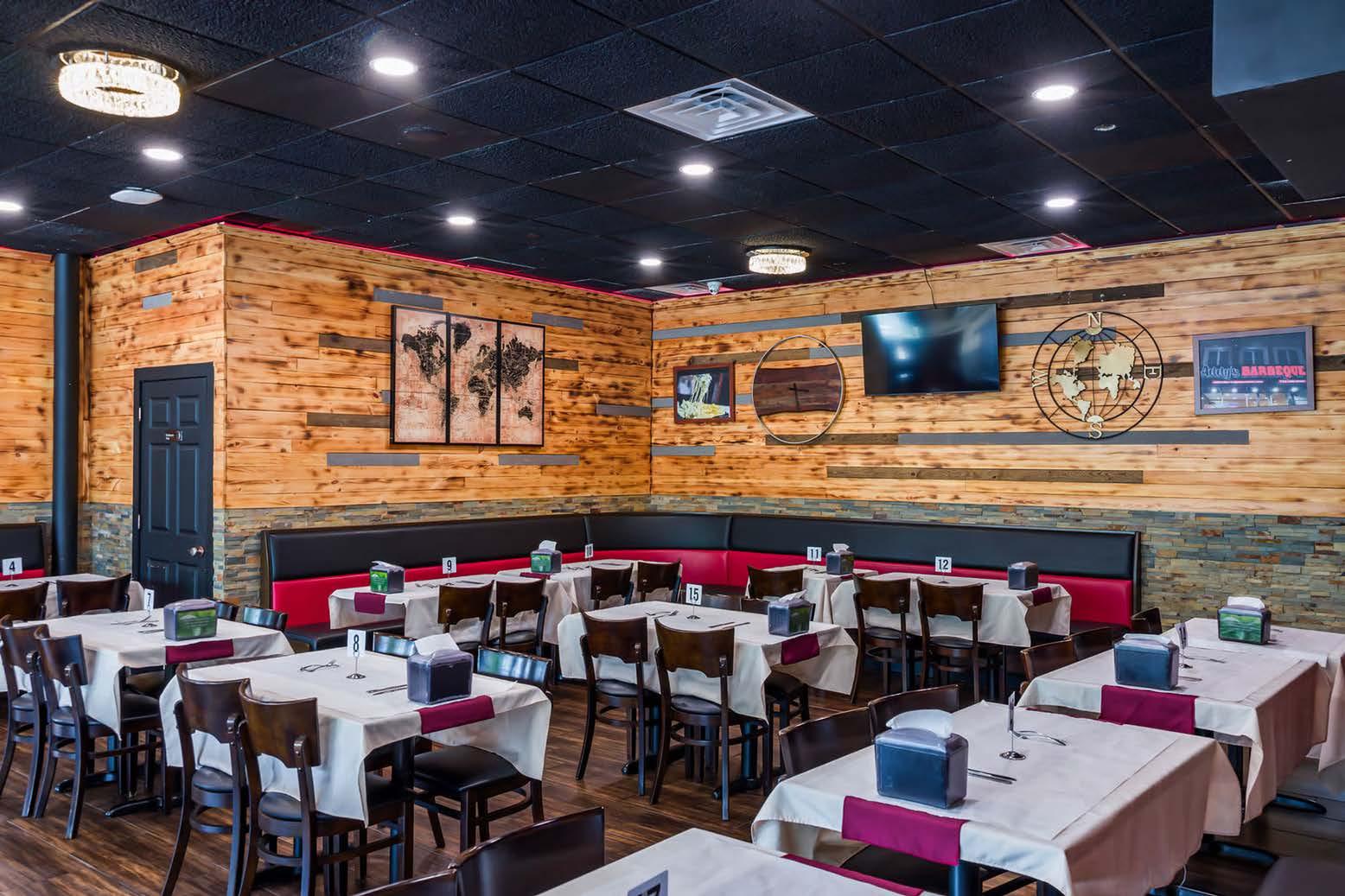
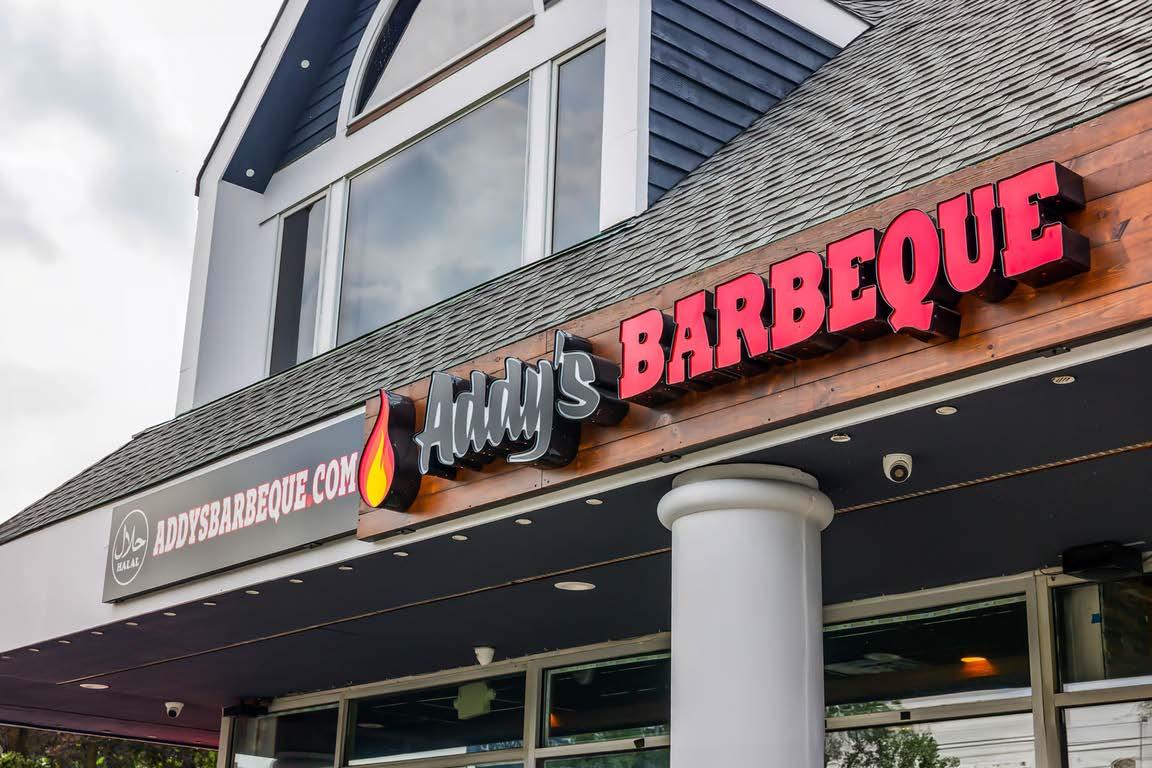
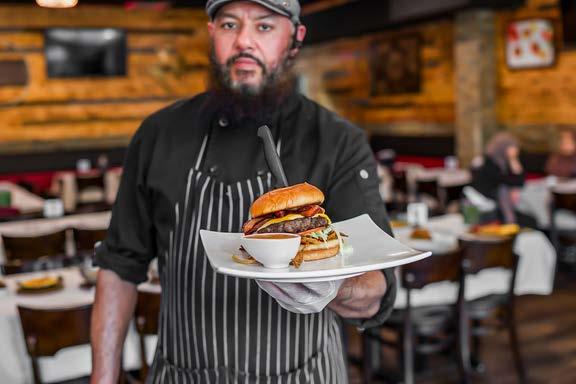
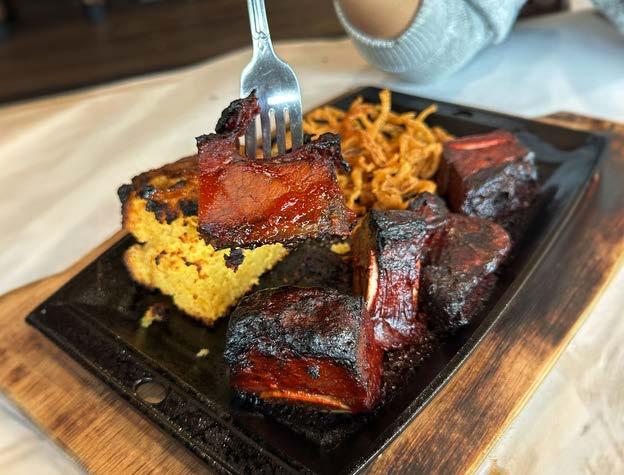
Discover a world of flavor at Addy's Barbeque, where global culinary traditions unite on a single, sizzling plate! Our Certified Halal restaurant blends the rich traditions of East African mishkaki, American BBQ techniques, Asian spices, and European culinary artistry to create an unparalleled dining experience. From our house-smoked meats and succulent BBQ ribs to our signature homemade sauces and crispy sides, every dish tells a story of passion and innovation. Addy's Barbeque invites guests from all backgrounds to embark on a mouthwatering journey that celebrates diversity, quality, and exceptional taste One bite, and you'll understand why we're not just a restaurant we're a global flavor destination
FRANCHISED BY

Proven business model

Creative marketing strategies


Leverage the success of our proprietary sauces!


by Jimmy Ray Whiteside II, Consultant, The Franchise Consulting Company
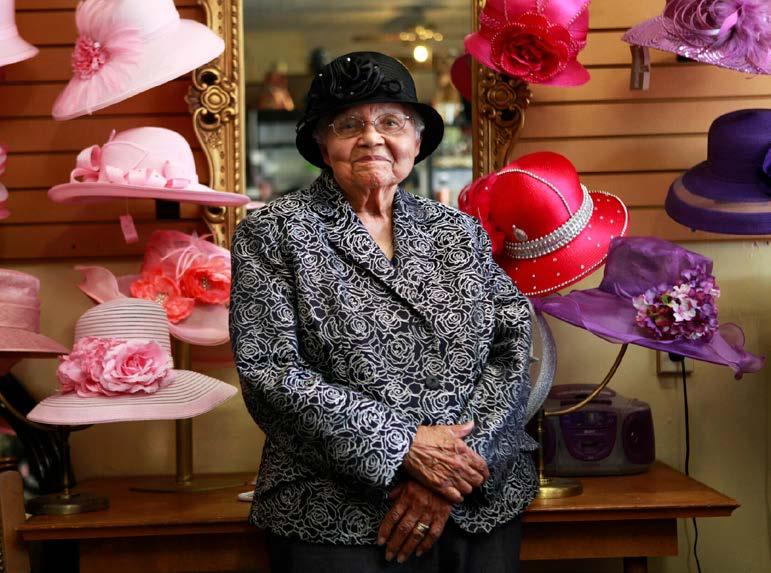
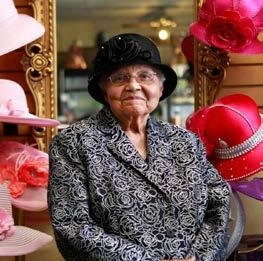
Iabsolutely love the month of February, for a few good reasons. Firstly, I was born in February, on a Wednesday afternoon February 2, 1977. (Yes, I’m a groundhog baby.) The other reason is, I as a history buff, enjoy studying Black History. (not just in February alone) I have researched biographies of Fredrick Douglas, Booker T. Washington, etc., and of the “DC Hat Lady” which we will read about in this article. Enjoy.
Every so often, history reaches across generations, taps you on the shoulder, and says, Pay
attention. This one matters.
For me, that story is Vanilla Beane—known to many as Washington, D.C.’s beloved “Hat Lady.” Her life didn’t just impress me; it recalibrated me.
In an age obsessed with overnight success and viral shortcuts, Vanilla Beane stands as a corrective lens. She reminds us that legacy is not rushed, that excellence is built stitch by stitch, and that entrepreneurship—real entrepreneurship—is less about timing the market and more about honoring the work.
Born in 1919 in Wilson, North
Carolina, Vanilla Beane entered a world that offered no welcome mat to Black women, let alone entrepreneurial ones. She grew up picking cotton and tobacco, educated in a one-room schoolhouse, shaped by discipline, faith, and responsibility. Opportunity did not knock politely at her door. She chased it—quietly, persistently, and without complaint.
When she moved to Washington, D.C., she didn’t arrive as a business owner. She arrived as a worker. Elevator operator. Seamstress. Mail clerk. Jobs some would dismiss, but Vanilla did not. She treated each role like training camp. Watching. Learning. Filing away insight the way others file excuses.
That’s the first lesson her life etched into me: entrepreneurs are students long before they are owners.
While working in a building that housed a millinery supply company, she observed the craft of hat-making. Not from a classroom. From curiosity. From proximity. From respect for the trade. Eventually, she stepped into that world, learning millinery not as a hobby, but as a calling.
IT IS NEVER TOO LATE TO BUILD SOMETHING MEANINGFUL!
Here’s where the story gets dangerous—in the best way possible. At 60 years old, when society quietly suggests you should start slowing down, Vanilla Beane opened her own business: Bené Millinery & Bridal Supplies. No venture capital. No glossy pitch deck. Just skill, reputation, and the courage to bet on herself.
As a franchise consultant, that detail stops me every time. Sixty. Not “too late.” Not “past her prime.” Not “what if.” She was right on time.
For decades, her shop became more than a storefront—it became a sanctuary. Her hats crowned women of dignity, faith, and influence. Church mothers. Community leaders. Civil rights icons. Maya Angelou. Dorothy Height. Hats that didn’t just sit on heads, but carried presence.
Vanilla Beane didn’t chase scale. She chased excellence. And excellence, when honored long enough, scales itself. Her work eventually found
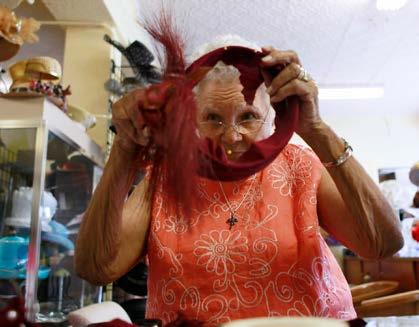
its way into museums, stamps, halls of fame, and city proclamations. Yet she kept working—well into her 90’s and beyond. Six days a week. Hands steady. Standards high. Ego absent.
That’s the second lesson she impressed upon me: success that lasts is rooted in service, not spotlight.
As someone who coaches business owners and guides individuals into franchising, I see far too many people disqualify themselves before the market ever does.
• “I’m too old.”
• “I should have started earlier.”
• “I missed my window.”
Vanilla Beane is the rebuttal. She didn’t just start late— she finished strong. Her story reminds me that business ownership is not reserved for the young, the loud, or the trendy. It belongs to the disciplined. The faithful. The prepared. The ones willing to master a craft and show up consistently, even when no one is clapping.
Franchising, at its best, mirrors her path. It honors proven systems. It respects structure. It rewards those who are willing to learn before they lead. Whether you’re expanding an existing business through franchising or stepping into ownership through a franchise model, the principle is the same: there is dignity in following a proven path—and power in executing it well.
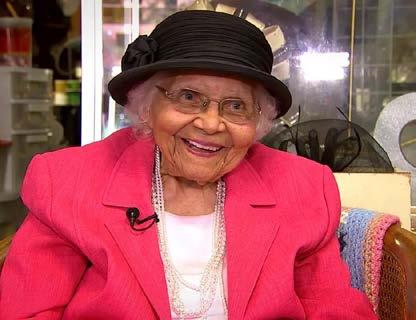
Black History Month is not just about remembering names; it’s about reclaiming lessons. Vanilla Beane’s life whispers— and sometimes shouts—that it is never too late to build something meaningful! Never too late to own your labor. Never too late to turn skill into legacy. If her story stirred something in you—if you feel that nudge telling you there’s more ahead—I’d welcome the conversation. Whether you’re exploring franchise ownership, considering franchising your existing business, or simply seeking clarity on your next move, your journey deserves intentional guidance.
Vanilla Beane built her crown one stitch at a time. Your next chapter may be waiting for the same courage.
When you’re ready to talk seriously about your franchise journey, reach out.
History favors those who act. LET’S GO!
Jimmy Ray Whiteside II guides leaders, veterans, and career changers own what’s next through smart, strategic franchise choices. Empowering everyday professionals to build wealth and freedom through franchise opportunities they believe in. Contact Jimmy Ray at JimmyRay@ TheFranchiseConsultingCompany.com.
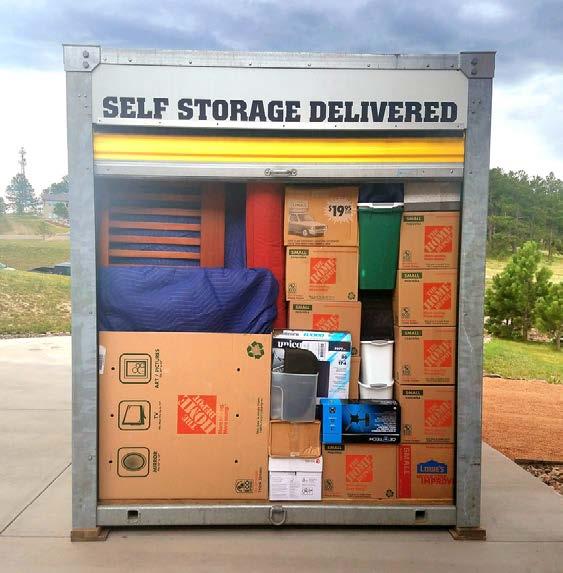

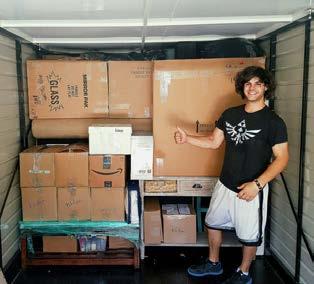
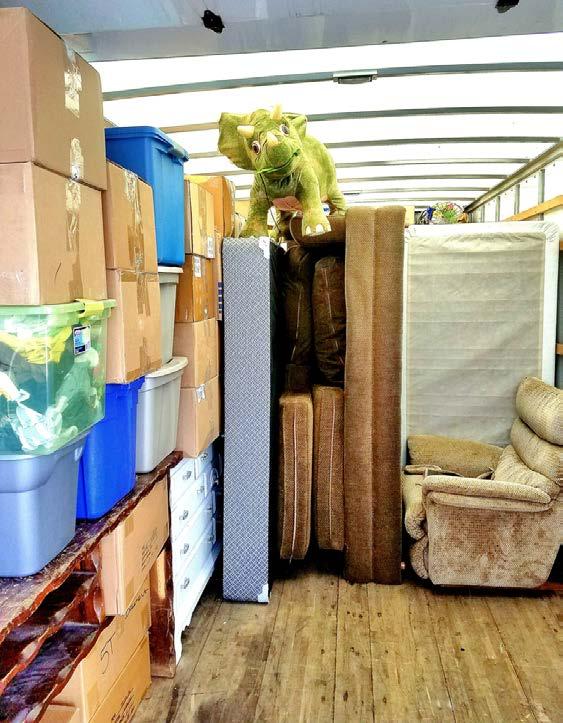

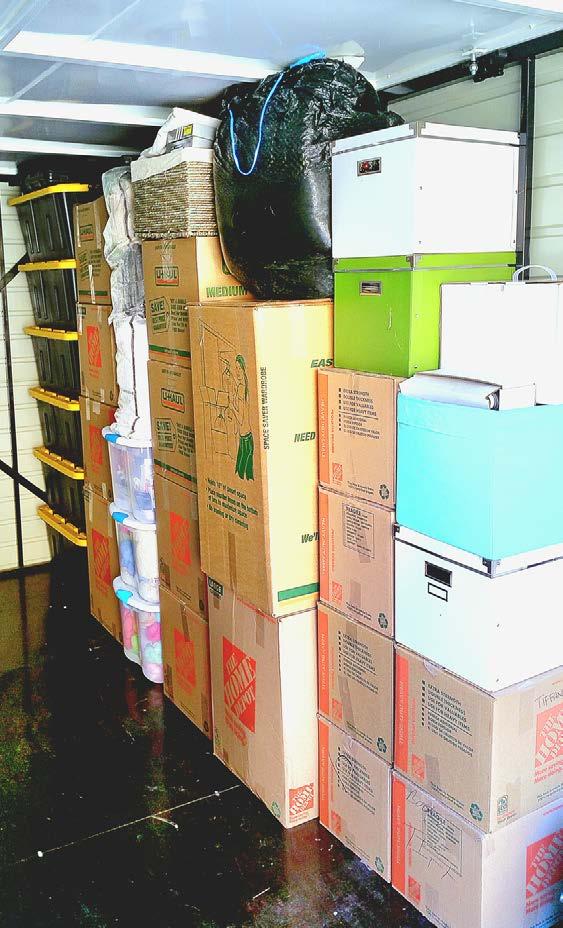




Two Guys, No Truck LLC was established in 2015 with innovation in mind, upon identifying and addressing several flaws within the moving industry. With our unique and intuitive business model, we have been able to completely transform the blueprint for residential and commercial moving.
The moving industry is changing and we are the reason why! Consumers are realizing that they can have all of their relocation needs handled for a fraction of the cost. With the increasing demand for box truck rentals and the rapid growth of portable storage containers, our moving labor service fills the missing link.

by Jewan "Jack" Tiwari, Consultant, The Franchise Consulting Company
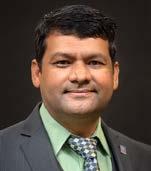
The face of American franchising is undergoing a profound transformation. For decades, the industry offered a proven path to business ownership, yet that path was not equally accessible or representative. Today, a powerful convergence of demographic shifts, technological adoption, and a renewed focus on communitycentric business is paving the way for a new era. The future of franchising is not just diverse; it is being actively shaped by minority entrepreneurs who
are leveraging their unique insights to build stronger brands and forge deeper community connections.
The next generation of minority franchise owners is entering the arena with a distinct advantage. They are digital natives, adept at leveraging social media, local SEO, and digital marketing tools to build hyper-local brand awareness at a fraction of traditional advertising costs. This tech-

savviness allows them to compete effectively from day one. But their real superpower is cultural competence. They inherently understand the nuanced needs, preferences, and communication styles of their communities. This isn't about generic marketing; it's about authentic connection. A franchise owner who is part of the community they serve doesn't just see a market—they see neighbors, family, and a network built on trust.
The most successful minority franchisees of the future will excel by applying a fundamental business principle: businesses thrive by solving problems. For these entrepreneurs, the franchise model provides the system, but the community provides the blueprint. This means identifying and addressing specific, often overlooked, needs within their locale. Consider the emerging franchise categories ripe for this approach:
• Health & Wellness: Franchises offering tailored fitness programs, specialized nutritional guidance, or preventative healthcare services can address disparities in community health outcomes.
• Educational Enrichment: STEM programs, tutoring services, or language immersion schools that respect cultural contexts can fill critical gaps in local education.
• Senior Care: Culturally sensitive in-home care services for aging populations, particularly in communities with multigenerational households, represent a growing and deeply needed sector.
• Specialized Food & Beverage: Brands that allow for menu localization or that introduce authentic ethnic cuisines to broader audiences through a scalable model are seeing tremendous growth.
The opportunity lies in taking a franchise’s core service and adapting its delivery to meet community-specific challenges. A lawn care franchise in one area might focus on pristine suburban yards, while in another, it might pivot to offer eco-friendly pest control or community garden maintenance, based on the owner's insight into local desires.
Forward-thinking franchisors are recognizing this shift. The
brands that will attract the best and brightest minority talent are those that offer flexibility within the framework. They provide robust training and operational systems while empowering franchisees to make local marketing decisions, tailor community outreach, and sometimes even adapt service offerings. This "glocal" approach—global brand strength with local relevance—is key. Franchisors are increasingly establishing dedicated diversity teams, creating mentorship programs pairing new minority owners with successful ones, and actively working with lenders who understand this demographic's potential.
This movement is about more than representation; it's about economic empowerment and legacy building. Franchising offers a structured path to generational wealth—an opportunity historically less accessible to minority communities. As these entrepreneurs succeed, they create jobs within their communities, reinvest locally, and become role models, inspiring the next cycle of business owners. The business they build is a sellable asset, a legacy that extends beyond a single career.
The prediction for the next ten years is clear: the franchises that intentionally embrace and support diverse ownership will be more innovative, more

resilient, and more profitable. They will benefit from a wider range of perspectives, deeper community roots, and the ability to tap into underserved markets. The future of franchising is a mosaic, with each piece—each franchisee—contributing their unique perspective to create a stronger, more vibrant, and more equitable whole. The brands that listen to these entrepreneurs, and the entrepreneurs who skillfully blend a proven system with community intelligence, are the ones who will define the industry's next chapter.
Jewan "Jack" Tiwari is a seasoned franchise consultant and business broker in the Washington, D.C. area. He specializes in guiding entrepreneurs through acquisitions, sales, and SBA financing to build and exit successful franchise ventures. Contact Jewan “Jack” at Jack@ TheFranchiseConsultingCompany.com for strategic advisory.




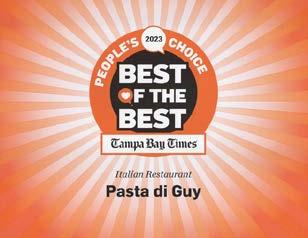

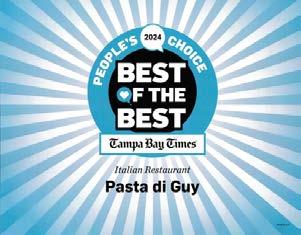
Since 2019, Pasta di Guy has been serving gourmet Italian cuisine in a fastcasual setting at affordable prices Founded by Chef Guy Carmeli, a graduate of the esteemed Cordon Bleu culinary school, our journey started with a successful food truck venture, leading to multiple thriving locations in different states. Winner of the "Best Italian Restaurant in Tampa Bay" for 2023 and 2024, we now offer franchise opportunities to expand our family.
Our Vision is to become the Italian Eatery of Choice for all American Families.
Proven & unique cu




Quality - Foo
Freshness - F pared Daily, Made to Order.
Family - Customers and Employees feel at Home.

Community - Be f h munity and contrib te to it




by William Edward Flippin, Jr., Consultant, The Franchise Consulting Company
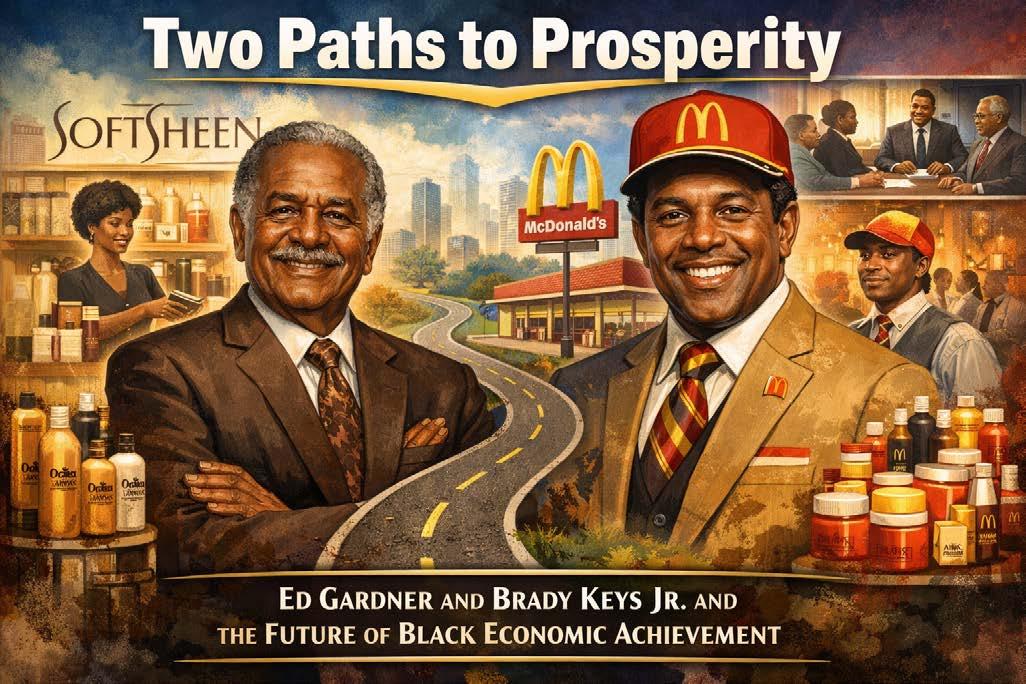
As we celebrate Black History Month, it’s essential to examine not just the pioneers who broke barriers, but also the different pathways they created for economic empowerment in the African American community. Two men—Ed Gardner and Brady Keys Jr.—exemplify contrasting approaches to building wealth through franchising, each offering valuable lessons about entrepreneurship, ownership, and sustainable economic progress.
In 1964, Ed Gardner founded Soft Sheen Products from his Chicago basement with a $500 loan. What began as a small operation creating hair care products specifically for African Americans grew into a powerhouse that would eventually sell to L’Oréal for approximately $160 million in 1998—one of the largest acquisitions of a Black-owned business at that time.
Gardner’s genius lay not just in product development,
but in his distribution model. Rather than operating traditional franchises, he created an extensive network of distributors and salon partnerships throughout African American communities. This franchisestyle approach meant that Black entrepreneurs across the country could build their own businesses by selling and distributing Soft Sheen products. Salon owners became partners in success, creating a multiplier effect where Gardner’s growth directly translated to opportunity for hundreds, if not thousands, of other Black business owners.
This model offered several advantages. First, Gardner retained complete ownership and control of his brand, building generational wealth that he passed to his children, who eventually ran the company. Second, his distributors and partners weren’t simply employees or franchisees paying fees to a larger corporation—they were independent entrepreneurs building equity in their own operations. Third, the profits generated stayed largely within the African American community, creating a genuine economic ecosystem rather
than extracting wealth to distant shareholders.
Brady Keys Jr. took a different path when he became one of the earliest African American McDonald’s franchisees in 1969. At a time when corporate America was largely closed to Black executives and entrepreneurs, Keys saw franchising as a door that, once opened, could admit many others.
Keys didn’t just build one successful location—he created a multi-unit franchise empire, demonstrating that African Americans could excel within established corporate systems. His success was so notable that he eventually joined McDonald’s board of directors, where he used his influence to advocate for diversity initiatives and create pathways for other minority franchisees.
The traditional franchise model Keys embraced offered its own set of advantages: proven systems, established brand recognition, extensive training and support, and access to corporate resources that would be difficult for
individual entrepreneurs to replicate. For many aspiring business owners without extensive industry experience, franchising offered a structured pathway to ownership with significantly reduced risk.
Analyzing Impact: Which Model Drives Greater Economic Achievement?
The question of which approach creates more significant economic impact for the Black community doesn’t have a simple answer— it requires examining multiple dimensions of success.
Wealth Creation and Retention: Gardner’s entrepreneurial model created concentrated, generational wealth. The $160 million sale represented a life-changing
sum that stayed within one family and could be reinvested in the community or in new ventures. However, Keys’ franchise approach, while generating less spectacular individual wealth, created more distributed opportunities. Every franchisee who followed in his footsteps built their own equity, potentially creating hundreds of millionaires rather than one mega-success.
Scalability and Accessibility: Traditional franchising, as exemplified by Keys, offers a more accessible entry point for many aspiring entrepreneurs. The training, brand recognition, and operational support reduce barriers to entry. Gardner’s path required unique vision, product development expertise, and
the ability to build systems from scratch—skills that not every entrepreneur possesses.
Community Economic Ecosystems: Gardner’s distributor network created what economists call “linked prosperity”—his success directly enabled others’ success within the community. This model kept more economic value circulating within Black communities. Franchise models, while creating Black business owners, still extract significant value through franchise fees, royalties, and supply chain requirements that often flow to corporate headquarters.
Institutional Influence: Keys’ position on McDonald’s board represented something Gardner’s independent path
couldn’t easily replicate— influence within a major American corporation. This institutional power allowed Keys to advocate for systemic changes that could benefit thousands of minority entrepreneurs and employees.
Rather than choosing between these models, the Black community benefits most from pursuing both simultaneously. Gardner’s entrepreneurial approach creates the high-growth, high-value companies that generate substantial wealth and prove that Black-owned businesses can compete at the highest levels. These successes inspire the next generation and
create role models who built something entirely their own.
Keys’ franchise path democratizes business ownership, creating a larger middle class of Black entrepreneurs who might not have the resources or expertise to start from scratch. This approach also places African Americans within corporate structures where they can influence policy and create systemic change.
The real lesson from Gardner and Keys is that economic achievement requires multiple strategies. We need more Ed Gardners building the next generation of Black-owned enterprises that can grow to hundred-million-dollar exits. We simultaneously need more Brady Keys breaking into
established franchise systems, building wealth, and using their success to open doors for others.
This Black History Month, let’s celebrate both paths and commit to ensuring that future generations have the resources, support, and opportunities to choose the entrepreneurial journey that best fits their talents and circumstances.
Dr. William E. Flippin, Jr. is a franchise consultant and global connector who leverages his diverse educational training to build authentic relationships and bridge opportunities across diverse communities worldwide. Through his servant leadership approach, he connects clients, professionals, and entrepreneurs across borders to create mutually beneficial partnerships and optimal business outcomes.





















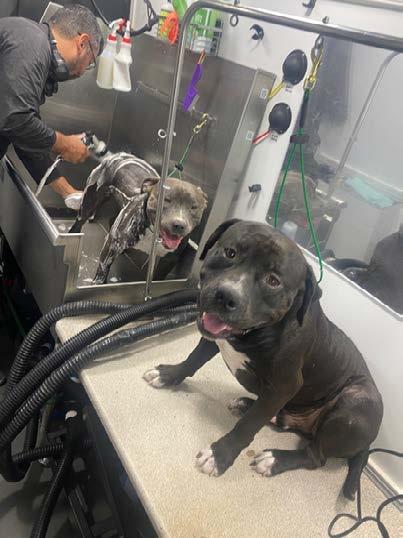

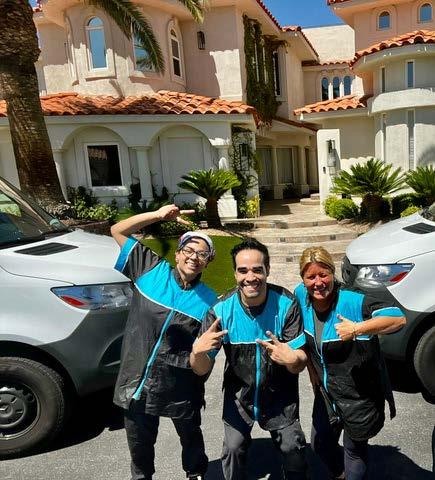
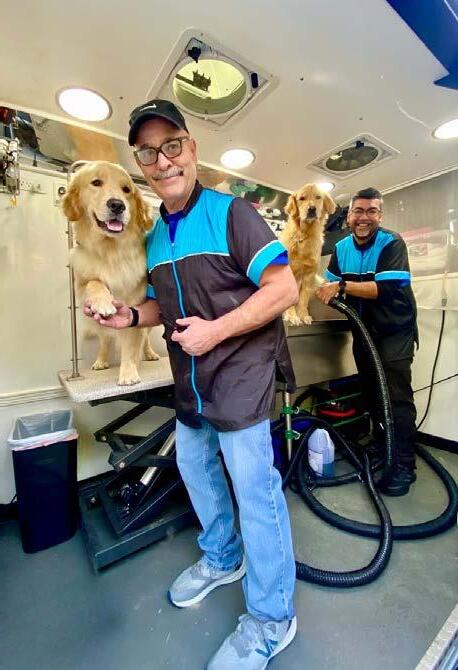
Fluffy Pet Wash is a ngs professional pet care directly to pet focuses on serving short-haired dogs, d washing solution making pet was





by Aaron Bakken, Consultant, The Franchise Consulting Company
By any measure, Kevin Rutland has already lived a life most people only dream about.
A standout linebacker at the University of Missouri, Rutland went on to play in the NFL for the Jacksonville Jaguars and Kansas City Chiefs. He competed at the highest level of professional sports, learning what it takes to perform under pressure and lead inside a locker room built on discipline, accountability, and teamwork.
But when his football career ended, Kevin faced the same question many professional athletes eventually confront: What’s next?
Today, Rutland is answering that question through franchise ownership with Fundraising University and building a business that gives back to the very communities that shaped him.
A FAMILY BUSINESS THAT BUILT THE FOUNDATION
Kevin and his wife, Sydnea, are already accomplished entrepreneurs. The couple owns and operates a Chickfil-A franchise in Houston — an achievement often compared to winning the lottery in


franchising circles. Chick-fil-A receives tens of thousands of applications each year and selects only a small fraction of operators.
Sydnea took the lead in running the restaurant, and together they built a thriving operation. For Kevin, the experience provided something even more valuable than financial success: confidence.
“Seeing how a world-class franchise system operates from the inside gives you a whole new level of belief in yourself,” Kevin says. “It showed me that ownership was something I could really do.”
With their Chick-fil-A established and thriving, Kevin was ready for a business of his own — one where he could channel his leadership skills, competitive drive, and passion for youth development.
Like many former athletes, Kevin explored coaching. Working with high school and prep school players was rewarding, but he found himself craving something more entrepreneurial — something that allowed him to build an organization, lead a team, and create long-term impact.
That’s when Kevin and I began reviewing franchise opportunities together. We explored home
services, supplemental education, and corporate cleaning concepts. Each had merit. But when Kevin learned about Fundraising University, something clicked immediately.
Fundraising University is a performance-based fundraising franchise that partners with high schools, youth sports teams, and community organizations to help them raise serious money — without relying on the outdated model of only selling candy bars, popcorn, or discount cards.
Instead, Fundraising University teaches studentathletes how to communicate, ask for donations confidently, and work together as a team to reach real financial goals. The result is fundraising campaigns that routinely generate tens of thousands of dollars for programs that desperately need funding.
For Kevin, the mission was personal.
“I know what it costs to run a sports program,” he says. “Buses. Equipment. Field time. Travel. There are always budget shortfalls. And too often, some kids miss out because their parents can’t afford to cover the gap.”
Fundraising University gives coaches real budgets to work with — allowing them to buy safer equipment, fund travel, and ensure no player is left behind because of finances.
What truly sets Fundraising University apart is its coaching culture.
This is a franchise system built by former coaches and sales leaders who believe in training, accountability, and leadership development. Franchisees don’t need to be natural salespeople. They need to care about youth development, believe in teamwork, and be willing to learn.
The franchisor’s internal culture mirrors a locker room: structured, supportive, performance-driven, and relentlessly focused on helping franchisees win.
Kevin is not a born salesperson — but he is a relationship builder, a motivator, and a leader.
In other words, he’s exactly the type of franchise owner Fundraising University is built for.
Before Kevin had even finished his formal discovery process, he had already reached out to the
superintendent of his own high school district in Houston and secured a verbal commitment to help fundraise for their athletic programs.
That’s how quickly this opportunity moved for him.
Kevin officially signed his franchise agreement in Q2 of 2025. He currently operates a single territory but already has plans to build a multi-unit operation across the Houston metro.
The business model is assetlight and scalable. Franchisees build long-term relationships with athletic directors, coaches, principals, and booster clubs — becoming trusted community partners rather than transactional vendors.
For Kevin, the business represents more than income. It’s about legacy.
The father of two young daughters, ages eight and three, Kevin is building something they can grow up watching — an enterprise rooted in service, leadership, and community.
“This is about giving kids the same opportunities I had,” he says. “Sports changed my life. If I can help open doors for other kids, that’s success to me.”
Fundraising University is the kind of franchise that attracts purpose-driven owners — people who want to make a living and make a difference.
From the gridiron to the boardroom, from the locker
room to the community, Kevin Rutland is turning competitive drive into community impact — one school, one team, and one student at a time.
As his franchise advisor, I couldn’t be more excited to watch him build what will soon become one of the strongest Fundraising University platforms in the country.
For Kevin Rutland, the game has changed.
But the mission remains the same.
Lead. Serve. Win together.
Over the past 25 years Aaron Bakken has been the owner of 7 franchise businesses, 6 of his own companies, a franchise executive, franchising consultant and board member with a franchisor.



District Candle Lab Franchising LLC is the franchisor offering the District Candle Lab franchise (“District Candle Lab,” “we,” or “us”) This advertisement is not an offer to sell or a solicitation of an offer to buy a franchise Franchise offers can only be made through the delivery of our Franchise Disclosure Document (FDD) Our FDD must be registered in certain states before we may offer or sell a franchise there Franchises are offered solely through the FDD issued by District Candle Lab Franchising LLC, located at 1325 5th St NE, Suite F, Washington, DC 20002. Phone: (240) 602-8950. Certain states and foreign countries have specific laws governing the offer and sale of franchises. If you are a resident of a jurisdiction with such laws, we will not offer you a franchise until we have complied with all applicable legal requirements in your area For a current list of jurisdictions where franchises can be legally sold, please contact your District Candle Lab representative or visit us online at www districtcandlelab com






by Magnus Nilsson, Consultant, The Franchise Consulting Company
When people think of Shaquille O’Neal, they often think of power: broken backboards, thunderous dunks, and an unmatched physical presence. But Shaq’s most impressive legacy, especially when viewed through the lens of Black History Month, may not be what he did on the basketball court, rather what he built after the fact.
Shaq’s story is ultimately one of ownership, discipline, and franchising at scale. Let’s dive into his impressive legacy, and how you can copy and paste the same strategy into your own life (dunks not included).
Raised in a military household, Shaq was taught structure, accountability, and respect early on. His stepfather, a U.S. Army sergeant, emphasized discipline over entitlement. He ultimately influences that which would later define how Shaq approached business and life.
Basketball opened doors, but Shaq has been clear: the goal was never just to earn money; rather it was to learn how money works. He even embodies this in his own family life - promising his children the struggle of learning the
value of a dollar and promising nothing in inheritance. That’s not just words, it’s backed up with action.
While Shaq dominated the NBA for nearly two decades, he was quietly preparing for life after basketball. Yes, he made magazine covers. Yes, he won championships. Yes, he scored massive brand deals. Yet despite all his success in the media and sports, instead of chasing flashy endorsements alone, he focused on scalable, repeatable business models that work. Franchising in particular became his vehicle of choice, and as he grew, he quickly became one of America's most successful
portfolio holding franchisees. At one point, Shaq owned or held stakes in hundreds of franchise locations, including:
• Quick-service restaurants
• Fitness concepts
• Car washes
• Retail and service-based franchises
Rather than betting on a single venture, Shaq leaned into diversification through franchising, favoring businesses with strong systems, recognizable brands, and everyday demand; and you can do the same.
This approach allowed him to create income streams that didn’t depend on fame, athletic performance, or media cycles; just through execution - execution of proven models, scaled at large across the United States.
Shaq has openly shared that franchising appealed to him for three reasons:
1. Proven systems: he didn’t need to reinvent the wheel
2. Operational leverage: strong operators could run day-to-day execution
3. Community impact: franchises create local jobs and economic mobility
For Shaq, franchising wasn’t necessarily passive—but it was scalable. He surrounded himself with experienced operators, trusted leadership teams, and brands with staying power. What separates Shaq from many former athletes is that he paired ownership with education. After leaving LSU early for the NBA, he later completed his degree, earned an MBA, and ultimately a doctorate in education. That commitment showed up in his investing philosophy. Shaq didn’t chase hype. He studied financials, unit economics, leadership teams, and long-term brand viability. In other words, he approached franchising like an operator, not a celebrity.
Shaq’s franchising success represents a powerful evolution of wealth-building:
• Moving from income to equity
• From endorsement to ownership
• From visibility to durability Rather than relying on a single industry, Shaq built a portfolio designed to
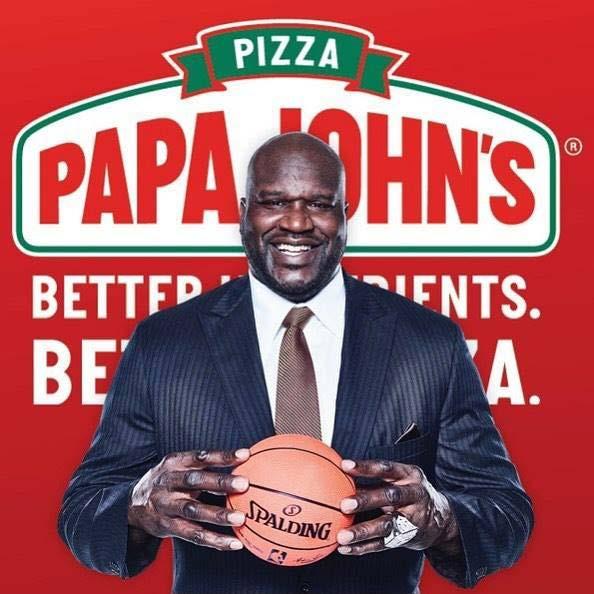
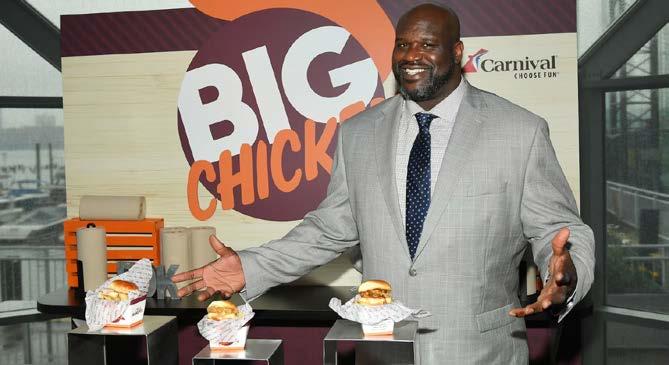
last—one rooted in systems, people, and everyday consumer demand. His restaurant portfolio includes approximately 50 locations, including Big Chicken (40 locations, his flagship brand co-founded in 2018 with 350+ more in development), nine Papa John's in Atlanta, and one Krispy Kreme. He formerly owned 155 Five Guys restaurants and 17 Auntie Anne's Pretzels locations.
Shaquille O’Neal’s legacy isn’t just about basketball greatness. It’s about redefining what success looks like after the spotlight fades.
His story highlights a model of entrepreneurship built on ownership over optics, scale over short-term wins, and education over impulse. Shaq didn’t just dominate a sport. He mastered franchising, and built
a legacy that works even when he doesn’t.
Here’s what’s cool - you can do the same. Maybe you don’t have a $10m budget, but getting started doesn’t require you to break the bank. Having an experienced franchise consultant not only will expedite your search for the perfect opportunity, but it will also eliminate the time wasted on opportunities that look flashy, but ultimately don’t fit your needs and skills. As an award winning franchise consultant, I pride myself on helping people considering business ownership finding the right franchise, efficiently and effectively. If you would like to learn more about working with me, it would be my pleasure to assist you through this exciting process.
Magnus Nilsson is a US Naval officer and Award Winning Franchise Consultant, he embodies systems and processes not only for his business, but also for his life.
FRANCHISED BY

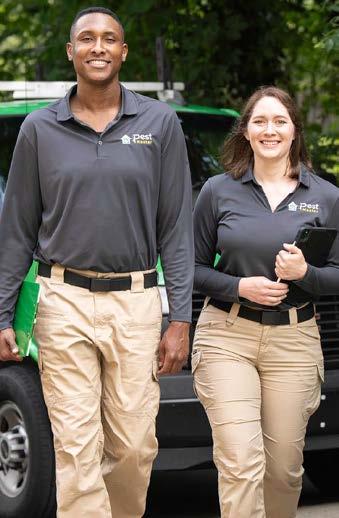
By joining Pestmaster, you’ll become part of a trusted and innovative network, ready to support your journey to financial independence and business success.


Nearly 45 years of industry experience and a clear roadmap to success.
Government Contracts
Access to valuable federal, state, and local contracts.
Environmental Responsibility
Integrated Pest Management for greener pest control solutions.
Protected Territories
Exclusive operating areas to ensure franchisee success.


Pest control, vegetation management, and health-related vector control.
Stable income from core pest control services.
Home-based model with no need for brick-and-mortar locations.
Ongoing Training
Best-in-class training programs and workshops.
by Rhonda Sanderson, CEO, Sanderson & Associates


Rhonda Sanderson is a franchise expert who has owned and operated Sanderson & Associates and Sanderson PR, both specializing in, traditional, social media and crisis PR in the franchise space since 1986. She has authored many articles, helped grow numerous franchise chains and is considered one of the Top 30 Small Business Influencers (Fit Business) in the U.S. Find her at Rhonda@sandersonpr.com or on LinkedIn where she is the author of Franchise Stars at https://www.linkedin. com/in/rhonda-sanderson-a6b658/
Clinton Hawkins is a Marine Corps veteran and a football coach at a local high school. Both of those endeavors require discipline and attention to detail, two requisites that also make for a great home inspector. And that’s just what Hawkins became when he launched his Pillar To Post Home Inspectors, the brand to which millions of families have turned to for more than 30 years to be their trusted advisor when buying or selling a home.
Hawkins, who launched his Pillar To Post™ business in 2018, worked in home improvement and commercial cleaning before joining the network and also served on the board of directors for B Team Buffalo, a non-profit led by young professionals dedicated to promoting civic pride throughout the Greater Buffalo area.
Hawkins’ Pillar to Post Home Inspectors Team serves homebuyers and sellers throughout Erie and Niagara counties. The franchise brand is a favorite among veterans such as Hawkins. At that time, one-third of new Pillar To Post franchisees were military vets.
“I was impressed by the level of commitment Pillar To Post makes to its franchise owners,” Hawkins said. “I knew the inner

workings of homes and the building of homes, and I also brought my customer service experience and leadership qualities to Pillar To Post.”
Tampa-based Pillar To Post Home Inspectors, the largest home inspection company in North America, has experienced impressive franchisee growth since Hawkins joined the network. A key differentiator behind Pillar To Post's sustained performance is its Executive Model, which enables franchise business owners to build scalable inspection businesses without performing inspections themselves.
By emphasizing leadership, team development, and operational leverage, the model continues to attract professionals from corporate leadership, military service, real estate, construction, and other industries seeking ownership. The company has long been cited by various publications and organizations in the categories of: Top Home-Based Franchises, Top Low-Cost Franchises, Top Franchises for Veterans, and Fastest Growing Franchises.
“I WAS IMPRESSED BY
Charles Furlough, CEO of Pillar To Post Home Inspectors says, "Our focus has never been about chasing rankings or titles. It's about building systems that support strong operators, sustainable growth, and longterm success, and that discipline continues to serve our franchise owners well. As we look ahead, we remain focused on attracting the right owners, strengthening our systems, and helping franchise business owners build durable businesses in their local markets."
Clinton Hawkins is a good example of this proven system. “I am about to hire at least two new home inspectors,” he said. “There was a time when the housing market was so hot a few years ago, some people were waiving home inspections and other important items to compete with other buyers when bidding on homes. Not only are those days over, many who did so have regretted those decisions. Now we are busier than ever. Never skip a home inspection,” concludes Hawkins.

Founded in 1994, Pillar To Post Home Inspectors is the largest home inspection company in North America with home offices in Toronto and Tampa. There are 450+ franchises located across the United States and Canada. For further information, please visit www.pillartopost.com.

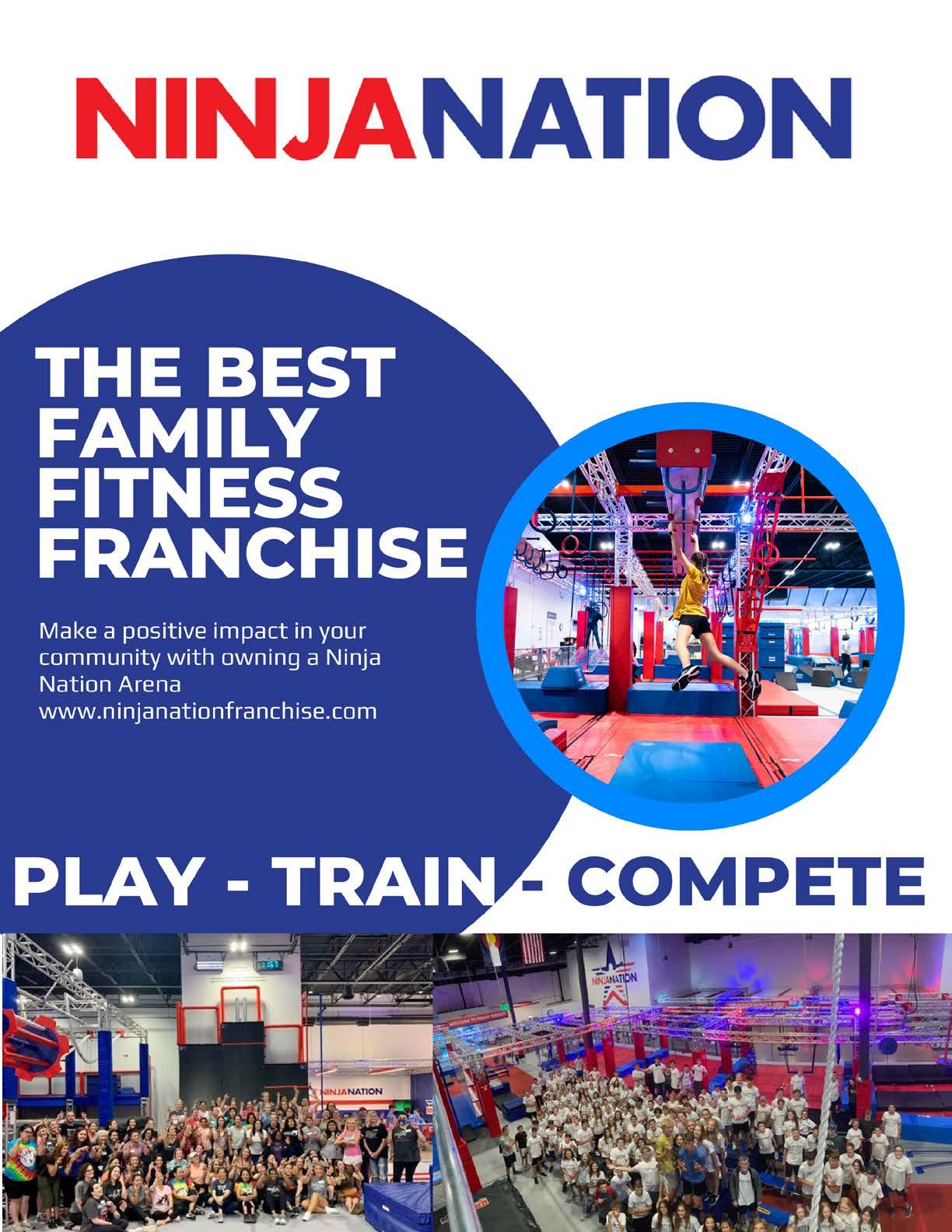
LASER TAG REDEFINED FOR ADULTS AND TEENS
Team Combat combines cutting edge interactive immersion technology with a complete, turnkey franchise system to offer unique entertainment opportunities.
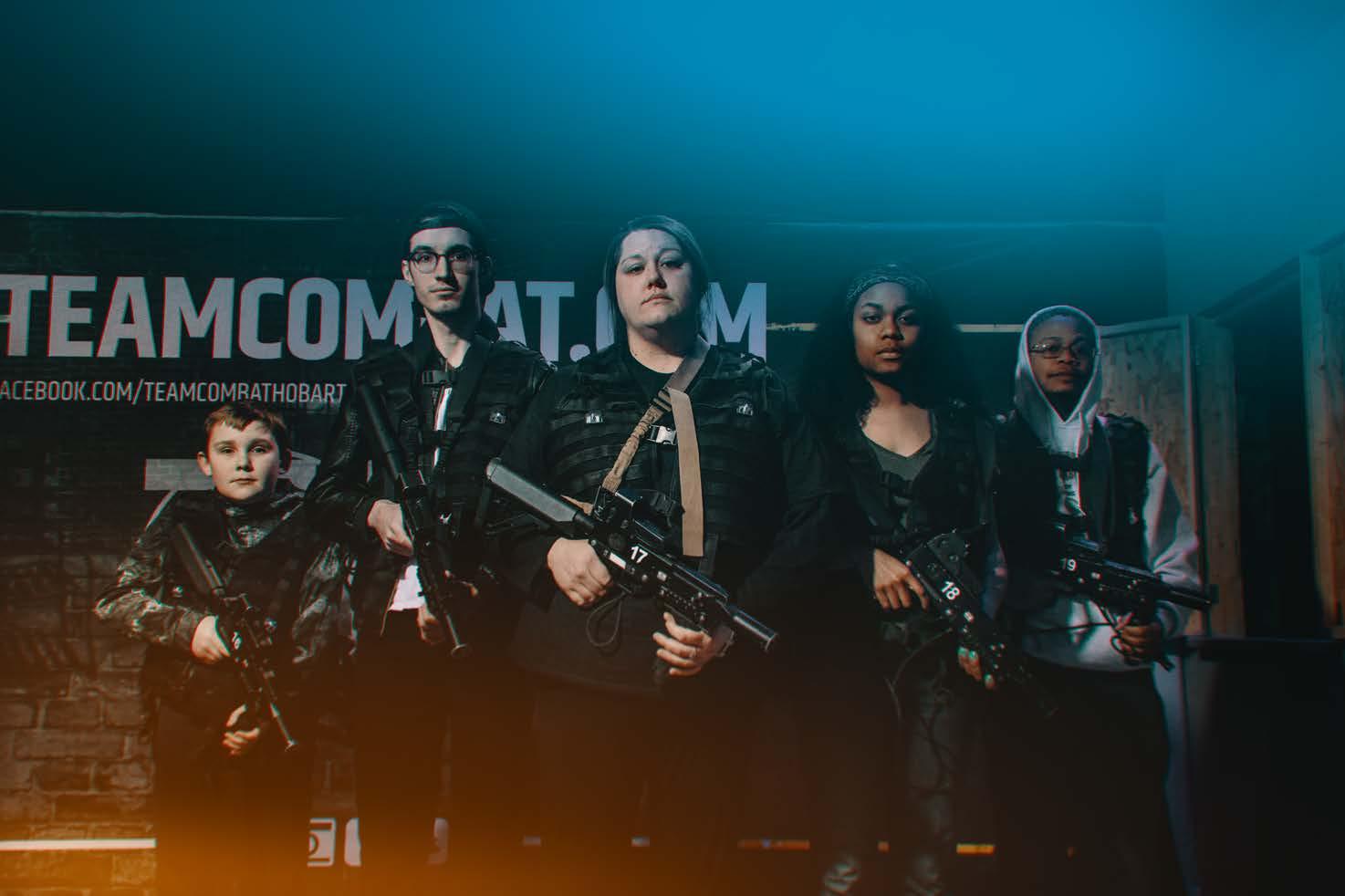



Team Combat creates realistic combat simulations for fun, sport, or tactical training purposes. This is a new concept of fun and entertainment. Each Team Combat site has a 8,000-10,000+ square foot facility and offers a Tactical Laser Tag experience that is immersive, stimulating, and satisfying for adults and teens.
Our laser combat system is state of the art and contains the same technology used by the US Military. Many area SWAT teams, the US Navy, the Army National Guard and the Drug Enforcement Agency all use our equipment and facilities. This isn’t kiddie laser tag but it doesn’t require participants to have any specials skills or to be athletic. Everyone can enjoy the competition.


by Dave Sullivan, Consultant, The Franchise Consulting Company
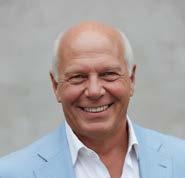
Black History Month is more than a celebration of the past—it’s a reminder of what’s possible when opportunity, determination, and access come together. It’s a time to reflect on progress made, acknowledge challenges that remain, and highlight the paths that continue to open doors for future generations.
One of those paths is franchise ownership.
Across the country, more Black professionals and entrepreneurs are turning to franchising as a way to take control of their financial futures, build something lasting, and create impact beyond themselves. And for good reason. Franchising offers a unique blend of structure, support, and scalability that can accelerate success while reducing many of the risks associated with starting a business from scratch.
Entrepreneurship has long been a cornerstone of economic empowerment. Yet for many, access to capital, mentorship, and proven systems has historically been

limited. Franchising helps bridge that gap.
By investing in an established brand, aspiring business owners gain:
A proven business model
• Training and operational guidance
• Ongoing support and resources
• Brand recognition from day one
Rather than reinventing the wheel, franchise owners are able to focus on execution, leadership, and growth—key ingredients for long-term success.
One of the most exciting shifts in franchising today is the growth of emerging brands. These concepts often operate in high-demand sectors such as home services, health and wellness, business services, and education. They typically require lower startup costs, offer flexible ownership models, and provide opportunities to grow alongside the brand.
For many Black entrepreneurs, these emerging franchises represent more than
just a business—they represent access. Access to ownership. Access to scalable income. Access to a seat at the table earlier in the growth cycle.
And with that access comes influence—the ability to shape culture, hire locally, and reinvest in the community.
What I hear most often from clients isn’t just a desire to make money. It’s a desire to build something meaningful. Franchise ownership allows individuals to:
• Create jobs and mentor others
• Build equity instead of simply earning income
• Establish businesses that can be passed down
• Strengthen the communities they serve This is where franchising becomes more than a transaction—it becomes a legacy.
Success in franchising doesn’t happen by accident. It comes from understanding the model, choosing the right opportunity, and having trusted guidance along the way.
Organizations like the International Franchise Association’s Diversity Institute continue to play a critical role in expanding awareness and access. At the same time, experienced franchise consultants help aspiring owners navigate the process with clarity—ensuring
the business fits not just financially, but personally and professionally.
The goal isn’t simply to buy a franchise.
The goal is to build the right business.
As we recognize Black History Month in 2026, the momentum around entrepreneurship and ownership continues to grow. Franchising stands out as one of the most powerful tools available for turning ambition into action and vision into reality.
The next generation of franchise owners will not only run successful businesses— they will create opportunity, strengthen communities, and redefine what success looks like for those who follow.
And that is a story worth telling.
Dave Sullivan is a Senior Franchise Consultant with The Franchise Consulting Company. He works with executives, professionals, and first-time business owners to identify franchise opportunities aligned with their goals, financial profiles, and desired lifestyles. Contact Dave at daves@ thefranchiseconsultingcompany.com.

Advertise in Today's Restaurant Digital Edition online and have your ad delivered to thousands of restaurant and foodservice buyers each month. From full page display ads to classifieds we have a size and price to fit your ad budget.
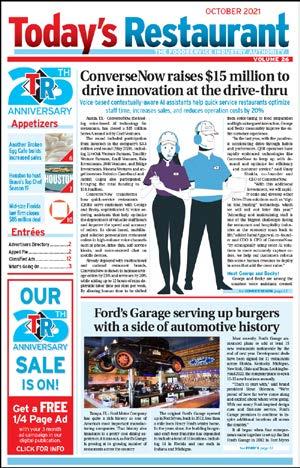
Advertising on the Today's Restaurant Website will expose your corporate or individual message to every visitor. Banner ads can be interactive animated messages. We’ll meet your ad needs and price point.
We’ll email your ad or video to our verified database of over 15,000 restaurants in Florida, Georgia, Texas and around the country. A 10%-20% open rate can be expected with each Eblast and all Eblasts are posted on our social media sites for even more exposure.
Video is hot! Show the industry what your company can provide with a Video Eblast featuring a great product or video interview. Ask to see a sample or call for pricing.
A few days after your initial Eblast, reach out to your Eblast recipients with another special offer. A higher open rate of 40%-70% is often achieved with Eblast Follow-Ups.
Subscribe to our Restaurant Leads Report and every month receive valuable industry sales leads on restaurant openings, restaurants under construction and under new management in an Excel spreadsheet format. Reports include the buyer’s name, phone number, zip code and email when available. Reports for Florida and Georgia are now available.



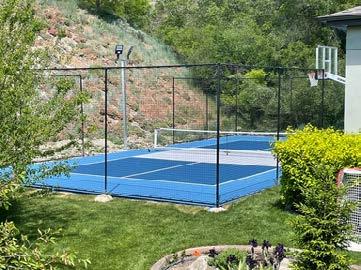
PICKLED COURT stands as the premier authority in creating exceptional pickleball court experiences, going beyond construction to provide comprehensive services that encompass resurfacing, cleaning, and meticulous maintenance.




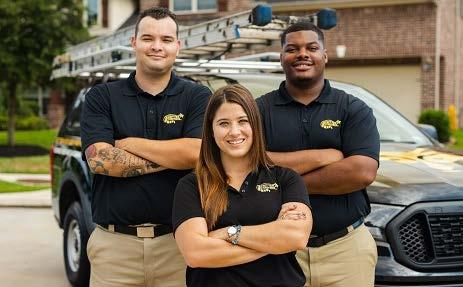
JC Canty has spent more than 16 years doing one thing exceptionally well: helping franchise brands grow the right way. As National Franchise Sales Manager, he operates at the intersection of brand strategy, unit economics, and human judgment, guiding franchise expansion across the United States and Canada with a steady, consultative hand. Canty is not a transactional seller. His approach is rooted in fit, discipline, and long-term performance. In an industry where short-term franchise
sales can undermine a brand’s future, he focuses on placing capable owners into markets where the model works, the demand is real, and the support structure is proven. That philosophy has defined his career and is central to his success inside one of the most respected public companies in home services.
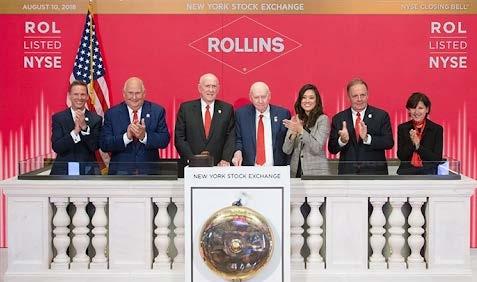
Today, Canty supports franchise development for Critter Control and MissQuito, two distinct but complementary brands operating under the Rollins
umbrella. Each serves a different segment of the pest and wildlife control market, but both benefit from the same core advantage: institutional backing, operational rigor, and a history of disciplined growth.
Critter Control is a specialty brand with deep roots.
Founded in 1983, it operates in the wildlife and nuisance animal control category, a segment defined by urgency, complexity, and repeat demand. Homeowners and commercial clients do not treat wildlife intrusion as optional.
It requires immediate action and professional execution. That reality creates durable demand and strong unit-level economics when the business is run correctly.
When Rollins acquired Critter Control in 2015, the brand gained access to a level of infrastructure few specialty operators can match. Training systems, marketing support, vendor relationships, and operational playbooks were institutionalized. Canty’s role is to translate that platform into a clear ownership opportunity. He works with candidates to understand territory dynamics, service mix, staffing realities, and the path to predictable cash flow. The result is a franchise system built on operational truth rather than sales promises.
MissQuito represents a newer, more modern expression of franchise growth. Launched as Rollins’ first women-led brand, MissQuito focuses on mosquito control, a fast-growing, routebased service category with strong recurring revenue potential. The brand blends a clear identity with a simple operational model, appealing to owners looking for scalability without unnecessary complexity.
Canty’s involvement with MissQuito reflects his adaptability as a franchise executive. While the brand voice and positioning are distinct, the fundamentals remain the same: market demand, repeat service, operational consistency, and owner readiness. His consultative style ensures that candidates understand
seasonality, customer acquisition, and operational pacing before they commit, setting the stage for healthier launches and stronger longterm performance.
What elevates Canty’s role is the platform behind him. Rollins is not a speculative franchisor. It is a publicly traded company with decades of experience operating and acquiring home service brands. Its scale, financial strength, and operational discipline provide franchisees with confidence that systems will be maintained, improved, and supported over time. That matters deeply to serious investors evaluating franchise opportunities in a crowded market.
As a senior executive operating within a major public company, Canty brings credibility and accountability to every conversation. He understands that franchise growth must align with shareholder expectations, regulatory standards, and brand reputation. That perspective sharpens his focus on quality over quantity and reinforces his emphasis on
long-term brand health.
At the core of Canty’s success is his ability to build relationships. Franchise development is ultimately a people business. Owners trust him because he listens, challenges assumptions, and treats franchise ownership as a partnership rather than a product. His interpersonal strength allows him to connect with first-time operators, experienced multi-unit owners, and sophisticated investors alike. In an industry where growth can be rushed and mistakes can be expensive, JC Canty represents a different model of franchise leadership. He combines experience, institutional backing, and a consultative mindset to help brands expand with discipline and integrity. Whether supporting a legacy brand like Critter Control or a modern concept like MissQuito, his work reflects a consistent belief: strong franchises are built deliberately, one right owner at a time.

In Fairfax, Virginia, a quiet shift is underway, one that says a lot about where business is heading next. At RobotLAB Fairfax, Samuel Idossa is building something that feels less like a tech showroom and more like an operating system for the modern workplace. Robots here are not novelties. They are tools designed to solve real problems: labor shortages, rising costs, and the growing pressure to do more with less. Idossa’s role is local, but the moment is global. Robotics has crossed a threshold. What once lived on factory floors and research labs is now showing up in hospitals, hotels, schools, warehouses, and commercial buildings. Service robotics is no longer about experimentation. It is about execution. Businesses are adopting automation

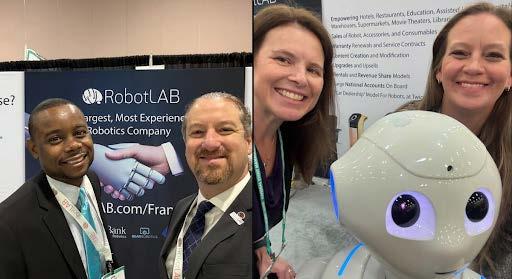
not because it is exciting, but because it is necessary.
That shift aligns perfectly with the broader vision of Elad Inbar, founder and CEO of RobotLAB. Inbar has long argued that robotics should be treated as infrastructure, not spectacle. His view is simple and sharp: technology only matters if it works consistently in the real world. Robots should integrate into daily operations, run reliably, and generate measurable returns. Anything else is noise.
Under Inbar’s leadership, RobotLAB has evolved from its roots in educational robotics into a full-scale robotics solutions platform serving multiple industries. The company’s growth mirrors the market itself. Global robotics adoption has accelerated as employers struggle to fill roles and maintain service
levels. Analysts estimate the service robotics market is growing at double-digit annual rates, driven by hospitality, healthcare, logistics, and commercial facilities. Robots that clean, deliver, inspect, and guide customers are becoming standard equipment, not future investments.
RobotLAB Fairfax is a local expression of that momentum. Idossa approaches the market with a consultative mindset. He is not pushing machines. He is diagnosing workflows. His conversations with business owners start with questions: Where is labor breaking down? Which tasks are repetitive and predictable? Where are employees stretched thin? Only after that analysis does automation enter the picture. That approach matters. Robotics succeeds when it fits into existing systems, not when

it forces businesses to redesign everything around it. A delivery robot only works if it integrates with how food moves through a restaurant or supplies move through a hospital. A cleaning robot only delivers value if it runs reliably, maps accurately, and reduces human workload without creating new problems. Idossa’s focus is on outcomes, not demos.
This philosophy reflects the broader RobotLAB model. The company operates through a growing franchise network that brings robotics expertise into local markets. That local presence is critical. Automation is not one-size-fitsall. Regulations, building layouts, labor dynamics, and customer expectations vary by region. Having operators on the ground allows RobotLAB to tailor solutions while maintaining national standards and support.
Fairfax is an ideal market for this approach. Northern Virginia sits at the intersection of government, healthcare, education, and commercial enterprise. These sectors face intense operational pressure and are often early adopters of productivity-enhancing technology. From autonomous cleaning systems in large facilities to delivery robots in hospitality and healthcare, the demand for reliable automation is already here.
What makes RobotLAB’s growth story compelling is that it is not framed as a replacement narrative. The company positions robotics
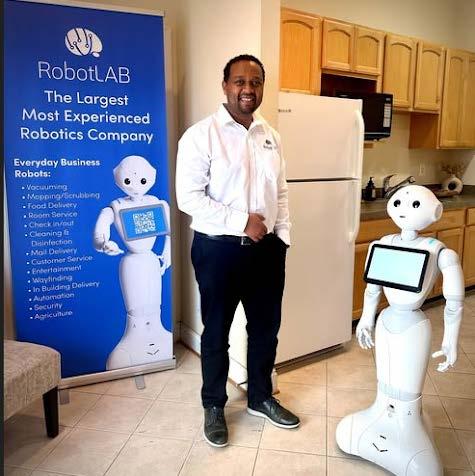
as augmentation. Robots handle the repetitive, timeconsuming tasks that burn out human workers, allowing people to focus on service, decision-making, and highervalue work. In practice, that often means better retention, more consistent service, and improved morale.
Inbar has been vocal about this point. The future of robotics, in his view, is not about eliminating jobs. It is about redesigning them. Businesses that adopt automation thoughtfully gain resilience. They are less vulnerable to labor swings and better positioned to scale without sacrificing quality.
Idossa is translating that vision into daily execution. Each deployment in Fairfax is a case study in how automation can quietly improve operations. When a business adopts robotics and sees schedules stabilize or service levels improve, the
technology fades into the background. That invisibility is the goal. Infrastructure should work without drawing attention to itself.
The numbers back up the strategy. Robotics installations across service industries continue to rise, and investment in automation remains strong even in uncertain economic conditions. Companies are prioritizing technologies that produce immediate operational benefits. Robotics checks that box.
RobotLAB Fairfax stands at that intersection of vision and practicality. With Samuel Idossa leading locally and Elad Inbar setting the strategic direction, the company is not selling a future fantasy. It is delivering present-day solutions. Robotics, in this context, is no longer about what might be possible someday. It is about what works today, quietly powering the next phase of business growth.







In the restoration industry, speed matters. Precision matters. But what matters most is trust. When a home or business suffers a fire, flood, or catastrophic loss, the real damage is not just structural. It is personal. Photos, heirlooms, documents, artwork, uniforms, tools of a trade—contents are where memory, identity, and livelihood live. And for decades, contents were treated as an afterthought in restoration. That is the gap Content Recovery Specialists was built to close.
Founded by Henry Duckstein and led byPresident Ashley Taylor, CRS is quietly changing how the industry thinks about loss, recovery, and scale. Not by chasing volume—but by professionalizing a category
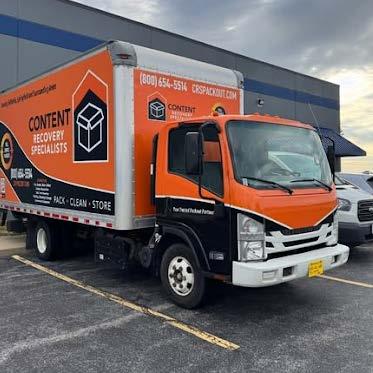

that insurance carriers, adjusters, and homeowners increasingly recognize as mission-critical. Ashley has 20 years of hands-on experience in the industry; she’s held nearly every position in both contents and fullservice restoration and her background combined with her vision and leadership has been a driving force for CRS’s rapid expansion. They’ve grown from five locations to over 100 units in just three short years.
The restoration and remediation industry is enormous. In the United States alone, property restoration is a multi-billion-dollar market, driven by weather volatility, aging infrastructure, and rising insured values. Water damage claims continue to climb. Fire losses remain persistent. Severe weather events are becoming more frequent and more expensive. What is changing is how claims are handled.
Insurance carriers are under pressure to control severity,
reduce cycle time, and improve customer experience. Contents restoration—when done correctly—solves all three. Salvaging, cleaning, inventorying, and returning personal property can dramatically reduce total loss costs while delivering a better outcome for policyholders. Henry Duckstein saw that opportunity early.
Rather than treating contents as a sideline to mitigation and rebuild, Duckstein built CRS as a contents-first system— one designed around chain of custody, documentation, security, and repeatable processes. The result is not just a service. It is infrastructure.
Since 1971 the name Duckstein has been synonymous with quality restoration work and now that legacy has grown across the country.
Duckstein is a builder by nature. He understood that insurers and restoration partners were not looking for another local operator—they were looking for consistency. One standard. One playbook. One accountable partner who could deliver the same outcome in every market. That vision required leadership that could translate philosophy into execution.
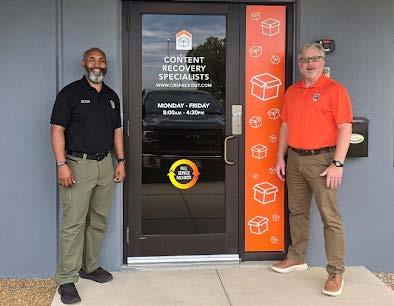
Enter Ashley Taylor.
As President of CRS Franchise, Taylor has focused on scaling without dilution. Training, compliance, technology adoption, and insurer relationships are treated as core assets, not overhead. Franchisees are not left to figure it out. They are plugged into a system designed to win claims, protect contents, and earn long-term trust.
The result is a franchise model that appeals to serious operators—people who want to build durable businesses inside a growing sector with institutional demand.
Several macro trends are accelerating CRS’s expansion. First, insurers are increasingly separating contents from structural restoration. Specialized vendors reduce errors, improve documentation, and lower leakage. Second, litigation risk has made carriers more sensitive to mishandled personal property. Chain-ofcustody failures are no longer tolerable.
Third, policyholders expect
more. The days of “total loss, cut a check” are fading. Customers want their lives restored, not just their buildings.
All of this plays directly into CRS’s model.
Content restoration is no longer optional. It is becoming standard operating procedure. And standards favor systems over improvisation.
One of the most telling signs of CRS’s positioning is the type of franchisee it attracts.
Take Jason Bennett.
Bennett brings more than 30 years of worldwide military and defense experience to his role as a small business owner, including 20 years as a U.S. Army veteran and 10 years as a Department of Defense civilian and contractor. His background spans network operations, cybersecurity, and project management—fields where process, accountability, and attention to detail are non-negotiable.
Today, Bennett applies that same discipline to contents restoration. He works with homeowners, adjusters, and
restoration partners to recover valuable and sentimental property after loss, delivering precision under pressure. For him, CRS is not just a business. It is a mission.
That profile is not accidental. CRS attracts operators who understand chain of command, documentation, and responsibility. People who know that doing things right the first time is not a slogan—it is survival.
What makes CRS compelling is not just market size. It is inevitability.
Loss events are not declining. Insurance scrutiny is not loosening. Customer expectations are not lowering. In that environment, specialists win.
CRS has positioned itself where those forces intersect. By focusing exclusively on contents, the brand has avoided the dilution that plagues generalists. By franchising, it has created local ownership with national standards. By investing in leadership and systems, it has made scale sustainable.
Henry Duckstein set the vision. Ashley Taylor is executing it. Franchisees like Jason Bennett are proving it in the field.
In an industry built around recovery, CRS is doing something rare: building a business that restores what actually matters—at scale, with integrity, and with growth still ahead.
That is not just a good franchise story. It is a necessary one.

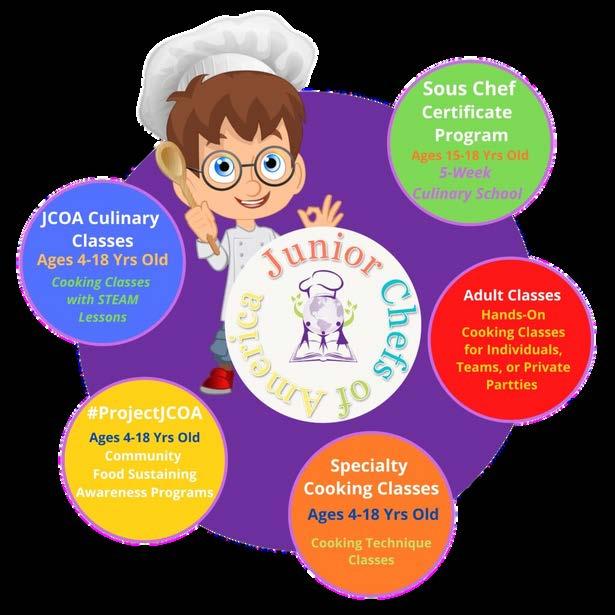

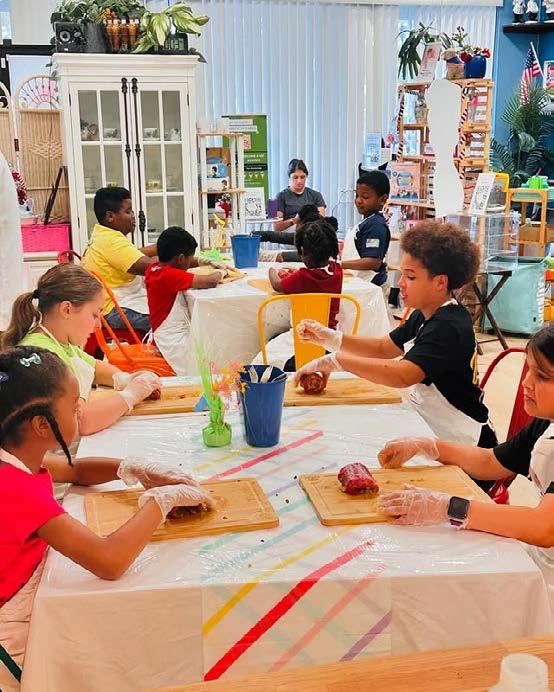


Inspired by the behavioral economics experiment created by Harvard Business School professor Max H. Bazerman.
by Mark Martuza, Senior Franchise Consultant & Partner, The Franchise Consulting Company
Imagine this: You're in a classroom. An instructor holds up a crisp $20 bill and offers it to the highest bidder. Bidding starts at $1. But there’s a twist—both the highest and the secondhighest bidders must pay their bids. Only the highest bidder gets the cash. At first, it seems easy. Someone bids $1. Another goes to $2. But soon, something strange happens. People don’t stop. Someone bids $20. Then $21. Then $22. The second-highest bidder doesn’t want to lose the $19 they’ve already bid… so they keep going, just to minimize their loss. Eventually, someone might pay $30 to win a $20 bill, just to avoid losing more.
This isn’t just a classroom experiment. It’s a perfect metaphor for how many people buy a franchise.
Buying a franchise is a major life decision. It involves time, money, emotion, and often,
identity. Most prospective franchisees:
• Spend hours researching different industries
• Interview with multiple franchisors
• Attend discovery days
• Hire a franchise attorney
• Tell friends and family they’re starting a new venture
Each of these steps—valuable on its own—builds emotional momentum. You feel like you’re moving forward. You're investing energy. You don’t want that effort to be “wasted.”
Even if red flags emerge (maybe the financials look shaky, or the culture feels off), you’re tempted to continue. “I’ve already come this far,” you think. “I might as well finish it.”
This is the same logic as the losing bidder in the $20 auction. Psychologists call this escalation of commitment—a cognitive bias where we continue
investing in something because of what we’ve already put in, even when future gains are uncertain.
Franchise systems often market with urgency and exclusivity:
• “Only two territories left in your area.”
• “Another candidate is looking at the same region.”
• “This brand is blowing up—we’re closing new deals every day.”
You’re told that if you don’t act now, someone else will. It sounds like information—but it’s really just noise.
This is the second factor in the $20 auction: other people’s actions influence yours, even when you don’t understand their motives. Why did that guy bid $17? What does he know that I don’t? Better match him… or go one higher.
In franchising, the same thing happens. You see others buying in, or sense you’re “falling behind.” You don’t know if they’ve done their due diligence, or if they’re just as emotionally invested as you are. But their momentum influences yours.
HOW DO YOU AVOID THE FRANCHISE AUCTION TRAP?
The lesson from the $20 auction isn’t “don’t play.” It’s don’t play emotionally. Here's how smart franchise buyers apply this wisdom:
1. Define Success—Before You Shop
Before looking at a single franchise, outline your:
• Financial goals
• Operational preferences
• Lifestyle goals
• Comfort zones
2. Track Your Thinking
Use a franchise comparison worksheet or advisor-led dashboard to keep track of:
- What you like about each brand
• What concerns you
• How it stacks up against your criteria

3. Watch for Escalation Red Flags
Some signs you're slipping into auction-mode:
• Continuing due to sunkcosts
• Ignoring your gut
• Rushing to beat a deadline
Ask yourself: “If this were the first day I saw this brand, would I still move forward?”
4. Embrace Strategic “No’s”
Saying “no” after exploration isn’t a loss—it’s clarity.
5. Get an Advisor Who Isn’t Bidding, Too
Work with someone who will help you stay objective— not just push a deal.
The Franchise Isn’t the Prize—Your Future Is Franchise decisions are too important to be made like bids in a classroom experiment. You’re not trying to win a brand— you’re choosing your future.
DON’T BID. BUILD.
Mike Martuza is a Senior Franchise Consultant and Partner with Franchise Consulting Company and author of The Franchise Rules: The No-Nonsense Guide to Finding a Franchise That Fits." With decades of experience in entrepreneurship, coaching, and strategic business development, Mike helps aspiring business owners find the right franchise that aligns with their goals, values, and lifestyle. Contact Mike at mikemartuza@ thefranchiseconsultingcompany. com.














Artistic Edge is a mobile art studio that offers a variety of creative workshops, team-building events, and private parties. Our classes are designed for all skill levels, with instructors providing guidance throughout the process. Many of our projects result in functional art pieces that can be used in daily life. We emphasize community, creativity, and care, aiming to make art accessible and enjoyable for everyone.



High margins
Low overhead
Low initial investment
Flexible Schedule

No artistic experience needed








by Ozzie Grupenmager, Franchise Consultant, The Franchise Consulting Company
Black History Month is both a celebration and a call to action. It honors the achievements of Black leaders, entrepreneurs, and community builders who advanced opportunity in the face of systemic barriers—and it challenges today’s business community to widen the pathways to ownership.
Franchising is one of the most powerful ownership models in America. It offers a playbook, a brand, training, vendor relationships, unit economics, and operational systems—assets that can reduce the risk of starting from scratch. Yet access to franchising, like access to many wealth-building vehicles, has not been evenly distributed. If franchising is about replicable success, then the industry must ask: who has historically been invited
into that success, and what practical steps can we take now to expand the circle?
This Black History Month, it is worth focusing on a simple idea with profound implications: increasing Black franchise ownership is not only the right thing to do—it is a strategic growth lever for brands and a durable investment in local economies.
Black entrepreneurship is not new; it is deeply woven into American history. From early mutual aid societies and Black-owned enterprises formed during and after Reconstruction, to the growth of business districts like Tulsa’s Greenwood (“Black Wall Street”), Black entrepreneurs have consistently built
businesses as engines of independence, resilience, and community stability.
But history also makes clear why “entrepreneurial spirit” is not enough on its own. Discriminatory lending, redlining, unequal access to capital markets, and fewer high-net-worth networks have had compounding effects over decades. These realities influence who can write a franchise check, secure a lease, withstand a slower ramp-up period, or qualify for traditional financing—especially in the first unit, where risk is highest and margins can be thin.
The result is that many highly qualified Black operators and professionals—people with the talent to run multi-
BLACK HISTORY MONTH GIVES FRANCHISING AN OPPORTUNITY TO BE EXPLICIT ABOUT CLOSING THAT GAP, USING THE INDUSTRY’S STRONGEST TOOLS: PROCESS, SYSTEMS, AND ACCOUNTABILITY.
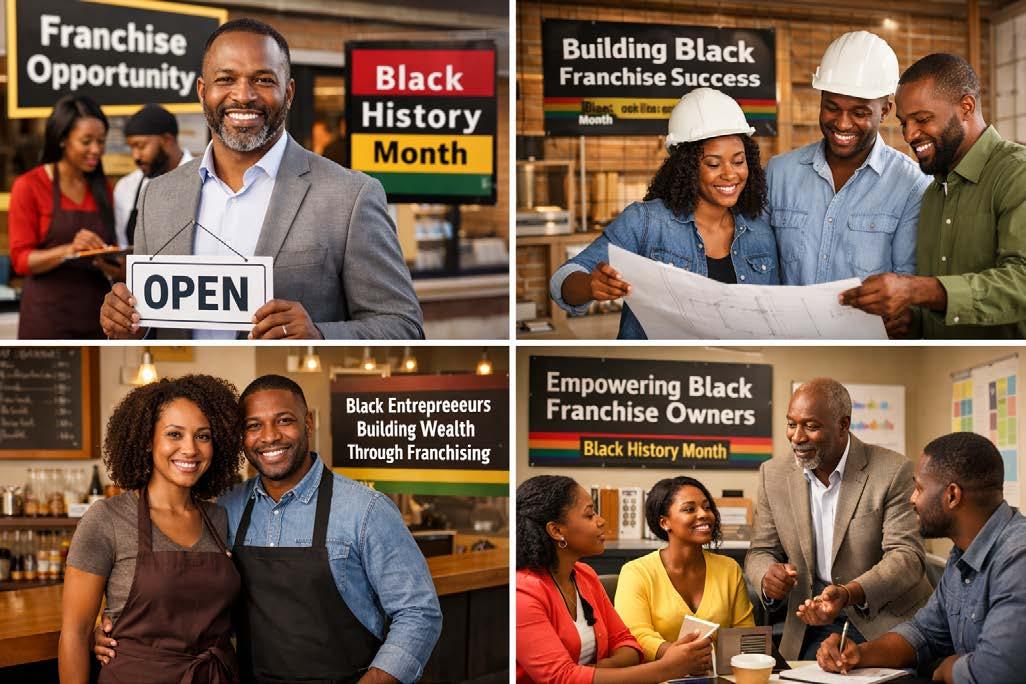
unit enterprises—are simply underrepresented among franchisees and franchisor leadership.
Black History Month gives franchising an opportunity to be explicit about closing that gap, using the industry’s strongest tools: process, systems, and accountability.
Unlike many independent small businesses, a wellstructured franchise system can lower key barriers:
• Operational know-how is built in: Training, SOPs, site selection support, and ongoing coaching can shorten the learning curve.
• Brand demand can accelerate revenue: A recognized brand can reduce early marketing friction and boost initial traffic.
• Purchasing power improves unit economics: Vendor networks and negotiated pricing can support margins.
• Repeatability enables multi-unit wealth building: Franchising is one of the clearest paths from single-unit ownership to multi-unit scale.
In other words, franchising can be an on-ramp to ownership— when access is designed intentionally.
THE REAL CHALLENGES BLACK FRANCHISE CANDIDATES STILL FACE
To move beyond slogans, we have to name the practical obstacles that show up in real deals:
Even strong operators can struggle to assemble the full capital stack (franchise fee, build-out, equipment, working capital, and reserves). Many deals fail not because the candidate is unqualified, but because the financing plan is fragile.
Traditional lenders are conservative. If a candidate is a first-time franchisee without
prior ownership history, approvals can become slower, more document-heavy, and more restrictive—sometimes resulting in smaller loan amounts or higher reserve requirements.
3. Site selection and lease leverage
Real estate often decides the outcome of a unit. Candidates without deep broker relationships can end up with weaker locations or less favorable lease terms, which then pressures unit economics.
4. Network access and mentorship
Many successful franchisees cite “who helped me” as much as “what I knew.” In franchising, informal networks matter—introductions to lenders, landlords, attorneys, insurance partners, and experienced operators. When those networks are uneven, outcomes can be uneven.
5. Underwriting that does not reflect operational ability
Some screening processes overweight net worth and liquidity while underweighting operator capability, leadership experience, community market knowledge, and execution track record. None of these challenges
are abstract. They show up in LOIs, credit memos, lease negotiations, and day-to-day ramp-up realities.
Franchise development is not only about “selling units.” It is about building a healthy, scalable network of capable operators who can win in their markets. If the industry wants more Black franchise ownership, the path is practical and measurable.
1) Build a real ownership pipeline (not a campaign) Brands should treat ownership expansion like any other growth initiative: pipeline strategy, partner strategy, KPIs, and reporting. That means:
• Setting clear goals for candidate flow and conversion
• Tracking progression through the funnel (lead → qualified → validated → awarded → opened)
• Identifying where candidates drop off (often financing or real estate) and fixing those leaks
2) Strengthen the capital strategy: lenders, incentives, and smarter structures Franchisors and consultants
can materially improve outcomes by improving the capital plan:
• Develop relationships with franchise-friendly lenders and SBA partners
• Provide standardized financial packages that make underwriting easier (clear models, itemized CapEx, working capital assumptions)
• Consider structured incentives that protect unit economics (e.g., reduced initial fee paired with performance milestones, or phased development schedules that de-risk the first unit)
• Encourage realistic reserve requirements so new owners are not cashstarved at month three
This is not about lowering standards—it is about building deals that can survive.
3) Weight “operator capability” as heavily as “balance sheet”
A brand that values long-term performance should screen for:
• People leadership and hiring discipline
• Sales and service execution
• Operational rigor and coachability
• Local market
FRANCHISE DEVELOPMENT IS NOT ONLY ABOUT “SELLING UNITS.” IT IS ABOUT BUILDING A HEALTHY, SCALABLE NETWORK
• Resilience under pressure
Financial qualifications matter, but operational excellence is what produces royalties, brand growth, and multi-unit stability.
4) Provide real estate and opening support that is truly “hands-on”
The opening phase is where many candidates feel the most exposed. Strong franchisors:
• Help candidates avoid overpaying for rent or build-out
• Provide vendor introductions and GC discipline
• Set realistic pre-opening and ramp-up plans
• Coach marketing execution at the local level, not just at the national brand level
If a brand wants to expand ownership inclusively, it must reduce “navigation burden” at the moments that matter most.
5) Create mentorship loops that scale
The most cost-effective support is peer mentorship:
• Pair new franchisees with high-performing operators
• Build structured office hours and regional cohorts
• Recognize mentors and reward contributions
Mentorship improves performance. It also
strengthens culture and retention.
Expanding Black franchise ownership is not charity. It is good business.
• Market opportunity: Black consumers are a significant and influential part of the American economy. Owners who understand their communities can build trust faster and tailor local marketing more effectively—while still operating within brand standards.
• Network strength: More diverse ownership often leads to stronger local partnerships and higher employee engagement, improving unit stability.
• Brand resilience: Franchise systems grow stronger when they attract the best operators, not just the most connected.
Brands that build inclusive, performance-driven ownership pipelines are positioning themselves for durable growth.
force in expanding access to ownership.
For franchisors, franchise consultants, and development teams, the challenge is straightforward: design your pipeline, capital strategy, support model, and mentorship infrastructure so that highly capable Black candidates can enter, open, and scale with the same probability of success as anyone else.
When we expand ownership, we expand the franchise system’s future. And when we do it thoughtfully— through stronger deals, better support, and accountable process—we create what Black History Month ultimately calls for: progress that lasts.
Ozzie Grupenmager is a franchise development and operations consultant with decades of experience supporting franchisors and franchisees across growth, unit economics, and scalable systems. He has worked extensively in franchise strategy, brand expansion, and ownership development. Contact Ozzie at ogrupenmager@ thefranchiseconsultingcompany. com. understanding
Black History Month is a moment for recognition— but also for measurable action. The franchising industry is built on the belief that opportunity can be systematized and scaled. That is precisely why it has the potential to be a leading



Celebrating Black History Month means more than honoring the past—it’s about investing in the future of Black ownership.
by Joe Carter, Franchise Consultant, The Franchise Consulting Company

Too many founders chase scale without knowing what they’re actually scaling. The goal isn’t just more revenue— it’s more value.
That’s why Black Enterprise named Anago Cleaning Systems the #1 franchise opportunity for Black entrepreneurs across multiple industries. Why?
Because Anago isn’t just selling cleaning services— they’re selling a path to generational wealth through a Master Franchise model that builds real equity, not just income.
MOST FOUNDERS WANT FREEDOM. FEW HAVE THE SYSTEMS TO ACHIEVE IT.
Anago changes that.
Started in 1989 and franchising since the early ‘90s, Anago offers a business model that flips the script: instead of buying a job, you become the CEO of a franchise system in your own city. You don’t mop floors— you scale a network.
As a Master Franchise Owner, you:
• Sell unit franchises to individuals who operate cleaning businesses.
• Land commercial cleaning contracts and assign them to your unit franchisees.
• Collect royalties for the life of those contracts— month after month. This creates 7 revenue streams from franchise sales, royalties, insurance, advertising, equipment, and more.
And with territories often covering 1–3 million in population, the earning potential is substantial. In fact, Anago's average annual sales in 2022 hit $2.739 million per territory
WHY BLACK ENTREPRENEURS ARE WINNING WITH ANAGO Truth is, the franchise world isn’t always built for inclusion. High costs, insider networks, and limited support often block the door for Black founders. Anago flips that playbook:
• Lower entry point than many executive franchises. At $98,000 for a Master Franchise license, it’s accessible compared to other empire-building brands.
• Robust support infrastructure. From Day 1, franchisees receive 24/7 access to Anago’s corporate team, 9+ on-site visits in the first 2 years, SEObacked lead gen, and an internal call center that handles billing for year one.
• No royalties for the first 6 months— meaning you keep every dollar while you ramp.
The impact? Franchisees start faster, scale smarter, and keep more cash in hand to grow.
It’s no wonder Black Enterprise called it the top franchise for Black entrepreneurs looking to diversify wealth streams and exit corporate dependency.
Many Anago Master Franchisees come from
high-powered roles—former SVPs at Fortune 500s, expresidents of multi-unit franchise brands, and tech leaders from companies like HP and Best Buy.
But it’s not about titles—it’s about drive. Anago is built for:
• Mid-to-senior professionals ready to exit the rat race.
• Sales and ops-minded leaders who can recruit and mentor.
• Legacy builders looking to create something that outlasts them.
The franchise model is executive, not operational. Owners work Monday–Friday, 9–5. No cleaning, no nights, no weekends.
It’s a high-leverage model
designed for builders, not just operators.
Let’s talk industry.
The $100 billion commercial cleaning sector is recessionresistant by design. You can’t outsource cleaning to another country. You can’t automate it with AI. You can’t run a school, hospital, or office without it.
In the post-COVID era, demand for disinfection and cleanliness has exploded. Recurring contracts. Predictable cash flow. Low churn. That’s the kind of foundation most businesses dream of—and Anago delivers it at scale.
What makes Anago powerful for Black entrepreneurs isn’t just the financial upside. It’s the structure. Anago offers:
• A real business, not just another side hustle.
• A system of mentorship— you’re mentoring other unit franchisees, helping them grow their cleaning businesses.
• A blueprint for wealth that can be passed on or sold.
That’s impact.
As one Master Franchisee shared during Discovery Day: "I didn’t just want a franchise. I wanted control. I wanted to build a system where I could uplift others— and get paid to do it."
That’s the Anago model. THE BOTTOM LINE Anago isn’t just a top cleaning franchise—it’s a blueprint for Black
entrepreneurial leadership.
In a market where most opportunities are built for scale but not transferability, Anago stands out. It’s recurring revenue, clear systems, deep support, and wide-open markets.
Most founders chase scale without knowing what they’re scaling.
With Anago, you scale ownership, not just operations. You build a
business worth buying—even if you never sell.
Want in? Visit AnagoMasters. com or DM “EMPIRE” to get a breakdown of open territories and funding options.
Want to hear directly from the source? Check out The Franchise Growth Show where I sat down with Adam Povlitz, CEO of Anago Cleaning Systems, to unpack what makes this model unstoppable: Watch now Simple? Yes. Easy? No. Worth it? Absolutely.
Joe Carter is the founder of Twin Flame Group, partner at the Franchise Consulting Company, and host of The Franchise Growth Show. He helps growth-stage founders scale strategically, build transferrable value, and exit on their terms. Contact Joe at JCarter@ TheFranchiseConsultingCompany. com.
Garage Kings has been a leader in the floor coating business for years, adding cabinets and storage solutions to increase revenue streams. Garage Kings is launching garage doors in early 2024, pursuing their goal of owning the complete garage!

• Home services/repair industry is nearly $500B annually
• High revenue, high ticket, high margin
• Owner/operator or semi-absentee
• Low investment: Home and vehicle based
• Call center for appointment scheduling
• 60-Day fast track ramp-up
• Cabinets and storage solutions
• iPad virtual sales presentation showing a conversion increase from estimates to jobs
• AI based sales tool for instant feedback and coaching opportunities
Worth | $300,000
Cash | $150,000
| $176,422 - $235,772
| 40.6%
1 Day Installation Time
$3,854 AVG Invoice, all reporting locations *floor coating only
24% Revenue less disclosed expenses of all reporting locations



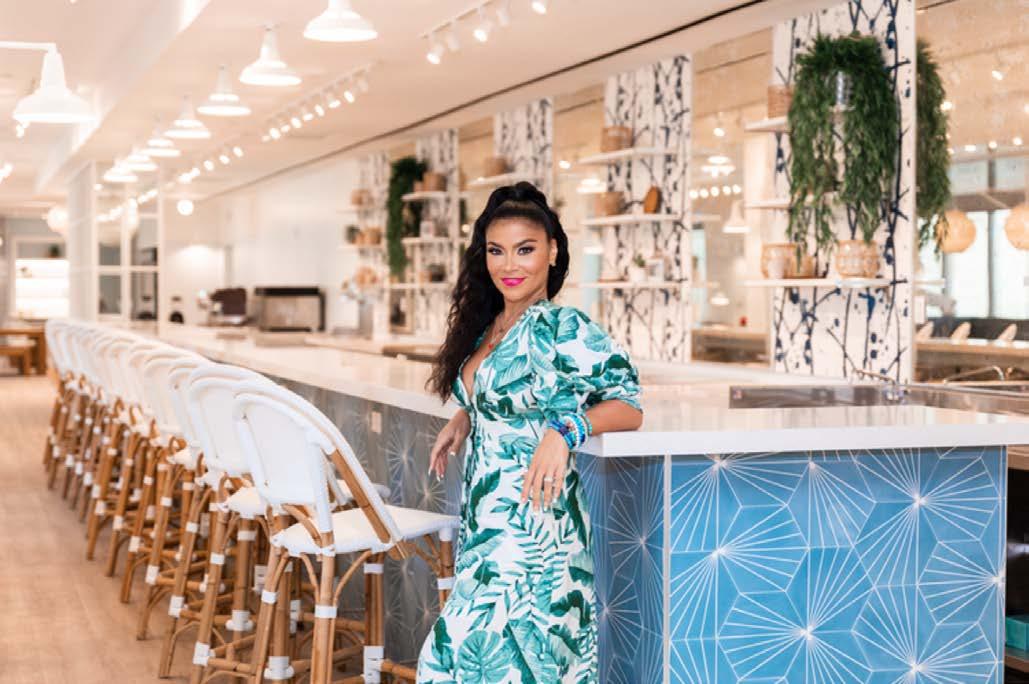
Shannon Allen didn’t wake up one day and decide to open a restaurant. She set out to solve a problem that most people live with every day but rarely stop to question: why is fast food almost always a choice between the lesser
of the evils?
The idea for grown didn’t come from a trend report or a pitch deck. It came from a moment of urgency. Years ago, while driving with her young son after he was diagnosed with Type 1 diabetes, Allen found herself stuck between
convenience and compromise. She needed food that was fast, nourishing, real and clean. What she found instead was a landscape of processed ingredients, preservatives and chemicals, hidden sugars, and compromises she wasn’t willing to make.
So she built something better.
grown was created with a clear purpose: deliver real, delicious, single ingredient, organic, nutrient-dense food made at the speed people expect from fast food— without sacrificing quality, flavor, or integrity. It’s a simple idea, but one that challenges an entire industry built on shortcuts.
And now, it’s becoming a scalable business.
Allen, a mother of five, approached the restaurant business the way she approaches parenting: with intention, consistency, and a long-term view. grown isn’t about extremes. It’s about balance—meals that work for families managing chronic health conditions, professionals running from meeting to meeting, athletes training at elite levels, and everyday customers who simply want to feel better after they eat.
The menu reflects that mindset. Organic ingredients. No artificial additives. Meals made with care that energize and sustain instead of slowing you down. grown isn’t positioned as a niche health concept—it’s designed as an everyday solution.
That positioning matters. While many fast-casual brands chase the next diet craze, grown stays focused on fundamentals: real, whole foods, made fresh daily, consistently. The result is a
concept that feels durable, not trendy.
That durability is reinforced by the influence of Shannon’s husband, Ray Allen—one of the most disciplined athletes to ever play professional basketball. Known throughout his career for meticulous preparation, longevity, and conditioning, Ray Allen (member of the Naismith Basketball Hall of Fame, 2x NBA Champion, 10x NBA AllStar) understood early what many athletes learn the hard way: performance is built in the kitchen long before it shows up on the court.
The philosophy behind grown aligns with that mindset. Food isn’t indulgence—it’s fuel. Whether you’re an elite athlete, a college student, a busy executive, or a parent chasing kids through a parking lot, what you eat affects how you perform.
grown was built with that spectrum in mind. The same principles that support highperformance athletes—clean energy, stable blood sugar, real nutrients—also support everyday life. That’s the brand’s quiet advantage: it serves peak performers and everyday families without changing its values.
After opening its initial locations and building a loyal following, Allen began to think bigger. The demand wasn’t
just local. Customers wanted grown in their neighborhoods, at their campuses, in their sports arenas and their cities.
But franchising, especially in food, is often where mission gets diluted.
Allen took a different approach. Instead of rushing into aggressive expansion, she focused on building systems that preserve quality while allowing owners to succeed. And after ten years in business, grown’s franchise model is designed to be efficient, accessible, and repeatable— without turning the brand into a commodity.
Lower build-out costs, multiple day parts and revenue streams (eat in, take out, drive thru, at home delivery and a robust catering business), streamlined operations and strong unit economics make the concept attractive to operators who care about both impact and profitability. More importantly, franchisees aren’t just buying a brand—they’re joining a mission.
The timing couldn’t be better. Consumers are increasingly aware of the connection between food and long-term health. Parents are desperate
for better options for their kids. Professionals want meals that don’t derail their day. Athletes want fuel, not filler.
At the same time, entrepreneurs are looking for businesses that align with their values—brands that do more than chase margins. grown sits at the intersection of doing well by doing good.
By franchising, Allen isn’t just expanding footprint; she’s multiplying impact. Each new location becomes a local access point to better food, better habits, and better outcomes. And because the model is designed to scale responsibly, growth doesn’t come at the expense of quality.
grown addresses several structural issues in the food system without making a big show of it.
It tackles access by providing convenience without compromise.
It addresses health by prioritizing real food, made with delicious, organic, single ingredient nutritious food. It supports economic opportunity by lowering barriers to ownership.
And it builds community by prioritizing the people that are making and serving food that people can trust.
This isn’t food designed to impress critics—it’s real food designed for real people in real life.
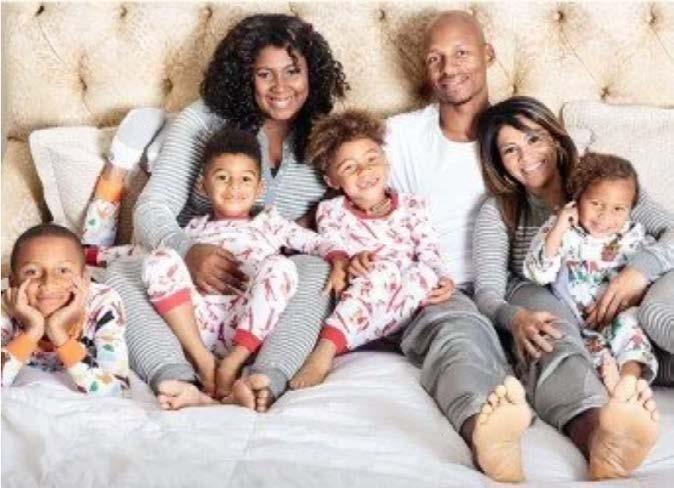
What separates Allen from many founders is credibility born from lived experience. She didn’t arrive at this business through theory. She arrived through necessity.
That authenticity resonates with customers and franchise partners alike. In a crowded market full of concepts chasing attention, grown stands out by staying grounded.
Allen’s leadership style reflects that grounding. She’s not interested in shortcuts. She’s rooted in purpose and is building something transformative that is meant to last.
As grown continues to expand, its advantage won’t be buzz words, marketing flash or novelty. It will be trust. Trust in
the food. Trust in the mission. Trust in the systems behind the brand and trust in the Allen’s passionate mission-the “why” that drives every recipe, every customer interaction and every grown meal.
In an industry notorious for burnout and inconsistency, grown offers a different vision of fast food—one that respects the customer, supports the operator, and understands that performance, whether athletic or personal, starts with what’s on your plate.
For Shannon Allen, grown isn’t just a restaurant. It’s proof that business can scale without losing its soul—and that better food can create better outcomes for everyone, from elite athletes to everyday families.
And that’s a business model built to grow.
For more information on franchising and the : https:// www.grown.org/

Paramount is an end-to-end solution from inception through completion. The Paramount Team will provide the convenience of a single point of contact from furniture design, specification and procurement through installation and coordinated commercial moves.
UNPARALLELED KNOWLEDGE
SUPPORT COMMITMENT ONE SOURCE

Furniture & Design
Installation & Warehousing
Architectural Interiors
Facility Services




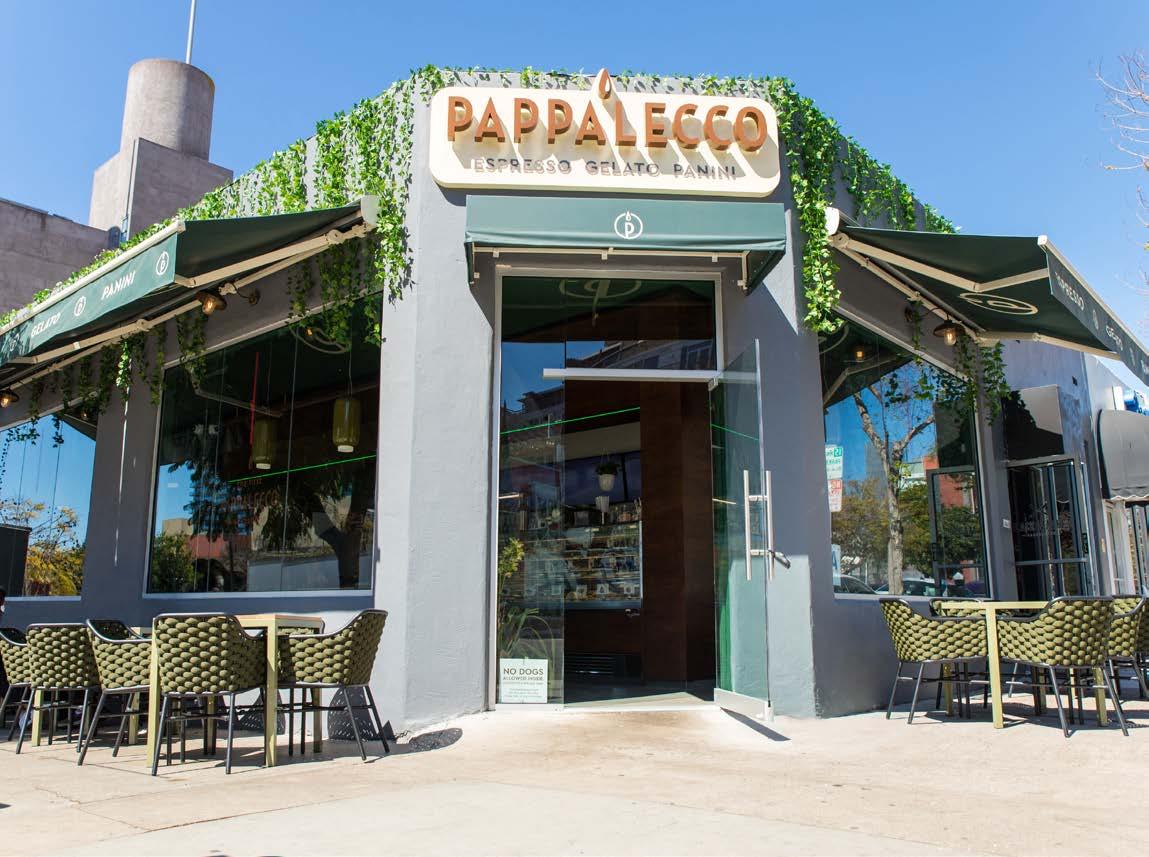









Welcome to The Linksman, a unique golf related franchise concept that offers an exclusive setting for corporate and private events of up to 60 guests. Step into our immersive venue, complete with a state-of-the-art 21' wide curved golf simulator, a captivating 75" flatscreen TV, a charming putting area, a stylish lounge, an entertaining Buck Hunter


by Ron Fillian, Franchise Consultant, The Franchise Consulting Company
Black History Month is a time to reflect on legacy—not just where we have been, but how today’s decisions shape economic opportunities for future generations. For many Black entrepreneurs, franchise ownership has emerged as one of the most powerful modern tools for building generational wealth while minimizing risk.
Historically, Black wealth creation has been challenged by limited access to capital, mentorship, and scalable business models. Systemic barriers have often made it more difficult to launch, sustain, and grow independent businesses. Franchising helps address those challenges by offering proven systems, brand recognition, and operational support. Rather than starting from scratch, franchise owners
invest in a business model that has already been tested, refined, and validated across multiple markets.
One of the most important distinctions between franchise ownership and traditional entrepreneurship is equity. When a franchisee owns a location—or multiple locations—they are not simply buying a job; they are building a transferable asset. That asset can be sold, passed down to family members, or leveraged to fund future investments. Over time, franchise ownership becomes a wealthbuilding engine that extends far beyond monthly income and short-term cash flow.
Scalability further strengthens the franchise value proposition. Unlike many small businesses that depend heavily on the owner’s constant presence, franchise systems are designed for
replication. Once an owner successfully operates one unit, the same playbook can often be applied to additional locations. Multiunit ownership accelerates equity growth and creates operational efficiencies that increase long-term enterprise value—an essential component of generational wealth.
Access to financing is another critical advantage. Many franchise brands maintain established relationships with lenders who understand the franchised business model and view it as a lower-risk investment. For Black entrepreneurs who have historically faced greater obstacles in securing
traditional financing, this credibility can open doors. It not only supports the initial investment but also enables future expansion as performance history and lender confidence grow.
Working with a franchise development consultant further strengthens this opportunity. Consultants help prospective owners identify franchise brands aligned with their financial goals, lifestyle preferences, and long-term vision. They provide clarity around investment ranges, territory potential, and growth expectations, helping candidates avoid costly missteps. This strategic alignment reduces risk, shortens the learning curve, and accelerates the path to profitability.
Education and preparation
remain essential. Franchise ownership is not passive income—it requires leadership, discipline, and operational oversight. However, when combined with professional guidance, owners enter the business with realistic expectations and a clear understanding of exit strategies, resale value, and long-term wealth planning. Every decision is made with both present performance and future equity in mind.
Mentorship and investing in the next generation are equally vital components of sustainable wealth creation. Black franchise owners who actively mentor youth and teach business ownership skills are multiplying their impact. By providing guidance on financial literacy, operational

understanding, and entrepreneurial mindset, they equip young people with the tools to pursue business opportunities confidently. Engaging youth in real-world business learning—through internships, shadowing programs, or community workshops—helps cultivate future leaders, innovators, and owners who will continue building generational wealth.
In Black communities, the impact of franchise ownership extends well beyond the individual owner. Local franchisees often hire locally, mentor young professionals, and reinvest profits back into their neighborhoods. This creates a powerful ripple effect—transforming individual ownership into community-wide advancement and economic stability.
As Black History Month reminds us, progress is built intentionally. Franchise ownership offers a structured, scalable way to turn legacy into leverage—ensuring today’s success becomes tomorrow’s inheritance, and that ownership today helps shape stronger, more resilient communities for generations to come.
Ron Filian is a trusted franchise development consultant dedicated to helping individuals and multifranchise business owners navigate the journey of franchise business opportunities.
Petite Pup is the premier dog daycare franchise specializing dogs under 15 pounds. Every detail is meticulously crafted to the unique needs of the teeny t dog. We create a pawsitive and safe experience through play, mental stimulation, socialization and relaxation. Our motto, "Where Small Dogs are a BIG Deal" exemplifies our unwavering commitment to the petite pup.


Turn passion for dogs into a rewarding & successful business


Reach goals fast with ongoing support & training from day one


Unique opportunity to own an adorable niche in the growing




by Rhonda Sanderson, CEO, Sanderson & Associates
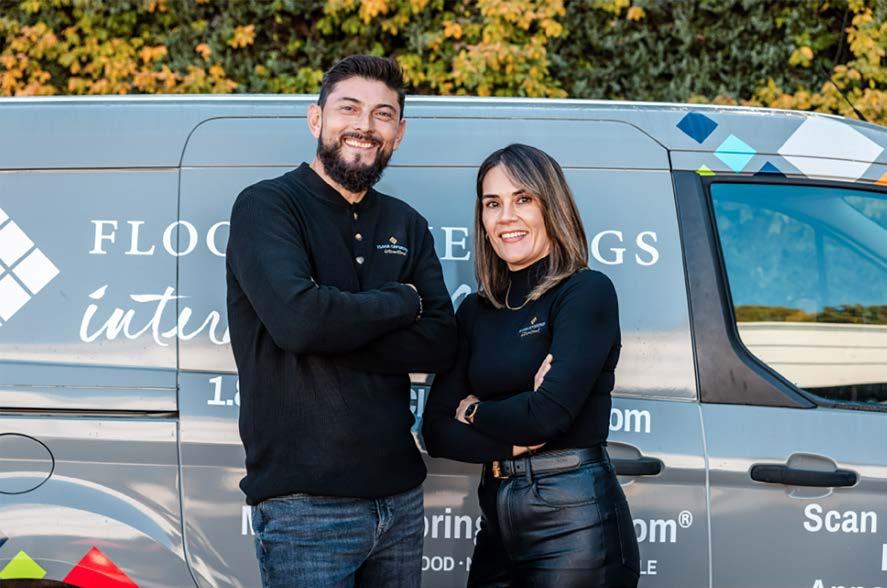
The day marked a significant milestone for Christian and Maribel Salcedo when they opened Floor Coverings International of South Orlando. Christian, with 27 years of expertise in flooring installation, and Maribel, with a robust background in banking and dentistry, combine their skills to deliver unparalleled service. Their proficiency in communication,
customer service, and project management ensures that every client receives personalized and professional attention.
The decision to embark on this entrepreneurial journey stemmed from their desire for a better work-life balance and self-fulfillment.
Christian and Maribel sought the independence to be their own bosses and make decisions aligned with their
vision and values. They recognized the potential for higher earnings and wealth creation based on their efforts and strategies.
"We wanted the opportunity to set our schedule and achieve a balance that accommodates our personal and family needs," Maribel explained. "And we both know how to collaborate and manage projects. Our critical thinking skills are top-notch. Adaptability and a strong work ethic are the cornerstones of our success."
Their commitment to delivering unique solutions and addressing market gaps sets Floor Coverings International apart from any current flooring brand. The company strives to improve existing services, ensuring quality, excellence in service delivery, integrity, a customer-centric approach,
innovation, and community engagement. These items are in perfect alignment with the goals of the Salcedo’s.
Floor Coverings International offers a comprehensive range of flooring solutions, from consultation to installation. Their product lineup includes hardwood, luxury vinyl tile and planks, carpet, tile, and eco-friendly materials like bamboo and cork. Each product is chosen for its quality, durability, and aesthetic appeal, enhancing the beauty and functionality of any space.
Passionate about sustainability and healthconscious choices, Christian and Maribel promote products that improve indoor air quality and are eco-friendly. Bamboo and cork, for example, are not only sustainable but also add a unique touch to any home or office. They also make for a healthier environment.
Success is built on the support and resources provided to franchisees, with ongoing training, marketing support, and a network of seasoned professionals. This collaborative approach empowers franchisees to thrive and deliver exceptional service to their clients.
At the heart of Floor Coverings International is a commitment to customer satisfaction. Christian and Maribel understand that each client has unique needs and preferences, and they strive to provide tailored solutions that exceed expectations. Listening to their clients, offering expert advice, and ensuring every project meets the highest standards is their mission.
Dedicated to giving back, Christian and Maribel actively participate in local events, support charitable initiatives, and work with other businesses to promote community growth and development.
Christian and Maribel's passion for excellence and desire to create beautiful, functional spaces reflects in Floor Coverings International. With their vision and values guiding them, they are well-equipped to build a successful and fulfilling future in the flooring industry. The big favorites throughout the system? Pet and kid-friendly floors that clean up with one mopping and look like genuine wood. In Florida, the favorites are:

• Sustainable materials: Homeowners are turning to laminate flooring crafted from eco-friendly materials such as recycled wood fibers.
• Authentic Wood Look: The demand for realisticlooking wood floors continues to soar.
• Waterproof Performance: Given erratic weather conditions, waterproof laminate floors are hot!
• Vinyl Flooring: As technology advances, vinyl flooring gets close to natural wood and stone looks easily cleaned with a damp mop.
• Carpet: There are still die-hard carpet lovers because of the feeling and look of cozy and warm. Not so much shag. Many more flat pile and textures and patterned looks are available.
• Engineered Hardwood Flooring: This is the best in luxury flooring offering real wood veneers with remarkably high quality and detail.

Rhonda Sanderson is a franchise expert who has owned and operated Sanderson & Associates and Sanderson PR, both specializing in, traditional, social media and crisis PR in the franchise space since 1986. She has authored many articles, helped grow numerous franchise chains is considered one of the Top 30 Small Business Influencers (Fit Business) in the U.S. Find her at Rhonda@ sandersonpr.com or on LinkedIn where she is the author of Franchise Stars at https://www.linkedin.com/in/rhonda-sanderson-a6b658/

Butterfly Home Care provides specialized home care services for individuals with autism, people with disabilities, and seniors. Our company has built a strong reputation and proven track record in delivering high-quality, personalized care at the comfort of people's homes. With extensive experience in the field, we are committed to meeting the unique needs of each client.










Healthy – USDA reports that American adults are choosing healthier foods such as fruits and vegetables to support a healthier lifestyle. That’s why nearly half of all Millennial and Gen Z consumers buy 3+ entrée salads per week away from home. Saladworks is on-trend.
Simple – Our concept is asset-light, equipment-light and easy to operate. No fryers and no hood means less expensive buildout costs for you. Just chop, slice and dice to serve the tastiest create-your-own salads around. Saladworks is turn-key.
Saladworks is the original create-your-own, fast-casual salad franchise.
Healthy – USDA reports that American adults are choosing healthier foods such as fruits and vegetables to support a healthier lifestyle. That’s why nearly half of all Millennial and Gen Z consumers buy 3+ entrée salads per week away from home. Saladworks is on-trend.
Simple – Our concept is asset-light, equipment-light and easy to operate. No fryers and no hood means less expensive buildout costs for you. Just chop, slice and dice to serve the tastiest create-your-own salads around. Saladworks is turn-key.
Accessible – The fast-casual landscape is overbuilt and cluttered with create-your-own burger, sandwich, pizza, Mexican and smoothie concepts. Landlords are looking for healthy concepts like ours. We have the market, venue, format and footprint you want. Saladworks is available.
Accessible – The fast-casual landscape is overbuilt and cluttered with create-your-own burger, sandwich, pizza, Mexican and smoothie concepts. Landlords are looking for healthy concepts like ours. We have the market, venue, format and footprint you want. Saladworks is available.
Saladworks is the original create-your-own, fast-casual salad franchise.
Healthy – USDA reports that American adults are choosing healthier foods such as fruits and vegetables to support a healthier lifestyle. That’s why nearly half of all Millennial and Gen Z consumers buy 3+ entrée salads per week away from home.
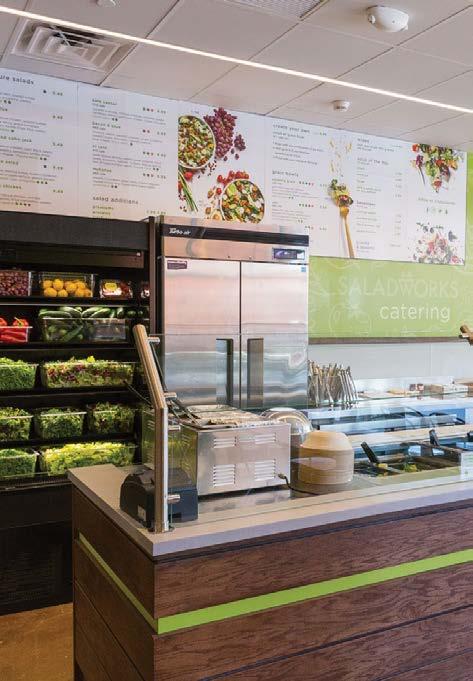


Simple to operate. No fryers and no hood means less expensive buildout costs for you. Just chop, slice and dice to serve the tastiest create-your-own salads around.
Accessible
cluttered with create-your-own burger, sandwich, pizza, Mexican and smoothie concepts. Landlords are looking for healthy concepts like ours. We have the market, venue, format and footprint you want.

$1,227,858 median
by Alex Johnson
FRANCHISE GROWTH WITHOUT THE GUESSWORK
Most brands award franchises faster than they can open them. Discovery Days go well, candidates sign, and then the real-estate process slows: inconsistent property filters, zoning unknowns, technical surprises, and delayed buildouts. These breakdowns weaken validation, disrupt Item 19 consistency, and slow royalty growth.
The FranRealCo Franchise RE System replaces that unpredictability with a disciplined, franchisor-focused real-estate model—one that aligns fully with your FDD, protects unit-level economics, and creates a reliable path from site strategy to grand opening.
We don’t sell addresses — we de-risk openings.
1 · Brand Intake (Weeks 1–2)
FranRealCo translates your prototype and FDD into measurable site criteria: square footage, clear height, parking ratios, utility requirements, traffic patterns, and investment bands from Items 5–7.
Each criterion is tied directly to Item 19 performance ranges so franchisees begin their search with locations aligned to brand-approved economics—before any site tours are considered.
2 · Trade-Area Prioritization (Weeks 2–4)
Markets are evaluated using demographic, employment, lifestyle segmentation, daytime population, and spending capacity, layered with drive-time and access mapping.
Each trade area receives a Demand Opportunity, Customer Alignment, and Network Harmony score— helping franchisors guide franchisees toward viable markets while reducing cannibalization and misplaced site decisions.
3 · Identification & Shortlist (Months 1–2)
FranRealCo oversees the identification, evaluation,
THE FRANREALCO FRANCHISE RE SYSTEM REPLACES THAT UNPREDICTABILITY WITH A DISCIPLINED, FRANCHISOR-FOCUSED
and validation of candidate sites against brand-defined criteria.
Franchisees are guided toward a shortlist of 3–5 tourready options, each supported by a Trade-Area Summary detailing co-tenancy mix, competition profiles, traffic patterns, demographic fit, and alignment with the FDDapproved investment model— enabling data-driven decisions rather than brochure-based selection.
4 · Validation & LOI Framework (Months 2–3) Before any letter of intent
is executed, utilities, MEP capacity, zoning compliance, setbacks, conditional-use pathways, and permitting timelines are validated.
FranRealCo establishes brand-approved LOI standards and approval frameworks that incorporate co-tenancy requirements, rent-commencement triggers tied to build-out readiness, and cure structures designed to maintain financial and operational consistency across the franchise system.
5 · Lease, Build & Opening (Months 3–6+)
A Critical-Path Report tracks permits, construction benchmarks, inspections, and pre-opening milestones on a weekly basis.
Variance alerts help franchisors maintain predictable Days-toOpening, supporting stronger validation, cleaner Item 19 performance, and more reliable royalty flow.
Pre-opening launch planning incorporates daytime population, psychographics, and household density to support market-specific opening strategies.
“BEFORE WORKING WITH ALEX, ZONING WAS OVERWHELMING. HE ASKED THE RIGHT QUESTIONS, SIMPLIFIED THE PROCESS, AND GAVE ME THE CLARITY I NEEDED TO MOVE FORWARD WITH CONFIDENCE.”
— Stan Guzik, Resting Rainbow – Chicago South
Readiness Plan
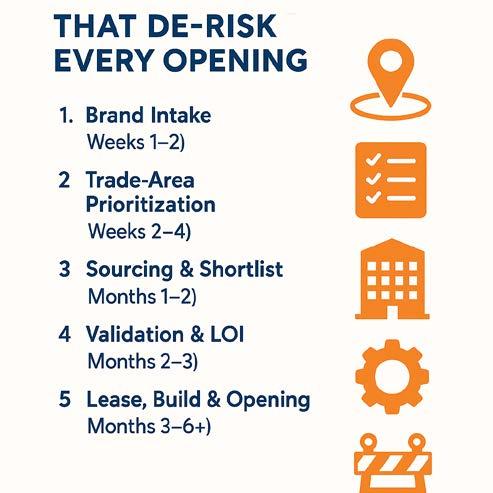
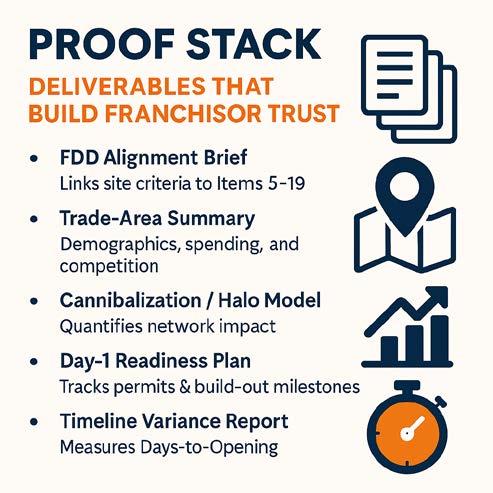
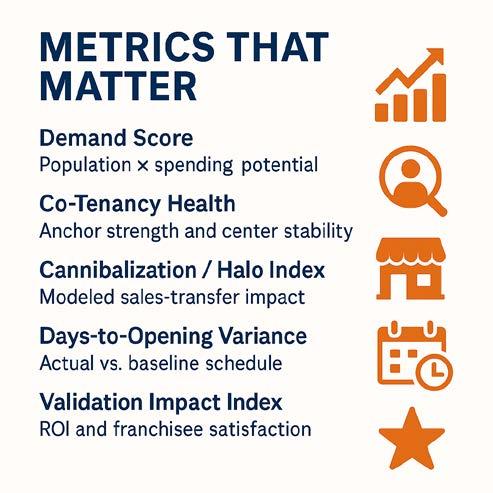
THE FRANREALCO FRANCHISE RE SYSTEM MITIGATES THIS RISK BY VALIDATING SITE ECONOMICS BEFORE LOI EXECUTION AND MAINTAINING TIMELINE DISCIPLINE THROUGHOUT PERMITTING AND CONSTRUCTION.
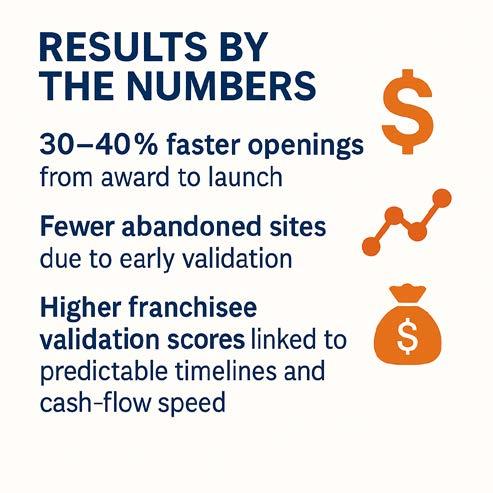
“Before working with Alex, zoning was overwhelming. He asked the right questions, simplified the process, and gave me the clarity I needed to move forward with confidence.”
— Stan Guzik, Resting Rainbow – Chicago South
METRICS
Quarterly reporting connects the FranRealCo real-estate framework to system-level financial outcomes:
• Demand Score — population × spending potential
• Co-Tenancy Health — anchor strength + center stability
• Cannibalization / Halo Index — sales-transfer modeling pre-LOI
• Days-to-Opening Variance — timeline accuracy against franchise baseline
• Validation Impact Index — post-launch ROI and franchisee confidence
FRANCHISING DOESN’T SUCCEED BECAUSE BRANDS SELL MORE AGREEMENTS—IT SUCCEEDS BECAUSE THOSE AGREEMENTS BECOME HIGHPERFORMING, ONSCHEDULE OPENINGS.
A 10% underperforming unit at a $1.2M AUV creates roughly $120,000 in lost royalties per year. Ten such units can erase the profitability of an entire region.
The FranRealCo Franchise RE System mitigates this risk by validating site economics before LOI execution and maintaining timeline discipline throughout permitting and construction.
This is not just real estate— it is franchise system risk management
Franchisors using the FranRealCo Franchise RE System report:
• 30–40% faster openings from franchise award to grand opening
• Lower site fallout through early zoning and MEP validation
• Higher franchisee
validation scores tied to predictable timelines
• Stronger Item 19 stability across early-stage markets
• More consistent royalty flow during expansion phases
Franchising doesn’t succeed because brands sell more agreements—it succeeds because those agreements become high-performing, onschedule openings
The FranRealCo Franchise RE System gives franchisors the discipline, proof, and predictability required to scale with confidence.
In franchising, trust is earned through systems that deliver on time and on budget—every time
FranRealCo specializes in building scalable real estate systems for franchisors, designing the strategic framework for territory mapping, site criteria, and repeatable approval workflows to ensure brand consistency.
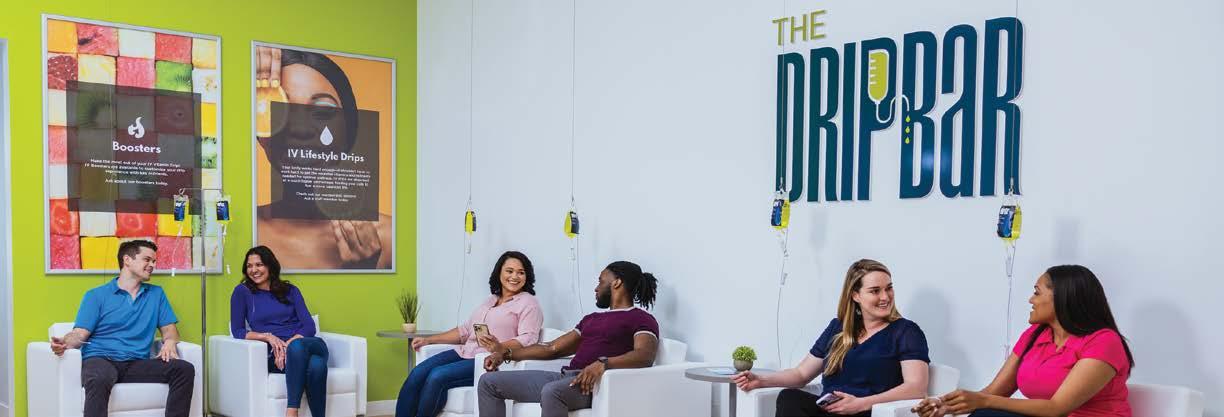











Top Reasons to Present Painter Bros to Your Candidates
• Multiple Revenue Streams - Owner/Operator & Semi-Absentee
• Strategic Alliance Partnerships - National Accounts
• Proprietary Technology - Powered by
• Nationwide Coverage

• Recession Proof - Industry revenue expected growth of 3.2%
$1.4 Million
*2022 FDD
FRANCHISE FEE: $65,000
INVESTMENT RANGE: $120k-$300k
TERRITORY SIZE: 250k pop
GROSS PROFIT MARGIN AVG.: 49.8%
CURRENT UNITS: 21 Franchises/43 Territories
*includes corporate
Chief Development Officer Bailey Rayner
385.535.0944 brayner@painterbros.com www.painterbros.com/franchising




*Feb-Nov 2023
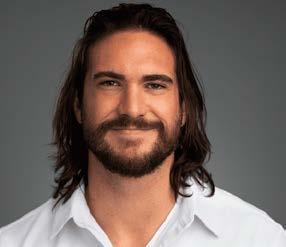
by Tracy Woods, Franchise Development Manager, Mad Science & Crayola Imaginary Arts Academy
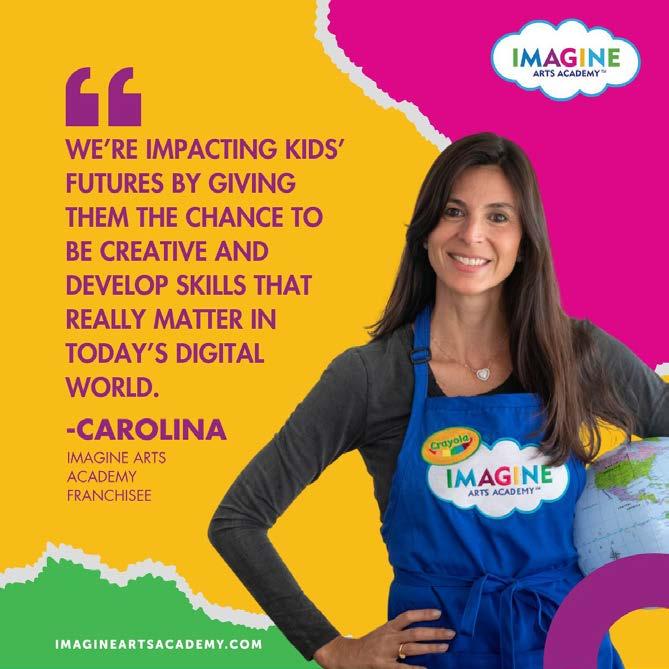
When Carolina Milano joined Imagine Arts Academy™, she didn’t just open a business - she stepped into a vibrant community of passionate entrepreneurs, all collaborating to build something truly special.
“From day one, I felt supported,” Carolina says.
“Whether it was guidance from headquarters or advice from fellow franchisees, I knew I wasn’t alone.”
Carolina’s journey began in Brazil, where she built a career in engineering before following her passion for visual arts. When she moved to the U.S., she sought a business opportunity that aligned with her values. Imagine Arts

Academy™ checked all the boxes, offering a missiondriven model focused on empowering children through art.
“I wanted to create a better future for kids while building something meaningful for myself and my family,” she explains.
Carolina’s story exemplifies how franchises can provide a blueprint for success while fostering innovation. Her studio’s programs, including parent’s night out events and day camps, have become a staple in the Miami community. And it’s not just the business that has flourished - Carolina has grown as a leader, overcoming cultural and language barriers with determination and grace.
“I’ve learned so much about running a business and connecting with people. The franchise’s support and resources have made all the difference,” she says.
Carolina’s dream is to expand her reach, bringing Imagine Arts Academy™ to every school and community in Miami. Her story is a call to action for others to dream big and join a franchise that
offers not just a business opportunity, but a network of support and inspiration.
“Join a franchise where you’re never alone - together, we succeed,” she encourages. Through her dedication and passion, Carolina Milano has shown that franchising isn’t just about business. It’s about community, creativity, and creating a brighter future together.
One of the unique aspects of Imagine Arts Academy™ is its ability to blend a global vision with local relevance. Programs are designed to be both universally enriching and deeply rooted in community values. Themes like environmental stewardship and cultural diversity resonate across different regions, making the franchise a versatile option for diverse markets.
Franchisees become community leaders, inspiring children to explore the beauty of the world and fostering connections that strengthen the social fabric. “This is a business that empowers you to make a real difference,” says a current franchisee. “It’s rewarding - both emotionally and financially.”
• Iconic Brand Backing: Benefit from the brand power of Crayola®, recognized and trusted by families worldwide.
• Flexible Business Model: Adapt to various markets and grow at your own pace.
• Multiple Revenue Streams: Build a year round business, with multiple areas of business for year-long income streams.
• Proven Expertise: Leverage the operational systems and over 40 years of franchising experience of Mad Science®.
• Meaningful Impact: Inspire creativity and make a lasting difference in the local community.
In a franchise marketplace full of new concepts vying for attention, the strongest “emerging brands” are the ones backed by real experience. Imagine Arts Academy™ is exactly that - new enough to offer wideopen territory and first-mover advantage, yet powered by the 40-year franchising success of Mad Science®, the global leader in children’s STEM enrichment. It’s the perfect blend of fresh opportunity and longstanding credibility.
And it’s important to note: this is not an art studio. The landscape is filled with art studios and craft-themed concepts – Imagine Arts Academy™ stands in a class of its own. Imagine Arts Academy™ stands apart because its programs are “Art with Purpose”creative experiences rooted in meaningful educational learning that parents value, schools love, and children never forget – a franchise that elevates beyond paint and paper – exploring global cultures, global citizenship,
wildlife conversation and real world ideas.
And it gets better! The Mad Group® is celebrating 40 years so have reduced the franchise fee by 40%.
If you’re ready to be part of a rapidly growing movement that inspires children, strengthens communities, and builds a business you can be proud of, Imagine Arts Academy™ is your opportunity to explore. Visit https://www. imagineartsacademy.com/ franchising
Phone 1-833-204-6777
Tracy Woods is the Franchise Development Manager for Mad Science® ands, helping entrepreneurs build meaningful, community-focused businesses. With a passion for kids, creativity, and franchising, she connects driven individuals with opportunities that spark curiosity and make a real impact
R E A D Y T O
D O M I N A T E
Y O U R P A R T O F A $ 2 2 0 B I L L I O N I N D U S T R Y ?

A d v a n t a g e s o f O u r F r a n c h i s e
W h y J o i n N E S T P r o t e c t i o n P l a n ® ?

G r o w W i t h U s
W e h a v e a p r o v e n s u c c e s s s y s t e m
B y p r o v i d i n g o n g o i n g t r a i n i n g ,
c o a c h i n g , a n d o p e r a t i o n a l s u p p o r t
i n a r e a s t h a t a r e c r i t i c a l t o e a c h
l o c a t i o n ’ s s u c c e s s , w e g u a r a n t e e
y o u w i l l h i t t h e g r o u n d r u n n i n g !

M a r k e t i n g S u p p o r t
W e c o o r d i n a t e d e v e l o p m e n t o f a d v e r t i s i n g m a t e r i a l s a n d s t r a t e g i e s , a l o n g w i t h c o n s u m e r m a r k e t i n g
p l a n s a n d m a t e r i a l s t o p r o v i d e
c o m p l e t e m a r k e t i n g s u p p o r t t o a l l o u r f r a n c h i s e l o c a t i o n s F r o m i n i t i a l
l a u n c h t o a d v e r t i s i n g a n d m a r k e t i n g , w e a r e a l w a y s t h e r e t o g u i d e a n d
s u p p o r t y o u

B r a n d R e c o g n i t i o n
O u r b r a n d h a s b e e n b u i l t o n a t r u s t e d , s t r o n g f o u n d a t i o n a n d w e ’ r e n o w s e e k i n g c a n d i d a t e s f o r t h i s o n e - o f - a - k i n d b u s i n e s s o f f e r i n g ! W i t h e x c e l l e n c e a n d i n t e g r i t y , w e w a n t t o m a k e a l l h o m e s h e a l t h i e r a n d h a p p i e r f o r a l i f e t i m e R E E A P

C o m p r e h e n s i v e T r a i n i n g
W e p r o v i d e c o m p r e h e n s i v e , u n m a t c h e d c o a c h i n g a n d t r a i n i n g t o e n s u r e a l l o u r f r a n c h i s e l o c a t i o n s h i t
a g r a n d s l a m . F r o m t h e i n i t i a l t r a i n i n g w e e k a t o u r N E S T P r o t e c t i o n
O u r “ R e a l E s t a t e E n v i r o n m e n t a l
A w a r e n e s s P r o g r a m ” c r e a t e d f o r r e a l t o r s , b y r e a l t o r s , i s a C E p r o g r a m
t a u g h t t o r e a l t o r s a c r o s s t h e U S o n t h e i m p o r t a n c e o f p r o p e r l y a d d r e s s i n g i n d o o r e n v i r o n m e n t a l i s s u e s O u r e x c l u s i v e a b i l i t y t h r o u g h t h i s a w a r e n e s s p r o g r a m g i v e s u s a s t r o n g p a r t n e r s h i p f o r h e l p i n g b u i l d i n g s s t a y h e a l t h y

P l a n t r a i n i n g c e n t e r , t o o u r o n s i t e v i s i t s t o y o u r l o c a t i o n , w e d o n ’ t r e s t u n t i l e a c h p a r t n e r r e a c h e s s u c c e s s ! B u i l t - i n C u s t o m e r B a s e
W e l e a d f r o m e x p e r i e n c e a n d o u r s t a f f , t e c h n o l o g y , a n d m a r k e t i n g h a s c o n t i n u e d t o b e a d r i v i n g f o r c e b e h i n d o u r w i d e l y b u i l t - i n c u s t o m e r b a s e W h e n y o u j o i n u s y o u b e n e f i t f r o m r a p i d g r o w t h a n d e x c l u s i v e r e a l e s t a t e r e l a t i o n s h i p s !

by Tony Jeary, Strategist, Keynoter, Coach, Tony Jeary International

Franchise success isn’t just about systems and support, it’s about thinking sharper, preparing better, and executing faster. That’s why the best franchisors and franchisees are paying attention to how they use artificial intelligence.
AI isn’t the advantage. How you use it is.
When used intentionally, AI becomes a performance tool. It helps leaders get clearer before meetings, think more strategically during decisions, and learn faster from daily
interactions. In a world where preparation and followthrough define outcomes, that kind of leverage makes all the difference.
Q: TONY, HOW SHOULD FRANCHISORS AND FRANCHISEES BE THINKING ABOUT AI?
At a minimum, think of AI as a thinking partner; not a replacement for your judgment, rather a Force Multiplier instead. When you use AI to prepare before key conversations or decisions, you enter more focused and confident and tackle any oversights well in advance.
For franchisors, this might mean using AI to prepare Smart Reports before field visits or strategic meetings. For franchisees, it could mean preparing talking points or anticipating objections ahead of local presentations. The key is consistency. The more intentionally you use it, the more value it returns.
Q: WHAT’S A SIMPLE STARTING POINT FOR A BUSY FRANCHISE LEADER?
Use AI to design meetings better. Most meetings burn
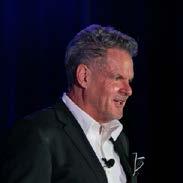
MOST MEETINGS BURN TIME BECAUSE THEY START WITHOUT CLARITY. I CALL THIS STRATEGIC MEETING PREP. WITH A FEW PROMPTS, AI CAN HELP YOU DEFINE OBJECTIVES, DRAFT AGENDAS, AND BETTER PREP DECISIONS IN ADVANCE.

time because they start without clarity. I call this Strategic Meeting Prep. With a few prompts, AI can help you define objectives, draft agendas, and better prep decisions in advance.
When everyone walks in prepared, decisions get made, energy stays high, and execution follows. It’s not about having more meetings; it’s about having better ones. In fact, the level of preparedness AI can help you achieve should save valuable meeting minutes you can reallocate where it matters.
Q: HOW DO YOU RECOMMEND HANDLING PUSHBACK OR RESISTANCE INSIDE THE SYSTEM?
Use AI to prepare for resistance, not just react to it. One of the most powerful moves we teach is Objection Management. Before presenting anything new, ask AI to simulate likely objections from your audience and generate thoughtful, respectful responses.
This removes the emotion from resistance. It also allows you to lead with empathy and insight, which builds trust and keeps things moving
forward. Being prepared for objections is not about defensiveness, it’s about alignment.
Q: Isn’t there a risk of getting overwhelmed with AI?
Only if you use it randomly. The highest-performing leaders we coach use AI with rhythm and discipline. They start the week with clarity, they use it to prep with purpose, and they extract learning at the end of each cycle.
That’s what we call running the full operating cycle: preparation, prompting, learning. When you use AI inside that rhythm, it becomes a system, not a distraction. A real advantage
that compounds over time.
AI isn’t here to replace your thinking, it’s here to reward it. In franchising, where trust, consistency, and clarity drive performance, AI gives you the ability to lead smarter, faster, and more intentionally. Use it with discipline. Apply it where it matters. That’s how results scale.
Let’s make it happen.
Tony Jeary is a strategist, keynoter, coach to the world’s top CEOs and prolific author of over 100 titles. Tony lives in Flower Mound and works out of his think tank, the RESULTS Center, where he and his team encourage and inspire all those he touches, resulting in their enhanced sales and profitability and raising their companies’ value.


42.8M
66,000
64%
1
L E A R N M O R E

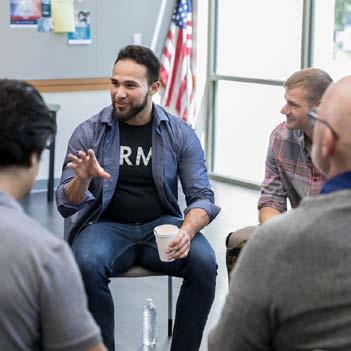

Virtual Staffing
Marketing
Lead Generation Admin Task

No Costly Location / Inventory
Get Started With A Laptop
Can Be Run From Anywhere
Run By Low-Cost Remote Staff
Booming Industry
Limitless B2B High Ticket &
Recurring Products And Services
SOPs, Automations, Recruiting, & Support By Experienced Staff
Technology Solutions
Coaching
Calendar & Email
Management




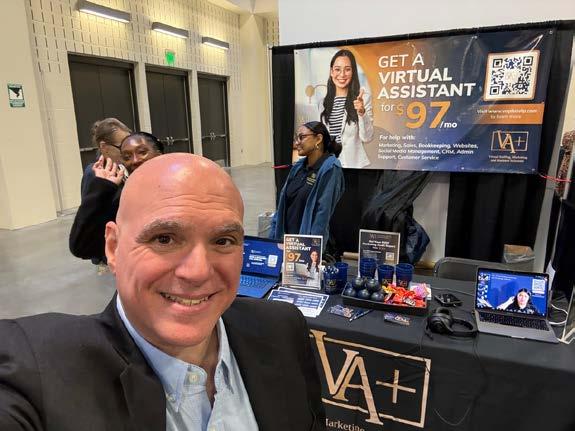

by Dudley Harris, SVP, 4EverCharge
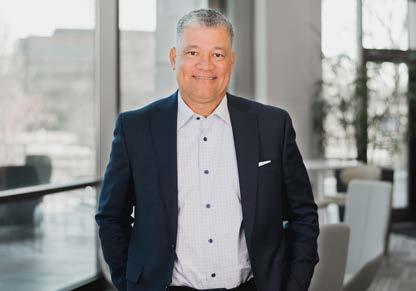
Most people talk about EV charging like it is a hardware problem. Install stations. Add software. Wait for adoption.
John Biagas has spent his career knowing better.
To Biagas, EV charging is infrastructure. Infrastructure is reliability. Reliability is trust. And trust is earned over
decades, not quarters. It is earned on job sites, through inspections, under deadlines, and in environments where failure is not theoretical.
That mindset explains why Biagas, founder of Bay Electric, is now leading 4EverCharge, a franchise platform designed not around hype, but around execution. The move is not a pivot. It is a continuation.
Biagas did not come up through venture capital or technology incubators. He came up through the electrical trade. Raised in a large family where construction and electrical work were part of everyday life, he learned early that systems
matter and shortcuts fail.
In 1997, he purchased Bay Electric when it was a modest operation generating just over $1 million in annual revenue. What followed was not overnight success, but disciplined growth. Bay Electric expanded steadily, taking on more complex work, hiring skilled electricians, and earning the kind of reputation that attracts demanding clients.
Over time, the company became known for handling projects that could not afford mistakes: military installations, government facilities, hospitals, transit infrastructure, and large-scale commercial developments. This was not commodity electrical work. It was mission-critical execution.
That background shapes how Biagas thinks about leadership. In construction, authority does not come from titles. It comes from competence. Crews follow leaders who understand the work, anticipate problems, and make decisions that protect both safety and schedule.
Bay Electric’s project history reads like a catalog of environments where performance is non-negotiable. The company has completed large federal and defense-related projects, including multi-milliondollar headquarters facilities and complex instructional buildings for military bases. These projects required not only technical excellence, but mastery of compliance, coordination with multiple stakeholders, and an ability to deliver on time under scrutiny.
More recently, Bay Electric has been deeply involved in electric transportation infrastructure, including school bus charging facilities and municipal EV projects across the Mid-Atlantic and Southeast. These are not pilot programs. They are full deployments requiring design, permitting, underground work, commissioning, and long-term service planning.
This matters because EV charging is rapidly moving from “nice-to-have” to “required infrastructure.” The same disciplines that apply to hospitals and military bases now apply to charging stations: uptime, safety, redundancy, and accountability.
Biagas understands that transition because he has lived it.
Another throughline in Biagas’

career is community impact.
Bay Electric has been involved in redevelopment projects that go beyond simple construction. One notable example includes the adaptive reuse of a historic hospital that once served Black residents in Virginia, transformed into housing that preserved cultural significance while creating new economic life.
For Biagas, projects like this are not branding exercises. They reflect a belief that infrastructure, when done right, strengthens communities. That belief carries into how he thinks about franchising.
Franchises succeed when owners are rooted locally, when they understand the needs of their markets, and when they see themselves as long-term stewards rather than short-term operators. That alignment between values and economics is intentional.
So why franchise EV charging?
The answer is scale with accountability.
The demand for charging infrastructure is growing faster than centralized operators can deploy it. Property owners want solutions that work, utilities want coordination, municipalities want compliance, and drivers want reliability. No single corporate
entity can efficiently manage that complexity in every market.
Franchising solves that problem when it is done correctly.
4EverCharge is built on the premise that local operators, supported by national systems and deep technical expertise, can execute better than distant operators chasing volume. Franchisees are not selling chargers. They are managing infrastructure relationships.
Biagas’ approach reflects his operator mindset. The business is not the equipment. The business is site evaluation, utility coordination, installation quality, ongoing service, and trust with property owners. Those are learned skills. And they are transferable.
The word “visionary” gets overused. In Biagas’ case, it is grounded.
He saw early that electrification would not stop at consumer vehicles. Fleets, municipalities, transit authorities, and commercial properties would all need charging. He also understood that the electrical backbone required to support that shift would be uneven across markets.
Rather than chasing trends, he focused on building capability. Bay Electric invested in training, licensing, and systems that could handle higher loads, more complex installs, and evolving codes. When EV demand accelerated, the company was ready. That same foresight drives
4EverCharge. The franchise is designed for long-term relevance, not quick exits. It is positioned where infrastructure spending, regulatory support, and market demand intersect.
Sophisticated franchise buyers know this: they are not buying a logo. They are buying a riskreduction system.
In that context, Biagas’ background is the product.
Franchisees entering 4EverCharge gain access to decades of electrical and infrastructure experience distilled into processes, standards, and vendor relationships. They gain credibility with property owners because the platform is built by people who have already delivered at scale.


SOPHISTICATED FRANCHISE BUYERS KNOW THIS: THEY ARE NOT BUYING A LOGO. THEY ARE BUYING A RISK-REDUCTION SYSTEM.
Just as important, they gain a leader who understands what operators face in the field. Biagas has hired crews, dealt with inspectors, managed cash flow through long project cycles, and navigated regulatory complexity. That experience shapes how support systems are built.
Franchisors who have never run real operations often underestimate what owners need. Biagas does not.
There is nothing flashy about
electrical infrastructure. When it works, no one notices. When it fails, everyone cares.
That reality has shaped John Biagas’ career and now defines 4EverCharge’s positioning. The company is not chasing headlines. It is building quietly, market by market, with operators who value execution over noise.
In a sector crowded with startups and speculation, that approach stands out.
EV charging will become as ordinary as lighting and HVAC. When that happens, the
winners will not be the loudest brands. They will be the ones who built trust early, installed correctly, and kept systems running year after year.
John Biagas has been preparing for that moment since he bought Bay Electric in 1997. Franchising is simply the next logical step.
And for franchisees looking to participate in the electrification of America without betting on hype, that kind of leadership may be the most valuable infrastructure of all.




•Full-service Wellness Studio offering mind/body recovery
•First franchise to offer “Contrast Therapy” (Sauna/Cold Plunge) with EIGHT unique revenue streams: Cryotherapy, IV Drip, Cold plunge, Float, LED light therapy, Sauna, Normatec & Retail
•Minimal employee ownership model
•Four corporate units open in Los Angeles with a fifth in development
•Broad retail offerings focused on Sleep, Stress/Anxiety, Clean Beauty, Detoxification and Immunity, brands include Moon Juice, Bee Keepers, Osea, Quick Silver Scientific
•Top performing studio revenue: $1,975,984 in 2022
•Top performing Net Margin: 35% (After a 7% royalty deduction)
•2,600-3,000 sq.ft
• 50+ licenses awarded with markets available: San Diego, San Francisco, Houston, and New York.

for further detail. Past performance is not a guarantee of future results. Individual results may vary.
There are leaders who chase momentum. And then there are leaders who create it, quietly, methodically, and with conviction shaped by experience. Verdine Baker belongs to the second group.
Today, Verdine Baker is the CEO of iFlex Stretch Studios, one of five brands under Sequel Brands, the newest platform founded by industry builder Anthony Geisler. But Baker’s story did not begin with a corner office. It began on the gym floor, selling memberships, listening to customers, and learning— up close—what makes a concept last.
Baker’s career arc is a study in earned leadership. Before he ever led a national brand, he spent a decade inside Crunch Fitness, starting as a membership advisor and growing into a district manager overseeing corporate locations in the San Francisco Bay Area. It was there that he learned the fundamentals that don’t show up in pitch decks: how consumers actually behave, how teams perform
under pressure, and how operational discipline compounds over time.
That foundation mattered when the phone rang in 2018. Baker wasn’t looking for a move, but the call introduced him to a then-nascent concept: StretchLab. Curious, he flew to Southern California, visited one of the original Santa Monica studios, got stretched, and felt what he later described as an immediate “aha” moment. Not just as a consumer, but as an operator.
“I can sell this,” he thought. “And I can build systems around selling this.”
He moved his family from San Francisco to Southern California to help build the brand from just three locations. Over the next five years, Baker served as national sales director, then vice president of sales and operations, and ultimately president. Along the way, he helped professionalize presales, streamline franchise training, and refine a playbook that emphasized execution over theory.
Those lessons now live at the core of iFlex.
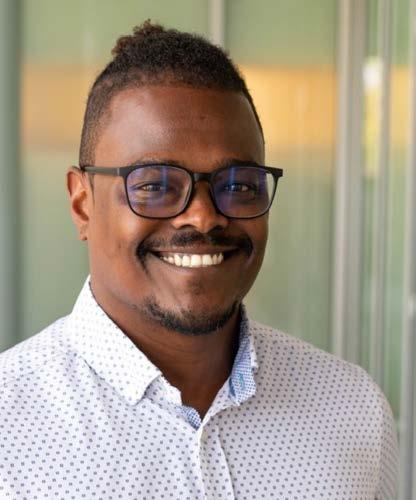
As CEO of iFlex, Baker leads an assisted stretching concept grounded in kinesiology and mobility science. The idea is simple but powerful: deliver immediate relief, long-term results, and a repeatable experience that fits naturally into modern wellness routines.
Stretching, Baker believes, has always been undervalued—not because it lacks science, but because it lacked structure. iFlex solves that. Clients feel better after the first session, but the real win is what happens weeks
later: improved movement, reduced pain, and consistency.
That consistency matters just as much for franchisees. Baker’s approach to franchising is pragmatic and focused. Open strong. Start presales early. Use digital advertising to build demand before doors open. Teach operators what they need now, not everything they might need someday. Keep the main things the main things.
It’s a philosophy shaped by experience and shared across Sequel Brands.
Sequel Brands is not a restart. It’s a refinement.
After decades building some of the most recognizable boutique fitness concepts in the industry, Anthony Geisler set out to create something deliberately different. Sequel is a portfolio built around recovery, performance, and results—brands designed to endure, not spike.
The platform currently includes iFlex, Pilates Addiction, Beem Light Sauna, and Body20. Each brand addresses a distinct but complementary need in the wellness ecosystem, and each is led by an executive who has already lived through the challenges of scaling.
Geisler has been clear about the mission: Sequel is not about chasing trends. It’s about creating category-
defining concepts backed by science, systems, and leadership that understands franchising from the inside out.
Importantly, recent regulatory reviews of prior ventures concluded without findings of wrongdoing, allowing Geisler and his team
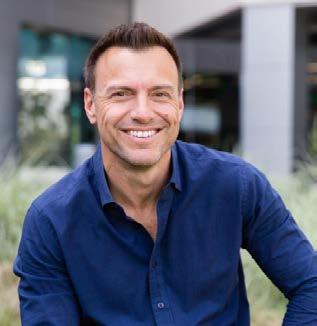

WHAT UNITES SEQUEL’S BRANDS IS AN UNDERSTANDING OF HOW CONSUMERS THINK ABOUT WELLNESS TODAY. FITNESS IS NO LONGER JUST ABOUT WORKOUTS. IT’S ABOUT RECOVERY. MENTAL HEALTH. COMMUNITY. EXPERIENCE.
to move forward with clarity and focus. The emphasis now is squarely on the future.
One of Sequel’s quiet strengths is its bench. Across the platform, former brand presidents and operators lead each concept. At the center of this leadership structure
is Bob McQuillan, Sequel Brands’ Chief Development Officer. McQuillan is widely respected for his ability to balance growth ambition with franchisee realities. Development, in his view, is not about selling units— it’s about building healthy systems that scale responsibly. That mindset resonates with Baker. Franchisees succeed when expectations are

clear, systems are followed, and leadership is present. Energy matters. So does accountability. Sequel looks for partners who want to build businesses, lead teams, and become part of their communities—not just chase returns on a spreadsheet.
What unites Sequel’s brands is an understanding of how consumers think about wellness today. Fitness is no longer just about workouts. It’s about recovery. Mental health. Community. Experience. iFlex fits squarely into that shift. So do infrared sauna experiences, EMS-
based strength training, and reformer-driven Pilates. These are not isolated offerings. They are modular components of a broader lifestyle, and Sequel’s strategy is to meet members where they are—physically and emotionally.
For franchisees, that translates into diversified demand, educated consumers, and brands with clear value propositions. For leaders like Baker, it’s an opportunity to apply everything learned over the last decade with sharper focus.
Verdine Baker does not talk
about building empires. He talks about building teams. About culture. About doing the unglamorous work that makes a concept last. In that sense, iFlex is not just another brand under Sequel—it’s a distillation of lessons earned the hard way.
Anthony Geisler calls Sequel a “new movement.” Baker makes sure it works in real life. And Bob McQuillan ensures it grows the right way.
In an industry often obsessed with what’s next, Sequel Brands is betting on what endures. And with leaders who have already proven they can build from the ground up, this sequel may turn out to be the most important one yet.

American Veterans Traveling Tribute (AVTT) is a veteran-owned organization honoring those who served. Founded in 2005, AVTT travels nationwide with the Traveling Vietnam Wall and Cost of Freedom Tribute, celebrating veterans and educating future generations.
Their tributes span conflicts from WWI to today, with the flagship 80% scale Vietnam Wall featured in over 500 events. AVTT is also creating a Global War on Terrorism exhibit, including a 9/11 tribute, to ensure no name is ever forgotten.


Patriotic Mission
Diverse Product Offerings

Proven Track Record

Comprehensive Support
FRANCHISED BY

Versatile Business Opportunities
State-of-the-Art Equipment

Community Impact


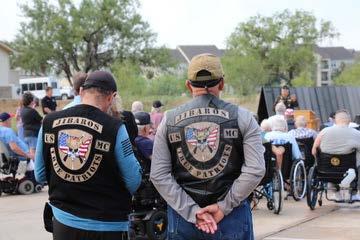



The Radiant Waxing® brand is a skincare-forward hair removal waxing salon that’s known for its speed. Its proprietary pine-based soft wax allows for a 3-Step-Speed waxing technique that will have guests in and out in 15 minutes! The Radiant Waxing brand also has a retail product line of soothing post-wax products that guests love!

Dedicated to serving the growing needs of beauty and wellness-conscious consumers, the WellBiz Brands portfolio offers franchise opportunities with recurring revenue membership models, tech-centered infrastructure and light-asset investments. Explore the brand portfolio today! (wellbizbrands.com)




$358,339 - $525,059*

● Single-service offering = simple, semi-absentee, manager-run model
● Recurring Revenue Membership Model
● Low Staffing Requirements
● 3-step speed technique with proprietary pine based soft wax
● Backed by industry-leading beauty & wellness portfolio company, WellBiz Brands, Inc.
800+ available territories! Los Angeles, Houston/Austin/San Antonio, Tampa, Jacksonville, Ft. Meyers, NYC, Chicago, Atlanta & more!



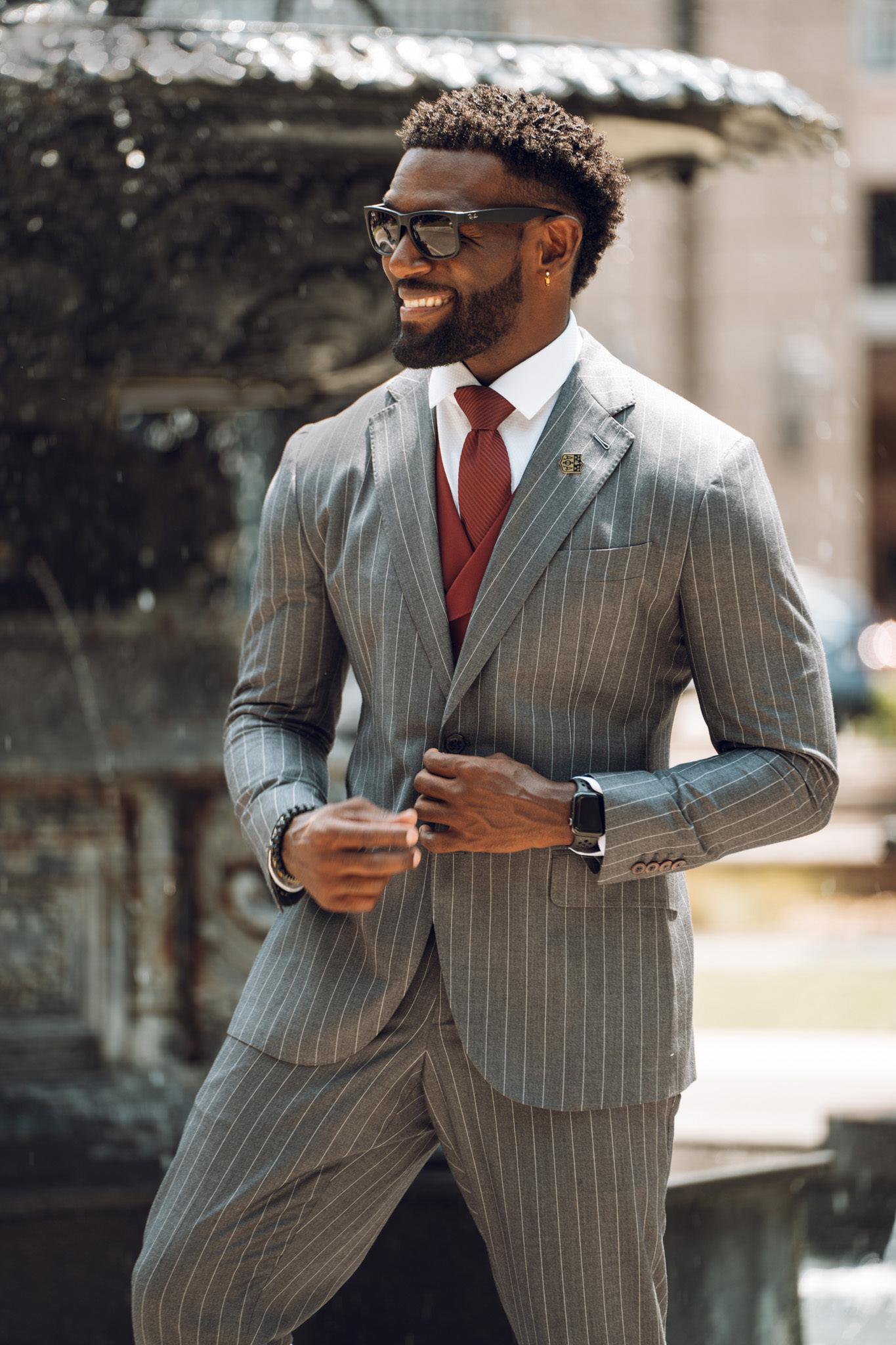


Most franchise stories start with a product. A burger. A workout. A cleaning route.
The pet aftercare business starts with something else entirely: a family calling on the worst day of their year when they are counting on someone to make their grief heal and take care of a furry family member.
That is the world Nikki Fitts operates in as the owner of Resting Rainbow Atlanta, and it is why this category is quietly becoming one of the most durable, fast-growing segments in services. Pet ownership keeps climbing. People keep spending more on their animals. And when
the moment comes, more families want an experience that matches the love they gave while their pet was alive. That demand has turned pet funeral and cremation services into a real market, not a niche. Industry research firms estimate the global pet funeral services category is already a multi-billion-dollar space and is projected to grow at a strong double-digit pace over the next several years. Translation: this is not a trend. It is a shift in consumer expectations.
Resting Rainbow is built for that shift.
If you have never dealt with pet aftercare, it is easy to misunderstand what the customer is buying. They are not buying cremation alone. They are buying certainty.
They want to know their pet is treated with respect. They want clear communication. They want timeliness. They want the return of ashes and memorial items handled with care. They want someone to answer the phone who knows how to speak to grief without turning it into a script.
That is the standard Fitts is setting in Atlanta. Resting Rainbow’s model is built around private, dignified aftercare, and the work is as much emotional as it is operational. In a category where trust is the product, execution is everything.
Several forces are pushing this industry forward at the same time.
First, pet owners are humanizing their animals more than ever. That is not a judgement, it is a purchasing reality. Spending rises when emotional connection rises.
Second, families want control. They want more
visibility, more options, and more personalization. In plain terms, the “drop off and hope for the best” era is ending.
Third, veterinary clinics and in-home euthanasia providers are under pressure too. They need reliable aftercare partners because they cannot carry the emotional and logistical load alone. When a clinic can confidently refer a family to a provider that will treat the pet well and communicate clearly, everyone wins.
That mix creates an unusual business dynamic. The demand is steady, the referrals are relationship-driven, and the reputation travels fast.
Resting Rainbow did not grow because it got lucky. It grew because it took a fragmented, inconsistent experience and built a repeatable standard.
At the center of that story are Joe Moncaleano and Julian Rivera, the founders who created Resting Rainbow after seeing the gap in compassionate aftercare. They understood the uncomfortable truth of this category: most families will only need you once, so the bar has to be high every single time. One bad handoff, one missed call, one sloppy process, and the brand loses trust.

So the company built the system around the details. How calls are handled. How timelines are explained. How memorial items are packaged. How tracking and documentation work. How partners are supported. How expectations are set with families before emotions take over.
That kind of discipline is what turns a sensitive service into a scalable one.
MORE THAN EVER. THAT IS NOT A JUDGEMENT, IT IS A PURCHASING REALITY. SPENDING


Resting Rainbow also benefits from something most pet aftercare brands do not have: product distribution at scale. Resting Rainbow’s memorial products, including urns, are available on Chewy.com, which is one of the biggest platforms in pet commerce. That matters for two reasons.
One, it puts the brand in front of customers where they already shop. Families do not have to hunt for memorial items on unfamiliar websites. They can find them in a place they trust.
Two, it creates a second growth engine that complements the service business. The service side is local and relationship-based. The product side is national and always-on. Together, they build brand reach and reinforce credibility.
In a category rooted in emotion, tangible details matter. Families remember the feel of the urn, the quality
PET AFTERCARE IS NOT A “FEEL-GOOD” BUSINESS. IT IS A SERIOUS BUSINESS THAT REQUIRES SERIOUS PROCESS, BECAUSE THE CUSTOMER IS IN PAIN AND THE STAKES ARE REPUTATIONAL EVERY DAY.
of the packaging, the care in presentation. Those are not “extras.” They are part of the experience, and they shape how people talk about the company afterward.
Atlanta is a serious market. Big metro. High pet ownership. Strong veterinary ecosystem. A mix of urban and suburban demand. Lots of opportunities, and lots of ways to get exposed if your operations are sloppy.
That is why Fitts’ leadership is so important. A local owner-operator in this category cannot hide behind marketing. The work gets judged one family at a time. The reviews are personal. The referrals are earned.
Fitts is building Resting Rainbow Atlanta like a trust business, because that is what it is. The care, the communication, the consistency, and the ability to show up with professionalism when emotions are high.
Those traits do not just create goodwill. They create growth.
THE BIGGER LESSON Pet aftercare is not a “feelgood” business. It is a serious business that requires serious process, because the customer is in pain and the stakes are reputational every day.
Nikki Fitts is proving that when you treat the work with respect and run the operation with discipline, you can build a durable company in a category that is expanding fast. And Resting Rainbow, guided by founders Joe Moncaleano and Julian Rivera, is showing how a brand can scale without losing the thing that made it matter in the first place.
In the coming years, more people will talk about pet funerals the way they talk about other essential services. Not because it is trendy. Because it is necessary.
And the companies that win will be the ones that never forget what the customer is really asking for.
Renew Medic specializes in removing, restoring, and replacing cabinets while allowing homeowners to continue living in their homes.
We help them maintain their lifestyle, and the restored cabinets look exactly as they did before the water damage.
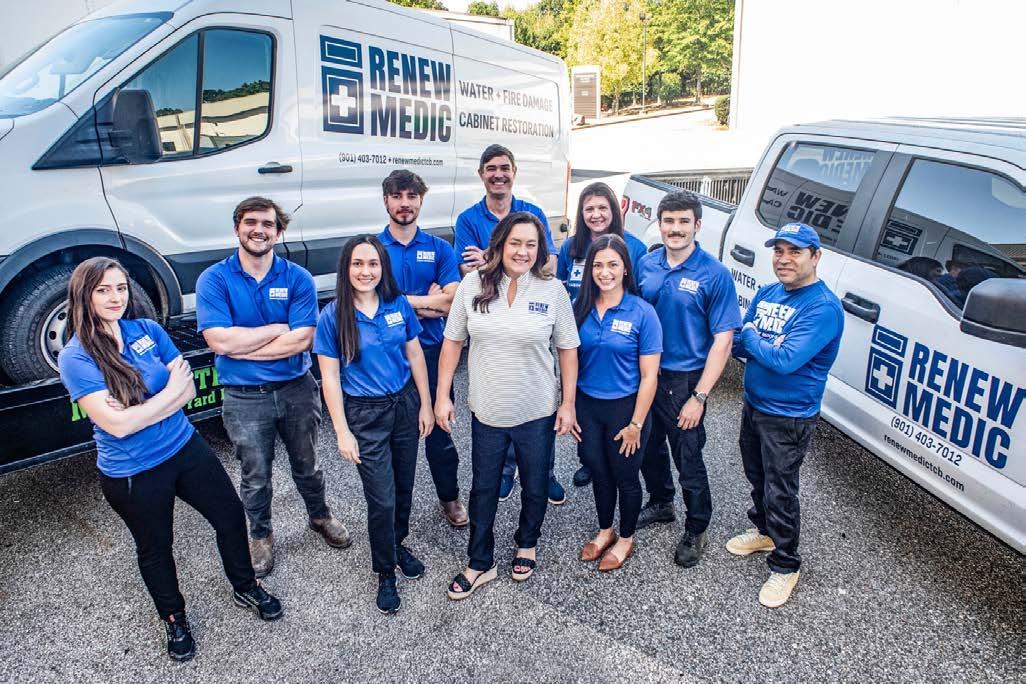
Our average project cost ranges from $7,500 to $10,000, significantly lower than traditional kitchen cabinet replacements, which can exceed $30,000.
Our territories are large, encompassing around 250,000 houses. On average, approximately 2% of these houses, or about 5,000, will require disaster restoration in any given year. Among these 5,000, over 50% will need cabinet replacement.