




Local Government: Housing & Homelessness Opportunities
Page 4
Local Government: Building, Property & Assets Opportunities
Page 10
Local Government: Planning Opportunities
Page 24

Are you a Qualified Professional in Local Government? Is your dream new job just a click away?
Have a look at our current Campaigns in this week’s edition to find out...


A Housing Case Officer – Financial Assistance plays a vital role within UK local authorities, providing targeted support to residents who require help to maintain safe, suitable, and affordable housing. This position sits at the intersection of housing advice, financial assessment, and frontline customer service, helping vulnerable individuals navigate complex housing challenges while ensuring that public funds are used responsibly and effectively.
At the core of the role is the administration of various financial assistance schemes, which typically include Disabled Facilities Grants (DFGs), discretionary housing assistance, home repair loans, energyefficiency schemes, and prevention-focused support designed to reduce homelessness. The officer assesses applications against legislation such as the Housing Grants, Construction and Regeneration Act 1996, as well as local council policies. This involves verifying eligibility, conducting means tests, gathering evidence, and ensuring the proposed works meet regulatory standards. Accuracy and attention to detail are essential, as decisions directly impact both residents’ wellbeing and the council’s budget.
Housing Case Officers work closely with a wide range of stakeholders, including occupational therapists, surveyors, housing options teams, environmental health officers, and external contractors. Effective communication is key: the officer must translate technical information into clear guidance for applicants, manage expectations around timescales and grant conditions, and liaise with professionals to
ensure works are feasible and appropriately prioritised. Case management skills are crucial, as officers often manage significant caseloads involving residents with complex health, mobility, or financial needs.
Customer service is another major aspect of the role. Officers frequently support vulnerable individuals— including older people, disabled residents, and households at risk of homelessness—who may be navigating challenging personal circumstances. Providing empathetic, person-centred advice while maintaining professional boundaries helps build trust and ensures applicants feel supported throughout the process.
Compliance, monitoring, and reporting duties are also integral. Housing Case Officers must maintain accurate records, prepare decision letters, and contribute to audits or service reviews. They help councils demonstrate adherence to statutory duties, safeguard public money, and evaluate the effectiveness of financial assistance programmes. Increasingly, they may also contribute to broader strategic initiatives, such as improving housing quality, promoting independent living, and supporting the council’s climate and energy-efficiency objectives.
Overall, the Housing Case Officer – Financial Assistance plays a critical role in enabling residents to live safely and independently, preventing housing crises, and supporting councils in delivering fair, transparent, and efficient financial support services.
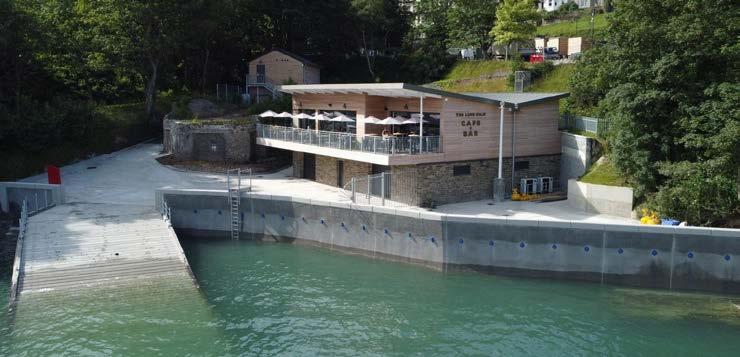


We are recruiting for a:
£25,583 - £28,142 per annum, pro rata | 20 hours per week Part Time | Job Category: Administration, Housing
Temporary contract for up to 2 years.
North Devon Council is looking for a Financial Officer to become part of our busy Housing Options & Refugee Resettlement Team.
You will need to have excellent interpersonal skills, an ability to work flexibly to changing demands and operate in a coordinated manner with other team members to ensure successful outcomes.
If you think you have the right skills, capability and attitude to be part of our housing & Refugee Resettlement team we would like to hear from you.
This post will:
The closing date for this vacancy is:
Wednesday 10th December 2025
The interview dates for this vacancy are:
22nd December 2025 or 5th January 2026
• Support the issue of financial assistance to prevent or alleviate homelessness
• Monitor and recover financial assistance
• Maintain accurate records
Ideally you need to have:
• Be proficient in IT systems
• Be a confident communicator, both written and verbal
• Have a background in financial services
If you have not heard by the interview date, please assume that you have been unsuccessful on this occasion. For more information, please


North Devon is a stunning region in southwest England, renowned for its breathtaking landscapes, vibrant communities, and high quality of life. For those considering relocating or seeking new career opportunities, North Devon offers a compelling array of benefits that make it an attractive place to live and work.
One of the region’s most notable advantages is its natural beauty. With rugged coastlines, sandy beaches like Woolacombe and Croyde, and expansive national parks such as Exmoor, North Devon provides unparalleled outdoor recreation opportunities. Residents can enjoy surfing, hiking, horseback riding, and wildlife watching, fostering a healthy and active lifestyle. This proximity to nature not only enhances well-being but also attracts outdoor enthusiasts and tourists alike, supporting a thriving local economy.
Economically, North Devon presents diverse employment prospects. The region’s economy is driven by sectors such as tourism, agriculture, fishing, and emerging renewable energy initiatives. Small to medium-sized businesses flourish here, often with a strong sense of community and support network. Additionally, remote work possibilities are increasingly viable in North Devon’s well-connected towns, allowing professionals to enjoy the benefits of rural tranquility whilst maintaining their careers.
Quality of life is another significant benefit. North Devon boasts a low crime rate, excellent healthcare facilities, and a welcoming community atmosphere. The region emphasises sustainability and environmental conservation, aligning with the values of many residents. Education options are solid, with reputable schools and colleges supporting families and young professionals.
Furthermore, living in North Devon offers affordability compared to larger cities such as Bristol or Exeter, making it easier for individuals and families to own homes. The slower pace of life contributes to reduced stress levels, improved mental health, and a stronger sense of community. Local events, markets, and festivals foster social engagement, offering residents countless opportunities to connect and participate.
In addition to personal benefits, North Devon’s cultural richness adds to its appeal. The area boasts historic sites, art galleries, and a thriving culinary scene centered around fresh, locally sourced produce.
In summary, North Devon provides a unique blend of natural beauty, economic opportunity, community spirit, and quality of life. Whether seeking adventure, tranquility, or a supportive work environment, this region offers a compelling home for individuals and families aiming for a balanced and fulfilling lifestyle.



The closing date for this vacancy is: Friday 19th December 2025
The interview dates for this vacancy are:
13th or 14th January 2026
£46,142 - £53,460 per annum (plus 10% market supplement - to be reviewed annually) 37 hours per week | Job Reference: REQ000370 | Job Category: Building Control
Principal Building Control Inspector (Enforcement Specialism) Class 2B-F or Class 3G-H
Come and join our friendly, busy and forward thinking team providing a professional service on all aspects of building regulations, including plan appraisal and site inspections.
Based primarily in North Devon - NMD Building Control Partnership, is a partnership between Mid Devon District and North Devon District Councils dealing with a range of interesting projects. We are looking for a Principal Inspector, with an enforcement specialism (full time, permanent contract). This is an excellent opportunity to take on a senior role, leading on the Partnership enforcement process and action, being part of a multi-disciplined professional team. We are recruiting for

Your duties will include but not limited to:
• Undertake Plan Examination and Site Inspection to formulate reports and make recommendations
• Assess notifications and inspection of works on site, including major commercial projects
• Advise customers and staff of appropriate service levels, costs and fees
• Certify work in compliance with the building regulations and issue completion certificates
• Contribute to the management of the day-to-day running of the service
• Motivate, lead, supervise and manage team members
• Be the Partnership lead on Building Control’s enhanced enforcement powers and related matters
• Respond to dangerous structure situations and to take or direct others to take necessary action
Direct applicants only please. If you have not heard by the interview date, please assume that you have been unsuccessful on this occasion.
Throughout the NMD Building Control Partnership, we value: Pride, People, Performance and Partnerships.
For more information, please visit: www.northdevon.gov.uk/jobs-and-careers
Requirements:
• A degree or equivalent qualification in construction/building related discipline
• Full, or working towards, RICS or CABE membership
• A good knowledge of building construction practice and Building Control regulation
• Legal background, experience and detailed understanding of the law and how the courts function
• Experience of Building Control enhanced enforcement powers under section 35 & 36 of the Building Act
• Validation with the BSCF (Building Safety Competence Foundation), register with the Building Safety Regulator and continue this form of validation/registration
A Principal Building Control Inspector with an enforcement specialism plays a vital role within a UK council, ensuring that the built environment remains safe, legally compliant, and aligned with national construction standards. While all building control professionals contribute to public safety, the enforcement specialist takes on additional responsibilities focused on addressing noncompliance, managing complex investigations, and safeguarding communities from dangerous or unauthorised building work.
One of the core duties of the role is overseeing investigations into breaches of the Building Regulations. This can involve responding to reports of unsafe structures, unauthorised construction, or work that fails to meet statutory standards. The inspector assesses the level of risk, gathers evidence, and determines the appropriate course of action, ranging from issuing informal advice to recommending legal proceedings. Their expertise ensures that enforcement actions are fair, proportionate, and supported by a solid understanding of the technical requirements of the regulations.
A Principal Inspector also provides specialist guidance to other building control officers, supporting less experienced members of the team in navigating complex or contentious cases. This managerial element is crucial, as enforcement situations often require quick, informed decisions that depend on significant professional judgement. By mentoring colleagues, the inspector strengthens the overall resilience and competence of the council’s building control service.

Another key function is dealing with dangerous structures. When buildings or parts of buildings become unstable due to fire, storm damage, neglect, or unauthorised alterations, the enforcement specialist leads the response on behalf of the council. This includes coordinating with emergency services, structural engineers, and property owners to ensure public safety. They may also use statutory powers to require immediate works or to instruct contractors to make a structure safe when an owner is unwilling or unable to act.
The role also involves significant interaction with the public, developers, and partner agencies. Clear, confident communication is essential when explaining legal requirements, negotiating solutions, or presenting evidence. In many cases, early intervention and constructive dialogue help prevent breaches from escalating into formal enforcement.
With the introduction of the Building Safety Act 2022 and the strengthened regulatory framework that followed, enforcement specialists now work within a more robust national system designed to improve building standards and accountability. Principal Inspectors must stay up to date with evolving legislation and guidance to ensure that their council remains compliant and effective in its regulatory duties.
Overall, a Principal Building Control Inspector (Enforcement Specialism) plays a critical role in protecting the public, maintaining high construction standards, and upholding the integrity of the built environment. Their blend of technical expertise, investigative skill, and leadership makes them an indispensable part of local authority operations.


North Devon, tucked away in the southwest corner of England, is a region rich in dramatic coastline, rural charm, and centuries of cultural history. While it’s well-known for its beaches and serene countryside, the area holds many fascinating stories and unique features that make it stand out from other parts of the UK.
One of North Devon’s most remarkable claims to fame is Braunton Burrows, one of the largest sand dune systems in the UK. This vast landscape forms the core of the North Devon UNESCO Biosphere Reserve, the first biosphere designated in the UK. Its diverse ecosystems host rare plants, insects, and birds, making it a paradise for naturalists and conservationists.
The region’s coastline is equally impressive. Exmoor National Park, which stretches into North Devon, offers dramatic cliffs, deep valleys, and wide moorland heaths. The cliff between Great Hangman and Sherrycombe is often cited as the highest sea cliff on mainland Britain, creating breathtaking views and unforgettable walking experiences. Exmoor is also designated an International Dark Sky Reserve, making it one of the best places in the country for stargazing.
North Devon also has a long maritime heritage. The picturesque harbour town of Clovelly is famous for being car-free, with steep cobbled streets where goods have historically been transported by donkeys and, more recently, sledges. Its unique layout and preservation offer a rare glimpse into a way of life that has changed little over the centuries.

Another interesting fact concerns the lively surf culture of the region. Towns like Woolacombe, Croyde, and Saunton are renowned for their consistent waves and laid-back atmosphere. Woolacombe Beach in particular has won several awards for its cleanliness and natural beauty, attracting surfers and holidaymakers from across the UK and beyond.
For literature lovers, North Devon offers a special connection to Henry Williamson, author of Tarka the Otter. The story is set in the region’s rivers and woodlands, and visitors can follow the Tarka Trail, a long, scenic walking and cycling route that traces parts of the novel’s landscape.
North Devon is also home to one of the world’s oldest golf courses, Royal North Devon Golf Club in Westward Ho! Established in the 19th century, the course is famous for its natural terrain, grazing livestock, and strong coastal winds—elements that create a distinctly traditional links experience.
From dramatic coastlines and rich wildlife to charming history and cultural quirks, North Devon is full of surprises. Whether you’re drawn by its natural wonders or its timeless villages, the region offers a blend of tranquility and character that continues to captivate visitors year after year.
A Building Control Inspector (Class 2) plays an essential role in helping UK councils ensure that construction work within their area is safe, compliant, and carried out to the standards set by the Building Regulations. Class 2 inspectors typically handle a wide range of domestic and simple commercial projects, working directly with homeowners, builders, architects, and developers to guide them through the regulatory process.
One of the primary responsibilities of a Class 2 inspector is to assess building plans and conduct site inspections. Before work begins, they review submitted drawings and specifications to check that proposals meet the necessary standards for structure, fire safety, accessibility, drainage, energy efficiency, and more. Once construction is underway, they carry out scheduled inspections at key stages—such as foundations, drainage installations, and completion—to ensure the work on site matches approved plans and complies with legal requirements.
A Class 2 inspector also provides technical advice and support to applicants. Construction projects, even small-scale ones, can be complex, and many property owners rely on inspectors to help interpret regulations and understand what is required. By offering clear and practical guidance, inspectors help prevent costly mistakes, delays, and unsafe practices.
Another important aspect of the role is record-keeping and reporting. Inspectors document their findings, issue formal notices when required, and maintain accurate records as part of the council’s statutory duties. These records form the basis for issuing completion certificates, which confirm that work has been carried out satisfactorily.
In addition to routine inspections, Class 2 inspectors may assist with complaints, dangerous structure reports, and enforcement cases, working under the supervision of more senior officers when situations fall outside their competency. This ensures they gain valuable experience while still operating within the national competency framework introduced under the Building Safety Act.
The role demands strong communication skills, sound technical knowledge, and the ability to make balanced, evidence-based decisions. By helping to ensure that buildings are safe, energy-efficient, and fit for purpose, Building Control Inspectors (Class 2) play a vital part in protecting communities and supporting the delivery of high-quality development across the UK.


We are recruiting for a:
£34,434 - £40,777 per annum (plus 10% market supplement - to be reviewed annually) 37 hours per week | Job Reference: REQ000372 | Job Category: Building Control
Come and join our friendly, busy and forward thinking team providing a professional service on all aspects of building regulations, including plan appraisal and site inspections.
Based primarily in North Devon - NMD Building Control Partnership, is a partnership between Mid Devon District and North Devon District Councils dealing with a range of interesting projects. We are looking for career graded Inspector roles (full time, permanent contracts).
Are you interested in progressing a career in Building Control, or an experienced professional who is looking to return to the role. We are offering an excellent progression route though the Building Control profession.
Duties will include but not limited to (dependant on entry point):
• Plans assessment and onsite inspection of building work across the area to ensure compliance with Building Regulations
• Plan assessment, evaluations and written feedback on Building Regulation compliance
• Site inspections and record keeping to monitor Building Regulation compliance
• Enforcement of Building Regulations
• Undertaking relevant course of study to qualify as a registered building inspector
• Liaising with applicants, agents and the public on Building Regulation matters
• Carry out examination of submissions under Building Regulations with support, depending on class
The closing date for this vacancy is:
Friday 19th December 2025
The interview dates for this vacancy are:
13th or 14th January 2026
• Investigate alleged contraventions of Building Regulations and initiate appropriate action
Requirements:
• HNC, or equivalent, in a construction related subject; will need to sit a Level 4 LABC Diploma if your qualification is is not a Building Control degree
• Training will be provided specific to Building Control with a view to validating and registering with the BSCF (Building Safety Competence Foundation) and register with the Building Safety Regulator
• Experience of working in a construction related discipline
• A good knowledge of building construction practice and Building Control regulations
Direct applicants only please. If you have not heard by the interview date, please assume that you have been unsuccessful on this occasion.
Throughout the NMD Building Control Partnership, we value: Pride, People, Performance and Partnerships. For
A Graduate Building Control Inspector plays an important entry-level role within a UK council’s Building Control service, supporting the delivery of safe, compliant, and high-quality construction across the local area. This position is designed for individuals who are beginning their professional journey in building control, offering structured development, supervised practice, and exposure to a wide range of regulatory activities.
Graduate inspectors work under the guidance of experienced Building Control Officers and Managers, assisting with plan assessments and routine site inspections. Although they do not carry full responsibility for complex decisions, they observe and take part in the inspection of foundations, structural elements, drainage installations, insulation, fire safety measures, and completion stages on domestic and small-scale projects. Through this hands-on experience, they learn how to interpret the Building Regulations and understand the practical implications of compliance on site.
A key part of the graduate role involves technical learning and professional development. Councils typically support graduates in working towards competency levels defined under the Building Safety Act, and towards professional membership with organisations such as CABE, RICS, or CIOB. This structured pathway ensures graduates develop the essential knowledge of legislation, construction methods, building physics, and safety standards needed to progress within the profession.
Graduate inspectors also contribute to customer service and advice-giving, often being the first point of contact for homeowners, agents, and builders seeking guidance on the application process or basic regulatory requirements. Their ability to communicate clearly, ask the right questions, and escalate issues appropriately is vital to maintaining an efficient and supportive service.
In addition, graduates assist with administrative tasks, including recording inspection outcomes, updating case files, preparing documentation, and supporting senior officers with research, monitoring, and community engagement. They may also accompany experienced inspectors on dangerous structure visits or enforcement-related tasks to gain insight into more complex areas of building control.
The role demands enthusiasm, attention to detail, a willingness to learn, and a commitment to public safety. By combining structured training with realworld experience, the Graduate Building Control Inspector position provides an essential stepping stone into a highly skilled profession. Through their work, graduates help councils maintain safe, sustainable, and compliant development, while building the foundation for a long-term career in building control.


We are recruiting for a:
£28,598 - £34,434 per annum (plus 10% market supplement - to be reviewed annually) 37 hours per week | Job Reference: REQ000371 | Job Category: Building Control
Come and join our friendly, busy and forward thinking team providing a professional service on all aspects of building regulations, including plan appraisal and site inspections.
Based primarily in North Devon - NMD Building Control Partnership, is a partnership between Mid Devon District and North Devon District Councils dealing with a range of interesting projects. We are looking for career graded Inspector roles (full time, permanent contracts).
Are you interested in progressing a career in Building Control, or an experienced professional who is looking to return to the role. We are offering an excellent progression route though the Building Control profession.
Duties will include but not limited to (dependant on entry point):
• Plans assessment and onsite inspection of building work across the area to ensure compliance with Building Regulations
• Plan assessment, evaluations and written feedback on Building Regulation compliance
• Site inspections and record keeping to monitor Building Regulation compliance
• Enforcement of Building Regulations
• Undertaking relevant course of study to qualify as a registered building inspector
• Liaising with applicants, agents and the public on Building Regulation matters
• Carry out examination of submissions under Building Regulations with support, depending on class
The closing date for this vacancy is:
Friday 19th December 2025
The interview dates for this vacancy are:
13th or 14th January 2026
• Investigate alleged contraventions of Building Regulations and initiate appropriate action
Requirements:
• HNC, or equivalent, in a construction related subject; will need to sit a Level 4 LABC Diploma if your qualification is is not a Building Control degree
• Training will be provided specific to Building Control with a view to validating and registering with the BSCF (Building Safety Competence Foundation) and register with the Building Safety Regulator
• Experience of working in a construction related discipline
• A good knowledge of building construction practice and Building Control regulations
Direct applicants only please. If you have not heard by the interview date, please assume that you have been unsuccessful on this occasion.
Throughout the NMD Building Control Partnership, we value: Pride, People, Performance and Partnerships. For more information, please visit: www.northdevon.gov.uk/jobs-and-careers

Maidstone Borough Council (MBC) is inviting views to help shape a Town Council for Maidstone, which would be one of the largest in the country.
Following public consultation earlier this summer, 57% of respondents supported the proposal to explore options for the currently unparished urban area of Maidstone to become a Town Council with a local voice and identity.
With the potential impacts of upcoming Local Government Reorganisation, respondents shared their desire to introduce this local level of representation, in line with the rest of the borough.
A Town Council would be responsible for owning assets, running local services, providing funding for local communities and projects, and would continue the historic office of the Mayor of Maidstone, which has existed since 1549. These services would be funded through a small precept.
The consultation feedback has informed proposals for Stage 2 of this Community Governance Review and MBC would like to hear views on the Maidstone Town Council proposal, including:
• whether a single Town Council is appropriate to represent the urban areas of Maidstone at a parish level;
• the warding pattern for the Town Council;
• the name of the new parish and its wards;
• the number of councillors to represent the area; and
• the interim arrangements to form the Town Council.

MBC is asking for comments before the closing date on Sunday 1 February 2026. The council is encouraging all residents to respond in order to achieve the best, most accurate reflection of the views of Maidstone people.
A leaflet, with survey details, will be sent to every household in the unparished area to encourage residents not to miss out on this opportunity to contribute their views and shape this important decision.
The results of the consultation will be analysed by the council’s Democracy and General Purposes Committee in early 2026, before the final decision is presented to the Full Council in April. If approved, a Community Governance Order will be issued and plans for full adoption, including elections to the Town Council, will commence.
Cllr Clive English, Chairman of MBC Democracy and General Purposes Committee, commented on the second stage, saying:
“"Thank you to everyone who shared their views in the first round of this review. Now that a specific proposal has been presented, I urge everyone to respond so that they can help inform choices about the Town Council in a way that reflects the local identity and priorities of Maidstone Town."
Other options were considered as part of Stage 1, including having smaller parishes to represent different communities within the urban area and relying on Chartered Trustees to be responsible for the office of the Mayor of Maidstone. Through the feedback, it was indicated that respondents wanted to preserve the identity of the County Town, including a more permanent future for the Mayoralty.
Check your parish using the information on the MBC website.


£43,621 - £50,383 per annum, dependent on experience 37 hours per week, open to flexible working patterns and hours
We are looking for an experienced, senior planning policy officer to play a key role bringing forward the review and update of our Local Plan. You will experience a variety of projects across a range of planning themes and topics within a friendly, multidisciplinary team that works closely across the whole planning service and with wider Council teams.
The successful candidate will cooperate with Councillors, partners and residents to help create and deliver an ambitious, sustainable and low-carbon vision for future growth and development in North Hertfordshire. This will balance our future needs with the preservation and enhancement of the District’s distinct identity and characteristics that include National Landscapes, historic villages, market towns and the world’s first Garden City.
We would particularly like to encourage applications from female leaders and individuals from an ethnic minority background.
You will have significant post-qualification experience in a professional planning environment with full membership (or eligibility for full membership) of the Royal Town Planning Institute. Your experience may have been gained in the public sector, private practice or a combination of the two. You are creative and enthusiastic about making a positive difference for the residents of North Hertfordshire.
You will have worked across a wide range of relevant projects, both working independently under your own initiative and as part of wider teams and strategies. You have demonstrable experience of developing robust, evidence-based policies and advising on their purpose and implementation to professional colleagues, prospective applicants and members of the public.
You will be expected to lead key areas of work with minimal supervision as well as support more junior members of the team.
The ideal candidate will have previous experience at Local Plan examinations or planning appeals as well as working on neighbourhood plans or supplementary planning documents. You may have developed a truly detailed understanding of certain areas of policy such as housing or town centres where we can focus your expertise (or, equally, assist you in broadening your experience to other areas).
You will be proficient in the use of specialist IT platforms such as GIS, public engagement and / or planning application software.
North Hertfordshire is a large rural district with approximately 125,000 residents with four historic towns, Hitchin, Baldock, Royston and Letchworth Garden City. The Council has a clear vision: We put people first and deliver sustainable services, to enable a brighter future together.
We are committed to promoting equality, diversity, and inclusion in our recruitment practices and in our employment policies. We want our employees to feel safe to express themselves and we encourage applicants from diverse backgrounds with a wide range of talents. We are dedicated to promoting a healthy work/life balance, valuing our employees, and enabling them to make a difference to the local community.
Our Benefits Include:
• Local Government Pension Scheme (19.5% employer contribution)
• Generous annual leave, including Christmas close down period
• Occupational sick pay
• Free car parking
• Discounts, including 50% off NHC gym membership
• Flexible working options including flexi scheme and homeworking
To apply for this position, you must complete the Council’s online application form at www.north-herts.gov.uk under the Jobs and Careers page using our secure web recruitment tool. Please note that we do not accept CV applications, either on their own or accompanying application forms. Therefore, please ensure that all relevant information is provided on the application form.
At North Herts Council we are proud to be a Disability Confident employer, and we guarantee an interview to anyone disclosing a disability whose application meets the minimum requirements for the job.
If you would like an informal chat about the post, you can contact:
Debbie Coates (Principal Strategic Planning Officer) on 01462 474353
Rachael Rooney (Interim Strategic Planning Manager) on 01462 474328
Please note, we reserve the right to close this vacancy early if we receive sufficient suitable applications. Therefore, if you are interested, please submit your application as early as possible.

Closing Date: Noon on Tuesday 6th January 2026
Interview Dates: Weeks Commencing 12th January or 19th January 2026


A career as a Senior Planning Officer within local government in England offers a dynamic and impactful role, balancing regulatory responsibilities with community development and infrastructure planning. This position is vital in shaping the physical and socioeconomic environment of towns and cities, ensuring sustainable growth while respecting environmental, historical, and social considerations.
Senior Planning Officers typically oversee complex planning applications, providing guidance and ensuring compliance with local development plans, national policies, and legal frameworks such as the Town and Country Planning Act. They analyse proposals for new developments including residential, commercial, and industrial projects, evaluating their impact on local
communities, transportation, biodiversity, and heritage assets. Effective decision-making requires a thorough understanding of planning regulations, environmental considerations, and strategic planning policies.
One of the core responsibilities involves public engagement. Senior Planning Officers often liaise with applicants, consultees, community groups, and elected council members to facilitate transparent communication and gather diverse viewpoints. This role requires strong negotiation skills to balance developers’ ambitions with public interests and the wider sustainability goals of the local authority. Preparing reports and recommendations for planning committees also demands an analytical mindset, coupled with clarity and professionalism in articulating complex issues.

A Senior Planning Officer entails a broad scope of work, including strategic planning, policy formulation, and planning enforcement. They contribute to local development strategies by conducting research, participating in consultations, and drafting local development frameworks. This proactive aspect of the role helps guide future growth and ensures developments align with council objectives.
Furthermore, working in local government demands a high level of professionalism and adaptability, as policies and priorities may evolve with political shifts and societal needs. Senior Planning Officers must stay updated on legislative changes, environmental standards, and emerging trends such as green infrastructure and digital connectivity.
The role also offers the opportunity to make a tangible difference in communities, fostering sustainable urban environments that serve residents’ needs. It requires a combination of technical expertise, strategic thinking, and a commitment to public service. Many officers find this career rewarding, balancing regulatory duties with creative and forward-thinking planning practices.
In conclusion, working as a Senior Planning Officer in local government in England is a challenging yet fulfilling career that directly influences the development and well-being of local communities. It requires a blend of legal knowledge, strategic insight, and excellent communication skills, making it a highly respected profession dedicated to building sustainable and vibrant places.
North Hertfordshire, a picturesque district in Hertfordshire, England, offers numerous advantages for those seeking employment opportunities. Its combination of scenic landscapes, vibrant communities, and strategic location make it an attractive place to work and live.
One of the key benefits of working in North Hertfordshire is its excellent connectivity. The district is well-served by major transportation links, including the A1(M) motorway, train stations such as Stevenage and Hitchin, and proximity to London. This connectivity enables easy commuting to and from London and other economic centres whilst benefiting from the tranquility of rural life. For professionals seeking a balanced lifestyle, this proximity is ideal, reducing commute times and enhancing overall quality of life.
North Hertfordshire also benefits from a diverse local economy. The area is home to a thriving mix of industries, including manufacturing, technology, education, and retail. Companies like Bosch and the nearby Stevenage Bioscience Catalyst foster innovation and employment growth, offering residents numerous career options. Additionally, the region’s strong business environment encourages entrepreneurship, providing opportunities for startups and small businesses to flourish.
Employment in North Hertfordshire grants access to a high standard of living. The district features a range of quality housing options, from historic towns like Hitchin to modern developments. The relatively affordable property prices compared to London make it accessible for many workers, enabling them to enjoy comfortable homes and gardens. Moreover, North Hertfordshire offers a wealth of recreational amenities such as parks, golf courses, and cultural venues, enhancing the worklife balance for its residents.
Another notable benefit is the area’s focus on education and community. North Hertfordshire is home to reputable schools and colleges, making it an attractive location for families. The strong sense of community and numerous local events foster a supportive environment, which is conducive to personal and professional growth.



Rural businesses across Maidstone are being urged to apply for funding through the Maidstone Borough Council (MBC) Rural Investment Grant Scheme, which remains open for applications, but time is running out.
With rural enterprises facing mounting pressures from inflation, volatile energy costs, and policy changes affecting farm succession and diversification, the scheme offers an opportunity to invest in growth and resilience.
Funded through the Rural England Prosperity Fund (REPF), the scheme provides capital grants of £500 to £15,000 to support rural businesses in developing new products, facilities, and services that benefit the wider local economy. A minimum of 20% match funding is required from applicants.
The grant is open to all eligible rural businesses in Maidstone, with a particular focus on:
• Independent businesses
• Green and environmentally conscious enterprises
• Food and drink producers
• Hospitality and tourism ventures
Cllr Stephen Thompson, MBC Cabinet Member for Stronger, Healthier Communities, said:
““This grant scheme is a fantastic opportunity for our rural businesses to grow in a sustainable and innovative way. Small businesses are the backbone of our economy, and we’re proud to support their development, while encouraging green initiatives.
“I urge all interested businesses to review the guidance on our website and submit a strong application, as this is expected to be a competitive process.”

Projects must be completed by 31st March 2026, and funding is limited, so time is running out to apply.
For full eligibility criteria, guidance, and to apply, visit the grants portal at or contact the team at ruralinvestmentgrant@maidstone.gov.uk
Job interviews can be a daunting experience, but with the right preparation, you can significantly increase your chances of success. This article outlines essential strategies for preparing for a job interview, covering research, self-assessment, practicing responses, dressing appropriately, and post-interview follow-up.
The first step in preparing for a job interview is to thoroughly research the company. Understanding the organisation’s mission, values, culture, and recent achievements can provide you with invaluable insights. Start by visiting the company’s official website, focusing on their “About Us” section, and familiarise yourself with their products or services. Additionally, explore any recent news articles or press releases to understand current projects, challenges, and industry trends. This knowledge will not only help you tailor your responses but also demonstrate your genuine interest in the company during the interview.
Alongside researching the company, it is crucial to have a clear understanding of the specific role you are applying for. Carefully read the job description, noting the required skills, qualifications, and responsibilities. Identifying how your background aligns with these aspects allows you to articulate your fit for the role effectively. Consider the key competencies needed, and prepare examples from your past experiences that showcase your relevant skills. This will enable you to answer questions confidently and provide tangible proof of your qualifications.
Self-assessment is an essential part of interview preparation. Take the time to reflect on your work history, skills, and achievements. What are your strengths? What areas may need improvement? Preparing for common interview questions—such as “Tell me about yourself,” “What are your greatest strengths and weaknesses?” and “Where do you see yourself in five years?”—can help you articulate
your thoughts clearly and concisely. Creating a list of potential behavioural questions related to teamwork, problem-solving, and conflict resolution will also allow you to prepare specific examples that highlight your competencies.
Moreover, consider preparing a few questions of your own to ask the interviewer. Inquiring about team dynamics, company culture, or expectations for the role shows your interest and engagement. It can also help you determine if the company is the right fit for you.
Once you have gathered your research and prepared your responses, the next step is to practice. Conducting mock interviews with friends, family, or mentors can help you refine your delivery and ease any nervousness. Pay attention to your body language, tone of voice, and overall demeanour during these practice sessions. Recording yourself can also provide valuable feedback. Listening to your responses will help you identify areas for improvement, such as filler words or unclear statements.
Additionally, consider the STAR method (Situation, Task, Action, Result) when formulating your responses to behavioural questions. This structured approach ensures that you present your answers in a comprehensive and organised manner, showcasing your problem-solving abilities and impact effectively.
First impressions are crucial, and your appearance plays a significant role in how you are perceived during an interview. Dressing appropriately for the occasion reflects professionalism and respect for the interviewer and the company. Research the company’s dress code—this information can often be gleaned from their website or social media pages. When in doubt, opt for business formal attire unless you know the workplace environment favours a more relaxed style. Ensure your clothes are clean, pressed, and fitting well, as a polished appearance can enhance your confidence.

On the day of the interview, plan to arrive at least 10-15 minutes early. This not only demonstrates punctuality but also allows you time to collect your thoughts before the interview begins. Bring multiple copies of your resume, a list of references, and a notepad with questions or points to remember. If the interview is virtual, test your technology in advance to ensure everything is working properly. Find a quiet, well-lit location for the interview, and dress as you would for an inperson meeting.
After the interview, take a moment to reflect on your performance. Consider what went well and areas where you could improve for future discussions. Sending a thank-you email within 24 hours of the interview is a vital step in your followup process. In your message, express appreciation for the opportunity, reiterate your interest in the position, and briefly recap key points from the discussion that underscore your suitability for the role.
Preparing for a job interview requires a multifaceted approach that includes research, self-assessment, practice, appropriate attire, and thoughtful follow-up. By investing time in preparation, you can boost your confidence and present yourself as a strong candidate. Remember that an interview is not just an opportunity for the employer to evaluate you but also a chance for you to assess if the role and company align with your career aspirations. With thorough preparation, you can navigate the interview process with poise and skill, increasing your chances of landing the desired job.

We all love our pets. They are the best, right? Our BRAND NEW magazine focuses on our favourite family members...
From dogs to cats, guinea pigs to birds and all the other pets in between: this magazine will be focusing on all of their needs, helpful tips and some amazing survival stories of animals that haven’t had the best start...