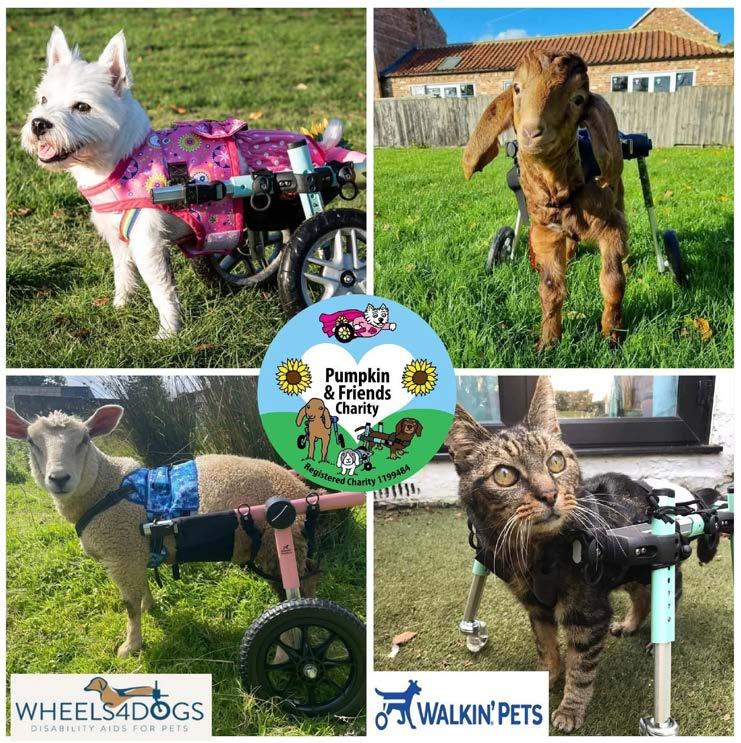
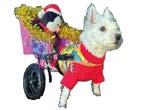
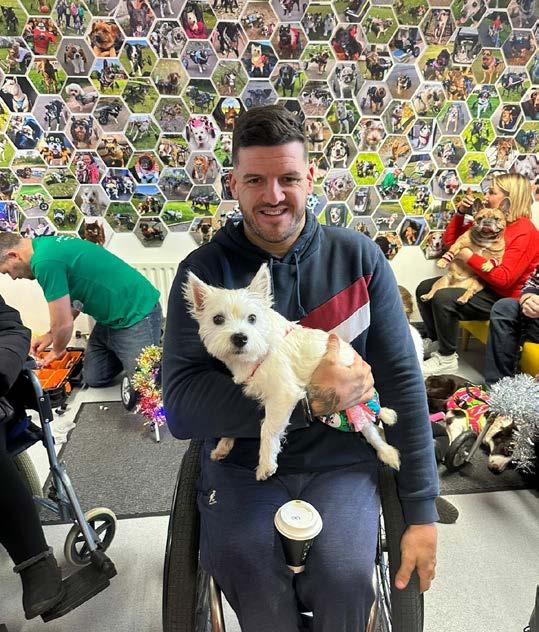
Grab a coffee (or tea!), a treat for your pawsome pet sitting next to you and a comfy seat...
Inside our December’s edition you will find:
Pumpkin and Friends Charity Who They Are...
Page 4
Pumpkin and Friends Charity Not Just A Charity Shop
Page 12
Pumpkin and Friends Charity Training Courses
Page 14
Pumpkin and Friends Charity Wheelie Warriors Page 16
Pumpkin and Friends Charity Important Dates For Your Diary... Page 20
Pumpkin and Friends Charity A Closer Look At ‘A Wheelie Good Christmas’ Page 23
Pumpkin and Friends Charity ‘A Wheelie Good Christmas’ on ITVs
This Morning Page 28
Pumpkin and Friends Charity Behind The Scenes: Incontinent Animals
Page 30
Pumpkin and Friends Charity Behind The Scenes: Preventing a UTI
Page 34
Dogs & Puppies
Man’s Best Friend
Page 36
Show Your Support
This Christmas Page 48
Three Month’s Advertising Winner
Sissi’s Story Page 60
Products & Services
Something To Look Into To...
Page 64
Cats & Kittens
The Magic of Cats
Page 80
Guinea Pigs
The Tiny Companions With Giant Hearts Page 96
Birds
Our Feathered Companions
Page 104
Giveaways
Your Chance To Win! Page 110
Raising awareness for disabled animals.
Where it all began...
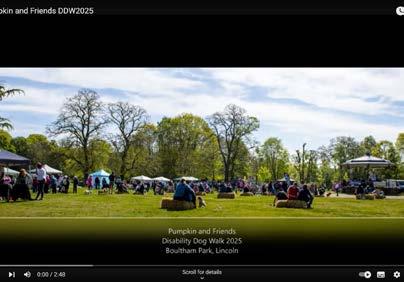
Click here to watch the video
Pumpkin’s Story
We adopted Pumpkin when she was 8 weeks old, we as a family instantly fell in love with her. Pumpkin couldn’t use her back legs and had no control of her bladder or bowels. The specialist said Pumpkin would never walk again.
Her story went viral and people donated thousands of pounds for her treatment. Unfortunately, an MRI scan revealed her spine and legs had been broken, and her spinal cord severed.
We were devastated.
The specialist said Pumpkin would never walk again.
Pumpkin isn’t in pain; she is paralysed from the waist down and double incontinent. Pumpkin is loved by us, her family, so much and we will do anything for her.
Pumpkin also needs weekly hydrotherapy, physiotherapy, and red laser treatments. This is to keep her front limbs strong and help her with any injuries or pain.
Pumpkin became a therapy dog when she was 9 months old.
We visit care homes, schools, universities and work places. Educating the public about disabled animals and kindness to animals.
In June 2022, we set up a registered charity called Pumpkin and Friends 1199484.
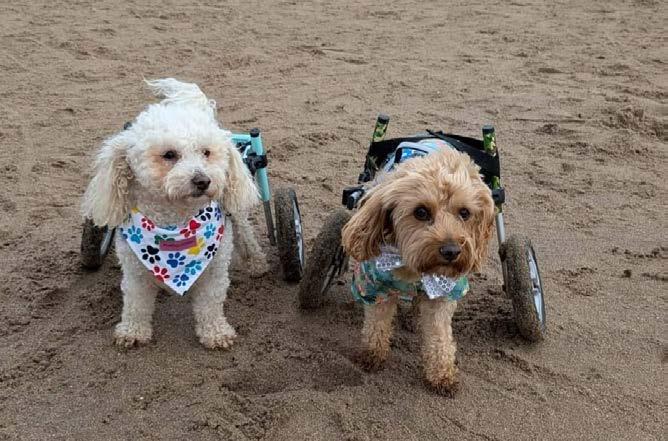
Slowly we are changing the world. Desperately raising the awareness and the importance of disabled animals. Also supporting and helping families of disabled animals.
We provide disabled animals with the equipment they need to give them their motibility & freedom back, including Wheelchairs, Harnesses and Strollers. www.pumpkinandfriendscharity.org
Raising awareness for disabled animals.
Having a disability isn’t a death sentence. It’s the beginning of a new adventure.
Become a Wheelie Good Friend
Does your animal need a wheelchair? Are they struggling with their mobility?
We can help you, we can provide a Free loan of a wheelchair or stroller and give your animal its freedom and confidence back.
We are based in Lincolnshire but can help animals anywhere in the UK. We also offer wheelchair fittings with a member of our team.
This is a free service, but what we do ask is that you provide our charity with 1 weekly update regarding your animals adventures. Also so we can show our supporters where their money is being spent.
The equipment belongs to Pumpkin & Friends Charity and can be asked to be returned, especially if we feel it isn’t being used or we don’t receive weekly updates.
www.pumpkinandfriendscharity.org
We need your support...
As a charity, we rely solely on the generosity and kindness of public donations to enable us to go on helping other animals with disabilities.
You can help support us by:
Coming to our Pumpkin and Friends Charity Events
Together, we’ll raise money and awareness for our important causes.
From fun gatherings to nature walks, there’s something for everyone. Come out and show your support – every contribution makes a difference.
Donate to Pumpkin and Friends
Donations to Pumpkin and Friends Charity, no matter how big or small, makes life better for all of Pumpkins friends and the people who care for them.
Other ways you can help Click here to
We try all kinds of ways to raise money to help Pumpkin and her friends. Why not go and check our Pumpkins shop, to see what treats you can buy to help support us.
Sharing our vision with you
Team Pumpkin are working so hard and have so many fundraising ideas. The inbox is bursting with animals and families that need help.
We have a dream... a dream we are determined to make a reality.
Pumpkin and friends charity are looking for a property with a small holdings attached. The dream is to give unwanted disabled animals their forever home. Also offering resbite to our ‘wheelie good friends’ and other disabled animals.
Team Pumpkin, the charity trustees and volunteers are all experienced with disabled animals and are committed to the charity. Our future goal is to create and build a retreat for disabled animals. A sanctuary where animals with disabilities can live happily with the love and care they need. We want to offer respite, so our families can have a much needed holiday or break. Leaving their ‘wheelie good friend’ in safe hands, knowing that we can care and Facilitate for its needs.
Not Just a Charity Shop!
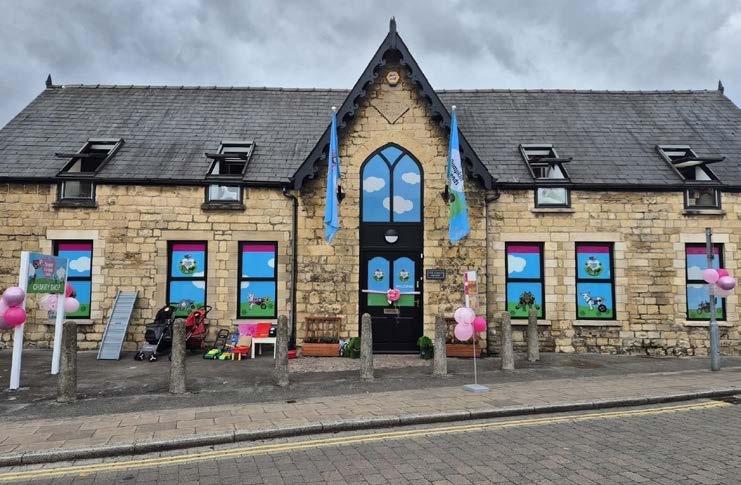
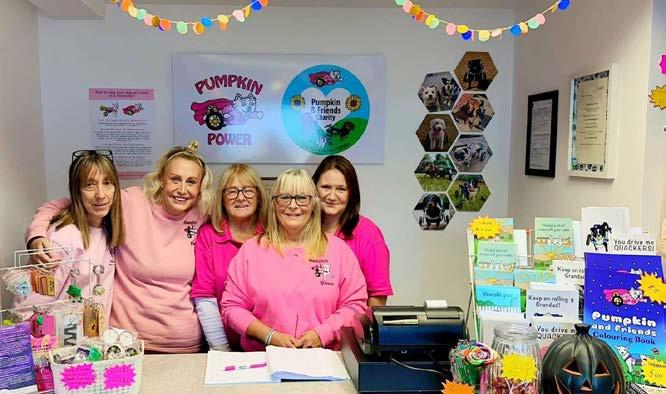
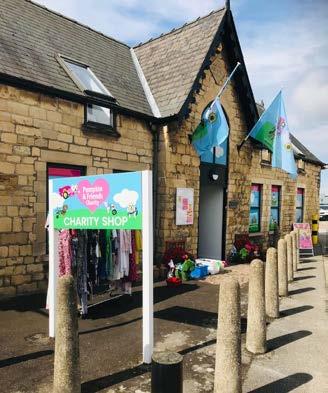
Pumpkin & Friends Charity Shop; Lincoln’s Most Pawsome Community Hub
Step inside Pumpkin & Friends Charity Shop and you’ll soon realise this isn’t your average charity shop, it’s a community hub, a safe place, and a haven for animal lovers!
Nestled in the heart of Lincoln, our shop is more than racks of clothes and shelves of treasures. It’s a space filled with warmth, wagging tails, laughter, and a whole lot of Pumpkin Power!
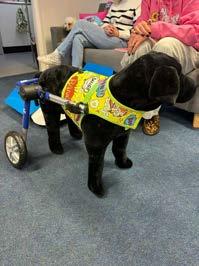
Here, everyone is welcome, especially your furry friends. We’re proudly dog friendly, and you might even be greeted by one of our famous wheelie warriors or resident therapy dogs.
A Safe Place for All
Therapy Tuesdays: Cuddle Pumpkin!
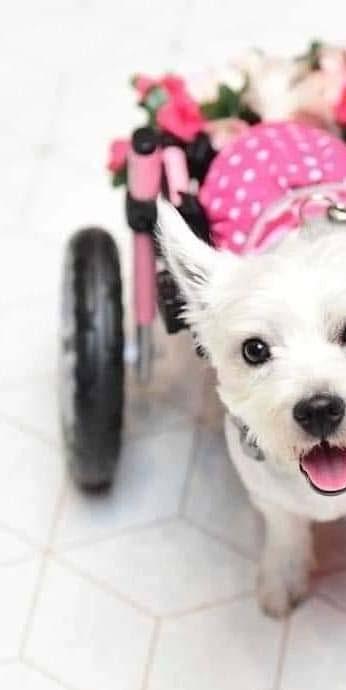
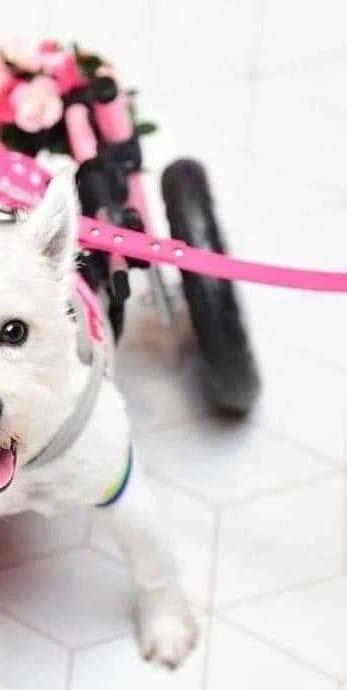
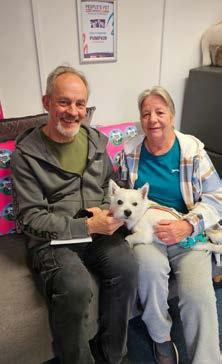
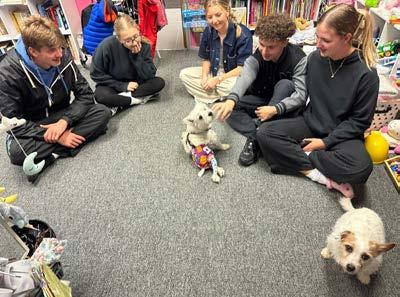
Every Tuesday from 10am – 12.30pm, come and meet Pumpkin the Wheelie Westie Warrior herself.
Therapy Tuesdays are all about cuddles, smiles, and learning more about life with disabled animals. It’s a heartwarming experience you won’t forget!
Whether you’re popping in for a chat, need advice, or just want to be part of something kind and caring, our doors are open.
We believe in community, compassion, and connection. Every cuppa, conversation, and purchase helps us support disabled animals and their families across the UK.
Monday: 10am – 3pm
Tuesday: 10am – 2pm
Wednesday: 10am – 4pm
Thursday: 10am – 2pm
Friday: 10am – 3pm
Saturday: 9am – 12.30pm
Sunday: CLOSED .
Donations Are Always Needed
We rely on the kindness of our supporters to keep helping disabled animals.
We’re always grateful for donations of:
• Clothes
• Homeware
• Shoes
• Toiletries & Gift Sets
• Pet Accessories Every item donated helps raise vital funds for the animals who need us most.
Wheelchair Fitting & Training Centre
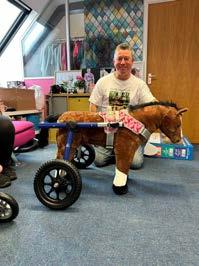
We’re proud to be an official Wheelchair Fitting and Training Centre for disabled animals..
Owners can book appointments to get the right wheelchair or stroller, learn how to fit and use them safely, and receive ongoing support, advice, and guidance from our experienced team.
We know how overwhelming it can feel when your pet becomes disabled, that’s why we’re here to help every step of the way.
Come for the bargains, stay for the community, and leave with a smile.
Because at Pumpkin & Friends Charity, we’re not just a charity shop, we’re a family.
Pumpkin & Friends Charity Shop
The Coach House, 01522 642512 Firth Road, Lincoln, LN5 7PA
Training Courses
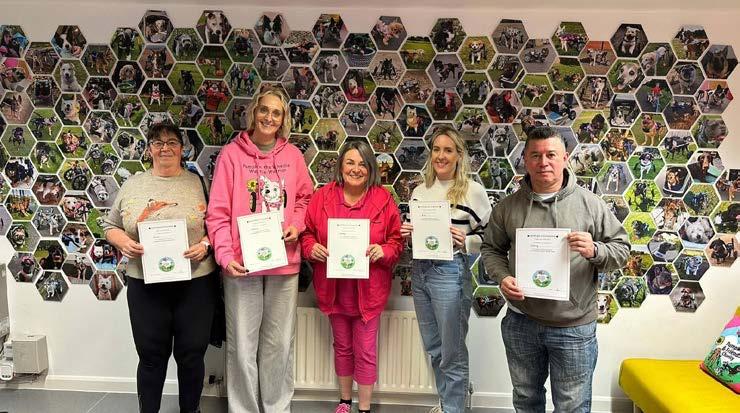
We will be running Training Courses in 2026 at the Pumpkin and Friends Training Centre in Lincoln city centre.
This educational session is ideal for both professionals and members of the public who wish to gain a deeper understanding of Walkin’ Pets wheelchairs and how they support disabled animals.
Whether you’re looking to expand your knowledge or are interested in becoming a volunteer with Pumpkin and Friends Charity, this course offers valuable, hands-on training.
Delivered by our experienced and qualified team, the course is completely free and covers all types of Walkin’ Pets wheelchair equipment.
PLEASE NOTE:
Participants must be physically able to sit on the floor and assist with lifting dogs into wheelchairs.
Wheelie Warriors of the Month
Our Wheels help change lives: here are our December’s Warriors!
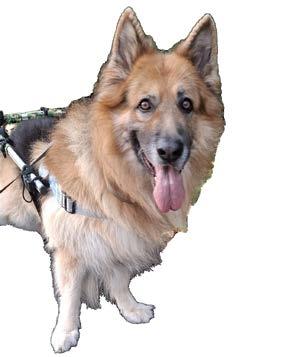
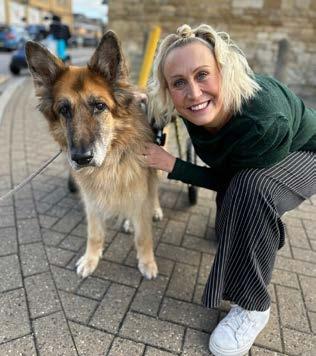
His story, written by his family:
“
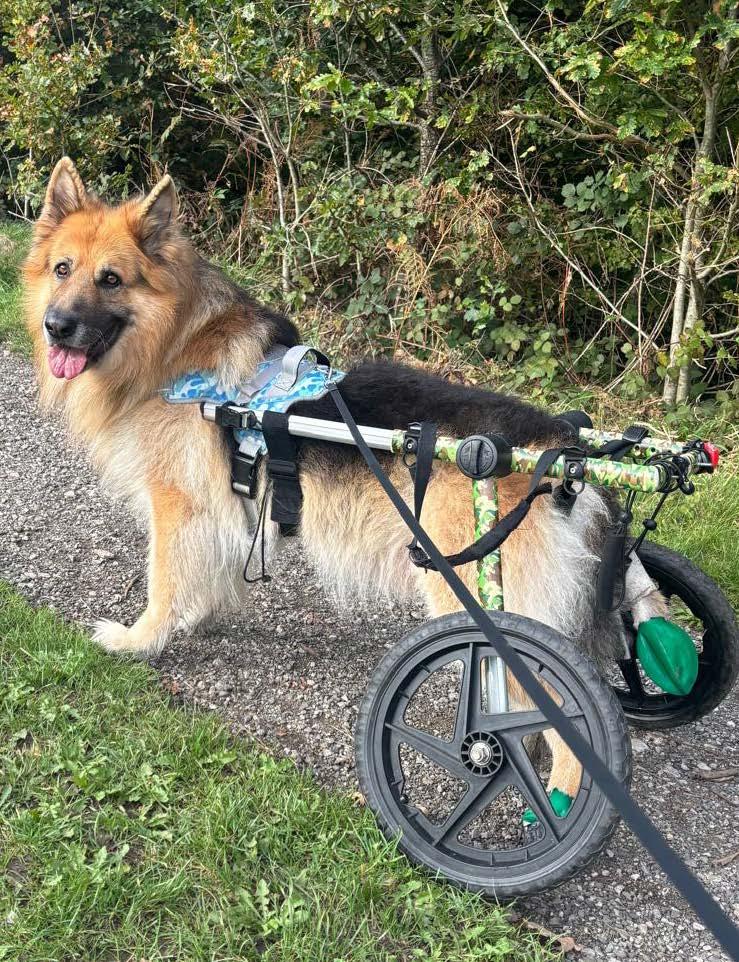
Remmy came to us in March 2016 as a beautiful 8 week old pup. We collected him from Yorkshire and on the way home he sat on mummy’s knee and the bond was instant. He was always a scared little boy but loved playing with the kids and came on many family days out.
He is the most gentle loving boy with his family.
Remmy has been on every family holiday since coming to us and the beach is his favourite place to be. He even learned to moonwalk on Beadnell beach in Northumbria! He also met other GSD friends from around the country when on holiday. He even met new Wheelie girl Lola in Lincolnshire when they were both young.
We then decided that a kitten was needed in the family. Mr Binks came to us and we were unsure how Remmy would react. We needn’t have worried. Mr Binks curled up with Remmy and a great bond was formed. Mr Binks now joins Remmy on every walk to make sure he is okay.
Remmy has enjoyed good health for many years. In November 2024 it was noticed that with snow on the ground there were obvious track drag marks from his right hind leg. We monitored this and noticed he was not picking his leg up as normal.
The vet confirmed lameness. We asked about DM. They said a strong indication but wouldn’t commit. Remmy started hydro early in 2025 and was responding well. He had exercises to do and 3 controlled walks a day. As the hydro continued he became more unstable on his legs. We were assured this was normal as his joints loosened off but he would soon improve.
As time went on he lost strength in his right back leg, the muscle atrophy was apparent. Everyone now agreed on DM.
We started having to support him on walks. It was becoming a real workout because he was losing the ability to support himself.
He was still our baby boy and he hadn’t given up.
We made the decision that a new puppy was right for the family and Iorek was chosen. As we waited for collection date for Iorek, Remmy’s condition worsened and his quality of life wasn’t the same.
The hydro team at Canine Therapies had recently had a fund raiser and Pumpkin & Friends were one of the beneficiaries. They gave us a leaflet and we quickly got the ball rolling.
The wheels arrived quickly and I was very kindly talked through the fitting process by Tracey via videos and pics.
As soon as Remmy went in his wheels he knew what to do. He was playing with his ball in the garden like a puppy. I could have cried, probably did.
Our goal was to get him back to the beach, and when we did you could see the joy, digging away and showing Iorek the ropes!
Wheels have given Remmy his happiness back and given our family more time with our beautiful boy.
If anyone is unsure about putting your pet in wheels then please don’t be. If they still have the spark for life give it a go.
As a family we are so grateful to the wonderful Pumpkin and friends for letting us continue to make memories with our beautiful Remmy bear. Thank you. Dawn & Dave Waddington x
Radiant Remmy
Wheelie Warriors of the Month
Rupert’s Story... (written by his mummy Eve):
“
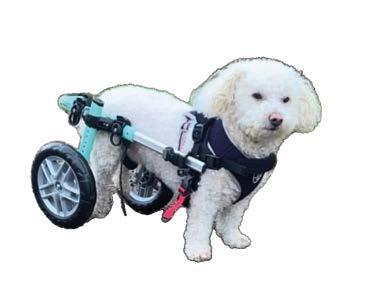
Back in 2019, Rupert and his litter were rescued from a Puppy Farm by Many Tears Animal Rescue, they were unsold pups due to all having deformed back legs due to a combination of poor breeding and being kept in cramped, unthinkable conditions. I adopted Rupert when he was 10 weeks old, a white bundle of fluff.
In the early days, it was very clear Rupert had a funny walk...a little shuffle followed by a few hops. His left hip very obviously sticking out, with his knee pointing in the other direction. Vet x-rays showed the truth. In simple terms wonky back legs and no hip and/or knee joints on both his legs. Official diagnosis: Bilateral hip dysplasia, severe left triple deformity leading to medial patella luxation (grade 4) and an abnormal gait.
Rupert doesn’t know any different. He thinks it’s ‘normal’ to only run about with his doggy mates for no more than 10 minutes, to not be able to keep up and be walking behind everyone, to be picked up on walks as he’s struggling and to have achy legs due to arthritis. He was 3 years old.
Complete coincidence, Pumpkins Facebook Page popped up...first time ever I’d seen a dog in wheels! Amazing and living her best life. It was a lightbulb moment when i found out about Pumpkins Charity and seeing all these animals using wheels! The application was put in...
Rupert has been using his wheels for about 12 months. It is now normal for us to go on a dog walk with him pulling at the lead, to keep up with his doggy mates and play chase, to walk 3 miles (the longest distance ever) and to run on the beach and grass with no limits!
The charity has given Rupert back his quality of life, not only this but i have received some amazing support along the way and made some great friends from the various charity events! We have a long road ahead with Rupert needing various surgeries and eventually his leg will need amputating, but i know the charity will be there to support me all the way. This charity has a special place in my heart and i am honoured to volunteer for this amazing cause, empowering and supporting other families and showing the world that having a disability isn’t a death sentence.
To Rupert
My best mate - I wouldn’t change you for the world. I believe being born with a disability saved you from unthinkable horrors on that puppy farm. Let’s keep the adventures up!
Regal Rupert ��
Promoting an animal charity and building greater public awareness...
A bit of helpful information for the Animal Charities that are reading this edition
Promoting an animal charity in today’s crowded media landscape requires more than good intentions — it demands creativity, strategy, and genuine storytelling. While public compassion for animals remains strong, charities must work proactively to ensure their message rises above the noise and connects with supporters in meaningful ways.
The foundation of any awareness campaign is a compelling narrative. People respond emotionally to stories, not statistics, so highlighting individual animals and their journeys is essential. A rescued dog learning to trust again, a neglected horse being rehabilitated, or a community outreach programme that keeps pets with vulnerable owners — these real-world examples humanise the charity’s mission and inspire people to care. High-quality photos and short videos, especially those formatted for social platforms, can transform a simple update into a shareable, memorable moment.
Social media remains one of the most powerful tools for growing awareness, but it must be approached with intention. Regular updates, behind-the-scenes content, and interactive features such as polls, Q&As, or live streams help supporters feel part of the organisation’s day-to-day work. Influencer partnerships can also extend reach dramatically. Pet bloggers, vets, local celebrities, and even well-followed animal enthusiasts often welcome opportunities to support good causes, particularly when they can visit the charity and document the experience.
However, offline engagement is just as vital.
Community events — open days, adoption fairs, sponsored dog walks, educational workshops — foster personal connection and give people a chance to see the charity’s impact first-hand.
Partnerships with local businesses can amplify this further: cafés hosting donation tins, pet shops promoting adoption drives, or employers inviting the charity to speak at staff wellbeing events. These collaborations anchor the charity in the community and create long-term goodwill.
Media relations should not be overlooked. Local news outlets are often eager to cover feel-good stories, rescue missions, fundraising achievements, or seasonal advice from animal experts. A well-timed press release, paired with strong imagery, can secure valuable coverage at no cost.
Finally, clear calls to action — whether donating, fostering, volunteering, or sharing content — are essential. Supporters want to help; charities simply need to show them how. Transparency about where donations go and regular updates on progress build trust and encourage long-term commitment.
By blending emotive storytelling, strategic digital outreach, community involvement and strong partnerships, an animal charity can significantly increase its visibility — and, ultimately, create a brighter future for the animals it serves.
Pumpkin & Friends Charity however, have gone above and beyond to promote their cause...
They have recently released their first Christmas Charity Single.
A closer look into
Behind the Scenes of ‘A Wheelie Good Christmas’
How a catchy idea, a pink sleigh, and a whole lot of Pumpkin Power created the charity single of the season
By Tammie Pumpkin & Friends Charity
When you run a charity built on hope, community, and the unstoppable spirit of disabled animals, surprises come often. But one festive spark arrived a year ago that none of us could have predicted.
It began with an idea, quiet, simple, and delivered with the usual modesty of the man behind it.
“What if,” Paul Walster said, “we made a Christmas single for the charity?”
Paul isn’t just one of our most brilliant trustees; he’s also a talented songwriter with a heart bigger than Pumpkin’s treat cupboard. The moment he shared his vision, we knew instantly: this could be something special. We said yes without hesitation—and from that moment, the magic began.
Now, one year later, “A Wheelie Good Christmas” by Foxy & The Bloggers is officially out on all major streaming platforms. Just say: “Alexa, play Foxy and The Bloggers – A Wheelie Good Christmas!”
What began as a simple discussion around a table has transformed into a heartwarming, foot-tapping anthem that celebrates everything Pumpkin & Friends stands for, love, unity, joy, and the belief that having a disability is never a death sentence.
This single is our Christmas gift to the world, and to all of you: our friends, supporters, families, and Wheelie Good community.
Every play, every share, and every hum of the melody helps disabled animals across the UK find the equipment, rehab, and support they deserve.
Keeping the single under wraps for months was... torture. Not because we aren’t good at secrets, but because the tune is so ridiculously catchy we found ourselves humming it everywhere. The post office queue. The shop. The dog park. Everywhere.
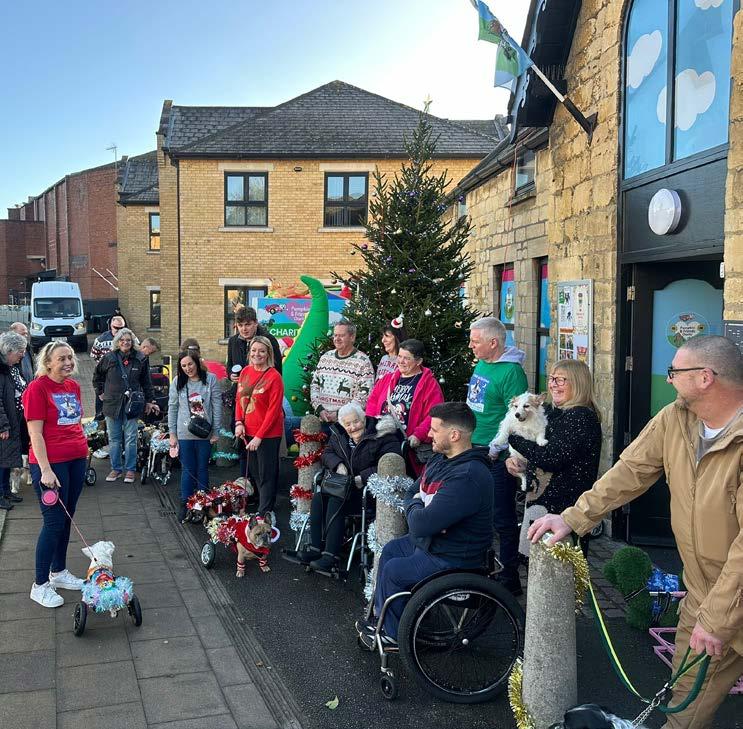
To make the music video as heart-warming as the song, we asked our Wheelie Good Friends to festive up their wheelchairs and send us clips of Christmas cheer. The results were pure magic—twinkling wheels, happy dogs, sparkly frames, and more joy than Santa’s workshop.
And of course, Pumpkin herself needed something extra special...
So this year, she got a brand new sleigh: bright pink, sparkling, and fitted with flashing lights. Because obviously.
A Wheelie Wonderful Response
Thanks to our friends at Lincs Sound, the single made its radio debut with a bang—and the response has been overwhelming. Messages, shares, tears, laughs, and so much excitement have poured in from all over the UK and beyond.
With ITV’s support and a growing wave of festive enthusiasm, our mission is simple:
Let’s get “A Wheelie Good Christmas” playing on stations far and wide.
Let’s get it climbing the charts.
Let’s spread Pumpkin Power across the nation!
A Wheelie Good Christmas for All
From one small idea to a nationwide charity single, this journey has been filled with friendship, creativity, music, and love. This isn’t just a song—it’s a celebration of every disabled animal, every adopter, every volunteer, and every supporter who believes in what we do.
So turn up the volume, share it far and wide, and sing along with us!
Wishing you all A Wheelie Good Christmas — and a New Year full of joy, kindness, and Pumpkin Power.
here to play
in Sparkle
only come to life extraordinary team.
heart behind the no song.
us our first ever radio very first Christmas charity has never
Captain Cuthbert & The Scat Cat
Creators of the stunning single artwork—a festive gem full of charm, character, and that unmistakable Pumpkin personality.
ITV News
Long-time supporters who once again visited to film and broadcast our charity’s work. Their encouragement lifts us higher every single time.
Meet the Dream Team Behind the Music
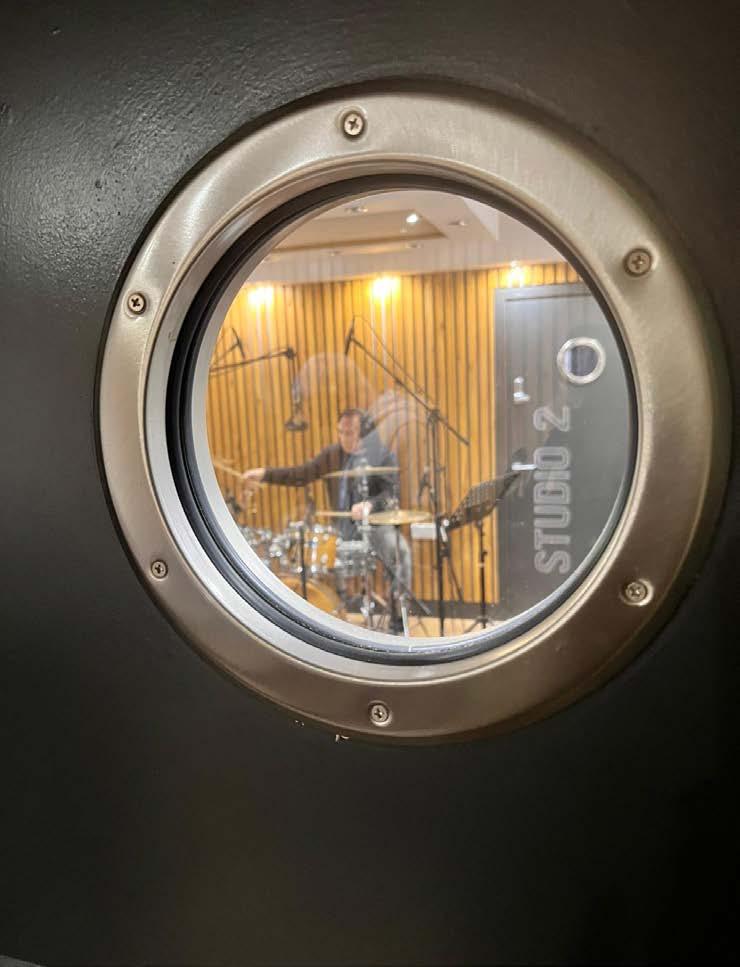
Recorded at Tubby Studios, this single was brought to life by an insanely talented group:
John Hough – Lead Guitar & Bass
Rob Hewins – Lead Vocals & Drums
Jackie Chamberlain – Backing Vocals
Sophie Marie – Backing Vocals
Tony Marsden – Recording & Sound Engineer
Their passion shines through every beat, bell chime, and jingle.
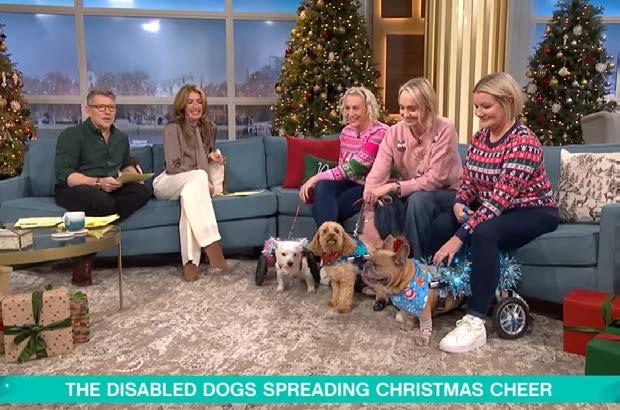
‘A Wheelie Good Christmas’ on
ITVs This Morning
Pumpkin, Chester and Sergio were brilliant showing off their wheels and that their disability isn’t a death sentence by raising awareness for disabled animals.
Pumpkin & Friends Charity loved being able to share their Christmas single and hope you will help them by downloading it!
Download ‘A Wheelie good Christmas’ now by clicking on these links:
How
appearing
on ITVs
This Morning has helped
Pumpkin
& Friends Charity save more lives and give more families a magical Christmas Gift - Their fur babies life back!
Since going on This Morning on the 10th December 2025, Pumpkin & Friends Charity have had over 50 calls to help families with pets who are struggling...
Tracker’s Family were one of them.
Here’s what Tammie said;
“A family reached out to Pumpkin & Friends Charity absolutely desperate for help to save their dog, Tracker.
They had seen us on This Morning on the 10th of December, where we had been invited to promote and talk about our charity Christmas single “A Wheelie Good Christmas”, while also spreading awareness about disabled animals and the work our charity does.
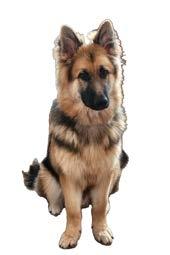
Tracker is an 8-month-old German Shepherd who was born with severe double hip dysplasia. He has been living in chronic pain, and sadly his vets had come to the heartbreaking conclusion that it would be cruel and unethical to keep him alive due to the level of pain he was in. His family had already maxed out their insurance and were unable to find the funds needed for this life-changing surgery.
Tracker was booked in to be put to sleep that very evening.
Thankfully, because his parents saw us on This Morning, they reached out to us in a last-ditch attempt to save him. We are incredibly grateful they did.
Pumpkin & Friends Charity has now agreed to help Tracker.
We will be covering the cost of his first hip replacement, giving this beautiful boy a chance at a painfree life.
Tracker has been saved, all thanks to the incredible support of those who follow and believe in us. Without the platform of This Morning, this simply would not have happened.
Not only have we changed Tracker’s life, but we’ve also changed his family’s life too. Amy, his owner, has disabilities of her own, and Tracker is her therapy dog. In many ways, he has saved them and now we have saved him.
Tracker will now be having a very special, very well deserved Christmas.
Pumpkin & Friends Charity have more exciting news!
On Sunday 14th December, Tammie will be interviewed by Gaby Roslin on the Make a Difference Show on BBC Local Radio ... that’s 47 different stations at once! It will be just after 2pm.
And guess what else you will be hearing: �� ’A Wheelie Good Christmas’ ��
You will also be able to get hold of the episode from BBC Sounds by clicking the below link: https://www.bbc.co.uk/sounds/brand/p087sdc4
Will you be listening?
Behind the Scenes
until you need to know... The bits you don’t know,
Let’s talk about incontinent animals...
Ok, so some people may feel awkward by this section... But it’s educational and extremely important, Everyone Poos, it’s nothing to be embarrassed about.
I personally have cared for Pumpkin for 3 years. She is double incontinent and is manually expressed every 3-4 hours.
In my experience diet is an extremely important part of bowel incontinence. Pumpkin has always eaten wheat and grain free. Last year we changed her diet to fresh, we chose Butternut Box There’s lots of fresh dog food companies available. All Pumpkins food has been made to her weight, breed and tastes. Before we went fresh, Pumpkin on average would Poo 5 times a day, big stinky poos. Now her poo is small, firm and less smelly. Twice a day is now her normal. Our lives are definitely easier and Pumpkin is happier. Obviously, yes we still get the occasional accident. Normally if she’s eaten something she shouldn’t have!! But as a whole- Fresh eating has completely changed our life’s!
Here is a little advice regarding expressing a paralysed animals bladder
Urinary incontinence in dogs is a scary diagnosis. It means your pet has lost control over their bladder and, as their guardian, you have to manage the condition with nappies or learning how to express your dog’s bladder.
Most pet parents have no problem diapering a dog, but they can’t imagine manually emptying the bladder. If your veterinarian thinks your pup is a good candidate, let me reassure you that you will be able to master the technique.
Manually expressing a dog is the best option to keep an incontinent dog healthy. It decreases the risk of urinary tract infections (UTI) and urine scald. For some dogs, it’s critical to their health because expressing their bladder is the only way to empty urine.
The technique looks strange at first, but with a little practice most pet parents quickly become pros.
Why dogs become incontinent
Many conditions contribute to urinary incontinence. They include: old age, Cushing’s Disease, Diabetes and injuries.
The number one reason dogs become incontinent is paralysis. If your dog is paralyzed in their hind end, the likelihood of losing bladder control is almost guaranteed. The problem lies in the central nervous system, which houses the spine and coordinates communication to the bladder. Paralysis turns off the system.
By Tammie Pumpkin & Friends Charity
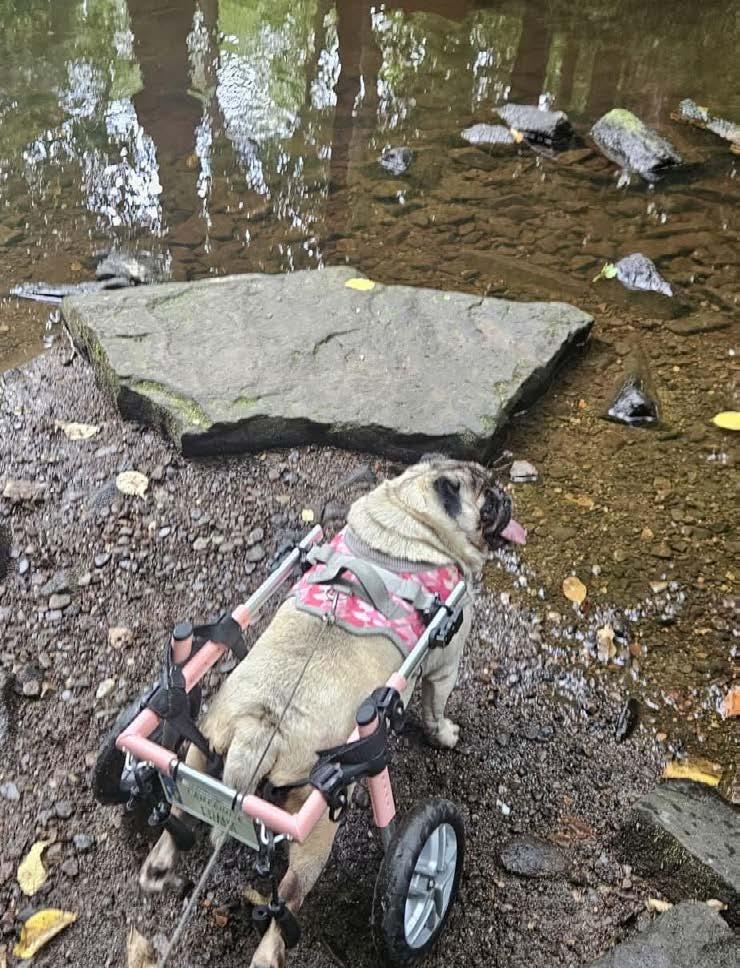
The cause of a dog’s mobility problem also plays a big role in their incontinence. For instance, victims of Pug Myelopathy develop an “upper motor neuron bladder.” That means the muscles which release urine, are closed tight. Without manually expressing their bladders, these pups are in big trouble.
Their bladders retain urine and stretch to an unhealthy size, causing permanent damage and a breeding ground for bacteria to grow.
Expressing the bladders of these dogs isn’t a choice. It’s critical to their health.The first part of learning how to express your dog begins with finding your pet’s bladder. It can be a bit tricky. Of course, you know the bladder is located by your dog’s belly, underneath the hind legs, but it shifts slightly as it fills. To find the bladder of a male dog, place your hands above the middle of the penis. The bladder of a female dog is located further back, above a dog’s hind legs.
My vet told me to feel for a furry tennis ball in the lower belly of my dog Sophie. It painted a clear picture in my mind of what I was supposed to look for, but that’s not exactly the shape most people find. The bladder is more oval than ball shaped and has the consistency of a balloon vs. a tennis ball. It also grows larger as urine accumulates so the size of the balloon varies.
The bladder is generally about the size of a lemon for small dogs and can be as big as a grapefruit for big dogs.
You’ll find the bladder between the rib and hip of a small dog and closer to the hips of a large dog.
If you have problems locating the bladder, enlist the help of your vet. A hands-on lesson can be extremely helpful. Every pet owner and dog need to work out the best location for expressing. The perfect spot for Sophie and me was on the lawn in our backyard. It was the same spot Sophie “did her business” before she was paralyzed so she didn’t have anxiety about being expressed there.
Here are other bathroom sites pet parents use:
• Lying the dog on their side over a pee pad in a quiet room
• Expressing in the shower or tub
• Holding the dog upright, over a waterproof blanket
• Raising your pup to a level that’s comfortable for you, like on a table or sofa.
• Expressing over the toilet
Wherever you choose, make sure there are plenty of baby wipes to clean your dog’s belly afterward. Urine that’s left on sensitive skin can cause burns and scalding.
Keep the potty location you choose. It’ll go a long way fostering trust between you and your pup and alleviating fears your dog has about the procedure. Remember, expressing your dog’s bladder is a new experience for your pet too. Here’s one final tip a pet parent told me, “Always praise your dog after expressing them. They need to know you’re proud of their effort.”
Create a bathroom schedule
It’s important to create and stick to a strict bathroom schedule. Your dog will appreciate the routine and it’ll prevent the bladder from stretching and retaining urine. Incontinent dogs are prone to recurring urinary tract infections. A solid bladder expressing schedule will keep this to a minimum.
Most dogs need to be manually expressed 3-4 times a day or 4-6 times a day for small breeds. To give you an idea of a bathroom schedule, here’s what Sophie’s looked like:
• Morning – As soon as she woke up, I took her to the lawn to be expressed.
• Afternoon – Another potty break was scheduled for early afternoon.
• Dinner – I took her outside about 30 minutes after her dinner.
• Bedtime – Sophie’s bladder was expressed one final time before she went to sleep.
“Express your dog before feeding. It’s easier to locate the bladder and it reduces the risk of your dog vomiting after your pet has eaten.”
The two-handed method:
• Start by placing your dog in the position where they are most comfortable for expressing. That can be in a standing or lying down position.
• Place your hands on each side of the bladder.
• Push slow and steady on the bladder by bringing your hands together until you get a stream of urine.
• Continue to push until the stream becomes a trickle or stops.
• Release your hands for 30 seconds. Then try again. This will get the remaining urine out of bladder. The goal is to completely empty your dog’s bladder.
• Clean the skin around the lower belly with baby wipes and a fluffy soft towel.
Over the arm or sling method:
• Place your dog in an upright position while supporting the rear limbs.
• Feel for the bladder at the midpoint of the lower belly.
• Slip one hand for small dogs or one arm for large dogs under the lower belly for support.
• Use your free hand to put pressure on the bladder and slowly pull your arm upward.
• Put pressure on the bladder until a steady stream of urine flows.
• When the stream becomes a dribble. Stop, wait 30 seconds and push again to be sure the bladder is empty.
It’s okay to improvise
Some dogs feel secure in a standing position, supported with your arms, and others prefer to lie on their side. No single position is correct as long as it doesn’t endanger your pet’s health or cause anxiety.
Learning how to express your dog’s bladder takes time. Be patient and kind to yourself while you’re learning. Before you know it, you’ll be an expert.
Expressing the Bowel
It’s quite common for paralyzed dogs to struggle to have normal bowel movement. It goes beyond constipation, and sometimes a paralyzed dog needs your help to poop. Bowel expression and making your dog poop is a much more hands on approach to helping your paralyzed dog poop. Expressing your dog’s bowel means controlling when they go and ensuring that your dog has regular, healthy bowel movements. According to Dr. Pagett, “It is important the owner provides the incontinent animal with frequent opportunities to defecate. This will avoid overflow of stool and build up of stool.” Here are a few ways you can help your dog express their bowel:
Help Your Dog to Poop on Demand
This may be a subject that makes some people squeamish. If so, do NOT read on...
There are techniques to help your constipated dog poop through manual expression of the bowel. Expressing the bowel is form of conditioning your dog’s body to evacuate itself on command in a controlled way and allow your pup to “poop on demand”. There are a few different methods to successfully express the bowel and make your dog poop. Regardless of the method you choose, always wear disposable gloves that are thrown away after each use.
Hold your dog tightly in the crook over your arm over the open lidded toilet with his backside facing the wall behind the toilet. If your pet has a long tail, make sure to move it out of the way to avoid an unwanted mess. With your gloved hand feel around the anus, if there is nothing there the skin should be soft, if you feel a solid mass it’s time to express.
Using your dominant hand, form your fingers as if picking up a penny. Grasping the anus, pull in an outward motion to stimulate the appearance of feces/aka “poop”. Within 3 -5 grasping motions, they will present feces and they plop into the toilet. Neat, clean, no messy hands, and NO more unwanted messes!
Spray Solution
With a light spray bottle, mix chlorhexidine solution (disinfectant) with water, and spray the butt with it. For best results, the water should be cool. Your pet will begin to repeatedly pucker up the anus, and repeat. Spraying, along with some very gentle stroking of the area with a moist soft baby wipe, will encourage your pet to poop. Make sure to lay out a clean newspaper or paper towel out for easy clean up. It’s not fun, but a lot better than picking up after an accident.
Squirting Water
With this method, the stimulation technique involves squirting cool water directly on the anus, you may need to spray several times to get the poop to pop out. As the cool water sprays it will stimulate the anus to contract encouraging the bowel movement. The water in the squirt bottle should be cold (not out of the fridge, but not warmed) so it shocks the tush enough to make it pucker. Only use this technique when you know the pet is “full”.
Ice Cube
The ice cube method is the simplest option to encourage your dog to “go”. Lift your pet’s tail up and place an ice cube directly on the sphincter and hold it there.
When the ice cube gets pushed out of the way, he’s going.
Cotton Swab
As far as the bowel movements, a bit of Vaseline on the tip of a cotton swab and inserted just a little in the anus will stimulate your dog to have a bowel movement if it is needed. Choose a time that is similar to when they would have done this like after a meal or in the morning etc., so you can partially control when it happens and start to take care of accidents.
Baby Wipe
Another way to stimulate a bowel movement is to gently rub around the anus in small circular motion with a baby wipe, which will encourage your pet to poop “on demand”. Gently rubbing their anus in a circular pattern you stimulate the bowel movement to help your dog to poop.
Lotion and Glove
A tried and true method to express the bowel is to stimulate the bowel movement by hand. Wearing a glove on your dominant hand, put lotion on your fingers to be used for lubricant. Place your dog over a paper or bring them outside and begin stimulating the anus. With your gloved hand rub around the butt hole and pull at it gently. It usually takes less than 2-3 minutes for your dog to finish eliminating. Once you’re finished. you can wrap up the poop and throw it away.
Inserting a Finger
Still unable to elicit stool through the lotion and glove method? You may want to try this technique. Apply additional lubricant to your gloved pinky finger and very gently insert it into the rectum. Even in completely paralyzed animals, this should stimulate a bowel movement.
If your baby is very impacted with stool, you may have to “dig” some out at first, but then it will come out on its own.
Rubbing the Abdomen
Belly Rub to Express your dogs bowel - You can also encourage pooping by rubbing your dog’s abdomen.
Start by placing your dog in an upright position and rub behind the back leg. Your dog may begin to kick the rear leg, continue to rub until the tail begins to rise. Then, place your dog on their back and rub their left side vigorously for several minutes. As your rub the vent begins to open so your dog can poop. Once you see this encouraging sign, vigorously rub the abdomen in a downward motion. If your pet seems particularly constipated, move the back legs as you stimulate the belly. When done correctly, your dog should experience a healthy bowel movement.
Squeezing Method
Use your fingertips to gently press and feel the soft tissue in a circular area around the anus. By pressing on the soft tissue, you may feel something firm inside the rectum. Spread your thumb and forefinger about half a inch apart, lay them on either side of the rectum, press inward on the soft tissue a little, and grip the stool right through the skin. Now you’ve got a good amount of skin and soft tissue pinched between your fingers and in the center of it is a piece of stool. If you pinch harder, the stool will break off within the rectum and the anus will open at the same time, and it naturally begins to come out.
The beauty of this is that usually the remaining stool moves forward into position and you can repeat the procedure. Repeat until there is nothing inside and the tissue is soft to touch. Be careful not to pinch too hard, as this could lead to damaging the mucosa lining the colon or prolapsing the rectum.
Keep a box of tissues on the expressing station, and each time a piece of stool drops, drop a tissue over it to reduce the odor. You may go through a lot of tissues this way, but it makes for a more pleasant experience.
How To Prevent A UTI In A Paralysed Dog
Keeping their bladder happy, healthy, and infection-free...
By Tammie Pumpkin & Friends Charity
Express Their Bladder Regularly
• We express Pumpkin every 3–4 hours throughout the day — yes, even on busy days!
• This ensures her bladder is fully emptied and prevents urine build-up (which bacteria love).
Keep Them Clean & Dry
• Gently clean the area after each expression or accident with pet-safe wipes or warm water.
• Pat dry to prevent moisture and irritation.
• Use barrier cream if needed.
• In the summer, Pumpkin goes nappy-free as much as possible to let her skin breathe!
Hydration is Key
• Keep fresh water available at all times.
• Add water or broth to food.
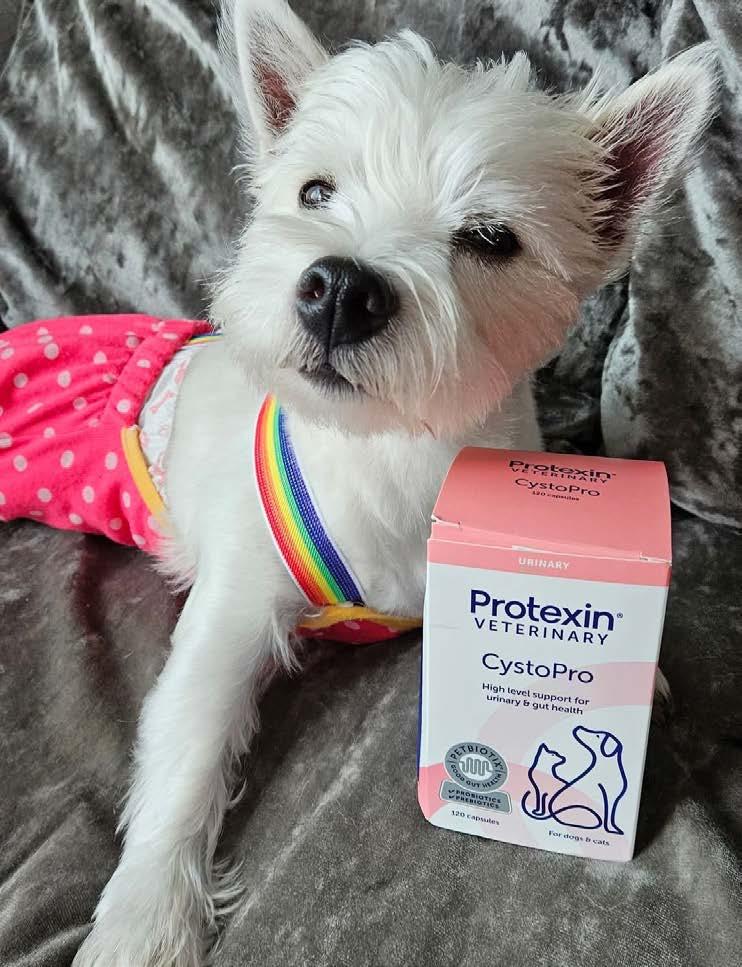
• A pet water fountain may help encourage drinking. in takes Cystopro (protein supplement) also has a sprinkle of cranberry powder to ays check with your vet before adding
Monitor Urine and Behaviour
Check for signs: cloudy urine, strong smell, blood, or discomfort during expressing.
Weekly urine test strips can help catch early signs (but vet confirmation is essential).
Regular Vet Checks
Have your vet do a urinalysis every 3–6 months, especially if your dog is prone to UTI’s.
Success Story
Pumpkin has been UTI-free for over 3.5 years, thanks to these daily practices, a bit of cranberry sparkle, and lots of love.
Dogs & Puppies
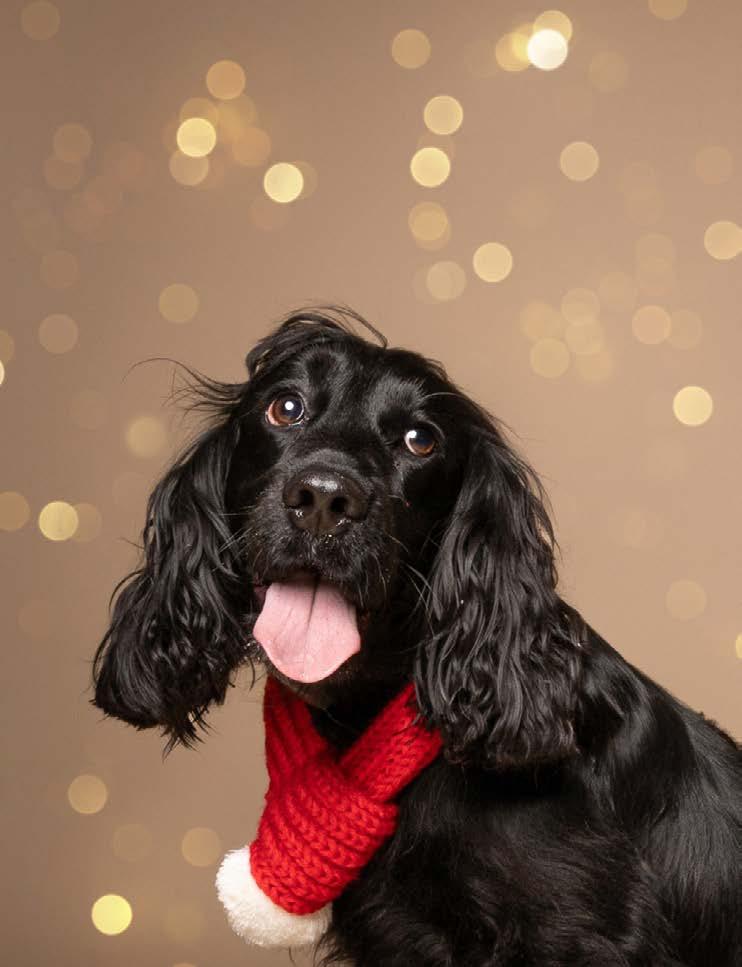
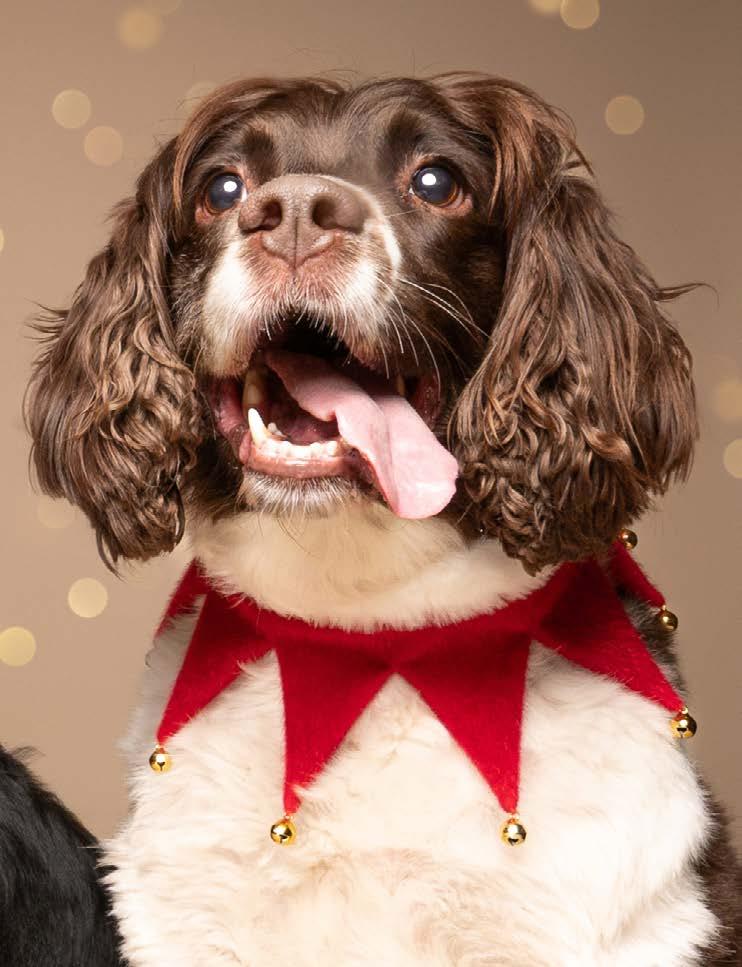
Photo by Vicky,
Photographer at The Puparazzi Booth
About Dogs Trust
Founded in 1891, Dogs Trust is the UK’s largest dog welfare charity, caring for over 11,000 dogs every year across its nationwide network of rehoming centres. Dedicated to improving the lives of dogs everywhere and finding them their paw-fect homes, the charity works to ensure every canine companion has the opportunity to enjoy a happy, healthy life in their forever home.
Adoption lies at the heart of Dogs Trust’s work. Every time someone chooses to adopt, they change a dog’s life forever and create space for another dog in need. Adoption helps each dog get a second chance to experience love, safety, and a whole lot of tail wags.
Dogs Trust’s rehoming centres are designed to give dogs the best possible start in their next chapter, with dedicated staff providing daily walks, enrichment, training and plenty of love as they wait for their forever families. From January to September 2025, the charity helped an impressive 7,660 dogs to find their forever homes.
The support provided by the charity doesn’t end once a dog is rehomed. The Post Adoption Support Team stays in touch with new owners, offering expert guidance to help with training, settling in, or any behavioural challenges that may pop up. And, the free to access Behaviour Support Line is there for all dog owners, whether they have adopted from the charity or not, helping owners to navigate any behavioural issues their dog may have. By helping to prevent the problems that can lead to dogs being given up for adoption, they can stay at home, where they belong.
In 2024 alone, the charity received 5,448 enquiries from owners considering rehoming their dogs for financial reasons. That’s why Dogs Trust has set up dog food banks in some of its rehoming centres across the nation to help struggling owners and to make sure no dog goes hungry. It’s a completely anonymous service, with no questions asked. To find your nearest food bank or to make a donation, visit www.dogstrust.org.uk/food-bank
The charity also runs Freedom, a scheme which is a lifeline to people fleeing domestic abuse by providing free, temporary foster care for their dogs. It means survivors can seek safety knowing their four-legged friends are being lovingly cared for until they can be reunited with them.
Meanwhile, the Together Through Homelessness initiative lends a helping hand to people experiencing homelessness and their dogs, offering free vet treatments and working
with service providers to increase the availability of petfriendly services, including day centres and hostels, so no one has to choose between their dog and somewhere safe to sleep. Last Christmas, the team delivered more than 2,600 parcels filled with warm coats, balls, and tasty treats to owners experiencing homelessness, spreading comfort and joy to both people and pups.
Dogs Trust also campaigns on key welfare issues, including tackling puppy smuggling, , fighting to increase the rights of pet owning renters, and improving dog breeding standards. By working closely with governments, policymakers, and other welfare organisations, the charity aims to create lasting change so that every pooch can enjoy the care, respect, and love they deserve.
Maria Murray, Behaviour and Community Services Director, says:
““Across Dogs Trust, more than 800 enquiries are received each week from owners forced to make the heartbreaking decision to rehome their beloved dogs. The good news is that we also hear from lots of people every week looking to adopt from us, and we help to find new homes for thousands of dogs each year.
“Our services extend far beyond rehoming, however, and Dogs Trust is here to support all dogs and their owners, whether it is by helping dogs to find a new home, through our free dog food banks, or sharing our expert advice via our Behaviour Support Line.”
With a lifelong commitment to never putting a healthy dog to sleep, Dogs Trust provides care, advocacy, and education to make the world a better place for our four-legged friends.
As Dogs Trust looks to the future, its mission remains the same: to ensure every dog, regardless of its background, has the chance to live a safe, happy life with its tail wagging and heart full in a home.
To find your nearest Dogs Trust rehoming centre, visit: www.dogstrust.org.uk
Creating a safe space for your dog
Give your dog a safe, cosy space to retreat when feeling overwhelmed or overstimulated is a great way to help give your dog a sense of security. Ensure your dog has a quiet, safe, and comfortable space to retreat to if the festivities become too much for them, or if they just want a quiet rest. If your dog doesn’t already have a favourite place, choose a space they spend time in, and make a cosy den for them.
Keeping to routine can help a lot
This festive season, many of us will look forward to seeing our friends and family, but the changes Christmas brings can be unsettling for many dogs. During these busier times, keeping to a regular routine can help keep your pooch relaxed by the time guests arrive, or any exciting smells fill the house.
Christmas might
• This Christmas, home.
• By creating a your dog’s body
• Dogs Trust offers - all available
While Christmas season’s sights, smells friends.
From unexpected that could make the UK settles in reveals its top tips
Use a distraction
If your home is getting full, and your dog isn’t ready to snooze, you can keep them calm by giving them a distraction. A long-lasting food release treat or chew will do the trick.
Silent Night, Cosy Night...
Dogs Trust shares top tips to keep your dog happy this Christmas
might be the most wonderful time of the year, but for dogs, all the festive fuss could be a bit much.
Christmas, Dogs Trust is sharing its top tips to keep your dog safe and relaxed at safe space for your dog, keeping to a routine they know, and understanding body language, you can make sure your pooch is in their happy place. offers great advice, support and information for the festive season and beyond for free on the Dogs Trust website.
is a time filled with festive cheer and fun for humans and dogs alike, the smells and sounds can sometimes be overstimulating for our four-legged
unexpected visitors and over-excited family members, to festive food and decorations them poorly, there is a lot for your dog to overcome this December. So, as for the festive season, the nation’s largest dog welfare charity, Dogs Trust, tips to help keep your dog safe and relaxed in their happy place this Christmas.
Understand your dog’s body language
Dogs use their whole bodies to show each other, and us, how they’re feeling. Recognising the signs that a dog is worried or stressed will help you avoid situations they might find challenging.. Noticing subtle changes in a dog’s body language, such as their ears going back, tension in their body, or their tail tucked under, is just one of the ways that dog owners can avoid situations before they escalate.
Keep festive foods out of reach
This Christmas, there will be plenty of human foods around that aren’t suitable for dogs, so it is important to keep your festive food out of your dog’s reach. Grapes, raisins or sultanas, which can be found in mince pies and Christmas pudding, can cause kidney failure and death in dogs.
Meanwhile, other foods that can cause serious problems include chocolate alcohol, onion and garlic (often in gravy), leek and foods containing Xylitol, an artificial sweetener found in some sugar-free foods.
If you plan to feed your dog a festive meal, keep it very small, and remember new foods can cause stomach upset or even pancreatitis if fatty, so give any human food with caution.
Help everyone have a Merry Christmas this year
Wrap your presents safely
Keep your dog out of the way or closely supervised when wrapping and unwrapping your presents. Not only will it stop them running away with your tape, it will stop them eating wrapping paper, ribbons and other decorative items, all of which can cause serious problems if swallowed.
Watch out for decorations
Christmas tree decorations and tinsel can be incredibly tempting toys for our canine friends. Small decorations can be easily knocked off and swallowed, or broken decorations can injure paws, and decorations can cause obstructions if swallowed. It’s also important to know that some festive plants can also be harmful if eaten, so be sure to keep poinsettias, holly berries and mistletoe out of reach too.
Be mindful of loud sounds
Dogs have sensitive hearing, so consider buying bangfree crackers, and leave party poppers off your shopping list. Christmas and New Year is also a popular time for fireworks, so have a plan in place to keep your dog calm and safe when fireworks go off and speak to your vet ahead of time if you know your dog struggles.
Hannah Harris, Behaviour Policy Manager at Dogs Trust, said:
““Christmas is a wonderful time of year with families and friends celebrating together. For many people, their dog is part of the family and will, of course, want to include them in the celebrations.
“But, with so much happening in such a short space of time, it is no surprise that just like us humans, our dogs can get overwhelmed. There’s also the additional temptation of tasty food and decorations to consider, but by following our festive advice, you can ensure that your dog can enjoy spending the festive season with their favourite people in their happy place.”
As the UK’s largest dog charity, Dogs Trust provides a number of services to support owners, including lots of tips and information on its website, and through its free Behaviour Support Line, where Dogs Trust’s team of experts can offer advice and support.
For more information, advice and suggestions on how to make your dog feel supported during the festive season and beyond, visit:
www.dogstrust.org.uk/dog-advice
Fascinating Facts About Dogs and Puppies
Dogs have been called “man’s best friend” for centuries – and for good reason. Loyal, intelligent, and endlessly loving, these remarkable animals have shared our homes, our work, and even our hearts for thousands of years. From ancient hunting companions to modern-day therapy animals, dogs play an extraordinary role in human life. Here are some fascinating facts about dogs and puppies that highlight just how special they truly are.
A Long and Loyal History
Dogs were the first animals ever domesticated by humans. Archaeological evidence suggests that the partnership began between 20,000 and 40,000 years ago, when wolves started living alongside humans in return for food and shelter. Over time, these early wolves evolved into the many dog breeds we know today. In the UK alone, the Kennel Club recognises more than 200 breeds, from tiny Chihuahuas to towering Great Danes.
A World of Senses
A dog’s sense of smell is one of the most powerful in the animal kingdom. It’s estimated that a dog’s nose can be 10,000 to 100,000 times more sensitive than a human’s. This extraordinary ability allows dogs to detect medical conditions such as diabetes or seizures, and to locate missing people. Police and rescue dogs use their noses to track scents that are days or even weeks old.
Their hearing is equally impressive. Dogs can detect sounds at frequencies up to 65,000 Hz, far beyond the human range of around 20,000 Hz. This means your dog might hear things like a highpitched whistle or even the hum of an electronic device that you can’t.
Communication and Emotion
Dogs communicate through body language, facial expressions, and vocal sounds. The position of their ears, the wag of their tails, and even the tilt of their heads can reveal what they’re thinking or feeling. Studies have shown that dogs can recognise human emotions, often responding with affection when their owners appear sad or anxious.
A wagging tail doesn’t always mean happiness, though. The direction and speed of the wag can indicate different moods — a loose, sweeping wag usually signals friendliness, while a stiff, slow wag may suggest uncertainty.
Puppy Power
Few things are as irresistible as a puppy. Puppies are born blind, deaf, and toothless, relying entirely on their mother for warmth and nourishment. Their eyes and ears open after about two weeks, and by the time they’re eight weeks old, most puppies are ready to explore the world and move to their new homes.
Early socialisation is vital. Puppies that meet a variety of people, animals, and environments during their first few months tend to grow into confident, well-adjusted adults.
Working and Service Dogs
Beyond being pets, dogs serve important roles in society. Guide dogs help visually impaired people navigate safely, while hearing dogs alert their owners to important sounds. Assistance dogs support individuals with physical disabilities, performing tasks such as opening doors or fetching dropped items.
Dogs are also used in the police, military, and customs services to detect drugs, explosives, and even digital devices used in criminal activity. In healthcare, therapy dogs bring comfort to hospital patients and care home residents, reducing stress and loneliness.
Incredible
Intelligence
Dogs are far smarter than many people realise. They can learn hundreds of words and commands, solve simple problems, and understand basic arithmetic. Border Collies, Poodles, and German Shepherds are often ranked among the most intelligent breeds, but every dog has unique strengths depending on its training and environment.
Living With Dogs
Owning a dog brings immense joy but also great responsibility. Dogs need daily exercise, mental stimulation, proper nutrition, and regular veterinary care. In the UK, it’s also a legal requirement that all dogs be microchipped and wear a collar with their owner’s contact details.
A Friend for Life
Whether bounding through fields, curled up by the fire, or greeting you at the door with an excited tail wag, dogs have an extraordinary ability to make us feel loved. Their companionship offers comfort, laughter, and loyalty — qualities that have earned them their timeless title as our best friends.
The
In the holds
For many a dog member, personality.
According the Labrador specific figure across
With over estimations the UK, among
The enduring its versatility. gundog, and affectionate home pet. Their resonates — from Labrador
Yet there’s figure.
Britain’s and crossbreeds, and lifestyles now account Cockapoos, the most
These pedigree and low-maintenance dogs —
Photo by Vicky, Photographer at The Puparazzi Booth
The UK’s Favourite Dog Breed
tapestry of British life, the humble dog a cherished and almost sacred place.
many households across the United Kingdom, isn’t just a pet — it’s a companion, a family member, and often a mirror of the nation’s own personality.
According to the Dogs Trust National Dog Survey, Labrador Retriever remains the UK’s favourite specific breed — a loyal, patient, and ever-smiling found in countless parks, homes and hearts across the country.
over 30,000 registered in the survey and estimations suggesting around a million Labs in UK, it’s easy to see why they hold such esteem among Brits.
enduring appeal of the Labrador comes from versatility. Traditionally bred as a working gundog, the Lab’s gentle temperament, trainability, affectionate nature have made it equally at as a service dog, walking partner, and family Their signature eager-to-please personality resonates with owners of all ages and lifestyles from city flats to rural cottages — making the Labrador not just popular but beloved.
there’s a broader story beneath this headline figure.
Britain’s dog population is a mosaic of breeds crossbreeds, reflecting the diversity of tastes lifestyles among dog owners. Crossbreeds account for around 42% of all dogs, with Cockapoos, Cavapoos, and Labradoodles among most common.
“designer” mixes combine the charm of pedigree breeds with the often-noted resilience low-maintenance coats of poodle-lineage — appealing to many first-time owners.
Beyond Labradors and cockapoo hybrids, traditional British favourites like the Cocker Spaniel and Border Collie consistently rank highly in popularity.
The former charms with its cheerful disposition and classic appearance, while the latter embodies the quintessential British working dog — intelligent, energetic, and deeply bonded to its owner.
This varied favourite list speaks to a deeper national truth: the British love for dogs isn’t about a single perfect breed, but about the connection between human and canine.
Whether it’s the friendly Lab greeting you at the door, the animated Spaniel on a country walk, or the lively doodle sprawled across the sofa, dogs in the UK are celebrated as loyal companions that enrich daily life.
In every wagging tail, there’s a reflection of a society that prizes friendship, loyalty, and unconditional love.
Show Your Support
This Christmas
Photo by Vicky, Photographer at The Puparazzi Booth
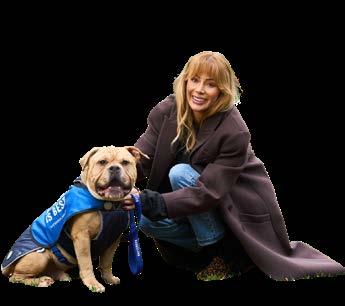
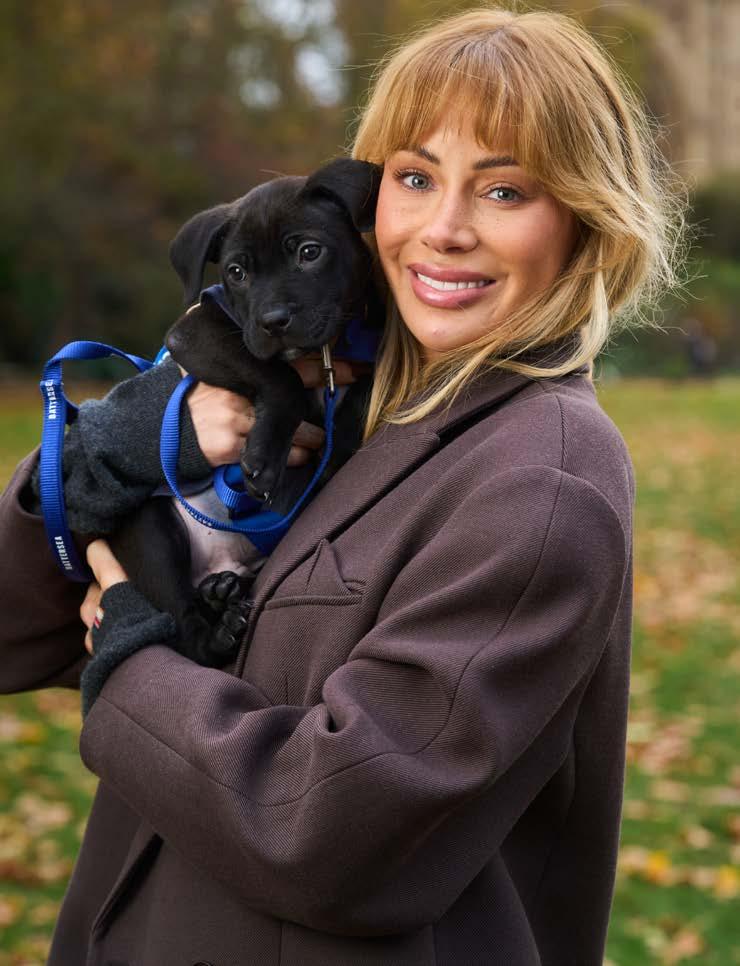
Olivia Attwood joins Battersea to speak out against cruel animal ear cropping practice
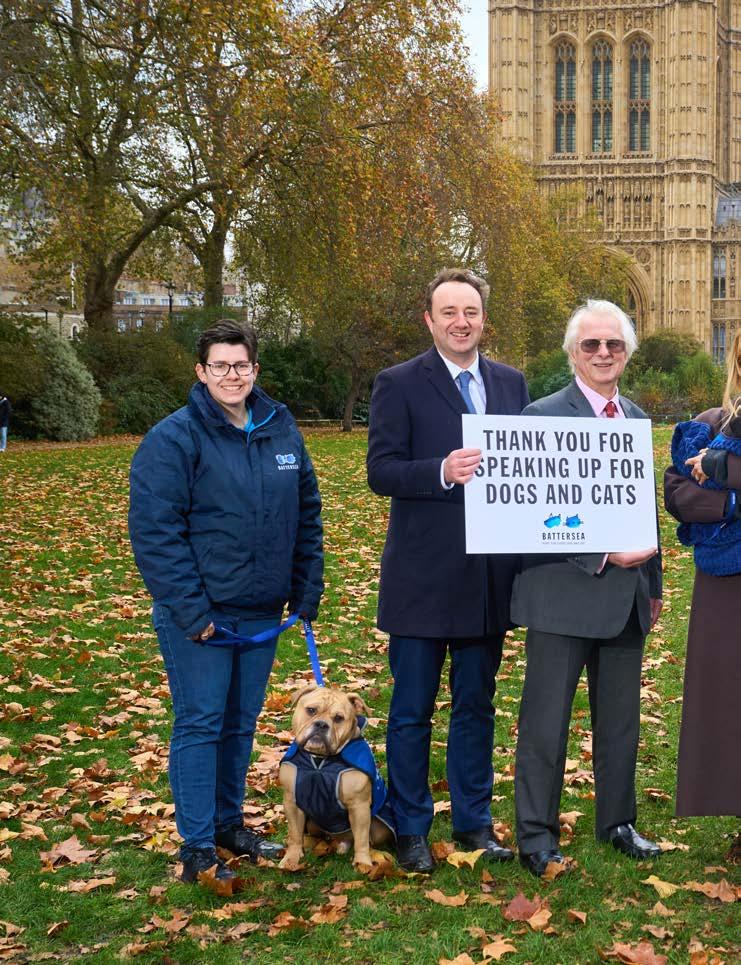
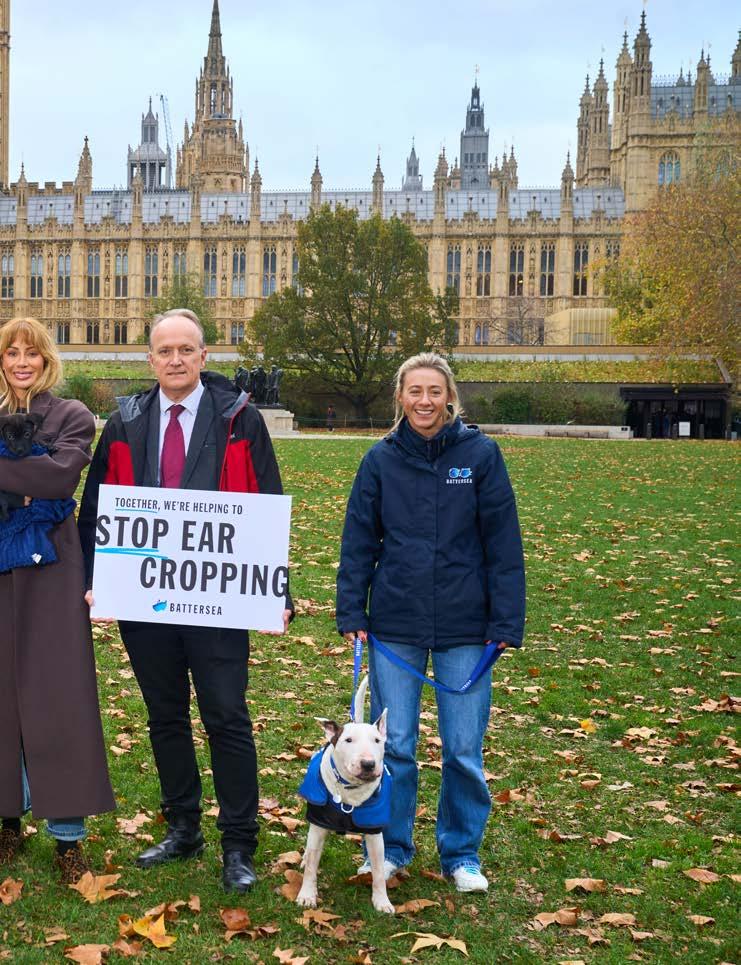
Television personality and animal rights advocate, Olivia Attwood, joined animal welfare charity, Battersea, outside the Houses of Parliament to mark a major milestone in the fight to end ear cropping on animals.
New legislation has banned the import of dogs with cropped ears and other illegal mutilations, finally closing a loophole that has allowed the practice to continue in the UK under the false claim it was ‘done abroad’. The Animal Welfare (Import of Dogs, Cats, and Ferrets) Act has also introduced new safeguards to prevent puppy smuggling and protect young or pregnant animals.
Olivia Attwood said: “This law change has been a long time coming. Too many people still think that ear cropping is a trend worth sacrificing their pets’ welfare for. Aesthetics never justify animals’ suffering.
“It’s thanks to the work of charities like Battersea that we’re finally seeing a major legal loophole closed. Pet owners will no
Olivia’s presence today, alongside Dr Danny Chambers MP, Dr Neil Hudson MP, and The Lord Trees, who have been key players in pushing the Bill through Parliament, highlights a growing demand to end the brutal practice once and for all.
Peter Laurie, Chief Executive of Battersea, said: “This Bill represents a significant step forward for animal welfare in the UK. Battersea has campaigned for years to close this regulatory loophole and end the emotional and physical suffering that many animals who come into our care have previously been subjected to.
“We are grateful to everyone who has championed this legislation and welcome the long overdue protections it will provide for vulnerable animals.”
Danny Chambers, MP for Winchester (Lib Dem), said: “As a trained vet, I’ve treated many dogs with cruelly cropped ears or docked tails, leaving them physically scarred and emotionally traumatised. Knowing this Bill will have a bigger impact on animal welfare than I could possibly have achieved in a lifetime treating individual animals, demonstrates how important this
“Thanks to the support of organisations like Battersea and other animal welfare charities, we got the Animal Welfare Bill through the Commons, through the Lords, and it’s now on course to
The Lord Trees said: “This new legislation will markedly improve the welfare of dogs and cats in the UK. It will close loopholes that have enabled the large-scale, commercial smuggling of dogs under the guise of the pet travel scheme, dogs which have frequently been kept in poor conditions, are not socialised and
Call for foster carers:
Dogs and Cats at Battersea need YOU!
Leading animal welfare charity Battersea is appealing to kind-hearted locals to consider becoming Foster Carers for dogs and cats who are waiting to find their new loving homes.
The much-loved charity is looking for compassionate volunteers who can offer a temporary home to dogs and cats in need, providing a supportive environment whilst they wait for their loving new home.
Foster Carers play a vital role in an animal’s journey at Battersea, helping them adapt to life in a home environment, such as six-year-old Domestic Short-hair, Appletini.
When she first arrived, Appletini was initially quite shy and found life in the cattery a little stressful, so she was
Speaking about his experience as a volunteer Foster Carer at Battersea, Theo Silverson said:
““I work from home so don’t get out much so decided to foster dogs, so I have to leave the house and walk the dogs I foster, it’s a win win for me and the dog.
“I love the company, I live alone so it’s lovely to have a dog with you. I feel less lonely as I get to have a companion, it also feels fantastic when the dog is sent to their forever home. Knowing you were a part of that dog’s journey.”
Fostering Manager, Liz Moss, said:
“For more information or if you are interested in becoming a Foster Carer for Battersea, please visit:
“Foster Carers are vital in helping our dogs and cats by providing a calm and quiet home environment, giving them time to settle and build confidence outside of their pens and kennels. Fostering helps us learn more about the animals, giving them the space to let their true personalities shine, as we support them on their journey toward a loving home.
Becoming a Foster Carer can be the perfect opportunity for people who love animals but aren’t in the position, for one reason or another, to have one full-time. We ensure that our Foster Carers receive ongoing training and support, as well as providing everything the foster animal will need. Fostering is a truly rewarding experience that helps ensure that every animal in our care has the best chance of finding a loving home that is just right for them.”
Battersea is currently looking for applicants that live near one of its three centres in Brands Hatch, Old Windsor and London, and do not have other pets at home. Applicants will also need access to a car in case the animal they are looking after needs veterinary attention. All Foster Carers will receive animal behaviour training and ongoing support from Battersea, as well as everything needed to look after the animals including food and equipment.
Rising numbers of homeless pets spark Blue Cross Christmas Appeal
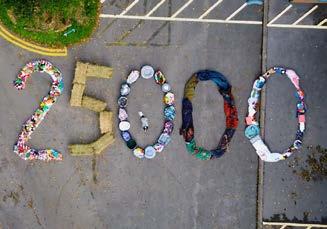
• More than 25,000 pets have relied on Blue Cross’s rehoming and fostering services in just five years.
• The charity launches Critical First Night Christmas appeal
• Dramatic scale of the crisis is illustrated through social media film
In the last five years, the scale of pet homelessness has risen to worrying new heights, according to new figures released by Blue Cross. The data highlights a growing number of pets being surrendered, as the cost-of-living crisis pushes more UK families to make painful choices.
More than 25,000 pets have come through Blue Cross’s fostering and rehoming services and have accessed the charity’s support in the last five years. To help tackle this growing issue, Blue Cross has launched its ‘Critical First Night Christmas appeal’.
Tarryn Twitchett, Rehoming Operations Manager at Blue Cross, said:
““We’re seeing more pets than ever in need of new homes. As everyday costs rise, many families are feeling the pressure and struggling to afford pet care.
The first night an animal comes into our care is the most important, they can be hungry, ill or just in need of a warm comfortable environment. The charity urgently needs donations to help us support pets in our care, from hamsters up to horses.”
The first night of care for a pet is critical, as some pets arrive starving, others injured and many in need of emergency veterinary treatment. With expert care, compassion and intervention, Blue Cross teams work tirelessly to care for these pets, helping them to begin their journey to recovery and a loving new home.
Last year alone, Blue Cross saw a staggering 18% rise in the number of pets coming through its rehoming and fostering services. Pets like Dennis, a tiny Terrier, who is deaf, partially blind, and suffering from painful injuries is just one example. At just six-weeks-old, the little pup was left in a bin. Filthy, petrified, wobbly on his feet and suffering from a painful wound, he was given the emergency care that he needed to survive at the charity’s rehoming centre in Burford.
Anouska Ashmead-Bartlett, Admissions Coordinator at Blue Cross in Burford, said:
““I didn’t expect him to be so small. He fitted in a cat carrier – he was absolutely tiny.
I’ve never seen a dog of his age quite so little and thin, and with so many injuries as well.”
Dennis was placed with a Blue Cross foster volunteer.
With daily care, his wounds gradually healed, and through patient training, Dennis began to feel safe and his confidence grew. Before long, he was ready to find a permanent home. Thanks to the person who found him clinging to life in a bin, the critical care he received at Blue Cross, and the love of his adopters, Dennis will be spending this Christmas in a loving home.
Blue Cross has released a short film highlighting the 25,000 pets it has helped to support in the last five years. It features the team at Blue Cross’s Burford rehoming centre creating a striking visual of the number, with each digit measuring approximately 11 feet by 7 feet. Each number was constructed from a variety of items, including donated bedding, blankets, and toys, along with pet food and new toys purchased as Christmas gifts for pets in Blue Cross’s care. These toys and supplies represent just a fraction of what is needed to care for the increasing number of homeless pets supported by the charity.
Support is urgently needed to help vulnerable homeless pets this Christmas. By donating today, you can help provide a Critical Care Kit, which contains emergency items tailored to each pet’s needs on their first night with the charity, such as pain relief, antibiotics, warm blankets and nutritious food. People can support Blue Cross by donating £10, £20 or £30, helping rehoming and veterinary teams provide urgent support to pets in need during their most vulnerable hours.
For more information, please visit: bluecross.org.uk/christmasappeal
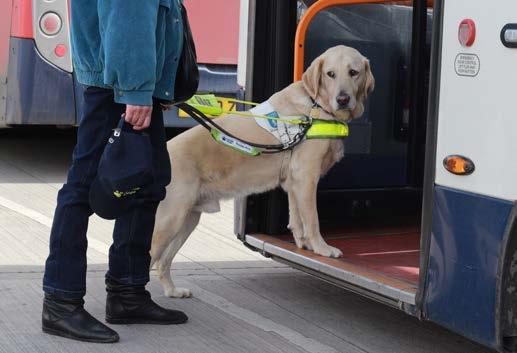
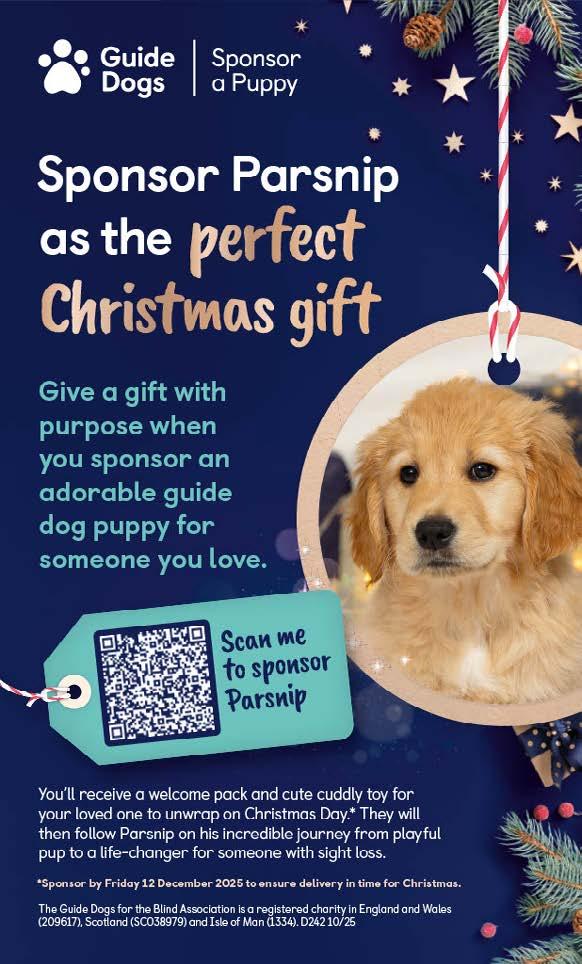
Guide Dogs is here to help the two million people living with sight loss live the life they choose.
Our expert staff, volunteers and life-changing dogs are here to help people affected by sight loss live actively, independently, and well. We understand that living with sight loss is different for everyone and our services reflect that. From the very first enquiry, our experts talk and listen to people’s needs and aspirations and offer advice and provide support.
Over the years we’ve developed a wide range of services with and without dogs to support people living with a vision impairment. Children and adults. Friends and family. Whoever you are, our expert staff, dedicated volunteers and lifechanging dogs are here to help you live actively, independently, and well.
We’re a charity, almost entirely funded by donations, and we are the world’s largest assistance dog organisation. As world leaders in puppy socialisation and dog training, we’re the only organisation to breed and train guide dogs in the UK. We’re also the largest employer of specialists dedicated to helping children and young people overcome the challenges of sight loss.
Sponsor a Puppy
Make a difference for someone sight loss
Every hour, someone in the UK starts to lose their sight.
Help us make sure they don’t lose out on life by supporting us.
Click here to find out more about the many ways you can donate to Guide Dogs, including cash donations, leaving a gift in your Will and sponsoring a puppy.
Every puppy named through Name a Puppy help us reach the needs of more people living with sight loss. Name a Puppy is your opportunity to give a guide dog puppy something truly unique: their name.
Or why not consider volunteering Dogs. It is life-changing people we support.
Join one of our amazing pack and you’ll quickly benefits people with sight friends and you!
volunteering with Guide
and not just for the
amazing roles and be part of the see how the time you give sight loss, our four-legged Sponsor a puppy from just week by going visiting:
www.guidedogs.org.uk/ puppy
Three
Sissi
By Melissa Sissi’s Foster Mum
This is Sissi, my wonderful foster dog whom has been with me since November. Sissi wasn’t born disabled, whilst in Greece she was hurt so badly her spine was fractured and her spinal cord damaged beyond repair.
She was only a puppy.
Despite this, courageous Sissi doesn’t allow her disability to get in the way and loves human interaction.
Once in her wheels she zooms about outside, she’s faster then lightening.
In the home Sissi enjoys her toys aswell as a good snuggle on the sofa with her people. To get around in the home she does a very quick bum Shuffle which is amusing to watch.
I am on a mission to find Sissi a forever home, the alternative will be for her to go back to the rehabilitation centre in Greece to live out her years.
Sissi is approximately 4 years old, and very smart and funny. If you are interested in adopting this bundle of joy you can do so through Big Paws Welfare - Part of Saving Saints Dog rescue.
If you would like to follow or share Sissi’s mission to find a home, you can do so on Instagram: ‘Sissi_on_wheels’
Meet Hagrid
Magical, handsome and, at 36kg, actually not that big (!) Hagrid’s story is a sad tale.
Adopted from Romania, Hagrid lived with his family - mum, dad and border collie brother - perfectly happily for four years... until Hagrid’s mum became pregnant. Hagrid took his job of protecting mum and baby very seriously (he is after all a guardian breed!) warning people to keep away and correcting his border collie brother when he got too excited. All this landed Hagrid in trouble and despite (or perhaps because of) his devotion, Hagrid’s family decided they couldn’t keep him any more.
Our behaviourist, Julian visited Hagrid in the home and can tell you that although Hagrid got it all a bit wrong, his intentions were entirely honourable.
With loving, firm guidance, we believe Hagrid will make a fabulous family pet. Loving, devoted, ridiculously handsome, good with people and dogs, housetrained, gentle on the lead, not destructive... we think Hagrid deserves a chance to prove how magical he really is. Please ask us about Hagrid.
Families with children over 14yrs are welcome to apply.
Saving Saints and Big Paws Welfare is a nationwide dog rescue that rescues, rehabilitates and rehomes a wide range of large breed dogs and also helps specially abled dogs like Sissi from Greece.
The Charity staff are all volunteers and in dire need of support.
Please contact them if you can donate, adopt or foster.
care.
At Saving Saints, our mission transcends the traditional boundaries of rescue, rehabilitation, and rehoming.
We place equal emphasis on prevention and education, advocating for the welfare of all large and giant breed dogs. Our goal is not just to address the immediate challenges of large and giant breed ownership but to illuminate the often-overlooked reality: despite their imposing stature, large and giant breeds possess unique vulnerabilities.
Their care demands a departure from contemporary dog ownership methods, necessitating specialised attention that recognises their distinct physical and emotional requirements.
Or visit: www.savingsaintsrescue. co.uk Advocating for the welfare of all big paw breeds within the UK and across the globe. We are part of Saving Saints Rescue UK's (Charity Number 1171050) on a mission to educate people on big dog needs and reduce preventable surrenders.
By harnessing the expertise of specialists and fostering a supportive community ethos, we champion the cause of these majestic animals, striving towards a future where every giant paw is empowered to lead a life that’s not just healthy, but also understood and valued.
Join us in our journey to safeguard the welfare of these magnificent dogs, one giant step at a time.
Products & Services
Photo by Vicky,
Photographer at The Puparazzi Booth
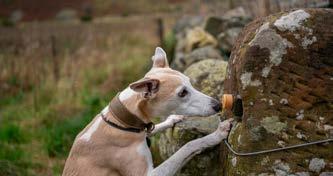
Cold Mornings, Warm Noses: Sniffy Winter Walks
Shorter walks. Richer sniffs. Simple indoor scent games for winter days.
Some dogs seem energised by frost, moving as though the cold air switches them on. If they are fit, well-conditioned and the footing is safe, let them enjoy using that winter energy.
For many others, the season naturally shifts the pace. Older dogs, short coated breeds such as the whippet, or those recovering from injury may prefer a shorter, more scent-led walk before returning home to warmth and a snooze by the fire.
That does not mean less enrichment.
A shorter walk can still offer meaningful engagement when the nose takes the lead. What cannot be extended outdoors can be enriched indoors. Even a few minutes of scentwork can leave a dog feeling more fulfilled, emotionally settled and less inclined to chew your new Christmas slippers!
Before heading out or settling in, support the body so the brain can do the work. If appropriate, apply a natural, unscented nose and paw balm before and after walks to help protect against grit and salt. Use a well-fitted coat for dogs that feel the cold more keenly. Consider slightly higher calories for dogs who remain very active outdoors in colder weather. Keep a warm towel or drying mitts by the door so they can transition comfortably back inside. Once settled, a short scent game is a great way to finish off a walk with a bit of fun mental stimulation.
Treasure Hunt
A simple indoor scent game that encourages calm investigation
Gather several cardboard boxes and space them a short distance apart in a room. For very small or less confident dogs, use boxes suited to their size - and let’s be honest, most of us have a few left over from the festive season. You can even add some loosely scrunched cardboard inside to make the investigation more tactile and rewarding.
With your dog in another room, place a couple of treats or a favourite toy inside one box. Invite them back in and use a clear cue such as “Find it”. Once they have located the item, repeat using a different box. Over time this helps dogs search with purpose rather than diving in randomly. Some enthusiastic dismantling of cardboard may occur early on. That is part of the process and usually part of the fun.
Hide one special treat in just one of the boxes and ask your dog to locate that single target. Keep sessions short. One or two rounds are usually enough, especially following a walk.
A short winter walk followed by an indoor scent game can offer the same sense of purpose as a longer, warmer-weather walk. When temperatures drop, simply shift the adventure indoors with a short sniffy search.
Winter Walk Essentials
• Well fitted coat for short haired dogs or dogs that feel the cold more keenly
• Natural, unscented nose and paw balm, such as those from The Dog and I, applied before and after the walk
• Warm towel or drying mitts waiting by the door
• High value treats for a post walk indoor scent game
• Water resistant lead or harness for wet or icy terrain
• Ex tra calories or a suitable snack for dogs that stay physically active in cold weather
• Re flective gear or a light for darker mornings and evenings
Written by Kate Hart, Scentwork Instructor
dogs, clear repeat the dog offer walk.
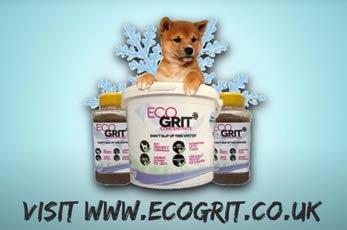
Snow and ice in winter can be a nightmare. They make people stay indoors or drive slowly, making our lives difficult and our journeys longer. EcoGrit Snow and Ice Melt is a safe, eco-friendly and powerful ice melt solution designed to melt ice faster than rock salt without the harmful effects of Rock Salt or Urea. It is non-corrosive and non-toxic, making it an excellent option for children and pets.
The formula does not leave behind any messy residue or cause any damage to surfaces. It contains biodegradable natural ingredients that don’t harm the environment or cause long-term damage. EcoGrit is easy to apply with no fuss, making it perfect for home and business use. The product’s powerful nature makes it a reliable and convenient alternative to salt, making it an ideal choice for everyone concerned about the environment.
EcoGrit is an all-natural snow and ice melt made from food industry by-products. This rock salt alternative is a safe and nontoxic de-icer. It’s also pet, child, and plant friendly and environmentally friendly.
EcoGrit melts snow and ice quickly and can last up to a week for long-lasting protection. The rock salt alternative is easy to apply, making it the perfect solution for sidewalks and driveways. You can even use it to prevent ice build-up on walkways in the winter months.
With EcoGrit, you won’t have to worry about harming your environment or health while keeping your walkway protected from the elements. You can walk safely without shovelling snow or using toxic chemicals.
The Safe Alternative To Rock Salt
• EcoGrit Ice Melt
• Safe for Children, Pets & Horses on any surface
• Non-Toxic Light-Weight Easy Application
• Protects from Snow and Ice for up to a week
• 80% less corrosive than rock salt
• Environmentally friendly (all natural ingredients, contains no urea)
• Concentrated so less product is needed
• Available in easy to carry buckets (5kg) with a scoop or 1.2kg shakers
• Also available in covered tonne bags to store outside
• No handling or storage restrictions
• Can be distributed using traditional gritting methods or can be mixed with water to create a safe sprayable de-icer
Follow us on Facebook and Instagram:
Pet Photography As Enrichment: Turning Photo Sessions Into Playtime
By Vicky, Photographer at The Puparazzi Booth
For many pet owners, photography is simply a way to capture cute moments. But with the right approach, photo sessions can become so much more. They can offer genuine enrichment, stimulation, and bonding opportunities for pets of all species. Dogs, cats, rabbits, guinea pigs, and even ferrets, can all benefit from activities that encourage curiosity, movement, and interaction.
As a photographer, I’ve seen this first-hand in our Lincoln studio, where colourful props and playful setups often help pets relax, explore, and enjoy the experience. With a little creativity, you can bring the same sense of fun into your own home photography.
Why Photography Works as Enrichment
Enrichment isn’t just about toys or puzzles, it’s anything that encourages a pet to think, engage, or express natural behaviours. Photography sessions can be surprisingly enriching because they involve:
1. New Scents and Textures
Blankets, props, or backdrops provide safe new surfaces for pets to explore. Even small animals like guinea pigs love discovering soft fabrics, tunnels, or miniature furniture.
2. Mental Stimulation
Working for treats or responding to cues during a session gives pets something to focus on. For cats and rabbits, curiosity alone can be a powerful motivator.
3. Positive Interaction
Photo sessions can strengthen trust as you reward, encourage, and celebrate your pet’s behaviour.
At the studio in Lincoln, we see dogs wiggling with excitement when they discover our toy trolley! Full of exciting things to explore, the session becomes less about posing and more about play.
Making Your Photography Session Fun at Home
You don’t need professional equipment to turn photo time into enrichment. A few simple ideas can transform your living room into a mini adventure zone. Props don’t need to be elaborate. You could try; cardboard boxes for cats to climb into, brightly coloured blankets or cushions for dogs, a tunnel or bridge for rabbits or a small basket for guinea pigs. In our studio, we love using balls, tug toys and bubbles to encourage play and exploration.
Let Pets Take the Lead
Instead of placing your pet in a pose, allow them to explore the environment. Capture the moments they naturally create, sniffing a prop, peeking around a corner, or happily flopping on a cosy rug. This creates more authentic images and a better experience for your pet.
Turn It Into a Treat-Finding Game
Hide tiny treats around the setup to encourage movement and curiosity. Scatter feeding is enriching for both dogs and small pets. Just be mindful to avoid choking hazards and keep quantities small.
Incorporate Their Favourite Things
If your pet has a beloved toy, include it. A cat chasing a wand toy, or a dog gleefully leaping for a ball, makes photos more personal.
The Hidden Benefit: Bonding
When photo sessions are fun, you’re not just creating pictures, you’re creating memories. Pets learn that spending time with you in this playful, low-pressure environment is rewarding. This strengthens bonds, builds trust, and leaves you with genuine, joyful images.
Clients at our studio often tell us their pets seem more confident and relaxed after a session, and it’s no surprise. When a pet is encouraged to explore, have fun, and be themselves, the experience becomes enriching both emotionally and behaviourally.
Pet photography isn’t just about getting the perfect shot, it’s about celebrating the individuality of every animal. By approaching each session as an enrichment activity, you’re not only improving the photos, but you’re also enriching your pet’s day with joy, stimulation, and connection.
With a little creativity, and a colourful prop or two, you can make photo time the highlight of your pet’s week.
Our Studio
By Vicky, Photographer at The Puparazzi Booth
At our Lincoln-based dog photography studio, we believe every dog deserves photos that truly celebrate their personality. Our sessions are completely relaxed, stress-free, and fun, giving your dog the time and space to settle, explore, and be themselves. With eight bright, colourful backdrops to choose from and plenty of playful props, we create a vibrant setting that allows your dog’s character to shine. Our sessions are off-lead, so your pup can roam, sniff, and enjoy the studio environment without any pressure or restrictions.
Instead of asking dogs to sit still or hold stiff, boring poses, we capture them in motion, at play, and full of joy—the way you see them every day. Whether they’re cheeky, shy, bouncy, or bold, we work with each dog’s natural personality to create images that feel genuine and full of life. We offer three simple packages, all clearly priced on our website with no hidden costs or surprises, making it easy to choose the perfect option for you. If you’re looking for colourful, personality-packed portraits that feel honest and joyful, we’d love to welcome you and your dog to the studio. Browse our website to see our work, packages and availability The Puparazzi Booth and check out our google reviews to see what customers truly feel about their experience with us.
www.thepuparazzibooth.mypixieset.com
Cats & Kittens
About Cats Protection
We rehome cats, promote neutering, campaign for a better life for cats and provide advice and support for cat owners. We receive no government funding and are entirely dependent on the goodwill and generosity of the general public.
Our dedicated teams work across the UK, providing hands-on support to cats and their owners who need it most. From hand-rearing kittens in foster homes and rescuing injured stray cats, to helping prevent unwanted feral colonies through our trap-neuter-return volunteers, we’re here to help. Our regional teams also fundraise and run microchipping schemes to keep cats safe. Alongside this, we advocate for cats by campaigning for positive change in both devolved and non-devolved nations, influencing policies that protect animal welfare. With teams based across England, Scotland, Northern Ireland, and Wales, cat owners and cat lovers can rely on us for expert advice and support.
In 2024 we:
Helped 191,000 cats or kittens (525 a day)
Found homes for 29,000 cats and helped 850 cats remain with their owners by offering advice and support
Microchipped 93,000 cats including owned cats and those in our care
Reunited 1,600 lost cats with their owners
Neutered 168,000 cats and kittens including 13,000 feral cats
Left Behind By Life
This winter, Cats Protection is asking supporters to imagine what cats might say, if only they could.
In the last 12 months, the charity has taken in more than 26,000 cats who were given up or abandoned, including over 3,000 from unwanted litters, more than 1,000 who lost their home when their owner sadly died, and over 1,000 given up due to the cost of caring for them.
Some owners have no choice but to make the difficult decision to give up their cat, while other cats are found abandoned - hungry, scared, and far from home.
Those cats can’t tell us how they’re feeling, but they still need someone to listen. Cats Protection believes that while cats can’t talk, you can be the one who listens.
With support from people like you, the charity can give cats a safe place to stay until they find their forever home.
Show cats you’re listening by visiting their website: www.cats.org.uk/alfie
New report reveals changing face of cat ownership: young, affluent and
pedigree-focused
A new breed of young, affluent pedigree cat owner is replacing the “older cat lady with moggy” stereotype, reveals Cats Protection.
According to the charity’s Cats and Their Stats Report 2025*, one in three 18–34-year-olds (31%) now own a cat, with nearly half (49%) choosing a pedigree breed. At the same time, cat ownership amongst 35–54-year-olds has dropped to 27%.
The charity’s report reveals that younger pedigree owners are approaching cat care differently to older owners:
Indoor Living: Pedigree cats are more likely (46%) to be kept indoors than moggies (32%)
Breeding Intentions: Many younger owners want their cats to have kittens, contributing to an overall drop in neutering rates
Microchipping: Pedigree cats are less likely (65%) to be microchipped than moggies (82%)
Digital First Advice: young owners are more likely to use social media – and turn to their vet less – for information and advice about their cats
Cats Protection believes this younger demographic is driving the shift from adoption to purchase. Over the last 12 months, 15% of cats were purchased from specialist breeders, an increase of 10%. Alarmingly, there was a corresponding decline in the number of cats being adopted – just 16% compared with 44% of cats that were bought.
Sarah Elliott, Cats Protection Central Veterinary Officer, says: “In the UK cat acquisition is increasingly skewing towards pedigree cats and purchase over adoption. We therefore need to motivate cat owners to help reverse the increasing popularity of buying and become enthusiastic adopters by championing the moggy, as well as highlighting all the benefits of adoption –including the adoption of pedigree cats from rescue organisations, when they occasionally become available.
“When adopting from Cats Protection, like many other rescue organisations, not only does your pet come neutered, vaccinated, microchipped and with a clean bill of health, but there is also the huge satisfaction of giving a home to a cat the really needs one.”
Lucky was born on June 5th 2024
Lucky The beautiful kitten who never gave up...
Lucky’s story starts off as soon as she was born, her mom rejected her as soon as she came out and that left Lucky all alone...
We thought of the next best thing, to bottle feed her.
We bought heat pads, constantly changed the hot water bottles and was on a strict 2 hour feeding cycle. It was really difficult and scary to do as I was inexperienced and sometimes she wouldn’t latch on. I was scared of her choking or me missing a feed and end up hurting her. She persevered for about a week before I noticed that stimulating her to poo was becoming very hard. She was severely constipated with green pea like balls coming out. We took her to the vet that night and they gave her some laxatives. They said that if this doesn’t help her, her own body was going to give up on her and she would die.
A miracle happened that night when we took her back from the vets, her mom ended up coming over to her and grooming her for about 30 minutes. Then she finally allowed her to latch on for milk and went under her moms care!! No more constipation, no more bottle feeding. We decided to name this baby kitten Lucky because she was lucky to beat the odds and make it already.
For the next year, Lucky was thriving. She became the most affectionate sweetheart I could ever ask for...
Out of my whole cat family, I had never come across such a sweet, affectionate cat. She was so annoying with affection that you would have to push her away from you because she would get in the way of us doing our work! She also became so playful and adventurous. Lucky was so curious, all she wanted to do was go outside. She was the type of cat, in her little body, to be chasing the foxes away with no fear.
Then came mid July 2025...
We started noticing that her back legs looked a little weird, I can’t describe it but she was walking off like her back legs didn’t look how they normally would. At this point she was still doing all the things she used to so I didn’t think too much of it, but then maybe 2 weeks later I started noticing that she was loosing her balance.
When she would stand, she would fall back down and then what concerned me the most was when I caught her in the litter box but she had to finish off laying down and couldn’t poop standing up. I took her to the PDSA the next day where she had an xray done and a reflex test. They had told me that she probably has a spinal injury and I would need an MRI as they couldn’t find anything in the xray so they just assumed it was nerve damage. They sent her home with gabapentin for the nerve damage and meloxicom for the pain. They told me I would need an MRI and also suggested that I put her down because I could not afford the MRI...
Written by her Mummy
I wouldn’t have even considered saying goodbye to her because at this point she was still walking, she would walk with a wide stance and fall over but she was still walking, still eating, still alert.
These aren’t reasons to put someone down over something I couldn’t afford.
The next day, I noticed that she would be straining in the litter box and no poop would come out. I took her to the pdsa again and they had to do a manual extraction and gave a bit of constipation relief but said to put her down again because she couldn’t poop anymore!
Desperate to find a second option, I brought her to another vet. Lucky was showing the same signs and they gave the same diagnosis that it is a spinal injury that’s now affecting her neurological condition. They gave her a higher dose of gabapentin and told me my options was to either get an MRI, put her on strict bed rest to see if it helps her nerves heal or to put her down because her quality of life was decreasing.
I wanted that MRI so badly but I didn’t have insurance on her and I did not have the funds to cover over £2,000 for the MRI.
I thought maybe I should give TikTok a go, I wanted to do everything possible before having to put her down.
We made an account for her and a go fund me page. The account started getting views and comments, some people were very supportive whereas others were just saying to end her suffering. I continued outsourcing, posted it on Facebook pages, on our towns instagram and we started getting donations. It was a start but I thought the end goal was so much that we would never get there.
We made a TikTok family for Lucky and a lot of people were reaching out telling me to join different groups on Facebook suggesting it could be a whole range of things and so I did.
I joined a cats with paralysis group on Facebook where people were so helpful and suggesting that I should go get her blood work done and test for different things. A lot of people were very convinced that it was FIP and that she should go on a trial of GS to see if it helps her.
I went to a third vet because I just didn’t feel the other two were helpful. He had said he’s never seen anything like Lucky’s condition before. If it was spinal damage, her legs would be floppy but her muscles were becoming very rigid- he suggested we do some blood tests to see if my suspicions of FIP was correct or if it is something else. The blood work was done at the vets, they didn’t send it off and when the bloods came back everything looked fine there was no reason for him to think it
was FIP so he wouldn’t give me the GS medication. I was upset because people on the group were saying even if it isn’t GS, at least to let her be on it for a trial and then we can see if she improves or not. He didn’t agree to giving me GS and so I was back at square one.
The group chat actually had some emergency GS medication available someone else’s cat sadly passed away but they had some left over. We drove around 2 hours to get the medication and had such high hopes that maybe this was going to make her feel better. The people on the group chat were very informative about her doses based on her weight and so we went ahead with it- GS should show improvements in about a couple of days so that’s what we were hoping for. We drove back home and went ahead with the medication and a couple days had passed by but instead of improving Lucky had lost all motor function. she wasn’t able to pull herself up or walk with a wide stance, she was just laying there all the time. This was all in the span of a week or so and Lucky had completely stopped walking at this point. She had no strength to get up or move around, she was fully paralyzed. Lucky also stopped meowing and being vocal, she had no voice when she would try to meow, nothing would come out.
Once she became paralyzed, she didn’t have it in her to go to the litter box so from here on out I’ve been having to manually express her to pee and poo. She doesn’t like it and it was hard for me to get the hang of it, I thought I was doing all the wrong things but I wouldn’t give up. I was trying my best to do everything for her.
The people on the group chat suggested I go to another vet because the previous vet I went to did not do all the blood works as they were in house and not sent to the labs, so we did. We got RSPCA to chip in for half of the blood work price and this would test for all of the possible diseases FIP, FELV, FIV, toxoplasmosis and check her bloods for everything.
This was my last reach, the go fund me was still very far away and I was hoping something would show in this blood work that was not shown in the last one. We went ahead with it and waited a couple of days. I finally got the long awaited call desperate for finding answers, something that didn’t make me have to wait for the go fund me to reach the goal, anything but having to do the MRI. I wanted it to be something treatable. Unfortunately, she went ahead with telling me that they found absolutely nothing in her bloodwork, everything seemed fine and that they had nothing to give her. They did give her more pain killers but nothing was helping. I was given the same line of having to put her down because this isn’t how she should be living.
It was utterly hopeless, everything was drained out of me. I was posting on TikTok everyday to get more people to hear her story so they can also pray to make Lucky lucky again.
At this point it was around the end of July where Lucky’s appetite had completely dissapeared. She was uninterested in eating, even treats, so giving her medication was even more difficult. The people on the group chat told me to go get her some appetite stimulants so I went back to the third vet. I went to Fauna vets because out of everyone, they had shown the most care in Lucky and I expressed what was going on and he gave her appetite stimulants.
Thank god this worked. She was eating more but her mouth was kind of trembling when she opened it and he suggested that it’s her neurological issues that’s preventing her to know how to open her mouth.
I was still posting about her but at this point I felt so hopeless, I thought there’s nothing more I can do. I still couldn’t afford the MRI and waiting even longer for the MRI is just going to make Lucky suffer and get worse. I didn’t even think she had it in her to wait until October where I knew I could finally afford the MRI.
I was thinking of putting her down and it was a very hard couple of days thinking of what to do. Her weight had dropped from 2.5kg when this all happened to 2kg and it was terrifying she was so tiny and had no energy.
Over night I had no hopes left, nothing in me to think Lucky would have this MRI.
Like a miracle, some of the supporters on TikTok had messaged me to say we reached our goal!!! I thought this must be a glitch, there’s no way overnight we reached the goal of £2,500 and when I looked on the Go Fund Me page, someone generously donated £1,200 which helped us reach the goal! We were so shocked, we all started screaming from joy. We were so happy that maybe Lucky can finally be lucky again, that we can get her the real help she needs. I immediately called the vets and asked to be referred to small animal reaching hospital in Liverpool as they quoted the cheapest option.
On September 8th we drove four hours to the Liverpool Animal Hospital to get Lucky’s MRI. This journey was what we were praying for for the past month. We thought that this was what’s going to make everything better...
They saw Lucky and said that she is not in any pain, whatever’s going on she doesn’t feel any pain and that she still has her reflexes, but it could be one of three things. It’s either a spinal issue and somethings affecting her neck and that’s why she can’t use her voice anymore, an infection that can be treated with medication, or if everything comes back fine and her MRI looks normal the only thing they can say is it is a degenerative issue that she was born with. But they are specialists and even they said that nothing they have every worked on before or seen even comes close to what Lucky has. Her age and symptoms are not adding up and they don’t know why whatever she has had suddenly attached her and made her paralyzed all in the span of a couple weeks when she was showing no issues before.
She told me the risks of anesthesia but I said that we’ve come all this way, this is our last chance of finding help so let’s just do it.
We did the MRI.
When I came back to pick her up, the vet sat us down and said as she was waking up from the anesthesia her heart stopped working for a minute, they brought her back and she had to be intubated for a bit but she started breathing on her own.
They told me to not go home with her because she is in a critical condition and needs to be monitored throughout the night in case it happens again. It was just a moment that she gave up and I had felt so horrible.
They told me to not go home with her because she is in a critical condition and needs to be monitored throughout the night in case it happens again. It was just a moment that she gave up and I had felt so horrible.
They didn’t find a definitive prognosis on her, it was a case that they have never seen. They said that she has a lot of grey matter in her brain and it’s not a normal cats brain whatever it is, it has affected everything including her vocal chords. They said it could be a degenerative disease but it’s weird because she is over the age most cats show symptoms of it. they also noticed how her ammonia level was 300 when it should be 10 or under. This caused them to think it could be portosystematic shunt but even with that she is not showing all of the symptoms of it.
To be sure they asked me to think about getting an ultrasound for her the next day, it costed around £500 and if it is confirmed then they would have to do a surgery to close the shunt and it may help her but that costs £2,000.
They said there is a big risk that her heart may stop again after going through surgery because she is so weak. Even if we do the surgery, she may have the degenerative disease so she could not even recover and fully heal because this will just eat away at her nerves and spinal cord.
That night, I had to make a decision; if I do the ultrasound or not. Honestly, I just wanted to bring her back and have her here with me. I couldn’t live with myself if I put her under surgery and she dies during it instead of being comfortable and peaceful surrounded by those who love her.
The drive back without her was absolutely horrible, I was praying the whole night she would make it through and that even if we had to say goodbye to Lucky it would be in the comfort of her own home surrounded by people she knows.
The next morning they called me to say that she had made it through the night and to ask if i wanted to do the ultrasounds. They said it wasn’t invasive and that she was breathing on her own. I told them to do it and by the time I got there, they said they never found anything in the ultrasound so it isn’t a portosystemic shunt.
They asked me if I wanted to put her down there and they could do a post mortom on her to see what she has for teaching purposes. I didn’t want to put her down, I wanted to bring her home with me.
Because of the loss of oxygen in her brain, she had lost her vision and they said it could come back in the next couple days but it may also never come back. They said only 2% of cats successfully make it back to life and continue with the resuscitation so even this was incredible.
We took her home and from then on we just wanted her to be comfortable and to monitor to see if any changes would happen.
She was unable to eat solid food so we had to give her recovery food. Thank god she was licking it off the spoon, whereas before when her appetite stopped we needed to syringe feed her and it was so hard. But she was very happy to eat the recovery food. In about a week we saw her lifeless eyes come back to life and she began drinking water again which was a very good sign for us. In the next week, she started gaining more weight and she looked healthier. We kept monitoring her and she began purring again which made us so happy.
After a week since her heart failure, we had seen massive improvements. Lucky went off all medication she used to be on and we were cherishing every moment we had with her. She had improved in many ways and she really is such an amazing strong and resilient girl. She didn’t have tremors in her mouth anymore, her vision had come back from what we could see. She was also eating solid foods without having mouth tremors and off of the recovery food because she didn’t want to eat it anymore.
I was researching on what options we have and I thought maybe we should try a wheelchair. That’s when I found Pumpkin & Friends Charity who ended up providing a mini wheelchair for the time being.
The second I made the wheelchair and I put her in, I saw her being able to move on her own for the first time in over 2 months! The fact that we saw her move even just a little bit with this makes us so so incredibly happy.
The weelchair wasn’t really adjusted for her so I asked Tammie and Richard at Pumpkin & Friends Charity if I could come in for a wheelchair fitting. On October 1st we went to Lincoln and when we came they were so lovely and took so much time and care with Lucky by trying out different wheelchairs to see which one would fit her the best.
Tammie gave all the love in the world to Lucky and was so sweet and genuine with her. Richard made the wheelchair to fit Lucky and her needs. The second she went into the mini quad, we saw the future possibilities and we couldn’t be more happy!
It was crazy to see Lucky on wheels moving around and feeling comfortable. Tammie said that if we put her in the wheelchair and let her get used to it, in time, she will gain enough muscle strength to be able to move around on her own and pull herself up. She will gain the muscle strength she needs and build up muscle mass to get her walking again.
They have a wall in their fitting room filled with all the animals they have helped walk again and seeing that warmed my heart so much to see how much they are willing to help animals and not have them put down for having disabilities. It was incredible and such a surreal moment.
Since then, we have been putting Lucky in the wheelchair and sure enough we have seen massive improvements in the function of her legs. The other day, she tried getting up on her own and was moving her legs with no help! We also support her stomach to walk around and she is very adamant of walking!!! She’s even found the motion of using her legs and she moves both of them and her arms to walk when her stomach is supported.
We can’t wait to see what the future holds for Lucky. We’re endlessly grateful for everyone who has helped us along this journey — especially Pumpkin & Friends Charity for giving Lucky the chance to move again. She’s such a fighter, and we’re praying every day that she continues to get stronger and one day regains her ability to walk.
l thank everyone for believing in her and giving her and us hope and strength to continue forward.
Captivating Facts About Cats and Kittens
Cats have enchanted humans for thousands of years. Independent yet affectionate, playful yet mysterious, these graceful animals have found their way into our homes and hearts. Whether they’re prowling through the garden or curled up on the sofa, cats are among Britain’s favourite pets. Here are some fascinating facts about cats and kittens that show just how remarkable they really are.
Ancient Companions
Domestic cats are thought to have been first tamed around 9,000 years ago in the Middle East. Unlike dogs, which were bred for work, cats most likely chose to live near humans on their own terms, attracted by the abundance of rodents around early farming settlements. Over time, people welcomed their help with pest control and began to see them as companions rather than just hunters.
In ancient Egypt, cats were considered sacred and often associated with the goddess Bastet, who represented home, fertility, and protection. Harming a cat was even punishable by death. Today, cats still hold a special place in many cultures, symbolising luck, mystery, and independence.
Sharp Senses and Silent Steps
Cats are exceptional hunters. Their eyesight is finely tuned to detect movement, especially in dim light, which helps them stalk prey at dawn and dusk. While cats cannot see in total darkness, their large pupils and reflective eye layer — the tapetum lucidum — allow them to make the most of even the faintest light.
Their sense of hearing is equally impressive. Cats can detect a wider range of frequencies than either dogs or humans, allowing them to hear the tiny squeaks of a mouse or the flutter of a bird’s wings. Their whiskers, or vibrissae, act as finely tuned sensors that help them judge distances and navigate tight spaces, even in the dark.
Cats are also masters of stealth. Their soft paw pads and flexible bodies allow them to move silently, while their retractable claws stay sharp for climbing and catching prey.
A Language of Their Own
Cats communicate through a fascinating mix of sounds, body language, and scent. They meow mainly to humans — not to other cats — using different tones and patterns to express needs or emotions. Purring is often associated with happiness and comfort, but cats may also purr when anxious or unwell as a way to self-soothe.
Tail movements can reveal a cat’s mood: a raised tail usually signals friendliness, while a twitching or puffed-up tail might indicate excitement or fear. Slow blinking is often a sign of trust — many cat owners return the gesture to show affection in return.
The Wonder of Kittens
Kittens are born blind, deaf, and utterly dependent on their mother. Their eyes open at about ten days old, revealing the trademark blue colour that often changes as they grow. By three weeks, kittens begin to explore their surroundings, and by eight to ten weeks, they are ready to play, pounce, and learn social skills.
Play is essential for kittens. It helps them develop coordination, confidence, and hunting instincts. String toys, feather wands, and climbing structures encourage physical and mental stimulation — and also strengthen the bond between kitten and owner.
Independent but Affectionate
Cats have a reputation for independence, but they form deep bonds with their human families. Many cats enjoy routines — from feeding times to favourite sleeping spots — and can become quite attached to their owners. Some will follow their humans from room to room, “help” with work by sitting on the keyboard, or greet them with soft chirps when they return home.
While they appreciate affection, cats also value personal space. Understanding when your cat wants attention and when it prefers quiet time is key to a happy relationship.
Caring for Cats
In the UK, responsible cat ownership includes ensuring cats are microchipped (a legal requirement from 2024), neutered, and vaccinated. Regular veterinary check-ups and a nutritious diet help them live long, healthy lives — often 15 years or more.
Cats also need enrichment to prevent boredom, especially indoor cats. Scratching posts, puzzle feeders, and window perches can keep them entertained and active.
The Magic of Cats
From ancient temples to modern homes, cats have remained symbols of grace, mystery, and companionship. Whether they’re chasing toys, dozing in the sunlight, or simply keeping you company, cats bring a quiet charm to everyday life. It’s no wonder that millions of people across the UK proudly call themselves cat lovers.
The Importance of Neutering a Feral Cat
Feral cats are an increasingly visible part of urban and rural landscapes around the world. Often born and raised without human contact, these cats live independently outdoors, relying on their instincts to survive. While they may appear selfsufficient, feral cats face many hardships—disease, malnutrition, injury, and harsh weather conditions. One of the most effective and humane ways to improve their welfare and reduce the challenges associated with feral cat populations is through neutering. Neutering, also known as spaying (for females) or castration (for males), is a surgical procedure that prevents cats from reproducing. Its importance extends beyond individual cats to the broader community and ecosystem.
Breaking the Cycle of Overpopulation
The most compelling reason to neuter feral cats is population control. A single unspayed female cat can produce up to three litters a year, with an average of four to six kittens per litter. Those offspring, if not sterilized, will reproduce within a few months, creating an exponential growth in numbers. In a short time, a single pair of unneutered cats can lead to thousands of descendants.
Uncontrolled reproduction results in overpopulation, which leads to overcrowded colonies, increased competition for limited food, and higher mortality rates among kittens. By neutering feral cats, we can stabilize colony numbers and gradually reduce the population through natural attrition, ensuring fewer kittens are born into harsh outdoor conditions.
Improving Health and Longevity
Neutering offers significant health benefits for feral cats. For females, spaying eliminates the risk of uterine infections (such as pyometra) and drastically reduces the likelihood of developing mammary tumors, which are often malignant. For males, neutering decreases the risk of testicular cancer and lowers the incidence of injuries caused by fighting over territory or mates. Additionally, neutered cats are less likely to roam long distances or engage in aggressive behaviors, which means they are less prone to accidents, bites, and infections. Healthier, calmer cats live longer and suffer fewer injuries, which contributes to a more stable and manageable colony.
Reducing Nuisance Behaviors
Many of the behaviors that make feral cats unwelcome in certain communities are directly linked to mating instincts. Unneutered males are known to mark their territory by spraying strong-smelling urine and engaging in loud fights. Females in heat attract tomcats with loud yowling and persistent calls. These behaviors can lead to complaints from residents and, in some cases, the inhumane removal or culling of colonies. When feral cats are neutered, these matingdriven behaviors are greatly reduced or eliminated altogether. Colonies become quieter, cleaner, and less disruptive, fostering greater community acceptance and coexistence.
Supporting the Trap-Neuter-Return (TNR) Approach
The most humane and effective method for managing feral cat populations is the Trap-NeuterReturn (TNR) program. In this approach, cats are humanely trapped, sterilized, vaccinated, and then returned to their original location. This strategy allows cats to continue living in their familiar environment while preventing further breeding. Over time, the population stabilizes and declines naturally.
TNR also provides an opportunity to assess the health of individual cats, vaccinate them against common diseases such as rabies, and identify those who may be adoptable. Communities that adopt TNR programs often see a dramatic reduction in feral cat numbers and a more peaceful coexistence between humans and cats.
Promoting Compassionate Coexistence
Neutering feral cats is not only a practical solution—it’s an ethical one. These animals did not choose to be born or abandoned into a life on the streets. By neutering and providing minimal care, we show compassion and responsibility toward animals that share our environments. Reducing feral cat numbers humanely ensures that fewer cats suffer from starvation, disease, or exposure.
Neutering feral cats is a small act with farreaching benefits. It prevents suffering, curbs overpopulation, reduces community conflict, and supports the humane treatment of animals. Through collective efforts like TNR, individuals and communities can make a meaningful difference in managing feral cat populations while upholding kindness and respect for all living creatures.
Guinea Pigs; The Tiny Companions with Giant Hearts
By Tammie Pumpkin & Friends Charity
When people think of pets, they often picture cats, dogs, or perhaps rabbits, but tucked away in homes and hutches across the UK are some of the most charming little souls of all...guinea pigs!
Gentle, Social, and Full of Personality
Guinea pigs (or “piggies” as we lovingly call them) are small in size but bursting with character. Each one has its own quirks, some are chatty and confident, others shy and cuddly, and many will happily ‘popcorn’ (jump and bounce around) when they’re excited or content.
They’re herd animals by nature, meaning they thrive on companionship, ideally living in pairs or small groups of the same sex, or neutered combinations. A lonely guinea pig can quickly become depressed, so having a friend (or two!) is essential for their happiness.
The Perfect Environment
Guinea pigs need plenty of space to run, hide, and play. A roomy hutch or indoor cage is important, but they should also have time each day to explore safely. Outdoor runs on grass (in warm weather) or indoor playpens allow them to stretch their legs and enjoy a change of scenery.
A Diet of Champions
A healthy guinea pig diet revolves around hay, hay, and more hay!
It keeps their teeth worn down and their digestion healthy. Alongside hay, they need:
Fresh veggies daily (such as bell peppers, kale, spinach, and cucumber)
Pellets made specifically for guinea pigs (with added Vitamin C)
Clean water available at all times
Fun fact: guinea pigs can’t produce their own Vitamin C, so a daily source is vital to prevent illness and keep their immune systems strong.
Teeth & Nails
Guinea pigs’ teeth never stop growing, all 20 of them! Their front teeth (incisors) are the easiest to see, but their back molars are just as important. If their teeth grow too long, it can make eating painful and lead to serious health issues like abscesses or mouth injuries.
That’s why constant chewing is vital, hay, wooden chew toys, and safe gnawing blocks keep their teeth naturally filed down. Signs of dental problems include drooling, dropping food, weight loss, or favouring soft foods. If you notice these, it’s time for a vet visit.
They love tunnels, hideouts, and chew toys, and soft hay underfoot makes them feel secure and cosy.
Their nails also grow continuously and need trimming every few weeks. Overgrown nails can curl into their feet or make walking painful. If you’re nervous about trimming them, ask your vet or a groomer to show you how, or use small animal nail clippers with care. Pale nails make it easier to see the “quick,” the blood vessel inside the nail, but darker nails may need extra caution.
Piggies are sensitive little creatures, so regular health checks are essential. Look out for changes in weight, appetite, or behaviour, and don’t forget nail trimming and grooming (especially for long-haired breeds).
Guinea pigs communicate through adorable squeaks, chirps, and purrs, but they also use body language. If your piggie suddenly hides more than usual or seems quieter, it might be telling you something’s wrong.
Guinea pigs are gentle, loving, and surprisingly emotional companions. Many owners describe them as “little therapy pets” because of their calming presence and funny personalities. Whether it’s watching them munch happily on lettuce or hearing their excited squeaks when you rustle a treat bag, they never fail to make you smile.
Interesting Facts About Guinea Pigs
Guinea pigs, also known as cavies, are one of the most beloved small pets in the UK. These gentle, sociable rodents have been keeping families company for centuries, and their charming squeaks and soft coats make them favourites among children and adults alike. Despite their popularity, there’s much more to guinea pigs than meets the eye. Here are some fascinating facts about these delightful creatures.
They’re Not From Guinea – and They’re Not Pigs!
The name “guinea pig” is a bit misleading. Guinea pigs actually originate from the Andes mountains in South America, not from Guinea in West Africa. They also aren’t related to pigs at all. Instead, they belong to the rodent family, along with animals like hamsters, chinchillas, and porcupines. It’s thought the name “guinea pig” may have come from the fact that they were once sold for a “guinea” (an old British coin) or possibly because they travelled to Europe via ships from the Guinea region.
They Have Ancient Origins
Guinea pigs were first domesticated around 5000 BC by the indigenous people of Peru and Bolivia. They were bred for food and often featured in traditional ceremonies. Today, in parts of South America, they are still kept for cultural and culinary reasons, but in most of the world – including the UK – they’re purely kept as pets.
Communication Experts
One of the most charming things about guinea pigs is their wide range of vocalisations. They “wheek” loudly when they’re excited or expecting food, “purr” when they’re content, and sometimes make a low rumbling sound as a sign of dominance. Each guinea pig has its own personality and unique way of communicating with humans and other guinea pigs.
They’re Highly Social Creatures
Guinea pigs are herd animals and should never be kept alone. In the wild, they live in groups for protection and companionship. In captivity, they thrive best in pairs or small groups of the same sex, unless neutered. The RSPCA recommends keeping at least two guinea pigs together so they can socialise, play, and groom each other. A lonely guinea pig can become depressed or anxious.
They Need a Spacious, Enriched Home
Although guinea pigs are small, they need plenty of room to exercise. A large indoor cage or outdoor hutch with a secure run is essential. They also love tunnels, hideouts, and platforms to explore. Because they don’t jump very high, ramps should be gentle and easy to climb. Fresh hay should always be available, as it keeps their digestive system healthy and helps wear down their constantly growing teeth.
Vitamin C Is Vital
Unlike most animals, guinea pigs can’t produce their own vitamin C. This means they must get it from their diet every day. Without enough vitamin C, they can develop scurvy – a serious condition that causes weakness and swollen joints. Owners should feed guinea pigs a balanced diet of good-quality hay, fresh vegetables like peppers or kale, and guinea pig-specific pellets that are fortified with vitamin C.
Long-Lived and Loving
With proper care, guinea pigs can live for five to eight years, and some even reach ten! They enjoy gentle handling and can form strong bonds with their owners, often recognising voices and routines. Many guinea pigs will run to the side of their cage when they hear their favourite person coming.
A Range of Breeds and Coats
There are over a dozen recognised guinea pig breeds, from the short-haired American to the longhaired Peruvian and the distinctive Abyssinian with its rosettes of fur. Each breed has its own grooming needs – for instance, long-haired varieties require regular brushing to prevent tangles.
Gentle Giants of the Rodent World
Guinea pigs are larger than most small rodents, weighing between 700g and 1.2kg as adults. Despite their size, they’re remarkably gentle and rarely bite, making them ideal pets for families with children who are taught to handle them carefully.
In summary, guinea pigs are intelligent, affectionate, and endlessly entertaining companions. Whether they’re squeaking for their dinner, cuddled up in a cosy hideout, or popcorning (jumping with joy), they bring warmth and happiness to any home. With the right diet, space, and companionship, these charming creatures will thrive – proving once again why they remain one of the UK’s favourite small pets.
Our Feathered Companions
Fascinating Facts and Helpful Tips for Caring for Your Pet Bird
Birds make wonderful companions – colourful, intelligent, and full of personality. Whether you share your home with a chatty parrot, a cheerful budgie, or a sweet canary, pet birds bring joy and liveliness to any household. However, looking after them properly requires knowledge, patience, and daily care. Here are some fascinating facts and practical tips for keeping your feathered friend happy and healthy in the UK.
Brilliant and Beautiful Creatures
There are more than 10,000 bird species worldwide, but only a few are commonly kept as pets. The most popular in the UK include budgerigars (budgies), cockatiels, lovebirds, canaries, and African grey parrots. Each species has its own temperament, needs, and lifespan. For instance, budgies often live between 8 and 12 years, while African greys can live 50 years or more with the right care.
Birds are incredibly intelligent. Parrots, for example, can mimic speech, solve puzzles, and even recognise themselves in a mirror. Many birds also form strong emotional bonds with their owners, recognising voices, faces, and routines.
Communication and Behaviour
Birds are social animals that communicate through sound, movement, and body language. A chirping or singing bird is usually content, while silence or repetitive pacing might indicate boredom or stress. Parrots often “talk” or mimic sounds to get attention, while budgies enjoy chirping along to music or human conversation.
Wing flapping, head bobbing, or gentle beak grinding are usually signs of happiness or excitement. However, raised feathers, hissing, or biting can signal fear or discomfort. Learning your bird’s body language helps you understand its mood and build a stronger bond.
Creating a Comfortable Home
Your bird’s cage is its world, so it must be safe, spacious, and stimulating. Choose a large cage that allows your bird to stretch its wings fully and move around comfortably. Horizontal bars are ideal for climbing species like budgies and cockatiels.
Place the cage in a well-lit room away from draughts, direct sunlight, and kitchen fumes (which can be harmful). Birds are sensitive to chemicals and odours, so avoid using aerosols or scented candles nearby.
Perches of varying widths and textures help keep your bird’s feet healthy, while toys, mirrors, and swings provide entertainment and exercise. Rotate toys regularly to prevent boredom.
Diet and Nutrition
A balanced diet is crucial for your bird’s health. Many owners make the mistake of feeding only seed, but a varied diet is far better. Include specially formulated bird pellets, fresh fruit, and vegetables such as spinach, carrots, apples, and sweetcorn (avoid avocado, chocolate, and caffeine – all of which are toxic to birds).
Clean, fresh water should be available at all times, and food bowls must be washed daily to prevent bacteria build-up.
Social Interaction and Enrichment
Most pet birds thrive on social interaction. Budgies and lovebirds, for example, are naturally flock animals and often enjoy the company of another bird. However, if you keep only one, you’ll need to spend time talking, playing, and bonding with it every day.
Training sessions, foraging toys, and flight time outside the cage (in a safe, enclosed space) are great ways to provide mental stimulation. Birds can learn simple tricks such as stepping onto your finger, flying to you on command, or ringing a bell.
Health and Wellbeing
A healthy bird will have bright eyes, smooth feathers, and an active, curious nature. Warning signs of illness include fluffed-up feathers, loss of appetite, wheezing, or sitting still for long periods. If you notice any of these, contact an avian vet – a specialist in bird care.
Birds also need regular nail trimming and occasional baths or misting to keep their feathers clean. Bathing can be as simple as a shallow bowl of water or a gentle mist from a spray bottle.
Legal and Ethical Considerations
In the UK, it’s illegal to keep certain wild birds without a licence. Always buy from a reputable breeder or rescue organisation, and never capture wild birds. Make sure your pet bird’s wings are not clipped unless advised by a vet – flight is a natural and important part of their behaviour.
A Rewarding Relationship
Caring for a pet bird is a commitment, but it’s also incredibly rewarding. Their songs, colours, and personalities brighten any home, and their trust and affection are truly special. With love, attention, and proper care, your feathered friend can live a long, happy, and healthy life – and fill your days with cheerful chirps and companionship.
Britain’s Favourite Pet Bird: The Brilliant Budgie
When it comes to Britain’s favourite pet bird, one species stands out above all others — the budgerigar, affectionately known as the budgie. Colourful, cheerful, and full of character, budgies have been brightening British homes for more than a century. Their charming chatter, playful nature, and easy-going temperament make them a perfect choice for both first-time bird owners and lifelong bird enthusiasts.
A Little Bird With a Big History
Budgerigars are native to the open grasslands of Australia, where they live in large flocks and travel long distances in search of food and water. They were first brought to Britain in the early 1800s and quickly captured the public’s imagination. By the late 19th century, budgies had become one of the most popular pets in the country, admired for their beauty and intelligence.
Today, the budgie remains the most commonly kept pet bird in the UK, loved by families, schools, and individuals alike. Their popularity endures because they are small, sociable, and relatively easy to care for — yet capable of forming strong, affectionate bonds with their owners.
Personality and Intelligence
Don’t be fooled by their size — budgies have big personalities. They are highly social birds that thrive on interaction. Many budgies enjoy sitting on their owner’s finger, exploring the room, or even learning to talk. In fact, budgies are among the most talented mimics in the animal kingdom. Some have been known to learn hundreds of words and phrases!
Budgies also love music, mirrors, and toys. They enjoy chirping along to familiar sounds and can even recognise their owner’s voice. Because they are flock animals by nature, they do best when they have plenty of company — either from another budgie or from regular time spent with their human companions.
Beautiful and Varied
One of the most appealing things about budgerigars is their wide range of colours. While wild budgies are green and yellow, selective breeding has produced shades of blue, white, violet, and grey. Each budgie has unique markings and patterns, making every bird distinct. Males usually have a blue patch (called a cere) above their beak, while females’ ceres are typically brown or beige.
Caring for a Budgie
Budgies are relatively easy to care for, but they still require daily attention and a stimulating environment. Their cage should be spacious, allowing room to fly and stretch their wings. Provide perches of different sizes, a variety of toys, and access to fresh water and food every day.
A healthy budgie diet includes quality pellets, seed mix, and fresh fruit and vegetables such as apple, spinach, carrot, and broccoli. Avoid avocado, chocolate, and caffeine, as these are toxic to birds.
Budgies also need time outside their cage for exercise and mental stimulation — but make sure the room is safe and windows are closed. Regular cleaning of their cage and food dishes helps prevent illness.
A True British Favourite
The budgerigar’s charm lies in its joyful spirit and ability to bring life to any home. They may be small, but they offer enormous companionship and amusement. Their gentle chirps, curious nature, and bright plumage have made them a beloved part of British pet culture for generations.
Whether it’s a single talking budgie or a pair happily chirping together, these tiny parrots continue to prove that the best things really do come in small, feathered packages.
Giveaways
A
treat from us and some of the businesses in this edition...
by Vicky,
Photo
Photographer at The Puparazzi Booth
He works and loves him a few
Last August I was going to Truro to visit her out for a meal, That happened on the distance from Suffolk I would travel back were holding yoga in the park which was downhill from where she lives and as the together.
On the way down the hill I heard a sound way to the yoga but on the way back at louder. It was definitely an animal in distress. the road and I saw a tiny kitten tangled see so I picked it up and we took it back
I had thought my mother would have taken she was going away the following week kitten would need a lot attention with it
It wasn’t really a decision, I just put the in the car and headed back. Gnacho goes adventures whether we are on the motorbike, We go to the beach, the city, events with a firework display and as long as he is going although he loves climbing through
This is Gnacho
works at EcoGrit with his owner Gaz loves to explore, you may have seen few times in this edition...
Gnacho’s
visit my mother for her birthday and take the Saturday and because of the travelling back on the Sunday. Sunday morning they was only a few hundred metres away the weather was really nice we would go
sound but didn’t explore as we were on the at the same place the sound was now distress. I searched this large bush next to tangled in the roots. At this point it still couldn’t back to the house.
taken it in as she us ed to have a cat but as week it wouldn’t have been possible and the it being so young away from it’s mother.
the cat in a shoe box with a towel, climbed goes where I go and so we have our motorbike, truck or on the train, he just chills. with loads of people, we’ve even been to with me, he is just the most chilled cat through trees when we are on our travels.
How to win FOUR shakers
• Find Gnacho in this edition (he has been exploring a few pages...)
• Send us an email or click on our email address below:
info@thedigitaltimes.co.uk and list the pages Gnacho is hiding on.
You are looking for this photo; here’s the first one to help you get started!
That’s it!
There are FOUR sets available
You can keep all four shakers for your garden/ driveway, or pass three along to your friends/ family - the choice is yours!
The FOUR winners will be contacted for their postal address on the 5th of January 2026 and featured in our next edition.
The four sets of four shakers will be posted week commencing the 5th of January 2026.
Don’t Delay, Enter Today!
Benefits of EcoGrit Concentrate:
Pet Friendly Handheld Ice Melt Shaker
•
• Garden-friendly
• Safe around children
• Non-corrosive
• No -refreeze because it works at -20 °C and below
• Biodegradable
• Concentrated so less bulky
• Soluble in water (create a spray)
How to use the shaker at home
Applying it the night before to stop ice forming is always safer but can also be used afterwards to get rid of ice and snow.
This product will not damage your driveway whether it is tarmac, concrete, block paving or any of these new resin types, therefore, saving you money on repairs.
It won’t harm your plants and is safe to use around ponds with fish. Because EcoGrit Concentrate is granular in form, it breaks down, leaving no mess to walk inside.
Because it works to such low temperatures (-20 °C), it does not re-freeze, meaning you don’t have to apply it every day.
For ideas on where this product can be used, please read our ‘About’ section by clicking here.
Giveaway!
Follow us on Facebook and Instagram:
To enter, click here or send an email to:
info@thedigitaltimes.co.uk
Please quote: Puparazzi15 in the subject.
The winner will be contacted on the 5th January 2026 and featured in our next edition. Don’t Delay, Enter
Pumpkin & Friends Charity
A Wheelie Good Christmas CD!
Pumpkin & Friends Charity ‘A Wheelie Good Christmas’ CD!
It contains our catchy Christmas single ‘A Wheelie Good Christmas’
This song raises awareness of disabled animals and is available to download on all streaming platforms.
If you want a keepsake, enter by clicking here or send an email to: info@thedigitaltimes.co.uk
Please quote ‘A Wheelie Good Christmas CD’ in the subject. The winner will be announced in our next edition.
Don’t Delay, Enter Today!
CliCk here to play
Small Pets Today
Do you want to see your pet’s story in our next edition?
Do you have a business working with pets that you would like to promote?
Win THREE MONTHS of advertising in Dogs & Small Pets Today; we will create a professional advert for you!
To enter, please like and follow our Facebook Page by clicking here and share our magazine. Once you have done this, send us an email: info@thedigitaltimes.co.uk or click here.
. The winner will be contacted on the 2nd January 2026