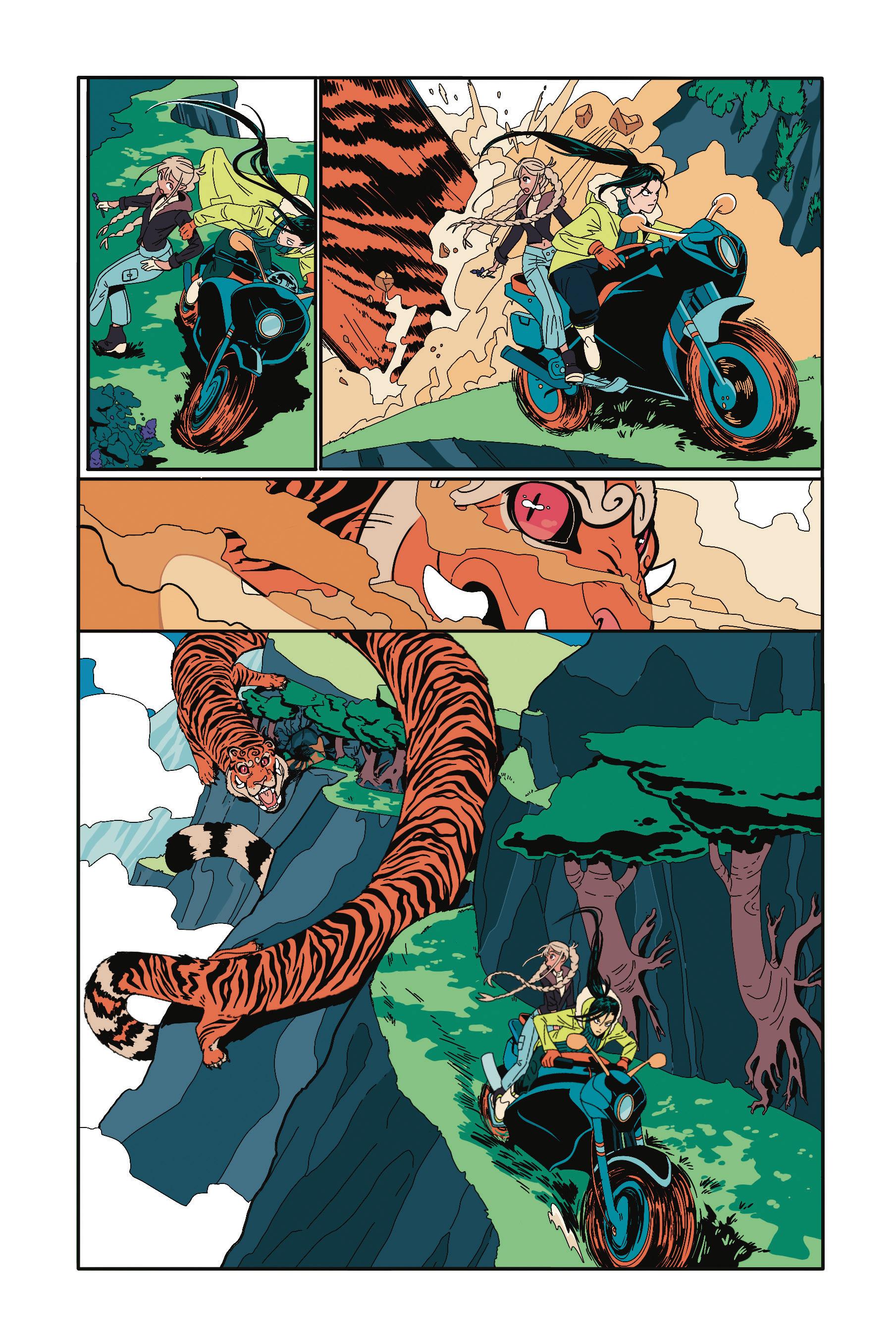
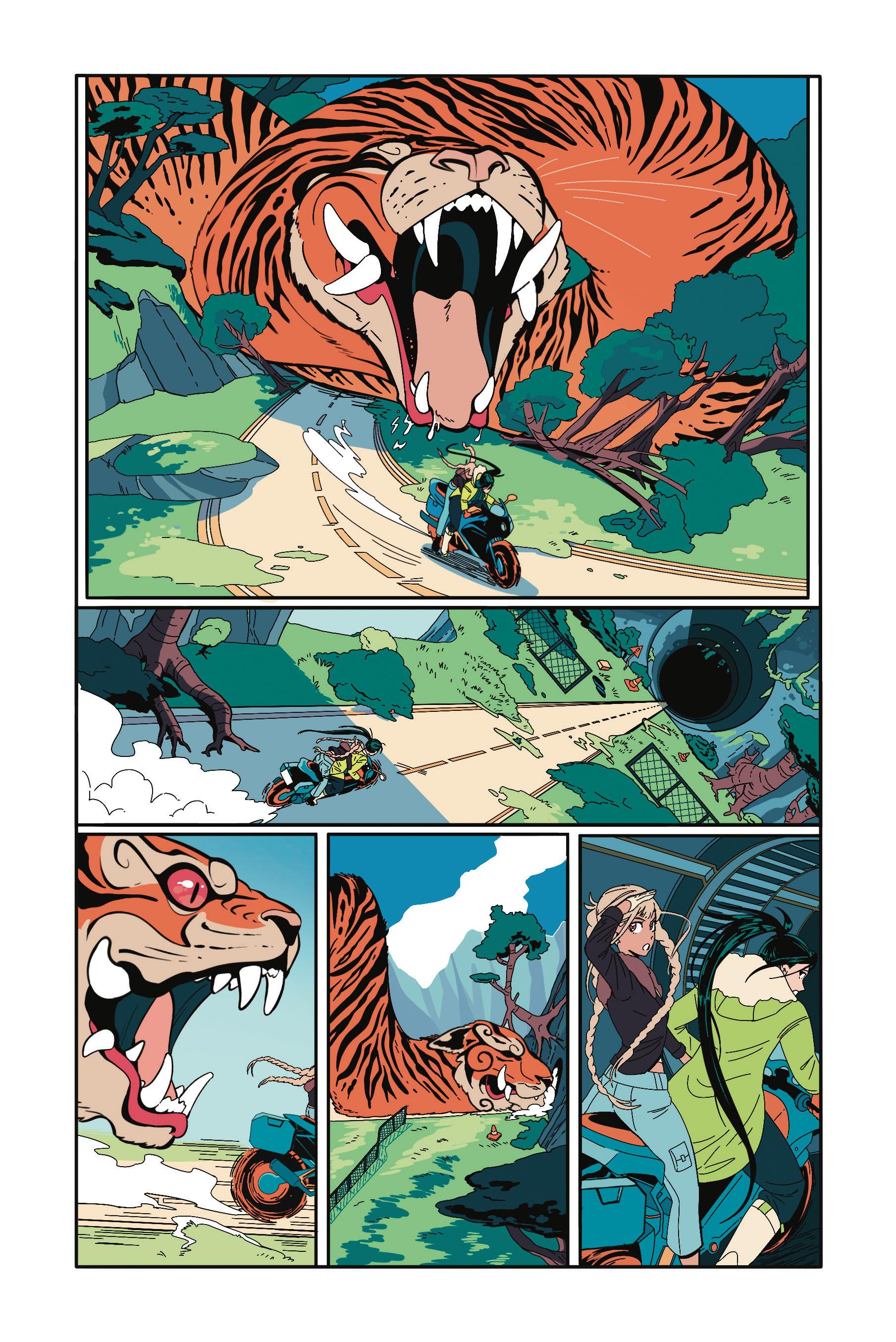
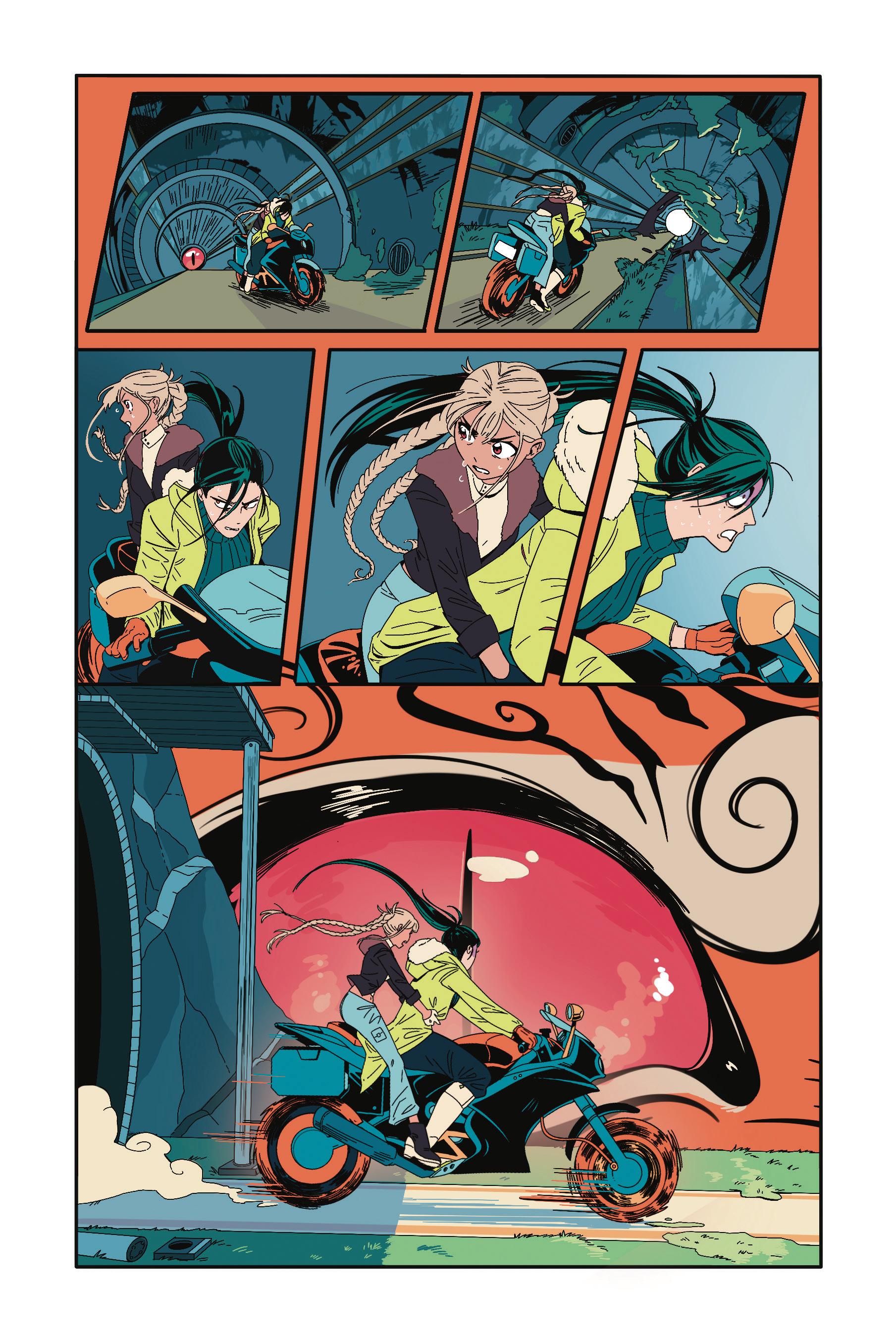
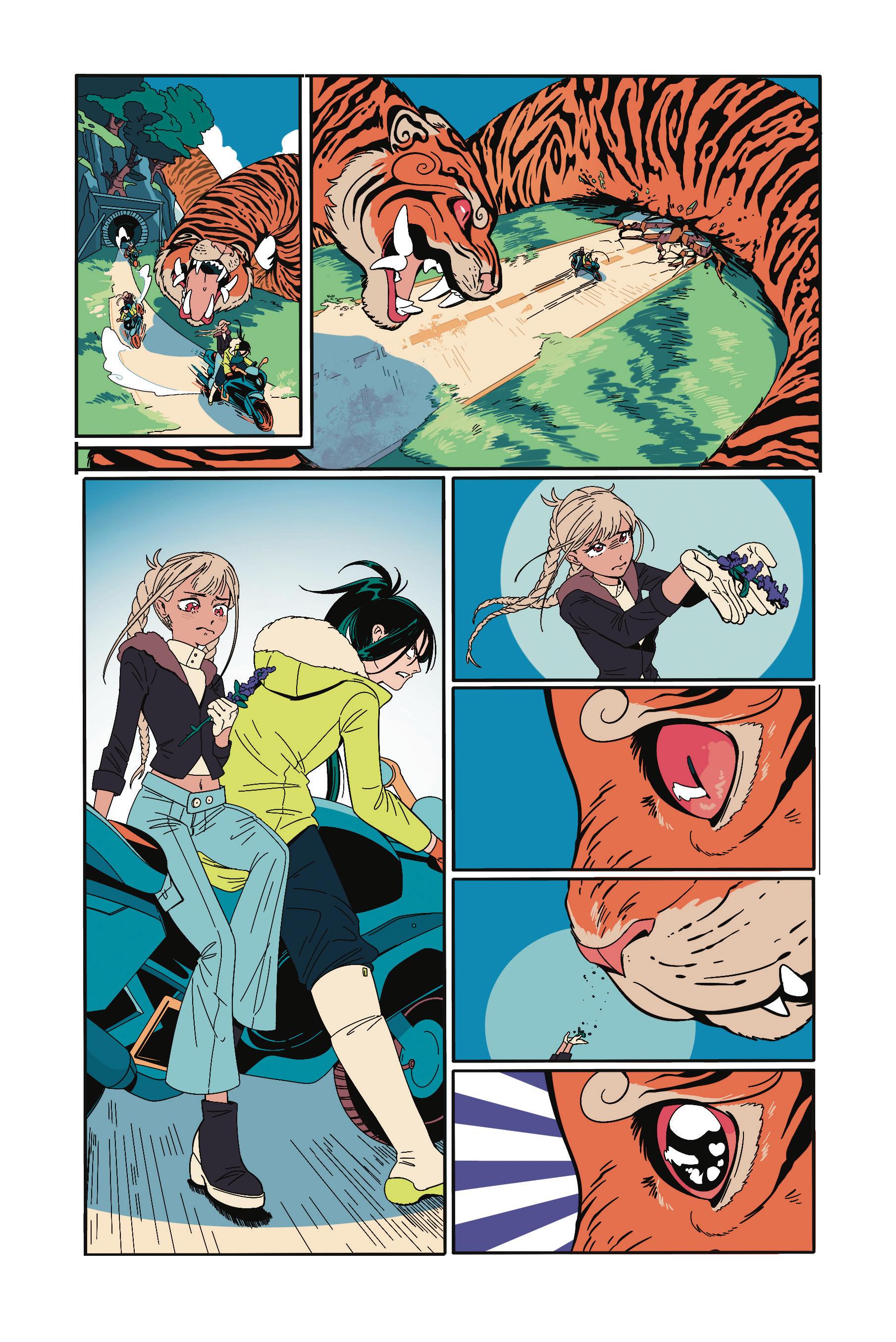
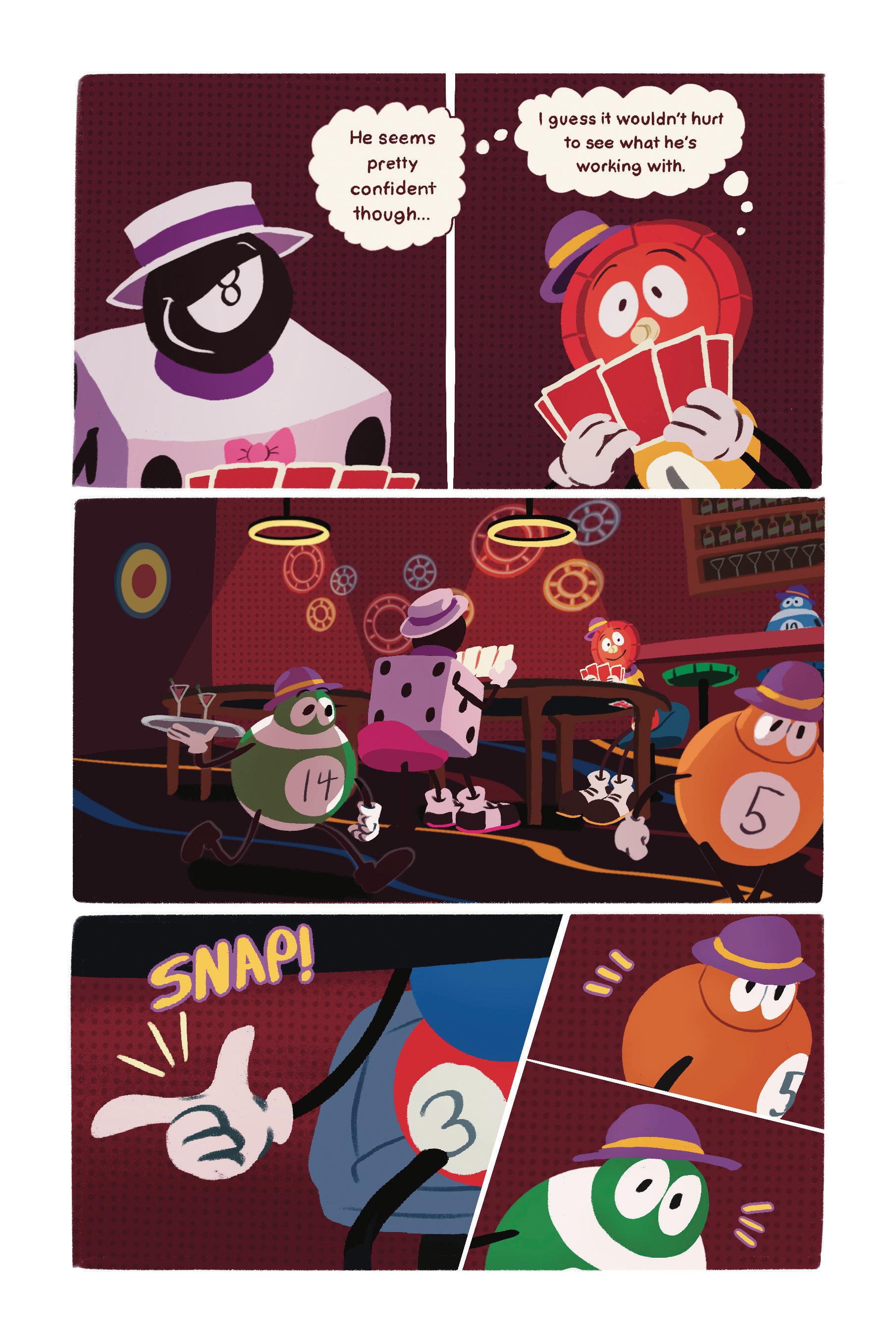
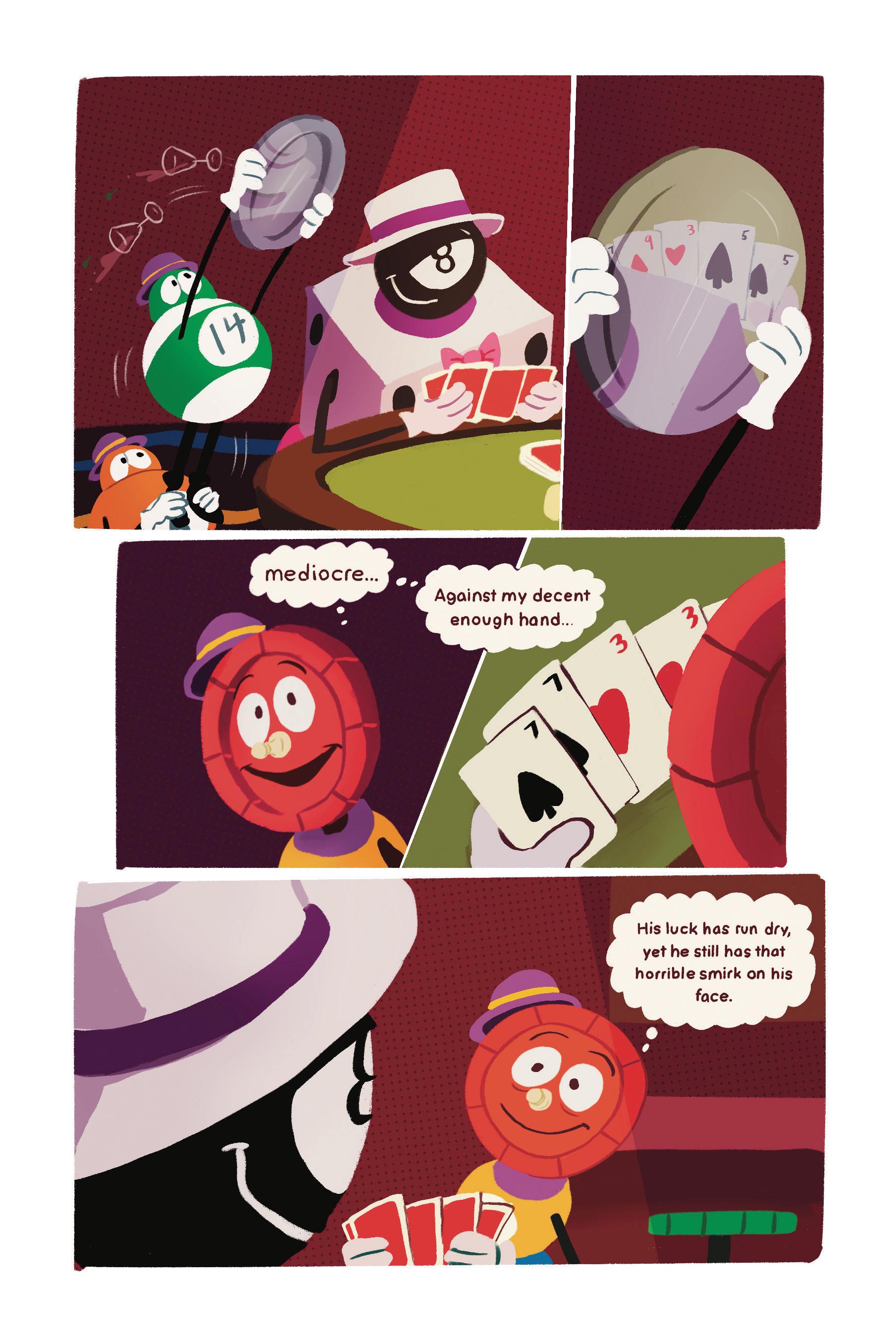
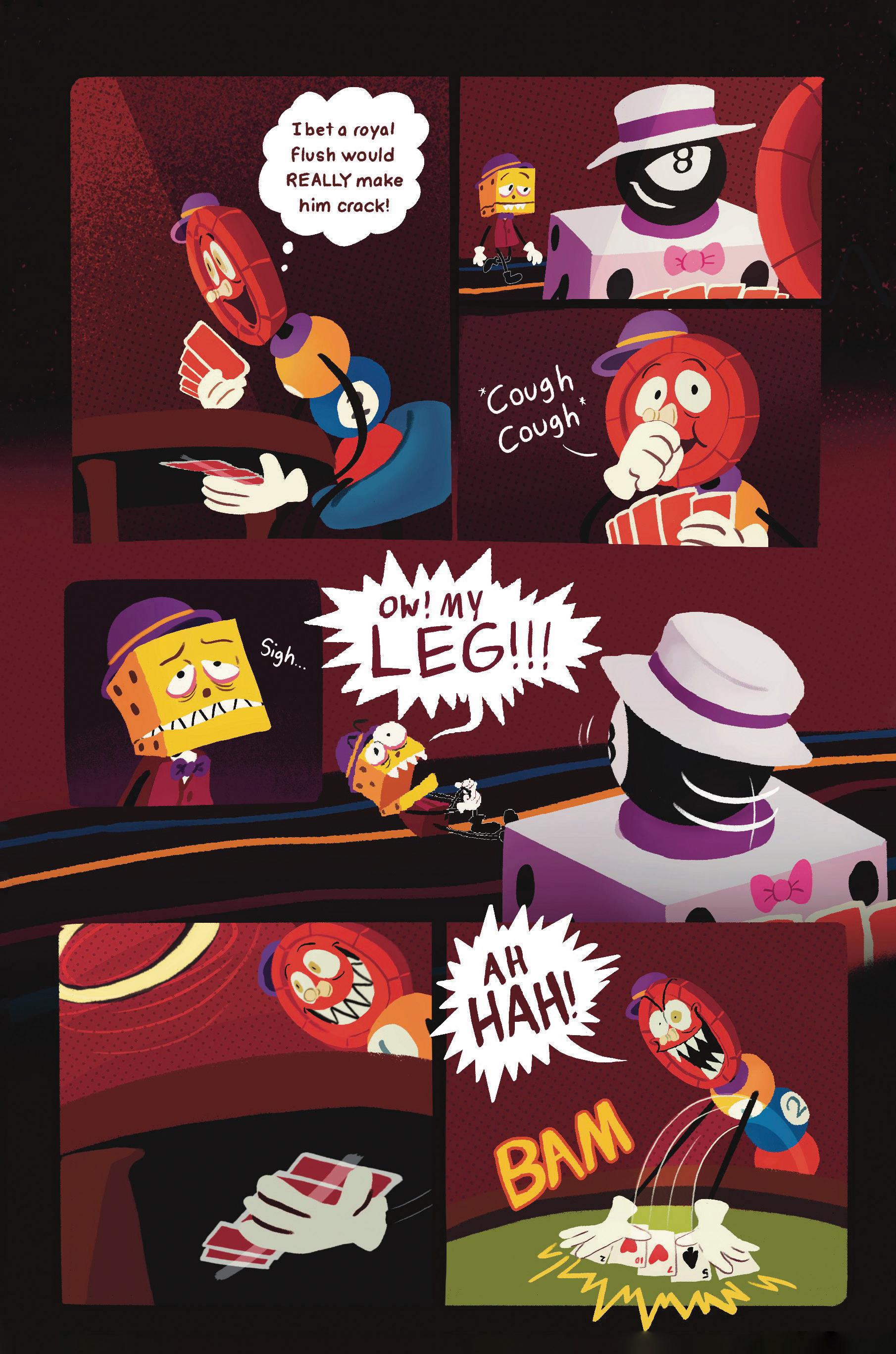
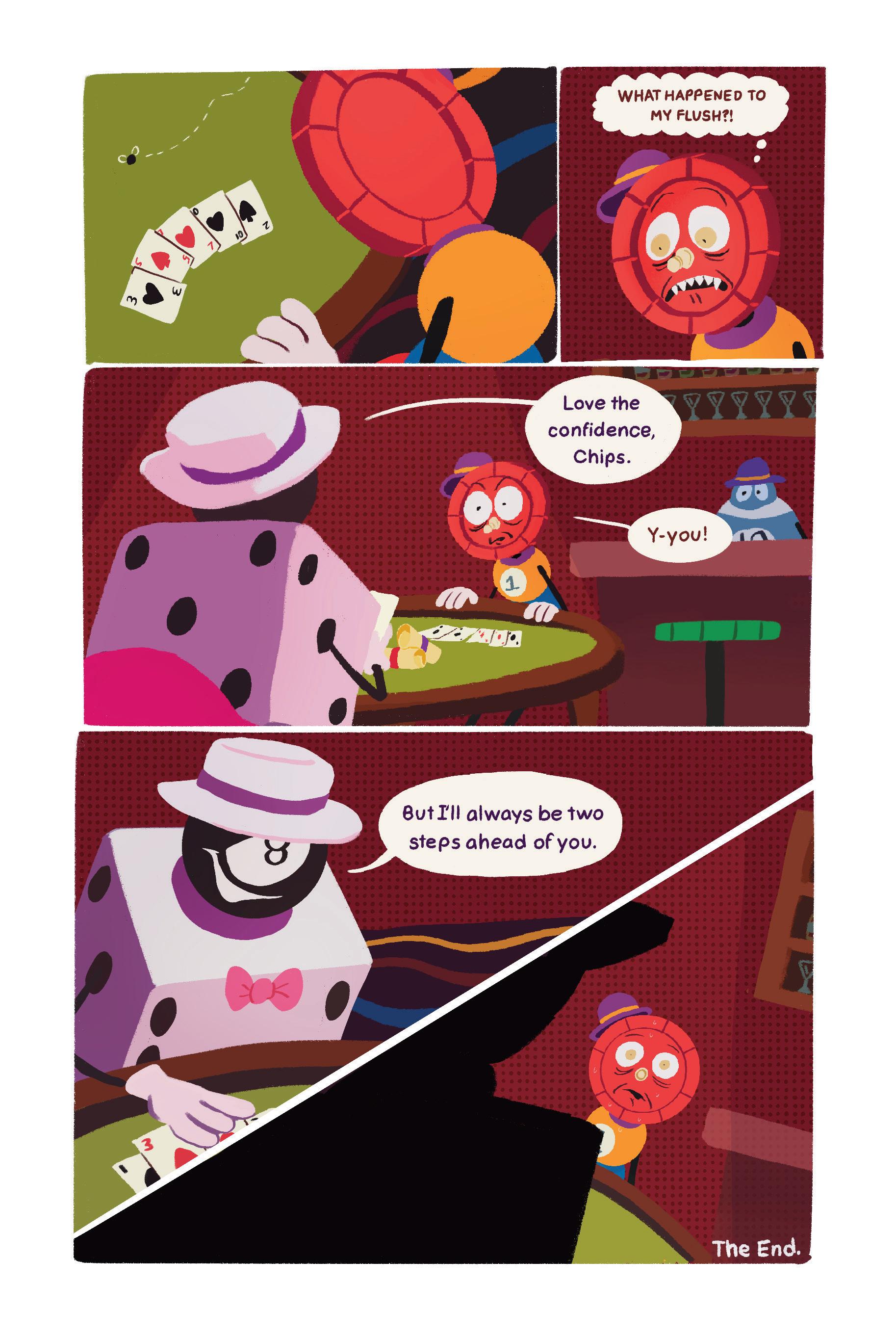
An interview with Jen Wang
by Ry Hasenaur
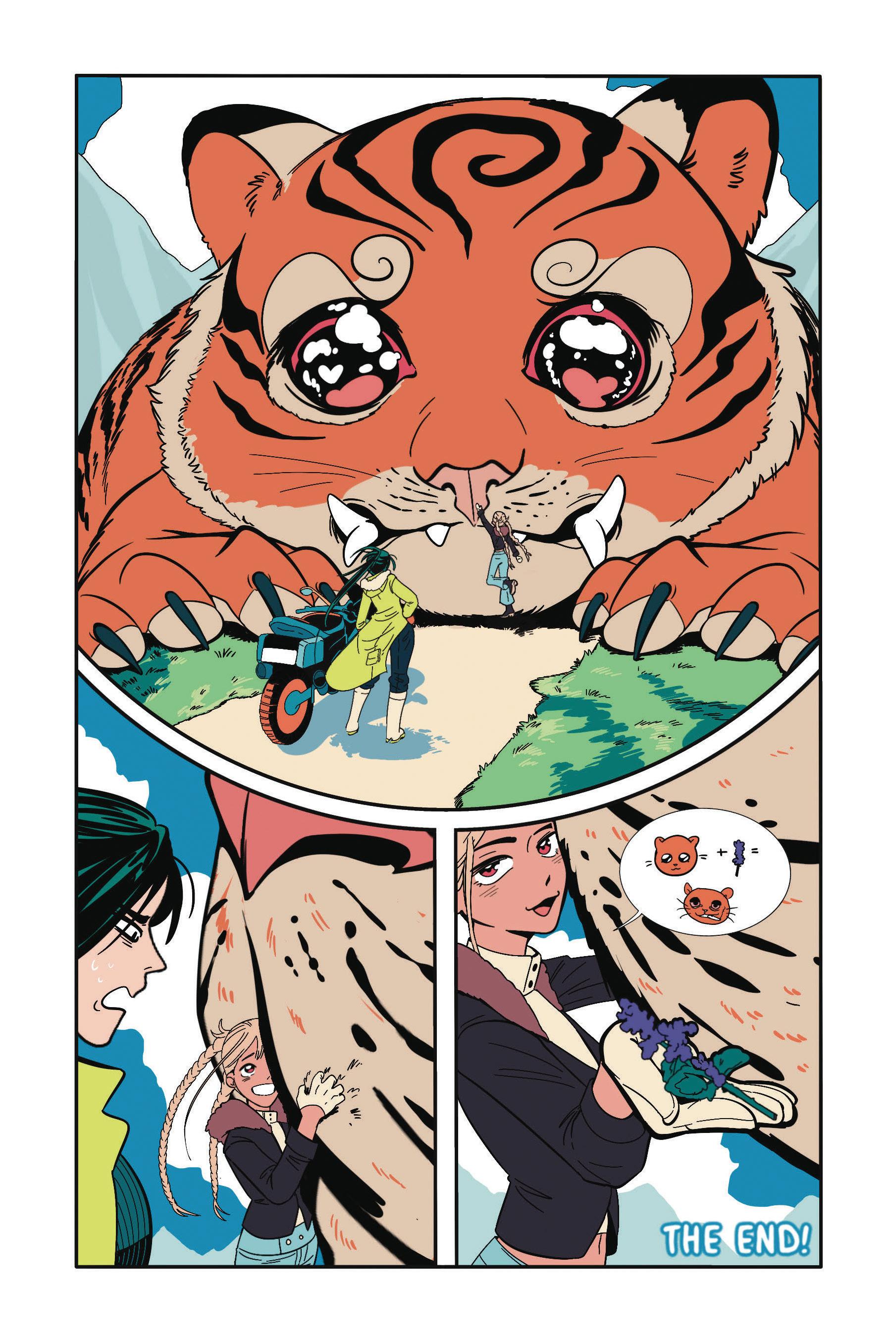
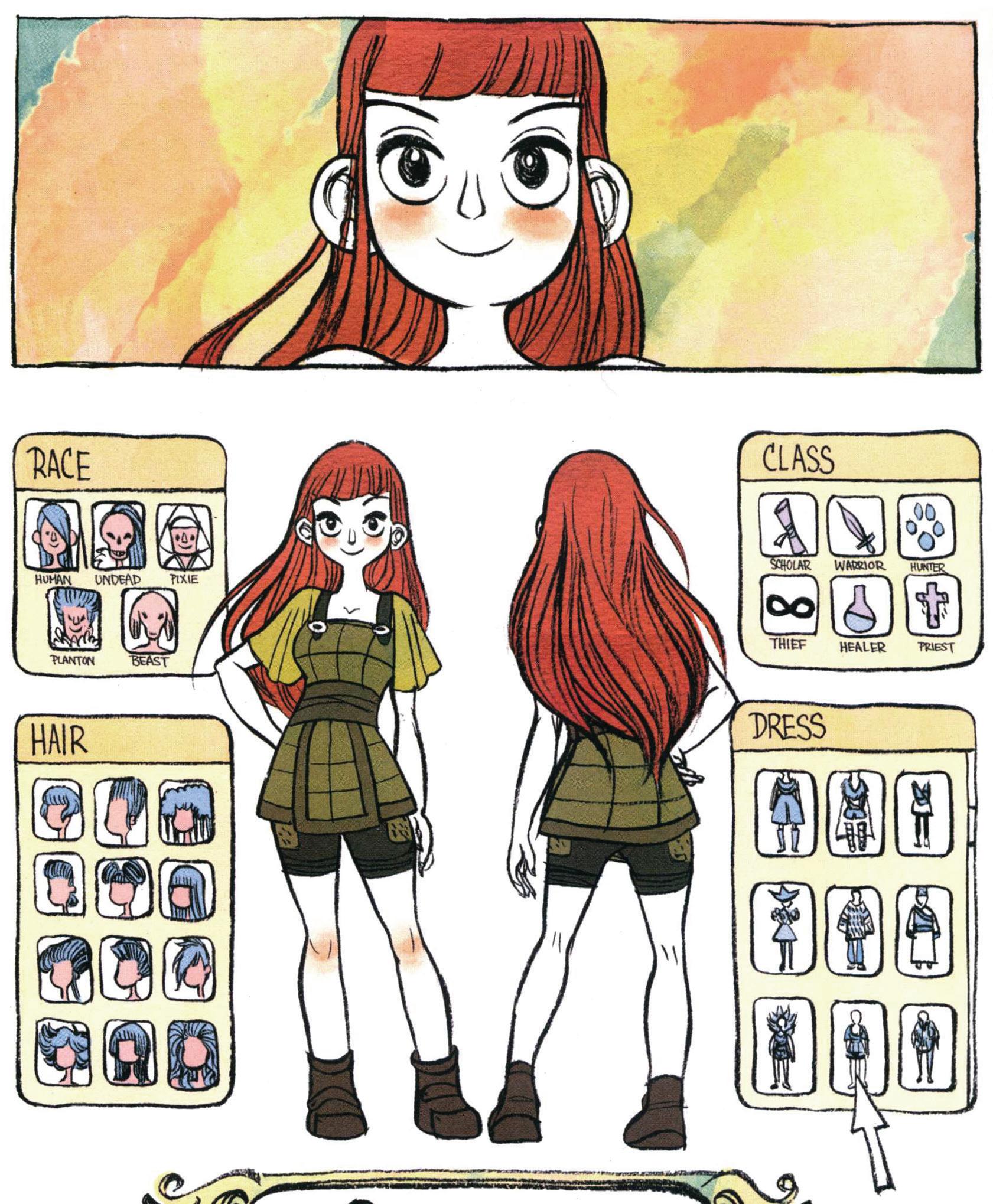
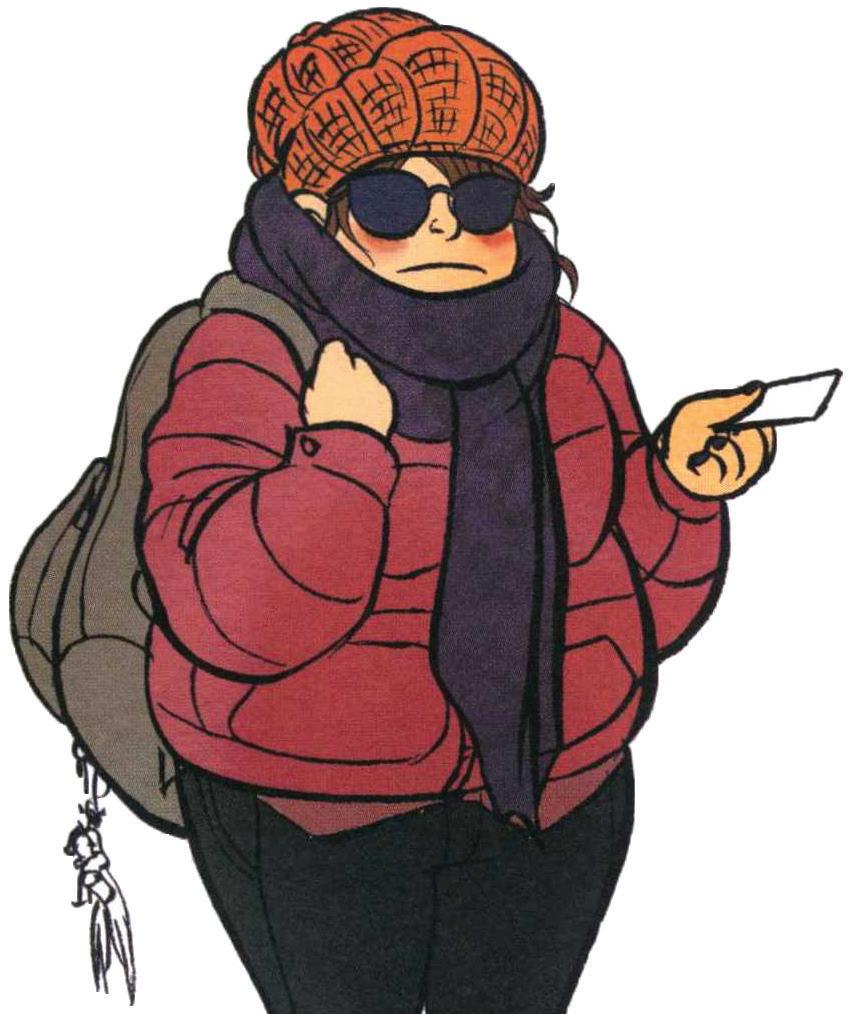
Jen Wang is an award-winning, Los Angeles-based cartoonist known for her middle-grades graphic novels that deal with challenging topics, such as In Real Life andThe Prince andtheDressmaker . After her first graphic novel, KokoBeGood , was released in 2010, Wang has amassed a cult following for her work. She also co-founded the first small-press comics festival in Los Angeles, Comic Arts LA.
I wanted to start by asking how you began sharing your comics. Was it in college? Or before that?
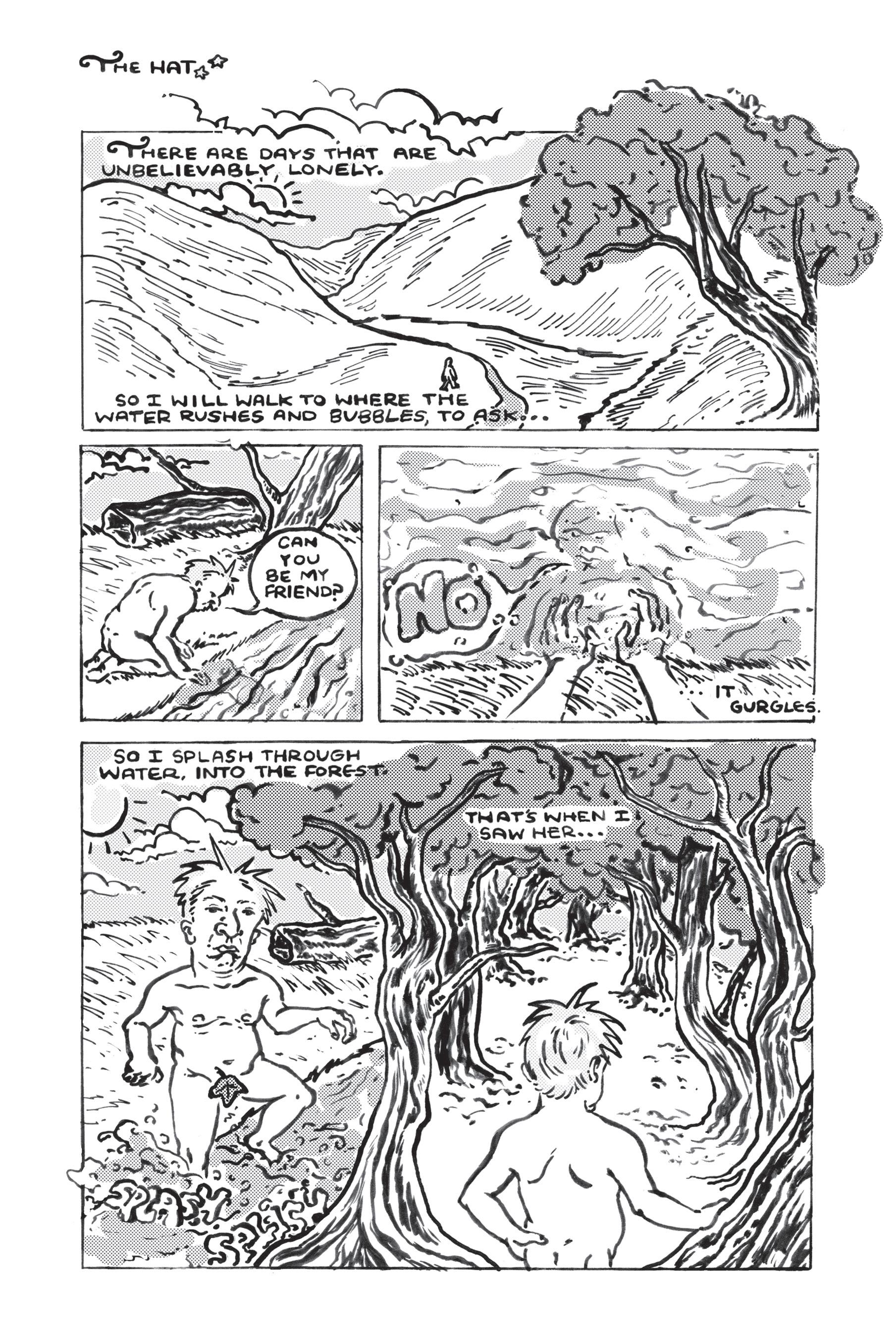
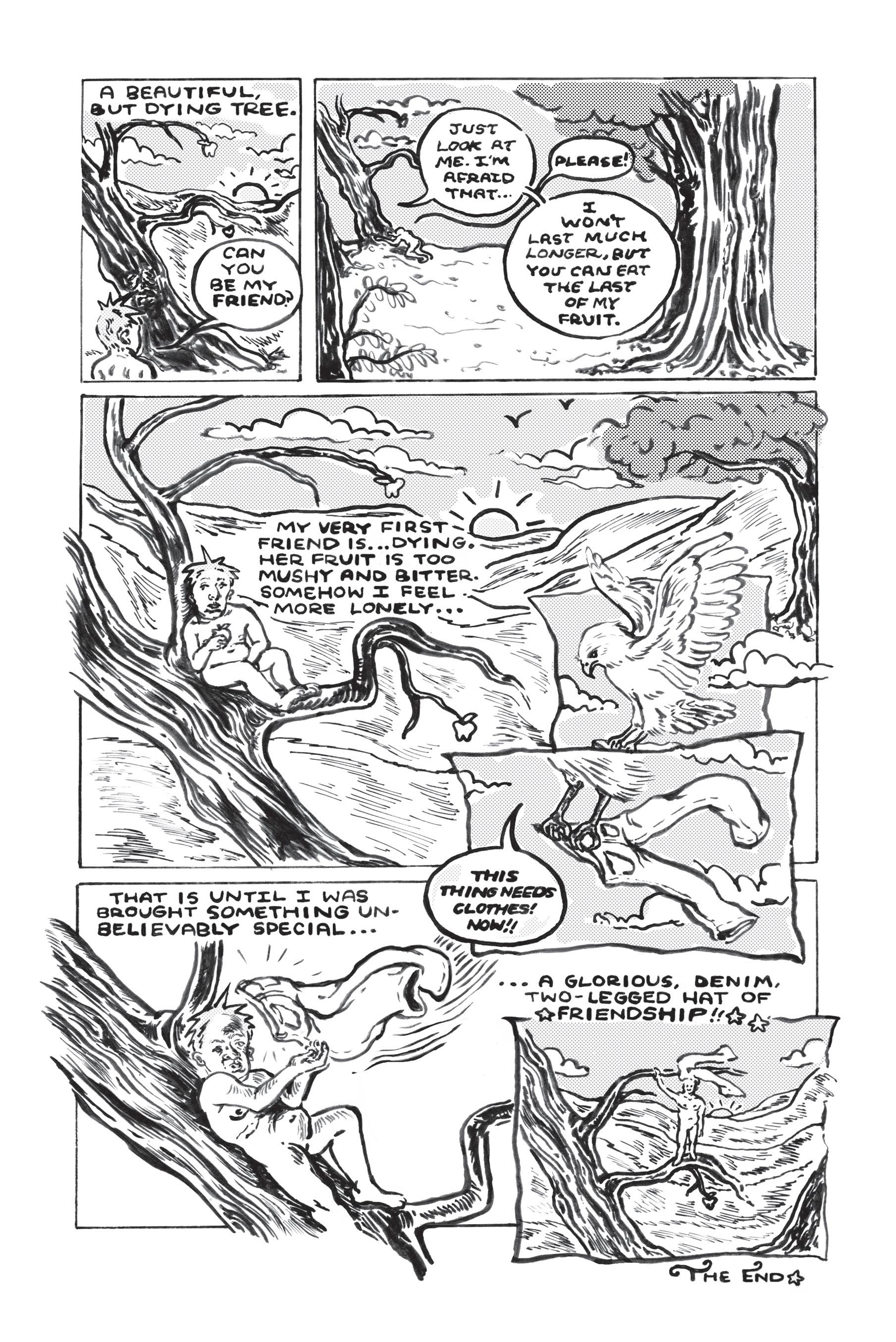
Yeah, it was the webcomic I created during the latter half of high school. I think that’s when I discovered webcomics in general. I was really obsessed with manga and anime, and felt like I could do it. I’ve seen webcomics and found it really cool that many young people my age were creating their own comics and posting them online. So, it was just something that kept me busy during school, because I wasn’t very good at paying attention. I would bring my sketchbook to class and doodle and work on my weekly pages during the downtime in school.
When you were doing the webcomic, did you make online friends with other webcomic artists?
I think the one that people probably recognize is Vera Brosgol, who is an amazing graphic novelist, cartoonist, picture book illustrator, and we became really good friends during high school,
because we were both applying to CalArts, and trying to get into art schools together. We both make graphic novels now, and we see each other at comic shows and book events. There is also Dylan Meconis, who has done some young adult graphic novels. I met Kazu Kibuishi early on, before he did Amulet . I met Raina Telgemeier when I was in college, and she was selling her ‘zines for a quarter, which seems ridiculous in retrospect. Derek Kirk Kim, I met him in high school, he‘s fantastic, but I’m not sure what he‘s up to now. He’ll work in animation for a while, and then he’ll return to comics.
I know you didn’t attend art school. You got a degree in sociology, right? Do you think that this has informed your art and stories throughout the years?
I mean, it’s hard to say what things would be like if I went in another direction. I applied to art schools, like CalArts, and I didn’t get in. This was during a time when I felt like the reason to go to art school was getting a job
in animation. There was no comics and graphic novel career path. When I was growing up I wanted to do something related to visual storytelling. I thought I was going into animation. That was when the industry experienced a downturn. There was a shift from traditional 2D animation to 3D, and it didn’t seem viable to me at the time. I had webcomic friends; they went on to attend art school and we still ended up both pursuing graphic novels and the arts in our careers. It’s hard for me to say that things would have turned out differently if I’d chosen a different path. But I feel like I learned so much during my college years, as someone who wasn’t thinking about art as a career because I didn’t think it was going to happen, and as someone trying to find things that I was interested in.
Initially, I considered pursuing a film degree, or something similar, but I didn’t like that I wasn’t able to be very hands-on in those classes. But I wasn’t interested in sitting in lecture halls, I wanted to get out there and
really important to me and my personal development.
The comics you make tend to fall into the young adult and middle grades categories, and they contain wonderful ideas of queer identity and cultural identity. In this day and age, with this administration where books are being banned, how has this affected your thinking? Especially with Ash‘sCabinthat just came out, because it is so explicitly queer. Has it affected how you present yourself?
I don’t really think it affects the creative part, because what I’m interested in is what I’m interested in, right? If you have an idea that you’re connected to, then it feels like something that will come out of you regardless of what is going on outside. The Prince andtheDressmaker is a very explicitly queer book that also came out during a weird political moment. Perhaps you can argue that at the time, people were becoming accustomed to these new ideas. So, maybe it was different from now, where there are more policy changes and big political backlash to queer and trans people. Overall, I don’t think you can control what’s happening. A
book can take a couple years to make, and you don’t know what’s going to happen. Things could change for the better! Things could change for the worse. So I try not to think about it.
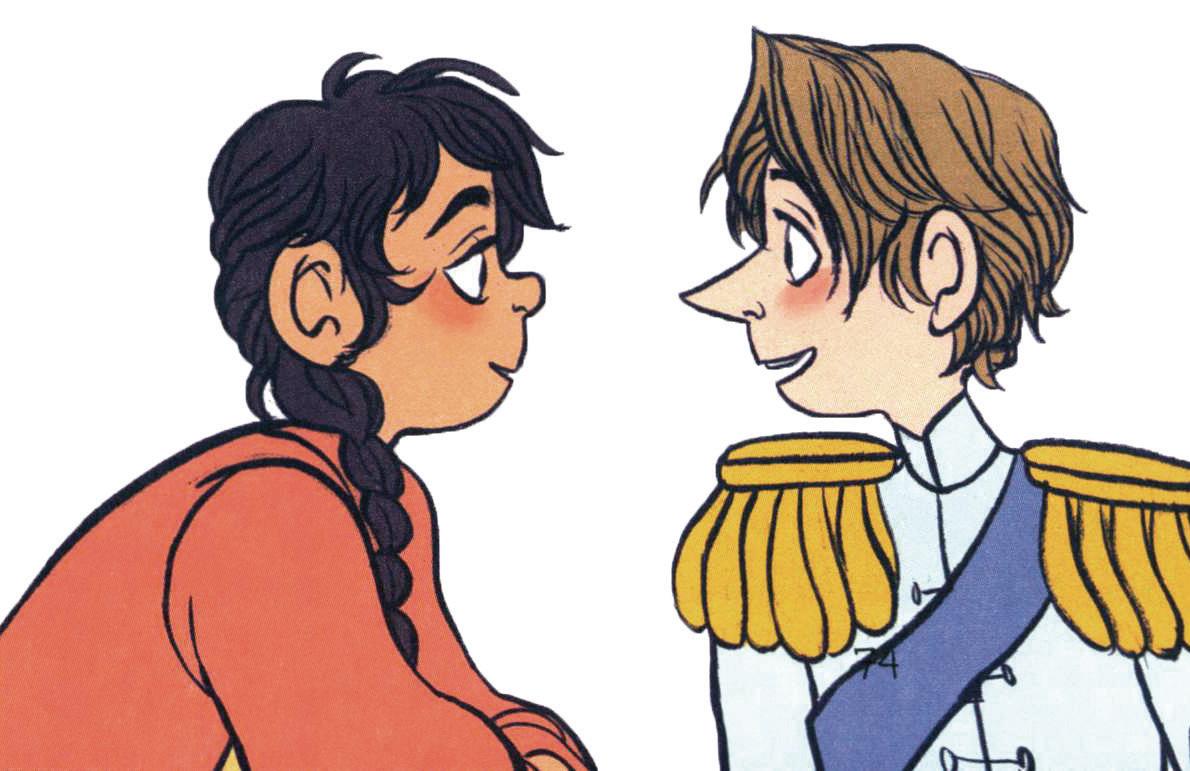
One thing I considered for The Prince andtheDressmaker was that I wanted it to feel like something any kid could pick up and read at the library, and even convince their conservative dad to buy the book. I wanted to show that it can be sweet, wholesome, pure, and loving. It doesn’t have to be politically fraught when you pick up a book that’s like a fairy tale.
Is that why you decided to work with a young audience with your books?
Initially, it felt like a good place for my stories. I wasn’t thinking very cautiously about it, and then, after my books came out and I would go to schools and libraries to interact directly with readers, I became deeply connected to that part of the process. The readers remind me so much of what I was like when I was fourteen, fifteen, sixteen. Just obsessed with anime, and wanting to draw my own. I’m actually working on an adult book, and it’s something teenagers could still read, but it’s about adult characters with jobs. There‘s a part of me that feels like I’m betraying my younger readers, because at the same time, I wish I could make five more middle-grade and young adult books that they can keep
reading, but I want to keep trying different stuff. I would love to do a picture book someday, you know, go even younger.
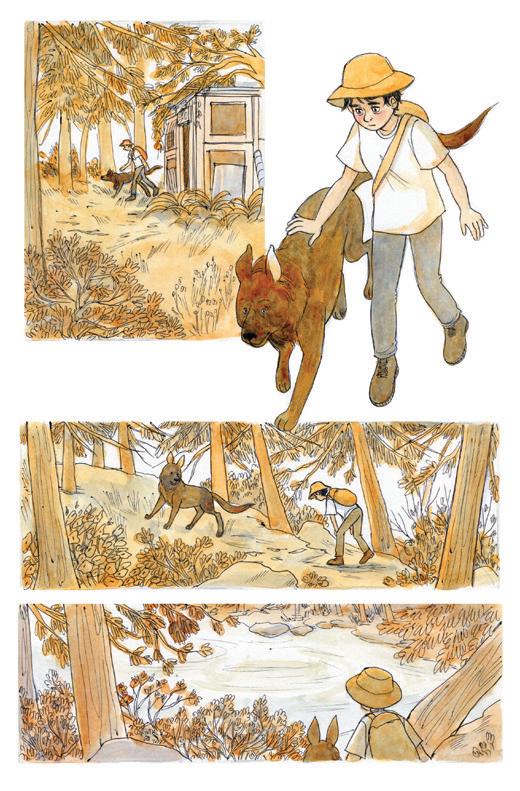
For Ash‘sCabin , you pivoted to a very beautiful, traditional style. I was absolutely blown away. What was your thought process with that?
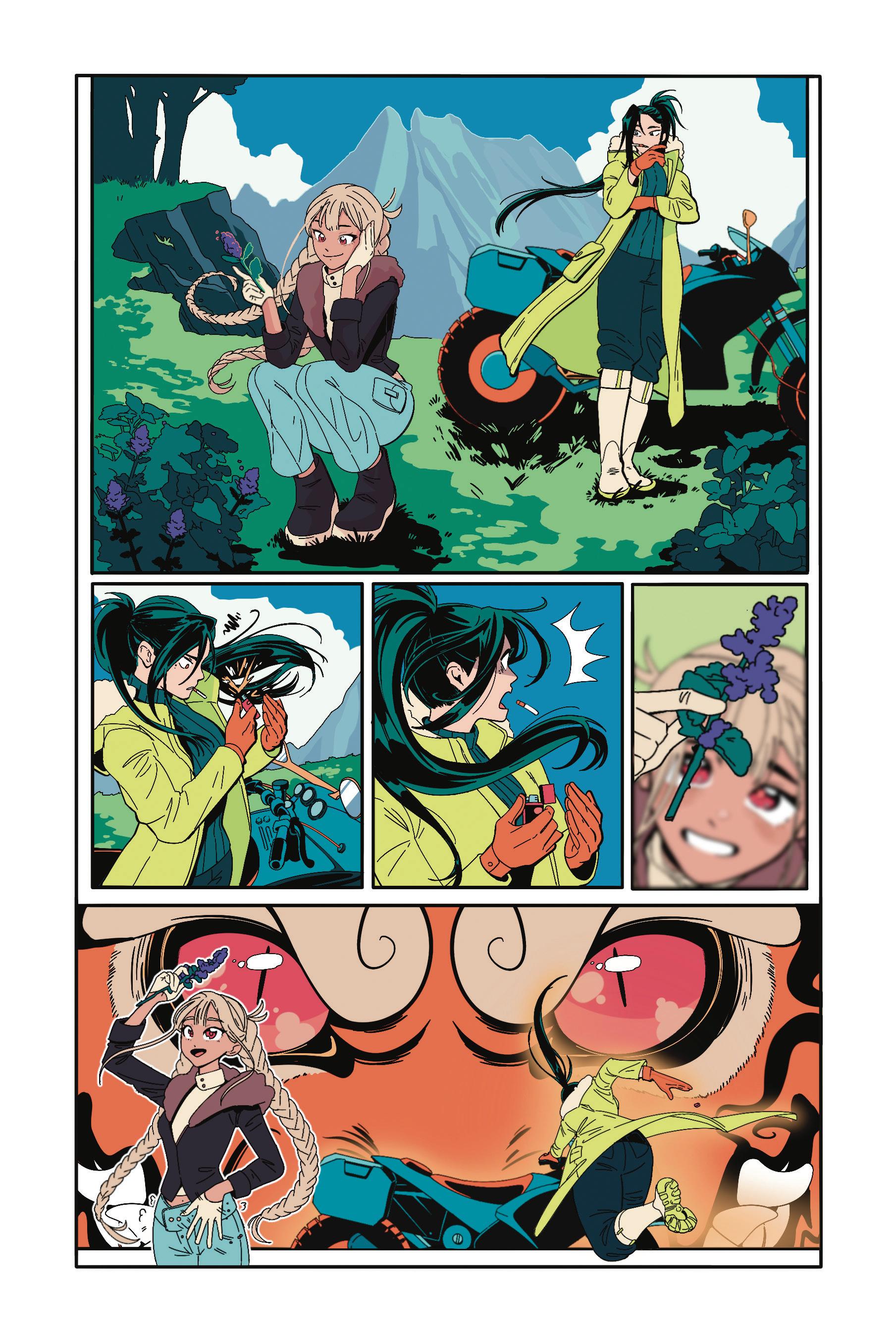
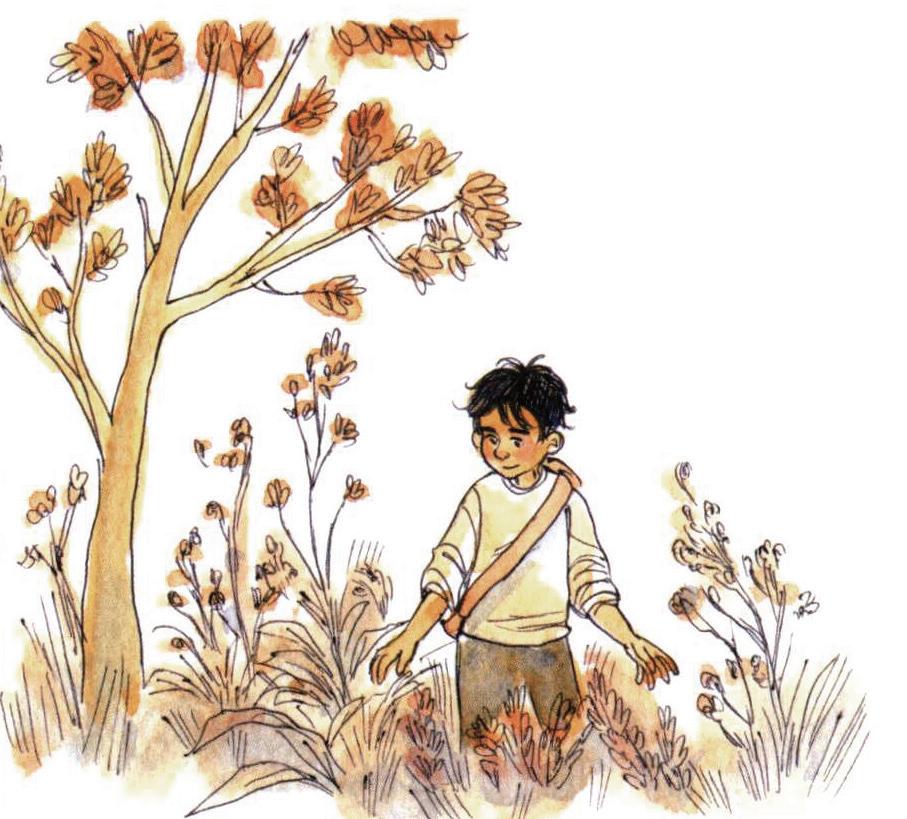
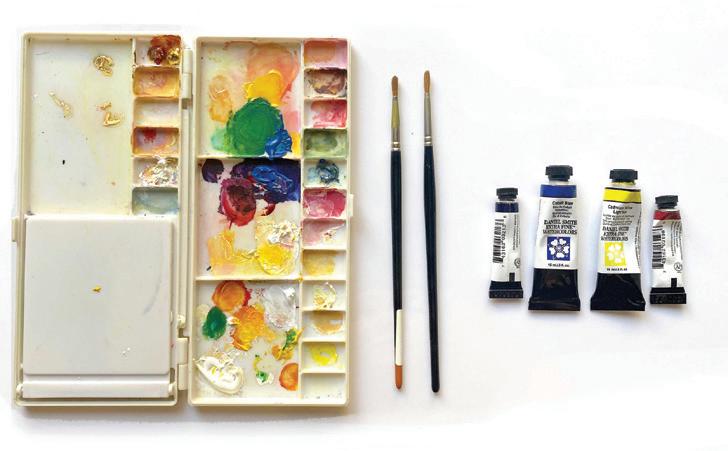
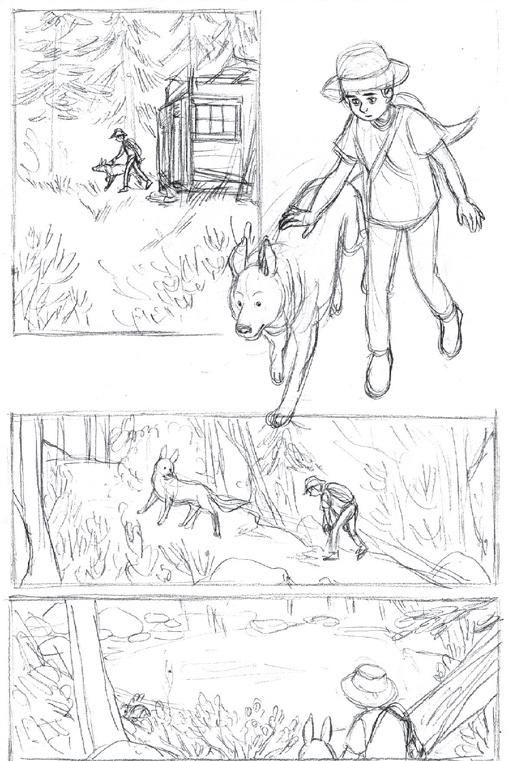
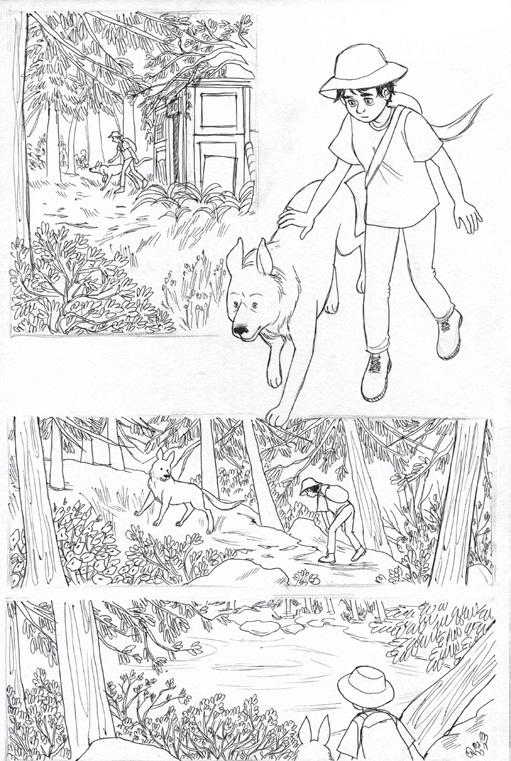
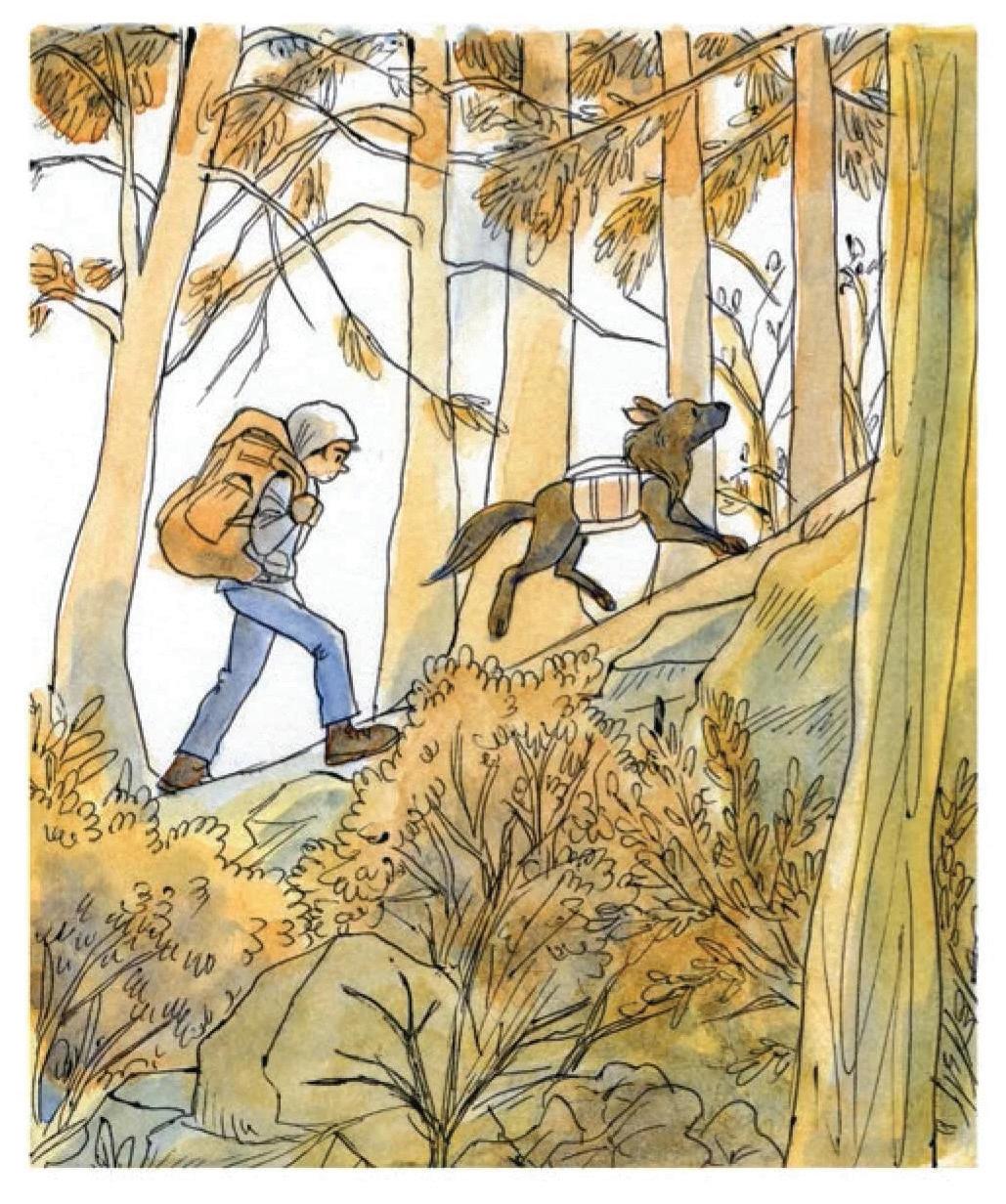
I actually pencil and ink all of my books traditionally, because that’s how I’ve always done it, and I’ve never made the leap to doing it fully digitally. For the watercolor, I felt that it fit the mood and vibe of the book to be in traditional media. Ash‘s Cabinreally feels earthy and realitybased. I had actually done my first book, KokoBeGood , in watercolor, so I had that experience, but I didn’t know what I was doing. I was painting watercolors on printer paper, so it looked terrible, at least it scanned terribly. But I was confident in what I was doing. It was so much easier to watercolor a book than to color digitally. With digital, I can keep changing colors, but with watercolor, you’re more limited in a way, but because of that, you’re free to move on. I was trying to work with a limited palette, so it went by really fast. You can just spread the water a little, and it covers more space, whereas digitally, I would keep adding more stuff or tinkering. I think the whole process was great because it saved me time, and it was
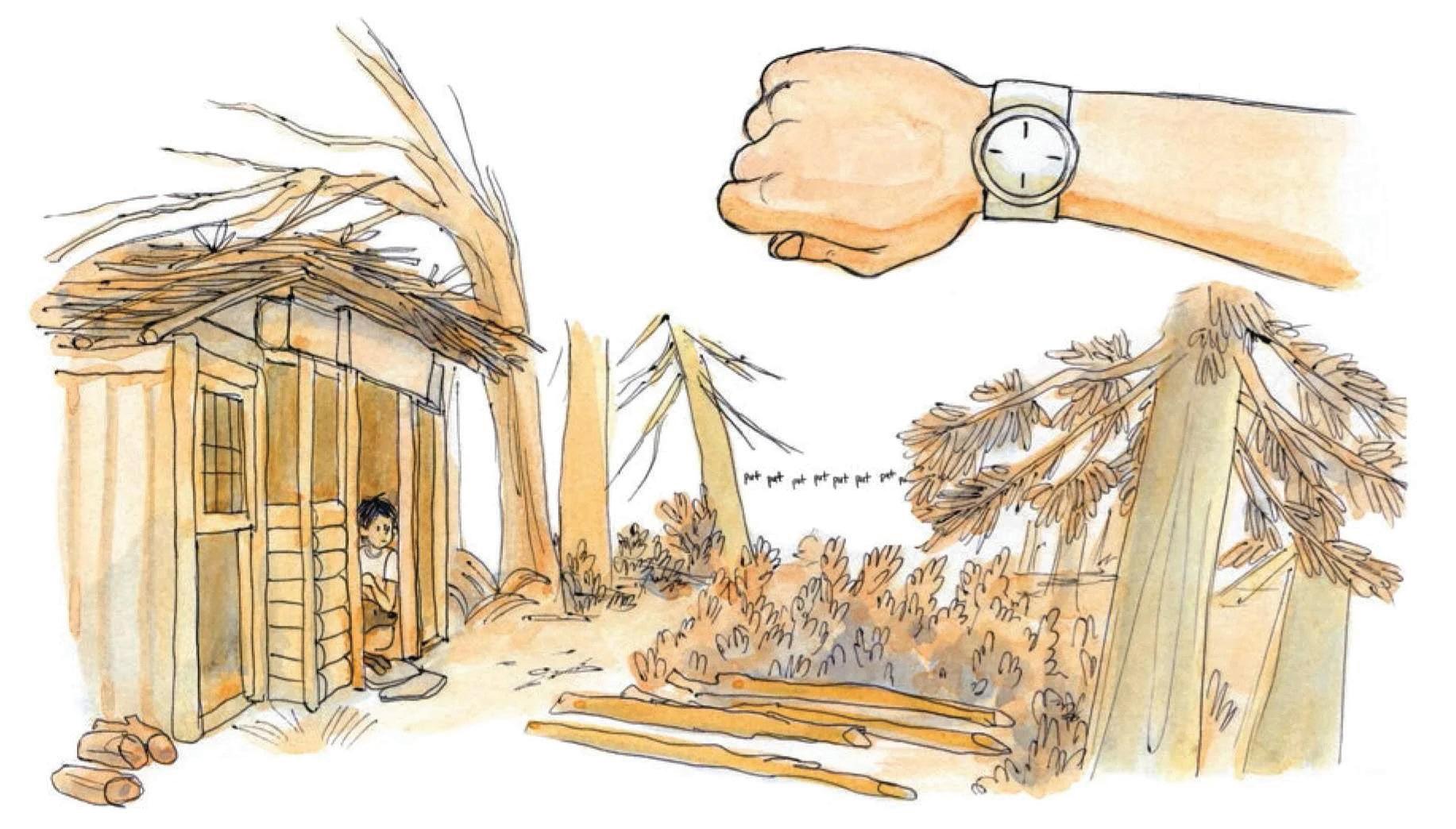
calming to watercolor. I’m not sure if I’ll do it for future books, but for this one, it was perfect.
Have you always done your pencils and your inks traditionally, or has your artistic process changed over the years?
My illustrations are usually just in Procreate on my iPad, but I do traditional penciling and inking for all my comics. This is the way I’ve been doing it since high school. It feels comfortable to me. Like everyone else, I’m a screen addict, so it feels nice for one part of the day to be on paper.
When you were working on In Real Life , you were working with Cory Doctorow as a co-writer. Would you ever co-write again?
I would be open to working with another writer. I think it just hasn’t come up, and for In Real Life , it was an interesting process! I don’t know if this is the process for all comics, but I didn’t really get to talk directly to Cory for most of it. A lot of the information was communicated through the editor. I would write a draft, and then the editor would send it to Cory, who would provide notes. The editor would rewrite those notes for me. It was very separate, but then we met, actually, while doing a promotion for the book. We went on a short book tour together, and we were like, “Oh, hey, I never got to talk to you!” It was an important learning experience for me as far as writing goes, because that was the first book for which I had to write a typed-up script, which is how I do it now. Not that my process before was wrong, it just changed how I do it now. I used to write little notes and dialog snippets with drawings as I went along. There are many people who do it that way, but I wasn’t allowed to do it for In Real Life . It ended up working for the part of my brain that likes to plan.
From your perspective, comparing when you were pitching Koko BeGood to now, how has the publishing landscape changed?
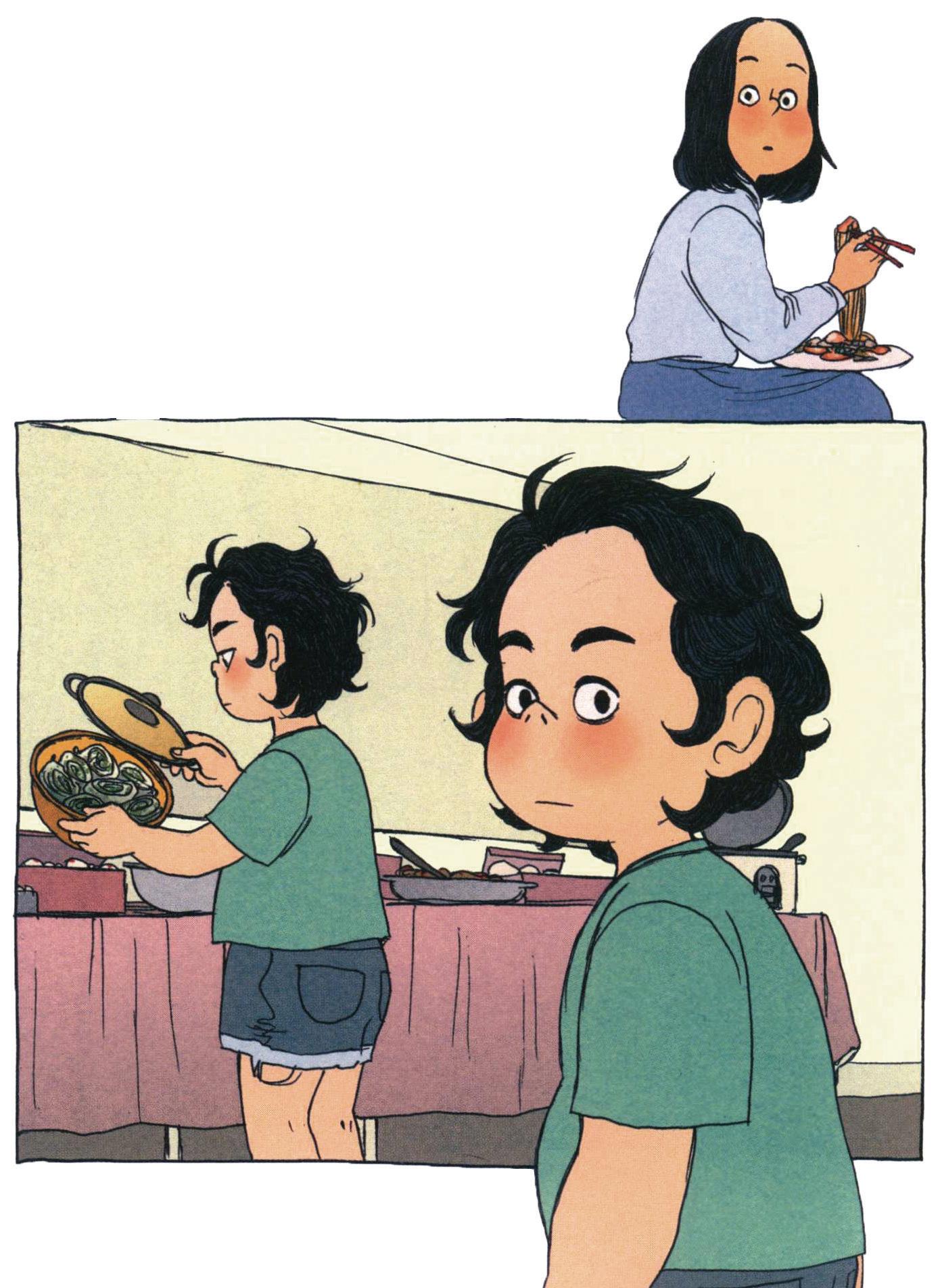
It has changed a lot. I pitched a pencil draft of KokoBeGood to the publisher. Graphic novel publishing was new at the time, they were more willing to try different things. Now there‘s a system, and most people need an agent to publish. I think KokoBe Goodwould now be categorized as an adult book, because there was no young adult category for graphic novels then. We are now more aware of the different ages and audiences for graphic novels. Schools and libraries have really embraced middle-grade, young adult, and younger comics. You can read manga in school now, and that blows my mind! That was not acceptable reading material when I was in high school. Since it’s so popular, the industry might be harder to break into now, but I’m not sure, as I started at the beginning of the graphic novel boom. Many things about it changed for the good, and many things feel mysterious. It’s unfortunate that agents accept pitches based on what’s popular, or whatever. Big fantasy-based ideas. It doesn’t really match up with reality. Comics are a mixed bag!
You mentioned that you read manga in high school. Was there anything that you think has informed your comics practice?
Honestly, that period of reading manga is a part of my comics DNA, even if you’re unable to see it in my comics. It’s hard for me to see because I’m too close to it. I also took inspiration from animation, and all the cartoons I watched growing up. I think my
comic style is visually cinematic because of everything combined.
I also wanted to ask a bit about Comic Arts LA. You helped put together this event. It’s free for everybody in the area. I love how community-driven it feels. What brought that on?
I mean, if you asked me previously if I was interested in hosting a comic show, I would have said, “No.“ But I was talking to the other organizers who are friends in comics, and we thought there isn’t really an indie-focused show in L.A., which is too bad. Everyone ends up going to San Diego ComicCon, which is extremely different. The idea that there were so many cartoonists, zine makers, and people interested in comics living in L.A. seemed like a missed opportunity. My friend Angie Wang, who is an amazing illustrator and cartoonist, came up with the idea. She was talking to another friend, like, ”Why don’t we try doing a small show?” The more I thought about it, the more it felt like
rolling a ball down a hill, because so many people want it to happen. It’s great that it is free, and people can bring their families who might be a bit interested in comics and discover more.
Are there any books, movies, or comics that you think everyone who loves art should read?
Oh my gosh, this is tough, because every couple months, I’ll give you a different answer. I’ve been wanting to re-read the HisDark Materialsseries. They just came out with sequels. I was always really into these survival kid-lit books. John Krakauer has written one (for adults) called Into Thin Air , that’s the big one, Intothe Wild is another one. Those books have really informed the vibe of Ash‘sCabin . I’m a huge fan of the RevolutionaryGirlUtenaseries, both the anime and the manga. I just think it’s so weird and fun, but really emotional at the same time. I don’t feel that’s something everyone will like, but hopefully, if you enjoy my books, you’ll find something in them that you’ll appreciate.
Since we’re seeing more of a rise in traditional media in comics, do you have any specific process tips for watercolor?
I watercolor based on how I learned to do it in high school. In my freshman year, my art teacher was big on mixing your own colors. Red, blue, yellow are the only colors you’re allowed to start with. You have to mix everything else yourself. And that’s how I do it. Most of the time it’s only those three colors. I’d occasionally buy myself a nice set with many
different colors, but it feels so indulgent. It feels second nature to have a specific idea in mind of what color you want, and then be able to mix it right and keep making it without having to rely on a perfectly packaged version. I find it very freeing not to have to think much about being limited to the color palette you have.
When it comes to In Real Life and The Prince andtheDressmaker , we talked about how digital colors and finding a limited palette can be stressful. What was your process for figuring out what colors work for print?
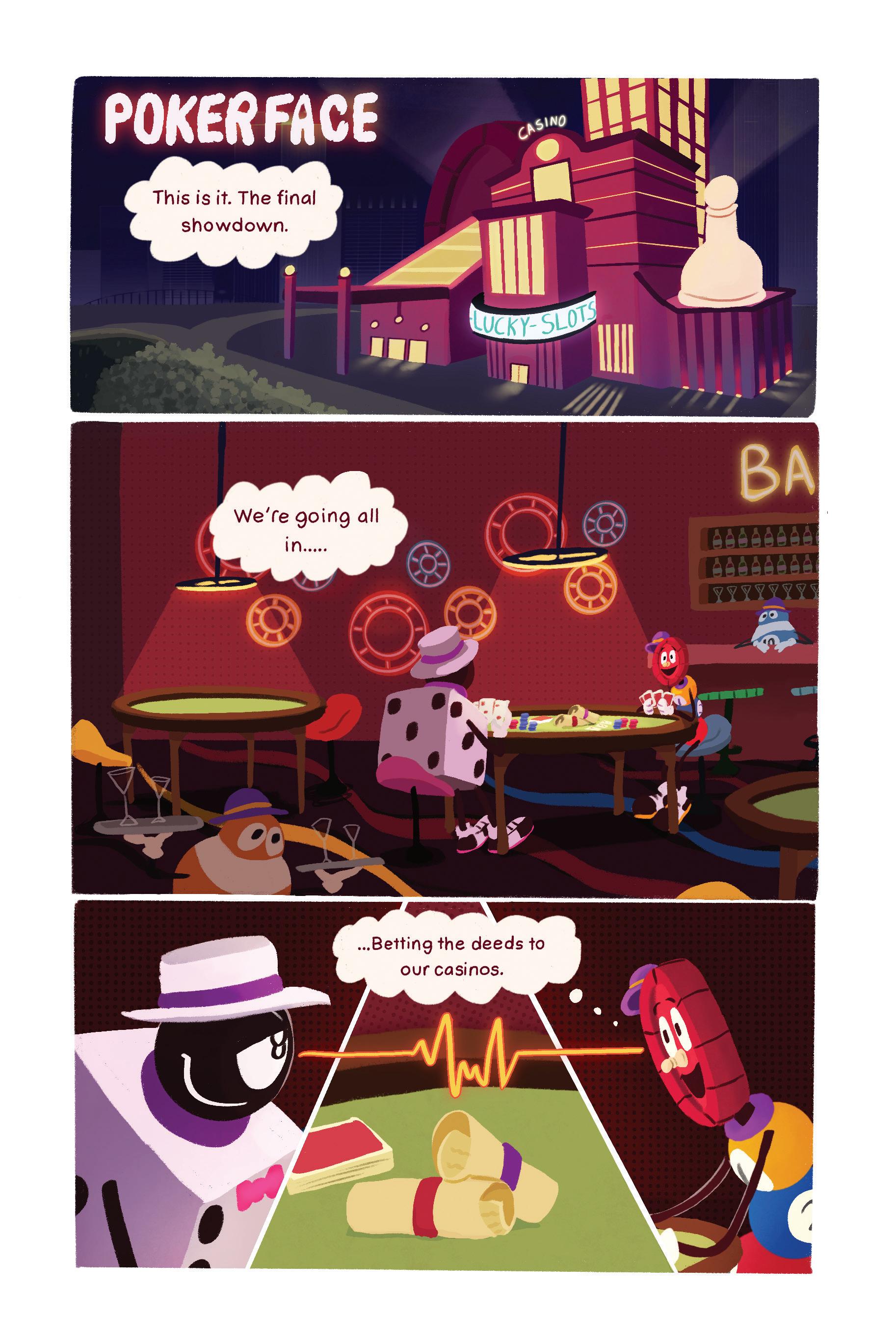
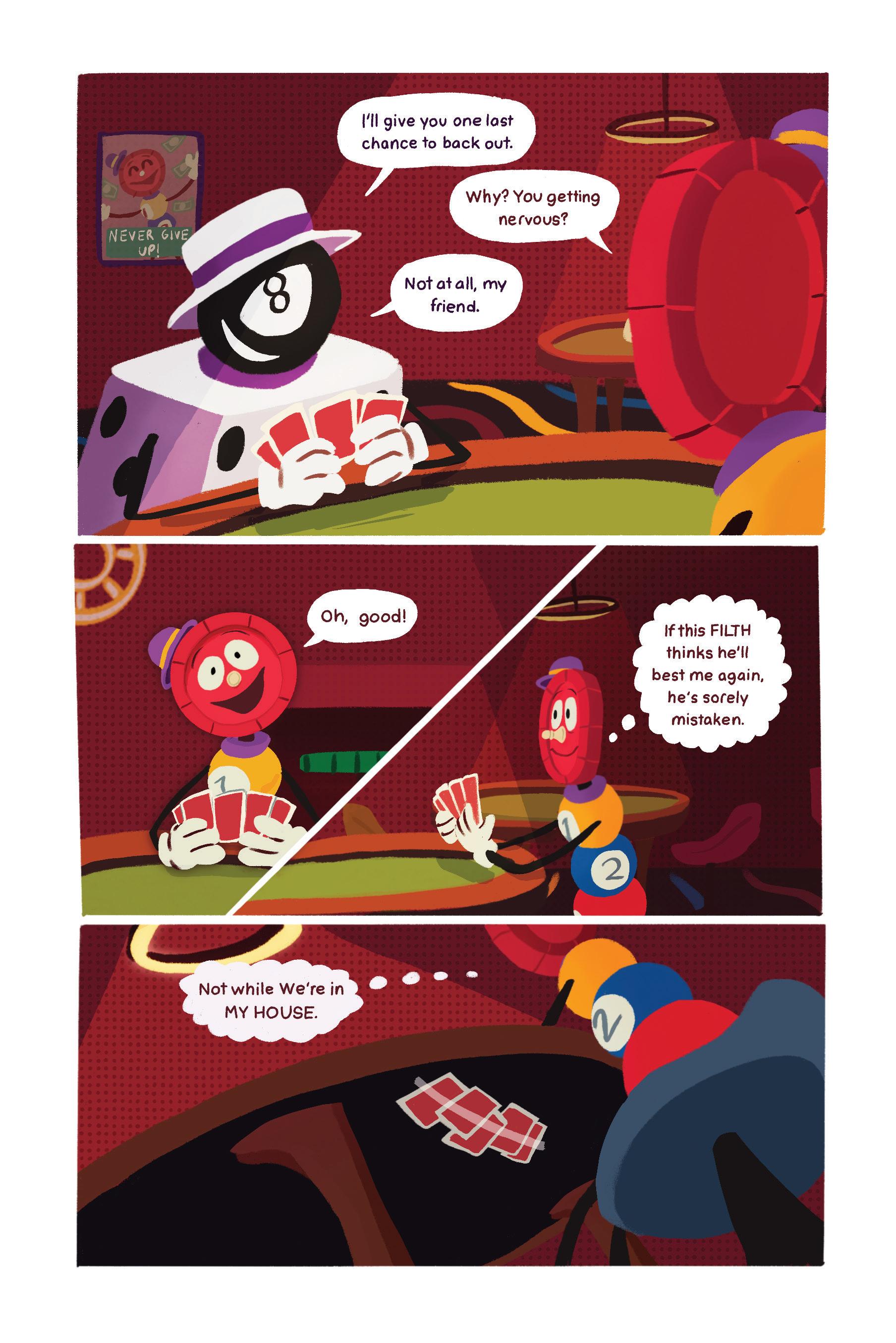
The good thing about digital colors is that they recreate so much better in print, whereas watercolors are a bit hit or miss. You have to scan it, and then you have to print it, and it will look different. For the digital process, I focus on what I want to
that I wanted to try. I saw a color palette that didn’t use any greens. Everything that would normally be green was a blueish turquoise, and I wanted to try that to make it more ornate. It didn’t have any earthy, natural color. I think mostly about how I want the colors to feel, but I’m not as worried about how it will look in print.
Since the medium of comics is so versatile, what do you feel it lends to your work? I know you’ve been doing comics for a long time, so part of it might just be a habit, but in what way do you find the medium itself to be special?
out. I liked comics early on because even people who weren’t pursuing the arts could still create their own zines. It’s very punk to make comics. There are many interesting stories about people from diverse backgrounds. I was reading manga, and I had my pencil and my paper, so no barrier could stop me.
When you are thinking about the idea that you want to make into a comic, how do you decide what to flesh out into a full length graphic novel? How do you know this is an idea that you can take to that level, or expand to that degree?
I like that I can do it without any fancy equipment. Since I was interested in animation early on, it felt like there was this big hurdle, because you need a studio. With comics, you can get started and find a way to put it together, either online or print it
That’s a good question. I am always thinking about what I want to work on next while I’m working on the current book, simply because it takes a long time to complete one book. At a certain point, the real storytelling work is over, and you’re doing the tedious stuff. Your mind is searching for something new to be obsessed with. Usually, there‘s an idea that you keep thinking about, and maybe
that’s something you could pursue. When I was working on Ash‘sCabin , I was burned out and had no idea. It wasn’t until after I finished the book, and I had a couple of months to not think about working on comics, I was able to return to an idea that I had been excited about previously. With this old idea, when I first came up with it, I didn’t know if I was the right person to tell the story. Many years later, I went back, and now my life is different! Now I do have something I want to say about it. It’s like looking at it through a fresh lens. That’s the project I’m working on now.
I was looking at your Instagram in preparation for the interview, and I noticed that you had a baby a couple years ago. Can you tell us how being a mom is influencing your life as a cartoonist?
That’s a great question. That is something I’m never asked, but I find it pretty interesting. For Ash‘sCabin , I had written everything and started drawing when I had a baby, and so the rest
of it took longer than usual, but it was also during the pandemic, so everything was weird. Now, this next one will be the first book where the whole way through I’m approaching the process as a parent. I don’t feel like it’s changed the creative part of it. It’s just harder to find the time to get things done. I will say, at least for Ash‘sCabin , I was less precious. During parts of the process, I still spent a lot of time ensuring it was the book I wanted to create, but I was able to decide whether or not it was worth all my energy to get this one drawing right.
My partner and I are involved parents, and we try to keep it as balanced as possible. As kids get older, they become more independent. My son‘s really into drawing now, so this will be the first book he’ll see me drawing. I’m kind of curious how that’s gonna affect how he thinks about creativity. I think this all has made me appreciate my time more, and I have more work-life balance. At some point in the day, I’m gonna stop working. I can spend time with family and not think about my book all the time, which is what it had been like in the past.
INKwould liketothankJen Wang fortakingthetimetobe interviewed!