villageliving
SECOND CHANCES
EMBRACING THE BEAUTY OF NEW BEGINNINGS

EMBRACING THE BEAUTY OF NEW BEGINNINGS
Behind the scenes at The Village Retirement Group the wheels are constantly in motion and it’s very rewarding to see some of the fruits of our labour being harvested!
Our resident app, The Village Hub, has now been successfully rolled out across five villages, with a greater than anticipated resident uptake - and still growing! Recent weather events in Queensland were the perfect test for our app’s functionality. Thank you to our residents for the sensational feedback conveyed – we’re thrilled that you could all stay informed through the updates that were provided via The Hub. We have partnered with Conpago to deliver this secure and technically up-to-date platform; and more broadly, we remain committed to the ongoing research and investment into new technology to ensure The Village is always delivering great benefits for our residents.

Development of our Village teams also continues to be a significant focus. We recognise that our people are our most important asset as we strive to deliver the best retirement living in Queensland.
Now, please make yourself a cup of coffee to enjoy while you turn the pages of this latest edition!
Justin Harrison | Managing Director

Did you know?
Elvis Presley earned seven black belts in karate.
LHere’s what you can expect at Cooly Rocks On – the ultimate celebration of the motors, music and lifestyle of yesteryear.
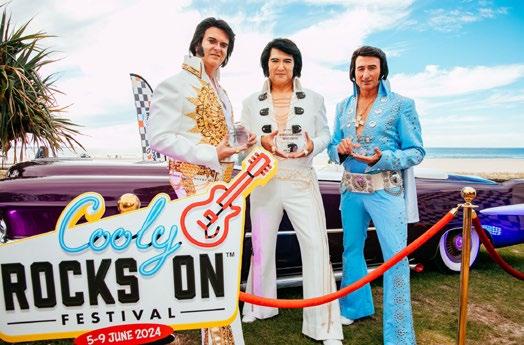
a dies and gentleman, start your engines because Australia’s favourite annual nostalgia festival, Cooly Rocks On, will take you back in time to celebrate all things motors and music
Originally kicking off back in the 80s as the WinterSun Festival, the first vibrant event brought 17 hot rods down from Brisbane to rev up the crowds between exciting events like a billy cart derby, skateboard championship, roller derby, marathon swims, and more.
The festival’s love for the 50s and 60s reached fever pitch by 1985, as Rock ‘n’ Roll entertainers joined the line-up of vintage cars and bikes to the tune of Elvis Presley and The Beatles. Fast forward to 2011, and the name Cooly Rocks On officially took over – bringing with it a slew of Queensland Tourism Awards and loyal fans both locally and beyond.
Nowadays, Cooly Rocks On’s famous Show‘N’Shine display features over 900 retro vehicles that line the streets of Coolangatta to leave jaws dropped all over town. It’s impossible
to miss – you can hear the fanfare before you see it!
The festival is also renowned for hosting an official preliminary round of the Ultimate Elvis Tribute Artist Contest, sanctioned by Elvis Presley Enterprises. In fact, Cooly Rocks On is one of only three festivals in Australia to do so, with the winner heading straight to Elvis Week in Memphis. Plus, the music doesn’t stop there, with an incredible line-up of Rock ‘n’ Roll, swing, rockabilly and tribute artists from around the world heading to the Gold Coast just for the occasion.
Don’t let bygones be bygones! With a range of free and ticketed events across the five day program, there’s truly something for everyone at Cooly Rocks On.
The details
What: Cooly Rocks On
Where: Coolangatta, Gold Coast
When: Held annually in June
For dates, event & booking information, visit www.coolyrockson.com
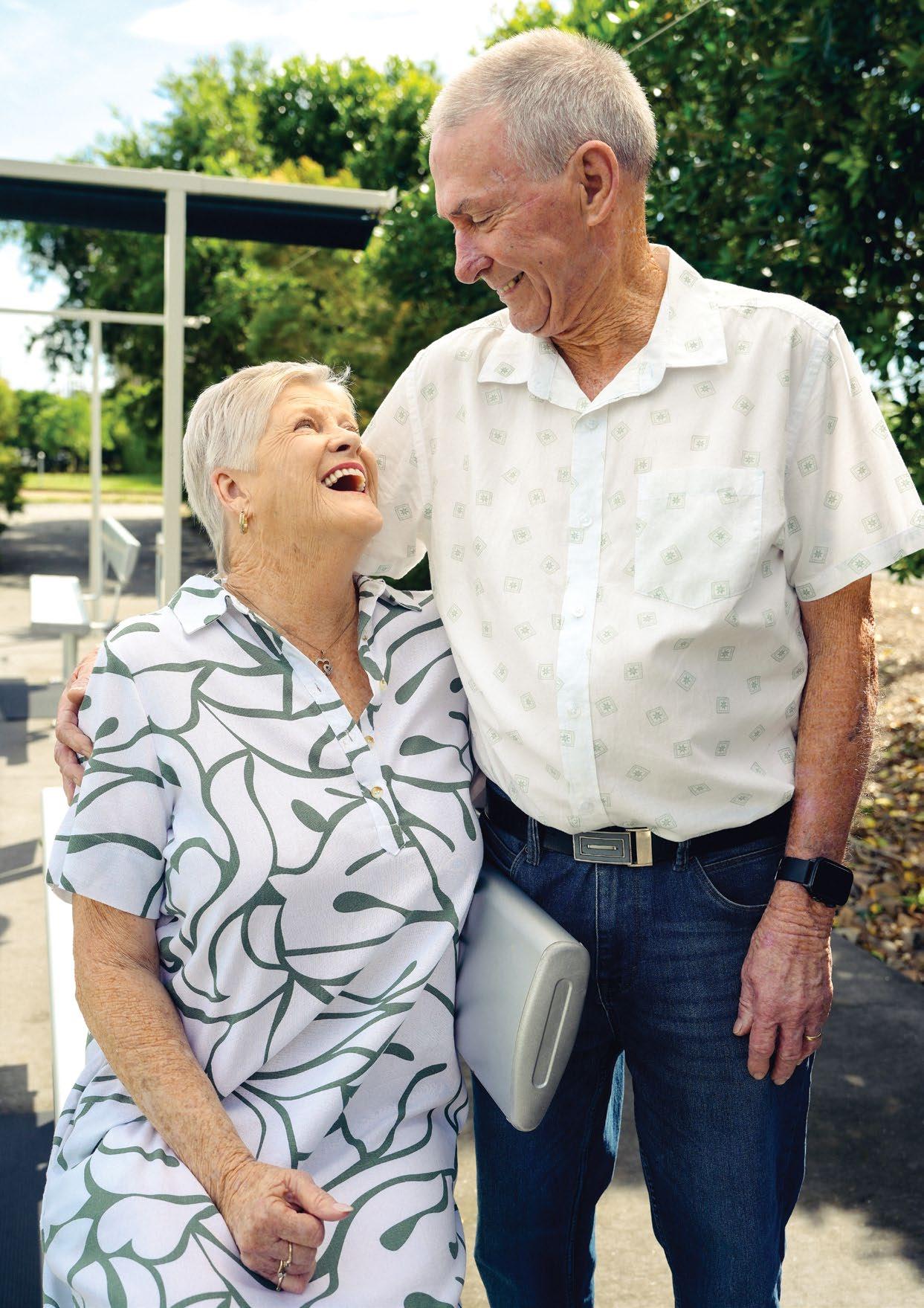
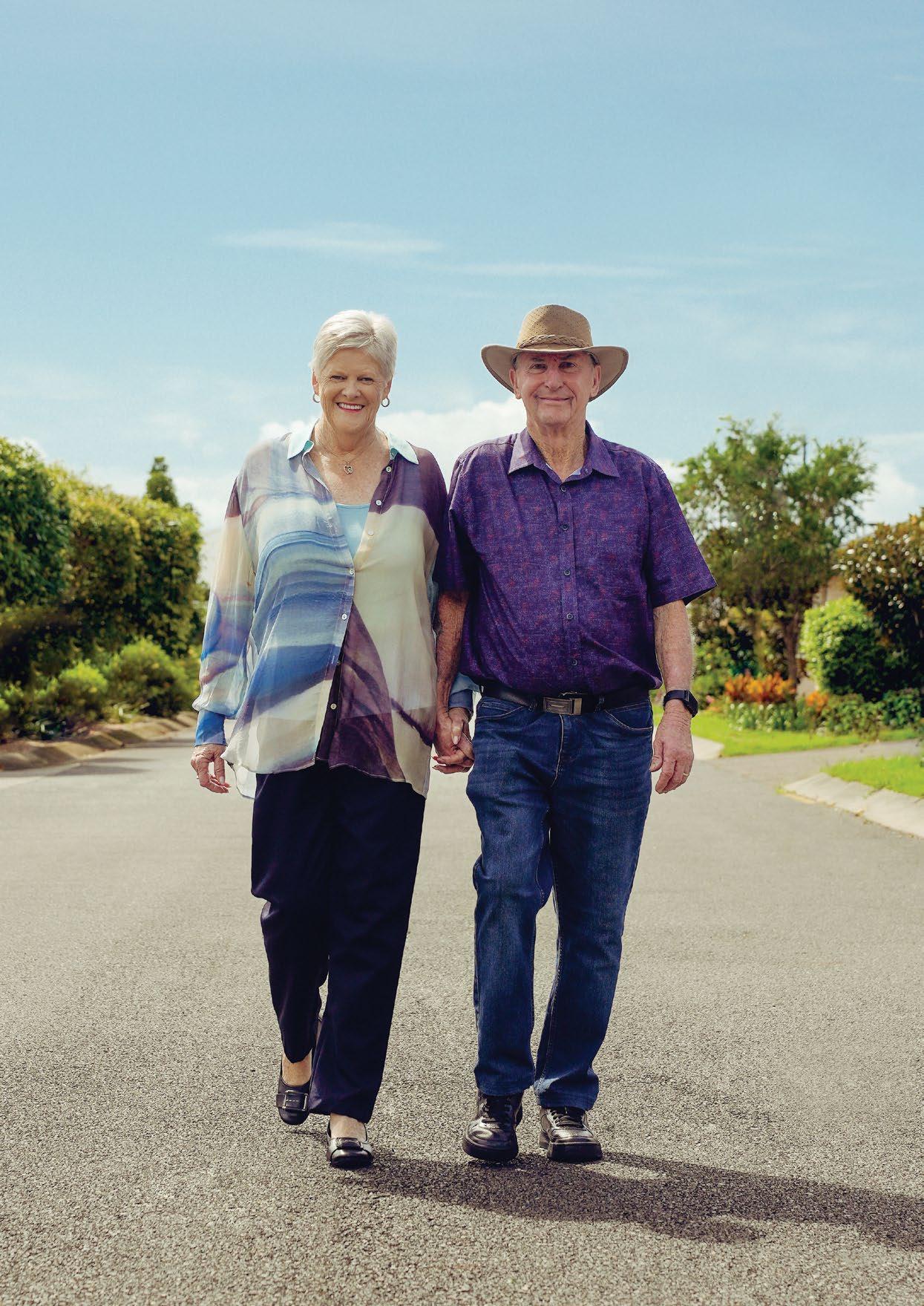
In a world full of fleeting moments, this quarter-century love story stands as a testament to the power of patience, laughter, and connection.
Ma rylin and Ray’s l ove story began on a day in late 2000, when fate stepped in. It was through a mutual friend that their paths crossed – an introduction that would forever change the course of their lives. “We went for coffee,” Marylin recalled, “and we’ve been together ever since.” That first date blossomed into a bond that has lasted more than two decades, a testament to the power of love when you least expect it. Both Marylin and Ray had experienced love before, each bringing children from previous marriages into their new relationship. They embraced the opportunity to not only build a life together but to blend their families and forge new bonds. Their pasts shaped who they were, but it was this second chance at love that allowed them to create something uniquely their own.
“I think for us, we’re living every day and find something positive every day in each other.”
Their forever included a move into The Village Redcliffe, marking the start of another new chapter - one filled with connection and a thriving community. Far from slowing down, their retirement has become busier than ever. Marylin now leads as the chair of the residents committee, while Ray is always lending a hand, whether it’s assisting neighbours, fixing things around the village, or simply brightening someone’s day with a friendly chat. Their decision to move wasn’t just about finding a place to live—it was about embracing a lifestyle where they could continue to grow, contribute, and enjoy every moment together.
They say opposites attract, and for Marylin and Ray – that was exactly the case. “What’s important for me with Ray is his calmness and he’s very helpful and willing to do lots of things for everybody.” Marylin explained. Admitting her own fiery side, Ray’s easy-going nature provides a sense of balance, which is something Marylin loves, “I’m probably a bit headstrong, whereas he’s like the calm before the storm.”
“I think we’re good together because we’re opposites, that’s the thing that glues us together and keeps us going,” Marylin says.
Marylin and Ray’s love story took an unexpected turn 12 years ago when Ray was diagnosed with prostate cancer. Before the shock diagnosis, they hadn’t considered marriage, feeling content in their relationship as it was. However, when Marylin came out for breakfast one morning in 2013, she found a card on her chair with the simple yet heartfelt question: “Will you marry me?” In a time shrouded in uncertainty, Marylin and Ray made the decision to take the next step together. “We just decided, well, I think we should be together forever.
For Ray and Marylin, life is about living in the now, cherishing the good in each other, and making the most of every single moment. “I think we laugh every day together, and every day we tell each other, ‘I love you’.” In a world that often rushes by, their story serves as a reminder of the power of opposites – not just to attract,

but to create something beautiful, enduring, and full of love. The couple’s secret for a longlasting relationship is one that shouldn’t come as a surprise to many. “I think it’s always making time for each other, just to be together - we still have date nights on Friday night.”
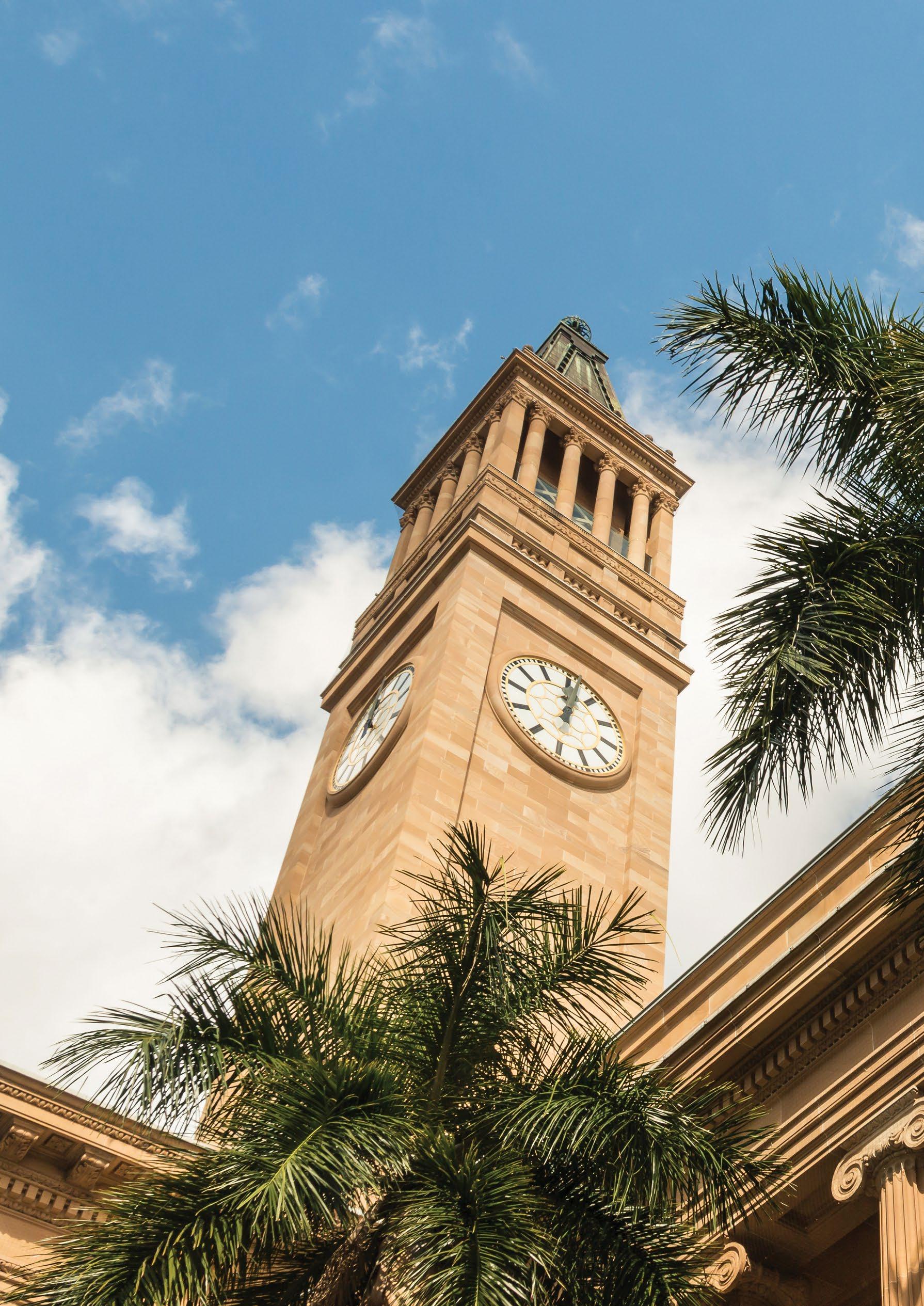
Standing tall and overlooking the crowds of Brisbane for almost 100 years is City Hall – one of Queensland’s most significant heritage and cultural icons.
Atestament to the city’s rich history and architectural grandeur, City Hall truly is the beating heart of Brisbane. Over the decades, it’s served as the central hub for civic, community, artistic, and social events – earning the affectionate title of the ‘People’s Place’. From royal receptions to orchestral concerts and political meetings, City Hall has seen it all, and has even welcomed distinguished guests including The Rolling Stones and Queen Elizabeth II.
Following a three-year restoration in 2013 to reinstate the icon to its former glory, City Hall continues its role as a cherished landmark in Brisbane’s cultural landscape.
• The first foundation stone was laid in 1917 by the then Governor, Sir Hamilton Gould-Adams
• The City Hall offices opened for business on 3 January 1928
• It was the first major Australian concrete ‘column and beam’ building constructed
• City Hall officially opened to the public on 8 April 1930
Originally known as ‘Concert Hall’, City Hall’s Main Auditorium was so vast that early performers dubbed it the ‘two acre paddock’. Its circular design with fluted pilasters around the perimeter is based on the Pantheon of Rome. A decorative frieze by artist Daphne Mayo runs above the stage, featuring a classically-inspired motif of nymphs playing trumpets and cymbals.
The Brisbane City Hall Organ was built in 1892 by Henry Willis and Sons of London for the Queensland National Agricultural and Industrial Association (QNA) at Bowen Hills. In 1897, the QNA was declared bankrupt and several musicians came together to rescue the organ from the auctioneer’s hammer – raising funds for the Brisbane Municipal Council to purchase the organ.
An important landmark and timekeeper for the city, the City Hall clock tower stands at 92 metres high and was the tallest structure in Brisbane until the 1960s. Every year, thousands of visitors ascend in the historic cage lift to the top of the clock tower. “Once at the summit, visitors are treated to panoramic views of the city, while also being able to explore the clock mechanism and the iconic bell.”
Housed in a purpose-built gallery on Level 3 of City Hall, Brisbane’s leading history and art museum brings the city’s vibrant culture to life, offering a year-round program of free exhibitions, workshops and events.
Over 150 signatures from WWII veterans were uncovered in October 2008, as Brisbane City Council restored the basement of City Hall. Soldiers scrawled everything from their names to service numbers, and amusing mottos on the wall, which at the time sat above the men’s urinal. The wall is now part of the overall City Hall heritage listing.
In 2010, workers on the City Hall restoration uncovered an important archaeological discovery that dated back over a century – before the building even existed! As workers excavated below the Main Auditorium to make way for the building’s first kitchen, they found remnants of a cobblestone drain and old streetscape three metres into the dig which has been dated back to the late 1880s, when the site was converted from swamp lands into Council property. Experts believe the drain was incorporated into paths and driveways to allow movement of stock onto the site as well as storing tools and equipment for the construction and maintenance of the city’s infrastructure, including storage of paving stones and kerbing used for Brisbane’s early streets.
A time capsule containing photos and messages from 2012 was placed inside the wall of the Main Auditorium on 2 April 2013. It will be re-opened in 2059 to coincide with the 200-year anniversary of the declaration of the municipality of Brisbane.
Want to take a look for yourself? Free guided tours are available inside City Hall, and visitors can also take part in the popular Clock Tower Tours. Bookings are essential.
Rich, creamy and sure to have your guests wanting seconds, here’s a classic recipe for baked cheesecake.

FOR THE CRUST
1 ½ cups Digestives, Milk Arrowroot or Marie biscuits (crushed)
¼ cup sugar
½ cup melted butter FOR THE CHEESECAKE FILLING
3 (225g each) blocks of cream cheese, softened
1 cup sugar
1 tsp vanilla extract
3 large eggs
1 cup sour cream
¼ cup heavy cream
Preheat the oven to 160ºC.
In a bowl, combine the crushed biscuits, sugar, and melted butter. Mix until the crumbs are wellcoated.
Press the mixture firmly into the bottom of a greased 9-inch (23cm) springform pan.
Bake the crust for about 10 minutes, remove from the oven and set aside to cool.
Beat the softened cream cheese with an electric mixer on medium speed until smooth and creamy. Gradually add the sugar and vanilla extract, beating until smooth.
• Top your cheesecake with any toppings you fancy! Toppings could include fresh berries, a fruit compote or a drizzle of chocolate sauce.
• Use room temperature ingredients for smoother mixing.
• Avoid opening the oven door while the cheesecake is baking as the sudden temperature change can cause cracks.
Add the eggs one at a time while beating. Mix well.
Stir in the sour cream and heavy cream. Mix until the batter is smooth. Pour the cream cheese mixture over the cooled crust in the pan.
Bake for 50-60 minutes, or until the edges are set and the centre is slightly wobbly (it will firm as it cools).
Remove from the oven and allow the cheesecake to come to room temperature.
Cover the cheesecake with plastic wrap and refrigerate for at least 4 hours (ideally overnight). Remove from pan before topping and serving.
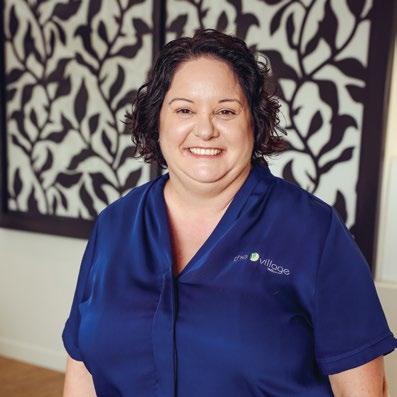
Get to know the fabulous faces and phenomenal personalities behind our Village teams.

TAMIE SECHI
SIMON FORSYTH
Chief Executive Officer,
Village Central
Something random or unique about yourself? I taught English in Japan for 2 years in the late 1990s as a working holiday after finishing university.
What sets The Village apart from other retirement groups? Dedication to excellence and a focus on ensuring our residents have the best possible retirement opportunity and experience.
Favourite thing to do on the weekend? Family time, outdoor activities like hiking, standup paddle boarding and kayaking.
Coffee order: Small flat white.
Assistant Village Manager, The Village Taigum
Favourite holiday destination? There are so many – I can narrow it down to 2: Paris for its world-famous landmarks & Budapest for its architecture and history. What do you love most about your job? Knowing that my work contributes to something meaningful and makes a difference in the community.
If you could have one superpower, what would you choose? Healing. My mum has Parkinson’s – I would love to be able to heal her.
Coffee order: Very large latte, no sugar.
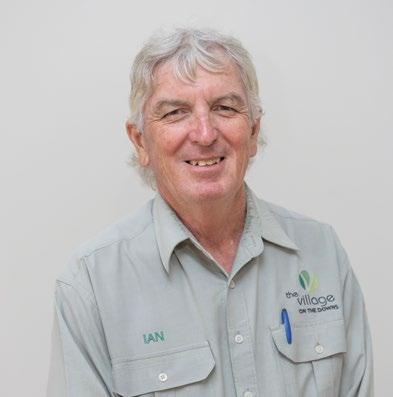
IAN RODWELL
Maintenance
Supervisor,
The Village on the Downs
A saying or quote that you love? ‘Don’t whinge and whine, get on with life and be nice to people.’
Something random or unique about yourself? I have lived in Queensland for 40 years but still support the mighty N.S.W Blues (I’m no traitor).
Best advice you’ve ever received? Don’t try to be anyone but yourself.
Coffee order: I drink tea!
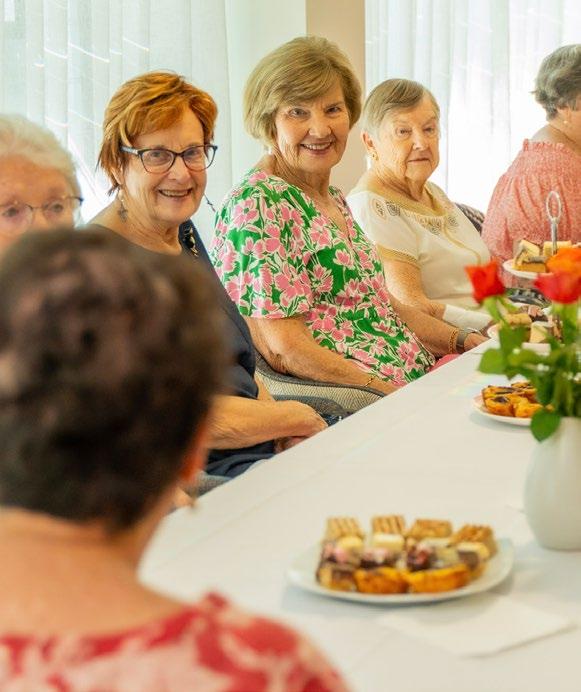
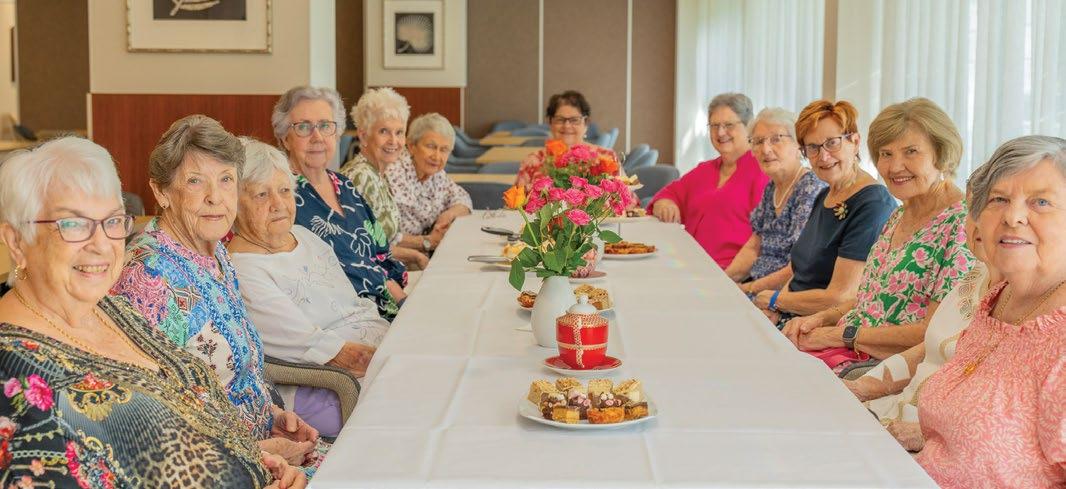
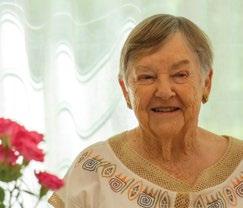
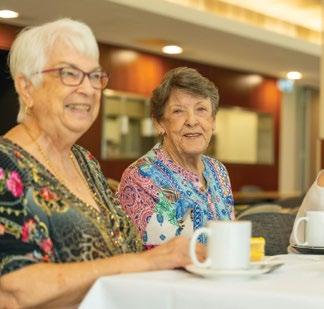
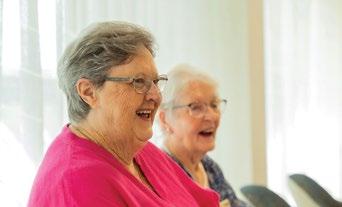
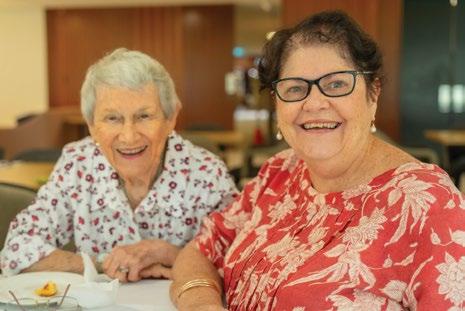
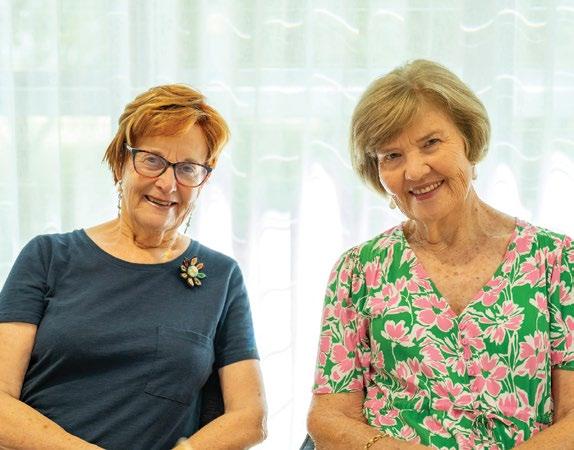
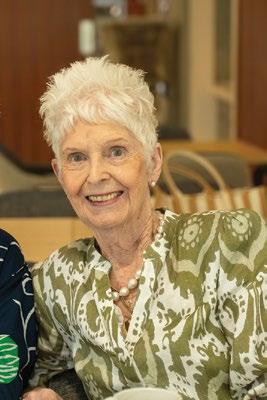
In The Village Yeronga, a group of residents have formed a remarkable bond. Meet The Margarets – a group of women, all with the same name, who gather once a year to catch up, laugh together, and share stories over a cup of coffee. We invited them for a special morning tea so that we could learn a little bit more about this exclusive fellowship of ladies called Margaret. It all started in 2019, when Margaret Piccini organised the first of what would become an annual tradition. “There were just so many Margarets here,” she recalls, “At that stage there
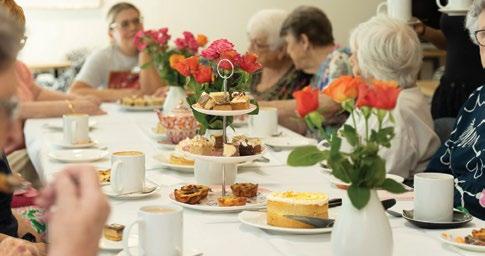
were probably 20, now I think there’s around 24.” The first event was an instant success, setting the stage for regular gatherings that became a cherished tradition.
“There’s one Margaret who says it’s her favourite thing for the year.”
The first morning tea that Marg (Piccini) organised was really successful,” said Margaret Ball, another key contributor to the Margarets gettogethers. “There are lots of ways that you meet people here – Marg (Piccini) has been to water aerobics this morning, I went to hydrotherapy yesterday. There are all sorts of various clubs, but this is what we have in common.” Reflecting on why their unique congregation is so special, Margaret Ball added, “It’s just our name. Not that we like to swim, or we like to play bowls, it’s just a nice broadening of the social groups that develop at The Village.”
The gatherings aren’t just about celebrating their shared name though – they’re about creating connections. And for the Margarets, it’s the little things that make their get-togethers so special.
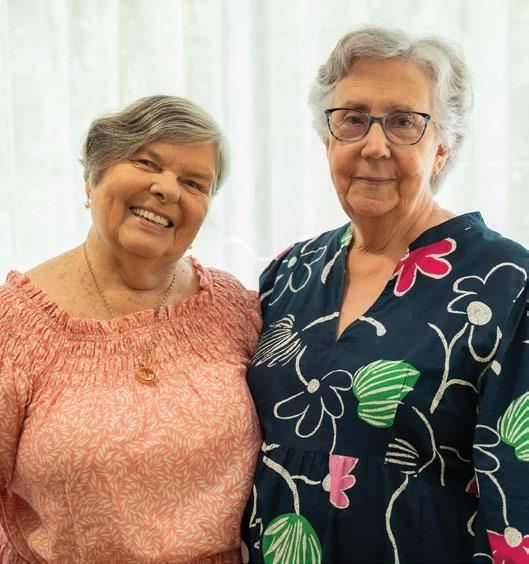
From beautiful table settings to gifts, every detail is carefully thought out. “I like to dress the tables,” says Margaret Ball. “That’s my thing – to make them look pretty.”
“And we always have a little parcel for them to take away,” adds Margaret Piccini. These gestures create an atmosphere that feels like family, where everyone can enjoy each other’s company, share their happiness (and sorrows too). “You get to share everybody’s joys. You share the sadnesses too, when we lose people, but it’s just lovely to know, somebody’s great-grandchild will come, and you can see how much they’ve grown since the last time you saw them,” says Margaret Ball.
“Even though there’s a generation difference between the youngest and the oldest, that ‘Margaret-ness’ is still there.”
Rumour has it that the Margaret meet-ups have become so renowned within the Village that they may need to start checking ID. “I’ve had a few people ask if they can come along because Margaret is their middle name… and it’s not easy to tell them ‘no’!”
• Meaning of the Name: Of Greek origin, derived from the word margarites, which means “pearl.”
• Famous Margarets: Dame Margaret Rutherford (actress), and Margaret Court (world #1 tennis player), Margaret Thatcher (first female UK Prime Minister), Margaret Atwood (author).
• The name was highly popular in the early-to-mid 20th century, influenced by Princess Margaret, the younger sister of Queen Elizabeth II.
• Marg, Maggie, Meg and Greta are all common nicknames for Margaret. Peggy was once a common nickname, especially in the 18th and 19th centuries.
• Margaret River is a well-known wine region in Western Australia.
After decades in engineering and farming, Toowoomba’s Marc Newman found a surprising new passion in retirement.
Re tirement opens the door to countless new hobbies, and for The Village on the Downs resident Marc Newman, it led to a surprising new interest – native bees.
After decades of work and routine as an electrical engineer and mushroom farmer Marc has found joy in studying these tiny, unsung heroes of the ecosystem.
Marc used to work with Mount Newman Mining Company in Western Australia, before joining the State Energy Commission. “I became the transmission planning engineer for WA,” Marc recalled.
When he left the company, Marc returned to Queensland with the intent to resume his career but pivoted to help his brother on the family farm instead.
After struggling through challenging conditions like hail, frost, and drought while growing tomatoes, Marc and his brother decided to give mushroom farming a go.
They started small in a shed and after lots of hard work they became skilled growers and joined the Australian Mushroom Growers Association.
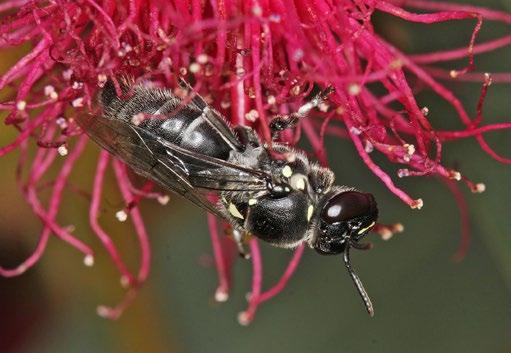
His interest in these incredible pollinators began with a chance encounter in a friend’s yard in Stanthorpe. “It was just gone dark, and I noticed a bunch of insects on a limb that we walked under,” Marc recalled.
“We became interested in eucalypts and native bees and photography,”
By the year 2000, Marc and his brother handed over the farm’s management to his nephews, and Marc and his wife Jan decided to retire. “We became interested in eucalypts and native bees and photography,” Marc shares.
This shift marked the beginning of Marc’s journey into the world of native bees—a passion that would grow into something far more significant than he could have ever anticipated.
Marc’s fascination with bees began in his own home and now, in retirement, he still finds joy in observing their intricate behaviour.
Marc’s knowledge of bees, however, extends far beyond interest. A keen photographer, Marc has uploaded more than 4000 photos to Flickr, most of which are of native bees. Many of Marc’s photos have been used by others, for example, Australian entomologist Megan Halcroft’s pocketbook guide ‘Bees and other Beneficials Insects’ features several of Marc’s photos. Not only this, ecologist Dr Kit Pendergast has used Marc’s photos in a document on the design of bee hotels.
At that point, he didn’t realise that what he had seen was the beginning of a new and lasting passion.
The following week, Jan asked him to take some vegetable scraps out to the garden and bury them.
On his way, he passed a Melaleuca tree, which was covered in insects. Intrigued, he took a closer look. “I grabbed my camera, took some photos— and this was the start of it,” he says.
It was then that Marc discovered an unexpected sight: about 400 native bees roosting on the tree.
These bees, he learned, were males from solitary species, which do not stay with the females. Instead, the males roost overnight and head out the next day in search of a mate. Marc found this behaviour fascinating.
“It was an amazing event,” he reflects. “And from there, I just got interested.”
Since his initial discovery, Marc has unearthed a wealth of knowledge about native bees, proving that retirement offers the perfect opportunity to dive into new passions and uncover unexpected wonders.
Encouraging native Aussie bees to your backyard can enhance pollination, support local biodiversity, and help create a thriving ecosystem, giving you a gorgeous garden year-round.
DID YOU KNOW:
There are as many as 2000 species of native Australian bees!
Want to attract bees into your garden? These three native Australian plants could help:
1. Australian Bluebell
Beautiful lavender-blue bell-shaped flowers. Plant bulbs in Autumn for Spring colour.
2. Grevillea
Produces vibrant, spider-like flowers in varying colours. More than 300 varieties of this shrub, so select the right size & style for you!
3. Salvia
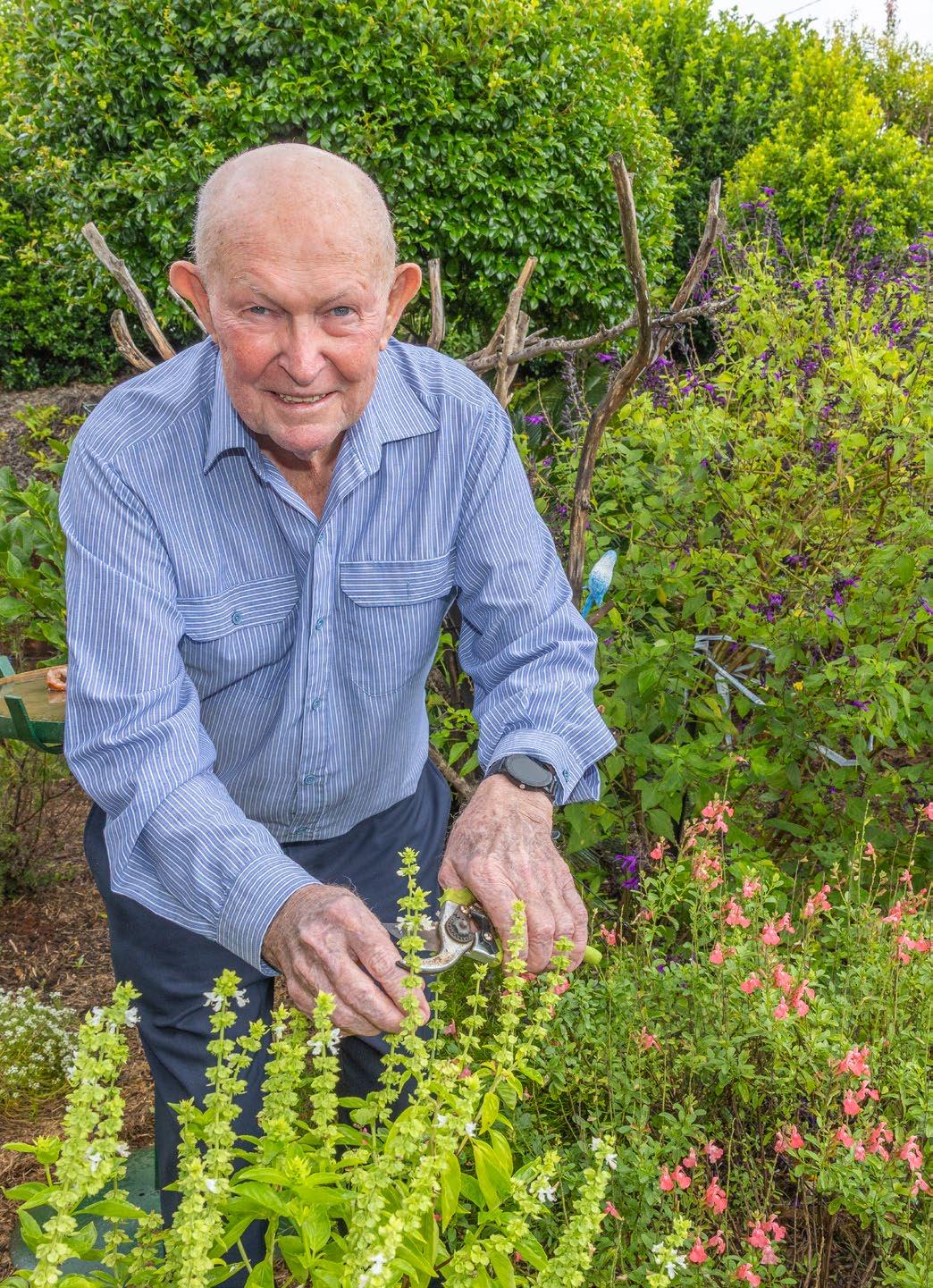
Evergreen shrub with aromatic foliage. Choose flowers in violet or blue that bees are particularly attracted to.
Let’s take a sip through time and explore the full-bodied history of coffee in Australia.

Wr apping your hands around a cup of coffee is now an everyday ritual as habitual as brushing your teeth, but the history of Australia’s coffee culture is as rich and complex as a single-origin espresso.
The first bean landed on our shores with the First Fleet in 1788, when European settlers brought coffee plants to the continent. However, the challenges of growing coffee in Australia’s harsh conditions meant tea continued to reign supreme as the beverage of choice.
Although the temperance movement helped elevate coffee’s status as an alternative to alcohol that could be enjoyed with company, it wasn’t until the mid-1900s and the arrival of Italian immigrants that coffee culture truly began to take root. The first commercial espresso machine was introduced in 1928, sparking an interest in tradition and quality that would shape our approach to preparing and appreciating every cup. Additionally, the rise of Italian-style coffee houses helped foster a sense of community, bringing Australians together over a shared love of coffee. This helped establish a strong coffee culture following the migrant boom post World War II. Fast-forward to the contemporary cafés we
know today, where a unique blend of local and international influences alongside an emphasis on barista craftsmanship has cemented Australia as one of the world’s most dedicated coffee-drinking nations. Australians consume approximately 2.6 kilograms of coffee per capita each year! We’re known for favouring specialty coffee and small-scale local cafés, making it difficult for expansive corporate chains to pick up steam. Here, flavour profiles are shaped by varying roast degrees and bean processing techniques that lend themselves to the complexity and vibrancy of the Australian coffee experience. A key part of this is the artistry of the barista, whose expertise in crafting the perfect cup involves not only an understanding of different brewing methods but also the training and precision that comes with mastering the process. In many cafés, in-house roasting plays a crucial role in ensuring the freshest beans, with roasters carefully selecting blends and adjusting roasting profiles to enhance the beans’ natural flavours. Our coffee culture remains as dynamic and inventive as ever, with demand for alternative milks like oat and almond milk, and a growing awareness of environmental
sustainability, influencing modern offerings. For example, some cafés now offer compostable cups or support ethical sourcing practices. From bubbly cold brews to functional coffees blended with ingredients that promote health, baristas are always brewing new ideas, contributing to the future of Australian coffee traditions.
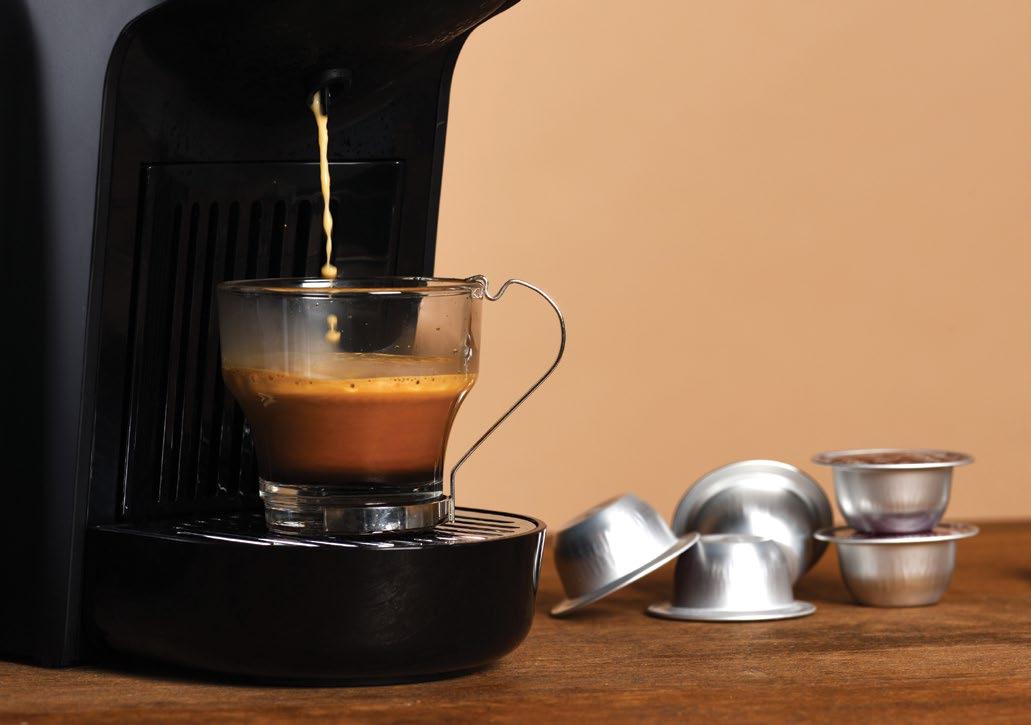
With a love for coffee as strong as ours, it only makes sense that Australian coffee culture extends to the home. Capsule and home espresso machines have revolutionised the way we enjoy coffee at home, with Nespresso, Lavazza and Aldi’s Expressi dominating the market. They offer hassle-free brewing at its finest, and a variety of coffee options to suit evolving tastes. Meanwhile, instant coffee from brands like Nescafé and Moccona remain a go-to option for an ultra-convenient caffeine fix. In fact, instant coffee continues to be such a staple in our homes that recent years have seen a rise in premium, freeze-dried options to offer Aussies smoother, richer flavours without the need for fancy equipment.
Flat white: single shot of espresso + steamed milk + thin layer of foam
Long black: two shots of espresso + hot water
Short black: single shot of espresso
Piccolo: single shot of espresso + small amount of steamed milk
Latte: single shot of espresso + steamed milk + medium layer of foam
Cappuccino: single shot of espresso + steamed milk + thick layer of foam + cocoa powder
Mocha: single shot of espresso + cocoa powder (or chocolate syrup) + steamed milk.
Iced latte: single shot of espresso + milk + ice cubes
Iced coffee: single shot of espresso + milk + ice cubes + ice cream scoop
DID YOU KNOW: some people believe that adding milk before hot water in instant coffee improves the taste but there is no scientific evidence to back this up!

Half an hour away from Brisbane’s CBD, a slice of bayside paradise can be found. Offering the perfect mix of seafood, shopping and seaside relaxation, Manly boasts gorgeous cafés and stunning views, not to mention The Village Retirement Group’s latest medium rise village!
Th ere’s a distinct rhythm to life by the water - where mornings start with the hum of fishing boats, and afternoons invite you to wander the bustling weekend markets or settle in for a long lunch with a view.
Brisbane’s bayside suburb of Manly offers the perfect mix of laid-back, waterfront charm and urban convenience, making it an ideal escape just 30 minutes from the CBD.
The Bayside area’s evolution has been remarkable, balancing its maritime heritage with a thriving modern scene.
Once a quiet retreat for day trippers, today it’s home to a growing collection of boutique shops, award-winning restaurants, and scenic spots where locals and visitors gather to embrace the outdoors. Life here is centred around the waterfront.
The Manly Harbour Marina (the largest in the Southern Hemisphere) is a haven for boating enthusiasts, while the picturesque Esplanade provides the perfect backdrop for cycling, jogging, walking, or simply taking in the ocean air.
On weekends, the Manly Creative Markets transform Little Bayside Park into a treasure trove of fresh produce, artisan crafts, and live music.
And if you prefer to explore by water, you can set sail on a Moreton Bay cruise or take a kayak out for a closer look at the island-studded horizon.
For those who enjoy a touch of history, the
heritage-listed Lota House, constructed in 1865, is the oldest surviving residence in the ManlyLota area. One of only a few 1860s residences remaining in Queensland, Lota House is a rare example of 19th Century Georgian architecture.
The dining scene in Manly is as diverse as its community.
Whether you start your morning with freshly baked delicacies and cold pressed juice or a more traditional hot breakfast and great coffee, a quick stroll along The Esplanade unveils endless options favoured by locals and there’s no shortage of standout lunch spots either!
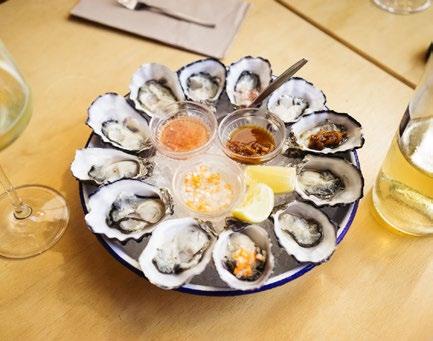
Seafood lovers will feel right at home with oysters the hero of many a menu, and fresh local catches are served alongside unbeatable waterfront views.
Sip a cocktail, indulge your sweet-tooth, or enjoy dinner with a sunset view – one of the area’s greatest luxuries is its ability to slow life down.
Being by the water delivers an undeniable sense of calm and Manly’s endless stretch of greenspace of foreshore parkland brings a sense of balance to activity and solitude.
With its blend of scenic beauty, vibrant culture, and warm community spirit, the Bayside lifestyle is both invigorating and relaxing.
Whether you’re here for the day, or staying a bit longer, one thing’s for certain—you’ll find yourself planning your next visit before you even leave.
This isn’t downsizing... It’s upgrading!
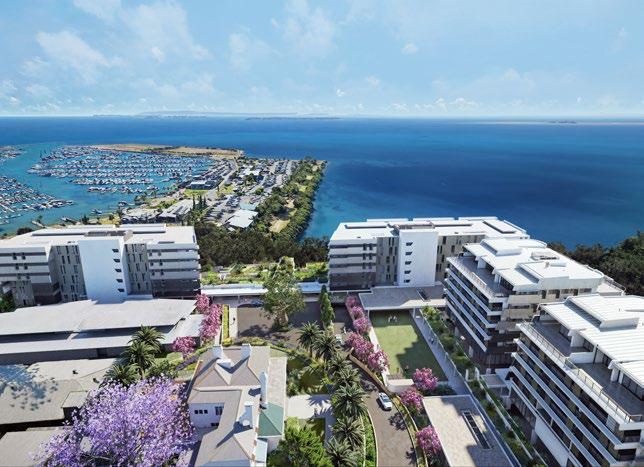
Nestled on the crest of Manly’s highest point, adjacent to the heritage-listed Lota House, The Village Manly is set against a magnificent backdrop in Bayside’s most desirable suburb. Contemporary designs are infused with elegant accents to redefine the standard of independent retirement living. And at the centre of it all, an inspirational community centre celebrates luxury and life, where superb facilities showcase the vibrancy of this dynamic village.
Stage One comprises 76 x 3 bed, 2 bath apartments all with northeast outlooks to Moreton Bay. Ranging from 131m 2 – 212m 2 each stylish apartment offers state of the art inclusions and superb living spaces. With everything the suburb and The Village has to offer, it’s clear a move to The Village Manly isn’t just downsizing…it’s upgrading!
For more information visit www. thevillage.com.au/manly or phone Kath on 07 3854 3737
EAT
• Le Bistro Café & Boulangerie
• Groundhog Social
• Café La Mer
• Shucks Bar
• The Arsonist
• Manly Boathouse
DRINK
• Bluebottle Cocktail & Tapas Bar
• Manly Harbour Boat Club Rooftop Bar

“The Village Manly will deliver an unprecedented level of luxury for retirees seeking to downsize in the area they love”
– Justin Harrison, The Village Retirement Group
Ready to tune into your best self? It’s never too late to join a choir and discover the power of music.
Mu sic is a universal language that knows no age, and the greatest instrument of a ll? Your voice.
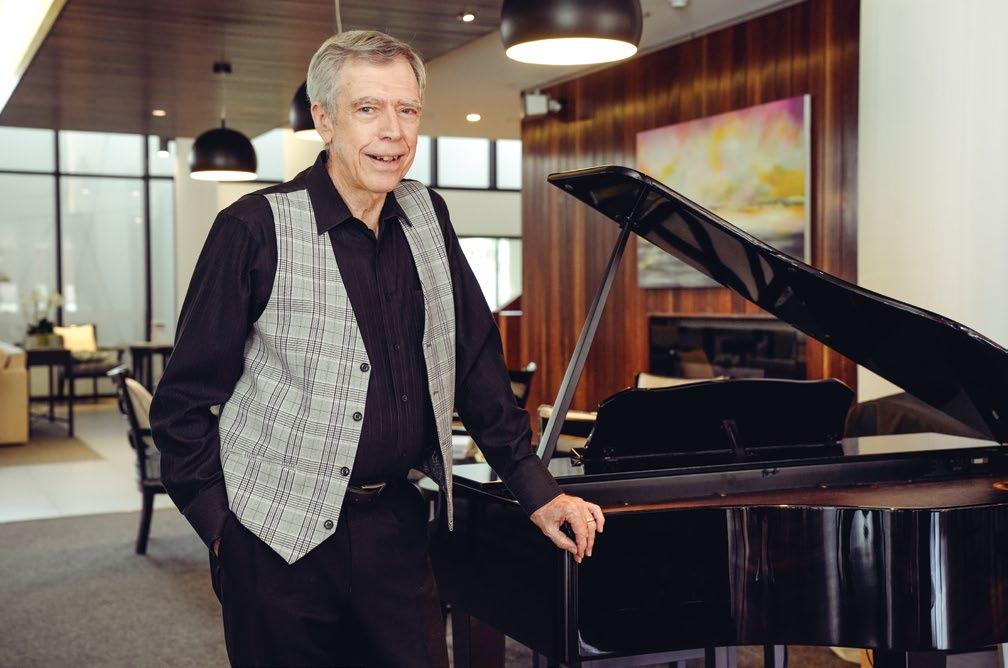
Joining a choir is a powerful activity that offers numerous benefits, from enhanced well-being to social connection and simply being a whole lot of fun. It’s also easy to pick up at any age and any skill level – all you need to do is show up! In the case of The Village Coorparoo Choir’s current Musical Director Dennis Harrison, music had always been part of his life, beginning with piano lessons as a child before picking up the clarinet for a year in his teens, and then the trombone later in life. But singing in a choir was a completely new experience for him until retirement. “Coming to The Village was an opportunity for me to grow and discover things that I hadn’t previously been able to do,” he said. From ensemble to conductor, Dennis’ new found love for the hobby has even extended beyond The Village, having joined two external choirs including
• There are 4 main types of voices in the choir: soprano, alto, tenor & bass.
• Smiling while singing helps to relax neck muscles & improve tone.
• The choir director leads rehearsals, guides vocal technique, and shapes musical interpretation to ensure cohesive and dynamic performances.
• Singing can expand lung capacity, supporting cardiovascular health by increased oxygen intake.
The Greatest Show Choir led by the awardwinning Jonathon Welch AM. He encourages all residents to experience the magic of group singing for themselves.
“The joy I get from seeing the participation of choir members who attend weekly rehearsals and the adrenaline charge from the wellreceived concerts is what keeps me going.”
From sleep to diet, here is why a happy and healthy gut microbiome is so important.
Th e gut microbiome, a complex ecosystem of bacteria, fungi, and other microbes living in the digestive system, plays an essential role in overall health. Research has increasingly shown that the gut microbiome affects everything from digestion to immune function.
A healthy gut microbiome helps digest food, produce vital nutrients, and protect the body from harmful pathogens. Importantly, it also regulates inflammation, which can contribute to age-related diseases when uncontrolled. When the microbiome is imbalanced, a disruption in the gut’s immune function can lead to chronic inflammation, linked to conditions like heart disease and diabetes.
The balance between good and bad bacteria in the gut is vital for supporting immune function and reducing the risk of chronic disease. Dr. Will Bulsiewicz, a renowned gastroenterologist, explains that maintaining a healthy microbiome can influence not only physical health but mental well-being, as the gut-brain connection is strong. A well-balanced gut microbiome supports cognitive function, reduces stress, and may help slow the aging process by reducing systemic inflammation.
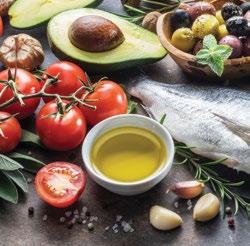
1. Eat More Fibre: High-fibre foods like whole grains, vegetables, and legumes serve as food for beneficial gut bacteria, promoting a balanced microbiome.
2. Incorporate Fermented Foods: Foods such as yogurt, kimchi, and sauerkraut are rich in probiotics, which support the growth of good bacteria in the gut.
3. Limit Processed Foods: Reducing intake of processed meats, sugary foods, and artificial sweeteners can prevent harmful bacteria from proliferating in the gut.
4. Stay Hydrated: Drinking enough water is essential for maintaining gut health and supporting digestion.
Recent research has highlighted that the gut microbiome also plays a role in regulating the body’s metabolism and the absorption of essential vitamins and minerals. Maintaining microbial diversity helps protect against obesity, diabetes, and other age-related conditions, further emphasising the connection between gut health and healthy aging.
According to Dr. Bulsiewicz, one of the easiest and most effective ways to enhance your gut health as you age is through dietary changes. He suggests focusing on eating a variety of plant-based foods, which feed beneficial bacteria and encourage microbial diversity. “Eating the rainbow” - incorporating a wide range of colourful fruits and vegetables into your diet - can provide essential nutrients for gut bacteria and reduce inflammation.
Supplementing with probiotics and prebiotics may help boost gut health, but it’s important to first consult with a healthcare provider to ensure they are appropriate for your individual needs.
5. Exercise Regularly: Physical activity is linked to a more diverse gut microbiome, contributing to overall health and well-being.
6. Get Enough Sleep: Quality sleep is crucial for gut health as it helps regulate the microbiome and reduce stress.
7. Manage Stress: Chronic stress can negatively impact the gut microbiome. Stress-reducing activities like meditation or yoga can help maintain balance.
“You have more bacteria that live in your gut than cells in your body.” –Dr Robynne Chutkan
In conversation with

“You’re going to make mistakes, but you learn from your mistakes, and that way, you become better.”
Jack Johnson’s Netball journey began by chance, but over 40 years on, it has become his passion, shaping players and umpires alike.
What started as a sideline observation and a simple comment, “I know nothing about netball, but I know they’re not in the right spots,” at his oldest daughter’s netball game, has turned into 40 years dedicated to the sport. The Village Taigum resident recalls, “I was watching them play and yelling out, ‘what are you doing?’” This moment marked the beginning of Jack Johnson’s fulfilling journey with netball, a journey that continues to inspire both players and umpires alike. Beginning as a coach for one of his three daughters’ teams in Adelaide, before moving on to coach a B grade team when his family made the move to Queensland, Jack quickly realised how much he enjoyed the game. It inspired him to get his umpire badge, which has since seen him umpire at State competitions, age championships, and even some men’s competitions. In 2009, Pine Rivers Netball Association (PRNA), which is the hub for netball in the Moreton Bay region, awarded Jack with life membership - recognition for the many volunteer hours he’s contributed to umpiring for the rep teams and being their umpiring convenor. His passion for the sport has kept him involved in mentoring the new guard of umpires well into retirement.
“I enjoy mentoring the kids, watching them improve their standard and abilities,” he said. “I keep coming back because it’s just great to watch them enjoy themselves, and see the confidence that new umpires gain to control the game and become more aware.”
Mr Johnson had some advice to offer to players and umpires alike. “Be confident in your abilities, don’t be afraid to make mistakes, and listen to your mentor.”
“I’m 76 now. I didn’t start umpiring until I was 40 so you could say I started later in life but it’s never too late to start something you’re interested in.

• The first recorded netball game was played in 1895 in England and was originally referred to as “women’s basketball”.
• Netball arrived in Australia in 1897, introduced by Clara Baillie, a British teacher. It grew in popularity quickly, and by 1938, the first Australian Netball Association was formed.
• Australia were the champions at The inaugrual Netball World Cup which was held in 1963 in Eastbourne, England.
• In 2019, the Australian Netball Team held a netball session with the astronauts aboard the International Space Station. The astronauts used a miniature netball ball to simulate the experience in zero gravity.
• When netball was first created in the 1890s, it was actually played with a soccer ball!

The rule of thirds is a photography technique where you divide the image into nine equal parts using grid lines and place important elements along these lines or their intersections to create a balanced composition. Your phone has a variety of built-in settings to help you take a better shot. In particular, the grid feature is a handy tool that splits the camera screen into nine sections – allowing you to apply the ‘rule of thirds’. To access on an iPhone go to Settings > Camera >Turn on Grid (green)
Experiment with different modes
Smartphones come with a variety of shooting modes designed to help you take better pictures. Use portrait mode for beautiful close-up shots and panorama mode to capture wide, sweeping views. Try experimenting with these different modes and angles to see which ones you like best and help you take the kind of photos you enjoy. After you have captured the shot you can also experiment with filters to add creative effects and enhance the mood of your photos.
Play around with focus and exposure
Tap on different parts of the screen to adjust focus or brightness, This is especially useful in tricky lighting. Don’t forget to use the flash when needed to ensure your subject is well-lit and your photo looks its best.
Unlike a film camera, smartphones allow you to take as many photos as you want in quick succession, so you can choose the best one. Just remember to delete your unwanted photos afterwards to avoid filling up your phone’s storage.
More features to explore
Use your smartphone’s auto-timer for hands-free shots and remember that the front facing camera is a great option for taking selfies. On an iPhone you can use your volume buttons as another way to capture an image (rather than tapping the screen).
Zoom with your feet
If you can, try to physically move closer to the subject of your photo, rather than using digital zoom. By doing this, you will produce a clearer shot because the resolution of the image isn’t reduced.
1. Clean your camera lens (a quick wipe will do!)
2. Position your subject in natural light
3. Check your shooting mode
4. Use the grid to line up your shot
5. Tap the screen where you want to focus
Find all the words listed hidden in the grid of letters. They can be found in straight lines up, down, forwards, backwards or even diagonally.
THEME: CIRCUS
IG TOP CLOWNS
ELEPHANT
EATER FLYING TRAPEZE HORSE KNIFE THROWER LIONS MONKEYS
RINGMASTER
SIDE SHOWS
STRONGMAN
TAMER
TENTS
TIGERS
TIGHT-ROPE
TUMBLERS
WHIP CRACKERS


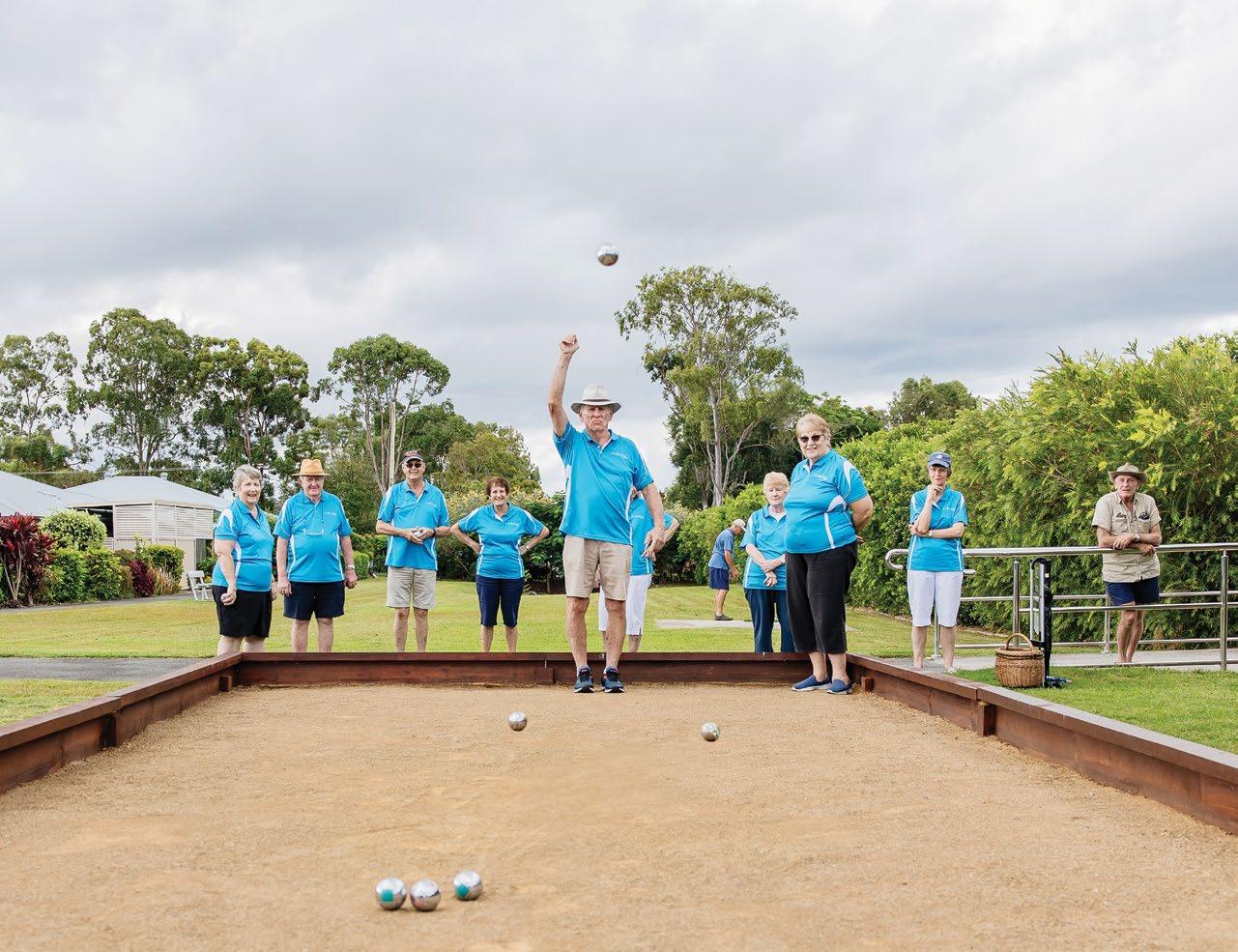

They say there’s no place like home and they’re right, especially if you are living in one of The Village Retirement Group’s six vibrant communities. Our Villages are the number one choice for Queensland retirees, offering a stylish haven where like-minded people come together to enjoy independent living with a community feeling! You’ll never be short of things to do, the outstanding facilities and amenities mean you’ll be spoilt for choice when it comes to trying new things, learning new skills and making new friends.
Call our sales team to arrange a personal tour of our Villages.