This fall, Ligne gets a fresh look. Renewed design, reimagined platform. Same passion, more boldness. On newsstands and online, starting November 20.
In this issue
ARCHITECTURE AND DESIGN
12 — 21
INSPIRATION
24 — 27
WORLD
30 — 35
SOCIETY
38 — 47
HOLISTIC HEALTH
54 — 61
WELL-BEING AT WORK
64 — 67
CULTURE
68 — 69
À TABLE
72 — 77
Guillaume Lemoine
President
Emilie Lefebvre-Morasse
Vice-President of Marketing and Sales, Editor in Chief
Arianne Filion
Assistant Editor in Chief
Caroline Croteau
Senior Director, Brand and Content
Sarah-Maude Dalcourt
Production and Brand Director
Rosalie Nadeau
Production and Brand Project Manager
Frédéric Cloutier
Artistic Director
Sandrine Boudreau
Artistic Director, sept24
Mathieu Trudeau
Graphic Designer
Sleeping Beauty, by Hugues Lefebvre-Morasse
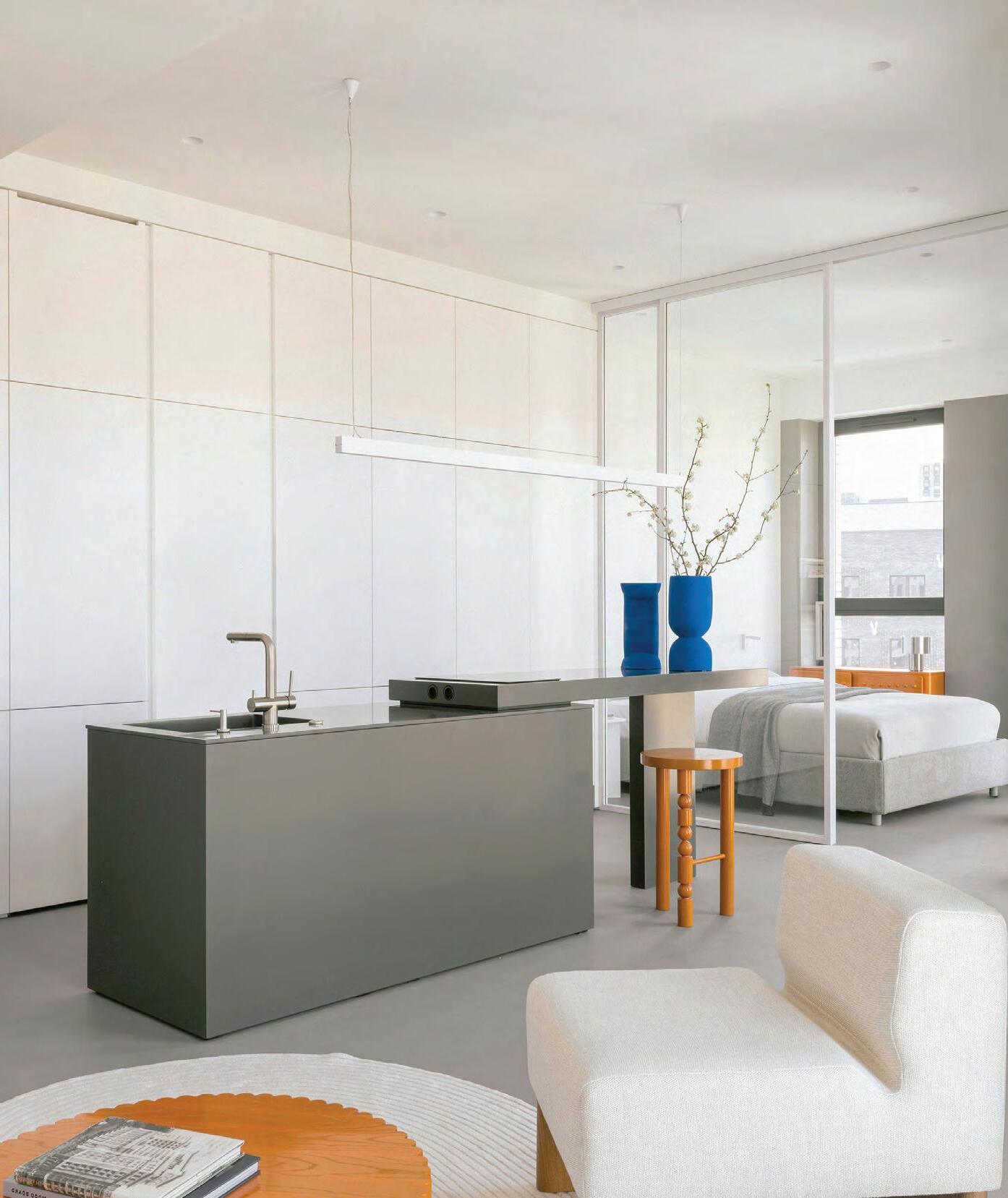
Calming the Mind Through Design, by Marouchka Franjulien
Viviane Audet: A Radiant Light
Travelling at a Slow Pace, by Franck Laboue, Voyageurs du Monde
Micro-Feminism: Ten Simple Actions That Make All the Difference, by Anne Genest Winter Resilience, by Daniel Chartier
Seasonal Depression: Rethinking Winter to Experience It Better, by Valérie Courchesne Hypnosis: An Unexpected Tool for Dealing with Pain and Anxiety, an interview with David Ogez
Procrastination: Why Is It So Hard to Do What We Really Want?, by Marie-Claude Poirier
Five Works and Artists with Powerful Voices, by Nicolas Gendron
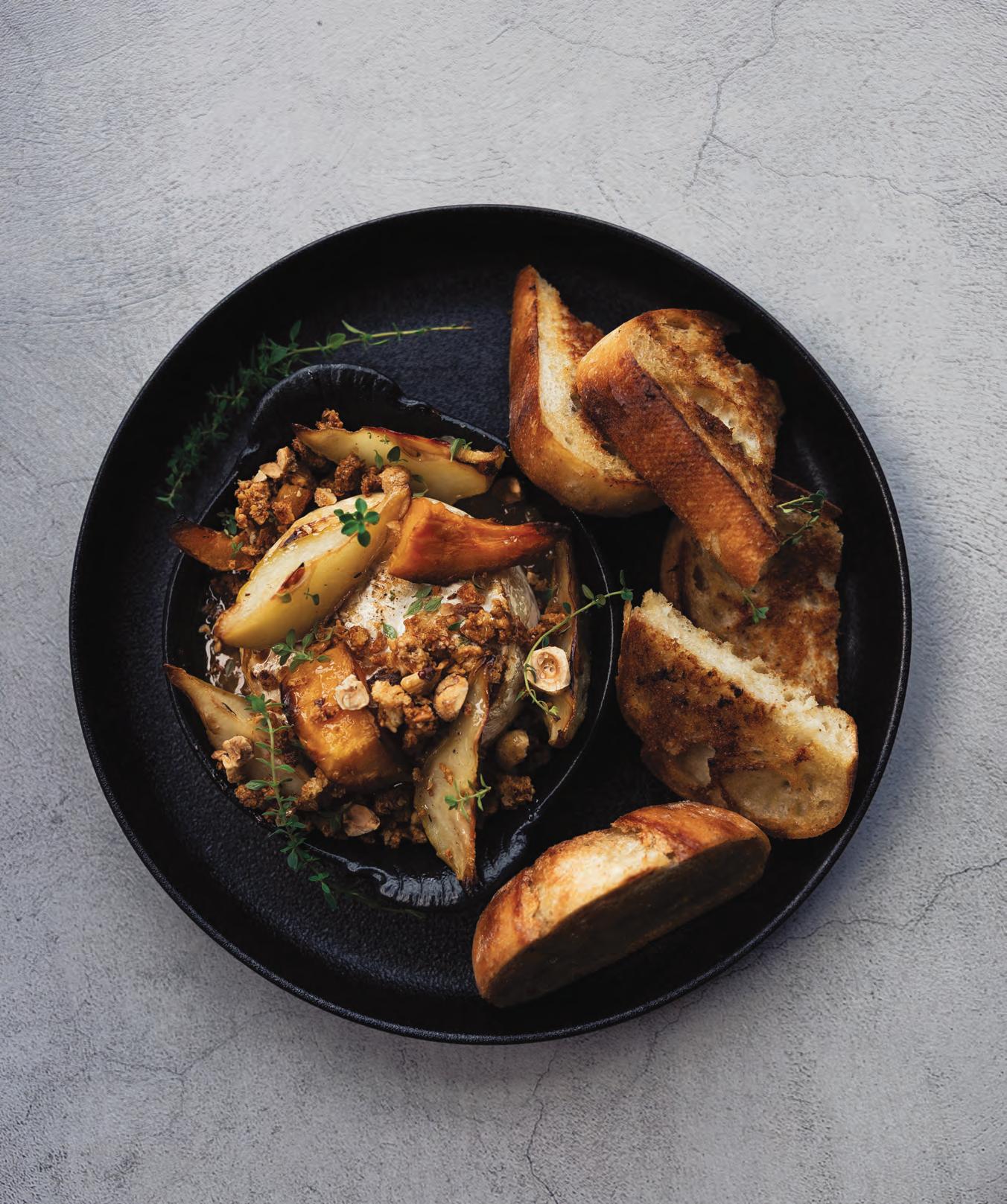
Recipe: Melted Le Fleurmier Cheese, by Raphaël Podlasiewicz
To collaborate Arianne Filion on content a filion@stromspa.com
Editor Strøm Nordic Spa 1001, boul. de la Forêt Nuns’ Island, Quebec H3E 1X9
Legal deposit — ISSN 2369-5897 Library and Archives Canada and Bibliothèque et Archives nationales du Québec. The opinions expressed in the articles of Strøm Magazine are the sole responsibility of the authors. The availabilities, vintages, and prices mentioned in the magazine are subject to change without notice. Any reproduction, in whole or in part, is prohibited without the permission of Strøm Nordic Spa. All rights reserved. Publication mail — 42293512
Strøm Magazine is printed in Quebec on 100%-recyclable Husky Opaque paper.
Since the beginning, Strøm Magazine has had the immense privilege of collaborating with experts from all walks of life to write the articles that compose it. With great generosity, they offer us their knowledge and share their perspective—some from season to season, others more occasionally. It is with great pride that we invite you to discover them here.
MARIE-HÉLÈNE BOISVERT
A sommellerie instructor at the École hôtelière de la Montérégie, Marie-Hélène has hosted workshops and training sessions for several years related to wine in various contexts and events.
MAROUCHKA FRANJULIEN
A journalist for over 10 years, Marouchka is the editor in chief of ELLE Décoration Québec et Canada . Passionate about design and architecture, she loves to highlight local talents.
FRANCK LABOUE A native of Brittany, Franck is eternally curious. A specialist advisor at Voyageurs du Monde, he ended up settling down in Quebec. He has written for the magazine for seven years.
DANIEL CHARTIER A professor at the Université du Québec à Montréal, Daniel is also the director of the Laboratoire international de recherche sur l’imaginaire du Nord, de l’hiver et de l’Arctique.
NICOLAS GENDRON A cultural journalist for Ciné-Bulles magazine, among other publications, Nicolas has written for Strøm Magazine since 2015. He is also—and above all—an actor, director, author, and artistic director.
HUGUES LEFEBVRE-MORASSE
A Montreal-based designer, Hugues specializes in architecture and urban design. A faithful contributor to Strøm Nordic Spa, he has also written for the magazine for many years.
VALÉRIE COURCHESNE
Valérie is a clinical psychologist and postdoctoral researcher. Her keen interest in breaking down science for the masses led her to become a faithful contributor to Strøm Magazine.
ANNE GENEST A writer and trail runner, Anne loves the trails and the smell of leaves and paper. She writes her novels by hand in a notebook.
MARIE-CLAUDE POIRIER
A clinical psychologist since 2004, Marie-Claude primarily relies on humanistic and psychodynamic approaches while integrating various perspectives to meet each client’s needs in a nuanced manner.
For 15 years, Strøm has evolved in a world of constant transformation. Trends shift, markets adapt, and client expectations are redefined. Amid these currents, one thing remains: the intention to create meaning, beauty, and coherence, even in complexity.
The launch of AWŪ urban sanctuary, our newly unveiled sister brand, is not simply a business expansion. It is the natural extension of a reflection on how we choose to grow: with intention and resilience.
Intention is what distinguishes growth from mere movement. It is what allows us to build without losing our way. Every investment decision, every opening, every partnership follows a clear mission: to create lasting value—for our clients, for our teams, for our communities.
Resilience, is more than the ability to withstand shocks. It is the capacity to adapt our business models without betraying our DNA. Since the creation of the first Strøm on Nuns’ Island, we have navigated economic cycles, crises, and reinventions. Each time, we have found strength in returning to what matters most: the human experience.
Set to open in early 2026, AWŪ is born of this same posture—that of a mature company moving forward with curiosity, yet guided by the clarity of experience. By creating an urban wellness concept that is accessible and energizing, we respond to the need for spaces where slowing down feels different: not by escaping the world, but by inhabiting the everyday fully.
In business, the temptation to confuse speed with direction is strong. At STRØM Group, we believe true performance springs from intention: to build slowly but surely, to prioritize quality over quantity, and to innovate without losing sight of what connects us to others.
Our resilience is not a reaction; it is a discipline. A way of turning uncertainty into opportunity, change into meaning, and growth into a collective endeavour.
It is with this same intention that we write the next chapter.
Guillaume Lemoine President
What Comes Before Movement
At the heart of every creation lies an impulse. A quiet breath, almost imperceptible, that precedes the gesture. The one that gives movement its direction, light its colour, and meaning to what we build.
In a world saturated with stimuli and instant gratification, living with intention means refusing to move through life on autopilot. It means choosing your actions, your thoughts, your rhythms.
To act without intention is to drift with the current. To act with intention is to shape the current itself.
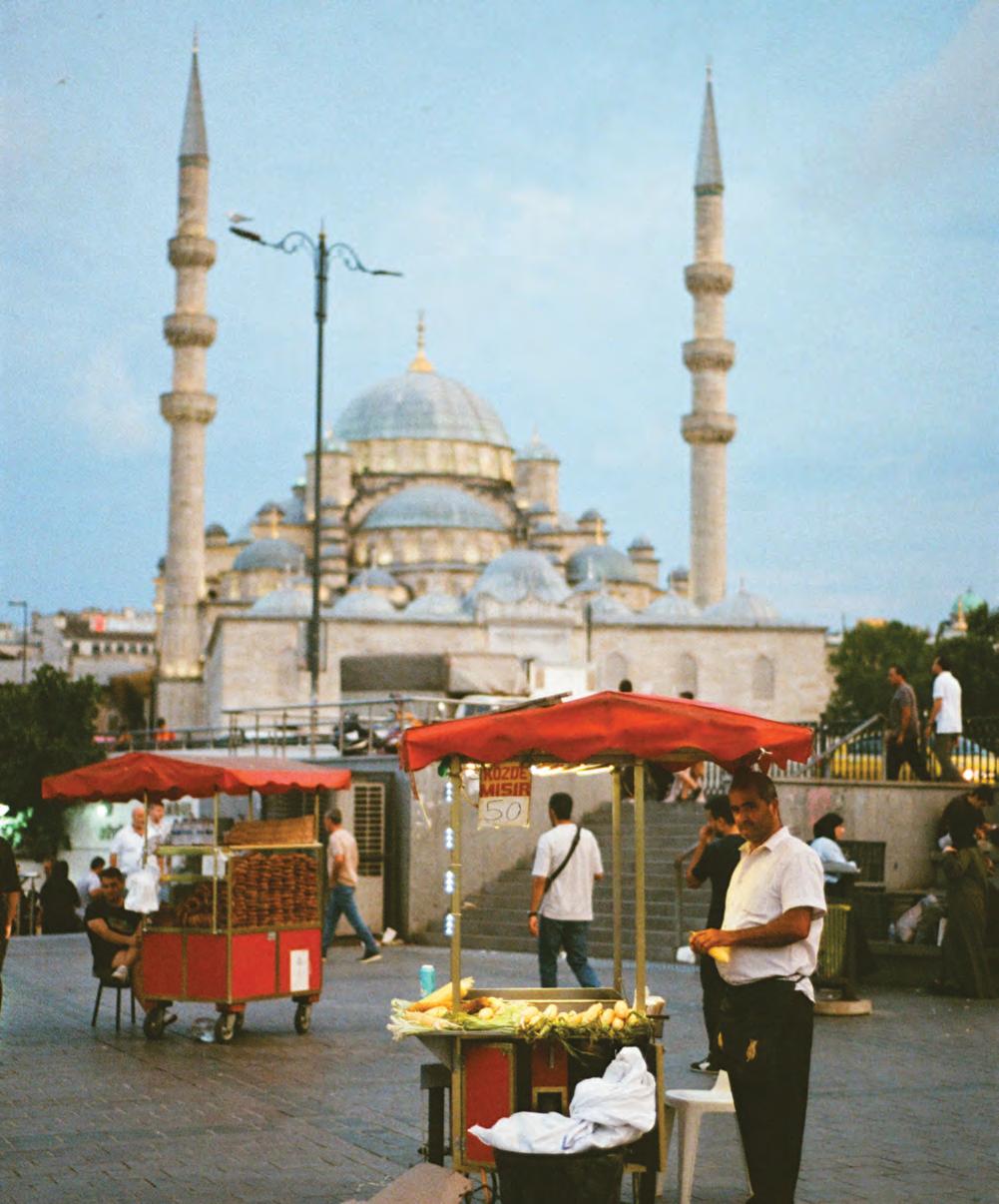
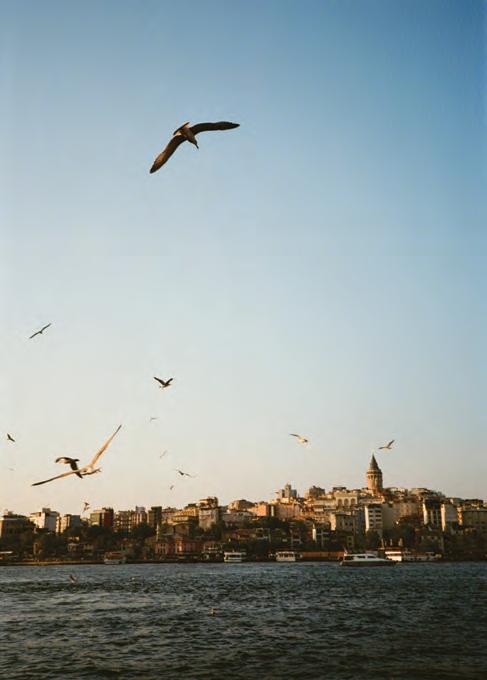
In this issue, several voices explore, in their own way, the idea of reclaiming mastery over our choices and behaviours. Designer Hugues Lefebvre-Morasse reflects on the beauty of passing time, the kind that doesn’t impose itself but quietly leaves its mark. Viviane Audet reminds us that light often emerges in the return to the self, in the roots we rediscover with gentleness. Writer Anne Genest, with her piece on microfeminism, shows us how small gestures can transform the everyday: a word, a glance, an action that brings a touch more fairness to the world. And Franck Laboue, from Voyageurs du Monde, paints Turkey so vividly it feels as if we’re there, illustrating how the richness of a journey lies in the art of letting yourself be surprised by landscapes, by moments that quietly slip away.
All these stories share a common thread: they are driven by a will. A will to create, to act, to love with presence.
It is in this same spirit that AWŪ was born. AWŪ is a purpose made tangible, a gentle response to a world that moves too fast. A reminder that well-being is found not in escape, but in how we inhabit each moment.
To create is always to choose. And perhaps the most essential art today is the art of choosing with intention—of making meaning our raw material.
Happy reading!
Emilie Lefebvre-Morasse and the editorial team
The best gear for city and nature, all in one place.
Altitude Sports is the one-stop shop for an active lifestyle. Millions of Canadians trust us as their go-to boutique for premium apparel, footwear, and gear to equip and inspire their wilder ways of living.
Sleeping Beauty
By Hugues Lefebvre-Morasse, environmental designer
There’s a demand for perfection in the air of time, a relentless pursuit of novelty that sometimes leaves us breathless. Propelled by the endless scrolling of impeccable interiors on our screens, a desire for perfection and uniformity sets in. This race for the “all new, all clean” pushes us to polish our own lives, our own spaces, to the point of erasing all traces of the passage of time. In this whirlwind, our interiors and our cities risk losing a part of their soul and that warmth that can only emerge from wear and tear, as well as memories. In the face of this pressure, a need for slowness is felt; the need to rediscover places that allow us to be surrounded by a beauty that has simply had the time to mature.
Like a giant pendulum, “good taste” swings from one decade to the next. What was once the height of chic becomes outdated today, before perhaps being reborn as “vintage.” This dance of the fashions is natural, but our era has accelerated it to the extreme. The fear of being left behind has become a powerful driver for consumption, which, in architecture, translates into a frenzy of renovations. Bold wood panelling and textured ceramics are torn out to erase the character of an era deemed “ugly.” More often than not, these noble materials are sent to the dump to be replaced with cheap plastic materials.
“Could we thus avoid regretting, once again, having erased the richness of our own history?”
This cycle is nothing new: the playful exuberance of the post-modernism of the ’80s was a response to the sometimes-cold functionalism of the modern movement. Then, the pendulum swung back toward a sleek neo-modernism. In the midst of this back-and-forth approximately forty years ago, while the modern icons were being demolished, movements such as DOCOMOMO (Documentation and Conservation of the Modern Movement) emerged to protect these buildings with a recent history. Today, history is repeating itself, both here and internationally, as neomodernism is showing signs of running out of steam and the great icons of post-modernism are falling under the wrecking balls of the demolition crews. The question arises: will a “DOCOPOMO” emerge just in time for us to realize the value of what is disappearing? Could we thus avoid regretting, once again, having erased the richness of our own history?
THE EXAMPLE OF THE MAC
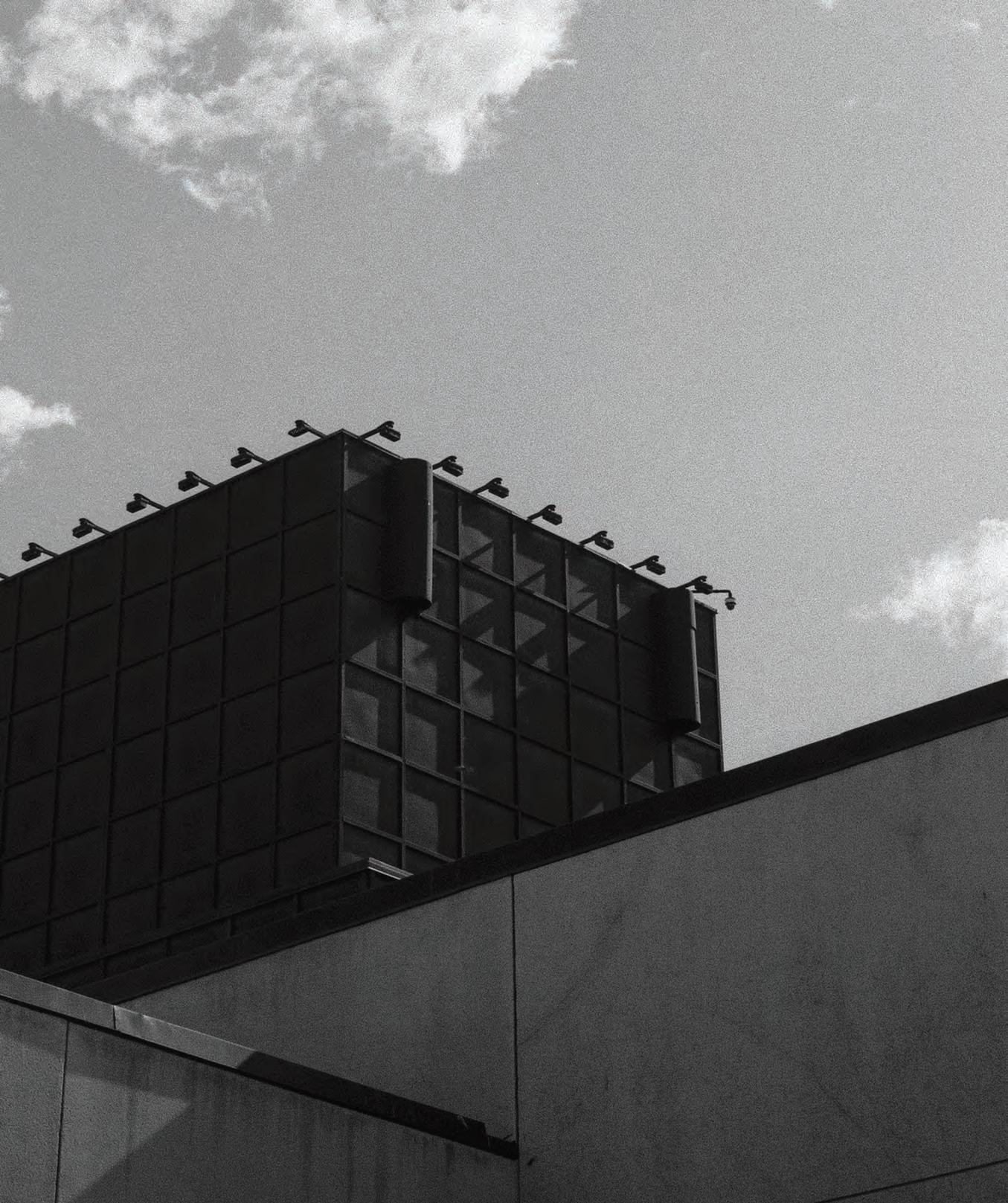
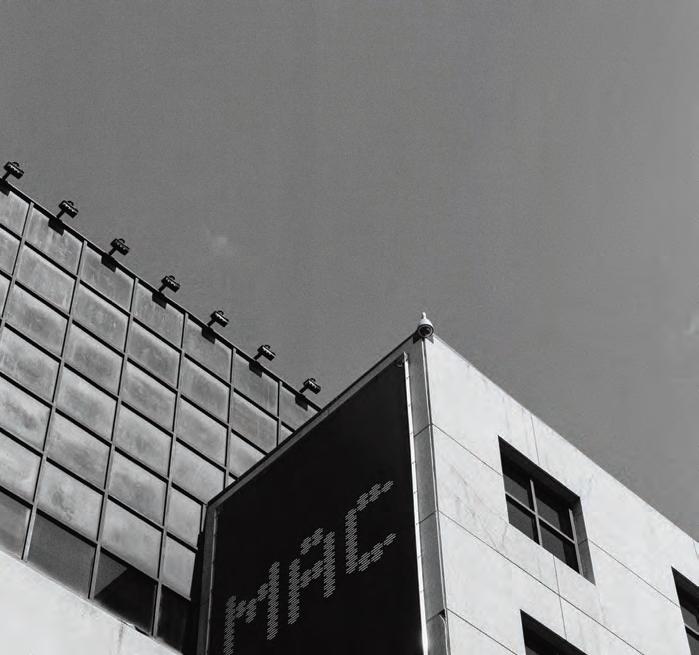
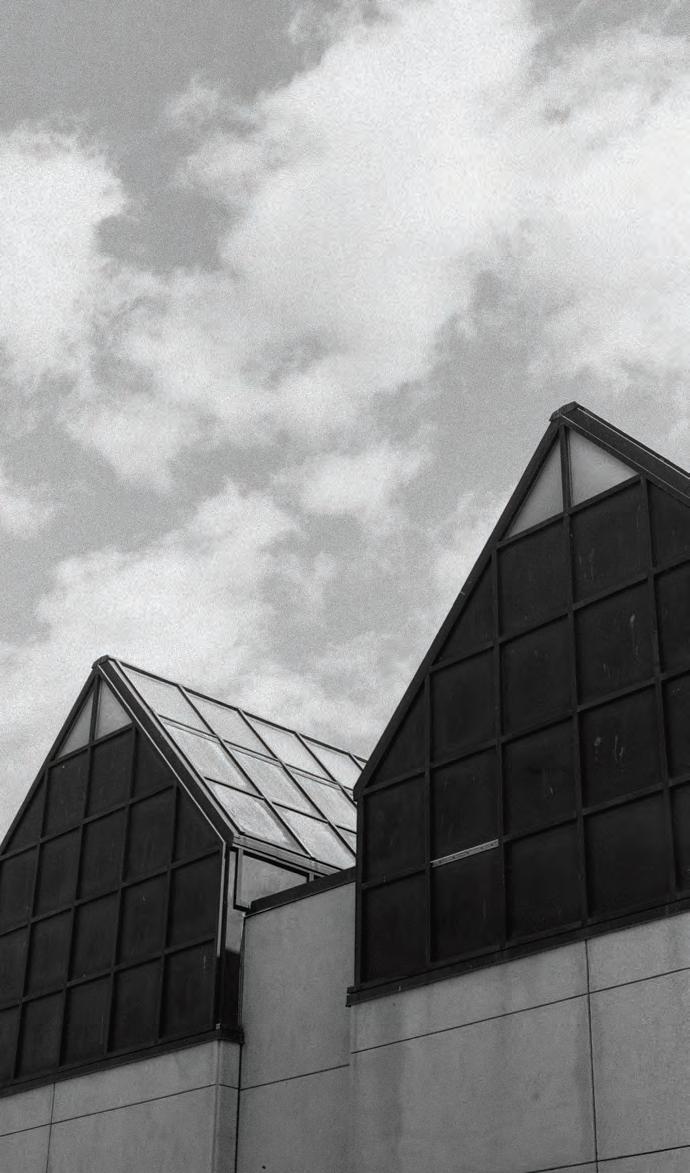
The Musée d’art contemporain de Montréal (MAC) was one of those places with a strong, almost stubborn personality. For 30 years, it offered itself up as a condensed version of the urban landscape in the heart of the Quartier des spectacles. Like a collage, its volumes assembled the archetypal forms of the city: house gables, a rotunda, a colonnade, and checkered volumes reminiscent of a skyline. An omnipresent square motif tied it all together, from the grid of the façades to the skylights, in rhythms, shapes, and materials that echoed the palette of the Place des Arts. The whole design formed a spectacular backdrop to the city’s major festivals, a sort of staged urbanity. Culminating in Geneviève Cadieux’s luminous work The Milky Way, which takes the form of a billboard, the perspectives offered on the MAC were not afraid to be playful and expressive.
Although necessary on the technical level, its current transformation illustrates this desire of our era to sand down the rough edges. By demolishing elements as iconic as the rotunda and the gabled façades, a large part of what gave the MAC its originality is being erased. Its textures
are replaced with a more discreet elegance, a layering of smooth glass prisms which, although understated, seems to interrupt the dialogue carried on by its predecessor. While the original MAC had been able to integrate itself into its context despite its distinct style, the new project seems to detach itself from it.
This solution seems to reflect the exhaustion of a neo-modernism which had become too easy of an answer, like a proliferation of minimalist Apple Stores. This is an international aesthetic, poorly suited to our climate and sometimes indifferent to its environment, which has lost its innovative nature through repetition. Without judging the final quality of the project, which is still under construction, one can nevertheless feel a sense of nostalgia for what is slowly being torn down before our eyes: not just a building, but a fragment of our collective memory.
The cost of this forgetting is higher than it seems, and the case of the MAC is not an isolated one. Diagonally opposite, the rhythmic and colourful façade of the Théâtre du Nouveau Monde, created by Dan Hanganu, has also given way to a more generic and monochrome cube. The lantern roof, in the shape of an open book, which covered the theatre’s restaurant, has been permanently extinguished, and with it, a small part of what gave this historic neighbourhood its festive atmosphere.
CULTIVATING CURIOSITY
By making our cities more uniform and systematically replacing what is outdated with a generic minimalism, we are impoverishing our daily environments. Here and elsewhere, we are losing the diversity of styles that makes a walk through the city so stimulating, and we are erasing layers of architectural history. The question of recent heritage then arises acutely: when does a building cease to be simply outdated and become a landmark worth preserving ?
Cultivating a fresh perspective on what is currently considered “ugly” can be challenging, but it can also fuel small revolutions. It’s a matter of learning to see the sleeping beauty that is hidden in what surrounds us. It’s about choosing to repair rather than replace, to rediscover rather than reject. It’s a form of benevolent curiosity that invites us to slow down and appreciate the depth rather than the surface, because a place that has a history helps us build our own. By taking the time to fall back in love with our spaces, we are not only preserving the past; we are also giving ourselves a richer present and a more sustainable future.
“A place that has a history helps us build our own.”
Sources
Chupin, J.-P. (2018, April 17). “Un modernisme élégant au secours d’un postmodernisme désuet.” Catalogue des concours canadiens. https://www.ccc.umontreal.ca/fiche_concours. php?lang=fr&cId=497
Hénault, O. and Vanlæthem, F. (1984). “Le concours du Musée d’art contemporain : un constat.” Section A , 2(2), 10 -17.
Mortice, Z. (2024, May 20). “Revisit: James R Thompson Center in Chicago, US” by Helmut Jahn. The Architectural Review. https://www.architectural-review.com/essays/revisit/ revisit-james-r-thompson-centre-in-chicago-us-by-helmut-jahn
Saraniero, N. (2024, January 26). “New Yorkers Mourn the Loss of 60 Wall Street Atrium with a Funeral Procession Through Manhattan.” Untapped New York. https://www.untappedcities. com/60-wall-street-atrium-funeral/
Calming the Mind Through Design
By Marouchka Franjulien, journalist
Whether born here or adopted by us, we Quebecers spend an average of 90% of our time indoors, according to the Institut national de santé publique du Québec. By choice, perhaps; by necessity, certainly. Here, winter is a moment in suspense. It pushes us to take shelter from the elements while waiting for spring to bestow its gentleness on the frozen landscape.
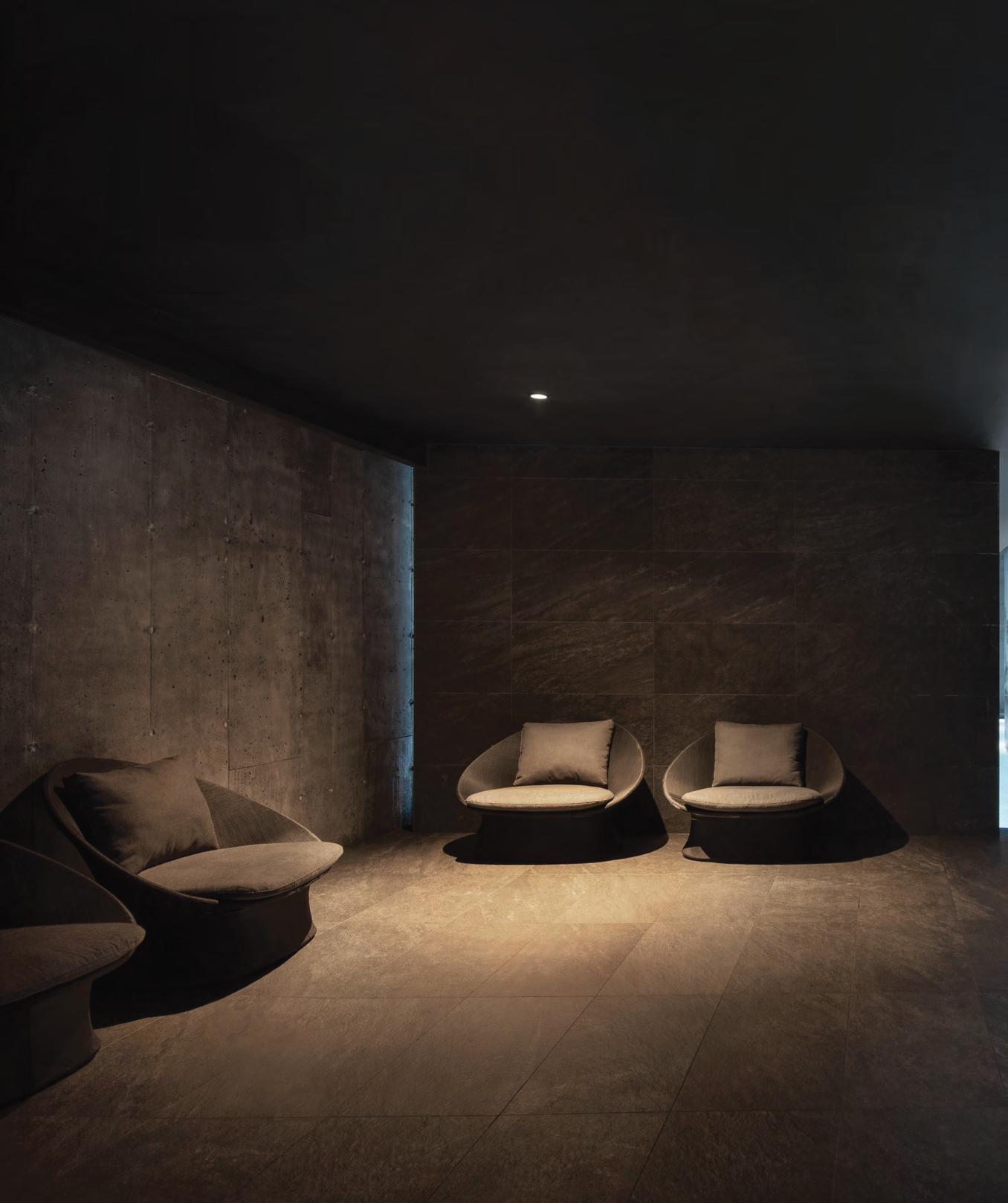
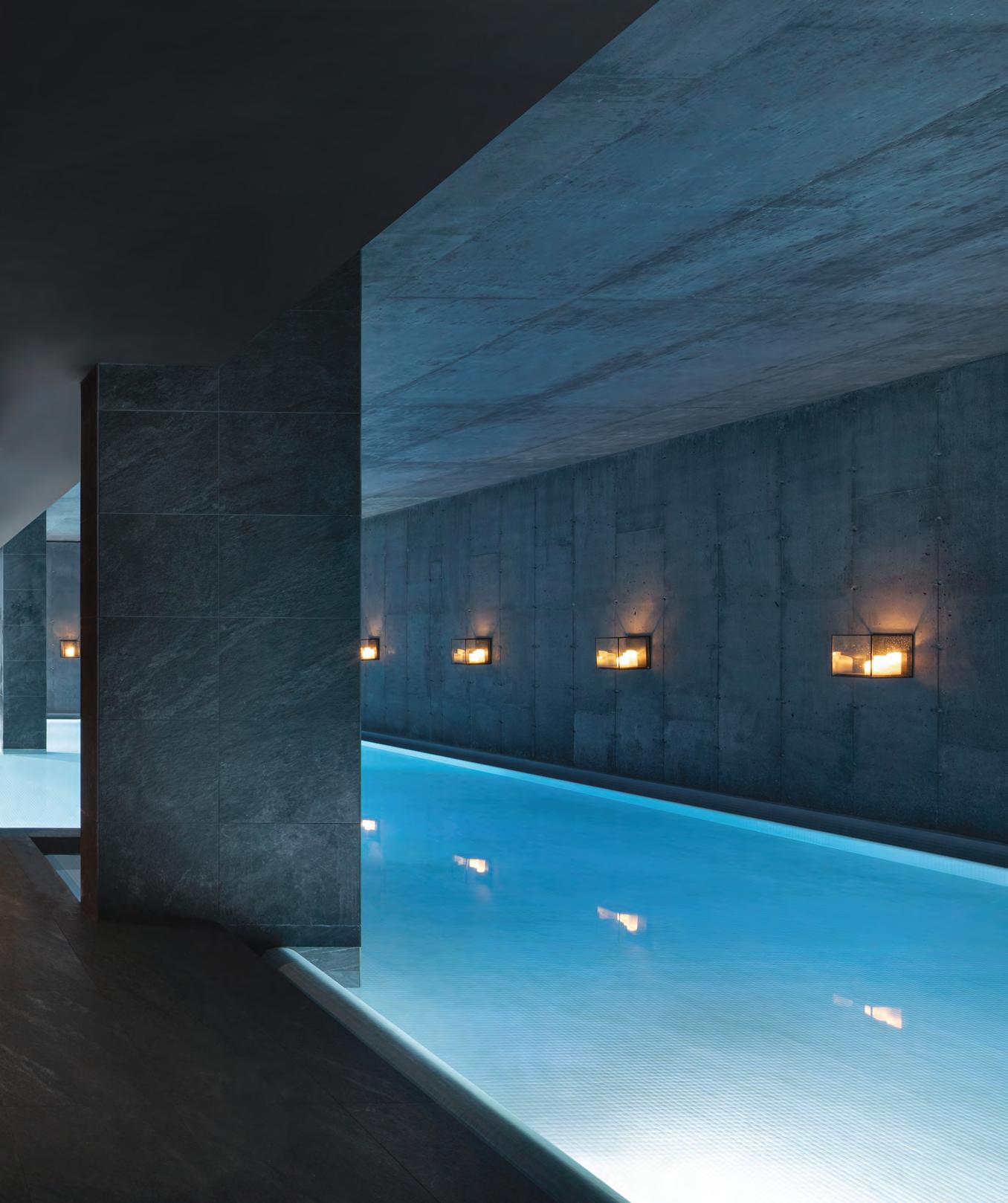
In this snowy interlude, our living space becomes a source of comfort that allows body and mind to slow down and find calm. It’s a refuge where you can breathe, a sanctuary where the everyday hustle and bustle temporarily stops at the doorstep. That, at least, is what we aspire to, because sometimes harmony is lacking. An imbalance sets in where tranquillity is expected, without being able to identify the cause. Faced with this silent chaos, different approaches—such as the psychology of space, neuroarchitecture, environmental ergonomics, or feng shui—can help us find a certain serenity.
Among these different methods, neuroarchitecture and feng shui stand out in particular for their holistic approach, as well as for their concrete tools aimed at restoring an interior conducive to physical and emotional well-being. The former is a relatively new concept that links architecture and personal growth by studying the way in which our habitat can influence our brain, emotions, and behaviour; the latter is an ancient Chinese art that advocates for the balance of energies and their proper circulation in a space to improve our quality of life. The furniture and objects that fill our daily lives, as well as the sources of light, colours, shapes, sounds, and materials that define each room, actually exert a considerable influence on our well-being, our mood, our energy, and even our feeling of control and safety, without us necessarily even realizing it. “This is what makes design so important in our lives: it acts to help us feel good,” emphasizes Marie-Michelle De Lachevrotière, interior design manager at Strøm Nordic Spa.
When chaos reigns, when a room is cluttered or disorganized, the mind struggles to find the necessary serenity to calm itself. Over time, the décor also tends to fade away and become a secondary element in our lives. We no longer see the shoes strewn across the doormat, the chipped vase on the coffee table, or the painting patiently waiting on the dresser to be hung. The objects seem frozen in place, the furniture becoming more firmly rooted year after year. To break the status quo, it’s necessary to inhabit the place, experience it, and re-tame it in order to become fully aware of the place of each item, measure its impact, and question its purpose.
THE POWER OF NATURE
Studies prove it: nature—the central pillar of both neuroarchitecture and feng shui—is an essential element of our well-being, because it helps reduce stress and cultivate a soothing atmosphere. It enters our living space through natural light, plants, a bucolic view, or even a panoramic wallpaper. Opting for raw materials also allows it to be integrated “in coherence with the natural environment that surrounds us,” as suggested by Florence Goulet-Pelletier, interior designer, project designer, and associate at ISSASTUDIO, a Montreal firm focused on biophilic design. This discipline, which aims to reconnect humans with nature in all its diversity, is also one of the fundamental principles of neuroarchitecture.
Immersing ourselves in the living world and praising the forests and mountains that surround us in a responsible and authentic way by selecting warm and noble materials are all ways that help us refocus and find inner balance. In this desire to prioritize our local natural surroundings, maple and oak are prominent, especially in our furniture, as is natural stone, which is reflected in the use of granite, quartz, or ceramic.
AN INNER DIALOGUE
Natural light is a preferred element, but it’s not enough, according to feng shui. This ancient art recommends having three to five soft and indirect sources of light in each room, whether it’s light fixtures, candles, or mirrors, in order to create a warm atmosphere.
In terms of colours, feng shui and neuroarchitecture move away from white to favour a more nuanced palette reminiscent of the chromatic richness found in nature. Delicate shades of green and blue soothe the mind, as do enveloping earth tones. “It’s necessary to select and balance the colours, shapes, and materials according to a given space in order to bring it the desired energy,” add Aurore Dussaud and Margaux Hartpence, co-founders of Montréal Home Design, an interior design studio that relies on feng shui to design aesthetic, functional, and harmonious projects.
In this constant quest for unity, the Chinese philosophy relies on five elements: wood, fire, earth, metal, and water. All these elements must be present in a room without any one element taking precedence over the others. Finding the right balance is complex and requires a deep understanding of the nuances of each of these elements. Wood, for example, can be integrated via a piece of furniture or a plant; fire, via a light fixture and warm colours. Earth, for its part, emphasizes shades of yellow, ochre, or brown, as well as angular shapes. Conversely, metal favours curves, as well as chrome, white, and light grey. Finally, water, a symbol of serenity, is manifested in particular through blue tones and mirrors. A dining room, where warm, friendly colours find their place, will not have the same requirements as a living room or a bedroom.
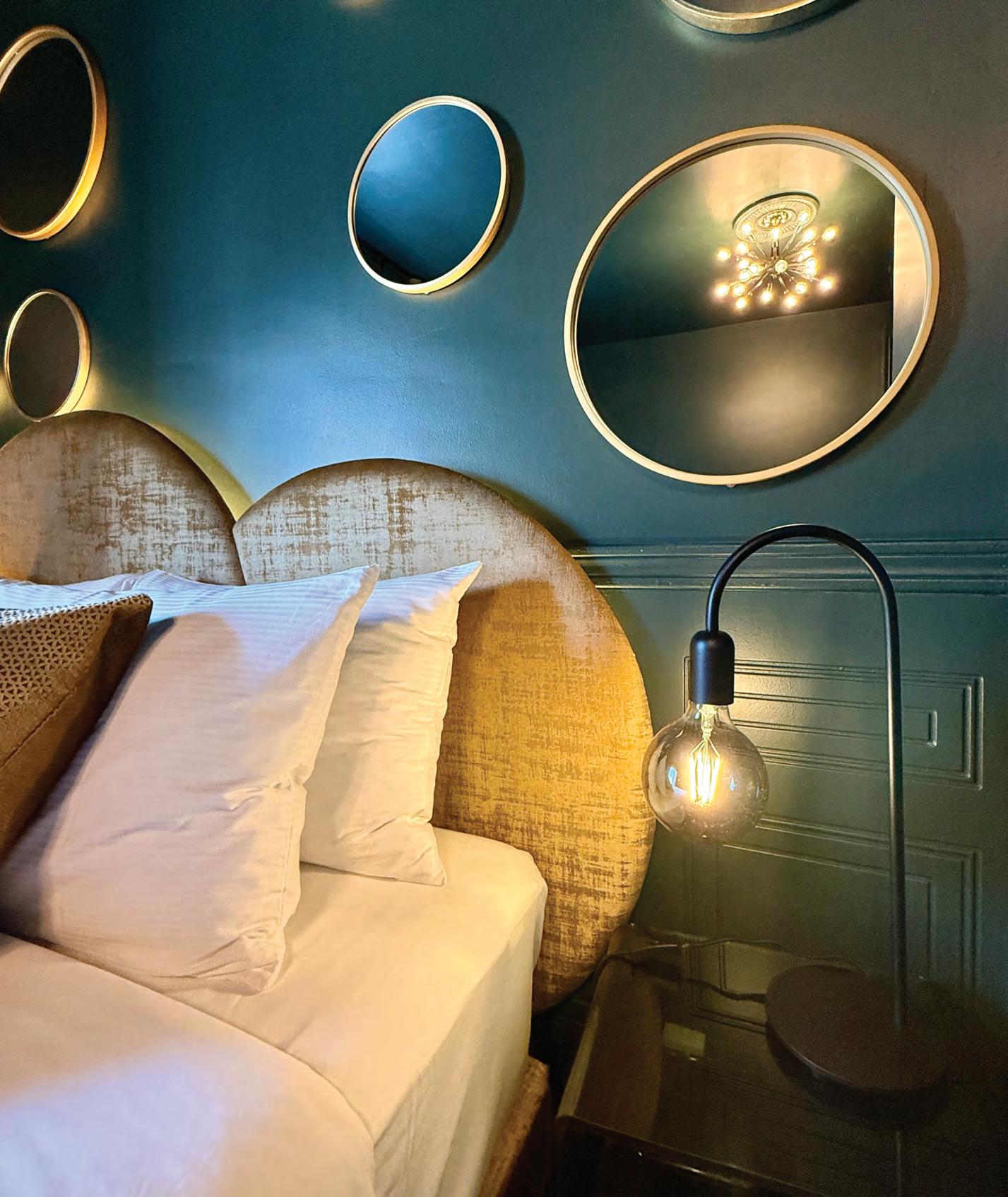
More than any other room, the latter must be a welcoming and comforting place conducive to relaxation and deep sleep. Natural materials, such as linen and wood, bring a sense of calm and softness, while round shapes foster a protective atmosphere.
For the rest, we trust ourselves with our eyes closed. Here, intuition must play a role, much as our desires and personal needs must guide us. “It’s essential to choose elements that represent us and correspond to what we really like,” according to Marie-Michelle De Lachevrotière. “It’s important not to follow fashions or get carried away by trends, at the risk of creating an impersonal space. The design should reflect our identity and our values so that our home becomes a true sanctuary.” Our home should be like a cocoon, a chrysalis that reassures and protects us, a natural extension of our body and mind. Beyond the doorstep, every detail counts in making our living space a peaceful place, conducive to balance and well-being.
Strøm unveils AWŪ, its new sister brand
An urban sanctuary where mindful movement, connection, and balance come together in harmony.
AWŪ is nature flowing into the city, summer slipping into winter, and escape appearing when you least expect it. A meeting point, a moment of true connection. Alone, together, in a space that feels like home.
Thermal cycle, massages and treatments, movement studio, nomadic workspace, events, café-restaurant, and boutique: everything you need to enjoy a complete wellness experience in the heart of the city.
The first two sanctuaries will open at DIX30 and in Quebec in early 2026.
Be among the first to receive pre-opening offers, updates, events, and inspiring content by subscribing to our newsletter.
Actress, singer-songwriter, and, most recently, television host, Viviane Audet has as many strings to her bow as there are keys on her piano. Solo and alongside her partner and musical collaborator, she has been pursuing a flourishing artistic career for nearly two decades, without forgetting her native Gaspé Peninsula, where her passion took hold. She discusses this bright path and the challenges that it entails, balancing her personal life and her creative ventures. Meet an authentic and warm woman who has remained true to her childhood dreams.
Hello, Viviane. You grew up in Maria, in Gaspé. Your artistic destiny was laid out there at a very early age…
“In my grade school notebook in which I was supposed to write what I wanted to be when I grew up, I remember writing: theatre actress or movie star (laughter). I had no family members or acquaintances in the artistic world, but I was driven by a deep desire. I managed to forge my own path with the help of kind adults who could see my ambition. I was surrounded by good people from a very young age.
“I started piano lessons when I was around eight. The piano has always been a Plan B for me, but I was always nudged in that direction; it was a running joke, even in Grade 12 when I took Drama as an elective to perform in the endof-year play. When the roles were being cast, the teacher told me: ‘We gave the Viviane character to Catherine, and you will be the piano player.’
The character’s name in the play was Viviane –how fitting for me (laughter) It was the biggest disappointment in my life… But in the end, maybe not, because it may have prepared me for what was to come.”
Moreover, your latest album, Le piano et le torrent , takes you back to Maria, to your roots. What have you learned about yourself during this rather lengthy creative process?
“I learned that I had something to say, specifically about this attachment. I knew I was attached to my home village, but I didn’t realize to what extent. This album was created in a very informal way in 2021, at a rate of one track per day for a month. I tucked these pieces in my heart, without editing them. Two years later, I took them out and selected my favourite 15 among them. These are the ones that appear on the album.
“During the time I was composing, my grandmother was in palliative care and my parents were separating. I was not thinking about uprooting at the time; that only came later when I wanted to use evocative places in Maria to name the tracks.
“Now it’s a show because I am on tour. Just sharing and telling a story does me a world of good. It is really quite a narrative film, almost theatrical. There is no fourth wall. I address the audience, and I feel like I am taking them on a journey to my village.”
VIVIANE
Your spouse, Robin-Joël Cool, is actually much more than this. He is a collaborator, a fellow musician, a co-parent…
“Absolutely, a ‘co-everything’ (laughter). I met Robin on a film set. We fell in love on Belle-Baie. We were playing a couple in the show before becoming one in real life. I think it took about a week, and he stayed over at my place… It was a whirlwind.
“Since work came into our lives first, collaboration came naturally. We quickly understood that music would play a big part in our lives, and we wanted to work on a joint project. Fifteen years ago, we created Mentana together. We always say that it’s our first baby…
“We have a profound rapport at work that is difficult to describe. Over time, we’ve developed a bit of a shared mindset. It doesn’t mean we agree on everything. It’s not always easy to work with your partner.”
Yes, you are together all the time, except when you are touring or filming. How do you deal with the daily challenge of balancing your artistic life, family, and intimate relationship?
“You deal with things at every moment. I know that some couples who work together say to each other: ‘For us, at five o’clock, that’s it. We don’t talk about work anymore, it no longer exists, and we move on to other things.’ We are not capable of this. It’s an issue because of course, the phones are within reach, an email comes in, you have a question, and you ask yourself: ‘Should I wait until nine o’clock tomorrow morning to ask?’ Finding the right balance is not easy, but kids have a way of grounding you. With them, it’s all about the here and now, with such concrete concerns! Sometimes, we wonder, for example, ‘I’m not sure about the trumpet, maybe the trombone would be better’ and then my five-yearold, Milan, tells me he lost his mitten, and he hates his red mitten because he wanted the blue ones, and suddenly, choosing an instrument is not so urgent anymore.”
You have two young children. What is your relationship with motherhood, and how do you balance it with your artistic life?
“I love the role. Before having children, I was not the maternal type; it wasn’t in my nature. I couldn’t relate to my friends’ children. It was like: ‘Oh my God, what do I say to them?’ (laughter) It made me anxious! Then, when I became a mother, I felt that it awakened the child in me… I like making them laugh. It’s my goal in life: to make them laugh and have fun. I am still stricter than my partner. I like to see things getting done, I like routine, but we’re not very good at it yet. With our chaotic lives, we try to maintain a routine within our crazy schedules, making sure that the children don’t suffer too much, but it’s a daily challenge… I haven’t quite figured out my morning and evening routines yet!”
How do you make time for yourself in this context?
“I’ve been running for a year and a half. I don’t make it a religion, I have no ambition, and I am not very good at it; I don’t run fast. I always say that I’m not running, I am running away ( laughter)… I close my door, I put on my headphones, I go for a run and, on my way back, I stop at a little café that I love. So, that’s what running is for me: clear my mind, run out of breath a little, have my coffee, then return home…”
What do you still have on your “bucket list” when you reflect on your career? What would you like to accomplish in the next twenty or thirty years?
“I would like to perform for a long time because in the last few years, I realized that this is what excites me the most: being on stage, connecting with people, communicating… I also find this connection in Piano public as a host. I think that in the end, communication is the common thread in everything I do. Otherwise, among the things I haven’t done and that I dream of, I would like to write a book… an essay, poetry, fragments… Right now, I am playing solo on the piano, no lyrics, but I feel this creative impulse that I would like to put down on paper, in a different way – not a song. Maybe something short again, but with a longer breath. There’s something there that is worth exploring.”
To listen to the full interview hosted by Evelyne Charuest, follow our podcast Centré sur l’équilibre
The sheets twist themselves up silently, like a secret whispered in the morning. No wake-up call to break the softness of that grey area between dreams and consciousness. A gust of warm air slips through the window which, as always, refuses to shut completely. It wafts into the room, bringing with it the steamy memory of the Bosphorus. As dawn stretches out, Kemeralti Street gently wakes up, a familiar cacophony that stirs something deep within me.
I frown. What time is it? A jolt. The clock dial draws me back to its rules, like a sheepdog. I push back against the pressure building up inside me. Another day to fill, boxes to check, “appointments” to get through. An endless race, until exhaustion. My gaze is drawn to the left. Noon. And I say, partly to myself:
“I’ve lost track of time. We were supposed to go to the Blue Mosque… well, Istanbul awaits, no?” A voice interrupts me: soft, assured. The one that has the power to put the world back in its place, to erase worries with a single breath. It ignores the “whens,” “whys,” and “hows.” It’s the voice of those who know that everything eventually settles down, when the moment requires it. “Yes, yes… but it can wait a little… We have plenty of time…!”
I let myself go and loosen my grip. Time flies by, we get up whenever we want, and the hotel room becomes a suspended cocoon. I could order breakfast to the room, just to prolong the moment. In this half-light, leaning against the window, the heat rising from the distance gently envelops me. The silhouettes of the mosques and the palaces float in the air like mirages, unreal, distorted by the light. An imperceptible smile spreads across my still somewhat sleepy face. The “old me” would surely have considered it absurd to return to Istanbul a third time and spend an entire week there.Yes, the “old me” would have rushed around like crazy to conquer the Golden
Horn, consumed by that thirst to see everything, quickly, always faster. But here, now, things are different. The body finally understands that it’s time to slow down. My subconscious pushes me, and I let myself be carried away. You have to slip into the city, tame it step by step, and breathe at the rhythm of its alleys and its heartbeats.
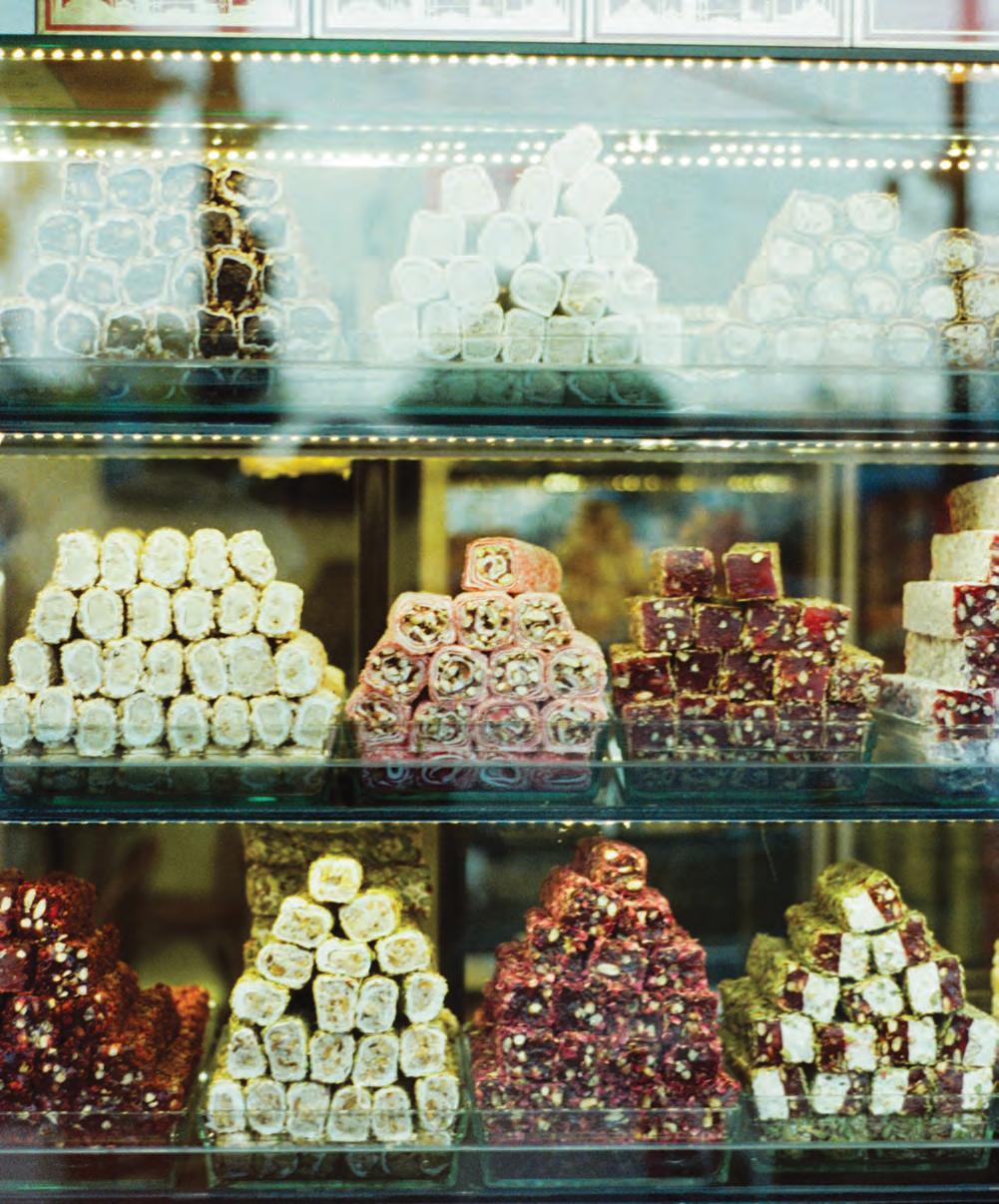
A kaleidoscope of Turkish delights at the Golden Horn
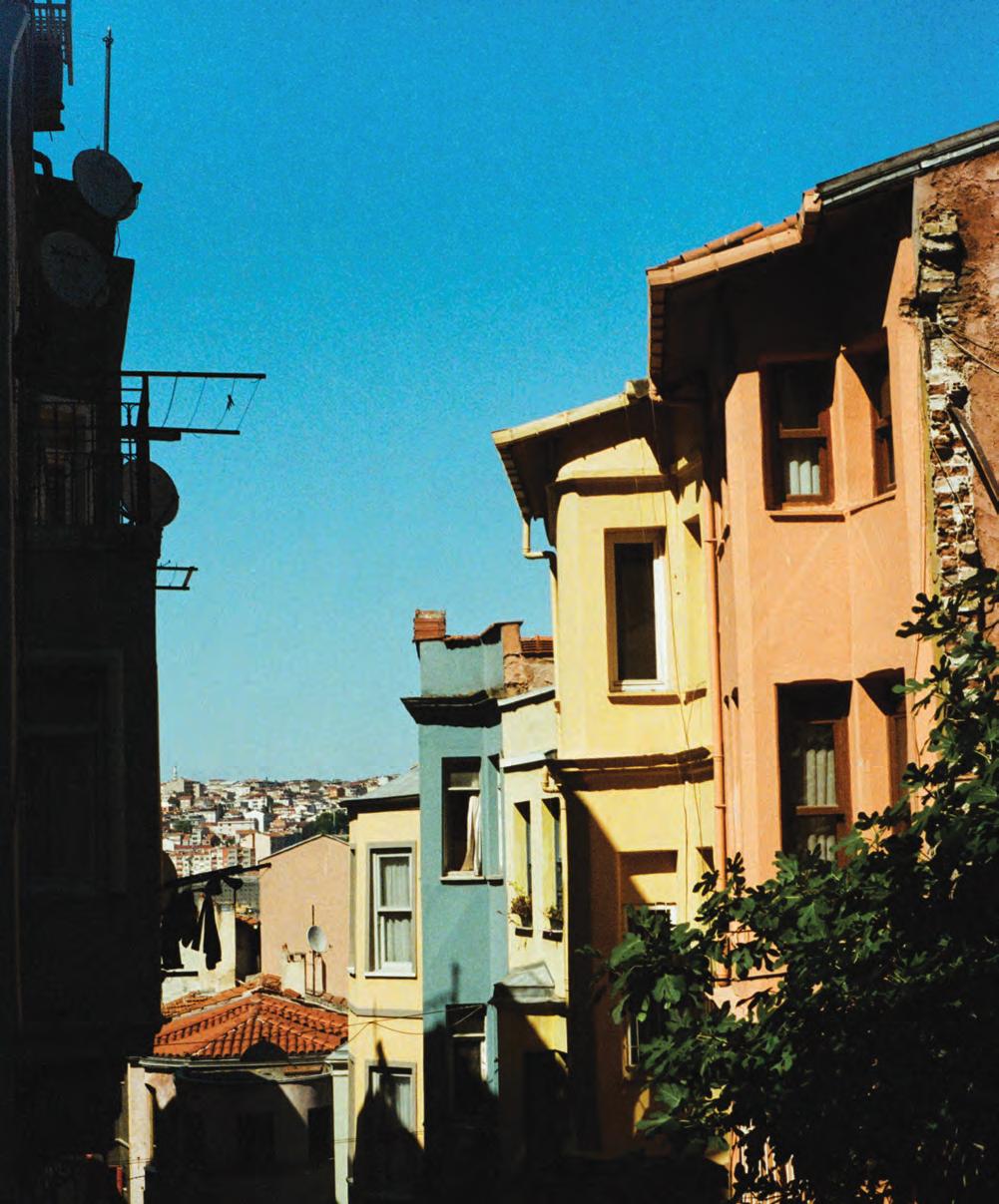
Colourful houses on the hills of Balat
ÇUKURCUMA: WANDERING BETWEEN PAST AND PRESENT
We leave, contrary to what we had planned. An unexpected calm seizes me without me seeing it coming. Our steps stretch out, measured, always further north. The Galata Tower stays behind us; we let it slip away with no regrets. We set off and wander aimlessly, guided by nothing other than our instinct, making our way through the narrow streets. Furtively, the Bosphorus catches a glimpse of us between two buildings, like a watery mirror splashed by the sky. The wind whispers promises, makes portraits of Ataturk swirl in a distant breath, while old cars heat up motionless in the sun, recalling another time. The façades, combining Art Deco and local tradition, boldly burst with contrasts. Cats, meanwhile, reign everywhere. Indifferently, they blend into the corners of bookstores, lie down on chairs, or stretch out between the bars of windows, as if the city belonged to them, and we were there merely as temporary visitors.
And then, without warning, Çukurcuma snatches us up. The neighbourhood doesn’t announce itself. It doesn’t show off. It takes you gently by the sleeve, at a crossroads, to the corner of a shop window that’s too dusty to be truly commercial. We didn’t decide on it. We simply find ourselves there. Perhaps that’s its charm. We enter an antique shop, somewhat by chance—or rather, we slip into it as one might slip into a memory. The door creaks; the light is low, golden, oblique. Everything radiates old wood and silent objects. Nothing is labelled, as if everything still belonged to someone. The walls seem to be holding their breath. A record spins in a corner, but there’s no music playing. The owner, silent, offers us a discreet smile—one of those smiles we reserve for people who don’t ask too many questions. We emerge, slowed down, as if the air itself had thickened, our vision blurrier, our hearts softened.
A little further down, the afternoon stretches out, bathed in that late-summer light that makes the façades dance. A patio appears: Mayko. Tables under flower pots—nothing imposing, but a quiet simplicity, a natural pit stop. We settle in here, without consulting each other, guided by that unspoken desire not to go any further.
Resting at the Topkapi Palace
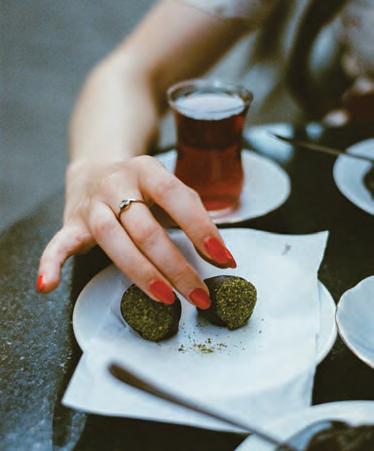
A sweet break with the temptations of Istanbul
The dishes arrive slowly, one by one, unhurried. Here, everything takes its time—the plates, the words, even the light. We exchange a few words with the owner, a woman with an easy laugh and a direct gaze. She knows each passer-by. They greet her with a nod, a word, a wink. A subtle, almost domestic warmth floats in the air, that of places you haven’t left yet but which you’re already dreaming of rediscovering. Cats move about under the tables, right at home—because they are. We aren’t yet, but we’re getting closer.
We tell ourselves, without saying it, that this will be our headquarters. That things are good here. That sometimes, you don’t need anything more than a little light on a table, some warm mezze, and a friendly voice to feel like you’re exactly where you need to be. We’ll be back. That much is certain. Maybe even tomorrow.
THE LUXURY OF SLOWNESS IN MODERN TOURISM
In a fast-paced world, where travel is often reduced to a race from point A to point B, slowing down is quite a feat. However, this is undoubtedly the true luxury of our time: the art of taking your time. Letting go of overly perfect itineraries, tight schedules, and the urgency of the “always more.” Because travel, freed from the obsession with performance, turns into an invitation to live differently. To immerse yourself, to breathe in the world at the rhythm of your own steps.
Slow tourism, far removed from hectic practices, is redefining the very notion of travel. It’s no longer about checking boxes, but agreeing to get lost, to let places and encounters unfold at their own pace. Travel becomes an intimate relationship, a meeting with the soul of a territory, far removed from frozen clichés. It’s a search for authenticity, a taste for the unexpected, a return to slowness, off the beaten path.
But slowness isn’t just about slowing down for yourself. It’s also a gentler way of walking on this Earth. By opting for longer but less crowded routes, we’re choosing to reduce our footprint and give more time to the planet, to communities, to human experiences. Travel thus becomes a conscious act, a collective reflection on our way of moving around on and interacting with the world.
Adopting this philosophy isn’t a rejection of the modern world, but an invitation to reinvent it. Travel ceases to be a headlong rush, a quest for speed; ultimately, it’s nothing more than an immersion in the present. It becomes a suspended moment, where the beauty of the world is measured not by its speed, but by the way it affects us, transforms us, and connects us.
FREE DIGITAL MAGAZINE FOR WOMEN OVER
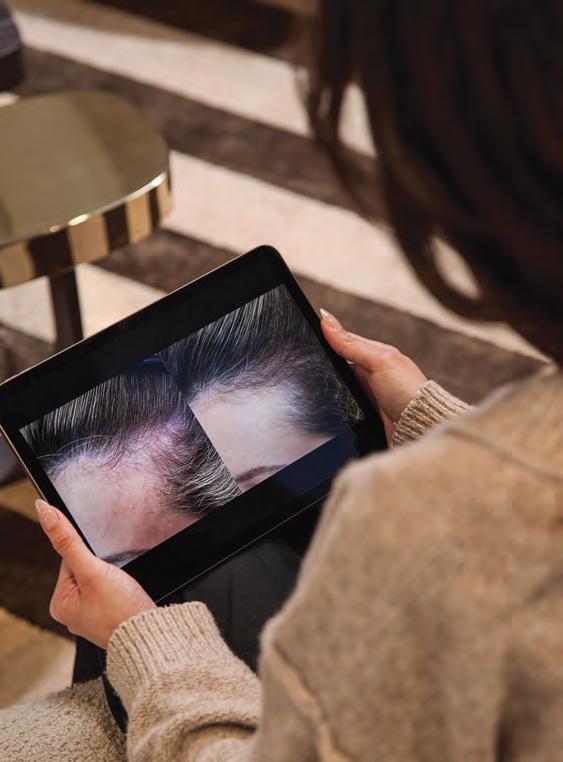
Effloressence: What If We Finally Talked About Hair Loss?
The stress of modern life, the hormonal upheavals linked to menopause or postpartum, or simply the feeling that your hair is losing density over time… Hair loss is more common than we might think. It affects a growing number of our friends, colleagues, and loved ones, sometimes starting with ourselves, yet it remains a taboo subject. Whether subtle, gradual, or pronounced, it indiscriminately undermines the self-confidence and well-being of those who suffer from it.
AN INNOVATIVE APPROACH TO MEET THIS NEED
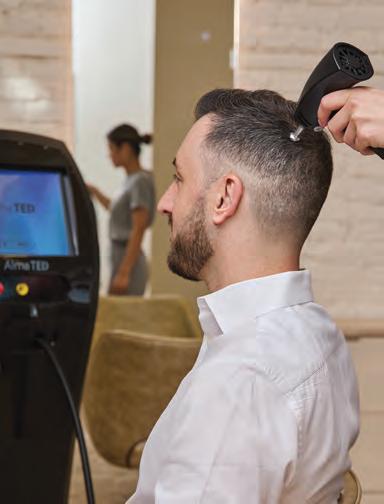
Effloressence, a specialized clinic that has chosen to approach hair health differently, emerged to address this growing issue. Founded in early 2023 by Marie-Claude De Blois and her daughter Naomi Va, this Quebec-based company relies on a respectful, educational approach focused on concrete solutions, such as Alma TED technology, recognized for strengthening hair and stimulating its regrowth. Together, Marie-Claude and Naomi aim to offer honest, human support that helps each and every person regain stronger hair and—above all—feel better in their own skin.
THE STATE-OF-THE-ART TECHNOLOGY AT THE HEART OF THE APPROACH
Effloressence stands out for the use of the TED (Trans-Epidermal Delivery) technology developed by Alma Lasers. This non-invasive method represents a major advance compared to other existing techniques on the market. It is based on a standardized and controlled protocol, for consistent, predictable results.
Thanks to low-frequency ultrasound combined with air pressure, the TED system delivers a serum—enriched with peptides, essential nutrients, and growth factors—directly to the hair follicles. This process stimulates blood circulation, thereby promoting hair regrowth. Suitable for both men and women, it is totally painless, does not use any needles, and requires no recovery period.
DIVERSE CLIENTS, PROMISING RESULTS
There is no ideal age or stage to take care of your hair. Whether it’s acting from the first signs of hair loss or stimulating already sparse hair, the TED technology makes it possible to work on the follicles that are still present to optimize their vitality.
The earlier the intervention is done, the greater the potential for densification, but even in the most advanced situations, the treatment can help strengthen the existing hair and improve its overall appearance. Every journey is unique: the important thing to know is that there are tailored solutions to support each person’s hair health.
A PERSONALIZED AND PROGRESSIVE TREATMENT PLAN
At Effloressence, the care starts with an initial consultation, followed by the development of a customized and personalized treatment plan. Then comes an “intensive treatment” that usually includes three to four sessions, each at one-month intervals. After the initial treatment, an annual maintenance treatment is recommended to maintain the results obtained.
The effects appear gradually, but it should be mentioned that within the first two appointments, you should already be able to observe a slowdown in hair loss.
LOCAL EXPERTISE ACCESSIBLE IN MONTREAL, LAVAL, AND BLAINVILLE
Effloressence’s services are currently available at three hair salons in the greater metropolitan area: in Montreal, Laval, and Blainville. At the intersection of aesthetics and well-being, Effloressence embodies the latest breakthrough in hair restoration. An effective solution designed to respond accurately to today’s realities.
Scan the code to learn more about Effloressence and view before/after photos.
Micro-Feminism: Ten Simple Actions That Make All the Difference
By Anne Genest, writer
Micro-feminism refers to small, concrete initiatives that subtly rebalance gender relations. This trend, popularized on social media, highlights everyday practices, such as intentionally yielding the floor to a more reserved colleague so that she can be heard or choosing clothing from the men’s section to remind people that gender shouldn’t dictate tastes.
To help paint this picture, I turned to my loved ones, who shared with me some simple habits they cultivate every day that change everything.
(1) PRACTICE SISTERHOOD
A simple smile. That’s how Annabelle Irakiza has chosen to embody micro-feminism. “When I meet a woman in a waiting room, during an interview, or in an environment that she is less familiar with, I always smile at her. It’s my way of saying: I’m with you.” Annabelle also chooses compliments that don’t relate to the body, but to personality, style, or humour. With the people around her, she devotes her energy to more marginalized, especially racialized, women by amplifying their voices. She cultivates a climate of solidarity made up of tiny attentions, which becomes an everyday form of resistance.
(2) BUILD CONFIDENCE
At home, Annabelle imposes a rule on herself of never criticizing her body in front of her sisters or young girls. “Many of us grew up hearing our mothers criticize themselves. That leaves deep marks,” she admits. Instead of saying “I’m fat,” she chooses neutral formulas such as “I don’t feel comfortable in this dress.” This is a way to break the chain of body image insecurities passed down from generation to generation. A small detail in the wording, but a huge gift to young children.
(3) REBALANCE LANGUAGE
To Josiane Stratis, words are far from trivial. “I’m always uncomfortable seeing the masculine form prevail in French,” she explains. In her newsletters and on social media, she therefore chooses to feminize her sentences and use genderneutral language at work. It’s a choice that may seem symbolic, but it has a real impact: it accustoms women to feeling directly addressed and decentres men away from their status as the norm. An agreement, a word is already a way of rebalancing language.
(4) SHATTER STEREOTYPES
In class, Emilie Sauriol ensures that her examples reflect gender diversity. “He is gentle. She is angry. A female surgeon. A male day care worker.” Simple phrases that broaden the horizons of her high school students. The idea is clear: avoid reproducing stereotypes by showing that all emotions and occupations belong to all genders. Through this teaching choice, Emilie makes micro-feminism an educational tool: invisible to some, but foundational for the next generation, which is growing up with different points of reference.
(5) DO YOUR PART
“Do your part, for real,” encourages Félix Cauchy-Charest, a father. For him, microfeminism involves sharing the mental load equally: thinking about appointments, preparing meals, getting involved at school, taking time off when the children are sick. In the context of a separation, he also chooses to restore financial fairness. “Since I earn more, I want my ex to be able to keep the house at a reasonable price.” For Félix, being a feminist on a daily basis means being an ally and reducing inequalities by making concrete choices.
(6) GIVE CREDIT
In the hustle and bustle of meetings, good ideas sometimes get lost. And even more often when they come from a woman. “When an idea goes unnoticed, I emphasize that it’s solid,” explains host, columnist, author, and screenwriter RoseAimée Automne T. Morin. This simple, almost trivial act, restores legitimacy to the female voice and prevents it from being co-opted by others. Publicly acknowledging an idea is a simple and effective way to balance relations in the professional environment.
(7) CHOOSE PLANTS
For Élise Desaulniers, an author and independent researcher, the food we eat becomes a field for feminist engagement. “Being vegan means refusing the hierarchies that classify some lives as superior to others. This corresponds to a feminist perspective, because we can see similarities between animal exploitation and the domination of women: bodily control, reduction to reproductive function, invisibility of care.”
“She cultivates a climate of solidarity made up of tiny attentions, which becomes an everyday form of resistance.”
She clarifies that this choice becomes feminist when it is guided by ethical considerations rather than by health or fashion. By refusing these logics of power, veganism becomes a daily and concrete political practice that promotes greater equity and greater equality.
(8) SHATTER CONSUMPTION STEREOTYPES
When Sarah-Maude Forget shops with her daughters, she sometimes takes them into the boys’ section. “Gender shouldn’t limit colours, cuts, or prints.” For her, this is a way of teaching them that they can choose whatever they like without allowing themselves to be confined by labels. Refusing to adhere to gender norms when simply buying clothes is planting the idea that everyone can forge their own path. A seemingly ordinary approach, but one that broadens horizons from childhood onward.
(9) REHABILITATE BODIES AND VOICES
Charlotte Levasseur Paquin is a physiotherapist specializing in perineal rehabilitation. She considers her occupation to be a feminist commitment: “Pelvic and obstetric health has been minimized for too long. However, so many people are affected.” She also refuses to stay silent when her clients criticize their bodies. She listens to them, then reminds them of their strength and dignity. Her actions extend beyond that: she chooses to read and listen to more female and LGBTQ+ artists. She also recounts her solo outdoor adventures to inspire other women. In this way, Charlotte places bodies and voices which are too often made invisible back at the heart of our concerns.
(10) BREAK THE PERIOD TABOO
On the ultramarathon trails and in her job as an engineer, Geneviève Asselin-Demers operates in largely masculine environments. Whenever she hears “Hey, guys,” she immediately corrects it: “… guys and girl.” But her most significant intervention remains speaking openly about her period. “During the race, it’s rare that our hormones allow us to control everything.” She points out the fact that women often have to deal with their cycle in challenging situations: changing their tampons in nature between two aid stations or managing symptoms that are sometimes invisible to others. By naming these realities, she breaks a taboo and makes the sport more authentic, more human.
A smile, a word, a choice: these tiny habits are nothing spectacular, but their persistence transforms everyday life. Like water seeping through the cracks, they redefine the landscape little by little. Micro-feminism reminds us that equality isn’t just a matter of major struggles, but also of small actions, repeated in ordinary situations. A compliment that brightens someone’s day, a shared meal, highlighted words: so many threads that weave the fabric of a new horizon. It’s a movement that spreads quietly, but which is nonetheless transformative. What if the next action came from you?
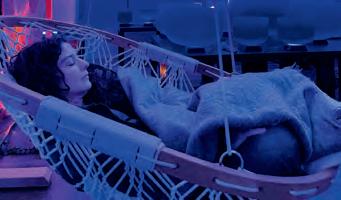
Want to experience a state of deep relaxation ?
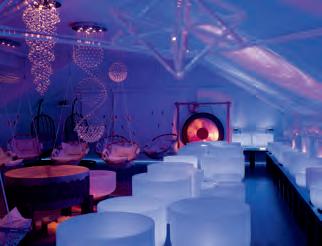
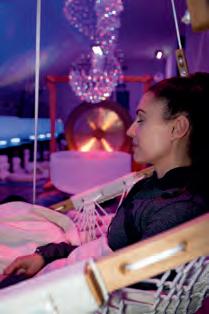
Awaken your senses and dive in an immersive sound journey in the heart of Saint-Sauveur.
Reserve your spot now and let yourself be gently rocked by the harmonious vibrations of our concert.
Possibility of organizing a private event for your friends or company.
Winter Resilience
By Daniel Chartier, professor, Université du Québec à Montréal
“We will not leave.”
Jacques Brault
Every year, in Quebec, as in other northern territories, winter returns with its biting cold, shorter days, slippery streets, and snow-covered silences. And while it’s part of a natural cycle, it’s rarely greeted with indifference. Because beyond a simple change in temperature or scenery, winter has a profound effect on us. It disrupts our habits, slows down our rhythms, and shakes up our relationship with time, space, others, and—above all—ourselves.
For a few weeks, and sometimes even a few months, major cities such as Montreal, New York, and Berlin are covered in a blanket of white that erases straight lines, visual landmarks, and wellregulated schedules. Everything that was once taken for granted suddenly becomes uncertain: transportation is delayed, sidewalks become impassable, and parks are closed. In 1971, Quebec poet Jacques Brault wrote in La poésie ce matin this simple yet powerful verse that perfectly summarizes the foundational ordeal of winter and the cold: “we will not leave.”[1] Despite the frost, the constraints, the wind, the darkness, and the seasonal isolation, we can draw a quiet yet strong power from winter: despite, thanks to winter, “we will not leave.”
However, while cultural representations of winter refer almost exclusively to outdoor landscapes, it’s during this season that we spend the most time indoors: we observe the first snowfall through the window on a December morning; we change our diets, our habits, our wakeup and bedtimes, our athletic activities, even our social relationships. Sometimes, people also take advantage of the cold weather and the winter to engage in outdoor activities. But compared to the other seasons, winter is primarily a season experienced inside, hence the importance that Nordic peoples place on the layout of their homes, their lighting, and their openness toward the blue, white, and purple landscapes recreated by the effects of snow.
Winter and its two essential components— coldness and darkness—also act on another, more subtle level: they force us to confront immobility, withdrawal, and silence. They force us to slow down and sometimes even stop. In our societies marked by urgency, efficiency, and performance, this suspension is often seen as a form of disorder, even a threat. Winter therefore disrupts an established order: that of schedules and performance. However, this disruption carries something else with it: a different time, a sense of interiority, a form of simplicity conducive to reflection, creation, and listening. This is what many people feel after the first snowfall: a gentle dizziness, a return to childhood, as if the world suddenly took a break.
However, this feeling doesn’t last. Because winter, when it stretches out, becomes hard to bear. It can darken the mood and generate widespread fatigue and a lack of motivation. The lack of light affects our biology; the cold weather encourages us to stay inside longer, which sometimes leads to isolation. The city, once the magic of the first snowflakes has passed, is covered in grey, wet snow, and hazards. It becomes harder to go out, see each other, and sustain momentum. For people who live alone or in a vulnerable situation, this forced withdrawal can result in deep loneliness. This is also what is conveyed by the French word “hivernité,” coined by geographer LouisEdmond Hamelin: a state, an ambiance, a way of experiencing winter that shapes behaviours, social relationships, and emotions.
However, some cultures have made this ordeal a strength. The Nordic peoples (including Quebecers) have long developed strategies for taming this season. In Scandinavia, for example, light becomes an art form; indoor conviviality, a form of gentle resistance to the darkness outside. We light candles, we slow down our schedules, and we accept the idea of living differently. Winter is no longer a season that we have to struggle against, but a time that we must learn to get through—and even, sometimes, to love.
However, it’s not an easy path. Winter is an existential ordeal. It brings us back to our finiteness, to our need for warmth, closeness, and comfort. It forces us to organize our lives differently, acknowledge our limitations, and deal with what we can’t control. And yet, it can also be foundational. Those who “stay the winter,” who choose not to escape to milder climates, ultimately develop a sense of pride, an inner strength. This experience is existential and leads to a deep rootedness. Author Dany Laferrière humorously wrote in 1994: “The biggest enigma is the fact that people agree to spend their whole lives in this climate when the equator isn’t too far away.”[2] It’s true that remaining in a cold country, despite the difficulties that the climate imposes, ends up leading to a surprising pride—that of resisting—which deeply marks and defines Quebec identity. With its constraints, silences, and slowness, winter eventually carves out in us a space of grounding, calm, and sometimes even resilience.
THE COLD AS A PHYSICAL DEMAND
Cold weather isn’t just a piece of meteorological data: in the winter, it’s a daily constraint. When the temperatures drop, the human body enters protective mode. The simple act of going outside requires planning. This permanent, often invisible vigilance can become exhausting, especially when it extends over several months.
In some Nordic cultures, there is a saying that there is no bad weather, only bad clothes. But beyond this maxim, it should also be recognized that not everyone has the same resources to deal with the cold. Winter exacerbates inequalities: it isolates, makes vulnerabilities visible, and highlights discomfort or insecurity in housing, mobility, and social ties.
Ultimately, the cold forces us to confront our vulnerability. It reminds us that comfort is never a given, that our bodies have limits, and that in order to live in harmony with a winter environment, it’s necessary to adapt not only physically, but also mentally and emotionally.
DARKNESS AS A NEW ORDEAL
In Nordic regions, and especially in Scandinavia, the winter darkness can last for weeks, even months, with sunlight limited to just a few hours per day, or sometimes even non-existent. While the variation in light is more nuanced in Quebec due to its more southerly geographic location, for many, darkness remains one of the dominant characteristics of winter. This prolonged darkness takes its toll on the body and mind. Many studies have shown that a lack of natural light can affect mood, concentration, sleep, and even physical health. Disorders such as seasonal depression affect a large number of people, particularly between November and February. The circadian rhythm, which regulates sleep-wake cycles, is profoundly disrupted by the absence of light cues.
It therefore becomes harder to wake up in the morning and maintain consistent energy levels and stable motivation on a daily basis. This slowdown is also sometimes poorly perceived in societies that value efficiency, movement, and productivity. It can lead to a form of guilt: feeling “less functional” in the winter, whereas in reality, the body and mind simply need to adjust to demanding conditions.
Nordic societies have developed different strategies to adapt to this reality. The use of light therapy, for example, is common in households and workplaces. The importance placed on interior lighting is also revealing: soft, warm, often indirect light is favoured to create a feeling of comfort and well-being. Social life also adapts: quiet moments, indoor activities, reading, cooking, and gatherings in small groups are valued. Some people even go so far as to redefine their schedules in the winter, prioritizing rest, reading, or contemplation.
WINTER AS A LUMINOUS ORDEAL
Winter is certainly a demanding season, and those who experience it every year know how much it puts the body, mind, and daily organization to the test. And yet, at the heart of this season, forms of resilience, solidarity, and chosen slowness are also created.
Rather than treating it like a struggle or something to flee, “staying the winter” can become a learning opportunity, a way to anchor ourselves in an environment and respect it. A way of experiencing time differently and listening to ourselves better, quite simply.
[1] Brault, J. (1973). La poésie ce matin (p. 29). Parti pris.
[2] Laferrière, D. (1994). Chronique de la dérive douce (p. 110). VLB éditeur.
FURTHER READING
Borm, J. and Chartier, D. (2018). Le froid. Adaptation, production, effets, représentations. Presses de l’Université du Québec.
Chartier, D., Lund, K. A., and Jóhannesson, G. T. (2021). Darkness. The Dynamics of Darkness in the North. Presses de l’Université du Québec, Imaginaire | Nord, and University of Iceland.
De la Soudière, M. (2016). Quartiers d’hiver. Ethnologie d’une saison. Créaphis.
Hamelin, L.-E., Chartier, D., and Désy, J. (2014). La nordicité du Québec : Entretiens avec LouisEdmond Hamelin. Presses de l’Université du Québec.
Securi SunMode
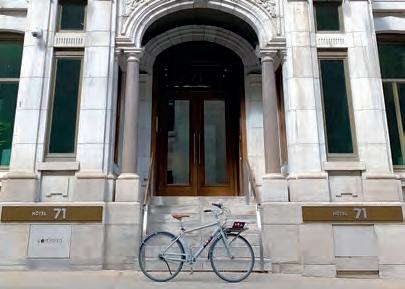
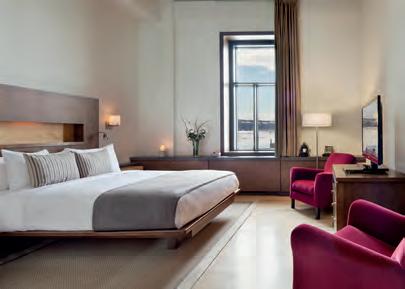
In the heart of Québec City’s Old Port, let H71 and Strøm Nordic Spa be your haven of serenity. Our packages are designed to awaken your senses.
Keep an eye out for our special offers!
How about well-being to the workplace ?
inviting
A winter ritual inspired by nature
This winter, treat yourself to a kit designed to care for your skin when the temperatures drop.
Designed for dehydrated skin, it brings together four essentials for a gentle, restorative winter routine. It helps restore balance, suppleness, and radiance, while enveloping your skin in lasting comfort. The kit includes:
1. MOISTURIZING CREAM
Dehydrated skin
Perfect for firming and protecting the skin of the face and neck, its formula enriched with moisturizing and emollient ingredients helps regenerate the skin’s moisture barrier. It protects the skin from drying out while softening it, helping it regain its elasticity. Rich in antioxidants and soothing vitamins, its formula helps revitalize the epidermis, smooth out wrinkles, protect the skin from external aggressions, and prevent the signs of aging.
Key active ingredients
Aloe vera • Omega-3
3. FACE, BODY, AND HAIR RITUAL OIL
A precious oil with a silky texture, ideal for nourishing, protecting, and enhancing the radiance of the body, face, and hair. Resembling an elixir of plant-based oils enriched with antioxidant ingredients, vitamins, and essential fatty acids, this oil regenerates the skin’s moisture barrier, promotes skin elasticity, minimizes imperfections, and evens out the complexion. A light, satin-smooth, non-greasy veil that protects the skin and hair from external aggressions for a silky, healthy-looking finish.
Key active ingredients
Jojoba • Argan • Vitamin E
2. CLEANSING MILK
All skin types
Formulated with gentle surfactants and moisturizing aloe vera, this milk gently cleanses and removes makeup without drying out the skin. Its purifying and astringent ingredients remove all traces of makeup and dead cells from the surface of the skin. Its soothing and antioxidant ingredients provide comfort and protection to the skin from the very first use. It also offers a delicate woody scent for a fresh and soothing sensation.
Key active ingredients
Aloe vera • Vitamin E • Quebec black spruce
4. MOISTURIZING MASK
Sensitive skin
Reducing redness and giving the skin a luminous, supple appearance, this rich mask intensely moisturizes and soothes the most sensitive skin while repairing the skin barrier.
Key active ingredients
Hyaluronic acid • Shea butter
Cornflower water
BORÉAL evolves with the seasons. Explore upcoming kits in our boutique or online at stromspa.com.
Enjoy 20% off new BORÉAL kits with promo code TROUSSE20, valid online only from December 1, 2025, to June 1, 2026. Cannot be combined with any other promotional offer.
Seasonal Depression: Rethinking Winter to Experience It Better
By Valérie Courchesne, Ph. D., psychologist
As the days grow shorter and the cold settles in, it’s not uncommon to feel a lack of energy or a slight case of the blues. But for some people, this time of year is accompanied by deeper and more persistent symptoms that affect their well-being on a daily basis. This is what is known as seasonal depression, a disorder which is still overlooked but quite real. However, by understanding its mechanisms and adopting a few simple strategies, it’s possible to get through this period more smoothly and even find comfort in it.
Contrary to what you might think, it’s not just a winter slowdown, a more fluctuating mood, or a reaction of sadness to an event such as a breakup or grief. It’s quite normal to feel less energetic and to have variations in appetite or sleep when winter arrives, as long as it doesn’t last too long or significantly affect your everyday life. Approximately one in five Canadians feels these “winter blues.”
Seasonal depression, also known as seasonal affective disorder, is much more severe. It affects approximately 2 to 3% of the Canadian population. The symptoms are similar to those of a traditional depressive episode: persistent sadness (or irritability), fatigue, loss of interest, trouble sleeping, variations in appetite, difficulty concentrating, and negative or suicidal thoughts.
Women and people from gender minorities are particularly vulnerable, as are people living with mood disorders such as bipolar disorder, where the depressive episodes may follow a seasonal cycle.
A REAL DISORDER?
A debate persists: Is this a distinct disorder or simply a form of cyclical depression that returns at the same time every year? An untreated major depressive episode lasts six to nine months on average, which corresponds to the duration of winter in several Nordic countries, including Canada.
The main hypothesis: the decrease in natural light has a direct effect on the mood. Certain studies establish a link between latitude (distance from the equator) and the prevalence of seasonal affective disorder, but the results are not unanimous.
There are other factors at play, because winter also changes our lifestyle:
• Fewer outdoor activities (and therefore less natural light);
• Less vitamin D (due to the lack of sunlight and warm clothing that covers the skin, thereby preventing direct exposure);
The treatments are similar to those used for conventional depression, with a few seasonal adjustments.
To counter the lack of light
LIGHT THERAPY : An effective, relatively inexpensive treatment with very few side effects. Be careful, however: there is a wide range of lamps on the market, but they are not all created equally or recommended for everyone. Consult a pharmacist or another health professional before purchasing one. Generally speaking, 30 minutes of exposure per day is recommended (ideally in the morning) to a 10,000-lux white-light lamp.
EXPOSURE TO NATURAL LIGHT: Open the curtains, sit near the windows, and go outside at lunch time, for example.
VITAMIN D SUPPLEMENT: Consult a professional regarding dosage.
To promote overall well-being
REGULAR PHYSICAL ACTIVITY: Even moderate, it stimulates endorphins, which are natural antidepressants!
ENGAGE IN SOCIAL ACTIVITIES: Connect with your friends (telephone or video also count) and spend quality time with your loved ones.
ACTIVATION: Work up the motivation to engage in enjoyable activities, even if you don’t feel like it.
KINDNESS TOWARD YOURSELF: Accept reduced productivity, lower your expectations, and show compassion.
DRAW INSPIRATION FROM NORDIC COUNTRIES
Curiously, as mentioned above, not all Nordic countries are equally affected by seasonal depression. Several countries such as Sweden, Norway, and Finland have found remedies to cultivate happiness despite the limited hours of sunlight and cold temperatures. Drawing inspiration from them might help us change our perception of winter and thereby alleviate our depressive symptoms during this period. For many inhabitants of these countries, winter is synonymous with comfort at home, a fire in the fireplace, warm drinks, blankets, candles, evenings with friends, family time, and comforting cooking. People appreciate this time of year rather than seeing it as a season to “get through.”
THE DANES speak of “hygge,” a search for comfort and well-being through the creation of a warm and inviting atmosphere.
THE NORWEGIANS speak instead of “ koslig, ” a feeling of comfort and conviviality associated with simple, pleasant moments such as being with friends at home or admiring a winter landscape, for example.
THE SWEDES have “ mysig, ” which refers to moments of cocooning, and “ fredagsmys, ” (or “Friday cocooning”) is an integral part of Swedish winter culture.
IN CONCLUSION
What if winter became a season of wellness? By adopting the right habits, it’s possible to make it a beneficial period of slowing down and reconnecting with the self. The proposed strategies may help prevent or alleviate the symptoms of seasonal depression, but they are no substitute for professional support. If you or a loved one are suffering, don’t hesitate to ask for help. Happy winter!
Hypnosis: An Unexpected Tool for Dealing with Pain and Anxiety
An interview with David Ogez, assistant professor
Often associated with the stage performances that popularized it, hypnosis fascinates but can still suffer from biased representations. In its therapeutic applications, it is an effective tool for treating a variety of ailments. Combined with other approaches, clinical hypnosis allows significant and lasting results to be achieved and promotes better balance in patients by empowering them to manage their symptoms independently. Assistant professor David Ogez, a psychologist and the president of the Société québécoise d’hypnose, demystifies this practice and presents its benefits.
DAVID OGEZ
Hello, David. Hypnosis is at the heart of the support that you provide to your patients. What is the path that led you there?
“In Belgium, where I come from, I worked in oncology for a long time with cancer patients. Wanting to help my patients, I was confronted with the limitations of the psychoanalytic approach that I had learned and I went looking for other options, such as behavioural therapies. I met an anaesthesiologist who practiced hypnosis in managing her operations, particularly in oncology. That fascinated me, and I saw it as a tool to help my patients with their psychological suffering, such as anxiety, but also to treat the secondary symptoms of chemotherapy. I therefore received training in hypnosis and discovered that it allowed for more than just symptom management. An entire psychotherapeutic approach was also possible.”
The applications of hypnosis are multiple. Can you tell us about them?
“Hypnosis is not a therapy in itself; it’s an additive to a therapy or an approach. It’s complementary. It can be used in dentistry, anaesthesia, and even in nursing. Most research demonstrates its effectiveness in the treatment of acute pain, procedural pain, and anaesthesia. Using hypnosis, it’s possible to numb mouths for dentists or arms for needles for children, for example, or to put the body into a catatonic state. In anaesthesia, curare[1] is used to put the body to sleep, and this can be done through hypnosis, which avoids the need for medication. It also opens up interesting possibilities in the field of addiction, phobias, and generalized anxiety disorders. Several protocols exist, which can really help.
“In the case of addiction, special attention is needed due to withdrawal, particularly for alcohol or harder drugs, but we can work with those tools. Then, in therapy, we can really offer other ways of looking at situations. The most obvious example is phobia. In cognitive behavioural therapy, we use phobic exposure, which involves putting the person face to face with their anxiety. With hypnosis, the magnitude is increased: in the same anxiety-inducing circumstances, the patient’s body becomes so relaxed that it dissociates itself from the anxiety.
“Finally, we’re very interested in chronic pain, which requires teaching patients to self-hypnotize so that they can use these techniques themselves and regain control over their bodies.”
Photo:
What happens in the brain when it is under hypnosis?
“Let’s imagine I ask you, under hypnosis, to remember a moment from a vacation that you enjoyed. Your brain will react as if you were there. You might feel the sunscreen, maybe even hear the sound of the waves. These aren’t hallucinations, but real experiences. Research has proven that the brain responds as if one were actually exposed. Physical signs indicate a state of hypnotic trance: a little like a statue, the person moves less, their features may become rigid, but eye movement remains, as in sleep. Swallowing, breathing, and heart rate slow down…”
Some people seem more receptive than others to hypnosis. How can this be explained?
“ In a given population, 15% of people will be strongly suggestible, 15% will be weakly suggestible, and 70% will be moderately suggestible, with some variance. Stage hypnosis, which is more familiar to the general public, selects the highly suggestible 15% based on a series of tests. Among these 15%, only 5% will remain on stage, because you also have to agree to play the game and have trust, in the name of ‘putting on a show.’ For those of us who practice in the medical sector, even the 15% who are moderately suggestible may respond well to hypnosis, because when you’re suffering, you want to get better. Often, people come to see us saying, ‘I’ve tried everything.’ There’s nothing left but us or prayer, as my colleague says! So, they arrive super motivated, and that’s a major element in the therapy. Even if they’re weakly hypnotizable, therefore, they may respond well to suggestion.”
How does a session unfold?
“Before anything else, we meet with the person in a consultation to evaluate their request and to try and understand what they’re looking for. Hypnosis isn’t magic: to work optimally, there needs to be prior motivation. We all have an assessment plan, with a conventional case history.[2] From there, we identify strategies. Let’s take someone who wants to quit smoking as an example. In this case, I recommend a hypnosis session where the person will be confronted with their interest in quitting smoking, but also with the benefits they derive from their tobacco consumption. The individual is exposed to that choice and allowed to make a decision. Rather than focusing solely on quitting tobacco, we support the patient’s motivation to stop smoking.”
Reading the list of the benefits offered by hypnosis (stopping procrastination, easing anxiety, overcoming addiction, treating a phobia, recovering from a trauma, etc.), it could almost be seen as a miracle remedy. Is that the case?
“It’s not a miracle, because we also have failures. If the person we’re supporting isn’t motivated, it won’t work. It’s really important to use the patient’s skills. For example, one of my patients had trouble sleeping for a very long time. It wasn’t resolved in one session. We got there, but it took time, because behind sleep, there were other hidden problems that we had to treat. That’s why I said that hypnosis is an additive or a complement to therapy; it’s one part of a more complex job. There may be phobias that are associated with traumas. From that point on, we’ll work on the trauma more than the phobia. In short, the list of benefits is true, but it’s also true for other therapeutic approaches.”
If you want to undergo hypnosis with professionals, how do you go about choosing a practitioner?
“ Look for a specialist recognized by a professional order who practices in the desired care setting.
The Société québécoise d’hypnose site lists the people who are trained and who are all required to be affiliated with a professional order, so you won’t have trouble finding one.”
[1] Note: Curare drugs prevent the transmission of motor nerve impulses to the skeletal muscles (neuromuscular blockage), which causes muscle relaxation.
[2] Note: A case history is all the information collected by the doctor from a patient regarding their medical history as well as the history of the disease for which they are consulting.
To listen to the full interview hosted by Evelyne Charuest, follow our podcast Centré sur l’équilibre.
Procrastination: Why Is It So Hard to Do What We Really Want?
By Marie-Claude Poirier, psychologist
Every day, we all end up putting off certain tasks for later. This behaviour, often referred to as procrastination, is usually interpreted as a simple lack of willpower. We tell ourselves that all it would take is to motivate ourselves a little more, to “pump ourselves up,” for action to follow. However, this approach doesn’t always work. And sometimes, the more pressure we put on ourselves, the less able we are to get motivated.
What if procrastination were more complex than we think? What if, instead of judging it, we learned to listen to it?
A UNIVERSAL BEHAVIOUR WITH A VARIETY OF IMPACTS
Procrastination can appear in all areas of our lives: at work, when we put off responding to an email or preparing a presentation; in our personal tasks, such as tidying the house, filing our tax return, or renewing a passport; and even in our relationships, when we avoid an important call or conversation.
In some cases, putting off a task until later can be beneficial: it allows us to take a step back, recharge our batteries, or clarify our thinking. But when this avoidance becomes frequent and harms our goals, our relationships, or our self-esteem, it can cause real suffering. And paradoxically, the more we attempt to convince someone to take action, the more they might resist. Change only occurs when the person feels some form of discomfort or tension regarding their behaviour.
THREE KEYS TO UNDERSTANDING PROCRASTINATION BETTER
To explore the roots of procrastination, it’s useful to consider three main factors:
(1) The characteristics of the task;
(2) The underlying fears;
(3) The feeling of personal power.
(1) THE CHARACTERISTICS OF THE TASK
It’s natural to avoid unpleasant tasks. But that’s not the only reason. A poorly defined task without a clear structure or which is part of a long-term project increases the risks of procrastination. Let’s think of a student writing their thesis, an author who wants to write a book, or an employee responsible for producing a complex report. Not knowing where to start can make you feel like you’re facing an insurmountable mountain.
When a task seems too difficult, it can cause negative stress. This stress activates our survival reflexes: flee (put it off until later) or freeze (remain paralyzed before the task). These aren’t signs of laziness, but human responses to an emotional overload.
(2) THE UNDERLYING FEARS
When the momentum to act is lacking, it may be relevant to explore the fears hiding behind it. The most common ones are the fear of failure, the fear of judgement, and the fear of imperfection.
An interesting fact: people who procrastinate a lot are often highly intelligent. Their ability to solve problems quickly has allowed them, in the past, to find a way out of sticky situations at the last minute. But over time, the challenges become more complex, and this strategy shows its limits.
These individuals are often very hard on themselves, so it’s not a lack of willpower, but rather excessive expectations that paralyze them. The fear of not measuring up becomes a barrier to action.
Sometimes, it’s the fear of the consequences of success that stops the momentum. Succeeding may involve changes in our environment, higher expectations, or a transformation of our role within a group. Some people anticipate these consequences and unconsciously put the brakes on their own momentum.
Finally, a low tolerance for frustration can intensify procrastination. Choosing to do an unpleasant task, such as cleaning, rather than relaxing with a TV show requires an ability to tolerate temporary discomfort.
The fear of the unknown also plays an important role. It’s sometimes more reassuring to stay in a familiar situation, even if it’s uncomfortable, than to venture into an uncertain new reality. In addition, some people are afraid of not achieving the expected results, which leads them to abandon projects before they are completed.
(3)
THE FEELING OF PERSONAL POWER
Procrastination can sometimes be a form of unconscious resistance, a roundabout way of asserting oneself in the face of internal or external pressure. This phenomenon is particularly common in people who grew up in very demanding but poorly supervised environments, where expectations were high, but without the appropriate support.
Imagine an inner dialogue between two parts of yourself: a coach and a student. If the inner coach is too strict, such as by demanding work all weekend without a break, the student may feel negative stress. If this dynamic repeats itself over a long period, a third voice may emerge: that of the rebel. This inner rebel acts as a protective mechanism against an inner authority perceived as too severe.
Although often unconscious, this process reflects a fundamental need to regain a feeling of control and self-respect. It emphasizes the importance of a balance between demanding standards and kindness in our inner dialogue.
AND NOW?
The first step is to consider the reasons that drive us to avoid a specific task. Is it related to the characteristics of the task itself? Is it too complex, boring, poorly defined… or a mixture of all three? Are certain underlying fears influencing our behaviour? The fear of failure, criticism, or disappointment? Or is it a form of resistance linked to frustration? The feeling of losing your freedom or being under an obligation?
Identifying the source of the problem helps us better target the strategies to adopt. It’s important to note that several factors may coexist. For example, we may simultaneously fear not succeeding, not know where to start, and feel a sense of frustration toward the task.
POSSIBLE SOLUTIONS
When a task seems unappealing, it can be helpful to make it more enjoyable. Listening to a podcast while cleaning the house or giving yourself a reward after you have finished the job are simple but effective methods. A kind, judgement-free inner dialogue also encourages action. Structuring the task by establishing a work plan, including breaks, can help make it more accessible.
If the task seems too difficult, it may be relevant to ask for support or to break it down into smaller steps. Sometimes, the perceived difficulty is more related to our expectations. In this case, it is useful to explore and adjust them so that they are realistic and focused on our ability to act. For example: I can’t control other people’s reactions to my presentation, but I can ensure that I am properly prepared. It is therefore more helpful to focus on good preparation than on trying to make a good impression.
When facing fears, the first step is to welcome them without judgment. Naming them, talking about them, seeking support, and identifying what can bring us comfort are all essential steps.
For example, a person who fears failure may feel comforted by thinking of their loved ones, convinced that their opinion of them doesn’t depend on their performance. In this case, these support figures become a safety net.
When faced with frustration due to an obligation, the challenge is to regain a sense of power and meaning. This may involve reflecting on the usefulness of the task: I don’t feel like reading this report, but it will allow me to contribute better to the meeting and feel more involved in the decisions.
Let’s remember that true freedom sometimes lies in choosing to act, even when the action is imposed. Learning to name your needs and assert yourself can also strengthen the sense of commitment. It’s beneficial to be part of environments and relationships that value this selfassertion and mutual consideration.
Sometimes, we trap ourselves with overloaded schedules. Being busy doesn’t necessarily mean being efficient. Taking time to think before saying yes, prioritizing your commitments, and accepting that not everything can be accomplished in a week are concrete ways to better manage your energy.
IN A NUTSHELL
Procrastination affects the majority of people, but its impact varies from one person to the next. For some, it can considerably harm relationships, career goals, and self-esteem. It’s not a matter of laziness, but often a reflection of complex, sometimes unconscious internal dynamics.
The key lies in kindness. Learn how to adopt realistic expectations, privilege positive reinforcement rather than punishment, and recognize that the fear of consequences is not a sustainable driver of change.
Sources
Cloutier, G., Leblanc, P., and Poirier, M. (2011). Atelier Méthodes de travail intellectuel : Planifier son temps pour avoir plus de temps! Service de psychologie et d’orientation, Université de Sherbrooke.
Emmett, R. (2001). Ces gens qui remettent tout à demain : Conseils pour vaincre la procrastination. Les Éditions de l’Homme.
Finch, H. (2021). The Psychology of Procrastination: Understand Your Habits, Find Motivation, and Get Things Done. Callisto Publishing.
Koeltz, B. (2006). Comment ne pas tout remettre au lendemain. Les Éditions Odile Jacob.
Linteau, M.-A. (1998, September). “La procrastination ou la folie de la dernière minute.” Vies à Vies , 11(1).
Roy, M. (2001). L’université : Une fois entré, comment bien s’en sortir! Services à la vie étudiante, Université de Sherbrooke.
Sirois, F. M. (2022). Procrastination: What It Is, Why It’s a Problem, and What You Can Do About It. APA LifeTools.
Steel, P. (2010). Procrastination : Pourquoi remet-on à demain ce qu’on peut faire aujourd’hui ? Les Éditions Privé.
There’s the one, as Catherine Major sings, “that travels the paths / like Bohemians live / that stumbles in the morning / in a poem / the sun makes it shimmer / like porcelain / it bursts out laughing / the human voice.” There’s the one that counts, in the ballot box or in power. There’s the one you have to assume to get it “over with.” Those that persist even when we want them to be quiet. And the one that emerges from the breath of artists, like a tiny flame that ignites others in its path. To illustrate the full potential of the voice, here are five echoes that make it felt without making it hoarse.
BOOKS
Gaza écrit Gaza , collective under the direction of Refaat Alareer (Mémoire d’encrier, 2025)
By the time you read these lines, it is difficult to imagine what will come of the ceasefire in Gaza, after two years of genocide against the Palestinian people. Because the powerlessness was immense and it’s essential to hear the voices of a troubled youth, it’s important to remember and not to forget—since these are not the same thing. Under the impetus of the late professor and poet Refaat Alareer, Palestinian youths, identified for speaking out on social media or blogs, were invited to turn to writing fiction in order to bear witness to the war, the occupation, and the resistance. Published in English in 2014 under the title Gaza Writes Back , the anthology was translated for the first time into French by 25 Francophone authors supported, among other figures, by Yara El-Ghadban, a Montreal-based publisher of Palestinian origin. In these overpowering testimonials of a humanity with incandescent resilience, the scars of the body awaken like History, the Wall is erected and the tunnel is dug, the uprooting of people unfolds like that of 189 olive trees, and toothache is endured like homesickness. An essential memory book.
For the voice to awaken, there must be silence. But the latter “is not superior to speech; it does not have to take its place. One and the other coexist.” Writer Vincent Fortier, obsessed with an introverted character he was trying to put down on paper, became so engrossed in this subject that he abandoned his novel in favour of writing an essay. Drawing on numerous works on the subject, discussions with his loved ones, and the marrow of several personal experiences, the author identifies the multitude of possibilities of silence in short texts. In a style which is sometimes introspective or analytical, sometimes confessional or graphically alive, the silent contrasts of loneliness and community, city and nature, trauma and care, celebration and boredom, and art and love are gently dissected. This meditative brew is savoured in tiny sips and invites us to “reflect on what silence allows us to make heard,” within ourselves and around us. And that’s already plenty.
Entends-tu? Un essai sur le silence, by Vincent Fortier (Del Busso Éditeur, 2024)
PODCAST
Décrochage politique (Les radios à roulettes, 2025)
A distinguished journalist who has long covered the political scene, Jocelyne Richer published Le sexe du pouvoir. Politique au féminin : Élues et ex-élues brisent le silence (Éditions La Presse) in 2024; and former candidate Élisabeth Labelle emerged in 2025 with the essay Quand la politique fait fuir les femmes : Un système à réinventer (Québec Amérique). Following in the same footsteps, but delving deeper into the individual journeys of six retired female politicians, the Décrochage politique podcast lends the microphone to those who have too often been put in a box or confined by gender stereotypes. The new host of the Première heure morning show on Radio-Canada Québec, Alexandre Duval addresses several sensitive issues head-on with them, from burnout (Isabelle Lessard, who was the youngest mayor in Quebec) to internal party crises (Catherine Dorion and Émilise Lessard-Therrien), as well as media turmoil (Marie-Chantal Chassé). Not to mention the tenacity of the eloquent Liza Frulla and Agnès Maltais, who have seen it all… and voted, and debated! An illuminating offering in five episodes available on YouTube, Spotify, and Apple Podcasts.
If there’s one unique and textured voice to lend your ear to in recent Quebec music, it’s the performer of “Dis-moi dis-moi dis-moi,” that haunting tune which, from the very beginning, already tells a thousand stories: “At the movies raising your eyes / for the first time…” After the success of the collective project Le Roy, la Rose et le Lou[p], which she engaged in with her long-time accomplices Ariane Roy and Thierry Larose, Lou-Adriane Cassidy had nothing short of a brilliant year last year, earning a nomination for the prestigious pan-Canadian Polaris Prize and dominating the competition at the recent ADISQ gala with 12 wins out of 13 nominations. Less than four months apart, she released the daring and atmospheric Journal d’un loup-garou , then the surprise album Triste animal, which soars eclectically through “her strength to say no, her effort to say yes.” And believe me: you have to see her perform live to truly appreciate the vastness of her inner world and her constant quest to sing with her entire being.
Scan the codes to access the music on Spotify.
TELEVISION
Florence Longpré ( Empathie, 2025)
From Mémoires vives to Pays d’en haut , as well as her famous Gaby Gravel in Like-moi and Vitrerie Joyal, Martin Matte’s new series expected in 2026, Florence Longpré is celebrating 15 years as an actress this year. But it’s her talent as a screenwriter that has been lavishly praised of late, as her first solo-written series, Empathie, has been breaking records on the Crave platform since its debut in the spring after winning the Grand prix du public at the French festival Séries Mania. Set in the psychiatric wing of a hospital, the story follows a former criminologist (Longpré herself) who, marked by the blows of fate, leaves the police force for psychiatry. Her colleagues and patients exude the rich complexity of the human soul, and everything needed to understand and treat it, which leads to an amazing game. The title of the series alone condenses Longpré’s writing approach ( M’entends-tu?, Audrey est revenue, Le temps des framboises): may this feeling of uniqueness emerge and take root in each of us—a feeling which, paradoxically, reminds us of the Other.
20% DISCOUNT FOR THE STRØM COMMUNITY PROMO CODE: STROM20 ON ALL PURCHASES OVER $200
RITUAL JEWELLERY
SILVER 925 — BRASS — 22K GOLD-PLATED
HAND-CRAFTED WITH INTENTION IN SMALL LOTS.
In a world where objects are becoming increasingly ephemeral, our jewellery is designed to be timeless – imbued with deep meaning and rooted in cultural and spiritual continuity. Crafted with renewable metals, each creation embodies a connection to ancient traditions and an authenticity that withstands the test of time.
a day off + admission to the thermal experience provided by your employer Take
Squash chutney, roasted pear, savoury hazelnut and aged cheddar crumble
When winter sets in and the cold becomes biting, this dish warms both the heart and the senses. Le Fleurmier, a cheese from Charlevoix, releases a generous and enveloping creaminess when baked in the oven. Around it, the caramelized pear reveals its natural sweetness, the squash chutney offers a subtle, spicy heat, while the honey brings it all together in a delicate harmony. The savoury hazelnut and aged cheddar crumble adds a crispy, rustic touch, echoing the seasonal flavours. Happy tasting!
Yield
4 people (to be shared)
Squash chutney
Ingredients
Preparation 30 minutes Cooking 60 minutes
3 French shallots, finely chopped
2 Tbsp. sunflower oil
1 cup honey
1 cup cider vinegar
1 bouquet garni consisting of 8 sprigs of thyme a nd 1 sprig of fresh rosemary
1 butternut squash, peeled and diced into 1 cm cubes
Preparation
In a wide saucepan, sweat the shallots in oil.
Add the honey, cider vinegar, and bouquet garni, then cook over medium heat until reduced by half.
Add the squash cubes, then cook over low heat until they are tender, but no longer.
Remove the bouquet garni. Take a quarter of the mixture, then reduce it to a purée in a blender.
Combine the purée with the cooked squash cubes to create the chutney.
Roasted pear
Ingredients
1 pear, deseeded and cut into 8 slices
2 Tbsp. sunflower oil
2 Tbsp. honey
2 sprigs fresh thyme, with leaves removed
½ sprig fresh rosemary, with leaves removed
Freshly ground salt and pepper
Preparation
Preheat the oven to 450 °F.
On a baking sheet, spread out the pear slices.
Drizzle the slices with a little oil and honey. Add the herbs, salt, and pepper.
Bake in the oven for 12 to 15 minutes or until the pear slices are browned.
Savoury hazelnut and aged cheddar crumble
Ingredients
125 g shredded aged cheddar
125 g powdered hazelnuts
125 g brioche breadcrumbs
1 bunch fresh thyme, with leaves removed a nd chopped
5 sprigs fresh rosemary, with leaves removed a nd chopped
125 g cold butter cut into cubes
Fleur de sel
Freshly ground pepper
Preparation
Preheat the oven to 350 °F.
In a large mixing bowl, combine the aged cheddar, powdered hazelnuts, brioche breadcrumbs, thyme, and rosemary.
Add the cold butter and mix with your fingertips to combine.
Spread the mixture out on a baking sheet covered with parchment paper, then season with fleur de sel and freshly ground pepper.
Bake in the oven for 15 to 20 minutes, stirring halfway through the cooking time.
Assembly
In a small cast-iron saucepan, spread out 4 Tbsp. of squash chutney, then place the Le Fleurmier cheese on top. Bake in the oven at 425 °F for 8 to 10 minutes.
Once out of the oven, arrange the pear slices on the cheese, then drizzle with a little honey. Sprinkle with the savoury crumble and finish with a pinch of fleur de sel. Serve with six slices of lightly toasted farmhouse bread.
The Taste of Less
By Marie-Hélène Boisvert, sommellerie instructor
Raising a glass is a ritual gesture that spans cultures and eras. It’s a symbol of sharing, joy, and connection with others. But while the importance of the gesture remains, the contents of the glass have evolved. Today, what’s important is no longer so much what we drink as the shared moment and the well-being that is preserved. In this context, low-alcohol beverages are emerging as new allies of mindful enjoyment. We’re no longer talking about a marginal option, but a lifestyle that is attracting both food lovers and those who value balance and health… and even fine wine connoisseur!
Reducing alcohol consumption often promotes better sleep, more stable energy, and faster recovery. For many, drinking less—or drinking differently—is part of a more mindful approach to their health: monitoring their diet, moving more, meditating… and wanting their glasses to reflect this lifestyle as well. This quest for wellness can express itself in different ways. Instead of imposing abstinence on themselves, growing numbers of people are adopting a flexible approach: drinking less, but better. We sometimes hear talk of the sober curious movement, where sobriety is explored with curiosity or in phases, without necessarily permanently giving up alcohol. It’s a way of regaining control while still maintaining the element of pleasure. Low-alcohol or alcohol-free beverages therefore open the door to conviviality without compromise. They allow those who simply want to remain clear-headed to participate fully in social rituals. There’s no need to feel left out during a festive dinner or a Sunday brunch anymore: everyone can raise their glass.
A GLOBAL AND LOCAL TREND
In Quebec, the trend toward reduced alcohol consumption continues to grow. Dry months— those periods where some people choose to refrain from consuming alcohol, such as the popular Dry January—are enjoying remarkable success. According to several studies, a majority of Quebecers report attempting to drink less or choosing lighter alternatives. Programs are also in effect at certain bars in the province to offer reduced-alcohol versions of their customers’ favourite cocktails.
OPPORTUNITIES TO CONSUME DIFFERENTLY
What sets this trend apart is its adaptability. Where alcohol once seemed essential, new options are appearing today in all contexts. During happy hour after a workday, a dealcoholized beverage lets you decompress without bringing down the party. For special occasions such as weddings, birthdays, and other celebrations, offering an alcohol-free alternative is a sign of inclusive hospitality. And in a wellness context, after a massage or a thermal session, toasting with a zero-alcohol drink is perfectly in keeping with the spirit of relaxation and mindfulness.
Reduced consumption is also reflected in buying trends. Sales of low-alcohol or no-alcohol beverages are increasing regularly, and more and more restaurants and bars are now offering sophisticated options, far from simple sodas or juices. The range of choices has expanded, ensuring that the experience remains festive and delicious, to the great delight of epicurean enthusiasts.
A few years ago, alcohol-free products suffered from an unflattering reputation: overly sweet drinks lacking in complexity with a “flat” taste that disappointed connoisseurs. But times have changed.
DEALCOHOLIZED WINES
Thanks to technical innovations, it’s now possible to obtain wines that retain a large portion of their aromatic identity. A dealcoholized chardonnay can still offer its notes of citrus and green apple, while a cabernet sauvignon retains its structure and tannins, even with less than 0.5% alcohol.
ALCOHOL-FREE BEERS
Craft brewers are capturing this segment with creativity. Hoppy IPAs, thirst-quenching lagers, fruity wheat beers: there’s no shortage of diversity. Some are so successful that it’s becoming difficult to tell them apart from their traditional version.
READY-TO-DRINK COCKTAILS
Refined offerings are exploding on the market: alcohol-free spritzes, botanical gin and tonics, and non-alcoholic cocktails with herbs and spices. The emphasis is on complex flavours, an elegant design, and the sensory experience. To enhance it all, a fine selection of syrups, bitters, and aromatics can be used, which are easy to find online or in specialty stores. These products are what make it possible to break down the uniformity and provide the “punch” and depth that transform a simple alcohol-free blend into a true cocktail of emotions. Texture should also be emphasized for a balanced cocktail. Sours, for example, are very successful here.
ALTERNATIVE SPIRITS
We are also seeing alcohol-free distillates emerge: beverages created using plants, citrus fruits, or spices that make it possible to recreate the experience of spirits in sophisticated cocktails.
HOW IS THE ALCOHOL REMOVED?
Dealcoholization is intriguing, but the principle is quite simple. It starts with developing a wine or beer in the traditional manner, then removing the alcohol using gentle methods. The challenge is to maintain the aromatic complexity and balance on the palate. This is where the expertise of the producers comes into play, and the techniques continue to improve.
SOUS VIDE DISTILLATION:
By reducing the pressure, the alcohol evaporates at a lower temperature, allowing the aromas to be preserved.
MEMBRANE FILTRATION:
The alcohol is separated from the liquid matrix while preserving the aromatic portion.
CONTROLLED EVAPORATION:
Gently heated, the beverage loses its alcohol but retains a large portion of its structure.
AND SUGAR IN ALL THAT?
Non-alcoholic products are sometimes criticized for being sweeter. It’s true that alcohol acts as a balancing element in a wine or beer: once it is removed, it must be compensated for in another way, and that’s not always easy. However, modern versions tend to master this aspect better. In dealcoholized wines, the natural acidity counterbalances the roundness of the residual sugar. In beers, the bitterness of the hops acts as a balancing element. And in cocktails, the addition of fresh herbs, spices, or citrus fruits provides a freshness that prevents any heaviness. In short, sugar isn’t a flaw in itself: when integrated properly, it contributes to the overall balance and sophisticated taste.
DRINK BETTER, LIVE BETTER
Adopting low-alcohol or alcohol-free beverages isn’t just a matter of health; it’s a choice that emphasizes rhythm, balance, and enjoyment. It’s also a way to turn your everyday routine into a ritual: a dealcoholized drink during a weekday dinner can transform an ordinary meal into a small celebration without the side effects of alcohol. At its core, this trend is part of a broader desire to care for oneself, slow down, and savour life.
Low-alcohol or no-alcohol products are no longer secondary options. They are becoming deliberate choices, driven by a desire for consistency between pleasure, health, and conviviality. Their growth in popularity reflects a cultural evolution— that of a society that values moderation without sacrificing enjoyment. Through them, a new way of raising a glass is discovered: more mindful, more inclusive, but just as festive. Here are three suggestions for toasting differently, without compromise.
1. Romeo’s Gin Sour — Amaretto Tangerine
1 5438566 — $11.80 F OR 4 CANS
A ready-to-drink reminiscent of autumn, this low-alcohol version of the famous amaretto sour is perfect. The addition of tangerine accentuates the impression of acidity and provides some punch to the sour.
2. Zero Fumées Blanches Sauvignon blanc
1 5416746 — $13.70
If you’re familiar with the alcoholic version of this white wine, you’ll be pleased to be able to enjoy its non-alcoholic counterpart. You’ll find the same invigorating aromas of grapefruit and passionfruit in it.
3. Distillerie Appalaches Alphonse
1 4718478 — $29.95
In my opinion, the gin and tonic represents the most successful cocktail with alcohol-free spirits. Developed with the Alphonse gin from the Distillerie des Appalaches, the result is delicious and impressive.
WITH MO UNTAIN LIFE A COLLECTION OF CONVERSATIONS ABOUT LIFE IN THE WILDERNESS WITH THE PEOPLE WHO DO IT BEST.
Winter reshapes our spaces. It makes them more raw, more authentic, more essential. Through five spa resorts deeply rooted in their surroundings, this visual feature offers a new perspective on the cold season: one of calm, choice, and presence. An invitation to slow down, to feel, to embrace the months ahead with clarity and intention, without ever losing sight of what truly nurtures us.
an enveloping embrace on cold days.
The site at dusk.
The steam rising from the thermal bath becomes
The steam bath, a true cocoon of modernity. Snow and winter sunlight lend the space a soft, muted ambiance.
Taste local nature: sparkling meads made with honey, without gluten or added sugar, available in alcoholic or non-alcoholic versions. Cru d’Abeille is reinventing the aperitif with purity and terroir.
Available at Strøm locations
Points of sale and online store at crudabeille.ca
15% discount with code STROM15 crudabeille.ca
STAY WARM THIS WINTER: THE MARTINO PROMISE
Since 1956, Martino has been manufacturing warm, durable, and waterproof winter boots in Quebec City that remain lightweight and flexible. Made with real leather and quality materials, they are built to withstand the harsh Canadian climate.
Enjoy a 10% discount with code STROM10 35 1/2, rue du Petit-Champlain, Quebec City 418 806-2158 boutiquemartino.com
SIGNÉ CAMÉLINE, AN OIL FROM HERE
A lovingly cultivated oil from Quebec, created with care for your well-being and for our local lands. Winner of the Gold Medal at SIAL Toronto 2025, discover our exquisite camelina oil with a buttery taste.
Made from an ancient plant, it brings a wholesome and gourmet touch to your dishes. Add it to your popcorn, vegetables, or grilled foods. Pure pleasure!
10% off with code STROM10
Discover our products at signecameline.com
Discover Local Activities
THE PROMENADE WELLINGTON: A UNIQUE DESTINATION 10 MINUTES FROM NUNS’ ISLAND
The Well is more than just a street; it’s a dynamic neighbourhood that takes you on a journey with its proximity to the riverbanks and its diverse range of shops, restaurants, and cafés.
514 766-6437
Métro De l’Église (Montreal) promenadewellington.com
THE WINTER CHARM OF PETIT CHAMPLAIN
Under sparkling snowflakes and lights, this iconic neighbourhood warmly welcomes you. Inspiring shops, fine dining, and a magical atmosphere await you in the heart of Old Quebec.
418 692-2613
61, rue du Petit Champlain, Quebec City info@quartierpetitchamplain.com
EXPERIENCE AN ORIGINAL WINTER ADVENTURE ON A FROZEN RIVER
Whether you’re an athlete or simply curious, discover a typically Québécois activity that’s guided, fun, and safe. To be experienced, shared, and talked about!
1131, boul. Champlain, Quebec City 418 554-5691 canotaglaceexperience.ca
CULTIVATE THE PLEASURE OF LOCAL FLAVOURS!
Hearty and welcoming, Saint-Hyacinthe and area invite you to savour local products, meet passionate producers, and enjoy unique experiences that awaken all your senses.