






What's in this presentation?


• Current challenges in the real estate market?
• How BIM fits into real estate market scenarios?
• Components of BIM
• Advantages of BIM for customers in real estate
• Advantages of BIM for real estate developers
• Challenges of BIM adoption in real estate
• Solutions for more BIM adoption in real estate

2. Regulatory Hurdles And Legal Complexities
 1. Economic Volatility And Market Fluctuations
3. Technological Disruption and Innovation
4. Rising Costs And Affordability Concerns
5. Changing consumer expectations
1. Economic Volatility And Market Fluctuations
3. Technological Disruption and Innovation
4. Rising Costs And Affordability Concerns
5. Changing consumer expectations
• BIM for the real estate industry is the most thorough approach to carrying out design and construction processes.
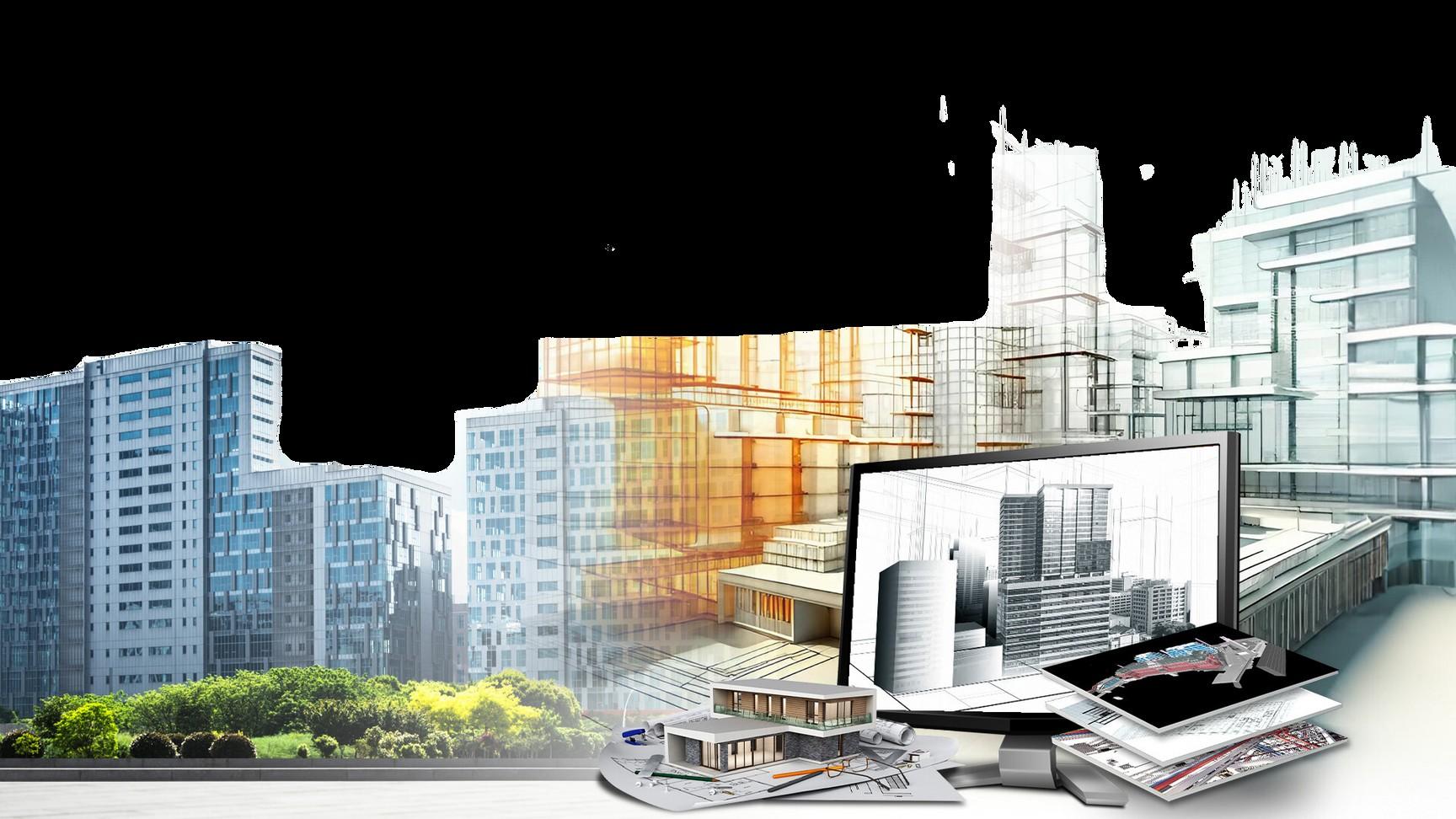
• Construction project execution is easier with BIM because changes are made in real time and communicated with details.
From designing with multiple dimensional considerations such as time, cost, assets, environmental impact, safety, and waste to clash-coordinated design efforts optimizing your
And the same benefits should be used to the issues of real estate development and
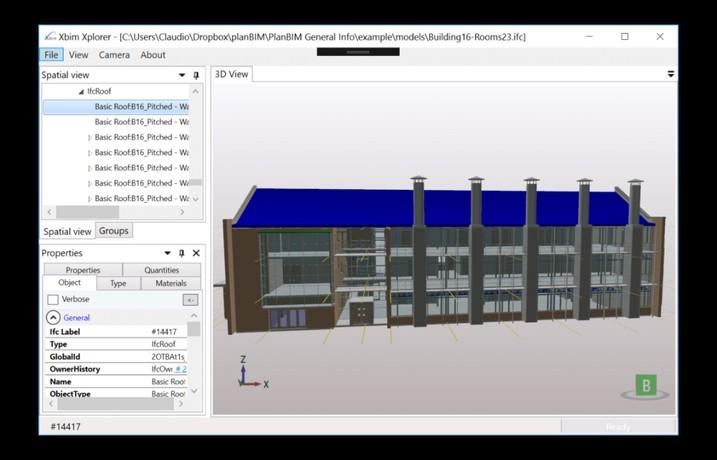
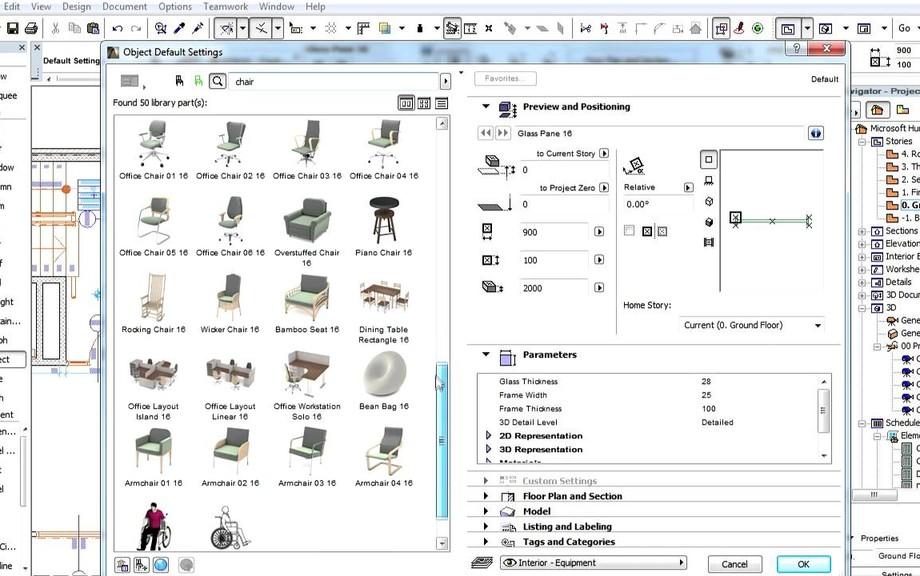
• These objects reflect your property's assets and include both geometric and nongeometric data (size, shape, cost, material, manufacturer).
• BIM projects are built in 3D, allowing for clash detection, which detects potential conflicts across disciplines before building construction begins.
• BIM employs a centralized model that eliminates information silos and ensures that everyone has the most up-to-date information, eliminating errors and rework.

• Faster sales and increased ROI
• Enhanced buyer planning
• Consequently, enhanced seller planning
• Convenient Replacement for Blueprints
• Elimination of building surprises and better marketing
• Simplified upkeep and renovations


• Smart workforce distribution based on predictive maintenance
• Efficient inventory management in times of inflation
• Enabling VDC in times of commutation issues
• Smarter buildings for quality assurance
• Finally, delivering an economically and environmentally sustainable property




• Adoption of BIM in real estate is surely rewarding, but the real estate industry is still lacking in the initiative for this.
• One of the major reasons could be the existence of dubious practices and non-compliance with governmental regulations.
• Also, even the biggest real estate developers are not technologically well-equipped when it comes to the latest BIM practices.

• Lack of awareness and subsequently an unskilled BIM workforce is a roadblock too.

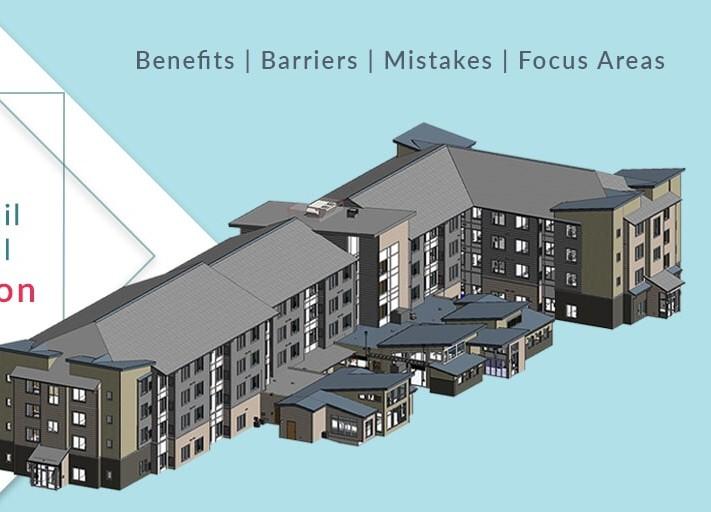
• Carefully plan your operations by defining goals, selecting compatible software, training your workforce and staff, developing a BIM execution plan, and investing in the latest technologies that could leverage BIM in real estate.
• Also, your BIM technology stack should integrate with existing workflows and data management systems, ensuring effective project management and communication protocols.
• However, not all organizations do have the resources to function like a BIM vendor, and in this case, you can reach out to a suitable BIM vendor who can totally own your facility and property management.

• 3D BIM Modeling and Visualization
• Project Planning and Management

• Construction Management
• Facility Management and Operations
• Renovation and Retrofit
• Energy Analysis and Sustainability
• Risk Management and Safety
• Collaboration and Communication
www.tejjy.com