

Home & Real Estate
Don’t call my stuff junk
Frank Lloyd Wright offered up, “Space is the breath of art.” So clear your closets now, not when you need to downsize in ten years. Do it when the spirit moves you and you’re not feeling sentimental, when the loss is going to be filled with the energy and fresh air coming into your home.
Gretchen Rubin of the Happiness Project says, “Outer order contributes to inner calm.” I very much agree!
I was speaking to a woman at an open house yesterday who told me that she was looking forward to selling her home and moving into a smaller one but first she had to clear her present home out. She’s been there nearly 30 years. She carefully clarified that she was not a hoarder, but had the stuff of her three grown kids’ childhoods and the normal detritus of life, in her basement and garage. After a few questions, it became clear that her “kids” had their own homes on Queen Anne and their own kids’ stuff in the basements. She assured me, “They want their stuff.”
I’m going to use that exercise equipment in the summer, when my knee heals, when my daughter comes to visit, when I sign up for that halfmarathon.
Obstacles to making progress: I don’t know who will take these items, I think these are valuable, but I don’t know. Someone can put these to good use so I don’t want to throw them out.

Nicole Bailey
REAL ESTATE BROKER, LUXURY SPECIALIST, SRES QUEEN ANNE WINDERMERE
HA! I still remember when I was eight-months pregnant, my dad drove a U-Haul from Seattle to San Francisco filled to bursting with my parent’s formal dining set and sideboard that I had grudgingly agreed to take, plus most of my mom’s kitchen gadgets. To say the ornate Regency pieces didn’t fit in our little duplex was an understatement. It’s a myth that your kids want your old stuff, even the antiques. The places they are renting and the first homes they buy are often too small for your cast-offs, plus millennials don’t want extra items they can’t use or don’t have room for. They’re too practical.
If you call a professional down-sizer, your kids may groan and say, “I would have helped you with that,” and then be quietly relieved that you’ve taken away the option of reliving charged high school memories via old yearbooks and sports memorabilia. My parents moved to a sailboat from my childhood home. Before they sold our house my teen bedroom was largely intact, leaving my mother to deal with all my old junk. Looking at the items my son has in his room now, I realize what a burden it was for her.
Have the conversation with the stakeholders, “By May 1st I’m going to call 1-800-Got-Junk to take these items. That gives you until April 30th of this year to take them.” Then keep your word.
Excuses you make for not making progress: It was a gift. I will wear those items again when I lose weight. I just need (X) file folders, photo boxes, frames, hangers, and I’ll get everything organized.


Ways to declutter: You can pay a professional organizer by the hour, then hang out together saying yes or no, with each item. You can sort things yourself and hire a hauler like Got-Junk or other local sources to dump things. A Nextdoor high schooler will move heavy boxes for you. The Big Blue Truck will take some household items. You can also go with a wraparound resource like Moving Forward.
Services near Queen Anne and Magnolia: Simple and Just: Donate gently used clothing for resale.
Goodwill: Household items, small furniture, electrics, used clothing.
Elizabeth Lee: Seattle Organizing Works (206) 2282566
Echos Estate Clean Out & hauling Services (425) 2202571 http://echosestatecleanout.com/.
Moving Forward Katie Munoz: (425) 702-8761 http://retirementdownsizing.com/.
Waste Management Household Hazardous Waste: 12550 Stone Ave. N. Toxic chemicals, solvents, batteries, fluorescent bulbs.
The professionals I spoke to recommend getting started. Create space for your art this spring.
Nicole Bailey has been selling residential real estate since 2004 and has worked in Northern California, Rhode Island and Massachusetts, and for the past five years she has practiced in her hometown of Seattle with the Wall Street Group. Windermere Real Estate/Wall Street Inc. (206) 310-7978 www.nicolebaileyhomes.com Instagram @misspaperwhite Twitter @nicolebailey Facebook @facebook.com/NicoleBaileyRealEstate/

Ellen Gillette BROKER



Magnolia Home Sales (Low to High)
Roof leaking? Winter is a great time to install a new roof

By Scott Morrison, Tekline Roofing
Q. My roof is leaking badly, and repairs haven’t worked. Can I have my roof replaced during winter?
Yes! Roofing contractors need to work in the winter months just like anyone else, and some roofers prefer the cooler conditions compared to summer, when it can get very hot up there. Waiting until spring to deal with that leak will just make the problem worse, putting your home in danger of developing more water damage, possible rot and even
mold. Scheduling a roof replacement now will not only lower the risk of damages, but will also keep you and your family dry and warm all season long.
Why Replace Your Roof Now?
Knowledgeable and Personable

Bailey
Replacing a roof in the winter means you will get the best prices, as well as your choice of the best roofing contractors. This is because work can be limited during the winter season and contractors must compete for work, and may lower their prices to get the job. You can also beat the material price increase that happens every spring. And because business is slower in the winter, the roofing contractor you choose might be able to install your new roof in a matter of days or weeks, as opposed to months. For many homeowners, this quick timing is reason enough to have a job done in the winter.
My partner and I were extremely satisfied working with Nicole Bailey. She took the time to really understand the house (location, size, price) we were looking for. She was knowledgeable about the frequently changing market and was always honest with us about expectations and reality in affording a home. She was very responsive to inquires and was on top of all the new listings in the areas of our liking.
I think that the thing I really enjoyed about Nicole was how personable she was throughout the entire process. It is obvious she loves what she does and she is very good at it [....] We would recommend Nicole to anyone looking to purchase or sell in the greater Seattle areas. We truly do not have enough great things to say about her.
—Samantha, a Seattle home buyer.

Does the Weather Affect Installation?
Northwest winters are typically very mild compared to other parts of the country, so the temperature rarely affects the proper installation of most roofing products. And a qualified contractor will not recommend a product that shouldn’t be installed if it is too cold out. Homeowners and roofing contractors’ main concern while re-roofing in the
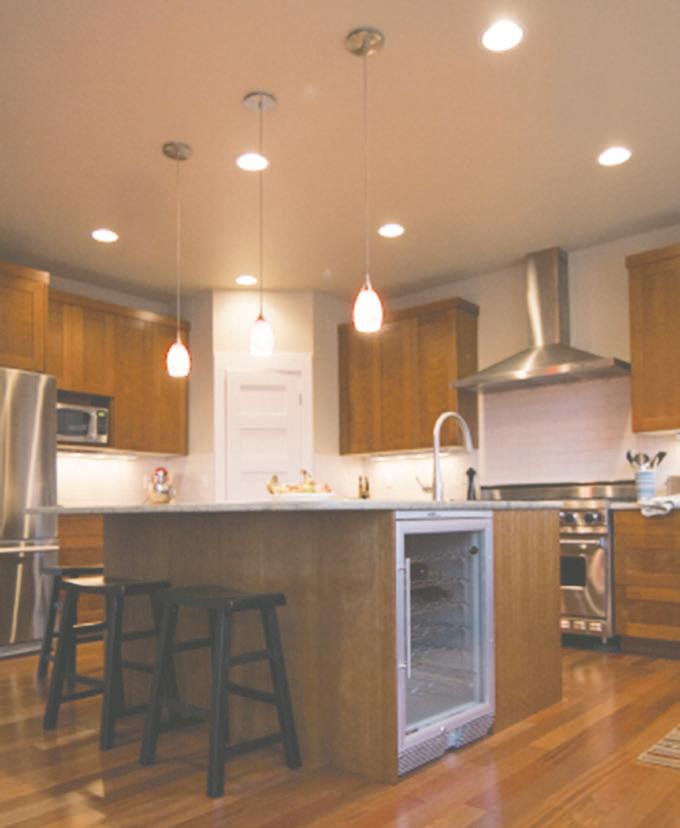
How to Build a Wine Cellar
By Doug Smith
Q: I’m planning on building a climate controlled wine cellar in my home. What do I need to tell my contractor so they can properly prepare the space?
In the past 50 years, wine cellars have become part of the home due mainly to the development of climate control. As a result, there is a large information gap with many architects, builders, and interior designers on how to store and showcase wine properly. It’s essential that a wine room meet specific requirements to protect a collection. You want to maintain a room temperature in the 55-degree temperature range and a humidity of 45-65%.
Step 1—Wall & Ceiling Framing
Build cellar walls using standard 2x4 or 2x6 construction methods and ceiling joists following the guidelines of local and state codes. The general rule is the thicker the walls and better the insulation factor, the better the cellar remains at a consistent temperature.
Step 2—Vapor Barrier
Vapor barrier is REQUIRED to maintain temperature if a climate controlled cooling unit is installed. Six-millimeter plastic sheeting is applied to the hot side of the cellar walls. The vapor barrier must be either applied to the outside walls and ceiling or, if you can’t get to the outside, plastic must be applied from within the cellar. The most common method is to wrap the entire interior, leaving the plastic loose in the stud cavity so insulation can be placed between each stud. All walls and ceiling must be wrapped in plastic for a complete vapor barrier.
Step 3—Insulation
Insulation is REQUIRED if you’re using a climate controlled cooling unit. The R factor, or thickness, of insulation is determined by the thickness of the walls and ceiling. For example, R13 fiberglass insulation is used in a 2x4 wall. Using the correct insulation is vital. R13 is the minumum used; R19-R30 is recommended in the ceiling. Standard fiberglass or rigid foam insulation is often used in cellar construction, in some cases replaced by blown in insulation. It is paramount that all walls and ceilings be insulated to keep the cellar temperature consistent year-round.
Step 4—Wall & Ceiling Coverings
Interior wall and ceiling covering is determined by the cellar’s decor theme. Often, drywall is applied and painted (always use latex paint) to match a color theme. Wood paneling is also commonly used, matching the wood species of the wine racking material for a uniform look. Reclaimed wine barrel materials, stone, or granite is also used as wall covering material.
Step 5—Cellar Doors
An exterior grade (1 ¾”) door must be installed as a cellar door. It is very important that weather stripping is attached to all four sides of the doorjamb. A bottom sweep or threshold is also recommended to create a proper seal and keep the cool cellar air from escaping. Glass doors must have double pane tempered glass.
Step 6—Flooring
Common floor types include slate, tile, marble, and vinyl. NEVER USE CARPET. It will mold and mildew in the cool, damp climate conditions. As with the case of wall coverings, flooring is typically chosen to match the overall decor colors. The flooring should be applied to a level surface. It is best not to apply base trim or moldings to the walls behind the racking.
Step 7—Glass Windows or All Glass Walls
To make the wine cellar part of the living space, it is common to add glass windows or full glass walls. Glass windows must be double pane glass and full glass walls must be ½” thick glass that is sealed on all sides. All glass doors must have rubber seals on all four sides.
Step 8—Climate Controlled Systems
When deciding on the proper climate controlled equipment, it is best to consult with a wine cellar professional because every cellar is different. Factors like where in the house the cellar is located, glass windows, and surrounding space that might cause extra heat to affect the wine cellar (such as sun walls or mechanical rooms) will affect the size of the cooling system required. Several units exist, including through-the-wall systems, split system ducted, and split system ductless. The cellar configuration will determine what cooling system will be best to store your prized wine collection properly.
Now, enjoy a glass on us!



















Question: Should I sell my current home before buying a new one?
Answer:
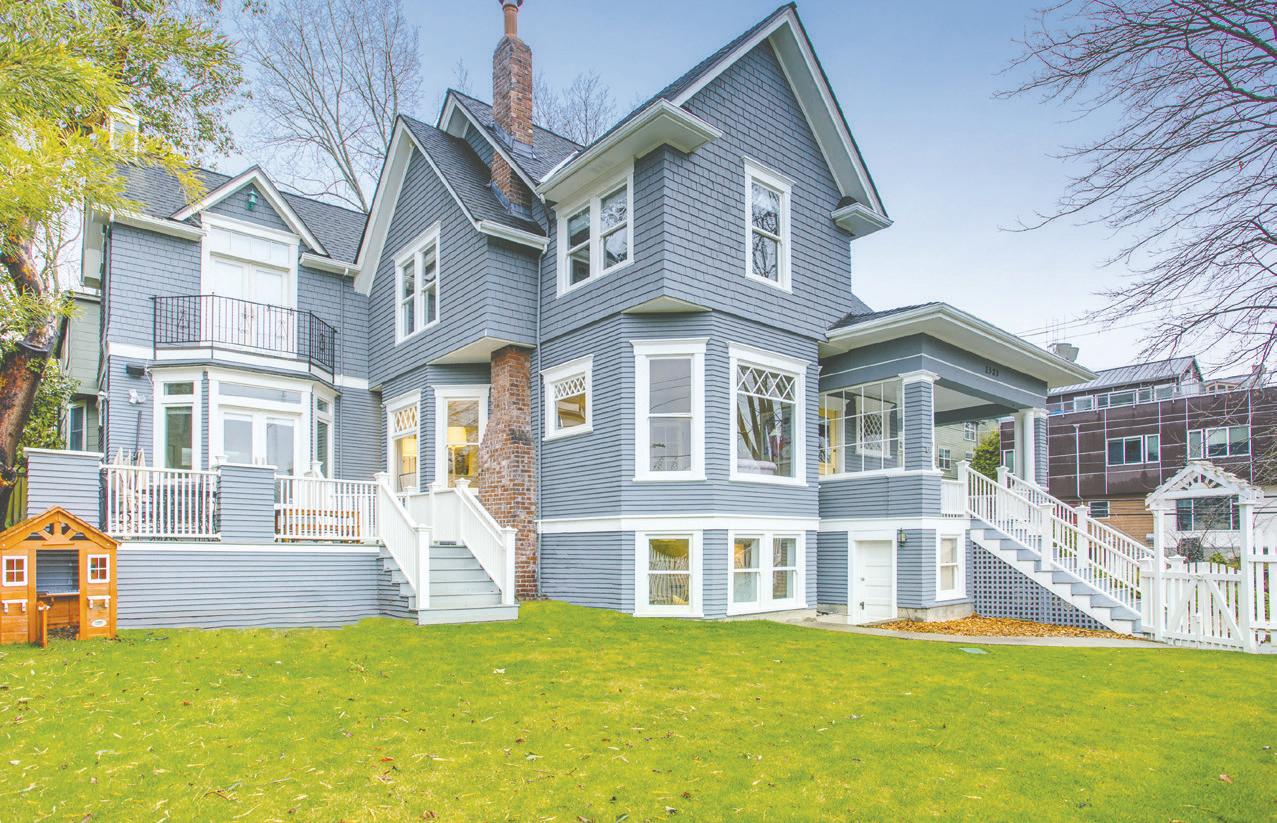
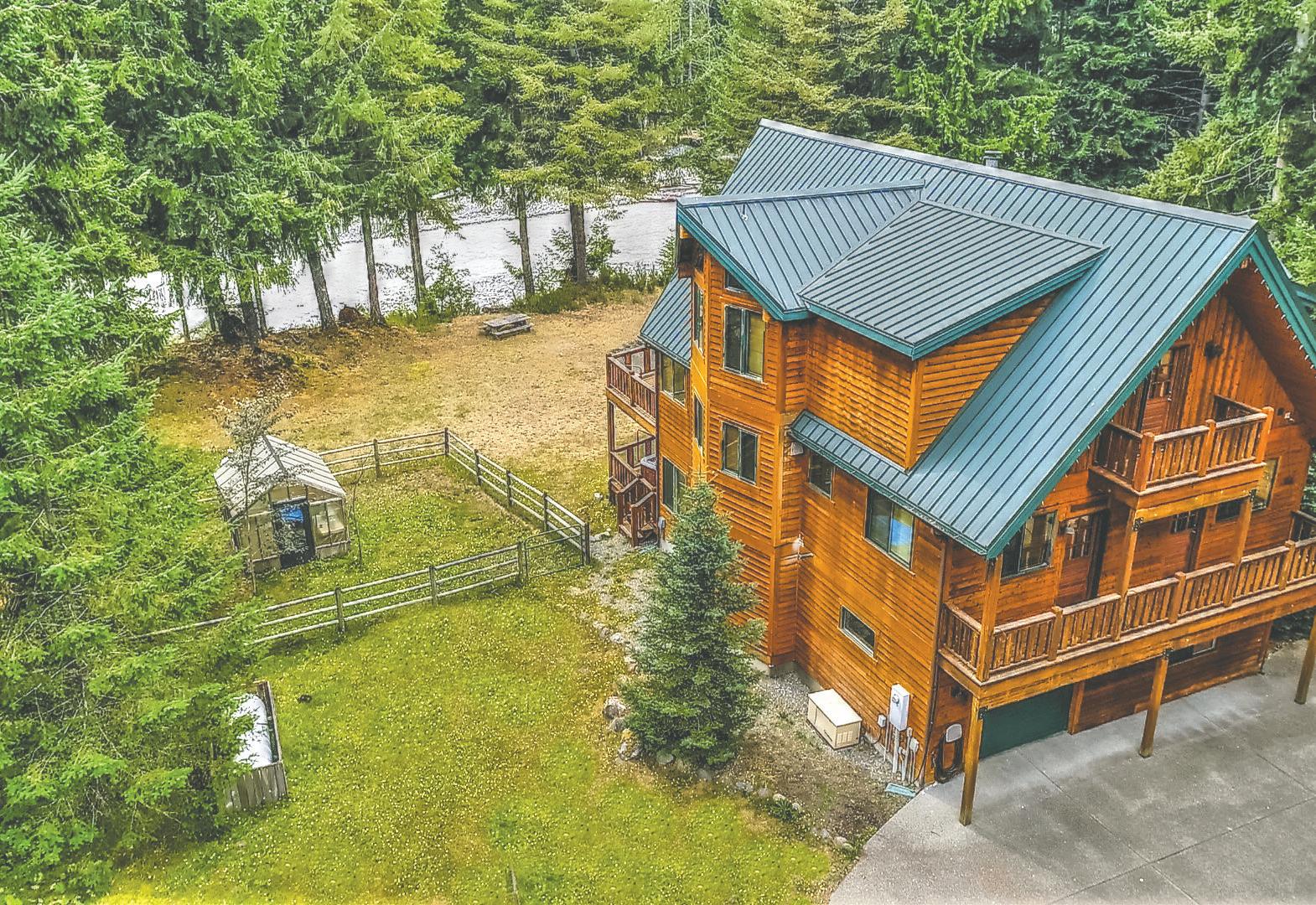
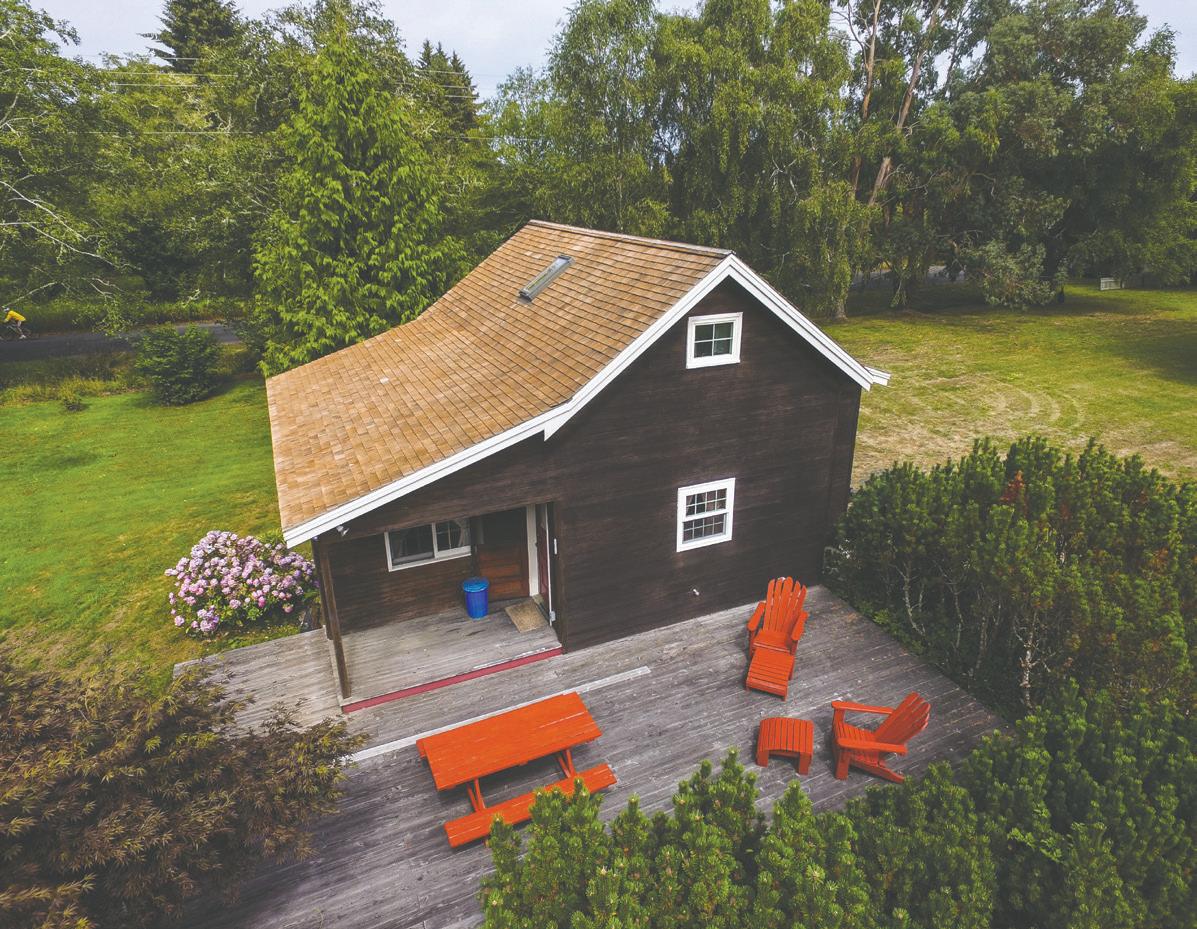
The answer depends greatly on the situation. If you are financially able, we recommend waiting to list your current home until your new purchase is complete. If you are obtaining a mortgage for your purchase, speaking to a lender is the first step to determine whether holding two mortgages temporarily is feasible. We work with several lenders who often provide our clients with creative solutions in this exact situation. This step enables sellers to gain a more complete understanding of their options.
In such a competitive market, selling a home is often easier than securing a property for purchase. Low inventory and high demand result in most homes selling quickly. So rather than feeling pressured by a move-out or closing deadline, selecting an option that allows the seller to take their time locating the right property is best. Through consulting with clients, their lender, and reviewing options, we determine the best course of action and timing.
For example, organizing a rent-back of their existing property with the property’s new owner allows the seller to remain in their current home as a tenant for a determined time period while they secure a property or await the closing of a purchase. This method allots clients with some additional time but ultimately involves a deadline. Alternatively, many clients prefer using one of our fully furnished properties in Queen Anne and Magnolia to bridge the gap between their sale and new purchase, since this option eliminates the burden of a time constraint.
The strategy selected should seek to alleviate the sense of urgency brought on by a home sale to give clients time to comfortably find a home that meets their needs.
Yes in My Backyard
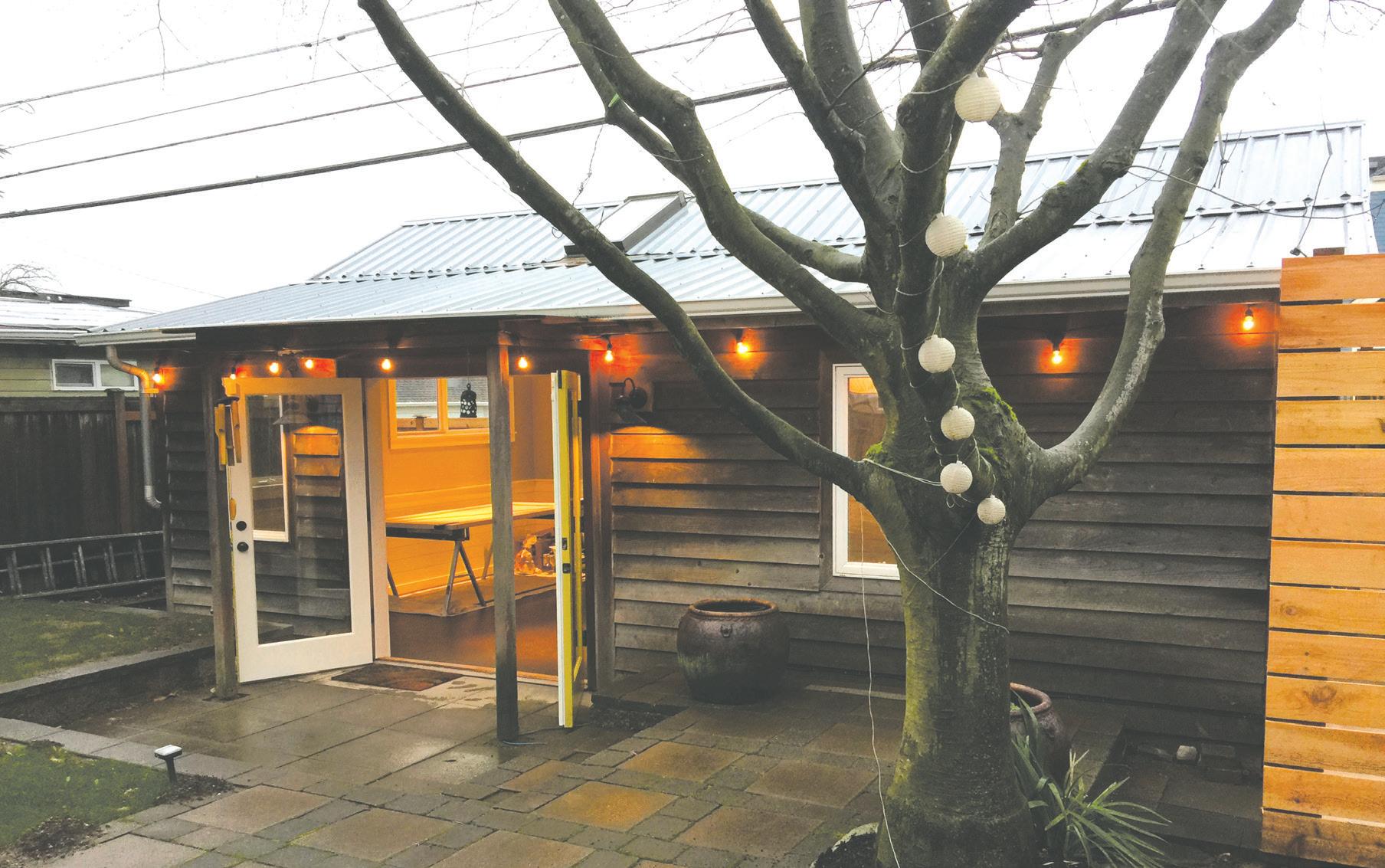
By Denny Conner, CRD Design Build
Deck proposal: Backyard cottages can add living space and extra income
Imagine having a private getaway or guest house tucked neatly into your own backyard. Since 2009, when the city started permitting this new type of development, hundreds of Seattle homeowners have chosen to invest in their very own backyard cottage retreat.
If you’ve ever wished you had a way to earn some rental income with your home or simply had more space, a backyard cottage might be a dream worth exploring. However, the regulations can be a bit confusing, and Seattle is in the process of changing them.
First off, what is a backyard cottage? Detached accessory dwelling units, or DADUs, as the city of Seattle calls them, are small, standalone houses built behind your main home. They allow you to maintain your privacy and all the square footage in your main house, while creating extra living space. Some homeowners opt to build them over a new or existing garage.
Backyard cottages provide many of the benefits of single-family homes, with no shared walls and a lower-density-neighborhood lifestyle. They can promote economic diversity in neighborhoods that might be out of range for average-income renters. Backyard cottages can provide passive rental income for the homeowner. Some are renting right now for between around $1,200 and $2,000 per month, or up to $24,000 per year. As a vacation rental, a cottage could earn you even more. This can help homeowners of modest means stay in their homes or simply put extra cash in your pocket to pay the mortgage or for home improvements.
An often-overlooked benefit is that backyard cottages can help reduce sprawl by slowly increasing density while taking advantage of existing infrastructure. When compared to high-rise developments, backyard cottages help preserve the character of our beloved Seattle neighborhoods.
Seattle’s changing regulations
If you are thinking about building a backyard cottage, the first step is to make sure you know all the rules. There are some major changes in the works, but let’s look at the current regulations.
• Lot size: Your lot must be 4,000 square feet in a single-family zone.
• Cottage size: Only 800 square feet is allowed for cottages in single-family zones.
• Codes: Like any construction project, your cottage must meet current land use and building standards. No surprise there.
• Parking: You must create one off-street parking space for your new backyard cottage.
As of 2017, only 579 backyard cottages have been built in Seattle out of approximately 75,000 potentially eligible lots. To put that into perspective, Portland already had 720 in 2016. To encourage more to be built, the Seattle City Council is considering changing the regulations, such as increasing the maximum square footage of cottages and removing the off-street parking requirement. The Council is currently pursuing an environmental impact statement.
No bed, it’s a studio
If your plans for a backyard structure do not include a sleeping area, there are some permitting alternatives you may be able to consider. For standalone backyard structures under 750 square feet, you might be able to qualify for a subjectto-field-inspection permit, which saves time and money. Examples of detached accessory structures might be art studios, workspaces, retreat spaces, or storage space. For even smaller structures, like garden or storage sheds, whose roof area footprint is less than 120 square feet, you probably won’t need a permit at all. It’s always wise to confirm with the Seattle Department of Construction & Inspections before you begin any construction project.

Konswa

Roof leaking, from Page 2
winter months is how to tear off a roof and keep the rain from getting in. Experienced contractors will tear off only a section or sections of the roof that can be properly dried-in right away, eliminating any risk of water damage. Even though it does rain a lot here, there are plenty of dry gaps in the weather that allow for a qualified contractor to make progress with minimal risk. With access to weather apps and radar on mobile devices, contractors on site know exactly how much time they have before the next precipitation sets in.
Material Recommendations
Many roofing material choices that can be installed safely during winter. The most common types are asphalt shingles and cedar shake, along with many styles of metal roofing. Metal roofs aren’t vulnerable to damage from the cold, which means that the installation process isn’t affected in winter. Asphalt shingles can be installed during winter as well, although roofers must take certain precautions to prevent the shingles from breaking or not adhering properly. Synthetic felt underlayment installed under the roofing material acts as a weather barrier and vapor retarder and does not buckle like asphalt saturated felt when exposed to precipitation.
For low slope or flat roofs, polyvinyl chloride (PVC) and thermoplastic olefin (TPO) flat roof systems can also be installed safely during winter. However, flat roofs are more difficult to dry-in, and work should be scheduled only when there isn’t any chance of precipitation.
Don’t Wait—Get Your New Roof Now!
Don’t let winter weather stop you from re-roofing your home. To determine if a winter re-roof is necessary, contact a recommended professional roofer in your area. Factors that warrant immediate reroofing are extreme leaking, excessive shingle blow off, a compromised roof structure, or repair attempts that have failed, to name a few.
Tekline Roofing is a top-rated roofing company serving customers in the greater Seattle, Bellevue and surrounding areas for more than 25 years.
Backyard, from Page 4
Getting started
If you are considering investing in a backyard cottage, the first step is to reach out to a qualified design-build firm or architect to discuss your eligibility, or you can refer directly to Seattle Municipal Code 23.44.041. For full-service custom construction, expect to pay between $250 and $350 per square foot. This is higher than the per-square-foot cost of a larger home because the most expensive rooms in a home— the kitchen and bathroom—are contained in a smaller space, with comparatively less square footage devoted to lower-cost living spaces, such as bedrooms and storage rooms. A complete guide to backyard cottage regulations and news is available at crddesignbuild.com/ cottages.
Denny Conner is the president of CRD Design Build and a member of the Master Builders Association of King and Snohomish Counties (MBAKS). He has been awarded Remodeler Big 50 and Remodeler of the Year, and has served as chair of the MBAKS Remodelers Council. Denny has been helping Seattle homeowners








6 Home Décor Trends to Make a Style Statement
(StatePoint) Is your home décor starting to feel a bit stale? Spruce up your interiors with some of the hottest home design trends for 2018 -- from customized cozy to natural textures to retro touches.
Here are some stylish ways to incorporate new trends, from one of the nation’s most sought-after celebrity interior designers, Taniya Nayak.
1. Create an Oasis:
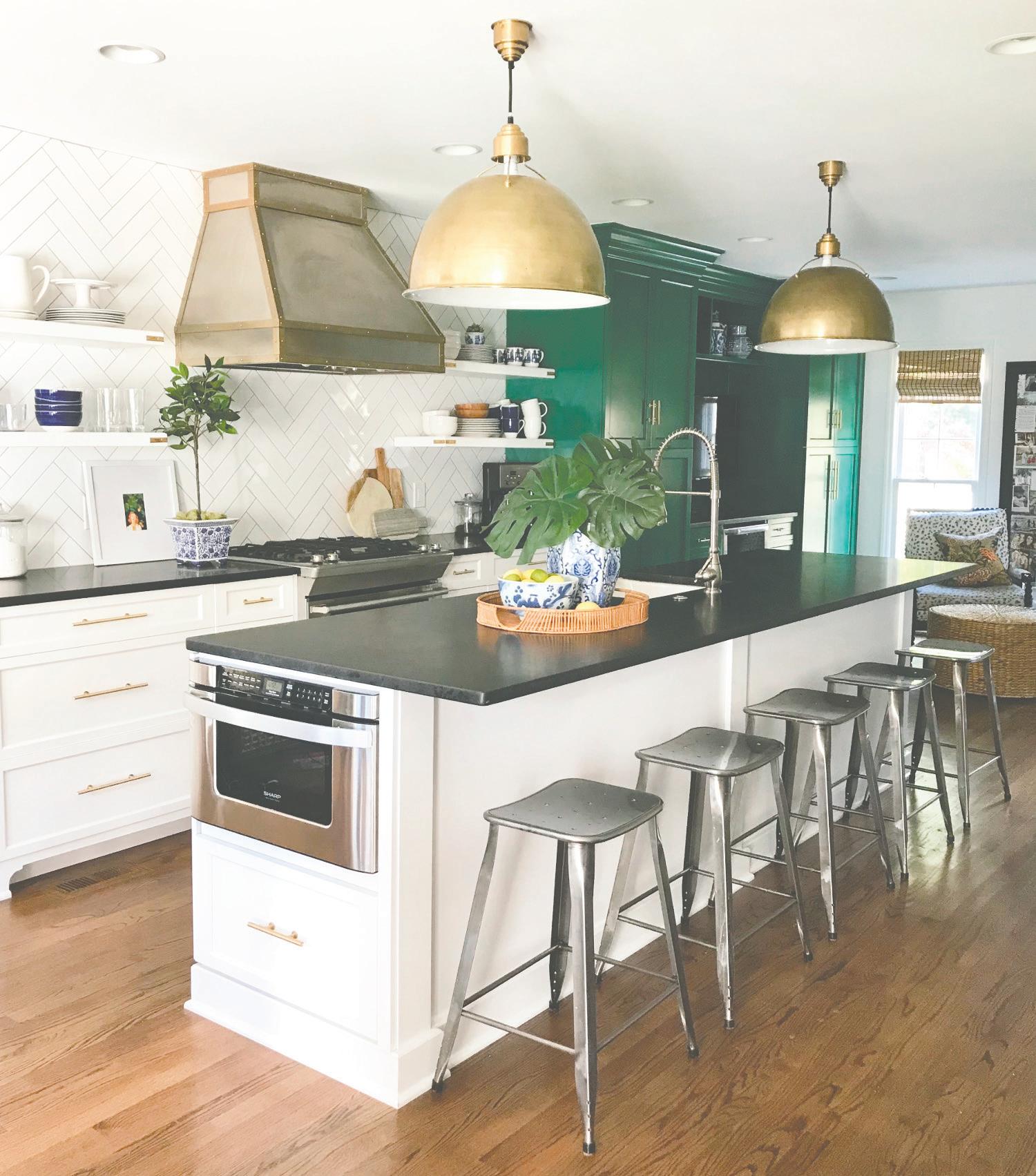
Make your home a tropical escape all year long. Add floral or banana leaf accents to form a staycation-worthy “at-home paradise” no matter the temperature. Nayak suggests pairing pops of metallic gold with plush greens and crisp white to build a look that is sophisticated, yet fun and exotic.
2. Keep it Simple:
In 2018, Nayak encourages DIYers to “go big or go home…in the simplest way imaginable.”
An easy way to accomplish this is to paint your baseboards, trim or window mullions a dramatic contrasting color, like black against a white wall, for an effortless, yet powerful effect. And when it comes to achieving clean, sharp paint lines, one of Nayak’s vital, go-to tools is a premium painter’s tape, like FrogTape brand painter’s tape that delivers the sharpest paint lines possible. Treated with patented PaintBlock Technology, FrogTape is a fool-proof way to get professional-looking results and eliminate the need for touch-ups.
3. Incorporate Natural Touches:
This trend is all about nature’s textures -- think wood grain, geodes or ocean waves. One way to incorporate this look is to combine earthy tones like browns, beiges and deep blues with vibrant neon colors to generate the effect of the northern lights around the home.
4. Get Back to the Future:
Give what’s old a modern, futuristic update to achieve this trend. Try painting a vintage chair with a pop of color, like the Sherwin-Williams 2018 color of the year, Oceanside, a combination of rich blue with jewel-toned green. This creates an eye-catching masterpiece that seamlessly integrates into both retro and modern home décor. Introducing bright colors to antiques produces a beautiful new spin on a classic look.
5. Design it with Love:
What’s “in” in home design this year? Creating warm and cozy spaces that are customized just for you. This is the true essence of DIY. Painting an accent wall in a pastel color, like lavender, will set a relaxed and comforting tone in the room. From there, add personal pieces like a soft woven blanket, a macramé wall hanging or ivory plates on a wall to transform any room to “your” room.
6. Embrace New England Prep:
This style embraces the timeless combination of crisp white linens and navy blues, but what really gives a room an authentic New England vibe is the addition of camel-colored leather décor accents. Nayak recommends adding monogrammed pillows to a leather accent chair, or whitewashing your brick fireplace to create a look that never goes out of style.
Visit FrogTape.com for more trend information and inspiration.
Get started on your home projects now so you can enjoy your









LOCAL AGENTS with a Queen Anne + Magnolia Focus

















































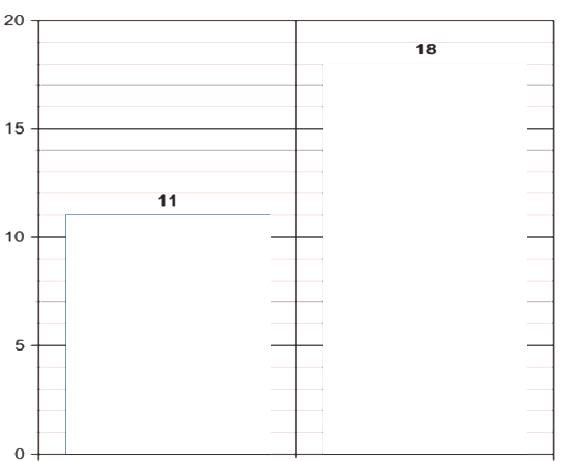
In 2017, Queen Anne Real Estate’s residential listings sold for 15% more per square foot than Seattle’s average ($531 vs. $463). Queen Anne Real Estate sold residential listings in Queen Anne 39% faster than the area's average (11 days vs. 18 days).


4th Quarter Market Report
SEATTLE Q4 REPORT
Residential home prices in Seattle remained high in Q4 2017 after a year of strong growth, as the median sales price increased 16.3% year-over-year from $615,000 to $715,000.
QUEEN ANNE Q4 REPORT
Residential home prices in Queen Anne increased 15.9% compared to last year and the days on market decreased 41.1% to 18 days.
MAGNOLIA Q4 REPORT
Residential home prices in Magnolia increased 22.6% compared to last year as the number of new listings dropped by 7%.















Sam Konswa
Marcel Kluetz
Queen Anne Real Estate Brokers
Queen Anne Real Estate Other Brokers $531
Queen Anne Real Estate Other Brokers
Days 18 Days
Brooke Roberge
Jeff Strand
Courtney Longhurst
Craig Watson
Maria Hewett Charlotte Crockford
Tim Gaydos
Carol Griffith
Price Per Square Foot Days On Market