














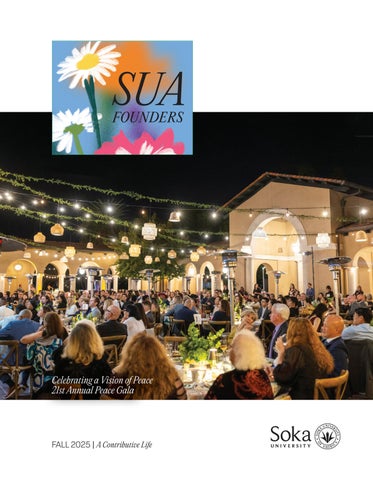





















Celebrating a Vision of Peace
21st Annual Peace Gala







FALL 2025 | A Contributive Life

Thank you for helping make this year’s 21st Annual Peace Gala, “Celebrating a Vision of Peace,” such a remarkable success. As we look ahead to SUA’s 25th anniversary this coming May, we celebrate a quarter century of transformative education and express our deepest gratitude to everyone who has supported our students and university community. Your belief in Soka’s founding vision continues to change lives. This past year has been one of tremendous progress. The launch of our new Career Hub ensures every student has access to personalized guidance, helping them translate their liberal arts education into meaningful careers rooted in purpose. The Soka Institute for Global Solutions (SIGS) also expanded its impact through new programs in sustainability, peace, and global citizenship education. Thirteen undergraduates joined the first study tour at the Soka Amazon Institute in Brazil, immersing themselves in the Amazon’s biodiversity and learning directly from Indigenous and local leaders about sustainable solutions for the planet’s future.
Next summer, SUA will co-host the Earth Charter Youth Summit on our Aliso Viejo campus, in partnership with Earth Charter International, the organization leading efforts to advance the global Earth Charter movement. The summit, to be held July 11-13, 2026, will bring together 100 young leaders from every continent around the world for three days of immersive workshops, cultural exchange, and collaboration, equipping them with the knowledge and network needed to build a more just and sustainable future grounded in the Earth Charter’s principles.
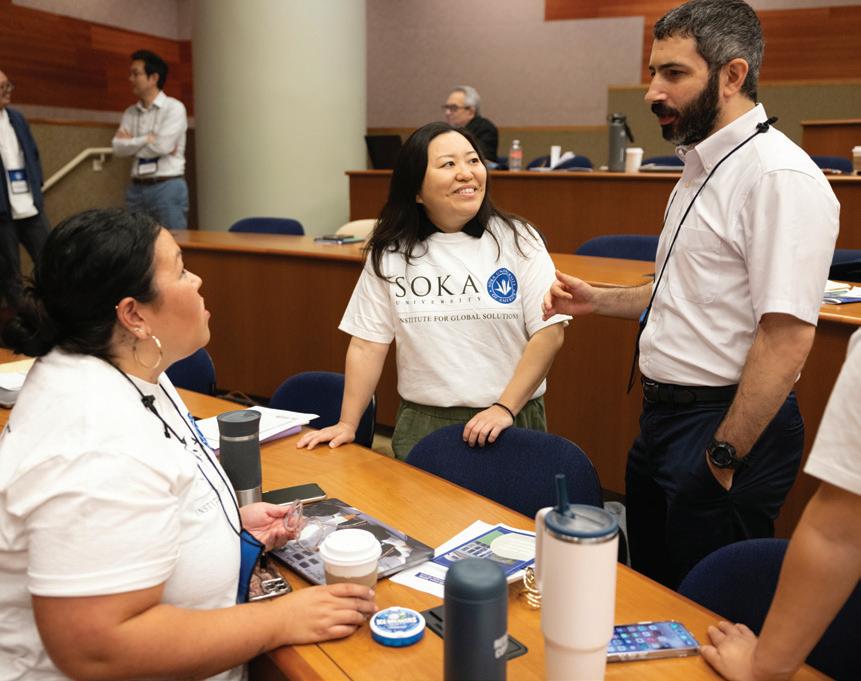
Recently, students shared the results of their summer research at a poster session. Through the Summer Student Research Assistantship Program, made possible by the John Stauffer Charitable Trust and the Luis & Linda Nieves Foundation, students gained hands-on experience in laboratories at SUA and partner institutions. Their projects ranged from developing organic agricultural solutions for soil contamination to studying the proteins that allow octopuses to change color and their potential medical applications. Programs like this empower our students to cultivate their scientific skills, begin building careers in science, and discover how they can contribute to the well-being of humanity. Your contributions make all of this possible. Through initiatives such as the Soka Opportunity Plan, which fully covers tuition for families earning under $90,000, we are ensuring that financial barriers never stand in the way of a Soka education.
As we approach this milestone year, I am deeply grateful to every supporter, volunteer, and friend who continues to invest in Soka’s mission. Together, we are opening doors of opportunity and advancing the ideals of peace, wisdom, and compassion that our founder, Daisaku Ikeda, envisioned for this university.
With heartfelt appreciation,


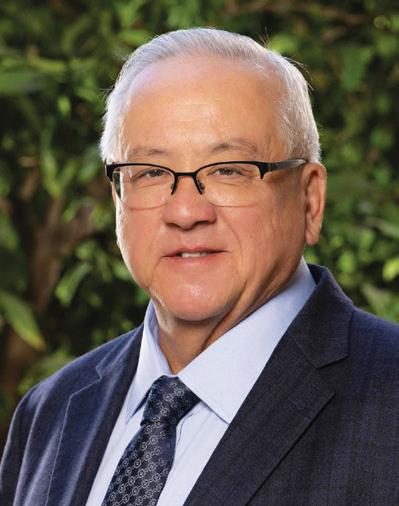
Edward M. Feasel President, Soka University of America











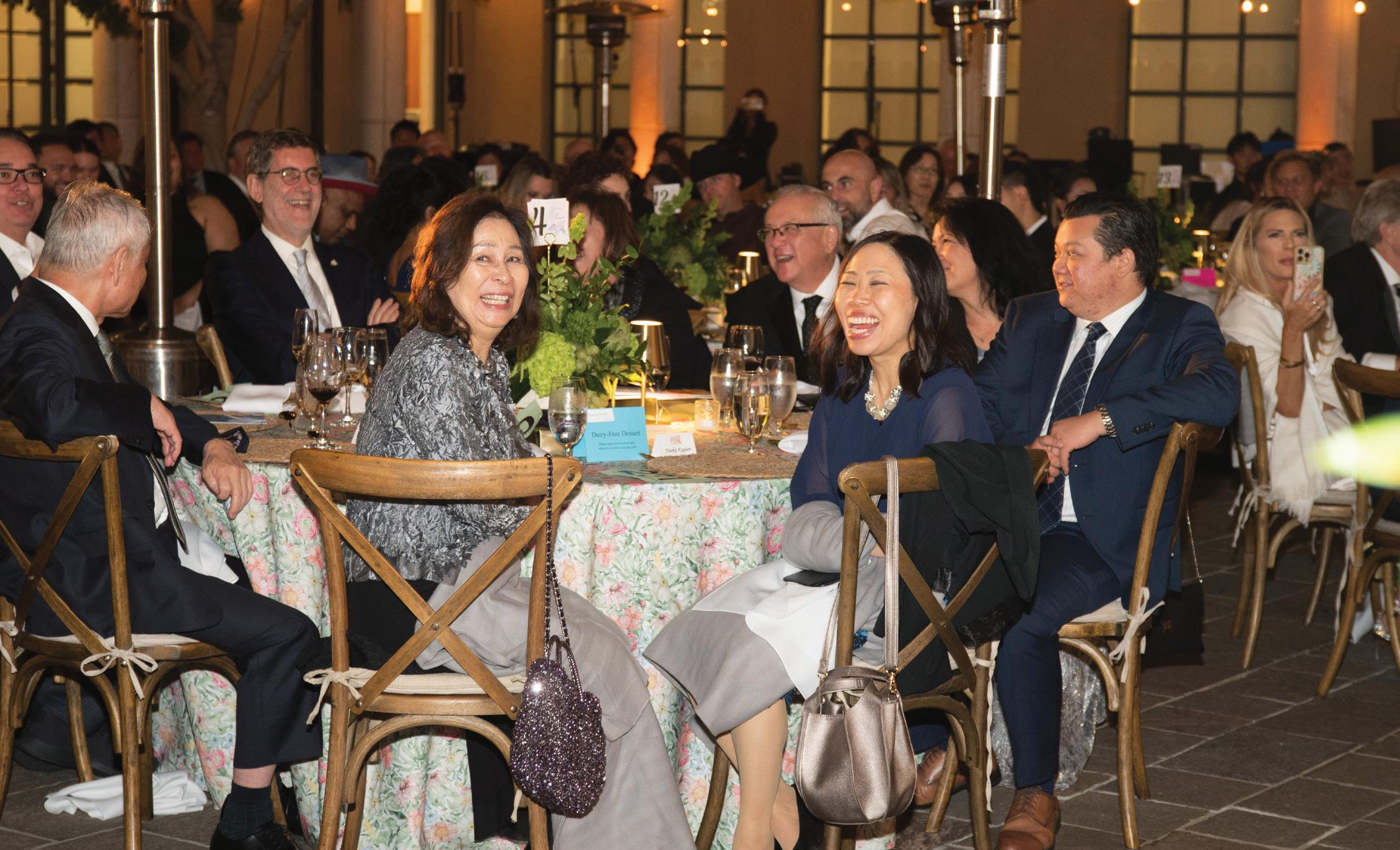
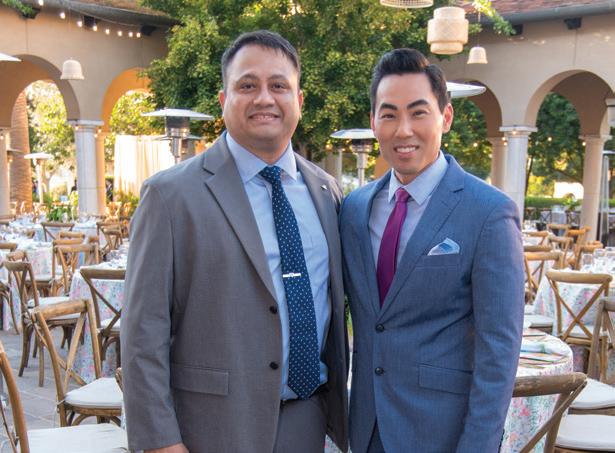
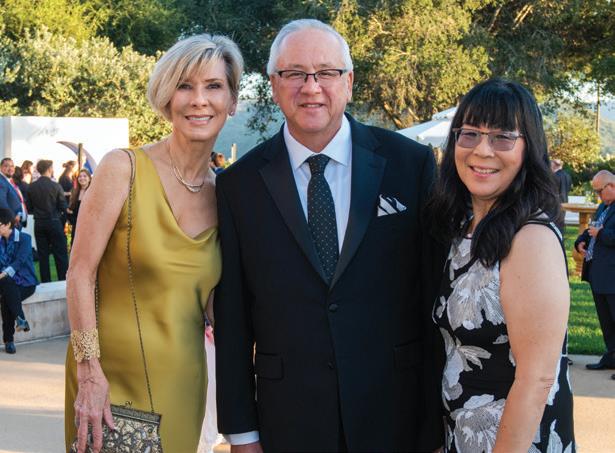
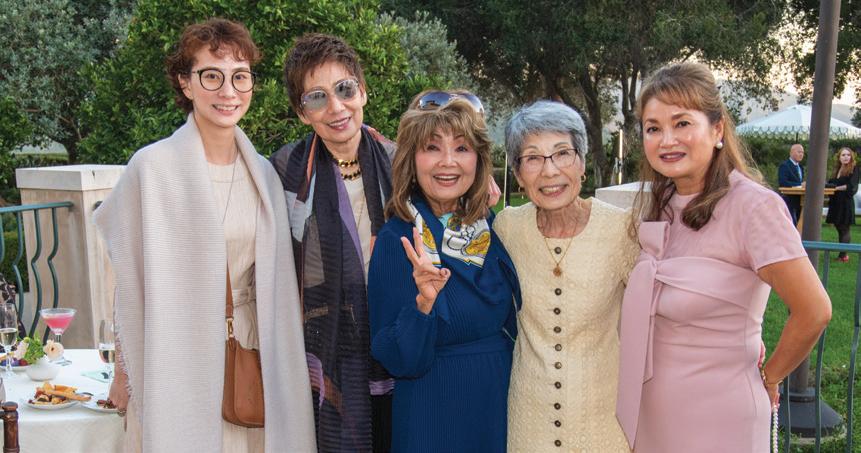
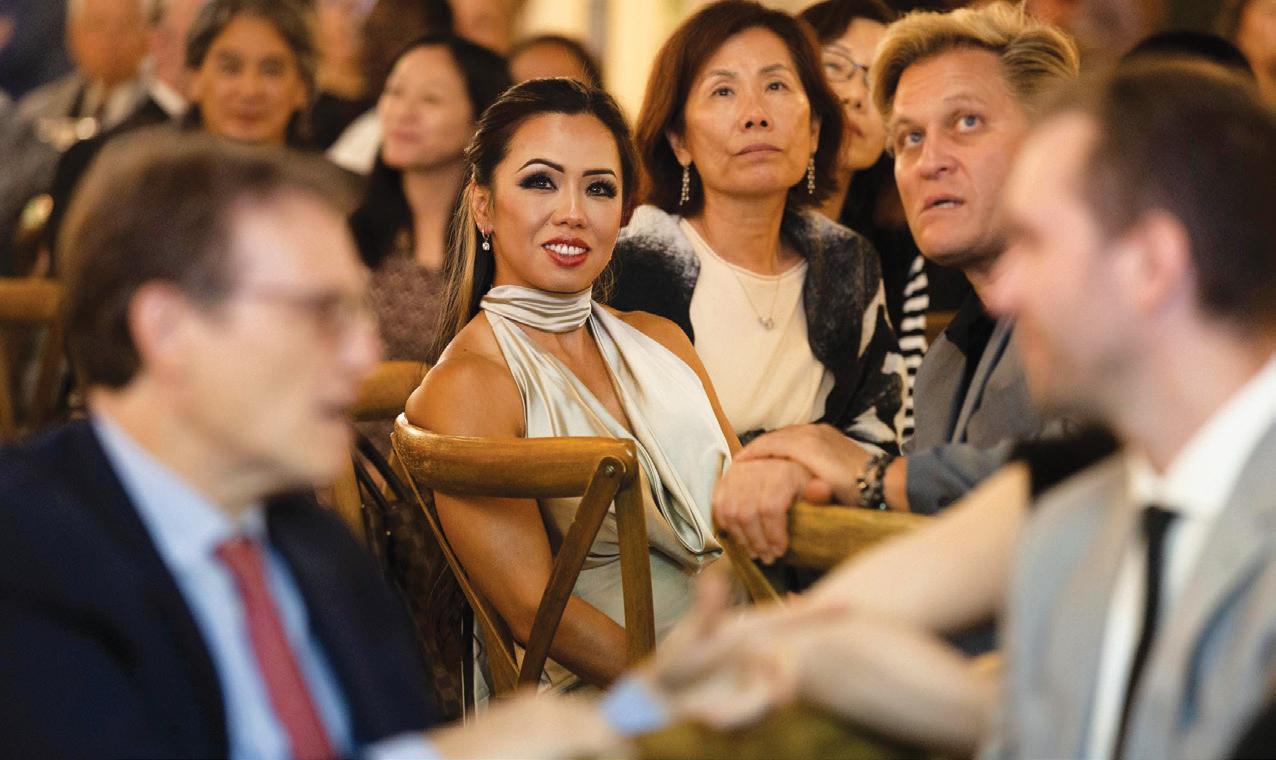
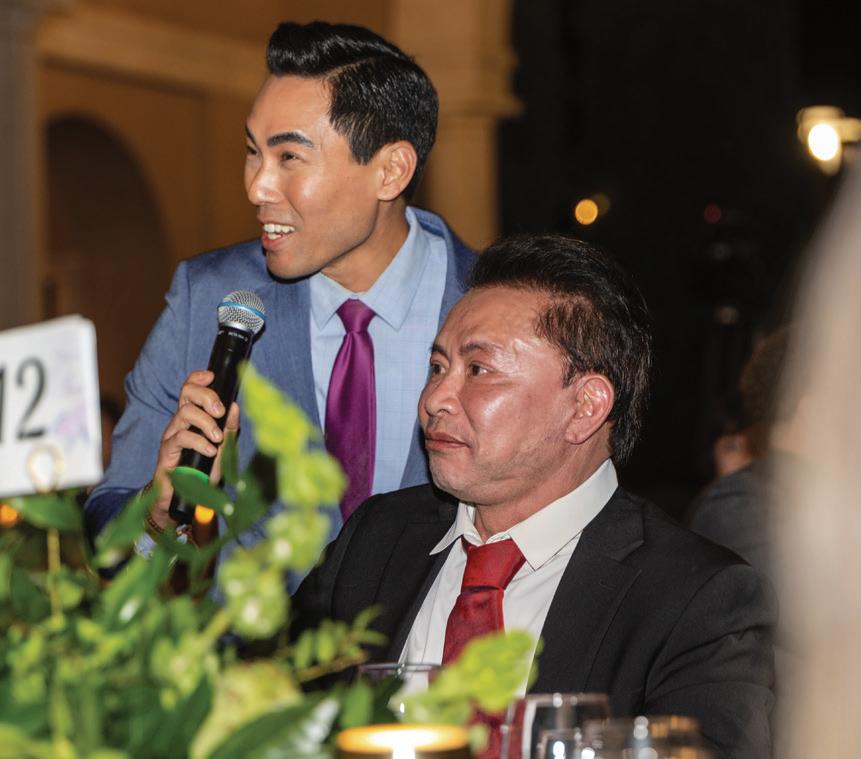

































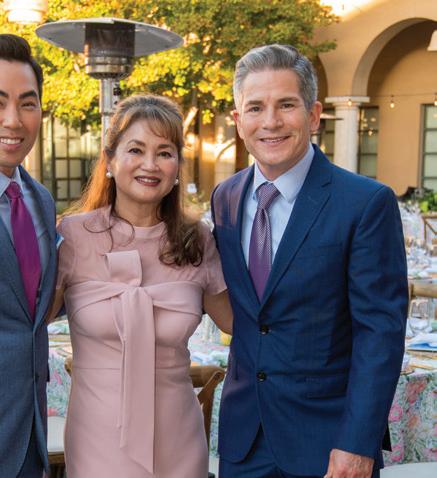
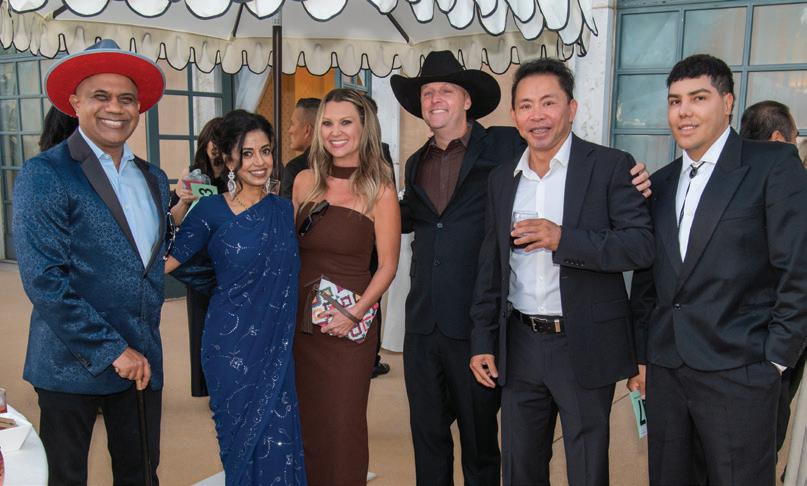
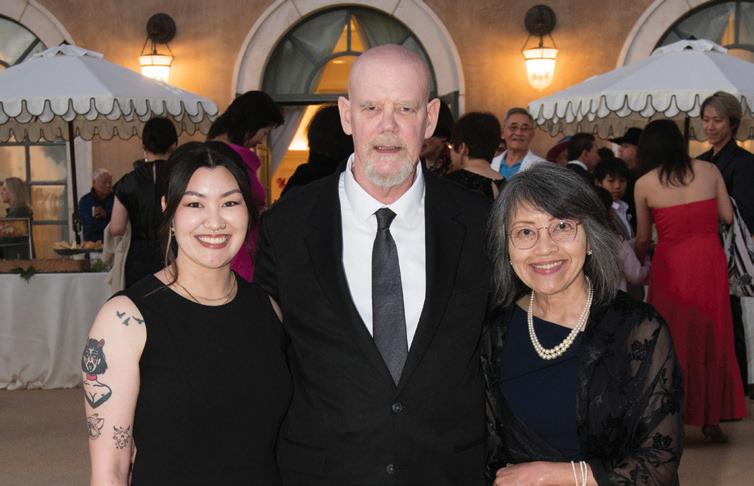


















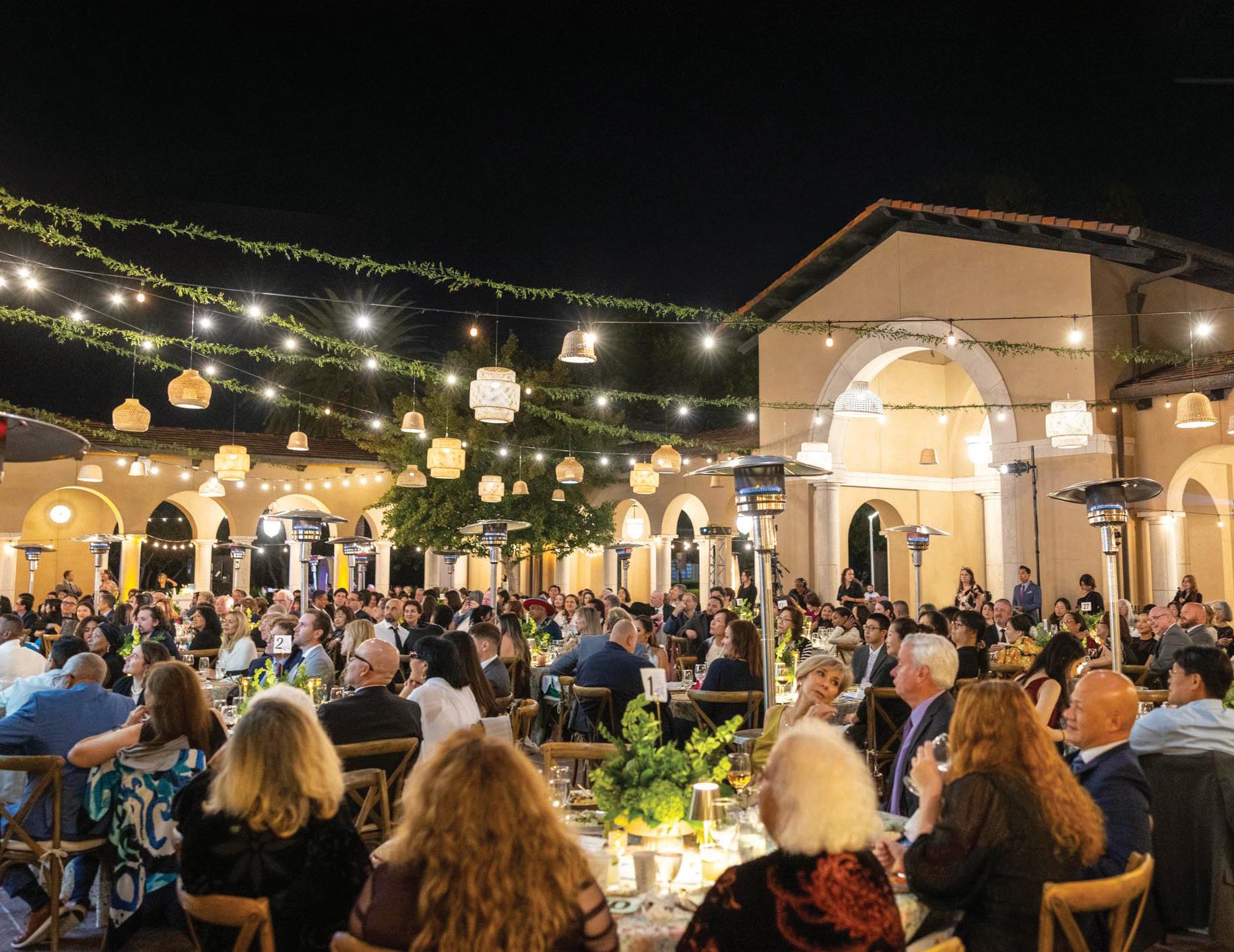
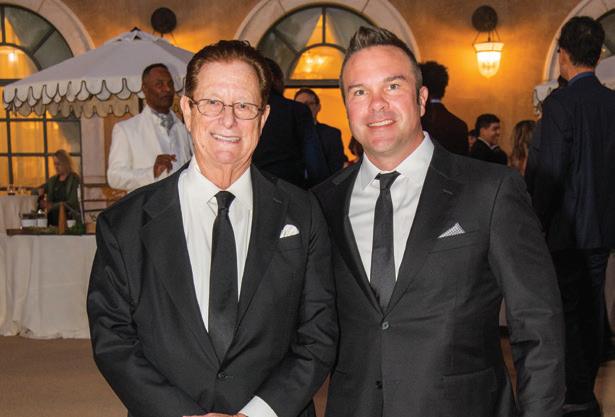
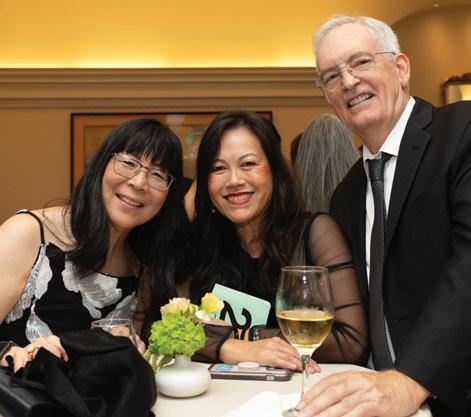
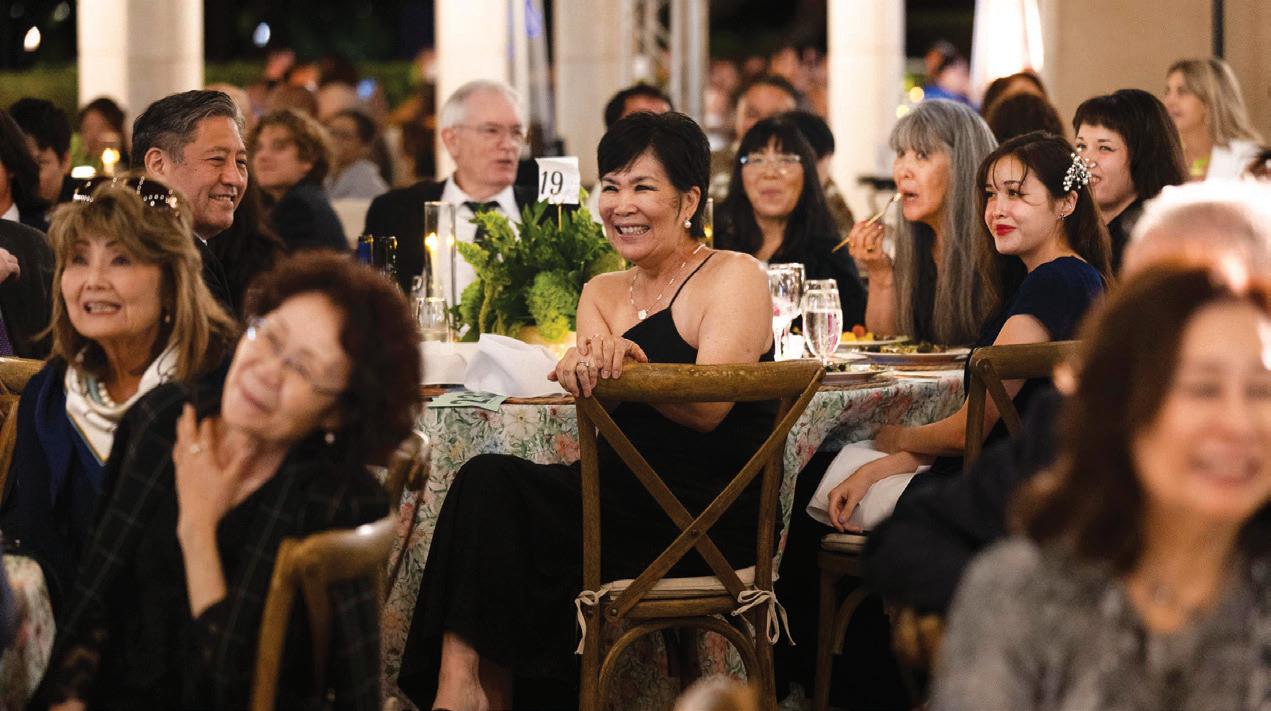
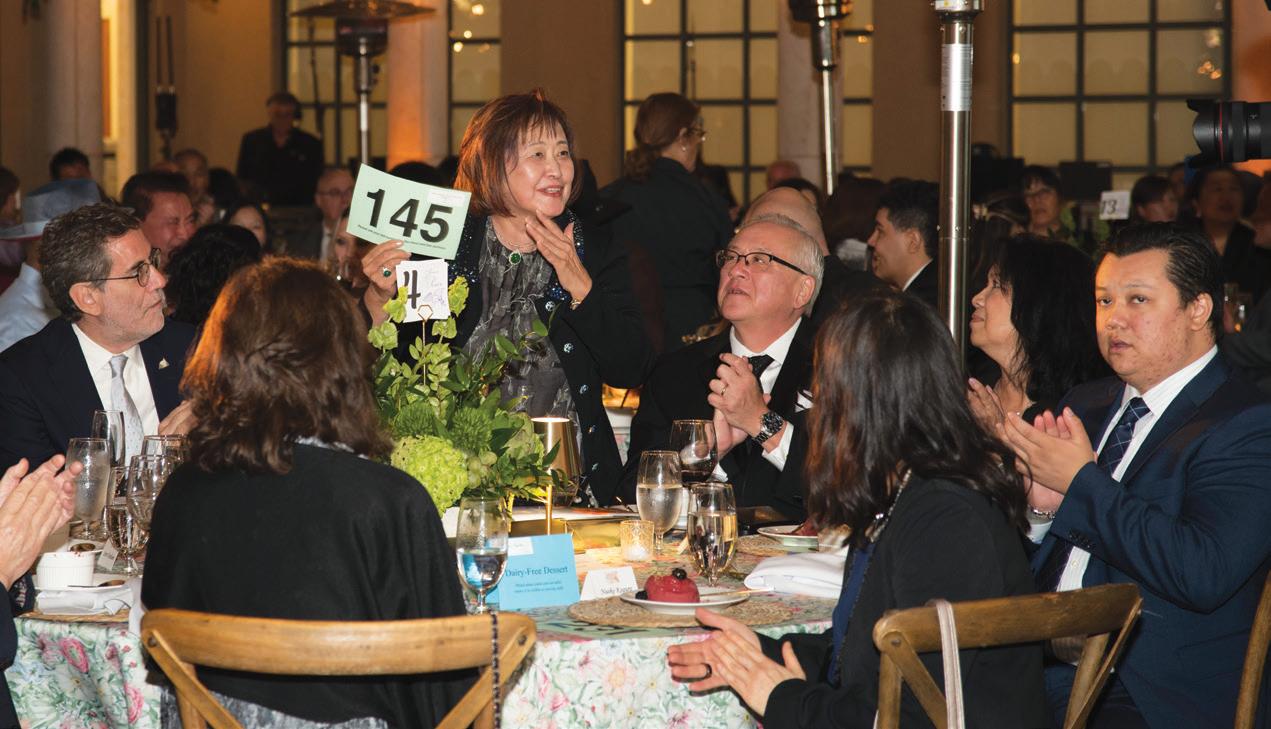
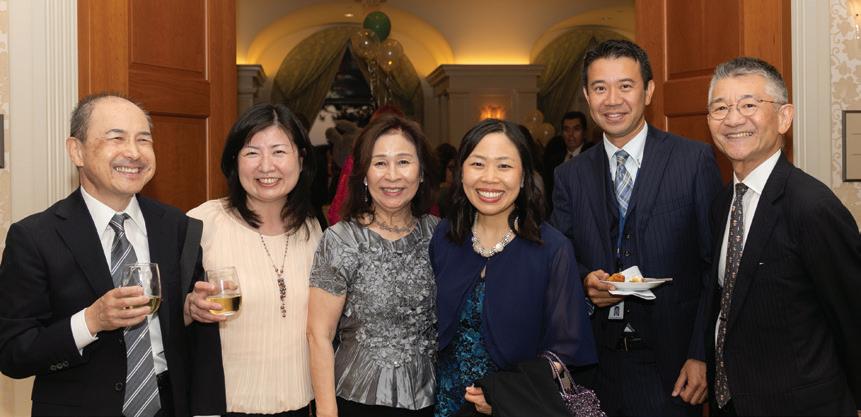
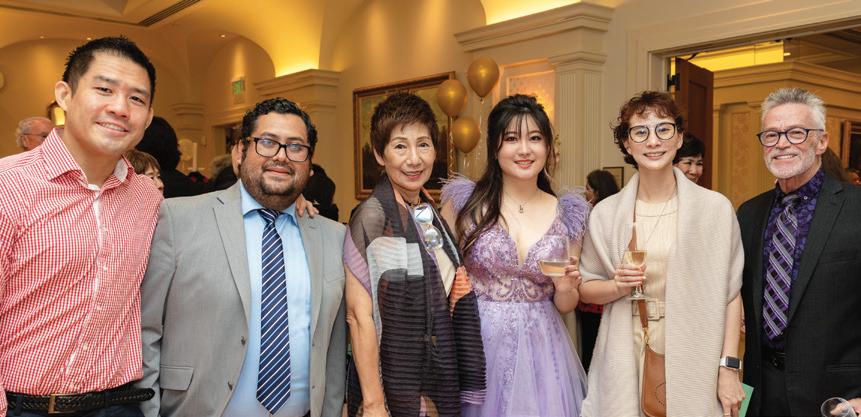
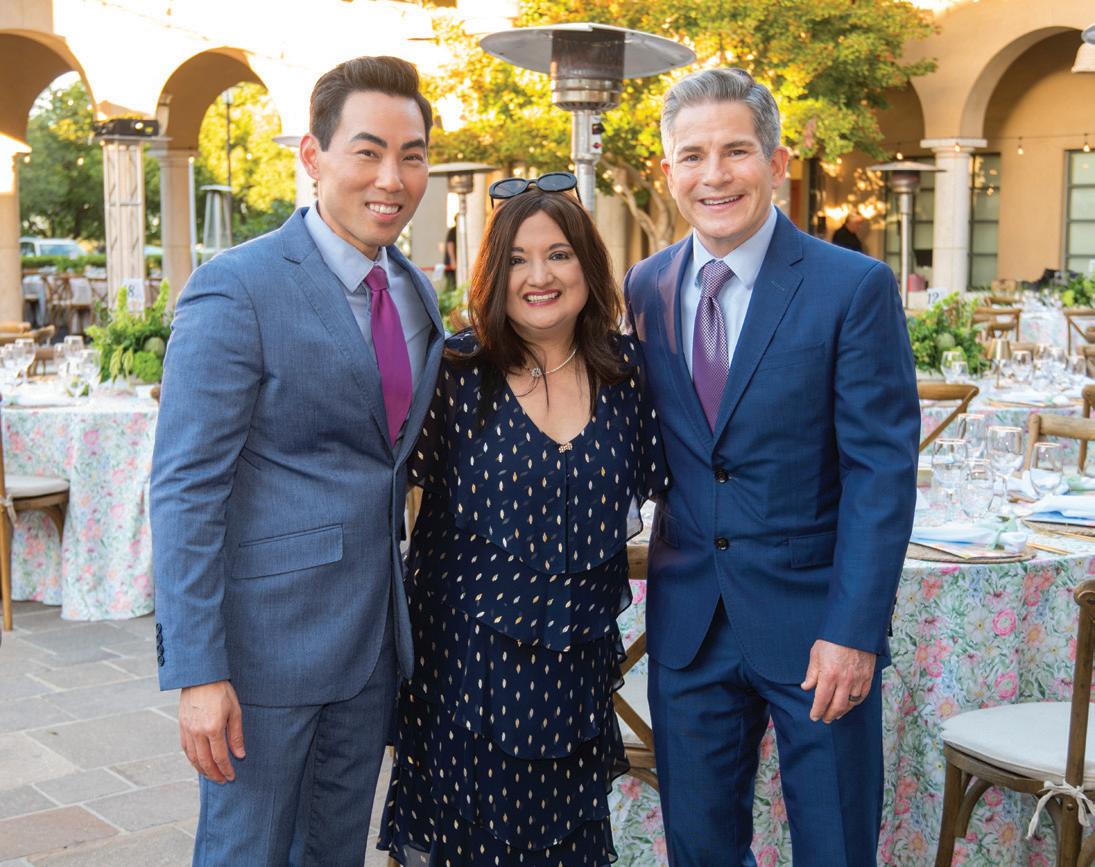
After a cocktail hour and silent auction, guests proceeded to the Athenaeum’s Tuscan-inspired courtyard for a gourmet dinner and programming hosted by the master of ceremonies, Gene Kang, Emmy award-winning reporter with KTLA 5 News in Los Angeles.
The evening’s events included a performance by the Josho Daiko student club, university


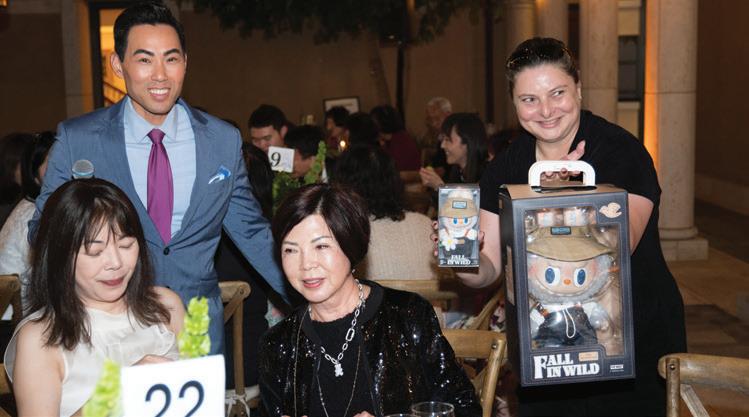
updates from President Edward M. Feasel, and a moving speech by alumnus Nitesh Sil ’11 on the life-changing impact of donors’ generosity. Masterful auctioneer DawnMarie Kotsonis led a live auction featuring an impressive array of items and experiences. The program also included a performance by Shunzo Ohno, Japan’s most influential jazz trumpeter and composer, whose innovative rendition of
“Somewhere Over the Rainbow” captured the hopeful spirit of the evening.
“You are all making dreams come true for the students here at SUA through your generous contributions to our scholarship fund,” President Feasel said in his address to gala guests.
“Thank you from the bottom of my heart for your continued tremendous support.”
(continued on page 8)
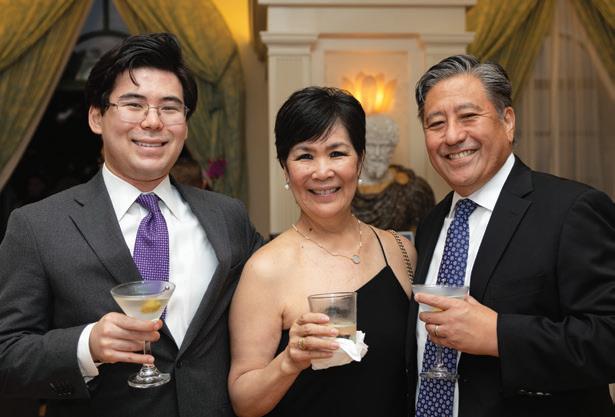
In his speech, President Feasel outlined exciting new initiatives that provide students with hands-on learning experiences in sustainability. After signing a memorandum of understanding last year with Earth Charter International, SUA sent a Learning Cluster in January to the Earth Charter Education Center, located on the campus of the U.N.mandated University of Peace in San José, Costa Rica.
He also announced that SUA will host the International Earth Charter Youth Summit in summer 2026. Co-sponsored by SUA and Earth Charter International, the summit will convene young environmental leaders from every continent.
“This last year has been another incredible year of advancement,” he said. “These are just a few recent examples of how your generous support has allowed us to expand our efforts to foster global citizens.”
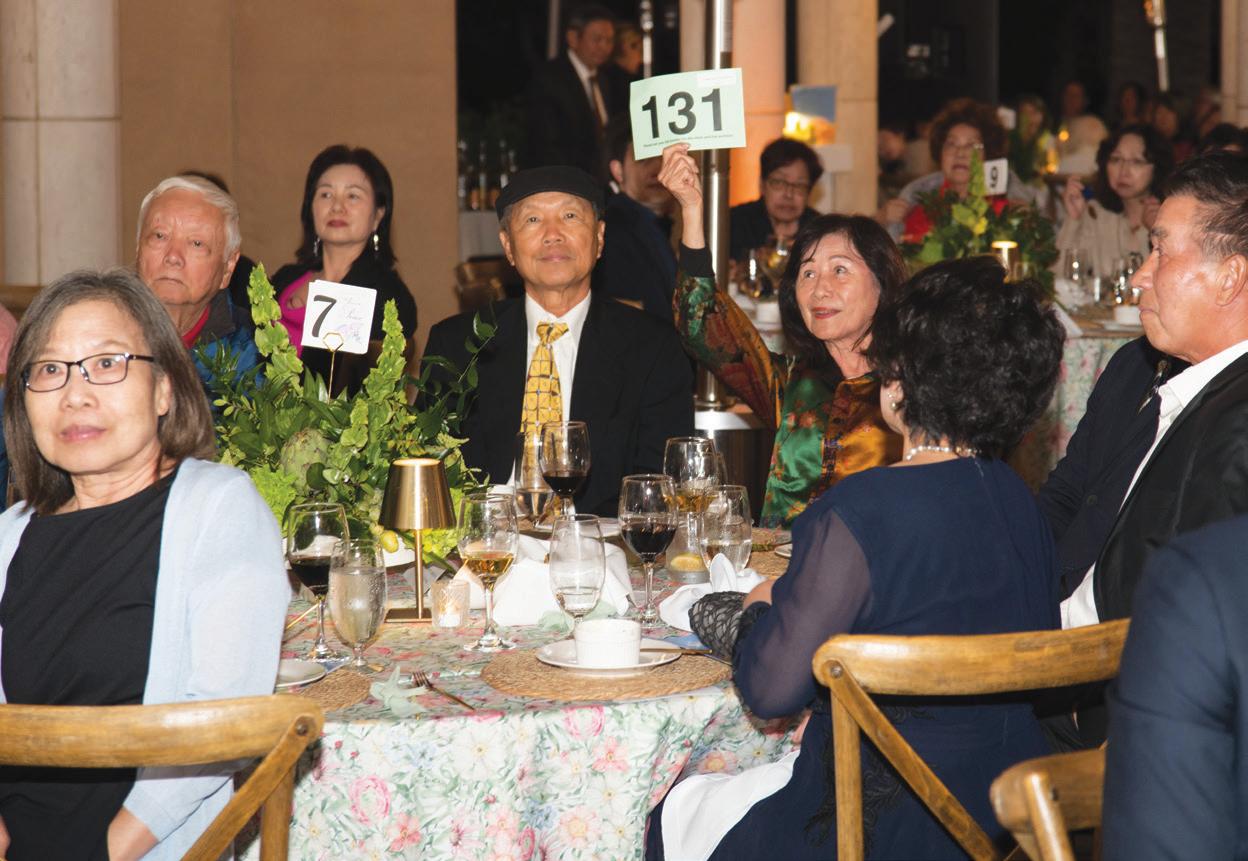
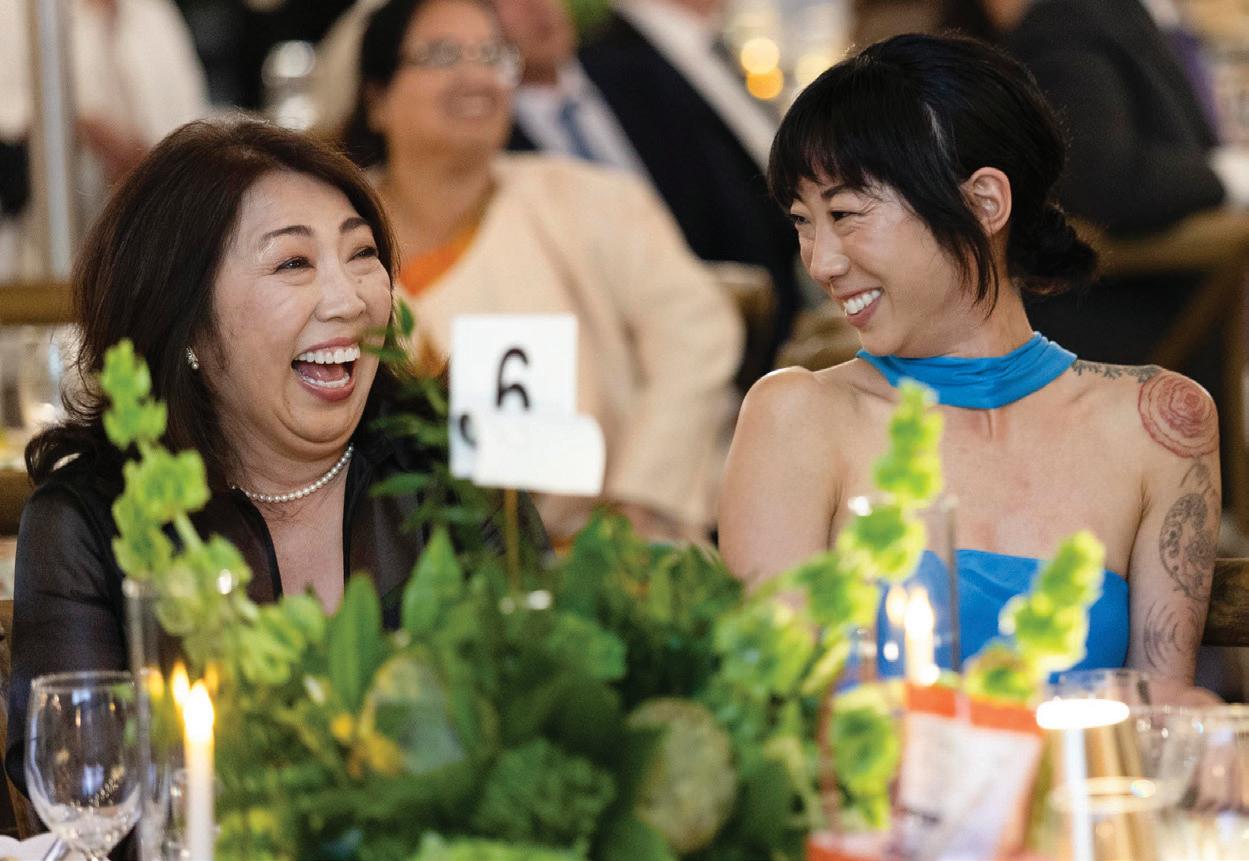
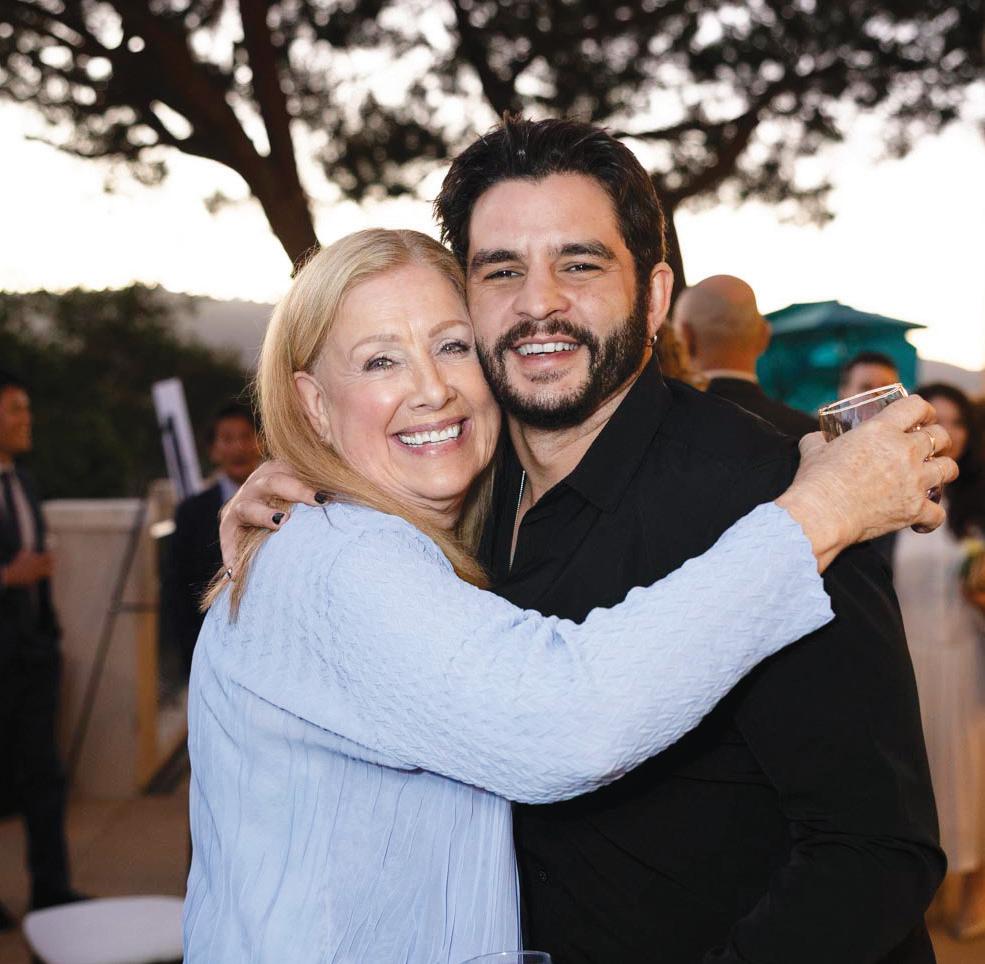
“I support this amazing university because the founder Daisaku Ikeda’s ideal of education is to foster global citizens and future leaders who can work for humanity and peace. So if my tiny effort and contribution can help realize that mission, I am deeply grateful and appreciative.”
— Naomi Saito, donor














Good evening. My name is Nitesh Sil. As most of you know, Soka University of America was founded by Daisaku Ikeda, a Buddhist philosopher, educator, and peace advocate. His life and teachings became my lifeline in the darkest moments, and his words transformed me from a young man who couldn’t afford one meal a day to an alumnus of the Class of 2011 and ultimately, the person standing before you tonight.
My mom and dad used to run a small Chinese restaurant. Throughout grade school, while my friends went to clubs or other activities, I would go to work with my parents. I was the only help they could afford. When I was in 11th grade, my father became extremely ill, and was given less than three months to live. It was the first time I realized how hopeless my family’s situation was and how helpless I was to change the outcome, especially because we couldn’t afford his treatment. This sense of hopelessness brought me closer to Buddhism and the teachings of Daisaku Ikeda. I embraced these teachings because I wanted to gain more control of my life and help my family.
Early life did not carve an easy path for me. I struggled with mental health challenges stemming from the trauma of domestic violence in my home. Verbal altercations and violence existed for as long as I can remember. I would tremble in fear when my parents’ bedroom door closed abruptly.
After my dad overcame his grave illness, the strong medication he was taking caused him to become even more violent. I still remember the day when I was in my room and heard a scream. I just thought it was the TV. But the screams kept intensifying, even through my earphones. When I finally went to my parents’ bedroom, I realized that my father was trying to strangle my mother. I pushed my father and ended up in a physical fight with him. As I was leaving the room, he followed me and placed a sharp knife on my throat. A slight movement of this knife was all that stood between my life and death. After that day, I was disowned and kicked out of my home.
I despised my father for most of my childhood because I felt that he was the reason that my family and I were unhappy. However, spiritual readings helped me to understand the
karmic value of working toward my parents’ happiness. For the first time, I realized that my father was the one who was suffering the most. This insight changed how I viewed my father. Instead of feeling hatred, I felt responsible for his happiness. With tears in my eyes, I decided to change my life to create causes for his happiness. I remember cleaning the culture centers in my Buddhist community every week with the deep determination that this would transform his negative karma. Every action I took was to help my father become happy. What happened next felt monumental: violence in my family stopped, and my relationship with my father completely transformed.
When I first heard of Soka University of America and wanted to apply, many discouraged me, as my family didn’t have enough money. The constant discouragement and pressures held me back from applying right after high school. When I went to college in Delhi, I met an inspiring young men’s leader from my faith community who reminded me that value creation is creating something positive from nothing. This is the world of Soka. For the first time in my life, I felt hopeful.
I remember living in a small room — less than half the size of an SUA dorm room — which served as my bedroom, kitchen, study room, and prayer area. Without a window, a small hole in the wall served as ventilation, and I was often awakened by birds making their nests there. There was a family who I would pray with in the mornings, and they would serve me breakfast. This was the only meal of my day.
“However,
the words and the life of my mentor deeply resonated: “Soka means to create value — like bringing forth fire from damp wood or obtaining water from parched earth.” — Nitesh Sil ’11


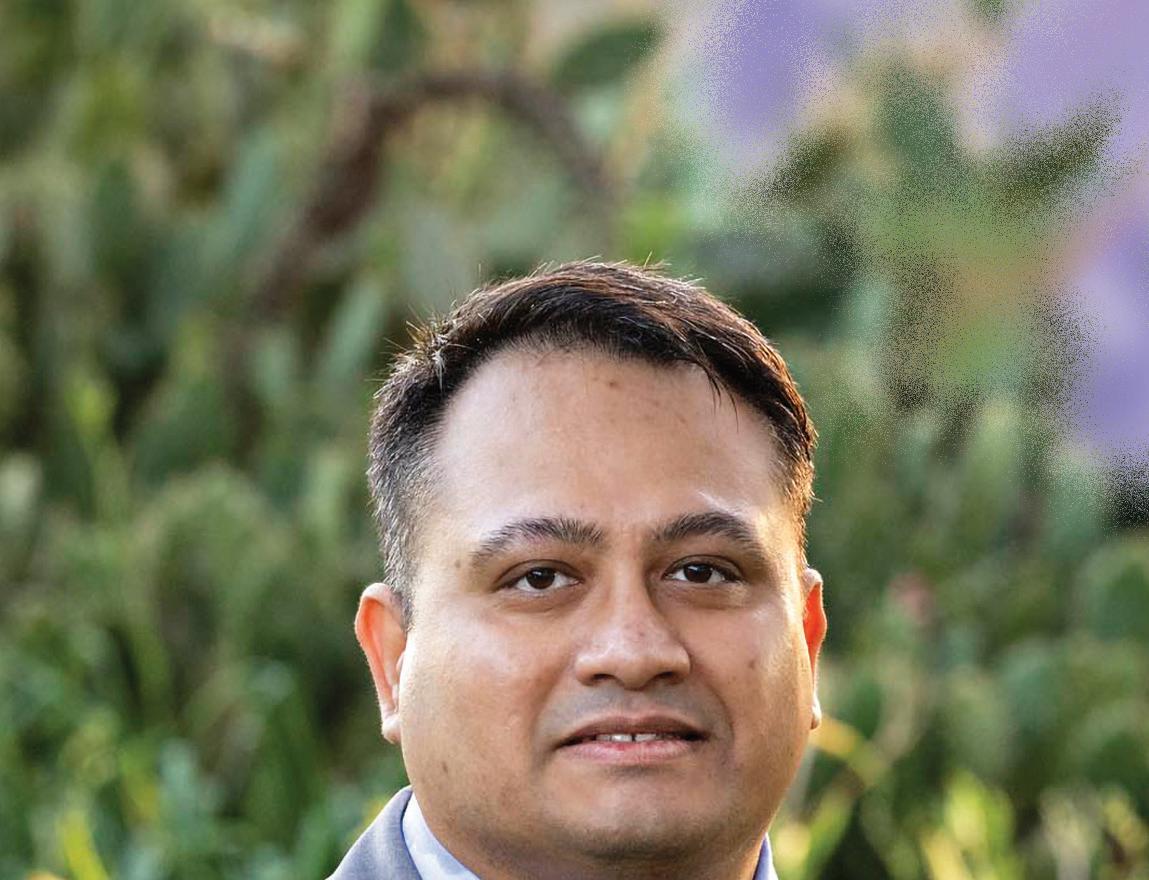
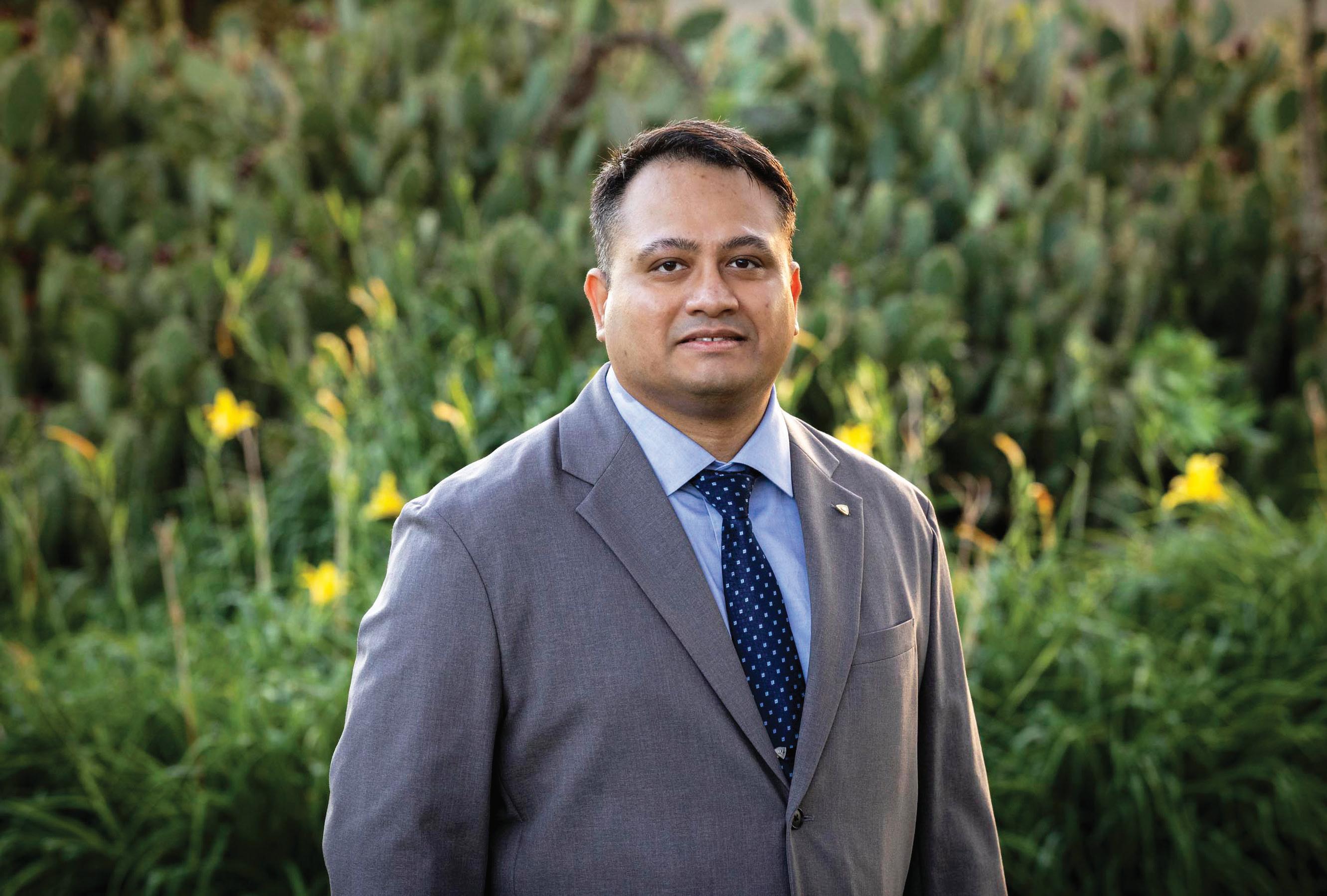
There were many who scoffed, belittled, and made fun of me for having unrealistic dreams when I couldn’t even afford one square meal. However, the words and the life of my mentor deeply resonated: “Soka means to create value — like bringing
forth fire from damp wood or obtaining water from parched earth.” If Ikeda, amidst the dire circumstances of post-war Japan, could continue building the legacy of Soka education and later found a university like SUA, it would be cowardly
for me not to believe that I could study there. Studying at SUA became a way for me to demonstrate the value of the mentor–disciple relationship in action through my own inner change. I wanted to prove to myself and others that under any circumstances, people can win.
continued on page 28



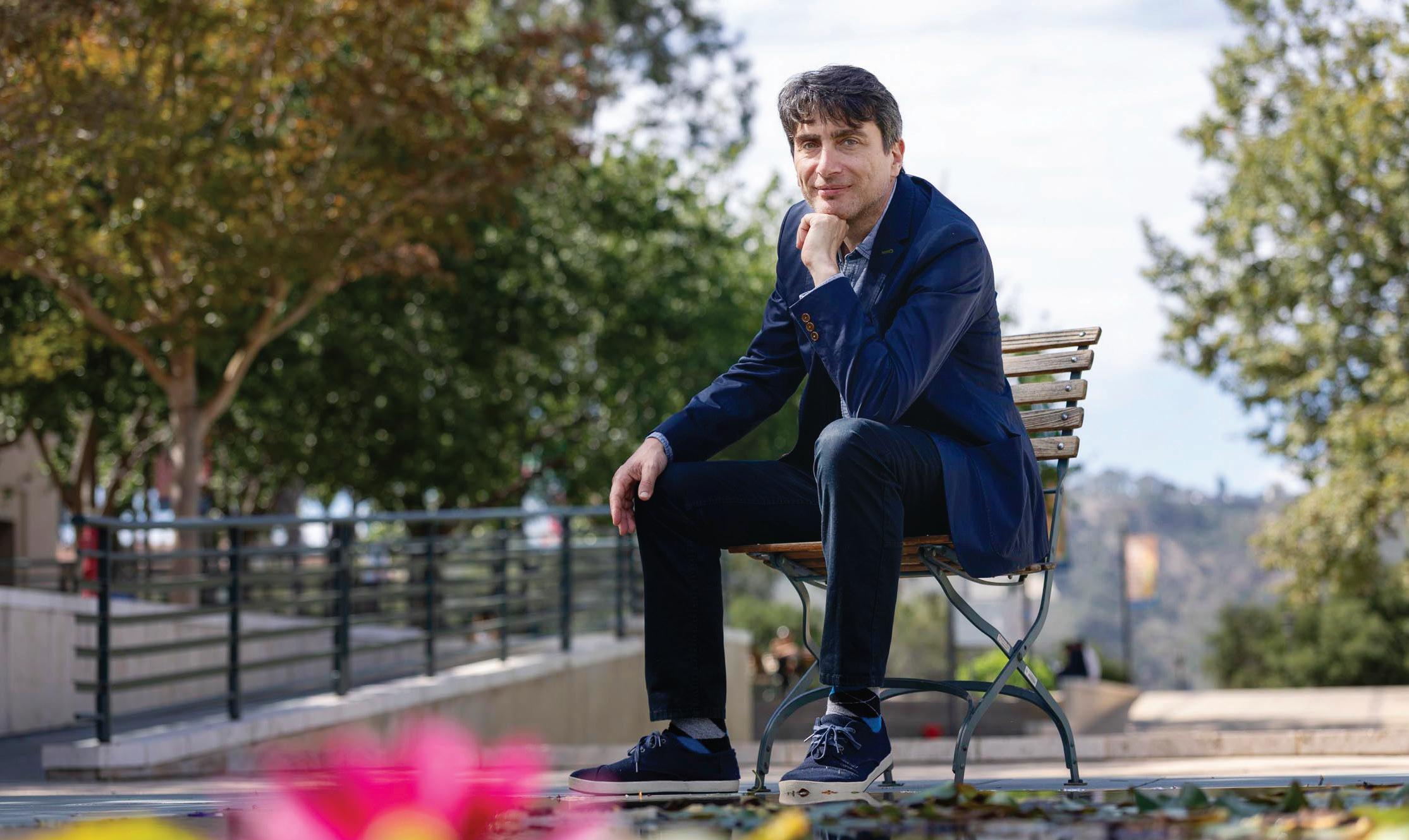
Oleg Gelikman, Ph.D.



Associate Professor of Comparative Literature

Tell us a bit about your background and what shaped you growing up.
My sense of the self comes from three serial events: Gorbachev’s perestroika in the late USSR; immigration to the U.S. on the brink of the new millennium; and nomadic peregrinations, academic and otherwise, in the U.S., with the principal nodes in the Midwest, New York City, Baltimore, and Colorado before finally extending to SUA and the Pacific World. Even as an adolescent in Moscow I was attracted to émigré literature and art; little did I know that emigration, assimilation, and re-integration would be one of the defining elements of my life ahead. Yet, fundamentally, I still trust that human life is such that our reasons and places are not



only behind, but mostly ahead of us, if we know how to hear the words of others and welcome the strangeness of becoming. From which institutions do you hold degrees, and what did you study?
I have a B.A. in Sociology from the University of Toledo in Toledo, Ohio, an M.A. in Comparative Literature from the City University of New York, and a Ph.D. in Humanities and Comparative Literature from Johns Hopkins University in Baltimore, Maryland. What attracted you to SUA?
Soka University of America defines itself as a “liberal arts university,” which to my humanist ear initially sounded a bit paradoxical. Academic institutions usually strive either
for research university status or style themselves as liberal arts colleges. SUA offered a platform for a new kind of university that seeks to combine arts and sciences into a novel and inspiring synthesis. When I joined the SUA faculty in 2007, I found this confidence in the future, along with the stress on developing a new idiom of nonviolence, extremely appealing. This confidence remains the through line of my teaching and service at SUA.
What distinguishes Soka students in your opinion?
Like many of my colleagues, before coming to SUA, I taught courses in different kinds of institutions, including community colleges, large state schools, and elite schools such as Johns Hopkins University. With
“As the poet Friedrich Hölderlin said, ‘Where the danger is, there too the saving power grows.’ ”
these experiences in mind, I still think that Soka students possess a distinct collective identity. At their best, they are adventurous, candid, humorous, tolerant, independentminded, and serious about the world to come. Most importantly, I have never had a classroom that did not surprise, startle, or astonish me — sometimes in the moment, and sometimes only after weeks or even years of reflection. Let’s hope this trend continues in the future!
The idea that I can spend my life enabling other minds to find their own ways to think and feel through deliberate, reflective engagement has something magical about it. To be surprised by the reformulation of an incipient insight into a mature and novel line of thought is a
rare event indeed. Encountering and encouraging a life that is beginning to shape itself in the moment of temporary release from social constraint is striking. Yet, in my limited experience, events such as these are not so uncommon when a liberal arts university delivers on its promise. Do you have other reflections about your experience as a faculty member at SUA?
While traveling around the world, I am beginning to see that the multilingual, multi-ethnic universe of Soka University of America is becoming more and more the rule (look at London, Basel, or Kyiv today!). Historically speaking, the core of the university is neither the idea of endless progress of knowledge nor technological innovation. These are later sedimentations.
Rather, the core is universitas, a Latin legal term designating a community of learning. The great Sir Thomas Browne (16051682) makes a learned allusion to this idea when he writes: “I make not therefore my head a grave, but a treasure of knowledge; I intend no monopoly, but a community in learning; I study not for my own sake only, but for theirs that study not for themselves.” Amazing how Elizabethan English can sound modern as well! In the times of uncertainty and precarity, there also emerge pre-figurations of lasting hope. This is one lesson of perestroika that stayed with me. Let us not, then, underestimate the multiplicity and depth of historical time present in each moment. As the poet Friedrich Hölderlin said, “Where the danger is, there too the saving power grows.”
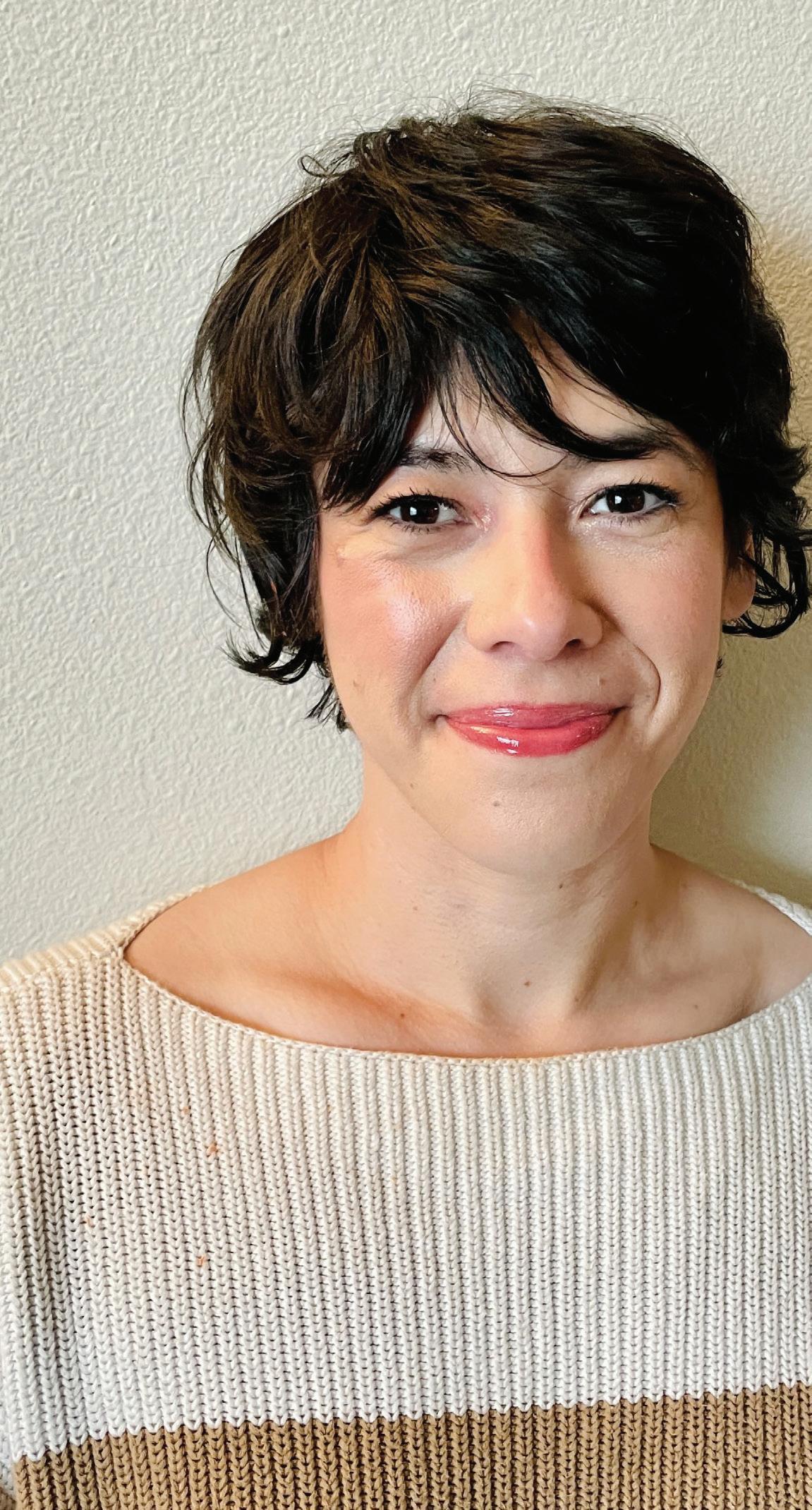
My name is Luisa Madrid, and I graduated a decade ago with the class of 2015.
When I first discovered Soka University of America, I was attracted by the mission to foster a steady stream of global citizens committed to living a contributive life. I knew attending would be a unique experience that aligned with my values and would help me grow into that kind of person. Thanks to generous financial aid, I was able to take that path.
I was born in Los Angeles to parents from Guatemala. Soon after graduating from Soka, I made my own trek north, planting roots in Eugene, Oregon. In this new home, I started working for the Lane County Circuit Court, first as a court clerk and then as a family court facilitator. In both roles, I was the only Spanish speaker, and even though I grew up speaking Spanish at home, I quickly realized how much more I needed to learn if I wanted to truly serve my community. Interpreters are always provided for criminal cases but not for most civil and family matters. I saw a need in front of me and felt determined to do something about it.
I threw myself into studying to become a certified court interpreter. For months, I would wake up at 5 a.m. to go to the gym and study before court, work all day, and then come home to cook a healthy dinner and study again before bed. Then the day finally came. I took the court interpreter exam … and I failed. But I wouldn’t say it was for nothing. My Spanish and interpretation skills improved, and I was better able to support people in court. Even without the certification or the title, I was already creating value by making justice a little more accessible.
I kept studying and eventually took the exam again. But this time, as I waited for the results of my second attempt, I was overwhelmed with anxiety. What would I do if I failed again? I wanted this career so badly, yet I also knew I couldn’t keep standing still. I began searching for other opportunities to grow. That’s when I found a scholarship for a medical interpreter training program. I applied immediately and within a few days was accepted into the program.
I haven’t passed the court interpreter exam yet, but today I work in clinics and hospitals around Oregon as a qualified
medical interpreter. All those years of court interpreter practice translated well into this new role as a medical interpreter. I love seeing the relief on a patient’s face when they realize they’ll be heard and understood. I stay calm in high-stress situations thanks to my courthouse training, and I bring empathy and clear communication thanks to my Soka education. That, to me, is the essence of Soka’s philosophy of value creation: finding meaning in every experience, growing from it, and contributing to the well-being of others under all circumstances. I also teach Spanish legal and medical terminology online, and as I teach others, I refine my own skills. I know what it’s like to not be able to afford a formal education. I wouldn’t have made it this far without the generous support from Soka donors, so I’m paying it forward by sharing what I’ve learned with others who want to become interpreters. I haven’t given up on becoming a certified court interpreter. Soka taught me that success is not defined by a title but by the courage to keep trying, the wisdom to keep learning, and the compassion for self and others.








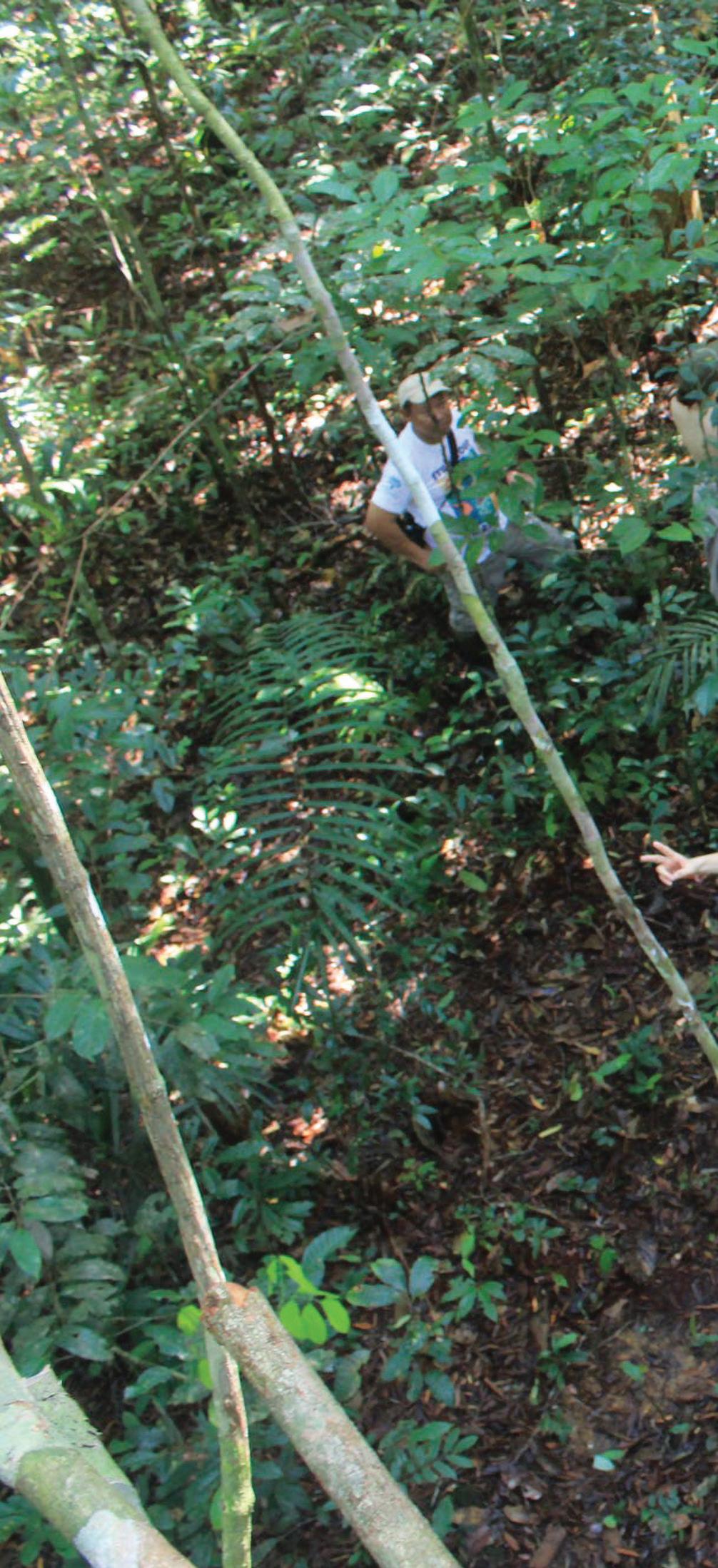
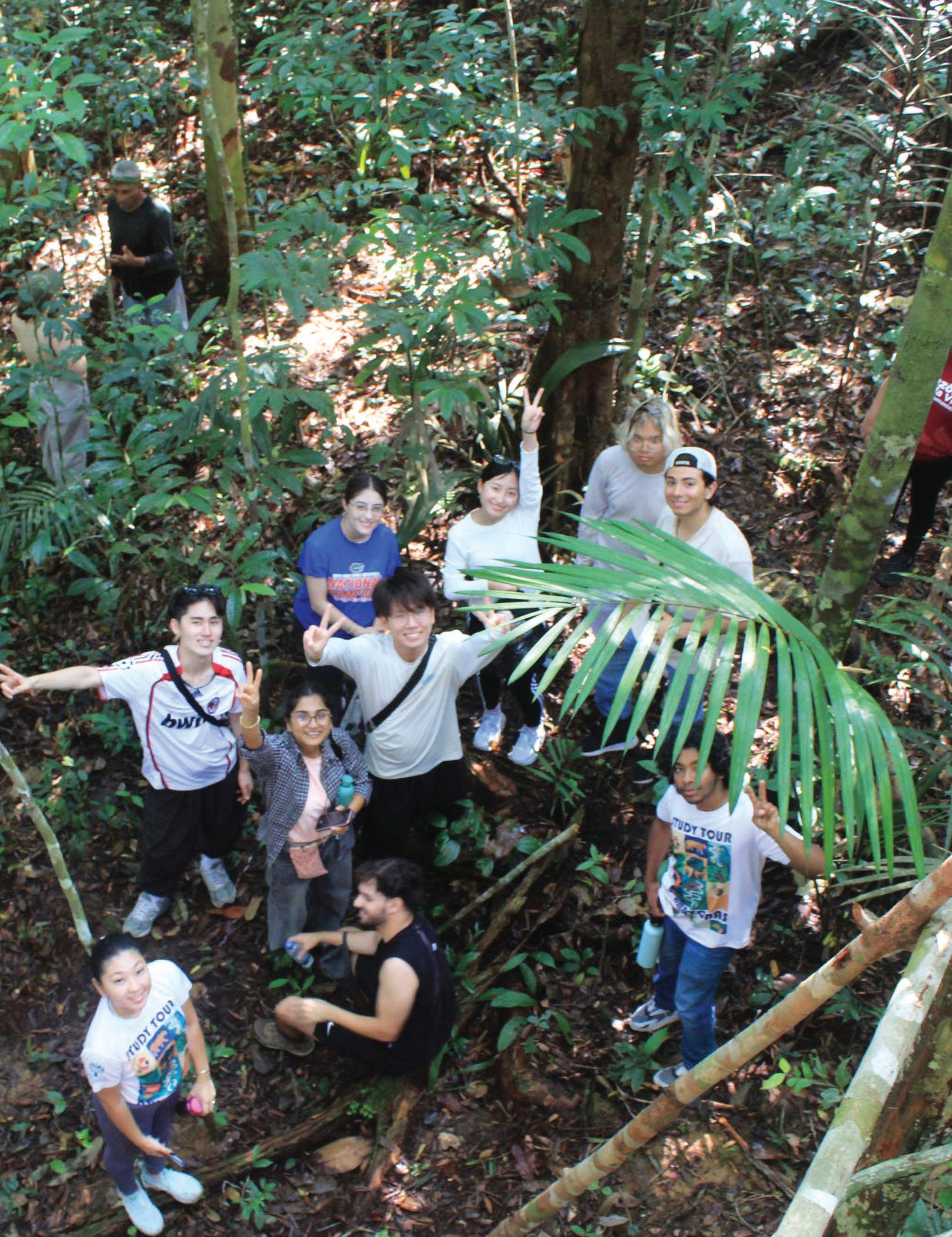
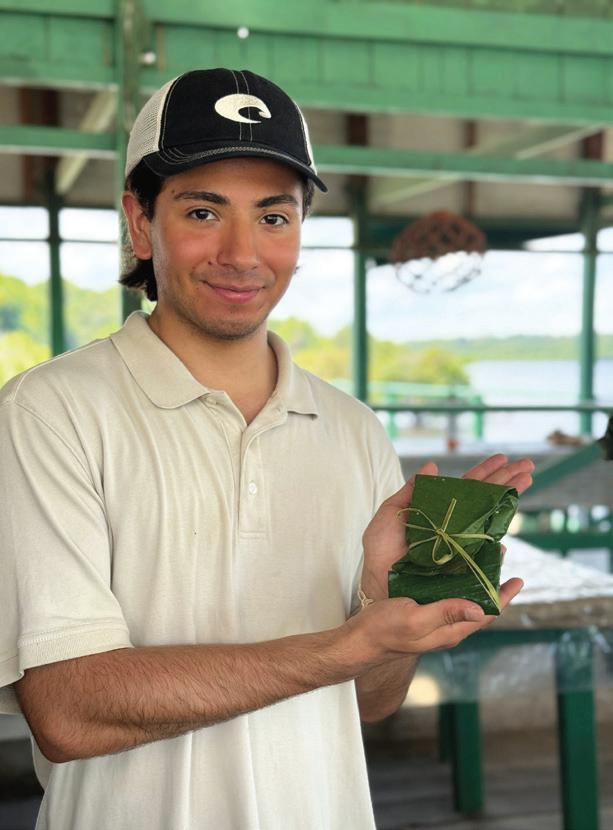
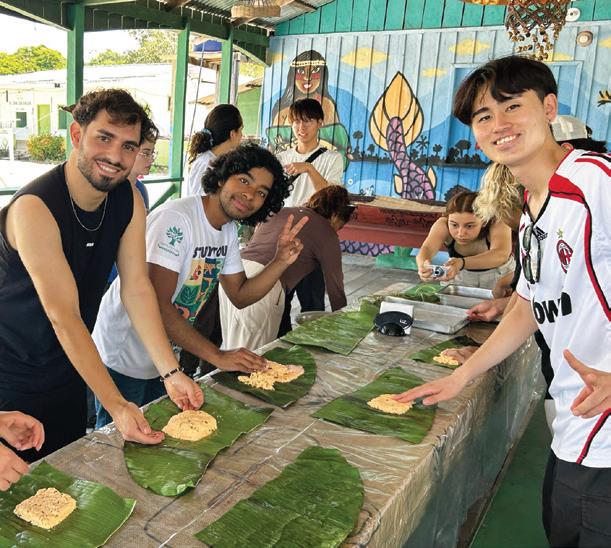
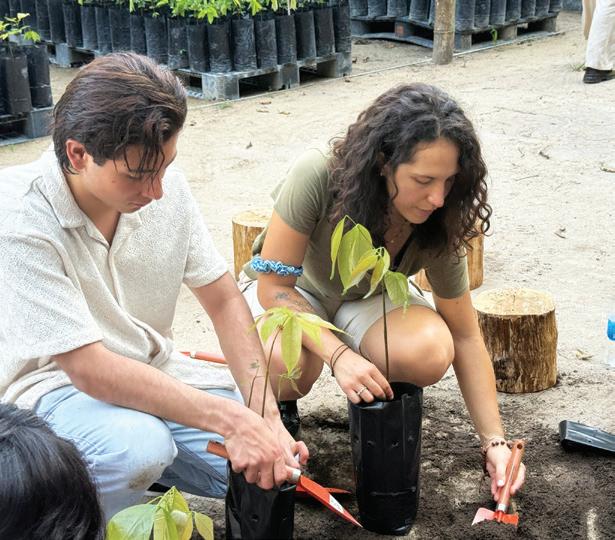
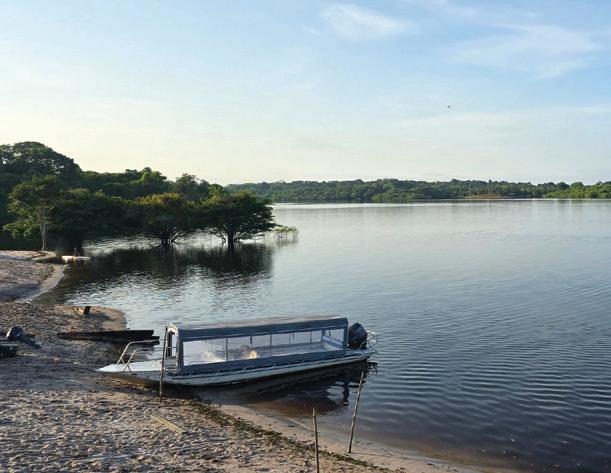
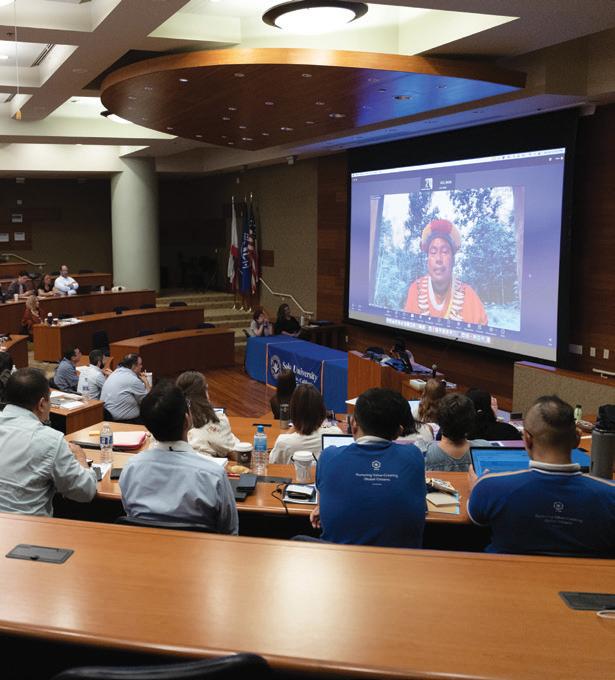
Thirteen SUA students stepped off the boat into the Kambeba Indigenous community near Manaus, Brazil, in August to begin conversations that would reshape how they see humanity’s relationship with nature. Their week-long Amazon study tour launched more than an academic partnership — it offered an unfiltered look at environmental challenges in one of Earth’s most biodiverse regions.
The study tour marked the launch of SUA’s partnership with the Soka Amazon Institute after President Edward Feasel signed a memorandum of understanding with the institute last year. The Soka Institute for Global Solutions (SIGS) sponsored the intensive noncredit experience, covering all costs to ensure accessibility regardless of students’ financial means. The 13 participants were selected last spring based on essays about their sustainability interests and relevant experience.
Through its close relationships with local communities, environmental organizations, and research institutions, the Soka Amazon Institute
organized the study tour activities, providing a translator when needed. Ian Read, professor of Latin American studies, Associate Dean of Faculty, and senior research fellow at SIGS, facilitated the study tour, grounding the experience in the dialoguebased learning that is fundamental to a liberal arts education at SUA.
Read explained that the study tour had three main goals: to foster leadership, ethical responsibility, and the creative coexistence between nature and humanity. The third goal, which is one of the founding principles of SUA, also plays a central role in the mission of the Soka Amazon Institute. It also provided the philosophical question at the heart of the study tour: What is our relationship with nature, and how can we coexist with it responsibly?
“It’s a very meaningful experience,” said Bidisha Kaphle ’26 of Kathmandu, Nepal. “I’m really happy I did it. It impacted how I look at the world and at ways of making change.”


























“It’s a very meaningful experience … It impacted how I look at the world and at ways of making change.” – Bidisha Kaphle ’26
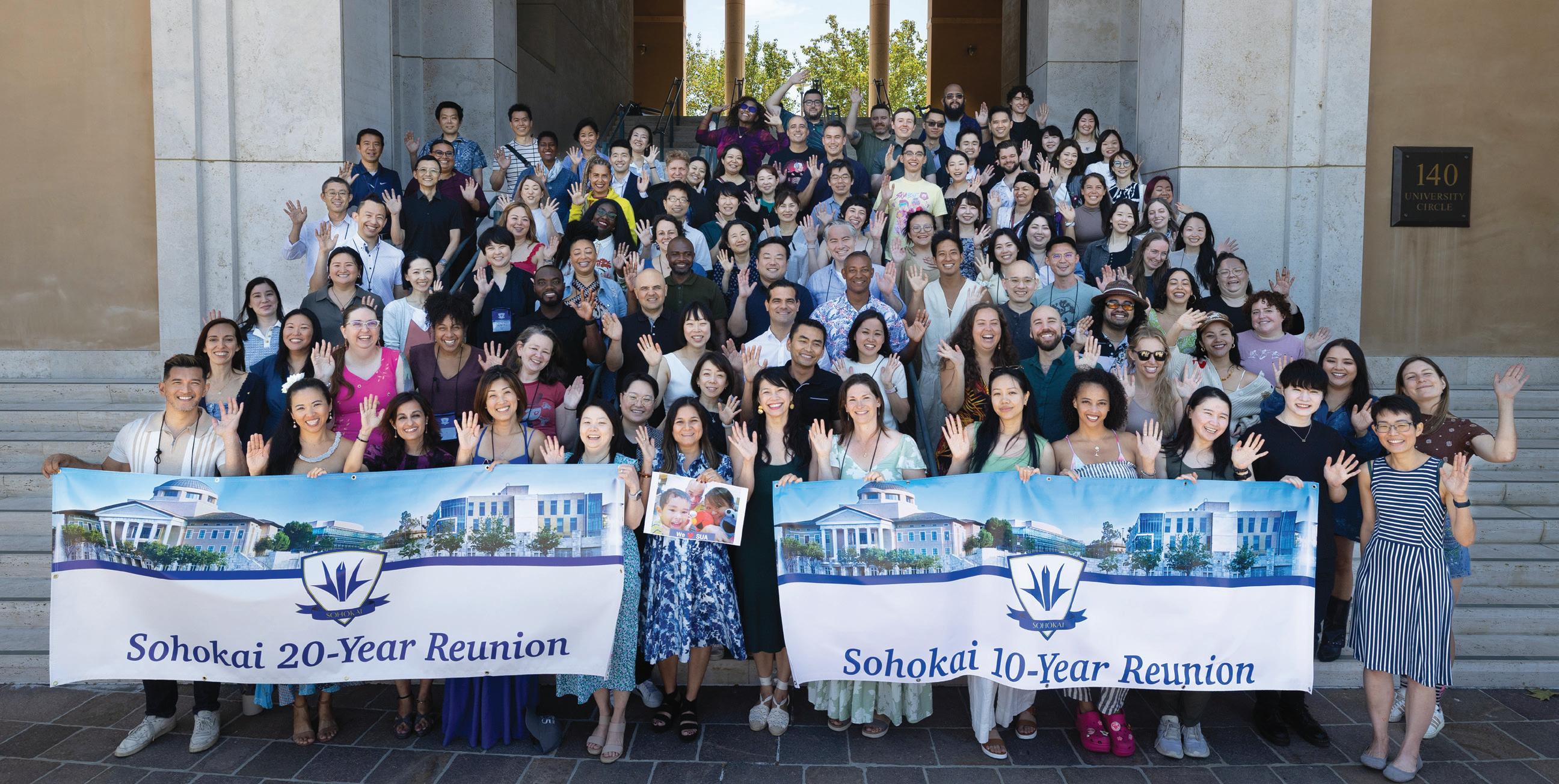

“Everyone expressed deep appreciation for the wonderful opportunity to return to SUA, reconnect with their fellow Sohokai, and reflect on their time here.”
– Margaret Kasahara, Director of Alumni Relations
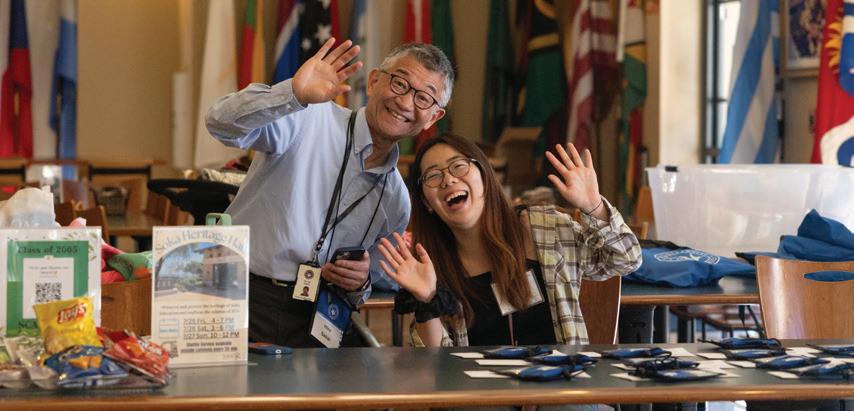
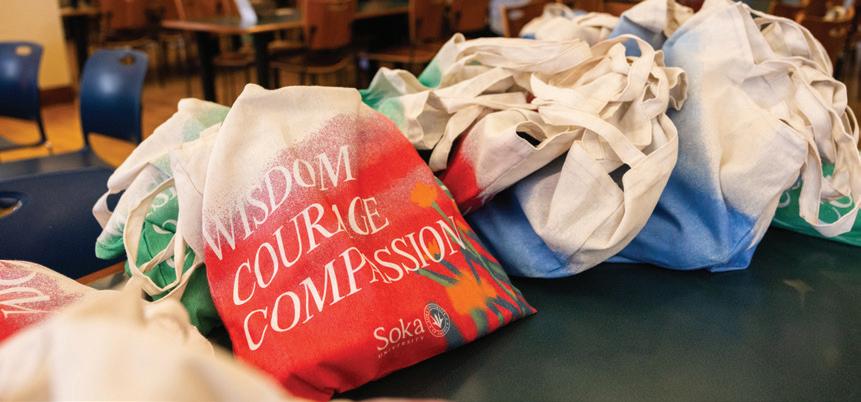

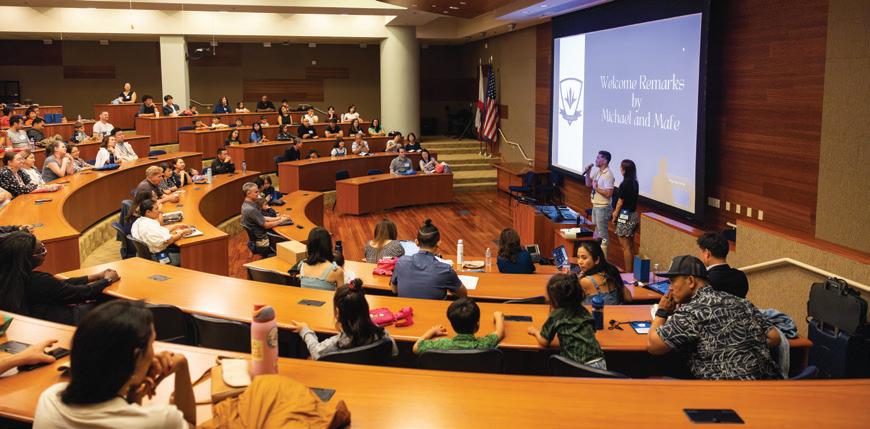

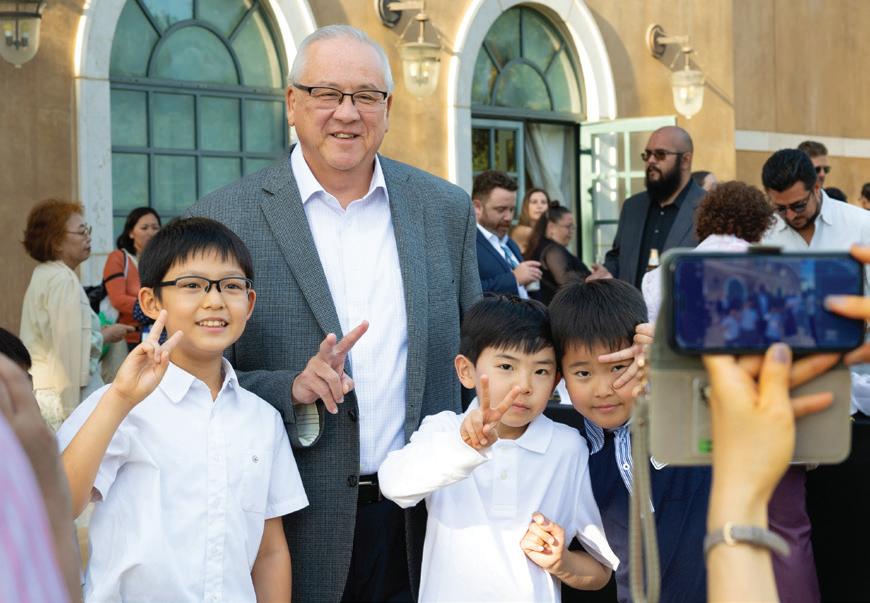
Over 200 alumni, family members, and guests reunited on campus July 25–27 for a joint 10th and 20th reunion weekend, celebrating friendships, shared memories, and a deep commitment to SUA’s founding ideals.
Fifty-six members of the Class of 2005 and 50 from the Class of 2015 gathered for a reunion that centered on dialogue and genuine reconnection. Saturday featured class-specific activities, including the Class of 2005’s Legacy Meeting and the Class of 2015’s “Spill the Tea” discussion session in the Ikeda Grand Reading Room.
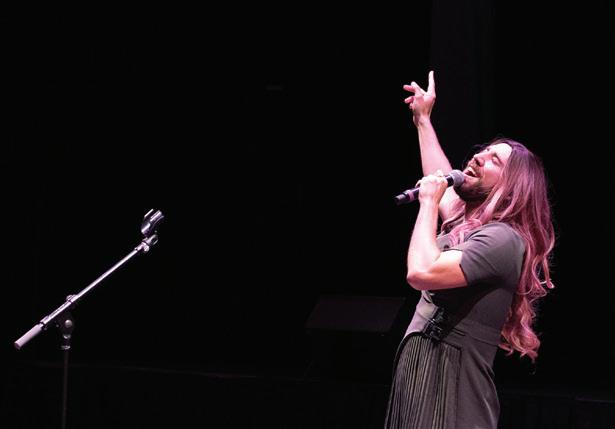

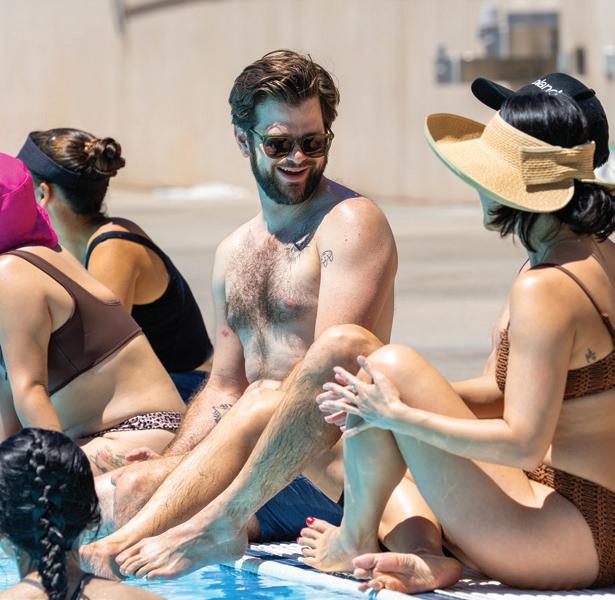
The event offered something for everyone: 102 participants toured Soka Heritage Hall, 81 viewed screenings of “Light of Hope”, and over half the attendees, including more than 50 children, enjoyed food trucks, a pool party and bounce house.
“The feedback has been overwhelmingly positive,” said Director of Alumni Relations Margaret Kasahara. “Everyone expressed deep appreciation for the wonderful opportunity to return to SUA, reconnect with their fellow Sohokai, and reflect on their time here.”
After their brief but meaningful time together on campus, many
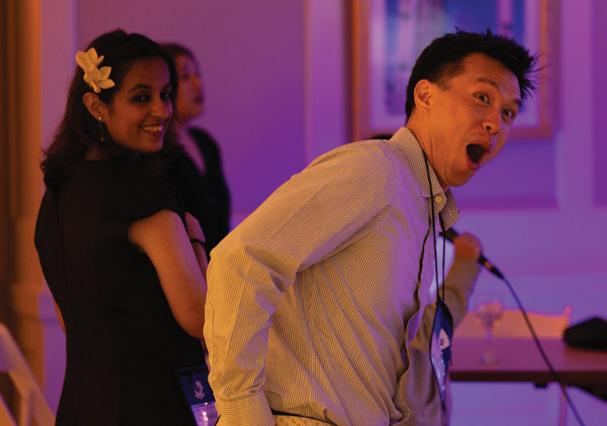
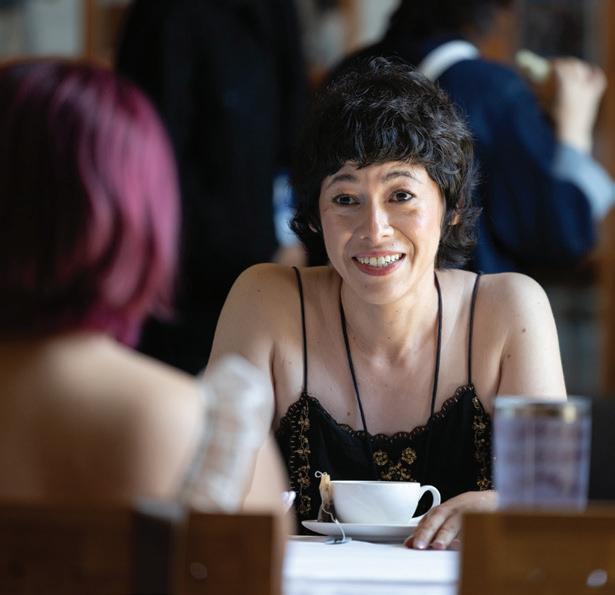
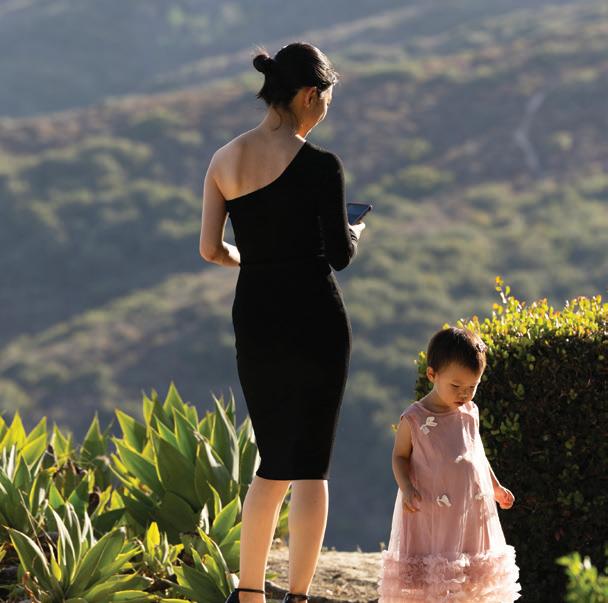
alumni expressed a desire to reengage with the university and contribute in new ways without waiting another decade to return for their next reunion. This enthusiasm was clear as many alumni extended their time together beyond the official event, gathering for informal beach barbecues and on-campus dialogue sessions after the reunion program ended.
This unforgettable reunion weekend exemplified the enduring bonds of the SUA community and the lasting impact of a Soka education.
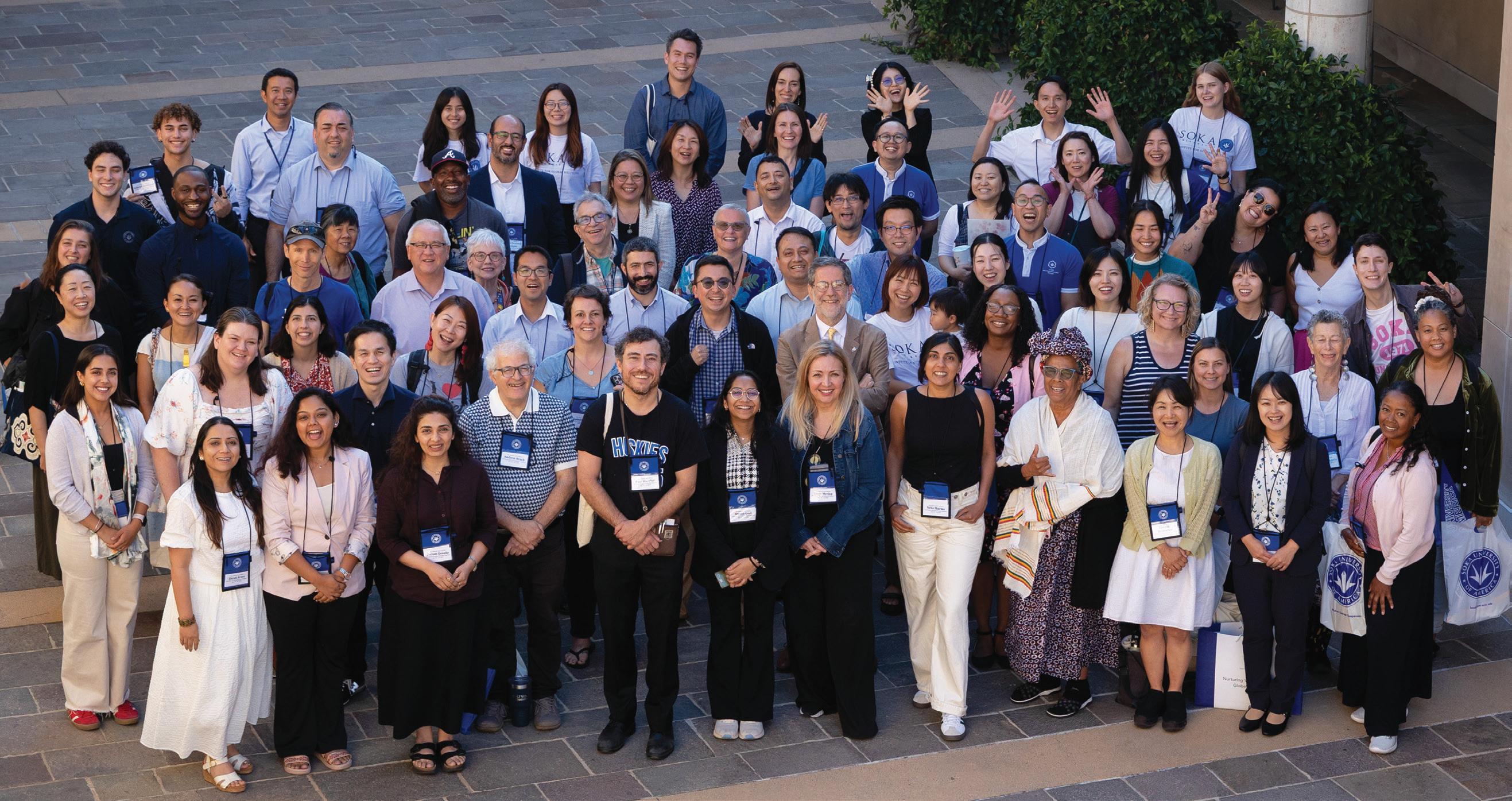




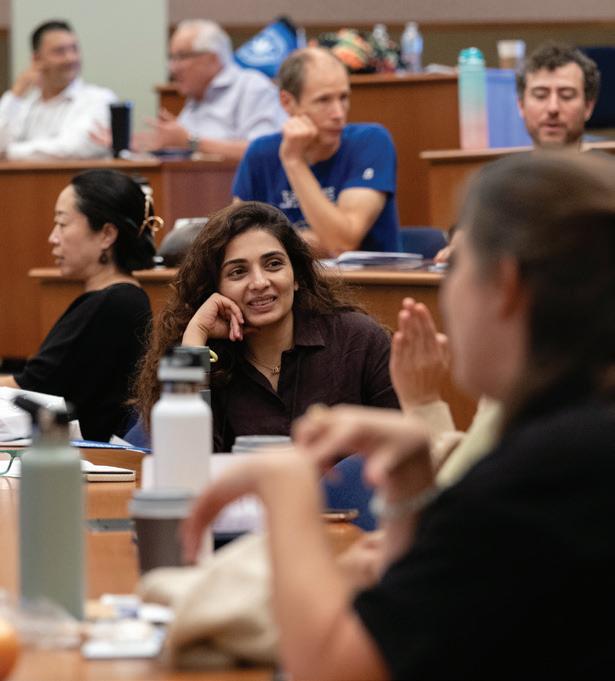
The 2025 Global Citizenship Education Conference brought together PreK-12 educators from around the world to explore how global citizenship education inspired by SUA founder Daisaku Ikeda’s humanistic approach can transform their classrooms. Organized by SIGS, the conference took place from July 10-13 and enabled 60 teachers, school counselors, and administrators from 11 countries to connect, share resources, and garner enthusiasm for global citizenship education.
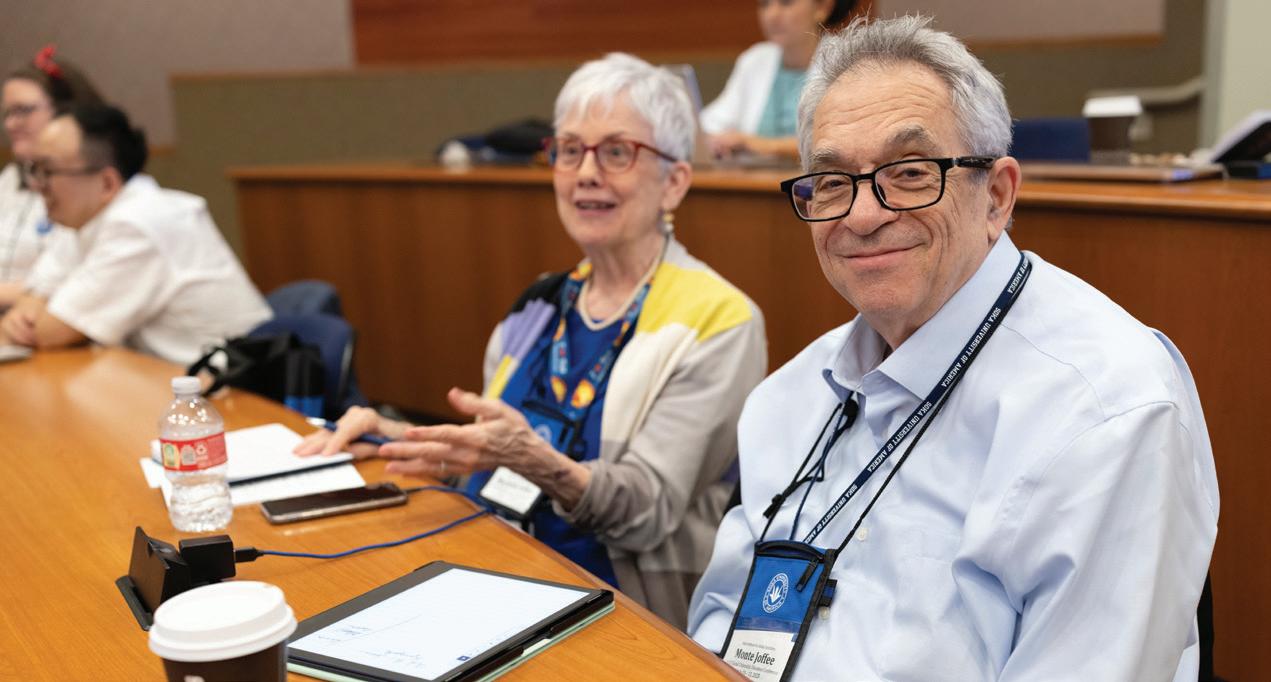
Keynote speakers included Fernando Reimers, the Ford Foundation Professor of International Education at Harvard University and director of the Global Education Innovation Initiative; Monte Joffee, chairperson and founding principal of the Renaissance Charter School in New York City; and Melissa Bradford, senior professional lecturer in the Department of Leadership, Language, and Curriculum at DePaul University.
After welcoming remarks from SUA President Edward Feasel, the SIGS working group fellows opened the conference with a presentation on the core


concepts of global citizenship education. This group of 12 SUA alumni who work in PreK-12 education had collaborated over the past two years to translate Ikeda’s philosophy of global citizenship into an accessible framework that educators can adapt to their specific contexts. In addition, they developed practical materials to support school leaders and help educators design global citizenship curriculum and lesson plans.
“It’s really important to put this theory into practice,” said Ryan Hayashi ’12, a ninth grade math teacher based in Chandler, Arizona. This work is essential for educators like him who want more schools around the world to adopt education for global citizenship, Hayashi said, because teachers will need curricula, lesson plans, and other practical materials they can adapt to their classrooms. Now, equipped with both philosophical grounding and practical tools, these educators can contribute their expertise to developing more teaching resources for their colleagues and continue the vital work of shaping global citizens in their classrooms.










At Soka University of America, creating opportunities for others is a crucial element of leadership.
This year, Erica Baldaray so fully embodied this spirit that the National Association of Intercollegiate Athletics (NAIA) named her Female Trailblazer of the Year, recognizing her as “a catalyst in advancing inclusive practices and building systems that support the success of women across the NAIA.”
“I’m truly honored to receive the NAIA Female Trailblazer of the Year award, especially knowing how many phenomenal women across our association are leading and inspiring others every day,” said Baldaray. “I feel so fortunate to serve alongside such a powerful network of women in sports!
I cannot thank the NAIA, the selection committee, and those who nominated me for this prestigious award enough.”
Baldaray launched SUA’s Junior Woman Leader Program in 2024–25, which pairs female students with experienced senior women leaders, offering mentorship, hands-on experience in athletics administration, and the chance to build professional networks. Her vision is to expand this initiative across NAIA institutions and conferences, opening the door for even more women to step into leadership roles.

Beyond SUA, Baldaray serves in national leadership positions with the NAIA Senior Woman Leader Association, the NAIA-MOAA Leadership Board, and the NAIA RISE Committee. Through these roles, she continues to shape inclusive practices, champion women’s opportunities, and inspire the next generation of leaders in athletics.
Her recognition as Female Trailblazer of the Year affirms both her impact at Soka and her influence on the national stage, where she is empowering women to lead with courage, wisdom, and compassion.
“This recognition reflects not only my own journey,” said Baldaray, “but also the many people and communities who have shaped it, including studentathletes past and present, colleagues at SUA and across the industry, the women in sports who paved the way, and my family and friends who have supported me throughout my career. Being recognized as a ʻtrailblazer’ is deeply humbling, and it motivates me to keep opening doors for others and advancing opportunities for women in athletics.”
Did you know many employers will match part or all of your charitable gift? To check if your company o ers a matching gifts program, visit soka.edu/support-sua/matching-gifts or contact your HR department. Your generosity to Soka University could go twice as far in supporting our students.

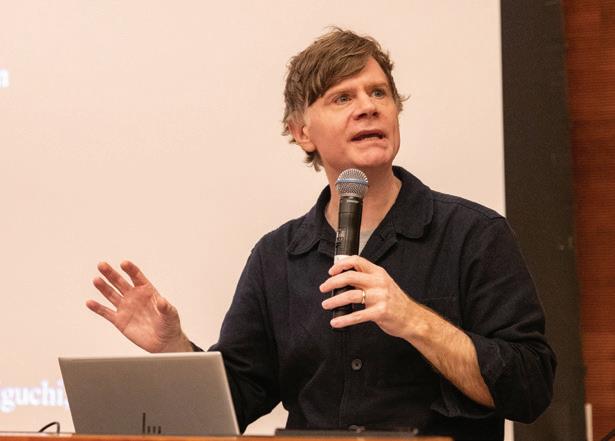
“You’re embarking on an amazing part of your life that will never happen again. You really have to make the most of it.”
— Jason Goulah, distinguished visiting professor of Ikeda studies
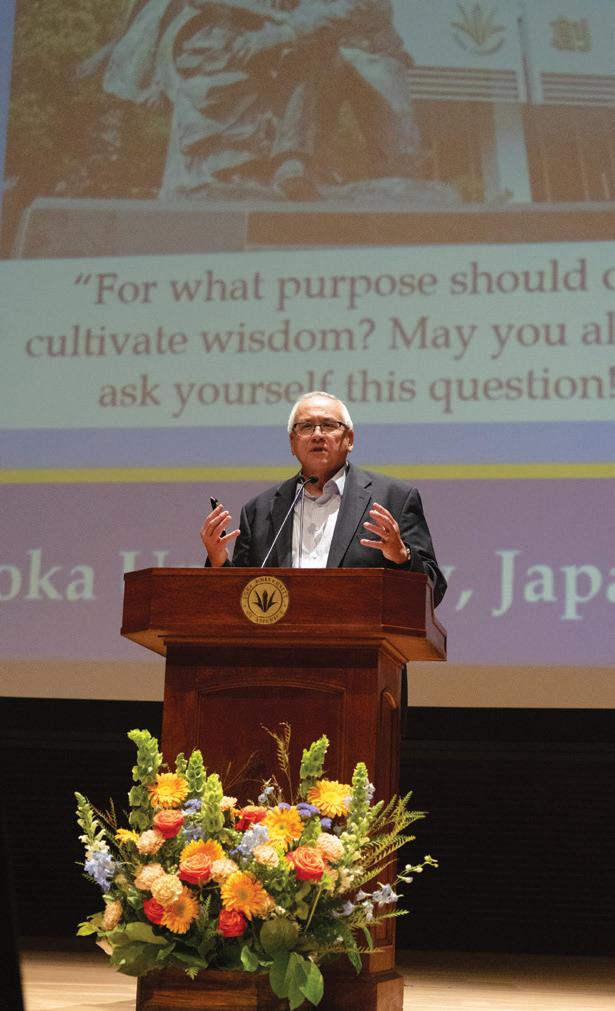



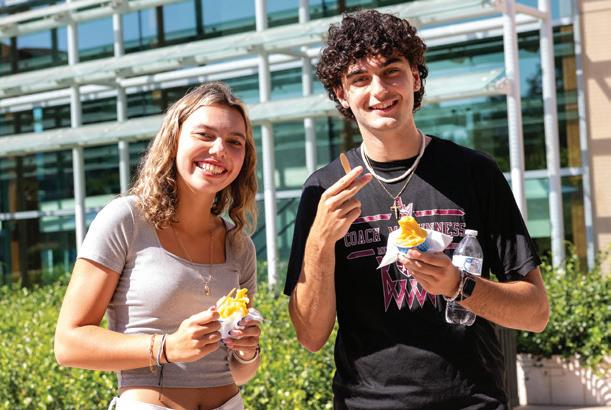
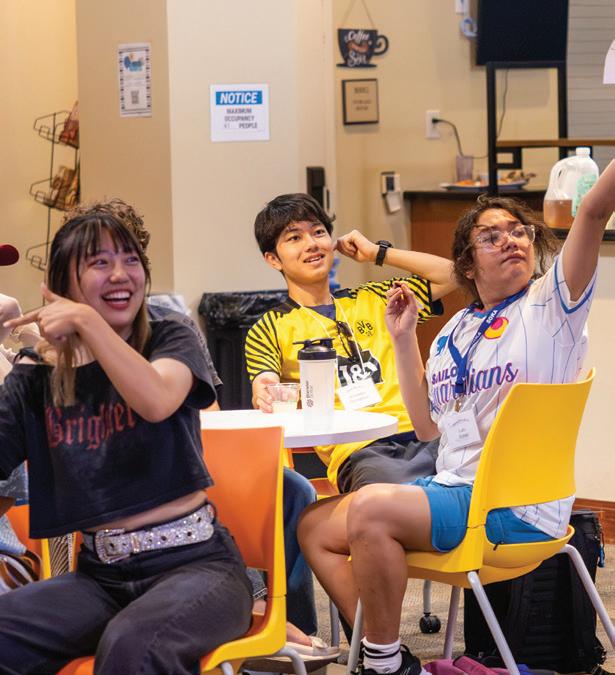
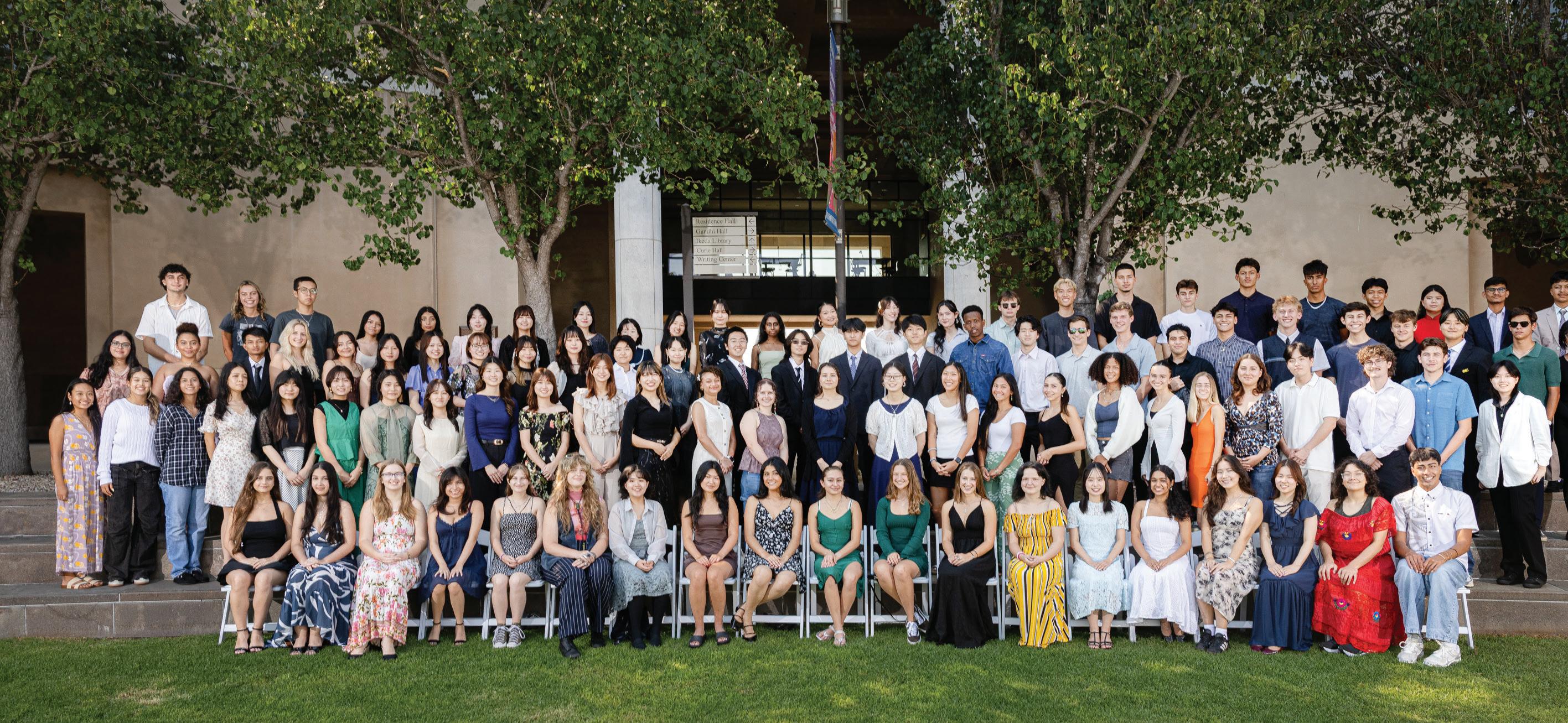
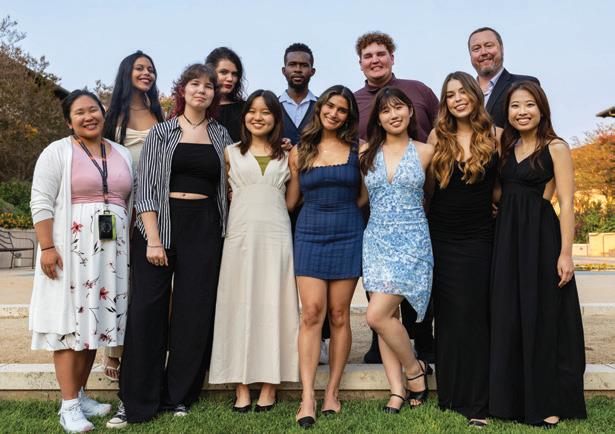
“At Soka, we believe that education does not begin when you choose an area of study or take an exam,” said Associate Dean of Faculty Ian Read, addressing the Class of 2029 during the academic opening session on August 7. “Education begins when you start to ask meaningful questions about yourself and think about your role in the world and the kind of person you want to become.”
At this Welcome Week event, first-year students learned about each of the five academic concentrations at SUA — Environmental Studies, International Studies, Humanities, Life Sciences, and Social and Behavioral Sciences — and had the opportunity to participate in small group information sessions on two concentrations of their choice.
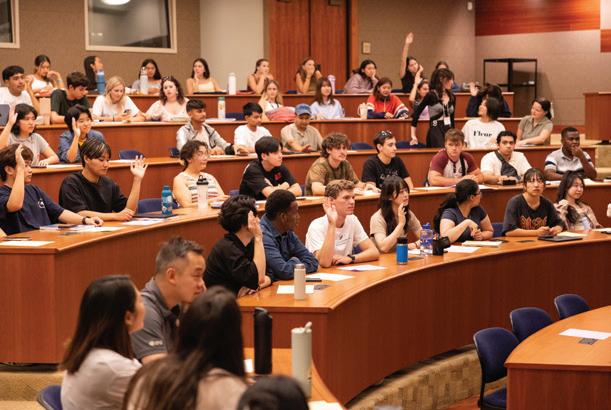
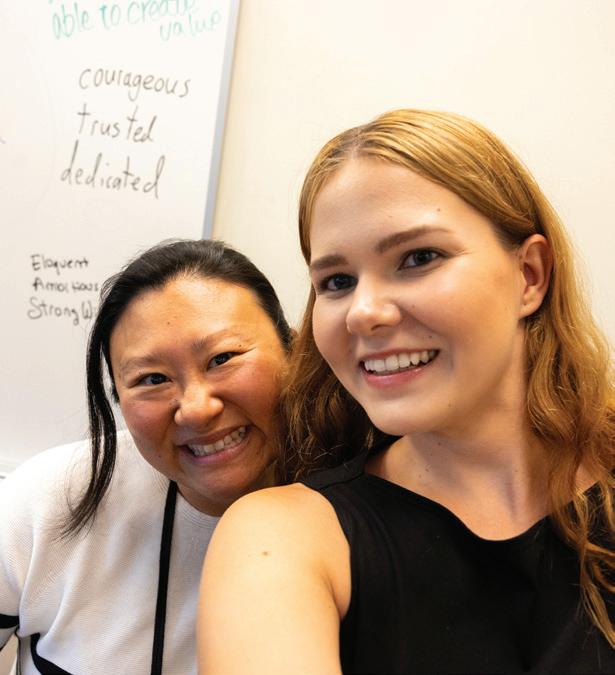
Students also engaged in discussions guided by two thought-provoking questions: What kind of person do you want to become by the time you graduate? What is a problem in the world that matters to you, and how might an education help you address it? As students tackled these questions, it was clear that they had already been thinking deeply about these topics. Students shared how they envision their education helping them contribute to global solutions for the climate crisis, economic inequality, and diseases like cancer.
Students also explored what global citizenship means, unpacking the three primary characteristics of a global citizen — wisdom, courage, and compassion — that Ikeda identified in “Thoughts
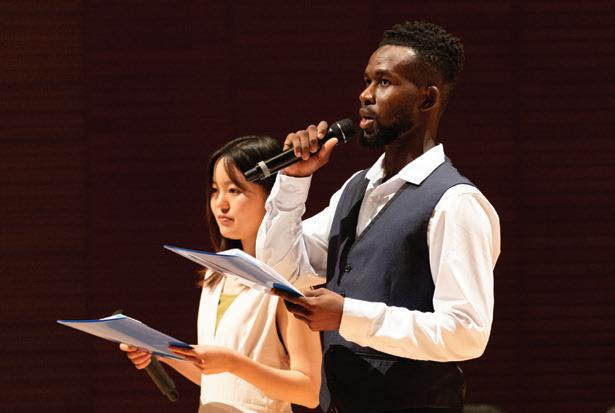
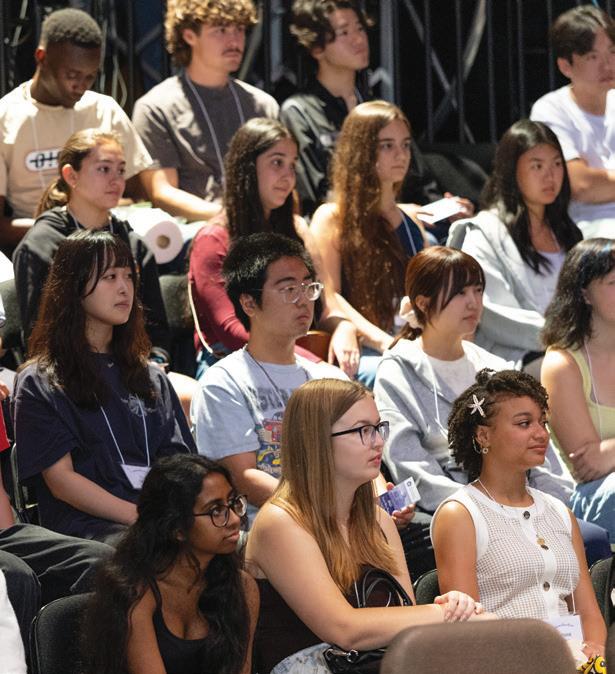
on Education for Global Citizenship,” a speech he delivered at Teachers College, Columbia University, in 1996.
Jason Goulah, distinguished visiting professor of Ikeda Studies, expanded the discussion about the purpose of a college education at a session covering the philosophical underpinnings of how learning works at SUA. He emphasized that college is a very special and formative time. Students have the opportunity to build lifelong friendships, expand their horizons, and experience tremendous personal growth.
“You’re embarking on an amazing part of your life that will never happen again,” he said. “You really have to make the most of it.”




























As this year comes to a close, we invite you to reflect on the incredible difference your generosity has made for SUA. Thanks to supporters like you, students from around the world can pursue an education that prepares them not only for successful careers, but also for lives dedicated to peace, human rights, sustainability, and the well-being of humanity.
$1,000 of donations if you file as an individual, or up to $2,000 if you’re married and file jointly.
Your gifts open doors to students who might not otherwise be able to afford a college education. Every scholarship, internship, and chance to learn and grow is possible because people like you believe in our mission to foster a steady stream of global citizens committed to living a contributive life.
As we look toward 2026, there are two new tax rules you should know about that may make charitable giving even more meaningful.
First, only people who itemized their taxes in the past could deduct charitable gifts. Starting in 2026, everyone can benefit. You’ll be able to deduct up to
Second, if you itemize your taxes, your deductions will only apply once your charitable gifts add up to more than 0.5% of your income. For example, if your income is $100,000, the first $500 of giving won’t count for tax purposes, but everything above that will.
These changes highlight the importance of thoughtful, planned giving. There are many other ways to support Soka’s mission while also making the most of your financial resources:
Think of this as a charitable savings account. You can contribute when it works best for you and then recommend grants to nonprofits like SUA.
Qualified Charitable Distributions (QCDs):
If you’re 70.5 or older, you can give directly from your IRA. This counts toward your required minimum distribution but isn’t taxed as income.
Stock Gifts:
Donating appreciated stocks can be a win–win. You avoid paying capital gains tax and may claim a deduction for the full value of the stock — all while helping Soka students.
Like stock, giving cryptocurrency can help you avoid capital gains tax and allow you to deduct the fair market value of your gift.
When you give to Soka, you are investing in students who will go on to make a difference in communities across the globe. From peacebuilding and education to science, the arts, and beyond, our graduates are shaping a brighter future.
Every dollar, gift, and act of generosity changes lives. Together, we can continue to ensure that talented, deserving students have the opportunity to learn, grow, and lead. Please consider making your taxdeductible year-end gift to Soka today.
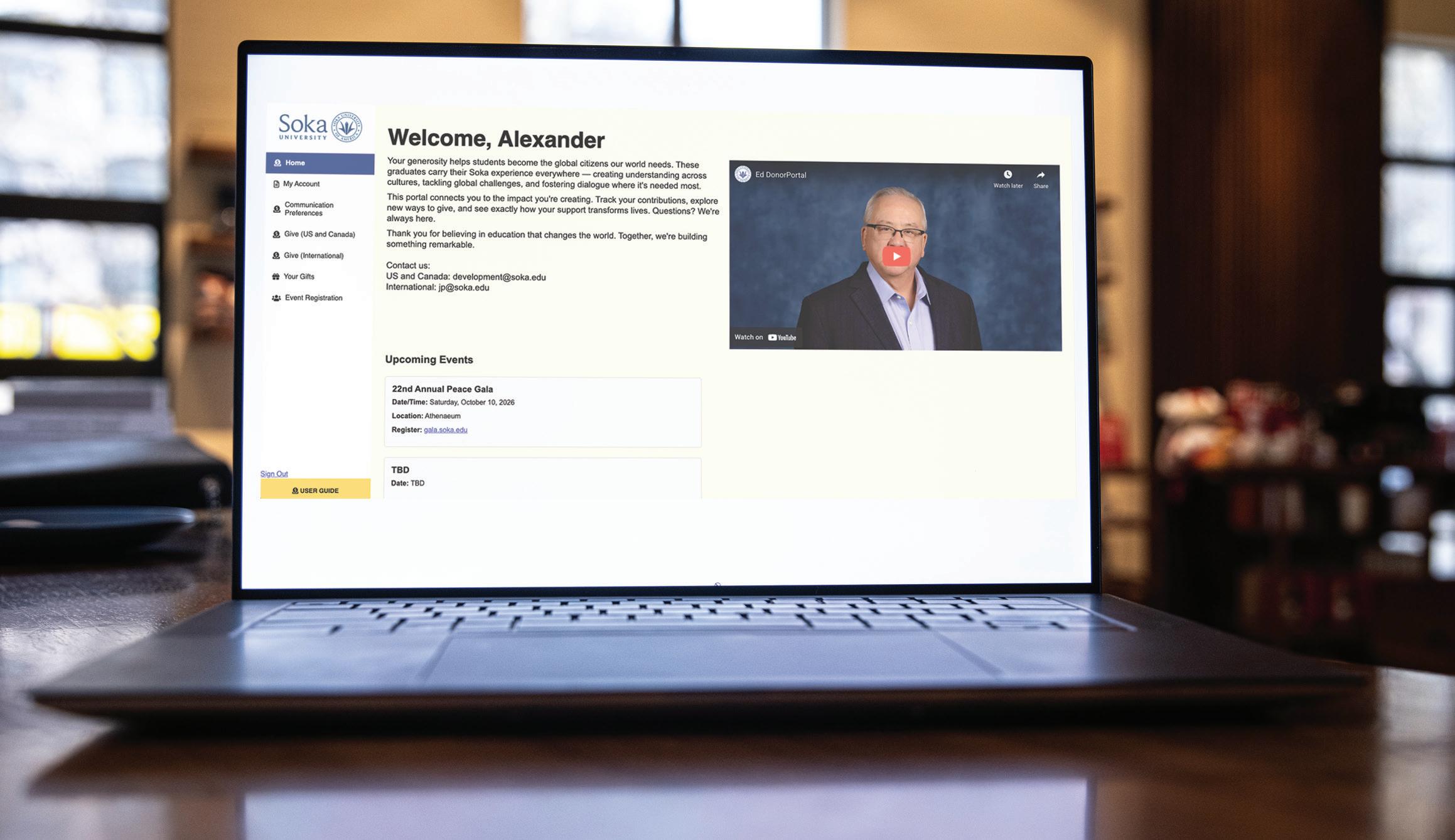
Soka University of America is launching a new donor portal in 2026.
The portal makes giving easier than ever and allows you to view your donation history and update your contact information.
Current Portal Users:
Watch for an email that includes your one-time PIN, which you’ll use to create your account in the new system.
New to the Portal?
If you don’t currently use the donor portal, you’ll be able to set up your new account at give.soka.edu starting in 2026.
Prefer to give another way?
You are always welcome to make donations by phone or by mail. To learn more about additional ways to give, visit soka.edu/support-sua.
Questions? Weʼre here to help:
Linda Kennedy – lkennedy@soka.edu | 949-480-4072
Melody Lowe – m.lowe@soka.edu | 949-480-4073
Thank you for your continued support of Soka University of America.
(continued from page 11)
My acceptance to SUA was monumental, but not the end of my struggles. In my first year, I was dealing with mental health issues, especially due to changes in cultural, academic, and other aspects of my life. I also felt guilty about experiencing such a beautiful and comfortable environment when my family was still stuck in their difficult circumstances, especially my mother, who I have always wanted to protect.
During this time, my psychology professor reached out to me. Initially hesitant, I started to share my life struggles and was surprised that she listened patiently and intently without any judgment. With her guidance, I learned that there is no known cure or medication for the mental health issues I was facing, so I decided to live a life of great value coexisting with this illness. I decided to treat it as a beautiful experience that can help me better understand people, rather than a negative and painful experience.

A peak moment during my time at Soka was traveling to Tokyo, where we met Daisaku Ikeda and sang our student song, “On the Path of Peace.” At this meeting, he shared that young people, especially those who have experienced the power of Soka education, should be absolutely victorious. He went on to explain that there are many who have
incredible power and money, but it is people with the heart of contribution and value creation who can use these resources for the betterment of society.
This experience left me feeling purposeful about the future, but I was still facing major obstacles. At one point I even faced losing my education because of finances. Although I felt hopeless at times, encouragement from Ikeda’s writings kept me moving forward. I started to redouble my efforts in academics, sports, and work, and I wrote thank you notes to my donors expressing deep gratitude for their contributions.
A few weeks later, I got a message saying that I was eligible to receive a full academic scholarship for the next three years. This was the beginning of the Soka Opportunity Scholarship. And this is when I determined that I would use my life to repay my debt of gratitude to SUA, all of our wonderful donors, and Mr. Ikeda.
Recently, I launched the DIG non-profit to have a greater social impact in society. This organization empowers school leaders, educators, students, and parents based on the ideals of global citizenship rooted in Ikeda’s philosophy of education.
The formation of this business and non-profit has not been without its adventures, betrayals, and triumphs. It has led to great things, including standing on this stage to encourage you to help others like me to succeed.
I am deeply grateful to Mr. Ikeda, donors, professors, and the incredible friends I made in the SUA community. It is difficult to imagine what my life would have been if I hadn’t had this opportunity.
I have realized that each individual has their own circumstances and skills. Even though we sometimes do not fully comprehend why we undergo certain experiences, it is in fact such experiences that prepare us for our mission. As I look back at my life, the experiences of violence, mental health struggles, financial challenges — these were the perfect set of situations to support me to do what I need to do today.
My education at SUA has profoundly transformed the course of my life. I am forever grateful for this incredible opportunity. If I may, I’d like to speak directly to our donors now. I ask you: please continue to change lives. Continue to give young people — those who will create peace and deep human connection in this world — the chance to transform their struggles into service, their pain into purpose. Your generosity creates value where there was nothing. Your donations bring forth fire from damp wood. Supporting a Soka student is so much more than helping one individual; it is planting the seeds of peace that will ripple across communities and generations.
Upon graduation, I founded DIG International, a college preparation program that has maintained close to a 100% success rate in securing student admissions to top global universities. The ideals of DIG — dialogue, inner transformation, and global citizenship — are deeply rooted in the ideals of Soka education. In fact, the last three SUA Founder’s Award recipients were part of the DIG program.









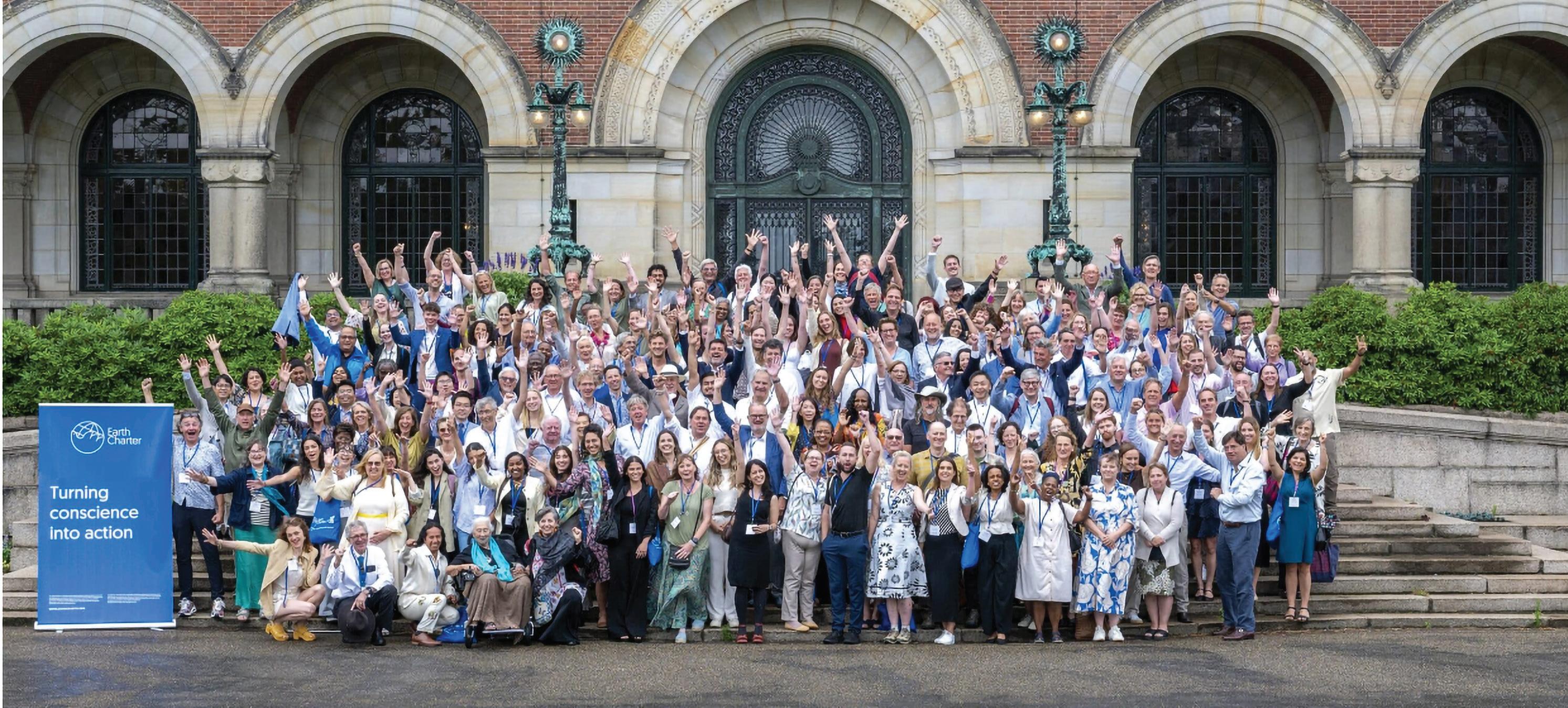



Twenty-five years ago, world leaders, scholars, and activists gathered in The Hague to adopt the Earth Charter, a landmark declaration weaving together human rights, ecological responsibility, and a shared global destiny. This July, 340 participants from 35 countries returned to mark the Charter’s anniversary and reflect on whether the world has lived up to its promise.
Among those invited to the three-day event was SUA President Ed Feasel, who participated in a plenary panel session on education and the Earth Charter. Speaking to an audience of educators, policymakers, grassroots leaders, and youth activists,
Feasel shared that “a global citizen is someone who creates value in their life and community by putting courage, compassion, and wisdom into action.”
The SUA delegation — which also included Professor of Latin American Studies and Soka Institute for Global Solutions (SIGS) Senior Research Fellow Ian Read and Visiting Assistant Professor of Peace and Conflict Studies and SIGS Managing Director Tetsushi Ogata — attended the anniversary event as part of the university’s increased emphasis on sustainability and ecological stewardship in the years since the pandemic. Over the past year, SUA reclaimed its STARS



Silver rating, which measures and encourages sustainability in all aspects of higher education, and established new partnerships between SIGS and the Soka Amazon Institute and Earth Charter International to expand curricular and research collaborations in sustainability education.
Looking ahead, Feasel emphasized SUA’s growing role in international sustainability education. “As part of this global network,” Feasel said, “SUA is committed to fostering leaders who see sustainability not only as environmental stewardship, but as a question of human dignity and justice. Together, we are shaping the values and vision needed for a more sustainable and humane future.”

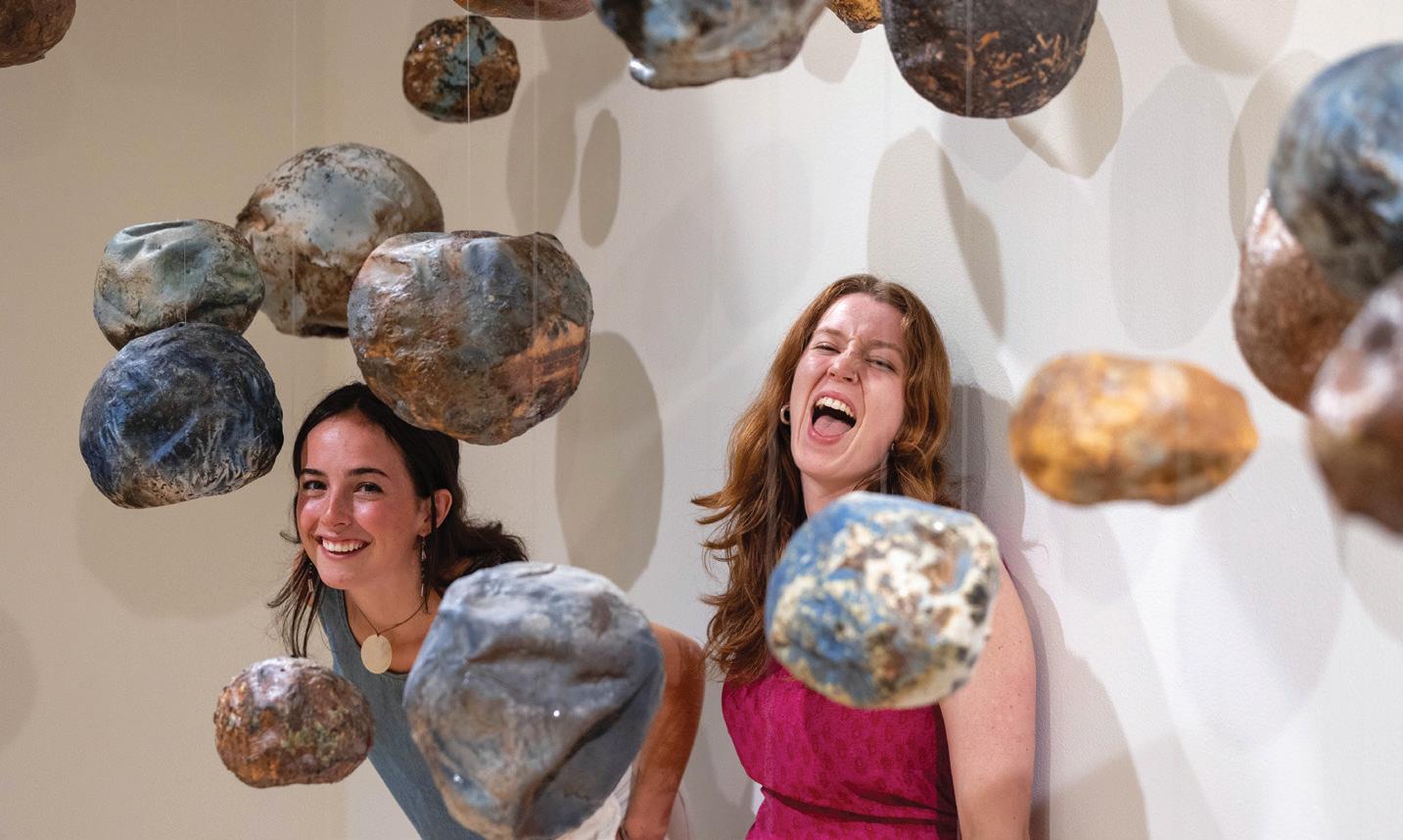
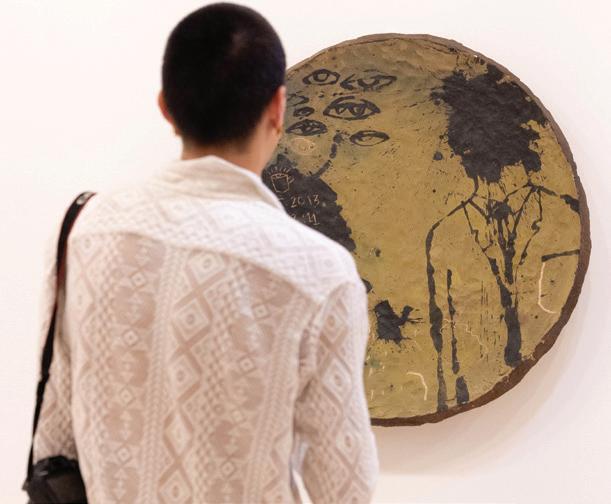
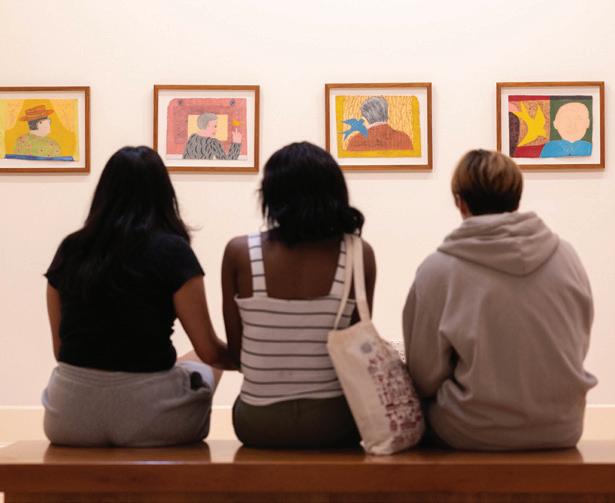
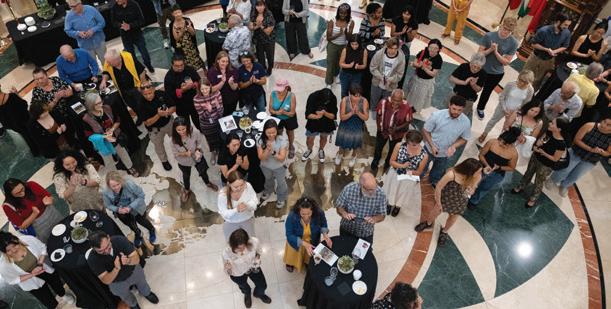
On September 18, Soka University of America celebrated the opening of “Stone Soup,” a new group exhibition curated by recent SUA graduates that will run through January 22, 2026, at Founders Gallery. The opening reception welcomed students, faculty, staff, and community members to experience artwork that explores the wisdom and value of intergenerational connection and community contribution.
The exhibit was co-curated by alumni Frances DePhillips ’25 of Boise, Idaho, and Shayla Rose-Brown ’25 of Sebastopol, California. As undergraduates, DePhillips and Rose-Brown brought their passion for art and community engagement
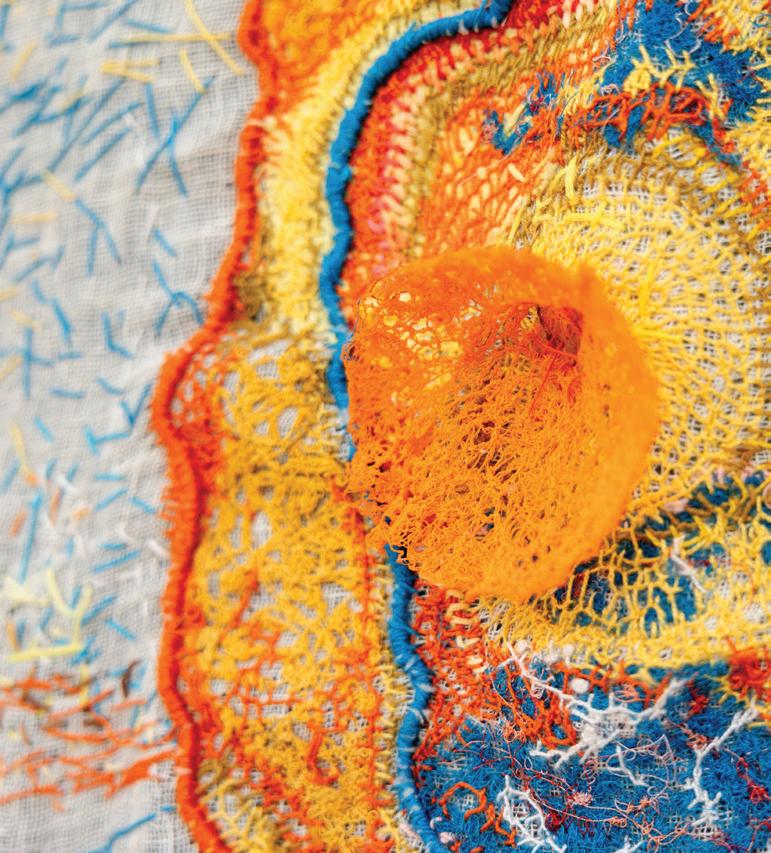
to this project, selecting works submitted by artists across Southern California.
For DePhillips, the curation reflected a lifelong belief in art’s ability to heal and connect individuals, communities, and ecosystems. Rose-Brown drew on personal experience using art therapy with her grandmother, who had dementia, an encounter that deepened her conviction in the power of art to bridge generations.
An exhibition that highlights our shared humanity, “Stone Soup” attests to the various ways SUA students and graduates are contributing meaningfully to society through art, dialogue, and compassion.




















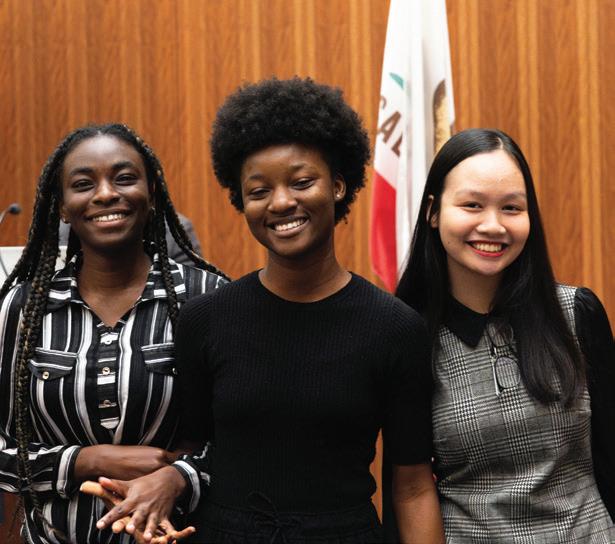
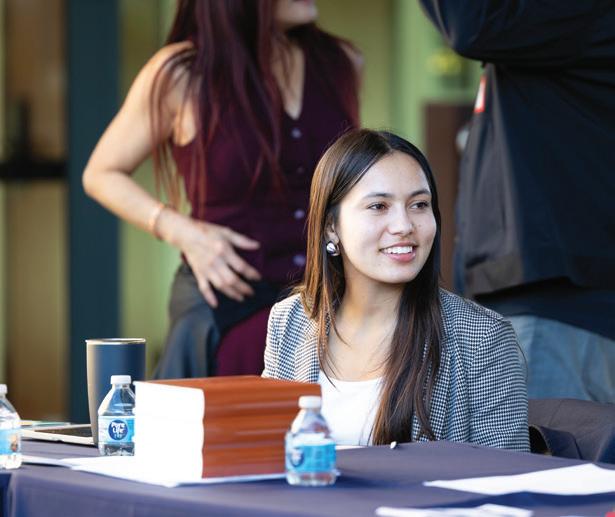
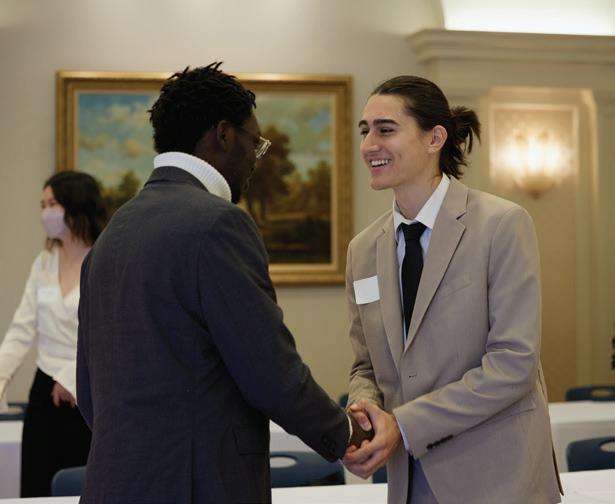
There is a clear trend among Soka students: while some will go directly to graduate school, 70-80% will enter the workforce upon graduation.
But in today’s rapidly shifting job market, even the most well-prepared graduates can feel uncertain about the next steps after earning their degree. To bridge this gap, SUA has launched the Career Hub, a new initiative designed to support students at every stage of their career development — from exploratory internships and graduate school applications to first jobs and entrepreneurial ventures.
“Whether students are seeking internships, preparing for graduate school, exploring career options, or launching their own ventures, the Career Hub ensures that no student will navigate this journey alone,” said SUA President Ed Feasel. “The Career Hub reaffirms our commitment to empowering our students to lead, contribute, and build peace wherever they go.”
Jonathan D. Wray, director of career development
and internships, said the establishment of the Career Hub was fueled by a desire to encourage students to begin preparing for their future careers during their first year at SUA, rather than waiting until their final year.
“With this mindset,” said Wray, “students can seek out and curate the necessary experiences, internships, and training throughout their four years at SUA, which will support them in landing their dream job or entering their graduate program of choice.”
The Career Hub is set to become a vital pillar of SUA’s mission of fostering students into global citizens who use their education to contribute to society. By making career development accessible, personal, and globally minded, the Career Hub will help ensure that every student has the tools and support needed to envision and build their post-graduation future with greater confidence, purpose, and courage to lead.
Publisher Soka University of America
President Edward Feasel, Ph.D.
Executive Editor Linda Kennedy
Editors Melody Lowe Nathan Gauer
Graphic Design Cathy Cervantes
Photography
SUA Photography O ce
Have You Moved Recently?
We would like to keep you informed of the wonderful news from Soka, so if you have a new address, please let us know by going to our website www.soka.edu/address-update or send an email to Dana Collins at dcollins@soka.edu or contact her directly at (949) 480-4020. If you know someone who has mentioned they no longer hear from Soka, please make sure they contact us so we can update their information.
SokaUniversityofAmerica CelebratingAVisionofPeace suayoungfounders (UG Alumni)

@sokauniv @suasohokai
1 University Drive
Aliso Viejo, California 92656
RETURN SERVICE REQUESTED
Sign up today to receive all news, events, and information from SUA by email.
www.soka.edu/subscribe
SUA offices will be closed December 24 through January 1.
To qualify as a 2025 tax deduction, please give online at give.soka.edu by 11:59 pm in your local time zone on December 31, or mail gifts postmarked by December 31.
If you need assistance while we are closed, please leave a message for Linda Kennedy at 949-480-4072 or lkennedy@soka.edu.