COINCIDE LIVING Shehryar Memon
"With every word we utter, with every action we take, we know our kids are watching us. We as parents are their most important role models."
-Michelle Obama
2022
pg.2 pg.3 pg.4,5 pg.6,7,8,9 pg.10,11 pg.12,13 pg.14,15 pg.16,17 pg.18,19 pg.20,21,22,23 pg.24,25 pg.26,27 Pg.28,29 pg.30,31
Abstract Project Title Idea Mapping Site Analysis Principles & Values SWOT Analysis Precedent Studies Massing Plan & Site Development Plans Site Plan Elevation Sections 1:50 Model + Digital
Content Portfolio Index 01
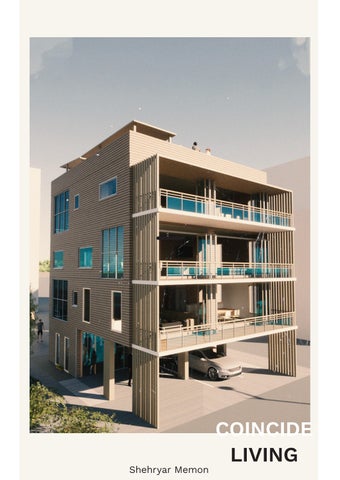
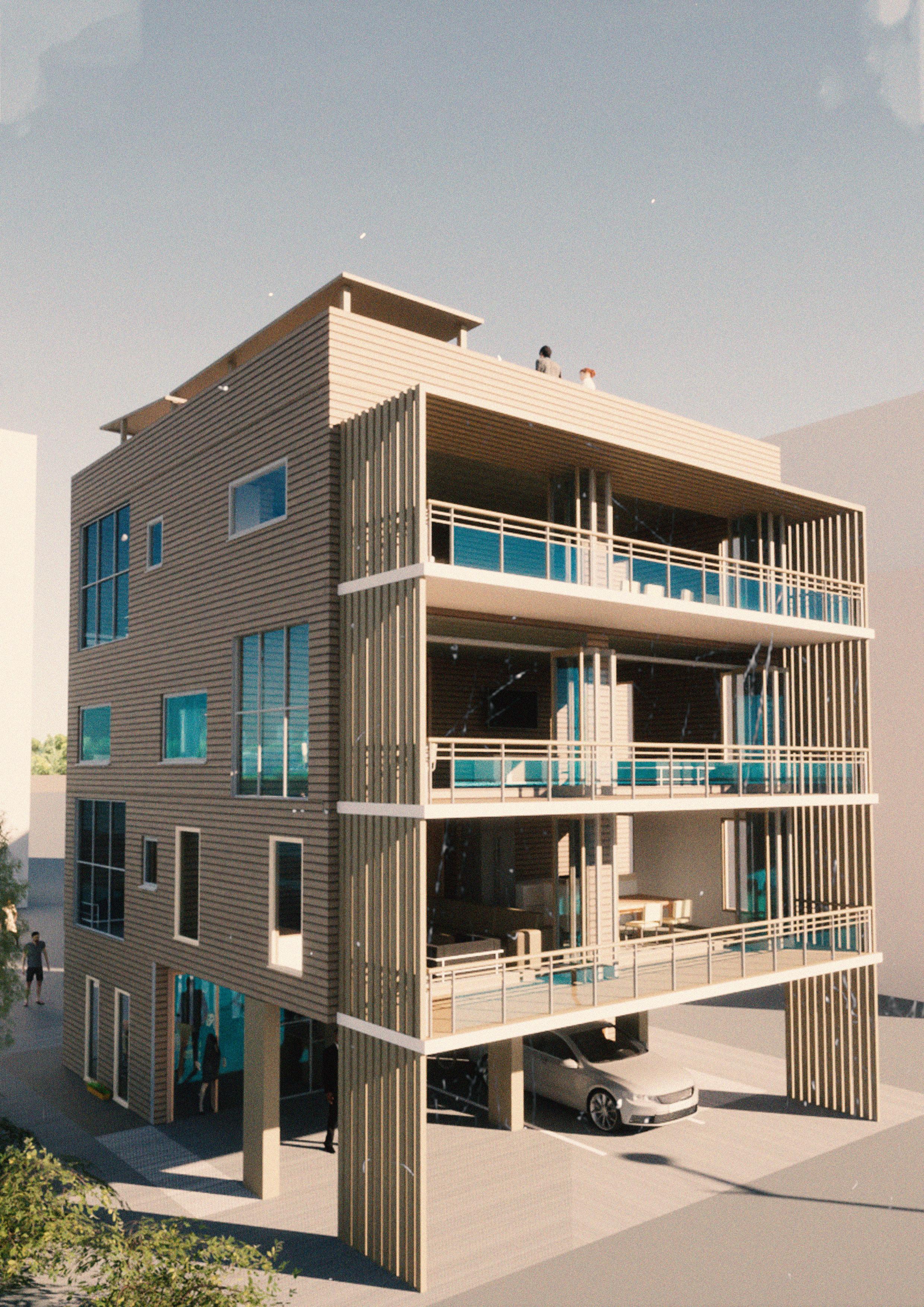
AbstractThis project investigates the concept of shared spaces and intergenerational living in relation to the Rotorua community. The goal of this initiative is to unite many generations so they can live together in harmony. The aim is to develop flexible housing layouts that would encourage residents to share experiences with one another. To solve this gap, the proposal is to create four to five-story residences with communal areas for residents of both the public and private sectors.
02
COINCIDE LIVING
03
Idea Mapping
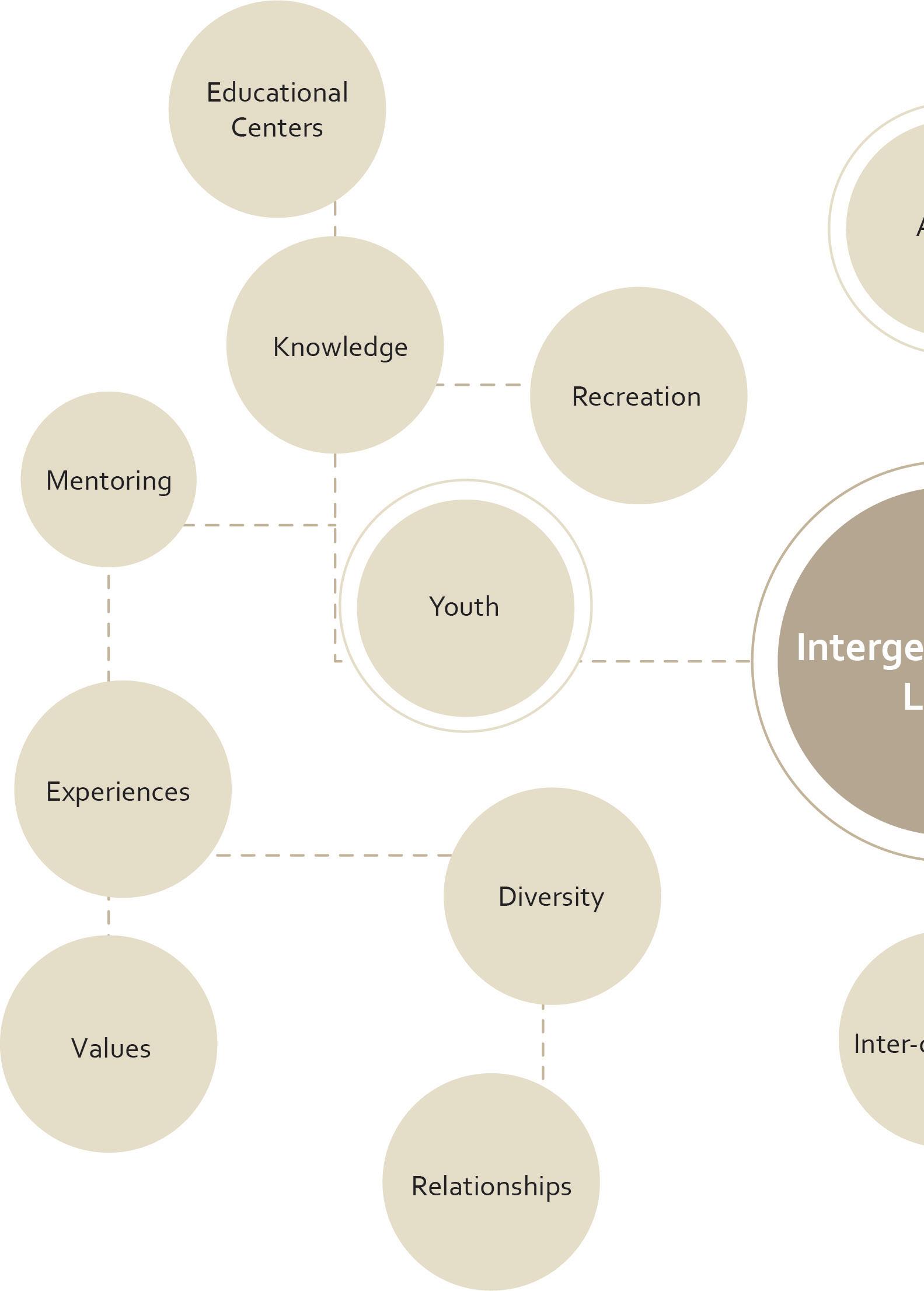
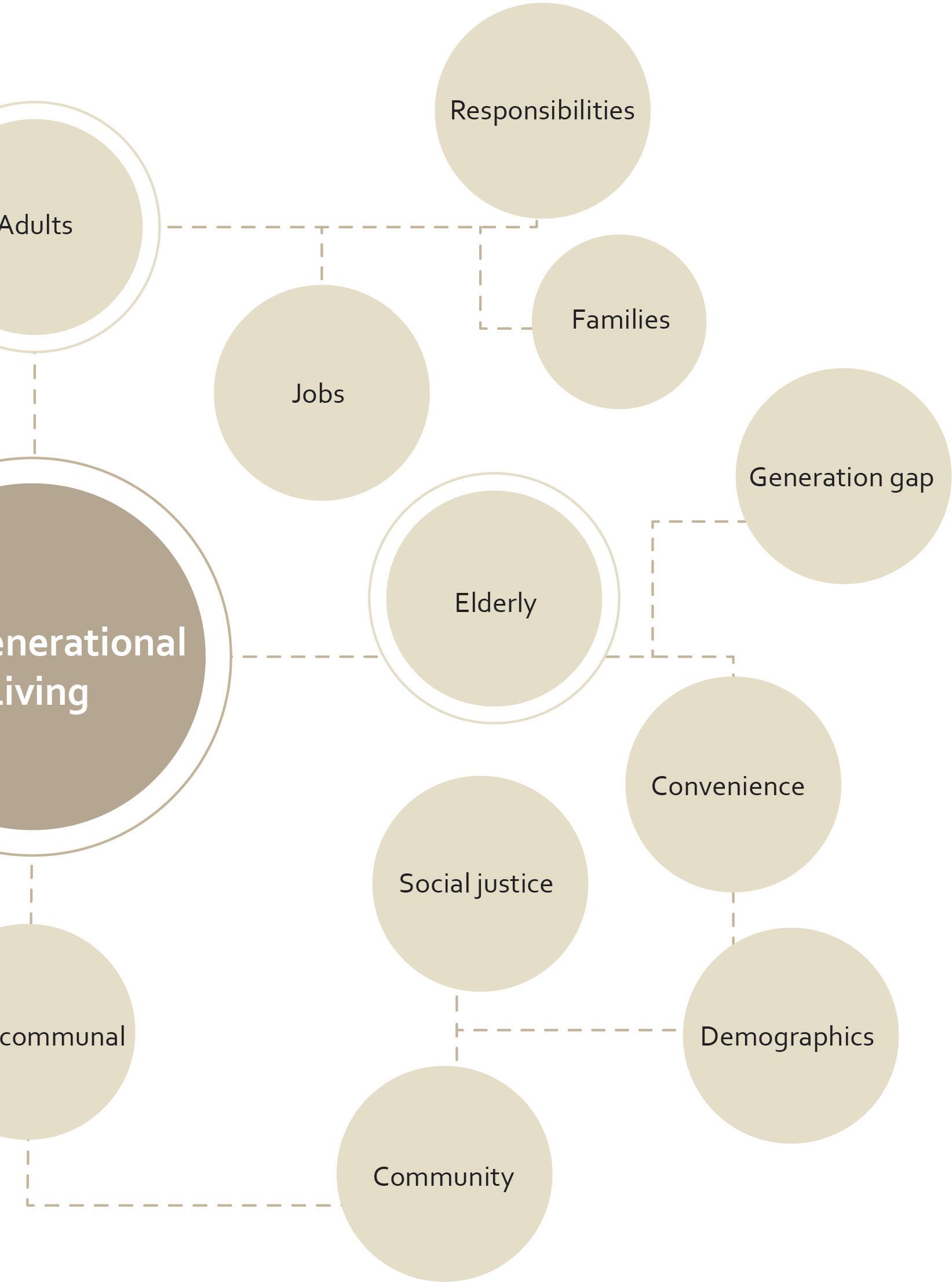
Unpacking the concept of Intergenerational living
04
The concept of intergenerational living is further defined by these essential words. When developing this project, these are taken into account.
05
Site Analysis
Rotorua CBD
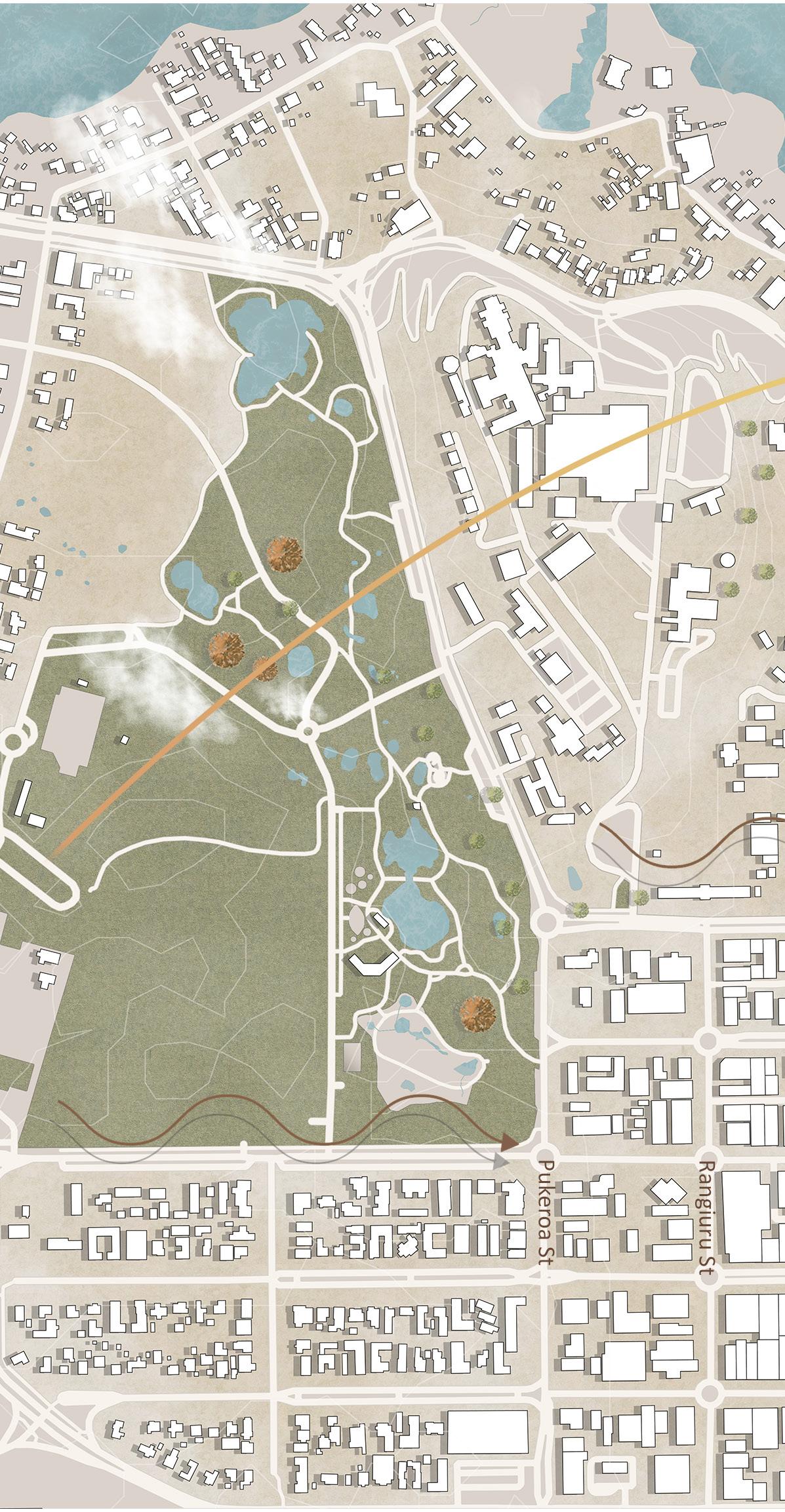
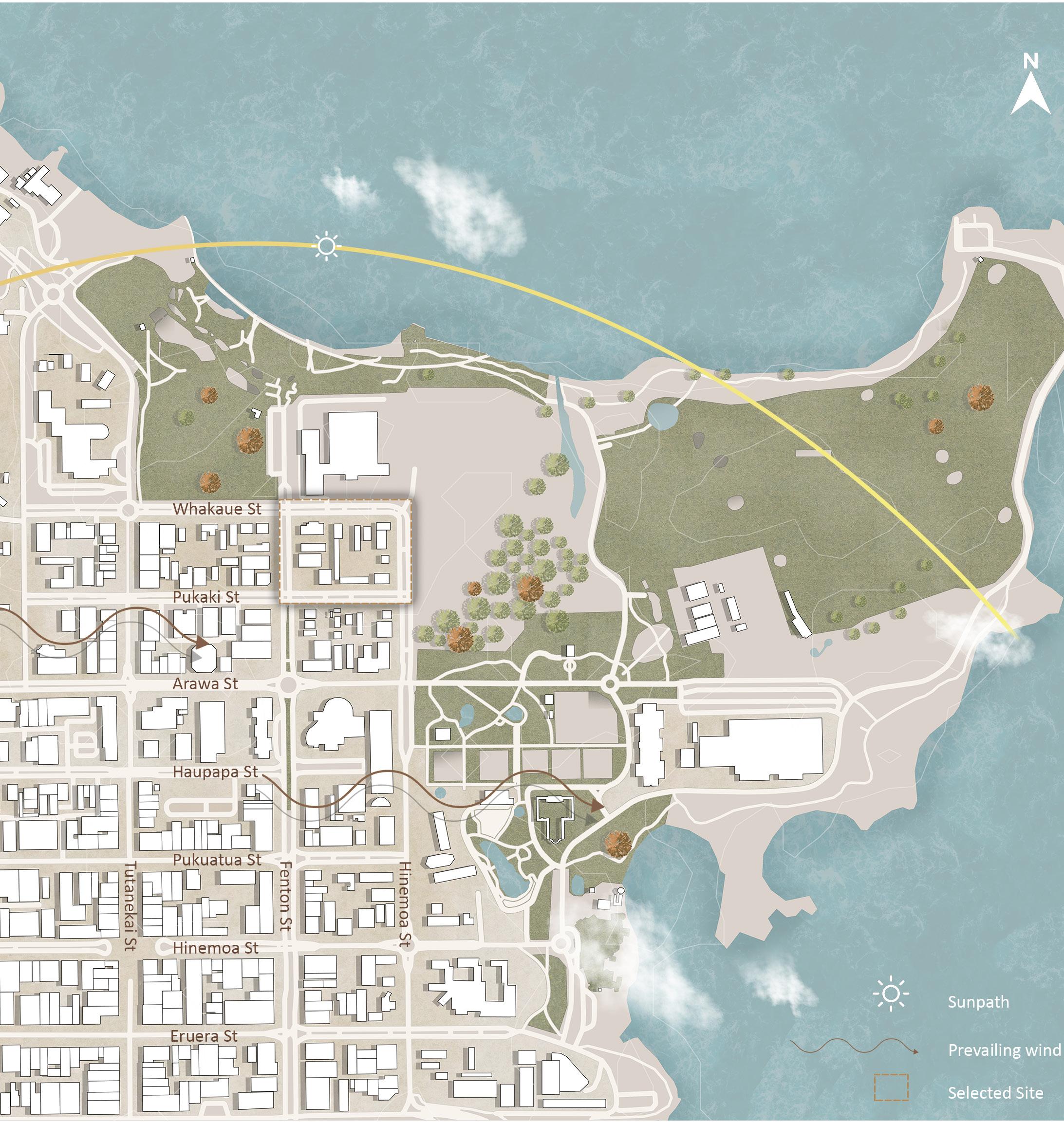
This analysis displays the Rotorua CBD in perspective. The image illustrates both the prevailing wind and the sun's path across the CBD. In this image, the relation between the land and Lake Rotorua is also apparent.
06
07
Lake Rotorua
Site Analysis
Identifying
08
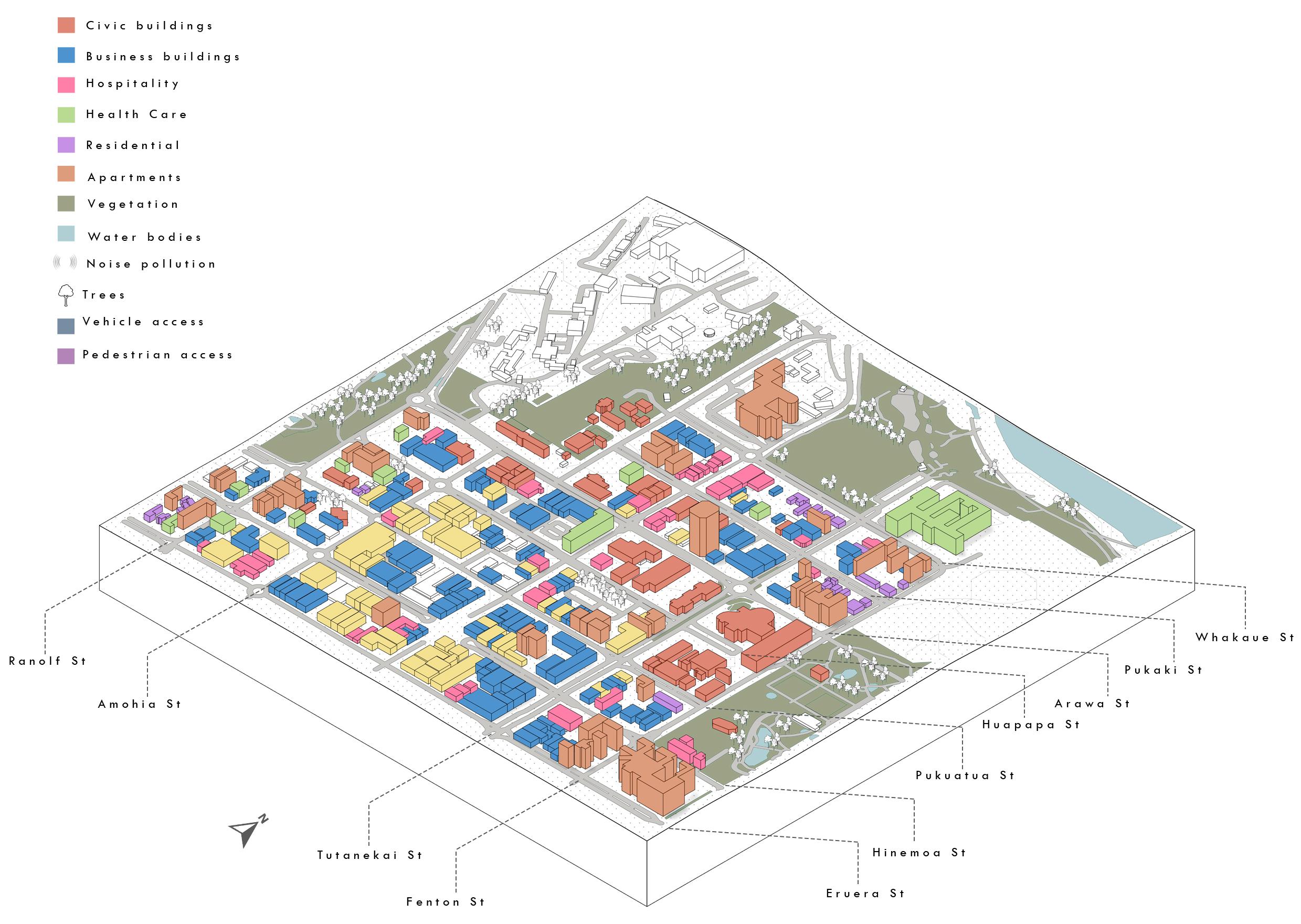
the inhabitance of Rotorua CBD
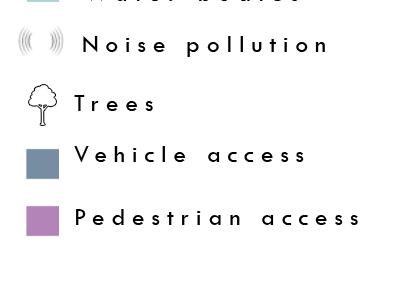
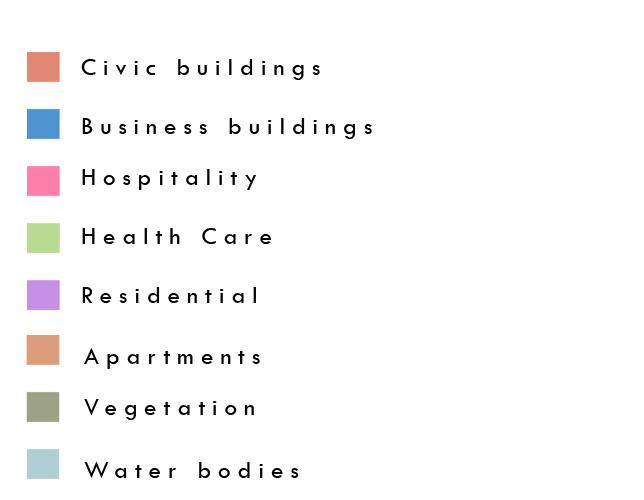
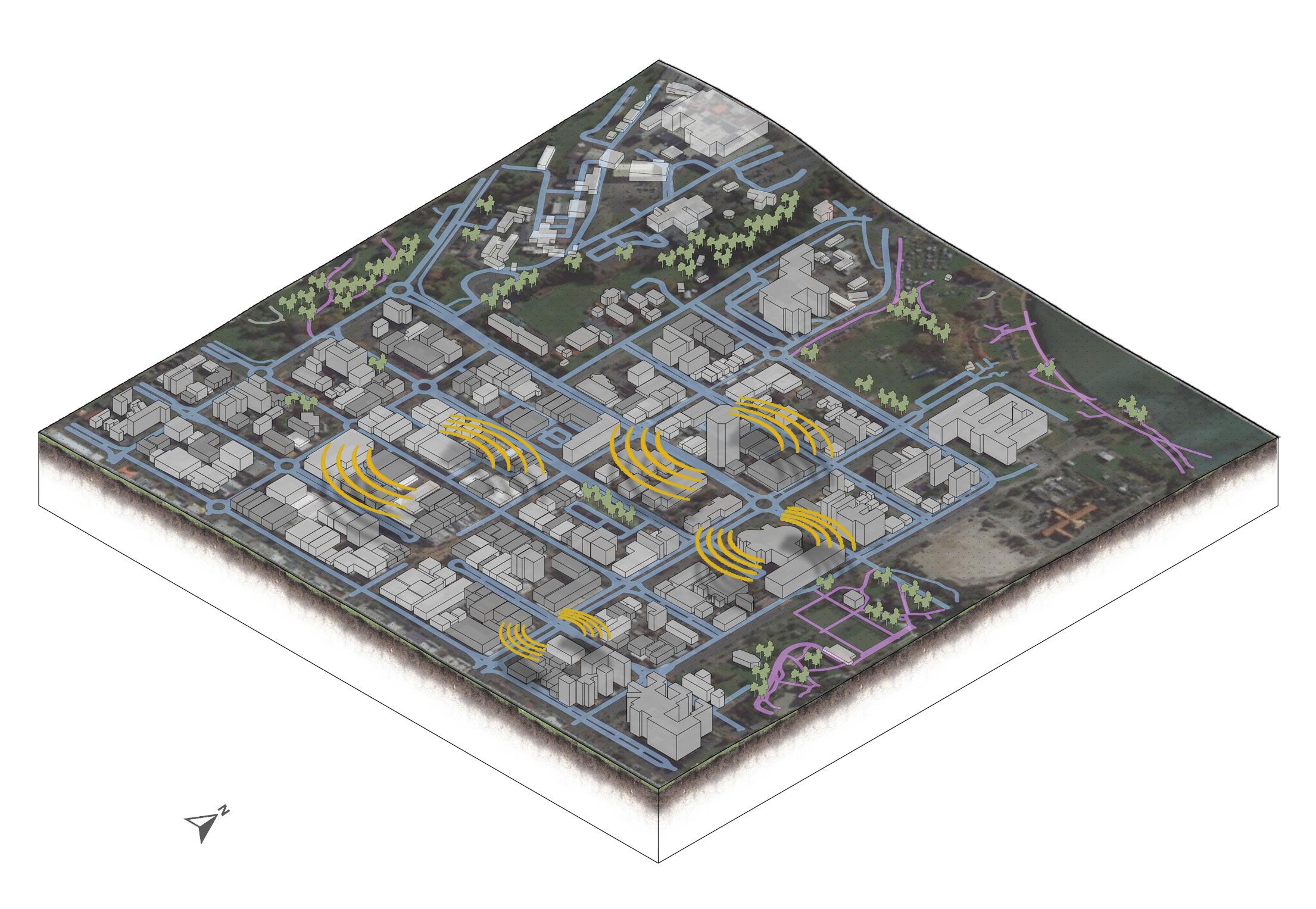
This analysis reveals what the Rotorua CBD is comprised of. The majority of areas are included, covering access routes, vegetation, and building types. This analysis demonstrates that the CBD has a very small amount of residential accommodation. However, this shows the city's potential for residential development and densification. The objective of Rotorua's district revitalisation as a whole is tied to the idea of residential growth. Which is the aim of the brief.
09
Mauri Ora Compass
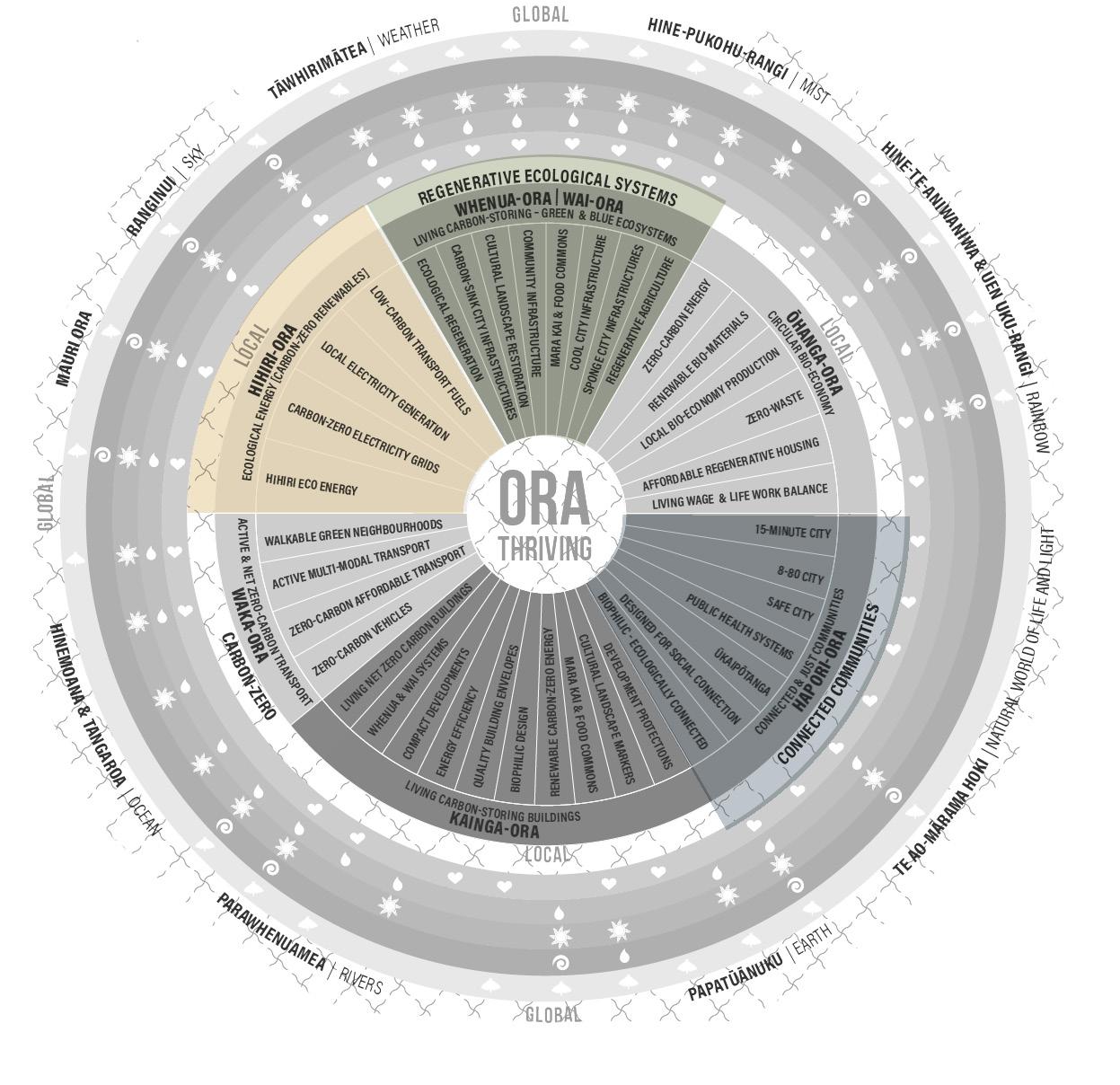
1.Igniting the wellbeing of all lifeforms.
Enliven the city by creating more intensive development within the CBD to support the long-term well-being of inhabitants living and work ing in this region.
2.Activation of the mauri through regenerating environments.
Activate the mauri by creating regenerative environments within the CBD to support indigenous wildlife and promote biodiversity.
3.Generating access to better opportunities.
Generate opportunities to support tangata whenua aspirations for better access to housing, education and employment within Rotorua.
Principles
HĀ WHAREWHENUAPORI 10
aranga
MANAAKITANGA
The ethic of holistic hospitality whereby Mana Whenua have inherited obligations to be the best hosts they can be.
WHANAUNGATANGA
A relationship through shared experiences and working together which provides people with a sense of belonging.
WAIRUATANGA
The immutable spiritual connection between people and their environments.
KOTAHITANGA
Unity, cohesion and collaboration.
Demonstrating holistic and planetary well being actions. doing what is promised and engaging with principles.
ACTION SERVABILITY
Acting and designing in a way that serves the users, the community and all future interactions with any architectural interventions made in Rotorua.
Values Te
11
SWOT Analysis
Factors that will help the strategy
STRENGTHS:
•Increase housing within the CBD
•Increase commercial revenue
•Increase foot traffic and activity within the area
•Add more infrastructure in a ‘dead city’
•Increase resident’s accessibility to the CBD
•Adding ecological corridors to increases biodiversity
•Convenience and Walkability
•Creating a ‘15 minute city’
•Generate a sense of community pride
•Increase in social interaction
•Providing more jobs and business opportunities
•Taking action against climate change by limiting the use of private vehicles
•Increasing the use of bikes and other modes of transport
•Providing more amenities and recreational activities
•Encouraging local events in public spaces and parks
•Enhancing existing infrastructure
•Making Rotorua safer to wander around at night
•Possibility of getting over crowded
•Hard to control noise especially when more nightlife is added to the city
•Having no private backyard and frontyard
•Land and Businesses Owners properties being affected
•People at ground level losing view shafts of nearby Maunga and Lakes
•Businesses outside the CBD will be affected due to people staying within Central Rotorua as amenities will be within walking distance
•Encouraging local events in public spaces and parks
•Enhancing existing infrastructure
•Making Rotorua safer at night
WEAKNESSES: 12
•Maintain Rotorua’s tourist destination appeal •‘15- minute city’ concept will serve young and aging population •Housing opportunities for young people and first home buyers •Population increase •International tourist destination •Modern and unique infrastructure •Increase indigenous ecological areas that can assist the growth of biodiversity •Decrease the use of vehicles •The opportunity to get the local communities closer to each other •Retell the history of Rotorua and the story of the Patupaiarehe •Minimize Rotorua’s contribution to climate change •Transforming roads in to shared access •Increase permeable surfaces and indigenous landscaping of the city •Residential growth •Economic growth •Affordable housing •Residents may be apprehensive to changes •Current land and business owners opposing the idea of demolishing their property •Overpopulation •Losing Rotorua’s ‘Identity’ •Losing Rotorua’s local residents •Large families that prefer low density housing THREATS: OPPORTUNITIES: 13
Precedent Studies
Sosu Architects
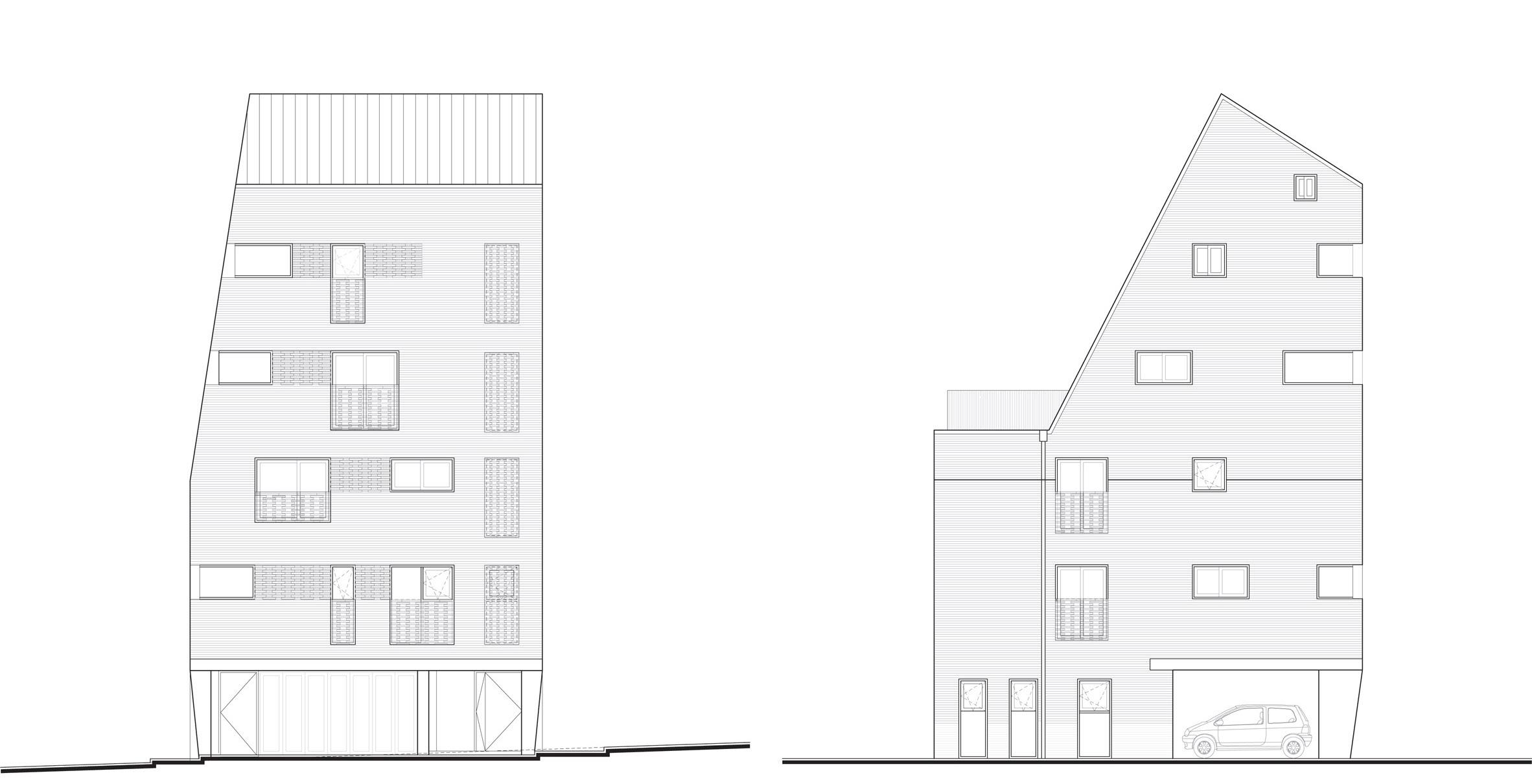
This projects strategy is to distribute diverse functions amongst apartments produces a living situation that relies on sharing while increasing the efficiency of the internal architecture.
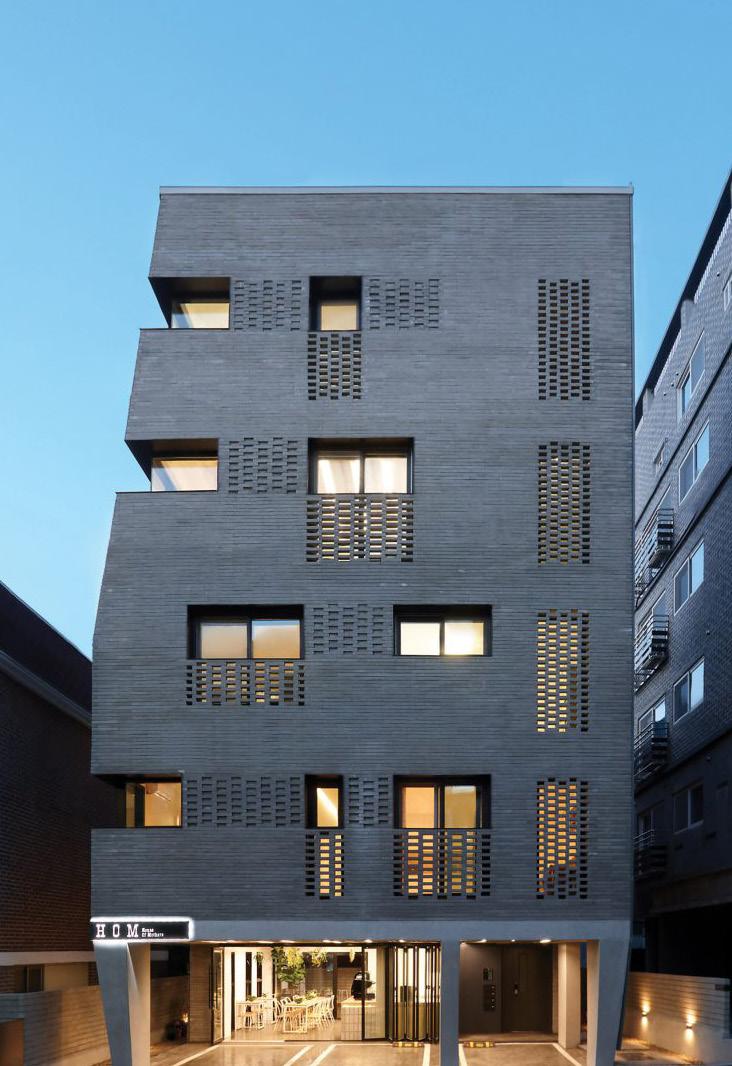
According to the architects, the building offers an acceptable solution to addressing the requirement for highdensity housing without compromising internal space quality or negatively harming the neighbourhood.
Sourcing relative ideas 14
Figure
1
House of mothers
Sosu,A.(2018) Sosu,A.(2018) Figure 2 . HOM Elevations Sosu,A.(2018).House of mothers.[Photograph].Dezeen. https://www.dezeen.com/2018/01/06/sosu-architects-brick-clad-multi-generational-house-seoul-south-korea-architecture/
Anthem Homes
is critical to include
and kitchens/
when planning an intergenerational home. Even though there are more individuals living together, everyone has their own area. If properly planned, these extensions have the potential to be utilised as rental opportunities for longterm tenants or Airbnb in the future.
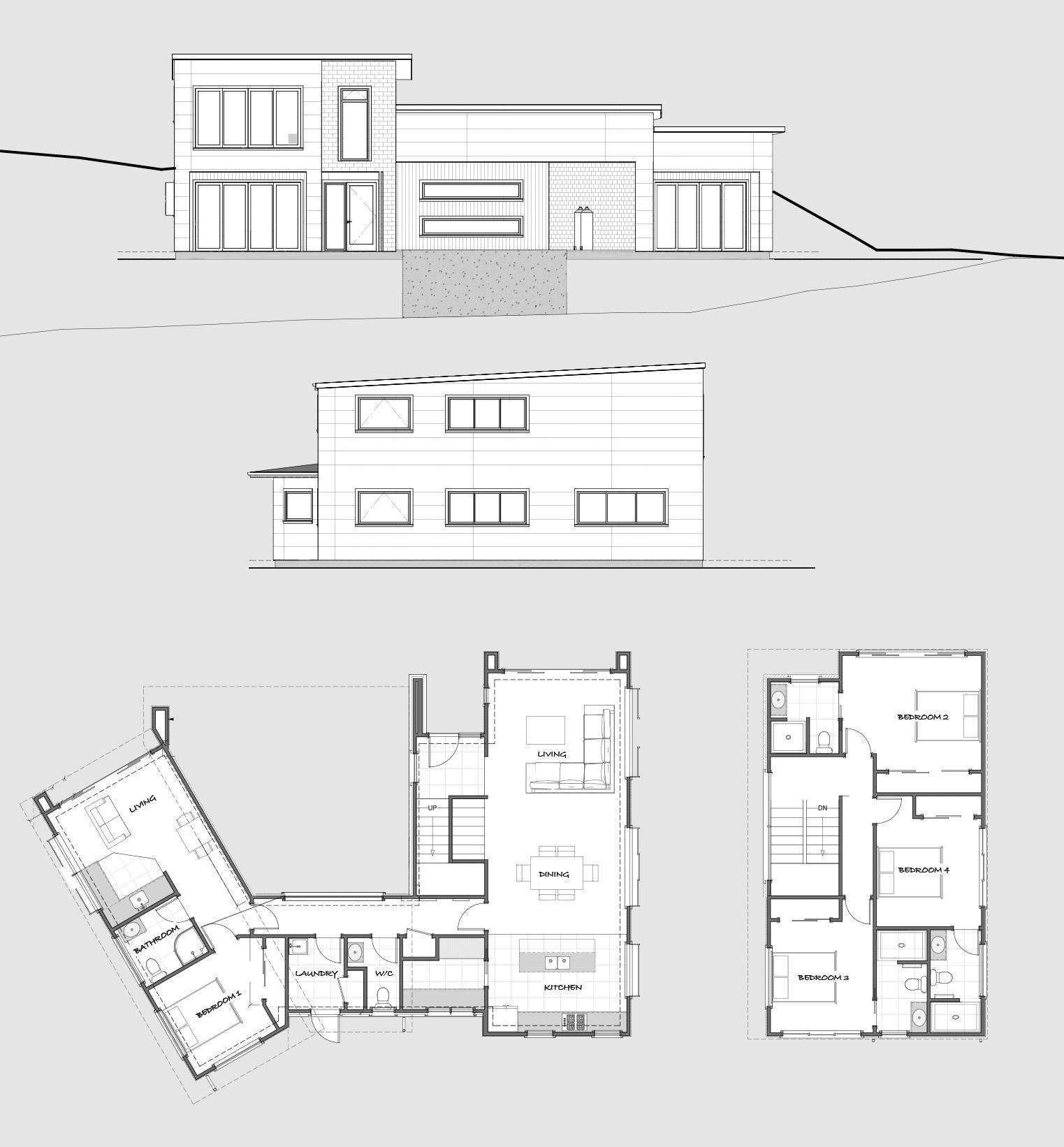
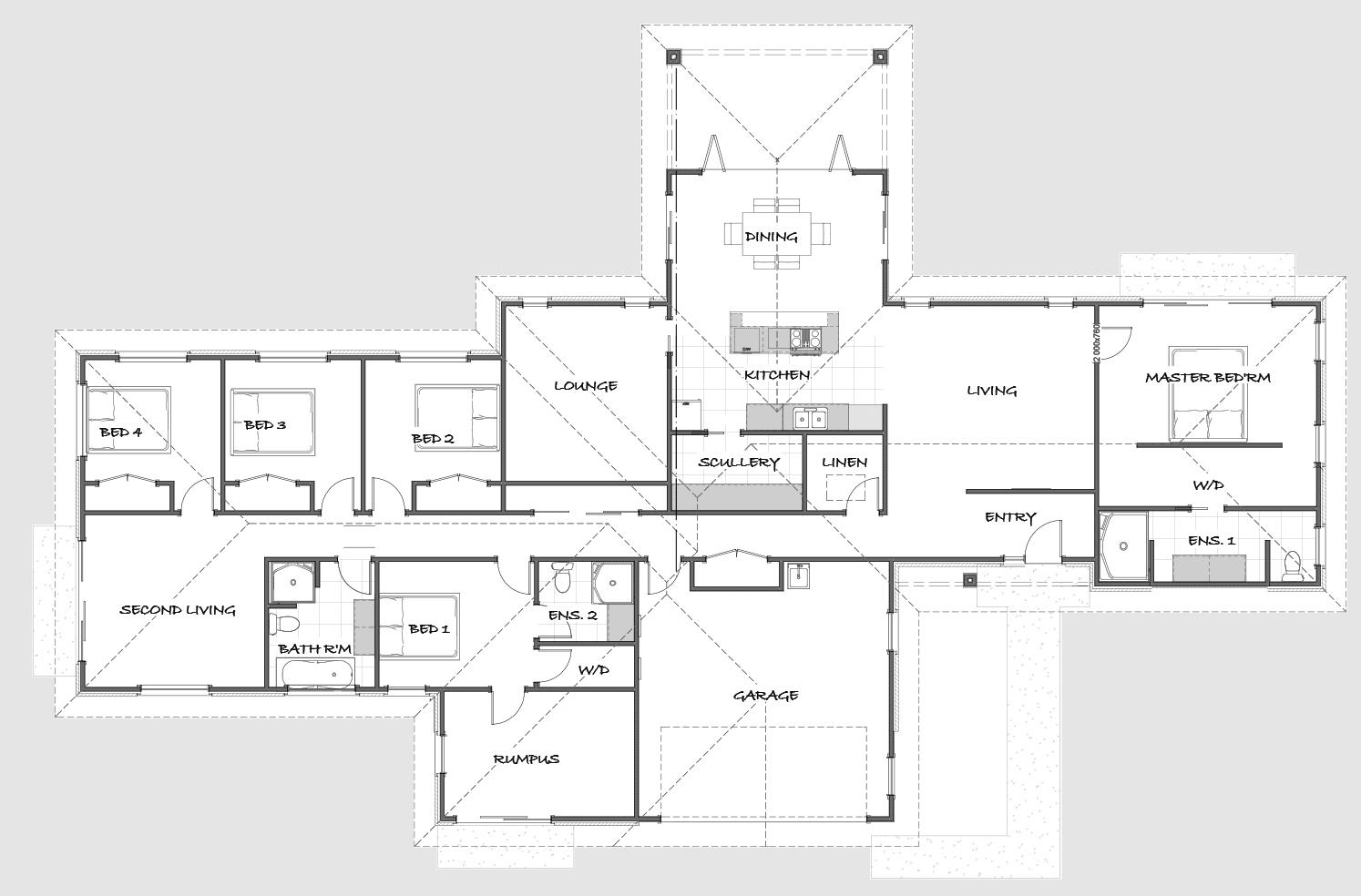
It
separate living areas, bathrooms,
kitchenettes
15 Figure 1 Multipurpose livingAnthem,H.(2020) Figure 2 Multi-generational livingAnthem,H.(2020) Anthem,H.(2020).Intergenerational living.[Diagram].Anthemhomes.https://www.anthemhomes.co.nz/insight/intergenerational-living/
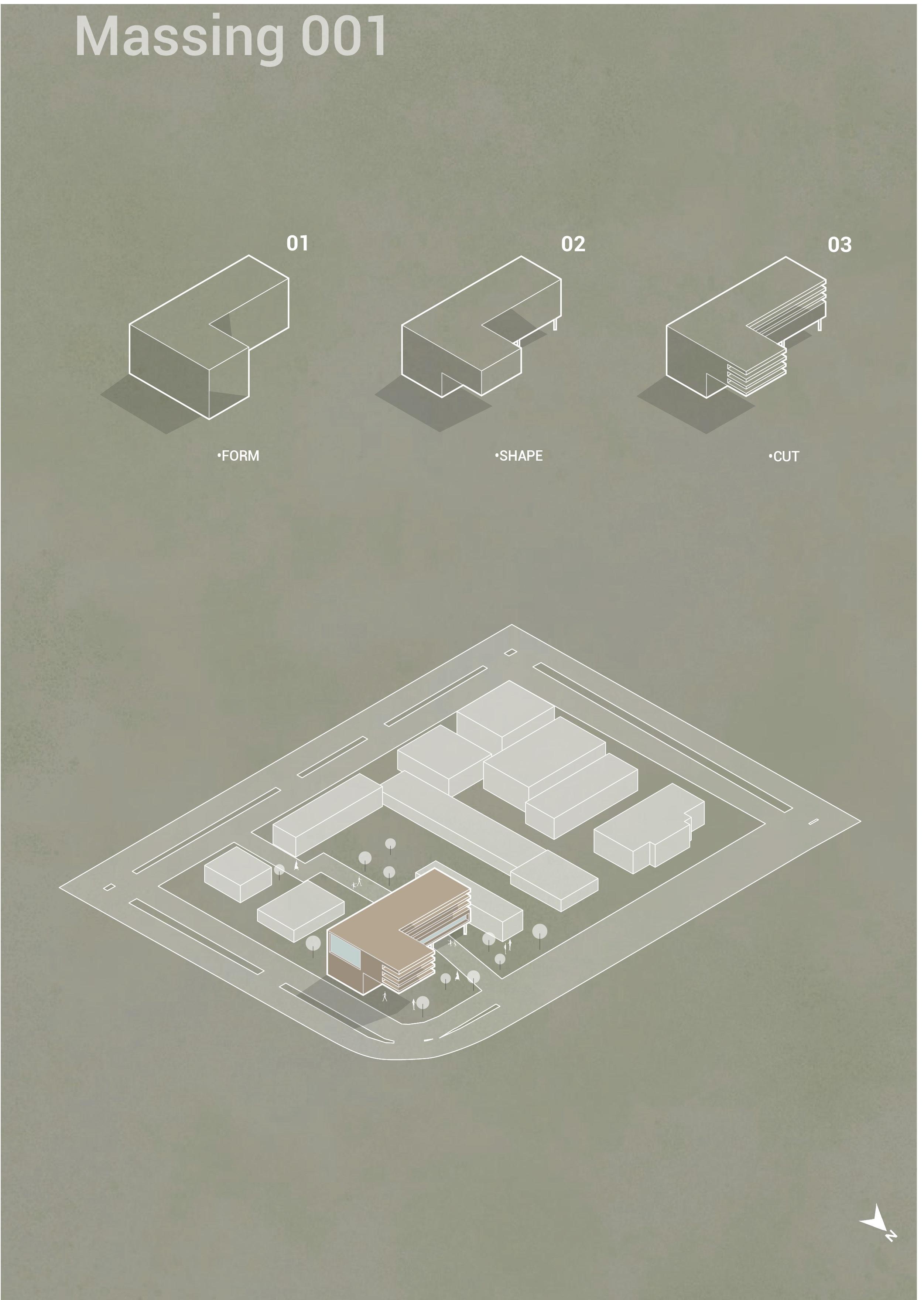
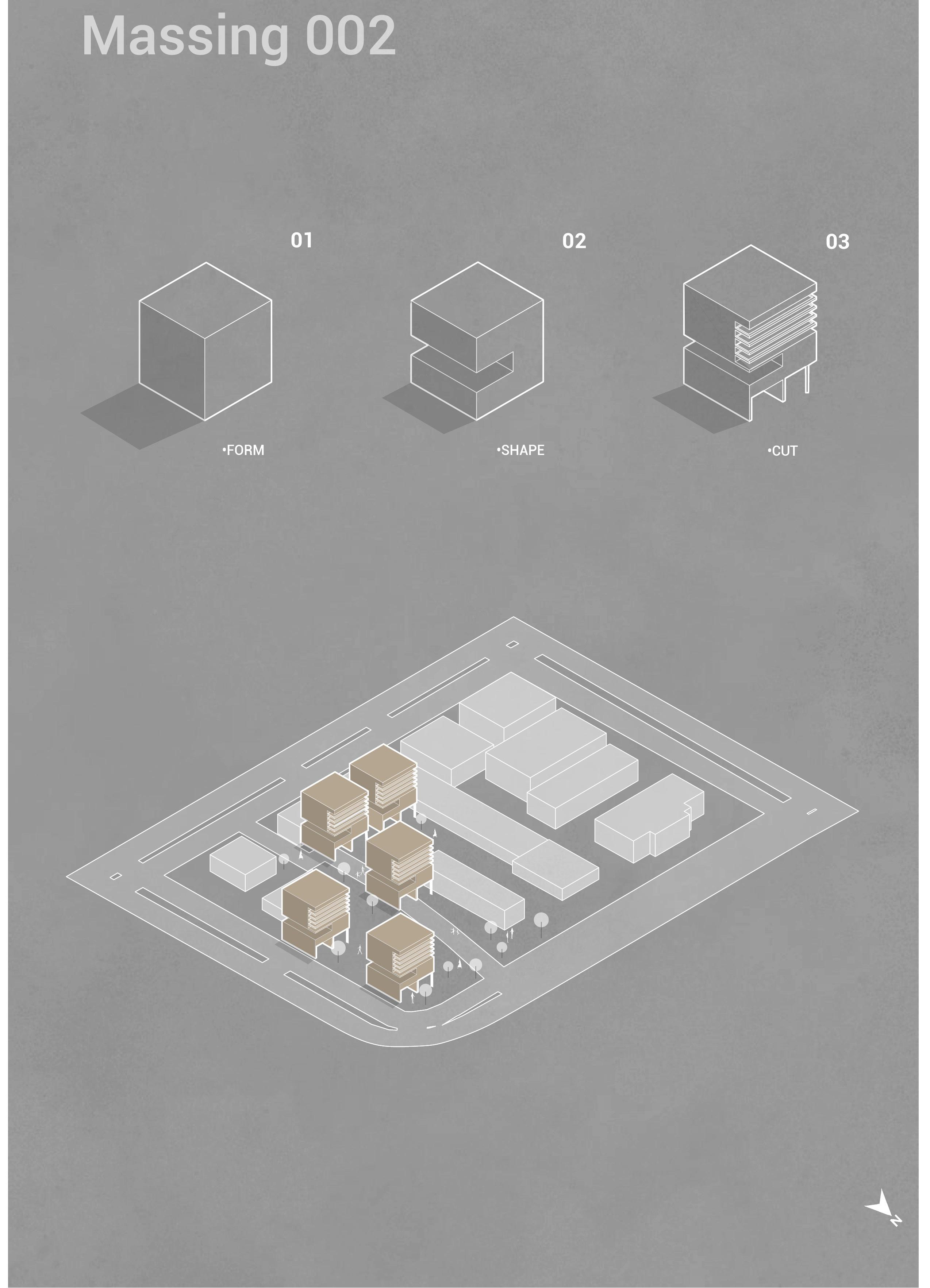
Massing
Potential massing on the selected site
16
17
Plan Development
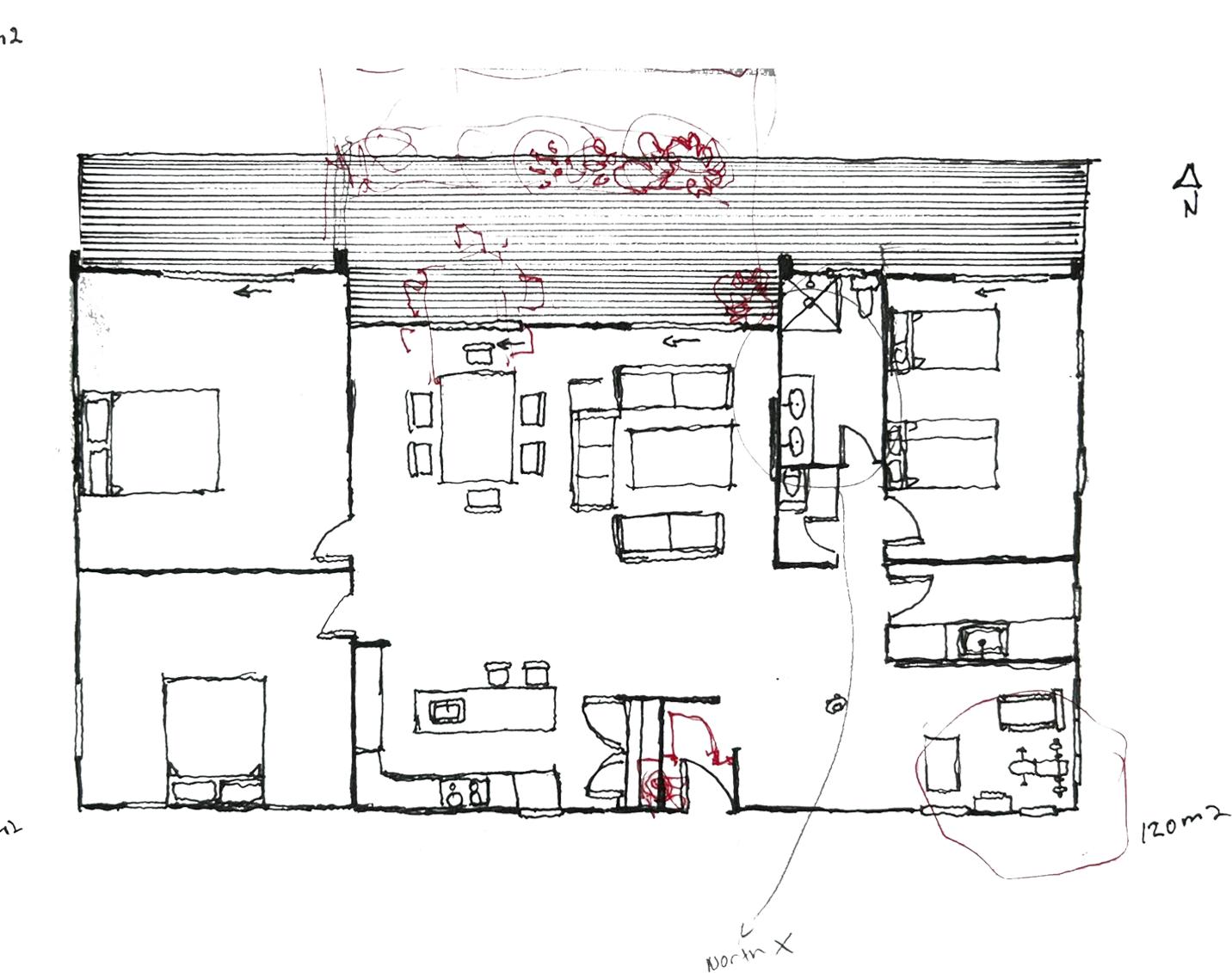
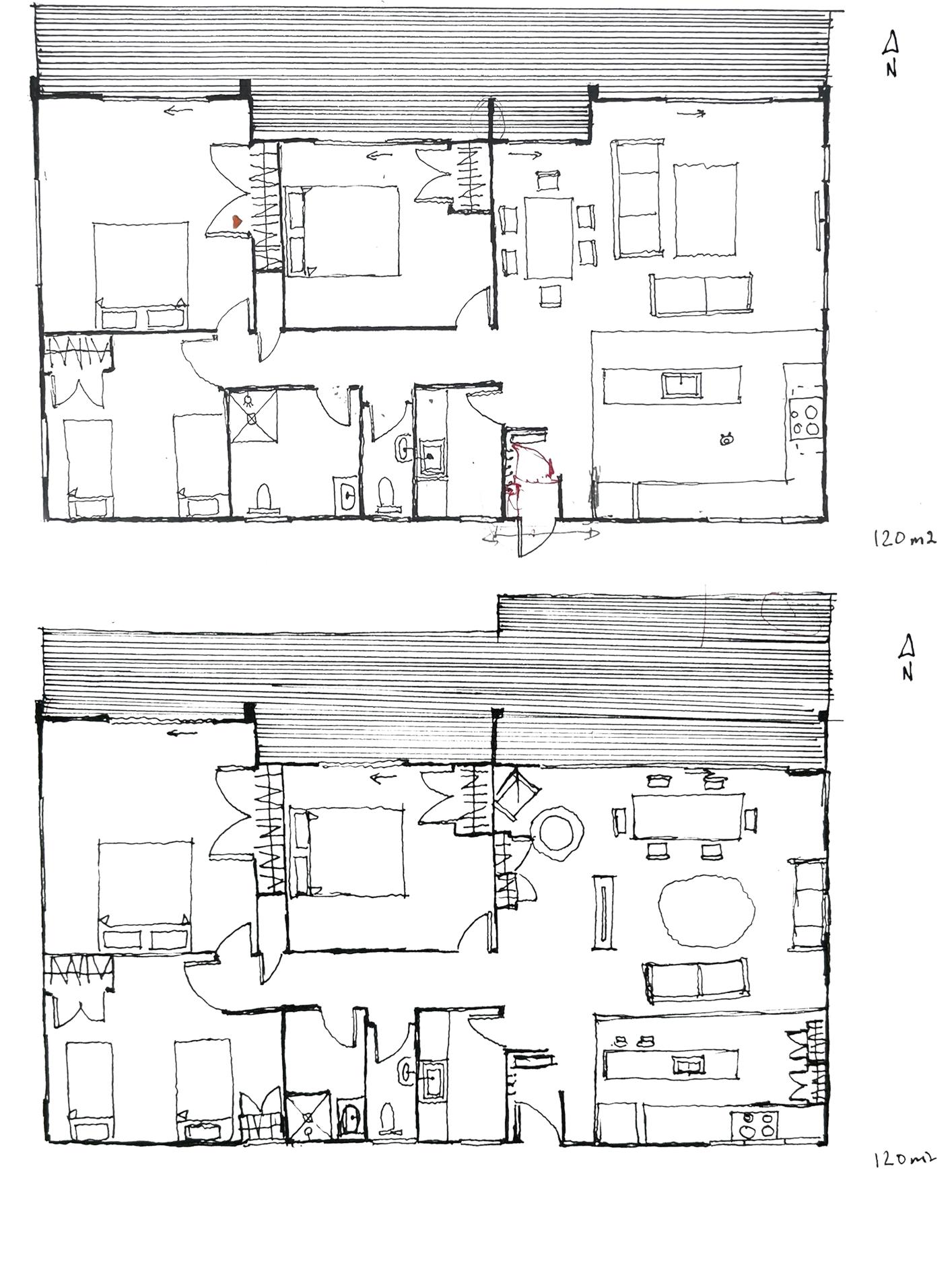
Trialing plan layouts
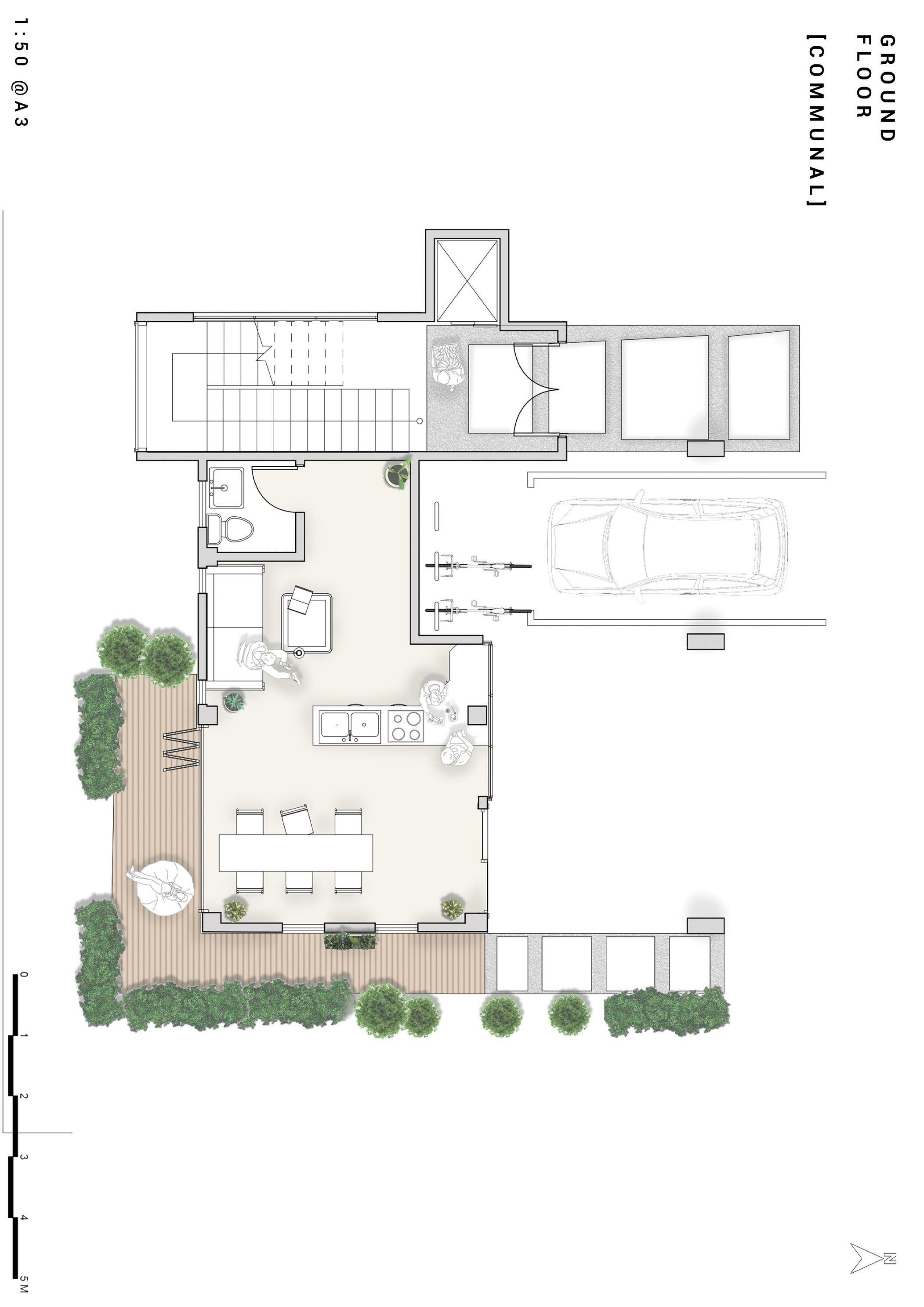
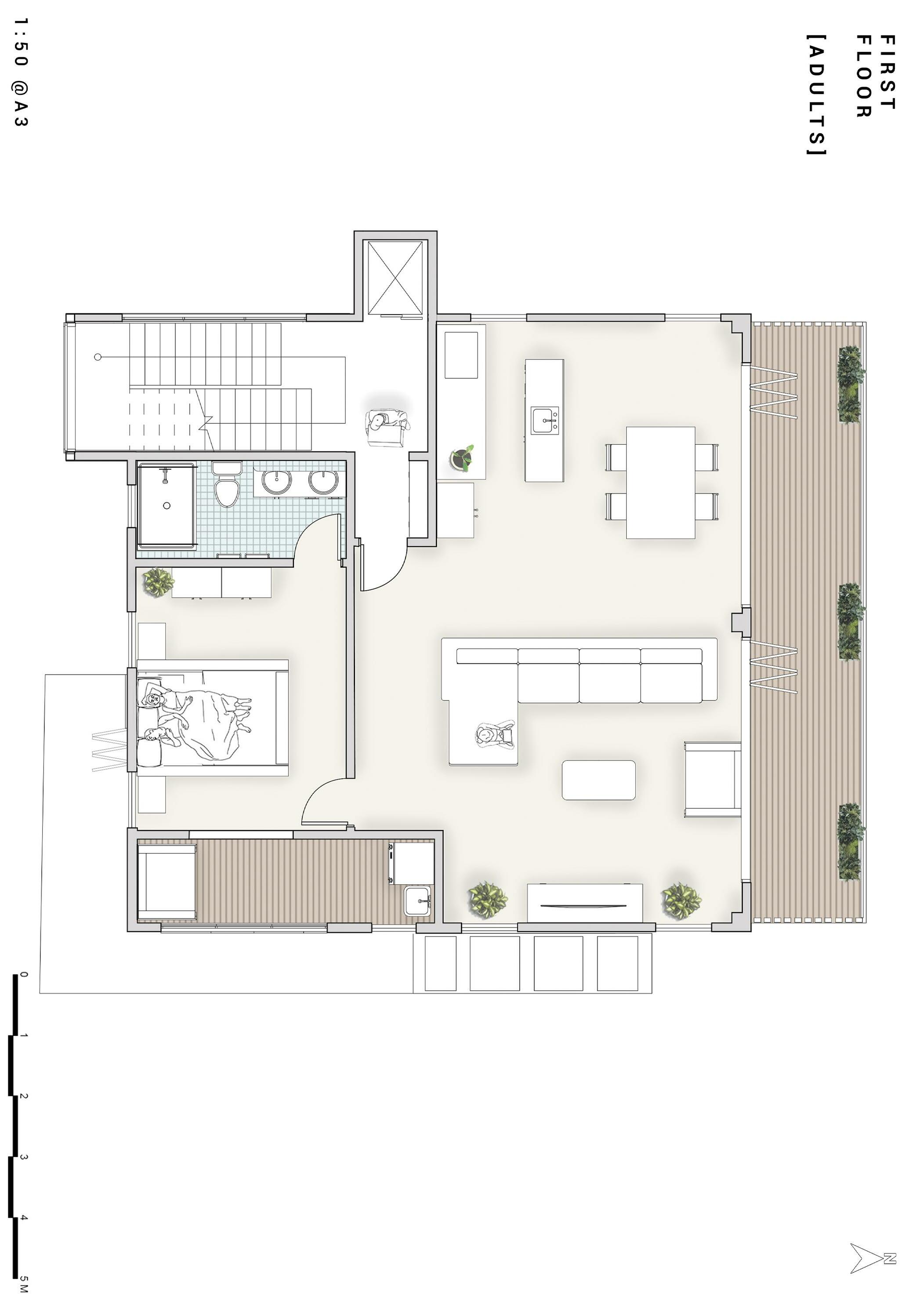
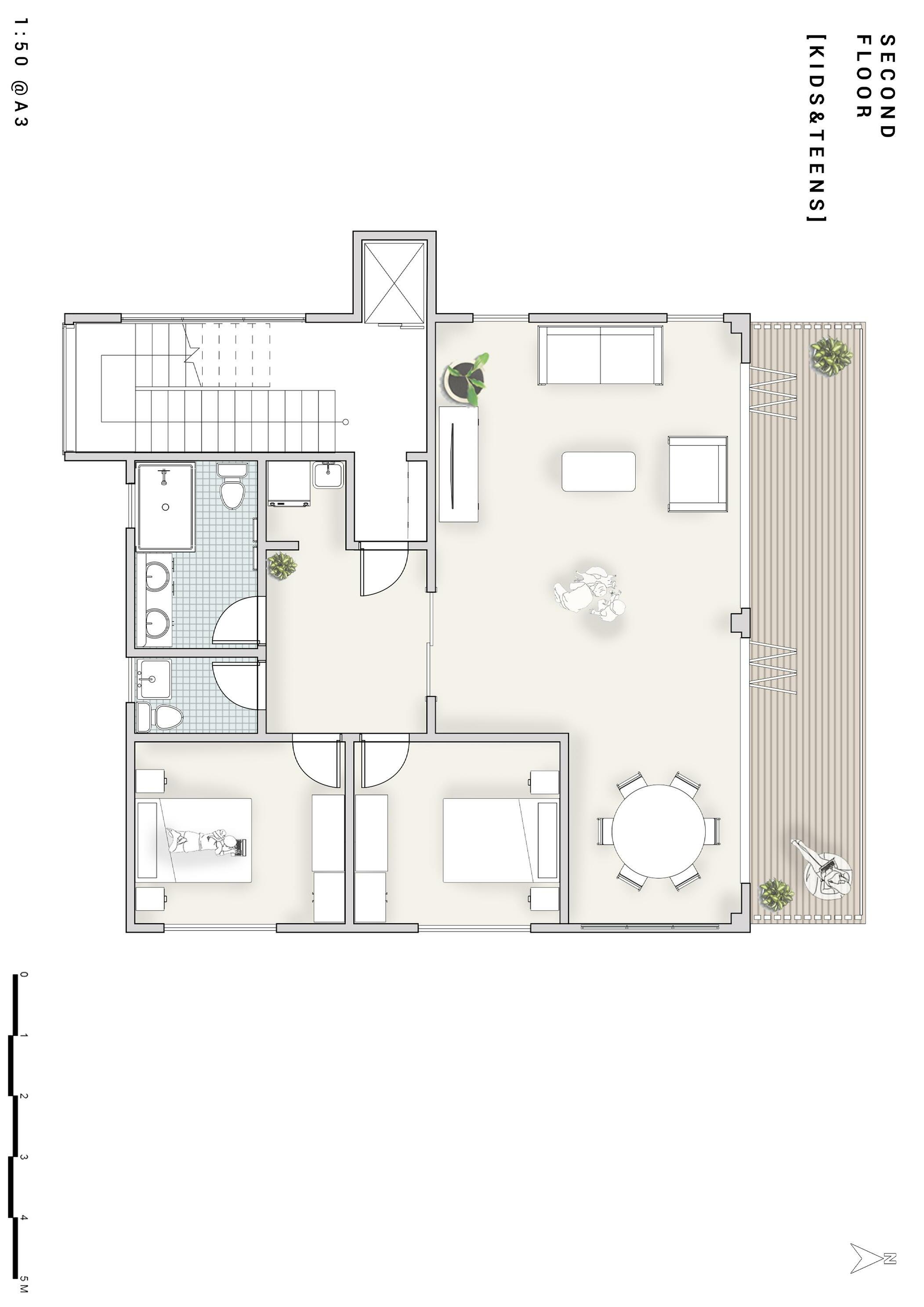
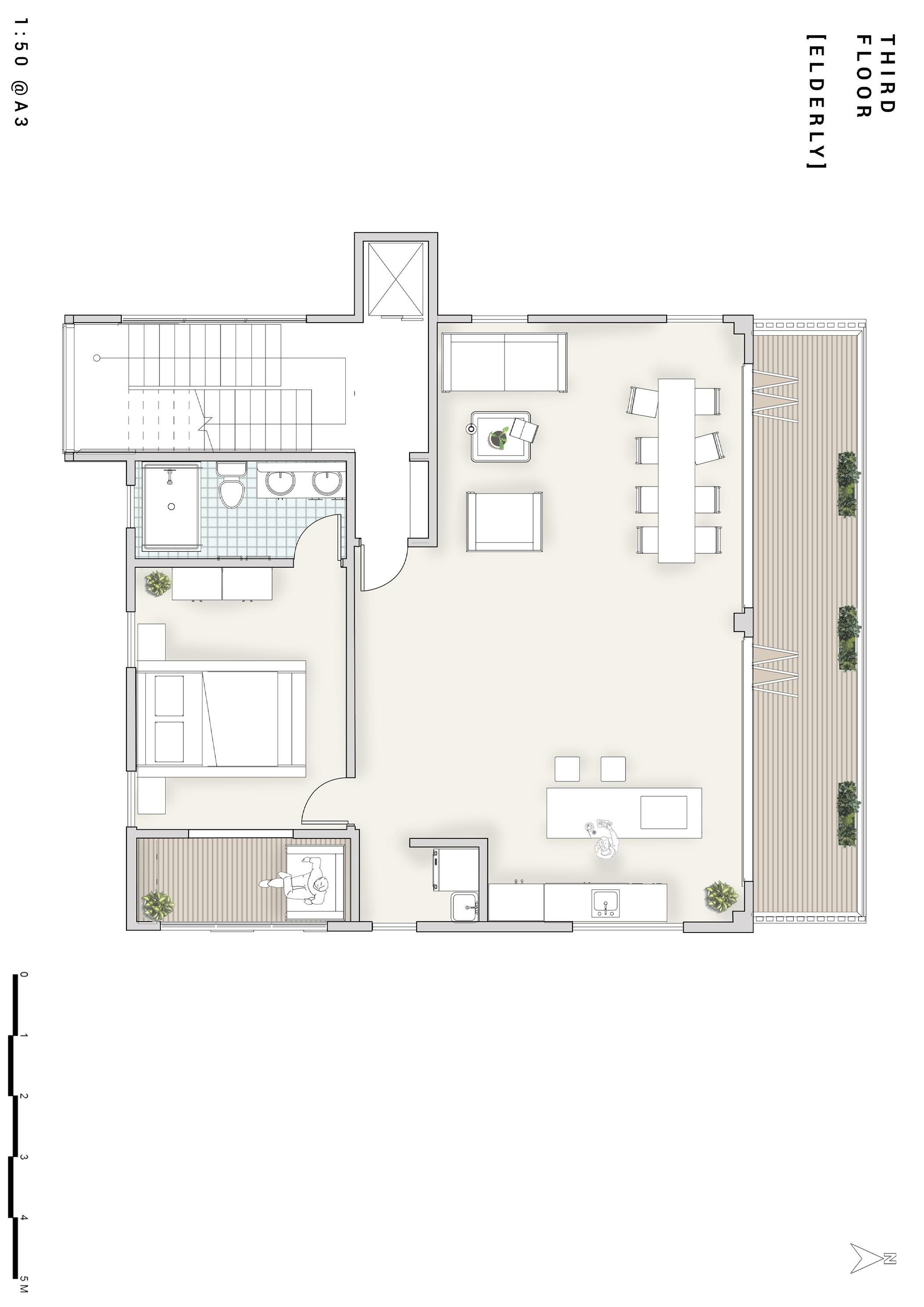
Trying out various plan layouts in order to accommodate multigenerations. Along with adding storage areas and exposing the space up to the natural light.
18
Site plan development
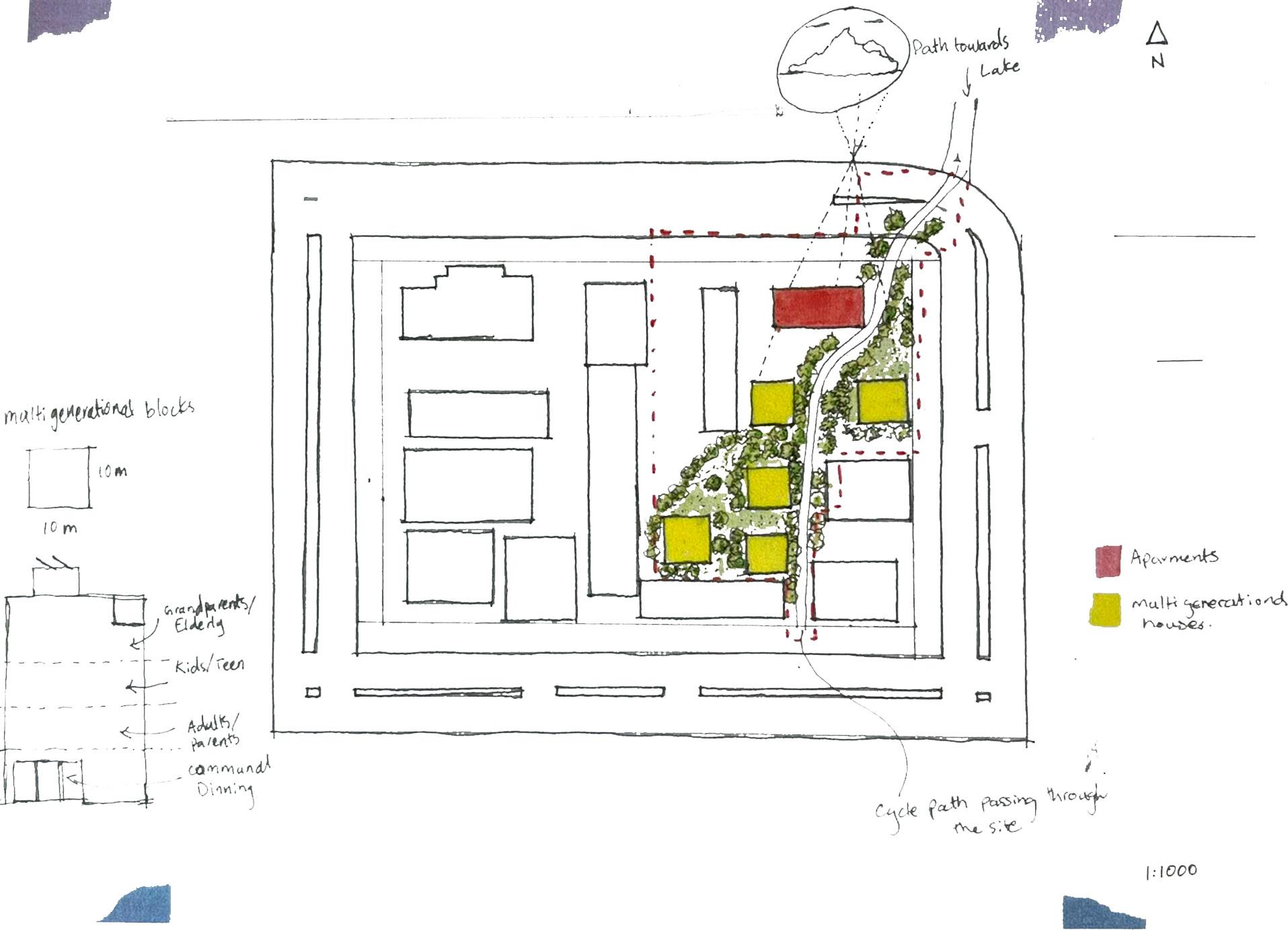
Landscaping and programming of the site
Site Plan development
The plan is to establish an intergenerational hub within the area. Featuring smaller-scale homes scattered throughout the site and larger-scale apartments with public amenities. The proposal also includes a public walkway that provides for a flowing path that bridges the intergenerational hun to the lake's near ends. This increases the area's activity and connects locals from the public and private sectors.
19
20 Floor Plans
21
22 Floor Plans
23
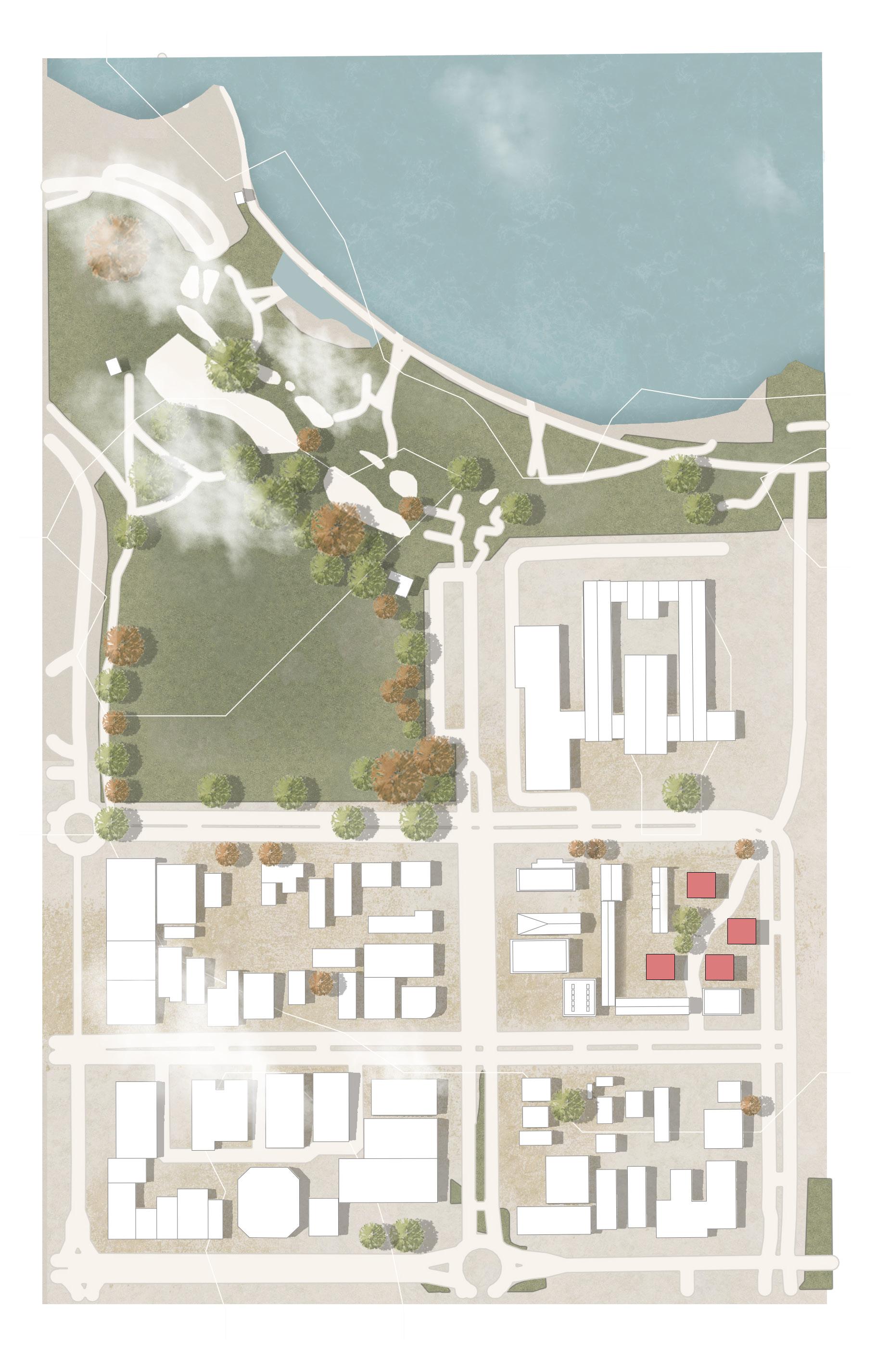

24 Site Plan Apartment layouts on site
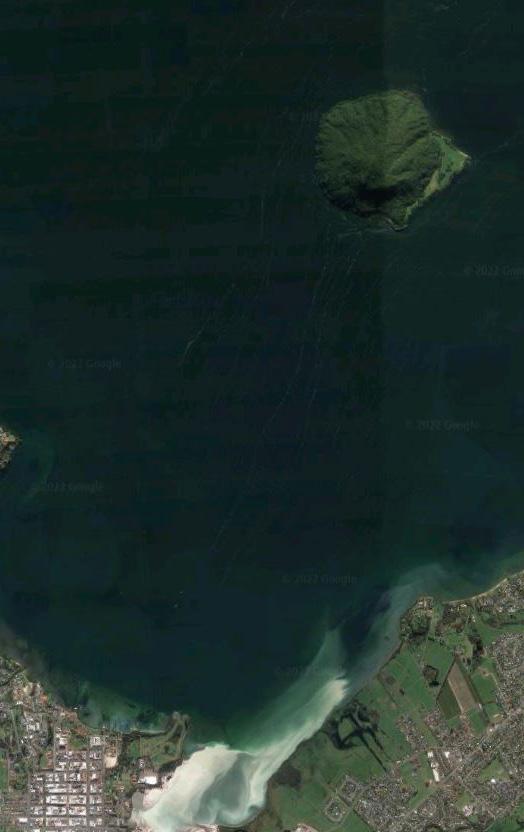
Allowing the locals and the residents of the aprtments to maintain the connection to land. A direct view to the lake and land which in this case aims at Mokoi Island
25
Elevations
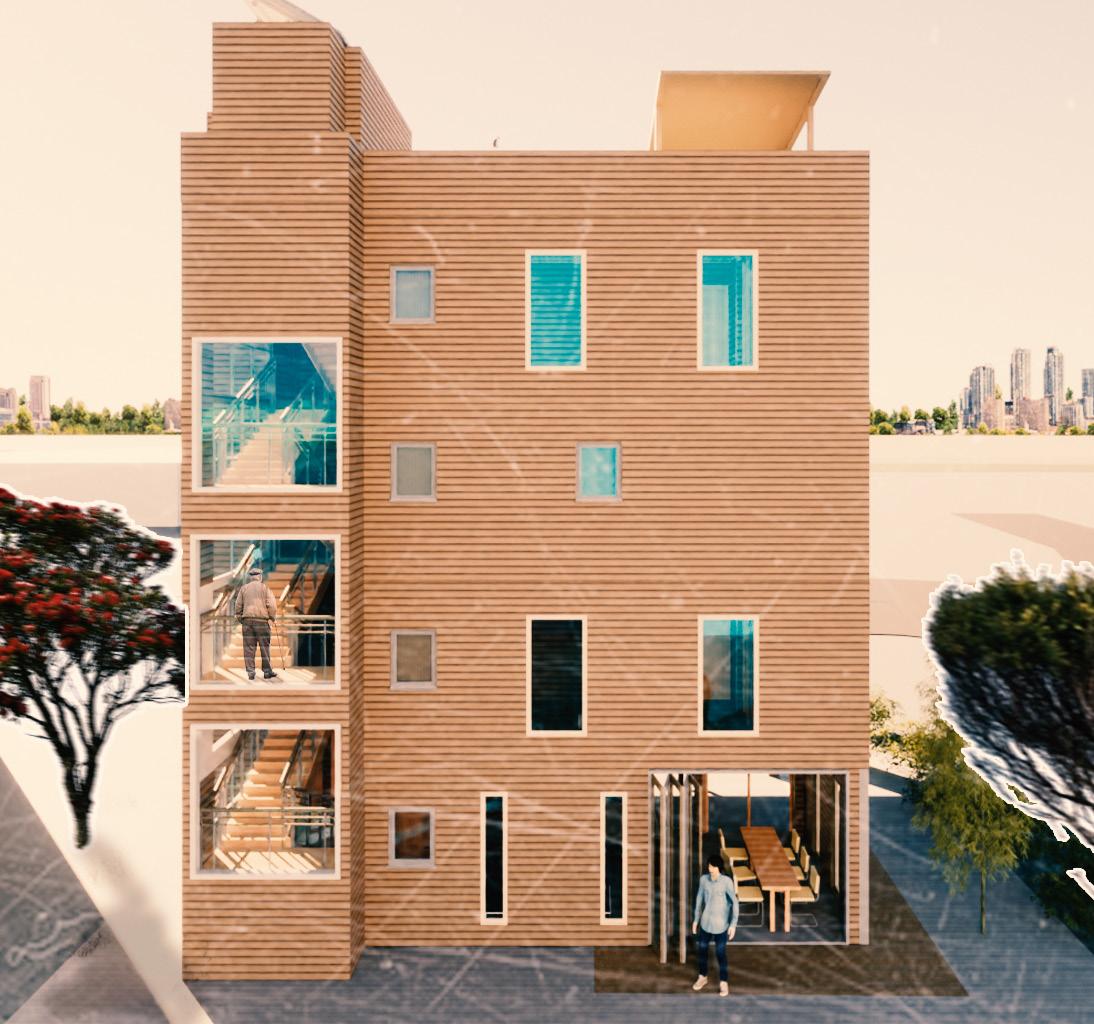
NORTH ELEVATION
SOUTH ELEVATION
26
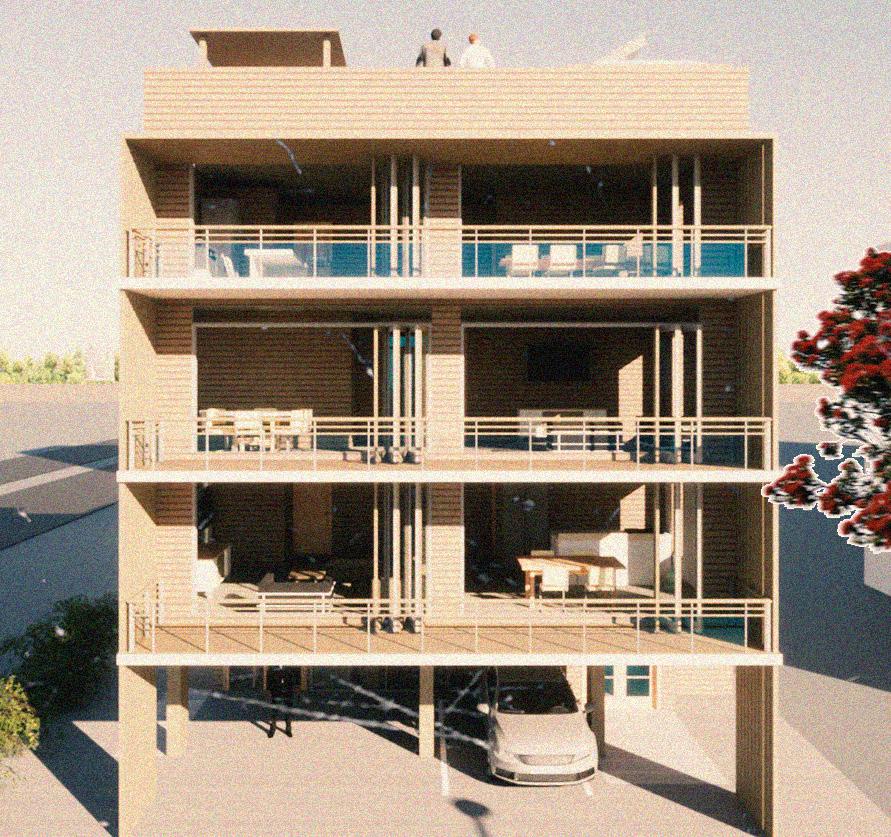
WEST ELEVATION
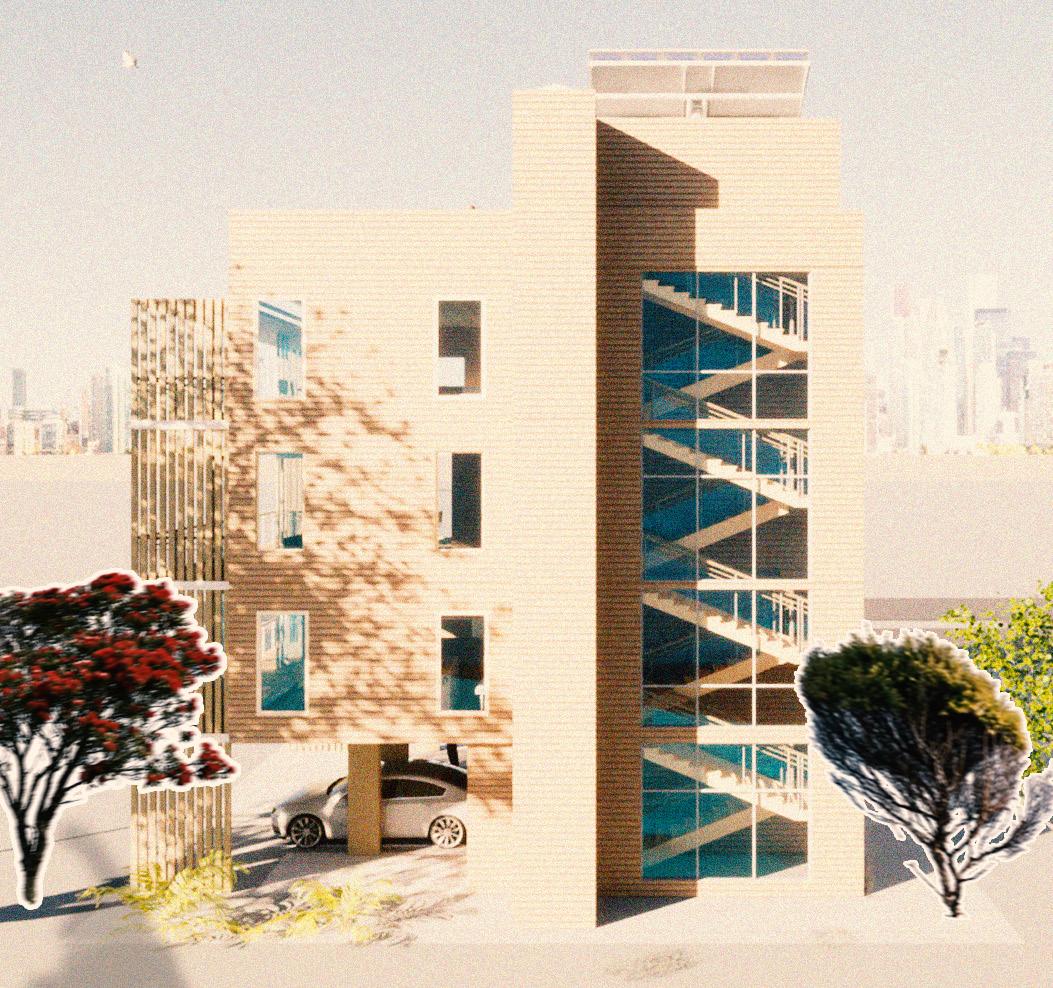
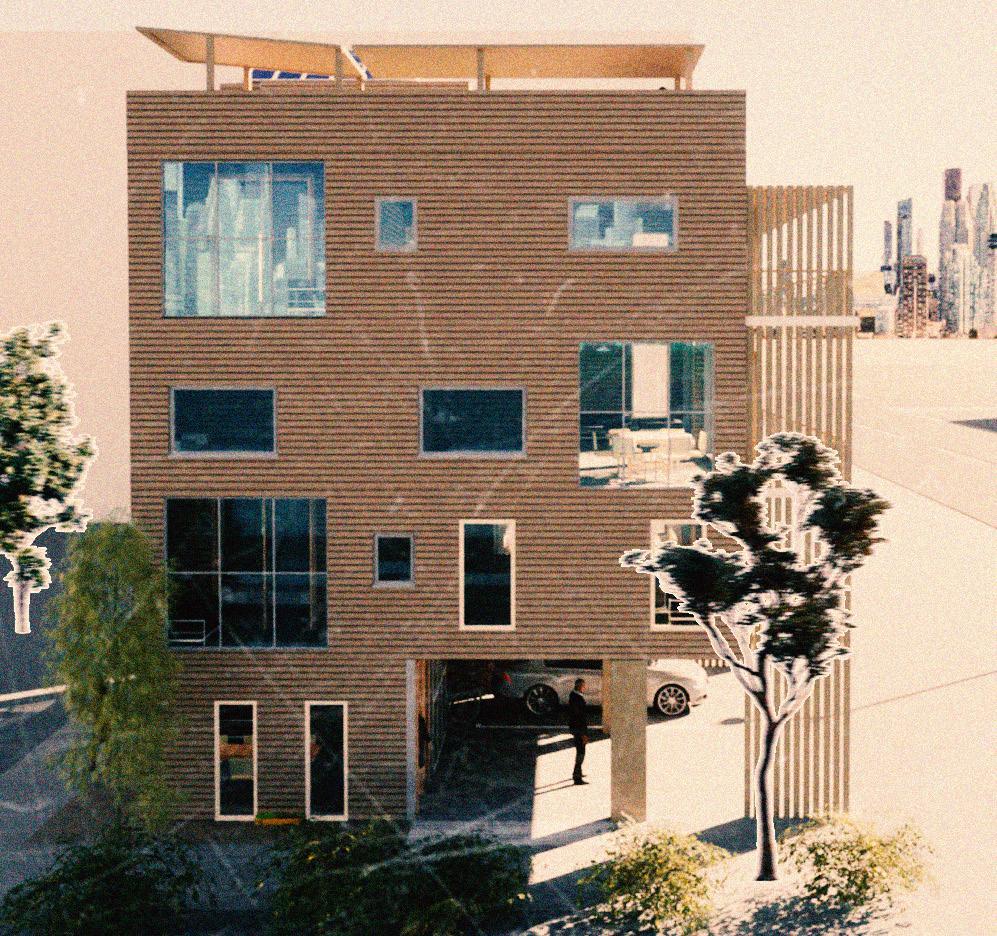
EAST ELEVATION 27
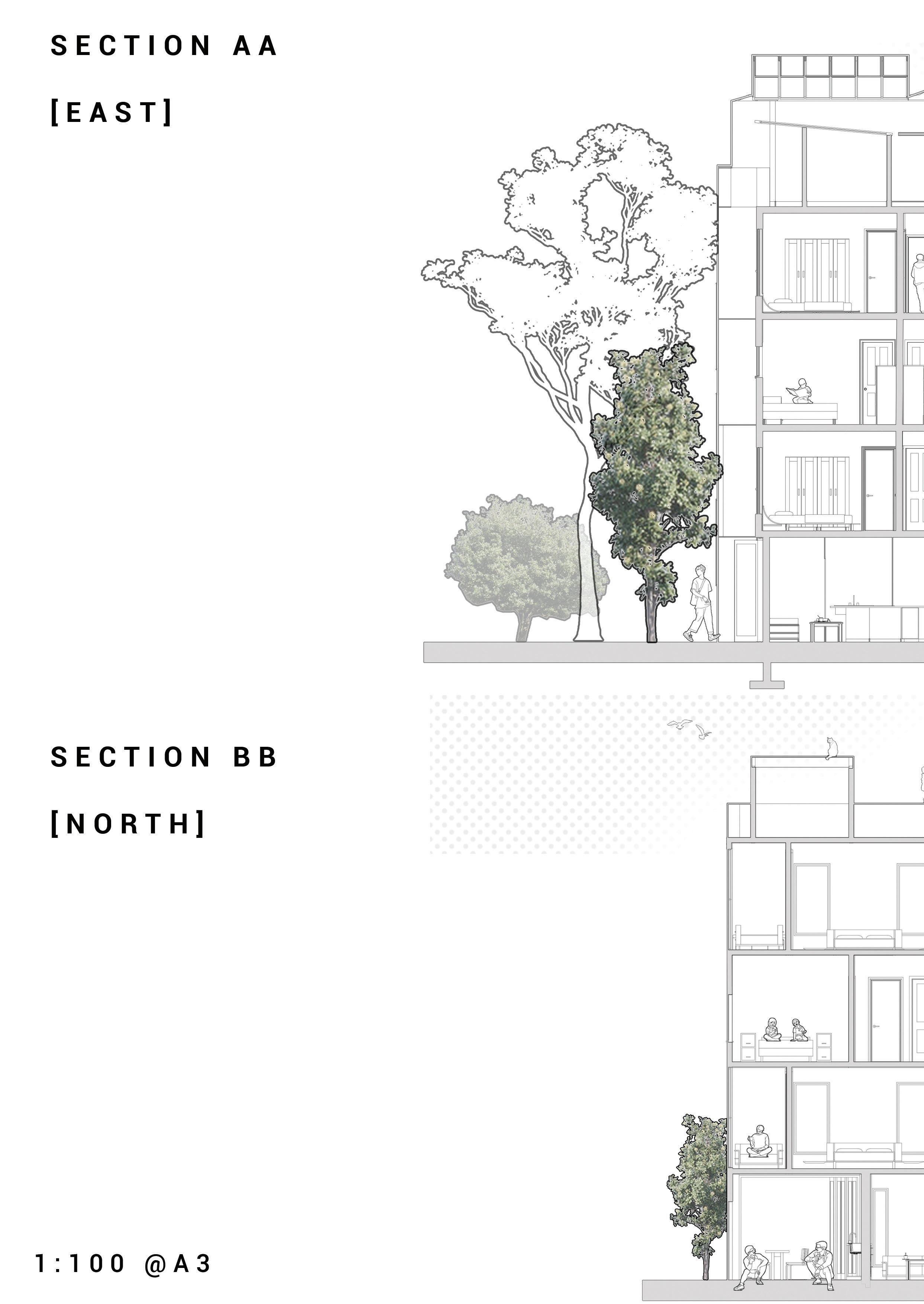
Sections 28
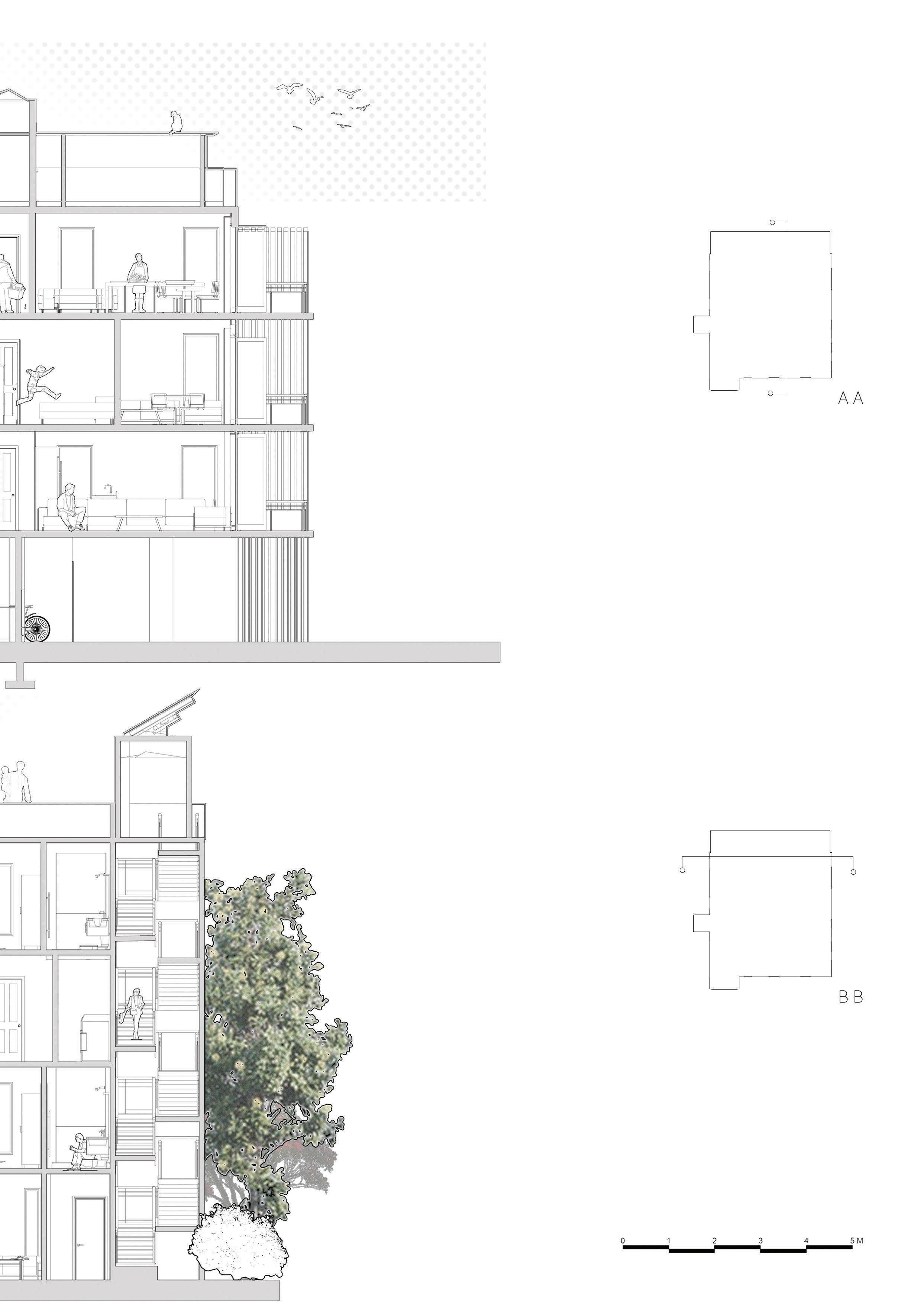
29
Model
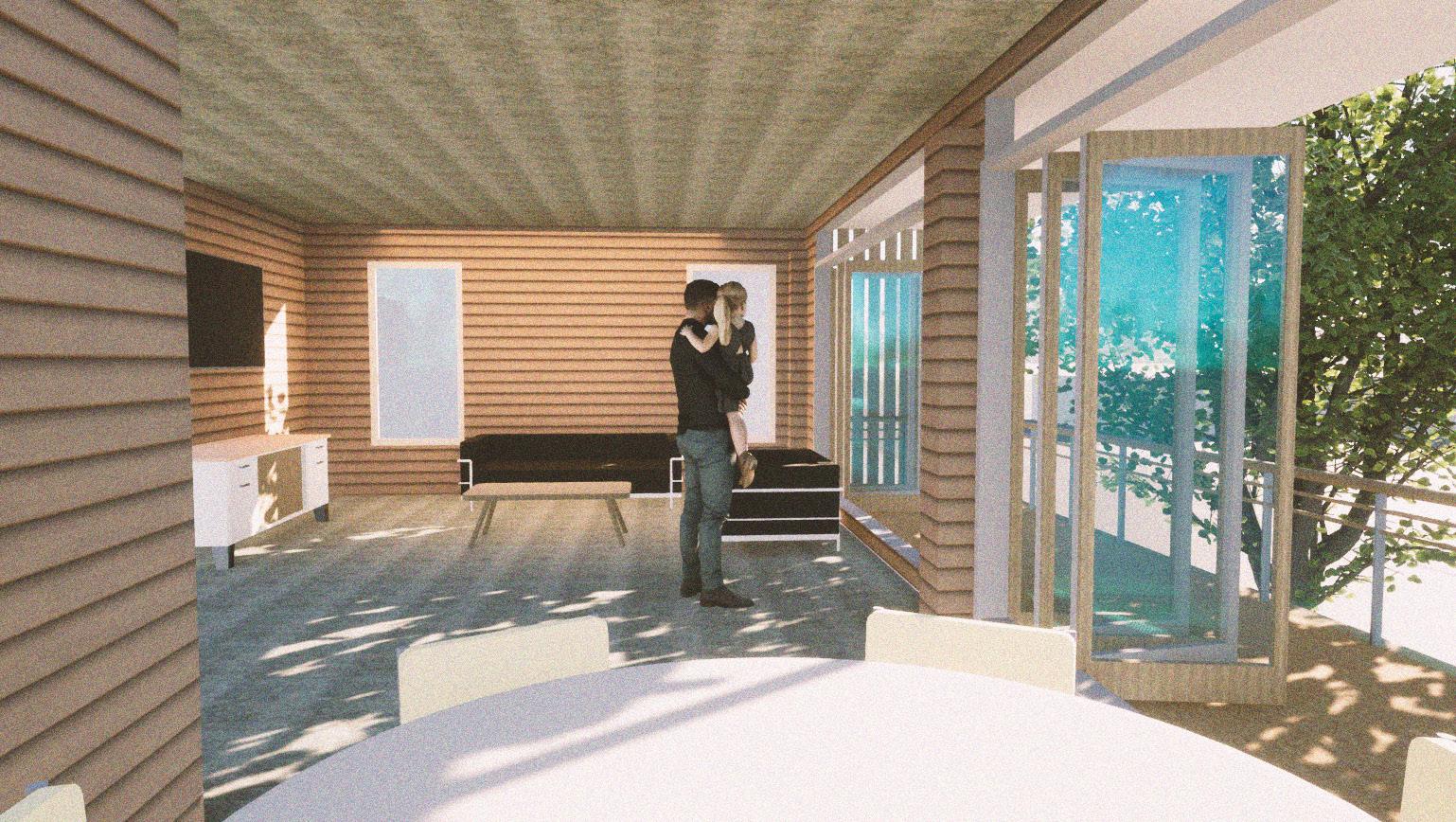
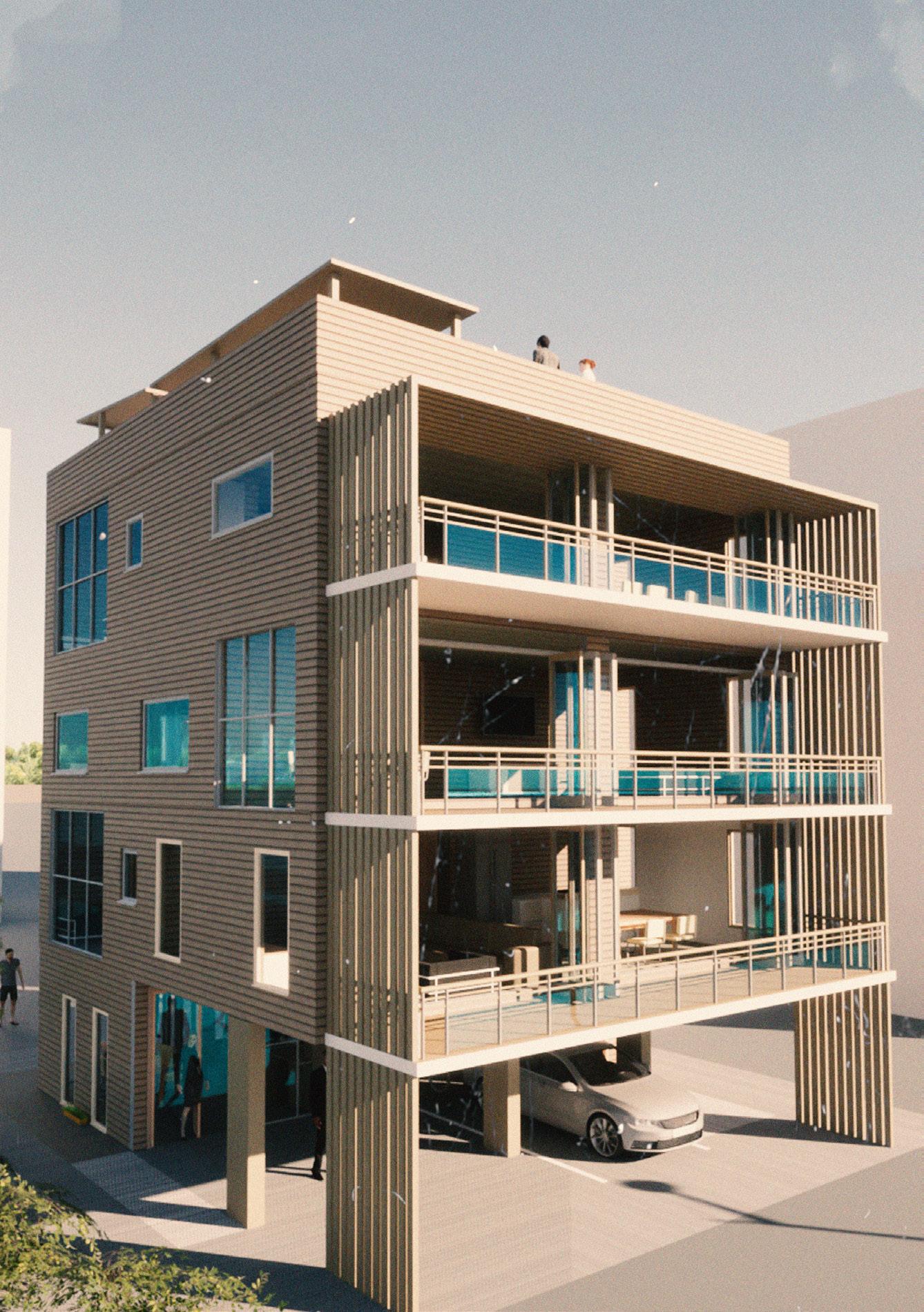
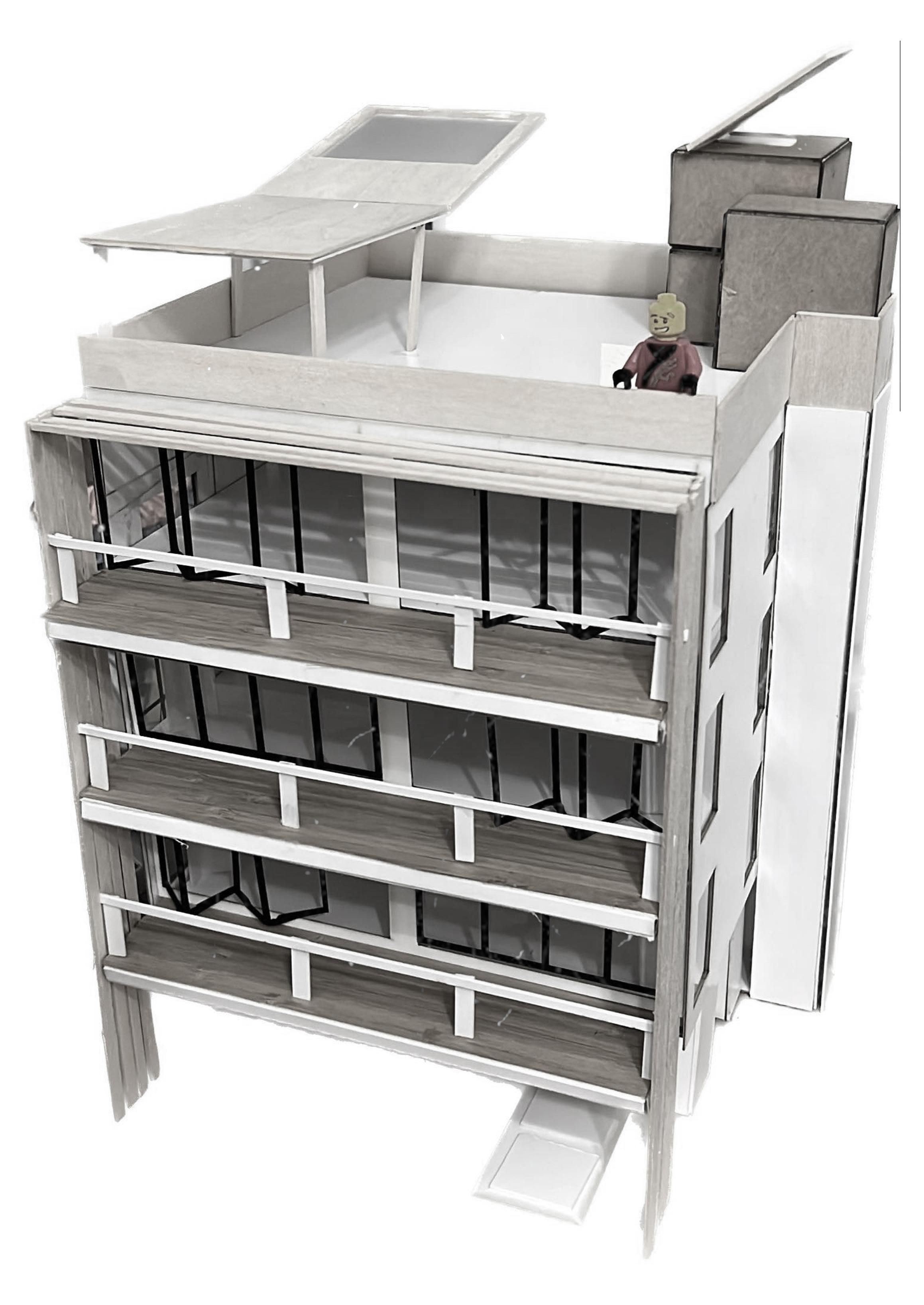
Perspective &
30
31
COINCIDE LIVING
end.