DIGGING SOIL HEALTH From Composting To Congress
In late December 2022, the South experienced single digit temperatures in what the National Weather Service called a “one-in-a-generation storm.” While the Governor was declaring a state of emergency, Georgia farmers, including Serenbe Farms, were reeling from the loss of nearly their entire crop to the freeze.

“It’s devastating to see your hard work wiped away like that, particularly when you’re feeding a community of residents, farmers market shoppers, and supporting our restaurants,” said Farmer Ian Giusto. “It forced us to push our CSA Farm Share back a month, but we’re fortunate because our elds are resilient.”
This resilience is due to regenerative farming practices that Serenbe Farms has followed since its beginning, an innovative style of farming that has been standard practice to Ian and is now becoming a major talking point in national farm policy. David Scott, Serenbe’s district Congressman and former Chairman of the U.S. Congress House Agriculture Committee, held a historic session in September 2022 to discuss the 2023 Farm Bill. Steve Nygren testi ed before the committee about soil health and regenerative agriculture - the rst time Congress has used those words in a bill.
What do we mean when we say “regenerative agriculture?” According to Kiss The Ground, a group on a mission to inspire participation in the regenerative movement, it’s a philosophy and set of holistic principles. The core of the philosophy focuses on soil health that provides carbon sinks and farming in harmony with nature so we leave our land, waters and climate in better shape for future generations. Healthy soil reduces greenhouse gases like carbon dioxide, methane, nitrous oxide, and water vapor.
One such regenerative practice is composting. Roughly ¹/³ of food ends up in land lls where it produces methane, a greenhouse gas 25x more harmful than carbon dioxide. Composting eliminates this waste while enhancing soil to grow more nutrient-rich food. Serenbe Farms has composted on a smaller scale since its inception, and is now home to the rst commercial-capacity compost station, funded by Art Farm at Serenbe’s Environmental Council, in what will eventually be a robust city-wide system. They announced this new station at a screening of Kiss The Ground’s documentary by the same name, hosted by Finian Makepeace, Co-Founder & Policy Director of Kiss the Ground. The lm sheds light on this “new, old approach” and reveals one of the top viable solutions to our climate crisis.
SPRING/SUMMER 2023 Alice Waters Weekend 25 Years of Georgia Organics Page 13
Making A House A Home Unexpected Moments of Joy Page 4
16 Luxury Rentals Attracting Future Neighbors Page 20
Cutting Edge Education Acton School Campus
Page
“Being an arts organization as well, we wondered how the compost initiative could translate into an event,” said Rob Kirsch, Environmental Council Chair. “Only one lm could show how these issues can help community driven initiatives. Sharing the lm and message at the same time that the compost program was launched? Perfect pairing.”

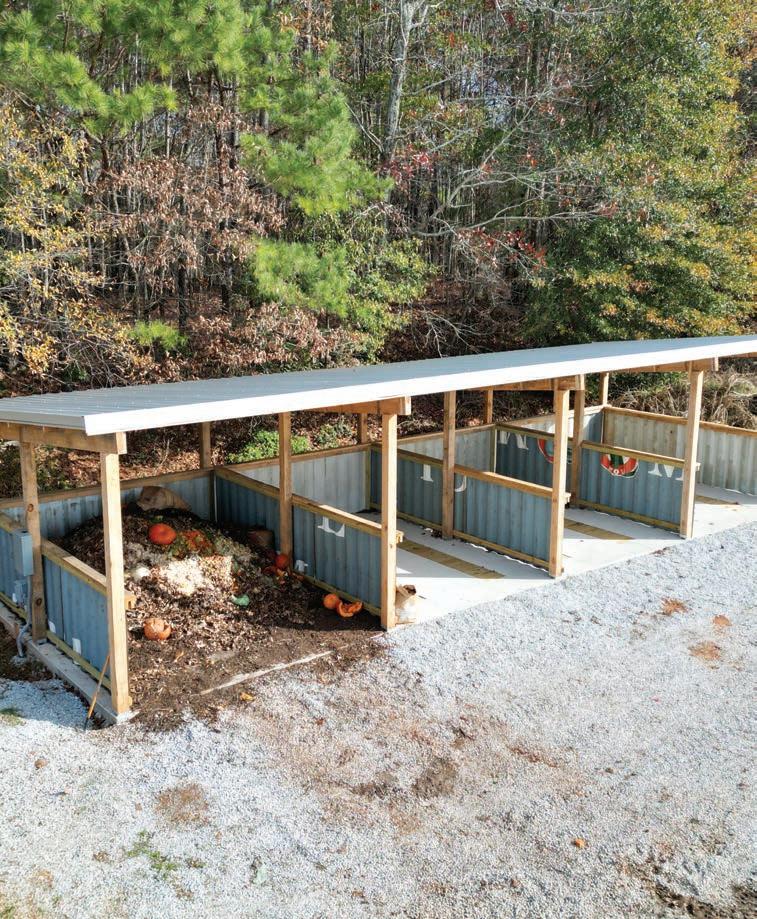
Composting is a controlled process that converts organic materials into nutrient-rich soil or mulch through natural decomposition. The new compost station at Serenbe Farms is uniquely e cient and powered by blowers that force air from the bottom of the compost pile for enhanced air ow. This allows the pile to be in a steady aerobic state, heating up to over 130°F and increasing compost capacity and quality, which produces healthy soil with no odor. This means the farmers won’t have to physically churn the compost, saving both time and money, though that perk isn’t what drove the project. “Having a closed-loop system removes food waste from the community and the need for paid transportation to bring in compost for soil health,” said Rob.
The station can ful ll its potential of putting out 20-30 cubic yards of compost every 45 days if there are at least 200 homes participating, said Rob, adding that it’s an attainable goal in the Serenbe community. For those who are unfamiliar with or nervous about composting, Art Farm created educational materials and left bags at every Serenbe resident’ home inviting them to be a part of the program. The hope is to get people excited about it so they’ll participate in a way that is e ective and useful. Rob mentioned it was also important for them to partner and collaborate with the City of Chattahoochee Hills, Rodale Institute, and others so they will be able to scale the compost station to a city-wide system, with Serenbe Farms modeling an example.
“When Art Farm started, it was important to the board to be good stewards of the environment in addition to supporting the arts,” said Rob. “In the case of this composting program, Serenbe is a rural community with agricultural roots and is uniquely positioned to bring awareness to soil health and agricultural viability.”
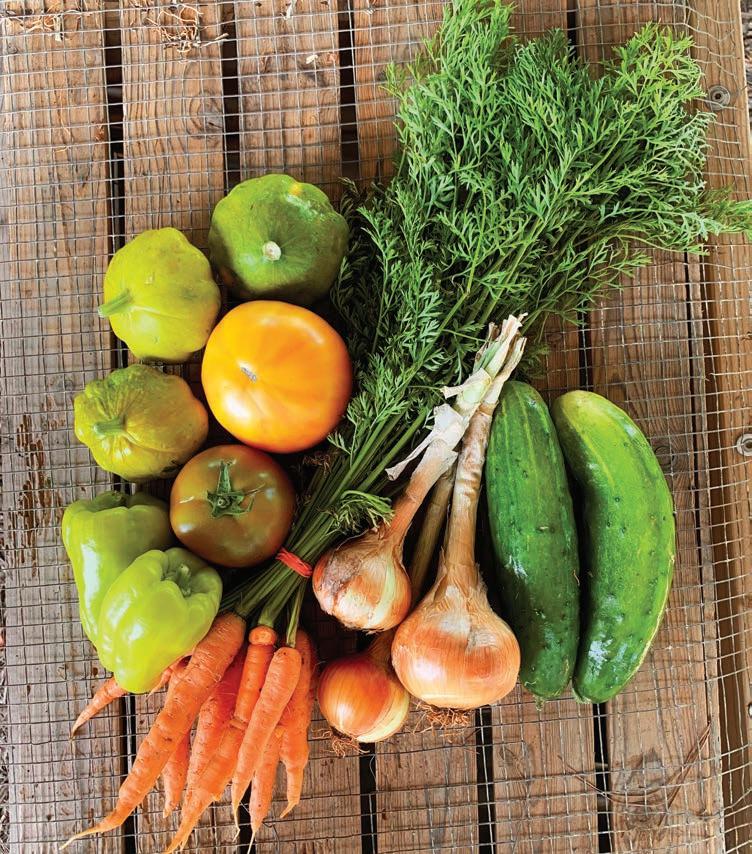
Find Serenbe Farms veggies at the Serenbe Farmers Market, Saturdays 9am-1pm on the Selborne Green, or sign up for the Serenbe Farms CSA program at serenbefarms.com/csa.You can also learn more about composting on the Serenbe Farms website.Visit artfarmatserenbe.org/environment to follow updates on Chatt Hills community composting. Details about Steve Nygren testifying before the U.S. Congress about the 2023 Farm Bill can be found on the Life at Serenbe blog: serenbe.com/life-at-serenbe.
SPRING/SUMMER 2023 2
Photo provided by Congressman David Scott’s O ce
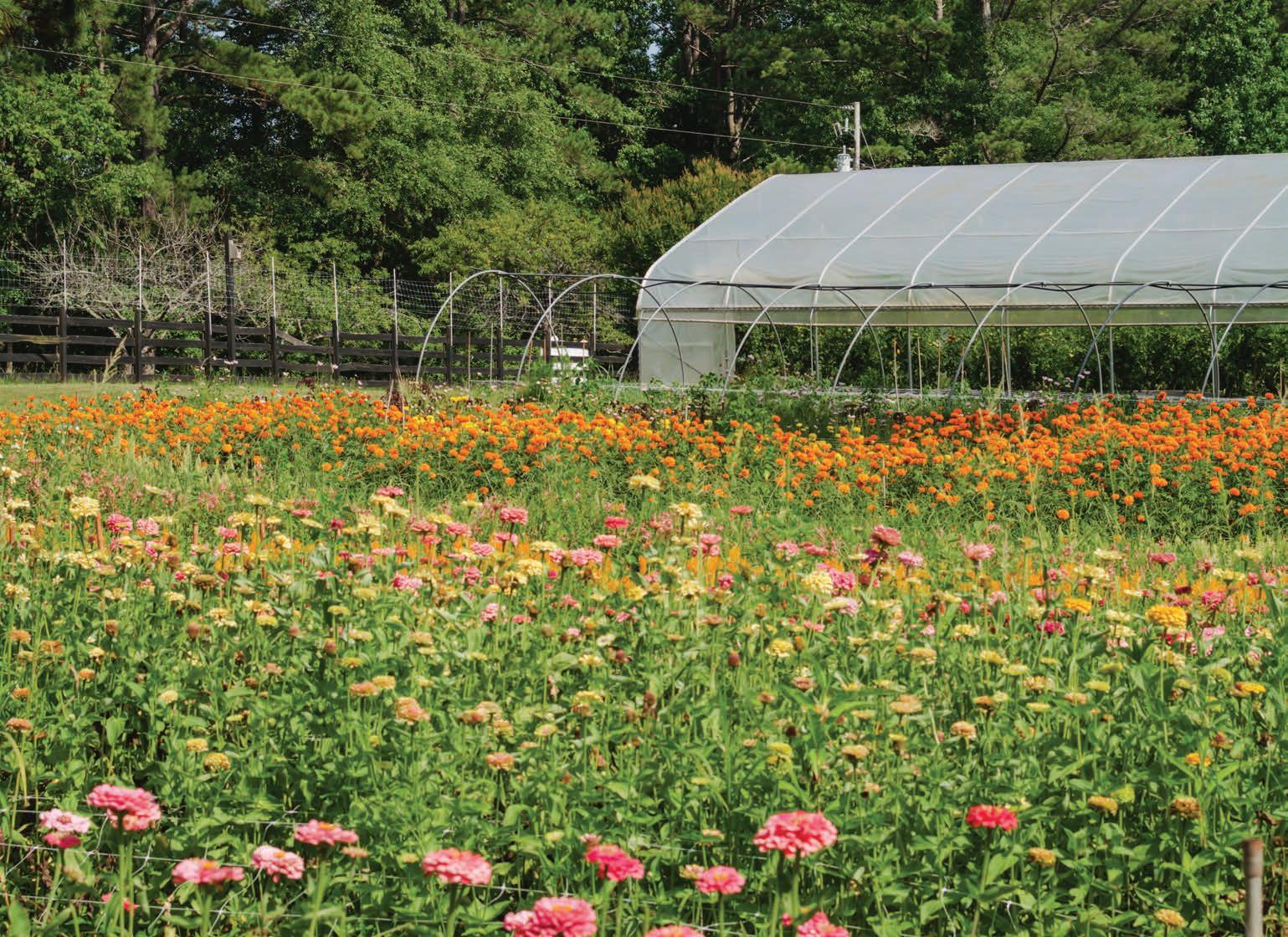
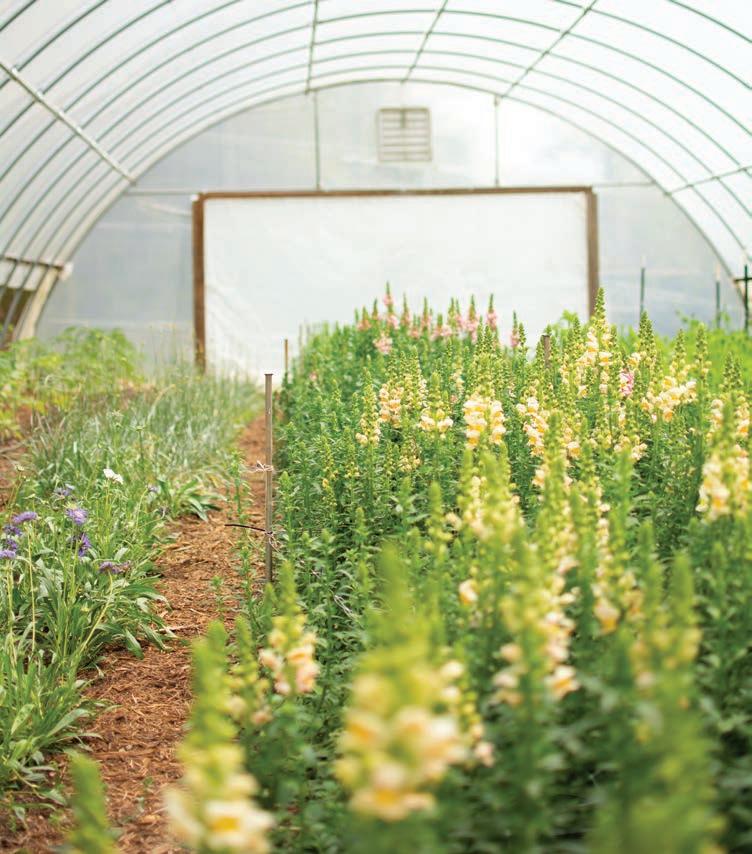
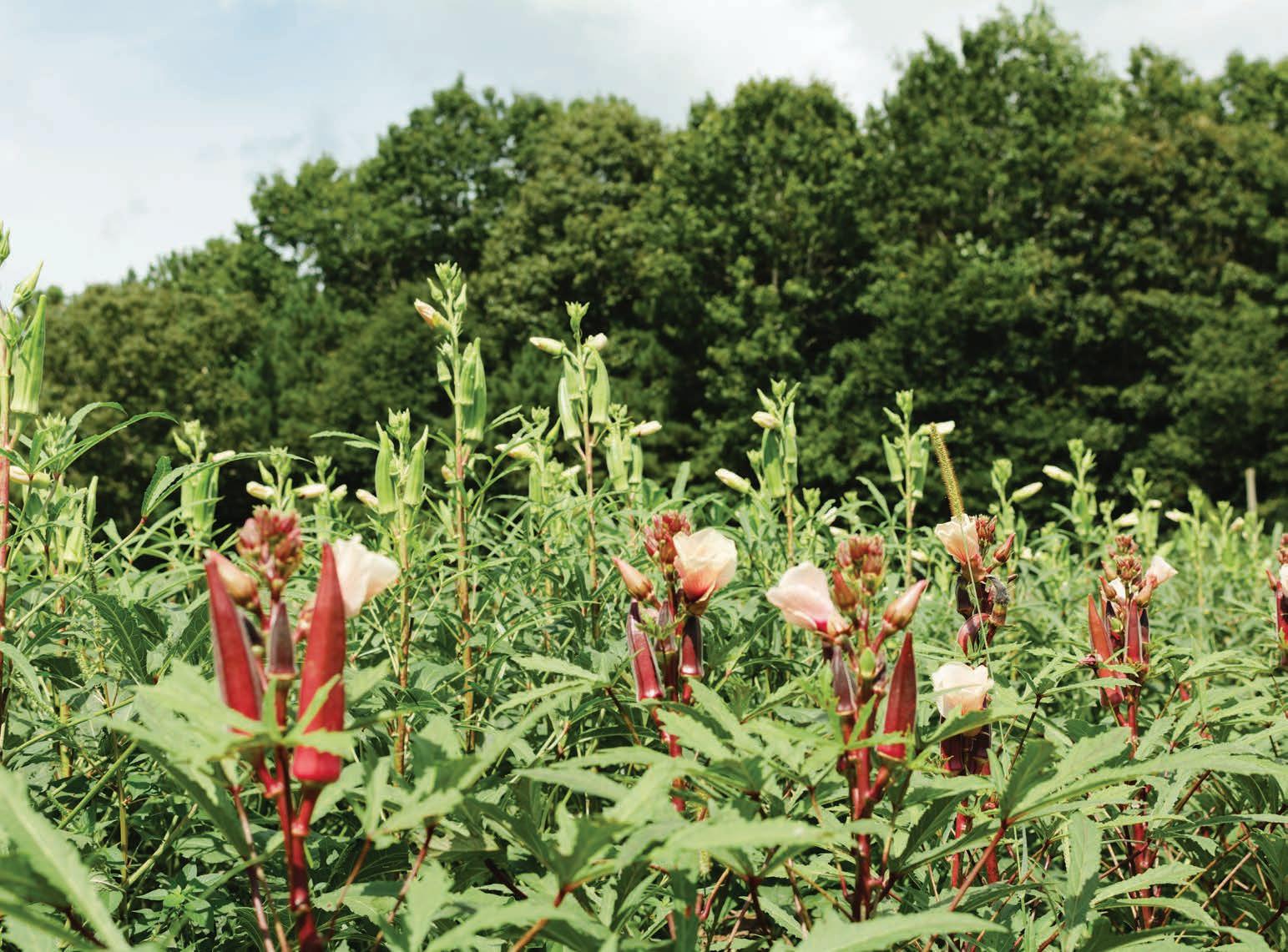
(Opposite) Serenbe Farms grows herbs, owers, and vegetables in eld rows and inside their greenhouse. They harvest weekly April-October for members of the CSA Farm Share program. Steve Nygren spoke before the U.S. House Agriculture Committee. He was joined by Je Moyer from Rodale Institute, Finian Makepeace from Kiss the Ground, Matthew Raiford from Strong Roots 9, and farmers from across the country to discuss soil health in the upcoming 2023 Farm Bill. (Above) Okra blooming before it’s ready to harvest. Serenbe Farms’ composting bays with one bay lled in Fall 2022. All four bays were full and ready to be mixed by April 2023. Farm photos provided by Serenbe.
THE DO’S AND DON’TS OF COMPOSTING
From Art Farm at Serenbe’s Environmental Council
SPRING/SUMMER 2023 3
SPRING/SUMMER 2023 4
MAKING A HOUSE A HOME Designing Unexpected Moments of Joy
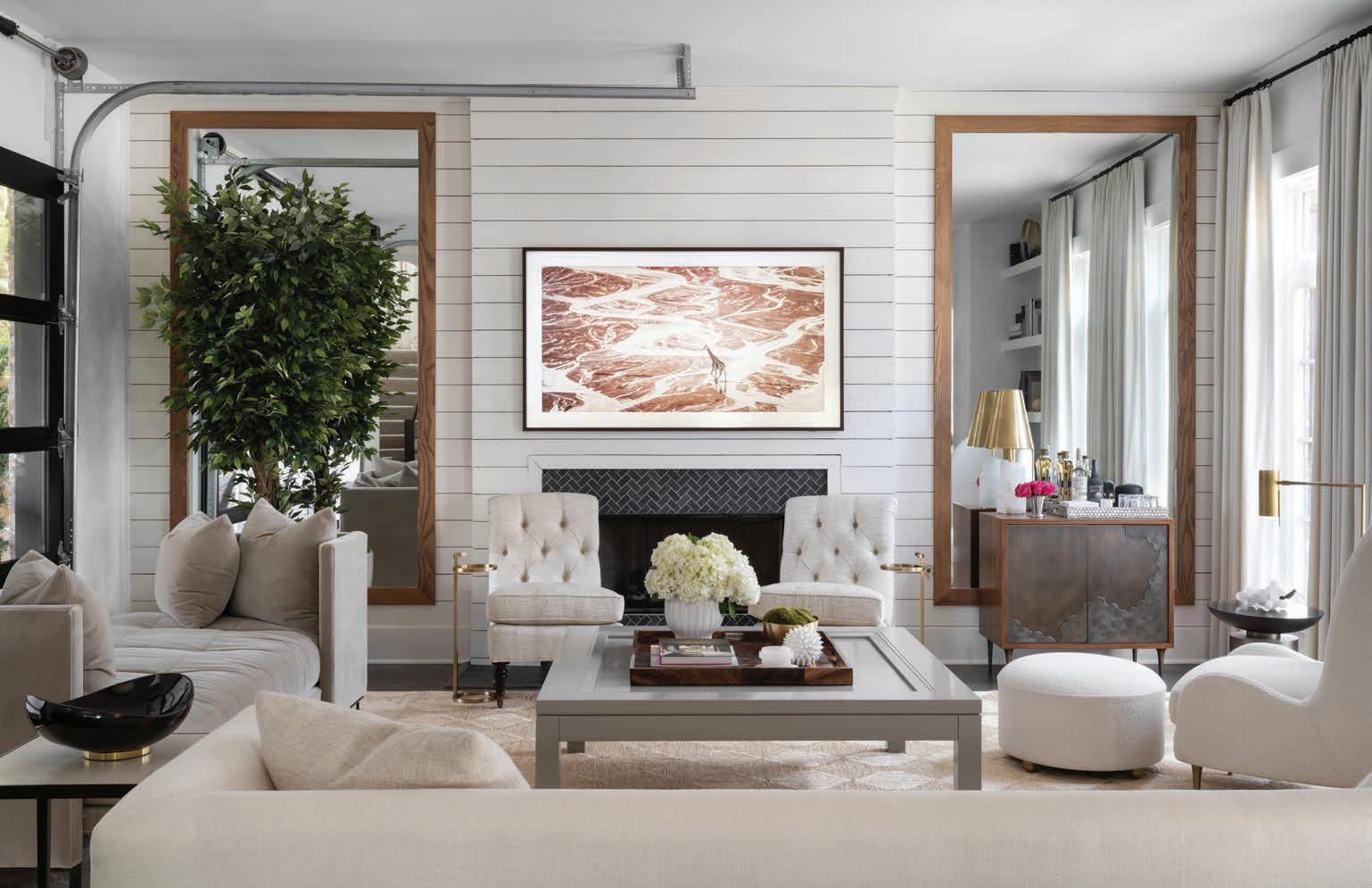
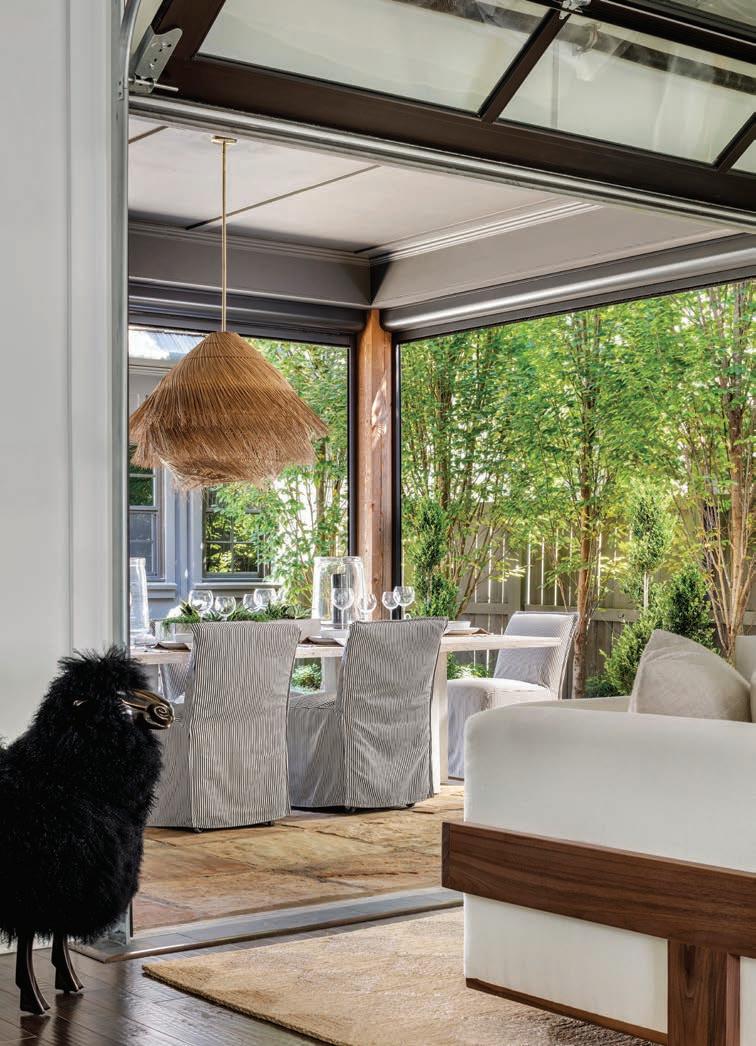
For Jaclyn and Alex Barba, special moments are what make a house a home. So when their young daughter wanted to celebrate her birthday “hiking near a creek,” they spent the week at Serenbe in a gorgeous Grange house, nding joy around the re pit as a family, celebrating Thanksgiving with friends, baking in the gourmet kitchen, and cozied in the living nook with a book in hand. It became clear pretty quickly they felt at home at Serenbe. Now, all they needed was their own house. They toured available homes and immediately fell for a limewashed brick cottage set on a garden courtyard in the Mado neighborhood. What sealed the deal was a living room garage door that led to an enclosed outdoor space. “It was so unexpected and continues to be our home’s favorite feature,” said Jaclyn.
Their Serenbe home is now an “oasis in the woods to relax from their busy lives in Miami,” Patrick Sharp said when the house was covered in RUE Magazine. Patrick and his wife Meghan are the duo behind Mister & Mrs. Sharp and worked with the Barbas on their interiors. The Barbas discovered their work while touring the 2022 Serenbe Designer Showhouse and admired their stylish aesthetic, then found their Instagram handle and got in touch. It proved to be the perfect collaboration.
“Meghan and Patrick [Sharp] have an enthusiasm for their work that is very contagious,” said Jaclyn.
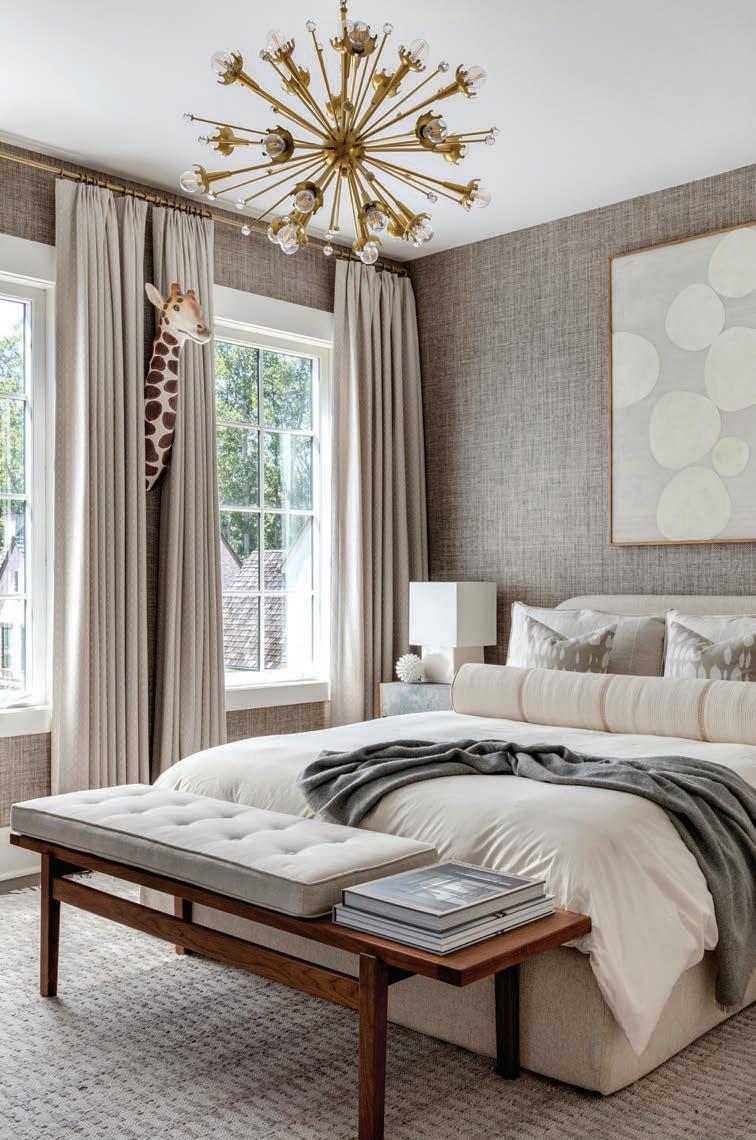
The Barbas channeled that enthusiasm through what they believe makes their style “theirs,” the unexpected moments that evoke joy. The black sheep statue by the living room garage door and the gira e wall sculpture peeking out from behind their guest room curtains. Spaces that “nudge your mood in a positive direction.” They also took the back porch accessed through that living room garage door and turned it into a stylish al fresco dining space, perfect for those special moments of gathering.
“This second home for us manages to feel like our rst home. We love the beauty of the home the Sharps have created for us and the friendships that have come with living in Serenbe.”
Visit misterandmrssharp.com to see their full interiors portfolio, past press coverage, their curated shop, and to contact them about designing your home’s interiors.
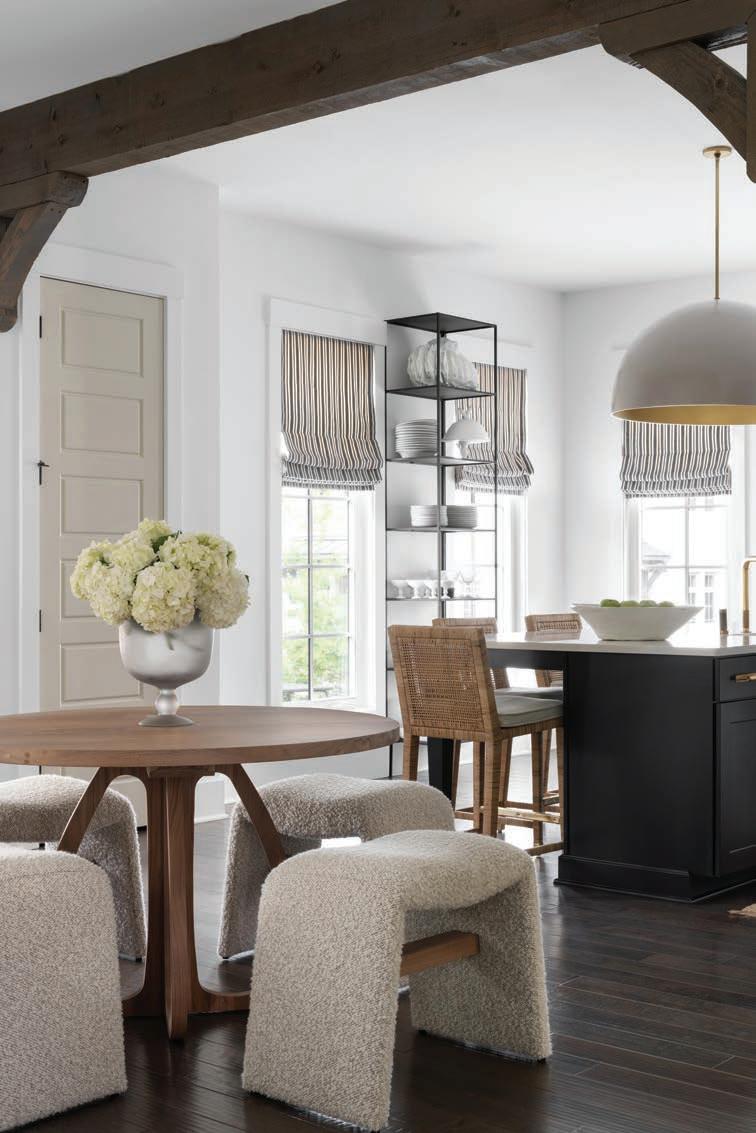
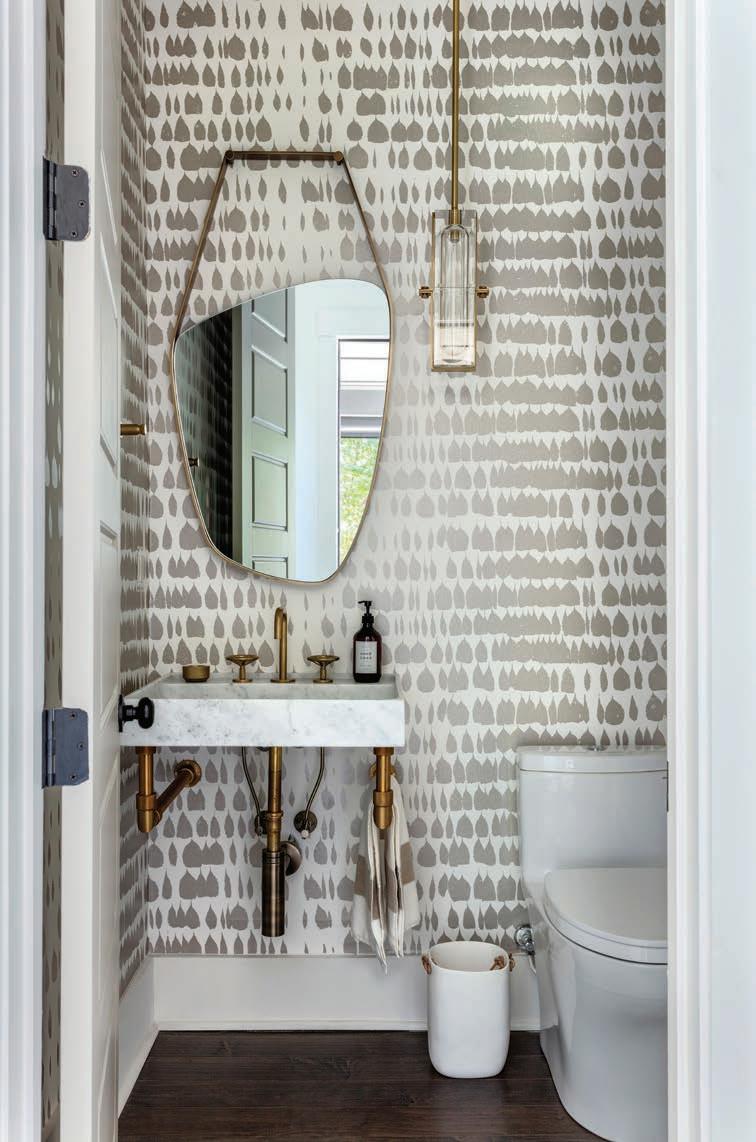
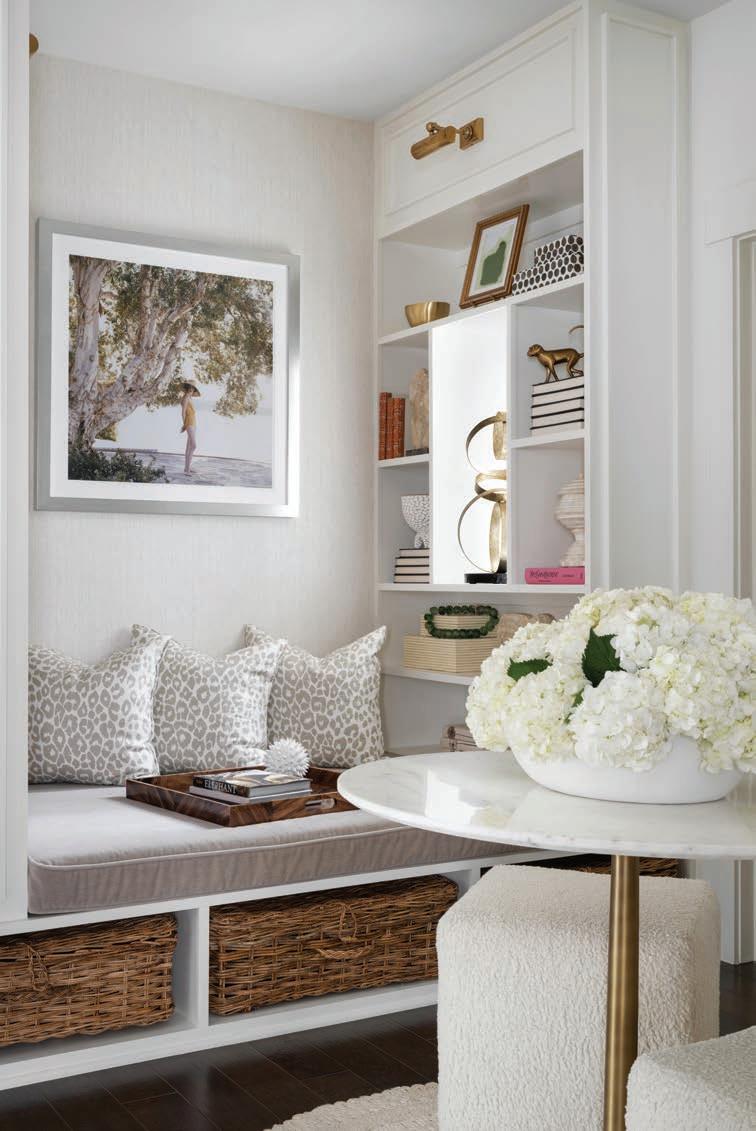
(Opposite) The Guest Room is lled with neutral textures and a cheeky gira e peeking out from the curtains.You’ll nd Schumacher Queen of Spain wallpaper in the Powder Room, along with a Glacon pendant from Jonathan Browning Studio, a Ventus bath sink from Stone Forest, and a Vertical Portait Mirror by Ted Boerner. The loft at the top of the stairs was designed to be a built-in reading nook with bookcases, and has Circa lighting and Schumacher pillows. The Kitchen includes Balboa counter stools from Serena & Lily, a Barcelona Dining Table with Oakley Dining Stools from Verellen, and a Pascal pendant from Arteriors. (Above) The living room boasts a 110” Rowan Sofa from Verellen, as well as a tête-à-tête chaise from Hickory Chair, an ARIL chair, and Bar Cabinet from Habachy Designs. On the patio you’ll nd a large reclaimed teak dining table on the covered patio, which leads to an outdoor re pit under the stars. Photos by Rustic White Photography.
SPRING/SUMMER 2023 5
WEDDINGS
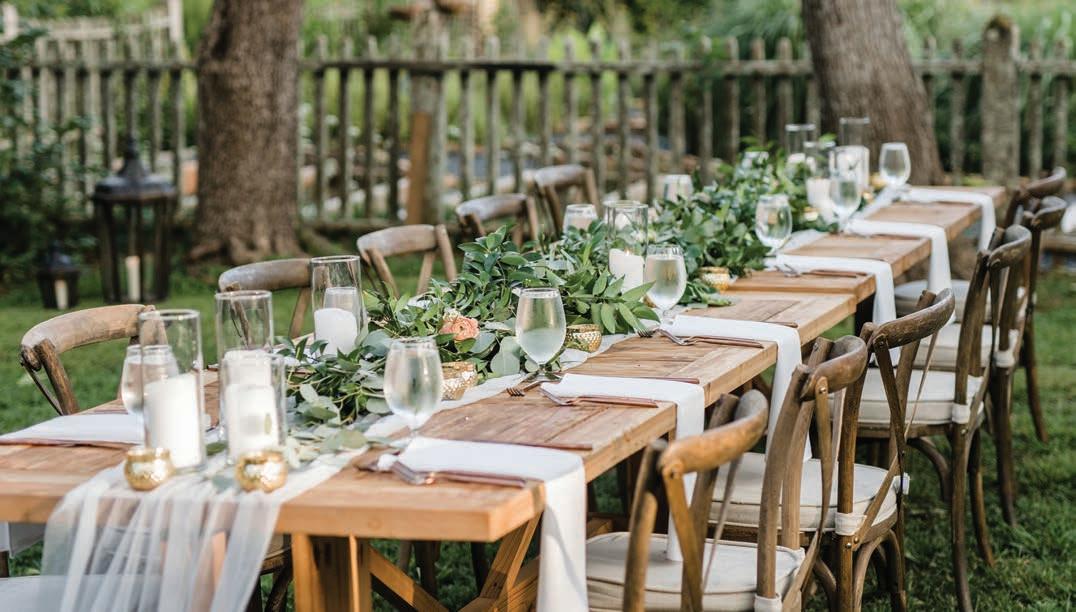
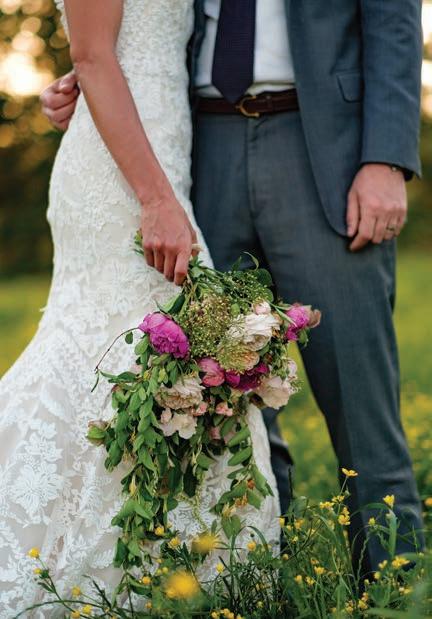
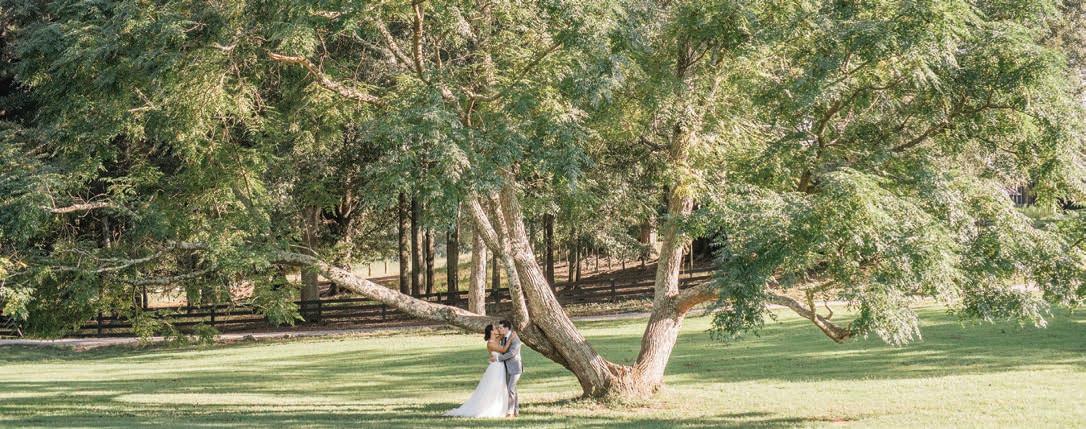
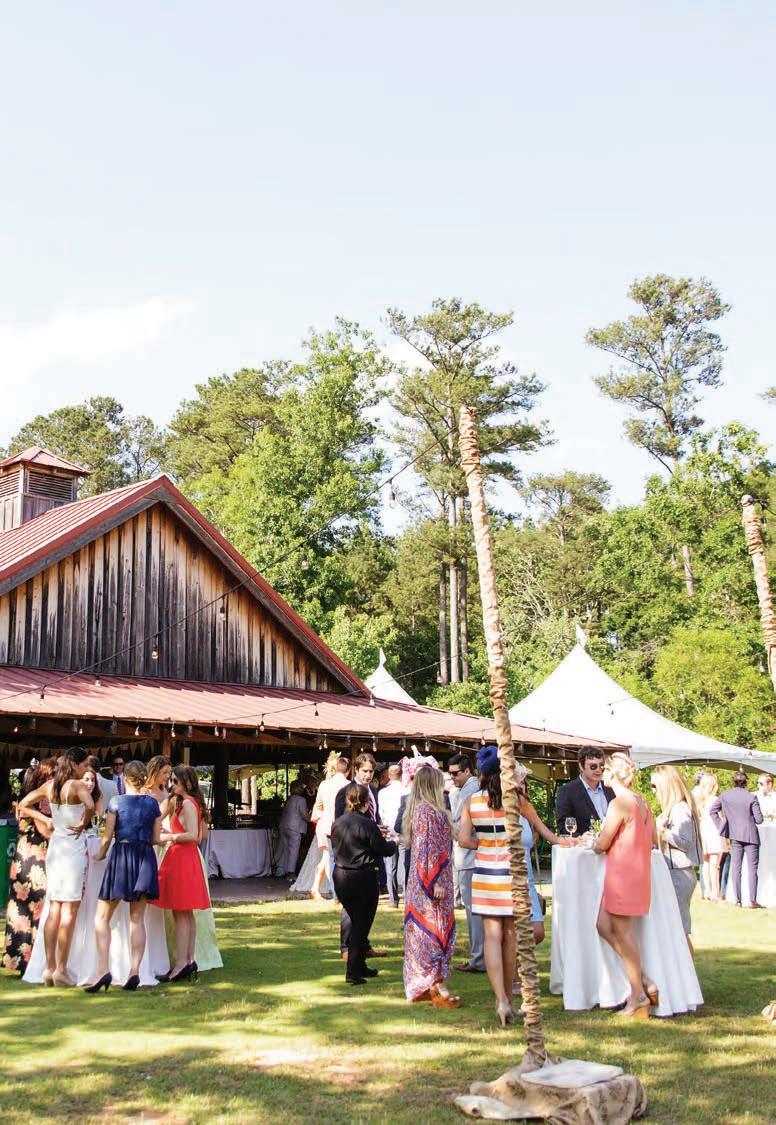
The historic Inn at Serenbe has been a memorable wedding backdrop for more than 20 years, and we are sharing a few of our favorite images of those priceless moments. Our rst wedding was even featured in Martha Stewart Weddings




SPRING/SUMMER 2023 6
Photo credits: Aline Marin Photography Sarah Joy Photography Southern Orchards Weddings Hannah Michelle Photography Komich Photography Six of Four Photography Hannah Michelle Photography
EMERGING THIS SPRING Discover The Overlook Hamlet
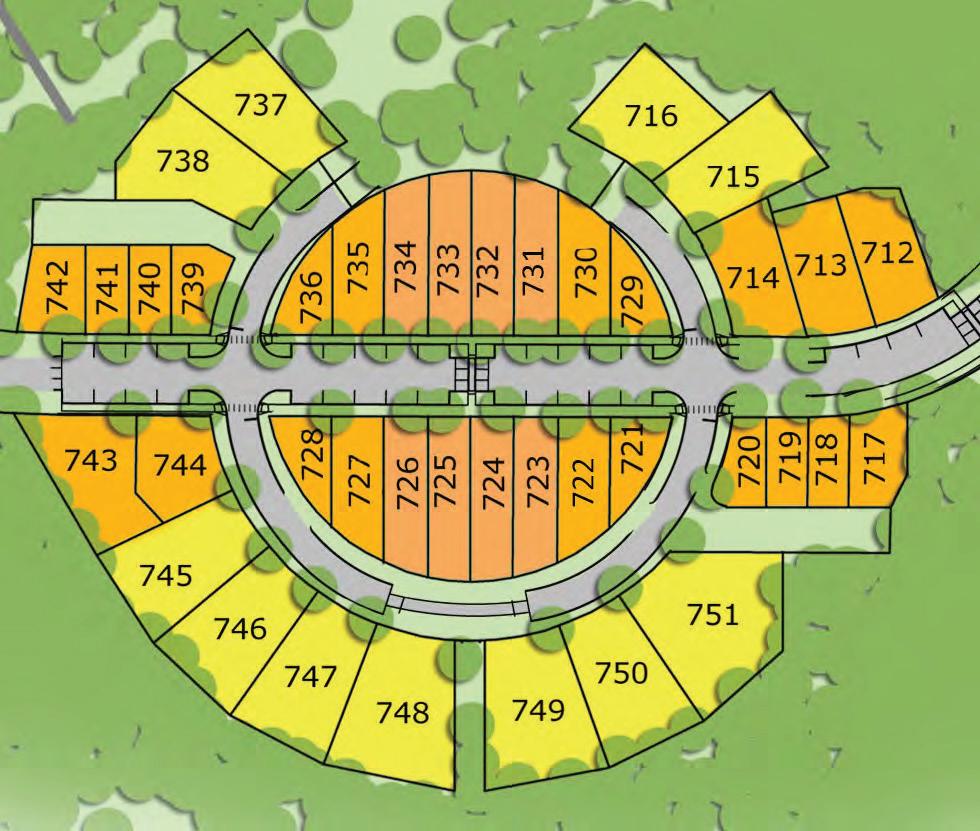
If it’s been a few years since you visited Serenbe, you may not recognize it. There are so many new homes and businesses that have popped up, and the newest Serenbe neighborhood, Overlook, has infrastructure and roads in with homes ready for purchase soon.

Overlook, named for its views looking out over Cedar Creek, is a crossroads neighborhood between Mado and the future Spela Hamlet. It will be a bespoke o ering limited to 40 homes and will take on an aesthetic di erent from existing Serenbe hamlets. “We give a speci c architectural character to each neighborhood that informs the attitude,” said Founder Steve Nygren. “Usually the commercial o erings have driven that character.” However, Overlook will be strictly residential so the architectural choice, Victorian, was determined because of its proximity to Spela.
“We wanted Overlook to begin that architectural conversation,” said Steve Dray of Serenbe Planning & Design. “You know we like porches here,” he added, alluding to the fact that Victorian architecture is a popular Southern vernacular because of its use of the wraparound porch.
Dray drew inspiration from historical homes in Newnan to San Francisco’s Painted Ladies, working to enhance the more Southern aspects of the home designs while using restraint with gingerbread ornamentation. “We have a number of pattern books to help distinguish what makes a home ‘Victorian,’” he added.
One di erence is that Overlook homes will be painted white rather than the colorful nature typical of Victorian homes, replicating the paint color choice of the Crossroads that
connects Selborne, Grange, and Mado. “The Crossroads is a Southern classic aesthetic with all white homes and since Overlook is a crossroads neighborhood I thought it important to have neutral exterior tones while introducing the Victorian vernacular,” said Steve Nygren. The Victorian homes will be clustered around eight sleek and expansive modern townhomes, bringing visual contrast to the neighborhood and maintaining the authentic look of Serenbe’s design.
Overlook also features the rst set of homes located in Coweta County. That means many of the homes will have access to expanded public school options plus all of the services of the City of Chattahoochee Hills and Serenbe o erings. Home buyers also have the option to build their own custom home. Of the 40 homes, 29 have custom-designed plans and there are 11 lots available to design and build your dream home from the ground up.
Stop by the Serenbe Real Estate o ce in Selborne at 9055 Selborne Lane, email hello@serenberealestate. com, or call 770-463-9997 to learn more about Overlook. Book an appointment and learn about all available homes and lots at Serenbe.
Artist rendering showing a sample of home options in Overlook. Site map drawn by Southeastern Engineering, Inc, side-by-side with a birds-eye photo of the roads being prepped for paving.

SPRING/SUMMER 2023 7
This information is believed to be accurate but is not warranted and is subject to errors, changes, omissions, prior sale and withdrawals Serenbe Real Estate | 770.463.9997 | serenberealestate.com | 9055 Selborne 40
SPRING/SUMMER 2023 8
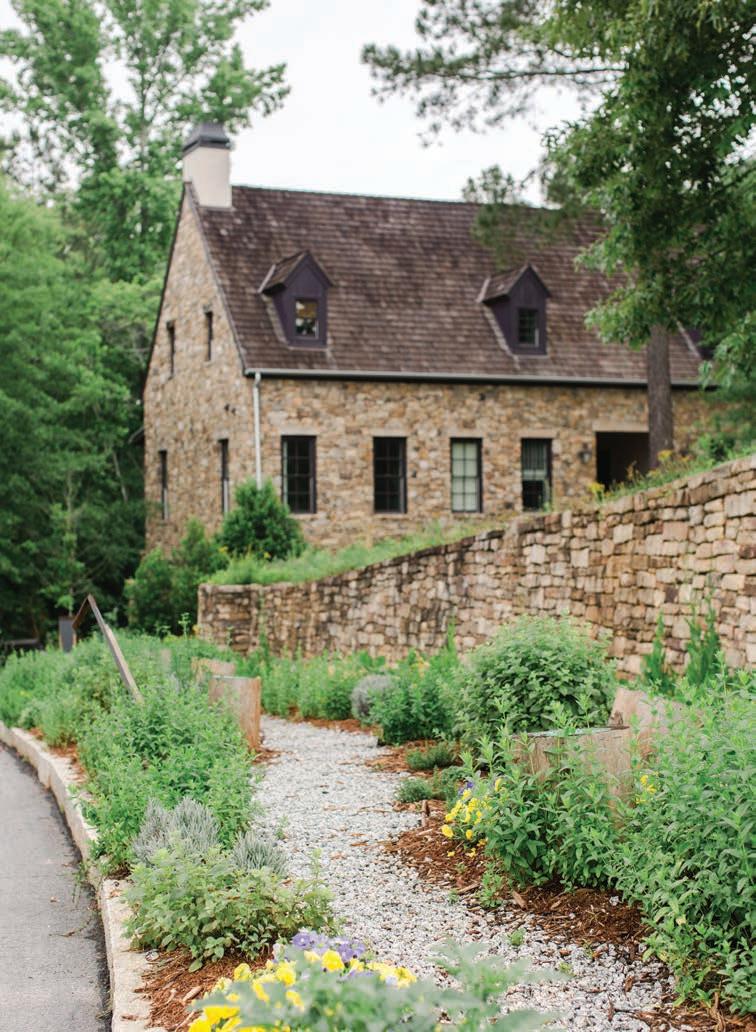
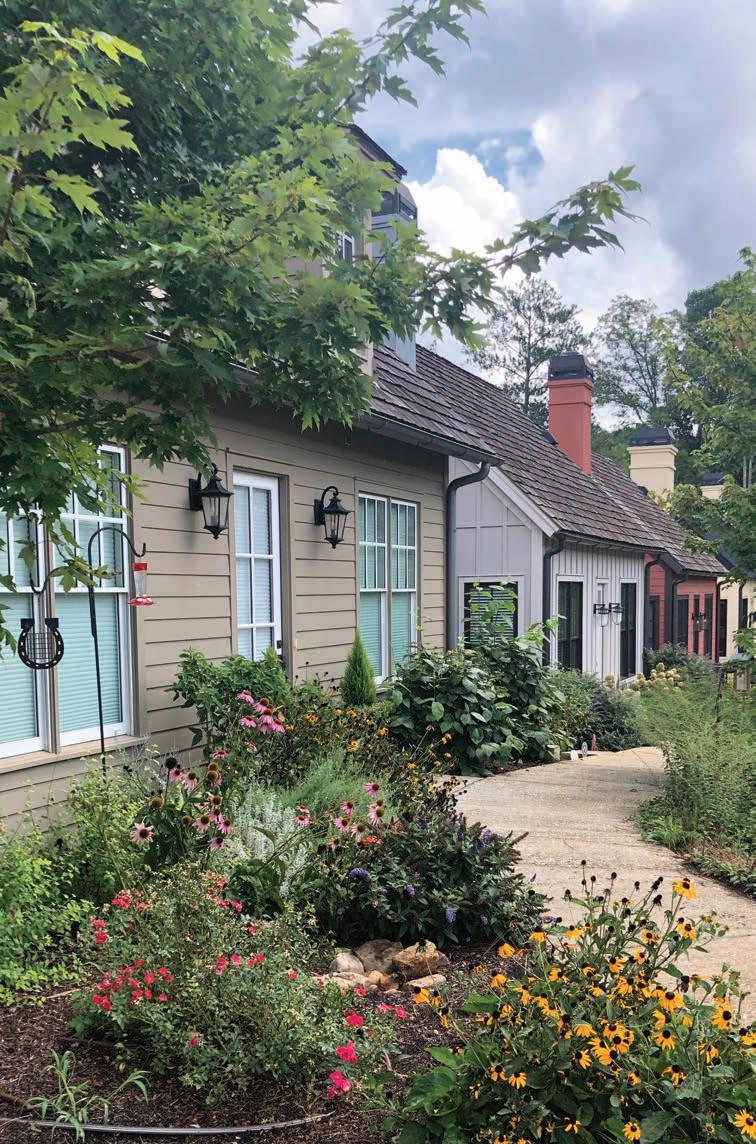
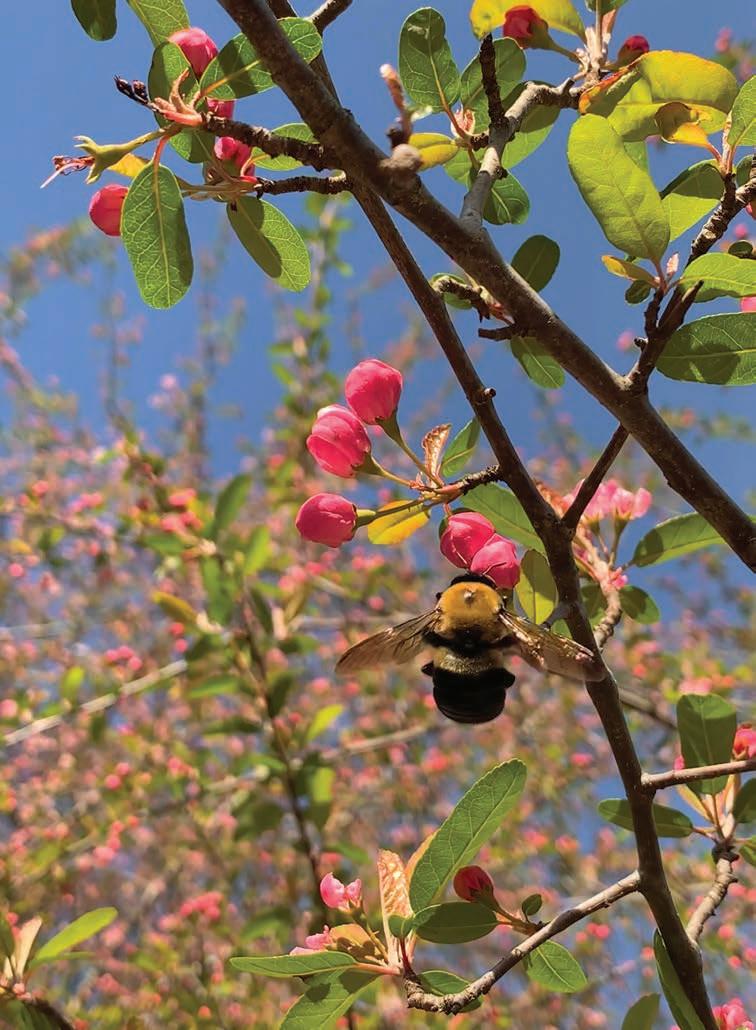
(Above) Bumble Bees are found pollinating plants throughout the community, including the herb garden between the entrances of Swann Ridge and Serenbe Farms in Grange and in the medicinal garden in Anders Court. The Serenbe Landscaping Committee plants and tends to both of these gardens, and the Selborne Pollinator Garden. (Opposite) Many di erent species of butter ies can be found in community gardens, particularly the Selborne Pollinator Garden, which was designed speci cally to feed them and was established as a Monarch Waystation. Sign designed by Juliet Cutler. Photos provided by Serenbe.
Ali Harper Photography
POLLINATOR FRIENDLY Gardens For Butter ies, Birds, & Bees





Walking through the woods at Serenbe feels like you’ve stepped into another time and place rather than a neighborhood that sits on the edge of Atlanta. One quality that is particularly striking is the amount of wildlife surrounding every inch of the community. All those species, even down to the pesky mosquitoes, play a crucial role in keeping our ecosystem thriving.
“If you want to have the honey bees and the butter ies and the beautiful things, then you have to accept the occasional mosquito and ants and roaches,” said Thomas Peters, Director of Landscaping and Natural Resources at Serenbe.
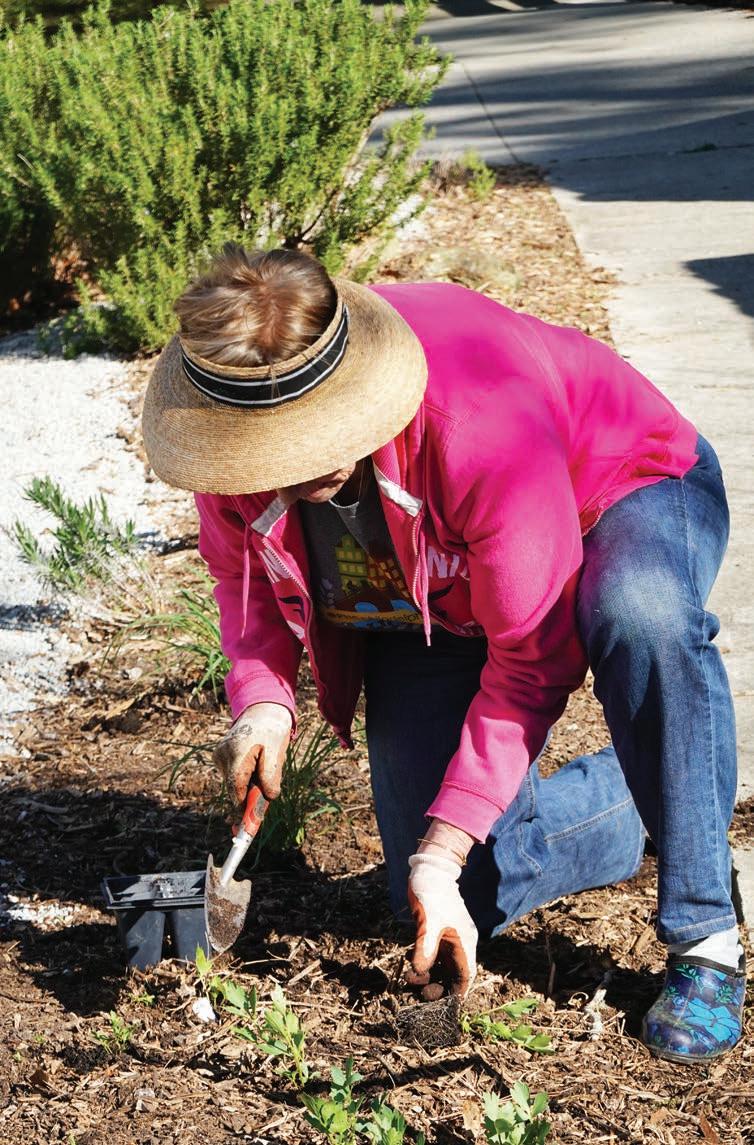
Mary Collins-Shepherd certainly wants the beautiful things. When she was working at Resource Serenbe in 2020, she loved looking out the window and watching the butter ies utter from bush to bush along Selborne Lane.When a group of residents created a committee to support Thomas Peters’ Landscape team in April 2020, Mary immediately jumped on board.
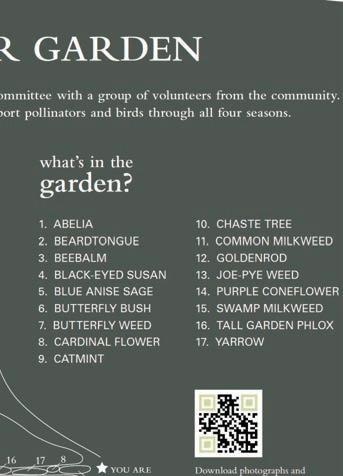
Right now, the Landscape Committee is focusing on three gardens: Anders Garden in Mado, a medicinal garden designed and planned by Al e Vick; an herb garden in Grange, created during an Earth Day pop-up with Mrs. Meyer’s Clean Day; and a new pollinator garden in Selborne across the street from The Hill Restaurant. The Selborne Pollinator Garden is where Mary rst watched the butter ies utter about, and now they have so many pollinator plants, and speci cally milkweed, that it is a Monarch Watch designated waystation. This designation puts Serenbe in the company of everything from small home gardens to large public gardens all over the country that encourage the Monarch butter ies to come back each year.
As you walk through the Serenbe gardens, you’ll see signage that tells you what plants are there, and which insects and animals they attract and feed. The Selborne Pollinator Garden sees 15-20 species of insects, bringing larger animals up the food chain that feed on those insects like frogs and birds. Gi Beaton, a Serenbe resident who wrote the book on Georgia birds, has seen 124 species within the community, including rare, migratory songbirds. All because they have food here. There’s caterpillar food, adult butter y food, seeds for birds, and nectar for hummingbirds and bees.
Bees are another crucial yet declining pollinator, which is why Bee City USA works to galvanize communities to sustain pollinators by increasing their native plants, providing nest sites, and reducing their use of pesticides. Serenbe and the City of Chattahoochee Hills were already meeting these requirements so they created a community board, chaired and co-chaired by Thomas and Mary respectively, to formalize the process and apply for the certi cation. Now an o cial Bee City, Chattahoochee Hills will host regular community events to continue to educate residents about protecting bee and pollinator populations.
What began as a few butter y bushes along Selborne Lane is now a fully-established pollinator garden, made primarily from cuttings gathered from neighbors and around the community. Ladybugs are released to keep aphid infestations low where edible plants are grown, and Thomas built bat boxes and manages standing water instead of using mosquito treatments. It’s nature at its most beautiful.
You can learn more about what it means to be a Bee City at beecityusa.org. Visit serenbe.com/ events to follow upcoming pollinator-focused events, and learn more about Serenbe’s pollinator gardens at serenbe.com/community-amenities/gardens.
SPRING/SUMMER 2023 9
Photo by Bob Lederman
The word “groundbreaking” means to pioneer. To innovate. To start something no one has seen before. When you buy a lot at Serenbe, the groundbreaking on your future home embodies every sense of the word. Work with one of our builders or BYOB—that’s Bring Your Own Builder—to create a home that matches the feel and






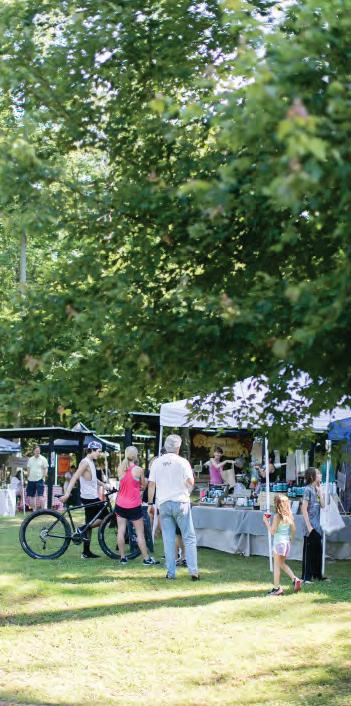
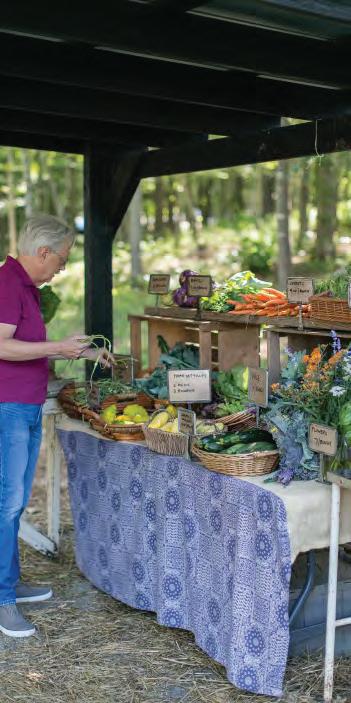
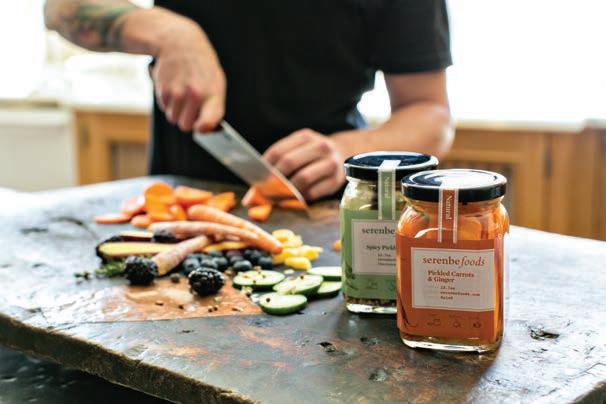
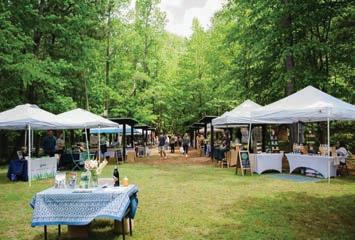
Vendors vary weekly and include organic produce, cold pressed juices, grass fed beef, wild seafood, jellies, jams, pastries, coffee, peaches, blueberries, popsicles, salad dressings, and more!




SPRING/SUMMER 2023 10
YOUR DREAM HOME
BUILD
View All Lots Available to Build Your Dream Home serenberealestate.com shop.serenbe.com BRINGSERENBEHOME Apparel·Gifts·Home·Art
9AM-1PM | SELBORNE GREEN
flow of your life.
SATURDAY
us on instagram and facebook
updates,
Farmers Market serenbefarms.com Enjoy fine cuisine of locally grown ingredients at any of our 4 restaurants The Farmhouse, Halsa, The Hill and The Blue Eyed Daisy. Learn more at serenbe.com to find a directory of restaurants and more info. dine at serenbe
Follow
for
@serenbefarms
FOOD & MUSIC Art Farm Hosts Tertulia Chamber Series

Classical music performances are no stranger to the Serenbe community, with The Atlanta Symphony Orchestra performing in the Wild ower Meadow and the Celli quartet visiting Serenbe Farmers Market during an artist residency. And now, the Art Farm hosts the Tertulia Chamber Music series.

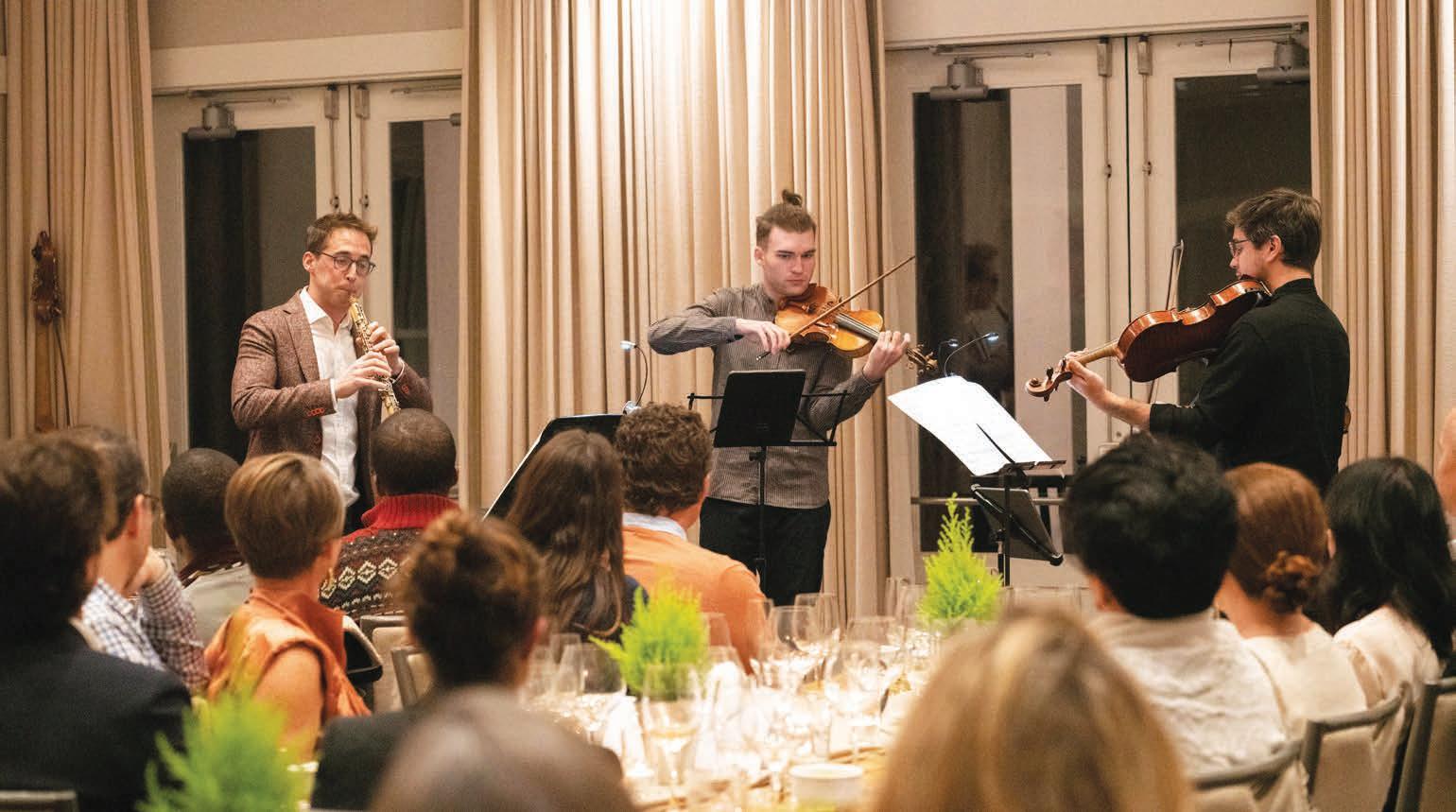
Faith McCoy Scriven, who is Music Council Chair for the Art Farm, saw Tertulia perform in San Francisco and New York because her college friend, James Austin Smith, is co-founder and the Artistic & Executive Director. Seeing Tertulia, she realized the Atlanta music scene was missing this music experience. “What was so amazing and really blew me away was the intimacy of it,” she said. Faith and James talked about bringing Tertulia to Atlanta, but couldn’t nd the right t. Then she moved to Serenbe.
“Once we were here I realized THIS was the perfect place. The artistry and the nature… just all of it. I knew Serenbe and Tertulia melded so well together.”
Tertulia presents chamber music concerts in atmospheres that combine lively conversation and dining, and now they’re adding experiences in nature. Their mission is to make classical music accessible to a wider audience, a goal accomplished by their relaxed and unstu y approach designed to engage both new and experienced listeners.
“The core of Tertulia is that you come for dinner and you have a three or four course meal, and in between courses of food you have courses of music,” James said during an interview for the Serenbe Stories podcast. “You get these digestible chunks of listening and the listening is really serious.”
This experience of serious listening is ideal for a dining atmosphere, in the sense that it provides a perfect complement. During dinner, conversation and conviviality are highly encouraged. Conversely, the performance is a “time for focused, inquisitive listening.” Each enhances the other. “Listening is better because you have the relaxation time to talk about it. Or
to NOT talk about it and talk about something else,” said James. “And that time [spent talking] is better because you just spent 20 minutes listening to glorious music.”
Chamber music is always a small group of musicians (two-to-eight people) with no conductor, so each member is collaborating and coming to an agreement or conclusion with the other musicians. “It calls for that openness, that listening, that leading when the time is right and sitting back and following when the time is right. It’s its own kind of conversation.” In that way, James believes chamber music is perfect for such an intimate dining experience.
“You build a sense of community amongst musicians, and since chamber music usually performs in small spaces, that community extends to the four corners of the room, making it a communal atmosphere where everyone in the room is a part of the process.You turn it into the most intimate concert hall you can imagine.”
Serenbe’s “concert halls” for Tertulia have included The Inn at Serenbe Oak Room, Halsa, the courtyard outside The Blue Eyed Daisy, and Sunset Point, which overlooks horse paddocks and provides some of the best vistas the community has to o er.
As Steve Nygren puts it, “Tertulia is for those people who are passionate about wine, food, music, the whole thing. That’s what Serenbe sets the table for.”
Learn more about upcoming performances at artfarmatserenbe.org.
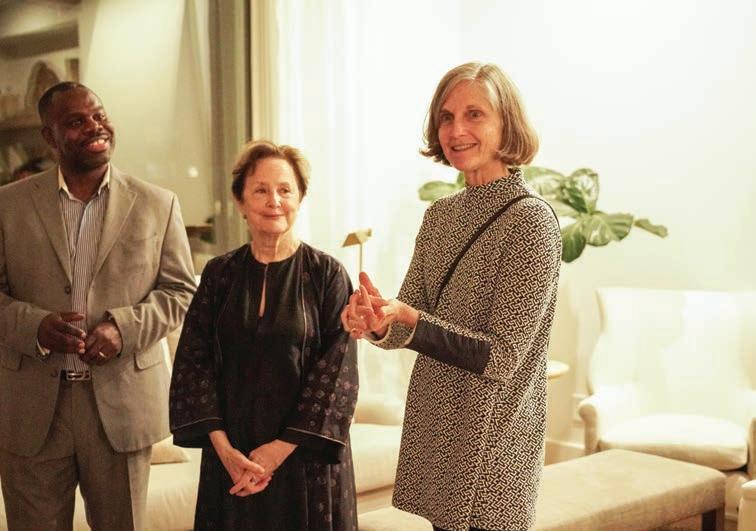
Past Tertulia performances at Serenbe have included Vivaldi’s Four Seasons, Autumnal Brahms, and selections from Stravinksy, Clarke, Smith, and Beethoven. Initial performances were over dinner at The Inn Oak Room or at Halsa. Art Farm Board Chair Janice Barton, Garnie Nygren, and Art Farm Music Committee Chair Faith Scriven catch up before sitting down to a Tertulia.
SPRING/SUMMER 2023 11
SPRING/SUMMER 2023 12
ALICE IN WONDERLAND Celebrating 25 Years of Georgia Organics with Alice Waters
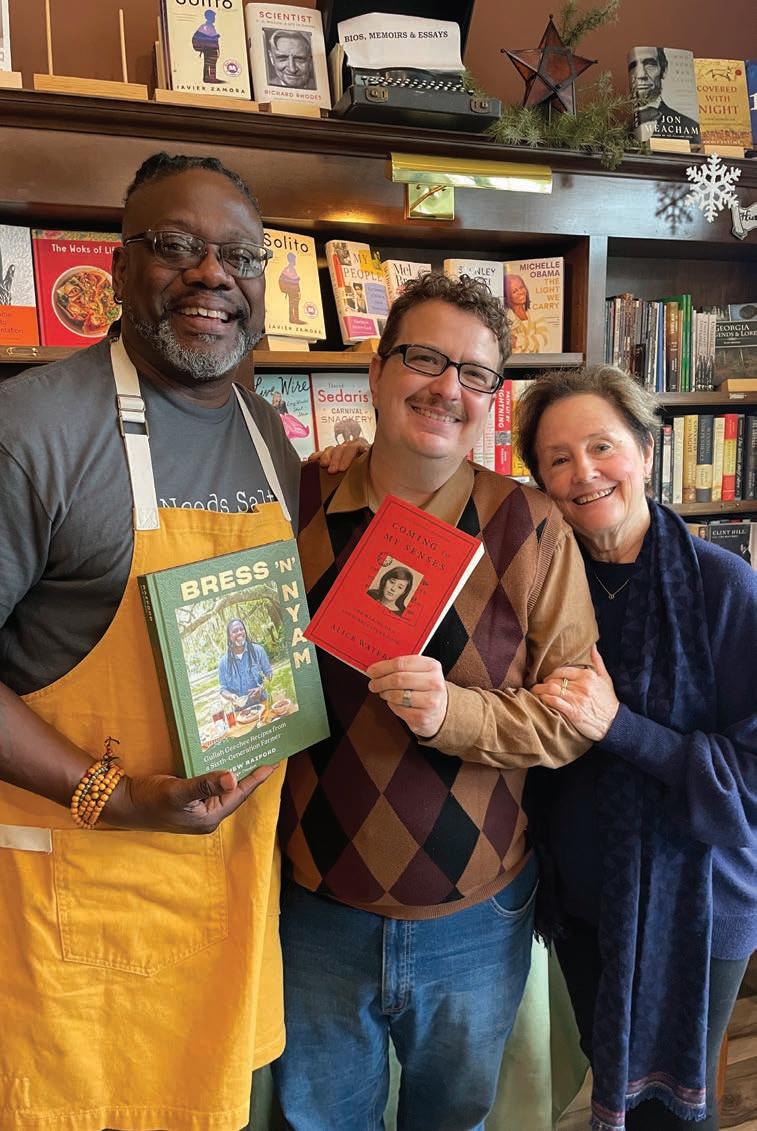
Matthew Raiford was speaking at Rodale Institute’s Southeast Organic Center when he met Chattahoochee Hills Charter School’s (CHCS) Principal Patrick Muhammad. Patrick invited the self-proclaimed CheFarmer of Savannah’s Gilliard Farms to tour the school’s campus, which has a farm of its own including chickens, a greenhouse, and gardens modeled after Chef Alice Waters’ Edible Schoolyard Project. Once Matthew learned of Patrick’s adoration of Alice, he immediately FaceTimed her to give a tour of the school because he knew she’d be impressed. He was right. Alice quickly said she had to see the charter school in person. Matthew saw an opportunity, and a trip to Serenbe was hatched.
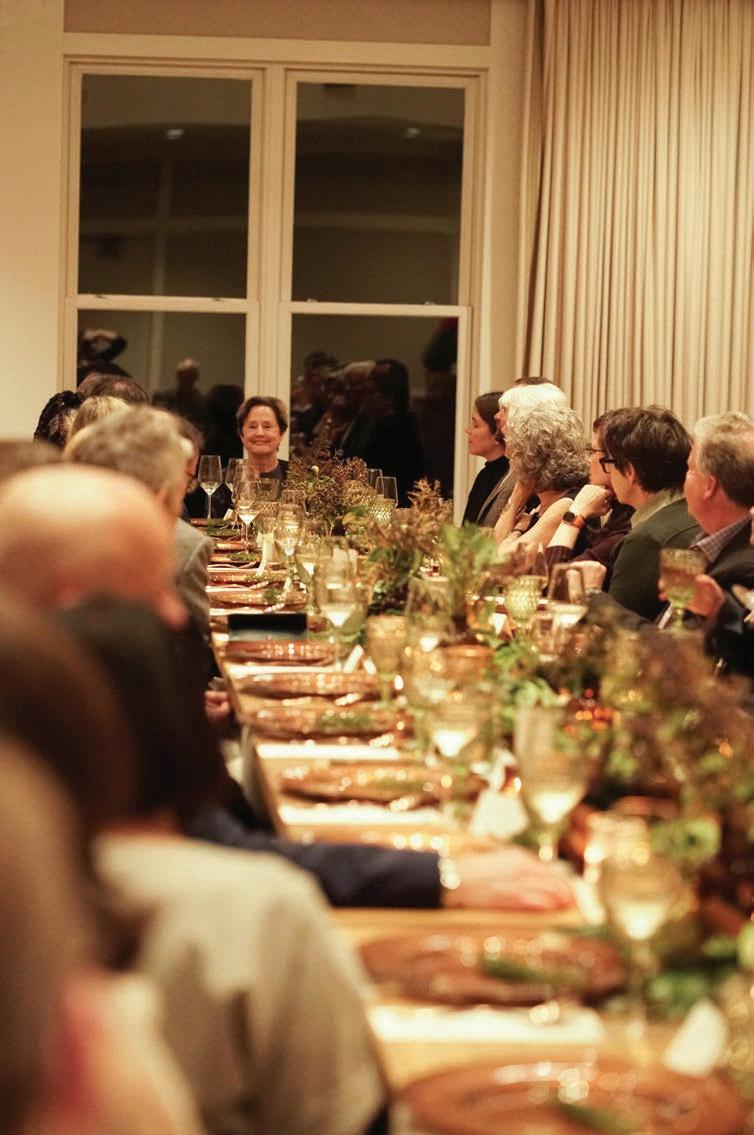
In addition to being a chef, a farmer, and an entrepreneur, Matthew Raiford is also Chair of the Board for Georgia Organics, the oldest statewide nonpro t providing direct support to local and organic farms. They were planning to celebrate 25 years of investing in and supporting Georgia farmers, and Matthew had the idea to host an intimate fundraising dinner honoring both the nonpro t and Alice.
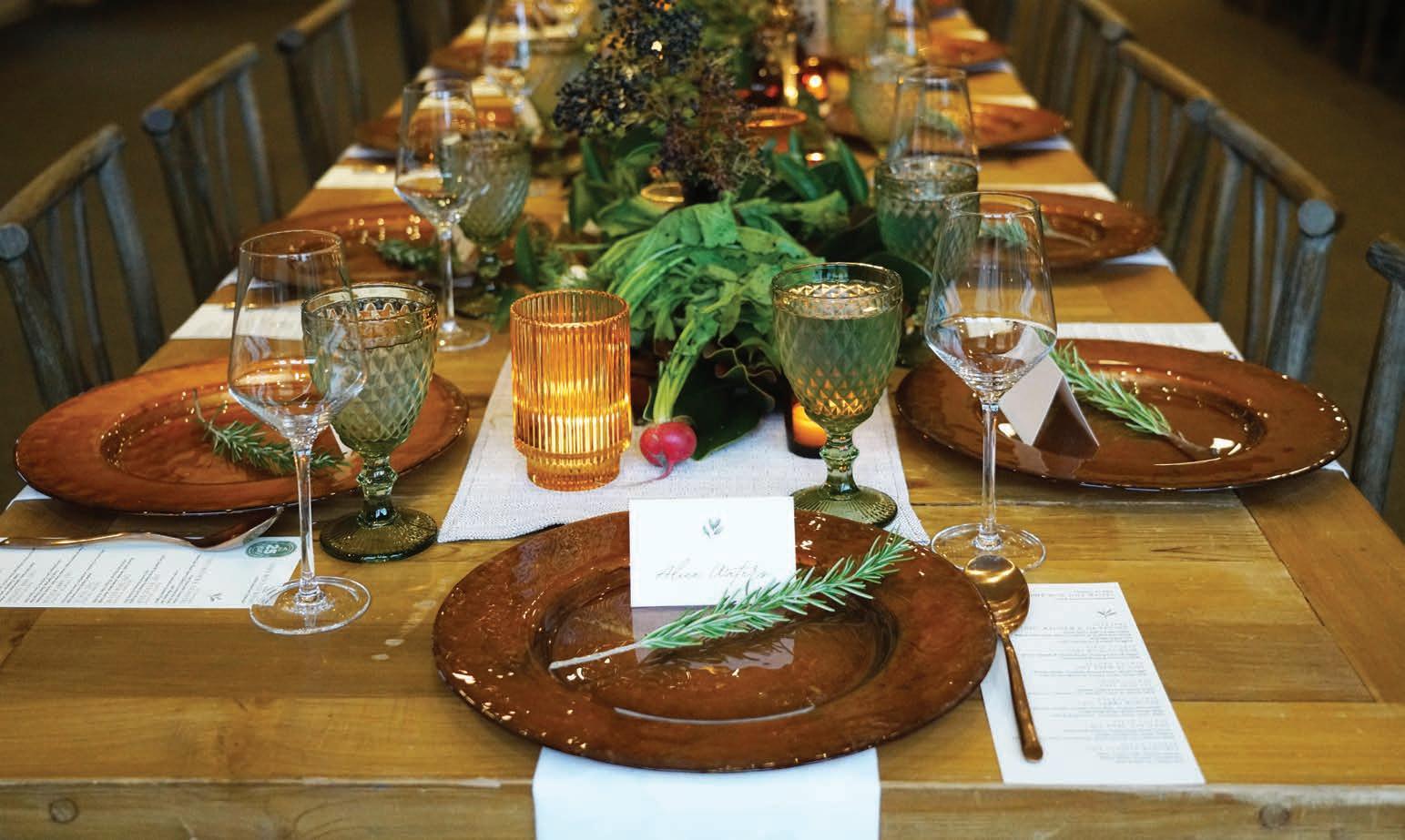
It was a culinary powerhouse of 10 of the top chefs in Atlanta and beyond, with each chef sharing details of their dishes and how Alice inspired them. Matthew and his wife Tia (Strong Roots 9) created the starter course that included cocktails by Kassady Wiggins, with the following six courses by Chefs Nicolas Bour (The Farmhouse at Serenbe), Drew Belline (Rocket Farm Restaurants), Josh Lee (The Soulful Company Restaurant Group), Sammy Monsour (Preux & Proper), Anne Quatrano (Bacchanalia and Star Provisions), and Claudia Martinez (Miller Union). The evening, which included a Q&A with Alice led by The New York Times Food Editor Kim Severson, was a celebration of the future of farming and raised close to $50,000 for Georgia Organics.
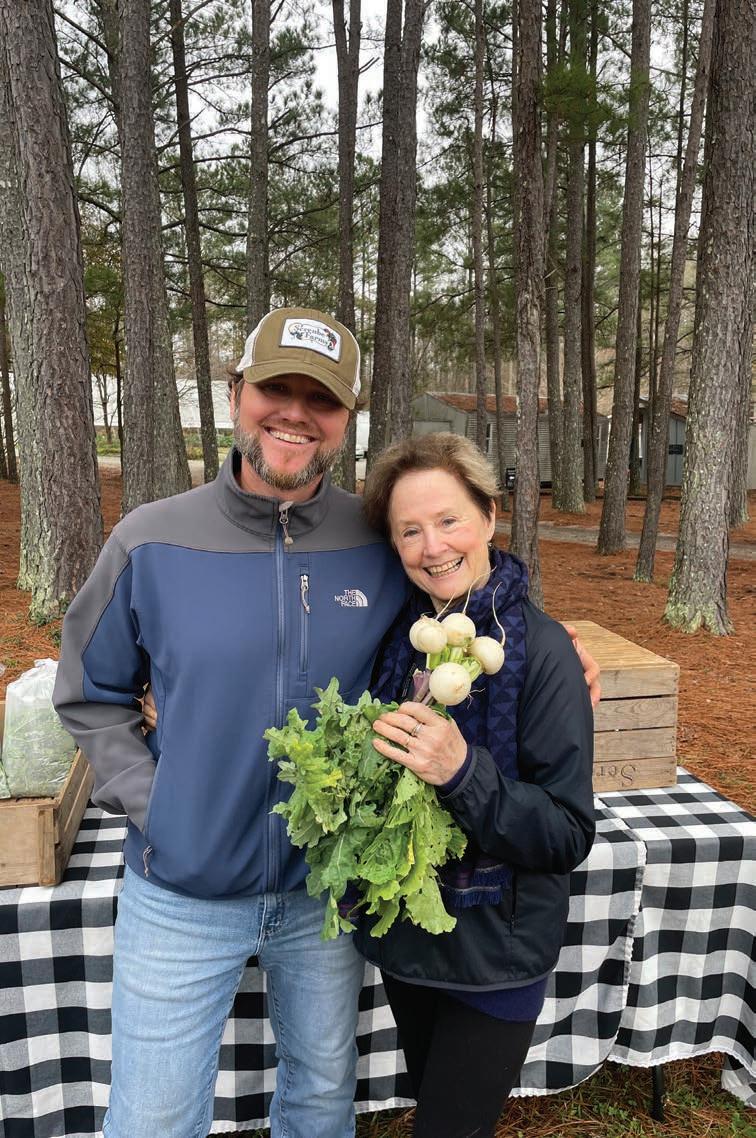
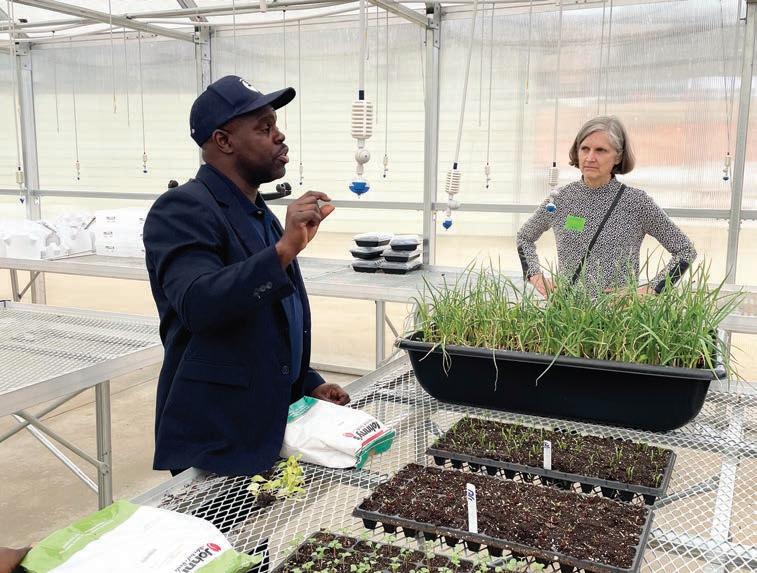
And of course Alice had to stop by where the conversation had begun, Chattahoochee Hills Charter School. She enjoyed her in-person tour of the school farm, where Principal Muhammad talked about his plans to eventually go to Waters’ Edible Schoolyard Training Program to be certi ed. She welcomed him to the program, but was so blown away with what she saw that she said it wasn’t necessary. He was already making the Edible Schoolyard mission a reality in Chattahoochee Hills. She attended a Friendraiser reception that evening supporting the school, along with Georgia Organics President & CEO Alice Rolls and Matthew. The next afternoon, she and Matthew had a book signing at Hills & Hamlets Bookshop in the Grange hamlet and stopped by Serenbe Farms for a tour before heading to the Georgia Organics Dinner. What a weekend for Alice, in the wonderland that is Serenbe.
Learn more about Georgia Organics at georgiaorganics.org, Alice Waters’ Edible Schoolyard Project at edibleschoolyard.org, and Matthew Raiford at strongroots9.com.
(Opposite) Alice Waters and Serenbe Farms’ Farmer Ian Giusto at Serenbe Farms. Alice Waters and Alice Rolls visiting Chattahoochee Hills Charter School to see the schoolyard farm Wasters had inspired before attending the Friendraiser Reception at Portal Serenbe. Alice Waters and Matthew with Hills & Hamlets Bookshop owner Josh Niesse at their book signing before the Chef Dinner with Georiga Organics at The Inn at Serenbe.
WATERMELON STEAK SALAD WITH HEIRLOOM TOMATOES AND SANGRIA VINAIGRETTE
From CheFarmer Matthew Raiford’s cookbook, Bress ‘n’ Nyam: Gullah Geechee Recipes from a Sixth-Generation Farmer
I grew up eating Georgia Rattlesnake watermelons - that’s really what they’re called, because the dark green stripes resemble a diamondback rattlesnake. These heirloom varietals, which can grow up to 40 pounds, have a deep reddish pink esh that is sweeter than sweet. Folks started growing them around here in the 1830s. When I was a kid, we’d throw them in the back of the truck and take them to market. Because they are harder to come by now, and because people have grown accustomed to seedless watermelons, I created this recipe to accommodate either. But I absolutely prefer a rattlesnake watermelon, which we grow at Gilliard Farms.
FOR THE SALAD
1-1½ lbs freshly mixed salad greens or microgreens
1 lb heirloom tomatoes of varying sizes and colors, such as Cherokee Purple, Yellow Brandywine, black and yellow cherry tomatoes
¼ medium seedless watermelon (5-10 lbs)
Olive oil for brushing
PREPARATION
FOR THE VINAIGRETTE
1 cup traditional red sangria, either homemade or store-bought ½ cup olive oil
Freshly cracked black pepper Sea salt
• Prepare your grill for medium -high direct heat, 375° to 450° Fahrenheit.
• While the grill comes up to temperature, wash and dry the salad greens, then divide the greens among four to six serving plates. Wash and dry your tomatoes. Slice the whole tomatoes into ½-inch rounds and halve the cherry tomatoes. Divide and arrange the tomato slices evenly among the plates. Set the plates in the refrigerator to chill while you nish the dish.
• Slice the watermelon into ¾-to-1-inch thick “steaks,” then quarter the steaks into wedges. Brush each side of the watermelon with a little olive oil, then set the wedges on the grill for approximately 3 minutes per side, until you get grill marks. The longer you leave the wedges on, the sweeter they’ll get. Remove the watermelon from the grill and arrange among the salad plates.
• Pour the sangria into a large measuring cup with a pouring spout, then whisk the olive oil into the sangria until it makes a nice, loose vinaigrette. Generously dress the salads. Sprinkle the salads with pepper and salt to your liking, then serve.
SPRING/SUMMER 2023 13
Things To Do When You Stay at The Inn at Serenbe


BREAKFAST
Included in your stay as an Inn guest is Southern-style breakfast served each morning in the Farmhouse dining room.

YOGA & PILATES
CLASSES
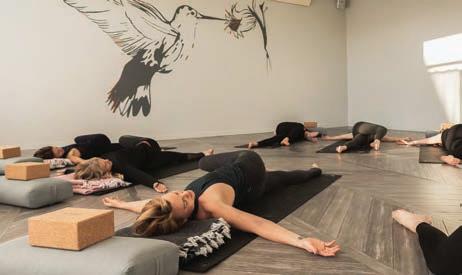
Choose from a range of yoga practices and reformer pilates at the studios located in the community. Outdoor yoga options, including goat yoga.
SERENBE FARMS


Take a 1 hour tour of Serenbe Farms on Saturdays at 3:00pm for $15 per person. For reservations or to schedule private group tours, please contact tour@serenbefarms.com
LABYRINTH
The labyrinth is located by the lake and available any time to enjoy its energy, grace and meditation.



TRAIL RIDES
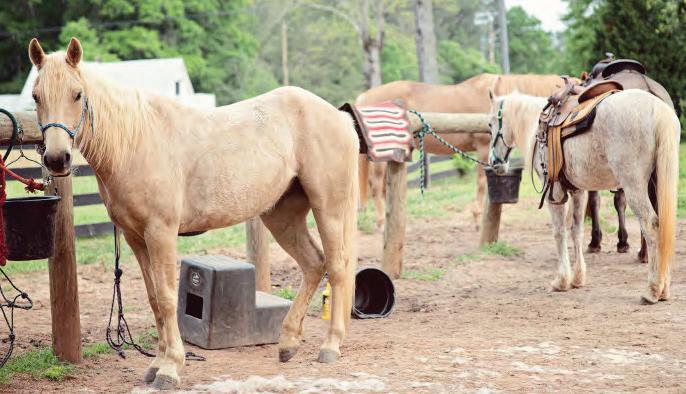
Experience Serenbe on Horseback. Our skilled sta and gentle horses ensures you to have a comfortable and relaxed ride, allowing you to enjoy the beautiful scenery at Serenbe. serenbetrailriding.com
HAYRIDE
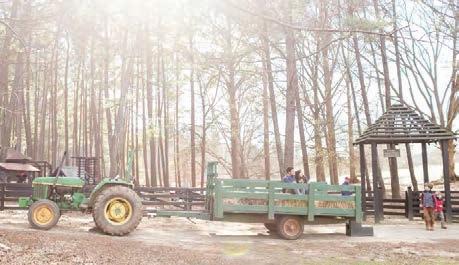
Hayrides are o ered Saturday and Sunday at 10am for Inn guests upon request.
SPA SERVICES

The Spa at Serenbe o ers a range of services including massages, facials, peels, re exology and an infared sauna. The spa specializes in o ering a comprehensive whole person approach to care. 770.463.0880 | spaatserenbe.com

GOLF CART RENTALS

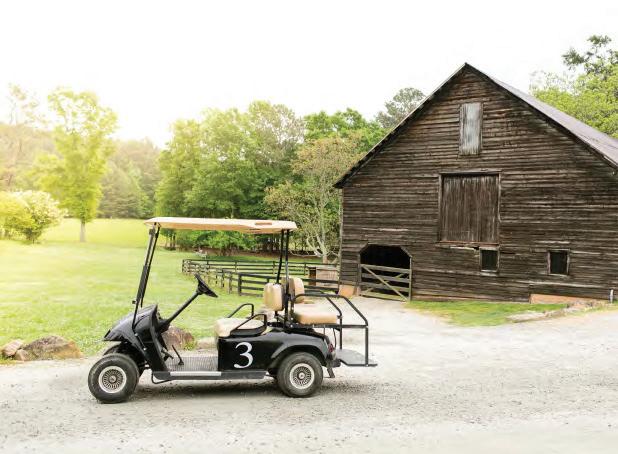

Golf carts are available to rent per day at Guest Services. Rentals are based on a rst come, rst serve basis.

BONFIRE
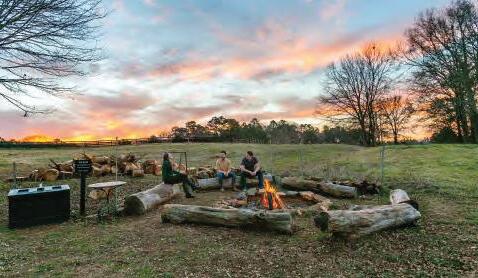
Our fully stocked bon re is located near the Lake Pavilion, complimentary for Inn guests. S’more packets are available for purchase at Guest Services.
DINE AT THE FARMHOUSE
Join us for lunch or dinner at the critically acclaimed Farmhouse Restaurant and enjoy seasonal cuisine of locally grown ingredients. Plus enjoy Happy Hour from 4 – 6 Daily.
FEEDING THE ANIMALS
From sun up to sun down, Inn Guests can feed our friends in the Animal Village. Animal feed is available at Guest Services.

RELAX AT THE POOL
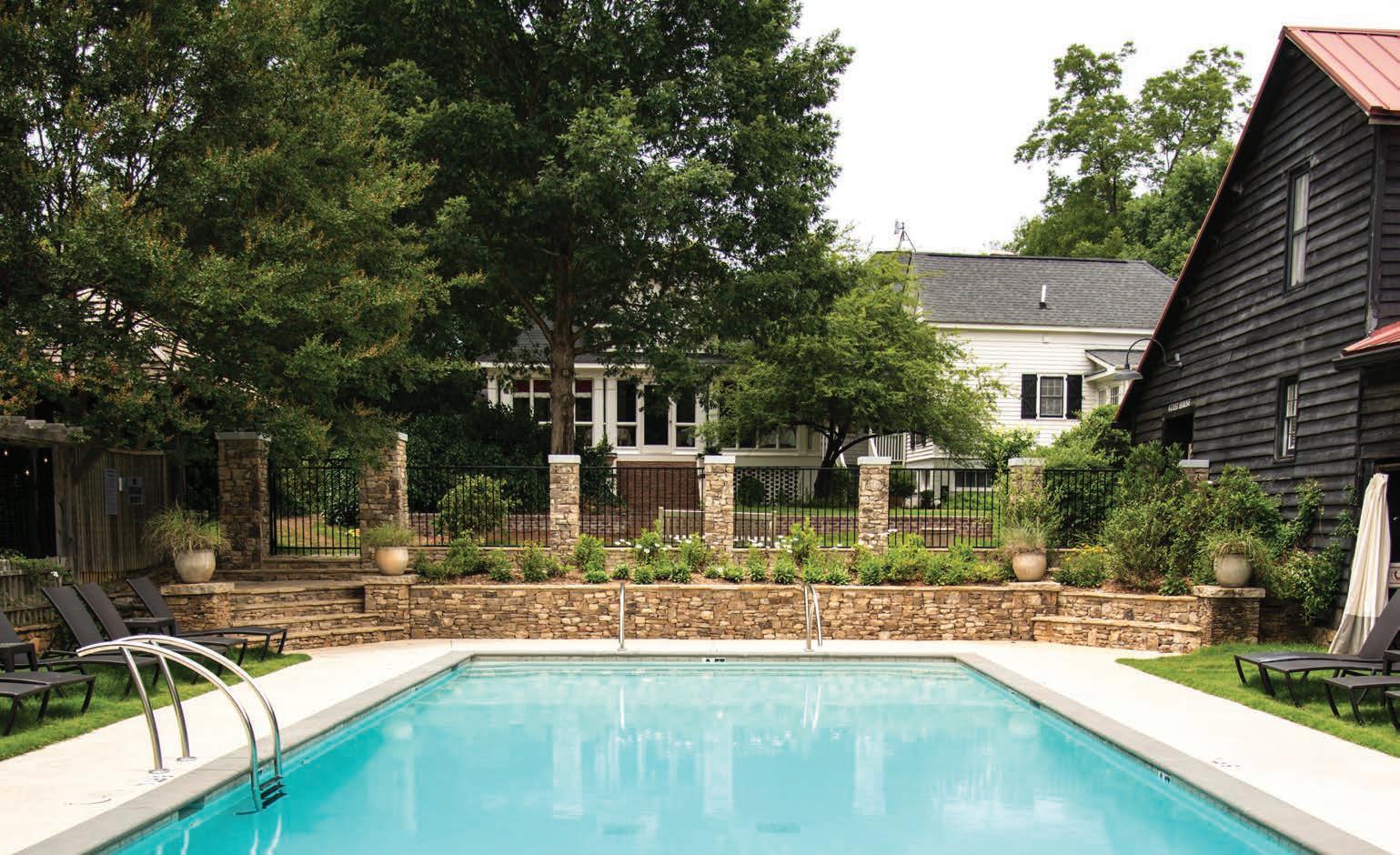
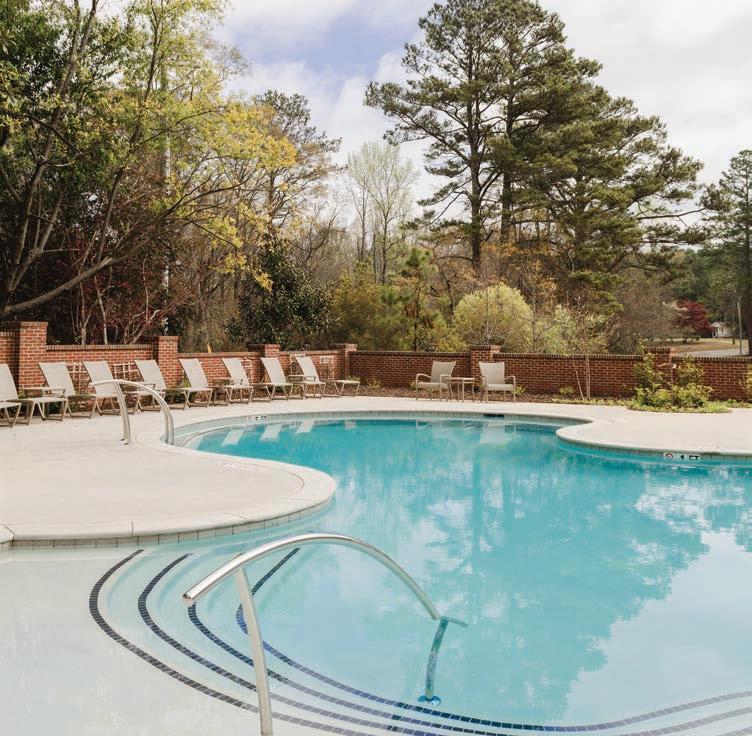
Relax and cool o at one of the Pools or take a dip in the hot tub. The primary Pool is available to all ages and the Main House pool is for adults only.
SPRING/SUMMER 2023 14
1 4 2 5 3 6 6 5 4 1 3 2
7 7 8 9 11 10 12 9 10 8 11 12
serenbeinn.com
SPLASH INN TO SUMMER New Services, Amenities & Happenings
The Inn at Serenbe has seen many renovations and expansions over the years on its way to being the luxury retreat it is today. What started as the Nygren family home in the ‘90s now includes 28 guest rooms, four conference rooms, an open air lakeside pavilion, and a multitude of community home rentals. And those are just the accommodations.
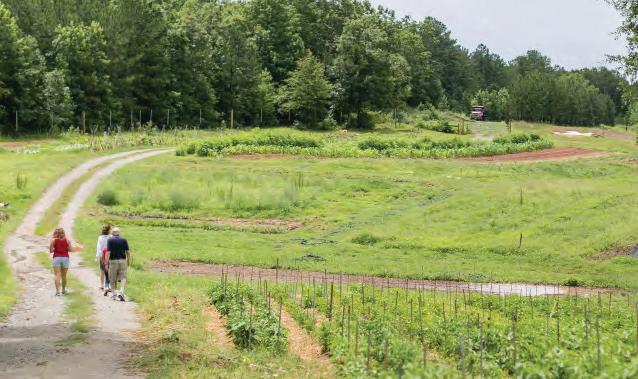
One of the best parts of visiting The Inn at Serenbe is enjoying all nature has to o er across the Inn Grounds and the 15 miles of nature trails throughout the Serenbe community. Inn guests can take a walk (or book a horseback ride) on those trails, enjoy a hayride, or visit The Inn’s animal village. There’s an outdoor, life-sized chess board, bocce court, and horseshoes, providing fun for all ages. The main family pool o ers a shaded cabana and hot tub, and has plenty of space to swim, lounge, and soak up the sun. Then the newly-opened adult only pool has its own hot tub and is tucked away o the main house porch. The Inn’s onsite restaurant, The Farmhouse, is open to Inn guests and visitors daily for lunch and dinner, and overnight guests can enjoy a full country breakfast with their stay.
The Farmhouse Bar is also open daily and hosts live music every Friday evening on their wraparound porch.You can also book a seat at the Friday afternoon wine tasting, which takes place on the porch before the music starts. And don’t forget to check out the community during your stay. A short walk through the trails leads to more restaurants, multiple boutique shops, and arts and farm events for you to enjoy.
Want your trip itinerary planned for you? When you purchase an Inn at Serenbe Stay Package, you’ll have access to the new Concierge that guests are raving about, saying “the concierge turned a 5-star experience to a 10-star at every turn, every single day,” and “he made [them] feel like a Queen.”
Now is the perfect time to get away to The Inn at Serenbe, with new activities, amenities and packages to enjoy a quick or longer getaway this Spring or Summer.

Visit serenbeinn.com to see all available Inn amenities, events and packages. Contact guestservices@ serenbeinn.com or call 770-463-2610 to book a Stay Package.
SPRING/SUMMER 2023 15
Ali Harper Photography
Mia Yakel Photography

SPRING/SUMMER 2023 16
CUTTING EDGE SCHOOL New Acton Campus Taking Shape
Imagine a school that creates enough energy to sustain itself. What would that look like?
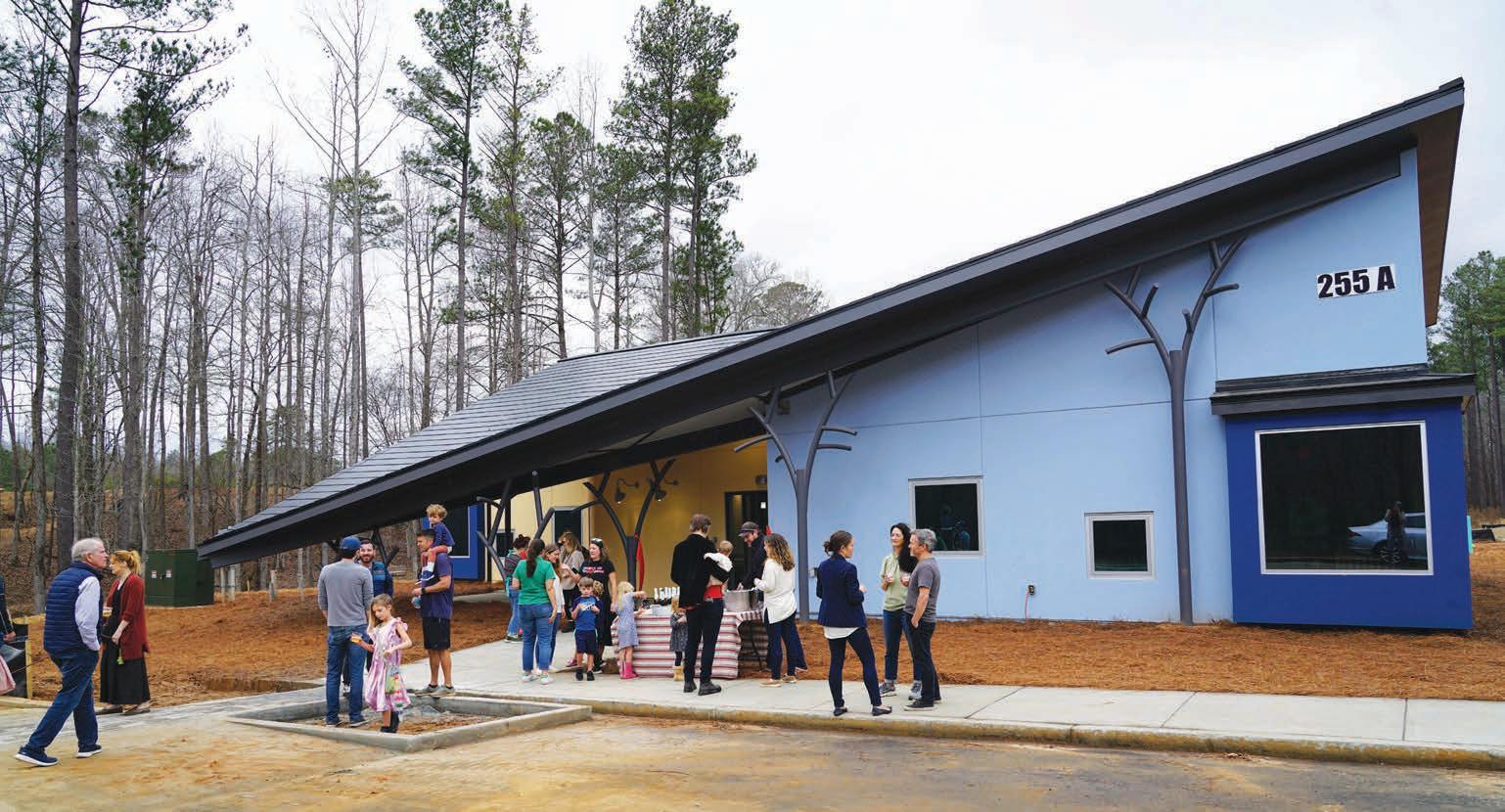
Well, if it’s Acton Academy at Serenbe, it’s a campus made up of brightly-colored buildings featuring Tesla solar-paneled roofs and geometric architecture.The surrounding land would include an organic vegetable garden and an open eld leading into preserved woods with creeks and nature trails. Basically, it would be beautiful. Steve Nygren wouldn’t have it any other way.
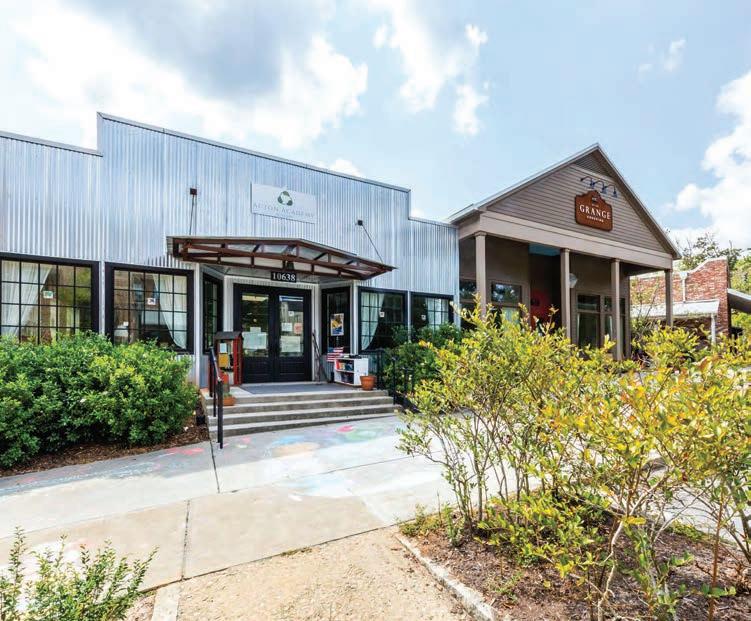
Acton at Serenbe is a non-pro t school, and as a physical place within Serenbe is subject to the community’s Design Review Board. Steve’s vision of what a school here would look like came to him when traveling through Scandinavia. He noticed that buildings have simpler forms, with a function in every detail. Phill Tabb, Serenbe’s land planner, then exposed him to Scandinavian architect Eric Rasmussen, whose buildings had fun with shapes and colors, and Steve was further inspired.
“I challenged the Acton school architects to use shapes as a guide, tilting the roof on the Toddler Building so it looks like it’s coming right out of the earth and supporting it with columns that mimic trees,” he said. “I also wanted to have a brighter color palette.You don’t normally see it in American schools but in Scandinavia this isn’t uncommon. People drive down the road to the school and it brings joy.”
That’s just the exterior of Acton’s new Serenbe campus. John Mattis - who is Board Chair of the Acton Academy at Serenbe, a resident in the community, and parent to three Acton students - wanted students to not only learn the studio curriculum but also their impact on the environment, all while enjoying state-of-the-art facilities.
“The goal is to generate a minimum of 105% of our energy and be a closed-loop water system,” said John.“As the students enter the building, there will be display monitors on the wall that show a trend of power usage during the day and the water and solar generation, so the students learn to live within ranges of temperature or adjust their behavior based on what usage looks like.”
What led to these ideas? The Acton board was in the initial strategic planning phase of the campus when they realized how closely aligned they were to the Living Building Challenge,

a sustainable building program by the International Living Futures Institute. Serenbe buildings are already EarthCraft certi ed and require geothermal HVAC along with other energy requirements, so the Acton at Serenbe board decided to also pursue this greater challenge, which they believe embodies their values and culture.
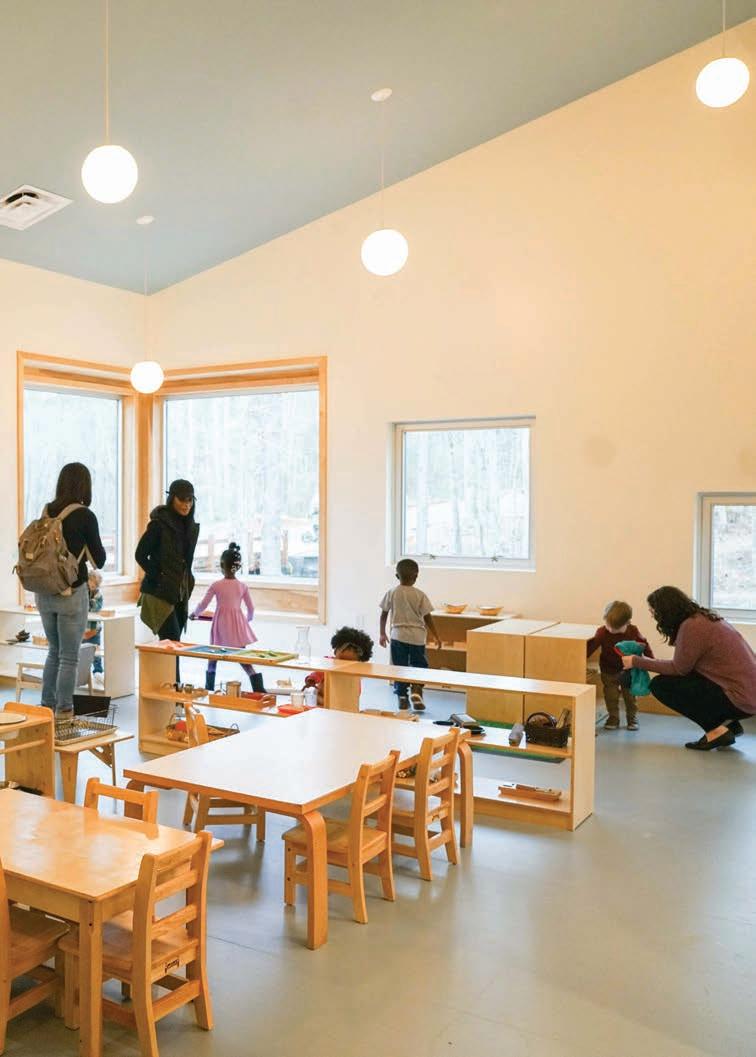
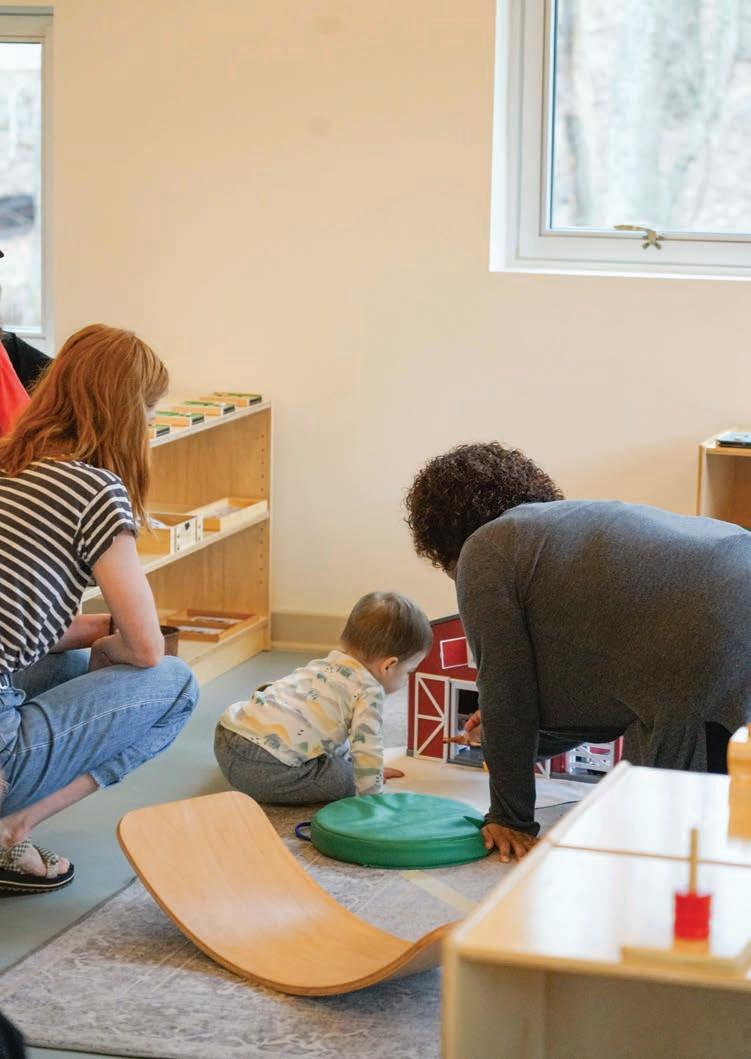
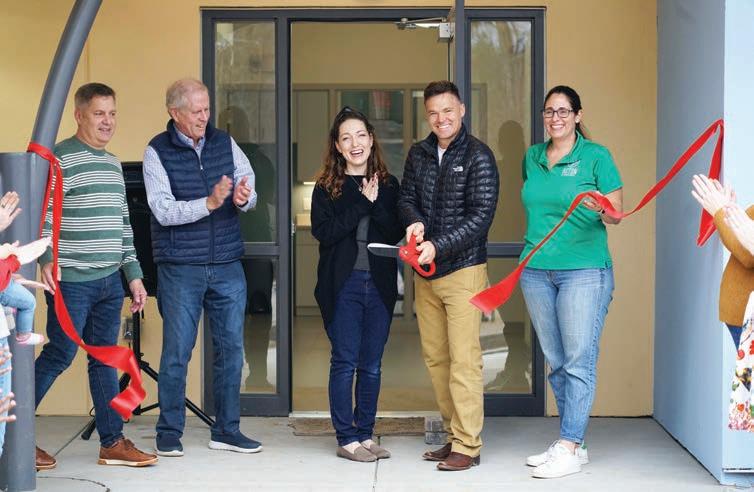
The campus is being built in three phases. The rst phase, a Toddler Building for ages 6 weeks to 3 years, had its ribbon cutting and opened to students in January 2023. The Acton community, which includes Steve Nygren’s grandchildren, celebrated.
“It was so great to walk into the toddler building and see the small windows, the low windows where my 3 year old grandchildren can stand and look out to the woods,” said Steve. “It feels their size, and that’s so empowering.”
Future phases include an eight-classroom building serving students ages 3 to 8th grade, which has broken ground and will be ready for the Fall 2023 school semester, a high school building with Maker’s Studio, a gymnasium that opens to an outdoor amphitheater, and an organic farm. “We nished the 2021-2022 school year with 150 students and by Fall 2022 we had over 200 students enrolled. Within a few years, we will be close to 450 students,” said John.
“The more students, the more exposure on a long term basis that someone has to this type of environment, it’s going to impact how they make their decisions regardless of what career they go into in life,” said John Mattis. If we do this right, we can be the shining example of how you should build schools going forward.”
For more information about enrolling in Acton Academy at Serenbe, visit their website at actonacademyatserenbe.com.
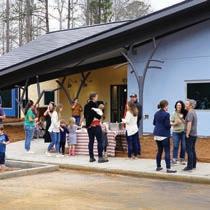
Acton Academy at Serenbe held a ribbon cutting ceremony in January 2023 to celebrate the opening of the new Toddler Building, the rst of three phases of their new campus build. Once the ribbon was cut, students were invited inside to meet teachers and see the new classrooms. Architectural drawing shows the future phases. The second building of the campus will be ready for students Fall 2023.
SPRING/SUMMER 2023 17
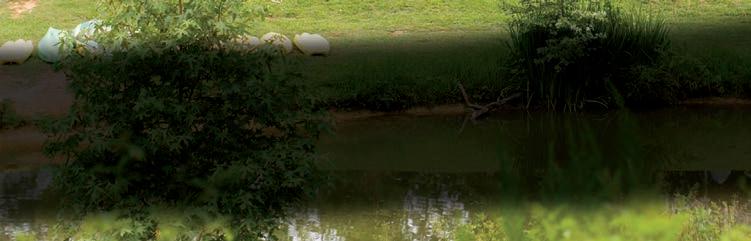
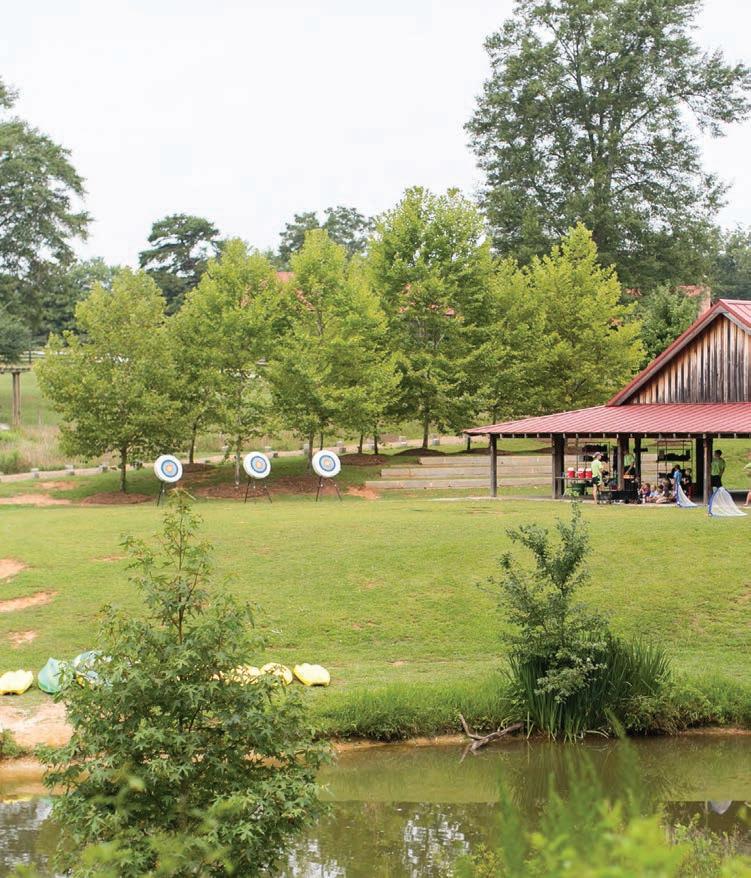
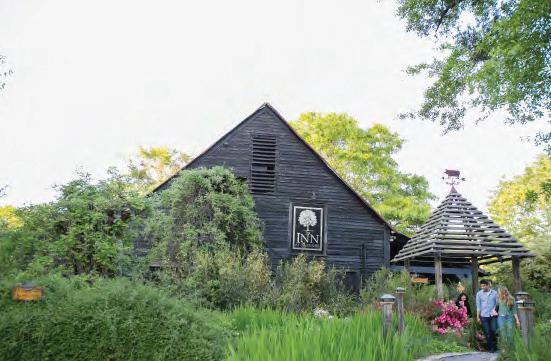
The Inn offers complimentary country breakfast, afternoon tea and evening sweets for all guests. While staying, you can enjoy miles of hiking trails, horseback riding, evening bonfires, feeding our farm animals, a hayride or a farm tour, along with spa services and shopping in the Serenbe community.










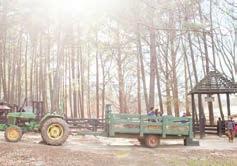




Visit The Inn’s on-site restaurant, The Farmhouse, for lunch or dinner and enjoy cocktails on the distinctly southern wrap-around porch. The Farmhouse is open for lunch and dinner daily, including it’s famous fried chicken lunch every Saturday and Sunday.




SPRING/SUMMER 2023 18 EXPLORE TODAY serenbetrailriding.com
and individual rides for up to 8 guests. Add on a private picnic lunch at the waterfall. Builds curious independent life long learners. Serving ages 6 weeks - 18 years Pre Primary-High School APPLY TODAY actonacademyatserenbe.com
Groups
Visit serenbeinn.com for more information and to book your stay. 770.463.2610 STEP OFF THE TREADMILL OF LIFE The Inn at Serenbe JUNE + JULY M-F•9AM-3PM AGES 3-12 • $375-$475 PER WEEK
FARM
FOR MORE INFORMATION, VISIT CAMPSERENBE.COM OR EMAIL INFO@CAMPSERENBE.COM.
A FAMILY GETAWAY TO THE COUNTRY www.serenbeinn.com
at the Inn at Serenbe Includes a Full Country Breakfast Sunday - Friday
STAY at serenbe
QUALITY TIME WITH NATURE-FUN ON THE
ANIMAL HIKING-CANOEING-CRAFTS-ADVENTUREFEEDING-HAYRIDES-FISHINGAND MORE! PLUS (AGES 8-13) HORSEBACK-ART-COOKING-FARMING
PLAN
• (770) 463-2610 Accommodations
SERENBE IN THE NEWS
Newsweek


Bask in Luxury, Guilt-Free, at These Eco-Friendly Global Boutique Hotels. This inn seems worlds away from the hustle and bustle of Y’allywood. Situated on forestland and wild ower meadows, the getaway is connected by 15 miles of trails. Locally grown ingredients grace the plates at The Farmhouse Restaurant.
Atlanta Business Chronicle






A Suite Place To Be. Inspired by villages in the English countryside, Serenbe has experienced a sharp uptick in home sales in recent years, bolstered by the ongoing ight toward walkable communities and stampede of families migrating to the Sunbelt for its cost of living.

Drew Magazine

Escape From The City. Raise your plate if you want a serving of a ordable country retreat with a side of sustainable locavore community. The lovely, six-building, 27-room hotel on the outskirts of Atlanta includes a 25-acre organic farm and a restaurant to show o its hyper local delights. Though there are annual events and a community calendar, all you really need is a rocking chair, a hot tub. and the occasional goat yoga class.
Atlanta Homes & Lifestyles
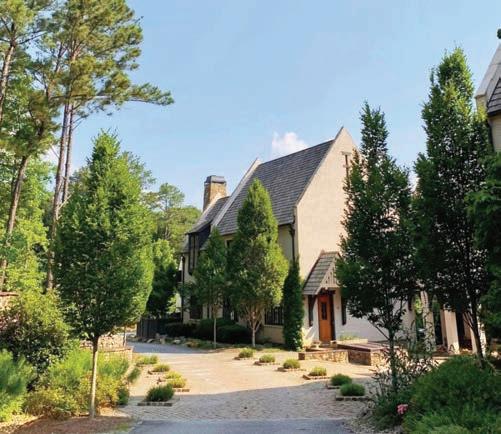
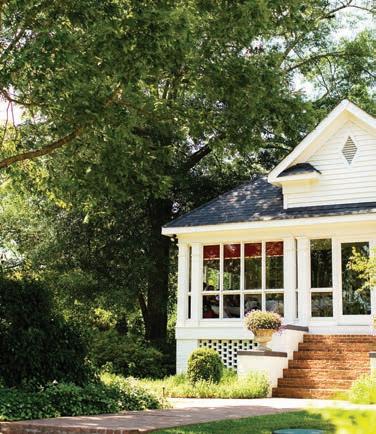

Stylish Reign. Tucked within Serenbe’s scenic Grange neighborhood, the 2022 Serenbe Designer Showhouse sets a new standard for design.
Southern Woman

A Dining Delight in the Heart of Nature – On the edge of Atlanta, away from the humdrum of everyday life, lies The Farmhouse. Chef Bour and his team curate fresh seasonal dishes that would tantalize any taste buds.
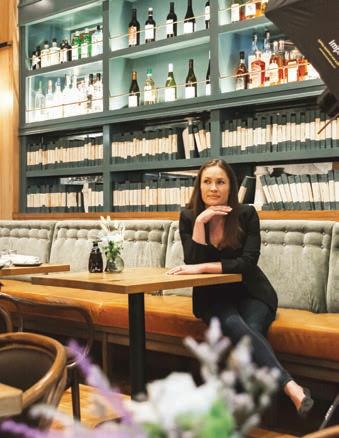
Best Self

Forbes
Agrihood Trend Blends FarmFresh Food, Easy Country Living And Modern Wellness Design. The homeowner…was drawn to this community with the farm-to-table restaurants, the countryside, and natural environment.
Atlanta JournalConstitution
Serenbe Community Celebrates Curtis Patterson’s Striking New Sculpture. Patterson’s intention [with Serenity to Shango] was to create a gathering place where people could connect with one another and contemplate the miracle of nature in a tranquil setting.

Atlanta Magazine
500 Most Powerful Leaders In 2023. Steve Nygren is one of 10 Legends in Atlanta’s Restaurant & Hospitality industry. Nygren opened the Pleasant Peasant in 1972 and grew the company to 34 restaurants in eight states before selling. In 1994, he, his wife Marie, and their three daughters relocated to Chattahoochee Hills, where they helped design the award-winning Serenbe community.
Eco Experiences

Traveling the world, sustaining the Earth. Become a biophile in Atlanta. The Serenbe community abides by the principle that spaces should make occupants feel deeply connected to nature. Residents bene t from an organic farm, seasonal market, and edible landscaping.
Travels In The American South
More than an activity for guests and residents, the Labyrinth at Serenbe is a metaphor for how we experience and walk through the world.
SPRING/SUMMER 2023 19
40 Under 40. Garnie Nygren
LUXURY RENTALS Attracting Future Neighbors
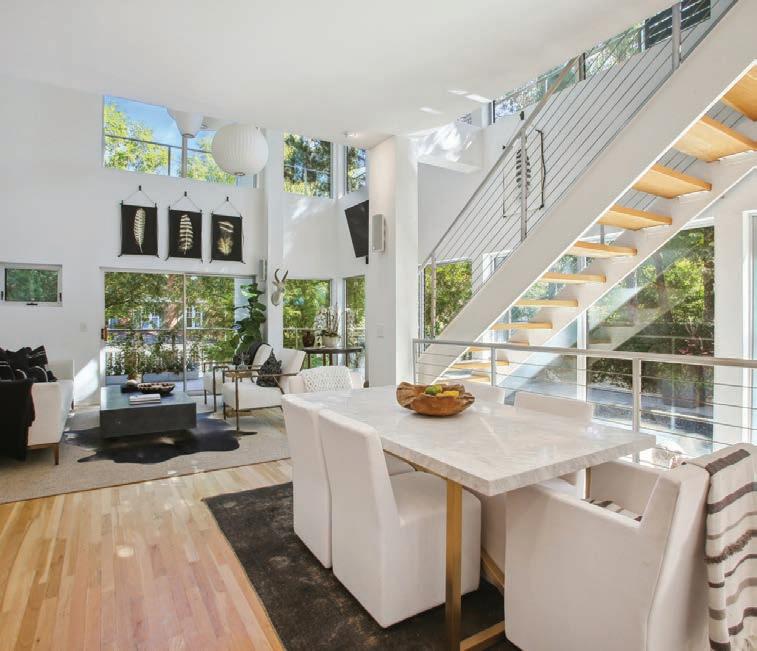

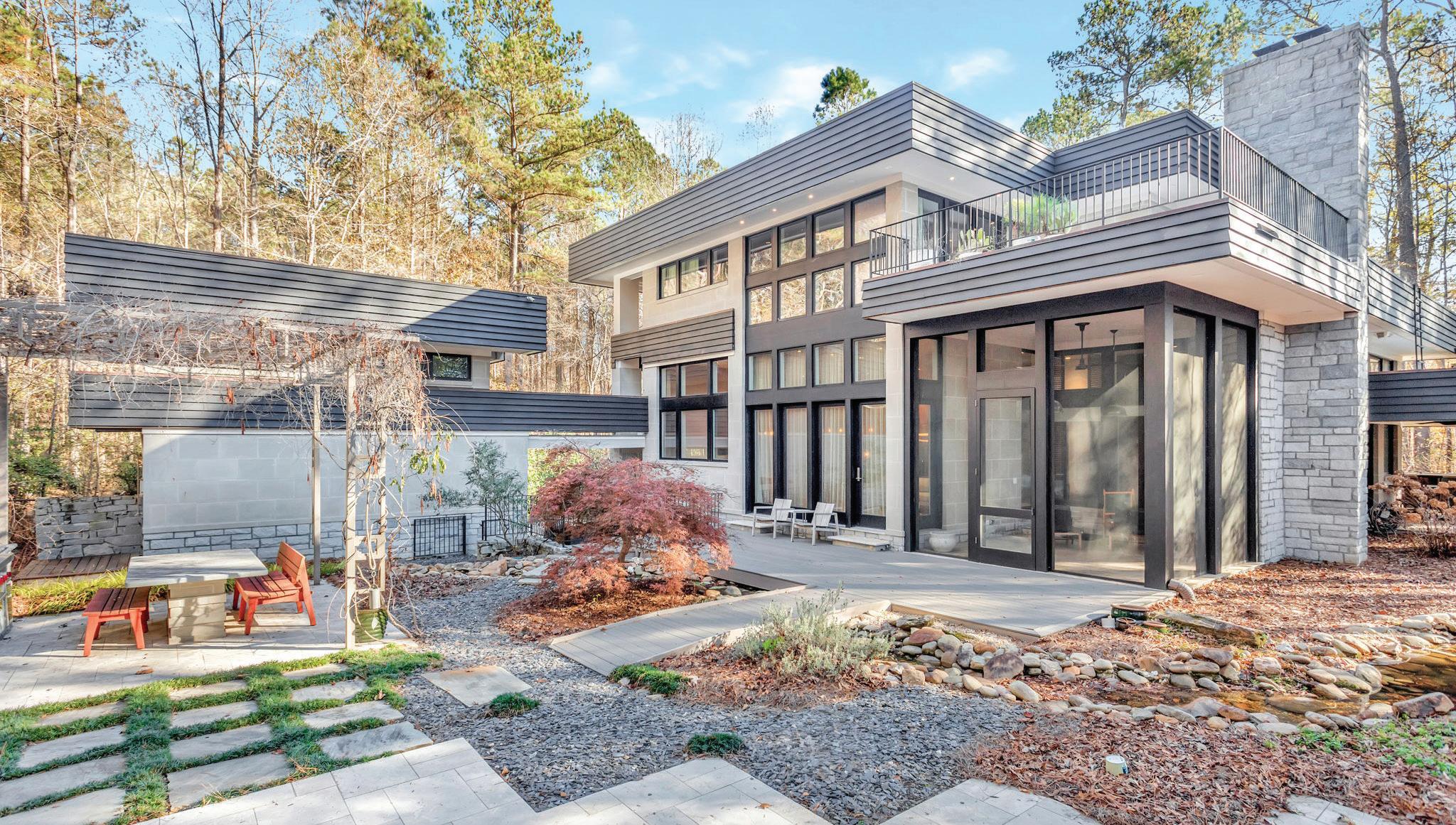
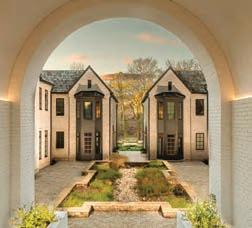
Between the booming lm industry in Metro Atlanta and the popularity of remote work, people are increasingly in need of extended rental opportunities. Serenbe stands out because it is close to the airport, multiple lm studios, and downtown Atlanta, and Serenbe Real Estate o ers a wide selection of long-term rentals whether you’re taking a temporary job in the Atlanta area, enjoying an extended summer vacation, or trying out the life here.
“We also have a lot of people renting while they build their dream home here, or renting while they decide which Serenbe hamlet they want to live in,” said Micah Adler, Director of Luxury Housing at Serenbe Real Estate. “Each neighborhood has a di erent feel to it, so it’s an important factor when buying.”
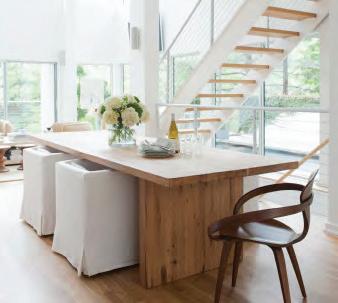
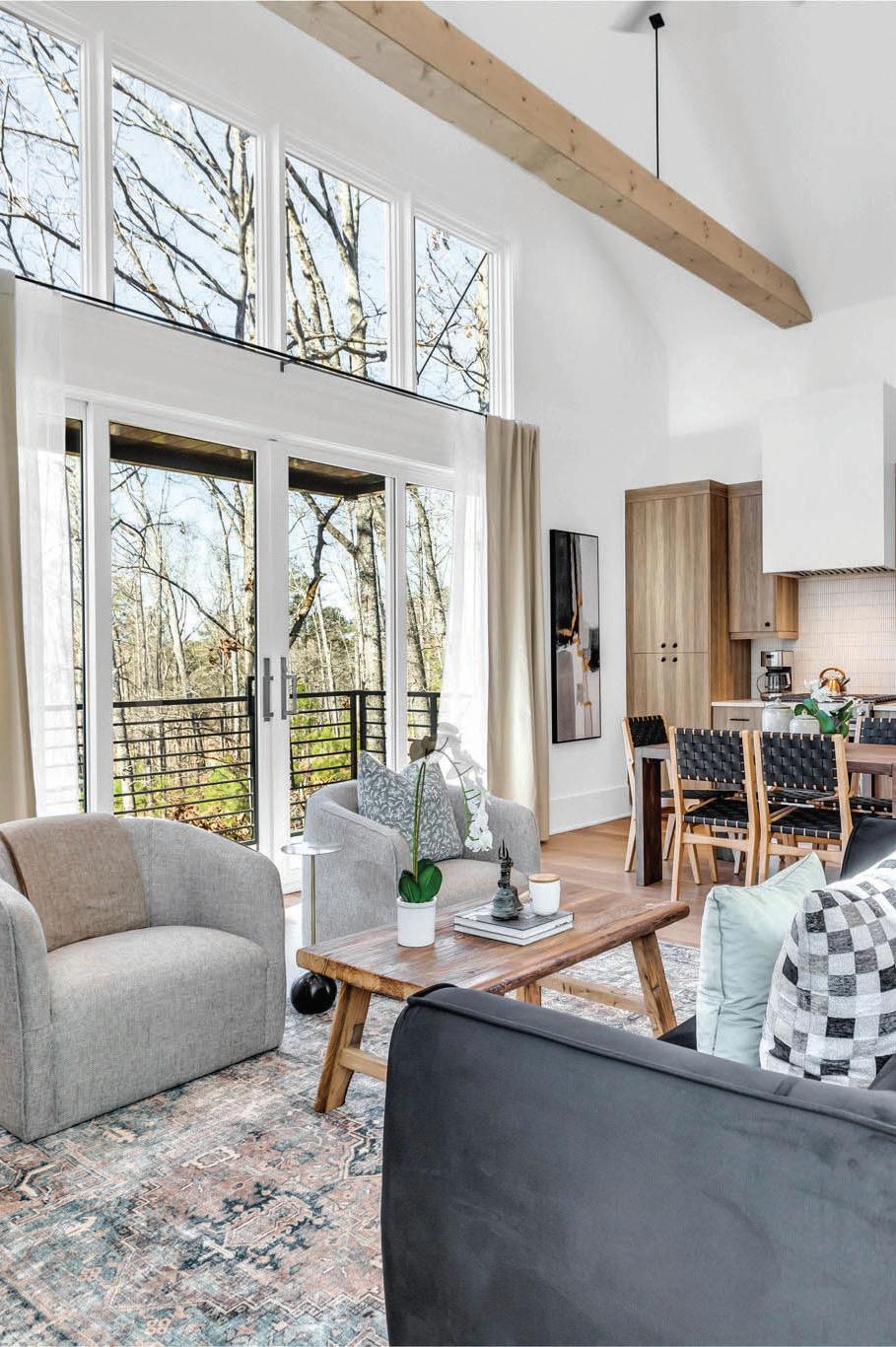
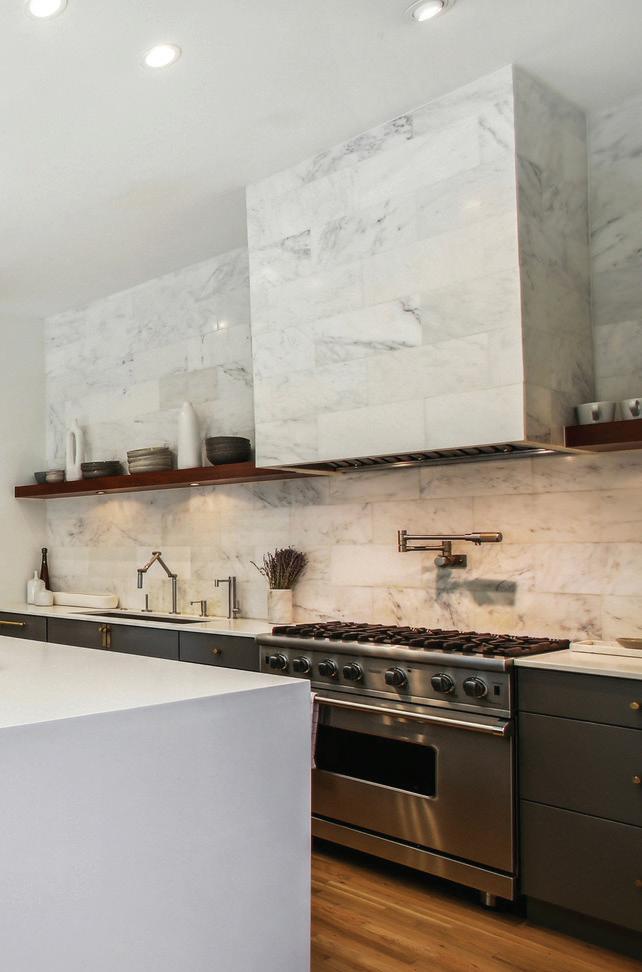
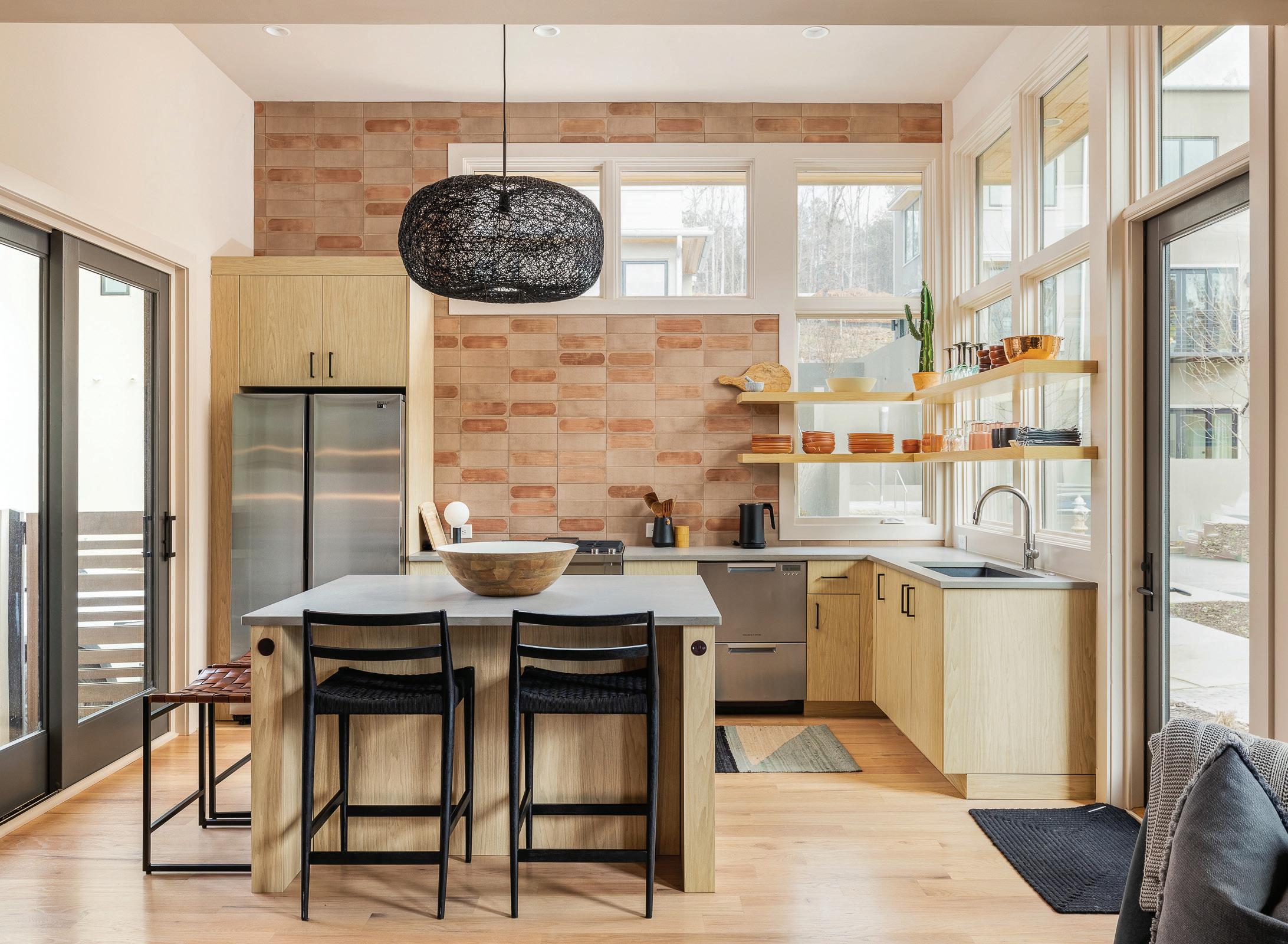
All home rentals meet Serenbe’s high standards, with top-of-the-line interior design and opportunities for those who choose to bring their own furnishings or desire a fullyfurnished, move-in ready option. Furnished homes are out tted from furnishings to linens, décor, and atware. No matter which you choose, renters will be able to enjoy neighborhood perks like access to miles of nature trails, walkability, shops and restaurants, and extensive wellness services.
Renting isn’t just residential at Serenbe. We have several live work spaces popping up in the Mado neighborhood that will join a bustling locally-owned boutique community. There are options available for investment-minded buyers who want to own the building and nance or operate their own shop or service, or businesses looking for a new engaging
location.
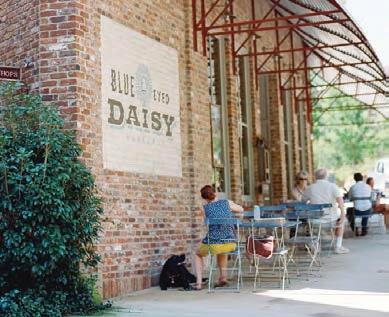
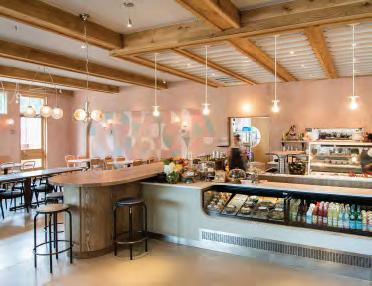
Kelly Hunt and her family did the latter when they opened District Market in Fall of 2022. A quaint space behind the Blue Eyed Daisy was available and was an ideal location for a new business. District Market o ers local art, consignment furniture, and new or antique home furnishings, all of which is curated from local makers and residents, fostering unique and interesting designer collaborations.
The Mado neighborhood also has six new live work buildings with ground level retail spaces that will come alive in 2023. In one of the spaces, Mister + Mrs Sharp are opening a studio that will serve as their design center and as a brick-and-mortar outpost of their Sharp Furniture Co home furnishings online store. Two more retailers are planned, and three units are available for lease, perfect for a barre studio, dermatologist or an ophthalmologist.
Whether you want to bring your business to Serenbe or you’re looking to stay for a month or more, there’s a space in the community for you.
Contact Serenbe Real Estate at hello@serenberealestate.com to learn more about residential and commercial rental options.
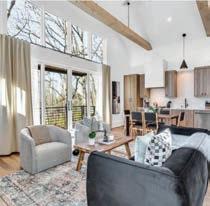
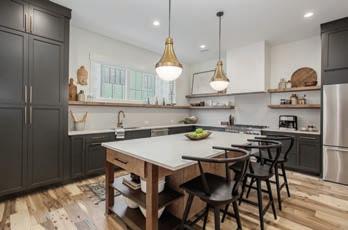
Home rentals range from studios to 5 bedrooms, furnished and unfurnished, and start at $2,100 per month. Commercial spaces are also available. Home photos provided by Serenbe Real Estate.
SPRING/SUMMER 2023 20
SPRING/SUMMER 2023 21
Sommelier

JULY

MONDAYS-FRIDAYS


FRIDAYS

SPRING/SUMMER 2023 22 FRIDAYS Farmhouse Wine Tasting 4pm, The Farmhouse $ Live Music On The Porch 5:30-8:30pm, The Farmhouse $ SATURDAYS Farmers Market 9am-1pm, Selborne Green Goat Yoga 10am, The Inn $ Open Model Home Tour 11am-3pm, Lots 460 & 461 Wine Flights 1:30 & 3:30pm, The Wine Shop $ Farm Tour 3pm, Serenbe Farms $ Wine Tasting 4pm, The General Store $ 11 Tertulia Sunset Serenade 7pm, Sunset Point Mado 12 Tertulia by the Lakeside 6:30pm, The Inn Pavilion $ 13 Mother’s Day Tertulia Picnic 12pm, Open Air Room $ 14 Mother’s Day Lunch 12-6pm, The Farmhouse $ 18 Sommelier Guided Wine Class 5:30pm, The Wine Shop $ 20 Broadway In The Woods featuring Joshua Henry 7:30pm, The Wild ower Meadow $
MONDAY-FRIDAY Camp Serenbe 9am-3pm, The Inn $ FRIDAYS Farmhouse Wine Tasting 4pm, The Farmhouse $ Live Music On The Porch 5:30-8:30pm, The Farmhouse $ SATURDAYS Farmers Market 9am-1pm, Selborne Green Goat Yoga 10am, The Inn $ Open Model Home Tour 11am-3pm, Lots 460 & 461 Wine Flights 1:30
Tour 3pm,
4pm,
Store
Summer Open House: Workshops, Events, Treats 11am-7pm, Creek Retreat 15
JUNE
& 3:30pm, The Wine Shop $ Farm
Serenbe Farms $ Wine Tasting
The General
$ 8
Wine Class 5:30pm, The Wine Shop $ 18
Day Lunch 12-6pm, The Farmhouse $
Hamlin Big Wheels Tournament Selborne Lane, $
Guided
Father’s
Date TBA
Camp Serenbe 9am-3pm, The Inn $
Wine Tasting 4pm, The Farmhouse $ Live Music On The Porch 5:30-8:30pm, The Farmhouse $
Farmers Market 9am-1pm, Selborne Green
Yoga 10am, The Inn $ Open Model Home Tour 11am-3pm, Lots 460 & 461
Flights 1:30 & 3:30pm, The Wine Shop $
Tour 3pm, Serenbe Farms $
Tasting 4pm, The General Store $ 4 City of Chattahoochee Hills 4th of July Parade 10am, Selborne Lane 20 Sommelier Guided Wine Class 5:30pm, The Wine Shop $ AUGUST FRIDAYS Farmhouse Wine Tasting 4pm, The Farmhouse $ Live Music On The Porch 5:30-8:30pm, The Farmhouse $ SATURDAYS Farmers Market 9am-1pm, Selborne Green Goat Yoga 10am, The Inn $ Open Model Home Tour 11am-3pm, Lots 460 & 461 Wine Flights 1:30 & 3:30pm, The Wine Shop $ Farm Tour 3pm, Serenbe Farms $ Wine Tasting 4pm, The General Store $ 17 Sommelier Guided Wine Class 5:30pm, The Wine Shop $ SEPTEMBER FRIDAYS Farmhouse Wine Tasting 4pm, The Farmhouse $ Live Music On The Porch 5:30-8:30pm, The Farmhouse $ SATURDAYS Farmers Market 9am-1pm, Selborne Green Goat Yoga 10am, The Inn $ Open Model Home Tour 11am-3pm, Lots 460 & 461 Wine Flights 1:30 & 3:30pm, The Wine Shop $ Farm Tour 3pm, Serenbe Farms $ Wine Tasting 4pm, The General Store $ 21 Fall Open House: Workshops, Events, Treats 11am-7pm, Creek Retreat Art Farm Gala 7pm, Wild ower Meadow $ 22 Voice: The Showcase, presented by Art Farm 7pm, Wild ower Meadow $ 23 Broadway In The Woods 7pm, Wild ower Meadow $ 26-30 Les Farfadais 7pm, Wild ower Meadow $ 28 Serenbe Designer Showhouse Opening Night Party 7pm, Lupo Loop $ 29-30 Serenbe Designer Showhouse Tours 10am-4pm, Lupo Loop $
MAY
Farmhouse
SATURDAYS
Goat
Wine
Farm
Wine
UPCOMING EVENTS




Les Farfadais 7pm, Wild ower Meadow $ 2-4 Nygren Placemaking Conference The Inn $ 5-8 Serenbe Designer Showhouse Tours 10am-4pm, Lupo Loop $ Fall Tertulia Events with Terminus Modern Ballet The Inn $ 12-15 Serenbe Designer Showhouse Tours 10am-4pm, Lupo Loop $ 15 Ray Day 10am, The Inn SPRING/SUMMER 2023 23 23 UPCOMING EVENTS $ = Ticketed Event Listings accurate as of printing. Visit serenbe.com/events. Subscribe to our newsletter at serenbe.com for weekly Events, Inn Specials, Serenbe Farms, and Serenbe Real Estate updates, and never miss an issue of The Serenbe Hamlet! Get social with @Serenbe on Instagram, Twitter, Pinterest & Facebook to stay up to date on all happenings at Serenbe. The Hamlet is printed on recycled paper that is FSC Certified, Rainforest Alliance Certified. Editor-in-Chief: Monica Olsen; Managing Editor: Janet Marie Gunnels; Photography Editor: Quinn Nygren. Photos by J. Ashley Photography unless otherwise noted. Layout Design by Judy Walker. Advertising Inquiries: Quinn Nygren. Contact The Hamlet at thehamlet@serenbe.com. OCTOBER FRIDAYS Farmhouse Wine Tasting 4pm, The Farmhouse $ Live Music On The Porch 5:30-8:30pm, The Farmhouse $ SATURDAYS Farmers Market 9am-1pm, Selborne Green Goat Yoga 10am, The Inn $ Open Model Home Tour 11am-3pm, Lots 460 & 461 Wine Flights 1:30 & 3:30pm, The Wine Shop $ Farm Tour 3pm, Serenbe Farms $ Wine Tasting 4pm, The General Store $ 1 Serenbe Designer Showhouse Tours 10am-4pm, Lupo Loop $ Wholesome Wave Potluck 3pm, The Inn Pavilion $ Modern Architecture Tours 10am-4pm $ 19-22 Serenbe Designer Showhouse Tours 10am-4pm, Lupo Loop $ 19-31 Dad’s Garage Halloween The Inn $ The Inn at Serenbe is the ideal location for an executive retreat, team-building function, overnight or day corporate meeting. 770.463.2610 | Now Booking | serenbeinn.com
SERENBE REAL ESTATE
1106 Lupo Loop, L544
Brightwater Homes
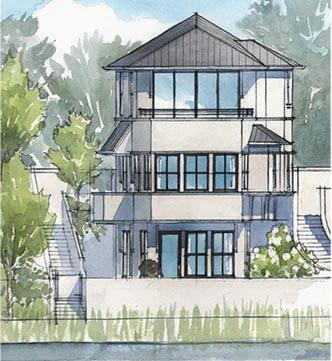
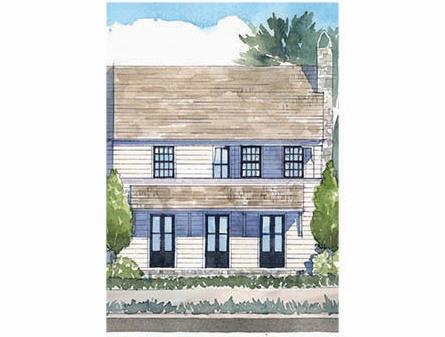

The large living and dining rooms both lead to covered porch overlooking treetops. Find the owner’s suite on main, with two more bedrooms and bathrooms on the terrace level, along with rec room.
1259 Lupo Loop, L518 10/23 Construction
Open kitchen, dining, and living on the main level of this light filled home. All bedrooms upstairs with a back patio off a secondary bedroom.
1121 Lupo Loop, L588
Vincent Longo Custom Builders

Stunning and spacious home with 5 beds, 5.5 baths. Huge covered outdoor living off kitchen plus private patio off owner’s suite on main. Terrace level includes 2-car garage and plenty of storage.

10611 Serenbe Lane, L236



McKinney Builders
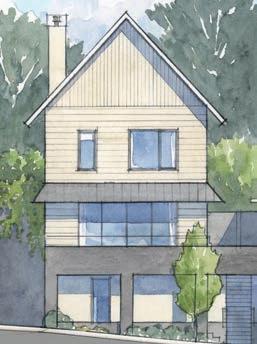
Watch the organic farm grow from your own backyard in this 3 bed, 3.5 bath home. Upstairs owner’s retreat includes access to a rooftop terrace and all the best sunsets.
1176 Lupo Loop, L533
South Haven Builders

Open kitchen and living plus two bedrooms on the main level, including the primary suite that opens to a covered porch. Space for another 2-bed, 2-bath on terrace level.

1220 Mado Loop, L452
McKinney Builders
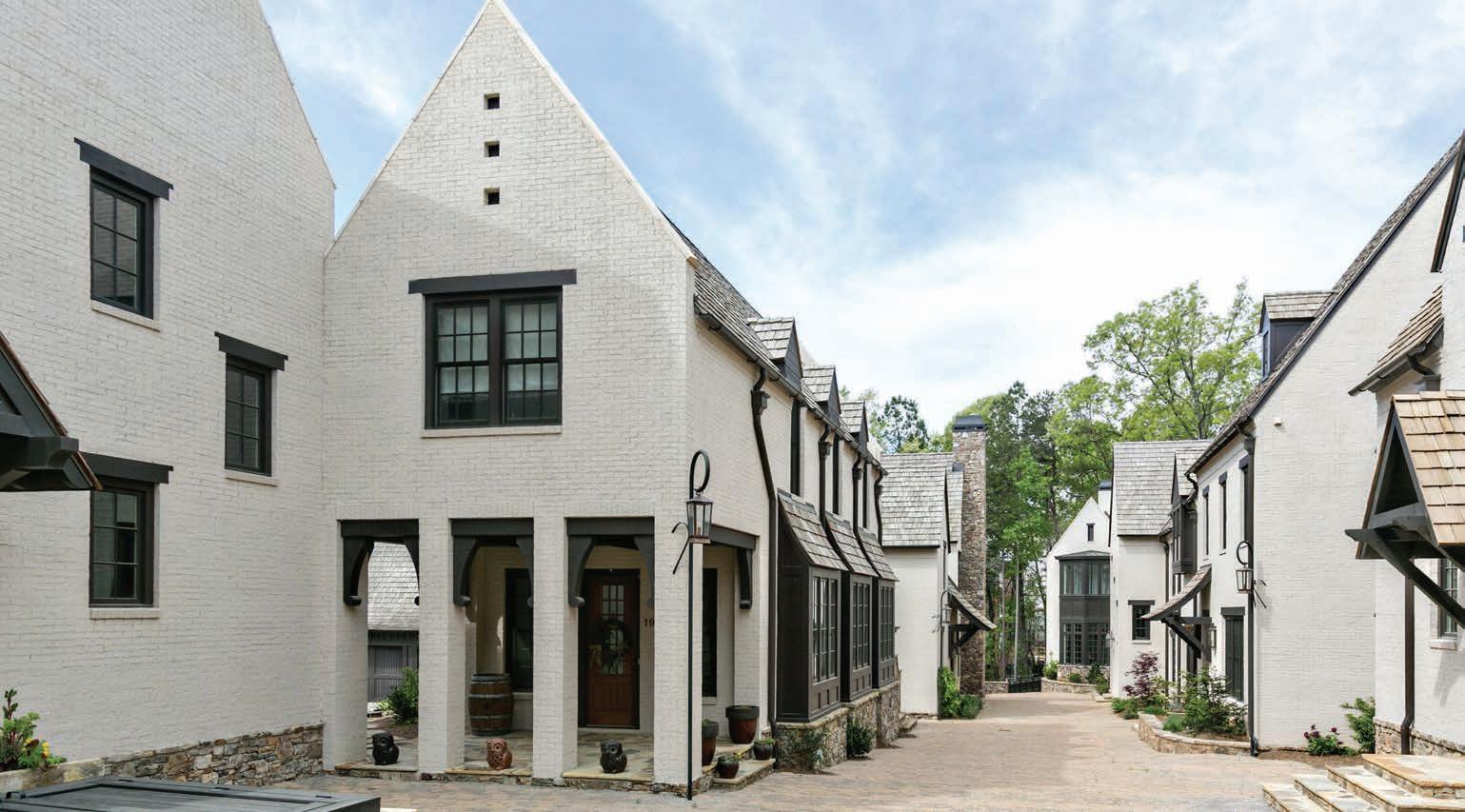
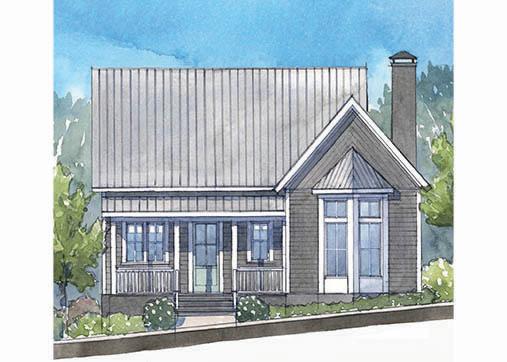
Spectacular waterfront cottage with 3 beds and 3 baths. Each level has a bedroom and bathroom, plus panoramic views of Mado Pond and a commissioned porcelain sculpture.
Make Your Dream of Living at Serenbe a Reality
Whether you are in the market for a weekend retreat or year-round home, Serenbe offers single-family homes, townhouses, live-works, condos and apartments. Or choose a wooded lot and build your dream home. Explore architectural floor plans and pick your finishes or choose a move-in-ready home today. All homes are EarthCraft certified for sustainability with geothermal technology for heating and cooling.
For a complete listing of all Serenbe properties visit SerenbeRealEstate.com, call 770.463.9997 or stop in the office located at 9055 Selborne Lane, just up the street from the Blue Eyed Daisy Bakeshop. *All plans are subject to change.
