LAND INVESTOR



FROM THE PUBLISHER...
Dear Land Investor,
Welcome to the 11th year of Land Investor magazine. The initial and enduring goal of Land Investor was and continues to be leveraging the aggregate knowledge of our agents and staff to educate our clients about the many facets of land investing.
We jokingly call ourselves “land geeks.” The various value drivers of land from coast to coast in the United States are fascinating. Not only the big picture topics, but also the minutiae of understanding what healthy land can produce and how to sustainably maximize the value of land. Whether that’s growing trophy quality bull elk or wheat, cows or rainbow trout, timber or grape vines.
Take a look at the Table of Contents. There is so much knowledge and passion in the articles written by Fay Ranches agents. It’s amazing. I am proud of our team and the diversity of expertise within the Fay brand. You will understand our emphasis on competency at Fay if you read these articles.
Another tremendous source of information on land investing comes from the Land Investor podcast. The Land Investor podcast will keep you entertained and informed if you’d rather consume your information while driving in your car, mowing the lawn, or going for a walk. The cast of guest speakers is impressive, and the diversity and depth of knowledge about land and land investing are unmatched.
The Fay Rural Community Foundation has continued its legacy of assisting rural communities. We continue to complete meaningful projects focused on health, education, and youth in these proud communities that need our help. We owe it all to you and your generous contributions.
Fay Ranches continues to lead the Land Investment arena through thoughtful growth, intellectual curiosity, hard work, and giving back. Since the last edition, we’ve expanded into California and continue to strategically grow our team by bringing on highly experienced, reputable agents. So, relax in your favorite chair and page through Volume 11 of Land Investor magazine. If you like land, it will be worth your time.
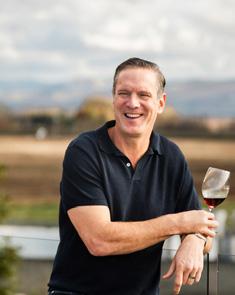
Greg Fay, Founder | Broker








Cover photography by:
DRYLAND FARMING IN THE PACIFIC NORTHWEST
>>> Strategies, Challenges, and Future Prospect s
BY BLAINE BICKELHAUPT, ALC | FAY RANCHES MANAGING BROKER | LICENSED IN WA, ID
The Pacific Northwest (PNW) is renowned for its diverse agricultural landscape, ranging from lush valleys to semi-arid regions. Among the most challenging yet vital forms of agriculture in this region is dryland farming — a practice that relies solely on natural precipitation rather than irrigation. With climate change impacting weather patterns and water resources, dryland farming is becoming increasingly significant for sustainable food production. This article examines how dryland farming in the Pacific Northwest has evolved, tracing its roots, analyzing current methods and obstacles, and assessing what lies ahead for this vital agricultural practice.
What is Dryland Farming?
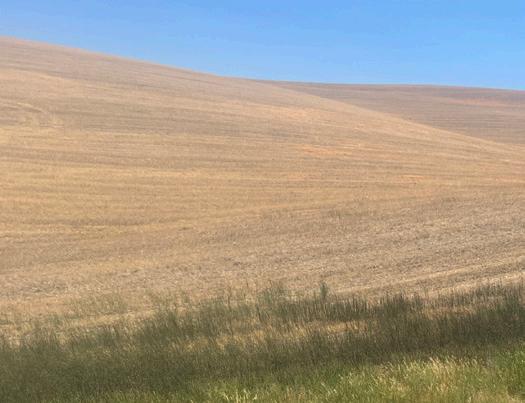
Dryland farming is a method of agriculture that uses no irrigation and relies instead on rainfall. It requires specific strategies for moisture conservation, soil health, and crop selection. It is a widespread practice in regions with less than 20 inches of annual precipitation.
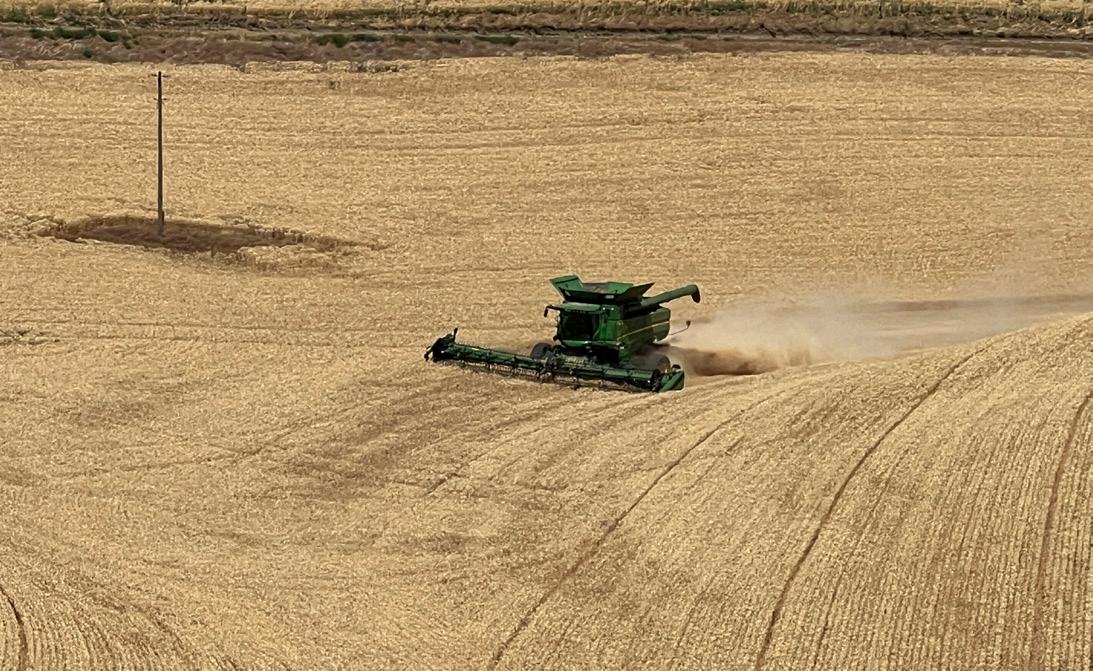
The History of Dryland Farming in the PNW Dryland farming in the PNW dates back to indigenous agricultural practices and was later adopted and expanded by European settlers in the 19th century. Farmers in regions like eastern Washington, eastern Oregon, and parts of Idaho developed methods to cultivate crops in areas with limited rainfall, often less than 15 inches per year. The introduction of wheat farming, particularly winter wheat, transformed the region into a major grain-producing area. Over time, advancements in soil conservation, crop rotation, and mechanization have helped sustain dryland agriculture despite fluctuating climatic conditions.
Climate and Soil Conditions
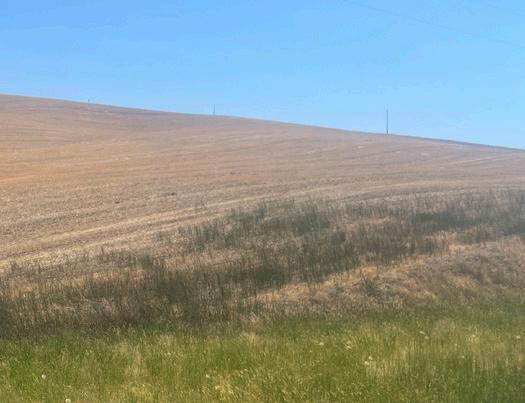
The dryland farming regions of the PNW are often characterized by cold winters, hot summers, and highly variable precipitation. These climatic conditions necessitate careful planning and soil management strategies. The primary soil types in these regions, such as loess soils in the Palouse and volcanic ash-influenced soils in central Oregon, offer moderate fertility but require proper management to prevent erosion and maintain moisture retention.
Soil Health in Dryland Systems
Loess soil, a fine-grained sediment formed by wind deposition, is especially prevalent in the Palouse region of eastern Washington. Loess soil is known for its high fertility and excellent moisture retention. Loess provides an ideal base for dryland crops when managed correctly. Volcanic soil also offers excellent potential. Loess and volcanic soils in dryland regions can be highly productive if appropriately managed. These soils benefit greatly from practices that maintain or enhance organic matter, such as cover cropping and organic matter inputs. These approaches help stabilize soil structure and improve the soil’s ability to absorb and retain water — key factors in the success of dryland farming operations across the region.
Key Crops in Dryland Farming
Dryland farmers in the PNW cultivate a variety of crops that are suited for limited water availability. Winter wheat remains a staple, planted in the fall and benefiting from winter precipitation, allowing it to establish roots before the dry summer months. Barley and oats are also widely grown, offering drought tolerance and valuable rotation options for soil health. Canola is increasingly popular due to its benefits for soil structure and its role as an excellent rotation crop. Lentils and chickpeas thrive in semi-arid conditions, contributing to nitrogen fixation and enhancing soil fertility. Many farmers also incorporate forage crops and cover crops to improve soil health and provide feed for livestock.
Dryland Farming Techniques and Strategies
Successful dryland farming requires specialized techniques to maximize soil moisture retention and crop yield. Conservation tillage minimizes soil disturbance, helping retain moisture and reduce erosion. No-till and reduced-till practices preserve soil structure and organic matter. Crop rotation plays a crucial role in maintaining soil health, breaking pest cycles, and enhancing moisture efficiency.
Farming practices in dryland areas are often determined by annual precipitation levels. In regions receiving less than 17 inches of annual rainfall, farmers typically rely on a fallow rotation system. This approach involves leaving fields unplanted for a growing season to allow soil moisture to accumulate for the next crop cycle. Fallow periods are crucial in these low-rainfall zones to ensure enough moisture is available to support crop growth during the dry season. However, this method poses challenges, such as the risk of erosion and weed pressure during the fallow period, making conservation tillage and cover crops essential complementary practices.
Today, the most common approach to managing fallow fields is chemical fallow, or “chem fallow.” This method leaves the previous season’s crop stubble undisturbed or mowed down on the field to protect against erosion and retain moisture. Weeds are controlled using herbicides instead of mechanical tillage, which helps preserve soil structure and minimizes moisture loss. While chem fallow is efficient and widely adopted, especially in conventional systems, it also raises concerns about herbicide resistance and long-term soil health, prompting ongoing research into integrated alternatives.
Conversely, areas that receive 17 inches or more of annual rainfall are generally capable of supporting annual cropping. In these regions, farmers can plant crops every year without the need for a fallow period. The greater moisture availability allows for more intensive rotations and better overall land use efficiency. This distinction between fallow rotation and annual cropping areas is critical for planning, resource management, and long-term soil sustainability in the PNW’s diverse climate zones.
Most organic dryland farms rely on cover cropping as a foundational practice. Species like radishes, mustard,
and legumes are commonly planted during fallow periods or between cash crops. These cover crops suppress weeds, improve soil structure, promote microbial diversity, and increase water infiltration. In the absence of synthetic herbicides and fertilizers, cover cropping becomes necessary not just for weed management but also for maintaining nutrient cycles and long-term soil fertility. However, the success of this method depends heavily on careful timing and adequate moisture, which can be unpredictable in dryland environments.
Meanwhile, drought-resistant crop varieties developed through research institutions like Washington State University are helping farmers maintain productivity in the face of shifting climatic conditions.
Challenges Facing Dryland Farmers
Dryland farming in the PNW faces significant challenges, the foremost being climate variability. Shifting precipitation patterns and extreme weather events, like droughts and heat waves, threaten crop yields. Soil erosion remains a pressing issue, with wind and water erosion depleting topsoil and reducing productivity. Conservation of tillage and cover cropping help mitigate these effects but require continuous management. Market pressures, including fluctuating commodity prices and international trade policies, can impact the economic viability of dryland crops. Weed and pest management presents another challenge, as limited moisture makes weed competition more intense, necessitating integrated control strategies. Additionally, small and medium-sized farms often struggle to access advanced technology, such as precision agriculture tools and datadriven decision-making platforms, which could enhance efficiency and sustainability.
Economic and Policy Considerations
Economic viability is often the deciding factor in a farm’s success or failure. Dryland farmers must navigate narrow margins while managing the uncertainty of weather and commodity markets. Federal and state programs like crop insurance and conservation grants offer some financial buffer, but access to these programs can be uneven. Some growers are calling for more localized policies that account for regional variability in rainfall, soil, and market access.
Meanwhile, certification and premium markets, such as organic or regenerative labeling, offer new revenue paths but require significant investment in documentation and practice shifts. Cooperative models and marketing groups are becoming more important in helping small dryland farmers stay competitive.
The Future of Dryland Farming in the PNW
Several innovations and policy shifts could shape the future of dryland farming in the PNW. Advancements in plant breeding are focused on developing higher-yielding, drought-resistant crop varieties to sustain productivity. Precision agriculture, including remote sensing, soil moisture sensors, and AI-driven analytics, is improving decisionmaking and resource management. Regenerative agriculture is gaining attention, emphasizing practices like integrating livestock grazing, enhancing biodiversity, and reducing chemical inputs for long-term sustainability. Government and institutional support play a crucial role, with policies promoting soil conservation, research funding, and crop insurance programs helping to sustain dryland farmers. Climate adaptation strategies are also being explored, with farmers experimenting with diversified crop rotations, agroforestry, and carbon sequestration techniques to build resilience against changing climatic conditions.
Community and Education Initiatives
Knowledge-sharing and community support are vital components of successful dryland farming. Many PNW farmers participate in local grower networks, field days, and conservation districts to exchange strategies and learn about emerging practices.
Extension services from regional universities offer tailored guidance based on soil types, rainfall zones, and crop goals. Online platforms are also gaining popularity, giving farmers access to peer-reviewed research, real-time weather tools, and case studies on adaptive farming techniques. Education is also playing a more significant role in preparing the next generation of dryland farmers. High school agriculture programs and university-level degrees increasingly include dryland systems, climate science, and regenerative practices in their coursework. Farmers and researchers alike acknowledge that long-term viability will depend not only on tools and inputs but also on building a deeper understanding of how local ecosystems function.
Regional research institutions like the Columbia Basin Agricultural Research Center and the Northwest Sustainable Agroecosystems Research Unit are leading efforts to test new crop varieties and dryland strategies tailored to PNW conditions.
The Path Ahead for Dryland Farming
Dryland farming in the Pacific Northwest is a testament to agricultural resilience and innovation. While it faces significant challenges, advancements in agronomy, technology, and sustainability practices offer promising solutions. By continuing to refine soil management techniques, adopting climate-smart farming methods, and leveraging scientific research, dryland farmers in the PNW can sustain their livelihoods while contributing to global food security. This progress increasingly depends on a deeper understanding and management of the soil’s biological system, including microbial health, nutrient cycling, and organic matter dynamics, which are crucial for building long-term soil resilience and productivity.
ABOUT THE AUTHOR
Blaine Bickelhaupt, ALC, is a Managing Broker licensed in WA and ID. A third-generation farmer with over 30 years in land brokerage and more than 180,000 acres sold, Blaine combines deep market knowledge with integrity in every land, farm, and ranch transaction.
THE POWER OF BEEF
A RANCHER’S PERSPECTIVE ON ITS ROLE IN A HEALTHY DIET
BY BRIDGET BULLINGER | FAY LAND SALES DESIGNATED BROKER | LICENSED IN ND, MT
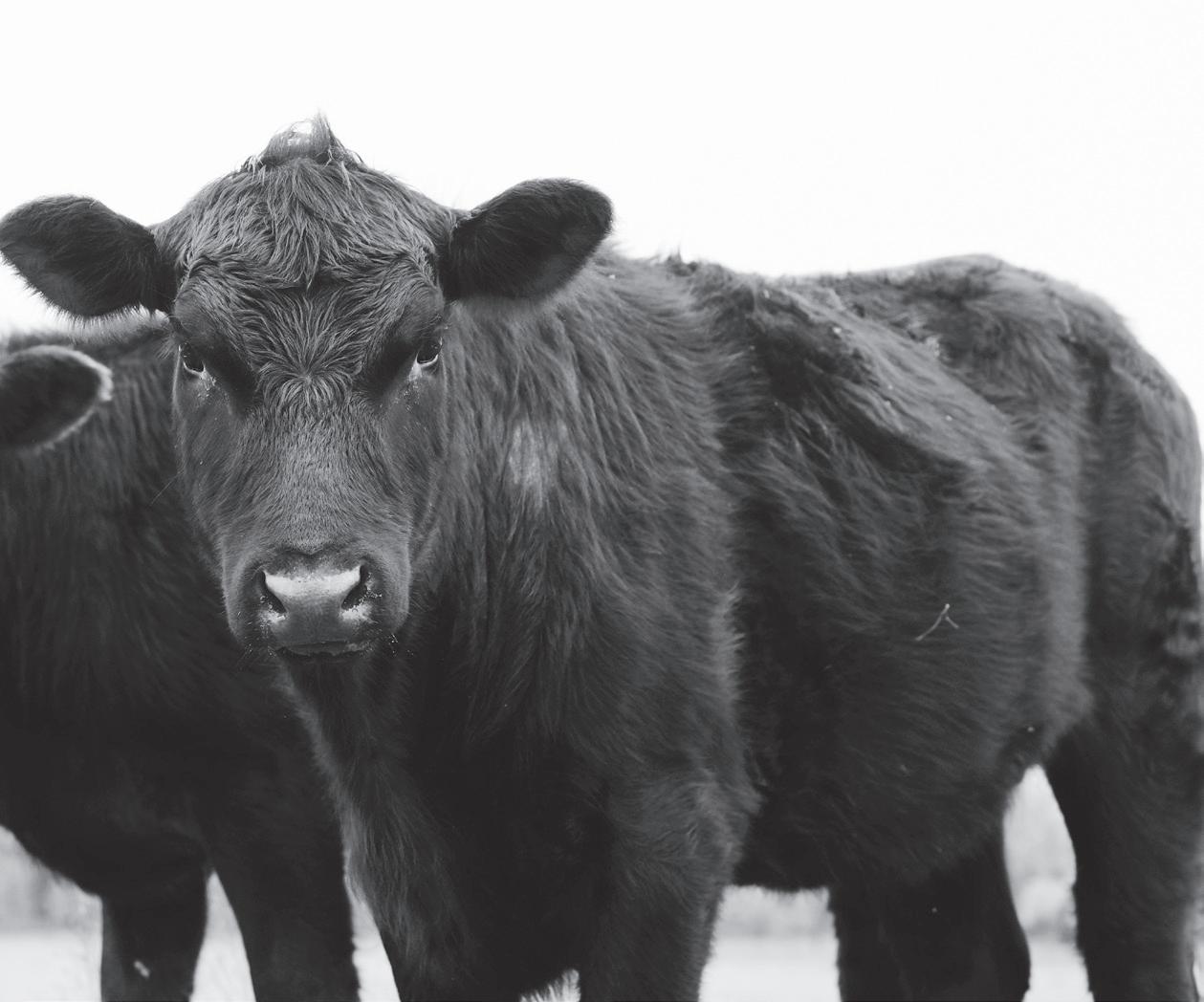
As part of a North Dakota ranching family, we eat a lot of beef, and as a dietitian, I’m happy to have this resource at my fingertips. Like many producers, we eat our own ranch-raised beef, and I have the luxury at home to always have a supply down the hallway in our deep freeze. I’ve spent my adult life witnessing firsthand the vital role beef plays in our daily lives, not just in the day-to-day as producers, or on our plates as consumers, but in our health and well-being.
I also have the viewpoint of being a nutrition expert, graduating from North Dakota State University with a degree in Dietetics. As a Registered Dietitian and consultant to the North Dakota Beef Commission, I appreciate the opportunity to share information with the public that is not only fact-based with researched nutrition information, but also comes from a personal background as a cattle producer. I enjoy sharing the message that beef is a nutrient powerhouse that supports a healthy, active lifestyle.
10 essential nutrients
FOUND IN BEEF & THE UNIQUE BENEFITS THEY OFFER:
1. PROTEIN – Vital for building and repairing tissues, protein also supports muscle growth and maintenance, making it key for active lifestyles.
2. IRON – Helps carry oxygen in the blood and supports energy levels. The iron in beef is heme iron, which is more easily absorbed by the body than plant-based sources.
3. ZINC – Crucial for immune function, wound healing, and DNA synthesis. Zinc also supports normal growth and development.
4. VITAMIN B12 – Supports brain health and nervous system function. It’s also essential for forming red blood cells.
5. VITAMIN B6 – Helps your body convert food into energy and supports brain development and immune health.
6. NIACIN (VITAMIN B3) – Aids in digestion and skin health and plays a role in converting food into usable energy.
7. RIBOFLAVIN (VITAMIN B2) –Important for energy production and cell function, especially in the skin, eyes, and nervous system.
8. PHOSPHORUS – Helps build strong bones and teeth and is involved in energy storage and usage.
9. CHOLINE – Supports brain development, liver function, and metabolism. It’s especially important during pregnancy.
10. SELENIUM – Acts as an antioxidant, protecting cells from damage and supporting a healthy immune system.
Nutrient-Rich and Protein-Packed
Beef is a rich source of high-quality protein, providing all nine essential amino acids our bodies need. A simple 3-ounce serving of lean beef delivers about 25 grams of protein, roughly half of the daily recommended intake for adults. This makes beef an excellent choice for building and maintaining muscle, especially as we age or engage in regular physical activity.
But the benefits don’t stop at protein. Beef is packed with 10 essential nutrients, including iron, zinc, B vitamins, and phosphorus. These nutrients support everything from energy production and immune function to brain health and muscle recovery. For instance, iron from beef is highly bioavailable, meaning our bodies can absorb and use it more efficiently compared to other food sources, making it a factor in preventing iron- deficiency anemia.
Lean Cuts for Heart Health
I enjoy being a voice for producers and have several times been given the opportunity to talk about beef facts and help the public stay up to date. For example, in contrast to previous perspectives, lean beef can be part of a heart-healthy diet. Studies have shown that incorporating lean beef into a balanced eating plan can help lower LDL cholesterol (LowDensity Lipoprotein, often referred to as “bad” cholesterol) levels by up to 10%. This is significant, as maintaining healthy cholesterol levels can be key to reducing the risk of heart disease.
Many popular beef cuts, such as sirloin, tenderloin, and round steaks, are naturally lean and lower in fat. For example, a 3-ounce serving of lean beef contains less than 10 grams of total fat. Additionally, about half of the fatty acids in beef are monounsaturated fats, which are considered to be hearthealthy fats.
Sustainable and Efficient Food Source
Raising cattle is an efficient way to produce high-quality protein. Cattle can convert inedible plants, like grass and crop by-products, into nutrient-dense meat. This process, known as upcycling, allows us to make use of resources that would otherwise go to waste, contributing to a more sustainable food system.
Furthermore, recent studies have shown that the environmental impact of beef production is often overestimated. Advances in farming practices have led to more efficient land use, reduced water consumption, and lower greenhouse gas emissions per pound of beef produced.
Supporting Local Economies
In North Dakota, ranching is more than just a livelihood. It’s woven into the heritage and fabric of daily life. It’s a way of life. By choosing beef, consumers support local farmers and ranchers, helping to sustain rural communities and economies. Each steak, roast, or burger purchased represents a connection to the land and the people who care for it. “Supporting your local farmers and ranchers” shouldn’t just be a trend on a t-shirt. It should be a meaningful and lasting commitment to the hardworking individuals who sustain our land and communities for real. These are the people who are dedicated contributors to their local communities. It’s worth remembering as a consumer that the food we enjoy at home has traveled a long path, shaped by the hands and efforts of those who grow, raise, and transport it well before it reaches a grocery store or your doorstep.
Powered By Beef
As part of my role with the North Dakota Beef Commission, I have the opportunity to speak to the public about beef and general nutrition. Powered By Beef is the commission’s program poised to promote beef consumption and nutrition education with a focus on young athletes. North Dakota high schools and colleges have the opportunity to participate in Powered By Beef, which allows me to meet with their students, coaches, athletic booster clubs, and/or parents to provide general information about the increased nutritional needs of student athletes and how beef can be a great go-to source of protein. It is always rewarding for me to spread this message, as a dietitian, cattle producer, and as a mom.
For many, athletics are a huge part of their family’s dayto-day schedules and a cornerstone of their teenage years. Practices, workout sessions, and games are the primary focus, and provide valuable life lessons about dedication, teamwork, and self-improvement. At times, the physical aspect of these activities often overshadows the message of how developing a healthy relationship with food and understanding the importance of fueling your body impacts not only your performance, but also your life. This is an important lesson for teens and young athletes. The opportunity to remind and inform students, coaches, and parents alike is a responsibility I don’t take lightly. Nutrition and “eating right” are important messages that can set one up for a lifetime of success!
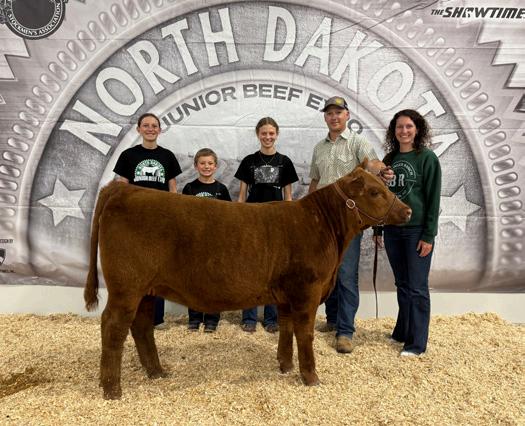
As a ranching family, we take pride in providing a food source that nourishes other families and supports healthy lifestyles. Beef is not just a delicious part of our meals, it’s a nutrientrich, heart-healthy, and sustainable choice that fits into a balanced diet. So, the next time you sit down to enjoy a beef dish, know that you’re not only savoring a flavorful meal but also fueling your body with essential nutrients that support overall health and well-being.
If you are interested in continuing the conversation, feel free to reach out to discuss this article with me. For more information on the nutritional benefits of beef and how it fits into a healthy diet, visit ndbeef.org.
ABOUT THE AUTHOR
Bridget is a licensed real estate broker in North Dakota and Montana with Fay Ranches. Her firsthand experience in agricultural operations enhances her ability to guide clients through real estate transactions involving farmland and ranches. With a strong background in agriculture, she and her family are active cattle ranchers and hay producers, deeply rooted in the rural lifestyle. Bridget is also a Registered Dietitian and serves as the Dietitian Consultant for the North Dakota Beef Commission where she provides nutritional programing to young athletes.

BETTY’S BLUEPRINT
• Lessons in Land Care •
BY CHERYL SUMMER | FAY RANCHES ASSOCIATE BROKER | LICENSED IN WY, MT
I first met Betty Falxa in 2014, during a property showing deep in Wyoming’s Bighorn Mountains, a 2,960-acre parcel I was marketing as the Yorgason Mountain Camp. She arrived alone, her husband, Martin, unable to travel due to illness. Betty seemed completely at ease—in her element, even—as she surveyed the sagebrush-covered draws and pine-dotted slopes. I wish I remembered more of our conversation that day, but one impression stayed with me, a sense, later confirmed, that Betty wasn’t just another buyer. She was a steward. Not a consumptive user of land, but someone deeply attuned to habitats, resources, and the rhythms of a disappearing way of life.
In the years since, I’ve come to see just how nuanced her plans for the property truly were. Her passion is unmistakable—and the joy and excitement in her voice when she shares stories of her latest habitat improvements or ecological observations is not only genuine, it’s infectious.
This article offers a window into Betty’s approach to what I see as very practical, applied
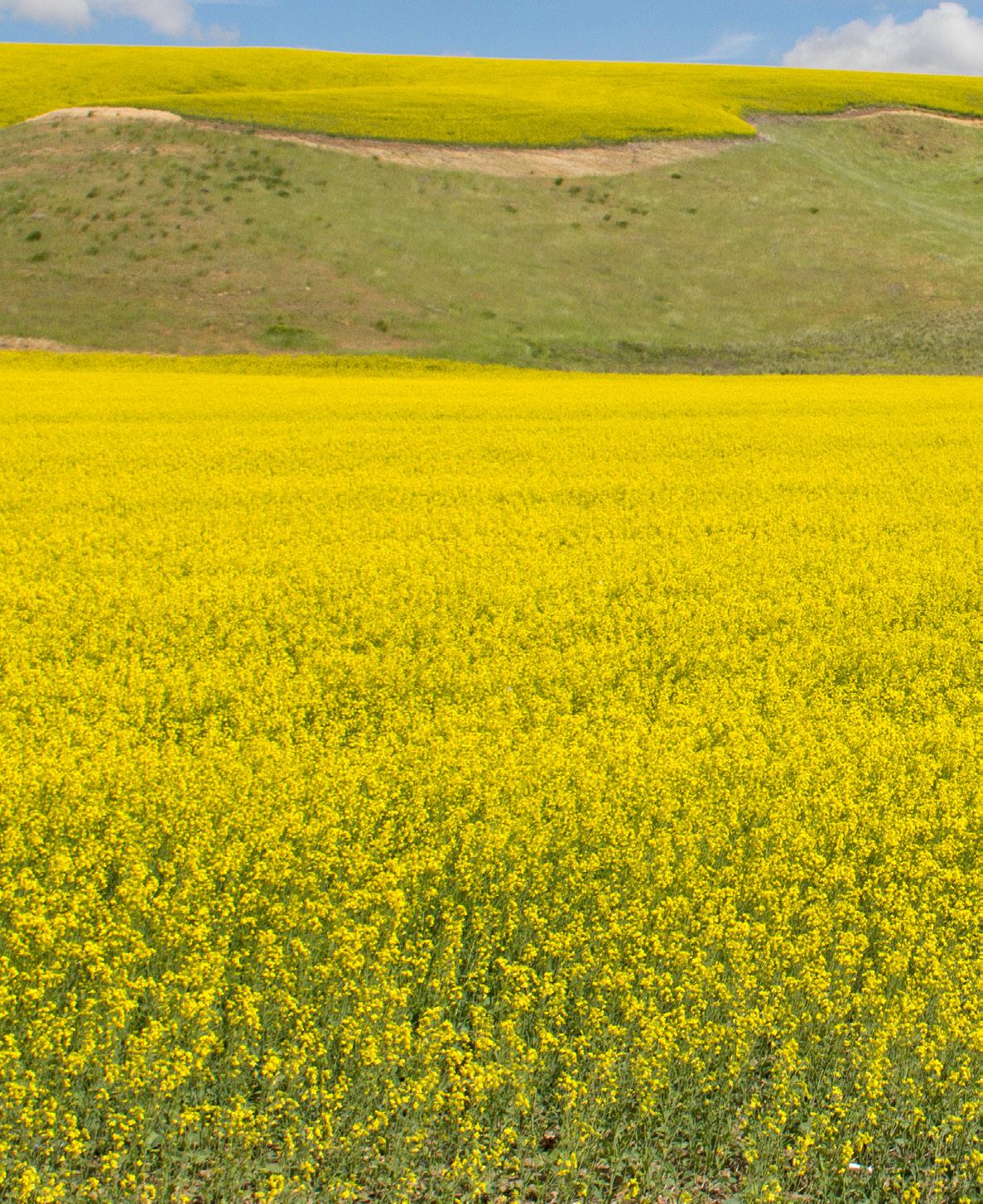
land management. Her methods blend habitat improvements, ranch management, and wildlife stewardship, resulting in healthy, resilient landscapes that support both livestock and a rich diversity of wildlife. In doing so, Betty not only honors the Falxa family’s Basque ranching legacy in Wyoming but also helps preserve the recreational traditions that make the Bighorn Mountains so enduringly special.
That same summer, Betty stood on a windswept ridge in Wyoming’s Bighorn Mountains, surveying her new purchase: nearly 3,000 acres of rolling mountain pastures, sagebrush draws, and a deep-cut canyon. In her sixties at the time, armed with a master’s degree in biology and decades of experience as a Master Teacher Naturalist with the Audubon Society in Massachusetts, Betty was no stranger to nature’s lessons.
In hindsight, this remote mountain purchase may have marked the quiet beginning of what would become Betty’s most ambitious challenge—and enduring tribute. As her husband’s health declined, she took the reins of stewardship across the Falxa Ranch, both its plains and mountain ranges, and began to learn, question, network, implement, and observe. Her goals were straightforward: to improve habitat for wildlife, manage livestock grazing for the
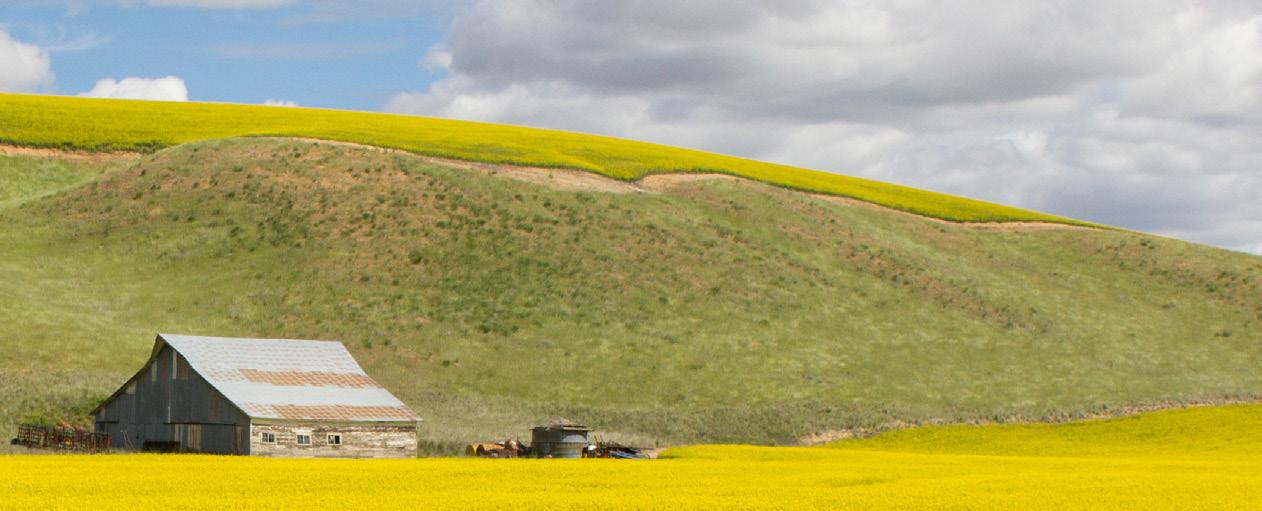
health of the range, and ensure that the way of life the Falxas knew and loved would continue.
Now, a decade later and recently widowed after the passing of her husband Martin in 2023, Betty, in her seventies, has turned the Falxa Ranch into a vibrant testament to the resilience of heart, habitat, and heritage.
Because I first connected with Betty on the mountain camp property, I want to focus on her efforts there. She has concentrated on five key improvements: creating sagebrush mosaics, implementing cross-fencing, developing water resources, updating grazing plans, and establishing thoughtful hunting practices—a transferable blueprint for stewards everywhere.
Betty’s journey began with a vision. “I saw potential where others saw only utility,” she recalls, her voice warm with pride. “This land has historically fed sheep and cattle, but I wanted it to do that even better. I also wanted to improve sage grouse habitat and habitat for deer and elk.” The mountain camp property—a mix of open grasslands and stands of Ponderosa pine, cut by the rugged Spring Creek Canyon—was a multi-use gem: grazed for generations, hunted for elk and mule deer, logged occasionally, and cherished as a summer retreat by its previous owners. Her five key improvements reveal not just how she transformed the land—but what others might learn by doing the same.
Creating Mosaics: Regenerating Life
One of Betty’s earliest—and boldest—moves was reviving an old Basque tradition: using controlled burns to manage sagebrush. “The Basques used to flip a match as they left the mountain,” she says, reciting stories from local ranchers.
But modern burns demand precision. Betty hired a certified burn boss, a crew, and a water truck. To comply with her burn permit, she coordinated with the Bureau of Land Management (BLM) to assess grass moisture and checked weather conditions with the local National Weather Service office. Burning in carefully chosen patches across the mountain camp, they created a living mosaic of habitats.
“Mosaics are magic,” Betty explains. “Big Mountain Sagebrush is killed by burning—there’s no resprouting from the roots.” But fire rejuvenates the undergrowth—native perennial grasses and forbs that support a thriving ecosystem. “In the summer, sage grouse chicks feed on insects visiting the forbs. Tall grasses here and sagebrush nearby provide safe cover from predators.”
Despite its ecological benefits, burning proved a challenging tool. “Weather and winds are too iffy, and
people are not flexible,” Betty notes, recalling how her hired crew wouldn’t work on the weekends despite favorable conditions. Burn permits also have strict requirements: professionally trained teams, water trucks, protective gear, and compliance with detailed safety plans.
So Betty pivoted. Convinced of the value of mosaic treatments in what she calls “decadent” stands of sagebrush, she turned to mowing—and found it to be not only cheaper, but also her preferred method.
“The mower cuts the top part of the bush and leaves the root and crown to resprout new leaves, which are more nutritious and filled with protein than the winter leaves. This is the preferred winter food source for mule deer,” she explains.
Mowing brought speed and precision. “Our mower cut 300 acres in several days and mowed along fence lines without worrying about burning the fence!” Her ongoing plan is to work a five- to seven-year management cycle, ensuring a steady supply of cover and food sources for grouse and big game.
“Fire or mowing— you’re giving the land a fresh start.”
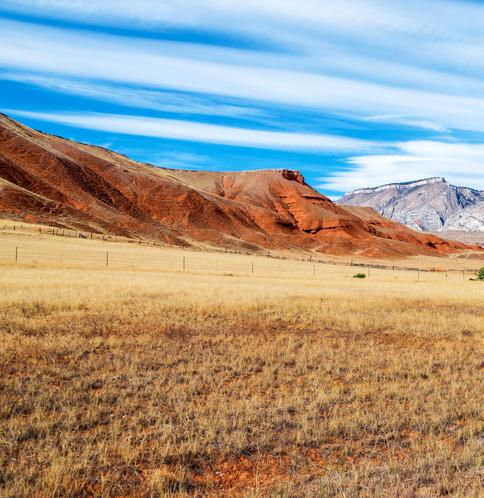
Water Development: Lifeblood for All
Water, Betty says, is the mountain’s pulse and “each reservoir has a special place and purpose.” When she purchased the property, its twelve reservoirs were in need of attention. She partnered with local contractor Clayton Cheeney of Nowood Construction to clean and renovate them, reviving these critical water sources for wildlife and livestock alike.
One of her favorites—now known as the “elk wallow”— collects seep water from a hillside surrounded by forest. “It’s a quiet nook for many animals and gets our best photos of wildlife on our trail camera,” she says.
But Betty didn’t stop at restoring old infrastructure. She has also developed several new reservoirs, strategically placing them in key grazing areas. By following seeps along rock outcroppings, she was able to site reservoirs high on the hills—above the creek—to draw livestock “up and away from live water down below.” She placed others within the sagebrush mosaics, where lush grasses around the water attract insects and offer vital food and cover for sage grouse chicks, while also providing protection from aerial predators.
Her preferred method of water development is building spring boxes to capture seeps. These boxes first fill stock tanks, with any overflow piped to fill the reservoir. “Stock water tanks have the advantage of offering cool, clean water to livestock,” Betty explains. The tanks can be partially buried so sheep can access them, or set on the surface for cattle.
“Water is super important,” she says. “If I were buying a ranch today, first thing I would do is build a spring box and pipe it to a tank,” she advises.
Cross-Fencing: Flexibility in Grazing
Fencing was Betty’s next step to balance grazing pressure with available forage and livestock numbers. She installed interior fences to divide larger pastures into smaller ones, giving her and her grazing lessee more flexibility in managing grazing rotations. This strategic crossfencing allows rest and recovery for vegetation, improving rangeland health over time.
Her next fencing project? Adding more gates between pastures to increase adaptability even further. More gates mean more options—especially when responding to weather, plant growth, or shifting herd needs.
Grazing Plan: Timing Is Everything
Betty’s grazing plan is a masterclass in timing—refined as she stepped into a more active role on the ranch and began learning about grazing management firsthand. She gained valuable insight from lessees and closely observed how the forage responded to different grazing pressures. One of her core principles? “It is important to graze each pasture in a different time period each year.” She’s developed a three-year rotation plan based on the natural phases of the annual growing season: green-up, heading-out, and curing-out.
During the green-up phase, plants are storing energy in their roots. “Rotation through the green weeks of summer should be short and intense so the plants have the rest of the summer to recover,” Betty explains.
In the heading-out phase, grasses produce seed through wind pollination. “If you graze the same pasture the same time every year, the seed bank is reduced over time.”
Finally, in the curing-out phase, seeds have dispersed, and the plants begin to dry. “Grazing cannot disturb the plants any longer, and the livestock are essentially eating hay— standing hay.”
Her rotation ensures that each pasture is grazed during a different stage of the plant’s life cycle each year. For example: “The first year starts with pasture one. Follow up the next year with pasture two, which becomes your first pasture in rotation. Then continue the pastures in order. But if you go clockwise one year and counterclockwise the next year, you might hit the middle pasture at the same time each year—watch for that.”
She also cautions against grazing the mountain too early. “Mountain grass doesn’t start its growth as early as it does on the plains. It needs time to get a start.”
Hunting Plan: Sharing the Bounty
Hunting is a long-standing mountain tradition, with the elk and mule deer hunt drawing sportsmen each fall. Betty crafted a plan to sustain game populations while allowing responsible hunting. “You can hunt and still have thriving wildlife,” she says. Partnering with local outfitter T.J. Tavegie of Bear Track Outfitters, they limit hunter numbers and pressure, ensuring elk herds maintain quality, harvestable animals. Betty recalls riding around the property with T.J. when they came upon 75 cow elk in one of the reservoirs. “A big bull stepped out of the trees and whistled, and
the cows went running!” she says with excitement. Her approach ensures that wildlife management and recreation can thrive side by side.
Betty’s work hasn’t been without setbacks. Severe drought and grasshopper infestations have occasionally affected the mountain camp. Trespass is an intermittent concern. Four years ago, tornadoes took down ponderosa pines on her BLM grazing permit, and spruce budworm threatened the forest. Working with the Wyoming Forestry Division, she thinned saplings to halt the caterpillars’ spread—a practical fix rooted in her biology training and supported by science. “You don’t need fancy tools—just watch and act,” she says.
Over ten years, Betty’s practical, science-driven approach has steadily transformed her place on the mountain. She has cultivated a network of valued and trusted local partners. Her trail cameras capture bobcats, mountain lions, bears, and thriving elk herds. Carefully managed livestock grazing supports local livelihoods and coexists with a rich diversity of wildlife. Her love of teaching—and her deep belief in fostering understanding and stewardship through immersive, hands-on experience—have sparked dreams of an environmental education center—complete with transects to teach kids about livestock grazing, habitat restoration, and wildlife monitoring.
“I want the next generation to learn from this land.”
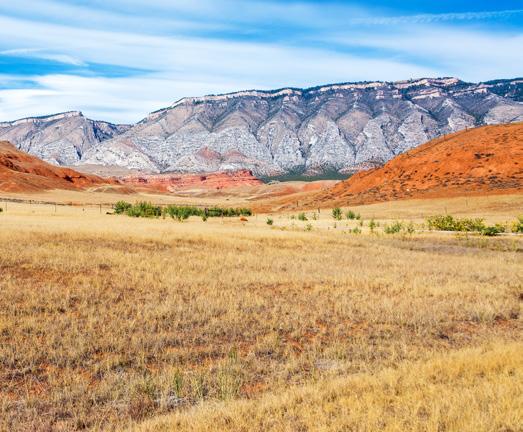
Now, in 2025, Betty is seeing the fruits of her efforts. Her legacy of thoughtful, practical stewardship is enhancing the land for both livestock and wildlife. Her efforts have not gone unnoticed—she is a recipient of the Wyoming Game & Fish Department’s Landowner of the Year Award for her work across the entire Falxa Ranch. And she’s not done. Betty has begun the process of placing a conservation easement on her land to ensure its open spaces remain protected for generations to come.
Her mountain camp hums with life—a balance of ranching and conservation, forged by a woman who embraced her husband’s family heritage with enthusiasm, curiosity, practicality, and quiet determination.
Betty’s lessons are clear: create mosaics to revive habitat; fence strategically to guide grazing; develop water for all; time grazing around seasonal forage growth; and hunt with respect. “This land’s my partner,” she says, her voice steady with pride. “I’m leaving it better than I found it, and I hope you do the same.”
For landowners, her methods offer a roadmap. For dreamers, her story is a call to action. And for the next generation, her mountain may one day be their classroom—still teaching, still thriving.
ABOUT THE AUTHOR
Cheryl Summer is an Associate Broker with Fay Ranches in Wyoming and Montana, where her lifelong commitment to stewardship and practical land management guides her work. With roots on a Michigan dairy farm and now deeply rooted in the West, Cheryl values care, curiosity, and good work—qualities she admires in landowners like Betty Falxa. She appreciates stories where respect and thoughtful management protect both heritage and habitat, believing these are the true measures of a lasting legacy.
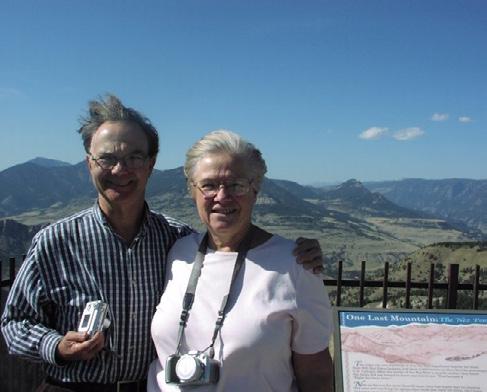
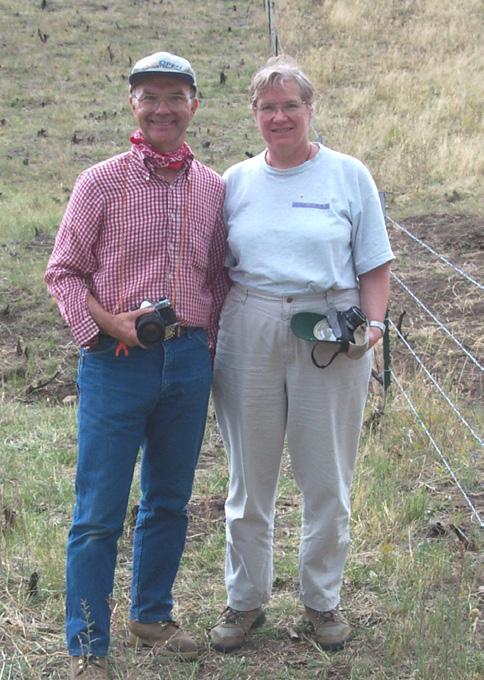
>> BETTY AND HUSBAND, MARTIN


Considering selling your property? We may have a solution that is designed to save you time and taxes so you can focus on your next adventure.
Convert your property’s value into the potential for passive income from institutionalquality real estate and energy-producing assets without the headaches of day-to-day management. Discover how 1031 Exchange options like Delaware Statutory Trusts (DST) and Oil & Gas Mineral Rights may help.
Tangible Wealth Solutions strives to help investors meet their financial goals by providing access to diversified portfolios of passive 1031 Exchange offerings, alternative investments, and other tax-advantaged products.

FOOD PLOTS
Enhancing Habitat and Attracting Game
BY JACOB TURNER | FAY RANCHES BROKER | LICENSED IN WA, ID
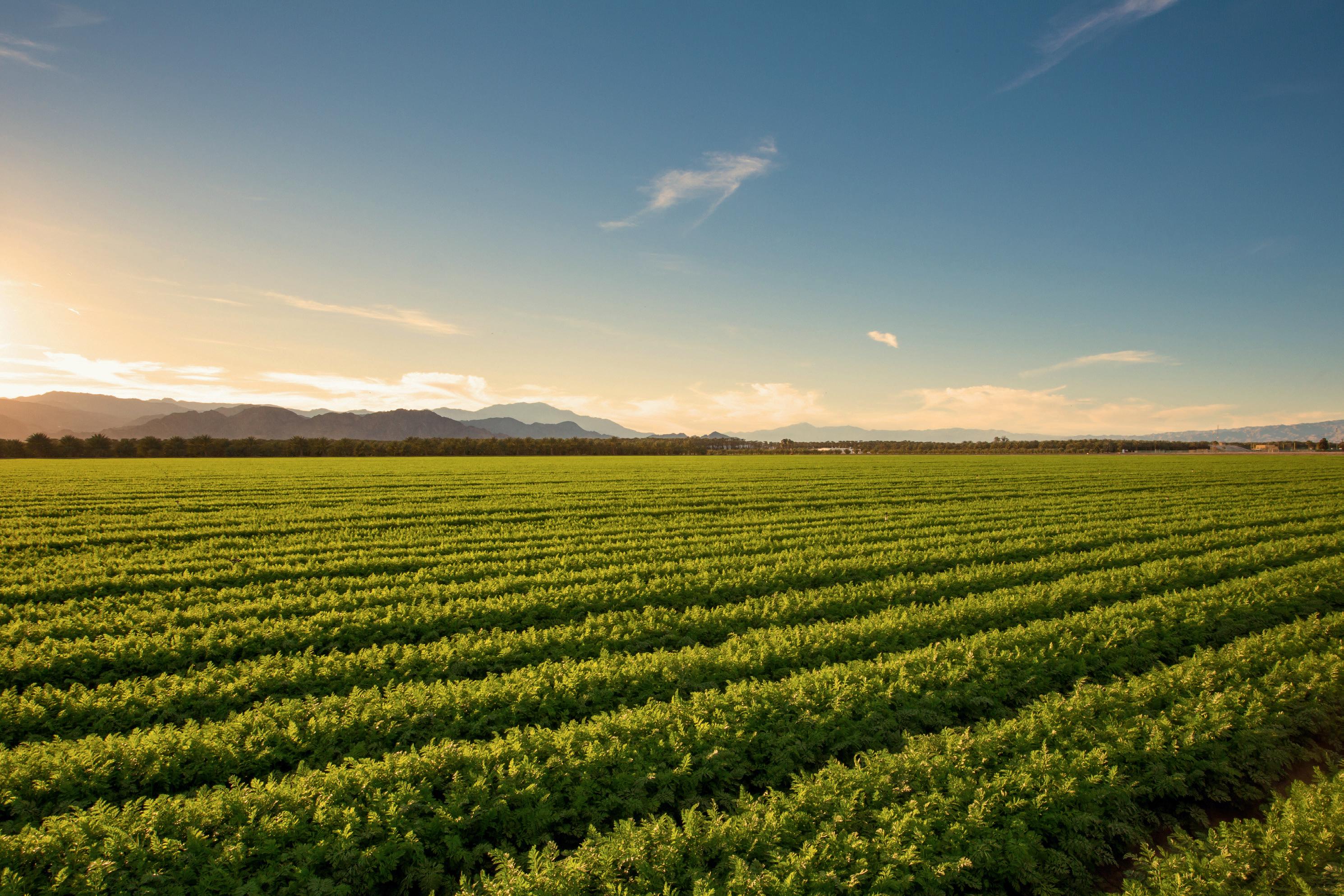
Planting food plots is a widely embraced land management strategy for anyone interested in supporting local wildlife, whether for hunting, photography, or conservation. Done correctly, food plots can improve biodiversity, bolster the health of animal populations, and provide unique opportunities to enjoy nature.
Food plot strategies vary across the country due to varied growing seasons, climate, local regulations, and wildlife usage. With so many different opportunities available for growing plots, attracting wildlife, and timing the maturity and attractiveness of your planted species, the following article can act as a guideline for all factors to consider when setting out on your food plot adventures.
Why Plant Food Plots?
Wildlife thrives on diversity. By introducing different food sources into the landscape, landowners can ensure a balanced and reliable diet for various species throughout the year. This becomes especially important during periods of seasonal scarcity, such as late fall through early spring.
During the fall and winter months, natural forage becomes scarce, and most native vegetation goes dormant. A wellmanaged food plot can provide a lush, green oasis when everything else turns brown. This is particularly attractive to deer, elk, turkeys, and other wildlife looking for easy, nutritious food sources.
Food plots increase the likelihood of seeing and supporting wildlife on your property. Whether you’re a hunter hoping to attract big game or a wildlife enthusiast wanting to encourage birds and small mammals to utilize your land, a well-placed plot can concentrate activity in areas that are convenient and safe for observation.
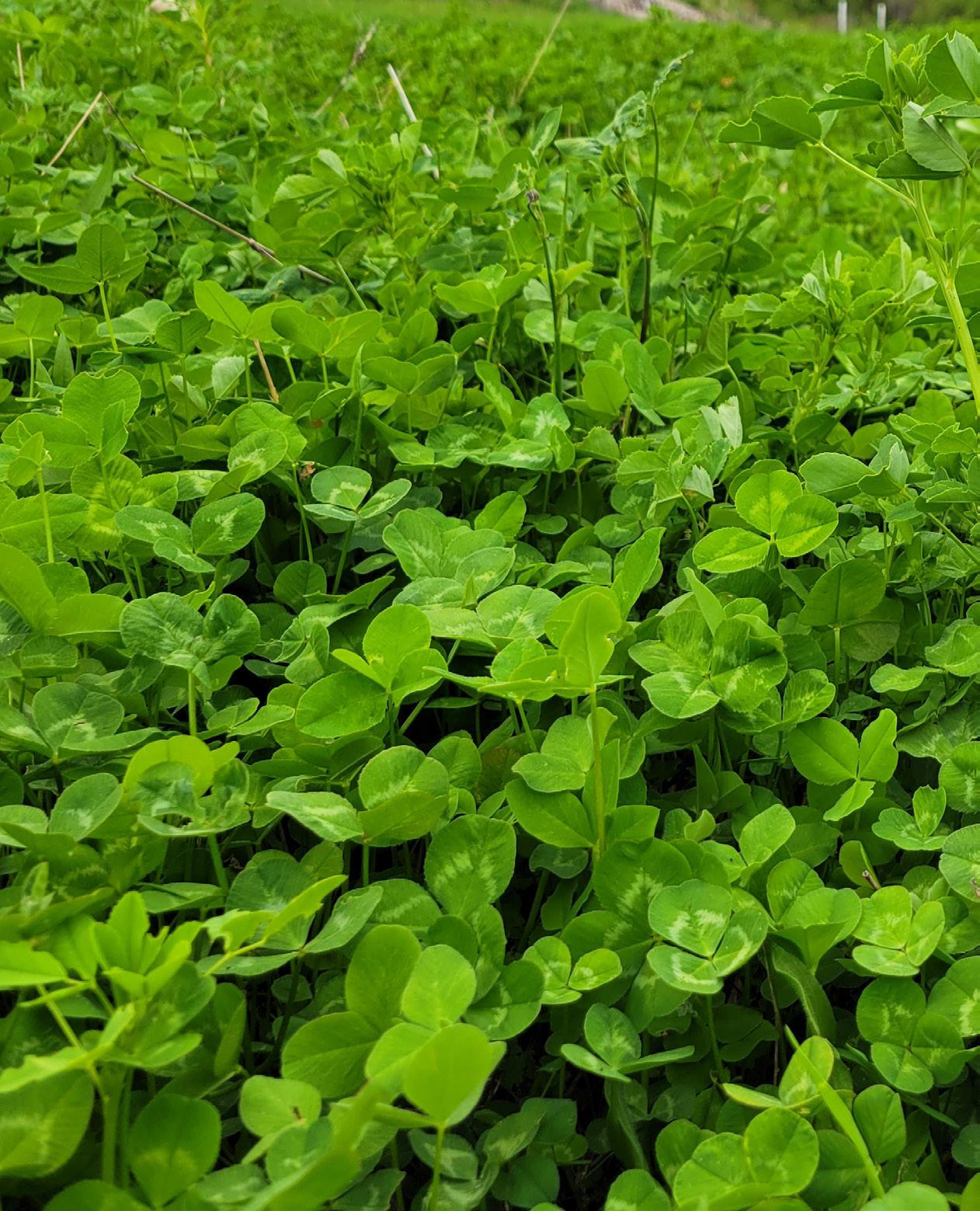
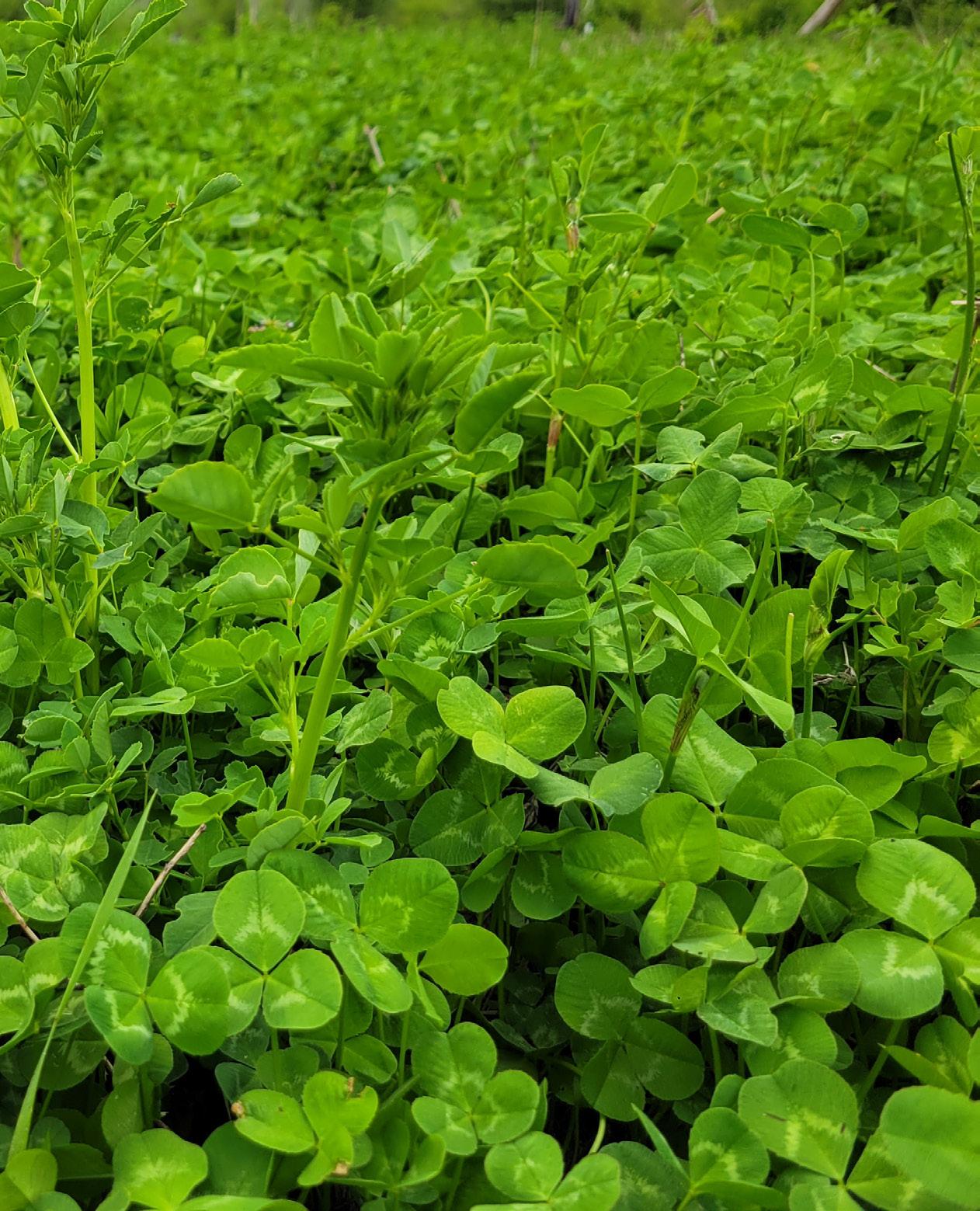
Species selection can be a critical component for wildlife nutrition based on the time of year. Plants such as buckwheat, cowpeas, and soybeans can provide excellent protein for does and cows in milk, as well as bucks in velvet during the early summer months. For long-lasting protein sources, clovers and alfalfa are both excellent providers of protein, and other minerals and vitamins, enhancing overall health for your wildlife while also being drought-resistant and maintaining productivity in stressful conditions.
Where to Plant Food Plots?
When choosing locations to plant food plots, the topography of your land plays a crucial role in food plot success. Drainages and low-lying areas generally hold more moisture, making them ideal for sustaining vegetation, especially in drier seasons. However, water availability should still be evaluated. Can the area support irrigation if needed? Avoid placing food plots on high ridges unless you’re confident they’ll get adequate rainfall or supplemental watering.
Choosing the right area to plant is just as important as what you plant. Open grassy meadows with good sunlight exposure are often ideal, but can be a risk for exposing soil to potentially viable weed seeds in the area. On the other hand, areas dominated by weeds may signal poor soil health. Weeds thrive in depleted soils, and disturbing these areas can worsen conditions. Rather than tearing up established native grasslands, which are valuable habitats, focus on enhancing soil quality with targeted seeding and soil-building cover crops in more disturbed locations. With a proper soil sample, you can figure out what nutrients are needed in an area when planting your plots. To collect a soil sample, you will need to extract a small amount of soil (less than a sandwich-sized plastic bag) from the top 6-8 inches of soil in the area where a food plot is planned to be planted. There are many labs around the country, including local co-ops, county extensions, and private companies that will test your soil for a reasonable rate.
FOR WILDLIFE
What to Plant?
Your choice of crops should align with your goal:
Attracting Big Game (deer, elk, etc.): Consider planting clovers, brassicas (like turnips or radishes), and cereal grains such as oats, triticale, and/or winter wheat.
Game Birds (quail, pheasant, turkey, etc.): Grasses and grains like sorghum, millet, and native warm-season grasses provide both food and cover.
Wildlife Viewing: A diverse mix of blooming clovers and colorful legumes not only attracts a wide range of wildlife but also pollinators like bees and butterflies.
Local conditions must also be a guide for your planting choices:
Warm Soils vs. Cool Soils: Some species, like brassicas, thrive in cooler conditions, while legumes often do better in warm soils.
Shade vs. Full Sun: Assess canopy cover and sunlight exposure before selecting your mix. Clovers can handle partial shade, whereas grain species typically require full sun.
Soil Samples: Before planting, test your soil for pH and nutrient levels. This allows you to amend deficiencies and select plant varieties best suited for your conditions.
Popular Options:
Clovers: High in protein, nitrogen-fixing, and appealing to deer, elk, bears, and rabbits.
Brassicas: Include turnips, radishes, and kale; fast-growing and great for late-season feeding.
Grasses and Grains: Oats, wheat, rye, millet, and sorghum are staple crops for both large game and upland birds. They also double as great bedding and cover.
How to Plant Food Plots?
One of the most common topics discussed after deciding what to plant for a plot and where to plant it for maximum efficiency, is what the best method of planting will be to provide the best survivability or germination of your seed. Just like planting a garden, the goal is to get the highest success rate in production for every seed you put in the ground.
Whether you have a tractor with implements or an ATV with a couple of drag options to rough up the soil, there are food plot options for you! To be successful, you do not need to have the biggest equipment or the “no-till” drill set up that the neighboring farmer has. Many people I know use an old 4-foot by 4-foot blanket harrow behind a 4-wheeler to rough up the soil to provide as much exposed soil as they can.
Once the soil is exposed, you are able to spread the seed over the desired area. Depending on the size of seed being planted, you may need to harrow over the seed to help bury it under a half-inch to a full inch of soil for best protection and germination success. If the seed is small, such as a clover, alfalfa, most grasses, etc. then laying the seed directly on top of the soil will be sufficient.
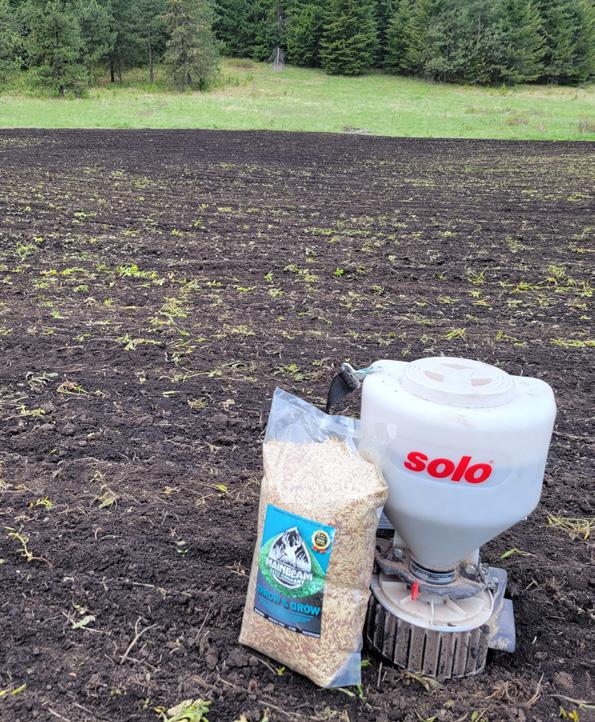
The final step to a successful planting of a food plot is ensuring the best “seed to soil contact” that you can get. This can be achieved by either planting before a good rainstorm and allowing the rain to “pack” your seed into the soil or using a type of packer to press the seed and compact the soils around it. This final step is a critical one that has been proven over generations of farming to increase the success rate of seed germination.
Final Thoughts
A common thought around the food plotting world is that food plots need to look like a perfectly manicured football field. However, in nature and in all wildlife habitats across the world, “diversity is key.” So, as I have been taught, if a few sprigs of grass are coming up in your clover, or some volunteer wheat is growing in your turnip patch, let it grow… The deer, elk, turkey, and whatever other critters you might have eating their dinner in your food plots will not mind a little bit more options in their salad!
Food plots are more than just bait stations—they’re tools for ecological and wildlife stewardship. With careful planning, you can improve wildlife health, increase biodiversity, and create unforgettable outdoor experiences. Always consider your land’s natural features, wildlife goals, and regional climate to maximize success. By doing so, you’ll help to create a thriving habitat that supports generations of wild visitors.
ABOUT THE AUTHOR
Jacob Turner is a Wildlife Biologist by trade and a Real Estate Broker by passion. He owns and operates a private wildlife consulting business, “Mainbeam Wildlife Consulting,” which offers services to private landowners to help manage and enhance their acreage for proper wildlife attraction, mostly for big game and game birds. With over 15 years of fish, wildlife, and land management experience, Jacob has brought that experience and knowledge to Fay Ranches and the real estate world to help buyers and sellers purchase and sell the hunting properties of their dreams. In 2021, Jacob developed “Mainbeam Seed Company”, a food plot seed company to expand his business ventures and provide seed sourced from the Pacific Northwest, with mixes created for the western states.
WHAT IS A RANCH, REALLY?
DEFINING RANCH LIFE, ONE ACRE AT A TIME...
BY JESICA HICKS | HICKS TEAM, FAY RANCHES LLC BROKER | LICENSED IN OR
Ask five people what a “ranch” is, and you’ll likely get five different answers. For some, it’s a sprawling expanse of open land, cattle grazing in the distance. For others, it might be a cozy plot of land with a few chickens and a barn. The truth is, defining a ranch isn’t so straightforward.
Several key elements come into play: the size of the acreage, the improvements made to the land, how the property is used, and whether it generates income or requires hired help. Geography also plays a huge role.
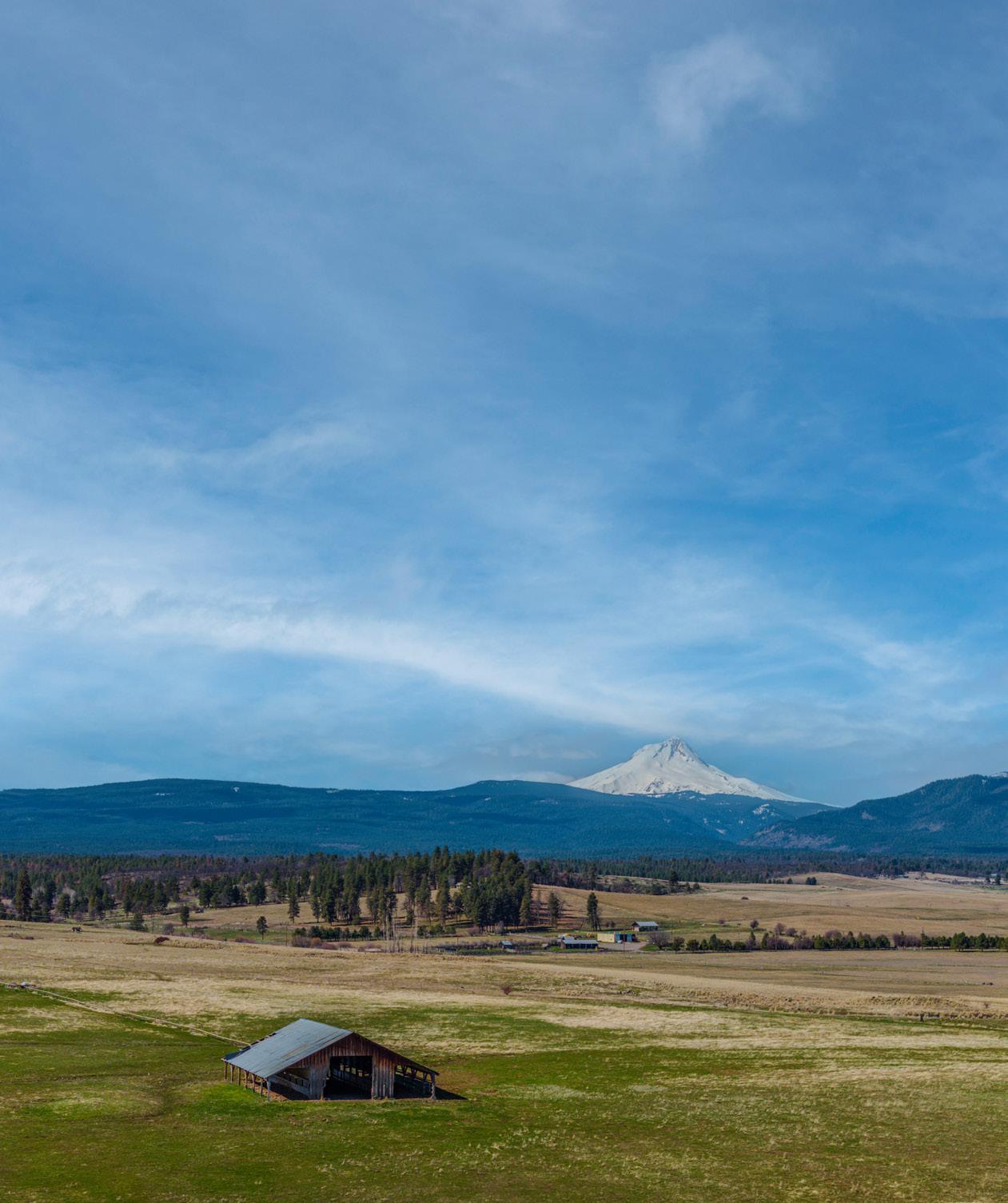
What qualifies as a ranch in eastern states or southern California might be a far cry from what’s considered a ranch in the wide-open West. In some regions, a 20-acre property earns the “ranch” title. Out west, however, ranches typically stretch across hundreds or even thousands of acres.
So, what truly makes a property a ranch? And where do we draw the line between a working ranch and a hobby ranch?
Let’s break it down.
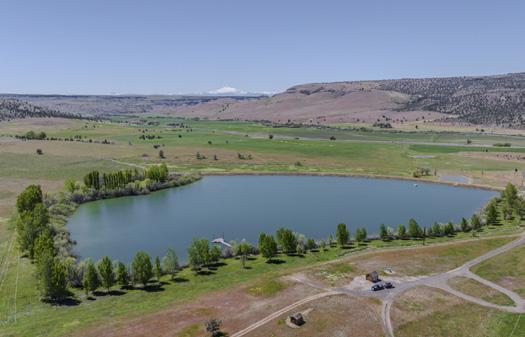
Elements of a Working Ranch
A true working ranch is more than just a large piece of land—it’s a full-scale, multi-dimensional operation. These are the ranches that support families, sustain livelihoods, and often span generations. They are businesses, ecosystems, and lifestyles all rolled into one.
There are several key elements that set working ranches apart from hobby ranches or recreational land. At its core, size matters. These operations typically span hundreds to thousands of acres, depending on geography, land productivity, and operational goals.
A true working ranch is rarely limited to one function. It’s not just about cattle. Multi-use operations are common, and successful ranches often diversify by combining hay production, crop harvesting, livestock grazing, and sometimes recreational income streams such as hunting or fishing leases. This diversification not only stabilizes revenues but also enhances the property’s utility year-round.
Profit is the backbone of a working ranch. These are incomegenerating operations, not lifestyle properties with incidental earnings. Revenue might come from livestock sales, crop yields, leased grazing rights, or other commercial ventures aimed at sustaining the business and supporting those who depend on it.
Infrastructure is foundational for a working ranch. Essential buildings typically include barns, shops, hay storage, and equipment sheds. Irrigation systems and fencing play a vital role in maintaining operational efficiency. Many working ranches also feature multiple residences to accommodate family members, ranch managers, or hired hands.
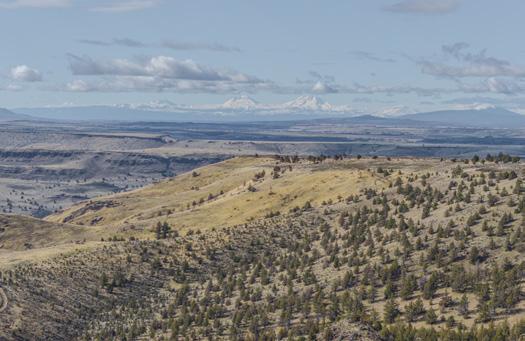
Labor is another defining factor. Depending on the scale of the property, a ranch may require full-time employees to handle the workload, especially during calving, branding, or harvest seasons. Skilled labor ensures that day-to-day operations continue smoothly and that long-term land health is preserved.
Heavy machinery is a part of daily life on a working ranch. Tractors, balers, trailers, and a full suite of equipment are needed to handle everything from feeding livestock to moving hay bales and maintaining roads.
In addition to their privately owned land, some working ranches also have access to grazing allotments on public lands managed by federal agencies such as the Bureau of Land Management (BLM) or the United States Forest Service (USFS). These allotments allow ranchers to graze their livestock on designated parcels of public land in accordance with federal regulations. Grazing allotments are typically secured through permits or leases, which may be attached to the ranch and can add significant value and operational capacity to the property.
Most ranch properties are situated within areas designated as agricultural zoning districts. This type of zoning is specifically intended to preserve open space and maintain the viability of agricultural uses, such as crop production, livestock grazing, and other farming activities. Properties located in agricultural zones often qualify for special tax considerations, such as farm use assessment or agricultural exemption, which can significantly reduce annual property tax burdens. These tax benefits are contingent on the land being actively used for qualifying agricultural purposes and can provide substantial financial incentives for maintaining the land in agricultural production. Zoning restrictions may
also limit non-agricultural development, thereby helping to protect the rural character of the area.
Natural features are more than aesthetic. Access to creeks, ponds, or live water sources is essential for livestock and supports the broader ecological health of the land. In turn, these features often encourage robust wildlife populations, adding biodiversity and, in some cases, recreational value.
At the heart of it all is a lifestyle. Ranching is not for the faint of heart. It suits those who embrace hard work, enjoy rural seclusion, value land stewardship, and are prepared to ride the highs and lows of the commodity market. It’s a lifestyle built on grit, grace, and long days with few shortcuts. For many, a working ranch represents a multi-generational family business with a focus on legacy, land conservation, and living close to nature.
Elements of a Hobby Ranch
On the other end of the spectrum lies the hobby ranch. While it shares some similarities with its larger counterpart, like open space, animals, and a connection to the land, the scale and purpose are entirely different. Hobby ranches offer a different kind of rural experience, one that is more rooted in lifestyle than livelihood.
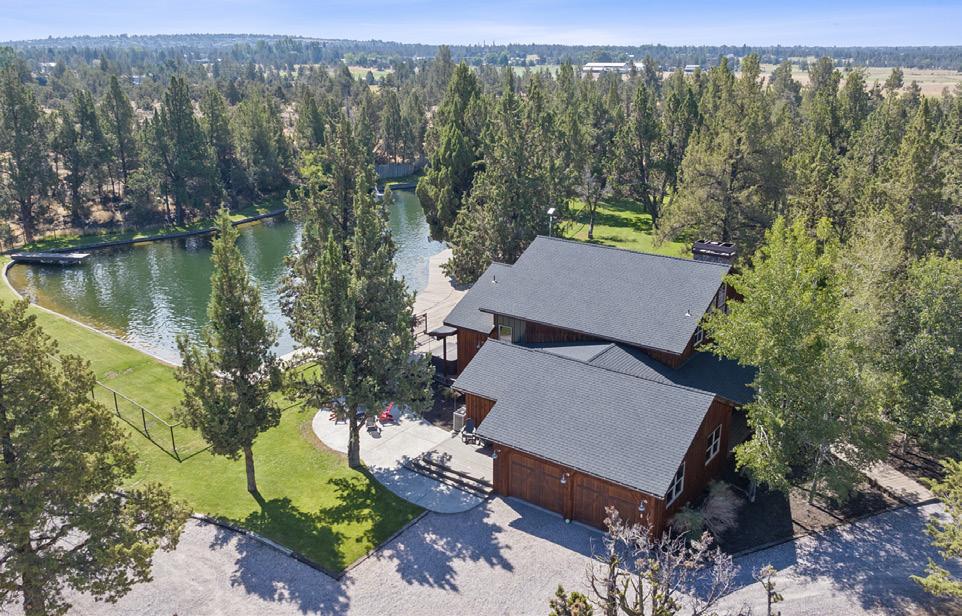
Hobby ranches aren’t looking for the large-scale production of a working ranch but rather are driven by self-sufficiency and personal fulfillment. Because of this, they typically encompass smaller acreage, usually 40 acres or less, though some may stretch a bit larger. These properties are designed to be manageable without the need for full-time labor or heavy machinery.
While many hobby ranches produce supplemental income, owners of these properties often maintain an off-property career or other income streams. The ranch itself isn’t expected to “pay the bills.” A hobby ranch might be used as a weekend retreat, a family homestead, or a personal project that enriches the owner’s lifestyle rather than sustaining it financially.
While some livestock might be raised, it’s usually for personal consumption, beef for the freezer, a few goats or sheep, or hens for fresh eggs. Crop production, if present, is typically modest and geared toward household consumption rather than commercial sales.
These properties are ideally suited for families with children involved in youth agricultural programs like 4-H and FFA, offering ample space for raising a few farm animals such as goats, pigs, sheep, or poultry. This setup provides children with valuable hands-on experience in caring for livestock,
teaching responsibility, work ethic, and practical agricultural skills in a real-life setting. With the opportunity to manage daily animal care right at home, kids can fully engage in their projects and prepare for local fairs, competitions, and exhibitions, all while growing up in a supportive, rural environment that encourages learning and leadership.
Infrastructure on a hobby ranch is usually minimal. A single residence is common, accompanied by a handful of functional structures such as a small barn, chicken coop, or workshop. These setups are often maintained entirely by the owner, with work scaled to fit around evenings, weekends, and family schedules, making it a manageable endeavor for those seeking balance.
Convenience is another hallmark of hobby ranch living. These properties often strike a balance between peaceful rural surroundings and proximity to nearby towns or amenities, making them attractive to those who want the best of both worlds. For many, owning a hobby ranch is about reconnecting with the land, living intentionally, and having a hands-on educational environment for their family. It’s less about production and more about the satisfaction that comes from working the land for one’s own benefit and sharing that experience with family and a like-minded community.
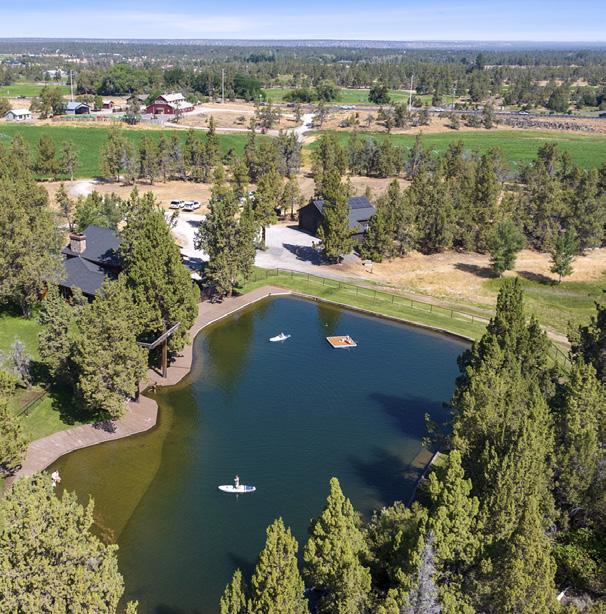
While they may not carry the same economic weight as a working ranch, hobby ranches offer a taste of the ranching lifestyle without the overwhelming demands.
Ranching Means Different Things to Different People
At its core, the word “ranch” can mean different things depending on who you ask and where you are. For some, it’s a multi-generational business that requires grit, long hours, and a deep connection to the land. For others, it’s a personal retreat, a place to keep a few animals, grow a garden, and enjoy a slower pace of life.
The difference between a working ranch and a hobby ranch isn’t just about size. It’s about purpose. A working ranch is built to sustain a livelihood and often supports entire families through agriculture and livestock production. A hobby ranch, while sharing the love of land and animals, is rooted in lifestyle and personal enjoyment rather than income generation.
Both have their place, and both offer unique rewards. Whether you dream of running a sprawling cattle operation or tending a small patch of land with chickens and a few cows, ranching at any scale connects people back to nature, hard work, and a simpler way of life.
In the end, it’s not just about acreage. It’s about how you live on it.
ABOUT THE AUTHOR
Jesica, a Central Oregon native with her passion for real estate, specializes in equestrian properties, hobby ranches, and luxury homes. After returning home in 2014, she joined her father in the family real estate business, bringing a strong foundation in land and ranch sales. When she’s not working, Jesica enjoys life on her own rural property with her husband and family, embracing a lifestyle of homesteading, home renovation, and outdoor adventure
GLACIER NATIONAL PARK
Where the Mountains Remember
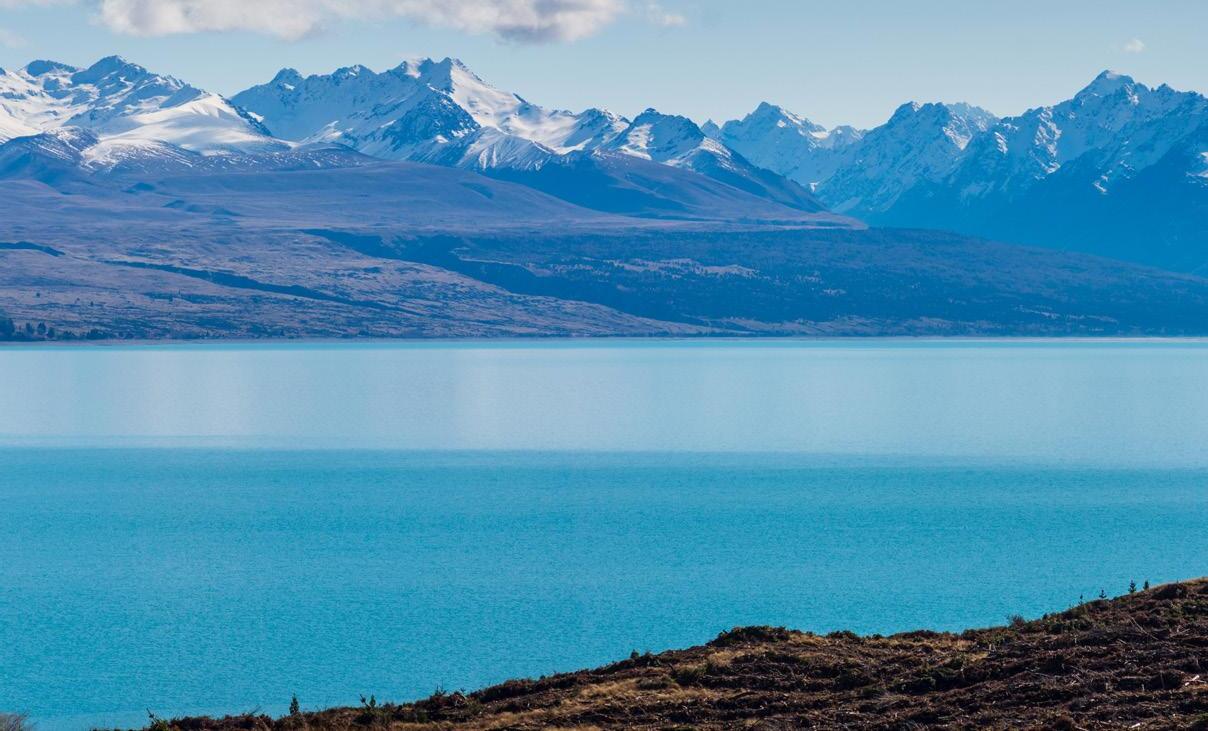
BY JOHN ANDERSON | FAY RANCHES BROKER | LICENSED IN MT, ID
There are places that take your breath away. Glacier National Park is one of those rare sanctuaries. Tucked into the wild heart of Montana, this crown jewel of the Rockies doesn’t just dazzle — it enchants. Rugged snow-capped peaks, lush green valleys, and timbered slopes create a plethora of ecosystems.
Before borders, before trails had names, before the word “Montana” was spoken aloud, this land was sacred. The Blackfeet people have called the eastern front of Glacier National Park home for centuries. They believed that the hands of the Creator formed the jagged peaks, and that the glaciers were the breath of the earth itself.
The Salish and Kootenai tribes, too, lived in harmony within these valleys and forests. They followed game, gathered huckleberries, and passed down oral traditions that made each mountain more than a landscape — each one was a living being. To them, Glacier National Park was part of their culture, and they believed the region to be a living part of their people.
As fur trappers arrived in the early 1800s, drawn by rumors of rich pelts and untouched terrain, they were humbled by the scale of the land. Stories told of a place where the snow never fully melted, where ice rested eternally in the crevices of mighty granite peaks. Those who braved the passes and river valleys did so with awe, not arrogance. They knew they were visitors, trespassing on a kind of cathedral.
By the mid-19th century, explorers and surveyors came west in greater numbers. Among them was George Bird Grinnell, a man of vision and heart. He didn’t just see natural beauty; he saw something worth preserving. Grinnell fell in love with the region’s jagged spires, its hidden valleys, and the deep turquoise lakes that seemed to mirror heaven itself. He lobbied tirelessly to protect the area, and in 1910, Glacier National Park was born, America’s 10th national park, a sanctuary for wildness and wonder.
Imagine riding the iconic Going-to-the-Sun Road, carved daringly into the side of towering cliffs, as a golden sun rises over Logan Pass. Mountain goats trace their paths along rocky ledges, and waterfalls tumble hundreds of feet down sheer rock faces. The road, completed in 1932, is an engineering marvel. Traveling up the road provides incredible vistas and dramatic landscapes.
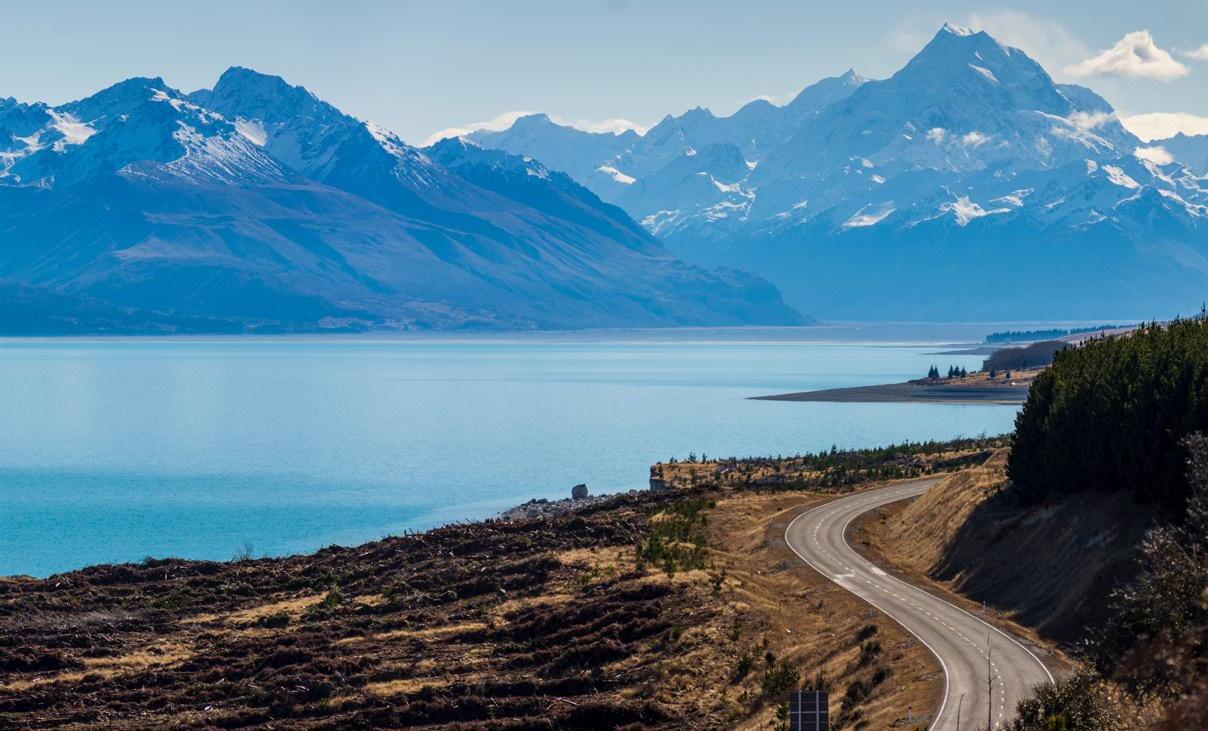
Glacier holds more than a million acres of unspoiled wilderness, home to alpine meadows, ancient forests, and more than 700 pristine lakes. Wildflowers bloom in a riot of color in springtime, and in the fall, the larch trees turn to gold like the land itself is exhaling summer’s last warmth.
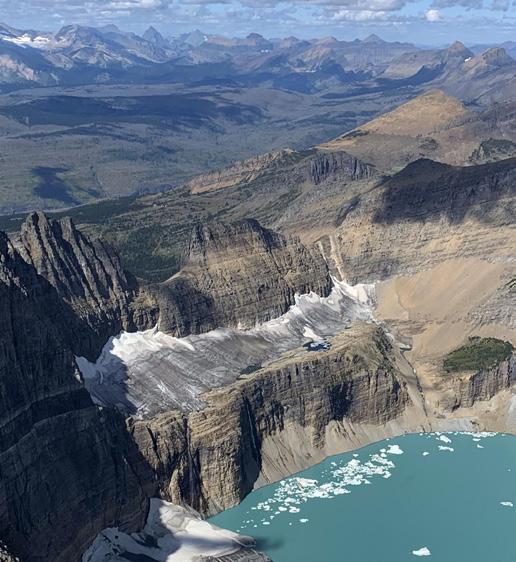
There are numerous glaciers in the park, fewer now than a century ago, but still clinging with quiet dignity to the high altitudes. Each one is a frozen legacy, a reminder of the park’s name and its fragile heartbeat. Scientists predict that many of these glaciers will vanish within our lifetime, and yet they remain eternal for now.
The real romance of Glacier doesn’t live only in facts or figures. It lives in the dramatic landscapes, moments, and memories. It’s a couple holding hands at the edge of Swiftcurrent Lake, silent as the sky blushes at dusk. It’s a solo traveler who stumbles upon a bull moose in a sunlit meadow and forgets how to breathe for a moment. It’s the rustle of aspen leaves in the wind, the distant echo of a loon on Two Medicine Lake, the smell of pine needles after a rain. Glacier invites you to fall in love slowly, with all five senses, and once you do, the feeling holds onto you. As John Muir once said, “The Mountains are calling, and I must go.”
Through the decades, Glacier has stood as a symbol of endurance and love. Families return generation after generation. Poets and painters find their muse in its everchanging light. Hikers lace up their boots each morning to walk its trails, seeking beauty and adventure. Even in winter, when much of the park falls under a blanket of snow, the romance never sleeps. Snowshoers and cross-country skiers glide through silent forests where time feels paused, and the mountains cradle the landscape like old souls.
Glacier National Park isn’t just a place you visit. It’s a destination that takes you back to a time when humans lived in harmony with nature. The Native Americans who wandered through this landscape knew they were only visitors and that their relationship with the region was fragile. They believed in stewardship of the land and were very careful not to overutilize the plethora of resources.
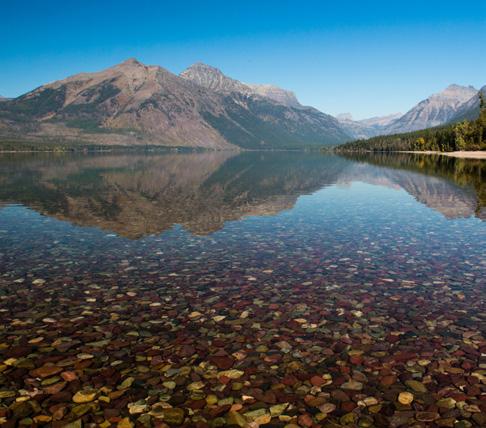
Lake McDonald is the largest and deepest lake within the confines of Glacier National Park. The lake was discovered by Duncan McDonald in 1878. Duncan stumbled upon this beautiful lake during one of his arduous journeys to the region in search of fur-bearing mammals. He inscribed his initials on a birch tree along the bank of the lake and etched his name into history.
Duncan worked for the Hudson’s Bay Company.
During this time period, Britain, the United States, and Russia claimed the whole region. The consensus at the time was that a sovereign nation couldn’t lay claim to a geographical area. The interested parties had to prove that their nation had an economic claim to the region. The Hudson’s Bay Company (British) and the American Fur Company raced to establish some sort of economy in the region. Folklore is abundant regarding the heated rivalry and stories of each company trading with the Salish and Blackfeet Native Americans. The Native American Tribes were amicable at first, but when they saw more settlers invading their sacred landscape, hostilities became prominent. A big part of the dispute between the natives, settlers, and the fur trappers was the overutilization of natural resources. While the early history of Lake McDonald is marked by exploration, trade, and territorial rivalry, today the lake welcomes visitors with the comfort and charm of lodges and amenities.
Lake McDonald Lodge is nestled on the bank of the lake and provides 5-star amenities for visitors. The lodge itself was constructed in 1913 and was designed by Kirtland Cutter. The lodge was constructed using available materials that nature provided, so the foundation and ground floor were built utilizing stone. The craftsmanship has stood the test of time and has endured the harsh climate ever since. In 1987, the Lake McDonald Lodge was designated as a National Historical Landmark. The lodge has 82 guest rooms, which are split between the main lodge and several quaint cabins.
While Lake McDonald Lodge is one of the most wellknown accommodations, Many Glacier Hotel, Village Inn at Apgar, Rising Sun Motor Inn, Swiftcurrent Motor Inn, Apgar Village Lodge and Cabins, Motel Lake McDonald, and the Prince of Wales Hotel, also provide excellent places to rest up within the confines of the park.
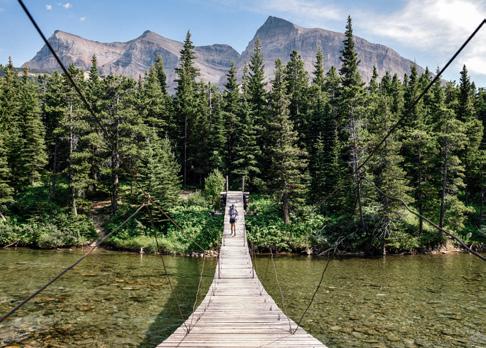
Glacier National Park has a multitude of hiking trails that meet visitors at their comfort level. A few of the trails are not for the faint of heart, but there are plenty of familyfriendly trails as well. Hikers may see a variety of wildlife, including mountain goats, moose, deer, elk, wolves, black bears, and grizzly bears. It is always a good idea to remember that these animals have been protected for decades and may not be afraid of humans. The wildlife might not run away, but they are still wild in every sense. Visitors in Glacier and Yellowstone National Parks get severely injured every year. A moose with a calf is a formidable foe and should be given a wide berth. It is a good idea to stop at a local sporting goods store and purchase a can of bear spray for each hiker and have it ready to deploy at a moment’s notice. If you see any bear signs, you should proceed with caution and leave the area. Park Rangers are available to help you understand the habits of the wildlife and how to handle certain interactions. Each trailhead has a large kiosk made of plywood, and that is where the ranger will post warnings, if any.
The best time to visit the park is in the fall when the crowds of tourists have dwindled. This region is known for early snowstorms and is subject to being closed due to snowfall. Visitors should take that into account during the fall. There are six ways to enter the park. The West Glacier entrance is the most popular route because of the proximity to the Kalispell International Airport, hotel accommodations, shopping, and restaurants. These
Suspension bridge over Belly River
Lake McDonald
amenities help prepare visitors for the adventure. The west entrance is also famous for the 50-mile journey up the scenic byway named Going-to-the-Sun Road. There are tours available for visitors who just want to enjoy the scenery. The other main entrance is located close to the town of East Glacier on the eastern side of the Rocky Mountain Front. It is called “Two Medicine.”
Seeing the sun rise and splash a wall of peaks staggering over 10,000 feet high is a sight that is spectacular. The other entrances are Camas Creek, Saint Mary, Many Glaciers, and Cut Bank. The major airports in the region are located in Missoula, Kalispell, and Great Falls.
People in Montana are extremely friendly, and they are always willing to give visitors tips and information.
To stand in Glacier National Park is to stand in the presence of something greater, not just in scale, but in spirit. Once you do, you will understand what the Blackfeet meant when they said this land was alive. You will also understand what Grinnell fought for, and why this park doesn’t need to shout to be heard.
ABOUT THE AUTHOR
John Anderson’s love of the land started at an early age. Family recreation was always spent in the mountains, where the love of nature and family became one. As a youth, he also spent a good deal of time on ranches, running irrigation lines, herding cattle, and mucking out horse stalls, which instilled in him a deep appreciation of the business end of ranching. Later in life, John earned a degree in Agricultural Science and minored in Fisheries, Wildlife, and Surveying at Oregon State University. His education and love of the land translate into his career as a land broker, giving him a good eye for the lay of a property and what wildlife species its vegetation may attract. Keenly aware of the plethora of outdoor recreation that Montana offers, John can engage with his clients about the recreational opportunities of a property as well as the operational possibilities if they hope to raise livestock.
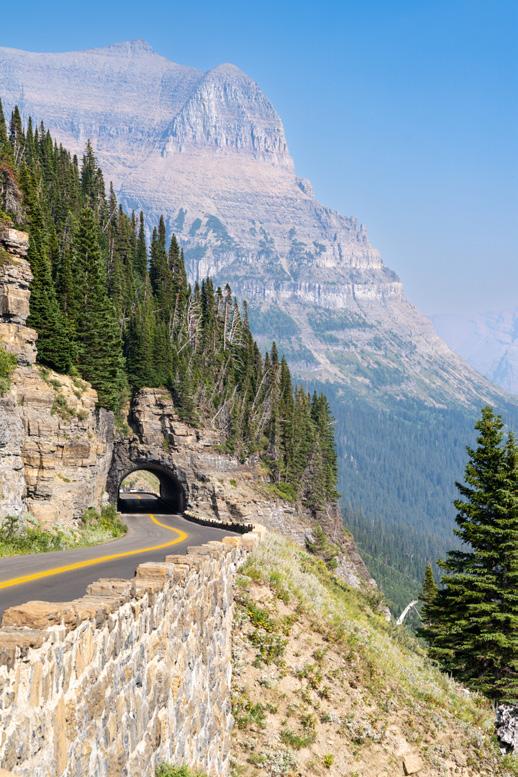
Going To The Sun Road
Grinnell Glacier, 2019
A rizon A ' s Cutting EdgE
ALegacy of Horsemanship
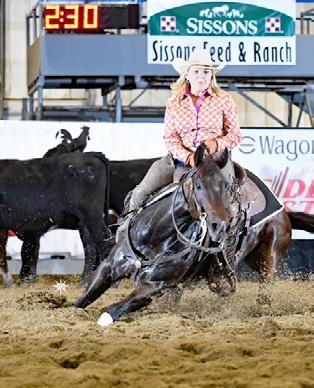
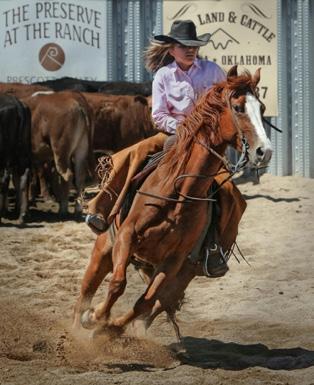
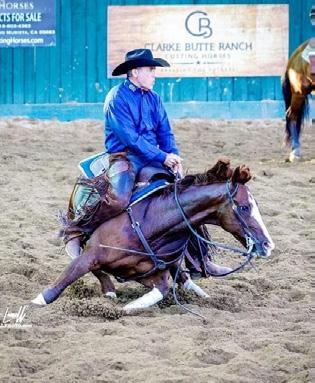
BY JULIANNA ERIKSEN | FAY RANCHES BROKER ASSOCIATE | LICENSED IN AZ
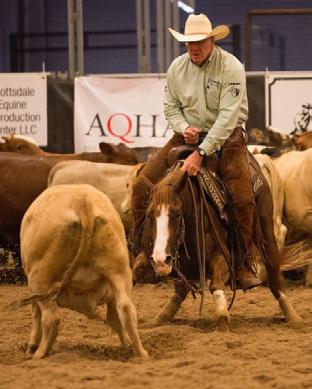
The dust rises in a golden cloud, the scent of horse and leather hanging heavy in the air. A single horse and rider move with an almost telepathic connection, separating a bewildered steer from the herd with effortless precision. This isn't just a spectacle; it's a dance as old as Arizona itself, a testament to the state's deep roots in ranching and the enduring spirit of cutting horsemanship.
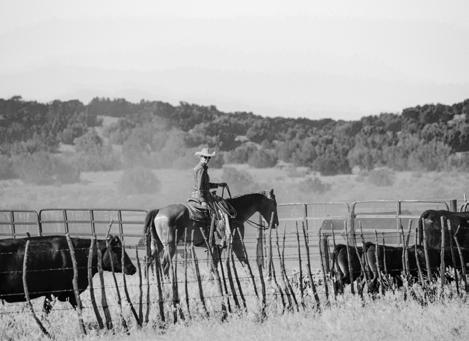
Arizona's sprawling, often rugged landscape has been synonymous with cattle ranching for centuries, a legacy beginning with Spanish settlers introducing livestock as early as the late 1600s. From iconic spreads like the historic Babbitt Ranches, spanning over 700,000 acres in northern Arizona, to the vast Diamond A Ranch and the storied Empire Ranch, Arizona's cattle operations necessitated a unique blend of horsemanship and practicality.
On these expansive, often unforgiving ranges, cowboys relied heavily on horses with exceptional "cow sense"—an innate ability to instinctively separate and control individual cattle from a herd. This crucial daily task, whether for branding, doctoring, or sorting for market, was the very genesis of cutting horsemanship. It was on these working ranches, forged by the demands of the Arizona desert and the needs of a thriving cattle industry, that the fundamental skills of cutting were honed, transforming a cowboy's essential chore into the athletic and precise sport we know today.
These days, Arizona continues to be a hub for cutting horsemanship, boasting worldrenowned trainers and stables across the state. The legacy forged by pioneers like C.P. Honeycutt and carried forward by figures such as Al Dunning and Mike Wood ensures that the spirit of the cutting horse remains a vibrant and integral part of Arizona's rich equine culture.

The Figures Who Forged the Cutting World
¾ C.P. Honeycutt: Arizona's First Hall of Famer
C.P. Honeycutt played a significant role in the world of cutting and is recognized for his contributions to the sport. He was the first inductee from Arizona into the National Cutting Horse Association (NCHA) Hall of Fame, and only the 12th nationwide. Honeycutt and his famous horses highlighted the competition during the cutting horse contest at the 1969 Maricopa Stagecoach Days event. He moved to Maricopa in 1952, where he farmed about 3,500 acres. An eight-time Arizona cutting horse champion, Honeycutt was inducted into the National Cutting Horse Hall of Fame in 1986. Honeycutt Road in Maricopa is named in his honor.
¾ Al Dunning: A Master in Training
Al Dunning is a highly renowned and accomplished American horse trainer specializing in Western performance horses. Born on March 5, 1950, in Chicago, Illinois, he moved to Arizona with his family in 1958. Dunning has trained multiple world champions in a variety of Western disciplines, including reining, cutting, working cow horse, halter, and all-around events, known for his multi-faceted approach to training. He has owned and operated Almosta Ranch, a Quarter Horse training facility in Scottsdale, Arizona, since 1970. Dunning has deep roots in the Arizona horse community, having grown up there and learned horsemanship and roping at a young age.
¾ Mike Wood: Arizona-Born, Nationally Recognized
Mike Wood is a highly successful professional cutting horse trainer based in Scottsdale, Arizona. He is known for training and showing aged event cutting horses, as well as working with non-pro and youth clients. A native of Arizona, he grew up participating in rodeos and roping events. Mike Wood spent ten years as an assistant trainer with renowned horse trainer Al Dunning before establishing his own training business. He has achieved significant success in the cutting horse industry, including multiple NCHA World Championships in various classes (such as Open, $5,000 Novice Horse, and $25,000 Novice Horse). An NCHA Hall of Fame Rider, Mike Wood boasts over $3.9 million in lifetime earnings. He has served multiple terms as President of the Arizona Cutting Horse Association (AZCHA) and is a Director from Arizona for both the National Cutting Horse Association (NCHA) and the Pacific Coast Cutting Horse Association (PCCHA).

Forging Ahead: The Women at the Reins
Arizona is a thriving hub for horse cutting enthusiasts, hosting a robust calendar of shows throughout the year. Organizations like the Arizona Cutting Horse Association (AZCHA), the Northern Arizona Cutting Horse Association (NACHA), and the Cave Creek Cutting Horse Association (CCCHA) contribute to a vibrant scene, offering numerous opportunities for riders and spectators. The AZCHA, for instance, typically organizes seven multi-day events between October and May, often at the impressive Horseshoe Park and Equestrian Center, with popular shows such as "Jump Start Your Year," "Sun Circuit," and "May Madness." Complementing this, NACHA's season generally spans from April through September/ October, while CCCHA adds to the schedule with shows in various months, including January, February, April, October, and November. With multiple associations providing a steady stream of competitions, Arizona consistently offers well over a dozen distinct cutting horse show events annually, making it a prime destination for the sport.
While cutting horsemanship is steeped in the traditions of the Old West, today's arena showcases a new generation of skilled competitors, among them a rising tide of talented women. Breaking traditional molds, these cowgirls demonstrate that "cow sense" and precision know no gender. With grace, grit, and an unparalleled partnership with their horses, they are not only excelling in this demanding sport but are actively shaping its future, proving that the cutting edge of horsemanship is as vibrant and inclusive as ever.
The world of cutting horse shows in Arizona is notably enriched by the significant presence and achievements of women, who actively contribute as riders, trainers, and advocates for the sport. From seasoned professionals to passionate amateurs, women play a pivotal role in the vibrant cutting horse community. Beyond individual accomplishments, organizations like the Art of the Cowgirl, with its annual event in Queen Creek, specifically celebrate and uplift Western women, offering clinics in cutting and showcasing the talent of female makers and horsewomen. This fosters an environment where women not only compete at high levels but also mentor and inspire the next generation of cowgirls, ensuring their continued influence and success in Arizona's cutting horse scene.
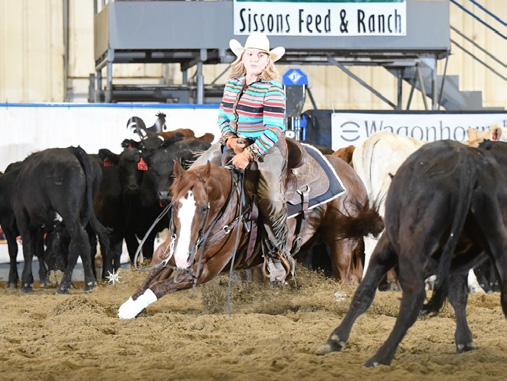
Dawn Chapman: Titles, Trailering, and Tenacity
Among those leading the way are figures like Dawn Chapman, an inductee into the NCHA Hall of Fame and a proud Arizona native, who exemplifies the dedication and skill that women bring to the arena, having achieved remarkable success with horses like Clays Little Kit Cat. Dawn's dedication and skill in the cutting horse arena are spectacularly evident in her vast collection of awards. With over 12 trophy saddles alone, each representing a significant win, she has truly made her mark. Beyond the impressive saddles, her home is further adorned with countless trophies and a multitude of buckles, tangible testaments to her consistent success and mastery of the sport. This remarkable assortment isn't just a display; it's a powerful visual narrative of a career defined by excellence and a testament to her enduring legacy in the cutting horse world.
Dawn Chapman's success in the cutting horse world is even more remarkable considering her ability to navigate a demanding travel schedule alongside her husband and family life. Despite the extensive commitment required to compete at an elite level, including hauling horses to various championship titles and increasing lifetime earnings, Dawn has managed to balance her passion for showing with her personal life. She has openly discussed the challenge of raising four young children while actively competing, often opting for shows over regular practice sessions. This highlights her dedication and adaptability, as she essentially
learned to "show and practice riding while showing." This unique approach to her career, coupled with the support that allows her to travel, underscores the incredible dedication required to achieve NCHA Hall of Fame status while maintaining a balanced personal life.
Dawn Chapman has earned numerous prestigious awards in the cutting horse world, demonstrating a highly successful career. Some of her notable achievements include:
¾ NCHA Hall of Fame Inductee: Dawn Chapman was inducted into the National Cutting Horse Association (NCHA) Non-Pro Riders Hall of Fame in 2022. Her horse, Clays Little Kit Cat, was also inducted into the NCHA Horse Hall of Fame in the same year, a testament to their strong partnership.
¾ Championship Titles and Earnings: Throughout her career, she has accumulated numerous championship titles, increasing her lifetime earnings.
¾ Trophy Saddles, Trophies, and Buckles: She has a substantial collection of awards, including over 12 trophy saddles, countless trophies, and a multitude of buckles, symbolizing her many victories.
¾ $5,000 Novice Non-Pro Champion: Dawn Chapman claimed the $5,000 Novice Non-Pro championship.
¾ PCCHA Top Ten: She has appeared in the Pacific Coast Cutting Horse Association (PCCHA) Top Ten standings in various categories, including the Non Pro division, with horses like Look Both Reys and Clays Little Kit Cat. She also had horses that she owned, placed in the Open Derby and Open Classic/ Challenge
Her success is often linked with her horses, particularly Clays Little Kit Cat, with whom she achieved significant championship titles and increased lifetime earnings. She has also had success with other horses like Look Both Reys, Little Jackson Cat, and Bad Boon Rizing.
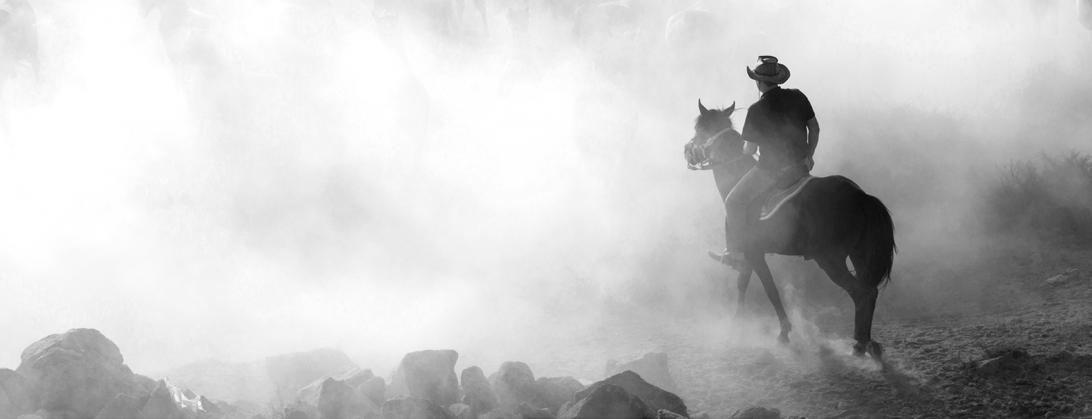
The history of cutting horses in Arizona is a testament to the ingenuity, dedication, and passion of its people. From the dusty open ranges to the gleaming show pens, the cutting horse has been an integral part of Arizona's identity. It represents not just a sport, but a way of life – a celebration of horsemanship, a deep respect for cattle, and an unwavering commitment to the traditions of the American West. As the sun sets over the Arizona desert, the spirit of the cutting horse continues to ride on, a proud and enduring legacy in the Grand Canyon State.
ABOUT THE AUTHOR
With over 35 years of experience, Associate Broker Julianna Eriksen adeptly navigates the market, specializing in ranches, land, horse properties, and luxury homes across the state, including the East Valley, Scottsdale, and Paradise Valley. Raised in Park City, Utah, on the ski slopes by her father, the legendary skier Stein Eriksen, and with a strong background in ranching and horses, she offers unique insight into outdoor lifestyles and large landholdings. Her global network, sharp negotiation skills, and commitment to client satisfaction ensure exceptional and confidential service for a diverse clientele. Julianna works closely with fellow Fay Ranches Designated Broker Scott Hawes, a seasoned land broker with decades of experience in agricultural real estate and leadership across multiple western states, bringing added depth to their reach and results throughout Arizona.
The Unique Charm of Black-Tailed Deer in northern california
BY JUSTIN DAVIS | FAY RANCHES | LAND SALES AGENT | LICENSED IN CA |
CA DRE #02116170
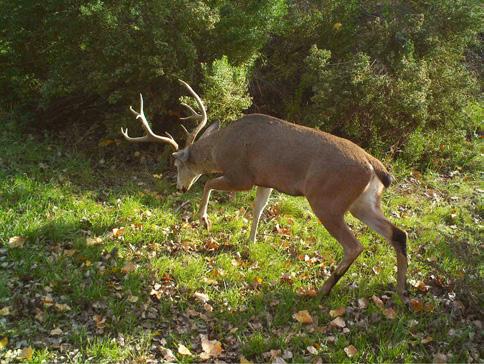
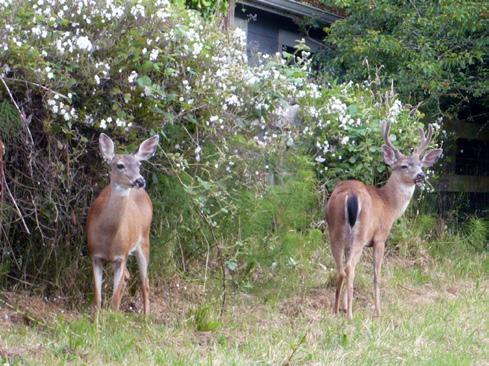
From the fog-draped redwood forests of the North Coast to the sun-dappled oak woodlands and volcanic slopes of the inland mountains, the black-tailed deer is one of Northern California’s most iconic and enchanting wildlife species.
Known scientifically as Odocoileus hemionus columbianus, the black-tailed deer is a subspecies of mule deer and is uniquely adapted to the diverse and rugged landscapes of the Pacific coast and interior ranges. Their presence speaks to the resilience of nature and the intricate web of life that thrives in California’s varied ecosystems.
Distinctive Features and Behavior
What sets black-tailed deer apart from their relatives across the continent is, first and foremost, their appearance. As their name suggests, they sport a dark, almost black tail with a white underside—unlike the all-white tails of whitetail deer or the thin, rope-like tails of other mule deer subspecies. Their ears are large and mobile, adapted for picking up even the slightest sound, and their bodies are lean and agile, well-suited for navigating steep terrain and dense cover.
Black-tailed deer are crepuscular, meaning they are most active during the low-light hours of dawn and dusk. During these times, they emerge to forage on a diverse diet that includes grasses, acorns, shrubs, berries, and the tender shoots of trees. Their feeding habits not only help sustain them but also play a vital role in seed dispersal and plant growth, making them key players in maintaining the balance of local ecosystems.
One of the black-tailed deer’s most unique qualities is its specialization for both coastal and forested mountain habitats. In Northern California, they thrive in areas where fog, rainfall, and varied terrain create a lush, year-round food supply. Their range overlaps with towering redwoods, manzanita thickets, oak woodlands, and pine forests, all of which provide shelter, forage, and pathways for movement.
Unlike their cousins in the drier interior regions of the West, black-tailed deer in this part of California are adapted to both temperate coastal climates and more variable inland environments. Their movement patterns may be localized near the coast or more seasonal in mountainous counties. This makes them especially visible and familiar to residents and outdoor enthusiasts in regions like Humboldt, Mendocino, Sonoma, Shasta, Tehama, and Siskiyou counties, where diverse ecosystems provide prime habitat throughout the year.
A Creature of the Coast—and Inland Wilds
Female & Male • Ferndale, CA
5 x 6 Point Buck • Sacramento River National Wildlife Refuge, CA
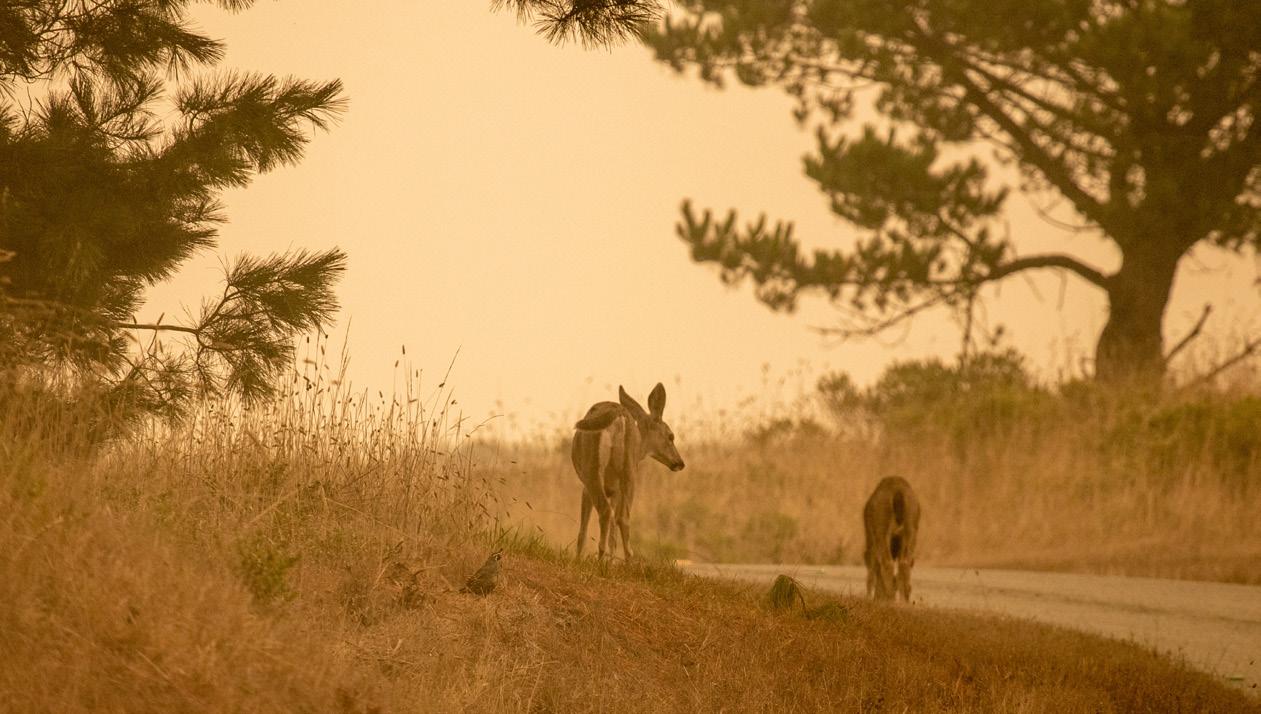
A Cultural and Ecological Icon
Black-tailed deer hold a significant place in the cultural heritage of Northern California. Indigenous tribes such as the Yurok and Wintu have long relied on these deer for food, clothing, and tools, and they continue to honor the animal in traditional practices and stories. Today, the deer remains a favorite subject for photographers, hikers, and hunters alike, capturing the imagination of all who encounter it.
From an ecological standpoint, black-tailed deer are both a prey species and a keystone browser. Their populations support predators such as mountain lions and bobcats, while their browsing helps shape plant communities. In short, where black-tailed deer go, the health of the land follows.
ABOUT THE AUTHOR
The Heart of Northern California’s Wilderness
In a region known for its natural beauty and biodiversity, the black-tailed deer stands out as a living emblem of California’s wild spirit. Adaptable yet specific, graceful yet hardy, these deer embody the quiet wonder of the forest and the enduring strength of native wildlife. To see one slipping through the trees at twilight is to witness a creature perfectly at home in one of the most unique environments on Earth.
Justin Davis brings unmatched insight to California land transactions, combining professional expertise with deep personal roots in ranching, agriculture, and Western sports. Raised on a working ranch and shaped by generations of real estate and rodeo tradition, he offers clients a rare blend of firsthand knowledge, integrity, and national reach. His background in livestock management, land stewardship, and rural culture makes him a trusted advisor across the West.
Deer walking along shoulder of road during fire season • Point Reyes National Seashore, CA

R ping THROUGH GENERATIONS
>>> A Montana Rodeo Legacy
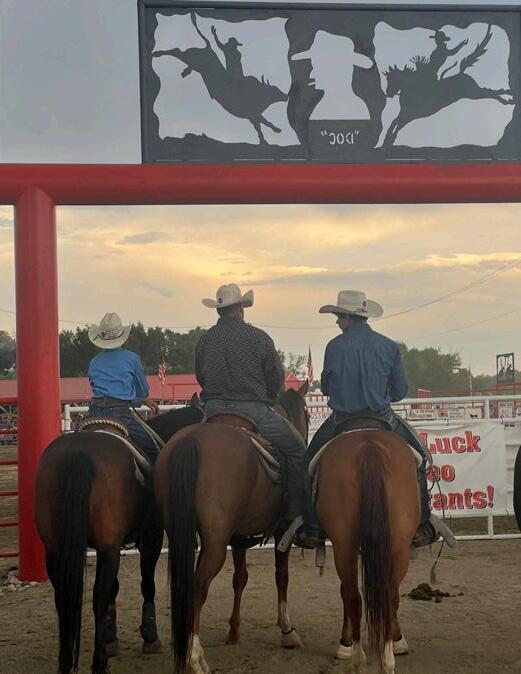
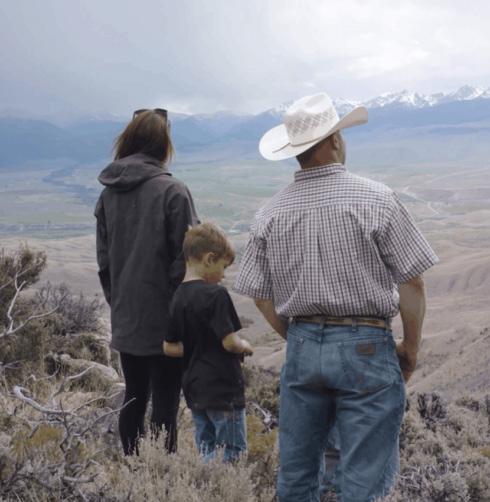
BY RJ PATTERSON | FAY RANCHES RANCH SALES | LICENSED IN MT, ID
I was lucky enough to be born into the rodeo world. My folks say I could ride a horse before I could walk, rope in hand, not long after. Raised in Whitefish, Montana, the arena was my second home, and the roping dummy was my first teacher. My grandfather was a dedicated calf roper, the kind of cowboy who didn’t just compete; he lived the cowboy way every day. My dad followed right behind him, excelling as both a calf and team roper. Now, I’m proud to carry that torch, not just in the arena, but as a father raising two boys who are forging their own rodeo paths in junior high, high school, and open rodeos around Montana.
Rodeo isn’t just a sport in our family, it’s a lifestyle. A heritage. A language spoken through calloused hands, long hauls in dusty trucks, and early mornings under a Montana sky. Some of my earliest memories are of those early morning practices. Summers started early around our place if I wanted to practice. My dad and I would be saddled up by 6:00 a.m., roping the dummy to warm up, then roping steers by 6:45. He had a rule: no loops thrown just for fun, each swing had a purpose. It was repetition, patience, position, swing, timing, and delivery. And at some point, maybe around 12 or 13, it clicked. My loop stopped bouncing on the ground or the steer’s legs, and I started catching with consistency. That was when I realized this wasn’t just a hobby. It was who I was becoming.
I was fortunate enough to be able to travel across the western states while in High School and compete in several of the big USTRC ropings throughout the year. The more consistent I became, the better partners I could get. When I was a sophomore in high school, I was lucky enough to win several big ropings from Missoula, Montana, to Ruffus, Oregon, and got to go to my first USTRC National Finals Team Roping in Guthrie, Oklahoma. The finals did not go as well as I wanted them to, but I was able to compete at a very high level, and I knew I could hold my own.
That work ethic carried me all the way to the University of Montana on a rodeo scholarship. College rodeo was a different kind of grind: classes during the day, practice in the evenings, and most weekends on the road. I’ll never forget my first college rodeo in Cody, Wyoming, my freshman year. The rodeo went great as we won 2nd in the first round, 3rd in the short round, and 2nd in the average. There was also a big open team roping jackpot that weekend, where I was able to win 3rd, and a great friend of mine won 1st and 2nd riding my amazing bay horse, Nacho. I left Cody with over $1,500 and was positive that I would never have a bad day.
Throughout my college career, I met many people who have influenced my life, from coaches and teammates to other rodeo contestants from all the different schools, and I have
built great relationships that remain strong to this day. Balancing school and rodeo wasn’t easy, but it taught me discipline. I’d be up at 4:30 for workouts, in class until early afternoon, then straight to the arena. I often wrote papers in the front seat of a pickup while waiting for my draw. It was chaotic, but it shaped me.
Eventually, after years of near misses and late nights in the practice pen, I qualified for my first Montana Circuit Finals in team roping. Just getting to the rodeo was an effort; we drove through a huge blizzard for 200 miles and had to chain up the truck to get over Rogers Pass. It never got above -5° the entire week. I still remember leading my horse into the Four Seasons area, snow blowing everywhere, icicles in his mane, and the music playing from inside the arena. When the announcer called our names, my heart was pounding, but my hands were steady. We didn’t have any luck at the first finals, but it was one of the proudest moments of my career. Not because I won, but because I knew how hard I’d worked to get there.
Now, I live in Lewistown with my wife and our two boys, who’ve grown up the same way I did, riding before school, roping in the evenings, feeding horses before bed. My oldest started swinging a rope at four. My youngest, even earlier. I never pushed it. They just wanted it. I remember their first junior rodeo like it was yesterday. My youngest missed every steer but grinned ear to ear the whole day. A year later, my oldest won his first buckle. He came flying out of the arena, arm raised, grinning like he’d won the NFR. I teared up. Not because he won, but because he worked for it.
They’ve had their share of wipeouts, too. My youngest once got dumped while riding through the pasture barback and landed flat on his back. He jumped up, checked if anyone saw, and dusted off like nothing happened. That kind of resilience— it’s the cowboy way. And I’m proud to see it growing in them.
The rodeo community has been our backbone. From local jackpots to amateur rodeos, from hauling with neighbors to sharing advice behind the chutes, we’ve always felt supported. I’ve had mentors, guys like Kory Mytty and Mike Beers, who showed me how to ride a good horse, how to handle a bad draw, and how to carry yourself win or lose. Rodeo is as much about learning how to win as it is about learning how to deal with everything that can and often does go wrong. No one, not even the best of all time, catches every steer or calf that they run. It takes a lot of mental fortitude and great people around you to succeed in this sport. It’s a brotherhood built on mutual respect, time in the practice pen, good people, lots of smiles, and a few tears.
Of course, none of it works without good horses. The best horse I ever rode was a black gelding named Tigger. He was all heart, the kind that could read a steer and give you every ounce he had. I won on him from the jackpots to the rodeos and won on both ends (heading and heeling), my wife even
ran him at some barrel races, and usually took home some money. My boys have their own now. My oldest rides a gritty little sorrel gelding, Gary, and my youngest’s on a bay we call Voodoo. Training them is as much about feel as it is about reps. It takes a lot of time and work, practicing one or two days a week just won’t cut it if you want to rise to the top; it is a sacrifice that you have to make, but one that is worth it in the end. We do all the work ourselves: hauling water, brushing, feeding the horses, steers, and calves after a long day. It teaches responsibility. They learn to earn trust with their horses, and in return, those horses carry them with heart in every run.
Rodeo has given me more than buckles, saddles, or finals appearances. It’s given me family, community, purpose, and pride. Watching my boys back into the box, rope in hand, carrying a tradition that began long before them, it’s something I’ll never take for granted. The past shaped me, the present drives me, and the future rides right beside me in the practice pen.
And I wouldn’t have it any other way.
ABOUT THE AUTHOR
RJ Patterson was born and raised in Whitefish, Montana, where life revolved around cattle, horses, and the cowboy way. Growing up with a rope in one hand and reins in the other, RJ developed a deep respect for the land and the traditions of the West. After starting his career in real estate over 20 years ago, he built a reputation for honesty, hard work, and a deep understanding of rural Montana life.
Now living in Lewistown with his wife and two sons, RJ balances his professional life with his true passions: family, the outdoors, and rodeo. Whether he’s helping a client find the perfect property, riding in the arena with his boys, casting a fly on a quiet stream, or guiding hunters through rugged terrain, RJ lives each day with the same grit and integrity that shaped him.

The Evolution and Conservation Challenges of Horses in North America
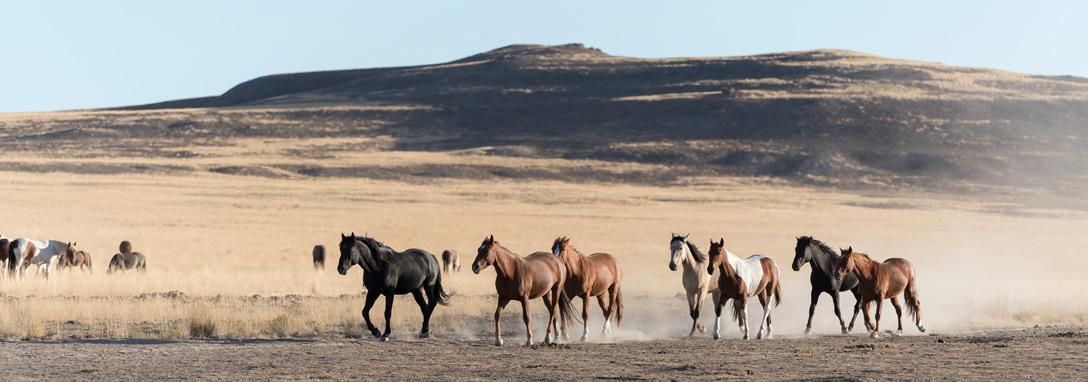
BY ROBERT MARTIN | FAY RANCHES RANCH BROKER | LICENSED IN NM, CO
The history of horses in North America is a remarkable tale of evolution, extinction, reintroduction, and contemporary ecological and cultural dilemmas. Horses played a pivotal role in Spanish colonialism and the western expansion into Native American lands by the United States government and eastern settlers. From their prehistoric origins to their reintroduction and eventual overpopulation, horses have always been more than just animals; they are symbols of freedom and heritage.
Evolution in North America
Horses first evolved in North America over 50 million years ago. The earliest known ancestor of the modern horse was a small, dog-sized creature called Eohippus, or the “dawn horse,” which roamed the dense forests of what is now the American West. Over millions of years, evolutionary pressures led to the development of larger and more specialized horse species. These animals were adapted to grassland ecosystems, developing teeth suited for grazing and long limbs for running.
By the late Pleistocene, around 10,000 years ago, North America was home to several species of horses. These animals were part of a rich megafaunal community that included mammoths, mastodons, saber-toothed cats, and giant ground sloths. However, a massive extinction event at the end of the Pleistocene wiped out nearly all large mammals in North America, including horses. While climate shifts likely played a role, a growing body of evidence suggests that overhunting by humans significantly contributed to their demise.
Horses in Europe and Asia
Before their extinction in North America, some horses had already migrated across the Bering land bridge into Eurasia. These populations thrived and eventually became the
foundation for domesticated horses. Over thousands of years, horses were bred and used for transportation, agriculture, and warfare throughout Europe, Asia, and parts of Africa. Thus, while horses disappeared from their evolutionary birthplace, they continued to develop and flourish on other continents.
The Return of the Horse
Horses made their dramatic return to North America with the arrival of Spanish explorers in the 16th century. Hernán Cortés brought horses to Mexico in 1519, and within a few decades, they had spread throughout the continent. Escaped or abandoned horses quickly established feral populations that adapted to the American landscape. Native American tribes, particularly those of the Great Plains such as the Comanche, Sioux, and Cheyenne, rapidly integrated horses into their cultures, revolutionizing hunting, travel, and warfare.
These animals, known today as mustangs, became emblematic of the American frontier. Over the next two centuries, feral horse populations expanded rapidly, particularly in the arid and semi-arid regions of the western United States. By the late 18th and early 19th centuries, these populations had reached numbers that alarmed settlers, ranchers, and eventually, conservationists.
Overpopulation: An Environmental Concern
While mustangs are celebrated in American folklore, their population growth created real ecological challenges. By the 1800s, feral horses competed with livestock for forage, degraded water sources, and disrupted native plant communities. Ranchers and settlers often viewed them as pests, and efforts to reduce their numbers included roundups, shootings, and sales to slaughterhouses.
The issue of horse overpopulation intensified in the 20th century. Public sentiment began to shift during the 1950s and 1960s, as animal welfare advocates raised concerns about the inhumane treatment of wild horses. This led to the
passage of the Wild Free-Roaming Horses and Burros Act in 1971, a landmark law that protected wild horses from capture, branding, harassment, and death. Managed by the Bureau of Land Management (BLM), the Act aimed to preserve wild horse populations while also ensuring the sustainability of public rangelands.
Unintended Consequences
While well-intentioned, protective legislation had unintended consequences. The prohibition against slaughtering horses in the U.S., enacted in the 1970s and 1980s, made it more difficult to manage unwanted domestic horses. As a result, some owners released horses onto public lands, swelling the ranks of wild herds. In addition, with few natural predators and federal protections in place, wild horse populations began to grow exponentially.
Today, it is estimated that there are over 80,000 wild horses on public lands in the western United States, more than triple the number that these ecosystems can sustainably support. The BLM has attempted to address the issue through roundups and adoption programs. Horses are captured using helicopters and transported to holding facilities, where they are offered for adoption to the public. However, these efforts have had limited success. Many horses remain in long-term holding facilities, and the cost of managing these animals continues to rise.
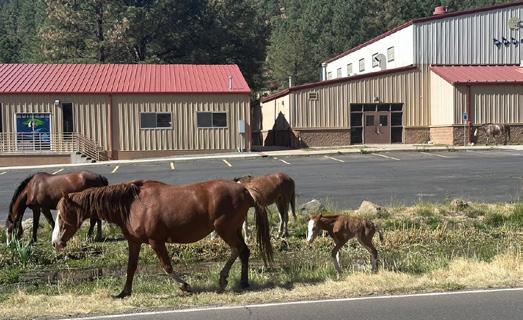
A Clash of Values: Mustangs, Ranchers, and Conservationists
The modern wild horse issue is emblematic of broader conflicts in American land use policy. On one side are horse advocates who view mustangs as a living symbol of American heritage and freedom. They argue that horses have a right to remain on the lands they have roamed for thousands of years. On the other side are environmentalists who point to the damage feral horses inflict on fragile ecosystems and cattle ranchers whose cattle compete for grazing.
Wild horses compete with native species for limited food and water resources. Their hooves can degrade riparian areas, compact soils, and facilitate the spread of invasive plants. Meanwhile, ranchers argue that overpopulated horse herds reduce the available forage for cattle, threatening
their livelihoods. This clash of values has made wild horse management a deeply polarizing issue.
Native or Feral?
Central to the debate is the question of whether wild horses should be considered a native species. From a strictly ecological perspective, modern mustangs are descendants of domesticated European horses and are thus classified as non-native. However, others argue that because horses evolved in North America, their reintroduction represents a rewilding of a species with deep evolutionary ties to the continent.
This perspective shapes public attitudes and, to some extent, policy. If horses are seen as invasive, management may focus on population reduction and habitat restoration. If they are viewed as returning natives, the emphasis may shift toward protection and coexistence. This dual identity as both an ancient North American species and a later reintroduction makes the status of wild horses uniquely complex.
Seeking Balance
The future of wild horses in North America depends on finding a careful balance between ecological health, cultural values, and practical management. A successful policy may involve solutions that include humane fertility control, designating areas where wild horses are allowed to thrive, and involving local communities in the process.
Public education and transparency in management decisions will also play a critical role in building trust and achieving long-term solutions. Ultimately, the wild horse debate is not just about animals; it reflects broader questions about how we value nature, manage shared resources, and navigate competing interests in a changing world.
As the American West continues to evolve, the story of its wild horses remains a powerful symbol and a reminder of both the continent’s deep past and the enduring complexities of conservation in the modern age.
ABOUT THE AUTHOR
Robert Martin is a seasoned ranch broker with Fay Ranches, licensed in New Mexico and Colorado, where he guides clients with deep knowledge of land, water, and wildlife. His background as a wildlife biologist adds unique insight into habitat, stewardship, and the complex dynamics of Western landscapes. This dual perspective allows him to advise clients with an uncommon blend of practical ranch knowledge and conservation-minded insight.
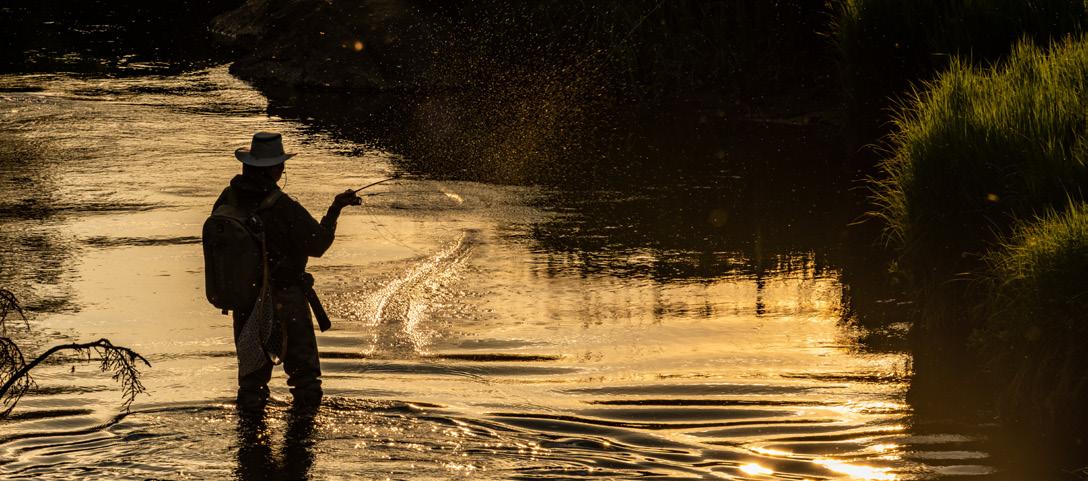
BY SAM SHELTON | FAY RANCHES RANCH SALES | LICENSED IN MT
In today’s ranch market, recreation fuels a substantial amount of our sales in many regions. People seeking refuge from the large municipalities around the country have begun to acquire large tracts of land where they can hunt, hike, fish, and find serenity amongst their otherwise busy and mentally arduous daily lives. This trend of recreational purchases has become more and more popular recently, and recreational opportunity is valued more heavily than ever before. In order to rationalize these recreational purchases, buyers are also frequently looking for ways to generate income from their newly acquired oasis. This income base can come from a variety of ventures that these properties offer. These include, but are not limited to, solar and wind leases, farm production, cattle operations, and hunting leases. The question becomes, how do I get the most out of my ranch recreationally, while generating enough income to at least pay the taxes? This can be a tricky balancing act, as some of the income-producing operations can conflict with wildlife habitat and recreational opportunities. This balance can be obtained, but it takes diligence and knowledge of not only the wildlife and the operation, but the range land as well.
Stocking and Grazing
Grazing is one of the keystone income generators on large ranches in the West. Cattle, like elk and deer, utilize the rich range grass and water sources that these ranches provide. This can create competition between cattle and the ranches’ wildlife, not only for food and water but for privacy. As someone who is a huge proponent of the cattle industry and has been a hunting guide for years, I have spent a lot of time trying to decipher how to have the best of both worlds.
BALANCING Recreation & Revenue on Your Ranch
The first thing one must know is the carrying capacity of the ranch they own. Key factors that determine carrying capacity are forage production, animal needs, and grazing management. Let’s look at an example of using these factors to calculate capacity.
Let’s say a ranch has 200 acres of pasture. The forage production is 3,000 lbs per acre, and the owner has a desired utilization rate of 60%. This ranch grazes cows that require 40 lbs of forage per day. I chose 80 cows arbitrarily to show how much forage would be consumed annually. I also included how many cows a person could run for one month at that stocking rate.
Here are the formulas you’d utilize to calculate AUMs.
Forage
Annual Cow Demand
lbs x 0.6 = 3,200 lbs per
cows x 40 lbs per day = 300 AUMs or 300 cows for 1 month AUMs (Animal Unit Months) 360,000 lbs / (40 lbs per day x 30 days) Daily Cow Demand = 1,168,000 lbs per year 3,200 lbs x 365 days
Once this number is understood, the first step is to stock your ranch with enough cows to pay the bills but not too many as to disrupt the natural flow of the wildlife. A stocking rate of 60% is what I have found to be the best number for this symbiotic relationship. The next thing to be considered is pasture rotation and cow density in each pasture. Spreading the 60% capacity out over all the pastures creates less pasture density and leaves each pasture more intact for the wildlife. More frequent rotation also aids in the regeneration of each pasture and helps preserve freshwater sources as well.
Game species such as elk and deer will naturally avoid cattle, especially on water sources, so keeping the pastures most frequented by elk and deer free of cows or at least lightly stocked helps keep them around. This low stocking rate also helps the cattle as they have less competition from other cattle and can get limitless nutrients and fresh water.
Farming and Food Plots
The next major part of the equation is farming. Most large operations have a hay base to support their herd, along with some other supplemental crops such as grain and corn. These crop fields are huge attractants for deer and elk. In order to harvest enough to feed your cows but maintain your food accessibility for wildlife, there is one major strategic play that helps stabilize both. I have seen success by keeping a couple of food plots fenced to keep the cows out while simultaneously leaving the crop standing, meaning not harvesting the food plots. The rest of the farm ground can be harvested, baled, and fed during the winter months. Come hunting season, things can be adjusted even more, involving pastures. The type of crop that is planted in your food plots can help maximize their effectiveness as well. Elk and deer seem to key in on crops such as alfalfa, sainfoin, wheat, and corn. The type of crop planted will partially be determined by the region in which the ranch is located and the availability of water. If in a dryer climate without access to irrigation, I have seen the best success with sainfoin, wheat, and alfalfa. If irrigation is available, corn and irrigated alfalfa seem to be some of the better attractants for elk and deer.
It’s best to use trail cameras to find where on the ranch the elk and deer seem to be frequenting the most. Once this information is gathered, a person can concentrate the cattle in the pastures with the least activity, creating a sanctuary amongst the other pastures for the deer and elk. It would also be prudent to clean up the water sources in those sanctuary pastures to ensure a good, clear water source for the wildlife.
Water Enhancement
Water is one of the most important features for holding wildlife on a ranch and maximizing its productivity. The first thing an owner can do is develop all the springs on the ranch and get them producing good, clean water. Tanks can be put at these springs to hold water for stock and wildlife. Wallows or small ponds can also be dug in at these locations to create more of a natural-looking water source. In dry climates, wells can be punched and tanks can be filled to ensure the availability of water for wildlife and for stock.
Having cows outside of the pastures where your quarry resides the most not only saves feed, water, and cover, but it also limits the agricultural activity in those pastures during hunting season. The
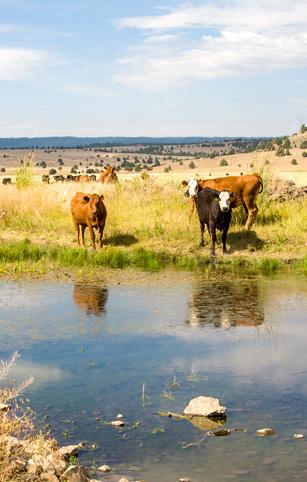
workers involved in the ag operation need to conduct their duties and will be in those pastures working and doctoring. This activity is necessary, but it is helpful to keep it limited to the areas where you are not hunting.
Renewable Energy
Another common income source amongst agricultural properties is renewable energy leases, most commonly wind or solar. Wind or solar farms can be strategically placed on your ranch to avoid interfering with livestock or wildlife while generating income via the lease payments from private companies. These lease payments can vary, but some common structures include per-turbine payments, royalties incumbent upon production, or both. Per-turbine lease payments are often dependent on the turbine size and are typically $5,000-$8,000 per megawatt. The royalties are paid on a percentage basis and are usually 4-10% of the revenue generated. Solar leases are usually paid on a per-acre basis and range from $700-$2,000 per acre per year. Both wind and solar are just one more tool to maximize a ranch’s potential.
Agriculture is a pivotal part of all the iconic ranches in the country and is crucial to fueling the economy in our nation. Finding the balance between work and play on your ranch can be tedious, but with some knowledge and proper planning, the two can coexist in perfect harmony. If you’re exploring how to align your ranch’s recreational potential with income-producing strategies, feel free to reach out to discuss how these principles might apply to your property.
ABOUT THE AUTHOR
Sam Shelton is a trusted land professional with Fay Ranches, where he brings a lifetime of firsthand experience in Montana’s wild and working landscapes. Raised in Billings, he has spent decades exploring every corner of the state. Sam has served as a hunting guide throughout much of his adult life and has worked extensively on ranches that balance premier sporting pursuits with large-scale agricultural operations. His deep-rooted understanding of wildlife, land stewardship, and production agriculture drives his commitment to delivering exceptional service to his clients. Sam is dedicated to being an informed advisor in every transaction, offering insight grounded in personal experience and professional integrity.
AI-POWERED LAND VALUATION
Revolutionizing Agricultural and Recreational Property Investments
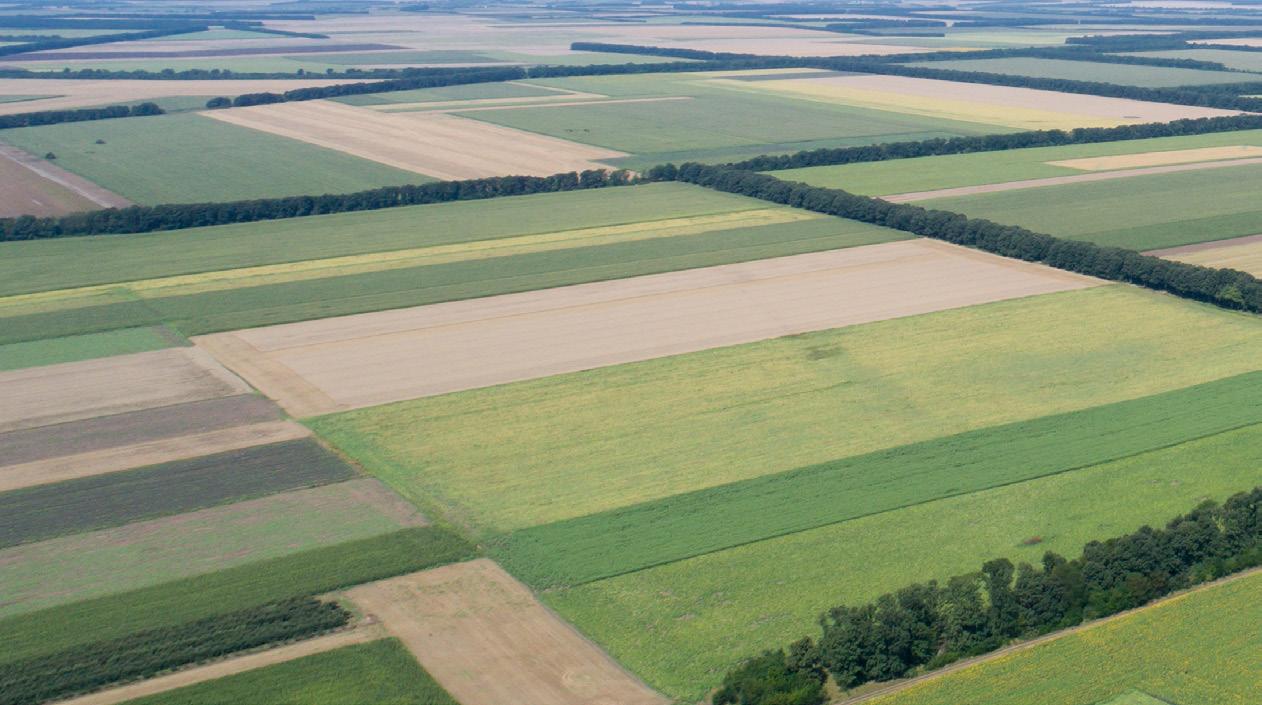
BY STEVE ATKINSON | FAY RANCHES PRINCIPAL BROKER | LICENSED IN UT, ID
In an era where technology is reshaping industries at an unprecedented pace, artificial intelligence (AI) stands out as a transformative force in real estate, particularly for agricultural and recreational properties. As a managing broker with 15 years of experience in farm, ranch, and recreational land markets, I am witnessing firsthand how AI is evolving from a novelty to an essential tool for informed decision-making. Yet, for many in our field, especially those accustomed to traditional methods, AI remains somewhat enigmatic, often conflated with simple search engines like Google.
To clarify, AI is fundamentally distinct from conventional search tools. While Google retrieves existing information based on keywords, delivering a list of links for users to interpret, AI employs advanced algorithms, machine learning, and data synthesis to process vast datasets, identify patterns, and generate actionable conclusions. In the context of land valuation, AI can integrate factors such as soil quality, water rights, zoning regulations, market trends, and even environmental projections to provide precise, customized insights. This capability not only accelerates analysis but also uncovers correlations that human review might overlook, such as how climate data influences long-term property value.
This synthesis of data is particularly revolutionary for ranch and recreational properties, where variables like wildlife habitats, irrigation efficiency, and proximity to
urban centers play critical roles. Unlike static searches, AI’s predictive analytics can forecast appreciation or risks, enabling stakeholders to make strategic investments. However, as we explore AI’s potential, it is crucial to approach it with a balanced perspective, recognizing both its strengths and limitations, especially in niche markets where data scarcity demands expert oversight from professionals familiar with these unique assets.
From Hype to Practical Application
The buzz surrounding AI in real estate is well-founded, with projections indicating that AI-driven tools could reduce property valuation times by up to 90% and enhance accuracy through bias-free analysis. For our niche of lands, AI excels in several key areas, synthesizing complex data to deliver insights that go beyond what traditional methods offer.
First, AI-powered valuation models can analyze historical sales, comparable properties, government soil data, and economic indicators. These systems incorporate geospatial data, such as satellite imagery for assessing land topography and vegetation indices, to evaluate agricultural productivity or recreational appeal. For instance, AI could potentially detect soil composition variations or drainage patterns that impact grazing potential, providing a more nuanced appraisal than manual surveys. However, partnering with a niche specialist ensures these insights align with local market realities.
Second, AI facilitates the identification of opportunities and landowner details. By processing public records, tax data, and ownership histories, AI tools can pinpoint motivated sellers, such as those with long-term holdings, out-of-state owners, or delinquencies, streamlining acquisition strategies. In recreational properties, AI might analyze wildlife migration patterns via integrated sensor data or trail camera feeds to quantify hunting or ecotourism value, adding a layer of insight for investors, who can then consult experts to validate and refine these findings.
Third, AI’s research capabilities are vast. Generational owners might simplify daunting tasks their family hasn’t had to consider, such as comprehensive summaries with the latest tax implications, inheritance laws, deduction strategies, or legal entity advice to help them accomplish their goals. AI applications will help discover, draft, and distill thoughts across multiple professions into cohesive objectives to discuss with advisors.
Moreover, AI’s ability to draw conclusions from disparate data sources, such as combining zoning laws with market
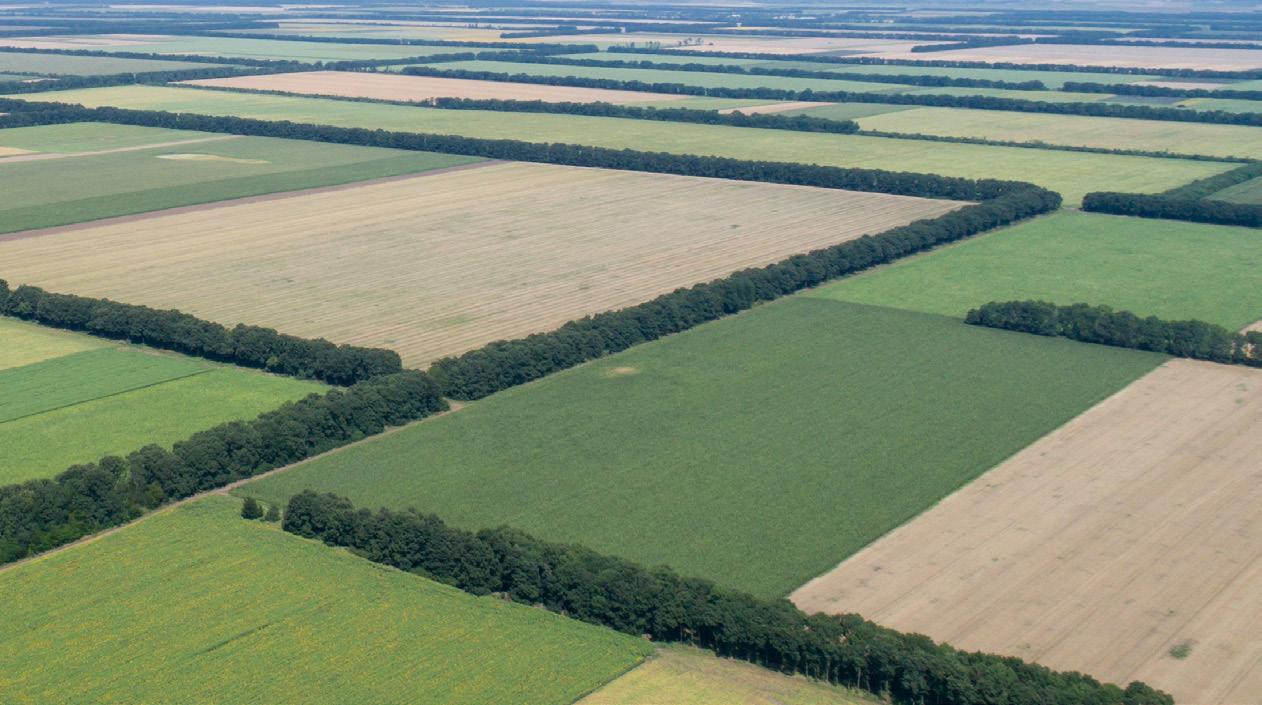
forecasts, enables predictive modeling. For example, it can simulate how infrastructure developments or environmental regulations might affect property values over time, helping buyers and sellers anticipate shifts—ideally in collaboration with a broker experienced in these specialized properties to ground predictions in a practical context.
In practice, these tools democratize access to sophisticated analysis, allowing even small-scale investors to compete with larger entities. However, the true value lies in AI’s synthesis: not just aggregating data, but interpreting it to reveal opportunities, like identifying undervalued recreational land with untapped ecotourism potential based on social media sentiment and location data. Working with a professional in this niche ensures these revelations translate into viable strategies.
An Illustrative Example: AI in Action on a Utah Ranch
To demonstrate AI’s practical impact, consider a hypothetical scenario inspired by real-world trends in the Utah market—a region I know well as a licensed broker. John Loveland, a retiring rancher, owns a 500-acre ranch that blends agricultural and recreational uses. His children opt not to inherit, prompting him to sell. Enter Sarah, an investor seeking a diversified asset with grazing and hunting potential.
John’s agent employs AI-driven mapping and analysis tools to compile a comprehensive profile. The system overlays satellite imagery with soil data, revealing fertile loamy terrain suitable for sustainable cattle operations. Wells, water tables, aquifers, irrigation practices, and drought data are compiled, factoring in Utah’s arid climate and regulatory constraints. Fish and game data are added in. Market synthesis compares recent sales of similar ranches, adjusting for trends like rising demand for recreational escapes near urban areas. This data justifies a $2.5 million listing price, complete with projected ROI reports that highlight potential financing efficiencies.
Sarah, on the buyer side, uses AI to cross-verify all of the comprehensive data compiled by the seller. The tools cross-check and assess development potential, confirming zoning allows for a hunting lodge expansion while evaluating environmental risks like water scarcity.
Predictive analytics model future value, incorporating factors such as nearby infrastructure growth and wildlife habitat quality derived from vegetation indices. Her team identifies financing options, reducing hurdles. The result? A streamlined negotiation, closing in weeks rather than months, with both parties confident in the valuation.
This example, drawn from observed industry applications, illustrates how AI synthesizes disparate data—public records, geospatial insights, and market forecasts— to facilitate transparent and efficient transactions. It underscores AI’s role not as a replacement for expertise, but as an enhancer for brokers like myself, who bring the necessary human insight to these complex and unique deals.
Addressing Concerns and Limitations of AI
While AI offers remarkable advantages, it is not without limitations, and a cautious approach is essential to avoid over-reliance. Many AI tools in real estate are still in developmental or “beta” phases, meaning they may produce incomplete or inaccurate results. A notable concern is “hallucinations,” where AI generates plausible but fabricated information, such as erroneous property details or inflated valuations, due to gaps in training data. For instance, an AI valuation might overlook local nuances like easement disputes or cultural heritage restrictions on recreational land.
Data accuracy is another hurdle; AI draws from public sources that can be outdated or incomplete, potentially leading to skewed assessments of soil quality or water rights. Privacy and security risks also loom large, as tools processing sensitive landowner data could be vulnerable to breaches, exposing personal information or proprietary strategies. In the context of landowner identification, ethical considerations arise, including compliance with data protection laws like GDPR or CCPA equivalents.
Valuations for ranch and recreational properties are particularly tricky, especially in non-disclosure states where sales prices are private. Even advanced AI struggles to access or “clean” data from confidential transactions, relying instead on limited public records. This can lead to incomplete valuations, so readers should not assume AI can simply “tell” them what their property is worth—it’s a starting point, not a definitive answer, and best interpreted by a specialist in these markets.
Furthermore, the niche nature of these properties demands specialized human expertise. Unlike metropolitan homes with abundant comparable data, ranch and recreational lands are often unique, with rare features like wildlife corridors or mineral rights that defy easy quantification. Valuations require multi-angle analysis, considering agricultural yield, recreational amenities, and environmental factors, where nothing similar may have sold recently. AI provides insights, but it still needs the “human touch” from professionals who understand local markets, regulations, and nuances. Always consult a specialist to interpret AI outputs and ensure comprehensive due diligence, as these experts can bridge the gaps where AI falls short.

How to Get Started with AI in Land Valuation
For those new to AI, particularly our older demographic who may view it as intimidating, getting started is more accessible than it seems. Begin by understanding the spectrum of AI tools: Large language models (LLMs) like ChatGPT excel at conversational tasks, such as drafting property descriptions, brainstorming investment strategies, or sifting through large PDFs, but specialized AI platforms can focus on data-intensive functions like valuation and analysis.
To mitigate these, always conduct personal due diligence: cross-reference AI outputs with official records, consult local experts, and verify assumptions through on-site inspections. For ranch properties, this might mean physically assessing water sources or soil samples rather than solely trusting AI models. Best practices include starting with small-scale tests, using multiple AI sources for triangulation, and maintaining human oversight for final decisions. By acknowledging these limitations, users can harness AI’s power responsibly, ensuring it complements rather than supplants professional judgment—particularly in collaboration with niche real estate specialists.
An easy entry point is gathering your usual information, such as property deeds, soil reports, zoning documents, or market comps, from trusted sources like county records or USDA databases. Upload scanned PDFs or data files into tools like ChatGPT, which can now read and analyze them. This provides a second viewpoint, highlighting perspectives you might miss, such as correlations between soil data and small water rights information you may have missed. For niche properties involving multiple municipalities, AI sifts through data quickly, speeding up your process and making you more knowledgeable for verification steps.
Maybe start with free LLM interfaces like ChatGPT. Effective prompting is key: Be specific (e.g., “Analyze this soil report PDF for a 500-acre Utah ranch, including fertility and drainage potential”), provide context, and iterate on responses. Best practices include verifying outputs against credible sources, avoiding sensitive data input to protect
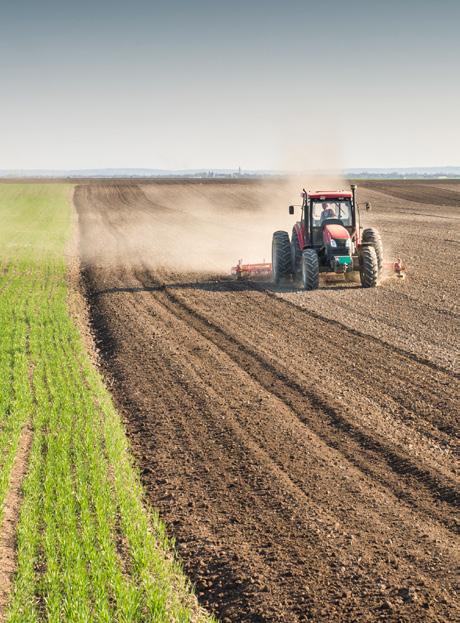
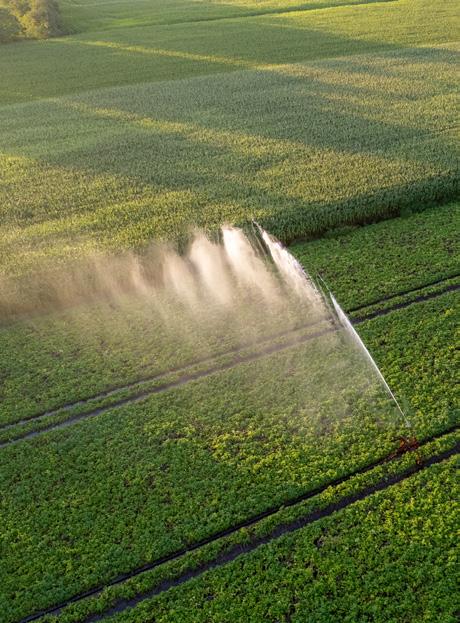
privacy, and combining AI with expert consultation. Things to avoid: over-trusting unverified results, using AI for legal advice, or ignoring ethical implications like data bias.
Given the rapid development of AI, consider using general tools like LLMs to analyze your data directly, or shop for specialized software if you have a specific use case, such as wildlife tracking or irrigation modeling. Resources like industry webinars or forums on X (formerly Twitter) can provide user experiences. With practice, AI becomes a reliable ally, empowering even novices to navigate complex valuations— best when paired with guidance from a seasoned professional in the field.
As AI continues to mature, its role in revolutionizing ranch and recreational property investments cannot be overstated. By synthesizing vast data into actionable insights, AI enhances accuracy, efficiency, and opportunity identification, from soil assessments to market forecasts. Yet, as we’ve explored, success lies in balanced adoption—leveraging its strengths while mitigating limitations through due diligence and expert guidance, especially for unique niche properties where professional insight is indispensable.
The future of land investing will blend human expertise with AI’s analytical prowess, fostering more transparent and sustainable markets.
ABOUT THE AUTHOR
Steve Atkinson holds a B.S. in Business Entrepreneurship and Human Resource Management and serves as a managing broker in Utah, licensed in Idaho. With over 15 years in the farm, ranch, and recreational property sectors, he has facilitated numerous highvalue transactions, blending traditional expertise with emerging technologies like AI. A passionate outdoorsman, Steve enjoys fishing, camping, boating, and family adventures, which fuel his commitment to preserving and enhancing land assets. His insights draw from hands-on experience and a forward-thinking approach to real estate innovation.
Staking Gold Claims Alaska in
BY TROY DANA | FAY RANCHES DESIGNATED BROKER | LICENSED
IN WA, AK
Yes, you can still wander into the Alaska wilderness, find gold, stake your claims, and take a shot at being a gold miner. The idea of striking it rich has driven prospectors to Alaska for over a century. From the famed Klondike Gold Rush of the late 1800s to modern-day mining operations, Alaska remains one of the most attractive destinations for gold prospectors. The state’s vast, rugged wilderness, rich mineral deposits, and relatively open land policies make it a prime location for staking gold claims. Owning a gold claim in Alaska carries the romantic appeal of independence, self-reliance, and the chance of unearthing a fortune beneath the tundra.
While gold prices fluctuate, the opportunity to work a personal mining claim continues to attract individuals looking for adventure and potential wealth. Some gold claim owners operate smallscale mining projects as a hobby, while others establish commercial operations with hopes of yielding significant returns. However, before a prospector can begin mining, they must understand the process of legally staking and recording a claim.
Understanding Patented vs. Unpatented Claims
Gold claims in Alaska fall into two primary categories: patented claims and unpatented claims. Understanding the differences is crucial for any prospector.
Patented Claims
A patented mining claim is a claim where the federal government has transferred ownership of the land to the claimant. Once patented, the land becomes private property, and the owner holds full rights to both the surface and the mineral resources beneath it. Patented claims are rare today, as the U.S. government largely ceased issuing new patents in 1994. Owners of patented claims can develop the land as they see fit, including building structures or selling it as private property.
Unpatented Claims
An unpatented mining claim, on the other hand, grants the claimant the right to extract minerals from the land but does not confer full ownership of the land itself. The federal government retains control of the land, and the claimant must adhere to specific regulations and land-use policies. Unpatented claims require ongoing maintenance, including an annual fee or proof of work, to remain valid.
Most modern prospectors in Alaska operate under unpatented claims, which are still available for staking under federal and state mining laws.
Researching Potential Claim Sites
Before heading into the wilderness, prospectors should research potential claim sites to determine whether an area is open to new claims. The Bureau of Land Management (BLM) and the Alaska Department of Natural Resources (DNR) provide valuable resources, including maps and databases that show existing claims.
Key factors to consider when selecting a claim site include:
► Mineral Potential: Historical mining data, geological surveys, and known deposits in the area.
► Land Status: Ensuring the land is open for mineral entry (some areas, like national parks and Native Corporation lands, are off-limits).
► Accessibility: Proximity to roads, rivers, or airstrips to transport equipment and supplies.
► Environmental Restrictions: Areas protected by environmental regulations may have mining restrictions.
The Process of Staking a Gold Claim in Alaska
Marking the Claim Boundaries
Once a suitable location is found, the next step is to physically stake the claim. In Alaska, the staking process generally involves:
1. Setting Corner Posts: Claims must be clearly marked with posts or markers at each corner.
2. Posting a Location Notice: A sign must be placed on the claim with the claimant’s name, the claim name, the date of discovery, and the claim dimensions.
3. Describing the Claim Accurately: The claim must conform to regulations regarding size and shape. A placer mining claim, for example, can be up to 20 acres per individual claimant.
Recording the Claim
After staking the claim, prospectors must record it with both the state and federal authorities to ensure legal recognition.
1. File with the Alaska Department of Natural Resources (DNR):
► Submit a location notice within 45 days of staking the claim.
► Pay the appropriate recording fee.
► Provide a detailed claim description, including GPS coordinates or legal land descriptions.
2. File with the Bureau of Land Management (BLM):
► Submit a copy of the recorded claim to the BLM within 90 days.
► Pay the initial maintenance fee.
► Complete annual filings, such as an Affidavit of Labor or an annual maintenance fee payment.
Failure to properly record and maintain the claim can result in forfeiture of mining rights.
Maintaining the Claim
To keep an unpatented mining claim valid, claimants must meet annual requirements. These include:
► Paying Annual Fees: A set fee must be paid to the BLM each year to maintain the claim.
► Performing Assessment Work: Alternatively, claimants may perform a minimum amount of work on the claim each year (e.g., excavation, sampling, road building) and file an Affidavit of Labor with proof of the work completed.
Neglecting these obligations can result in the claim being declared abandoned and reopened for other prospectors.
The Differences Between Placer Mines and Hard Rock Mines
Gold mining in Alaska generally falls into two primary types: placer mining and hard rock (lode) mining. Understanding the differences between these two mining methods is crucial for prospectors seeking to establish a claim.
Placer Mining
Placer mining targets gold that has been eroded from its original rock formations and deposited in rivers, streams, or sedimentary deposits. The movement of water and natural erosion processes transport gold particles, creating concentrated deposits in riverbeds, sandbars, and other alluvial environments.
Placer mining methods include:
► Panning: A simple technique where miners use a pan to separate gold from sediment.
► Sluicing: Using water channels and riffle boards to trap gold particles.
► Dredging: Employing large suction dredges to extract gold from riverbeds.
► Highbanking: Using a high-powered sluice system to process larger quantities of sediment.
Placer mining is often considered less invasive than hard rock mining, as it primarily involves surface-level excavation. It is a preferred method for small-scale prospectors due to its relatively low startup costs and minimal environmental impact.
Hard Rock (Lode) Mining
Hard rock mining, or lode mining, targets gold embedded in solid rock formations. Unlike placer mining, which extracts gold from loose sediments, hard rock mining requires breaking apart ore-bearing rock and extracting gold from the host material. This process involves:
► Drilling and Blasting: Miners drill into rock formations to access deep mineral veins and use explosives to break apart the ore.
► Crushing and Milling: Extracted ore is processed through crushers and mills to release the gold from surrounding rock.
► Chemical Extraction: Gold is often separated from ore using cyanide leaching or other chemical methods.
Hard rock mining is a more complex and capital-intensive process than placer mining. It often requires significant infrastructure, including tunnels, shafts, processing plants, and specialized equipment. While hard rock mines tend to yield higher concentrations of gold, they also come with greater regulatory and environmental responsibilities.
The Rewards and Risks of Gold Claim Ownership
Owning a gold claim in Alaska comes with both opportunities and challenges. Some of the key benefits include:
► Potential for Profit: Even small operations can yield valuable gold, and larger claims may attract investors or buyers.
► Adventure and Independence: Working a claim provides a sense of freedom and adventure, with the possibility of discovering a significant gold deposit.
► Historical and Recreational Value: Many claim owners enjoy the historical aspect of mining and use their claims for recreation and personal enjoyment.
However, there are also risks to consider:
► High Costs: Equipment, fuel, labor, and regulation compliance can be expensive.
► Environmental Regulations: Compliance with state and federal laws requires ongoing diligence.
► Market Fluctuations: Gold prices vary, impacting the profitability of mining operations.
Finding and recording gold claims in Alaska is a rewarding but challenging endeavor. The process requires thorough research, careful adherence to the staking and recording laws, and diligent claim maintenance. Whether a prospector seeks the thrill of a personal mining adventure or hopes to develop a commercial operation, owning a gold claim offers a unique opportunity to tap into Alaska’s rich mining history and natural wealth.
For those willing to put in the effort, staking a claim in Alaska could be the first step toward uncovering the next great gold discovery.
ABOUT THE AUTHOR
Former CEO of Hodges Gilliam & Dana, Troy Dana has managed large conservation transactions and land exchanges and has closed nearly 200,000 acres in Washington State. With a strong natural resource portfolio and a basic understanding of forest management, and some self-guided research, Troy wrote a white paper on carbon sequestration in both working and indigenous forests and modeled carbon stores and potential markets on portfolios as large as 50,000 acres. Prior to getting into real estate, Troy was one of 12 licensed to command Tow Boats on the Yukon and Tanana Rivers in the ’80s. He held a USCG Master’s License and traveled multiple times from the Arctic Circle to the Yukon River Mouth to Prince William Sound hauling fuel, freight, and equipment to villages and mines all over the state of Alaska.

why rural matters
Voices from Wyoming
At the Fay Rural Community Foundation (FRCF), we know that rural America’s strength lies in its people who live close to the land, carry deep-rooted values, and show up for their communities every day. To better understand the impact of our work and the needs that persist, we asked our Wyoming-based team at Fay Ranches to share their reflections on rural life and the role FRCF plays in preserving and supporting it.
What we received was more than just answers; it was a glimpse into the heart of rural Wyoming. Their stories reveal the resilience instilled by early mornings and long days, the value of hard work and shared responsibility, and the fierce love for communities that have shaped their lives. They speak candidly about the rising challenges of mental health, the loss of younger generations, the pressures of land affordability, and the quiet but steady erosion of opportunity in remote places.
Yet through it all, one thing is clear: a powerful sense of pride and purpose continues to thrive in rural places. And while the challenges are real, so is the hope, fueled by legacy, land, and the people who refuse to let their communities fade.
In their own words, here’s what rural life means to the Fay Ranches Wyoming team and why giving back isn’t just a mission; it’s personal.
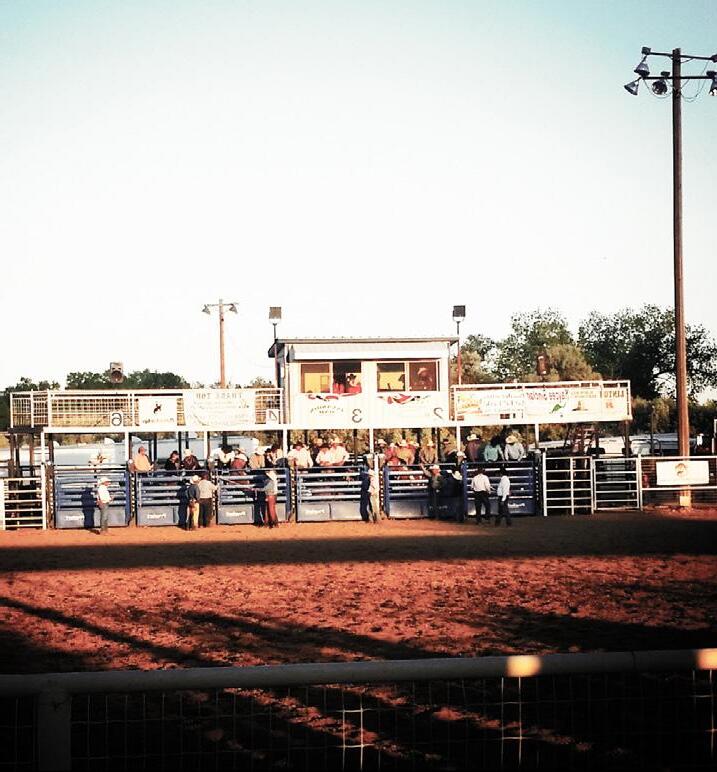
Why is supporting rural communities important to you personally?
JW Robinson: I love supporting rural communities because they have supported me. Having grown up in small-town America, I have found these communities to be both challenging and rewarding.
Kelsea Vaughan: I’ve seen firsthand the challenges rural areas face – whether it’s access to resources, economic shifts, or simply being heard. By supporting these communities, I’m helping preserve a way of life that has shaped me, that I’m passing on to my children, and that continues to be the backbone of our country. It’s giving back, lifting others up, and ensuring these small but mighty towns continue to thrive for generations to come.
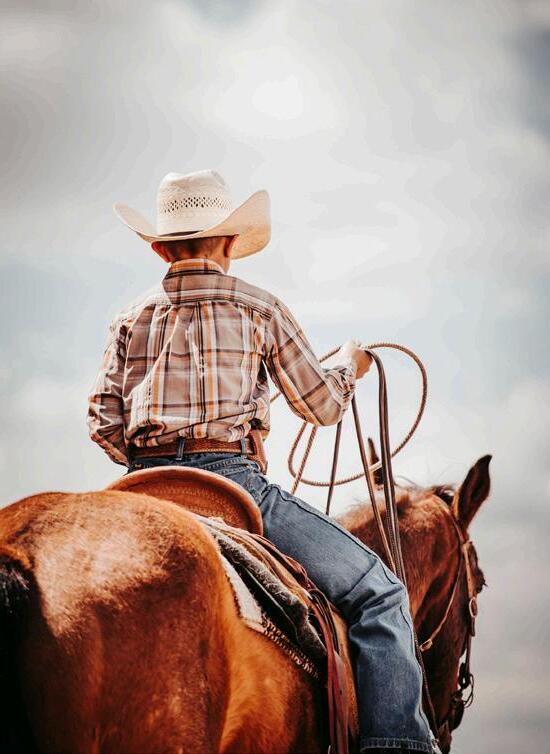
Growing up or working in rural areas, what values have these communities instilled in you?
Cheryl Summer: A sense of community and an understanding of its importance, appreciation, and value of hard work – and shared hard work. Respect for life, how fragile it is, and just how hard a life fights for its next breath. Resilience, dependence, and dependability. This makes me sound so old-fashioned, but the more the world strays from and trivializes these simple values, the greater their worth becomes apparent. There’s a sense of safety and belonging in rural communities and the often shared ideal of looking out for one another. I see my rural community as an unsung matter of routine, giving special support and encouragement to both the youngest and the
oldest members and those who are facing trials. A rural life, and more specifically, a life with some tie to farming and ranching and tending to living things, fosters resilience and teaches us both dependence and dependability. How better to learn to respect life than to be responsible for it?
What is something people often misunderstand about rural communities and the unique challenges they face?
Kelsea Vaughan: Many people romanticize rural communities as places of simple, peaceful living, untouched by the complexities of modern life. However, this view overlooks the unique challenges these communities face. Limited access to healthcare, fewer educational opportunities, lower incomes, and having multiple jobs to support their families
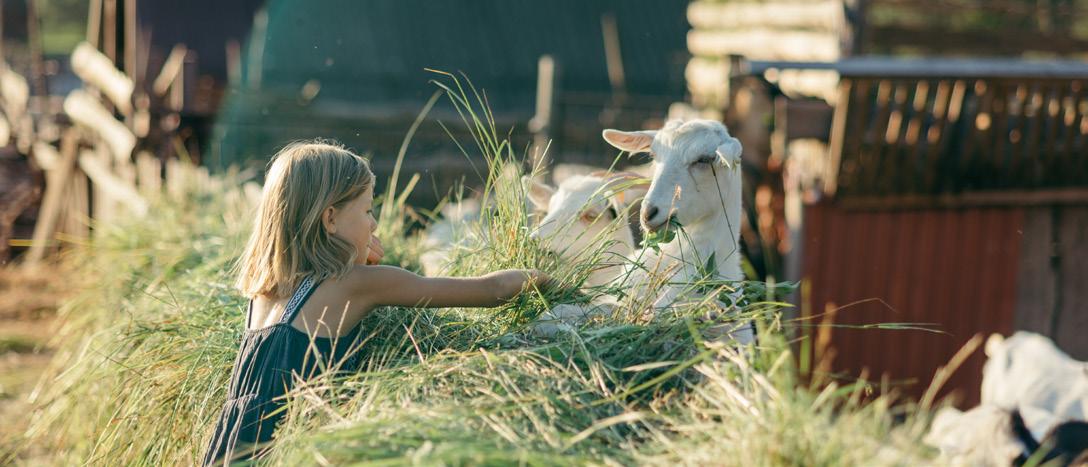
are some of the daily hurdles these communities face. The resilience and resourcefulness of rural residents is admirable. Many people overlook and fail to recognize the real struggles they navigate every day.
Is there a particular rural community that holds a special place in your heart? What makes it unique?
Cheryl Summer: I’ve been in Johnson County, Wyoming, for 25 years now. I’ve loved the strong tie to ranching that remains today. I love that people value keeping the land in agriculture. I love that little kids ride big sheep, and the whole grandstand claps when they fall off. People have long memories here, and the history is important. Common sense is important. Freedom is important. This community is where I’ve seen the value of intra-community support for others in its best display.
What do you think is the most pressing issue rural communities face that doesn’t get enough attention?
Neil Bangs: One of the toughest issues facing rural communities is keeping the younger generations in the community. Employment opportunities, higher education, and a fast pace of life all seem to draw the
younger generation away from their home. This tends to leave a lot of rural communities with an aging population. For those who would like to stay, one of the issues is the price of land in rural America. With the mass migration from large, overcrowded cities to rural America, land prices have shot up in recent years, making it difficult for the younger generation to afford to live where they were raised.
JW Robinson: I think mental health is probably number 1. Western and rural communities are often a “pull yourself up by your bootstraps” style community. While this is an important lesson because we do have personal responsibility, it often leaves younger people fearful of sharing their personal difficulties. These situations often drive them out of rural communities in search of a place they “fit in.” The reality is we all face mental challenges, and finding the right help should never be something to be ashamed of.
What role do you believe organizations like the Fay Rural Community Foundation play in strengthening these communities?
Neil Bangs: I believe organizations such as FRCF are a Christmas present, so to speak, for projects in rural communities. It seems it is always a surprise and unexpected and always shows up just in time. The donation from FRCF couldn’t have come at a better time.
JW Robinson: I think FRCF leads the charge along with other local organizations. They provide creative projects, resources, and structure to organize these rural projects. One individual may find a project overwhelming, but with the assistance of a foundation like FRCF, they can quickly change their creative idea into a beneficial project.
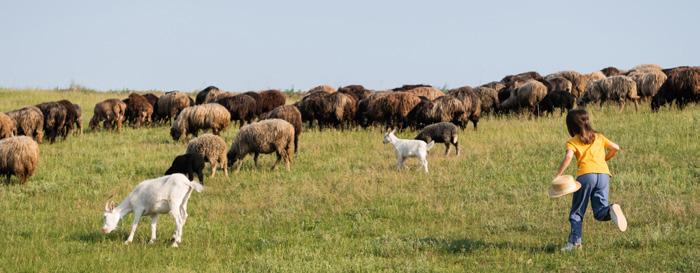
What is one project you’ve been involved with through FRCF, and how have you seen it impact the community?
Neil Bangs: A project I got involved with was ensuring all the Juniors in Cokeville High School went on the school trip to Washington, DC. While I can’t say that I have seen an impact yet, other than appreciation for our help, I can’t help but wonder what that trip may spark in one of those high school juniors who went on that trip.
If you could inspire one thing in the next generation of rural residents or land stewards, what would it be?
Kelsea Vaughan: To care for the land and the animals with a mindset that balances productivity and sustainability. Understanding that healthy soil, clean water, and thriving ecosystems are vital not just for today but for future generations.
Neil Bangs: Get involved. They will find that a few people do the majority of the volunteering and the work. The loudest group will often be the ones who complain and do nothing. If you want to make a difference, get involved.
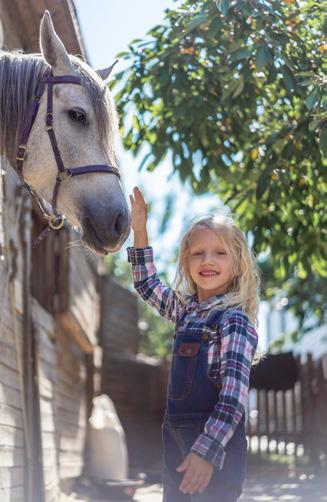

At the Fay Rural Community Foundation, we believe that rural communities don’t just deserve to survive. They deserve to thrive. The voices of our Wyoming team remind us that behind every barn door and down every gravel road lives a powerful story of resilience, grit, and quiet generosity. These are the places where neighbors are lifelines, where land and legacy are sacred, and where the future depends on those willing to show up and invest in it.
But these communities cannot do it alone. The challenges they face—mental health, outmigration, land affordability— are complex and growing. And yet, hope endures. Through every project we support and every story we tell, FRCF is committed to lighting a path forward, hand in hand with the people who call rural America home.
We invite you to stand with us. Whether you live in a rural town, cherish its values from afar, or want to make a difference where it’s most needed, your involvement matters. Donate, partner, volunteer, or share our mission. When you support the Fay Rural Community Foundation, you’re not just giving back but helping move rural communities forward.
Because rural isn’t behind—it’s the backbone. And it’s worth every effort to protect.
Join us. Together, we’ll make sure rural America has the future it deserves.
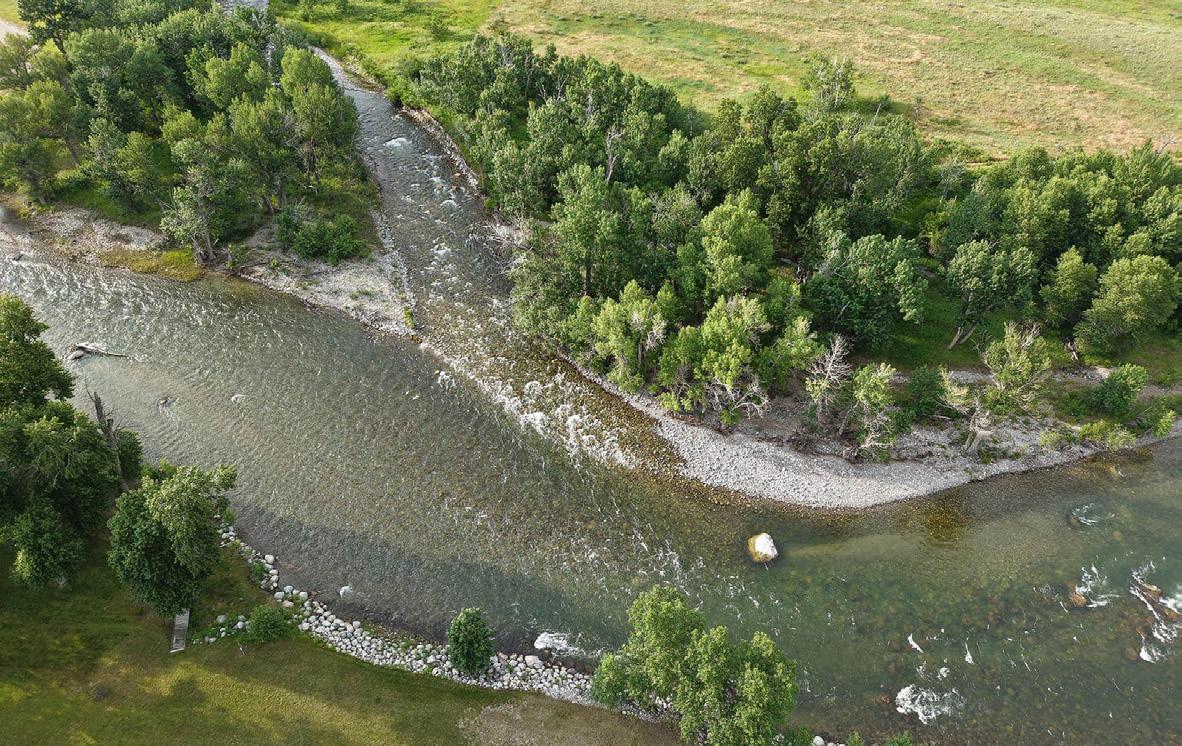


LAND INVESTOR VOL 11 LISTINGS ARE BROUGHT TO YOU EXCLUSIVELY BY FAY RANCHES
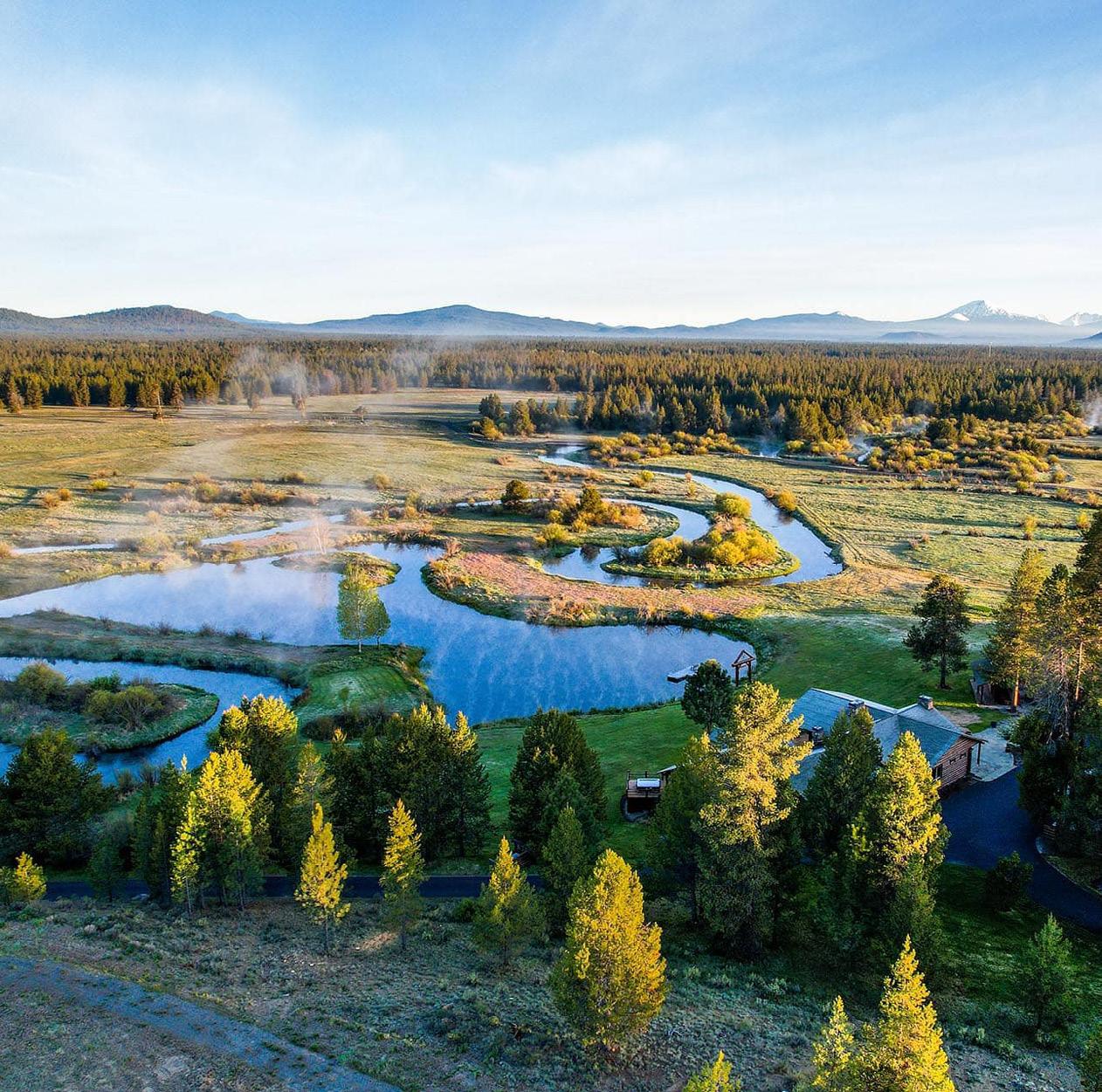
1992 year established
$2.1B in premier listings
310,000± in total acres
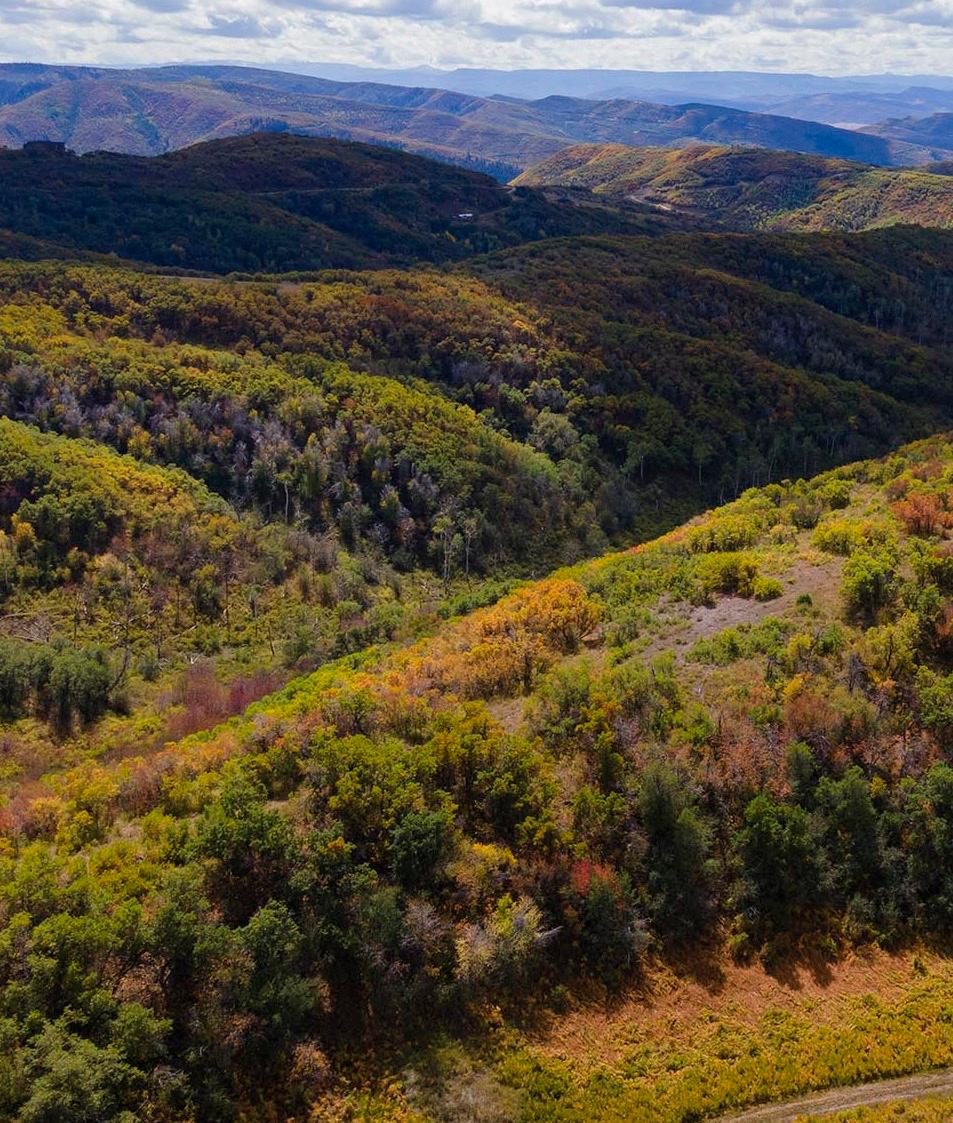
ROCKY MOUNTAIN
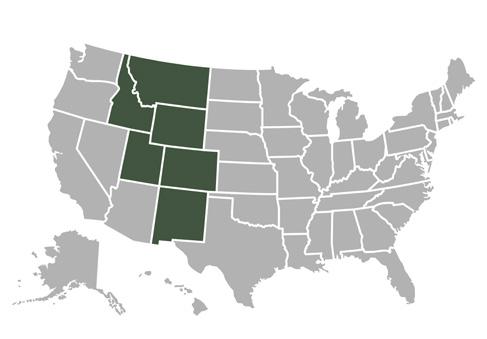

OFFICE LOCATIONS
BOZEMAN, MONTANA | HEADQUARTERS
STEAMBOAT SPRINGS, COLORADO
Contact us to meet with a member of our team at one of our brick-and-mortar locations.
MONTANA
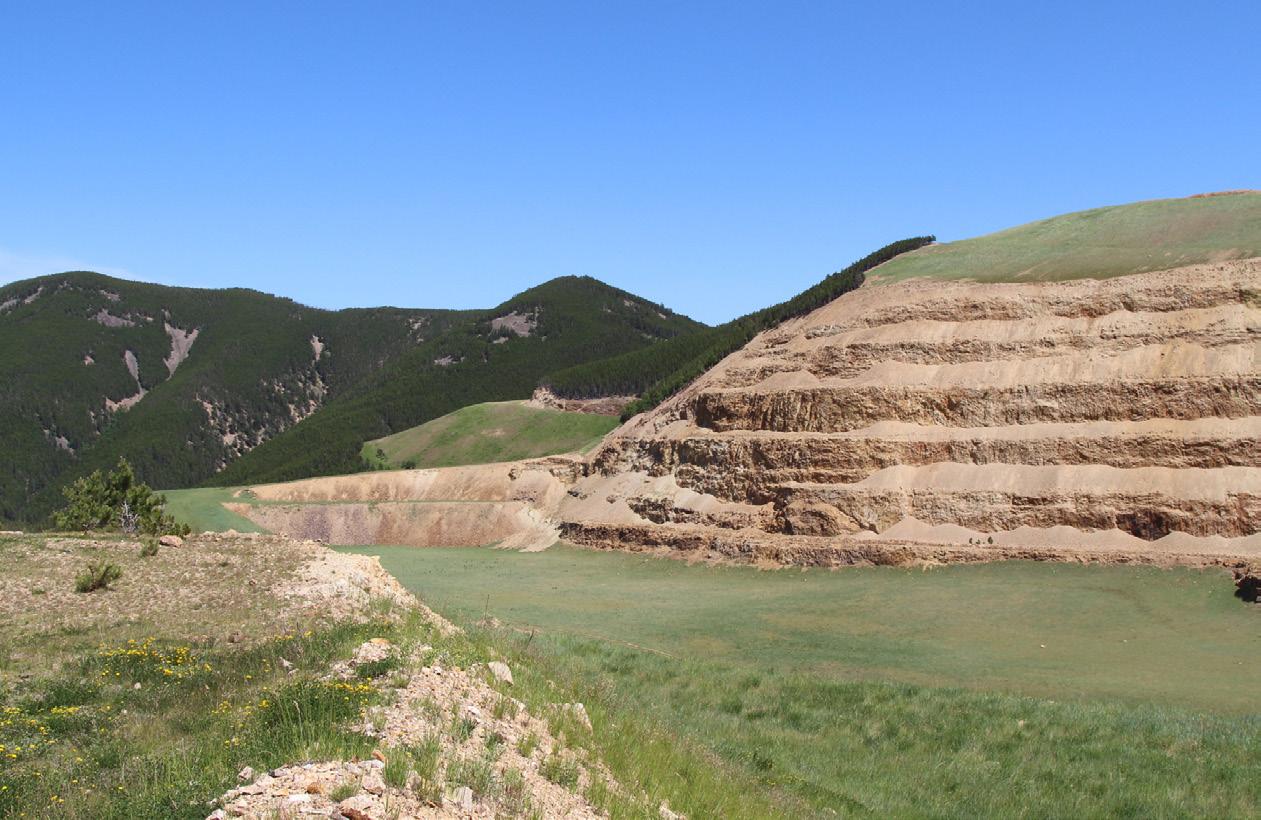
ZORTMAN LANDUSKY GOLD RESOURCE PROPERTY
Zortman, MT
$52,500,000 1,062± acres
Located in the Little Rocky Mountains, this property offers strong mining and recreational opportunities. Historic operations produced gold and silver, and about 80% of reserves are estimated to remain. The sale includes all Pegasus Gold exploration records, geological reports, drill logs, and mine expansion plans. Three-phase power is available. Reclaimed terraces and cliffs now serve as habitat for bighorn sheep, mule deer, and elk.
JEFFERSON RIVER SOLAR FARM
2,850± acres | $29,500,000
Three Forks, MT
Iconic river frontage stretches over a mile, bordered by fertile valley land and panoramic mountain views. The solar farm offers a rare blend of steady solar lease income and thriving wildlife habitat supporting moose, elk, deer, antelope, turkey, and upland birds. Solar installations are designed to preserve natural corridors and maintain minimal environmental impact. With strong access and close proximity to services, the property appeals to conservation-focused buyers seeking both natural beauty and investment potential.
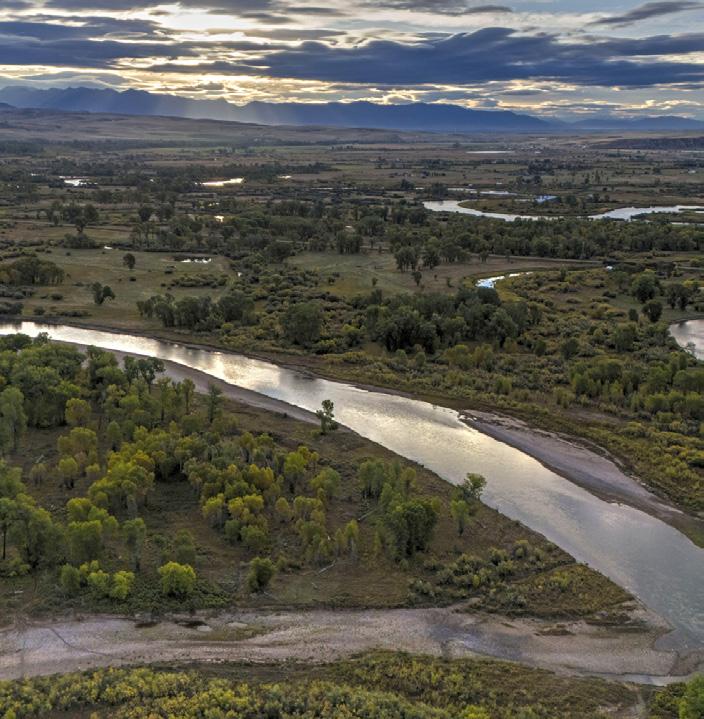
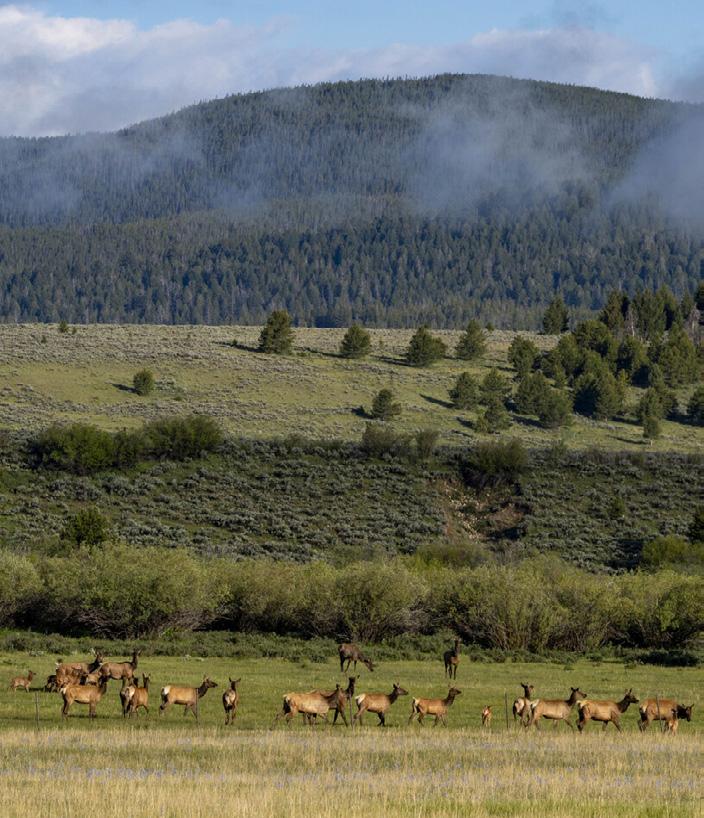
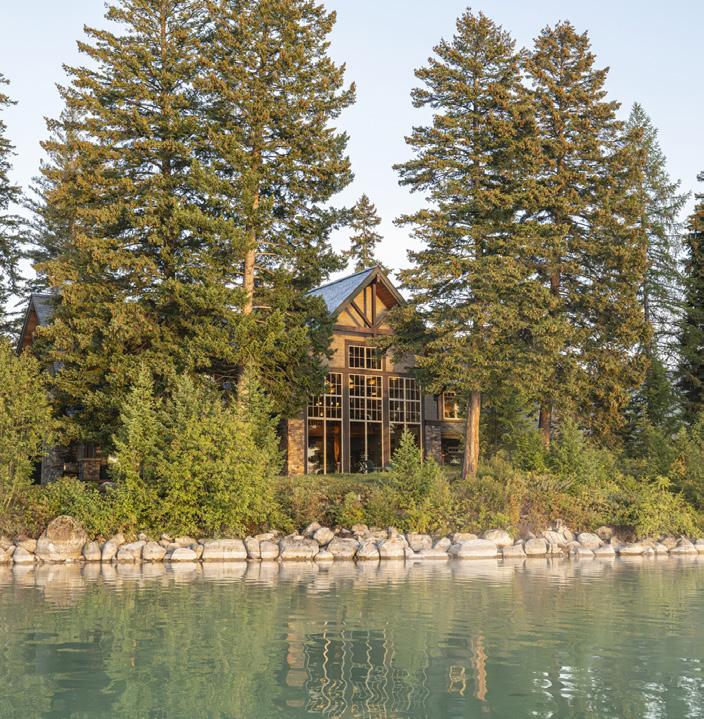
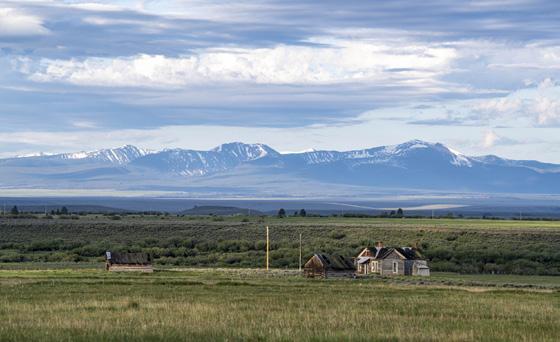
ARROW RANCH
12,982± acres | $29,240,000 Wisdom, MT
This beautiful, highly productive ranch in the Big Hole Valley features best-in-class operations with 13± miles of streams and 8.5± miles of public land boundary. Large herds of elk and other wildlife thrive here, offering outstanding recreational opportunities. Producing up to 2,000± tons of hay annually and supporting 650–800± mother cows year-round, the ranch combines abundant wildlife with strong agricultural output, reinforcing its reputation as a premier agricultural and recreational property.
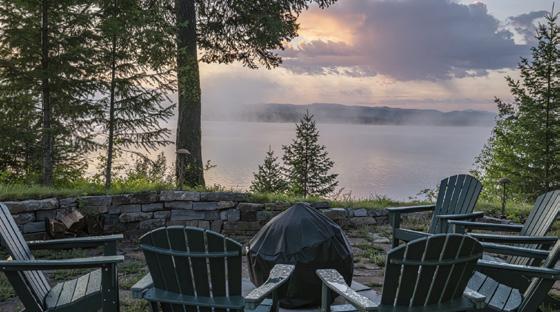
ASHLEY LAKE MOUNTAIN ESTATE
768± acres | $25,000,000 Kila, MT
Presenting a rare legacy estate on the turquoise shores of Ashley Lake. Blending world-class craftsmanship with timeless design, this 768± acre retreat offers a wellmaintained forest, 7.5± miles of private trails, and 1,135± feet of pristine frontage. Just a short drive to the Flathead Valley, it is a once-in-a-lifetime opportunity to own a premier Montana property where natural beauty meets refined living.
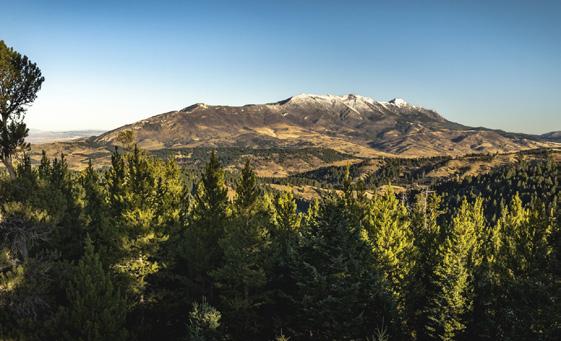
THE SCHMIDT RANCH
1,598± acres | $24,000,000 Bozeman, MT
Expansive recreational property showcases rolling aspen hills, evergreen forests, open meadows, and creeks, all framed by panoramic mountain views including the Bridger Range. A conservation easement protects part of the land, allowing division into four parcels with four envelopes for residences and guest homes. Wildlife is plentiful, with direct access to hunting, fishing, hiking, skiing, and a wide range of outdoor recreation. The ranch is close to amenities, only 10± minutes from Bozeman and about 1.5± hours from Yellowstone.
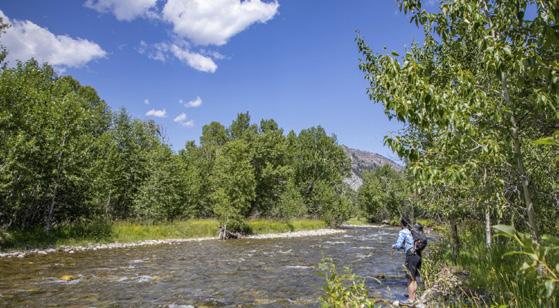
STILLWATER LEGACY RANCH
712± acres | $20,000,000 Nye, MT
Historic ranch in the Stillwater Valley features 1.65± miles of Stillwater River frontage and 0.7± miles of West Fork Stillwater River, plus spring creeks and thermal springs. Surrounded by the Beartooth Mountains and AbsarokaBeartooth Wilderness, it offers exceptional fishing, hunting, and outdoor recreation. It includes irrigated and sub-irrigated ground for hay and cattle, three homes, a barn, a garage, and sheds—a rare blend of natural beauty, water resources, and agricultural potential.
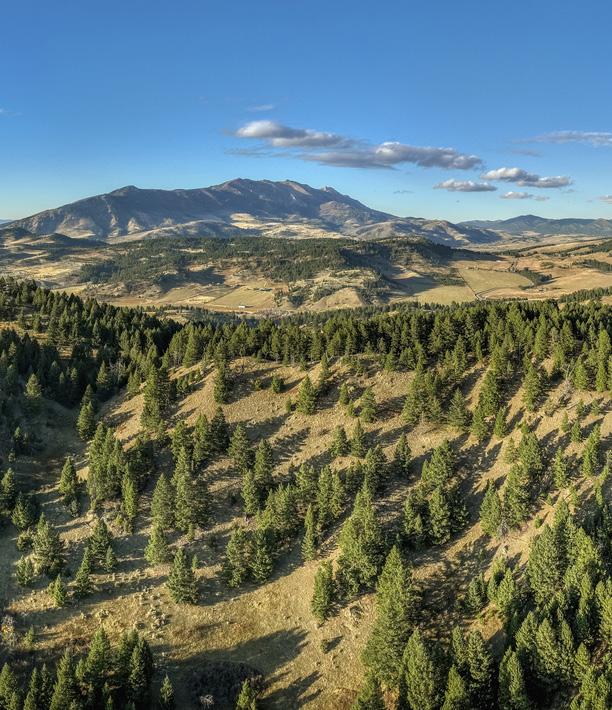
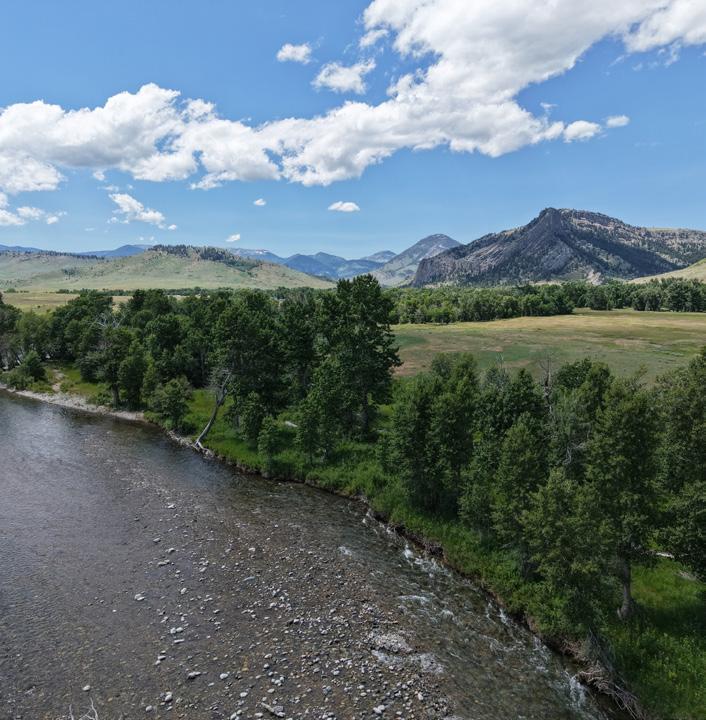
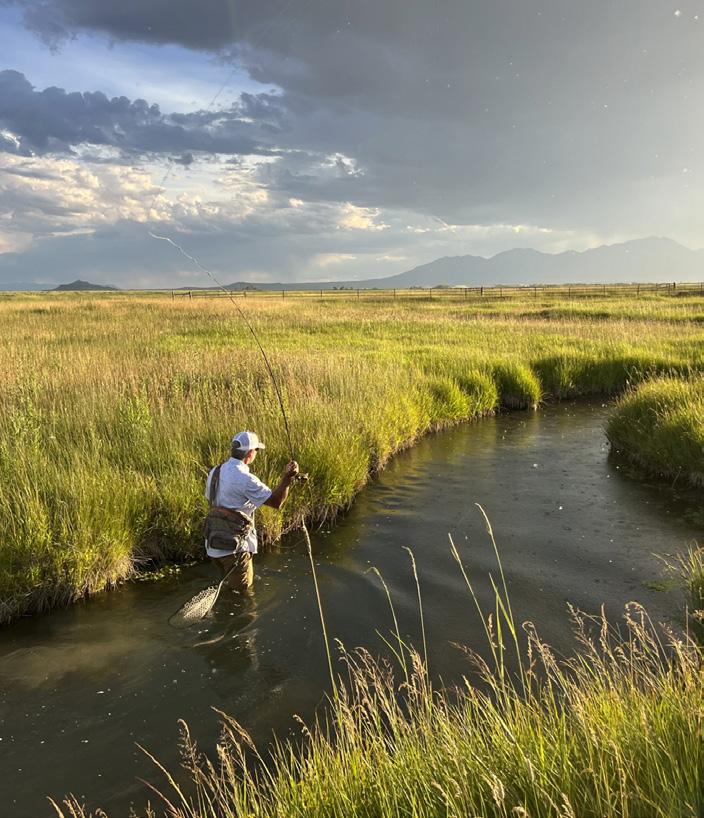
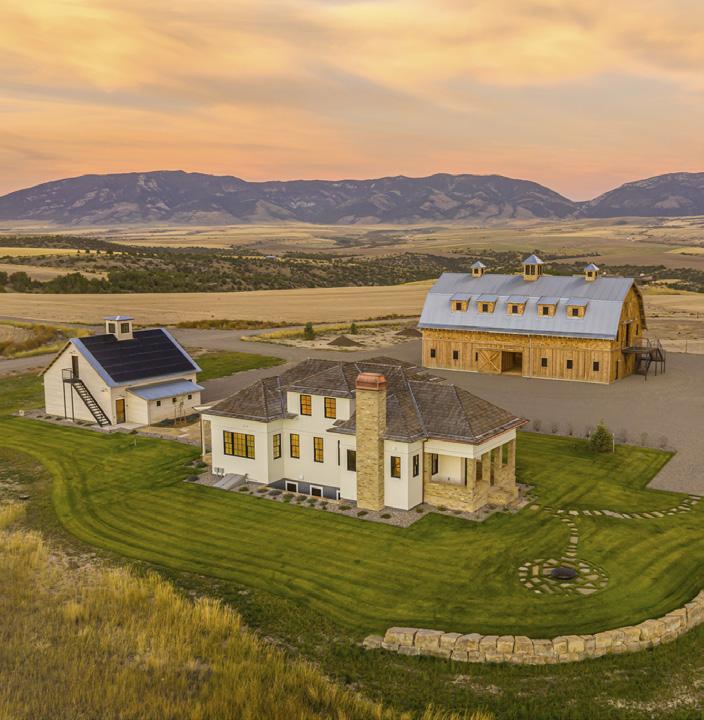
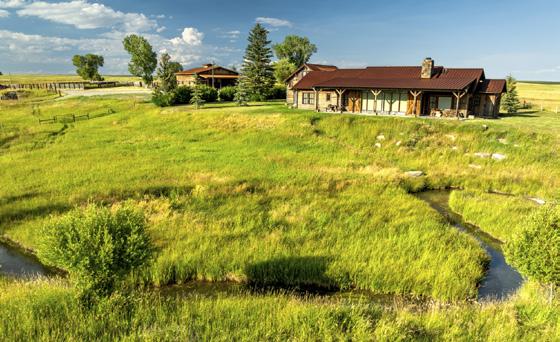
CAYUSE CREEK RANCH
1,185± acres | $13,950,000
Big Timber, MT
Premier sporting and agricultural property offers exceptional trout fishing for brown trout; it has 2.2± miles of spring-fed Cayuse Creek and an additional mile of restored spring creek. It includes a comfortable main residence, a newly built shop, and a renovated, rustic guest cabin. Strong water rights support excellent grass production and seasonal grazing for about 500 bred yearlings. The ranch features panoramic Crazy Mountain views, abundant water, income potential, and no conservation easement.
THE SXS RANCH ESTATE
161± acres | $12,950,000
Belgrade, MT
An estate with panoramic views of the Tobacco Root, Bridger, Gallatin, and Madison ranges offers prime wildlife habitat and access to shared acreage plus 1.4± miles of Dry Creek fishing. It includes a four-bedroom, four-bath home with high-end finishes, a detached garage with studio, a Western barn, and an equipment shed. A five-acre building envelope allows another residence. Convenient to the airport, ski areas, and fishing waters, it is a blend of luxury and natural beauty.
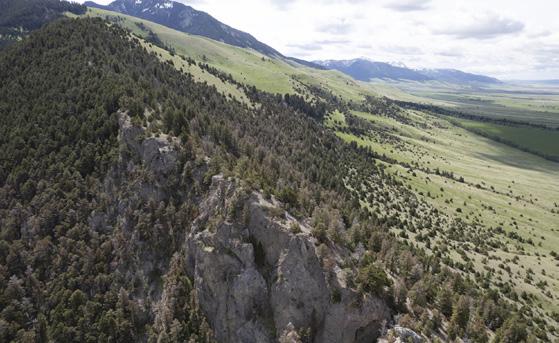
MJS RANCH
1,416± acres | $12,900,000 Cameron, MT
Exclusive end-of-the-road ranch in the sought-after Madison Valley with approximately 2.5± miles bordering National Forest and private access to Tolman Creek Canyon. The property offers panoramic mountain views, abundant wildlife, creeks, and irrigated acreage supporting a cattle operation and summer grazing leases. Improvements include a 3,100± SF main home, guest cabin, indoor riding arena, barns, and ag facilities. Close to the Madison River, Yellowstone, and Bozeman, it combines seclusion with premier recreation.
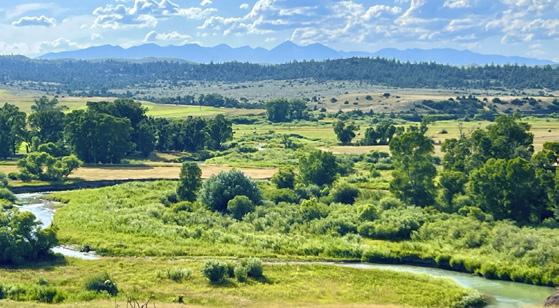
SWEET GRASS VALLEY RANCH
3,206± acres | $12,500,000 Big Timber, MT
A traditional working cattle ranch in the Sweet Grass Creek Valley boasts over three miles of creek frontage and 250± acres of flood-irrigated hay meadows, framed by Absaroka Beartooth Mountain views. Features include rolling bluffs, timbered rangeland, dryland pastures, and upland springs, supporting livestock operations and exceptional big game hunting. It combines water resources, wildlife habitat, scenery, and privacy in a prime location near Big Timber, the Yellowstone River, and regional hubs.
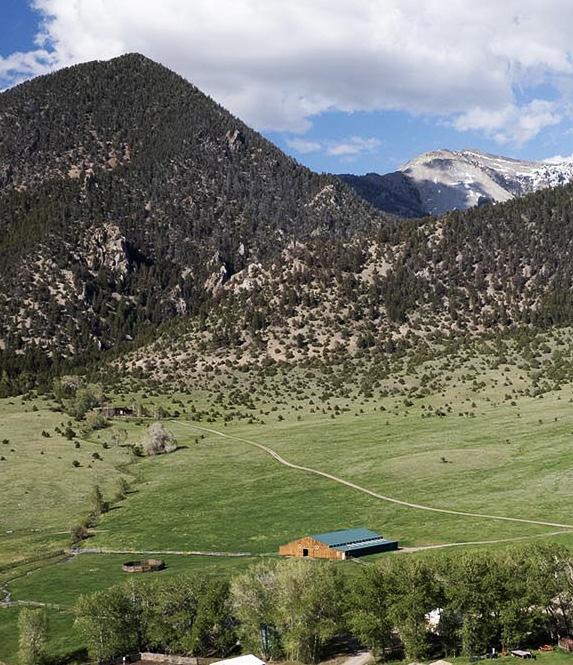
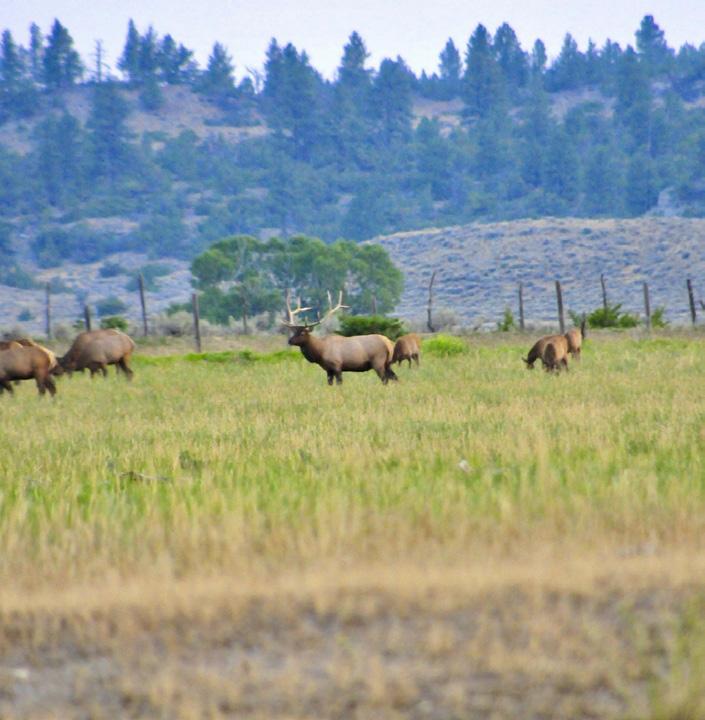
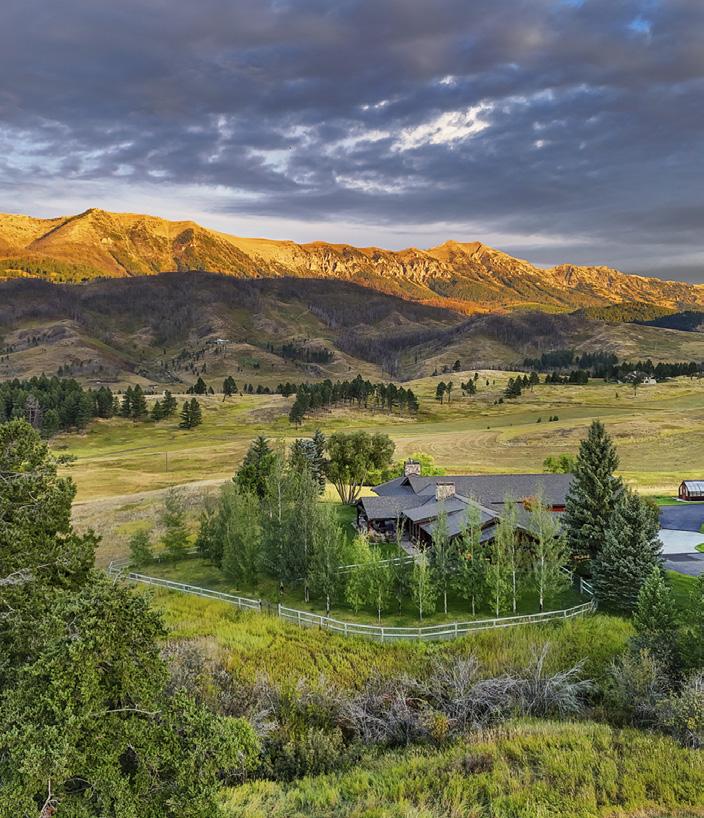
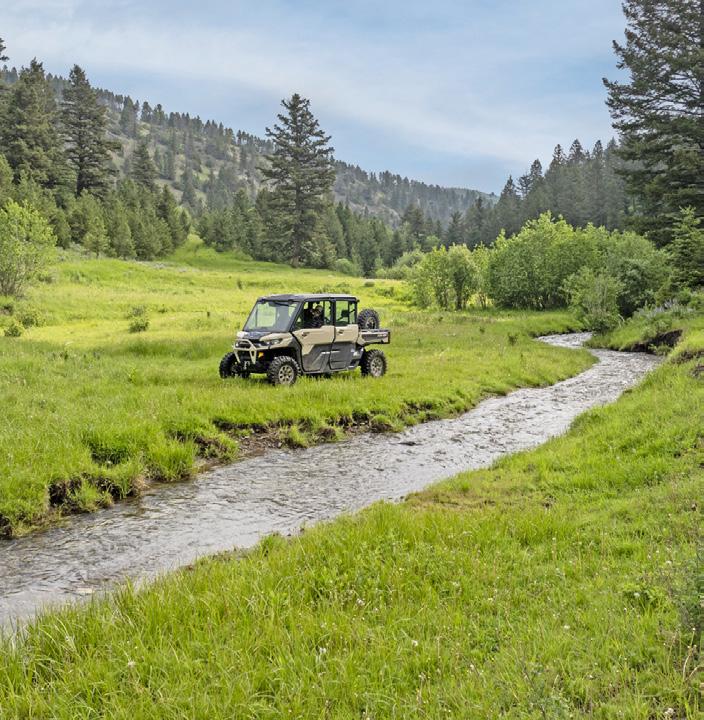
TEPEE RIDGE HOMESTEAD
97± acres | $11,000,000 Bozeman, MT
This mountain retreat in Bridger Canyon has sweeping views of the Bridger and Spanish Peak ranges. It features a 5,386± SF Western contemporary main home with three bedrooms and three bathrooms, designed for mostly singlelevel living and multiple spaces for entertaining. Additional improvements include a two-bedroom guest house, greenhouse, expansive shop, and toy barn. Abundant wildlife is located on the property, most notably the elk and deer. Minutes from Bozeman and Bridger Bowl, offering a balance of accessibility, privacy, and recreational opportunity.
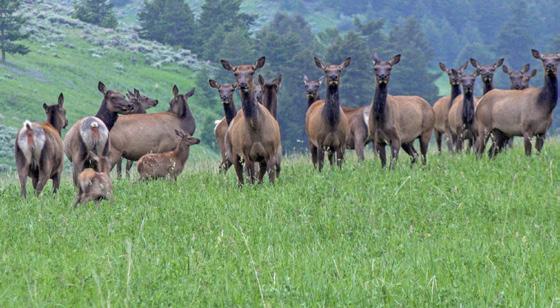
BANGTAIL CREEK RANCH
1,522± acres | $10,654,000 Livingston, MT
Bangtail Mountains offers this recreational retreat, with panoramic views of the Crazy Mountains, Bangtail Ridge, and the Chief Mountain plateau. Bordering thousands of acres of Gallatin National Forest, it offers abundant wildlife, including elk, deer, moose, and black bear. Features include newly built roads and electricity, providing a ready-to-build setting for a dream home. It combines seclusion with proximity to Livingston, Bozeman, the Yellowstone River, Yellowstone National Park, and premier ski areas.
OXBO PRESERVE
220± acres | $10,200,000
Bozeman, MT
With over 1.5 miles of both sides of the East Gallatin River, a renowned wild trout fishery, this premier recreational property provides sweeping Bridger Mountain views. Managed for world-class fly fishing, bird hunting, and wildlife habitat, it offers opportunities for pheasant, deer, and waterfowl hunting. Featuring private roads, trails, farmland, lush riparian areas, and a designated building envelope for a home and guest house, it combines seclusion, accessibility, and exceptional outdoor recreation.
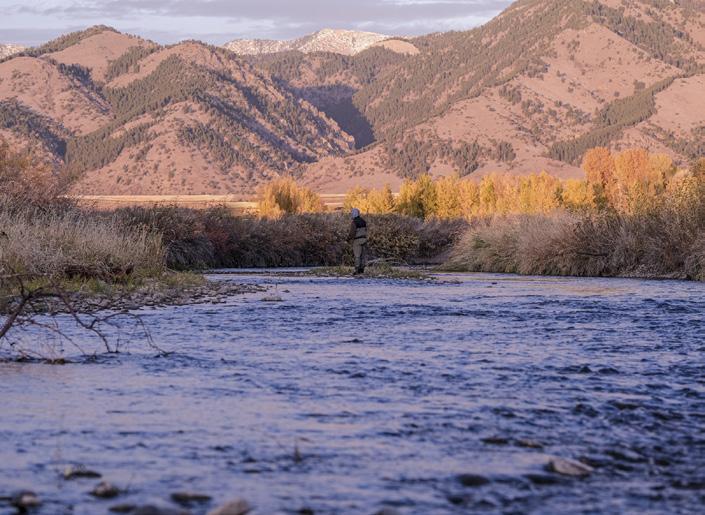
SHIELDS RIVER LODGE
282± acres | $9,950,000
Clyde Park, MT
Located between the Bridger, Absaroka, and Crazy Mountains with a mile of the Shields River, this property is a guide favorite for fishable trout water. Run as a fly fishing lodge in the past, the nine-bed, 10.5-bath lodge looks out on incredible views. Located just outside Clyde Park, close to Livingston, and Bozeman’s airport.
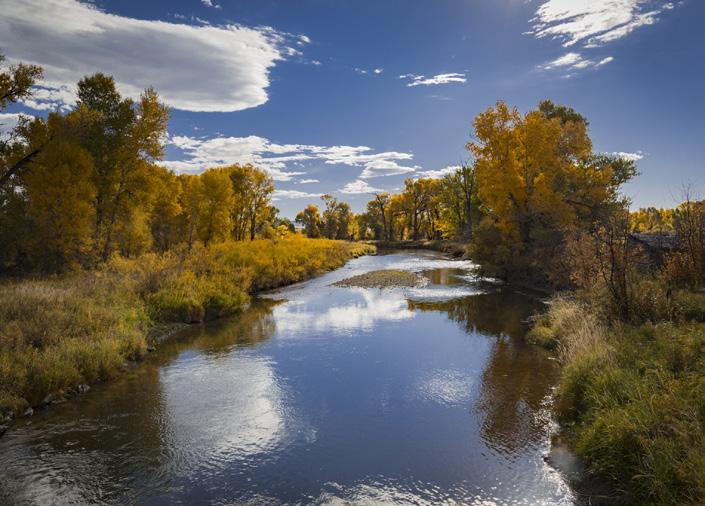
SILVER BRAND RANCH
122± acres | $9,495,000
Bozeman, MT
Framed by the Gallatin Range and Mount Ellis, this end-ofthe-road retreat offers a 7,632± SF updated home, guest cottage, and premier equestrian facilities. Surrounded on three sides by public land, it features meadows, pastures, forests, and spring water with abundant wildlife and unmatched privacy.
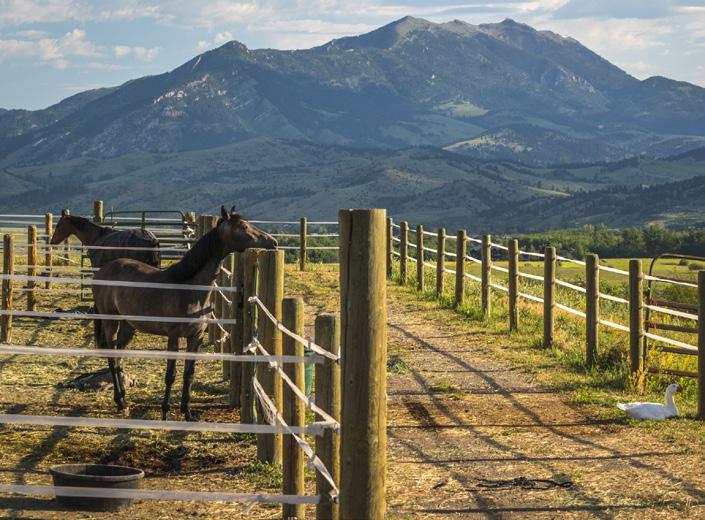
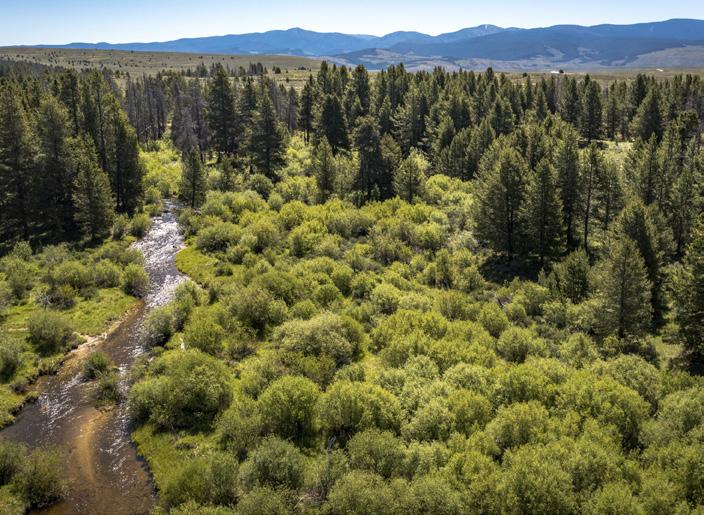
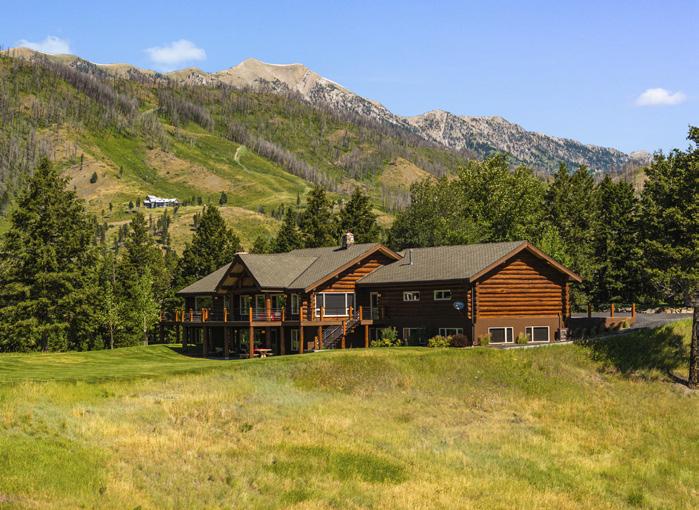
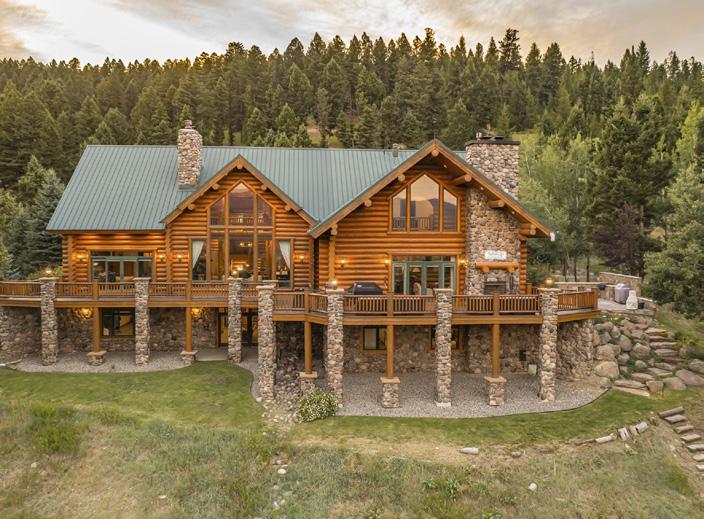
PINTLER CREEK RANCH
2,000± acres | $9,275,000 Wisdom, MT
In Montana’s Big Hole Valley, this ranch offers hay meadows, grasslands, sagebrush hills, about 2± miles of fishable Pintler Creek, and National Forest frontage. Abundant elk, deer, pronghorn, and other wildlife enhance its hunting appeal, while open build sites and water rights provide exceptional potential for agricultural production.
FOREVER WEST RANCH
40± acres | $8,925,000 Bozeman, MT
A breathtaking 7,442± SF log home recently completely renovated, located in the picturesque Bridger Canyon area in the prestigious Tepee Ridge neighborhood featuring towering pines, open meadows, and a third of a mile of coveted Bridger Creek, a much sought-after stream fishery. The combination of water access, views, peacefulness, and natural beauty is unparalleled.
WAPATI POINT
20± acres | $8,900,000 Big Sky, MT
Just minutes from Big Sky, this 9,437± SF mountain home features five bedrooms, soaring ceilings, floor-to-ceiling windows, and refined finishes. A 1,404± SF one-bed, one full bath guest apartment sits above an additional heated three-car garage. Outdoor living shines with a deck, fireplace, kitchen, hot tub, equestrian potential, and panoramic mountain views.
STRUCK CREEK RANCH
7,923± acres | $8,840,000 Rapelje, MT
In the plains of Central Montana, this working cattle ranch blends tradition with modern sustainability, featuring rotational grazing, abundant water from creeks and pipelines, and 1,200± acres of dryland alfalfa. Rolling pastures support thriving wildlife, creating a self-sustaining operation rooted in Western heritage.
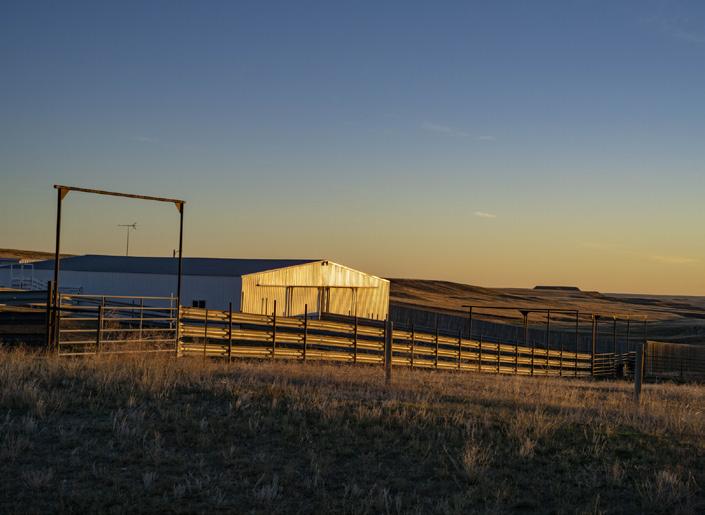
JEFFERSON RIVER SPORTING RANCH
400± acres | $8,500,000
Three Forks, MT
Along a mile of the Jefferson River, this property features spring-fed ponds and sloughs, cottonwood groves, wetlands, and prolific wildlife from waterfowl to deer and moose. Productive ranchland, mountain views, and approved build sites create an ideal setting for a legacy home or private recreational retreat near Bozeman.
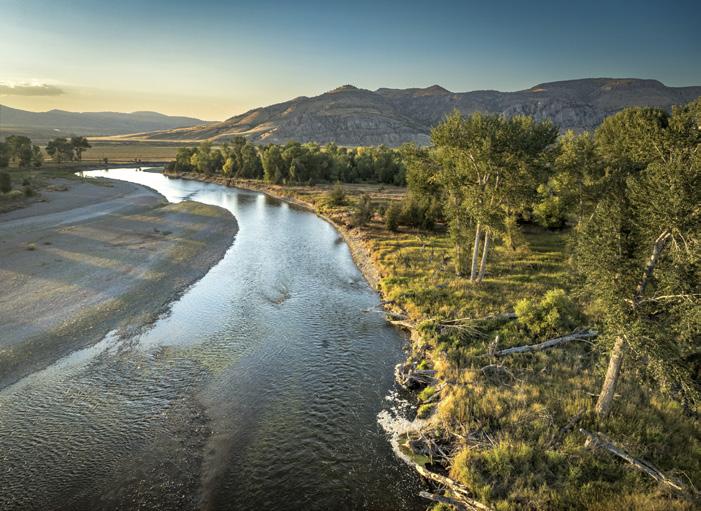
DEEP CREEK WILDLIFE SANCTUARY
968± acres | $6,999,999
Townsend, MT
Featuring over three miles of trout-rich Deep Creek, this property offers 400± irrigated acres, forested canyons, rolling grasslands, and riparian habitat supporting diverse wildlife. Adjacent to public land with the Missouri River and Canyon Ferry Reservoir nearby, it combines recreation, scenery, and rare acreage.
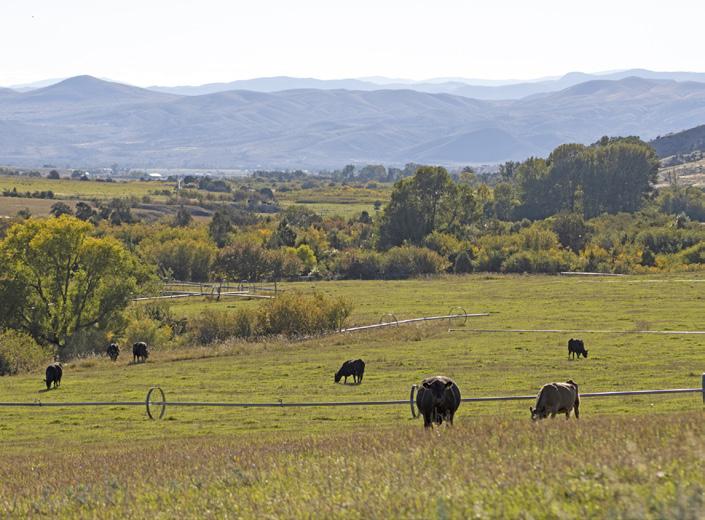
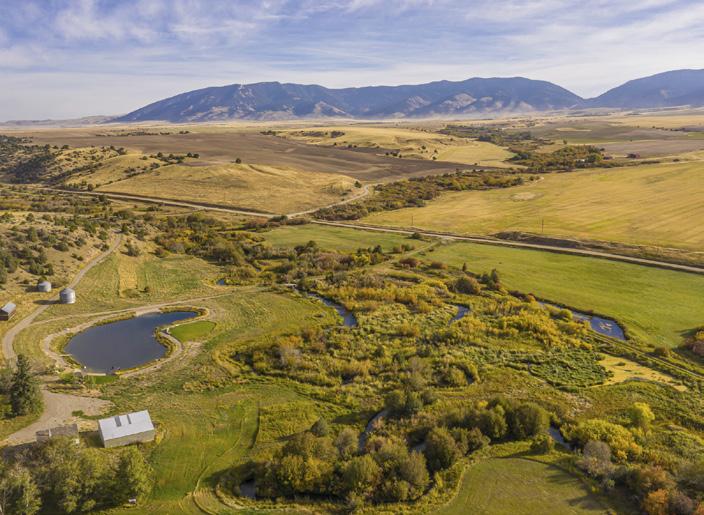
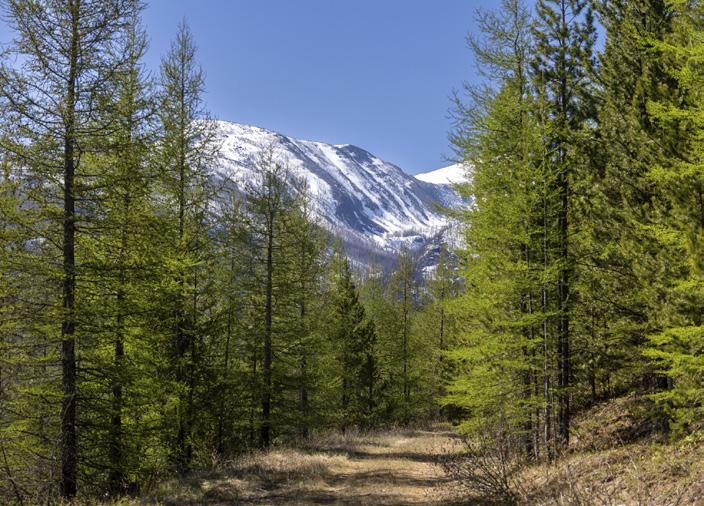
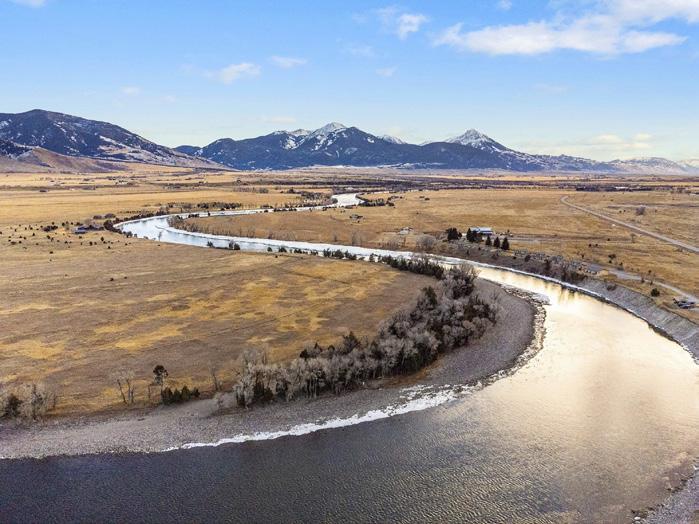
DRY CREEK RIFFLE AND RUN
256± acres | $6,995,000 Belgrade, MT
Northwest of Bozeman, this property features 1.2± miles of restored Dry Creek, prime trout spawning habitat, multiple springs, and abundant wildlife. Two new one-bedroom guest homes offer immediate comfort, while numerous build sites capture sweeping views of seven mountain ranges and the Gallatin Valley, and a gazebo and pond filled with rainbow trout.
LOLO PEAK SHADOWS
1,882± acres | $6,900,000 Lolo, MT
Bordering Lolo National Forest, this unencumbered holding features timbered ridges, open meadows, and creek drainages with Tevis and Mill Creeks weaving through the property. A road network connects panoramic build sites, while abundant wildlife, recreation access, and off-grid amenities create a versatile Montana retreat.
YELLOWSTONE RIVERBEND
75± acres | $ 6,750,000 Livingston, MT
With a mile of Yellowstone River frontage, this property features cottonwood-lined river bottoms rich with deer and waterfowl, plus rolling bluffs offering sweeping views of the Gallatin, Absaroka, and Crazy Mountains. It combines outstanding fly fishing with tranquil scenery in a premier setting with minimal snowpack and lots of sunshine year-round.
HORSESHOE FOOTHILLS RANCH
1,278± acres | $6,500,000 Belgrade, MT
Set in the northern Gallatin Valley, this ranch offers sweeping views of the Bridgers, Spanish Peaks, and Tobacco Roots, plus Bozeman’s valley lights. With new fencing and a stock water system, it combines privacy and proximity to town—an uncommon mix of beauty and convenience in one of the region’s most celebrated areas.
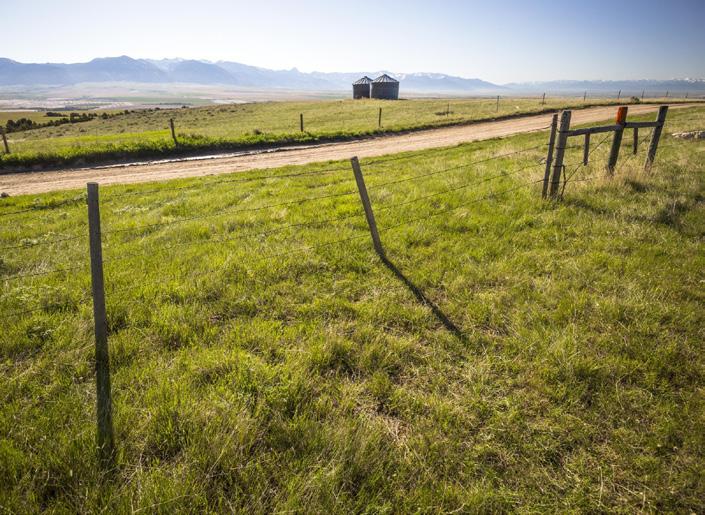
PINE BUTTE RANCH
1,544± acres | $5,999,000 Ryegate, MT
Featuring over two miles of year-round Custer and Big Coulee Creeks, Pine Butte Ranch offers timbered draws, creek bottoms, rock formations, and productive farm ground. Wildlife is abundant, and a new four-bedroom home overlooks hay meadows, ridges, and a stocked reservoir, blending agriculture with scenic beauty.
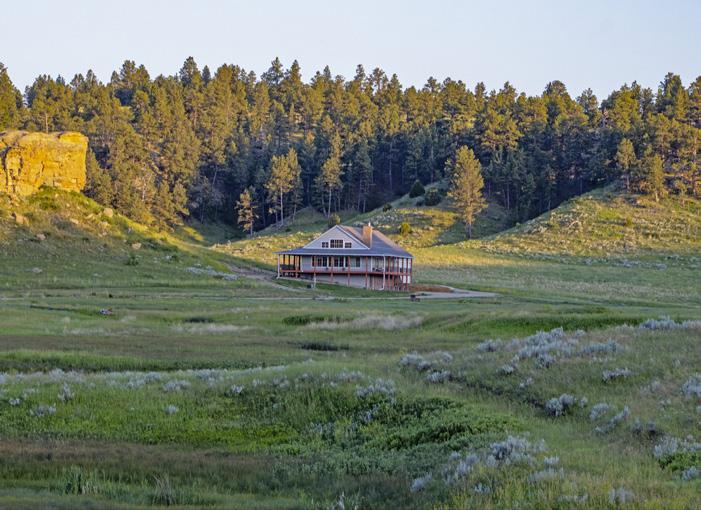
BITTERROOT HIGHLANDS AT WILLOW CREEK
709± acres | $5,950,000
Corvallis, MT
In the foothills of the Sapphire Mountains, this property features timbered slopes, meadows, ridgelines, and a half mile of year-round Willow Creek. Bordering Bitterroot National Forest and Calf Creek WMA, it offers abundant wildlife, direct public land access, and multiple private building sites with sweeping valley views.
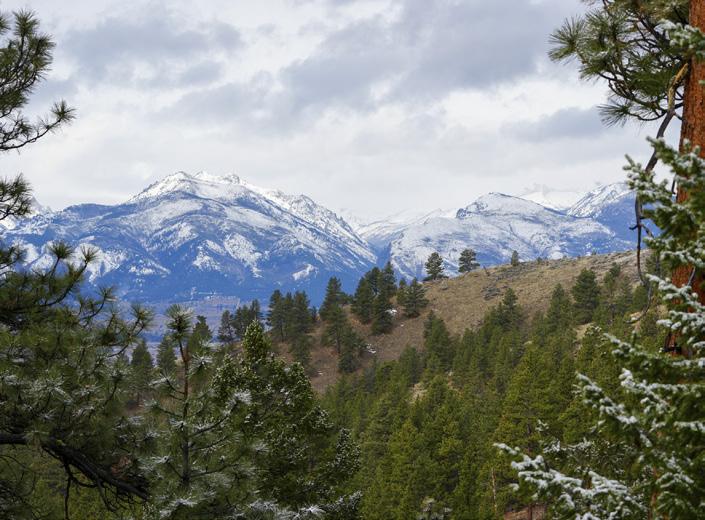
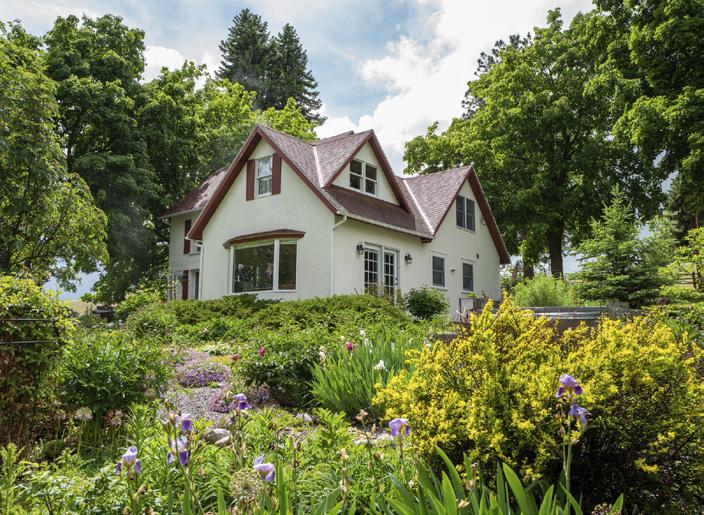
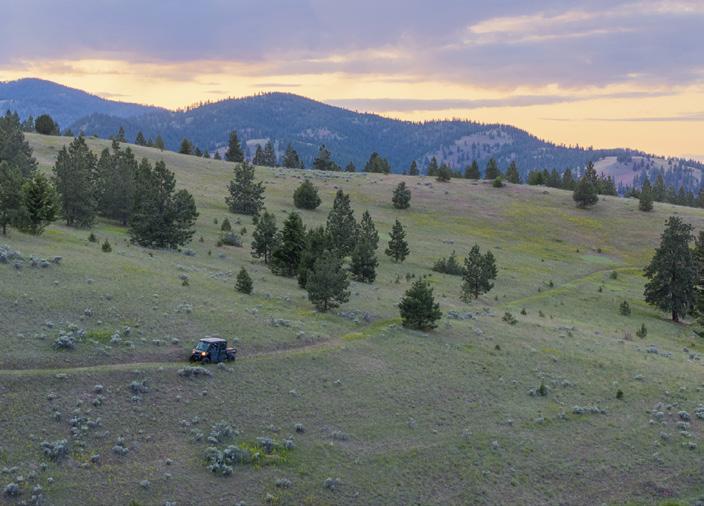
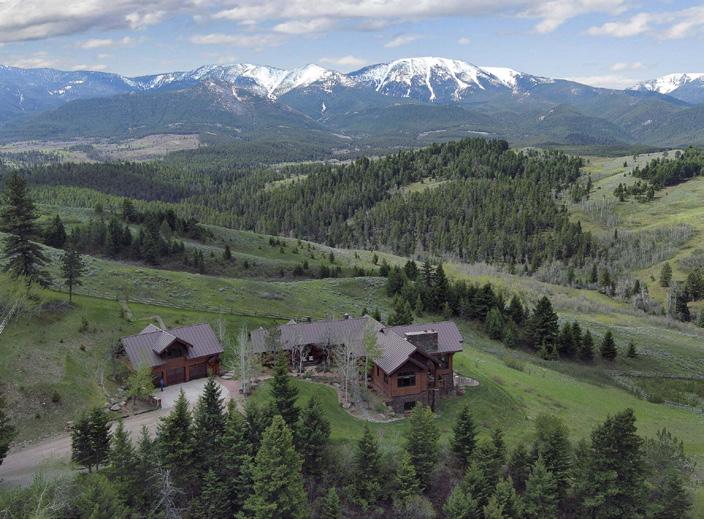
SKY RANGE RANCH
351± acres | $5,950,000 Missoula, MT
On Missoula’s north end, this historic ranch features a circa-1883 home, guest accommodations, and full equestrian facilities with custom steel fencing. Lavalle Creek flows through, supporting irrigated pastures, hay production, and abundant wildlife, while sweeping valley and mountain views enhance its rare blend of history and convenience.
MACLAY RANCH
918± acres | $5,900,000 Lolo, MT
Bordering public land near Missoula, this ranch spans irrigated meadows, rolling foothills, and upland forest, creating vital wildlife habitat for elk, deer, and more. With historic water rights, diverse terrain, and multiple building sites, it offers rare scale, privacy, and potential close to the city.
SHEEP MOUNTAIN HIGH POINT RANCH
26± acres | $5,900,000 Red Lodge, MT
Private end-of-road retreat bordering State Land and National Forest on three sides, this 5-bed/5.5-bath home features reclaimed wood floors, hand-hewn beams, and three stone fireplaces. It includes a guest apartment, a 5-stall horse barn with a tack room, a gym, shop, and unmatched views, wildlife, and direct recreation access.
JEFFERSON RIVER PRESERVE
250± acres | $5,500,000
Three Forks, MT
Bordering 0.6± miles of the Jefferson River, this property features spring-fed wetlands, cottonwood groves, and exceptional habitat for a diverse array of wildlife. Productive pastures, an existing 3,056± SF home, and an approved additional homesite offer immediate use and future potential, all with panoramic mountain views near Bozeman.
ELK CANYON RANCH
1,273± acres | $5,450,000 Dillon, MT
Surrounded by public land in the Beaverhead Mountains, this turnkey hunting ranch offers 2.5± miles of trout-filled Nip and Tuck Creek, four ponds, and prime elk habitat. With power, fiber optics, spring water, and a mix of timber and pasture, it combines end-of-road privacy with exceptional big game opportunities. Excellent elk hunting property in Hunting District 329.
TEN SPOON WINERY
21± acres | $5,390,000 Missoula, MT
In Missoula’s Rattlesnake Valley, this winery features a 4,000± SF commercial facility with a wine bar, bottling and tank rooms, and a 7.5± acre irrigated vineyard. A 2,634± SF custom home offers modern comfort, while a conservation easement preserves open space and allows for future residential or commercial expansion.
MONTANA RIVER RETREAT
68± acres | $5,295,000 McLeod, MT
With nearly half a mile of Boulder River frontage, this property offers premier trout fishing, four spring-fed ponds, and a meandering stream. A 2,000± SF mountain modern home captures panoramic views, blending luxury with the natural beauty of cottonwood meadows and Montana’s celebrated river valley.
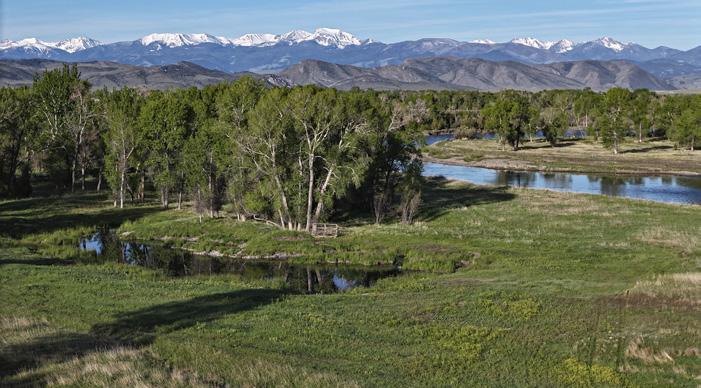
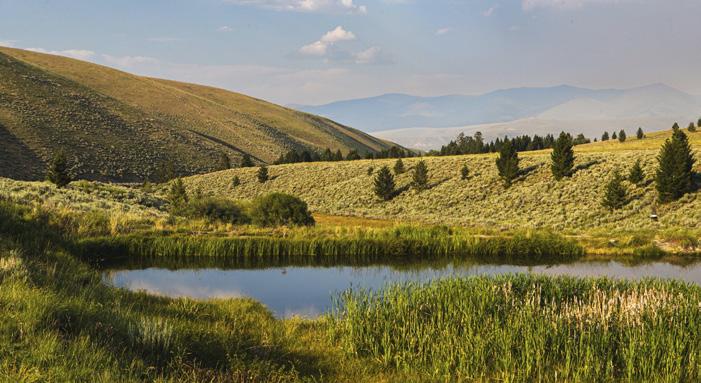
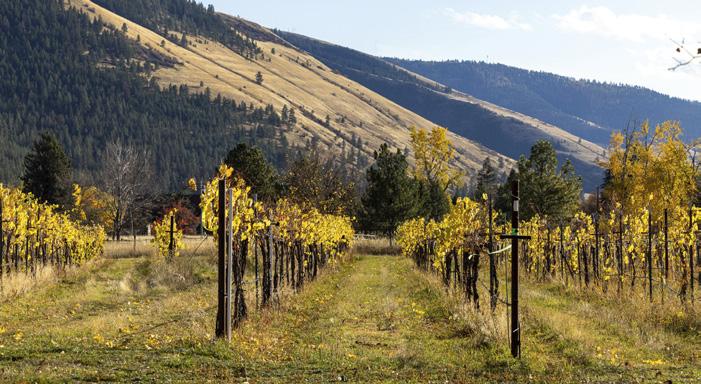
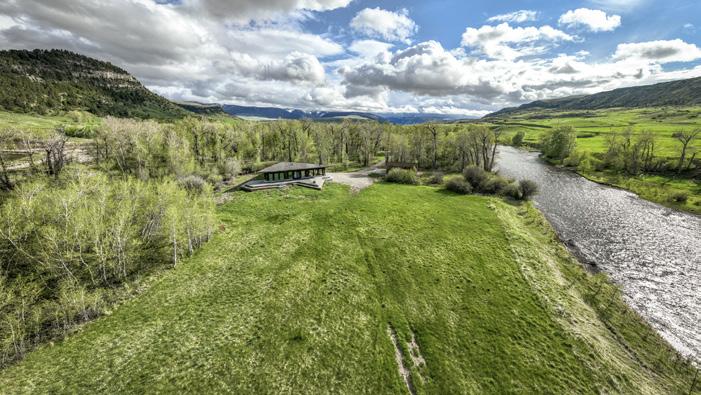
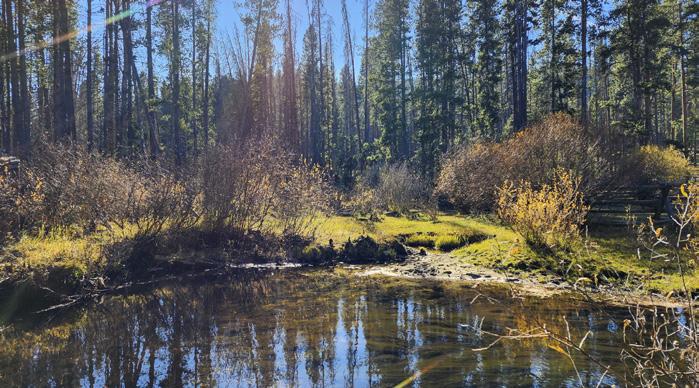
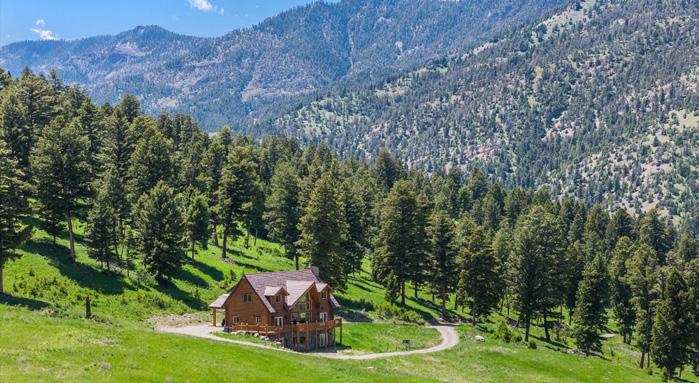
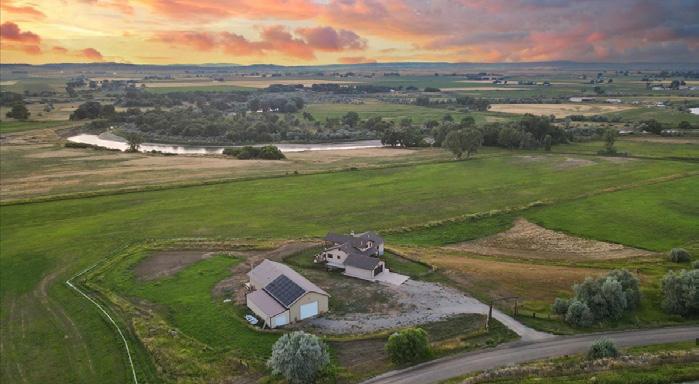
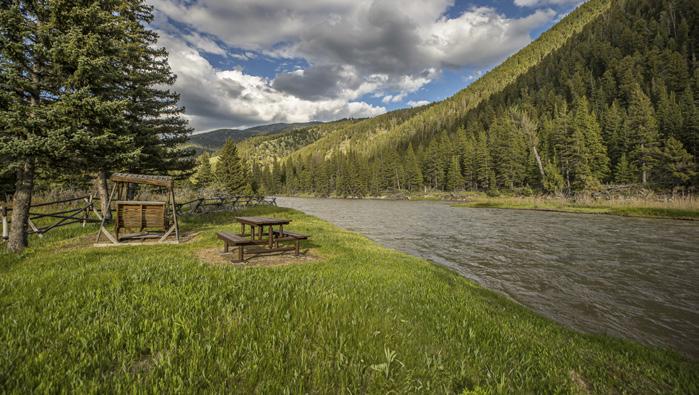
LA MARCHE CREEK RANCH
245± acres | $5,000,000 Wise River, MT
Bordering the Pintler Wilderness, this ranch offers over three miles of La Marche Creek, a large pond, irrigated alpine meadow, and sweeping mountain views. Surrounded by forest service land, it provides unmatched horseback and hiking access, abundant wildlife, and prime sites for a dream cabin retreat.
CINNABAR MOUNTAIN RANCH
135± acres | $4,250,000 Gardiner, MT
Featuring a custom log home with 3 beds, 4 baths, and floor-to-ceiling windows framing sweeping views. This private mountain retreat near Yellowstone includes creek frontage, abundant wildlife, and a historic one-bedroom cabin, blending seclusion with modern comfort.
CLARKS FORK RIVER RANCH
355± acres | $3,995,000 Edgar, MT
About 0.8 miles of river frontage accompany fertile irrigated land, a custom home, and a large shop with multi-level living quarters. Wildlife thrives here, from whitetail deer and pheasants to bear and cranes, plus mule deer, sharp-tailed grouse, partridge, and abundant waterfowl. The ranch borders a secluded 640± acre state section for exclusive hunting.
MOOSE LANDING ON THE GALLATIN RIVER
3± acres | $3,950,000 Big Sky, MT
Riverfront retreat with 200± feet of Gallatin River frontage offers 5 bedrooms, great room with panoramic forest views, and easy access to skiing, hiking, fishing, and golf. Minutes from Big Sky, a year-round haven for recreation and family gatherings in a stunning setting.
LINEHAN OUTFITTING
8± acres | $3,600,000 Libby, MT
Established outfitting business with riverfront lodge offers year-round guided fly fishing, wing shooting, and big game hunting. Exclusive permits, loyal clientele, and operations on premier fisheries and vast hunting grounds provide steady income and growth potential.
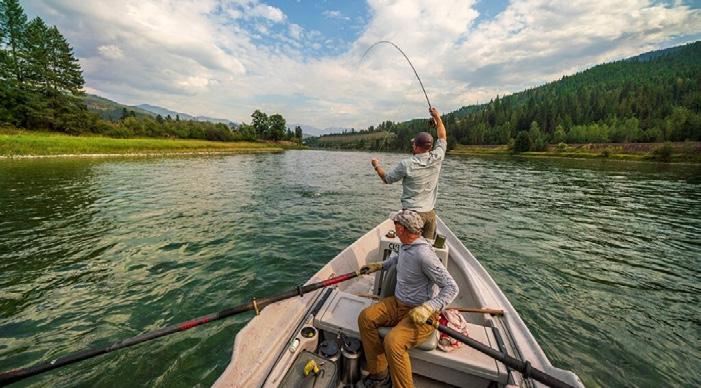
HIGHLAND RANCH
41± acres | $3,495,000 Livingston, MT
Panoramic views of four mountain ranges and abundant wildlife distinguish this ranch, which features a 4,111± SF custom home with three bedrooms, expansive porches, and spaces designed to capture elk sightings and stunning sunrises and sunsets in a premier setting.
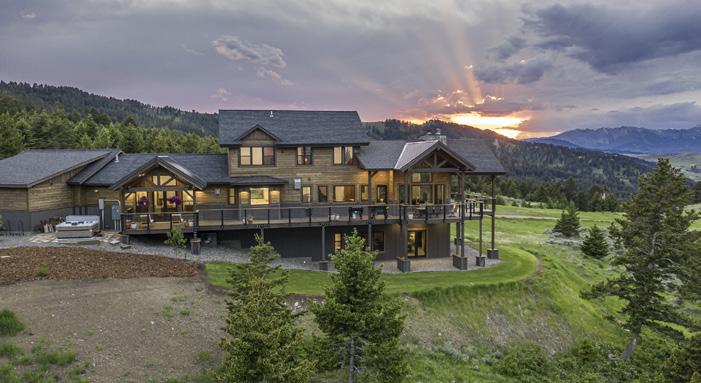
SKY BAND RETREAT
247± acres | $3,495,000 Livingston, MT
At the base of the Bangtail Mountains, this private retreat offers panoramic views of four ranges, diverse terrain, springs, and abundant wildlife. It features a 2,138± SF custom log home with 3 beds and 2 baths, combining natural beauty, tranquility, and nearby amenities.
MADISON BEND RANCH
222± acres | $3,355,000 Three Forks, MT
On the Madison River, this sportsman’s retreat offers private access to 2± miles of river channels, springs, and sloughs supporting trout, waterfowl, upland birds, and deer. It features food plots, cottonwood groves, and a heated Morton building, all near Three Forks and Bozeman.
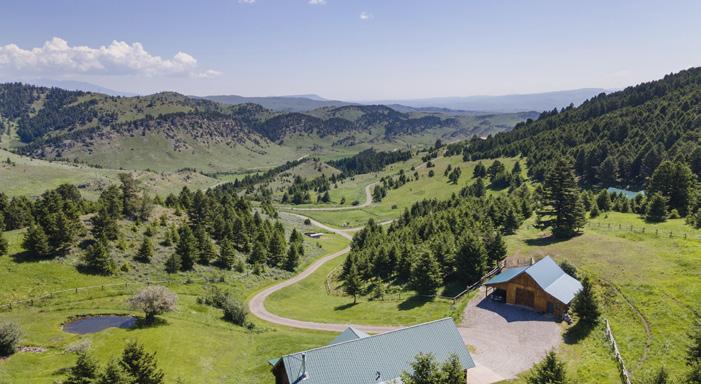
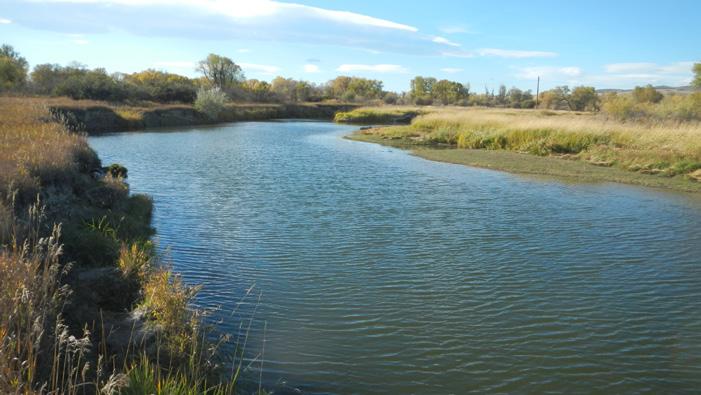
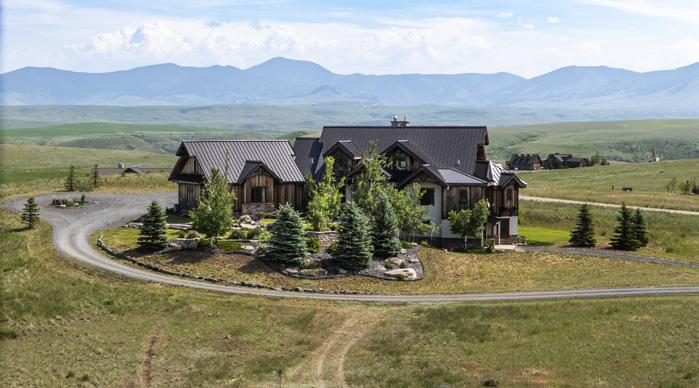
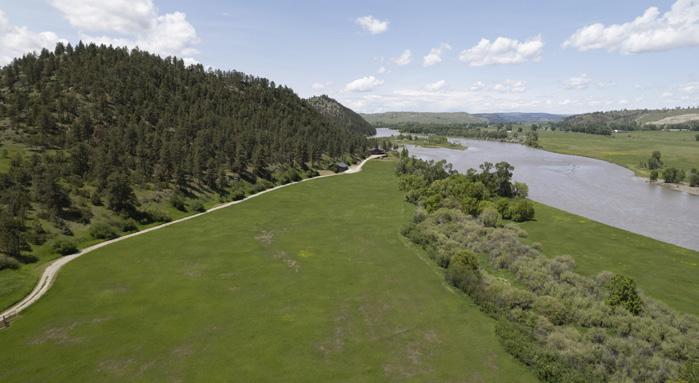
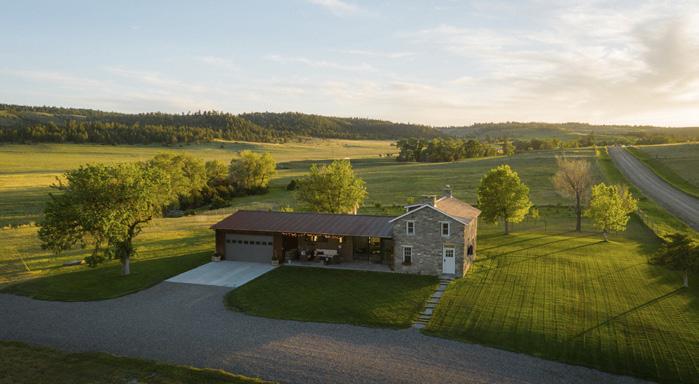
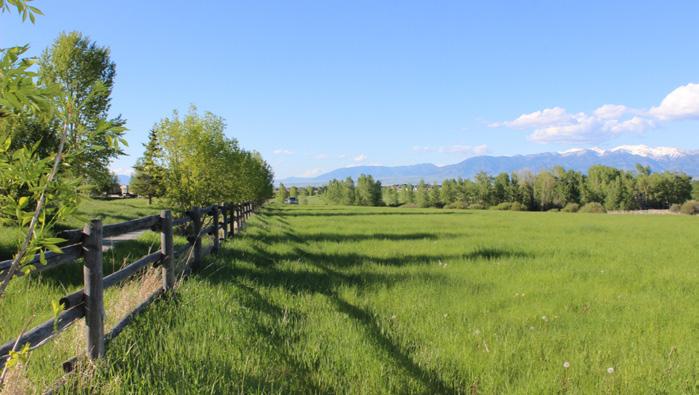
PEACEMAKER RIDGE AT THE RANCHES AT BELT CREEK
18± acres | $3,300,000 Belt, MT
Blending rustic charm with modern design, this custom fivebedroom home offers access to a clubhouse, guest cabins, equestrian facilities, Belt Creek frontage, and nearby Bearcat Ranch. Outdoor activities include fly fishing, hunting, and horseback riding, minutes from Great Falls.
YELLOWSTONE RIVER HIDEAWAY
92± acres | $2,995,000 Columbus, MT
Experience unparalleled privacy along the Yellowstone River, where hay fields, cottonwood groves, and bluffs frame sweeping mountain views. A spacious home and versatile heated shop complement direct river access, offering endless recreation and tranquility.
STONEHOUSE RANCH
400± acres | $2,995,000 Reed Point, MT
Combining history with comfort, this 1872 stone home features a contemporary addition overlooking White Beaver Valley. The property offers pastures, prairies, springs, a mile of creek, abundant wildlife, a hangar with an airstrip, equestrian facilities, and dramatic mountain views.
BRIDGER VIEW ON LOVE LANE
20± acres | $2,950,000 Bozeman, MT
Scenic property with Bridger Mountain views offers rolling terrain for a custom home, and space for a shop or barn. Fully fenced with hay production, grazing, and a spring-fed wetland attracting wildlife, it blends agricultural potential, mixed-use zoning, and prime location.
SPRINGHILL 40
40± acres | $2,700,000 Bozeman, MT
Secluded Springhill area retreat features wetlands, aspen groves, and a third of a mile of creek frontage. Exceptional horse and hunting property. Set beneath Ross Peak with sweeping Bridger Mountain and Gallatin Valley views, it lies in a rich wildlife corridor just 25± minutes from Bozeman.
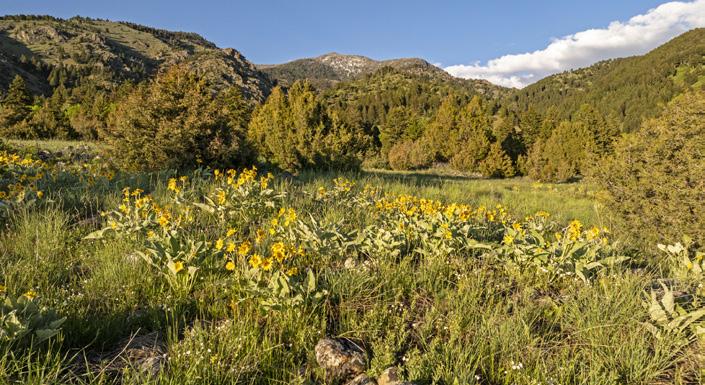
SHIELDS VALLEY VIEW RANCH
635± acres | $2,500,000 Wilsall, MT
The heart of Shields Valley offers a ranch with mountain views, developed springs, and abundant wildlife. Adjoining state land and near top fishing rivers, it provides year-round access for recreation, agriculture, or a private estate, all within easy reach of Bozeman.
EAST GLACIER MEADOWS RANCH
758± acres | $2,500,000 East Glacier Park, MT
The ranch is ideal for riding, fishing, cattle grazing, or building a custom home or retreat, featuring a private lake, sweeping Glacier Park views, and varied terrain with meadows and wooded draws. Fenced and cross-fenced for grazing, it supports cattle and recreation alike.
HELENA VALLEY HAY FARM
161± acres | $2,500,000 Helena, MT
An irrigated farm in Helena Valley features a new full-circle pivot, a productive sainfoin crop, and an established hay business with regional demand. It offers year-round access, mountain views, abundant wildlife, and proximity to lakes, trails, skiing, and world-class fishing.
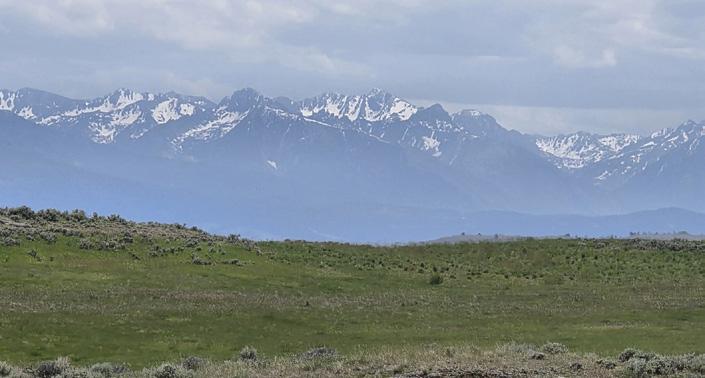
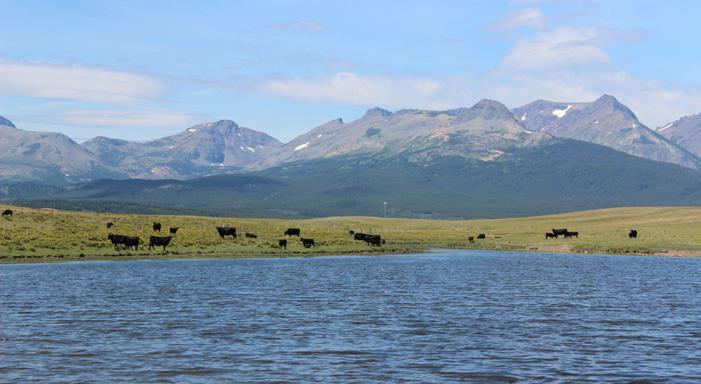
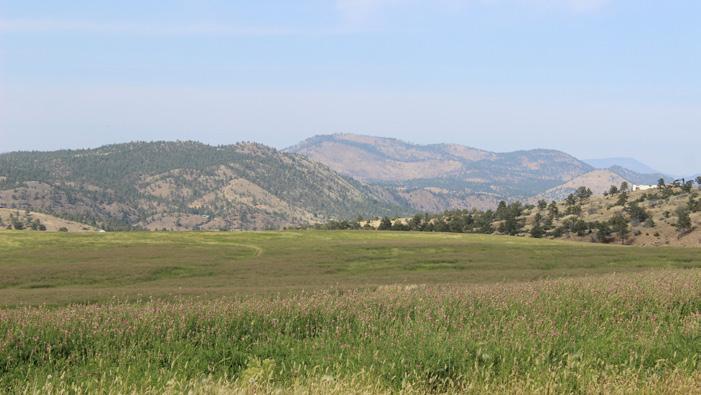

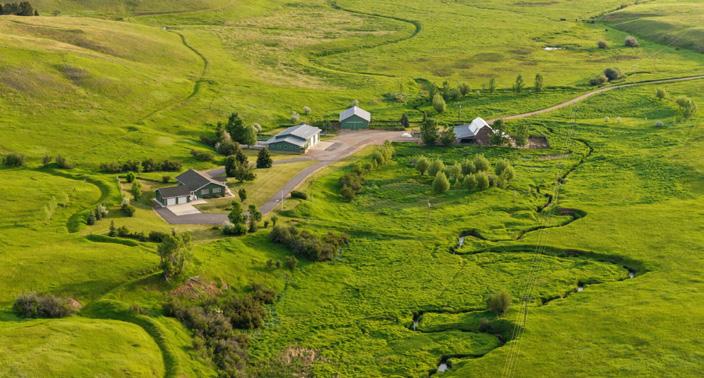
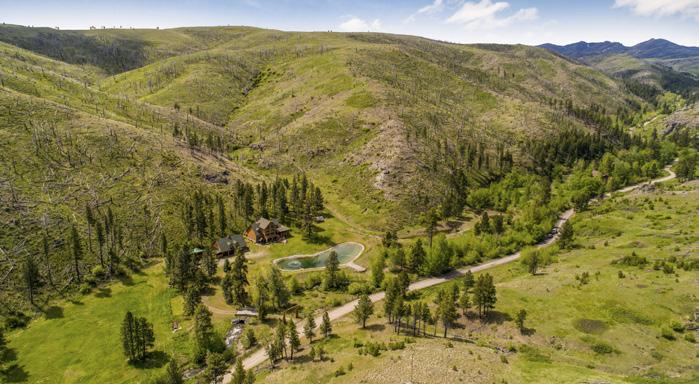
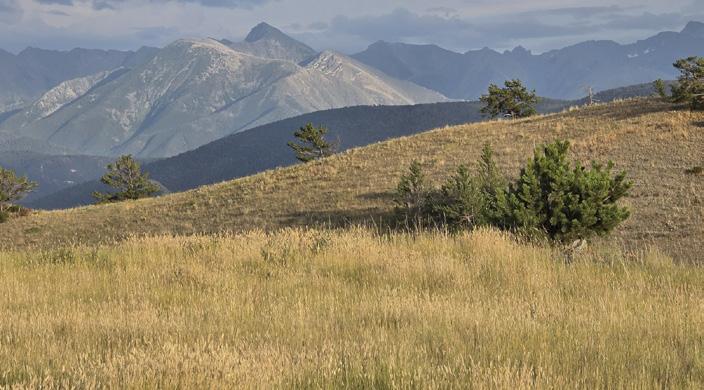
SWEET GRASS OVERLOOK
311± acres | $2,500,000
Big Timber, MT
With nearly half a mile of Sweet Grass Creek, this ranch offers fishing, mountain views, abundant wildlife, and a 4,895± SF timber-accented home, detached garage, and horse barn. Borders BLM land, blends rolling pasture with springs, and is protected by a conservation easement.
CASINO CREEK RANCH
75± acres | $2,350,000
Lewistown, MT
Panoramic Judith Mountain views distinguish this ranch, with a well-appointed home, horse barn, heated shop, and worldclass dog kennel. Live water supports livestock and wildlife, while pastures, abundant space, and quality infrastructure create an ideal setting.
WHISPERING CREEK RANCH
39± acres | $2,295,000
Big Timber, MT
Surrounded by wildlife and near Gallatin National Forest, this ranch offers stunning Beartooth and Absaroka views. The mountain retreat features a 4,696± SF custom home with guest quarters and a 3-stall garage, a pond, a creek, and diverse timber and meadows. Year-round access.
OC RANCH TRACT 7
160± acres | $2,200,000
Livingston, MT
Framed by sweeping mountain views and access to 10± miles of private trails, this property offers year-round accessibility and a perfect balance of privacy and recreation. As the only parcel within the ranch community eligible to be divided into two, it holds rare value and flexibility.
BIG FLAT RIVER RANCH
64± acres | $2,000,000 Missoula, MT
On the edge of Missoula, this property offers 1,800± feet of Clark Fork River frontage for fishing, floating, and views. It includes a home, irrigated hay ground, water rights, and ag infrastructure—blending convenience, recreation, and Montana character.
OC RANCH TRACT 6
160± acres | $1,800,000 Livingston, MT
With two thoughtfully placed building envelopes of 7.4± and 2.5± acres, this property showcases sweeping meadows and valleys with unobstructed mountain views. Year-round access, private trails, and pristine creek frontage create a rare blend of beauty, privacy, and functionality.
AUSTIN MEADOWS MOUNTAIN RANCH
197± acres | $1,725,000 Helena, MT
With privacy, scenic beauty, and direct National Forest access for recreation, this mountain ranch includes a seasonal creek, riparian corridor, and panoramic views—ideal habitats for elk, deer, and moose. A blank canvas for a custom home or retreat.
OC RANCH TRACT 5
160± acres | $1,600,000 Livingston, MT
One of four exclusive properties within a 640± acre offering, this parcel showcases two building sites of 9± and 2± acres. With meadows, ridges, and O’Rea Creek, it offers 360° mountain views, year-round access, private trails, and preserved open space for lasting value.
OC RANCH TRACT 4
160± acres | $1,600,000 Livingston, MT
This property offers the longest span of level, rideable terrain within the ranch community—ideal for equestrian pursuits, hay meadows, or wide-open pastures. With dramatic mountain views, O’Rea Creek frontage, and private trails, it blends versatility, beauty, and convenience.
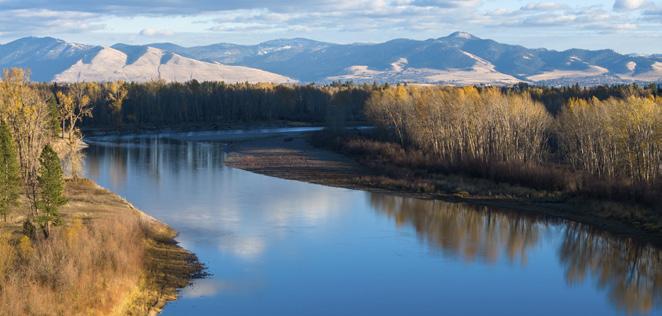
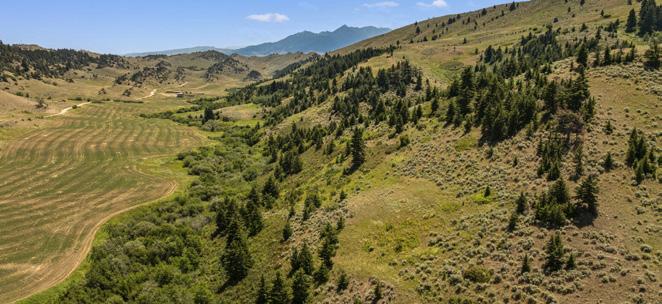
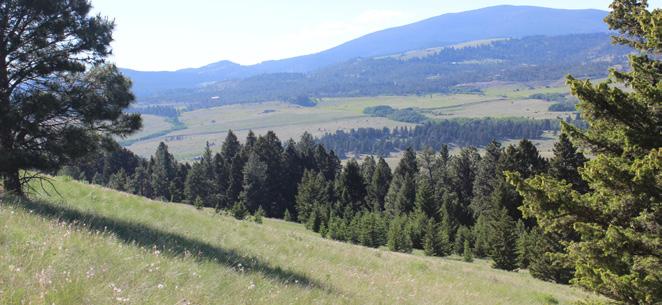
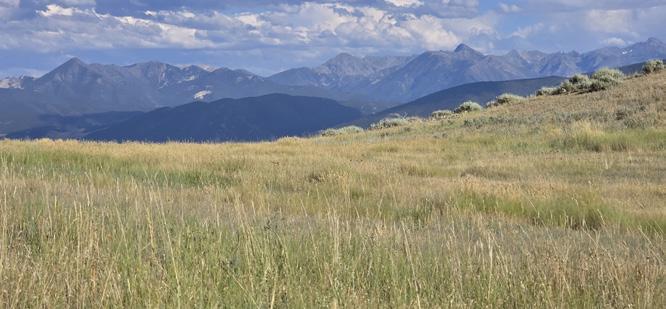
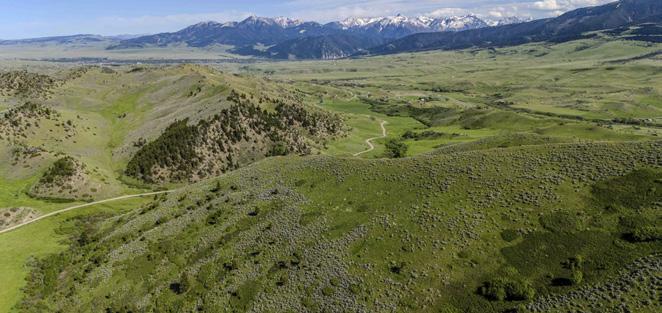
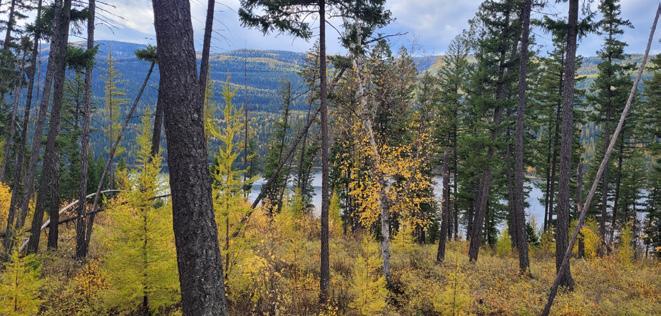
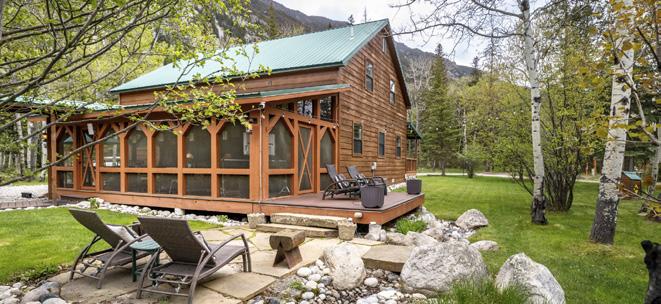
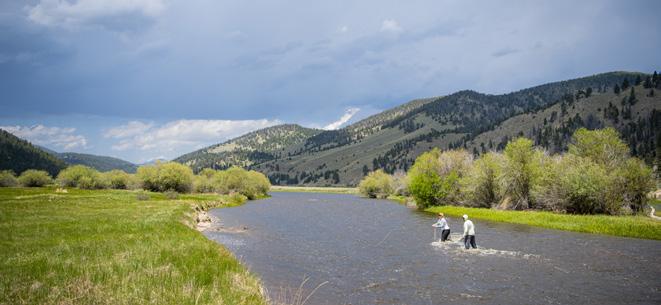
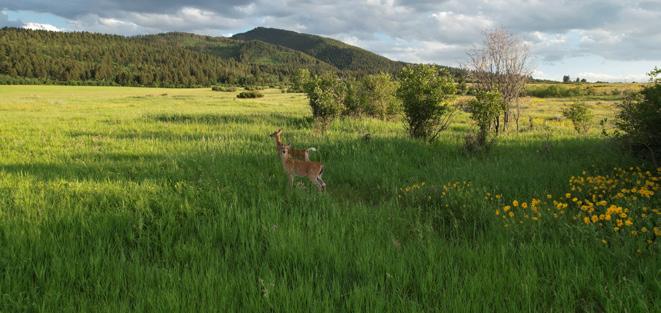
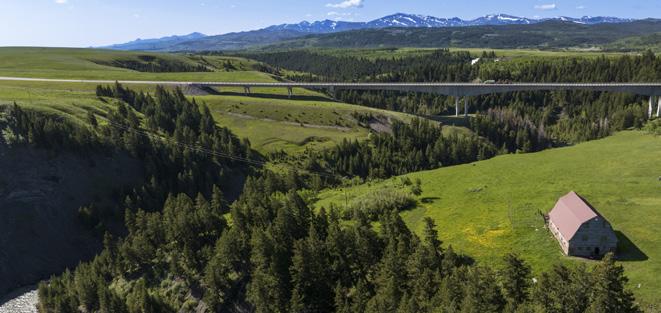
SWAN LAKE OVERLOOK
160± acres | $1,599,000 Bigfork, MT
Overlooking Swan Lake, this property offers mountain and lake views, Sixmile Creek frontage, and abundant wildlife, including elk, deer, moose, and grizzly bears. With adjacent access to USFS lands, it’s ideal for a dream home, retreat, or seasonal basecamp in Montana’s Swan Valley.
ANGLERS HIDEAWAY
2± acres | $1,545,000 McLeod, MT
Retreat to the Boulder River Valley to find a main cabin with four bedrooms, a guest cabin, landscaped grounds, and a private easement to the river steps away. Surrounded by National Forest, it offers fishing, hiking, hunting, and snowmobiling, near Big Timber and Bozeman.
BIG HOLE RIVER FISH CAMP
107± acres | $1,500,000 Divide, MT
With a mile of Big Hole River frontage, this property offers a private build site, mountain views, and abundant wildlife. Bordering BLM land that connects to National Forest, it provides fishing, hunting, and recreation, all within easy reach of Wise River and Butte.
MOUNT ELLIS RETREAT
12 ± acres | $1,450,000 Bozeman, MT
Set against the Gallatin Range with Mount Ellis views, this 12± acre parcel borders State Land, leading to Gallatin National Forest for direct Yellowstone access. Just minutes from Bozeman, it offers a serene setting to build a home, enjoy wildlife, and savor stunning skies.
EAST GLACIER VIEW RANCH
163± acres | $1,400,000 East Glacier Park, MT
Near East Glacier Park, this ranch offers Two Medicine River frontage, panoramic mountain views, and meadows ideal for a custom home or retreat. With year-round access, abundant recreation, and proximity to Glacier National Park, it’s a rare investment opportunity.
RAINBOW POINT ON THE BIGHORN RIVER
1± acre | $1,348,885 St. Xavier, MT
On the Bighorn River, this luxury fishing retreat offers prime access to world-class fishing, waterfowl, and upland bird hunting within a 175-acre HOA. Features include a recently remodeled 4-bedroom/3.5bathroom home with river views and a community boat ramp.
MADISON VIEWS RETREAT
20± acres | $1,250,000 Ennis, MT
Directly overlooking the Madison Valley, the property boasts staggering views of three mountain ranges and wildlife ranging from bears and moose to eagles and elk. A 2,944± SF, threebedroom, two-bathroom custom home and equine facilities for the horse enthusiast.
ELBOW CREEK RANCH
640± acres | $1,200,000 Roberts, MT
Near Yellowstone and Beartooth Highway, year-round Elbow Creek, rolling grass hills, sandstone outcroppings, and a hidden valley with a seasonal spring distinguish this ranch. Elk, mule deer, antelope, and upland birds visit this ranch, which is ideal for livestock, recreation, or a home site.
NORDIC ESCAPE BY THE YELLOWSTONE
4± acres | $1,040,000 Livingston, MT
A private ridgetop home offers panoramic views of the Yellowstone River and surrounding mountain ranges. This 4-bedroom, 2-bath custom build features an open, energyefficient design, exclusive access to a private Yellowstone River island, and nearby world-class trout fishing.
RED LODGE CREEK LOOKOUT
40± acres | $920,000 Red Lodge, MT
Panoramic Beartooth Mountain views, featuring a two-story home with stone fireplaces, wraparound deck, and hot tub. This retreat includes a barn with stalls and a tack room, quality pasture with a seasonal creek, and nearby access to trails, skiing, and Yellowstone.
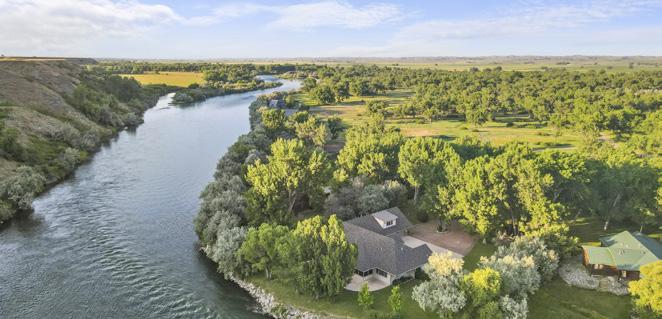
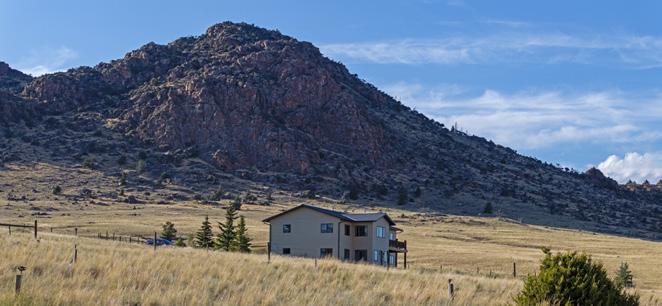
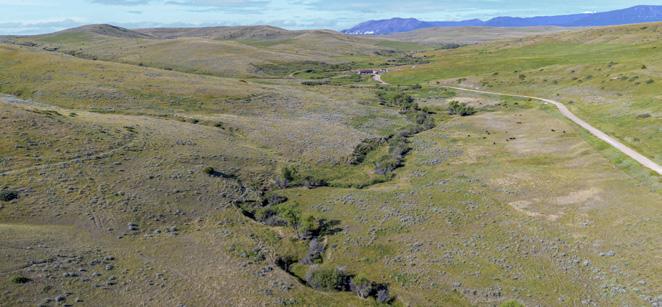
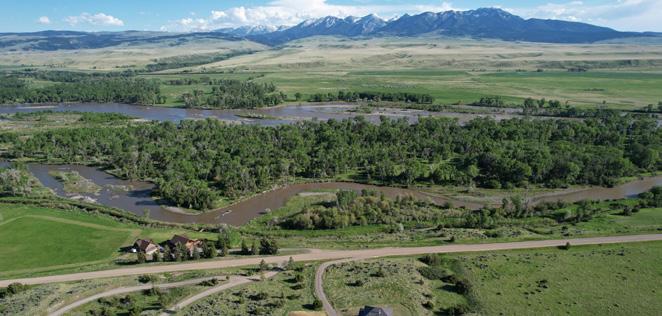
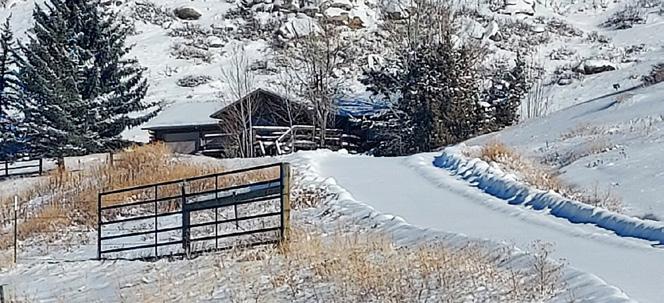
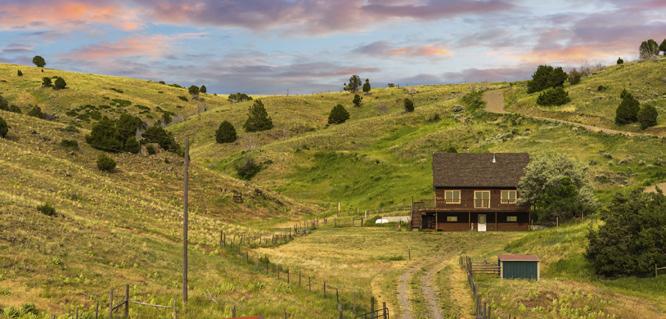

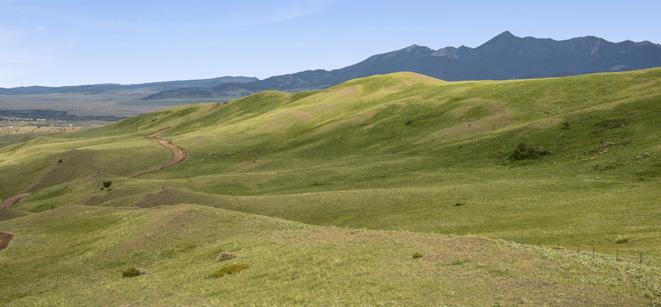
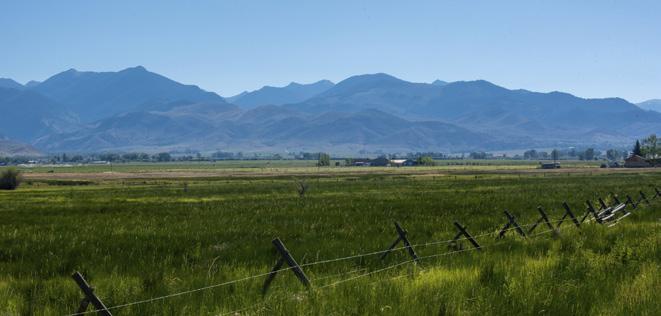
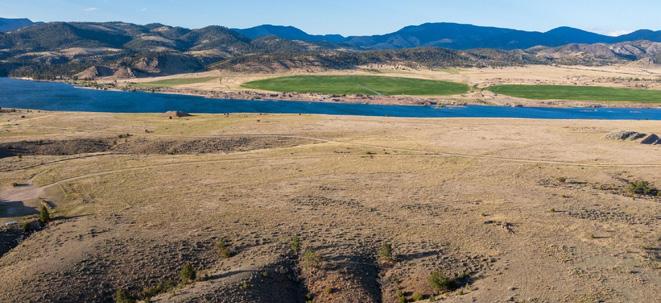
MADISON RIVER FISH CAMP
18± acres | $899,500 Norris, MT
Bordering BLM land with nearby Madison River access for world-class fly fishing and abundant wildlife, this sportsman’s retreat features a custom four-bedroom home with sweeping valley and mountain views, just 30± minutes from Bozeman International Airport.
THREE RANGES RANCH
264± acres | $850,000 Roberts, MT
Views of the Beartooth, Pryor, and Crazy Mountains distinguish this versatile ranch. Features include hay ground, grassland, a seasonal creek, and a spring-fed reservoir. Bordering State Land, it offers easy access to Red Lodge, skiing, fishing, and year-round recreation.
BOZEMAN PASS RANCH TRACT 5
157± acres | $849,000 Livingston, MT
Sweeping views of the Bridger, Crazy, and Absaroka Mountains, this tract features native grasslands, varied terrain, and abundant wildlife. Electricity and a private lane offer privacy and easy access to Livingston, Bozeman, and premier outdoor recreation.
7 SPRINGS RANCH
120± acres | $799,000 Sheridan, MT
Ruby River Valley ranch features spring-fed ponds, abundant deer, waterfowl, and pheasants, dramatic build sites with sweeping mountain views, surrounded by prime hunting and fishing in four blue-ribbon rivers, with year-round recreation and convenient access to Bozeman.
HAUSER LAKE VIEW RETREAT
11± acres | $750,000 Helena, MT
A level parcel above Hauser Lake offers mountain views, yearround access, and shared use of a private dock for boating and fishing. Near the National Forest, BLM, and ski areas, it offers endless recreation while being minutes from Helena’s amenities and airport.
IDAHO
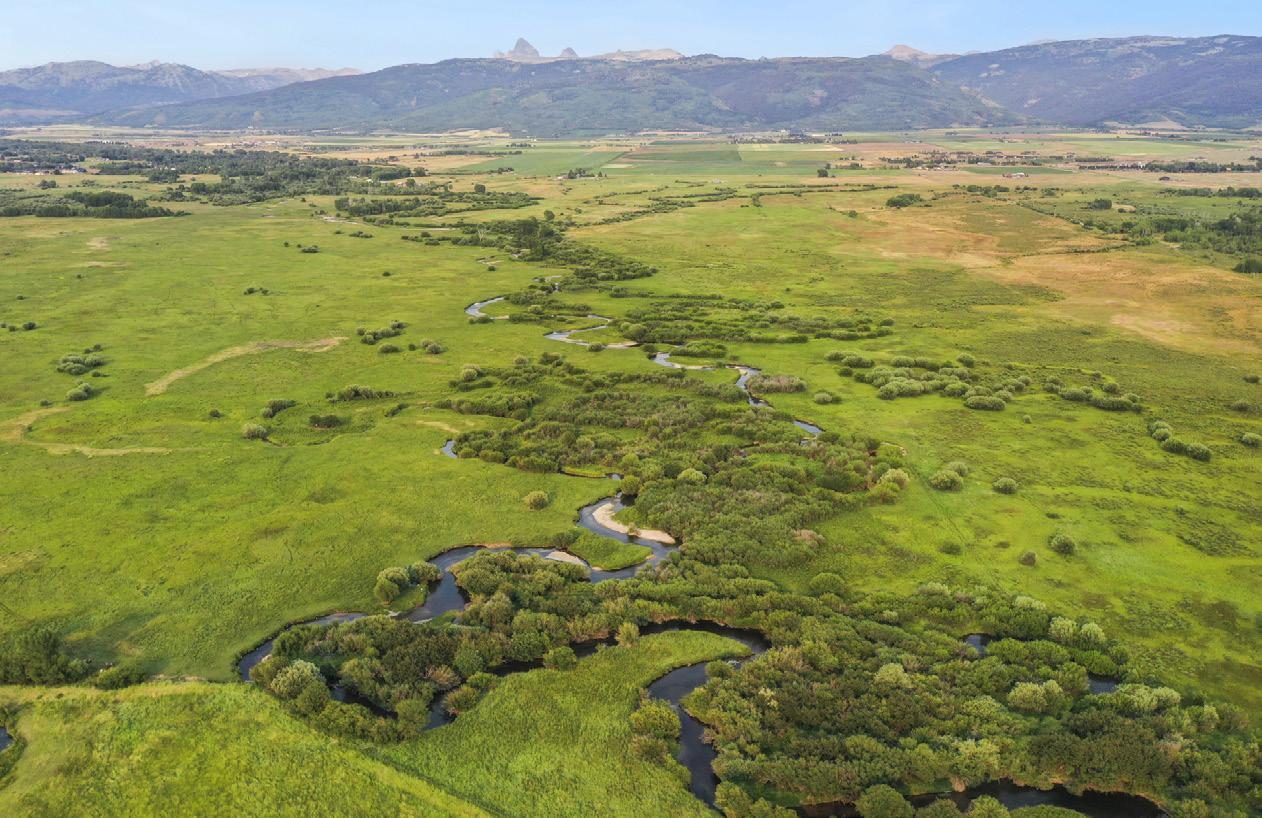
TETON HEADWATERS RANCH
Driggs, ID
$13,812,000
425± acres
An extraordinary 425± acre offering in Idaho’s Teton Valley, just two miles from Driggs. Featuring ~2 miles of Teton Creek and 1,640± feet of Spring Creek, this property blends live water, wildlife, and agricultural productivity. Surrounded by conservation easements, it ensures lasting privacy and sweeping Teton views. With exceptional water rights, fertile meadows yielding ~4 tons/acre, and year-round access, it’s a rare mix of recreation, ranching, and investment potential in one of the West’s most sought-after regions.
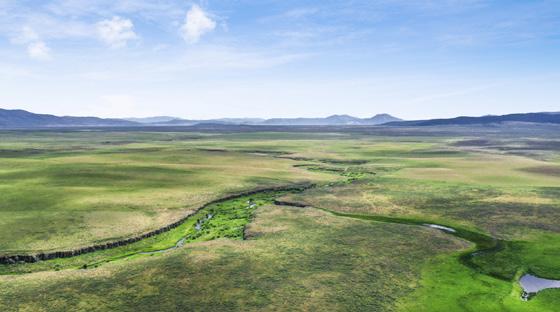
POVERTY RIDGE RANCH
4,273± acres | $8,967,000 Bone, ID
Bordering over 40,000± acres of public land, this ranch features Grays Outlet, abundant springs, and prime habitat for elk, deer, and moose in trophy hunting units. Includes a two-bedroom A-frame cabin, onsite fishing, and a secluded setting within reach of Idaho Falls, Alpine, and Salt Lake City.
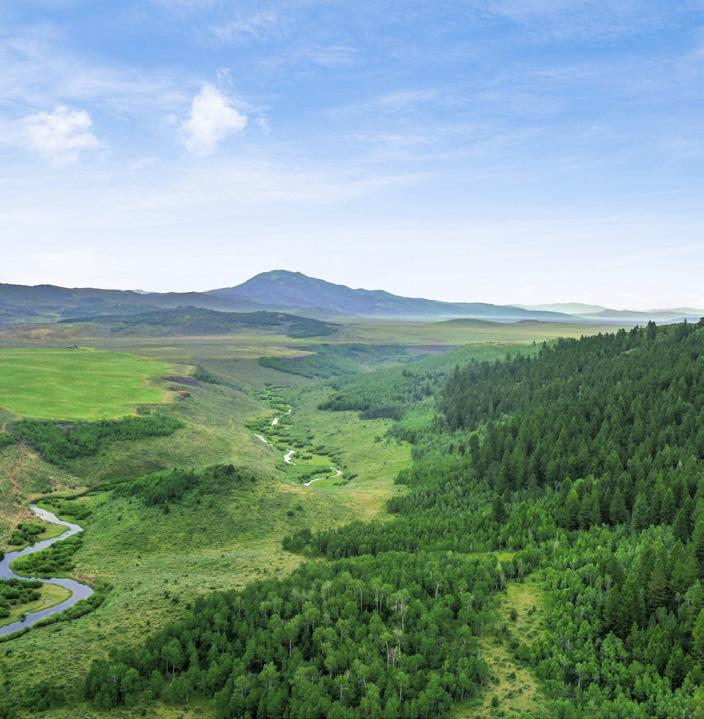
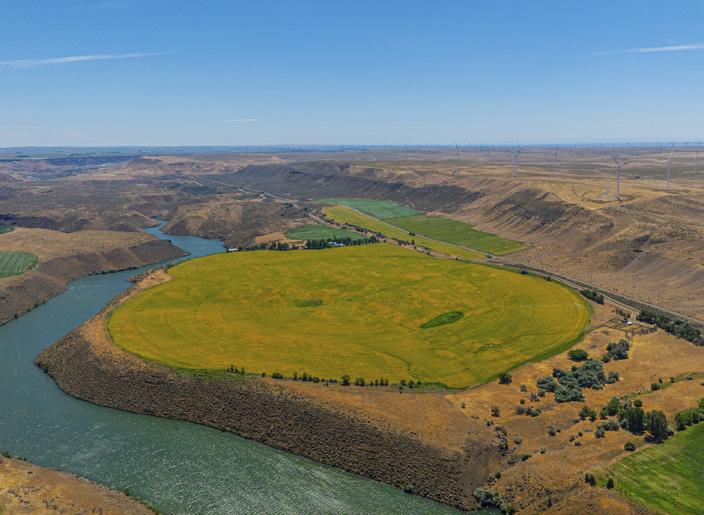
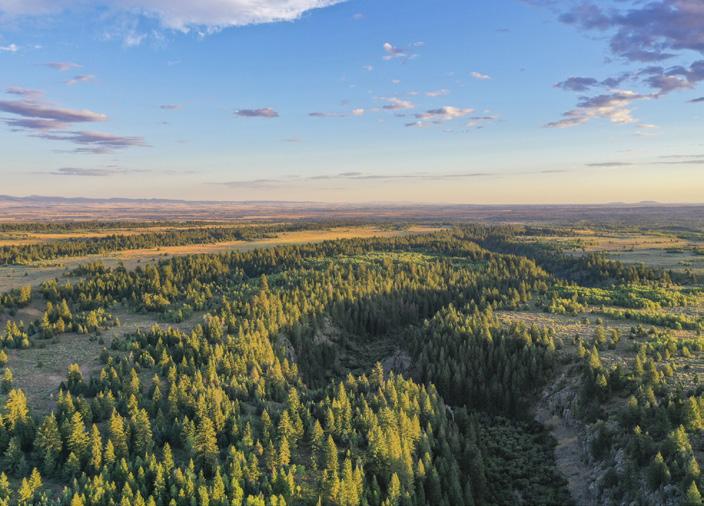
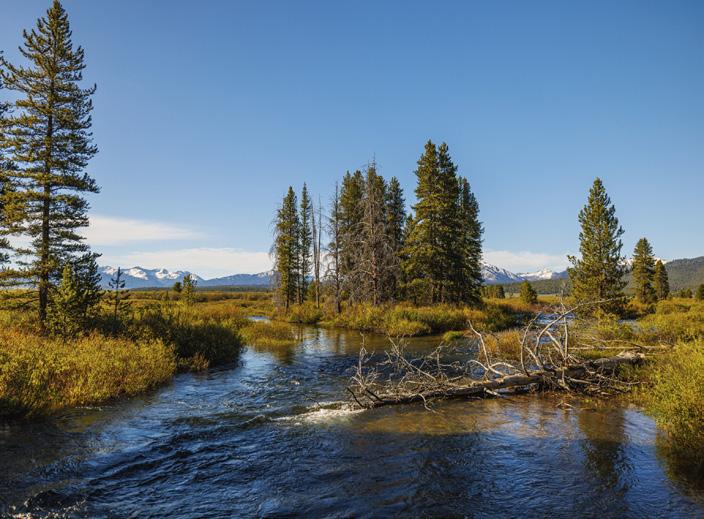
RIVER RUN RANCH
530± acres | $7,650,000 Bliss, ID
Set in the stunning Snake River Canyon, this certified organic riverfront farm offers Old-West ranch charm with modern comfort, with two custom homes, a barn with office studios, and a hangar. An opportunity for investors, agripreneurs, and multigenerational families seeking to be part of America’s agricultural resilience.
FIVE CREEKS RANCH
2,126± acres | $7,600,000 Ashton, ID
Five named creeks, diverse topography, unobstructed Teton views, and true wilderness seclusion define this property. Deep timber draws blend with sagebrush flats, creating diverse habitat for world-class hunting. Landowner tag eligibility, adjacent public lands, and comprehensive cattle infrastructure make this an ideal recreational retreat or working ranch.
VALLEY CREEK RANCH
559± acres | $7,500,000 Stanley, ID
Offering stunning Sawtooth Mountain views, this features two miles of trout-filled waters and senior water rights from Iron Creek. A 3,844± SF log home with two primary suites complements abundant wildlife, rich fishing and hunting, and endless outdoor recreation in a private, scenic setting.
PAINTED ROSE RANCH
130± acres | $6,750,000 Worley, ID
Luxury mountain estate with panoramic lake and valley views, just minutes from town. Features a custom 4-bed, 4-bath log home with handcrafted details, a hot tub under a log gazebo, and a large heated shop. Wildlife-rich land includes natural springs, mature timber, and an 800-yard shooting range.
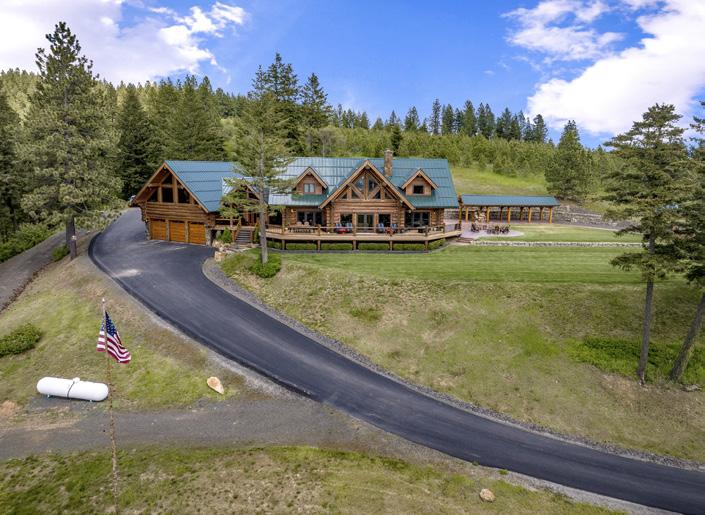
SALMON IDAHO’S SKY RANCH
119± acres | $6,500,000 Carmen, ID
Your private gateway to 4.7± million acres of adjacent public lands from your front door. This fly-in base camp offers riding, hiking, biking, snowmobiling, and flying access to worldclass Idaho backcountry. Professional 2,600± foot airstrip, hangar, sectional pastures, and Tower Creek water rights create the ultimate self-sufficient ranch.
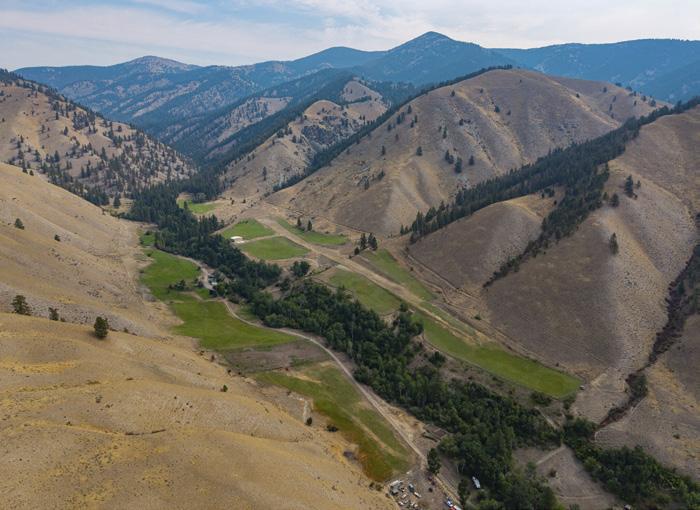
CHOKECHERRY RANCH
1,295± acres | $5,750,000 St. Charles, ID
Overlooking Bear Lake’s turquoise waters, this property offers direct access to public land, trophy elk and mule deer hunting, and eligibility in the Landowner Appreciation Program. It features west-facing slopes, a winter range for mule deer, and proximity to year-round recreation, from boating and fishing to snowmobiling.
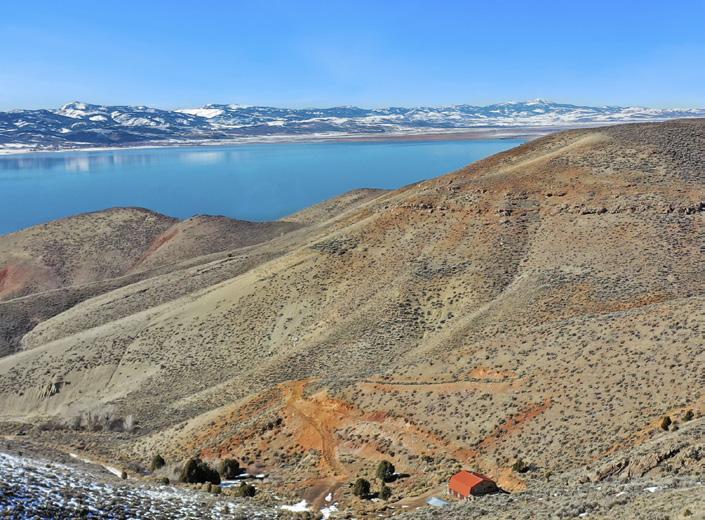
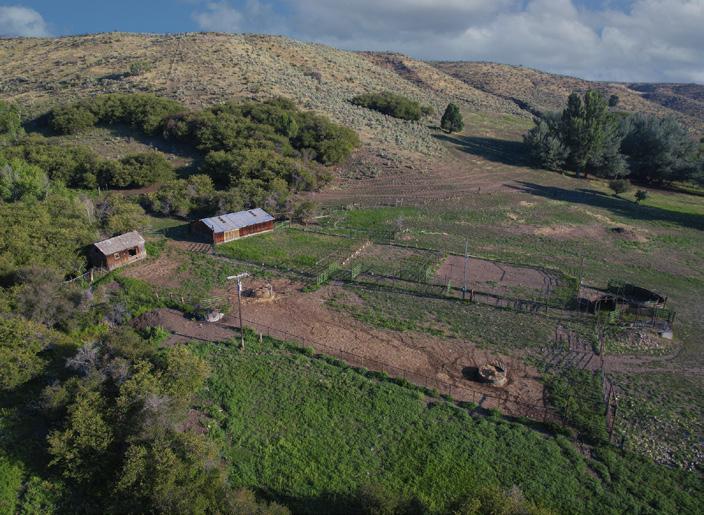
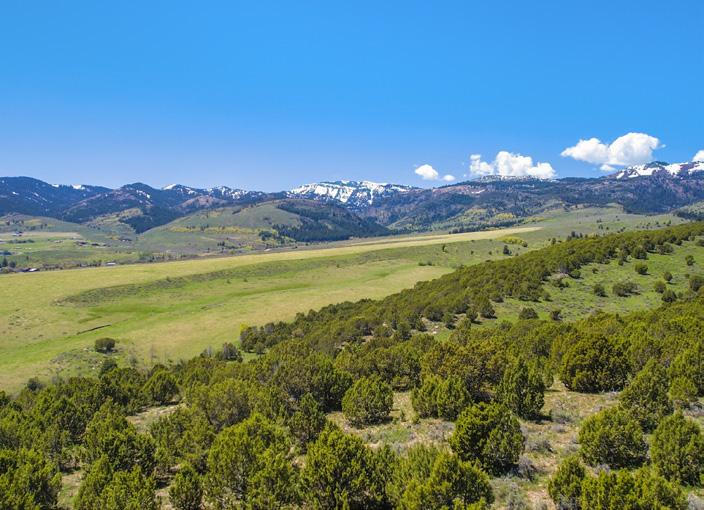
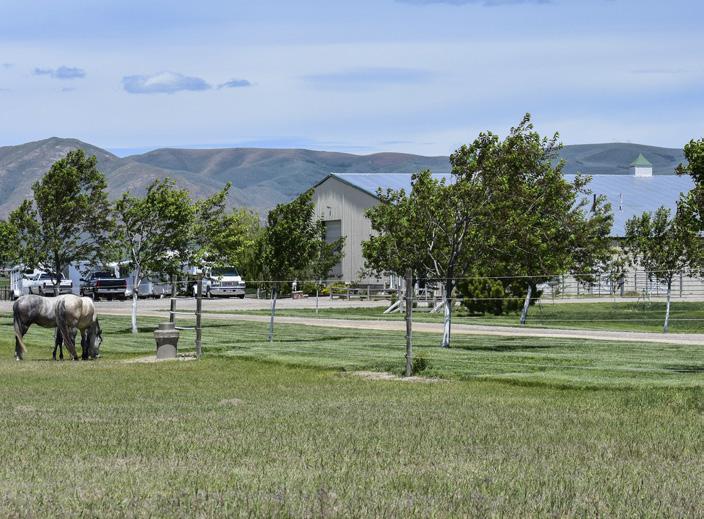
BIRCH CREEK RANCH
1,380± acres | $4,850,000 McCammon, ID
Improved pasture, two creeks, and a stocked trout pond support 200 head year-round with a calving barn, a heated shop, corrals, and fencing. Borders BLM land, offers trophy mule deer hunting, and hosts abundant wildlife, all in a scenic mountain setting with convenient regional access.
MILL CANYON RANCH
642± acres | $3,980,000 Malad Summit, ID
Perched atop Malad Summit, this ranch offers 360-degree mountain views, year-round creek, grazing lease, and hay production. It borders National Forest for hunting in a trophy big game unit with deer, elk, moose, upland birds, fishing, and recreation, yet is near amenities.
KNOX FARM EQUINE CENTER
80± acres | $3,500,000 Chesterfield, ID
Horse lovers will enjoy this equestrian estate featuring a 32,000 SF insulated barn with 12 stalls, an indoor arena, outdoor arenas, paddocks, pastures, and a polo field. The home offers luxury finishes, multiple suites, a gourmet kitchen, a sunroom with an endless pool.
HUNGRY RIDGE FLY-IN RANCH
38± acres | $2,895,000 Grangeville, ID
A backcountry Idaho retreat with a private 2,200-ft grass airstrip features a log home, wilderness views, and direct access to world-class hunting and fishing. Surrounded by acres of national forest, it offers unmatched privacy, trophy wildlife, and year-round recreation.
GRAND VIEW RANCH
282± acres | $2,800,000 Inkom, ID
SE Idaho offers a log home featuring vaulted ceilings, ponds, creeks, pastures, and forested hillsides for livestock, riding, and recreation. It includes a barn, corrals, a workshop, and sheds. Bordered by public land with abundant wildlife, it offers privacy, hunting, fishing, and views.
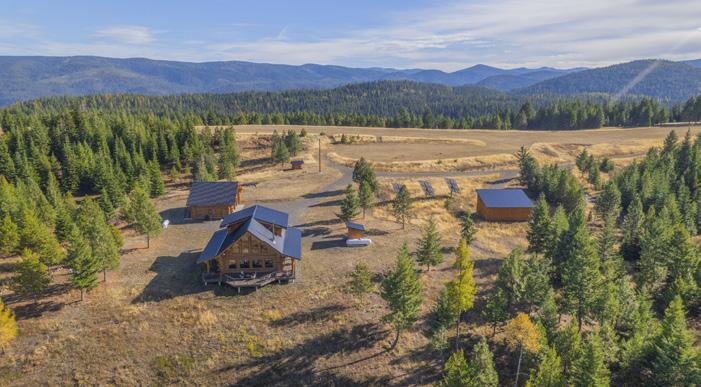
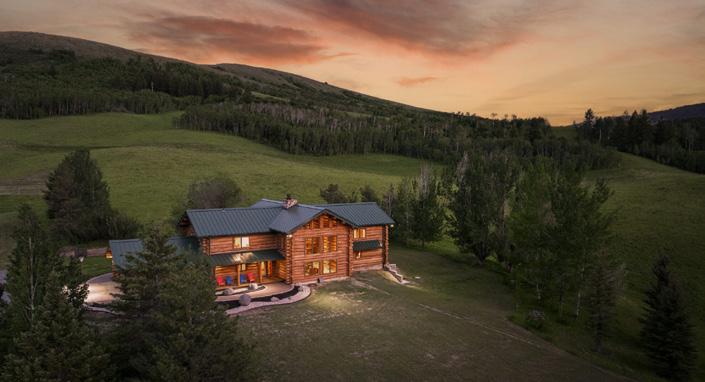
CIMMARON RANCH
83± acres | $2,795,000 Saint Maries, ID
Privacy and recreation define this ranch, offering hay fields, spring water rights, and abundant wildlife. It features a 3-bed home, guest cottage, caretaker apartment, horse barn, indoor arena, pond, and cattle facilities, with easy access to rivers, golf, and nearby amenities.
MANN CREEK VALLEY FARM & RANCH
1,168± acres | $2,700,000 Weiser, ID
A 200-head cow/calf operation with 4 artesian springs, 250+ irrigated acres, and 920+ rangeland acres makes this an ideal grazing tract and year-round outfit. Fully fenced and cross-fenced with wooden corrals, the property includes two active building permits and convenient access to Highway 95.
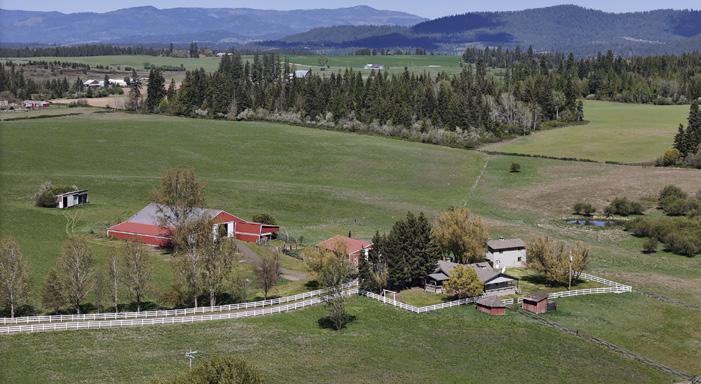
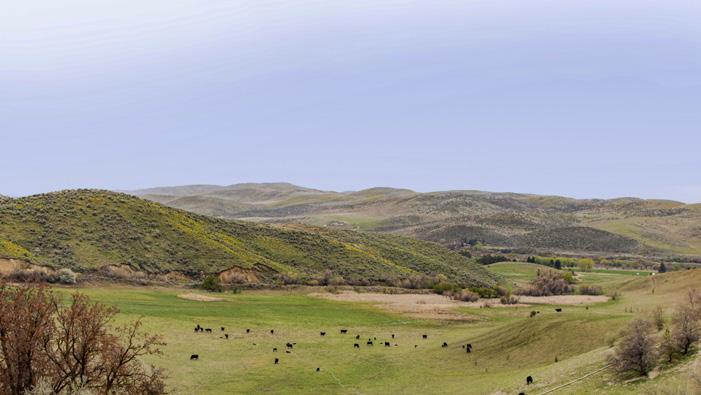
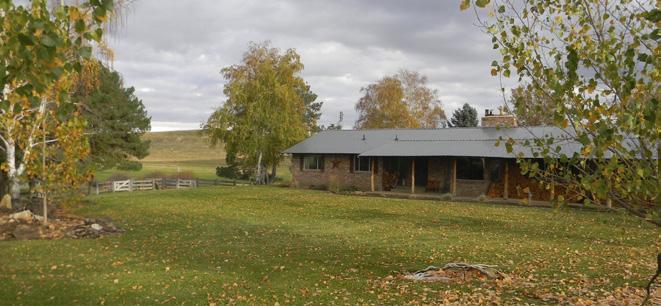
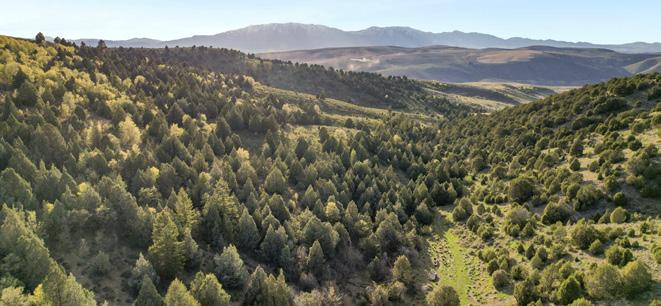
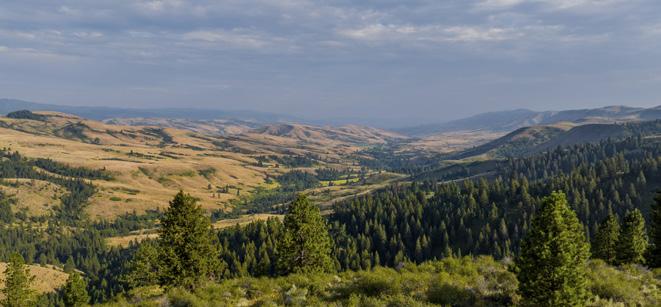
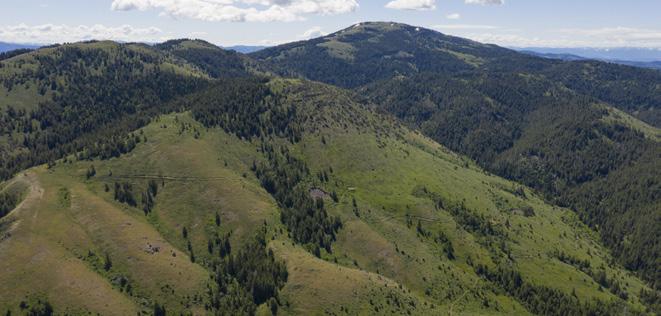
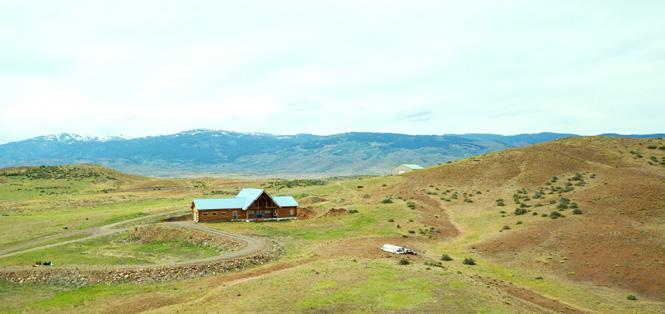
GRANGER BUTTE RANCH
282± acres | $2,690,000 Indian Valley, ID
Productive hay ranch with water rights, three center pivots, and facilities to support 150 head year-round. Features a home with guest quarters, ponds, and panoramic views. Produces three alfalfa harvests annually, with creek frontage, wildlife habitat, and efficient livestock infrastructure.
JENKINS CANYON RANCH
1,040± acres | $2,396,000
Lava Hot Springs, ID
On the west slope of the Portneuf Range, this ranch offers timber, sagebrush, grassland, a seasonal spring, and borders BLM land for added privacy. It’s ideal for livestock or a hunting basecamp, with deer, elk, and Landowner Appreciation Program eligibility in Big Game Unit 74.
SANCTUARY ON THIRD FORK
480± acres | $2,245,000 Ola, ID
A year-round trout stream running through lush meadows on land bordering BLM, National Forest, and State Land offers panoramic views and rich wildlife. It includes pipe corrals, ATV trails, and abundant game, ideal for recreation or a retreat.
EAST DEMPSEY CREEK HIDEAWAY
970± acres | $1,375,000 Lava Hot Springs, ID
Mountain views, grazing land, and diverse habitats attracting elk and mule deer distinguish this ranch near Lava Hot Springs. Near fishing streams, Bear Lake, and public lands, it combines recreation, wildlife, and city access for a rare Idaho retreat.
DOUBLE M ESTATE
40± acres | $1,249,500 Council, ID
Gorgeous lodge-style log home features vaulted truss design, wraparound decking, and rock fireplace. The owner suite has a spa bath, and the walkout basement includes great room, studio space, and hydronic heat. Property has security gate, seasonal pond, and water rights.
WYOMING
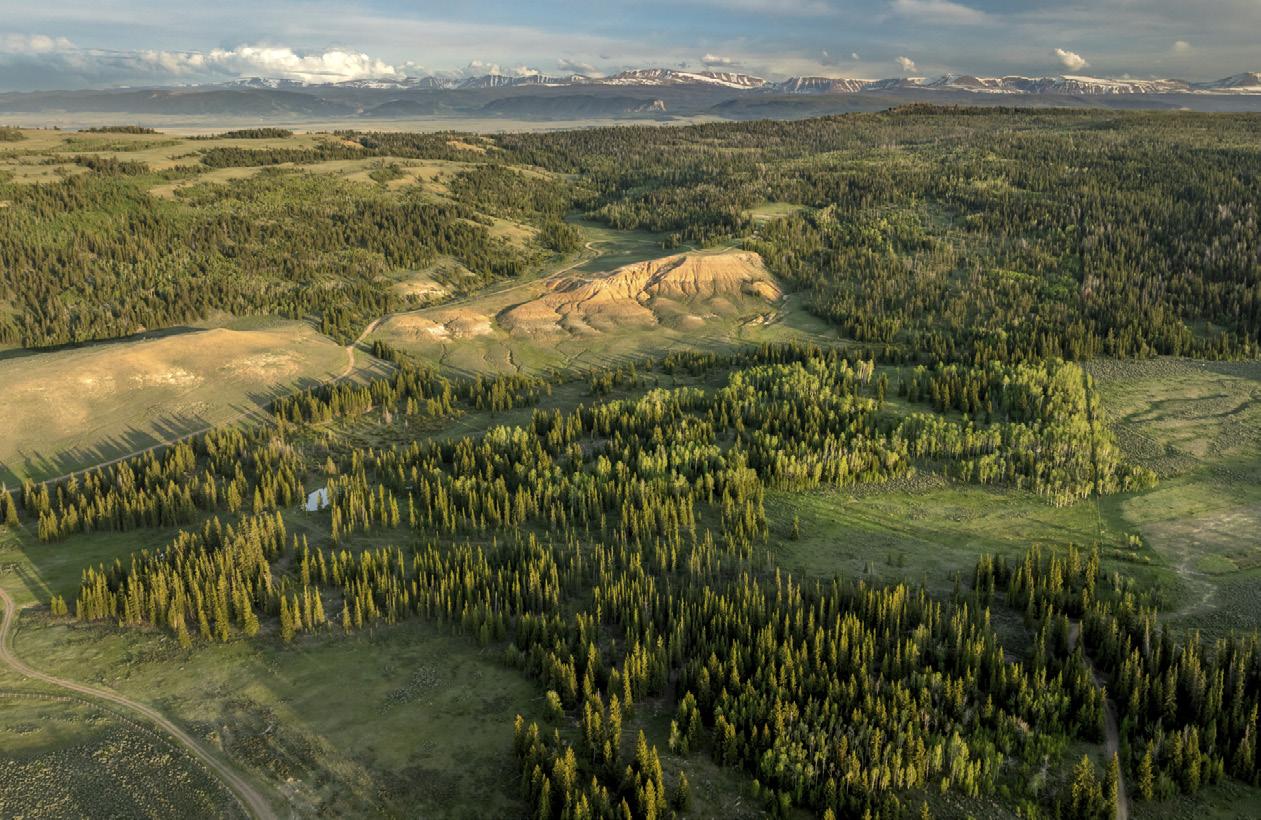
SAGE CREEK RANCH
Fort Bridger, WY
$25,495,000
8,689± acres
Arguably the premier big game hunting property, this vast holding borders the Wasatch National Forest for over five miles, granting unmatched access to expansive public lands. Year-round Sage Creek and Cottonwood Creek wind through scenic terrain ranging from aspen and pine-covered mountains to open rangeland. A 100± acre private reservoir supports irrigation, trophy fishing, and water sports. Abundant wildlife, diverse landscapes, and exceptional resources create an unparalleled Western recreational haven.
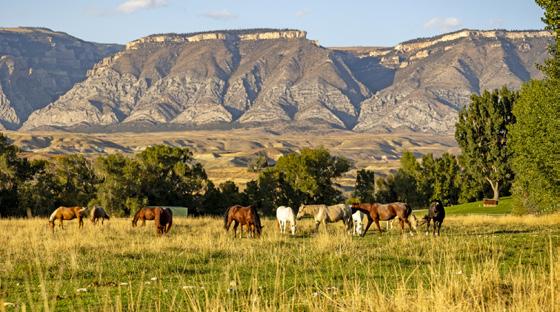
THE HIDEOUT LODGE & GUEST RANCH
266± acres | $14,950,000 Shell, WY
Luxurious, adventurous, and scenic, this guest ranch offers riding and horsemanship, with stunning views of Shell Canyon and the Bighorn Mountains. Features include a lodge, five duplex log cabins, a four-unit log building, indoor and outdoor arenas, a barn, a swimming pool, and archery and skeet ranges. The retreat is limited to 25 guests weekly, with access to hundreds of thousands of acres of public land for daily rides. Family-owned since 1995, this exceptional property is offered as a turnkey operation.
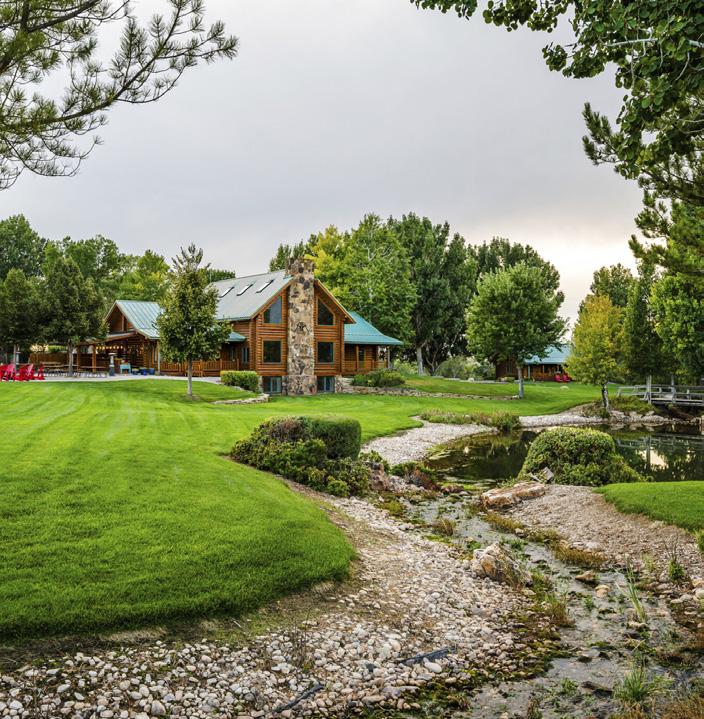
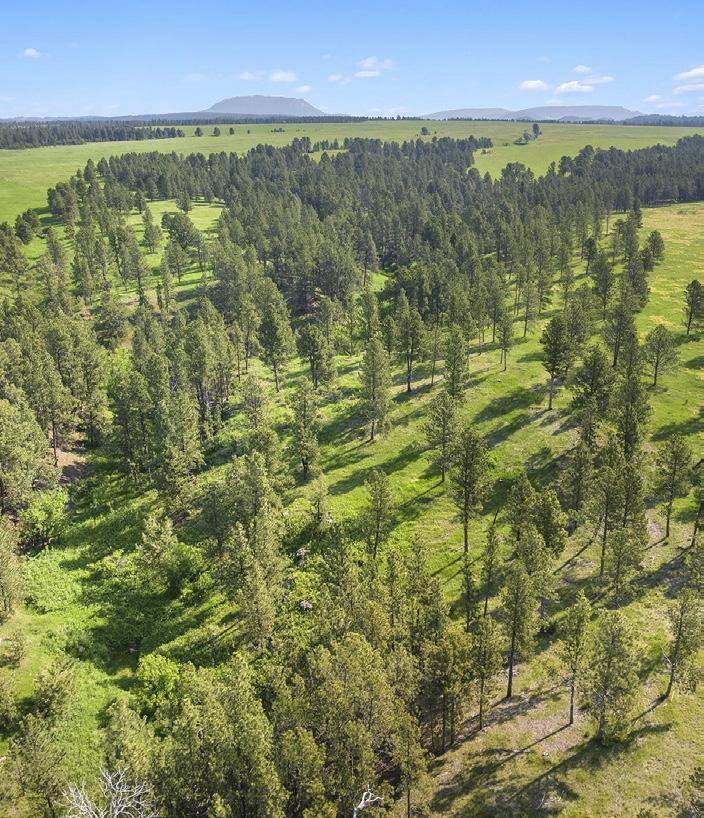
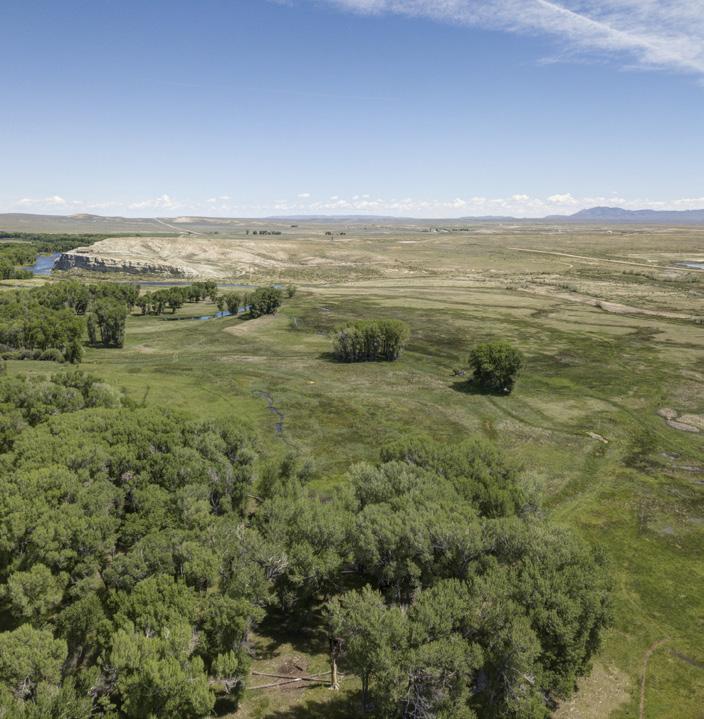
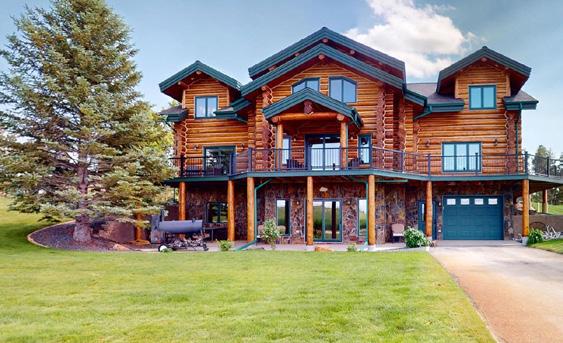
PINEY RIDGE RANCH
2,099± acres | $13,750,000
Sundance, WY
A legacy ranch with a 6,500± SF custom log home, a heated 130’ x 275’ indoor arena with stalls and a roping setup, and full cattle facilities for 225 pairs. This ranch encompasses rolling meadows, pine ridges, and oak draws supporting trophy elk, deer, antelope, and upland birds, with two annual landowner elk tags. Water resources include wells, springs, reservoirs, and 18 stock tanks. It combines privacy, production, and recreation near Devils Tower, Keyhole Reservoir, and the Black Hills’ cultural landmarks.
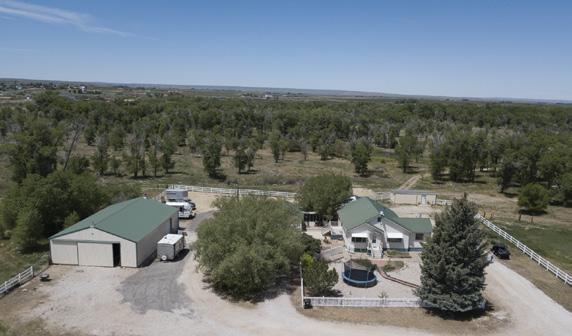
SARATOGA NORTH PLATTE RIVER RANCH
203± acres | $4,500,000
Saratoga, WY
A private retreat with North Platte River frontage offers mature cottonwoods, ponds, irrigated meadows, and senior 1902 water rights. It includes a three-bedroom ranch house with shop, excellent trout fishing, abundant wildlife, and future development potential within Saratoga town limits.
ROCK-N-HORSE RANCH
97± acres | $3,995,000 Cody, WY
With over 41 acres of river irrigation, this property borders state and BLM land, offering endless recreation and abundant wildlife. Highlights include a 7,500± SF cedar log home with 5 beds, barn, shop with apartment, center-pivot irrigation, and mountain views near Cody and Yellowstone.
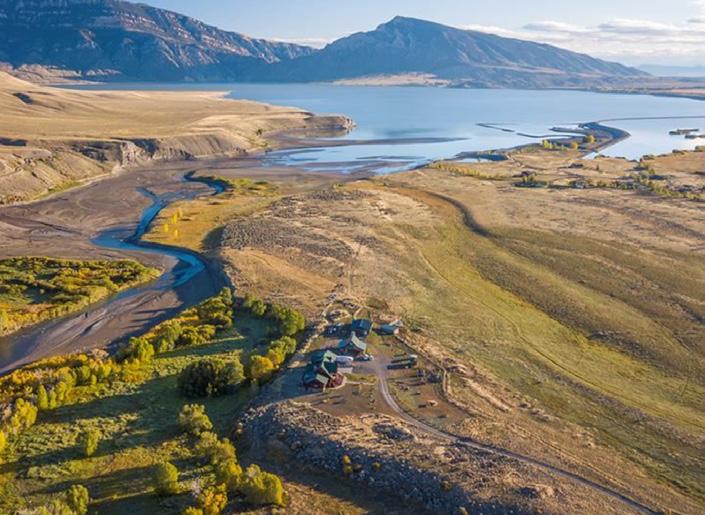
EYCAT LODGING COMPANY
5± acres | $3,475,000 Wapati, WY
On Trout Creek lies a Western retreat just minutes from Cody and Yellowstone. It features a primary home, ten cabins, a remodeled guest cabin, five furnished Conestoga wagons, RV sites, a shop, garages, livestock pens, a pickleball court, and creekside amenities.
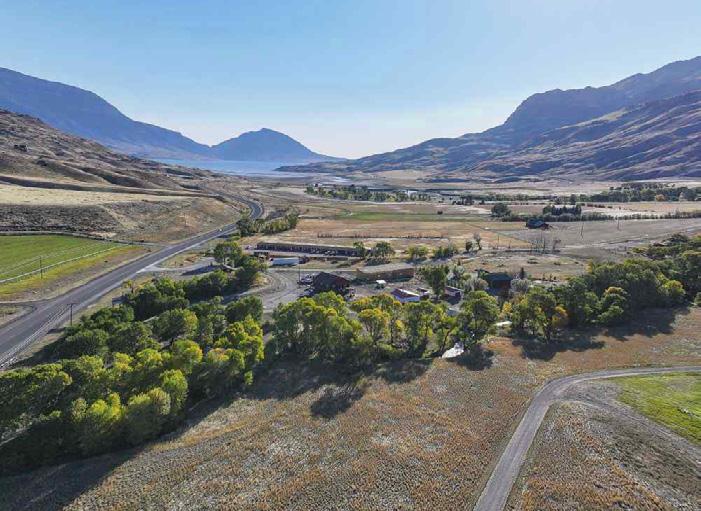
BUFFALO BILL RESERVOIR PASTURES
160± acres | $3,200,000 Cody, WY
Bordering Buffalo Bill Reservoir State Park, this irrigated property with mountain views offers water rights, two homes, and utility access. GR-5 zoning allows 5-acre parcels, making it ideal for a private retreat, equestrian estate, or development near Cody and Yellowstone.
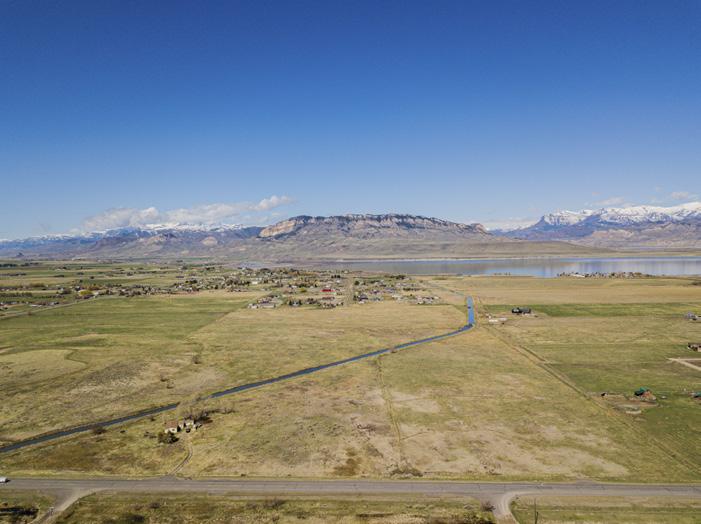
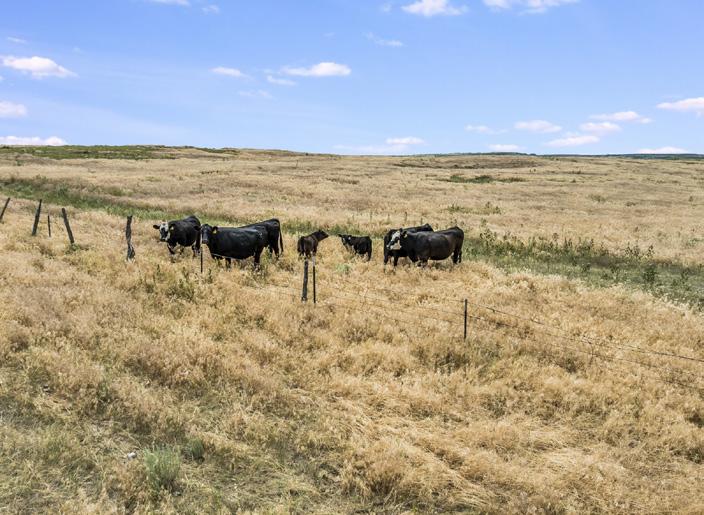
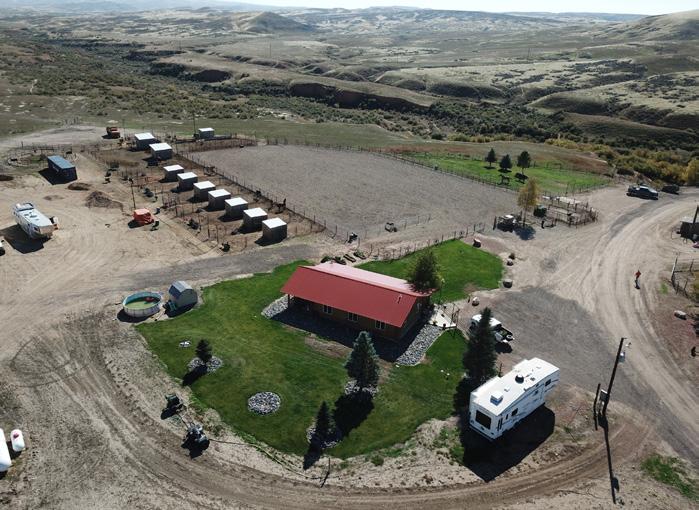
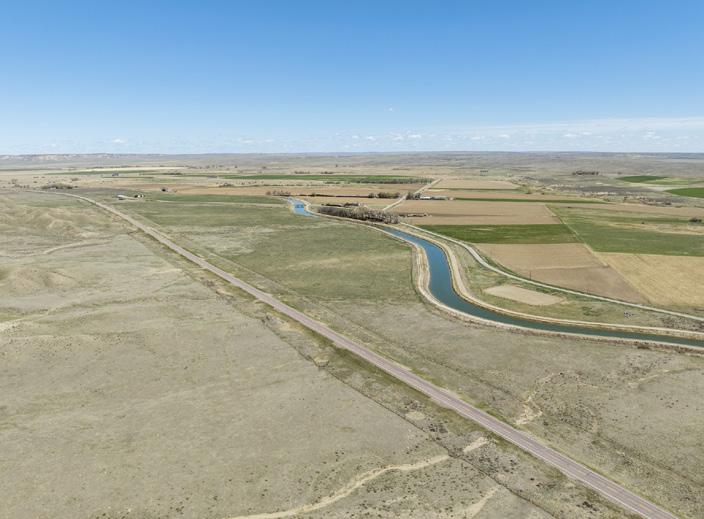
STAGE ROUTE RANCH
1,600± acres | $2,400,000 Fort Laramie, WY
Near Fort Laramie lies a ranch featuring underground pipeline watering multiple tanks and pastures, plus live water from Deer Creek. Combining natural beauty, functionality, and Western history, it’s well-suited for cattle operations offering excellent year-round livestock support.
BROKEN SPOKE RANCH
55± acres | $1,800,000
Greybull, WY
With creek frontage, an irrigation spillway, and BLM access, this ranch features a custom log home, a new mobile home, a roping arena, corrals, and a 4,116± SF heated shop. It boasts mountain views, nearby recreation, a turnkey setup for livestock, equipment, and a private retreat.
DIAMOND BAR RANCH
88± acres | $ 1,150,000 Lingle, WY
The 3-bed/2-bath home with new flooring, remodeled bath, and modern water systems anchors this ranch. It features water rights, cross-fenced pastures, 80’ x 100’ riding arena, shop with new electrical, and multiple outbuildings for turnkey livestock or equine operations.
COLORADO
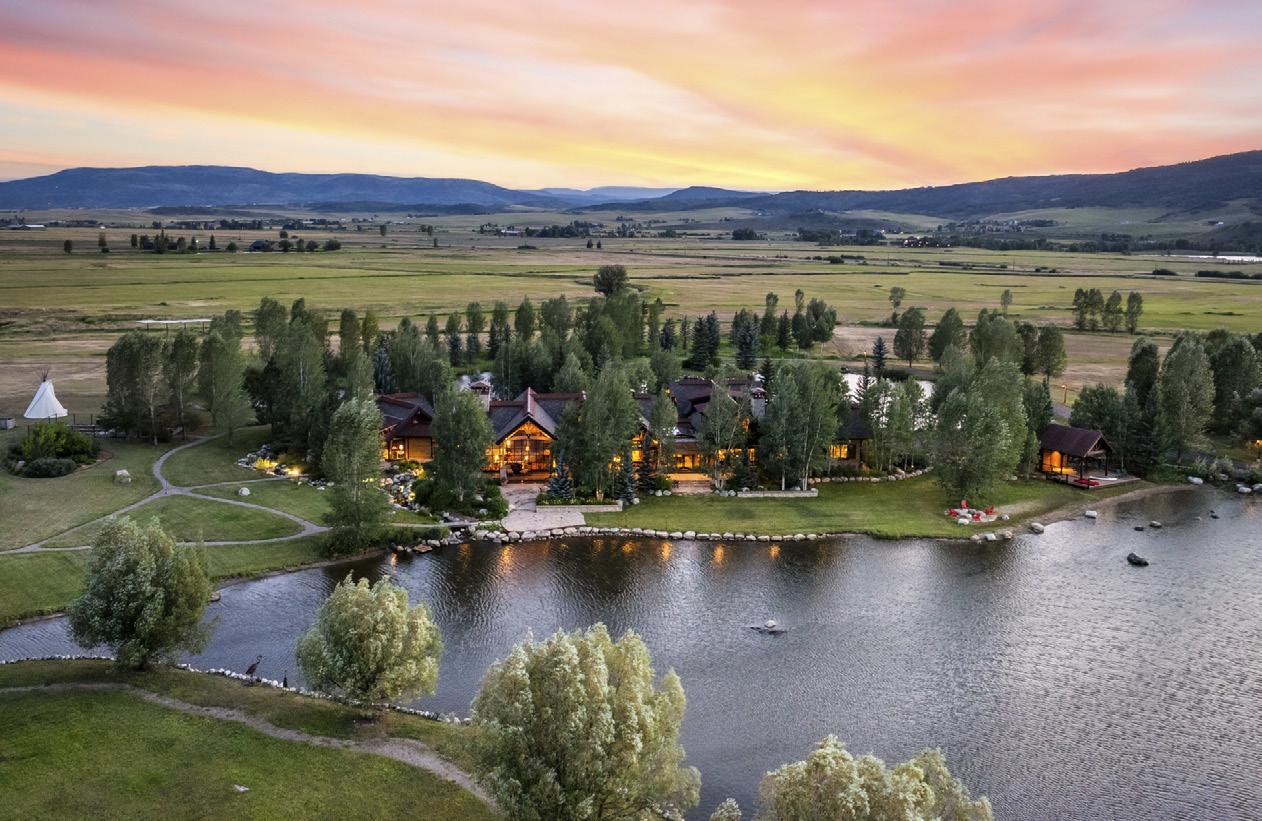
WILD GOOSE RANCH
Steamboat Springs, CO
$16,675.000
35± acres
For the first time on the market, this exquisite five-bedroom home showcases breathtaking views of the Steamboat Ski Mountain and borders conserved lands. Floor-to-ceiling glass in the living room captures the scenery, complemented by a gourmet kitchen and heated outdoor dining area. Enjoy stocked ponds, a stainless steel hot tub, indoor and outdoor fireplaces, and a boathouse with kayaks ready for the water, all just minutes from a world-class ski resort—an ideal legacy property blending luxury and nature.
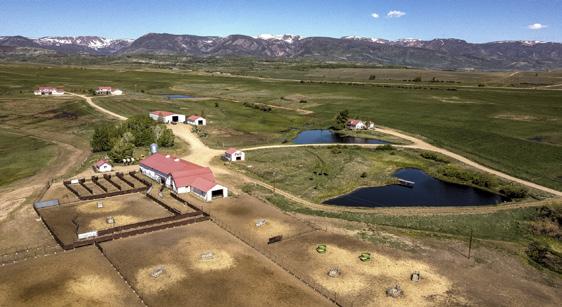
EAGLE’S WING RANCH
1,285± acres | $10,750,000 Coalmont, CO
A heavily watered, income-producing ranch features a professionally managed 150+ head bison herd and three residences, including a five-bedroom owner’s home, high-end guest house, and renovated manager’s house with sweeping mountain views. Exceptional infrastructure supports livestock and hay production. Senior water rights from the 1880s, strong conservation history, and a successful direct-to-consumer bison brand add lasting value. The bison herd, bison retail business, and equipment are also available.
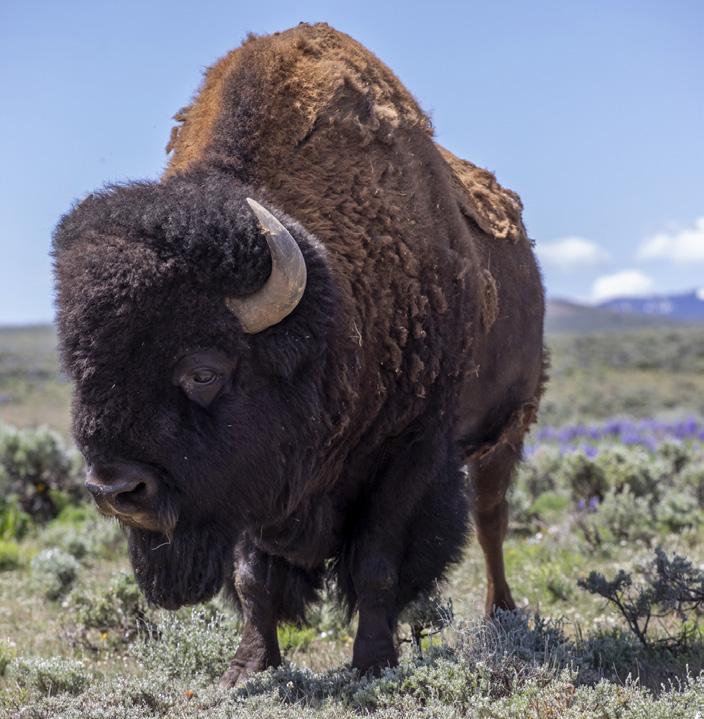
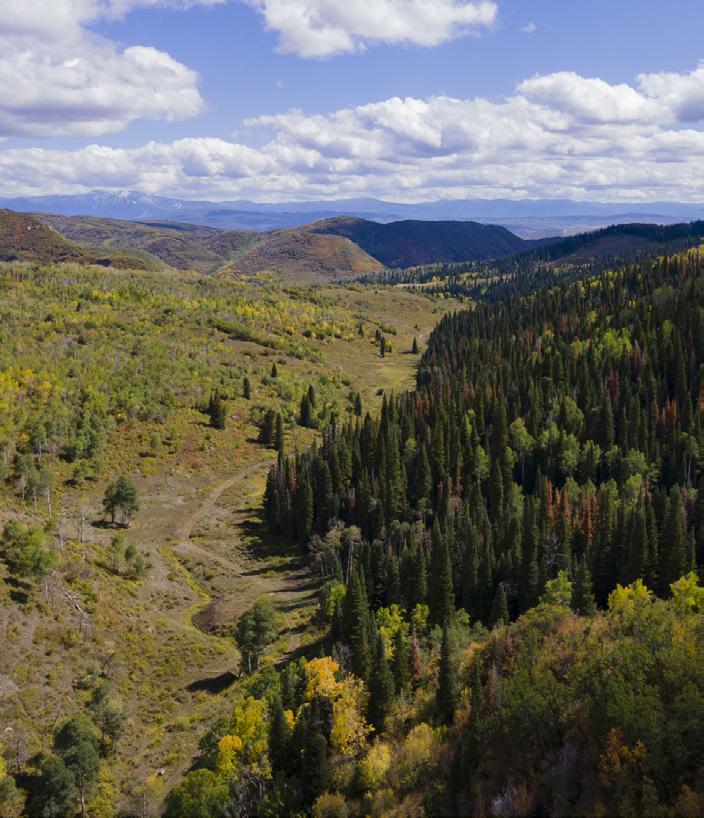
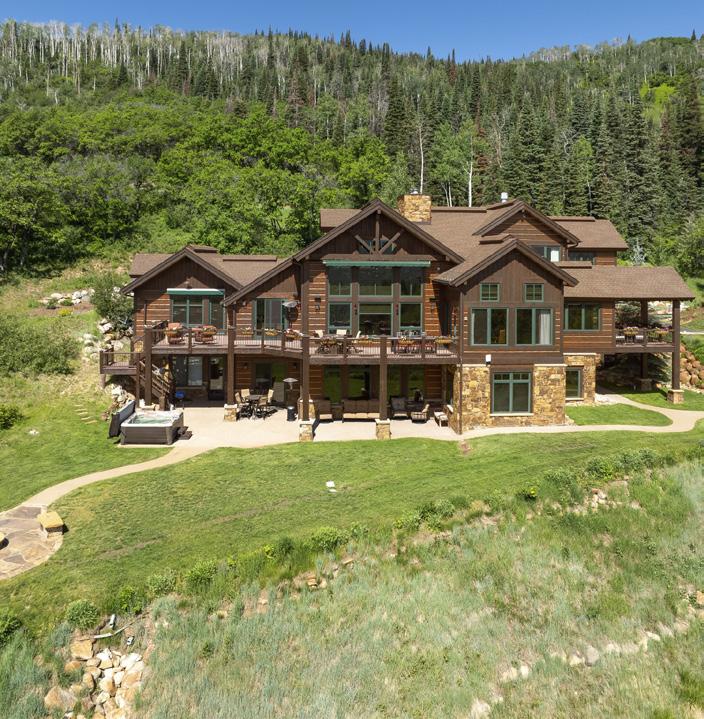
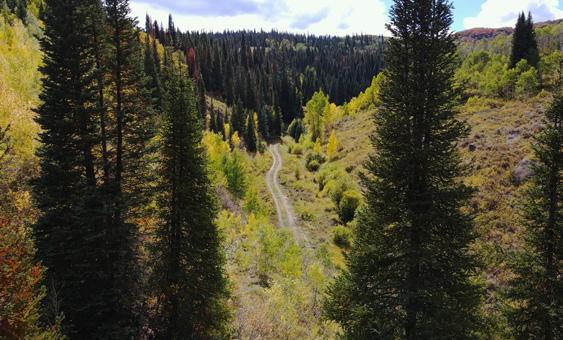
DOC UTTERBACK RANCH
1,634± acres | $9,900,000
Steamboat Springs, CO
Just 9± miles from Steamboat Springs, this historic ranch spans varied terrain with meadows, aspen, fir, scrub oak, and creek corridors supporting abundant wildlife. Featuring nine springs, recent fencing, and award-winning stewardship, it offers prime hunting, recreation, and conservation potential.
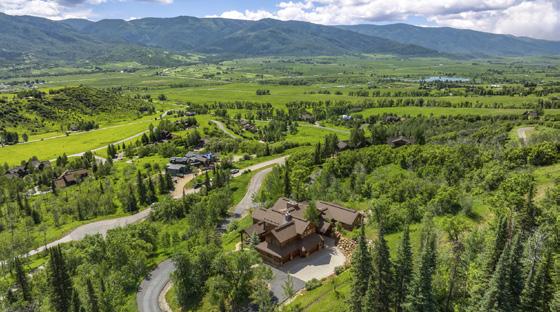
SWEETWATER ESTATE AT AGATE CREEK PRESERVE
8± acres | $9,750,000
Steamboat Springs, CO
The exquisitely furnished 8,444± SF residence offers six en-suite bedrooms, a gourmet kitchen, and multiple living areas featuring stone fireplaces, expansive decks, and large windows framing panoramic valley and ski mountain views. It includes gym, hot tub, firepit, and manicured grounds in a private, conserved setting.
CANYON RANCH
663± acres | $6,900,000 Crawford, CO
Smith Fork Creek winds through this private canyon, which includes a fishing pond, hayfields, vineyard, and equestrian facilities. The main lodge and multiple cabins provide comfort, while abundant wildlife thrives. The property includes BLM trail access, water rights, and potential for agriculture, guest retreat, or subdivision.
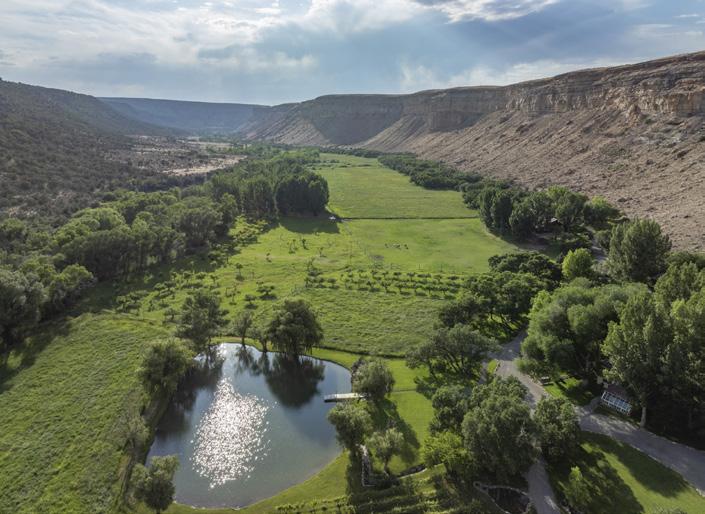
MOUNTAIN STAR RANCH
812± acres | $6,800,000 Guffey, CO
A secluded five-bedroom 6,500± SF log home offers vaulted ceilings, floor-to-ceiling windows, and an indoor pond with a waterfall. A walkway connects the house to a magazine-featured horse barn. It borders 16,000± acres of BLM land with prime hunting, creeks, a pond, workshops, multiple garages, all within reach of top Colorado recreation.
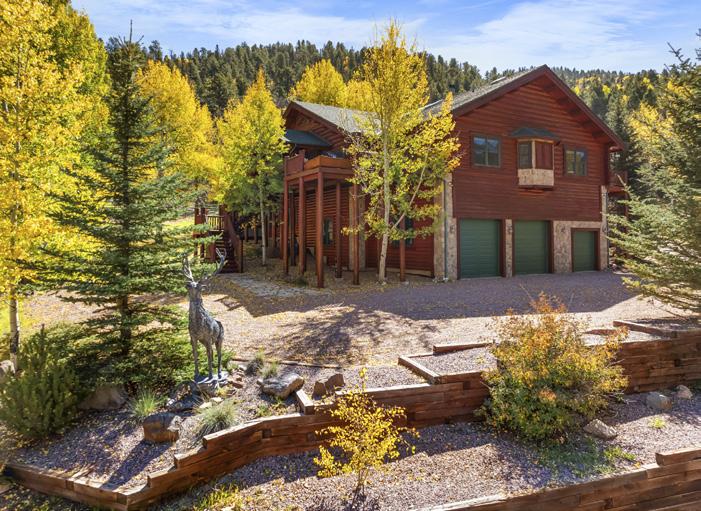
YAMPA HEADWATERS RANCH
610± acres | $6,500,000 Yampa, CO
Ideally located between Steamboat Springs and the Vail Valley, this ranch offers two creeks, stocked ponds, an irrigated hay meadow, and over 200 acres of wetlands with a rare mitigation bank. It also features trophy fishing, abundant wildlife, a custom barn with an apartment, and prime building sites with mountain views.
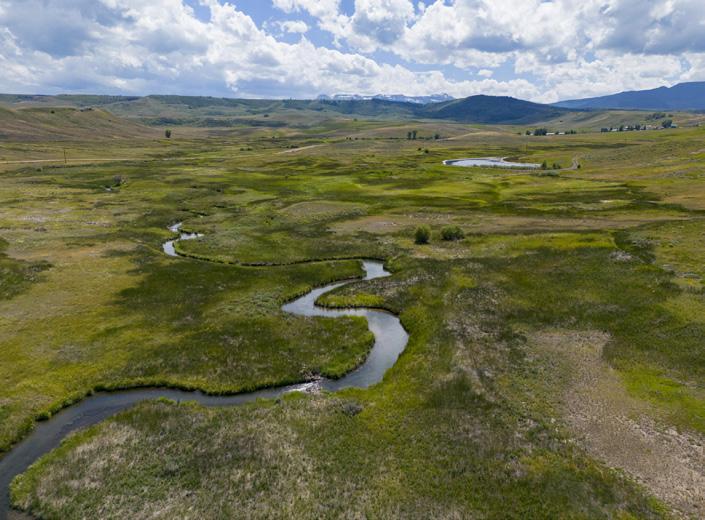
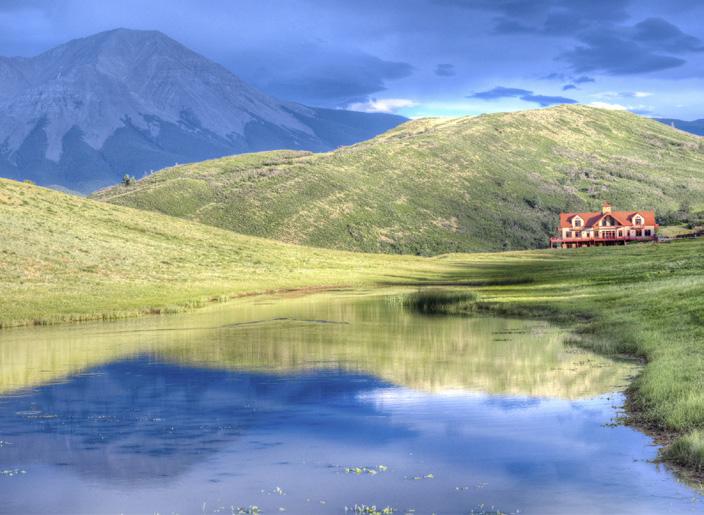
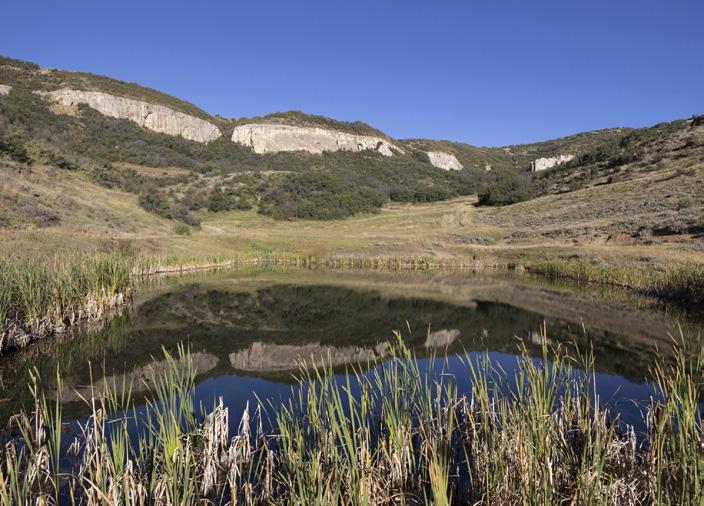
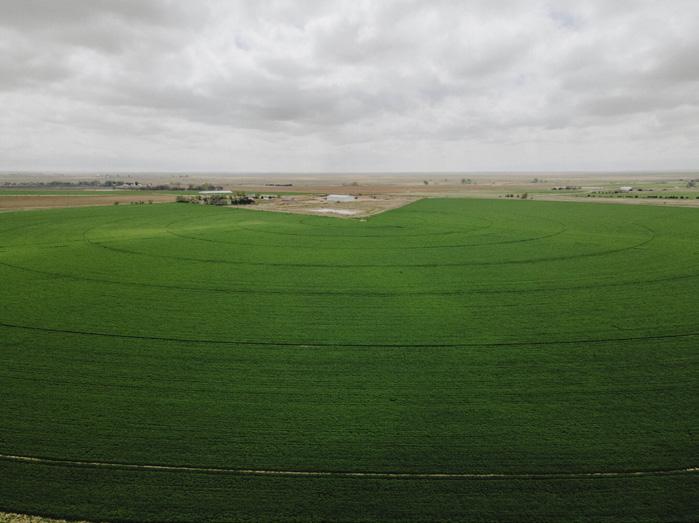
MOUNTAIN LAKE RANCH
243± acres | $5,250,000
La Veta, CO
Near La Veta, this ranch features a luxurious 7,200± SF custom home with four bedroom suites, a gourmet kitchen, a sauna, and a greenhouse. Redundant utility systems, including solar and backup generators, support it. A private lake draws abundant wildlife, offering exceptional hunting, year-round access, and stunning mountain views.
PAPOULIS CANYON RANCH
687± acres | $4,800,000
Steamboat Springs, CO
The property offers grasslands, timber, spring-fed ponds, and creek frontage ideal for hunting, ranching, or development. With gated privacy, scenic cliffs, and abundant wildlife, it’s a rare opportunity in a highly desirable Colorado location.
SWINK CATTLE FARM
295± acres | $4,500,000
La Junta, CO
A four-bedroom home with a wrap-around porch anchors a productive farm with two irrigated parcels, strong water rights, and high-yield alfalfa and grass hay fields. It features an 800head feedlot, a roping arena, a tack shed, a hay shed, a shop, barns, grain bins, and ponds for a complete cattle and hay operation.
OTERO COUNTY IRRIGATED FARM
271± acres | $3,800,000 La Junta, CO
A well-irrigated hay and livestock operation with senior water rights, pivots, ponds, and quality infrastructure produces high-yield alfalfa and grass hay with transferable water between two farms. Includes paved access, storage, and strong long-term agricultural potential.
YELLOW DOG RANCH
340± acres | $3,549,000 Hayden, CO
Custom barn with heated shop, kitchen, living areas, and private deck anchors a scenic retreat featuring aspen, meadows, ponds with water rights, and stocked trout. It borders large ranches and USFS lands, offering big game hunting, fishing, and year-round recreation.
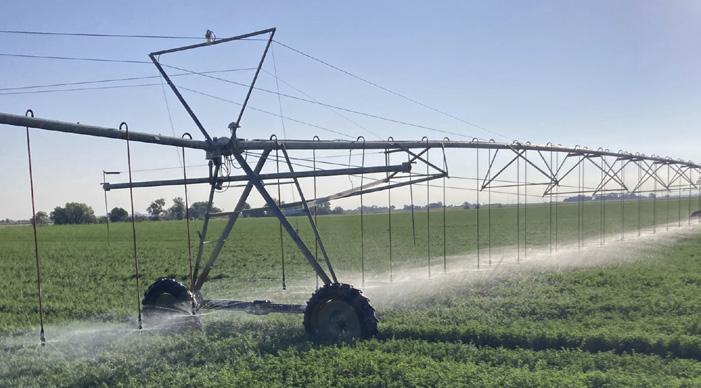
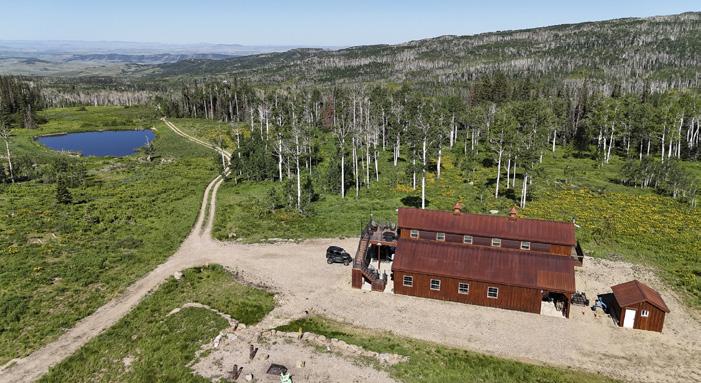
MCELMO CREEK FARM & GUEST RANCH
46± acres | $3,250,000 Cortez, CO
A beautiful guest ranch offers cabin accommodations with rustic charm and modern comforts. Guests enjoy hiking, biking, archaeology tours, vineyard visits, and stargazing. Features sustainability programs, community workshops, and a welcoming transition from current owners.
BRAMARÉ RANCH
110± acres | $2,950,000 Rye, ID
Santa Fe-style estate features 5 beds/6 baths, handcrafted finishes, and panoramic mountain views. Highlights include floor-to-ceiling windows, multiple fireplaces, barns, corrals, irrigated pastures, abundant water, and luxury amenities, offering privacy, functionality, and versatile use.
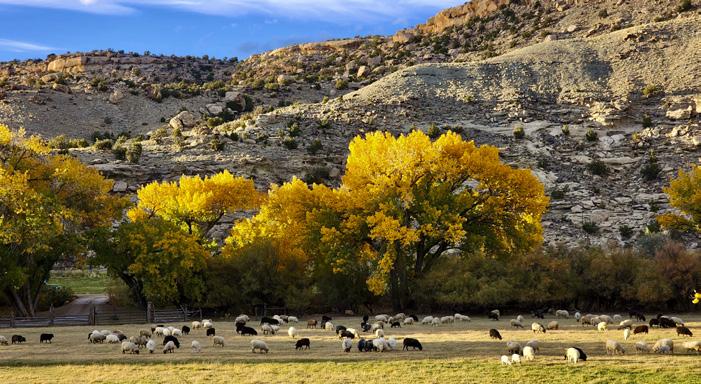
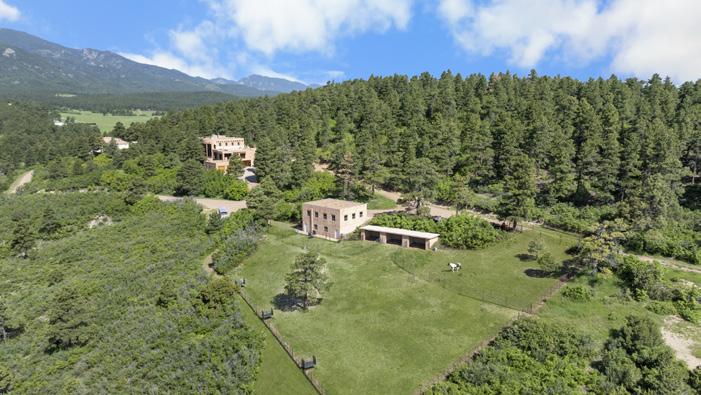
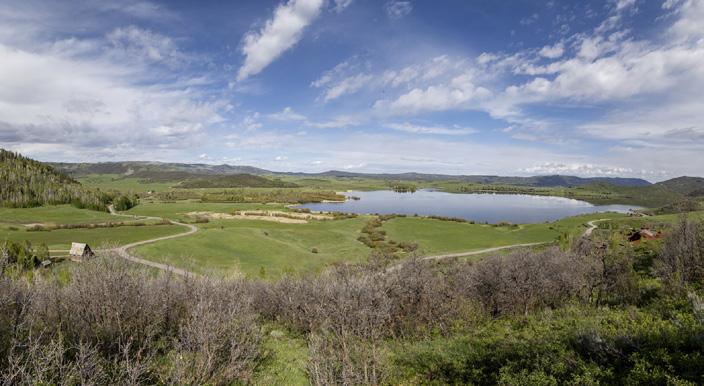
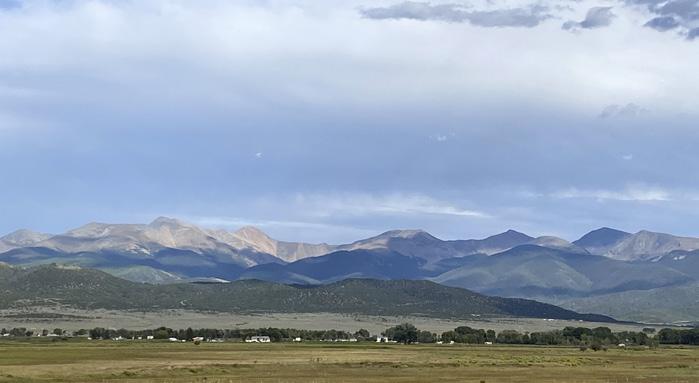
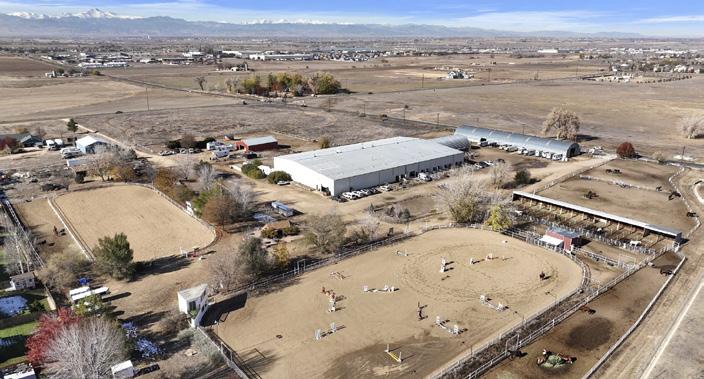
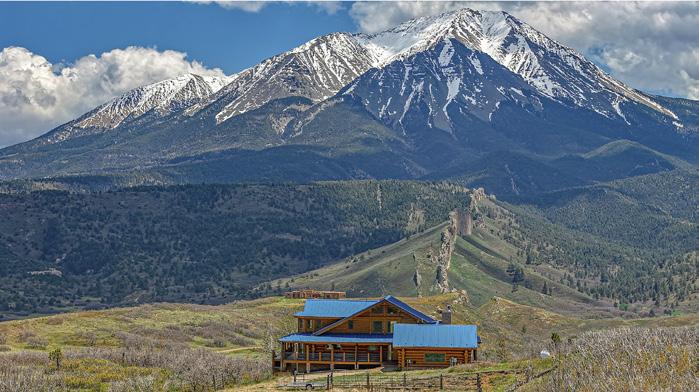
LAKE CATAMOUNT HOMESITE
35± acres | $2,850,000
Steamboat Springs, CO
A private gated homesite offers sweeping lake, mountain, and forest views. The 3.3-acre building envelope borders open space and National Forest. Access to trails, water sports, golf, and club amenities creates an ideal setting for a custom retreat.
CULEBRA CREEK ANGLER’S RETREAT
133± acres | $2,500,000
San Luis, CO
The fishing and recreation property features 2± miles of trout-filled Culebra and Ventero Creeks, expertly managed for quality flyfishing. Includes protected creek bottomland, buildable acreage for a home, lodge, cabins, well, septic. Stunning mountain views with frequent elk.
HOBBY HORSE FARMS
13± acres | $2,500,000
Firestone, CO
A premier equestrian facility with mountain views offers boarding for up to 80 horses, heated stalls, loafing sheds, large paddocks, and multiple arenas, including one indoor. It features trail access, durable fencing, year-round access, and strong demand for boarding services.
THE MOUNTAIN VIEW
35± acres | $2,150,000
La Veta, CO
Beautifully finished log home offers amazing Spanish Peaks views from nearly every room, four bedrooms, multiple fireplaces, and an updated exterior and deck. Located in a gated community with abundant wildlife, it provides easy access to hiking, fishing, and skiing.
LINK RANCH
31± acres | $1,850,000
Berthoud, CO
Custom farmhouse with 5 beds, 6 baths, and finished walkout basement offers multi-generational living with full kitchen and private entrance. Features shop with loft, horse facilities, hay barn, arena, rotational grazing, garden beds, and sweeping mountain views minutes from town.
SOUTH APISHAPA RANCH
2,360± acres | $1,650,000 Model, CO
This grazing ranch offers abundant wildlife, including deer, elk, pronghorn, and bighorn sheep, plus hunting lease potential, and features a solar-powered well, diverse terrain with canyons, meadows, and native grasses, and borders Apishapa State Wildlife Area for added habitat.
AUTUMN ROCK
39± acres | $ 1,625,000 La Veta, CO
Abutting BLM land teeming with wildlife, this one-of-a-kind mountain 4-bed/3-bath home boasts hand-troweled Tuscan walls, hammered trusses, and a rustic stone fireplace with pulley chandelier, alderwood doors, reclaimed wood, chestnut cabinetry, and in-floor heating.
ELK VALLEY RANCH
640± acres | $ 1,375,000 Hartsel, CO
Recreational retreat offers hunting for elk, deer, and antelope, gold-medal fishing, and year-round outdoor activities. Features native grass meadows, Four Mile Creek frontage, stock well, fencing, panoramic mountain views, and nearby Breckenridge and abundant wildlife.
TWO FOX CABINS
2± acres | $ 1,150,000
La Veta, CO
Twelve themed cabins sit along the Cucharas River, complemented by RV hookups, tent sites, and a spare riverfront parcel for expansion. Guests enjoy manicured grounds with a fire pit, porch swing, and mountain views, all within walking distance of shops, dining, and festivals.
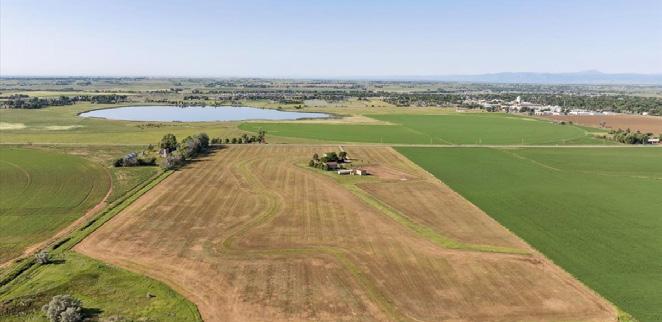
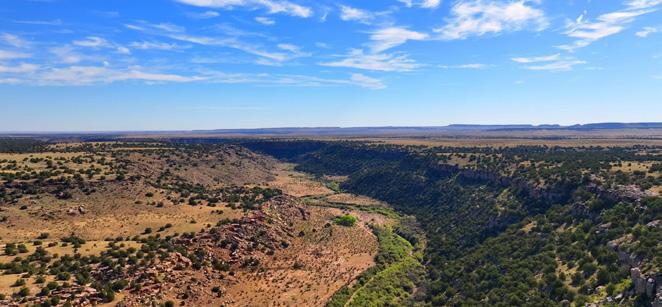
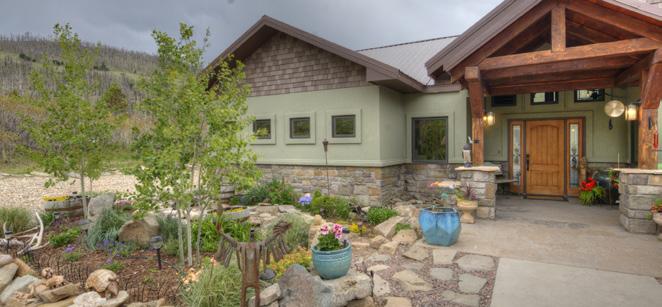
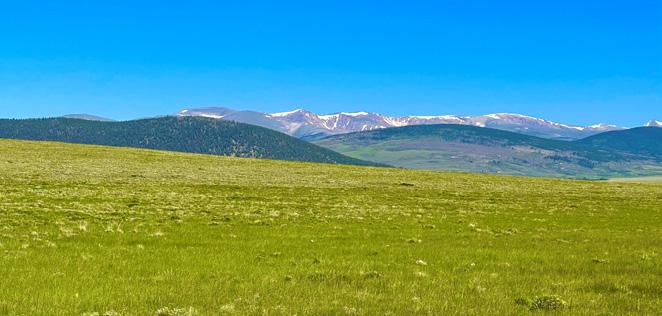
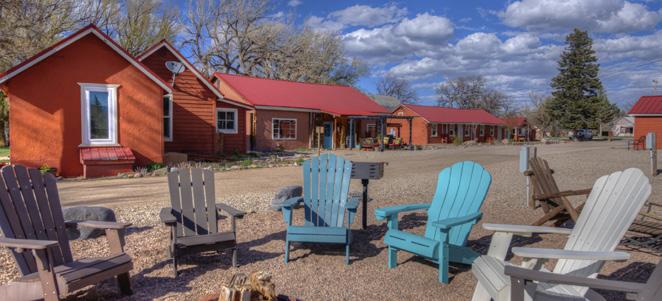
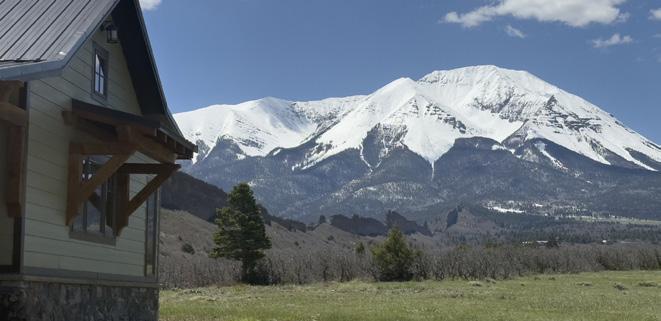
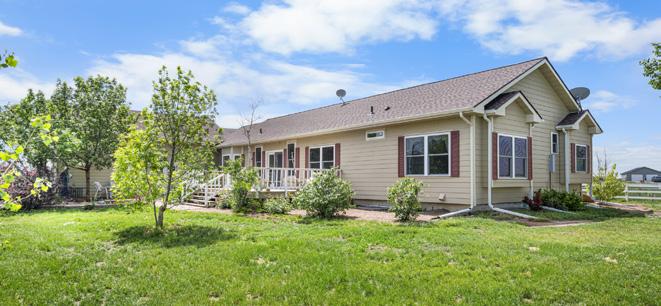
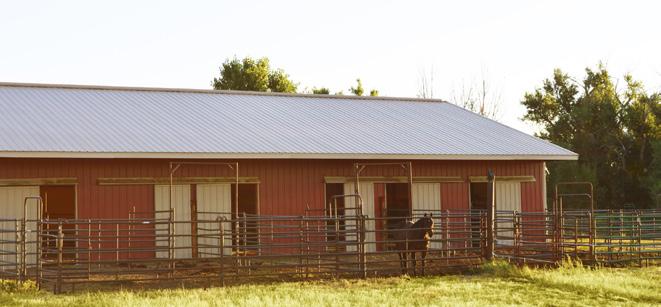
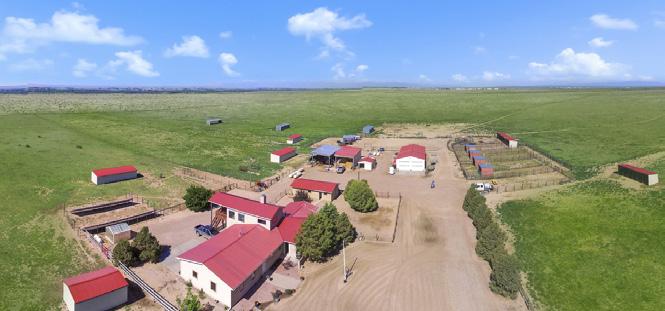
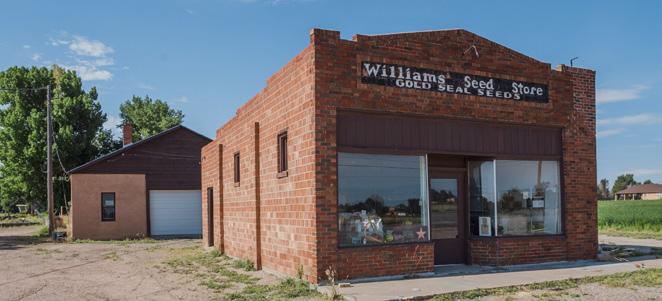
ELK GAP RANCHETTE
39± acres | $1,089,000 La Veta, CO
Majestic 360-degree views of the West Spanish Peak and Big Wall, and in a prime elk migration corridor, this listing offers a wood-burning fireplace, hardwood floors, patios, and an oversized garage. Featuring abundant wildlife, privacy, and space for horses and recreation.
MUSTANG MEADOWS RANCH
9± acres | $ 870,000 Brighton, CO
This beautifully updated horse property offers a renovated kitchen, hardwood floors, and a spacious primary suite. Features include a 4-car garage, two-stall barn, fenced pasture, and trail access, new windows, roof, and solid wood doors.
ZOE’S RANCH
40± acres | $ 815,000 Pueblo, CO
Mountain and bluff views distinguish this turnkey horse property, with multiple buildings, large barns with adjustable stalls, rotational grazing pastures, and extensive corral systems. The home offers vaulted ceilings, granite finishes, an insulated 2-car garage.
IL RANCH
40± acres | $ 795,000 Boone, CO
The meticulously maintained ranch offers loafing sheds, fenced pastures, a corral system with cattle handling facilities, garages, and hay barns. The custom home features granite finishes, mountain views, and off-grid power with solar, generator, and propane.
WILLIAMS FARM & SEED COMPANY
18± acres | $795,000 Pueblo, CO
Historic farm and seed store with highway frontage, multiple zoning, and valuable Bessemer water rights. Includes a brick home, commercial storefront, equipment shop, and productive alfalfa fields in a sought-after agricultural community near Pueblo.
PINE MEADOWS EXECUTIVE RETREAT
Coalville, UT
$9,500,000
41± acres
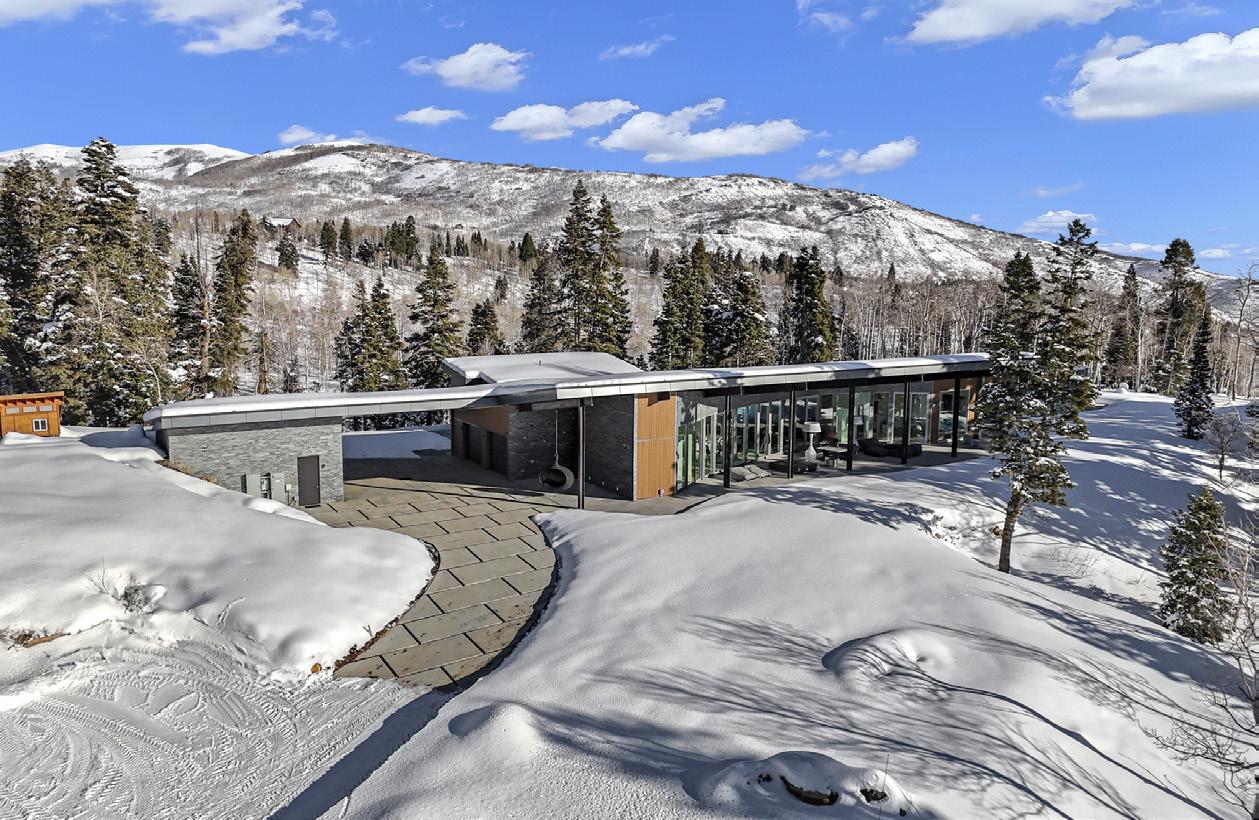
Indulge in the perfect fusion of self-sufficiency and luxury in a masterfully crafted mountain estate. Floorto-ceiling windows capture sweeping views, while a sauna, indoor pool, and heated outdoor spaces invite year-round enjoyment. Capable of full off-grid living with a private well, ample fuel storage, whole-home generator, secure underground bunker, and solar-ready infrastructure, it remains just a short drive from world-class skiing, dining, and cultural attractions—offering a rare lifestyle of both privacy and connection.
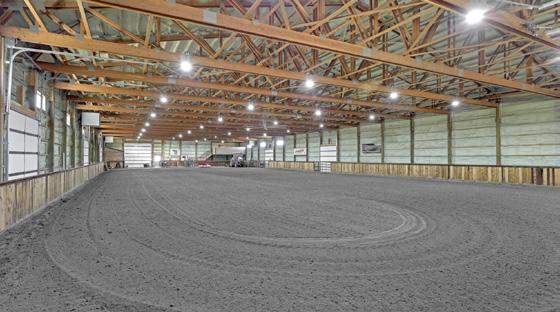
BT EQUESTRIAN RANCH
33± acres | $3,699,000 Perry, UT
Luxury meets function with a stunning home, indoor arena, shop with apartment, irrigated pastures, and panoramic views. Ride year-round, care for horses with ease, and enjoy direct access to trails—all with quick I-15 access and proximity to Brigham City.
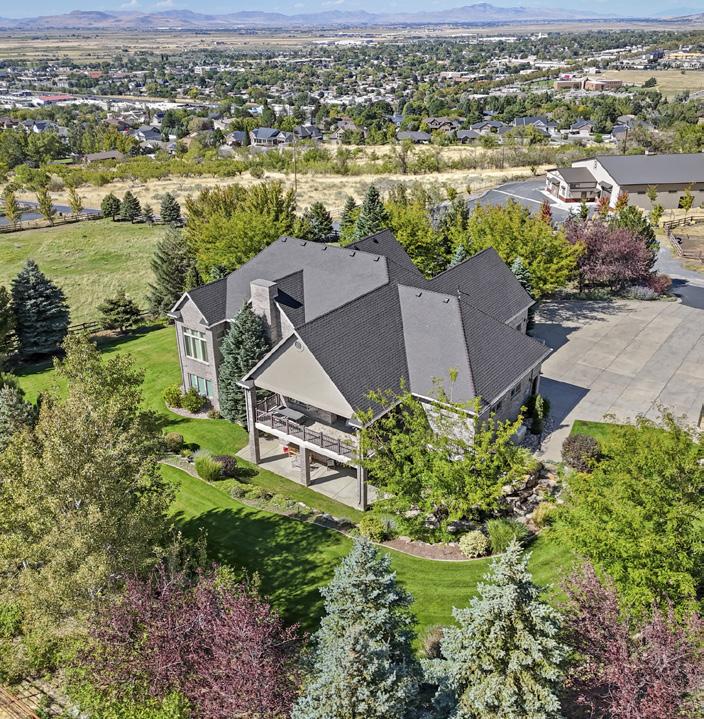
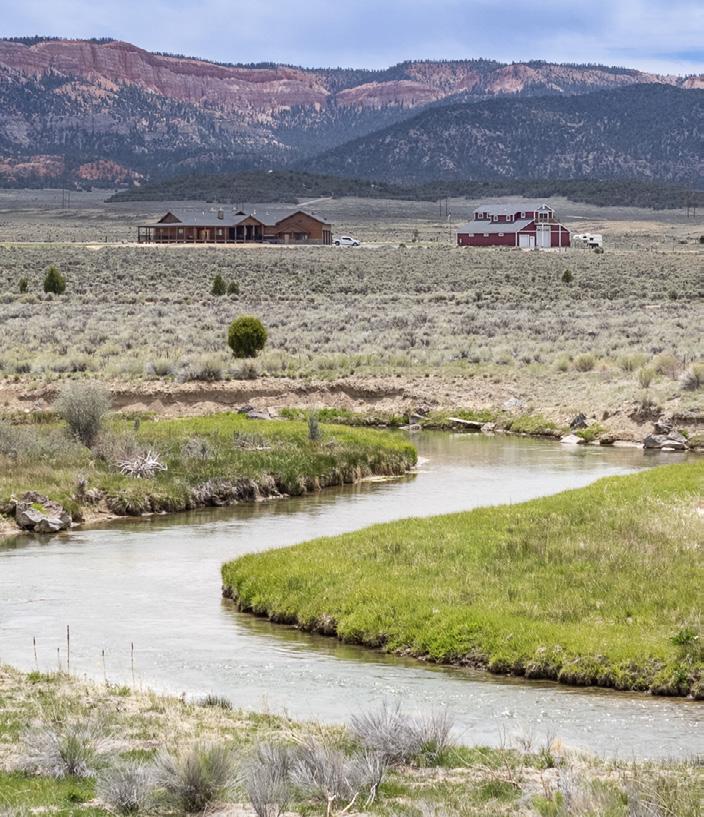
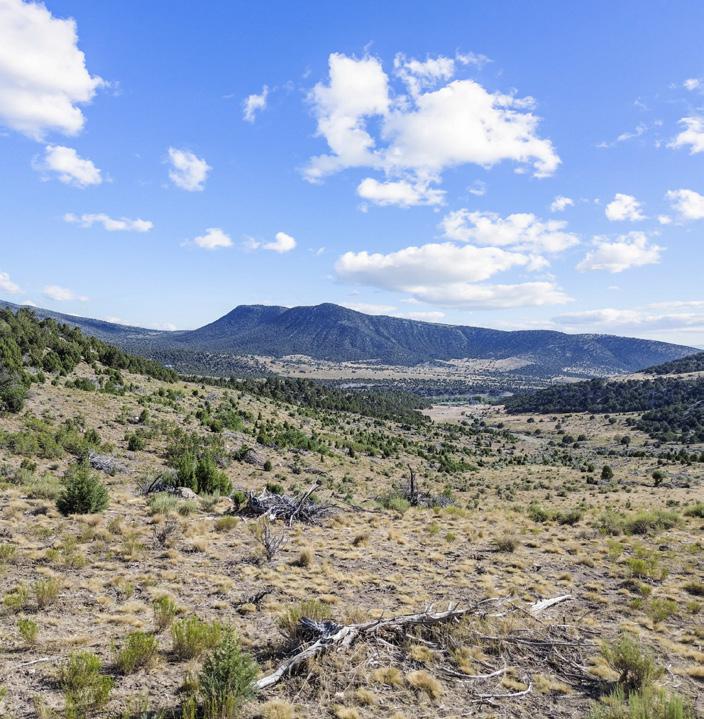
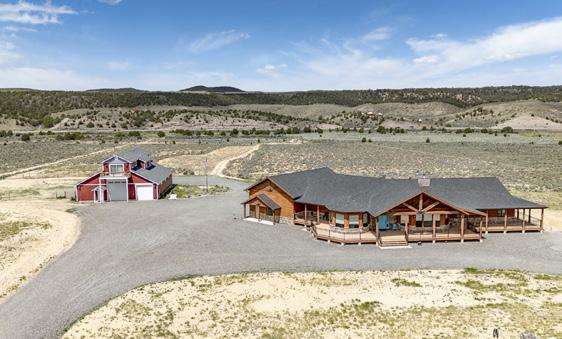
RED CLIFFS RETREAT
24± acres | $1,690,000 Panguitch, UT
The custom home and guest quarters sit above a fishable river with stunning red rock views. Luxury finishes, an equestrian barn, and wraparound decks pair with direct access to trails, wildlife, and nearby national parks to create the ultimate recreational escape.
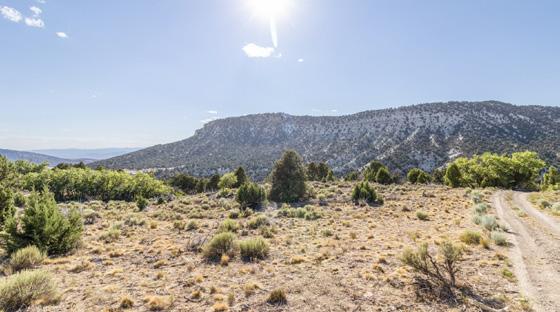
RIDGE & HOLLOW RANCH
875± acres | $1,390,000 Mayfield, UT
Running approximately 218 head during the spring-to-fall season on private land, state lease, and forest service permit, this ranch offers dependable grazing, striking scenery, and diverse recreation right out the gate.
PLAZA BLANCA RANCH
Abiquiú, NM
$17,400,000
7,451± acres
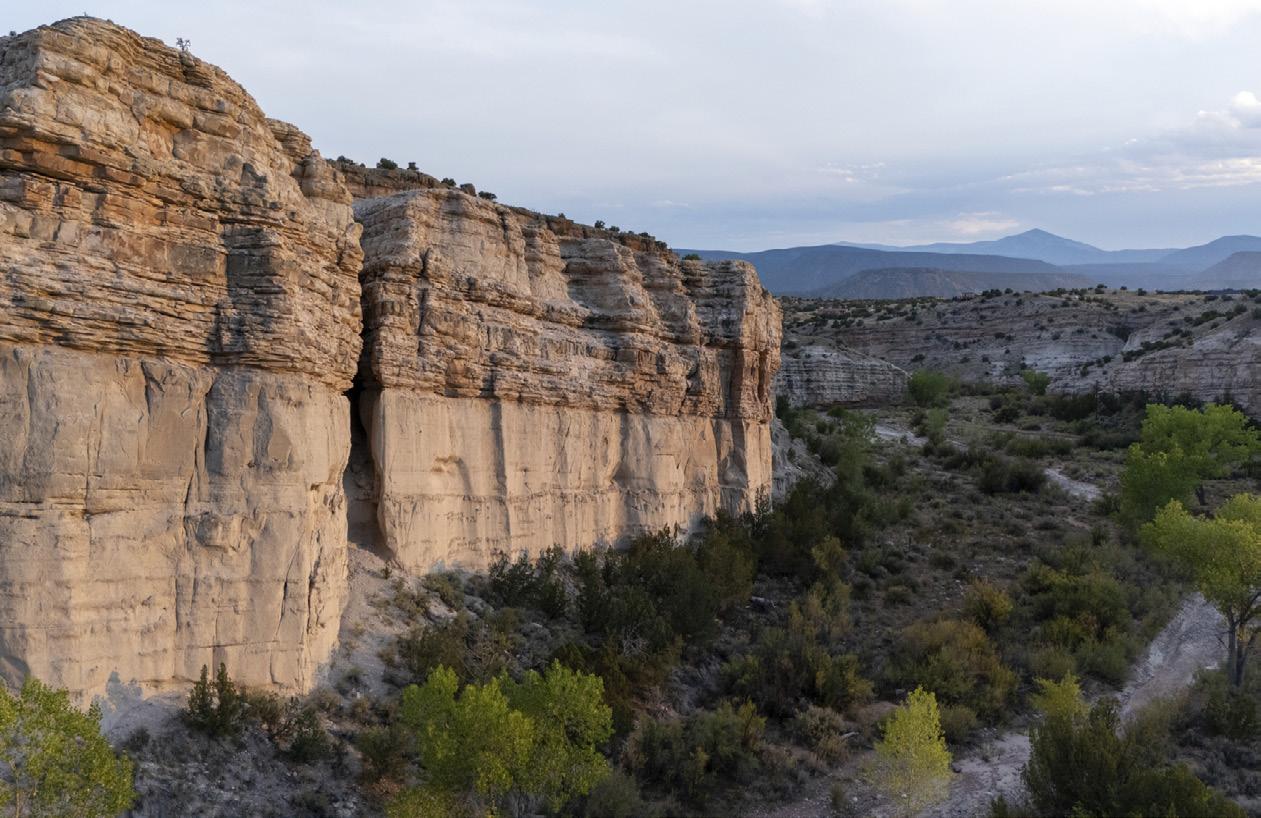
Shirley MacLaine’s Plaza Blanca Ranch spans 7,450± acres of dramatic terrain, with privacy and natural beauty, envisioned as a private retreat of peace, spirituality, and creative inspiration. At its heart stands a 9,000+ SF adobe-style residence, designed for comfort and character, complemented by a caretaker’s cottage, horse barn, greenhouse, and two ponds that enrich the landscape. A rare underground kiva-inspired apartment adds a unique dimension to the property. The surrounding white-limestone cliffs, famously immortalized by Georgia O’Keeffe, bring artistic legacy and spiritual resonance.
RANCHO DE ABIQUIÚ
204± acres | $6,970,000
Abiquiú, NM
Spanning 204± acres along 4,250± feet of the Chama River, this estate features a meticulously restored 13,000± SF Spanish colonial hacienda from the 1800s, a resident elk herd, and lush hay fields. 499± acre-feet of senior water rights provide ample irrigation for crops. This property blends old-world charm with modern luxury.
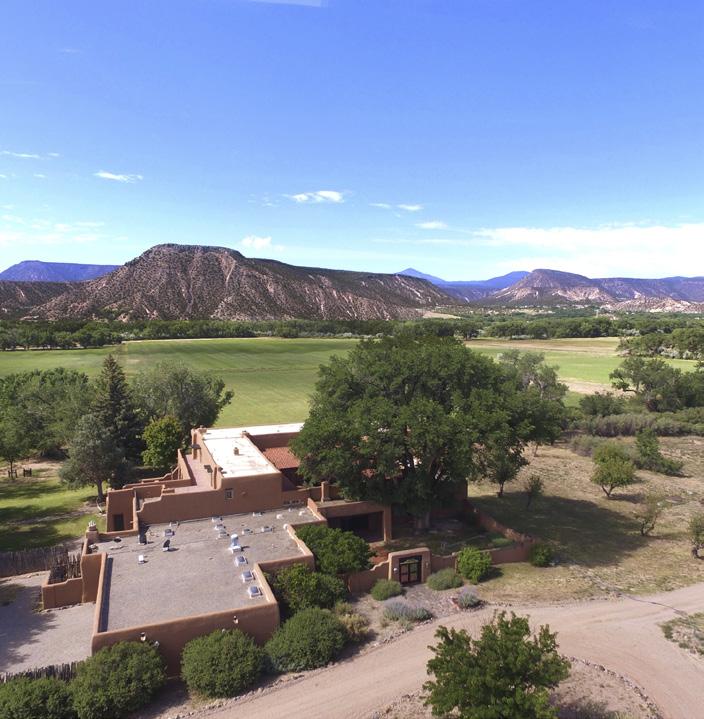
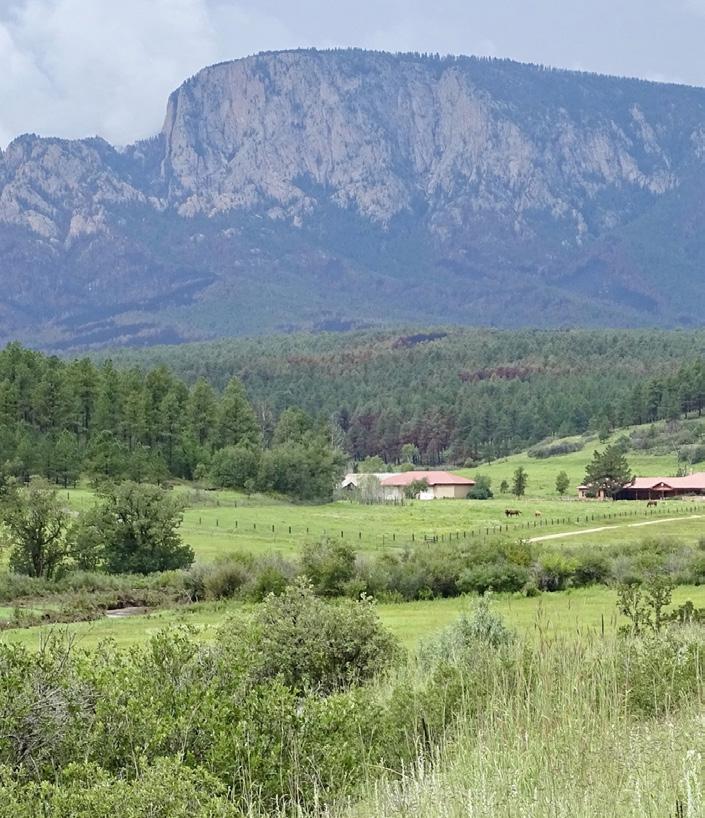
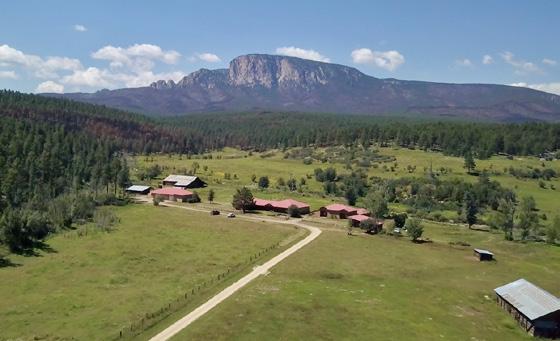
RANCHO SAN IGNACIO
2,038± acres | $5,850,000
Sapello, NM
The classic Northern New Mexico ranch is set against the dramatic backdrop of the iconic Hermit’s Peak. The Sapello River meanders for 1.7± miles through the ranch. The spectacular property combines a rich history, irrigated meadows, ponderosa pine forests, brown trout, abundant wildlife, and unlimited landowner elk tags.
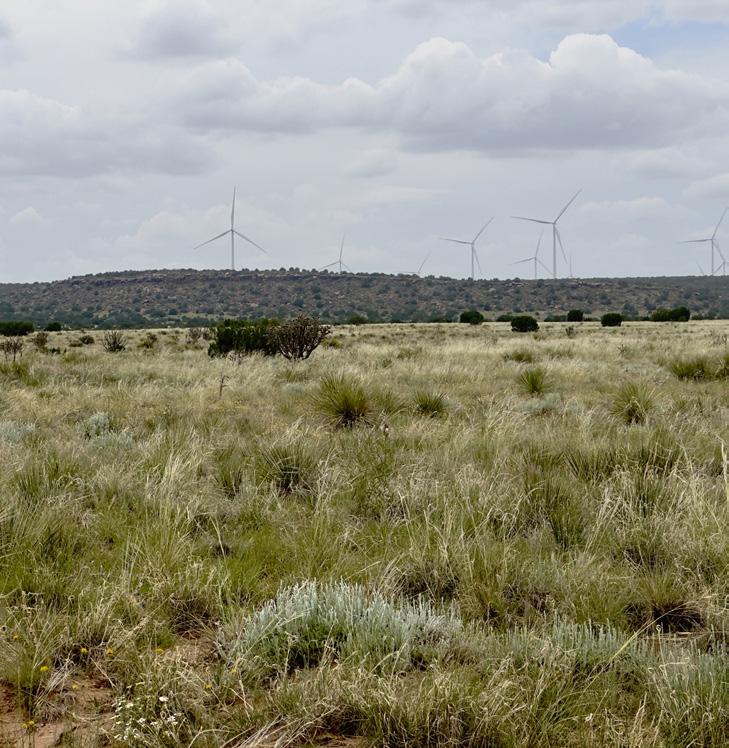
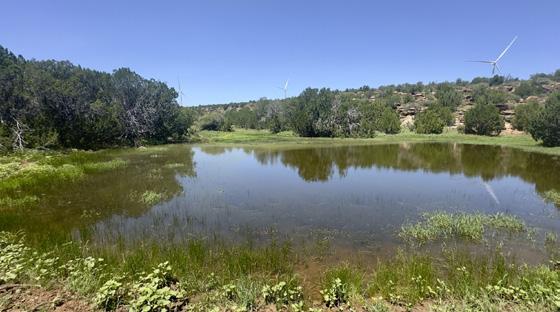
MARTINEZ PINTADA RANCH
8,976± acres | $5,450,000
Pastura, NM
In the shadow of Argonne Mesa, this historic family-owned cattle ranch offers excellent rangeland, three solar wells with extensive water infrastructure, and functional livestock facilities. Four wind turbines generate steady income, while pronghorn, mule deer, and wide-open vistas enhance its appeal as a working and recreational property.
PITCHFORK RANCH
5,160± acres | $4,900,000 Silver City, NM
With nine miles of the rare Burro Ciénaga, this ranch showcases a restored wetland that sustains diverse wildlife and at-risk species. Protected by a conservation easement, it blends rugged beauty, rich biodiversity, and a legacy of habitat restoration in a striking desert and mountain setting.
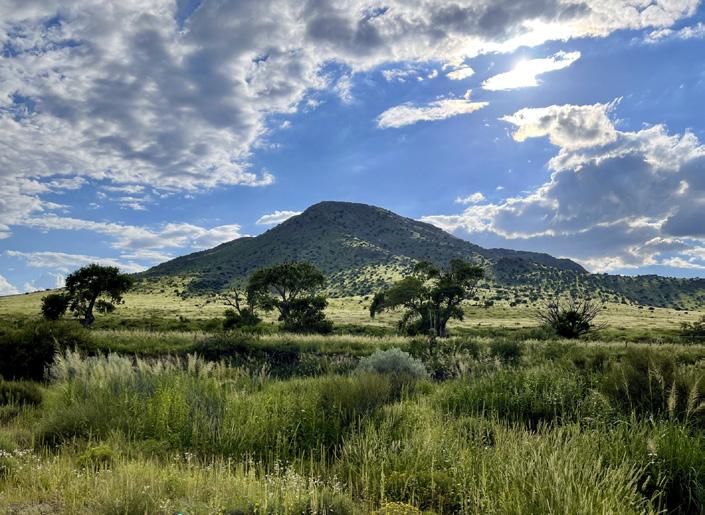
SAN GABRIEL DEL RITO
200± acres | $2,000,000 El Rito, NM
200± acres in northern NM with 1.5± miles of El Rito Creek, native trout, and abundant elk and deer. Includes a 1920s log lodge, 3 cabins, and a barn- ready for renovation. Surrounded by National Forest, near Abiquiu—ideal for a retreat, adventure camp, or sporting ranch.
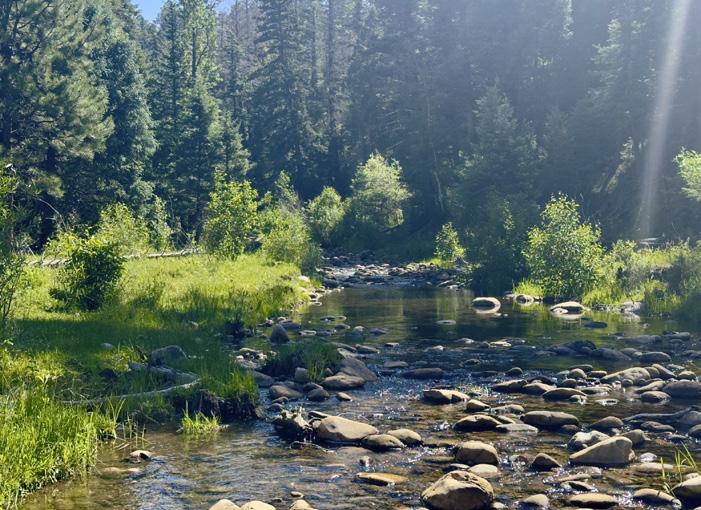
TAOS GARDEN ADOBE
1± acre | $1,679,000 Ranchos de Taos, NM
Historic adobe residence features two guesthouses, a studio, nine fireplaces, original hardwood floors, and copper countertops. Beautifully landscaped with Acequia water rights, it offers private outdoor spaces, comes furnished, and is minutes from Taos Plaza and landmarks.
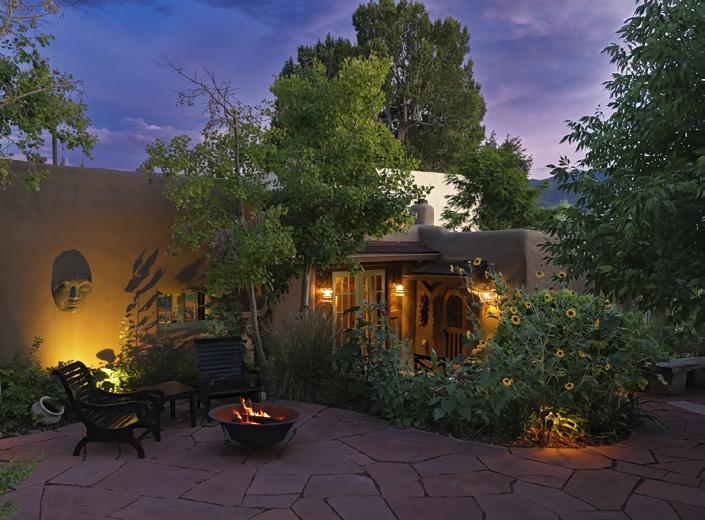

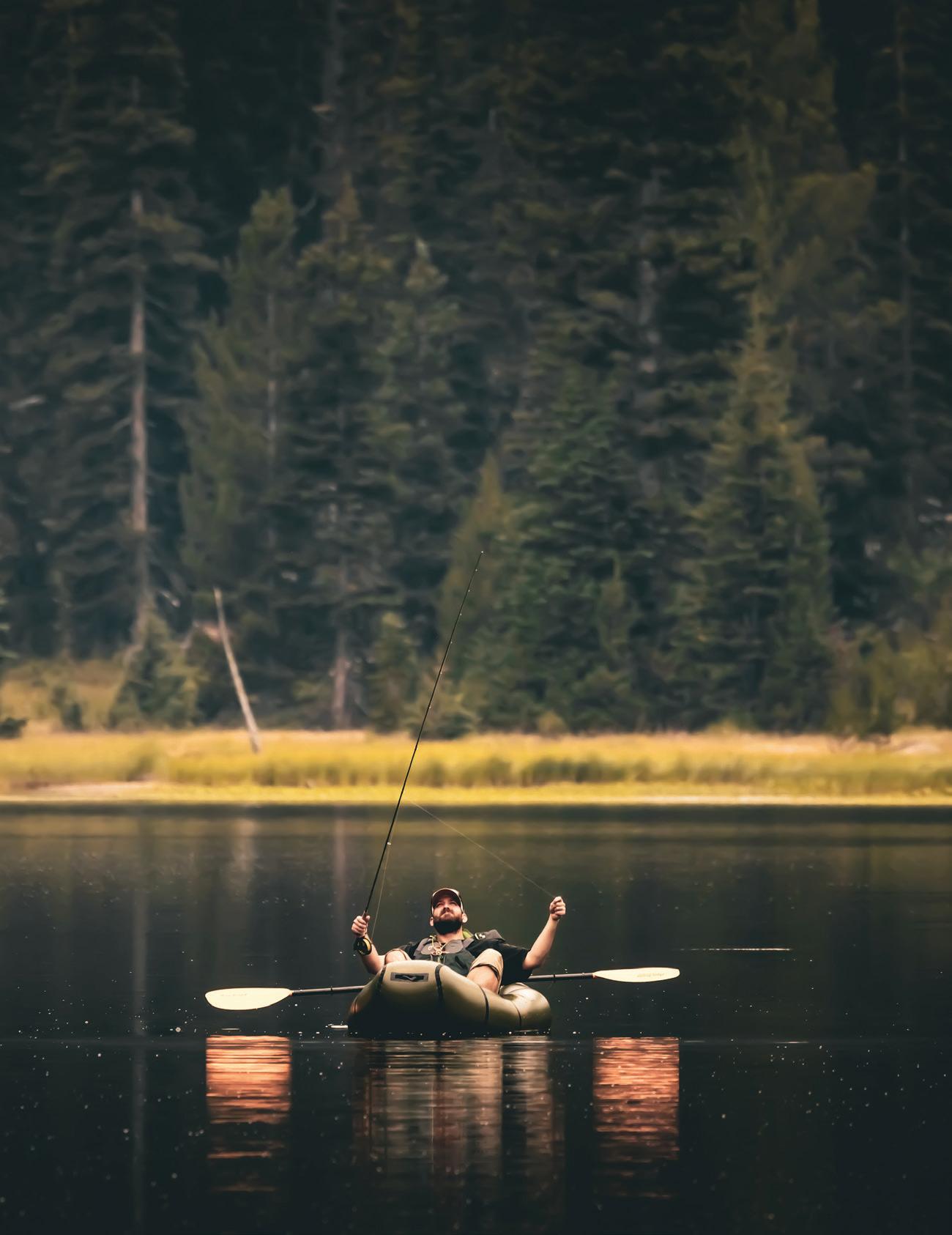
Warriors & Quiet Waters’ Built for More program isn’t a retreat. It’s a nine-month, evidencebased journey that helps post-9/11 combat veterans rediscover purpose, rebuild trust, and reclaim their sense of mission. We take them into wild places, challenge them to grow—and they come out stronger. It’s not therapy. It’s transformation.

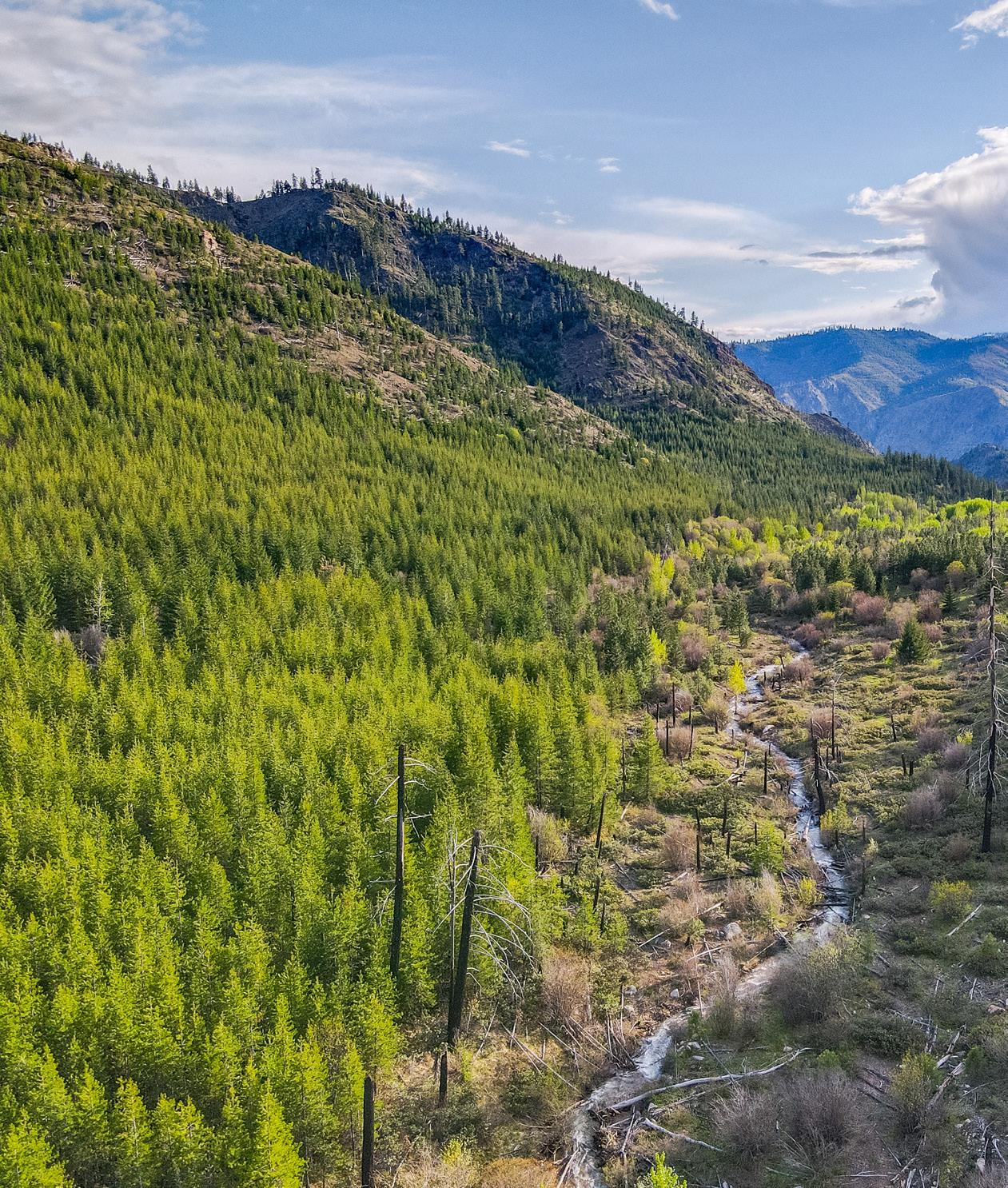
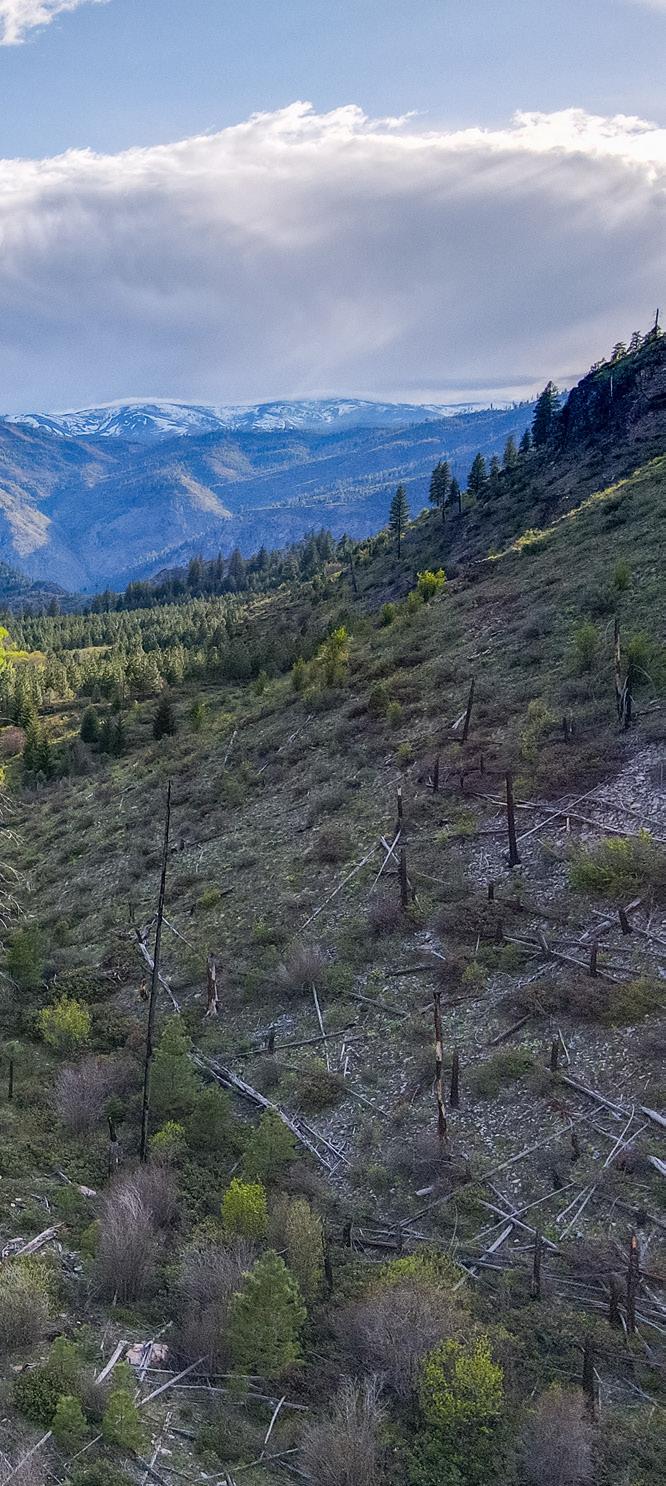
PACIFIC NORTHWEST
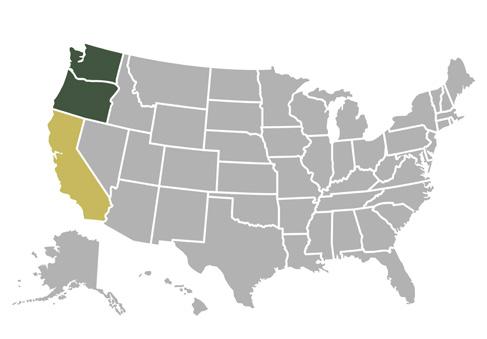
OFFICE LOCATIONS
PRINEVILLE, OREGON
REDMOND, OREGON
OLYMPIA, WASHINGTON
Contact us to meet with a member of our team at one of our brick-and-mortar locations.
SILVER SPRINGS CATTLE RANCH
Tenino, WA
$49,995,000 1,058± acres
A diverse cattle ranch blends productive cattle operations with valuable ecological assets, including wetlands, upland forests, and native prairies. The property supports sustainable livestock grazing alongside long-term NNN leases, such as commercial composting and a solar farm. Significant sand and gravel resources offer 248± million metric tons of in-situ material, with rail and port access. Mitigation credit opportunities add conservation value, making this a unique blend of ranching, resource development, and income-generating potential.
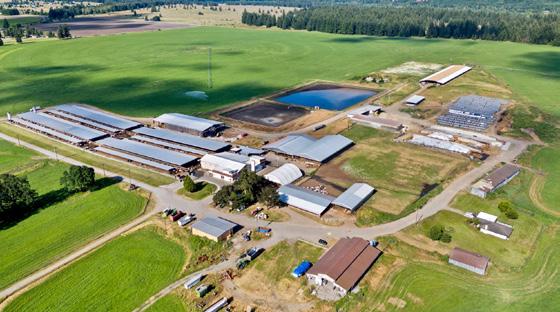
BLACK RIVER FARM
512± acres | $15,000,000 Olympia, WA
Washington’s South Sound offers this turnkey farm with fertile soils, irrigated pastures, and a favorable climate ideal for livestock and feed. It includes established herds, modern equipment, and a transferable quota for immediate operation. Year-round production is supported by quality infrastructure, water access, and versatile acreage. This farm offers a rare combination of operational readiness, investment stability, and long-term land security in a productive, income-generating setting.
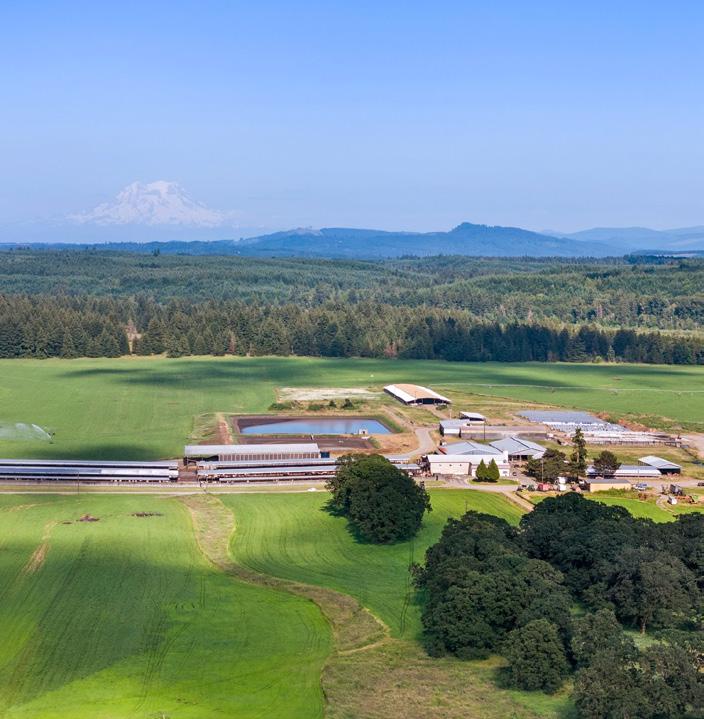
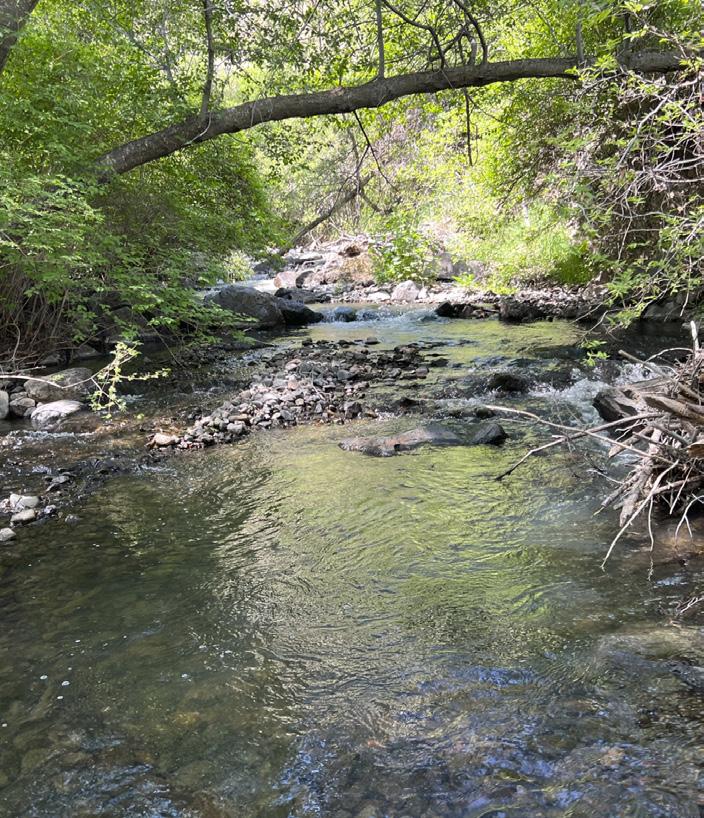
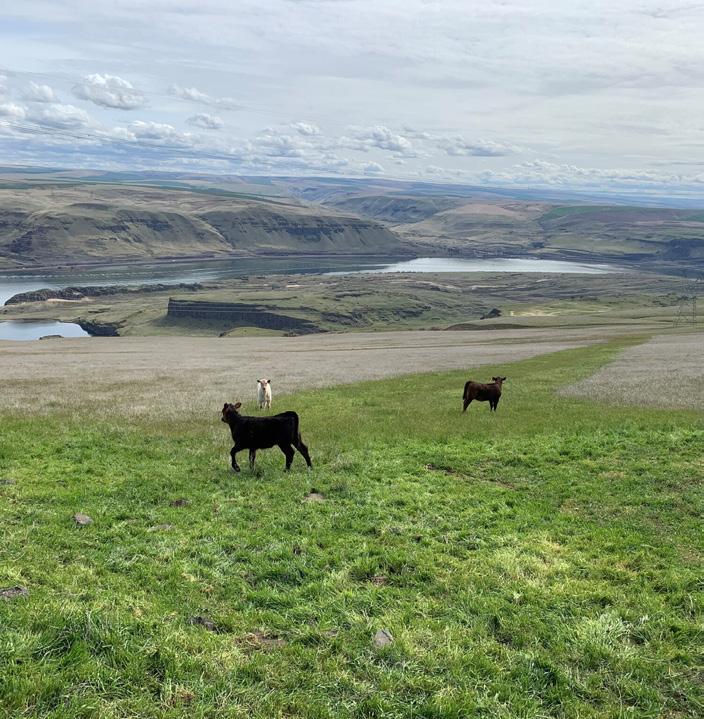
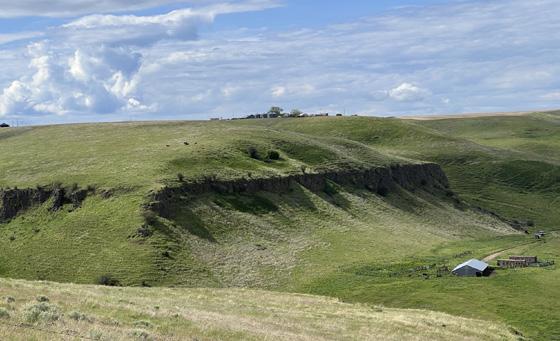
10 MILE CREEK RANCH
4,889± acres | $6,000,000
Asotin, WA
Just three miles from the Snake River, this ranch offers productive wheat and canola ground, fenced pasture, and a five-bedroom home with multiple outbuildings. A creek and springs enhance the property, while surrounding Asotin County provides abundant recreation from big game hunting to water sports in nearby Hells Canyon.
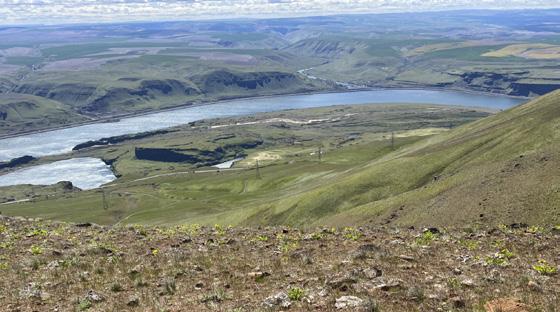
COLUMBIA GORGE CATTLE RANCH
3,029± acres | $5,500,000
Goldendale, WA
Overlooking the Columbia River and Deschutes River mouth, this historic ranch features diverse elevations, abundant springs and ponds, and capacity for 250–275 AUMs. A 1911 stone farmhouse blends period charm with modern updates, complemented by a guest bunkhouse, extensive new fencing, and well-equipped livestock facilities.
LAKE CHELAN RETREAT
11± acres | $5,500,000 Manson, WA
Blending luxury accommodations and business ventures, this Lake Chelan venue features an elegant event hall, nine guest cottages, and an inn with three suites. Amenities include a multi-use barn with retail space, the Hayloft Suite, eight tennis courts, two pickleball courts, and plans for an indoor facility, all in a premier resort setting.
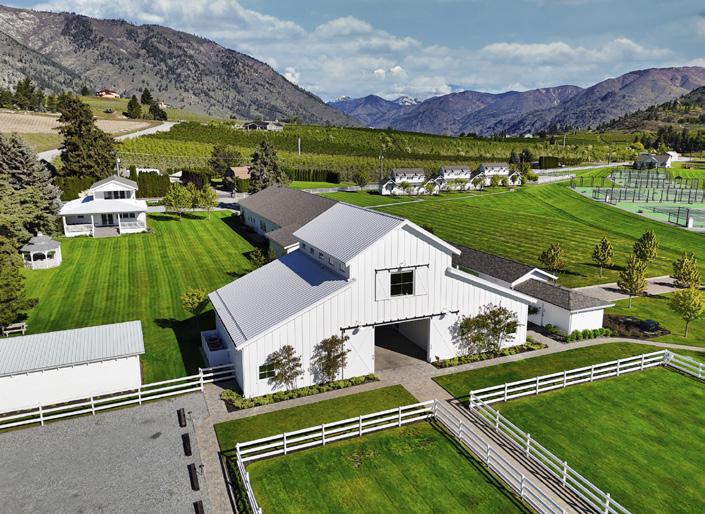
SUNRISE RANCH
2,643± acres | $4,950,000 Anatone, WA
The Grande Ronde River offers a turnkey retreat with furnished residences, a bunkhouse, a fitness building, and a wine cellar. Enjoy world-class fishing, prime hunting, and year-round recreation. It features generator-backed water storage and fire suppression landscaping.
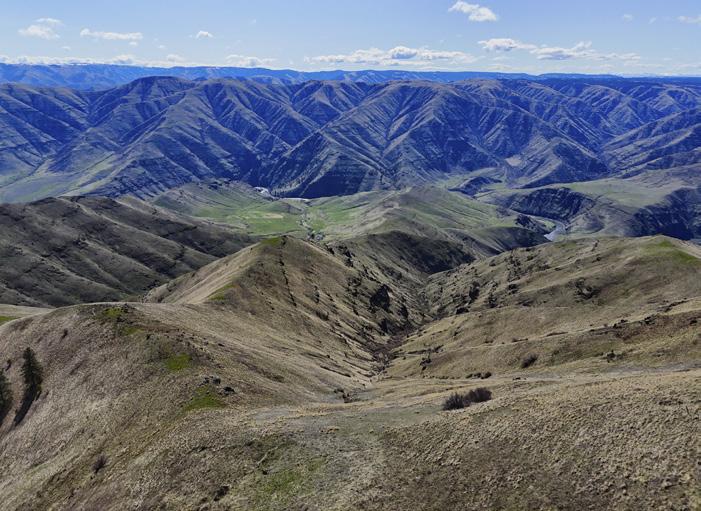
TWIN WILLOWS EVENT CENTER
60± acres | $3,950,000 Deer Park, WA
Premier multi-use event and equestrian facility features a 29,000± SF indoor arena, outdoor arena, feeder barn with 30 stalls, and new hay barn. The ranch home, large shop, high-speed internet, strong water supply, and year-round income-generating potential complement the facility.
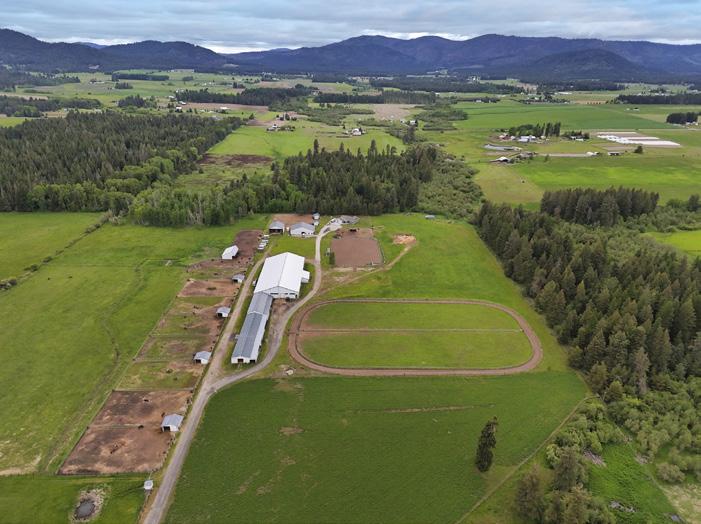
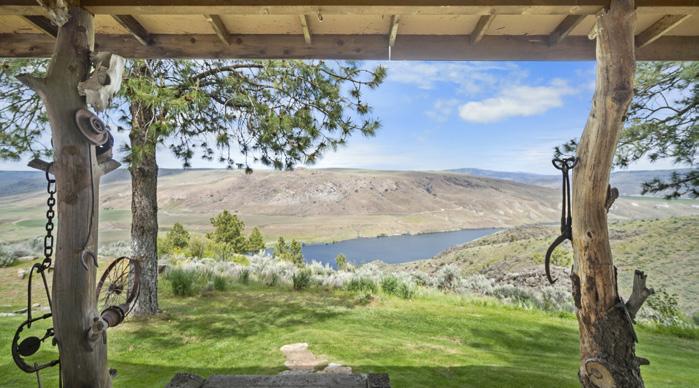
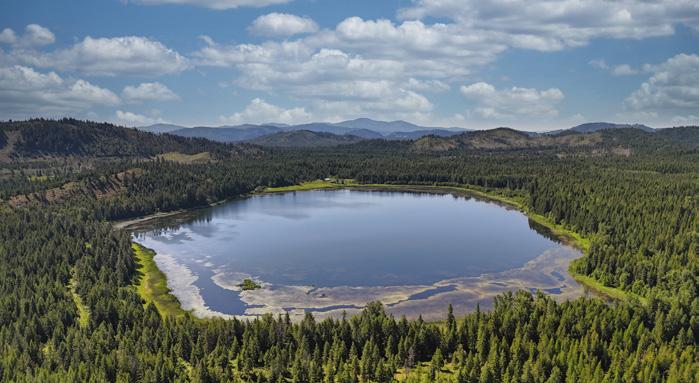
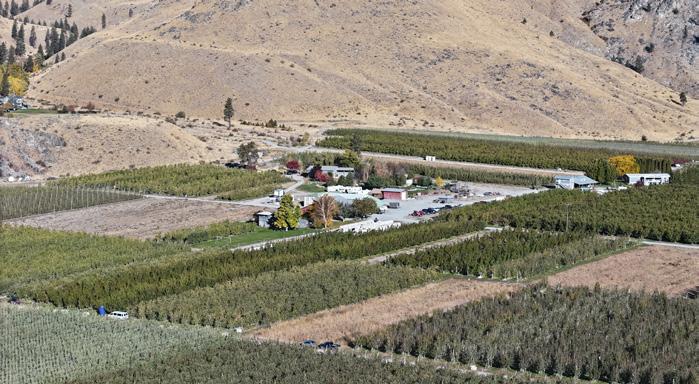
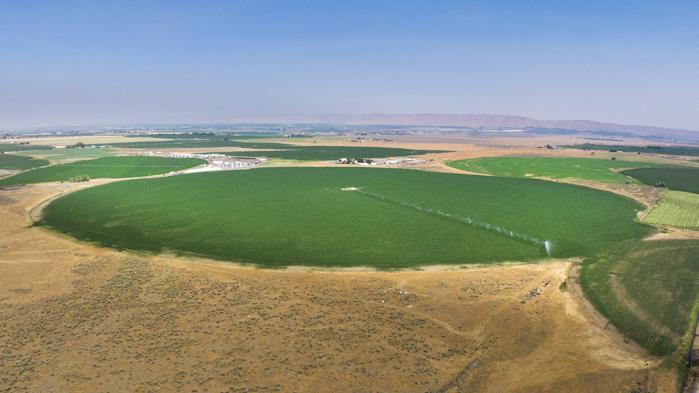
WHISKEY RIDGE ON THE COLUMBIA
512± acres | $3,300,000
Bridgeport, WA
This private riverfront retreat offers 1.9± miles of Columbia River frontage, sandy beaches, docks, and a launch. It includes four cabins with full utilities, world-class fishing and hunting, gated access, maintenance equipment, and sweeping mountain and lake views.
MOUNTAIN MEADOWS LAKE
411± acres | $3,250,000 Newport, WA
The 178± acre lake with bass, crappie, and trout is the centerpiece of this private retreat. Abundant wildlife, including elk, moose, and deer, the conservation potential, and the two buildings (including a cedar home ready to renovate) make this an ideal investment property.
CHELAN ORGANIC ORCHARD
76± acres | $2,950,000 Chelan, WA
Incredible orchard near Lake Chelan with apples, cherries, pears, and stone fruits. Featuring modern sorting equipment, three large cold storage rooms, multiple shops/outbuildings, and several living units. Prime location with excellent access— ideal for agri-business or estate.
ROAD D PIVOT
160± acres | $1,850,000 Ephrata, WA
Agricultural property offers modern efficiency and a prime location. A 2017 Zimmatic pivot, a private well producing 1,050 GPM, and a DOE water permit provide abundant water for irrigation. It is proven for corn and alfalfa, and a recent survey ensures clear boundaries.
PAULSON MOUNTAIN VIEW
ESTATE
29± acres | $1,800,000 Rochester, WA
With diverse possibilities as a private estate, event venue, or income-generating retreat, this listing is surrounded by natural beauty and outdoor recreation, with access to trails, rivers, and ski resorts. Proximity to parks, coastal towns, and cultural hubs enhances guest appeal.
NASTY CREEK II
612± acres | $1,600,000 Yakima, WA
Creeks, timbered hills, and open rangeland offer fishing for salmon, steelhead, and trout, as well as hunting for deer and elk. Divided into eight parcels with development potential, this recreational land borders state land in the Cowiche Game Unit for prime outdoor adventure.
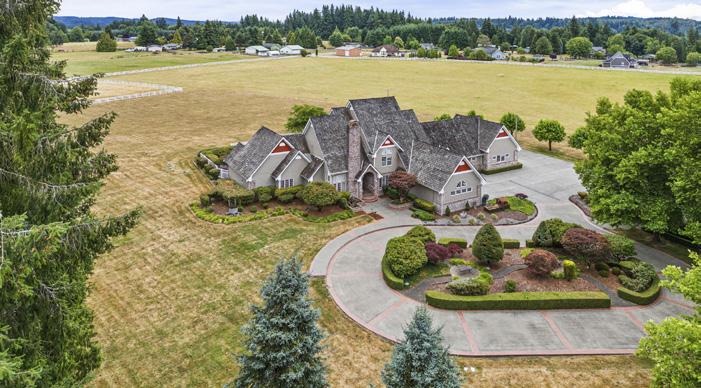
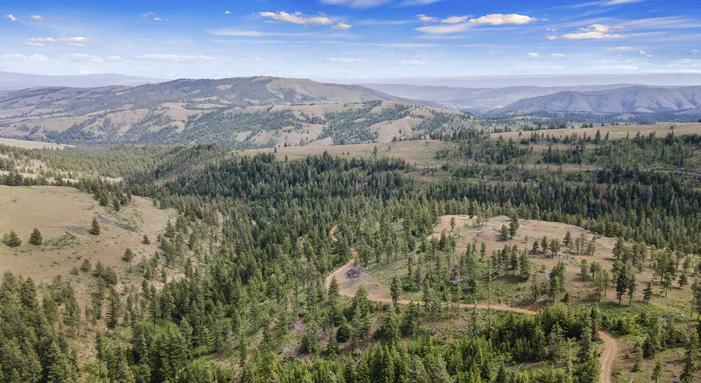
HANSEN RIDGE RANCH
997± acres | $1,595,000 Anatone, WA
Sweeping views of the Grande Ronde River Corridor frame this ranch’s timbered grassland, rolling pastures, and yearround creeks. Bordering Chief Joseph Wildlife Area, it offers exceptional hunting and fishing while serving as a turnkey cattle operation with rich history and modern convenience.
COASTAL MESA RETREAT
138± acres | $1,455,000 Copalis Beach, WA
Steps from the Pacific Ocean, this coastal property offers access to sandy beaches and dunes. Enjoy fishing, crabbing, and year-round recreation alongside a vibrant community with festivals, markets, ocean views, and timbered hills— perfect for a retreat or full-time coastal living.
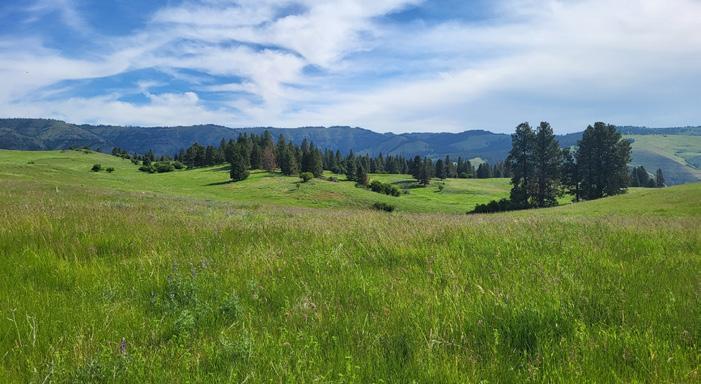
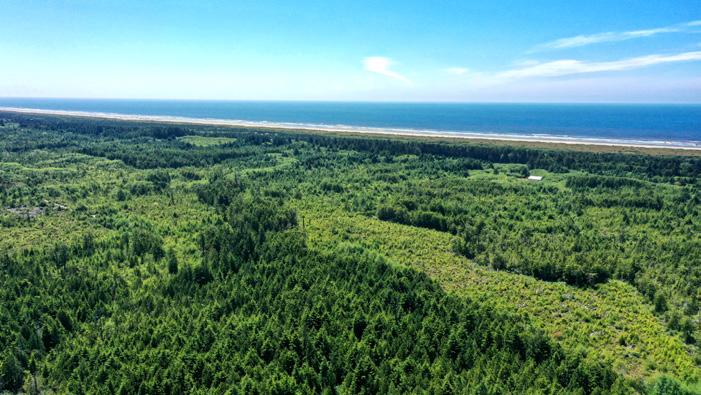
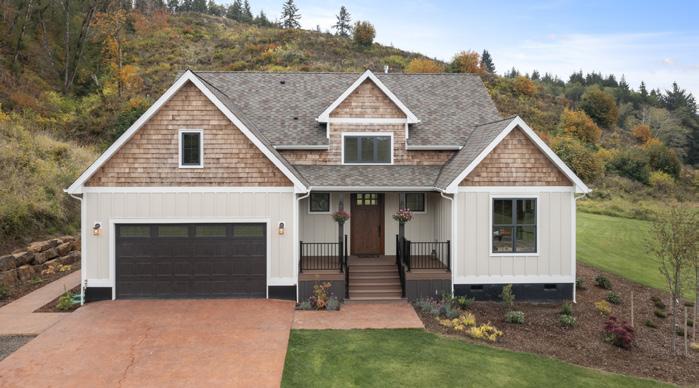
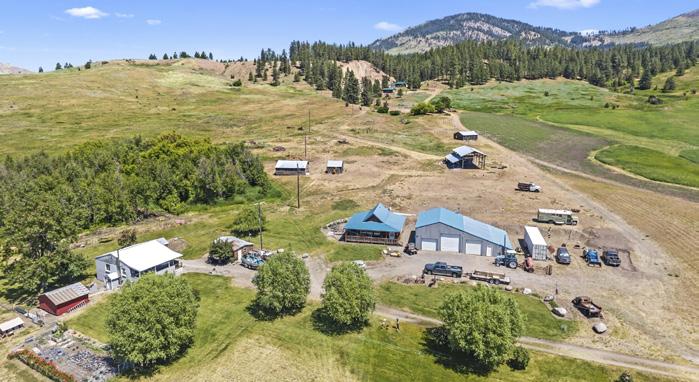
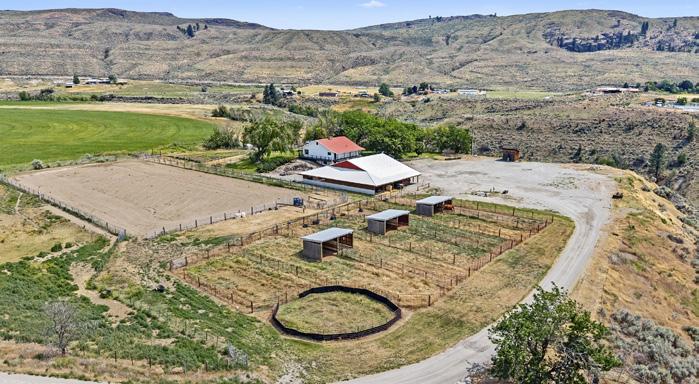
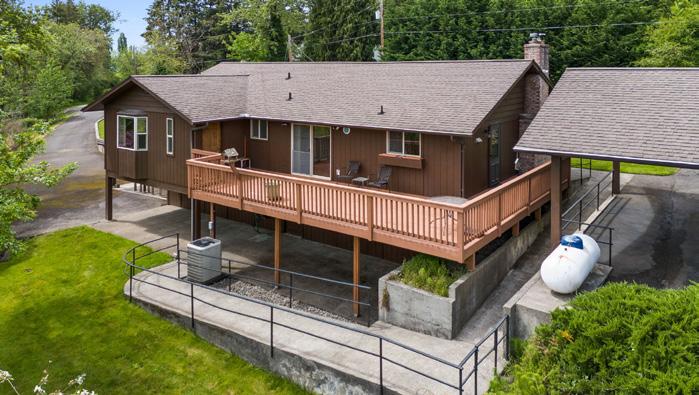
SHOALWATER BAY RETREAT
34± acres | $1,369,000 Raymond, WA
World-class fishing for salmon, steelhead, and shellfish, along with on-site hunting for elk, deer, and birds, defines this coastal retreat. Features include floor-to-ceiling views of wildlife and 6,000 newly planted Douglas firs, blending recreation, scenery, and long-term investment potential.
FRUITLAND VALLEY DEER HAVEN
163± acres | $ 1,199,000 Fruitland, WA
With views of Fruitland Valley and Lake Roosevelt, this ranch features two homes, a large insulated shop, historic barns, and year-round springs. Tillable ground, a private pond, abundant wildlife, a gravel pit with utilities, and scenic build sites offer endless possibilities.
HORSE MOUNTAIN RANCH
152± acres | $995,000 Tonasket, WA
Panoramic valley views enhance this turnkey ranch. It offers an updated four-bedroom home, productive irrigated hay fields, extensive horse facilities including an arena, turnouts, and round pen, plus large shop, hay barn, and well-planned pastures for efficient livestock management.
DILLENBAUGH CREEK FARM
10± acres | $750,000 Chehalis, WA
Ideal for a hobby farm, retreat, or full-time country living, this ranch-style home offers four bedrooms, a spacious deck, and a wood-burning fireplace. Creek frontage, open pastures, and versatile outbuildings complete the farm.
OREGON
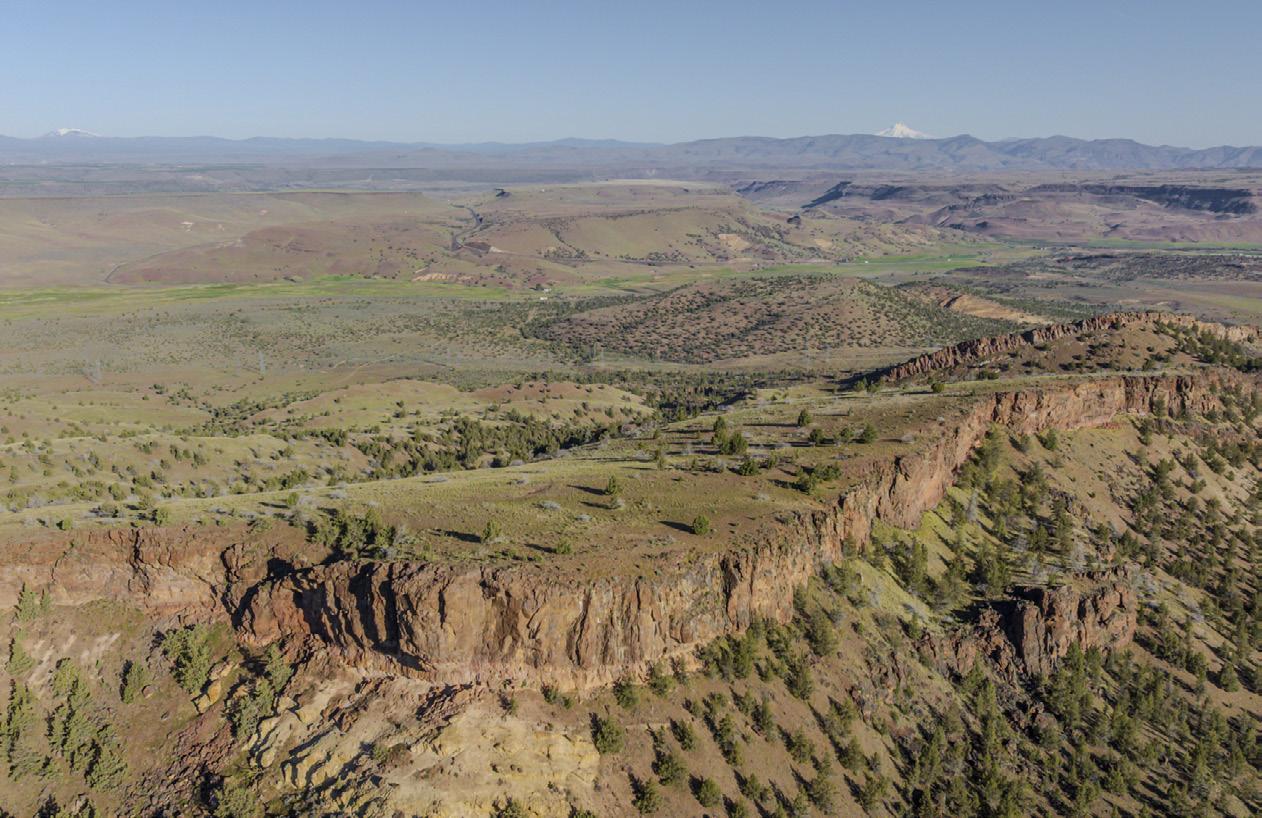

CROSS KEYS RANCH
Madras, OR
$54,580,000
51,087± acres
Historic ranch spans over 66,000 acres, including BLM permits, combining fertile valley meadows, irrigated hay ground, and vast grazing lands rated for up to 1,500 mother cows. Dramatic landscapes include snow-capped mountains, river canyons, rolling hills, and deep ravines. Amenities feature an elegant owner’s home, multiple residences, hunting cabins, a historic dance hall, and a rodeo arena. Recreational opportunities abound with trophy big game, upland birds, fishing, and a private 20± acre lake, offering unparalleled ranching and outdoor lifestyle.
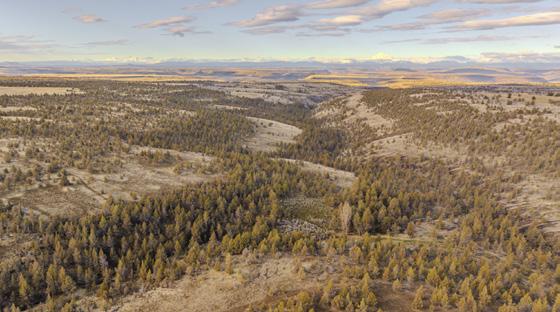
CRITERION RANCH
33,219± acres | $29,900,000 Madras, OR
With a six-bedroom owner’s home, additional residences, hunting cabins, barns, and event facilities, this property combines strong operations with premier recreation. This Central Oregon cattle and hunting ranch has prime pasture, abundant water, and capacity for 1,200–1,500 cows plus 669± irrigated acres for hay. Bordered by the Deschutes River, Deep Creek, and Trout Creek, it offers trophy elk, mule deer, antelope, Aoudad sheep, upland birds, waterfowl, and fishing for bass, trout, and steelhead.
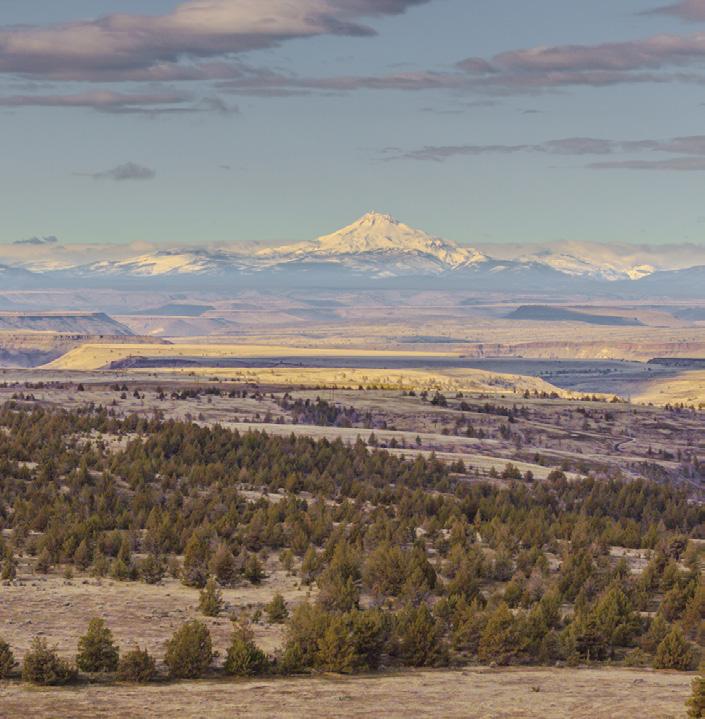
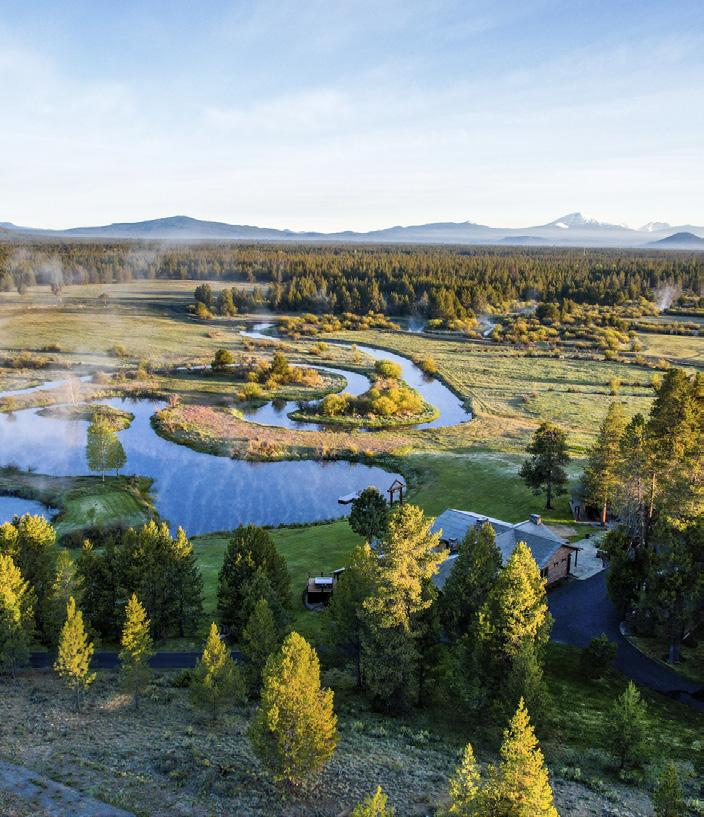
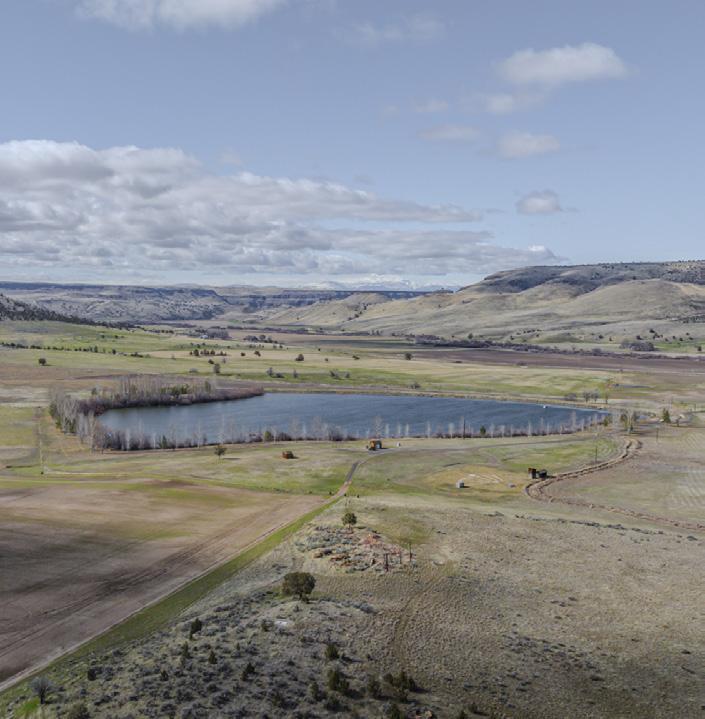
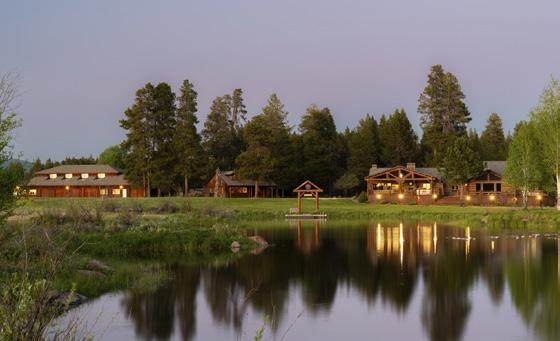
K BAR J RANCH
1,499± acres | $25,600,000 La Pine, OR
Conveniently located near the area’s amenditie, this ranch offers privacy and views of the Cascade Mountains and Paulina Peak. 2.7± miles of the willow-lined Little Deschutes River winds for 11± miles through the ranch. The main home overlooks the dock and “Otter Pond.” Three additional residences and equestrian facilities, including a horse barn, paddocks, an indoor arena, and multiple barns, shops, and storage buildings, support your activities. Abundant wildlife includes mule deer, waterfowl, and a resident elk herd.
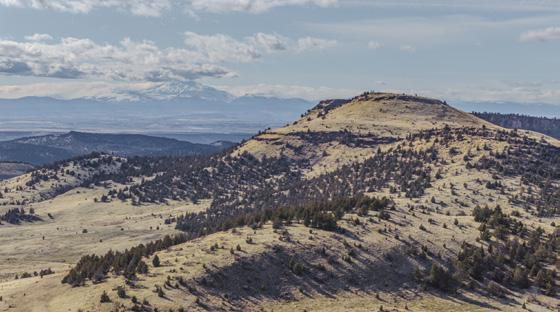
WILLOWDALE RANCH
13,324± acres | $14,780,000 Madras, OR
Panoramic Cascade Mountain views, 564± acres of irrigation rights, supplemental wells, and a 20± acre private lake stocked with trophy bass, this cattle and hay ranch has it all. Recreation abounds with premier hunting for elk, deer, antelope, Aoudad sheep, turkey, upland birds, and waterfowl, with 6 LOP tags each for elk and deer. With 4 homes, 4 remote cabins, rodeo grounds, and a trap/ skeet range, this ranch combines agricultural productivity, abundant recreation, and a Western lifestyle in a legacyscale property.
NICKEL MOUNTAIN RANCH
1,247± acres | $12,495,000 Riddle, OR
A ranch with 1,020± acres of managed timber, 227± acres of meadows, and canyon lands with a scenic cabin site overlooking Cow Creek Basin. It blends natural beauty, recreation, and investment in one property. Located in the Melrose Hunting Unit, it offers trophy hunting for deer, elk, bear, turkey, and more, plus Cow Creek fishing for salmon, steelhead, bass, and trout. Also includes a rock quarry with significant reserves and income potential.
FESSLER HAY & CATTLE RANCH
4,544± acres | $10,700,000 Madras, OR
Boasting 1,204± acres of irrigation water rights, this ranch supports productive hay ground and cropland, plus 3,500± acres of rangeland for livestock and recreation. Improvements include seven residences, multiple barns and workshops, a feedlot, and well-designed corrals. With striking Cascade Mountain views, it offers strong agricultural potential and income.
WHITE RIVER RANCH
2,864± acres | $9,950,000 Wamic, OR
At the base of Mount Hood, this ranch combines scenic beauty with a proven organic cattle operation, supported by 871± acres of water rights, six pivots, and multiple irrigation systems. Featuring 16+ lakes and ponds, three miles of waterways, abundant wildlife, and four homes, it offers productivity and natural splendor.
BAR Y RANCH
6,399± acres | $8,500,000 Chiloquin, OR
Bordering National Forest and a National Wildlife Refuge, this high-elevation ranch with a river running through it features water rights, flood-irrigated and sub-irrigated pastures, a center pivot, and access to markets and recreation. Cattle facilities include working corals, scales, housing, a shop, a hay barn, and storage.
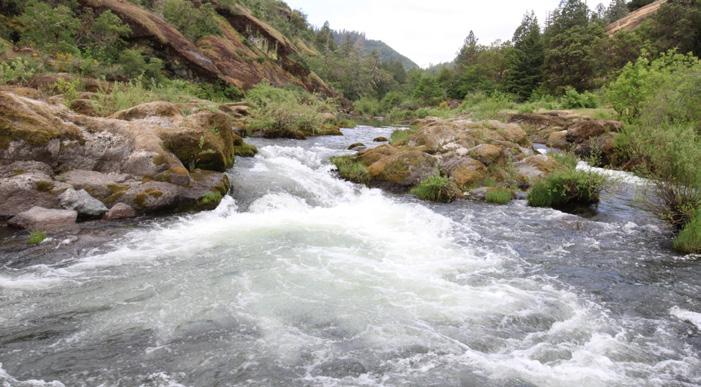
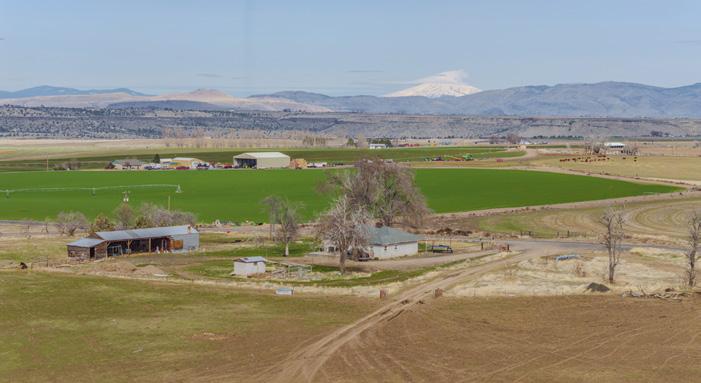
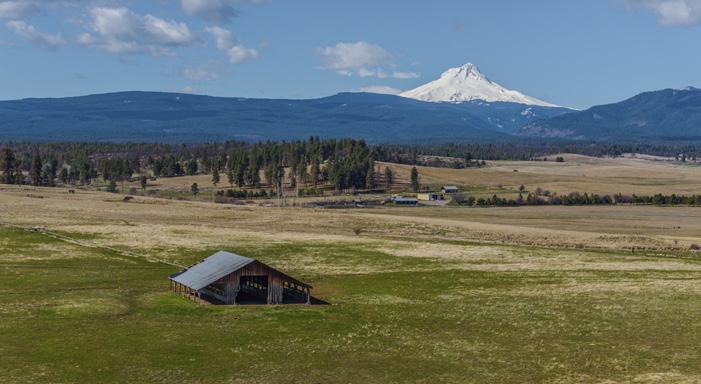
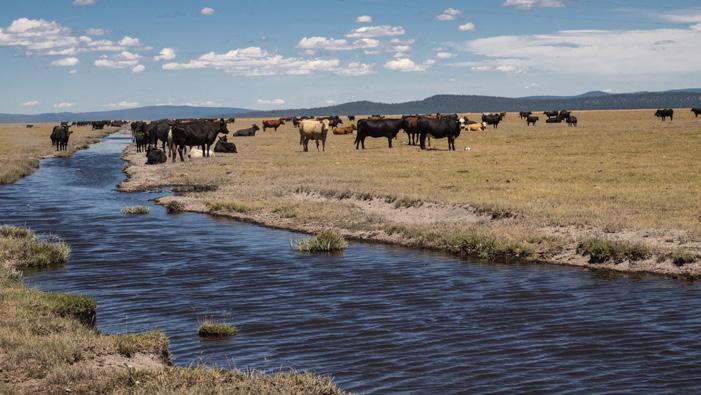
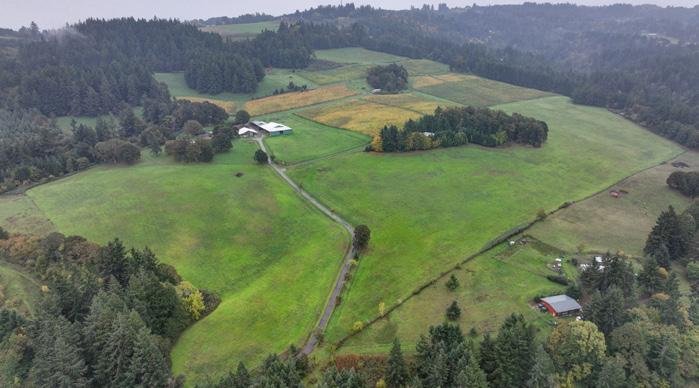
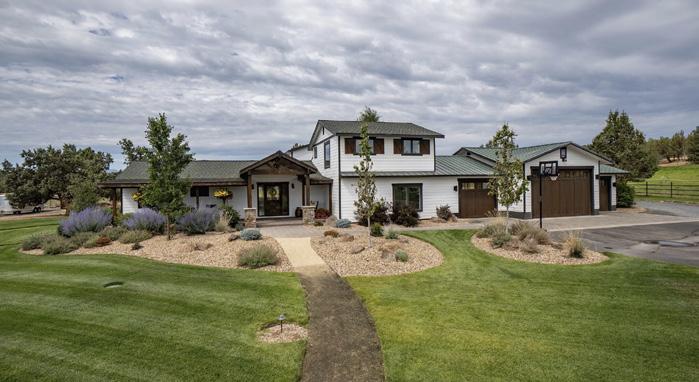
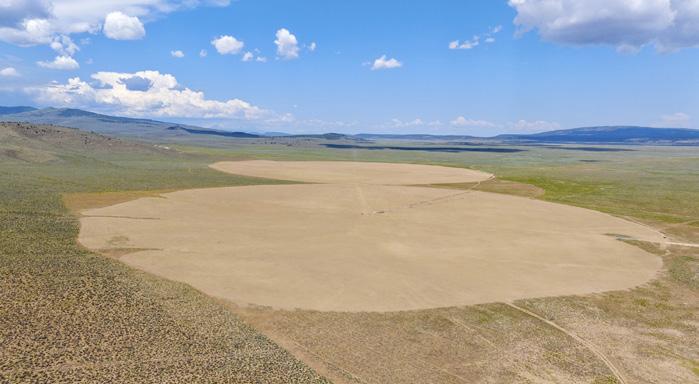
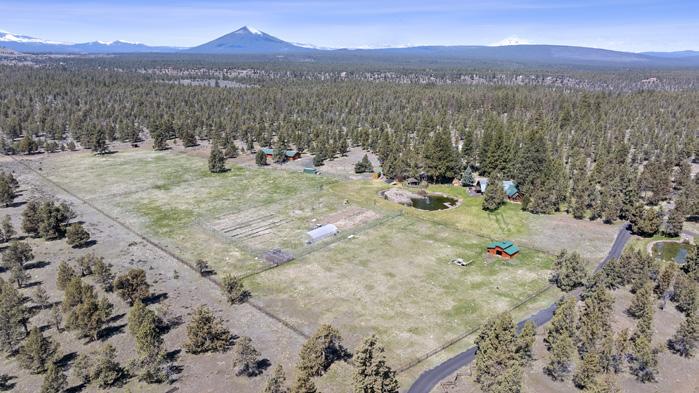
JUBILEE VINEYARD
140± acres | $5,975,000 Amity, OR
In Oregon’s Eola-Amity Hills AVA, this LIVE-certified vineyard features 35± acres of Pinot Noir, Chardonnay, Gamay, and Dolcetto, plus mature forests, ponds, and pastures with room for expansion. It includes full wine production facilities, a 5,140± SF craftsman home, a second residence, and a rustic cabin.
HORSEMAN’S DREAM OF CENTRAL OREGON
35± acres | $5,545,000 Bend, OR
Backing to BLM in prestigious Tumalo, this estate features premier equestrian facilities, including an indoor/outdoor arena, stalls, irrigated pastures, custom pipe fencing, a 3,000± SF five-bedroom home, and a newer built “hobby building” with room for guests. For horse lovers, it blends luxury living with top-tier amenities.
MOFFITT RANCH
7,284± acres | $5,500,000 Brothers, OR
East of Bend, this expansive cattle operation offers contiguous deeded grazing land with BLM and USFS permits, a feedlot, shop, two-bedroom ranch house, and new pivots irrigating 300± acres. With strong hay production, efficient infrastructure, and convenient highway access, it’s primed for a 500–600 head operation.
CASCADE EQUINE RETREAT
80± acres | $3,750,000 Sisters, OR
Luxurious log home offers five bedrooms, a remodeled primary suite, fitness room, and loft. Features a saltwater pool, outdoor kitchen, gazebo, sauna, horse barn, irrigation rights, ponds, and workshop. Set in a private location with mountain views and direct trail access.
CAMPBELL CROSSING RANCH
1,948± acres | $3,750,000 Kimberly, OR
Enjoy the extraordinary landscape of this scenic ranch located along 1.9± miles of the North Fork John Day River and 1.45± miles of Rudio Creek, with two homes. Raise hay and cattle on the irrigated fields, rangeland, and BLM lease. Enjoy the big game, upland gamebirds, waterfowl, & fishing.
RAZORBACK RIDGE
3,648± acres | $3,250,000 Lakeview, OR
This mountain property offers abundant wildlife, over 1.5 miles of Howard Creek, and stunning views. Surrounded by Fremont National Forest, it features timber resources, hunting opportunities, and endless recreation, making it ideal for a private retreat or investment.
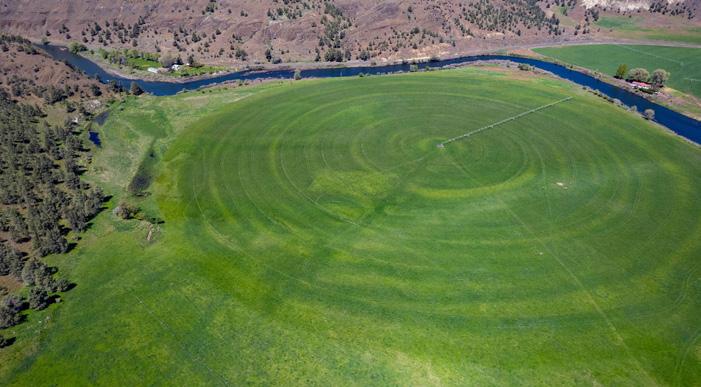
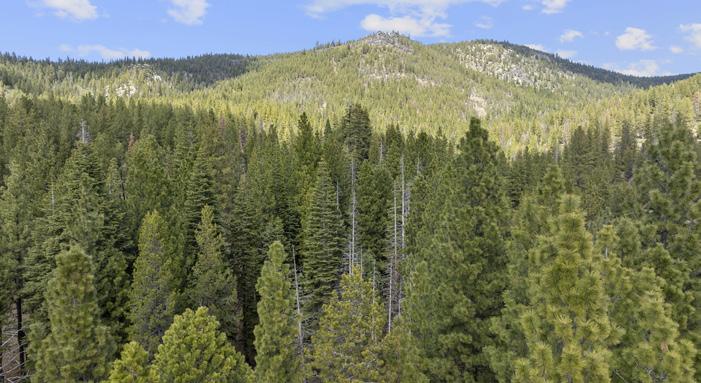
THE PERFECT HAVEN
40± acres | $2,999,000 Redmond, OR
Lodge-style custom home offers vaulted ceilings, exposed beams, granite finishes, and a luxurious primary suite. It features an outdoor kitchen, hot tub, swimming pond, irrigated acreage with pivots, barns, a shop, and a second dwelling—perfect for guests or rental.
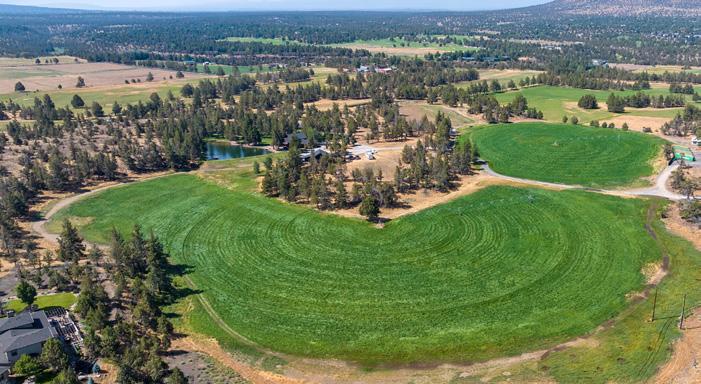
LAZY JW RANCH
323± acres | $2,899,000 Powell Butte, OR
With 260± acres of irrigated hay and pasture with COID water, groundwater wells, and efficient flood irrigation, this ranch features a custom farmhouse, bunkhouse, shop, sheds, and working corrals. Cascade views and proven productivity make it ideal for hay or cattle operations.
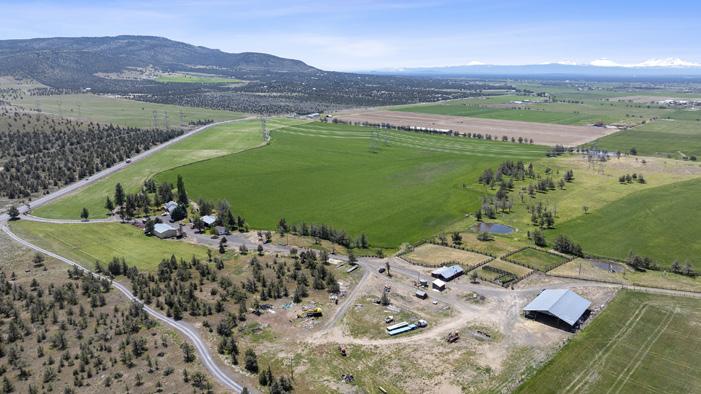
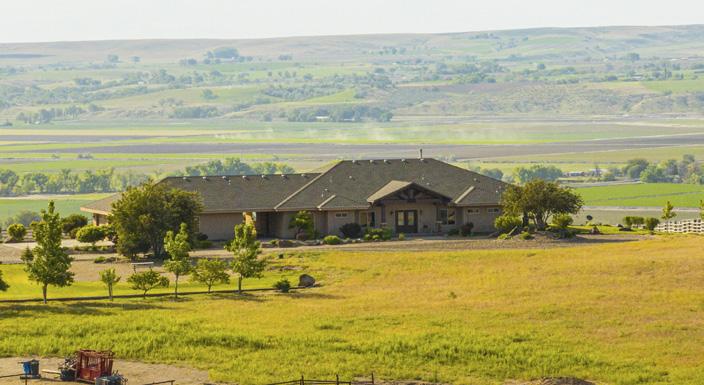
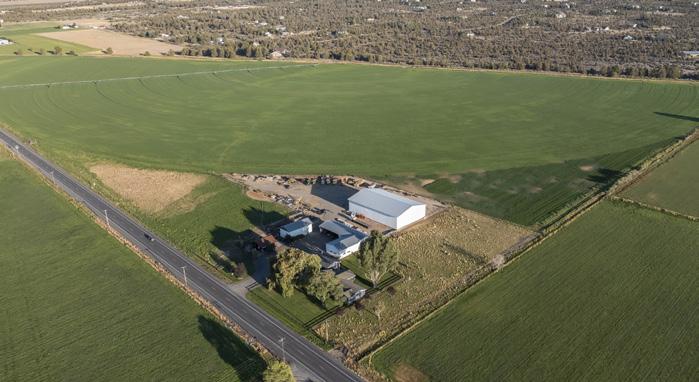
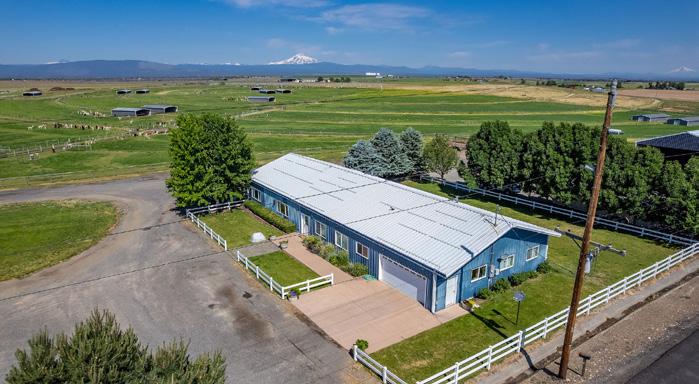
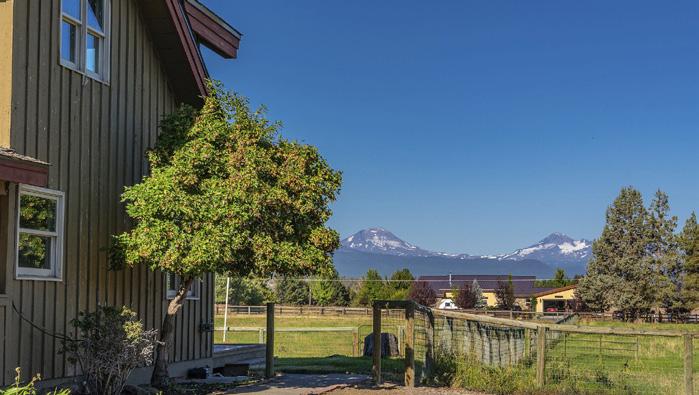
RUNNING SPUR RANCH
559± acres | $2,400,000 Vale, OR
A ranch offers a home with open living spaces, oversized garage, barn with stalls and office, shop with flex space, corrals, loafing sheds, and fenced pastures. Bordered by BLM land, it provides hunting, livestock facilities, and functional design in a scenic farm setting.
WILLOW TREE RANCH
108± acres | $2,400,000
Powell Butte, OR
Prime farm ground for hay, pasture, or row crops, this ranch has 98± irrigated acres supported by a half pivot, flood irrigation, and 1,000-ton hay storage. It features a renovated 3-bed farmhouse, commercial/ag building, machine shed, garage, corrals, and multiple pastures with recent upgrades.
MOUNTAIN VIEW LIVESTOCK FARM
107± acres | $2,300,000 Culver, OR
Irrigated livestock farm offers 30 fenced paddocks, a six-tower pivot system, multiple barns with stalls, feed storage, vet room, shelters, and automatic/heated waterers. It features a home with mountain views, all designed for efficient and flexible livestock operations.
SWALLEY HOBBY HORSE ESTATE
18± acres | $2,250,000 Bend, OR
A small horse property in Central Oregon with two legal dwellings, a remodeled 4601± SF custom home, and a 1000+ SF home. Includes 13± acres of irrigated pasture with automatic sprinklers, two barns, and an outdoor arena. All of this with majestic mountain views.
RITTER ON THE RIVER
382± acres | $2,101,000 Ritter, OR
Mountain property with power-ready homesite with Middle Fork John Day River frontage, two LOP hunting tags, and abundant wildlife. Adjacent to Ritter Hot Springs, it’s a private retreat with sweeping rimrock views and year-round recreation.
MOUNT BACHELOR HOME
$1,975,000 Bend, OR
Perfect for year-round recreation near Phil’s Trail and Mount Bachelor, this custom mountain-modern home features three bedrooms, 3.5 baths, a chef’s kitchen, vaulted ceilings, an oversized 3-car garage with RV bay, and a 610± SF ADU with garage.
JULIET FARM
5± acres | $1,975,000 Tumalo, OR
An equestrian estate known for breeding and training topperformance horses in a private, scenic setting features a 3-bedroom home with stone fireplaces, red oak floors, and wrap-around porch. Includes barn, sheds, irrigated pastures, and mature landscaping with Cascade Mountain views.
GRANDVIEW ESTATE
9± acres | $1,575,000 Powell Butte, OR
Set on nearly 10 acres with Cascade Mountain views, the luxury home offers 3 ensuite bedrooms, a bonus room with full bath, vaulted wood-beam ceilings, gourmet kitchen, hardwood floors, expansive outdoor living, a 3-car garage, RV parking, and proximity to Brasada Ranch Resort.
MEADOWS ON THE SYCAN
324± acres | $1,550,000 Beatty, OR
Highly productive cattle ranch with 286± irrigated acres from top-tier groundwater rights. It features two modern 3-bed, 2-bath homes, a shop, corrals, a hayshed, and an efficient grazing setup. Near Fremont-Winema National Forest, rivers, lakes, and Klamath Falls.
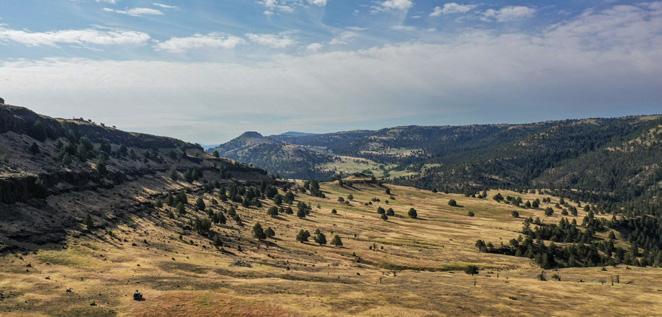
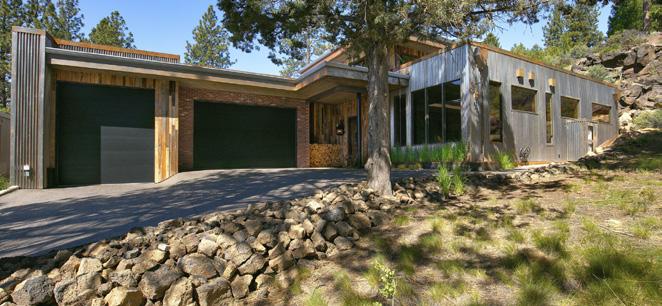
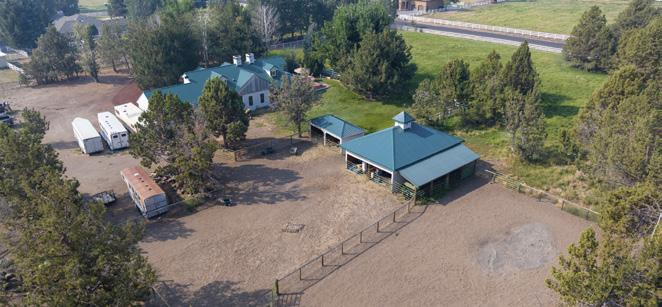
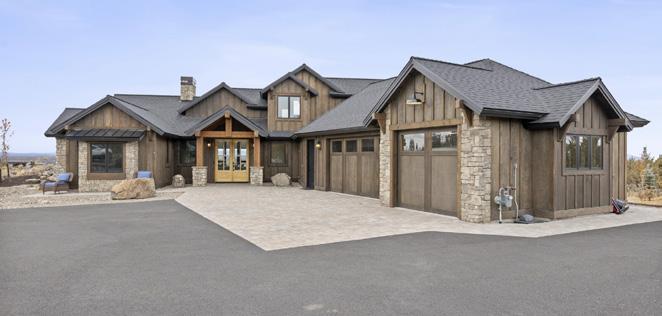
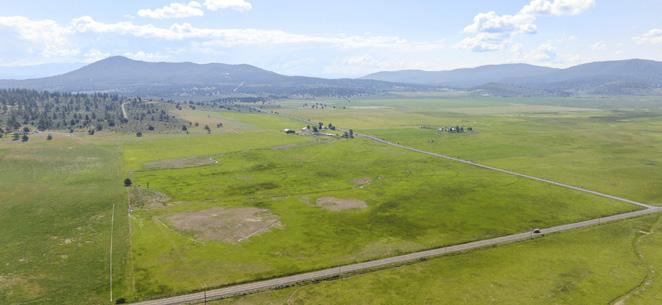
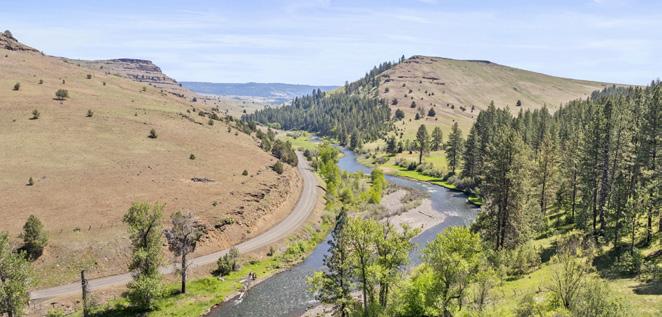
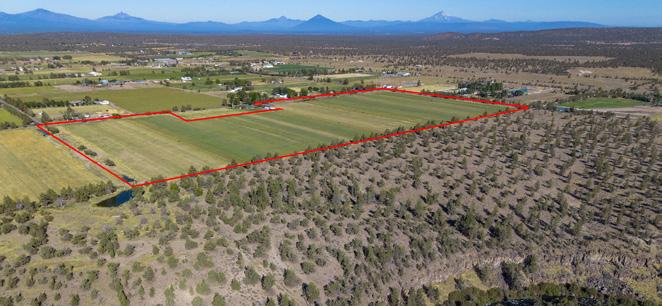
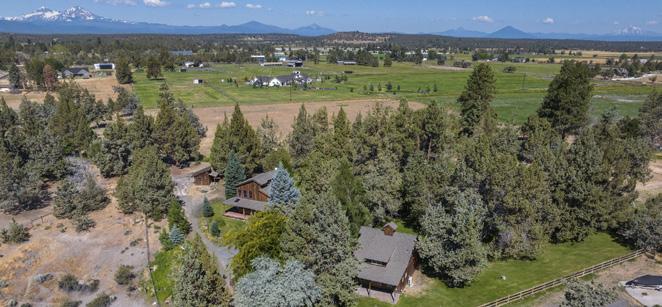
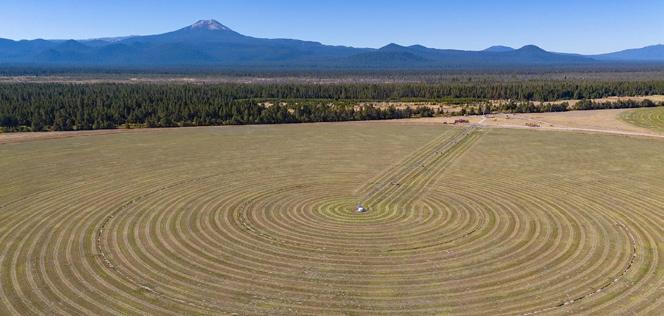
ROCKIN' RIVER RANCH
238± acres | $1,499,000 Ritter, OR
Along the wild and scenic Middle Fork John Day River, this listing offers a riverfront home, guest cabin, barns, big shop, greenhouse, and off-grid systems, including gravity-fed domestic spring water. Ideal for a self-sufficient lifestyle, it blends seclusion, natural beauty, and year-round recreation.
WHITE ROCK LOOP FARM FIELD
74± acres | $1,450,000 Tumalo, OR
Irrigated farm ground with Tumalo water rights borders BLM land, offering Deschutes River access. Pressurized irrigation and fencing produce quality equine hay. Stunning Cascade Mountain views and potential for small farm development in a very desirable part of Oregon.
TWIN BRIDGE RIDGE
7± acres | $1,275,000 Bend, OR
A rustic Northwest-style 2-bed/2-bath home boasts inviting mountain views. The newly built detached garage includes a onebedroom studio with a bonus room, complemented by a versatile barn for livestock, equipment, or creative projects.
BAR Y PIVOTS
466± acres | $1,200,000
Chiloquin, OR
Expand operations by raising forage crops, cash crops, or cattle on this scenic ranch with Cascade Range and Klamath Marsh views. Surface and supplemental well water rights serve 375± irrigated acres under 3 center pivots. Fenced pastures and watering troughs support grazing crop-aftermath or irrigated pasture.
CALAPOOYA CREEK RANCH
114± acres | $1,200,000 Oakland, OR
Supporting 30 cow–calf pairs with irrigated meadows, reservoirs, and creek frontage, this property offers abundant wildlife and fishing recreation, while two homes, barns, corrals, and outbuildings provide comfort, function, and a seamless blend of productivity and lifestyle.
CALIFORNIA
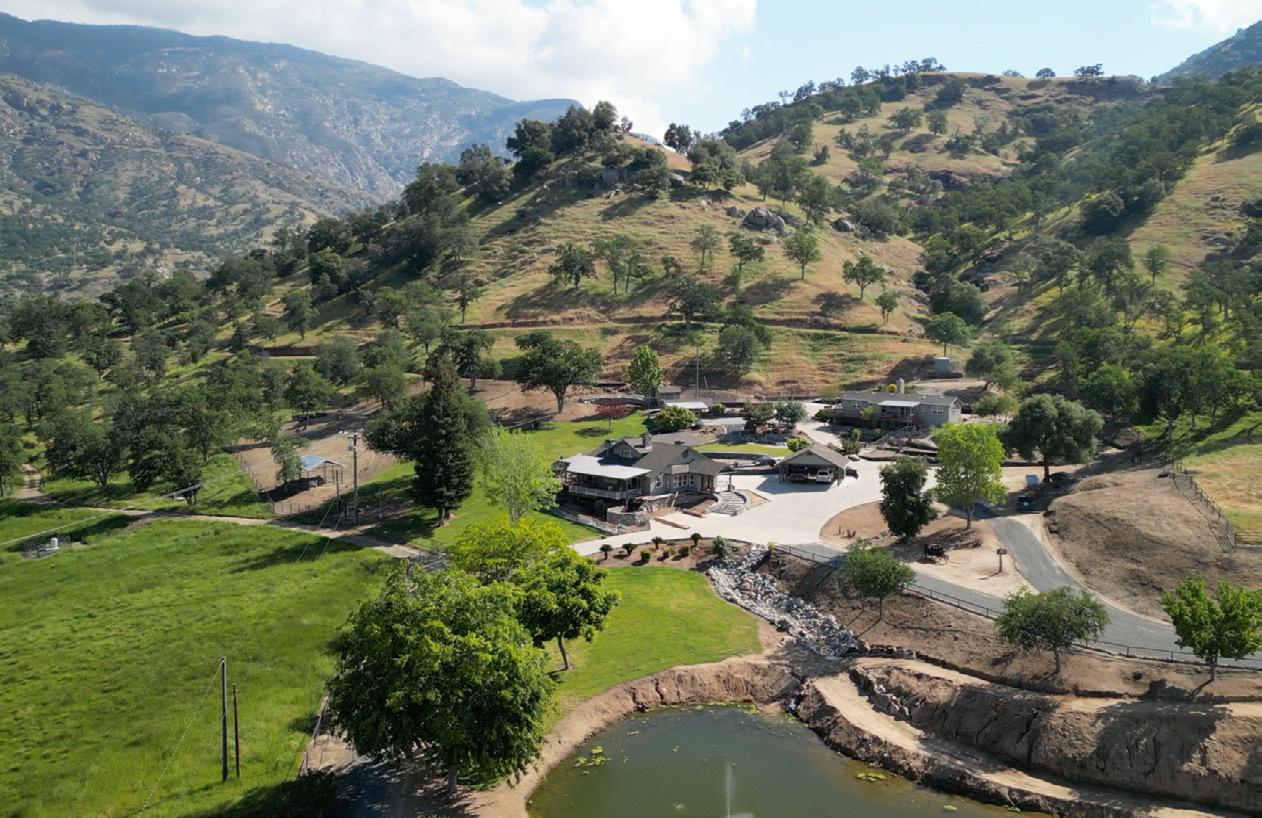
KING RANCH
Springville, CA
$4,950,000
451± acres
The expansive ranch offers irrigated ground for cattle and equestrian use, complemented by 22 legal parcels with strong investment potential. The main home and guest house provide comfort and privacy, while additional residences across the property offer rental income or staff housing. Improvements include barns and a wellequipped shop to support ranch operations. Over a mile of Tule River frontage enhances recreation and irrigation, with abundant wildlife, sweeping views, and conservation potential, creating a rare opportunity.
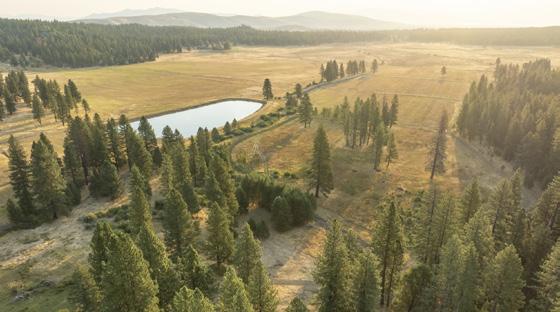
FLYIN' E RANCH
570± acres | $2,900,000 Janesville, CA
Highly productive cattle and timberland with 250± irrigated acres, smart pivots, and water rights from Elysian Creek. It runs 200 cow/calf pairs and includes a home, scenic build sites, a pond with bass and crappie, and abundant wildlife. Near Highway 395, Susanville, and Reno.
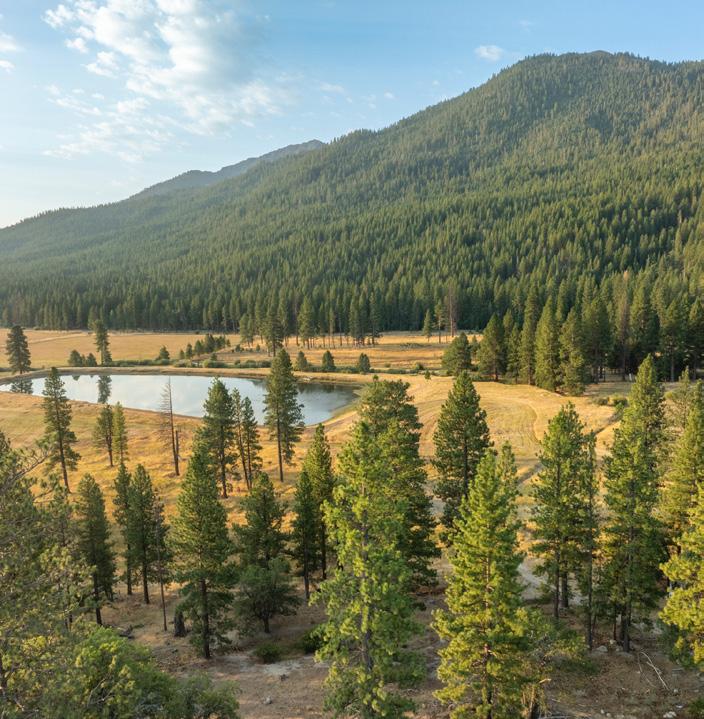

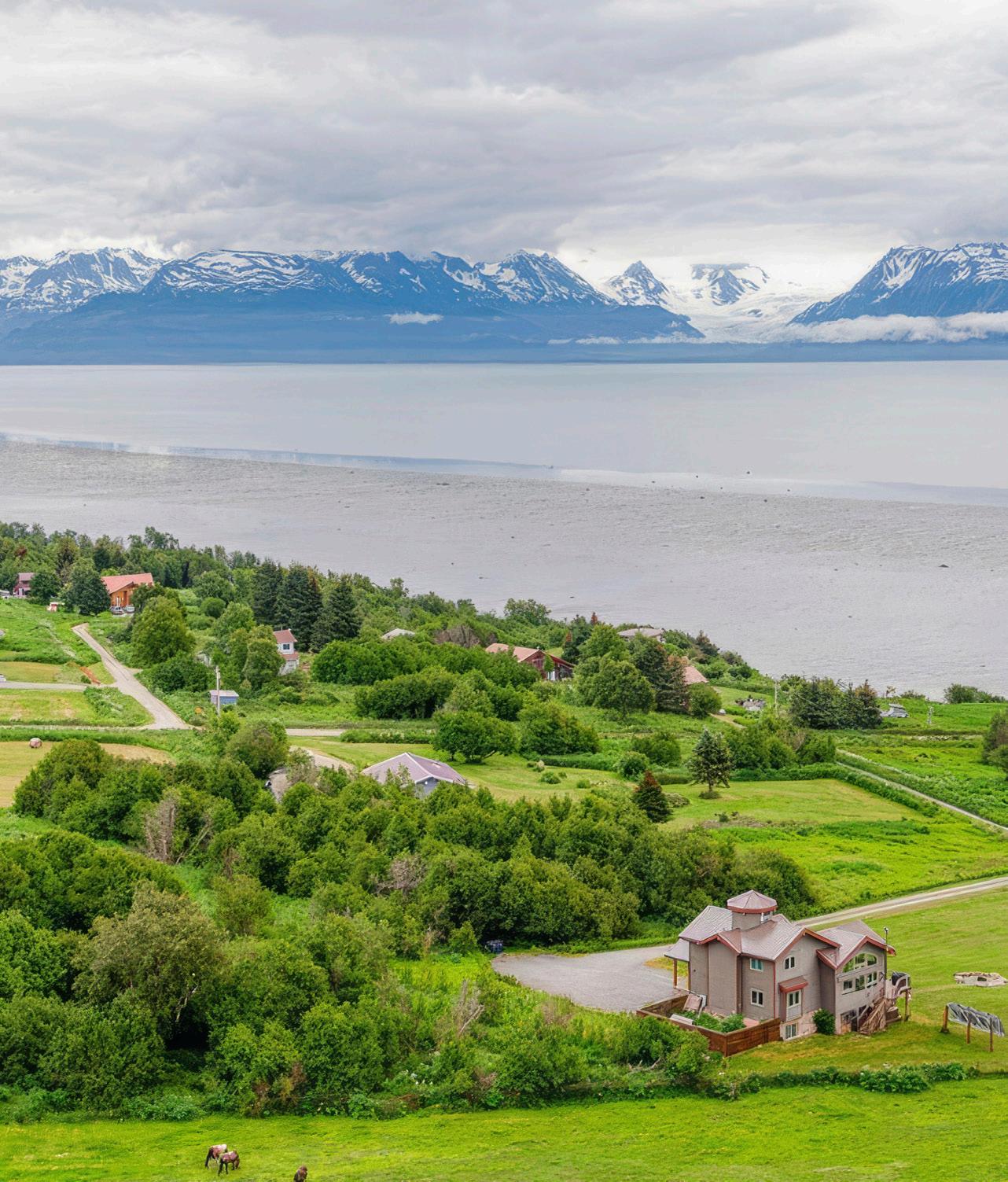
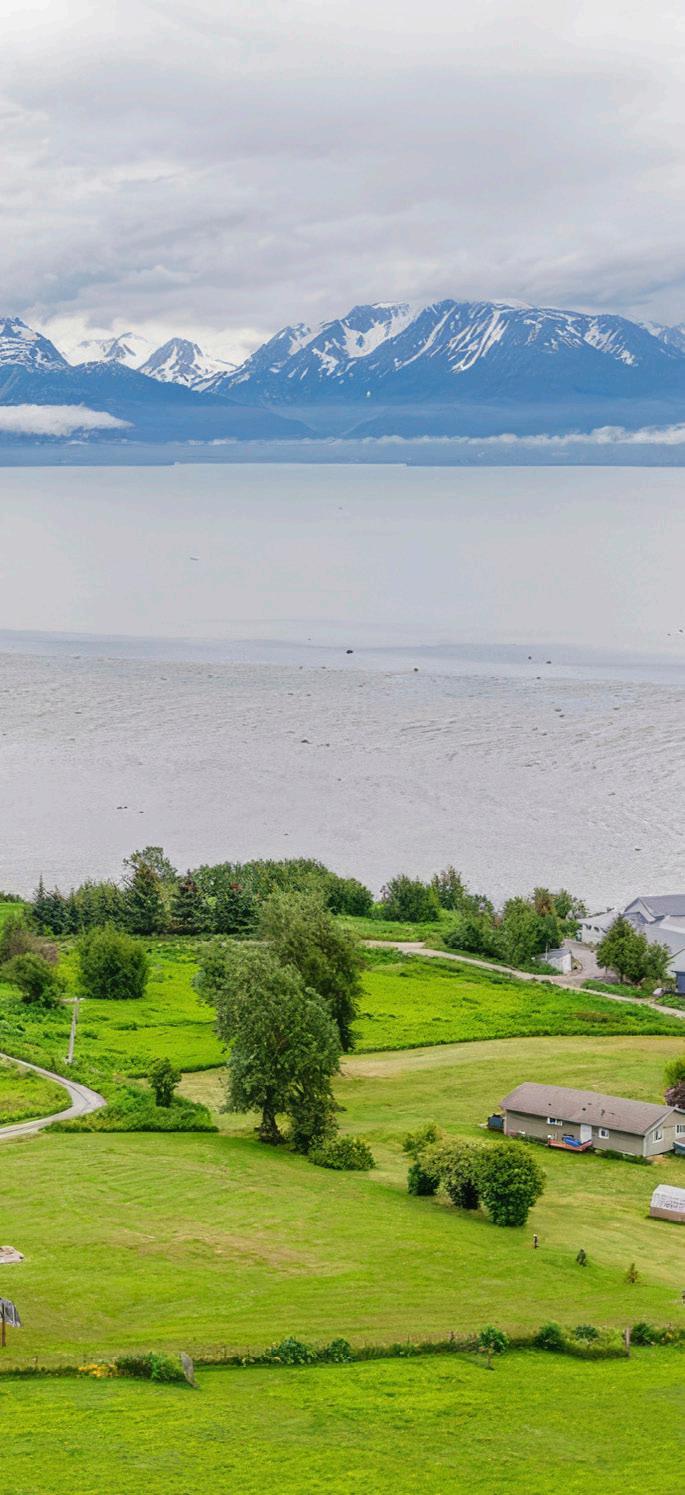
ALASKA
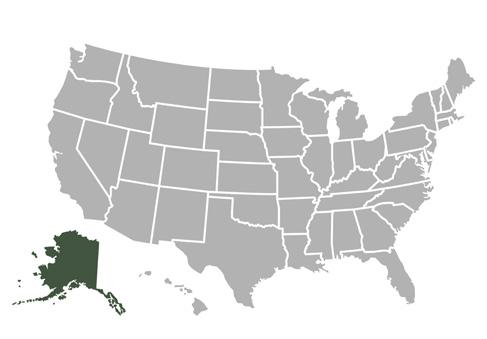
OFFICE LOCATIONS
ANCHORAGE, ALASKA
Contact us to meet with a member of our team at our brick-and-mortar location.
ALASKA
WHITE RIVER GOLD MINE
Yakutat, AK
$150,000,000
11,320± acres
Ni43-101 current, this placer gold potential lies within an extensive claim group along a dynamic seven-mile glacial river, historically producing over 15,000 ounces of gold. Geological assessments confirm abundant goldbearing alluvial and uplifted beach deposits beneath complex glacial and tectonic formations. Stream gradients and ruby sands create ideal sediment conditions. Accessible by bush plane, barge, or small boat, the area offers a long operating season and strong prospects for modern mechanized mining and deeper reserves.
MARVEL CREEK GOLD MINE
1,560± acres | $37,000,000
Aniak, AK
Located in the Tintina Gold belt, Marvel is a historic gold mining site with over a century of production history, now expanded to three contiguous claims, spanning a geologically unique, non-glaciated valley. Rich mineral potential remains, with significant gold still recoverable from unmined ground and tailings left from earlier operations.
Features include a two-bedroom cabin with modern amenities, additional cabins for refurbishment, extensive mining equipment, a well-maintained aircraft, and substantial fuel storage.
MCWILLIAMS GOLD CLAIM
881± acres | $25,000,000
Talkeetna, AK
A historic gold mining district in Alaska’s Porcupine Mining Area with patented mineral rights across 882± acres, includes forty parcels and over seven miles of creek frontage. Twenty-one claims are believed to be virgin ground, with historic recovery rates over seven times BLM values and deposits estimated at $160M–$600M. It offers Denali views, old-growth forests, abundant wildlife, and access via bush plane, rail, or patented overland trail, blending exceptional mining potential with pristine wilderness surroundings.
MOORE CREEK GOLD MINE
2,720± acres | $15,000,000
McGrath, AK
Active gold mining operation in Alaska’s Yukon-Koyukuk Borough with 20 unpatented state claims covers 2,720± acres along the Iditarod National Historic Trail. Known for rich placer and hard rock gold deposits, plus chromium, silver, tungsten, mercury, titanium, and zircon ores. Historic production exceeds 53,000 oz of gold and 12,000 oz of silver, with nuggets up to 19 oz found. Located in the Tintina gold belt, the gold deposits are significant, and the wilderness location offers exceptional mining potential and investment.
WOODCHOPPER GOLD CLAIM
1,418± acres | $12,500,000 Circle, AK
A set of 52 gold claims in Alaska’s historic Woodchopper Creek region totals 1,418± acres, with 15 patented and 37 unpatented claims. It is located within the Yukon-Charley Rivers National Preserve in the Tintina Gold Belt, known for high-grade gold and rich geology. The area features rugged terrain, diverse wildlife habitats, and salmon runs.
TRIPPLE CREEK GOLD MINE
749± acres | $ 11,000,000 Nome, AK
Active turnkey placer mine 6± miles from Nome with 750± acres of patented claims. The deposit has gold-bearing alluvial gravel and marine sands beneath glacial outwash. Coarse, 91.5% pure gold is easily recovered with minimal clay and black sands. The property also offers sand and gravel for construction, highway and power access, and subdivision potential—making it a strong candidate for continued mining and development.
SECOND STAR
2± acres | $6,750,000 Homer, AK
An architectural marvel offers 17,000± SF of luxury with eight themed suites, a Neverland-inspired play space, a private spa wing, an indoor pool, a theater, and a gourmet kitchen. The expansive deck reveals sweeping ocean, mountain, and glacier views, creating a premier retreat for gatherings or elite getaways.
CRIPPLE CREEK GOLD MINE
1,640± acres | $3,950,000 McGrath, AK
Remote gold mine with 72 unpatented claims offers proven reserves, rich history, and dual use as summer mining site and fall hunting camp. Features cabins, mining equipment, gravel runway, and abundant wildlife, including bears, moose, and caribou, in Alaska’s rugged wilderness.
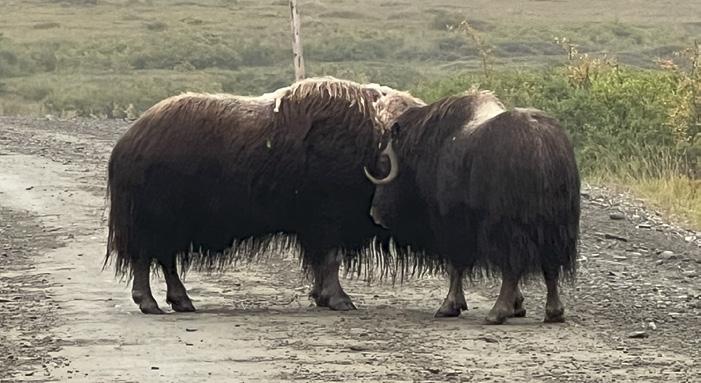
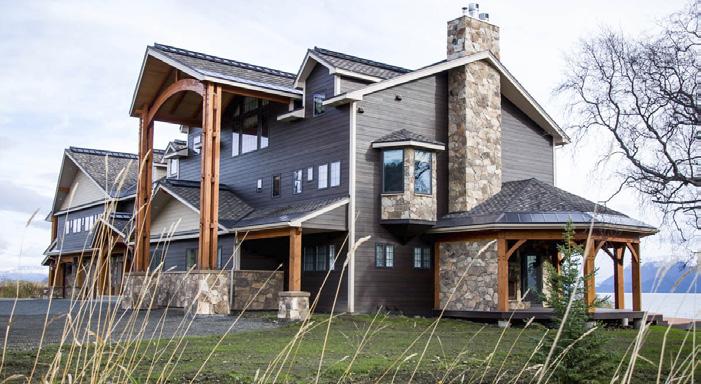
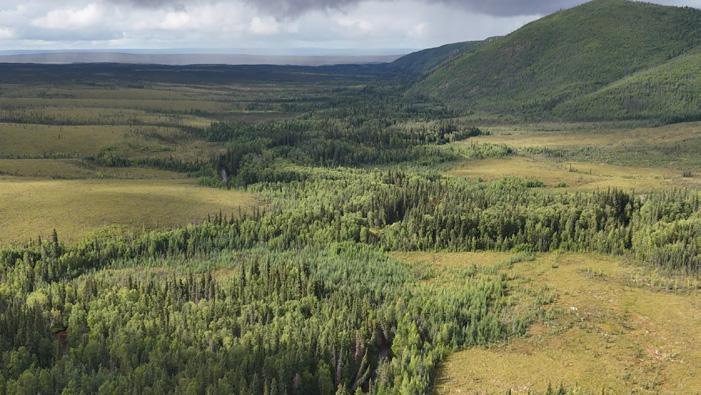
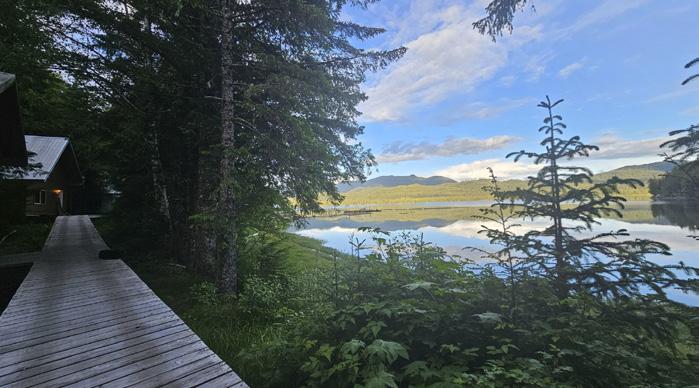
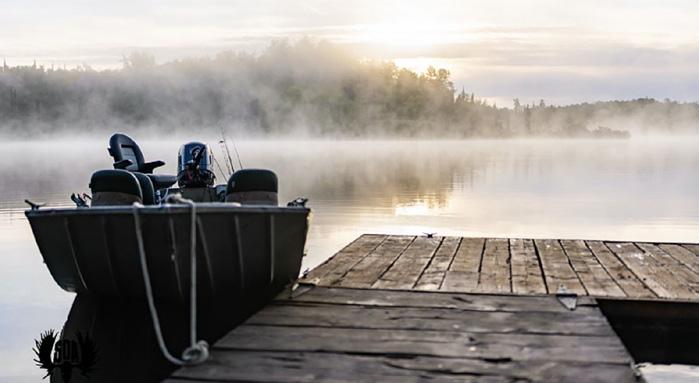
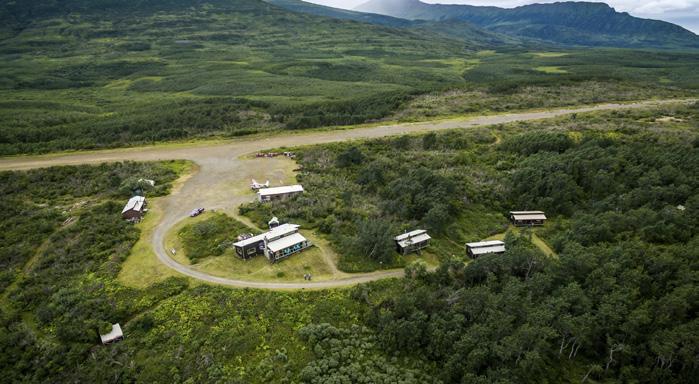
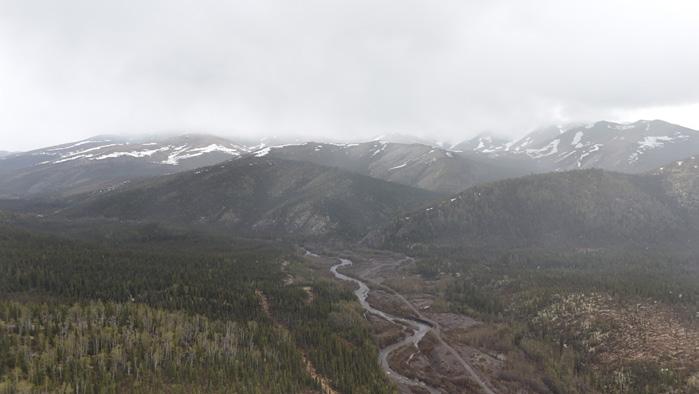
HIDDEN INLET LODGE
23± acres | $2,975,000
Ketchikan, AK
Set in Misty Fjords National Monument, this secluded waterfront lodge features restored cannery cabins, timberframe guest lodges, a licensed Bay Bar, and a $500K engineered dock. Accessible by boat or floatplane, it offers world-class fishing, wildlife, and unmatched beauty.
BENTALIT LODGE
12± acres | $2,600,000
Skwentna, AK
Accessible by boat or plane, this off-grid lodge hosts up to 26 guests on Fish Lakes Creek, offering prime fishing for all Pacific salmon species plus trout and pike. Features include gravel airstrip frontage, full amenities, adventure activities yearround, and turnkey business potential.
PAINTER CREEK LODGE
15± acres | $2,500,000
Pilot Point, AK
A remote Alaska retreat offering rare seclusion, accessible only by air. Set beside pristine rivers with views of the Aleutian Range, it features a welcoming main lodge, cozy cabins, and access to untouched wilderness—an authentic escape far from roads and crowds.
QUAIL CREEK GOLD MINE
1,737± acres | $2,500,000
Manley Hot Springs, AK
Permitted turnkey gold mine with 44 state claims features rich placer deposits, historic production, and promising test results. Includes quality equipment, living quarters, fuel storage, and an airstrip, all set in the rugged beauty of Alaska’s interior wilderness.
KETCHUM CREEK GOLD MINE
1,724± acres | $2,300,000
Circle Hot Springs, AK
Turnkey gold mine with 39 contiguous claims along Ketchum and Mary Louise Creeks, plus additional Ptarmigan Creek claims, includes equipment, permits, and housing. Historic seasonal production reaches up to 900 ounces, with potential for more. Features sauna, shop, and bunkhouse.
HALIBUT COVE
10± acres | $2,250,000
Halibut Cove, AK
Accessible only by boat or floatplane, this waterfront retreat offers sweeping mountain and bay views. Expansive windows fill the home with light, while nearby art, culture, and abundant wildlife create a vibrant lifestyle. Enjoy fishing, kayaking, hiking, and yearround beauty.
PASSAGE ISLAND AND COAL COVE
124± acres | $2,200,000
Seldovia, AK
Passage Island and Coal Cove offers secluded off-grid living, sweeping views, rich wildlife, and world-class fishing. Features include deepwater moorage, old-growth Sitka spruce, pebble beaches, sea caves, and timber potential, accessible by boat, floatplane, or helicopter.
WOOD RIVER LODGE
20± acres | $1,995,000 Denali, AK
Historic Wood River Lodge features over 30 restored and updated structures, including a main lodge, cabins, a game room, a sauna, and a theater. Accessible by trail or bush plane, it offers rich history, outdoor recreation, and business or private retreat potential near Denali.
MCDOUGALL LODGE LLC
50± acres | $1,950,000 Wasilla, AK
A remote turnkey sportfishing lodge on the Yentna River hosts 28 guests and 16 staff. It offers Alaska salmon runs plus trout, pike, and grayling. Accessible by boat, plane, or snow machine, it features a private beach, full amenities, abundant wildlife, and strong annual bookings.
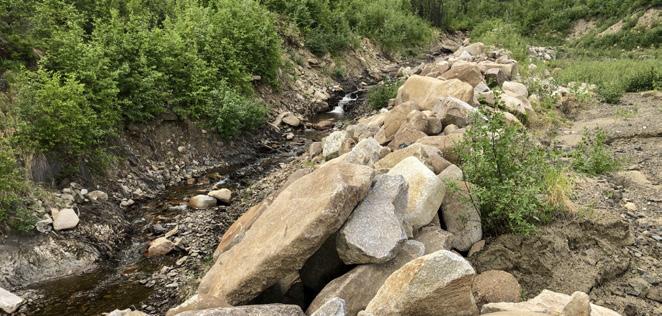
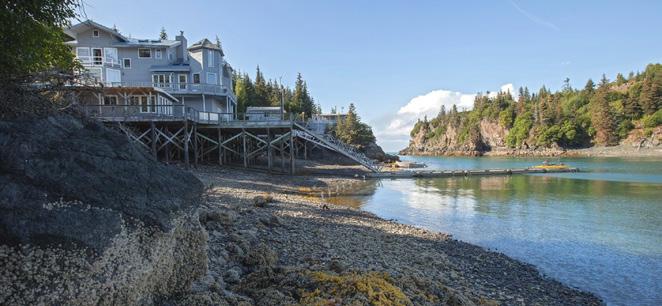
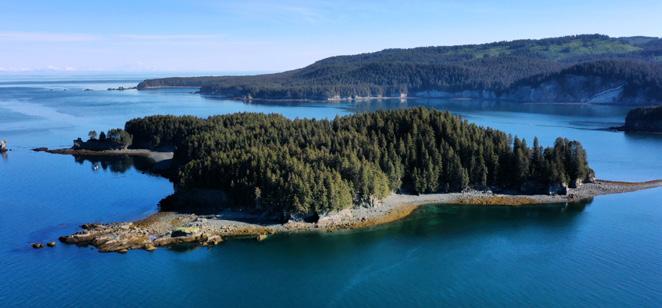
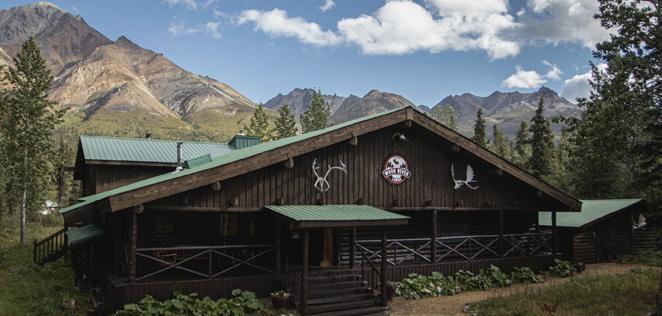
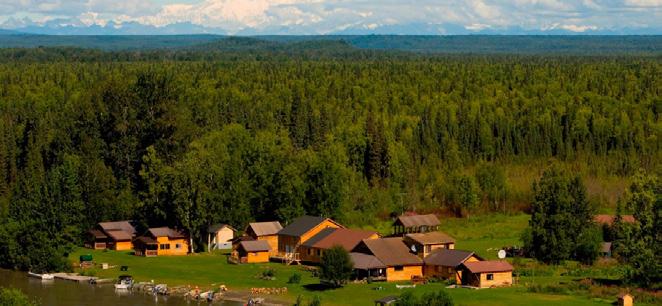
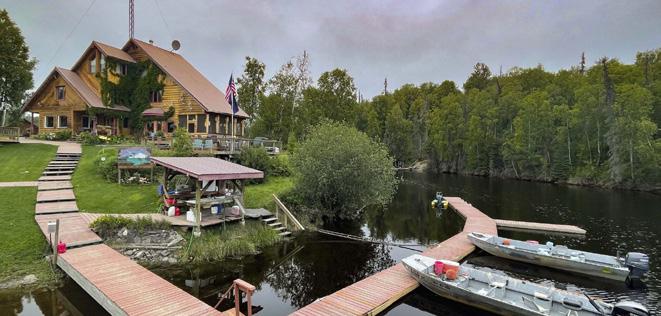
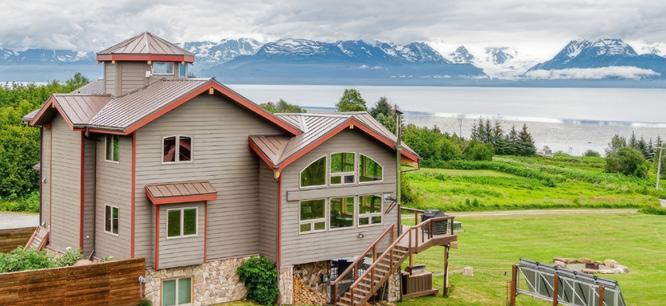
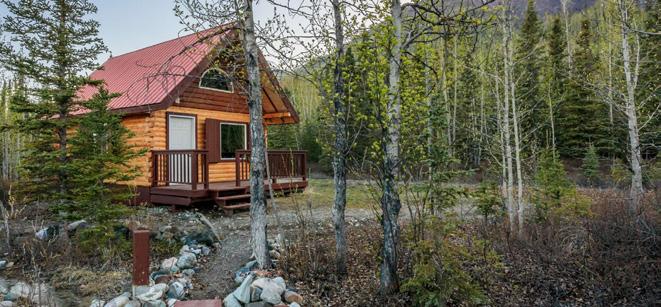
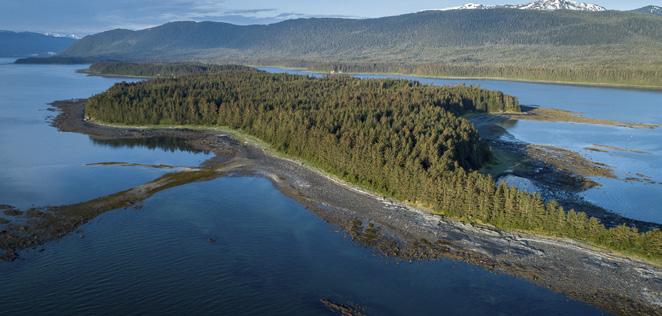
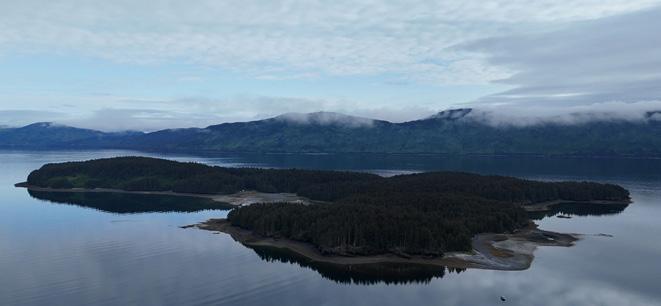
NORTHWOODS LODGE
1± acres | $1,800,000 Skwentna, AK
A remote turnkey sportfishing lodge on Fish Lakes Creek accommodates about 30 guests and staff. It offers Alaska salmon runs plus trout, pike, and grayling. Accessible by boat, plane, or snowmobile, it features a private beach, abundant wildlife, full amenities, and strong revenue.
FRONTIER HAVEN
2± acres | $1,675,000 Homer, AK
Custom timber-frame estate overlooking Kachemak Bay features vaulted ceilings, artisan finishes, and expansive glass walls with glacier views. Energy-efficient design, spacious decks, and proven rental income combine comfort, craftsmanship, and investment potential in a stunning setting.
FIREWEED MOUNTAIN LODGE
5± acres | $1,375,000 McCarthy, AK
Near McCarthy in Wrangell-St. Elias National Park, this turnkey 5-acre property offers a modern main home, three log cabins, wells, septic, and generators for off-grid comfort. With drive-up access, nearby airstrip, and proximity to town, it’s ideal for retreat, tourism, or investment.
COLT ISLAND
100± acres | $1,250,000 Juneau, AK
This listing offers old-growth forests, rocky shores, and abundant wildlife. Accessible by boat or floatplane from Juneau, it’s ideal for fishing, kayaking, and nature viewing, providing unmatched solitude in the Tongass National Forest.
DRY SPRUCE ISLAND
159± acres | $995,000 Kodiak, AK
A remote, forested island in the Kodiak Archipelago offers rugged shorelines, rich wildlife, and pristine waters teeming with fish. Accessible only by boat or floatplane, it provides unmatched solitude, cultural significance, and an authentic Alaskan wilderness experience.
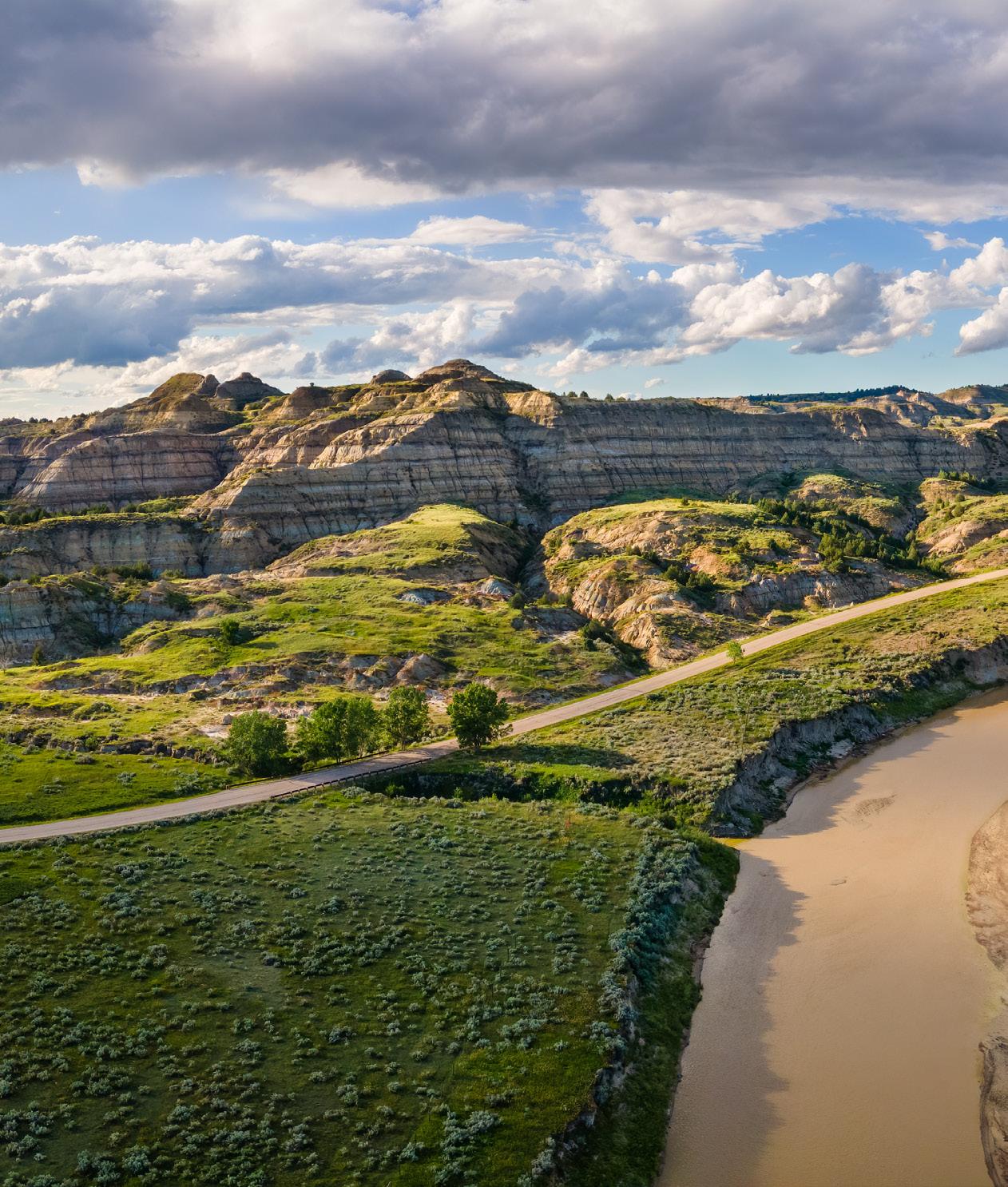
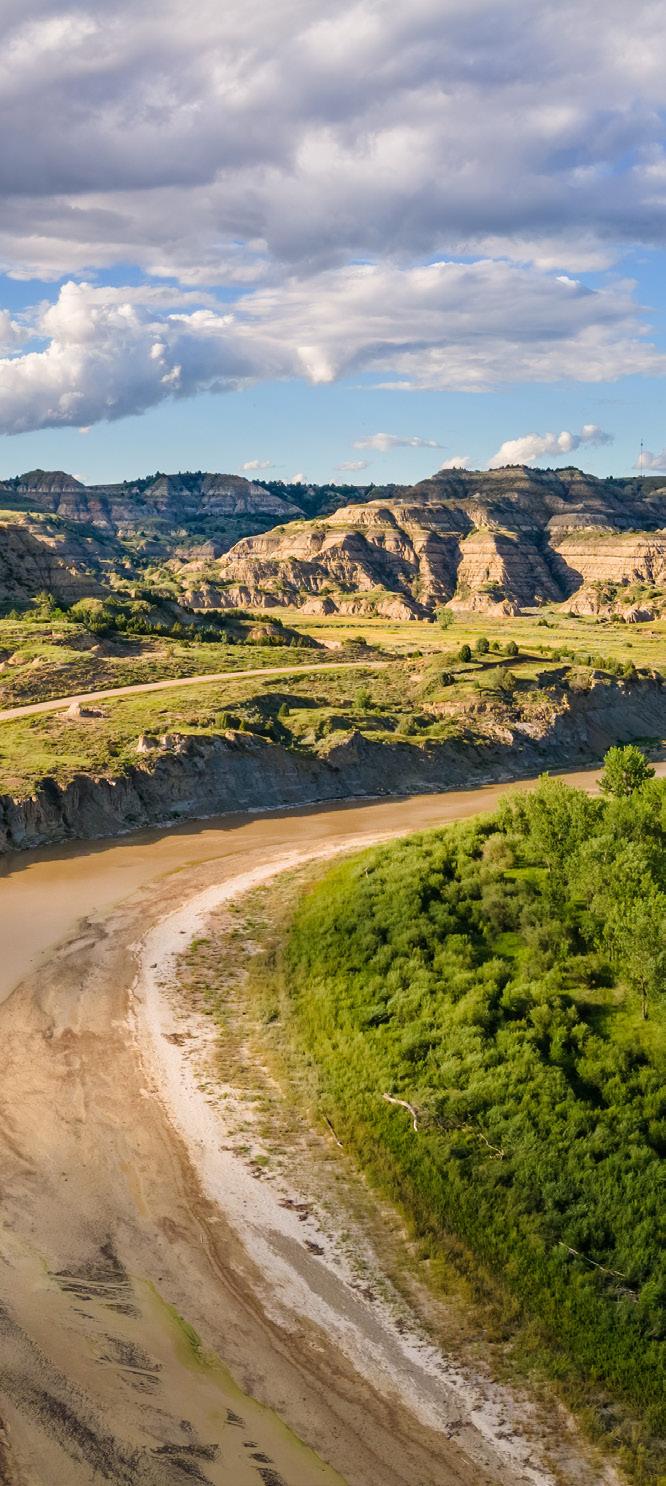
CENTRAL PLAINS
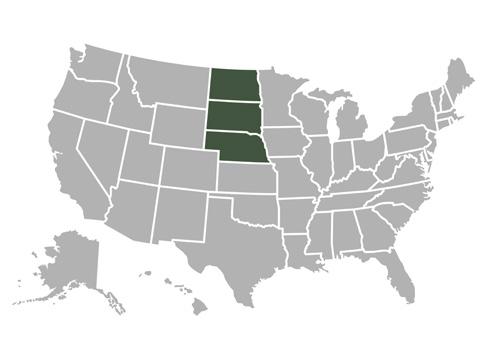
NEBRASKA
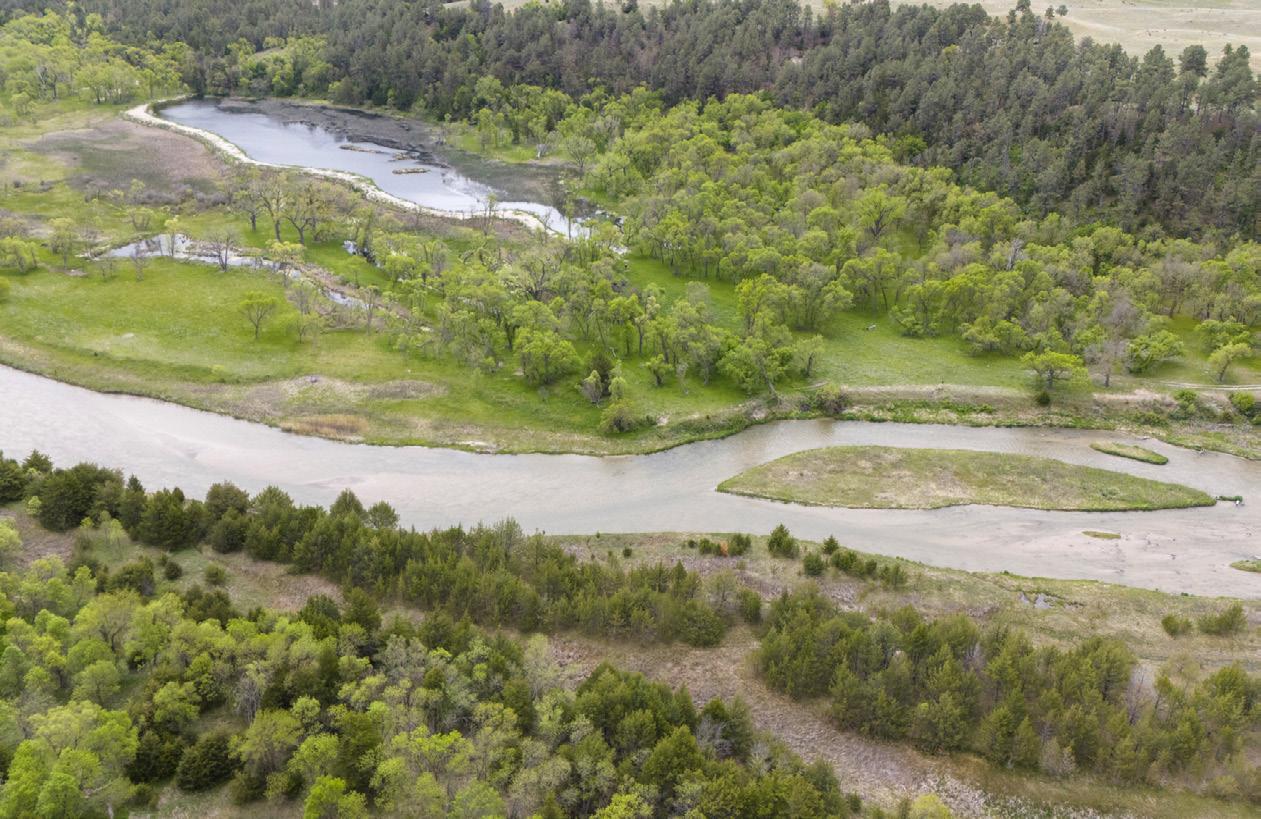
NIOBRARA RIVER REFUGE
Nenzel, NE
$4,350,000
1,013± acres
Featuring 1.6± miles of Niobrara River frontage, this remarkable property offers prime opportunities for kayaking, floating, and riverside relaxation. Wildlife thrives across the rolling terrain, with elk, deer, and turkeys frequenting the area. Landowner hunting permits are available for both elk and deer. A well-maintained brick ranch-style home with a finished basement provides a comfortable retreat. Additional highlights include four stock tanks, paved road access, and proximity to Merritt Reservoir and the National Forest.
LYMAN FARM
159± acres | $915,000 Lyman, NE
Designed for ease of operation, the farm includes extensive infrastructure to support livestock and crop production, with income potential and 131± acres of valuable water rights. The updated home makes this perfect blend of comfort, utility, and agricultural productivity.
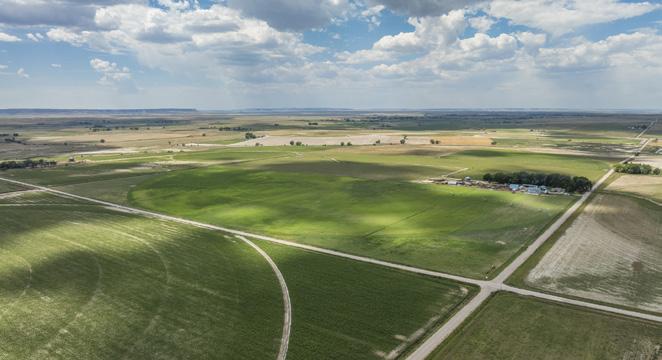
A13 FARM
151± acres | $825,000 Mitchell, NE
The irrigated farm offers dual water rights, prime soil, a 1998 Zimmatic 7-tower pivot, and recent upgrades. Averaging 5.7 tons per acre, it’s ideal for alfalfa or other high-demand crops. Well-maintained and highly productive, it’s a premier agricultural investment opportunity.
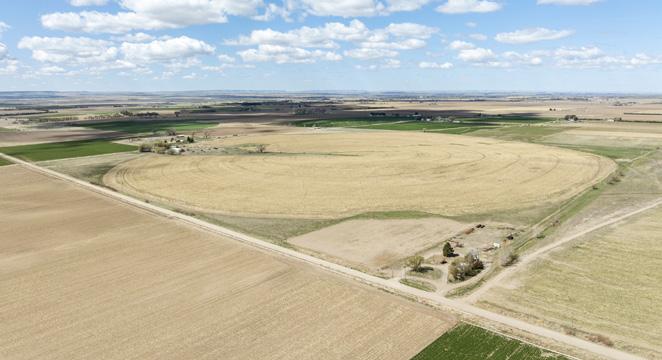
NORTH DAKOTA

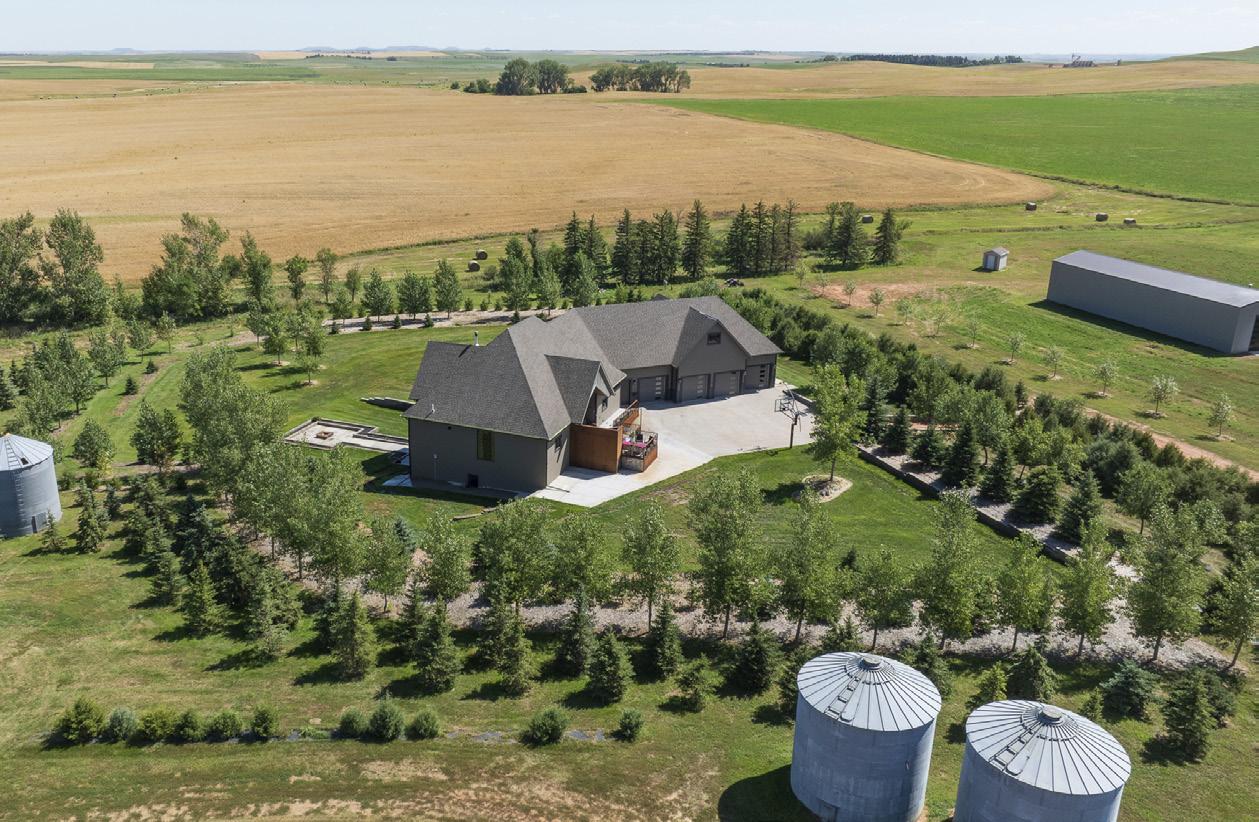
WHISPERING PINES EXECUTIVE ACRES
Dickinson, ND
$4,500,000
561± acres
A one-of-a-kind custom home spans over 6,200± SF, blending elegance with rural functionality. Artistic metal railings, soaring ceilings, and a dramatic loft define the open-concept living space. The chef’s kitchen features professional-grade appliances and high-end finishes, while the luxurious primary suite includes a steam shower, soaking tub, and custom closets. Landscaped grounds, a walkout basement, and a sunset-facing deck enhance outdoor living. Multiple shops, outbuildings, and a feedlot support diverse agricultural pursuits.
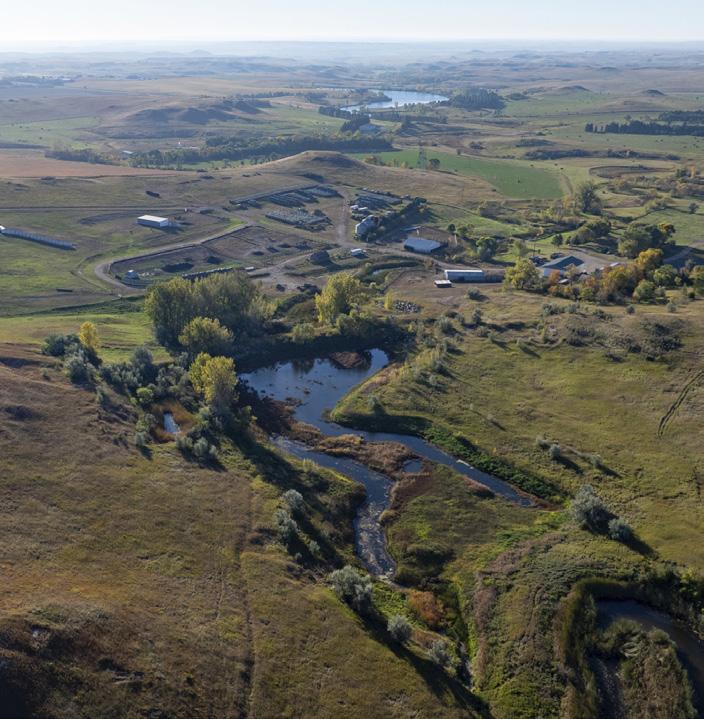
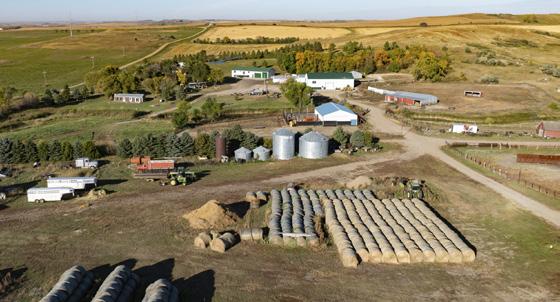
CROWN BUTTE CREEK RANCH
170± acres | $2,500,000 Mandan, ND
A private rural retreat offering fenced cropland and pasture ideal for livestock, supported by multiple water sources, including a seasonal creek, dams, tanks, and two wells. Features a custom home, multiple outbuildings, and strong hunting access near Crown Butte Dam Wildlife Management Area.
SOUTH DAKOTA

CHEYENNE RIVER RANCH
Rapid City, SD
$35,000,000
14,842± acres
A rare gem of the American West, this expansive ranch unites a thriving cattle operation, dramatic landscapes, and unmatched recreational potential. Nearly nine miles of Rapid Creek weave through fertile hay fields, sweeping valleys, and wooded corridors alive with trophy-grade deer, antelope, and wild turkey. Improvements include two inviting homes, well-designed working facilities, and numerous outbuildings. Extensive pipeline systems, stock tanks, and robust hay production sustain livestock and abundant wildlife year-round.
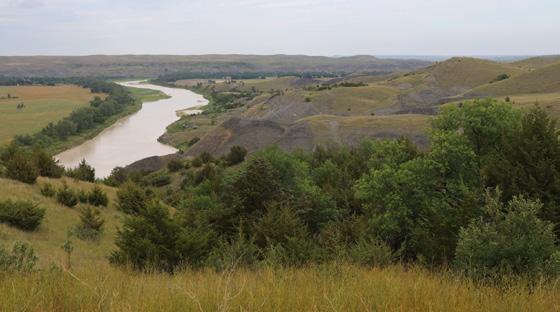
WHITE RIVER HUNTING RETREAT AND PRODUCTION GROUND
1,598± acres | $7,896,570 Hamill, SD
With over 5 miles of White River frontage, this property blends trophy hunting for deer, pheasant, grouse, turkey, and prairie chicken with productive grazing grounds. Rolling hills, cropland, food plots, and rich wildlife corridors offer income potential, abundant recreation, and multiple prime build sites.
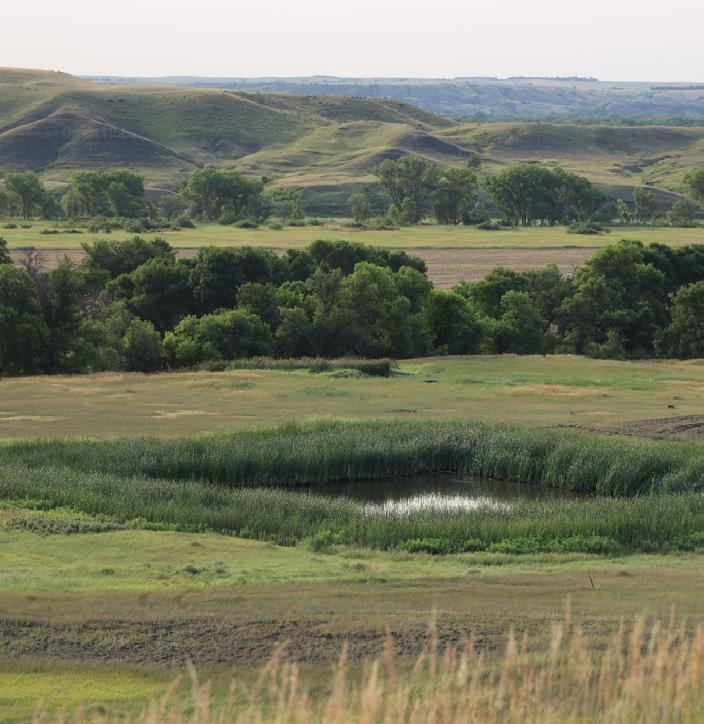
SOUTHEAST
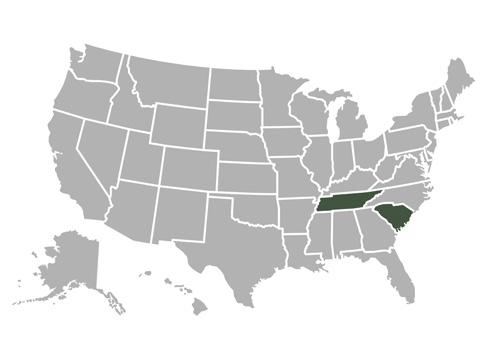
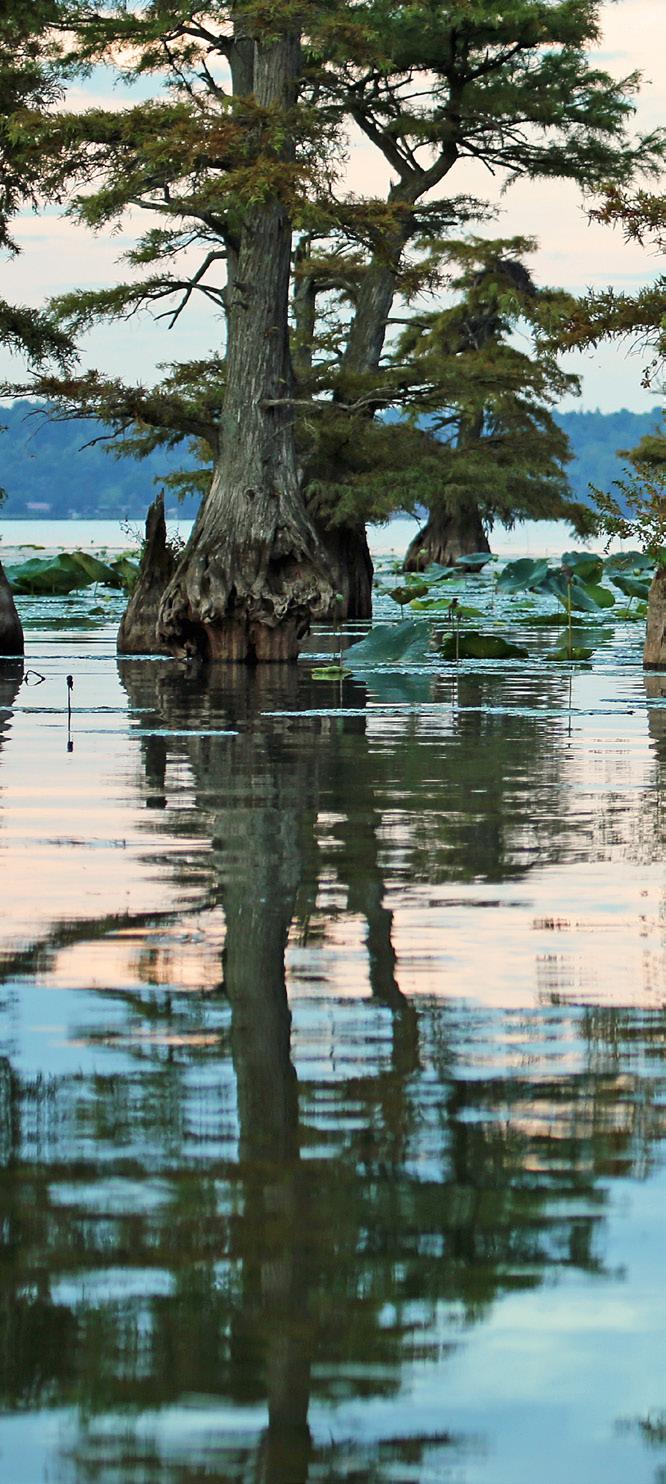
TENNESSEE
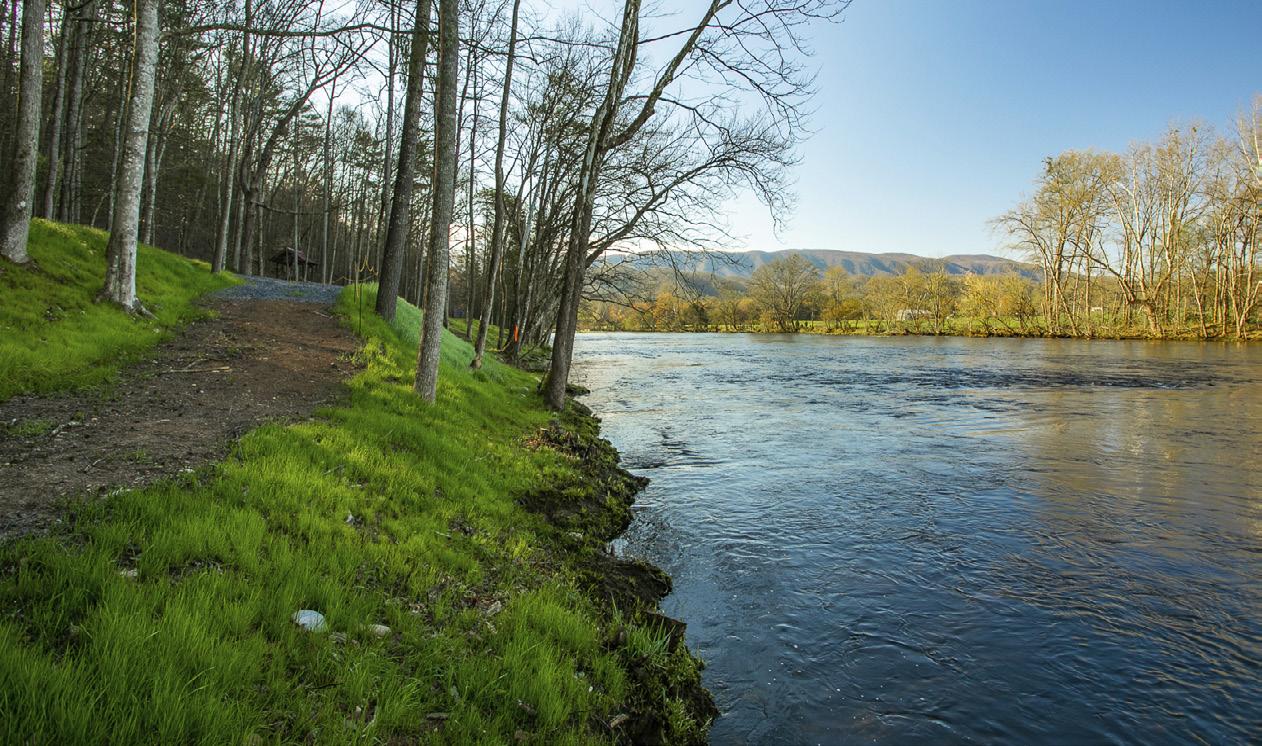
TAILWATERS LODGE ON THE SOUTH HOLSTON
Bristol, TN
$5,100,000
13± acres
A rare investment on 13.63± private acres featuring seven fully furnished, modern-rustic cabins along 540± feet of prime river frontage on a world-class trout fishery. Zoned Agricultural/Recreational with approvals for a central lodge and extra cabin, offering unique expansion potential. Guests enjoy unmatched access to over a mile of wade-able water adjacent to public lands, thriving wild brown trout, and year-round fishing. Fully operational with experienced staff, this secluded yet convenient lodge blends hospitality and lifestyle seamlessly.
SOUTH CAROLINA

PRINCE GEORGE TRACT
Pawleys Island, SC
$12,000,000
1,065± acres
A historic coastal retreat with pristine saltwater creeks, rare maritime and longleaf forests, abundant wildlife, and a private island, it’s long regarded as a well-kept secret. Ideal for those seeking natural beauty, recreation, and seclusion—just close enough to civilization—the area retains its timeless charm and lives up to its enduring motto: “Arrogantly Shabby.”
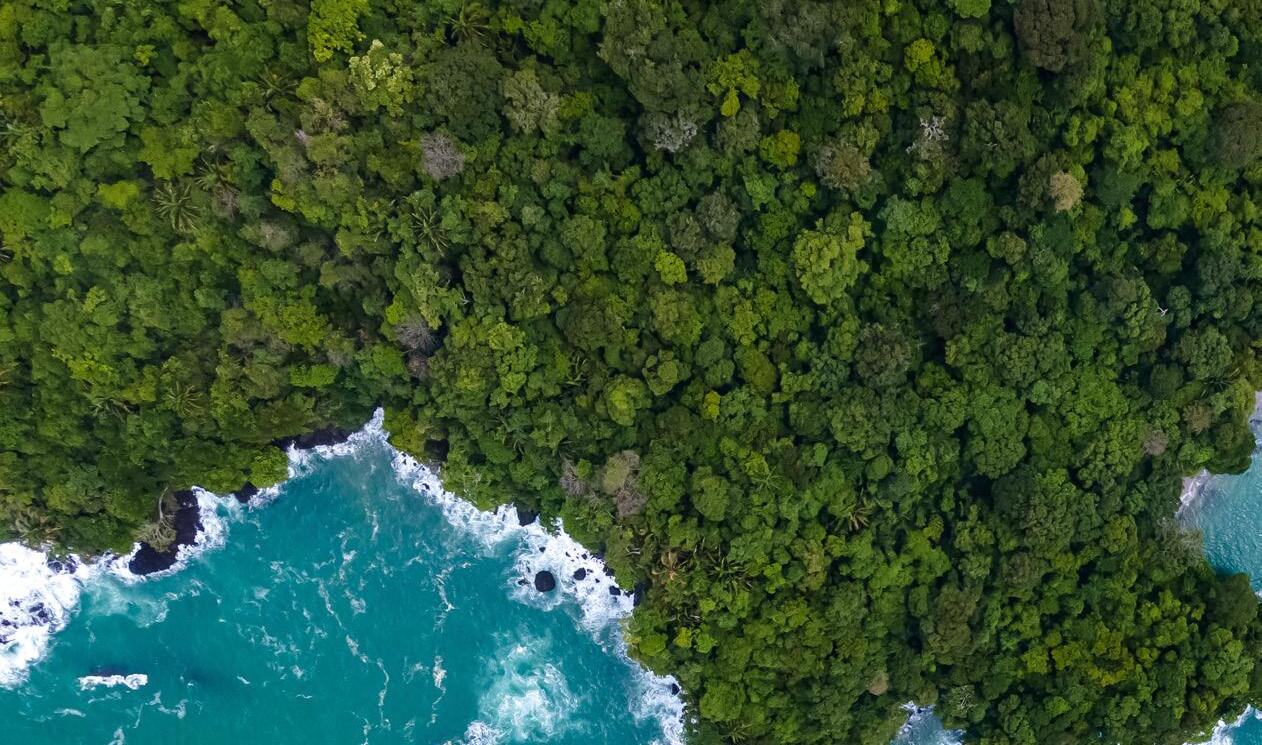
COSTA RICA
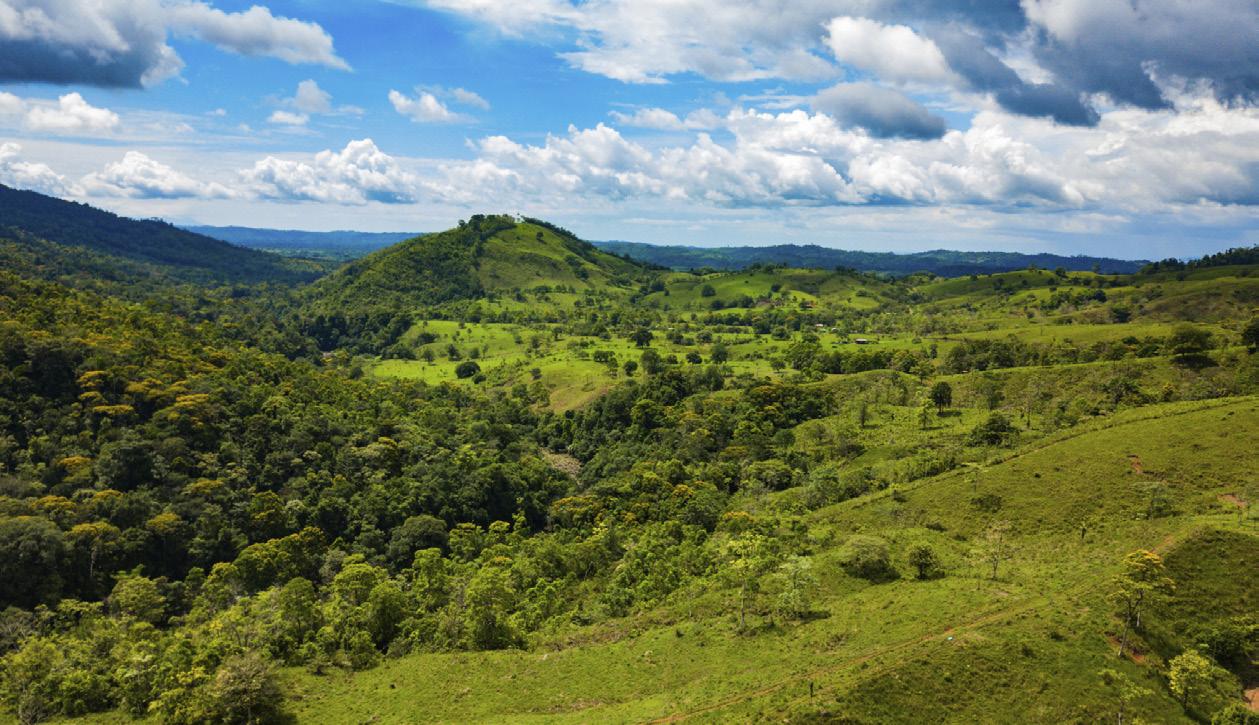
HACIENDA LOS GAUCHOS
Cuatro Bocas, CR
$3,500,000
515± acres
Majestic views capture volcanic mountains, Lake Nicaragua, and untouched forests, while the Cana Negro River offers exceptional fishing beneath a towering rainforest canopy. Roads and trails wind through pastures, hills, and forest to springs, fruit trees, and a waterfall. A ranch manager’s home ensures year-round oversight and includes prime hilltop sites for a chalet with breathtaking vistas. Rotational grazing on nutrient-rich grasses blends agriculture, recreation, and off-grid luxury in a rare self-sustaining retreat.

Fay Ranches Inc. is not providing real estate services in Costa Rica and is publishing these listings in cooperation with 2 Costa Rica Real Estate Papagayo. The content of these listings has been prepared solely by 2 Costa Rica Real Estate Papagayo or the property owner. Fay Ranches, Inc is not responsible for the content of these listings and does not provide any representation or warranties with respect to the properties.

JOIN OUR TEAM
Since 1992, Fay Ranches agents have dedicated themselves to upholding the highest standards of service and expertise. We also recognize the pivotal role of collaboration in our industry and are delighted to highlight Fay Ranches’ growing presence from coast to coast.
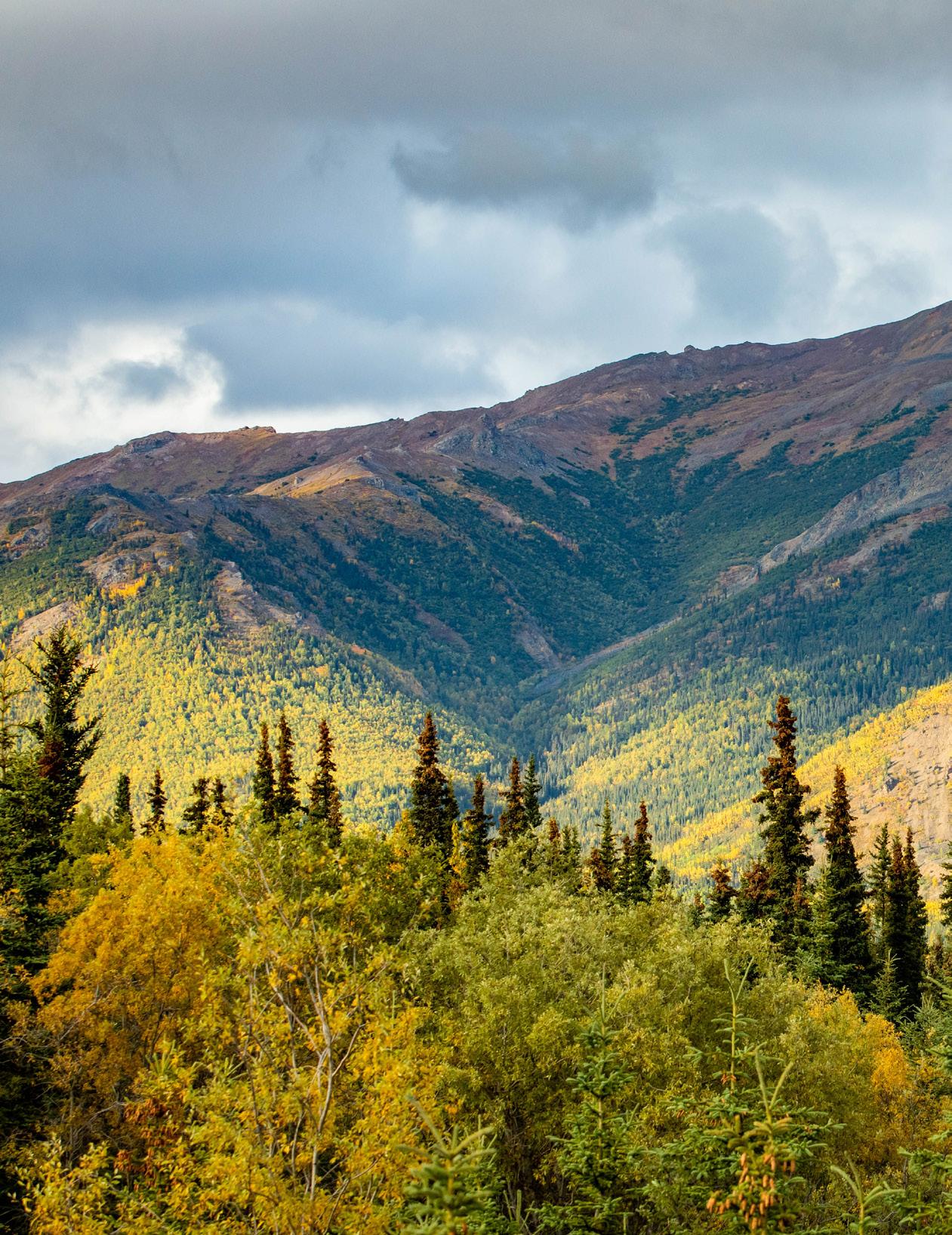
Scan the QR code to learn more about joining the Fay Ranches Team.