
Textile Asia 2025, Lahore
Dates: November 22nd to 24th 2025. Venue: Lahore Expo Centre. Textile Asia 2026, Karachi
Dates: December 05th to 07th 2026. Venue: Expo Centre, Karachi.

ShanghaiTex 2025
Dates: December 16th to 19th 2025. Venue: SNIEC, Shanghai, China.

Heimtextil 2026, Frankfurt
Dates: January 13th to 16th, 2026
Venue: Frankfurt am Main.

FESPA Middle East 2026
Dates: January 13th to 15th 2026. Venue: Dubai Exhibition Centre.

DOMOTEX Hannover 2026
Dates: January 19th to 22nd 2026. Venue: Hannover, Germany.

DOMOTEX Middle East 2026
Dates: April 22nd to 24th 2026. Venue: Dubai World Trade Centre.

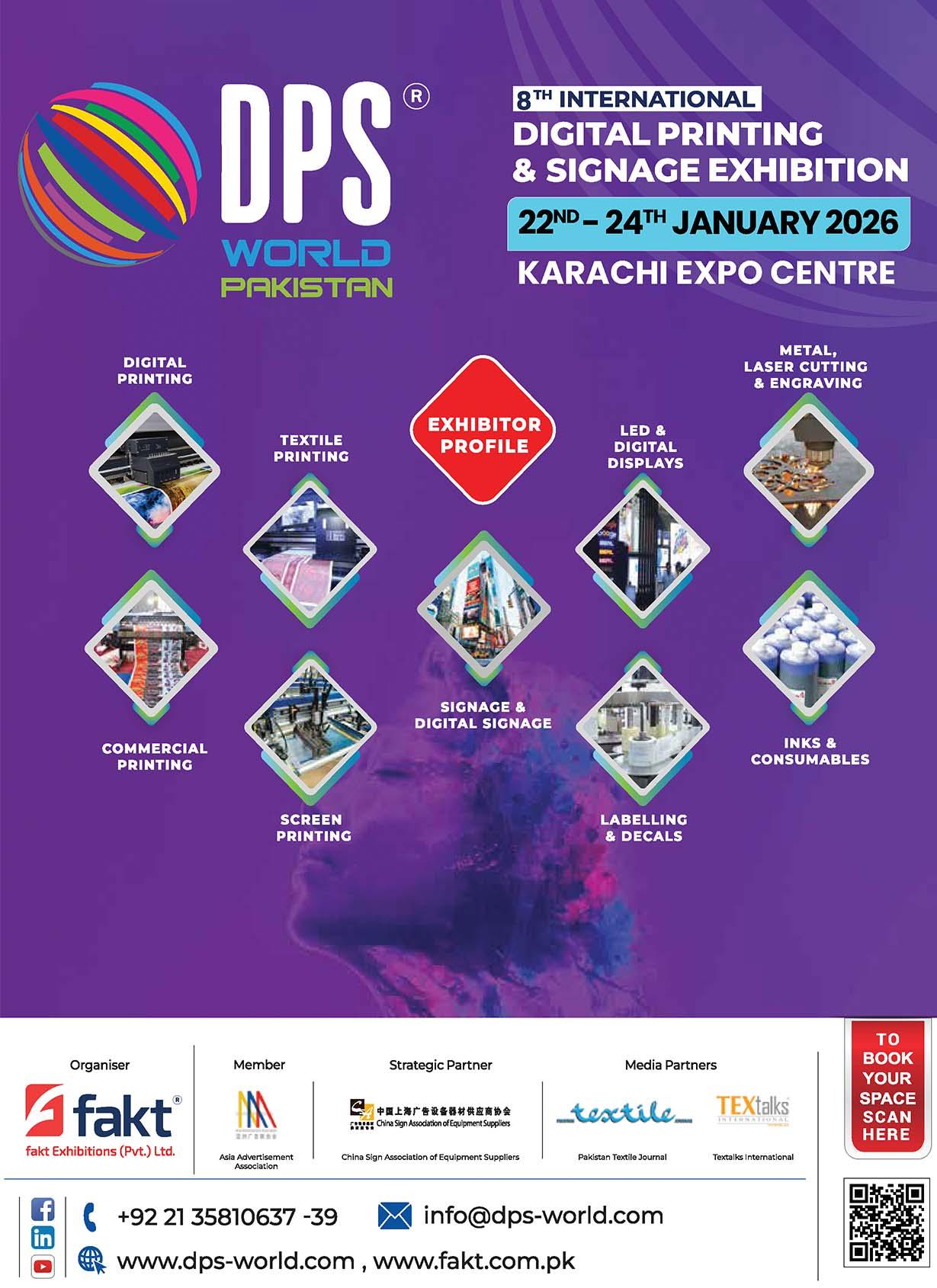
DPS World Pakistan 2026
Dates: January 22th to 24th, 2026
Venue: Karachi Expo Centre.

Dates: February 26th to 28th, 2026. Venue: Ho Chi Minh City, Vietnam.

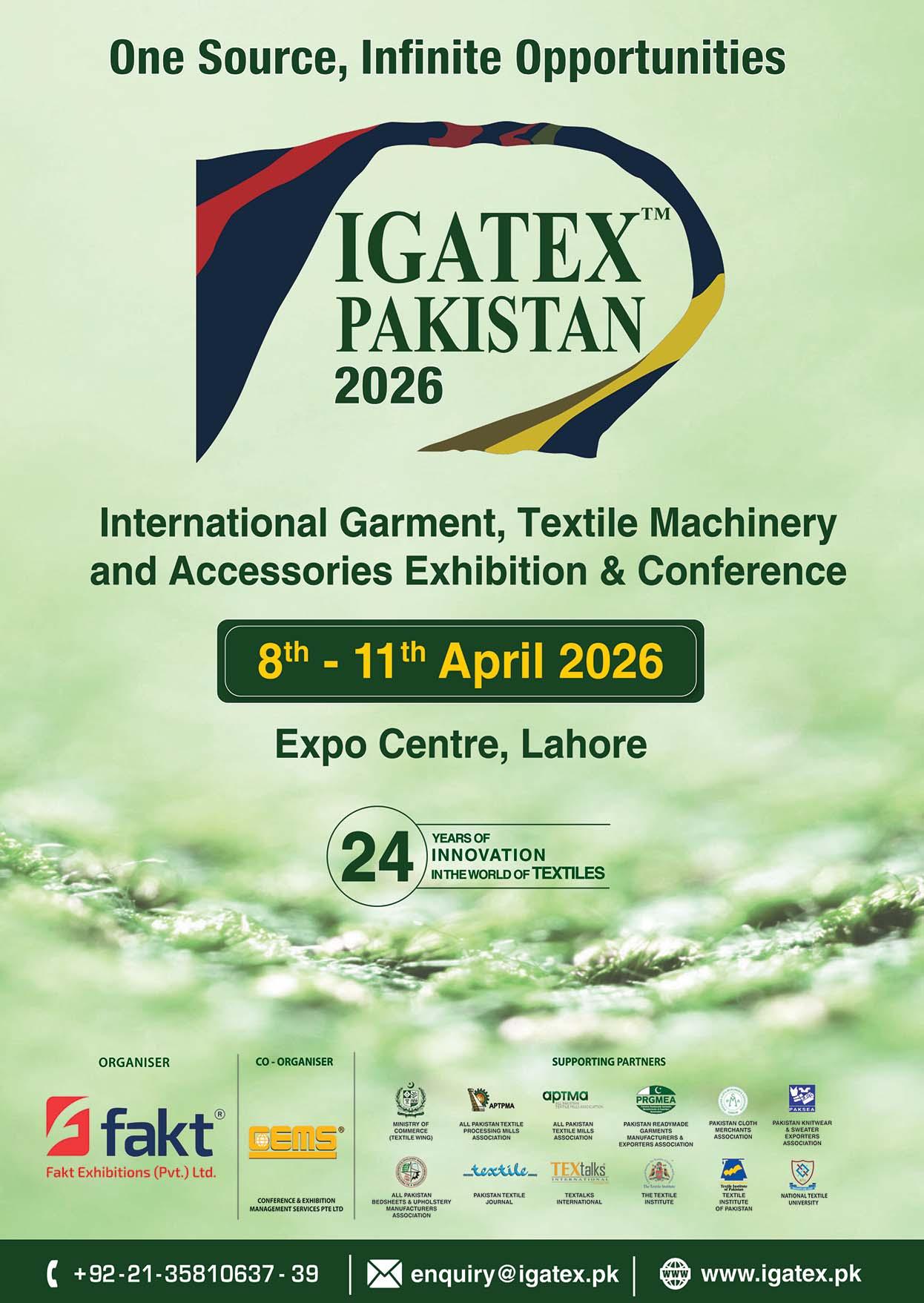
IGATEX Pakistan 2026, Lahore
Dates: April 08th to 11th 2026. Venue: Expo Centre, Lahore.

iCADEX Pakistan 2026, Lahore
Dates: April 08th to 11th 2026. Venue: Expo Centre, Lahorei.

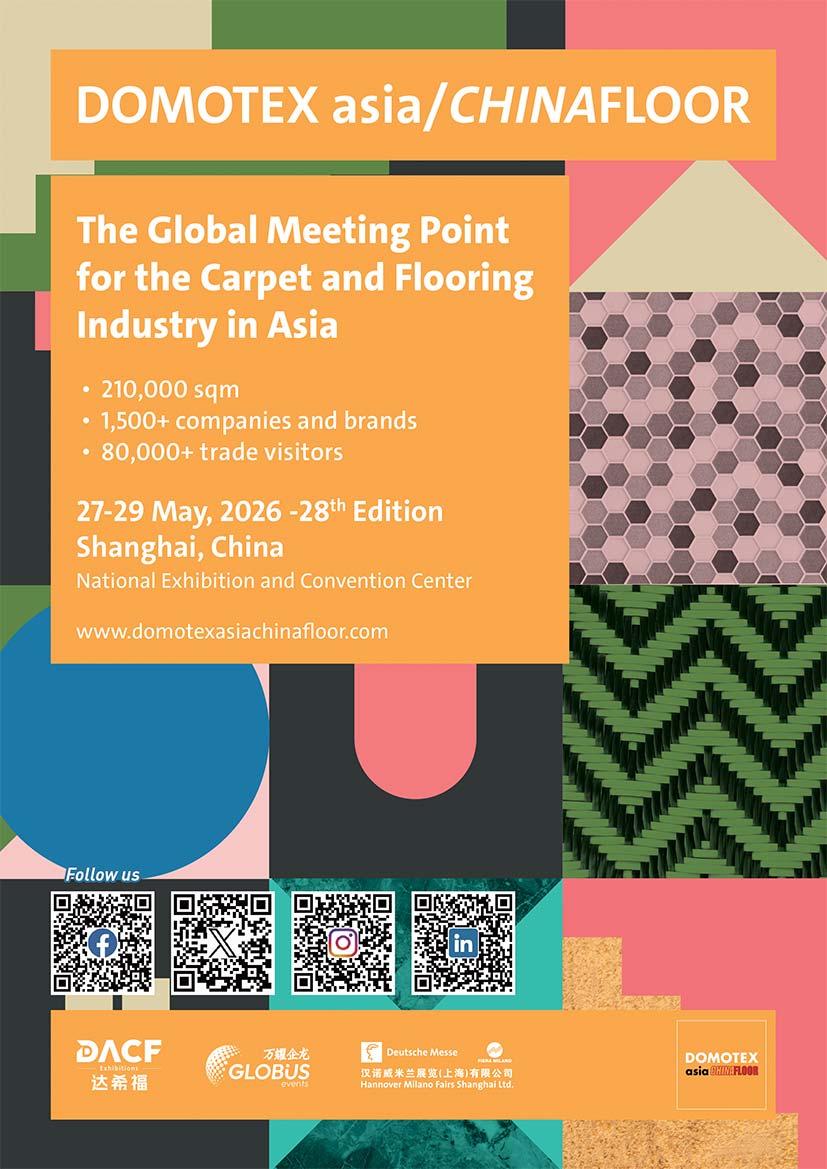
DOMOTEX asiaCHINAFLOOR 2026
Dates: May 27th to 29th 2026. Venue: NECC, Shanghai, China.

FESPA 2026
Dates: May 19th to 22nd 2026. Venue: Fira de Barcelona in Spain.

Techtextil and Texprocess 2026
Dates: April 21st to 24th, 2026
Venue: Frankfurt, Germany.

Index 2026
Dates: May 19th to 22nd, 2026. Venue: Palexpo, Geneva, Switzerland.
ITM 2026
Dates: June 9th to 13th, 2026. Venue: Istanbul, Turkey.

HIGHTEX 2026
Dates: June 9th to 13th, 2026. Venue: Istanbul, Turkey.
ITMA ASIA + CITME 2026
Dates: November 20th to 24th, 2026. Venue: NECC, Shanghai, China.

2027
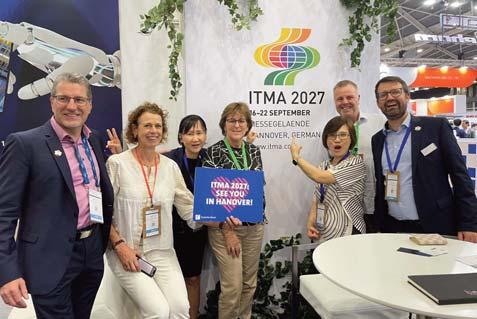
Dates: September 16th to 22nd, 2027. Venue: Hanover, Germany.
PAKISTAN



Founded in 1951 by Mazhar Yusuf (1924-2009)
Publisher
Nadeem Mazhar
Editor in Chief
Amina Baqai
Associate Editor
Nimrah Nadeem
Production Manager
Mazhar Ali
Layout & Design
Noor M. Jaan
Website / Social Media
Minhaj Ali
Hony-Editorial Board
Dr. Hafizur Rehman Sheikh Ph.D (UK) F.T.I. (UK)
Syed Mahfooz Qutab
C.TEX, F.T.I (U.K), B.Sc. Fellow I.C.T.T Atlanta, GA; (USA)
Dr. Zubair Bandukda PhD (Textiles), CText ATI
Editorial & Advertising Office
B-4, 2nd Floor, 64/21, M.A.C.H, Miran M. Shah Road, Karachi - Pakistan
Tel: +92-21-34311674-5
Fax: +92-21-34533616
Email: info@ptj.com.pk
URL: http://www.ptj.com.pk
PTJ Europe Ltd.
Registered Office: Dairy House, Money Row Green, Holyport, Maidenhead, Berkshire, SL6 2ND, United Kingdom.
Registered no. 09141989
Tel: +44 792 2228 721
Available on Gale and Factiva affiliated international databases through Asianet Pakistan
Engr. Naeem Ilyas Khanani Printed at: Color Plus Korangi, Karachi. Published by Nadeem Mazhar from D-16, K.D.A. Scheme No.1. Karachi.





YKK Enters Into a Partnership with the Fashion Frontier Program .
Rieter Investor Update 2025 .
Mahlo GmbH + Co. KG Celebrates 80 Years of Company
.18
TrusTrace Recognized as a Representative Provider for Digital Product Passports in Gartner® Research
Archroma demonstrates sustainable performance without compromise at PERFORMANCE DAYS 2025
TEXTILCOLOR AG launches strategic collaboration with Alpex, Majocchi, and TransTextil in the field of Pyroshell™ flame protection
The Textile Institute marks 100 years with a Global Expansion Drive

The address of innovation and investment in textile technologies: ITM 2026 . .32
European Parquet federation at DOMOTEX 2026
Free registration now open for Textiles Recycling Expo USA
The First-Ever Dedicated Exhibition & Conference for Textile Recycling in North America
The future of technical textiles and nonwoven industry takes shape at HIGHTEX .37
Lutz Wolf becomes CEO of the KARL MAYER Group
Oritain appoints Gemma Lynch as Chief Customer Officer to drive global growth and customer excellence
Textile Solutions Group appoints Anton Hofmeier as Group CEO
Circulose partners with Marks & Spencer to accelerate circular fashion
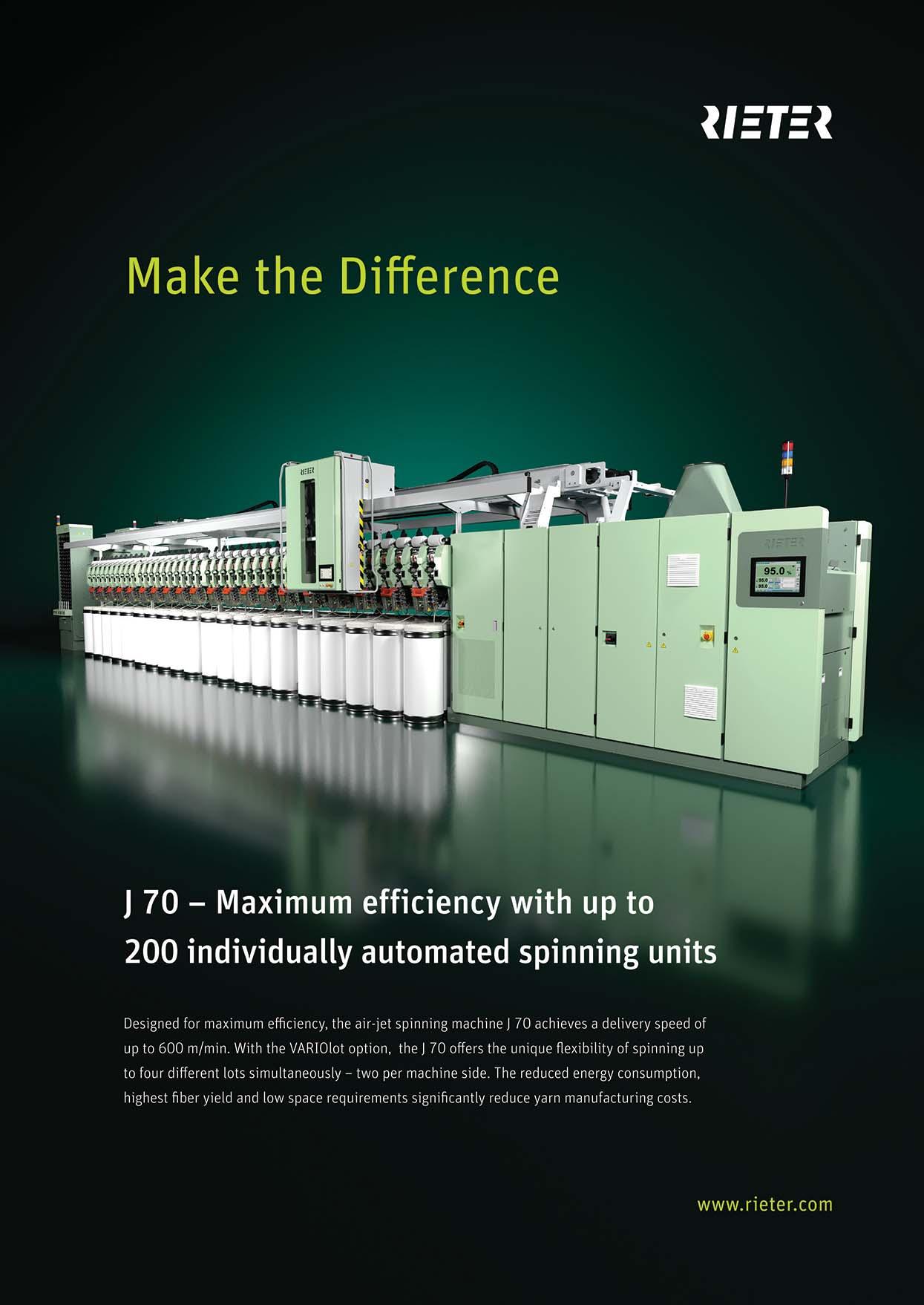
Processing carded cotton with the Rieter J 70
UHMWPE fibres: FET’s game changer for the biomedical market
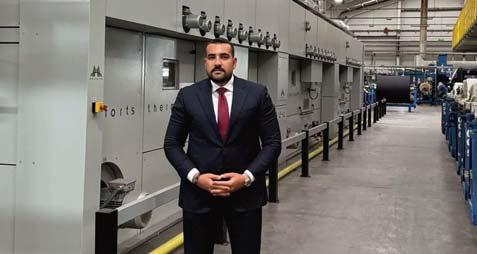
COTTON USA™ Sourcing Fair in Bangkok Drives U.S. Cotton Supply Chain Partnerships43 Monforts: Third Thermex for Turkey’s Altoteks
Stäubli expands in Southeast Asia with new legal presence in Malaysia
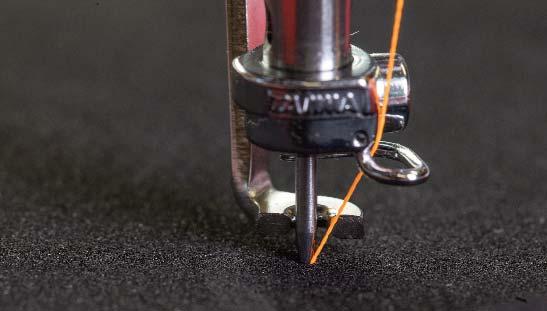
Groz-Beckert embroidery machine needles optimize industrial embroidery processes
When sparks fly, Arosa responds: Inside Zaman Textile’s fire safety transformation .48

Singapore edition of ITMA ASIA + CITME 2025 makes successful presentation . . .50
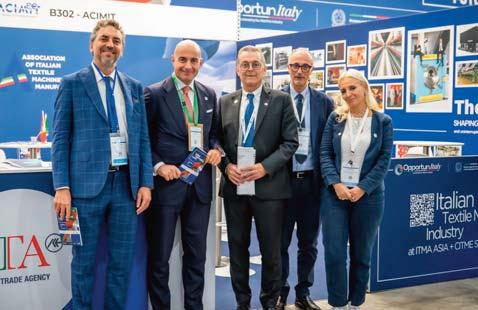
The Italian Textile Machinery industry on display at ITMA ASIA + CITME 2025 . . .52
VDMA members highly satisfied with ITMA ASIA + CITME 2025 in Singapore .
Reshaping Asian manufacturing: Taiwan’s smart & sustainable textile solutions unveiled at ITMA ASIA + CITME 2025
.54

Swiss Textile Machinery demonstrates innovation, global strength and industry optimism at ITMA ASIA + CITME Singapore 2025
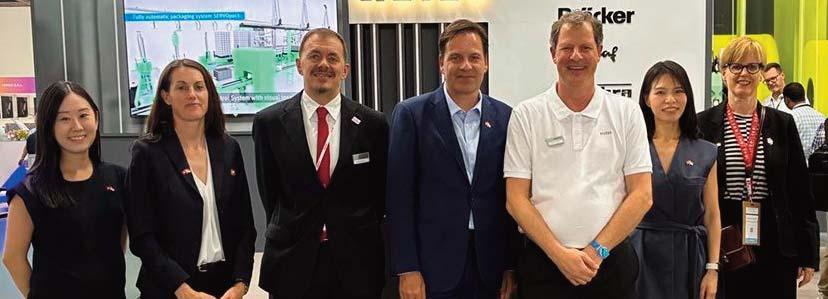
ITMA ASIA + CITME Singapore 2025 - Glimpses
As this issue goes to press, the global textile industry is still absorbing the insights and technological shifts highlighted at ITMA Asia + CITME 2025. The event reinforced a clear theme: the future of textiles will be shaped not only by digitalisation and sustainability, but also by a more diversified and resilient approach to raw materials. For Pakistan, traditionally anchored in cotton, this marks a critical moment to reassess the balance of fibres driving our value chain.
Pakistan’s cotton economy continues to face deep structural pressures. Climate-driven heatwaves, irregular rainfall, pest infestations, and outdated seed varieties have kept production well below the industry’s needs. As a result, mills remain dependent on imported cotton, leaving the entire supply chain exposed to volatile global markets, freight variability, and currency fluctuations. This vulnerability limits growth at a time when international buyers are demanding greater flexibility, innovation, and value addition.
At ITMA Asia, global manufacturers demonstrated how dramatically the fibre landscape has changed. More than 70% of world apparel is now based on man-made fibres (MMF), and the fastest-growing categories include performancewear, athleisure, home textiles, hygiene products, medical textiles, filtration fabrics, and nonwovens. Exhibitors showcased advanced technologies for polyester, viscose, modal, lyocell, spandex, and high-performance synthetics—supported by automation, precise colour management, and reduced resource consumption.
In comparison, Pakistan’s export mix remains heavily cotton-centric. While cotton will always be an essential raw material for our spinning and weaving sectors, relying on it alone restricts product diversification, compresses margins, and hampers our ability to compete in high-growth technical segments. A fibre-balanced future—where cotton is complemented by a strong MMF and synthetic fibre base—is now imperative.
To move forward, Pakistan must encourage investment in MMF-based spinning, weaving, knitting, and processing; modernise existing facilities; support blended yarn and fabric development; and strengthen climate-resilient cotton farming practices. A broader fibre ecosystem will not only stabilise raw-material sourcing but also open pathways to innovation, higher value addition, and a more competitive export profile.
The direction ahead is clear: countries that embrace fibre diversity and technological flexibility will lead the next era of textile growth. For Pakistan, aligning its fibre mix with global demand is essential to ensuring long-term strength, resilience, and relevance in the international market.


1
Pakistan’s textile exports surged to a three-year high of $1.6 billion in September 2025, marking a strong rebound in the country’s largest export sector, according to provisional figures released by the State Bank of Pakistan (SBP). Analysts said the latest performance signals gradual stabilization after several challenging quarters marked by currency volatility, weak demand, and rising input costs. However, they also warned that structural constraints — including high energy tariffs, elevated financing rates, and disruptions in domestic cotton supply — continue to weigh on long-term growth.

2
Pakistan’s textile and fashion community is turning to the BRICS+ Fashion Summit 2025 in Moscow as a springboard for diversifying its export footprint and cultivating new cultural and commercial alliances beyond traditional Western markets, industry figures said to media.
3
Pakistan is moving to recalibrate its textile economy with a dual policy approach designed to strengthen the country’s raw material base, modernize production, and position its exports in line with global demand for synthetic and technical fabrics.
1
A high-level delegation from the Bangladesh Garment
Manufacturers and Exporters Association (BGMEA) is currently visiting the Netherlands to explore advanced solutions for textile waste recycling and strengthen cooperation with European partners in building a circular apparel economy.
2
Cambodia’s export performance in the garment, textile, footwear, and travel goods sectors surged during the first three quarters of 2025, with total shipments valued at US$12.2 billion, marking a 16.7% year-on-year increase, according to the latest report
4
The Pakistan Textile Council (PTC) has urged the government to implement regionally competitive energy tariffs, rationalized taxation, and a legally protected five-year industrial and export policy to secure long-term stability for the country’s leading export sector.
5
Pakistan’s cotton market witnessed a sharp revival in September 2025, with both domestic arrivals and imports recording strong growth despite prolonged monsoon rains and flooding in key producing regions. The surge signals renewed momentum in the country’s textile supply chain after months of volatility.
6
The Pakistan Business Forum (PBF) has welcomed the federal government’s approval of Rs12 billion in financial support for the textile, apparel, and other export-oriented sectors under the Duty Drawback of Local Taxes and Levies (DLTL) and Long-Term Loan for Development (LTLD) schemes.
7
The Trade Development Authority of Pakistan (TDAP) successfully organized a seminar titled “Technical Textiles & Application of Industry 4.0”, bringing together industry leaders, academics, and technology experts to explore Pakistan’s opportunities in high-value textile manufacturing and digital transformation.

from the Ministry of Commerce.
3
China’s textile and apparel sector showed a mixed export performance during the first nine months of 2025, as resilient textile shipments helped offset weaker apparel demand in key overseas markets, according to the General Administration of Customs.
4
The Egyptian Commercial Service (ECS) office in Istanbul has ramped up its efforts to attract Turkish investment in Egypt’s ready-made garments, textile, and auxiliary manufacturing sectors, as part of a broader push to
strengthen bilateral industrial ties and expand export capacity.
5
India’s textile sector faced mixed export trends during the first half of FY26, as textile shipments declined while apparel exports recorded moderate growth, according to the Confederation of Indian Textile Industry (CITI).
6
Türkiye’s fabric exports continued to face headwinds in the first half of 2025, extending a downward trend that has persisted for three consecutive years. According to industry data, exports declined by 2.55% year-onyear to US $2.10 billion

during the January–June period, reflecting sustained challenges in global competitiveness and weakening demand in key markets.
7
Vietnam’s textile and garment sector is ramping up productivity and embracing smart manufacturing as it pursues greater value addition and competitiveness in global markets. The industry’s export performance remained resilient, reaching USD 34.8 billion in the first nine months of 2025 — a 7.7% increase compared to the same period last year — despite persistent challenges in global trade.
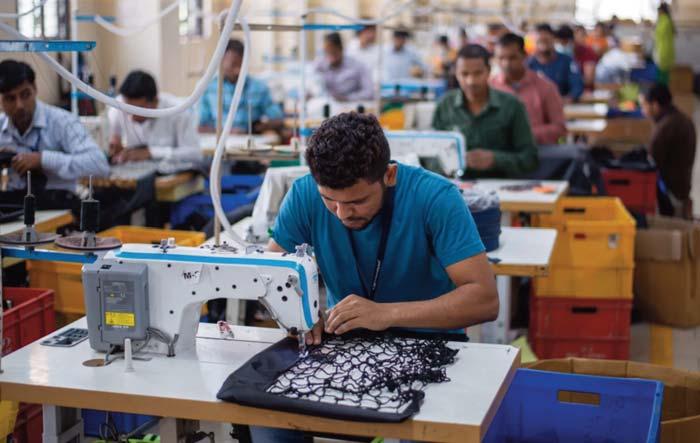
Pakistan’s textile exports surged to a three-year high of $1.6 billion in September 2025, marking a strong rebound in the country’s largest export sector, according to provisional figures released by the State Bank of Pakistan (SBP).
The increase reflects a revival in international demand for Pakistan’s value-added textile products, supported by a more stable exchange rate and improved order flows from major Western markets. The sector accounted for roughly 60% of total goods exports during the month, reaffirming its pivotal role in Pakistan’s external trade.
Data compiled by Topline Securities showed that knitted apparel exports reached an all-time high of $485 million, underscoring the sector’s growing competitiveness in higher-value categories such as knitwear, sportswear, and fashion apparel.
Analysts said the latest performance signals gradual stabilization after several challenging quarters marked by currency volatility, weak demand, and rising input costs. However, they also warned that structural constraints — including high energy tariffs, elevated financing rates, and disruptions in domestic cotton supply — continue to weigh on long-term growth.
Industry experts noted that Pakistan’s export performance has been bolstered by recovering global retail demand and competitive pricing, particularly as US tariffs on certain regional peers have
made Pakistani products more attractive in international markets.
A textile analyst at a Karachi-based brokerage said the sector’s rebound was supported by improved cost management and a steady supply of local cotton during the last quarter. “The consistent rupee-dollar parity and stronger global orders have provided breathing room for exporters, but cost pressures remain significant,” the analyst added.
Despite the renewed momentum, manufacturers remain cautious about the coming months amid rising energy prices and yarn shortages following weatherrelated damage to cotton crops. Some exporters have begun importing raw materials to meet order commitments, which adds pressure due to payments in foreign currency.
Market observers said sustaining the upward trajectory will depend on policy continuity, competitive utility tariffs, and availability of raw materials. If current

trends persist, they added, Pakistan could see textile exports crossing $18 billion by the end of FY2026, bringing the industry closer to pre-pandemic performance levels.
Pakistan’s textile and fashion community is turning to the BRICS+ Fashion Summit 2025 in Moscow as a springboard for diversifying its export footprint and cultivating new cultural and commercial alliances beyond traditional Western markets, industry figures said to media.
The event — endorsed by more than 50 leading international fashion weeks — offered Pakistan a global stage to present its rich textile heritage and design innovation to emerging consumer hubs across Russia and Central Asia.
The Pakistan Readymade Garments Manufacturers and Exporters Association (PRGMEA) hailed the outcome of the summit, describing it as a timely opportunity to reposition Pakistan as a sourcing destination for non-traditional buyers. “Such international platforms are crucial for Pakistan to strengthen its foothold in non-traditional markets,” the association stated, emphasizing that greater participation in global trade forums could redefine the country’s textile narrative.
Industry stakeholders observed that the BRICS+ framework provides more than a trade mechanism — it represents
an evolving bridge for economic cooperation and cultural dialogue across Eurasia. By expanding its engagement within this network, they said, Pakistan could lessen its dependence on Western demand and move toward a more resilient and sustainable export model.
Among the major outcomes of the Moscow gathering was the launch of the BRICS International Fashion Federation (BRICS-IFF), a cross-border alliance created to drive innovation, sustainability, and technological advancement in the fashion sector through collaborative design and research.
According to data from the Pakistan Bureau of Statistics, the country’s textile exports stood at $17.88 billion during FY2024–25, with nearly two-thirds destined for the United States and the European Union. Industry experts said that penetrating newer markets could help shield Pakistan’s export performance from global economic headwinds and currency fluctuations.
Analysts also pointed to Pakistan’s geostrategic position as a potential advantage, allowing it to act as a trade corridor linking South Asia with Central Asia and Europe. They recommended practical measures such as creating a Pak–Russia Business Council under the BRICS+ umbrella, developing streamlined banking channels for exporters, and easing visa regimes to foster smoother trade connectivity.
Participants at the summit underscored the growing influence of Fashion Tech — from 3D digital design and smart fabrics to virtual fitting platforms — as key to enhancing productivity, reducing costs, and meeting global sustainability benchmarks.
Experts concluded that Pakistan’s textile sector stands at a pivotal moment: by embracing new technologies and diversifying its market outreach, it could move significantly closer to achieving its long-standing ambition of $25 billion in annual textile exports.
Pakistan is moving to recalibrate its textile economy with a dual policy approach designed to strengthen the
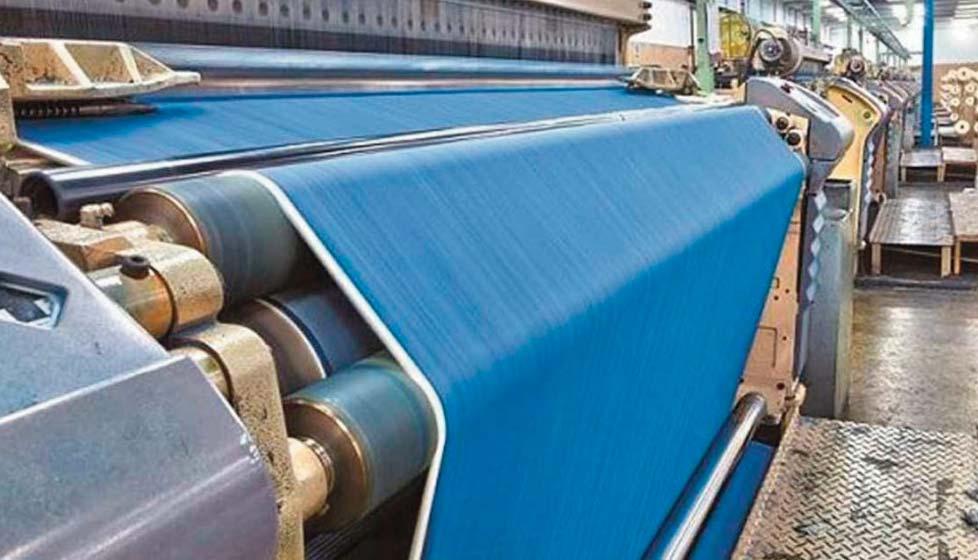
country’s raw material base, modernize production, and position its exports in line with global demand for synthetic and technical fabrics.
Officials confirmed that the Ministry of National Food Security and Research is finalizing the National Cotton Plan 2025, a comprehensive framework to revive cotton cultivation through higher-yield seeds, improved fibre quality, and sustainable farming practices aimed at lowering costs.
The plan complements the Textiles and Apparel Policy 2025–30, which is being developed by the Ministry of Commerce to promote value addition, attract investment in synthetic fibres, and accelerate the transition toward modern textile manufacturing.
According to internal documents reviewed by Wealth Pakistan, the coordinated strategy focuses on import substitution and export diversification, ensuring cotton development and industrial policy move in tandem. The National Assembly’s Standing Committee on Commerce has already endorsed recommendations aligned with these objectives.
The forthcoming Textiles and Apparel Policy sets an ambitious target: achieving $30 billion in textile exports by 2030, as approved by the National Export Development Board. The policy outlines priority sub-sectors and target markets to drive growth, emphasizing greater reliance on locally produced inputs and a stronger foothold in non-traditional export destinations.
During Fiscal Year 2025, value-added textile exports — primarily apparel and home textiles — generated $14.29
billion, representing 80 percent of total textile earnings. Exports of raw materials and intermediates, meanwhile, totalled $3.65 billion.
Despite the strong performance of finished goods, Pakistan’s textile structure remains overwhelmingly dependent on cotton, even as global production trends shift toward man-made fibres (MMF). MMFs now account for 74 percent of world fibre consumption, with polyester leading at 57 percent, followed by polyamide (6.7 percent), other synthetics (6.1 percent), and viscose (6.3 percent).
To bridge this gap, the recently approved National Tariff Policy 2025 has instructed the Tariff Policy Board to review and rationalize customs duties on non-cotton yarns and fabrics, paving the way for a new generation of MMF-based products, including sportswear, women’s fashion, and children’s clothing.
Government officials said Pakistan is also seeking foreign and domestic investment in the manufacturing of synthetic and artificial fibres such as polyamide, polyolefin, polyethylene, and polyurethane to reduce import dependence and establish a robust backward supply chain for the textile sector.
At the policy level, Islamabad is working to integrate into the $300 billion global technical textile market, which is expected to expand rapidly by 2030. The Ministry of Commerce has set up a National Technical Textile Council to steer the transition from traditional cottonbased production toward high-value technical textiles used in agriculture, construction, medicine, packaging, automotive, and protective applications.
In addition, Sectoral Councils have been activated to strengthen dialogue between public institutions and private manufacturers. These forums aim to identify regulatory bottlenecks, streamline export processes, and ensure policy implementation remains aligned with industry realities.
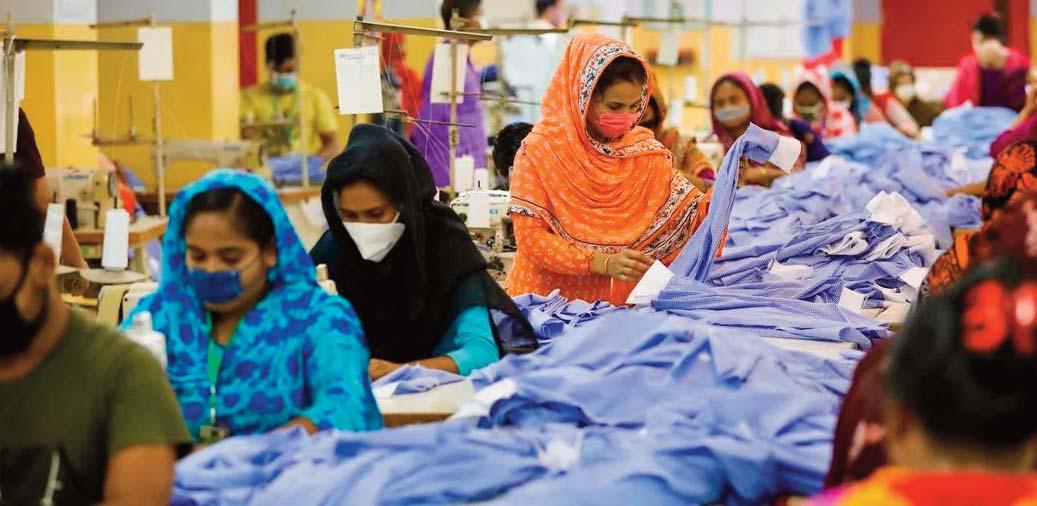
The Pakistan Textile Council (PTC) has urged the government to implement regionally competitive energy tariffs, rationalized taxation, and a legally protected five-year industrial and export policy to secure long-term stability for the country’s leading export sector.
In its Pakistan Textile & Apparel Exports Q1FY26 Report, the Council revealed that textile and apparel exports climbed 5.7% year-on-year to reach $4.79 billion during the first quarter of the current fiscal year. However, it warned that the sector’s recovery remains fragile amid volatile energy prices, policy inconsistency, and liquidity constraints that continue to hinder competitiveness.
The report emphasized that energy pricing reform is central to sustaining export momentum. It proposed a transparent and regionally linked tariff mechanism, suggesting that industrial electricity and gas rates should be benchmarked against key competitors, including Bangladesh and Vietnam, to restore cost parity and investor confidence.
Uncompetitive energy costs, the PTC noted, have become a major obstacle to export-led growth, while delayed tax
refunds and complex documentation have trapped working capital and limited new investment. The Council recommended a 72-hour automated refund system under a risk-based postaudit model and advocated zero-rating of export-related inputs under the Export Facilitation Scheme to improve liquidity.
On labour competitiveness, the PTC called for alignment of wage and overtime laws with regional standards, highlighting that higher payroll costs in Pakistan continue to erode exporters’ margins in major destinations such as the European Union and the United States.
To strengthen financial resilience, the Council proposed expanding the Export Finance Scheme (EFS) and Long-Term Financing Facility (LTFF), while empowering the EXIM Bank with a broader mandate and enhanced lending capacity to finance modernization, renewable energy projects, and technology upgrades.
Beyond short-term interventions, the PTC advocated for a five-year industrial and export policy backed by legal protection and measurable Key Performance Indicators (KPIs). The proposed KPIs would track export growth, diversification, sustainability, and

compliance, ensuring transparency and accountability through monthly reporting.
The Council also stressed the need to align future policies with global sustainability and ESG standards, particularly in energy efficiency, wastewater management, and traceability of raw materials. It urged the government to provide concessional financing and technical support to help exporters meet rising environmental and compliance requirements set by international buyers.
Pakistan’s cotton market witnessed a sharp revival in September 2025, with both domestic arrivals and imports recording strong growth despite prolonged monsoon rains and flooding in key producing regions. The surge signals renewed momentum in the country’s textile supply chain after months of volatility.
According to data compiled by Arif Habib Limited, total cotton arrivals reached 2.06 million bales in September, representing a 118% year-on-year increase and nearly double the volume recorded a month earlier.
For the first quarter of FY26, cumulative arrivals stood at 4.06 million bales, up 55% compared to the same period a year earlier, underscoring the sector’s resilience amid weather-related disruptions.
Imports also climbed sharply, driven by renewed demand from textile exporters fulfilling international orders. In September alone, Pakistan imported 351,000 bales, marking a 168% annual rise, while the import bill expanded 137% to $137 million.
During the quarter, total cotton imports hit 1.01 million bales valued at $1.7 billion, reflecting a 63% jump in value over 1QFY25.
Industry observers attribute the increase to robust export activity in the textile sector, which saw shipment volumes grow 4% and export earnings rise 7.3% in the same period. The uptick highlights improving global demand and a more synchronized domestic supply chain.
Despite the improvement in local arrivals, analysts noted that Pakistan continues to rely heavily on imported cotton to bridge the shortfall between growing textile demand and limited domestic output. Import values reached a peak of $575 million in May 2025 before moderating slightly in recent months.
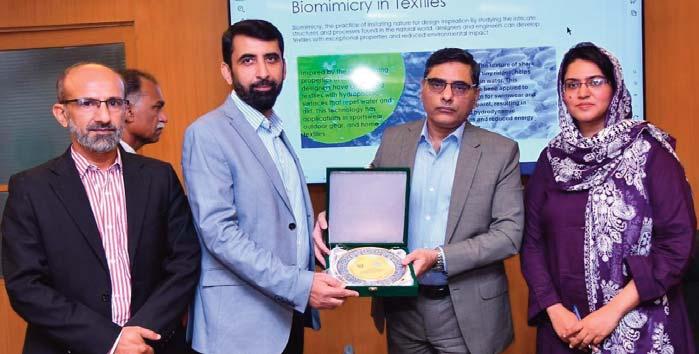
The Pakistan Business Forum (PBF) has welcomed the federal government’s approval of Rs12 billion in financial support for the textile, apparel, and other export-oriented sectors under the Duty Drawback of Local Taxes and Levies (DLTL) and Long-Term Loan for Development (LTLD) schemes.
In a statement issued by PBF President, Khawaja Mehboob ur Rehman commended the Ministry of Commerce for what he described as a timely and practical intervention aimed at easing liquidity pressures on exporters.
“This decision by the Ministry of Commerce is a welcome move and will go a long way in resolving the liquidity issues of our exporters,” he said. “Timely release of funds under the DLTL and LTLD schemes will not only ease the working capital constraints of exportoriented businesses but also help restore confidence within the sector, ultimately contributing to increased exports and economic growth.”
Rehman emphasized that the textile and apparel industries continue to serve as the cornerstone of Pakistan’s export economy, providing substantial employment and foreign exchange earnings. He added that consistent policy support and fiscal facilitation are essential to sustaining competitiveness in international markets.
The PBF president reaffirmed the forum’s commitment to working with the government and industry stakeholders to advance policies that enhance productivity, improve export performance, and support long-term economic growth.
The organization also praised the Ministry of Commerce for its proactive approach in ensuring that exporters receive financial assistance to navigate current challenges, such as rising input costs and sluggish global demand. Rehman expressed confidence that with continued government backing, Pakistan’s exporters would be better positioned to expand their international presence and contribute to national economic recovery.
The Trade Development Authority of Pakistan (TDAP) successfully organized a seminar titled “Technical Textiles & Application of Industry 4.0”, bringing together industry leaders, academics, and technology experts to explore Pakistan’s opportunities in high-value textile manufacturing and digital transformation.
Opening the session, Basit Rauf, Director General (Textile Division), TDAP, said that technical textiles are among the fastest-growing segments of the global textile market. He underscored the need for Industry 4.0 adoption—including automation, smart production, and datadriven management—to enhance productivity and global competitiveness. “TDAP remains committed to supporting
innovation-driven growth in Pakistan’s textile exports,” he added.
Prof. Dr. Dawood Husain, from the Department of Textile Engineering, NED University, presented on “Potential of Technical Textiles and Pakistan’s Role in the Global Market,” emphasizing the value of academic-industry collaboration and product diversification to move up the value chain.
Saqib Sohail, Head of Engagement at The Microfibre Consortium (UK), discussed “Automation and Traceability,” sharing insights on sustainability, data transparency, and digitization in textile supply chains.
Meanwhile, Dr. Jawairia Khan, Lecturer at the University of Technology Sydney and NTU alumna, delivered a session on “Smart Textiles for Personalized Healthcare,” highlighting breakthroughs in wearable and intelligent textile technologies.
Arbaz Adil, Manager Product Compliance at Utopia, addressed ESG frameworks, carbon management, and compliance with international sustainability standards—urging exporters to align operations with global best practices.
Participants from the textile industry, universities, and trade associations expressed strong interest in a continued series of specialized seminars focused on smart materials, automation, and sustainability-driven innovation.
The seminar concluded with TDAP announcing plans to hold follow-up workshops and training programs in partnership with universities and international experts to strengthen capacity building, technological advancement, and market readiness among Pakistan’s textile exporters.

A high-level delegation from the Bangladesh Garment Manufacturers and Exporters Association (BGMEA) is currently visiting the Netherlands to explore advanced solutions for textile waste recycling and strengthen cooperation with European partners in building a circular apparel economy.
The visit, arranged jointly by the Netherlands Enterprise Agency (RVO) and the Dutch Embassy in Dhaka, is designed to help Bangladesh’s apparel sector—currently the second-largest in the world—gain practical exposure to innovative recycling technologies and sustainable production systems.
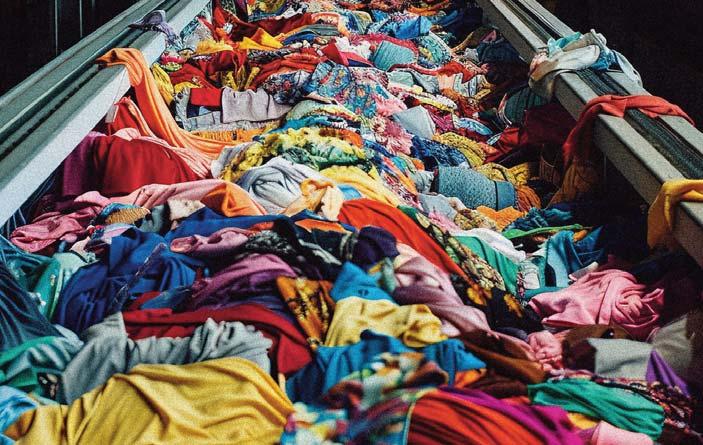
According to BGMEA, Bangladesh’s garment industry generates between 500,000 and 700,000 tons of textile waste annually. A large portion of this “jhut,” particularly cotton-based fabric waste, remains underutilized despite its recycling potential. In the absence of a structured recycling framework, much of it is exported or ends up in landfills and waterways, contributing to environmental degradation and fuelling an informal, unregulated waste economy.
BGMEA officials described the visit as a strategic step to bridge technological and policy gaps, noting that the initiative aligns with the organization’s Sustainability Vision 2030, which
emphasizes circularity, decarbonization, and resource efficiency.
The European Union’s upcoming sustainability regulations, which will require greater use of recycled materials by 2030, are also a major driver behind Bangladesh’s renewed focus on textile circularity. By engaging with Dutch recycling innovators, BGMEA hopes to develop scalable solutions, reduce dependency on raw cotton imports, and enhance the global competitiveness of Bangladesh’s garment exports.
Industry observers noted that a formalized recycling ecosystem could unlock new revenue streams, improve labour conditions, and promote transparency across the value chain— transforming textile waste from an environmental burden into an economic opportunity.
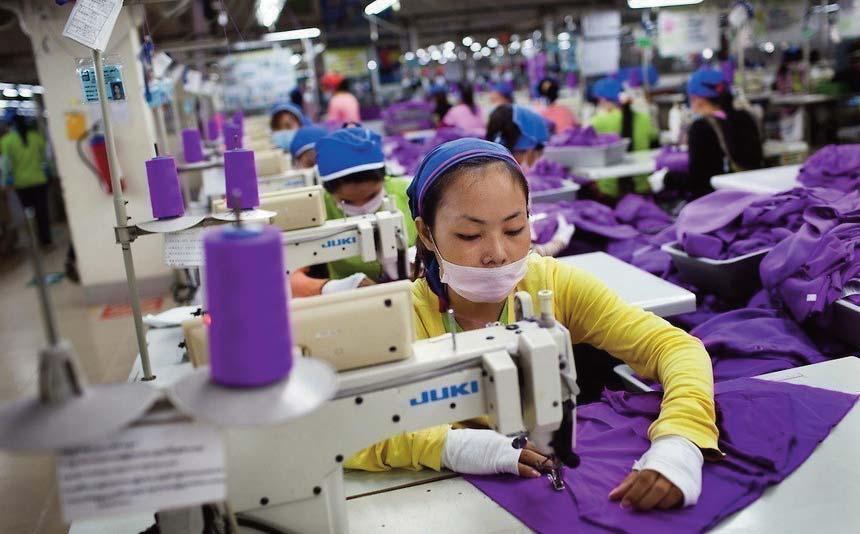

Cambodia’s export performance in the garment, textile, footwear, and travel goods sectors surged during the first three quarters of 2025, with total shipments valued at US$12.2 billion, marking a 16.7% year-on-year increase, according to the latest report from the Ministry of Commerce.
Garments remained the country’s dominant export, reaching US$8.63 billion between January and September — a 16.8% rise from the same period last year. Exports of textiles also posted impressive gains, growing 34.7% to US$505 million. Meanwhile, footwear exports climbed 26.7% to US$1.54 billion, and travel goods and bags recorded a 3.2% uptick, totalling US$1.53 billion.
As Cambodia’s largest foreign exchange contributor, the garment, textile, footwear, and travel goods industry continues to serve as a cornerstone of the national economy. The Ministry of Labour and Vocational Training estimates that the sector encompasses over 1,500 factories and branches, employing more than 900,000 workers, the majority of whom are women.
Thong Mengdavid, a lecturer at the Institute for International Studies and Public Policy at the Royal University of
Phnom Penh, described the sector’s robust export growth as evidence of “a strong post-pandemic rebound and effective market diversification beyond traditional trading partners.”
However, Mengdavid noted that sustaining such high growth rates will require “greater innovation, digital transformation in production, and a shift toward higher value-added manufacturing.”

China’s textile and apparel sector showed a mixed export performance during the first nine months of 2025, as resilient textile shipments helped offset weaker apparel demand in key overseas markets, according to the General Administration of Customs.
From January to September, China’s total textile and garment exports reached US$221.69 billion, a marginal decline of 0.3% year-on-year. Textile exports performed comparatively well, rising 2.1% to US$106.48 billion, while apparel exports fell 2.5% to US$115.21 billion, underscoring growing divergence between the two categories amid a challenging global trade climate.
Measured in yuan, the combined value of textile and apparel exports stood at 1.6 trillion yuan, up 0.6% over the same period last year. Textile exports totalled 764.15 billion yuan, marking a 3% increase, while apparel shipments slipped 1.6% to 826.85 billion yuan.
Industry analysts noted that despite persistent headwinds—including softer consumer demand in the United States and global economic uncertainty— Chinese textile firms have been actively diversifying their export destinations.
During the January–August period, the sector achieved positive export growth in nearly 70% of partner countries, including the European Union, United Kingdom, Japan, Cambodia, and Nigeria. This broader geographic spread has helped mitigate the impact of declining U.S. orders and contributed to the industry’s overall stability.
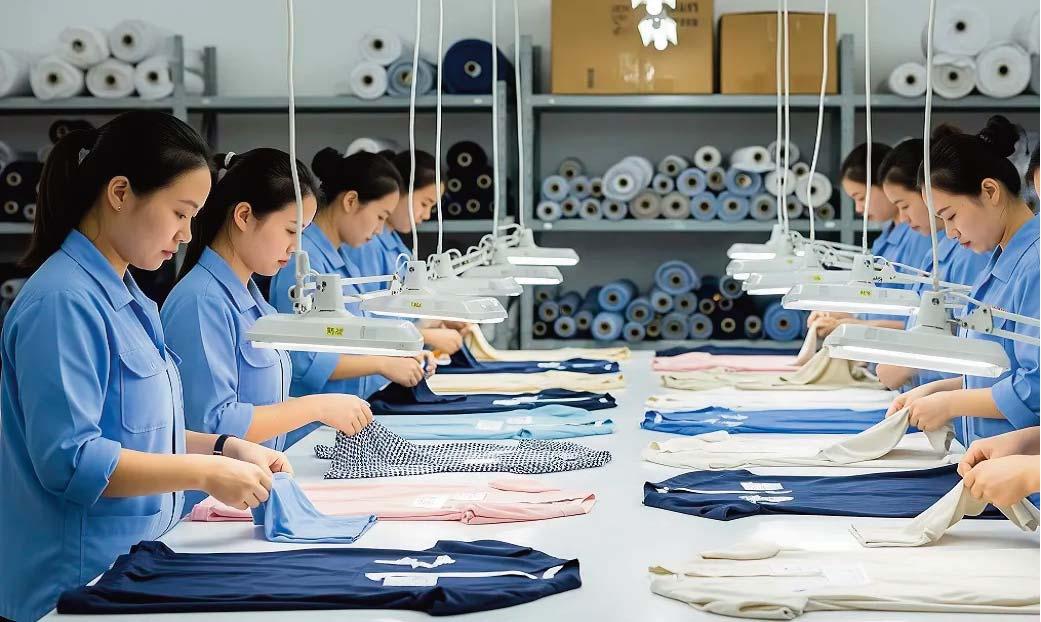
In September 2025, China’s textile and apparel exports were valued at US$24.42 billion, down 1.4% year-onyear. The data revealed contrasting trends: textile exports surged 6.4% to US$11.97 billion, supported by strong supply chain integration and steady demand for intermediate goods, while apparel exports dropped 8% to US$12.45 billion due to weak consumption in select markets and the lingering effects of U.S. tariff measures.
Experts believe the fourth quarter will likely see continued fluctuations as external conditions remain uncertain. They recommend that Chinese exporters enhance risk management and market forecasting, strengthen supply chain resilience, and capitalize on domestic consumption upgrades to sustain growth.
Strategic measures such as product innovation, diversification of export markets—particularly in Asia, Europe, and the Global South—and greater coordination between domestic and international sales channels are seen as essential for building long-term competitiveness and sustainable expansion in an evolving global environment.

The Egyptian Commercial Service (ECS) office in Istanbul has ramped up its efforts to attract Turkish investment in
Egypt’s ready-made garments, textile, and auxiliary manufacturing sectors, as part of a broader push to strengthen bilateral industrial ties and expand export capacity.
In a recent meeting, Egypt’s Consul General in Istanbul, Ali Basha, and Deputy Consul for Commercial Affairs, Hoda Dorra, met with the Chairperson and Board Members of the Turkish Association of Clothing Accessories Manufacturers, alongside several leading Turkish companies. The discussions focused on enhancing collaboration across apparel-related industries and encouraging Turkish firms to explore Egypt’s emerging role as a competitive manufacturing base.
The Egyptian side outlined the country’s strategic plans to double garment exports in the coming years, backed by investment incentives such as tax exemptions, fast-track licensing, and priority access to industrial zones and global markets.
Both sides agreed to organize an official Turkish business delegation visit to Egypt in the final quarter of 2025. The visit aims to facilitate direct engagement between investors and local industry representatives and to assess opportunities for establishing clothing accessories and component factories that could serve both Egypt’s domestic market and export destinations across Africa, the Middle East, and Europe.
Abdel Aziz El-Sherif, Head of the Egyptian Commercial Service, underscored Türkiye’s importance in this collaboration, noting “Türkiye ranks second globally after China in the
production of clothing accessories, with nearly 1,000 companies active in the sector.”
He added that Turkish investment already plays a crucial role in Egypt’s ready-made garments industry, contributing to a total investment portfolio of around $4 billion.
El-Sherif emphasized that both nations share a strategic vision for deeper industrial integration, aiming to build on their complementary strengths and geographic advantages to promote sustainable, export-oriented growth and mutual trade expansion.

India’s textile sector faced mixed export trends during the first half of FY26, as textile shipments declined while apparel exports recorded moderate growth, according to the Confederation of Indian Textile Industry (CITI).
From April to September 2025, textile exports totalled US$9.97 billion, down 1.85% from US$10.16 billion in the same period last year. In contrast, apparel exports rose 3.42% to US$7.76 billion, compared with US$7.51 billion a year earlier.
Overall, combined textile and apparel exports reached US$17.74 billion in the six-month period, reflecting a marginal year-on-year growth of 0.39% over US$17.67 billion recorded in April–September 2024.
However, performance weakened in September 2025, with both segments witnessing notable declines. Textile exports fell 10.45% to US$1.62 billion, compared to US$1.81 billion in September 2024, while apparel exports slipped 10.14% to US$997.5 million from US$1.11 billion in the same month last year.
As a result, combined textile and apparel exports in September 2025 dropped 10.34% year-on-year to US$2.62 billion, down from US$2.92 billion a year earlier.

CITI’s analysis highlighted that despite steady apparel demand, global economic headwinds and slower textile orders weighed on India’s overall export performance. The industry remains cautiously optimistic for recovery in the second half of FY26, supported by festive season demand and improving global inventory cycles.

Türkiye’s fabric exports continued to face headwinds in the first half of 2025, extending a downward trend that has persisted for three consecutive years. According to industry data, exports declined by 2.55% year-on-year to US $2.10 billion during the January–June period, reflecting sustained challenges in global competitiveness and weakening demand in key markets.
In contrast, fabric imports registered a slight recovery after two years of contraction, increasing by 1.9% in the same period. The rebound was driven largely by stronger shipments from China, Egypt, and Italy, highlighting renewed domestic consumption and Türkiye’s ongoing reliance on foreign suppliers for certain specialized fabric categories.
On the export front, Italy maintained its position as Türkiye’s top destination for fabrics, while Belarus, Morocco, Spain, and Egypt were among the other major markets. Despite this stable network of
trade partners, the overall decline suggests that Turkish exporters are losing market share in competitive global segments, particularly against Asian suppliers benefiting from lower production costs.
The mixed trade performance underscores a critical juncture for Türkiye’s textile sector. While the modest rise in imports signals improving local demand, the contraction in exports highlights structural issues such as high input costs, limited innovation, and slower adaptation to sustainable production standards.
Industry observers emphasize that enhancing product innovation, quality differentiation, and market diversification will be essential for restoring export momentum. Strengthening collaboration across the value chain and investing in high-tech and eco-friendly fabrics could also help Türkiye reinforce its position as a key player in the global textile supply chain.

Vietnam’s textile and garment sector is ramping up productivity and embracing smart manufacturing as it pursues greater value addition and competitiveness in global markets. The industry’s export performance remained resilient, reaching
USD 34.8 billion in the first nine months of 2025 — a 7.7% increase compared to the same period last year — despite persistent challenges in global trade.
The strong performance has positioned the sector to meet its annual export target of USD 48 billion, with many manufacturers already securing orders through November and negotiating shipments for the final quarter.
Nguyen Ngoc Binh, CEO of Hoa Tho Textile Corporation, said that market volatility has required tighter cost control and operational stability. “We’ve implemented measures to stabilise production and sustain export volumes,” he noted. The company recorded VND 4.2 trillion (USD 160 million) in revenue during the ninemonth period — about 83% of its yearly goal — and achieved a pre-tax profit of VND 329 billion, equivalent to 91% of its target.
To meet year-end objectives, Hoa Tho plans to enhance equipment utilisation, improve labour productivity, and strengthen product quality while aligning production with shifting global demand. The firm is also developing model smart factories as part of its long-term automation strategy.
Binh added that global market dynamics continue to pressure exporters: “Demand in the US is likely to slow due to inflation, while buyers in the EU and Japan are increasingly requiring eco-friendly, certified products.” He also noted that Vietnam’s upcoming minimum wage hike in 2026 will further challenge cost structures, prompting companies to invest in workforce training, automation, and welfare initiatives.
Than Duc Viet, CEO of May 10 Corporation, reported that his company achieved 104% of its revenue plan after nine months, largely driven by exports. However, he acknowledged “pressures from falling order volumes, declining unit prices, and ongoing geopolitical uncertainties.”
Vinatex CEO Cao Huu Hieu highlighted that US retaliatory tariffs have reduced export orders by 20–30%, adding risk for Vietnamese producers, as the US remains the destination for over 40% of the country’s apparel exports.
Despite these headwinds, Vinatex posted VND 14.5 trillion in revenue, reaching 79% of its annual plan, and earned a pre-tax profit of VND 1.04 trillion, exceeding the target by 14% and doubling profits compared to last year. The company attributed its performance to adaptive strategies and agile market monitoring.
Of the total USD 34.8 billion in exports, garments contributed USD 27.8 billion, while fabrics, yarn, and technical textiles accounted for the remainder. The sector’s extensive reach—spanning nearly 140 export markets— has underpinned steady growth, particularly during seasonal peaks.
However, the industry remains highly dependent on imported raw materials, particularly from China, with cotton entirely imported and fibre largely sourced abroad. Most firms focus on processing and have yet to develop higher value-added stages such as design, branding, and distribution.

YKK Corporation (Headquarters: Chiyoda-ku, Tokyo; President: Koichi Matsushima; hereafter, YKK) has entered into a partnership with the Fashion Frontier Program supported by the Ministry of the Environment of Japan, which discovers and educates future fashion designers, to provide educational opportunities for thinking about sustainable design through fastening products such as zippers, snaps, and buttons.
YKK is celebrating the 25th anniversary of the YKK Fastening Awards, Japan's largest fashion design contest for students, and is working to discover and support fashion designers around the world.
The Fashion Frontier Program is an educational program and awards program for fashion designers who combine and embody social responsibility and creativity. YKK deeply resonates with the vision of this program as a space where learning and evaluation are integrated, providing opportunities for growth and reflection, along with a supportive framework that empowers future initiatives. With this shared understanding, YKK has entered into the partnership.
At the first incubation session, which will serve as a venue for learning, YKK will hold a lecture on the topic of “Little Parts. Big Difference.” in circular fashion. The aim is to create more in-depth understanding of fastening products, and apply this knowledge to sustainable design practices in the fashion industry. The lecture is scheduled to introduce products being developed by YKK towards achieving a circular economy, and there will be a discussion with the 16 program semifinalists. Products will also be offered.
Next fiscal year, YKK plans to participate in an incubation program for winners of the YKK Fastening Awards in order to create synergy between designers.
of the Fashion Frontier Program
Objective: Discovering and developing future fashion designers who combine social responsibility and creativity
Program schedule (excerpted):
First incubation session: From August 2025 Award ceremony: Mid-December 2025
Organizer: YUIMA NAKAZATO LABORATORY CO., LTD.
Co-organizers: Fashion Frontier Program Executive Committee / unisteps Incorporated Association
Supported by: Ministry of the Environment
Yuima Nakazato, founder of the Fashion Frontier Program, also won the YKK Award (in 2009, in the accessories category) at Europe's largest fashion contest, the International Talent Support (ITS) design competition.
The market situation continues to be characterized by investment restraint due to trade policy uncertainty in key markets. Although Rieter registered growing interest for new machine projects, many requests did not yet lead to binding order intake as customers postponed their investment decisions until the 2026 financial year. Lower volumes in the machinery business and the associated weaker demand for installation services, along with cost-saving measures by customers, are delaying the conversion of orders into sales and are also weighing on the earnings of the After Sales and Components Divisions.
In this challenging market environment, Rieter’s order intake totaled CHF 559.3 million in the first nine months of 2025 (2024: CHF 629.8 million). Adjusted for major orders from the customer DIW (China) in the 2024 financial year, order intake increased by 11% in the first nine months. The increase was driven by a strong third quarter in 2025.
The order intake of the Machines & Systems Division fell to CHF 287.1 million, representing a decrease of 17% compared with the first nine months of the previous year. The Components Division recorded a year-on-year decline of 13% to CHF 142.6 million. At CHF 129.6 million, order intake in the After Sales Division was up by an encouraging 9%.
Converting the order backlog into sales remained challenging due to the ongoing geopolitical uncertainties. Longer book-to-bill cycles can be observed in the after-sales business in particular.
In the first nine months of 2025, Rieter generated cumulative sales of CHF 457.7 million (2024: CHF 584.3 million), representing a decrease of 22% compared with the same period last year. Sales in the third quarter of 2025 amounted to CHF 121.5 million (Q3 2024: CHF 163.3 million). The Machines & Systems Division generated sales of CHF 191.9 million in the first nine months of 2025, a decline of 27% compared with the same period last year. Sales in the Components Division amounted to CHF
154.6 million, down 16% on the previous year’s period. The After Sales Division recorded an 18% decrease in sales to CHF 111.2 million in the first nine months of 2025.
As of September 30, 2025, Rieter’s order backlog was around CHF 590 million (September 30, 2024: CHF 690 million).
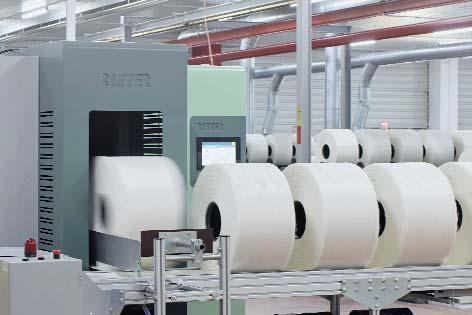
The Rieter Group has made significant progress in the implementation of its strategy. This is the result of the strengthened technology leadership in automation and digitization, the consistent implementation of the performance program and the planned acquisition of the Barmag Division.
Since acquiring the winding machine business in financial year 2021, Rieter is the only systems provider that covers the complete manufacturing process from
fiber preparation through to the four end-spinning technologies. At ITMA 2027 in Hanover (Germany), Rieter will present a fully automated spinning mill that achieves maximum efficiency with minimum personnel costs. At ITMA ASIA + CITME in Singapore in October 2025, Rieter will present new automation solutions that support fully automated production.
Rieter is consistently implementing the measures of the performance program. This includes strengthening the most important sales markets, optimizing the supply chain and consistently managing overhead resources. Since the introduction of the performance program in financial year 2023, overhead costs have been reduced by more than CHF 100 million.
The planned strategic acquisition of the Barmag Division gives rise to a globally leading systems provider of natural and man-made fibers. Rieter is confident that all required regulatory approvals for the completion of the acquisition will be obtained in the fourth quarter of 2025. This step represents an important milestone in the implementation of the company strategy which was announced in October 2024.
As a number of projects have been postponed for delivery in 2026 due to macropolitical uncertainties, Rieter (without consideration of the Barmag Division) now expects sales for the full financial year 2025 of around CHF 700 million (previously: CHF 750 to 800 million).
Despite lower sales volumes, Rieter still expects an operating EBIT margin at the lower end of the range of 0% to 4%
(excluding restructuring costs and costs associated with the acquisition of Barmag).
For the full year 2025, Rieter expects:
Transaction costs with an impact on EBIT of around CHF 15 million.
Significant additional restructuring costs with an impact on EBIT. Net financial expenses, including the expenses associated with the acquisition of Barmag, of around CHF 20 million.
As a consequence, Rieter’s 2025 net result is expected to be negative and thus deviate significantly from the prior-year figure.
Rieter is the world’s leading supplier of systems for manufacturing yarn from staple fibers in spinning mills. Based in Winterthur, Switzerland, the company develops and manufactures machinery, systems and components used to convert natural and man-made fibers and their blends into yarns in the most costefficient manner.
Cutting-edge spinning technology from Rieter contributes to sustainability in the textile value chain by minimizing the use of resources. Rieter has been in business for 230 years, has 18 production locations in ten countries and employs a global workforce of around 4 400, about 15% of whom are based in Switzerland.
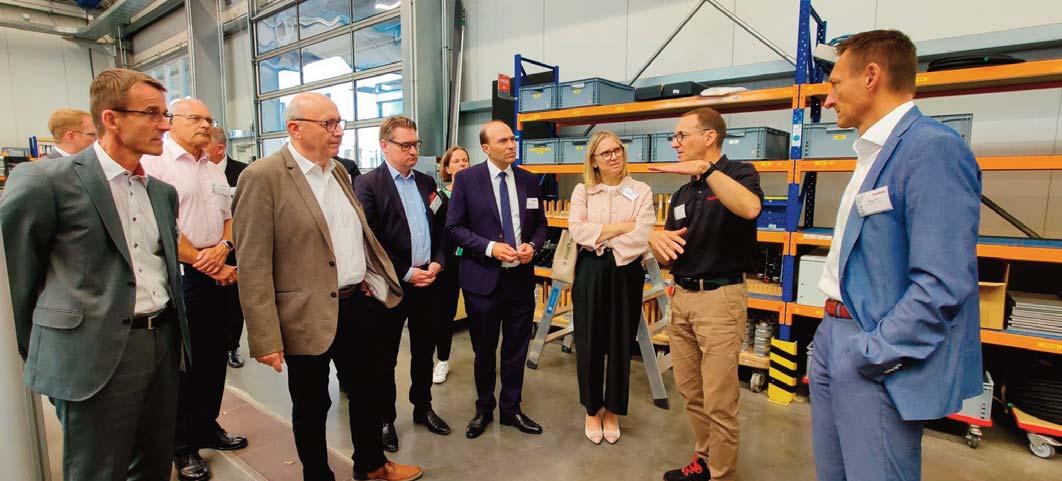
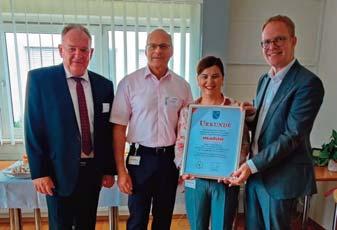
This year, mechanical engineering company Mahlo GmbH + Co. KG from Saal an der Donau is celebrating a very special anniversary. Since its founding in 1945, Mahlo has evolved from a small pioneering workshop into a globally sought-after specialist in measurement and control technology.
It all started with the radio. By building radio receivers, Dr. Heinz Mahlo began his entrepreneurial success story shortly after the end of World War II with the founding of the "Dr. Heinz Mahlo Electromechanical Workshops" in Saal an der Donau. The visionary engineer soon recognized the potential of the textile industry and developed the first measurement systems for fabrics. A major breakthrough came in 1958 with the patent for the first automatic weft straightener – a technological milestone that still forms the basis for modern straightening machines today.
This initial success laid the foundation for the company’s continuous development. In the decades that followed, Mahlo opened up new markets, expanded its product portfolio to applications in the nonwoven, paper, and plastics industries, and built an international sales and service network.
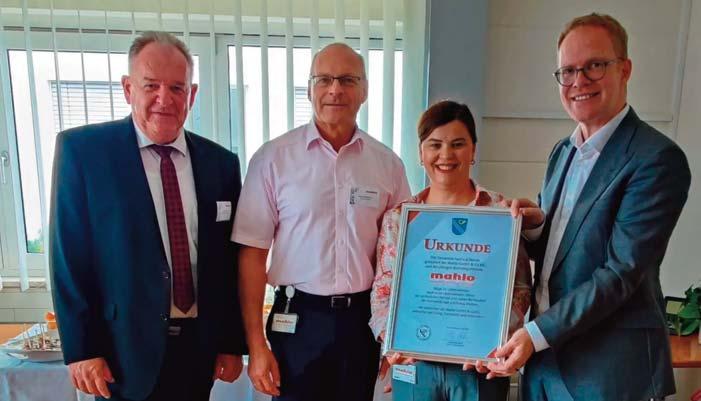
Step by step, subsidiaries were established in the USA, Italy, Belgium, and China, along with global service partnerships to ensure close customer support on site.
"As the global market leader in textile straightening technology, we continue to build on the ideas and entrepreneurial foresight of Dr. Heinz Mahlo – and have developed the broadest portfolio of straightening systems in various configurations on the market," summarizes CEO Rainer Mestermann. He
has been leading the company since 2011 and has helped Mahlo successfully expand beyond the textile sector. "In the late 2000s, we established a second pillar in the field of web measurement technology with our quality measurement system Qualiscan QMS – also to become less dependent on typical market fluctuations in the textile industry." The new product line was so successful that in 2018, a new production hall was built specifically for this area. And in true Mahlo fashion, the bar was set high –today the company is considered the provider with the most comprehensive portfolio of in-house developed sensors.
But even a solid flagship like Mahlo is not immune to turbulent developments in the global market. “With an export share of around 80 percent, we are naturally closely tied to the global economy,” says Mestermann. Current geopolitical crises are dampening the demand for capital goods. Ultimately, the demand for Mahlo technology is closely linked to the consumption of high-quality products –such as in the clothing or packaging industries. “And it’s precisely this quality we stand for – and our systems ensure it is reliably achieved.”
Still, the managing director remains optimistic that Mahlo will weather these rough waters as well: “Keeping a company successful in the market over eight decades is only possible with a spirit of innovation, reliability, and the dedication of many smart minds. I am proud of our team and grateful for the trust of our customers around the world.”
One of the key pillars is the motivated and skilled team at the Saal headquarters. All systems are developed and built there – in line with the company’s guiding principle that explicitly emphasizes its commitment to Germany as a development and production location. To secure the necessary skilled workforce –known to be in short supply in Germany – Mahlo strongly promotes young talent as one of the largest training companies in the Kelheim area. “That was already

very important to my grandfather,” emphasizes Ralph Greenwood-Mahlo, grandson of the company founder and, together with his wife Aura, owner of the company. Both continue to lead Mahlo in the spirit of Dr. Heinz Mahlo: “We want to preserve the company culture that has grown over time while also providing momentum for new developments. It’s important to us to allow room for fresh ideas while offering continuity.”
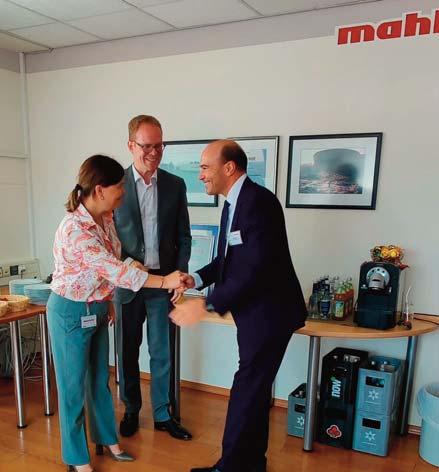
For the Greenwood-Mahlo family, running a family business means thinking in generations, not in quarterly numbers. This also means making sustainable decisions.
“By firmly integrating resource-saving behavior into our company practices, we can not only protect the environment but also ensure our company’s long-term success.” Mahlo’s systems also contribute to this – helping manufacturers save raw materials, make processes more efficient, and minimize waste.
According to Ralph GreenwoodMahlo, this reflects a lived responsibility towards employees, customers, the region, and future generations: “Dr. Heinz Mahlo was a pioneer who had the courage to tackle technical challenges while always striving to find the best solution for his customers. This spirit of innovation still shapes Mahlo today – and we see it as our duty to carry this legacy forward without losing touch with reality. Innovation with responsibility – that was his core idea, and it’s ours too.
Forward-looking brands piloting TrusTrace’s Digital Product Passports (DPP) solutions report early readiness, sharper insights, and operational edge.
TrusTrace, a leader in AI-powered supply chain traceability and compliance, today announced it has been named a Representative Provider in the Gartner® report Innovation Insight: Digital Product Passport — Unlocking Value Beyond Compliance (Kevin Lawrence, July 2025).
According to the research, “Instigated through sustainability regulations, digital product passports create a rich digital identity for products throughout their life cycle.” Gartner expected that, “the DPP market is anticipated to grow at a 24.43% compound annual growth rate from 2025 to 2034.” Far from a one-sizefits-all tool, DPPs will evolve across industries to enable not only compliance but also richer consumer experiences, improved supply chain transparency, and new business value.
For companies operating in the EU fashion or battery markets, compliance regulations and deadlines are approaching fast, yet many still underestimate the scope of the challenge. “DPPs are not a project, they represent a permanent operational shift,” said Shameek Ghosh, CEO at TrusTrace. “We are proud of our inclusion in Gartner’s research, as we believe it underscores our commitment to enabling DPP adoption and value creation. Brands piloting full readiness today will gain early advantage through stronger infrastructure, sharper insights, and more credible consumer engagement.”
Much of the current industry conversation around DPPs focuses on consumer-facing pilots. But true readiness goes far deeper. DPPs will be required at the individual product level, with accurate, auditable data on origin, production, and impact. Managing this at

scale demands robust backend systems for data integration, governance, and interoperability. Without that foundation, consumer-facing efforts fall flat.
Forward-looking brands are already piloting with TrusTrace to gain early insights and an operational edge. One such pilot is a two-year project with The Swedish School of Textiles.
Three of the participating brands elaborated on the benefits:
“Our collaboration with TrusTrace in the System Demonstrator project has been an important step in preparing for the upcoming Digital Product Passport (DPP) implementation,” said Lina Ödeen, Head of Sustainability at ETON. “Testing their solution has given us valuable insights and practical experience that will not only help us meet future requirements but also strengthen our ability to reduce our climate impact while driving even greater transparency and traceability throughout our value chain.”
“Many of the new legal requirements under the EU Strategy for Sustainable and Circular Textiles have been quite theoretical and vague,” explained Sandra Roos, VP Sustainability at Kappahl. “Creating a DPP ‘for real’, so we could attach a unique QR code to each garment, scan with a mobile phone, and
access the interface created by TrusTrace – and see what all the collected data looked like in this context – gave us a tangible example and increased the organization’s understanding of what the DPP will be.”
“TrusTrace’s DPP solution allows us to test relevant processes and visualize potential outcomes, supporting our preparation for upcoming compliance requirements and driving future product transparency,” said Julia Persson, Sustainability Coordinator at Gina Tricot.
Last year, TrusTrace launched Unlocking DPP, a playbook with everything brands need to prepare for DPPs and capture value beyond compliance, including a proposed data protocol for expected requirements in the delegated acts.
TrusTrace’s AI-enabled platform delivers an end-to-end solution for DPP readiness, streamlining traceability, automating compliance workflows, and consolidating product-level data across regulations. By connecting brands, suppliers, solution partners, and industry stakeholders, TrusTrace ensures companies are ready for compliance and equipped to leverage DPPs to improve operations, impact, and consumer engagement.


Archroma, a global leader in specialty chemicals towards sustainable solutions, will showcase innovations that deliver sustainable performance for functional fabrics without compromise at PERFORMANCE DAYS 2025 in Munich this month.
The company's team of specialists will present breakthrough dyes and finishes that prove brands don’t need to choose between high-performance textiles and environmental responsibility, featuring solutions for sportswear, athleisure and workwear applications where durability, comfort and sustainability are equally critical.
"It is no longer true that you need to sacrifice high performance for sustainability," said Dhirendra Gautam, Vice President, Commercial, Archroma.
"Whether it's colors that stay vibrant wash after wash, or softness that lasts without sacrificing absorbency, we're showing that brands can deliver the performance consumers demand while advancing their environmental commitments. This is especially critical for functional fabrics where performance is non-negotiable."
At Performance Days, Archroma will feature its HIGH IQ® LASTINGCOLOR PRO series, including LASTINGCOLOR PRO and LASTINGBLACK PRO , reinforcing the company's commitment to colors that perform without compromise.
The HIGH IQ® performance assurance program ensures that fabrics deliver
sustainable performance for garments that stay looking new, wash after wash, with bright shades that retain their intensity and dark shades that stay dark. Powered by specially selected AVITERA® SE reactive dyes, the program helps mills and brands achieve superior color retention while reducing their environmental footprint by using up to 50% less water and energy in processing. For functional fabric applications where color durability is essential, from highvisibility workwear to activewear that must maintain its aesthetic appeal, the HIGH IQ® LASTINGCOLOR PRO retains their colors up to 50 repeated washes, and delivers performance, protection and comfort while meeting the textile industry's strict environmental regulations.
SILIGEN® D2W LIQ C: Solving the Softness-Absorbency
Performance Days will also give industry professionals a first chance to experience SILIGEN® D2W LIQ C, the industry's first truly durable silicone softener for cellulosic and cotton-lycra blended knits that maintains both luxurious softness and natural absorbency over extended use.
Historically, manufacturers had to choose between a durable softener that compromised the fiber's natural absorbency or a softener that preserved moisture-holding properties but quickly washed away. SILIGEN® D2W LIQ C eliminates this trade-off through Archroma's patent-pending micro-x chemistry, which creates a cross-linkable microemulsion that forms a stable silicone network within cellulosic fibers. This breakthrough ensures uniform softener distribution and locks in softness over time while maintaining wash resistance— ideal for functional textile applications where both comfort and moisture management are critical.
The innovation also represents a first in objective handfeel measurement, enabling mills and brands to quantify and communicate softness durability with unprecedented transparency.
Drawing on Archroma’s extensive portfolio, the team will also highlight
PHOBOTEX® NTR-
50 liq, a bio-based durable water repellent that is non-PFAS (per- and polyfluoroalkyl substances) and non-formaldehyde, as well as 50% renewable carbon content (based on ASTM D6866).

bringing economical sustainability to dark shades, including black, navy and red.
PHOBOTEX® NTR-50 provides excellent water repellence on all kinds of fibers and also achieves a soft handle that makes fabrics more comfortable to wear. This makes it ideal for sports apparel and outdoor wear.
Rounding out the Archroma’s Performance Days showcase, the company will present EarthColors® technology, which creates colors from agricultural waste such as nutshells and cotton plant residues; and AVITERA® GENERATION NEXT, the latest extension to the revolutionary AVITERA® platform,
Meet the Archroma Team at PERFORMANCE DAYS 2025
A leading trade fair with a tight focus on functional fabrics and sustainable textile innovations, PERFORMANCE DAYS is held twice a year to support seasonal sourcing. More than 3,000 specialist visitors, including designers, product managers and purchasing professionals, are expected to attend the October 2025 edition in Munich, alongside online attendees from around the world.

TEXTILCOLOR AG, a leading provider of innovative solutions in textile chemistry, today announces the start of a strategic collaboration with Alpex Protection, Majocchi, and Trans-Textil. Starting November 1, 2025, the partners will jointly advance the flame-retardant finishing of textiles using the patented Pyroshell™ technology at production sites in Germany, France, and Italy.
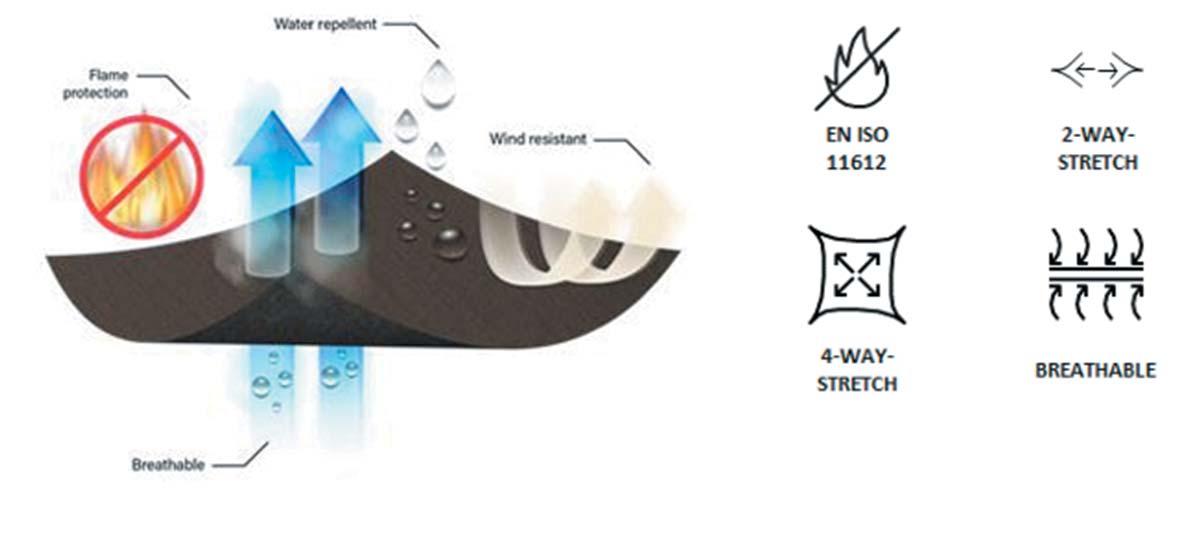
Pyroshell™ technology is a patented, permanent flame protection for polyamide and polyester fabrics and represents a milestone in the field of
protective equipment for synthetic textiles. Pyroshell™ is revolutionising flame protection by significantly reducing the risk of burns. When a fabric equipped with Pyroshell™ is exposed to a flame, its textile structure expands substantially in volume. This effect keeps heat and firepromoting gases largely away from the fabric. Therefore the time between the first sensation of pain from heat exposure and the onset of second-degree burns doubles. As a result, wearers gain valuable additional reaction time compared to conventional flame protection solutions.
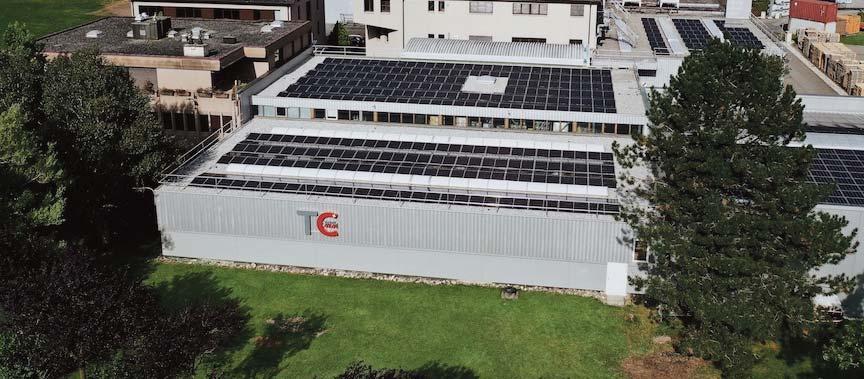
The partnership with Alpex, Majocchi, and Trans-Textil enables the Pyroshell™ technology to be implemented even more efficiently within production processes and made accessible to a broader customer base. Alpex Protection (France) specializes in technical textiles and functional fabrics, Majocchi (Italy) manufactures high-quality textiles for the military, PPE, and luxury/fashion sectors, and Trans-Textil (Germany) produces innovative materials for safety and operational applications. The goal is to provide high-quality, safe, and comfortable functional and protective textiles throughout Europe.
“We are very excited about collaborating with our experienced partners in Germany, France, and Italy,” says Detlef Fischer, CEO of TEXTILCOLOR AG. “Together, we can leverage Pyroshell™ optimally within the production processes. The technology provides not only maximum protection but also exceptional comfort for users in demanding operational environments.”

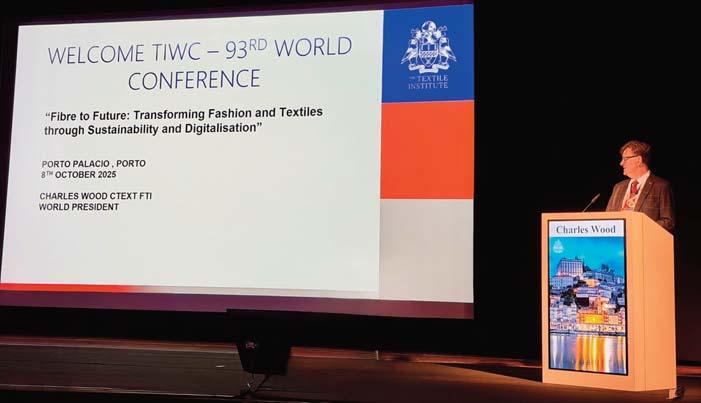
Fresh from its highly successful 63rd conference held in Porto, Portugal, from October 7-10, The Textile Institute (TI) will celebrate a major milestone at the ITMA Asia+CITME textile machinery exhibition in Singapore later this month.
One hundred years ago, in 1925, TI was granted its Royal Charter by King George V, transforming it from a professional association into a globally recognised chartered body, and in Singapore from October 28-31, is seeking to strengthen its international partnerships while welcoming new Corporate Members to its expanding global network.
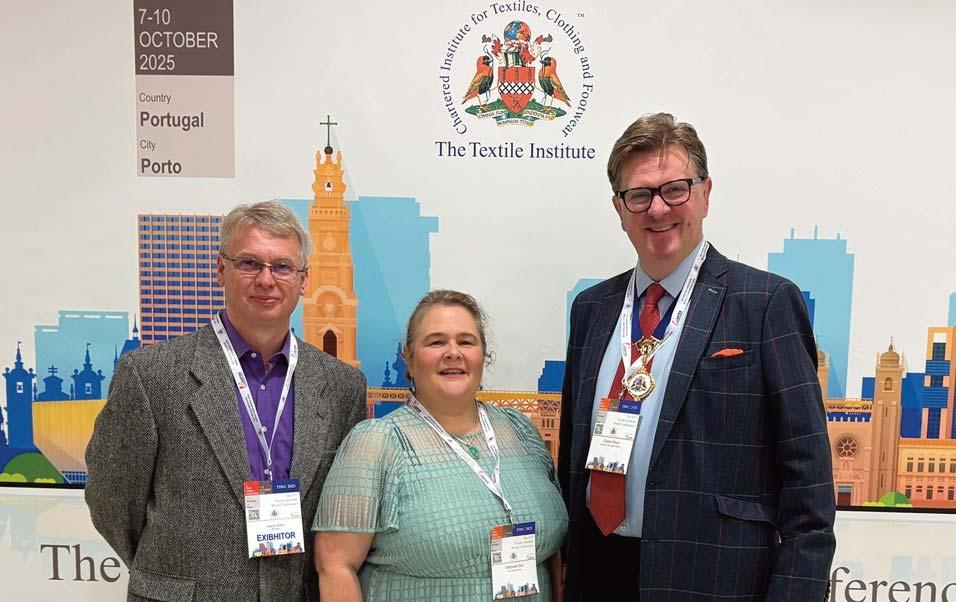
At Stand B105 in Hall 8, TI will exhibit as a reciprocal member of the British Textile Machinery Association (BTMA), showcasing the power of collaboration and shared growth. The long-standing partnership between the two organisations has been further strengthened by the appointment of BTMA CEO Jason Kent as TI’s new Commercial Vice President, bringing fresh industry insight and influence to the role.
“Our joint presence in Singapore underlines how enduring partnerships strengthen the entire industry,” Kent says. “Corporate Membership of The Textile Institute gives organisations access to an international network of professionals, cutting-edge research and strategic benefits valued at over British Pound10,000 a year.”

Membership unlocks a host of advantages, including global promotion and visibility, invitations to high-level networking events and training, collaboration on industry-led research, professional recognition through chartered qualifications and access to TI’s publications, data and R&D resources.
“As the only global professional body in this sector with a Royal Charter, we are driving the industry forward through high-quality events and training courses that equip professionals for the future,” says TI CEO Stephanie Dick. “Together with our Corporate Members, we’re tackling skills gaps, developing practical training solutions and reaching international audiences.”
“This is an exciting time for the industry, especially with the major opportunities being opened up in new technical textiles for rising industries such as energy and data storage, future mobility and advanced infrastructure,” adds TI President Charles Wood. “Whether you’re a multinational manufacturer or a fast-growing SME, TI offers a neutral, not-for-profit platform where your voice is heard and your ambitions are supported. As we expand our influence across Asia and beyond, we’re inviting new Corporate Members to join us, benefit from our resources and help shape the Institute with their expertise.”
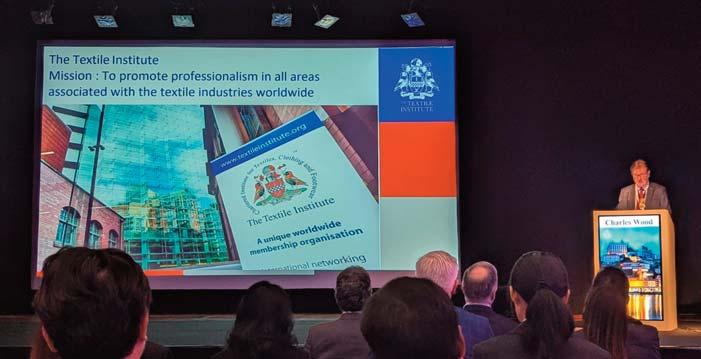
The Textile Institute is ideally positioned to help organisations stay competitive, connected and compliant. From its first foundation in Manchester in 1910, its approach has always been to be “not of Manchester, but international”, and with
sections and special interest groups active across the globe, it now serves members in over 60 countries, empowering professionals across every link in the textile supply chain.
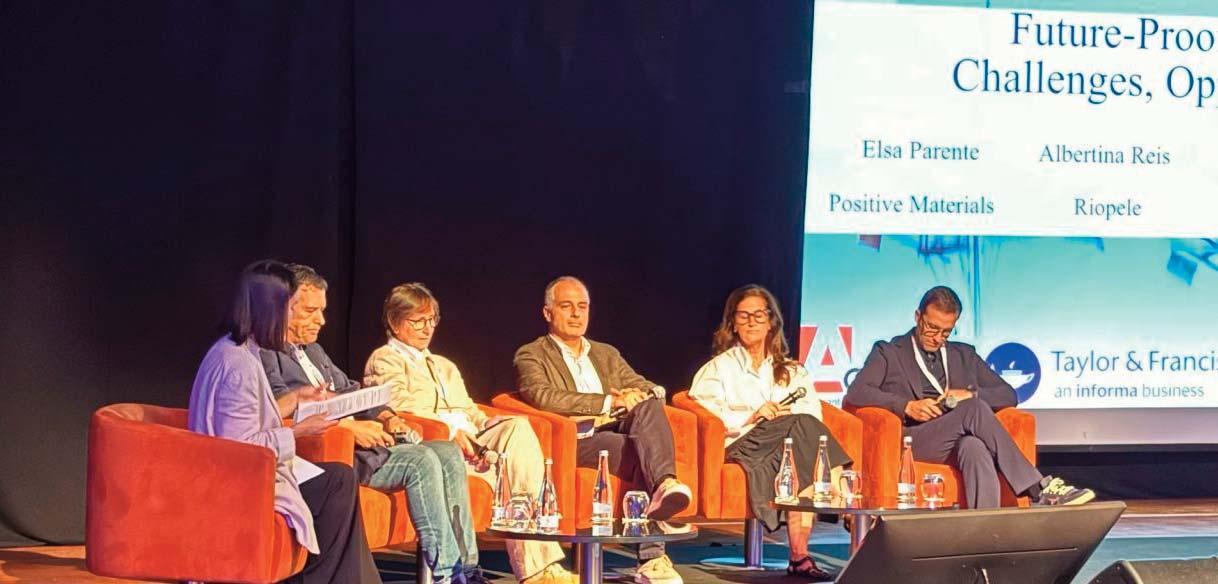
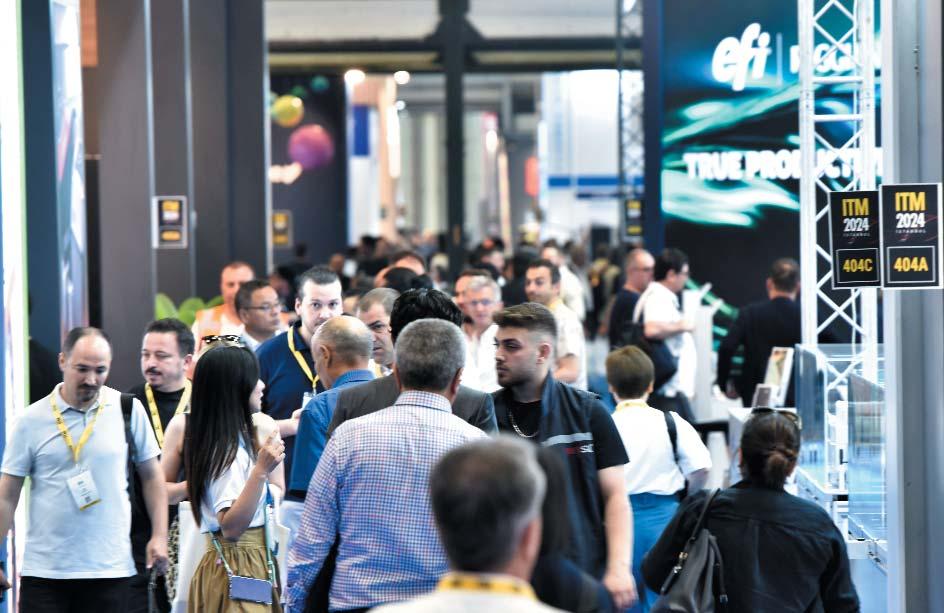
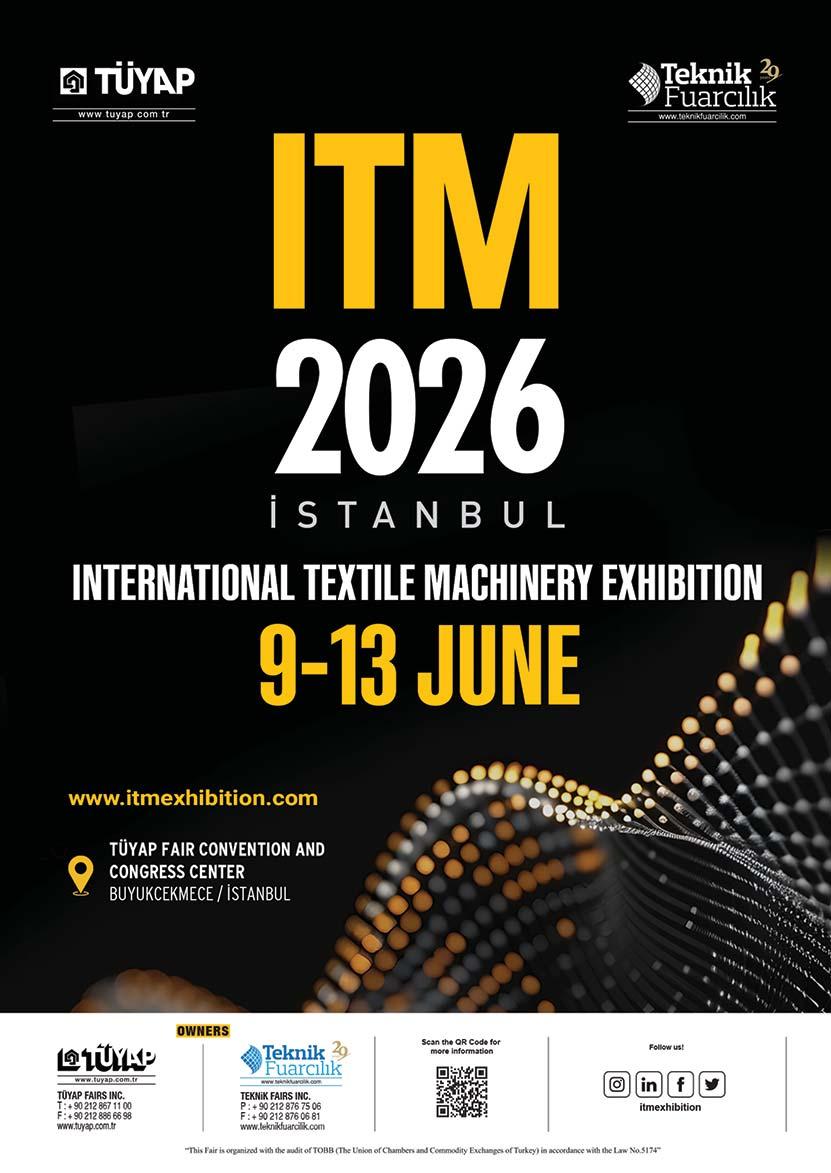
Sales for ITM 2026, one of the world’s most comprehensive and prestigious exhibitions in textile technologies, are continuing at full steam. The record number of exhibitors and visitors achieved at ITM 2024 once again proved the industry’s confidence and the commercial success of the exhibition; meanwhile, the strong interest shown in ITM 2026, to be held on 9-13 June 2026, has far exceeded expectations.
The world's leading textile machinery manufacturers and technology giants are expanding their stands at ITM 2026 to establish new business connections and gain a stronger foothold in global markets. Rising demand and strong applications are transforming the
exhibition into an even more attractive and profitable investment platform for exhibitors.
The ITM 2026 International Textile Machinery Exhibition will host industry professionals at the Tüyap Fair and Congress Center from June 9-13, 2026.
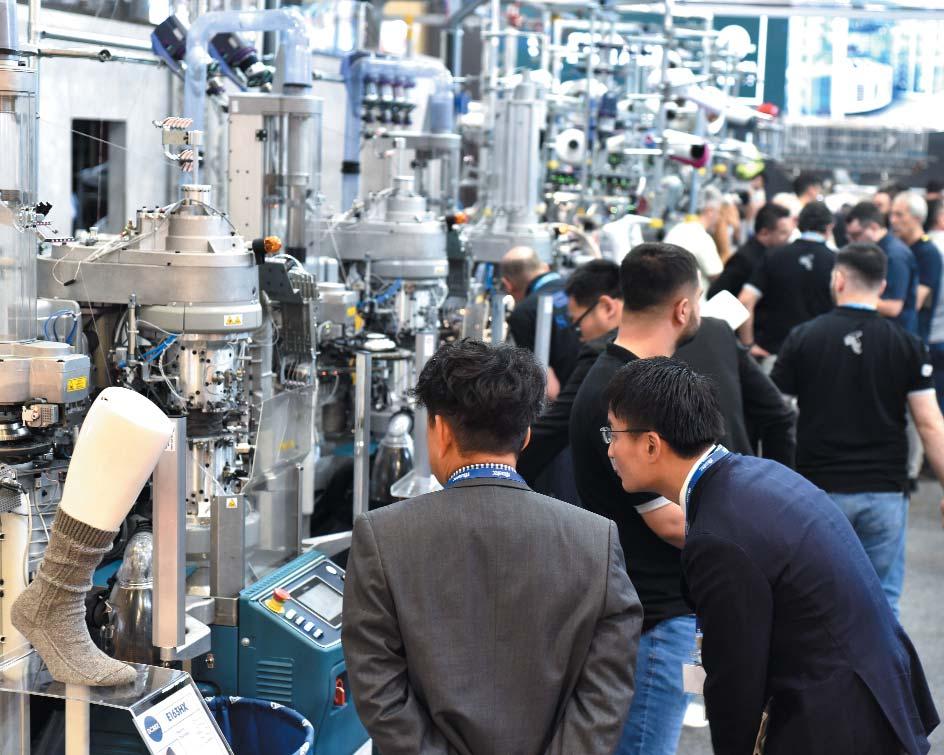
Standing out as one of the world's leading textile technology gatherings, the exhibition will transform Istanbul into a global textile technology hub over five days. Throughout the exhibition, investors and professional visitors will have the opportunity to closely examine the latest machines and innovative solutions. With its showcase of advanced technology products, new business connections, and investment decisions, ITM 2026 will make a significant contribution to the growth of the textile machinery sector and to strengthening its competitiveness in the international arena.
The ITM Exhibition held in 2024 set new records in terms of both the number of exhibitors and visitors, as well as machine sales. A total of 1,385 companies and company representatives from 71 countries participated in ITM 2024, which was visited by 66,200 people from 99 countries — 45% from abroad and 55% from Türkiye. The exhibition boosted the textile industry with machine sales and a business volume worth billions of euros over its five-day duration. This strong outcome achieved at ITM 2024 laid a solid foundation for ITM 2026. Hosting the leaders of textile technologies in Istanbul, ITM 2026 aims to carry this legacy forward and set new records.
ITM 2026 will not only be an exhibition, but also the most accurate address for new investments, collaborations, and technological transformations in the sector. The B2B meetings to be organized within the scope of the exhibition will provide companies with the opportunity to establish long-term business connections and increase sales potential. Visitors will be able to closely examine the latest technologies and have the chance to receive first-hand information from industry experts. Delegations from countries with intensive textile production such as Pakistan, Bangladesh, Uzbekistan, India, and Egypt, as well as global investors, will prefer ITM 2026. The machinery sales and business partnerships of manufacturers coming from all around the world will give significant momentum to both the Turkish and global textile machinery industries. ITM 2026 will be a prestigious meeting point where the heart of investments, collaborations, and innovations in the sector will beat.
ITM 2026, to be held in Istanbul, one of the crossroads of global trade, stands out with its geographically strategic location. Easily accessible from Europe, Asia, the Middle East, and Turkic Republics, Istanbul offers great advantages for exhibition participants. In addition, the visa agreements between Turkey and many countries such as India,
Pakistan, Bangladesh, Indonesia, Vietnam, Egypt, Algeria, Tunisia, Morocco, Iran, Uzbekistan, and Turkmenistan further enhance the significance of ITM 2026. Textile manufacturers from countries that face visa challenges when traveling to Europe will not encounter such difficulties when coming to Istanbul, which will play an important role in increasing the number of participants and visitors at ITM 2026.
Istanbul’s Advantages in Transportation, Accommodation, and Gastronomy will Elevate ITM 2026 to the Top
Istanbul offers great convenience to ITM 2026 participants and visitors not
only with its strategic location but also with its wide range of accommodation and dining options. The availability of hotels to suit every budget in areas close to the exhibition venue ensures that participants enjoy a comfortable and pleasant stay throughout the event. In addition to the rich flavors of Turkish cuisine, Istanbul also offers countless alternatives from world cuisines. With its restaurants, cafés, and easily accessible dining spots, the city fully meets the needs of exhibition visitors. These advantages make ITM 2026 not only a hub for business but also a center for cultural and gastronomy discovery.


DOMOTEX 2026 brings together the international flooring and interior finishing industry, with numerous top companies already confirmed. A particular focus will be on the members of the European Parquet Federation (FEP), including Kährs, Weitzer Parkett, and ter Hürne, who will showcase high-quality, sustainable parquet solutions in the FEP Lounge, fostering professional exchange and networking within the industry.
Under the motto “Creating Rooms. Transforming Spaces.”, DOMOTEX 2026 will open its doors from 19 to 22 January as the Home of Flooring & Interior Finishing, bringing together the international flooring and interior design community. Numerous leading parquet manufacturers have already confirmed their participation and will present highquality, innovative, and sustainable solutions at the show.
A special spotlight will be on the FEP member companies. Across the fair, companies such as Kährs, Weitzer Parkett, ter Hürne, Stile, PPS Galekovic, Pan Parket, Baltic Wood, Befag, and
Decospan will demonstrate the diversity, innovation, and sustainability of the European parquet industry. Many of them follow the Reel Wood Initiative, launched by the FEP to highlight the unique advantages of real wood flooring – from longevity and refurbishability to reusability and its positive contribution to climate protection.
In this context, the FEP Lounge will serve as an exclusive meeting space at DOMOTEX 2026, offering networking opportunities, expert dialogue, and inspiration for the parquet community.
“FEP, with its members, is delighted to join DOMOTEX,” says Isabelle Brose, Managing Director of the FEP. “This is a unique occasion to show to a large and diversified audience how our industry is united to propose its sustainable and durable flooring solution:
Parquet, which is made of genuine wood, can be used, reused, renovated, and used again. We look forward to introducing you to parquet!”
The exhibiting companies share this enthusiasm. Josef Stoppacher, CEO of the
Weitzer Group / Weitzer Parkett, emphasizes:“Participating in DOMOTEX allows us to showcase our commitment to innovation and sustainability in the flooring industry. It’s a unique opportunity to connect with international partners and present our latest developments to a global audience.”
With the FEP Lounge, DOMOTEX 2026 not only offers a dedicated forum for the parquet industry but also embodies the spirit of its guiding theme: creating inspiring spaces and shaping sustainable living environments. At the same time, it perfectly complements the show’s diverse special displays, seamlessly integrating into the overall DOMOTEX experience.
While formats such as the Retailers Park, Architects Space, Innovationparcours, and Green Collection present different facets of the industry, the FEP Lounge invites visitors to connect, exchange ideas, and experience the innovation and sustainability that define the European parquet sector.
The First-Ever Dedicated Exhibition & Conference for Textile Recycling in North America

Registration is now officially open for the Textiles Recycling Expo USA, the first dedicated exhibition and conference for textile recycling in North America. The landmark event will take place April 29–30, 2026, at the Charlotte Convention Center in North Carolina, and attendance is completely free.
At a pivotal time for the U.S. textile industry - amid California’s landmark Extended Producer Responsibility (EPR) law and growing momentum from other states exploring similar frameworksTextiles Recycling Expo USA offers a timely platform for collaboration, innovation, and action.
The event will showcase the latest technologies and innovations in textile recycling, alongside high-level discussions and expert-led panels addressing the road to circularity. Attendees will gain opportunities to connect with decisionmakers from across the global textile recycling supply chain, whilst learning about the latest collaborative projects,
case studies and legislation updates.
The growing exhibitor and sponsorship lineup features Syre, Beyond Retro, Bank & Vogue, Valerius, Circ, Debrand, AATCC, American Truetzschler, Borsoi Recycling, Pierret, New Focus Textiles, and many others. ReJu has been confirmed as VIP Lounge Sponsor, offering an exclusive experience to brands and retailers.

Accelerating Circularity joins as Structural Partner, shaping the conference program to reflect the most pressing industry challenges and solutions for scaling textile-to-textile recycling. SMART (Secondary Materials and Recycled Textiles Association) and American Circular Textiles are named as Founding Partners for the inaugural event. Goodwill Industries International has newly come on board as Impact Partner.
Additional supporters include Textile Exchange, Carolina Recycling Association, Southern Textile Association, Fashion Takes Action, INDA Media, North American Linen Association, Waste Advantage Magazine, Ecotextile News, TextilesLoop, Denim Deal, Textile World, and many more.
Textiles Recycling Expo USA is freeto-attend, offering open access to the exhibition floor, expert-led conference sessions, and unique networking opportunities designed to accelerate the transition to a circular textiles economy.
Standing out as Türkiye’s first and only international technical textiles and nonwoven exhibition, HIGHTEX 2026 will bring together the industry’s leading manufacturers, technology pioneers, and global buyers in Istanbul. The exhibition goes beyond showcasing products by offering participants the opportunity to establish strategic business connections, explore new market opportunities, and foster international collaborations.
HIGHTEX 2026, the premier event for innovation in technical textiles and nonwovens, will open its doors from June 9–13, 2026, at the Tüyap Fair and Congress Center.
HIGHTEX 2026 will give visitors the chance not only to explore current products but also to discover future technologies and innovative solutions up close. The exhibition will showcase a broad range of products, from medical textiles to aerospace and automotive materials, and from hygiene and food solutions to agricultural and construction applications. Highlighted innovations include smart textiles, sustainable and eco-friendly materials, advanced composites, and geotextiles. Participants will gain insights not only into the products themselves but also into advanced production methods, material development trends, and innovative design approaches, positioning HIGHTEX 2026 as a hub for shaping the future of the sector.
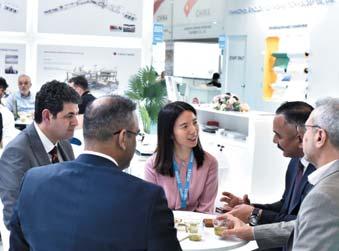
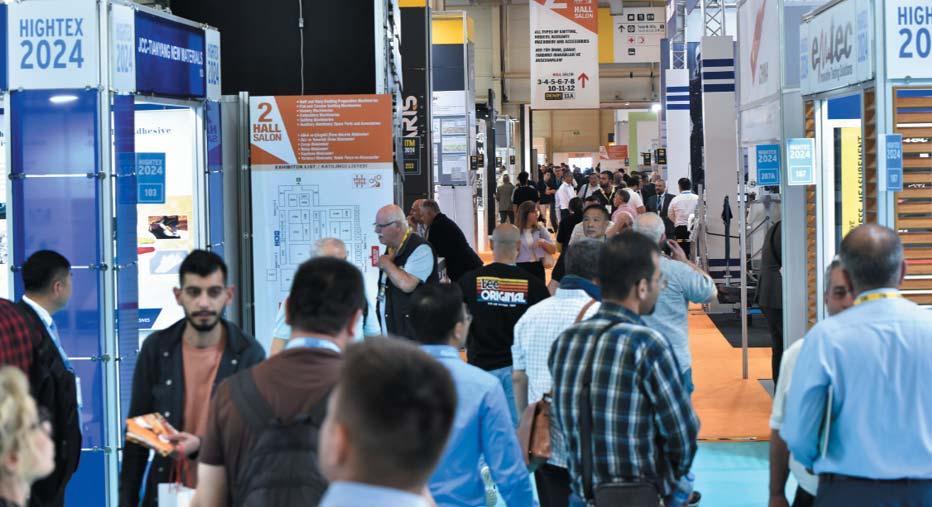
The exhibition will offer participants more than just product promotion; it will serve as a unique platform for creating strong collaborations and new business opportunities. Organized B2B meetings will allow companies to access global markets, develop new partnerships, and make strategic investments. Participants will have the chance to engage directly with industry-leading firms, expand their business volume, and explore opportunities for technology transfer and joint production projects.
HIGHTEX 2026 will welcome professionals from Türkiye and around the world. Considering the high attendance in previous years and the growing global demand in the sector,
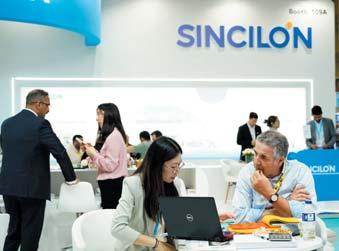
record numbers of participants and visitors are expected this year. Beyond being an international meeting point for technical textiles and nonwovens, the exhibition will become a central hub for innovation, business opportunities, and emerging technologies. Participants will not only showcase their products but also have the opportunity to make strategic decisions that will shape the sector’s future and strengthen international business connections.
Visitors to HIGHTEX 2026 will have the chance to explore the latest technologies, gain insights from field experts, and develop strategies that will shape the future of the sector. The exhibiton provides an environment where innovation, collaboration, and knowledge converge, broadening participants’ vision and offering them a competitive edge. Visitors will discover technical textile applications across medical, automotive, aerospace, agriculture, and construction sectors and identify solutions that can be adapted to their own business processes. As a result, HIGHTEX 2026 will stand out as an event that defines not only today’s trends but also tomorrow’s.
Effective 1 November 2025, the Supervisory Board of the KARL MAYER Group, a leading global provider of solutions in textile machinery manufacturing, has appointed Lutz Wolf as the new sole CEO of KARL MAYER Holding SE & Co. KG. Wolf will assume overall responsibility for the internationally active group of companies, which has its headquarters in Obertshausen, Germany.
Industry professional with over 30 years of international experience
Lutz Wolf most recently spent eight years on the Executive Board – including over four years as CEO – of the Neuenhauser Group, a family-owned, internationally active group of companies in the field of mechanical engineering and metal processing based in Lower Saxony with around 2,500 employees. During this time, he was responsible for the textile machinery and automation segments as well as the entire metal processing division of the family company, headed up central process optimizations, and shaped the strategic development of the group.
Lutz Wolf launched his career in 1995 at Siemens, where he held various management positions in Germany and China. After many successful years at Siemens (1995–2007), he moved to the GEA Group, where he was able to gain a
wealth of valuable experience from 2007 to 2017, including as sole managing director of a US subsidiary.
Wolf succeeds Uwe Lüders, who will retire on 1 November 2025
Dr Lorenz Zwingmann, Chairman of the Supervisory Board of KARL MAYER
Holding SE & Co. KG: “On behalf of the entire Supervisory Board and all employees, I would like to take this opportunity to thank Uwe Lüders for his tireless commitment as long-standing Chairman of the Supervisory Board and, most recently, Interim CEO of KARL MAYER. Uwe Lüders has made a lasting impact on the KARL MAYER Group over his many years of service.”

Lutz Wolf, new Chairman of the Management Board of KARL MAYER
Dr Lorenz Zwingmann on the appointment of Lutz Wolf: “We are delighted that Lutz Wolf has joined the KARL MAYER Group. Wolf’s comprehensive profile combines operational depth, strategic foresight, and, above all, international management experience – qualities that are key to the ongoing transformation of the KARL MAYER Group. On behalf of the entire Supervisory Board, I wish Mr Wolf every success in his wide range of tasks within our Group.”
Holding SE & Co. KG and CEO of the KARL MAYER Group from 1 November 2025: “With more than 85 years of market experience, KARL MAYER looks back on a long tradition as the global market leader in textile machinery manufacturing. We want to, we will, and we must now continue to focus the group on what has made us successful: strong products, customer proximity, and speed of implementation,” explains Lutz Wolf, adding: “We now need cohesion, focus, and speed. I am very much looking forward to my new responsibilities at this very special technology leader with its great potential – and the challenges they bring.”
Cultural change with a new focus and emphasis on results
With an experienced management team that has been newly assembled in recent months, Lutz Wolf wants to fully develop the group’s performance: “We want to refocus on what we do particularly well. In the future, we will concentrate on the core business areas of knitting machines, technical textiles, and warp preparation for weaving. All activities will be consistently aimed at current and future market requirements. It’s not about playing it safe – it’s about moving forward,” Wolf concluded.
Oritain is pleased to announce the appointment of Gemma Lynch as Chief Customer Officer, based in London. In this key leadership role, Gemma will oversee Oritain’s global sales and account management functions, bringing a strategic focus to customer success, commercial growth, and global client partnerships.
Gemma brings over 20 years of experience in sales, commercial and operational leadership across the UK and North America. Her career spans senior roles in enterprise sales and client services, delivering strong growth across both corporate and public sector clients. Her ability to build high-performing teams and deliver measurable value to customers will be critical for Oritain’s next phase of growth.
Her appointment comes at a pivotal time for Oritain, as the company continues to expand its global footprint
and reinforce its position as the source of truth in global supply chains. Speaking about the appointment, Alyn Franklin, CEO of Oritain, said that “Gemma’s leadership and customer-first mindset will be instrumental as we scale our impact and deepen relationships with clients around the world. Her experience and energy align perfectly with our mission to bring trust, transparency, and integrity to global supply chains.”
Gemma shares Oritain’s commitment to excellence and purpose-driven growth. Reflecting on her new role, she said she was “thrilled to be joining Oritain at such a transformative time. The company’s mission to bring clarity and confidence to global supply chains is one I deeply believe in. I look forward to working with our teams and customers to unlock new opportunities and deliver meaningful impact.”

As Chief Customer Officer, Gemma will play a central role in shaping Oritain’s customer strategy, ensuring that every client engagement reflects the company’s values of scientific integrity, transparency, and long-term partnership.
TSG strengthens group management: With Anton Hofmeier as Group CEO, ERP, CAD, MES, and shop floor will be more closely integrated – for faster, more reliable results in textile production.
Effective September 1, 2025, the Textile Solutions Group (TSG) has appointed Anton Hofmeier as Group CEO. This strengthens TSG’s group management and promotes true interoperability. ERP, CAD, MES, and shop floor automation are more closely integrated, enabling our customers to achieve faster and more reliable results in terms of costs, delivery capability, and sustainability.
Anton Hofmeier is an enterprise software manager with over 20 years of experience in growth, market expansion,
and M&A integration. Drawing on his electrical engineering background and recent leadership roles in global supply chains, he brings a clearly operationsdriven perspective that captures the everyday reality of textile production: complex processes, short lead times and short-term reorders, first-time-right printing, and the need for rapid access to reliable, networked data—without losing the proven strengths in the company’s business units.
The move comes at the right time: Energy and materials are becoming more expensive, ESG requirements are rising, and markets remain uncertain. At the same time, many companies around the world rely on non-networked solutions with manual operation of machines and supply systems.

Under Anton Hofmeier’s leadership, TSG’s goal is practical: shortened time-todelivery, higher first-time-right rates, fewer kWh per batch and audit-proof traceability, enablesthrough a networked technology stack that seamlessly connects product design, planning & procurement, production & maintenance, quality control and shipping.
Circulose has announced a partnership with Marks & Spencer (M&S), making the iconic British retailer the first UK brand to join Circulose as a Scaling Partner. This milestone collaboration marks a powerful step forward in transforming how fashion is made, driving circularity from concept to scale.
By joining forces, M&S is reinforcing its commitment to sustainability and supporting Circulose’s mission to make circular materials mainstream. The brand will integrate a significant volume of CIRCULOSE® into its collections, helping drive broader adoption of next-generation circular materials across the industry.
CIRCULOSE®, made entirely from textile waste, helps fashion brands reduce their dependence on virgin fibers derived from trees, while delivering the same high quality and performance. By transforming discarded textiles into a new material, Circulose helps minimize waste, lower emissions, and ease pressure on land and forests, advancing the shift toward a global circular fashion system.
“We are thrilled to welcome M&S as Circulose’s first Scaling Partner in the UK. Their leadership in sustainability and commitment to circular fashion plays an important role in accelerating adoption of next-generation fibers. This partnership is one of several we are building with leading global brands, with more set to join soon,” says Jonatan Janmark, CEO of Circulose.
“Partnering with Circulose allows us to put the concept of circular design into action and will be an example of how the industry can move from small-scale pilots to incorporating next-generation materials at a greater scale,” said Katharine Beacham, Head of Materials and Sustainability “By integrating circular materials into our sourcing strategy, we will be reducing reliance on virgin fibres, cutting waste, and helping to build a fashion industry that’s fit for the future.”




This partnership also validates Circulose’s renewed commercial strategy, centered on close, hands-on collaboration with global brands. Through its new licensing model and dedicated implementation support, Circulose supports brands to scale circular materials efficiently across the entire textile value chain, beyond capsule collections.
Circulose is a Swedish sustain-tech company that has developed a patented process, which enables the recycling of cellulosic textile waste, transforming it into a new material called CIRCULOSE® Fast Company named Circulose (formerly Renewcell) one of the World’s Most Innovative Companies in 2021 and was a winner of the 2023 World Changing Ideas Awards. CIRCULOSE® was also included on TIME Magazine’s list of the 100 Best Inventions 2020. Founded by innovators from Stockholm’s KTH Royal Institute of Technology in 2012, the

award-winning company’s vision is to make fashion circular. To learn more please visit www.circulose.com.
Marks & Spencer (M&S) is a leading British retailer with a strong presence across the UK and in 32 international markets. M&S serves 32 million customers every year with exceptional quality products at value they can trust. Behind M&S is over 63,000 colleagues who bring passion and expertise to everything they do. For more than 140 years, M&S has built trust by doing the right thing by its colleagues, customers and the communities. Underpinning this commitment is Plan A – M&S’ ESG strategy – a promise to always source and make products with care. Plan A is also an integral enabler of M&S’ strategy to reshape for sustainable, profitable growth and to become a net zero business across its value chain by 2040.
The air-jet spinning machine J 70 achieves what had long seemed impossible – it can even spin carded yarn economically. This unique ability is due to a newly developed twist element: it raises production speed to a new level and ensures peak performance in terms of raw material utilization. Spinning mills also benefit from this innovation in other raw material applications.
For a long time, air-jet spinning machines were primarily used for processing viscose. They have decisive strengths when working with man-made fibers: high speed, low energy consumption and the special yarn structure that results from air-jet spinning. At the same time, the process had its limitations – namely, when spinning cotton and cotton blends. Compared to other spinning processes, the high level of fiber waste prevented economical processing on a broad scale.
More speed, greater profitability
To push the boundaries of what is possible, Rieter engineers redesigned the concept of the air-jet spinning machine J 70 and developed a key component from scratch: the twist element. Although the component is only about two centimeters long, it has an enormous effect on yarn production. It binds the fibers more efficiently into the yarn body, increases yarn tenacity, and thus ensures 10% more speed and excellent yarn quality. Combined with the autonomous spinning position concept of the J 70, it is now possible to achieve tremendousproduction speeds. Even a power cut has only a
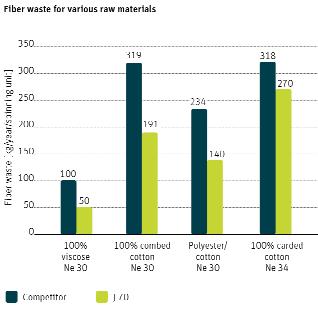

slight impact on the machine’s efficiency. The J 70 can repair yarn breaks at 20 spinning positions simultaneously and fully automatically. A J 70 with 200 spinning positions can thus return to over 92% production efficiency in under eight minutes.
Higher fiber yield enables carded applications
The new twist element not only enables higher production speeds but also reduces fiber loss to a level that makes air-jet spinning attractive for new applications. In particular, processing carded cotton was uneconomical until now. This is because fiber waste on conventional air-jet spinning machines is 10 to 11% for a yarn with a yarn count of Ne 34 at a maximum delivery speed of 350 m/min. The value is too high for economic production.

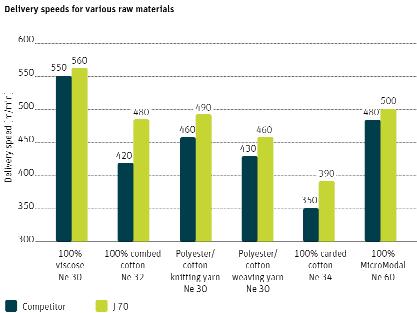
quality of the carded yarn but rather improves it – proven over a longer production period of six months. The airjet yarn from the J 70 also has excellent running characteristics in downstream processing.
Thanks to the new twist element, the J 70 significantly beats this value. The Rieter machine has a fiber waste of 8 to 9% for a carded yarn of the same yarn count – all at a significantly higher delivery speed of 390 m/min instead of 350 m/min. Such outstanding values make it possible to use air-jet spinning to produce carded cotton economically for the first time ever. As a result, it is also possible to produce yarns from combed cotton and cotton blends with lyocell or polyester in various yarn counts. These yarns are widely appreciated in downstream processing.
Field tests have shown that the higher production speed does not impair the
All kinds of air-jet spinning applications benefit from the increased productivity of the air-jet spinning machine. For example, the J 70 achieves delivery speeds of 490 m/min for combed cotton in yarn counts Ne 20, Ne 30, and Ne 40. Fiber waste remains at a low level of 4 to 5% and production efficiency was increased even more thanks to the individual automation of the spinning positions.
Another key point is that customers immediately noticed the fabric’s soft feel – even with the J 70ʼs higher production speed – when evaluating textiles made from 100% combed cotton yarn. Rieter engineers have clearly found the perfect balance between comfortable wear and yarn quality.
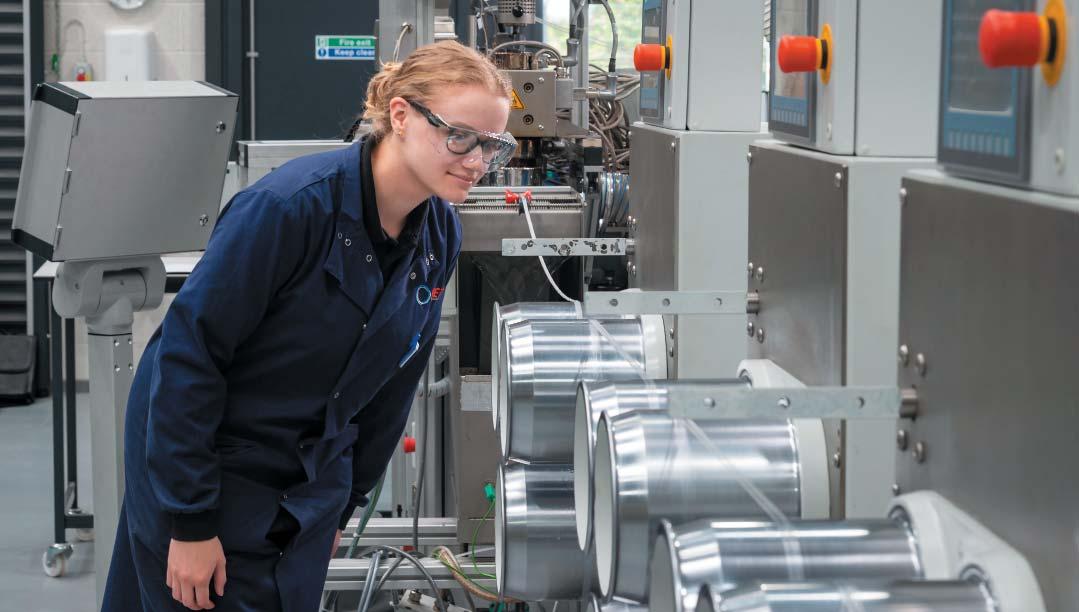
FET is launching the FET-500 Series of gel spinning systems in a move that could revolutionise the research and development of UHMWPE fibres.
Fibre Extrusion Technology Ltd (FET) of Leeds, UK, has built a reputation in medical fibre extrusion technology and innovations, designing and delivering high-performance equipment for a range of precursor medical products, including bespoke extrusion systems for the production of both resorbable and nonabsorbable sutures. FET’s equipment supports small-scale, adaptable production and rapid new product development.
In recent years, there has been a growing demand for R&D of UHMWPE fibres. These fibres are prized in many industries due to their extraordinary properties. However, current production processes are complex and focused on the large-scale output of existing fibre grades. This rigid supply chain has stifled innovation in this untapped product market.
The FET-500 gel spinning systems will address this gap in the market. The FET500 enables a flexible and consistent
process, able to produce quality fibres with less than 100 grams of polymer, while avoiding the harsh processing chemicals that were historically associated with gel spinning. The key to unlocking this lab and pilot scale flexibility is the use of supercritical carbon dioxide as a green solvent in a patent-pending process.
Gel spinning starts with extrusion, but the additional washing and drawing technology to produce finished yarn is critical to the overall performance characteristics. An example of the wide range of features and benefits can be shown in the Washing process, with Patent Pending technology using Supercritical Carbon Dioxide.
Extract carrier oil without using toxic, environmentally harmful chemicals such as Hexane and DCM
CO2 is green, cheap, abundant, and significantly safer to work with CO2 efficiently dissolves carrier oils without affecting the polymer yarn
Reduced operational costs
9-Vast reduction in solvent use (CO2 vs Hexane/DCM)
Comprehensive oil recovery and recycling
Zero solvent waste is generated, unlike the hexane route
Compact and efficient batch washing system
Recipe controlled plug and play technology
Scalable and adjustable to customer needs
Carrier oil is recovered and fed back to the extrusion process
80% reduction in factory footprint vs hexane route
FET’s Fibre Development Centre is critical to the inception and success of the FET-500. Having this facility located in Leeds where the manufacturing takes place allows FET to offer a gateway to de-risk, develop and demonstrate the system’s capabilities. FET houses a full demonstration line of the FET-500 to allow customers, existing and new, to visit and experience the system operating from start to finish. We can also aid in developing new products and operating parameters through R&D trials, giving you the confidence and knowledge to transfer a new product offering onto a production line.
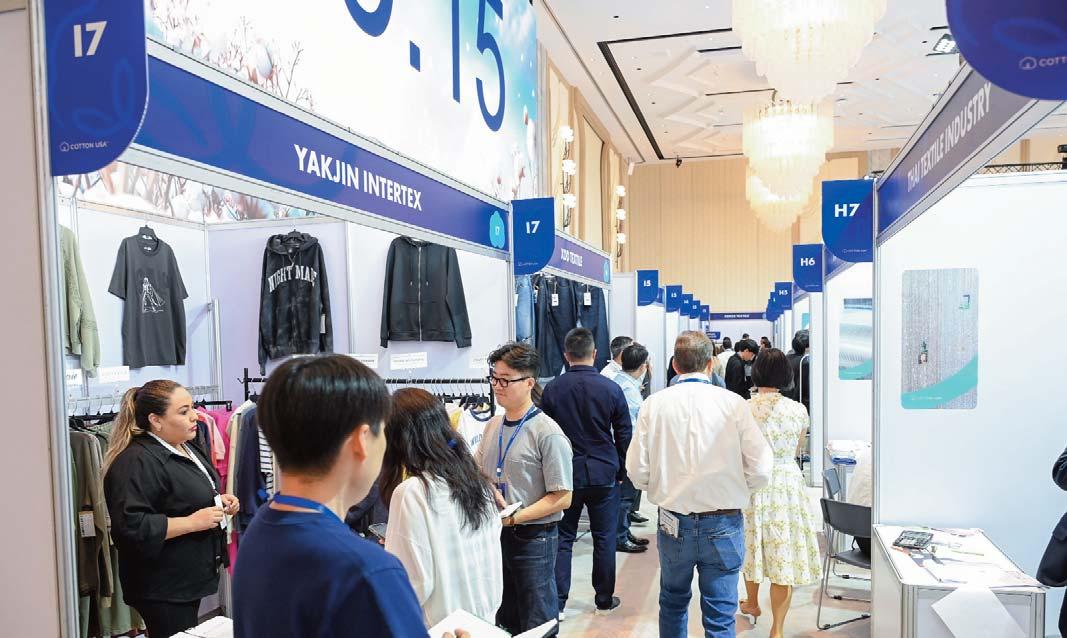
COTTON USA™ strengthened its position as a global connector in U.S. cotton textile sourcing at its recent Sourcing Fair in Bangkok, Thailand, drawing over 300 top brand, retailer, manufacturer, and mill representatives from 13 countries.
Themed "Sustainable Sourcing— Strategic Growth," the event, hosted by Cotton Council International (CCI), facilitated over 4,500 targeted one-onone business meetings, a powerful catalyst for expanding the use of U.S. cotton across the international textile supply chain.
Attendees represented 128 companies from Bangladesh, Hong Kong, India, Indonesia, Japan, Malaysia, Pakistan, Singapore, South Korea, Sri Lanka, Taiwan, Thailand, and Vietnam.
Following the business meetings, attendees participated in a seminar and an exclusive mill tour. The Sourcing Fair’s
slate of seminar speakers followed with key insights into industry trends, evolving global legislation, and the technical advantages of U.S. cotton.
Providing invaluable, hands-on exposure to U.S. cotton’s superior textile production performance, more than 30 participants from 18 brand and retailers toured three leading Thai mills: Thai Rung Textile, Thai Textile Printing, and Thai Textile Industry.
By connecting leading industry players and spotlighting the superior quality of U.S. cotton, the COTTON USA™ Sourcing Fair in Bangkok affirmed COTTON USA™ as a trusted global partner in global textile sourcing.
About the Cotton Council International
Cotton Council International (CCI) is the export promotion arm of the National Cotton Council of America (NCC). CCI promotes U.S. cotton fiber, yarn and
manufactured cotton products around the globe via our COTTON USA™ brand.
COTTON USA™ tells the story of the COTTON USA™ Difference. The difference of superior quality, services, data and intelligence, which you can learn more about here.
With operations in more than 50 countries and nearly 70 years of global trade expertise, CCI works with spinning mills, fabric and garment manufacturers, brands, retailers, textile associations and the USDA to make U.S. cotton the preferred fiber.
CCI’s mission is to make U.S. cotton the preferred fiber for mills, manufacturers, brands, retailers and consumers, commanding a value-added premium that delivers profitability across the U.S. cotton industry and drives export growth of fiber, yarn and other cotton products.
As a leader in the dyeing, finishing and printing of fabrics for workwear and uniforms, Altoteks, based in Çorlu, Turkey, has been a highly valued Monforts partner since 1996, and has just installed a new Thermex continuous dyeing range.
With an annual dyeing and printing capacity of 18 million metres, the company’s plant already houses two existing Monfortex ranges, along with a Montex finishing range and related equipment.
The key fields of specialisation for Altoteks include the dyeing and finishing of para and meta-aramid fibre fabrics and blends, unique double dyeing and printing techniques for polycotton and nylon and cotton blended fabrics and special processes for ripstop camouflage materials. Another major field is in the coloration of modacrylic fabrics and flame-retardant cotton and viscose blends. All must meet the exacting standards of the military and civil defence services.
“Specialised equipment and knowhow are required to achieve the high durability, colour fastness and performance standards required on the woven fabrics for the markets we serve
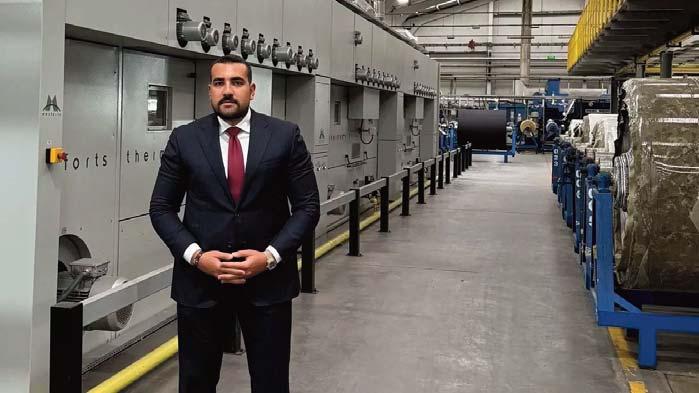
and Monforts Thermex technology is one of the cornerstones of our expertise,” says owner of the company Mehmet Ucar. “We use the Thermex ranges for continuous, disperse and reactive dyeing processes and they are generally preferred for technical textiles and longrun reactive dyeing.”
“With its technologically advanced infrastructure, experienced staff and environmentally friendly production, Altoteks is constantly increasing its domestic and international competitiveness, with customers in Europe, Asia, the USA and Africa,” adds Monforts Area Sales ManagerThomas Päffgen. “Having embraced quality, sustainability and customer satisfaction as its core principles, Altoteks is thriving in some highly specialised markets.”
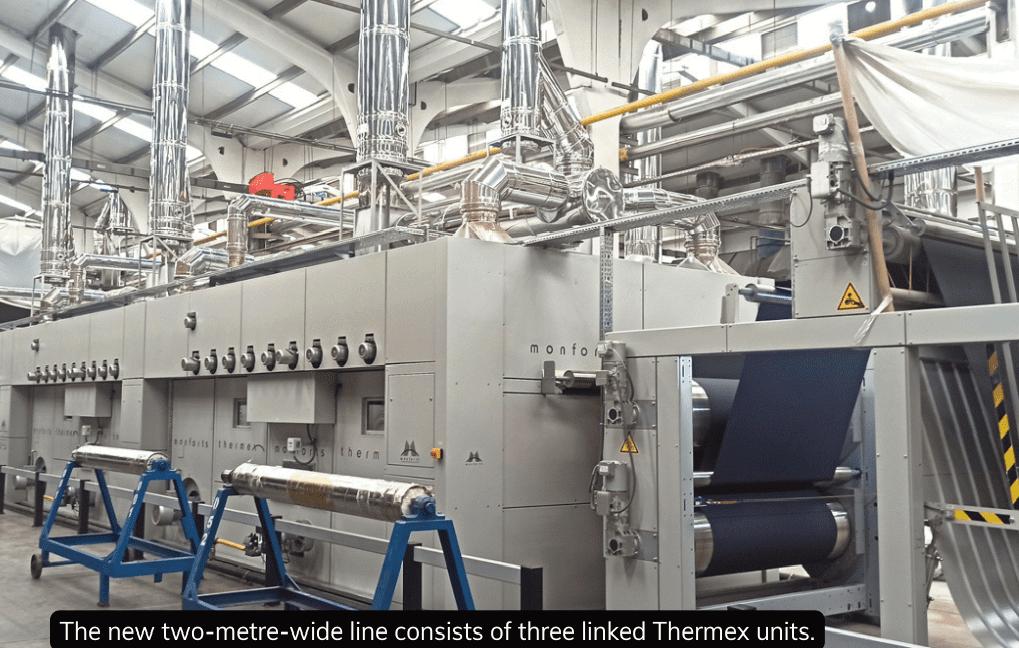

The new two-metre-wide Thermex line consists of three linked Thermex units for continuous dyeing and thermosoling, along with gas-powered infrared predryers, providing high evaporation rates in a minimum of space, and cold pad batch (CPB) winding.
With the trend towards smaller lot sizes per colour in continuous dyeing and the requirement for simple processes, the new Altoteks range also benefits from the Econtrol®* process for reactive dyestuffs developed by Monforts together with Dystar – a simple, quick and economical one-pass pad-dry-wash off continuous dyeing process with drying in the hot flue at 120-130°C and controlled humidity of 25-30% by volume, to obtain fixation in two-to-three minutes.
“The Econtrol process provides a significant advantage for our company, allowing for faster and more economical production in high-volume reactive dyeing,” says Mehmet Ucar “For Altoteks, the new machine will significantly improve production processes in terms of speed, quality and operational efficiency.
“The installation process was completed in a record time of approximately one month with the support of Monforts, its local agent Neotek and our technical team. Monforts consistently provided us with the necessary service support once the machine began production.”
*Econtrol® is a registered trademark of DyStar Colours Distribution GmbH, Germany.

Stäubli, a global leader in industrial and mechatronic solutions, is pleased to announce the establishment of a new legal presence in Malaysia, showcasing its commitment to the Southeast Asian region. As part of the ongoing global growth strategy, this expansion marks an important milestone in Stäubli’s business development journey.
Located in the Puchong Financial Corporate Centre (PFCC) in Selangor, this new office enables Stäubli to strengthen its presence in one of Southeast Asia’s most dynamic markets and better support its customers across Malaysia’s vibrant industrial landscape.
The new office will initially operate from a flexible, modern co-working space, allowing Stäubli to quickly adapt to market needs and scale operations as business grows. This agile approach is complemented by a pioneering resourcesharing model between the Malaysian and Singaporean teams, fostering crossborder collaboration and knowledge exchange – an innovative step for Stäubli in the region.
“Our expansion into Malaysia underlines Stäubli’s long-term commitment to its customers and partners in Southeast Asia,” said Gerald Vogt, group CEO of Stäubli. “By strengthening our local presence, we are better positioned to deliver high-quality solutions and responsive service to support Malaysia’s thriving industries.”
Yeoh Teong Wah, Managing Director for Southeast Asia, added: “The launch of our Malaysian new entity is an exciting development for both our customers and our team. By leveraging shared expertise and resources with Singapore, we are creating a flexible organization that can respond rapidly to customer needs and drive sustainable growth.”
Stäubli is a global industrial and mechatronic solution provider with four dedicated divisions: Electrical Connectors, Fluid Connectors, Robotics and Textile, serving customers who aim to increase their productivity in many industrial sectors. Stäubli currently operates in 28
countries, with agents in 50 countries on four continents. Its global workforce of 6,000 shares a commitment to partnering with customers in nearly every industry to provide comprehensive solutions with long-term support. Originally founded in 1892 as a small workshop in Horgen/Zurich, Switzerland, today Stäubli is an international group headquartered in Pfäffikon, Switzerland.
Stäubli’s Southeast Asia hub, based in Singapore, drives innovation and growth across 11 regional markets. Representing all four divisions – Electrical Connectors, Fluid Connectors, Robotics and Textile –the hub plays a central role in strengthening Stäubli's regional presence. It also provides a foundation for longterm growth and investment in key industry verticals such as digitalization, automation, e-mobility, semiconductors and technical textiles.
Industrial embroidery stands for highquality textile finishing – combined with ever-increasing demands for precision, speed, and process stability. Groz-Beckert meets these challenges with a comprehensive range of embroidery machine needles, specially developed for single- and multi-head embroidery machines. The GrozBeckert DBxK5 needle system is a wellthought-out portfolio with precise solutions that improve overall results.
Groz-Beckert, the world’s leading supplier of industrial machine needles, provides solutions that enhance quality and efficiency in the embroidery process. The needle system DBxK5 impresses with its special technical features and broad variety of versions – and in its latest version, DBxK5 LGR, offers a reliable solution even for complex applications such as 3D embroidery.
Needle system DBxK5 has been specifically engineered for industrial machine embroidery. It ensures stable stitch formation even at high machine speeds. The large eye facilitates the smooth gliding of embroidery threads, significantly reducing the risk of thread breakage and skipped stitches – even when using thick or effect threads. The standard RG point provides excellent penetration across a wide range of textile materials without damaging them.
Another key feature is the needle’s high resistance to deflection, achieved through an optimized geometry. This ensures reliable loop formation and helps to prevent skipped stitches, thereby contributing to high process reliability. Additionally, a specially designed scarf

minimizes contact between the needle and the hook – protecting the hook, extending needle life, and ultimately enhancing the quality of the embroidery.
The various versions of the DBxK5 system enable precise adaptation to specific embroidery applications. For example, the DBxK5 KK variant was developed with a shortened shank for use in machines equipped with raised needle plates or integrated sequin devices. The reduced shank length prevents collisions with these components. When embroidering thick materials, it also ensures that the shank does not penetrate or damage the fabric.
The DBxK5 SS variant is primarily used in sequin embroidery. Featuring an even shorter shank, it prevents sequins or
other delicate appliqués from being damaged by the shank’s penetration during stitching.
When embroidering very small and delicate sequins, there is an increased risk of damaging them during the embroidery process. To address this challenge, the DBxK5 SAN™ 15 version was developed. It features an even shorter shank compared to the KK and SS versions, as well as a cylindrical blade design. This results in a maximized cylindrical working area on the needle, slim enough to apply even the smallest sequins reliably and without damage.
Even when stitching sequins onto thicker embroidery grounds, the particularly slim geometry of the SAN™ 15 needle ensures that the sequins remain intact throughout the process.
Robust and Precise – Perfect for Resilient
For particularly demanding applications – such as embroidering caps, felt, or leather – Groz-Beckert offers the special application needle DBxK5 SAN™ 1. Its reinforced blade provides significantly enhanced needle stability, reducing deflection and effectively preventing needle breakage and skipped stitches. This is complemented by an optimized geometry in the area between the scarf and the eye, which improves loop formation, minimizes the risk of skipped stitches, and protects the hook.
An additional advantage of the SAN™ 1 needle is the GEBEDUR™ (titanium nitride) coating, which offers increased wear resistance – especially in the highly stressed eye and point areas. The needle’s profile is rounded out by an enlarged eye that not only facilitates easier threading but also enables the processing of thicker embroidery threads.
3D embroidery presents a unique challenge: foam elements – commonly known as puffy materials – are used to create raised, three-dimensional effects. During the embroidery process, the needle must penetrate deeply into the foam, placing significant stress on the embroidery thread. With particularly thick
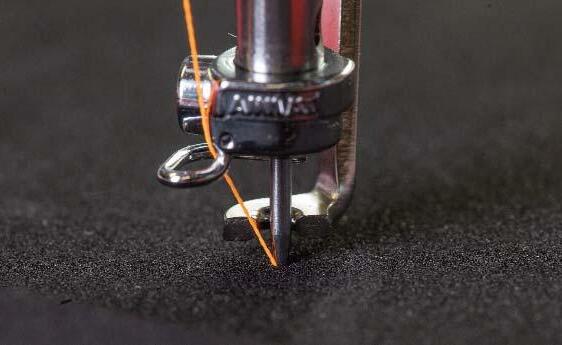
foam materials, there is an increased risk of the thread becoming pinched between the needle and the foam – often resulting in thread breakage and skipped stitches.
This is where Groz-Beckert’s new DBxK5 LGR needle comes into play. Specifically engineered to meet the demands of 3D embroidery, it features an extended long groove that reaches into the shank area, providing enough space for the embroidery thread, even during deep needle penetration. The thread remains securely positioned within the groove and is protected throughout the entire process. The result: a significantly more reliable embroidery process, even on highly compressible materials, and clean, high-quality embroideries with a distinct three-dimensional effect.
Needle system DBxK5 from GrozBeckert is not only available in different versions for specific embroidery applications, but also offers a broad selection of point styles and a comprehensive size range – from Nm 60/8 to Nm 110/18. This allows for precise adaptation of the needle to both the material being embroidered and the intended application.
The R and RG point styles are particularly well-suited for woven fabrics and leather, with the RG point also being applicable for knitted fabrics. For fine knits such as T-shirts or polo shirts, the rounded FFG/SES point is ideal, while the FG/SUK point delivers clean results on coarser knitwear. The TR point, in turn, is
the preferred choice for open fabric structures such as tulle.
As an alternative to system DBxK5, the standard lockstitch needle DBx1 can also be used in embroidery machines under certain conditions. This is particularly relevant when extremely fine needles below Nm 60/8 or specific point styles not available in the DBxK5 range are required. In such cases, the DBx1 system serves as a functional alternative.
Conversely, when the use of thicker needles starting from Nm 120/19 is necessary – as may be the case in technical embroidery applications – the 1738A needle system is a suitable option.
With needle system DBxK5 in its different versions, Groz-Beckert offers a well-thought-out portfolio for both single and multihead embroidery machines. The wide range of point styles, needle sizes, and versions allows for precise adaptation to diverse materials, machine configurations, and embroidery applications. Whether in standard embroidery, sequin work, embroideries on robust materials, or complex 3D embroidery – Groz-Beckert is a reliable partner providing precise solutions that reduce downtime, minimize thread and needle breakage, and improve overall results.
The choice of the right needle is not a minor detail; it is a key factor for efficiency and quality in the embroidery process.
In high-speed textile manufacturing environments, particularly spinning mills where airborne fibers, and pressurized pneumatic systems are standard, the risk of fire is not just a possibility, it is a persistent operational threat. Recognizing this, Zaman Textile Mills (Pvt) Ltd. has taken a pioneering step in industrial safety by implementing the USA Arosa Automatic Fire Protection System at their Spinning Mills Unit # 3.
This facility has 50,000 spindles installed and is one of the most modern in the region, equipped with state-of-theart European and Japanese machinery, renowned for their precision, speed, and productivity. These advanced machines also demand equally advanced safety solutions to prevent operational disruptions.
The integration of Arosa's Automatic Fire Protection system into such a highcapacity and technologically advanced unit marks a significant upgrade in safety protocols, showcasing how smart technology can protect lives, assets, and production continuity.
With over 50,000 spindles and precision European and Japanese machinery, Zaman’s facility demands intelligent, multi-layered fire safety protection, and Arosa delivers.
Zaman Textile Mills (Pvt.) Ltd. is one of Pakistan’s leading vertically integrated textile companies, with a legacy of excellence, innovation, and sustainability. Founded with a vision to deliver worldclass textile solutions, Zaman has grown into a global name, serving leading brands and top international markets with highquality yarns, fabrics, and finished goods.
With manufacturing units equipped with state-of-the-art European and
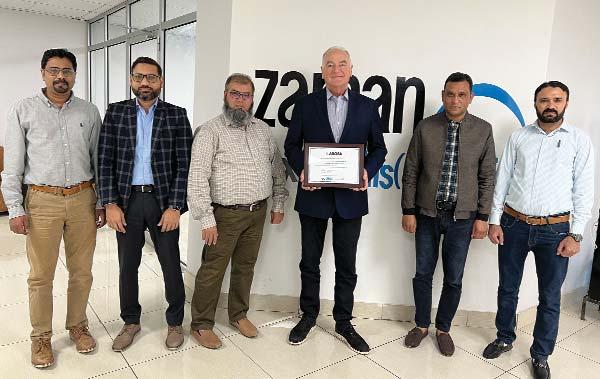
Japanese machinery, Zaman Textile Mills Ltd. ensures precision, efficiency, and consistency at every stage of production—from fiber to fabric. Zaman Textile Mills (Pvt) Ltd has approximately 145,000 spindles with an annual production capacity of 60 million pounds of high-quality yarn. This company operates multiple spinning and weaving facilities.
Spinning operations involve rapid fiber movement, intense friction, and material transport through ducts—conditions highly susceptible to ignition. Even a tiny spark can turn into a major fire within seconds, potentially halting production and endangering both personnel and infrastructure.

Zaman Textile’s leadership understood the importance of moving beyond traditional fire alarms to a more intelligent, responsive, and automated system. The selection of Arosa’s fire protection solution reflects a commitment to operational excellence, employee safety, and risk management.
The deployed solution is built around Arosa’s cutting-edge technology suite— trusted across critical industries worldwide. Arosa Systems holds internationally recognized certifications that validate the reliability, performance, and safety of its components. In addition to these credentials, Arosa is also compliant with multiple global industrial safety standards, reinforcing its position as a leader in fire risk mitigation.
The system features a Honeywell monitoring network, with a centralized panel capable of managing 318 zones— bringing visibility and control to every corner of the unit.
Here is a breakdown of the components now safeguarding Zaman Textile Mills Ltd.
Smart Patented 5i Infrared Spark Detectors
Arosa’s smart, patented 5i infrared detectors use five internal sensors which are behind scratch-less sapphire lens in order to deliver ultra-fast spark detection within milliseconds. Designed for Industry 4.0 environments, these compact detectors work flawlessly in dusty, highspeed ducting typical in textile mills. They form the first and most critical line of fire prevention.
Once a spark is detected, the system immediately initiates an extinguishing sequence – eliminating the need for human intervention. These automated interventions are designed to neutralize threats before combustion can occur and stopping an incident before personnel even become aware of it.

The entire fire protection network is managed through the Arosa ACM Control Module, integrated seamlessly with Zaman Textile’s Honeywell fire panel system. This integration ensures:
1.Real-time detection and diagnostics
2.Automatic machine shutdown in affected zones
3.Immediate alerts via sirens and Mobile Application
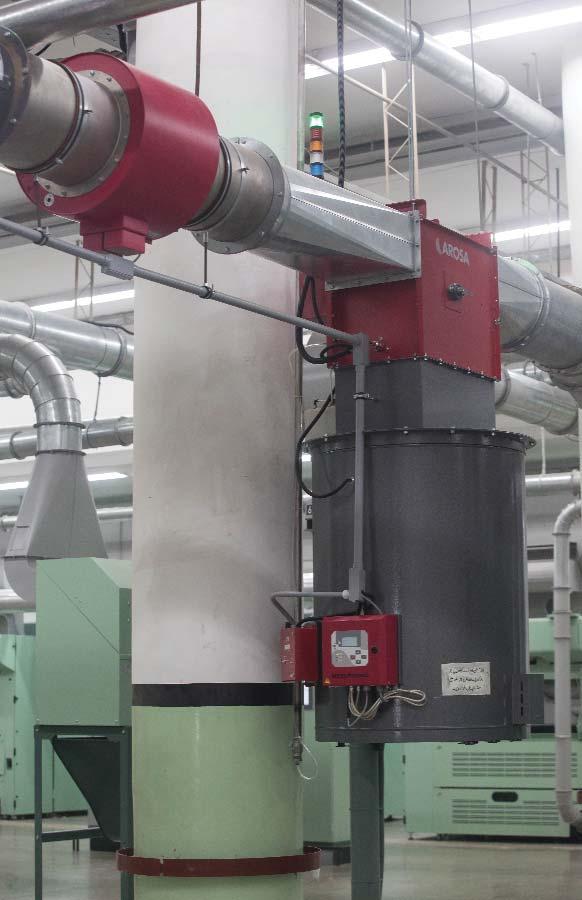
By Protecting Bale openers, Filter systems, Waste compactors with AROSA Automatic fire extinguishing systems, and installing AROSA ACD High Speed Metal & Spark Diverter and AROSA ASD Spark Diverter Systems, Zaman Textile Mills Ltd. has significantly reduced firerelated vulnerabilities across its critical machinery. These upgrades translate into tangible operational benefits.
This layer of protection ensures no fire threat goes unnoticed or untreated, allowing uninterrupted production and peace of mind for management.
Combined with AROSA’s internationally certified components, Industry 4.0-ready
infrastructure, Honeywell monitoring systems, and a centralized 318-zone panel, Zaman’s fire safety has shifted from reactive to predictive—setting a new industry benchmark.
The successful commissioning of this system has already delivered measurable advantages:
Incident Prevention: Rapid spark suppression dramatically reduces fire risk Downtime Minimization: Instantaneous response limits production losses.
Regulatory Compliance: Supports adherence to international safety norms
Workforce Assurance: Employees operate with greater confidence in a protected environment.
Zaman Textile’s collaboration with Arosa epitomizes a paradigm shift in industrial fire safety—where automation, intelligence, and precision converge to eliminate risk and enhance operational resilience. With cutting-edge technologies such as internationally certified fire protection systems, Industry 4.0 compatibility, and real-time monitoring, Zaman Textile is not only protected, it is future-ready, ensuring unwavering productivity in an increasingly demanding manufacturing landscape.
As Zaman Textile continues to invest in forward-looking infrastructure, the installation at Spinning Unit #3 stands as a model for the broader industry, a benchmark in textile fire safety modernization.
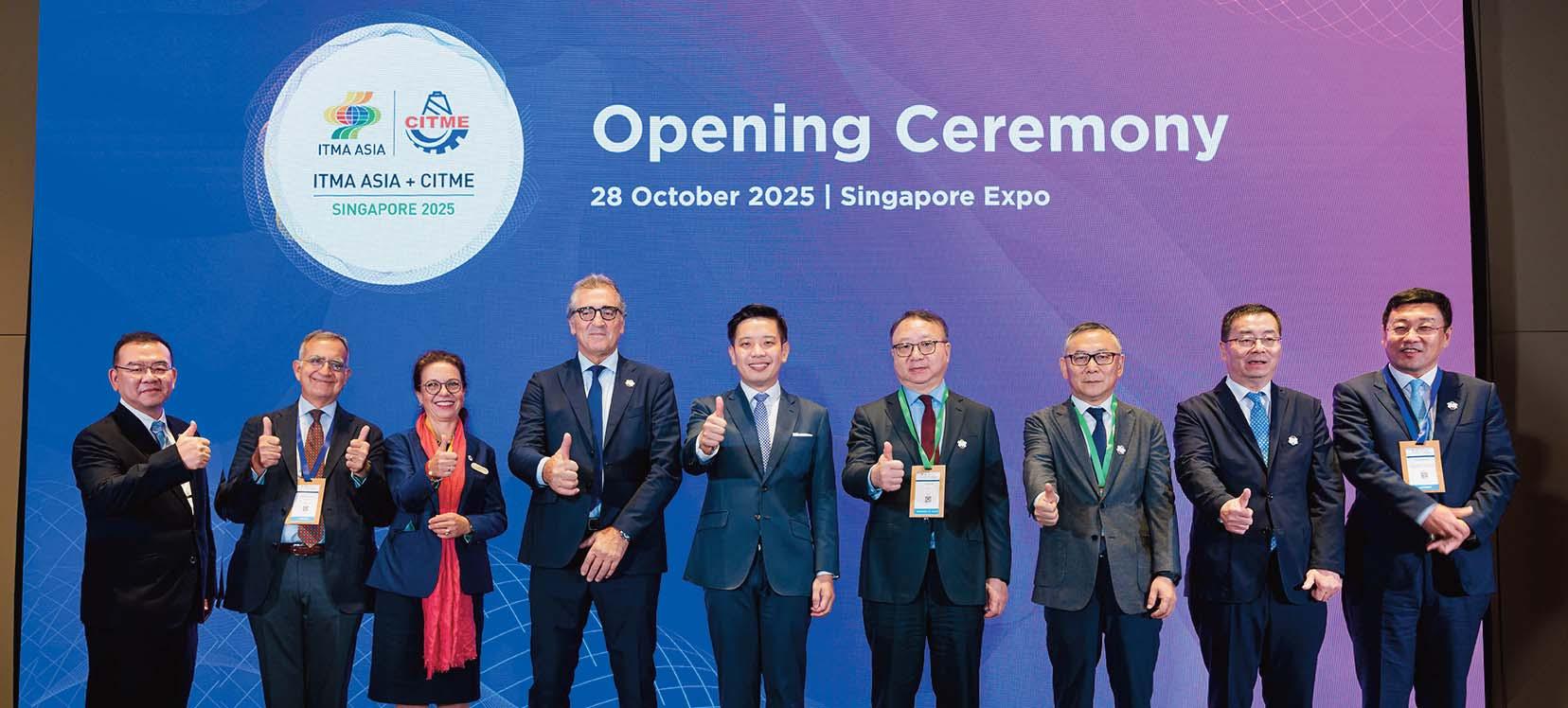
The region’s leading textile and garment technology exhibition, ITMA ASIA made a successful return to Singapore after two presentations in 2001 and 2005.
Combined with CITME, the four-day ITMA ASIA + CITME exhibition at the Singapore Expo concluded on 31 October 2025 with participants praising the international mix of visitors and strong turn-out of buyers from the region. From the supply side, the exhibition was well represented by companies from key textile technology manufacturing regions, thus offering buyers a balanced selection of solutions.
The Singapore exhibition attracted visitorship of over 26,600 from 109 countries and regions, reaffirming its reputation as the region’s most influential showcase of textile and garment manufacturing technologies.
Some 92% of the visitors came from overseas, with 35% of them from South Asia and 30% from Southeast Asia. The top three visitor countries were: India (19%), China (11%) and Indonesia (10%). Other countries in the top 10 list included Bangladesh, Pakistan, Vietnam and Malaysia.
The show owners – CEMATEX (the European Committee of Textile Machinery
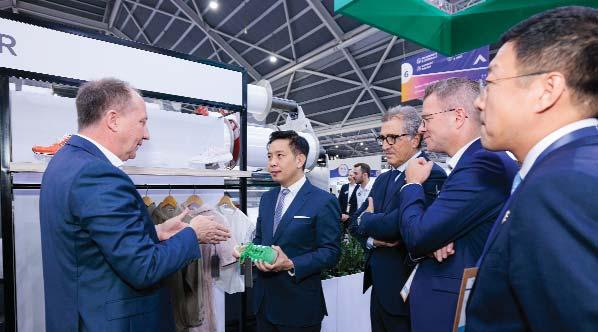
Manufacturers), China Textile Machinery Association (CTMA), The Sub-Council of Textile Industry, CCPIT (CCPIT TEX) –attributed its strong showing to Singapore’s ideal location, conducive business environment and seamless visitor experience.
Mr Alex Zucchi, President of CEMATEX, said: “Exhibitor feedback has been very positive as the high-quality visitorship and serious business discussions are greatly appreciated. The exhibition has created a strong sense of optimism about the opportunities ahead amid current economic challenges.”
Mr Gu Ping, President of CTMA remarked: “Asia, the world's largest textile hub, boasts a vast industrial scale and plays a key role globally. With the successful conclusion of the ITMA ASIA + CITME, Singapore 2025, it is clear that the Asian textile industry, encompassing regions such as East Asia, Southeast Asia and the Middle East, is experiencing rapid development. This also reflects the global textile industry's demand for exploring emerging markets."
Many of the exhibitors were elated by the outcome of their participation. Mr
Tobias Schaefer, Vice President of Andritz Nonwoven & Textile, enthused: "The combined exhibition in Singapore proved to be a truly pivotal platform, bringing together a remarkably international audience. The high visitor numbers, the quality of discussions, and the strong focus on innovation and sustainability reflected the industry's evolving priorities."
Mr Stephane Picard, Sales & Marketing Manager at Pierret Industries, opined: “We are very pleased with the overall quality of the visitors at the exhibition. Despite the current market challenges, the event exceeded our expectations. The main objective of holding this show in Singapore was to attract people from Southeast Asia and Middle East markets, and the results were truly impressive.”
Sharing the same sentiment, Canlar Mekatronik Board Member Mr Kaan Cakici said: “We’re delighted with the overwhelming response received at the exhibition. The show days were filled with serious enquiries from buyers who came ready to invest and we concluded business deals during the show. The quality of discussions with visitors at our stand has given us confidence to expand our presence and support in the region.”
Underscoring the significance of the 2025 exhibition for the Indian market was Mr Rohit Kansal, Additional Secretary, Ministry of Textiles of India who led a 30member-strong government delegation.
Mr Kansal remarked, “India is one of the largest participants and exhibitors in this exhibition here in Singapore. This reflects our strategic vision in driving our textile industry’s growth through innovation, manufacturing excellence and sus-
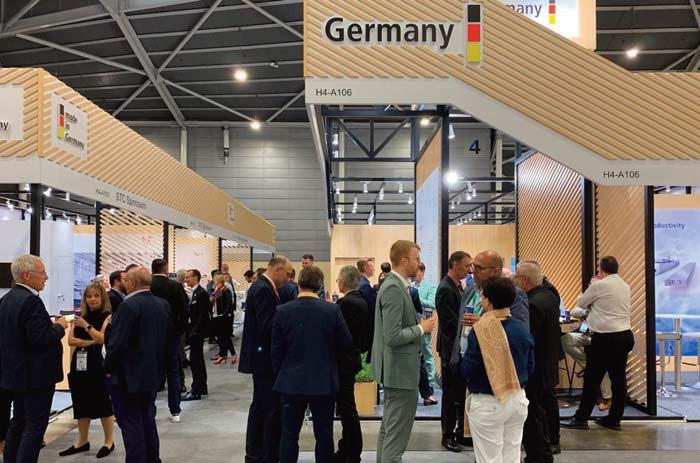
tainability. The fair provides a good meeting ground for people to exchange ideas, to look at new technologies, discuss business propositions and to see the latest innovations.”
Later, speaking at the co-located ITMA Sustainability Forum, Mr Kansal highlighted the Indian textile industry’s green transformation.
The comprehensive showcase of textile and garment making technologies at ITMA ASIA + CITME, Singapore 2025 occupied more than 70,000 square metres of gross space and featured over 840 exhibitors from 30 countries and regions.
ITMA ASIA + CITME, Singapore 2025 is organised by ITMA Services and coorganised by Beijing Textile Machinery International Exhibition Company.
The next ITMA ASIA + CITME exhibition will be held in Shanghai, China from
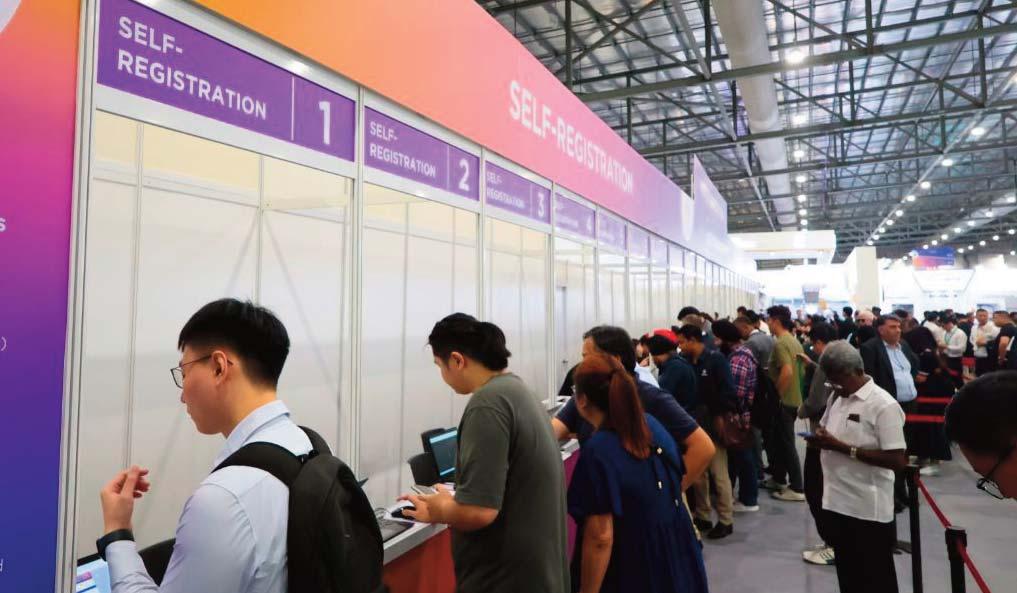
20 to 24 November 2026. For more information, please visit www.itmaasia.com or www.citme.com.cn.
CEMATEX launched its ITMA ASIA exhibition in 2001. It was followed by a second show in 2005 that was supported by the Japan Textile Machinery Association. Both exhibitions were held in Singapore. ITMA ASIA combined with CITME in Shanghai in 2008.
CEMATEX is the owner of ITMA, the world’s largest textile and garment technology exhibition. ITMA, the Olympics of textile machinery exhibitions, is held every 4 years in various European locations since 1951. Its next exhibition will be held in Hanover in 2027.
CITME, the China International Textile Machinery Exhibition, was launched in 1988. It is owned by China Textile Machinery Association (CTMA), The SubCouncil of Textile Industry, CCPIT (CCPIT TEX) and the China International Exhibition Center Group Limited (CIEC). Held in Beijing every 2 years, it was staged for 10 editions until 2006.
Since 2008, ITMA ASIA + CITME has been held in Shanghai every two years. The next combined exhibition will be held in 2026 at the National Exhibition and Convention Centre in Shanghai, China.
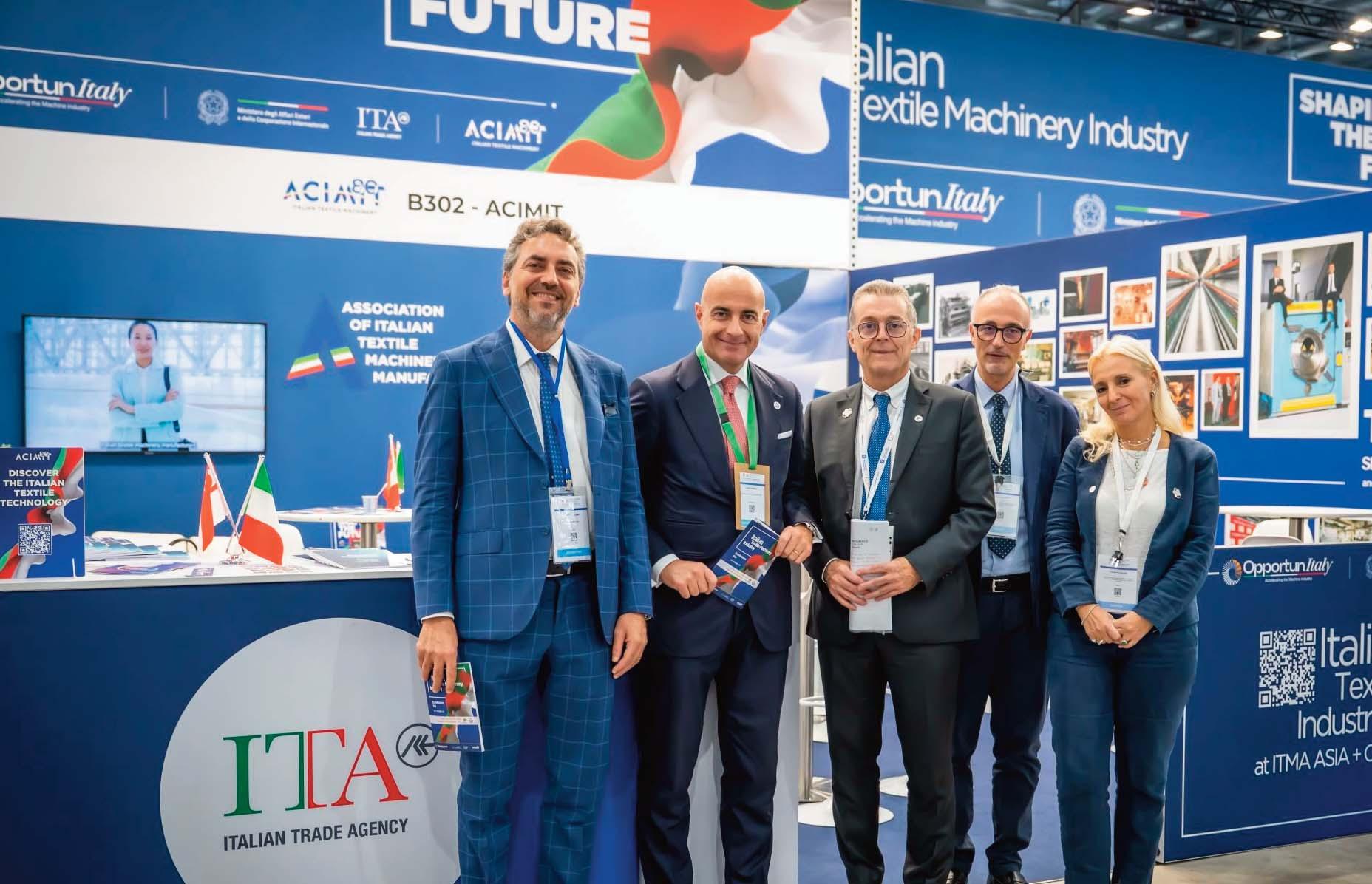
100 Italian companies exhibited at ITMA ASIA + CITME Singapore 2025, taking place from October 28 to 31. With an area of around 4,000 square meters, Italy ranked among the top exhibiting countries, as in previous editions. 53 Italian exhibitors will show their innovations within the National Sector Groups, organized by ACIMIT (Association of Italian Textile Machinery Manufacturers) and Italian Trade Agency.
ITMA ASIA + CITME show has always been the main showcase for textile machinery manufacturers in Asia, which absorbs 50% of global exports for a value of 8.8 billion euro in 2024. The main world market for textile machinery are China and India, importing textile
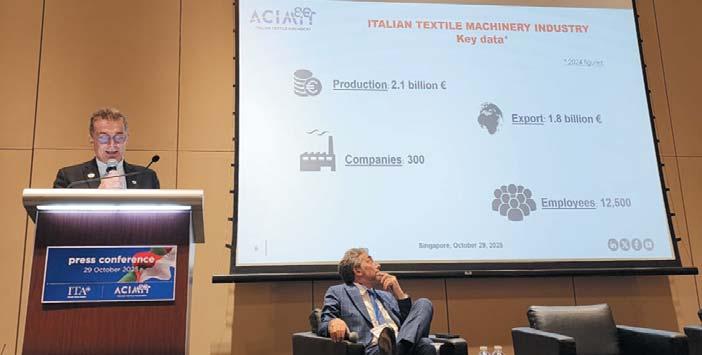
machines for a total value of 4.3 billion euro.
For Italian manufacturers as well, the Asian market is the top foreign destination. In 2024, Italian exports to Asia amounted to 664 million euro, while in the first six months of 2025 Italian sales to this geographical area grew at 1% rate
on the same 2024 period, reaching a value of 317 million euro. China, India, Pakistan, and Bangladesh are the main Asian destinations for Made in Italy machinery.
ACIMIT President Marco Salvadè says: “ITMA ASIA+CITME Singapore is a further occasion for Italian textile machin-
ery manufacturers to display its updated technological supply. The choice of Singapore allows Italian exhibitors to engage with many Southeast Asian markets, which are becoming increasingly important manufacturing hubs.”
“Despite geopolitical uncertainties, the significant presence of Italian exhibitors in Singapore confirms the vitality of the Italian textile machinery sector.” confirms Salvadè. “Italian manufacturers at ITMA ASIA+CITME Singapore will show a wide range of advanced solutions, covering the entire textile value chain. Visitors will see digitalization tools that can improve process efficiency and connectivity, automation systems for smarter production and innovations able to reduce environmental impact. In addition, there will be a strong focus on sustainable technologies, with machinery designed to optimize energy and water use, while ensuring high-quality results. Italian manufacturers are committed to combining tradition in textile knowledge with cutting-edge innovation.”
Giorgio Calveri, Director of ITA Singapore, states: “With 86% of its 2.1 billion euro production exported, Italy’s textile machinery industry confirms its strong international orientation, with Asia as its main market. ITMA Asia + CITME 2025 in Singapore is a strategic opportunity to strengthen Italy’s presence in this key region. With 100 exhibitors coordinated by ACIMIT and supported by ITA, Italy stands as a trusted partner for advanced, sustainable, and competitive technologies.”
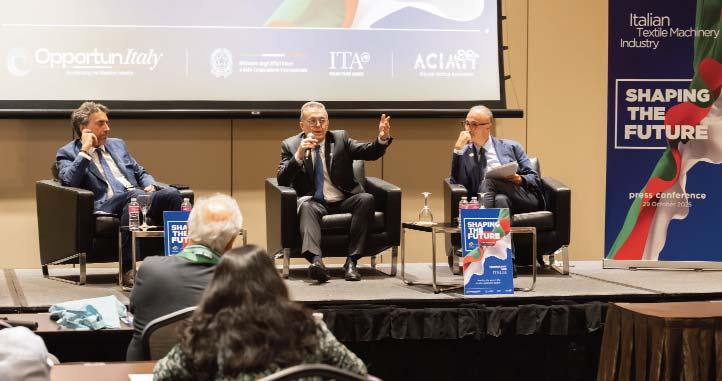
Represents an industrial sector that comprises roughly 300 manufacturers (employing around 12,500 people), which produce machinery for a turnover worth of around 2.1 billion euro, of which 86% are exported. Creativity, sustain-
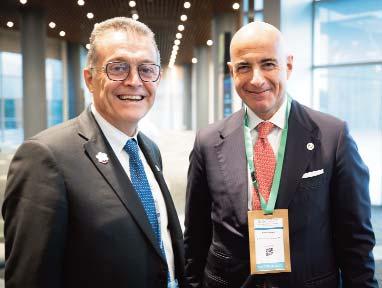
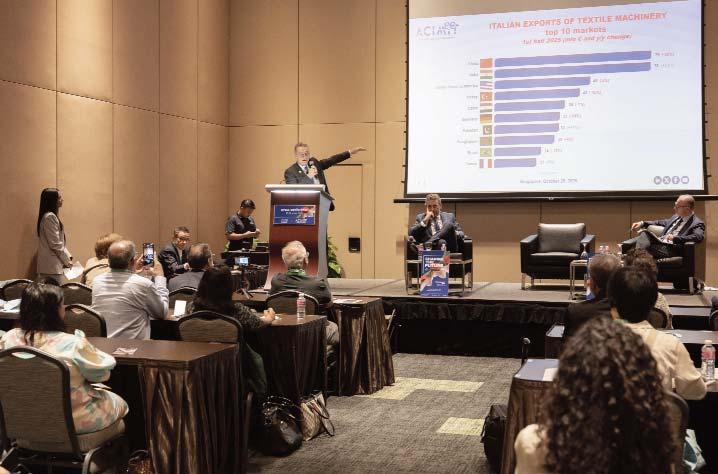
able technology, reliability and quality are the hallmarks that have made Italian textile machinery worldwide leaders.
The Governmental agency that supports the business development of our companies abroad and promotes the attraction of foreign investment in Italy. With a motivated and modern organization and a widespread network of overseas offices, ITA provides information, assistance, consulting, promotion, and training to Italian small and medium-sized businesses. Using the most modern multichannel promotion and communication tools, it acts to assert the excellence of Made in Italy in the world.
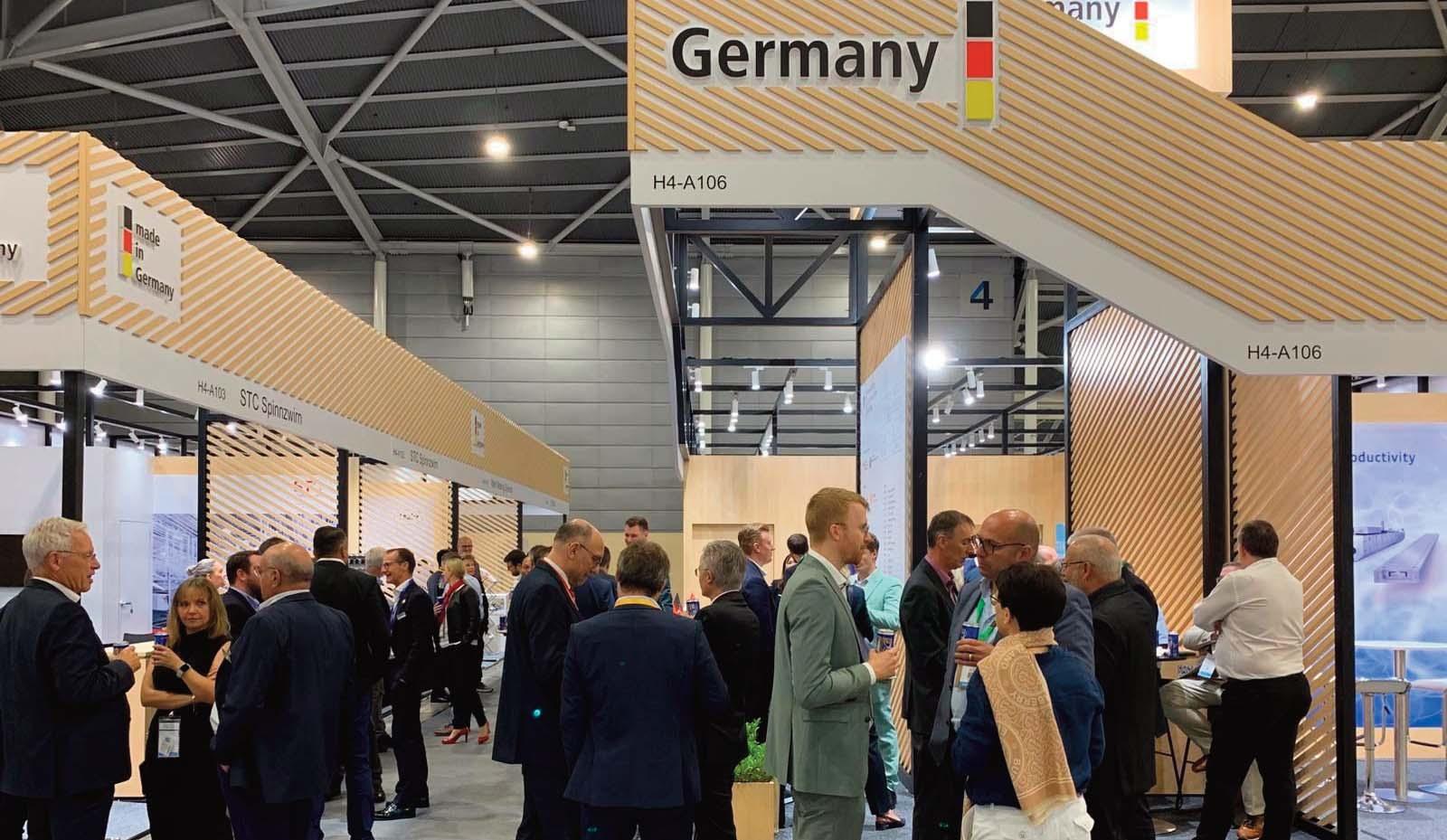
With more than 840 exhibitors from 30 countries and thousands of visitors from more than 100 nations ITMA ASIA + CITME 2025 was a truly international show. Visitors came with clear project ideas, leading to many inspiring and fruitful discussions.
Numerous VDMA members reported closed orders and deals – a positive sign for the machinery sector. “Better than expected” was was a frequent comment from exhibiting companies.
The testimonials from VDMA member companies reflect a successful trade fair:
"ITMA ASIA + CITME 2025 in Singapore has been a real INTERNATIONAL Textile Machinery Exhibition in Asia, attracting visitors from more than 100 countries. The numbers and quality hoped for have been exceeded. In this friendly and well organised city, smiles
were also very much seen at the EXPO during the exhibition."
Janpeter Horn, Chairman, VDMATextile Machinery Association
“ITMA ASIA + CITME 2025 in Singapore was a great success also for Mahlo. The show brought together the right people, the right ideas, and the right energy. A truly international event that delivered valuable insights and confirmed the industry's commitment to innovation. We could discuss specific challenges and solutions with numerous industry professionals from across Asia.”
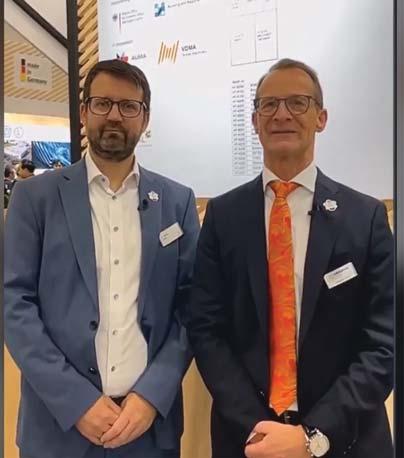
Thomas Höpfl, Sales Director, Mahlo
“ITMA ASIA + CITME 2025 in Singapore was a great success for Trützschler. The event brought together an international mix of visitors and offered high-quality discussions with customers and business partners.”
Alexander Stampfer, CSO, TRÜTZSCHLER Group
“Singapore was the ideal stage for ITMA ASIA + CITME 2025, drawing a highly engaged global audience. The exhibition proved to be an outstanding platform for meaningful dialogue and
networking. The strong visitor presence and the depth of discussions underscore the industry’s commitment to innovation and sustainability. With automation and future technologies taking centre stage, the event exceeded expectations by creating an environment where visionary ideas and practical solutions converged. Customers are once again ready to invest, signalling renewed confidence and growth opportunities. This positive momentum encourages us and strengthens our outlook for the future.”
"ITMA ASIA + CITME 2025 in Singapore proved to be a truly global platform, bringing together a remarkably international audience. The high visitor numbers, the quality of discussions, and the strong focus on innovation and sustainability reflected the industry's evolving priorities. For us, the event reaffirmed the importance of personal dialogue in shaping the future of nonwovens and textile technology."
“We were impressed by the high quality and diversity of visitors at ITMA ASIA + CITME 2025 in Singapore. The event proved to be an excellent platform for meaningful discussions and new connections across the entire Asian textile
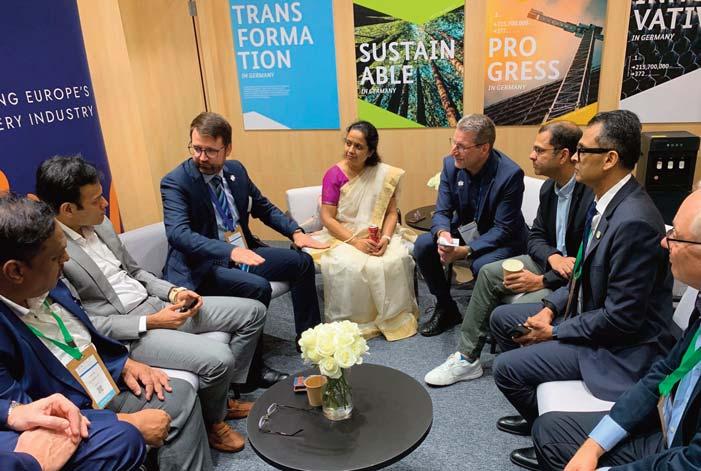
market. Singapore’s dynamic and wellorganized setting provided the ideal environment to exchange ideas, explore innovations, and strengthen partnerships throughout the region. Focus topics were definitely increasing efficiency in the textile production at currently uncertain times.”
Kathrin Pleva, Managing Director, PLEVA
“ITMA ASIA + CITME 2025 Singapore was well attended and attracted qualified visitors. It's strategic geographic location connected the Southeast Asian region and positioned the event as a central meeting point for the textile industry.”
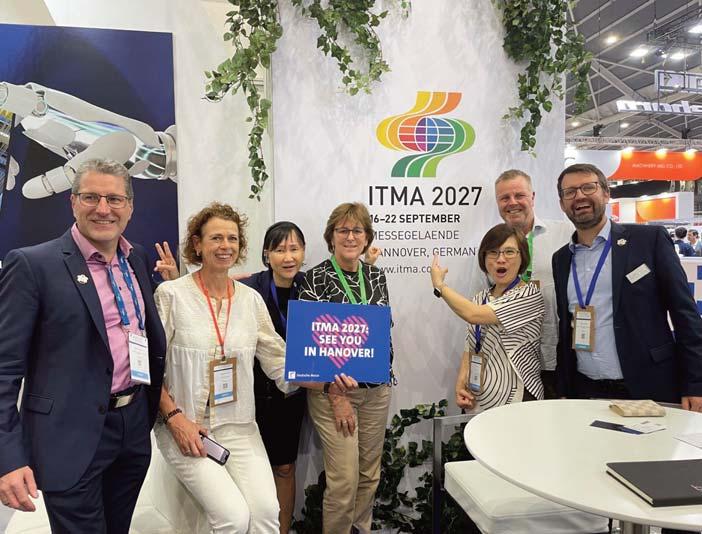
“Choosing Singapore as the location for ITMA ASIA + CITME 2025 was absolutely the right decision. Our expectations were exceeded both in terms of the quality and the number of international visitors.”
“ITMA ASIA + CITME 2025 in Singapore was worth a visit. The location was excellent for visitors from the ASEAN countries and Singapore offers an excellent infrastructure. We were impressed by the numbers of visitors and the quality of meetings with customers, who came mainly from Pakistan, India and Bangladesh. The focus of visitors was on the finishing of outerwear, denim and automation. Many customers plan to realize their projects in the course of 2026.”
Hans-Gerhard
From 16 to 22 September 2027, ITMA will return to Germany for the first time in 20 years. The leading international trade fair for textile machinery and clothing technology is expected to attract over 100,000 decision-makers from almost all textile-producing countries. Companies interested to exhibit in Hannover can already register here: www.itma.com.
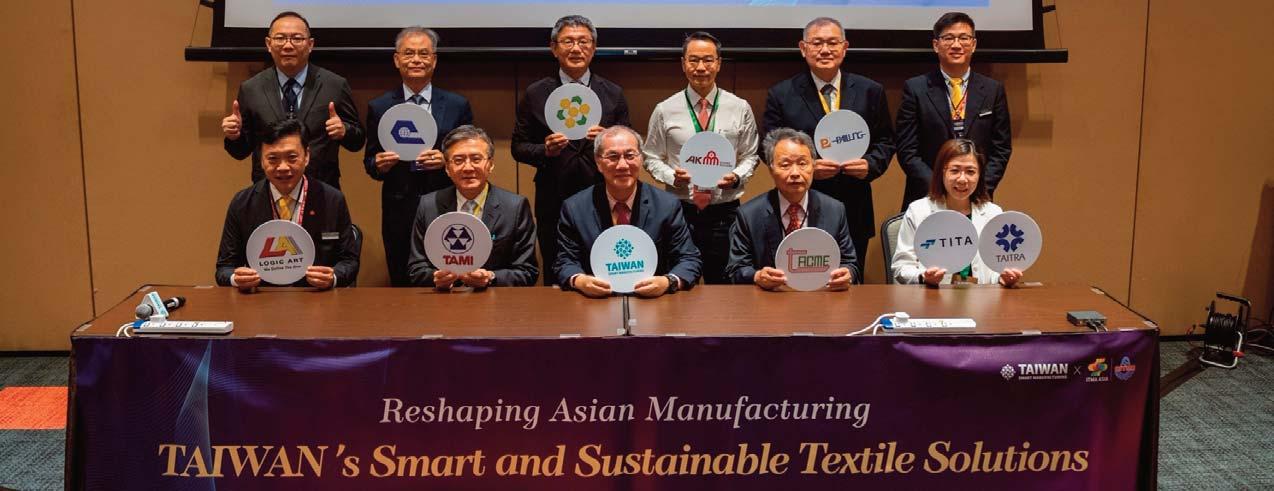
Taiwan’s textile machinery industry took center stage at ITMA ASIA + CITME 2025 in Singapore, leading Asia’s transformation toward smart and sustainable manufacturing. At the “Reshaping Asian Manufacturing: Taiwan’s Smart & Sustainable Textile Solutions” press briefing and media meetup, Taiwan showcased how intelligence, innovation, and environmental responsibility are shaping the future of textile production.
Organized by the Taiwan External Trade Development Council (TAITRA) in collaboration with key industry associations, the event brought together international media and buyers to explore Taiwan’s latest breakthroughs in AI-driven automation, digital process optimization, and energy-saving technologies. The initiative underscores Taiwan’s long-standing commitment to empowering global textile manufacturers with reliable, ecoefficient solutions that balance productivity and sustainability.
Six leading Taiwanese textile machinery companies unveiled integrated innovations that redefine the knitting, dyeing and finishing processes into intelligent, low-carbon manufacturing solutions. These advancements not only enhance
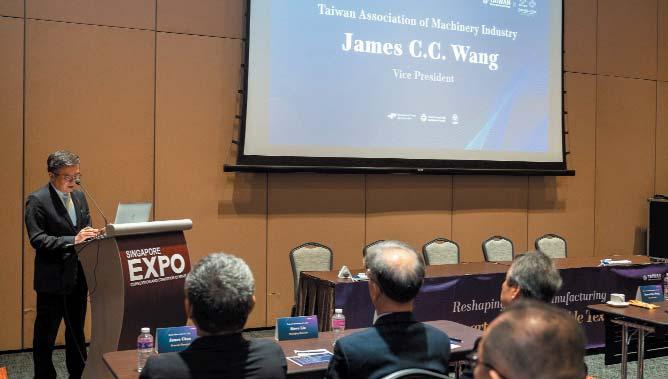
precision and resource efficiency but also demonstrate how Taiwan’s manufacturers are reshaping the industry’s path toward a resilient, circular, and climate-conscious supply chain across Asia.
Following the press briefing, each company presented its flagship solution and application highlights, reflecting Taiwan’s collective vision: to drive sustainable value creation through technology, responsibility, and partnership.
Redefining Sustainability with the World’s First Low-LiquorRatio Conveyor Dyeing Machine
ACME introduces the AM-ICD Intelligent Conveyor Drive High Pressure
Constant-Speed Dyeing Machine, setting a new benchmark for sustainable dyeing. Unlike traditional machines that rely on high water volumes to move fabrics, ACME’s patented mechanical conveyor system uses a low liquor ratio of 1:1–1.5, cutting water, energy, and chemical use by more than 65%, while sharply reducing wastewater and CO2 emissions.
Its constant-speed and low-tension design ensures even dye uptake with minimal shade variation, suitable for knits, warp knits, and nonwovens alike. The AM-ICD reflects ACME’s vision of transforming dyeing from a high-energy process into a smart, low-carbon operation, aligning efficiency with global sustainability goals.
Copower Technology presents CASMAD, an intelligent system that automates the entire dye formulation process—from bottle cleaning and powder feeding to solution preparation and dispensing. Integrating patented anticontamination design and RFID-based traceability, CASMAD operates 24/7 with multi-task scheduling to ensure precision and batch-to-batch consistency.
For international dyeing laboratories and production plants pursuing quality and efficiency, CASMAD acts as a central command hub, bridging R&D and mass production. It enables factories to scale smart manufacturing with accuracy, safety, and full traceability, marking a key step toward total process automation.
KUANS Micro-Auto showcases its Smart Dyeing Analyzer, a plug-and-play solution that empowers dyeing houses with real-time, data-driven insights. The system continuously monitors dye bath transparency and color absorption rates across six light wavelengths, analyzing dye compatibility, pH stability, and fiber behavior, particularly valuable for recycled materials.
By replacing trial-and-error with intelligent process control, the Smart Dyeing Analyzer helps factories shorten development cycles, reduce chemical usage, and stabilize quality. Fully developed in Taiwan and honored with the SME Innovation Award, it’s shaping how nextgeneration dyeing plants integrate AI to achieve precision and sustainability
Asia Kingdom Machinery introduces Digital Protect Technology, a digitally controlled system that automatically adjusts fabric tension and pressure during dyeing to prevent surface damage or marking. Powered by AI and servo-based torque control, the system acts as a “digi-
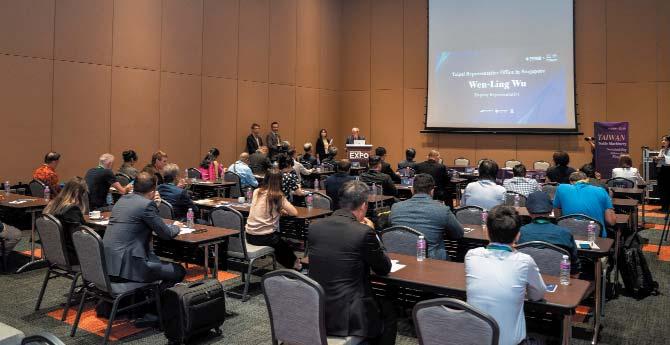
tal guardian,” protecting delicate performance fabrics such as spandex, swimwear, and premium knits from deformation or gloss variation.
Simple to operate and easy to maintain, this innovation reduces waste and reprocessing while ensuring consistent fabric quality. With over six decades of industry experience, Asia Kingdom combines digital precision and mechanical expertise to help dyeing plants achieve stable, high-value production for global performance brands
Logic Art Automation leverages more than 30 years of engineering experience to deliver its Dye House Smart Total Solution, the world’s only end-to-end automation platform for dyeing and finishing plants. The modular system integrates auto-dosing, chemical distribution, energy management, and predictive maintenance while seamlessly connecting with existing ERP systems.
Now adopted by dyeing factories in over 50 countries, including more than 70% of Adidas’ upstream suppliers, Logic Art’s solution ensures process stability, safety, and sustainability. With regional service hubs in Vietnam, Turkey, and Europe, the company continues to drive the industry’s transformation toward smart, data-driven, and low-carbon production
Pailung: Launching the NextGeneration Jacquard Knitting Machine for the Smart Factory Era
As one of the world’s top circular knitting machine manufacturers, Pailung
Machinery Mill unveiled its next-generation electronic jacquard circular knitting machine, alongside its Smart Knitting Solution, marking a major milestone for AI-integrated textile manufacturing.
The new model combines ultra-fine gauge precision and high-resolution jacquard capability, enabling the creation of intricate, multi-textured fabrics ideal for high-performance sportswear and premium fashion.
Integrated with real-time fabric defect detection, digital production management, and automatic machine calibration, the Smart Knitting Solution shortens setup time from hours to under 30 minutes while maintaining high speed, consistency, and energy efficiency.
By embedding AI and smart control into every step of the knitting process, Pailung transforms knitting machines into intelligent production partners, redefining global standards of precision, flexibility, and sustainability.
The innovative showcase of six Taiwanese textile machinery companies not only demonstrated advanced technologies but also embodied Taiwan’s commitment to smart and sustainable manufacturing.
From knitting and dyeing to quality monitoring and automation management, each breakthrough is driving industrial upgrading—positioning Taiwan as a key force behind the global advancement of the textile and apparel industry.
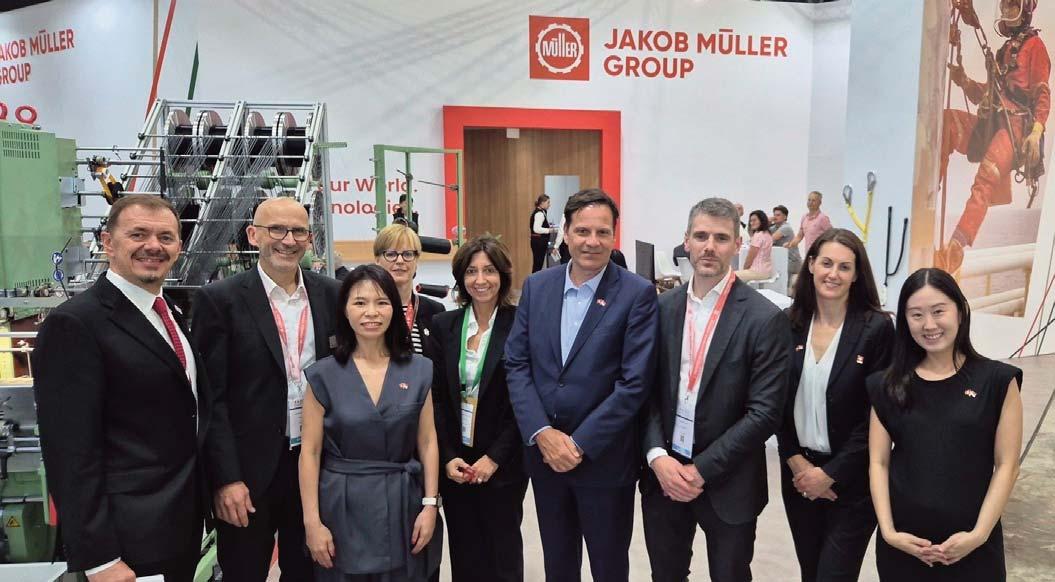
Swiss Textile Machinery and its member companies concluded a successful participation at ITMA ASIA + CITME Singapore 2025, marking four days of strong engagement, advanced technology showcases, and renewed industry confidence.
Swiss exhibitors delivered a compelling message of innovation and resilience, reaffirming Switzerland’s position as one of the world’s leading hubs for advanced textile machinery.
During the exhibition, Swiss Textile Machinery hosted a dynamic press conference, where 16 member companies presented their latest innovations in concise three-minute pitches. The format was widely appreciated by attending media, offering a clear and efficient overview of the pioneering Swiss solutions on display.
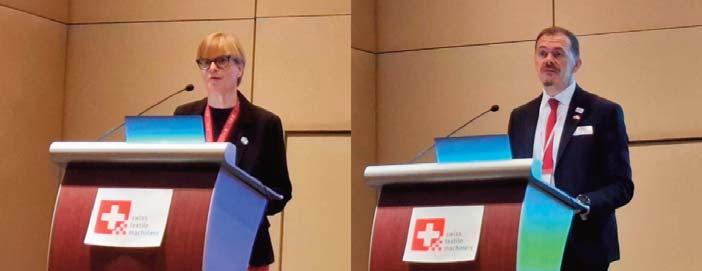
The week also featured the Swiss Evening, a networking event held on the 40th floor overlooking Singapore’s skyline. With around 200 guests in attendance, the gathering provided a relaxed platform for meaningful exchange between members, customers, and partners.
“We are proud to be the fifth largest exhibitor by space at the show, and the seventh largest by number of exhibitors,” said Cornelia Buchwalder, Secretary
General of Swiss Textile Machinery. “These rankings highlight the strength, diversity, and international relevance of our industry.”
Swiss companies showcased a broad range of technologies spanning the entire textile value chain—from spinning and weaving to finishing. Their innovations
focused on three key areas shaping the industry's future:
Sustainability: Solutions to reduce energy and water consumption, improve resource efficiency, and support circularity.
Automation: Technologies addressing global labour shortages and enabling higher productivity with fewer skilled workers.
Digitalization: Smart, data-driven systems that simplify machine operation and enhance production efficiency.
“There is still tremendous potential to make machinery even more efficient,” Buchwalder added. “Our companies remain fully committed to supporting the industry’s goals through continued innovation.”
Buchwalder highlighted the excellent quality and diversity of this year’s exhibition:
“This has been a truly international show, with a well-balanced mix of participants from around the world. Our members valued the high calibre of visitors and the opportunity to meet real decisionmakers.”
Despite persistent economic challenges, exhibitors reported encouraging signs of gradual recovery in various markets—a sentiment reflected in the positive atmosphere throughout the event.
Participants also praised Singapore as a highly attractive and well-organized host city.

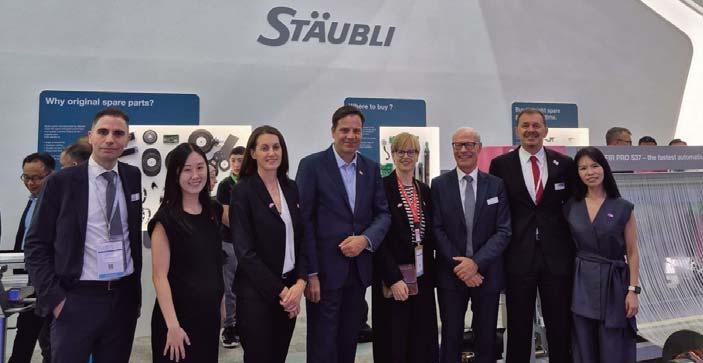
“Everyone loves Singapore, and it was certainly a nice treat for exhibitors and visitors alike,” Buchwalder noted.
Swiss Textile Machinery is the association representing Switzerland’s world-leading textile machinery and technology manufacturers. Its members deliver innovative, high-quality solutions used across global textile and apparel value chains.
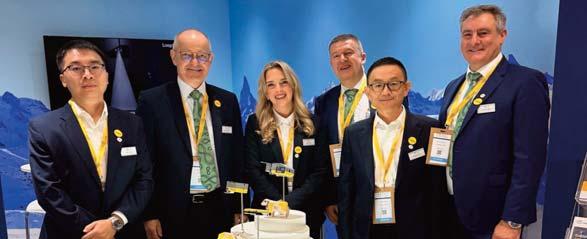
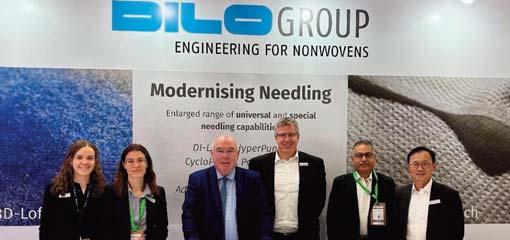
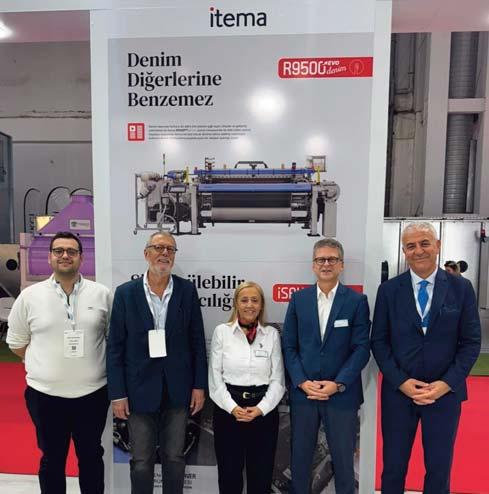


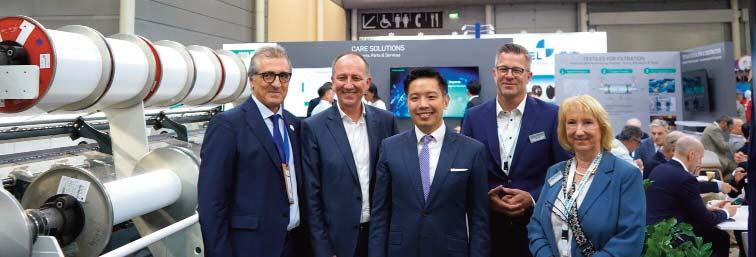
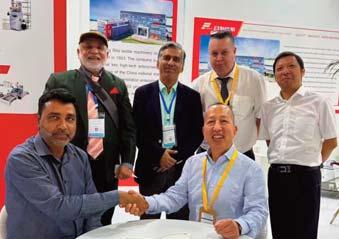

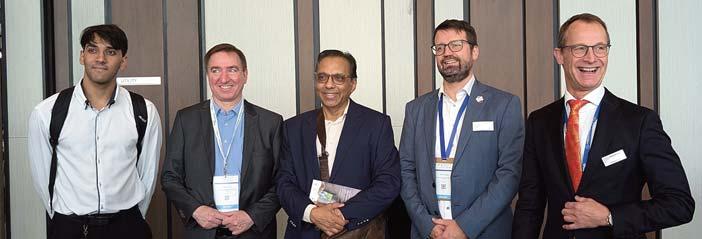


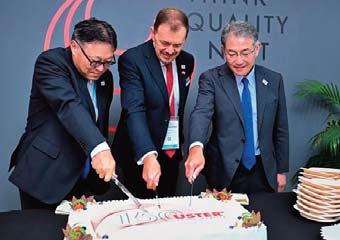







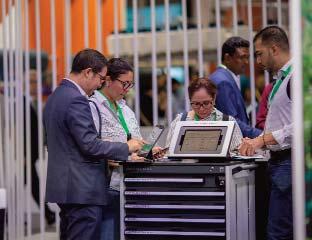

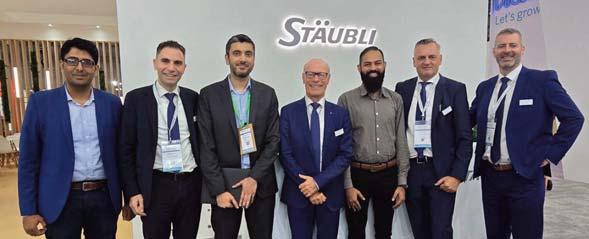

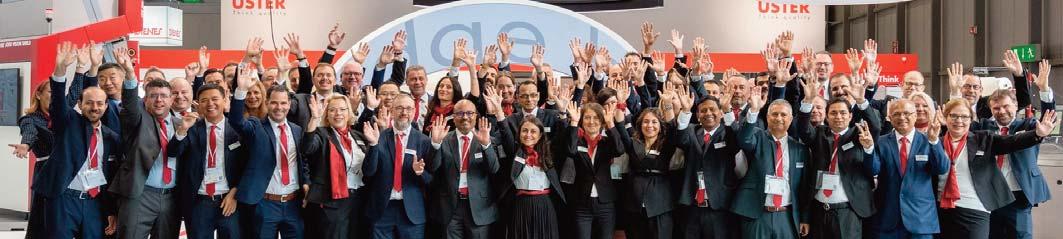
Archroma
Chhipasons.................................................................64
Cotton USA...............................................................IFC
DPS World 2026.........................................................35
DOMOTEX asia 2026...................................................6
IGATEX Pakistan 2026...............................................IBC
iTextiles........................................................................9
Picanol.........................................................................1
Rastgar.................................................................25&64
Rieter
Swissmem..................................................................17
Textile Asia 2025........................................................29
Zhejiang Rifa..............................................................FC