

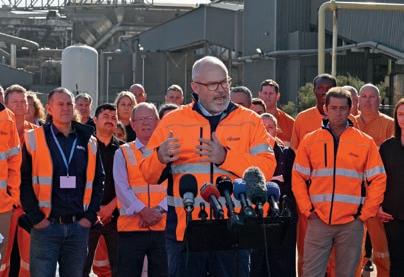
As Australia’s largest supplier and extruder of aluminium, Capral is committed to supporting Australian manufacturing with high-quality, locally produced aluminium extrusions. Our stateof-the-art facilities provide precision-engineered solutions for industries nationwide, from construction, to transport, and marine.
Choosing Capral is an investment in reliable supply, shorter lead times, and a stronger Australian manufacturing sector.
When you need Australian-made aluminium, Capral can do.
Chairman: John Murphy
CEO: Christine Clancy
Managing Editor: Mike Wheeler
Editor: Jack Lloyd
jack.lloyd@primecreative.com.au
Design: Alejandro Molano
Head of Design: Blake Storey
Sales/Advertising: Emily Gorgievska Ph: 0432 083 392 emily.gorgievska@primecreative.com.au
Subscriptions
Published 11 times a year
Subscriptions $140.00 per annum (inc GST) Overseas prices apply Ph: (03) 9690 8766
Copyright Manufacturers’ Monthly is owned by Prime Creative Media and published by John Murphy.
All material in Manufacturers’ Monthly is copyright and no part may be reproduced or copied in any form or by any means (graphic, electronic or mechanical including information and retrieval systems) without written permission of the publisher. The Editor welcomes contributions but reserves the right to accept or reject any material. While every effort has been made to ensure the accuracy of information, Prime Creative Media will not accept responsibility for errors or omissions or for any consequences arising from reliance on information published.
The opinions expressed in Manufacturers’ Monthly are not necessarily the opinions of, or endorsed by the publisher unless otherwise stated.
© Copyright Prime Creative Media, 2024
Articles
All articles submitted for publication become the property of the publisher. The Editor reserves the right to adjust any article to conform with the magazine format.
Head Office
379 Docklands Drive Docklands VIC 3008
P: +61 3 9690 8766
info@primecreative.com.au www.primecreative.com.au
Sydney Office Suite 11.01, 201 Miller St, North Sydney, NSW 2060
Printed by: The Precision Group
83-89 Freight Drive. Somerton Vic 3062 Ph: (03) 9794 8337
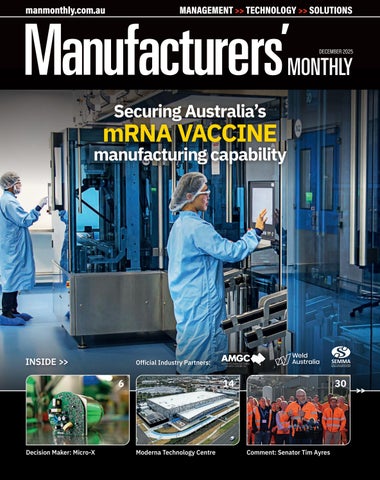
Welcome to the December edition of Manufacturers’ Monthly
In this month’s Decision Maker Column, Micro-X CEO Kingsley Hall examines how Australia’s manufacturing future will be shaped by agile, modular, biotech-driven SMEs that combine adaptability, compliance, and strategic partnerships.
Our Manufacturer Focus highlights the new Moderna Technology Centre in Melbourne, which pairs highly automated mRNA production with strong collaborations across government, academia, and industry.
This issue also features insights from Senator Tim Ayres, Capral, and regular contributors AMGC and CSIRO.




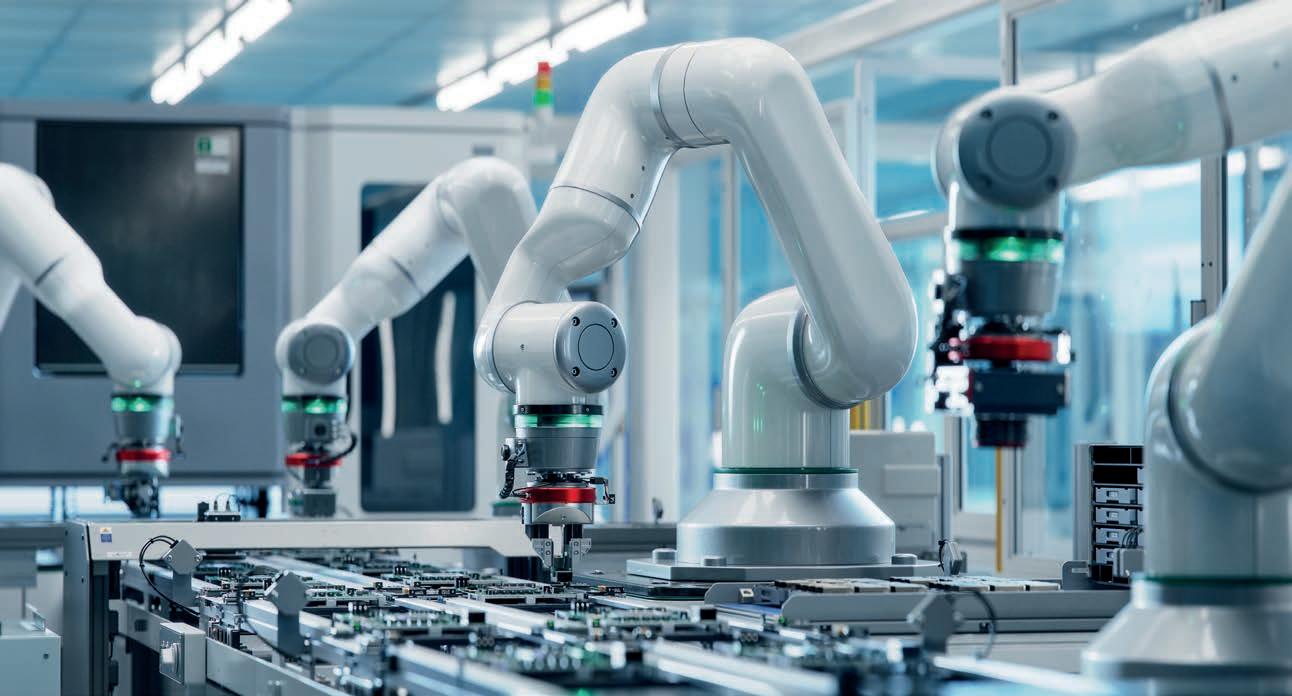
This year in Australian manufacturing has been one of diverse rhetoric, evolving trends, and wide-ranging opinions. One key takeaway from a year spent interviewing leaders across the sector is just how much this country still produces – often in ways many people don’t realise. From defence, shipbuilding, space and medical technology to pharmaceuticals, additive manufacturing, aerospace, robotics, steel, aluminium, chemicals, food and beverage, and batteries, Australia continues to deliver highquality products. Too often, the scale and quality of these operations are overlooked, and in my view, this lack of recognition remains one of the industry’s biggest challenges.
In the spirit of highlighting what more than 85,000 Australian manufacturing businesses can achieve, Minister for Industry and Innovation and Minister for Science, Tim Ayres, returns to the magazine to discuss the sector’s ongoing transformation. He explores how Australian manufacturing is being rebuilt through government policy, strategic investment, and a renewed focus on sovereign capability after decades of decline and offshoring.
This includes the Federal Government
intervention in key facilities like Whyalla Steelworks and partnering with state governments and private companies to secure critical minerals and smelting operations, supporting regional jobs and advanced industrial capability. Reforms to Australia’s anti-dumping system, along with international partnerships such as the US-Australia Critical Minerals Agreement, aim to create a fairer playing field and integrate the country into strategic global supply chains. Ayres also speaks to ambitious industry initiatives, including the $15 billion National Reconstruction Fund and the $5 billion Net Zero Fund, which are driving investment in advanced technologies, clean energy, and industrial electrification to strengthen economic resilience. Sharing the optimism for the manufacturing sector with Ayres, Kingsley Hall, CEO of Micro-X talks to how Australia’s manufacturing future will be shaped by modular systems, biotech integration, and agile SMEs that prioritise adaptability, compliance, and strategic collaboration. Here, he argues that organisations embracing modularity, lean operations, and collaborative ecosystems will be best positioned to innovate, scale, and thrive amid global uncertainty.
Practical examples of this potential are emerging
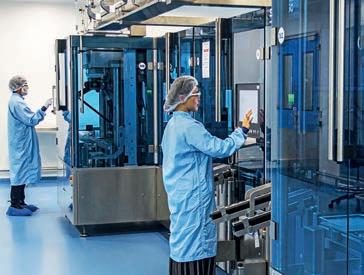
across the country. Moderna’s Melbourne Technology Centre – the Southern Hemisphere’s first end-toend mRNA facility – enables Australia to produce vaccines domestically, boosting health security and pandemic preparedness while supporting nearly 1,000 jobs and $220 million in annual GDP. By combining advanced automation, modular design, and a skilled workforce, the centre not only manufactures COVID-19 and respiratory vaccines but also anchors local R&D, supplier networks, and future mRNA therapies.
Meanwhile, RMIT researchers have developed a fruit-derived eyedrop using nanotechnology to deliver protective compounds directly to the retina, offering a needle-free approach to preventing age-related vision loss. By stabilising lutein in cubosome structures and sourcing materials from agricultural waste, the project merges cuttingedge science with sustainability and scalable biomedical manufacturing.
Australian manufacturing is proving that innovation, adaptability, and strategic investment can drive world-class outcomes. As the sector continues to rebuild and diversify, these advances demonstrate that the country’s industrial potential is vast – and only beginning to be realised.

Australian manufacturing and industrial markets are rapidly evolving. While operational excellence and product innovation have traditionally determined success, production is now shifting from labour-driven to technology-driven. To remain competitive, manufacturers must go beyond traditional strengths and adopt a more customer-centric approach. By better understanding diversity of the customer base, sales and service functions can become strategic differentiators, driving growth, improving margins, and reducing costs.
The retail sector offers valuable lessons for industrial manufacturers aiming to strengthen customer engagement and bridge the gap between B2B and B2C thinking.
1. Customer obsession alongside product passion manufacturers must balance product expertise with a deep understanding of customer challenges and priorities, evolving into problem solvers offering end-to-end solutions.
2. Balancing operational and customer-facing technologies
Investing in customer engagement tools like crm systems can streamline processes, provide customer insights and enable personalisation at scale.
3. Advanced customer segmentation approaches
Advanced segmentation leveraging distinct needs, preferences and behaviours, allows manufacturers to create tailored service offerings.
4. After-sales service, not an afterthought
Service offerings can generate higher margins than product sales, creating sustainable revenue streams and fostering loyalty.
5. Market driven forecasting
Poor forecasting leads to excess inventory, strained customer relationships, and inefficient production scheduling.
6. Compliance as a sales opportunity
Esg compliance can be a competitive advantage, helping both manufacturers and their customers meet obligations.
Competing solely on product, relationships, and price is no longer sufficient. A more customer-centric mindset and approach is essential to address rising acquisition costs, churn, and global competition. This includes:
1. Honest assessment of customer-centricity.
2. Strategic investment in front-office technologies.
3. Developing value-based customer segmentation.
4. Building service-specific business models.
5. Integrating sales and operations planning.
6. Adopting omnichannel engagement strategies.
KPMG has a proven track record of helping industrial manufacturers transform their sales and service approaches to achieve better commercial outcomes. Contact us to learn more.
Jennifer Westacott
Special Adviser
T: +61 2 9273 5680
E: jwestacott1@kpmg.com.au
Lisa Bora
Partner in Charge - Clients & Markets, Consulting
T: +61 416 111 010
E: lbora@kpmg.com.au
Richard Large
Director, Consulting
T: +61 2 9335 8093
E: rlarge1@kpmg.com.au

KINGSLEY HALL, CEO, MICRO-X
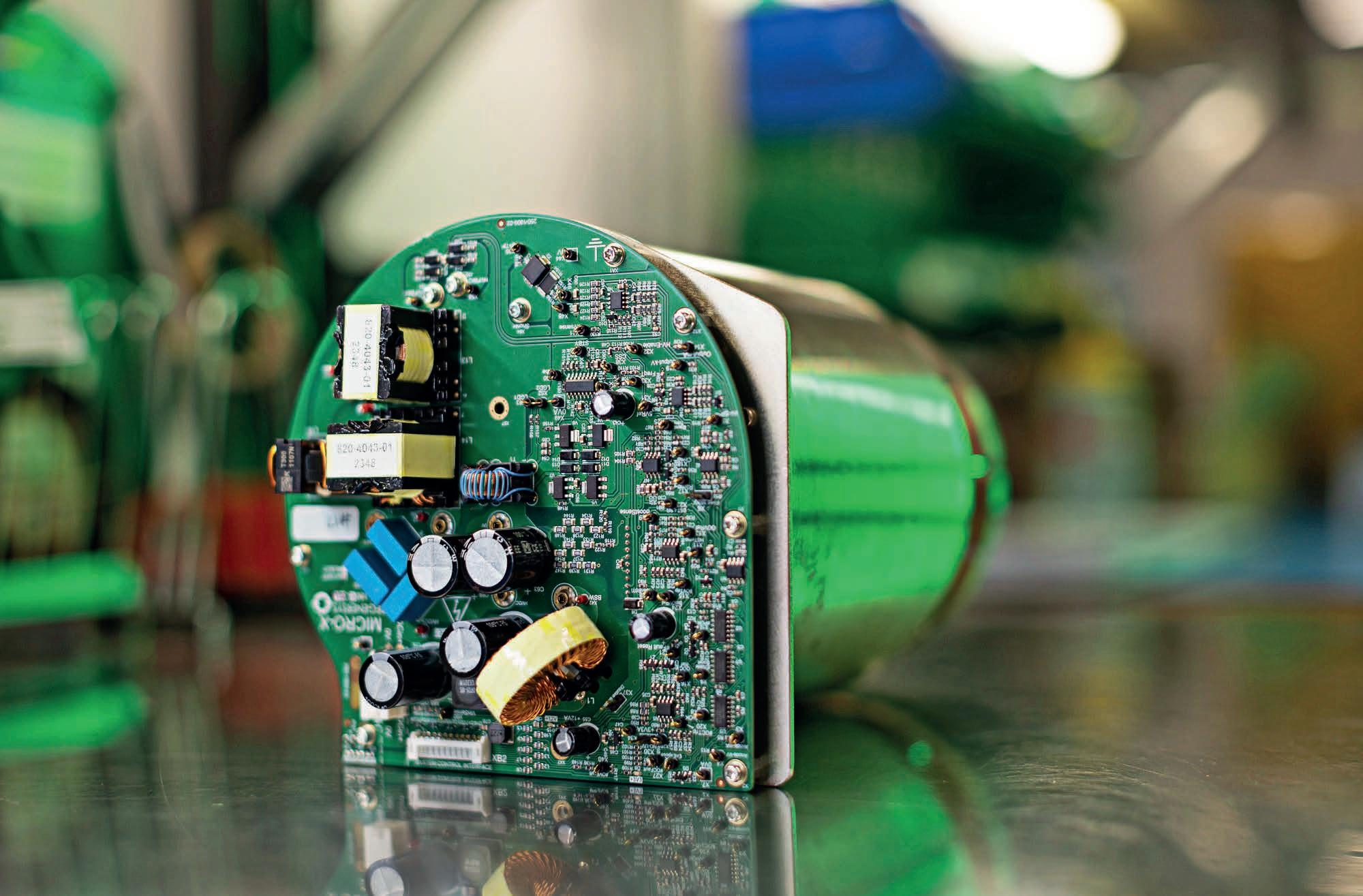
Australia’s manufacturing future will be defined by modular systems, biotech integration and smart partnerships that empower SMEs to innovate, adapt and thrive.
Manufacturing has always been about transformation; raw materials into products, ideas into reality, science into solutions that improve lives. Currently, the sector is undergoing one of its most profound transformations since the industrial revolution. For small and medium enterprises (SMEs) like Micro-X, this moment presents both an opportunity and a challenge: to stay ahead, to stay relevant, and to deliver value with speed and precision.
These changes provide new opportunities for smaller players to shine. While we continue to see mega-factories being built around the world, I believe the true manufacturing success stories of the next decade will be about companies who are agile, adaptable and who can integrate across disciplines, such as biology, engineering and digital systems, to deliver flexible platforms that are centred on meeting customer need.
Gone are the days when manufacturing success was defined by huge, fixed plants with sunk costs that tied manufacturers to one configuration for decades. Increasingly, the future belongs to modular, flexible, skid-based, and plug-and-play manufacturing systems.
This shift matters because capital risk is one of the greatest barriers to growth for SMEs. A multi-billiondollar corporation may tolerate a 10-year payback on a bespoke facility, but SMEs can’t afford that luxury. Modular systems enable businesses to scale up or down quickly, deploy smaller units, and reconfigure production lines without ripping out entire plants. It’s about lowering capital risk while raising adaptability.
For biotech in particular, modularity is vital. The sector is characterised by rapid change, short product cycles, and the constant evolution of
regulatory requirements. A modular facility isn’t just cheaper – it’s a hedge against uncertainty. You can validate and control each module, transfer processes between sites, and maintain consistency even as you innovate.
At Micro-X, we operate within a small manufacturing footprint that can be configured according to the different products being made on the line. Established by a group of former automobile workers, our facility learns from the best practices from the sector – lean manufacturing with precise quality control, and empowering workers to identify problems, devise solutions and engage management to quickly make changes. While automation and AI are increasingly being looked at to increase productivity, Micro-X uses data and automation strategically. We know that automation is not a panacea - our success and our innovation ultimately comes from our culture and our people.
Regulatory evolution: from barrier to enabler
Of course, innovation in biotech doesn’t happen in a vacuum. Regulatory frameworks are both guardrails and bottlenecks. As advanced therapeutics, biologics, biosimilars, and novel production processes, such as continuous manufacturing and single-use systems, gain traction, regulators are scrambling to keep up.
The regulatory process can be frustrating to companies who seek to be first to market. This is even more apparent with the recent changes in the European Union, where long processing delays to gain regulatory recognition through the Medical Device Regulation scheme are temporarily shutting companies out of a large market.
Speed-to-market is essential in biotech. But so is compliance. No matter how promising your molecule or process is, if you can’t navigate validation, traceability, and audits, you won’t reach patients or customers. That’s why SMEs must embed regulatory thinking and quality-by-design mindsets early. Compliance is not an afterthought; it must be part of the DNA of operations. This comes down to a combination of great processes and an experienced and trusted team.
The other reality shaping biotech SMEs is capital. Access to capital is a challenge across global biotech markets, with higher interest rates, investor risk aversion, and macroeconomic uncertainty all squeezing funding.
In tough capital environments, the temptation is to chase scale or diversify recklessly. Considering the constraints that SMEs currently face in accessing capital, this is a risky proposition. The answer is to double down on fundamentals while focusing on operational excellence and efficient resource use. Investors want to see discipline; clear value propositions, robust pipelines, and capital-light
strategies that can weather volatility. For SMEs, this means being ruthlessly efficient, running lean, and pivoting early when projects don’t deliver. From product development through to marketing, our team is given permission to identify new opportunities, make mistakes, learn from them quickly and adapt.
At Micro-X, we have also learned over time to focus on funded projects where we can walk alongside our customer, such as our Airport Passenger SelfScreening Checkpoint being developed with funding from the US Department of Homeland Security, or our Head CT for stroke diagnosis which is funded by the Australian Government in partnership with the Australian Stroke Alliance.
Because building full-scale capacity is often prohibitive, SMEs increasingly turn to strategic partnerships, licensing, outsourcing, or teaming with contract manufacturing organisations and contract development and manufacturing organisations. This is not a weakness – it’s a smarter way to access capabilities you lack while focusing internal resources on core competencies.
The biotech future will be shaped not by isolated firms, but by ecosystems: consortia, shared infrastructure, incubators, and clusters where capital, talent, and regulatory expertise are pooled. Governments can play a catalytic role here, funding shared pilot plants or enabling SMEs to access critical infrastructure without bearing the full cost burden.
At Micro-X, we are increasingly looking at these kinds of partnerships, while retaining manufacture of our patented core technology that is at the heart of our products. We continue to work with and seek new partnerships, where we can contribute our core technology and work with partners to bring new products to market. As an example, we are currently working with Malaysian security manufacturer Billion Prima to bring a next generation baggage and parcel
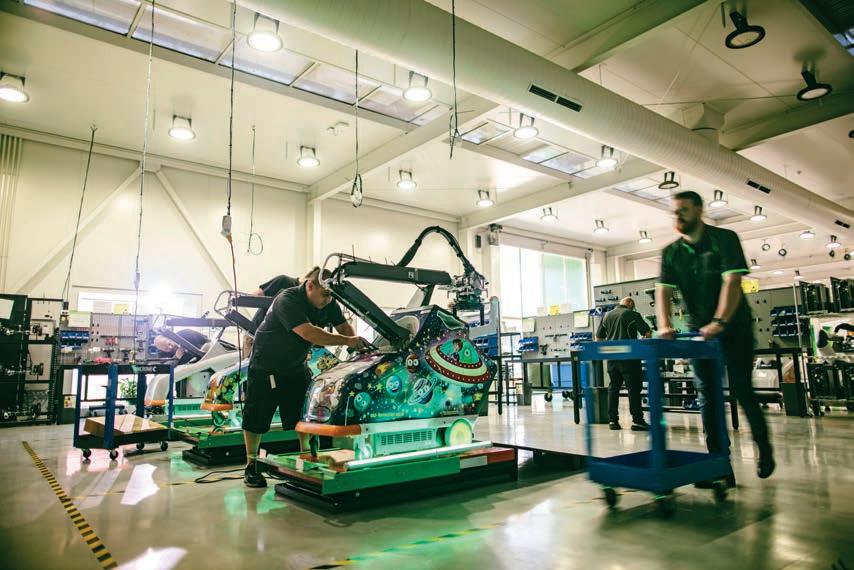
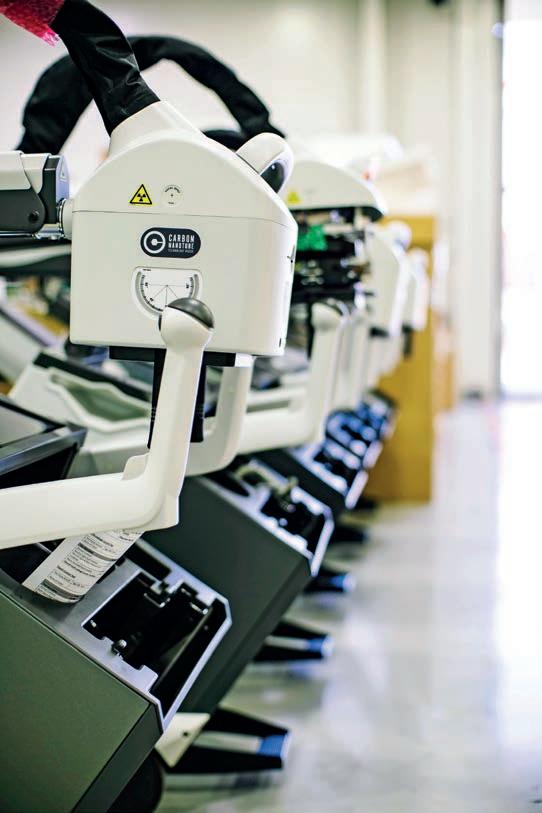
CT security scanner to market. Through these kinds of commercial partnerships, we can leverage the commercial skills of our partners while retaining and profiting from our core competencies.
There’s no denying that current global geopolitical uncertainties are spilling into capital and consumer markets, which have a flow-on effect to manufacturers. Despite the risks, I remain optimistic. The broader direction of manufacturing, particularly in biotech, is towards agility, convergence, and integration. SMEs who embrace modular platforms, invest in digital capability, embed compliance early, and leverage partnerships will not just survive, but thrive.
I’ve seen firsthand how these principles apply. We build mobile, miniaturised imaging systems using advanced materials and X-ray tubes made in Adelaide that were once thought impossible. Our success comes not from trying to replicate the scale of global giants – we can’t compete there – but from innovating in niche, high-value areas and building lean, adaptable systems that can expand globally with the help of quality partnerships.
The lesson is clear: the future of manufacturing won’t be written in concrete mega-plants. It will be written in modular units, digital models, collaborative ecosystems, and cross-disciplinary talent pools. SMEs with the courage to be agile, to focus, and to partner wisely will lead that future.
And that’s something to be excited about.

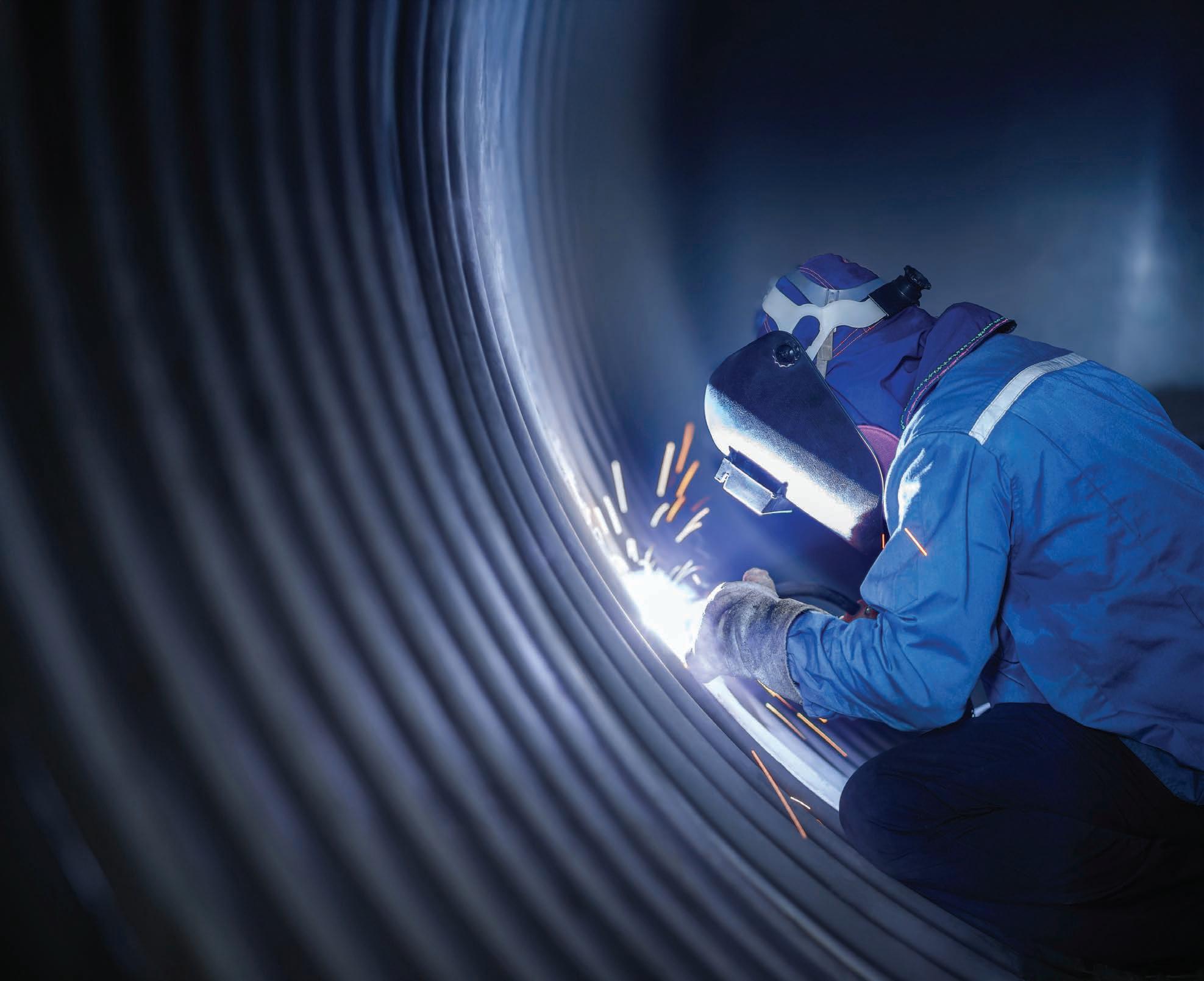


Western Australian engineering company Hofmann Engineering has been approved to supply locally made components for United States Navy nuclearpowered aircraft carriers, marking a breakthrough for the state’s defence industry.
The Bassendean-based company, founded in 1969, becomes the first Australian business cleared to provide parts for US naval assets. The approval is viewed as a step towards supplying components for Virginia-class submarines, which Australia will acquire under the AUKUS security partnership from 2032.
Defence industries minister Paul Papalia said the milestone aligned with the state’s broader “Made in WA” strategy, aimed at strengthening sovereign capability and embedding local businesses into global supply chains.
“I want to grow WA’s defence sector to become the state’s second largest industry after mining, creating jobs for generations and diversifying our economy beyond the resources sector,” he said. “WA’s defence industry has the expertise to deepen Australia’s strategic partnership with the US. Our skilled local workforce can accelerate the construction of Virginia-class submarines – benefiting both WA and our AUKUS allies.”
The achievement follows the WA Government’s $300,000 contribution to a program run by
Huntington Ingalls Industries (HII), the world’s largest builder of nuclear-powered submarines. HII is one of only two US companies building Virginiaclass submarines, which will play a key role in AUKUS defence cooperation.
The Supplier Capability Uplift Program, later absorbed into the Australian Submarine Supplier Qualification initiative, has also helped WA
businesses Dobbie, Marine Technicians Australia, Pressure Dynamics and Veem progress towards stringent US approvals.
Hofmann Engineering has grown from a small Perth-based backyard business into a local supplier, including for WA’s METRONET railcars. Its expansion into the US defence supply chain is expected to create jobs and diversify WA’s economy.

New research has reaffirmed the strength and appeal of caravan and camping travel in Australia, with the Caravan Industry Association of Australia’s 2025 Consumer Sentiment Report revealing that 88 per cent of Australians plan to caravan or camp in the next 12 months. The report highlights that Australians are increasingly seeking better-value alternatives to overseas holidays.
Of those surveyed, 77 per cent said caravanning offered better value than other types of holidays, while 76 per cent agreed it provided great value for money. Additionally, 50 per cent of respondents said they believed domestic travel offered greater overall value than international trips.
CEO of Australian manufacturer, Crusader Caravans, Serge Valentino, said the research reflects changing attitudes post-pandemic.
“We’re seeing a clear shift towards people wanting to buy vans for shorter, more frequent trips rather than long holidays,” he said. “With the recent release of our new MY25 models, we’re seeing a surge in demand that’s reminiscent of the unprecedented
levels experienced during the COVID pandemic.” The trend aligns with broader economic conditions. A separate report from the Tourism & Transport Forum (TTF) found that 58 per cent of Australians said the cost of living had impacted their travel decisions. Among those affected, 38 per cent are opting for shorter holidays, and 31 per cent are choosing to stay in Australia rather than go overseas.
“Caravanning lends itself beautifully to the impromptu nature of short stays,” Valentino said. “There’s no accommodation or flight bookings needed, you just hitch up and go, allowing you to travel off-season and stay as far or as close to home as you wish.”
Crusader is also investing in quality and sustainability through its EcoLite full composite panel construction, which makes its caravans lighter, more durable, and better insulated.
“We know that Australians are feeling economic pressures, but they still want to take breaks,” Valentino added. “Our caravans are designed to deliver long-term value and comfort, regardless of

season or distance. We’re building a product that helps people continue exploring Australia, affordably and flexibly.”
Victorian premier Jacinta Allan joined CEO of NEXTDC Craig Scroggie to announce NEXTDC will build a new $2 billion next-generation digital campus in Fishermans Bend. NEXTDC’s M4 Melbourne will feature an AI Factory, Mission Critical Operations Centre, and Technology Centre of Excellence – positioning Victoria as a national digital infrastructure hub.
It is set to create thousands of jobs in tech, AI, digital infrastructure, defence technology,
advanced research and more.
The tech hub will be part of the Government’s Fishermans Bend Innovation Precinct, which is set to become a centre of innovation in advanced manufacturing, engineering and design.
The precinct is projected to support up to 30,000 jobs in science, technology, engineering and associated fields by 2051. It will include the University of Melbourne’s new Engineering and Design campus, making it a suitable location for
NEXTDC’s new Technology Centre of Excellence. Victoria’s tech sector contributes more than $34 billion to the state’s economy and supports more than 306,000 workers – accounting for 30 per cent of Australia’s tech workforce.
Building on this work, the Government also released the Victorian Industry Policy, which sets out how government, businesses and researchers can work together to use new technology and grow local industries and jobs.
TAFE NSW’s managing director, Stephen Brady, is leaving the role after leading the organisation in overseeing reforms in the vocational education and training sector for the past three years. Brady was instrumental in leading TAFE NSW through the NSW VET Review, a State Government commitment to restoring TAFE to the heart of the VET sector.
With TAFE NSW now entering its new phase of implementing the VET Review, including finalising a new Operating Model and TAFE NSW Charter, new leadership is set to guide TAFE NSW through this next stage.
The process to appoint a new managing director will commence in due course with the interim, Chloe Read, deputy secretary, Education and Skills Reform, NSW Department of Education, acting in the role.
Read has served in several senior public service roles and has experience with more than 10 years at NSW Department of Education.
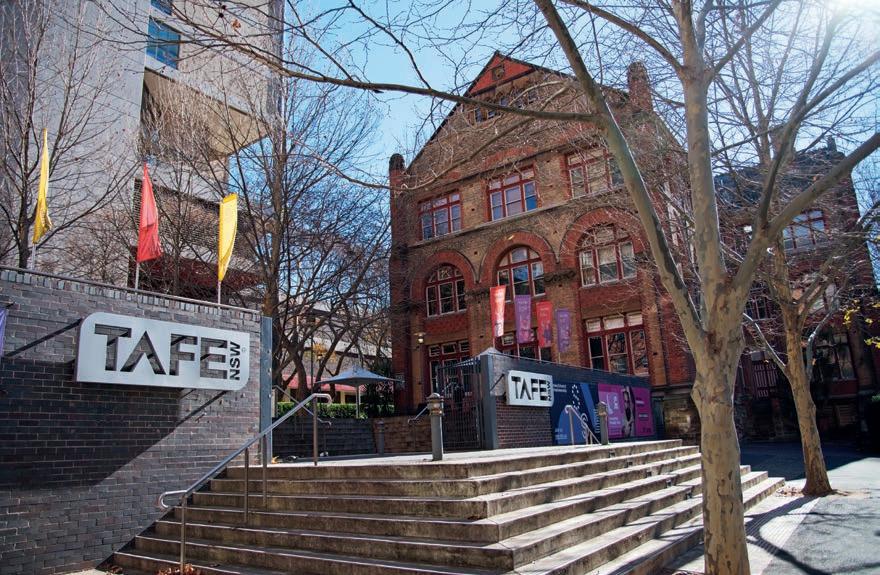

Queenslanders are one step closer to riding locally built trains, with a fullscale replica of a new Queensland Train Manufacturing Program (QTMP) train now on display for stakeholder testing. The high-fidelity mock-up, spanning 38
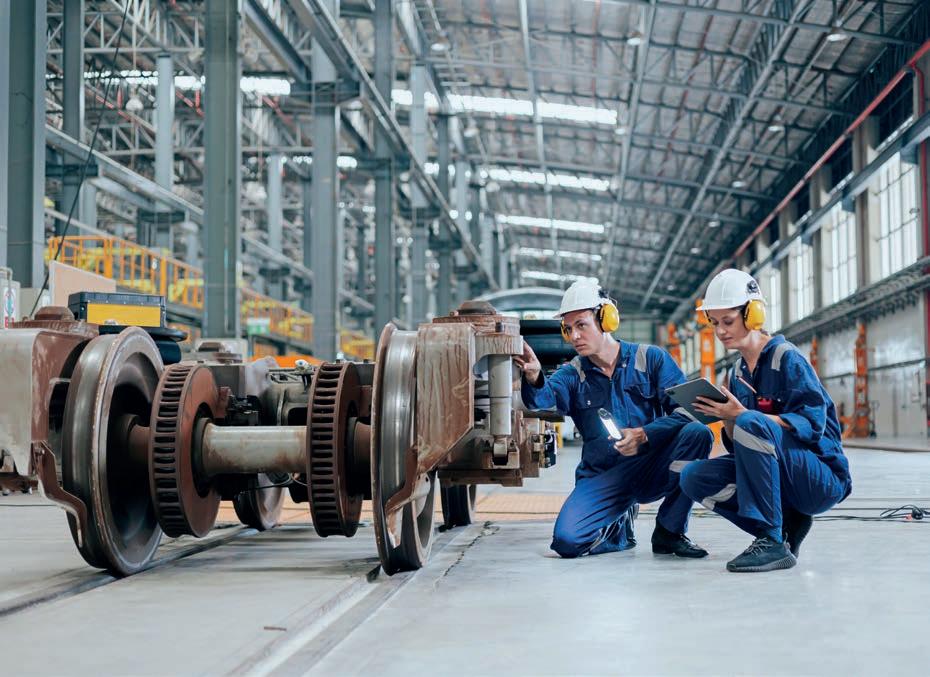

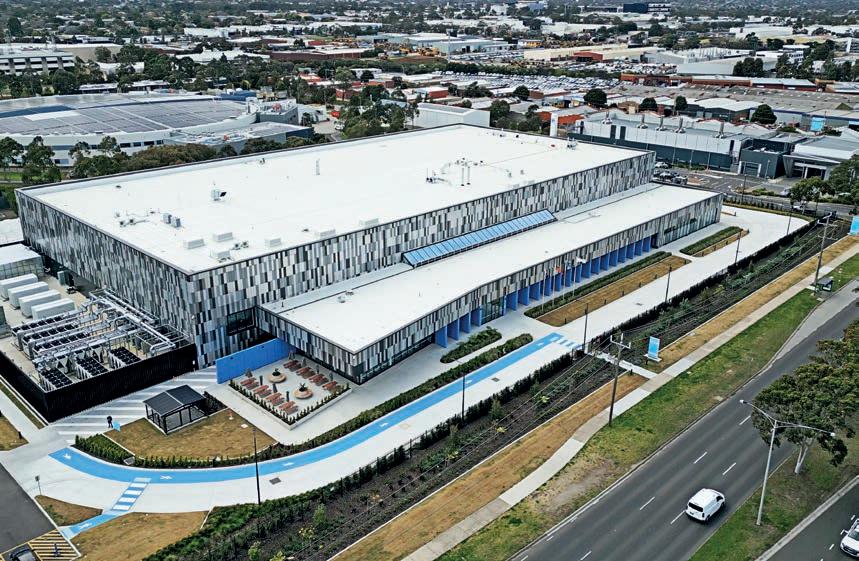
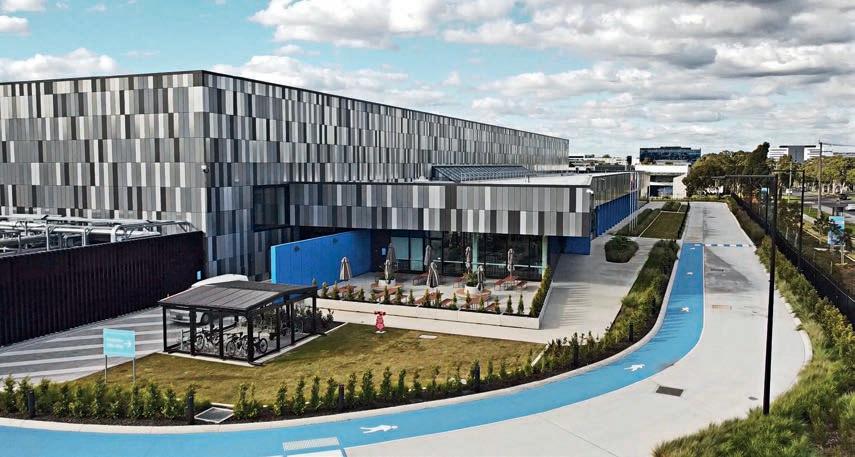
Moderna’s new technology centre in Melbourne is combining advanced mRNA manufacturing with a future-ready model for health security and innovation.
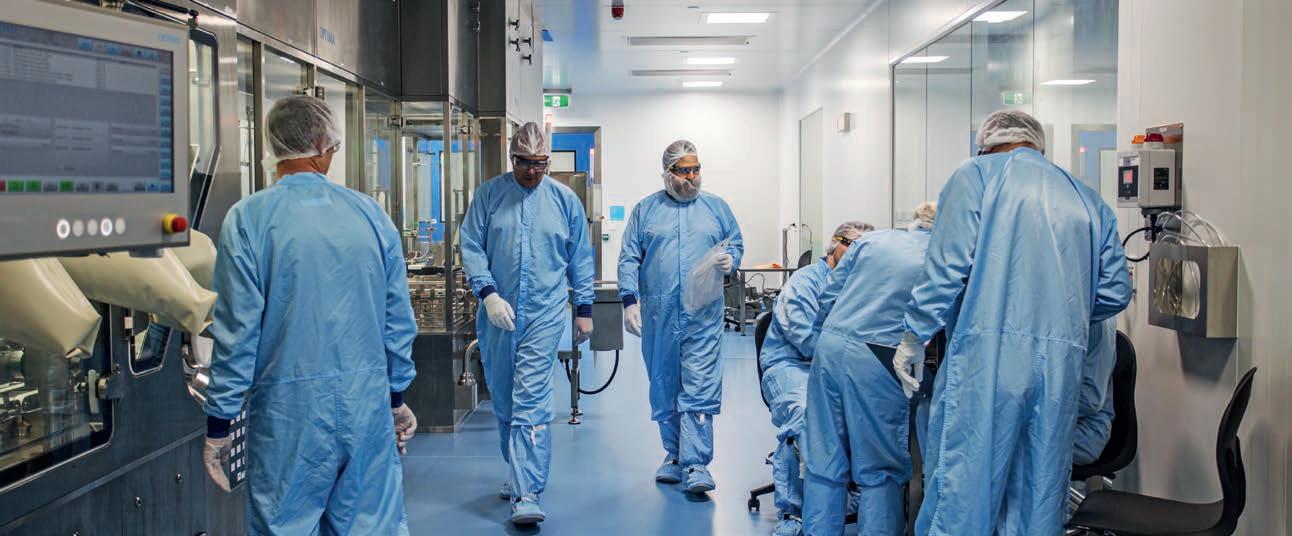
When the COVID-19 pandemic exposed the vulnerabilities of global supply chains, few countries felt the impact more than Australia. The country’s vaccine rollout relied heavily on overseas supply, sparking a reckoning on health security and sovereign capability. Out of that moment came a national ambition to build domestic resilience – and at the heart of it stands the Moderna Technology Centre in Melbourne (MTC-M), the Southern Hemisphere’s first end-to-end mRNA manufacturing facility.
For Emma Harrington, vice-president and site head at Moderna Australia, the creation of this facility was both a necessity and a national opportunity.
“Australia’s experience during COVID-19 really showed the need to have sovereign vaccine capability,” she said. “From reviews into the pandemic response, both federal and state governments recognised the importance of building domestic capability to ensure future health security.”
Melbourne’s deep research ecosystem, stable regulatory environment and commitment to innovation made it a natural choice. Supported through a partnership between the Federal and Victorian governments, the facility was designed to anchor a new high-tech industry with lasting health and economic benefits for decades to come.
Building a sovereign base for rapid response
Moderna’s MTC-M was established within the Monash Technology Precinct, a growing biomedical hub in Melbourne’s southeast.
Operationally complete in December 2024, the site represents the first time Australia has had the ability to produce mRNA vaccines from end to end – from drug substance through to fill-and-finish.
The facility has the capacity to produce up to 100 million vaccine doses per year in a pandemic situation, giving Australia the capability to pivot quickly and manufacture critical vaccines within months if new or emerging pathogens arise. Its initial focus is on respiratory illnesses, with the COVID-19 vaccine first to roll off the production line, followed by a respiratory syncytial virus (RSV) vaccine, and with future plans for a flu-COVID combination candidate pending regulatory approval.
“The government saw the need for pandemic preparedness,” Harrington said, “but as you’d know, you can’t just build a facility for the next pandemic and leave it sitting there cold. The model has to be sustainable – producing vaccines for seasonal illnesses like flu and COVID keeps that skill base operating.”

This flexibility is central to Moderna’s manufacturing philosophy. The site has been built with modularity and automation in mind, ensuring that it can adapt production lines swiftly without compromising quality or throughput.
Unlike the vessel-filled plants of traditional biopharma manufacturing, the company’s operation was designed to achieve high output from a compact footprint. The modular layout enables agile scaling while reducing overheads and resource intensity.
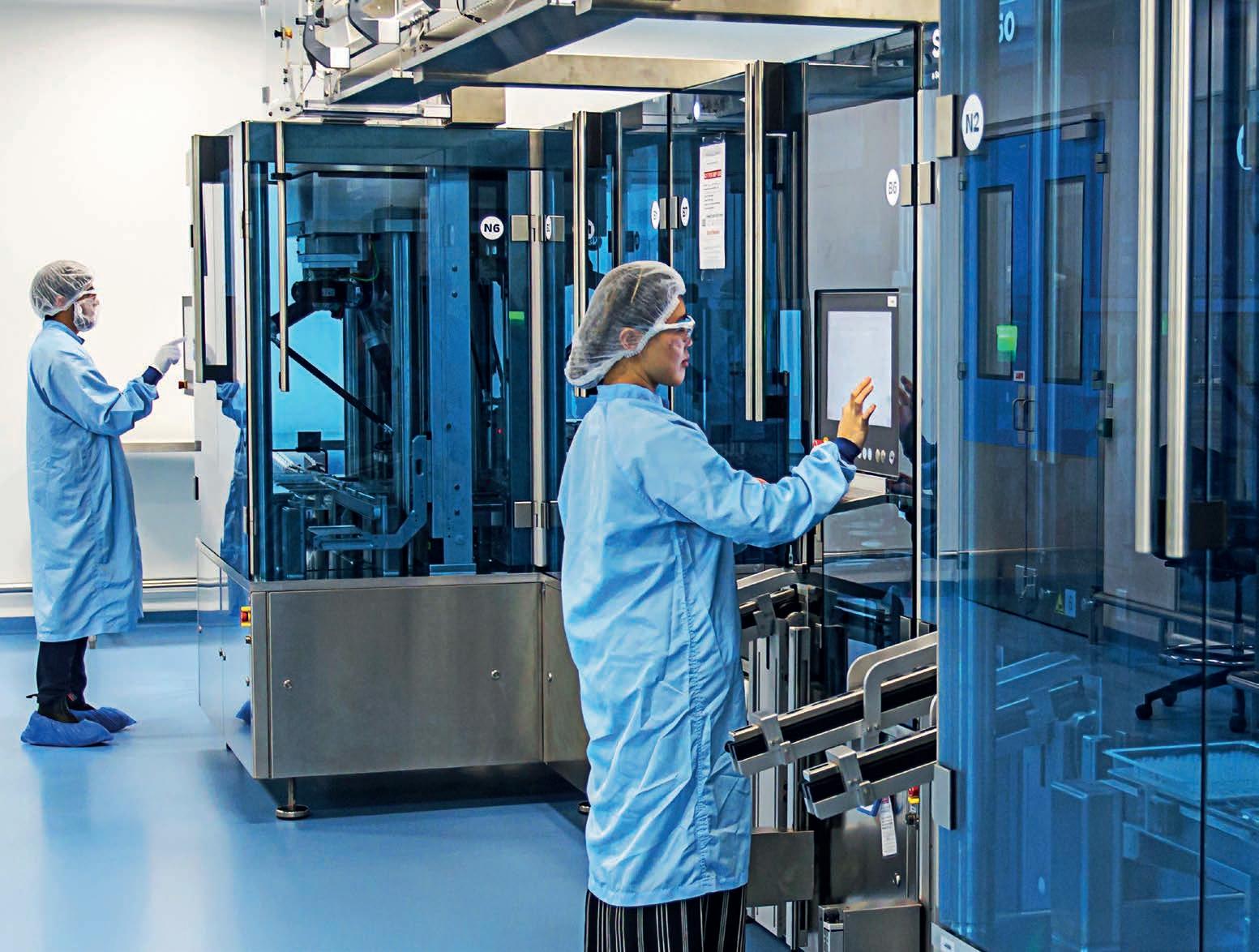
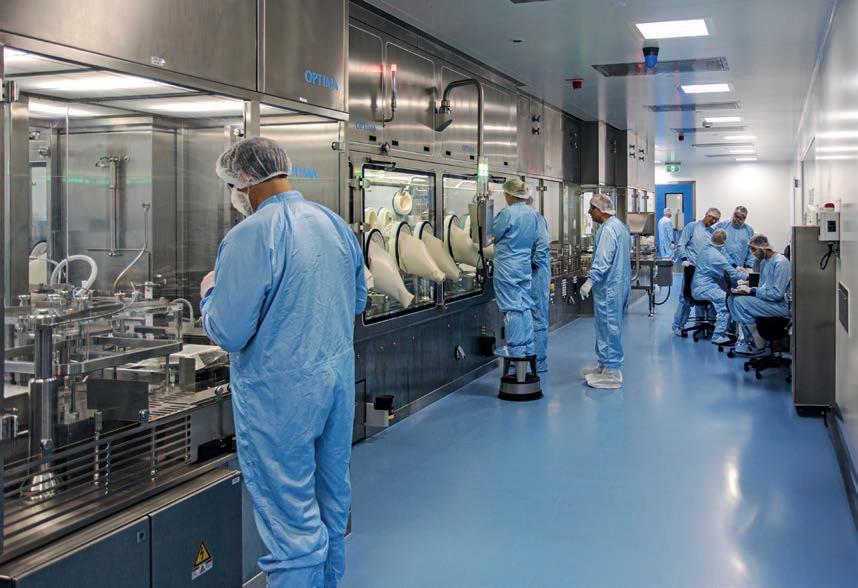
The plant features high-speed automated filling lines, as well as an automated visual inspection system and a dedicated packaging line. Single-use technologies are used throughout, enabling rapid changeovers between products and minimising cross-contamination risk.
“For the footprint that we have, each drug substance batch can produce up to four million doses with an approximate 60-day turnaround from manufacturing to release,” Harrington said. “It’s a much shorter timeframe for both manufacturing and release, and that will allow us to respond quickly and efficiently.”
Alongside advanced robotics, digital monitoring systems feed real-time data into quality control platforms, enabling immediate adjustments and predictive maintenance.
“The automation and digital systems here give us a level of precision and agility that’s unmatched,” Harrington said. “It also means our team can focus more on high-value activities – innovation, validation, and ensuring that everything we make meets the strictest global standards.”
These advances illustrate how far biomanufacturing has evolved. Automation now underpins nearly every step, from batch testing to packaging logistics, driving both consistency and scalability. Harrington said for a facility that must operate continuously rather than being mothballed between emergencies, efficiency is important.
Behind the advanced machinery sits a highly trained, multidisciplinary workforce. Across the full Moderna Technology Centre, around 130 to 140 personnel are employed, spanning drug-substance and drug-product manufacturing, quality assurance, engineering, supply chain management, and R&D.
All employees undergo specialised training in Good Manufacturing Practice (GMP) and mRNA production processes, ensuring that standards remain aligned with global best practice. Harrington said the emphasis on training has built one of the most skilled teams in Australia’s life sciences sector.
“We’ve built a relatively small but nimble team, and their specialised knowledge means every batch produced here meets the highest international safety and quality standards,” she said.
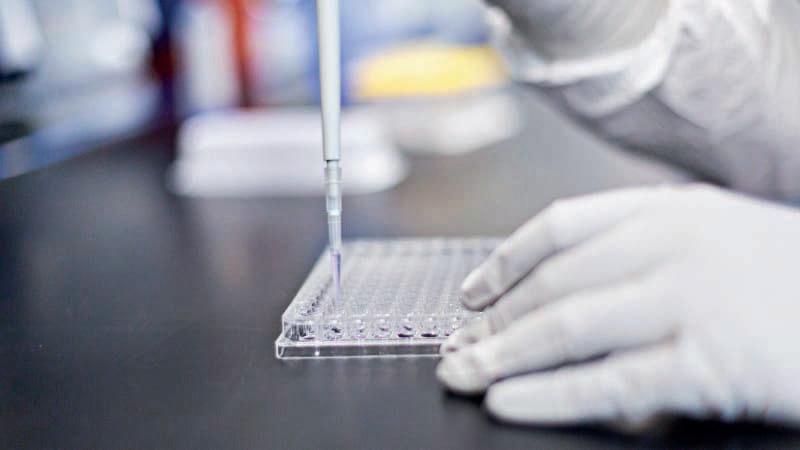
Quality is embedded at every stage. Each vaccine batch undergoes multiple rounds of testing, from raw materials through to finished product release, and is reviewed both internally and by the Therapeutic Goods Administration (TGA) before reaching the public.
The facility’s development was made possible by close collaboration with both the Victorian and Federal Governments, who viewed sovereign mRNA vaccine capability as a cornerstone of national health security. The Victorian Government’s initiative mRNA Victoria was instrumental, positioning the state as a hub for RNA-based research and manufacturing.
Moderna also works alongside Monash University through the newly established mRNA Workforce Training Centre and the Quantitative Pharmacology Accelerator, which focus on developing advanced
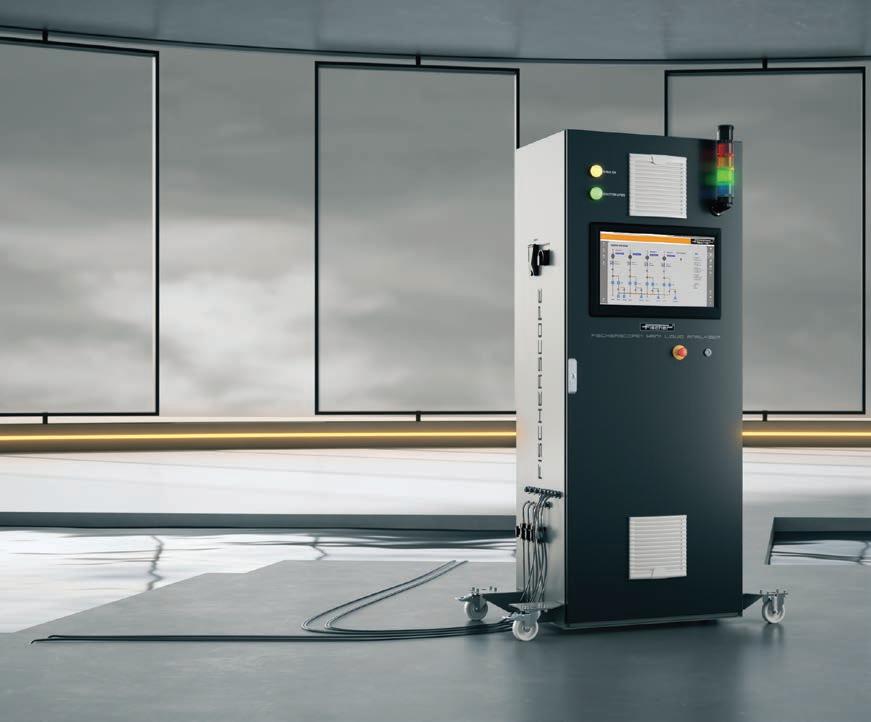
The solution for in-line measuring metal content in electroplating baths or liquids!
• Market-leading precision. Combination of measuring cell and software ensures best measuring performance and safety
• Maximum service life. High availability of 1 year due to innvative design and material selection.
• Intelligent self-monitoring. Fully automatic, preventive purging, monitoring and calibration processes ensure maximum uptime.
• One instrument for everything. Measure all metallic solutions such as zinc, nickel zinc/nickel, gold, chromium, palladium or rhodium.
• Safety in real-time. Live measurement results as well as simple and fast documentation of these.
• Up to 4 channels. Separate supply lines to the measuring cell prevent contamination.
• No time-consuming spot checks and information gaps. Stay continuously in the picture about your electroplating process.
skills and translational research capacity within the local ecosystem. In addition, Moderna will invest $266 million in national R&D initiatives over the decade to 2033, supporting research partnerships, clinical trials, and workforce development.
Harrington said this ecosystem approach is critical to sustainability.
“You can’t just have the manufacturer standing alone. Building partnerships with universities and government ensures we grow the talent pipeline and keep Australia at the forefront of biopharmaceutical innovation.”
A new catalyst for the economy
Beyond the health imperative, the economic case for domestic mRNA production is compelling. According to Australia’s mRNA Advantage – Jobs, Health and Economic Resilience, an independent report by Oxford Economics, the Moderna Technology Centre is expected to boost GDP by $220 million annually, supporting nearly 1,000 ongoing jobs directly and indirectly, and strengthening supply chains across multiple industries.
During construction between 2022 and 2024, the project supported 1,830 jobs per year and contributed $493 million to national GDP. Once operational, it is projected to generate $96 million
The MTC-M doesn’t just create vaccines; it anchors a domestic supply network that spans local suppliers, packaging partners, and research institutions.
in direct GDP each year, with a further $124 million in flow-on activity across professional, scientific, and technical services, manufacturing, retail, and logistics.
The report also estimates that the facility could help Australia avoid up to $4.8 billion in costs over 30 years by reducing reliance on imports, preventing lockdowns, and improving health outcomes in future pandemics. Around $1.33 billion of that figure stems from avoided lockdown costs, while $3.47 billion reflects health and wellbeing benefits such as reduced hospitalisations and mortality.
“The figure represents the value of being prepared,” Harrington said. “Local production
means vaccines can be manufactured and distributed faster, really minimising disruption, reducing economic loss, and improving public health outcomes.”
A large proportion of this $4.8 billion preparedness benefit stems from shortened vaccine rollout times during a health emergency. Faster domestic manufacturing means fewer weeks of lockdown and earlier population-wide immunity. The report estimates that by eliminating delays like those seen in 2021, Australia could avoid losses equivalent to $82 million per year in GDP terms – and reduce the human cost associated with delayed access to vaccines.
Harrington described the Melbourne site as “a warm base platform” – one that remains ready to scale instantly when required.
“The facility gives us the platform to grow, adapt and respond to future health challenges right here in Australia,” she said.
The MTC-M doesn’t just create vaccines; it anchors a domestic supply network that spans local suppliers, packaging partners, and research institutions. The Oxford Economics analysis found that in the operations phase, professional, scientific and technical services account for the largest share of economic contribution – about $104 million annually.
Flow-on effects extend into manufacturing, logistics, and financial services. The facility’s demand for precision components, sterile packaging, and laboratory consumables is already driving new opportunities for Australian suppliers and contract manufacturers. Harrington said building these relationships has been vital from day one.
“We’ve been really focused on developing
local suppliers wherever possible,” she said. “It strengthens the ecosystem and helps ensure that if another pandemic hits, we’re not waiting on components or materials coming in from overseas.”
While vaccines are the immediate focus, the MTC-M also serves as a springboard for broader research into oncology, rare diseases, and autoimmune conditions. Moderna’s mRNA platform can be adapted to target a range of diseases by encoding different protein sequences – a flexibility that makes it one of the most promising technologies in modern medicine.
These programmes remain in the clinical development phase, but the infrastructure and expertise established in Melbourne provide the foundation for future expansion.
“One of the advantages of mRNA technology is its flexibility,” Harrington said. “The same platform can be adapted for other therapeutic areas as research progresses.”
According to Oxford Economics, Moderna’s R&D activities are expected to generate $267 million in additional economic value nationally through productivity spillovers over the next decade, including $117 million in Victoria alone. These benefits reflect how innovation and skills developed through vaccine manufacturing extend beyond a single product line, strengthening Australia’s biomedical capability for years to come.
The creation of the Moderna Technology Centre has been described by Victorian Minister for Economic Growth and Jobs, Danny Pearson, as a “once-ina-generation investment in jobs, medical research and health security”. It’s a statement supported
by the numbers: nearly a thousand ongoing jobs, $220 million a year in GDP, and a warm-base platform capable of protecting Australians against future pandemics.
Oxford Economics’ Head of Economic Impact, Michael Brennan, put it more bluntly.
“Pandemic preparedness is not just a health priority – it’s an economic imperative,” he said. “Our modelling shows that the Moderna mRNA facility in Melbourne could save Australia billions in the event of a future health emergency by avoiding lockdowns, reducing health impacts and improving wellbeing.”
The partnership also exemplifies how government, academia, and private industry can co-invest in critical national infrastructure. With Monash University, mRNA Victoria, and federal agencies all playing a role, the facility has effectively created a new industrial category in Australia – one that blends science, technology, and advanced manufacturing.
For Harrington and her team, the focus now turns to production ramp-up and the delivery of the first Australian-made mRNA vaccines. Having secured its GMP licence from the TGA, the site expects to deliver its first batches to Australians within months.
“Our immediate focus is the respiratory vaccines portfolio,” she said. “But we’re also continuing to expand research collaborations and build local partnerships across industry and academia. Globally, mRNA science is advancing rapidly, and we’re proud that Australia is now part of that momentum.”
As the world continues to navigate evolving health threats, Moderna’s Technology Centre stands as a facility built not just for today’s needs but for whatever challenges may come next.
In combining sovereign capability with cutting-edge manufacturing, it embodies the future of Australian industry – agile, intelligent, and ready.

With the launch of the iQS platform, it was announced that next-generation welding processes would follow.
Introducing SpeedWave XT, an expansion of the advanced speed processes, and exclusive to the iQS platform.
SpeedWaveXT is an advanced synergistic waveformcontrolled process, suitable for the welding of medium to heavy aluminium plate. A leading process delivering cyclic symmetrical energy change at a constant wire feed speed.
The result is a fine chevron pattern weld profile, grain refinement to eliminate cracking and superior fusion and deposition to reduce weld porosity.
The cutting-edge SpeedWaveXT process coupled with the iQS platform delivers superior quality, performance and productivity.
To arrange a product demonstration contact david.wilton@lorch.eu


Partner and national manufacturing leader at RSM Australia, Louis Quintal, explores how digital transformation, resilient supply chains and global collaboration will determine how “Australian Made” progresses.
Australia’s manufacturing sector stands on the precipice of change. Beyond traditional boundaries, it now holds the potential to drive resilience and global influence. For business leaders and policymakers alike, the path forward is not simply about survival, but about reimagining what Australian manufacturing can achieve on the world stage. The imperative is clear, we must move from incremental improvements to bold, strategic leaps scaling with purpose and exporting with confidence.
With manufacturing contributing approximately 6 per cent to national GDP and employing nearly a million people, Australia’s sector is broad and vibrant. However, enduring global volatility, digital disruption, and shifting value chains demand more than operational excellence. The next generation of manufacturers must become architects of value leveraging advanced technology, leading with sustainability, and fostering cultures of continuous innovation. Now, more than ever, the sector’s legacy of adaptation must give way to a new era of proactive leadership and global engagement.
Defining global competitiveness
Globally competitive manufacturers distinguish themselves through far more than cost advantage. I firmly believe the future of our sector hinges on
the courage to innovate beyond the incremental. Visionary innovation must be at the heart of our strategy. It is not enough to keep pace, we must actively invest in disruptive research and development, forging partnerships with universities, startups, and research institutions. Only by doing so can we generate new intellectual property and unlock markets that have previously been out of reach for Australian manufacturers. Attracting and retaining top talent is equally paramount. Successful organisations will be those that nurture high performance teams and build a workforce equipped for the challenges of tomorrow. This means prioritising skills development, embracing diversity at every level, and cultivating leaders who can thrive in an environment defined by rapid change and uncertainty.
Our nation’s manufacturing reputation is a premium asset. The ‘Australian made’ label is globally recognised for its integrity, safety, and ethical standards. As industry leaders, it is our responsibility to elevate this brand, ensuring it becomes synonymous with excellence and trust in markets we enter. This is how we carve out a sustainable premium advantage on the world stage.
Finally, true leadership in manufacturing demands a relentless commitment to global benchmarking and collaboration. By measuring ourselves against

the best, adopting international best practices, and forging alliances across borders, we ensure that Australian manufacturing remains at the forefront of efficiency, quality, and customer experience. In this new era, it is our collective ambition and proactive engagement that will define our legacy and secure Australia’s place as a global manufacturing powerhouse.
To ensure sustained export success, it is imperative that leaders within the manufacturing sector champion a comprehensive and future-oriented strategy that addresses both the immediate and long-term needs of Australian industry.
Embracing digital transformation is no longer a choice, but a necessity. The implementation of Industry 4.0 technologies including artificial intelligence, robotics, and the Internet of Things must be recognised as the bedrock for building not just operational efficiencies, but entirely new business models and value propositions for customers. These advanced technologies have the potential to revolutionise traditional production processes, streamline supply chains, and enable manufacturers to anticipate and respond to shifting global market demands with greater agility. Equally significant is the commitment to constructing adaptive and resilient supply chains, which are anchored in robust local capability and agile enough to withstand external shocks be they geopolitical, climatic, or economic in nature. By developing deep supplier networks and

investing in risk management strategies, Australian manufacturers can ensure continuity, boost responsiveness, and turn potential vulnerabilities into sources of competitive strength. These resilient networks form the backbone of sustainable export growth, empowering businesses to seize new opportunities as they arise on the world stage.
Strategic market development must also be placed front and centre. Success in international markets demands more than ambition, it calls for rigorous analysis of data-driven insights to identify and prioritise high potential regions. Leaders should leverage this intelligence to shape unique, targeted value propositions and design tailored go-to-market strategies that resonate with local needs and regulatory environments. This proactive approach enables Australian manufacturers not only to enter new markets but to establish lasting, profitable footholds that can weather shifting global circumstances.
Furthermore, the importance of cultivating collaborative ecosystems cannot be overstated. World class exporters are distinguished by their ability to unite diverse stakeholders’ government agencies, research institutions, industry peers, and even competitors in pursuit of shared goals. Partnerships of this calibre enable the acceleration of innovation, the pooling of expertise, and the amplification of collective impact. By fostering
a culture of open collaboration, leaders create environments where bold ideas are nurtured, and transformative solutions can flourish.
I see our sector’s most pressing challenges of skills shortages, limited access to capital, hurdles in technology adoption, and vulnerabilities within our supply chains not as obstacles, but as powerful catalysts for transformation. To address the talent gap, it is essential that we forge stronger partnerships with educational institutions, ensuring that our workforce is equipped with the skills required for the future. At the same time, we must advocate for strategic skilled migration, recognising the role it plays in supplementing our talent pool and driving our industry forward.
Innovative approaches to financing are also paramount. By unlocking alternative sources of capital and developing mechanisms to derisk international ventures, we can empower manufacturers to expand their global reach and pursue ambitious growth strategies with confidence. Embracing change management is vital as well, accelerating the adoption of new technologies and driving digital transformation must become core priorities for every manufacturing leader intent on maintaining a competitive edge.
Finally, a renewed focus on developing local suppliers and investing in digital supply chain tools will be crucial for building resilience and agility. By strengthening these foundations, we can ensure that Australian manufacturing is not only responsive to disruptions but also positioned to seize emerging opportunities. In reframing our constraints as catalysts for creative problem-solving and systemic change, we lay the groundwork for a more robust, innovative, and globally competitive industry.
The journey toward export excellence is one of continuous improvement and learning. By committing to international benchmarking and the adoption of best practices, Australian manufacturers can ensure that they remain at the forefront of efficiency, quality, and customer experience. It is through this relentless pursuit of progress, combined with strategic foresight and a willingness to embrace change, that the sector will craft a legacy of leadership and secure Australia’s standing as a powerhouse in global manufacturing.
The mandate for Australian manufacturing is clear, move from incremental gains to transformational leadership on the world stage. By scaling for export, harnessing innovation, and mobilising a national vision for excellence, we can ensure “Australian Made” is not just a mark of quality, but of global leadership and future prosperity.
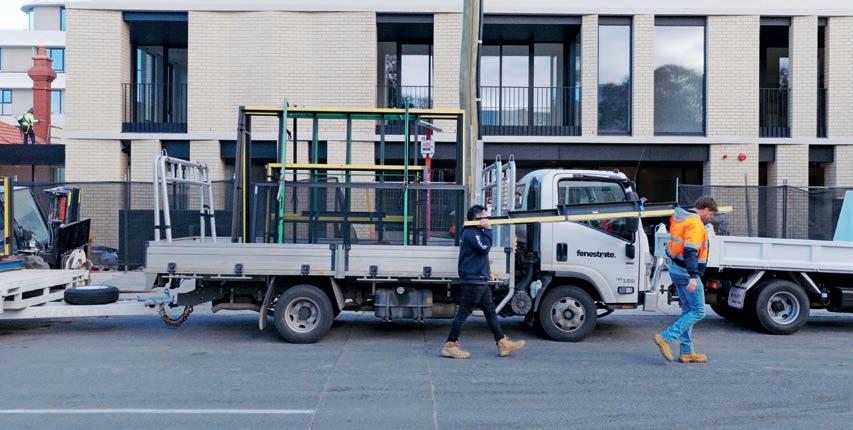
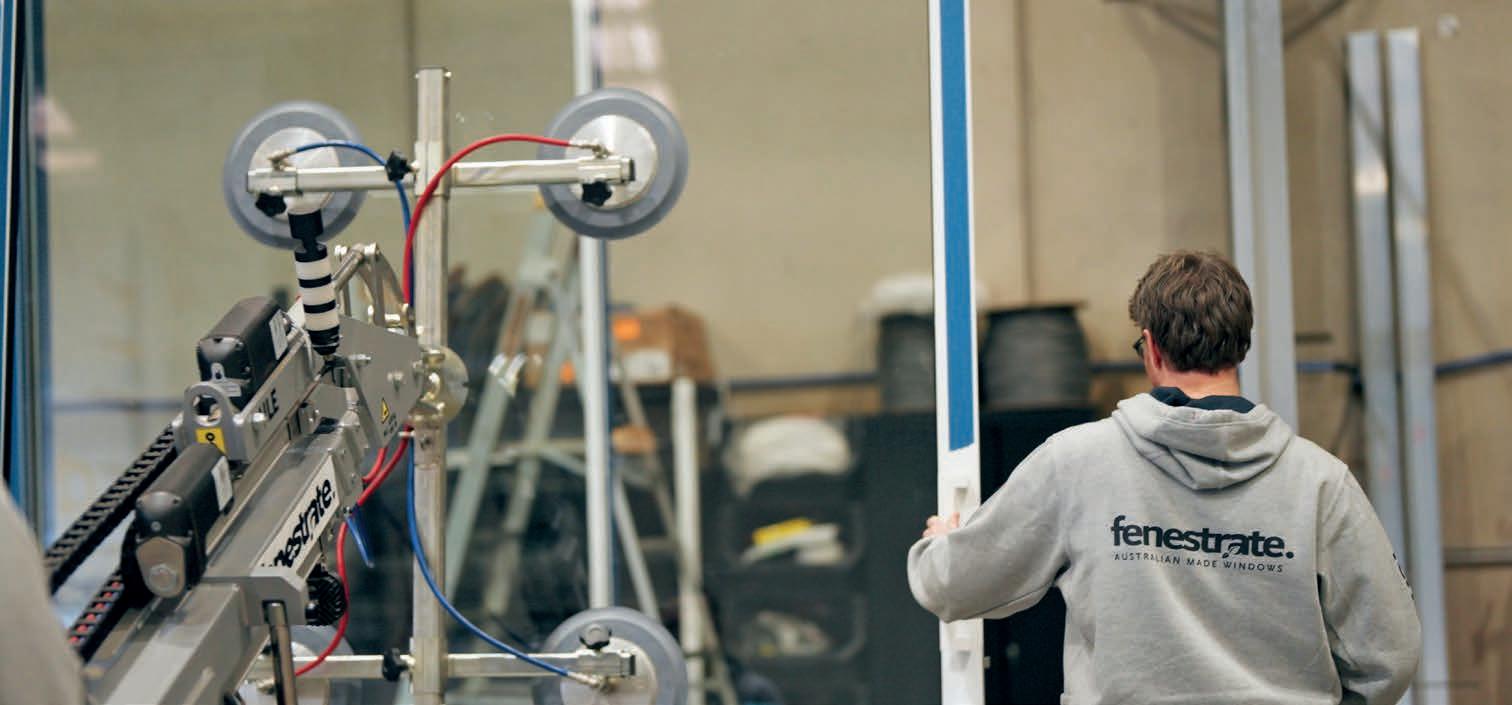
Fenestrate has blended innovative design, quality assurance, and collaboration with Capral Aluminium to deliver precision aluminium window fabrication since 2017.
When it comes to precision, performance and partnership, Victorian-based window and façade manufacturer Fenestrate has built its name on a foundation of quality engineering and collaboration. Established as a design and installation company before moving into fabrication, the business has grown into a specialist manufacturer for complex commercial and architectural projects across Australia.
At the heart of that evolution is a long-standing partnership with Capral Aluminium, whose range of extrusions and technical support has become integral to Fenestrate’s operations. From high-rise curtain walls to bespoke residential glazing, Capral’s aluminium products underpin the company’s capability to deliver window frame projects of every scale and specification.
“From house lots using Urban Plus revealed windows to 250mm deep Flashline sections, curtain walls and custom extrusions – we do it all,” said Fred Cooper, manager at Fenestrate. “We use Capral for all different types of projects, from 10-storey office buildings to architectural homes.”
From design to fabrication: a challenging transition
Fenestrate’s journey into full-scale fabrication marked a turning point for the business. Having spent years on the design and installation side, the transition into manufacturing required a shift in process control, quality assurance and technical knowledge. Cooper admitted the process
was stressful, despite the simple appearance of windows.
“A drain hole even a few millimetres off can cause leaks, and every part of the process needs precision,” he said.
This move has seen the company’s compact, but capable team invest in technology, machinery and training to bring fabrication in-house. This technology – including software – has become a cornerstone of Fenestrate’s production model.
An example of this is a digital quality assurance platform Fenestrate now uses called VisiBuild. This system tracks every stage of manufacturing through photos and digital records, ensuring traceability and accountability across the business. From cutting to sealing the joints of frames, to hardware and drain holes – everything gets documented to a point where on one job in Sandringham, the company had around 100,000 photos. The system has not only improved quality but also strengthened client relationships.
“On one site, our QA data actually proved that issues were caused by another trade, not us,” said Cooper. “It really does save time. The builder ended up adopting VisiBuild on future projects after seeing what we could do with it.”
Alongside technology, Fenestrate has built a strong relationship with Capral Aluminium, who it now sees as more than a supplier. According to Cooper,
the two companies share a relationship defined by open communication, technical collaboration and mutual respect – from product testing and design feedback to custom extrusion development.
“We’ve only ever fabricated with Capral’s Aluminium,” Cooper said. “They’ve got a solution for everything you could possibly need – whether it’s screening for a basketball court or a façade detail. It’s a one-stop shop, and they’re Australian. That’s important to us.”
This partnership extends to product innovation. Fenestrate often works with Capral’s technical team to refine designs or create bespoke profiles for architectural applications. Cooper said this sometimes involves sending the company CAD files for a custom extrusion, and also building the die and extruding the product, which are more often than not hard to make. Despite the difficulty, he said Capral always does it, and never says no.
“They ask us what we need, and if there’s demand, they make it happen. You can’t do that with other suppliers – and they’ve got the resources to back it up,” he said.
Capral’s commitment to testing and product performance is another area where the partnership shines. Fenestrate regularly engages with Capral’s technical department to witness testing and discuss design considerations for new products. One of these offerings is water inundation testing, which has seen Fenestrate clients do on-site hose testing, often beyond what the window is designed for, but Capral windows are still surpassing the tests. Seeing how they fabricate to withstand those pressures helps Cooper and his team improve their own methods.
Cooper recently visited to observe the testing of Capral’s new Panoramic Door, a slimline, minimalist sliding system designed for maximum glass visibility.
“There isn’t an Australian-made version of this door,” he said “The European ones are complex and hard to get locally, but Capral’s kept it simple and clean. You can tell they’ve listened to fabricators.”
A defining feature of Fenestrate’s experience with Capral is access to the right people – from local representatives to the technical engineers behind the products. Cooper said it’s convenient to talk directly to the technical department, who are the ones designing the windows, not just selling

aluminium. Having that line of communication has made a large difference for the company.
“He’ll answer the phone any time. He makes the effort, and he helps us out when we’re in a bind,” said Cooper.
Alongside its aluminium offerings and support, Fenestrate relies on Logical, a German-developed software platform integrated with Capral Aluminium’s product library. Cooper said the company would never have found the system without Capral, with its inclusion of Capral’s full systems being a deciding factor in choosing the software.
Logical handles everything from estimating and drafting to production, allowing seamless flow from design approval to fabrication. Cooper said if you draw a window for estimating and it’s approved, you just click a button – it goes straight to the saw, prints a barcode, and all the machining’s done automatically. He said it is a factor in allowing the team to not have to think about holes or hardware but instead focus on assembly and deliveries.
“It’s really powerful software for us,” said Cooper. “They introduced it to us about eight years ago, and as the software’s developed, we’ve developed with it. All our hinges, locks and strikes are pre-set, so production is quicker and more accurate.”
Fenestrate’s growth has been defined by its ability to take on technically demanding projects.
The company’s portfolio spans data centres, redevelopments and high-end residential builds, each presenting unique design and engineering challenges.
The company, working alongside Capral, has recently taken on two challenging projects and passed in flying colours. One of these was surrounding the NEXTDC in Tullamarine, where Fenestrate used Capral’s curtain wall system and had to manage deflections of up to 60mm because of counter-levers and lateral movement.
“The engineering was intense – we were in meetings every day for months,” said Cooper.
Another standout project was Morris Moor in Moorabbin, the transformation of the old Philip Morris cigarette factory into a contemporary commercial precinct. This involved the use of massive panels for skylights, external windows, auto doors – all in Capral suites. He insisted that the fact that everything landed at once made the project come together quickly and “look amazing”.
Backing Australian manufacturing Cooper emphasised that Fenestrate’s success comes down to its close-knit group where collaboration and knowledge-sharing are part of the daily rhythm. Cooper credits this culture for the company’s steady growth and ability to take on complex projects. Staff retention is high, with many long-term team members who understand every detail of the company’s systems.
“The people who’ve been with us from the start know everything back to front,” he said.
“They know how we want things done – honestly, they know how it should be done better than us sometimes.”
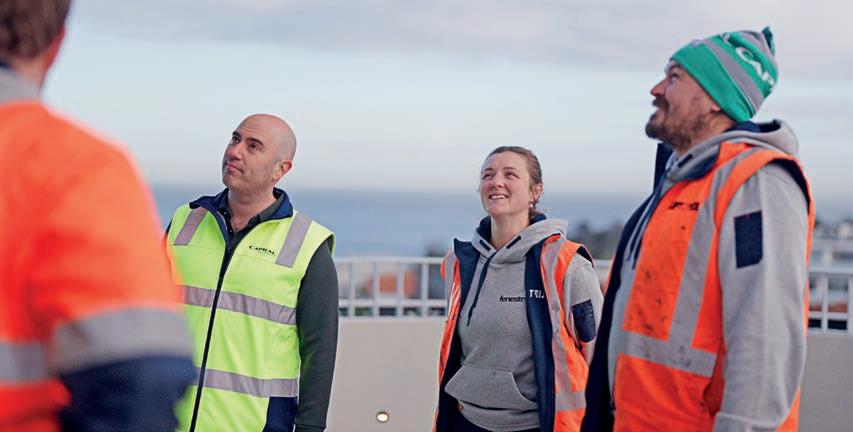
Cooper also attributed the businesses success to its partnership with Capral, something he described as a larger commitment to supporting Australian Industry. He admitted the experience when going to Capral’s Campbellfield site and seeing the billets of aluminium being turned to molten metal and pushed through the press right in front of you is rewarding.
“People come from all over the world to work on those dies. It’s a pretty cool place, and it’s something we want to support. We couldn’t do what we do without them,” he said.
As Fenestrate continues to expand its project portfolio and refine its in-house systems, that partnership remains the backbone of its success – built on shared innovation, trust and a commitment to Australian manufacturing.
“Capral back us, and we back them,” Cooper said. “It’s a partnership that works – and one that keeps helping us grow.”
PROCADFAB has combined hands-on fabrication expertise with #TASK automation, improving efficiency, consistency, and production-ready outputs.
For Daniel Booth, founder of PROCADFAB, engineering design has always been grounded in real-world fabrication experience. With nearly 30 years in the industry – ranging from hands-on boilermaker work to leading engineering teams – Booth has seen the spectrum of design and production challenges. He launched PROCADFAB to apply this wealth of experience across diverse sectors, from mining attachments and materials handling equipment to stainless-steel, foodgrade assemblies.
“At PROCADFAB, we focus on solving real-world problems with practical design, responsive support, and a commitment to quality that drives efficiency and long-term value,” said Booth. “My background as a trade-qualified boilermaker gives me a very practical edge. I design with a fabricator’s mindset: can I build this? How will it be welded? How will it flow from sales to procurement to the workshop?”
This approach defines PROCADFAB’s consultancy model. The business combines engineering design with production collaboration, ensuring that concepts are not just technically accurate but also manufacturable. Using SolidWorks and advanced scanning technology, PROCADFAB delivers solutions that move swiftly from concept to production, or provides reverse engineering support where needed. The firm’s expertise spans aluminium, stainless steel, mild steel, and quench-and-tempered steels, making it adaptable to a range of fabrication challenges.
Despite its focus on efficiency, PROCADFAB once faced persistent workflow challenges, with the biggest bottleneck being production packages, Booth said because every PDF, DXF, and eDrawing had to be created manually by opening each file independently, on a project with 100 parts, that alone could take hours.
Booth said traditional tools were slow, unreliable, and prone to errors such as date-format changes or inconsistent metadata. Updating sheet formats and materials across large assemblies became a tedious task, costing team members several hours each week. This manual overhead limited productivity and increased the risk of human error, something Booth knew needed a smarter solution.
This all changed when Booth first encountered #TASK through Central Innovation, the creator of
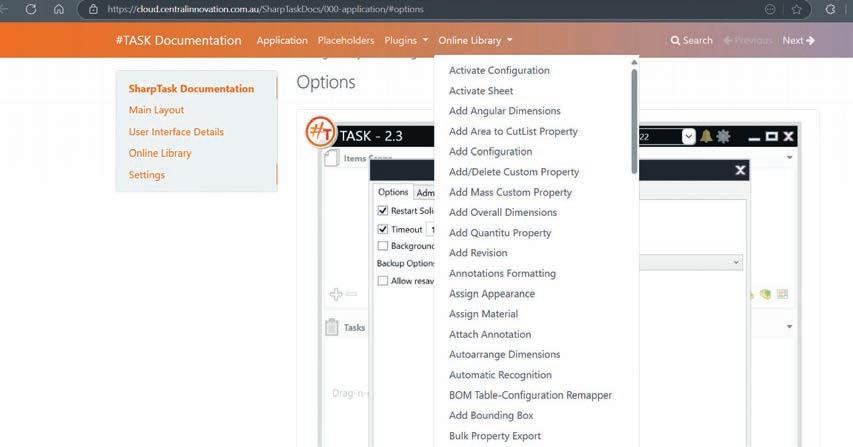
Booth first encountered #TASK through it’s creator company, Central Innovation.
the software, of whom he has worked with for over a decade. Initially available as a free tool for CI customers, #TASK immediately stood out for its practical automation capabilities. The software was developed by Australian engineers as a SolidWorks personal assistant to save hours on file-admin tasks, and it is now used in more than 100 countries. #Task recently upgraded to version 2.5 – an update packed with new macros and available to all users with an active licence.
“We trialled it, it worked, and it quickly became part of the workflow,” Booth said. “CI didn’t need to be heavily involved early on; they were simply an active partner providing access and support if needed.”
#TASK 2.5 offers seamless compatibility with SolidWorks 2025, robust web-based licence management, and a suite of built-in macros designed for real-world engineering workflows. Its core value lies in automating repetitive tasks, reducing manual file edits, and maintaining data integrity across complex projects – features that aligned with PROCADFAB’s operational needs.
Since implementing #TASK, PROCADFAB has seen improvements in workflow efficiency. Batch output of PDFs, DXFs, and eDrawings is now reliable and fast, while updating metadata or sheet formats across large assemblies has become effortless.
“On a 100-part design, generating the full production package used to take around fi ve hours. Now it’s automated – what used to be three minutes per part is done in a single batch process in a matter of minutes,” Booth said.
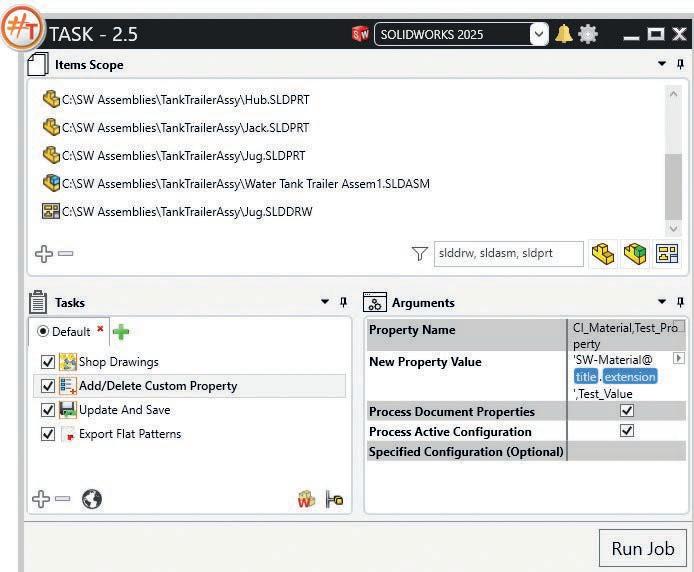
Custom macros have further enhanced productivity. Booth has developed scripts that copy properties from parts to drawings, create complete production packages, resize revision tables, and remove unintended capitalisation. Combining these multiple processes into a single custom macro has been invaluable for Booth as it reduces rework risk and lets him focus on refining the actual design rather than processing files.
Batch processing is particularly transformative for PROCADFAB’s approach. Tasks that once required manual attention now run automatically in the background, freeing the team to focus on highervalue design work. The built-in licensing portal also simplifies administration, providing real-time visibility of token status and expiry dates – critical for multiseat and multi-site operations.
Booth points to a recent complex assembly project as a clear example of #TASK’s impact.
“#TASK handled all output generation, which saved around fi ve hours,” he explained. “The ability to integrate custom macros meant the project was delivered faster, more consistently, and with lower risk of errors.”
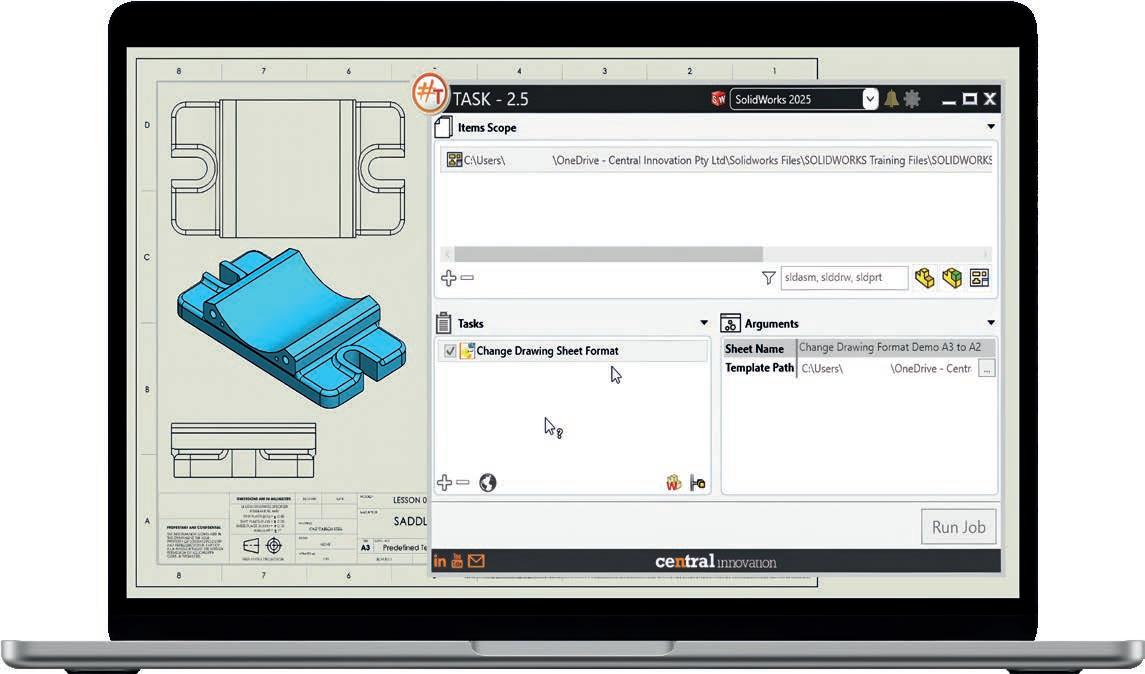
This approach extends beyond time savings. Automation reinforces PROCADFAB’s design philosophy, which prioritises accuracy, practicality, and manufacturability. Booth said when you automate a process, you minimise human error and ensure every output is consistent. Rules that you define become rules the system follows, which aligns with a quality-driven workflow. For a small consultancy, this consistency is a competitive advantage, enabling the delivery of more work without compromising quality.
Booth’s adoption of #TASK is not just about speeding up repetitive tasks – it reflects a broader philosophy of integrating technology into design processes. PROCADFAB views automation as a tool to support creativity and problem-solving, not replace it.
“Engineering will always be a creative field; you can’t automate imagination,” Booth said. “Designers rely on creativity to solve problems and then apply technical expertise to turn those ideas into reality. Automation helps by reducing processing time and enhancing consistency.”
For small- and medium-sized design consultancies, this philosophy offers an advantage. With growing labour shortages, increasingly complex designs, and tighter project deadlines, tools like #TASK enables leaner teams to produce more output without sacrificing precision or manufacturability.
Central Innovation remains a trusted partner in PROCADFAB’s workflow, with Booth praising the company’s technical support and responsive service. He said that over the years, he has built strong relationships with key people at CI, and
their technical support has consistently been prompt and helpful.
“Whenever I’ve needed assistance or clarification, they’ve been quick to respond and genuinely supportive,” he said. “This relationship ensures that PROCADFAB’s adoption of #TASK is both smooth and sustainable, giving the consultancy confidence in the tool’s ongoing reliability.”
Looking ahead, Booth believes that automation will play an increasingly central role in Australian fabrication and design. While engineering creativity
cannot be replicated by software, tools like #TASK allow designers to focus on higher-level problem solving and innovation.
PROCADFAB’s journey illustrates how practical, well-supported automation can transform a consultancy’s operations, providing measurable efficiency gains while maintaining high standards of design integrity.

From automotive to aerospace, Helmut Fischer’s tactile measuring devices are setting the standard for precision, durability and traceable quality assurance.
In modern manufacturing, precision is more than a performance metric – it’s the backbone of reliability, safety, and innovation. Across industries from automotive and aerospace to energy and electronics, quality assurance has evolved into an exact science. Yet one constant remains: the need to measure, verify, and trust the data.
This is where Helmut Fischer’s tactile measuring devices continue to have their impact. With more than seven decades of experience in material analysis, the German manufacturer has become synonymous with accuracy and endurance in coating thickness measurement and material testing. Its tactile instruments, built to perform in tough industrial environments, combine technological innovation with the reliability that production engineers demand.
The company’s tactile devices fall into two core categories – coating thickness gauges and material testing instruments – each designed to tackle complex measurement tasks with precision. The coating thickness gauges are engineered for a range of substrate-coating combinations. These include insulating coatings on conductive metals, such as anodised layers of paint on aluminium; non-magnetic coatings on magnetisable materials like steel; and copper thickness on printed circuit boards (PCBs).
Meanwhile, the company’s material testing instruments provide reliable measurement of electrical conductivity and ferrite content – crucial parameters in sectors where material integrity defines safety and performance. Together, these tactile devices underpin quality assurance across a vast array of industries.
Manufacturing is no longer confined to singlepurpose applications, and Fischer’s solutions reflect that diversity. Each device is engineered for versatility and repeatability across multiple production settings.
In the automotive sector, precision testing of both functional and decorative coatings is essential. Fischer’s devices are integral to quality control processes for paint and zinc coatings, cathodic dip coating, and even sound insulation foam. For electroplating, where tolerance limits are tight and uniformity is critical, the company’s tactile instruments ensure coating thickness meets
specification every time – whether on anodic layers, chrome plating, or complex geometries.
The anodising industry relies on Fischer’s gauges to verify aluminium raw materials before processing and to assess coating thickness post-treatment. This ensures that every aluminium profile or decorative anodised component achieves the required durability and corrosion resistance. In paints and varnishes, Fischer’s compact devices deliver accuracy even on ultra-thin coatings – a critical factor when finish quality and surface aesthetics define brand value.
Electronics manufacturers depend on Fischer’s instruments for non-destructive layer thickness measurement and material verification on PCBs, solder resist, and copper coatings. Similarly, in aerospace, where safety tolerances are absolute, Fischer’s devices support material testing, paint coating verification, and even heat-damage analysis during maintenance.
For the oil, gas, and petrochemical sectors, the stakes are even higher. Equipment operates in extreme environments, where anti-corrosion coatings protect assets worth millions. The company’s tactile devices deliver accurate readings on ferrite content, polypropylene coatings, and thermally sprayed aluminium across pipelines, tanks, and refinery vessels – all without destructive testing. In mechanical engineering, where machinery endures constant mechanical stress, continuous coating measurement is key to ensuring long-term wear resistance. Fischer’s gauges are equally at home measuring powder coatings or monitoring hotdip galvanising lines. Construction and infrastructure
projects also benefit from the company’s robust design philosophy. Its devices are used to test paint on zinc coatings, stainless alloys, and fasteners, meeting standards such as SSPC-PA2 for protective coatings on steel.
In the energy sector, particularly in emerging fields like battery manufacturing and heat recovery systems, Fischer’s tactile instruments help maintain consistent coating thickness in cladding processes and high-alloy steels – critical for performance and longevity. Even precious metal verification and marine applications benefit from the technology. The same accuracy that confirms gold authenticity can determine the integrity of anti-fouling or iron glimmer coatings exposed to saltwater and weathering.
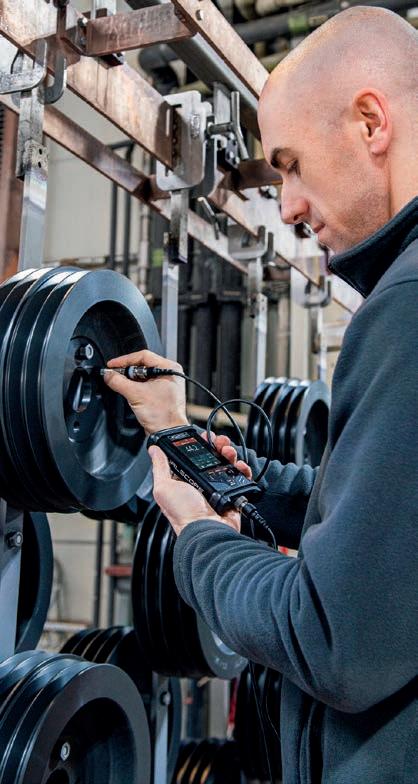
What makes Helmut Fischer’s tactile measuring devices a trusted choice among engineers and quality control professionals is not only their measurement capability but their durability and design philosophy. Every device is built to withstand the harshest production environments. Fischer’s Quick-Measure design delivers fast, accurate results with minimal setup, while intuitive menus make operation straightforward, even for nonspecialist users.
The flexibility of the range is another defining feature, as Fischer offers simultaneous measurement and evaluation with up to eight probes, enabling testing across multiple points or components in a single workflow.

The company’s broad probe portfolio – more than 100 standard options – ensures there’s a configuration suited to virtually any application, from delicate surface coatings to rugged industrial finishes. Each probe can be easily calibrated, allowing users to maintain high levels of accuracy with minimal downtime.
For complex or non-standard applications, Fischer’s engineers can deliver customised solutions, including extended probes or bespoke fixtures tailored to unique measuring tasks.
While laser, ultrasonic, and optical systems often dominate headlines in the age of Industry 4.0, tactile measurement retains a distinct advantage: it physically interacts with the material, offering a level of reliability that purely optical systems can sometimes struggle to achieve, particularly on rough or curved surfaces.
This confidence in measurement makes tactile devices indispensable for quality audits, certification, and compliance with international standards. Fischer’s instruments are recognised for their traceability, repeatability, and long-term stability – three pillars of industrial metrology.
Helmut Fischer continues to evolve its tactile technology through research and customer collaboration. Its DMP10-40 series, for example, brings portable precision to the shop floor with
ergonomic design and data connectivity options. The FERITSCOPE DMP30 enables accurate determination of ferrite content in austenitic steels and weld seams, supporting corrosion resistance assessment in critical industries.
Meanwhile, the SR-SCOPE DMP30 provides non-destructive measurement of copper on PCBs, ensuring reliable performance in electronics manufacturing. The FISIQ-T software integrates tactile measurement with digital intelligence, enabling faster evaluation and documentation directly from the device.
As manufacturing becomes more data-driven, the importance of accurate, traceable, and repeatable measurement only grows. Whether it’s ensuring a coating’s corrosion resistance, verifying a conductive layer, or confirming the purity of a metal alloy, Fischer’s tactile devices deliver results manufacturers can act on with confidence.
In a landscape where every micron counts, Helmut Fischer’s tactile measuring devices stand out not just for their engineering precision but for their enduring contribution to manufacturing excellence. From the smallest PCB to the largest pipeline, Fischer’s technology continues to prove one simple truth: in measurement, as in manufacturing, the human touch still matters.

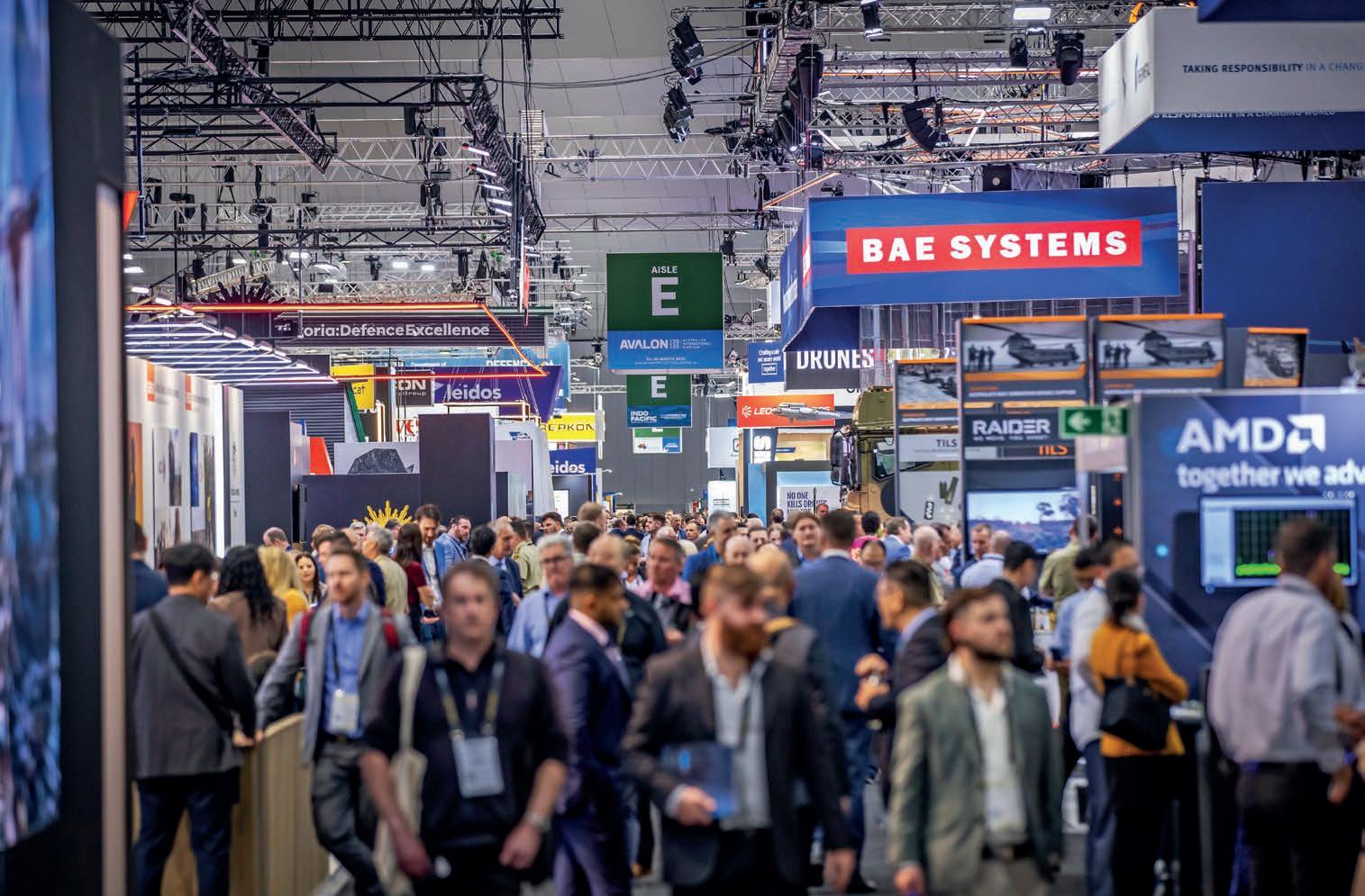
In October 2026, Perth will host one of Australia’s largest defence industry events: Land Forces 2026.
For the first time, the Land Forces 2026 International Land Defence Exposition, will be held in Western Australia, marking a pivotal moment for the state’s growing role in supporting national land defence capability.
Taking place from 6–8 October 2026 at the Perth Convention and Exhibition Centre, the event will bring together senior Army leadership, defence industry stakeholders, policymakers, and international partners to explore the future of land power in a rapidly evolving strategic environment.
Presented with the support of the Australian Army and organised by the AMDA Foundation, the event will showcase the full spectrum of land defence capability, from platforms and infrastructure to workforce. Its arrival in Perth reflects the state’s increasing importance in delivering key national programs, including littoral manoeuvre capabilities, Army base infrastructure, Guided Weapons and Explosive Ordnance (GWEO), and advanced technologies under AUKUS Pillar II.
Previously hosted in Brisbane, Adelaide, and Melbourne, Land Forces has become a cornerstone of Australia’s defence industry calendar. Its move to Perth for 2026 underscores Western Australia’s strategic geography, industrial capacity, and defence infrastructure, making it a suitable
location for discussions shaping the future of Army capability.
WA is already central to major defence initiatives. Its expansive coastline and proximity to the IndoPacific theatre support littoral operations, while ongoing base upgrades and logistics hubs enhance the Army’s operational readiness. The state’s growing role in the GWEO enterprise positions it as a hub for advanced manufacturing, testing, and sustainment of next-generation munitions. Combined with leadership in critical minerals and defencerelated research and development, WA is poised to play a defining role in the evolution of Australia’s land combat capabilities.
As a major supporter of Land Forces 2026, the Australian Army has been instrumental in shaping the event’s program. Army will lead a series of engagement opportunities designed to foster collaboration, innovation, and professional development.
Key highlights include:
• Chief of Army Symposium – The Australian Army’s premier event. A strategic forum bringing together Army leadership, industry, academia, and international partners to explore the future of land warfare, capability development and the evolving role of the profession of arms.
• Junior Leaders Forum – A unique opportunity for emerging Army leaders to engage with industry and thought leaders, fostering the next generation of defence leadership.
• Army Stand - Army will have a significant presence inside the exhibition halls, looking to engage with attendees, as well as strengthen and build partnerships with industry. These initiatives will be further enriched by the celebration of the 125th anniversary of the Australian Army in 2026, a milestone that underscores the enduring legacy and future trajectory of the nation’s land force.
Land Forces 2026 will feature a three-day industry exhibition, offering a platform for companies to showcase solutions and capability to national and international audiences.
Exhibitors will have direct access to decisionmakers, procurement leads, and program managers across Army, Defence, and government. Whether focused on vehicle platforms, robotics, autonomous systems, communications, sustainment, or infrastructure, Land Forces 2026 provides a unique opportunity to align with current and future capability priorities.
The event will also spotlight sovereign industrial capability, reinforcing the role of local industry in
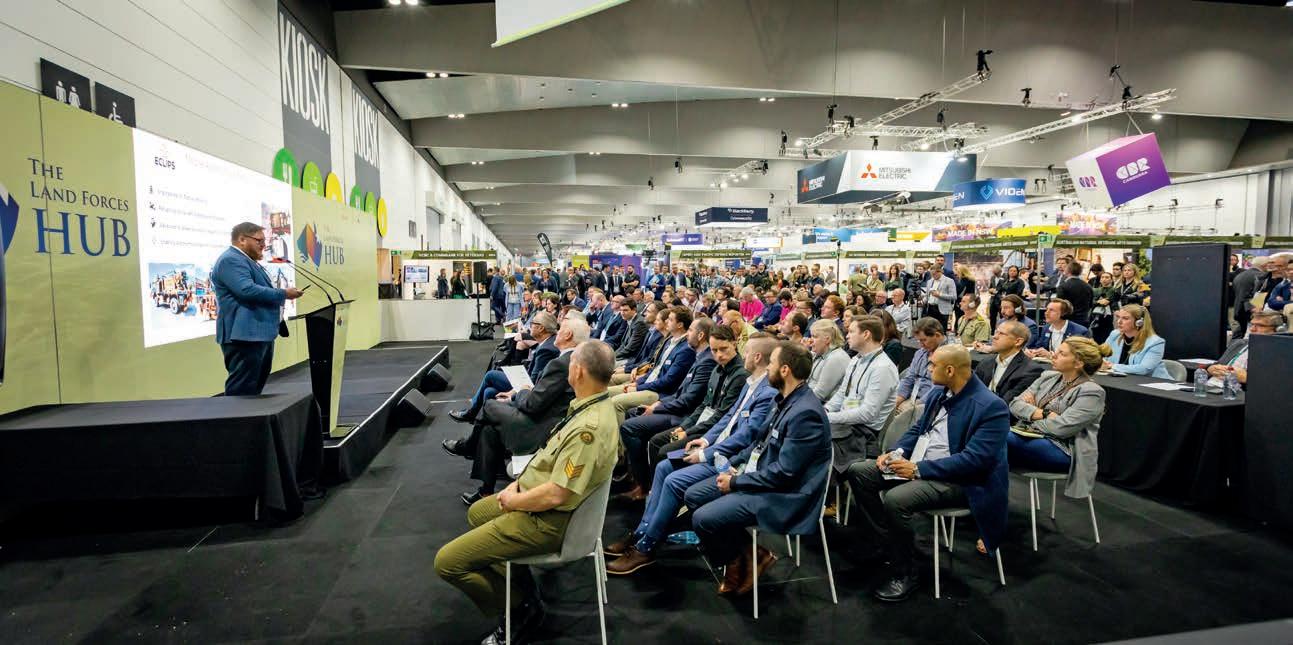
delivering and sustaining complex systems. As Australia strengthens its commitment to self-reliance and resilience, Land Forces 2026 will highlight how domestic innovation contributes to national security.
As AUKUS enters its next phase, Land Forces 2026 will provide a forum to explore opportunities under Pillar II, focusing on shared advanced capabilities such as artificial intelligence, cyber, quantum technologies, and autonomous systems. These efforts will be tied to Army’s future needs and the broader AUKUS innovation ecosystem.
The event will support dialogue on enhancing interoperability with allies and accelerating capability development through joint experimentation and codevelopment.
Innovation will play a part in the event as sourcing new Australian ideas, technologies and research will be key to meeting the future needs of the Australian Defence Force. The Land Forces Innovation Pitchfest and Awards aims to support this need by sourcing Australian innovation at various stages of development, from ‘blue-sky’ thinking to developed technologies, and showcase them onsite via in a pitchfest –style series of presentations. Winners across four categories receive cash prizes to further personal and professional development and help take their innovation to the next level.
The event will also serve as a platform for international engagement, drawing official delegations and industry leaders from across the Indo-Pacific and allied nations. As Australia deepens regional partnerships and defence cooperation, the event will foster strategic dialogue on shared challenges, capability integration, and multilateral collaboration.

The decision to host Land Forces 2026 in Perth is both timely and strategic. As Australia’s defence priorities evolve, Western Australia has emerged as a key contributor to national capability.
Perth’s location, industrial capacity, and growing defence footprint make it a suitable setting to convene national and international stakeholders. Its proximity to the Indo-Pacific, combined with strong local engagement, offers a unique opportunity to connect Australia’s defence industry with global partners and supply chains.
Land Forces 2026 will reflect the strength and
diversity of Australia’s industrial base. While Perth is the host city, the event remains a national platform showcasing Australian innovation, capability, and strategic vision to the world by bringing the world to Australia.
For exhibitors, sponsors, and attendees, Land Forces 2026 is more than an event. It is a chance to contribute to a national effort to shape the future of land power across Australia and the broader region.
The event is supported by the Australian Army, the Western Australian Government, Defence West, and Business Events Perth.
Henkel’s Loctite brand is turning ESG principles into real progress through responsible chemistry and circular design.
For Henkel, sustainability is not a marketing trend, but a strategic pillar embedded in all aspects of its operations. Guided by its purpose, the company is reshaping the way industrial adhesives are formulated, manufactured, and delivered. Under its Loctite brand, recent upgrade to its Threadlocker range marks a clear step in advancing environmental safety and regulatory readiness without compromising performance.
Henkel’s “Responsible Chemistry” approach reflects its belief that innovation and sustainability are inseparable. The removal of chemical substances such as cumene hydroperoxide (CHP) and acetophenone (APH) from Loctite’s reformulated Threadlockers is not only a step toward easier handling but also a proactive response to the evolving global landscape of chemical regulation.
“Our sustainability journey is about innovating toward a lower-hazard, more sustainable chemical portfolio,” said Seza Eraydin, sustainability manager for general manufacturing and maintenance at Henkel AG & Co. KGaA. “Through our responsible chemistry approach, we’re reducing hazards where possible while ensuring our products continue to deliver the reliability our customers trust.”
Advancing circularity and ensuring regulatory adherence
Circularity sits at the heart of Henkel’s sustainability roadmap. In line with its global targets, the company has made progress towards using recycled materials in its packaging. Today, the proportion of recycled plastic in its consumer goods packaging is 25 percent globally, and the company aims for 100 per cent of packaging to be designed for recycling or reusability in the future.
The new Loctite Threadlocker bottles, for example, are made from 50 per cent postconsumer resin – a move that reduces reliance on virgin plastics and supports Henkel’s broader circular economy ambitions. Beyond packaging, the company is working to achieve circular water use and minimise production waste, moving away from incineration and landfill in favour of recycling and resource recovery.
“Circularity is one of our key focus areas,” Eraydin said. “We’re working towards keeping valuable materials in the loop – not just in packaging but across all our operations.”
In the complex world of chemical manufacturing, regulation is moving fast. Henkel recognises that staying compliant today does


not guarantee compliance tomorrow. Through its Responsible Chemistry agenda, the company is adopting a proactive approach – anticipating rather than reacting to new requirements and helping customers do the same.
Eraydin said the reformulation of Loctite’s Threadlockers aligns with this philosophy. By removing high-hazard substances and refining formulations, Henkel is positioning its products to meet future regulatory demands before they come into force. This forward-thinking mindset gives customers confidence that their manufacturing processes remain safe, compliant, and sustainable well into the future.
Additionally, Henkel recognises that addressing sustainability challenges requires collaboration across the value chain. The company participates in international industry forums such as the Ellen MacArthur Foundation’s New Plastics Economy and the European Adhesives Industry Association (FEICA). Through these partnerships, Henkel contributes to shaping global standards, sharing expertise, and fostering innovation that benefits the sector.
This spirit of collaboration extends to Henkel’s customers, suppliers, and partners. By exchanging knowledge and jointly developing solutions, the company helps accelerate sustainable progress across industries. Eraydin said that these efforts are central to Henkel’s ESG strategy and reflect its commitment to meaningful, long-term impact rather than isolated improvements.
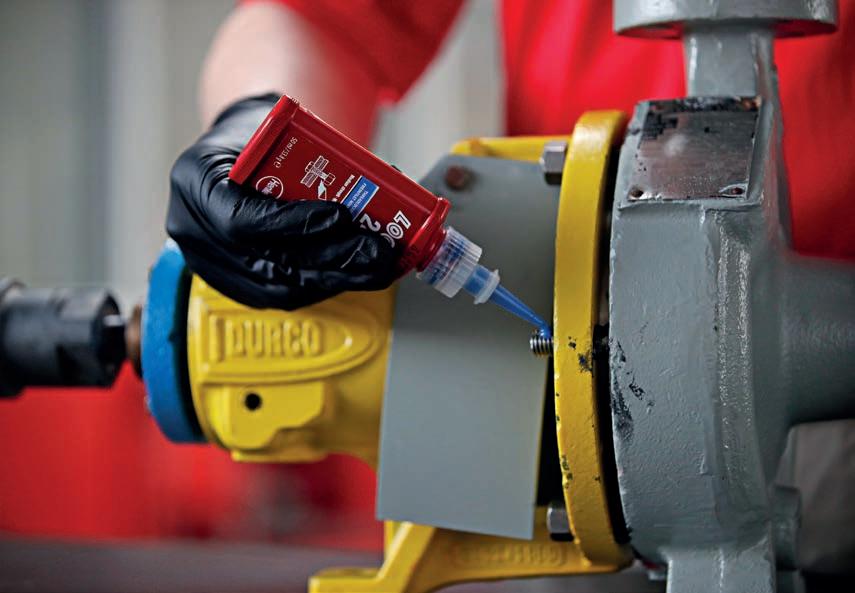
Looking to the future, Henkel is leveraging digital tools and data-driven insights to further its ESG goals. Within Henkel Adhesive Technologies, the company is developing a comprehensive sustainability intelligence framework designed to provide end-to-end transparency across product lifecycles. This includes detailed product carbon footprint data, traceability of raw materials, and integration of external certifications.
By quantifying and certifying sustainability performance, Henkel aims to make responsible manufacturing measurable and actionable. These digital systems will allow customers to make informed decisions and adopt sustainable solutions with confidence, supporting the shift toward transparent, data-led ESG reporting across the industry.
“Sustainability intelligence is key to achieving reliable data and consistent measurement,” Eraydin said. “We want to provide customers with full visibility and empower them to make sustainable choices backed by clear evidence.”
While Henkel’s sustainability ambitions are global, its implementation is always tailored to local needs. The rollout of the new Loctite Threadlocker formulations in Australia and New Zealand reflects the company’s commitment to maintaining the same high standards worldwide while responding to regional market expectations.
Henkel’s teams continually review product portfolios across regions to ensure compliance with responsible chemistry principles and to reduce hazards wherever possible. This consistent global approach allows the company to maintain
both performance and sustainability across its product range.
While the environmental gains of the new formulations are important, maintaining Loctite’s hallmark performance was non-negotiable. Henkel’s research and development teams balanced sustainability with engineering reliability, ensuring that the new Threadlockers perform identically to their predecessors in terms of strength, viscosity, and thermal stability.
The Responsible Chemistry program guides this process, combining internal expertise with collaborative R&D to deliver safer, lower-impact solutions that still meet the rigorous performance needs of industrial users. The company’s longstanding relationships with customers across manufacturing sectors provide real-world insight that drives this balance between safety and reliability.
“We’re minimising health, safety and environmental risks while maintaining the performance our customers expect,” Eraydin said. “That’s how sustainability becomes a practical reality rather than a compromise.”
Environmental progress is one part of Henkel’s ESG agenda. The company places equal emphasis on the social dimension of sustainability – promoting inclusion, equity, and wellbeing within its workforce and the communities it serves. Under its Thriving Communities pillar, Henkel prioritises education, diversity and inclusion, and employee health and safety.
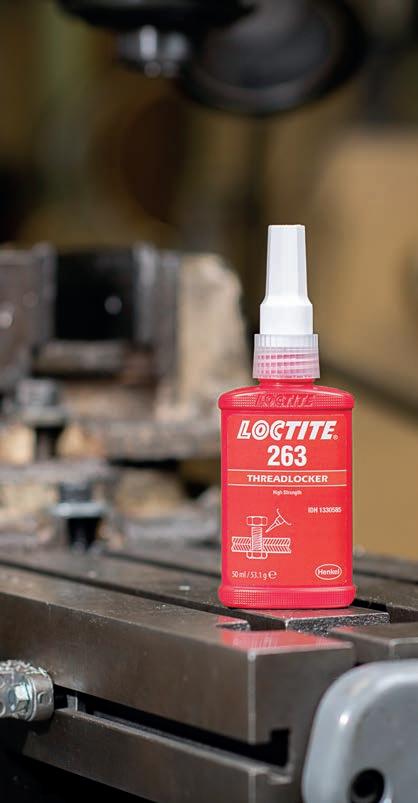
said Henkel’s commitment to its people is integral to its success. The company invests in lifelong learning opportunities, promotes a healthy and flexible working environment, and maintains a strong focus on occupational safety.
“We continuously improve our safety practices with a long-term goal of zero accidents,” she said. “Creating an agile, high-performance organisation starts with looking after our people.”
Henkel’s long-term vision extends beyond reformulated Threadlockers. The company’s ESGaligned product development roadmap focuses on three core areas where it can deliver the most impact: climate, circularity, and safety. These priorities guide innovation in bonding, sealing and coating technologies that enable sustainability across the manufacturing ecosystem.
Through its materials science expertise, Henkel aims to help customers reduce emissions, conserve resources, and improve product safety throughout the value chain.
“Our vision is to contribute to solving global challenges by enabling sustainability through material science and responsible innovation. We make it happen,” said Eraydin.
KPMG argues the next wave of competitiveness for Australian manufacturers will come not from the factory floor, but from transforming how companies engage with their customers.
Australian manufacturing is entering a new era – one defined less by production volume and more by insight, technology, and customer connection. A new report by KPMG, The Case for Customer-Centric Transformation in Industrial Manufacturing, argues that success in the coming decade will rely on how effectively manufacturers can turn sales and service into strategic differentiators, rather than viewing them as back-office necessities.
While the sector continues to grow, that growth is being driven by digital- and technology-enabled products and services – offerings that command higher prices but require greater specialisation and innovation. This shift, according to KPMG, is pushing manufacturers to rethink traditional models built around operational excellence and product innovation alone.
For decades, manufacturing strategy has been dominated by lean operations, process optimisation, and continuous improvement. These priorities have delivered efficiency and quality gains, but often at the cost of customer understanding. Many businesses, KPMG warned, still operate with a “build it and they will come” mentality – a mindset that risks becoming obsolete in markets where buyers expect personalisation, digital connectivity, and service integration.

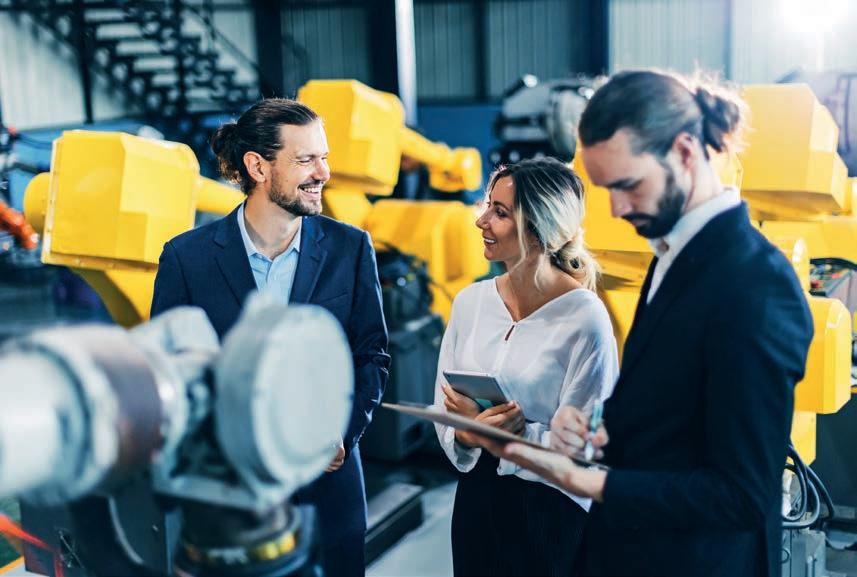
KPMG believes this is necessary as manufacturers must contend with rising labour costs, near-shoring trends, supply chain pressures, and the adoption of emerging technologies in labour-intensive processes. In response, many are having to rethink both their competitive positioning and broader growth strategies.
Lisa Bora, partner in charge of Clients, Growth & Markets, Consulting at KPMG said lessons from consumer industries are instructive.
“The retail sector offers valuable lessons for industrial manufacturers looking to develop stronger customer engagement capabilities, having mastered customer insight, frictionless sales experiences, loyalty-building strategies and personalisation,” she said.
The report positions front-office transformation –the modernisation of sales and service – as the next frontier for industrial competitiveness. It identifies that many Australian manufacturers continue to underinvest in these areas, despite earning substantial profits from after-sales service.
“Traditional focus on proprietary technology and product suites has driven past gains,” Bora said, “but it often comes at the expense of alignment to ongoing and changing customer needs.”

KPMG calls this new opportunity “retailisation”: applying the customer-centric practices of retail to business-to-business industrial contexts. While retail has long mastered customer insight, frictionless engagement and loyalty creation, the industrial sector remains constrained by legacy thinking that prioritises product over relationship.
Two retail archetypes are highlighted as useful models. The product-service culture, exemplified by specialist retailers such as hardware stores, combining quality ranges, trusted brands and expert service. Also, the process-price culture, typified by low-cost, multi-range retailers that compete through operational efficiency and value pricing.
Both, KPMG notes, share a “relentless focus on customer insight, operational efficiency, and the development of sales processes that minimise friction and maximise value”. For industrial firms, the challenge is not to copy these models outright, but to adapt their principles to B2B realities – particularly as competition intensifies and relationships become less personal and more data-driven.
Six opportunities for front-office reinvention
The report outlines six key focus areas for industrial manufacturers seeking to strengthen customer centricity.
The first is customer obsession alongside product passion. Deep product knowledge remains a strength, but it must be matched by an equally deep understanding of customer businesses, challenges, and strategic priorities. Too often, executives cannot clearly define their customer segments or articulate how their products create value. “As the sector evolves, advanced manufacturers are increasingly becoming problem solvers,” the report notes, “helping to improve the efficiency and profitability of their customers through end-to-end solutions.”
Next is balancing operational and customer-facing technologies. KPMG’s Report finds manufacturing among the most technologically ambitious industries – but most investment remains focused on operations rather than customer experience. While 34 per cent of organisations have achieved return on investment from multiple AI use cases, front-office systems such as customer relationship management (CRM) platforms and self-service tools often lag behind.
“Industrial manufacturers should look not only to retail, but also to other industries like technology, who utilise strategic partnerships across all elements of the value chain such as ‘invent-with’, ‘solve-with’, ‘sell-with’ and ‘grow-with’,” said Richard Large, director, Consulting at KPMG.
Underdeveloped customer segmentation should also be a concern. A one-size-fits-all approach remains common, with little differentiation between high-value and low-value accounts. Advanced segmentation – based on needs, behaviours and profitability rather than demographics – enables better allocation of resources and more targeted product development.
Additionally, KMPG argue after-sales service shouldn’t be treated as an afterthought.
Many industrial companies continue to treat service
as merely a maintenance function, overlooking both its profitability and its role in fostering customer loyalty. KPMG identifies this as a missed opportunity: service offerings often generate higher margins than product sales. Beyond the financial benefits, services also strengthen customer relationships and provide real-time insights into preferences and behaviours.
Forecasting failures and inventory implications should also be a focus. Inaccurate sales forecasts continue to erode margins and tie up capital. KPMG notes that “years of inaccurate forecasting have led to persistent oversupply of inventory and unprofitable stockpiling of input materials” across parts of the sector. Smarter integration of sales and operations planning is needed to improve visibility and balance inventory with demand.
Finally, the report reframes environmental, social and governance (ESG) obligations as a commercial advantage.
“Forward-thinking manufacturers recognise the strategic value of both meeting their own compliance obligations, and helping customers meet theirs, too,” said Jennifer Westacott, special adviser, Consulting at KPMG.
As procurement increasingly favours sustainable, transparent suppliers, ESG alignment is becoming a point of differentiation.
“Low-impact manufacturing and ethical sourcing are emerging as meaningful competitive levers,” Westacott added, “with carbon transparency influencing both purchasing decisions and brand loyalty.”
The report stresses that transformation must go beyond technology deployment to include new ways of working. Embedding design thinking – where customers co-design solutions and experiences – can help manufacturers build products and services around lived experience rather than internal assumptions.
To operationalise this shift, KPMG recommends six transformation steps based on the six key focus areas:
1. Conduct a customer-centricity assessment to identify gaps in insights, processes, and leadership.
2. Invest strategically in front-office technology such as CRM and self-service systems.
3. Build segmentation frameworks to identify high-value customers and align offerings through design thinking.
4. Develop service-specific business models with digital platforms tied to customer outcomes.
5. Integrate business planning processes to connect sales with operations and enable scenario planning.
6. Adopt omnichannel engagement for seamless, data-led customer experiences.

With 64 per cent of global leaders in KPMG’s Future of Front-Office report citing customer experience as their top priority over the next two years, the momentum for change is clear.
KPMG warns that the cost of standing still is mounting. Customer churn in manufacturing now averages 35 per cent – more than 20 per cent higher than other B2B service sectors. Meanwhile, customer acquisition costs are climbing, reaching between $500 and $1,800 per new customer in Australia in 2025.
Adding to the challenge, international competitors often operate with cost advantages up to 2.5 times lower, driven by cheaper labour, scale, and subsidies. The message is clear: competing on relationships, price or product alone is no longer sustainable. Longterm growth now depends on embedding customer focus throughout the organisation – from front-line sales to digital interfaces and post-sale service.
KPMG concludes with the message that we are no longer operating in a world where we just buy a commodity or a component part, but one where customers now seek end-to-end solutions that pair customer experience alongside product innovation. For manufacturers ready to embark on this transformation, KPMG positions itself as a partner in the journey – one that combines sector expertise with cross-industry insight. The firm’s team, led by Bora, Large and Westacott, has worked with industrial businesses across Australia to integrate customer insight, digital systems and service innovation into coherent strategies for growth.
As the sector continues to evolve, the imperative is clear: customer centricity is not a marketing exercise, but a competitive necessity. Manufacturers that reimagine their sales and service functions today will define the industrial leaders of tomorrow.

Senator Tim Ayres explores how Australia is rebuilding industrial strength with decisive policy, strategic investment and a renewed focus on national capability.
Despite the challenges facing Australian manufacturing firms and workers today, there are many reasons to be optimistic about the sector’s future. The Federal Government is using every lever available to lock in strong foundations for Australian industry over the coming years.
For a couple of decades, industry policy was unfashionable. Ideas about sovereign capability and the national interest repeatedly came off second best against the cold logic of the global marketplace.
Between 1990 and 2020, manufacturing’s share of Australian economic output fell from 14.8 per cent to 5.9 percent according to the Reserve Bank of Australia (RBA).
In the 2010s, sectors like automotive manufacturing were driven offshore, irrespective of the industrial and management capability, skills and research and development capacity that were surrendered along the way. Australians in blue-collar jobs in regional and outer suburban areas, who had worked hard to lift productivity and efficiency, bore the brunt of this change and decline. So did the individual regions and suburbs that relied upon this investment.
The COVID-19 pandemic and the geopolitical uncertainty that followed it – not least of all in our own region – underscored what those of us who have spent a lifetime in and around Australian manufacturing already knew: that Australia is stronger and more resilient when it has dynamic industries and homegrown industrial capability.
Today, Australian industry faces a new set of challenges. Global overcapacity and unfair subsidisation in other markets make us uncompetitive in core production. Trade volatility and unfair practices, like dumping, put Australian jobs at risk. The lost decade on energy – where local competitive gas became harder to find and disinvestment in the electricity system undermined electricity supply (just as firms moved to electrify many industrial processes) – means a lot of hard work needs to happen to secure Australia’s future energy advantage.
Investors at home and abroad are looking at Australia’s current and future competitive advantages and strategic potential with renewed
focus. The Federal Government is giving investors clear incentives to commit to the industries Australia needs to build economic resilience, competitiveness, and good jobs.
Faced with stark choices, this government acted to secure Australia’s industrial future. In January, with global market distortions and corporate neglect jeopardising Whyalla Steelworks, the Federal Government and the South Australian Government jointly intervened to provide an ambitious, longterm plan that is already lifting the efficiency, technological capability and safety of that facility. The competitive tender process for new ownership remains underway, and in the meantime the facility has taken on additional workers to meet growing demand for its steel output.
Since my own appointment to this portfolio in May, I’ve been engaged with the owners, workers, unions and state governments responsible for industrial smelters all around Australia. The lead smelter at Port Pirie and zinc smelter in Hobart, both owned by Nyrstar; the copper smelter at Mt Isa and associated refinery in Townsville, both owned by Glencore.
In partnership with state governments, the Federal Government has invested in the future of Nyrstar and Glencore’s smelting facilities so they can invest in new opportunities and efficiencies that situate Australian industry higher up the global critical minerals and strategic materials value chains. The Port Pirie smelter, for instance, has the potential to provide 40 per cent of the American market’s demand for antimony, a critical mineral used in battery technologies and for reinforced plating in defence manufacturing, derived from lead waste. The pilot plant is producing its first processed antimony metal now for sale early next year.
The alternative to constructive partnerships between the Commonwealth, states and corporate owners of these facilities would have been to forfeit a bright future for critical minerals and strategic materials processing in Australia. In doing so, we would have forfeited the good regional jobs and upstream businesses that are underpinned by these anchor facilities. While government cannot protect every job at every facility from exposure to global market pressures, it can work constructively
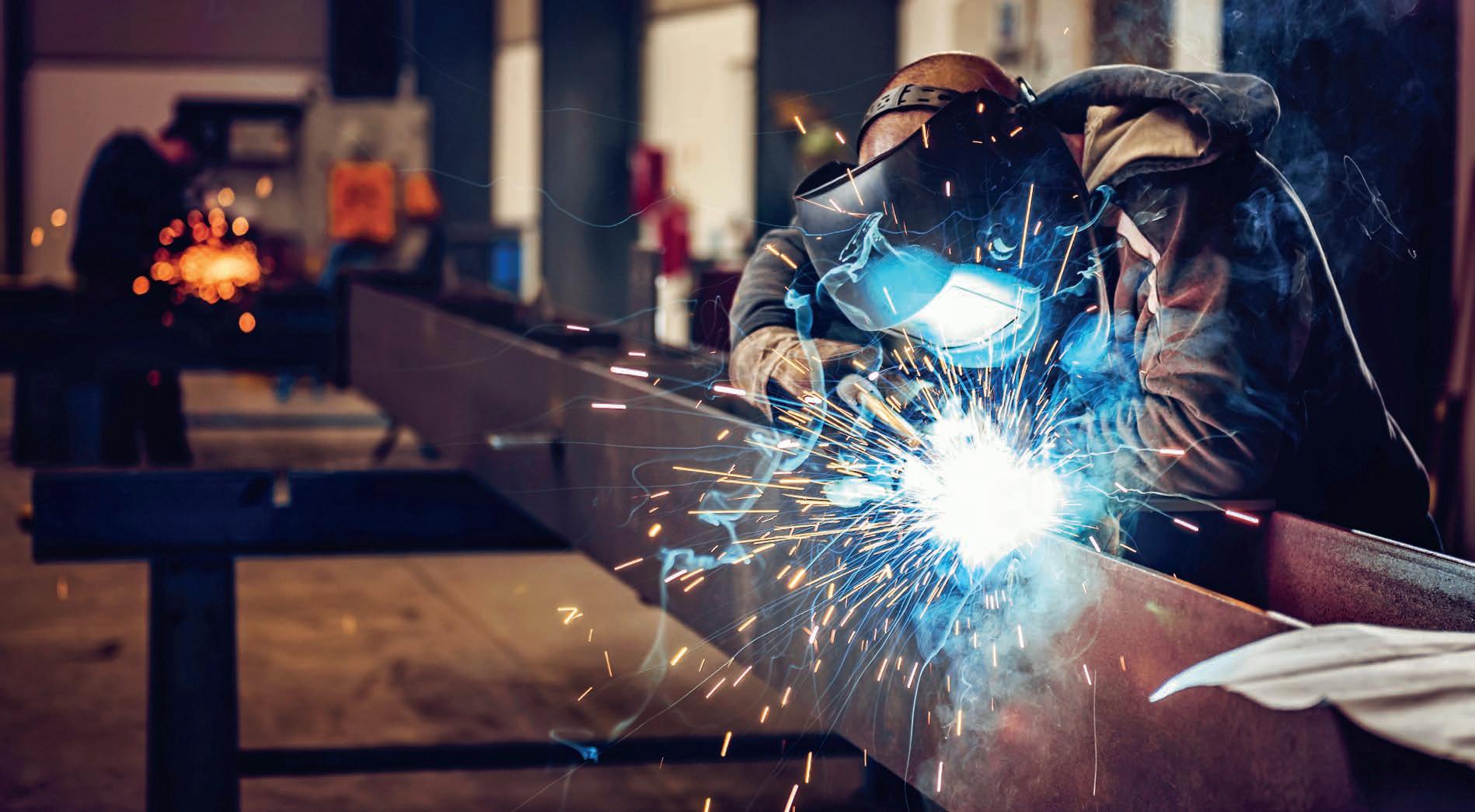
and creatively with firms and state governments to bridge the cheap coal-fired power of the past and the large volumes of renewable energy that will power Australia’s industrial future.
At the same time, this government has been engaged in a mission to help provide Australian industry with a fairer playing field, in recognition of the fact that international commitment to free and fair trade has declined.
In April, the Prime Minister committed $5 million to raise the monitoring and compliance capabilities of Australia’s Anti-Dumping Commission. In September, the Treasurer, Trade Minister and I built on that work with our announcement that responsibility for anti-dumping safeguards and trade remedies would be relocated from the Productivity Commission to the Anti-Dumping Commission.
These reforms will make Australia’s anti-dumping system stronger, more responsive and fit for purpose in a more uncertain trading environment.
In the meantime, I’m acting decisively on the advice of the Commissioner to combat the harmful effects of dumping on local firms and jobs. The new duties I have imposed on certain metal manufactured products demonstrates my commitment to a fair go for Australian manufacturing.
Industry policy has also been at the centre of some of Australia’s most important bilateral relationships in recent months. In October, I joined the Prime Minister and the Minister for Resources in Washington D.C., where Australia and the United States signed the new Critical Minerals Agreement to develop an $8.5 billion pipeline of critical
mineral and rare earth projects – and that’s just the beginning. The public and private investments unlocked through that pipeline will make Australia a strategically essential partner in the mine-tometals supply chains that matter for the world’s IT, clean energy and defence technology capabilities.
The first project in that international pipeline is the Alcoa-Sojitz joint venture to recover gallium from the Wagerup aluminium refinery, which I visited in November. Processed gallium is a vital input for semiconductor manufacturing and a range of defence technologies, among other things. That project – driven by joint investment from the United States as well as Japan, another vital investment partner for Australia – will take Australian industry higher up the value chain, deliver more good jobs in existing industrial regions and make Australia more economically resilient.
This year has also seen strong foundations laid for an ambitious, purposeful and risk-tolerant National Reconstruction Fund that attracts private sector investment and delivers good jobs in areas of strategic importance for Australian industry.
To date, the $15 billion Fund has made important investments that will give Australia a stake in worldleading capabilities in AI-capable medical and health technologies, quantum capability and cybersecurity, and new production capacity in the critical minerals that the world needs for clean energy manufactures. In the year to 1 November, the Fund made more than $679 million worth of investments.
The world won’t suddenly get easier in 2026, but I’m looking forward to a positive year for Australian
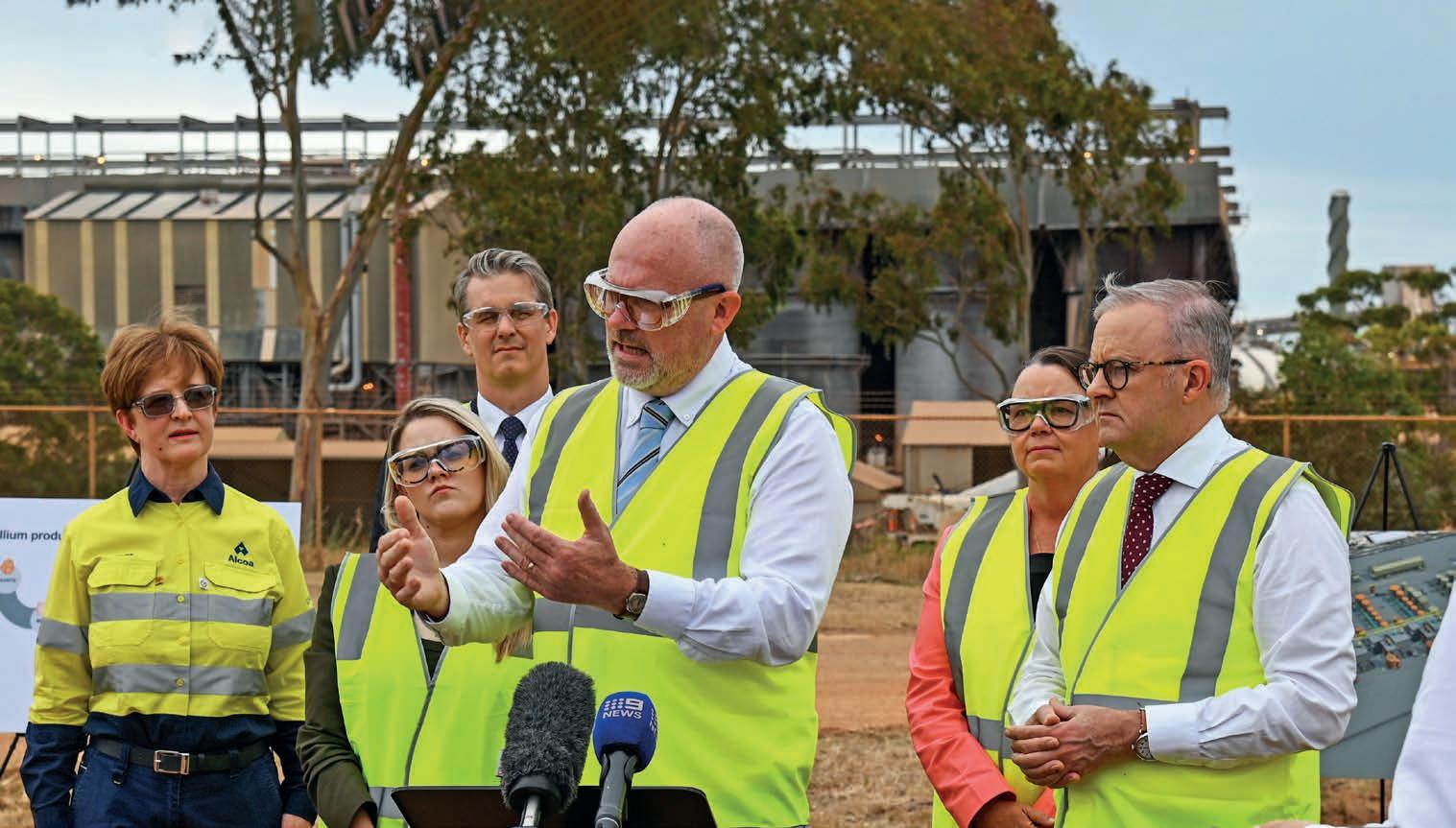
manufacturing, building on the strong foundations we’ve laid this year. I’ll be watching closely to monitor the efficacy and timeliness of Australia’s anti-dumping system, making sure that it keeps pace with the fast-moving developments of the global trade environment.
I’ll also be working with the National Reconstruction Fund to make sure that its investments are sufficiently ambitious and tolerant of short-term risk. The Minister for Finance and I have issued the Fund with a new Statement of Expectations that sets out our goal to see an ambitious but achievable investment target of $1.5 billion by the end of this financial year. And within its original capitalisation, the Fund will deliver the new $5 billion Net Zero Fund to make targeted investments that drive electrification and adoption of new technology across Australian manufacturing.
Industry leaders and manufacturing workers across Australia tell me that they are up for the challenge. I was pleased to see their positivity confirmed by the Australian Bureau of Statistics, which captured a record-breaking seven per cent increase in monthly turnover in manufacturing in September – driven largely by activity in metals and metal product manufactures.
Turning back the tide of deindustrialisation isn’t easy. But it is essential. The progress we’ve made in 2025 – on Australia’s critical minerals processing and export capability, anti-dumping system and National Reconstruction Fund among other things – will stand Australia in good stead for the months and years to come.
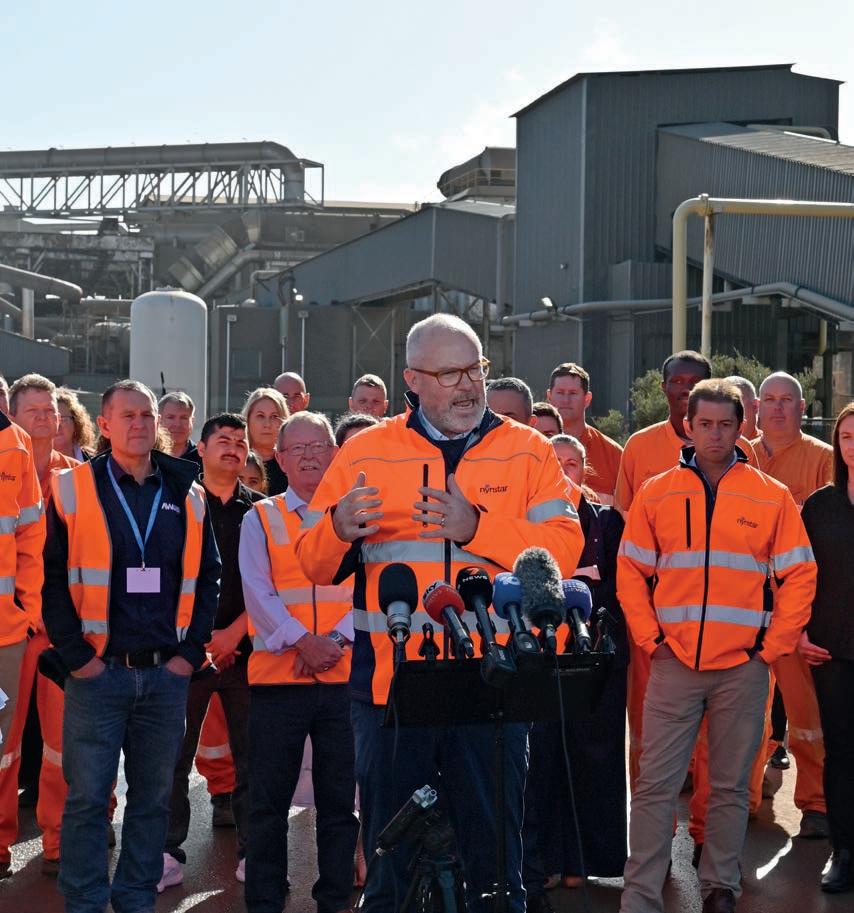

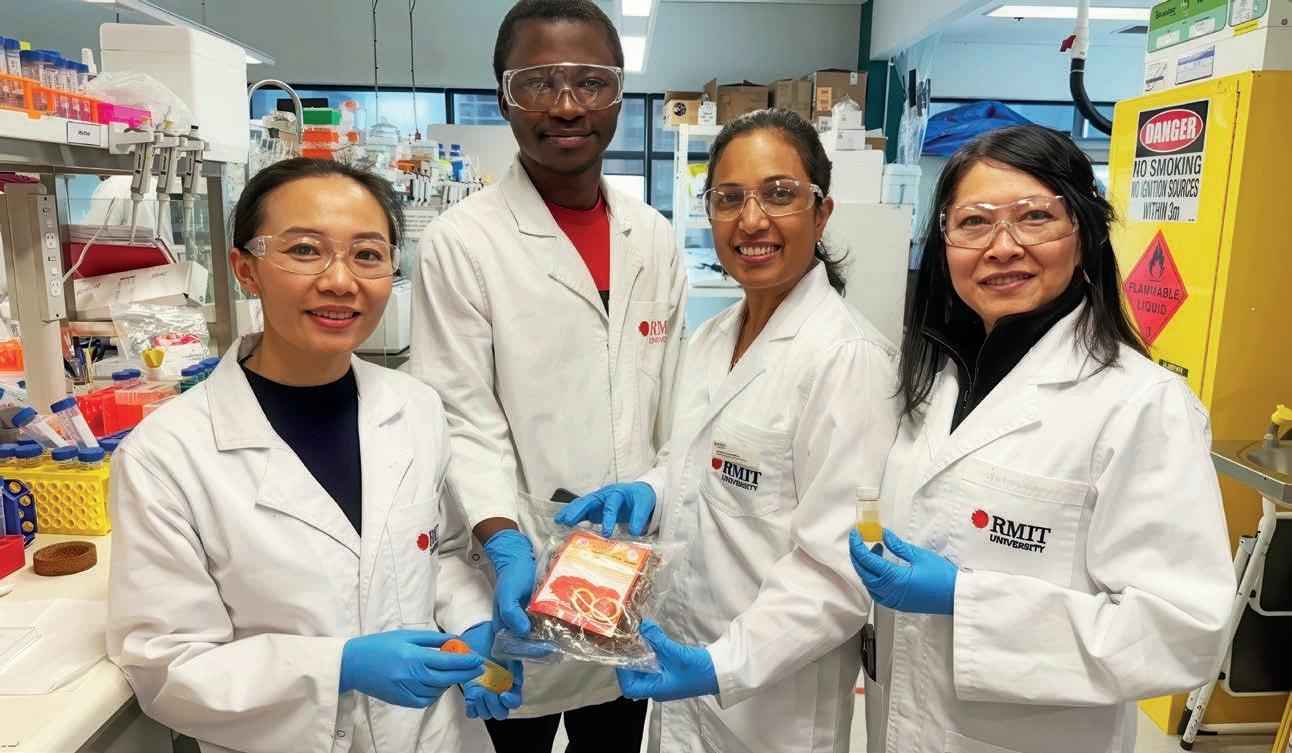
RMIT researchers have combined natural compounds with nanotechnology to develop a groundbreaking approach to eye health, now advancing towards human trials.
For RMIT’s Associate Professor Tien Huynh, inspiration often comes from unexpected places. Nearly two decades ago, while attending a scientific conference in Vietnam, she wandered through a local market and noticed an unfamiliar fruit – spiky and vibrantly coloured, with a rich red-orange pulp. This piqued her curiosity.
“I saw this beautiful fruit that looked completely different – bright red or orange, with these kidneyshaped pods inside,” she recalled. “It was beautiful and didn’t oxidise much, which told me it was something special.”
That curiosity would set Huynh on a research journey leading to one of RMIT’s most innovative health endeavours – a fruit-based eyedrop designed to deliver protective compounds directly to the retina. This endeavour is one that she said has the potential to transform treatment for millions affected by vision-threatening diseases.
Although the path to large-scale manufacturing is long, Huynh and her team have already begun laying the groundwork to bring this discovery to the world.
From traditional fruit to scientific breakthrough
The fruit Huynh encountered was Gac, a tropical melon native to Southeast Asia. When Huynh and her team began analysing it in the lab, they found it contained high concentrations of carotenoids, particularly lutein – a nutrient recognised for its benefits to eye health.
Initially, Huynh was studying its potential effects on cancer cells. But when the data showed Gac fruit contained more carotenoids than any other known fruit, the focus shifted.
“Lutein came up really high, more than other standards used in supplements,” she explained. “It’s already known to support eye health, but no one has explored how to deliver it directly to the eye.”
While ingested lutein has proven benefits for eye health – being absorbed through the gut before circulating through the body – its effectiveness is limited, a challenge the RMIT team set out to overcome. This led to their initial mission statement to stabilise lutein and deliver it where it was most
needed – to the retina, where light signals are converted into images for the brain.
However, delivering medication to the back of the eye has long been one of ophthalmology’s toughest challenges. The retina sits behind layers that block most substances from penetrating – which is why people with advanced macular degeneration often require painful injections directly into the eye.
“Those injections are traumatic,” Huynh said. “Even when people know it will help them, they avoid it – no one wants a needle through their eye.”
The RMIT team’s innovation lies in a delivery system that could change that. Using a patented nanotechnology platform called cubosomes, they found a way to encapsulate lutein within tiny liquid crystalline structures. These cubosomes protect the fragile compound from light, oxygen and heat, and are small enough to pass through the eye’s natural barriers to reach the retina.
While lutein is notoriously unstable, degrading within minutes when exposed to light or oxygen, pre-clinical trials with the Centre for Eye Research Australia (CERA) saw success, with the cubosome
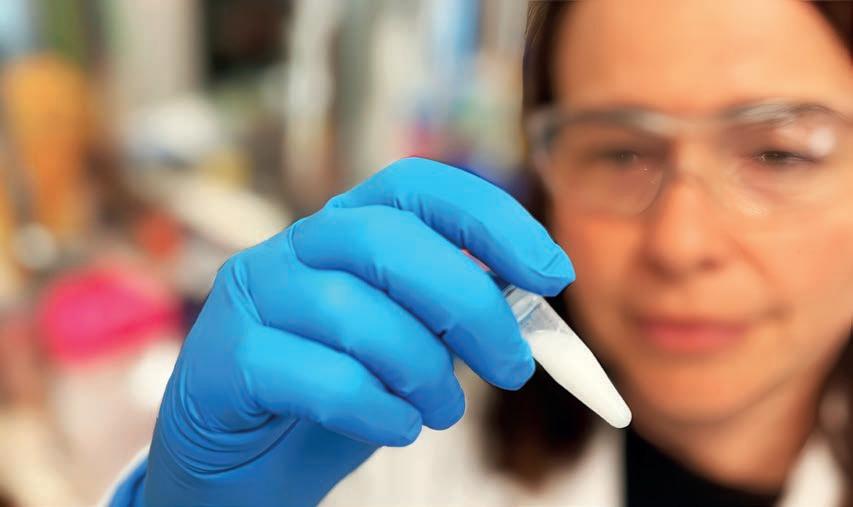
technology stabilising it for months at room temperature. This reality led the team to an unexpected breakthrough that has implications for accessibility.
“Many of the regions most affected by eye disease are tropical, lower-income areas without reliable refrigeration or access to hospitals,” Huynh said. “If a treatment like this can be stored at room temperature and applied as simple eyedrops, it could reach people who otherwise go untreated.”
Because of this global potential, the formulation could reduce dependence on injections for retinal disease treatment, especially age-related macular degeneration (AMD) – the third leading causes of blindness worldwide.
According to Huynh, age-related macular degeneration remains the leading cause of blindness among older adults. Meanwhile, rising screen time exposes millions to harmful blue light from phones, computers and TVs – a factor linked to retinal damage.
“We’re all going to have issues with our eyes, especially with age,” Huynh said. “Excessive blue light can damage the retina, and diabetic retinopathy is already the main cause of blindness in the workingage population. We don’t have enough effective preventive measures.”
By offering a simple, stable eyedrop that protects retinal cells from oxidative stress, the RMIT formula could help maintain eye health long before irreversible damage occurs.
As the project moves towards human trials, the next challenge lies in manufacturing. Producing a medicine intended for the eye requires Good Manufacturing Practice (GMP) facilities and sterile environments – infrastructure typically beyond university labs. Huynh said this is the
main reason why her and her team are keen and actively looking to connect with experienced manufacturers who can help bring this to market. Huynh believes scaling production will rely on industry collaboration. She has already approached contact lens and pharmaceutical companies to explore possibilities.
“We’re very happy to work with manufacturers to develop the next stage,” she said. “We’ve done the research, we know how it works, and now we need the right partners to upscale it.”
For Australia’s manufacturing sector, this represents a chance to play a key role in the nation’s growing biomedical and medtech ecosystem. Advanced materials, sterile processing, and precision formulation are all areas where local expertise can drive commercial success. Huynh believes partnerships with established pharmaceutical or biotech manufacturers could accelerate development.
“We’ve got the patent for the cubosomes,” she said. “If this works out well, we can implement the same process for many other compounds. There’s so much potential to make less waste and create better products.”
The technology’s scalability also fits within Australia’s vision for sustainable, high-value manufacturing – producing innovative health solutions that leverage local research and global collaboration.
What makes the project even more compelling is its sustainability angle. The RMIT team doesn’t use the edible part of the fruit, but its outer peel –a waste by-product from existing food production in Vietnam. This turns something that is normally thrown out into something valuable. This approach not only creates value from waste but also supports rural economies. RMIT has strong connections with Vietnamese farms that grow Gac fruit in abundance. By sourcing from these networks, the team can access consistent raw material without competing with the food supply.
“We’re hoping to see this produced on scale,” Huynh said. “Because it’s already part of an existing agricultural process, and it’s ready-made for commercialisation.”
For Huynh, the eyedrop represents more than a scientific achievement. It’s a case study in how nature and technology can converge to address human and environmental challenges.
“This is really a story of farm to eye,” she said. “The fruit is novel, the technology is novel, and together they can create something that benefits both health and sustainability.”
Huynh hopes the process will inspire similar efforts to repurpose agricultural waste, as “nature has so many solutions”. She believes that if the nation can do the research and connect
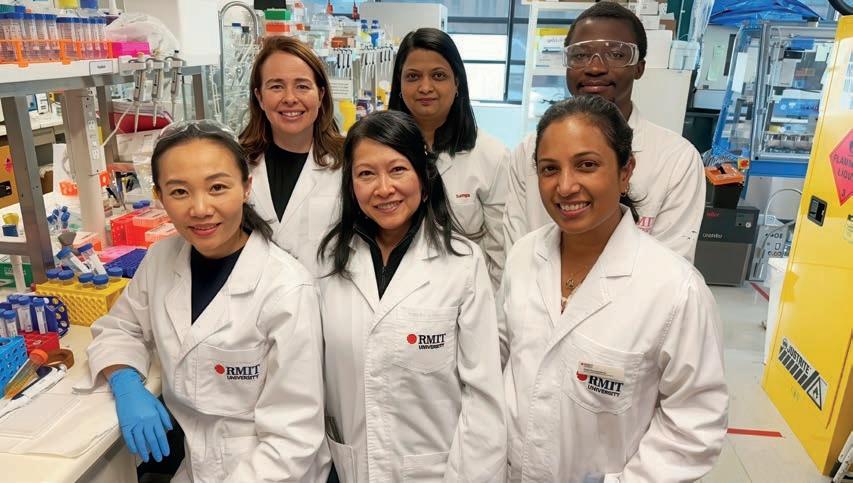

with manufacturers and clinicians, it can make great things.
Behind the scenes, the project has been a collaborative process, with RMIT’s team working closely with clinicians from CERA, including Associate Professor Chi Luu, to bridge the gap between lab research and practical medicine. This is a process she admitted was difficult at first due to the typical silo work function of researchers.
“We approached hospitals, bionic institutes and vision centres, but we were rejected many times. Then Professor Luu at CERA stepped up and said, ‘We see potential – let’s help you make this happen’,” Huynh said.
That partnership proved pivotal. The collaboration allowed the researchers to test the eyedrop in pre-clinical animal models, confirming that the formulation reached the retina and remained stable without refrigeration.
While the eyedrop remains in early development, Huynh and her team are already planning the next phase: securing funding for human trials and expanding collaboration with industry and healthcare partners. The path ahead is complex –but the potential rewards are enormous.
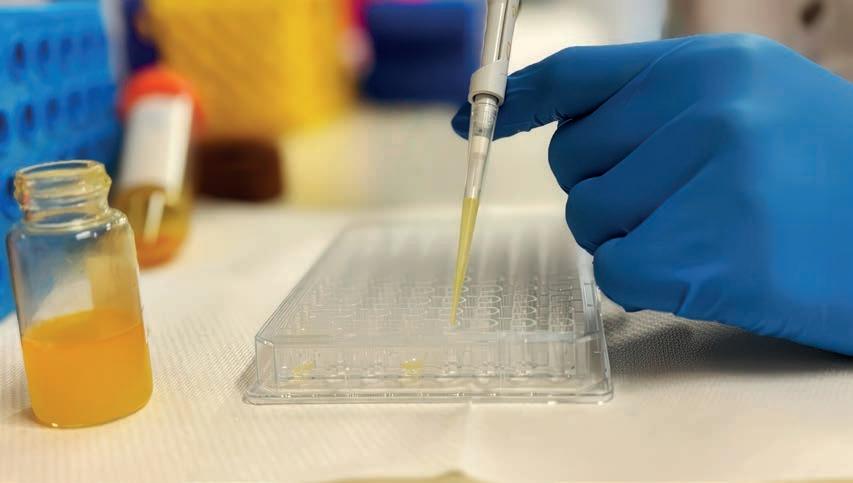
“The biggest challenge for us is connections,” Huynh said. “We’re researchers, not manufacturers. We can do the science, but we need industry partners to guide us through the next stage. Talking to people like you, connecting with manufacturers –that’s how we’ll get there.”
She envisions a time when sustainable, naturebased treatments like this one will be commonplace,
and one where eye care is put first.
“People think about their skin or their hair, but not their eyes. I want people to have vision well into old age – that would be the real success,” Huynh said.
As RMIT continues to forge these connections, its fruit-derived eyedrop stands as a symbol of how science, sustainability and manufacturing can intersect to create something valuable.


16-17 September 2026
EXHIBIT IN 2026. BE SEEN. BE HEARD. BE CHOSEN.
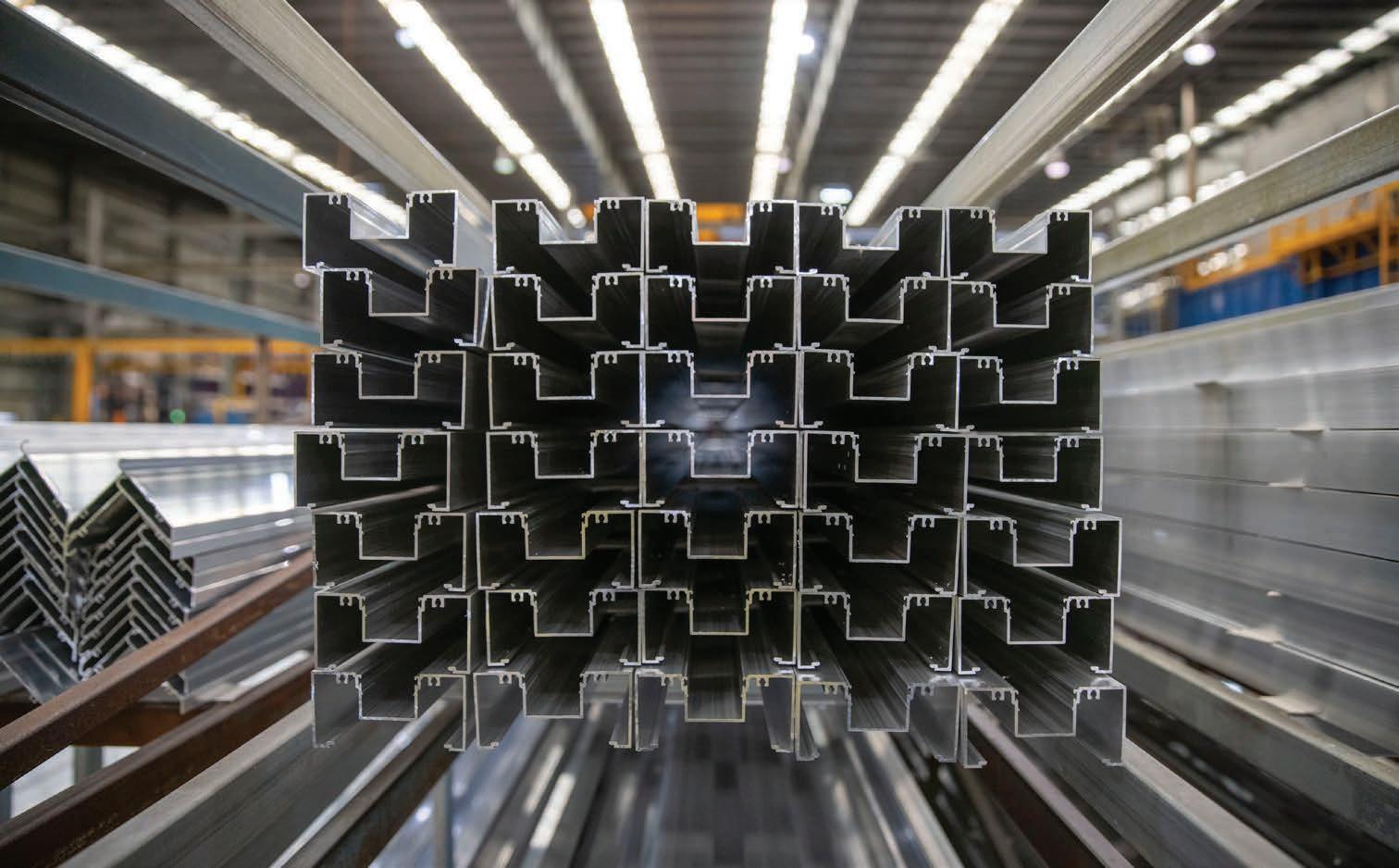
Global supply constraints, rising energy costs and geopolitical disruption are reshaping the aluminium market, according to Capral CEO Tony Dragicevich.
Australian manufacturers are feeling the shift. After several years of relative stability, the global aluminium market has entered a new and more volatile phase, one defined not by collapsing demand or booming domestic production, but by tightening supply, and global trade disruptions that are pushing costs higher across the board.
Because it is a challenging moment for the sector, Capral CEO Tony Dragicevich said it is more important than ever to explain why pricing pressure is building and what it means for businesses that rely on aluminium every day.
“Aluminium isn’t expensive because suppliers are inflating prices. It’s expensive because the world that makes aluminium has fundamentally changed,” he said.
Worldwide availability of primary aluminium has decreased. LME inventories have fallen from more than three million tonnes just a few years ago to around 700,000 tonnes by mid-2025,
one of the lowest levels recorded in more than a decade. This shift signals a move away from the surplus conditions many manufacturers have relied on and toward a prolonged global deficit.
China, the world’s largest aluminium producer, has reached its government-mandated smelting cap of 45 million tonnes, while energy shortages in hydropower-reliant regions such as Yunnan and environmental policy constraints continue to restrict meaningful production growth.
According to Dragicevich, the primary contributor to rising aluminium costs for Australian manufacturers is the London Metal Exchange (LME), the global benchmark for pricing.
“When we refer to aluminium prices being ‘up,’ it usually means the LME price per tonne has risen,” he said. “The LME reflects the balance of global supply and demand, so even if local conditions in Australia are stable, global events can still cause
price shifts here. For Australian manufacturers, the LME price is a key component of the raw material cost for any aluminium product.”
Throughout 2025 the LME aluminium price has held between US$2,500 and US$2,900 per tonne, supported by low inventories, geopolitical uncertainty and constrained global supply. In its most recent outlook, HARBOR Aluminium Intelligence noted that prices are now approaching the US$3,000 to US$3,300 per tonne range, with the potential to reach that zone as early as this quarter. HARBOR anticipates an average of around US$3,225 per tonne in 2026 if current supply and demand conditions persist.
These increases matter in Australia because the aluminium market is globally connected; when major economies pay more, metal is redirected to the regions willing to pay the highest premiums. This reduces availability for Australian buyers, even when domestic demand is steady. Higher smelter energy costs, reduced Chinese exports,
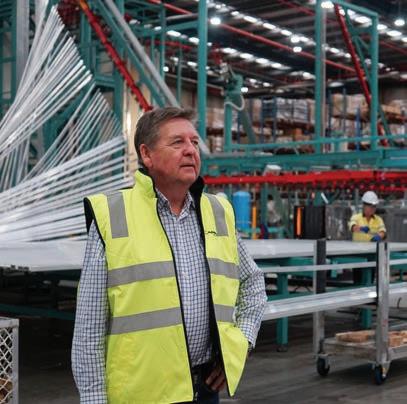
and the diversion of Russian material into alternative markets have only intensified the supply squeeze.
“We’re no longer operating in a market where billet is abundant and easily sourced, every tonne now has to fight its way through competing global pressures,” said Dragicevich.
Energy costs and policy are reshaping smelting economics
Energy remains the single largest input cost in aluminium production, and volatility in global energy markets is reshaping smelting operations worldwide. In Europe, the energy crisis has led to major smelter curtailments, removing significant capacity from the market. In China, output has been limited not only by low hydropower availability but also by national capacity caps, stricter environmental rules and requirements to shift older coal-based smelters to cleaner regions, all of which have slowed primary production growth.
These policies support China’s long-term decarbonisation goals but constrain its ability to lift supply quickly. In Australia, rising electricity
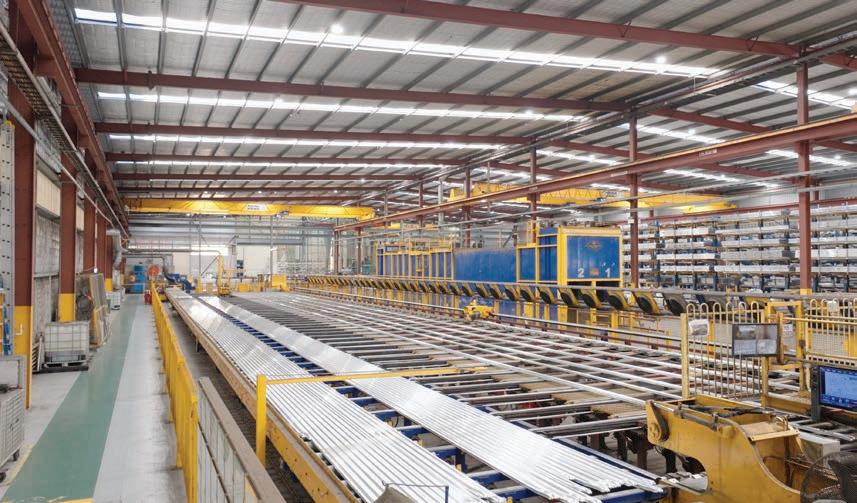
costs continue to place pressure on local smelters, with increasing uncertainty around the longterm operational viability of the Tomago smelter in New South Wales. Together, these factors mean less primary aluminium entering the global system and reduced billet availability for downstream manufacturers.
Capral continues to invest in local capacity, operational efficiency and diversified international sourcing to maintain supply reliability.
Geopolitics has redrawn the supply map
Geopolitical tensions have further altered aluminium supply chains. Sanctions imposed by Western nations and voluntary buyer decisions have disrupted traditional trade flows. The United States and United Kingdom banned new Russian aluminium deliveries to LME warehouses in 2024, while many European buyers continue to avoid Russian metal altogether.
In contrast, China has absorbed a substantial share of Russia’s redirected supply, with imports rising by 48 per cent year-on-year in early 2025. With Russian material effectively removed from many Western markets, availability has tightened
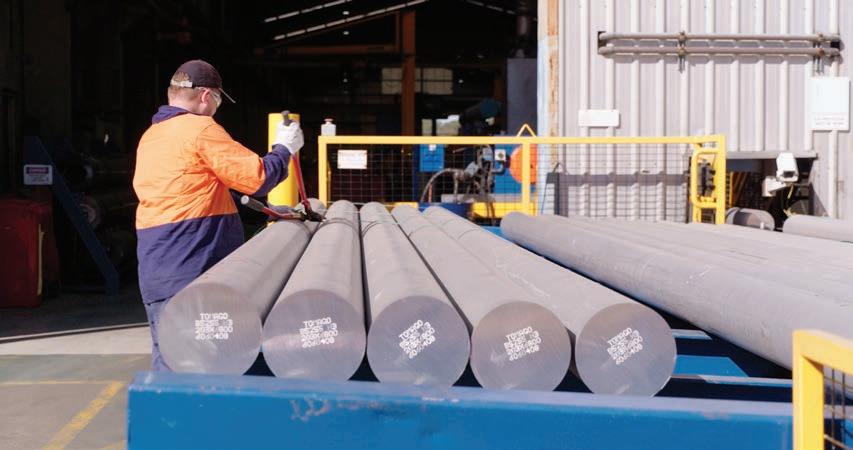
For Australian manufacturers, the combined effect of these global pressures is substantial. Higher input costs are placing strain on margins, increasing the complexity of quotations and adding difficulty to long-term project planning. Capral continues to invest in local capacity, operational efficiency and diversified international sourcing to maintain supply reliability. At the same time, Dragicevich stressed that these conditions reflect a structurally altered global market rather than a temporary disruption. He is clear about Capral’s role in this environment.
“Our job is to stay reliable, be upfront with our customers, and keep them informed as these global pressures play out,” he said. “The manufacturing sector here is resilient, and aluminium is a critical part of that. If we stay focused, keep investing, and work closely with our customers, we’ll get through this period and come out stronger.”
Most analysts now expect aluminium prices to remain elevated through 2026, with the market moving closer to a structural deficit as early as next year. Supply constraints, weak global inventories and ongoing geopolitical disruptions are likely to continue shaping pricing throughout 2026, even if demand growth remains uneven across regions.
While forecasts differ in their detail, the direction is consistent: supply will stay tight, premiums will likely rise, and volatility will continue to influence purchasing patterns and project planning. In this environment, strong and transparent partnerships between manufacturers and suppliers will be essential.

A year of progress, pressure and hard lessons has shown that while Australia’s manufacturing momentum is building, the challenge lies in turning urgency into lasting industrial capability.
We began 2025 at the Advanced Manufacturing Growth Centre with pleasant news – AMGC’s appointment as an Industry Partner Organisation (IPO) in conjunction with the Australian Government’s Industry Growth Program.
Focusing on Transport, Defence and Value-Add to Resources, the appointment gave us another platform to do what we do well – work with industry and government to deliver programs that strengthen Australian manufacturing.
In this role, we’ve provided advice, forged connections, and helped small- and mediumsized (SMEs) manufacturers prepare for funding through the IGP’s activity streams. But as I wrote in my December 2024 column, Our Manufacturing Potential is Latent, programs alone are not enough.
Australia’s manufacturing potential remains vast but still largely untapped. We have the skills, resources and creativity to be a manufacturing powerhouse, yet we haven’t connected the dots at the scale required.
We Must Fix One Issue for a Future Made in Australia. In the July 2025 issue I wrote about the missing middle in our manufacturing landscape – the space where small-sized companies should be growing into medium-sized ones, and where innovation should be industrialised and commercialised. Until we fix that, a Future Made in Australia will remain an aspiration, not a reality. And so, as 2025 draws to a close, I can’t help but think – what a year it’s been.
The year began with a hard lesson in industrial resilience. In February, Whyalla Steelworks, reportedly losing $1.5 million a day, was placed into administration by the South Australian Government, triggering a $2.4 billion state-federal rescue package. The plant is still operating and even hiring again. It needs to be seen whether the new ownership will modernise this national capability.
In March, the Federal Budget arrived, adding to our deficit. Instead of spending our way forward, Australia would be better long term if we were to
transform our natural endowments into valueadded capability, not rely on short-term bail-outs.
In May, the Albanese Government was returned, and I observed that a re-elected government has its longest runway right after an election – and with it, the greatest responsibility. The opportunity to rebuild our industrial capability is right now, not sometime in the future.
In June, the Harvard Growth Lab’s Economic Complexity Index offered a sobering reminder of how much work remains. Australia slipped from 86th place in 2019 to 105th in 2025, and we now sit between Botswana and Côte d’Ivoire – down from the 86th place in 2019. The result underlines our ongoing reliance on raw commodity exports, mainly to one customer, and the limited progress we’ve made in diversifying the economy. It also reinforces the enormous value-add opportunity before us, and the role manufacturing must play in driving that change.
In July, the first project under the Wind Energy Manufacturing Co-Investment Program – which AMGC co-created and delivered with the Western Australian Government – received support. Australian Winders secured a $488,204 co-investment to automate its electricmotor coil line and expand into wind-energy supply. This is a good example of tapping into adjacent manufacturing capability to drive future prosperity.
That same month, I addressed Weld Australia’s National Manufacturing Summit. My message was simple:
• Support promising manufacturers on the cusp of greatness now, not later.
• Treat manufacturing as a national capability, not a photo opportunity.
• Build an industry-led plan that works in the real world, as proven by Germany’s Fraunhofer Institutes, the UK’s Catapult centres and Japan’s MITI. The way these models work inspired AMGC’s creation and continues to inform our approach.
In August, AMGC took part in major policy discussions. AMGC Chairman Paul Cooper joined
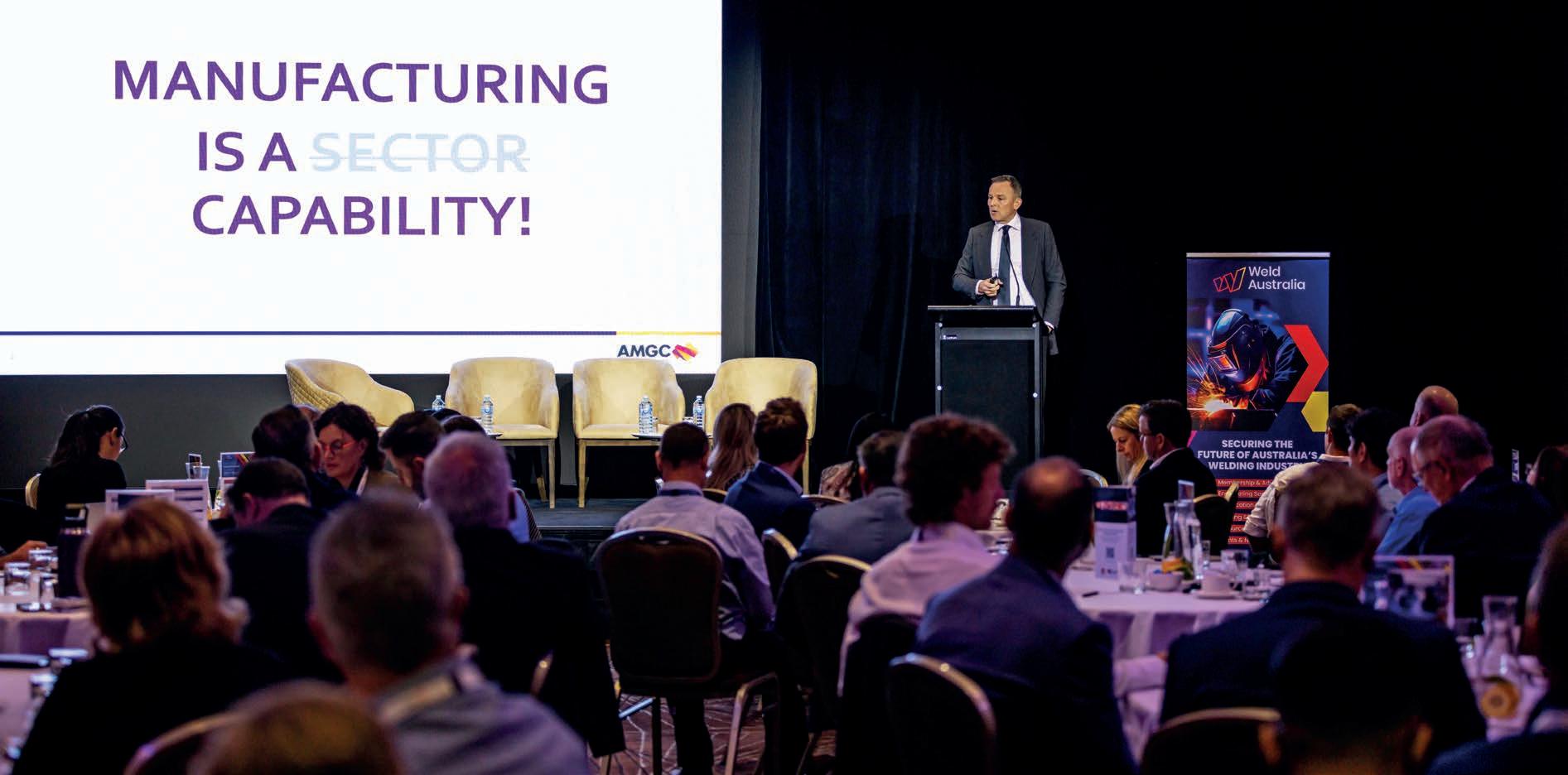
the Small Business Economic Reform Roundtable, while I participated in the Industry Minister’s Technology and Innovation Roundtable.
The same month, another $135 million rescue package was announced for Trafigura-owned Nyrstar to sustain operations at Port Pirie and Hobart while developing a pilot antimony plant, a material that underpins a range of modernday products. September saw another AMGC co-investment for WA-based RCR Advanced Technologies to enter the wind-generation supply chain.
By October, the pattern was clear. Glencore’s Mount Isa operations received $600 million in state-federal support to keep copper production running for three more years. Some called 2025 “the year of the bail-out” – perhaps rightly so. But time will tell whether those funds build resilience or simply delay the inevitable.
In November, AMGC hosted the Inside Defence – What Primes, Investors and Trailblazers Seek from SMEs panel as part of our IPO work. Industry leaders from Thales, Lockheed Martin, the
Defence Trailblazer and Beaten Zone Ventures shared valuable insights for SMEs wanting to work with major defence customers.
These moments, big and small, reflect what AMGC does best: connect people, ideas, and technology to create capability that endures long after co-investment grants are spent.
Back Australia – before our runway ends
An encouraging development is News Corp’s interest in manufacturing through their Back Australia campaign. It’s helping shift the conversation toward the value of nations that make things.
In that campaign’s feature story, Time Running Out for Australia to Turn its Luck Into Smarts, I said:
“Australia is an amazing country to live in. We have it too easy though… We lack the sense of urgency that makes us so rich and liveable –mainly commodities – that this is a runway which comes to its end… So, we need to start looking
at alternatives when nobody buys our coal or gas anymore.”
Our prosperity is built on a finite foundation, and the clock is ticking.
I also said:
“I would think we have maybe 15 years. If you convince young people to take up a role, educate them, have them gain some experience, before we even have the workforce a decade is gone.”
That’s the stark reality. My guess is that we have a 15-year window to grow and scale our manufacturing capability before our luck runs out and our standard of living will take a severe hit. The good news is that the mood is shifting. Australians are starting to see that backing manufacturing isn’t nostalgia – it’s survival and opportunity. Economically advanced nations, no matter what size, are nations who are able to make complex things.
The road ahead
Looking back, 2025 has been a year of both movement and contradiction. We’ve seen progress on programs, co-investments and partnerships,
but also a wave of bailouts that highlight how fragile some parts of our industrial base remain. The real work is only just beginning. We must:
• Build the missing middle by helping our best SMEs scale into globally competitive firms.
• Prioritise support for value-adding and advanced manufacturing.
• Align education, industry and policy around long-term capability.
• Champion the Back Australia sentiment into a lasting industrial movement.
AMGC closed out its 10-year milestone, and I’m grateful of how far our team has come and how we’ve given small manufacturers a voice, but we remain acutely aware of how far we still must go. Manufacturing has never been easy. It demands aspiration, persistence, and precision. It is the foundation of nation’s strength.
To our members, partners and everyone who believes in making things – thank you. Enjoy a restful Christmas time. Next year we aim to move faster, collaborate harder and prove that “Made in Australia” is not just a slogan – it’s our future.
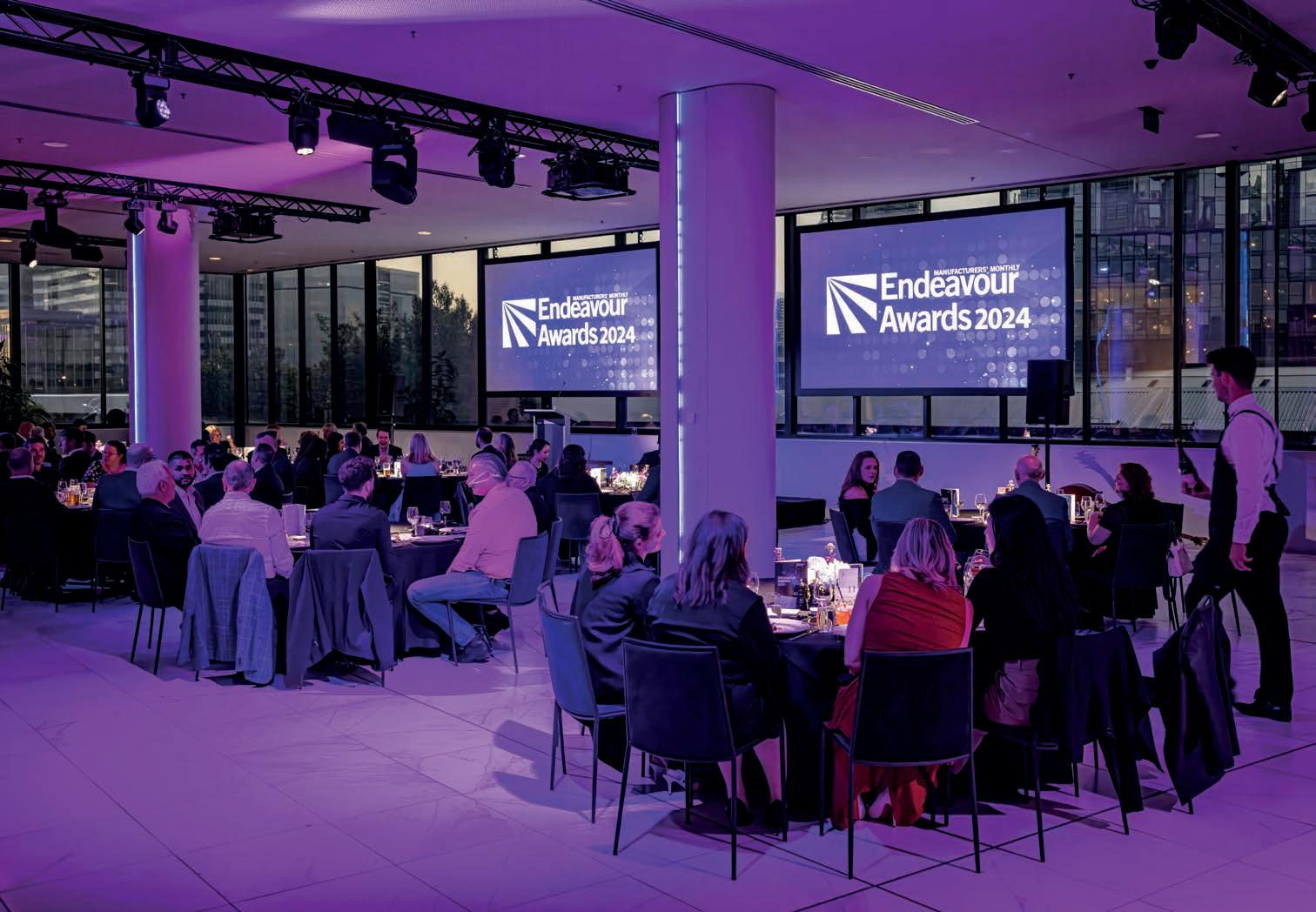
Nominations are officially open for the 2026 Endeavour Awards, Australia’s premier celebration of excellence and innovation in manufacturing.
Presented annually by Manufacturers’ Monthly in collaboration with Australian Manufacturing Week, the Endeavour Awards honour the achievements of individuals and organisations who are driving the nation’s manufacturing sector forward. The 2026 gala dinner will take place on 13 May at the Westin in Brisbane.
Recognised as the industry’s “night of nights”, the Endeavour Awards bring together leaders, innovators, and emerging talent to celebrate success, share stories, and forge connections across Australia’s manufacturing landscape. The event provides a rare opportunity to recognise achievement and reinforce the importance of local manufacturing at a time when support for the sector is more vital than ever.
“This year’s event will be a true celebration
of the ingenuity and resilience of Australian manufacturing,” said Molly Hancock, Head of Marketing – Events.
“Attendees will experience a spectacular evening of entertainment, delicious food, and unmatched networking as we celebrate the winners of these coveted awards.”
Hancock highlighted the critical role the awards play in shining a spotlight on the worldclass capabilities of Australian manufacturing.
“Recognising innovation and leadership through the Endeavour Awards is critical to celebrating the individuals and organisations pushing boundaries while inspiring others to invest in new ideas, talent, and technology,” she said.
With nominations now open, Hancock encouraged businesses and individuals to participate,
emphasising the national exposure and sector-wide impact the awards can deliver. “The awards bring together a diverse cross-section of the industry –from emerging innovators to established leaders – creating an opportunity to connect, celebrate, and share ideas. Don’t underestimate the power of your story to inspire and lead others across the sector.”
The 2026 awards feature refreshed categories designed to reflect the growing diversity and dynamism of Australian manufacturing. While flagship honours such as Manufacturer of the Year and Leader of the Year return, new awards will spotlight excellence across aerospace, transport, health technology, sustainability and food and beverage manufacturing.
“The new awards capture the changing face of manufacturing in Australia,” Hancock said.
• Advanced Manufacturing Excellence Award – Sponsored by AMTIL
Celebrates outstanding achievement in precision engineering, automation, or digital manufacturing technologies.
• Innovation in Aerospace
Honours companies driving innovation in aircraft, space, and defence aircraft manufacturing.
• Innovation in Health Technology
Recognises technologies that improve healthcare and medical manufacturing.
• Innovation in Food & Beverage Manufacturing
Acknowledges advancements that enhance production, including processing, packaging, automation, or sustainability solutions.
• Innovation in Transport
Highlights innovation in vehicle manufacturing, public transport, or sustainable mobility solutions.
• Outstanding Start-Up Award
Celebrates Australian manufacturing start-ups that have successfully introduced new products to market, filling a gap in the sector.
• Leader of the Year – Sponsored by BDO Australia
Awarded to a senior executive, manager, director, or equivalent in a private, not-for-profit, or government organisation who has effectively shaped business success, delivered financial growth, positively impacted organisational culture, and championed the industry.
• Rising Star of the Year
Recognises an emerging leader demonstrating exceptional talent, innovation, and commitment within Australia’s manufacturing industry.
• Excellence in Sustainability
Celebrates a manufacturing business that has demonstrated leadership and innovation in environmental sustainability.
• Manufacturer of the Year – Sponsored by Weld Australia
Chosen from winners of the other award categories, this prestigious honour is not open for nomination.
One company that exemplifies the spirit of the Endeavour Awards is Amiga Engineering, the 2024 Most Innovative Manufacturing Company award winner. Founder and managing director Michael Bourchier described the 2024 gala as a humbling and inspiring experience.
“Of course there were nerves. You never quite know what the outcome will be, and with so many strong finalists, we went in with no expectations, just pride in what we’d achieved,” he said.
Bourchier highlighted the importance of celebrating the whole team. “Having the majority of our team present to share in the pride of the achievement was the highlight for me. There’s something special about being in a room full of people passionate about manufacturing, especially those pushing boundaries in their own ways.”
He believes the Endeavour Awards allow organisations to reflect on achievements and share stories beyond customers and teams.
“These awards do more than just hand out trophies. They shine a spotlight on innovation, effort, and the incredible diversity of Australian manufacturing,” he said.
Bourchier encouraged companies considering nomination to take the leap. “Back yourself. You might be surprised just how powerful your story is. Even being a finalist can open doors through recognition, collaboration, and industry exposure. Even attending the ceremony is worth it for the networking and inspiration alone. It’s a reminder that you’re part of something bigger – a thriving, forward-thinking manufacturing community.”
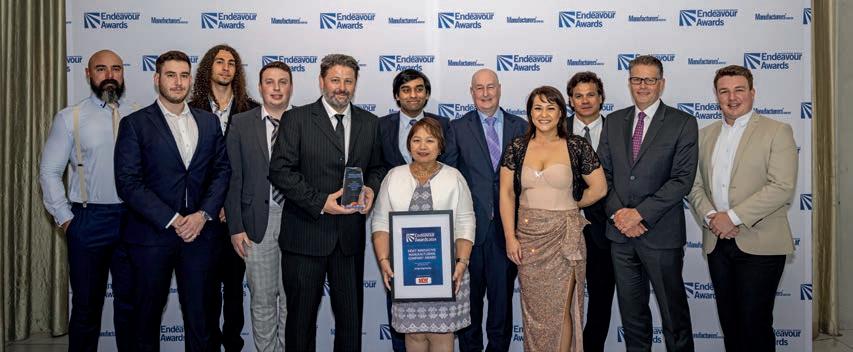
The Endeavour Awards serve as more than just a celebration of achievement; they are a platform for showcasing innovation, connecting leaders, and inspiring the next generation of manufacturing professionals. The awards provide national visibility and recognition, highlighting the breadth of talent, technological advancement, and creativity within Australian manufacturing.
“The awards bring together innovators, industry leaders, and rising stars, creating an opportunity to celebrate and share ideas,” Hancock said. “They shine a spotlight on individuals and organisations pushing boundaries and set a benchmark for excellence across the sector.”
For companies like Amiga, the awards are a testament to years of dedication, innovation, and strategic investment. For emerging talent, the Rising Star award presents a stage to be seen and supported. And for the industry as a whole, the Endeavour Awards underscore the critical role manufacturing plays in Australia’s economic growth, sovereignty, and global competitiveness.
Nominations for the 2026 Endeavour Awards are now open. Businesses and individuals across all manufacturing sectors are encouraged to participate, whether to showcase a breakthrough innovation, celebrate leadership, or highlight sustainable practices.
“The awards bring together a diverse crosssection of the industry,” Hancock said. “It’s an opportunity to connect, celebrate, and share ideas. Your story could inspire others and help shape the future of Australian manufacturing.”
The 2026 Endeavour Awards promise an evening of celebration, recognition, and inspiration, reaffirming the resilience, ingenuity, and global competitiveness of Australian manufacturing. Nominations close in the lead-up to the gala dinner on 13 May 2026, held in Brisbane during Australian Manufacturing Week.
For more information and to submit nominations, visit https://endeavourawards. com.au/get-involved/

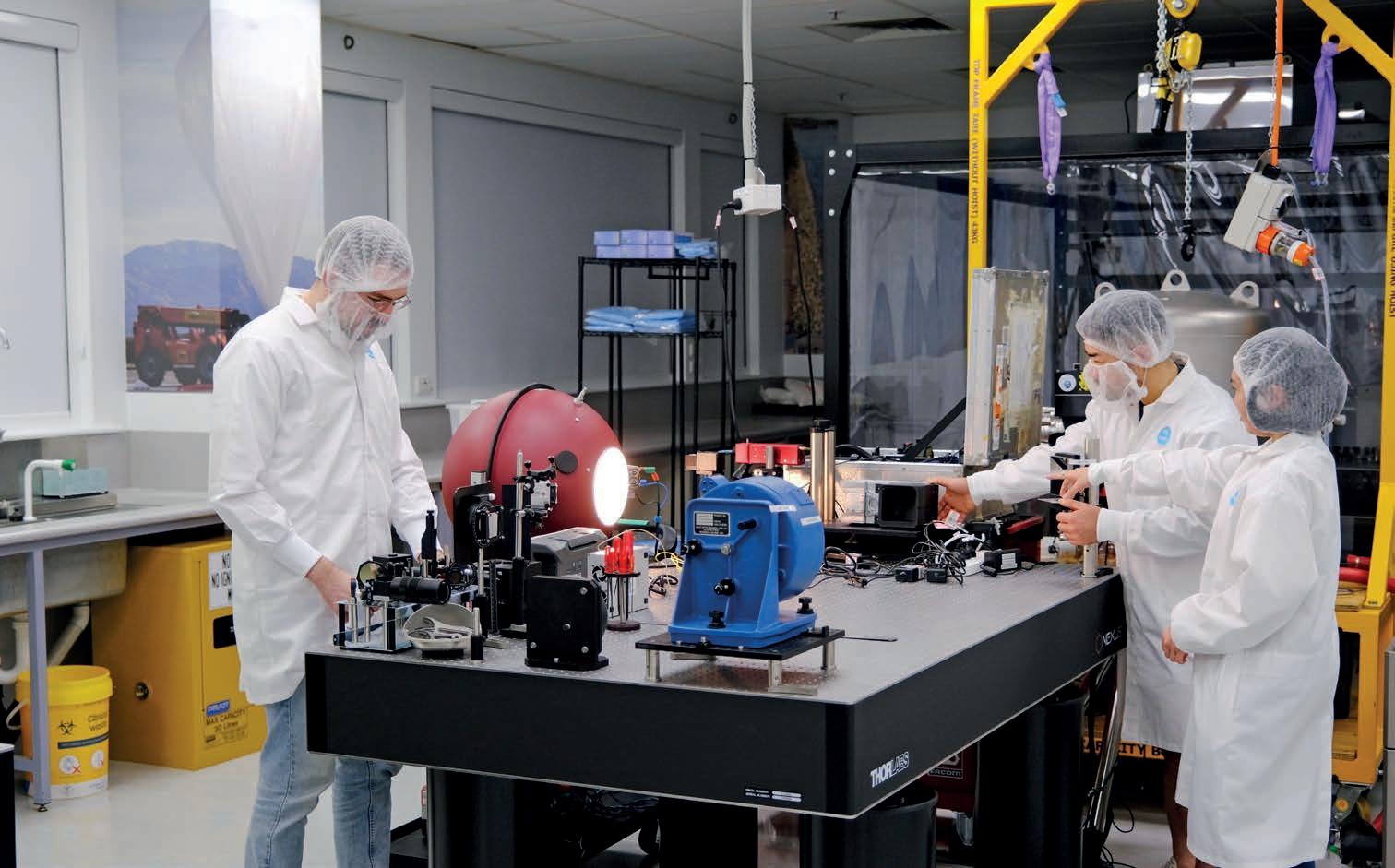
CSIRO and industry are accelerating Australia’s space ambitions by turning advanced materials, optics and energy innovations into mission-ready technologies.
With Australian ingenuity firing across the space sector, CSIRO is working with industry partners to advance projects at any stage, or shepherd them from start to finish. This holistic approach not only accelerates innovation but ensures seamless translation from laboratory breakthroughs to realworld deployment.
Additive manufacturing is revolutionising how materials are designed and fabricated for space applications.
Additive manufacturing: tailoring materials for space
Additive manufacturing, or 3D printing, is revolutionising how materials are designed and fabricated for space applications. CSIRO’s advanced additive manufacturing facilities allow for the rapid prototyping and production of complex, lightweight structures that are optimised for the
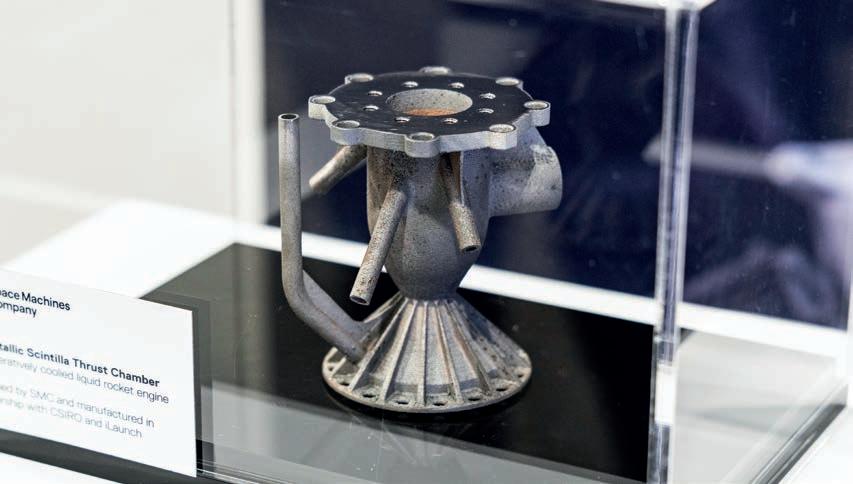
demanding requirements of space. These methods enable the customisation of materials with specific properties – such as strength, thermal resistance, or radiation shielding – tailored to each mission’s unique needs.
Notably, CSIRO has collaborated with Space Machines Company to develop bimetal thruster components using additive manufacturing. The thruster, designed for in-orbit servicing and satellite manoeuvring, benefits from CSIRO’s expertise in material selection and configuration, and additive manufacturing. By working closely with industry partners, CSIRO ensures that these components achieve the necessary reliability and performance to operate effectively in the challenging space environment.
Space presents a host of unique hazards that pose challenges for long-duration missions. To address this, CSIRO is using advanced composite materials and fabrication techniques to develop radiation shielding materials that protect astronauts and sensitive equipment from harmful space radiation. Lunar dust is another formidable adversary. Highly abrasive and electrostatically charged, it can
degrade equipment and pose health risks. CSIRO’s work in developing coatings and materials that resist dust adhesion can contribute to safer and more robust lunar operations. These efforts could support Australia’s involvement in international lunar missions and open commercial opportunities for local industry partners seeking to provide missioncritical components.
High-performance optics are essential for everything from navigation and communication to scientific observation and exploration. CSIRO’s work in space optics is Australian-leading with advanced design, fabrication, and testing capabilities. A cornerstone of this capability is the Trailblazer single-point diamond turning machine – said to be one of the most precise tools of its kind in the Southern Hemisphere. This machine enables the creation of ultra-precise optical surfaces needed for satellites, telescopes, and guidance systems.
CSIRO is partnering with Australian aerospace firms to design and manufacture optical components that withstand the extreme thermal and mechanical stresses of launch and operation in space. These optics are critical for capturing trusted imagery of our Earth and could contribute to navigation systems that ensure the accuracy and safety of space missions.
In a recent project, a cross-disciplinary team developed a hyperspectral Earth-observation instrument called CyanoSense. Named after the Cyanobacteria it is designed to detect, CyanoSense aims to monitor potentially harmful algal blooms and water quality. Designed, manufactured, calibrated, and verified at CSIRO, CyanoSense demonstrates the maturity of Australia’s end-to-end space optics ecosystem, spanning concept to flight operations.
By integrating advanced materials and sensor technologies, CSIRO is creating systems that are lightweight, reliable, and suitable for the extreme conditions of space. This work underscores CSIRO’s ability to deliver across the full range of space materials science.
CSIRO is also redefining energy solutions for space with its world-first launch of Australian-made printed flexible solar cells. Developed using advanced perovskite materials and roll-to-roll printing, these lightweight, high-efficiency cells promise to overcome the mass and performance limitations of traditional silicon panels. With plans to translate terrestrial innovation into space-ready technology, offering a scalable, cost-effective power source for future missions, CSIRO is pushing the boundaries of renewable energy and manufacturing.

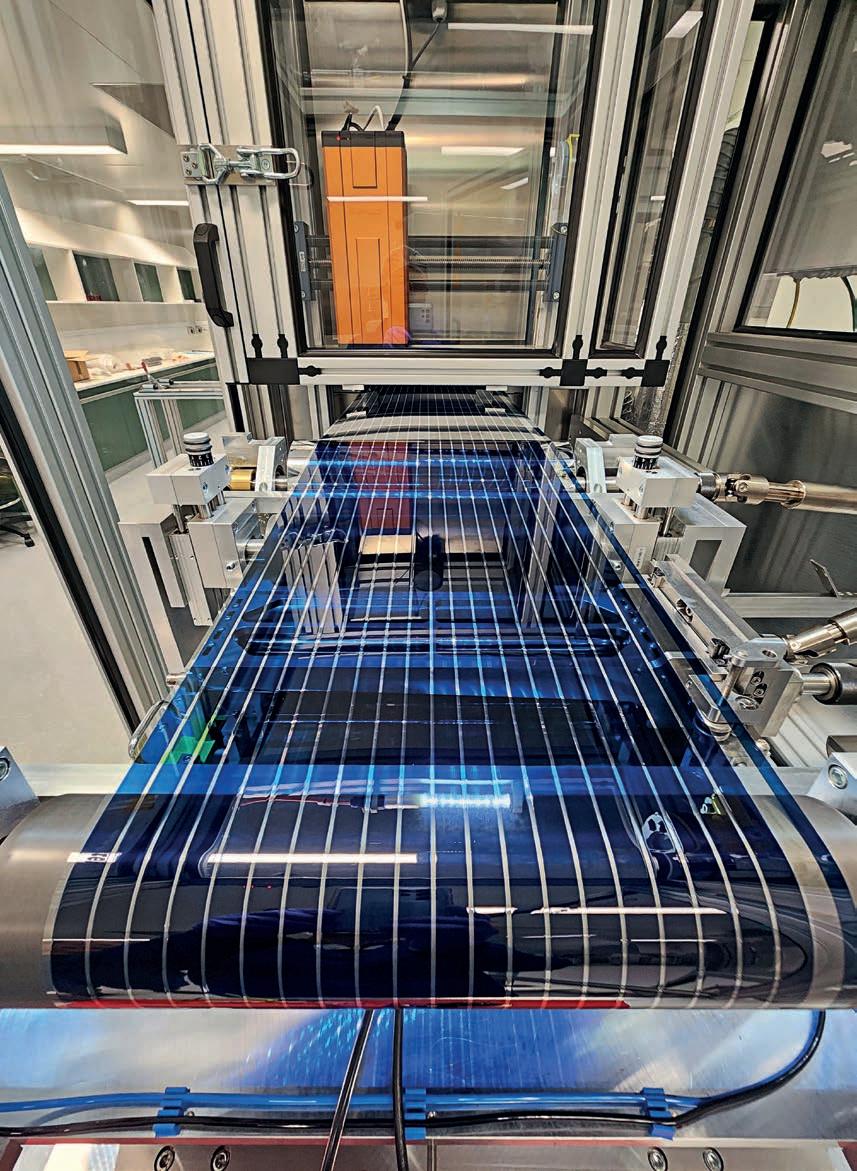
CSIRO’s end-to-end capability is not just a technical achievement; it is a strategic asset for industry partners. Whether a commercial enterprise requires initial feasibility studies, prototyping or rigorous qualification testing, CSIRO can engage at any stage. The agency’s collaborative approach ensures that industry partners – ranging from established aerospace primes to nimble start-ups – can access worldclass expertise, facilities and networks in Australia.
CSIRO’s optics and additive manufacturing teams routinely work with industry at the concept stage, helping to define requirements, before
moving into production and validation. This flexibility enables industry partners to mitigate project risks and achieve higher technical readiness levels faster than would otherwise be possible.
By offering seamless engagement – from bluesky research to flight-ready hardware – CSIRO supports Australian industry to compete and thrive on a global stage. As we venture further, the partnership between CSIRO and the nation’s space innovators will turn bold ideas into reality, safeguarding astronauts and expanding the boundaries of what is possible for Australia in space.
In mid-August, WorldSkills Australia announced its 2026 Skillaroos Training Squad ahead of the Shanghai 2026 WorldSkills Competition, and recognised two standout journeys.
Australia’s brightest young trades and technical talents are preparing to take their skills to the global stage, following the announcement of WorldSkills Australia’s 2026 Skillaroos Training Squad for the 48th WorldSkills Competition, to be held in Shanghai from 22–27 September 2026.
The 39-strong team of apprentices, trainees and young professionals earned their place after standout performances at the 2025 WorldSkills Australia National Championships in Brisbane, where medals were awarded across more than 60 skill categories – from welding and industry 4.0 to additive manufacturing and industrial mechanics.
“The talent on display at the National Championships was nothing short of extraordinary – a true reflection of the world-class skills that exist right here in Australia,” said WorldSkills Australia CEO, Trevor Schwenke. “These young people have proven themselves among the best in the country and now have the opportunity to show the world.”
The national training squad represents the first step towards selection for Team Australia. Over the next year, members will undertake a training program designed to refine their technical expertise, build resilience, and prepare them for competing against more than 1,400 peers from more than 60 nations.
Among those selected is Bailey Lowes, a fitter and machinist from the Riverina Murray region of New South Wales. Currently employed by Goldenfields Water and trained and supported through TAFE NSW Wagga Wagga, Bailey earned a bronze medal at the 2025 National Championships in Industrial Mechanics.
His journey is one of persistence and selfdetermination. Without a family background in engineering, he began his trade journey in high school through a VET Metals program, where he discovered the satisfaction of turning raw materials into high-quality, functional components. This led

Lowes to pursue an apprenticeship in the field, a decision that paid off. Alongside his WorldSkills success, Bailey was named Riverina Region Apprentice of the Year at the 2025 NSW Training Awards. Yet he remains grounded.
“My journey goes beyond medals,” he said. “It’s about proving that with passion, hard work and resilience, a trades career opens doors to the world.”
Bailey says his time in WorldSkills has taught him valuable lessons – not just in precision and problem-solving, but in perseverance. He said the journey has shown him how to stay calm and adaptable when the unexpected happens. Looking ahead, Bailey hopes to become a mentor to younger apprentices.
“I’m driven by a desire to give back, helping new apprentices and promoting the opportunities vocational education offers,” he said. “I hope to help them push beyond their goals.”
For Melbourne’s Aksel Van Gastel-Peck, WorldSkills has been an equally transformative experience. The RMIT engineering student – and 2025 national gold medallist in Additive Manufacturing – is part of a new wave of talent driving innovation in advanced production technologies.
Aksel’s fascination with additive manufacturing began at home, when he learnt to use a 3D printer from his father’s friend. Now completing his Honours degree in Advanced Manufacturing and Mechatronics at RMIT and having support from the Victorian Government, Aksel said competing in WorldSkills has helped him grow personally as well as professionally. Despite experiencing social anxiety, Aksel has faced the challenge of competition head-on.
“It’s shown me that I can do well if I apply myself – and that I can still work efficiently under pressure,” he said. “He who knows no fear,
knows no courage,” he said. “Skills are a core foundation of how the country runs. Encouraging excellence inspires others to pursue careers in this area.”
His long-term goal is to work as an engineer in a role that makes a tangible difference.
“I’m passionate about sustainability and environmentalism,” he said. “I hope I can have an impact in this area.”
First held in 1950, the WorldSkills International Competition has become a global benchmark for vocational excellence. Beyond the medals and accolades, it represents a broader mission – to raise the profile of skills-based careers and celebrate the innovation, craftsmanship and dedication of young people like Bailey and Aksel.
“The next twelve months will be an intense but rewarding journey for our squad. We’re incredibly proud to support this next generation as they take their first step toward the world stage,” said Schwenke.


GEOFF CRITTENDEN, CEO, WELD AUSTRALIA
Weld Australia has unveiled a redesigned membership model built around the needs of fabricators, suppliers and individuals.
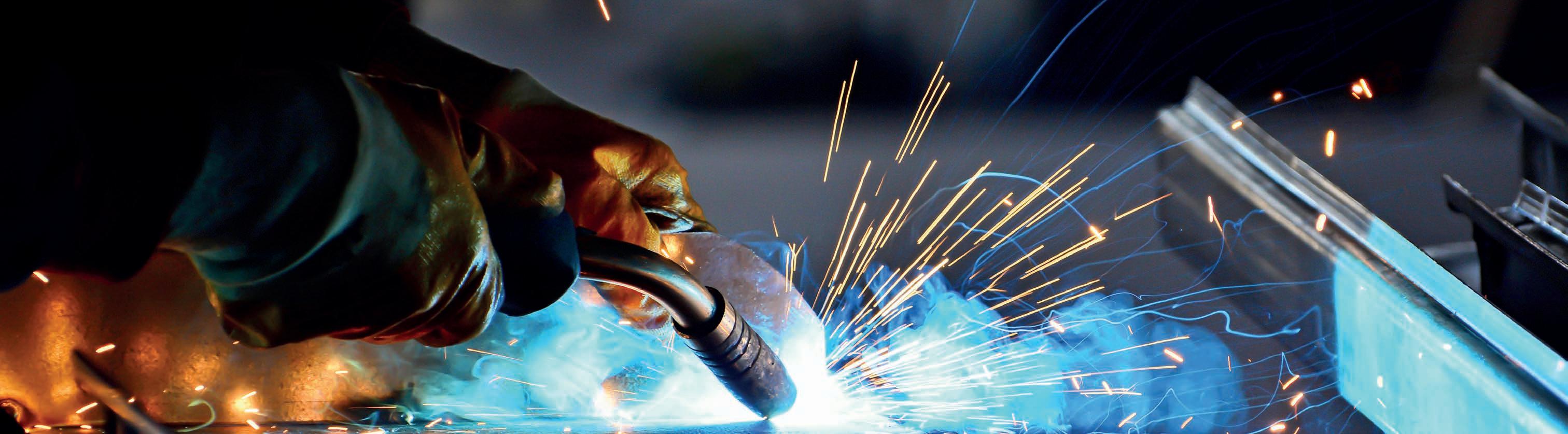
Australian manufacturing is at a turning point. The pipeline of critical infrastructure, energy transition and defence projects is expanding, while local capability, skills, quality and safety are under more scrutiny than ever. As the peak body for welding, Weld Australia exists for a simple purpose: to lift capability, quality and safety across the entire sector so Australian fabrication and manufacturing can compete, grow and thrive.
To serve that purpose, we have launched a new Weld Australia membership model; one that is clearer, more flexible and built for how the industry really works. It recognises the different roles played by fabricators and contractors, primes and asset owners, suppliers, engineers, inspectors, educators and the next generation of apprentices and students. It maps benefits to real-world needs, so members see practical value from day one, and compound that value over time.
Built around real needs, not one-size-fits-all
In speaking with members across the country, a few themes came through loudly and consistently.
First, value must be tangible. Members want immediate savings on training and events, timely technical guidance, access to standards and certification support, and pathways to develop people and lift quality.
Second, influence matters. The industry needs a strong, unified voice engaging government, standards bodies and procurers on local content, safety and compliance.
Third, connection drives outcomes. When fabricators, suppliers, educators and end-users
collaborate, we see faster adoption of best practice, smoother project delivery and better careers.
Our new membership structure responds to those realities. It offers three primary pathways: Corporate, Industry Supplier and Individual. These are supported by free Apprentice and Student, TAFE, and Reciprocal options. Each pathway has clearly defined tiers so organisations can choose the level of engagement and enablement that matches their goals.
The value you can bank today
Regardless of pathway, membership delivers both immediate and long-term value.
• Immediate value: credit notes for some Weld Australia services; member pricing on training, seminars and events; access to technical resources and guidance notes; and curated opportunities to promote capability, recruit talent and connect with decision-makers.
• Compounding value: recognition and credibility from aligning with the peak body; a community that shares knowledge and solves problems; and advocacy that lifts standards, strengthens local content and builds a resilient, sovereign manufacturing base.
The combination of practical wins today and momentum that grows over time is what our members asked for. It’s what this redesign delivers.
Corporate membership: lead, deliver, influence
Corporate Membership is designed for fabricators and manufacturers, asset owners, primes and contractors delivering Australia’s most critical
projects. It aligns Weld Australia’s full capability with the realities of production schedules, compliance obligations and workforce pressure. At its core, Corporate Membership focuses on capability, compliance and influence. Members gain access to practical guidance on Australian Standards and regulations; certification readiness support and continuing professional development; and best-practice resources that help teams do the job right the first time. They also gain a stronger voice in the settings that shape our industry, through industry groups, policy roundtables and coordinated input to advocacy activities and standards.
Tiers allow organisations to scale their engagement:
• Gold prioritises national reach and strategic enablement. It’s geared to multi-site teams requiring broad event access, deeper visibility, additional staff licences and dedicated advocacy touchpoints, including structured sessions to plan how membership will accelerate quality, delivery and workforce outcomes across the year.
• Silver provides a balanced mix of access and influence for growing mid-sized teams, including strong event allocations, opportunities to contribute thought leadership and participate in technical forums, and regular check-ins to ensure benefits are fully utilised.
• Bronze offers an effective entry point for single-site fabricators and specialist contractors seeking essential access, recognition and a clear path to scale.
Across all tiers, the intent is the same: de-risk
A new Weld Australia membership model that is clearer, more flexible and built for how the industry really works has been launched.
delivery, lift quality and safety, and build the capability pipeline, while giving corporate members a credible platform to showcase excellence to project owners and partners.
Industry supplier membership: connect, showcase, grow
Suppliers of equipment, consumables, software and services are essential to industry performance. Our new Industry Supplier pathway provides trusted, permissioned access to the market, with a focus on targeted reach, brand trust and demand generation.
Members can align their solutions with technical education and standards leadership, ensuring messages are credible and relevant. They can activate at national and state events, host technical showcases and webinars, and feature in editorial and digital channels that reach specifiers, buyers and end-users. Directory listings and job boards help buyers find the right partners quickly, while curated offers drive measurable uptake.
Again, tiers allow suppliers to choose their level of activation:
• Gold suits market leaders running national campaigns or large sales teams. It offers the widest event inventory across states, priority activation rights, the ability to host flagship technical showcases, a substantial editorial footprint and awards-night exposure, all designed to accelerate brand leadership and pipeline.
• Silver is for growth-stage suppliers seeking strong multi-state reach and balanced ROI, with solid editorial and event inclusions, opportunities to present at awards, and structured consults to align marketing activity with demand.
• Bronze provides a credible, cost-effective entry point for focused or regional suppliers, including core event access, foundational editorial presence and a clear path to upgrade as momentum builds. The aim is simple: shorten sales cycles by meeting the market where it learns and decides, while reinforcing the industry’s commitment to safety, quality and innovation.
Individual membership: learn, connect, advance
People are the backbone of industry capability. Individual Membership supports welders, inspectors, supervisors, engineers and educators to stay recognised, stay current and stay connected.
Members access training and seminar discounts, structured CPD and technical guidance aligned to Australian Standards. They plug into free technical nights and Q&A forums, national webinars and a professional network that spans the supply chain. For individuals building a career or sharpening a specialist focus, the combination of education, recognition and community delivers real momentum.
For those just starting out, Apprentice and Student membership is free. It opens the door to events, mentors and career pathways from the outset, because attracting and retaining talent is as important as upskilling the workforce we already have.
The projects ahead demand more from all of us: more qualified welders and inspectors, tighter process control, better documentation and
traceability, safer workplaces and faster adoption of best practice. They also demand alignment: between buyers and suppliers, between training and real-world requirements, and between standards and daily practice in workshops and on site.
Our redesigned membership is an investment in that alignment. It helps members bank value today through discounts, offers and visibility, and compound value through recognition, advocacy and community. It provides a framework to coordinate effort: transferring technology, lifting performance and solving common problems together rather than in silos.
Membership is more than a set of entitlements. It is a commitment to the collective; to sharing knowledge generously, to championing safe, high-quality work, and to strengthening Australia’s sovereign manufacturing capability. When members participate in working groups, contribute to standards and open their doors for technology demonstrations, the entire ecosystem benefits.
Whatever your ambitions might be, if you want to grow your business, develop your people, or deliver to the highest standards, we’re here to help you make it happen.
Together, we can build a stronger future for Australian welding.
Learn more and join: https://weldaustralia. com.au/membership/ or membership@ weldaustralia.com.au
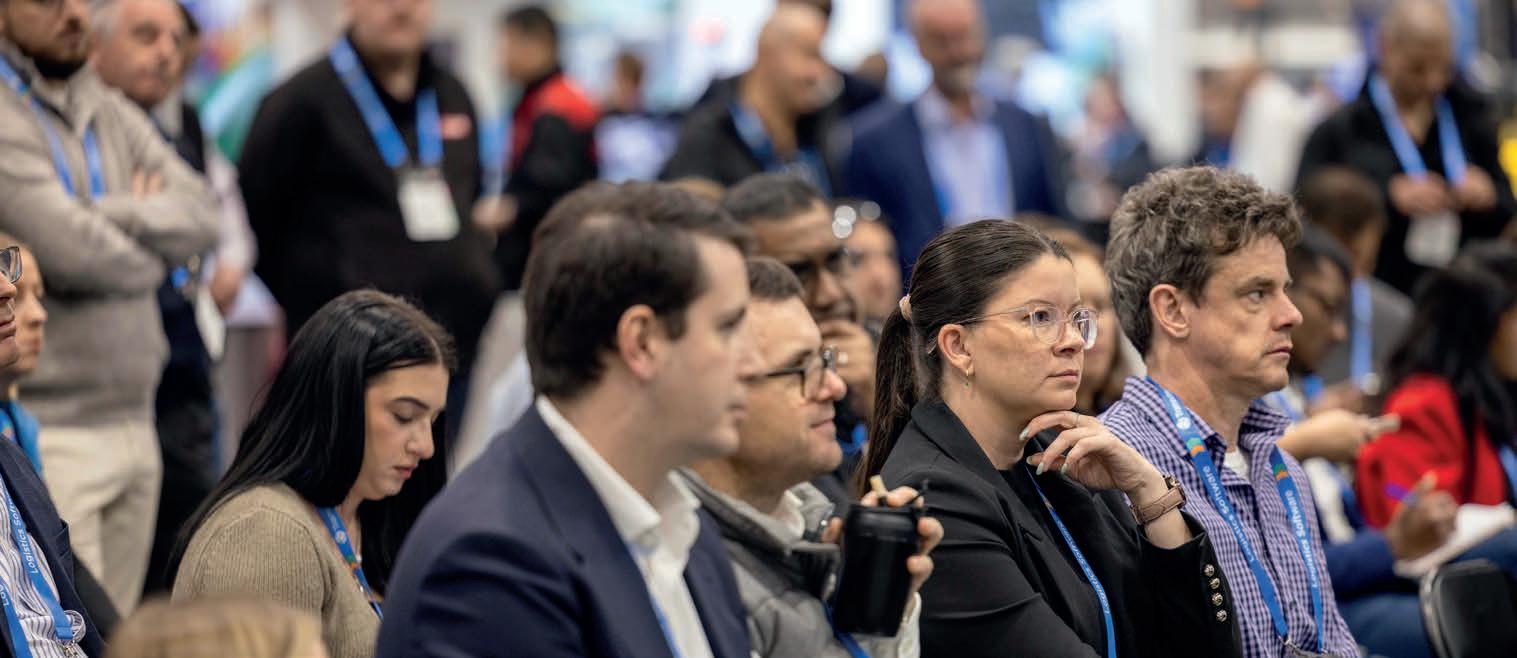
BULK2026 is gearing up to be the ultimate meeting point for everyone who moves, stores, processes, or manages bulk materials.
Returning in 2026, BULK2026 will once again bring together the biggest names, brightest minds, and most innovative technologies driving Australia’s bulk handling sector.
Engineers, operators, consultants, and project managers from mining, agriculture, manufacturing, ports, terminals, and logistics will all descend upon Melbourne on September 16-17, 2026, to explore new solutions, strike deals, and gain insights into the future of bulk material handling.
“Bulk 2026 is all about bringing the industry together, showcasing innovation, sharing knowledge, and celebrating the people and projects driving bulk
handling forward,” said general manager of Events at Prime Creative Media, Siobhan Rocks.
“Whether you’re an engineer, operator, or supplier, Bulk 2026 offers insights and connections that you simply can’t get anywhere else.”
At BULK2026, exhibitors can expect real leads and real projects, engaging directly with professionals who are actively seeking bulk handling solutions. The event offers unmatched exposure, giving your brand the chance to shine in front of one of Australia’s largest industrial audiences.
It’s also the perfect setting to strengthen relationships, reconnect with existing clients, and
build valuable new partnerships. Plus, you’ll gain valuable market insights to better understand where the industry is heading and how your products fit into its future.
So, is bulk for you? If your business plays any role in the movement, storage, processing, or management of bulk materials, the answer is yes
Don’t wait until the floorplan fills up, book your stand today and get ready to make some serious noise at Australia’s only dedicated bulk handling event. To enquire about exhibiting or attending, visit https://bulkhandlingexpo.com.au/
If your business plays any role in the movement, storage, processing, or management of bulk materials, BULK 2026 is for you.
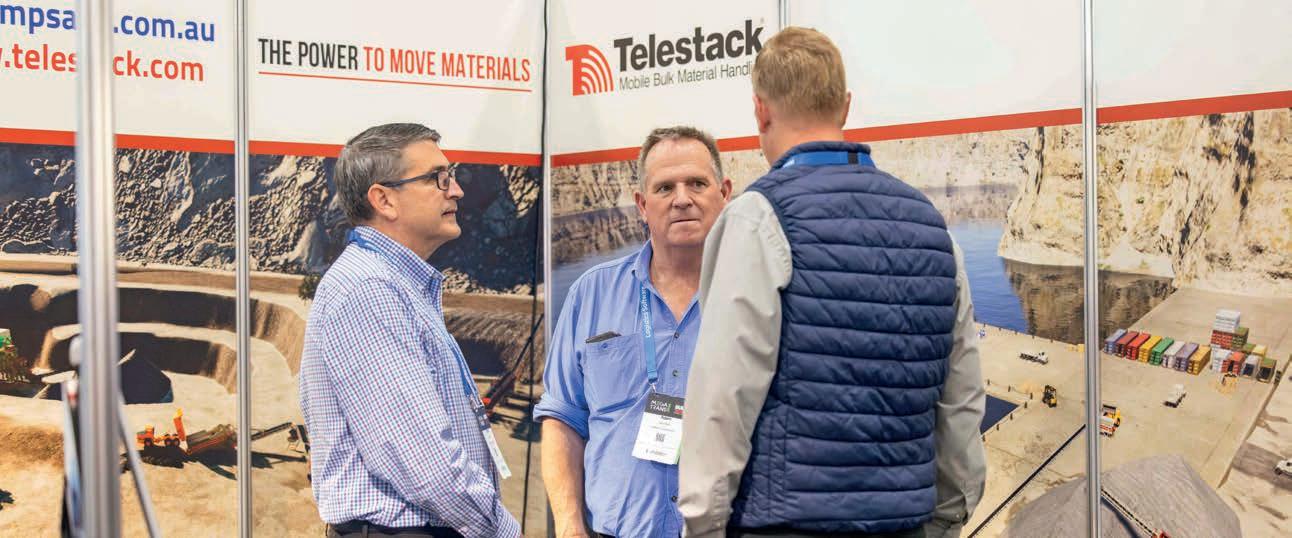

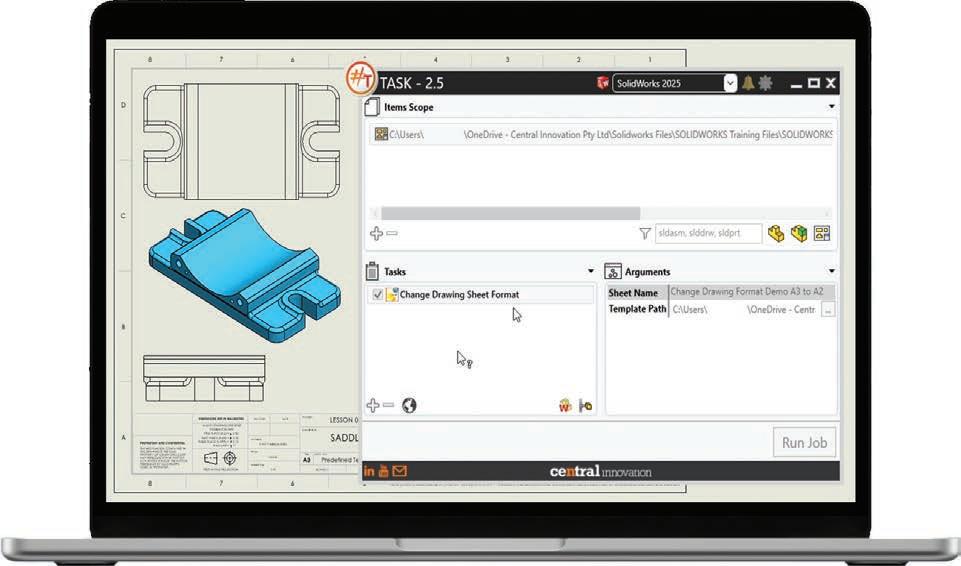

#Task (pronounced Sharp Task) is an automation and standardisation toolkit for SolidWorks. It turns repetitive, error-prone steps into fast, reliable batch runs—so engineers spend time solving problems, not clicking through menus.
y Batch Processing at Scale Rename, convert, update properties, and generate outputs for thousands of files at once.
y Custom Macro Execution
Deploy your own macros or use from a proven library— designed for real engineering workflows.
y Metadata Management
Standardise naming and property fields to improve BOM accuracy and reduce rework.
y File Conversion & Publishing
Automate creation of PDFs, DXFs, and neutral formats for documentation and manufacturing.
Made for ANZ Engineers. Supported Locally.
y Accelerate Time-to-Release
Automate repetitive design admin and move faster from concept to production.
y Improve Data Quality
Ensure consistent file naming, metadata, and output across your team.
y Strengthen Collaboration
Deliver clean, standardised outputs that support team handovers and supplier engagement.
y Reduce Risk
Minimize manual errors and maintain output quality across projects and revisions.
#Task 2.5 is engineered by local experts who understand the pace, pressures, and production environments of Australian and New Zealand manufacturers. Built to help lean teams work smarter and faster, it delivers reliable automation and control without adding overhead or complexity.
Register for a free trial