WHAT OUR SENIORS NEED FROM US: INSIGHTS FROM LOCAL FAITH LEADERS
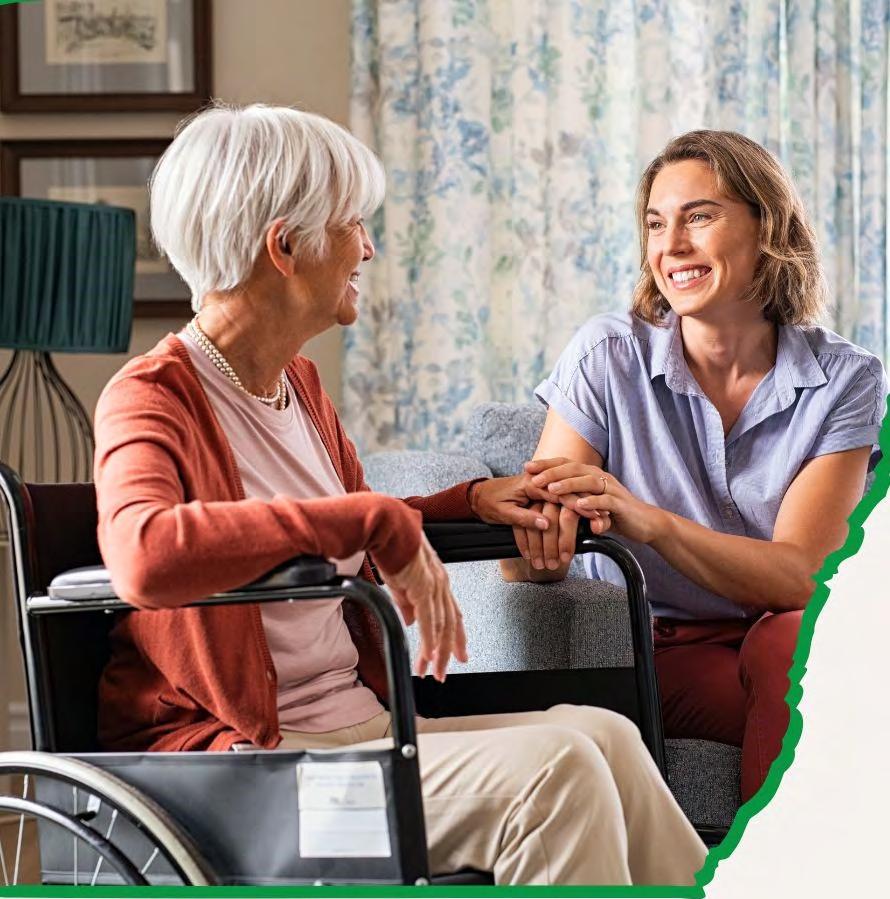
In Part I of this series, we explored the spiritual landscape of aging — how older adults grapple with identity, loss, purpose, connection, and the quiet forms of spiritual distress that often go unnoticed. In Part II, we shift from understanding to response. If this is what older adults are living with internally, what does it mean for those of us who love them, serve them, or live alongside them?
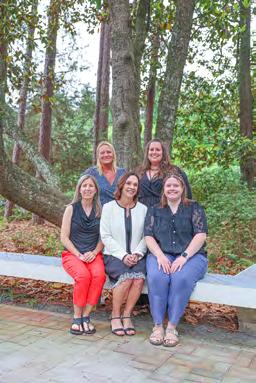
To deepen this conversation, we continue our conversations with three local faith leaders who have spent years ministering to older adults in our community:
continued on page 6
MENTAL HEALTH MATTERS
THE SECOND HALF OF US: COUPLES COUNSELING LATER IN LIFE
As the days grow shorter and the mornings greet us with a crisp chill, winter has a way of nudging us inward—toward quiet reflection, warm kitchens, and, occasionally, feelings we’d rather not unpack before our first cup of coffee. December brings its own blend of beauty and challenge: the glow of holiday lights balanced against early sunsets, joyful gatherings followed by long, still evenings. It’s a season that asks us to pay attention—to our bodies, our spirits, and each other.
In this month’s issue, we continue our feature on spiritual health and wellness, exploring what it means to nurture the soul later in life and how our communities can better support older adults through seasons of change.
In this month’s Ask the Expert, Amy Natt takes on Seasonal Affective Disorder, offering clarity, compassion, and practical steps for recognizing the wintertime blues and knowing when it’s time to reach out for help.
For those focused on relationships this time of year, our Mental Health Matters article looks at couples counseling later in life—why long-term relationships can meet unexpected crossroads, and how support, communication, and curiosity can help partners reconnect in this new chapter.
Amy Phariss, Editor-in-Chief
Well, it’s official: fall is here. I had my first pumpkin-spiced latte just ture dipped low enough to merit a fleece.
Don’t worry. It was decaf.
Because winter is also a season of both comfort and care, we’ve included a Winter Emotional Health Checklist—a tear-out, fridge-friendly guide with five simple daily practices to help keep moods steady and days brighter.
October is a gentle month. There are constant reminders of change. we are lucky, toward each other. We have lingering conversations over the flames flicker. Smoke dances around us in a circle. We zip our jackets
And if you’re craving warmth from the inside out, you’ll find a handful of simple soups and stews to enjoy throughout the colder months, perfect for sharing with family or savoring on a quiet evening.
In this month’s feature, we’re starting an important conversation: care community for ourselves or a loved one? Fox Hollow Senior Robin Hutchings offers inside perspective for making this decision.
Wherever this season finds you—busy, reflective, hopeful, or somewhere in between—we hope these pages offer encouragement, connection, and a bit of cozy comfort. Winter asks us to slow down, but it also reminds us that light always returns.
In Ask the Expert, Amy Natt answers a reader’s question regarding away without any estate planning. Without a will or access to important
Physical therapist Dr. Sara Morrison of Total Body Therapy and Wellness potential diagnostic tools used in physical therapy to help diagnose these tools differ from what other doctor’s offices may offer.
In the words of Henry David Thoreau:
I’m going to agree with Nathaniel Hawthorne this month, who wrote:
I cannot endure to waste anything so precious as autumnal sunshine spent almost all the daylight hours in the open air.
“One must maintain a little bit of summer, even in the middle of winter.“
Here’s to enjoying the October sunshine, falling leaves and daylight
Q: Every fall, as the days get shorter and winter sets in, I notice my mood dropping. Why does this happen, and what can I do to keep my spirits up during the colder months?
A: This is a great question, and you’re not alone! Many people experience a seasonal dip in mood, but older adults often feel it more intensely. There are many reasons for this:
As temperatures drop, arthritis and other chronic aches can flare, making it harder to stay active. Earlier sunsets limit driving and evening activities, which can lead to increased isolation. Cold weather and unsafe road conditions may keep you indoors longer, reducing your exposure to sunlight—an important factor in regulating mood. Over time, less movement, less social contact, and less mental stimulation can all contribute to what many people call the “wintertime blues.”
For those already living with depression, these changes can worsen symptoms or require adjustments in treatment. There’s actually a diagnosis related to this condition: Seasonal Affective Disorder (SAD). Seasonal Affective Disorder (SAD) is a form of depression that follows a seasonal pattern, most commonly emerging in late fall and winter when daylight decreases. It is diagnosed based on recurring symptoms—such as low mood, reduced energy, changes in sleep or appetite, and loss of interest—that regularly appear during the darker months and improve as daylight returns.
It’s important to be aware of warning signs that winter is affecting your wellbeing more than usual. Some of the signs include:
1. Sleeping more than normal or experiencing disrupted sleep
2. Feeling unusually sluggish or low-energy
3. Trouble concentrating or staying focused
4. Difficulty keeping track of time, days, or appointments
5. Reduced appetite or low food supply in the home
6. Losing interest in hobbies or activities you typically enjoy
7. Increased irritability, agitation, or frustration
8. Heightened anxiety or persistent worrying
9. Tearfulness or emotional outbursts
10. Feelings of hopelessness or worthlessness
The holidays can intensify these feelings as well. Many older adults experience grief, loneliness, or the loss of long-standing traditions during this season.
EVEN JOYFUL VISITS WITH FAMILY CAN LEAD TO A DIFFICULT EMOTIONAL DROP ONCE EVERYONE LEAVES.
The good news is there are many small, meaningful steps you can take to support yourself.
• Plan daytime activities and aim to attend a few each week
• Limit long daytime naps if they interfere with nighttime sleep
• Schedule meals with family, friends, or neighbors
• Consider meal-delivery services if cooking is difficult
• Reduce exposure to negative or stressful news
• Play uplifting music and incorporate light movement or dancing
• Arrange regular check-in calls with loved ones
• Start a winter pen-pal or letter-writing routine
• Explore volunteer opportunities to add structure and purpose
• Spend time with pets, or visit a local shelter to walk a dog or socialize kittens
• Increase daily light exposure—sit near windows or use a light therapy lamp if recommended
• Keep moving with gentle exercises, short walks, or stretching routines
• Plan a getaway or daytrip to a sunny destination if possible
Most importantly, if symptoms get worse or start to affect everyday functioning, reach out to your primary care provider. There are supportive treatments and resources available. Winter can be challenging, but with intentional care and connection, brighter days—both literal and emotional—are ahead.
As daylight decreases, many people notice changes in sleep, mood, and motivation. These small daily habits can help counter the effects of reduced sunlight and seasonal stress. Post this checklist somewhere visible—like the fridge or planner—to stay grounded, connected, and emotionally well all winter long.
HOW TO USE THIS CHECKLIST
Post on the fridge or in a planner. Aim for all five daily. Even two or three help.
1. Morning Light (10–20 Minutes)
Sit by a window or step outside. Bright morning light boosts mood and resets sleep cycles.
2. Gentle Movement (5–15 Minutes)
Stretch, walk indoors, or do simple yoga. Movement lifts energy and reduces sluggishness.
3. Mood Check-In (2–3 Minutes)
Note your energy, sleep, appetite, and connection. Catch changes early.
4. Social Connection
Make one meaningful touchpoint daily—call someone, join an activity, or chat with a neighbor.
Keep this list where you’ll see it often, and return to it anytime you feel your mood slipping. Small habits build strong emotional health.
WHAT OUR SENIORS NEED FROM US:
INSIGHTS FROM LOCAL FAITH LEADERS
by Amy Phariss
• Rev. John C. Hage, Senior Pastor, Brownson Memorial Presbyterian Church, Southern Pines
• Rev. John Michael McAllister, Senior Pastor, Southern Pines United Methodist Church
• Greg Lundberg, who recently retired after many years as Minister of Music & Senior Adults at First Baptist Church of Southern Pines
Each brings a different lens, shaped by decades of listening, presence, and pastoral care. What emerges from their reflections is an honest picture of aging — one marked by loss and loneliness, yes, but also by courage, wisdom, humor, perspective, and hope. Most importantly, they offer a simple truth: the spiritual needs of older adults are not mysterious. They are deeply human, and we all play a role in meeting them.
Aging as a Spiritual Journey: Loss, Identity, and the Questions That Don’t Go Away
If you ask older adults what aging feels like, many will describe physical changes, health concerns, or the practical adjustments that come with slowing down. But as Rev. McAllister points out, aging is not merely a physical process — it is a spiritual one.
He says, “One way of looking at aging is that it’s a series of losses.”
Rev. McAllister doesn’t say this to be dire. He says it because it’s the lived experience of so many seniors. Losses arrive one after another:
• the loss of a spouse
• the loss of independence
• the loss of mobility
• the loss of roles that once defined a person
• the loss of lifelong friends
• the loss of the rhythms that shaped daily life
And then there are the quieter, more surprising losses — things no one warned them about.
MCALLISTER NOTES THAT NO ONE TELLS A YOUNG COUPLE THAT IF THEY “DO MARRIAGE WELL,” ONE WILL EVENTUALLY SIT BESIDE THE OTHER’S DECLINING HEALTH.
No one teaches adults that retirement, so long imagined as restful, often brings identity confusion: If I am not working anymore… who am I?
For many older adults, these losses stir deep spiritual questions:
• Where did I come from?
• Who am I now?
• Why am I still here?
• Where am I going?
These questions don’t reflect doubt — they reflect clarity. Aging brings everything that once felt theoretical into sharper relief.
Rev. Hage sees these questions surface through what he calls “unfinished spiritual business.” Surprisingly, he says this business rarely concerns someone’s relationship with God. Instead, it concerns people. Hage says, “What I experience is that the unfinished part of life is not with God, but with a loved one. ‘I wish I wasn’t estranged from my daughter or son.’”
Relationships, he says — the ones healed, the ones strained, the ones lost — become the center of a senior’s spiritual life.
The Gifts of Aging: Hope, Perspective, and the Deepening of the Heart
But aging is not defined solely by loss. Each pastor was quick to emphasize that the older adults in their congregations inspire them daily.
REV. LUNDBERG SMILES WHEN HE TALKS ABOUT THE GIFTS THAT COME WITH AGE: “WISDOM. PERSPECTIVE. THIS IS WHY GRANDPARENTS CAN BE SO GREAT. THEY KNOW WHAT BATTLES ARE WORTH FIGHTING.”
Older adults often have a clarity that younger generations lack. They’ve learned forgiveness by necessity. They’ve let go of pride because life has insisted on it. They know what matters — and just as importantly, what doesn’t.
Rev. Hage sees extraordinary courage among his aging members. He says, “I’ve been inspired by people’s faith when they say, ‘I’m okay to die; I’m not afraid.’ Who could not be inspired by that courage?”
He recalls a woman in his congregation who always carried a poem in her pocket, ready to remind others: “Hope springs eternal.” Her quiet faith — her commitment to spreading hope even in her own later years — left a mark on him.
Yet Hage is honest: aging can go one of two ways. “Aging can deepen your love… or make you closed off and bitter.” He believes spirituality plays an essential role in this trajectory.
FEELING
HELD BY GOD — FEELING BELOVED — HELPS MANY SENIORS STAY OPEN, TENDER, AND CONNECTED, EVEN IN HARDSHIP.
This is why, for Rev. McAllister, healthy spirituality begins with a foundational truth: “I am a beloved child of God — first and last, beginning to end.”
Identity grounded here is not defined by retirement, mobility loss, or the changing roles of family life. People can walk through aging with dignity because they are anchored in something deeper.
What Seniors Need from Us: Six Ways to Support Spiritual Well-Being
If these are the realities seniors face, what can the rest of us do? According to the pastors, spiritual support doesn’t require expertise — it requires presence.
1. See Them — Really See Them
THE MOST REPEATED THEME: OLDER ADULTS WANT TO FEEL NOTICED AND VALUED. REV. HAGE SAYS IT DIRECTLY: “THEY’RE NOT INVISIBLE. THEY HAVE SO MUCH TO OFFER.”
Seeing seniors means more than saying hello. It means:
• asking their opinion
• seeking their wisdom
• learning their stories
• involving them in meaningful ways
• honoring their contributions
It is spiritually devastating to feel forgotten. It is spiritually healing to be seen.
2. Help Them Cultivate Purpose
Purpose — not busyness — is essential.
Lundberg emphasizes that many seniors long to feel useful again. This can take many forms:
• mentoring younger people
• reading to children
• writing notes to the homebound
• leading small groups
• sharing skills, crafts, or recipes
• serving in quiet, behind-the-scenes ministries
• becoming informal “encouragers” in the community
Purpose reminds seniors that their lives still hold meaning.
3. Accompany Them in Their Grief
In later life, grief is not an episode — it is a landscape.
Communities can support seniors by:
• welcoming repeated stories
• saying the names of loved ones who have died
• acknowledging anniversaries
• offering prayer and presence
• allowing space for silence
• being a stable companion in unpredictable seasons
Grief shared is always more bearable than grief alone.
4. Strengthen Intergenerational Connections
This is not just beneficial — it is spiritually powerful.
Rev. Hage says older adults often feel energized when they spend time with younger people. And younger generations gain perspective, stability, and love from elders.
Schools, churches, clubs, and neighborhoods can all foster these connections intentionally.
5. Address Loneliness as a Community Issue
Loneliness is more than emotional discomfort — it is spiritual distress.
Rev. Hage notes that “evenings are the hardest. The empty table, empty room, empty chair.”
What helps?
• phone calls
• porch visits
• regular invitations
• rides to gatherings
• meal-sharing
• small, predictable rituals of togetherness
Loneliness shrinks when community shows up consistently.
Rev. McAllister emphasizes compassion — for oneself and others. Healthy spirituality grows through:
• simple prayer
• quiet reflection
• reading or listening to scripture
• breathing practices
• gratitude
• gentle curiosity about oneself and others
AT ITS CORE, SPIRITUALITY IS NOT PERFORMANCE — IT IS RELATIONSHIP.
A Community Responsibility — and a Gift
Supporting the spiritual lives of older adults is not a task reserved for clergy. It is the shared work of families, neighbors, caregivers, and entire communities. And it is work that returns something beautiful to everyone involved.
To walk alongside seniors is to witness courage.
It is to learn resilience.
It is to remember what matters.
It is to be humbled by hope that persists in the face of profound change.
Aging is tender, brave, and deeply human. When we show up for older adults — seeing them, hearing them, making room for them, honoring them — we create a community where we grow alongside each other through all of our chapters.
To inquire, contact kim.m.calabretta@t-mobile.com or visit relaync.com/rcc
MENTAL HEALTH MATTERS: THE SECOND HALF OF US: COUPLES COUNSELING LATER IN LIFE
Amy Phariss, LCMHC, Clarity Counseling NC
Romance in later life is often portrayed as serene and settled, a gentle chapter where couples relax into routines, enjoy hard-earned comfort, and feel deeply known by one another. But anyone who has lived long in a partnership knows the truth: long marriages evolve, shift, deepen, and—sometimes—fall apart. After decades together, couples can face challenges as significant as those that show up in the first year of marriage. As a culture, we talk about the new-marriage issues but often neglect the challenges couples face when the kids are gone, careers are over and the “golden years” set in.
For older adults, couples counseling can be a powerful support. Whether partners are navigating retirement, caregiving roles, blended families, health issues, or simply the slow drifting apart that can occur over time, therapy offers space to reconnect, repair, and reimagine what this stage of relationship can look like. Relationships are living organisms. They grow or wither like anything else that requires care and feeding. Counseling helps us explore what relationships need later in life, helping build greater connection moving forward.
Why Issues Surface Later in Life
Many couples describe experiencing a major turning point when life transitions begin to pile up. Retirement changes identities and routines. One partner may suddenly be home all day while the other still maintains
outside commitments, creating new friction around space, time, and expectations. Health concerns can strain emotional reserves. Adult children may return home, move away, or need help with grandchildren. Aging parents may require caregiving, shifting the couple dynamic into a triangle of responsibility and stress.
Then there’s grief—loss of friends, siblings, careers, and sometimes abilities. Grief tends to intensify existing relationship patterns.
A
COUPLE WHO HAS ALWAYS AVOIDED DIFFICULT CONVERSATIONS MAY FIND AVOIDANCE HARDER TO MAINTAIN. A COUPLE WHO COMMUNICATES DIFFERENTLY—ONE DIRECT, ONE INDIRECT—MAY SUDDENLY FEEL MORE IRRITATED OR LONELY THAN EVER.
Years of unspoken resentment can also surface once the busyness of middle life quiets.
Many older adults say, “We’ve been together so long; shouldn’t we have figured this out by now?” But challenges later in life don’t mean a relationship is failing. They simply reflect that living-system status of relationships, continually reshaped by circumstance and change.
How Couples Counseling Helps
Counseling gives partners permission to slow down, reflect, and talk honestly—often for the first time in years— about what they need from one another. This can help in several ways, including:
1. Improving communication: Long-term couples often carry decades of assumptions: “I thought you knew what I meant,” or “We’ve always done it this way.” Therapy clarifies
needs, rebuilds emotional safety, and teaches updated communication skills that match who you are now—not who you were at 30. People change, and the relationship has to change along with them.
2. Navigating new roles: Later life introduces new identities: caregiver, retiree, empty nester, patient, widow/widower of close friends, or grandparent. Counseling helps couples understand these shifts, negotiate responsibilities, and avoid resentment.
3. Healing old wounds that were shelved, not solved: Many couples push aside conflict while busy raising children or building careers. When life slows down, those unresolved hurts re-emerge. A therapist can help guide conversations that are structured, respectful, and productive, preventing old pain from becoming a roadblock and preventing venting sessions to become explosive and unproductive.
4. Rekindling emotional or physical intimacy: Bodies age, energy shifts, and desire fluctuates. Couples may avoid discussing intimacy for fear of embarrassment or rejection. Counseling normalizes these changes and helps partners rebuild closeness—emotionally, physically, or both.
5. Strengthening teamwork around health challenges:
Medical issues can create fear, frustration, and miscommunication. Therapy helps couples express vulnerabilities, share burdens, and approach health decisions as a team.
Therapeutic Approaches for Older Couples
Several types of therapy can be particularly helpful later in life. Here are a few (of the many) styles many couples therapists use:
• Emotionally Focused Therapy (EFT): Focuses on attachment needs, helping couples understand their emotional cycles and reconnect on a deeper, more secure level.
• Gottman Method: Uses structured interventions to improve communication, reduce conflict, and increase fondness, admiration, and shared meaning.
• Narrative Therapy: Helps couples re-write outdated stories about themselves (“We’re just bad at communicating”) and replace them with more hopeful, accurate narratives.
• Solution-Focused Therapy: Ideal for couples who want targeted, practical tools for immediate issues.
Most therapists blend techniques, tailoring sessions to the couple’s strengths and goals.
Is It Too Late to Change?
A common question is, “Can therapy still help after 30, 40, or 50 years together?”
The answer is almost always yes.
Research consistently shows that couples can improve communication, strengthen connection, and increase satisfaction well into their 70s and 80s. The brain remains capable of forming new patterns throughout life, and relationships are no different.
In fact, therapy later in life can be uniquely effective because older adults often bring wisdom, patience, and perspective that younger couples haven’t yet developed. Many long-term partners are highly motivated—not to “win” a fight, but to preserve a relationship they deeply value.
When Couples Counseling Might Not Help
Counseling can be less effective when:
• one partner refuses to attend
• there is ongoing emotional, physical, or financial abuse
• one or both partners are unwilling to make changes
• a partner has already emotionally exited the relationship
• Even then, individual counseling may support one partner’s wellbeing or help them navigate decisions.
A Second Chance at Connection
Later life can be a beautiful time for relationships. With fewer distractions and more emotional maturity, couples often rediscover one another in surprising and meaningful ways. Counseling gives partners a structured, compassionate place to explore who they are now, what they’ve endured, and how they want to move forward—together.
Whether you’ve been married five years or fifty, it’s never too late to communicate more clearly, heal old hurts, and reconnect with the person who has walked beside you through so much of life.
Comforting Soups and Stews TO WARM YOUR BODY AND SOUL
When the weather dips and the evenings arrive a little too quickly, nothing lifts the spirit like a pot simmering away on the stove. Winter practically begs for soups that warm your hands and soothe your mood in equal measure. Here are a few cozy bowls to keep you nourished, comforted, and wonderfully content this season.
Rustic Chicken & Rice Soup
A classic, comforting winter soup that comes together in 30 minutes.
INGREDIENTS:
1 tbsp olive oil
1 onion, diced
2 carrots, chopped
2 celery stalks, chopped
3 cloves garlic, minced
1 tsp dried thyme
1 tsp dried parsley
6 cups chicken broth
1. Heat the olive oil in a large pot over medium heat. Add onion, carrot, and celery; sauté 5–7 minutes.
2. Stir in garlic, thyme, and parsley; cook 1 minute.
3. Add chicken broth and bring to a simmer.
1 cup cooked, shredded chicken (rotisserie works well)
¾ cup instant rice or cooked white rice
Salt & pepper to taste
Squeeze of lemon (optional)
4. Add chicken and rice. Simmer 10 minutes, until warmed through.
5. Season with salt, pepper, and a squeeze of lemon if desired.
Creamy White Bean & Greens Stew
High-fiber, nourishing, and perfect for a cold night.
INGREDIENTS:
2 tbsp olive oil
1 shallot or small onion, minced
3 cloves garlic, minced
2 cans cannellini beans, drained and rinsed
3 cups vegetable or chicken broth
2 cups chopped kale or spinach
1 tsp dried rosemary
½ tsp smoked paprika
½ cup half-and-half or coconut milk
Salt & pepper
Parmesan, for serving
INSTRUCTIONS:
1. Warm the olive oil in a pot and sauté shallot for 3 minutes. Add garlic and cook 1 minute.
2. Add beans, broth, rosemary, and paprika. Simmer 10–12 minutes.
3. Stir in the greens and cook until wilted.
4. Add the half-and-half or coconut milk.
5. Season with salt and pepper; serve with a sprinkle of Parmesan.
i � FreeDailyCrosswords.com
GRAY MATTER GAMES
ACROSS
1) Classic recording label
6) Christmas kings
10) Car juice
13) Even a bit
14) " ... happily_ after."
15) Trunk of a tree
16) Waste no time in traveling to
19) Great deal
20) "_ a beautiful morning"
21) Detonate
22) Gives birth to
23) Foils
24) Commotion or type of room
28) A smaller amount
29) Beatles song " Any Time It
30) Citrus flavor
31) Singer Simone
35) Do the apples-to-oranges thing
38) Small farm building
39) Vagabond
40) Colonizing insect
4 l) It can get into a jam
42) Give a hard time to
43) Categorizes
47) Deck swabber's need
48) Labor organizer Cesar
49) It may be written in stone
50) Move little by little
54) Emulate Nostradamus
57) "Happy Days" actress Moran
58) Pitches in
59) Bitterly pungent
60) Female sib
61) Run the party
62) If- (computer routines)
DOWN
1) Bonneville and Hoover
2) Substitute for the unnamed
3) Birthday party centerpiece
4) Ball of thread
5) Chicken_ king
6) Track season events
7) Park and Madison (Abbr.)
8) Mousse, for one
9) Arm of the North Atlantic
10) Find attractive
11) Floating above ground
12) Lowly laborers
15)_-carotene
17) Unfairness
18) Fresh information
22)_ hoop
23) Musician's speed
1) Classic recording label
24) St. Louis gridders
6) Christmas kings
25) Beehive State
10) Car juice
26) Construct
13) Even a bit
27) Appealed, as for mercy
14) " ... happily_ after."
28) Dance requiring a pole
15) Trunk of a tree
30) Takes as spoils
31) "_ Island" (Jodie Foster film)
16)Waste no time in traveling to
32) Doctrines, informally
33) December air
34) Poker pay-in
19) Great deal 20) "_ a beautiful morning"
36) Audacity
37) Get, as profits
41) Rug-buyer's concern
21) Detonate 22) Gives birth to 23) Foils
42) Kachina doll makers
43) Apexes
24) Commotion or type of room
44) Lewis with Lamb Chop
28) A smaller amount
45) Rice beverages
46) Range section
29)Beatles song "Any Time It
47) Center
49) Winery choices
30) Citrus flavor
50) Draw with acid
31) Singer Simone
51) In_ straits
52) "Whole Lotta Shakin'_ On"
35) Do the apples-to-oranges thing
53) Ultimate purposes
55) Lead-in for "Branco" or "Bravo"
56) Garfield, for one
38) Small farm building
39) Vagabond
40) Colonizing insect
4 l) It can get into a jam
42) Give a hard time to
43) Categorizes
47) Deck swabber's need
48) Labor organizer Cesar
49) It may be written in stone
50) Move little by little
54) Emulate Nostradamus
57) "Happy Days" actress Moran
58) Pitches in
59)Bitterly pungent
60) Female sib
61) Run the party
62) If- (computer routines)
Gray Matter Games Solutions
Embrace vibrant living and world-class charm at Fox Hollow Senior Living, where each day is filled with connection, comfort, and care. Whether painting in the studio, strolling our scenic grounds, or exploring Pinehurst’s golf and shopping destinations—you’ll find more than just a place to live. You’ll find a place to thrive.