OBRIEN REAL ESTATE IS A LEADING VICTORIAN AGENCY NETWORK WITH DEEP EXPERTISE ACROSS MELBOURNE. WE COMBINE RIGOROUS DATA ANALYSIS WITH ON‑THE‑GROUND MARKET KNOWLEDGE TO HELP INVESTORS MAKE CONFIDENT DECISIONS.
A GUIDE TO PROPERTY TRENDS, MARKET MOVEMENTS, AND INVESTMENT INSIGHTS ACROSS MELBOURNE’S NORTH
The northern corridor of Melbourne continues to evolve as one of the city’s most dynamic and diverse property markets. Stretching from the established heartlands of Preston, Reservoir and Thomastown through to the growth centres of Mernda, Doreen and Craigieburn, this region embodies the balance between accessibility, affordability and long-term investment appeal.
Axis North explores the factors shaping this transformation — from large scale infrastructure such as the North East Link, Suburban Rail Loop and Hume Freeway upgrades, to the expanding education, medical and employment precincts that are driving population and housing demand. These developments, alongside the ongoing creation of new communities in Wollert and South Morang, are strengthening the region’s economic backbone and its connection to Melbourne’s CBD and airport corridor.
Across the northern belt, median house prices continue to present strong relative value compared with inner city markets, while demand for modern units and townhomes grows in well serviced suburbs such as Bundoora, Epping and Lalor. Steady rental yields and sustained buyer activity reflect a confident sentiment among both investors and first home purchasers who see the north as a region of opportunity.
Whether it’s the urban convenience of Preston, the family lifestyle of Doreen and Mernda, or the growth potential in Craigieburn and Wollert, Axis North offers clear insights into where data meets direction — helping you identify the suburbs that are not only thriving today but are primed for tomorrow’s growth.
Axis applies a five‑pillar framework to identify the key drivers of growth.
1. Infrastructure Development
2. Population Growth & Demographics
3. Economic / Employment Growth
4. Government Planning / Policy
5. Market Cycle
Applying these benchmarks to 13 key suburbs, we help investors and home buyers align strategy, whether yield, growth or balanced, to each location’s evolving fundamentals.
SUBURB METHODOLOGY SELECTION
AFFORDABILITY
Either low prices suiting buyers on a budget or relative affordability compared to nearby suburbs.
AMENITY
Being the level of lifestyle benefits, from bars and restaurants to boutiques and parklands.
FAMILY APPEAL
Such as dwelling type, perceived safety and proximity to good schools.
LOCATION
Including proximity to the CBD or major hubs, or closeness to natural amentities like beaches.
INVESTMENT PROSPECTS
From rental market conditions to expected imminent upside.
GENTRIFICATION
Being the changing face of a suburb
POPULATION GROWTH
Representing a projected increase in the number of locals.
DEMOGRAPHIC CHANGE
Indicating a shift from the current make-up of residents, for example young families replacing downsizing elderly locals.
INFRASTRUCTURE
Looking at major investments in projects that will benefit the suburb or surrounds.
CRAIGIEBURN BUNDOORA
SCHOOLS
Government school zones: Bundoora Primary School, Bundoora Secondary College
KEY DEVELOPMENTS
• School modernisation projects are increasing educational amenity
• The development of the University Hill/ Brand Junction precinct
• Student accommodation for RMIT & LaTrobe Universities
GENTRIFICATION SIGNALS
• Major school infrastructure upgrades like the Bundoora Secondary College upgrade signal investment in the suburb’s amenities
• Proximity to higher education campuses like RMIT University Bundoora and the established green belt of Plenty Gorge Park
• More retail precincts, amenity expansions in recent years
POTENTIAL DRAWBACK
Being somewhat mature as a suburb may mean less downside risk but possibly lower upside compared to “growth corridor” suburbs.
SCHOOLS
Government school zones: Craigieburn Primary School, Craigieburn Secondary College
KEY DEVELOPMENTS
• Substantial estate developments, shopping centres, community infrastructure (libraries, recreation), and transport improvements
GENTRIFICATION SIGNALS
• Craigieburn is part of Melbourne’s outer north growth area with abundant new housing, young families, and increased liveability investment
POTENTIAL DRAWBACK
Being further from the CBD means longer commutes and possibly less premium valuation compared to inner suburbs.
https://www.smh.com.au/entertainment/
SCHOOLS
Government school zones: Doreen Primary School, Hazel Glen College (Kinder Year 12)
KEY DEVELOPMENTS
• Growth in residential estates emphasising semi rural lifestyle
GENTRIFICATION SIGNALS
• Doreen has both new estate development (west of Yan Yean Rd) and semi rural residential living (east). This duality suggests lifestyle appeal increasing
• Population growth is younger (median age 31) and many families moving in
POTENTIAL DRAWBACK
Being further out (approx 29 km from CBD) may mean longer commute times, which can affect appeal.
SCHOOLS
Government school zones: Epping Primary School, Epping Secondary College
KEY DEVELOPMENTS
• Infrastructure upgrades (train station, buses, road upgrades), plus growth in housing estates
GENTRIFICATION SIGNALS
• Epping sits at the gateway of the outer north growth corridor and has both older and new housing stock, making it attractive for value seekers and investors
POTENTIAL DRAWBACK
Some pockets may remain less accessible or less amenity rich if infrastructure hasn’t caught up.
SCHOOLS
Government school zones: Kingsbury Primary School, Kingsbury Secondary College
KEY DEVELOPMENTS
• Potential for redevelopment or infill given its relative proximity to the CBD and established transport
• Student accommodation for RMIT & LaTrobe Universities
GENTRIFICATION SIGNALS
• Kingsbury is an inner north suburb, which often means increased investor interest and renovation/infill development
POTENTIAL DRAWBACK
Because Kingsbury is more established, upside may be more limited compared to outer growth corridors
SCHOOLS
Government school zones: Lalor Primary School, Lalor Secondary School
KEY DEVELOPMENTS
• Incremental housing renewal/infills
• Older stock being renovated or replaced; opportunity for value add
GENTRIFICATION SIGNALS
• Lalor is an older suburb with more affordability and it is close enough to transport hubs and amenity to attract first home buyers/investors seeking value
POTENTIAL DRAWBACK
Certain pockets may still have older infrastructure or less amenity upgrade, which could affect rental demand or appeal.
SCHOOLS
Government school zones: Mernda Primary School, Mernda Secondary College
KEY DEVELOPMENTS
• New estate developments
• Brand new infrastructure
• Additional schooling
• Community facilities
GENTRIFICATION SIGNALS
• Mernda is a defined growth area in the City of Whittlesea and has strong new housing activity, indicating younger demographic, new infrastructure investment.
POTENTIAL DRAWBACK
Distance from the CBD and limited older amenity may mean longer term demand is more price sensitive.
SCHOOLS
Government school zones: Mill Park Primary School, Mill Park Secondary College
KEY DEVELOPMENTS
• Shopping centre/amenity upgrades at Stables Shopping Centre
• Plenty Valley Shopping Centre supports lifestyle infrastructure
GENTRIFICATION SIGNALS
• Mill Park has transitioned rapidly from development in the 1980s and now houses a mix of mid level post war and newer build stock
• Proximity to newer growth areas like South Morang and Wollert means it may benefit from spill over demand
POTENTIAL DRAWBACK
Close to growth area fringes, so pricing may be impacted by speculative build activity or competition from newer nearby suburbs.
SCHOOLS
Government school zones: Preston Primary School, Preston High School
KEY DEVELOPMENTS
• Infrastructure investment around transport corridors, station precincts, urban renewal
GENTRIFICATION SIGNALS
• Preston has been undergoing strong gentrification for a number of years
• Inner north location, good transport (train/tram), café culture, amenity upgrades
POTENTIAL DRAWBACK
Elevated entry prices reduce yield for investors; higher risk of over supply of units in inner suburbs.
SCHOOLS
Government school zones: Reservoir West Primary School, Reservoir High School
KEY DEVELOPMENTS
• Transport infrastructure improvements, plus urban renewal opportunities
GENTRIFICATION SIGNALS
• Reservoir is often flagged by commentators as a suburb with growth potential due to its connectivity (train line), and relatively more affordable stock than inner city
POTENTIAL DRAWBACK
Being slightly further out (though still in the inner north) may mean commute times disadvantage.
SOUTH MORANG
SCHOOLS
Government school zones: South Morang Primary School, South Morang Secondary College
KEY DEVELOPMENTS
• Growth precinct status
• New residential estates
• Infrastructure upgrades (transport, community facilities) feeding population growth
GENTRIFICATION SIGNALS
• South Morang is part of the rapid expansion corridor north of Melbourne
• High growth in housing estates signals changing demography (younger families, first home buyers)
POTENTIAL DRAWBACK
With new estate growth comes risk of oversupply of new housing especially with units/townhouses) which may moderate capital growth or rental yields.
SCHOOLS
Government school zones: Thomastown Primary School, Thomastown Secondary College
KEY DEVELOPMENTS
• Transport upgrades
• Potential for infill development
• Younger buyer demographic moving in
GENTRIFICATION SIGNALS
• Much like Reservoir and Lalor, Thomastown benefits from inner northern location and potential for value uplift. Community commenters note its ‘undervalued’ status.
POTENTIAL DRAWBACK
Some older pockets may carry higher maintenance or lack modern amenity.
SCHOOLS
Government school zones: Likely to be new estate primary and secondary schools
KEY DEVELOPMENTS
• Large scale residential estate development
• Community infrastructure installation in early phases
GENTRIFICATION SIGNALS
• Wollert is within the growth corridor— new housing estates, younger demographics, significant land development
POTENTIAL DRAWBACK
As a very newly developed suburb, infrastructure (transport, retail, schooling) often lags, which can impact liveability short to medium term
SOUTH MORANG
THOMASTOWN WOLLERT
SOUTH MORANG
THOMASTOWN WOLLERT
INFRASTRUCTURE DEVELOPMENT
From Preston and Reservoir through to Epping, Craigieburn, Mernda and Doreen, Melbourne’s northern arc is being reshaped by major transport and health projects. These upgrades shorten commutes, make local roads safer, and concentrate jobs and services around key hubs - all powerful drivers of liveability and long-term property performance.
METRO TUNNEL (OPENS 2025)
The Metro Tunnel opens in early December 2025, adding five new CBD/inner city stations (Arden, Parkville, State Library, Town Hall, Anzac) and de cluttering the City Loop. The flow on for northern lines is extra capacity and reliability; a full “Big Switch” timetable uplift lands on 1 February 2026, enabling more trains and less crowding for Craigieburn and Mernda line users changing in the city.
MELBOURNE AIRPORT RAIL
Airport Rail’s first stage focuses on a Sunshine Station Superhub and corridor works from West Footscray to Albion, the backbone for a 10 minute, turn up and go airport service once the full line is commissioned (works expected to start early 2026). For the North, it tightens the airport, city north triangle and improves connectivity for outer northern workers and travellers.
SUBURBAN RAIL LOOP (SRL)
|
SRL will orbit the city and, crucially for the North, is planned to connect Doncaster, Heidelberg (Austin Health), Bundoora (La Trobe), Reservoir, Fawkner and Broadmeadows through to the Airport. This positions the La Trobe/Austin knowledge and health cluster as a central, high access precinct for study, research and clinical jobs, while letting residents travel between northern jobs and education without transiting the CBD.
THE MERNDA LINE EXTENSION
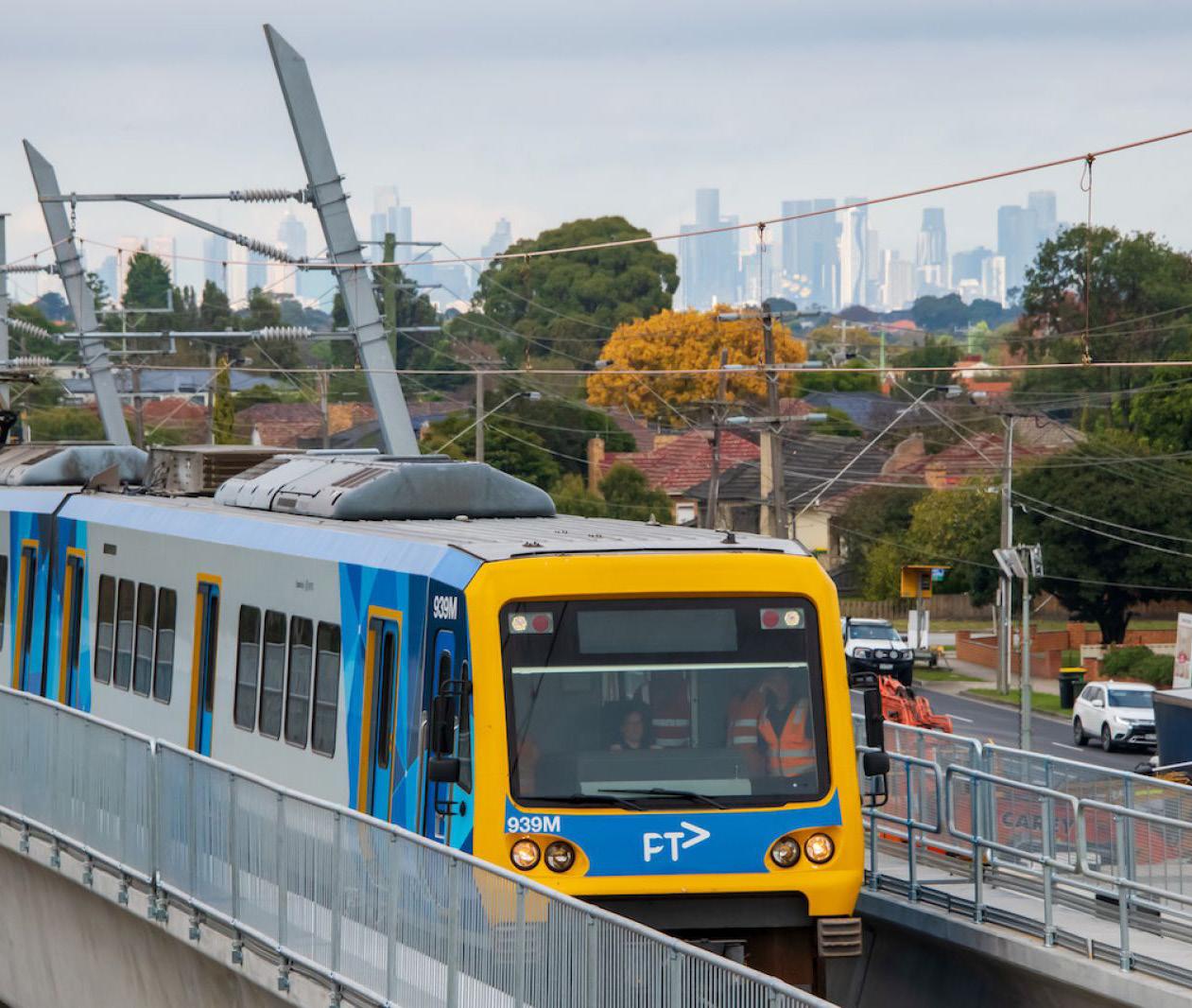
The 2018 extension to Middle Gorge, Hawkstowe and Mernda re connected fast growing communities in South Morang, Mernda and Doreen. At opening, the three stations were expected to serve up to 8,000 daily trips with ~2,000 new parking spaces. Within the first nine months the extension had already chalked up 1 million+ passenger trips, with Mernda averaging about 2,600 daily entries and Hawkstowe roughly 1,000 — clear evidence of mode shift from cars to rail. Residents gained faster, more predictable CBD access, stronger bus connections, better active travel links and safer local roads around station precincts.
|
LEVEL CROSSINGS
The Level Crossing Removal Project is eliminating 110 crossings by 2030. As of August 2025, 87 crossings are already gone, meaning about 23 remain to reach the statewide target. For the North, the transformation is visible along both the Mernda and Upfield lines.
Delivered in the North (high impact examples):
Reservoir (High Street):
Crossing removed and new Reservoir Station delivered, unlocking a central civic plaza and safer east–west movement.
Preston package (Mernda Line):
Four crossings gone at Oakover Rd, Bell St, Cramer St and Murray Rd; new Preston and Bell stations opened Sept 2022; 2 km of elevated rail created safer walking/cycling links and generous under viaduct public space.
Upfield corridor (Coburg/Brunswick):
Crossings removed at Bell St, Munro St, Reynard St and Moreland Rd via an elevated 2.5 km section and new Coburg/Moreland stations, adding linear open space and decongesting a busy arterial.
Keon Parade (Keon Park):
Boom gates removed May 2024; new Keon Park Station opened June 2024; previously, boom gates were down >41 minutes in the morning peak across a corridor used by ~18,000 vehicles/day. This is a major safety and time saving win for Thomastown/ Reservoir. Victoria’s Big Build+1
Why it matters for locals:
Faster bus running times and less rat running near stations; safer walking/rolling across rail corridors; more frequent trains possible; and new public spaces under elevated sections that make station areas feel like real town centre extensions. For buyers and renters, that translates to fewer queues, safer school runs, and better active travel options.
ROADS |
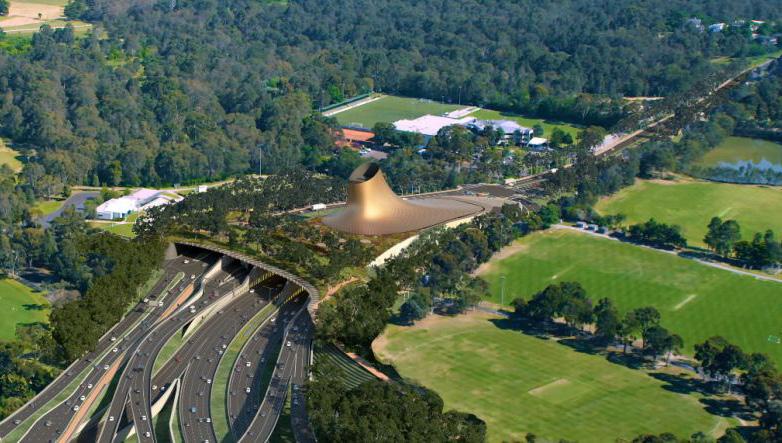
The North East Link connects the M80 Ring Road at Greensborough to the Eastern Freeway at Bulleen via 6.5 km twin tunnels, removing up to 15,000 trucks/day from local streets and cutting some trips by up to 35 minutes. For Bundoora, Watsonia and Heidelberg residents, it pulls heavy traffic off surface arterials and streamlines east–west journeys to jobs in the inner east and south east. Completion is tracked to 2028 alongside extensive Eastern Freeway busway, noise wall and path upgrades.
ARTERIAL UPGRADES SUPPORTING GROWTH SUBURBS
|
Duplications and intersection works along Plenty Road, Bridge Inn Road, Epping Road and the Craigieburn Road Upgrade improve east–west travel times across Mernda, Doreen, Wollert, Epping and Craigieburn, crucial where new estates and schools are generating peak hour pinch points. (These local works pair with the rail upgrades above to deliver genuine multi modal access.)
WEST GATE TUNNEL (INDIRECT NORTHERN BENEFITS)
|
Opening late 2025, the West Gate Tunnel provides a second Yarra/inner west river crossing, new city connections and a CBD bypass via Wurundjeri Way extension. While western, it improves freight and cross town flows that also affect the M80 and northern arterials, resulting in fewer incidents cascading onto the Ring Road is a plus for northern residents commuting across town.
HEALTH & KNOWLEDGE: ANCHORS FOR JOBS & AMENITY
|
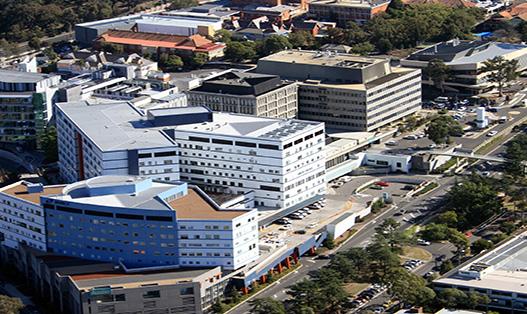
Austin Hospital precinct (Heidelberg): The Austin Hospital, Heidelberg Repatriation Hospital, and the Olivia Newton John Cancer Wellness & Research Centre form one of Victoria’s most significant tertiary care and research clusters. Proximity to La Trobe University and future SRL North stations strengthens the North’s “health knowledge” spine, attracting clinicians, researchers and students, and supporting premium rental demand in adjacent suburbs like Bundoora, Preston and Reservoir.
Northern Hospital (Epping) expansion: The State is investing $813 million to redevelop Northern Hospital, delivering a new Emergency Department, an inpatient tower and almost 200 treatment spaces when complete, with construction staged from 2025 and targeting 2029. For families in Epping, Wollert, Mernda and Craigieburn, that means shorter waits, broader services close to home, and thousands of construction and ongoing health jobs in the local economy.
WHAT THIS MEANS FOR RESIDENTS, BUYERS AND LANDLORDS
Shorter, more reliable commutes: The Metro Tunnel capacity uplift, Mernda extension and level crossing removals combine to reduce pinch points across the North. (Expect another step change once Airport Rail opens.)
Safer, calmer local streets: Grade separations at Reservoir, Preston and Keon Park take boom gate queues and risky turns out of the daily school run and shopping trip.
Health access close to home: Austin and Northern Hospital investments lift clinical capacity and sustain high skill jobs a strong underpin for rental demand in adjoining catchments.
Town-centre uplift: New stations, plazas and under viaduct spaces stitch precincts together and support local hospitality and services.
POPULATION DEMOGRAPHICS
The population of the City of Whittlesea (home to Mernda, Doreen, South Morang, Epping and Wollert) reached 253,200 at 30 June 2024, up 3.34% year on year—outpacing Greater Melbourne’s 2.74%. This confirms the North’s role as one of the state’s fastest growing residential corridors.
Further north, Hume City (Craigieburn and surrounds) projects very strong growth through the 2030s–2040s, with Craigieburn singled out among the LGA’s key growth suburbs.
On the inner north side, Darebin (Preston, Reservoir, Kingsbury) remains a dense, highly urban LGA with ~160,000 residents in 2024 and strong white collar employment growth in health, professional services and the public sector.
WHAT’S DRIVING POPULATION AND DEMOGRAPHIC CHANGE?
Inner-north (Preston, Reservoir, Kingsbury; parts of Bundoora)
Demographic profile:
Higher density, strong share of tertiary educated residents, and continued household formation among young professionals.
Employment mix:
The largest resident job gains 2016–2021 were in Health care & social assistance, Professional, scientific & technical services, Public administration and Construction—a clear tilt toward white collar and care economy roles.
Implication:
Demand for quality townhouses/units near tram/ train corridors and activity centres (e.g., along the Mernda Line and around Northland), with rental depth supported by health/education employers and hospitality/retail precincts. (Northland itself is a major regional centre with >210 specialty stores and multiple anchors, an employment magnet in Preston.)
Middle-ring to outer growth (South Morang, Mill Park, Epping, Thomastown; transitioning to Craigieburn, Mernda, Doreen, Wollert)
Demographic profile:
Family formation dominates; average household sizes are higher than inner LGAs; migration inflows from both overseas and intra Melbourne seek value, space and school access.
Population momentum:
Whittlesea’s 3.34% annual growth illustrates the scale; Craigieburn alone is forecast at 70,500 residents in 2025, rising further by 2046
Implication:
Sustained demand for detached family housing and larger townhomes near schools, new rail stations (Hawkstowe/Mernda) and health jobs in Epping; depth grows as road/rail capacity and local services expand.
POPULATION DEMOGRAPHICS
OCCUPANCY
BACHELOR PERCENTAGE
DEFINITIONS
LABOUR FORCE PERCENTAGE:
The percentage of people working in the labour industry.
BACHELOR PERCENTAGE:
The percentage of people with a bachelor’s degree.
OCCUPANCY SNAPSHOT
BACHELOR PERCENTAGE
ECONOMIC & EMPLOYMENT GROWTH
HEALTH & LIFE SCIENCES
A defining feature of the North is its education health sector, centred on La Trobe University Bundoora (with the La Trobe National Employment & Innovation Cluster), RMIT Bundoora, and the major hospital hubs (Austin Health at Heidelberg and Northern Hospital at Epping). Around 70,000 people work or study in the La Trobe NEIC, underscoring the concentration of knowledge economy activity in and around Bundoora.
Northern Hospital’s multi stage redevelopment alone is forecast to support up to 2,200 construction jobs, add almost 200 treatment spaces, and accommodate 30,000 extra Emergency Department patients per year once fully operational cementing Epping as the North’s principal acute care hub.
Austin Health (Heidelberg precinct), tertiary services, plus the Olivia Newton John Cancer Centre draw clinicians, researchers and students across the region; a major demand anchor for nearby suburbs (Bundoora, Reservoir, Preston).
EDUCATION & RESEARCH
La Trobe University, Bundoora heart of the La Trobe NEIC (70,000 study/work). Pipeline initiatives (innovation/bio hubs) reinforce higher skill employment and postgraduate tenancy demand.
• RMIT University, Bundoora large STEM and health sciences presence; RMIT reports 99,000 students and 12,000 staff globally, with Bundoora a key campus in the network.
LOGISTICS, WHOLESALE & ADVANCED MANUFACTURING
Epping employment/market precinct the Melbourne (Wholesale) Market at Epping underpins fresh produce logistics and SME employment; the wider Hume/Whittlesea corridor (Somerton, Campbellfield, Craigieburn) hosts warehousing, food distribution and light manufacturing linked to the Hume Freeway and M80.
Hume City projects sustained population and industry growth, with Craigieburn among the suburbs expected to see large increases, supporting retail, logistics and services employment locally.
RETAIL & SERVICES
Northland (Preston) — a major two level regional centre with national anchors and 210+ specialties; a consistent employment base for youth/part time and retail management roles.
Activity corridors in Preston/High St, Epping/ South Morang (Plenty Valley) and Craigieburn Central continue to draw spend from a growing catchment.
ECONOMIC & EMPLOYMENT GROWTH
The Victorian Government’s Activity Centre Program, aims to build 300,000 new homes within the eventual 60 train and tram activity centres by 2051, of which 25 have been announced so far.
The activity centres aims for housing to be well located by allowing the maximise use of existing infrastructure, services, jobs, green space and public transport. The idea for residents in living in these new zones will make day to day life easier, more convenient, and more sustainable. Here’s a snapshot of what’s planned in our selected Axis suburbs.
BUNDOORA CRAIGIEBURN
Dual university suburb (La Trobe & RMIT Bundoora) within the La Trobe NEIC; strong student/staff demand, allied health and research linkages; easy access to Austin Health. Expect resilient rental pools and steady professional/ academic household growth.
One of Hume’s fastest growing suburbs (forecast ~70.5k residents in 2025). Employment spans retail, services, construction and logistics, with increasing local job capture as the town centre and business parks scale.
EPPING KINGSBURY
Northern Hospital and the Epping employment precinct are the stand outs: acute care expansion plus produce logistics (Melbourne Market) and large format retail make Epping a job magnet for the outer North.
Small, tightly held pocket near La Trobe; higher tertiary educated cohort; renter demand tethered to the university and health precincts. Employment skew similar to Darebin profile (health/professional services).
LALOR MERNDA & DOREEN
Affordable inner north fringe with improving connexions to health/education jobs; retail and services employment stable; diverse migrant communities underpin small business formation. (Sector shifts in the wider LGA show health and construction gains.)
MILL PARK
Established middle ring family market. Workforce leans toward education, health, retail and construction, with accessibility to universities and Plenty Valley employment. (Backed by Darebin/ Whittlesea wide sector trends.)
RESERVOIR
Larger housing base with improving station precincts and links to the La Trobe/Austin spine. Resident employment growth aligned with Darebin’s big movers (health, professional services, construction).
THOMASTOWN
Mixed residential/industrial character; proximity to Epping logistics and Thomastown/Campbellfield light industrial estates. Future uplift tied to road/ rail capacity gains and steady SME employment. (Hume/Whittlesea corridor logistics trend applies)
Rapidly growing, young family suburbs. Rail access (Mernda terminus) helps unlock white collar commuting; local jobs grow in education, childcare, retail and community health as neighbourhood centres mature. Whittlesea’s growth metrics confirm sustained population inflows.
PRESTON
One of the North’s gentrification leaders: heavy concentration of health/professional services workers, access to the CBD, and the Northland employment node. Strong café/creative services economy.
SOUTH MORANG
Family oriented suburb benefiting from rail access (Mernda Line), Plenty Valley retail/health services, and spill over employment from Epping. Population growth in Whittlesea supports retail, childcare, and community health roles.
WOLLERT
Early stage master planned growth area. Employment currently skewed to construction, retail and services, with many residents commuting to Epping/Northern Hospital, La Trobe/RMIT, and Hume logistics. Population growth remains the dominant demand driver.
GOVERNMENT POLICY PLANNING
The Labor government’s housing promises from the recent 2025 federal election, focusing on how they plan to support Australians into housing, assist first-home buyers, address deposit challenges, support renters, enhance affordability, and boost home construction.
SUPPORT FOR FIRST HOME BUYERS
Deposit Scheme (Expanded First Home Guarantee)
Labor has expanded the existing First Home Guarantee scheme, allowing all first home buyers to purchase a home with just a 5% deposit without paying Lenders Mortgage Insurance (LMI). Previously, this scheme had income and participant caps, but the expansion removes these limitations, making it accessible to a broader range of buyers. For example, a Sydneysider could buy a $1 million property with a $50,000 deposit, saving up to $20,000 in LMI costs.
Help to Buy Shared Equity Scheme
This initiative enables eligible buyers to co purchase a home with the government, which can contribute up to 40% of the purchase price for new homes (30% for existing homes). This reduces the amount buyers need to borrow, lowering monthly repayments and making homeownership more attainable. Help to Buy is expected to open for applications later this year (following registration of the program directions, passage of state legislation, and implementation by Housing Australia). Purchase price cap increasing to 950k (up from $800k) for Metro Melbourne and 650k for regional (unchanged).
Construction of 100,000 Homes for FirstHome Buyers
Labor has committed $10 billion to build up to 100,000 homes exclusively for first home buyers. These homes will be constructed in partnership with states, developers, and community housing providers, with construction commencing in 2026 27 and occupancy beginning the following financial year.
Housing Australia Future Fund (HAFF)
The HAFF is a $10 billion investment fund aimed at building 30,000 new social and affordable homes over five years. The fund’s returns are used to finance the construction of these homes, addressing the housing supply shortage and improving affordability.
SUPPORT FOR RENTERS
Commonwealth Rent Assistance (CRA) Labor plans to increase the CRA payments to provide additional support to low income renters, helping to alleviate rental stress and improve housing affordability.
Build-to-Rent Incentives
To boost the supply of rental properties, Labor has introduced tax incentives for developers to construct build to rent housing. This initiative aims to deliver approximately 80,000 additional rental units over a decade, increasing rental availability and stabilising prices.
ADDITIONAL MEASURES
Ban on Foreign Purchases of Existing Homes
To prioritise Australian buyers and reduce competition in the housing market, Labor has implemented a two year ban on foreign investors purchasing existing residential properties.
BROADER HOUSING SUPPLY INITIATIVES
National Housing Accord
Labor has set a target to build 1.2 million new homes by mid 2029 through the National Housing Accord. This ambitious plan involves collaboration with state governments and the private sector to accelerate housing construction and address the national housing shortage. One key reason new home construction hasn’t progressed as quickly as the government anticipated is that taxes make up 42% of the total cost of building a new home.
MARKET CYCLE
Market cycles rarely move in straight lines. After two years of rate rises and cost of living pressure, Melbourne’s northern arc is showing the hallmarks of a late downturn/early recovery.
In short, the North offers a cycle aware opportunity: purchase at a relative discount, hold through infrastructure led uplift, and benefit from population and employment momentum. Focus on liveability basics; transport, schools, jobs and prioritise streets and floorplans that stay liquid across cycles. That discipline, applied now, should position buyers to participate in the next upswing rather than chase it.
Compared with inner city equivalents, family sized homes in Mernda, Doreen, Epping, South Morang, Wollert and Craigieburn still trade at meaningful discounts, while established middle ring pockets, Mill Park, Thomastown and Lalor, offer renovation and add value potential without inner north price tags.
In the inner north leaders, Preston, Reservoir, Bundoora and Kingsbury, the post covid heat has moderated,
creating entry points into suburbs with deep amenity, rail access and entrenched demand.
The infrastructure pipeline is unusually strong. The Mernda line extension (Hawkstowe/Mernda), recent level crossing removals (Reservoir, Preston, Keon Park), the approaching Metro Tunnel capacity uplift, North East Link delivery, and hospital investments at Austin and Northern Hospital, Epping all increase accessibility and reinforce job nodes. A great strategy would be to buy before these infrastructure projects are complete.
Rental fundamentals remain supportive. Population growth in Whittlesea and Hume continues to translate into steady tenant demand, particularly for modern townhomes and family houses near schools and stations. For investors, that combination of relative affordability and demand depth can balance holding costs as interest rates plateau and, eventually, ease.
MAY 2020 TO 31 OCT 2025 (POST COVID)
SYDNEY MELBOURNE
BRISBANE
ADELAIDE
PERTH
HOBART
*Note: figures are approximate, based on available data. Prices are for combined dwellings for houses & units.
MAY 2015 TO MAY 2020 (PRE COVID)
Winding the clock back 5 and a half years prior to Covid the numbers show a different growth pattern particularly for Melbourne, where it has enjoyed the title of the 3rd best performing capital city with 26.2% growth, a stark contrast to the 2.8%, 5 years later. Hobart experienced the highest growth over the five year period, with a significant increase of 55.1% in median dwelling prices.
SYDNEY MELBOURNE BRISBANE
PERTH
HOBART
*Note: May 2015 figures are approximate, based on available data. Prices are for combined dwellings for houses & units.
MAY 2015 TO 31 OCT 2025
The table below paints the stories of growth over the last 10.5 years. Adelaide and Hobart had the highest growth over the past decade, with increases of 114.24% and 104.85%, respectively. This growth is attributed to factors such as affordability, lifestyle appeal, and increased interstate migration. Brisbane has also seen significant growth of 82.18%, driven by strong population growth and infrastructure development. Perth’s growth of 72.4% reflects a recovery from earlier market downturns, supported by the mining sector and increased demand. Sydney and Melbourne have experienced more moderate growth of 48.6% and 34.25%, respectively, due to higher base prices and affordability constraints.
10.5 YEAR GROWTH DATA
2015
$810,000 CITY
SYDNEY MELBOURNE
BRISBANE ADELAIDE
PERTH
HOBART
2025 10.5 YR GROWTH $610,000 $506,553 $405,000 $513,000 $335,000
*Note: May 2015 figures are approximate, based on available data. Prices are for combined dwellings for houses & units.
MAY 2023 TO OCT 2025
Judging by the table below, the 2 and a half year trend across the 6 capital cities paints a renewal of growth for all states apart from Melbourne. Brisbane, Adelaide and Perth have experienced the highest growth over the past two and a half years, each with at least 10% increases in median dwelling values.
Sydney has seen good moderate growth of 9.23%, while Hobart’s growth has been more subdued at 3.98%. Melbourne is the only capital city to record only 1.08%.
*Note: Somes
IN SUMMARY
Melbourne’s comparatively modest property growth over the past decade and particularly the last 5.5 and 2.5 years can be attributed to a range of factors—many of which extend beyond government policy. At the heart of it, it can only best be described as a COVID 19 hangover—a unique circumstance that no other capital city faced to the same extent. While government initiatives like the 10 year COVID Land Tax levy and the introduction of stricter regulations for landlords (rental providers) have certainly played a role, they are only part of the story.
Victoria also faces significant state debt, yet it is actively investing in its future through transformative infrastructure programs such as the Big Build. When it comes to tenancy reforms, Victoria has led the nation, and while some may criticise the extent of these changes, other states are expected to follow suit—if not fully, then in part.
Another contributing factor to Melbourne’s slower growth may lie in the lack of new support mechanisms for first home buyers. The stamp duty concessions have remained unchanged since 2017. It still offers a full exemption up to $600,000 and a partial concession up to $750,000—providing no adjustment for inflation or market movement since 2017.
Taxation on investment properties also remains a point of contention. The recently passed Fire Services Levy—as of May 2025—now places a heavier financial burden on landlords compared to owner occupiers, with the government anticipating an additional $2 billion in revenue.
But within this uncertainty lies opportunity. As Warren Buffett famously said, “Be fearful when others are greedy, and greedy when others are fearful.” For astute investors, Melbourne’s market conditions may represent precisely that kind of moment.
To summarise, Melbourne landlords have had 2 varied reactions to the Government policy. The first being “it’s all too hard” and “we’re not playing anymore”. The second being, “we’re in it for the long run”.
A recent study conducted over two decades puts these mindsets into perspective, approximately one in five investment properties are sold within the first year of ownership, while 28 per cent are held for more than 20 years. The motto should always be “buy well and never sell”.
DEVELOPMENTS IN THE NORTH
FIG 1: Suburban Rail Loop
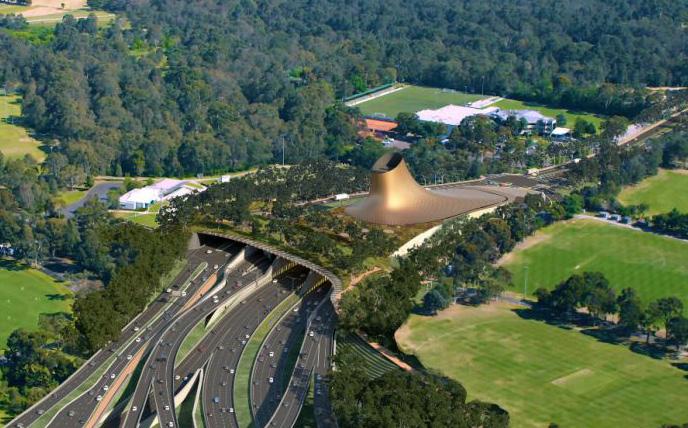
FIG 2: Major interchanges North East Link
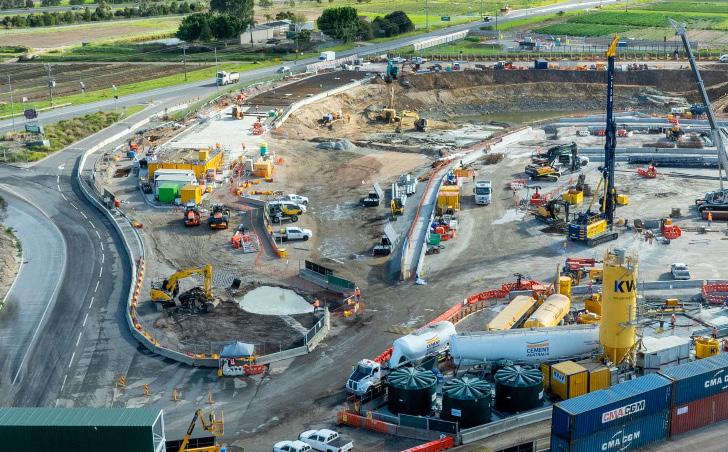
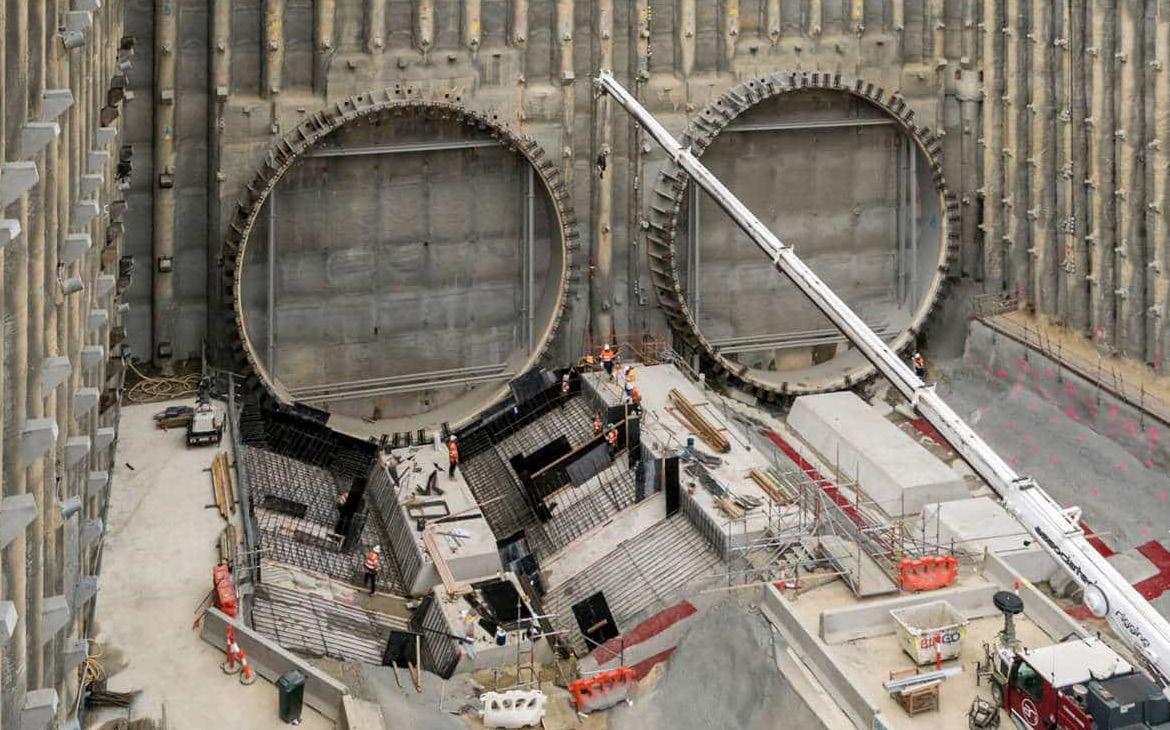
FIG 3: Tunnelling for the North East Link
FIG 1
FIG 2
FIG 3
DEVELOPMENTS IN THE NORTH
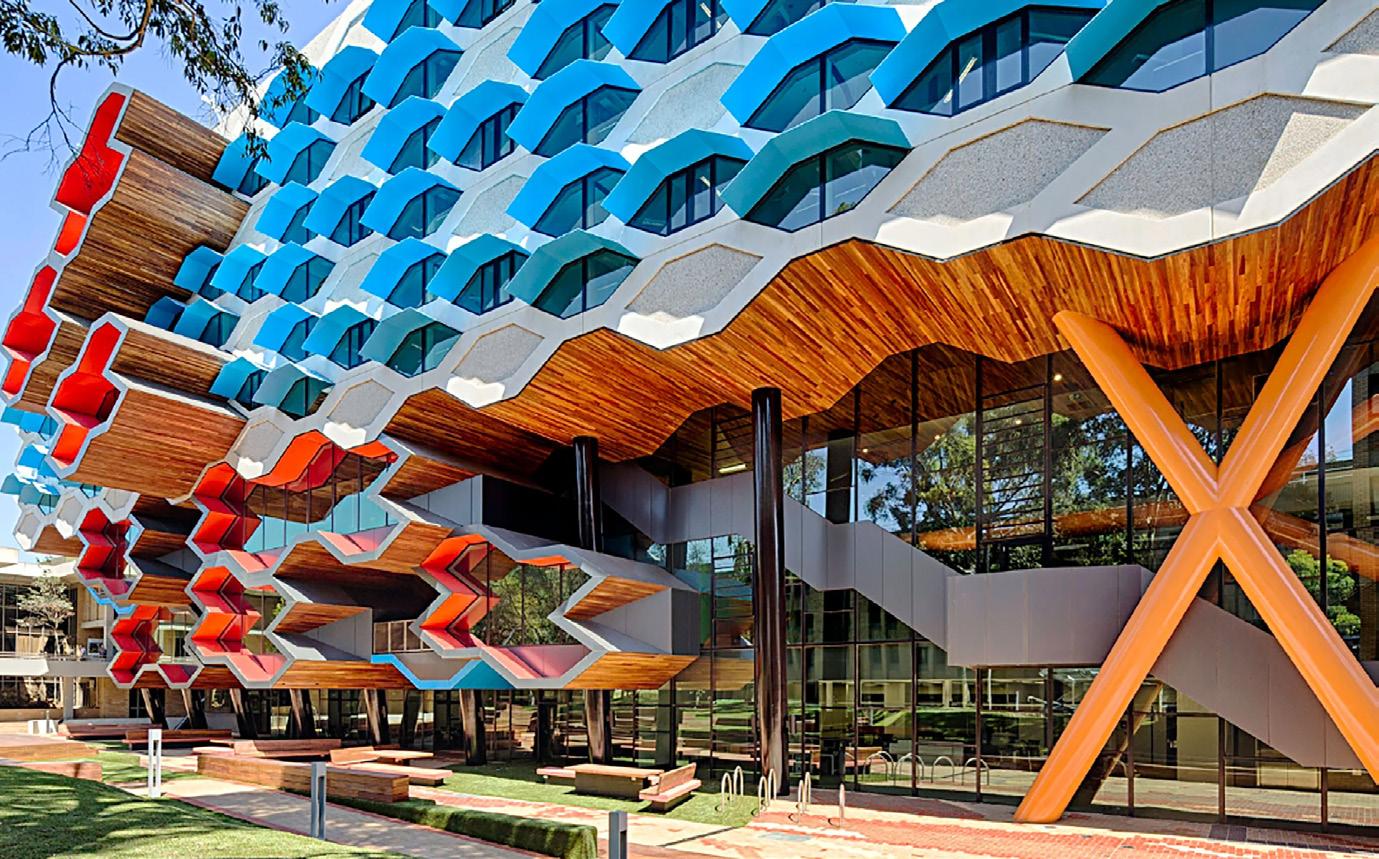
FIG 4: La Trobe University, Bundoora https://www.latrobe.edu.au/melbourne/ contact
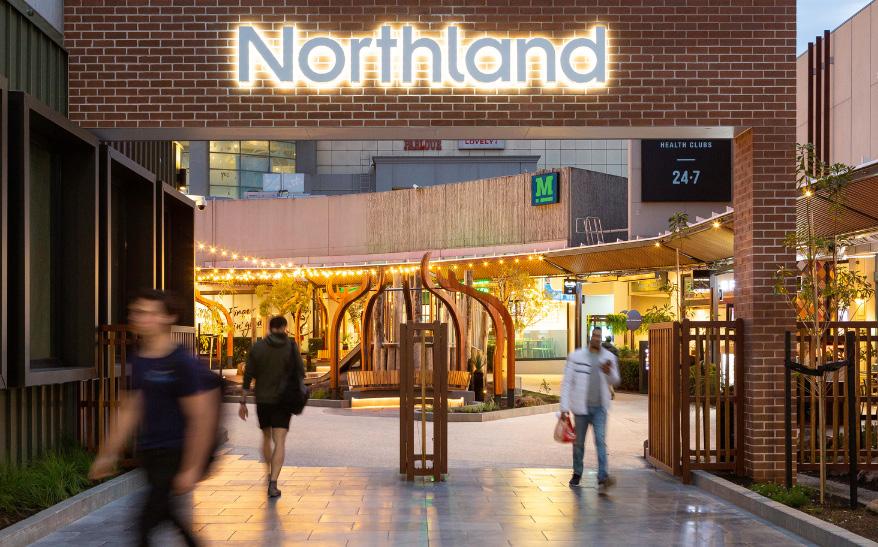
FIG 5: Northland’s Entertainment & Leisure Precinct https://www.northlandsc.com. au/play
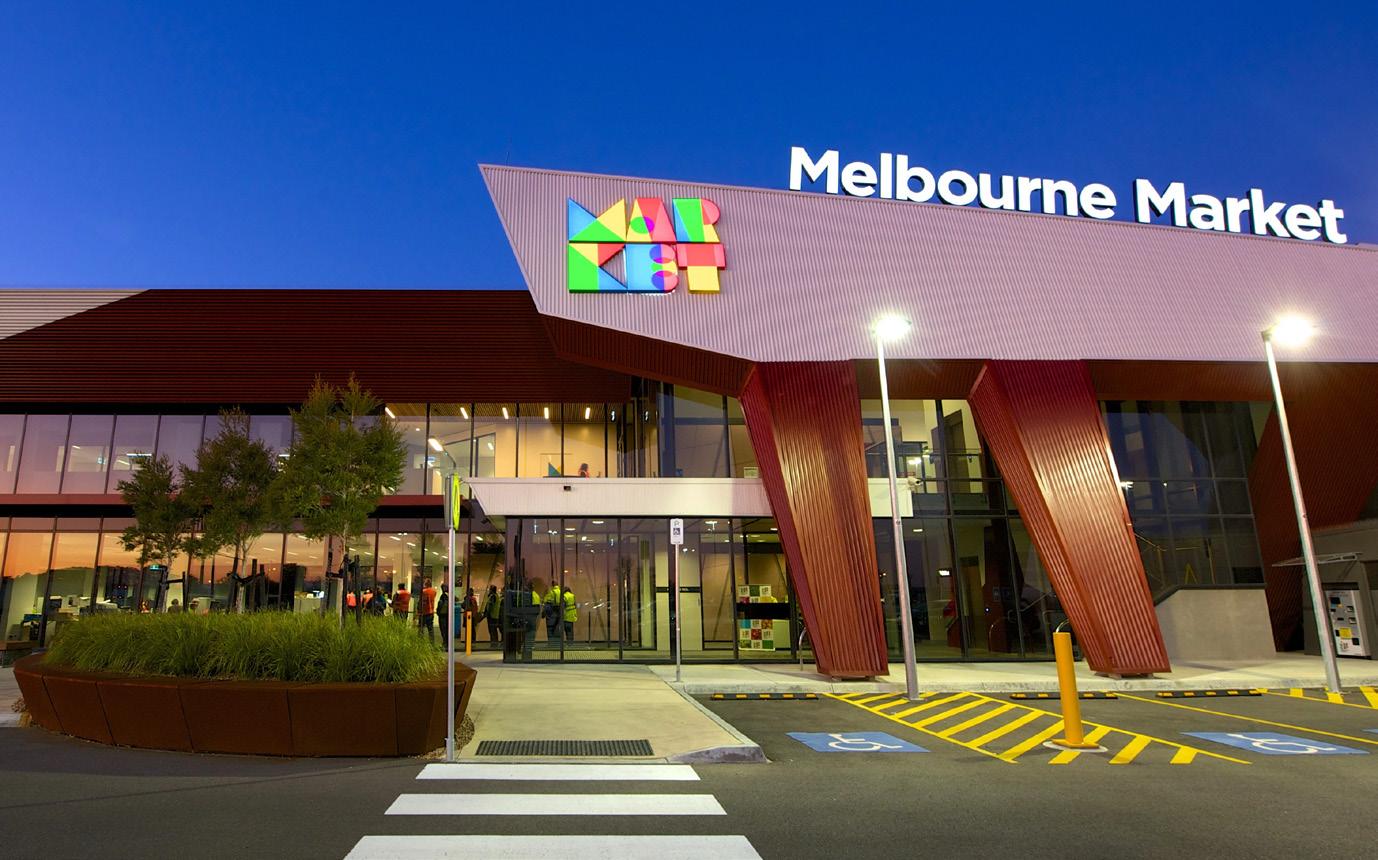
FIG 6: Melbourne Market in Epping https://melbournemarket.com.au/
FIG 4
FIG 5
FIG 6
SOURCES & DISCLAIMER
Data sources: realestate.com.au
Forecast.id
SQM Research
Victorian Government Big Build project announcements.
Census 2021 Victorian Planning Authority Cotality Chat GPT
The information contained in the Axis Guide is for general informational purposes only and does not constitute financial, investment, or legal advice.
While every effort has been made to ensure the accuracy and reliability of the information provided. Readers are encouraged to seek independent professional advice before making any property or financial decisions.
OBrien Real Estate disclaims all liability for any loss or damage arising from reliance on the information contained in this guide.
WORDS & DATA BY JASON MUDFORD DESIGN & CREATIVE BY OLIVIA WARDEN
WHERE DATA MEETS DIRECTION
OBRIEN MILL PARK
5B DEVELOPMENT BLVD, MILL PARK 03 9478 5005
OBrien Real Estate has 35 plus offices across Metropolitan and Regional Victoria.