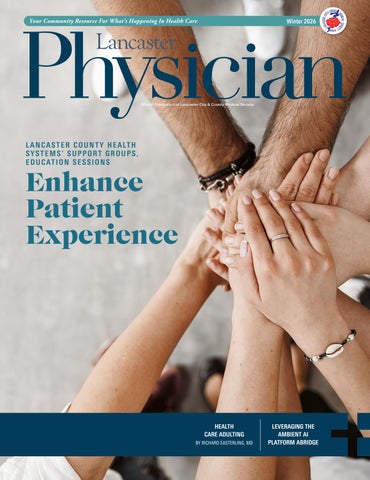
LANCASTER COUNTY HEALTH SYSTEMS’ SUPPORT GROUPS, EDUCATION SESSIONS
Enhance Patient Experience
HEALTH CARE ADULTING BY RICHARD EASTERLING, MD
LEVERAGING THE AMBIENT AI PLATFORM ABRIDGE


Your new digital gateway to the latest WellSpan advances.
With articles, research updates and exclusive insights tailored for physicians, MacroScope is our new content platform to inform and inspire. We look forward to sharing medical innovations, clinical research and new technologies that will empower and inform your professional journey.
• Stay up to date: Keep abreast of the latest developments across various specialties.
• Gain insights: Benefit from expert analyses and studies that can directly impact your practice.
• Expand your network: Connect with other experts shaping the future of healthcare.
For another healthy dose of valuable medical content, subscribe to our companion publication. Complete the subscription form on MacroScope online for delivery to your home or office three times a year.
2025/2026 Board of Directors
OFFICERS
Sarah E. Eiser, MD President
Penn Medicine Lancaster General Health Physicians Lancaster Physicians for Women
Stacey S. Denlinger, DO
Immediate Past President
UPMC Wound and Hyperbaric Center
Robin M. Hicks, DO President-Elect
UPMC Supportive Care & Palliative Medicine
Christopher R. Scheid, DO Vice President
UPMC Post-Acute and Senior Care Services
James M. Kelly, MD Treasurer
Penn Medicine Lancaster General Health Physicians Family Medicine Lincoln
David J. Gasperack, DO Secretary WellSpan Health
DIRECTORS
Lena Dumasia, MD
Laura H. Fisher, MD
Abby K. Geletzke, MD
Anna Goetze, DO | Resident
Logan Lawson, DO, MPH | Resident
Jessica Miller, MD | Resident
Karen A. Rizzo, MD, FACS
Daniel J. Schlegel, MD, MHA, FAAFP
Susanne E. Scott, MD, MPH
Danielle Rubinstein, DO
Osvaldo Zumba, MD
EDITORS
Dawn Mentzer
Beth E. Gerber
Lancaster City & County
Stacey S. Denlinger,
LancasterPhysicianis a publication of the Lancaster City & County Medical Society (LCCMS). The Lancaster City & County Medical Society’s mission statement: To promote and protect the practice of medicine for the physicians of Lancaster County so they may provide the highest quality of patient-centered care in an increasingly complex environment.



Wounds That Don’t Heal Properly Can Have Serious Health Consequences: How UPMC is Leading the Way for the Future of Wound Medicine
Hello Lancaster County,
It’s hard to believe 2025 is in the books and a new year is beginning! Time really flies!
This season, the magazine will feature our 2025 Foundation scholarship winners. These applicants, as always, are amazing people doing amazing things. They represent great hope and are headed for a bright future in medicine!
In this issue, you will also find articles about “health care adulting,” early signs of heart attack and stroke, and a wrap-up of this year’s PAMED House of Delegates.
We also cover local health systems’ support groups and patient education offerings in our Perspectives segment. And of course, our usual favorites are back, including the Best Practices section, a member physician’s Passion Outside of Practice, LCCMS member and Frontline Group spotlights, and a restaurant review.
Read and enjoy…I wish you all a Happy New Year!
Thank you,
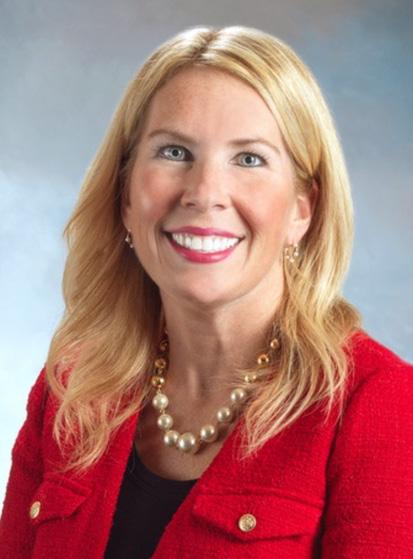
Sarah Eiser, MD Penn Medicine Lancaster
General Health Physicians
Lancaster Physicians for Women
You’re proud to be a physician. Support the organization dedicated to serving you and your passion. United we are stronger and can work together to make a positive impact in Lancaster County medicine and beyond. If you aren’t already a member, we hope you’ll consider a membership investment in LCCMS.
Scan the QR code below to learn more.












best pr ctices
• Penn State Health Expands Vascular Surgery Services in Lancaster County
• WellSpan Cancer Institute Receives ACCC Innovator Award for Advancing Palliative Care Through Predictive Analytics
• Wounds That Don’t Heal Properly Can Have Serious Health Consequences: How UPMC is Leading the Way for the Future of Wound Medicine ALSO IN THIS SECTION
PENN MEDICINE LANCASTER GENERAL HOSPITAL PERFORMS FIRST AWAKE CRANIOTOMY
Expanding Advanced Neurosurgical Options for Local Patients
Lancaster resident Tanner McIntosh thought his excruciating back pain during a 5K race was just a bad day. After the race, the 36-year-old assumed rest and physical therapy would resolve the issue. But weeks later, when spasms began causing him to lose his ability to speak, an MRI revealed a moderate-size brain tumor located close to his primary motor cortex.
To safely remove the tumor, surgeons at Penn Medicine Lancaster General Hospital performed its first awake craniotomy. The complex, four-hour procedure required McIntosh to remain conscious during critical stages of the surgery so his care team could safely remove the tumor while continuously monitoring his brain functions, reducing the risk of permanent complications.
Threading
the Needle:
When Precision Meets Collaboration
The surgery presented competing challenges that required detailed coordination among specialists. Neurosurgeon Eric
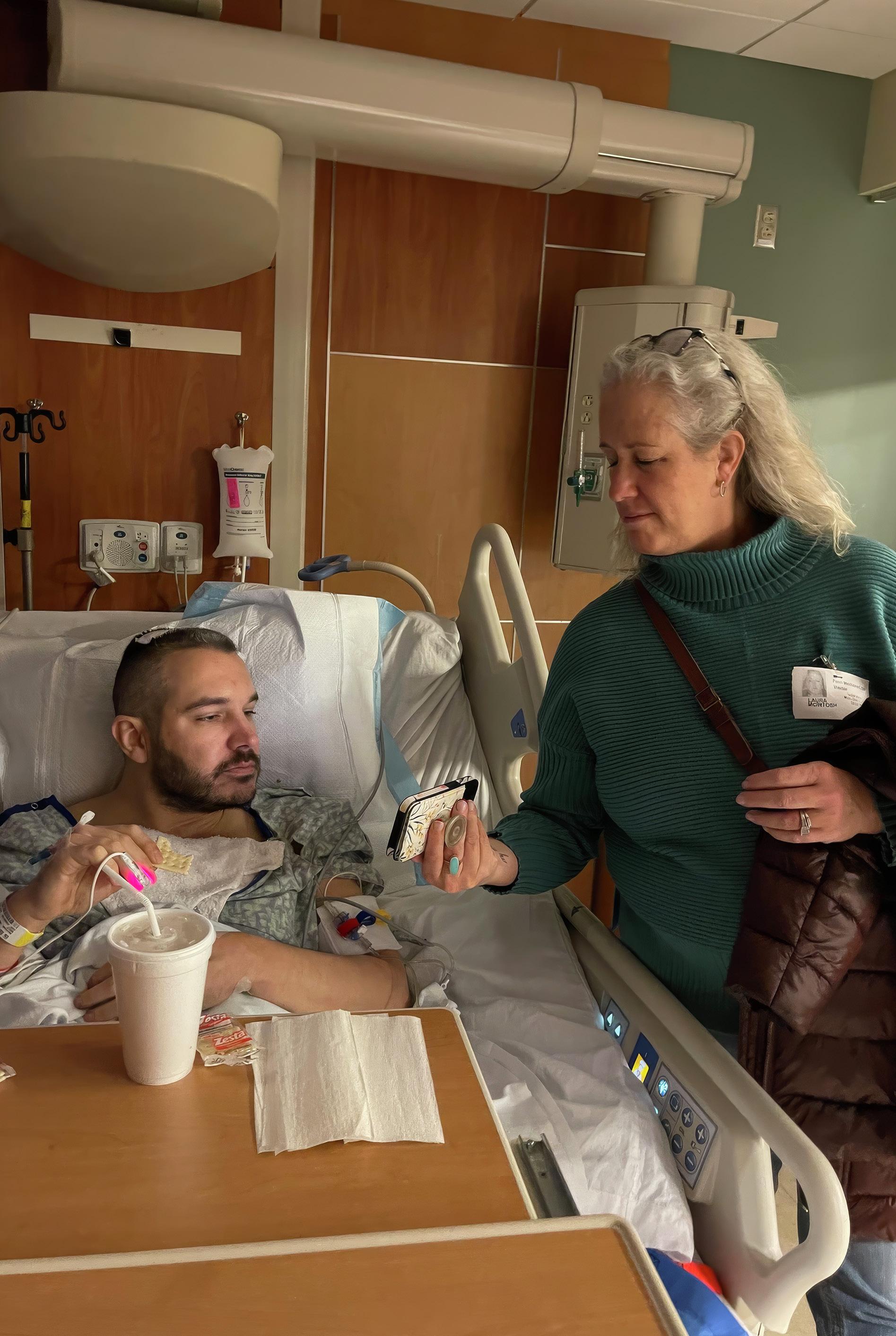
Patient Tanner McIntosh, left, with his mother, Laura, post-surgery at Penn Medicine Lancaster General Hospital after Tanner underwent a successful awake craniotomy to remove a tumor, December 2024.
Hintz, MD, needed to remove as much of the grade 3 astrocytoma tumor as possible, but the tumor’s location next to McIntosh’s primary motor cortex—the brain region controlling voluntary movements and speech—meant any misstep could cause permanent impairment.
Executing this procedure—which Hintz had performed before but had never been done at Lancaster General Hospital—required meticulous preparation and seamless teamwork.
“There are competing goals in brain tumor surgery,” Hintz explained. “You are trying to remove as much of the tumor as you can for the patient’s benefit, but if you cross a line where you have removed critical tissue, and they awaken with a neurologic deficit, you have gone too far.”
The groundwork began months earlier when the team traveled to Penn Medicine in Philadelphia to observe awake craniotomies performed by colleagues who conduct them more frequently. This collaboration proved essential in developing the protocols, workflows, and interdisciplinary coordination needed to bring this advanced capability to Lancaster County.
Building the Foundation: Neuropsychology’s Critical Role
Neuropsychologist Jesse Main, PsyD, played a pivotal role in both preparing McIntosh for the experience and ensuring surgical success. Main’s responsibilities began weeks before surgery with a comprehensive neuropsychological evaluation to determine McIntosh’s candidacy for the procedure and establish his cognitive baseline.
“My goal is to identify candidates who would be ideal for an awake craniotomy and then prepare that patient for the fact that they will be in this surgical setting, awake,” Main explained. “I establish a connection with them because when they wake up, I’m the person they’re looking at.”
During the procedure, Main held McIntosh’s hand and guided him through a series of tasks—making a peace sign, repeating words, responding to prompts—that allowed Hintz to identify eloquent areas of the brain that must be preserved. This real-time cognitive and motor monitoring provided immediate feedback about which tissue could be safely removed and where the surgical team needed to exercise extreme caution.
“If I introduce an object during surgery and the patient has speech arrest during cortical stimulation, then we know we are in an eloquent area of cortex,” Main said. “That can inform Dr. Hintz and his approach.”
The Anesthesia Challenge: Breathing Without a Tube
For anesthesiologist Ansar Khan, MD, the awake craniotomy presented unique challenges that differed fundamentally from
standard surgical procedures. Typically, anesthesiologists protect a patient’s airway by inserting a breathing tube, but that’s impossible when the patient needs to communicate during surgery.
“What’s important is that the patient is not cognizant or conscious and feeling pain or discomfort while the surgeon is doing that initial work,” Khan explained. “But once the skull cap is off, we slowly wake the patient up. It’s a long process—about 30 to 40 minutes where the patient goes from a sleepy state to being cognitively aware under drapes.”
Khan ensured McIntosh could breathe independently throughout the procedure while managing his comfort and consciousness levels. The anesthesia team had to carefully calibrate their approach, bringing McIntosh from deep sedation during the skull opening to full awareness during tumor removal, then back to sedation for closure—all while maintaining his safety and ability to participate in cognitive testing.
“Although I didn’t see our patient until the day of surgery, I had the opportunity to get to know him as a person, answer his questions, and make him feel like I care deeply about him,” Khan said.
A Remarkable Outcome
The collaboration succeeded beyond expectations. Hintz and colleague Nduka M. Amankulor, MD, Division Head of Neurosurgical Oncology for Penn Medicine, removed nearly all of McIntosh’s tumor, leaving only a “very, very slight residual.” McIntosh’s motor functions remained completely intact.
“It was really kind of an out-of-body experience,” McIntosh recalled. “I had the benefit and blessing of having a comprehensive support network. I was very confident in Dr. Hintz and his team.”
McIntosh spent just two nights in the hospital following surgery. Though he felt “a little wobbly” initially, he recovered quickly, progressively increasing his activity each day. He’s now undergoing proton therapy and will begin chemotherapy, supported by an ongoing care team including Hintz, medical oncologist Srilatha Hosur, MD, and radiation oncologist Melissa Afton Frick, MD.
Advancing Neurosurgical Care
The first successful awake craniotomy demonstrates Lancaster General Hospital’s commitment to bringing access to advanced neurosurgical capabilities to the community, reducing the need for patients to leave Lancaster County to travel to larger academic centers for this type of care.
“No one ever wants to go through this,” McIntosh said. “But having this support system in place for my own journey has helped me to feel like I’m in the best hands at every turn.”
Penn State Health Expands Vascular Surgery Services
IN LANCASTER COUNTY
Penn State Health has expanded the vascular surgery services, including increasingly advanced procedures, available at its Lancaster Medical Center. Patients can now get high-quality care from Penn State Health’s world-class vascular surgeons close to home.
“We are expanding the complexity of procedures available at Lancaster Medical Center to advance vascular care for patients in the area,” says Dr. Tarik Ali, a board-certified vascular surgeon. “Our goal is to help patients access the care they need, wherever they are.”
In September 2025, Ali performed the first endovascular abdominal aortic aneurysm repair—a minimally invasive procedure to treat abdominal aortic aneurysms—at Penn State Health Lancaster Medical Center. This milestone signals the next step forward for vascular care at the hospital.
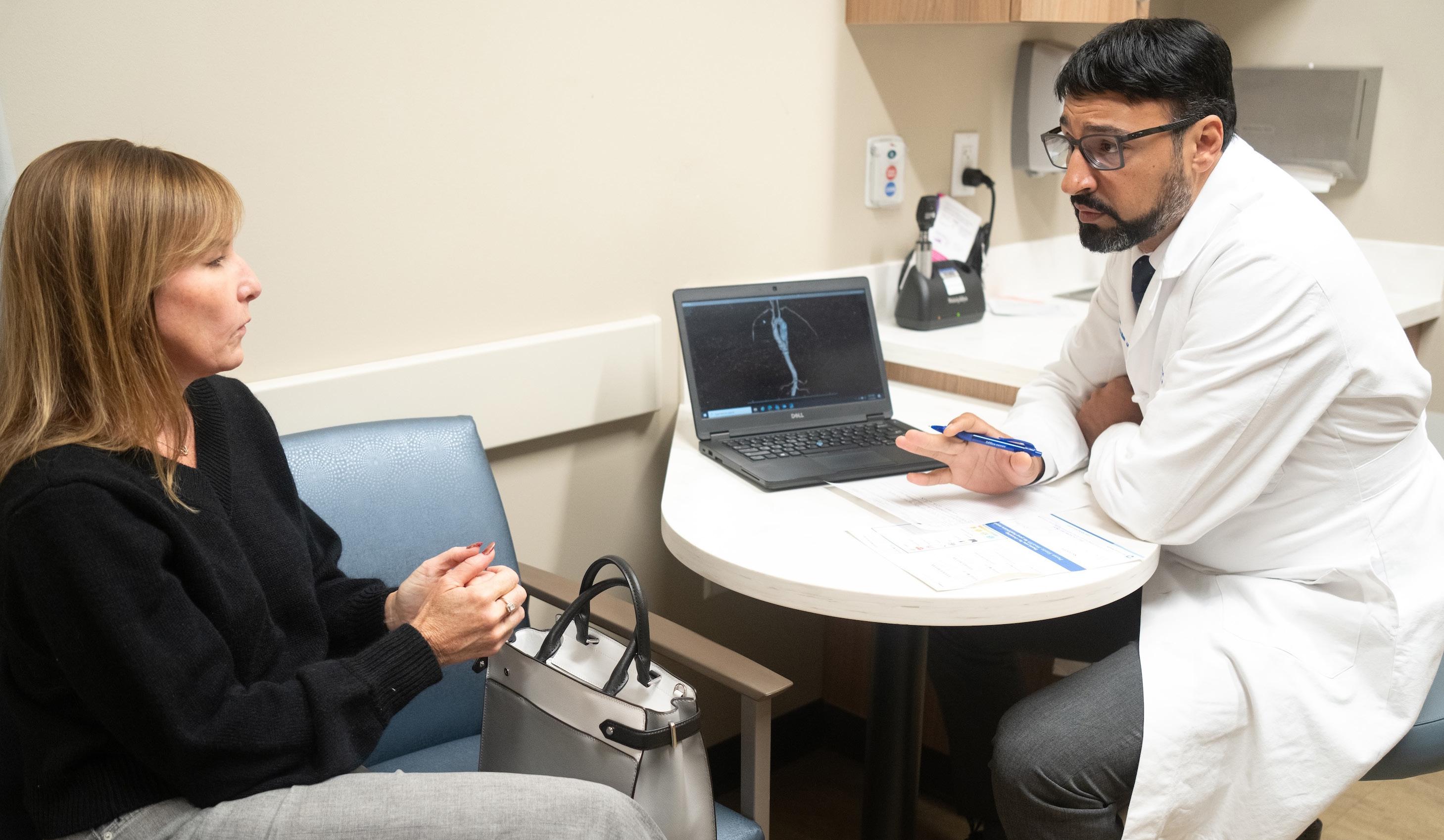
Erin Horst of Lebanon attends a postoperative visit at Penn State Health Lime Spring Outpatient Center after endovascular aortic aneurysm repair.
Strategic Service Expansion
Since Lancaster Medical Center opened in 2022, Penn State Health’s Vascular Surgery team has purposefully increased its scope of services in Lancaster County.
“Many patients want to be seen close to home, and we tailor our care to our patients’ needs,” says Dr. Faisal Aziz, chief of vascular surgery at Penn State Health.
The team began by offering outpatient care at Penn State Health Lime Spring Outpatient Center in Lancaster County in 2020. They began performing surgeries at Lancaster Medical Center starting in 2022, progressing from simple outpatient procedures to more complex vascular surgery operations.
Patients at Lancaster Medical Center now have access to the latest treatments for heart and vascular disease: minimally invasive techniques, open surgeries, and hybrid procedures that combine both approaches. The team is preparing to offer more complex emergency surgeries in the future.
“We’re committed to bringing new, leading-edge technologies and devices to our patients,” Ali says.
Academic Medical Care in Lancaster
Patients at Lancaster Medical Center are treated by the same vascular surgeons and receive the same high-end, high-quality care that patients receive at Penn State Health Milton S. Hershey Medical Center in Hershey, a leading academic medical center.
Penn State Health’s vascular surgeons provide state-of-the-art care and conduct clinical research. They also train the next generation of physicians as faculty at Penn State College of Medicine’s vascular surgery residency program.
According to Ali, the vascular surgery team is supported by skilled nursing and hospital staff at Lancaster Medical Center, whose expertise makes it possible to perform complex surgeries that would otherwise be limited to large tertiary care centers.
New Hybrid Cardiac Cath Suites
The vascular surgeons treat patients in Lancaster Medical Center’s new vascular hybrid and endovascular suites, equipped with advanced imaging technology for highly precise diagnosis and treatment.
Some emergencies and highly complex conditions require treatment at Milton S. Hershey Medical Center, a Level 1 Trauma Center with resources for the most critical cases, such as a 24-hour blood bank and extracorporeal membrane oxygenation machines. However, even patients who need surgery in Hershey can receive preoperative consultations and post-surgery follow-up care locally at Lime Spring Outpatient Center.
As the Vascular Surgery team expands its services at Lancaster Medical Center, the goal is to eventually offer the same level of complex care in Lancaster that is available at Milton S. Hershey Medical Center.
Community Health Outreach
Penn State Health is also committed to preventive care in the community.
In October, the vascular surgery team hosted its first vascular screening event at Lancaster Medical Center, offering free vascular ultrasounds to check for peripheral vascular disease, aneurysms, or carotid artery disease. Two patients were identified with abnormalities requiring further evaluation and workup. One had carotid artery disease, which can increase stroke risk. They will be monitored with imaging tests and could require surgery if their condition progresses.
Most of the patients who need vascular care don’t require surgery, at least not right away. “Whether patients need surgery or nonsurgical treatment, we provide world-class care close by,” Aziz says.


innovation in cancer care: Andrew Munchel (pictured third from left), Quality Program Administrator of the Oncology Service Line at WellSpan Health, accepted the 2025 Innovator Award from the Association of Community
recognizes its
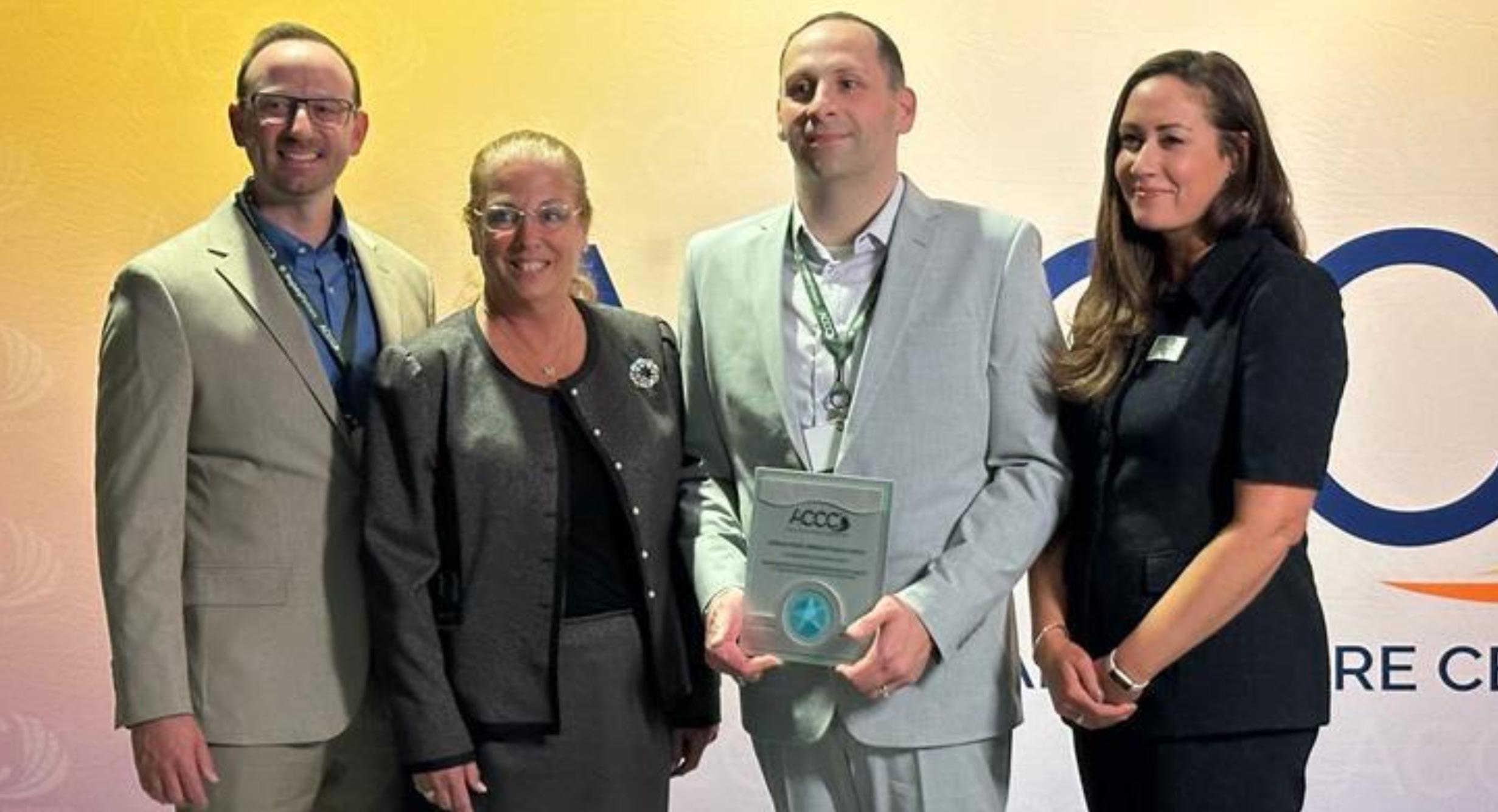
WELLSPAN CANCER INSTITUTE
Receives ACCC Innovator Award for Advancing Palliative Care Through Predictive Analytics
The Association of Community Cancer Centers (ACCC) recently honored WellSpan Cancer Institute with a 2025 Innovator Award for its groundbreaking use of machine learning to improve palliative care delivery across its oncology service line.
This prestigious national recognition highlights WellSpan’s integration of a 12-month mortality risk model into clinical workflows, enabling earlier identification of patients with advanced cancer who may benefit from palliative care consultation. By leveraging patient-specific data, such as comorbidities, age, and current clinical status, WellSpan has seen an 84% increase in palliative care referrals and a 14% reduction in in-hospital mortality.
Celebrating
Cancer Centers on behalf of WellSpan Cancer Institute, which
groundbreaking use of machine learning to improve end-of-life outcomes in oncology.
“Through this innovation, our teams can have timely, high-value conversations with patients who are most likely to benefit from supportive care interventions,” said Andrew Munchel, Quality Program Administrator for the oncology service line at WellSpan Health. Based in Ephrata, Munchel oversees quality initiatives across the oncology service line. “Instead of expanding our staffing, we optimized existing resources by deploying technology already available within our system.”
The initiative reflects WellSpan Health’s commitment to data-driven, patient-centered care, and continuous improvement. “We are proud to lead from Central Pennsylvania in developing solutions that enhance outcomes and reduce costs,” said Nik Korgaonkar, MD, Vice President and Chief Medical Officer for Oncology at WellSpan Health.
The program is implemented across multiple WellSpan locations, including WellSpan Ephrata Cancer Center, which provides comprehensive cancer care to patients in Lancaster County. Its inclusion highlights the region’s role in pioneering innovative cancer care strategies that are now being shared nationally. WellSpan representatives presented their work at the ACCC 42nd National Oncology Conference this past fall.

“Through this innovation, our teams can have timely, highvalue conversations with patients who are most likely to benefit from supportive care interventions. Instead of expanding our staffing, we optimized existing resources by deploying technology already available within our system.”
Physicians interested in learning more about the predictive model and its integration into oncology workflows can find additional information on the ACCC website at accc-cancer.org in the About Section under “Awards.”















— Andrew Munchel, Quality Program Administrator for the oncology service line at WellSpan Health
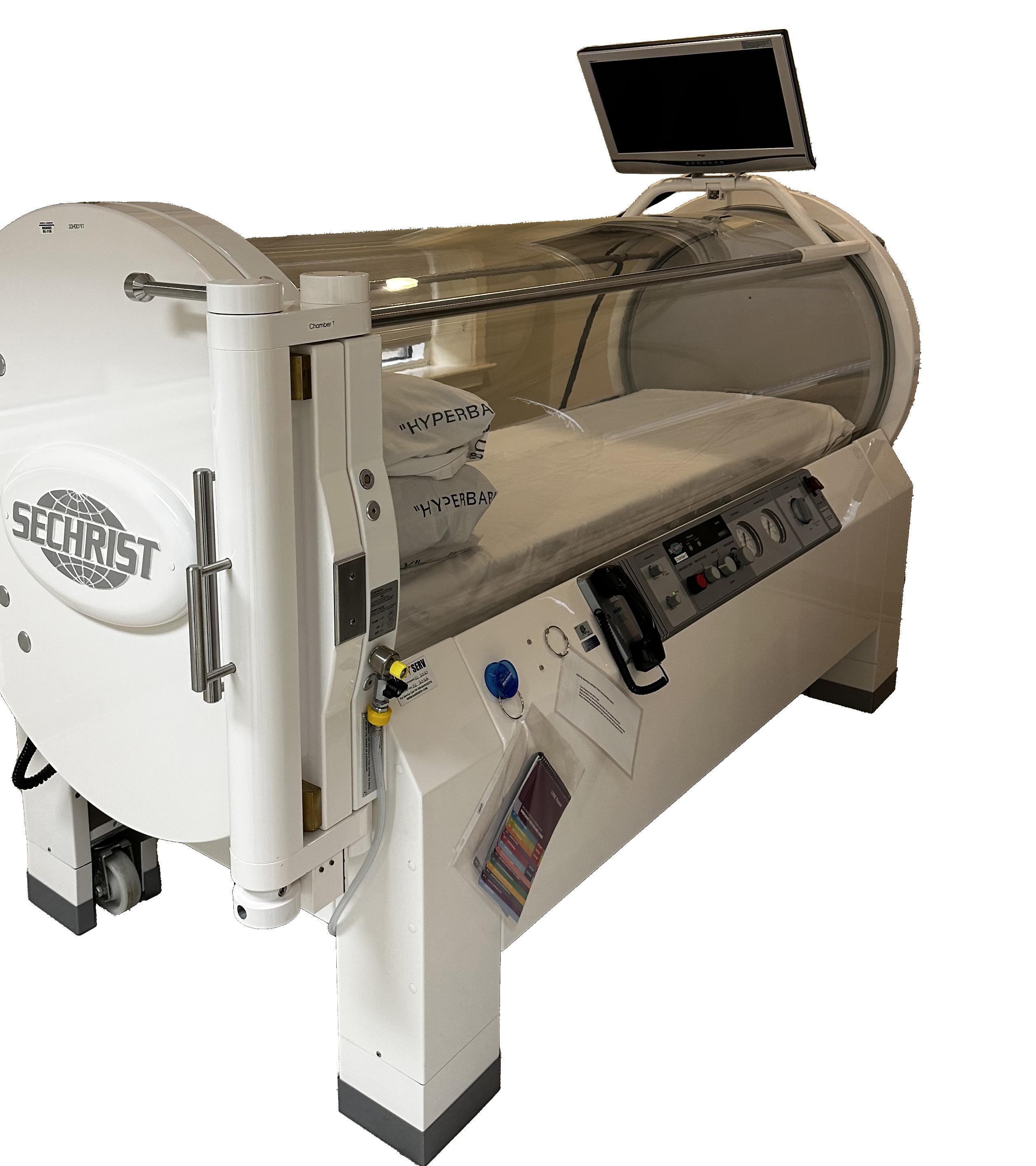
UPMC Lititz’s hyperbaric chamber: Extensive testing for specific conditions (i.e., chronic infection in diabetic foot ulcers, infected joint prostheses, radiation injury) has shown that Hyperbaric Oxygen Therapy (HBOT) is highly effective in providing increased oxygen delivery to the tissues in the body, resulting in new tissue growth and healing.
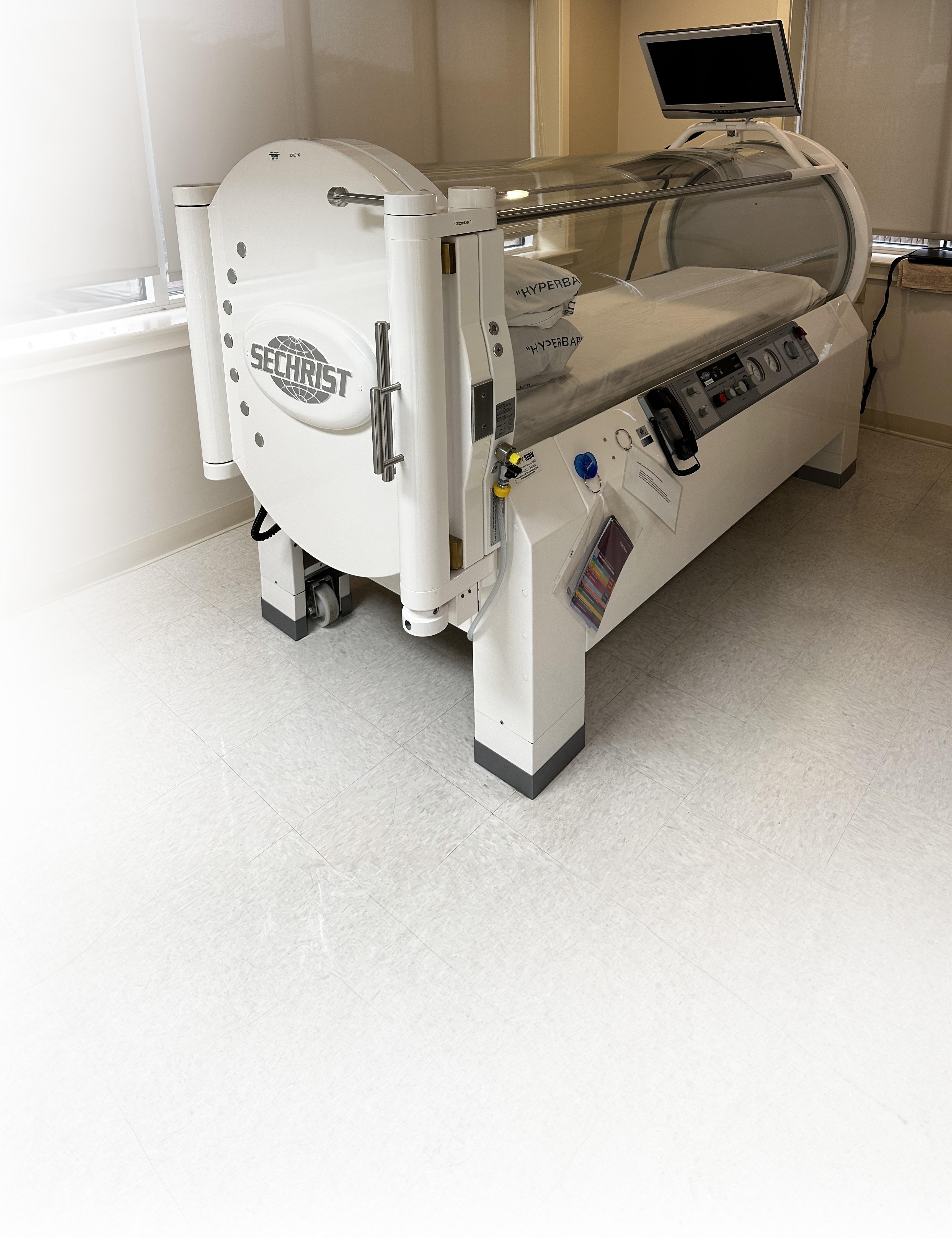
Not so many decades ago, there was limited treatment available for wounds that did not heal, and patients died because of wound complications. Typical visible wound healing occurs over a period of 21-30 days and is noted by the formation of a scar. These nonhealing wounds were commonly a result of infection. It is only with the advancement of scientific discoveries, like the emergence of Germ Theory, antibiotics, insulin treatment for diabetes mellitus, and vascular surgery techniques that morbidity and mortality outcomes have been reduced for patients with conditions like diabetes, vascular disease, and autoimmune conditions. As a result, people are living longer and develop wounds as a complication of a chronic disease—consequently, requiring the medical field to create a specialty of wound medicine. This specialty commonly draws physicians from general, plastic, and vascular surgery; infectious disease, family, and internal medicine; as well as podiatry.
UPMC Lititz Wound and Hyperbaric Center is one of three Lancaster County Health Systems offering Wound Care Services. UPMC hospitals are staffed with specially trained nurses, called wound, ostomy, and continence (WOC) nurses. The WOC nurse works closely with the physicians who provide care to hospitalized patients with wounds or who are at risk for developing wounds. Whether in the hospital or an outpatient clinic, the nurses and primary team, such as the hospitalist or primary care provider, are often the first step to recognizing the wound and getting the patient to see a wound specialist. UPMC recognizes that a multidisciplinary network is needed to achieve optimal outcomes for patients who have chronic wounds.
Anyone struggling with a wound should not wait to seek care. People mistakenly believe that seeking treatment at a wound center is a last resort when all other treatment options have failed. Many patients do not receive specialized wound care due to financial, mobility, and transportation concerns, but also embarrassment. These are examples of common conditions that may present to a wound center:
• Burns (less than 30% of the overall body surface)
• Chronic infections related to the wound
• Diabetic foot ulcers
• Nonhealing surgical wounds
• Pressure ulcers
• Venous stasis ulcers (nonhealing wounds that usually occur in the leg)
• Wounds caused by arterial disease
• Wounds from radiation injury
• Ostomy care
At UPMC Wound and Hyperbaric centers, patients can expect to receive a thorough assessment of their history and wound examination by a wound medicine-trained nurse and provider, followed by shared decision-making to develop a multidisciplinary
Anyone struggling with a wound should not wait to seek care. People mistakenly believe that seeking treatment at a wound center is a last resort when all other treatment options have failed. Many patients do not receive specialized wound care due to financial, mobility, and transportation concerns, but also embarrassment.
and individualized treatment plan. At this time standard wound care treatments may include:
• Education about the impact of lifestyle (nutrition, activity, sleep) on wound healing
• Removal of nonliving tissue (known as “debridement”)
• Advanced imaging and laboratory studies
• Management of underlying infection with specialized dressings and focused antibiotic therapy
• Chemical cauterizations
• Bioengineered skin substitutes
• Compression therapy
• Hyperbaric oxygen therapy (HBOT)
• Vacuum-assisted closure
• Coordination with appropriate specialists and primary care team
In 2023, in addition to staffing the broad network of highly trained physicians and nurses to treat patients with chronic wounds, UPMC hired a team of researchers to focus their studies on advancing treatments in wound care. This research team is located within the Pitt McGowan Regenerative Institute in Pittsburgh, Pennsylvania. Chandan Sen, PhD and the Director of the institute, and Gayle Gordillo, MD, a practicing plastic surgeon specializing in management of pressure injury, have led a team of researchers studying topics within biofilm and molecular mapping of chronic wounds, both of which are pivotal in creating a new generation of wound medicine treatments. Locally, at the Lititz Wound and Hyperbaric Center, we expect to be part of this initiative and hope that this will lead to standout state-of-the-art and treatments for patients within the Lancaster community and across the region.
HEALTH CARE ON THE FOREFRONT OF AI
A series featuring different Lancaster County health care systems and how they are leveraging artificial intelligence to improve the patient experience.
FEATURED IN THIS ISSUE: UPMC

Leveraging the Ambient AI Platform Abridge
UPMC has adopted the use of artificial intelligence (AI) technologies in an ethical, safe, and transparent manner, complying with all relevant regulations and laws including patient privacy.
An AI tool called Abridge is one example. UPMC is expanding the technology enterprise-wide, cementing a longstanding partnership forged in Pittsburgh that has scaled from a small pilot to thousands of clinicians using Abridge to document care they deliver to millions of patients each year.
Abridge, the leading ambient AI platform for clinical conversations, interprets a provider and patient’s conversation during an in-person or telehealth visit and creates a written summary of what was discussed. Providers must review the notes and edit them as needed and patients are able to view the full summary of the visit in their patient portal.
During a patient visit, verbal patient consent must be obtained and documented every time Abridge is used to create a visit summary. Abridge is a HIPAA-compliant tool and follows all privacy laws, so patients can be confident that their information is secure. Patients may also request their provider to pause if there is something the patient prefers not to be recorded.
Abridge was co-founded by Shiv Rao, MD, a practicing cardiologist at UPMC. It is a clinician-founded company that started with a vision inside UPMC that will now serve more than 12,000 clinicians across the system by 2026. UPMC’s reach includes more than 40 hospitals and 800 outpatient sites across Pennsylvania, New York, Maryland, and internationally. Other health systems across the country, including Duke, Mayo Clinic, and Mount Sinai Medical Center, have started to incorporate Abridge into their patient experience processes as well.
UPMC Enterprises, the innovation, commercialization, and venture capital arm of UPMC, was an original investor in Abridge in 2018 and one of the first hospital systems to pilot the technology.
“I think Abridge enables more personal attention to patients with less time spent creating notes between patient encounters. These improved personal interactions are beneficial for the patient experience as well as the experience of the medical team.”
— Erik Kochert, MD, MBA, FACEP, Vice President of Medical Affairs at UPMC Lititz
UPMC’s expansion of Abridge is part of a broader movement across more than 200 health systems embracing AI technology to power the future of intelligence at the point of conversation.
“At UPMC, we adopt technology that solves problems. The reason Abridge has scaled so rapidly is because we have clinicians validating the output. Abridge provides accurate notes, freeing our clinicians to fully connect with patients in the exam room while saving time charting in the evenings,” said Chris Carmody, Senior Vice President and Chief Technology Officer at UPMC. “From this scientifically rigorous, validated foundation, we will continue to innovate new ways to improve downstream workflows for clinicians, patients, and the health system more broadly.”
Abridge is live at UPMC in over 44 specialties, including oncology, OB/GYN, cardiology, and neurology.
It is being incorporated into practice at UPMC Lititz and in UPMC primary and specialty care practices across Lancaster County. The technology is allowing physicians to spend more time with patients during assessments and complete documentation for patient care in a timelier

manner. Erik Kochert, MD, MBA, FACEP, who specializes in Emergency Medicine and is the vice president of medical affairs at UPMC Lititz, uses Abridge regularly in his patient care.
“I think Abridge enables more personal attention to patients with less time spent creating notes between patient encounters. These improved personal interactions are beneficial for the patient experience as well as the experience of the medical team. My colleagues have expressed similar sentiment as we continue to have conversations about the implementation of AI technology,” Dr. Kochert shares.
Deborah Willwerth, MSN, RN, president, CNO, and vice president of patient care services, agrees. “Abridge technology allows our physicians to spend more time in direct patient care and listening to our patients. Having this additional patient facing time is so beneficial to their health and wellbeing,” said Willwerth. “Our patients and our providers benefit from this technology. Implementing Abridge technology into practice supports UPMC’s ongoing commitment to the patient experience.”
PREVALENCE OF EARLY WARNING SIGNS AND RISK FACTORS ASSOCIATED WITH HEART ATTACK OR STROKE:
EVIDENCE AND RECOMMENDATIONS
Cardiovascular disease (CVD), encompassing myocardial infarction (MI) and stroke, remains the leading cause of morbidity and mortality worldwide. Despite advances in risk assessment and preventive strategies, the burden of first-time events persists, often with devastating consequences. Recent news coverage has reemphasized the importance of recognizing early warning signs and optimizing risk factor control; however, the medical literature reveals a nuanced picture. While classic symptoms may be absent, nearly all patients exhibit nonoptimal levels of traditional risk factors before their first event.
PREVALENCE OF SUBOPTIMAL RISK FACTOR CONTROL BEFORE CVD EVENTS
A 2025 analysis of two population-based cohorts in the Journal of the American College of Cardiology (JACC) sought to determine the prevalence of nonoptimal traditional risk factors—blood pressure, cholesterol, glucose, and tobacco use—before the first coronary heart disease, heart failure, or stroke event. “Nonoptimal” was defined using the American Heart Association’s (AHA’s) ideal cardiovascular health framework, including:
• Blood Pressure: Systolic BP ≥120 mm Hg or diastolic BP ≥80 mm Hg, or being on treatment
• Total Cholesterol: ≥200 mg/dL, or being on treatment
• Fasting Glucose: ≥100 mg/dL, or a diagnosis of diabetes
• Smoking Status: Past or current tobacco use.
The findings were striking: over 99% of individuals who experienced a first CVD event had at least one nonoptimal risk factor before onset, and over 93% had two or more. The most prevalent nonoptimal factor was elevated blood pressure, affecting over 93% of patients in both study cohorts before their cardiac event; elevated

MATTHEW LANGSTON, DO, MS
WellSpan Cardiology–Lancaster
cholesterol was the second most common. This underscores the critical importance of primary prevention.
EARLY WARNING SIGNS: SYMPTOMS AND THEIR LIMITATIONS
While classic symptoms such as chest pain, dyspnea (shortness of breath), or neurological deficits are well-known, their prevalence before the first event is variable. A recent US cohort study found that 51% of patients with first MI had no documented antecedent symptoms, and 18% had no previously identified standard modifiable risk factor. Younger individuals and men were less likely to have documented symptoms or risk factors, and a majority were not receiving preventive therapy. For stroke, sudden onset of focal neurological deficits remains the hallmark, but public awareness is suboptimal: only 68% of US adults could identify recommended stroke warning signs and the need to call emergency services. Disparities in symptom recognition persist across sociodemographic groups.
RISK FACTOR ASSESSMENT AND SCREENING: GUIDELINE RECOMMENDATIONS
The 2019 ACC/AHA Guideline on the Primary Prevention of Cardiovascular Disease recommends routine assessment of traditional risk factors and calculation of risk for adults aged 40–75 years, with periodic assessment in younger adults. The guidelines emphasize the use of pooled cohort equations and consideration of risk-enhancing factors, including family history, metabolic syndrome, and social determinants of health (SDOH). The newer PREVENT online equation from the AHA represents a well-validated, updated estimate for 10- and 30-year CVD events. For stroke, the “2024 Guideline for the Primary Prevention of Stroke” by the AHA and American Stroke Association (ASA) aligns with these recommendations, advocating for early and regular screening of modifiable risk factors— summarized in the AHA’s “Life’s Essential 8”: healthy diet, physical activity, healthy weight, healthy sleep, avoidance of tobacco, and control of blood pressure, lipids, and glucose. Screening for SDOH is also recommended, given their impact on risk and access to care.
RECOMMENDATIONS FOR PRACTICE
- Routine Risk Factor Assessment: Screen all adults for blood pressure, cholesterol, glucose, tobacco use, diet, physical activity, sleep, and SDOH at regular intervals. Utilize validated risk prediction tools to guide therapy.
- Patient Education: Educate patients on the early warning signs of MI and stroke. I find quick texts in the visit summary or handouts in clinic save me time while providing reference for high-risk patients and their families. MI warning signs most commonly include chest pain or discomfort. This may feel like pressure, squeezing, fullness, or pain in the center of the chest. It can last more than a few minutes or go away and come back. Pain or discomfort may present in other areas such as the jaw, neck, back, arms, or shoulders. Other signs include shortness of breath, indigestion, and feeling weak or lightheaded. Female patients presenting with chest pain remain at risk for underdiagnosis. While chest pain remains the most common symptom in women, other symptoms, including nausea, fatigue, and palpitations, frequently manifest and should be taken seriously.
I like to remember the BEFAST mnemonic for stroke warning signs.
• B alance—sudden loss of balance or coordination.
• Eyes—sudden trouble seeing out of one or both eyes.
• F ace—face drooping or numbness, especially on one side.
• Arms—sudden weakness or numbness in one arm or leg, often on one side.
• Speech—slurred speech, trouble speaking, or confusion.
• Time—if any of these symptoms appear, call 9-1-1 right away.
- Lifestyle Modification: Counsel patients on promoting healthy behaviors and addressing barriers related to SDOH. Smoking cessation remains paramount.
- Pharmacologic Therapy: Initiate antihypertensive, lipid-lowering, and glucose-lowering therapies as indicated by individualized risk assessment. Aspirin for primary prevention has recently been subject to debate as small
absolute benefits closely match major bleeding risk. In the absence of high CVD risk, MI, or stroke history, aspirin for routine primary prevention is not recommended.
- Team-Based and Individualized Care: Engage multidisciplinary teams and tailor interventions to individual risk profiles, preferences, and social context.
- Address Health Disparities: Recognize and address disparities in risk factor control and symptom awareness, particularly in underserved populations.
CONCLUSION
Nearly all patients who experience a first heart attack or stroke have antecedent nonoptimal levels of traditional risk factors, even if classic symptoms are absent. The absence of warning symptoms does not equate to low risk. We must prioritize regular risk factor assessment, patient education, and aggressive implementation of evidence-based preventive strategies. Closing the prevention gap requires both individual and population-level action, with attention to health equity and the social determinants that shape cardiovascular risk.
References
1 Very High Prevalence of Nonoptimally Controlled Traditional Risk Factors at the Onset of Cardiovascular Disease. Lee H, et al. Journal of the American College of Cardiology. 2025;86(14):1017-1029.
2 First Myocardial Infarction: Risk Factors, Symptoms, and Medical Therapy. Nurmohamed NS, et al. European Heart Journal. 2025:ehaf390.
3 Sociodemographic and Geographic Variation in Awareness of Stroke Signs and Symptoms Among Adults - United States, 2017. Jackson SL, et al. MMWR. Morbidity and Mortality Weekly Report. 2020;69(44):1617-1621.
4 2019 ACC/AHA Guideline on the Primary Prevention of Cardiovascular Disease. Arnett DK, et al. Journal of the American College of Cardiology. 2019;74(10):1376-1414.
5 2024 Guideline for the Primary Prevention of Stroke. Bushnell C, et al. Stroke. 2024;55(12):e344-e424.
6 American Heart Association. “PREVENT Online Calculator.” Professional.heart.org, 2025, professional.heart.org/en/guidelines-and-statements/ prevent-calculator.
HEALTH CARE ADULTING
TIPS FOR HELPING TEENS MAKE A SMOOTH TRANSITION
FROM A PEDIATRIC PATIENT TO AN ADULT PATIENT

RICHARD EASTERLING, MD
Lancaster General Hospital Family Medicine Residency Program
Transitioning to adulthood comes with many new challenges and unforeseen difficulties. One that is often forgotten about is the transition of your child from seeing a pediatrician with their parents to seeing a primary care physician on their own. To help ease that transition, here are some key tips to help make that first visit easier and more effective.
1. First things first: Know thyself. Make sure your child knows their own medical history.
• Have they ever needed to stay overnight in the hospital?

• What are the names of the medications they take or inhalers they use?
• What vitamins/supplements have they been taking?
These are all things their new doctor will need to know to best take care of them.
2. Next, it’s important for them to know their family history.
• What major medical events have happened in their family?
• Has anyone ever had cancer, a heart attack, or needed to see doctors regularly for something?
Since it’ll be difficult to remember all of that, it can be helpful to write these things down in a Google Doc, or a notes app, on their phone. It’s okay if they don’t know these details, but that information will help their physician take care of them better long term.
3. Make sure they have a copy of their insurance card and a valid ID if they have one.
If they’re not yet working or their employer does not offer health insurance, your child can stay on your health insurance until they turn 26.
4. Encourage them to have an annual check-up.
If they’re feeling great, have no concerns, and are generally healthy, that’s amazing! Still, getting a check-up once a year is helpful. It enables their doctor to know what their baseline health is, and
it forms the patient/physician relationship that’s so important for when they do need help down the road.
5. Educate them on where they can find the right care.
It’s essential for older teens/young adults to learn where to seek care when they’re on their own. We all get sick someday. Humans, despite popular belief, are not invincible. Their primary care doctor’s office is a great place to go for regular check-ups and acute care visits when they’re feeling sick.
If it’s difficult to get an appointment at their physician’s office, then that is when walk-in urgent care comes in. Urgent care clinics can be helpful for day-of symptomatic care, when a patient thinks they may have a cold or minor infection and needs to be evaluated quickly.
The hospital emergency room is where very serious problems need to go—such as when your child thinks they’ve broken something, is in severe pain, or is concerned about their or a friend’s life.
If there is ever the level of concern that someone is at threat of dying, such as someone being unable to breathe or is unresponsive, that is when 911 should be called. The dispatchers on 911 can get help to them fast and guide the person who called 911 about what to do until help gets there.

Primary care physicians (PCPs) remain remain an ideal resource for help with general questions or concerns about health. Most primary care doctors also take care of their patients’ mental health and other general medical needs outside of acute illness. They’re also where people can go for their employment physicals.
Trust is the foundation of any relationship, and the patient-physician relationship is no different.
When your child is being seen for their initial visit with their PCP, they’ll be asked a lot of personal questions, and each of these questions is critical. Knowing how much alcohol someone drinks, how much they smoke or vape, what their sexual history is, and information about their day-to-day life—all of this information is critical to providing the best possible care to any person. So, given that, it is incredibly important for your child to be truthful with their physician. Many medications interact with alcohol, even those that can be purchased over the counter.
PCPs are a resource for numerous avenues of preventive care (preventing future issues with action today), however, some of this care is tailored to specific patient populations. For example, if your child is going to college or living in a dormitory, they’re a candidate for a meningitis B vaccine.
Also, it is important to note that nothing is “too embarrassing” to bring up with their doctor. If your child is concerned about something related to their private areas, such as new lumps or persistent bleeding after a period, then these concerns need to be brought up to their doctor. Left unchecked, these concerns can develop into larger issues. For example, a new swelling in the scrotum could actually be a hernia, which, if left untreated for a prolonged time, runs the risk of becoming “incarcerated” or stuck, potentially causing serious damage and requiring emergency surgery.
All of that is to say, the key things for your child to know before their first visit as an adult patient are:
• Their personal and their family’s medical history,
• What medications they take,
• Who their insurance carrier is (they should have their card with them), and
• They need to be truthful and forthright with their doctor.
Their primary care doctor should be their resource for their health needs, questions, and concerns. Looking things up on the internet or trusting an AI chatbot can make mountains out of molehills—or worse, it could result in them entirely dismissing a concern that needs to be seen by a physician. The transition to adulthood comes with so much unknown, so make sure that your child is set up with a primary care doctor and help them optimize that first visit.

Kristina Pao, MD
Eye Associates of Lancaster, Ltd.
Tennis
Pao competing at the 2025 USTA 8.0 mixed doubles national tournament last November.

granddaughter
Would you briefly describe your passion outside of practice for those who might be unfamiliar with it?
My passion outside of practice is tennis. I played USTA junior tennis and college tennis at Swarthmore College. I took a 10-year break during medical school training and after having children. When I moved back to Pennsylvania, my older sister, an active tennis player, convinced me to start playing again.
It’s our pleasure to highlight a Lancaster City & County Medical Society member’s “passion outside of practice” in each issue of Lancaster Physician. Beyond their commitment to health care, LCCMS members have many other talents, skills, and interests that might surprise you. In this issue, we’re thrilled to feature Kristina Pao, MD, and her passion outside of practice.
How did you develop an interest in your passion outside of practice?
Tennis has always been a family sport in my family. My father is a great tennis player. He passed his love of tennis to my mom and my two sisters. It has been fun returning to the court at this stage as there’s no pressure. I just enjoy playing. The downside is that I get injured a lot more frequently than I used to. I have come to accept that my body has started to decay.
How long have you been participating in this activity?
I remember my father tossing tennis balls to me when I was five years old on our back porch. I have photos of him holding me as a baby in one hand and hitting tennis balls in the other hand. He has recreated those same photos with all five of his grandkids.
Why is this pursuit special to you?
Tennis is a lifetime sport. I’ve enjoyed it at various stages of my life, and the tennis court is a place where my family comes together. I’ve introduced the sport to my two daughters, and we now share time together on the court. Aside from getting great exercise, I get to meet and play with people from many different backgrounds and professions.
What else would you like readers to know about this passion?
I couldn’t have returned to tennis without the support of my husband, Paul, and our two daughters, Mattie and Nori. Paul watched my matches in college and endured me telling him to leave the bleachers if I was losing (Sorry Paul!). He has the same passion for running and soccer. Mattie and Nori are becoming wonderful tennis and soccer players themselves. There may be an unspoken competition between Paul and me to see which sport they will choose to pursue. Who knows? Perhaps they’ll choose both.
Dr. Pao’s father, David, sharing his love of tennis with
Nori when she was an infant.
Dr.

PASSERINE
When my husband and I have the opportunity to escape our daily routine for an evening out, we are typically looking for something elevated but effortless—high-end, quality food and drinks, with a hip but comfortable atmosphere that allows for a fully immersive experience.
Enter Passerine, one of downtown Lancaster’s newest restaurants, serving seasonal French-inspired American cuisine. Opened in 2024, Passerine has already made a name for itself, labeled one of the “favorite restaurants” by The New York Times. Located at 114 N. Prince Street, Passerine is right in the heart of Lancaster’s historic district, steps away from favorite galleries and coffee shops—the perfect place to enjoy a meal before moving on to the night’s next activities.
When we arrived, we were immediately greeted by a friendly hostess who brought us to our table. The restaurant was full but not overwhelmingly crowded. The acoustics were good and it was easy to have a normal-volume
conversation with your date without shouting to be heard over the din (as a geriatrician, this is a detail I am often looking out for!).
Our server attended to us quickly and reviewed the drink list, providing helpful recommendations. Part bottle shop, Passerine has a wonderful selection of wines local to the East-coast region. My husband and I went the cocktail route, enjoying Passerine’s take on the Old Fashioned—and we were not disappointed. It was spiced perfectly for a chilly fall night.
Eating at Passerine as a vegetarian was easy thanks to the variety of fresh, local vegetables incorporated into their dishes and the flexibility to make many plates vegetarian upon request. Our server was knowledgeable about the menu and helped us make selections based on our individual tastes.
The fried long leek in the mushroom soup was fantastic and added the perfect texture to the dish. For the main course, my husband ordered the whole grilled branzino, and I went with the local mushroom pasta. Both entrees offered unique takes on these classic dishes; for instance, the branzino was served in a light coconut sauce and incorporated a black garlic shoyu sauce into the pasta. These playful flavors were still accessible to us as casual diners and helped take the ingredients to the next level.
We ended our meal with the apple cake, which was the unexpected MVP of the evening. Served with apple butter ice cream, it was the perfect autumnal dessert, with rich apple flavor in every bite.
What I love about Lancaster’s dining scene is its ability to honor local ingredients while revealing fresh, surprising flavors in familiar foods. Passerine strikes this balance well. If you want a dining experience that showcases the best of Lancaster, I highly recommend Passerine for your next night out.
114 N. Prince St. Lancaster, PA 17602 cafepasserine.com
Passerine
Image used with permission of Passerine.
ELYSE GOVEIA, MD Penn Medicine Lancaster General Health Physicians Geriatric Medicine
The JUA Saga: What It Means for Physicians, Patients, and the Future of Care in Pennsylvania
For nearly a decade, the Pennsylvania Medical Society (PAMED) has been at the center of a battle over the fate of the Joint Underwriting Association (JUA). What began in 2017 as a legislative attempt to redirect surplus funds has now culminated in the transfer of $200 million from the JUA to the Commonwealth’s General Fund. While the courts have ruled the transfer legal, the story is far from over. The implications for physicians,

patients and the stability of Pennsylvania’s health care system are profound.
The JUA was created in 1975 to serve as Pennsylvania’s medical malpractice insurer of last resort. Its mission was straightforward but vital: to ensure that physicians who could not otherwise secure affordable coverage—often due to prior claims, specialty risk, or gaps in practice—could
still obtain insurance and continue caring for patients. Importantly, the JUA was self-funded. It collected premiums from physicians and invested surplus funds, building reserves that by 2020 totaled nearly $300 million. No taxpayer dollars were ever used to establish or sustain it.
Beginning in 2017, however, the General Assembly passed a series of bills aimed at seizing portions of the JUA’s reserves. The first bill sought to transfer $200 million in surplus funds, the second attempted to move all assets, and the third pushed for full Commonwealth control. Each time, the JUA fought back in federal court, arguing that these efforts violated constitutional protections. PAMED stood shoulder to shoulder with the JUA, filing amicus briefs and mobilizing physician voices to highlight the dangers of dismantling the insurer of last resort.
For years, the JUA prevailed at the trial court level. But in December 2024, the tide shifted. The Third Circuit Court of Appeals ruled that the JUA was a public entity, not a private one. That distinction opened the door for the Commonwealth to claim ownership of the reserves. PAMED and the American Medical Association (AMA) filed briefs urging the U.S. Supreme Court to review the case, stressing that the decision would have national implications for how similar entities are classified. On June 23, 2025, the Supreme Court declined to hear the case. With that denial, the path was cleared for the Commonwealth to complete the transfer.
By August 13, 2025, $200 million—consisting entirely of physician-paid premiums and investment growth—was moved into the state’s General Fund.
At first glance, the JUA transfer might appear to be a fiscal maneuver, a way for the state to plug budget gaps without raising taxes. But the consequences extend far beyond accounting. The JUA exists to ensure that physicians who face difficulty obtaining coverage can still practice. Without it, many could be forced to leave medicine, reduce services, or relocate to states with more stable liability markets.
Research has consistently shown that malpractice insurance availability directly affects patient access to care. During past liability crises, states saw shortages in high-risk specialties
such as obstetrics, neurosurgery, and emergency medicine. Patients in rural areas were particularly vulnerable, experiencing longer wait times and reduced access to critical services. Continuity of care suffers when physicians are forced out of practice, disrupting long-term patient relationships and leaving communities without trusted providers.
The JUA’s reserves were not idle funds—they were a safeguard against precisely these scenarios. By redirecting them to the General Fund, the Commonwealth has weakened a critical backstop at a time when liability premiums are rising and the insurance market is tightening.
It is important to note that the effort to seize JUA funds has not been partisan. Both Democratic and Republican administrations, along with both chambers of the legislature, have supported the transfers. This is not an “R versus D” issue, it is a matter of fiscal policy that has found broad political consensus.
Yet PAMED has often been the lone voice outside of the JUA itself pushing back. For nearly a decade, it has filed briefs, testified and engaged lawmakers to underscore the risks. While the courts have ultimately sided with the Commonwealth, PAMED’s advocacy has delayed the transfers and kept the issue in the public eye. That persistence reflects a deeper commitment: protecting not just physicians’ financial interests, but the continuity of patient care across Pennsylvania.
To understand why PAMED continues to oppose these transfers, one must look beyond the legal arguments and into the lived realities of physicians and patients. Malpractice insurance is not just a professional requirement; it is the foundation that allows physicians to practice without fear of financial ruin. When coverage becomes unaffordable or unavailable, physicians may be forced to stop delivering babies, close surgical practices, or leave rural communities altogether.
Patients rarely see this side of the equation. They may not know whether their physician is insured through the JUA or a private carrier. But they feel the effects when access shrinks. A mother in a rural county who suddenly must drive hours to find an obstetrician, or a
patient with a complex neurological condition who cannot find a local specialist—these are the real-world consequences of destabilizing malpractice coverage.
By draining the JUA’s reserves, the Commonwealth has reduced the cushion that ensured physicians at the margins could remain in practice. That, in turn, threatens continuity of care for patients who rely on those physicians.
Despite the Supreme Court’s refusal to intervene, PAMED has made it clear that it will continue to oppose legislative efforts to redirect JUA funds. PAMED recognizes that the legal battle may be settled, but the policy debate is ongoing. As liability premiums rise and the insurance market hardens, the need for a strong insurer of last resort will only grow.
PAMED’s advocacy is rooted in a simple but powerful principle: protecting physicians protects patients. Ensuring that doctors can obtain coverage means ensuring that Pennsylvanians can access care. Preserving continuity of care requires structural safeguards, and malpractice insurance is one of them.
The JUA saga is a reminder that fiscal decisions made in Harrisburg reverberate in exam rooms, operating theaters, and rural clinics across the Commonwealth. PAMED will continue to press for solutions that keep care available, affordable, and uninterrupted.
The transfer of $200 million from the JUA to the Commonwealth’s General Fund may be legally complete, but its story is not finished. For physicians, it represents the loss of a reserve built from their own premiums. For patients, it raises questions about access and continuity of care in an increasingly fragile insurance market.
PAMED’s decade-long fight has been about more than money—it has been about ensuring that every Pennsylvanian can find a physician when they need one and that physicians can practice without fear of being forced out by liability costs. As the Commonwealth moves forward, PAMED remains steadfast in its mission to protect physicians, safeguard patients, and preserve the integrity of health care in Pennsylvania.

LANCASTER COUNTY HEALTH SYSTEMS’ SUPPORT GROUPS, EDUCATION SESSIONS
Enhance Patient Experience
SUSAN SHELLY Writer
Support groups can provide emotional support for patients and their families, easing feelings of loneliness or helplessness during stressful periods. Among patients experiencing serious illness, support groups have been found to reduce mood disturbances including distress, traumatic stress, depression, and pain, according to an article published last year by the National Library of Medicine. Other benefits cited include increased social connectedness, gained knowledge and information, and increased empowerment and sense of control.
Patients who participated in support groups also were found to be better equipped to talk about their conditions with family members and health care professionals. Health-related support groups can provide emotional support to those receiving medical treatment that can feel frightening or overwhelming, as members with shared conditions or circumstances serve as links between a patient’s medical and emotional needs.
Patients and their families have access to various support groups and education sessions offered by health care systems serving Lancaster County or other agencies to which they can be directed. Lancaster Physician reached out to Penn Medicine Lancaster General Health, WellSpan Health, Penn State Health, and UPMC in Central PA to learn more about groups that are available and the benefits they provide to patients.

PENN MEDICINE LANCASTER GENERAL HEALTH
Penn Medicine Lancaster General Health offers numerous support groups and educational programs for patients with varying conditions and needs. The health care system also partners with community agencies and organizations and can refer patients to groups that may not be available at Lancaster General Hospital.
“If we have a patient that could benefit from a support group and we know there’s one available, we’ll make sure that person gets connected to it,” explained Ashlee Rineer, manager of community health and wellness. “It doesn’t necessarily have to be a group offered at our hospital; we just want to make sure our patients get the best care that’s available.”
Patients could benefit from support groups including:
• Smoking cessation
• Eating disorders
• Diabetes
• Multiple sclerosis
• Memory loss
• Brain injury
• Stroke
• Heart disease
• Weight loss
• Pregnancy support
• Pregnancy loss
• Breast feeding
• Post-partum
Lancaster General Hospital receives some state and federal grants that fund some of its support groups, such as smoking cessation, according to Rineer. Grant money also enables the hospital to generate community resource guides to let patients know groups and programs are available outside of the hospital.
“We believe in the value of support groups and programs that educate people and connect them with others who understand what they’re going through,” Rineer said. “We know that our patients benefit from those programs.”
While some patients learn about support groups and education opportunities on their own, most are referred to a group or program after some point of contact with the health care system. “Someone might be referred to a group by their primary care provider, a specialist, or after a visit to the emergency department,” Rineer said. “Or staff at our new Crisis Walk-In Center in the hospital could suggest a support group that would be beneficial for a particular patient.”
Regardless of how patients get connected to a group or educational program, Rineer said one thing about the groups is clear: “These are just so valuable and so needed,” she said. “We’ve shifted in the way we connect patients to a group, but the intent is the same. We want to direct people to where they can make connections and benefit from the lived experiences of others.”
WELLSPAN HEALTH
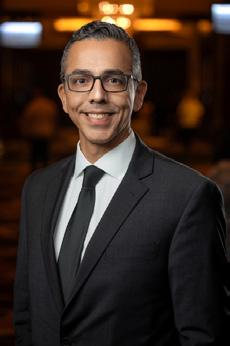
A stroke is a life-changing event that can result in major life disruptions, feelings of trepidation, and a sense of intense isolation. Hoping to alleviate some of the concerns and fears of stroke patients and their families, WellSpan Health offers an INSPIRE Support Group for Brain Injury/Stroke Survivors and Caregivers at WellSpan Ephrata Community Hospital.
INSPIRE, according to Cesar Velasco, stroke program coordinator at WellSpan Ephrata Community Hospital, is a stroke support group model initiated by the American Stroke Association and employed by hospitals and other organizations across the country.
At WellSpan Ephrata Community Hospital, the stroke support group, which is offered every other month, has included guest speakers, cooking demonstrations, educational programming, referrals to additional resources, and other services. Most importantly, however, the group offers a place for stroke patients and their caregivers to vent, share their concerns, and seek advice from others.
“This group provides engagement that creates community,” Velasco said. “I can’t speak enough about how stroke patients and their caregivers feel isolated and how being with others who are in similar situations can help that. It’s all about the value of social connections.”
Having a patient who recently suffered a stroke in conversation with someone who has been in stroke recovery for a year or two can provide perspective and hope, as well as practical advice and information. Patients might share information about medications, tips for navigating tricky situations, ideas for healthy meals, and insights about exercise programs. “Patients can learn a lot from each other,” Velasco noted. “That provides an organic approach to the group and lets people make connections that are meaningful to them.”
Caregivers, many of whom have had to take over responsibilities the patient once attended to, also benefit significantly from contact with other patients and family members. “Caregivers often are facing life-changing scenarios and it’s not always easy to adapt,” Velasco said. “Talking to others who understand what they’re going through can be invaluable.”
While the support group is open to all stroke patients and their caregivers, Velasco is cognizant that not everyone will take advantage of the opportunity to participate. “Whether someone will come to the group is dependent on where they and their caregivers are at the moment,” Velasco said. “The most important thing we can do for patients is to ask how we can help and make sure we’re actively listening to any concerns they have.”
Information about the group is included in the hospital’s stroke education resource guide that is distributed to patients, and those who are able to attend are encouraged to do so before their release from the hospital. Most patients who do attend the support group—either in person or virtually—report a positive experience. “We get a lot of good feedback,” noted Velasco. “A lot of people who come once return.”
Continued on page 26
Cesar Velasco
Ashlee Rineer
In addition to the stroke support group, WellSpan Ephrata Community Hospital offers a range of in-person and virtual support groups, including parent education classes, breastfeeding support, chronic pain management, cancer groups, living well with diabetes, bariatric surgery and medical weight management, adjusting to motherhood support, and others.
PENN STATE HEATH LANCASTER MEDICAL CENTER
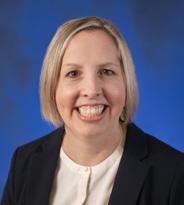
Focusing on education and preparing patients for surgery, Penn State Health Lancaster Medical Center offers classes for those facing hip or knee replacement. “These classes give patients clear expectations of what will happen before, during, and after surgery,” explained Angela George, clinical program coordinator for the core hip and knee replacement program at Lancaster Medical Center.
According to George, studies show that preoperative education shortens the length of stay a patient has in the hospital and reduces the chance of falls and other complications. Patients and their support person are encouraged to attend one 90-minute class in advance of surgery. Offered both during the day and in the evening and held in the hospital’s outpatient building, the class covers how to prepare for surgery, the importance of good nutrition, how to reduce the possibility of complications, and other topics.
Patients also are provided with extensive information about what to expect on the day of surgery. “People find that to be very helpful, and it relieves a lot of anxiety,” George said. “We show them pictures of the preoperative bay, provide maps of the hospital, explain the anesthesia process, and tell them when to expect a phone call informing them of their surgery time.” Patients who are unable to attend classes can access a recorded video option, or George will schedule a phone call to review the preparation booklet patients receive and answer any questions.
Surgeons at Lancaster Medical Center perform more than 600 primary hip and knee
surgeries each year, with about 275 patients participating in a preoperative class. Earlier this year, Lancaster Orthopedic Group became affiliated with Penn State Health, enabling the health care system to expand orthopedic services across Lancaster and Berks counties.
Education and Support for Bariatric Patients
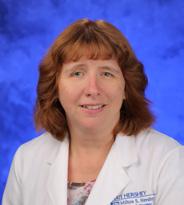
Penn State Health also offers education and support for bariatric patients, both before and following surgery.
Cindy Hipszer, metabolic and bariatric surgery coordinator, said groups rotate monthly between locations in Camp Hill, Lancaster, and Hershey, with online learning and support opportunities also available. Patients can attend as many groups as they wish. “We try to make it as easy for patients as we can,” Hipszer said. “We really encourage people to attend these groups because we have the right people to answer questions and keep patients engaged.”
Education is particularly important for preoperative patients, she explained, while post-op patients benefit significantly from the support they receive. “Support is so helpful for patients one-plus years out from surgery because they sometimes backslide a bit,” Hipszer said. “These groups give them a chance to connect with others who have had a similar experience and learn from each other.” One group of three women who met in a support group following bariatric surgery have continued meeting for more than six years. “We know that important relationships can form in these settings,” Hipszer said.
Topics including mindful eating, exercise, and coping strategies are covered, with classes staffed by a psychologist, social worker, dietitian, or other professional. The value of that staffing, Hipszer said, is huge. “Some patients tell us they can get information from blogs or a social media site, but we have people here who can provide reliable information and advice that patients can trust,” she said. “That’s a big difference.”
UPMC IN CENTRAL PA
Support groups for breastfeeding mothers,
ostomy patients, and others experiencing life-changing events are available at UPMC Lititz.
In an email, representatives of the health care system highlighted the breastfeeding support group, which is open to mothers who give birth at UPMC Lititz and their partners. Held monthly, the group is designed to bring mothers together for in-person support, encouragement, and learning from one another. A UPMC lactation consultant is on hand to provide advice on topics such as teething, weaning, coping with going back to work, when to offer the baby solids, and others.
Also highlighted was the ostomy support group available at UPMC Lititz. Ostomy is surgery that allows bodily waste to pass through an opening on the outside of the body and into a bag. The group enables patients who have recently undergone ostomy to learn from those with longer experience of living with the condition. “Our group is a place where people living with an ostomy can both learn and give back to others as they journey from surviving to thriving,” said Andrea Heisy, senior wound care specialist at UPMC Lititz.
Experienced team members can assist patients with common challenges including the following:
• Locating and choosing necessary supplies
• Learning the best way to care for an ostomy
• Knowing what is normal and when to seek assistance
• Resolving peristomal leaks and skin irritations
• Adjusting to a new way of life
In-person meetings, which include peer support and speakers, are held monthly at UPMC Lititz and open to all people living with an ostomy and their caregivers.
More information about these support groups and others at UPMC Lititz can be found on the hospital’s website.
Angela George
Cindy Hipszer
Andrea Heisy
LEGISLATIVE UPDATES WINTER 2026

State Budget Agreement Reached
After a 135-day impasse, Pennsylvania lawmakers and Governor Josh Shapiro finalized a bipartisan $50.09 billion state budget for FY 2025-26. The plan increases overall spending by $2.3 billion (4.7%), preserves the state’s $8 billion Rainy Day Fund, and avoids broad-based tax hikes. Notably, Pennsylvania will withdraw from the Regional Greenhouse Gas Initiative (RGGI) while boosting Chesapeake Bay cleanup funding by nearly 60%.
Key Budget Highlights
• Primary Care Line Item Maintained: Funding continues for physician loan repayment programs and the state-funded residency program—critical investments for strengthening the physician workforce.
• Health & Human Services: Nearly $2 billion in new funding, including $747 million for Medicare Advantage Managed Care, $25 million for childcare workforce retention, $21 million for direct care provider wage improvements, and $10 million for Local Area Agencies on Aging. Food assistance programs receive an $11 million increase.
• Tax Relief: Introduction of the Working Pennsylvanians Tax Credit, providing roughly 10% of the federal Earned Income Tax Credit to eligible families.
• Education Investments: $900 million in new funding, including $565
million for underfunded schools, $105 million for basic education, and $40 million for special education. Cyber charter reforms are projected to save $178 million.
• Public Safety & Infrastructure: The Pennsylvania State Police budget grows by 4%, funding four new cadet classes. Transportation and transit funding remain steady.
Venue Reform: Senate Bill 125
Last quarter, Senator Cris Dush (Cameron County) introduced Senate Bill (SB) 125, a joint resolution to amend the Pennsylvania Constitution. The measure would grant the General Assembly authority to legislate venue rules in medical malpractice cases, ensuring cases are tried in the county where the alleged malpractice occurred.
PAMED strongly supports SB 125 as a step toward restoring fairness and common sense in venue selection. PAMED leaders Lorraine Rosamilia, MD (Vice Chair), Ashley Wilkerson, MD (Trustee), and Mark Lopatin, MD (former Trustee) testified before the Senate State Government Committee in support of the bill. PAMED remains committed to working with lawmakers to uphold justice and integrity in Pennsylvania’s medical legal system.
Vaccine Advocacy and Public Health
PAMED continues to champion evidence-based practices that protect public health, with a strong emphasis on immunizations. Vaccines remain one of the most effective tools for preventing disease and
safeguarding vulnerable populations across the Commonwealth.
PAMED Vice President, Edward P. Balaban, DO, FACP, FASCO, said, “Vaccines are one of the most effective tools we have to protect our communities. We believe every Pennsylvanian deserves access to immunizations, without financial or systemic barriers.”
PAMED supports legislative measures requiring private insurers and Medicaid to cover FDA-approved vaccines recommended by leading medical societies.
PAMED CEO Martin Raniowski applauded Governor Shapiro’s recent executive order on vaccines, noting it ensures health care choices remain between patients and physicians.
PAMED encourages all Pennsylvanians to consult their physicians about recommended vaccines and will continue to advocate for policies that expand access to preventive care.
This past quarter has been marked by significant legislative progress—a balanced state budget with strong investments in health care and education, forward momentum on venue reform through SB 125, and continued advocacy for vaccine access. PAMED remains steadfast in its mission to support physicians, protect patients, and advance evidence-based health policy across Pennsylvania.
For more information about any of the items mentioned above, please visit the Advocacy Section of PAMED’s web site at
www.pamedsoc.org/advocacy
Local Residents Receive Funds for Medical School
LANCASTER MEDICAL SOCIETY FOUNDATION AWARDS
SIX SCHOLARSHIPS FOR 2025/26 ACADEMIC YEAR
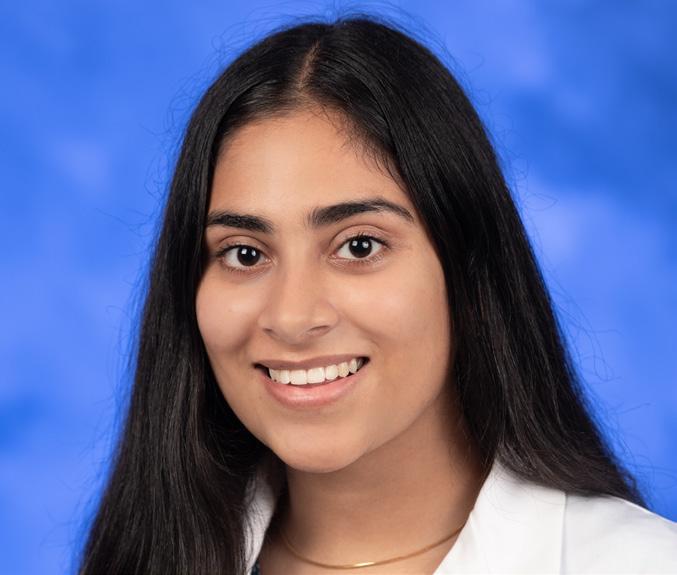
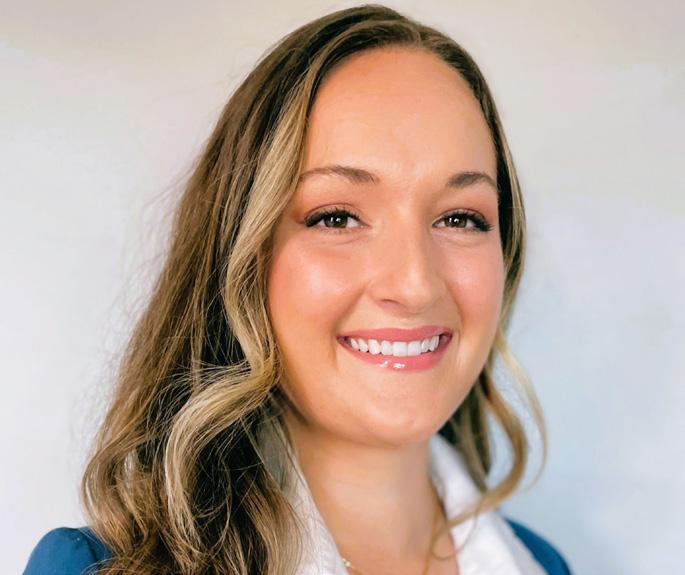
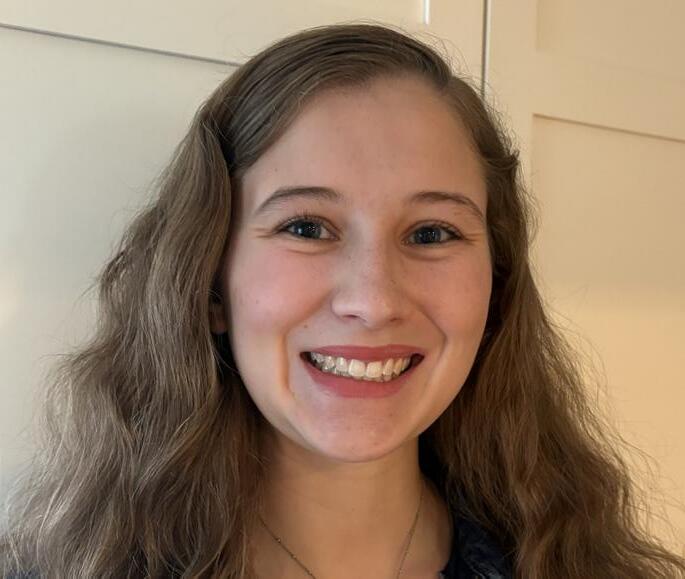
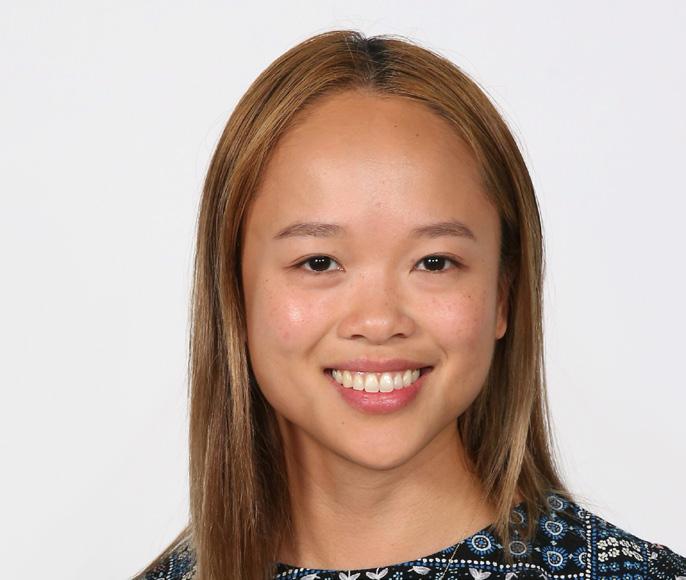
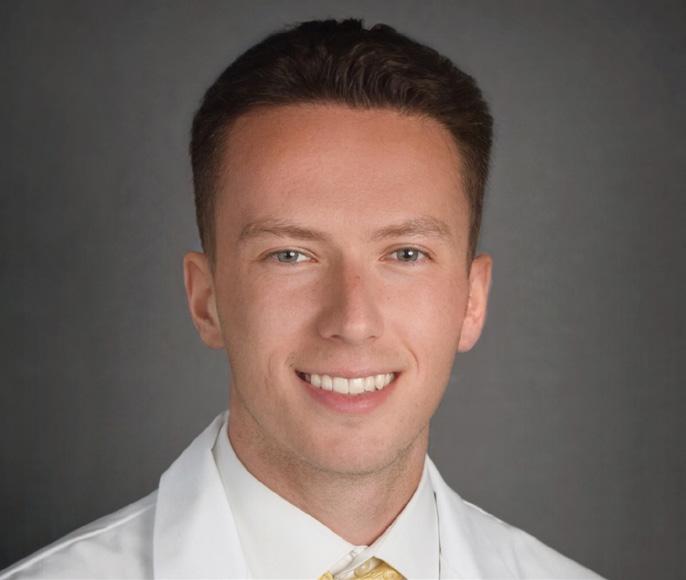
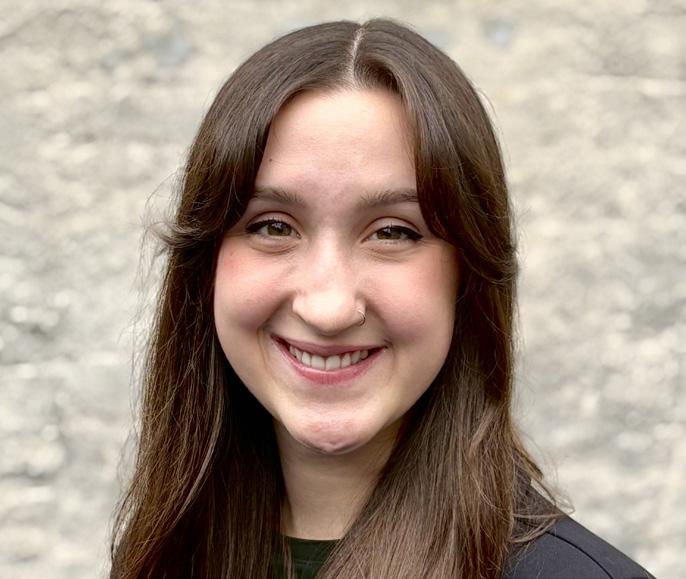
The Lancaster Medical Society Foundation, a foundation of the Lancaster City & County Medical Society, awarded $15,000 in scholarships for the 2025/26 academic year. This year’s recipients included Safitaj Sindhar and Sonya Fry of Ephrata, Sarah Scott of Bird in Hand, Linh To and Justin Thomas of Lancaster, and Vanessa Peduzzi of Philadelphia.
Sindhar, a student at the Pennsylvania State College of Medicine, is a graduate of Penn State Berks. She shared she knew from a young age that she wanted to pursue a career in medicine so that she could become a compassionate advocate of patients like those she grew up around in rural India.
“‘Seva’—selfless service—is a core principle of my Sikh faith,” she shared. “It teaches that helping others is both a moral duty and a spiritual offering. This philosophy has shaped my commitment to serve, not only globally, but also within the communities that have shaped me here in the US.
“After I graduate from medical school and finish my training, I plan to practice primary care medicine in my hometown of Ephrata or in Lancaster City, building longitudinal relationships with my patients in the community that raised me.”
Fry, a Florida Southern College alum and a medical student at Pennsylvania State College of Medicine, shared that her journey toward medicine was fueled by witnessing health disparities both abroad and at home.
“During my global health work oversees, I cared for patients in communities where access to medical care was scarce, where language and cultural barriers often left individuals unseen and unheard,” said Fry. “These experiences profoundly shaped my belief that health care is not just a service but a fundamental act of justice.
Safitaj Sindhar
Linh To
Sonya Fry
Justin Thomas
Sarah Scott
Vanessa Peduzzi
“I have chosen medicine as my career because I believe that compassionate, high-quality care is one of the most powerful tools we possess to achieve justice and equity for the voiceless.”
Scott, a student at Duquesne University College of Medicine, is a graduate of Pennsylvania State University. She said that she knew she wanted to become a physician after becoming a patient.
“Several years ago, I became acutely ill, requiring intense medical attention. After witnessing the compassion of doctors, nurses, and hospital staff, I knew that I wanted to serve others as a physician,” explained Scott.
“As the oldest child of two family physicians, I spent time observing the care my parents gave to their patients. Although this exposure was valuable, it was not until I found myself on the receiving end of competent and compassionate health care that I came to truly appreciate it.”
To is a University of Pennsylvania graduate and a current student at Sidney Kimmel Medical Collage. Her introduction to medicine was really in its absence. As a Vietnamese immigrant, her personal connection with the loss of a loved one, coupled with her academic and clinical experiences, drive her passion.
“I carry with me the memory of my family’s quiet avoidance of medicine and the stories of others who, like us, learned to live without care they didn’t believe was meant for them,” said To. “I’ve seen how healing begins not just with diagnosis, but with providers who strive to understand other’s culture and language, who understand the silences between words, who follow-up after discharge. I want to help build a system that listens more deeply, reaches more people, and finally brings care within reach.”
Thomas, who spent his undergraduate years at Emory University, is a student at Wake Forest University School of Medicine. He believes that having the privilege
to care for the mind and body is what makes medicine truly remarkable.
“It’s about addressing not just the physical symptoms but also the psychological and emotional layers that accompany illness,” explained Thomas. “My diverse experiences from witnessing crises to mentoring vulnerable students have equipped me with the empathy and skills necessary to practice medicine in a compassionate way that always prioritizes the person behind the illness.”
Peduzzi, a student at the Lewis Katz School of Medicine at Temple University, is a graduate of Schreyer Honors College at the Pennsylvania State University. She expressed that her move to Lancaster as a child and her subsequent interactions with so many warm, thoughtful, encouraging people—including a high school biology teacher—helped her find her path.
“As a high schooler, I was already interested in science, but his teaching made it exciting and humorous and attainable all at once. Biology started to feel like something I could do, and enjoy, for the rest of my life. This encouragement and advice are why I became an EMT at 16. My love for biology was transforming, focusing into a passion for medicine,” shared Peduzzi.
Founded in 1991, the Lancaster Medical Society Foundation is a 501(c)3 nonprofit organization that was formed to grant scholarships to students with strong ties to Lancaster County who are accepted at or continuing a medical degree at an accredited allopathic or osteopathic medical school.
Scholarship recipients demonstrate academic achievement, motivation and leadership, show an interest in meeting societal needs, and share a desire to potentially serve Lancaster County residents as a future physician. Since its inception, more than $320,000 in scholarships has been given to deserving local students.
Those wishing to support the scholarship foundation or learn more can visit www.lancastermedicalsociety.org.
PAMED CONCLUDES 2025 HOUSE OF DELEGATES MEETING
The Pennsylvania Medical Society (PAMED) recently hosted its hybrid House of Delegates (HOD) meeting, welcoming participants both virtually and in person. Over the course of the weekend, delegates engaged in meaningful discussions and cast votes on key issues that will shape PAMED’s future policies.
Beyond the formal sessions, attendees enjoyed networking opportunities, continuing education programs, and entertainment designed to foster community and collaboration among Pennsylvania’s physicians.
Resolutions debated during the meeting have now been categorized as adopted, not adopted, or referred back to PAMED’s Board of Trustees for further study. This transparent process ensures that members can review the outcomes and understand the direction of PAMED’s policy work in the year ahead. To view the resolutions, visit the “Resolutions” section of the PAMED website at pamedsoc.org/HOD. At that link, you can also see the full list of PAMED’s newly elected trustees under “Elections.” These new candidates took office in January 2026.
The speakers and PAMED leadership extend heartfelt thanks to all who participated, recognizing the dedication and insight that members bring to advancing medicine in Pennsylvania.
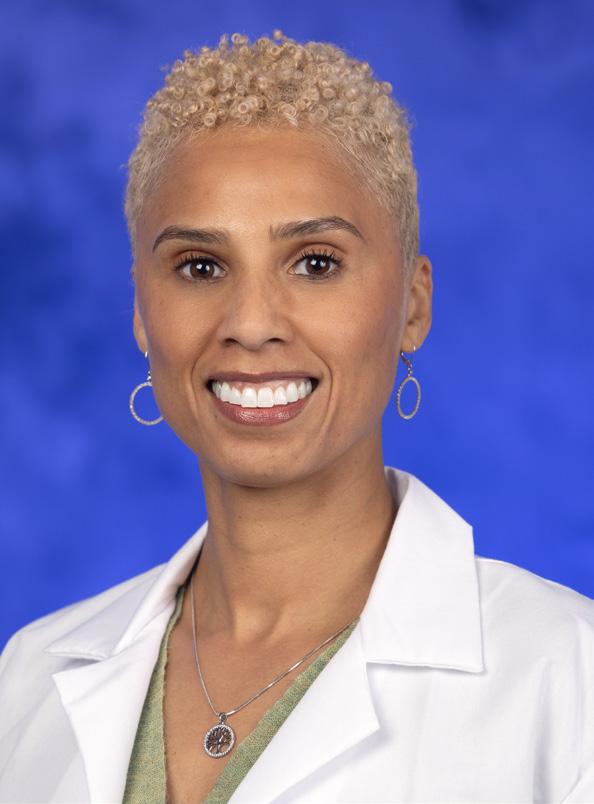
Tatianie
Jackson, MD
Penn State Health Milton S. Hershey Medical Center
Where do you practice and why did you settle in your present location or community?
I am originally from Boston, Massachusetts, though I have not lived there since my college years. My medical education began at UAG School of Medicine in Mexico, which provided me with a unique and enriching perspective on patient care. After completing medical school, I returned to Boston for a research year in nuclear medicine, followed by a surgical internship in New York.
In 2012, I embarked on a new chapter by moving to California to begin my residency at Stanford University, specializing in nuclear medicine. This experience was both challenging and rewarding. After completing the program in 2015, I anticipated settling in California. However, my career path shifted when I was offered the opportunity to return to Boston for a radiology residency at Boston Medical Center, my former research institution. This pivotal experience introduced me to my second passion within radiology: breast imaging.
Motivated by this newfound interest, I pursued a one-year fellowship in breast imaging at Beth Israel Lahey Health, just outside of Boston. Today, I am double boarded in breast and nuclear medicine radiology and practice at Penn State Health (PSH), where I focus on breast radiology, nuclear medicine/molecular imaging, and radiotherapies.
I chose PSH because of its diverse patient population, which includes individuals from rural, suburban, and urban backgrounds. This diversity keeps me grounded in my mission to provide compassionate care and to continually learn from those I serve. Additionally, PSH offers a collaborative and supportive environment that allows me to focus on my subspecialties alongside a dedicated group of radiologists. The academic and interdisciplinary opportunities here further enhance my professional growth and satisfaction.
What do you like best about practicing medicine?
I have crafted a career in medicine that may be distinct from many others. I am fortunate to work in two very different specialties and shape them according to my interests and strengths. In breast radiology, I truly value the continuity of care and the opportunity for direct patient interaction, as well as the interventional aspects of the field. It is deeply rewarding to play a role
in diagnosing breast cancer and to provide reassurance and guidance to patients at the earliest stages of their journey.
My work in nuclear medicine and molecular imaging is equally fulfilling, driven by my fascination with pathophysiology. I am passionate about helping physicians personalize treatment plans to improve patient outcomes. This specialty is constantly evolving, particularly with advances in radiotherapies, which ensures that I am always learning and growing professionally.
Are you involved in any community, nonprofit or professional organizations? If so, please list the groups:
I am an active member of both the Society of Breast Imaging and the Society of Nuclear Medicine and Molecular Imaging. I am dedicated to community outreach efforts and routinely volunteer for breast screening initiatives and breast health education programs. My commitment to public awareness was recognized when I was featured on abc27 News’ “Hope & Courage: A Tribute to Breast Health.” Additionally, I mentor undergraduate students and volunteer with Penn State University’s high school STEM outreach program.
Maintaining a strong connection to my alma mater, Clark Atlanta University, is a priority for me. Most recently, I contributed to the Crispus Attucks Community Center, a local food bank in Lancaster, as part of my continued efforts to support the broader community.
What are your hobbies and interests when you’re not working? Outside of work, I love to travel and immerse myself in different cultures and cuisines with my fiancé. Growing up in New England, I could spend hours at the beach, especially near home, enjoying fresh seafood with friends and family. When I’m not exploring new places, I enjoy road cycling with my fiancé and recently became a member of the Lancaster Bicycle Club. Time outdoors with my 17-year-old mini schnauzer, Mr. B, is something I really value, whether we’re strolling through the park or just relaxing together. To unwind, I typically reach for a good science fiction book or movie, depending on my mood, with Mr. B usually right by my side. In addition to radiology, I’m interested in real estate and love researching new vacation spots.
For what reason(s) did you become a member of the Lancaster City & County Medical Society and what do you value most about your membership?
I became a member of LCCMS to deepen my understanding of the medical community and enhance how I serve both my patients and fellow healthcare professionals. As someone new to the Lancaster County medical scene, I recognize the importance of joining an organization that offers mentorship as well as leadership and professional growth opportunities across local, state, and national levels. The communication, outreach efforts, and scholarships from LCCMS have genuinely impressed me. Additionally, I appreciate the supportive peer network LCCMS cultivates, which brings together individuals from various specialties.
FRONTLINE GROUPS WINTER 2026
Frontline Practice Groups have made a 100% membership commitment to LCCMS and PAMED. We thank them for their unified support of our efforts in advocating on your behalf and facilitating an environment for physicians to work collaboratively for the benefit of the profession and patients.
Avalon Primary Care
BestFit Virtual Health + Wellness, PLLC
Carter MD Aesthetics
Community Anesthesia Associates
Community Services Group
Conestoga Eye
Dermasurgery Center, PC
Dermatology Associates of Lancaster, Ltd
Dermatology Physicians, Inc
DermDox Dermatology Centers, PC – Leola
Eye Associates of Lancaster, Ltd
Family Eye Group
Family Practice Center, PC – Elizabethtown
General Surgery of Lancaster
Glah Medical Group
Hospice & Community Care
Hypertension & Kidney Specialists
Lancaster Arthritis & Rheumatology Care
Lancaster Cancer Center, Ltd
Lancaster Family Allergy
Lancaster Radiology Associates, Ltd
New Members
Antonio Adiletta, MD Lancaster Radiology Associates, Ltd
Mackenzi Lynn Bingaman, DO Penn Medicine Lancaster General Health Physicians Eichenlaub and May
Gregory S. Brown, Jr., MD
WellSpan Pulmonary & Sleep Medicine – Ephrata
David Reynoso Cortez, MD President, Lancaster General Hospital
Erica Crawford, MD
Resident, Lancaster General Hospital
Sabrina Do, DO
Resident, UPMC Lititz
Samuel Elias, MD
Lancaster Radiology Associates, Ltd
Jennifer B. Hardell, MD
Resident, Lancaster General Hospital
Jennifer Imbriale, MD
Penn Medicine Lancaster General Health
Lancaster Physicians for Women

Lancaster Skin Center, PC
LNC Oculoplastics
Luz Medicine
Manning Rommel & Thode Associates
Nemours duPont Pediatrics Lancaster
Patient First – Lancaster
Penn Medicine Lancaster General Health Care
Connections
Penn Medicine Lancaster General Health
Physicians Diabetes & Endocrinology
Penn Medicine Lancaster General Health
Physicians Family Medicine Manheim
Penn Medicine Lancaster General Health
Physicians Family Medicine Norlanco
Penn Medicine Lancaster General Health
Physicians Family Medicine Susquehanna
Penn Medicine Lancaster General Health
Physicians Gynecologic Oncology
Penn State Health Medical Group – South Lancaster
Karishma Iyer, MD Hypertension & Kidney Specialists
Austin Minnich, MD Lancaster Emergency Associates, Ltd
REINSTATEMENTS
Laura Ann Leaman, MD Penn Medicine Lancaster General Health Physicians Family Medicine Downtown
Sebastian Rodriguez, MD Penn Medicine Lancaster General Health Physicians Eichenlaub and May
Anoop Bharat Shah, MD WellSpan Physiatry – Ephrata Community Hospital
Penn State Health Palliative Medicine, Lancaster Medical Center
Pennsylvania Specialty Pathology
Retina Associates of Lancaster
Shady Grove Fertility – Lancaster
Union Community Care – Hershey Avenue
Union Community Care – Water Street
UPMC Breast Health Associates
UPMC Ephrata Primary Care
UPMC Heart & Vascular Institute – Lancaster
UPMC Lititz Wound and Hyperbaric Center
UPMC Lancaster Pulmonary & Sleep
WellSpan Family Health – Georgetown
WellSpan Family Medicine – West Main St.
WellSpan Interventional Radiology at Ephrata
WellSpan Neurosurgery – Ephrata
WellSpan Physiatry – Ephrata Hospital
Lancaster City & County Medical Society (LCCMS) is your home to help you deal with local and regional health care issues. When you join LCCMS, to network, learn, share ideas and advocate locally, you also join Pennsylvania Medical Society (PAMED), the voice of Pennsylvania’s physicians, advancing quality patient care, the ethical practice of medicine, and advocating for the patients they serve. PAMED works with the LCCMS to promote physician leadership, education, professional satisfaction, practice sustainability, and the public’s health. To join or renew your LCCMA/PAMED membership, contact PAMED at 800.228.7823 or visit them online at www.pamedsoc.org/join.