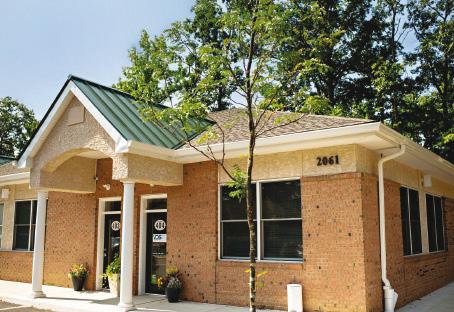
closely located to I-99 which makes it an easy commute to Altoona, State College, Hollidaysburg and on to Pittsburgh and DC-Baltimore. The practice is housed in a 2,000 sq. ft. facility that has been well-maintained and is well-equipped. The owner is ready to retire so both the practice and real estate are for sale. (PA435)
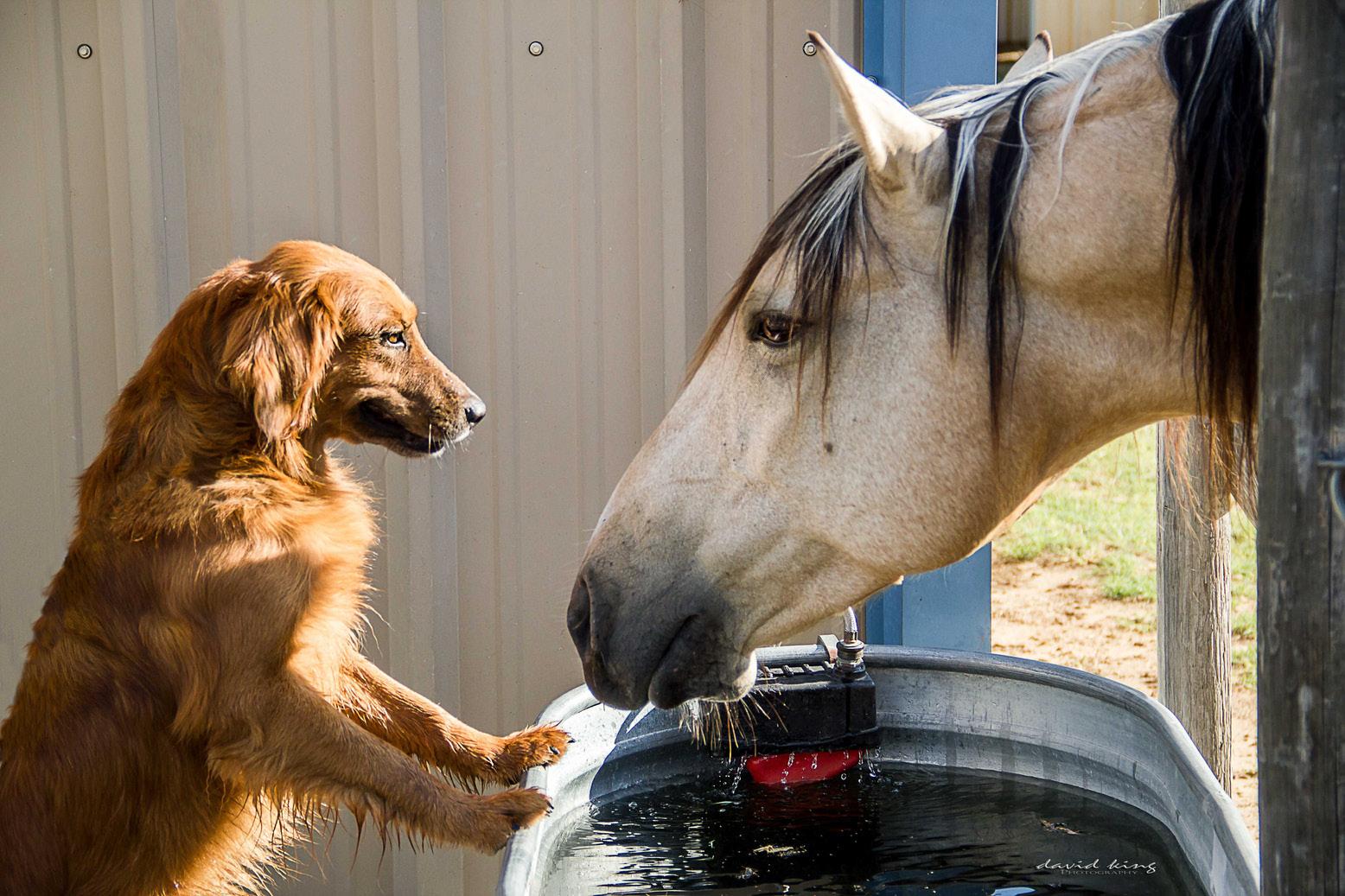
**Photo by Dr David King, DVM, CVA
PA: Eastern - Established, small animal hospital located in eastern, PA near the PA-MD border. You could live in either state! The practice is housed in an attractive, freestanding, leased facility that has a very good location with easy access for all current and future clients. The owner is ready to retire, so the practice is for sale. The owner will help with the transition. (PA437)
PA: Eastern - Established, companion animal practice in the Bethlehem-Allentown area. It is a growing 2 doctor practice with revenues approaching $2 million. The practice is housed in a free-standing building that is wellequipped and conveniently located within the community. The owner is retiring so both the practice and real estate are for sale. (PA324)
PA: Western - Solo, small animal practice located only a couple of miles from the PA-OH border. This is an established practice with over 60 years history of providing veterinary care throughout the area. It is housed in an attractive 2,200 sq. ft. facility with all the usual amenities and room for future growth. Both the practice and real estate are for sale. (PA410)
Small animal practice located in the vibrant and growing area of Carlisle,. The practice is housed in a 4,800 sq. ft. facility that is well-equipped and has room for growth. Both the practice and real estate are for sale. (PA520)
Tri-State Area: MD, DE, PA - Small animal hospital for sale in northeast Maryland. The location provides easy access to Newark, Philadelphia, Baltimore and the headwaters of the Chesapeake Bay. It is a financially healthy practice with a very good cash flow to the owner. The practice is housed in an attractive, free-standing facility that been well-maintained and is well-equipped. It sits on a 1-acre lot so there is room for expansion. Both the practice and the real estate are for sale. (MD526)
Northeast Ohio: Just a short hop to Erie, PA - Healthy and growing, companion animal hospital located in a beautiful area with lakes, creeks, parks, wildlife areas and more. It is a busy and financially healthy practice. It is housed in a 4, 000 sq. ft. facility with 4 exam rooms, a large treatment area and all the usual amenities. There is plenty of room for future expansion. Both the practice and real estate are for sale The owner is open to staying on part time to help with the transition (OH521)
*Photo by
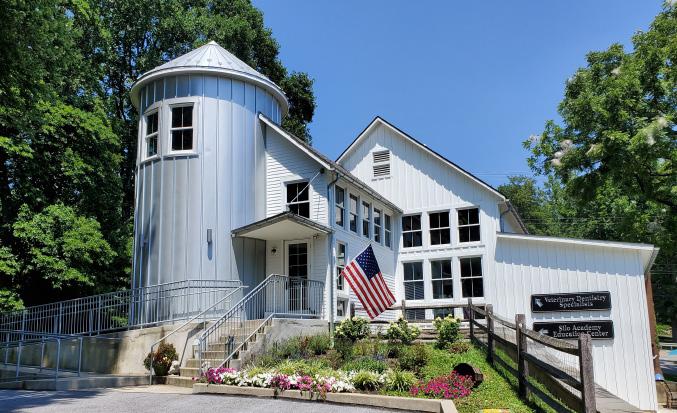
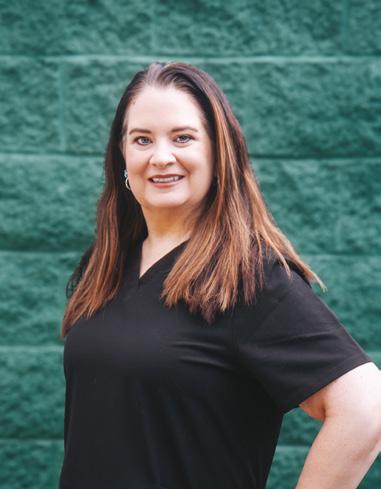
Please join us in welcoming the newest full-time member of the VDS® Chadds Ford clinical team: Becca Feuer, VMD
We’re excited to share that Dr. Becca Feuer has officially joined our Chadds Ford team as a full-time veterinarian!
Dr. Feuer recently completed her residency in Dentistry and Oral Surgery right here at VDS®, and we couldn’t be more thrilled to have her continue with us in this new role.
A graduate of the University of Pennsylvania School of Veterinary Medicine, Dr. Feuer is dedicated to enhancing patients’ quality of life through advanced oral health care.
Since opening our doors in 2019, we’ve continued to grow thanks to your ongoing trust in our team. We are deeply grateful for your support and honored to provide your clients and patients with exceptional specialty care.
VDS® is the only referral practice in the nation dedicated to advanced dentistry and oral surgery for pets where a full-time board-certified veterinary dentist and a board-certified veterinary anesthesiologist are on staff to ensure the safest and most comfortable experience… and the best possible outcome.
Subscriptions:
The Keystone Veterinarian is mailed to PVMA Members at no charge as a member benefit. Subscriptions are available to non-members for $30/year or $10 for a single issue. Please contact Membership@PaVMA.org if you’re interested in receiving the Keystone Veterinarian magazine.
Notice to Readers:
Neither this publication, Hoffmann Publishing, nor PVMA assumes responsibility for material contained in articles and advertisements published, nor does publication necessarily constitute endorsement or approval of the advertiser, product, service or author viewpoint by the Keystone Veterinarian, its editors and publishers or the Pennsylvania Veterinary Medical Association. In addition, neither this publication nor PVMA guarantees the accuracy, reliability or completeness of any facts, views, opinions, recommendations, information or statements contained within this publication.
Reproduction in whole or in part is prohibited without the permission of the Pennsylvania Veterinary Medical Association.
Hoffmann Publishing Group 2669 Shillington Road, #438 Sinking Spring, PA 19608 www.Hoffpubs.com
Hoffmann Publishing Group is the official publisher of the PVMA's Keystone Veterinarian magazine. For advertising opportunities, contact: Ad Sales at Sales@HoffPubs.com or call 610.685.0914 x 715.
Correction: Correction for image captions from 2025 Keystone Veterinarian Volume 4. Cover photo: The team from Brandywine Valley Vet Hospital (BVVH) with Empowering Veterinary Team's (EVT's) own. lead trainer Danny Vazquez, CVT, holding the bulldog manikin. The photo on page 8 is of EVT's Chief Visionary Officer, Alyssa Mages, BS, CVT, FVTE, demo-ing PICC lines in March 2025 at an IDEXX-sponsored workshop held at BSAVA in Manchester, UK.
The Pennsylvania Veterinary Medical Association is dedicated to ensuring the vitality of the veterinary profession by promoting excellence in veterinary medicine, advancing animal health and welfare, and protecting and enhancing human health. PO Box 468, Elizabethtown, PA 17022 717.220.1437 | Info@PaVMA.org | PaVMA.org
EXECUTIVE COMMITTEE
President: Andrea Honigmann, DVM
President-Elect: Jeffrey Dill, DVM
Vice President: Andrea Carr, DVM
Past-President: Rhett Proctor, DVM
Secretary/Treasurer: Thomas Munkittrick, DVM
“Jim” Borthwick, Jr.,
BOARD OF TRUSTEES
Western Region Trustee: Erin Johnson, DVM
Metro Philadelphia Region Trustee: Jill Stetz, VMD
North Central Region Trustee: Jim Zeliff, DVM
South Central Region Trustee: Stephen Foulke, DVM
Equine Veterinarian At-Large: James Holt, VMD
Production Animal Veterinarian At-Large: William Croushore, DVM
Andrea Honigmann, DVM 2025-2026 PVMA President Scientific Committee Chair
The clocks have spun around backwards yet again, and at the time of this writing, the days are definitely shorter. I often find myself leaving the clinic after dark. As I contemplated what to write in this message to the membership, it occurred to me that while it seems like there are more dark hours than light, as veterinarians and veterinary professionals, we do not have to be in the dark regarding the latest updates in our field. My goal as the association President is to make sure that not only are members updated about current events in the field, but also that we continue to provide the best possible continuing education for you.
Current Events in PVMA
In current events—and as you’ll read more about later in this issue—the Friends of Veterinary Medicine event was held at the Capitol building in Harrisburg on November 18, 2025. During the event, Representative Carl Metzgar, who serves the 69th District in the Pennsylvania House of Representatives, received the “Friend of Veterinary Medicine” award for his support of our profession. If you are a largeanimal veterinarian, the reason xylazine remains accessible in your truck’s lockbox, without burdensome hurdles, is due to the combined efforts of Representative Metzgar, the PVMA, AVMA, AABP, AAEP, and the University of Pennsylvania School of Veterinary Medicine.
After xylazine became a drug of abuse on the human side, Governor Shapiro moved to classify it as a controlled substance in the Commonwealth. Representative Metzgar, however, worked closely with veterinarians from these organizations, including members of the PVMA’s Legislative and Regulatory Affairs Committee, to ensure that a veterinary exemption was written into the legislation. If this is news to you, one resource you may find invaluable is VetBytes, the weekly newsletter that provides concise updates on PVMA initiatives along with relevant veterinary news from across the country. Be sure to sign up—and don’t let it get flagged as spam!
Keeping Up with Current Information
If you’re a seasoned veterinarian who has recently hired a new graduate, you may be wondering how to stay as current as they are in terms of the latest in medical knowledge. Here are some of my favorite ways to learn:
Podcasts
One of the easiest ways to pick up quick, practice-relevant updates, without committing large blocks of your time, is through podcasts. One of the first podcasts I discovered as a young ER doctor (way back in 2013) was VETgirl, founded by Justine Lee, DVM, DACVECC, DABT, and Garret Pachtinger, VMD, DACVECC. VETgirl is a subscription-based service offering RACE-approved CE that you can listen to while running on the treadmill (and staying warm) or walking your dog (bundled up for our Pennsylvania winters!). In addition to podcasts, the platform provides webinars, continued on next page >
Message from the President
continued from page 5
Confirmed Speakers
as of December 2025
More speakers will be added in the Spring 2026. Stay tuned to the PVMA website for all updates!
Adam Christman, DVM, MBA Keynote Speaker
Christopher Byers, DVM, DACVECC, DACVIM (SAIM), CVJ Critical Care
Leigh Ann Collins, DVM, CVA, CPEV Hospice
John Currin, DVM, DABVP Dairy
Sue Ettinger, DVM, DACVIM Oncology
Russell Freeland, DVM, DACVS Equine
Iain Keir, BVMS, DACVECC, DECVECC Emergency Medicine
Brittany Lancellotti, DVM, DACVD Dermatology
Tasha McNerney, CVT Veterinary Technician
Christopher Pachel, DVM, DACVB, CABC Animal Behavior
Shelby Reinstein, DVM, MS, DACVO Ophthalmology
Ally Sterman, DVM, DACVS-SA Surgery
Veterinary Business Builders (Detweiller) Professional Development
rounds, videos, blogs, and more! Through a multimedia and multidisciplinary approach, VETgirl gives you practical tips and tricks including focused certificate programs that offer anywhere from 20 to 60 hours of continuing education.
Of course, that is not to say you shouldn’t still register for the Keystone Veterinary Conference in August! In fact, you’ll see that there are a few veterinary podcasters that are in our speaker lineup for that conference. They are coming out from behind their microphones and speaking directly to you, the membership! This includes Brittany Lancelloti, DVM, DACVD (Your Vet Wants You to Know), Shelby Reinstein, DVM, DAVCO (VETgirl), Christopher G. Byers, DVM, DACVECC, DAVCIM, CVJ (featured on The Clinician’s Brief podcast), and Sue Ettinger, DVM, DACVIM, also known on social media as Dr. Sue Cancer Vet (featured in several podcasts including The Purr Podcast).
Journal Articles
If you’re the kind of doctor that really dives into the numbers and the statistics of the latest studies, then journals with peer-reviewed articles are the way to go for staying up to date. With its famous artworks on the cover, there is the Journal of the American Veterinary Medical Association, which covers not only news events from around the profession but publishes studies each month in both large and small animal medicine topics. While not every article in JAVMA is going to be relatable to your everyday clinical practice, there are plenty of issues that do have relevance. For example, in November of 2025, there were original research articles about the number and location of splenic masses relating to malignancy, and another about long-term complications of splenectomy in dogs with benign splenic disease. Given the number of times that I have had to discuss splenic masses over the years, both in ER and general practice, I found the most up-to-date information in these articles and updated my standard discussion with clients. When I am flipping through the pages, I am often also drawn to the “What’s Your Diagnosis” section, which presents radiographs and other diagnostic images in a case-study format.
Learning from Others
Another great resource for staying up to date on trends and changes is talking to the representatives that come to visit our practices and asking questions of not only the representatives but also leaning into the knowledge of the professional service veterinarians. If you want to know how to integrate new technology (like in-house lab machines that utilize AI algorithms, for example) or be the first in your peer group to try out a new medication (perhaps the latest monoclonal antibody treatment), these are the people that will explain the mechanism of action for you and your team. And sometimes more importantly, give advice on how to make the use of said technology or medication successful in your practice, with your clients, and most importantly with your team.
And lastly, as I alluded to earlier, coming out to continuing education conferences in person can be a very rewarding experience, where you can stay up to date, from conversations with your peers (and what is working or not for them in daily practice) to visits with our sponsors and exhibitors. At the same time, you can get the latest information and updates from nationally recognized speakers, who are often the top in their fields and very well-respected, coming from both clinical practice and from universities across the country.
CELEBRATING OVER 20,000
FIP Champions FIP Champions
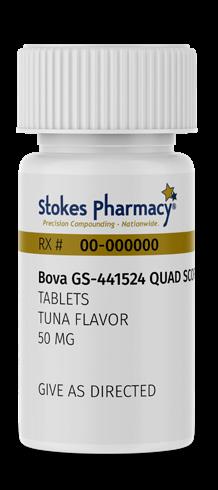
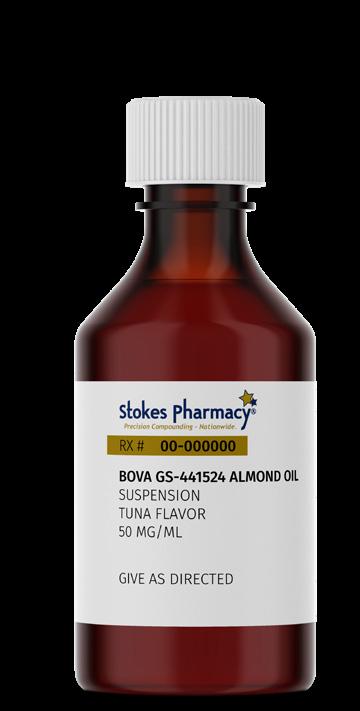
Bova GS-441524
Considered the GOLD STANDARD for FIP treatment by feline experts
Available by patient prescription in all states and for office use in most states
Ships same day nationwide with 1-2 business days in transit
The only oral formula identical to the Bova formula used in clinical studies. Scan to learn more from feline experts, including how to diagnose and treat FIP today!
With that said, it is my pleasure to announce the 2026 Keystone Veterinary Conference keynote speaker, Adam Christman, DVM, MBA, a 2004 Iowa State University graduate, and the Chief Veterinary Officer of dvm360®. Dr. Christman will bring insight and humor to our conference in a can’tmiss-it keynote presentation. He will also have three hours of lectures in the afternoon on Friday, August 15, that will complement our outstanding speaker lineup, the all-stars at Keystone Veterinary Conference this year!
See you in August at Kalahari Resort in the Poconos!
Meet The 2026 Keystone Veterinary Conference's Keynote Speaker!
Adam Christman, DVM, MBA, is the chief veterinary officer for dvm360®, the nation’s leading veterinary multimedia company, as well as their brand voice and personality. Dr. Christman received his DVM degree from Iowa State University’s College of Veterinary Medicine and his MBA degree from Aspen University. He has been in private practice and shelter medicine for over 18 years and is the host of The Vet Blast Podcast. He is an international public speaker, an author (Honey, Have You Squeezed The Dachshund?), and has been featured on multiple television shows such as Good Morning America, Fox Weather, z100 Elvis Duran and the Morning Show, and multiple podcasts and radio outlets.
With over two million followers on social media, Dr. Christman loves to engage with fellow pet parents as content creator. He has received several awards including the 2025 AVMA Media Award, the 2024 VMX Speaker of the Year Award, the 2024 Bright Minds Veterinary Influencer of the Year, and the 2024 Iowa State University William Switzer Award. He is also the proud dog dad to four adorable dachshunds and believes no one should be deprived of the incredibly sacred human-animal bond. He also believes in the power of laughing and dancing while educating, as you all are about to witness today.
New Advances in
By Nina Mantione, VMD
We all know the pain of finishing a hard day in the clinic only to see the long list of charts that still need to be completed. Medical records may be the bane of our existence, but they are an unavoidable necessity that keep our cases flowing, provide detailed information for other veterinarians, and protect us if we are ever in legal trouble.
The medical record is a legal document that demonstrates the care that you have provided for your patient, including physical exam findings, test results, treatments, drug dosages, and conversations with clients. If the record fails to include things that you have done or things you have discussed with the pet owner, then you do not have legal proof that these things occurred.
Record Keeping Requirements
The Pennsylvania State Board of Veterinary Medicine defines a minimum standard for record keeping. In its regulations, the board states the following:
Veterinary medical records serve as a basis for planning patient care and as a means of communicating among members of the veterinary practice. The records furnish documentary evidence of the patient’s illness, hospital care and treatment, and serve as a basis for review, study and evaluation of the care and treatment rendered by the veterinarian. A veterinary medical record shall be kept in a problem-oriented or similar format that allows any veterinarian, by reading the record, to proceed with the care and treatment, of the patient and allow the Board or other agency to determine the advice and treatment recommended and performed.1
Beyond this generalized statement, the regulations also provide some specific parameters that must be met in section 31.22.
There are some common pitfalls we all encounter in our day-today medical record keeping. It is important to remember some details that the board stipulates in their regulations, including (but not limited to):1
• Drug dosages: Remember to include drug concentrations so that a milligram amount can always be calculated.
• Physical exam findings: Be sure to note any abnormal physical exam findings.
• Client communication: Did you discuss treatment options, review your cost of services, or recommend referral? Anything that you discuss with the pet owner should be included in the medical record.
• Radiological findings: If you perform radiographs, the results of these should be noted in the record.
• Surgical or dental procedures: Detailed operative notes, dental charting, and anesthesia monitoring should all be included in your record keeping.
• Legibility: This is a requirement. If no one can read your handwriting, then the record falls below the acceptable standard.
This is a lot to keep track of, and when you have seen a dozen or more patients throughout the day, the details can get lost in the shuffle. Remembering which patient had significant dental disease or which owner declined blood work is not easy after a full day of appointments. What if there was a way to keep it all straight?
New Advances in Record Keeping
The good news is that there may be some light at the end of the long record keeping tunnel. We are entering a new era of record keeping as AI programs offer an efficient option for comprehensive record keeping.
How exactly does AI help us to create a medical record?
AI listens to our interactions with clients and staff for each patient, and then it creates a comprehensive record that you can easily proofread and edit in a fraction of the time it takes to write the entire thing yourself.
What are the pros and cons of working with an AI scribe?
Just as with any software, diagnostic tool, or medication, there are advantages and disadvantages that must be considered.
The Pros:
• Using AI for record keeping significantly decreases the time spent writing up charts each day.
• Most AI programs allow you to customize templates to fit your flow.
• Many AI program provide tools to enhance client communication, such as appointment report cards or
summaries of appointments or conversations that can be sent by email.
The Cons:
• In Pennsylvania, you do need permission to record clients, so you will need to come up with an approach that allows clients to opt out if they are not comfortable with being recorded. You should consult your practice’s lawyer to determine the best way to accomplish this.
• You do need to proofread and edit the records created by AI to ensure accuracy. For example, if the AI overhears another conversation while recording yours, it may add details that are not accurate.
• AI scribe programs, like other AI, can have large environmental impacts, including pollution and degradation resulting from the processes needed to extract essential rare earth metals needed for hardware, the high energy and water consumption by data centers, and high carbon emissions.2 In response to this concern, some companies have created programs to offset their environmental impacts.3
Choosing an AI Scribe Program
There are an ever-growing number of AI scribe programs available to veterinarians. Most offer trial periods so that you can try different programs to see what works best for your practice and workflow. If you are comparing different programs, it can be helpful to use audio from the same appointment to directly compare the outputs of different programs.
Final Thoughts
While record keeping will never go away, the use of AI may soon help to alleviate many of the extra hours we spend documenting our cases, and it can do so with an accuracy that even us humans may lack at the end of a long busy day. Better yet, using AI software may hopefully free up a little of our time to do other things.
References:
1. 49 Pa. Code §31.22. Accessed December 7, 2025. Available at https:// www.pacodeandbulletin.gov/Display/pacode?file=/secure/pacode/ data/049/chapter31/chap31toc.html&d=#31.22.
2. Katirai A. The Environmental Costs of Artificial Intelligence for Healthcare. Asian Bioeth Rev. 2024 Jun 21;16(3):527-538. doi: 10.1007/ s41649-024-00295-4.
3. ScribbleVet. ScribbleVet’s Environmental Offset Commitment. Published October 8, 2025. Accessed December 7, 2025. Available at https://www.scribblevet.com/environmental-offset-program.
About the Author: Dr. Nina Mantione received her bachelor's degree from Franklin and Marshall College and her veterinary degree from the University of Pennsylvania. She works as a small animal veterinarian and is one of the medical directors at her hospital. She loves One Health, client education, and has a passion for geriatric medicine.
A Grain of Truth: Heartworms and the Other Woman
By Todd A. Jackson, DVM, DACLAM
This series of articles depicts funny, tragic, terrifying, or otherwise memorable anecdotes from veterinary careers. Some of them might be mine, and some might belong to other people. I’m not telling. In all cases, the names have been changed to protect the innocent and the comically guilty.
Some are completely true, but at minimum, every story has a grain of truth. For those who haven’t been in veterinary medicine long enough to remember when the best available drug to treat arthritis in dogs was aspirin (available in 5 grain tablets), a grain is an obsolete unit based on the mass of an ideal seed. In the Apothecaries' system, it is equal to 64.79891 milligrams…so, maybe not much, but there is some truth in there.
Heartworms and the Other Woman
Veterinary medicine has undergone tremendous changes over my career. In the early 1990s, we sent home “flea bombs,” cans of insecticide that fogged entire rooms to kill blood-sucking pests hiding in carpet. Pet owners set off the bomb and then ran outside to keep from inhaling the poison, returning home only after the fragrant organophosphates floated down onto the floor and any other horizontal surfaces in their houses. Now, we prescribe pills that can kill fleas and ticks for weeks, keeping homes from ever becoming infested. We used to hospitalize diabetic dogs, needling them every few hours to measure blood glucose curves, and now we can attach a skin sensor to continuously track their sugar levels and send reports to our smart phones. Emergency practices used to be found only in referral practices in the biggest of cities, requiring most practices to keep a vet on call to handle hit by cars (HBCs), blocked cats, and inpatient cases. Nowadays, most small animal practices can keep semi-regular hours and refer their emergencies and hospitalized patients. Whatever nostalgia people might feel for the “good ole days,” it doesn’t mean that veterinary medicine was better back then.
One problem managed totally differently now versus the days of yesteryear is heartworm disease. Instead of intramuscular IMMITICIDE® (melarsomine), we used to kill adult worms with Caparsolate (thiacetarsamide), an older arsenic-based drug that would cause tissue sloughing if the smallest amount leaked outside the vein during intravenous injection. Nobody had heard of using doxycycline to kill the Wolbachia sp. in the heartworms and lessen the likelihood of treatment complications.
When I was a junior high student shadowing our family veterinarian, heartworm preventatives were a daily pill. If you wanted to save money, you put generic, pink diethylcarbamazine pills in your dog’s food every day. We were that kind of family. If you were a big spender, you bought Filarabits®, the same drug in a name brand, chewable tablet. Vets completely ignored preventatives in cats, thinking that heartworm disease wasn’t a problem for felines. While I was in veterinary school, the world changed when Heartgard® (ivermectin) came on the market, making heartworm preventative a monthly versus a daily dose.
Both drugs were given only during the mosquito season, as year-round prevention was not yet recommended. Each spring, before restarting preventative administration, all dogs were supposed to come in for a heartworm test. Typically, the Difil test was used to check for microfilariae (that’s the plural of microfilaria, not the British spelling) because you could run the test faster than centrifuging a blood sample for a Knott’s test. We spent hundreds of hours every spring drawing blood from nearly every dog in our practice area, mixing it with lysing solution, squirting it through a filter, adding a drop of blue stain, and peering at it through a microscope. Antibody tests had yet to become standard.
All this led to a massive workload increase every spring because colic cases, ear infections, tumors, milk fevers, itchy skin, and every other veterinary problem kept happening despite having so many appointment slots booked up by heartworm testing. Extra appointments were tacked onto evenings and Saturdays
continued on next page >
A Grain of Truth: Heartworms and the Other Woman
continued from page 11
so that we could still deliver the care our patients needed. All that extra time at work made for less time at home with my new wife, and that was a struggle for us as newlyweds.
Now for the record, time has proven that I am the one who married up. I landed a super-smart, beautiful, caring woman who wanted (and still wants!) to spend time with me. She netted a busy animal doctor with the type of classic good looks that are perfect for radio, not television. Fortunately for me, she has been willing to put up with my nonsense for over 40 years. That doesn’t mean it has been easy for her. During those busy spring seasons, she often felt that my work and the clinic were like a mistress, calling me out late at night for emergencies and keeping me from spending quality time with her. Because the month of April was the busiest time for heartworm testing, she used to refer to “April” as “the other woman.”
That issue manifested itself as big trouble for me one Thursday morning. Thursdays were my boss’s day off, and I ran the clinic by myself. Everything started off normally with physical exams on all the hospitalized patients, an early appointment for a puppy that developed diarrhea the night before, and intake exams for two cats to be spayed. After the early morning rush, I anesthetized the first cat and started the skin incision. While stopping a small bleeder, our receptionist, Donna, burst through the OR door with a crazed look on her face, and told my assistant, Tammy, to get up front immediately. Between the tone of Donna’s voice and the irate expression on her face, she looked more furious than a rabid skunk. I figured there must be some obnoxious client arguing with her, so I told Tammy I would watch the cat’s vital signs while she helped Donna.
Tammy was gone a very long time. I kept expecting her to come back and let me know what was up, but she never did. I briefly caught her glaring at me through the window into the operating room, but she ducked and disappeared as soon as I looked up. The look on Tammy’s face said that our next surgery should be a castration, that I should be the next patient, and that we could skip the anesthesia.
I yelled through the door to ask if everything was OK, but neither Donna nor Tammy would answer me. I had no idea what I had done wrong, and they kept acting like I was a murderous cannibal slow roasting an innocent child for lunch.
After tying off the subcuticular stitches, I turned off the
isoflurane and waited with the cat until it could be extubated. Usually, Tammy would do that for me so that I could draw up the anesthetics for the next case, but I had been completely ghosted. When the cat was finally awake enough for me to leave it in a cage by itself, I hurried up front to find out what was causing all the drama. Just as I walked into the reception area, Donna hung up the phone and let out a huge sigh of relief. She looked me in the eye and said, “Your wife has a wicked sense of humor.”
It turns out that my wife had a bouquet of roses delivered to the clinic with my name on the card. She figured that I would read the card privately and get a good laugh at our inside joke. The note said:
Want to spend a long, hard day with me rather than going home to your wife? April
Donna couldn’t resist finding out who would send me a dozen red roses at work and opened the card to find out. Assuming that I was cheating on my wife, Donna called Tammy out of surgery to spread the gossip. While I had been extracting the ovaries and uterus from inside the cat, they pegged me as a pathetic philanderer. They debated how best to make me pay and decided to turn me in. They looked up my wife’s work number in the clinic’s emergency contact list, called her, and ranted about my cheating. My wife tried to interrupt them, but couldn’t get a word in. She eventually started laughing hysterically, and that confused Donna and Tammy long enough for my wife to finally speak up in my defense. My wife admitted that she sent the flowers and that she called the annual spring workload spike “April, the other woman.”
Donna and Tammy apologized for getting so mad at me and warned me to never make my wife really mad. They said, “If she can cause you this much trouble when she’s not even mad at you, be certain that you never really cross her.”
I have always tried to heed their advice.
About the Author: Dr. Jackson is a board-certified specialist in laboratory animal medicine and serves as the Director of the Animal Resource Program and a Research Professor in the Office of the Senior Vice President for Research and the Department of Veterinary and Biomedical Sciences at Penn State’s University Park campus. He can be reached via e-mail at taj5330@psu.edu. https://vbs.psu.edu/directory/taj5330
Managing Veterinary Care Costs:
A Guide to Payment Options for Pet Owners & Vet Practices
By Amelia Knight Pinkston, VMD, INHC, cVMA
Editor’s Note: This article was originally published on Dr. Knight Pinkston’s blog in November 2025. The original article includes extensive examples and information on individual companies. Dr. Knight Pinkston plans to update the original post periodically. A link to the original blog post is included at the end of this article and can serve as an excellent reference for practices.
No one wins when finances become a barrier to a pet receiving the care they need. And yet, we’re in a phase where that’s becoming increasingly common—unless we intentionally choose a different approach.
Let’s zoom out for a moment and look at the big picture:
• The cost of veterinary care is rising at a rate significantly higher than overall inflation.1
• One in three U.S. adults can’t cover a $400 unexpected expense without some sort of financing.2
• 78% of Americans are living paycheck to paycheck.3
• Veterinary medicine is a business. To provide care to pets in a way that’s sustainable, it needs to be profitable.
• Vet med is currently in a recessionary phase—after a period of rapid growth the past few years, business is slowing.4
• Burnout rates remain high: 50% of veterinarians have moderate to high burnout scores and 66% of vet techs are burned out.5,6
When you put these realities together, it’s easy to see why money conversations feel tense and overwhelming on both sides of the exam table. Both pet guardians and veterinary teams are under financial strain. Everyone cares deeply, and everyone is stretched thin.
Managing Veterinary Care Costs: A Guide to Payment Options
continued from page 13
for Pet Owners & Vet Practices
And the truth is: finances are deeply emotional. They’re tied to safety, security, and—at times—life-or-death decisions about a beloved family member. So, when a pet owner faces a bill they weren’t expecting (on top of worrying about their pet), or a team member feels unable to provide recommended care, it’s completely human for emotions to run high.
That’s when reactive patterns show up:
• A client blames the vet for “only caring about the money.”
• A team member burns out and resigns.
• A pet owner agrees to something they can’t afford, then leaves a negative review.
• Both sides feel misunderstood, creating an “us vs. them” dynamic.
These reactions aren’t personal—they’re stress responses. And if we want to work together toward our shared goal—helping the pet—we need to proactively reduce stress and overwhelm around financing veterinary care.
The good news: each of us can play a part by shifting toward a proactive instead of reactive approach.
For veterinary professionals, this looks like:
• Being upfront and transparent about costs
• Normalizing financial conversations early
• Understanding and offering a full spectrum of payment options
• Offering choices without judgment
• Approaching decisions as a team, not “us vs. them”
For pet owners, this looks like:
• Being informed about the different payment options available
• Preparing a plan for unexpected expenses before they happen
• Choosing a veterinary practice that offers payment flexibility
• Communicating openly about budget and preferences
This guide was created for both pet owners and veterinary teams so neither side feels stuck. It walks through the full range of payment and financing options—including pros, considerations, and best-fit scenarios—so together, we can find solutions that support the well-being of the pet, the pet owner, and the veterinary team.
Financial Options for Veterinary Care
Pet Insurance
Pet insurance is one of the best ways for families to prepare for unexpected accidents or illnesses and yet only about 4% of pets
in the U.S. are covered by pet insurance.7 When it’s the right fit, insurance reduces emotional and financial stress and allows everyone to focus on what matters: providing the pet with the best possible care.
Pet insurance options can feel overwhelming—for both pet owners and veterinary teams. Resources like Pawlicy Advisor and Petinsurancereview.com can help pet owners find the information they need to decide if pet insurance is a good choice for them and which plan is the best fit.
Pros for Pet Owners
• Covers unexpected accidents and illnesses
• Reduces stress during emergencies
• Eases decision making so owners can focus on their pet instead of finances
• Predictable monthly cost
• Can significantly reduce lifetime veterinary expenses
• Provides emotional relief for owners who worry about worst case scenarios
Pros for Veterinary Practices (when clients have insurance)
• Approval for recommended diagnostics and treatments is smoother
• Cost conversations become more straightforward
• Teams experience less moral distress because finances aren’t a limiting factor
• Medical compliance and outcomes often improve Considerations
• Most policies require owners to pay upfront and get reimbursed
• Preventive care isn’t covered unless a wellness add-on is purchased
• May not be cost effective for older pets or those with multiple pre-existing conditions
• Waiting periods often apply before coverage begins
• Policies can be complex or confusing without guidance
Best Fit For
• Puppies and kittens
• Young adult pets
• Breeds prone to hereditary or chronic conditions
• Pet owners who want peace of mind
• Practices wanting to support better medical outcomes
• Pet owners who are able to pay upfront costs while waiting for reimbursement
Traditional Financing Options
These are programs that help pet owners pay over time, spreading out expenses in a manageable way. The biggest drawback is that they require a credit check so that clients with low credit scores or who are “credit invisible” may not qualify (even if they may be willing to and capable of making payments). A variety of companies fall into this category and include CareCredit, All Pet Card, Scratch Pay, and Cherry.
Pros for Pet Owners
• Most companies offer quick approval process with immediate access to funds
• Helps owners proceed with care without delaying treatment
• Can help bridge the gap for pet owners with insurance who need support until reimbursement arrives
Pros for Veterinary Practices
• Offering a payment option beyond “pay in full” signals positive intention and partnership, reducing stress for both clients and staff
• Clinics are paid upfront—no waiting for reimbursement
• Helps pet owners move forward with care when paying in full isn’t possible
• Supports better follow-through on recommended
diagnostics and procedures
• Many companies provide marketing support to help explain the option to clients
Considerations
• Requires a credit check and approval
• Not all clients qualify, including those who are “credit invisible”
• Some owners are wary of credit-based options, have prior negative experiences, or have extenuating circumstances that prevent them from being able to apply (i.e. pre-approved for a mortgage)
• The fees charged to the clinic vary and may affect the length of promotional periods or the approval odds for clients
• Many companies offer promotional interest rates. These should be explained clearly to clients, especially when the interest is deferred
Best Fit For
• Clients with stable credit
• Families who prefer predictable monthly payments
• Situations where the clinic needs to be paid upfront
continued on next page >
Managing Veterinary Care Costs: A Guide to Payment Options for Pet Owners & Vet Practices
continued from page 15
Managed Payment Plan Options
For clients who don’t qualify for credit-based financing or prefer not to use it, payment plans can be a compassionate, accessible alternative. They support care acceptance while reducing the pressure of paying in full at once.
Since the availability of credit-based payment options has grown, payment plans have historically been looked at as high-risk for veterinary clinics. This can be true for DIY in-clinic payment plans. However, there are now several companies that offer managed payment plans, which both reduce risk and administrative burden. These companies include VetBilling, Varidi, and PaymentBlanc.
Pros for Pet Owners
• Allows them to say “yes” to diagnostics and treatment even when upfront cost is a barrier
• Affordable monthly payments that fit into a realistic budget
• Helps clients who may not qualify for traditional financing options.
• Reduces stress and shame by providing a clear, compassionate financial pathway
Pros for Veterinary Practices
• Helps reduce moral distress for veterinary teams and pet owners when finances would otherwise block care
• Can customize terms including minimum amounts and repayment length while the company handles the rest
• Eliminates in-house collections by outsourcing to experts
• Improves care acceptance by offering an accessible option
• Supports clients who care deeply about their pet but feel temporarily stretched—improving client experience and potentially strengthening the relationship and trust Considerations
• Requires clients to commit to monthly payments
• Not ideal for high-cost surgeries if a client has no financial buffer
• Depending on the company, the clinic may not be paid upfront and must be open to monthly payments
• Some companies guarantee that the clinic will receive payment while others do not. This guarantee often translates into higher fees for the client on top of the veterinary bill
Best Fit For
• Clients who want to pay over time but cannot use credit-based options
• Practices that want to reduce financial stigma and support team well-being
Fundraising Options
Fundraising can be a lifeline for pet owners facing unexpected veterinary expenses—especially when traditional financing isn’t available. These options rely on community support, so they work best as supplemental tools rather than primary financial plans.
In addition to asking friends and family for donations, many pet owners use crowdfunding platforms like GoFundMe. Petspecific funding platforms are also available, including Waggle and Free Animal Doctor.
Pros for Pet Owners
• Easy and quick to set up
• Shareable across social media, which helps stories spread
• Funds go directly to the pet owner, offering maximum flexibility
Pros for Veterinary Practices
• Provides an additional pathway when finances would otherwise limit care
• Can help with cases involving strays without microchips needing immediate support
• May allow treatment for owner-surrender cases through community involvement
• Builds goodwill and boost morale when the community rallies around a pet in need
Considerations
• Not ideal for urgent emergencies; fundraising takes time (but could potentially be used in combination with another finance option to help with monthly payments)
• Requires outreach to raise funds. A strong social network reach is often needed to be successful
• Some platforms have fundraising caps
• Identify whether the funds go to the owner (i.e. traditional crowdfunding options), which may raise donor concerns about use, or directly to the clinic (i.e., Waggle)
• Platform and payment processing fees may apply
Best For
• Non-urgent cases where the owner has time to share and gather community support
Angel Funds
Angel funds are compassionate, community-supported resources that help bridge financial gaps for pets in crisis. These funds can be created and managed by veterinary practices or supported through established nonprofits. When used thoughtfully, they offer meaningful support without placing additional financial strain on pet owners or the veterinary team. While some clinics create an internal angel fund, companies like MyBalto can help with fundraising and reducing the administrative burden. Alternatively, nonprofit organizations like Chappy & Friends create tax-deductible fundraising pages for animals in need. They provide administrative support, nonprofit status, and an existing platform that donors trust— making it easier for practices or individuals to raise funds ethically and transparently.
Pros for Pet Owners
• Provides direct financial support in true crisis situations
• Allows pets to receive essential treatment when owners would otherwise be unable to proceed
• Builds emotional connection and trust between the practice and the community
• Offers local impact and transparency that donors appreciate
Pros for Veterinary Practices
• Gives the practice a compassionate tool for exceptional cases
• Allows practices to help in special hardship cases without discounting services or absorbing the financial loss
• Helps reduce moral distress when finances are the barrier to care
• Enhances community goodwill and practice reputation and strengthens client loyalty. (These are great cases to share on social media)
• Can be used strategically for cases involving strays, good Samaritans, or extraordinary medical need
• When partnering with a third-party, the practice workload is reduced
Considerations
• For in-clinic plans, practices must create or partner with a 501(c)(3) to accept tax-deductible donations legally
• Requires thoughtful guidelines to avoid inconsistencies or emotional burden on staff when determining which cases can receive assistance
• Funds can be limited and may deplete quickly, especially in high-need communities
• Without boundaries, staff may feel pressure or compassion fatigue
• Dependence on donor engagement means funding is not guaranteed
Best Fit For
• Practices committed to community support
• Teams ready to establish clear policies, criteria, and boundaries
• Clinics that have the administrative capacity or a nonprofit partner to manage funds ethically
• Communities with strong donor engagement or interest in supporting local animals
Nonprofit and Assistance Programs
When other financial avenues have been exhausted, nonprofit and assistance programs can provide a critical safety net. These resources vary widely in scope and eligibility, but they can make a meaningful difference for pets in crisis—and reduce stress for both veterinary teams and pet owners.
The AVMF REACH Program helps bridge financial gaps by providing grants directly to veterinary practices (for AVMA members). Practices can apply for up to $1,000 per veterinarian per year (and up to $5,000 per clinic), though funds can be combined from multiple veterinarians toward the same case.
There are a variety of other nonprofit organizations that may have funds to help support veterinary care costs. These may be specific to a certain location (i.e. State VMA, local community), breed, or disease process. These programs can be lifesaving for unique situations—including specific medical diagnoses, rare conditions, or breed-related health issues—but the availability of funds can be variable.
In many cases, funds may be depleted due to overwhelming need. A resource like Pet Help Finder (https://www. pethelpfinder.org) can help identify available resources in your area.
continued on next page >
Managing Veterinary Care Costs: A
Guide to Payment Options for Pet Owners & Vet Practices
continued from page 17
Pros for Pet Owners
• Access to urgently needed care without navigating credit checks or fundraising
• Reduces the emotional burden during already stressful situations
• Transparent process since funds are paid directly to the practice
Pros for Veterinary Practices
• In most cases, funds go directly to the practice, ensuring compliance and transparency
• May allow teams to help in hardship cases without absorbing the cost
• Decreases moral distress when finances limit care
• Demonstrates a desire to work with the client to find payment solutions and may increase community trust
Considerations
• Most funds offer limited amounts per patient or per practice
• Not suitable for large or ongoing treatment plans
• Eligibility varies widely between organizations
• Applications take time and may require medical documentation
• Funding is not guaranteed. Some organizations require services be provided prior to applying for funds
Best For
• Short-term financial emergencies where immediate assistance is needed
Pet Owner Budgeting and Emergency Funds
For some pet owners—especially those with senior pets or pets no longer eligible for insurance—building a dedicated pet emergency fund can be the most sustainable and empowering financial option. Even small, consistent contributions can create a meaningful buffer and reduce stress during unexpected situations.
This is also where veterinary clinics can make a big impact proactively. Transparent, judgment-free conversations about anticipated costs help set realistic expectations so pet owners can plan ahead—long before they’re in a crisis. Beyond offering that clarity and support, however, emergency funds ultimately become the pet owner’s responsibility and long-term strategy.
Pros
for Pet Owners
• No credit checks, applications, or interest
• Reduces financial panic during emergencies
• Supports long-term planning and peace of mind
• Helps owners feel more in control of their finances and their pet’s care
• Flexible—funds can be used for any veterinary need
Pros for Veterinary Practices (when paired with proactive education)
• Creates more prepared clients who can approve care without delay
• Establishes clearer expectations early, leading to fewer tense money conversations
• Encourages long-term planning instead of crisis-driven decision-making
• Reinforces trust and transparency in the veterinarianclient relationship
Considerations
• Requires pet owner discipline and consistency to build
• Takes time to accumulate a meaningful amount
• Can feel challenging for clients facing financial strain
• May not be a single solution for large, urgent expenses
• Out of a vet clinic’s control beyond proactively educating and transparency around costs
Best Fit For:
• Senior pets or pets with pre-existing conditions who don’t already have insurance
• Multi-pet households
• Families who prefer non-credit-based options
• Anyone wanting a long-term, proactive plan that supports emotional and financial peace
Final Thoughts
At the end of the day, everyone wants the same thing: pets getting the care they deserve. When we acknowledge that finances are emotional and approach them proactively—with transparency, compassion, and options—stress decreases and collaboration increases. That shift leads to higher care acceptance, stronger relationships, and better outcomes for pets, clients, and teams.
This recessionary phase is an opportunity to pause, reflect, and rethink old patterns. When we offer solutions that make veterinary care more accessible and sustainable, we support the entire veterinary ecosystem. We’re in this together—and our pets benefit when we lead with compassion, curiosity, and connection.
To Read the Full Blog Article, which includes specific pros and cons for all companies mentioned, visit https://www.lifeboost.today/blog/113087-financing-veterinary-care
For more support on navigating financial conversations with clarity and compassion, check out the Life Boost with Amelia podcast:
“The F Word in Vet Med” Parts 1 and 2 with Dr. Shona Kowtecky.
References:
1. Benson J and Tincher EM. Cost of Care, Access to Care, and Payment Options in Veterinary Practice. Vet Clin of N Am: Sm Anim Pract 2024;54(2):235-250.
2. Federal Reserve. Economic Wellbeing of US Households (SHED). Accessed November 30, 2025. Available at https://www.federalreserve. gov/publications/2022-economic-well-being-of-us-households-in2021-dealing-with-unexpected-expenses.htm.
3. Getting Paid in America Survey. 2023 Results. Accessed November 30, 2025. Available at https://info.payroll.org/pdfs/npw/2023_Getting_ Paid_In_America_survey_results.pdf.
4. Neill CL, Salois M, McKay C. Anticipating the downturn: business cycle forecasting for veterinary practice strategy in the United States. Frontiers 2025;12. https://www.frontiersin.org/journals/veterinaryscience/articles/10.3389/fvets.2025.1689704
5. Steffey MA, Griffon DJ, Risselada M, et al. Veterinarian burnout demographics and organizational impacts: a narrative review. Frontiers 2023;10. https://www.frontiersin.org/journals/veterinaryscience/articles/10.3389/fvets.2023.1184526.
6. Chapman AJ, Rohlf VI, Bennett PC. Understanding veterinary technician burnout, part 1: burnout profiles reveal high workload and lack of support are among major workplace contributors to burnout. JAVMA 2025;263(S2):S16-S25.
7. Mattia D and Haverstic C. Pet Insurance Statistics 2025: Pet Insurance Ownership Rates Continue to Trend Upward. Published July 14, 2025. Accessed December 1, 2025. Available at https://www.marketwatch.
About the Author: Dr. Amelia Knight Pinkston is a veterinarian, integrative health and life coach, consultant, and speaker. As the founder of Life Boost with Amelia, she blends a decade of clinical experience with extensive training in coaching, change work, and integrative health—grounded in insights gained through her personal recovery from burnout. Her work focuses on addressing the root causes that lead to unsustainable patterns—in individuals and in veterinary medicine—and helping to create cultures where well-being and performance can thrive.
Through her Life Boosting Change™ approach, Amelia offers an evidence-based framework that moves beyond surface-level fixes to uncover the unconscious patterns, cultural conditioning, and physiological stressors that shape how people and practices function. Her work includes RACE-approved coaching, consulting, free well-being resources, leadership tools, and an evolving Unicorn Vet Hospital list, along with insights shared through her podcast, blog, and social platforms—all with the goal of creating a new norm in veterinary medicine where sustainable well-being is the standard.
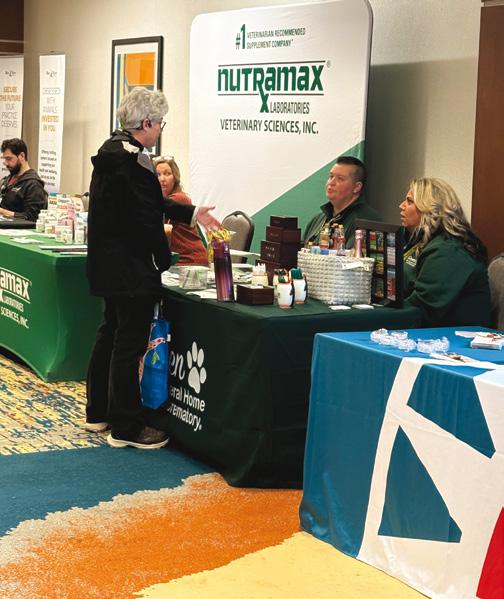
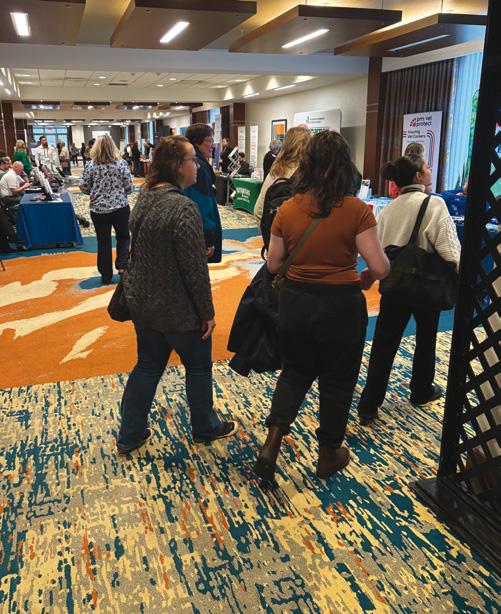
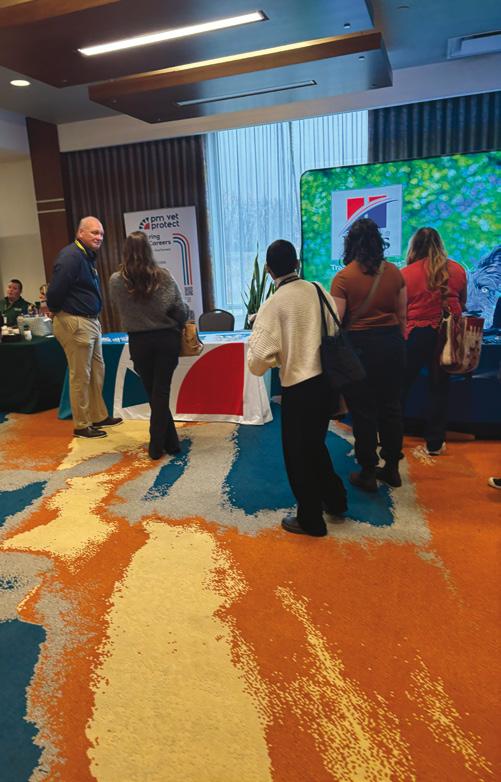
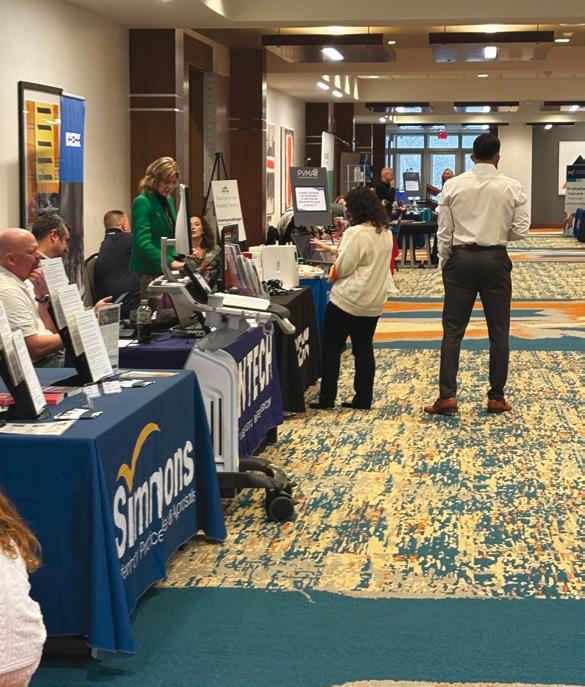
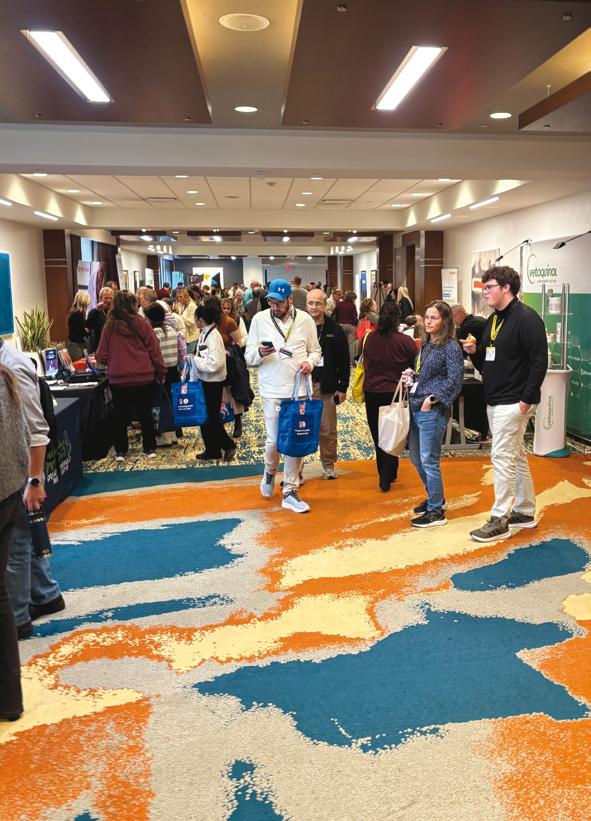
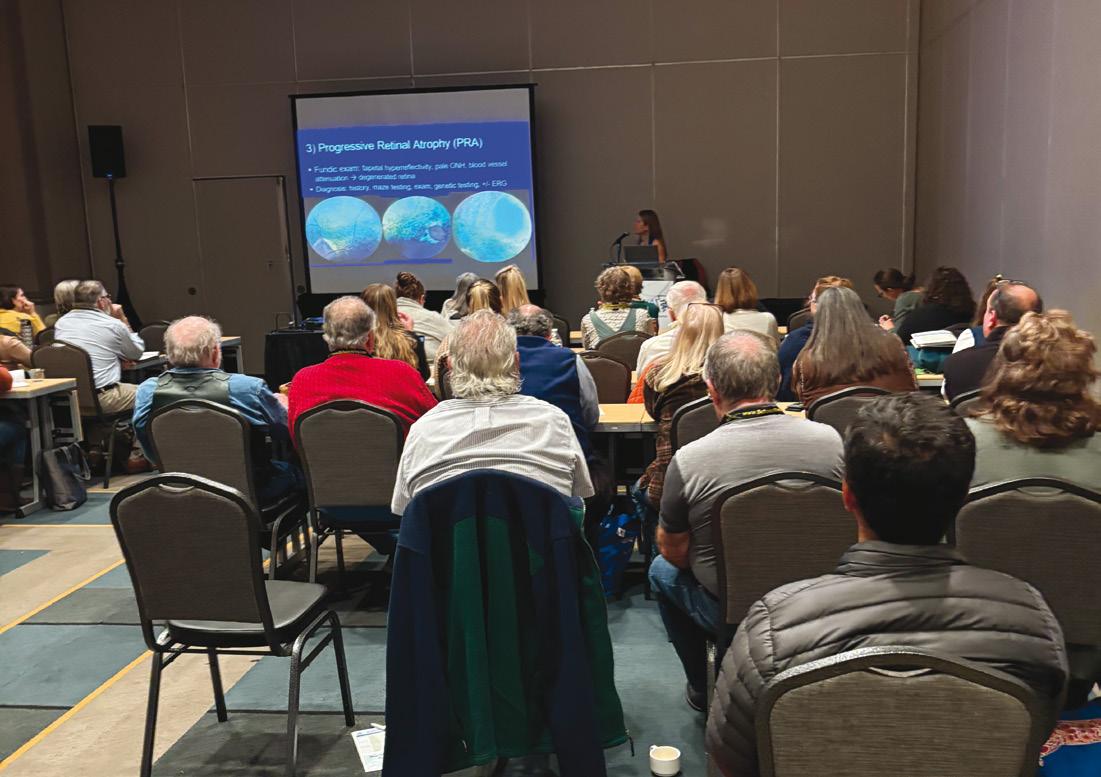
The PVMA Three Rivers Veterinary Symposium returned to the DoubleTree Cranberry in November 2025. Veterinary professionals from across the region gathered for two days of education, collaboration, and networking. This year’s Symposium showcased strong attendance and a sold-out exhibit hall, with more than 30 exhibitors representing pharmaceuticals, diagnostics, nutrition, practice management solutions, and more.
Scan this code to access the PVMA calendar of events and online registration.
The focus of the Symposium was its highly anticipated educational program. Attendees benefited from an outstanding lineup of speakers covering a wide range of specialty tracks, including neurology, surgery, equine medicine, clinical pathology, ophthalmology, food animal production, emergency medicine, and Certified Veterinary Technician (CVT) education. Sessions were designed to deliver both practical clinical takeaways and deeper insight into emerging trends, supporting attendees’ professional growth across various disciplines.
Whether exploring complex neurological case management, diving into advanced surgical techniques, or discussing the evolving standards of food animal production and welfare, participants had access to robust content that reflected the diversity of modern veterinary practice. CVTs and veterinary support professionals also found dedicated programming tailored to their roles, emphasizing the importance of teamwork, clinical skills, and leadership within the veterinary care team.
As the veterinary profession continues to evolve, events like the Three Rivers Veterinary Symposium play a vital role in promoting collaboration, lifelong learning, and professional well-being. The success of the 2025 Symposium would not have been possible without the support of our exhibitors, sponsors, speakers, and attendees.
PVMA is proud to provide a platform where veterinary professionals can come together to advance their knowledge, strengthen their networks, and elevate the future of animal health. PVMA’s staff and volunteers are hard at work finalizing speakers for the 2026 Three Rivers Veterinary Symposium (Green Tree, PA) and Keystone Veterinary Conference (Pocono Manor, PA).
Discover the Value of the American Veterinary Medical Law Association (AVMLA)
By James Wilson, DVM, JD, & Debra Hamilton, JD
As a member of the PVMA and a reader of Keystone Veterinarian magazine, you may be aware of the many legal challenges your Legislative and Regulatory Affairs Committee (LRAC) tackles each year. However, you may not be familiar with a valuable resource called the American Veterinary Medical Law Association (AVMLA).
Founded in 1994, the AVMLA serves as a crucial link between the legal and veterinary professions. Like the PVMA, the AVMLA is driven by passionate volunteers who work to keep members informed about the legal and business aspects of veterinary medicine. AVMLA President Robert Simpson, DVM, JD, describes the organization’s reason for existence as follows:
“Our mission is to make the intersection of law and veterinary medicine accessible and practical for every professional. We want veterinarians and attorneys alike to feel confident navigating complex issues with the support of a community that understands both worlds.”
What sets the AVMLA apart is its accessibility. The organization hosts monthly meetings featuring panel discussions on timely topics, such as:
• Enforceable vs. Unenforceable Noncompete Agreements
• Student Loan Repayment as an Employment Benefit
• Veterinarians’ Responsibilities in Advising Clients About Dangerous Dogs
• The Pros and Cons of Personhood for Pets
These CE sessions coupled with AVMLA’s annual conference attempt to make complex legal topics understandable for veterinarians, attorneys, and anyone involved in veterinary healthcare. The AVMLA’s community of veterinarians and lawyers can provide consultative support and resources to help protect your practice as you serve your clients.
Ready to learn more?
Visit www.avmla.org and discover how AVMLA can support you and your practice.
Friends of Veterinary Medicine Award
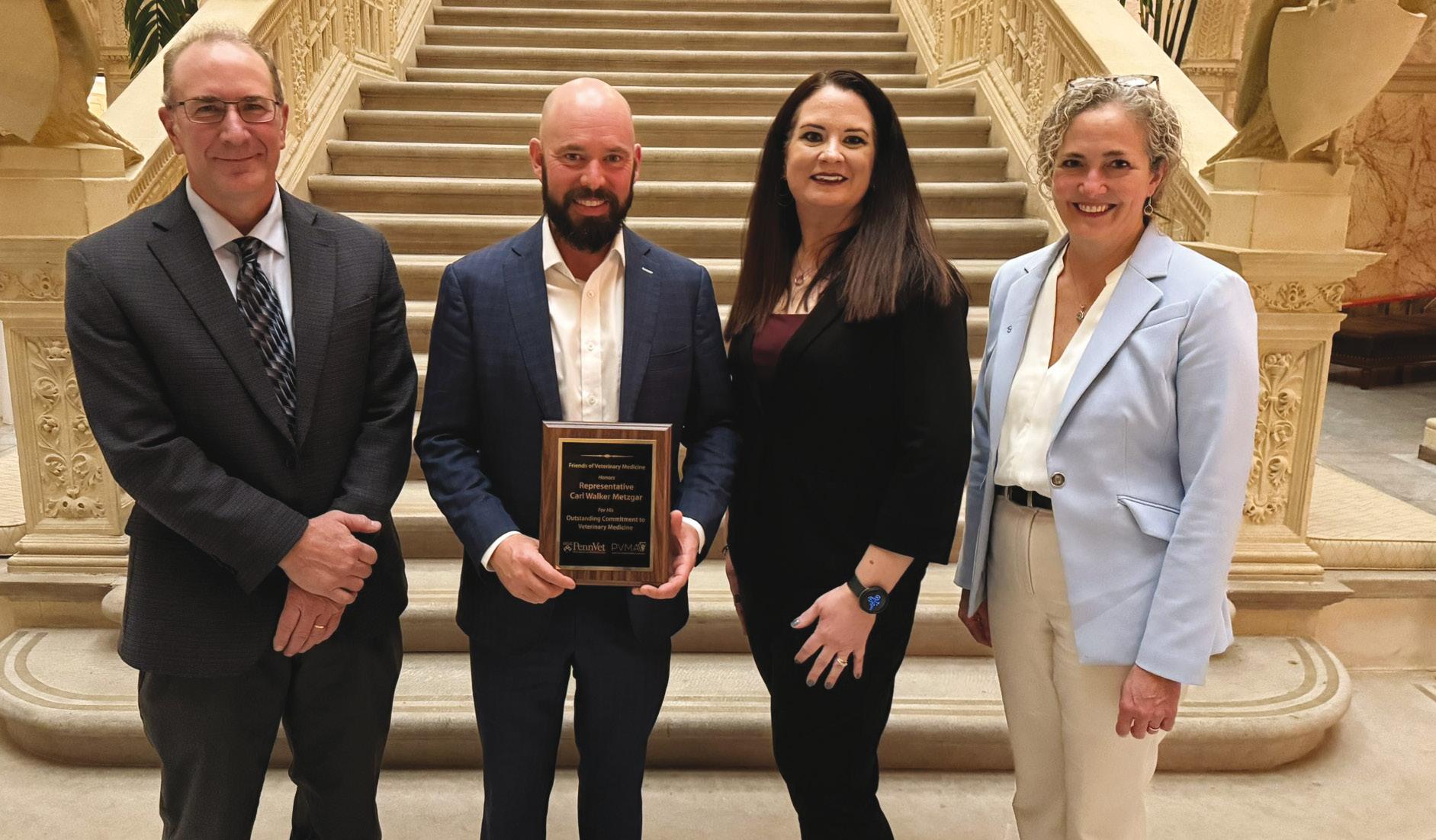
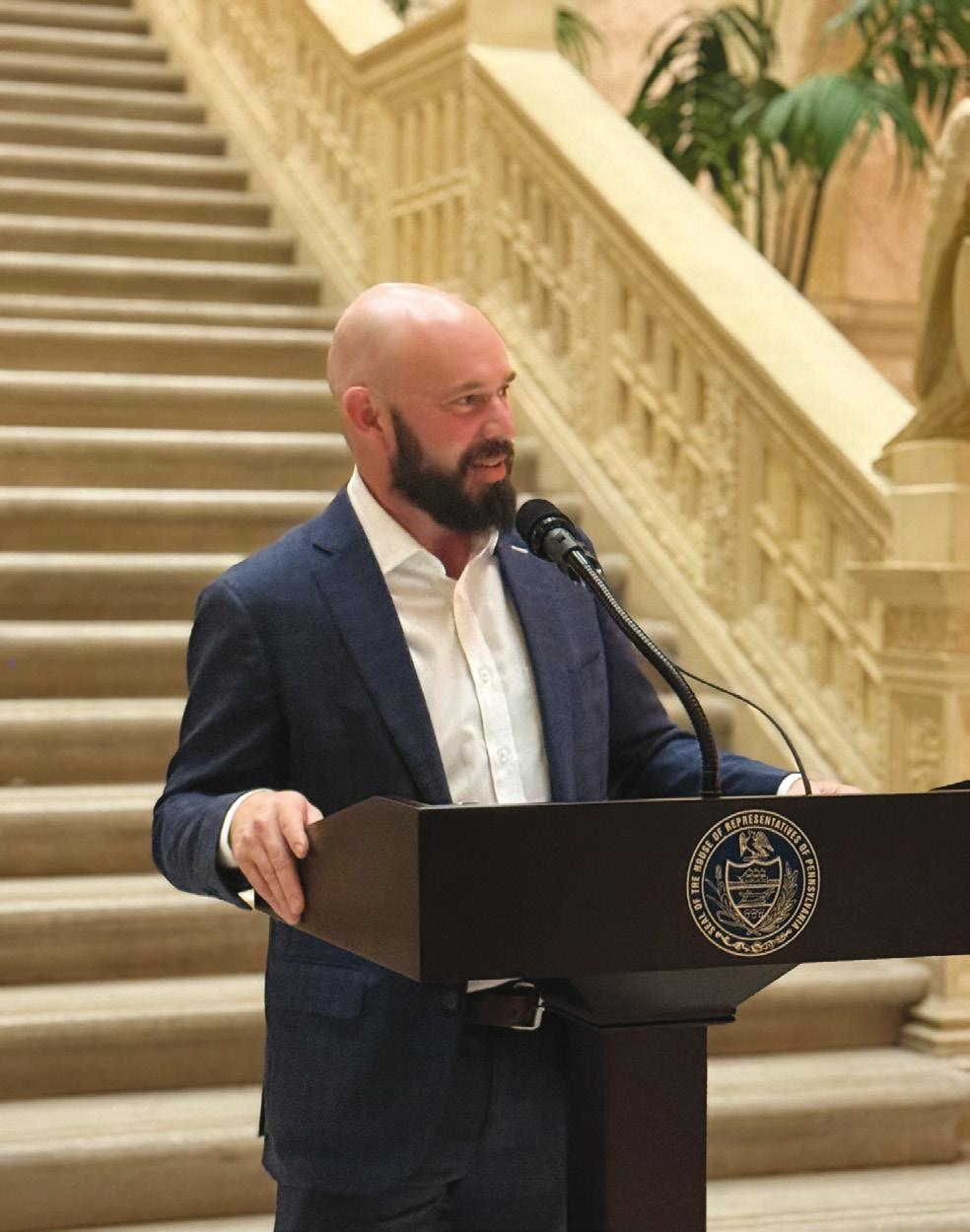
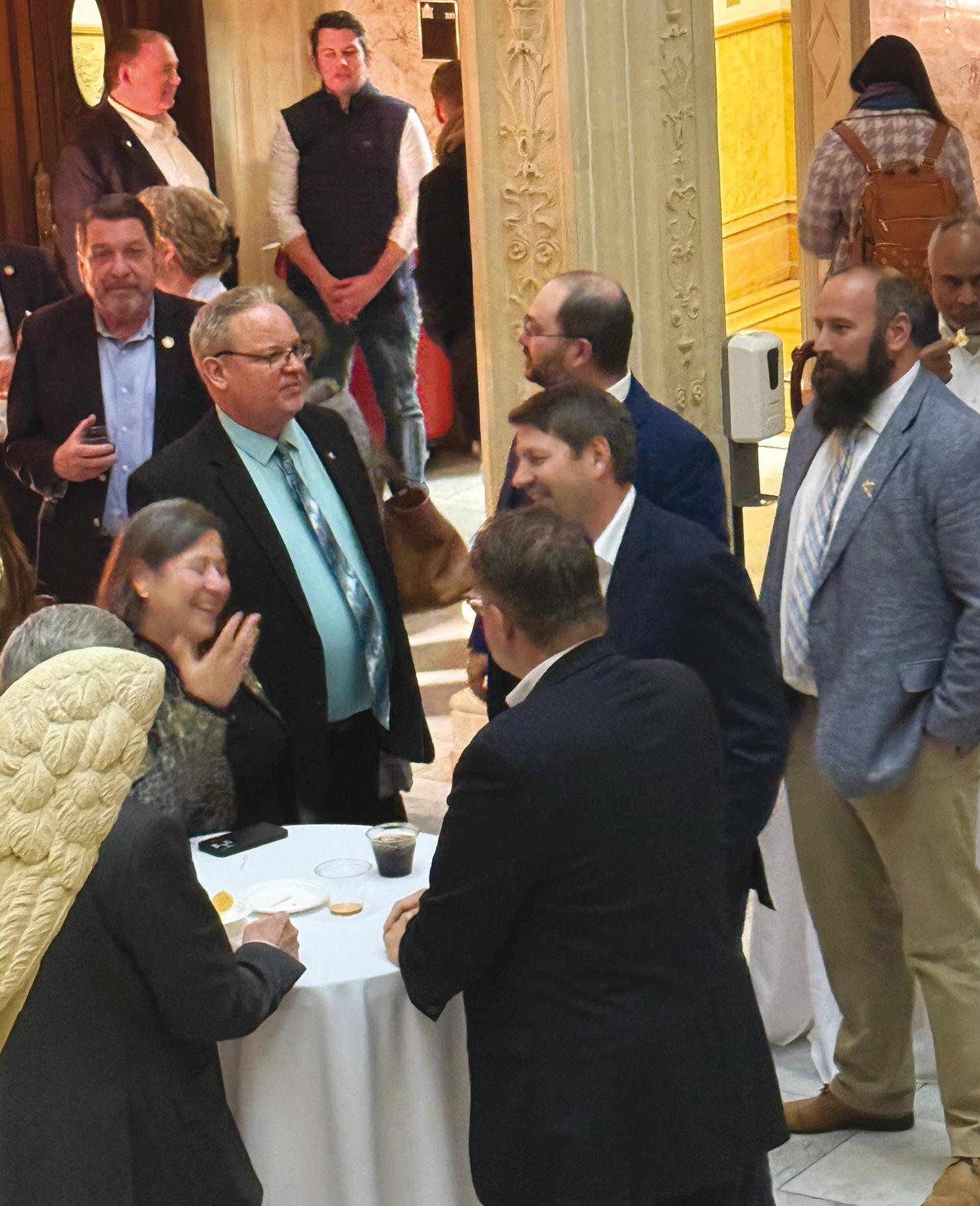
Friends of Veterinary Medicine reception where Representative Carl Walker Metzgar was recognized. Dr. William Croushore, Rep. Carl Walker Metzgar, Dr. Andrea Honigmann and Dr. Barbara Dallap Schaer
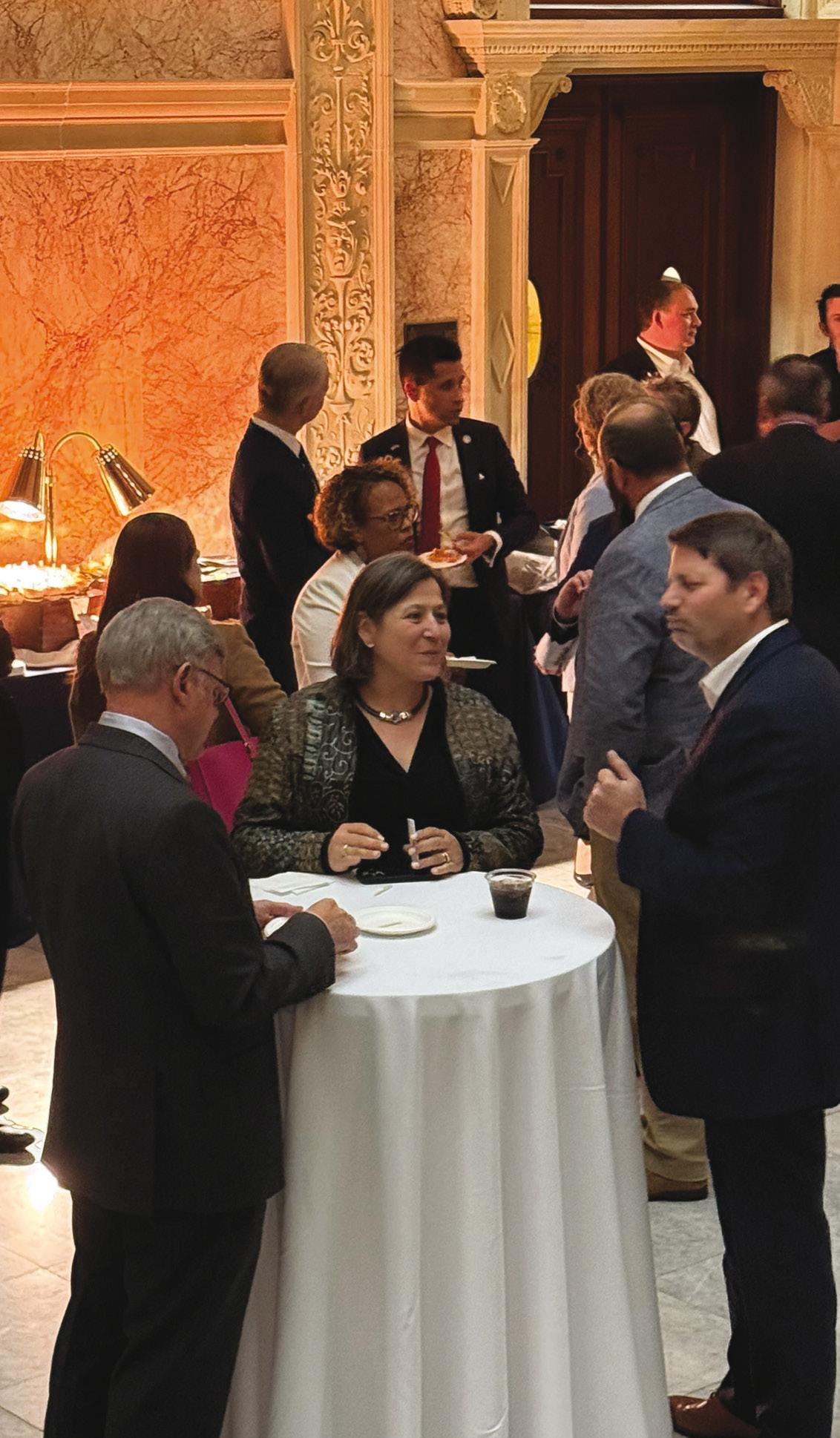
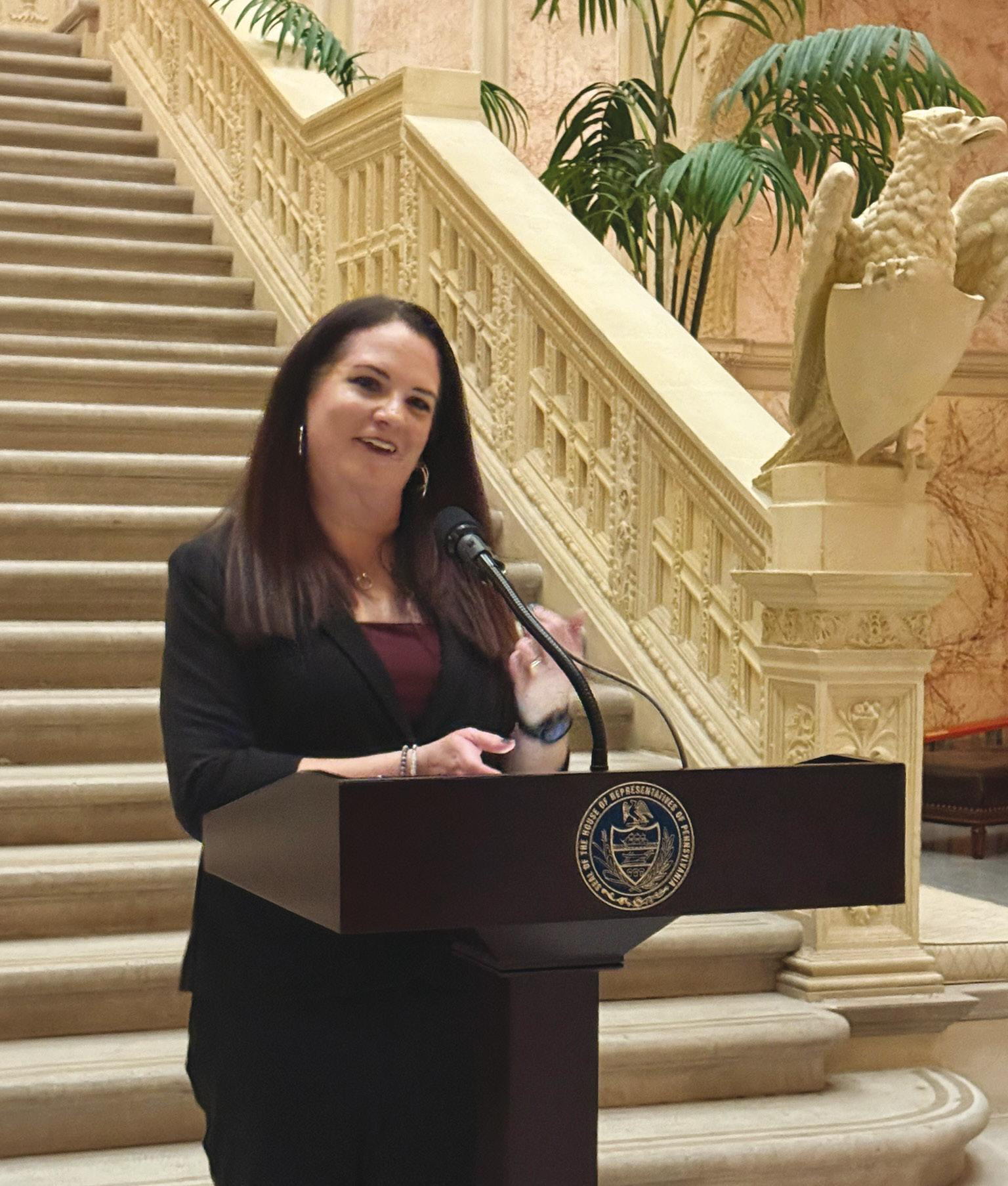
The Friends of Veterinary Medicine Reception was co-hosted by the PVMA and the University of Pennsylvania School of Veterinary Medicine on November 18, 2025. During this event, Representative Carl Metzgar was presented with the Friends of Veterinary Medicine award. The following is a transcript of PVMA President Dr. Andrea Honigmann’s speech during the award presentation.
Good evening to my fellow veterinarians and to the esteemed members of the Pennsylvania House and Senate. My name is Andrea Honigmann. I am a small animal veterinarian in Greensburg, Pennsylvania, and the current President of the Pennsylvania Veterinary Medical Association. It is my pleasure to be able to share the presentation of this award tonight with my colleagues from the University of Pennsylvania, including Dr. Barbara Dallap Schaer, who is joining us this evening.
The Friends of Veterinary Medicine award is given to someone outside of the profession who goes above and beyond in advocacy and representation so that the approximately 3100 veterinarians in our state have a voice in policy development that could affect how we do our jobs. That includes not only what I do in caring for dogs and cats but protecting the food and fiber producing animals in the Commonwealth. Both sides of the practice of veterinary medicine face their own challenges daily, but recently there was a movement that could have limited the ability of large animal veterinarians to effectively sedate their patients. This would be like asking any of you, as legislators, to work without your cell phones or your staff members.
For some background, xylazine is a powerful sedative that causes a lowered heart rate, blood pressure, slows respiration, and provides pain relief in horses, cattle, and other large animals. When used appropriately in veterinary medicine it provides a means to perform examinations, short procedures, and surgery on these patients, in a relatively cost-effective manner. However, in recent years, the drug has been found to have been mixed with opioids, particularly fentanyl, and used illicitly across Pennsylvania. The unfortunate part is that this drug is not reversible with naloxone, and when mixed with fentanyl, it can be lethal. Representative Metzgar was noted to say that one of the first instances of this happening was in Somerset County at a diaper changing area within a gas station. That is part of Representative Metzgar’s district, so this hits close to home for him, as it should for all of us when people are able to access powerful sedatives illegally.
Governor Shapiro initially signed an executive order in the spring of 2023 that made xylazine a controlled substance. When veterinarians learned of this, it seemed like an insurmountable task to get an exemption or to get the order reversed. This executive order would have made the use of xylazine much
continued on next page >
Friends of Veterinary Medicine Award
continued from page 23
harder for large animal veterinarians in the Commonwealth. Firstly, it is the only approved sedative for cattle, and thus finding alternatives to it could have an effect on the food supply. Secondly, it is a drug that works very well at what it does, which keeps the veterinarians and farmers who are working with sometimes unpredictable large animals safe from being kicked and/or seriously injured during their interactions with cattle and horses, in particular. There is not a viable alternative for field sedation in large animals. Lastly, it is a relatively inexpensive drug, and the burden of complying with the regulations surrounding it being controlled in Pennsylvania would have made the two manufacturers of the drug stop selling it in the Commonwealth altogether.
A coalition of veterinarians from the AVMA, AABP, AAEP, the University of Pennsylvania, and PVMA had many meetings with the staff from the governor’s office in order to explain the legal and rational use of the drug and its importance in the Commonwealth. Without their efforts, xylazine would have been pushed through as a controlled substance without an exemption for veterinary use. Thankfully, with their input, the Governor was able to add this exemption, but that executive order needed to be codified into law.
This is where Representative Metzgar comes into the picture. In an effort to protect public health and make the drug less accessible, Representative Metzgar was the prime sponsor of House Bill 1661 which would make xylazine a class III drug under the Controlled Substances Act. This bill’s purpose was to keep it out of the hands of players that shouldn’t have it in the first place and would criminalize its illicit use. By doing so, the goal was to “keep people alive and protect the safety of individuals,” to quote Representative Metzgar.
Veterinarians from the Pennsylvania Veterinary Medical Association’s Legislative and Regulatory Affairs Committee, in particular my colleagues Dr. Bill Croushore and Dr. Jim Holt, along with Patti Mackavage were able to have meetings with Representative Metzgar to discuss the ramifications of this potential legislation on the practice of veterinary medicine. After many dedicated hours and cooperative efforts, Representative Metzgar was able to include in his proposed legislation a very specific exemption to allow veterinary practitioners to continue to use the drug legally, without it being considered a class III-controlled drug. With this change to the bill, the use of the drug remained possible for large animal veterinarians, and when on the House floor in October of 2023,
the bill passed 169-34, gaining bipartisan support. The bill went on to the Senate and with only a few changes, Senate Bill 731 also passed with bipartisan support in June of 2024. Finally, Governor Shapiro signed this into law at the end of the same month.
Without the efforts of both PVMA veterinarians and the cooperation of Representative Metzgar, the use of a vital drug in veterinary medicine could look a lot different today. Thankfully, he listened to the concerns of veterinarians representing large animal doctors across the Commonwealth. He understood the need to protect its use by those that are trained to use it responsibly and in the protection of animal health.
All veterinarians appreciate his efforts, as without what Representative Carl Metzgar advocated for through this legislation, day-to-day veterinary practice on farms and in facilities across the Commonwealth would be vastly different, more dangerous, and patients would experience unnecessary pain as a result. We all would like to extend our thanks for his efforts, and we are honored to give him this award to recognize his status as a friend of our profession.
PVMA Strategic Plan
The Pennsylvania Veterinary Medical Association (PVMA) enters this next chapter with renewed focus and a deep commitment to ensuring the continued vitality of the veterinary profession in Pennsylvania. As the only statewide association representing the full spectrum of veterinary professionals across practice types and career stages, PVMA is uniquely positioned to advocate, connect, and support its members in advancing animal health, public health, and professional well-being.
This Strategic Action Plan is the product of a collaborative, datainformed planning process facilitated by 2B Communications. Over the past several months, PVMA engaged its board, executive leadership, staff, and key stakeholders in a series of in-depth interviews, data reviews, and facilitated sessions. This effort was grounded in PVMA’s mission and informed by survey feedback from members, organizational metrics, and national association trends.
Several important themes emerged from this process. PVMA members are deeply committed to their profession and highly value the organization’s advocacy efforts on behalf of the veterinary community. At the same time, members expressed a desire for clearer communication, stronger engagement across career stages, improved volunteer pathways, and enhanced continuing education and networking opportunities. Feedback also pointed to an opportunity to elevate PVMA’s visibility, demonstrate the tangible value of membership, and support a new generation of veterinary professionals.
The plan is structured around three overarching goals:
1. Grow membership through outreach, structured onboarding, and targeted engagement.
PVMA will implement tailored strategies to recruit and retain members across key segments, including Veterinary Students, Early and Mid-to-Late Career Veterinarians, Corporate Members, and Certified Veterinary Technicians. By strengthening engagement and demonstrating value early and often, PVMA aims to build lasting connections with its members.
2. Enhance the value of membership.
The association will deliver meaningful, accessible benefits that reflect members’ needs, including on-demand CE, advocacy updates, and exclusive resources. Enhancing communication and creating spaces for member-only engagement will be central to this effort.
3. Strengthen organizational infrastructure and operational capacity.
PVMA will invest in its internal systems, board governance, volunteer structures, and partnerships to ensure long-term sustainability and impact. Enhancing data management, modernizing the website, and improving organizational and committee operations are among the priorities.
PVMA’s Board approved the three-year plan on October 16, 2025.
Andrea Honigmann, DVM
President
Executive Committee
Dr. Andrea Honigmann is originally from Ohio, but she has called Pennsylvania home since graduating in 2006 from Iowa State University. She has served in various roles of organized veterinary medicine in her career, including as PVMA District 7 Trustee and Western Region Trustee. She was formerly the president of both the Conestoga Veterinary Medical Association and the Western PVMA, organizing and planning the biannual meetings. She looks forward to continuing to represent the veterinarians of the state in a meaningful way and helping to provide a voice for her colleagues in affairs that matter to the profession. She currently practices as the Partner Doctor for Heart + Paw Greensburg in Greensburg, PA. Dr. Honigmann lives with her husband, three children, a yellow Lab (Ginger), and three cats (Bean, Fanta, and Willow, all three named by her children). Outside of veterinary medicine, Dr. Honigmann enjoys cycling and rowing on the Peloton platform, planning family trips to Disney, kayaking, and reading.
Jeffrey Dill, DVM
President-Elect
Jeff Dill is a Missouri native, growing up in the St. Louis area. He graduated from the University of Missouri in 2008 and moved to Pennsylvania shortly after. He worked in a mixed animal practice for two years and then transitioned to companion animal exclusive medicine in 2010. He purchased his business in Mount Joy, PA, in 2017 and has been fulfilling his duties there since as a full-time practitioner and business owner of a four-doctor practice.
He lives in the Lancaster area with his wife, Laura, and their beautiful daughter, Charlotte. He enjoys spending time outdoors, including hiking, camping, and fishing. In 2017, he was a veterinarian for the Iditarod and considers this one of the highlights of his career.
Andrea Carr, DVM Vice President
Andrea Carr is a native of Dallas, Pennsylvania. She graduated from Misericordia University with a Bachelor of Science degree in Biology in 2014 and went on to earn her Doctorate in Veterinary Medicine from the University of Missouri in 2018. She currently practices at Plains Animal Hospital where she is employed as a small animal veterinary associate. Professional interests include surgery and organized veterinary medicine. She has served on the PVMA Board of Trustees since 2019, representing District 3 and later the combined North-Central Region. She resides in Northeastern, PA, and her hobbies include spending time with her pets, vegetable gardening, crafting, and serving as director of a local Girl Scout summer day camp.
Thomas Munkittrick, DVM Secretary/Treasurer
Dr. Munkittrick is from Dillsburg, PA, and has worked at VCA Willow Mill in Mechanicsburg since 1996. He has been an active PVMA member for more than 20 years. He enjoys golfing, boating, mountain biking, and attending PSU tailgates with his wife, Ruth. Both Ruth and Dr. Munkittrick are devoted to their two Boykin Spaniels, Lady Balbriggan and Harper Dublin, in addition to being proud grandparents to their grandchildren, Anna, Kolette, and Liam.
Dr. Munkittrick received his BS in Animal BioScience in 1985. He furthered his education from there, received his Master’s in Reproduction Physiology from Virginia Tech in 1989, and he then obtained his DVM from the Virginia Maryland Regional College of Veterinary Medicine in 1995.
continued on next page >
PVMA Strategic Plan
continued from page 27
Rhett Proctor, DVM
Past President
Prior to attending veterinary school, Dr. Proctor owned and operated a dairy farm in western Massachusetts for more than 20 years. After graduating veterinary school in 2016, he worked for many years as a large animal veterinarian in Gap, PA, before moving to his current job as a small animal vet in Honeybrook, PA. Dr. Proctor previously served two terms as the PVMA Production Animal-at-large Trustee prior to moving into the Presidential Track. He has been involved in numerous organizations and served them in many capacities over the years.
Board of Trustees
Erin Johnson, DVM, MBA
Western Region Trustee
Dr. Erin Johnson grew up just south of Pittsburgh. She is a 2017 graduate of Mississippi State College of Veterinary Medicine. Her primary focus in clinical practice has been emergency and critical care medicine with some HQHVSN, general practice, and exotics. She works as a Professional Services Veterinarian with Boehringer Ingelheim Animal Health and has a territory encompassing Western Pennsylvania, Northeastern Ohio, West Virginia, and parts of Virginia and Maryland. Dr. Johnson loves being able to educate and give back to the veterinary profession in this role, which lead to her interest in being Western Trustee. She resides in the Pittsburgh area with her husband and menagerie of pets. She enjoys hiking, reading, and art.
Jim Zeliff, DVM, MBA
North
Central Region Trustee
Dr. Jim Zeliff grew up in northern New Hampshire where his interests were skiing and trail riding. He graduated from Purdue University with a bachelor’s degree in biology in 1983 and a Doctor of Veterinary Medicine in 1988. After graduation he completed an internship at Belmont Racetrack in New York. He came to Pennsylvania in 1989 and founded Allegheny Equine in 1992. In 2019, Dr. Zeliff received his MBA degree. He has served on the AAEP board of directors and is a past president of the NAEP. He is the AAEP representative to the AVMA legislative advisory council, serves on the AAEP Ethics committee, and is an ex-officio member of the welfare and public policy committee. Dr. Zeliff is a member of the PVMA LRAC.
Stephen Foulke, DVM, MBA, DABVP
South Central Region Trustee
Dr. Stephen Foulke graduated from the Virginia-Maryland Regional College of Veterinary Medicine in 1990 after attending the University of Maryland. After graduation he worked in both a large animal and mixed animal veterinary practice. Dr. Foulke joined the partnership at Agricultural Veterinary Associates in 1994 and helped grow the business to a ten-doctor large animal practice. In 2001, he became board certified with the ABVP and served as president in 2011-2012. After 26 years of private practice, Dr. Foulke started with Merial as a professional services veterinarian and a year later joined Boehringer-Ingelheim with the merger of the two companies. In 2023, Dr. Foulke returned to the private sector working for Heritage Vet Partner and Cornerstone Veterinary Services. He is active with ABVP, AABP, ICVA, and DCRC. Dr. Foulke obtained his MBA through West Texas A&M in 2024.
Jill Stetz, VMD
Metro Philadelphia Region Trustee
Jill Stetz received her BS in biology and natural sciences from Muhlenberg College, then graduated from the University of Pennsylvania School of Veterinary Medicine in 1994.
Since graduation, Dr. Stetz has worked at multi-doctor small animal general practices in the Delaware Valley and Main Line areas prior to purchasing Narberth Animal Hospital in 2005, after being an associate there for seven years.
Dr Stetz is the third owner of Narberth Animal Hospital, and she has continued the independent practitioner status of this small animal and exotic general practice.
Dr. Stetz is also a member of AVMA and served on the American Board of Veterinary Specialties. She is currently serving on the board of directors for the Independent Veterinary Practitioner’s Association.
Dr. Stetz shares her household with her husband, two Giant Schnauzers, three German Shepherds, and numerous koi which were spawned in their own pond.
James Holt, VMD
Equine Veterinarian At-Large
Dr. James (Jim) Holt’s love for animals began at an early age and he has been an avid horse rider since he was nine years old. While riding Hunters and Jumpers, the highlight of his riding career was when he rode in a Grand Prix at age 16.
Dr. Holt completed his undergrad in 1986 from the Gettysburg College and then attended the University of Pennsylvania School of Veterinary Medicine, graduating in 1991. Upon completion of his education, he was hired by the Morgantown Veterinary Clinic, a mixed equine/bovine practice that serviced Northern Chester, Lancaster, and Berks Counties.
In 1993, Dr. Holt decided to open his own mixed practice called Brandywine Veterinary Services, which he still runs today. He is a current board member of the PVMA. The PVMA awarded Dr. Holt with the Animal Welfare Advocacy Award in 2015. Dr. Holt recently retired from the Animal Welfare and Public Policy Committee for the American Association of Equine Practitioners. He is the chairman on One Health Task Force as well as a commissioner for the Animal Health and Diagnostic Commission. In addition to those, Dr. Holt is a former board member for The
Parkesburg Point in Parkesburg, PA. Dr. Holt is vice president of agriculture, agritech, and food security with Phoenix Global (https://phoenixglobal.co/about/).
Currently, he works three days per week as the veterinarian for New Holland Sales Stables in New Holland, Pennsylvania, working predominantly with cows and horses. Dr. Holt is a current partner and chief veterinarian for Keystone Farm Futures. Dr. Holt is also the CEO of Compostech, LLC, a large composting business supplying compost to farmers and landscapers. The rest of Dr. Holt’s time is spent in a more typical mixed large animal practice including horses, dairy, and beef cattle as well as other large animal species.
William Croushore, DVM
Production Animal Veterinarian
At-Large
Dr. Bill Croushore attended veterinary school at the Virginia-Maryland Regional College of Veterinary Medicine (Virginia Tech), graduating in 1997. Prior to veterinary school, Dr. Croushore attended Duquesne University School of Pharmacy and graduated in 1992. He practiced pharmacy in southwest Virginia until he was accepted into veterinary school in 1993. Dr. Croushore was raised in Ruffsdale, Westmoreland County, in southwest Pennsylvania.
Dr. Croushore’s professional interests include embryo transfer, pushing the limits of on-farm oocyte collection (cow eggs), herd health management, and bovine surgery. Dr. Croushore has been certified by the American Embryo Transfer Association for exporting bovine embryos internationally since 2012 and by the USDA for EU export since 2014.
Dr. Croushore holds memberships in the following professional organizations: American Veterinary Medical Association, Pennsylvania Veterinary Medical Association, American Association of Bovine Practitioners, Society for Theriogenology, American Embryo Transfer Association, and the International Embryo Transfer Society. He is a member of the board of directors for the American Embryo Transfer Association and served as the association’s past president in 2022.
Dr. Croushore is a regular contributor to Pinzgauer Journal and the Keystone Cattleman. His first published book, Oops…And Other Words You Don’t Like to Hear Your Surgeon Say, was released in the summer of 2018. His latest, titled The Majestic Cow, was published in 2021.
continued on next page >
PVMA Strategic Plan
continued from page 29
When not engaged in professional activities, he enjoys time with his family, hunting the often-elusive whitetail deer and fishing. Dr. Croushore is married to his wife of 27 years, Sheila, and is the proud father of two children, Nolan and Bena. He attends St. Peter’s Roman Catholic Church where he teaches 8th grade CCD class.
Dana Bubka, VMD
Academic Veterinarian At-Large
Christian Nase, 3rd-year student Veterinary Student At-Large
Dr. Bubka is a Chester County native whose professional interests include anatomic pathology, poultry medicine, and avian pathology. She received her bachelor’s in Avian Biology from the University of Georgia and returned to Pennsylvania to attend the University of Pennsylvania School of Veterinary Medicine (PennVet), where she graduated with a VMD in 2025. She is now an anatomic pathology resident at PennVet and splits her time between the large animal campus in Kennett Square, and the small animal hospital in Philadelphia.
Alyssa Killian, CVT
Certified Veterinary Technician At-Large
Alyssa Killian is a CVT with 17 years of experience in small animal general practice and emergency medicine. She currently serves as a Lead Veterinary Technician at Shores Veterinary Emergency Center in Harrisburg, PA. A committed member of PVMA for the past eight years and an active NAVTA member, Alyssa has been a passionate advocate for the advancement of the veterinary technician profession in PA.
She has served on the PA Veterinary Nurse Initiative Task Force and is currently pursuing her Veterinary Technician Specialty (VTS) in Clinical Practice (Canine/Feline) with plans to sit for the credentialing exam this fall.
Upon graduating from Northern York County High School in 2017, Christian pursued higher education at Penn State University, where he earned a bachelor’s degree in veterinary and biomedical science. Throughout his academic career, Christian demonstrated a commitment to gaining practical experience, spending extensive time volunteering and shadowing at various veterinary clinics. Notably, he contributed significantly to the operations of Dover Area Animal Hospital, a facility owned and operated by his family, serving central Pennsylvania since 1998.
At Penn State, Christian’s academic pursuits extended beyond the classroom as he delved into research endeavors with the United States Department of Agriculture (USDA). He was involved in projects exploring diverse topics such as rumen digestion metrics and the relationship between feedstuffs and emissions in cattle. In addition, he volunteered with a cat adoption and foster organization.
Tina Dougherty, VMD AVMA Delegate
Dr. Dougherty received her undergraduate degree in biology from Chestnut Hill College, and her VMD from the University of Pennsylvania. After two years in a mixed practice, she was awarded a fellowship in Small Animal Medicine and Surgery at the University of Veterinary Sciences in Budapest, Hungary. Tina then returned to the United States to continue her work as a clinician in New Jersey and Pennsylvania, as well as an adjunct professor in the Veterinary Technology Department at Manor College in Pennsylvania.
While in private practice, Dr. Dougherty treated small animals and exotics, with a special interest in soft tissue surgery. Joining Pfizer Animal Health (now Zoetis) in 2003, Dr. Dougherty worked in Veterinary Medical Information & Product Support (VMIPS) team as a Technical Services veterinarian and then became the
Companion Animal manager in 2008.
In addition to her role in VMIPS, Dr. Dougherty has been a FRANK coach for the last five years and eventually moved into the role of team trainer and development specialist. Dougherty left Zoetis in late 2015 and is currently the Director of Veterinary Development at Suveto.
Kate Boatright, VMD
AVMA Alternate Delegate
Dr. Kate Boatright has been in small animal practice since graduating from the University of Pennsylvania in 2013. After nearly eight years of full-time practice in both general practice and emergency clinics, she moved to part-time clinical work to pursue her passion for educating veterinary professionals as a freelance speaker and author. Dr. Boatright enjoys discussing mentorship, the unique challenges facing recent graduates, wellness, and the spectrum of care. She believes deeply in the role of organized veterinary medicine and is the AVMA alternate delegate for Pennsylvania. She previously served as the PVMA district 1 trustee from 2016 to 2021 and was appointed vice president for the 2021-2022 association year. She is an editor of Keystone Veterinarian and the former secretary for the Northwest PVMA. In her remaining time, she stays busy chasing her toddler, running, reading, and watching movies with her husband, son, and cat.
Risk Management: The Hidden Backbone of Modern Veterinary Medicine
When people talk about advances in veterinary medicine, the spotlight naturally lands on the buzzworthy breakthroughs— new regenerative therapies, oncology protocols, orthopedic innovations, and diagnostic technologies that make yesterday’s science fiction feel like today’s standard care.
But behind every cutting-edge treatment is something far less glamorous, far less visible, and far less likely to make the cover of a scientific journal: risk management.
It’s not flashy. It doesn’t require a residency. It won’t trend on veterinary TikTok. Yet risk management—powered by thoughtful insurance coverage and protective financial strategies—has become one of the most important drivers of therapeutic success in modern veterinary practice.
And while it is rarely focused on, it deserves to be.
New Techniques Bring New Opportunities— and New Vulnerabilities
Every time a practice adopts an advanced therapeutic tool or service, it introduces new operational risks.
Take cold laser therapy units, for example. Ten years ago, they were luxury items; today, they’re commonplace in general practice. They’re also expensive, delicate, and occasionally used by newer team members still learning the ropes. If one slips off a treatment table and fractures, the downtime can delay patient care, reduce revenue, and derail treatment plans. Therapeutic innovation is exciting, but it only works when your infrastructure is protected.
And equipment failures aren’t always as simple as broken laser
therapy equipment. In 2015, an MRI unit at Oradell Animal Hospital in New Jersey malfunctioned violently enough to cause structural damage and trigger an evacuation.1
No one anticipates this scenario, but practices can be proactive about equipment breakdown, business interruption, and repair costs by carrying proper coverage. A comprehensive liability policy can turn an expensive setback into a simple claim and a quick replacement.
Cyber Risk as a Clinical Problem
Many veterinary practices may rely heavily on cloud-based records, digital imaging, online lab portals, or telemedicine. This makes a practice’s cybersecurity approach just as important as its modern medical techniques.
The veterinary profession learned this in dramatic fashion when more than 400 veterinary hospitals in the National Veterinary Associates (NVA) network were disrupted by Ryuk ransomware, temporarily cutting off access to medical records and billing systems overnight.2 Smaller clinics haven’t been spared either— York Animal Hospital in Maine was locked out of its computers after attackers demanded $80,000 in Bitcoin.3
These events underscore the reality that cyberattacks aren’t an IT inconvenience; they’re a patient-care problem.
Temperature-Sensitive Therapeutics
With more practices carrying specialty drugs, advanced biologics, and increasingly expensive vaccines, the cold chain has never mattered more. Human healthcare has demonstrated
Insurance Coverages Your Practice Should Revisit in 2026
Cyber Liability Insurance
With ransomware incidents affecting both large networks and small clinics, cyber coverage has become essential. It helps practices recover data, restore systems, notify clients, and offset business interruption.
Equipment Breakdown Coverage
Imaging units, anesthetic machines, cold lasers—these are the diagnostic and therapeutic backbone of the hospital. Coverage helps fund repairs or replacements and prevents treatment delays.
Property & Business Interruption Insurance
From fires to storm damage, clinics routinely face unexpected shutdowns. This coverage helps maintain cash flow and payroll during interruptions.
Spoilage / Temperature-Control Coverage
A refrigeration failure can ruin expensive vaccines or specialty drugs. High-profile human-health cases and studies showing frequent out-of-range veterinary refrigerators reinforce the importance of this protection.
the stakes: a freezer failure at a VA facility spoiled nearly 1,900 vaccine doses.4
Veterinary medicine faces the same vulnerabilities. An MSD Animal Health study found that a significant percentage of on-farm veterinary refrigerators store vaccines outside the recommended temperature range.5 A single overnight failure can spoil thousands of dollars’ worth of product and leave patients without needed medications. And even with excellent protocols, veterinary facilities face the same physical risks as any other business—fire, storms, burst pipes, or electrical events.
Therapies Evolve—Risks Evolve With Them
As veterinary medicine accelerates, the risks surrounding highlevel therapeutics grow more complex. Risk management isn’t just administrative housekeeping; it’s a clinical necessity. When practices have the right insurance protections, veterinarians can adopt advanced medicine confidently, invest in new technologies, and deliver uninterrupted care, even when surprises hit.
Therapeutic progress may get the headlines, but risk management quietly ensures the story keeps going.
At Alera Group, we’ve helped practices across Pennsylvania explore insurance options to protect their business. Our national scope gives us access to a wide range of carriers and plans, and our local team is partnered with PVMA and knows the needs of membership. We’re ready to develop solutions for the problems your practice may face–exploring coverages that keep you safe and compliant, all while meeting your budget. We’d be happy to help you! Visit cloud-aia.aleragroup.com/ pvma to learn more.
RESOURCES:
1. CBS News. 2015, March 6. MRI Explosion Causes Evacuation Of Oradell Animal Hospital In Paramus. https://www.cbsnews. com/newyork/news/roof-collapse-reported-at-oradell-animalhospital-in-paramus
3. Murphy, Edward D. (2021, July 9). York veterinary practice hit by ransomware attack. https://www.pressherald. com/2021/07/09/york-veterinary-practice-hit-by-ransomwareattack
4. CBS News (2021, January 22). 1,900 COVID vaccine doses ruined at Boston VA hospital after freezer accidentally unplugged. https://www.cbsnews.com/news/1900-covidvaccine-doses-spoiled-boston-va-hospital
5. Heersche, Jr., George, Ph.D. (2011, March 11). Your Barn Fridge. https://afs.mgcafe.uky.edu/files/your_barn_fridge.pdf
CVTEA Call for Volunteers in Pennsylvania
The AVMA Committee on Veterinary Technician Education and Activities (CVTEA) will be conducting an accreditation site visit to the following veterinary technology programs in your state in 2026.
The AVMA CVTEA is searching for a veterinarian in Pennsylvania to serve on the site team. Only one veterinarian per site visit is needed:
• Manor College, Jenkintown, PA September 23-24, 2026
• Pennsylvania Western University, California, PA October 21-22, 2026
Please note, volunteers must not have the following conflicts of interest with the program:
• Be a member of the program’s advisory committee or IACUC
• Past or present employment by the institution or program being evaluated.
• Service as a consultant for the institution/program being evaluated.
Travel, food, and lodging expenses incurred in connection with the site visit are reimbursed; however, honorariums are not paid.
CVTEA site team member
How to help the future of veterinary technology in only two days How? Volunteer on an accreditation site team for the American Veterinary Medical Association (AVMA) Committee on Veterinary Technician Education and Activities® (CVTEA®) and attend an accreditation site visit.
The AVMA CVTEA® is looking for site team members. Here’s what it takes to be one.
What do I need to do?
Tremendous responsibility accompanies the authority of CVTEA site team members. Site visit teams are fact-finding bodies. The purpose of the site team member is to visit a veterinary technology program to assess the program’s ability to meet the CVTEA Standards of Accreditation.
• Attend a two-day site visit. (If scheduling does not permit, the exit interviews on the last day are optional.) The objective of a site visit is to verify and supplement information presented in the self-study report.
• Carefully review the self-study and other submitted materials so that you will have a basic understanding of the program and its operation.
• Be actively engaged in the discussions with program personnel and other site team members.
• Reveal any conflicts of interest (real or perceived) with
programs being accredited (see section on Conflict of Interest).
• Be on time for all functions.
• Wear your identification badge at all times.
• Have a neat and professional appearance. Dress is business or business casual attire.
• Submit expense reports in a timely manner (if necessary).
• Contact AVMA CVTEA staff with any programmatic or organizational concerns.
• Sign the confidentiality form and abide by all confidentiality policies.
• Following the site visit, review a draft Report of Evaluation (ROE) for factual content.
A site team member represents one of the following categories:
1. The public
2. Veterinary technician
3. Veterinarian, preferably a member of the state/local veterinary medical association
What are the skills of an awesome site team member?
• A concerned interest in veterinary technician education
• Demonstrated skill in written and oral communication including evaluating, interviewing, negotiating, and investigating
• Access to email and proficiency with Microsoft software applications
• Sensitivity and the ability to appreciate points of view of other site team members
• Ability to listen and relate well to program personnel
• Absence of bias and absence of personal agenda in the assessment of the program
• An open mind and positive attitude
Length of commitment
Approximately six-eight hours to read submitted materials and two days for an on-site visit
Training and orientation
There is an optional site team welcome by Zoom (approximately 30 minutes) one week prior to the site visit. In addition, the site team chair will provide an orientation the first day and first hour of the site visit. During this orientation the site team chair will provide an overview of the agenda and provide guidance on how to proceed with the site visit.
Benefits
• Opportunity to improve the quality of veterinary technician education
• Develop and practice interpersonal communication and leadership skills
• Participation in organized veterinary medicine
• Opportunity to help assure students achieve their goal of working in veterinary medicine by receiving an education that meets the CVTEA Standards of Accreditation
Note: No stipends are paid; however, eligible expenses are reimbursable.
Supervision
The CVTEA site team chair will serve as the lead of the site team. AVMA CVTEA staff provide support to the site team.
Conflict of interest
To serve on a site team, volunteers, or their immediate family (parent, spouse, siblings) must not have any of the following conflicts of interest:
• Be a graduate from the institution being evaluated.
• Be a past or present employee of the institution or program being evaluated.
• Serve(d) as a consultant for the institution/program being evaluated.
• Be a member of the advisory committee of the program being evaluated.
• Have any other potential conflicts of interest.
Volunteer candidates may contact AVMA CVTEA staff for clarification of any concerns. If conflicts of interest are revealed to the entire team, and if it is agreed that the site team member will be unbiased in evaluating the program, it may be acceptable to allow the individual to remain on the site team.
Why is serving on a site team important?
• The profession needs educated, qualified veterinary technicians as an integral part of the veterinary health care team!
• Programs designed to educate entry-level veterinary technicians must be accountable to offering a quality education that meets Standards of Accreditation established by the AVMA CVTEA!
• It gives back to your community!
• It helps people fulfill their dreams!
Potential volunteers can sign-up online using the CVTEA Site Team Form (https:// form.jotform.com/213325888105053).
Signing up does not obligate the volunteer or guarantee a spot on a site team. This form is designed to collect a pool of interested volunteers.
In Memoriam Dr. Malcolm J “Jim” Borthwick, Jr., VMD
Dr. Malcolm J “Jim” Borthwick, Jr., VMD, 84, passed away Tuesday, October 21, 2025, at his home.
Born in Wilkes-Barre, PA, he was raised in Shavertown, PA. As a teenager, he attended Wyoming Seminary Prep School as a day student. After graduation, he went to Veterinary School at the University of Pennsylvania. While in Vet School he met his future wife, Mary Munley. She was a nursing instructor at Penn’s School of Nursing. They were married soon after graduation.
Jim started his career at Yorkers and Roosevelt Raceways in New York with harness horses. He and Mary moved to New Hope in 1971, and he continued his career as an Equine Veterinarian. He was a member of the American Association of Equine Practitioners, the American Veterinarian Medical Association, and the Penn Veterinarian Medical Association.
Son of the late Malcolm J. Borthwick, Sr., and Alice Casterline, Borthwick is survived by his wife of 56 years, Mary Munley Borthwick; his two sons, James Malcolm Borthwick, MD, (Joan) and Joseph Thomas Borthwick, VMD, (Kathleen); his grandchildren Ellie, Taylor, Clara, Erin, and Maya Borthwick; his brother, Thomas Borthwick and his wife, Virginia.
Jim and Mary have lived on the same farm since August 1971. As hobbies he enjoyed hunting, fishing, racing, and driving his own horses, many of whom he bred and trained. He and Mary traveled and had a very happy and interesting life together.
A memorial service was held Saturday, November 1, 2025, at 11:00 am at the Garefino Funeral Home, 12 N. Franklin St. Lambertville, NJ.
Memorial contributions may be made to Doctors Without Borders and Veterinarians Without Borders.
Posted online on October 23, 2025
Published in The Intelligencer
Classified Ads
Veterinarians
Oley, PA | Full Time
Oley Valley Animal Clinic seeks a compassionate Associate Veterinarian to join our modern, fully renovated practice in scenic Oley, PA. Serving the community since 1970, we offer comprehensive care including wellness, surgery, dentistry, nutrition, and ultrasound. Work alongside a supportive, collaborative team dedicated to personalized, high-quality medicine. We offer a $120k–$150k base salary, production bonuses, a generous signing bonus, flexible scheduling, full benefits, CE allowance, and paid licensure. Enjoy a strong worklife balance in a beautiful region near major cities. If you’re a dedicated veterinarian looking to make a meaningful impact, we’d love to hear from you. https://www.oleyvalleyanimalclinic.com/
Please call Kelli Dowhaniuk at 818-309-3709 and/or email Kelli.Dowhaniuk@nva.com.
Pittsburgh, PA | Full Time
Managing Veterinarian opening at Pittsburgh Premier Veterinary Care. Join our newly renovated, state-of-the-art facility in Penn Hills as a Managing Veterinarian! Lead a skilled team at our two-doctor practice offering advanced diagnostics, surgery, dentistry, and rehab services. You’ll guide medical protocols, mentor staff, and collaborate on growth initiatives while enjoying a flexible caseload tailored to your interests. No weekends or on-call. Salary: $115K–$135K + production bonus. Full benefits: health, CE, licenses, liability, 401K match, and more. Be part of Pittsburgh’s veterinary future. Just 15 minutes from downtown. https://www.pghpremiervetcare.com/.
Please call Kelli Dowhaniuk at 818-309-3709 and/or email Kelli.Dowhaniuk@nva.com.
Monroeville, PA | Full Time
Experienced Veterinarian–Murrysville Veterinary Associates (Monroeville, PA). Join our AAHA-accredited, Fear Free-focused hospital in Pittsburgh’s eastern suburbs. Murrysville Veterinary Associates seeks an experienced DVM to practice high-quality medicine alongside a collaborative, six-doctor team. Interested in urgent care? We offer optional prompt care appointment blocks—ideal for vets who enjoy fast-paced cases without
the chaos of ER work. Enjoy a four-day work week, flexible scheduling, and opportunities in exotics, acupuncture, and mentorship. Compensation: $120K–$135K base, production bonuses, signing bonus, full benefits, CE support, and relocation assistance. Thrive in a supportive environment where your skills and schedule are respected. https://murrysvillevet.com/.
Please call Kelli Dowhaniuk at 818-309-3709 and/or email Kelli.Dowhaniuk@nva.com.
Butler, PA | Full Time
Emergency Veterinarian–North of Pittsburgh, PA. Butler Veterinary Associates & Emergency Center seeks an ER doctor for swing shifts (2–10PM, no overnights). We’re a busy, collaborative 10-doctor practice with a strong focus on work-life balance—no on-call duties and flexible scheduling (max 32 hours/week). You'll handle diverse, challenging cases with excellent support and mentoring. Our hospital features a full in-house lab, ultrasound, digital X-ray, dental suite, and surgical tools. Enjoy a competitive base salary ($120K–$135K), production bonuses, and a generous sign-on bonus. Full benefits include health insurance, 401K, CE allowance, licensing, and relocation assistance. https://www.butlervet.com/.
Please call Kelli Dowhaniuk at 818-309-3709 and/or email Kelli.dowhaniuk@nva.com.
York, PA | Full Time
Leader Heights Animal Hospital in York, PA is seeking an associate veterinarian to join our supportive, communityfocused team. Our newly renovated facility provides highquality, appointment-based care for dogs, cats, and small mammals. Enjoy no weekend hours, flexible scheduling, and a competitive salary with excellent benefits. New graduates are welcome, and individualized mentorship is available. Our spacious hospital includes modern surgery suites, a large dental area, dedicated recovery space, and strong technical support. We value communication, teamwork, and work-life balance. If you’re looking to practice quality medicine in a positive environment, we’d love to meet you—apply today! https://www.leaderheightsanimalhospital.com/
Please call Kelli Dowhaniuk at 818-309-3709 and/or email Kelli.Dowhaniuk@nva.com.
Columbus, OH | Full Time
Teaching Veterinarian for General Practice, The Ohio State University, Columbus, OH
Are you passionate about teaching and practicing small animal primary care? We are seeking dedicated veterinarians to join our Spectrum of Care Clinic team at The Ohio State University College of Veterinary Medicine. This is a unique opportunity to engage in hands-on clinical teaching, while providing the highest quality care to patients. Full-time, practice track, faculty position. Apply here: https://osu.wd1.myworkdayjobs. com/en-US/OSUCareers/details/Small-Animal-GeneralPractitioner_R133268?q=veterinarian
Contact Dr. Kristen Miles, Medical Director, at miles.379@osu.edu for more information.
State College, PA | Full Time
Mt. Nittany Veterinary Hospital (MNVH) is seeking a Managing DVM to lead a collaborative, positive team in a modern, wellequipped facility. Responsibilities include medical leadership, managing DVMs, ensuring compliance, and delivering toptier client care. Enjoy no evening/weekend emergencies, a base salary of $120K–$150K plus production bonuses, and comprehensive benefits including relocation, insurance, CE, 401(k), and more. MNVH offers in-house IDEXX lab, digital radiography, ultrasound, and a supportive, highly trained staff. Located in Centre County, PA, enjoy year-round outdoor recreation and a vibrant community. Leadership experience is a plus; training provided. Join a hospital that values growth, teamwork, and excellence. https://www.mtnittanyvet.com/
Please call Kelli Dowhaniuk at 818-309-3709 and/or email Kelli.Dowhaniuk@nva.com.
Mt. Pleasant, PA | Full Time
Top Notch Veterinary Services. BRAND NEW STATE OF THE ART FACILITY—only thing missing is you!! We are veterinary-owned and with the new facility comes mentorship. We are a mixed animal practice seeking a dedicated Veterinarian to join our team. The ideal candidate will possess a strong background in veterinary medicine and demonstrate a commitment to providing high-quality care for animals. The Veterinarian will work closely with a team of veterinary technicians to ensure the
Please call Kelli Dowhaniuk at 818-309-3709 and/or email Kelli.Dowhaniuk!@nva.com Interested
best outcomes for our patients. Perks include 401K, PTO, profit sharing, loan repayment, and insurance. Owner is open to large or companion animal-only applicants as well. Please contact Christina at 724-757-0255 or c.white@zoominternet.net.
New Brighton, PA | Full or Part Time
If you have a warm heart for cold noses, love laughing with your team, bonding with clients, and giving your best to every patient, look no further than Green Valley Veterinary Hospital! Located just 30 minutes north of Pittsburgh, our privately owned, AAFP-certified, AAHA-accredited, and Fear Freefriendly hospital is seeking a passionate Associate Veterinarian to join our dedicated team. Our practice is full of adorable patients, amazing clients, and an outstanding team that values collaboration, compassion, and professional growth. We believe in nurturing relationships, empowering you to achieve your career goals, and maintaining a healthy work-life balance. www.greenvalleyvet.net
Please call Green Valley Veterinary Hospital at 724-452-6151 or email info@greenvalleyvet.net for more information.
Pittsburgh, PA | Full Time
Associate Veterinarian—East End Veterinary Medical Centre in Shadyside, Pittsburgh seeks a dependable veterinarian to join our collaborative, growing small animal practice. We provide high-quality, ethical care in a relaxed, supportive environment with no on-call and Sunday closures. Roles are flexible, and doctors who prefer mostly appointments with minimal surgery are welcome. You may also choose a mix of dentistry, diagnostics, and surgery. We offer competitive pay, bonuses, full benefits, PTO, CE support, and mentorship. Located in a vibrant, walkable neighborhood near parks and downtown, our clinic is ideal for doctors who value teamwork, communication, and work/life balance. https://www.eevmc.com/
continued on next page >
classified ads continued from page 37
Technicians
Columbus, OH | Full Time
Veterinary Technicians—The Ohio State University College of Veterinary Medicine, Columbus, OH
WANTED: Registered Veterinary Technicians
ECC Supervisors
Oncology
Radiology (RVT, RT)
Patient Care Wards
Equine Surgery
Equine Sports Medicine
REWARD:
Positively impacting the lives of animals and tomorrow's veterinarians
High job satisfaction
Being part of a 130+ year legacy (...and a decent bonus doesn't hurt!)
Can start while gaining licensure for Ohio. Apply today at https://vmc.vet.osu.edu/about/careers
Questions? Contact Kelley Norris at norris.8@osu.edu
PracTICES FOR SALE
Upper Darby, PA
Hospital is fully staffed seven days a week and includes a rare 1,500-sf exercise yard. Offered at $700,000, this turn-key opportunity includes real estate, equipment, goodwill, and an established client database from a retiring single owner. Located in a highly visible central location with ample parking, the stand-alone facility features air-conditioned boarding areas and a complete grooming suite with sedation services, with flexible weekday hours. Multiple revenue streams, including comprehensive medical care, professional grooming services, and boarding facilities capable of serving both small and exotic
pets. Significant expansion opportunities exist as the practice currently operates below capacity. Contact Jeff Haas at 206-280-5997 or jeff.haas@omni-pg.com for more information. Lic. #RS374763
Centre
County, PA
Thriving small animal hospital in an excellent location along a major east-west highway with over 13,000 vehicles passing daily! 2,600-square-foot leasehold facility with two exam rooms and potential for a third. Full X-ray suite, an isolated surgery suite, and advanced diagnostic, ultrasound, and dental capabilities. Steady year-over-year growth. 2024 gross revenue over $744K with a solo DVM and appointments offered only on weekdays. Room for multiple doctors. Negotiable post-sale employment available. With proximity to Penn State University, the surrounding region offers a stable, educated population, top-rated schools, abundant outdoor recreation, and a high quality of life. (Listing PA12)
Highly-profitable small animal practice generating over $800K in collections, with margins over 30%. Steady growth of 15 new patients monthly. Prime location 30 minutes from Philadelphia with efficient team in place. Hospital building is the newest and most modern in the area due to recent move in 2025. Strong history of quality care since the 1980s. Strong brand and reputation in Bucks County. Contact Rohit Malhotra at 234-3533268 or rohit@omnipg-vet.com for more information. (PAV101)
Advanced Surgery for Pets. Trusted Partnerships for Veterinarians.
Board-certified surgical expertise with clear communication and collaborative care every step of the way.
At Lancaster Veterinary Specialties, we bridge the gap between advanced surgical medicine and compassionate care. Our Surgery Department provides state-ofthe-art expertise in orthopedic, soft tissue, and oncologic procedures for dogs and cats. From cruciate ligament repairs and complex fractures to airway surgery and tumor removal, our team utilizes advanced technology and proven techniques to support patient safety and optimal recovery.
For referring veterinarians, LVS serves as an extension of your practice. We prioritize collaboration, timely communication, and detailed surgical reporting to ensure continuity of care and confidence at every step.