

NEWCASTLE & HUNTER REGION VIETNAM VETERANS PEACEKEEPERS & PEACEMAKERS
Assisting all past and present ADF members with establishing their eligibility, processing and preparing their claim forms for submission to the DVA.
We can also assist with pension upgrades after 12 months.
We also help you lodge appeals against decisions handed down by the DVA, prepare submissions and represent you at the Veterans Review Board.
PHONE 02 4951 2666 TO MAKE AN APPOINTMENT
OFFICE HOURS: MONDAY & THURSDAY 9AM TO 1PM

Due to privacy laws, hospitals are not permitted to disclose to our Welfare Officers if member has been admitted.
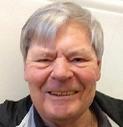
Allan Crumpton
If you or a family member has been admitted to hospital and need assitance or require a visit, please contact our Welfare Officer, Allan Crumpton on (02) 4951 2666.
THESE ARE FREE SERVICES AND YOU DO NOT HAVE TO BE A VIETNAM VETERAN TO QUALIFY
Veterans in the Newcastle and Hunter region every year remember all those who lost their lives in Vietnam by holding a service and to pay special recognition to those from the Newcastle and Hunter region.
On 17 August 2024 Vietnam Veteran 19983 Corporal Thomas Douglas Blackhurst AATTV killed in action on 17th April 1971 was profiled and recognised at Civic Park Newcastle by Honorary Historian James Mackay OAM.
Thank you to Ceremonial Officer Stephen Finney OAM JP for coordinating the function recognising all those Vietnam Members KIA from the Newcastle and Hunter Region and this Special Service for 19983 Corporal Thomas Blackhurst.
Following the service on 17 August 2024 a memorial dinner was held and arranged by committee members Graham Leggett and William Morris. Thank you, Graham and William for a great evening.
During the dinner special acknowledgement was made by Lt. Col. Simon Header, CO at the time of Corporal Blackhurst’s service with the AATTV Vietnam War Zone in 1971.
Patron Tom Yeo OAM JP, Tom would like to pass on his appreciation and advise he had a great day and evening. Tom had an in-depth conversation with Lt. Col Header, who both knew many ex-Training Team Members. Tom would like to pass on his congratulations to the two main organisers, Graham and William and MC Stephen Finney OAM JP.
Secretary Dave Hansen advised on 23 August 2024 that applications are now open to eligible children and grandchildren of Vietnam Veterans who can apply for up to $12,000 over three years to assist with the cost of their education. Should you wish to make application please apply directly to Australian Veterans Children Assistance Trust (AVCAT.org.au)
Advocate and Welfare statistics database has not been updated for several years. The Welfare database updating is imperative to be completed by December 2024 in order that our Hunter veterans and Families
Support Centre receive Best Grants funds from DVA which is used to provide support and submit claims to DVA for our clients.
It is respectfully requested that each and every committee member volunteer some time to update the Welfare database as our organisation may receive up to the value of $30,000 being for the work of our qualified Advocates and Welfare Officers to carry out their duties during a 12-month period and to support our clients with claims and welfare matters.
Please contact me or Stephen Machen if you can assist with this database update. You do not need to be a Committee Member to assist with this function anyone may assist with this Pension Data Base update.
Thank you to Ian Bell, Colin Cowan for producing Hunter Veterans News Magazine and all committee members for their contributions during the year.
A special thank you to Jeff Lowe for all his dedication, commitment and support to greeting clients and members at the front desk administration office Mondays and Thursdays. Jeff will be away from the office later this month for several weeks for medical reasons. Our Hunter Veterans & Family Centre will need someone to cover for Jeff while he is away. If you can assist on either of these days, would you please contact Jeff or any committee member and provide your availability, please.
On behalf of the Newcastle Hunter Region Vietnam Veterans and Families Support Centre we offer our condolences to our Welfare Officer and Vice President Allan Crumpton and family on the recent passing of his dear wife Margaret.
Wendy Waldron social worker has been assisting in providing counselling services while Allan has been away caring for his wife Margaret. Should you need counselling please contact Wendy on 0417 183 377 or email wendywaldroncounselling@gmail. com. Thank you Wendy
Regards…
Michael
Michael Frost



Due to unforeseen circumstances we have sadly had to cancel our Christmas party for 2024.
However, commencing at 11:00am on the Monday, 9th of December we are holding a get-together for staff and members at Wallsend Diggers.

Come along and enjoy a few drinks, sausage sizzle and some good company!
Our office at 17 Tyrrell Street, Wallsend will be closing on the 9th December for the Christmas break and reopen on the 3rd February 2025.
An Association get-together is planned for early next year and details will be sent out at a later date.


BY Bon Hays Veterans' Advocate
THEHUNTER Veterans and families support centre located at 17 Tyrell Street, Wallsend, NSW is a small detachment of the Vietnam Veterans, Peacekeepers & Peacemakers Association of Australia (NSW Branch) Inc. A ffi liated with the Vietnam Veterans Federation of Australia. The business itself is comprised of 6 advocacy sta ff members who diligently volunteer their time to provide a service to retired services personal in the Newcastle and Hunter Area.
Some of the services provided are including, but not limited to: acquiring healthcare for veterans, namely gold cards and white cards provided through the department of veterans a ffairs, permanent impairment compensation awards, but also, assisting them to achieve the recital of household services and aids/appliances to assist veterans with their accepted service conditions.
The process in which the sta ff members execute their aid to veterans is fairly simple, although somewhat contextualised compared to past methods. Until recently, pension officers and military advocates completed and submitted health claims with the use of paper and hard copy claimant forms. Now, in the digital age, the business has habituated to a faster, more modern and convenient method, that being the use of the PRODA portal on MyService, which is a step by step process that allows the advocate and the client to complete a more accurate and timely submission of the claim.
Everything has been transferred to computer operated and electronically devised. Recent client feedback has reported that electronic submissions are a much preferred course of action when dealing with DVA.
Secondly, the Hunter Veterans and families support centre at Wallsend, has honed its focus and efforts primarily towards stronger communication between the advocates and their clients. The perception is that modern veterans prefer a more clinical and contextualised approach when it comes to getting their claims filed. In other words, retired serviceman of the present day are more interested in having their claims processed quickly, and kept up to date as soon as veteran a ffairs responds to the claimant. Hunter Veterans and families support centre has recognised this as the ‘heart of the engine’ so to speak, with regards to client needs. Thus, a more immediate approach of keeping clients informed of whats going on has been adopted. This has resulted in more than half a million dollars in compensation of permanent impairment has been awarded to veterans in the Newcastle and hunter area (within the last two years, since the rebranding of the club).
Furthermore, Hunter Veterans and families
support centre have also identified another major problem that retired service personnel continually struggle with, and that is finding doctors that are veteran-friendly, so to speak. The struggle to find doctors willing to complete comprehensive medical paperwork for veterans has been a problem for many decades, however, now with the advocates of the club working closely with Social Futures and their service of ‘Veteran’s Connect’, the club is able to, by proxy, refer veterans to a doctor (or psychiatrist) who is willing to complete DVA paperwork and medical reports, conclusively lowering the veterans stress levels with regards to any ambiguity surrounding the veterans fear of unknown or confusion caused by struggling to find a suitable practitioner.
With more than 150 satisfied clients to date, Hunter Veterans and families support centre is committed to providing a service that will give our brave serviceman a second chance to adapt to civilian life. We are fully prepared to help veterans towards entering a safe transition when separating from defence and are dedicated to making their lives easier by assisting them to navigate and overcome the archaic discharge process caused by sacrifices made during the service of their country.
Do you ever experience ringing in your ears? If you do, it could be a condition known as tinnitus. Tinnitus can be described as the experience of hearing noises or ringing in your ears or head, when no external noise is present.
Approximately one in three people in Australia have experienced tinnitus at some point and about one in six live with constant tinnitus. And for some Australians (approximately 500,000 people), their tinnitus causes them great distress.
Do you ever experience ringing in your ears?
If you do, it could be a condition known as tinnitus. Tinnitus can be described as the experience of hearing noises or ringing in your ears or head, when no external noise is present. Approximately one in three people in Australia have experienced tinnitus at some point and about one in six live with constant tinnitus. And for some Australians (approximately 500,000 people), their tinnitus causes them great distress.
Tinnitus and hearing loss can often go hand in hand. Audiology Professionals understand the distress and frustration of experiencing hearing loss and tinnitus, which is why Specsavers offers free 15-minute Hearing Checks to identify any signs of hearing loss. If abnormalities are identified, a comprehensive Hearing Assessment will be recommended to assist in identifying the cause and finding the right solutions for you. you think you may have tinnitus, it is best to see an Audiology Professional so you can get a better understanding of your condition and the treatment options available to you.
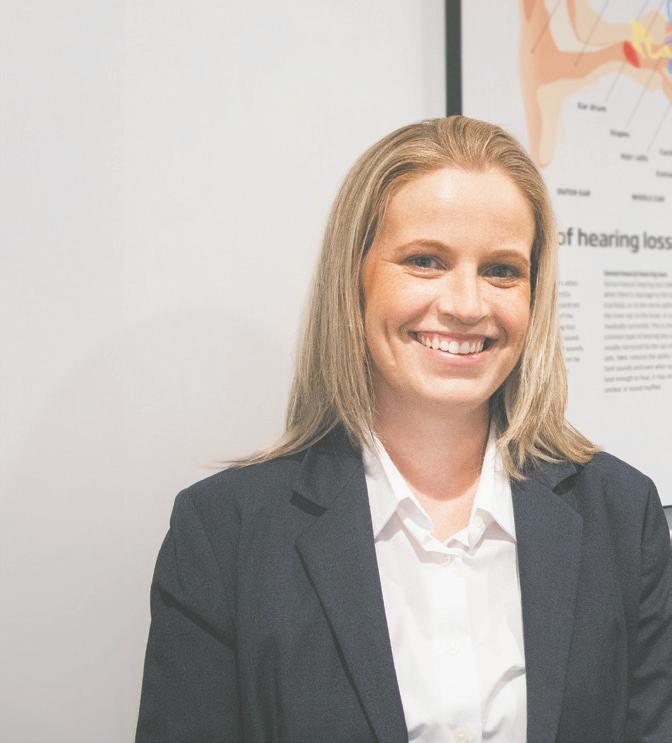

Tinnitus and hearing loss can often go hand in hand. Audiology Professionals understand the distress and frustration of experiencing hearing loss and tinnitus, which is why Specsavers offers free 15-minute Hearing Checks to identify any signs of hearing loss. If abnormalities are identified, a comprehensive Hearing Assessment will be recommended to assist in identifying the cause and finding the right solutions for you.
Specsavers Senior Audiologist Kathryn Launchbury breaks down the condition.
If you think you may have tinnitus, it is best to see an Audiology Professional so you can get a better understanding of your condition and the treatment options available to you.
What is Tinnitus?
Tinnitus is a condition experienced as noises in a person’s ears or head, when no external sound is present. It can manifest in various sounds like ringing, buzzing, whistling, humming, hissing, roaring, or even grinding. The noise can be constant or occasional, quiet, or loud. Tinnitus can be short-term or long-term.
Specsavers Senior Audiologist Kathryn Launchbury breaks down the condition. What is Tinnitus?
Tinnitus is a condition experienced as noises in a person’s ears or head, when no external sound is present. It can manifest in various sounds like ringing, buzzing, whistling, humming, hissing, roaring, or even grinding. The noise can be constant or occasional, quiet, or loud. Tinnitus can be short-term or long-term.
There are two main types of tinnitus:
There are two main types of tinnitus:
• Subjective This is the most common type when the sufferer can perceive sounds that may not necessarily be there. This can be caused by the way your hearing nerve communicates with the brain.
• Subjective This is the most common type when the sufferer can perceive sounds that may not necessarily be there. This can be caused by the way your hearing nerve communicates with the brain.
• Objective A rare form of tinnitus in which the sounds you hear inside your ear are also audible to others. This is because the sound is generated within your body, usually due to a change in blood flow or muscle spasms inside the ear or soft palate.
• Objective A rare form of tinnitus in which the sounds you hear inside your ear are also audible to others. This is because the sound is generated within your body, usually due to a change in blood flow or muscle spasms inside the ear or soft palate.
Tinnitus can stem from a range of causes including:
There is no single cure for tinnitus, but there are treatments that can help. The first step is to try to eliminate the cause of your tinnitus by visiting an Audiology Professional for a consultation.
Treatment and prevention
There is no single cure for tinnitus, but there are treatments that can help. The first step is to try to eliminate the cause of your tinnitus by visiting an Audiology Professional for a consultation.
Often, people with hearing loss and tinnitus find the assistance of hearing aids to be helpful.
Seeing an Audiology Professional is an excellent first step to see whether you have hearing loss, tinnitus, or both, as most people who experience hearing loss also experience tinnitus.
Treatment and prevention
Often, people with hearing loss and tinnitus find the assistance of hearing aids to be helpful. Seeing an Audiology Professional is an excellent first step to see whether you have hearing loss, tinnitus, or both, as most people who experience hearing loss also experience tinnitus. To effectively manage tinnitus, it is crucial to explore tailored solutions that suit your individual needs. Whether your tinnitus stems from a medical condition or not, there are strategies available to alleviate symptoms. Resolving underlying medical issues, if present, can offer relief.
To effectively manage tinnitus, it is crucial to explore tailored solutions that suit your individual needs. Whether your tinnitus stems from a medical condition or not, there are strategies available to alleviate symptoms. Resolving underlying medical issues, if present, can offer relief.
Specsavers Audiology Professionals provide tailored options, including hearing aids with specialised programs that can generate sounds to help to mask tinnitus.
Specsavers Audiology Professionals provide tailored options, including hearing aids with specialised programs that can generate sounds to help to mask tinnitus.
To find out more, head into your local Specsavers store or visit specsavers.com.au/ hearing to book an appointment.
To find out more, head into your local Specsavers store or visit specsavers.com.au/ hearing to book an appointment.

What to expect during your free 15-minute Hearing Check
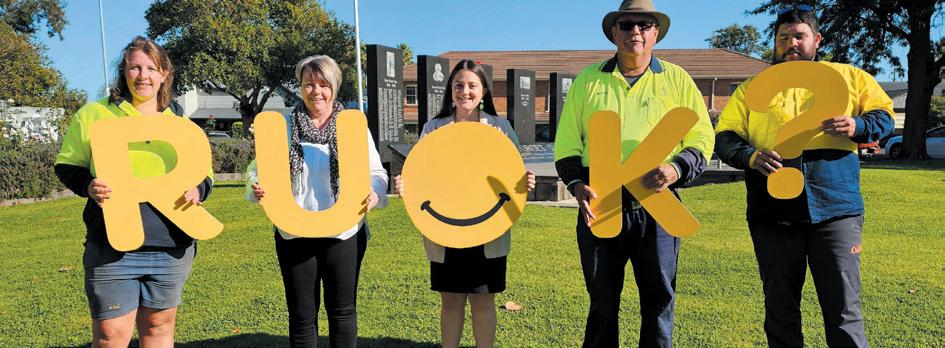
OK? are calling on all Australians to ask R U OK? Any Day because life happens every day.
“R U OK? started as a National Day of Action, but it’s grown into a conversation movement,” said Katherine Newton, R U OK? CEO. “People are acknowledging that you shouldn’t wait until R U OK? Day to have this conversation. Asking R U OK? Any Day can help ensure the people you care about feel supported and connected.”
The Ask R U OK? Any Day message comes as new research1 reveals a disconnect between a primary barrier to initiating R U OK? conversations, and how people feel on the receiving end of a supportive R U OK? conversation.
For those who noticed someone struggling but did not reach out, 31% said it was because they didn’t want to invade their privacy. However, only 4% of those regularly asked, ‘Are you OK?’ felt the question was an invasion of privacy.
“We want to reassure Australians that asking R U OK? makes the people in our world feel supported, grateful, and genuinely cared about,” said Ms Newton. “When we have strong relationships and know someone well, there is already an element of trust. That's where asking, 'Are you OK?' comes through with sincerity. We can build confidence to have R U OK? conversations by making it a regular everyday behaviour.”
Concerns about invasion of privacy increased to almost half (47%) when respondents felt the person struggling might be experiencing financial stress.
Scott Pape OAM, otherwise known as The Barefoot Investor, has lent his voice to the Ask R U OK? Any Day message to encourage Australians to support each other through money worries.
"Chances are, someone close to you is stressing about money. That's because right now more than half of Aussies are struggling to make ends meet. Yet most people stress in silence, because there's a lot of shame and guilt and fear of judgement when it comes to money,” said Mr Pape.
“If you think someone you know is struggling with their finances, let them know that they don't have to do it on their own,” continued Mr Pape. “They can call the National Debt Helpline (1800 007 007) and speak to a free financial counsellor like me - the service is free, independent, and totally confidential."
“Remember, as a friend or loved one, it’s unlikely you can solve their financial challenges or offer financial advice so there is nothing wrong with turning to experts for help,” reiterated Ms Newton.
At a time when the mental health of young people has been front of mind for many Australians, Broome-based Amaleed AlMaliki, 25, has volunteered as an R U OK? Community Ambassador.
“I wanted to share the R U OK? message in my community because there have been so many times that it’s made a positive difference to me and others I have asked,” shared Ms Al-Maliki. “When we’re given the chance to open up and let things off our chest, whether it’s something considered small or big, it does change people’s lives.”
“When people close to me ask how I am and make time to listen without judgement, it helps me feel connected, seen, heard and loved,” added Ms Al-Maliki. “Even when I’m asked, and I am travelling OK, it still makes me feel cared about, and that makes a difference.”
Ms Al-Maliki defines why she believes asking ‘are you OK?’ is not an invasion of privacy.
“Asking R U OK? is an invitation to open up. It’s about asking your way, that makes sense to your friendship,” said Ms Al-Maliki. “Be mindful of who else is around and how long you have to chat. If you make that space, it’s not an invasion of privacy because the person being asked has the choice if they want to share or not.”
R U OK? resources are available to support friends, family, and colleagues as they navigate the ups and downs of life. Free resources are available for preschool, primary, secondary, and tertiary education settings, trainees and apprentices, workplaces, sporting communities, and senior Australians to help everyone stay connected.
R U OK? also provides free resources for specific communities such as Aboriginal and Torres Strait Islander peoples, members of the LGBTIQ+ community and their allies, and those who are neurodiverse to ensure tailored approaches are relevant and easily accessed.
R U OK? resources are now available in multiple languages and Auslan.
Lifeline provides free and confidential crisis support at any time of day or night. Call 13 11 14, text 0477 13 11 14 or chat online at: lifeline.org.au.
13YARN is a free 24/7 service offering crisis support for Aboriginal & Torres Strait Islander people. Call 13YARN (13 92 76).

BY Dr Eric Wegener, Radiation Oncologist at GenesisCare
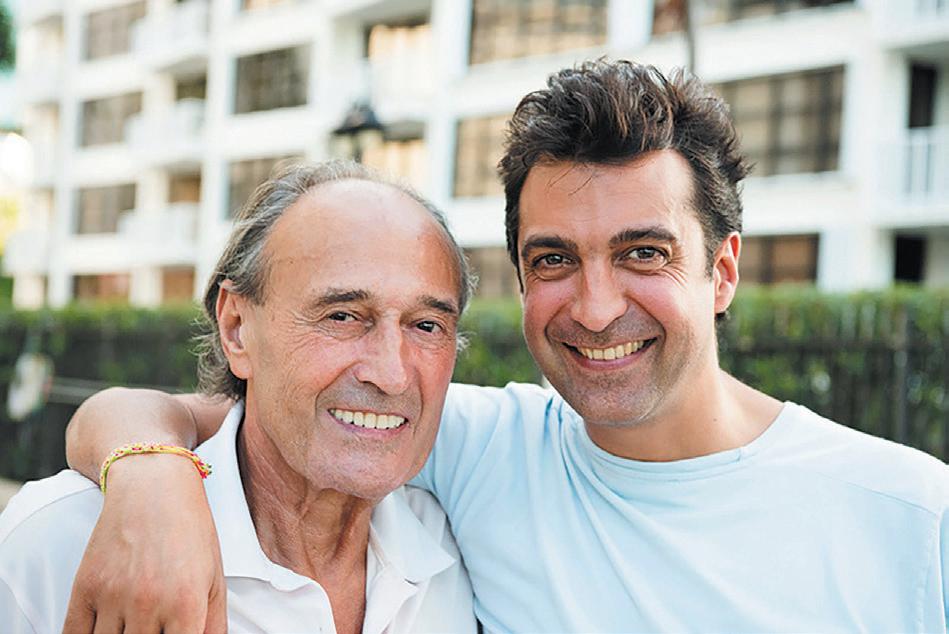
cancer is one of the most common cancers affecting men, particularly those over the age of 50.1 While it often develops slowly, early detection and treatment are essential in improving outcomes.1 Many men may not experience noticeable symptoms in the early stages but understanding what to look for and recognising the importance of early diagnosis can make a significant difference in prognosis and treatment success.
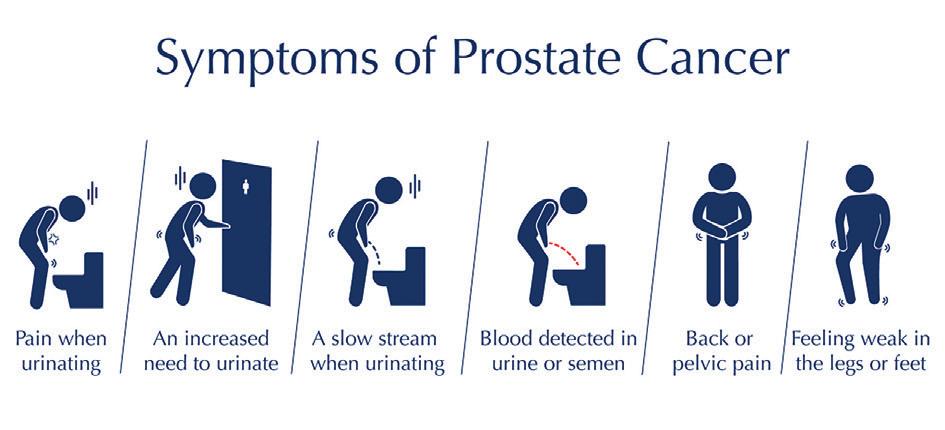
In its early stages, prostate cancer is often asymptomatic, making it difficult to detect without routine screening.1 However, when symptoms do occur, they may include difficulty urinating, a weak urine stream, frequent urination (especially at night), blood in the urine or semen, erectile dysfunction, or pain in the pelvic area or lower back.1 Early screening and testing are key to identifying the disease before it progresses.
Early diagnosis of prostate cancer significantly improves the chances of successful treatment.2 When caught in its early stages, prostate cancer is typically confined to the prostate gland, making it easier to manage.1 Many men diagnosed with early-stage prostate cancer can expect to live long, healthy lives after treatment. On the other hand, if diagnosis is delayed and the cancer spreads beyond the prostate, treatment may become more challenging, and the chances of success decrease.
Prostate cancer is generally slow growing, which is why many men live with the disease without it causing major health issues. However, in some cases, it can grow quickly and spread to other parts of the body, such as the bones or lymph nodes. This makes early detection critical, as it gives doctors more options for effective treatments and a greater chance of curing or controlling the cancer.
One of the most widely used methods to screen for prostate cancer is the ProstateSpecific Antigen (PSA) test. The PSA test measures the level of PSA, a protein produced by the prostate gland, in the blood. Elevated PSA levels can be an
indicator of prostate cancer, though other non-cancerous conditions can also cause increased PSA levels. Therefore, elevated PSA results don’t automatically mean a cancer diagnosis, but they do signal the need for further investigation and discussion with your GP.
If PSA levels are high, additional tests, such as an MRI and/or biopsy, may be recommended to confirm the presence of cancer. A biopsy involves taking small tissue samples from the prostate to check for cancer cells. Imaging tests like the MRI, CT, or PSMA PET scans may also be used to determine the stage of the cancer and if it has spread beyond the prostate gland. For many men diagnosed with localised prostate cancer, surgery or radiation therapy can give equivalent highly effective cancer control outcomes.3 Each man should have a good discussion with a urologist and radiation oncologist to see which pathway is best suited to them. Radiation therapy offers a non-invasive treatment option that works by using high-energy X-rays to destroy cancer cells.4 External Beam Radiation Therapy (EBRT) is one of the most common
forms of radiation therapy used to treat prostate cancer.1 In this treatment, a linear accelerator machine directs radiation to the prostate from outside the body. Precision targeting techniques allow for the aim of cancer cell destruction whilst minimising damage to surrounding tissues. In some cases, an absorbable rectal spacing gel can be used to reduce the radiation dose to important normal tissues even further. Treatments are painless and quick, sometimes it can be given as short as five treatment sessions.5 This faster treatment (stereotactic radiation therapy) has been recently published showing 5-year cancer control outcomes at 95% in early prostate cancer stages.5 An advantage of radiation therapy is it sometimes offers a shorter recovery time compared to surgery,
allowing patients to keep doing their favourite daily activities.5
As a keen early researcher, clinical trials are close to my heart . Clinical trials allow for early access to innovative treatments and an opportunity to receive advancements which usually are not yet available. One such trial is the ASTuTE clinical trial, which is currently recruiting men with intermediaterisk prostate cancer at GenesisCare in Newcastle and Maitland. The ASTuTE clinical trial is seeking to investigate how a new prostate cancer artificial intelligence test affects treatment decisions for hormone blockade therapy in conjunction with radiation therapy. This artificial intelligence biomarker test looks at the prostate cancer cells to assess if the cancer would benefit

…Early diagnosis significantly improves the chances of successful treatment…
from hormone blockade therapy and secondly gives prognostic information. At GenesisCare, Newcastle and Maitland, patients are offered high-quality, evidence-based cancer treatments in a multidisciplinary care environment. The centres offer a range of cancer care services, including radiation therapy, chemotherapy, and immunotherapy, as well as access to allied health services that support patients throughout their treatment journey. With over 20 years of experience treating patients in the Hunter Region, the team at GenesisCare is committed to providing continuity of care. Patients are treated by a specialised team of professionals, including radiation oncologists, medical oncologists, registered nurses, radiation therapists, physicists, and a dedicated team of support staff. This collaborative approach ensures that each patient receives comprehensive care tailored to their individual needs.
References:
1. Cancer Council. Prostate Cancer. Available at: https://www.cancer.org.au/cancer-information/ types-of-cancer/prostate-cancer (accessed October 2024)
2. AIHW. Cancer Reports. Available at: https://www. aihw.gov.au/reports/australias-health/cancer (accessed October 2024)
3. 10-Year Outcomes after Monitoring, Surgery, or Radiotherapy for Localized Prostate Cancer. N Engl J Med 2016 (accessed October 2024)
4. Cancer Council. Understanding Radiation Therapy. Available at: https://www.cancercouncil. com.au/cancer-information/cancer-treatment/ radiation-therapy/common-questions/steps-inradiation-therapy/ (accessed October 2024)
5. Phase 3 Trial of Stereotactic Body Radiotherapy in Localized Prostate Cancer. N Engl J Med 2024 (accessed October 2024)


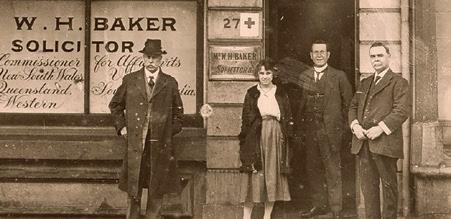
ASPOUSE or de facto partner may reside in retirement village premises with their partner without being party to retirement village contracts. They may also have a right to continue to live in the village, even after their partner – the party to the contracts – dies.
This will be relevant to residents when making their Will and their executors handling the administration of their estate.
Normally, on moving into a retirement village, the retired person will enter into a contract with the village operator. However, a spouse or de facto partner may move in with a resident without themselves signing a contract with the operator. If this
occurs, the spouse or de facto may still be considered a resident.
Under the Retirement Villages Act 1999 (NSW) (the Act), section 4(1) a “resident” is defined to include the spouse or de facto of the retired person, provided they lived in the retirement village premises with the retired person.
The Retirement Villages Regulations 2017 (NSW) (the Regulations) further prescribed that the spouse or de facto is a “resident” if they were living with the retired person in the village immediately before the retired person’s death and they continue to occupy the residence.
The spouse or de facto is deemed to have a right to reside in the premises even though they never signed a contract. This is while
the retired person is also living in the premises, but also after their death. However, this will not apply if the retired person makes different provisions in relation to the retirement village premises in their Will.
It is important to consider the potential ramifications of an unregistered resident when making your Will.
It is also important for executors of deceased estates to be aware of these provisions. In dealing with the assets of the estate, the executor may be confronted with a surviving spouse residing in the retirement village premises and will need to know whether or not they can be evicted.

Generics are alternative brands of medicines that often cost less than the original brand. They contain the same active ingredient as the original brand, and can be expected to be just as safe and work just as well. You can save money by asking your doctor or pharmacist for generic brands of your medicines.
The company that first develops and markets a medicine gives it two names – the chemical name of the active ingredient (generic name) and a brand name. This company (the originator company) also takes out a patent for sole rights to produce and market its original brand of the medicine for a fixed period of time. This allows the company to recover the money it spent developing the medicine, or on buying the rights to market it. Once this patent expires, other companies may make and market the medicine using different brand names. These other, newer brands are commonly called generic brands or generics. Generics contain the same active ingredient(s) as the original brand, so they are expected to work in the same way in the body and to have the same benefits and the same side effects.
In Australia, companies that produce generics have the same tight manufacturing controls, and must adhere to the same quality and safety standards, as companies making the original brands of medicines.
The Therapeutic Goods Administration (TGA) is responsible for registering all medicines in Australia. Before any prescription medicine or brand can be put


on the market in Australia or listed on the Pharmaceutical Benefits Scheme (PBS), a team of experts makes sure it is safe and effective, of good quality and correctly labelled and packaged. For a generic brand to be included on the PBS, it must be proven to be bioequivalent and interchangeable with the original brand. This means that you can expect the generic brand to have th
Generic brands and original brands contain active ingredient(s) and some inactive ingredients. The inactive ingredients include colourings, flavourings, preservatives, fillers and special tablet coatings. Different brands of a medicine may look or taste different because they contain different inactive ingredients. Different brands of a medicine may also be packaged differently. Different types of packaging include bottles, blister packs, foil packs and calendar packs. These differences do not change the active ingredient and how it works in the body.
As with other products, the different brands of a medicine may have different prices and the competition that results from having more brands on the market means lower prices overall.
As with other products, you can choose which brand of medicine you buy and use. Your choice may depend on factors such as:
n the type of packaging – for easy opening or storage
n the shape, size or taste for easy swallowing or for giving to children
ª
ª
ª
ª
n the need to avoid a certain inactive ingredient (e.g. lactose, gluten)
n the company that makes it (e.g. whether the product is Australian made)
n price.
You can ask your pharmacist about the differences between brands, including their prices, before you make a decision about brands.
n In Australia, lower priced prescription medicines are not lower quality medicines.
n In most cases you can choose which brand of medicine you use. It is OK to tell your doctor or pharmacist which brand you want.
n The PBS subsidy does not cover price differences between brands. If you choose or are prescribed a more expensive brand, you must pay the difference between your brand and the lowest priced brand. This amount does not count towards the Safety Net.
n The ‘Consumer Medicine Information’ (CMI) leaflet provides important information about the medicine you are taking. For example how to take your medicine correctly, possible side effects and all the ingredients in the product. It is important to read the leaflet carefully when starting a new medicine or using a different brand. Ask your pharmacist for the CMI for your medicine.
n If you know you are allergic to an inactive ingredient (e.g. lactose or gluten), check with your pharmacist before using a new medicine or different brand of medicine.
Note: Sometimes different brands of a medicine are not interchangeable. Ask a doctor or pharmacist for advice.
from
ª Manage the medication of other family members from within your own account
ª Control your medication and free up more time to live your life!
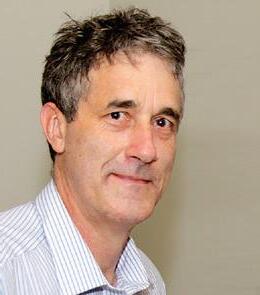


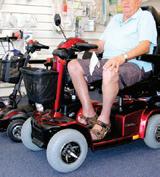
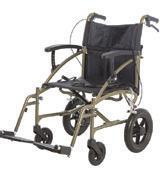


With over 25 years experience, Rex has become well known in the region for his clinical practice across a range of areas including: Department of Veteran’s Affairs’ Patients, Psychiatry, General Surgical Care, Occupational Rehabilitation CTP and Workers Compensation. Rex is committed to the care and advocacy of his patients. His practice is based on the belief that independent living and meaningful occupation should be optimised to achieve and maintain the best possible quality of life for everyone!
Advise on DVA Services and other Government Services such as Home Care Packages
Advise on DVA Homecare and respite Services
Falls prevention assessment and education
Pressure care needs such as bed overlays and Roho cushion
Mobility and aids such as walkers and walking stick
Access options such as ramp and possibly a stairlift
Incontinence Needs
Scooter assessments for those eligible DVA clients
Activities of daily living assessment
Minor modifications such as rails in the shower, W.C and at stairs and hand held shower




Bathroom, dressing and bedroom equipment
Recommendations for appropriate equipment according to need, such as following eg. spinal surgery, total knee or Hip replacement
Personal response systems
Lymphedema management
Seating options such as dining and lounge
room chairs with arms and possibly an electric operated recliner chair if eligible
Wheelchairs, walkers and bed sticks
Kitchen and cooking equipment such as electric operated jar and bottle openers
Lighting needs such as outdoor sensor lights & indoor lights
Retractable garden hose
Back care education

BY Travis Maude
APA Sports & Exercise Physiotherapist
Advanced Physiotherapy & Exercise Physiology
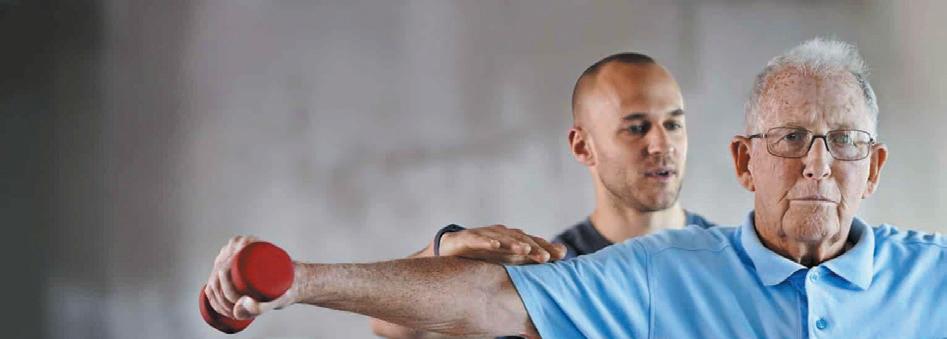
VETERANS often face unique physical and mental challenges following their service. The sacrifices made in the line of duty can lead to a range of health issues, including musculoskeletal injuries, chronic pain, and emotional trauma. As we honour our veterans, it is vital to recognize the importance of holistic approaches to health and recovery. One such approach that stands out is Physiotherapy. This discipline not only aids in physical rehabilitation but also fosters overall well-being, making it an essential resource for veterans seeking to lead healthier lives.
Physiotherapy focuses on restoring movement and function to individuals affected by injury, illness, or disability. For veterans, this can involve a variety of modalities, including exercise therapy, manual therapy, and education on injury prevention. Physiotherapists are trained to assess individual needs, create personalized treatment plans, and guide patients through exercises that enhance mobility, strength, and endurance.
Many veterans return home with injuries from their service, whether they be combatrelated or due to the physical demands of military life. Common issues include joint pain, back injuries, and post-surgical rehabilitation. Physiotherapy plays a crucial role in helping veterans recover from these conditions. Through tailored exercise programs, physiotherapists help rebuild
strength and flexibility, enabling veterans to regain their independence and improve their quality of life.
For instance, a veteran with chronic lower back pain may benefit from specific exercises that improve their overall strength and mobility. These not only alleviate pain but also empower the individual to manage their condition effectively, reducing the risk of future injuries.
The benefits of physiotherapy extend beyond physical rehabilitation. Many veterans experience mental health challenges such as PTSD, anxiety, and depression. Engaging in regular physical activity has been shown to have profound effects on mental health, and physiotherapy is no exception. The structured environment of a physiotherapy session can provide veterans with a sense of routine and purpose.
Moreover, the focus on movement and exercise releases endorphins—natural mood lifters. Veterans often report feeling more energized and positive after participating in physiotherapy sessions. Additionally, physiotherapists can incorporate mindfulness and relaxation techniques into their treatment, helping veterans manage stress and anxiety more effectively.
Physiotherapy is not just about recovery; it is also about prevention and maintaining long-term health. Veterans may find themselves at higher risk for developing chronic conditions, such as obesity, diabetes, and heart disease, especially if their injuries limit their physical activity. Physiotherapists educate veterans on the importance of maintaining an active lifestyle and provide strategies to incorporate physical activity into their daily routines.
A proactive approach includes teaching veterans how to set achievable fitness goals, stay motivated, and adapt exercises to suit their evolving needs. This ongoing support helps veterans not only recover from injuries but also cultivate habits that promote lifelong health.
Another invaluable aspect of physiotherapy is the opportunity it provides for veterans to connect with others who share similar experiences. Group therapy sessions or community classes can foster camaraderie and support among veterans. This sense of belonging can significantly enhance mental and emotional well-being, reducing feelings of isolation that many veterans experience.
As we continue to support our veterans, it is essential to promote access to physiotherapy services. Integrating physiotherapy into the healthcare options available to veterans can significantly improve their overall health outcomes. Initiatives that increase awareness and accessibility, such as partnerships with veteran organizations and community health programs, can help bridge the gap.
Physiotherapy is a powerful tool that can help veterans lead healthier lives. By addressing both physical and mental health challenges, physiotherapy fosters recovery, enhances well-being, and promotes longterm health. As we honor our veterans, let us ensure they have the resources and support necessary to thrive in their post-service lives. Through physiotherapy, we can pave a pathway to recovery and wellness, helping our veterans reclaim their strength and vitality.

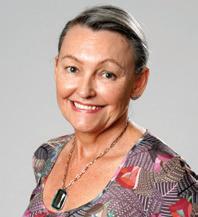
BY Sonia Hornery MP, State Member for Wallsend
ASWE head towards Christmas and the end of the year, it’s worth acknowledging the highs and lows of 2024. This year has seen the return of the John Hunter Hospital Shuttle Bus, hard fought for by our community. We’ve seen a growth in future skills and jobs with thousands of free TAFE courses being taken up across the state including in our very own Hunter region.
We’ve seen the opening of new Health centres including the Wallsend Menopause Clinic and a clinic for paediatric ADHD treatment. We have welcomed new police recruits to Newcastle and Lake Macquarie with more on the way. Our new system of paying recruits to train will bring a broader demographic of applicants from all walks of life.
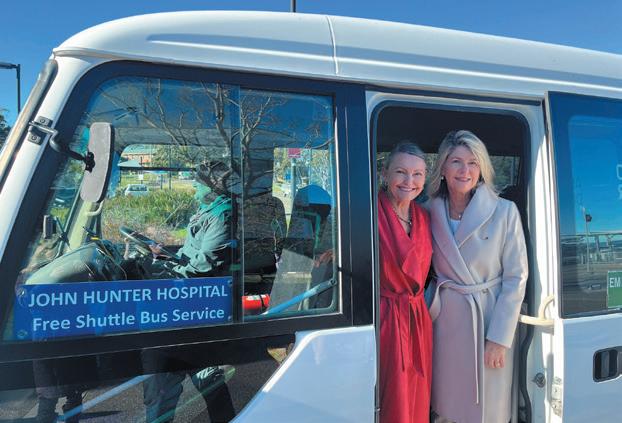
I do have to acknowledge that life is hard for a lot of people and families in our area, cost of living pressures are biting for many and the housing crisis is impacting people of all ages who find themselves struggling in the renting and buying markets. Our government is investing heavily in social and affordable housing, the Wallsend electorate is benefiting immensely from this investment with a new 20-unit complex
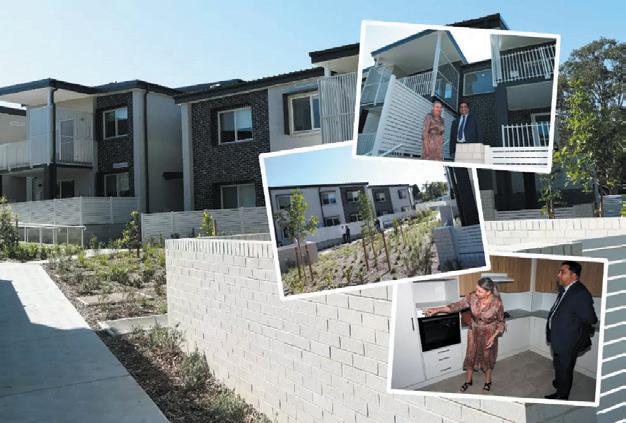
opening in Lambton, an 18-unit complex just been built in Waratah West and new builds expected in 2025 in Maryland, Waratah and Wallsend.
I have also had the opportunity to speak in Parliament about some fantastic achievements by individual residents and local community groups such as local historians, fundraising charities and sporting achievements. If you can think of a person or organisation that deserves a shout out in Parliament, let my office know so we can put together a Community Recognition Statement.
On a lighter note, did you know that congratulatory messages are available for 50th, 60th, 65th and 70th wedding anniversaries and 80th, 90th and 100th birthdays? These messages can be arranged through my office with a couple of weeks’ notice and the details and confirmation, like a marriage or birth certificate.
Remember, we’re here to help you, so if there’s a State Government issue that you need some help with, call my office on 4950 0955, email wallsend@parliament.nsw. gov.au or visit the office at 67 Nelson Street, Wallsend. You can also keep up to date with what I’m doing at Parliament or in the community by visiting my website at www.soniahornery.com.au.
ASWE age, comfort, independence, and confidence become more important than ever.
EveryHuman is an online platform committed to ensuring that fashion doesn’t have to be sacrificed for functionality. Specialising in clothing, footwear, and everyday products, EveryHuman caters to all body shapes and abilities, making it easier for individuals to maintain their sense of style while staying comfortable. Accessibility is often a key factor when choosing clothing and footwear. EveryHuman’s carefully curated selection includes shoes designed for wide feet and options that have easy slip on/ off features without compromising style. These shoes with easy access zipper openings make dressing easier for those with mobility
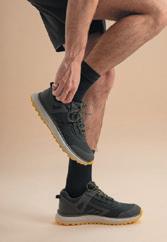
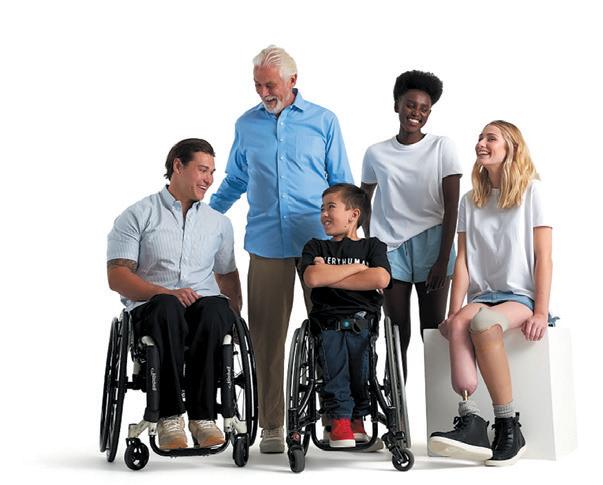
concerns or swelling. This means you can take more control of your day-to-day activities, avoiding the frustrations that come with hard-to-manage footwear and clothing.
Whether you’re lounging at home, taking a walk, or attending social activities,

Focusing on client satisfaction through genuine partnership, good advice, professional service & quality creative solutions. The objective on every project, whatever the budget, is to build your business in both profile & profit. Offering competitive rates with special discounts for not-for-profit organisations, sole traders & self publishing authors!


EveryHuman’s inclusive fashion allows you to look and feel your best without hassle. Check out the full range at everyhuman.com.au or book an appointment to get fitted at our showroom in Macquarie Park, Sydney by emailing orders@everyhuman.com.au


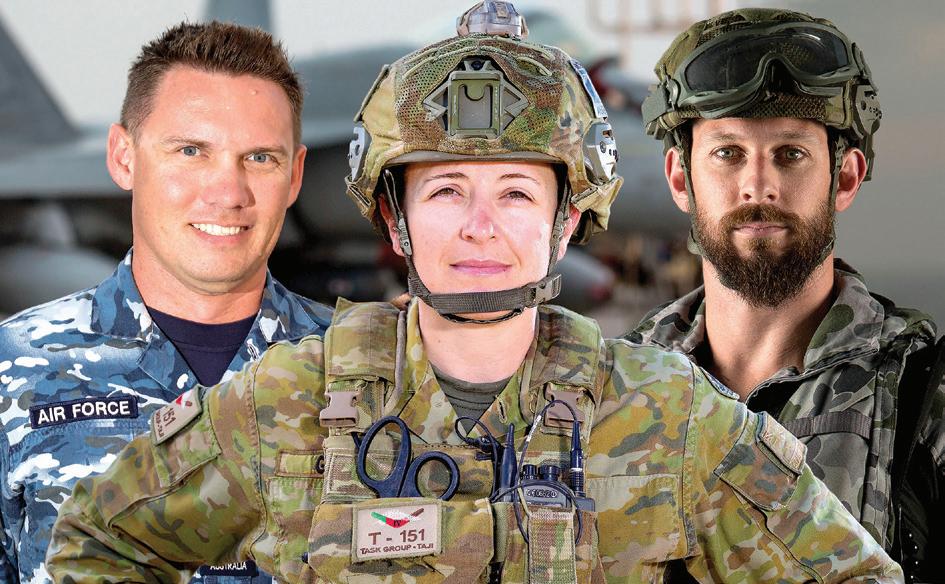
A message from Sonia Gregory Deputy Commissioner NSW / ACT Department of Veterans’ Affairs (DVA
This is my first column as DVA’s Deputy Commissioner NSW/ACT. I am delighted to be taking on the role and I’m looking forward to working closely with everyone in the veteran community, including those in the Hunter.
In this column I will keep you updated about important developments in the Veterans’ Affairs space, in the same way as my predecessor Victoria Benz did for a number of years.
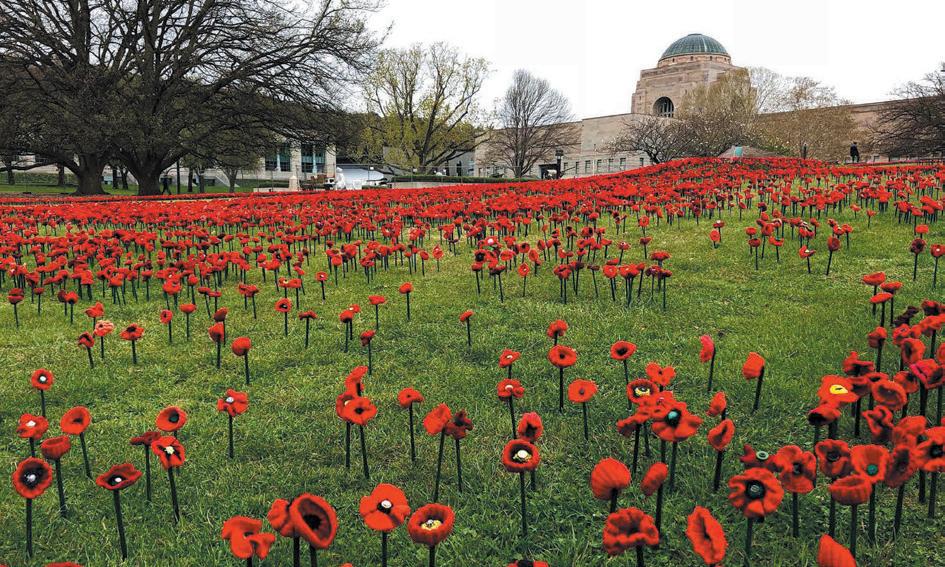
November holds special significance for Australians. On 11 November, we commemorate Remembrance Day. One hundred and six years ago, the guns fell silent on the Western Front. At the eleventh hour, on the eleventh day, of the eleventh month in 1918, the Armistice came into effect.
On Remembrance Day, we recognise and remember all those who have died
or suffered in wars, conflicts and peace operations.
This Remembrance Day, I hope you can observe a minute’s silence at 11am to remember the 103,000 Australians who have died in the service of Australia and our allies. Lest we forget.
Importantly, the Royal Commission into Defence and Veteran Suicide handed down its Final Report on 9 September. The report is available on the Royal Commission’s website.
The Final Report marks the culmination of the most significant and comprehensive inquiry conducted into suicide and suicidality in the Defence and veteran communities.
The Government and DVA welcomed the Final Report, which comprises more than 3,000 pages of evidence, commentary and findings across 7 volumes.
It made122 recommendations to address identified systemic risk factors and overarching drivers of suicide and suicidality in serving and ex-serving ADF members.
The recommendations are largely directed to Defence and DVA; as well as other
agencies separately or in combination with Defence and DVA.
The Government has committed to act swiftly and we anticipate a response by the end of the year.
DVA, working in partnership with Defence, will make every effort to address suicide and suicidality among our serving and exserving ADF personnel, and to action the recommendations accepted by Government. We thank those who bravely shared their personal stories, even when they were hard to re-live; they did so to help their fellow veterans and those who will come after them.
DVA has responded quickly and comprehensively to recommendations in the Royal Commission’s Interim Report, including in relation to eliminating the unallocated claims backlog and working to simplify and harmonise the veterans’ legislation framework, with amending legislation introduced to Parliament in July 2024.
The Final Report and its recommendations provide a meaningful opportunity for the Department to deliver further, important and long-lasting changes to the veteran support system.

The Royal Commission into Defence and Veteran Suicide has delivered its Final Report, outlining 122 recommendations for reform. Over the course of more than three years, the Commission considered almost 6,000 submissions and heard from 346 witnesses at hearings.
The stories we heard from veterans and their loved ones were harrowing and highlighted a failure of successive Australian governments.
The Albanese Labor Government understands the tragedy that is the rate of defence and veteran suicide. That’s why we fought for the Royal Commission from Opposition, and that’s why we are committed to taking action.
The Government has already agreed to the recommendation for an independent body to oversee reform, and we will be delivering our full response to the Royal Commission’s Report before the end of the year.
In the meantime, the Albanese Labor Government is working on several fronts to deliver for veterans and families.
We have eliminated the veteran compensation claims backlog. When we came to Government, there was a backlog of some 42,000 veteran compensation claims. That has been cleared, with all new claims now with someone for review within 14 days. This has been achieved by funding more than 640 additional permanent ongoing staff.
The establishment of a Veterans’ and Families’ Hub in the Hunter is underway. It will be opened in Maitland and run by RSL LifeCare in partnership with a number of other ex-service organisations. Maitland was identified as the most suitable location due to it being central to Singleton Military Area, Bullecourt Barracks and RAAF Base Williamtown.
We’ve also introduced legislation to simplify and harmonise veteran entitlements, tripled the payment GPs receive for servicing veterans, boosted Veteran Home Care, improved access to crisis supports and delivered a $24 million Veteran Employment Program.
We know there is much more to do, and we remain committed to delivering a better future for veterans and their families.


LIFEIS a wonderful thing — a blank page to start with, written by our experiences, the impact of those around us, and most of all, our choices and plans for the future. But why do we plan ahead?
There are many reasons, from financial security and protecting those we care about so that we may live life to the fullest, to minimising our worries and achieving peace of mind. Planning ahead means being prepared for life’s most important moments and ensuring that, when the time comes, we’re able to celebrate them without unnecessary stress.
Most of us already plan for major life events. From the first few coins we drop into our piggy bank to the excitement and complexity leading up to our wedding day, these milestones are usually mapped out carefully, with a clear understanding of what needs to be done to achieve our goals. Many of us will recall squirrelling away every dollar for the moment we are finally handed the keys to our very first home. By nature, we are always thinking and planning. It could be whilst brushing our
teeth, staring at the familiar person in the mirror, that we reflect on how every choice has led us to become who we are today. The daily grind is part of this grand plan, filling up the pages that will one day become the story of our lives. Though it may seem like a lot of hard work, planning does pay off. It’s in those unforgettable moments and the delight we feel when everything comes to fruition, screaming into this world between our arms, off to the first day of school, first driving lesson, first grandchild, and so on.
As the years tick on, all these firsts begin to drift further and further apart. It’s only when we stop and take pause that we realise just how far we’ve come. Those last few pages of our story are much closer than they once seemed.
This new phase of life presents an opportunity to reflect and ensure that we’ve taken steps to protect our loved ones and secure our affairs, because as we all know, often the most memorable part of a story is the way it ends.
When there’s no more room left on the pages of our story, we should take a moment
— not just to write a will and manage financial assets — but to think about how we would like to be remembered. Planning our funeral and final resting place not only ensures our loved ones aren’t burdened with difficult decisions during their time of grief, it gives us the ability to write the perfect ending to our story.
As we grow older, many of us become more financially secure, providing an opportunity to craft a retirement full of the activities we might not have had time for earlier. Whether spending time with family, discovering new hobbies, or reigniting old passions, this is the moment to begin planning ahead.
Taking the time to plan our final resting place, whether it be a cremation memorial or burial memorial allows us to honour our unique stories. This process provides a sense of control during what can feel overwhelming. By articulating our wishes, we relieve our loved ones of burdensome decisions during their time of sorrow — this is a compassionate act for both ourselves and those we leave behind.
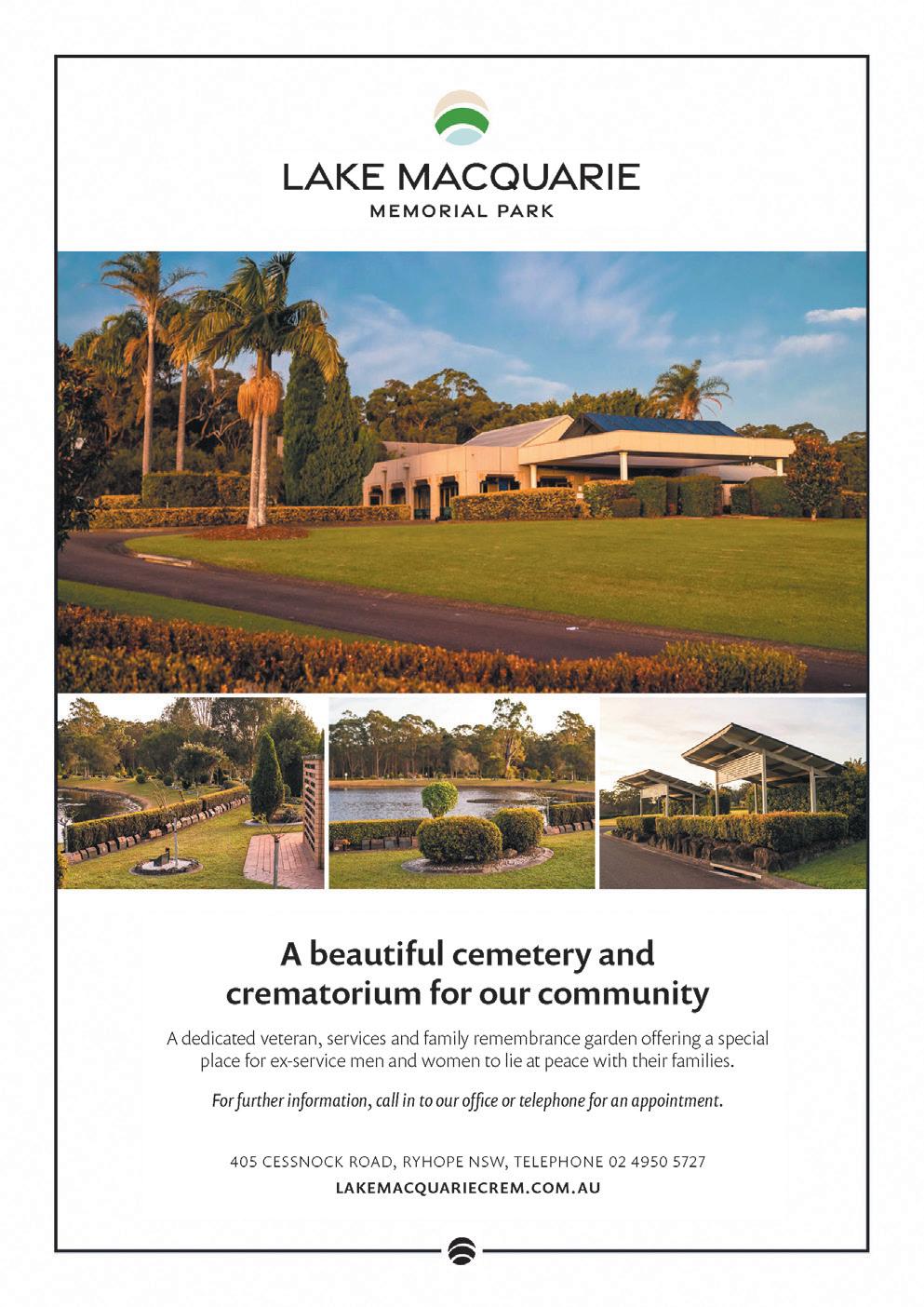
Engaging with a supportive provider like Newcastle and Lake Macquarie Memorial Parks means having a partner who understands these challenges. They can guide us through the process with empathy, ensuring every detail aligns with our vision for how we wish to be remembered. When it comes to planning our memorial, the choices are unique and varied. Whether you prefer a traditional headstone, a serene garden spot nestled among roses and tranquil waterfalls, or something you can hold in your hand like a unique piece of jewellery, every option is thoughtfully designed, allowing us to choose what best honours our story.
PRE-NEED PLANNING WITH NEWCASTLE AND LAKE MACQUARIE MEMORIAL PARKS
Choosing to plan ahead also creates a space for open dialogue about our preferences. This not only fosters understanding among family members but also encourages shared memories and reflections on our life.
These conversations, while sometimes difficult, open the door to deeper connections and moments of clarity between family members. By engaging in open discussions, we may discover aspects of ourselves that our loved ones were unaware of, sharing stories that may otherwise remain untold. This process offers not only practical clarity but emotional healing, bridging gaps and cementing relationships as we look back on the life we’ve shared.
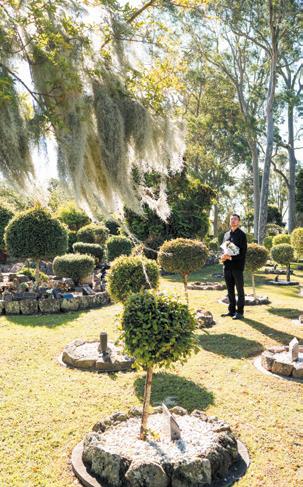
…We're committed to helping families create a meaningful and lasting memorial…
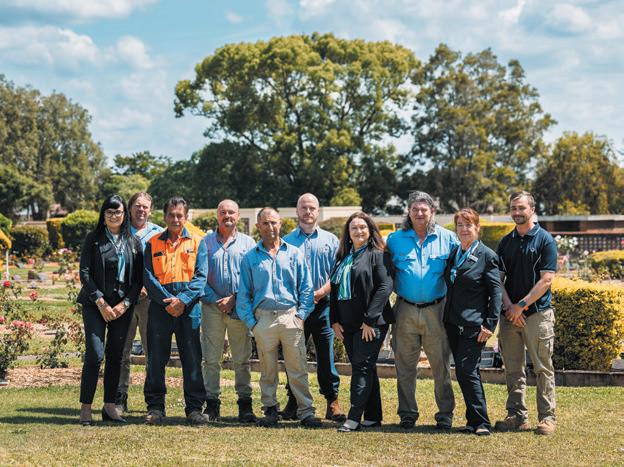
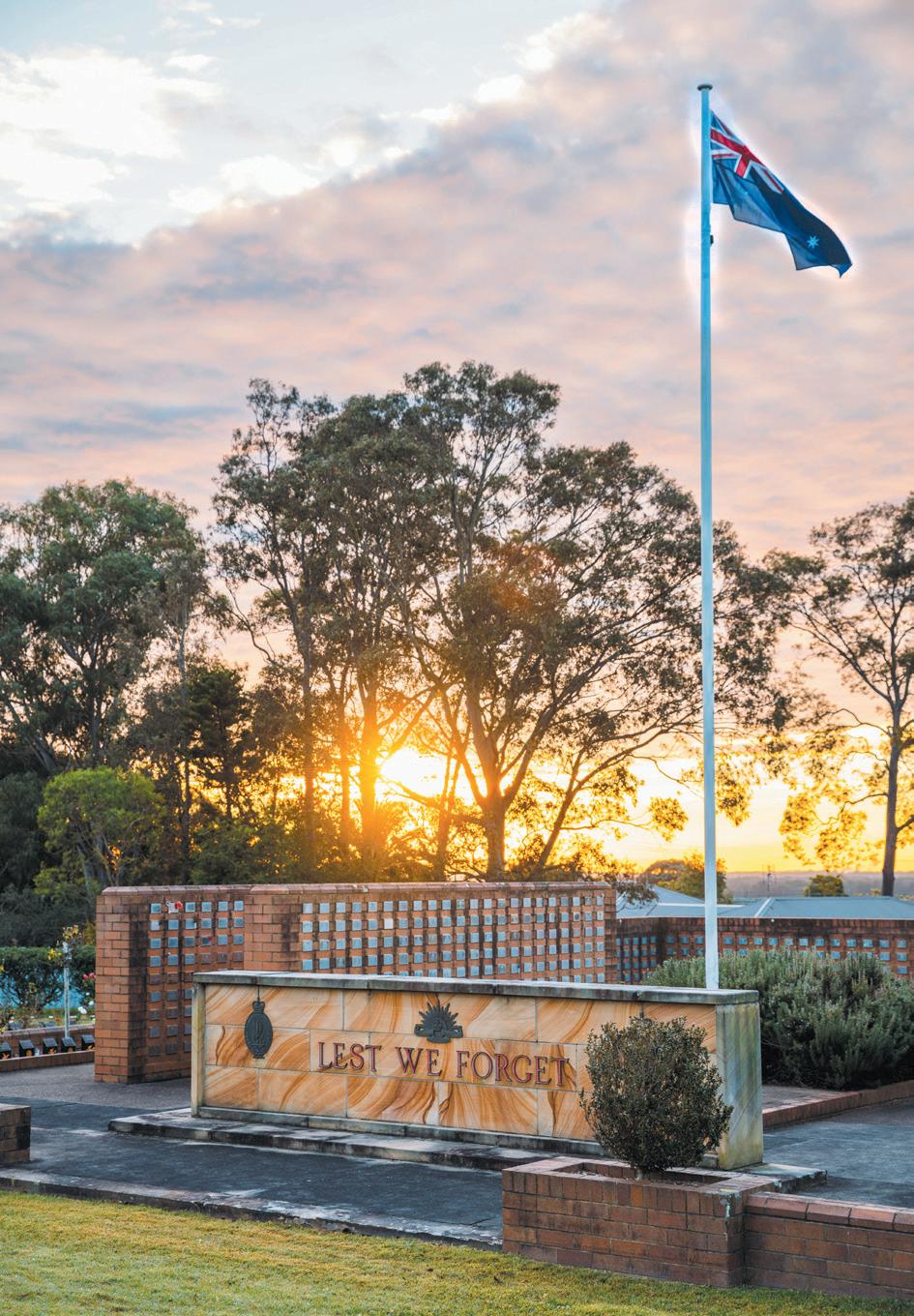
At Newcastle and Lake Macquarie Memorial Parks, we understand the significance of these conversations and are committed to helping families create a meaningful and lasting memorial. With decades of experience since our establishment in 1936 of our Newcastle Memorial Park, we offer a wide array of memorialisation options designed to honour individual stories, cultures, and beliefs. From elegant chair memorials to the peaceful serenity of our rose gardens and traditional lawn burials, our thoughtfully designed spaces provide a beautiful setting for remembrance. For families who wish to preserve unity, we also offer Family Estates that allow for multiple interments, ensuring loved ones can remain close even after life’s final chapter.
By planning ahead, we’re able to secure current pricing, alleviating future financial burdens for our loved ones. This thoughtful planning helps reduce the financial stress on our family, providing them with more certainty and ease during an emotionally challenging time. Furthermore, it enables us to make choices that reflect our values without the pressure of immediate decisions during a period of grief.
The decisions we make today can shape how we will be remembered, allowing us to approach the end of our story with the same care and thoughtfulness that has guided every chapter. As you consider pre-planning your memorial, reflect on the legacy you want to leave behind. Think
of life’s milestones — the moments filled with love, laughter, and joy — and how these cherished experiences can shape the place where future generations will come to remember you.
With the compassionate support of Newcastle and Lake Macquarie Memorial Parks, you can embark on this journey with confidence, knowing that you are creating a meaningful and lasting tribute. A memorial is more than just a final resting place; it is a space for family and friends to gather, to reflect, and to connect with the memories of their loved one for years to come.
As you consider your future, remember that planning ahead is a gift to yourself and your loved ones. It allows you to approach the end of life with dignity, ensuring that your story continues to resonate long after you’ve turned the final page.
Life is a beautiful narrative, and while the ending may be inevitable, how we choose to conclude our story is entirely within our control. By taking the time to plan ahead, we create a lasting legacy that reflects the love, joy, and memories we have shared with those who mean the most to us. Newcastle Memorial Park stands ready to assist you on this journey, ensuring that every detail aligns with your vision, allowing you to focus on what truly matters — celebrating life and the stories we create together.
Newcastle and Lake Macquarie Memorial Parks are part of InvoCare Memorial Parks & Gardens operating throughout NSW and QLD.
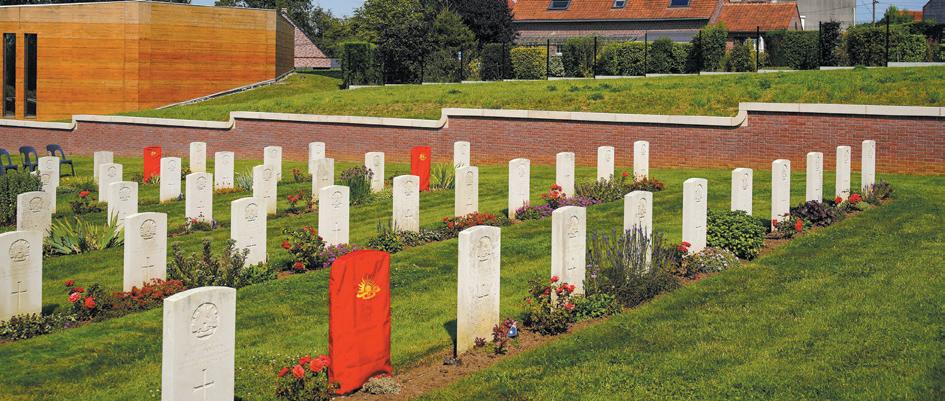
On Friday, July 19, 2024 the commemorative ceremony of the 108th anniversary of the
THE
FROMELLES Association of Australia is celebrating its 10th year of existence, continuing its mission of identifying the lost soldiers of Fromelles and honouring their sacrifice.
The organisation is made up of dedicated group of volunteers who research and connect families with the soldiers who fought at the Battle of Fromelles on the 19th-20th July 1916.
“A total of 180 out of 250 soldiers have now been identified at Pheasant Wood Cemetery, largely thanks to volunteer researchers and organsitions like ours who have spent many hours locating family members” said Geoffrey Benn, President of the Association.
“The time to access living memory has passed, and now we rely on DNA donors, discovered through research and the collection of stories, photos, artifacts and other memorabilia from Australian families,” Geoffrey added.
“We are now having to locate descendants of descendants, in the hope that we can obtain the necessary linkages to a soldier who died at Fromelles.”
“The Association is calling on members of the public to consider volunteering their time to help this worthwhile cause.
“We begin by working with the Australian Army, targeting individual soldiers considered likely to be buried there and then search for the requisite family DNA donor or donors to test the remains against. It’s truly a race against time.
“Members of the public with genuine information, or materials, can help with our research, even by simply using Google to carry out searches for information that may be accessible via the internet. That information can then be passed on to our researchers.
“Ideally we are looking for people who have an interest in any of the following areas: Research, Genealogy, WW1, Social Media, or writing stories.
“Our Director of Soldier Stories and Hunter Valley resident Marg O’Leary was recently awarded the Order of Australia for her services to the Association. Marg has also championed our memory of those soldiers by heading the team responsible for writing the stories of our soldiers and their families, both now and then.”
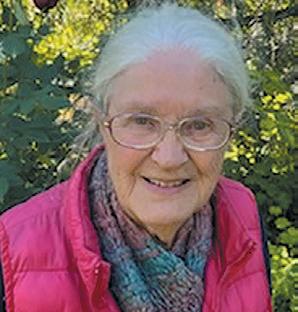
Margaret O’Leary OAM was recently awarded an Order of Australia
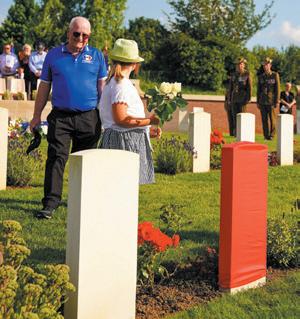
Royce Atkinson and a local school child, took part in the ceremony to honour a soldier identified at Pheasant Wood Cemetery, France on 19th July 2024.
Source: Fromelles Association of Australia
There are more than 250 stories available, with another 600 in development, which contain soldiers’ stories and details and for many, the emotions and memories of their families of 1916. The stories collected from families, researchers and told through soldiers’ letters home are captured in memorial for families to see and connect with.
The Association has a website, fromelles. info where people can learn about the battle, and read individual soldiers stories collated by families working with our team of volunteers.
“They died for their country, it’s the least we can do.”
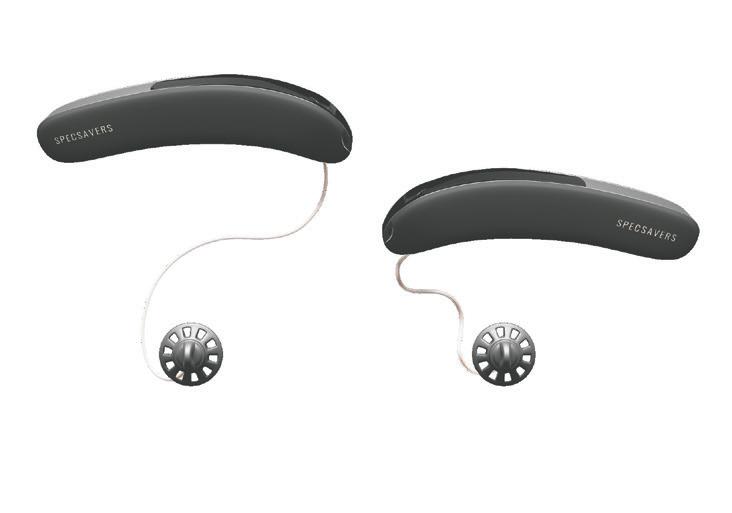
But here’s the real surprise, so do lots of other places, the only real difference is the prices. Specsavers’ are, surprisingly low.
You see, we’ve got nothing to hide, unlike others our costs are upfront. Simply, it’s high definition sound, at low Specsavers prices.
There’s nothing worse than finding out you could’ve got the same tech for less. To help avoid nasty surprises, shop around and compare our prices.
Visit us online or hear more in store today. We know you’ll be pleasantly surprised.
BY Tim Roberts AM Emeritus Professor at the University of Newcastle & Director of InnovAAte Pty Ltd
LOTS of interesting health science and other happenings in our region to talk about this time. We have a look at the healthy ageing exercise project run by ActiveStrongerBetter; the surprising medicinal campfire practices of the Maasai in Kenya, a grizzle about finding a specialist. and an update on world orangutan expert Dr Galdikas’s lecture here in Newcastle in August, where she spoke to a full house in City Hall of her ongoing fifty years of orangutan research.
Right at the start I have to say again that in all the research I have read on ageing, the clearest message to come out for me is that exercise is indeed the best medicine; and exercise when coupled with a diet rich in the big three of protein, fat, carbohydrates, the vitamins and microminerals, and the High Demand Amino Acids is a great way to give yourself the best chance of healthy ageing.
The ActiveStrongerBetter program devised by John Ward and Deborah Moore here in Newcastle has been
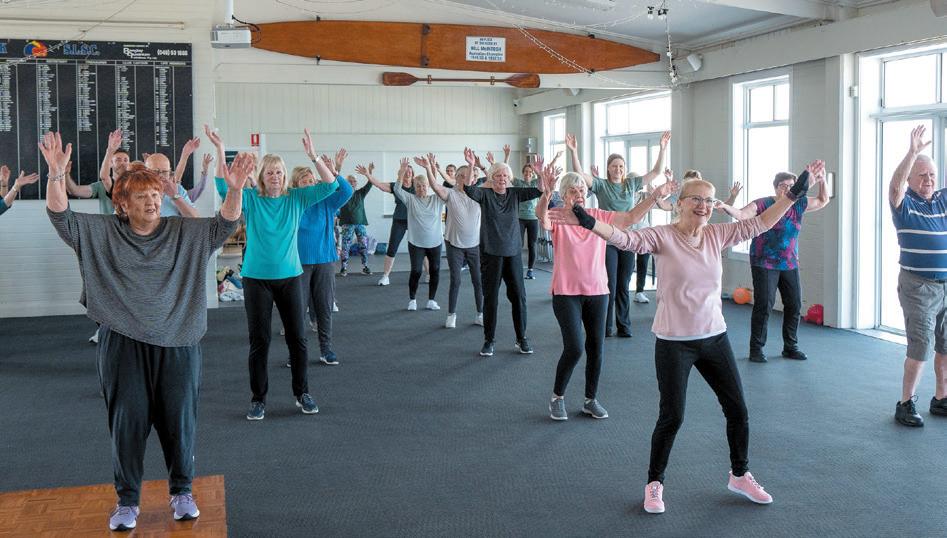
running exercise sessions in the local aged community, delivered weekly and in an ongoing capacity by qualified and upskilled Fitness Professionals since 2022 (activestrongerbetter.net) . The classes are low-to-moderate intensity and are safe and appropriate for older people who are new or returning to exercise; or who are managing a variety of health conditions and/or risk factors. Each session includes elements to improve strength, balance, fitness, flexibility, co-ordination, confidence and social interaction. As with most programs aimed at promoting health ongoing funding is always a problem. This is unfortunate as the data from the ASB program over a six month period showed that these elderly participants improved their scores on each of four tests:
n 6-minute walk test: 12% increase in metres walked, indicating maintained or improved fitness
n 30-second sit-to-stand: 20% increase in number of STS, indicating maintained or better leg strength
n 4-stage balance test: a 16% average improvement across 4 balance tests suggesting maintained or improved balance
n Timed Up and Go (rise from a standard armchair, walk to a marker 3 m away, turn, walk back, and sit down again): a 45% improvement (12.98 - 7.09 seconds) indicating maintained or better functional mobility
Startling results with this cohort aged 60+years, supporting the mantra that consistent exercise is the best medicine. For almost a year now I have been having problems with my right shoulder and on reviewing the little stick-figure drawings given to me as homework between visits to the physiotherapists I have suddenly realised that the reason that I am not getting better is that I just do not do the exercise as prescribed! “do three sets of five twice a day, etc.” The exercise I was told to do a year ago by one physio is the same as what I was told last week by a different physio. How many dollars could I have saved if I had really diligently done those moves the right number of repetitions twice a day – everyday! They say the best experience is bought experience. It is daily diligence, dedication from now on in the hope of having my golf swing back in time for the December week of golf in Asia that I have already spent the money on. If you are a non-complier like me then now is the time to turn over a new leaf, set out an exercise plan, set out a food plan and get that body into shape for the holiday season, and hopefully for a longer healthier life.
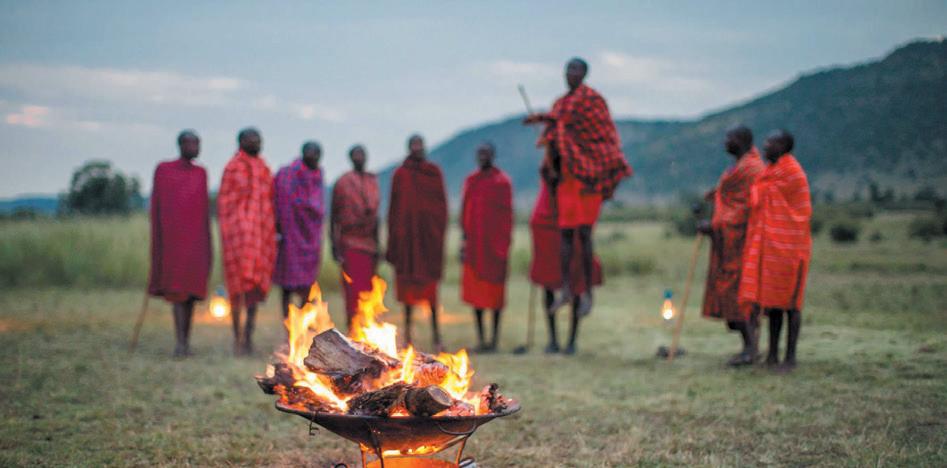
Learn from the wisdom of the ages. When I was in Kenya in 2020 with a group of 10 Newcastle undergrad students, just one step ahead of the tsunami of COVID, we spent time with a Maasai tribe and each day would conclude with all present sitting on chairs around a roaring fire in a pit in the
centre of the circle. Talking and dreaming would go on for a couple of hours as the fire was kept sparking and smoking with liberal quantities of wood. What I learnt later was that the fire was full of ancient medicine. The Maasai tradition of using different types of wood in evening bonfires to create health-giving smoke is deeply rooted in their culture and spiritual practices. It is common for certain types of wood to be burned for their healing properties, often connected to physical health, spiritual cleansing, or protection. As near as I could work out there were four different types of wood/branches/leaves used each night.
The smoke from the first wood, the drumstick tree, was said to be good for the eyes and to treat eye infections. This wood likely has natural antibacterial or soothing properties when burned, and its smoke is believed to cleanse the eyes, an important health measure for people living in a harsh, dusty environment.
The second wood, perhaps hickory, was to release smoke that helps to clear the lungs or promote healing from respiratory issues like colds, or simply to cleanse the body from the day's impurities.
Then came the third type of bush, perhaps maple, to purify the space and offer spiritual
protection for the community, particularly during the night.
Finally the bay leaf tree The smoke from the last wood put on the fire is believed to promote a sound sleep. This wood likely releases calming properties that soothe the mind and body, helping to prepare for restful sleep. This final step in the ritual is said to contribute to a peaceful night, ensuring both physical rest and spiritual protection. I can certainly attest to sleeping well in our tents in the bush. The Maasai use of wood for health and spiritual well-being is part of their deep connection with nature, blending practical medicine with spiritual beliefs.
Have you had to go to a specialist lately?
How about a dermatologist to have your skin checked for emerging disasters? I normally go once a year with a little list of places on my body mapped out for special mention. But this year one popped up that I was suddenly worried about. . Sleeping on it only increased my concern as we all know that cancer can sometimes progress very rapidly. After my wife looked at it the next morning I became more worried so I rang my faithful dermo of the last 30 years and tried to get an appointment. No luck, no appointments available for at least the


next six months, one month short of when I was booked anyway for the annual survey. Ringing around all the listed dermatologists in my town the answer was always at least two months, sometimes even “our books are full”. Of course, the first step in such an investigation is always your GP. And, indeed, GPs can always do skin cancer diagnoses but with specialists available in my area I feel more confident if I can see one. After all they have had 4 more years of specialty training though the Australasian College of Dermatologists (ACD). Their extensive training means that they are able to identify and treat over 3,000 skin conditions. After two nervous months I managed to see the specialist and to my relief found that there was nothing worry about. I understand that in rural areas accessing dermatologists or indeed any specialist is even more difficult and costly. I think it is high time that governments raised taxes or the GST so that Medicare rebates could keep up with the costs of medicine so once again we might enjoy proper and affordable health care for all. Finally, I want to thank all those involved in helping to bring Biruté Galdikas to speak in Newcastle. After all costs were covered I was able to send her $14,000 for her orangutan conservation project in Borneo.

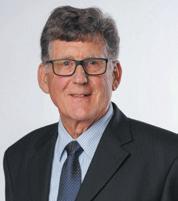
By Dr John Ward, Geriatrician
2024 NSW Senior Australian of The Year Co-Founder Hunter Ageing Alliance and
ActiveStrongerBetter
FOLLOWING the Royal Commission into the mental health and suicide among the Veteran community, we are increasingly aware of the psychological ill-health among veterans, particularly posttraumatic stress disorder (PTSD), anxiety and depression. What is less well known is that these psychological conditions are also risk factors for cognitive decline, which is further aggravated by head or blast injuries, often experienced by veterans.
Clearly, seeking skilled medical and psychological help is critical for all of these conditions. The difficult reality is that these skilled resources are scarce, especially in regional areas and there are often delays in access for assessment and treatment. The General Practitioner is always the best person for advice and ongoing care.
Psychological therapies, such as Cognitive Behavioural Therapy (CBT), group, family and personal counselling, and medical
therapies including medication are the gold standards. There are many adjunct therapies that can help such as meditation, mindfulness, yoga and exercise. A mixture of traditional and these additional therapies has been shown to be the most effective.
As veterans move into older age, exercise becomes more important. It has now been shown experimentally that exercise is as effective for the mild to moderate anxieties and depressions in older age as medication. It also has the added advantage of having no adverse effects but many additional advantages such as socialisation, weight management, blood pressure control and diabetes stabilisation.
Exercise and support, can help to positively influence smoking behaviour and alcohol consumption. Regular exercise is an excellent behaviour to replace negative addictions, such as gambling, alcohol, smoking and poor eating habits.
Just as significant are the benefits of exercise on cognition. Exercise is one of the most effective strategies to prevent cognitive decline but also to slow mild cognitive impairment and early dementia.
A recent Lancet article listed a number of behavioural strategies that delay the onset of cognitive decline. Apart from exercise, these include the cessation of smoking, minimising alcohol to no more than one to two standard drinks a day, control of vascular risk factors such as blood pressure, cholesterol and other lipid levels, blood sugar control and sleep hygiene.
Sleep is particularly important as poor sleep has been shown to increase amyloid levels in the brain (amyloid is a protein which disrupts the healthy function of tissues and organs). Adequate sleep is 7-9 hours a night and best achieved by regular exercise, going to bed and getting up at a regular time, restricting alcohol and caffeinated drinks later in the day and avoiding bright light including electronic devices in the evening. Naps during the day should be limited to 30 minutes or less.
Everybody should exercise regularly but it becomes particularly important as we pass 50 and move into middle and older age. Apart from the physical benefits of exercise, such as improved sleep, bowel function, sexual function and mobility, exercise
improves the management of diabetes, hypertension, arthritis and chronic pain. In addition, exercise improves chronic anxiety, depression, PTSD and cognition. It is often as effective as medication and, certainly, improves the effectiveness of medication. Exercise has the added advantage of having no adverse effects which is often not the case with medication. While it is best to start in early or middle age, there is no age at which it is too late to exercise. Even resistance exercise with weights can be started in the 70s or 80s but it is critical to learn the correct techniques. Many people in their 80s, men and women, are dead-lifting, bench-pressing or shoulder-pressing safely, and without injury!
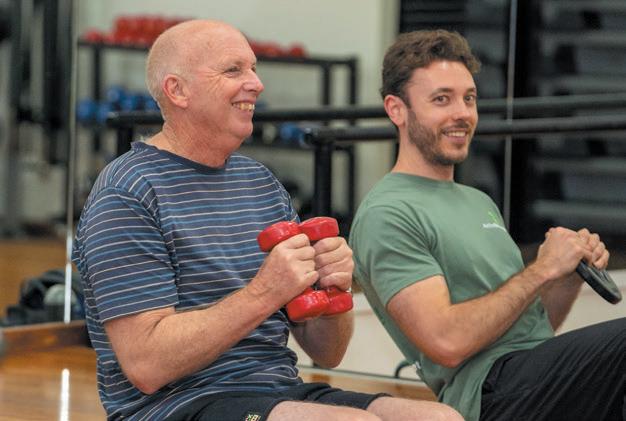
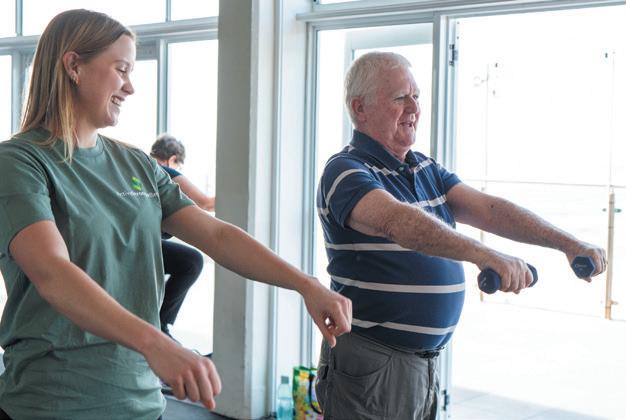
Resistance exercises need to be complemented by aerobic and balance exercises. We should aim to do something challenging everyday. Note that if you are doing very challenging resistance work, then you could do these every second day. If it is not too challenging, you could do resistance exercise everyday (especially if you are focusing on different muscle groups). It would be good to talk to your exercise and fitness professional about this. Hunter Ageing Alliance and NovaCare Community Services are working together to provide increased access to safe, effective and enjoyable exercise options people in the Hunter through the ActiveStrongerBetter program. The program offers mostly older people exercise classes in Newcastle, Lake Macquarie, Port Stephens, Cessnock, Maitland. They are expanding to Hunter Valley and Central Coast. Classes are designed to improve both the physical and mental health of participants including cognitive wellbeing and social connectedness. To learn more about the ActiveStrongerBetter program and find a class near you, visit activestrongerbetter.net or email asb@novacare.org.au
If you are experiencing difficulties, you can call 24/7 Crisis support at Lifeline – 13 11 14 or visit lifeline.org.au
You can also access Suicide Call Back Service – 24/7 on 1300 659 467. They also offer online web chat at suicidecallbackservice.org.au
If it is life-threatening, call Triple Zero 000 Other better mental health information can be found at blackdoginstitute.org.au


FOR MANY Veterans, seeking the help they need can be a daunting task. This is where Veterans Connect steps in. Social Futures’ Veterans Connect is a unique program that links Veterans and their families in The Central Coast and Hunter regions to a wide range of supports.
Eleanor Newton is the Gosford-based Team Leader for the program, which is delivered by not-for-profit organisation Social Futures. She says closed doors are a deterrent to Veterans seeking support.
“Sometimes trying to access a GP or find a therapist who you feel you can relate to is incredibly taxing. And trying to navigate the intricacies of the Department of Veterans Affairs and the provider landscape can be daunting. That is why Veterans Connect is such a great service to have in place – we make sure that people don’t hit those closed doors,” she says.
UNLOCKING
When a Veteran joins this free program, they are allocated a Care Coordinator who is their single point of contact. Care Coordinators navigate all available services and can connect people to community groups, navigate government supports, and liaise with providers like doctors and specialists to ensure they have all the background information they need, so clients don’t need to repeat their story.
“We can help to ensure that new clinicians or medical staff are up to speed with where a client is at. This means participants don’t
need to divulge the same history repeatedly, hopefully helping to reduce emotional strain,” Eleanor explains.
For those who struggle with technology, Veterans Connect offers alternative ways to engage with providers, but Eleanor says one of the most valuable features is the local knowledge.
Our care coordinators know the providers who have the experience that might be needed, and those who have space on their books for new clients.
Forming friendships and social connections as an adult can be challenging, but Veterans Connect makes it easier.
“We ask people about their interests, and then we will find them a group which exists in their area - people are aways surprised by what’s out there.
“We find peer support, craft groups, so many sports groups – that seems to be the number one thing. Walking, surfing, dragon boating – you name it!
“Some people might be looking specifically for a group which is separate from other Veterans in case they are triggered, or alternatively someone might be looking to connect with people who understand what they have been through. We can generally find something for everyone,” Eleanor said. NEW BEGINNING FOR AN OLD DIGGER
Arthur served in Vietnam, and despite leaving the army in the mid-1970’s, life after service continued to be a series of battles. For decades, Arthur navigated life with an array of mental health challenges, including PTSD, generalised anxiety disorder, and severe agoraphobia. On top of this, he lived with physical injuries and had multiple cancer diagnoses that made everyday mobility an uphill battle. Not having a family of his own, he also struggled with isolation. Then came a no-fault eviction on his rental property.
"This was additional pressure that Arthur really didn't need,” said Ellie, Arthur’s Veterans Connect Care Coordinator. “Arthur had lived in the Central Coast region for many years, but he really kept to himself and didn’t have a strong social network he could reach out to.”
A Central Coast-based Veteran-specific rehabilitation provider advocated for Arthur, first by applying to have his service recognised, linking him into health providers and support, and submitting claims with DVA. All of which was very
helpful, but it was looming homelessness that kept Arthur awake at night.
Veterans Connect and the rehabilitation provider worked in partnership to try to find a property to suit but after months of meetings and advocacy attempts, no solution was in sight and every possible avenue was exhausted. The search was widened to Newcastle and Sydney to no avail. All options within NSW were then explored, but again, without success.
“We were getting a bit nervous; we know we are in the midst of a housing crisis and affordable rental properties are scarce. Arthur lives on an Aged Pension and uses a wheelchair which really limited the type of property that would suit him.”
The connections people can make are incredibly powerful, when they connect to others who know their experience. There is comfort in knowing they are not alone.
With just two weeks left before Arthur’s eviction date, a glimmer of hope emerged from an unexpected place—Victoria.
“I had made contact with a Veteran-specific service which offered a lifeline - what a relief! They had a vacancy just open up in their permanent accommodation for Veterans in a regional Victorian town. It is
a village of one-bedroom apartments and is home to a dozen Veterans, many sharing similar stories and challenges to Arthur.”
“I was concerned Arthur wouldn’t like to move so far away from the Central Coast region he knew so well. But as luck would have it, he told me he had spent happy times visiting an Aunt in that area as a child and was open to the move. So, we jumped into action!”
Ellie applied for the new accommodation and negotiated an extension on his lease, allowing time to move. The local SubBranch Welfare Officer volunteered to help pack and drive the Veteran to his new home, while the Victorian housing organisation covered the cost of the moving truck.
“All of these different organisations pitched in together, it was a true joint effort and thankfully, the transition was seamless.”
“It’s been a fabulous outcome. Arthur is settled into his new home, and he said for the first time in years he has a back courtyard, where he can soak up the sunshine from his wheelchair.
“He’s also made a friend in his neighbour, who is a similar age and background, so he is finally breaking the isolation he once knew.
“What is incredible for me about this role is knowing that I am making a difference for people. Making sure that they have their basic needs met. Because everybody deserves that. Everybody deserves that dignity” Ellie said.
Social Futures Veterans Connect Program is a free service for Veterans and their families on the Central Coast and in the Hunter Region of NSW.
To contact us call 1800 719 625 or email veteransconnect@socialfutures.org.au
Social Futures is a community service organisation with 48 years' experience working to achieve positive social change in our communities. We work directly with individuals, families, communities, organisations and governments across our focus areas of homelessness, housing and employment, youth and family, mental health and wellbeing, community inclusivity and programs that promote genuine participation for people with disability, to support communities to thrive and people to live well.
This Veterans Connect service has been made possible by funding from the Hunter New England Central Coast Primary Health Network (the PHN).




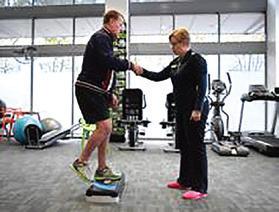
Recovery Station has been providing health services to the Veteran community for over 15
We deliver allied health services from our clinics and within the comfort of your own home. We have empowered thousands of individuals to achieve their personal health goals by providing the foundations for living a better quality of life. We are proud to have assisted people to transition out of nursing homes, live independently, drive safely again, communicate with ease, walk with confidence and to live a quality of life.

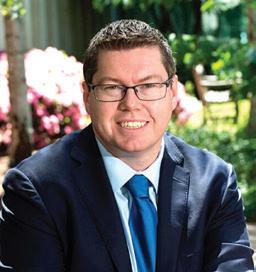
BY Pat Conroy MP Federal Member for Shortland
ONEOF the biggest commitments
Labor made prior to the 2022 election was restoring dignity to older Australians and fixing our broken, neglected aged care system. The Albanese Labor Government recently announced our once in a generation reforms which will ensure the viability and quality of aged care, and support Australians who choose to retain their independence and remain in their homes as they age. Around $5.6 billion will be invested which represents the greatest improvement to aged care in 30 years.
Around 1.4 million Australians will benefit from a new Support at Home program by 2035, helping them remain independent, in their home, and in their community for longer. It will provide support for clinical care, independence, and everyday living. The Government will pay 100 per cent of clinical care services, with individual contributions going towards independence and everyday living costs.
Importantly, as part of these reforms:
n The Government will remain the major funder of aged care.
n There will be no new taxes or levies.
n There will be no change to the means testing treatment of the family home.
n A no worse off guarantee will ensure Australians already in home care and residential aged care are not disadvantaged by the reforms.
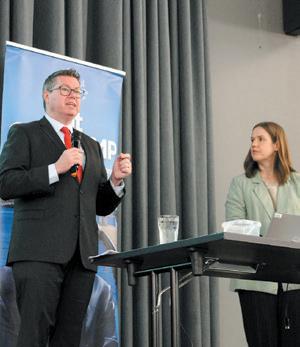
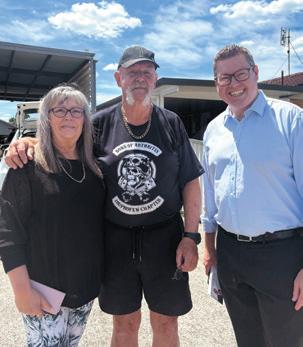
Above: It was fantastic having Kate Thwaites MP with me for my Seniors Expo at The Doylo. There were around 200 people in attendance hearing presentations, meeting with providers, and gaining practical information about services and programs on offer for older Australians.
We will also be introducing to Parliament a new Aged Care Act to protect older Australians in aged care, with stronger powers to investigate bad behaviour and civil penalties for breaching standards. It will include stronger regulatory powers to protect people from harm, new quality
standards, and new duties to hold providers and people in leadership accountable. Recently, I visited the United Kingdom, Belgium and the United States to meet with counterparts and attend the North Atlantic Treaty Organisation (NATO) Defence Ministers’ Meeting.
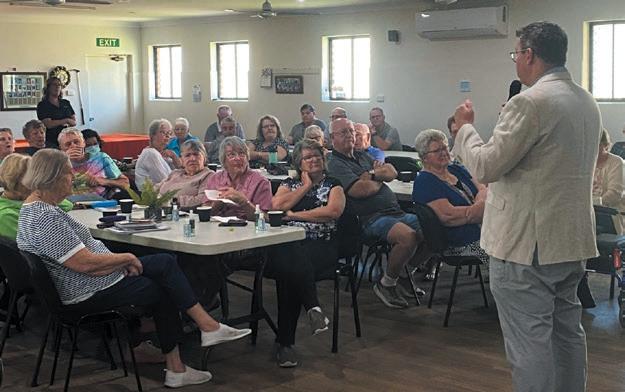
matter,
In the United Kingdom, I met with members of the recently elected Starmer Government. I also met with defence industry representatives.
As a non-NATO member, Australia shares a commitment to peace and security with NATO partners, including support for Ukraine against Russia’s illegal and immoral invasion. During the 2024 NATO Defence Ministers’ Meeting I took part in activities including:
n Meeting of the ‘Indo Pacific Four’ (IP4) Partners, including Japan, New Zealand, South Korea and Australia.
n Meeting to mark the 10th anniversary of the formation of the Global Coalition to defeat ISIS.
n Met with government officials and industry leaders from the United States to progress efforts to deepen defence industrial base collaboration, building on productive discussions at the Australia-United States Ministerial Consultations in August.
We stand shoulder to shoulder with Ukraine in their fight against Russian aggression. I recently announced the Australian government is gifting our

Above: Australia has been steadfast in its support for Ukraine, and the Albanese Government remains committed to supporting Ukraine as it seeks to end the conflict on its terms.
existing fleet of M1 Abrams tanks to Ukraine. This involves 49 M1A1 Abrams. These tanks will deliver more firepower and mobility to the Ukrainian armed forces and complement the support provided by our partners for Ukraine's armoured brigades. This announcement is evaluated at $245 million Australian. This brings the total value of Australia's military assistance to Ukraine to $1.3 billion and our total assistance to $1.5 billion.





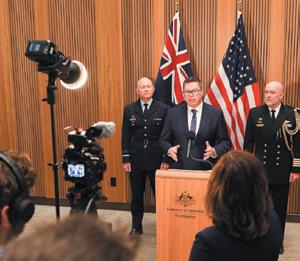

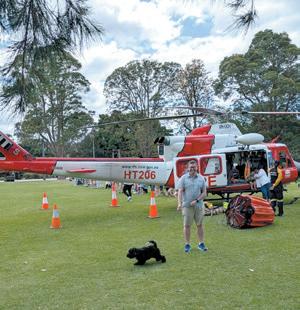
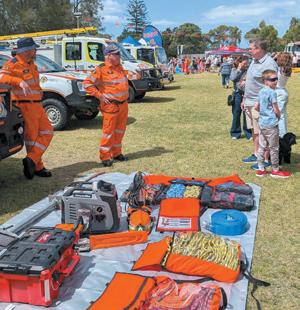
On land,
and air - thank you to the dedicated teams who work tirelessly dedicating themselves to safeguard us during our most vulnerable moments. Thank you for saving lives and protecting our community. A great day out at the SES Festival.
As always, my Electorate Office is located at 1A-571 Pacific Highway, Belmont and is available to assist with Federal issues and Government Departments, such as:
n Centrelink
n Australian Tax Office
n Immigration and Citizenship
n Child Support Agency
n Defence including Honours and Awards, and Veterans’ Affairs.
n Justice of the Peace Services
If you have any issues, please contact my office on 4947 9546 or pat.conroy.mp@aph.gov.au. You can also keep up to date with what I am doing via my Facebook and Instagram pages and my website, www.patconroy.com.au
Thank you for your service.

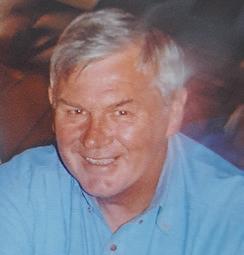
BY Colin Cowan
A Grunt
IWASa conscripted National Servicemen and following initial deferment due to studies elected to commence service with the 15th intake in January 1969.
Like the majority of the 20-year-olds subject to conscription I gave little thought to the morality of Australian involvement and certainly had a very limited knowledge of the politics and the reasoning that resulted in our involvement.
I naively and falsely believed that the Government of the day had properly considered our participation after taking advice from our military, allies etc.
It was only a few years after my discharge that I started to read some commentary of the events that lead to our nations alliance with the United States in South East Asia, that I started to have doubts about my understanding of what had transpired and the veracity of much of the information I had been provided with, both through the media, governments and the army.
I then started to do some independent reading and concluded that much of what I believed to be true, particularly in relation to the events that lead to our involvement were either political opportunism for political gain or at least a deliberate distortion of the facts.
The narrative that follows is my personal understanding of the events leading up to our involvement, our participation and my layman's verdict of the lessons I have deduced from my reflections.
Vietnam was a fiercely independent country for centuries and had tenaciously resisted attempts to invade its territory, the main protagonist being China.
This independence ended in 1883 when the French invaded and colonised Vietnam.
The country was reorganised into three distinct zones, Cochinchina (south): Annam (central) and Tonkin (north) and there was a deliberate move to discredit traditional Vietnamese society and break down systems of governance and replace them with European systems and ideas. This led to the emergence of a number of underground groups, one of which was led by Ho Chi Minh. The French alleged this group was communist, when it was really part of the revolutionary nationalist group seeking to reclaim independence.
In 1941 Japan invaded a number of Asian countries including Vietnam which resulted in the underground groups which had previously organised against the French consolidating into what we came to know as the nationalists known as the Viet Minh.
Following Japan's surrender in 1945 and the abdication of Emperor Bao Dai, Ho as President proclaimed the independence and unity of the Democratic Republic of Vietnam.
The French with the aid of the British seized power in the South and in 1946 provoked war with the Democratic Republic of Vietnam and reinstalled Bao Dai over a central government embracing all of Vietnam.
On May 7, 1954 the French were defeated by Nationalist forces at Dien Bien Phu and the French departed Vietnam shortly thereafter. The Geneva conference of 1954 was intended to settle issues relating to territorial claims in South East Asia after Korea.
The French and the Viet Minh agreed to divide Vietnam at the 17th parallel North, and a general election was to be held within two years to determine a government for Vietnam.
It was intended that the period of two years would allow sufficient time for the respective groups intending to contest the elections to organise and prepare for the general election which was to be conducted under international supervision.
The South subsequently refused to honour the terms of the agreement established at the Geneva Convention.
This backflip was the trigger for an escalation of the tensions and was viewed by the North as an act of aggression by the South.
The North ramped up aggression towards the South and commenced planning for military action aimed at the defeat of the South.
The health of Ho Chi Minh failed in 1960, and he was replaced by Le Duan, a hardliner in the style of Stalin's communism. He was a dictatorial communist leader unlike Ho who was more liberal and had strong nationalist ideals and believed in a peaceful unification, if possible.
There was a gradual buildup of support for both regimes. The South was supported by the United States and some of its allies. They initially contributed military hardware, logistical support as well as military advisers and CIA operatives.
The government of the South did not generally enjoy popular support among the population. It was considered a Puppet Regime of the United States and France. Corruption, nepotism and maladministration were widespread. Support continued to wane, and civil disobedience became common. The favour shown by the Government to the Catholic minority was also the source of a great deal of resentment and mistrust by the general population.
There was limited popular support for the government and little progress towards economic or social improvements that had been long promised. The North had a larger population, enjoyed more popular support and was able to promote genuine nationalist ideals in which the majority believed.
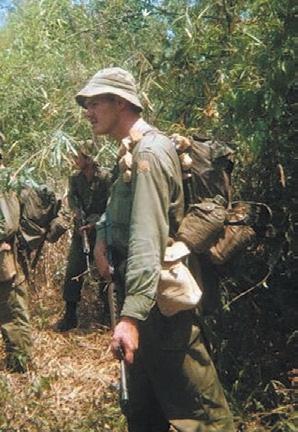
The Menzies government at the request of the US sent 30 military advisers in 1963 to train and provide tactical advice to the South.
By early 1965 it was evident that the South could not contain the communist thrust. The U S commenced a major escalation of its involvement. The US requested support from its allies however protocol required a formal request from the government of South Vietnam before Australia could officially respond. A hastily organised invitation was promoted through the Australian embassy in Vietnam, in essence Australia organised its own invitation to send troops.
Australia responded by committing 1 rar who served with the US 173rd Airborne at Bien Hoa. The members of 1rar were highly regarded by the US forces. However, It soon became apparent that due to tactical and operational differences this arrangement would not succeed in the longer term. The US employed search and destroy tactics and used the body count as a measure of success. Firepower and large troop numbers was their way.
Australia on the other hand had considerable jungle combat experience in Malaya and Borneo, in conjunction with the British, and preferred patrolling and ambush.
The US approach often alienated the local population and destroyed homes and crops
which caused considerable hostility not to mention economic loss and community disruption.
Australian troops operated under the direct control of the US in the initial deployments. It was agreed that Australia should have tactical responsibility for its own Area of Operations, and the province of Phuoc Tuy was allocated. The Australian Task Force consisting of 2 battalions later to be increased to 3 plus supporting arms, artillery, cavalry, engineers, SAS, logistics etc established a base at Nui Dat. New Zealand provided additional troops in 1967. The Task Force commenced operations in March 1966.
A logistics support base, hospital and other support facilities were located in Vung Tau. The RAAF deployed helicopters, transport aircraft and Canberra bombers. The Navy provided a destroyer and helicopters and clearance divers.
The new arrangement initially proved successful, the enemy in the Area of Operations numbered about 5000 and Australia and New Zealand troops numbered about 4000.The Viet Cong were pushed out of the villages and were forced to establish base camps in the remote jungles and rugged hill areas in depth from the major towns.
The 2 battalions proved insufficient due to the size and complexity of the task, the terrain and the requirement to protect the many villages while at the same time seeking out the enemy in the remote locations. The lack of tanks was a major problem and undoubtedly resulted in more casualties as a result. Bunker systems caused particular problems and resulted in a high casualty rate.
While the tanks and the 3rd battalion were approved by the government, it took 18 months after approval to have them operational. There was a lot of unnecessary stress, death and injury while waiting. Perhaps the greatest tactical blunder by Australia was the laying of a minefield that stretched approx. 10kms from Dat Do to the South China Sea to the east. Some 20000 anti-personnel mines were laid. The intent was to prevent the enemy from accessing the villages by establishing a minefield barrier. There is a long held military principle that any barrier or obstacle must be protected, Logically if this is not done the enemy will go through, over, under etc, common sense it would seem. No such protection was provided, (it is said that this task was to be undertaken by ARVN forces!!!) and as a result the enemy simply took the mines, after disarming, relocated them for
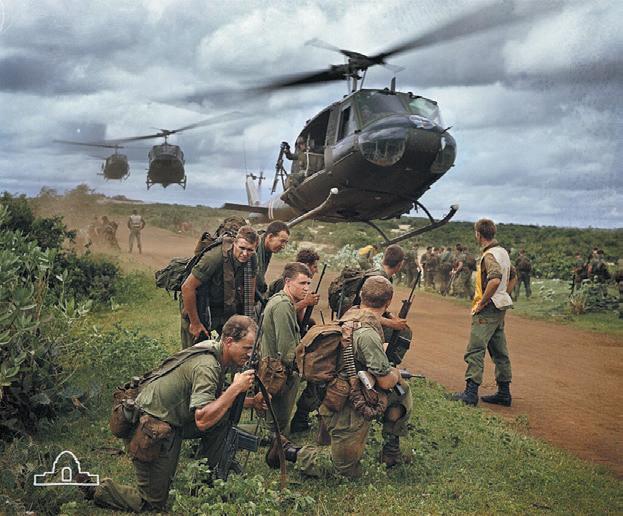
use against our troops.Many unnecessary deaths and serious injuries resulted.
There were occasions when Australian units were unable to operate effectively for periods due to these mine casualties.
The practice of defoliating the jungle by spraying Agent Orange, a potent chemical mixture, proved to have devastating and generational impacts on our troops, their families and some of the Vietnamese civilians,particularly peasant farmers.
It took several years, a number of enquiries, constant representations before the Australian and US governments accepted limited liability and responsibility.
As a result, veterans continue to die from identified causes. Deformities in children and sometimes grandchildren are far in excess of the general population.
As the war progressed the Australian Task Force consolidated its control over the AO.
The battle of Long Tan was a turning point. There were few occasions when the North Vietnamese Army operated in strength in the province after Long Tan. The enemy
mainly consisted of local force guerilla troops, usually from their D445 Battalion.
In late 1970 the allies commenced what was known as the Vietnamisation phase of the war. I believe it was a term used by the US and our government to disguise the reality that the war was not winnable by continuing with their common political imperatives and that responsibility was to be passed to the government of South Vietnam.
Australia did nor replace 8RAR in late 1970 and our forces along with those of our allies were progressively withdrawn. Our official involvement ceased in Jan 1973.
Over the course of Australian Involvement from 1963 to Jan 1973 approx 60000 Australians including navy, army and air force served,521 died as a result of war, 3000 were wounded.
The war was the cause of the greatest social and political dissent in Australia since the conscription referendums of WW1.
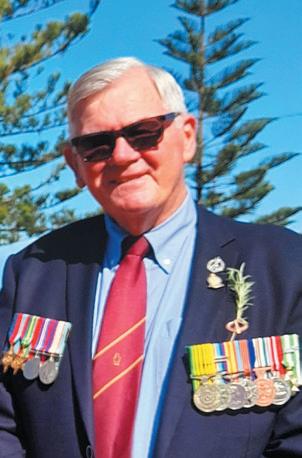
Draft resisters were jailed or fined, there was often civilian hostility towards returning troops. It was not our nation's finest hour. The contribution of our men and women who served was outstanding in keeping with our proud history, unfortunately their contribution was not always properly recognised.
Please come along to one of our local area group meetings or phone a
Meets 10-30am second Friday of the Month at RSL Sub-Branch Hall 48 Baker Street, Mayfield
Contact Di on 4956 9450 for more deatils
Meets 9.30am every second Monday of the month at RSL Sub-Branch Hall, East Maitland
Contact Carol on 4932 0070 for more deatils
Meets 10am every third Tuesday of the month at the Legacy Room, Lauren Lane (off Pitt Street), Singleton

Contact Betty on 0413 415 838 for more details

n Never make an open-ended commitment to involve Australia in a war or conflict.
The Menzies government committed combat forces without any qualification, conditions or a withdrawal plan. No proper examination of options were made. They failed to evaluate the inherent risks in military involvement and the likelihood of victory or defeat.
Australia assumed the US had considered these issues, not so, McNamarra the former US Defence Secretary admitted that he and his advisors failed to ask the most basic questions in relation to overall strategy.
n Never get involved in a war or conflict unless our troops are properly prepared, equipped, and have sufficient manpower and reserves.
After WW11 there were years of neglect. The Australian Army was depleted in numbers, had a severe shortage of suitable weapons and equipment, over extended in meeting the government's strategic
objectives of forward defence. The so called domino theory.
To compensate for manpower shortage National Service was introduced in 1964, 64000 20 yr old men were conscripted via secret ballot, over 15000 of those conscripted served in Vietnam, 200 were kia and 1280 wounded.
The government and advisors failed to understand what was required and grossly underestimated the resources required for a successful engagement.
In order to be successful, you must “win the hearts and minds" of the local population. In order to achieve this, you need to protect the villages and people, improve their social and economic situation while keeping the enemy away.
We only had sufficient resources to achieve one of these tasks, therefore it was not possible to impart permanent change.
Those that visited 12 months after we withdrew regularly commented that it was difficult to tell that we had ever been there!
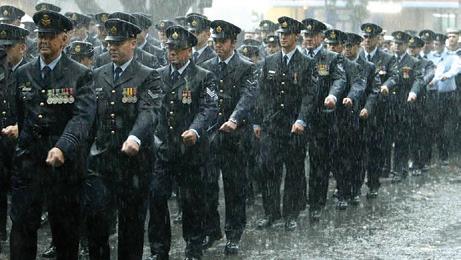
The RSL is the largest representation Veterans have to watch over our government and The City of Newcastle RSL Sub-Branch have been a strong supporter of Veterans for many years. For mateship and Verterans support join a Sub-Branch today.
The reality is that when it comes to war, the claims made by politicians or diplomats rarely reflect the reality and the experience of the soldier on the ground.
n Never go to war unless you are prepared to win.
We should never allow ourselves to become involved in a war that we do not intend to win. With a war there is no credible way you can engage in trial and error. The brutal fact is that war is for keeps.
Famous proverb by Sun Tzu (The Art of War):
"Know yourself, know your enemy, and in a hundred battles win a hundred victories."
The lessons from history are obvious, but do we have the political leaders prepared to take the time to study, understand and develop real competency in providing international security for the nation?
Note: This is not intended to be a history of our involvement, it is a summary of my observations and personal experiences, enhanced by my reading of events.