IN ACTION
Learning from Ten Journeys
Toward Sustainable Futures

Food and Biodiversity in Action: Learning from Ten Journeys Toward Sustainable Futures Utrecht, October, 2025
The use case bundle publication was commissioned and financed by Netherlands Food Partnership (NFP) in collaboration with glocolearning, and carried out by a team from KANDS Collective, technically led by Sabrina Trautman, Elke Vandamme and Emilie Smith Dumont.
Netherlands Food Partnership (NFP) is dedicated to creating a world without hunger, in which everyone has access to sustainable, healthy, safe, and affordable food. We operate at the interface of public sector, private sector, civil society, and knowledge institutions. Our mission is to strengthen Dutch–LMIC multi-stakeholder collaboration through partnerships that focus on healthy diets and more sustainable and equitable food systems in Low and Middle Income Countries (LMICs).
The information presented in the use cases within this publication has been developed in collaboration with:
BIODIVERSITY–FOOD SYSTEM USE CASE KEY ORGANIZATIONS CONTRIBUTORS
Guardians Paid Fairly Rewarding Custodians of Potato Diversity Through Direct Benefit-Sharing
Desert Oasis Revival
Habiba Community Regenerates Egypt’s Desert into a Thriving Biodiversity Hub
Bridging the Divide Pioneering Integration of Food Systems into National Biodiversity Strategies and Action Plans in Colombia
Resilient Rangelands
Building Food System Resilience in Kenya’s Rangelands by Integrating Water, Food, and Biodiversity
Schools Nourish Biodiversity
Mainstreaming Agrobiodiversity in School Meals to Catalyze Food Systems Transformation
Finance Protects Nature
Private Credit as a Driver of BiodiversityPositive Food System
Markets Help Restore Watersheds
Collective Action for Water Stewardship to ensure Biodiversity–Food Systems Integration
Visioning Food Futures
Participatory Foresight Drives Biodiversity Integration in Food Systems
Companies Scale Regeneration
Businesses Coalitions Driving BiodiversityPositive Food Systems
Landscapes Restored Together
Integrating Biodiversity and Food Systems through Multi-Stakeholder Landscape Partnerships
Association of Guardians of Native Potato of Peru (AGUAPAN), International Potato Center (CIP)
Stef de Haan (CIP), Aurea Mendoza, Grupo Yanapai (AGUAPAN), Robert Graveland (HZPC)
World Wildlife Fund (WWF) Colombia
SNV Kenya and Partners
Alliance of Bioversity International and CIAT (The Alliance), School Meals Coalition (SMC), The Research Consortium for School Health and Nutrition (SHN Consortium)
SAIL Investments
Nature’s Pride
Foresight4Food Initiative, Nakuru County Government, The Results for Africa Institute (RAI)
World Business Council for Sustainable Development (WBCSD)
Commonland
Maria Camila Yepes Pelaez, Luisa Fernanda Foreri Laverde, Camila Paula Cammaert Gutierrez, Maria Paula Rodriguez Lamprea, Petra Hans (WWF - Netherlands)
Harold Odoro, David Ojwang, Harko Koster (SNV Global)
Natalia Estrada Carmona, Danny Hunter, Teresa Borelli (The Alliance), Samrat Singh (SHN Consortium), John de la Parra (The Rockefeller Foundation)
Michael Schlup, Lucy Bowen
Coen van Iwaarden, Daisy van Meurs
Wangeci Gitata, Bram Peters (Foresight4Food), Joyce Nyamweya (RAI), Hannah Odour (Nakuru County Government), Evelyne Heyi (State Department of Agriculture)
Casper Zulim de Swarte, Anna Takács, Victoria Crawford, Stefania Avanzini
Victoria Gutierrez, Marijn Zwinkels
This publication and its related outputs are licensed under Creative Commons BY-NC-SA 4.0. You may share and adapt the material for noncommercial purposes, provided you credit NFP and the collaborating partners and share any adaptations under the same licence.
We deliver our work as a public good with services for all interested parties (non-exclusive and pre- and post-competitive). Our results are funded by the Netherlands’ Ministries of Foreign Affairs (MoFA) and of Agriculture, Fisheries, Food Security and Nature (MoAgri) fitting with Dutch aid and trade policy.
© October 2025
Netherlands Food Partnership
This book contains a mix of original images provided by the use case collaborators, licensed content, and open-source or stock imagery. Where images are sourced from stock libraries or open-source collections, individual credits are not listed. Where images have been provided by the collaborating organizations with individual credits, these have been included. All efforts have been made to ensure images are used in accordance with their respective licenses.
Habiba Community
Maged Elsaid, Julian Kuntzsch, Arine Valstar
PREFACE
Food systems and biodiversity are deeply interwoven: the way we grow, trade, and consume food is the largest driver of biodiversity loss, yet thriving ecosystems are the foundation of food security and resilience. Bridging these two worlds together is no longer a choice but a necessity. The Netherlands Food Partnership (NFP) brings together Dutch organizations and international partners to accelerate this shift, building partnerships that combine expertise, networks, and resources for greater collective impact.
As part of its Biodiversity & Food Systems Partnership activities in 2025, NFP has brought together, with its partners, a bundle of ten use cases that illustrate how biodiversity and food systems can reinforce one another in practice. This book presents ten such use cases. Collectively it illustrates how biodiversity and food systems integration is already happening in practice – across landscapes, markets, policies, finance, and social organization – and what it takes to make it work. The examples also highlight the vital role of Indigenous peoples and local communities as custodians of biodiversity, showing how their knowledge and practices are integral to weaving ecological stewardship into food system resilience.
Both the selection and development of the use cases have been informed by existing efforts to define biodiversity and food system entry points and integration. These use cases therefore reflect diversity across entry points (policy, markets, finance, landscapes, and social organization among others), geographic scales (from farm to global), and implementation models. Together, this bundle offers a window into practical innovations as well as broader lessons, insights and ideas for collaboration that can inspire further action.
The journeys within these ten use cases reveal a fundamental transformation is underway. Biodiversity and food systems are being integrated in ways that aim to achieve win-wins between food security and biodiversity.
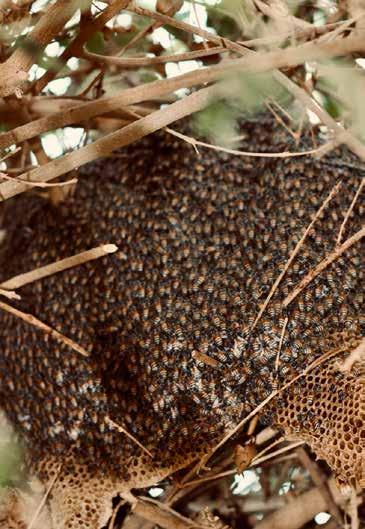
We recognize that this collection represents a small but meaningful set of examples, each connected to much wider efforts underway globally. We are aware that there are many more examples to be highlighted and shared, and that there will be blind spots in key actions taken that are not covered by this initial set of use cases. The bundle is therefore represented as a bee hive that can grow over time and work together for change. We hope that by sharing this initial set of ten journeys toward sustainable futures we can strengthen collective learning, spark new partnerships, and encourage others to contribute their own experiences.





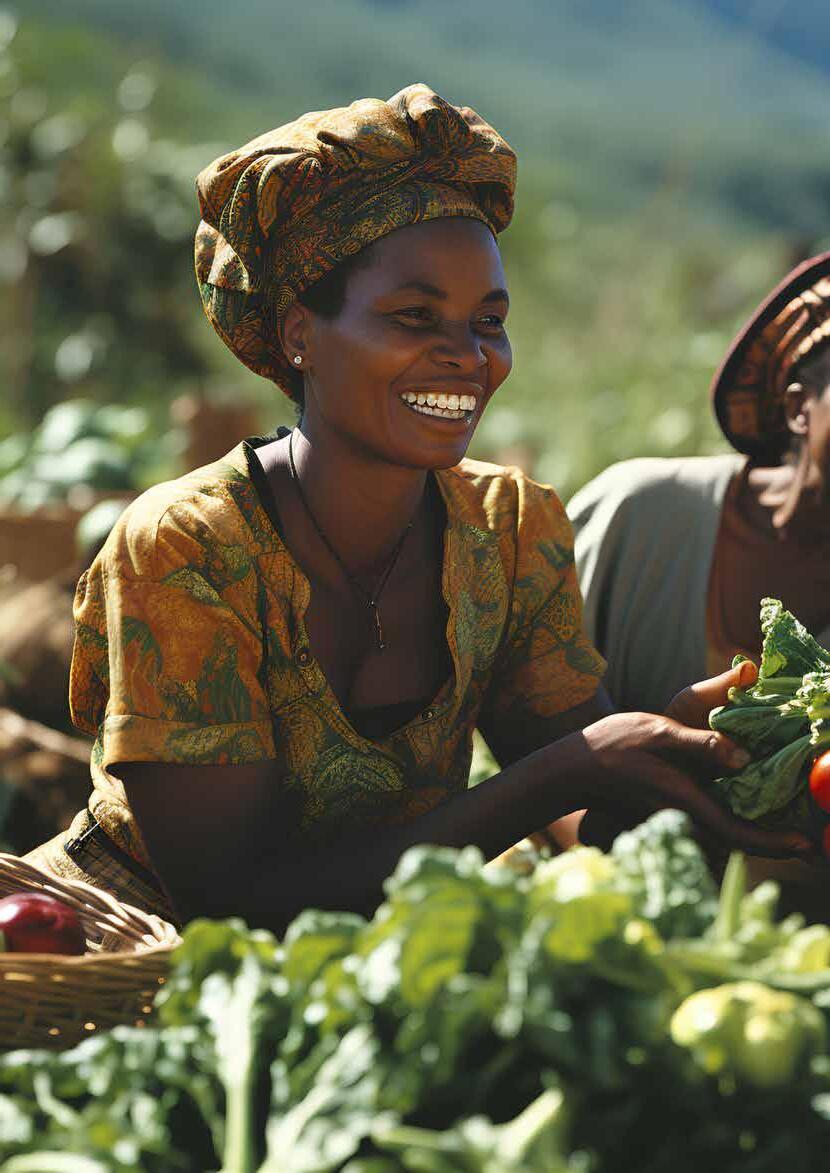

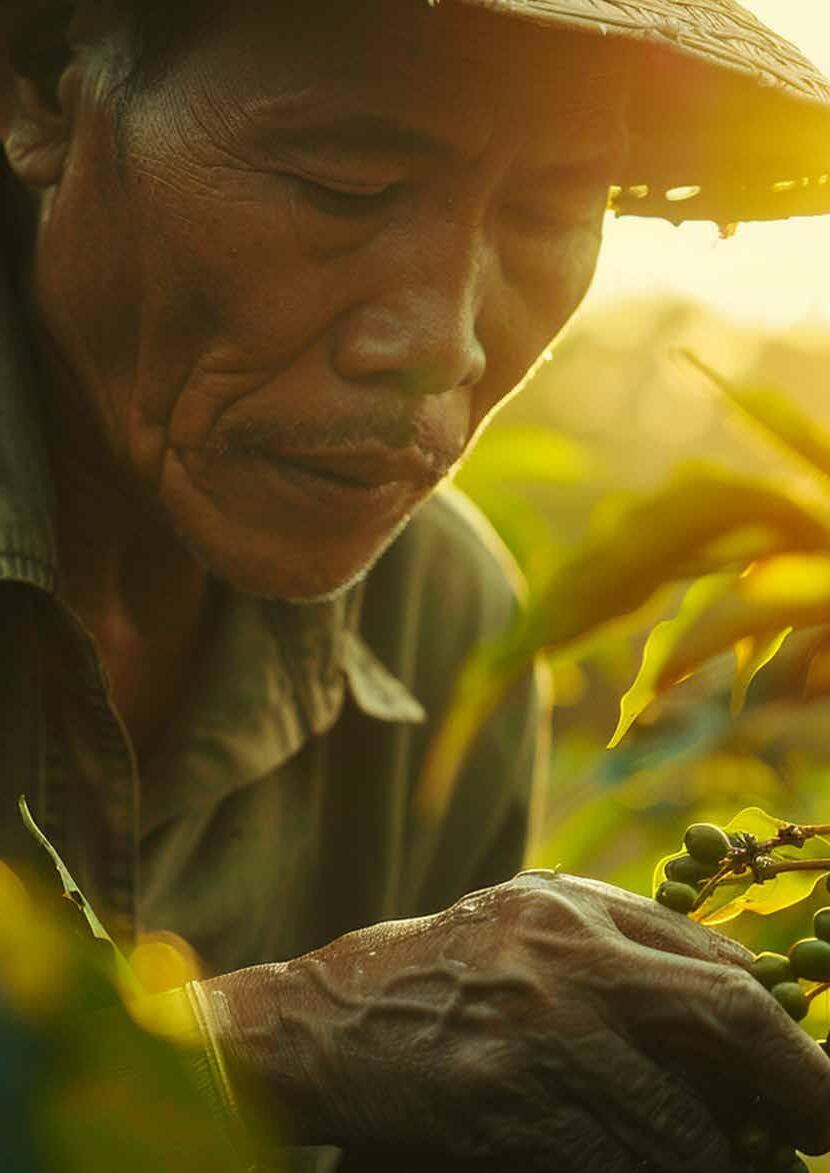

The way food is produced, traded, and consumed has brought enormous gains in productivity and availability. Yet it has also placed unsustainable pressure on the natural systems on which it depends. Agriculture is the leading driver of biodiversity loss worldwide, undermining the very foundation of food security. Degraded soils, depleted water sources, reduced genetic diversity, and declining pollinator populations are already limiting productivity and resilience, particularly for vulnerable farmers and communities.
At the same time, healthy ecosystems offer one of the greatest opportunities to secure long-term food and nutrition security. Restoring biodiversity can strengthen resilience to climate change, improve soil fertility, stabilize water flows, and provide more diverse and nutritious diets. Integrating biodiversity into food systems is essential to ensure resilience, food security, and sustainable agriculture.
Each of the ten use cases in this book highlights an active effort to integrate biodiversity and food systems, whether through community initiatives, national policies, private investment, or global coalitions. They are not comprehensive or definitive solutions, but they inspire what integration looks like in practice and how much we can learn from existing efforts. Some of the use cases were initiated through biodiversity goals such as conserving crop diversity, restoring degraded lands, or protecting habitats. Others were catalyzed from food system priorities such as farmer incomes, nutrition, or market resilience. Many pursue nexus approaches that connect agriculture, water, energy, climate, and trade through multiactor collaboration and operate across scales.
OVERVIEW OF THE TEN USE CASES
Taken together, the use cases highlight the potential for biodiversity and food systems to reinforce one another. They show how diverse actors – farmers, communities, governments, companies, investors, and research organizations – are advancing new approaches, building partnerships, and developing pathways for change. The use cases provide concrete evidence that biodiversity-positive food systems are both necessary and achievable.
LANDSCAPES & COMMODITIES
Resilient Rangelands
SNV & Partners

RESILIENCE & GENETICS
Guardians Paid Fairly AGUAPAN, CIP
POLICY
Bridging the Divide
WWF Colombia

TRADE & VALUE CHAINS
Markets Help Restore Watersheds
Nature’s Pride
MARKETS
Companies Scale Regeneration
WBCSD
LANDSCAPES
Landscapes Restored Together
Commonland

NATURE & PRODUCTION
Desert Oasis Revival Habiba Community, Egypt
LOCAL OWNERSHIP
Visioning Food Futures
Nakuru County, Foresight4Food, RAI
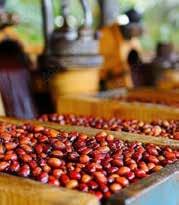
FINANCIAL SECTOR
Finance Protects Nature
SAIL Investments
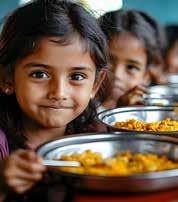
DIETARY SHIFTS & EDUCATION
Schools Nourish Biodiversity
The Alliance, SMC
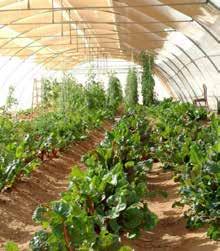
DESERT OASIS REVIVAL
Habiba Community, Egypt
In South Sinai, the Habiba Community is transforming desert land into a regenerative hub, combining organic farming, women’s cooperatives, and education for Bedouin youth. Over 100 local farms now adopt biodiversity-positive practices, demonstrating how local food security, ecosystem restoration, and community empowerment can reinforce one another.
ENTRY POINTS: Social organization + Landscapes
MODEL: Regenerative farming hub with local ownership
KEY BREAKTHROUGH:
Demonstrated use of 60+ native and salt-tolerant species for resilient farming
ENABLING MECHANISMS: Women and youth leadership, agritech innovation, tourism enterprise model
SCALING POTENTIAL:
Replication of regenerative agritourism and habitat restoration in arid coastal regions
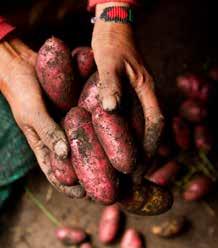
GUARDIANS PAID FAIRLY
Association of Guardians of Native Potato of Peru (AGUAPAN) , International Potato Center (CIP), Peru
A network of Andean potato custodians conserves hundreds of native varieties through a benefit-sharing model that provides direct payments, youth training, and market development. This farmerled governance system builds trust while sustaining agrobiodiversity critical for climate adaptation.
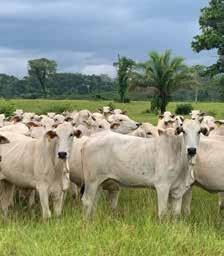
FINANCE PROTECTS NATURE
SAIL Investments, Global
SAIL demonstrates the power of private credit to drive biodiversity outcomes by embedding sustainability covenants into loans for agriculture and land-use sectors. By aligning financial returns with ecosystem restoration, it shows how institutional capital can be mobilized for systemic food system change.
ENTRY POINTS: Social organization + Markets
MODEL: Farmer-led governance and benefit-sharing
KEY BREAKTHROUGH: Combining indigenous knowledge and scientific research with direct farmer benefits
ENABLING MECHANISMS: Custodian farmer networks, seed fairs, incentive structures, youth engagement
SCALING POTENTIAL: Expansion of benefit-sharing across Andean potato regions and to other crops (quinoa, cocoa)
ENTRY POINTS: Finance + Landscapes
MODEL: Private credit with sustainability covenants
KEY BREAKTHROUGH: Transforming investment flows with blended finance aligned to biodiversity metrics
ENABLING MECHANISMS: Sustainable Value Creation Plans, ESG alignment, patient capital
SCALING POTENTIAL: Expansion of private credit portfolios embedding biodiversity into AFOLU sectors
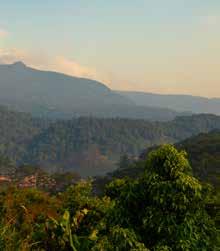
BRIDGING THE DIVIDE World Wildlife Fund (WWF), Colombia
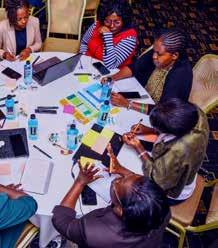
VISIONING FOOD FUTURES
Foresight4Food Initiative, Nakuru County Government, The Results for Africa Institute (RAI) Kenya

MARKETS HELP RESTORE WATERSHEDS
Nature’s Pride, Global supply chains
Colombia’s updated National Biodiversity Strategy and Action Plan (NBSAP), launched at COP16, explicitly mainstreams food systems into biodiversity policy. By bridging agriculture and conservation, the policy sets a precedent for integrated governance at national scale.
In Nakuru County, participatory foresight planning and bottom-up leadership is linking grassroots innovation with county policy. This model empowers communities to shape biodiversity-positive pathways while embedding them into official development strategies.
A Dutch fresh produce importer works with suppliers in Peru and Spain to improve water stewardship in highly stressed catchments. By aligning farmer practices with biodiversity safeguards, it shows how companies can integrate ecosystem health into global value chains.
ENTRY POINTS: Policy + Social organization
MODEL: National policy framework for biodiversity–food system alignment
KEY BREAKTHROUGH: Multi-ministry coordination integrating agriculture into biodiversity planning
ENABLING MECHANISMS: National institutional architecture, multi-sector governance, climate finance
SCALING POTENTIAL: Replication across Latin American NBSAPs with climate–biodiversity alignment
ENTRY POINTS: Social organization + Policy
MODEL: Participatory governance using foresight tools
KEY BREAKTHROUGH: Multi-stakeholder knowledge integration (indigenous + scientific) in policy planning
ENABLING MECHANISMS: County-level governance, foresight platforms, local leadership
SCALING POTENTIAL: Adoption of participatory foresight for biodiversity–food planning across sub-Saharan counties
ENTRY POINTS: Finance + Landscapes + Value Chains
MODEL: Corporate supply chain water stewardship
KEY BREAKTHROUGH: Watershed-scale regenerative indicators embedded in procurement practices
ENABLING MECHANISMS: Collective action models, water stewardship platforms, buyer commitments
SCALING POTENTIAL: Expansion of landscape-scale water stewardship across additional stressed catchments
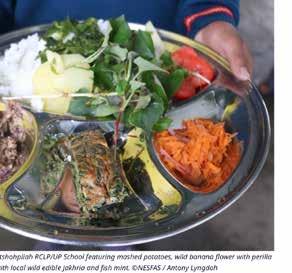
SCHOOLS NOURISH BIODIVERSITY
Alliance of Bioversity International and CIAT (The Alliance), School Meals Coalition (SMC), The Research Consortium for School Health and Nutrition (SHN Consortium)
School feeding programmes are being leveraged to promote agricultural biodiversity by integrating underutilized crops into national procurement. Through the School Meals Coalition, governments source more diverse crops, linking nutrition policy with biodiversity outcomes and supporting smallholder farmers.
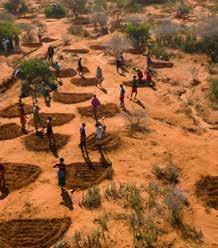
RESILIENT RANGELANDS
SNV & Partners, Kenya
In Kenya’s arid and semi-arid lands, SNV and partners are piloting a rangeland management approach that integrates climate finance, biodiversity monitoring, and peacebuilding. These models provide livelihoods for pastoralists while sustaining ecosystem services across fragile landscapes.

COMPANIES SCALE REGENERATION
The World Business Council for Sustainable Development (WBCSD), Global
The WBCSD mobilizes corporate coalitions to advance biodiversity within food, land, and agricultural value chains. Through shared commitments and tools, it demonstrates how businesses can collaborate to shift sector norms.
ENTRY POINTS: Policy + Markets
MODEL: Public procurement for diverse, biodiversitypositive diets
KEY BREAKTHROUGH: Linking neglected/underutilized species to large-scale meal programmes
ENABLING MECHANISMS: Stable government demand, cultural repositioning, farmer education networks
SCALING POTENTIAL: Expansion across developing countries with public feeding programmes and coalition support
ENTRY POINTS: Landscapes + Social organization
MODEL: Integrated rangeland management for pastoralist systems
KEY BREAKTHROUGH: Linking species/ecosystem diversity with landscape connectivity and livelihoods
ENABLING MECHANISMS: Water resource platforms, grazing committees, solar irrigation technology
SCALING POTENTIAL: Extension of integrated rangeland restoration models across East African Arid and Semi-Arid Lands (ASALs)
ENTRY POINTS: Markets + Policy + Finance
MODEL: Cross-sector corporate coalitions (e.g., the Action Agenda for Regenerative Landscapes)
KEY BREAKTHROUGH: Mobilising global companies with harmonized monitoring and shared biodiversity commitments
ENABLING MECHANISMS: Pre-competitive collaboration, standardized Monitoring, Reporting and Verification (MRV), blended finance
SCALING POTENTIAL: Expansion of industry coalitions across sectors with harmonized biodiversity metrics
©NESFAS/Antony Lyngdoh
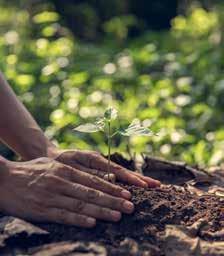
LANDSCAPES RESTORED TOGETHER
Commonland, Global
Commonland applies its “4 Returns” Framework to large-scale landscape restoration, linking ecological recovery with livelihoods, social capital, and sustainable business models. Operating in Africa, Europe, and beyond, it illustrates how biodiversity integration can be scaled at landscape level through long-term partnerships.
ENTRY POINTS: Landscapes + Finance
MODEL: Landscape restoration with 4 Returns Framework
KEY BREAKTHROUGH: Ecosystem service valuation linked to regenerative land-use business cases
ENABLING MECHANISMS: Blended finance, carbon/ biodiversity markets, long-term partnerships
SCALING POTENTIAL: Scaling of holistic restoration linking biodiversity, climate resilience, and livelihoods across degraded landscapes
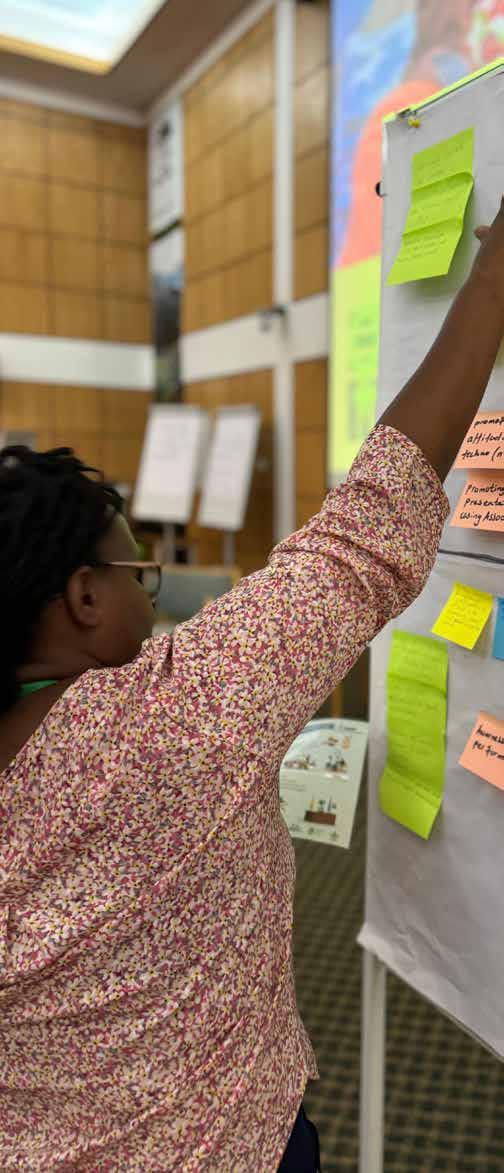

LESSONS WE CAN BUILD ON
This chapter reflects on key learnings that emerged from the ten use cases. Six major aspects stand out as central to bridging biodiversity and food systems. We recognize that many of these insights are not new, and with this initial set of cases there are gaps and omissions – geographies, themes, and experiences that remain outside the scope. What is summarized here should be seen as a contribution to a shared learning process, complementing other efforts and inviting further dialogue.
LEARNING FROM TEN JOURNEYS
Bridging biodiversity and food systems is not always straightforward, but it is a fascinating, enriching journey, worth investing in. These six lessons from across ten journeys can support along the way.
Success...
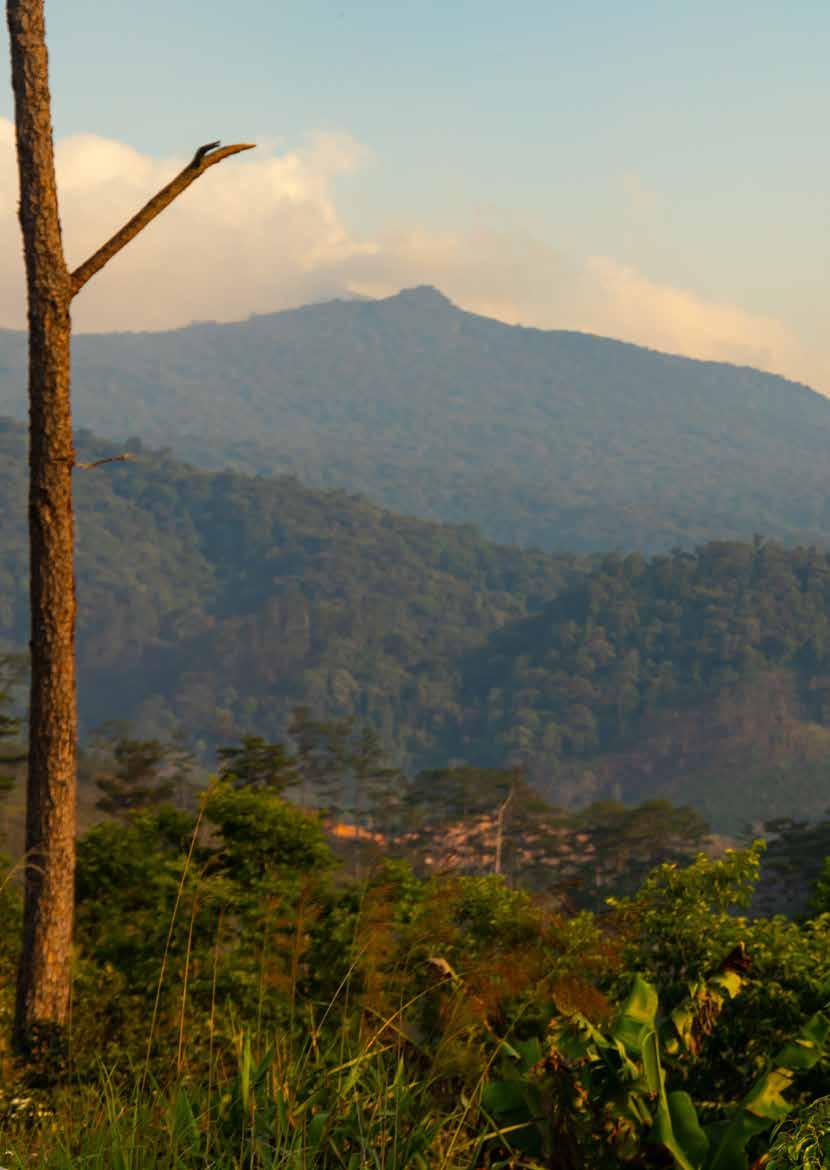
The Hidden Path: From Tradeoffs to Synergies in Food Systems
Tensions between food security and biodiversity cannot be ignored, as competing demands on land, water, and livelihoods are very real. Yet when equity, healthy diets, and well-being are brought into the picture, new possibilities emerge: synergies become more visible than trade-offs. Anticipating and openly articulating trade-offs, synergies, and potential gaps requires courage, but it is precisely this honesty that can unlock new pathways for food system transformation.
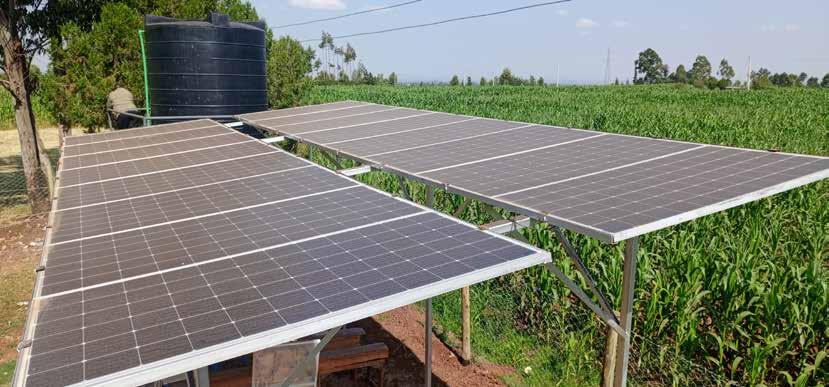
In Kenya’s arid rangelands, the LISTEN project used water as a unifying entry point. What might have been a source of competition, whether for livestock, crops, or wildlife, became a driver of synergy. Solar-powered pumps irrigated drought-tolerant crops while recharging aquifers, and water conservation practices increased rainfall capture to support both pastoral livelihoods and ecosystems.
In Egypt, the Habiba Community is demonstrating how regenerative agriculture and social inclusion can reinforce each other. By engaging youth and women in farming and handicrafts, Habiba is creating income and social empowerment while contributing to ecosystem restoration.
When nutrition, equity, and well-being are included in design, opportunities emerge that reduce tensions between biodiversity and food security. Programmes that explicitly identify synergies are better positioned to deliver multiple benefits.
Be the Change: Championing Biodiversity in Food Systems
Transforming food systems can feel overwhelming, yet progress often depended on champions who step forward to lead. Champions can be individuals, teams, organizations, countries, coalitions, or networks, and they play a crucial role by mobilizing skills, energy, and resources to keep biodiversity on the agenda. To accelerate integration, more biodiversity champions are needed across food systems.
The use cases illustrate how champions are actively shaping outcomes. In Egypt, the Habiba Community began with one family’s commitment and grew into a regenerative farming hub that inspired more than 100 Bedouin farmers. In Nakuru County, Kenya, local officials acted as champions embedding foresight tools into county planning and budget processes, ensuring biodiversity and agroecology are part of long-term food system transformation strategies.
Nature’s Pride, a Dutch fresh produce company, acted as a corporate champion by piloting biodiversity-positive sourcing in water-stressed regions and using its supply chain leverage to influence farmer practices in Peru, Chile, and Spain. At the global level, the WBCSD’s OP2B coalition mobilized CEOs to champion biodiversity within corporate strategies and industry platforms. These examples show how champions at different levels are critical catalysts, and make the difference between ideas that remain on paper and those that lead to transformation.
Champions can drive change at multiple levels, but their impact is amplified when supported by enabling conditions. Policy recognition, sustained funding, and network support help turn individual leadership into systemic outcomes.
Beyond Local to Global: The Art of Connecting Scales
Scaling biodiversity integration in food systems is not simply about replication or moving in a straight line from local to national to global levels. Real scaling requires the ability to work across and connect scales, building capacity to “zoom in and zoom out” so that local realities inform higher-level policies, and global commitments translate back into practice. Strengthening this connective tissue is essential if biodiversity-positive food systems are to move beyond isolated pilots toward transformation.
The use cases show how this is already being attempted in diverse ways. Nature’s Pride pioneered landscape-scale water stewardship in Peru’s Ica catchment, and then adapted the collaborative approach to Chile’s regulatory setting and Spain’s berry regions, showing how models can travel while staying context-specific.
The School Meals Coalition links 111 countries through a learning platform that creates feedback loops between policy innovation and school-level procurement of diverse, nutrient-dense foods from smallholders. In Kenya, a Water-Energy-Food Nexus approach has connected pastoralists, county officials, and national agencies, combining rangeland restoration on 198 hectares with multi-level governance and youth enterprise development. Together these cases illustrate that connecting scales is less about replication and more about cultivating adaptive approaches that hold local and global in constant dialogue.
Lasting impact requires feedback between local practice, national policy, and global commitments. Institutional mechanisms, platforms and less formal spaces that connect across these levels can prevent local innovations from remaining isolated.
...the way it REALLY looks
increased biodiversity & food security
Beyond Comfort Zones: Collaboration for Change
Each use case underlines that partnerships are the foundation of progress. Integrating biodiversity into food systems required coalitions that crossed familiar boundaries and compelled actors to step outside their comfort zones. This required time to build mutual understanding, acknowledge different interests, and develop shared values for working together. While cross-sectoral and transdisciplinary partnerships are often emphasized on global stages, these cases show what this looks like in practice and confirm that investing in the building and facilitation of partnerships is crucial for bridging biodiversity and food systems. Deep-seated power asymmetries between corporations, governments, and local communities often remain a barrier. Overcoming them requires patient facilitation and neutral platforms that can elevate local leadership.
In Colombia, the NBSAP process brought together the agriculture and environment ministries for the first time, aligning policies that had long been developed in parallel. In Peru, AGUAPAN connects indigenous potato custodians with researchers and private companies, leading to innovative benefit-sharing agreements. In Kenya’s rangelands, the nexus approach being rolled out convenes pastoralist communities, civil society, and county governments to jointly manage water and land resources. These examples illustrate that unconventional partnerships are not simply supportive, they are central to making integration possible.
Effective integration of biodiversity and food systems depends on investing in partnership facilitation. Cases show that dedicated time and resources to allow different stakeholders to convene, learn, build social capital and exchange is critical to build effective partnerships on biodiversity and food synergies.
Urgent Patience: Building Long-Term Change in Food and Biodiversity
The clock is ticking, and change is urgent. At the same time, lasting impact requires patience and persistence. Typical three- to five-year project cycles are too short to tackle the deep transformations needed in food and biodiversity systems. Progress depends on long-term visions, perseverance, and investment horizons that match the scale of ecological and social change. Building this mindset also means engaging youth – and nurturing the persistence in ourselves – to sustain work across decades and generations.
The use cases highlight different ways to put urgent patience into practice. Commonland establishes 20-year landscape partnerships supported by philanthropic and blended finance. In South Africa’s Baviaanskloof, one such partnership has been underway for 15 years, restoring rangelands and creating premium markets for lamb produced through regenerative grazing practices.
Members of the OP2B coalition like Danone, Nestlé, and Unilever have collectively committed billions of US dollars in financing, recognizing that regenerative farming often takes close to a decade to break even and requires blended finance to shorten payback periods.
Similarly, SAIL Investments ties sustainability targets directly into loan covenants, ensuring that financial returns are aligned with measurable forest protection and biodiversity outcomes at scale. Together these examples emerging from the use cases show how aligning finance and partnerships with longer timeframes can turn urgency into durable change.
Long-term ecological and social change requires investment horizons that extend beyond typical 3 - 5 year project cycles. Partnerships of 10–20 years and blended finance instruments align more realistically with the timeframes of transformation.
Learning in Motion: Trust, Adaptation, and Lasting Change
Not every approach delivers results straight away, and that is part of the process. Progress depends on learning from what does not work, listening and adjusting along the way, and combining monitoring with reflection to strengthen future action.
Monitoring emerged as a critical area where further technical discussion is needed, including methods, indicators, and feasibility, to both document and understand impact. Insights from the cases on monitoring include from SAIL Investments where sustainability plans are embedded into loan covenants with independent annual verification, while recognizing that biodiversity cannot be reduced to a single metric. In Egypt, the Habiba Community functions as an open-air laboratory, testing innovations such as bokashi composting and agri-solar systems, and shifting from organic to regenerative practices when earlier methods fell short. Commonland’s 4 Returns Framework provides long-term diagnostic tools and indicator menus to guide adaptive management across landscapes.
Learning happens between individuals, groups, and sectors – sometimes through formal learning spaces, but often through informal exchanges – where trust is essential. As every biodiversity–food system interaction is complex and unique, adaptive learning and safe spaces for reflection are especially important. Over time, valuable insights have been generated on how to embed these practices, offering a foundation to build on.
The use cases show how adaptation and trust take different forms. In the Kabazi foresight process, adaptation continues to be central in conducting multi-stakeholder processes, particularly in exploring how to engage the private sector and identify concrete incentives for their sustained participation. For Nature’s Pride, collective water stewardship models are being built through repeated trial and error and long term deep relationships being built within catchments. Together, these experiences from the use cases highlight that learning in motion is not an add-on but a core driver of change.
Learning is integral to biodiversity–food system integration and often occurs through informal exchanges where trust is essential. Investing in, and creating safe spaces for exchange, to actively dialogue about failure, and co-create ideas are really important to move integration forwards.

BIODIVERSITY–FOOD SYSTEMS USE CASES
Guardians Paid Fairly Rewarding Custodians of Potato Diversity Through Direct BenefitSharing
Association of Guardians of Native Potato of Peru (AGUAPAN), International Potato Center (CIP)
Desert Oasis Revival
Habiba Community Regenerates Egypt’s Desert into a Thriving Biodiversity Hub Habiba Community
Bridging the Divide
Pioneering Integration of Food Systems into National Biodiversity Strategies and Action Plans in Colombia
World Wildlife Fund (WWF) Colombia
Resilient Rangelands
Building Food System Resilience in Kenya’s Rangelands by Integrating Water, Food, and Biodiversity
SNV Kenya and Partners
Schools Nourish Biodiversity
Mainstreaming Agrobiodiversity in School Meals to Catalyze Food Systems Transformation
Commonland 14 34 18 38 42 46 50 22 26 30
Alliance of Bioversity International and CIAT (The Alliance), School Meals Coalition (SMC), The Research Consortium for School Health and Nutrition (SHN Consortium)
Finance Protects Nature
Private Credit as a Driver of Biodiversity-Positive Food System
SAIL Investments
Markets Help Restore Watersheds
Collective Action for Water Stewardship to ensure Biodiversity–Food Systems Integration Nature’s Pride
Visioning Food Futures
Participatory Foresight Drives Biodiversity Integration in Food Systems
Foresight4Food Initiative, Nakuru County Government, The Results for Africa Institute (RAI)
Companies Scale Regeneration Businesses Coalitions Driving Biodiversity-Positive Food Systems
World Business Council for Sustainable Development (WBCSD)
Landscapes Restored Together
Integrating Biodiversity and Food Systems through Multi-Stakeholder Landscape Partnerships
GUARDIANS PAID FAIRLY
Rewarding Custodians of Potato Diversity Through Direct Benefit-Sharing
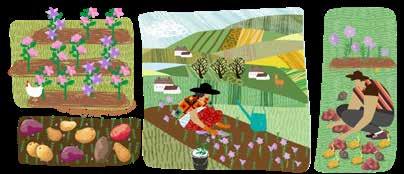
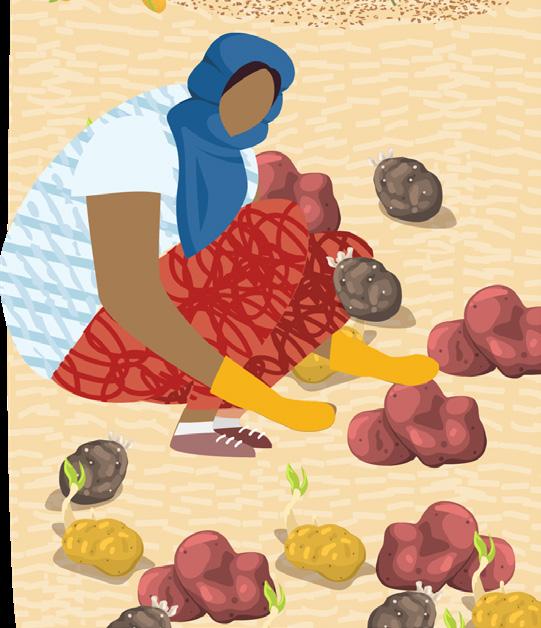
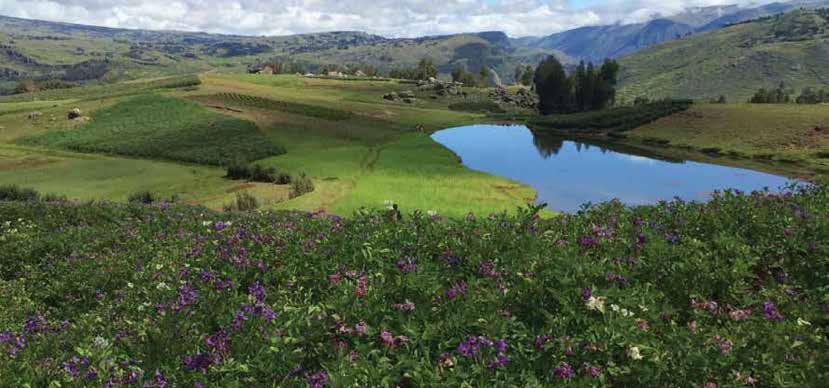
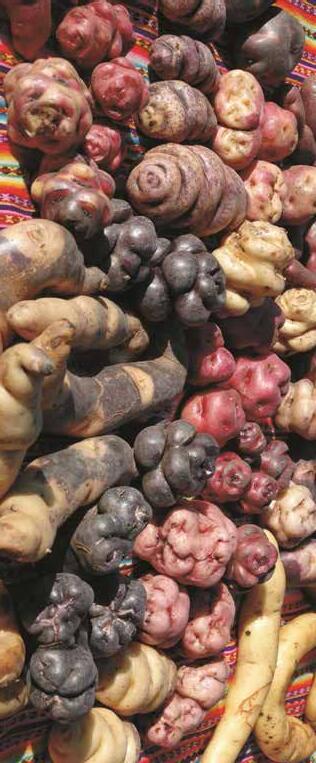
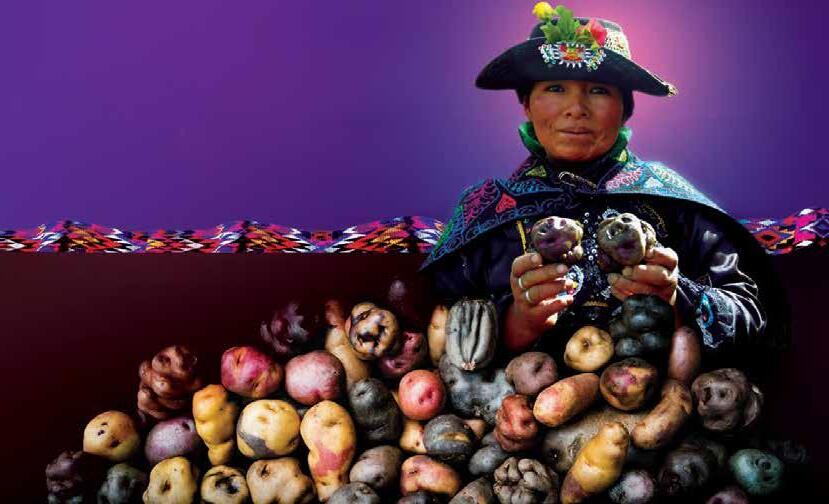
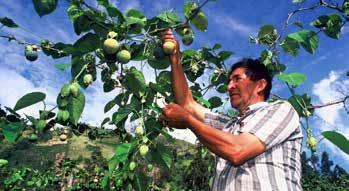
In the Peruvian Andes, Indigenous farming families serve as custodians of hundreds of traditional potato varieties, preserving cultural heritage and resources vital for global food security and climate resilience. Since 2014, the Association of Guardians of Native Potato of Peru (AGUAPAN) has managed a voluntary payment system that connects Dutch potato companies with custodian farmers, providing unconditional annual payments to farmers for conservation.
Biodiversity–Food Systems Challenge
Despite global commitments to benefit-sharing, farmers protecting the world’s most important crop diversity often receive no compensation. Traditional systems have failed to channel tangible benefits to custodians, leaving families marginalized while youth migrate and traditional knowledge disappears. Climate change is forcing potato cultivation 200 metres higher up the mountains, while market demand is limited and legal frameworks create mistrust between companies and communities. With crop diversity at risk of disappearing from fields, new approaches that build trust, deliver direct benefits, and maintain genetic resources as public goods are essential to safeguard food security and climate adaptation.
Integrated Biodiversity–Food Systems Approach
The innovative benefit-sharing model managed by AGUAPAN rewards conservation stewardship while maintaining equitable, public-domain access for research, genetic gap analysis, and training. It creates a unique pathway for genetic resource conservation that links traditional knowledge with global food systems.
Effective collaboration that builds trust, standardizes procedures, and keeps plant genetic resources in the public domain is essential to prevent irreversible loss of agrobiodiversity. Early collaborations between the International Potato Centre (CIP) and Andean communities provided the foundation for transparent partnerships with private companies. Farmer-designed benefit mechanisms, and a clear separation between compensation and genetic resource access, have given the model credibility that is recognized by both public and private stakeholders.
KEY TERMS
A locally adapted traditional crop variety.
BIODIVERSITY ENTRY POINT
y Genetic diversity: On-farm conservation of native potato varieties creates a wider gene pool allowing for adaptation with continued climate change impacts. Unlike static seed banks, these varieties continue evolving through farmer selection and natural mixing with wild relatives. Indigenous communities consume many different varieties daily for their distinct flavours and cultural significance.
FOOD SYSTEM ENTRY POINTS
y Biodiverse landscapes: Private voluntary finance incentivizes on-farm conservation of potato diversity. CIP provides ex-situ (genebank) backup.
y Policy and governance: Aligns with the United Nation’s Convention on Biological Diversity (CBD) and the International Treaty on Plant Genetic Resources for Food and Agriculture (ITPGRFA) through farmer-defined benefit-sharing and locally governed systems that protect farmers’ rights while maintaining free access to genetic materials.
y Social organization: AGUAPAN’s farmer board, the Organized and Resilient Youth of AGUAPAN (JORA) youth group, and a multi-actor support group enable accountability and scaling without tying benefits to access to genetic resources. The MISKI PAPA initiative helps develop markets for mixed potato varieties.
Genebank: A facility for storing genetic material.
Benefit-Sharing: Mechanisms that ensure communities conserving genetic resources receive fair compensation or incentives for their stewardship.


Landrace:
“This fits perfectly with our corporate social responsibility, and part of our mission of feeding the world in a responsible way. We don’t want any invoices or administration, just to do the best job with that money working with the communities.”
How the Direct Benefit-Sharing System Works
1 MULTI-STAKEHOLDER PARTNERSHIP STRUCTURE
Private sector companies such as HZPC, Agrico and EUROPLANT provide financial investment and long-term support, motivated by corporate social responsibility (CSR) goals and strategic interests in crop biodiversity, without requiring direct access to genetic materials.
AGUAPAN serves as the central coordinating body, functioning as an Indigenous farmer organization that plays a central role in coordinating conservation activities. AGUAPAN ensures strong organizational representation and local governance of custodians of potato diversity.
A multi-actor group supports AGUAPAN, composed of public, research, and civil society organizations:
y CIP documents landraces and provides ex-situ conservation while maintaining genetic materials as global public goods.
y The National Institute of Agrarian Innovation (INIA) explores integration with national agricultural policy;
y Non-governmental organizations (NGOs) such as Grupo Yanapai and Asociación Pataz provide field-level support.
y The Peruvian Society of Environmental Law (SPDA) addresses legal dimensions of benefit sharing.
2 THE ECONOMIC MODEL
The economic thinking is centred on diversification, payment for ecosystem services (to sustain evolution) and market development to ensure long-term sustainability. Rather than relying on a single company or donor, the benefit-sharing model is designed to attract support from multiple private sector partners, reducing dependency and increasing financial resilience. In parallel, efforts like MISKI PAPA aim to create and expand markets for potato heritage mixtures, turning agrobiodiversity into an economic asset.
3
MEASURING CHANGE AND IMPACT
y Conservation results: Genetic studies of 1,075 farmer-maintained varieties revealed 88 previously unknown landraces, now added to international collections. The model creates dual conservation pathways: farmers maintain evolving on-farm diversity while CIP provides genebank backup through international agreements.
y Social protection: Around 100 families receive annual payments improving health, education, inputs, and labour access, while strengthening recognition of their role as custodians of potato diversity embedded in daily food traditions and cultural practices. Women’s participation and youth leadership is enhanced through AGUAPAN youth network (JORA).
y Institutional strengthening: AGUAPAN evolved into a nationally recognized custodian body across nine regions supported by a multi-actor governance platform.
y Value chains: MISKI PAPA translates diversity into specialty markets, raising native potato visibility.
“A requirement to join AGUAPAN is that the farmers maintain at least 50 varieties, but many of them actually maintain up to 300 varieties.”
y Knowledge and learning: Digital tools (VarScout, WIKI PAPA) extend monitoring to schools and communities, creating intercultural educational value while gathering research data.
Learning and Insights
LESSONS FOR SCALING
y Strong foundations: Scaling depends on robust farmer organizations with established governance capacity, supportive policy environments aligned with international frameworks, private sector partners with genuine Corporate Social Responsibility (CSR) commitments, and research and civil society organizations capable of providing technical support.
y Trust and access: Long-standing distrust between public and private actors, and between resource-rich and breeding-rich countries, complicates collaboration. The AGUAPAN model mitigates friction by decoupling benefits from access and enabling an environment where farmer demands guide benefit-sharing.
y Private sector uptake: Initially fewer companies joined than expected. Trustbuilding through field visits and participation in global forums has expanded interest but remains an ongoing process.
y Critical success factors include transparent verification systems, multi-actor support networks, and crop-specific approaches that enable clear impact measurement and targeted company engagement.
CHALLENGES AND TRADE-OFFS
y Unexpected waiting list: A key challenge has been the need for increased private sector investment to meet growing demand for participation. AGUAPAN currently has a waiting list of farmers.
y Regional gene pool mixing: An unintended consequence has been the mixing of regional genepools through seed exchange during national gatherings. While this does not compromise conservation, it poses a minor risk to maintaining the original biogeographic distinctions of certain landraces.
y Market realities challenge conservation goals: Limited consumer demand for diverse varieties, especially among younger generations preferring convenient foods, requires ongoing investment in market development initiatives like MISKI PAPA to make conservation economically sustainable.
y Market development: Translating specialty crop concepts into sustained commercial success requires navigating retail systems, regulatory frameworks, and effectively communicating conservation value to consumers.
KEY INSIGHTS
Farmer-led governance builds trust through autonomous control over membership, verification, and payments.
Transparent, simple mechanisms reduce bureaucracy and eliminate access conditions.
The applied crop based approach is highly replicable for other species such as maize, quinoa or cacao.
Complementary conservation approaches combine on farm diversity with institutional backup in genebanks.
‘Benefit sharing without access’ addresses legal complexities while ensuring farmers rights.
Intergenerational continuity through AGUAPAN’s youth network (JORA) sustains knowledge and livelihoods.
Photo: S. de Haan/CGIAR
Strategies and Opportunities
LOCAL EXPANSION
Scaling within Peru can expand the custodian network to new varieties and reduce extinction risk of rare landraces under climate change. Expansion to additional regions is planned, with priority on strengthening documentation and youth engagement pathways. Market development through initiatives like MISKI PAPA creates complementary incentives for diversity conservation.
INTERNATIONAL REPLICATION
The mechanism is ready for adaptation to other crops and centres of origin where Multilateral System (MLS) /Standard Material Transfer Agreement (SMTA) frameworks and farmer organizations can anchor trust aligned with SeedNL trustbuilding principles. Replication requires adaptation to local contexts while maintaining core principles of farmer autonomy and benefit sharing without access.
OPPORTUNITIES FOR
Private sector engagement: Multi-year commitments for direct stewardship payments and co-investment in verification systems, youth training, and market development initiatives.
Policy integration: Support for farmer organization capacity building and integration of stewardship payments into climate adaptation and agrobiodiversity programmes.
Biodiversity–Food Systems Use Cases

Research collaboration: Enhanced documentation, participatory characterization, and strengthened links between on-farm diversity and breeding outcomes.
1 2 3 4
Market development: Continued investment in specialty market creation through initiatives like MISKI PAPA to complement conservation payments with market-based incentives.





Stef de Haan
s.dehaan@cgiar.org — Aurea Mendoza
mendozacapchaaurea@gmail.com
Habiba Community Regenerates Egypt’s Desert into a Thriving Biodiversity Hub

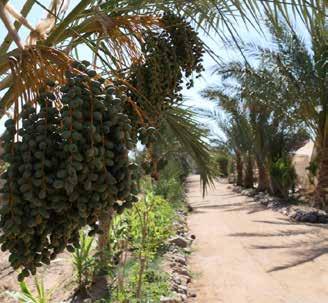
In the arid landscape of Nuweiba, South Sinai – where rain may fall only once every two years – Habiba Community has transformed 16,000 square metres of barren coastal desert into thriving green oases. Habiba, meaning ‘beloved’ in Arabic, is an agroecological living laboratory of regenerative food production, ecological restoration, and Indigenous Bedouin community empowerment that has inspired over 100 farms across the region to adopt biodiversity-positive practices.
The initiative emerged from crisis-driven innovation when the collapse of tourism in 2007 threatened local livelihoods and food security. Originally founded as Habiba Beach Lodge in 1994, it gradually evolved into a broader integrated agroecological model. In 2007, the organic farm was established at the base of the Wadi Watir Delta to strengthen food security and promote more sustainable land use. A learning centre followed in 2013 to provide local Bedouin children with education and skills for a productive, sustainable future. In 2019, Habiba expanded further with the launch of a regenerative farm designed as an open-air laboratory for experimentation and learning, marking its entry into the global Ecosystem Restoration Communities movement.
Habiba Beach Lodge Est. 1994 Organic farm Est. 2007 Learning centre Est. 2013 Research farm Est. 2019
The Biodiversity–Food Systems Challenge
South Sinai faces compounding crises where geographic isolation creates food insecurity, desertification threatens traditional Bedouin pastoralism, and marine biodiversity decline undermines tourismdependent livelihoods. The region lacks social infrastructure, suffers from political instability, and depends heavily on imported food while local Bedouin communities remain marginalized from development. Climate change reduces grazing land availability, disrupting traditional resource management systems that sustained communities for generations.
BIODIVERSITY
ENTRY POINTS
y Genetic diversity: Living library of landraces (dates, beans, drought-resilient vegetables) propagated on-site and shared with over 100 partner farms, safeguarding genetic diversity.
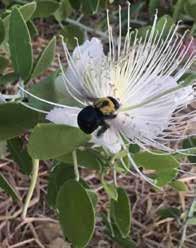
y Species diversity: Cultivation of diverse crops, including native and salt-tolerant species like moringa, neem, acacia, and quinoa.
y Ecosystem diversity: Holistic landscape restoration connecting mountains to coral reefs through integrated land-sea stewardship.
FOOD SYSTEM ENTRY POINTS
y Scaling biodiversity-positive practices: Showcasing organic and regenerative farming through the ‘lighthouse model’ where communities self-select appropriate practices.
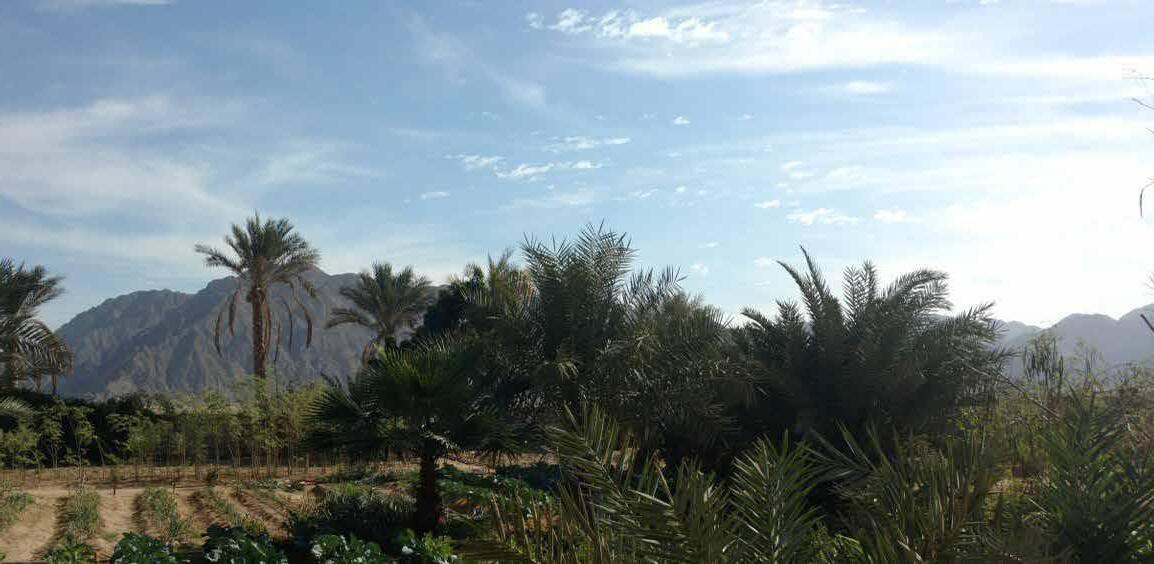
y Agroecological techniques: Piloting solutions including zero tillage, bokashi composting, seaweed mulch, black-soldier-fly frass, agroforestry, biocontrol, drip irrigation, agri-solar, and sandponics.
y Social organization: Community training, employment, women’s groups, and research partnerships through the Habiba Academia platform.
Integrated Biodiversity–Food Systems Approach
Habiba operates as a self-reinforcing ecosystem where each initiative feeds into the next, prioritizing sufficiency over abundance and reinvesting benefits into community and the landscape.
1 MULTI-STAKEHOLDER PARTNERSHIP STRUCTURE
Community partners: The Habiba Community manages integrated operations while local Bedouin communities contribute through land-use planning, cultural knowledge, and co-creation of initiatives. Over 75 Bedouin-owned farms have adopted regenerative practices.
Public sector: Nuweiba City administration governs land-use planning, South Sinai Governorate promotes nationally, and the Ministry of Water and Irrigation supports agri-photo-voltaic (PV) projects (solar energy combined with farming) with international learning exchanges.
Research network: Over 20 universities across Egypt, the United States, and Europe collaborate through the Habiba Academia platform on research spanning cultural heritage, marine ecology, sustainable tourism, and agricultural waste management. An Erasmus+ consortium proposal for an MSc semester in Nuweiba is under review.
Private sector: Hotels, restaurants, and organic retailers sustain local market linkages by sourcing Habiba’s produce across nine shops in Cairo and Sinai, plus the Greenbox subscription model for joint marketing.
2 COMPREHENSIVE COMMUNITY PROGRAMMES
WOMAD crafts cooperative: Women’s empowerment initiative creating livelihood opportunities for Bedouin women through ecofashion and accessories production.
Backyard gardens for widowed women: Supporting vulnerable women with small-scale, self-sustaining gardens.
After-school programme: Training local Bedouin children and teenagers in agriculture, nature stewardship, and leadership, with participants showing positive behavioural changes including increased creativity and sharing.
Green corridors project: Planned multi-use corridors connecting fragmented farms to enhance ecosystem function, provide fodder for pastoralists, and enable insect movement between farms.
Economic Model
The Beach Lodge generates revenue to sustain broader initiatives while the 16,000m² organic farm applies regenerative practices, selling produce locally and processing surpluses into dried fruits, kale powder, and beetroot powder using solarpowered equipment. Medjool date plantation profits finance the learning centre, while Habiba World Foundation provides additional funding channels.
Measuring Change and Impact
Regeneration at scale: More than 100 farms, with 48 Bedouin-owned operations, have regenerated desert land across South Sinai, boosting biodiversity and contributing to local food security through regenerative practices adoption.
Social transformation: Introduction of over 60 crop varieties improved dietary diversity. Children in afterschool programmes demonstrate positive behavioural shifts toward creativity, sharing, and environmental stewardship.
Economic outcomes: Products reach local markets through established supply chains while international volunteers apply learned principles in their home communities, creating global ripple effects.
Biodiversity tracking: Habiba is developing comprehensive monitoring systems spanning soil life research, insect biodiversity surveys, native plant documentation, and planned coral reef monitoring to track ecosystem restoration progress across the Nuweiba landscape
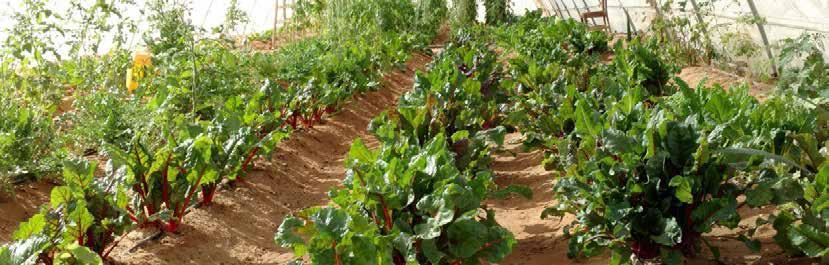
“Throughout the years, experimentation has been essential at our farms. From soil to irrigation, non-native plant species and different vegetable varieties, or perma-culture growing techniques, we’ve tried—and still are—trying everything.”
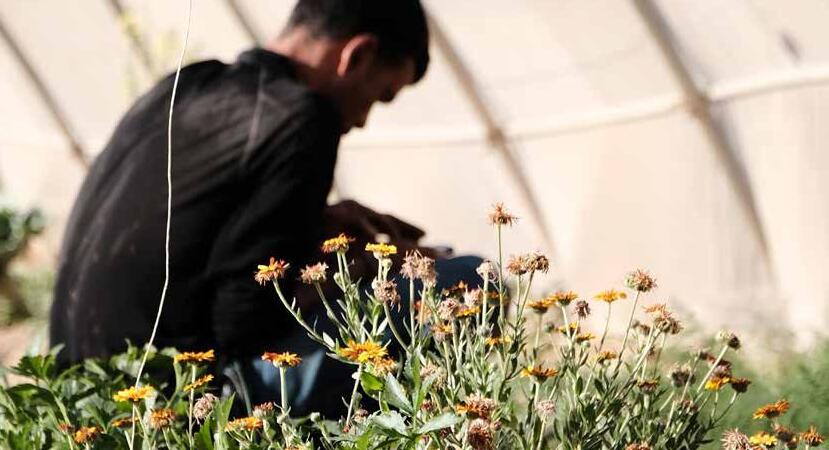
Learning and Insights
Egyptian Desert Research Centre scientists provided crucial early support through workshops on arid organic farming, sparking broader regional adoption. Research validation also became a bridge between traditional knowledge and innovative practices.
Recognition by South Sinai’s Governor, inclusion in the region’s master development plan, and growing academic partnerships have accelerated momentum, with Habiba now serving as a model for the United Nations Human Settlements Programme (UN-Habitat) in similar coastal arid regions worldwide.
The lighthouse approach works because communities selfselect which practices to adopt rather than having solutions imposed. This creates deeper ownership and more sustainable adoption than traditional extension models - evidenced by 75+ Bedouin-owned farms voluntarily replicating practices.
“We learned that there is no dead natural soil on earth but that the microorganisms in it are just dormant. We understood it was on us to wake them up and give a habitat for them to thrive.”
CHALLENGES AND CREATIVE RESPONSES
y Geographic constraints: Remote location and marginalization of Bedouin communities limit economic opportunities and access to skilled professionals.
y Financial restrictions: Budget constraints delay project implementation and equipment acquisition.
y Environmental barriers: High aridity and lack of naturally regenerating freshwater sources complicate agricultural efforts. Initial organic farming approaches exhausted soils before regenerative methods were adopted.
y Mindset change: Farmers often prioritize short-term profit over long-term ecosystem health, a mindset Habiba works to shift through ongoing training and practical demonstrations in collaboration with the Egyptian Desert Research Centre.
KEY INSIGHTS
y Prioritizing soil health, emulating natural ecosystems, and closing nutrient cycles enables nature to deliver unexpectedly strong returns.
y Leading by example through visible successes emphasizing self-sufficiency, product quality, and sustainability inspires widespread voluntary adoption.
y The philosophy of ‘enough rather than abundance’ allows profits to be reinvested in community programmes (WOMAD cooperative, women’s gardens, research) and landscape restoration rather than extracted, creating self-reinforcing regenerative cycles.
SCALING OPPORTUNITIES
At the local level, opportunities include expanding agri-PV pilots to promote energy self-sufficiency, enable groundwater desalination, and create jobs. Green corridors can strengthen farm connections and enhance biodiversity, while further investment is needed in post-harvest processing, expansion of the WOMAD initiative, restoration of the Wadi Watir Delta, and nutrition research.
Regionally, growth can be achieved by building on existing academic and government partnerships across Egypt, including the integration of the approach into the national master development plan and collaboration with the Desert Research Centre.
Internationally, the Habiba World Foundation is fostering global learning by exchanging experiences with similar arid coastal contexts worldwide. The focus is on sharing methodologies through partnerships with UN-Habitat, rather than direct replication.
STRATEGIC COLLABORATION NEEDS

Future progress depends on technical partnerships that bring together private sector equipment and expertise with academic reporting and international networking, alongside contributions from soil research institutes working on arid land restoration, experts in green corridor design, and specialists in coral biodiversity monitoring.
Research institutions have an important role in developing comprehensive monitoring systems and advancing arid soil restoration methodologies. At the same time, development organizations can strengthen global exchange by supporting the sharing of methodologies and experiences between arid coastal communities.
Biodiversity–Food Systems Use Cases
This use case is one in an initial bundle developed by NFP to showcase practical ways in which biodiversity can be effectively integrated into food systems.

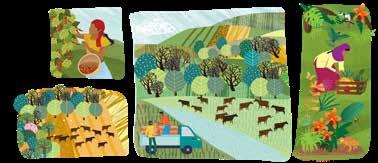
Pioneering Integration of Food Systems into National Biodiversity Strategies and Action Plans in Colombia
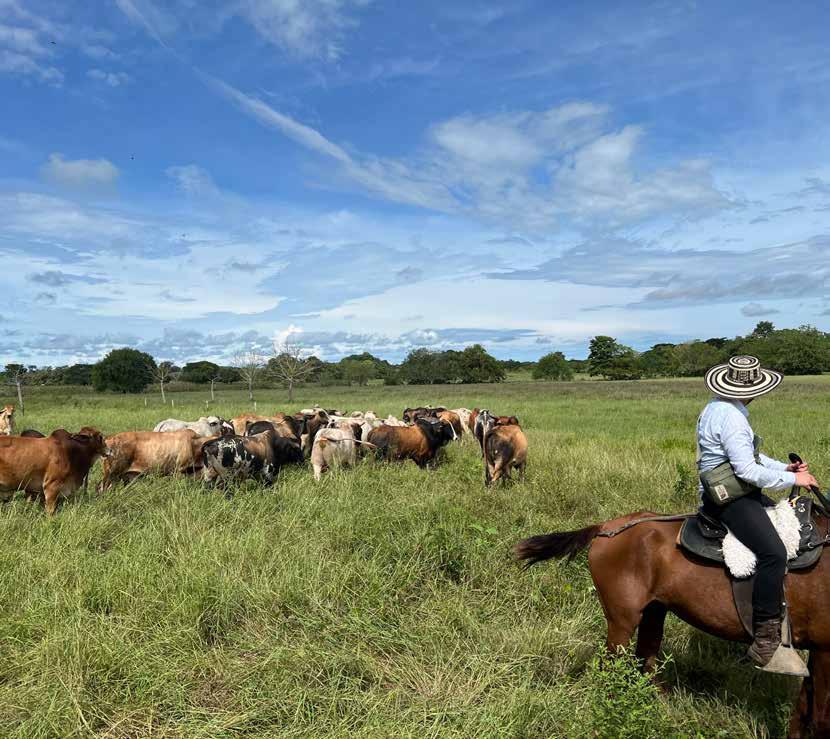
Colombia’s integrated National Biodiversity Strategy and Action Plan (NBSAP) was shaped through strategic advocacy and inclusive dialogues that engaged over 16,000 participants across 23 regions. Among them, a dedicated group of multi-stakeholders focused on analyzing the strategic dimensions of sustainable agrifood systems, ensuring that this key sector was well reflected in the national strategy.
The Biodiversity–Food Systems Challenge
Food systems are both a major driver of biodiversity loss and a potential lever for conserving Colombia’s vast biodiversity. Agriculture, particularly extensive livestock production, is a leading cause of deforestation. Yet food production also depends on ecosystem services such as pollination, soil health, and water regulation – services supplied by the very natural ecosystems under increasing pressure.
This tension is exacerbated by widespread land use conflicts across much of the country, where agricultural development patterns frequently clash with environmental sustainability. Large areas of farmland remain underutilized, while extensive cattle ranching continues to expand into ecologically sensitive areas, eroding biodiversity and undermining the ecosystems that support agricultural productivity. Addressing this contradiction became the driver for policy change.
Colombia submitted its updated NBSAP on 21 October 2024, the opening day of Conference of the Parties (COP)16 in Cali. As host of the conference, Colombia used this platform to highlight the urgency of action and the need to align economic and productive systems with biodiversity goals – a commitment embodied in its Priority 2 of the updated NBSAP
Strategic Policy Window
In 2022, Colombia’s designation as host of United Nations Convention on Biological Diversity COP16 created a unique opportunity to align global momentum with national priorities on biodiversity and food systems. WWF (World Wide Fund for Nature) Colombia recognized this alignment and seized the moment, supported by WWF’s global 2030 Roadmap, which prioritizes nature-positive food systems and provided institutional backing and technical expertise.
Using the newly agreed Kunming-Montreal Global Biodiversity Framework (KM-GBF) as a foundation, Colombia began developing its updated NBSAP in 2023. The process included a national-level consultation with the Ministry of Agriculture and Rural Development, discussions with inter-institutional experts on sustainable agrifood systems, and 23 regional dialogues that engaged local communities. These spaces fostered commitments from Colombia’s rural communities, whose active participation helped to legitimize the Plan’s priorities and to align the agriculture and biodiversity agendas.
KEY TERMS
The Kunming-Montreal Global Biodiversity Framework (KM-GBF): Adopted in December 2022 at COP15, the KM-GBF is a landmark international agreement to halt and reverse biodiversity loss by 2030. Named after the host cities, it replaced the previous Aichi Targets with four global goals for 2050 and 23 actionoriented targets for 2030, which focus on conserving, restoring, and sustainably using biodiversity.
Integrated Food Systems–Biodiversity Policy Process
These efforts were consolidated into foundational priorities, which include national-level measures such as:
Creation of an agroecology law
Transition toward sustainable, landscape-based production systems
National Biodiversityy Strategy and Action Plan (NBSAP):
A NBSAP is a key planning document or roadmap that each country develops under the Convention on Biological Diversity (CBD), an international treaty focused on conserving biodiversity, using it sustainably, and sharing its benefits fairly.
Food systems mainstreaming:
Integrating food production, distribution, and consumption into biodiversity policy, moving beyond the separation of agriculture and conservation as distinct domains.
Reform of incentive schemes Promotion of biological alternatives to synthetic inputs
Establishment of research centers Consumer education
Nature-positive agriculture:
A way to produce food while simultaneously restoring and enhancing biodiversity and ecosystems, rather than degrading them recognizing that interconnected climate and biodiversity crises require integrated, nature-positive solutions. A key focus is to restore soil and water health, increase biodiversity, and reduce food loss and waste.
“The connection lies in the recognition that food systems, especially agriculture, grazing, and related land-use change, are major drivers of biodiversity loss while simultaneously being essential for food security.”
BIODIVERSITY ENTRY POINTS
Species diversity: Conserving Colombia’s exceptional species richness, including endemic flora and fauna such as 1,543 orchid species and 367 amphibian species, many of which are threatened by agricultural expansion.
Ecosystem diversity: Protecting Colombia’s 98 officially classified general ecosystems (74 natural (unmodified), 24 transformed (human-modified but ecologically functional) and maintaining connectivity between conservation areas (including parks, reserves, and indigenous territories) and productive agricultural landscapes (small-scale farming and commercial agriculture) to maintain biodiversity corridors across all ecosystem types.
FOOD SYSTEM ENTRY POINTS
Policy governance: Embedding biodiversity considerations in agricultural policy frameworks through the NBSAP, with agroecological principles as a core strategy for biodiversity targets and sustainable development goals.
Scaling biodiversity-positive agricultural practices: The NBSAP sets explicit targets for three million hectares under sustainable production, regenerative agriculture, agroecology, biological input substitution, and sustainable livestock systems.
Food loss and waste: Advancing supply chain agreements and legislative frameworks to reduce food waste and promote sustainable consumption.
How Colombia Integrated Food Systems into National Biodiversity Policy
The participatory process generated legitimacy and broad intersectoral acceptance, both essential for effective implementation. Leadership emerged through complementary roles: the Ministry of Environment coordinated the structuring of the NBSAP; the National Planning Department supported national-level commitments; WWF Colombia provided technical assistance and facilitated multistakeholder engagement in defining the Decalogue; while the National Business Association (ANDI) encouraged active participation from the agribusiness sector throughout the process, with additional support from WWF Colombia.
1 MULTI-STAKEHOLDER PARTNERSHIPS
Colombia developed flexible, issue-specific working group model rather than permanent institutional structures, allowing expertise-based engagement across traditionally siloed sectors. This “food systems coalition” brought in non-traditional partners such as private companies, agribusiness associations, and ministries not previously engaged in biodiversity policy.
y Inter-ministerial coordination: The Ministry of Environment leads NBSAP coordination while maintaining dialogue with Agriculture, Commerce, Science, and Mining ministries.
y Ad-hoc working groups: Temporary, issue-specific groups enabled cross-sector collaboration and avoided rigid institutional frameworks.
y ANDI-business bridge: ANDI serves as a connector between biodiversity policy and private sector through its Biodiversity and Business Roadmap 2030, creating a pathway for companies to move from climate-focused strategies to broader nature-risk analysis using Taskforce on Naturerelated Financial Disclosures (TNFD) frameworks.
y Financial sector integration: Partnerships with Colombia’s financial associations (Asobancaria, Asofondos, Fasecolda) focus on Environmental and Social Governance (ESG) criteria and green finance, aiming to fill the gap of lacking business models for biodiversity-positive agriculture.
y Technical support network: WWF Colombia provided technical assistance and coordination, while academia and non-governmental organizations (NGOs) contribute research, indicators, and capacity building.
“These companies already had the climate mindset, but WWF is trying to help to find synergies with the biodiversity agenda. Trying to show that taking nature into account is not for the sake of saving the planet but necessary to save the business, looking for dependencies they have on nature.”
–WWF Colombia
The Economic Dimension
Colombia is transitioning toward a formal financial model to integrate biodiversity and food systems through the greening of a dedicated fund for financing of the agricultural sector (FINAGRO). This shift represents a major opportunity to strengthen long-term financial sustainability by reinforcing existing funding from government budgets, private sector investments, and international cooperation.
Learning and Insights
LEARNINGS
Measuring Change and Impact
The integration of food systems into Colombia’s biodiversity policy has advanced on several fronts. Seven of the Decálogo priorities were explicitly incorporated into the 2024 NBSAP; national targets commit to adopting the agroecological approach for the transition toward sustainable production systems; Congress is currently reviewing the Agroecology Bill; and the presentation of the NBSAP at COP16, along with the launch of the NBSAP Accelerator Partnership, positioned Colombia as an international leader and a founding example within FAO’s Agrifood NBSAP Support Initiative.
Implementation Uncertainty: Ensuring the achievement of food systems-related objectives within the NBSAP remains a major challenge, particularly when translating policy integration into local-level action.
Political Continuity: Each new administration introduces a National Development Plan that guides work throughout its term. In this context, the NBSAP provides a long-term framework that fosters hope for meeting the 2030 targets.
Maintaining Interministerial Coordination: Coordination between the Ministry of Environment and Sustainable Development (MADS) and the Ministry of Agriculture and Rural Development (MADR) is reinforced through mechanisms such as the Interministerial Agenda and the Intersectoral Climate Change Commission.
Data and Monitoring Gaps: Limited data and indicators constrain evidence-based management of the positive impacts of food systems on biodiversity. Research institutes therefore play a critical role in filling these gaps.
Challenges in Impact Measurement: Despite successful policy integration, both implementing organizations and government institutions face challenges in moving from reporting (policy adoption and corporate commitments) to results-based impact measurement, including biodiversity improvements, ecosystem service enhancement, and deforestation reduction.
Maturity of Food Systems Integration: Colombia is at a mature stage for strengthening the integration of food systems into biodiversity policy, which requires continued development of institutional capacity and sustained stakeholder engagement.
“Rather than treating agriculture and biodiversity as separate policy areas, this initiative embeds food systems within national biodiversity planning and governance.”
KEY INSIGHTS
Strong synergies exist between Colombia’s biodiversity and climate agendas, as land-use change is both the main driver of greenhouse gas emissions and a key area where food systems transformation is required.
A systemic approach helps to highlight dependencies such as soil health, pollinators, and water availability that directly link agricultural productivity to biodiversity outcomes.
Integrating sustainable food systems into the NBSAP reinforced the alignment between biodiversity, agriculture, and business agendas.
SCALING OPPORTUNITIES
As other countries globally continue to submit their NBSAPs and plan their operational roll out there is a lot of potential for lessons learned from this policy integration for other countries to be inspired by.
Expanding financing for biodiversity-positive food systems will be critical, with opportunities to develop green finance products and partnerships with actors such as Rabobank.
Progress will also depend on robust monitoring frameworks Developing indicators that capture the biodiversity impacts of food systems, and aligning these with Dutch and European Union monitoring frameworks, will provide the evidence base needed for adaptive management and comparability across countries.
Scaling also depends on subnational implementation. Public agencies at both national and regional levels must ensure institutional continuity across political cycles and translate NBSAP commitments into practice. This is particularly important given Colombia’s ecological and cultural diversity, where territorial-level action is needed to adapt biodiversity–food systems priorities to local contexts and maintain momentum beyond changes in government.
Biodiversity–Food Systems Use Cases
STRATEGIC COLLABORATION NEEDS
1 The multi-stakeholder architecture adopted in Colombia relied on flexible, issue-specific working groups rather than new permanent institutions. This approach allowed targeted expertise and helped avoid bureaucratic obstacles, offering a collaborative structure that can be replicated elsewhere.
2 A defining feature of the process was the inclusion of non-traditional partners. Private companies, agribusiness associations, and ministries not previously engaged in biodiversity policy were brought in, bridging longstanding divides between environment and agriculture.
3 The private sector played a key role through the “Business and Biodiversity Roadmap,” engaging companies from ANDI’s sustainable agrifood sector. This initiative provided a pathway for businesses to move beyond climate-focused strategies toward broader natural risk frameworks, applying Taskforce on Nature-related Financial Disclosures approaches across agricultural inputs, the food industry, and sustainable production sectors.
4 The financial sector faces a major challenge in its commitment to greening agricultural finance, primarily through initiatives led by FINAGRO. Beyond offering green credit lines, the sector must stimulate demand and foster the adoption of biodiversity-positive business models.
It also follows a broader roadmap for greening, led by the Ministry of Finance and Public Credit, with Fasecolda advancing efforts along the same lines. The key challenge will be to align these initiatives with the specific needs of sustainable agrifood systems and to ensure compliance with ESG standards.
5 Lastly, civil society and academia support the integration of food systems into Colombia’s NBSAP by contributing research, developing indicators, and building capacity. Their involvement also ensures transparency and alignment with international biodiversity monitoring efforts.

WWF CONTACT
Maria Camila Yepes Pelaez
Building Food System Resilience in Kenya’s Rangelands by Integrating Water, Food, and Biodiversity
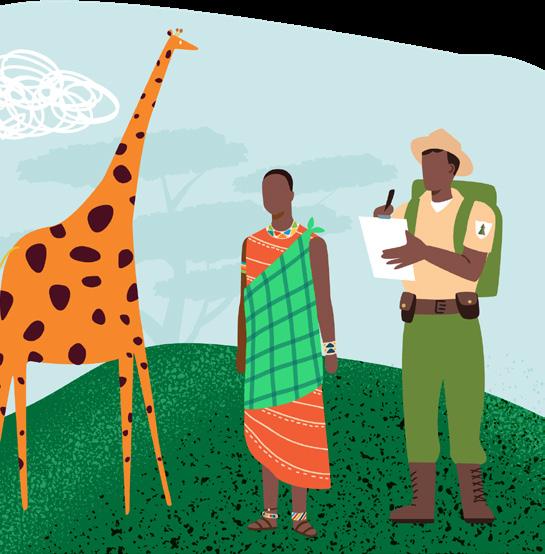
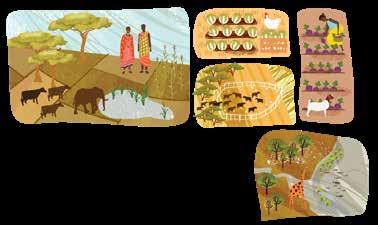
Kenya’s arid and semi-arid lands (ASALs) cover 80 percent of the country and support millions of people, livestock, and wildlife. Yet recurrent droughts, invasive species, and widespread land degradation have left communities increasingly vulnerable, driving conflict between farmers, herders, and wildlife. Traditional sectoral interventions have struggled to address these interconnected pressures.
The Water-Energy-Food (WEF) Nexus offers a more integrated approach, recognising the interdependence of resources and the need to manage them collectively. This approach was tested through the LISTEN project (Laikipia, Isiolo, Samburu Transforming the Environment through Nexus), which brought together national and county governments, pastoralist and farming communities, civil society organizations, and research institutions. The project demonstrated how cross-sectoral partnerships can transform vulnerable ecosystems, connecting rangeland restoration, water management, and food security.
The Biodiversity–Food Systems Challenge
Pastoralist and agropastoral communities in Kenya’s ASALs face chronic food insecurity and are among the most marginalized groups in the country. Poverty, environmental degradation, and limited resources reinforce one another in a vicious cycle that undermines sustainable land management, reduces productivity, and accelerates rangeland degradation.
Rangelands are vast but understudied ecosystems, and conventional sectoral interventions have largely failed the communities whose livelihoods depend on them. Increasingly degraded landscapes and unreliable water sources threaten pastoralist livelihoods, while biodiversity loss compounds the crisis. It undermines the very ecosystems and resources on which food production and livelihoods depend. Invasive species spread unchecked, indigenous livestock breeds and drought-tolerant crops face genetic erosion, and native vegetation vital to ecosystem health continues to disappear.
Water scarcity adds further pressure, intensifying competition between upstream and downstream users, farmers and herders, and human settlements and wildlife.
KEY TERMS
Water-Energy-Food (WEF) Nexus: An integrated approach recognizing that water, energy, and food systems are interdependent—actions in one sector affect the others.
Rangeland Management:
Systematic planning and management of grazing lands to maintain ecological health and livestock productivity.
Integrated Biodiversity–Food Systems Approach
Rangeland ecosystems in Kenya face overlapping pressures that cannot be addressed through sector-specific interventions. The WEF Nexus offers a more integrated pathway, prioritising landscape- and system-based solutions. In October 2020, Netherlands Development Organization SNV launched the €3.6 million LISTEN project in partnership with the Frontier Counties Development Council (FCDC) and the Alliance for a Green Revolution in Africa (AGRA). The project applied the Nexus approach through a landscape-scale engagement process that connected diverse stakeholders, from herders to government agencies. Water proved to be the critical lever, with improvements in its management unlocking wider benefits for food security, rangeland health, and livelihoods across the Ewaso Nyíro basin.
Village Savings and Loan Associations (VSLAs): Community savings groups providing rotating credit and safety nets for households.
Water Resource User Associations (WRUAs): Local institutions coordinating shared water use and resolving conflicts within catchments.
Agroforestry: Land-use system combining trees with crops and/or livestock to improve soil, water, and income.

BIODIVERSITY ENTRY POINTS
Ecosystem Diversity: Rangeland restoration through reseeding degraded lands, controlling invasive species (e.g., Opuntia), and establishing seasonal grazing plans. Watershed restoration through agroforestry in riparian zones.
Genetic Diversity: Introducing drought-tolerant and early maturing crop varieties, along with improved indigenous livestock breeds.
Species Diversity: Establishing 12 nurseries, propagating indigenous and drought-tolerant species.
FOOD SYSTEM ENTRY POINTS
Scaling biodiversity-positive agricultural practices: Conservation agriculture, integrated pest management, and agroforestry. Promoting water harvesting, efficient irrigation, and sustainable land management.
Markets: Enterprise diversification into poultry, vegetable production, and apiculture to reduce over-reliance on livestock. Strengthening market linkages to connect farmers with input suppliers and output markets, with community enterprises developing innovations such as hydroponic fodder that lowered feed costs by 40%.
Governance and Policy: Developing county-level rangeland management policies and climate change acts in all three counties, integrating community-led structures including grazing committees and Water Resource User Associations (WRUAs), supported by formal memoranda of understanding and budget allocations.
Enabling Conditions and Innovations
Enabling conditions were strengthened to allow the WEF Nexus to deliver impact in practice. Innovations in technology, knowledge systems, financial inclusion, and social equity were combined to provide the foundations for communities to adopt and sustain biodiversity- and food-system solutions.
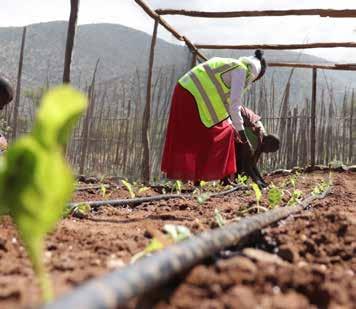
y Solar-powered irrigation, small-scale flood barriers, hydroponic fodder systems, and digital monitoring tools were introduced and tested through farmer training and demonstration plots, with private companies engaged via results-based financing models.
y Climate advisories and early warnings, delivered in partnership with national meteorological services, reached nearly 490,000
“One of the biggest impacts of water–energy–food nexus programming has been the internal shift in understanding how powerful these linkages can be. It’s changing the way we plan and work on the ground.”-SNV Kenya
Multi-Stakeholder Partnership Structure
Through the WEF Nexus, LISTEN established a multi-stakeholder architecture that linked sectors and actors across three levels of governance. At the national and county level, governments and assemblies adopted climate change acts and integrated climate priorities into budgets, creating a policy and financial framework for restoration.
At the landscape level, water resource associations developed sub-catchment management plans that covered more than 20,000 hectares and involved over 6,000 households, while also coordinating grazing arrangements across administrative and ecological boundaries.
At the community level, more than 100 climate and grazing committees, together with Village Savings and Loan Associations (VSLAs), managed day-to-day resource use, revived traditional rangeland systems, and strengthened household resilience. These institutions enabled communities to work collectively at site level while also improving sustainable management at a broader landscape scale.
people daily through community radio stations such as Ujuzi Radio, Radio Ashe, and Radio Angaff, while county learning platforms enabled technical exchange across institutions.
y Eight VSLAs rotated small monthly contributions and payouts, giving households access to credit to diversify into poultry, vegetable production, and restoration-linked enterprises such as tree nurseries and grass harvesting.
y Women and youth were actively involved in these initiatives, with more than 10,000 directly engaged in irrigation and rangeland management activities.
Measuring Change and
Impact
The project employed a comprehensive monitoring approach focusing on system-level outcomes rather than simple input metrics:
y Biodiversity: Drones and satellites were used to track rangeland regeneration across 198 hectares and survival rates of planted species in 12 tree nurseries, with riparian restoration documented through bamboo and napier grass.
y Food Production Assessment: Tracked adoption of improved seeds showing 25-50% yield increases above local varieties, monitored conservation agriculture adoption by 15,596 farmers, and documented livelihood diversification into poultry and vegetable production.
y Water Resource Management: Measured improved access through infrastructure like the Sanga sand dam (6,600m³ capacity serving 1,000 households, 10,000 livestock units, and wildlife), and assessed WRUA functionality through membership growth and conflict reduction.
y Institutional and Social Change: Monitored integration of WEF Nexus principles into county plans, tracked functionality of nine ward committees, and measured participation changes in community governance structures. Assessed VSLA membership growth and savings mobilization as indicators of economic empowerment.
y Landscape-Scale Impact: Documented hectares under sustainable land management practices and tracked reduced resource-based conflicts through community-reported incident data.
Learning and Insights
LEARNINGS
Overcoming challenges: The project showed how conflict resolution can underpin rangeland management. In Garbatulla, participatory grazing plans covering 158,477 hectares strengthened local committees. While in Samburu, upstream–downstream tensions were reduced through tripartite agreements between WRUAs, county governments, and the Water Resource Authority.
Social and technical barriers: New enterprises such as poultry initially met cultural resistance, but demand grew once the economic benefits were clear, with chicken prices doubling. High upfront costs for solar pumps and limited access to certified seeds were eased through results-based financing and partnerships with suppliers, leading to 60% adoption of solar technologies and a 30% reduction in post-harvest losses.
Insecurity and resource conflict disrupted uptake, reinforcing that peace is a prerequisite for technology adoption. Coordination across three counties with different policies and cultures also demanded continuous negotiation.
Planning Intentional Investments in Social Change: Planning intentional investments in social change: Balancing land-use trade-offs between grazing, cropping, and conservation created tensions, as did managing water allocation between upstream and downstream users.
Efforts to increase women’s and youth participation at times challenged traditional gender roles. Responding to the complexity of social change required substantially greater investment in peacebuilding, social behaviour change, and communication than originally anticipated.
SUSTAINABILITY AND FUTURE OUTLOOK
The WEF Nexus approach has laid strong institutional and financial foundations for longterm impact. County Climate Change Acts now mandate dedicated climate budget allocations, ensuring that climate priorities remain embedded in county development planning. Integration with national programmes such as Financing Locally Led Climate Action (FLLoCA) provides sustained public funding streams beyond project timelines.
County officials continue actively adopting the Nexus, with Laikipia focusing on water management and resilience programmes, Samburu implementing comprehensive water policy frameworks, and Isiolo integrating WEF principles into water strategy while supporting the RANGE and Food System Resilience projects.
Financial sustainability was also tested through six business cases developed under LISTEN. Together they show how Nexus-linked enterprises can reduce costs, diversify household incomes, and remain commercially viable through established market linkages.
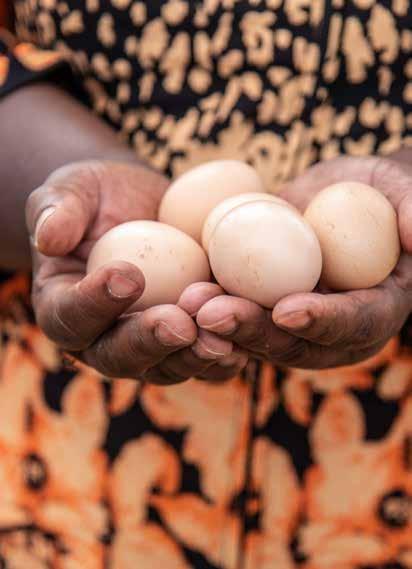
KEY INSIGHTS
Water acted as a critical lever, anchoring the WEF Nexus in practice by linking food production, energy use, and biodiversity in ways communities could engage with.
“Without peace, you cannot adopt technologies - peace and conflict resolution must be explicitly integrated into programming, not assumed to be handled.
“We need to change our attitude while talking to the government and development partners” creating conducive environments for technology adoption requires systemic transformation of development approaches.
“One of the biggest challenges was the dynamics between the counties”multi-jurisdictional coordination requires navigating different policies and political dynamics across administrative boundaries.
Visual evidence through drones and satellites proves ecosystem recovery to communities - “seeing is believing” when it comes to rangeland restoration success.
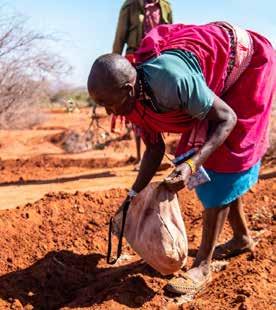
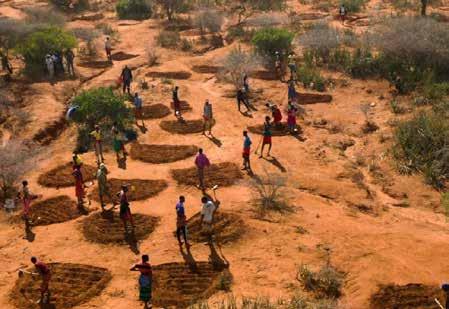
SCALING OPPORTUNITIES
Institutional policy frameworks and proven enterprise models have laid the foundations for scaling the WEF Nexus approach across Kenya’s ASALs and beyond. The principles can be replicated in other national and county development plans but need to be adapted to diverse governance and ecological contexts in other ASAL counties and the Horn of Africa. It also requires sustained finance and commitment to multi-stakeholder coordination.
Partnerships with agribusiness, fintech, and renewable energy providers can expand sustainable enterprises, while scaling alternative livelihoods can help relieve pressure on rangelands. Sharing knowledge through Kenyan and international platforms can continue to extend learning beyond the original pilot counties.
Biodiversity–Food Systems Use Cases

Rangelands cover more than half of Earth’s land surface and provide essential ecosystem services to both wildlife and 1-2 billion people. With 2026 designated the International Year of Rangelands and Pastoralists, there is an opportunity to elevate local innovations into global policy debates. Doing so requires continued government leadership on climate finance and coordination, private sector investment in green technologies and markets, and research partnerships to refine monitoring and co-develop context-specific solutions.
Peacebuilding organizations are critical to integrate conflict resolution, while development partners can provide longterm finance and technical assistance to shift from project to programmatic approaches.
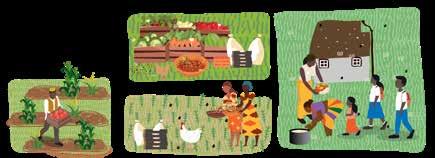
Mainstreaming Agrobiodiversity in School Meals to Catalyze Food Systems Transformation
School feeding programmes reach over 450 million children globally, making them one of the largest public food system interventions and a primary tool for addressing child hunger and poverty. Well-designed school meal programmes can further catalyze broader food systems change by providing children with healthy, equitable meals produced sustainably, protecting biodiversity, and minimizing environmental impact. A key, underutilized lever for achieving such “planet-friendly” meals is agrobiodiversity. Agrobiodiversity is the variety and variability of animals, plants and micro-organisms that are used directly or indirectly for food and agriculture, including crops, livestock, forestry and fisheries. Integrating diverse, locally adapted foods into school menus can improve nutrition, support resilient farms and livelihoods, and contribute to environmental sustainability.
The Biodiversity–Food Systems Challenge
Current food systems rely on just 12 plant and animal species for 75% of global food needs, while thousands of traditional crops disappear from fields and plates. This dramatic diet simplification threatens both human nutrition and local ecosystem resilience. Climate change compounds these challenges by reducing crop yields and nutritional quality of staple grains, with the greatest risks facing the world’s most vulnerable populations. Yet the large diversity of indigenous and traditional food species and varieties, typically nutrient-rich, locally adapted, and climate resilient, remain largely disregarded by current agricultural and food systems.

SUSTLIVES/Hyacinthe Combary, taken from https://alliancebioversityciat. org/stories/school-meals-nutrition-agrobiodiversity-africa
KEY TERMS
Agrobiodiversity:
The variety and variability of animals, plants and micro-organisms that are used directly or indirectly for food and agriculture, including crops, livestock, forestry and fisheries.
BIODIVERSITY ENTRY POINTS
Species diversity: Planet-friendly school meals interventions focus largely on enhancing species and varietal diversity through strategic integration of neglected and underutilized indigenous food into institutional food systems. Enhancing agrobiodiversity in local farms and landscapes simultaneously delivers more stable yields, healthier soils, reduced pollution, and greater resilience while supplying the varied foods needed for healthy, culturally appropriate school meals.
FOOD SYSTEM ENTRY POINTS
y Policy and Governance: Existing policy frameworks, for example public procurement policies, food security policies, and decentralized governance systemts, are leveraged to drive change at different scales (e.g., public procurement policies, food security policies or decentralized governance systems).
y Shifting diets: Experiential education such as school gardens, combines cultural rehabilitation of traditional foods, food preparation skills, and social learning that transform the negative perception of indigenous foods, such as leafy greens once dismissed as “weeds” or poor people’s food, into valued nutritious options.
y Social organization: Schools serve as convening spaces for advancing the wellbeing and futures of the most vulnerable such as children and farmers. They can foster discussions on food system transformation, generating practical, tangible impacts locally while contributing to changes in food systems.
School Meals Coalition (SMC):
A network of governments and partners promoting universal access to healthy, sustainable school meals.
CIAT/Trong Chinh, , taken from https://alliancebioversityciat.org/ stories/school-meals-nutrition-agrobiodiversity-africa


Integrated Biodiversity–Food Systems Approach
School meals have evolved from an education and hunger intervention into a strategic platform for sustainable food system transformation. The Biodiversity for Food and Nutrition (BFN) multi-country programme broke new ground by providing evidence on how school meals could mainstream biodiversity conservation while improving nutrition security and local economic development. Funded by the Global Environment Facility (GEF) and coordinated by Bioversity International with the Food and Agriculture Organization of the United Nations (FAO) and the United Nations Environment Programme (UNEP), this programme established critical precedents. Momentum accelerated after the UN Food Systems Summit (2021), with 111 governments joining the global School Meals Coalition (SMC).
Around the world, many initiatives are advancing planet-friendly school meals, yet few explicitly focus on leveraging agrobiodiversity. The Alliance of Bioversity International and the International Centre for Tropical Agriculture (CIAT) (The Alliance) and partners have been working across continents and context to mainstream agrobiodiversity in public procurement of foods for school meals. A growing amount of evidence thereby demonstrates how increasing agrobiodiversity - and in particular local indigenous and traditional foods - in school meals, can strengthen nutrition, local livelihoods, and biodiversity in synergy. This is done through various integrative pathways of which some are elaborated on below.
Integrative Pathways: Country examples of School Meals Linking
Biodiversity to Food Systems
1 BRAZIL: EMBEDDING BIODIVERSITY IN NATIONAL PROCUREMENT
Brazil has institutionalized biodiversity-positive procurement through its National School Feeding Programme (PNAE). This was achieved by sustained policy engagement. The country leveraged existing federal policies requiring 30% of school food procurement from family farmers.
This created direct market incentives for biodiversity conservation. Brazil’s Interministerial Ordinance N. 284/2018 established an official list of 101 native species with nutritional value and documented 70 edible species. These indigenous fruits, vegetables, and traditional grains were integrated into the PNAE serving over 40 million children. The approach did not require additional funding streams but instead redirected existing school meals expenditures toward local suppliers for maintaining greater species diversity. This created direct market access for family farmers growing native species.
2 KENYA: COUNTY-LEVEL INNOVATION LINKING FARMERS TO SCHOOLS
Kenya has developed county-level models that integrate biodiversity-positive procurement into school meals. Indigenous vegetables such as spider plant, nightshade, and amaranth are procured and used in school feeding systems. The school meals programme also incorporates educational components including open days for families and local organizations that help increase community appreciation for traditional foods.
At the same time, the approach strengthens value chains by creating county-level partnerships, linking smallholder producers to institutional markets, and building local processing and distribution capacity. In Busia County, this work led to the first Biodiversity Conservation Policy that specifically recognizes the importance of traditional foods for food and nutrition security. This is further supported by building farmer business schools to support the commercialization of these indigenous species.
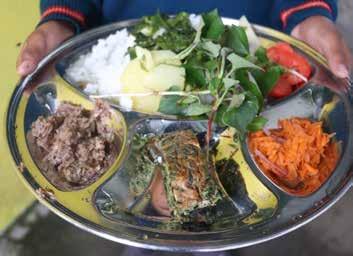
3 INDIA: COMMUNITY-LED INTEGRATION OF FOREST FOODS
In Madhya Pradesh, India, a project, co-led by the Alliance and the Research Consortium for School Health and Nutrition (LSHTM), aims to enrich the state’s school meal programmes using local agrobiodiversity. It focuses on re-introducing neglected and underutilized crops into both farming systems and institutional food procurement.
By linking local livelihoods, community knowledge, and India’s food heritage, the project seeks to improve child nutrition while embedding sustainability in public food procurement systems. It also proposes rethinking menu design and procurement policies to better reflect environmental, cultural, and nutritional goals.
©NESFAS / Antony Lyngdoh
The Economic Model
The school feeding economic model operates through strategic alignment of existing public procurement budgets with biodiversity conservation incentives, eliminating the need for additional funding streams. This approach redirects current school feeding expenditures toward suppliers and production systems that contribute to larger species diversity and the conservation of local indigenous and traditional foods.
Imperative for Transformation
Within the context of urgent needs for systemic change in food systems, innovative school meal programmes serve as an example that bring together new partnerships, innovative and coherent financing mechanisms and cross-sectoral policies. Further, schools have shown that they can play a pivotal role in engaging youth and future generations towards more sustainable futures. Aligned efforts such as school gardens, nutrition and environmental education, agroecological learning, and cultural storytelling have demonstrated their potential to contribute to biodiversity and food security stewardship. Taken these elements together, it is thereby increasingly recognized that school meal programmes, can serve as a leverage point for systemic change.
Measuring Change and Impact
Mainstreaming agrobiodiversity in planet-friendly school meals represents a shift from measuring conventional education and nutrition outcomes to tracking pathways that deliver multiple Sustainable Development Goals (SDGs) –improved child nutrition, smallholder farmers livelihoods, biodiversity conservation, and climate-resilient food systems. This requires a systems lens that combines standardized metrics with locally relevant indicators. Processes should also be rooted in participatory learning and broad stakeholder engagement so that monitoring directly informs adaptive management.
In recent years, several global measurement frameworks have been developed to standardize the assessment of impacts in agrobiodiversityfocused school meals programmes. The Agrobiodiversity Index provides broad food system assessment using 22 indicators covering consumption patterns, production systems, and genetic resource conservation. FAO’s biodiversity indicators track the availability of nutrient data for biodiverse foods and their inclusion in dietary surveys.
The Periodic Table of Food Initiative advances standardized food composition analysis. This enables comparison of nutrient diversity across farming systems and regions. While these frameworks provide valuable foundations, their adaptation to school feeding contexts requires further development. The planet-friendly school meal framework, with 21 indicators, is being pilot-tested in Kenya, Rwanda, and Uganda, with plans for broader adoption through the School Meals Coalition’s member states.
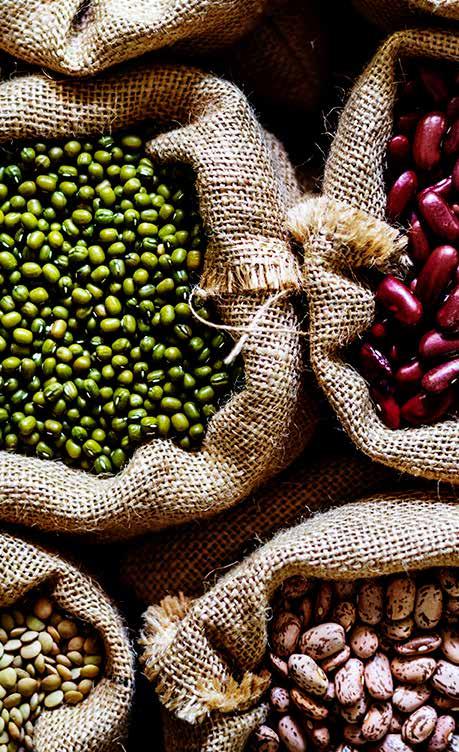
LEARNINGS
Political transitions or crises can create opportunities for mainstreaming agrobiodiversity in school meals if actors are ready to respond.
Multi-stakeholder platforms linking production, policy, education, and markets are most effective when fostering cross-sectoral and unconventional partnerships.
Ensuring healthy, culturally appropriate meals daily is a complex task that requires greater support for cooks, to access the right ingredients, for menu design, and for developing reliable procurement mechanisms that guarantee sufficient, timely, and high-quality foods. Innovative financing mechanisms are therefore central to well-functioning school meals.
Local champions and sustained community engagement drive delivery, while embedding programmes in existing policy frameworks enables scaling.
Infrastructure gaps like storage, processing, and market access continue to constrain the use of Indigenous and traditional/local species and varieties
Coordination across education, agriculture, and health sectors remains difficult due to competing priorities and timelines.
Transaction costs for sourcing diverse species remain high, highlighting the need for innovative financing.
Repositioning traditional foods from stigmatized “poor people’s food” or “weeds” to valued nutrition requires
education.
KEY INSIGHTS
School meals serve as strategic platforms for food system transformation, with institutional procurement creating reliable markets for diversified and healthy foods beyond what individual consumers cannot sustain. A systems approach, spanning production, education, health, and environment, shows promise to deliver greater impact.
Measuring impact requires indicators that go beyond food groups, it should include species counts by farmer incomes, soil health, student performance, and community participation. Long-term monitoring must track changes in food culture, ecosystem health, and social outcomes to capture the full transformative potential mainstreaming agrobiodiverse school meals.
An evidence-based foundation for food systems transformation is essential for scaling healthy and diverse school meals programmes. Standardized yet locally relevant indicators can guide policymaking, demonstrate return on investment, and provide practitioners with flexible tools.
Pilots in Brazil, Kenya, and India serve as lighthouse models. They demonstrate scalable pathways for mainstreaming Indigenous and traditional/local species and varieties in school meals that inspire adaptation to different political, cultural, and agricultural contexts.
Digital agricultural platforms, which take into account social and gender equity dimensions, can integrate local knowledge and agroecological data to support adaptation and enable communities to contribute to and directly benefit from available data.
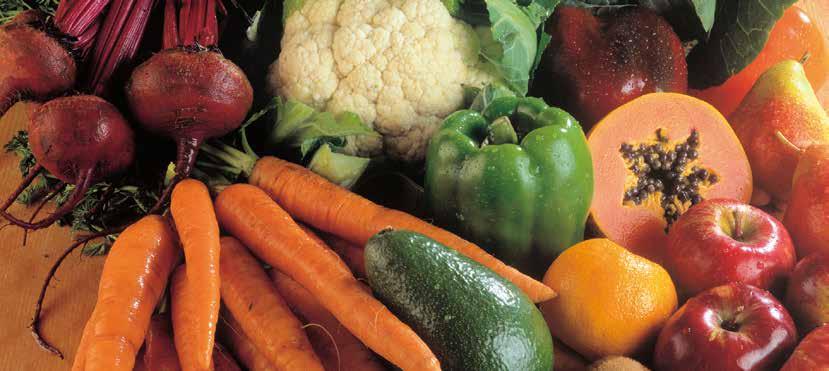
SCALING OPPORTUNITIES
There is strong potential to mainstream agrobiodiversity through indigenous and traditional/local foods in school meals across South Asia, Sub-Saharan Africa, Southeast Asia, the Pacific, and the Americas. This can be done by building on policy frameworks and networks already showing success. Ongoing work in Brazil, Indonesia, and through the Australian Centre for International Agricultural Research (ACIAR) in the Pacific demonstrates this momentum. The SMC provides a key platform for knowledge transfer and technical support, with digital tools that align nutrition, biodiversity, cost, and cultural preferences.
Building on past and ongoing work and leveraging the networks of key school meal ambassadors, such as the World Food Programme (WFP) and SMC will be central to improving financing, connecting practitioners, enhancing technical support, and strengthening national programmes. At the same time, special emphasis on indigenous and traditional/local species and varieties is essential. It serves as a lever for these programmes to promote healthy diets—not just food security—while advancing global goals related to conservation, climate, water, and land. As well as supporting farmers and landscapes to become more resilient and sustainable.
Linkages with other food system coalitions, such as the Agroecology Coalition, are central for identifying practices and farm configurations that maximize public benefits for water, soil, land, and air.
STRATEGIC COLLABORATION NEEDS
Change is possible when policies are coherent and actively promote cross-sector dialogue for coordinated action. Crosssector coordination further enables effective global-to-local and local-to-global alignment of efforts. For example, global funding mechanisms for biodiversity or climate change can be invested in landscapes that simultaneously support national goals and produce healthy, sustainable foods.
Further, multi-stakeholder platforms facilitate the sharing of responsibilities, expectations, and roles. They help align goals among farmers, schools, social and community entrepreneurs, research organizations, development agencies, children, parents, and other actors. Such processes are essential for achieving lasting, transformative change. Investments in those collaborations and processes are often neglected yet are at the core of any transformation and collective action.
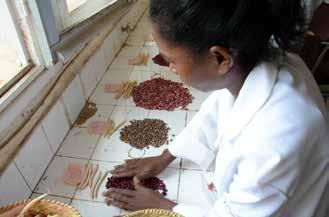
Biodiversity–Food Systems Use Cases
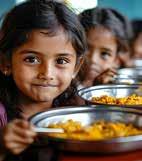
©CIAT/Stefanie Neno
Private Credit as a Driver of BiodiversityPositive Food Systems
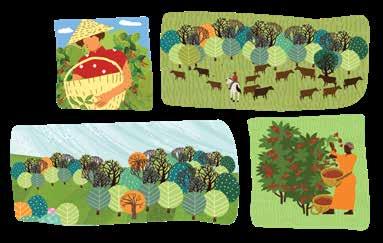
Protecting biodiversity is not only an environmental priority, but also a financial necessity. Strategic financing is essential, and private credit plays a critical role in emerging markets where food systems overlap with vital ecosystems. SAIL Investments (SAIL) shows how innovative financing in the agriculture, forestry, and other land use (AFOLU) sectors can unlock biodiversity outcomes at scale. By embedding legally binding sustainability targets into loan covenants, it aligns strong, risk-adjusted returns with forest protection, emissions reduction, and resilient rural livelihoods. This demonstrates that strategic finance can be a pivotal driver of food systems transformation and biodiversity conservation, making such investments both practical and profitable.
The Biodiversity–Food Systems Challenge
Global food production is the single largest driver of biodiversity loss. Since 1990, an estimated 420 million hectares of forest have been lost due to conversion to other land uses.1 Agricultural expansion has driven deforestation, forest degradation, and the decline of forest biodiversity. Agriculture alone threatens more than 85% of the 28,000 species at risk of extinction.2
Yet the same food systems that drive biodiversity loss also rely on healthy ecosystem services. Soil fertility, pollination, water regulation, and climate stability are the foundation of agricultural productivity and resilience. The AFOLU sectors intersect directly with tropical forests, which shelter 80% of documented species.3
1 FAO, 2020
2 UNEP, 2025
3 WWF, n.d.
KEY TERMS
Nature-positive finance: Financial flows that actively contribute to halting and reversing biodiversity loss, rather than simply avoiding harm.
Sustainable Value Creation Plan (SVCP): A legally binding roadmap embedded in each loan that links financial performance to measurable biodiversity, climate, and social milestones.
SAIL’s Integrated Approach to Financing Food Systems
SAIL is a global private credit manager dedicated to accelerating sustainability transitions in industries that depend on natural capital. Its investment philosophy is built on the conviction that protecting and restoring nature is fundamental to long-term economic value. Sustainability is not treated as an overlay but understood as a way to generate better returns while managing risk.
SAIL provides senior secured, long-term loans to mid-market companies in global food and natural resource supply chains – firms often overlooked by traditional finance. Its focus is on the AFOLU sectors in emerging markets across Latin America, Africa and Asia, where food systems intersect most directly with tropical forests and biodiversity hotspots. Target industries include beef production, palm oil, soy, and forestry (including rubber) – sectors often associated with deforestation and ecological degradation.
By directing capital toward deforestation-free sourcing, regenerative farming, and full supply-chain traceability, SAIL turns natural-capital risks such as deforestation and soil degradation into clear value for institutional investors.
“You
can’t solve one of these crises without
at least acknowledging that the other ones exist, including the inequalities and the social aspect to climate and nature as well”.
- Michael Schlup, Chief Sustainability Officer, SAIL Investments
NDPE (No Deforestation, No Peat, No Exploitation): standards that borrowers must meet to ensure supply chains are free from forest destruction, peatland conversion, and social exploitation.
Agriculture, Forestry, and Other Land Use (AFOLU) sectors: Industries that are central to global food systems but are major drivers of
deforestation and biodiversity loss, especially in tropical forests, making them critical targets for nature-positive finance.
Senior secured loans: Loans that are backed by company assets (secured) and give lenders the first claim to repayment if the borrower defaults (senior), making them lower risk compared to other forms of debt.


A defining feature of SAIL’s model is the embedding of Sustainable Value Creation Plans (SVCPs) into every loan. These legally binding roadmaps link financial performance directly to biodiversity, climate, and social milestones. Developed with borrowers before investment, SVCPs are enforced through loan covenants and independently verified annually.
SAIL reports under the EU’s Sustainable Finance Disclosure Regulation (SFDR) Article 9 and aligns its work with global frameworks including the Kunming-Montreal Global Biodiversity Framework (KM-GBF), the Sustainable Development Goals (SDGs), and disclosure standards such as the Taskforce on Nature-related Financial Disclosures (TNFD), and the Task Force on Climate-related Financial Disclosures (TCFD).
THE &GREEN FUND
Launched in 2017 with USD 100 million and anchor support from Norway’s International Climate and Forest Initiative (NICFI), the &Green Climate Fund (GCF) was SAIL’s first private credit vehicle, designed to show how loans tied to sustainability targets can curb deforestation in high-risk sectors. The Fund has grown to USD 410 million, with investments and contributions from the UK and Dutch governments, the GCF, Central Africa Forestry Initiative (CAFI), Unilever, and, private German institutional investment.
To learn more about the &Green Fund, visit the website
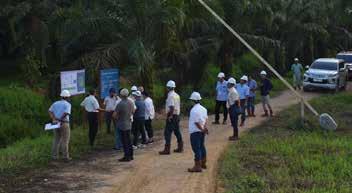
SAIL’s approach to identifying and structuring new investments uses advanced geospatial intelligence and borrower data to baseline biodiversity risks, monitor deforestation in near real time. In addition, SAIL ensures compliance with NDPE (No Deforestation, No Peat, No Exploitation) policies and other science-based key performance indicators. Independent third-party verification provides assurance of results, giving investors transparent and credible outcomes.
This integrated approach is already delivering tangible impacts. To date, SAIL has helped protect more than 3 million hectares of highbiodiversity forest, avoided or sequestered more than 13 million tonnes of CO₂e, and strengthened the livelihoods of over 60,000 people. Key case studies include:
Deforestation-free coffee supply chains in Vietnam’s Central Highlands; and
Sustainable maize expansion and full-traceability cattle ranching in Brazil’s Cerrado and Amazon biomes.
FOOD SYSTEMS ENTRY POINTS
y Sustainable finance and trade: SAIL provides loans with SVCPs that tie biodiversity outcomes directly to company performance and investor returns, while also supporting compliance with global standards such as the KM-GBF, TNFD, and SDGs.
y Biodiversity-positive agricultural practices and raw material harvesting: Financing supports practices that restore landscapes, conserve species, and maintain soil health.
BIODIVERSITY ENTRY POINT
y Ecosystem diversity: SAIL’s financing model links biodiversity protection with supply-chain resilience, strengthening food security while reducing risk.
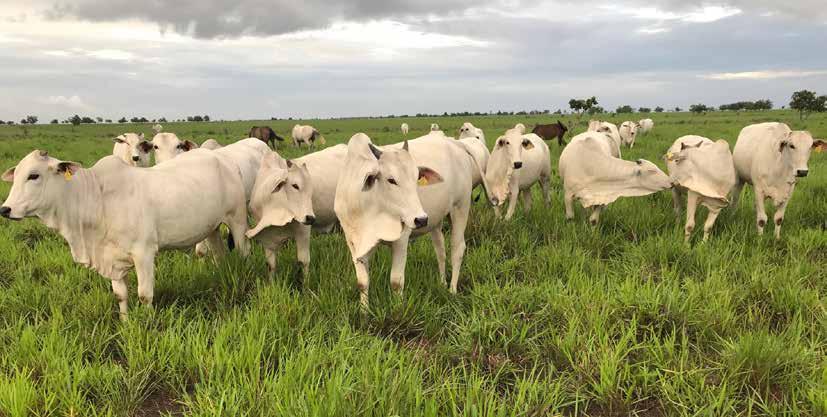
“Linking biodiversity and food systems is complex but achievable - and when structured well, it creates scalable solutions that benefit ecosystems, communities, and portfolios”.
- Michael Schlup, Chief Sustainability Officer, SAIL
Investments
Multi-Stakeholder Partnerships and Structure
SAIL’s model is built around a multi-stakeholder structure that brings together borrowers, investors, scientific partners, civil society, and regulators. Borrowers in the AFOLU sectors access credit and commit to SVCPs. Institutional investors such as pension funds, insurers, and development banks provide long-term capital linked to environmental and social goals. Independent auditors verify compliance, conservation groups contribute technical expertise, and civil society supports consultation and smallholder capacity building.
Regulators and policy bodies set the standards that guide the system, including the EU’s Deforestation Regulation (EUDR) and global frameworks like the KM-GBF, TNFD, and SDGs.
1 UNCONVENTIONAL PARTNERSHIPS
SAIL’s work linking biodiversity and food systems has fostered partnerships beyond conventional finance and development actors. It collaborates with local governments, NGOs, and communities to align interventions with national priorities. Development Finance Institutions such as the the International Finance Corporation (IFC) or Entreprenurial Development Bank (FMO), donors, and SAIL’s advisory board provide oversight. At the science–practice interface, SAIL partners with Wageningen University on monitoring methodologies
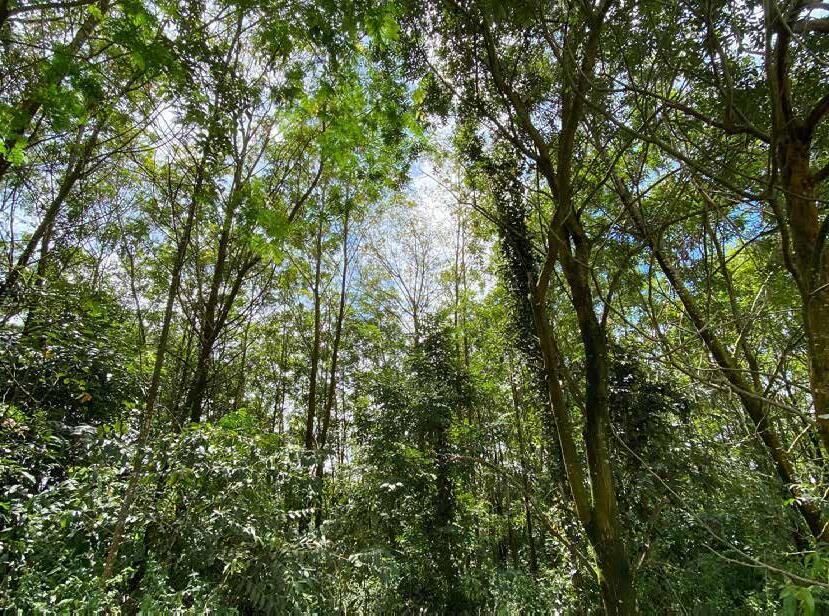
and with NGOs such as The Nature Conservancy on biodiversity pathways. On the investor side, SAIL is engaging with institutional investors to raise awareness for and understanding of how private credit can be used strategically to address Biodiversity–Food systems risks. Partnerships and networks are important channels for this, including UK-based Pensions for Purpose, Nordics-based Nordsip, the Global Impact Investing Network, and more investment focused partners like Markets Group, the PEI Group, and others.
2 MEASURING CHANGE AND IMPACT
SAIL tracks progress through SVCPs, with continuous monitoring, annual independent verification, and reporting under global standards such as SFDR Article 9, TNFD, and TCFD.
Metrics focus on ecological and social outcomes, including hectares of high-biodiversity forest protected, ecosystems restored, greenhouse gas reductions, supply-chain traceability, and livelihoods supported. To ensure data quality, SAIL combines advanced tools such as the STAR metric, the Forest Landscape Integrity Index, the IUCN Red List, and geospatial monitoring with primary data from borrowers, verified by independent auditors.
“You need to understand your boundaries of expertise, this is where trusted partnerships are so valuable to leverage and deeply understand what is important.”
– Michael Schlup, Chief Sustainability Officer, SAIL Investments
Learning and Insights
SAIL’s experience highlights the barriers to financing biodiversity-positive food systems and the lessons learned from addressing them.
Navigating local complexity: Working with borrowers embedded in diverse contexts requires covenants that balance ambition with feasibility. It also calls for dedicated teams to provide intensive on-the-ground origination expertise, as well as for due diligence and monitoring support.
Managing financial frictions: Layers of risk management, compliance, and reporting lengthen transaction timelines in high-impact sectors. Over time, this has built capacity to operate in challenging conditions where others hesitate.
Adapting to regulatory change: New standards such as the EU Deforestation Regulation and TNFD evolve rapidly. Anticipating these shifts has become central to structuring agreements that protect market access for borrowers and build investor confidence.
Leveraging reliable data: SAIL relies on primary company data, geospatial monitoring, and third-party verification. This approach is more reliable than ratings or proxies, but it depends on deep, context-specific understanding.
Overcoming the learning curve: Many investors are unfamiliar with biodiversity science, metrics, and value propositions. This slows capital deployment but also creates an opportunity for targeted engagement to build confidence.
From these experiences, several broader lessons emerge. Embedding sustainability in loan agreements ensures biodiversity outcomes become part of core operations rather than add-ons. Impact should be measured with multiple indicators, as biodiversity cannot be captured in a single metric. Stepwise transitions embedded in covenants work better than rigid targets, especially in complex supply chains.
Designing workable solutions requires blending financial expertise with agricultural supply-chain knowledge and offering patient capital through long-term loans. Systemic change also depends on partnerships across governments, NGOs, science institutions, DFIs, and asset owners. Public funding plays a key role in de-risking and testing approaches, but scaling requires private capital. Food systems remain a vast and underfinanced market, making investor education essential to unlock the flows needed for climate and biodiversity goals.
“There’s still a steep learning curve for institutional investors. We need to help build a deeper understanding of what it actually takes to achieve real outcomes in the places where they’re needed most, not just what looks good on paper.”
– Michael Schlup, Chief Sustainability Officer, SAIL Investments
Strategies and Opportunities
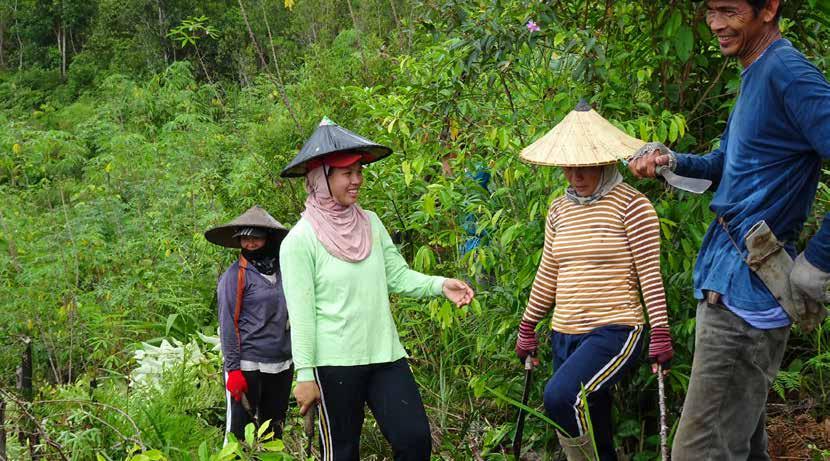
SCALING OPPORTUNITIES
y SAIL’s model has potential beyond food and agriculture. It could be applied to other naturalcapital-dependent sectors such as energy, water, forestry, infrastructure, and mining. Geographic expansion is equally important.
y Moving from tropical commodities into other underfinanced markets would support urgent sustainability transitions. Achieving meaningful scale will require deeper engagement with mainstream institutional investors, including pension funds, insurers, and sovereign wealth funds.
STRATEGIC COLLABORATION NEEDS
y Scaling depends on collaboration across finance, science, policy, and education. Institutional investors are needed to bring biodiversity covenants into core portfolios. Insurance and risk specialists can design products that recognize resilience in AFOLU markets.
y Research institutions are critical for refining biodiversity metrics, while conservation groups and civil society ensure transitions are grounded in science, community needs, and national priorities. Policy bodies align investment with frameworks such as the CBD, TNFD, and EUDR. Educational partners and consultants build investor understanding of natural capital investing at institutional scale.
Biodiversity–Food Systems Use Cases
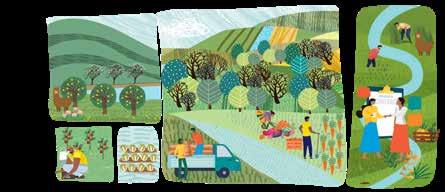
Collective Action for Water Stewardship to ensure BiodiversityFood Systems Integration
Nature’s Pride, European market leader in exotic fruits and vegetables, has built a collaborative approach to address water stress and biodiversity loss across its global operations. Starting in Peru’s Ica watershed in 2018, the company brought together actors along the value-chain, from European retailers to growers, through multi-stakeholder collaboration to manage water and biodiversity at landscape level. Water became the organizing principle, providing a concrete entry point that connects ecosystems, agriculture, and food security. Building on the Ica experience, partnerships in Peru, Chile, and Spain show how markets can help restore watersheds when linked to collective, landscape-level stewardship, complementing farm-level audits with broader collaboration on the water–biodiversity–food nexus and strengthening food system resilience.
The Biodiversity–Food Systems Challenge
Europe’s fresh produce supply chains depend to a large extend on biodiversityrich regions under water stress, including key producers like Peru, Chile, Spain, Mexico, Morocco, and South Africa. The demand for fruits and vegetables in Europe has stimulated agricultural production in these countries, which in turn has put ecosystems and water cycles under pressure. The result is a negative feedback loop in which food production erodes the natural system it depends on.
Peru’s Ica watershed illustrates this dynamic. The region sustains a 1.7 billion euro export industry, yet ground water abstraction far exceeds sustainable levels. Aquifer depletion threatens both plants and animals adapted to originally arid conditions and the livelihoods of communities. While farm level water audits are a good first step to promote best practices they cannot on their own address the water challenges at landscape level.
Nature’s Pride recognized that addressing these issues required new forms of collaboration among actors with different interests like local producers, communities, and European importers. The need for consensus-building and negotiated agreements was evident: valley communities benefit economically from exports, while isolated Andean communities controlling the water sources much less so.
Nature’s Pride, together with other business partners and the Netherlands government, hired water experts Good Stuff International and started a long trajectory to build trust. Through sustained efforts The Collective Action for Water Stewardship in Ica brought together previously disconnected actors across the value chain. Peruvian and European participants started ecosystem restoration activities together to strengthen the water cycle in the region.
KEY TERMS
Collective Action:
A coordinated set of engagements among interested parties playing complementary roles, which pools together knowledge, resources and/or expertise to jointly identify and implement solutions at various geographic scales, with the aim to address shared freshwater challenges.1
Water Stewardship:
Value-Driven Innovations
Nature’s Pride was founded 25 years ago on the principle of caring for both people and nature. This value-based approach continues to shape its leadership today. Instead of relying solely on audits, the company has committed significant time, expertise and resources to understanding complex watershed-level challenges and to developing collective action responses to water stress. This valuesdriven foundation has been central in enabling Nature’s Pride to pursue long-term, collaborative solutions that go beyond compliance and address root causes of ecosystem and water risks.
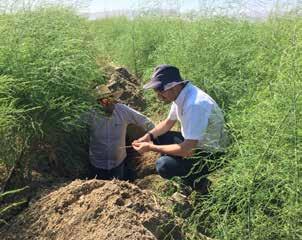
The use of water that is socially and culturally equitable, environmentally sustainable, and economically beneficial, achieved through a stakeholder-inclusive process that includes both site- and watershed-based actions.2
Value Chain Integration:
Connecting European buyers, importers, and local producers around shared responsibility for landscape outcomes.
Landscape Resilience:
Building adaptive capacity of social-ecological systems to maintain productivity while enhancing biodiversity and water security.
Soil moisture sampling in the Ica valley, Peru
Integrated Biodiversity–Food Systems Approach
BIODIVERSITY ENTRY POINTS
Ecosystem diversity: Restoring upper watershed landscapes through reforestation and erosion control to enhance water retention and habitat connectivity.
Species diversity: Supporting native plant species reintroduction.
Community-led landscape management: Train communities for sustainable alpaca grazing, higher income, and landscape protection.
FOOD SYSTEM ENTRY POINTS
Biodiverse landscapes: Mobilizing private voluntary finance to incentivize landscape-scale conservation beyond farm boundaries.
Social organization: Creating a multi-stakeholder platform that organizes farmers and buyers across continents to work collaboratively on shared challenges.
Policy and governance: Engaging with authorities, water licensing systems, and international frameworks to align regulatory environments with sustainability goals.
Commodity/sector value chain collaboration: Developing pre-competitive approaches where companies compete in European market but collaborate on noncommercial topics in countries of origin such as strengthening ecosystem health and water resilience.
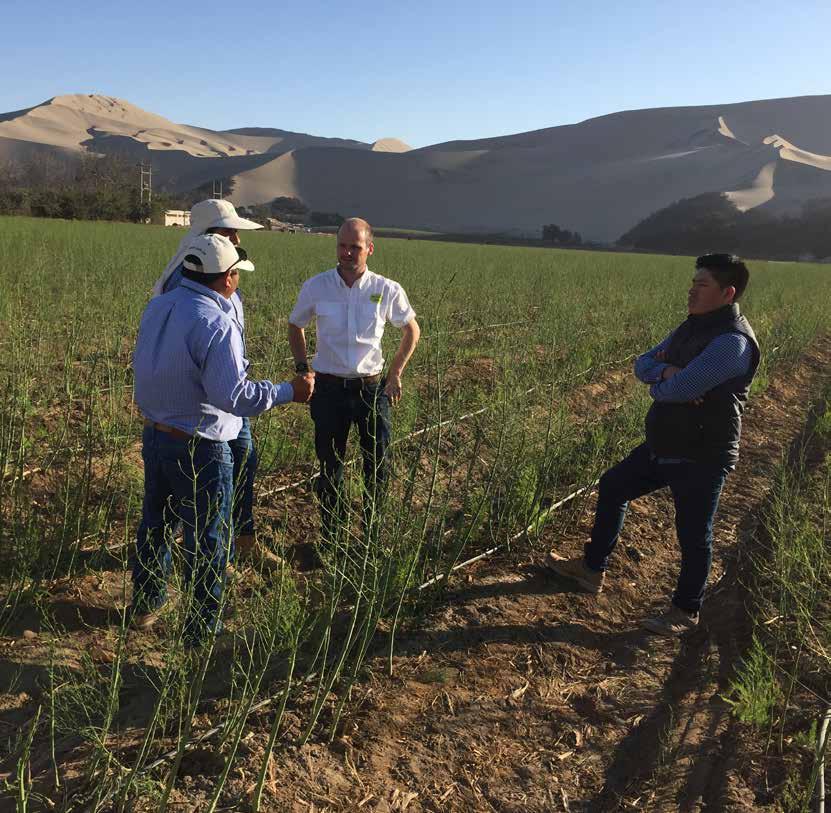
Multi-Stakeholder Partnerships for Collective Landscape Action
1 WATER AS THE ORGANIZING PRINCIPLE
Water serves as the connecting tissue between biodiversity conservation and food system resilience. Unlike often abstract biodiversity concepts, water provides a tangible, measurable entry point that farmers, buyers, and communities readily understand. Watershed-level water management builds on ecosystem restoration—from upper-watershed reforestation that enhances water retention to riparian corridors that support species diversity while stabilizing agricultural water supplies.
2
PERU’S ICA WATERSHED
Nature’s Pride tested and refined this collective action model through intensive watershed-level engagement since 2018. In the upper watershed, the Ica Water Stewardship Collective hired water experts Good Stuff International to facilitate a dialogue between historically disconnected indigenous communities, valley-based farmers, water authorities, and civil society organizations. Technical assistance helped communities improve alpaca breeding while creating employment through tree planting and the construction of infiltration ditches, generating both immediate income and longer-term ecosystem benefits. In addition, agro-exporters have made substantial investments in wastewater treatment facilities and artificial lakes for gradual aquifer recharge. The Ica model emphasized building trust through consistent presence and combining long-term strategic benefits for nature with tangible benefits for local communities.
3
CHILE’S ACONCAGUA WATERSHED
Building on lessons from Peru, the approach in the Aconcagua watershed was adapted to Chile’s political and ecological context. The Chilean model operates through the WAVE Partnership, based on three pillars: sustainable farming practices, resilient supply chains, and stronger enabling environments. The Aconcagua Network – a consortium of farmers and exporters managing 3,100 hectares – serves as the local implementation platform. Working groups focus on understanding current water usage, accelerating
adoption of regenerative practices, and building consensus on sustainable sourcing principles among European buyers.
The strategy aims for a 14% reduction in the regional water gap through both farm-level solutions and enabling environment improvements. Activities include water footprint measurements, regenerative agriculture protocols, farmer transition plans, and development of a watershed-level data platform. The initiative also participates in the ‘mesa hídrica’ (the local water governance platform), which facilitates stakeholder dialogue and policy coordination.
4 FARM-LEVEL BIODIVERSITY INTEGRATION
Alongside its focus on collective water stewardship, Nature’s Pride also links biodiversity and food systems through best practice auditing at farm level. In 2023, it was the first company to pilot the GLOBALG.A.P. biodiversity module outside of Europe, working with growers in South Africa. This standardized auditing system helps growers demonstrate biodiversity management practices to retailers and buyers, complementing landscape-scale action with on-farm protocols.
5 VALUE CHAIN LEVEL INTERVENTIONS
Nature’s Pride also pioneered industry-wide collaboration by being a founding partner in 2012 of the Sustainability Initiative Fruits and Vegetables (SIFAV), successfully advocating for collective action and introducing Key Performance Indicators (KPIs) that complemented farm-level audits with landscape partnerships.
This resulted in formal sector commitments to collective action in three priority landscapes, with Ica becoming the flagship initiative now supported by 18 companies including Peruvian agro-exporters organized in the collective of XynergIca. International collaboration expanded to include WRAP’s Water Roadmap, backed by importers and retailers in the United Kingdom and the Netherlands government, particularly its Partners for Water Programme Moreover, Dutch embassies helped to connect with local authorities and navigate political complexities in Peru, Chile, and Spain.
The Economic Model
The initiative combines market contributions, government grants, and grants from the Nature’s Pride Foundation – the company’s non-profit branch which focuses on contributing to a healthy lifestyle and a prosperous living environment for communities in countries of origin. Instead of conventional project funding, it pursues a “communities of well-being” approach where all value chain partners invest together in landscape resilience as a foundation for long-term community well-being and business resilience. Early investments by Nature’s Pride—including detailed technical watershed assessments shared freely with competitors—created awareness and the knowledge base enabling broader industry participation.
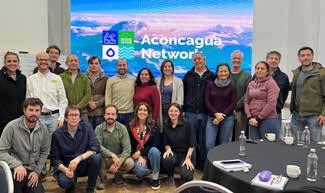
‘’We saw early on the imperative for a collaborative value chain approach to the water challenges. We invested many resources to create awareness and the conditions for a broad spectrum of actors to join.’’
Measuring Change and Impact
Nature’s Pride tracks both quantitative and qualitative indicators across its collective action work in Peru, Chile, and Spain. Qualitative measures have proven most meaningful at this early stage of multi-stakeholder collaboration. Key qualitative indicators include participation rates of historically marginalized communities, development of dialogue between upper and lower watershed authorities, and sustained engagement of private sector partners beyond initial commitments.
In Ica specifically, quantitative measures track soil restoration (reduced erosion) and water infiltration volumes. The more critical indicators focus on whether new stakeholders are joining the initiative, whether government authorities at different levels are beginning to collaborate. In addition, whether local communities continue participating despite past disappointments with similar promises.
Biodiversity outcomes remain challenging to track systematically, with efforts focused on native species reintroduction and ecosystem connectivity through green corridor development. The company acknowledges that “the qualitative indicators are the most important in this case,” reflecting the foundational importance of trust-building and social capital development for long-term success.
Unexpected outcomes include stronger relationships with Dutch ministries, opening advocacy opportunities at international forums such as UN Water conferences and biodiversity COPs. Recognition as a sector leader in collective action also presents challenges, including maintaining competitive advantage while promoting industry-wide transformation.
Key Insights
Building landscape resilience requires combining long-term strategic vision with short and medium term tangible benefits for local communities. “You need to have some concrete traction for people to start buying into a longer-term project”. For example in Ica, the tree planting and infiltration ditches provide visible employment and income while contributing to larger restoration goals.
Trust development proves essential but is timeintensive, particularly given historical experiences where communities have been let down by political promises. Consistent presence and repeated engagement over multiple years builds the credibility necessary for addressing complex landscape challenges that span political and election cycles.
A critical trade-off lies between driving innovation and making sure all actors contribute their fair share. Some companies invest much more in developing collective action than others. Inevitably, due to the nature of collective action, their work becomes accessible to competitors. When new actors join the collective action it is important that they contribute their fair share.
Water as the Organizing Principle: Water stewardship has proven to be an effective entry point for biodiversity integration. Water connects actors, incentives, and monitoring across the food system and provides a practical route to integrate biodiversity at the landscape scale.
Adaptation was required in every context. Chile’s structured regulatory environment and established water governance platforms required a different approach compared to Peru’s community-based model. Political sensitivities around water allocation are present in all settings.
Developing the watershed model required substantial resources, specialized skills, and long-term commitment. Nature’s Pride’s developed a long-term collaboration with water-experts Good Stuff International and later also the Dutch government. Their ability to align stakeholders, navigate political complexities, and sustain engagement over years proved critical.
Sustained efforts in relationship-building, consensusformation, and iterative learning were required before measurable collective action outcomes emerged. Without such dedicated convening capacity and willingness to absorb early-stage risks, these multi-stakeholder initiatives would likely never have taken shape.
Members of the Aconcagua Network in Chile.
SCALING OPPORTUNITIES
The stakeholder engagement model piloted in Ica, Peru has informed activities in Chile’s Aconcagua valley, while collective action also took shape in Southern Spain around strawberry production (in which Nature’s Pride’s sister company Berries Pride participates). Globally, leading water experts and conservation organizations have identified 100 water-stressed ‘priority’ catchments, several of which are critical to Europe’s fresh produce supply. As one partner observed, “all the major sourcing areas for fresh produce in Europe are getting into the red” on water stress.
Cross-sector collaboration offers further scaling potential, as many watersheds also support industries such as textiles, beverages, and mining alongside agriculture. “If you’re in a watershed and it turns our that a large multinational also has operations in the same watershed, then you can really start to accelerate and make a bigger difference”. The Water Action Hub, from the CEO Water Mandate, lists all water stewardship projects around the globe for parties to know about each other’s activities in the same watershed.
There are also policy integration opportunities, including taking a closer look at sustainability clauses in European Union trade agreements with Latin American countries, developing water licensing systems that reflect landscape capacity, and creating financial due diligence requirements that account for landscape-scale risks. Nature’s Pride’s science-based climate targets provide one example of how companies can align supply chain sustainability with global climate commitments.
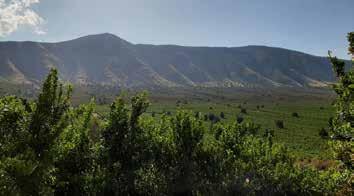
Biodiversity–Food Systems Use Cases

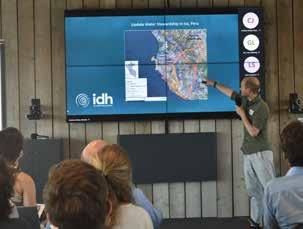
Scaling collective action requires broader financial and political support. Multilateral funding is needed to reduce dependence on individual company investments, together with stronger engagement from both importing and producing country governments. The private sector must also develop mechanisms for fair cost-sharing among benefiting companies and create market incentives that reward genuine sustainability investments. As Nature’s Pride notes, “Unfortunately, in our sector, there is no penalty for doing wrong, and no incentive for doing right” underscoring the need for systemic market transformation to support collective action approaches.
Knowledge and innovation partnerships could further strengthen biodiversity monitoring and help develop standardized approaches for measuring landscape-scale outcomes across different ecological contexts. Such collaborations would also help de-risk investments and align incentives for landscape stewardship across diverse geographical and political contexts.
Presenting the landscape stewardship approach for the Ica watershed to European Importers and retailers.
The Aconcagua Valley in Central Chile, an essential region for fruit and vegetable production.
Participatory Foresight Drives Biodiversity Integration in Food Systems
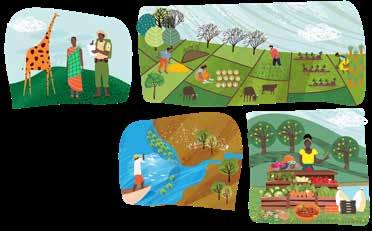
In Kenya’s agricultural heartland, Nakuru County shows how participatory foresight planning can shift institutional thinking to better integrate biodiversity with economic development for long-term food security. Through evidence-based visioning with a wide range of stakeholders, a Manifesto for Change was embedded into county plans and budgets. It also fostered institutional champions promoting agroecological practices and sustainable finance within broader circular economy goals. Strategic policy engagement, strong community ownership, and multi-stakeholder platforms, including unconventional partnerships, proved critical in driving systemic change in the local food system, linking healthy ecosystems with inclusive economic opportunities. The Nakuru experience highlights how collaboration, transformative leadership, and iterative learning can connect grassroots action to county and national frameworks.
The Biodiversity–Food Systems Challenge
Nakuru County exemplifies Kenya’s agricultural dilemma where productive agriculture and high-end horticulture offer economic opportunities but at the expense of land, soils, water and biodiversity, potentially causing longterm ecosystem harm.
Intensive practices around Lake Naivasha and Lake Nakuru have created environmental impacts including deforestation, water pollution and flooding, while large-scale agriculture displaces indigenous crop varieties and traditional farming, undermining genetic diversity needed for climate adaptation. These environmental pressures threaten to compromise agricultural systems’ ecological foundation, compounded by weak linkages between biodiversity conservation and agricultural development policies that limit opportunities for synergistic interventions enhancing both ecological health and farmer livelihoods.
KEY TERMS
Participatory Foresight: A collaborative methodology that engages multiple stakeholders in exploring possible futures and developing adaptive strategies for complex socio-ecological challenges.
Multi-Stakeholder Foresight
Process Supporting Biodiversity–Food Systems Integration at County Level
Nakuru County’s food systems transformation initiative is anchored by the Foresight4Food framework and led by Oxford University’s Environmental Change Institute in partnership with Wageningen University. Funded by the Netherlands through IFAD’s FoSTr programme, the collaboration provides technical advisory support and capacity building for local institutions. This multi-stakeholder platform brings together community networks, county and national government entities, research partners including the Results for Africa Institute (RAI) and the International Livestock Research Institute (ILRI). Additional collaborators include the University of Nairobi, Egerton University’s Living Lab, various county-level research and extension services and the private sector. The initiative has successfully engaged over 40 diverse stakeholders in developing comprehensive scenario planning for Nakuru County’s food system future.
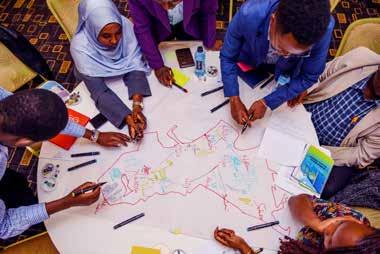
Circular Economy: An approach that minimizes waste and maximizes resource use by recycling, reusing, and creating value from by-products (e.g., waste-to-value initiatives).
Payment for Ecosystem Services: Financial incentives provided to farmers or communities in exchange for managing land or resources in ways that maintain or restore ecosystem services.
Bottom-Up Economic Transformation Agenda (BETA): Kenya’s current national development strategy focused on inclusive, grassroots-led growth, with strong emphasis on agriculture and food systems.

BIODIVERSITY ENTRY POINTS
Ecosystem Diversity: Integrated landscape management linking agricultural production with biodiversity conservation through corridors, agroforestry systems, and restoration of degraded land.
Collaborative Foresight Processes
FOOD SYSTEMS ENTRY POINTS
Policy and Governance: Embedding biodiversity–food systems integration into county governance and budgets through a collaborative Manifesto for Change vision. This aligns with Kenya’s National Agroecology Strategy for Food System Transformation (2024–2033), which promotes agroecological transitions through decentralized, participatory, and inclusive approaches across counties Markets: The Manifesto for Change promotes a shift from extractive to regenerative farming, integrating traditional crops and foods into modern value chains. It creates market incentives for maintaining agricultural biodiversity while supporting nutrition and cultural preservation.
The initial three-phased collaborative process in Nakuru County was facilitated using the Foresight4Food framework, which combines social, technical, economic, environmental, and political (STEEP) analysis with participatory engagement and computer-based modelling. Over forty participants from government, the private sector, research institutions, faith organizations, and community groups jointly explored systems dynamics and the future of the food system. Through this process, stakeholders identified practical strategies showing how biodiversity conservation and agricultural productivity can be mutually reinforcing rather than competing priorities.
Building on these foundations, the collaborative foresight process has deepened to strengthen whole-of-government and whole-of-society engagement, moving from systems understanding and scenario development to multi-level mobilization and implementation through the Manifesto for Change.
Participants created visuals mapping relationships between food systems and environmental linkages. This exercise deliberately confronted stakeholders with the visible costs of environmental degradation, allowing biodiversity concerns to emerge organically as ecosystem threats became apparent through the analysis of current agricultural practices. Through this shared mapping, stakeholders collectively identified key drivers of change, ecological pressures, and leverage points for aligning biodiversity goals with agricultural productivity and community well-being.
Causal loop diagramming helped stakeholders understand how biodiversity and agriculture create positive feedback loops. Using participatory foresight tools and empirical evidence, they visualized trade-offs, risks, and synergies across the scenarios, identifying strategic pathways that could align biodiversity conservation, nutrition, and economic development objectives. Through this systems-based analysis, stakeholders co-designed the Think and Go Green pathway, emphasizing circular economy approaches, agroecological practices, water harvesting, waste-to-value initiatives, and agroforestry investments. This process linked foresight insights with tangible strategies, bridging collective visioning to actionable interventions.
Building on four critical uncertainties—business structure, healthy diet adoption, environmental sustainability, and market destinations—participants co-developed five distinct scenarios. The preferred Ukulima Bora scenario explicitly integrated sustainable agriculture with indigenous crops, highlighting opportunities for regenerative practices, circular economy models, and inclusive market growth.
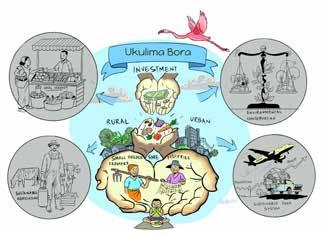
A multi-sector, multi-level commitment process introduced foresight into public planning, anchoring a BiodiversityEmbedded Manifesto for Change. This stage emphasizes inclusive co-creation and shared accountability among government, private sector, academia, and community stakeholders to institutionalize foresight practices within policy, financing, and investment systems.
The process now emphasizes practical implementation through a framework of pathways, processes, and partnerships fit for purpose. This ensures foresight outcomes are embedded in policy cycles, blended financing mechanisms, and accountability frameworks, enabling continuous learning, adaptive management, and long-term institutional capability.
PHASE 1 SYSTEMS MAPPING
PHASE 3 PATHWAY DEVELOPMENT
PHASE 2 EVIDENCE-BASED SCENARIO DEVELOPMENT
PHASE 4 WHOLE-OF-GOVERNMENT AND WHOLE-OF-SOCIETY MOBILIZATION
PHASE 5 OPERATIONALIZATION OF THE MANIFESTO FOR CHANGE
“What we tend to find is that the market moves the system more than the producers. So, if the market can move the system with the emphasis on regenerative farming and biodiversity then you’ll see the change.”
– Wangeci Gitata-Kiriga, Foresight4Food Kenya
Financial Incentives
The collaborative foresight process created financial incentives for biodiversity-positive practices by applying circular economy principles and payment for ecosystem services (PES). Revenue streams include premium markets for sustainably produced foods, carbon credits from agroforestry activities, and ecotourism leveraging agricultural landscapes. Blended finance mechanisms combine public investment, development partner funding, and private sector engagement. The emphasis is on building local institutional capacity for financial management and market development, which reduces dependence on external funding over time. Green energy investments and waste-to-value initiatives aim to create additional revenue streams while also reducing environmental impacts.
Measuring Change and Impact
The collaborative Manifesto for Change articulates shared vision and transformation pathways now embedded within Nakuru County’s 2023-2027 Strategic Plan and budget. The county committed 117 billion Kenyan shillings to promote agroforestry adoption, indigenous crop cultivation, and payment for ecosystem services, while also attracting business and financial service providers to invest in biodiversity-supporting value chains.
1 County officials shifted from viewing conservation as a productivity constraint to recognizing biodiversity as essential for food security.
2 Faith leaders emerged as environmental champions expanding conservation advocacy into communities.
3 Financial service providers incorporated biodiversity criteria into agricultural investment decisions, responding to rising demand for sustainably produced foods.
4 The Think and Go Green pathway, emphasizing circular economy, agroecological practices, water harvesting, and agroforestry investments, was operationalized through county budget allocations.
Participatory scenario planning identified concrete pathways: riparian protection was linked to water quality and floriculture viability; agroforestry to soil health and yield stability; and indigenous crops tied to nutrition and climate resilience. Emphasis on regenerative farming and indigenous crop varieties attracted new market opportunities and premium pricing mechanisms that reward biodiversity-positive practices.
Learning and Insights
The Nakuru foresight work showed that inclusive, evidence-based dialogue helps stakeholders see biodiversity and agricultural productivity as interdependent rather than competing goals. The process helped shift local perspectives from short-term interventions toward more systemic, long-term resilience
A key insight was the power of multi-level engagement—linking community foresight in Kabazi Ward with county planning and alignment to national frameworks such as the Bottom-Up Economic Transformation Agenda (BETA). This strengthened ownership and began embedding foresight principles in policy and budget decisions.
The process also highlighted the role of knowledge intermediaries such as Egerton University’s Living Lab in bridging science,
The Kabazi Ward Innovation Model
Kabazi Ward, within Nakuru County’s sub-county structure, created a decision-support ecosystem from the onset that integrates systems thinking and foresight approaches with bottom-up leadership rooted in authentic community ownership. The ward leveraged pre-existing Beyond 2030 Networks comprising ward departments, chiefs’ forums, school heads, women’s groups, local businesses, and community actors as the foundation for co-creation and systemic change.
These organized community networks provided visionary, lived-reality perspectives into the county’s Manifesto for Change through scenariobased foresight processes, introducing context-relevant approaches to promote indigenous crops and applying circular economy principles.
This grassroots mobilization generated the credibility and evidence needed for county-level adoption. By leveraging existing social capital, Kabazi Ward demonstrated local implementation pathways and provided legitimacy for county-wide policy integration. This creates a replicable model for nature-positive food systems transformation that is both locally relevant and institutionally supported. They learning has been to connect grassroots action with multi-level governance through a multistakeholder network advising the county government.
“It is the people, it’s coming from the people, what the people want. It’s not somebody coming to tell the community what they want to do for them. The community are already organized, and they’re already ready to be partners in their development.”
- Hannah
Oduor, Nakuru County Government
governance, and community practice. Their facilitation helped translate research into actionable pathways and sustained collaboration among diverse actors
While rooted in Nakuru’s experience, this approach offers valuable lessons for other counties in Kenya seeking to institutionalize foresight—building both capacity and culture through continuous learning, reflection, and adaptive action anchored in the Manifesto for Change.
What is different about the Kabazi Model is grassroots ownership and implementation. The Foresight multi-stakeholder and inclusive approach has been demonstrated as being very effective in moving from policy to action.
SCALING OPPORTUNITIES
Building on Nakuru County’s Kabazi Model, foresight methodologies can be institutionalized through Kenya’s devolved governance framework and the national Bottom-Up Economic BETA. Leveraging this multi-level structure allows whole-of-government, whole-of-society, and multi-sector stakeholder mobilization to adopt foresight processes that enhance biodiversity integration across county development plans and the national food systems transformation agenda.
A framework for linking biodiversity foresight and innovation should connect research and emerging best practices with people, policy, institutions, communities of practice, markets, and trade. This linkage strengthens Kenya’s vision of aligning biodiversity outcomes with economic and social well-being.
Regionally, expanding the foresight-based Kabazi model across diverse agroecological zones in East Africa would test adaptability, while South–South collaboration (e.g., with similar Biodiversity–Food systems contexts) can accelerate mutual learning and refinement. Beyond agriculture, foresight approaches could extend to fisheries, forestry, and pastoralism, broadening biodiversity impact and resilience across multiple production systems.
STRATEGIC COLLABORATION NEEDS
Embedding foresight within policy, financing, and accountability mechanisms ensures continuity and performance improvement. This includes:
y Policy integration: Align foresight-driven biodiversity strategies with agricultural, environmental, and economic development frameworks.
y Policy alignment: The draft National Biodiversity Strategy and Action Plan (NBSAP) complements the National Agroecology Strategy for Food System Transformation (2024–2033) by outlining pathways for conserving and restoring ecosystems that sustain food production, reinforcing ongoing efforts toward integrated food systems transformation.
y Blended and public–private financing: Mobilize investments through blended finance models and PES, creating sustainable incentives for biodiversity-positive practices.
y Monitoring and evaluation: Institutionalize foresight-informed tracking, reporting, and learning systems to enable adaptive management and continuous improvement.
A flagship whole-of-government, whole-of-society biodiversity capability enhancement initiative (e.g., Kenya @100 – Kenya 2063) can build the competencies and foresight culture required to sustain long-term transformation. This should empower both current and future stakeholders, institutionalize foresight in policy cycles, and embed learning loops across local, national, and regional systems.
KNOWLEDGE SYSTEMS AND PARTNERSHIPS
Partnerships with universities (e.g., Egerton University’s Living Labs), research institutions, and international biodiversity centers are critical for developing contextspecific foresight indicators and impact assessment methodologies By linking community innovation models (like Kabazi Ward) with national and global platforms, Kenya can lead in foresight-driven biodiversity mainstreaming—building a community of practice that bridges science, policy, and local implementation.
“Through the multi-stakeholder perspective, and the linking up with Egerton’s Living Lab, local regenerative farmers networks, and with faith leaders, we got very different perspectives than if we only worked with agri-business and technical experts.”
Biodiversity–Food Systems Use Cases
Business Coalitions Driving BiodiversityPositive Food Systems
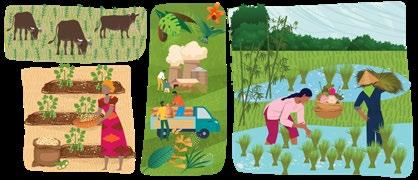
Biodiversity is fundamental to global food security, yet agriculture, the sector that depends most on it, is also the biggest driver of ecosystem degradation. The World Business Council for Sustainable Development (WBCSD) works to address this contradiction by mobilizing leading companies to embed biodiversity and regenerative farming within global food and land use systems. Through policy advocacy, business platforms, and collaborative initiatives, WBCSD aims to reduce agriculture’s ecological footprint while strengthening resilience and long-term food security. One example is One Planet Business for Biodiversity (OP2B), a cross-sector coalition advancing regenerative agriculture and supporting enabling regulatory frameworks. By engaging global actors including European companies with extensive international operations, OP2B demonstrates how private sector leadership can influence policy, scale regenerative practices, and create biodiversity-positive supply chains.
The Biodiversity–Food Systems Challenge
Agricultural expansion and unsustainable production systems are the leading drivers of biodiversity loss, undermining ecosystem services like pollination and carbon sequestration valued by the OECD at an estimated USD 125–140 trillion annually. Yet, conventional agricultural models continue to prioritize short-term productivity relying on chemical inputs and land expansion, and being responsible for 70% of biodiversity loss globally.
For companies operating across global value chains, this creates profound risks. Deforestation, soil depletion, and biodiversity loss weaken supply chain resilience, increase exposure to climate shocks, and undermine long-term market stability. At the same time, growing awareness of the immense natural capital, alongside growing societal pressure for climate-positive environmentally friendly approaches, is pushing companies to take stronger action to protect and use ecosystems sustainably. However, regenerative agriculture requires balancing short-term financial risks with long-term gains. Farmers often struggle to adopt these practices due to the high upfront costs and a long payback periods, with profitability influenced by an increasing number of variables.
Collaborative Business Partnerships for Regenerative Agriculture
WBCSD advances large-scale, biodiversity-positive transformation of food systems by working through global coalitions and multi-stakeholder partnerships. These platforms bring together companies, governments, science, finance, and civil society to address barriers, share precompetitive knowledge, and co-design metrics that track biodiversity, climate, and livelihood outcomes. By blending corporate, public, and development finance, they de-risk projects, unlock investment at scale, and support more efficient production and consumption with more diverse markets.
KEY TERMS
Blended finance:
The combination of public, private, and developmental capital to de-risk investment and mobilize large-scale funding.
Flagship partnerships illustrate this approach:
Action Agenda on Regenerative Landscapes (AARL): A groundbreaking model of multi-stakeholder action on regenerative agriculture at landscape level. This Action Agenda is working to unlock the transition to regenerative landscapes at scale by ensuring transparency on existing efforts on regenerative agriculture worldwide, connecting key players, and helping catalyze investments in agricultural landscapes. This flagship initiative, launched by the COP28 Presidency, the WBCSD, and the Boston Consulting Group (BCG), with support from the UN Climate Change High Level Champions, brings together farmers, agribusinesses, financiers,
Measurement, reporting, and verification (MRV): Standardized systems for tracking environmental, social, and economic outcomes, critical for investor confidence and outcome-based incentives.
Off-taker agreements:
Long-term purchase commitments from buyers that provide reliable market demand and financial security for farmers adopting regenerative practices.

and leading non-state actors to aggregate, accelerate, and amplify existing efforts and new commitments to transition large agricultural landscapes to regenerative practices by 2030.
One Planet Business for Biodiversity (OP2B): A global coalition of 26 companies mobilizing agri-food value chains to scale regenerative agriculture and biodiversity protection. Since 2019, members have mobilized multi-billion-dollar investments, with further commitments through 2030. OP2B has engaged farmers across 24 countries and millions of hectares, with ambition to more than triple this by 2030. It also drives alignment on metrics, reporting, and disclosure standards and advocates for supportive finance and policy.
Landscape Accelerator Brazil (LAB): A multi-actor coalition protecting the Cerrado and Pará landscapes by promoting regenerative agriculture and sustainable land use. LAB addresses policy, finance, and verification barriers to unlock Brazil’s potential to expand soybean and
beef production without deforestation. The initiative aims to increase annual GDP by USD 28 billion and reach over 600,000 farmers and ranchers. Partners include Brazil’s Ministry of Agriculture, The Nature Conservancy, TechnoServe, and global finance institutions. A consensus action package will be presented at COP30.
Sustainable Rice Landscapes Initiative (SRLI): A global alliance uniting WBCSD, United Nations Food and Agriculture Organization, United Nations Environment Programme, International Rice Research Institute, the Deutsche Gesellschaft für Internationale Zusammenarbeit (GIZ) and regional actors across Southeast and South Asia. SRLI focuses on reducing greenhouse gas emissions, restoring degraded land, conserving biodiversity, and building resilience in rice supply chains. Rice sustains 20% of the world’s population, yet climate change could reduce yields by up to 40% by 2100, making this work critical for both food security and ecosystems.
Integrated Biodiversity–Food Systems Approach
FOOD SYSTEM ENTRY POINTS
y Finance and Trade: Mobilizing innovative financing mechanisms to de-risk investment and create stable markets for regenerative products through procurement commitments, carbon markets, and payments for ecosystem services.
y Policy and Governance: Aligning with national priorities, strengthening regulatory frameworks, and advocating policies that incentivize regenerative practices and farmer equity.
y Scaling Biodiversity-Positive Agricultural Practices: Scaling regenerative agriculture using public–private partnerships, technical assistance, and monitoring systems to transform value chains and supply chains.
BIODIVERSITY ENTRY POINTS
y Ecosystem Diversity: Protecting and restoring high-value ecosystems to conserve habitats and ecological processes.
OP2B’s Role in Scaling Regenerative Agriculture
The 26 members of the OP2B Coalition combine complementary capabilities that no single company could achieve alone. Working pre-competitively, they share costs, align metrics, and create the market signals and policy conditions needed for large-scale food system transformation.
Food and beverage producers (Arla Foods, Danone, Diageo, McCain Foods, Mondelez, Nestlé SA, PepsiCo, Unilever, Pernod Ricard, Carlsberg) drive on-farm transformation through sourcing and farmer programmes. drive on-farm transformation through sourcing programmes and farmer engagement.
Fashion and beauty brands (Inditex, L’Occitane, L’Oréal, Kering, Louis Vuitton Moët Hennessy) integrate biodiversitypositive sourcing into textiles and cosmetics. Inditex, for instance, supports Indian farmers with agroforestry and efficient irrigation to secure sustainable fibre supplies.
Knowledge and advisory partners (Boston Consulting Group, Griffith Foods, HowGood) co-develop science-based metrics and value-chain strategies to track biodiversity and climate outcomes.
Cooperative and producer networks (InVivo) support farmercentric regenerative agriculture implementation.
Agricultural inputs and technological (e.g., Yara) supply precision tools and regenerative practice training, such as blending mineral with organic fertilizers to cut emissions.
Finance actors (Rabobank, Tikehau Capital, Mirova, Clarmondial, Livelihoods Venture) provide blended finance and risk-sharing to enable uptake.
Retail and consumer goods platforms (Inter IKEA) provide market pull and off take commitments.
Recent partners such as Landscape Enterprise Networks, European Institute of Innovation and Technology, and the European Association for Regenerative Agriculture broaden engagement across sectors.
ECONOMIC MODEL
To manage the financial and market trade-offs of regenerative agriculture, OP2B promotes tailored support: blended finance to share investment risks, equipment-sharing and service models to cut costs, and crop rotations that include higher-margin species. Its value-chain financing model combines public, private, and development capital, distributing risks to make regenerative practices viable, particularly for small and medium farms.
UNILEVER’S JASMINE RICE REGENERATION, THAILAND
Unilever’s Jasmine Rice project integrates regenerative practices into its core sourcing strategy. In partnership with local farmers and Kasetsart University, the company introduced soil testing, cover cropping, and organic fertilizers, helping farmers cut chemical fertilizer use by 30–40%. Farmers report improved soil fertility, higher yields, and greater resilience to extreme weather. The initiative aims to expand from 4,000 to 20,000 hectares by 2025, as part of Unilever’s goal to roll out regenerative practices across all jasmine rice supply chains. Through OP2B, Unilever leverages partnerships and monitoring systems to track soil health, farmer livelihoods, and biodiversity impacts.
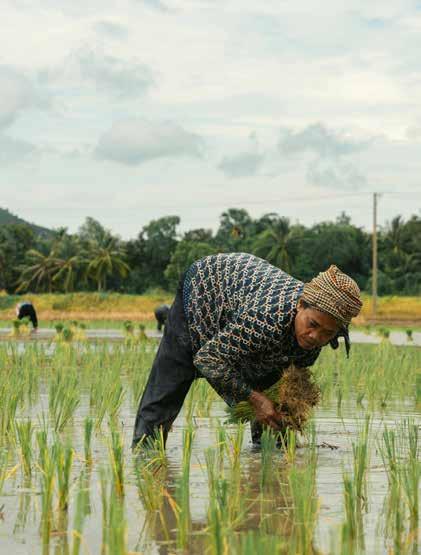
Between 2019 and 2023, OP2B members invested USD$ 3.6 billion. With a further USD 2.4 billion committed through 2030. The LAB initiative alone seeks to mobilize finance that could increase Brazil’s agricultural GDP by USD 28 billion while preventing deforestation. The approach relies on blended-finance instruments, farmer incentive platforms, and “one-stop-shop” services linking technical assistance with credit. Financial institutions provide concessional and commercial capital, agrifood companies offer offtake agreements and price premiums, and governments align subsidies and policies to reward positive environmental outcomes.
NESTLÉ’S NESCAFÉ PLAN, VIETNAM
Since 2011, Nestlé has supported more than 21,000 Vietnamese coffee-farming households through agroforestry, efficient irrigation, and disease-resistant seedlings. Farmers have reduced water use by up to 60%, lowered dependence on chemical inputs, and diversified crops to increase incomes. The NESCAFÉ Plan is regenerating over 74,000 hectares, strengthening soil health and biodiversity while sustaining Vietnam’s role as a key global coffee supplier. Ongoing investment and training enable farming communities to adapt to market pressures and climate change.
Measuring Change and Impact
The OP2B coalition has engaged 300,000 farmers in 24 countries and converted 3.9 million hectares to regenerative practices. Regenerative agriculture provides a practical pathway to improve environmental outcomes, build resilience in farming and value chains, and support long-term productivity. It supports and improves soil health, biodiversity, water resources and climate, while supporting farmer livelihoods.
To accelerate the global transition to regenerative agriculture, WBCSD and SAI Platform bring complementary strengths across the value chain. Together, they drive convergence on outcomebased indicators that link corporate, policy and investor decision-making with actions at the farm and landscape levels. WBCSD leverages its strengths in policy advocacy, value chain collaboration, and mobilizing shared financing and investment. SAI Platform focuses on the technical guidance for the implementation of regenerative agriculture at the farm level and its reporting throughout value chains. Together, both organizations aim to scale regenerative agriculture worldwide by aligning strategic goals with practical action.
Photo: Pexels/Long Bà Mùi
Learning and Insights
A central challenge is the fragmentation of public and private funding streams, which limits support for farmers transitioning to regenerative agriculture. Scaling depends on stronger public–private collaboration to create enabling conditions.
Integrated financial models are essential to overcome this barrier. “One-stop-shop” packages combining public and private capital can cover both upfront and ongoing costs, while concessional finance helps de-risk projects and attract private and institutional investors. Yet a major gap remains: despite multi-billion-dollar investments to date, modelling shows that without incentives farmers face a nine-year payback period on upfront investments. Subsidies and premiums can reduce this to around five years, but significant gaps persist. Transparent, outcome-based incentives and coordinated funding are therefore critical to shorten payback periods, reduce yield-loss risks, and ensure small and medium farms reach profitability within four to five years. Diversifying crops also reduces vulnerability to shocks, building resilience at farm and system level.
Another barrier is the proliferation of monitoring, reporting, and verification (MRV) methods, which complicates adoption and undermines investor confidence. Standardized MRV, aligned on outcomes and indicators, would streamline reporting, reduce duplication, and strengthen the credibility of outcome-based incentives.
Finally, a recurring challenge is balancing the rapid but smallscale transitions of grassroots organizations with the slower but broader shifts of mainstream actors.
Opportunities for Partnerships and Scaling
Scaling of regenerative landscape initiatives is already under way in East Anglia (UK) and Northern France (2025–2026), with potential expansion to the Netherlands or Northern Spain, targeting 40 million hectares across Europe by 2030.
Greater public–private collaboration is needed to replace today’s fragmented mix of subsidies, loans, premiums, and insurance with comprehensive financing mechanisms that can reach many more farmers.
WBCSD aims to broaden its membership and partnerships, engaging multinational agrifood companies, major retailers, and financial institutions to provide market access, investment capital, and risk-sharing instruments that accelerate adoption and impact.
The cost of inaction has become greater than the cost of change. To tackle climate change, we need to make regenerative agriculture the norm, not the exception.”
– WBCSD
Biodiversity–Food Systems Use Cases
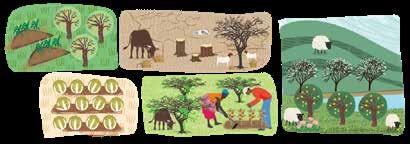
Integrating Biodiversity and Food Systems through Multi-Stakeholder Landscape Partnerships
Integrated landscape approaches have grown globally as an effective management scale to address interconnected challenges of climate change, biodiversity loss, and food insecurity that fragmented, sector-based strategies have proven inadequate to resolve. Moving from concept to implementation requires navigating complex inclusion, governance structures, and demonstrating long-term impact. Commonland catalyzes landscape restoration by bringing farmers, conservationists, businesses, and governments into structured partnerships through the 4 Returns Framework.
Guiding multi-stakeholder collaborations through a systematic process, the framework targets four critical returns—inspiration, social capital, natural regeneration, and financial sustainability. This supports a shift from fragmented conservation towards integration of conservation and food systems. Evidence from proof-of-concepts across diverse geographies demonstrates the potential for reconciling agricultural development with environmental conservation. Robust long-term evaluation continues and supports adaptive management.
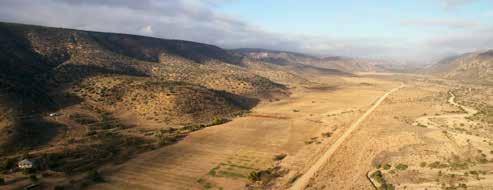
The Biodiversity–Food Systems Challenge
The triple crisis of feeding growing populations with sustainable diets while preventing biodiversity loss and adapting to climate change demands holistic, integrated approaches to food systems and landscape management. Yet fragmented, sector-based strategies continue to dominate. Agricultural intensification creates destructive feedback loops where food production erodes the natural systems it depends on. Policy paradigms—some prioritizing conventional intensification, others advocating sustainable, locally adapted systems—create incoherence across environmental, agricultural, and economic objectives.
Despite growing recognition of integrated landscape approaches as promising frameworks, implementation faces substantial barriers. Policy incoherence and ineffective decentralization continue to hinder cross-sectoral coordination.
Many multi-stakeholder platforms remain dependent on unsustainable external funding and robust evidence of long-term, large-scale impacts is limited. Evaluations of food systems change are difficult to compare, and conclusive evidence on causal pathways, particularly for resilience improvements and transformative processes for gender equity and social inclusion, is still lacking.
Biodiversity–Food Systems Entry Points
BIODIVERSITY
ENTRY POINTS:
Ecosystem diversity through landscapelevel restoration that regenerates natural habitats and connects diverse ecosystems with productive agricultural areas to create resilient ecological networks.
FOOD SYSTEM
ENTRY POINTS:
Scaling biodiversity-positive agricultural practices and social organization through establishing landscape partnerships that connect smallholder farmers with conservation organizations, businesses, and policymakers around shared restoration goals.
Reblex Photography
“The complexity and scale of landscape degradation means we cannot solve the challenges alone. Landscape transformation requires holistic, systemic solutions.”
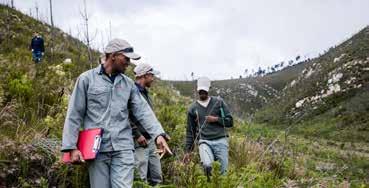

Integrated Approach: The 4 Returns Framework
Commonland positions itself as a catalyst within a global movement for large-scale, long-term landscape restoration. Its approach is guided by the 4 Returns Framework, which has become a widely recognized model for linking ecosystem restoration includes ecological restoration but is broader with social and economic outcomes. This framework is described in detail below.
Commonland’s 4 Returns Framework addresses the interconnected complexity through landscape partnerships that embed biodiversitypositive practices into food production, supply chains, markets, and local institutions. Rather than prescriptive solutions, the framework
HOW DOES COMMONLAND’S 4 RETURNS FRAMEWORK WORK
provides structured principles that enable stakeholders to co-create restoration pathways tailored to their specific ecological, social, and economic contexts.
The 4 Returns Framework guides landscape partnerships through a systematic process to restore degraded areas by delivering four interconnected returns: inspiration (hope and purpose), social benefits (jobs and community resilience), natural capital (biodiversity and ecosystem health), and financial value (sustainable income streams).
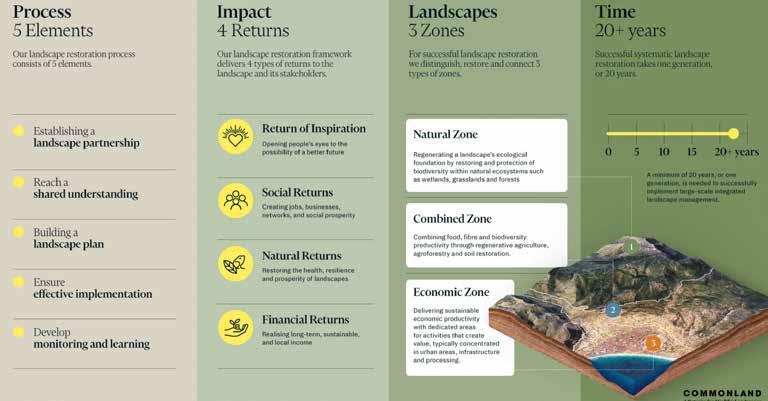
The approach is adaptive and iterative, so all stakeholders shape and own the process as it unfolds. This holistic approach breaks down existing silos between conservation and agriculture through strategic landscape zoning that allows different land uses to coexist and mutually benefit each other. By designating natural areas for biodiversity conservation, combined zones where regenerative agriculture coexists with ecological restoration, and economic zones for value-added activities, both land sparing and land sharing mechanisms can create more resilient and diverse landscape mosaics and reconcile multiple and often conflicting objectives between production and conservation.
Partnerships and multi-stakeholder engagement are the cornerstone of the 4-Returns approach. Core actors include local landscape organizations (leading implementation), farmers and community members (practicing regenerative approaches), conservation groups (providing technical expertise), businesses
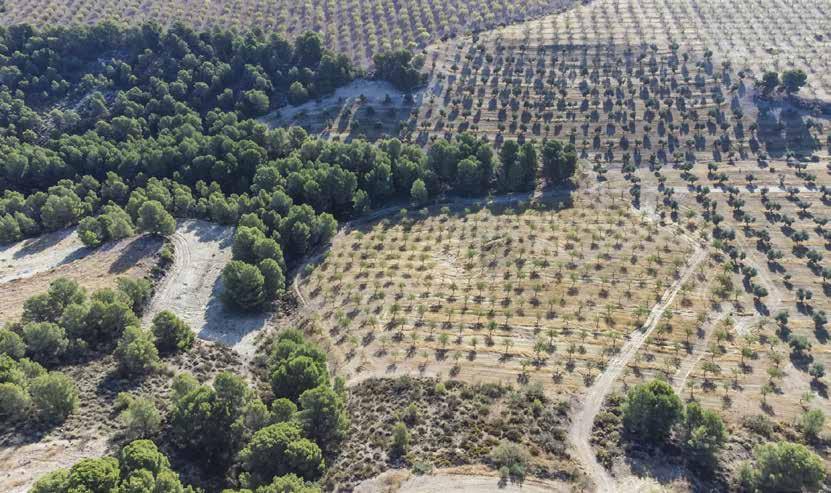
(developing sustainable supply chains), and government agencies (creating enabling policies). Commonland supports these partnerships by connecting stakeholders with funders, providing strategic support, and sharing tools and best practices. Unconventional partnerships emerge between Indigenous communities and carbon credit investors, wildlife conservationists and livestock farmers, and local NGOs with multi-national corporations seeking sustainable sourcing.
The framework creates incentives for collaboration by demonstrating how biodiversity conservation generates ecosystem services that support agricultural productivity, while sustainable farming practices contribute to landscape connectivity and ecosystem restoration. Knowledge flows are facilitated through peer-to-peer learning networks, diagnostic tool is a quick assessment and conversation starter across all four returns, and indicator menus that guide local monitoring.
ECONOMIC MODEL
Resource flows combine philanthropic funding, blended finance mechanisms, and emerging markets for carbon and biodiversity credits to support long-term restoration efforts.
The financing logic combines patient capital for long-term partnership development with diversified revenue streams from improved agricultural productivity, carbon credits, biodiversity credits, and sustainable value chains. Risks are mitigated through stakeholder co-investment, adaptive management approaches, and portfolio effects across multiple landscapes. The framework reduces transaction costs by providing standardized tools while maintaining flexibility for local adaptation.
MEASURING CHANGE AND IMPACT
Several multiple landscape partnerships have been established with 20+ year commitments across a wide diversity of landscapes globally. The 4 Returns community platform has grown into a global network of practitioners sharing tools and innovations for holistic landscape restoration. The 4 Returns frameworks offers a Diagnostic Tool to create comprehensive baseline assessments through stakeholder interviews and existing data. An indicator menu provides flexible frameworks for tracking outputs, outcomes, and impacts across the four returns.
Commonland conducts 10-year evaluations of methodology effectiveness in longimplemented landscapes. This also included tracking number of landscape partnerships established with multi-stakeholder governance, hectares under restoration with measurable biodiversity improvements, and sustainable income increases for participating communities.
LANDSCAPES
India Andhra Pradesh Landscape: The collaborative partnership between Commonland and GVK Society implements an integrated landscape restoration programme informed by the 4 Returns framework, focusing on regenerative agriculture and livelihood diversification. Operating across 26 villages in Parvathipuram Manyam district, the initiative started working with four Indigenous communities and 77 self-help groups and farmer producer groups.
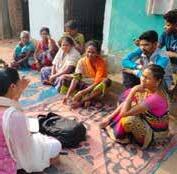
They conducted baseline surveys, participatory rural appraisals for natural resource mapping, established a custom hiring centre to provide farmers with access to modern equipment, and implemented water and agroforestry pilots. As part of the efforts, financial literacy workshops conducted between August 2023 and December 2024 reached over 750 women, equipping them with knowledge for managing finances, saving, understanding banking services, and planning for the future. Following the training, 36 women opened savings accounts, establishing recurring deposits through government saving schemes. The 20-year vision aims for state-wide expansion, focusing on land restoration, biodiversity conservation, climate risk mitigation, and women’s socio-economic empowerment.
Learning and Insights
LEARNINGS
Mobilizing sustainable finance for the process-oriented work of stakeholder facilitation is critical, yet often overlooked. This work builds the evidence base for policy influence and manages the tension between reporting shortterm outputs and achieving long-term impacts.
Deep and sustained stakeholder engagement, bringing together local and scientific knowledge, helps shift negative perceptions of biodiversity integration when immediate economic needs dominate. Co-designed solutions, ranging from blended finance mechanisms that pair facilitation grants with productive investments, to peer learning networks that showcase success stories, demonstrate tangible benefits and foster trust.
A persistent trade-off lies in the time needed to build durable relationships versus pressure to show quick results. While holistic restoration requires patient investment, it delivers more resilient and lasting change. An additional insight has been the value of the framework’s emphasis on local adaptation, which has spurred governance innovations that strengthen Indigenous land rights and traditional ecological knowledge. At times, however, this creates friction with Western zoning and planning concepts that do not easily align with holistic Indigenous worldviews.
KEY INSIGHTS
Starting with what already works builds momentum and demonstrates co-benefits across sectors.
Co-creation processes that give all stakeholders a voice are essential, as prescriptive approaches rarely succeed.
Financial sustainability depends on patient capital combined with diversified revenue streams.
Policy coherence across food, environment, finance, and energy sectors remains one of the most difficult but crucial enablers.
A 20-year horizon is necessary for systematic restoration, requiring institutional commitment and adaptive management.
Collaboration is most effective when timed with national policy cycles, climate finance allocation periods, and agricultural planning seasons.
South Africa’s Landscapes: In the Baviaanskloof and Langkloof region, a comprehensive partnership with Living Lands aimed to explore restoration opportunities and identify business opportunities around large-scale landscape restoration. The initiative has evolved over 15 years, showcasing a transformative pathway through regenerative livestock management underpinned by inclusive governance and capacity development support for farmers. Local cooperatives and farmers apply rotational grazing tailored to drought cycles, wild harvesting, and restoration corridors for endangered flora.
Early indications from the pilot suggest promising progress toward restoring degraded land, developing market premiums for regenerative lamb, and strengthening landscape stewardship. Emerging lessons also point to potential benefits for both household income and wildlife habitat, enhancing resilience to drought and economic shocks. The initial experiences demonstrate how the 4 Returns Framework can guide restoration efforts that generate social, economic, and ecological value for local communities.
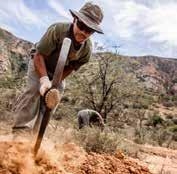
© Grameena Vikas
Kendram: GVK Society
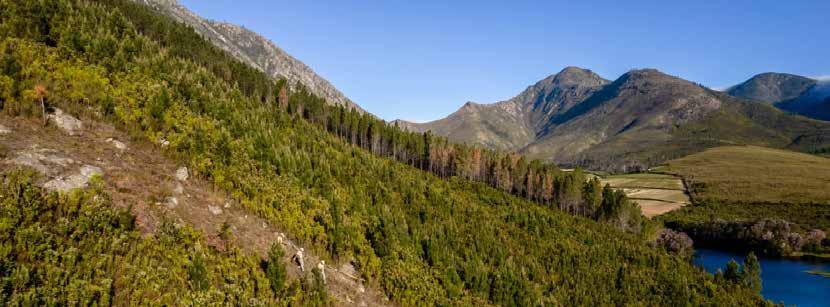
SCALING OPPORTUNITIES
Commonland’s 2040 goal provides a clear scaling pathway through differentiated support levels that maximize impact while maintaining quality. Growing recognition of landscapescale approaches in international policy frameworks creates windows for mainstreaming the approach through national adaptation and development plans.
Expected near-term impacts include expansion to landscape clusters for peer-to-peer learning and partnership building.
Geographic expansion through the 1000 Landscapes for 1 Billion People initiative creates a radical collaboration of change agents working to accelerate landscape restoration globally. Assumptions include continued growth in blended finance availability and policy support for landscape-scale approaches.
Biodiversity–Food Systems Use Cases
STRATEGIC COLLABORATION NEEDS
The community platform of the 4 Returns provides immediate connection points for practitioners seeking to adapt the framework. Policy engagement requires longer-term relationship building with government agencies responsible for cross-sectoral coordination.
Strengthening partnerships with actors such as blended finance institutions capable of deploying patient capital, policymakers advancing landscape-scale governance frameworks, and technology providers developing monitoring and data systems for complex social-ecological outcomes is essential.
There is need for financial innovation by developing standardized blended finance mechanisms and carbon or biodiversity credit systems that can be replicated across landscapes while remaining locally adaptable.
Demonstrating how landscape approaches deliver on global targets and national priorities can help cross-sectoral and multi-level governance alignment, filling the critical gap where policies fall short of explicitly recognizing the landscape scale.
© Reblex Photography, Commonland

GLOSSARY

Integrating biodiversity and food systems brings together diverse sectors and disciplines, each using different terminology and concepts that evolve over time as knowledge and understanding advances and policy frameworks develop. Language in the field of food systems and biodiversity is dynamic, new terms are created, existing terms gain new meanings, frameworks are refined, and concepts are reinterpreted across different contexts and cultures.
To support a shared understanding, this glossary presents working definitions of key terms relevant to biodiversity and food systems integration. It is not an exhaustive list but focuses on terms most relevant to the themes and use cases presented. The definitions draw on official and widely recognized sources, ensuring consistency with established frameworks while remaining practical for diverse contexts.
For more comprehensive terminology resources, readers are encouraged to consult:
IPBES Glossary: The Intergovernmental Science-Policy Platform on Biodiversity and Ecosystem Services provides authoritative definitions for biodiversity and ecosystem service terms (IPBES Glossary)
FAO Term Portal: The Food and Agriculture Organization’s multilingual terminology database covering agricultural, food security, and natural resource management terms (FAO Terminology Portal)
These resources provide extensive, regularly updated terminology that reflects the evolving nature of biodiversity and food systems discourse across global policy, scientific, and practitioner communities.
ACCESS AND BENEFIT-SHARING: One of the three objectives of the Convention on Biological Diversity (CBD), as set out in Article 1, refers to the “fair and equitable sharing of the benefits arising out of the utilization of genetic resources, including by appropriate access to genetic resources and by appropriate transfer of relevant technologies” (CBD).
AGROBIODIVERSITY (AGRICULTURAL BIODIVERSITY): The variety and variability of animals, plants, and microorganizms that are used for food and agriculture, including genetic resources, species, and entire agro-ecosystems. It encompasses the diversity of crops, livestock, forestry, and fisheries, as well as the non-harvested species that support production, such as pollinators and soil microorganizms (FAO 1999).
AGROECOLOGY: Agroecology is a holistic and integrated approach that simultaneously applies ecological and social concepts and principles to the design and management of sustainable agriculture and food systems. It seeks to optimize the interactions between plants, animals, humans and the environment while also addressing the need for socially equitable food systems within which people can exercise choice over what they eat and how and where it is produced (FAO).
BIODIVERSITY (BIOLOGICAL DIVERSITY): As defined in Article 2 of the Convention on Biological Diversity (CBD): “the variability among living organizms from all sources including, inter alia, terrestrial, marine and other aquatic ecosystems and the ecological complexes of which they are part: this includes diversity within species, between species and of ecosystems” (CBD Article 2).
BIODIVERSITY FOR FOOD AND AGRICULTURE: The variety and variability of animals, plants and micro-organizms at the genetic, species and ecosystem levels that sustain the ecosystem structures, functions and processes in and around production systems, and that provide food and non-food agricultural products (FAO 2019).
BIODIVERSITY LOSS: Biodiversity loss refers to the reduction of any aspect of biological diversity (i.e. diversity at the genetic, species and ecosystem levels) in a particular area through death (including extinction), destruction or manual removal. It can occur at many scales, from global extinctions to local population extinctions, leading to a decline in total diversity at the same scale (IPBES).
BIODIVERSITY MAINSTREAMING: Biodiversity mainstreaming is ensuring that biodiversity, and the services it provides, are appropriately and adequately factored into policies and practices that rely and have an impact on it (CBD 2024)
BIOCULTURAL DIVERSITY: Biological diversity and cultural diversity and the links between them (CBD 2019).
BIOCULTURAL HERITAGE: Biocultural heritage is the interlinked traditional knowledge, biodiversity, landscapes, cultural and spiritual values, customary laws and languages of Indigenous Peoples and local communities. The concept reflects the holistic worldviews of many Indigenous and traditional peoples where biodiversity and culture are inextricably linked and cannot be separated (IIED 2025).
BLENDED FINANCE: The strategic use of development finance for the mobilization of additional finance towards sustainable development in developing countries. This includes the mobilization of commercial finance with the aim of growing the total pool of finance available for sustainable development in developing countries (OECD 2025).
CIRCULAR ECONOMY:: The circular economy is a new and inclusive economic paradigm that aims to minimize pollution and waste, extend product lifecycles, and enable broad sharing of physical and natural assets. It strives for a competitive economy that creates green and decent jobs and keeps resource use within planetary boundaries (UNECE).
CLIMATE RESILIENCE: The capacity of social, economic, and environmental systems to cope with a hazardous event or trend or disturbance, responding or reorganizing in ways that maintain their essential function, identity, and structure, while also maintaining the capacity for adaptation, learning, and transformation.(IPCC 2018).
CLIMATE-SMART AGRICULTURE: An approach that helps guide actions to transform agri-food systems towards green and climate resilient practices. CSA supports reaching internationally agreed goals such as the SDGs and the Paris Agreement. It aims to tackle three main objectives: sustainably increasing agricultural productivity and incomes; adapting and building resilience to climate change; and reducing and/or removing greenhouse gas emissions, where possible (FAO).
COLLECTIVE ACTION: Action taken together by a group of people, organizations, or actors to achieve a common objective or pursue a shared interest. Collective action is a means of supporting and expanding individual strategies by ensuring the minimum level of cooperation needed to address challenges that no single actor can solve alone. Collective action aims to empower marginalized populations by strengthening their bargaining power, increasing access to resources and services, and enabling participation in economic, social, and political spheres (IFAD 2018).
COMMUNITY PROTOCOLS: A broad array of expressions, articulations, rules and practices developed by Indigenous Peoples and Local Communities. These protocols are based on customary laws and traditional authorities, outlining how communities expect other stakeholders to engage with them concerning access to their associated traditional knowledge and/ or genetic resources, and benefit-sharing (CBD).
COMMUNITY-BASED NATURAL RESOURCE MANAGEMENT (CBNRM): A process by which local groups or communities organize themselves with varying degrees of interaction with state agencies and outside support so as to apply their skills and knowledge to the care of natural resources while satisfying livelihood needs (IPBES 2020).
CONSERVATION AGRICULTURE: Farming system that promotes minimum soil disturbance (i.e. no tillage), maintenance of a permanent soil cover, and diversification of plant species. It enhances biodiversity and natural biological processes above and below the ground surface, which contribute to increased water and nutrient use efficiency and to improved and sustained crop production (FAO).
CULTURAL HERITAGE: Includes the physical (tangible) and/ or non-physical (intangible) manifestations of the heritage of Indigenous Peoples and Local Communities, in accordance with traditional inheritance and transmission.
Tangible cultural heritage includes, but is not limited to, monuments, groups of buildings, and sites of outstanding universal value — such as cultural landscapes, archaeological structures, and works of art — as defined in the UNESCO World Heritage Convention (1972).
Intangible cultural heritage includes, but is not limited to, the practices, representations, expressions, knowledge, and skills — as well as the instruments, objects, artefacts, and cultural spaces associated therewith — that communities and groups recognize as part of their cultural heritage, as defined in the UNESCO Convention for the Safeguarding of the Intangible Cultural Heritage (2003)
Together, these forms constitute the living expressions, traditions, and creative practices that are transmitted from generation to generation, continuously recreated by communities in response to their environment, interaction with nature, and their history.
CUSTOMARY LAW: Unwritten rules, customs, and practices accepted as legal requirements or obligatory conduct within a social or economic system, particularly concerning natural resource management, which derive their legitimacy from the values and traditions of local or indigenous groups and may or may not be recognized by national law (FAO 2010).
CUSTOMARY SUSTAINABLE USE: Uses of biological resources in accordance with traditional cultural practices that are compatible with conservation or sustainable use requirements (CBD 2022).
ECOSYSTEM: A dynamic complex of plant, animal and microorganizm communities and their non-living environment interacting as a functional unit (CBD)
ECOSYSTEM-BASED APPROACH: A strategy for the integrated management of land, water andliving resources that promotes conservation and sustainable usein an equitable way. An ecosystem approach is based on theapplication of appropriate scientific methods, focused on levelsof biological organization that encompass the essential structure,processes, functions and interactions among and betweenorganizms and their environment. It recognizes that humans,with their cultural diversity, are an integral component of many ecosystems (IPBES 2020).
ECOSYSTEM DIVERSITY: The variety of ecosystems in a given place. It comprises the variation in ecosystems within a geographical location and its overall ecological complexity (CBD 2004).
ECOSYSTEM SERVICES: Ecosystem services include provisioning services (food, fresh water), regulating services (climate regulation), supporting services (primary production) and cultural services (recreation) (IPBES 2020).
ENTRY POINTS FOR FOOD SYSTEMS AND BIODIVERSITY
INTEGRATION: Strategic intervention areas for improving biodiversity, at genetic, species, and ecosystem levels, in food systems. Entry points represent different angles—some help to define boundaries (such as landscape or commodities), while others represent processes or sectors that can be leveraged (such as policy, finance, or education). They include interventions across food system activities, socio-economic drivers, and spatial or thematic dimensions. Multiple entry points can be combined depending on organizational strategy and context. To catalyze sustainable change, both deep leverage points (altering underlying structures, mindsets, or paradigms for long-lasting improvements) and shallow leverage points (adjusting surface-level parameters such as regulations or incentives without altering the underlying system structure) need to be addressed (Wageningen University & Research)
EX-SITU CONSERVATION: Ex-situ conservation means the conservation of components of biological diversity outside their natural habitats (CBD)
FARMERS’ RIGHTS: Farmers’ Rights include the protection of traditional knowledge relevant to plant genetic resources for food and agriculture, the right to equitably participate in sharing benefits arising from the utilization of plant genetic resources for food and agriculture; the right to participate in nationallevel decision-making on matters related to the conservation and sustainable use of plant genetic resources for food and agriculture; and the right to save, use, exchange and sell farm saved seed/ propagating material, subject to national law and as appropriate (ITPGRFA).
FOOD SECURITY: Food security is when all people, at all times, have physical, social and economic access to sufficient, safe and nutritious food that meets their dietary needs and food preferences for an active and healthy life (FAO 2003).
FOOD SOVEREIGNTY: Food sovereignty is the right of peoples to define their own policies and strategies for the sustainable production, distribution and consumption of food, with respect for their own cultures and their own systems of managing natural resources and rural areas, and is considered to be a precondition for food security (FAO).
FOOD SYSTEMS: Food systems encompass the entire range of actors and their interlinked value-adding activities involved in the production, aggregation, processing, distribution, consumption and disposal of food products that originate from agriculture, forestry or fisheries, and parts of the broader economic, societal and natural environments in which they are embedded.(UN Food Systems Summit).
FREE, PRIOR AND INFORMED CONSENT: FPIC is a principle protected by international human rights standards that state, “all peoples have the right to self-determination” and – linked to the right to self-determination – “all peoples have the right to freely pursue their economic, social and cultural development”.
Free implies no coercion; Prior implies seeking consent sufficiently in advance respecting customary decision-making processes;
Informed implies information is provided covering relevant aspects; and Consent is the agreement of Indigenous Peoples and Local Communities to grant access (FAO).
GENETIC DIVERSITY: The variation at the level of individual genes, which provides a mechanism for populations to adapt to their everchanging environment. The more variation, the better the chance that at least some of the individuals will have an allelic variant that is suited for the new environment and will produce offspring with the variant that will in turn reproduce and continue the population into subsequent generations (IPBES 2020).
GERMPLASM: Germplasm or “genetic material” Living tissue from which new plants can be grown. It can be a seed or another plant part – a leaf, a piece of stem, pollen or even just a few cells that can be turned into a whole plant (IPBES 2020).
HABITAT: A place or type of site where an organizm or population naturally occurs (CBD Article 2).
IN-SITU CONSERVATION: The conservation of ecosystems and natural habitats and the maintenance and recovery of viable populations of species in their natural surroundings and, in the case of domesticated or cultivated species, in the surroundings where they have developed their distinctive properties (CBD Article 2).
INDIGENOUS AND COMMUNITY CONSERVED AREAS (ICCAS) –TERRITORIES OF LIFE: Natural or modified ecosystems including significant biodiversity, ecological services and cultural values, voluntarily conserved by indigenous and local communities through customary laws or other effective means (IUCN 2024). Territories and areas governed, managed and conserved by custodian indigenous peoples and local communities. ICCAs are characterized by: (1) close cultural and spiritual connection between communities and their territories; (2) community governance authority through customary or other institutions; and (3) positive contributions to nature conservation and community wellbeing (ICCA Consortium 2019).
INDIGENOUS AND LOCAL KNOWLEDGE (ILK): The knowledge, practices and innovations embedded in the relationships of Indigenous Peoples and Local Communities to nature. ILK is situated in a place and social context, but at the same time open and hybrid, continuously evolving through the combination of written, oral, tacit, practical, and scientific knowledge attained from various sources, and validated by experimentation and in practice of direct interaction with nature (IPBES 2020).
INSTITUTIONAL PROCUREMENT: Public purchasing policies that direct existing budgets toward local, diverse, and sustainable food systems.
INTEGRATED LANDSCAPE APPROACH: A landscape approach refers to a set of concepts, tools, methods and approaches deployed in landscapes in a bid to achieve multiple economic, social, environmental objectives (multifunctionality) through processes that recognize, reconcile and synergize interests, attitudes and actions of multiple actors (FAO)
INTEGRATED WATER RESOURCES MANAGEMENT (IWRM):
A process which promotes the coordinated development and management of water, land and related resources, in order to maximize the resultant economic and social welfare in an equitable manner without compromising the sustainability of vital ecosystems (IPBES 2020).
LANDRACE: Primary landrace: a crop that has developed its unique characteristics through repeated in situ grower selection and that has never been subjected to formal plant breeding.
Secondary landrace: a crop that has been developed in the formal plant breeding sector, but which is now maintained through repeated in situ grower selection and seed saving, which is likely to be genetically distinct from the original bred material (FAO).
LAND SHARING AND SPARING: Concepts used to describe, in general terms, spatial-temporal arrangements of agricultural and non-agricultural areas. Land sharing is a situation where farming practices enable biodiversity to be maintained within agricultural landscapes. Land sparing, also called “land separation” involves restoring or creating non-farmland habitat in agricultural landscapes at the expense of field-level agricultural productionfor example, woodland, natural grassland, wetland, and meadow on arable land. This approach does not necessarily imply high yield farming of the non-restored, remaining agricultural land (IPBES).
LANDSCAPE: An area of land that contains a mosaic of ecosystems, including human dominated ecosystems (Minang, 2018 in IPBES).
LANDSCAPE RESILIENCE: The ability of a landscape system to absorb disturbances while retaining its basic structure and functioning. Landscapes are composite systems that include ecosystems, as well as the social/cultural and economic systems that support communities within the landscape. To be a resilient landscape means that these integrated systems—ecological, economic, and social—continue to function in the face of physical and socioeconomic challenges (UNDP COMEKS programme).
LIVELIHOODS: Livelihoods are usually determined by the entitlements and assets to which people have access. Such assets can be categorized as human, social, natural, physical, or financial (IPCC).
LIVING LAB: An open innovation ecosystem in real-life environments based on a systematic user co-creation approach that integrates research and innovation activities in communities and/or multi-stakeholder environments, placing citizens and/ or end-users at the centre of the innovation process (European Network of Living Labs).
Agroecosystem Living Labs use a transdisciplinary approach that involves farmers, scientists, and other stakeholders in the codesign, monitoring, and evaluation of agricultural practices and technologies on working landscapes, aiming to improve the effectiveness and early adoption of innovations for sustainable and resilient agriculture and food systems. Unlike other Living Labs, Agroecosystem Living Labs are characterized by their embeddedness in physical territorial spaces and their sensitivity to long, seasonal, and unpredictable agricultural innovation cycles (CGIAR Agroecology Initiative 2023).
MONITORING, REPORTING, AND VERIFICATION (MRV): MRV includes the following steps and procedures: Measure or monitor (M) data and information on emissions, mitigation actions, and support, which may entail direct physical measurement of GHG emissions, estimating emissions or emissions reductions utilizing activity data and emission factors, calculating changes relevant to sustainable development, and collecting information about support for climate change mitigation. Report (R) by compiling this information in inventories and other standardized formats to make it accessible to a range of users and facilitate public disclosure of information. Verify (V) by periodically subjecting the reported information to some form of review or analysis or independent assessment to establish completeness and reliability (WRI 2016).
MONITORING, EVALUATION AND LEARNING: Systematic process for collecting and reviewing data and information across the life of a project (rather than just at the end). It was designed to track, monitor and evaluate outcomes in a participatory manner that enables learning and capacity development of project participants. MEL systems provide tools and methodologies to: i) assess changes in functional capacities and their effects on agricultural innovation systems, ii) support the adaptation and refinement of capacity strengthening to achieve greater impacts and iii) stimulate continuous learning by using participatory monitoring and evaluation approaches (IPBES).
MULTI-STAKEHOLDER PARTNERSHIP (MSPS): Collaborative arrangement between stakeholders from two or more different spheres of society (public sector, private sector and/or civil society), pooling their resources together, sharing risks and responsibilities in order to solve a common issue, to handle a conflict, to elaborate a shared vision, to realize a common objective, to manage a common resource and/or to ensure the protection, production or delivery of an outcome of collective, and/ or, public interest (HLPE 2018).
NAGOYA PROTOCOL ON ACCESS AND BENEFIT-SHARING: The Nagoya Protocol on Access to Genetic Resources and the Fair and Equitable Sharing of Benefits Arising from their Utilization (ABS) is supplementary agreement to the 1992 Convention on Biological Diversity. It provides a transparent legal framework for the effective implementation of one of the three objectives of the CBD: the fair and equitable sharing of benefits arising out of the utilization of genetic resources, thereby contributing to the conservation and sustainable use of biodiversity. The Nagoya Protocol on ABS was adopted on 29 October 2010 in Nagoya, Japan and entered into force on 12 October 2014 (IPBES 2020).
NATURE-BASED SOLUTIONS: Actions to protect, conserve, restore, sustainably use and manage natural or modified terrestrial, freshwater, coastal and marine ecosystems, which address social, economic and environmental challenges effectively and adaptively, while simultaneously providing human well-being, ecosystem services and resilience and biodiversity benefits (UNEP 2022).
NATURE-POSITIVE FOOD SYSTEMS: Nature-positive food systems as food systems that have nature at the heart of decision-making and that will lead to increased biodiversity and improved ecosystem functioning through collective understanding and Action (Wageningen University 2024).
NATURE-POSITIVE AGRICULTURE: The concept of nature-positive agricultural production revolves around the possible synergies between ecosystem restoration and food/biomass production and among biodiversity, nature and agriculture. The aim is to build endogenous sustainability by mimicking natural ecosystem processes through enhanced complexity, energy storage, and energy mobilization. This reveals the critical nexus between biodiversity and productivity and highlights the need for a renewed relationship between biodiversity and agriculture (FAO).
NATURE-POSITIVE FINANCE: Is finance that is expected to deliver measurable positive outcomes for biodiversity or ecosystem services, relative to business-as-usual (Finance for Biodiversity Foundation 2020).
NEXUS: Holistic understanding of the interlinkages and interdependencies between sectors and systems to develop integrated and adaptive decisions that aim to maximize synergies and minimize trade-offs (IPBES)
OFFTAKE AGREEMENT: A long-term purchase commitment between a producer and buyer, negotiated in advance of production, that provides reliable market demand and financial security (in this context for farmers adopting biodiversity-positive or regenerative practices).
PARTICIPATORY FORESIGHT: A structured, inclusive process that engages diverse stakeholders—such as farmers, policymakers, scientists, and civil society—in collaboratively envisioning multiple plausible futures. This approach integrates scientific evidence with local knowledge to explore long-term risks, opportunities, and trade-offs, supporting adaptive governance and transformation toward sustainable and resilient food systems (Foresight4Food Initiative UN Food Systems Summit 2025).
PATIENT CAPITAL: Long-term financial investments in projects with extended time horizons for return, characterized by greater tolerance for risk and willingness to forgo immediate returns in anticipation of substantial social, ecological, and financial returns over time (WBCSD 2005).
PAYMENTS FOR ECOSYSTEM SERVICES (PES): A payment mechanism that involves a series of payments to land or other natural resource owners in return for a guaranteed flow of ecosystem services or certain actions likely to enhance their provision over-and-above what would otherwise be provided in the absence of payment. PES is a specific class of approach used to facilitate voluntary transaction between a provider and a user of a service, conditioned on natural resource management rules for dealing with environmental externalities. PES is created to deal with market failures, environmental externalities, property rights problems and asymmetric information between economic actors (IPBES).
POLICY MAINSTREAMING: Aims to integrate biodiversity concerns and the opportunities that biodiversity provides into other sectors and policy domains (IPBES). More generally, it means ensuring that a particular issue is constantly taken into account, reflected in and integrated into broader decision-making processes and activities, essentially with the result that this issue becomes broadly accepted and is viewed as a normal aspect impacting processes and activities. The term is specifically used, for example, in the context of gender issues (“gender mainstreaming”) or climate change/the environment (“environmental/climate mainstreaming”) (EU Climate Policy Info Hub).
PRE-COMPETITIVE COLLABORATION: This involves companies working together to share knowledge in areas that do not impact direct business competition, particularly on sustainability challenges that require coordinated efforts and economies of scale. In practice, there is a fine balance between healthy precompetitive collaboration in the early stages and balancing partnerships, market share and intellectual property rights later in the process (WBCSD 2016).
RANGELAND MANAGEMENT: The science and art of planning and directing rangeland use in order to obtain maximum sustained economic livestock production consistent with the conservation and/or improvement of the related natural resources, soil, water, vegetation, wildlife and recreation. It has two objectives: (1) obtaining maximum sustained economic livestock production and (2) conservation and/or improvement of the related natural resources (FAO).
REGENERATIVE AGRICULTURE: Holistic farming systems that, among other benefits, improve water and air quality, enhance ecosystem biodiversity, produce nutrient-dense food, and store carbon to help mitigate the effects of climate change (FAO).
RESILIENCE: The capacity of social, economic, and environmental systems to cope with a hazardous event or disturbance, responding or reorganizing in ways that maintain their essential function, identity, and structure (CBD 2022).
RESTORATION: Any intentional activities that initiates or accelerates the recovery of an ecosystem from a degraded state (IPBES).
SCALING: Accelerating the adoption and implementation of socio-political and response options, amplifying their impacts and normalizing them as mainstream solutions to nexus challenges. Transformative scaling involves not just the spread of innovations, but the deep transformation of social-ecological systems through changes in power, knowledge, and values—encompassing scaling up (institutionalization), scaling out (replication), scaling down (localization), and scaling deep (paradigm change) (Otto et al 2022 in IPBES).
SMALLHOLDER FARMERS: Smallholders are small-scale farmers, pastoralists, forest keepers, fishers who manage areas varying from less than one hectare to 10 hectares. Smallholders are characterized by family-focused motives such as favoring the stability of the farm household system, using mainly family labor for production and using part of the produce for family consumption (FAO 2018).
SOCIO-ECOLOGICAL SYSTEM: Complex adaptive systems in which people and nature are inextricably linked, in which both the social and ecological components exert strong influence over outcomes (IPBES, 2022).
SPECIES DIVERSITY: The number and variety of species found in a given area or region. Species diversity is often represented as the total number of different species in an area (richness) and the relative abundance, or proportional representation, of each species in an area (evenness).
SUSTAINABLE FOOD VALUE CHAIN: A food value chain (FVC) consists of all the stakeholders who participate in the coordinated production and value-adding activities needed to make food products. A sustainable food value chain is an FVC that is profitable throughout all of its stages (economic sustainability), delivers broad-based benefits for society (social sustainability), and has a positive or neutral impact on the natural environment (environmental sustainability). The concept recognizes that value chains are dynamic, market-driven systems where vertical coordination (governance) is central, and where both value added and sustainability are explicit, multidimensional performance measures assessed at the aggregate level (FAO 2014).
SUSTAINABLE INTENSIFICATION: The goal of sustainable intensification is to increase food production from existing farmland while minimizing pressure on the environment. It is a response to the challenges of increasing demand for food from a growing global population, in a world where land, water, energy and other inputs are in short supply, overexploited and used unsustainably (IPBES).
SUSTAINABLE PUBLIC PROCUREMENT: Strategic and holistic use of public procurement to achieve sustainability goals, including environmental protection, climate action, and biodiversity preservation. The “Balance” principle recognizes that procurement can pursue strategic policy objectives like reducing carbon emissions while achieving value for money (OECD 2024). Sustainable Public Food Procurement (SPFP) explicitly aims to address food system challenges and promote systemic change beyond just environmental (green) criteria. This includes addressing biodiversity loss, climate change, healthy diets, organic production, local food economies, and animal welfare (EU Food Policy Coalition 2021).
SYSTEMS THINKING: A way of thinking about the web of interrelations linked to complex problems, our relationship with the world and how change happens (Voulvoulis et al., 2022). Systems thinking moves the focus from entities to relationships among them. There are ontological (systems viewed as real-world phenomena) and epistemological (systems as a lens through which sustainability issues can be addressed) approaches to systems thinking (Abson et al., 2017 in IPBES).
TRADITIONAL CUSTODIAN: The group, clan or community of people, or an individual who is recognized by a group, clan or community of people, in whom the custody or protection of traditional knowledge and the expressions of culture are entrusted in accordance with the customary law and practices of that group, clan or community (CBD).
TRADITIONAL KNOWLEDGE: Body of facts developed and maintained by a distinct cultural group as a result of direct observation and practice, including the distinctive perspective and ideas inferred from these facts (FAO).
TRANSFORMATION: A change in the fundamental attributes of natural and human systems, or a thorough or dramatic change in form, composition, structure, appearance, or functionality. In terms of systems, it refers to changes that are fundamental, broad and deep (IPCC, 2022); Transformations can lead to both desirable and undesirable outcomes (Blythe et al., 2018 in IPBES).
TRANSFORMATIVE CHANGE: A fundamental, system-wide reorganization across technological, economic and social factors, including paradigms, goals and values (IPBES 2020).
VARIETAL MIXTURE: An agricultural practice to enhance agrobiodiversity by growing a heterogeneous mixture of varieties of the same species in the same plot.
WATER STEWARDSHIP: The use of water that is socially and culturally equitable, environmentally sustainable and economically beneficial, achieved through a stakeholder-inclusive process that involves site-and catchment-based actions (Alliance for Water Stewardship).
WATER-FOOD-ENERGY (WF) NEXUS: A concept aiming to explicitly address interactions and feedback between human and natural systems. It focuses on the resource base, including both biophysical and socio-economic resources, on which we depend to achieve social, environmental and economic goals pertaining to water, energy and food (FAO 2014).