Private Credit as a Driver of Biodiversity-Positive Food Systems
Protecting biodiversity is not only an environmental priority, but also a financial necessity. Strategic financing is essential, and private credit plays a critical role in emerging markets where food systems overlap with vital ecosystems. SAIL Investments (SAIL) shows how innovative financing in the agriculture, forestry, and other land use (AFOLU) sectors can unlock biodiversity outcomes at scale. By embedding legally binding sustainability targets into loan covenants, it aligns strong, risk-adjusted returns with forest protection, emissions reduction, and resilient rural livelihoods. This demonstrates that strategic finance can be a pivotal driver of food systems transformation and biodiversity conservation, making such investments both practical and profitable.
The Biodiversity–Food Systems Challenge
Global food production is the single largest driver of biodiversity loss. Since 1990, an estimated 420 million hectares of forest have been lost due to conversion to other land uses.1 Agricultural expansion has driven deforestation, forest degradation, and the decline of forest biodiversity. Agriculture alone threatens more than 85% of the 28,000 species at risk of extinction.2
Yet the same food systems that drive biodiversity loss also rely on healthy ecosystem services. Soil fertility, pollination, water regulation, and climate stability are the foundation of agricultural productivity and resilience. The AFOLU sectors intersect directly with tropical forests, which shelter 80% of documented species.3
1 FAO, 2020
2 UNEP, 2025
3 WWF, n.d.
Nature-positive finance: Financial flows that actively contribute to halting and reversing biodiversity loss, rather than simply avoiding harm.
Sustainable Value Creation Plan (SVCP): A legally binding roadmap embedded in each loan that links financial performance to measurable biodiversity, climate, and social milestones.
SAIL’s Integrated Approach to Financing Food Systems
SAIL is a global private credit manager dedicated to accelerating sustainability transitions in industries that depend on natural capital. Its investment philosophy is built on the conviction that protecting and restoring nature is fundamental to long-term economic value. Sustainability is not treated as an overlay but understood as a way to generate better returns while managing risk.
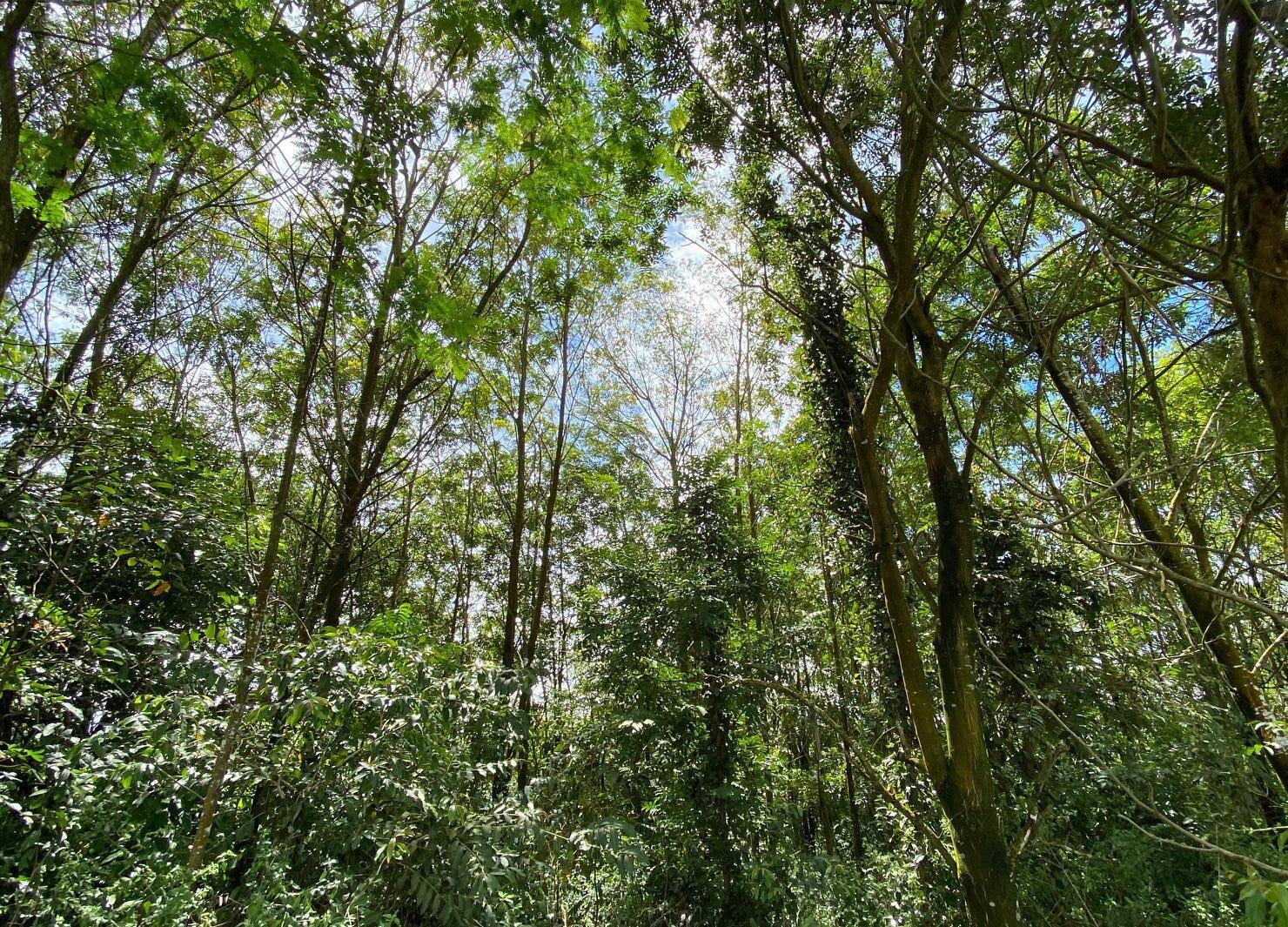
SAIL provides senior secured, long-term loans to mid-market companies in global food and natural resource supply chains – firms often overlooked by traditional finance. Its focus is on the AFOLU sectors in emerging markets across Latin America, Africa and Asia, where food systems intersect most directly with tropical forests and biodiversity hotspots. Target industries include beef production, palm oil, soy, and forestry (including rubber) – sectors often associated with deforestation and ecological degradation.
By directing capital toward deforestation-free sourcing, regenerative farming, and full supply-chain traceability, SAIL turns natural-capital risks such as deforestation and soil degradation into clear value for institutional investors.
“You can’t solve one of these crises without at least acknowledging that the other ones exist, including the inequalities and the social aspect to climate and nature as well”.
- Michael Schlup, Chief Sustainability Officer, SAIL Investments
NDPE (No Deforestation, No Peat, No Exploitation): standards that borrowers must meet to ensure supply chains are free from forest destruction, peatland conversion, and social exploitation.
Agriculture, Forestry, and Other Land Use (AFOLU) sectors: Industries that are central to global food systems but are major drivers of

deforestation and biodiversity loss, especially in tropical forests, making them critical targets for nature-positive finance.
Senior secured loans: Loans that are backed by company assets (secured) and give lenders the first claim to repayment if the borrower defaults (senior), making them lower risk compared to other forms of debt.
A defining feature of SAIL’s model is the embedding of Sustainable Value Creation Plans (SVCPs) into every loan. These legally binding roadmaps link financial performance directly to biodiversity, climate, and social milestones. Developed with borrowers before investment, SVCPs are enforced through loan covenants and independently verified annually.
SAIL reports under the EU’s Sustainable Finance Disclosure Regulation (SFDR) Article 9 and aligns its work with global frameworks including the Kunming-Montreal Global Biodiversity Framework (KM-GBF), the Sustainable Development Goals (SDGs), and disclosure standards such as the Taskforce on Nature-related Financial Disclosures (TNFD), and the Task Force on Climate-related Financial Disclosures (TCFD)
THE &GREEN FUND
Launched in 2017 with USD 100 million and anchor support from Norway’s International Climate and Forest Initiative (NICFI), the &Green Climate Fund (GCF) was SAIL’s first private credit vehicle, designed to show how loans tied to sustainability targets can curb deforestation in high-risk sectors. The Fund has grown to USD 410 million, with investments and contributions from the UK and Dutch governments, the GCF, Central Africa Forestry Initiative (CAFI), Unilever, and, private German institutional investment.
To learn more about the &Green Fund, visit the website
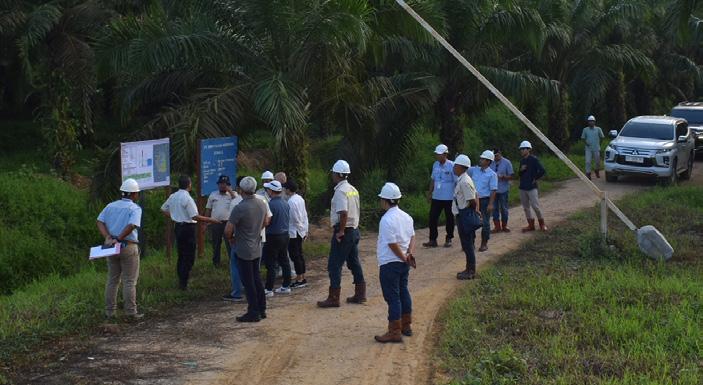
SAIL’s approach to identifying and structuring new investments uses advanced geospatial intelligence and borrower data to baseline biodiversity risks, monitor deforestation in near real time. In addition, SAIL ensures compliance with NDPE (No Deforestation, No Peat, No Exploitation) policies and other science-based key performance indicators. Independent third-party verification provides assurance of results, giving investors transparent and credible outcomes.
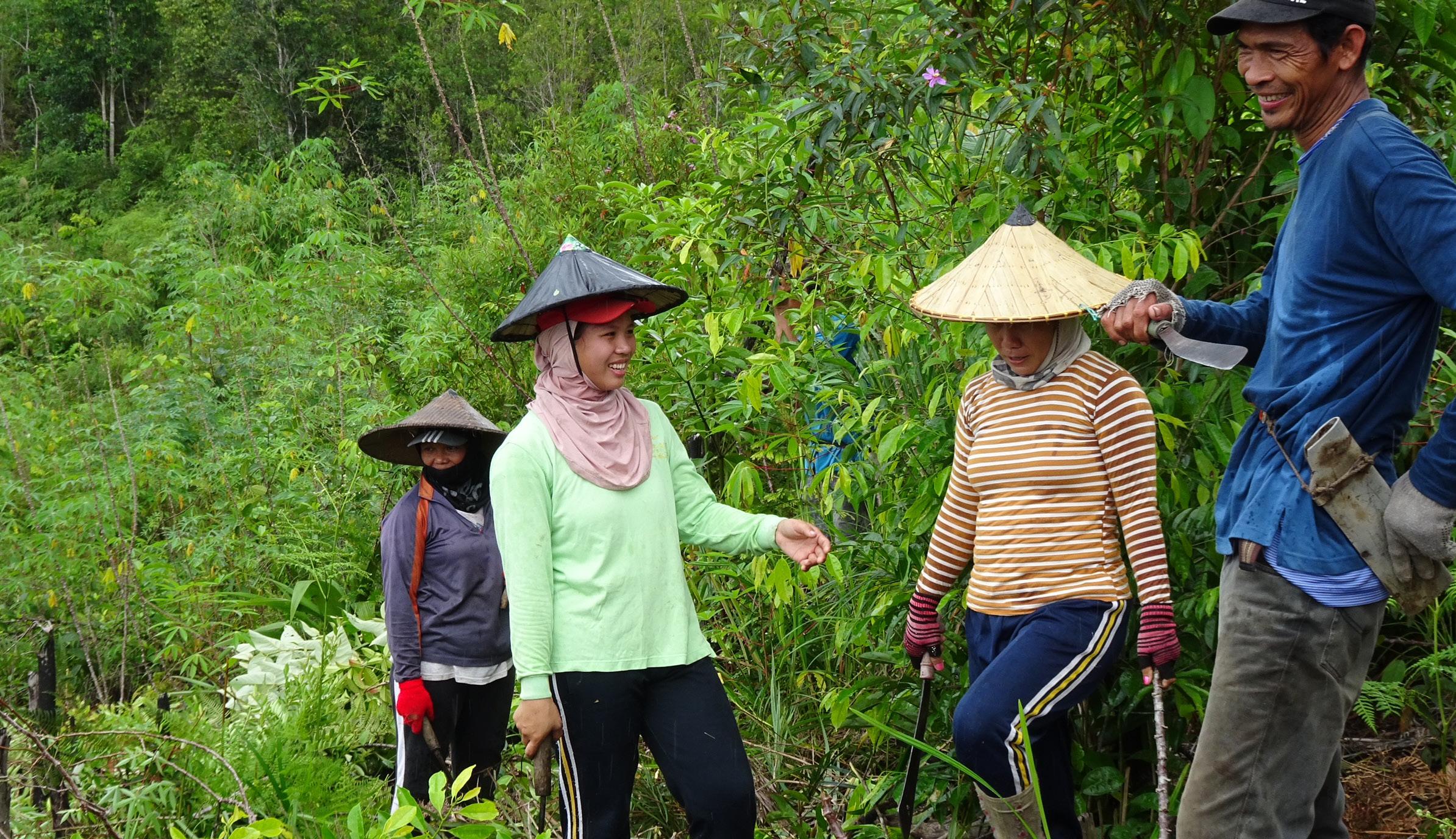
This integrated approach is already delivering tangible impacts. To date, SAIL has helped protect more than 3 million hectares of highbiodiversity forest, avoided or sequestered more than 13 million tonnes of CO₂e, and strengthened the livelihoods of over 60,000 people. Key case studies include:
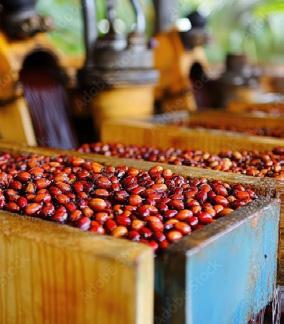
Deforestation-free coffee supply chains in Vietnam’s Central Highlands; and
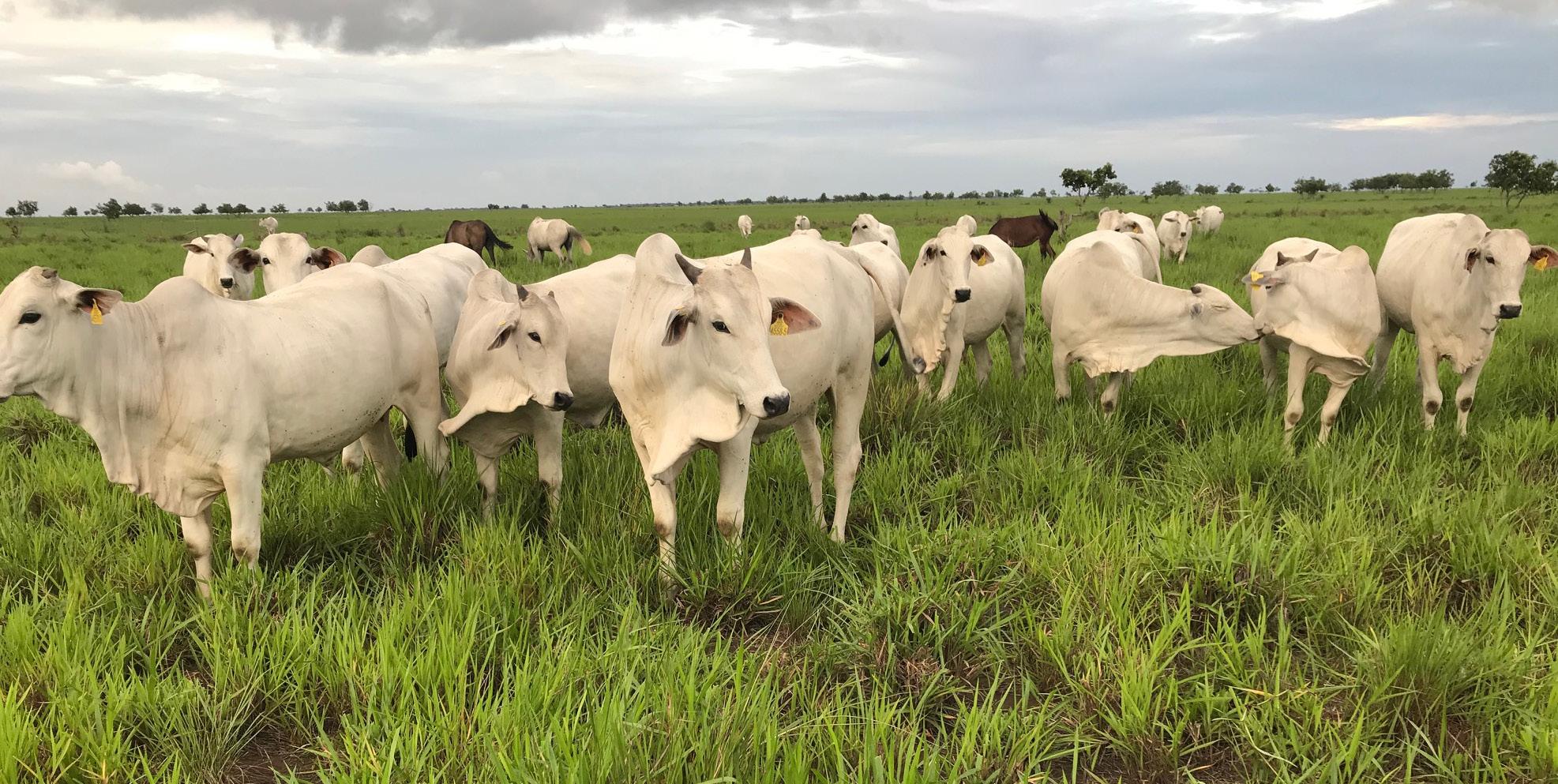
Sustainable maize expansion and full-traceability cattle ranching in Brazil’s Cerrado and Amazon biomes.
FOOD SYSTEMS ENTRY POINTS
y Sustainable finance and trade: SAIL provides loans with SVCPs that tie biodiversity outcomes directly to company performance and investor returns, while also supporting compliance with global standards such as the KM-GBF, TNFD, and SDGs.
y Biodiversity-positive agricultural practices and raw material harvesting: Financing supports practices that restore landscapes, conserve species, and maintain soil health.
BIODIVERSITY ENTRY POINT
y Ecosystem diversity: SAIL’s financing model links biodiversity protection with supply-chain resilience, strengthening food security while reducing risk.
“Linking biodiversity and food systems is complex but achievable - and when structured well, it creates scalable solutions that benefit ecosystems, communities, and portfolios”.
- Michael Schlup, Chief Sustainability Officer, SAIL Investments
Multi-Stakeholder Partnerships and Structure
SAIL’s model is built around a multi-stakeholder structure that brings together borrowers, investors, scientific partners, civil society, and regulators. Borrowers in the AFOLU sectors access credit and commit to SVCPs. Institutional investors such as pension funds, insurers, and development banks provide long-term capital linked to environmental and social goals. Independent auditors verify compliance, conservation groups contribute technical expertise, and civil society supports consultation and smallholder capacity building.
Regulators and policy bodies set the standards that guide the system, including the EU’s Deforestation Regulation (EUDR) and global frameworks like the KM-GBF, TNFD, and SDGs.
1 UNCONVENTIONAL PARTNERSHIPS
SAIL’s work linking biodiversity and food systems has fostered partnerships beyond conventional finance and development actors. It collaborates with local governments, NGOs, and communities to align interventions with national priorities. Development Finance Institutions such as the the International Finance Corporation (IFC) or Entreprenurial Development Bank (FMO), donors, and SAIL’s advisory board provide oversight. At the science–practice interface, SAIL
partners with Wageningen University on monitoring methodologies and with NGOs such as The Nature Conservancy on biodiversity pathways. On the investor side, SAIL is engaging with institutional investors to raise awareness for and understanding of how private credit can be used strategically to address biodiversity–food systems risks. Partnerships and networks are important channels for this, including UK-based Pensions for Purpose, Nordics-based Nordsip, the Global Impact Investing Network, and more investment focused partners like Markets Group, the PEI Group, and others.
2 MEASURING CHANGE AND IMPACT
SAIL tracks progress through SVCPs, with continuous monitoring, annual independent verification, and reporting under global standards such as SFDR Article 9, TNFD, and TCFD.
Metrics focus on ecological and social outcomes, including hectares of high-biodiversity forest protected, ecosystems restored, greenhouse gas reductions, supply-chain traceability, and livelihoods supported. To ensure data quality, SAIL combines advanced tools such as the STAR metric, the Forest Landscape Integrity Index, the IUCN Red List, and geospatial monitoring with primary data from borrowers, verified by independent auditors.
“You need to understand your boundaries of expertise, this is where trusted partnerships are so valuable to leverage and deeply understand what is important.”
– Michael Schlup, Chief Sustainability Officer, SAIL Investments
Learning and Insights
SAIL’s experience highlights the barriers to financing biodiversitypositive food systems and the lessons learned from addressing them.
Navigating local complexity: Working with borrowers embedded in diverse contexts requires covenants that balance ambition with feasibility. It also calls for dedicated teams to provide intensive on-the-ground origination expertise, as well as for due diligence and monitoring support.
Managing financial frictions: Layers of risk management, compliance, and reporting lengthen transaction timelines in high-impact sectors. Over time, this has built capacity to operate in challenging conditions where others hesitate.
Adapting to regulatory change: New standards such as the EU Deforestation Regulation and TNFD evolve rapidly. Anticipating these shifts has become central to structuring agreements that protect market access for borrowers and build investor confidence.
Leveraging reliable data: SAIL relies on primary company data, geospatial monitoring, and third-party verification. This approach is more reliable than ratings or proxies, but it depends on deep, context-specific understanding.
Overcoming the learning curve: Many investors are unfamiliar with biodiversity science, metrics, and value propositions. This slows capital deployment but also creates an opportunity for targeted engagement to build confidence.
From these experiences, several broader lessons emerge. Embedding sustainability in loan agreements ensures biodiversity outcomes become part of core operations rather than add-ons. Impact should be measured with multiple indicators, as biodiversity cannot be captured in a single metric. Stepwise transitions embedded in covenants work better than rigid targets, especially in complex supply chains.
Designing workable solutions requires blending financial expertise with agricultural supply-chain knowledge and offering patient capital through long-term loans. Systemic change also depends on partnerships across governments, NGOs, science institutions, DFIs, and asset owners. Public funding plays a key role in de-risking and testing approaches, but scaling requires private capital. Food systems remain a vast and underfinanced market, making investor education essential to unlock the flows needed for climate and biodiversity goals.
“There’s still a steep learning curve for institutional investors. We need to help build a deeper understanding of what it actually takes to achieve real outcomes in the places where they’re needed most, not just what looks good on paper.”
– Michael Schlup, Chief Sustainability Officer, SAIL Investments
Strategies and Opportunities
SCALING OPPORTUNITIES
y SAIL’s model has potential beyond food and agriculture. It could be applied to other naturalcapital-dependent sectors such as energy, water, forestry, infrastructure, and mining. Geographic expansion is equally important.
y Moving from tropical commodities into other underfinanced markets would support urgent sustainability transitions. Achieving meaningful scale will require deeper engagement with mainstream institutional investors, including pension funds, insurers, and sovereign wealth funds.
STRATEGIC COLLABORATION NEEDS
y Scaling depends on collaboration across finance, science, policy, and education. Institutional investors are needed to bring biodiversity covenants into core portfolios. Insurance and risk specialists can design products that recognize resilience in AFOLU markets.
y Research institutions are critical for refining biodiversity metrics, while conservation groups and civil society ensure transitions are grounded in science, community needs, and national priorities. Policy bodies align investment with frameworks such as the CBD, TNFD, and EUDR. Educational partners and consultants build investor understanding of natural capital investing at institutional scale.
Biodiversity–Food Systems Use Cases