
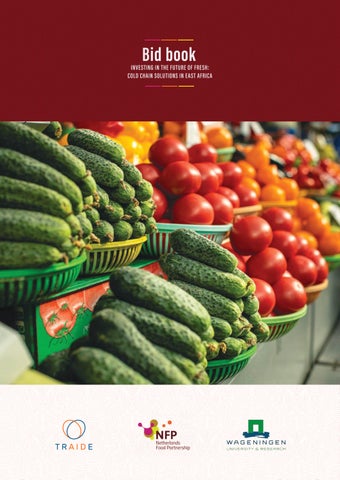
Food loss and waste (FLW) is a critical issue in East Africa, where a significant share of fresh produce is lost across the value chain—from farm to market. These losses not only contribute to greenhouse gas emissions, but also represent a waste of natural resources and an abundance of missed economic opportunities.
The introduction of cold chain technologies and services, such as refrigeration and cooling systems for food storage and transport, has emerged as a promising solution and has already helped reduce spoilage and improve distribution efficiency. However, to accelerate the implementation of cold chain technologies and services in the private sector, companies that show promise in leading this change will need an extra push, particularly given the challenging business climate and difficulties accessing (affordable) funding.
This Bid Book therefore amplifies 24 of these promising companies, which have been assessed based on their economic and environmental potential. The majority of these companies have a ‘Dutch touch’; working together with Dutch buyers, investors or programmes. The Bid Book highlights each company’s characteristics, including their business and operational models.
Are you interested in partnering with or investing in one of the companies featured in our bid book? Reach out to us to explore opportunities and receive detailed insights, including company assessments and further information. We look forward to connecting and facilitating the right partnerships to scale these businesses and jointly reduce food losses and waste.
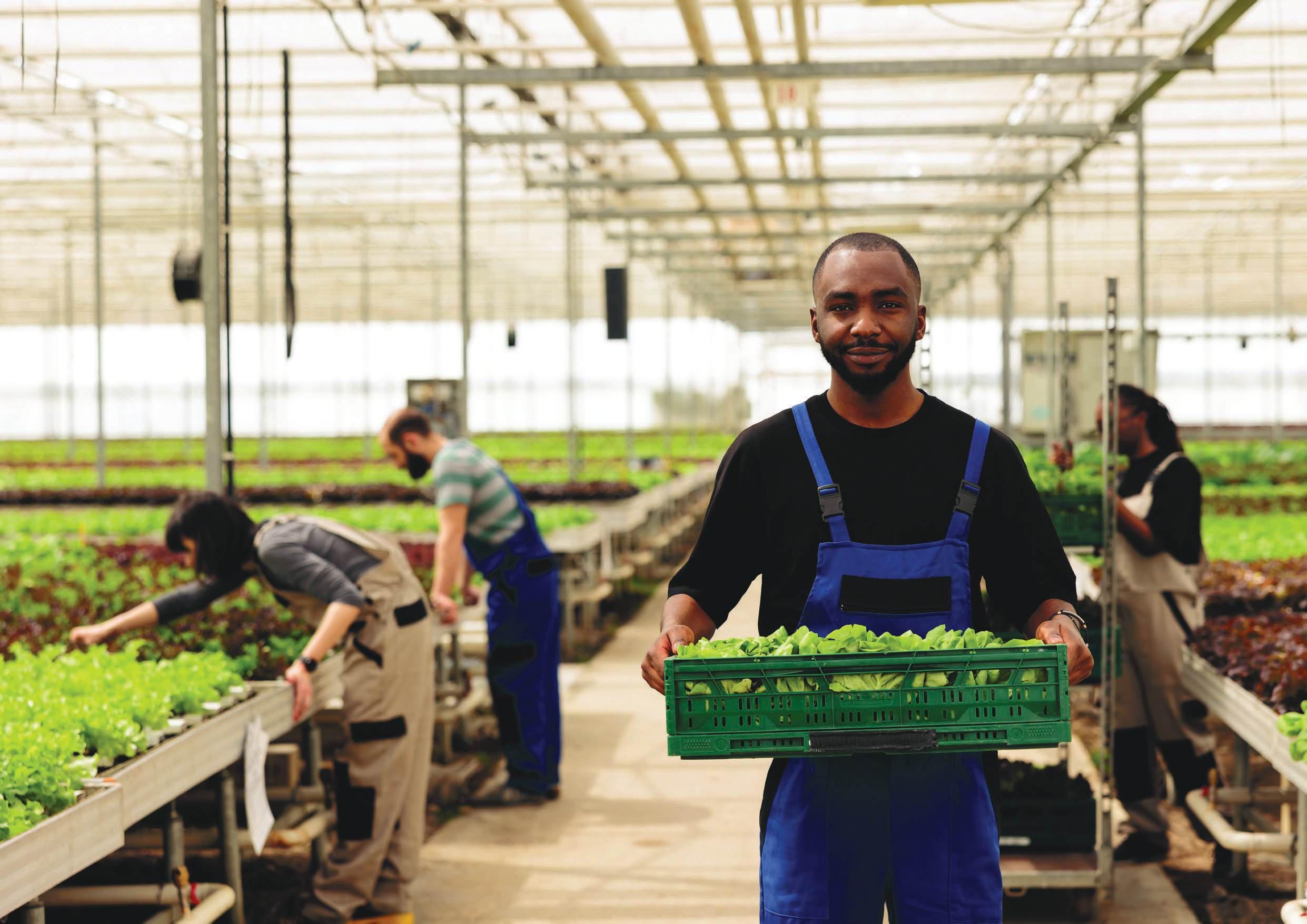




This Bid Book is a revised version of Annex 3 of the report: “Cold Chain Bid Book: Promising (Dutch) Business Cases for Reducing Food Loss and Waste in East Africa”. The report identified 24 most promising cold chain business cases from a longlist of 141. The project team conducted qualitative interviews with these 24 businesses and developed an assessment framework through which these businesses were analyzed on both impact potential as well as commercial scalability. Leading to recommendations for resource allocation and engagement strategies to support the realization of these business cases. The original report is available upon request.
The original report was commissioned by Netherlands Food Partnership (NFP) and developed by a project team from TRAIDE Foundation and Wageningen University and Research, consisting of Sander de Raad, Keith Kamoso, Kiya Girma, Marie Fidela Umutoniwase Ndahimana, Fiona Mwaura, Martijn Ebregt and Miriam Pot (TRAIDE Foundation) and Josianne Cloutier and Rene Oostewechel (Wageningen University and Research).
The information presented in this Bid Book has been developed by a team of TRAIDE Foundation; with the support of Wageningen University and Research, Bio-based Research, Rabobank, Enviu, Flying Swans; the Netherlands Ministry of Agriculture, Fisheries, Food Security and Nature (AFFN), the Dutch Embassies in Ethiopia, Kenya, Tanzania, Uganda, and Rwanda and NFP.

UGANDA
KK Fresh Produce Exporters Ltd
AMFRI Farms Ltd
Agricado Farms Uganda Ltd (AFUL)
Yalelo Uganda RWANDA
SOUK
Kivu
KENYA
Africa Logistics Properties Ltd
Big Cold Kenya
Eja-Ice Limited
TANZANIA
DSM Corridor Ships Chandelling Ltd
Frostan Ltd
Matalai Ltd
MUSSGO Co. Ltd
Proganic B.V
Tamu Tamu Ltd
Ministry
Capital
Food
Global
Multinational
Netherlands
Operational
Sustainable
United
Wageningen
Wageningen
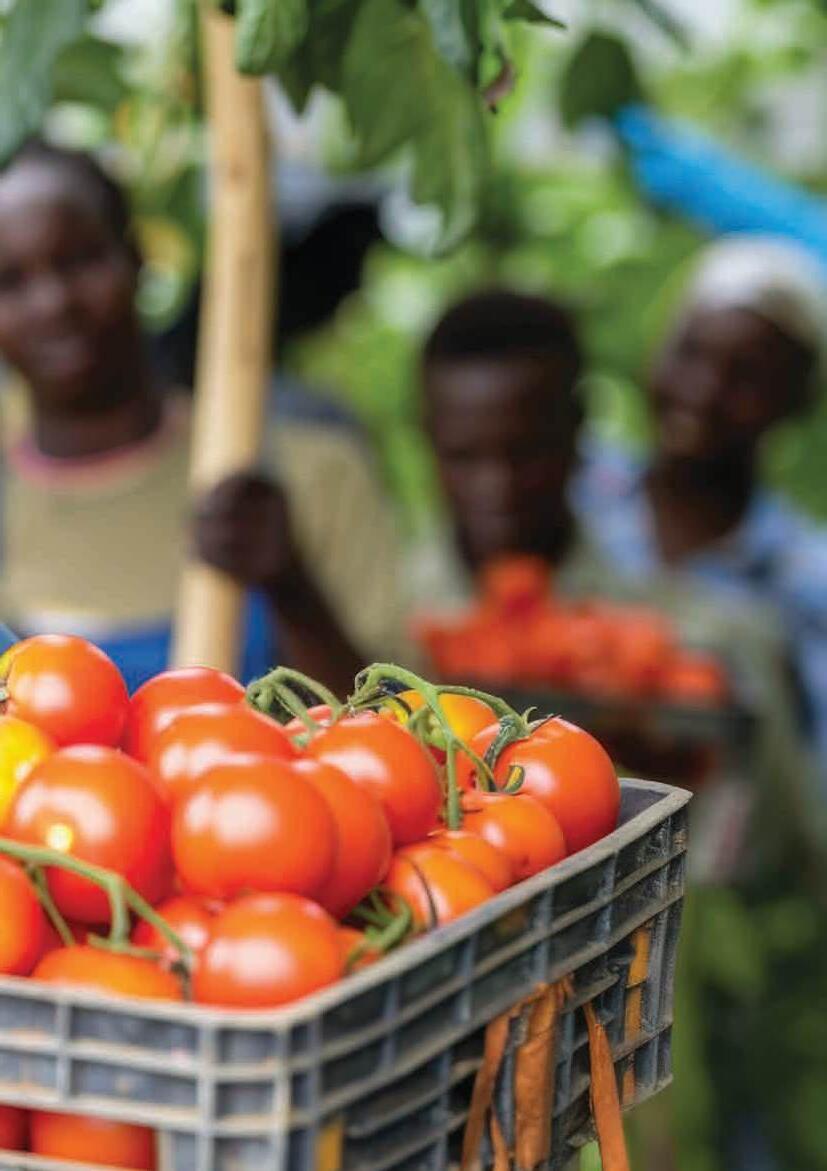



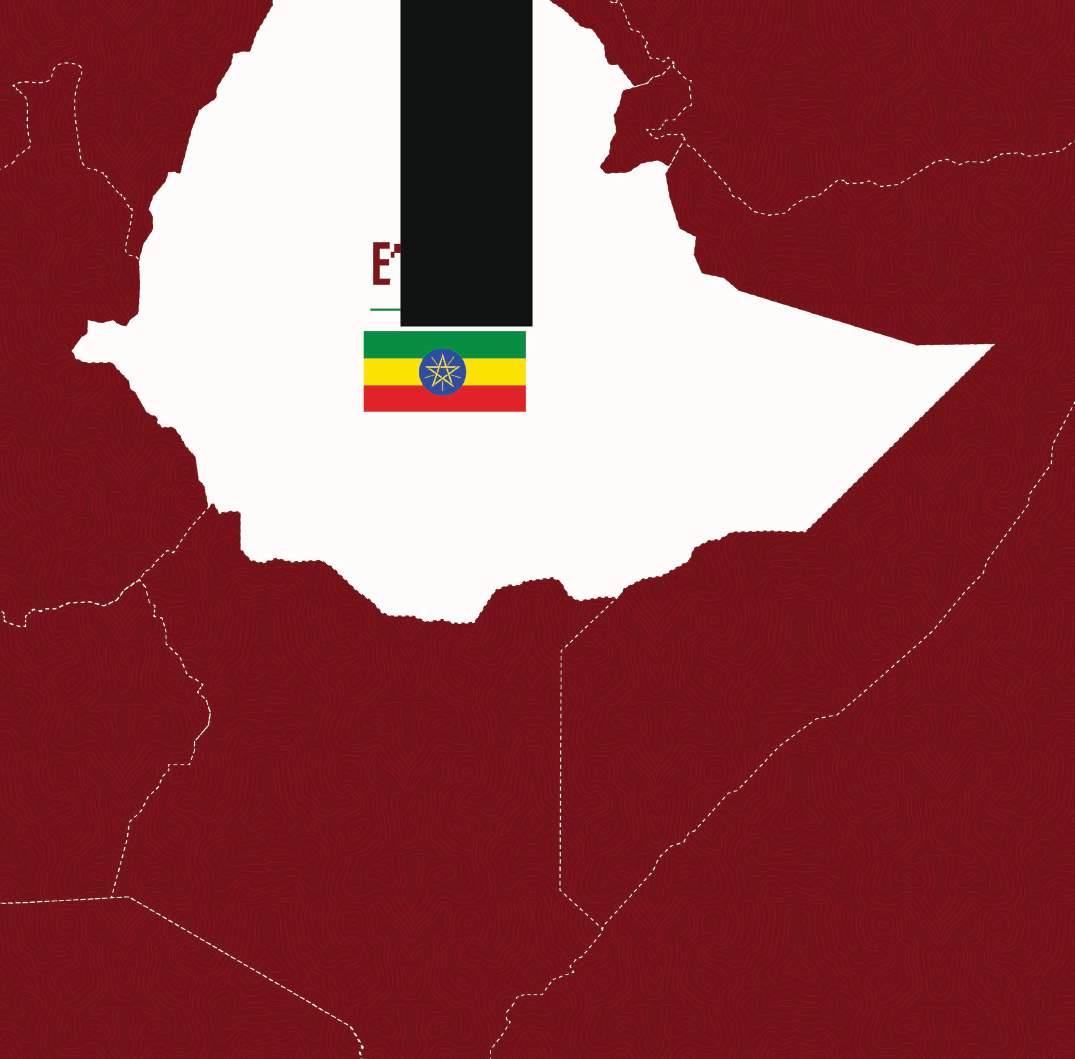
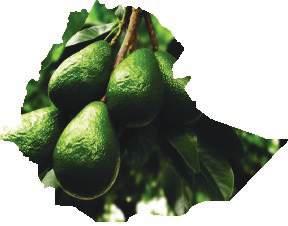
Ethiopia is one of Africa's fastest-growing exporters of avocados, benefiting from a favorable climate and increasing global demand.
However, the agricultural sector faces critical challenges in logistics, cold chain infrastructure, and market linkages, leading to substantial post-harvest losses and missed market opportunities.
Ethio Fresh Export seeks to transform these challenges into opportunities for sustainable growth and market expansion.
Ethio Fresh aims to improve Ethiopia’s avocado supply chain by addressing key gaps in logistics, cold chain infrastructure, and market access. By creating reliable, efficient, and sustainable systems for post-harvest handling, transport, and storage. Ethio Fresh Export will enable smallholder farmers to access high-value international markets while reducing food waste and increasing their incomes.
Ethio Fresh Export plans to leverage its existing partnerships with farmers and cooperatives and expand to new markets and stakeholders to scale this model across Ethiopia.
Ethio Fresh Export is a social enterprise that works closely with smallholder farmers across Ethiopia to export selected fruits and vegetables, mainly avocados, to the global market.
The company works closely with smallholder farmers and cooperatives, ensuring high-quality produce while promoting sustainability and inclusivity in the agricultural sector.
Ethio Fresh Export aims to scale up its operations by introducing new cold chain technologies and market solutions.
• Establish cold chain infrastructure for post-harvest handling, including refrigerated transport for the first phase and decentralized cold storage facilities in the second phase.
• Work with out-growers and cooperatives to expand avocado production while ensuring sustainable farming practices.
• Develop logistics processes for efficient distribution to both domestic and international markets.
• Intergrate technology for traceability and quality control to meet international market standards.
• Conduct training and capacity building workshops for farmers and supply chain operators on cold chain best practices.
The project would significantly reduce post-harvest losses, improve smallholder farmers' income through expanded market access, and contribute to sustainable agricultural practices. The initiative will create a cold chain infrastructure enabling Ethiopian avocados to reach international markets with minimal waste, driving economic growth and ensuring long-term food security.
The project will reduce food losses, enhance farmers’ livelihoods, and foster sustainable agricultural pactices, contributing to SDGs 1, 2, 8, 12 and 13.
Ethio Fresh Export strives to sell Ethiopian fruit and vegetables with the highest international quality and safety standards. The company has established relationships with the main avocado importers in Europe and the Middle East. In the years to come, it aims to expand its market share and clients in both markets and ensure a sustained supply of its products as per their requirements.


Outg r ower collection
and pac kaging
• Ethio Fresh Export
• Farmer cooperatives
• International importers
• High-quality, fresh avocados for global markets
• Improved livelihoods for Ethiopian smallholder farmers
• Refrigerated trucks
• Export logistics
REVENUE STREAMS
• Produce sales
• Export deals
• Grant financing
• Partnership with importers
• Direct sale
• Training farmers on quality standards
• Cold storage and transportation
• Export logistics and market linkages
• Export markets
• Land
• Local team
• Aggregation facility
• Significant investment capital
• CAPEX investments: refrigerated trucks, packhouse facility, cold storage,vehicles for distribution
• OPEX: labor, maintenance, transportation
IKIC Impact Ventures specializes in passive cold chain solutions tailored for low-resource settings in Ethiopia. The project introduces modular, energy-efficient passive cooling systems for first and last mile cold chain challenges leveraging PCM-based thermostatic batteries and green energy such as solar-powered freezers.
Partnering with Selam Fruit and Vegetable Cooperative, IKIC aims to pilot scalable, sustainable cold storage systems, reduce post-harvest losses, and enhance small-holder farmers’ income by expanding access to high-value markets. These systems promise to enable decentralised first mile chilling and replace diesel-powered refrigeration with environmentally friendly alternatives, transforming Ethiopia’s agricultural sector.
IKIC Impact Ventures aims to introduce modular, energy-efficient passive cooling systems to Ethiopia’s agricultural sector.
By leveraging phase-changing material technology and green energy sources (such as solar-powered freezers), IKIC will enable smallholder farmers to safely store, and transport produce to markets, reducing food losses and improving market access. IKIC plans to work closely with Selam Fruit and Vegetable Cooperative to pilot this solution, ultimately transforming Ethiopia’s cold chain infrastructure.
IKIC Impact Ventures is a social enterprise focused on developing and deploying innovative cold chain solutions.
IKIC collaborates with leading technology providers through an IP-pool initiative with the Impact Licensing Initiative, enabling access to advanced passive cold chain technologies royalty-free.
• Conduct a pilot project to evaluate passivecooling technology for smallholder farmers.
• Develop scalable business models and logistics processes.
• Establish partnerships with cooperatives, supermarkets, and exporters to integrate technology.
• Implement a phased approach for demonstration and scaling to include additional crops and regions.
The project would significantly reduce food loss, improve farmers' income by expanding access to high-value markets, and promote environmental sustainability by replacing diesel-powered refrigeration with green energy solutions.
The initiative offers affordable, reliable, and scalable cold storage systems tailored to Ethiopia’s needs, empowering smallholder farmers to preserve produce quality and access better markets.
The project would reduce post-harvest losses, improve farmer incomes, and create sustainable cold chain solutions, contributing to SDGs 1, 2, 8, 12, and 13.
The IKIC team has extensive experience in developing cold chain technologies and implementing them in low resource settings.
Their partnerships include cooperatives like Selam, Ethiopian exporters and European technology providers, ensuring a robust support network for implementation and scaling.
Tempe r atu r e co nt r olled collection of a vocados
• Cooperatives and smallholder farmers
• Supermarkets and exporters
• Technology providers
• Leasing/financing company
• Local franchise for installing and maintenance
• Produce and implement cold chain solutions
• Maintenance and support
• Training of cooperatives and farmers
• IoT system for data collection/optimization
• Local team
• Investment capital
• Solar/on-grid energy
• Impact licensed technologies (cold chain + monitoring)
• Transport modes
• Affordable, accessible, energyefficient cold transport & storage
• Tailor-made solutions
• Predictable cold chain
• First mile data monitoring
• Sustainable, scalable fresh produce supply chain model
Tr ansport of pr econditioned COGO carriers to small farmholders
• Supermarkets, cooperatives, food exporters
• Individual farmers
• Purchasing system
• Refrigerated electric tricycles
• Warehouse sales point
• Local franchises and distributors
• Partnerships
• Train customers in cold chain and its applications
• Train the trainer
• Sale or leasing of cold chain carriers
• Maintenance contracts
• Subscription fees for IoT-based monitoring services
• CAPEX: cold chain carriers, thermostatic batteries, freezer charging units, training programs, and IoT systems
• OPEX: maintenance, monitoring, marketing and ongoing support for stakeholders
Lucy Agricultural Farms, established in 1999 E.C., is a major player in Ethiopia's horticulture sector, specializing in fruits and vegetables.
With over 620 hectares of farmland, the company has grown into a significant exporter and employer. The company seeks to establish a modern cold chain packhouse in Arba Minch to enhance post-harvest management and distribution, addressing quality concerns and post-harvest losses.
Lucy Agricultural Farms aims to establish a cold chain packhouse and distribution system in Arba Minch.
This will include sorting, grading, washing, waxing, pre-cooling, and cold storage for fresh produce. The packhouse will also include refrigerated transportation for the distribution of products to local and international markets.
The facility will support both Lucy's own production and out-growers.
Lucy Agricultural Farms, founded in 1999 E.C., is a leading Ethiopian horticultural company.
It specializes in fruits and vegetables and has a proven track record of growth and export success. The company also works with local farmers through an out-grower scheme to strengthen supply chains.
The project will reduce post-harvest losses, improve food security, and ensure fresh, high-quality produce for both local and export markets. It will also create jobs, improve the economic resilience of local farmers, and contribute to building sustainable agricultural infrastructure.
• Construct a packhouse with cold storage facilities in Arba Minch.
• Aggregate fruits and vegetables from surrounding out-grower farmers.
• Implement a refrigerated transport network for distribution.
• Partner with local farmers to expand operational capacity.
• Provide technical support and inputs to farmers to improve productivity.
Lucy Agricultural Farms would boost food security and reduce poverty by cutting post-harvest losses, improving market access for fresh produce, and ensuring higher-quality fruits and vegetables reach the market.
The project would create jobs in packaging, storage, logistics, and transport.
The team at Lucy Agricultural Farms has extensive experience in horticulture, export operations, and working with local farmers.
The company has established strong partnerships with local farmers, cooperatives, and vocational training institutes.
• Cooperatives
• TVETs
Outg r ower collection Sorting and pac kaging
• Surrounding out-grower farmers
• Growing produce
• Sourcing and aggregating from farmers
• Packhouse operations
• Refrigerated transport
• Domestic and international market sales
• Fresh and quality produce
• Reliable distribution
• Market linkages
• Wholesalers and retailers
• Partnership with hotels and supermarkets
• Direct sales
• Refrigerated trucks
• Export logistics
• Land
• Local team
• Export markets
• Domestic wholesalers
• Hotels and restaurants
• Aggregation facility
• Significant investment capital
• Produce sales
• Export deals
• Partnerships
• Grant financing
• CAPEX investments: packhouse facility, cold storage, vehicles for distribution
• OPEX: labor, maintenance
Melkam Farms plans to establish a 300 m² solar-powered cold storage facility to enhance agricultural productivity.
The facility will aggregate and grade produce for local farmers, ensuring consistent quality, reducing post-harvest loss, and facilitating access to international markets.
Melkam Farms specializes in producing and exporting high-qualityhorticultural crops. By focusing on sustainable agriculture, Melkam Farms combines traditional knowledge with modern agro-ecological techniques to minimize the use of synthetic pesticides and fertilizers.
The farm has developed a production system that combines seasonal (vegetables) and perennial crops (avocado).
Melkam Farms is an agribusiness company in Ethiopia focused on sustainable, climate-smart practices. It has established a 13-hectare integrated farm growing seasonal and perennial crops.
The farm serves as a production hub and training ground for local farmers.
The company aims to scale up operations and become a cold chain service provider in the central Ethiopia region.
Melkam Farms aims to provide cold storage services that reduce post-harvest losses for neighboring farmers. The project promotes fresh, sustainable produce with direct market linkage and ensures long-term sustainability through climate-smart agricultural practices.
It also offers sustainably grow avocados and vegetables for the international market.
• Construct a solar-powered 300 m² cold storage facility on Melkam Farms' land.
• Focus on export crops (avocados, snow peas, herbs) and local crops (tomatoes, onions, potatoes).
• Serve as a direct link between farmers and international markets to ensure fair pricing.
• Aggregating and grading produce to reduce spoilage and ensure quality.
The project would lead to reduced food waste, improved nutrition, and enhanced food security by providing a sustainable market linkage. It would also increase farmers' incomes by offering fair pricing and reducing post-harvest loss.
The project would create jobs and promote economic growth, while reducing greenhouse gas emissions through solar-powered cold storage and climate-smart farming practices.
The team has experience in sustainable agriculture, climate-smart practices, and community engagement.
Melkam Farms collaborates with local farmers and international partners to promote sustainable practices and ensure high-quality produce.
INTEGRATED MODEL FARM
Aggregation Centre
sales OUT-GROWER PROGRAM
Refrigerated transport
transport
• Melkam Farms
• Surrounding Farmers (Gurage Zone)
• Cold Chain technology providers
• Cold storage to reduce postharvest loss
• Fresh, sustainable produce
• Direct market linkage
• Climate-smart agricultural (CSA) practices
• Training smallholder farmers in CSA
• Aggregation hubs and cold storage
• Contractfarming/out-grower scheme
• Land • Labor
• EU markets seeking sustainably produced horticulture
• Domestic markets
• Farming and crop management
• Cold storage packhouse
• Cold transport and logistics
• Aggregation of produce from farmers Market linkage and export
• Supermarkets and hotels
• Long-term export contracts
• Personal partnerships with local farmers and international buyers
• Cold chain infrastructure
• Investment capital
• Export deals
• B2B Partnerships
• Grant financing
• CAPEX investments: cold storage infrastructure, vehicles for distribution, aggregation hubs
• OPEX: labor, maintenance
Temesgen Retebo Integrated Farm (TRIF) is based in Halelicho village, Gibe Woreda, Ethiopia, focusing on providing fresh produce for urban and export markets, particularly Europe. With 270 hectares of land, including over 150 hectares dedicated to horticulture,
TRIF seeks to empower rural youth, women, and smallholder farmers through out-grower schemes and sustainable market access.
TRIF has the ambition to become a leading cold chain provider in Ethiopia and is committed to exporting to the Gulf and European Markets
TRIF aims to establish a cold storage aggregation center and a refrigerated transport network to reduce post-harvest losses, improve product quality, and enhance market access for TRIF and surrounding farmers.
The facility will ensure high-quality produce reaches urban and export markets, benefiting farmers and consumers.
TRIF operates in the Hadiya Zone, Ethiopia, focusing on horticultural crops like potato, onion, tomato, cabbage, green pepper, rosemary, banana, papaya, watermelon, and avocados.
The TRIF farm is well supplemented by year round access to water supply drawn by furrow from the nearby Handosha river and distributed to the farm through a 0.9 km canal.
It integrates sustainable farming practices and empowers rural communities through employment and out-grower schemes.
The project provides sustainable cold storage and transport solutions, reducing post-harvest losses, preserving product quality, and linking farmers to profitable markets, leading to increased incomes and reduced food waste.
• Establish a temperature-controlled cold storage facility.
• Implement refrigerated transport vehicles.
• Aggregate produce from surrounding farms.
• Improve supply chain efficiency and access to urban/export markets.
• Partner with B2B buyers for consistent demand.
The project would lead to reduced food waste, enhanced food security, and improved nutrition in urban areas. It would create income opportunities for smallholder farmers and foster economic growth in the Hadiya region, while promoting sustainability in agricultural distribution and production.
The team is experienced in agricultural production, cold storage, and logistics, and is committed to empowering rural communities and connecting smallholders to markets.
TRIF has been operating for the past 16 years, building its reputation in the fresh fruits and vegetable sector.
Outg r ower collection Sorting and pac kaging
• Surrounding farmers and other farm companies
• Refrigerated transport providers
• Site selection for aggregation centre
• Establishing cold storage infrastructure
• Aggregating produce from surrounding farmers
• Cold storage and transport
• Sales and market linkage
sto r age
• Market linkage
• Fresh and high-quality produce
• Sustainable cold chain storage
ansport
• Cold storage facilities
• Refrigerated trucks
• Export logistics
• Aggregation facility
• Knowledge and contacts for sales and marketing
• Export markets
• Domestic wholesalers
• Hotels and restaurants
Dome stic and export sales
• Wholesalers and retailers
• Partnership with hotels and supermarkets
• Direct sale
• Investment capital
• Cold storage equipment
• Produce sales
• Export deals
• Partnerships
• Grant financing
• CAPEX investments: cold storage infrastructure, vehicles for distribution
• OPEX: labor, maintenance

KK Fresh Produce Exporters Ltd (KK Foods) is a horticulture exporter in Uganda, working with over 1,200 farmers across 60 districts.
They are facing challenges with post-harvest losses due to inadequate cold chain infrastructure, high operational costs, and logistical inefficiencies.
Despite some infrastructure investments, the capacity remains insufficient to meet growing export demands.
KK Foods aims to enhance cold chain logistics to reduce post-harvest losses and increase export volumes. The project involves expanding cold room facilities at collection centers, upgrading refrigerated trucks, and collaborating with partners to improve production and reduce costs.
These efforts will help the company meet its export goal of 125 tons weekly, boost food security, and contribute to economic growth in Uganda.
KK Fresh Produce Exporters Ltd (KK Foods) has been operating for over 13 years, supporting farmers with technical training, finance access, and connections to agro-input suppliers.
The company exports a range of crops, including chili, sweet potatoes, avocado, and asparagus.
The project will increase supply chain efficiency, reduce post-harvest losses, enhance produce quality, and support the export of high-value crops to Europe, the UK, and the Middle East. It will empower smallholder farmers, increase food security, and contribute to Uganda's economic development.
• Build cold rooms at collection centers (start with 30 districts) for pre-cooling and temporary storage.
• Expand refrigerated truck fleet for efficient transport.
• Partner to reduce operational costs, scale production, and improve farmer support.
The project would lead to a significant reduction in post-harvest losses, boosting export volumes and improving economic outcomes for over 1,200 farmers.
This will also improve food security, create stable income for farmers, and contribute to Uganda’s economic growth by increasing exports.
KK Foods has 13+ years of experience in horticulture exports, working with over 1,200 farmers across Uganda.
They have strong expertise in managing supply chains, post-harvest processes, and export logistics.
Outgrower collection Sorting Packaging Store in a cold storage Transportation with refrigerated trucks
Export
• KK Foods Produce Exporters Ltd
• 1,200 farmers working with KK Fresh
• Financial institutions
• European Union B2B buyers
• Logistic companies (trucks)
• Solar-powered cold storage providers
• High quality produce
• Fresh and affordable produce for Ugandans and European markets
• Direct market for Ugandan farmers
• Enhanced income stability and food security
• Warehouse sales point locally
• Export logistic to European market
• Crop cultivation support
• Quality Control
• Export logistics
• Cold chain management
• Market expansion
• B2B sales in Europe
• B2C in Uganda
• Growing produce
• Mini Cold storages at collection centre
• Refrigerated trucks
• Skilled personnel
• Irrigation system
• B2B buyers from Europe: supermarkets, distributors and retailers
• B2C buyers in Uganda
• B2B fruits and vegetables distributors in Uganda (e.g., supermarkets, stores, etc.)
• Online marketing
• Personal approach
• Direct sale
• Regional farmer training and support centre
• Sales of produce locally and export
• Grant financing
• Cold storage facilities near collection centers
• Additional refrigerated trucks
• Farmer training and input support
Uganda's horticulture sector is rapidly growing, with significant exports in organic produce.
However, post-harvest losses of 30% to 50% due to inadequate cold storage and transport infrastructure are hampering growth and affecting food security and farmer incomes.
AMFRI Farms Ltd aims to reduce post-harvest losses by implementing solar-powered cold storage units and refrigerated trucks to strengthen the cold chain for organic horticulture exports.
• Implement 6 solar-powered cold storage units in key collection zones.
• Acquire 4 solar-powered refrigerated trucks to improve transportation.
• Train farmers on cold storage usage and sustainable farming practices.
AMFRI Farms Ltd is Uganda's first certified organic farm with over 26 years of experience.
It is Fairtrade certified and works with over 2,000 small-scale farmers to support them in achieving organic certification and improving export quality.
The project will enhance the export capacity of AMFRI Farms by reducing spoilage, increasing market access, improving food security, and ensuring income stability for smallholder farmers.
The project would lead to reduced post-harvest losses, improved food security, increased income for farmers, enhanced export capacity, and the establishment of a sustainable cold chain infrastructure that promotes responsible production and consumption.
AMFRI Farms Ltd, founded in 1997, has over 26 years of experience in the organic horticulture sector and holds organic and Fairtrade certifications.
The company also founded Fresh Handling Limited, specializing in perishable shipments.
Building farmers database: Community care platform
• AMFRI Farms Ltd
• Small scale farmers
• Logistic providers
• Organic international buyers
Harvesting
• Solar powered cold storage providers
Collection
Transporting with refrigerated trucks
Export
• Expanding refrigerated trucks
• Setting up cold storage facilities
• Training farmers on sustainable farming, organic standards, and efficient use of cold storage
• Direct sales to international buyers
• Export organic produce
• Community platform for farmers relations and logistics
• Direct communication with buyers
• Fair trade partnership
• Training and workshop with farmers
• Reduce losses with better cold storage
• Increased farmer income through market access and fair-trade premium
• Improved food security and farmers income
• Solar-powered storage for sustainability
• Export of high-quality organic produce
• Cold chain infrastructures (cold rooms and trucks)
• Experienced personnel for extension and quality control
• International buyers of fresh and dried organic produce
• Small scale organic farmers seeking reliable market access and support
• Consumers focusing on sustainable and organic products
• Sales of fresh and dried organic produce
• Fair trade premium revenue
• Potential funding and grants
• 4 solar-powered refrigerated trucks
• 6 solar-powered cold rooms
In recent years, Uganda has experienced a surge in Hass avocado cultivation. With farmers across the country embracing it as a high-value export crop.
The country's naturally fertile soils, favorable climate, and dual rainy seasons enable consistent, high-quality avocado production nearly year-round. Despite this growing output, the lack of a reliable cold chain infrastructure poses a major bottleneck resulting in post-harvest losses, compromised quality, and limited export competitiveness.
Agricado Farms Uganda Ltd (AFUL) is spearheading a transformative initiative to scale Hass avocado exports by investing in decentralized cold chain infrastructure. This includes the deployment of a large solar-powered cold rooms and packhouse on the farm, the establishment of aggregation centers in key growing regions, and the expansion of refrigerated transport capabilities.
Coupled with comprehensive farmer training, the project is designed to extend shelf life, preserve fruit quality, and unlock the potential of sea freight to global markets.
AFUL is a certified Global GAP and GRASP exporter with a strong focus on Hass avocados. The company works with over 250 farmers and has established a trusted brand in Europe and the Middle East.
Agricado emphasizes sustainable farming practices, including solar-powered irrigation systems, responsible land use, and inclusive employment with a focus on empowering women and youth.
• Improve solar powered cold-room and packhouse at farm level.
• Develop regional aggregation and processing hubs.
• Procurement of refrigerated trucks to enhance supply chain efficiency.
• Train farmers in post-harvest handling, pest control, and quality standards.
This project will build a robust, climate-smart avocado export supply chain that minimizes losses, ensures consistent quality, and delivers higher incomes for farmers. It positions Uganda as a competitive origin for premium Hass avocados in international markets.
The project will enhance rural livelihoods, improve Uganda’s export performance, and contribute to environmental resilience. It supports job creation, food security, and climate action through the integration of renewable energy into agricultural value chains.
Our leadership team includes professionals from the Netherlands, Canada, and India with expertise in business and strategy, value chain development, logistics, and international trade.
AFUL is part of a diversified group of companies with over 30 years of operational experience in Uganda and employs more than 200 people across farm, packhouse, and logistics operations.
•
• Agricado Farms Uganda
• Large EU and Middle East buyers (wholesale and supermarket) Smallholder and Commercial
Multistakeholder and Donor partnerships: MAAIF Hortifresh, COLEAD, Technoserve
(storage & transport solutions)
• Solar infrastructure suppliers

Yalelo Uganda aims to scale sustainable fish production and improve cold chain infrastructure to meet increasing local and regional demand for high-quality fish.
This includes investing in cold storage, expanding the fleet of refrigerated trucks, and establishing regional distribution hubs with solar-powered systems to reduce spoilage and ensure consistent supply.
Yalelo Uganda, established in 2019, is a leading aquaculture company producing 600–700 tonnes of fish monthly.
The company operates 20 outlets in Uganda and has a significant presence in Kenya, with plans to expand its retail network to 50-60 outlets regionally.
Uganda's abundant freshwater resources, including Lake Victoria, offer a significant opportunity for sustainable fish farming.
However, challenges such as limited cold chain infrastructure and reliance on ice for fish preservation hinder scalability and market expansion.
The fish production and distribution systems face issues with spoilage, high costs, and inadequate cold storage solutions.
The project enhances food security and protein supply through scalable, sustainable fish farming in Uganda. Improved cold chain systems reduce post-harvest losses, while expanded regional access to Kenya, Congo, and South Sudan boosts market reach.
It offers affordable, high-quality Tilapia sourced sustainably from Lake Victoria, supporting conservation and local livelihoods.
• Scale fish production and expand retail network to 50-60 outlets in Uganda and other regions.
• Invest in ice-making machines and refrigerated trucks.
• Develop regional distribution centers with cold storage.
• Transition to solar-powered cold storage systems.
• Advocate for food safety standards in fish sales.
The project would lead to improved food security, job creation, reduced spoilage, and a more sustainable fish production system.
It will contribute to SDGs 2, 8, 12, 13, and 14, ensuring a consistent and affordable supply of high-quality fish to local and regional markets.
Yalelo Uganda has a skilled team specializing in aquaculture, logistics, and quality control, with experience in scaling fish production and distribution.
LAKE-BASED FARMING
• Yalelo Uganda’s logistics companies
• Solar-powered systems providers
• Agro-input dealers
• Open-water fish farming
• Scaling regionally
Distribution with refrigerated trucks
• Quality control and compliance with standards
• Development of regional distribution centres
• Retail outlets across Uganda
• Regional distribution centres (e.g., Kenya)
• High-quality Tilapia sourced sustainably from Lake Victoria
• Affordable and reliable animal protein for Ugandan and regional markets
• Consistent supply supported by cold chain infrastructure
• Open-water farm
• Cold storage facilities
Retail and sales (locally, regionally)
• Online marketing
• Personal approach
• Direct sale
• Refrigerated trucks
• Ice making machines
• Skilled personnel
• Sales of Tilapia in Uganda
• Ugandan consumers
• Regional markets in Kenya, Congo, South Sudan
• Regional exports to Kenya, Congo, South Sudan
• Potential grant funding for cold chain initiatives
• Acquire ice machines
• Refrigerated trucks
• Solar-powered systems at 5 warehouses to start with (Elegu, remote areas near South Sudanese border)

Rwanda faces challenges in maintaining a robust cold chain for perishable products due to limited infrastructure and unreliable energy access.
These challenges result in spoilage, post-harvest losses, and inefficiencies, negatively impacting food security, farmers’ economic opportunities, and market access.
IKIC Impact Ventures aims to address cold chain inefficiencies by deploying modular cold transport boxes powered by passive cooling technologies.
These boxes maintain stable temperatures and are integrated with IoT monitoring for optimized efficient management. The initiative partners IKIC Impact Ventures with OX Delivers aim to reduce post-harvest losses, improve food safety, and enhance market access for smallholder farmers and agribusinesses.
IKIC Impact Ventures specializes in cold chain solutions designed for low-resource environments.
They offer passive cooling systems for first- and last-mile cold chain challenges, modular infrastructure, and IoT-enabled smart cooling devices, with a focus on reducing post-harvest losses and enhancing supply chain efficiency in East Africa.
• Manufacture and deploy IKIC’s cold boxes with IoT-enabled monitoring for real-time temperature and location tracking.
• Collaborate with OX Delivers to integrate cold boxes into their fleet for temperature-sensitive products.
• Customize cold boxes to suit various temperature and volume requirements for different products.
• Provide training and capacity building for using cold storage systems.
The project would lead to reduced post-harvest losses, improved food security, and greater market access for farmers and agribusinesses.
It will also contribute to reducing carbon emissions through energy-efficient cold chain solutions and foster rural economic development by improving logistics for temperature-sensitive products.
Contact - Lotte Staelens
Founded in 2021, IKIC Impact Ventures has expertise in cold chain technology, working through strategic partnerships to implement its solutions across East Africa.

Monitoring tempe r atu r e and location with I oT sensors
Monitoring tempe r atu r e and location with I oT sensors
Pr e-cooling thermostatic batterypower ed cold b ox es
Pr e-cooling thermostatic batterypower ed cold b ox es
• IKIC Impact Ventures
• IKIC Impact Ventures
Cold b ox es a r e loaded on truc k for t r ansportation
Cold b ox es a r e loaded on truc k for t r ansportation
• Impact Licensing Initiative
• Impact Licensing Initiative
• Ox Rwanda
• Ox Rwanda
• Farmers
• Farmers
Monitoring tempe r atu r e and location during t r ansportation
Monitoring tempe r atu r e and location during t r ansportation
• Reliable and scalable cold-chain solutions that reduce spoilage
• Reliable and scalable cold-chain solutions that reduce spoilage
• Tailored volume and temperature control
• Tailored volume and temperature control
• Energy efficient, passive cooling technology
• Energy efficient, passive cooling technology
• Enhanced market access and operational resilience
• Enhanced market access and operational resilience
• Manufacturing and deploying IKIC cold boxes with IoT enabled monitoring
• Manufacturing and deploying IKIC cold boxes with IoT enabled monitoring
• Collaboration with Ox Rwanda
• Collaboration with Ox Rwanda
• Deploy cold boxes for supply chain operations
• Deploy cold boxes for supply chain operations
• Conduct R&D to customize temperature and volume solutions
• Conduct R&D to customize temperature and volume solutions
• Training and capacity building for use IoT cold storage system
• Training and capacity building for use IoT cold storage system
Deli ver y at the de stination/ consumer
Deli ver y at the de stination/ consumer
• Partnerships with agribusinesses, logistics providers and BSF companies
• Partnerships with agribusinesses, logistics providers and BSF companies
• Personalized support and training for handling and optimizing cold chain solutions
• Personalized support and training for handling and optimizing cold chain solutions
• Collaboration with technology owner and logistics and agricultural stakeholders
• Collaboration with technology owner and logistics and agricultural stakeholders
• Digital IoT platform
• Digital IoT platform
• Field staff for deployment and operations
• Field staff for deployment and operations
• Thermostatic battery powered cold boxes with modular design
• Thermostatic battery powered cold boxes with modular design
• Expertise in cold chain tech and R&D with technology owner
• Expertise in cold chain tech and R&D with technology owner
• IoT enabled platform
• IoT enabled platform
• Logistics providers like Ox Delivers
• Logistics providers like Ox Delivers
• Sustainable agriculture/waste companies like Proteen
• Sustainable agriculture/waste companies like Proteen
• Cooperatives and agribusinesses
• Cooperatives and agribusinesses
• Exporters handling perishable goods
• Exporters handling perishable goods
• Sale and leasing of IKIC cold boxes
• Sale and leasing of IKIC cold boxes
• Subscription-based IoT monitoring and analytics
• Subscription-based IoT monitoring and analytics
• Value added services like customized training and cold chain optimization
• Value added services like customized training and cold chain optimization
• CAPEX: manufacturing cold boxes, IoT development, R&D for tailored solutions
• CAPEX: manufacturing cold boxes, IoT development, R&D for tailored solutions
• OPEX: maintenance, customer support, training and capacity building programs
• OPEX: maintenance, customer support, training and capacity building programs
Rwanda’s ambition to achieve middle-income status by 2035 depends on tapping into regional and global markets, particularly in horticulture.
The government has focused on boosting exports, leveraging fertile soils and favorable climatic conditions.
SOUK Farms, based in Rwanda, is a key player, focusing on cultivation, processing, and export of premium horticultural products. With 200+ hectares and collaborating with 1,200 smallholder farmers, SOUK Farms empower local agriculture and drive economic growth.
• Construct a processing facility (packhouse) near Bugesera International Airport.
• Implement on-site cold storage at farm locations.
• Expand cold truck fleet from 4 to 8 trucks to ensure effective transportation.
• Provide post-harvest support to smallholder farmers (collection centers and post-harvest cold chain solutions).
SOUK Farms Ltd aims to establish cold storage, processing, and transport infrastructure to address post-harvest losses and improve the quality and marketability of horticultural products.
Key activities include the creation of a packhouse near the Bugesera International Airport, on-site cold storage facilities, and the expansion of cold truck fleets.
This will streamline operations, reduce waste, enhance product quality, and open new global markets.
Founded in 2019, SOUK Farms Ltd is an agricultural enterprise in Rwanda focused on the cultivation, processing, and export of premium horticultural products to Europe, the UK and the Middle East.
These products include avocados (Hass and Fuerte), French beans, chillies, and broccoli, among others.
The project will enhance the cold chain for horticultural exports, reducing post-harvest losses, improving product quality, and facilitating access to premium international markets.
By strengthening the cold chain infrastructure, SOUK Farms will ensure greater food safety, better market access, and economic empowerment for small holder farmers.
The project would lead to reduction in post-harvest losses by >50%, Job creation of >500 jobs, increase outgrower numbers to over 5,000 and increase in net earnings for smallholder farmers by >200%
It would contribute to enhanced food security, economic empowerment of smallholder farmers, and significant environmental benefits by reducing food waste and emissions.
Contact - Seun Rasheed o rasheed@souk-ig com
SOUK Farms has been one of the fast growing exporters with over 200 hectares of owned farmland and a network of 1,200 smallholder farmers.
The team includes skilled local staff and technical experts, collaborating with international technology providers and cold storage specialists.
• SOUK Farms (core operator)
• Farmers/Cooperatives of farmers
• Cold storage providers(Go & Grow)
• Export market (SOUK Farms customers)
• Integrated Tech providers–IoT remote sensor (Kumva Insight)
• Refrigerated trucking sellers
• Small-scale cold storage set-up along critical points of supply chain
• Set up of central processing facility (packhouse)
• Acquiring refrigerated vehicles
• Farmers/cooperatives training and capacity building
• Market development and expanding
• Trade shows and B2B networks
• Online platform that targets global buyers and distributors
• Cold storage and processing facilities
• Reduced spoilage rates and losses/food waste
• Increased export volumes to global market
• Ability to meet quality and safety standards
• Improved/enhanced access to markets
• Sustainable environmental impact with reduced food loss and GHG emissions
• Long-term contract with buyers
• Farmers engagement and support through training programs
• Building trust with international buyers with certifications
• Expanding customer portfolio
• Out growers (smallholder farmer) network
• International buyers (wholesale or retailers, food processors)
• Buyers within EAC
• Local market
• Refrigerated vehicles
• Export sales
• Higher prices obtain from improved quality, freshness and certifications
• Service fee (in case offering storage and packhouse solution/services)
• CAPEX: cold storage, processing facilities, refrigerated vehicles to collect produce from farms/farmers,
• OPEX: regular farmer training and capacity building, hiring new personnel, storage and distribution maintenance, energy, maintenance of all facilities, certification (SMETA & Global GAP)
Rwanda's agricultural sector, contributing 35% of GDP, faces challenges such as high post-harvest losses, particularly among small-scale farmers.
Cold storage can mitigate these losses, increase food security, and improve farmers' livelihoods.
Kivu Cold Group provides cold storage solutions, including off-grid, solar-powered cold rooms (MoFresh Hubs) and portable MoFresh Boxes, to reduce food waste and extend produce shelf life.
The project aims to scale these solutions to improve market access and food security in Rwanda and expand to neighboring East African countries, quality, and open new global markets.
Kivu Cold Group, established in 2020, is a joint venture between Rwandan and Japanese companies headquartered in Kigali, Rwanda.
It specializes in innovative cold storage solutions aimed at reducing food loss and waste, improving market access for farmers, and supporting sustainable agricultural practices.
Kivu Cold's cold storage solutions will empower farmers to reduce spoilage, access better markets, increase income, and improve food security.
The solutions offer environmentally friendly, solar-powered, off-grid technologies that enhance the efficiency of the agricultural value chain.
• Expand MoFresh Hub initiative to solar-powered cold storage in target agricultural zones.
• Expand availability of MoFresh Box for smallholder farmers.
• Invest in refrigerated trucks to maintain an uninterrupted cold chain.
• Provide training to farmers on post-harvest handling.
• Scale operations to Uganda, Tanzania, Kenya, and Ethiopia.
The project would lead to reduced post-harvest losses, enhanced market access for farmers, and improved food security in the region, aligning with SDGs 1, 2, 8, 9, 12, 13, and 17.
The Kivu Cold Group team comprises experienced professionals in cold chain technology and agriculture. Established in 2020, the company has quickly scaled its operations, impacting over 9,000 farmers in Rubavu and reducing post-harvest losses by 65 tons in 2023–2024.
Farmers harvest produce
Produce is loaded in MoFresh Box
• Kivu Cold Group (tech provider)
• Farmers/Cooperatives of farmers
• Logistics & transportation companies
• Refrigerated trucking
• Retailors and families as customers or final consumers

Farmers bring produce at MoFresh Hub
Produce in MoFresh Box going to market
• Reduced post-harvest losses/food waste
• Environmentally friendly technology (solar powered, off-grid)
• Market access for farmers
• Higher quality, fresh produce to hotels, restaurants and homes
• Direct sales or lease of units to farmers
• Partnership with cooperatives
• Digital platform to increase visibility and business growth
• Off-grid, solar powered storage units and boxes
Market
• Personalized support through field team offering trainings
• Partnerships of collaboration with cooperatives
• Capacity building towards educating farmers on post-harvest handling practices
• Intellectual property like patents or proprietary technology
• Skilled technicians
• Manufacturing and installation of storage units
• Operating MoFresh Hub and MoFresh box units
• Refrigerated transport for seamless services
• Recurring revenue for maintenance and support services, cold-storage-asservice, logistics fee for transportation from farm to market KEY RESOURCES
• Training and capacity building on post-harvest handling practices for farmers
• Market expansion orscaling to other areas or countries
• Cooperatives
• Agribusiness
• Exporters and retailers or traders
• Smallholder farmers/ cooperatives (indirect customers getting better prices)
• Sale or leasing of units (MoFresh Hubs or Boxes)
• CAPEX: R&D & technology development, cold storage units (MoFresh Hub and Box), refrigerated trucks, staffing and operation
• OPEX: maintenance or repair of units’ costs, trainings costs, marketing and customer acquisition costs
OX Rwanda is a UK-founded delivery-as-a-service company operating in Rwanda, offering electric transportation solutions for businesses and farmers.
The company aims to reduce post-harvest losses, especially in perishable goods like fruits, vegetables, meat, and dairy products, by addressing the lack of cold-chain infrastructure, which leads to food waste.
• Expand electric truck fleet to 30 new trucks
• Integrate refrigeration technology and monitoring systems
• Provide training for new staff and farmers on food safety and cold-chain management
• Scale operations into East Africa
This project will expand OX Rwanda’s fleet of electric trucks to provide cold-chain solutions, ensuring the preservation of crops from farm to market.
The initiative will reduce food waste, enhance food security, and improve market access for farmers. The project will scale operations beyond Rwanda into East Africa.
OX Rwanda, a subsidiary of OX Delivers East Africa, offers electric transportation solutions tailored to Rwanda's terrain.
It operates low-cost electric trucks that improve transportation efficiency and reduce food waste, ensuring that fresh produce reaches the market without delays.
OX Rwanda’s cold truck solutions reduce post-harvest losses, improve food security by ensuring fresh produce reaches the market, create job opportunities, and support environmental sustainability using electric trucks and energy-efficient refrigeration.
The project would lead to improved food security, reduced post-harvest losses, job creation in logistics and agriculture, increased income for farmers, and lower carbon emissions through the use of electric vehicles.
OX Rwanda’s team has extensive experience in logistics, agriculture, and transportation. The company has been operational since its founding and is scaling its fleet and services to meet the increasing demand for cold-chain logistics in East Africa.
Book a delivery
Load to OX Deliver s electric truck
Cargo arrives to the market
Transport
Payment to OX Deliver via MobileMoney
• OX Rwanda
• Integrated Tech providers–IoT remote sensor (Kumva Insight)
• Farmers/cooperatives of farmers
• Cold storage providers (Go & Grow or Kivu Cold, etc.)
• Final customers/buyers
• IKIC Impact Ventures
Information about transporting
• Fleet Management to transport produces from farm to market
• Optimize truck routes and reduce transit time
• Farmer onboarding and training
• Farmers/cooperatives training and capacity building
• Long-term contracts with agribusiness
• Dedicated farmer support tailored to their crops/ products
• Fleet of cold trucks
• Digital platform for booking
• Reduced post-harvest losses/ food waste
• Market access for farmers
• Real-time monitoring allowing stakeholders to track produce during transit
• Pay-per-use model or subscription-based services to cater to both small and largescale agricultural businesses
• Energy-efficient refrigeration technologies to minimize carbon emissions
• Sustainable practices in food supply chains
• Direct engagement with agribusinesses
• Digital platform to transportation book services
• Field representatives
• Partners networks with cooperatives
• Collection centres/ hubs where produce is aggregated
• Human resources
• Investments to support fleet expansion, technology acquisition, and operational scaling
• Smallholder farmers and cooperatives
• Agribusinesses
• Exporters
• Retailers and wholesalers
• Pay-per-trip model (based on distance or weight)
• Value-added services or reverse logistics (for farm inputs)
• CAPEX: Fleet acquisition and maintenance, technology development for monitoring, training and capacity building
• OPEX: human resources, operating costs, marketing and sales
Africa Logistics Properties (ALP) is expanding its cold storage infrastructure in Kenya to support agribusinesses, particularly SMEs, by providing energy-efficient, sustainable, and flexible cold storage solutions.
The initiative aims to reduce post-harvest losses, enhance supply chain efficiency and foster economic growth in the agricultural sector.
ALP is developing new cold storage facilities in Kenya, incorporating green-certified, energy-efficient systems. The project will focus on tenant customization support through a Cooling-as-a-Service model, making cold storage accessible to SMEs without upfront costs.
The expansion will enhance Kenya's cold storage capacity, benefiting both local and export markets while promoting sustainable infrastructure.
ALP develops, leases, and manages modern shell-and-core warehouses, with a focus on agribusinesses and fresh produce. Established as a credible player in Kenya’s real estate market, ALP is expanding into cold storage to address growing demand in the agricultural sector.
Energy-efficient, green-certified cold storage solutions with flexible leasing for SMEs, improving supply chain efficiency and reducing operational costs.
• Construction of new cold storage units at ALP North and ALP West.
• Implementation of Cooling-as-a-Service model for SMEs.
• Tenant customization support for specialized cold storage equipment.
• Market outreach and partnerships to grow tenant base.
• Ongoing operational expansion and scaling of energy-efficient designs.
The project would lead to a reduction in post-harvest losses, improved food security, and increased profitability for SMEs and agribusinesses. It will also support Kenya’s export competitiveness and contribute to sustainable economic growth by providing access to energy-efficient cold storage solutions.
ALP has over 10 years of experience in the Kenyan real estate market, partnering with development financial institutions like BII, IFC, DOB Equity, and Maris Capital.
Cold sto r age wa r ehouse Cold t r ansport
• Agribusinesses
• Logistics companies
• Dutch Embassy
• EPZ authorities
• Sustainable, energy-efficient warehousing solutions with flexible leasing options for SMEs and agribusinesses
• Direct outreach
Mar ket / Export
• Development, leasing, and management of modern shell-and-core warehouses
• Partnerships with government and embassies
• Industry stakeholders
• Warehouses across Kenya
• Credibility in the market
• Agribusiness aggregators
• SMEs, and exporters handling fresh produce
• Long-term partnerships with tailored leasing arrangements and a one-stop shop for EPZ license operators
• Competent local staff
• Lease income from warehouses
• Financing the tenant fit-out of shell-and-core facilities, including cold storage equipment
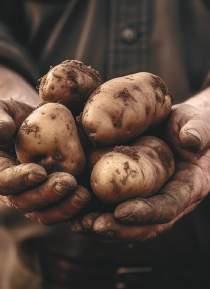
BigCold is expanding its cold storage capacity to address challenges in Kenya's agricultural and food logistics sectors, focusing on post-harvest loss reduction and improved supply chain efficiency.
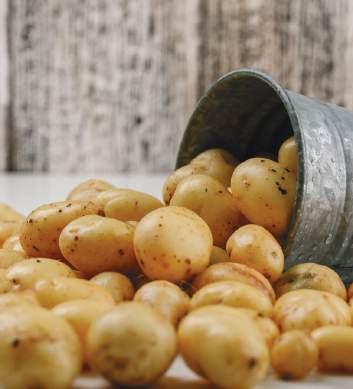
BigCold aims to enhance cold storage and logistics infrastructure, providing cost-effective, temperature-controlled storage and transport to agribusinesses, particularly in the potato and poultry industries, with a focus on reducing post-harvest losses and improving market access for SMEs.
BigCold is a leading provider of temperature-controlled storage, logistics, and distribution services in East Africa, committed to enhancing food safety, sustainability, and market growth through innovative cold chain solutions.
Sustainable, cost-efficient cold storage and logistics solutions that reduce post-harvest losses and enhance market access for SMEs and agribusinesses.
• Expand cold storage capacity in Naivasha and other key regions.
• Build temperature-controlled distribution networks.
• Provide financial and technical support for tenant customization.
• Launch Cooling-as-a-Service model for SMEs.
The project would lead to reduced post-harvest losses, improved income for farmers, increased production capacity, job creation, and enhanced export performance, all while contributing to Kenya’s food security and economic development.
by
leverages over a decade of expertise in food safety and logistics, with an emphasis on cutting-edge technology, certi ed food safety standards, and skilled personnel.
• Agrico PSA and SimpliFIne
• CINCH Markets
• Kuku Foods, KFC Franchisee
• SimpliFine is seeking to improve livelihoods of smallholder farmers by and creating guaranteed offtake
• Seed production
• Potato production
• Raw material storage
• Processing
• Finished product storage
• Temperature-controlled distribution
• Sales
• Direct sales
• Direct delivery
• Increase local production of potatoes.
• Increased stability, profitability, efficiency and impact of locally sourced potatoes.
• Improved farmer livelihoods through guaranteed offtake
• Improved access to certified seed, inputs, and training
• Infrastructure (storage)
• Working capital forsuppliers
• Restaurants
• Large restaurant chains (e.g. KFC, Burger King, CJs)
• Retail
• Network of farmers
• Distribution and sales network
• Sales of (processed) potato products
• CAPEX: storage
• OPEX: stock potatoes, input supply, maintenance

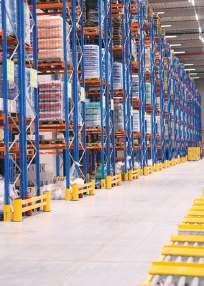
The cold chain market in Kenya is expanding rapidly due to increasing demand in agriculture, food, and healthcare.
However, there are significant infrastructure gaps, particularly in rural areas, which hinder the efficient preservation and transportation of perishable goods.
These gaps result in food waste, high energy costs, and limited access to markets for smallholder farmers.
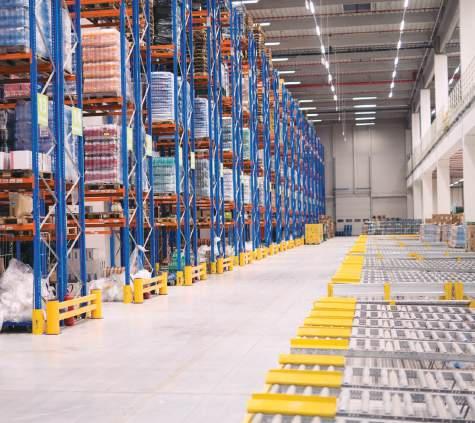
Eja-Ice Limited is leading the transformation of Kenya's cold chain sector with solar-powered refrigeration solutions. The company offers solar-powered cold rooms, cooling vans, and freezers to reduce food waste, lower greenhouse gas emissions, and improve profitability for farmers.
Eja-Ice aims to establish a cold storage fabrication plant, sell or lease 30,000 solar-powered units, and expand across Kenya’s rural and urban markets.
Eja-Ice Limited is a solar-powered refrigeration and cold chain company based in Kenya, with a proven track record of reducing food waste and greenhouse gas emissions.
Founded in Nigeria, the company has expanded its operations to Kenya and plans to further scale across Africa.
Eja-Ice provides sustainable, cost-effective cold storage and distribution solutions that reduce food waste, lower energy costs, and enhance market access for farmers.
• Fabricate cold storage infrastructure.
• Source and aggregate produce from surrounding farmers.
• Set up cold storage facilities in key Kenyan regions.
• Distribute produce via refrigerated trucks and cooling vans.
• Expand sales of solar-powered cooling units nationwide
The project would lead to reduced food waste, enhanced food security, and sustainable economic growth by improving cold chain infrastructure, especially in rural areas, while reducing carbon emissions and promoting clean energy solutions.
Eja-Ice’s founding team is recognized by the World Economic Forum and the International Finance Corporation, with strong experience in cold chain logistics and sustainable technologies.
Sto r age for lease Farm
• Eja-Ice Ltd
• Surrounding farmers & fishermen in rural areas
• Local and retail and export market
• Fabricating cold storage infrastructure
• Coldstorage in Kajiado, Nakuru, Kisumu, Busia and Kericho
• Direct market linkages
• Sourcing and aggregating produce from surrounding farmers
• Refrigerated transport Kajiado, Nakuru, Kisumu,Busia and Kericho <>Nairobi
• B2B sales in Dar es Salaam
• Refrigerated distribution Nairobi
• Fresh and affordable produce
Cooling vans Mar ket
• Sustainably produced and distributed
• Online marketing
• Personal approach
• Direct sale
• Purchasing system
• Refrigerated electric tricycles
• Warehouse sales point
• Storage space rental.
• Storage vans rental
• Stationary cold storage sales
• Cooling storage both stationary and mobile
• Local team
• B2B high-end supermarkets
• Hotels and restaurants
• Domestic fruit andvegetable markets
• African market
• Fish and meat retail to local market and other African markets
• Significant investment capital
• Sales of produce
• Grant financing
• Cool storage units sold
• Cool storage vans rental
• Cool storage space leasing
• Equity financing
• Trade agreement financing
• CAPEX investments: cold storage, sorting and packaging facilities, vehicles for distribution, property purchase
• OPEX: production, personnel, storage and distribution, sales channel
Post-harvest losses due to inadequate infrastructure remain a significant challenge for farmers across developing countries in Africa, especially in Kenya's agricultural and fisheries sectors.
Keep it Cool Ltd offers affordable, solar-powered refrigeration solutions via a "Cooling as a Service" (CaaS) model, helping small-scale farmers and fisherfolk improve post-harvest preservation and market access.
Keep it Cool Ltd provides solar-powered refrigeration and transportation services to farmers and fisherfolk. Its services include cold storage at fish landing sites, transport to retail markets, and an e-commerce platform for market linkages.
This integrated approach reduces post-harvest losses, improves market access, and stabilizes income for small-scale producers.
Keep it Cool Ltd is a Kenyan company founded in 2019, offering affordable, solar-powered refrigeration services to small-scale farmers and fisherfolk in Kenya. They provide end-to-end cold chain solutions that connect producers with both local and regional markets.
Affordable, solar-powered cooling solutions reduce post-harvest losses, improve income stability for farmers and fisherfolk, and provide reliable cold chain logistics for both rural and urban markets.
• Deploy solar-powered cold storage units at fish landing sites and retail locations.
• Provide refrigerated transportation via trucks.
• Offer a digital platform (Markiti) for efficient order management and market linkages.
• Establish ice flaking machines and sell ice to white meat producers.
• Implement comprehensive training for fisherfolk and farmers on best practices.
The project would lead to reduced post-harvest losses, increased income for small-scale producers, expanded market access, job creation, improved food security, and a reduction in greenhouse gas emissions through solar-powered cold chain solutions.
The company is supported by key organizations such as Google, Shell Foundation, and Development Finance Corporation (DFC).
Their team has extensive experience in cold chain logistics, agricultural production, and sustainable energy solutions.
• Farmers & Fisherfolks
• White meat purchase
• Ice box sales
• Allowing white meat trader time to negotiate for best prices
• Direct market linkages
• Sustainably produced and distributed
• Trainings in best practices
• Purchasing system
• Refrigerated electric trucks
• Warehouse sales point
• Coldstorage at source
• Transporting produce to market
• Providing cold storage to informal traders
• Selling of cooling boxes and flaked ice
• Keep it Cool facility
• Local team
• Significant investment capital
• B2B high-end supermarkets
• Hotels and restaurants
• Domestic fruit and vegetable markets
• Informal traders
• Rural communities
• Online marketing
• Personal approach
• Direct sale
• Trucks
• Ice machine
• Sales of produce
• Grant financing
• Equity
• CAPEX investments: coldstorage, sorting and packaging facilities, vehicles for distribution
• OPEX: personnel, storage and distribution, sales channel, trainings
SokoFresh provides solar-powered IoT enabled cold storage units and market linkage services to smallholder farmers in Kenya. The project reduces post-harvest losses, improves food security, and enhances farmers' incomes through affordable cold storage and market access, both local and export.
The initiative also contributes to gender equality by empowering women farmers and reduces greenhouse gas emissions by minimizing food wastage.
SokoFresh provides solar-powered cold storage units to smallholder farmers, improving the quality and shelf-life of their produce.
Through a pay-as-you-store model, the company connects farmers to markets, reducing food loss and enhancing incomes.
SokoFresh was founded in 2019 in Kenya and has rapidly grown to become a leader in agricultural solutions, focusing on reducing post-harvest losses and empowering farmers.
SokoFresh enables smallholder farmers to preserve their produce, reduce losses, and access reliable markets through affordable cold storage and a digital market platform.
• Expansion of solar-powered cold storage units across East Africa.
• Market linkage platforms for direct connections between farmers and buyers.
• Digital traceability of produce for increased transparency and trust.
The project would lead to improved food security, enhanced farmer incomes, and reduced greenhouse gas emissions through the reduction of food waste.
The project also promotes gender equality by empowering women farmers and supports economic growth in rural areas.
The company was founded in 2019 and has since grown its team, with extensive expertise in agricultural technology and operations.
The team includes specialists in solar energy, agricultural systems, and market linkage platforms.
Sorting/packing house
• Small- and medium-sized commercial farmers
• Co-operative societies
• Cold storage and solar equipment manufacturers
• Non-governmental organizations
• Logistics providers
• Assist smallholder farmers reduce post-harvest losses to 5%
• Aggregate raw material to provide B2B
• Purchase of fresh produce from smallholder farmers
• Purchase of the solar powered cold storage units
• Technology development to support our fully digitalized operations
• Direct labor for harvest
• Aggregation cost
• Support staff
• Indirect expenses
• Social media presence
• Strong community engagement
• Solar-powered IoT
• Decentralized aggregation hubs
• IoT enabled solar powered cold storage units to farmers on a leasing model or pay-as-you store
• Traceability of the produce from farm level
• Access to premium local and B2B buyers
• Reduction of carbon footprint
• Small- and medium-sized commercial farmers
• Local assembly site for cold storage units
• Engineers for maintenance and support
• Non-governmental organization
• Food processors
• Traceability across the value chain
• Remote monitoring of the units and addressing any challenges
• Produce to local food processors
• Export of fresh produce to the European market
• Leasing of solar powered cold storage units to farmers
• Operations and maintenance fee
• Sale of fresh

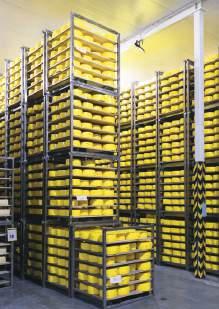
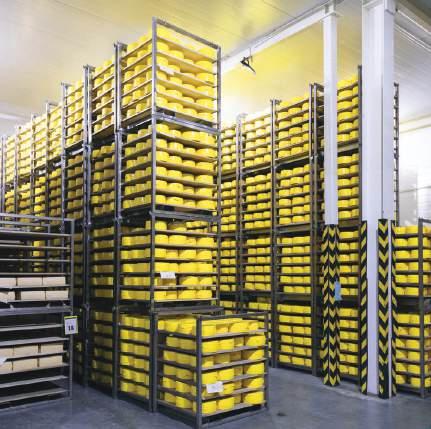
Dar es Salaam, a major commercial and port hub, lacks cold storage, refrigerated transport, and grading, leading to high post- harvest losses and reduced market value. Despite available exportquality produce, it remains underutilized. Tho facility will bridge these gaps, ensuring fair and transparent trade.
The proposed facility will offer cold storage, independent grading, packaging, and export services, based on client needs improving food distribution and reducing waste. It will focus on supporting domestic markets and facilitating exports from Dar es Salaam, benefiting local farmers and creating new business opportunities.
DSM Corridor Ships Chandelling Ltd (DCSC) specializes in ship supply, third-party warehousing, and casual labour supply services in Dar es Salaam and Zanzibar. The company is committed to sustainable practices and has the experience to handle perishable goods
• Build cold storage and grading facilities for perishables.
• Install QC systems and packaging solutions for domestic and export markets.
• Provide temperature-controlled logistics and cold chain services
The facility will establish a fair and efficient supply chain for perishable goods, improving market access, food safety, and logistics while reducing waste. By providing independent grading and pricing, it ensures a sustainable and transparent distribution system benefiting farmers, traders, and consumers.
The project will boost Tanzania's export and HORECA revenue by ensuring reliable supply of fresh produce. It will increase earnings for agricultural producers, minimize food waste, improve food security for urban consumers and improve market efficiency.
The team is experienced in logistics and handling perishable goods, with a track record of supplying ships and cruise liners. The company is implementing an Integrated Management System aligned with ISO standards ISO 9001, 14001, 45001 and 22001, and is a signatory of the UNGC.
DSM and Zanzibar HORECA and retailers
• DSM Corridor Group (Export logistics services)
• Other Logistics and transport providers (such as shipping lines, TAZARA)
• Smallholder farmers cooperatives
• Commercial farms
• DCSC (herself as a client for ship supply services)
• International and domestic agribusiness traders
• Provide temperature-controlled logistics
• Establish and operate cold storage, grading, and logistics hub according to customer requirements for domestic and export markets
• Facilitate market access, connecting producers with traders
• DSM port and Kisarawe warehousing
• Cold storage
• Company fleet trucks
• Strong TZ presence and knowhow
• Chandelling's existing sales channel
• Strategic location (rail/port)
• International and domestic Agribusiness traders and exporters
• HORECA industry and Retailers in Dar es Salaam and Zanzibar
• Agricultural Producers
• Ship suppliers
• Customers needing 3rd party cold warehousing
• Customers needing temperature controlled transport and logistics handling
• B2B service provider offering customized fresh produce handling solutions
• Long-term partnerships
• Dedicated wholesale location
• Personalized account management
• Cold storage facility expansion setup, operations, and maintenance
• Fleet expansion, operations, logistics, and maintenance
• IMS compliance
• Market linkage development
•
• Independent third-party service provider, ensuring neutral and efficient produce handling for all parties
• Temperature-controlled storage and logistics, integrating grading, packaging and export facilitation
• Wholesale aggregation and strategic distribution, linking producers with domestic and international markets while optimizing supply flows.
• Enhanced food safety and accessibility, ensuring compliance with global standards and improving urban nutrition
• Fee-based cold storage, grading and packaging services
• Temperature-controlled logistics and shipping services
• Commission-based market linkage services
• Sale of fresh produce through Chandelling
• Warehouse and distribution hub
• Road and rail logistics network
• Intermodal terminals
Tanzania's frozen food sector is growing rapidly, driven by increasing demand in urban areas. However, local production remains underdeveloped due to limited fresh produce supply, insufficient cold chain infrastructure, and high import costs.
Frostan Ltd aims to scale local production of frozen meat, poultry, fries, and horticulture products by investing in processing facilities, cold storage, and supply chain improvements, reducing food waste, creating jobs, and boosting exports.
• Establish a state-of-the-art processing line (washing, peeling, sorting, cutting, blanching, freezing, packaging)
• Streamline sourcing of fresh produce for processing
• Secure working capital to bridge cash flow gaps
Frostan Ltd. was founded in 2019 and specializes in producing and distributing frozen meat, poultry, and French fries.
They have invested heavily in cold storage and processing facilities in Tanzania and are looking to expand into horticulture produce.
Domestically produced frozen products, with enhanced quality, affordability, and reduced reliance on imports, will strengthen the local food industry, reduce food waste, create jobs, and increase Tanzania’s export potential.
The project would lead to poverty reduction through job creation, increased food security, improved health outcomes through better food preservation, economic growth, strengthened local industries, reduced food waste, enhanced climate resilience and import substitution with local production, reducing climate impact.
Frostan Ltd employs 130 staff, and is backed by the private equity firm, EXEO Capital (70%) and strategic leadership from Luc Battel (30%).
The company has established a solid market presence and is poised for further growth.

• EXEO Capital
• Battel family investment
•Domestically produced frozen products
• Direct sales
• Telephone sales
• Internet sales
• Sourcing fresh produce
• Process, freezing and storage
• Distribution key sales facilities
• Sales
• Fresh produce market linkages
• Transactional
• Automated systems
• Personal Assistance
• Strategic aggregation, processing, storage and distribution locations
• Wholesale buyers
• Restaurants
• Supermarkets
• Export markets
• EXEO Capital financial backing
• Sales of frozen and chilled products
• Third party cold storage and distribution services
• Fixed costs – Rent, salaries, depreciation, utilities
• Variable costs - Purchase raw materials, processing CoGS, Government inefficiencies
• Operational - Marketing IT, customer support, office, product returns
• Distribution cost - Warehousing, distribution channels, trucks
Matalai Ltd focuses on upgrading Matalai’s farm to a quarantine facility and seed multiplication center to produce high-quality certified seed potatoes.
Tanzania’s Southern Highlands is a key region for potato production, accounting for 70% of the country’s supply.
However, local potato cultivation faces challenges such as reliance on low-quality Farm Saved Seed (FSS), leading to poor yields, disease pressure, and food insecurity.
With rising demand for potatoes, Matalai Ltd and HZPC aim to address these challenges by investing in seed multiplication and cold storage to improve the quality and availability of potato seeds.
The initiative will support local commercial farmers in seed production, enhancing food security and agricultural sustainability in Tanzania.
• Upgrade Matalai’s farm to a quarantine facility for certified seed multiplication.
• Install cold storage and warehousing technology.
• Introduce high-quality seed varieties from HZPC for multiplication.
• Train surrounding farmers in certified seed production and establish linkages with ware growers.
Matalai Ltd is a farm-based company focused on potato production and seed multiplication. Partnered with HZPC, Matalai aims to scale operations in Tanzania, leveraging its prior experience in Kenya.
Improved access to high-quality, disease-free potato seeds, which will lead to better yields, food security, and economic growth.
The project also aims to strengthen Tanzanian-Dutch cooperation and create sustainable farming practices.
The project would lead to increased farmer incomes, improved food security, and reduced poverty by providing high-quality potato seeds. It will also contribute to economic growth through job creation, improved agricultural practices, and the reduction of post-harvest losses, supporting the country’s climate goals by minimizing spoilage and reducing greenhouse gas emissions.
Matalai team includes experienced entrepreneurs with previous success in similar projects.
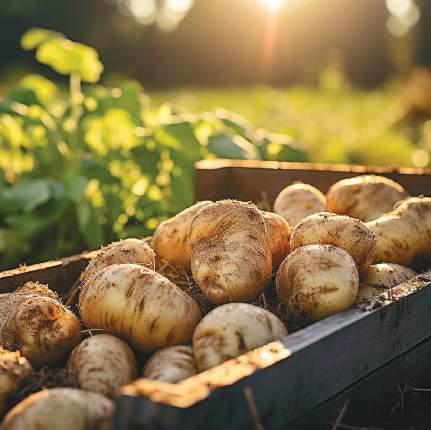
1:10
100-230 tons of pre-basic seeds
~9000 tons from all farms
HZPC Potato breeder Silverlands
Tolsma Grisnich Hardware supplier Farm the Future Other commercial farmers MATALAI Pre-basic and basic seed production center Ware potato farmers and market
Enough food for 6 million Tanzanians (10% of the populat ion)
90,000 tons of ware potatoes by 2025–2030 cold storage of 1588 tons capacity
• HZPC – Potato breeder
• Matalai Farm – Pre-basic and basic seed production center
• Silverlands, Farm the Future, and commercial farmers
• Cold storage and farm equipment suppliers
• Ware potato growers
• Upgrading facilities of Matalai and commercial farmers
• Multiplication of (pre-) basic and certified seed
• Training to commercial seed farmers
• Linking commercial farmers to ware growers
• Direct relations and communications
• Open day demonstration sites
• Improved access to high quality, disease free, early generation potato seeds
• Improved quality/quantity of ware potato for processing and consumption (> food security)
• Improved potato varieties and associated improved yields
• More and better Tanzanian –Dutch cooperation
• Clean starting material
• Land
• Direct sale
• Wholesale
• Inspiring stakeholders
• Knowledge to produce improved and clean seed
• Storage facilities and associated technologies
• Commercial seed multipliers
• Regular but certified seed multipliers
• Tanzanian AMCOS
• Potato ware growers
• Wholesale market
• Potato processing
• Industries
• Training and demo facilities
• Sale of mini-tubers and potato seed
• CAPEX: establishing hardware facilities and farming equipment
• OPEX: operational costs associated with salaries, raw material, reagents, training, etc.
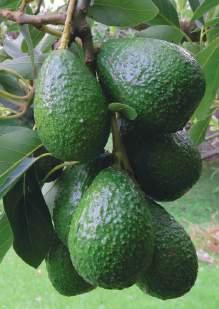
MUSSGO Co. Ltd is an agricultural enterprise based in Tanzania’s Southern Highlands, specializing in sustainable avocado farming. Despite having fertile land and favorable climatic conditions, the region faces gaps in infrastructure and supply chain management.
Agriculture is a vital sector in Tanzania, employing 65% of the population and contributing 30% of the GDP. MUSSGO aims to address these gaps by developing cold chain infrastructure and integrating smallholder farmers into a reliable supply system for both local and international markets.
MUSSGO Co. Ltd will establish cold chain facilities and a central aggregation hub in Mafinga to reduce food waste, improve post-harvest management, and increase market access for smallholder farmers.
Additionally, a digital traceability system will ensure that MUSSGO meets international standards, particularly for the European market.
MUSSGO Co. Ltd specializes in regenerative farming and sustainable food systems in Tanzania. With a focus on Hass avocado cultivation, the company aims to address infrastructure challenges and empower smallholder farmers in the region.
By improving cold chain infrastructure and providing smallholder farmers with reliable market access, this project will reduce food waste, boost incomes, and meet international quality standards.
The project will also foster sustainable farming practices and contribute to the local economy.
• Establish cold chain facilities to preserve avocado quality.
• Develop a central aggregation hub in Mafinga for smallholder farmers.
• Implement a traceability system for compliance with international market standards.
• Enhance supply chain efficiency and reduce post-harvest losses.
The project would lead to increased revenues by reducing post-harvest losses and creating access to premium international markets, particularly the EU.
It will also create jobs, improve income opportunities for smallholder farmers, and promote sustainable farming practices that reduce food waste and enhance climate resilience.
MUSSGO is led by a diverse team of Dutch and Tanzanian professionals with expertise in sustainable farming, supply chain management, and international market standards.
The team has a proven track record in agriculture and is committed to supporting local communities and creating long-term value.
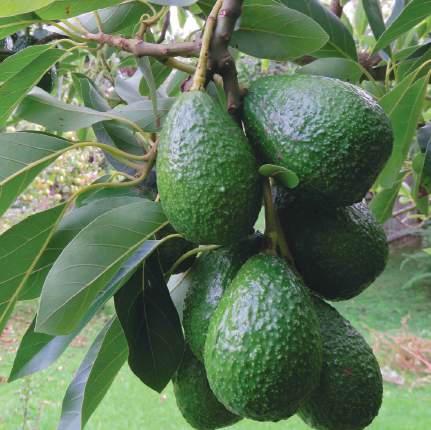
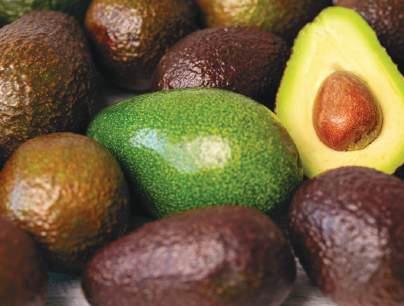
Outgrower collection Farming and farming support Avocado sorting and packaging
Refrigerated warehouse Wholesale to (inter)national buyers
• Maintain and grow avocado farming
• Seek investments and partnerships
• Traceability providers
• (Inter) national investors
• GoT for regulatory compliance
• Donor organisations enabling subsidies
• Small holder farmers
• International buyers
• Local avocado aggregators
• Packhouse and aggregation management
• Provision of agronomic training
• Collection of traceability data
• Direct domestic and international sales
• Warehouse aggregation
• Trade exhibitions
• Online marketing
• Dutch-Tanzanian company
• High-quality and traceable HASS avocado production
• Data-driven avocado production
• Regenerative farming practices
• Reduced post-harvest losses
• Aggregation and sales linking smallholder farmers to market
• Fertile land
• Technical tools
• Transparent operations
• Consistent product quality
• Strong community relations
• Agriculture and business expertise
• Traceability technology
• Avocado processors and buyers (EU and beyond)
• Smallholder farmers
• Retailers and supermarkets
• Sustainable agriculture investors
• Wholesale purchasers wanting to purchase directly from farmers
• Cold chain and packhouse facilities
• Sales of avocados
• Packhouse aggregation service
• Potential revenue from agricultural technology solutions
• Investment to acquire more land
• Investments in technological infrastructure, including traceability technology
• Costs to establish cold store
• Operational costs (e.g. salaries, maintenance, organic fertilizer)
• R&D costs
Avocado cultivation in Tanzania has grown rapidly, with key regions like Kilimanjaro, Mwanza, Iringa, and Mbeya producing avocados year-round. Despite growth, inefficient cold chain logistics limit export potential, with much of the produce either lost due to spoilage or sold domestically.
This project seeks to resolve these challenges and expand exports to international markets.
Proganic B.V. plans to scale its avocado export operations from Tanzania by enhancing cold chain logistics, including establishing decentralized cold storage points, deploying refrigerated trucks, and enhancing market linkages for B-grade avocados, refrigerated trucks, and agronomic support for farmers.
The project will increase export potential to Europe, reduce food waste, and increase incomes for farmers while improving sustainability.
Proganic B.V. is a Dutch multi-million-dollar company specializing in the sustainable trade of organic-certified avocados between Tanzania and Europe. Founded in 2019, Proganic adheres to stringent quality standards and holds certifications like Global Gap, Organic Certificate, and Sedex SMETA.
The company operates through a vertically integrated model, sourcing, sorting, and exporting directly to its European clientele, which includes major retailers in the Netherlands and Germany.
This project will create a sustainable supply chain for Tanzanian avocados, reduce spoilage, increase farmer incomes, and meet the growing international demand for quality avocados.
• Install decentralized cold storage units at strategic locations.
• Establish a central packing and processing facility.
• Expand agronomic and technical support to farmers.
• Build a fleet of solar-powered refrigerated trucks.
• Explore by-product opportunities like avocado oil.
• Transition export operations from Mombasa to Dares Salaam.
The project would lead to enhanced food security, job creation, reduced food waste, and minimized greenhouse gas emissions by optimizing avocado handling, storage, and transport logistics.
location(s) Kilimanjaro, Mwanza, Iringa, Mbeya Dar es Salaam, Mombasa
Crevits
Proganic B.V. has a dedicated team with extensive experience in the horticulture sector. The company has been operational since 2019 and has built a strong network of over 400 smallholder farmers in Tanzania. With a focus on sustainability, Proganic supports farmers with agronomic training and infrastructure improvements.
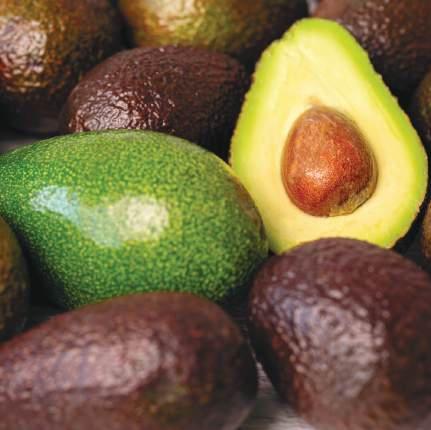
• Large EU buyers
• Smallholder farmers
• Commercial farmers
• Progranic Tanzania
• Transport and logistics organisations
• High quality Hass avocados
• Organically produced
• Sourced from small-scale farmers
• Stable, year-round supply
• Account management
• Traceable avocados
• Direct sales
• Sourcing avocados
• Providing agronomic training
• Testing organic production
• Organising aggregation, logistics, packaging and transport
• Sales and customer management
• Packhouse facilities
• Refrigerated transport
• Network of avocado suppliers
• Large network of big buyers
• Wholesale EU buyers
• Large EU retailers
• Domestic and international sales of Hass avocado
• CAPEX: establish packhouse facilities on land and organize fleet of cold trucks
• OPEX: stock, salaries, maintenance, waste
Tanzania has traditionally imported apples, leading to high costs, long supply chains, and food spoilage.
Tamu Tamu Tanzania Ltd (TTT) aims to reduce reliance on imports by producing local apples and engaging over 3,000 small-scale farmers, selling apples and value added products like juice, dried fruits, and jams.
TTT seeks to develop a sustainable cold-chain system to link Ifunda (SW Tanzania) to Dar es Salaam, improving the quality and cost of produce.
The project includes expanding cold storage facilities, refrigerated transport, and e-bajaji distribution for fresh produce.
TTT was founded in 2016 and is focused on sustainable agricultural production, including apples and other fresh produce.
TTT aggregates produce from small-scale farmers and is committed to reducing food waste and enhancing local market access.
• Expand cold storage in Ifunda and Dar es Salaam.
• Establish refrigerated transport to Dar es Salaam.
• Set up a refrigerated warehouse in Dar es Salaam.
• Invest in e-bajaji vehicles for distribution.
• Gradual expansion of market linkages for B2B and potential B2C sales.
Fresh, affordable, and sustainably produced agricultural products with improved market linkages for Tanzanian farmers.
The project would lead to improved food security and reduced food waste through a sustainable cold-chain system, increased income for small-scale farmers, and a reduction in greenhouse gas emissions from transportation.
TTT was established in 2016, with experienced founders and a proven operational track record. Their team has expertise in agriculture, logistics, and business development, especially in Tanzanian and other developing markets.
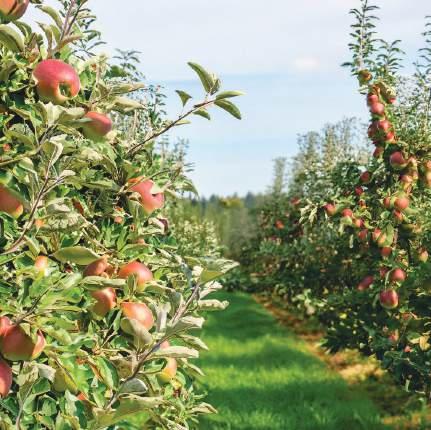
Outgrower collections Sorting and packaging
Refrigerated storage
Refrigerated transport
Happy consumers
• Tamu Tamu Ltd
• Surrounding farmers Tamu Tamu Ltd
• Refrigerated trucking Ifunda <> DSM
Restaurants and supermarkets
Refrigerated e-tricycles
• Fresh and affordable produce
• Direct market linkages
• Sustainably produced and distributed
• Purchasing system
• Refrigerated electric tricycles
• Warehouse sales point
• Tamu Tamu Ltd Farm
• Local team
Refrigerated warehouse
• Online marketing
• Personal approach
• Direct sale
• Growing produce
• Sourcing and aggregating produce from surrounding farmers
• Coldstorage in Ifundi and Dar es Salaam
• Refrigerated transport Ifunda <> DSM
• Refrigerated distribution DSM
• B2B sales in DSM
• B2B high-end supermarkets
• Hotels and restaurants
• Domestic fruit and vegetable markets
• Significant investment capital
• Sales of produce
• Grant financing
• CAPEX investments: coldstorage, sorting and packaging facilities, vehicles for distribution
• OPEX: personnel, storage and distribution, sales channel