This month, we’re leaning into one of my favorite themes: healing from the inside out. So much of our vitality, joy and balance begins in the gut, yet it’s often the first thing to suffer when life gets stressful, when we’re recovering from illness, or when we simply push our bodies a little too hard. In this issue, we explore how to restore gut health and reclaim that deep sense of energy and well-being that comes when our systems are aligned and working in harmony.
What excites me most is how interconnected it all is: when we take care of our bodies, we feel better; when we make conscious choices, our families thrive; and when we care for the Earth, she returns that care to us in countless ways. Healing is never just about one piece—it’s about the whole.
And right here in Richmond, we are in the middle of a true wellness renaissance. Everywhere I look, I see more people choosing natural, holistic paths—whether it’s through nourishing foods, mindful movement, bodywork or herbal remedies. It’s inspiring to witness how our community is embracing wellness as a lifestyle, not just a trend. Natural Awakenings is proud to be part of that movement, giving a voice to the people and practices that are shaping the health of our city.
I hope this issue inspires you to slow down, breathe and find the practices, foods, and connections that nourish your own vitality. Remember: Your body is wise, your spirit is resilient, and healing is always possible.
With love and wellness,
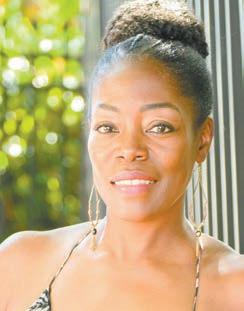
Regina
GREATER RICHMOND EDITION
Publisher Regina Hall Rudolph
Editors Tammie Jones Randy Kambic Martin Miron
CONTACT
US
12220 Chattanooga Plaza, Suite 122 Midlothian, VA 23112
804-495-0325
Regina@NARichmond.com NARichmond.com
Natural Awakenings Richmond Facebook is a registered trademark of Facebook, Inc.
SUBSCRIPTIONS
Subscriptions are available by sending $12 (for 6 issues) to the above address.
NATIONAL TEAM
CEO Kimberly B. Whittle
COO Michael Bevilacqua
CMO Vee Banionis
Sr. VP Operations Brian Stenzler, DC
National Editor Sandra Yeyati
Editor Brooke Goode
Copy Editor Melanie Rankin
Print Production Specialist Kevin Rankin
Design Director Agnes Mazeikaite
Production Flip180
Customer Service Dani Bucad
CONTACT
US
Natural Awakenings Publishing Corporation 350 Main Street, Suite 9B Bedminster, NJ 07921 Ph: 239-206-2000
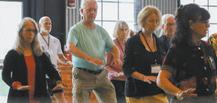
The National Qigong Association (NQA) will host its annual conference with the theme “Harmony in Motion” from September 24 through 26 in Richmond, beginning with an opening reception at Maymont Gardens, featuring tranquil tea, flowing ink calligraphy and live music.
It will bring together practitioners, teachers and enthusiasts for a transformative experience of movement, energy and connection, exploring the dance of yin and yang; forces that balance, contrast and ultimately unify life’s rhythms. Through 18 dynamic presentations led by returning and fresh voices, attendees will engage in a diverse mix of qigong practices, insights and interactive discussions at the ballrooms of the John Marshall Hotel beginning September 25.
Participants can immerse themselves in two days of workshops and practice sessions. Highlights include expert-led workshops blending traditional wisdom with new perspectives; interactive practice sessions for all experience levels; flexible attendance options for a single day or the full event; and community connections with opportunities to share, learn and grow together. From cultivating new skills to deepening existing practice, the NQA 2025 annual conference promises an enriching and unforgettable experience rooted in harmony, transformation and community.
Cost is $250 to $450. For more info or to register, call 888-815-1893 or visit NQA.org.
A Bountiful Indigenous Festival
The Kenaanee Native Arts Festival from 11 a.m. to 5 p.m., September 14, at the Lewis Ginter Botanical Garden will celebrate Indigenous friendship and culture. More than a festival, this is an opportunity to honor Indigenous resilience and foster cultural understanding. Visitors will be immersed in experiences that connect the past, present and future through the wisdom and creativity of native traditions, in collaboration with the Virginia Native Arts Alliance. The festival is rooted in the Powhatan Algonquin word kenaanee, meaning friendship.
Highlights include native arts, storytelling and traditions in a family-friendly environment; short films by Indigenous creators; a live Shinny game—a traditional sport similar to field hockey; music; crafts; storytelling; and seed-saving demonstrations. An arts market will offer handmade works that reflect cultural heritage and contemporary expression. Native food trucks and community partners will be sharing authentic flavors, stories and opportunities for learning and conversation.
Free with Garden admission or tribal ID. Location: 1800 Lakeside Ave., Richmond. For tickets and more information, visit LewisGinter.org.
Celebrating the James River
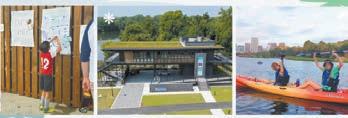
The second annual James River Association (JRA) EcoFest will take place from 11 a.m. to 4 p.m., September 13, at the James A. Buzzard River Education Center on the banks of the Great Shiplock Park, dedicated to celebrating and preserving our vibrant local environment. Highlights include a free tree to take home and help green the community; free guided paddle tours to explore the beauty of the James River up close; and a rain barrel workshop and raffle, where attendees can learn how to collect and use rainwater efficiently.
At the interactive educational booths, discover more about the James River Watershed, local flora and fauna, and sustainable living practices. JRA staff and other local environmental leaders in the community will provide valuable insights and practical tips. A variety of family-friendly activities are designed to entertain and educate all ages about environmental stewardship, along with delicious offerings from local food trucks.
Parking and shuttle service is available at the Stone Brewing Taproom, 3401 Williamsburg Ave., Richmond. For more information, visit TheJamesRiver.org/whats-happening/james-river-eco-fest.
Celebrating Mexican Culture
The Virginia Museum of Fine Arts will celebrate Mexican culture at Family Day: Celebrate the Art of Latin America from 11 a.m. to 3 p.m., September 13, where the sights, sounds and traditions of Mexico will fill the galleries and grounds with an immersive opportunity to explore Mexican culture through art, music, dance and food.
Performances include the Latin Ballet of Virginia and The Salsa Guy, while hands-on activities invite participants of all ages to engage with Mexican artistic traditions. Guests can create a clay dog, design a Talavera tile or make their own maracas to take home. A collaborative papel picado project, the intricate, brightly colored cut-paper banners often seen during Mexican celebrations, will allow the community to contribute to a shared artwork.
Artist Diego Sanchez will lead a captivating workshop, while 1708 Gallery hosts an interactive art activity designed to spark imagination and dialogue. Local food trucks onsite will provide delicious options to keep everyone fueled throughout the day.
Admission is free. Location: 200 N. Arthur Ashe Blvd., Richmond. For more information, call 804-340-1400 or visit vmfa.museum/events/ family-day-celebrate-the-art-of-latin-america-mexico-7503.
A Gentler Grip on the Wheel of Life
by Marlaina Donato
Life can be overwhelming at times. We diligently juggle work and personal commitments with outward precision while grappling with internal struggles, barely catching our breath, feeling off kilter and maybe a little ashamed that we can’t do it all. Somewhere along the line, we bought into the idea that worry puts us in the driver’s seat, granting us control over the road ahead.
We plan and strategize, convinced that holding the steering wheel in a white-knuckled grip will ensure the perfect outcome. We exhaust ourselves by running through an imagined maze and getting snagged on thorny what-ifs, too often investing precious energy into daydreaming about what could go wrong instead of wondering what could go right.
Professional dancers dedicated to their craft work six days a week and spend endless hours maintaining excellence. They attend classes even on performance days and undergo rigorous dress rehearsals before the curtain rises. Yet even these consummate professionals sometimes panic when the music begins, and they find themselves
unable to recall a single nuance of their choreography. In such instances, when the mind is in lockdown, their bodies take over, moving fluidly on cue.
This seemingly miraculous phenomenon known as muscle memory serves as an inspiration for our daily lives. After hard work and preparation, worry becomes an unnecessary mind game. The lecturer delivers their most compelling speech when they throw away their notes. The teacher connects to a challenging student when they think outside the box and embrace an unconventional approach. The soloist springs into the air as effortlessly as a bird.
As September takes the stage adorned in the sun’s spotlight, let us take our hands off the wheel and allow the road to unfold into unforeseen magic. By ceasing relentless planning and embracing spontaneity, we just might live our best life. Now is the time to dance.
Marlaina Donato is an author, visionary painter and composer. Connect at WildflowersAndWoodSmoke.com.
Global Integration of Traditional Medicine
In May, the World Health Organization adopted the “WHO Traditional Medicine Strategy 2025-2034” with the objective of facilitating universal access to traditional, complementary and integrative medicine. The organization has committed to investing in the research of ancient healing practices and their integration into conventional healthcare systems over the next decade.
While representatives from Asia, Africa, the Middle East and South America supported this global strategy, the European Union raised concerns about quality and safety standards. To alleviate fears about counterfeit products or misleading claims, the plan stipulates that no practices would be endorsed without evidence-based research, and the modalities will be codified and integrated into a regulatory framework. The blueprint also acknowledges the rights of Indigenous peoples to their traditional medicines and emphasizes the importance of sharing the benefits when their knowledge leads to commercial products.
Traditional medicine employs nature-based remedies and holistic approaches to restore balance in the mind, body and environment. Certain practices such as Ayurveda or Traditional Chinese Medicine have been developed over millennia and codified in scholarly texts. Others can be characterized as non-codified folk medicine passed down orally from generation to generation. Whether formally documented or carried forward around the campfire or kitchen table, these practices serve as the primary healthcare option for substantial populations in low- to middle-income countries and are gaining popularity in wealthier countries as complementary care.
Youth Develops Heart Disease Detector
Heart disease is the leading cause of death globally, and most people do not know they have cardiovascular disease until they suffer a heart attack or stroke. Early detection currently relies on routine checkups, electrocardiograms, stress tests, echocardiograms and blood tests, but these diagnostic methods may not be universally accessible to low- and middle-income families.
Siddarth Nandyala, a 14-year-old from Texas, invented an application called Circadian AI for smartphones that can pinpoint cardiovascular abnormalities early in their development. To build the app, Nandyala collected data from various hospitals and institutions, thus constructing a robust artificial intelligence (AI) model.
App users are directed to place their smartphones near the heart so the device can record the sound of heartbeats. This real-time data is then compared to the AI model, leading to an analysis of the user’s cardiac health and recommended medical interventions.
A pre-screening phase conducted on more than 18,000 patients in the United States and India yielded a remarkable 96 percent success rate in the detection of heart abnormalities. Nandyala is currently in the process of securing regulatory approvals in the U.S., India and other countries.
DEBBIE TROXELL
Heavy Metals in Rice
A study conducted by Healthy Babies Bright Futures revealed that rice sold in stores across the United States contains toxic heavy metals. After analyzing rice samples from 145 brands across 20 metropolitan areas, arsenic was detected in all samples, and one in four exceeded the U.S. Food and Drug Administration’s limit for infant rice cereal, which is set at 100 parts per billion. There is no established threshold for non-infant rice products.
Arsenic poses significant concerns for children under 2 years of age and pregnant mothers, and it has been linked to cancer and developmental brain damage, including lower IQ. Cadmium, lead and mercury were also found in the rice samples. Although the heavy metal levels are not high enough to cause acute poisoning, the concern is that consumption of these products over a long period of time could be harmful.
To lower exposure, the study suggests cooking rice in six to 10 cups of water and draining the excess liquid to reduce arsenic levels by up to 60 percent. Rice alternatives are also recommended, including quinoa, farro and barley, which exhibit a 69 percent lower heavy metal contamination than rice. Thai jasmine, Indian basmati and California-grown rices were also recommended as safer options.
Cranberry Products for Urinary Tract Infections
Products containing cranberries, including juice and capsules, have been widely used for decades to prevent urinary tract infections (UTI). To objectively assess this anecdotal evidence, a research team conducted a review of 50 studies involving approximately 9,000 participants susceptible to UTIs. The published findings in the Cochrane Database of Systematic Reviews indicated that cranberry products may help prevent the condition in children, women with recurrent UTIs and those prone to UTIs following medical procedures. However, no discernible benefits were observed in elderly individuals living in long-term care facilities, pregnant women or adults experiencing difficulties with bladder emptying.
Food Companies To Discontinue Food Dyes
Kraft Heinz, General Mills and Nestlé have announced a voluntary commitment to eliminate all artificial food dyes from their U.S. products starting in mid-2026 and to stop using them in new products immediately. Kraft Heinz and Nestlé maintain that about 90 percent of their U.S. products are already free of synthetic dyes, with remaining efforts focused on specific items such as Nesquik Banana Strawberry mix, Kool-Aid, Jell-O and Jet-Puffed marshmallows. General Mills has indicated that their pledge will affect only 15 percent of its product portfolio and has vowed to prioritize removing the offending colors from K-12 school foods.
The move comes as federal health officials push for the phase-out of petroleum-based dyes due to health concerns, including behavioral effects in children. The Center for Science in the Public Interest continues to advocate for the implementation of warning labels on products containing synthetic dyes. Although the U.S. Food and Drug Administration recently approved new natural colorings, manufacturers face challenges in terms of cost, color intensity and sourcing.
Gut Restorative Yoga
Poses That Bridge the Gut-Brain Axis
by Jordan Peschek, RN-BSN
The gut, often called the second brain, plays a pivotal role in not only digestion, but also immune function and mental well-being. With a growing body of research exploring the gut-brain axis, many are turning to yoga not just as a physical discipline, but as a therapeutic modality to support gut vitality.
Yoga traditionally involves eight components, including postures, breath control, concentration and meditation. The yoga postures can be practiced in many ways, from flowing sequences and strengthening postures to very slow stretches that can be held for minutes at a time, focusing on breath and meditation simultaneously.
The Science Behind the Stretch
Emerging evidence suggests that yoga may positively influence gastrointestinal health by modulating the autonomic nervous system. Through its emphasis on breathwork and relaxation, yoga activates the parasympathetic nervous system—often referred to as the rest-and-digest mode—helping to promote digestion and reduce stress, a known aggravator of gastrointestinal symptoms, such as those experienced with irritable bowel syndrome (IBS).
A 2015 12-week, randomized, controlled trial published in the European Journal of Integrative Medicine demonstrated significant improvements in IBS symptoms, anxiety,
physical flexibility and autonomic function in patients practicing a gentle form of yoga compared to controls.
Yoga for Digestion
Certain yoga poses specifically support digestive function. According to the Indian yoga teacher B.K.S. Iyengar in his seminal book, Light on Yoga, twists such as ardha matsyendrasana (half lord of the fishes) and supta matsyendrasana (supine spinal twist) gently compress and massage abdominal organs, stimulating the movement of food through the digestive tract and encouraging waste elimination. Forward folds like paschimottanasana (seated forward bend) can soothe the nervous system while enhancing circulation to digestive organs.
Practicing viparita karani (legs up the wall) after meals may promote lymphatic drainage and calm inflammation, especially when paired with diaphragmatic breathing. Virasana (hero pose) after eating can also support digestion and, because the spine is upright in this posture, is ideal for those with acid reflux.
“When supporting clients with digestive concerns, I incorporate yoga postures and breathwork to encourage healthy, balanced digestion,” explains Katie Mullins Denk, a yoga instructor, Ayurvedic health counselor and owner of Moonflower Studio, in Brookfield, Wisconsin. “Apanasana (knees to chest) helps relieve gas and bloating; supta matsyendrasana (supine spinal twist), malasana (garland or yogi squat) and surya bhedana (right nostril breathing) help stimulate elimination. yacobchuk from Getty Images/CanvaPro
Lying on the left side after meals—a version of savasana (final rest or corpse pose)—supports digestion through rest and relaxation. These simple, intentional practices create space for healing from within.”
Mind-Gut Connection
Yoga’s impact extends beyond posture. Mindfulness practices such as pranayama (breath control) and dhyana (meditation) cultivate interoception—the ability to sense internal bodily states. This deepened awareness can promote healthier eating habits, support mindful digestion and reduce overeating. Mullins shares, “Uttanasana (standing forward fold), seated forward fold and nadi shodhana (alternate nostril breathing) help calm the nervous system.”
Chronic stress is a major disruptor of gut flora, and yoga has been shown to reduce cortisol levels, the primary stress hormone. A calm mind often translates into a calmer gut. Digestive health can be tied to the body’s natural circadian rhythm. By practicing sun salutations or flowing yoga postures in the morning, the metabolism is gently awakened, and by incorporating restorative yoga or stretches in the evening, we signal our body to wind down naturally.
An Integrative Approach
As an integrative tool, yoga complements both conventional and alternative therapies for gut health. It works synergistically with dietary modifications, probiotics and functional medicine interventions. For individuals navigating gastrointestinal disorders— from bloating and constipation to chronic conditions like Crohn’s disease—yoga offers a noninvasive, accessible practice with minimal side effects.
Yoga practice was found to improve constipation and sleep quality in a 2021 randomized, controlled trial with elderly adults published in the Journal of Bodywork and Movement Therapies. A 2019 systemic review and meta-analysis in the Journal of Psychosomatic Research found that mindfulness interventions, including yoga, reduced stress and improved depression and quality of life in participants with irritable bowel disease.
Gut vitality is foundational to overall well-being. Yoga, with its blend of movement, breath and mindfulness, offers a holistic path to digestive harmony. Whether practiced in a studio, on a living room floor or during a midday break, it invites each person to tune into their body’s wisdom and support the healing journey from the inside out.
Jordan Peschek has a background in personal training, yoga instruction and mental health nursing. She publishes the Milwaukee and Twin Cities editions of Natural Awakenings.
Balancing the Gut
Investing in Our Inner Ecosystem
by Hannah Tytus
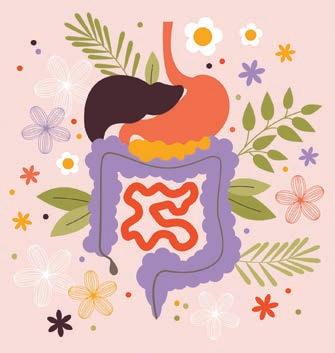
“The gut is the first to encounter the universe, and it is the first line of defense between you and the universe,” says Dr. Madiha Saeed, a holistic, functional and integrative doctor in Naperville, Illinois, and director of education for Documenting Hope and KnoWEwell. Home to trillions of bacteria, fungi and other microbes, the digestive tract forms a complex ecosystem known as the gut microbiome, which influences many aspects of health.
Microbes perform numerous functions. They help break down food, produce essential nutrients, support the immune system and influence mood, cognition and overall well-being. Diet, stress, sleep, medications and environmental exposures shape the makeup of our gut microbiota, which, in turn, impact the body’s propensity for health or disease. Efforts to restore and nurture gut health offer opportunities for us to enhance our well-being through simple lifestyle changes.
Gut Microbiome Basics
The intestinal environment is constantly changing, with new microbes entering and others disappearing daily, creating a dynamic community of tiny organisms that is unique to every individual. Different species have specialized roles. For instance, Faecalibacterium prausnitzii lowers inflammation by nourishing gut cells, while Akkermansia muciniphila maintains the gut lining by breaking down mucus and supporting helpful bacteria. Each person hosts approximately 1,000 distinct microbial species, while humanity collectively harbors more than 10,000 species.
Like a garden, the gut microbiome contains a mix of helpful and harmful organisms. Beneficial microbes behave like healthy plants, supporting digestion, nutrient absorption and immune function. When cared for, these helpful organisms thrive, while also helping to keep harmful microbes (weeds) under control.
Our intestinal garden is shaped by how it is tended. Fiber-rich foods, fermented products and exposure to natural environments help nourish the good microbes, much like water, sunlight and compost nourish plants. By contrast, processed foods, excessive sugar and unnecessary antibiotics can disrupt the balance and allow harmful microbes to take over.
Many people experience gut imbalance, or dysbiosis, without realizing it. The gut is highly sensitive to its environment, and everyday choices like processed foods, medications and chronic stress can quietly disrupt the inner balance, making it harder for beneficial microbes to thrive.
Medications. “Though some medications can save your life, they do come with a side disadvantage, so you need to weigh your risks versus the benefits when it comes to taking any medications,” Saeed advises, noting that antibiotics, for example, reduce microbial diversity and richness, causing short-term changes in the microbiome. While most people recover within two months, their microbiota diversity and productivity may remain low, and some people may experience longer-lasting disruptions.
Common painkillers called nonsteroidal anti-inflammatory drugs (NSAIDs) such as aspirin and ibuprofen can also interact with the composition and function of the gut microbiome. They inhibit microbial growth, induce microbial cell death and increase gut permeability. NSAIDs can also interact with gut microbes, thereby
Gema Ibarra/CanvaPro
impacting how well the drug is absorbed.
Foods. The food we eat significantly impacts the microbiome’s composition and metabolism. “Real foods nourish the good bugs, while processed foods fuel the bad,” says Saeed. Diets high in processed foods, sugars and additives create a toxic load that disrupts bacterial balance and triggers inflammation, leading to chronic disease. Eating these kinds of ingredients on a consistent basis can slowly damage the gut, as harmful microbes crowd out beneficial species, weakening the intestinal ecosystem over time without immediate signs of distress.
Stress. Chronic stress is another gut health disruptor. Stress hormones can reduce beneficial bacteria such as Akkermansia muciniphila, which has been identified as a potential protector against obesity and Type 1 diabetes. Stress also encourages yeast overgrowth, leading to inflammation and intensifying the stress response in a vicious cycle. Studies also show that stress, whether physical or perceived, can alter overall microbial composition.
A 2018 narrative review published in Frontiers in Microbiology analyzed existing preclinical studies and found that various psychological, environmental and physical stressors can alter gut microbiota composition and function. Furthermore, a 2023 systematic review published in Neuropsychobiology found that higher perceived stress was associated with lower microbial diversity and decreased abundance of beneficial genera such as Lachnospira, Veillonella and
Phascolarctobacterium. Harmful bacteria like Methanobrevibacter rose in relative abundance in stressed individuals.
Signs of Imbalance
Indications of an unhealthy gut show up in various ways. Digestive issues such as bloating, gas and constipation often signal an imbalance. Fatigue, mood swings and skin conditions like acne or eczema may also be related to poor gut health. Unexplained weight changes, cognitive problems and food sensitivities may be caused by intestinal distress. A weakened immune system, trouble sleeping and bad breath can also indicate a need for gut support.
Repairing the Gut
Environmental factors influence the microbiome more than genetics, but when the gut has been harmed, Saeed explains, restoration takes more than just a probiotic.
Eat organic whole foods. “Food is medicine. Every bite can either help or hurt,”
counsels Saeed, emphasizing the importance of daily food choices. Like humans, gut microbes need nourishment to thrive. When they eat well, human health flourishes. The typical Western diet is high in simple carbohydrates and fat, but low in fiber, offering little nourishment for beneficial microbes.
On the other hand, microbiota-accessible carbohydrates (MACs) such as legumes, root vegetables, fruits, nuts and seeds are essential for a diverse and resilient microbial community. Because MACs are not broken down by digestive enzymes, they are fermented by gut microbes, feeding and promoting the growth and activity of beneficial bacteria.
Choosing organic produce helps avoid synthetic pesticides and herbicides sprayed on produce to eliminate pests and weeds. These chemicals have been shown to negatively affect the gut microbiome and human health. “It’s best to eat local food that is not sprayed,” advises Dr. Patrick Hanaway, a board-certified functional medicine family
physician, educator and chief medical officer of KnoWEwell.
Supplement wisely. Probiotics and prebiotics are vital for healing the gut. Probiotics, whether found in foods like yogurt and other fermented products or taken as supplements, introduce live bacteria into the body. Prebiotics act like fertilizer, feeding good bacteria and helping restore overall balance. Fiber-rich foods such as asparagus, bananas, garlic, onions, oats, apples and legumes naturally support a thriving gut ecosystem.
As Hanaway explains, “A probiotic is a live bacteria that can be ingested and move into the stomach and populate the body. A
Repairing the Gut Lining
by Hannah Tytus
Dr. Madiha Saeed, a holistic, functional and integrative doctor in Naperville, Illinois, and director of education for Documenting Hope and KnoWEwell, stresses that repairing the gut lining is key for nutrient absorption. She recommends foods rich in zinc; vitamins A, C and D; vitamin E; and selenium to reduce inflammation. Additionally, omega-3 fatty acids, often found in fish, help reduce inflammation and support the gut lining. Digestive enzymes found in fruits and vegetables such as avocados, pineapples, papayas, mangoes and bananas break down food, reducing intestinal inflammation. Lglutamine, found in bone broth, animal proteins, spinach, red cabbage and parsley, helps preserve the gut lining.
prebiotic is a component that helps feed the commensal [beneficial] bacteria in the gut. Probiotics are highly specific. They have great benefits for specific strains for specific diseases in specific doses. Yet, the probiotic is a tourist; it doesn’t stay in the body. It’s great to have tourists in the economy, but if an economy becomes entirely dependent on tourism, it becomes a problem.”
When choosing supplements, quality matters. Due to limited regulations, it is best to purchase from reputable brands. Supplements in fillable capsules tend to have fewer fillers and more active ingredients. Vitamins and minerals are best absorbed from whole foods, so supplements should complement, not replace, a balanced diet.
Start a garden. Gardening increases the availability of fresh, fiber-rich, seasonal fruits and vegetables in the diet, but the very act of putting our hands in the dirt may also help increase the diversity of our gut microbiome. A 2022 cohort study of 19 families over one growing season by scientists at the University of Illinois and published in the journal Nature found that when compared to non-gardeners, families that grew plants and produce in their backyards had more gut bacteria linked to fiber fermentation, greater microbial diversity and even some microbes in their guts that appeared to come from the soil. Families that gardened also ate more fiber-rich foods.
Commit to small actions. Healthy microbiomes grow with consistent care—not perfection—and even small lifestyle changes can build a more resilient ecosystem for better overall health. There is no magic bullet for healing the gut. The key is to commit one hour a week to health education and to small actions focused on rebuilding the inner ecosystem one change at a time.
“A strictly-diet approach isn’t the answer; a lifestyle approach is,” says Dr. Tom O’Bryan, an expert on food sensitivities, environmental toxins and the development
of autoimmune diseases, as well as the host of the Regenerative Whole Health Show at KnoWEwell.com. “Dietary regimens can go only so far if something else persists, like mold in the house, high glyphosate levels or accumulated mercury in the body.” Addressing the macrocosm around us helps fix the microcosm inside us.
Indoor air filtration and water purification measures might be necessary to counteract an unhealthy indoor environment. Small changes like storing leftover food in glass rather than plastic can help keep harmful compounds out of the gut. Herbs such as chamomile and holy basil in diffusers and teas may aid the chronically stressed. Even simply chewing our food slowly, with mindfulness and gratitude, can help aid the digestion process.
The gut microbiome is a complex ecosystem that plays an essential role in overall health. Understanding what it is, what harms it and how to recognize signs of imbalance empowers us to take practical steps to restore and maintain gut health. By nourishing the microbiome with whole foods, managing stress, using supplements wisely and embracing small lifestyle changes, individuals can cultivate a resilient inner garden that supports wellbeing for life.
Hannah Tytus is a researcher and content creator for KnoWEwell, P.B.C. and former technical writer for the National Institutes of Health’s National Center for Complementary and Integrative Health.
RossHelen/CanvaPro
Stefano Oppo
from corelens/CanvaPro
A Marketplace of Healing
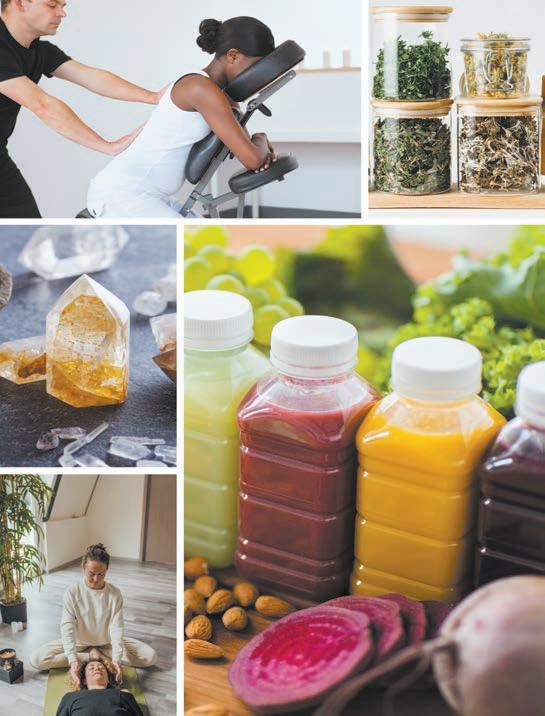
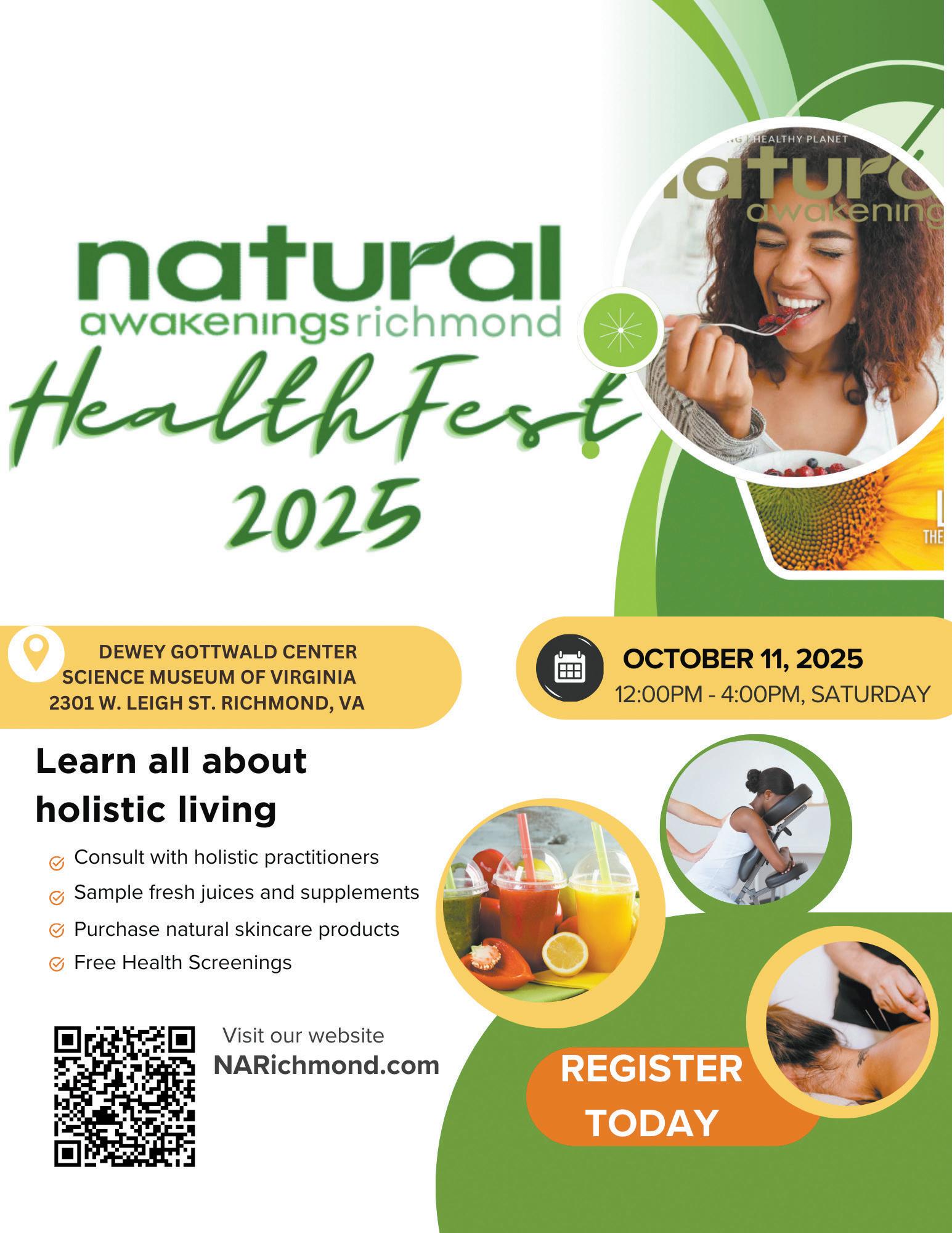
Healthfest 2025: Richmond’s Wellness Renaissance, will take place from noon to 4 p.m., October 11, at the Dewey Gottwald Center at the Science Museum of Virginia. Attendees will step into a vibrant marketplace designed to nourish body, mind and spirit with offerings as diverse as the community itself, featuring restorative chair massages, energy and spiritual cleansing, and handcrafted herbal goods such as tinctures, teas, salves, soaps, balms, bath salts, beeswax candles and raw honey. Each vendor brings a piece of wisdom and healing that invites the mind and body back into balance.
Healthfest also shines a spotlight on innovations that address today’s wellness challenges. Guests can explore all-natural supplements created to support inflammation relief, energy, focus, sleep, hormones, gut health and more—many with complimentary samples and kits to take home.
For those seeking to elevate their self-care routines, the festival will feature naturally based haircare, skincare and anti-aging products that merge science and nature for long-term vitality. Visitors can also
experience sound healing, reiki, hypnotherapy and energy scans, all practices that bridge the gap between the physical and the energetic.
No celebration of wellness would be complete without refreshing, flavorful food and drinks. Attendees can enjoy handcrafted lemonades in unique flavors including lavender, mango, blueberry, coconut and lychee—perfect for sipping as they explore the festival grounds. They can also visit an onsite food truck with healthy menus for all diets, ensuring everyone can enjoy delicious meals aligned with their wellness goals.
Healthfest 2025 is a special event, but also a gathering of visionaries shaping the future of wellness in Richmond. With hands-on demonstrations, educational workshops, free samples and a wide variety of holistic vendors, the festival invites everyone to discover new ways of living in alignment.
Richmond is in the midst of a wellness renaissance where ancient traditions and modern innovations are coming together to reshape how we care for ourselves and our community. From natural remedies and energy healing to integrative therapies and conscious beauty, the city is embracing a more holistic vision of health, and Healthfest 2025 is at the heart of this movement.
Location: 2301 W. Leigh St. Richmond. Register at NARichmond.com/ giveaways/694-register-for-healthfest-20205. For more information, call 804-215-6822.
SILVER SPONSOR
PRESENTING SPONSOR
GREATER RICHMOND EDITION
GOLD SPONSORS
SILVER SPONSOR
VENDORS
HOLISTIC HEALTH PRACTITIONERS • CHAIR MASSAGES
ENERGY HEALING • ECO-FRIENDLY SKINCARE
FOOD SENSITIVITY TESTING
THERAPY & PSYCHIATRIC SERVICES
BLOOD PRESSURE AND GLUCOSE SCREENINGS
CHIROPRACTIC AND STRETCH SERVICES
WELLNESS SUPPLEMENTS
HEALTHY FOOD TRUCKS ...AND MORE TO COME!
Ocean Harvests
Eco-Friendly Benefits of Seaweed
by Maya Whitman
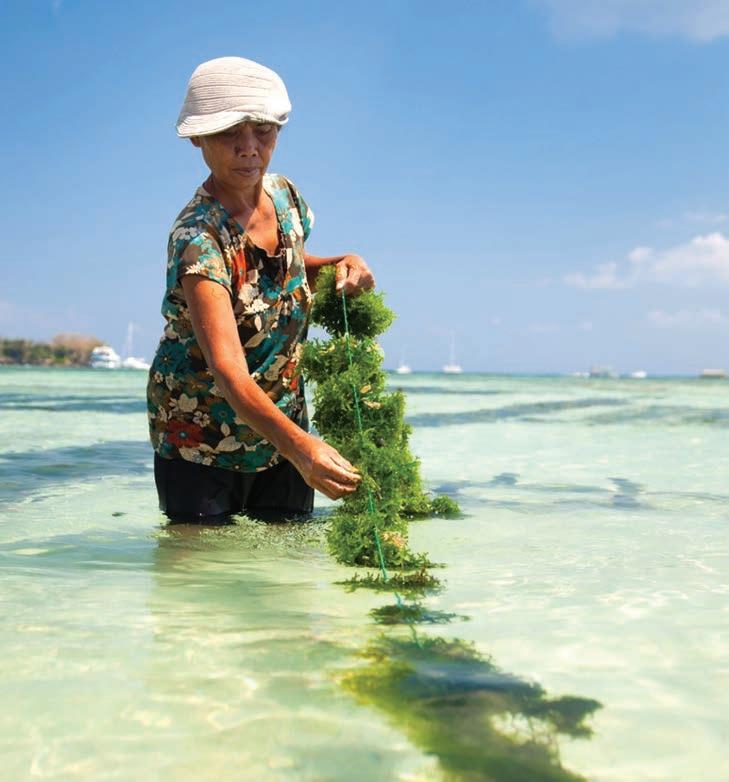
Some may associate seaweed with giant kelp forests or savory sushi wraps, but these species of multicellular marine algae have become key players in the food, cosmetic and industrial arenas. Seaweed farming around the world, including more recently in the United States, shows promise as a natural solution to climate change, ocean acidification and the plastics crisis. Such crops provide not only
nutritious food for humans and animals but also chemical-free fertilizers for backyard gardens and agriculture.
“When managed and cultivated ethically in cooperation with the natural laws, just like land farms, seaweed farms can be little vibrant plots of biodiversity and primary productivity, supporting all the powers of nature for good,” says Sarah Redmond, founder of
Springtide Seaweed, in Gouldsboro, Maine, the largest organic seaweed company in the United States.
Environmental Hero
There are thousands of species of seaweed, and they thrive in areas where other marine life is failing due to ocean acidification. Their presence is a boon for the environment because they release nutrients into the ocean, while also sequestering carbon from the atmosphere, thereby reducing the effects of climate change.
As Redmond explains, “Ocean acidification is the lowering of overall pH in the oceans, which can impact all marine life, especially shell-forming organisms. Growing seaweed can help reduce the impacts of acidification locally, during the day, when the plants are taking in carbon for photosynthesis. Some of the carbon is remineralized back into inorganic forms, some is consumed as food, some is lost as dissolved or particulate organic carbon, and some is buried in sediments at sea. All of the algae—micro and macro seaweeds—drive the ocean’s carbon cycle.”
Seaweed is introduced in aquaculture because of its ability to boost water quality and convert fish waste into usable nutrients. According to Charles Yarish, professor emeritus of marine ecology at the University of Connecticut and chief scientist with GreenWave, a global nonprofit network of regenerative ocean farmers, “Seaweed farming in the United States is principally kelp farming, and we have nutrient-rich waters. Seaweeds can reduce carbon dioxide and nitrogen as
they photosynthesize during daylight hours and take it into their biomass.”
Yarish highlights the cutting-edge efforts of Macro Oceans, in West Sacramento, California, which seeks to help the world transition away from petroleum-based products by developing eco-friendly biomaterials from seaweed for use in cosmetics, food and other industries.
Nutritional Dynamo
“Seaweeds are very nutritious, with minerals, protein and vitamin C,” says Yarish. Rich in iodine, it has been a diet staple for coastal cultures since prehistoric times, and more than 145 varieties are consumed worldwide today. Across the United States, there are dozens of farms in New England, Alaska and the Pacific Northwest that specialize in the cultivation of bull kelp, dulse, ribbon kelp and sugar kelp used in sauces, salads, seasonings and Asian cuisine.
According to Redmond, “By replacing table salt with the natural, organic mineral salts from seaweeds, we can rebalance our sodium and potassium levels and add essential micronutrients to our diets.”
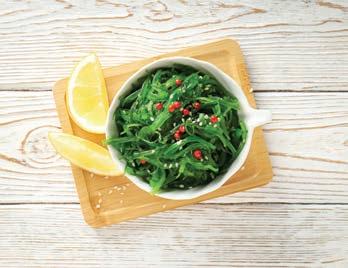
Common edible seaweeds like wakame, kelp, kombu, nori and dulse are tasty additions to soups and salads that can foster good thyroid health. According to 2018 findings published in the Iranian Journal of Basic Medical Sciences, extract of the seaweed variety Sargassum oligocystum offers
anti-diabetic effects in rats and is worthy of further research. Japanese research published in 2021 in the Journal of Atherosclerosis and Thrombosis suggests that seaweed consumption might be valuable in preventing strokes in men.
Conscious Packaging
According to CleanHub, an organization dedicated to preventing plastic pollution in our oceans, it is estimated that 95 percent of all beauty industry packaging is thrown away every year. Companies like UK-based Notpla and Kelpi, as well as California-based Sway, are using biodegradable seaweed bioplastics to make a difference. Similarly, the restaurant and food industries are developing options to replace single-use plastics like containers and wraps with marine-based packages. Currently, seaweed packaging is more costly, but experts predict lower prices as technology advances.
Maya Whitman is a frequent writer for Natural Awakenings
CampPhoto from Getty
Sweet and Tart
The Joys of Homemade Fruit Shrubs
by Chloe Karydes Krecun
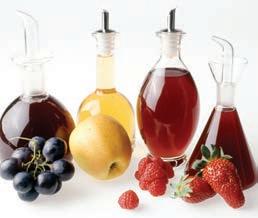
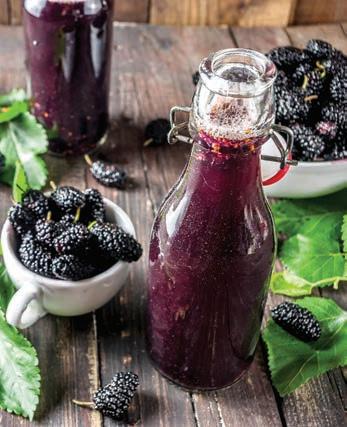
Afruit shrub is a sweet and tart syrup made by combining fruit, sugar and vinegar. Used for centuries as a way to keep nutrients alive, these tangy, fermented syrups are becoming popular again as irresistible additions to cocktails and mocktails, while also contributing to gut health.
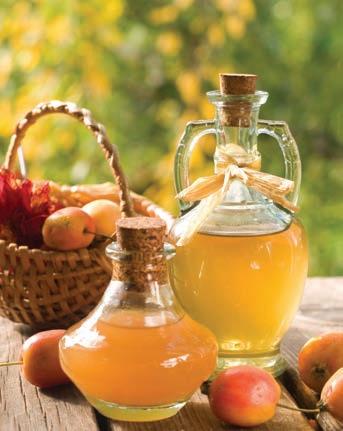
Long before fruit shrubs became a trendy addition to modern beverages, fermenting fruits in alcohol or vinegar was one of humanity’s oldest preservation techniques. Resourceful cooks combined seasonal fruits with vinegar and sugar to create potent elixirs that captured the fleeting abundance of summer harvests in shelf-stable form.
When winter’s grip tightened and fresh produce became scarce, these preserved fruits provided delicious flavors and vital nutrients. Today’s food enthusiasts celebrate fruit shrubs for their complexity and versatility in everything from sodas to salads and other inventive side dishes.
Health Benefits
Each ingredient in a fruit shrub plays a distinct role in both preservation and nutrition. “The vinegar component in shrubs is what helps preserve the fruits and keep them from spoiling,” explains Lea Ann Chen, M.D., assistant professor of gastroenterology at the Rutgers University Robert Wood Johnson Medical School. “However, the total amount of fruit in shrub recipes is relatively modest. Thus, the benefits of eating fresh fruits would be much higher. For example, fresh whole fruit contains fiber, which has many health benefits, but this is mostly missing in shrubs.”
Chen notes that the fruit in shrubs is nevertheless a source of certain vitamins, such as vitamin C in citrus fruits, while berries are also high in polyphenols, which offer anti-inflammatory properties. A 2021 Stanford University study published in the journal Cell found that consuming fermented foods may increase gut microbiome diversity and decrease inflammation, so the fermentation of fruit shrubs may be part of a gut-healthy diet.
According to Kirsten Shockey, the author of several books on fermentation, including Fermented Vegetables, fruit shrubs and mocktails serve as a practical steppingstone toward healthier drink choices. They offer a middle ground for those seeking to improve their habits by steering away from soda and alcoholic beverages without making dramatic changes.
Fermenting Tips
Creating gut-friendly fruit shrubs at home requires nothing more than fresh fruit, sugar, vinegar and patience. Morgan Shortt, sales director at Pink House Alchemy, a maker of farm-to-table simple syrups, aromatic bitters and shrubs, explains that the sugar breaks down the fruit and naturally turns it into a thick, viscous syrup without having to smash the fruit. This natural maceration process allows the sugar to draw out fruit juices and flavors over the course of a couple of days.
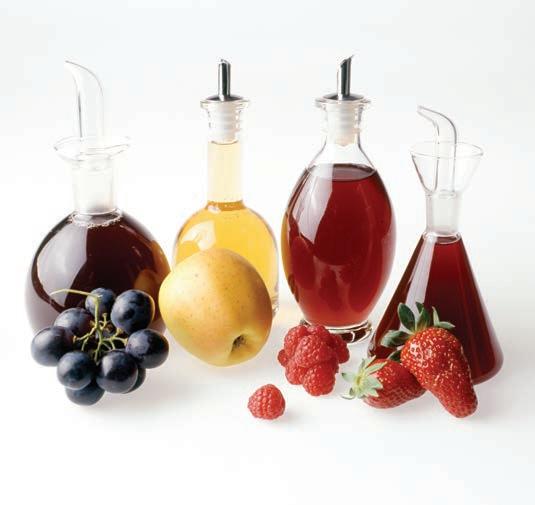
Once macerated, the fruit is strained through cheesecloth or a coffee filter. The syrup can be used immediately as a topping on desserts or savory dishes. To make it last longer and add the tart taste, vinegar is incorporated. Almost any type can be used, depending on personal taste. White vinegar is intensely sharp; apple cider vinegar provides a mild, fruity flavor; and balsamic can add depth to berry shrubs with only a splash. The higher the quality of vinegar, the better the results, Shockey points out.
Although fruit shrubs are shelf stable, the shelf life varies depending on the ingredients. Shortt estimates that her shrubs have a shelf life of at least two years. Refrigeration can help maintain the quality and flavor for a longer period of time.
from
from Getty Images/CanvaPro
Enjoying the Results
Shrubs offer a practical solution for reducing food waste. They are a good way to use seasonal fruits that may be bruised or considered a farmer’s seconds. “The key takeaway is that it’s an easy and affordable way
to consume a gut-healthy product, and it’s delicious,” says Shortt.
For those preferring convenience over homemade preparation, shrubs are increasingly available at farmers markets, health
food stores and online. When purchasing, prioritize products containing raw, unpasteurized vinegar and minimal added sugar while checking for clean-ingredient labels. Premixed shrub drinks are also available in ready-to-consume cans or bottles for the ultimate in convenience.
Shrubs represent a delicious intersection of ancient preservation wisdom and modern wellness needs. Whether crafted at home or purchased ready-made, these tangy syrups offer a simple way to support gut health while adding flavor to drinks and recipes.
Chloe Karydes Krecun is a sophomore at University of Illinois UrbanaChampaign. Connect at LinkedIn.com/in/ chloe-karydes-krecun.
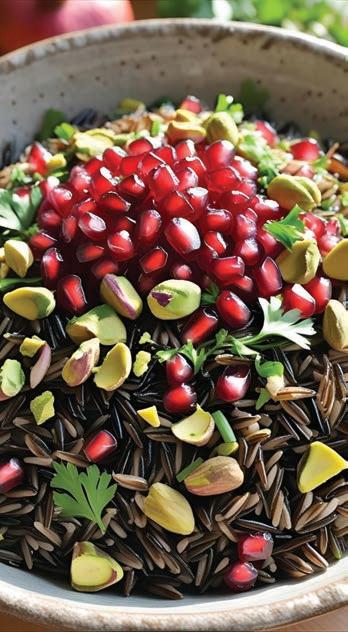
WILD RICE SIDE DISH
YIELD: 6 TO 8 SERVINGS
FOR THE VINAIGRETTE
2 Tbsp pomegranate shrub
2 Tbsp extra-virgin olive oil
2 Tbsp shallots, finely chopped
1 tsp lemon zest
1 tsp honey or liquid sweetener
½ tsp fresh ginger, grated
½ tsp ground coriander
Kosher salt, to taste
Fresh ground black pepper, to taste
FOR THE SALAD
1½ cup cooked wild rice
1 cup pomegranate arils (about one large pomegranate)
1 cup pistachios, coarsely chopped
½ cup parsley, coarsely chopped
In a small bowl, combine pomegranate shrub, olive oil, shallots, lemon zest, honey, ginger, coriander, salt and black pepper. Set aside.
Combine wild rice, pomegranate arils, pistachios and parsley in a serving bowl. Add dressing and toss to combine. Taste and season with additional salt and pepper, if desired. Serve immediately or refrigerate for up to three days.
Recipe courtesy of Priscilla Koch, founder of The Urban Farmhouse Co., makers of organic shrub beverages.
Rimma_Bondarenko
Getty Images/CanvaPro
Rimma_Bondarenko
Conscious Eating
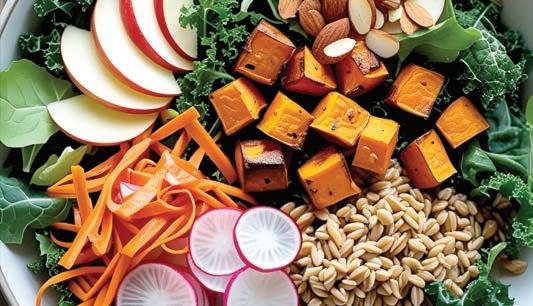
FARRO SALAD WITH APPLE SPICE SHRUB
YIELD: 4 TO 6 SERVINGS
FOR THE VINAIGRETTE
2 Tbsp apple spice shrub
2 Tbsp extra-virgin olive oil
1 tsp Dijon mustard
½ tsp raw honey or maple syrup
1 squeeze of orange, optional
Sea salt, to taste
Fresh black pepper, to taste
FOR THE SALAD
1 cup cooked farro
1 sweet potato, cubed
Extra-virgin olive oil for roasting
A few kale leaves, chopped 2-3 cups salad greens
1-2 carrots, peeled into ribbons
1 apple, diced
A few radishes, sliced thin
Small handful parsley, chopped
½ cup almonds, chopped and toasted
Salt, to taste
Fresh black pepper, to taste
Preheat the oven to 400° F.
Whisk all the vinaigrette ingredients together in a small bowl and set aside.
Toss the sweet potato cubes with a drizzle of olive oil and salt and pepper, to taste. Spread sweet potato cubes on a baking pan lined with parchment paper and roast until golden brown, about 35 minutes. Once roasted, let the sweet potato cubes cool.
In a large bowl, lightly massage the kale with a bit of the vinaigrette until the kale wilts down. Mix in the farro and sweet potato cubes. Add the salad greens, carrots, apple, radishes, parsley and almonds to the bowl and toss with vinaigrette. Add additional salt and pepper, to taste.
Recipe courtesy of Priscilla Koch, founder of The Urban Farmhouse Co., makers of organic shrub beverages.
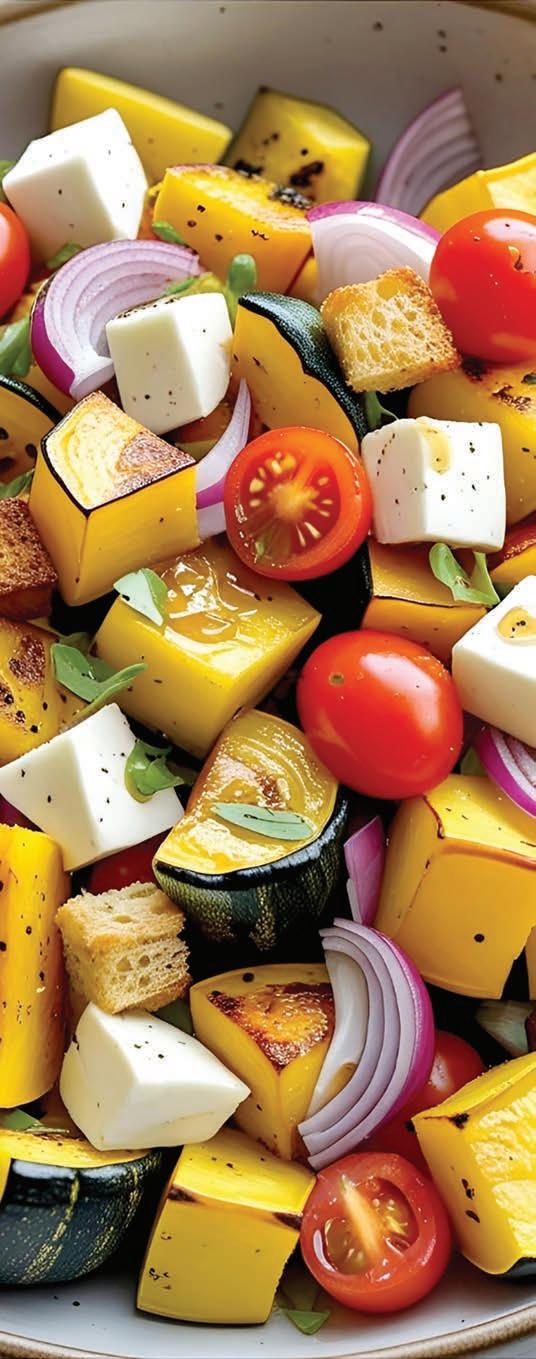
FIG SHRUB PANZANELLA
YIELD: 6 SERVINGS
FOR THE VINAIGRETTE
2 tsp garlic, finely minced
1 tsp Dijon mustard
4 Tbsp fig shrub
4 Tbsp extra-virgin olive oil
1 tsp raw honey, optional
Sea salt, to taste
Freshly ground black pepper, to taste
FOR THE SALAD
6 cups sourdough bread, cut into 1-inch cubes
1 pattypan squash, cut into 1-inch cubes
1 zucchini, cut into 1-inch cubes
1 delicata squash, cut into 1-inch cubes
1 yellow squash, cut into 1-inch cubes
1 acorn squash, peeled and cut into 1-inch cubes
1 medium red onion, diced
1 cup cherry tomatoes, halved
5 oz mozzarella balls, medium or small sized, quartered
20 large basil leaves, ribbon sliced
1 tsp kosher salt
Preheat the oven to 350° F.
Whisk all the vinaigrette ingredients together in a small bowl and set aside.
Roast the delicata and acorn squash in the oven for 20 minutes on a baking pan lined with parchment paper.
Add the patty pan, yellow squash and zucchini to the same baking pan. Sprinkle 1 teaspoon of kosher salt over the vegetables and continue roasting for another 15 to 20 minutes. Remove and let vegetables cool.
Place bread cubes on a separate baking pan lined with parchment paper and place in oven for 10 to 15 minutes. Remove and let bread cool.
In a large bowl, mix the roasted vegetables, red onion, cherry tomatoes and basil. Add the bread cubes and toss with the vinaigrette. Add kosher salt and pepper to taste. Serve immediately or allow the salad to sit for half an hour for the flavors to blend.
Recipe courtesy of Amy Lawson, a registered dietitian at ThriveNutritionRDN.com.
Childhood Friendships
How To Support a Kid’s Social Development
by Christina Connors
Supporting a child’s social development today means setting aside outdated assumptions. What once felt simple, like walking up and saying “Hi” on the playground, may require emotional scaffolding today. Kids face a more complex and often emotionally charged social world, so the way we guide them needs to evolve, too.
Joanna Faber and Julie King, co-authors of the bestselling books How to Talk So Little Kids Will Listen and How to Talk When Kids Won’t Listen, offer a compassionate framework for supporting children through
friendship conflicts. “In the moment that a child is in distress over a social slight, the first thing we can do for them is to offer quiet sympathy instead of a game plan and a pep talk,” they write. “Sometimes just a sympathetic sound is enough. Resist the urge to lecture, ask questions, or give advice. … Your restraint in not jumping in with questions and advice shows trust in your child’s ability to manage her own relationships.”
This gentle, emotionally attuned approach is backed by child mental health experts who emphasize that emotional safety is the
foundation of healthy social development. “Children thrive when they feel seen and heard,” says Dr. Roseann Capanna-Hodge, a clinical psychologist and integrative pediatric mental health expert. “Social skills don’t grow in a vacuum—they’re cultivated through repeated, safe interactions where kids feel supported, not judged or directed. When adults approach social challenges with calm empathy, they send the message that it’s okay to have big feelings and that mistakes are a part of learning.”
This doesn’t mean stepping back entirely. While Capanna-Hodge warns against the temptation to micromanage social interactions, she does suggest alternative actions. “We have to stop swooping in to fix every peer conflict,” she says. “When we do that, we unintentionally rob children of the chance to build problem-solving and coping skills. Instead, guide them gently and give them the language to express themselves. That’s what truly sets the foundation for deeper, more meaningful relationships.”
One key strategy Capanna-Hodge recommends is co-regulation, a powerful technique where adults model calm and emotional steadiness, especially when a child is dysregulated or distressed. “We talk a lot about self-regulation, but kids need co-regulation first,” she explains. “That means being the calm in their storm—breathing with them, validating their feelings and staying present without judgment. That’s how they learn to calm themselves and respond, rather than react, in social situations.”
Connection Is the Heart of Growth
Friendship is not just a social bonus; it is a developmental necessity. As caregivers, educators and parents, the focus is not to orchestrate every social moment but to create the conditions where trust, empathy and connection can flourish. By modeling emotional presence, offering tools for regulation and holding space for kids to navigate the ups and downs of friendship, we empower
them to build lasting, meaningful relationships. These moments of quiet support may seem small, but they build social wisdom that lasts a lifetime.
As Capanna-Hodge advises, “The best gift we can give our children is the belief that they can handle hard things, especially when it comes to friendships. When we trust them, support them and walk beside them instead of ahead, we teach them how to be kind, confident and resilient.”
As discussed in a 2017 research article published in the journal Social Development, children’s friendships and their ability to navigate them matter. Friends engage in more complicated social activities, talks, tasks, cooperation, negotiation, altruistic activities and effective conflict management. In a world that often feels fast and fragmented, the ability to build deep, authentic connections may be one of the greatest gifts we can offer the next generation.
Christina Connors is a writer, singer and creator of a YouTube series for children. Learn more at ChristinaConnors.com.
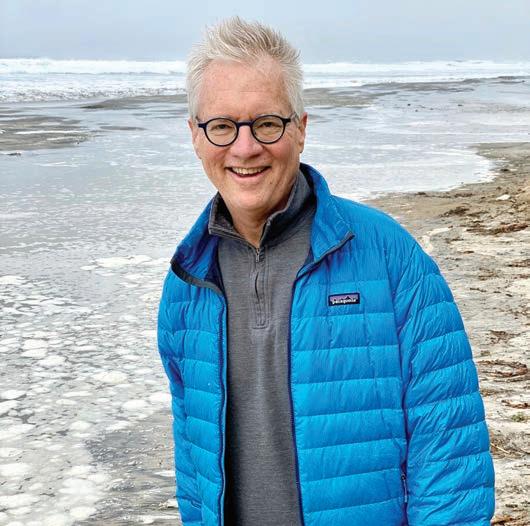
Patrick Hanaway on Healing the Whole Person
by Sandra Yeyati
Patrick Hanaway is a functional medicine family physician and educator. For more than 25 years, he has maintained a clinical practice with his wife, Dr. Lisa Lichtig, in Western North Carolina. He is board-certified in family medicine and is a Fellow of the American Academy of Family Practice, as well as the American College of Nutrition.
Hanaway served as chief medical officer at Genova Diagnostics for 10 years before becoming the chief medical education officer at The Institute for Functional Medicine (IFM) in 2013, where he oversaw the development and implementation of IFM programs worldwide. He has taught at the Institute since 2005 and has led the IFM Gastrointestinal (GI) Advanced Practice Module since its inception. In 2014, Hanaway helped establish the Cleveland Clinic Center for Functional Medicine, where he was the founding medical director and later research director. He was honored by IFM with the prestigious Linus Pauling Award in 2017 for his pioneering work.
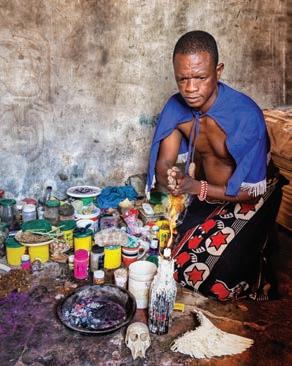
Hanaway has been initiated as a Mara’akame (traditional healer) by the Huichol people of the Sierra Madres, in Mexico. He holds community fires, leads ceremonies and offers traditional healing sessions around the fire. He serves as the board chair of the Blue Deer Center, in the Catskill mountains of New York.
This month, Hanaway begins his newest role as chief medical officer of KnoWEwell, P.B.C., a digital community and marketplace that bridges the knowledge, access and insurance gaps to address the root causes of chronic disease. KnoWEwell owns Natural Awakenings Publishing Corporation, operator of the Natural Awakenings magazine franchise system.
Could you explain how the patient-doctor relationship differs in conventional versus functional medicine settings?
Functional medicine focuses on the individual, rather than a diagnosis, aiming to understand their life story in relation to wellness and illness. We seek to identify unique triggers and rebalance the imbalances, rather than just eliminating disease symptoms. The goal is to help the person be the healthiest they can be, in balance—body, mind and spirit—which is different than the conventional medical model that targets specific symptoms.
What advice can you provide for individuals that cannot afford or find a functional medicine doctor in their area?
In those settings, I recommend working with a functional medicine coach from the Integrated Nurse Coach Academy or the Functional Medicine Coaching Academy to initiate the basic lifestyle and behavior changes. They can help determine if there needs to be additional medical care, which might include specialty testing, supplements or targeted medication under the guidance of a functional medicine doctor.
How do you see the field of gut health evolving in the next few years?
The gut plays a central role in functional medicine, and we are deepening our understanding of the functionality of the microbiome, not just with gastrointestinal issues like irritable bowel syndrome, but also across all disease states, including cardiovascular, neurological and autoimmune diseases.
We’re recognizing, for example, that leakiness in the gut relates to leakiness in the blood-brain barrier and autoimmune diseases. With respect to the microbiome, we’re finding that it’s not so much which species are there, but rather what their functions are, with roles in healing, growth, energy production, thoughts, feelings, immune function and many more. The gut-brain connection is gaining attention. We’re learning that the 10,000-plus compounds produced by the gut microbiome affect the brain, influencing cognition, behavior, emotions and inflammation.
Courtesy of Patrick Hanaway
The way I see it, the gut serves as our biggest interface with the environment, processing 1,500 to 2,000 pounds of food annually, including macronutrients and micronutrients, which are transformed by the gut microbiome and then absorbed into the body. Our focus has shifted from studying specific gut microbes to understanding their functions. The goal is to optimize gut functions rather than viewing individual organisms or probiotics as solutions.
What do you love about teaching?
It’s the work that I love the most—even more than working with individuals—because I get the opportunity to share what I’ve learned so others can carry it forward. It’s also very humbling in the process because I’ve learned
how little I know. I’ve also learned that there are no bad students, only poor teachers. If a student is not understanding something, it is my responsibility and my job to help them.
As a teacher, I work to understand something to a depth that I can simplify it, and that’s what I feel is part of my gift, as well as my passion. I want to get to a point of understanding an area where it becomes simple in my mind to be able to express and talk about it. It’s not about oversimplifying; it’s just being able to make it learnable so that somebody else can carry it forward.
It’s not lost on me that the word “doctor” comes from the Latin docere, which means
“to teach”. We teach each other, and I can see farther because I stand on the shoulders of giants. I’ve had people who have taken the time to help me learn and understand in a deeper way, and there’s so much appreciation. So it’s actually necessary for me to “pay it forward”. That’s part of what my work in the world is, and I hope to continue to do that for a long time.
Sandra Yeyati is the national editor of Natural Awakenings.
To read a longer version of this conversation, visit TinyURL.com/HanawayWW1 or scan the QR code. Look for part two of this conversation in our November issue.
Calendar of Events
Ongoing Events
GO TO NARichmond.com/Calendar for current offerings, updates and additional listings. Please double-check with the host prior to an event to ensure the information is accurate.
Saturday, September 6
Half-Day Silent Meditation Retreat – 10am2pm. This retreat is designed to help you acclimate to silence and stillness in a very simple and supportive environment and is perfect for beginners. Benefits: increases confidence and curiosity; creates a deeper connection with oneself; enhances self-awareness and mindfulness; and reduces stress and promotes mental clarity. Register at Innerworkcenter.org. Innerwork Center, 213 Roseneath Rd. Richmond, VA. 804-359-0384. $43+.
Sunday, September 7
Meditate and Create: Loving Kindness
– 4-5:30pm. Take a breath. Slow the scroll. This one’s about giving yourself an afternoon to settle in, make something with your hands, and let your heart lead. We’ll gather for guided meditation, gentle markmaking, and mandala creation—rooted in the practice of loving kindness. Materials provided (bring your journal or favorite pens if you’d like). SoulShine Studios, 9200 Stony Point Pkwy, Richmond, VA. 804-355-9593. SoulShineStudios.com/events. $32.
Saturday, September 13
Somatics and Yoga – 9:15-10:30am. Join us on the mat for an exploration of yoga as mindful movement, with the aim of regulating our nervous systems, deepening our sense of embodiment and felt sense, and connecting with our own intuitive movements as a reflection of and to shift our emotional state. Register at InnerworkCenter.org. Innerwork Center, 213 Roseneath Rd. Richmond, VA. 804359-0384. $18+.
Sunday, September 28
Wilderness Fall Festival – 11am-4pm. Enjoy a day of fun activities for the whole family from a moon bounce, hay rides, and games to DJs, vendors, food trucks, and much more! Day and activity passes for the Wilderness Presidential Resort will be available for purchase too. Wilderness Presidential Resort 9220 Plank Rd.Spotsylvania, VA. Eventbrite.com/e/wildernessfall-festival-tickets-1307707992809. Free.
Save the Date
Healthfest 2025 October 11
Dewey Gottwald Center at the Science Museum of Virginia.
Richmond’s premier celebration of holistic health and wellness is back! Mark your calendar now and be part of this vibrant gathering of health seekers and holistic healers.
Sunday
Carytown Farmers Market – 9am-1pm Richmond’s premier Sunday market, created to provide local farmers, makers, and consumers the opportunity to deal directly with each other. City Stadium. 3201 Maplewood Ave. Richmond, VA. Free.
South of the James Farmers Market – 10am1pm Shop local produce, handmade goods, and more every Sunday year round. Forest Hill Park. 4021 Forest Hill Ave Richmond, VA. Free.
Goat Yoga Brunch & Bubbly – 11:30am1:30pm. Pactamere Farm and Goat Yoga RVA are hosting morning goat yoga followed by a delicious brunch with unlimited mimosas. During the 45-minute class, your certified instructor will guide you into a series of poses with the assistance of our 26 Nigerian dwarf goat yogis. Pactamere Farm, 15577 Stone Horse Creek Rd. Glen Allen, VA. Tickets available at PactamereFarm.com. $65.
The Bench – Community Sit (every 4th Sunday) – 4-5pm. Step away from the noise and into stillness. The Bench is a simple gathering for shared silence, open to everyone regardless of experience or background. There is no agenda, no particular style, no instruction, and no expectations. It’s an invitation to simply come as you are, sit in silence, and be. 804-359-0384. Register at InnerworkCenter. org, Innerwork Center, 213 Roseneath Rd. Richmond, VA. Free.
Sunday Sound Meditation – 6:30-7:30pm. Experience the profound effects of sound vibrations as you journey inward on a wave of relaxation and healing. $5-$25 sliding scale. LivingWaterrva.com. 1000 Westover Hills Blvd. Richmond, VA.
Monday
Level 2 Flow Yoga – 9-10:15am. Start your week right with a yoga class that is beyond a beginner’s level. Participants will incorporate new poses and increasingly challenging options. $70/4 classes/mo, $20/ drop-in.Glenmore Yoga & Wellness Center, 10442 Ridgefield Pkwy. 804-741-5267. GlenmoreYoga.com.
Beginner Qigong with Jonah Marsh –5:30-6:45pm. Qigong is an ancient practice which combines graceful movements with abdominal breathing and mindfulness, allowing us to connect with Nature and balance the body’s circadian rhythms. Jonah has been studying Chinese internal martial arts and qigong since 2011. $5-$25 sliding scale. LivingWaterrva.com 1000 Westover Hills Blvd. Richmond, VA.
Ageless Yoga – 10:30-11:45am. A balanced practice that incorporates basic yoga postures, breath awareness and relaxation. Poses are
modified to meet individual needs. Students transfer to and from the floor and the class generally includes a vinyasa flow of standing poses, guided by breath for a portion of class time to increase stamina and strength. Students continue to develop body awareness to keep the joins safe, increasing range of motion and improving balance. Glenmore Yoga & Wellness Center, 10442 Ridgefield Pkwy. 804-741-5267. GlenmoreYoga.com.
Navigating Loss With Compassion (Online 9/8 to 10/13 weekly) 6:30-8pm. During this sixweek journey, you will learn how to talk about feelings associated with grief and be offered the opportunity to be cared for and supported to attend to grief. Through vulnerability and release, the heart can be healed, and we can move towards the state of wholeness. Interested participants are required to fill out a pre-screening form, to be reviewed by the facilitator. Register at InnerworkCenter. org Innerwork Center, 213 Roseneath Rd. Richmond, VA. $155+.
Tuesday
Beginner-Level Yoga – 9-10:15am. Balanced practice that incorporates basic yoga postures, breath awareness & relaxation. Postures modified to meet individual needs. Online & in-person. $70/4 classes/mo, $20/ drop-in. Glenmore Yoga & Wellness Center, 10442 Ridgefield Pkwy. 804-741-5267. GlenmoreYoga.com.
Yoga for Bone Health – 9:45-11am. Increase bone & muscle through the use of yoga with a combination of dynamic & static yoga poses. Chris Riely. $70/4 classes/mo, $20/drop-in. Glenmore Yoga & Wellness Center, 10442 Ridgefield Pkwy. Registration required: 804741-5267 or GlenmoreYoga.com.
Fundamentals Pilates Mat Class (Online) – 10:45am-12pm. This Pilates Mat Class with Dianne Powers will include the basic exercises emphasizing alignment, elongation of the spine and healthy posture. It will focus on the execution of efficient movement achieving improved core strength and endurance. $70/4 classes/mo, $20/drop-in. Glenmore Yoga & Wellness Center, 10442 Ridgefield Pkwy. 804741-5267. GlenmoreYoga.com.
Slow and Gentle Yoga – 11:30am-12:45pm. An in-studio or online class with a yoga therapist. $70 for 4 classes in a month; $20 drop-in. Glenmore Yoga & Wellness Center, 10442 Ridgefield Pkwy. 804-741-5267. GlenmoreYoga.com.
Men’s Grief Discussion (1st & 3rd Tuesday) – 1:30-3pm. This group is peer led, free and a place to listen or share grief experiences with others with similar grief experiences. Open to anyone that has lost a significant other or spouse. Bliley’s Funeral Home 3801 Augusta Ave. Richmond, VA. 804-355-3800.
Mixed-Level 1 & 2 Yoga – 5-6:15pm. This MixedLevel 1 & 2 yoga class is both in-studio and online. End your work day with this yoga class that will move through all the muscles and joints, transitioning from beginner yoga poses into more challenging poses. If joining online, please register in advance to get the Zoom link.
Tuesday Night Gentle Flow into Restoration – 6:30-7:30pm. A nourishing and relaxing 60-minute gentle Hatha yoga flow with restorative yoga poses (using props). Suitable for any level, sliding-scale, drop-in & props provided. Leave feeling relaxed, restored & rejuvenated. Like all Living Water classes, this one is sliding scale, $5-25. Living Water Community Center. 1000 Westover Hills Blvd. LivingWaterrva.com/events.
Wednesday
Yin Yoga (In Studio & Online) – 9-10:30am. This quiet practice with Erin Forsyth, ERYT 500, focuses on the deep connective tissue in the lower back, hips and pelvis. Poses are generally limited to seated or reclined. The poses apply passive pressure to the joints, ligaments and tendons and are held for 3 to 5 minutes. While holding, students practice staying mentally attentive by focusing on the breath and to what their body feels in the pose. For the online class, please register in advance to get the Zoom link. Glenmore Yoga & Wellness Center, 10442 Ridgefield Pkwy. 804-741-5267. GlenmoreYoga.com. $20.
Intermediate Flow Pilates Mat Class – 9:1510:30am. A Pilates mat class with a focus on intermediate mat exercises. $70/4 classes/ mo, $20/drop-in. Glenmore Yoga & Wellness Center, 10442 Ridgefield Pkwy. 804-741-5267. GlenmoreYoga.com.
Ageless Yoga – 10:45am-12pm. A balanced practice that incorporates basic yoga postures, breath awareness and relaxation. Poses are modified to meet individual needs. Students transfer to and from the floor and the class generally includes a vinyasa flow of standing poses, guided by breath for a portion of class time to increase stamina and strength. Students continue to develop body awareness to keep the joins safe, increasing range of motion and improving balance. $70/4 classes/ mo, $20/drop-in. Glenmore Yoga & Wellness Center, 10442 Ridgefield Pkwy. 804-741-5267. GlenmoreYoga.com.
Gentle Yoga – 11am-12:15pm. This class features gentle yoga stretches, postures, breath awareness and relaxation to improve flexibility, strength, range of motion, balance and energy. Designed for those recovering from injuries, illness, inactivity or other health considerations. $70/4 classes/mo, $20/drop-in. Glenmore Yoga & Wellness Center, 10442 Ridgefield Pkwy. 804-741-5267. GlenmoreYoga.com.
Vino Vinyasa - 12-1pm. Join instructor Ann Marie Lewis for a strong yoga practice that will leave you feeling revitalized on every level! Rinse out your body and mind with a dose of structural, functional flow yoga at beautiful Ashton Creek Vineyard. You are encouraged to stay after class to enjoy some locally produced wine and nibbles! Bring a yoga mat, 2 blocks and a strap. Ashton Creek Vineyard 14501 Jefferson Davis Hwy Chester, VA. 804536-5869. $15.
Widow’s Tea Talk (Every 4th Wednesday) - 1:30-3pm. This group is peer led, free and a place to listen or share grief experiences with others with similar grief experiences. Open
to anyone that has lost a significant other or spouse. Bliley’s Funeral Home 3801 Augusta Ave. Richmond, VA. 804-355-3800.
West African Dance Class – 6:30-8pm. Join an uplifting 60-minute West African Dance Class that includes a cultural overview of the dance being taught, warm-up, and a highenergy blood-pumping workout. Register at Ezibumuntu.org. A New You Wellness Center, 1606 Ownby Lane Richmond, VA. 804-5920086. $12+.
Thursday
Vinyasa Flow – 9-10:15am. Join Glenmore Yoga’s Randi Weiss, E-RYT 500, for an inperson or online Vinyasa Flow class that incorporates all aspects of a traditional Hatha yoga class - postures, breath & meditation while challenging your coordination through flow. Please register in advance. $70/4 classes/ mo, $20/drop-in. Glenmore Yoga & Wellness Center, 10442 Ridgefield Pkwy. 804-741-5267. GlenmoreYoga.com.
Fundamentals Pilates Mat Class – 10:45am12pm. This Pilates Mat Class with Dianne Powers will include the basic exercises emphasizing alignment, elongation of the spine and healthy posture. It will focus on the execution of efficient movement achieving improved core strength and endurance. $70/4 classes/mo, $20/drop-in. Glenmore Yoga & Wellness Center, 10442 Ridgefield Pkwy. 804741-5267. GlenmoreYoga.com.
Chair Yoga (Online) – 10:30-11:45am. This online Chair Yoga class via Zoom for older adults offers a balanced yoga practice which incorporates basic yoga postures, breath awareness and relaxation. Students continue to develop body awareness to keep the joints safe, increase range of motion and improve balance. Please register in advance to get the Zoom link. GlenmoreYoga.com.
YOGAbility – 11am-12:15pm. This in-studio therapeutic yoga class is designed to educate, assess and help you progress in everyday life skills including functional abilities of work, rest and play. Highlighted are abilities of aligned posture, dynamic balance and increased mobility. Glenmore Yoga & Wellness Center, 10442 Ridgefield Pkwy. 804-741-5267. GlenmoreYoga.com $20.
Online Beginner Yoga – 6-7:15pm. A balanced practice that incorporates basic yoga postures, breath awareness and relaxation. Postures are modified to meet individual needs. Please register in advance to get the Zoom link for this online class. Glenmore Yoga & Wellness Center, 10442 Ridgefield Pkwy. 804-741-5267. GlenmoreYoga.com.
Friday
Yin Yoga – 9-10:15am. This 75-minute instudio Yin Yoga class is a great way to end the week. The quiet practice focuses on the deep connective tissue in the lower back, hips and pelvis. Poses are generally limited to seated or reclined. The poses apply passive pressure (muscularly soft) to the joints, ligaments and tendons and are held for 3-5 minutes. Glenmore Yoga & Wellness Center, 10442 Ridgefield Pkwy. 804-741-5267. GlenmoreYoga.com. $20.
Tibetan Rites (Online) – 10:30am-11:45pm. The Five Tibetan Rites is a system of exercises reported to be more than 2,500 years old. The Rites are said to be a form of Tibetan yoga similar to the yoga series that originated in India. The Five Tibetan Rites enhance mental clarity and memory, balance the hormones, improve health and support emotional well-being. This is an online-only class; please register in advance to get the Zoom link. Glenmore Yoga & Wellness Center, 10442 Ridgefield Pkwy. 804-741-5267. GlenmoreYoga.com.
Level 1 & 2 Yoga – 10:45-12pm. This in-studio traditional yoga class takes students beyond the beginner level. The class will flow through poses and include more challenging options, ending with a relaxation session. $70/4 classes/mo, $20/drop-in. Glenmore Yoga & Wellness Center, 10442 Ridgefield Pkwy. 804-741-5267. GlenmoreYoga.com.
Saturday
Mixed-Level Yoga – 9-10:15am. Start the weekend off right w/a yoga class appropriate for all levels. Guidance given throughout practice, offering individual students a number of appropriate options. In-person & online. $70/4 classes/mo, $20/drop-in. Zoom. Register, Glenmore Yoga, 804-741-5267 or GlenmoreYoga.com.
Aerial Yoga – 10:45am-12pm. This beginnerfriendly class for adults of all ages combines traditional yoga with the support of a suspended silk hammock. You will be guided through a series of poses and flows designed to strengthen, lengthen, and open the body, leaving you feeling confident, connected, and relaxed. $20 Host of Sparrows Aerial Circus, 97 Manchester Road, Richmond, VA. 804-615-0309. HostOfSparrows.com.
PLANS CHANGE
Please call ahead to confirm date and times
Featured Event
Qigong Annual Conference September 24 - 26
The National Qigong Association (NQA) will host its 2025 Annual Conference this fall, bringing together practitioners, teachers, and enthusiasts for a transformative three-day experience of movement, energy, and connection. With the theme “Harmony in Motion,” the conference explores the dance of Yin and Yang—forces that balance, contrast, and ultimately unify life’s rhythms. Through 18 dynamic presentations led by both returning speakers and fresh voices, attendees will engage in a diverse mix of qigong practices, insights, and interactive discussions.
Hotel John Marshall 101 N. 5th Street Richmond, VA 23219
NQA.org/annual-conference 888-815-1893. $250+.
Community Resource Guide
Connecting you to the leaders in natural health care and green living in our community. To find out how you can be included in the Community Resource Guide, email Regina@NARichmond.com to request our media kit.
Chiropractor
DRS. MAXINE AND JOE ABRETSKI
Omni Family Chiropractic 6806 Patterson Ave. Richmond, VA 23226
804-214-6236
om We specialize in family-based wellness health care, focusing on correcting the structure of the spine and the function of the nervous system. Our goal is to help families live to their healthiest potential naturally. By addressing spinal alignment and nervous system health, we aim to enhance overall well-being and support longterm health!
Concierge Medicine
WELLCOMEMD
2500 Gaskins Rd, Ste A 866-942-4522 · WellcomeMD.com infoRichmond@WellcomeMD.com
Experience concierge medicine with a functional medicine approach. Comprehensive and proactive, limited number of patients, unhurried 30-minute consultations for a personal and effective relationship with your physician. Schedule a discovery call today.
Counseling
LINDA ZAFFRAM, LCSW, CYT200, PMH-C
Healing Circle Counseling 2819 N. Parham Road, Suite 130 Richmond, VA 23294
804-924-7600
HealingCircleCounseling.com
Linda Zaffram is the founder, owner and CEO of Healing Circle Counseling and Services. Linda’s areas of expertise include adults, women’s issues, depression, panic/ anxiety, PTSD, grief/bereavement, perinatal loss/stillbirth/miscarriage, perinatal mood disorders, maternal mental health, fertility/reproductive issues, NICU families, emotional, physical & sexual abuse, trauma, birth trauma, stress management, relationship issues, life transitions, communication skill building and developing coping skills.
Counseling/ Neurofeedback
CHERYL DESVERNINE
Braniac Wellness
804-250-3450
BraniacWellness.org
Cheryl is board-certified (BCN) in neurofeedback and has been practicing neurofeedback over the last eight years. We offer neurofeedback, eye movement therapy and traditional counseling to clients ages 6 and up. Neurofeedback is an intervention that improves symptoms associated with ADHD, anxiety, panic, PTSD, trauma, depression and more that is holistic and does not require medication.
Dentistry (Biological/Holistic)
NEIGHBORS AND HEROD FAMILY DENTISTRY
Dr. Brian Herod 1009 Crowder Dr., Midlothian, VA 23113 804-794-8745 • MidloDental.com
Dr. Brian Herod centers his holistic dentistry practice on the connection between oral and systemic health. He is a member of the IAOMT, providing an integrative approach to dental care. Safe amalgam removal, metal and BPA-free fillings, ceramic implants, biocompatibility testing, fluoridefree, 3-D cone beam.
Doctors
NANCY A. POWELL, M.D.
River’s Way Healthcare of Virginia 5500 Monument Ave, Ste T 804-379-4560
RiversWayHealthcareVA.com RiversWayVA@gmail.com
Offering expanded healing services. Providing traditional primary care and alternative approaches to support the body’s ability to heal itself. Extensive study in the mind-body connection to achieve optimal health. Certified by the Board of Family Medicine and by the American Board of Scientific Medical Intuition.
Naomi is a Licensed Clinical Psychologist, Board-Certified in Neurofeedback, and a Registered Yoga Teacher who helps adults break free from cycles of chronic stress, anxiety, inattention, depression and exhaustion. Through her unique method, Embodied NeurofeedbackTM, she addresses struggles at their root—the brain, body, and nervous system—so change is fast, lasting, and medication-free. If you feel overwhelmed, disconnected, or trapped, her neuroscience- and research-backed approach offers a path to reclaim your calm, energy and joy.
The Enneagram is a dynamic system for personal, professional and spiritual growth. Working with an Enneagram Coach opens awareness around personality patterns, creates pathways for relationship connections, and empowers transformation for a happier and healthier life. Sessions available in-person or online. Learn more at CherylFare.com.
Functional Medicine
AMBER MANCHE, NP – CHRONIC PAIN & NEUROPATHY SPECIALIST Chronic Care of Richmond 8639 Mayland Dr. Ste. 105, Richmond, VA 23294 804-740-7105
Board-certified nurse practitioner and IFM member Amber specializes in treating chronic pain and peripheral neuropathy using non-surgical, root-cause therapies. Chronic pain is addressed with regenerative medicine like PRP, while neuropathy care includes advanced imaging and a multi-modal program. Every consultation includes a team-based approach with a chiropractor and case manager, integrating functional medicine, nutrition and evidence-based care.
DR. MICHAEL WALD
The Blood Detective
4131 Croatan Rd. Richmond, VA 23235 914-552-1442
DrMichaelWald.com
Dr. Michael Wald, known as the Blood Detective, has been in clinical holistic practice for 33 years. Using his Blood Detective Method & software, he analyzes extensive lab data to uncover causes of disease. Dr. Wald offers specialized lab work, targeted nutrition, and lifestyle guidance. He provides lab testing from all areas of medicine at once to ensure a comprehensive health evaluation. The Blood Detective Method allows for targeted natural approaches to optimize health and address chronic conditions. He is also the author of the Anti-Aging Encyclopedia. Dr. Wald’s expertise helps patients take control of their health by identifying hidden imbalances and offering personalized solutions for longterm wellness. See ad, page 9.
Holistic Gynecology
VERA DUBOVOY, M.D.
Dubovoy Integrative Health 1404 Starling Dr., Richmond, VA 23229 (Inside the Wellness Village) 757-603-3034
VAIntegrativeHealth.com
Vera Dubovoy, M.D., is dual board-certified in OB-GYN and Lifestyle Medicine. She has over 1,000 hours of training in integrative medicine and functional medicine including health and wellness coaching, nutrition, and herbal medicine. She believes in personalized wellness and nourishing our physical, emotional and spiritual health. She and her husband offer a range of progressive therapies designed to fit the treatment needs of the patient.
Insurance
PCM INSURANCE AGENCY
Patricia Mayfield
PCMInsurance19@gmail.com 1-800-674-6771
PCM Insurance is your premier destination for Medicare enrollment services. With decades of experience in the industry, our dedicated team of experts is committed to helping individuals navigate the complexities of Medicare with ease. See ad, page 19.
Massage Therapy
ESCAPE MASSAGE
15500 WC Commons Way, Midlothian 804-794-0445
EscapeMassage.com
We offer a variety of massages including Swedish, Therapeutic Swedish, Deep Tissue, Hot Stone, Aromatherapy and CBD. We also offer energy therapy, reiki and halotherapy services. We have a team of professional, experienced, and caring licensed massage therapists and reiki masters ready to cater to your self-care needs.
Medical Cannabis Provider
NARITA C. SNEAD, MPH, MSN, APN-BC
Certified Medical Cannabis Provider
Adult Nurse Practitioner
Registered Practitioner for Medical Cannabis
804-475-8904
Green-Healing.co
At GreenHealing, we strive to make the process of obtaining a medical marijuana card and locating certified cannabis physicians as easy as possible for our patients.
Natural Medicine
MAGNOLIA WELLNESS
Regina Rudolph MagnoliaWell@gmail.com
804-495-0325
Wellness-Teas.com
Promoting self-care and disease prevention through the use of our crafted collection of premium wellness teas designed to reduce stress and anxiety, strengthen the immune system, promote weight loss and release harmful toxins. Magnolia Wellness also assists people on their journey to better health and wellness through classes and private sessions. See ad, page 22.
Naturopathic Doctor
DR. MICAH ALLEN, ND, LAC, FABORM
Essential Natural Health
804-464-3315
DrMicahAllen.com
Dedicated to providing personalized holistic healthcare solutions in Richmond, Virginia. Our practice focuses on integrating time-tested acupuncture techniques with innovative medical
solutions to achieve significant and enduring results for our patients. Specializing in challenging chronic conditions such as peripheral neuropathy, infertility and pain, we strive to help individuals live fulfilling lives. At Essential Natural Health, we prioritize understanding each patient as a whole person. We develop customized preventive and natural medicine health plans for all ages, from pediatrics to geriatrics. Our approach is grounded in harnessing the body’s inherent healing abilities through tailored treatment plans designed to address individual needs effectively.
Pharmacy
RX3 COMPOUNDING PHARMACY
12230 Ironbridge Rd, Ste C, Chester 11934 W Broad St, Henrico Ph: 804-717-5000, Fax: 804-717-8300
Rx3Pharmacy.com
RX3, Virginia’s First Nationally Accredited Compounding Phar macy, has been an industry leader for 23+ years. Specialists in customized compounding, bio-identical hormones, veterinary/equine compounding, traditional pharmacy, palliative care, professional quality supplements, CBD experts, Food Inflammation Testing, and more. See ad, page 17.
Thermography
DEBBIE TROXELL, RN, MSNH Thermographer The Wellness Village 1404 Starling Dr, Richmond 804-683-7774
RVAThermography.com
Yoga
Safe, non-invasive, radiationfree imaging. Preserve your breasts, heart health and much more. Live happier and healthier longer! Interpreted by Matthew Lee, MD, RPh. See ad, page 6.
GLENMORE YOGA & WELLNESS CENTER Far West End Location 10442 Ridgefield Pkwy, Henrico 804-741-5267
Info@GlenmoreYoga.com
GlenmoreYoga.com
Incorporate yoga into your life at Glenmore with in-person and online student-focused, multi-level classes from Ageless Gentle, Beginner and Yin to Vinyasa Flow, Restorative and Meditation. 200- and 300Hour Teacher Training. Voted best Richmond Yoga Center.
Into a Business Turn Your Passion
Own Your Own
Natural Awakenings Magazine!
Make a meaningful impact in your community by becoming the owner of a Natural Awakenings magazine. Empower others with current, valuable insights and resources to enhance their physical, mental, emotional and spiritual well-being.
As a franchise owner, you’ll inspire positive change, provide readers with tools for healthier living and connect local businesses with an audience eager for transformation.
Why Own a Natural Awakenings Magazine?
n Create a Healthier Community: Be the go-to resource for wellness and personal growth in your area.
n Boost Your Income: Take control of your financial future with a proven business model.
n Enjoy a Flexible Lifestyle: Work from home while pursuing a fulfilling, dynamic career.
What We Offer:
n A proven business model with low startup costs.
n Comprehensive training and friendly, ongoing support.
n Flexible work schedule with many work-from-home opportunities.
n Access to a network of like-minded franchise owners.
n Financing Options Available.
Join a thriving network of passionate franchise owners reshaping the future of holistic health and wellness.
Call 239-206-2000 for a FREE evaluation of your community’s potential. Learn more or apply today at: Corp.NaturalAwakenings.com
Own a business that makes a difference.
Add Your Community to Where Natural Awakenings Is Now Publishing:
• Atlanta, GA
• Boston, MA
• Broward County, FL
• Bucks/Montgomery Counties, PA
• Central Florida/Greater Orlando, FL
• Central New Jersey
• Charlotte, NC
• Chicago, IL
• Columbia, SC
• Dallas, TX
• Daytona/Volusia/Flagler Counties, FL
• Detroit/Wayne County, MI
• Fairfield & Southern Litchfield Counties, CT
• Grand Traverse Region/Northern Michigan
• Greater Ann Arbor, MI
• Greater Lansing, MI
• Greater Oakland, Macomb, Livingston, Genesee, MI
• Gulf Coast, Alabama/Mississippi
• Houston, TX
• Jacksonville/St. Augustine, FL
• Lehigh Valley, PA
• Long Island, NY
• Milwaukee, WI
• Monmouth/Ocean Counties, NJ
• Naples/Fort Myers, FL
• New York City, NY
• North Central New Jersey
• North New Jersey
• Northwest Florida
• Palm Beach, FL
• Philadelphia, PA
• Phoenix, AZ
• Rhode Island
• Richmond, VA
• Sarasota, Manatee, Charlotte and DeSoto Counties, FL
• South Central Pennsylvania
• South Jersey, NJ
• Southeast North Carolina
• Space & Treasure Coast, FL
• Tampa, FL
• Tucson, AZ
• Twin Cities, MN
• Westchester/Putnam/Dutchess, NY
• Western Michigan Call for a free evaluation of your community's potential at 239-206-2000. To apply or learn more, visit Corp.NaturalAwakenings.com.