As we close out 2025, I find myself reflecting on the small and stunning ways joy has unfolded in my life this year. Not the loud, glittering kind of joy—though I’ve had moments of that, too—but the quiet, steady, heart-opening joy that grows when you make space for it.
This year invited me to stretch in ways I didn’t anticipate. I met new friends who felt like soul-family on arrival and deepened old friendships that reminded me of the power of being truly seen. I allowed myself to be loved in ways I once thought I had to earn—softly, fully, without condition. That kind of love reshapes you. It reminds you that joy is not something you chase; it’s something you allow.
My relationship with my children has been one of the greatest joys of all. I’ve watched each of them expand into their own brilliance, and somewhere in that process, our connection evolved too. We’ve laughed more, talked deeper, dreamed bigger. Their growth has become a mirror for my own.
Professionally, I feel gratitude every day for how my leadership has blossomed. What once felt like responsibility now feels like purpose. Whether through this magazine, community partnerships, or the work I do behind the scenes, I see how joy can be a form of service—an offering that ripples outward.
And so, as we enter the final month of the year, I’m inviting you to join me in a simple intention: Mindfully expand your joy. Notice it. Make room for it. Practice it. Choose it. Joy doesn’t erase the challenges of life, but it gives us a well to drink from when the days feel long.
Let this season remind you that joy is your birthright. It lives in community, in connection, in creativity, in nourishment, in rest. It lives in every moment where you allow yourself to soften and simply be.
May December bring you warmth, beauty, and countless reasons to smile. May you close out this year feeling full. And may you walk into 2026 knowing that joy is not just ahead of you— it’s already within you.
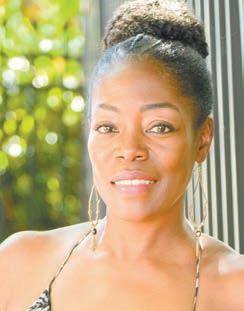
With gratitude, Regina
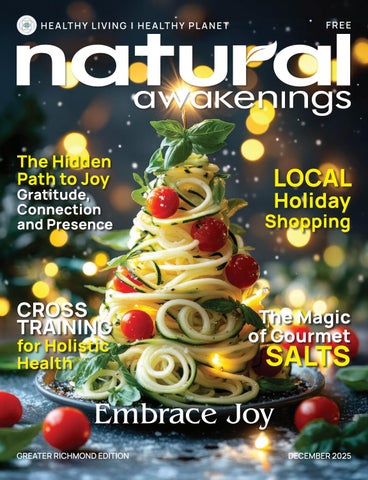
GREATER RICHMOND EDITION
Publisher Regina Hall Rudolph
Editors Tammie Jones Randy Kambic Martin Miron
Design & Production Patrick Floresca
CONTACT US
14241 Midlothian Turnpike, #138 Midlothian, VA 23113 804-215-6857
Regina@NARichmond.com NARichmond.com
Natural Awakenings Richmond
Facebook is a registered trademark of Facebook, Inc.
SUBSCRIPTIONS
Subscriptions are available by sending $12 (for 6 issues) to the above address.
NATIONAL TEAM
CEO Kimberly B. Whittle
COO Michael Bevilacqua
CMO Vee Banionis
Sr. VP Operations Brian Stenzler, DC
National Editor Sandra Yeyati
Editor Brooke Goode
Copy Editor Melanie Rankin
Print Production Specialist Kevin Rankin
Design Director Agnes Mazeikaite Production Flip180
CONTACT US
Natural Awakenings Publishing Corporation 350 Main Street, Suite 9B Bedminster, NJ 07921 Ph: 239-206-2000
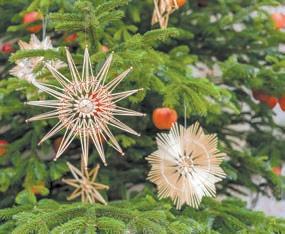
The Science Museum of Virginia, inspired by the pollinator plants featured in The Green, will host senior guests 60 and up to make take-home ornaments using dried flowers as holiday decorations at 8:30 a.m., December 17. Doors open at 8 a.m. All supplies are provided, along with complimentary coffee.
While making their creations, guests will hear from the Science Museum’s horticulturist about ecosystems and biodiversity, along with the health and environmental benefits of campus greening projects.
This program is designed to engage seniors by connecting them to each other, helping exercise their creativity, encouraging them to discover science all around them and deepening their appreciation of science, technology, engineering and mathematics (STEM). Senior Mornings programming does not include admission to the Science Museum.
Admission is free. Location: 2500 W. Broad St., Richmond. Register (required) at Tickets.smv.org.
Meditation and Writing a t Burgundie’s
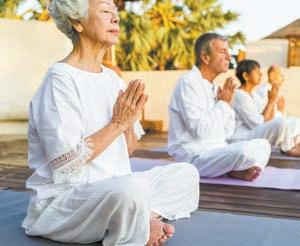
Burgundie Miceli will host guided meditation and related writing exercises from 2 to 4 p.m., December 13 and 27, at Burgundy’s Wine Shop. No experience is necessary with either meditation or writing.
She has owned yoga studios, held a message therapy license, recently earned a masters degree in creative non-fiction and says, “Meditation is simple: focus. This can be focusing on walking, breathing, sitting, cutting vegetables and on and on. Simple doesn’t always mean easy. So many things are vying for our attention. Social media, family, politics, finances, the job, traffic, etc. Your body and brain need a break. Taking a break, however, can be uncomfortable if you’re not used to being still, not ‘doing something’, not being ‘productive’, and being quiet.”
In these workshops, Miceli leads everyone in easily accessible meditation practices, followed by or involving a writing exercise because writing can be a form of meditation, too. Meditation has been proven to reduce stress and reduce inflammation to improve sleep, cognition, digestion and decrease pain.
Admission is free. Location: 412 N. Sycamore St., Petersburg. Register at BurgundiesPlace.com/events.
New Year Sound Bath a t Innerwork
Kelley Farlow will conduct a transformational and restorative evening of sound meditation, intention setting and energy clearing from 5 to 7 p.m., December 31, at The Innerwork Center,
incorporating a selection of flower essence remedies and ceremonial herbs to help refresh and restore the mind and body. The special event will begin with a smudging and intentionsetting ritual followed by an hour of sound meditation, ending with a dose of flower essence remedies that can be added to a water bottle or received via an energy-clearing mist.
She says, “This particular session will focus on clearing and aligning all energy centers, with a primary focus on the Root Center for Capricorn Season. Capricorn energy welcomes a sense of ambition, discipline, sensitivity and practicality. Connecting with these energies can help strengthen and energize our visions, goals and dreams while encouraging seriousness and honesty. When balanced, the root chakra provides a healthy sense of security, stability, groundedness and ability to withstand and work through any challenges that arise.”
Arrive 10 to 15 minutes prior to start time. This program is not appropriate for those using a pacemaker. Pregnant women in their third trimester should consult a doctor before attending.
Cost is $35/$60/$70. Location: 213 Roseneath Rd., Richmond. Register at InnerworkCenter.org.
Kids Radiothon Fundraiser
The annual 36 Hours for Kids Radiothon will take place from 5:30 a.m. to 7 p.m., December 11 and 12 (hours may vary by station), featuring stories from patients and families to help raise awareness and funds to support Children’s Hospital of Richmond (CHoR) at Virginia Commonwealth University (VCU).
Listen to any of the partnering stations to hear amazing stories of hope and healing shared by area families that have received wonderful care at CHoR. Throughout the event, there will be special matching hours thanks to their generous sponsors. Be sure to tune in to double the impact of each gift. For more information, visit 36HoursRVA.org.
James River Restoration
Scores Well
Compared to the its failing health 50 years ago, James River Restoration President President and CEO Bill Street says, “The James River is a great comeback story, going from one of the most polluted rivers in the nation to one of the most improved.” Investments in restoration efforts are paying off, but progress is limited by decreases in key river health indicators. The JRA released their biennial State of the James report showing the overall health of the river at a grade B with a score of 68 percent.
“In order to make additional progress and achieve a fully healthy James River, we all must do our part to safeguard the river for future generations,” says Street. On the positive side, upstream indicators like stream health, smallmouth bass and riparian buffers have high scores and saw increases over the past two years. This reflects the good watershed health of the Upper James, as well as restoration efforts across the watershed.
Virginia’s investments in clean water programs such as wastewater treatment, agricultural practices and stormwater management are making a real difference. Unfortunately, underwater grasses, oysters and tidal water quality declined in the last two years. Despite progress in river restoration, the tidal James still faces heavy stress from pollution sources, including wastewater, erosion, agricultural runoff and stormwater runoff.
Street advises, “To restore these waters, we must reduce pollution at its source and rebuild critical habitats so the tidal James and the whole river can thrive. Also, American shad remain at zero and striped bass numbers also declined substantially since our 2023 report. To bring back these and other iconic migratory fish, Virginia needs to act fast to deal with problems like invasive catfish, pollution, blocked waterways, water intakes and degraded habitats. Moreover, population growth, land development and climate change are making additional progress more difficult. To keep improving the James River, everyone needs to help protect it for the future.”
“The more we invest, the better the river gets,” says Director of Advocacy and River Ecology for the James River Association Jamie Brunkow. “The State of the James demonstrates a clear connection between funding by Virginia in clean water programs and the health of the James River. The recent historic level of investments in wastewater and agricultural pollution controls are already paying dividends for the millions of Virginians who rely on the James River.”
For more information, email Angie Williams at AWilliams@TheJamesRiver.org or visit StateOfTheJames.org.
Ayurveda Detox for Multiple S clerosis Relief
A 2025 observational study in India, published in the International Journal of Medical and Public Health, investigated the effectiveness of Ayurveda, specifically Panchakarma therapy, in managing pain and improving the quality of life for patients with multiple sclerosis (MS), a chronic autoimmune neurological disease that inflames and damages nerve cells in the brain and spinal cord. Panchakarma involves cleansing procedures designed to detoxify the body and balance the three doshas (energies) in Ayurveda—vata, pitta and kapha
Over the span of four years, 120 female MS patients aged 19 to 50 received personalized Panchakarma treatments, including snehana (oil therapy), swedana (steam therapy), vamana (induced vomiting), virechana (purgation), basti (enema), nasya (nasal therapy) and rasayana (rejuvenation), alongside yoga and meditation. While 20 percent of the participants showed limited benefits, the remaining 80 percent experienced significant improvements in self-reported pain, mobility and overall well-being, allowing them to reduce their reliance on corticosteroids.
While observational studies lack control groups and cannot establish causal relationships, they can be useful for exploring associations. Further research with larger sample sizes and a control group is needed to confirm these findings.
DEBBIE TROXELL
December’s Duality
Embracing Joy and Melancholy
by Marlaina Donato
December can be a bittersweet paradox of festive celebrations and short, gloomy days filled with contrasting emotions. As the old year fades into the golden spark of a new beginning, we may find ourselves entangled in the beautiful complexity of being human. The twelfth month challenges us to accept the dichotomy of jubilation and melancholy, eagerness and regret. By acknowledging and making room for the harder emotions, we can fully embrace joy.
Just as the bare trees of the north stand boldly against the sky, December urges us to dive into self-honesty to discover the eternal flame deep within us, untouched by the world’s chaos. Celebrating the holy days of winter can be an internal, sacred journey.
Kindling the flames of empathy and goodwill is a form of self-care that ignites positive change for ourselves and others. Embodying our light can be as simple as pausing before reacting in anger or allowing others to hold their own opinions, even when they differ from ours. Feeling more alive in our merriness often happens effortlessly when we choose to live and let live.
As winter arrives and sweet aromas fill the kitchen, December allows us to embrace all that is beautiful and nourishing. Should a ghost of wistfulness haunt a moment of glee, we can choose to embrace what is possible in the present moment between the past and the future. This month, be inspired to:
• Release the need to control outcomes and welcome spontaneity and flow.
• Embody joy without guilt, even when the world seems in turmoil.
• Allow feelings of grief while cherishing fond memories of lost loved ones.
• Invest in what brings lasting joy and meaning.
Marlaina Donato is an author, painter and composer. Connect at WildflowersAndWoodSmoke.com.
Cultivating Joy
How Movement, Gratitude and Connection Transform Our Lives
by Hannah Tytus
“Discovering more joy does not, I’m sorry to say, save us from the inevitability of hardship and heartbreak. In fact, we may cry more easily, but we will laugh more easily, too. Perhaps we are just more alive,” reflected the late Archbishop Desmond Tutu in The Book of Joy: Lasting Happiness in a Changing World, where he shared wisdom alongside the Dalai Lama.
Joy invites us to be more alive. It surfaces through awareness, connection and acceptance of the present moment, exactly as it is. As winter days grow shorter and the year draws to a close, this is a wonderful time to explore what joy truly is, the things that block it and how it can be reclaimed. Ultimately, joy is not a reward for a perfect life, but a way of being that reminds us to embody our full humanity. Though sometimes fleeting, joy can be profoundly sustaining.
A Physical Experience
“Joy is much bigger than happiness,” asserted Tutu. “While happiness is often seen as being dependent on external circumstances, joy is not.” This mindset—rooted in both heart and spirit—aligns closely with the Dalai Lama’s vision that genuine fulfillment comes from recognizing the deep interconnectedness of all living beings. Joy is an embodied emotion that is distinct from happiness. Happiness is stable, evaluative and may reflect broader life satisfaction— a contentment with one’s career, finances, family, romantic relationships or personal fulfillment—while joy is experienced in the present moment. It is intense, yet fleeting.
In a study conducted in 2025 and published in the International Journal of Qualitative Studies on Health and Well-Being, researchers interviewed 14 adults about their experiences of joy. The findings explain joy as
a complex emotion shaped by individual, relational and cultural contexts. According to the research, joy is intense, transcendent and deeply felt—often arising spontaneously in response to meaningful experiences or connections.
In contrast, happiness encompasses a broader spectrum, exhibiting greater stability, and is associated with life satisfaction and contentment. Participants described joy as a somatic experience, identifying sensations such as “a rush of warmth and lightness throughout the body,” “electricity,” “a bubbling up,” and “tingling sensations,” accompanied by “the urge to move, smile and embrace others.” These visceral reactions often accompanied moments of intense connection, awe and accomplishment.
If joy is felt through the body, movement itself becomes a doorway to experience it more fully. This cultivation of joy is the cornerstone of Jennifer Joy Jiménez’s life’s work. A pioneer in integrative movement and founder of the Brave Thinking Institute’s Health & Well-Being Division, she developed TranscenDANCE, a conscious dance modality for all ages and mobility levels designed to improve mental, emotional and physical health through inspiring music, body positivity and free-form movement.
Conscious dance is any form of movement that emphasizes mindfulness, inner exploration and emotional release rather than performance or choreography. Although these transformative movement practices have existed for thousands of years, Jiménez laments that for many Americans, dance may be confined to weddings, occasional outings or
fitness classes, leaving little room for the expressive and emotive daily practice that “allows our soul-self to move our human self.”
Jiménez asserts, “Just a few minutes of dancing releases the happy hormones, offering a DOSE [dopamine, oxytocin, serotonin and endorphins] that shifts our mood better than any antidepressant.” Scientific evidence supports this assertion. A 2024 meta-analysis published in The BMJ analyzed 218 clinical trials, demonstrating that dance was more effective in alleviating depression symptoms than walking, yoga, strength training and even traditional antidepressants.
Isolation’s Impact
Dancing for Joy
by Hannah Tytus
Developed by Jennifer Joy Jiménez, TranscenDANCE is a conscious dancing modality that uses gentle movement to connect with the body, release stress and cultivate positive emotion. Here is an abridged practice for daily use.
Step 1: The Dance of Spirit (three minutes)
The Social Nexus Joy thrives on connection. While it can arise in solitude, it naturally expands most effectively through relationships and shared humanity. When individuals feel seen, supported and part of something larger than themselves, their sense of well-being deepens.
The 2024 World Happiness Report identifies social support as one of the strongest predictors of life satisfaction. Similarly, the Harvard Study of Adult Development—one of the longest-running longitudinal studies of human health—has shown that healthy, fulfilling relationships are the single greatest predictors of both longevity and life satisfaction.
This growing body of research underscores that social connection shapes health across our lifespan. Individuals that maintain meaningful relationships exhibit lower risks of cardiovascular disease, hypertension, diabetes, infections, cognitive decline and depression compared to those that are lonely. When people share laughter, empathy or a sense of belonging, they exhibit improvements to their nervous system and immune function, as well as an expanded capacity to experience joy.
While connection nurtures joy, disconnection erodes it. In The Book of Joy, the Dalai Lama identified loneliness as one of the most significant obstacles to joy, emphasizing that it arises not from isolation itself, but from a mindset of separation. A person can live alone in the wilderness and still feel content, while another may feel lonely in a crowded room. Loneliness, he suggests, emerges when the heart closes—when anger, fear or stress obscure the ability to perceive warmth in others.
Many modern experiences reinforce this sense of separation. Chronic stress, fatigue, poverty and depression all constrict the emotional space needed for joy. Cultural ideals built around constant happiness add another layer of strain. Researchers describe how placing pressure on ourselves to be perpetually positive leads us to suppress authentic emotion, rather than cultivate genuine contentment. The Dalai Lama observed that persistent anxiety keeps the mind spinning in worry, unable to rest in presence.
Emotional avoidance further narrows the capacity for joy. According to the 2024 World Happiness Report, individuals that intentionally process difficult experiences report a 40 percent increase in life satisfaction. Gratitude research suggests the reason behind this phenomenon: Recognizing joy requires openness and receptivity. When individuals soften their defenses and allow life’s full range of emotion, they create space for joy to return.
Begin by bringing awareness to the breath. Listen to the exhale, releasing air slowly and steadily. Root your feet, lift your heart and let your body flow gently, like a leaf in the wind or a cat stretching in the sun. This breathe-and-move practice reconnects you to the present moment and reminds you of your inner calm and strength.
Step 2: The Dance of Shift (three minutes)
Shake it out. Stress lives in the body as tension; release it like flicking water or shaking dust from a rug. Add sound and breath as you move. Each shake helps your nervous system reset, leaving you lighter, clearer and freer.
Step 3: The Dance of Joy (three minutes)
Put on a song that lifts your spirit. Let the body move however it wants—bounce, sway, smile. It’s not about performance; it’s about feeling alive. As gratitude rises from within, joy becomes the natural overflow.
Latino Life/CanvaPro
Cultivating Gratitude
Adopting an attitude of gratitude is one of the best ways to cultivate joy. Recognized by the Dalai Lama as one of the “8 Pillars of Joy”, gratitude has been shown to enhance the capacity to perceive joy in everyday life. Gratitude increases joy, and joy, in turn, increases gratitude in an upward spiral of positive disposition. A 2018 study published in The Journal of Positive Psychology revealed that when the participants practiced gratitude regularly, it became part of their natural disposition. Participants that exhibited greater gratitude also experienced heightened levels of joy.
Jiménez notes that cultivating gratitude—and therefore joy—is not just a matter of responding to positive circumstances. “There is a difference between gratitude for and gratitude in. It’s easy to be grateful for positive windfalls like winning the lottery or receiving a nice gift. But when something challenging happens, such as a loved one receiving a serious medical diagnosis, how can we be grateful in that moment for the gift that lies in the wisdom of that situation?” Viewing challenging events as lessons with the potential for wisdom and healing helps us cultivate a more resilient kind of gratitude.
As Tutu and the Dalai Lama teach, joy is not the absence of struggle but the presence of heart. It lives in the body, grows through connection and deepens through gratitude. To reclaim it, we must soften the grip of perfection, release the myth of constant happiness and allow space for both laughter and tears.
Jiménez reminds us that joy is something to be practiced—not achieved—through movement, mindfulness and a willingness to feel. Gratitude becomes the bridge that turns awareness into aliveness, inviting us to notice what was there all along. When people pause long enough to be present, they discover that joy does not need to be sought. It simply needs to be welcomed.
Hannah Tytus is an integrative health coach, researcher and content creator for KnoWEwell, P.B.C., as well as a former writer at the National Institutes of Health.
Katie Kritikos
on Secrets to a Joyful and Authentic Life
by Sandra Yeyati
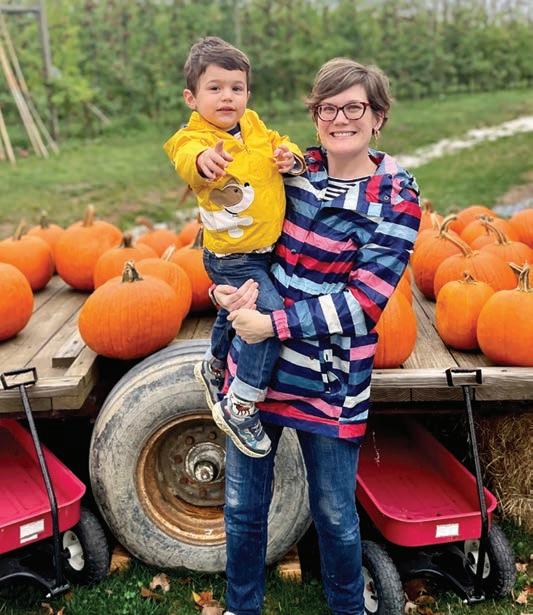
Katie Kritikos is a lawyer, lecturer and devoted mother of a 3-year-old boy. She graduated from the University of Illinois at Urbana-Champaign with a juris doctor and a master’s degree in library and information sciences. Upon graduation two decades ago, she opened a solo practice in rural Illinois, offering legal services in estate planning and real estate transactions. After three years, she shifted to working for the Illinois Attorney General in Chicago as a tax litigator.
Since 2018, Kritikos has been teaching information policy classes at the University of Illinois School of Information Sciences. In 2019, she launched her blog, Joyful Living With Katie Kritikos (KatieKritikos.com), sharing her passion for writing and insights on family and wellness with a wider audience. Since becoming a parent to a child with autism spectrum disorder and hearing loss, her
Courtesy Katie Kritikos
interests now include disability advocacy and learning American Sign Language.
What is your definition of authenticity?
Authenticity means realizing I don’t have to follow other people’s paths. I can find what works for me and be true to myself. It’s a journey of self-discovery. At 40, authenticity means accepting myself as I am. I used to not like the way I looked, wishing I was taller or thinner. Many women go through this turmoil with their self-image. Now I like my body the way it is. Authenticity is about acceptance.
How do you define joyful living?
Discovering your authentic self is a path to finding your joy, which is deeply personal. Joy is that calm, warm, content feeling inside, whether it’s for a moment or longer lasting. Media often portrays joy, especially during the holidays, with pictures of happy families surrounded by Christmas toys, but your family gathering may not look like that.
Joy is empowering because it doesn’t have to match what everyone else is doing for fun or happiness. Joy is a lifestyle and a choice. It’s about finding what works for you and then incorporating those things into your daily rituals. Focus on small, real-life actions and choices that resonate with you, not influencers or celebrities, to find your authentic self and more joy.
What do you mean by embracing the joy of missing out?
FOMO—the fear of missing out—is most evident when you’re scrolling through Instagram, seeing others having fun and doing cool things, but those images are unrealistic and unsustainable. I prefer the joy of missing out, allowing me to focus on my life and celebrate what I get to do, instead of comparing my life to others.
This approach nurtures my authentic self and also lets me try new experiences without expectations. If I visit the farmers market, do I have to post about it? Can I simply enjoy that experience? Do I need to get
the likes and affirmations of other people to validate my experiences? I find it troubling if we're living just to show off for others.
How do you recover from an emotional slump?
Last year, my husband, George, unexpectedly lost his job, prompting us to move from Illinois to Vermont for a new position. We also learned that our son, Teddy, who is deaf in one ear, needs a cochlear implant and is on the autism spectrum. These changes left me feeling depressed about leaving our old home, shocked by my husband’s job loss and worried about my son. I had to decide how to handle these unexpected challenges and who I would become.
The answer is to stay positive and be kind to yourself. It took time to realize my feelings are valid. Feeling angry, tired or overwhelmed is okay. Constantly being happy, agreeable or obedient may stem from social expectations, but it’s important to acknowledge bad days without letting them spiral into depression.
Finding a support network, being honest about your feelings and asking for help are crucial. It takes strength to admit you don’t feel good, because we often feel pressured to be perfect. Communicating with my part ner, parents and friends, checking in and seeking help are good ways to overcome feelings of being overwhelmed or low.
Do you have hope?
Yes, I do. I love my child and my neighbor, and when I interact with others, I strive to make it positive. It makes me feel good, and maybe it makes them feel good, too. That’s where hope starts for me: continuing to smile, holding the door, checking in on someone, following up with those struggling, and lending a hand. That’s all I can do, but I can do it, so I will.
I don’t want my child to grow up and think there’s no hope. Focusing on joy during tough times might seem foolish or selfish, but I think it’s radical and revolutionary. Some might call self-care selfish, but I completely disagree. As Audre Lorde, a Black activist and feminist librarian, said, “Caring for myself is not self-indulgence. It is self-preservation.”
We deserve to take care of ourselves. By channeling our joy and being our authentic selves, we can inspire others. We need each other now more than ever, so we need to be our best selves. Self-care isn’t selfish; it’s essential for continuing the fight and spreading hope and joy.
Sandra Yeyati is the national editor of
To read a longer version of this
23236
The Heart Work of Kin-Keeping
Transforming Family Responsibilities Into a Shared Experience
by Hannah Tytus
The holidays can be a celebration of joy and family time, but for many, they are also a marathon of invisible labor. Someone has to hold it all together, planning meals, wrapping gifts, coordinating visits and meeting everyone’s expectations. Health psychologist Kari Leibowitz, author of How to Winter, notes, “The holidays are when we get wrapped up in shoulds—I should do this, or I’ve always done it this way. But things feel joyful only when the person carrying the load feels joyful, too.” That person managing everything amid the chaos is the family kin-keeper.
In 1985, sociologist Carolyn Rosenthal coined the term “kin-keeping” to describe the often-invisible work of maintaining family bonds: remembering birthdays, organizing holidays, coordinating visits and keeping everyone connected. A kin-keeper serves as the connective tissue across generations.
Kin-keeping work is rarely assigned; it is quietly assumed across families. The burden falls disproportionately on women, often passing from mother to daughter. Rosenthal’s concept
builds on a long history of women’s unpaid labor in the home. Across cultures, someone—usually a woman—has been expected to weave the social fabric, whether through cooking, hosting or mediating family ties. These roles often arose out of necessity but hardened into expectations. This important work demands time, intention and skill. It intensifies during the holidays when meals must be coordinated, gifts tracked and gatherings orchestrated. Even when roles are unspoken, someone absorbs the relational labor, becoming the family magic-maker.
Kin-keeping is critical for family cohesion. 2023 research published in Sex Roles shows that having a dedicated kin-keeper strengthens intergenerational bonds, encourages rituals and sustains relationships over time. Yet this labor is often unseen, underappreciated and unevenly distributed. Mothers, stepmothers and other female relatives frequently inherit the role, even in blended or post-divorce families. Step-relatives often find themselves bridging fractured family ties, carrying emotional work they never chose—work that can lead to stress, burnout and resentment. Kin-keepers can feel trapped by societal expectations to do it right, even when it hurts.
Sharing Family Responsibilities
Reimagining kin work begins by naming it. Recognizing the role and seeing it clearly allows the labor to be set down or shared when it feels heavy or disempowering. To make healthy changes, burdened kin-keepers can ask themselves how they might act from a place of loving intention rather than obligation.
Making invisible labor visible is another key step. Families can talk openly about who does what and acknowledge that sustaining a family is more than cooking meals or paying bills. It is emotional and relational work. Sharing responsibilities can lighten the load; one person can plan the meal, another take on decorations and a third handle travel logistics. Intentionally involving men and
Nicole Michalou from Pexels/CanvaPro
children in tasks helps create a more equitable distribution of labor.
Creating New Traditions
Joy can be reclaimed by letting go of rituals that no longer serve the family, creating new traditions rooted in current realities and needs, and inviting others to co-create meaningful moments. Releasing the need for perfection will also offer relief from stringent responsibilities and create space for simple pleasures and joy. “When people look back on holidays, they rarely remember a perfectly cooked chicken or flawless table setting,” says Leibowitz. “They remember the wreath falling and everyone laughing together. The small, imperfect moments are what last.”
Kin-keeping is powerful because it holds families together. Those that take on this role can be proud of the heart work they do because it is precious. Yet this labor should not come at the cost of one person’s well-being. This season, we can ask what we want to carry and what we can set down. Healing begins by recognizing what was inherited and consciously choosing what to pass on. The magic of the holidays comes alive when care is rooted in fulfillment and agency rather than obligation. Kin-keeping is an act of love—but love does not have to mean doing it all alone.
Hannah Tytus is an integrative health coach, researcher and content creator for KnoWEwell, P.B.C., as well as a former writer at the National Institutes of Health.
Eco-Smart E-Waste
by Natural Awakenings staff
Decluttering tech can be liberating, and doing it right benefits the environment. Electronic waste (e-waste), including obsolete or broken computers, televisions, home appliances and phones, contains hazardous materials such as mercury, beryllium and lead that can contaminate waterways and soil if not discarded properly.
The United Nations Institute for Training and Research reports that e-waste generation is outpacing recycling by five times, with less than 25 percent recycled globally. According to the U.S. Environmental Protection Agency, recycling 1 million laptops saves enough energy to power more than 3,500 homes each year. Recycling or reselling our old devices not only reduces greenhouse gas emissions, but also can earn us some extra money.
Responsible Disposal Tips
• Before buying a replacement, consider repairing a device to extend its lifespan.
• Sell devices on platforms like Poshmark. com or eBay.com.
• Recycle electronics responsibly. Check the Electronics Recycling Coordination Clearinghouse (eCycleClearinghouse.org) for state-specific e-waste laws.
• Use Earth911.com or e-Stewards.org to find nearby recycling centers that accept electronics.
• Avoid buying devices designed to become obsolete, such as those with
non-replaceable batteries, proprietary chargers and sealed hardware.
• Use the e-waste recycling programs at retailers like Best Buy, Staples and Goodwill.
• Use Call2Recycle.org to locate battery recycling options.
• Visit TerraCycle.com for hard-to-recycle items like cords and headphones.
• Attend local e-waste collection events organized by cities, schools and libraries.
• Before recycling, selling or donating a device, remember to back up data, delete personal information, remove batteries and SIM cards, and gather chargers and accessories for recycling.
Choreograph from Getty Images/CanvaPro
Cross Training for Holistic Health
Advantages of a Well-Rounded Exercise Routine
by Jordan Peschek, RN-BSN
The U.S. Department of Health and Human Services Physical Activity Guidelines for Americans advises adults to engage in at least 150 to 300 minutes of moderate-intensity or 75 to 150 minutes of vigorous-intensity aerobic exercise weekly, along with muscle-strengthening activities for major muscle groups at least twice a week.
Cross training is a powerful approach that combines aerobic and strength training into one dynamic routine, helping individuals reach their physical fitness goals more efficiently. According to Dawn Coleman, an American Council on Exercise-certified personal trainer in Cedarburg, Wisconsin, “Cross training benefits greatly outweigh focusing on one particular type of training. By creating multiple stimuli for the body, you allow it to adapt quickly to input, prevent injuries and allow the body to be prepared for the unknown scenario.”
Benefits of Diversified Workouts
For everyone, regardless of age or ability, integrating aerobic or cardiovascular exercise with resistance or strength training offers many
health benefits, including reduced stress, better sleep, improved self-esteem, enhanced immune function and heart health, as well as beneficial bone mass and body weight. Despite these advantages, many may be hesitant to start cross training due to uncertainty about where to begin.
For example, a regular jogger might not know which strength exercises to pair with their running routine, while gym-goers lifting weights may be reluctant to add cardio. Whether someone is a competitive runner aiming to prevent injury and build strength or a non-athlete looking to optimize health as they age, combining both strength and cardiovascular training is a fun and effective choice.
“I see a lot of overtraining-related injuries when athletes fail to diversify from their sport,” says Tessa Kothe, a practitioner in Colorado Springs with a Ph.D. in physical therapy. “Clients who implement cross training tend to end up more robust, healthier and recover from their injuries much faster than those who do not diversify their training.”
Building Strength and Endurance
The American Council on Exercise (ACE) Integrated Fitness Training (IFT) Model provides four training phases, depending on the abilities and goals of an individual. Beginners, for example, ease into exercises that enhance postural stability, core activation and static balance with exercises such as planks, single-leg stands with core contraction and a heel-to-toe walk with a three-second pause after each step, respectively. Additional exercises are gradually introduced to enhance a person’s health and function, with a focus on five primary movements:
1. Bending and lifting (squats)
2. Single-leg movement (lunges)
3. Pushing (bench press, push-ups and triceps extensions)
4. Pulling (pull-ups, one-arm rows and bicep curls)
5. Spinal rotation (lying knee-to-chest twists and planks with side-to-side twists)
Once these more advanced exercises can be performed safely in the correct form, then weight or resistance is added. The final phase of the ACE IFT Model involves performance training with functional movements that incorporate load, movement and speed to boost agility, quickness and power.
Cross training combines strength and cardiorespiratory benefits into a single workout by
alternating between strength-based and aerobic activities, engaging multiple systems in the body. It appeals to those that value a holistic wellness approach due to its adaptability. Sessions can be tailored to individual needs, energy levels, wellness goals and time constraints. By choosing enjoyable and convenient exercises, we can avoid monotony and increase the likelihood of making them a regular part of life.
A cross training day might include a hike with weighted walking poles or a 15-minute yoga flow followed by a workout with light resistance bands. Another example is combining 10 to 20 minutes of rowing or stair climbing with 20 minutes of core work, squats and lunges.
During aerobic activities like walking, running, biking or swimming, ACE recommends beginning with 20 to 30 minutes of aerobic exercise at a pace that allows easy conversation, then gradually adding longer workouts, intervals, increased speed or higher intensity.
For newcomers to cross training, begin with two sessions per week, alternating 15 minutes of strength training with 15 to 20 minutes of cardio or mobility work. This can be gradually increased to meet the recommended weekly physical activity guidelines.
Tips for Success
• Listen to the body. Each day is different. Honor energy levels and prioritize form and safety over intensity.
• Fuel and recover well. Whole foods, hydration and ample sleep are essential for muscle repair and sustained energy.
• Keep it simple. Basic tools like a yoga mat, jump rope or pair of dumbbells are often all that is needed to get started.
• S eek community. Group classes, virtual platforms or one-on-one guidance can provide structure, proper form instruction and encouragement.
Cross training is more than just a workout plan; it is a practice of self-care, strength and sustainability. For those embracing holistic living, this style of movement aligns well with long-term wellness goals. It is about cultivating a resilient, vibrant body and mind that can carry us through the decades with grace.
Jordan Peschek has a background in personal training, yoga instruction and mental health nursing. She publishes the Milwaukee and Twin Cities editions of Natural Awakenings.
Boosting Canine Health
Holistic Immune-System Strategies
by Ruth Roberts, DVM, CVA, CVH, CVFT, NAN
Adog’s immune system is the first line of defense against infection and disease, relying on nutrition, rest and emotional balance for optimal protection. Prolonged stress and consistently poor nutrition can gradually weaken this vital network, but holistic care provides gentle, effective strategies to restore and safeguard immune function, contributing to lasting wellness and vitality.
A Solid Nutritional Foundation
Immune resilience begins in the gut, where most immune cells are located. A 2024 study published in Frontiers in Veterinary Science revealed that supplementing canine diets with chitooligosaccharides (COS), bioactive compounds derived from chitin in crustacean shells and fungi, enhanced immune responses and antioxidant enzyme activity by promoting a healthier gut microbiome. In addition to these functional supplements, nutrient-dense foods, particularly fresh leafy greens and colorful vegetables such as carrots, beets and peppers, also nourish beneficial gut bacteria and provide antioxidants that combat inflammation. Each color of the vegetable rainbow contributes unique phytonutrients that protect cells and bolster a dog’s innate defenses.
While many vegetables are beneficial, pet parents should not give dogs onions, garlic, leeks, scallions and chives, as they are toxic to dogs. Likewise, dogs should not eat tomatoes, corn on the cob and vegetables that can cause blockages such as radishes and the pits
from avocados and fruits. Certain fruits, such as cherries, grapes and raisins, are also toxic to dogs.
Healthy fats are equally indispensable because they form the structural basis of cell membranes, ensuring optimal cellular function and resistance to pathogens. Omega-3 and omega-6 fatty acids from sources like fish oil, boneless sardines or ground flaxseed in moderation nourish the skin, reduce inflammation and support immune regulation. Cholesterol plays a crucial role in maintaining cell integrity and hormone equilibrium. Good cholesterol sources for dogs include eggs, organ meats, fish and lean meats fed in moderation. These nutrients promote strong, adaptable cells and a balanced microbiome—the cornerstone of enduring health.
A comprehensive whole-food diet centered around these principles offers greater benefits than isolated supplements. The synergistic effects of nutrients found in fresh foods support the immune system in a natural, sustainable manner, helping dogs heal, adapt and thrive.
The Power of Mushrooms
Nature provides potent tools to further enhance immune balance. Medicinal mushrooms have long been recognized for their immunomodulating properties, helping to strengthen, balance and regulate a dog’s natural defense mechanisms. Medicinal mushrooms such as reishi, shiitake, cordyceps, lion’s mane, turkey tail and chaga are safe and beneficial when used under the guidance of a veterinarian. Unidentified and wild mushrooms, including Amanita and Galerina species, should not be given to dogs as they may be toxic.
Research on shiitake mushrooms indicates that they contain beneficial bioactive compounds, including beta glucans (β-glucans), eritadenine and other polysaccharides, which can augment immune activity, support liver function and improve antioxidant capacity in humans.
A 2024 study in Frontiers in Veterinary Science found that four weeks of shiitake mushroom powder supplementation in healthy dogs significantly increased antioxidant activity, while reducing cholesterol. These findings suggest that shiitake mushrooms may help enhance cellular defense and immune resilience in dogs. Because
of their immune-stimulating properties, shiitakes should be given only under veterinary supervision to dogs with immune-mediated diseases or those undergoing chemotherapy or immunosuppressive treatments.
Similarly, reishi mushrooms have been studied in animals for their immune-supportive and protective effects. Their polysaccharide and triterpenoid constituents have been demonstrated to stimulate pathogen-killing white blood cells such as macrophages and T-lymphocytes, leading to improved immune surveillance and resistance against abnormal cell growth. Rodent studies have shown that reishi extracts can significantly inhibit tumor development, reduce inflammation and enhance overall immune function without adverse effects.
A pivotal factor in these effects is the presence of β-glucans—complex polysaccharides that function as biological response modifiers, training the immune system to respond appropriately to challenges without overstimulation. “The beta glucans help to stabilize your immune system,” explains Rob Silver, a pioneering holistic and integrative veterinarian in Boulder, Colorado, recognized for his expertise in veterinary herbal medicine and medicinal mushrooms. He notes that these compounds can “re-educate” immune cells, enabling them to distinguish between genuine threats and harmless triggers such as pollen, food or dust. In this way, β-glucans promote a balanced, resilient immune response that supports both health and tolerance.
Establishing Balance for Lifelong Wellness
Holistic canine care goes beyond food and supplements, encompassing emotional well-being and preventive measures. Because chronic stress can weaken immunity, maintaining a calm, enriching environment is essential. Regular exercise, mental stimulation and comforting companionship promote equilibrium and confidence. Gentle detoxification practices such as supporting liver function with milk thistle or kidney health with dandelion root further assist the body’s natural cleansing processes.
Regular checkups are pivotal in preserving a dog’s health, enabling veterinarians to detect emerging issues early. Collaborating with a holistic practitioner provides a comprehensive approach that integrates natural therapies with conventional medicine.
Holistically strengthening a dog’s immune system entails nurturing the entire being—body, mind and spirit. With a foundation of whole-food nutrition, balanced fats, supportive herbs and mindful care, dogs can enjoy vibrant health and lasting vitality. This integrated approach not only fortifies the immune system, but also cultivates a life of balance, joy and resilience.
Ruth Roberts, an integrative veterinarian and a holistic health coach for pets, is the creator of The Original CrockPet Diet. Learn more at DrRuthRoberts.com.
The Magic of Gourmet Salts
From Fleur de Sel to Himalayan Pink
by Maya Whitman
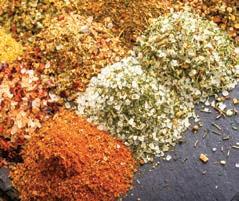
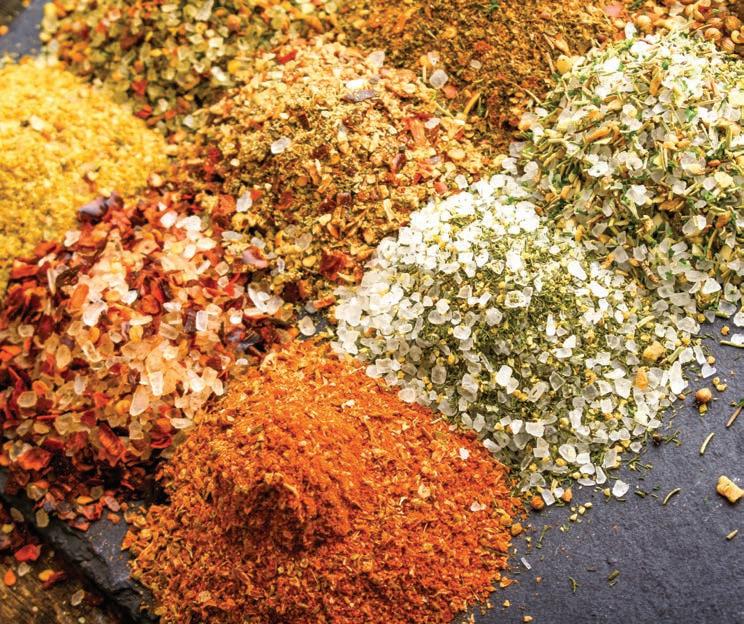
Specialty salts can transform everyday foods. To elevate the experience, add bold chili salt to a hearty winter stew, smoked salt to popcorn or ruby-colored wine salt to chocolate truffles. Flavored finishing salts surprise the tastebuds in ordinary dishes like oatmeal, desserts or hot cocoa. Used mindfully, gourmet salt reduces the need for excessive sodium and invites us to savor the extraordinary.
“I think salt is amazing and brings out the best in food—all those hidden flavors,” says Craig Cormack, a gourmet salt chef in Cape Town, South Africa. His career as a food artisan advanced in 2009 when he embraced specialty salts. “My personal collection is sitting at 232 naturally occurring salts from around the world,” adds Cormack, who favors unrefined regional varieties, but also enjoys bold options such as smoked Danish Viking salt for its ancient, bonfire-infused qualities.
Salts vary in texture, flavor and nuance based on their source and harvesting techniques, such as solar evaporation or hand-raking. Many contain trace minerals, adding depth to dishes, and when consumed in moderation, sea salt may benefit the body compared to refined salt.
Salt’s Good Side
Salt has a bad reputation for causing high blood pressure and other health conditions, but the U.S. Food and Drug Administration
(FDA) states that more than 70 percent of dietary sodium comes from prepared and packaged foods, not from salt added at home. The FDA daily value for sodium is less than 2,300 milligrams per day, and using unrefined salts can be a healthier alternative to common table salt, which is demineralized and processed with anti-clumping agents. Celtic gray salt and other mineral-rich varieties contain naturally occurring, trace heavy metals, but also minerals like potassium, magnesium and calcium, which
can help prevent the body from absorbing harmful metals like lead.
“We all need salt in moderation to live. The best way to ingest salt is to season your own food. Processed food has too much salt, and you can’t control your intake. Naturally made, mineral-rich salt is the best choice,” affirms Nancy Bruns, a seventh-generation salt maker at J.Q. Dickinson Salt-Works, in Malden, West Virginia. She and her family produce rare, small-batch finishing salts harvested from the ancient Iapetus Ocean beneath the Appalachian Mountains.
Spanning the Salt Spectrum
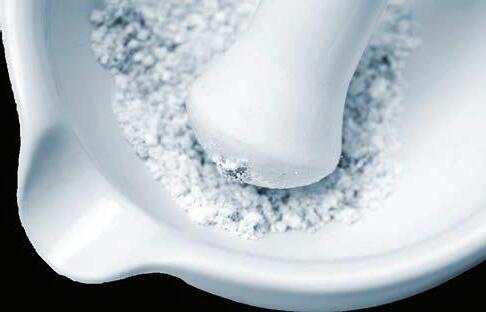
Whether sourced from evaporated seawater (sea salt) or underground salt mines (rock salt), there is much to choose from. Sea salt comes in various colors, coarseness and complex flavors. Highly prized flake salt— fleur de sel from coastal France—is handharvested from evaporation ponds with clay bottoms and, with its delicate, paper-thin crystals, offers delicious nuances as a finishing salt. Celtic gray salt, sourced deeper
within evaporation ponds, contains more moisture and minerals.
Himalayan pink salt, mined from salt beds formed from ancient seas approximately 600 million years ago, contains more than 80 minerals and has a rosy color due to the presence of iron oxide and magnesium. Black volcanic rock salt, also known as Himalayan black salt or kala namak, has a pungent, sulfuric quality that diminishes with heat during cooking and imparts an egg-like aroma and taste that can be useful in vegan recipes. The large, coarse grains of kosher salt traditionally used in Hebrew cuisine give food a robust, briny quality and satisfying texture.
Salt can be infused with herbs, spices, fruits and smoke from various woods to create a multitude of flavor qualities and moods. Bruns highlights her ramp-infused salt, which is combined with wild onions gathered during the Appalachian springtime. Charred oak from old bourbon barrels makes their smoked salt a favorite for grills and even chocolate desserts. Cormack spotlights the fine indulgence of Tartuflanghe brand truffle salt from Italy for an unforgettable mushroom risotto.
Bruns is grateful for the timeless spirit of salt. “I come to work on the same land where my ancestors made salt for over 150 years. I feel their presence, as if they are watching over my shoulder. That legacy and sense of stewardship is present every time I sprinkle salt on my food.”
Maya Whitman is a frequent writer for Natural Awakenings.
Stefan Botezatu's Images/CanvaPro
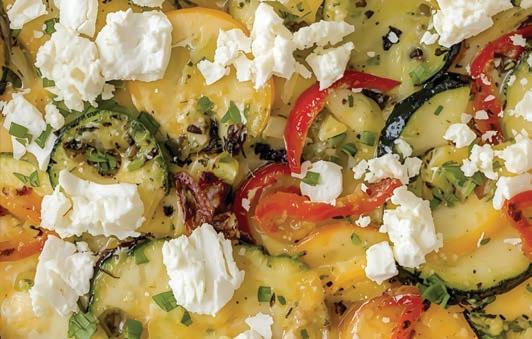
HEARTY VEGETABLE FRITTATA
YIELD: 4 SERVINGS
2 Tbsp olive oil, divided
1 large yellow onion, sliced
1 medium zucchini, thinly sliced
1 medium yellow squash, thinly sliced
1 medium red bell pepper, thinly sliced
Preheat the oven to 350° F.
2 cloves garlic, minced
2 tsp fresh thyme leaves
¼ tsp heirloom salt, divided
4 large eggs
½ cup whole milk
5 grinds from black pepper mill
3 dashes of jalapeño hot sauce
⅓ cup feta cheese, crumbled
Heat 1 tablespoon of olive oil in a 10-inch oven-proof skillet over medium heat. Add sliced onions and sauté until lightly browned, about 8 to 10 minutes, stirring frequently.
Take the onions out of the pan and set them aside. Add the remaining tablespoon of olive oil to the pan, along with the zucchini, yellow squash and red bell pepper. Sauté for 5 to 7 minutes until cooked through and tender. Add the garlic, thyme leaves and ⅛ teaspoon of salt. Stir and cook for 30 seconds more until fragrant. Remove the pan from the heat. Return the onions to the pan and mix well. Let it cool for 10 minutes.
In a small bowl, whisk together the eggs, milk, remaining salt, pepper and hot sauce. Pour this mixture over the vegetables and sprinkle feta cheese on top.
Place the pan on the center rack of the oven and bake for 20 to 25 minutes, or until just set in the center.
Take the pan out of the oven and let it sit for 5 minutes. Cut into quarters and serve.
Recipe courtesy of J.Q. Dickinson Salt-Works.
FLAVOR-INFUSED SALT
1 tsp dried herbs, spices or citrus zest of choice
¼ cup kosher salt, coarse sea salt or coarse Himalayan pink salt
Basic Infusion Instructions
In a bowl, combine 1 teaspoon of dried herbs, spices or citrus zest for every ¼ cup of kosher salt, coarse sea salt or coarse Himalayan pink salt. Stir thoroughly and store the mixture in a sealed, dry, airtight jar. For optimal results, let the flavored salt sit in the closed jar for a few hours before use.
Suggested Combinations and Uses
Create a delicious finishing salt for grilled shrimp, vegan tacos or black bean soup by combining 1 teaspoon fresh lime zest, ½ of a dried hot chili pepper and ¼ cup kosher salt. Sprinkle to taste just before serving.
Enhance fresh blueberries, melon, warm oatmeal or freshly baked brownies with a unique flavor by crushing 1 teaspoon of organic lavender buds in a mortar and pestle until the flowers are bruised and fragrant, then combining them with ¼ cup coarse Himalayan pink salt. Sprinkle to taste immediately before serving.
Make a wonderful cooking salt for roasted vegetables by mixing 1 teaspoon dried rosemary with ¼ cup Celtic gray sea salt. Sprinkle to taste before baking in the oven.
Recipe courtesy of Marlaina Donato.
GenAI/CanvaPro
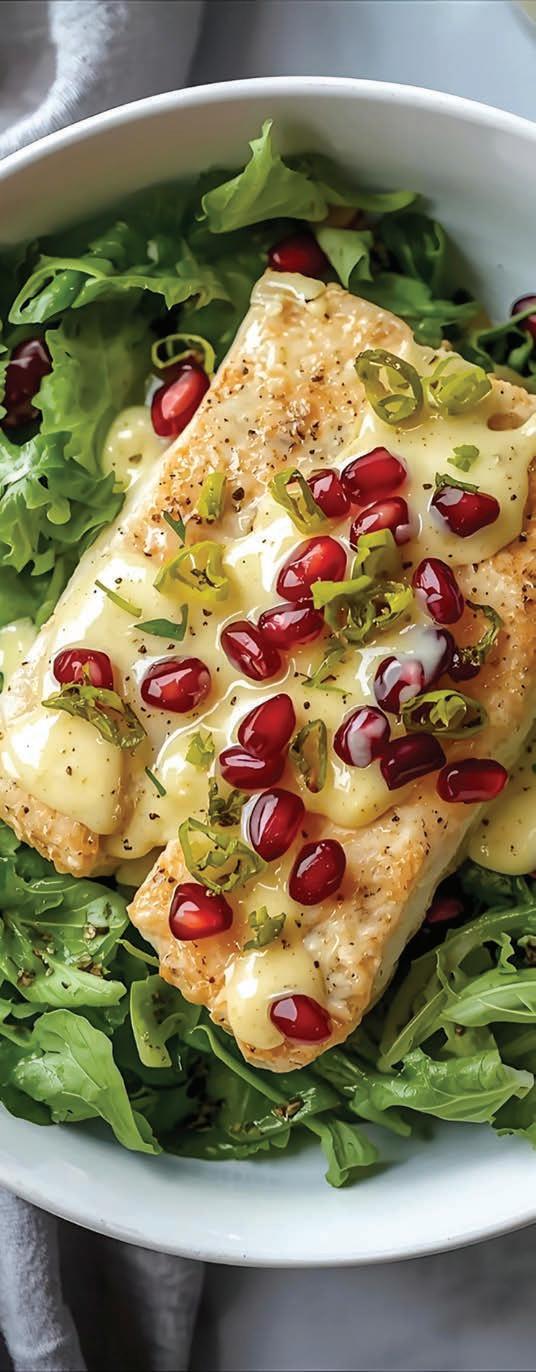
POMEGRANATE PICKLED FISH
This gourmet holiday dish is ideal for a dinner party.
YIELD: 8 SERVINGS
3½ lbs yellowtail fish, skinned
6½ oz vegetable oil
3½ lbs sliced onions
1 Tbsp garam masala
1 tsp fennel seeds
1 tsp coriander seeds
1 tsp black peppercorns
4 whole cloves
4 to 5 bay leaves
¾ cup, combined, equal amounts of dried apricots and sultanas (golden raisins)
2 cup white or red wine (red wine gives fish a deeper color)
½ Tbsp coarse salt
5 Tbsp white wine vinegar
2 Tbsp brown sugar
Seeds of 1 large pomegranate
FOR HOMEMADE LIME MAYO
5 large egg yolks
1 Tbsp English mustard
Juice of two limes
Preheat the oven to 400° F.
Zest from one lime
1½ cups sunflower oil
1 tsp salt
Place fish in a baking dish, allowing space for sauce.
Heat the vegetable oil in a Dutch oven or a flat wide pot. Add onions, cover and sauté at low heat for 30 minutes, stirring occasionally, until they become sweet.
Stir in garam masala, fennel, coriander, peppercorns, cloves and bay leaves. Turn heat up to medium and fry for 30 seconds to temper the spice, and then add the apricots, sultanas, wine and salt. Reduce heat and simmer uncovered for 20 minutes.
Remove pan from heat and stir in the vinegar and sugar until well incorporated into the sauce. Pour sauce over the fish. Cover baking dish with foil and bake for 20 minutes.
Remove dish from oven, let it cool completely and then refrigerate for at least a day.
Add all the lime mayo ingredients into a bowl, except for the sunflower oil. Slowly add the oil while whisking the ingredients vigorously. When all the oil is added, the mix should be velvety smooth and be able to hold its own shape. Store in the refrigerator.
Serve cold fish on a salad with homemade lime mayo. Garnish with a sprinkle of pomegranate seeds.
Recipe courtesy of Craig Cormack.
GenAI/CanvaPro
Unwrapping the Past
Helping Kids Connect With Their Family Heritage
by Christina Connors
December unites families in ways few other times can, creating opportunities for children to explore their origins. Heritage is not just something to preserve under glass; it is alive, evolving and ready for kids to add their own chapter. This holiday season invites daughters and sons not only to observe family traditions, but to become joyful stewards of them. Through storytelling, cooking, crafting or creating TikTok-style recipe reels, children can connect with their roots in meaningful, playful and personal ways.
Lessons From Former Generations
Research from Emory University’s Family Narratives Lab, published in Psychotherapy in 2008, reveals that children that are familiar with their family history have better self-esteem, higher social competence, quality friendships, reduced anxiety and stress, and fewer behavioral problems. The study also highlights that families discussing challenging events in emotionally open ways help children cope better during difficult times.
“It is extremely grounding for children to feel connected to their past and family history and elders,” explains Denise Olivera Schira, a wellness educator and retired assistant superintendent for the New York City Department of Education. “It gives them a sense
of stability in the world and connection to something much bigger than themselves. It validates their identity and culture, provides context and relevance in their lives, and offers a purposeful and meaningful understanding of who they are and from where they come.”
Fun Ways To Promote Family Traditions
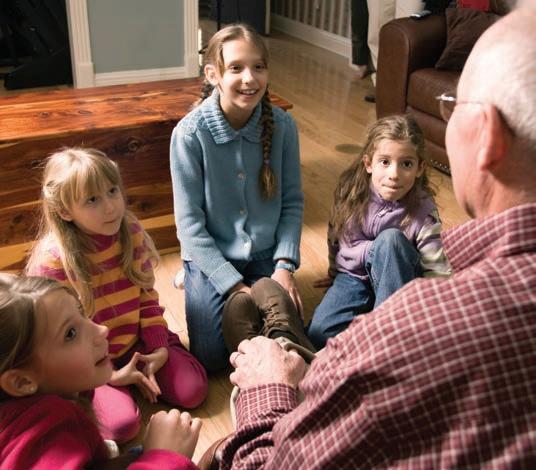
“Making family and cultural norms and discussions a part of everyday life experiences and interactions is an especially meaningful manner in which to engage children and elders seamlessly,” Schira explains, adding that opportunities for connection and sharing abound through storytelling, photos, craft projects, games and other engaging exchanges. Mealtime, especially during holidays, is Schira’s favorite time for worthwhile conversation, when elders share stories with humor while children listen intently and ask questions. These gatherings create spaces where family history flows organically, without pressure or formality.
Keep It Simple
“What I love about the way my family heritage and tradition was celebrated was its simplicity and connection to nature,” shares Christina Heike, MS, MEd, a certified clinical trauma specialist and international educator with a background in Ayurveda and naturopathic medicine. “Many projects don’t happen because they seem too time-consuming and complicated to fit into our busy lives. For our children, it’s important to do hands-on activities that show direct results to balance the high usage of technology in many other areas of their lives.”
Heike recalls her grandmother’s simple tradition of culturing milk on the windowsill in glass cups. “Make memories with simple things,” she advises. Her childhood included painting real eggs for Easter (blown empty to save the contents for scrambled eggs), picking berries straight from bushes, pressing autumn leaves for art projects and singing songs together on lantern walks after sunset.
Creating the Family Tapestry
Everyday moments can become memory-making traditions through intention and presence. Schira and Heike offer some suggestions to kickstart the family’s exploration of their heritage and create new traditions and memories:
Blue_Cutler from Getty Images Signature/CanvaPro
• Initiate conversations at family mealtimes.
• Encourage elders to share stories with humor and relevant comparisons to present times.
• Create space for children to ask questions that spark their interest.
• Create a decorative plate adorned with natural finds from walks.
• Learn seasonal songs together.
To involve younger children in the conversation, prompt elder family members with simple questions such as:
• What was your favorite game to play when you were my age?
• What food did you love eating on holidays?
• Can you teach me a song or poem you learned as a kid?
• What’s something funny that happened during the holidays when you were a kid?
• If you could save only one recipe from your family, what would it be?
Some children love crafting, while others prefer making videos or digital slide shows. Some are naturally chatty; others need quieter ways to participate. “Depending on a child’s age, vary activities and include them as much as possible in the decision-making process,” Heike advises. The goal is to invite kids to participate on their terms, making heritage education a celebration of joy and identity rather than obligation.
As families gather around holiday tables with familiar dishes and new experiments alike, remember that heritage isn’t a history lesson; it is a living conversation between past and present. Every question, every story and every recipe becomes a thread in the family’s tapestry. Let the children see that they do not just inherit traditions; they also have the power to shape them.
Christina Connors is a writer, keynote singer and head of music and SEL integration for the Kind Mind Education Program. Learn more at ChristinaConnors.com.
mashabuba from Getty Images Signature/CanvaPro
The Joy of Local Holiday Shopping
Making the Most of the Human Touch
by Marlaina Donato
There is something special about stepping into the cozy warmth of a coffeehouse, sampling the latest offerings at the bakery or discovering a rare edition at the local bookshop. Our hometowns, like their people, have a unique spirit, and shopping locally during the holiday is a full-sensory delight. “Online shopping is convenient, but nothing beats an in-person interaction and seeing how happy a local business owner gets when you purchase something,” says Jacqueline De Leeuw, a fine artisan and owner of the thrift store Comfy Komodo, in Newton, New Jersey.
Despite Adobe Analytics reporting that American consumers spent $241.4 billion online during last year’s holidays, CapitalOne’s research shows that 45 percent still prefer in-store shopping. This preference is driven by convenience, easy product comparison and a more enjoyable experience. Local stores offer shorter lines, fewer crowds, meaningful options and a chance to reduce our carbon footprint. The American Independent Business Alliance states that for every $100 spent at an independent business, $50 or more remains in the local economy, boosting prosperity, jobs and donations to local organizations.
Finding Treasures With Friends
Discovering local treasures provides social nourishment and counteracts our screen-dependent lifestyles. According to the U.S. Centers for Disease Control and Prevention, social connection benefits long-term physical and mental health. “Talking with the folks who grow your food or make your gifts is almost extinct in our world. Farmers markets have revived that,” says Darlene Wolnik, senior project manager for the Farmers Market Coalition, in New Orleans, Louisiana. Fulfilling our senses with artisanal breads, seasonal produce freshly harvested from local soil and maple syrup tapped from nearby trees reconnects us with real life.
From hand-poured candles to artful ornaments, small businesses offer unique finds. Shopping can extend beyond purchases to include meeting friends for lunch or enjoying seasonal treats. The holidays are the perfect excuse to indulge in local fair-trade chocolates, regional wines, craft beers or small-batch gourmet coffees. “Nothing is better than meeting with family or friends and seeing where the day takes you, exploring local shops,” muses De Leeuw.
Wolnik agrees, suggesting, “You can make a morning of it and shop the entire town or Main Street before or after your farmers
market visit.” She recommends checking if vendors offer holiday crafts. “A lot of farmers knit, weave and do woodworking. Also, many markets use a wooden token system to process card payments. If your market does that, buy tokens for friends, wrapped with a ribbon and a market flyer.”
Keeping It Local Year-Round
After the gifts and festivities, adopting inspiring habits can kickstart a new year. Choosing to shop locally more often positively impacts the environment because small businesses typically source their products regionally, reducing transit emissions.
Knowing the names of local servers, shopkeepers and baristas fosters a vibrant network of community engagement, enriching our everyday lives with meaning and a sense of belonging. “My favorite thing about supporting local shops is really connecting with the owners or the workers—finding out their story, how they started and what brought them here,” adds De Leeuw.
Creating monthly or weekly local shopping rituals can enhance family life or jazz-up date nights. Buying healthier bread at the bakery or herbal soap from a neighborhood artisan are simple ways to sustain the backyard economy while enjoying a slower, more relaxed pace and remaining open to the wonders along the way.
Marlaina Donato is an author, artist and composer. Connect at WildflowersAndWoodSmoke.com.
Ongoing Events
GO TO NARichmond.com/Calendar for current offerings, updates and additional listings. Please double-check with the host prior to an event to ensure the information is accurate.
Sunday
Carytown Farmers Market – 9am-1pm. Richmond’s premier Sunday market, created to provide local farmers, makers and consumers the opportunity to deal directly with each other. City Stadium. 3201 Maplewood Ave. Richmond, VA. Free.
South of the James Farmers Market – 10am1pm. Shop local produce, handmade goods, and more every Sunday year round. Forest Hill Park. 4021 Forest Hill Ave Richmond, VA. Free.
Goat Yoga Brunch & Bubbly – 11:30am1:30pm. Pactamere Farm and Goat Yoga RVA are hosting morning goat yoga followed by a delicious brunch with unlimited mimosas. During the 45-minute class, your certified instructor will guide you into a series of poses with the assistance of our 26 Nigerian dwarf goat yogis. Pactamere Farm, 15577 Stone Horse Creek Rd. Glen Allen, VA. Tickets available at PactamereFarm.com. $65.
The Bench – Community Sit (every 4th Sunday) – 4-5pm. Step away from the noise and into stillness. The Bench is a simple gathering for shared silence, open to everyone regardless of experience or background. There is no agenda, no particular style, no instruction, and no expectations. It’s an invitation to simply come as you are, sit in silence, and be. 804-359-0384. Register at InnerworkCenter. org. Innerwork Center, 213 Roseneath Rd. Richmond, VA. Free.
Sunday Sound Meditation – 6:30-7:30pm. Experience the profound effects of sound vibrations as you journey inward on a wave of relaxation and healing. $5-$25 sliding scale. LivingWaterrva.com. 1000 Westover Hills Blvd. Richmond, VA.
Monday
Level 2 Flow Yoga – 9-10:15am. Start your week right with a yoga class that is beyond a beginner’s level. Participants will incorporate new poses and increasingly challenging options. $70/4 classes/mo, $20/drop-in. Glenmore Yoga & Wellness Center, 10442 Ridgefield Pkwy. 804-741-5267. GlenmoreYoga. com.
Ageless Yoga – 10:30-11:45am. A balanced practice that incorporates basic yoga postures, breath awareness and relaxation. Poses are modified to meet individual needs. Students transfer to and from the floor and the class generally includes a Vinyasa flow of standing poses, guided by breath for a portion of class time to increase stamina and strength. Students continue to develop body awareness to keep the joins safe, increasing range of motion and improving balance. Glenmore Yoga & Wellness Center, 10442 Ridgefield Pkwy. 804741-5267. GlenmoreYoga.com.
Beginner Qigong with Jonah Marsh – 5:306:45pm. Qigong is an ancient practice which combines graceful movements with abdominal breathing and mindfulness, allowing us to connect with nature and balance the body’s circadian rhythms. Jonah has been studying Chinese internal martial arts and qigong since 2011. $5-$25 sliding scale. LivingWaterrva.com. 1000 Westover Hills Blvd. Richmond, VA.
Tuesday
Beginner-Level Yoga – 9-10:15am. Balanced practice that incorporates basic yoga postures, breath awareness & relaxation. Postures modified to meet individual needs. Online & in-person. $70/4 classes/mo, $20/drop-in. Glenmore Yoga & Wellness Center, 10442 Ridgefield Pkwy. 804-741-5267. GlenmoreYoga.com.
Yoga for Bone Health – 9:45-11am. Increase bone & muscle through the use of yoga with a combination of dynamic & static yoga poses. Chris Riely. $70/4 classes/mo, $20/drop-in. Glenmore Yoga & Wellness Center, 10442 Ridgefield Pkwy. Registration required: 804741-5267 or GlenmoreYoga.com.
Fundamentals Pilates Mat Class (Online) – 10:45am-12pm. This Pilates Mat Class with Dianne Powers will include the basic exercises emphasizing alignment, elongation of the spine and healthy posture. It will focus on the execution of efficient movement achieving improved core strength and endurance. $70/4 classes/mo, $20/drop-in. Glenmore Yoga & Wellness Center, 10442 Ridgefield Pkwy. 804741-5267. GlenmoreYoga.com.
Slow and Gentle Yoga – 11:30am-12:45pm. An in-studio or online class with a yoga therapist. $70 for 4 classes in a month; $20 drop-in. Glenmore Yoga & Wellness Center, 10442 Ridgefield Pkwy. 804-741-5267. GlenmoreYoga.com.
Men’s Grief Discussion (1st & 3rd Tuesday) – 1:30-3pm. This group is peer led, free and a place to listen or share grief experiences with others with similar grief experiences. Open to anyone that has lost a significant other or spouse. Bliley’s Funeral Home, 3801 Augusta Ave. Richmond, VA. 804-355-3800.
Mixed-Level 1 & 2 Yoga – 5-6:15pm. This MixedLevel 1 & 2 yoga class is both in-studio and online. End your work day with this yoga class that will move through all the muscles and joints, transitioning from beginner yoga poses into more challenging poses. If joining online, please register in advance to get the Zoom link. $70/4 classes/mo, $20/drop-in. Glenmore Yoga & Wellness Center, 10442 Ridgefield Pkwy. 804741-5267. GlenmoreYoga.com.
Tuesday Night Gentle Flow into Restoration – 6:30-7:30pm. A nourishing and relaxing 60-minute, gentle hatha yoga flow with restorative yoga poses (using props). Suitable
kali9 from Getty Images Signature/CanvaPro
Ongoing Events
for any level, sliding-scale, drop-in & props provided. Leave feeling relaxed, restored & rejuvenated. Like all Living Water classes, this one is sliding scale, $5-$25. Living Water Community Center. 1000 Westover Hills Blvd. LivingWaterrva.com/events.
Wednesday
Yin Yoga (In Studio & Online) – 9-10:30am. This quiet practice with Erin Forsyth, ERYT 500, focuses on the deep connective tissue in the lower back, hips and pelvis. Poses are generally limited to seated or reclined. The poses apply passive pressure to the joints, ligaments and tendons and are held for 3 to 5 minutes. While holding, students practice staying mentally attentive by focusing on the breath and to what their body feels in the pose. For the online class, please register in advance to get the Zoom link. Glenmore Yoga & Wellness Center, 10442 Ridgefield Pkwy. 804-741-5267. GlenmoreYoga.com. $20.
Intermediate Flow Pilates Mat Class – 9:1510:30am. A Pilates mat class with a focus on intermediate mat exercises. $70/4 classes/ mo, $20/drop-in. Glenmore Yoga & Wellness Center, 10442 Ridgefield Pkwy. 804-741-5267. GlenmoreYoga.com.
Ageless Yoga – 10:45am-12pm. A balanced practice that incorporates basic yoga postures, breath awareness and relaxation. Poses are modified to meet individual needs. Students
Calendar of Events
Friday, December 5
Intuitive Circle – Accessing your Intuitive Guidance and Healing Abilities – 6:30-8pm. Join with like-minded spiritual seekers to awaken your intuitive gifts! We’ll practice tools and techniques to raise your energetic vibration, tap in to your intuition, and develop your psychic gifts. Everyone is intuitive and by learning the tools you will be able to trust your inner guidance and find more joy and growth on your life path. Whether you’re brand new to intuition or have been practicing for years, the Intuitive Circle is a safe and welcoming space to learn, share, and grow. Studio D Yoga, 9327 Midlothian Tpk, Suite 1B, Richmond, VA. Pre-registration for this event is required at Communicatewithangels.com/events. $25.
Saturday, December 6
Half Day Silent Meditation Retreat – 10am2pm. This retreat is designed to help you acclimate to silence and stillness in a very simple and supportive environment and is perfect for beginners. Benefits: increases confidence and curiosity; creates a deeper connection with oneself; enhances self-awareness and mindfulness; and reduces stress and promotes mental clarity. Register at Innerworkcenter.org. Innerwork Center, 213 Roseneath Rd. Richmond, VA. 804-359-0384. $43+.
transfer to and from the floor and the class generally includes a Vinyasa flow of standing poses, guided by breath for a portion of class time to increase stamina and strength. Students continue to develop body awareness to keep the joins safe, increasing range of motion and improving balance. $70/4 classes/ mo, $20/drop-in. Glenmore Yoga & Wellness Center, 10442 Ridgefield Pkwy. 804-741-5267. GlenmoreYoga.com.
Gentle Yoga – 11am-12:15pm. This class features gentle yoga stretches, postures, breath awareness and relaxation to improve flexibility, strength, range of motion, balance and energy. Designed for those recovering from injuries, illness, inactivity or other health considerations. $70/4 classes/mo, $20/drop-in. Glenmore Yoga & Wellness Center, 10442 Ridgefield Pkwy. 804741-5267. GlenmoreYoga.com.
Widow’s Tea Talk (Every 4th Wednesday) - 1:30-3pm. This group is peer led, free and a place to listen or share grief experiences with others with similar grief experiences. Open to anyone that has lost a significant other or spouse. Bliley’s Funeral Home 3801 Augusta Ave. Richmond, VA. 804-355-3800.
West African Dance Class – 6:30-8pm. An uplifting 60-minute West African Dance Class that includes a cultural overview of the dance being taught, warm-up, and a highenergy, blood-pumping workout. Register at Ezibumuntu.org. A New You Wellness Center, 1606 Own by Lane, Richmond, VA. 804-5920086. $12+.
Thursday
Vinyasa Flow – 9-10:15am. Join Glenmore Yoga’s Randi Weiss, E-RYT 500, for an inperson or online Vinyasa Flow class that incorporates all aspects of a traditional Hatha yoga class - postures, breath & meditation while challenging your coordination through flow. Please register in advance. $70/4 classes/ mo, $20/drop-in. Glenmore Yoga & Wellness Center, 10442 Ridgefield Pkwy. 804-741-5267. GlenmoreYoga.com.
Chair Yoga (Online) – 10:30-11:45am. This online Chair Yoga class via Zoom for older adults offers a balanced yoga practice which incorporates basic yoga postures, breath awareness and relaxation. Students continue to develop body awareness to keep the joints safe, increase range of motion and improve balance. Please register in advance to get the Zoom link. $70/4 classes/mo, $20/drop-in. Glenmore Yoga & Wellness Center, 10442 Ridgefield Pkwy. 804741-5267. GlenmoreYoga.com.
Fundamentals Pilates Mat Class – 10:45am12pm. This Pilates Mat Class with Dianne Powers will include the basic exercises emphasizing alignment, elongation of the spine and healthy posture. It will focus on the execution of efficient movement achieving improved core strength and endurance. $70/4 classes/mo, $20/drop-in. Glenmore Yoga & Wellness Center, 10442 Ridgefield Pkwy. 804741-5267. GlenmoreYoga.com.
YOGAbility – 11am-12:15pm. This in-studio therapeutic yoga class is designed to educate, assess and help you progress in everyday
Good Foods Grocery Day of Giving – 8am4pm. Good Foods Grocery isn’t just ringing up groceries—it’s ringing in a movement. Partnering with Commonwealth Autism, the beloved local market is transforming its aisles into avenues of impact for Virginia’s autistic community. The goal? Raise $25,000 to fuel programs that empower individuals with autism to thrive in work and life. But this isn’t your typical fundraiser. It’s a call to action for anyone who believes in the power of community. Whether you donate a few dollars, share a post, or volunteer your time, every gesture plants a seed for a more inclusive future. Learn more at Goodfoodsgrocery.com. Good Foods Grocery, 3062 Stony Point Rd. Richmond, VA. 804-320-6767.
Saturday, December 13
Holiday Wreath Workshop at Hardywood –12-2pm. Join us for our Holiday Wreath Making Workshop at Hardywood! We'll provide all the live greenery, pine cones, dried oranges, and materials you'll need, as well as demonstrate how to create this beautiful holiday display. You're welcome to bring any other accents or ribbon you'd like to add. We can help you make a bow. Bring your friends, family and
colleagues, or come alone for a little me-time and learn to design with this lovely holiday wreath. Register at TheFreckledFlowerFarm. com. The event takes place at Hardywood Richmond, 2410. Ownby Ln, Richmond, VA 23220. 804-317-5231. $75.
Sunday, December 21
Sacred Sound Sunday with Julian & Annie – 6:30-7:30pm. Join Julian and Annie for a sound meditation on the third Sunday of the month. We never know exactly how this sound journey will play out, since it's different every time. Expect to hear instruments from around the world, including several kinds of singing bowls, digeridoo, Native American flute, drums, harps, and possibly entirely new instruments. The goal is a relaxing and insightful sound journey, or perhaps, if you need it, a delightful rest. We'll be in the community room at Living Water Community Center, 1000 Westover Hills Boulevard. Park in the big parking lot and walk through the main doors to find us. Learn more at Livingwaterrva.com. $10+ .
life skills including functional abilities of work, rest and play. Highlighted are abilities of aligned posture, dynamic balance and increased mobility. Glenmore Yoga & Wellness Center, 10442 Ridgefield Pkwy. 804-741-5267. GlenmoreYoga.com $20.
Online Beginner Yoga – 6-7:15pm. A balanced practice that incorporates basic yoga postures, breath awareness and relaxation. Postures are modified to meet individual needs. Please register in advance to get the Zoom link for this online class. Glenmore Yoga & Wellness Center, 10442 Ridgefield Pkwy. 804-741-5267. GlenmoreYoga.com.
Friday
Yin Yoga – 9-10:15am. This 75-minute in-studio Yin Yoga class is a great way to end the week. The quiet practice focuses on the deep connective tissue in the lower back, hips and pelvis. Poses are generally limited to seated or reclined. The poses apply passive pressure (muscularly soft) to the joints, ligaments and tendons and are held for 3-5 minutes. Glenmore Yoga & Wellness Center, 10442 Ridgefield Pkwy. 804-741-5267. GlenmoreYoga.com. $20.
Tibetan Rites (Online) – 10:30am-11:45pm. The Five Tibetan Rites is a system of exercises reported to be more than 2,500 years old. The Rites are said to be a form of Tibetan yoga similar to the yoga series that originated in India. The Five Tibetan Rites enhance mental clarity and memory, balance the hormones, improve health and support emotional well-being. This is an online-only class; please register in advance to get the Zoom link. Glenmore Yoga & Wellness Center, 10442 Ridgefield Pkwy. 804741-5267. GlenmoreYoga.com.
Level 1 & 2 Yoga – 10:45am-12pm. This in-studio traditional yoga class takes students beyond the beginner level. The class will flow through poses and include more challenging options, ending with a relaxation session. $70/4 classes/mo, $20/drop-in. Glenmore Yoga & Wellness Center, 10442 Ridgefield Pkwy. 804741-5267. GlenmoreYoga.com.
Saturday
Mixed-Level Yoga – 9-10:15am. Start the weekend off right w/ a yoga class appropriate for all levels. Guidance given throughout practice, offering individual students a number of appropriate options. In-person & online. $70/4 classes/mo, $20/drop-in. Zoom. Register, Glenmore Yoga, 804-741-5267 or GlenmoreYoga.com.
Aerial Yoga – 10:45am-12pm. This beginnerfriendly class for adults of all ages combines traditional yoga with the support of a suspended silk hammock. You will be guided through a series of poses and flows designed to strengthen, lengthen and open the body, leaving you feeling confident, connected and relaxed. $20. Host of Sparrows Aerial Circus, 97 Manchester Road, Richmond, VA. 804615-0309. HostOfSparrows.com.
Community Resource Guide
Connecting you to the leaders in natural health care and green living in our community. To find out how you can be included in the Community Resource Guide, email Regina@NARichmond.com to request our media kit.
Concierge Medicine
WELLCOMEMD
2500 Gaskins Rd, Ste A 866-942-4522 · WellcomeMD.com infoRichmond@WellcomeMD.com
Experience concierge medicine with a functional medicine approach. Comprehensive and proactive, limited number of patients, unhurried 30-minute consultations for a personal and effective relationship with your physician. Schedule a discovery call today.
Dentistry (Biological/Holistic)
NEIGHBORS AND HEROD FAMILY DENTISTRY
Dr. Brian Herod 1009 Crowder Dr., Midlothian, VA 23113 804-794-8745 • MidloDental.com
Dr. Brian Herod centers his holistic dentistry practice on the connection between oral and systemic health. He is a member of the IAOMT, providing an integrative approach to dental care. Safe amalgam removal, metal and BPA-free fillings, ceramic implants, biocompatibility testing, fluoridefree, 3-D cone beam.
Doctors
NANCY A. POWELL, M.D.
River’s Way Healthcare of Virginia 5500 Monument Ave, Ste T 804-379-4560
RiversWayHealthcareVA.com RiversWayVA@gmail.com
Offering expanded healing services. Providing traditional primary care and alternative approaches to support the body’s ability to heal itself. Extensive study in the mind-body connection to achieve optimal health. Certified by the Board of Family Medicine and by the American Board of Scientific Medical Intuition.
Doula and Birth Coaching
VERONICA JONES, LMT
LAMHA CUMASACH
3224A West Cary St, Richmond, VA 23221 Info@LamhaCumasach.com 804-551-9858 · LamhaCumasach.com
Offering on-demand doula and massage therapy services designed to nurture, educate, and empower families through every stage of the birthing journey. From prenatal coaching and hands-on labor support to postpartum healing and holistic recovery rituals, we offer customizable packages that meet every need. Discover birth as it was meant to be: calm, informed, and beautifully empowering. See ad, page 16.
Naomi is a Licensed Clinical Psychologist, Board-Certified in Neurofeedback, and a Registered Yoga Teacher who helps adults break free from cycles of chronic stress, anxiety, inattention, depression and exhaustion. Through her unique method, Embodied NeurofeedbackTM, she addresses struggles at their root—the brain, body, and nervous system—so change is fast, lasting, and medication-free. If you feel overwhelmed, disconnected, or trapped, her neuroscience- and research-backed approach offers a path to reclaim your calm, energy and joy.
Tell them you saw it in Natural Awakenings—in print and online at: NARichmond.com
I am an Institute for Functional Medicine-certified nurse practitioner specializing in Hashimoto’s disease delivering expert care focused on identifying and addressing the root causes of Hashimoto’s. Through virtual Telehealth visits, I provide personalized plans that integrate nutrition, lifestyle changes and evidencebased herbal and supplemental therapies. After filling out the application on my website, you will be prompted to schedule a call and take the next step toward better thyroid health.
DR. MICHAEL WALD
The Blood Detective
4131 Croatan Rd. Richmond, VA 23235
914-552-1442
DrMichaelWald.com
Dr. Michael Wald, known as “The Blood Detective”, has been in clinical holistic practice for 33 years. Using his Blood Detective Method & software, he analyzes extensive lab data to uncover causes of disease. Dr. Wald offers specialized lab work, targeted nutrition, and lifestyle guidance. He provides lab testing from all areas of medicine at once to ensure a comprehensive health evaluation. The Blood Detective Method allows for targeted natural approaches to optimize health and address chronic conditions. He is also the author of the Anti-Aging Encyclopedia. Dr. Wald’s expertise helps patients take control of their health by identifying hidden imbalances and offering personalized solutions for long-term wellness. See ad, page 25.
DIRECTORY
Holistic Gynecology
VERA DUBOVOY, M.D.
Dubovoy Integrative Health
1404 Starling Dr., Richmond, VA 23229
(Inside the Wellness Village)
757-603-3034
VAIntegrativeHealth.com
Vera Dubovoy, M.D., is dual board-certified in OB-GYN and Lifestyle Medicine. She has over 1,000 hours of training in integrative medicine and functional medicine including health and wellness coaching, nutrition, and herbal medicine. She believes in personalized wellness and nourishing our physical, emotional and spiritual health. She and her husband offer a range of progressive therapies designed to fit the treatment needs of the patient.
Insurance
PCM INSURANCE AGENCY
Patricia Mayfield
PCMInsurance19@gmail.com
1-800-674-6771
PCM Insurance is your premier destination for Medicare enrollment services. With decades of experience in the industry, our dedicated team of experts is committed to helping individuals navigate the complexities of Medicare with ease. See ad, page 15.
Integrative Medicine
REALIGN YOUR MIND COUNSELING SERVICES, LLC
6372 Mechanicsville Turnpike, Unit 111 Mechanicsville, VA 23111
804-592-6620
RealignYourMindCounseling.com
We are a licensed mental health private practice based in Virginia, offering professional therapy services provided by experienced clinicians. In addition to traditional therapy, we offer a variety of integrative wellness services—including sound healing, Reiki, hypnotherapy, and Bio-Well energy scans. As proud brand partners with LifeWave, we also incorporate their innovative wellness patches into our holistic care approach.
Massage Therapy
ATTEVLÉ MASSAGE THERAPY
2505 Pocoshock Place, Suite 203 Richmond, VA 23235 804-518-8450 • Attevle.com
Massage@Attevle.com
Because you deserve more than just a massage—you deserve a moment of peace.
Attevlé Massage Therapy is a welcoming, inclusive wellness studio located in North Chesterfield, Virginia. Dedicated to enhancing your well-being, Attevlé offers a tranquil space where clients can unwind, heal, and reconnect with themselves. Whether you're seeking relief from chronic pain, stress reduction, or simply a moment of self-care, Attevlé provides personalized massage experiences that leave you feeling your very best.
VERONICA JONES, LMT
LAMHA CUMASACH
3224A West Cary St, Richmond, VA 23221 Info@LamhaCumasach.com 804-551-9858 · LamhaCumasach.com
Nurturing the Body, Restoring the Mind, Elevating Your Wellbeing. Discover restorative massage therapy designed for total wellbeing. From deep pain relief and stress reduction to prenatal and postpartum care, each session is personalized to your body’s unique needs. Choose from indulgent experiences like the Serene Indulgence Intro Massage, Bespoke Wellness Massage, or Lymphatic Detox Massage—all crafted to relieve tension, promote healing, and leave you feeling refreshed and rebalanced. Because you can’t pour from an empty cup — it’s time to prioritize you. See ad, page 16.
Medical Spa & Integra tive Wellness
BODY JOURNEY
9460 Amberdale Dr, Suite D North Chesterfield, VA 23236 Info@BodyJourneybyMC.com 804-728-2278 • BodyJourneybyMC.com
Step into a space where self-care and science unite. At Body Journey, wellness goes beyond the scale—it’s a personalized path toward balance, confidence, and renewal. Through customized nutritional guidance, holistic wellness support, and noninvasive body contouring, each plan is tailored to your unique goals. Complement your journey with expert skincare, Botox, and cosmetic treatments designed to enhance your natural radiance inside and out.
Mental Health Services
INSPIRE FAMILY SERVICES, LLC
9510 Iron Bridge Rd, Ste 215 Chester, VA 23832
Info@InspireMHS.com
804-829-7575 • InspireMHS.com
Our mission is to empower individuals with mental health challenges and intellectual disabilities to lead fulfilling, independent lives. Through compassionate and dedicated mental health services, we provide personalized support, innovative care, and a nurturing environment. Our commitment is to promote dignity, foster resilience, and inspire growth in every individual we serve, ensuring they achieve their highest potential and thrive within their communities.
Natural Medicine
RISE AND ROOT APOTHECARY
804-495-0325
RiseAndRootApothecary.com
We offer handcrafted herbal teas, botanical infused oils, and soulful wellness tools designed to help you breathe deeper, restore balance, heal your body and support longevity. Blending Ayurveda, herbalism, and intentional ritual, our remedies support your daily alignment and elevate your self-care practice.
Naturopathic Doctor
DR. MICAH ALLEN, ND, LAC, FABORM
Essential Natural Health
804-464-3315
DrMicahAllen.com
Dedicated to providing personalized holistic healthcare solutions in Richmond, Virginia. Our practice focuses on integrating time-tested acupuncture techniques with innovative medical solutions to achieve significant and enduring results for our patients. Specializing in challenging chronic conditions such as peripheral neuropathy, infertility and pain, we strive to help individuals live fulfilling lives. At Essential Natural Health, we prioritize understanding each patient as a whole person. We develop customized preventive and natural medicine health plans for all ages, from pediatrics to geriatrics. Our approach is grounded in harnessing the body ’s inherent healing abilities through tailored treatment plans designed to address individual needs effectively.
Pharmacy
RX3 COMPOUNDING PHARMACY
12230 Ironbridge Rd, Ste C, Chester 11934 W Broad St, Henrico Ph: 804-717-5000, Fax: 804-717-8300
Rx3Pharmacy.com
RX3, Virginia’s First Nationally Accredited Compounding Pharmacy, has been an industry leader for 23+ years. Specialists in customized compounding, bioidentical hormones, veterinary/equine compounding, traditional pharmacy, palliative care, professional quality supplements, CBD experts, Food Inflammation Testing, and more. See ad, page 17.
Thermography
DEBBIE TROXELL, RN, MSNH Thermographer
The Wellness Village 1404 Starling Dr, Richmond 804-683-7774
RVAThermography.com
Yoga
Safe, non-invasive, radiationfree imaging. Preserve your breasts, heart health and much more. Live happier and healthier longer! Interpreted by Matthew Lee, MD, RPh. See ad, page 5.
GLENMORE YOGA & WELLNESS CENTER
Far West End Location 10442 Ridgefield Pkwy, Henrico 804-741-5267
Info@GlenmoreYoga.com GlenmoreYoga.com
Incorporate yoga into your life at Glenmore with in-person and online student-focused, multi-level classes from Ageless Gentle, Beginner and Yin to Vinyasa Flow, Restorative and Meditation. 200- and 300Hour Teacher Training. Voted best Richmond Yoga Center.
Into a Business Turn Your Passion
Own Your Own
Natural Awakenings Magazine!
Make a meaningful impact in your community by becoming the owner of a Natural Awakenings magazine. Empower others with current, valuable insights and resources to enhance their physical, mental, emotional and spiritual well-being.
As a franchise owner, you’ll inspire positive change, provide readers with tools for healthier living and connect local businesses with an audience eager for transformation.
Why Own a Natural Awakenings Magazine?
n Create a Healthier Community: Be the go-to resource for wellness and personal growth in your area.
n Boost Your Income: Take control of your financial future with a proven business model.
n Enjoy a Flexible Lifestyle: Work from home while pursuing a fulfilling, dynamic career.
What We Offer:
n A proven business model with low startup costs.
n Comprehensive training and friendly, ongoing support.
n Flexible work schedule with many work-from-home opportunities.
n Access to a network of like-minded franchise owners.
n Financing Options Available.
Join a thriving network of passionate franchise owners reshaping the future of holistic health and wellness.
Call 239-206-2000 for a FREE evaluation of your community’s potential. Learn more or apply today at: Corp.NaturalAwakenings.com
Own a business that makes a difference.
Call for a free evaluation of your community's potential at 239-206-2000. To apply or learn more, visit Corp.NaturalAwakenings.com.
Add Your Community to Where Natural Awakenings Is Now Publishing:
• Atlanta, GA
• Boston, MA
• Broward County, FL
• Bucks/Montgomery Counties, PA
• Central Florida/Greater Orlando, FL
• Central New Jersey
• Charlotte, NC
• Chicago, IL
• Columbia, SC
• Dallas, TX
• Daytona/Volusia/Flagler Counties, FL
• Detroit/Wayne County, MI
• Fairfield & Southern Litchfield Counties, CT
• Grand Traverse Region/Northern Michigan
• Greater Ann Arbor, MI
• Greater Lansing, MI
• Greater Oakland, Macomb, Livingston, Genesee, MI
• Gulf Coast, Alabama/Mississippi
• Houston, TX
• Jacksonville/St. Augustine, FL
• Lancaster/Berks, PA
• Lehigh Valley, PA
• Long Island, NY
• Milwaukee, WI
• Monmouth/Ocean Counties, NJ
• Naples/Fort Myers, FL
• New York City, NY
• North Central New Jersey
• North New Jersey
• Northwest Florida
• Palm Beach, FL
• Philadelphia, PA
• Rhode Island
• Richmond, VA
• Sarasota, Manatee, Charlotte and DeSoto Counties, FL