As the sun begins to set a little earlier each evening, I find myself reaching for a warm cup of tea, lighting a candle, and feeling that gentle nudge from nature to pause. Fall, in all its beauty, whispers an invitation to release the rush— to shed what no longer serves, just as the trees let go of their leaves.
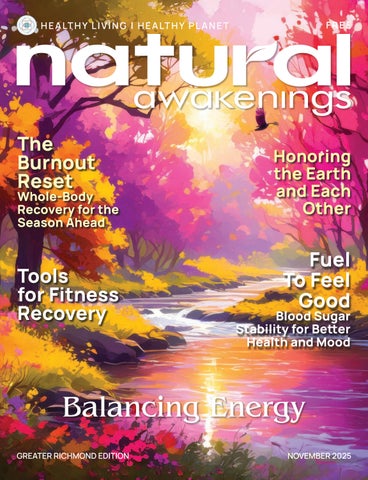
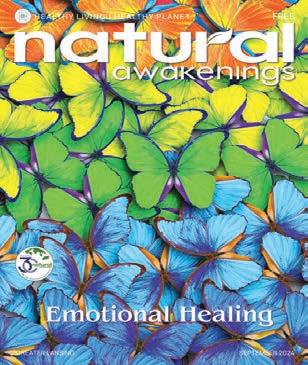
Our November issue beautifully explores this call to rest and realignment in “The Burnout Reset: Whole-Body Recovery for the Season Ahead.” Writer Hannah Tytus reminds us that, like the natural world, we are not meant to operate at full speed all year long. Psychologist Kari Leibowitz, Ph.D., reminds us that the myth of constant productivity is just that—a myth. Every other living being shifts with the seasons, yet we often resist this rhythm, pushing ourselves to maintain the same pace even as the days grow shorter.
This month, I invite you to honor your body’s wisdom and the cycles of the Earth. Let’s redefine productivity—not as doing more, but as aligning with what truly sustains us. The shorter days and longer nights are not an inconvenience; they are nature’s way of reminding us to slow down, restore and reconnect to what matters most.
Whether it’s curling up with a good book, cooking a nourishing meal or simply taking a quiet walk under the falling leaves, may you find peace in the pause. Remember, rest is not a reward—it’s a requirement for our wholeness and vitality.
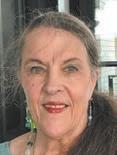
Wishing you warmth, stillness and gentle renewal this season, Regina
GREATER RICHMOND EDITION
Publisher Regina Hall Rudolph
Editors Tammie Jones Randy Kambic Martin Miron
CONTACT
US
12220 Chattanooga Plaza, Suite 122 Midlothian, VA 23112 804-495-0325
Regina@NARichmond.com NARichmond.com
Natural Awakenings Richmond Facebook is a registered trademark of Facebook, Inc.
SUBSCRIPTIONS
Subscriptions are available by sending $12 (for 6 issues) to the above address.
NATIONAL TEAM
CEO Kimberly B. Whittle
COO Michael Bevilacqua
CMO Vee Banionis
Sr. VP Operations Brian Stenzler, DC
National Editor Sandra Yeyati
Editor Brooke Goode
Copy Editor Melanie Rankin
Print Production Specialist Kevin Rankin
Design Director Agnes Mazeikaite Production Flip180
CONTACT
US
Natural Awakenings Publishing Corporation 350 Main Street, Suite 9B Bedminster, NJ 07921 Ph: 239-206-2000
The Innerwork Center will present a hybrid event, Reflections on Life, Love and Longevity with James Hollis, from 9:30 a.m. to noon, November 22. Doors open at 9 a.m. Dr. Hollis, the renowned Jungian analyst, prolific author and public intellectual, will join the event virtually from Washington, D.C., to present insights from his latest book, Living on Borrowed Dust, and engage in a meaningful conversation with longtime student and Innerwork supporter Vicki Saunders, followed by live audience Q&A.
This gathering reflects upon the mystery of being human in a time of spiritual dislocation, uncertainty and collective upheaval. The book is a deeply personal and psychologically rich exploration of the soul’s path through meaning-making, mortality and myth.
Participants can hear directly from one of the foremost voices in Jungian psychology and participate in a facilitated process of inner inquiry and community wisdom-sharing in person or self-guided at home.
Those attending in person can stay for a special facilitated reflection and community dialogue session using guided exercises and small group conversations. Virtual attendees will receive the same reflection prompts and breakout guidelines at the close of the webinar to guide their own continued exploration in private or with a trusted group.
Cost is $30 to $50. Location: The Innerwork Center Gathering Space, 213 Roseneath Rd., Richmond. Register at Tinyurl.com/JamesHollis. For more information, call 804-903-9300 or email Hello@InnerworkCenter.org.
Enjoy Yoga With Soul Music
Herbalife A New You Wellness Center will host an R&B Yoga class from 12:30 to 1:30 p.m., November 1. Participants can stretch, flow and vibe as mindfulness meets music. It is a celebration of wellness, community and culture that blends soulful, Vinyasa-style yoga with classic and modern R&B, creating a heart-centered practice that moves with the rhythm of slow jams led by a live DJ.
Lewis Ginter GardenFest of Lights
The Dominion Energy GardenFest of Lights 2025-2026, voted Best Botanical Garden Holiday Lights by USA Today, will take place from November 17 to January 4, 2026, rain or shine, at the Lewis Gintner Botanical Garden, with a theme of The Elements. Along with millions of lights, visitors will explore areas with displays inspired by fire, wind, air and water, as well as a fifth element, love, the invisible energy that binds us together.
November 14 through 16 will be a complimentary preview weekend for Garden members only. New this year, the Garden is offering two evenings of GardenFest reserved for visitors 18 and older. Adult-friendly dates are November 20 and 21. GardenFest for Fidos 2025-26 nights are November 17 and 24, December 1, 8 and 15.
Tuesday night musical and dance performances include The Nutcracker, performed by the Concert Ballet of Virginia, from 6:30 to 8:30 p.m., November 18; and Jazz Duo (Lucy Kilpatrick on keys and Ken Kellner on bass) from 6 to 8 p.m., November 25.
Participants will be guided through gentle movement, breathwork and deep stretching while setting intentions and finding moments of self-reflection. The atmosphere is welcoming and inclusive, inviting people of all bodies and backgrounds to connect through movement and music. Attendees are encouraged to bring a yoga mat, water and an open heart, plus any props or comforts that support their practice.
Admission is $25. Location: 1606 Ownby Ln., Richmond. Purchase tickets at Tinyurl.com/ RVA-YogaPopUp. peopleimages12/123rf.com
Garden members receive complimentary admission from Nov. 17 through 20 and Jan. 2 through 4, 2026. Location: 1800 Lakeside Ave., Richmond. For tickets (required), visit LewisGinter.org/visit/events/ dominion-energy-gardenfest-of-lights or My.LewisGinter.org. For more information, call 804-262-9887.
James Hollis
Yoga’s Role in Preventing Memory Loss
Kundalini yoga focuses on personal growth and spiritual connection through movement, breathing, meditation and sound in the form of mantras or chants. A 2024 study in Translational Psychiatry examined its potential to help older women at risk for memory problems and dementia.
The study involved 63 women aged 50 and older that were experiencing early memory decline and increased dementia risk due to conditions like high blood pressure or diabetes. Participants were randomly assigned to either a kundalini yoga group or a memory enhancement training (MET) group. The MET group performed verbal and visual memory-building exercises. All of the women met weekly with an instructor and practiced for 12 minutes daily at home over 12 weeks.
The yoga group reported greater improvements in how they felt about their memory. Gene testing showed beneficial changes in biological pathways linked to aging and inflammation in the yoga group, which were absent in the MET group. Additionally, levels of a harmful inflammation-related protein rose in the MET group but remained stable in the yoga group.
Brain scans of a subset of participants indicated that the yoga group experienced increased brain size linked to memory, as well as enhanced connectivity between memory-related brain regions, while the MET group showed shrinkage in these areas.
Meditation for Pain Relief
Researchers at the University of California San Diego and Dartmouth College used advanced brain imaging and artificial intelligence to study how various interventions influence the brain’s perception of pain. The 2025 study, published in Biological Psychiatry, analyzed data from two previous trials involving 115 healthy adults randomly assigned to one of four groups.
The mindfulness meditation group was taught breathwork and how to observe their thoughts and feelings without judgment. The sham-mindfulness group did not receive proper mindfulness instructions. The placebo cream group received a cream without active ingredients. The control group listened to an audiobook. Each group completed four, 20-minute sessions of their assigned activities, followed by brain scans while pain was applied to their leg.
The researchers discovered that mindfulness meditation significantly reduced pain intensity and unpleasantness more than the other groups. Brain scans revealed that mindfulness meditation decreased activity in neural patterns associated with both physical pain and emotional response to pain.
These findings suggest that mindfulness meditation reduces pain by directly altering sensory and emotional pain processing in the brain, whereas the placebo effect changes pain expectations. Further research is needed to confirm that mindfulness meditation can produce similar results for people with chronic pain.
DEBBIE TROXELL
Navigating Life’s Transitions
by Marlaina Donato
As autumn’s wick burns low and sunsets unfurl their glory at an earlier hour, November emerges as a time of profound spiritual healing when we can learn how to navigate life’s transitions. Whether we are challenged by the chill of cooler temperatures, battling the grip of seasonal affective disorder or enduring the unpredictable waves of inner change, this sometimes-dim threshold into winter presents an opportunity for us to illuminate our own paths.
We might have to work a little harder to achieve our comfort, but simple pleasures like unplugging from our devices every afternoon to savor a hot cup of tea or a mug of frothy hot chocolate can help us find a lovely groove. Stocking up on cozy slipper socks, making savory stews in the slow cooker and flopping into a favorite
well-worn chair with an inviting book are easy ways to guide our nervous system toward a slower rhythm.
As trees, plants and animals prepare for winter, we too can heed nature’s cue, despite our constant, on-the-go tendencies. The Persian poet Hafiz wrote, “I felt in need of a great pilgrimage, so I sat still for three days.” This reminds us that seeking quietude can be a gateway to realizing that we already possess what we truly need.
Tending to our own hearth—both literally and metaphorically—can be equally as enriching as traveling the world. Home is not just a physical structure that surrounds us, but also a rich and fulfilling realm within us. It’s a sacred place where we can find soul nourishment as the seasons change outside our door.
Here are a few gentle nudges for the last month of autumn:
• Indulge in specialty teas, coffees or cocoas.
• Enjoy a candlelit breakfast or dinner.
• Burn a cinnamon stick as a natural incense.
• Take a moment to observe twilight and savor the tranquility.
• Luxuriate in soft blankets and fluffy pillows.
• Write a snail-mail letter on beautiful paper to a special someone.
Marlaina Donato is an author, painter and composer. Connect at WildflowersAndWoodSmoke.com.
The Burnout Reset
Whole-Body Recovery for the Season Ahead
by Hannah Tytus
It’s six o’clock in the evening, and the sun has already set. The body is whispering for a warm cup of tea and rest, yet the to-do list stretches on: emails and carpools, fundraisers and school practices, appointments and dinner still to be cooked. The desire for rest is overridden by our self-imposed need to get it all done. The colder season, however, brings an opportunity to shift how we see rest and productivity, inviting us to move in harmony with the cycles of nature.
“Our culture has fed us the myth that we can grow and achieve ceaselessly,” explains Kari
Leibowitz, Ph.D., a psychologist, speaker, workshop facilitator and author of How to Winter. “The idea that this growth is linear and steady, with no breaks, is a myth and a fantasy. So much of the winter woes and the burnout of the season comes from a mismatch between our natural rhythms, our expectations and the demands of the world. Winter is an invitation to slow down.”
Lost Wisdom of Seasonal Living
As with every other living being, we are intimately connected to nature’s cycles.
“We are animals, and we live on a planet. And almost every other living thing on this planet changes its behavior with the seasons,” observes Leibowitz. “Because we have electricity, artificial light and calendars, we have deluded ourselves into thinking that we can—and should—maintain the same routines and productivity levels year-round.”
This spirit of connectedness is echoed by Shamini Jain, Ph.D., adjunct professor at the University of California San Diego, founder of the Consciousness and Healing Initiative, and author of Healing Ourselves: Biofield Science and the Future of Health. “When we own that we’re part of a universe that has its ebbs and flows, we pay attention to the seasons,” she notes, adding that Indigenous medicine and wisdom have long honored natural cycles, seeking to answer the same question we ask ourselves today: “How can I show up and be most efficient in my service?”
This ancient orientation toward seasonal rhythms is not just a philosophical concept. Anthropological studies suggest that our ancestors likely slept more in the cooler months, falling asleep soon after sunset and rising before dawn. They got the most sunlight in the morning, aligning their body’s cycles with temperature and light cues provided by nature. Contrast this with modern life, where we stay active well after dark, are exposed to sleep-disrupting blue light, wake with alarms and regulate our environment with thermostats that erase natural temperature shifts. By structuring our lives around modern demands, we resist nature’s rhythms. The result, says Jain, is chronic stress, fatigue and burnout.
Hamdi Kandi from Hamdi Kandi Studio/CanvaPro
Modern Stressors
As autumn transitions into winter and the holidays approach, many of us face greater demands to cook, shop, perform, travel or coordinate complex schedules, yet our resources of time and energy remain the same—or even ebb—as daylight hours shorten and our bodies naturally slow down and produce less vitamin D because of a decrease in sunlight exposure.
“Whenever demands exceed resources, we become stressed,” says Dr. Sharon Grossman, physician and author of The Burnout Solution. Chronic stress has a cumulative effect on our bodies, causing what is known as an allostatic overload, which, according to Yale Medicine, can lead to emotional exhaustion, cynicism, detachment, reduced creativity, brain fog, disrupted sleep, physical aches and pains, or even social withdrawal.
Improving Our Mindset
“We often think of stress as a thing that lives ‘out there’, but stress is actually an internal perception that we have. It’s not always about the circumstances themselves; it’s about what you’re telling yourself about the circumstances that creates the stress,” explains Grossman.
A 2016 study in Anxiety, Stress, & Coping examined the effects of altering our perspective on stress. Participants were encouraged to see it as a potential source of energy and resilience, rather than harmful. Those that applied this change in mindset reported better moods, enhanced cognitive performance and healthier physiological responses during a stressful task.
Try this psychological exploration: Identify limiting beliefs by journaling about the specific fears and guilt that come with saying “no” to a request for help. Next time someone asks for something, politely decline and observe the outcome. Check if expectations of conflict or hurt were unfounded. This
approach challenges limiting assumptions and helps us set healthier boundaries, thereby reducing stress and enhancing emotional well-being.
Setting Healthy Boundaries
We often have countless ideas about how we should behave, and many of these beliefs hold us back. Grossman emphasizes that every “yes” adds to our demands. “If you’re going to say ‘yes’, understand why you’re saying it,” Grossman cautions. “It should serve a purpose, because our resources are limited.” In practical terms, we have to either lower the demands we accept or increase our resources, such as time or support, to meet them.
For Leibowitz, setting boundaries becomes easier when guided by values. If we want Thanksgiving to feel lighthearted and memorable, that might mean skipping elaborate dishes, accepting a less-than-perfect home and prioritizing rest so we can be present and joyful.
When a new request comes in, pause and reflect on how it aligns with personal values. Consider whether we are acting out of pressure. Release such commitments to make room for a new, better-aligned invitation.
Breathing Out the Stress
Simple breathing practices can profoundly calm the nervous system. “The point is to breathe—nice inhales, long exhales—and in
letting out a long exhale, make a sigh of relief,” Jain advises, suggesting that sounds like “ooo” or “ahh” during exhalation enhance emotional release.
Just five minutes of intentional breathing can make a measurable difference. Studies have demonstrated that longer exhales stimulate the vagus nerve, activating the rest-and-digest system, while calming the fight-or-flight response. This reduces heart rate and blood pressure and signals the brain to relax.
Try this breathing exercise: Sit or recline comfortably. Inhale gently through the nose, then exhale through the mouth, allowing sound to escape—this can be a sigh, a groan or a vowel tone. With each round, allow the exhale to lengthen naturally, releasing tension.
Transformative Singing
According to Jain, “Singing, whether by yourself or in groups, helps harmonize the body’s rhythms, decreases inflammation and activates the nervous system’s rest-and-digest response.” A 2016 study by London researchers, published in ecancermedicalscience, demonstrated that just one hour of group singing reduced stress and improved mood, with saliva tests indicating lower levels of cortisol (the body’s main stress hormone) and changes in immune markers associated with resilience.
Bringing the benefits of song can be as simple as singing or humming a tune while washing dishes, showering or driving to work. Knowing the lyrics isn’t necessary; the vibrations alone create a positive resonance in the body.
Nature Therapy
Every breath we take is a dance between humans and plants. The oxygen they expel fuels us, and our exhaled carbon dioxide sustains them. This exchange is part of the deep bioelectric communication connecting us to the natural world.
“Fresh air, movement and connecting with nature are all natural antidepressants. Even a few minutes outside can be a powerful way to shift your experience,” says Leibowitz. A
Zffoto from Getty Images/CanvaPro
2016 review of 52 Japanese studies found that spending time in nature measurably relaxes the body. Being around forests, plants or green spaces calms the nervous system, improves brain function, balances hormones and strengthens the immune system.
Try this outdoor palliative: Find a patch of earth and stand barefoot. With eyes closed, imagine releasing the day’s energies down into the ground. After a few breaths, visualize energy flowing back up, reinvigorating the body.
Calming Movement
Mind-body-spirit practices offer powerful ways to find inner serenity. “They are effective in harmonizing the nervous system, reducing inflammation and opening our connection with heaven and Earth,” asserts Jain. Tai chi and qigong, which blend flowing movements with focused attention, breath and relaxation, have been shown in studies to pacify the overactive sympathetic nervous system and promote deep relaxation. Yoga offers similar effects. A 2020 review of 12 studies with nearly 675 healthy adults found consistent reductions in perceived stress, confirming yoga’s power to ease everyday tension.
Practicing these modalities under the guidance of a professional helps reduce risk of injury. Look for a tai chi, qigong or gentle yoga class in the community. Many studios offer a free first class or sessions in a local park.
Rest as Wisdom
In a culture that glorifies hustle, reclaiming rest is an act of healing. Jain asserts, “We can move through the winter of our mind and body, allowing it to deeply rest so that when spring comes, we can move forward with more energy—for the right things, as opposed to everything.” Nature offers a model for this wisdom. Although the natural world seems to be still in winter, vital work occurs beneath the surface. Just as fruit trees need a cold dormancy period to bloom again, we also require periods of quiet renewal. Our cycles of stillness are as essential to growth, creativity and productivity as our cycles of action.
Rest is more than sleep; it is a way of tuning in. “When we slow down, it’s not just about regeneration,” explains Jain. “It’s about listening to the body’s wisdom, slowing down enough to access deeper intuitions and guidance about our next steps.” Our cycles of rest serve as a teacher. By slowing down, we gain the wisdom, focus and resilience to fully embrace a life renewed.
Hannah Tytus is an integrative health coach, researcher and content creator for KnoWEwell, P.B.C., as well as a former writer at the National Institutes of Health.
Patrick Hanaway on
The Healer’s Journey
by Sandra Yeyati
Patrick Hanaway is a functional medicine family physician and educator. For more than 25 years, he has maintained a clinical practice with his wife, Dr. Lisa Lichtig, in Western North Carolina. He is board-certified in family medicine and is a
Courtesy Patrick Hanaway
Fellow of the American Academy of Family Practice, as well as the American College of Nutrition.
After serving as chief medical officer at Genova Diagnostics for 10 years, Hanaway became the chief medical education officer at The Institute for Functional Medicine (IFM) in 2013, where he oversaw the development and implementation of IFM programs worldwide. In 2014, Hanaway helped establish the Cleveland Clinic Center for Functional Medicine, where he was the founding medical director and later research director.
Hanaway has been initiated as a Mara’akame (traditional healer) by the Huichol people of the Sierra Madres, in Mexico. He holds community fires, leads ceremonies and offers traditional healing sessions around the fire. He serves as the board chair of the Blue Deer Center, in the Catskill mountains of New York.
One of Hanaway’s newest roles is as chief medical officer of KnoWEwell, P.B.C., a digital community that bridges the knowledge, access and insurance gaps to address the root causes of chronic disease, as well as the owner of the Natural Awakenings magazine franchise system.
How did you become interested in shamanism?
In 1999, I was introduced to a teacher working with the Huichol people in the western Sierra Madres, in Mexico. I was invited on a vision quest and later on pilgrimages to their sacred places, asking for help on my journey. In 2009, I was initiated as a traditional healer by the Huichol elders.
Since that time, I have been bringing more of my focus on helping individuals find balance
by connecting to the whole world, to all the beings—human and non-humans—who are present, and listening and accepting the help we get from them.
For me, the exclamation point came when I was diagnosed with stage 4 laryngeal cancer in 2018. As I integrated radiation, chemotherapy, diet and nutrition to optimize my health and well-being, I also listened to the cancer and what it was telling me about transformation and being able to ask for help and receiving help not only from my community and my family, but also from all the beings and gods in the world. It made a huge difference.
How do the insights appear in your shamanic practice?
It’s difficult to describe, but I’ll make an attempt. When I am really opening myself up to listening and I’m with a tree, I find that there’s not really a big difference between the tree and me. We’re all part of the same world. There’s almost a merging and knowing that all the beings on this planet are connected with each other. Feeling that connection changes the way I relate to the world and— this is the tricky part—it changes the way in which the world relates to me, because I’m deepening relationships.
Are you talking about relationships not just with people but with all beings, all of nature and all of everything?
Yes, every being. That’s exactly right. They’re not things. Iain McGilchrist, the renowned neuropsychiatrist and author of The Matter With Things, says that if we make every aspect of the world a thing, we make it an object, and that means we’re actually apprehending them and using them as a resource for our advantage as human beings, rather than comprehending them to
develop a relationship. If we’re working to be in relationship and recognize them as persons, non-human persons that have rights, that changes the nature of how we move in the world.
It’s a humbling experience for the western mind, isn’t it?
Very much so. During my cancer journey, one of the things that I found that made the biggest difference for me was spending time in nature. My stress levels decreased, and my heart rate variability improved significantly when I spent time in nature. It also helped me in the process of being able to listen to the cancer and learn what the cancer was trying to teach me. Cancer was there because something in my life was out of balance, and I needed to learn how to bring the right balance back to the system. I’m still working on that.
How did you cope with the emotions of your cancer journey?
Within the uncertainty, there was an aliveness, like, wow, anything is possible. I have no idea what’s going to happen in the world or with my life and my body, and yet the uncertainty made me feel really vibrantly alive. Even though I remember that whole experience vividly, there are times now when I forget, and I need to remember my connection to all of life. I need to remember gratitude. I need to remember the aliveness in uncertainty and allow myself to connect to life through curiosity and wonder and awe.
Sandra Yeyati is the national editor of Natural Awakenings.
To read a longer version of this conversation, visit TinyURL. com/HanawayWW2 or scan the QR code.
Tools for Fitness Recovery
Modalities That Prioritize the Mind-Body Connection
by Jordan Peschek, RN-BSN
In today’s fitness landscape, recovery extends beyond rest days. Holistic therapies are revolutionizing the way we approach physical restoration by integrating mental clarity, emotional resilience and energetic balance. From ancient techniques to cutting-edge innovations, these modalities offer comprehensive support for restoring harmony to body and mind. Selecting the best modality depends on personal preference and availability. Here are some popular recovery techniques.
Sauna Therapy: Infrared and traditional saunas can reduce inflammation; improve oxidative stress; alleviate pain, stiffness and muscle soreness; and improve perceived readiness or recovery time. In addition to its benefits for recovery, research suggests
that regular sauna therapy may reduce high blood pressure and the risk of heart disease, stroke and neurocognitive diseases.
Contrast Therapy: Exposing the body to alternating hot and cold temperatures, such as sauna therapy followed by a plunge in a cold-water bath, has become a staple in many athletic and integrative wellness settings. A 2023 systemic review published in PLoS One found that contrast water therapy significantly reduces muscle soreness.
Massage Therapy: Regular massages can support athletic performance. A 2020 systemic review and meta-analysis in BMJ Open Sport & Exercise Medicine involving more than 1,000 participants in 29 studies reported that massage improves flexibility
and delays muscle soreness. It also benefits emotional well-being by lowering stress and anxiety while improving mood and self-image.
Self-Myofascial Release: This technique uses foam rollers to massage the fascia—the connective tissue that wraps around muscles and organs. A 2024 review of 25 articles, conducted by researchers in Spain, found it improves flexibility and range of motion, decreases muscle soreness and enhances perceived recovery.
Chiropractic Care: This modality includes spinal manipulation, joint mobilization and soft tissue techniques to manage the health of athletes and non-athletes. By focusing on the musculoskeletal system, chiropractic adjustments promote optimal function and pain relief, while reducing muscle stress. This type of care is effective in treating common conditions, such as lower back pain, muscle strain and joint dysfunction, caused by fitness activities. Chiropractic care and spinal manipulation also support the regulation of the autonomic nervous system to ease depressive symptoms.
Acupuncture: A pillar of Traditional Chinese Medicine, acupuncture uses fine needles to stimulate energy points along the body’s meridians, decreasing muscle soreness and tension while increasing muscle activation to prevent injury. “Acupuncture helps relieve inflammation by lowering the levels of oxidative stress in the body,” explains Ayako Mizuno, a doctor of acupuncture and oriental medicine in Wauwatosa, Wisconsin. “It also stimulates the nervous and endocrine systems, which can help create calming and relaxing effects that reduce stress.”
from Getty
Float Therapy: Also known as sensory deprivation, flotation involves a tank filled with magnesium-rich Epsom salt water, allowing the body to float effortlessly, free from external stimulation. This results in deep physical and mental relaxation. A 2024
randomized controlled study found that multiple sessions of float therapy were well-tolerated, safe for anxious and depressed individuals, and induced positive emotional experiences in individuals with anxiety and depression.
Compression Garments: These specialized elastic garments apply consistent, firm pressure to a body area to improve circulation, reduce inflammation and support recovery. A 2017 New Zealand meta-analysis found that compression garments benefited strength recovery following exercise. A 2022 study in Scientific Reports found that compression tights worn after exercise enhanced blood flow and recovery. Another systemic review and meta-analysis in 2025 concluded that these garments reduced the decline in muscle strength after exercise-induced muscle fatigue.
These therapies support the body’s natural healing abilities while honoring the deep connections between physical health, emotional regulation and energetic alignment. Integrating one or more of them may enhance physical recovery, emotional well-being and vitality. Listen to the body’s needs and explore the modalities that resonate most.
Jordan Peschek has a background in personal training, yoga instruction and mental health nursing. She publishes the Milwaukee and Twin Cities editions of Natural Awakenings.
Tired but Wired
Rebalancing the Cortisol-Sleep Cycle
by Hannah Tytus
Cortisol, the body’s main stress hormone, plays several important roles in human physiology. Produced by the adrenal glands, this multifunctional messenger operates on a 24-hour clock, peaking in the moments just before waking from sleep in the morning, slowly tapering off throughout the day and returning to low levels at night to support rest.
When in balance, cortisol helps regulate inflammation, blood pressure and blood glucose, allowing the body to adapt to life’s changing demands. This rhythm is intimately connected to the circadian rhythm, or sleep-wake cycle. But when sleep is irregular or stress becomes chronic, cortisol levels can fall out of sync—too high at night, too low in the morning or fluctuating unpredictably.
“Stress is neither good nor bad. It gets us out of bed in the morning. Cortisol is part of that natural rhythm,” says Dr. Sharon Grossman, a burnout recovery strategist and author of The Burnout Solution. “When cortisol becomes imbalanced, it can affect memory, sleep and even immune function. The key is to find the sweet spot.”
Shamini Jain, Ph.D., an adjunct professor at the University of California San Diego, founder and president of the Consciousness and Healing Initiative, and author of Healing Ourselves: Biofield Science and the Future of Health, explains, “If we have dysregulated cortisol rhythms
because we don’t have regular sleep, or we have too much stress and we’re not handling the origins of the stress, then we could create chronic inflammation in the body, and we could have mental health issues as a result.”
Restoring Evening Serenity and Morning Clarity
The seasons affect our circadian rhythm. The sleep-wake cycle becomes more stable in autumn and winter, with longer time spent in bed, slightly more total sleep time and higher daytime activity compared to warmer months. While cooler weather often encourages more rest, it can also intensify feelings of sluggishness if cortisol and sleep cycles are not aligned. Jain recommends these simple practices that help keep cortisol and circadian rhythm in balance, even as the seasons change.
• Stick to a consistent sleep schedule. Going to bed and waking at the same times each day helps the body reset. Ayurvedic wisdom, the ancient science of life originating in India, recommends being asleep before 10 p.m. and rising before 6 a.m. to align with the body’s natural cycles.
• Create wind-down rituals. Just as children benefit from bedtime routines, adults can cue the body for rest through calming activities like reading, journaling or reflecting on the day’s positive aspects.
• Establish bedroom boundaries. Reserve the bedroom for sleep and intimacy and practice a digital detox in the evening to reduce stimulation. Avoiding blue light from screens before bed allows melatonin, a sleep hormone, to rise naturally. “But it’s not just about the light,” Jain points out. “It’s about the activation of the mind. Consider a book instead.”
• Add simple relaxation practices. A warm foot soak or shower before bed, deep breathing exercises or restorative yoga asanas like waterfall pose can prepare the body for rest.
• Curb caffeine. Limiting caffeine in general, and particularly after noon, can help ensure a more restorative sleep.
• Start the morning well. Exposure to natural sunlight shortly after waking can reset the circadian rhythm, prompting alertness and energy.
Inviting Sleep With Natural Ingredients
Certain supplements, herbs and lifestyle swaps can help calm the nervous system and prepare the body for restorative slumber.
• Magnesium Glycinate: This highly absorbable form of magnesium is gentle on the stomach and has been shown to improve both the quality and onset of sleep.
• Gamma-Aminobutyric Acid (GABA): Supplementing with this inhibitory neurotransmitter may ease an overactive mind before bed.
• Beverage Swaps: Replacing late-day coffee with alternatives such as herbal tea, a mushroom-based latte or ginseng can reduce cortisol spikes that interfere with sleep.
• Herbal Allies: Adaptogens like ashwagandha help modulate cortisol levels, while calming herbs such as chamomile or passionflower promote relaxation and better sleep quality.
Incorporating these strategies can help synchronize cortisol rhythms and encourage deep, restorative sleep. As the days grow shorter and colder, honoring the body’s natural rhythm becomes even more important. Slow down, embrace rest, and work with the cycles of light and dark.
Hannah Tytus is an integrative health coach, researcher and content creator for KnoWEwell, P.B.C., as well as a former writer at the National Institutes of Health.
Waterfall pose
Indoor Oasis
How Houseplants Transform the Winter Blues
by Maya Whitman
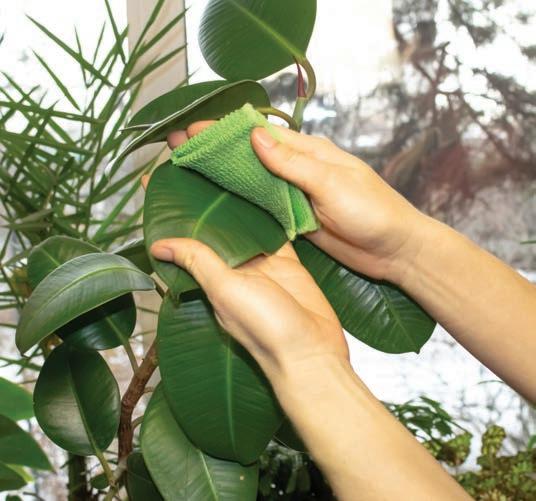
As winter draws near and we seek refuge indoors, many of us notice a dip in physical energy and emotional well-being. Houseplants offer more than aesthetic appeal in our homes and workplaces; they rebalance our indoor environments and foster inner calm. Whether it’s a lush philodendron cascading from a bookcase or an elegant orchid on a coffee table, plants infuse life into any space.
With a variety of colors, sizes and maintenance levels, a green thumb isn’t required to create inviting, mood-lifting corners of greenery. Caring for plants can be an enjoyable, calming and uplifting experience, but
simply being around them enhances our well-being. Research indicates that spending time with houseplants lowers levels of the stress hormone cortisol, reduces worry and improves post-surgical outcomes in hospital patients.
Indoor plants transform the ambience wherever they are placed. “Their presence alone lifts mood. My home feels softer, calmer and more alive when plants are around me in winter. Even one thriving plant in your space can shift the energy,” says Dana Carpenter, a horticultural advisor and founder of the Fancy Plants Club, an online resource for successful houseplant management.
Practical Beauty
Plants add moisture to dry indoor air, benefiting skin and respiratory health during the cold season. Varieties with broad, large leaves have a greater humidifying effect. For lush appeal and moisturizing benefits, choose dracaena, ficus benjamina, philodendron, peace lily, areca and bamboo palms. A 2005 study presented to the American College of Allergy, Asthma & Immunology suggests that English ivy is ideal for allergy sufferers because of its potential to reduce airborne mold spores.
“Plants are sensory by nature and stimulate the senses through touch, sight, sound, smell and taste,” says Alicia Green, a horticulturist and coordinator of Buehler Enabling Garden at the Chicago Botanic Garden. “Tending to a plant also subtly promotes a sense of responsibility and accountability that can contribute to emotional grounding.”
Carpenter agrees, stating, “When I am watering, pruning or just checking on my plants, my senses are engaged as I notice the texture of the leaves, the smell of soil, even the sound of water trickling. Caring for my plants offers a natural break in the rhythm of my day.”
A Refuge From the Winter Blues
Plants provide solace for those that find the colder months challenging, particularly individuals with seasonal affective disorder. “In the winter, when the light feels scarce and the days drag, even one corner filled with a few thriving plants, a cozy chair and
maybe a grow light disguised as decor can change the energy of a room,” Carpenter reflects. “Just sitting near your green zone with tea in the morning turns it into a place you look forward to, especially during gray months.”
Plants add comfort, warmth and support in spaces where we practice mindful meditation, prayer or yoga. Beautiful blooms beside photographs of loved ones celebrate happy memories. A group of plants in varying shades can transform a cozy reading nook, enliven a kitchen corner, add vibrance to a kids’ playroom or lend an exotic touch to a sunny bathroom.
Choosing the right plants that fit our individual lifestyles makes it easy to follow our bliss. “Snake plant tolerates very low light and can be placed in almost any room with a window. It also has very low watering requirements, thus making it a very low-maintenance houseplant,” advises Green. “Pothos and peace lily can also be placed away from a window, as they are very tolerant of low light.”
Green also recommends using flowering plants such as amaryllis bulbs during winter months to add color to a room, and she encourages novice indoor gardeners to consider succulents and phalaenopsis orchids for their beauty and low-water requirements. Festive-blooming cyclamen is also a favorite for its tendency to thrive in autumn and winter.
According to Carpenter, all plants are joyful additions to the home, including fragrant herbs on a windowsill. “Brushing your hand across rosemary releases that fresh, grounding scent, which feels especially comforting when the world outside is cold and bare.”
Maya Whitman is a frequent writer for Natural Awakenings.
Tamara Chuchkova from Getty Images/CanvaPro
SILVER SPONSOR
Balancing Act
Blood Sugar Stability for Better Health and Mood
by Marlaina Donato
Approximately 34 to 36 million people in the United States live with Type 2 diabetes, yet many cases go undiagnosed. Additionally, about 88 million individuals have prediabetes, a reversible condition marked by higher blood sugar levels that have not yet reached diabetic status. Glucose stability is crucial for everyone and can be the root cause of symptoms like low energy (especially in the afternoon), mood swings, increased belly fat, food cravings, brain fog, hormonal imbalances and loss of libido.
Fluctuating blood sugar levels affect all of us, especially after high-carb meals or skipping meals. Our diet directly influences our metabolic processes. By choosing nutrient-dense foods, replacing high-sugar
and high-carbohydrate snacks with healthier options and timing meals wisely, we can achieve balance. Incorporating blood sugar-stabilizing spices and herbs into daily meals can also have a positive impact.
Blood Sugar Basics
“Because glucose is a crucial fuel of the brain and body, there are many backup systems and ways to create glucose,” explains Iginio Stoppa, a naturopathic doctor at Sonoran University of Health Sciences, in Tempe, Arizona. “The absorption of glucose from our food, the production of glucose mainly from the liver and the breakdown of the storage form of glucose called glycogen is what contributes to what we see as blood sugar.” Stoppa also notes that we may notice when our blood sugar is off. Low blood sugar, for
example, is often felt through symptoms like anxiety, weakness, tingling, sweating and palpitations.
“Everyone experiences natural rises and dips throughout the day. Skipping meals, leaning on caffeine for energy, eating a lot of refined carbohydrates or grabbing quick, processed snacks can all cause sharp spikes, followed by sudden crashes,” says Jennifer Ribaudo, a clinical herbalist, educator and owner of Desert Moon Botanicals, in Gilbert, Arizona.
It is advisable to avoid high carbohydrate and sugary foods, especially in the morning or before bed. Instead, opt for complex carbohydrates like lentils, beans, sweet potatoes and oats to provide essential macronutrients and prevent glucose spikes. Sonoran University recommends eating certain foods in a specific order, such as eggs or avocado before bread and roasted vegetables with olive oil before pasta, to manage glucose levels.
Eating and Snacking To Thrive
Jacqui Garrison, a San Diego-based health coach, suggests eating most calories before dinner and having an earlier, lighter evening meal to reduce overnight blood sugar spikes that can negatively affect sleep quality. She
recommends 30 to 40 grams of clean protein per meal; if animal protein is included, five ounces or the size of a loose fist is ideal. Aim for two servings of leafy greens, colorful veggies or whole fruit per meal, equivalent to half the plate or two open hands. Add one to two thumb-sized portions of healthy fats such as avocado, olive oil or nuts to complete the meal.
For snacks, Garrison suggests a hard-boiled egg or hummus with a handful of carrots, a cup of edamame in the pod or nitrite-free turkey slices in the afternoon. For an evening boost, she recommends “something light and protein-forward like half a cup of cottage cheese with cinnamon and berries.”
Stoppa supports high-quality protein and naturally low-glycemic index foods like wild blueberries, blackberries and chickpeas, which provide polyphenols and saponins that slow glucose absorption.
Herbal Help
Ribaudo emphasizes that blood sugar-supportive herbs can smooth out fluctuations. “Using herbs for blood sugar balance doesn’t have to be complicated. A little cinnamon can be stirred into oatmeal, blended into a smoothie or sprinkled into roasted vegetables or beans. Fenugreek seeds work beautifully in soups, curries and lentil dishes, while moringa leaf powder blends smoothly into salad dressings, sauces or soups.”
Ribaudo also recommends Gymnema sylvestre tincture for pancreatic support and long-term glucose balance, making sugary foods less tempting. Stress-reducing holy basil (tulsi) tea is beneficial during afternoon slumps. She stresses the importance of consulting a professional, especially for those on blood sugar-lowering medications or prone to hypoglycemic dips, as effects can accumulate.
Marlaina Donato is an author, painter and composer. Connect at WildflowersAndWoodSmoke.com.
marilyna from Getty Images/CanvaPro
TROPICAL SMOOTHIE
YIELD: 1 SERVING
1 scoop vanilla protein powder
1 scoop collagen powder
2 Tbsp basil seeds
½ cup water
½ cup unsweetened coconut milk
¼ cup frozen mango
¼ cup frozen pineapple
1 cup frozen greens
½ cup cauliflower, riced
Combine all ingredients in a blender and whip until smooth.
Recipe courtesy of Jacqui Garrison.
OVERNIGHT CINNAMON DATE OATS
This is a perfect late-autumn breakfast or snack with protein, healthy fats and complex carbohydrates.
YIELD: 1 SERVING
½ cup organic rolled oats
1 Tbsp ground flaxseeds
¼ cup organic, unsweetened peanut, almond or sunflower butter
1 to 2 Medjool dates, finely chopped
¾ cup unsweetened coconut, almond or soy milk
½ tsp vanilla extract
½ tsp powdered Ceylon cinnamon
Place all ingredients in a bowl or Mason jar and stir well. Store overnight in the refrigerator for cold oats or on the counter for room-temperature oats in the morning.
Recipe courtesy of Marlaina Donato.
VELVETY SWEET POTATO BISQUE
YIELD: 2 TO 3 SERVINGS
5 medium-sized, organic sweet potatoes
3 cups low sodium vegetable broth
1 13.5-oz can unsweetened Thai coconut milk, well-stirred before use
2 Tbsp olive oil
1 tsp regular or vegan ghee
1 to 2 tsp Grade-A maple syrup or increase coconut sugar, below
1 tsp coconut sugar (2 to 3 tsp if omitting maple syrup)
¼ tsp powdered cinnamon
¼ tsp powdered ginger
½ tsp smoked paprika
½ tsp salt
OPTIONAL TOPPING
1 Tbsp extra-virgin olive oil
Smoked salt, to taste
Coconut sugar, a sprinkle to taste
½ tsp curry powder
½ cup raw pumpkin seeds
ASIAN SALMON POWER BOWL
This delicious, nutrient-dense meal is packed with healthy fats, fiber and omega-3 fatty acids.
YIELD: 1 SERVING
4 oz salmon
½ cup whole grain brown rice
½ cup edamame
½ cup carrots, shredded
½ cup cabbage or bok choy, shredded
½ Tbsp sesame seeds
1 Tbsp coconut liquid aminos
1 Tbsp rice vinegar
1 Tbsp scallions, chopped
1 Tbsp fresh cilantro, chopped
Cook the rice according to package instructions. Steam and shell the edamame. Sauté the cabbage or bok choy, if using. Grill the salmon and season to taste.
Layer cooked rice, edamame, carrot and cabbage or bok choy in a bowl. Add salmon.
Whisk coconut aminos and rice vinegar together then pour over the contents of the bowl and sprinkle with sesame seeds. Top with scallions and cilantro.
Recipe courtesy of Jacqui Garrison.
Chop sweet potatoes into 2-inch chunks and add to a medium-size pot; cover with broth. Bring to a boil and cook until tender, approximately 15 minutes.
Place the cooked sweet potatoes, hot broth, half a can of coconut milk and all other ingredients into a blender and blend until smooth. Pour the sweet potato bisque into bowls until half full. Spoon a tablespoon of coconut milk in a swirling pattern into the soup. Serve immediately.
For the optional pumpkin seed topping, heat olive oil in a pan with the smoked salt, coconut sugar and curry powder. Add pumpkin seeds to the hot pan and toss around until they are browned but not burned. Remove from heat and sprinkle a tablespoon or more of the toasted seeds on top of the sweet potato bisque.
Recipe courtesy of Marlaina Donato.
GenAI/CanvaPro
GenAI/CanvaPro
Start Strong
Morning Rituals for Energized Kids
by Christina Connors
Mornings set the tone for a child’s entire day. When rushed or chaotic, they can cause stress, fatigue and difficulty focusing in school. By using simple, intentional routines, mornings can become a source of grounding, positivity and energy, helping kids feel calm, nourished and mentally prepared for the day ahead.
The Science Behind Structured Mornings
Research confirms what many parents intuitively know: Consistent routines significantly impact a child’s development. “Morning routines create rhythm and predictability, which lower stress and help kids feel safe,” says Dr. Joel Warsh, an integrative pediatrician in Los Angeles. “A calm start sets the tone for better focus, mood and energy throughout the school day.”
A 2024 systematic review published in the Journal of Family Theory & Review found that childhood routines are linked to improved cognitive ability, self-regulatory and executive function skills, enhanced social and emotional skills, and better academic outcomes.
Building a Nutritional Foundation
The morning meal is vital for sustaining vitality and focus throughout the school day. To stabilize blood sugar and support steady energy, Warsh recommends combining protein, healthy fats and fiber, such as eggs with avocado, chia pudding with berries or a smoothie with spinach and nut butter. This nutritional approach aligns with research showing that proper breakfast consumption directly impacts classroom behavior and academic performance, with students
demonstrating improved attention and participation when well-nourished.
The Movement Connection
Incorporating gentle movement into morning routines achieves more than physical activity. “Short bursts of movement like stretching, yoga or dancing help release nervous energy and signal to the body that it’s time to focus. They also regulate mood and attention,” notes Warsh.
But too much too quickly may not have the desired effect. “Movement will get the blood moving and support in transitioning. But I wouldn’t go from no movement to awake to ‘let’s hustle’. The shift cognitively can become overwhelming,” advises Dr. Isaura González, a clinical psychologist and educator. She suggests a gradual approach, using an alarm with lighting options that slowly transition from dark to bright, and soothing music that supports the nervous system, rather than overstimulating it.
The Sleep-to-Wake Connection
Successful mornings begin the night before. “Good sleep hygiene is the foundation for calm mornings,” emphasizes Warsh. “When kids sleep enough, their mood, focus and cooperation improve dramatically. Set out clothes, prep breakfast, pack lunches and keep backpacks by the door. These small steps prevent chaos and free up space for connection in the morning.”
Organizing a child’s activities takes this preparation further. “Getting a calendar with the month’s school activities is crucial. You don’t want to miss the green T-shirt day,
and then we have a meltdown,” says González. She suggests placing a calendar in a common area such as on the refrigerator so children can independently reference upcoming events.
Fostering Teamwork and Joy
Sustainable morning routines thrive on cooperation, rather than forced compliance. “Add playfulness and use music, countdowns or games to get tasks done,” recommends Warsh. “Kids are more engaged when mornings feel fun, rather than rushed.”
Involve children in routine creation. “Empowerment is the long game. By doing this, you are scaffolding the behavior, letting them do with your support,” adds González. “Children will often surprise even the most involved parent when you include them in asking for their ideas. As they grow, they will need less and less support, and that’s okay because they will always need you.”
Age-Appropriate Implementation
When developing a routine, ensure that it adapts to the child’s age and developmental stage. Warsh offers a simple template: “Wake up, open blinds for morning sun, make the bed, brush teeth, get dressed and eat a nourishing breakfast. End with a hug as you head out the door.”
Creating Connection, Not Conflict
Both experts agree that successful morning routines require patience and creativity, but the investment pays off in a child’s daily energy, mood and school readiness. With a little effort, families can transform their mornings from sources of stress into launching pads for successful, joyful days.
Christina Connors is a writer, keynote singer and head of music and SEL integration for the Kind Mind Education Program. Learn more at ChristinaConnors.com.
Fire Season Preparedness
The Virginia Department of Forestry (DOF) has firefighters assigned to every county across Virginia during fall fire season though November 30 in close coordination with local fire departments, as well as state and federal agency partners.
The leading cause of wildfires in Virginia remains careless outdoor burning. Nine out of 10 wildfires are started by people, with escaped debris as the leading cause. An unattended yard debris fire or even discarded cigarette can quickly spread into dry fuels (dead leaves, limbs, felled trees and other debris) prevalent each fall. It only takes a few days of dry, windy conditions, combined with these extra fuels, for an escaped fire to turn into a significant wildfire.
Chief of Fire and Emergency Response John Miller says, “Take caution when engaging in activities that involve fire such as burning yard debris, having campfires or using fire pits. It’s important to note that in Southwest Virginia specifically, the residual debris from Hurricane Helene is still a concern, as it provides additional fuel for wildfires. Also, localities may have specific restrictions or put temporary burn bans in place during fire season. Always check with local officials for burning updates in your area.” A typical fall fire season in Virginia includes approximately 200 wildfires burning between 1,500 to 2,500 acres through November.
To reduce wildfires and minimize their spread, avoid having outdoor fires on dry, windy days; keep burn piles small and in flat areas far from flammable vegetation; keep a rake/shovel and water source (hose, bucket of water) nearby; have a phone ready to call 911 in case of an emergency; stay with the fire until it is completely out (drown, stir, ensure it is cool and repeat as necessary); and completely soak cigarettes before disposing of them.
The Virtual Care Revolution for Pets
Tips for Navigating Telemedicine and Teleadvice Platforms
by Ruth Roberts, DVM, CVA, CVH, CVFT, NAN
Virtual care, including online consultations with licensed veterinarians and wellness professionals, has become essential in modern pet health. While many pet parents are familiar with telemedicine, teleadvice is less understood. Comprehending their differences and limitations is important.
Telemedicine
The American Veterinary Medical Association defines telemedicine as patient-specific medical care delivered by licensed veterinarians with an established veterinarian-client-patient relationship, which typically requires an in-person examination before a veterinarian can legally diagnose, prescribe or treat via virtual platforms. It complements in-person care, merging professional expertise with convenience.
Through telemedicine, veterinarians can diagnose common health concerns, recommend treatments, prescribe medications where permitted by law and provide follow-up care for ongoing conditions. Everyday issues such as skin irritations, minor allergies, digestive upsets, appetite changes and certain behavioral questions can often be addressed in a video
consultation, giving pet owners reassurance and a clear plan of action. For animals with chronic conditions, virtual check-ins provide a stress-free way to monitor progress without frequent clinic visits.
Telemedicine services are most trusted and valued when delivered by a familiar veterinary provider. A 2024 randomized, controlled clinical trial in the Journal of the American Veterinary Medical Association found that pet owners are highly satisfied with telemedicine conducted by their regular veterinarian and prefer video-based recheck examinations after routine procedures. These findings support earlier research in Preventive Veterinary Medicine indicating that pet owners are willing to pay for telemedicine services provided by their own veterinarian.
Teleadvice
Any consultation with non-veterinary professionals or pet health experts is considered teleadvice. It is educational, offering guidance such as encouraging annual wellness exams, promoting year-round parasite prevention or supporting better nutrition and lifestyle choices. While it can enhance a pet’s well-being, teleadvice does not involve diagnosing, prescribing or treating an animal.
Complementary teleadvice can add real value to a pet’s well-being, especially when delivered by certified professionals. Recent research in Frontiers in Veterinary Science demonstrated how video appointments
improved cat parents’ understanding of their pet’s chronic mobility challenges and the application of at-home management strategies. Many pet health coaches deliver their services exclusively through online platforms. These virtual sessions can guide pet parents through dietary planning, safe exercise routines or stress reduction strategies.
Laura Muzal, a holistic intuitive animal practitioner and certified holistic pet health coach, offers virtual consultations focused on nutrition, lifestyle support and energy work. “Meeting with pet parents virtually allows me to understand their concerns in real time, support them from anywhere and help them create simple, practical steps they can follow at home to support their animal’s well-being,” she says.
From the pet parent perspective, online consultations can still be done with compassion while providing ample time to explain strategies and answer questions. Muzal says that pet parents describe feeling more confident and empowered to address their pet’s recurring health concerns after their virtual sessions. She also gets feedback that pet parents find their pets are calmer and more balanced with online meetings.
Making the Right Choice
With the convenience of virtual consultations comes the responsibility to stay informed. Not every professional offering advice online operates under the same legal or ethical framework. Before booking any virtual consultation, pet parents must confirm who they are speaking with and under what authority they operate. Verifying whether the provider is a licensed veterinarian or a certified pet health expert helps ensure the advice given is appropriate and trustworthy. This clarity allows pets to receive the right care from the right expert at the right time.
Ruth Roberts is an integrative veterinarian and a holistic health coach for pets, as well as the creator of The Original CrockPet Diet. Learn more at DrRuthRoberts.com.
Ongoing Events
GO TO NARichmond.com/Calendar for current offerings, updates and additional listings. Please double-check with the host prior to an event to ensure the information is accurate.
Sunday
Carytown Farmers Market – 9am-1pm. Richmond’s premier Sunday market, created to provide local farmers, makers and consumers the opportunity to deal directly with each other. City Stadium. 3201 Maplewood Ave. Richmond, VA. Free.
South of the James Farmers Market – 10am1pm. Shop local produce, handmade goods, and more every Sunday year round. Forest Hill Park. 4021 Forest Hill Ave Richmond, VA. Free.
Goat Yoga Brunch & Bubbly – 11:30am1:30pm. Pactamere Farm and Goat Yoga RVA are hosting morning goat yoga followed by a delicious brunch with unlimited mimosas. During the 45-minute class, your certified instructor will guide you into a series of poses with the assistance of our 26 Nigerian dwarf goat yogis. Pactamere Farm, 15577 Stone Horse Creek Rd. Glen Allen, VA. Tickets available at PactamereFarm.com. $65.
The Bench – Community Sit (every 4th Sunday) – 4-5pm. Step away from the noise and into stillness. The Bench is a simple gathering for shared silence, open to everyone regardless of experience or background. There is no agenda, no particular style, no instruction, and no expectations. It’s an invitation to simply come as you are, sit in silence, and be. 804-359-0384. Register at InnerworkCenter. org. Innerwork Center, 213 Roseneath Rd. Richmond, VA. Free.
Sunday Sound Meditation – 6:30-7:30pm. Experience the profound effects of sound vibrations as you journey inward on a wave of relaxation and healing. $5-$25 sliding scale. LivingWaterrva.com. 1000 Westover Hills Blvd. Richmond, VA.
Monday
Level 2 Flow Yoga – 9-10:15am. Start your week right with a yoga class that is beyond a beginner’s level. Participants will incorporate new poses and increasingly challenging options. $70/4 classes/mo, $20/drop-in. Glenmore Yoga & Wellness Center, 10442 Ridgefield Pkwy. 804-741-5267. GlenmoreYoga. com.
Ageless Yoga – 10:30-11:45am. A balanced practice that incorporates basic yoga postures, breath awareness and relaxation. Poses are modified to meet individual needs. Students transfer to and from the floor and the class generally includes a Vinyasa flow of standing poses, guided by breath for a portion of class time to increase stamina and strength. Students continue to develop body awareness to keep the joins safe, increasing range of motion and improving balance. Glenmore Yoga & Wellness Center, 10442 Ridgefield Pkwy. 804741-5267. GlenmoreYoga.com.
Beginner Qigong with Jonah Marsh – 5:306:45pm. Qigong is an ancient practice which combines graceful movements with abdominal breathing and mindfulness, allowing us to connect with nature and balance the body’s circadian rhythms. Jonah has been studying Chinese internal martial arts and qigong since 2011. $5-$25 sliding scale. LivingWaterrva.com. 1000 Westover Hills Blvd. Richmond, VA.
Tuesday
Beginner-Level Yoga – 9-10:15am. Balanced practice that incorporates basic yoga postures, breath awareness & relaxation. Postures modified to meet individual needs. Online & in-person. $70/4 classes/mo, $20/drop-in. Glenmore Yoga & Wellness Center, 10442 Ridgefield Pkwy. 804-741-5267. GlenmoreYoga.com.
Yoga for Bone Health – 9:45-11am. Increase bone & muscle through the use of yoga with a combination of dynamic & static yoga poses. Chris Riely. $70/4 classes/mo, $20/drop-in. Glenmore Yoga & Wellness Center, 10442 Ridgefield Pkwy. Registration required: 804741-5267 or GlenmoreYoga.com.
Fundamentals Pilates Mat Class (Online) – 10:45am-12pm. This Pilates Mat Class with Dianne Powers will include the basic exercises emphasizing alignment, elongation of the spine and healthy posture. It will focus on the execution of efficient movement achieving improved core strength and endurance. $70/4 classes/mo, $20/drop-in. Glenmore Yoga & Wellness Center, 10442 Ridgefield Pkwy. 804741-5267. GlenmoreYoga.com.
Slow and Gentle Yoga – 11:30am-12:45pm. An in-studio or online class with a yoga therapist. $70 for 4 classes in a month; $20 drop-in. Glenmore Yoga & Wellness Center, 10442 Ridgefield Pkwy. 804-741-5267. GlenmoreYoga.com.
Men’s Grief Discussion (1st & 3rd Tuesday) – 1:30-3pm. This group is peer led, free and a place to listen or share grief experiences with others with similar grief experiences. Open to anyone that has lost a significant other or spouse. Bliley’s Funeral Home, 3801 Augusta Ave. Richmond, VA. 804-355-3800.
Mixed-Level 1 & 2 Yoga – 5-6:15pm. This MixedLevel 1 & 2 yoga class is both in-studio and online. End your work day with this yoga class that will move through all the muscles and joints, transitioning from beginner yoga poses into more challenging poses. If joining online, please register in advance to get the Zoom link. $70/4 classes/mo, $20/drop-in. Glenmore Yoga & Wellness Center, 10442 Ridgefield Pkwy. 804741-5267. GlenmoreYoga.com.
Tuesday Night Gentle Flow into Restoration – 6:30-7:30pm. A nourishing and relaxing 60-minute, gentle hatha yoga flow with restorative yoga poses (using props). Suitable
for any level, sliding-scale, drop-in & props provided. Leave feeling relaxed, restored & rejuvenated. Like all Living Water classes, this one is sliding scale, $5-$25. Living Water Community Center. 1000 Westover Hills Blvd. LivingWaterrva.com/events.
Wednesday
Yin Yoga (In Studio & Online) – 9-10:30am. This quiet practice with Erin Forsyth, ERYT 500, focuses on the deep connective tissue in the lower back, hips and pelvis. Poses are generally limited to seated or reclined. The poses apply passive pressure to the joints, ligaments and tendons and are held for 3 to 5 minutes. While holding, students practice staying mentally attentive by focusing on the breath and to what their body feels in the pose. For the online class, please register in advance to get the Zoom link. Glenmore Yoga & Wellness Center, 10442 Ridgefield Pkwy. 804-741-5267. GlenmoreYoga.com. $20.
Intermediate Flow Pilates Mat Class – 9:1510:30am. A Pilates mat class with a focus on intermediate mat exercises. $70/4 classes/ mo, $20/drop-in. Glenmore Yoga & Wellness Center, 10442 Ridgefield Pkwy. 804-741-5267. GlenmoreYoga.com.
Ageless Yoga – 10:45am-12pm. A balanced practice that incorporates basic yoga postures, breath awareness and relaxation. Poses are modified to meet individual needs. Students transfer to and from the floor and the class generally includes a Vinyasa flow of standing poses, guided by breath for a portion of class time to increase stamina and strength. Students continue to develop body awareness to keep the joins safe, increasing range of motion and improving balance. $70/4 classes/ mo, $20/drop-in. Glenmore Yoga & Wellness Center, 10442 Ridgefield Pkwy. 804-741-5267. GlenmoreYoga.com.
Gentle Yoga – 11am-12:15pm. This class features gentle yoga stretches, postures, breath awareness and relaxation to improve flexibility, strength, range of motion, balance and energy. Designed for those recovering from injuries, illness, inactivity or other health considerations. $70/4 classes/mo, $20/drop-in. Glenmore Yoga & Wellness Center, 10442 Ridgefield Pkwy. 804741-5267. GlenmoreYoga.com.
Widow’s Tea Talk (Every 4th Wednesday) - 1:30-3pm. This group is peer led, free and a place to listen or share grief experiences with others with similar grief experiences. Open to anyone that has lost a significant other or spouse. Bliley’s Funeral Home 3801 Augusta Ave. Richmond, VA. 804-355-3800.
West African Dance Class – 6:30-8pm. An uplifting 60-minute West African Dance Class that includes a cultural overview of the dance being taught, warm-up, and a high-energy bloodpumping workout. Register at Ezibumuntu.org. A New You Wellness Center, 1606 Own by Lane, Richmond, VA. 804-592-0086. $12+.
Thursday
Vinyasa Flow – 9-10:15am. Join Glenmore Yoga’s Randi Weiss, E-RYT 500, for an inperson or online Vinyasa Flow class that incorporates all aspects of a traditional Hatha yoga class - postures, breath & meditation while challenging your coordination through
flow. Please register in advance. $70/4 classes/ mo, $20/drop-in. Glenmore Yoga & Wellness Center, 10442 Ridgefield Pkwy. 804-741-5267. GlenmoreYoga.com.
Chair Yoga (Online) – 10:30-11:45am. This online Chair Yoga class via Zoom for older adults offers a balanced yoga practice which incorporates basic yoga postures, breath awareness and relaxation. Students continue to develop body awareness to keep the joints safe, increase range of motion and improve balance. Please register in advance to get the Zoom link. $70/4 classes/mo, $20/drop-in. Glenmore Yoga & Wellness Center, 10442 Ridgefield Pkwy. 804741-5267. GlenmoreYoga.com.
Fundamentals Pilates Mat Class – 10:45am12pm. This Pilates Mat Class with Dianne Powers will include the basic exercises emphasizing alignment, elongation of the spine and healthy posture. It will focus on the execution of efficient movement achieving improved core strength and endurance. $70/4 classes/mo, $20/drop-in. Glenmore Yoga & Wellness Center, 10442 Ridgefield Pkwy. 804741-5267. GlenmoreYoga.com.
YOGAbility – 11am-12:15pm. This in-studio therapeutic yoga class is designed to educate, assess and help you progress in everyday life skills including functional abilities of work, rest and play. Highlighted are abilities of aligned posture, dynamic balance and increased mobility. Glenmore Yoga & Wellness Center, 10442 Ridgefield Pkwy. 804-741-5267. GlenmoreYoga.com $20.
Online Beginner Yoga – 6-7:15pm. A balanced practice that incorporates basic yoga postures, breath awareness and relaxation. Postures are modified to meet individual needs. Please register in advance to get the Zoom link for this online class. Glenmore Yoga & Wellness Center, 10442 Ridgefield Pkwy. 804-741-5267. GlenmoreYoga.com.
Friday
Yin Yoga – 9-10:15am. This 75-minute in-studio Yin Yoga class is a great way to end the week. The quiet practice focuses on the deep connective tissue in the lower back, hips and pelvis. Poses are generally limited to seated or reclined. The poses apply passive pressure (muscularly soft) to the joints, ligaments and tendons and are held for 3-5 minutes. Glenmore Yoga & Wellness Center, 10442 Ridgefield Pkwy. 804-741-5267. GlenmoreYoga.com. $20.
Tibetan Rites (Online) – 10:30am-11:45pm. The Five Tibetan Rites is a system of exercises reported to be more than 2,500 years old. The Rites are said to be a form of Tibetan yoga similar to the yoga series that originated in India. The Five Tibetan Rites enhance mental clarity and memory, balance the hormones, improve health and support emotional well-being. This is an online-only class; please register in advance to get the Zoom link. Glenmore Yoga & Wellness Center, 10442 Ridgefield Pkwy. 804741-5267. GlenmoreYoga.com.
Level 1 & 2 Yoga – 10:45am-12pm. This instudio traditional yoga class takes students beyond the beginner level. The class will flow through poses and include more challenging options, ending with a relaxation session. $70/4 classes/mo, $20/drop-in. Glenmore Yoga & Wellness Center, 10442 Ridgefield Pkwy. 804-741-5267. GlenmoreYoga.com.
Saturday
Mixed-Level Yoga – 9-10:15am. Start the weekend off right w/ a yoga class appropriate for all levels. Guidance given throughout practice, offering individual students a number of appropriate options. In-person & online. $70/4 classes/mo, $20/drop-in. Zoom. Register, Glenmore Yoga, 804-741-5267 or GlenmoreYoga.com.
Aerial Yoga – 10:45am-12pm. This beginnerfriendly class for adults of all ages combines traditional yoga with the support of a suspended silk hammock. You will be guided through a series of poses and flows designed to strengthen, lengthen and open the body, leaving you feeling confident, connected and relaxed. $20 Host of Sparrows Aerial Circus, 97 Manchester Road, Richmond, VA. 804615-0309. HostOfSparrows.com.
Calendar of Events
Featured Event
Lakeside’s Holly Jolly Friday, November 7 to Sunday, November 9 (various times)
We are kicking off the holiday season in Lakeside RVA with this annual neighborhood tradition! Twisted Carrot Farm presents a Local Collaborative Market event, full of goodies crafted by local makers! This family friendly (no pets, please) event is free to attend. Visit with Santa and Mrs. Claus, enjoy holiday refr eshments, and find gifts for everyone on your list! Enjoy music, food and drinks from our food trucks, and so much more!
Plants and Spices for the Holidays – 10am12pm. Why are holly, evergreens, poinsettias, and spices like cinnamon and ginger so tied to modern holiday traditions? Mark Ragland explores the mythology and botany of traditional holiday plants, including the ingredients of the seasonal favorite, fruitcake! Instructions and tips are included for the proper care of the most common holiday plants. Lewis Ginter Botanical Garden, 1800 Lakeside Ave, Richmond, VA. Pre-registration for this event is required at LewisGinter.org. $25+.
Monday, November 24
Thanksgiving Centerpiece Floral Design Workshop – 2-4pm. Celebrate the spirit of the season by creating a stunning, handmade centerpiece in this workshop that brings together creativity, community, and the rich beauty of fall. In this hands-on class, you’ll learn to design a lush, seasonal arrangement using autumnal blooms, textural foliage, and natural elements that reflect the warmth and abundance of the holiday table. Lewis Ginter Botanical Garden, 1800 Lakeside Ave, Richmond, VA. Pre-registration for this event is required at LewisGinter.org. $75+.
Connecting you to the leaders in natural health care and green living in our community. To find out how you can be included in the Community Resource Guide, email Regina@NARichmond.com to request our media kit.
Concierge Medicine
WELLCOMEMD
2500 Gaskins Rd, Ste A 866-942-4522 · WellcomeMD.com infoRichmond@WellcomeMD.com
Experience concierge medicine with a functional medicine approach. Comprehensive and proactive, limited number of patients, unhurried 30-minute consultations for a personal and effective relationship with your physician. Schedule a discovery call today.
Dentistry (Biological/Holistic)
NEIGHBORS AND HEROD FAMILY DENTISTRY
Dr. Brian Herod 1009 Crowder Dr., Midlothian, VA 23113 804-794-8745 • MidloDental.com
Dr. Brian Herod centers his holistic dentistry practice on the connection between oral and systemic health. He is a member of the IAOMT, providing an integrative approach to dental care. Safe amalgam removal, metal and BPA-free fillings, ceramic implants, biocompatibility testing, fluoridefree, 3-D cone beam.
Doctors
NANCY A. POWELL, M.D.
River’s Way Healthcare of Virginia 5500 Monument Ave, Ste T 804-379-4560
RiversWayHealthcareVA.com RiversWayVA@gmail.com
Offering expanded healing services. Providing traditional primary care and alternative approaches to support the body’s ability to heal itself. Extensive study in the mind-body connection to achieve optimal health. Certified by the Board of Family Medicine and by the American Board of Scientific Medical Intuition.
Doula and Birth Coaching
VERONICA JONES, LMT
LAMHA CUMASACH
3224A West Cary St, Richmond, VA 23221 Info@LamhaCumasach.com 804-551-9858 · LamhaCumasach.com
Offering on-demand doula and massage therapy services designed to nurture, educate, and empower families through every stage of the birthing journey. From prenatal coaching and hands-on labor support to postpartum healing and holistic recovery rituals, we offer customizable packages that meet every need. Discover birth as it was meant to be: calm, informed, and beautifully empowering. See ad, page 16.
Naomi is a Licensed Clinical Psychologist, Board-Certified in Neurofeedback, and a Registered Yoga Teacher who helps adults break free from cycles of chronic stress, anxiety, inattention, depression and exhaustion.
Through her unique method, Embodied NeurofeedbackTM, she addresses struggles at their root—the brain, body, and nervous system—so change is fast, lasting, and medication-free. If you feel overwhelmed, disconnected, or trapped, her neuroscience- and research-backed approach offers a path to reclaim your calm, energy and joy.
Tell them you saw it in Natural Awakenings—in print and online at: NARichmond.com
I am an Institute for Functional Medicine-certified nurse practitioner specializing in Hashimoto’s disease delivering expert care focused on identifying and addressing the root causes of Hashimoto’s. Through virtual Telehealth visits, I provide personalized plans that integrate nutrition, lifestyle changes and evidencebased herbal and supplemental therapies. After filling out the application on my website, you will be prompted to schedule a call and take the next step toward better thyroid health.
DR. MICHAEL WALD
The Blood Detective
4131 Croatan Rd. Richmond, VA 23235
914-552-1442
DrMichaelWald.com
Dr. Michael Wald, known as “The Blood Detective”, has been in clinical holistic practice for 33 years. Using his Blood Detective Method & software, he analyzes extensive lab data to uncover causes of disease. Dr. Wald offers specialized lab work, targeted nutrition, and lifestyle guidance. He provides lab testing from all areas of medicine at once to ensure a comprehensive health evaluation. The Blood Detective Method allows for targeted natural approaches to optimize health and address chronic conditions. He is also the author of the Anti-Aging Encyclopedia. Dr. Wald’s expertise helps patients take control of their health by identifying hidden imbalances and offering personalized solutions for long-term wellness. See ad, page 13.
Holistic Gynecology
VERA DUBOVOY, M.D.
Dubovoy Integrative Health
1404 Starling Dr., Richmond, VA 23229
(Inside the Wellness Village)
757-603-3034
VAIntegrativeHealth.com
Vera Dubovoy, M.D., is dual board-certified in OB-GYN and Lifestyle Medicine. She has over 1,000 hours of training in integrative medicine and functional medicine including health and wellness coaching, nutrition, and herbal medicine. She believes in personalized wellness and nourishing our physical, emotional and spiritual health. She and her husband offer a range of progressive therapies designed to fit the treatment needs of the patient.
Insurance
PCM INSURANCE AGENCY
Patricia Mayfield
PCMInsurance19@gmail.com
1-800-674-6771
PCM Insurance is your premier destination for Medicare enrollment services. With decades of experience in the industry, our dedicated team of experts is committed to helping individuals navigate the complexities of Medicare with ease. See ad, page 15.
Integrative Medicine
REALIGN YOUR MIND COUNSELING SERVICES, LLC
6372 Mechanicsville Turnpike, Unit 111 Mechanicsville, VA 23111
804-592-6620
RealignYourMindCounseling.com
We are a licensed mental health private practice based in Virginia, offering professional therapy services provided by experienced clinicians. In addition to traditional therapy, we offer a variety of integrative wellness services—including sound healing, Reiki, hypnotherapy, and Bio-Well energy scans. As proud brand partners with LifeWave, we also incorporate their innovative wellness patches into our holistic care approach.
Massage Therapy
ESCAPE
MASSAGE
15500 WC Commons Way, Midlothian 804-794-0445
EscapeMassage.com
We offer a variety of massages including Swedish, Therapeutic Swedish, Deep Tissue, Hot Stone, Aromatherapy and CBD. We also offer energy therapy, reiki and halotherapy services. We have a team of professional, experienced, and caring licensed massage therapists and reiki masters ready to cater to your self-care needs.
VERONICA JONES, LMT
LAMHA CUMASACH
3224A West Cary St, Richmond, VA 23221 Info@LamhaCumasach.com 804-551-9858 · LamhaCumasach.com
Nurturing the Body, Restoring the Mind, Elevating Your Wellbeing. Discover restorative massage therapy designed for total wellbeing. From deep pain relief and stress reduction to prenatal and postpartum care, each session is personalized to your body’s unique needs. Choose from indulgent experiences like the Serene Indulgence Intro Massage, Bespoke Wellness Massage, or Lymphatic Detox Massage—all crafted to relieve tension, promote healing, and leave you feeling refreshed and rebalanced. Because you can’t pour from an empty cup — it’s time to prioritize you. See ad, page 16.
Medical Cannabis Provider
NARITA C. SNEAD, MPH, MSN, APN-BC
Certified Medical Cannabis Provider
Adult Nurse Practitioner
Registered Practitioner for Medical Cannabis 804-475-8904 • Green-Healing.co
At GreenHealing, we strive to make the process of obtaining a medical marijuana card and locating certified cannabis physicians as easy as possible for our patients.
Medical Spa & Integra tive Wellness
BODY JOURNEY
9460 Amberdale Dr, Suite D
North Chesterfield, VA 23236
Info@BodyJourneybyMC.com
804-728-2278 • BodyJourneybyMC.com
Step into a space where self-care and science unite. At Body Journey, wellness goes beyond the scale—it’s a personalized path toward balance, confidence, and renewal. Through customized nutritional guidance, holistic wellness support, and noninvasive body contouring, each plan is tailored to your unique goals. Complement your journey with expert skincare, Botox, and cosmetic treatments designed to enhance your natural radiance inside and out.
Mental Health Services
INSPIRE FAMILY SERVICES, LLC
9510 Iron Bridge Rd, Ste 215 Chester, VA 23832
Info@InspireMHS.com
804-829-7575 • InspireMHS.com
Our mission is to empower individuals with mental health challenges and intellectual disabilities to lead fulfilling, independent lives. Through compassionate and dedicated mental health services, we provide personalized support, innovative care, and a nurturing environment. Our commitment is to promote dignity, foster resilience, and inspire growth in every individual we serve, ensuring they achieve their highest potential and thrive within their communities.
Natural Medicine
MAGNOLIA WELLNESS
Regina Rudolph
MagnoliaWell@gmail.com
804-495-0325
Wellness-Teas.com
Promoting self-care and disease prevention through the use of our crafted collection of premium wellness teas designed to reduce stress and anxiety, strengthen the immune system, promote weight loss and release harmful toxins. Magnolia Wellness also assists people on their journey to better health and wellness through classes and private sessions. See ad, page 21.
Naturopathic Doctor
DR. MICAH ALLEN, ND, LAC, FABORM
Essential Natural Health
804-464-3315
DrMicahAllen.com
Dedicated to providing personalized holistic healthcare solutions in Richmond, Virginia. Our practice focuses on integrating time-tested acupuncture techniques with innovative medical solutions to achieve significant and enduring results for our patients. Specializing in challenging chronic conditions such as peripheral neuropathy, infertility and pain, we strive to help individuals live fulfilling lives. At Essential Natural Health, we prioritize understanding each patient as a whole person. We develop customized preventive and natural medicine health plans for all ages, from pediatrics to geriatrics. Our approach is grounded in harnessing the body ’s inherent healing abilities through tailored treatment plans designed to address individual needs effectively.
Pharmacy
RX3 COMPOUNDING PHARMACY
12230 Ironbridge Rd, Ste C, Chester 11934 W Broad St, Henrico Ph: 804-717-5000, Fax: 804-717-8300
Rx3Pharmacy.com
RX3, Virginia’s First Nationally Accredited Compounding Pharmacy, has been an industry leader for 23+ years. Specialists in customized compounding, bioidentical hormones, veterinary/equine compounding, traditional pharmacy, palliative care, professional quality supplements, CBD experts, Food Inflammation Testing, and more. See ad, page 17.
Thermography
DEBBIE TROXELL, RN, MSNH Thermographer
The Wellness Village 1404 Starling Dr, Richmond 804-683-7774
RVAThermography.com
Yoga
Safe, non-invasive, radiationfree imaging. Preserve your breasts, heart health and much more. Live happier and healthier longer! Interpreted by Matthew Lee, MD, RPh. See ad, page 6.
GLENMORE YOGA & WELLNESS CENTER Far West End Location 10442 Ridgefield Pkwy, Henrico 804-741-5267
Info@GlenmoreYoga.com GlenmoreYoga.com
Incorporate yoga into your life at Glenmore with in-person and online student-focused, multi-level classes from Ageless Gentle, Beginner and Yin to Vinyasa Flow, Restorative and Meditation. 200- and 300Hour Teacher Training. Voted best Richmond Yoga Center.
Into a Business Turn Your Passion
Own Your Own
Natural Awakenings Magazine!
Make a meaningful impact in your community by becoming the owner of a Natural Awakenings magazine. Empower others with current, valuable insights and resources to enhance their physical, mental, emotional and spiritual well-being.
As a franchise owner, you’ll inspire positive change, provide readers with tools for healthier living and connect local businesses with an audience eager for transformation.
Why Own a Natural Awakenings Magazine?
n Create a Healthier Community: Be the go-to resource for wellness and personal growth in your area.
n Boost Your Income: Take control of your financial future with a proven business model.
n Enjoy a Flexible Lifestyle: Work from home while pursuing a fulfilling, dynamic career.
What We Offer:
n A proven business model with low startup costs.
n Comprehensive training and friendly, ongoing support.
n Flexible work schedule with many work-from-home opportunities.
n Access to a network of like-minded franchise owners.
n Financing Options Available.
Join a thriving network of passionate franchise owners reshaping the future of holistic health and wellness.
Call 239-206-2000 for a FREE evaluation of your community’s potential. Learn more or apply today at: Corp.NaturalAwakenings.com
Own a business that makes a difference.
Call for a free evaluation of your community's potential at 239-206-2000. To apply or learn more, visit Corp.NaturalAwakenings.com.
Add Your Community to Where Natural Awakenings Is Now Publishing:
• Atlanta, GA
• Boston, MA
• Broward County, FL
• Bucks/Montgomery Counties, PA
• Central Florida/Greater Orlando, FL
• Central New Jersey
• Charlotte, NC
• Chicago, IL
• Columbia, SC
• Dallas, TX
• Daytona/Volusia/Flagler Counties, FL
• Detroit/Wayne County, MI
• Fairfield & Southern Litchfield Counties, CT
• Grand Traverse Region/Northern Michigan
• Greater Ann Arbor, MI
• Greater Lansing, MI
• Greater Oakland, Macomb, Livingston, Genesee, MI
• Gulf Coast, Alabama/Mississippi
• Houston, TX
• Jacksonville/St. Augustine, FL
• Lancaster/Berks, PA
• Lehigh Valley, PA
• Long Island, NY
• Milwaukee, WI
• Monmouth/Ocean Counties, NJ
• Naples/Fort Myers, FL
• New York City, NY
• North Central New Jersey
• North New Jersey
• Northwest Florida
• Palm Beach, FL
• Philadelphia, PA
• Rhode Island
• Richmond, VA
• Sarasota, Manatee, Charlotte and DeSoto Counties, FL