A Critical Tool for Healing, Safety, and Performance
Highlights from the 2025 NAFA Annual Convention
Wildfire Smoke’s Hidden Threats: When Particle
Size and Chemistry Undermine Filtration
Sleep Deprivation: The Silent Killer
The one place where the entire industry connects
FEB 2 -4 2026
AIRMEDIA
PUBLISHER
National Air Filtration Association
EDITOR
Emily Bardach, CAE, CNAP
NAFA Executive Director
CONTENT EDITOR
Terry Driscoll
NAFA Association Manager
PUBLISHER’S NOTE
Air Media magazine is published virtually two times per year by the National Air Filtration Association. To be added to the newsletter mailing list, send an email to nafa@nafahq.org.
Air Media provides a forum for the free exchange of opinions and information. The views expressed herein do not necessarily represent those of NAFA, its officers, directors, membership or staff. Your contributions help make this magazine an interesting and informative forum for exchanging ideas and recognizing the advancements in our industry.
Neither NAFA nor Air Media is responsible for claims made in advertisements.
Editorial and advertising closing dates are the first of the month prior to issue.
7780 Elmwood Ave, Ste 130 Middleton, WI 53562
Phone: 608-310-7542
Email: nafa@nafahq.org
PRESIDENT’S MESSAGE
MATT SOLIS, CAFS
NAFA President Director of Business Development – Smith Filter Rensa Filtration
Clean Air, Clear Vision — A Strong Future Ahead
DEAR NAFA MEMBERS,
As we turn the page on another successful year, I’m filled with gratitude and optimism for the future of NAFA. Our 2025 Annual Conference in beautiful Newport, Rhode Island, was a tremendous success. Thank you to everyone who made the trip and contributed to making it one of our best gatherings yet. From the engaging speakers who focused on the economy and AI, to an insightful panel of business owners sharing strategies on how to improve and grow your business, the conference offered valuable learning and networking opportunities for everyone who attended.
As I prepare to roll off as President, I want to express my deepest appreciation for the opportunity to serve this incredible organization. It has been an honor to work alongside so many dedicated professionals who care deeply about advancing clean air and professional excellence. I’m proud of all that we’ve accomplished together — from launching new research initiatives to updating CAFS training materials and setting a clear direction for NAFA’s future through our new Strategic Framework: Clean Air. Clear Vision.
This plan — focused on elevating our industry, advancing our profession, and strengthening our association — sets the stage for continued growth and relevance well into the future. It reflects who we are as a community and the impact we aspire to make globally.
As I hand the gavel to Steve Griffiths, our incoming President, I’m confident NAFA is in great hands. Steve’s commitment to NAFA is unmatched — flying from Australia twice a year to be part of these events speaks volumes about his dedication. I know he’ll bring the same energy, insight, and vision that have made him such an integral part of our leadership team. Under his guidance, I have no doubt that NAFA will continue to thrive.
I also want to take this opportunity to recognize the outstanding work of the AMPED staff. The transition to new ownership under Jen Brydges has been seamless, and I’m grateful for her leadership and partnership. Jen and her team continue to elevate the support and services NAFA members rely on. A special thank-you goes to Emily Bardach, our Executive Director, whose professionalism, creativity, and organizational skills are second to none. Emily’s leadership has been instrumental in guiding NAFA through this period of growth and change — she truly is one of the best in the business.
As I look ahead, I’m excited to see how NAFA will continue to evolve — fostering collaboration, sharing knowledge, and driving innovation in our industry. Thank you for the privilege of serving as your President. It’s been an unforgettable experience, and I remain deeply committed to NAFA’s mission of promoting cleaner, healthier air for all. With gratitude and optimism, Matt Solis, CAFS
New & Enhanced Products Now Available
Visit our website for product details and contact information.
Innovation in Air Quality
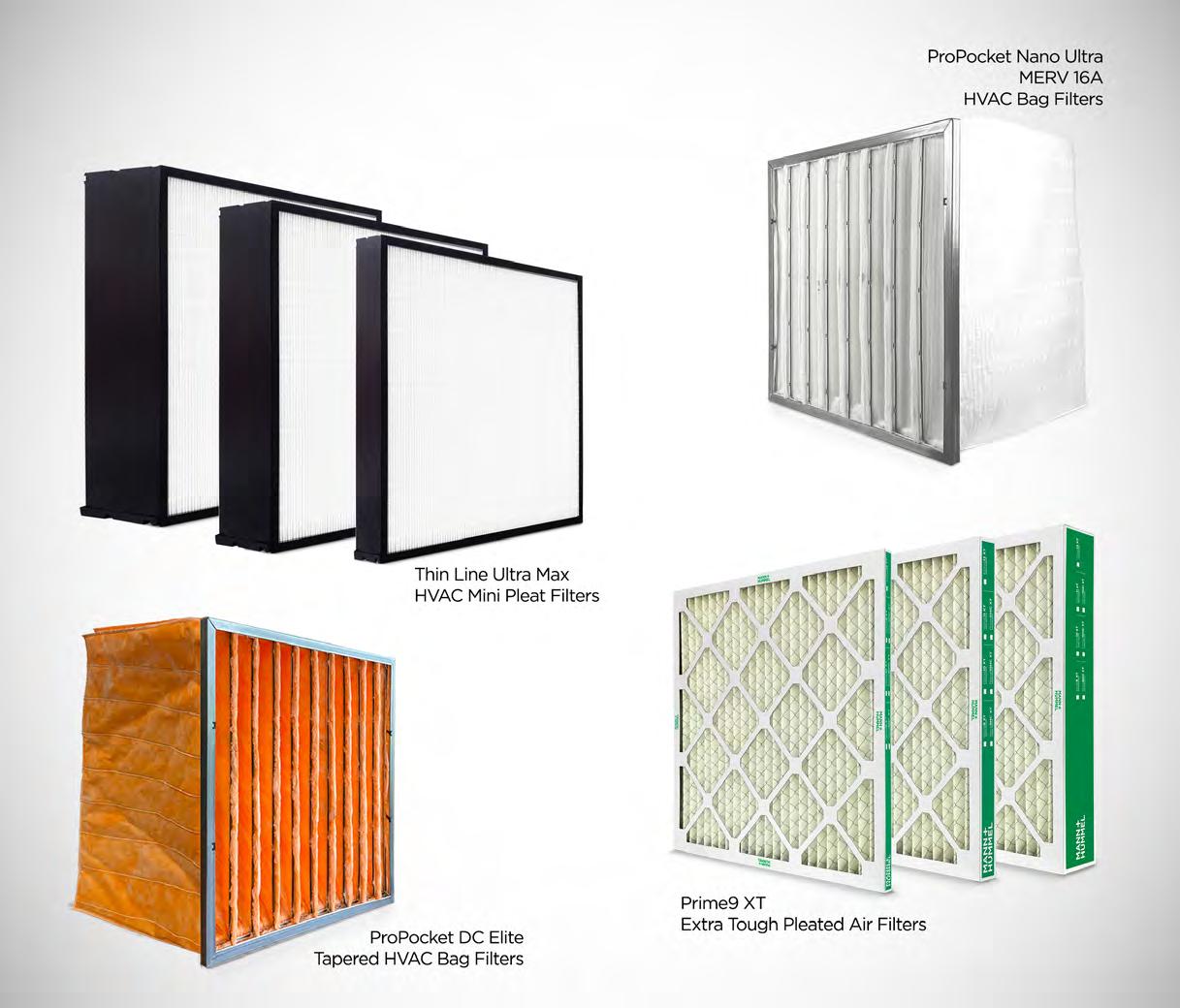
At MANN+HUMMEL, innovation drives everything we do. With over 75 years of expertise, we lead the air filtration industry by developing solutions that exceed the highest air quality standards. Our products, made in the Americas, are engineered to meet the evolving needs of commercial, industrial, and residential applications worldwide.
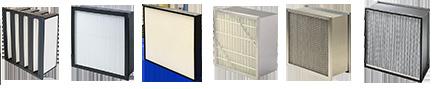
Our portfolio includes advanced solutions like the Prime9 XT (MERV 9), o ering exceptional particle capture, the ProPocket Nano Ultra (MERV 16A) for demanding environments, the
Leadership in Filtration
ProPocket DC Elite for high-air flow systems, and the Thin Line Ultra Max (MERV 13) to capture fine particulates like bacteria and smoke while maintaining air flow.
We don't just filter air—we set the standard for cleaner, healthier environments with innovations focused on advanced materials, superior manufacturing, and sustainability. Stay ahead with our industry-leading solutions.
BGE Indoor Air Quality Solutions, Ltd. Calgary, Alberta Canada www.bgecleanair.com
Bobby Singer, CAFS
Blue Heaven Technologies Louisville, Kentucky www.blueheaventech.com
Jeff Thibodeau Mikropor Michigan City, Indiana www.mikroporamerica.com
WELCOME TO NAFA
Distributor
Charleston Filter Service, Inc.
Ron Schoolcraft Elkview, WV
Coolsys
Art Salcido Mesa, AZ
Ketchum & Walton Co.
Brendan Spatz Cincinnati, OH
LifeSupplyUSA
Eric Hulli Sunny Isles Beach, FL
Preferred Filtration
Branden Sparks, CAFS Tempe, AZ
Supreme Filter Service
Kenneth Smith Rockingham, NC
Tom Barrow Company
Jeff Cobb Atlanta, GA
Yoor Air
Cydney Einck Edina, MN
Manufacturer
Custom Filters Direct
Randy Brannen, CAFS, NCT II Bloomsburg, PA
Harlingen Filters LLC
Adrianna Ysquierdo Harlingen, TX
I.W. Tremont Co Inc
Jim Averso Hawthorne, NJ
K Filter Manufacturing Factory WLL
Shyju Kulathumkal Somarajan Doha, Al Wakrah Qatar
Service Provider/Allied Member
Green Light Logistics dba GlobalTranz
Gabe Hutchings Greensboro, NC
SK Battery America
Christopher Chastain Commerce, GA
Lifetime
Hugh Townsend
Larry Ost Naples, FL
Thomas Riddell, CAFS, NCT II Jackson, MS
NAFA NEW MEMBER ORIENTATION – MAXIMIZE YOUR MEMBERSHIP!
New to NAFA or ready to re-engage? Join our quarterly orientation to:
✓ Meet NAFA leadership
✓ Explore key benefits and resources
✓ Learn how to get involved
✓ Get your questions answered
Open to: New members, Current members and Prospective members
NAFA FOUNDATION 2025 SCHOLARSHIP RECIPIENTS
The NAFA Scholarship program helps to make the dream of a college education a reality for the winners. We encourage all NAFA members and their employess to become involved in the scholarship program.
The NAFA Foundation decided to award three additional recipients a $1,000 scholarship due to their exceptional achievements and outstanding efforts.
Emma Aycoth
Major: Nursing
Daughter of Benny Aycoth, CAFS, NCT Tex-Air Filters
Emma Aycoth is on a mission to transform healthcare through empathy and patient-centered care. Inspired by her mother's stroke experience, where she witnessed the lack of compassionate care, she is determined to become a nurse who prioritizes empathy, dignity, and patient-centered care. She believes that patients should be seen and heard, not just treated as medical cases.
To prepare for this path, she has earned her Certified Clinical Medical Assistant (CCMA) certificate through a rigorous high school program, gaining hands-on clinical experience and valuable skills. Her dedication to nursing is fueled by a desire to bring humanity back to healthcare, ensuring patients feel valued and understood.
This $2,500 scholarship would not only ease her financial burden but also empower her to excel in nursing school and fulfill her goal of compassionate patient advocacy. By investing in her education, the NAFA Foundation supports a future nurse committed to making a meaningful impact in healthcare.
I am truly honored to receive the $2,500 scholarship from the National Air Filtration Foundation. This generous award provides meaningful support as I continue my studies in nursing at Texas Christian University (TCU). I am deeply grateful for the Foundation’s encouragement and commitment to helping students pursue their education and make a difference in their communities.
Sophie Bevins
Major: Architectural Engineering with Minor in Architecture
Daughter of Randy Brannen, CAFS, NCT II Custom Filters Direct
Sophie Bevins is set to study Architectural Engineering at Texas A&M's honors college. Her commitment to inclusive and accessible design is inspired by personal experiences, such as creating a crutch-holding device for her sister. As a Chinese adoptee raised in Texas, Sophie has learned to lead with empathy and consider diverse needs in design processes.
Throughout high school, Sophie excelled in the Academy of Science and Technology and as Vice President of her school’s FIRST Robotics team, where she founded the DIDD initiative to create engineering solutions for peers with disabilities. She also engaged in community service, tutoring students and organizing outreach events.
Sophie’s technical skills were honed through internships with PBK Architects and NASA, where she applied her knowledge to real-world projects. Her diverse interests, from origami to robotics, fuel her passion for creative problem-solving. The scholarship will enable Sophie to explore her interests further and pursue a career where empathy and engineering intersect, aligning with NAFA’s mission to enhance built environments.
I am extremely honored and grateful to be awarded this scholarship, and I would like to thank the NAFA Foundation for all the good it does across the country beyond these scholarships. Your generous support will aid me in pursuing my Architectural Engineering degree and Architecture minor at Texas A&M University. Gig ’em!
Jawad Makki
Major: Engineering Physics
Son of Kiimberlee Kepper, CAFS, BGE Indoor Air Quality Solutions Ltd.
Jawad Makki is a dedicated student at the University of British Columbia, pursuing a degree in Engineering Physics. His commitment to using engineering to connect and empower communities is evident through his leadership roles and academic achievements. Despite financial challenges and adjusting to a new city, Jawad has thrived academically, maintaining excellence through effective study habits and balancing rigorous coursework with personal well-being.
At UBC, Jawad has significantly contributed to the Engineering Undergraduate Society (EUS), serving as Tutoring Director and Eatery Director. His efforts improved tutoring programs and increased access to affordable food, fostering a sense of community and breaking records in volunteer engagement and subsidized meal sales. Now, as EUS Volunteer Director and Engineering Physics Student Council President, Jawad focuses on empowering others to create positive change.
With aspirations to apply his education toward sustainable solutions, Jawad exemplifies resilience and leadership. The NAFA Foundation Scholarship will support his vision of becoming an engineer who innovates and uplifts, leaving a lasting, positive impact on society.
I am sincerely grateful to the NAFA Foundation for awarding me this scholarship. This generous support eased my financial burden, enabling me to continue my studies in Engineering Physics at UBC while focusing more fully on my academic and personal goals.
Casey Sullivan
Major: Forensic Science and Law
Daughter of Ronald Sullivan, CAFS Filtech Inc.
A pioneering first-generation college student, Casey Sullivan is majoring in Forensic Science and Law at Duquesne University. Her academic journey is marked by a commitment to excellence, evidenced by her consistent presence on the dean’s list and membership in Delta Delta Epsilon, an international honor society for forensic science.
At Duquesne, Casey has embraced leadership roles, serving on the executive board of the professional forensic fraternity, Phi Sigma Lambda. As the Summer Workshop Chair, she directs a forensic science workshop for high school students, combining her passions for creative writing and forensic science to create engaging mock crime scenes. Her involvement with Phi Sigma Lambda extends to community service, collaborating with organizations like the Pennsylvania Innocence Project. Casey also secured an internship with Cybergenetics, a DNA interpretation company, where she learned to interpret complex DNA mixtures using specialized software. After graduating in Spring 2026, Casey plans to pursue a Master’s Degree in Forensic Science and Law, furthering her impact in the field.
I wanted to tell you that I am honored and thankful for the recognition of the NAFA scholarship. It will truly make a difference in my continued studies.
Tuesday Taylor
Major: Chemical Engineering
Daughter of Richard Taylor FG Air
Tuesday Taylor is passionately addressing North Carolina's mental health crisis through chemical engineering. With the state ranked 39th in mental health care access, Tuesday has actively participated in community service and leadership roles to make a difference. At Discovery Place Science Museum, Tuesday helped over 200 volunteers acclimate, fostering a cohesive community. At Novant Health Presbyterian Medical Center, Tuesday created a welcoming environment for patients and families.
Inspired by these experiences, Tuesday joined the advisory council at Katie Blessing Center, focusing on youth mental health. There, Tuesday collaborated on designing sensory rooms and developing activities to support mental wellness, contributing to a full-scale behavioral health bedroom mock-up.
Currently studying at NC State, the NAFA Scholarship provides essential financial support, enabling Tuesday to focus on academics and research, ultimately contributing to innovative mental health solutions.
I am sincerely grateful for being selected as a recipient of the 2025 NAFA Scholarship. Your generosity will significantly help me pursue my Chemical Engineering degree without financial stress and allows me to contribute to my passion for research at NC State. Thank you for your support and confidence in my potential.
INDOOR AIR QUALITY (IAQ) MANAGEMENT IN
HEALTHCARE
A CRITICAL TOOL FOR HEALING, SAFETY, AND PERFORMANCE
Managing indoor air quality (IAQ) to optimize occupant health is no longer just an engineering or facilities issue—it has become a frontline clinical and operational imperative. The IAQ within a healthcare facility directly influences patient recovery, staff productivity, and the hospital’s overall performance.
Historically, IAQ management has focused primarily on occupant comfort and on controlling airborne pathogens through ventilation, filtration, and pressurization control. While human comfort and the reduction of infectious bioaerosols are essential, emerging research paints a broader and more urgent picture.
We now know that even low levels of airborne particles and chemical pollutants—well below regulatory thresholds—can significantly disrupt human physiology. Airborne contaminants are not inert; they act as biological stressors that can:
• Trigger oxidative stress and chronic low-grade inflammation, which hinders tissue repair and immune response.
• Weaken immunity, making patients more susceptible to infections and delaying recovery.
• Alter the human microbiome shifting microbial balance toward dysbiosis and increasing vulnerability to pathogens.
In a healthcare setting, these effects compound existing patient vulnerabilities and lead to slower recovery, greater susceptibility to complications, and higher readmission rates. For the staff, potentially stressed by demanding workloads and exposure to infectious material, poor IAQ is associated with fatigue, reduced cognitive function, more sick leave, and burnout. Even hospital operations are impacted, as poor IAQ is associated with increased treatment costs, reduced staff productivity, and lower patient satisfaction scores.
Figure 1: Mechanisms behind IAQ’s impact on human physiology and health and productivity outcomes
When IAQ management is woven into clinical care, the benefits extend far beyond infection prevention—delivering measurable gains in recovery speed, staff performance, and long-term facility cost-efficiency.
The takeaway is clear: IAQ management is not just important for managing comfort—it is a determinant of clinical outcomes. Where do we go from here?
CONTINUOUS MONITORING AND SMART INTEGRATION
Traditional IAQ management in healthcare relies on periodic checks and reactive maintenance—approaches that can leave dangerous gaps in occupant protection. In contrast, continuous monitoring transforms air quality from a static facility parameter into a dynamic, real-time clinical and operational tool.
When combined with periodic building microbial assessments and patient outcome tracking, continuous IAQ monitoring enables a powerful feedback loop:
1. Sensors allow for real-time alerts and rapid remediation by detecting deviations in particulate matter, volatile organic compounds (VOCs), ozone, carbon dioxide, humidity, and microbial markers. These alerts allow environmental services and clinical teams to act before patient health is compromised— shifting from “damage control” to prevention mode.
2. Live IAQ data drives adjustments to ventilation, filtration, and humidity control to optimize airflow patterns, filtration efficiency, and moisture levels. For example, maintaining optimal relative humidity (typically 40–60%) can suppress pathogen viability, support mucosal immunity, and reduce static electricity that may attract particles.
3. Monitoring facilitates predictive maintenance to prevent downtime and failures by identifying early signs of HVAC degradation, filter clogging, or microbial growth in ducts. When maintenance can be scheduled before breakdowns occur, costly emergency repairs and unplanned service interruptions that can jeopardize patient safety are avoided.
4. IAQ data can integrate clinical protocols with the environment of care with infection control dashboards, electronic health records, and discharge planning for at-risk patients. This visibility allows facilities to tailor room assignments, isolation protocols, or discharge recommendations based on actual environmental risk levels.
WHY IT MATTERS:
• In patient care areas—especially ICUs, oncology wards, and surgical suites—air quality is as critical as medication accuracy or sterile technique.
• In staff work zones, healthy air supports sustained concentration, reduces fatigue, and minimizes sick leave.
• At the facility management level, continuous monitoring aligns patient safety, staff wellness, and cost efficiency under a single, measurable strategy.
When smart IAQ integration becomes standard practice, healthcare facilities can shift from reactive environmental control to proactive health optimization—reducing risk, improving recovery, and demonstrating measurable ROI.
WE NEED IAQ MANAGEMENT IN CLINICAL PROTOCOLS
Infection control has traditionally focused on surface disinfection, hand hygiene, PPE, and isolation procedures—all essential, but incomplete without addressing the air patients and staff breathe. IAQ management is needed for two critical areas of care:
1. Clinical Care Protocols: Integrating IAQ metrics into existing patient safety checklists, surgical site infection prevention protocols, and high-risk ward operations. Continuous air monitoring informs ventilation adjustments, negative/positive pressure room controls, and filter change schedules. These interventions reduce airborne transmission risk, allow faster recovery in vulnerable populations, and reduce hospitalassociated complications. Without IAQ Integration, air quality remains an unmeasured, reactive variable. Poor ventilation, unnoticed microbial growth, and uncontrolled humidity persist until patient symptoms or equipment failures appear. This results in higher infection risk, longer hospital stays, and greater strain on clinical staff.
2. Discharge Recommendations for At-Risk Patients: With IAQ Integration, patients with compromised immunity (postsurgery, oncology, transplant, COPD) can receive tailored home environment advice—such as portable HEPA filtration, humidity targets, and avoidance of high-VOC exposures during recovery. Ideally, home IAQ monitoring can be linked to post-discharge follow-up, resulting in lower readmission rates, fewer postdischarge infections, and improved long-term outcomes. Conversely, without IAQ management, discharge planning ignores environmental recovery conditions. Patients return to homes with uncontrolled airborne allergens, pathogens, and pollutants that undermine healing, leading to a higher likelihood of relapse, increased emergency visits, and preventable readmissions.
ECONOMIC CASE FOR IAQ MANAGEMENT
The costs and benefits of environmental monitoring and smart mechanical integration are shown in the following table.
Table 1: Costs vs. Value of IAQ monitoring and integration, yielding a net benefit when accounting for reduced infection rates, shorter stays, and lower staff turnover.
CATEGORY WITHOUT IAQ MANAGEMENT WITH IAQ MANAGEMENT
Patients
Increased risk of HAIs and prolonged recovery
Higher readmission rates, especially for immunocompromised patients
More frequent respiratory complications
Contaminant buildup in shared spaces leads to infection clusters
Complaints of odors, stuffiness, and discomfort
Staff Higher absenteeism due to recurring illness
Fatigue, brain fog, and reduced task efficiency
Chronic exposure to bioaerosols, mold, and VOCs
Increased stress from perceived unhealthy conditions
Operations More frequent A/C failures and emergency service calls
Wasteful energy use from outdated or misused HVAC systems
Higher liability and potential litigation from avoidable outbreaks
CONCLUSIONS
Missed sustainability and compliance benchmarks
Lower rates of hospital-acquired infections (HAIs)
Faster post-surgical recovery and discharge
Reduced respiratory flare-ups (asthma, COPD)
Lower incidence of cross-infection in shared spaces
Better patient satisfaction and perception of care quality
Fewer sick days and better immune resilience
Improved cognitive function, alertness, and productivity
Reduced occupational asthma and allergen-related issues
Safer work environment, lower burnout risk
Lower HVAC-related complaints and maintenance emergencies
Energy optimization via smart IAQ-ventilation integration
Legal risk mitigation (infection control documentation)
Alignment with ESG goals and accreditation standards
Investing in IAQ management is not just an environmental upgrade—it’s a clinical, operational, and financial strategy that supports the mission of healing and high-quality care. If IAQ is a known determinant of infection risk, immune function, and recovery speed, can a modern healthcare facility justify not embedding it into clinical protocols and patient discharge plans?
REFERENCES
1. Allen, J.G., et al. (2016). Associations of cognitive function scores with carbon dioxide, ventilation, and volatile organic compound exposures in office workers: A controlled exposure study of green and conventional office environments. Environmental Health Perspectives, 124(6), 805–812. https://doi.org/10.1289/ ehp.1510037
2. Kowalski, W.J., & Bahnfleth, W.P. (2002). Immune building systems technology. HPAC Engineering, 74(1), 20–29.
3. Beggs, C.B., et al. (2015). The transmission of airborne infection in hospitals: Theoretical and experimental studies on ventilation effectiveness and infection risk. Indoor and Built Environment, 24(7), 1026–1036. https://doi. org/10.1177/1420326X15572420
4. Seppänen, O., Fisk, W.J., & Mendell, M.J. (1999). Association of ventilation rates and CO2 concentrations with health and other responses in commercial and institutional buildings. Indoor Air, 9(4), 226–252. https://doi.org/10.1111/j. 1600-0668.1999.00003.x
5. World Health Organization (WHO). (2021). Roadmap to improve and ensure good indoor ventilation in the context of COVID-19. WHO Guidelines.
6. US Centers for Disease Control and Prevention (CDC). (2023). Guidelines for environmental infection control in health-care facilities. https://www.cdc.gov/ infection-control/hcp/environmental-control/index.html
7. National Health Service (NHS) England. (2022). Healthcare-associated infections: Annual epidemiological report. NHS Digital.
8. Fisk, W.J., et al. (2011). Meta-analyses of the associations of respiratory health effects with dampness and mold in homes. Indoor Air, 21(3), 184–192. https://doi. org/10.1111/j.1600-0668.2010.00727.x
STEPHANIE TAYLOR, MD, MArch, Medical Advisor ThinkLite Air
My passion is managing the relationship between the environment and health. I received my MD from Harvard Medical School, practiced clinical medicine, and researched cellular growth for several decades. Convinced that unmanaged aspects of the hospital environment drive healthcare-associated infections, I obtained a Master’s in Architecture and developed an analytical platform and health index to quantify the physiological impact of the indoor ecosystem. As the Medical Advisor for ThinkLite Air, we monitor and efficiently optimize the health impact of indoor air. I am also an ASHRAE Distinguished Lecturer, advisory member of the US Green Building Council, inventor, and author of engineering, scientific, and medical journal articles.
With contributions by
Moore Marketing Specialist, Filter Sales & Service, Inc.
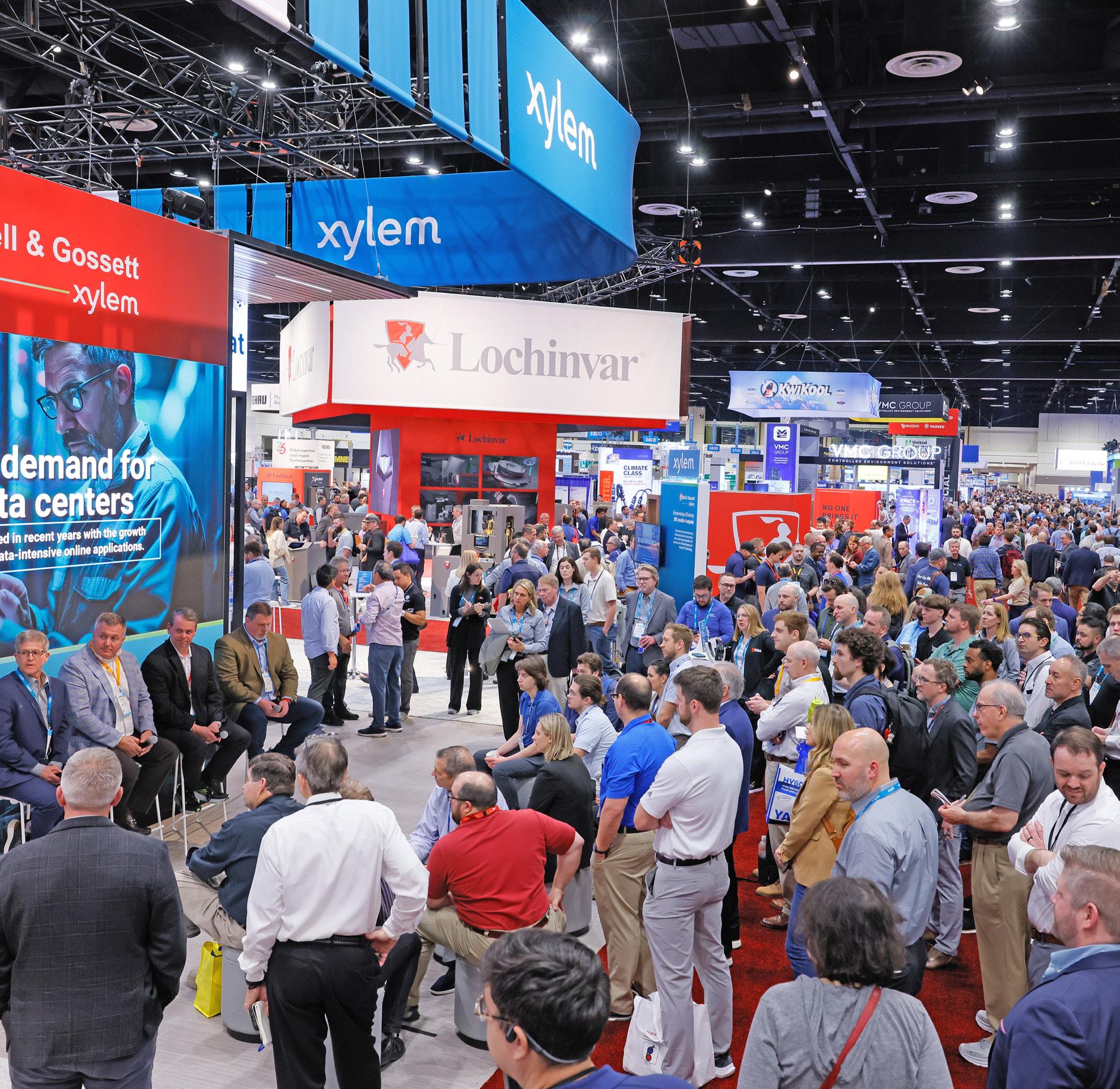
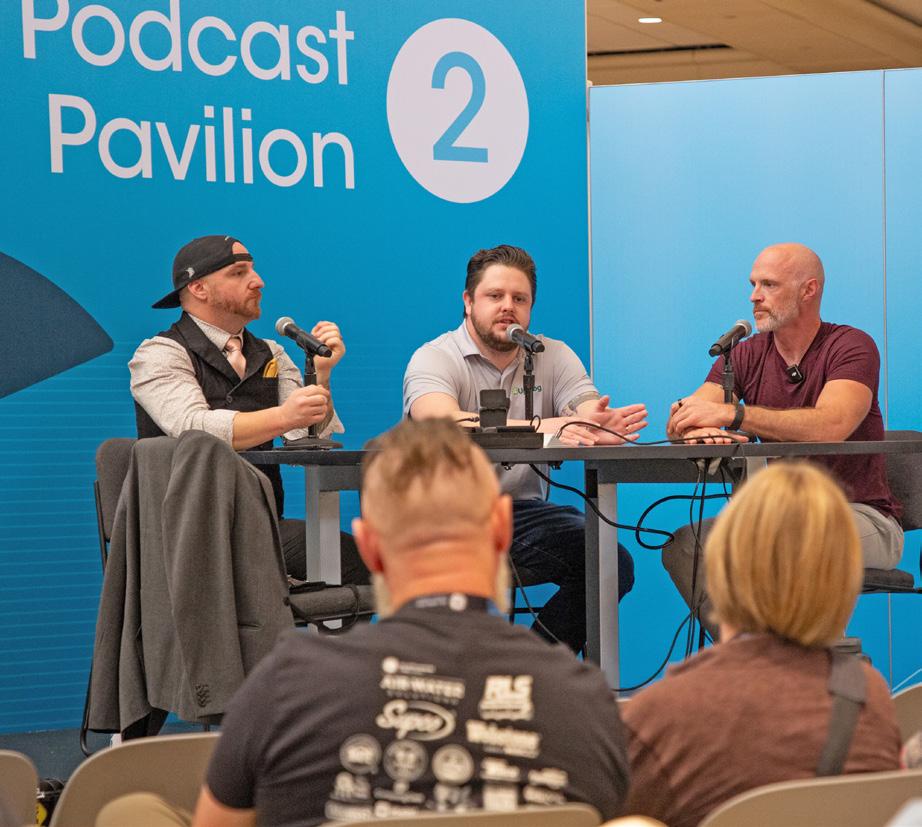
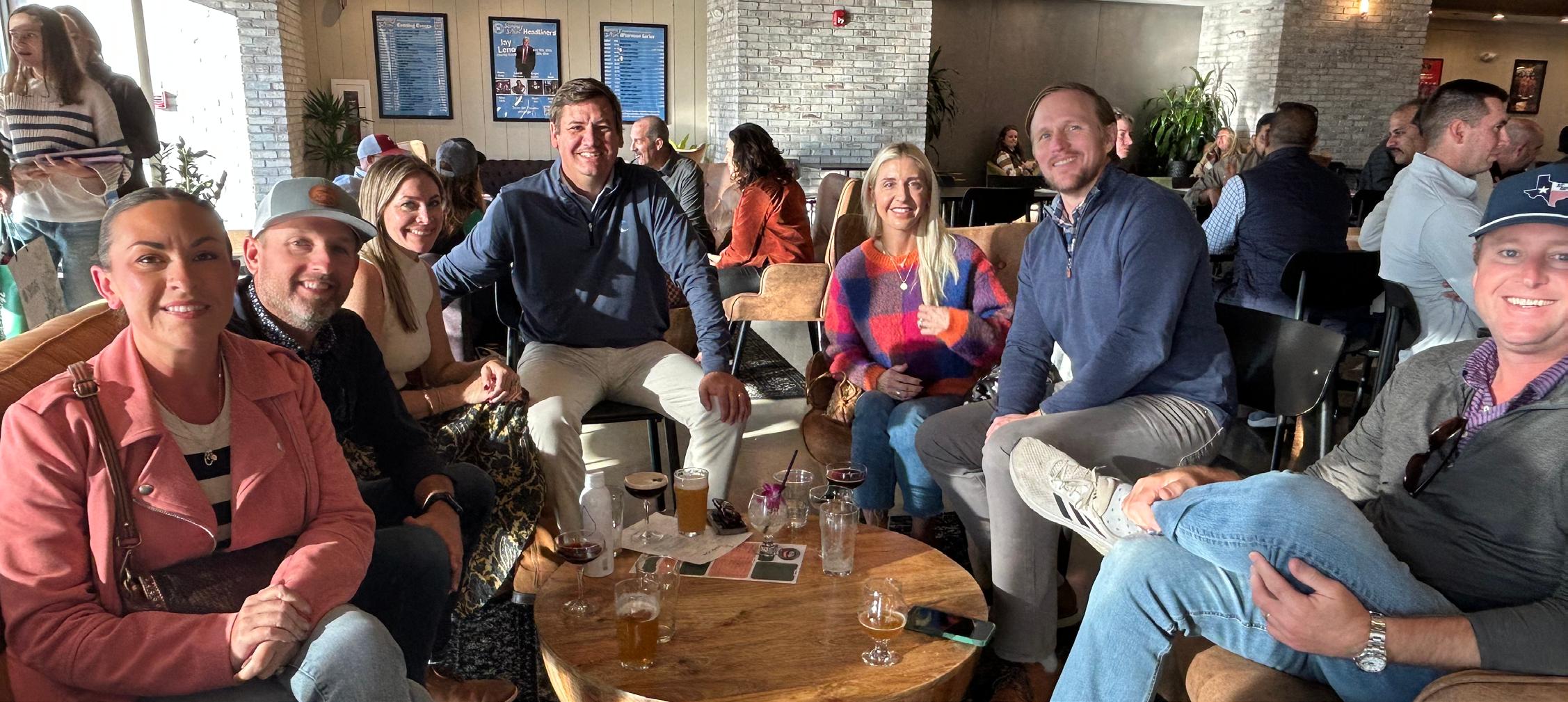
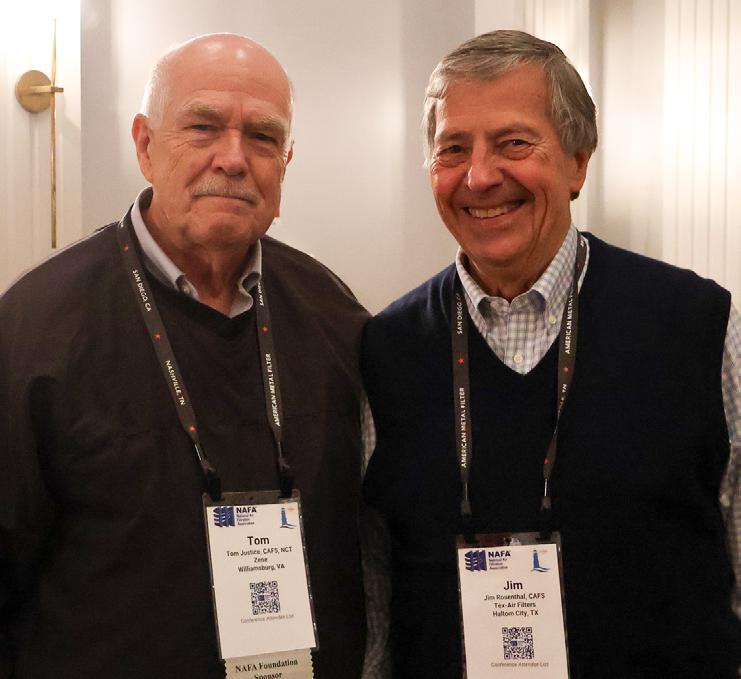
The NAFA 2025 Annual Convention in Newport, Rhode Island delivered an engaging and productive three days of education, connection, and industry collaboration. With strong attendance and active participation throughout the week, the event brought together filtration professionals to explore emerging trends, share best practices, and strengthen the community that drives NAFA forward.
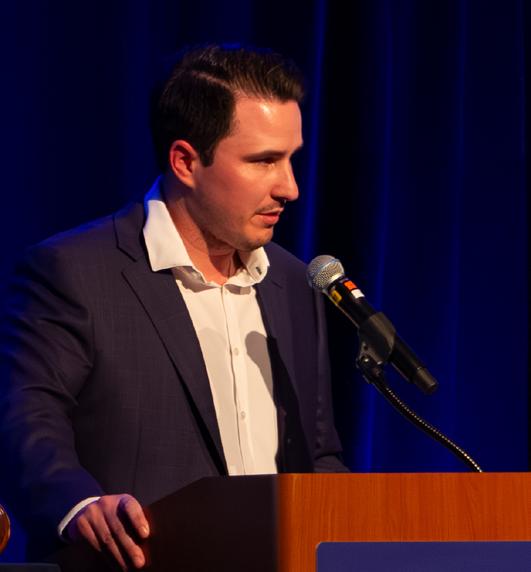
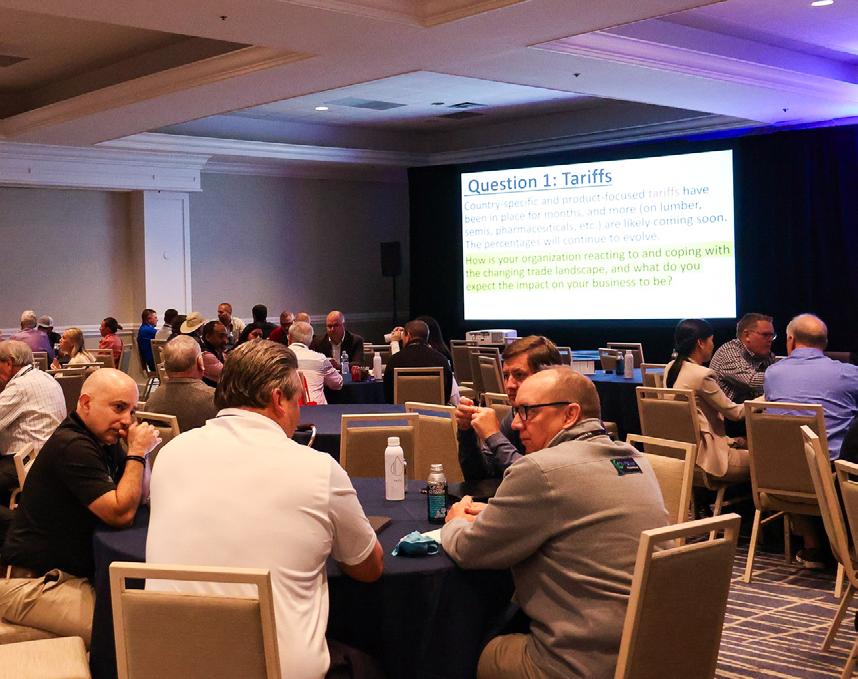
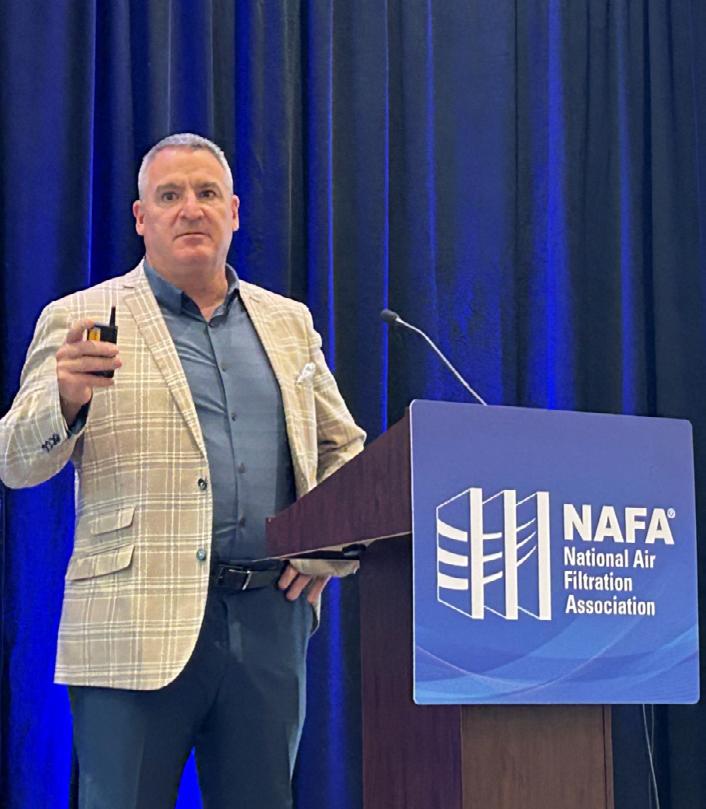
The convention opened with remarks from NAFA leadership, setting the tone for a program centered on both innovation and foundational industry principles. The keynote for the event was presented by Alex Chausovsky, Director of Analytics and Consulting at Bundy Group, who returned this year to deliver an updated “Economic and Policy Outlook.” Chausovsky provided a data-driven overview of the current economic climate, offering context on market forces shaping the air filtration industry. His analysis helped attendees assess shifting conditions and prepare for the decisions and challenges ahead.
Following the keynote, Chausovsky led a Roundtable Session titled “From Insight to Action: Navigating What’s Next.” Building on the themes of his presentation, he guided participants through collaborative discussions focused on turning strategic insights into actionable steps. The exchange of experiences and solutions reflected NAFA’s commitment to equipping members with practical, applicable tools.
The afternoon provided opportunities to unwind and connect. Attendees could participate in the NAFA Foundation Golf Tournament, sponsored by Mikropor, at the scenic Newport National Golf Course, or enjoy a coastal drive along Newport’s
Ocean Drive followed by a tour of The Breakers Mansion. The evening concluded with a memorable Welcome Reception sponsored by Engineered Filtration Systems. Set against the harbor, the reception offered a relaxed environment to network, meet new colleagues, and reconnect with long-time members.
Day Two shifted the focus to forward-looking industry topics. The morning began with “Partnering with AI for Success: What Executives Need to Know About What AI Can (and Can’t) Do to Help Businesses Grow and Compete,” presented by Greg Kihlström from The Agile Brand. Kihlström provided a thoughtful exploration of artificial intelligence, highlighting its capabilities, limitations, and potential applications for filtration businesses. His session offered clarity on a rapidly evolving field and prompted meaningful discussion among attendees.
A follow-up panel with Ryan Berkley, CAFS and Connor Fiederlein expanded these ideas, sharing real-world examples of AI-enabled tools and hands-on applications already being used in filtration operations. The practical insights and case studies inspired attendees to implement AI into their business practices.
The final session of the day was “Unveiling the PEAK360 Risk Management Process,” presented by Clint Paskewitz, CRA. Paskewitz delivered a foundational discussion on business stability and long-term operational health. His session emphasized essential principles of risk management that help companies protect their operations, maintain resilience, and strengthen internal systems.
In the afternoon, attendees had the option to enjoy a Harbor
Nathan
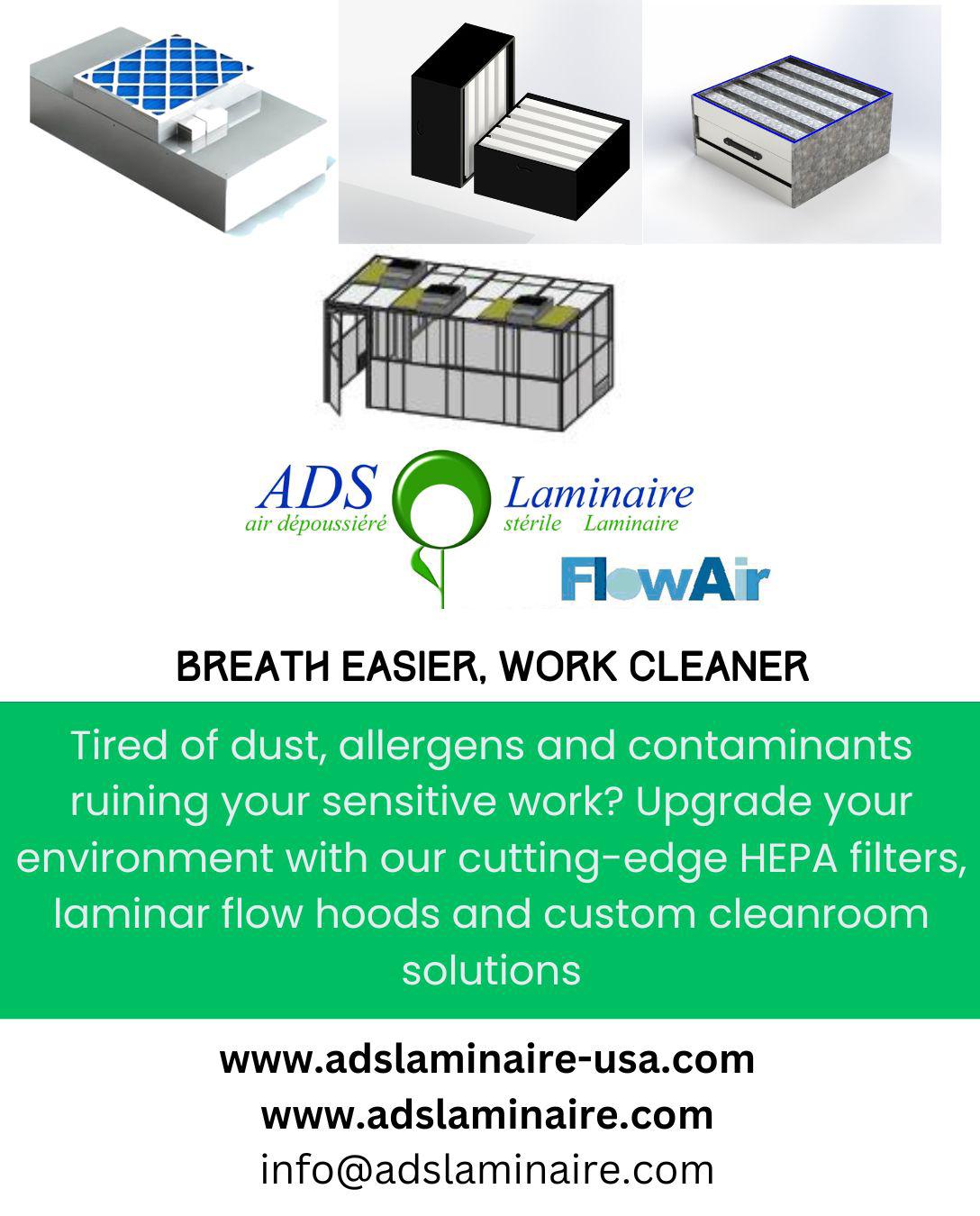
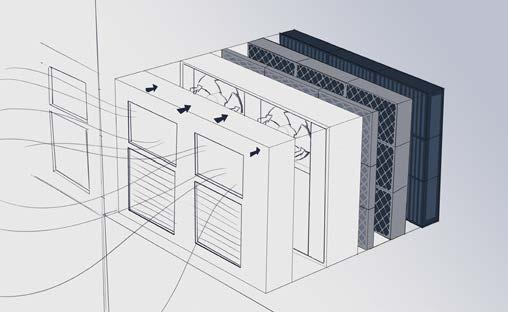
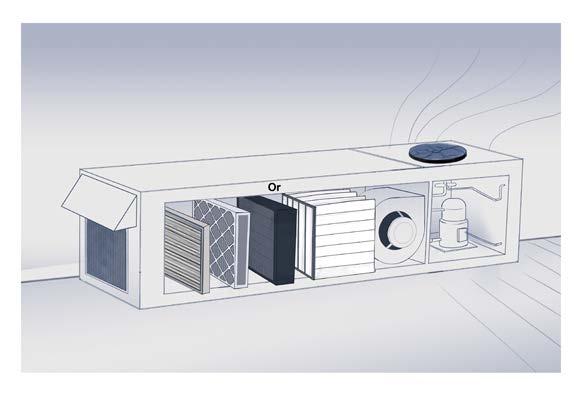
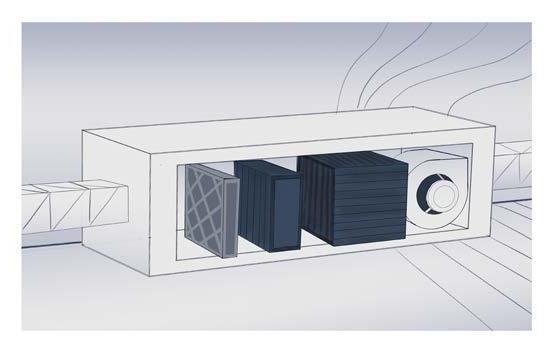
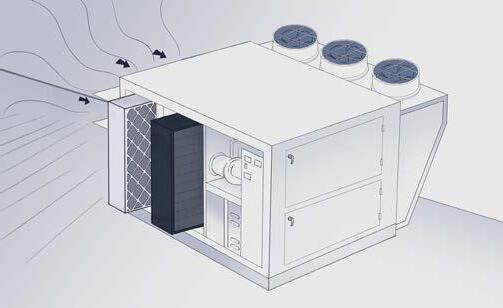
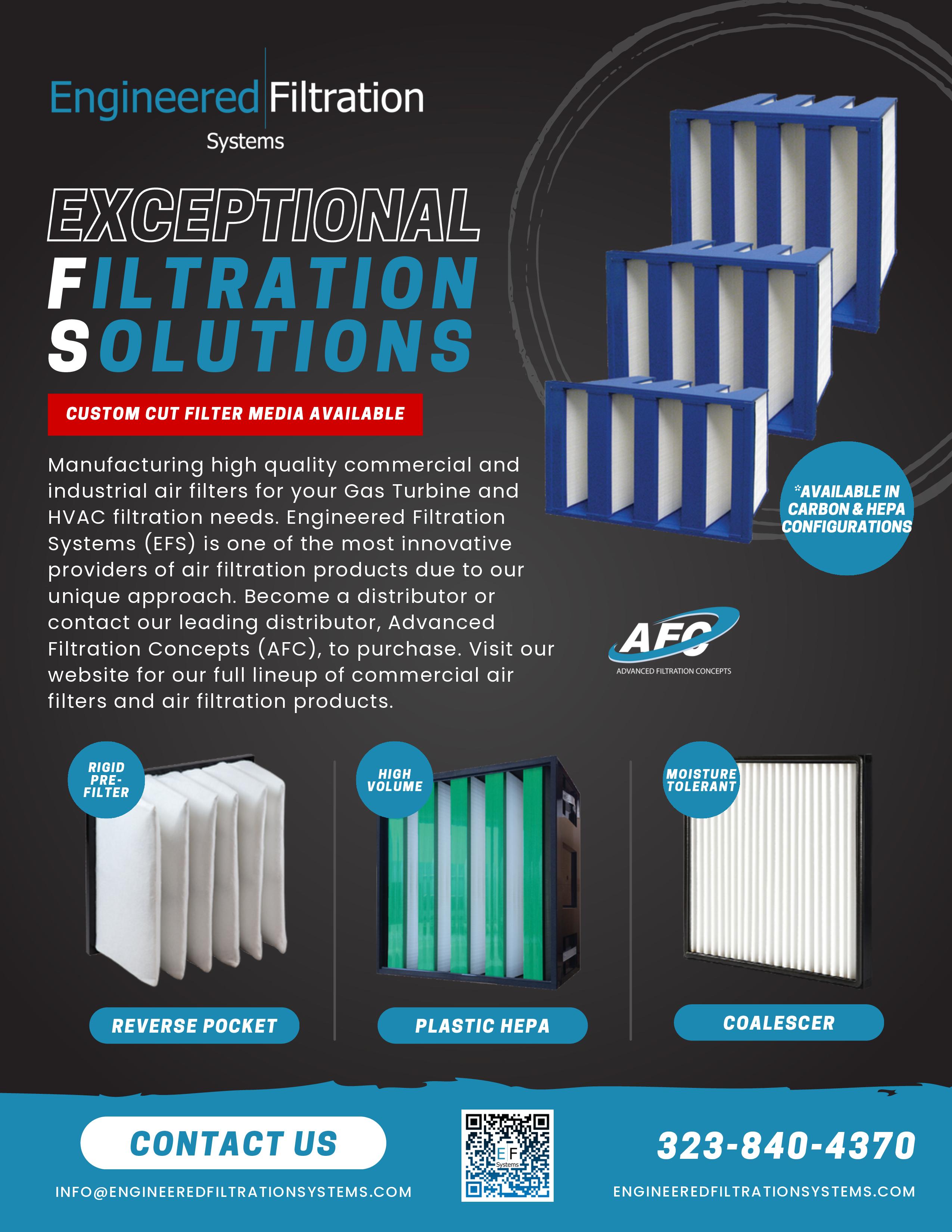
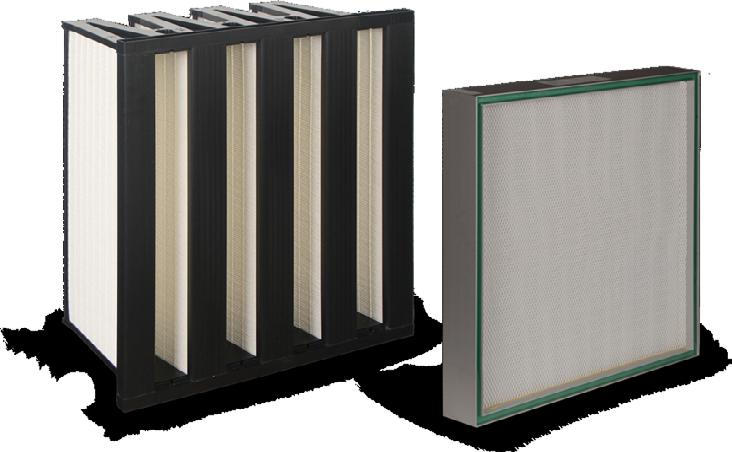
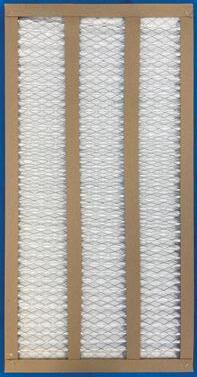
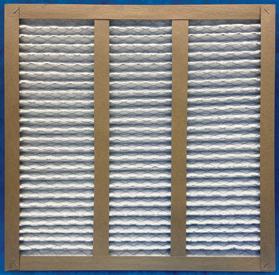
Multi-stage filtration tailored to environment, performance goals, and budget—no tradeo s.
The right filter solution for the right application. Every filtration challenge comes with its own demands—whether it’s extended filter life, maximum energy e ciency, space-saving design, washable media, odor and gas removal, high-purity requirements, or more.
We work with you to design the ideal filtration solution for your environment and application— delivering the right performance, reliability, and maintenance profile, all while lowering your total cost of ownership.
Filter Configuration Examples It starts with understanding your customer’s HVAC system, needs, and environment.
Let’s design the right filtration solution for all your HVAC system challenges.
EYE-OPENING SESSIONS. INDUSTRY-SHAPING IDEAS.
“[Greg Kihlström] dove into the possibilities and limitations of artificial intelligence with the kind of energy that comes from discussing genuinely transformative technology. It was eye-opening in the way that makes you rethink your entire operational strategy.”
“These were filtration professionals sharing actual implementations, actual results, and actual [AI] tools they use daily. I found myself pulling out my phone mid-discussion to research products I fully intend to purchase. When a panel discussion turns attendees into immediate buyers, you know the content has hit its mark.”
“But here's what made Day Two so valuable: this session was every bit as important as the first. It addressed the bedrock principles that keep businesses stable and thriving. Not everything that matters is shiny and new. Sometimes the most critical insights are the ones that remind us to brush up on our foundations while we reach for the future.”
“The atmosphere was exactly what you'd hope for: industry professionals passionate about their work, deepening relationships, swapping stories, and talking shop in the best possible way. There was genuine warmth in that room. People who love what they do, enjoying the company of others who share that passion.”
Nathan Moore Marketing Specialist, Filter Sales & Service, Inc.
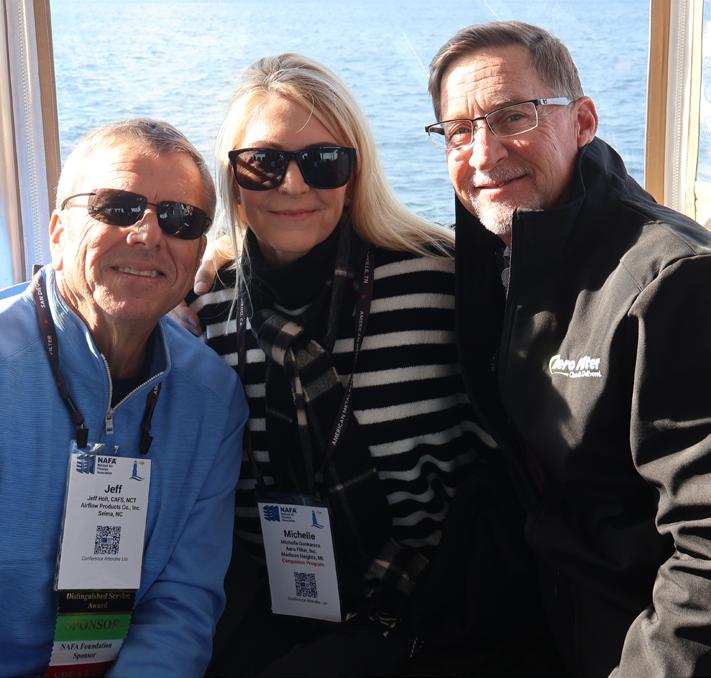
Highlights & Bay Views Boat Cruise, which—despite a rainy forecast—turned into a bright, scenic outing along the bay.
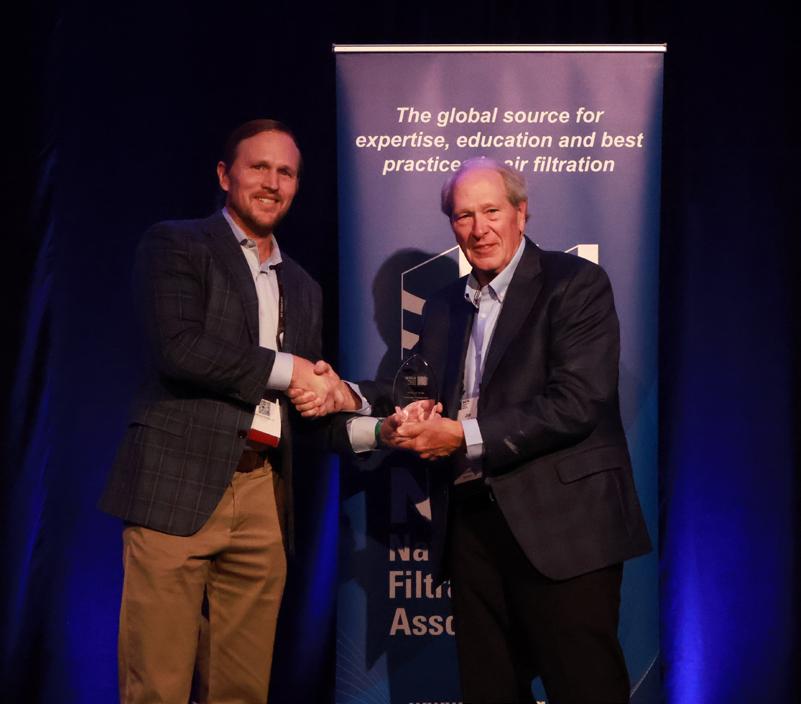
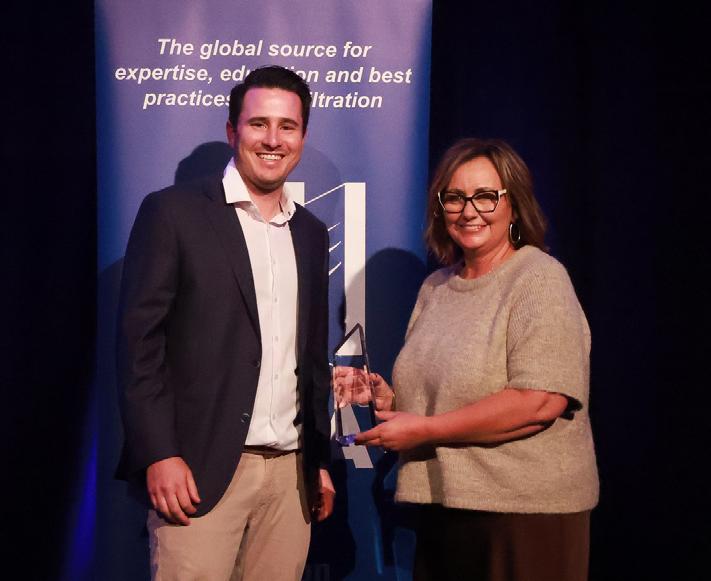
The day concluded with the Reception & Awards Dinner, sponsored by MANN+HUMMEL, featuring a celebratory atmosphere and authentic New England lobster dinner. Attendees gathered to recognize contributions within the community, deepen industry relationships, and enjoy an evening of conversation and connection.
The final day began with committee meetings and the NAFA Business Meeting, where members reviewed association updates and ongoing initiatives. The session was followed by an educational highlight called “Guideline Spotlight: Computer Data Centers” led by Nitim Mohan, CAFS, NCT and Keith Jordan, CAFS, NCT. This talk emphasized the unique filtration challenges of modern data centers and the critical role proper filtration plays in equipment protection and operational reliability.
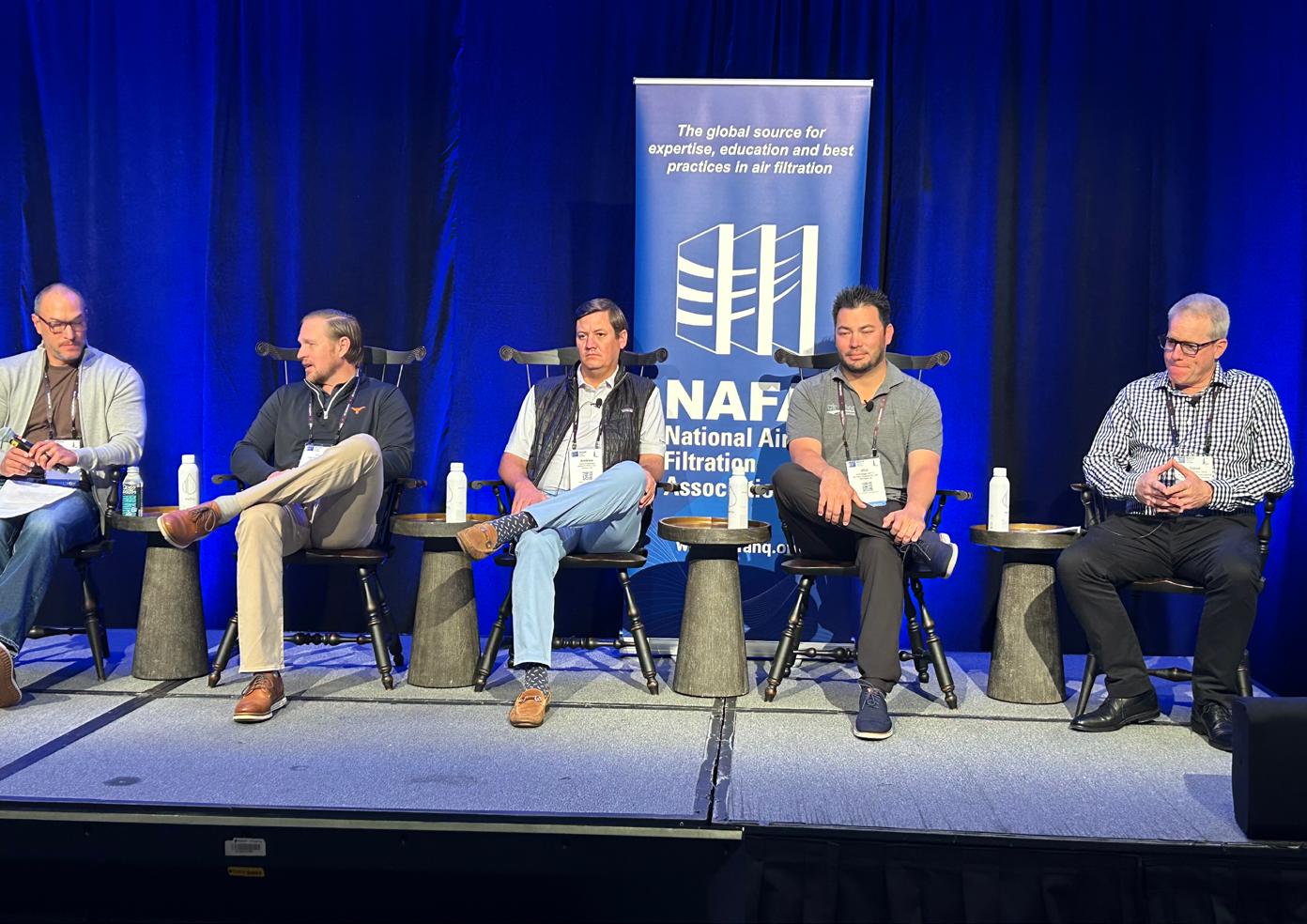
The convention concluded with the “Business Owners Panel: Adapt. Evolve. Succeed” moderated by Keith Jordan, CAFS, NCT. Panelists including Phil Dugan, NCT II, Trey Fly, CAFS, NCT II, Steve Griffiths, CAFS, and Andrew McCord offered candid insights on leadership, business adaptation, and navigating an evolving industry landscape. Their perspectives underscored the importance of flexibility and forward-thinking strategies in a rapidly changing market.
As the event came to a close, attendees departed with renewed energy, valuable takeaways, and a strengthened sense of connection to NAFA and the broader filtration community. The 2025 Annual Convention in Newport not only delivered robust education but also highlighted the industry's shared purpose and commitment to excellence.
Mark your calendar for the 2026 Technical Seminar in Louisville, KY, April 9-10 and the Annual Convention in Palm Springs, CA, October 13-15.
“This was my first annual convention and I just had an overall great time. Everyone was extremely friendly and willing to provide advice/insights. Everything was organized well and in a timely manner. Location was awesome.”
Connor Fiederlein Operations Manager Tech Valley Filtration, LLC
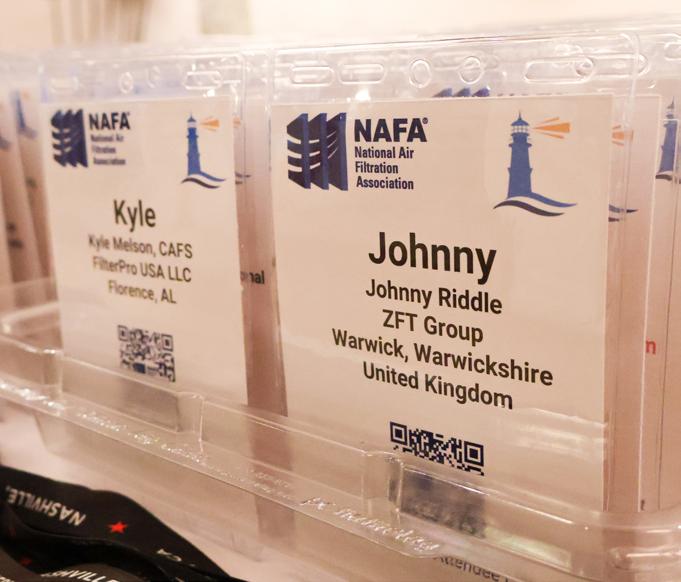
“I learned a lot about AI and how it relates to the filter industry. Impressed by how others have already adopted and embraced it. Excursions were great with opportunities to meet new and existing members."
Johnny Riddle Business Development Manager ZFT Group
To the National Air Filtration Association,
I am writing to express my sincere appreciation for the invaluable support and opportunities the National Air Filtration Association (NAFA) has provided Mikropor over the past several years. As a member and sponsor of NAFA, our journey has been remarkable, and we owe a significant portion of our growth and success to NAFA and everything the organization offers.
Since Mikropor's affiliation with NAFA began, we have witnessed tremendous growth. The wealth of knowledge, networking, and industry insights that NAFA offers has been instrumental in our progress. The resources provided by NAFA have allowed us to match our products and service, keeping us at the forefront of the air filtration industry.
One key aspect that makes NAFA stand out is the sense of community it fosters. There is no better networking organization in our industry! Connecting with like-minded professionals, experts, and organizations in the air filtration industry has been invaluable to Mikropor. We have formed lasting partnerships and friendships that have enriched our business journey.
Furthermore, the support and exposure we've received as a sponsor of NAFA have been remarkable. This partnership has enhanced our brand recognition and positioned us as a trusted industry leader. The increased visibility has undoubtedly played a significant role in our company's growth and brand recognition.
I am grateful to NAFA for being a beacon of knowledge, collaboration, and opportunity. Mikropor's journey as a member and sponsor of NAFA has been a remarkable one, and we look forward to continuing our partnership and experiencing even greater success in the future.
Thank you, NAFA, for your unwavering commitment to the air filtration industry and for driving your members’ growth. We genuinely appreciate all you do and are excited about the future of air filtration and NAFA’s guidance.
Sincerely,
Jeff Thibodeau
Vice President – Atmospheric Air Filtration Mikropor America, Inc.
NAFA NEWS
Glasfloss Industries Announces Promotion to Vice President of Engineering
Desoto, TX – Scott Lange, President and CEO announced today the promotion of Todd McGrath to Vice President of Engineering.
Todd holds a Master of Science in Mechanical Engineering degree from Southern Methodist University and brings over 25 years of experience in product development, process improvement and equipment engineering. He also served as Chair of the ASHRAE Standard 52.2 Committee for the past four years, demonstrating his leadership and expertise within the industry.
“Well versed in Lean Manufacturing and Six Sigma, Todd is passionate about driving positive changes from product design to plant layouts. Todd has been instrumental in advancing our organization’s success and his dedication to employee engagement and fostering an ownership culture perfectly aligns with our core values and our identity as an employee-owned company,” said Scott Lange, President and CEO.
Established in 1936, Glasfloss Industries is the oldest privately held and operated manufacturer of HVAC air filtration products in the United States. The company is 100% employee owned and
operated and serves all major commercial, industrial and residential HVAC filtration markets. For more information on Glasfloss and its products, please visit: www.glasfloss.com
Glasfloss Industries Announces Promotion to Chief Executive Officer
Desoto, TX – Scott Lange, President, announced today the promotion of Darryl “DJ” Heffline to Chief Executive Officer.
D.J. Heffline holds a Bachelor of Science in Business Logistics and joined Glasfloss with a strong background in operations and organizational development. As COO for Glasfloss, D.J. oversaw all areas of operations across multiple plants.
“D.J. has served as our Chief Operating Officer with distinction, bringing strategic clarity, operational rigor and a deep commitment to our people-first culture. His leadership has been instrumental in driving operational efficiency, strengthening our supply chain and advancing our long-term strategic goals,” said Scott Lange, President.
Established in 1936, Glasfloss Industries is the oldest privately held and operated manufacturer of HVAC air filtration products in the United States. The company is 100% employee owned and operated and serves all major commercial, industrial and residential HVAC filtration markets.
Rensa Filtration Acquires IREMA-Filter of Germany and Aeolus Filter from PINOVA Capital
AURORA, IL – September 15, 2025 -
Rensa Filtration, an Audax Private Equity portfolio company and manufacturer and distributor of consumable, missioncritical air filtration solutions, announced that it recently acquired IREMA-Filter GmbH and its U.S. subsidiary Aeolus Filter Corporation from PINOVA Capital.
IREMA was founded 50 years ago near Postbauer-Heng, Germany and is an innovator in filtration media and filter media pleating technologies. Based in Archdale, NC, Aeolus Filter provides filters using IREMA’s media and pleating technologies and has a strong market presence in critical data center and healthcare air filtration applications.
Brandon Ost, CEO and Founder of Rensa Filtration, noted, "We’re excited to partner with the IREMA and Aeolus management team, employees and their customers.
The filtration market has long held the IREMA/Aeolus business and filter technology in high regard, and we look forward to supporting their continued technology development, increase underscores Rensa’s commitment to quality and innovation.”
IREMA’s filter media process technology is a flexible platform capable of making both polymeric microfibers and nanofibers and combining them to make innovative filter
media structures with multiple layers, gradient structures, and mixed micro and nanofiber structures. For end users, these technologies enhance both the dust-holding capacity and service life. The media can be electrostatically charged or fully mechanical in nature. Because it is completely polymeric, the media has high moisture resistance and mechanical durability and does not support microbial growth. Finished filters can be recycled or sent to waste-to-energy facilities.
The World Health Organization (WHO) and scientific studies have identified PM 2.5 (airborne contaminants less than 2.5 microns in size) as detrimental to human health and these fine particles are a key component of the AQI (Air Quality Index). IREMA’s polymeric nanofiber depth loading media leads to high filtration efficiencies on PM 2.5 and submicron contaminants, combined with long service life and energy efficiency.
Dr. Andreas Seeberger, CEO of the IREMA group adds, “Rensa Filtration is the ideal partner for us. Their track record in mission critical filtration applications and focus on innovative solutions is a great fit for IREMA’s core competencies and unique technologies. We are excited to be a part of the Rensa family and together we will seek to drive innovation and growth even faster.”
The acquisition marks the ninth acquisition since Audax invested in Rensa in 2022. “This acquisition checks a number of boxes for Rensa,” noted Joe Rogers, a partner at Audax Private Equity. “Beyond building out the company’s solution set and extending its footprint into Europe, the combination of Rensa, IREMA and
Aeolus Filter enhances the value proposition to customers seeking a range of high-quality, innovative solutions.” It was exciting to accompany and support IREMA on this phase of further internationalization and exceptional growth. Rensa is a perfect fit to seize the business opportunities in both, the European and the US market,” continued Herbert Seggewiss, a Managing Partner of PINOVA Capital.
Terms of the deal are not disclosed. Baird and Harris Williams served as advisors to the buyer, while Stephens Inc. advised the seller on the transaction. Ropes & Gray LLP and Oppenhoff provided legal counsel to Rensa, while CMS served in the same capacity for the seller.
For more information, visit rensafiltration.com or follow us on LinkedIn.
CARPENTER
www.hydrosilintl.com
sales@hydrosilintl.com
EXECUTIVE PROFILE
IAIN WRIGHT, CAFS, NCT
National
Sales Manager
Research Products Corporation (RP Filters)
Iain Wright, National Sales Manager for RP Filter was born and raised in Lorain, Ohio before moving to Columbus in 2001 to attend Ohio State University, where he earned his B.S. in Industrial & Systems Engineering. After building experience across several industries, he entered the filtration field in 2018—a move that eventually led him to Research Products Corporation, where he now serves as the National Sales Manager for RP Filter. Iain lives in Ohio with his wife, Rachael, and their two daughters, MacKenna and Amelia, and spends most of his free time with them when he’s not immersed in the world of filtration.
COMPANY HISTORY
Research Products Corporation (RPC), based in Madison, Wisconsin, is a key player in the indoor air quality (IAQ) and commercial filtration market, producing innovative solutions under brands like AprilAire, RP Filter, Anden and DriSteem.
Acquired by Madison Industries in 2025, RPC focuses on enhancing health and productivity through advanced air filtration and environmental control technologies, serving diverse sectors with professional-grade solutions.
RP Filter, a commercial-focused brand under Research Products Corporation, aims to emulate AprilAire’s industry-leading reputation by leveraging the growing demand for advanced commercial filtration and IAQ solutions. With the commercial IAQ market projected to grow, RP Filter is investing in innovative filtration products tailored for high-impact sectors like healthcare and data centers. By enhancing product durability, expanding its professional contractor network, and aligning with Madison Air’s strategic growth vision post-2025 acquisition, RP Filter seeks to build trust and market share, mirroring AprilAire’s success in residential IAQ.
How did you get your start in the filter industry?
My introduction to the filtration industry was through a filter distributor in the Chicago area, Filter Services of Illinois. It was there that I developed my interest in the technical aspects of filtration and had the ability to learn from many of the experts in our industry.
How do you motivate your employees?
I am a strong believe in purpose driven motivation. Whether that purpose is family, monetary or larger causes like environmental impact, we need a reason to get up and get moving each day. By leading with integrity, a high standard of excellence and a passion for service over self, people will step up, perform and not let their team down.
Did you have a business mentor and if so, who is/was it?
I am very fortunate that my business mentor is also a personal mentor. My uncle, Donald McCormick showed me at a very young age that the harder you work for something and the more passionately you pursue it — the more likely you will achieve it. I attribute my passion and unrelenting pursuit of knowledge to him.
What's the best piece of advice anyone ever gave you?
During a time when I was unsure about my path, I had the privilege of speaking with Tim Kight who specialized in leadership and team culture development. Tim had a genuine passion for helping people and even while battling cancer, which ultimately took his life, he selflessly and courageously did not deviate from that path of helping people. He told me that no matter what gifts God gives you, “hard work can beat talent when talent doesn’t work as hard… and yes, we might not always be the most talented person in the room, but when we show up and put in the hard work, willpower can beat talent any day.”
What is the most challenging aspect of running a filter company?
When I joined our team at RP Filter, I saw sides of our industry I had not seen before. As we embarked on a parallel path in both product and channel development there were/are big challenges in the way. While it seems on the surface that filtration can’t be an overly complicated industry, I mean they are JUST filters right?? - it’s quite the opposite given the health and environmental industries we work with. The multitude of these different applications opens a wide range of challenges: regulatory and compliance standards, supply chain, technological demands and best ways to educate our consumers just to name a few.
When Jim Collins (Good to Great) talked about the importance of having the right people in the right roles to achieve success. It can be directly applied to running a filter company.
What do you think is the biggest challenge the air filtration industry currently faces?
I may be bias as I am the Vice Chair of the Education and Training Committee but I think market education and our consumers adopting what we would call the “first principles of filtration” is an extremely big challenge. After the pandemic there was heightened IAQ awareness but getting commitments from commercial and residential customers to invest in advanced filtration systems over cheaper alternatives remains challenging. Sometimes we think effective marketing and offering education on long-term health + total
cost benefits are critical but are can be very resource intensive and not always reach the intended audiences. That is the most frustrating for me because as I have been told by many people, maybe even some reading this, that I can only lead the horse to water, I cannot dunk their head into the river to make them drink.
Do you have any words of wisdom for up-and-coming filter professionals?
Never stop learning, don’t be afraid to ask people to share information or expertise. I have found this industry unlike many, have people that are more than willing to give you their time and knowledge. Your effort in will equal the effort you get out. Oh, and don’t forget to volunteer for committees!
How has your company benefitted from NAFA membership?
Over the last two years, I have emphasized within the RPC building the importance of being involved with NAFA and how it isn’t just for networking opportunities but will increase our product credibility, industry knowledge and help drive cost savings for operations (i.e. finding things we did as a company that the industry did not see value in but we thought did).
Lastly, we as a company feel we are in a great place to offer our expertise and voice to the people and partners who are on the front lines of advocating and influencing our industry regulations in IAQ.
WILDFIRE SMOKE’S HIDDEN THREATS: WHEN PARTICLE
SIZE AND CHEMISTRY
UNDERMINE FILTRATION
By Sissi Liu, CEO, Metalmark Innovations, PBC
Wildfire smoke particles fall into a filtration blind spot—small enough to evade mass-based sensors, yet chemically potent enough to degrade filter media. Understanding their unique size and composition is key to protecting indoor air.
WILDFIRES SMOKE: A GROWING GLOBAL AIR QUALITY CRISIS
Wildfires are becoming more frequent, more intense, and more widespread. Across North America—and increasingly around the globe—wildfire smoke is now one of the most significant drivers of air pollution. The Western U.S. and Canada have seen record-breaking wildfire seasons, with smoke impacting regions far beyond the burn zones.1
In summer 2025, Canada is again battling dozens of active wildfires, continuing a multi-year trend of longrange smoke events. In 2023, over 500 Canadian wildfires produced smoke that blanketed much of the U.S. Midwest and East Coast, triggering the worst air quality days on record for over 120 million Americans. That same smoke eventually reached Europe. Meanwhile, recent wildfires in Los Angeles have demonstrated the risks of wildland–urban interface fires, where not only vegetation but also buildings, vehicles, and infrastructure burn—introducing more toxic and chemically diverse pollutants into the atmosphere.
These events are not isolated anomalies. They signal a broader, more troubling trend. According to data from the
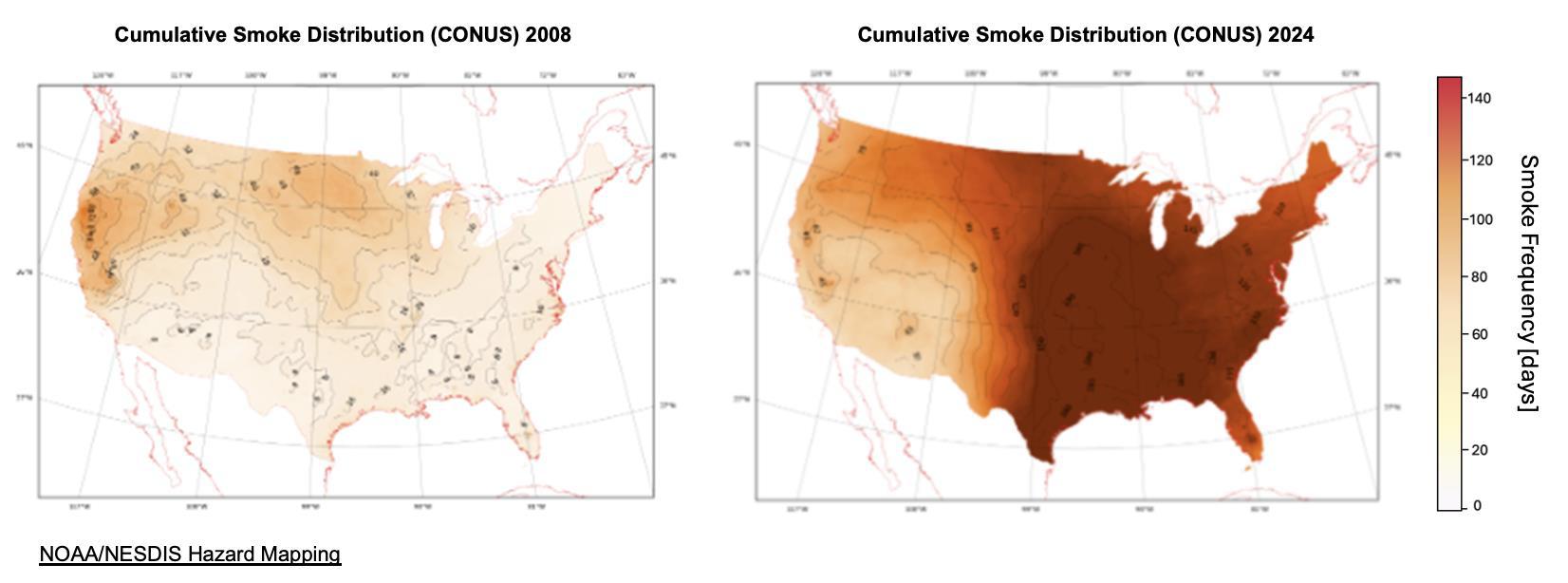
NOAA/NESDIS Hazard Mapping System (link here), smoke days across the Eastern and Central U.S. have tripled between 2022 and 2024. What was once a regional hazard is now a national crisis. As shown in Figure 1, NOAA data reveals a dramatic expansion in national smoke exposure: in 2008, smoke days were concentrated in the West, but by 2024, the eastern half of the U.S. regularly experiences over 140 smoke days per year—highlighting how wildfire smoke has become a nationwide threat. At the same time, as the wildland-urban interface expands, so too does the strain on building ventilation systems, public health infrastructure, and the ability of filters to manage smoke exposure. Wildfire smoke contains a complex mixture of gases and particles.2 PM2.5 reported in μg/m3 is commonly used to assess exposure risk, but this mass-based metric doesn’t capture the number, size, or chemical activity of smoke particles. For filtration professionals, the question is no longer if wildfire smoke matters. Rather, what exactly are we filtering in this new era of widespread, persistent smoke exposure?
UNDERSTANDING WILDFIRE PM
Wildfire smoke is a complex mixture of gases and particles that poses a unique challenge to indoor air quality (IAQ) and filtration systems.2 While most public health guidance and building standards focus on PM2.5, this metric has inherent limitations when applied to wildfire smoke.
PM2.5 refers to particles with an aerodynamic diameter of 2.5 micrometers or smaller. It was originally developed as a healthbased regulatory standard for ambient air pollution, primarily from sources like vehicle emissions and industrial combustion. PM2.5 levels are reported in mass concentration (micrograms per cubic meter, μg/m³), and form the basis for the U.S. EPA’s Air Quality Index (AQI) as well as most current guidance for wildfire smoke exposure.
However, PM2.5:
• Does not reflect particle number or surface area, which are more relevant to particle toxicity;
• Was not developed with wildfire smoke in mind, and does not account for the unique size distribution and chemistry of biomass combustion;
• Can underestimate risk when the smoke is dominated by very small (<0.5 μm) and chemically reactive particles;
Most wildfire PM is submicron, typically in the range of 100–300 nanometers (nm), and is largely composed of organic aerosols, along with soot, salts, and trace metals. This particle size range is undetectable by optical PM2.5 sensors.3 Wildfires also emit a wide range of volatile organic compounds (VOCs) that can contribute to ozone formation and secondary organic aerosols, both indoors and outdoors. This chemical complexity can degrade filter media over time.
Figure 1. Change in cumulative wildfire smoke exposure across the continental U.S. from 2008 to 2024, based on NOAA/NESDIS Hazard Mapping System data . In 2008, wildfire smoke exposure was largely confined to the western states. By 2024, smoke frequency exceeded 140 days per year across much of the eastern U.S.—a dramatic national shift reflecting increased wildfire activity, long-range smoke transport, and expansion of fire-prone areas.
Submicron particles, especially 0.3 microns and smaller—what we call super-fine particles—are particularly concerning. They can penetrate deep into the lungs, enter the bloodstream, and have been linked to cardiovascular disease, asthma, inflammation, and DNA damage.4 Because of their small size and high surface area, they can also carry toxic compounds and remain suspended in the air for long periods, increasing the chance of inhalation and indoor infiltration.
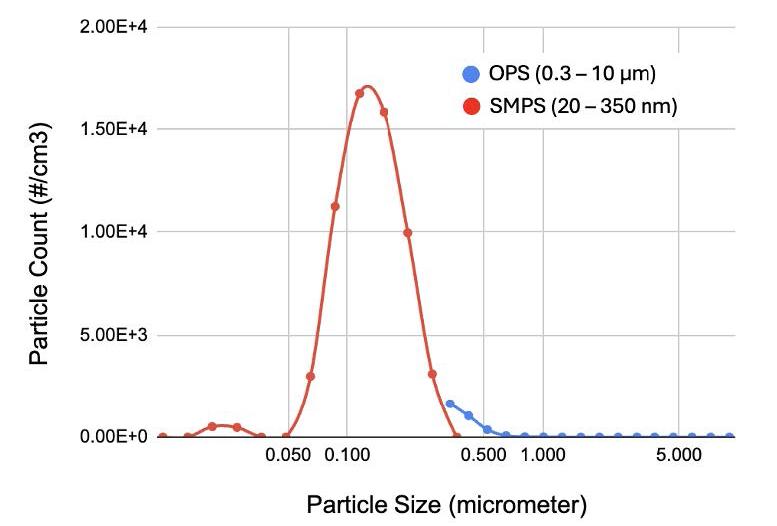
Numerous field and laboratory studies—including our own measurements of pine needle smoke as a proxy for wildfire smoke—show that wildfire smoke particles overwhelmingly fall below 0.3 μm, well under the PM2.5 cutoff and beyond the sensitivity range of many commercial building and even laboratory PM sensors and standard filtration tests (Figure 2).3,5
Figure 2. Particle size distribution of pine needle smoke measured in a lab chamber using TSI SMPS (20–350 nm) and OPS (0.3–10 μm). Most particles fall between 100–300 nm, peaking near 200 nm. This size range aligns with those of other studies and highlights a critical gap in PM2.5 mass-based monitoring and filter testing around 0.3 μm MPPS.
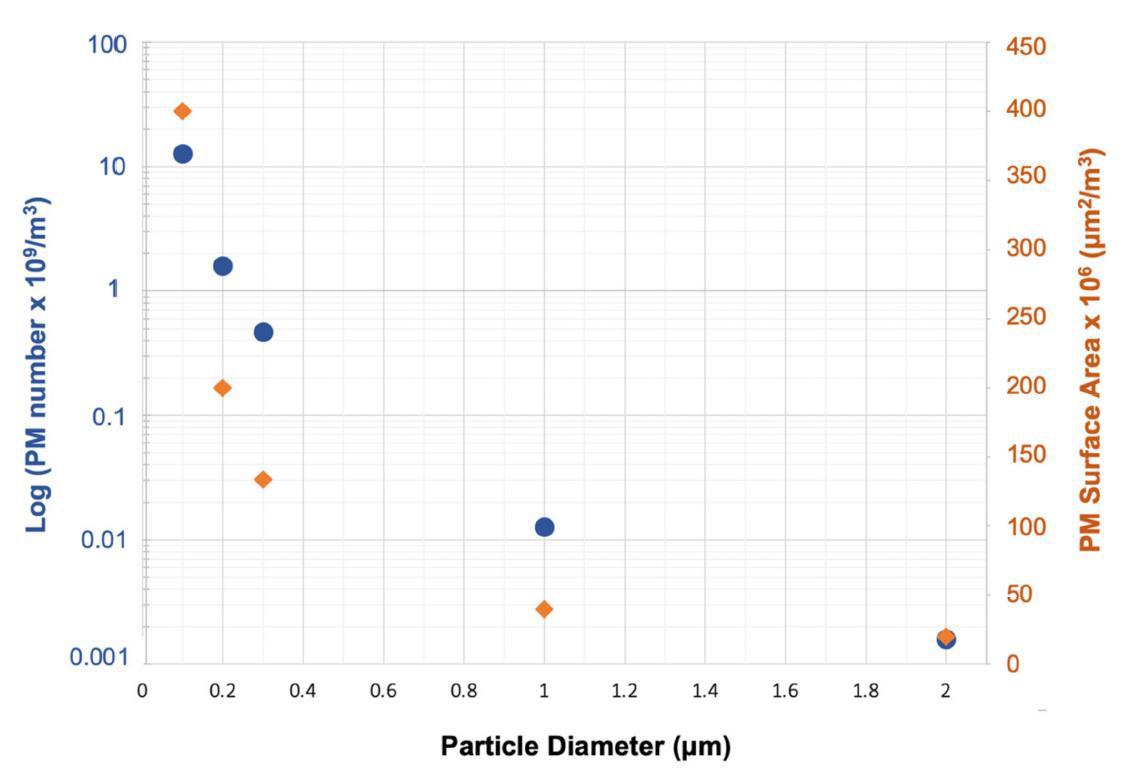
The predominance of sub-0.3 μm particles has implications that go far beyond what mass concentration alone can reveal. At the same mass concentration, submicron particles vastly outnumber and outweigh larger ones in terms of number and surface area. For example, at 10 μg/m³ each, 200 nm particles yield over 1.6 billion particles per cubic meter compared to ~800,000 particles for 2.5 μm particles—2000 times more! This is a critical difference that mass-based metrics simply don’t capture. See Figure 3.
Figure 3. Particle number and surface area as a function of particle diameter at a fixed wildfire smoke concentration of 10 μg/m³. Assumes spherical particles with a density of 1.5 g/cm³. Blue circles (left axis) show the logarithm of number concentration; orange diamonds (right axis) show total surface area. As size decreases, particle number skyrockets and surface area stays high—revealing the limitations of relying solely on PM2.5 mass or 0.3 μm-based filter ratings.
SMOKE PARTICLE COMPLEXITY EXPOSES WEAKNESSES IN FILTERS AND STANDARDS
Conventional fibrous filters used in HVAC systems play a critical role in maintaining indoor air quality by removing particulate matter (PM). However, their performance against wildfire smoke particles remains significantly understudied.6
Some research suggests that HVAC systems—particularly those using low to medium-efficiency filters—can actually increase indoor particle concentrations during smoke events. One study found indoor PM levels to be 83% higher in ventilated buildings compared to sealed ones, raising questions about the effectiveness of typical HVAC-driven filtration during wildfire exposure.7
Despite their limitations, HVAC filters remain the primary defense for both residential and commercial buildings. Their effectiveness depends not only on media properties, but also on filter and HVAC system design, runtime, and filter aging—all of which can influence actual protection during a prolonged smoke event.
One fundamental problem is how filter efficiency is measured. Most test standards—including ASHRAE 52.2 and EN779/ISO 16890—focus on particles ≥0.3 μm, while wildfire smoke is dominated by sub-0.3 μm particles. Furthermore, they (e.g., ASHRAE 52.2, including Appendix J, EN1822) rely on inorganic test aerosols like potassium chloride (KCl), which do not
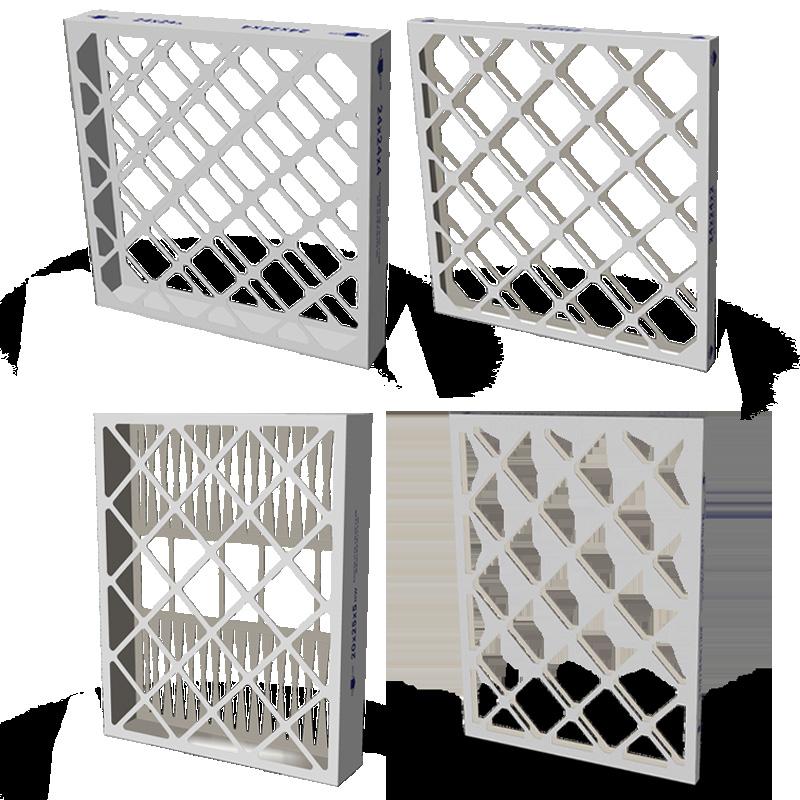
Innovative Die Cuts: Enhancing Air Filter Performance
We manufacture high-quality paperboard frames that provide the structural integrity air filters need to perform at their best.
• Made from paperboard designed to withstand moisture, air pressure, and extended use.
• Precision-cutting techniques to ensure a perfect fit
• Residential, commercial, and industrial applications
With three designated filter frame facilities and decades of expertise, we are the right partner for your team.
Contact us today!
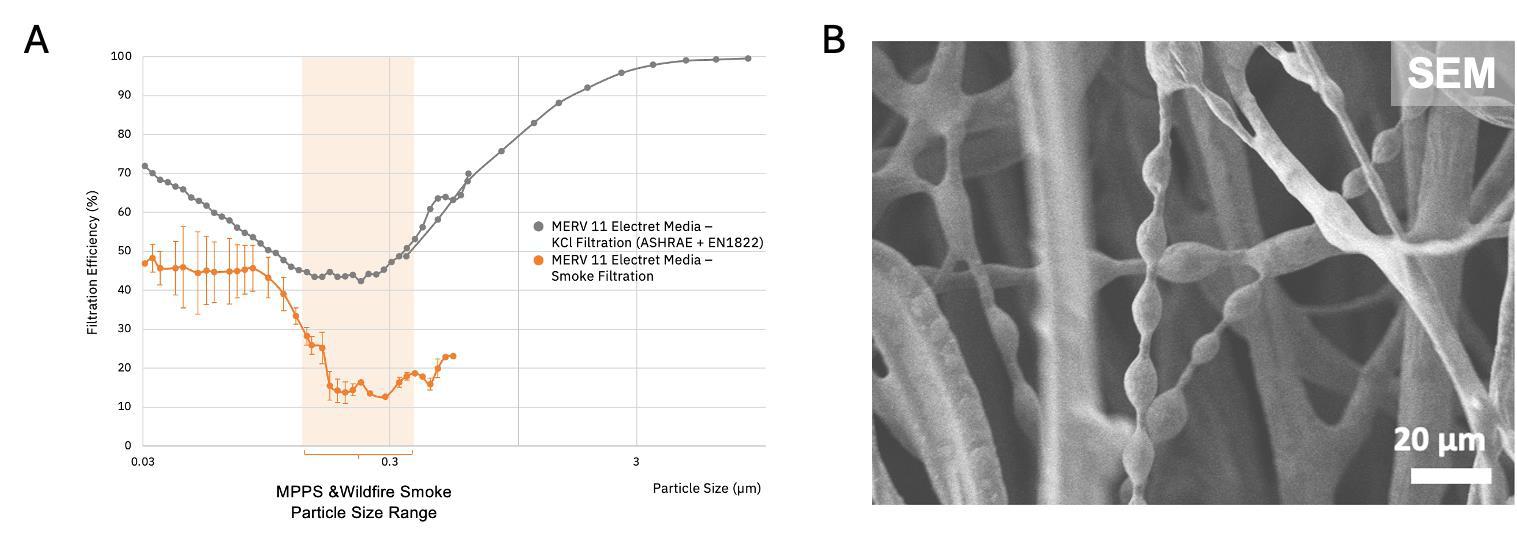
Figure 4. (A) Filtration efficiency of MERV 11 media measured with KCl (gray line) vs. pine needle smoke (orange line) at LMS Technologies. Smoke removal efficiency is significantly lower than predicted by MERV performance. (B) SEM image showing droplet-like deposition on electret fibers after smoke exposure. (A) Filtration efficiency of MERV 11 media measured with KCl (gray line) vs. pine needle smoke (orange line) at LMS Technologies. Smoke removal efficiency is significantly lower than predicted by MERV performance. (B) SEM image showing droplet-like deposition on electret fibers after smoke exposure.
accurately represent the behavior of organic-rich wildfire smoke. As a result, current filtration metrics may overstate real-world performance for wildfire smoke scenarios.
Recognizing a major gap in data and testing around wildfire smoke filtration, we conducted controlled studies on filter media from over 17 different media types across MERV 11–15. Furthermore, in collaboration with LMS Technologies, we compared standard KCl test results with pine needle smoke (a close proxy of wildfire smoke) performance of a MERV 11 electrostatically charged (electret or charge) filter media (Figure 4A).5 Despite meeting MERV 11 performance with KCl, the same electret media showed dramatically reduced efficiency against pine needle smoke, particularly in the 100–300 nm range. Notably, this drop occurred without a corresponding increase in pressure drop. Using scanning electron microscopy (SEM), we observed fine smoke particles depositing as small droplets or “beads” on filter
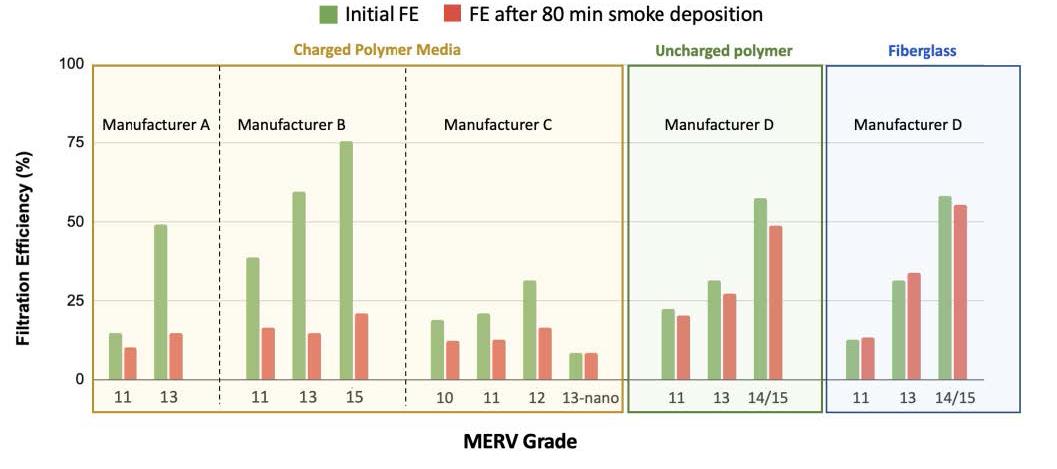
Figure 5. Initial (green) and post-aging (red) smoke filtration efficiency for various MERV-rated media. Electret media lose filtration performance rapidly with minimal pressure drop; mechanical media remain stable but have higher resistance.
fibers (Figure 4B) a pattern markedly different from the solid accumulation seen with inorganic salts like KCl.
This behavior appears to interfere with electrostatic capture mechanisms. To better understand the effect, we conducted extended testing (Figure 5), to monitor how the filtration efficiency of pine needle smoke changes over time during continuous smoke exposure. The results showed:
• Electrostatically charged polymer media lost up to 75–80% of their efficiency after 80 minutes of smoke loading, regardless of MERV grade.
• Higher MERV grades (e.g., 15) degraded faster than lower ones—a surprising and counterintuitive result.
• Mechanical polymer and fiberglass media exhibited more stable efficiency, but at the cost of far higher pressure drop.
Importantly, pressure drop remained largely unchanged across all filter types—even when efficiency plummeted—suggesting that relying on PD as a filter change indicator during wildfire events could be misleading.
Key Takeaways:
• Electret filter media show strong initial performance in standard tests but degrade rapidly in filtration of smoke.
• MERV rating may not be representative of filtration efficiency for smoke, especially for charged media.
• Mechanical media (e.g., fiberglass) offers more stable performance but introduces airflow penalties.
• Pine needle smoke testing reveals the need for revising test standards and performance expectations against wildifre smoke.
LOOKING AHEAD
As wildfire smoke becomes a more common air quality threat, it's clear that many HVAC filters—especially widely used electret media rated MERV 11–14—may not provide enough protection. Current testing standards do not reflect real smoke conditions, and most public guidance is disconnected from how smoke particles interact with filters in real environments. To move forward, we need better testing, improved standards, and smarter filter choices based on real-world considerations.
Key Takeaways:
• MERV-rated filters may underperform against wildfire smoke.
• Filtration standards should evolve to encompass considerations of smoke filtration
• Particle number and size matter more than just PM2.5 mass when it comes to wildfire smoke.
• Pressure drop is not always a sign of filter degradation in smoke removal applications.
• Better understanding of filter media behavior will drive smarter IAQ solutions.
REFERENCES
1. Jaffe, D.A.; O’Neill, S.M.; Larkin, N.K.; Holder, A.L.; Peterson, D.L.; Halofsky, J.E.; Rappold, A.G.Wildfire and prescribed burning impacts on air quality in the United States. J. Air Waste Manag. Assoc. 2020, 70, 583–615.
2. Aurell, J.; Gullett, B.K. Emission Factors from Aerial and Ground Measurements of Field and Laboratory Forest Burns in the Southeastern U.S.: PM2.5, Black and Brown Carbon, VOC, and PCDD/PCDF. Environ. Sci. Technol. 2013, 47, 8443–8452.
3. (a) Joo T, Rogers MJ, Soong C, Hass-Mitchell T, Heo S, Bell ML, Ng NL, Gentner DR. Aged and Obscured Wildfire Smoke Associated with Downwind Health Risks. Environ. Sci. Technol. Lett 2024, 11, 1340-1347. (b) Laing, J. R., Jaffe, D. A., and Hee, J. R.: Physical and optical properties of aged biomass burning aerosol from wildfires in Siberia and the Western USA at the Mt. Bachelor Observatory, Atmos. Chem. Phys., 16, 15185–15197.
4. (a) Aguilera, R., Corringham, T., Gershunov, A. et al. Wildfire smoke impacts respiratory health more than fine particles from other sources: observational evidence from Southern California. Nat Commun 12, 1493 (2021). (b) Reid Colleen, E.; Brauer, M.; Johnston Fay, H.; Jerrett, M.; Balmes John, R.; Elliott Catherine, T. Critical Review of Health Impacts of Wildfire Smoke Exposure. Environ. Health Perspect. 2016, 124, 1334–1343.
5. (a) Shirman, T.; Shirman, E.; Liu, S. Evaluation of Filtration Efficiency of Various Filter Media in Addressing Wildfire Smoke in Indoor Environments: Importance of Particle Size and Composition. Atmosphere 2023, 14, 1729. (b) Shirman, T.; Zamani, H.; Liu. S. Wildfire smoke - a stringent test for HVAC air filters. Submitted
6. Holder, A.L.; Halliday, H.S.; Virtaranta, L. Impact of do-it-yourself air cleaner design on the reduction of simulated wildfire smoke in a controlled chamber environment. Indoor Air 2022, 32, e13163.
7. Dev, S.; Barnes, D.; Kadir, A.; Betha, R.; Aggarwal, S. Outdoor and indoor concentrations of size-resolved particulate matter during a wildfire episode in interior Alaska and the impact of ventilation. Air Qual. Atmos. Health 2022, 15, 149–158.
Better air quality customized for you.
Scan here to learn more about our full portfolio of filtration solutions.
FROM THE EXECUTIVE DIRECTOR
EMILY BARDACH, CAE, CNAP NAFA Executive Director
CLEAN AIR. CLEAR VISION.
NAFA’s Path Forward
For more than 40 years, NAFA has been the global source for expertise, education, and best practices in air filtration. Our members have built an association that stands for technical excellence, professional integrity, and a shared commitment to cleaner, healthier air.
As we look to the future, NAFA is entering an exciting new chapter — one that builds on our proud history and positions us for the opportunities ahead. At our 2025 Annual Convention in Newport, we introduced NAFA’s new Strategic Framework for 2026–2029 and our guiding theme: Clean Air. Clear Vision.
This plan is more than a roadmap — it’s our collective commitment to focus on what matters most to our members and to the air filtration industry we serve.
OUR STRATEGIC FRAMEWORK
Over the next four years, NAFA’s work will center on three key outcomes:
• Elevated Industry – Leading globally through education, research, and inclusive best practices that advance air filtration as essential to healthy environments.
• Esteemed Profession – Strengthening the visibility and credibility of air filtration professionals through high-quality education and credentials.
• Essential Association – Delivering clear value, resources, and connection to every member — ensuring NAFA remains the trusted home for air filtration expertise. These outcomes will guide how we design programs, engage members, and expand our reach both within and beyond the industry.
TURNING VISION INTO ACTION
In 2026, each of NAFA’s committees will play a vital role in putting this plan into motion:
• The Education & Training Committee will modernize credentialing materials and learning tools.
• The Technical & Certification Committee will ensure NAFA’s resources reflect the latest technical standards.
• The Guidelines Committee will expand and update our best practice portfolio.
• The Marketing & Membership Committee will strengthen member engagement and share the NAFA story more broadly. Together, these efforts will elevate our programs, partnerships, and professional community.
GET INVOLVED
NAFA’s greatest strength has always been its members — volunteers, contributors, and experts who give their time and passion to the association.
As we move forward with our strategic plan, we need your involvement more than ever. You can:
• Join a committee
• Serve as a technical reviewer, author, or speaker
• Contribute to Air Media
• Or invite a colleague to join NAFA and expand our global community
Every contribution strengthens NAFA’s influence and advances our mission of promoting clean air for all.
LOOKING AHEAD
With Clean Air and Clear Vision, we’re charting a confident course forward — one that honors our legacy and embraces innovation. Together, we will elevate our industry, advance our profession, and ensure NAFA remains the essential association for those dedicated to the science and practice of air filtration.
If you’d like to learn more about NAFA’s new Strategic Framework or how to get involved, visit www.nafahq.org or reach out to me at info@nafahq.org.
Let’s lead the way — with Clean Air and Clear Vision.
Excelair is a leading manufacturer of HVAC air filters specially in medium & High Purity range , dedicated to providing high-quality air filtration solutions. With our Office & Warehouse spanning approx. 80,000 square feet in Houston, Texas, we are committed to meeting the needs of our customers with efficiency and excellence. Our extensive warehouse space allows us to maintain a vast inventory, ensuring prompt delivery and exceptional service. Partner with us for superior air filtration solutions that enhance indoor air quality and promote a healthier environment.
What matters is the air you breathe... EXCELAIR
Excelair. The Air You Breathe.
SLEEP DEPRIVATION: THE SILENT KILLER
By Dr. James B. Maas
So maybe you nod off in meetings every now and then, doing the old head-bob-I’m- awake-boss! dance. Or perhaps your mind wanders when you’re driving, sometimes to the point that you can’t recall how you got to your destination. Or maybe you’re so tired during the day that your monthly Starbucks outlay now rivals your utilities bill—and, frankly, is just as necessary.
But do you have a problem? How much of this debilitating state is the result of leading a busy life in today’s rather frenetic, 24/7 world? It’s a similar question that people who drink alcohol occasionally ask themselves: Am I flirting with something dangerous here, a condition for which I need help?
Chances are if you’re wondering about this then, yes, you do have a problem with sleep deprivation. To find out for sure, let’s explore all the facets of this sneaky and debilitating disease. And it is a disease.
In fact, if it were an option on death certificates, it could be checked off as the source of many an untimely demise.
Scared? Good!
WHAT DOES IT MEAN TO BE “SLEEP-DEPRIVED”?
You are sleep-deprived if you’re not meeting your personal sleep need, which for most adults is between 7.5 and 9 hours per night. You should feel energetic, wide awake, and alert all day, without a significant midday drop in alertness. And the term “sleepdeprived” certainly applies to anyone who has difficulty falling asleep or staying asleep, wakes up too early, and/or has poor sleep quality. Most Americans are at least modestly sleep-deprived.
While the average person claims to get 7.1 hours of sleep per night, a study at the University of Chicago demonstrated that it’s actually much less. Researchers attached small sleep-monitoring devices to subjects and found that those claiming 7 to 8 hours per night really slept closer to 6. It seems we’re so sleep-deprived, we aren’t even aware of how little we rest. And you can imagine what this means for the 55 percent of Americans who think they’re getting 6 to 7 hours of sleep.
The Maas Robbins Alertness Questionnaire
Dr. James B. Maas and Dr. Rebecca S. Robbins
Please indicate true or false for the following statements:
T F I often need an alarm clock in order to wake up at the appropriate time.
T F It’s often a struggle for me to get out of bed in the morning.
T F Weekday mornings I often hit the snooze bar several times.
T F I often feel tired and stressed out during the week.
T F I often feel moody and irritable, and little things upset me.
T F I often have trouble concentrating and remembering.
T F I often feel slow with critical thinking, problem solving, and being creative.
T F I need caffeine to get going in the morning or make it through the afternoon.
T F I often wake up craving junk food, sugars, and carbohydrates.
T F I often fall asleep watching TV.
T F I often fall asleep in boring meetings or lectures or in warm rooms.
T F I often fall asleep after heavy meals or after a low dose of alcohol.
T F I often fall asleep while relaxing after dinner.
T F I often fall asleep within five minutes of getting into bed.
T F I often feel drowsy while driving.
T F I often sleep extra hours on the weekends.
T F I often need a nap to get through the day.
T F I have dark circles around my eyes.
T F I fall asleep easily when watching a movie
T F I rely on energy drinks or over-the-counter medications to keep me awake.
If you answered “True” to four or more of these statements, consider yourself seriously sleep-deprived.
WHO IS SLEEP-DEPRIVED?
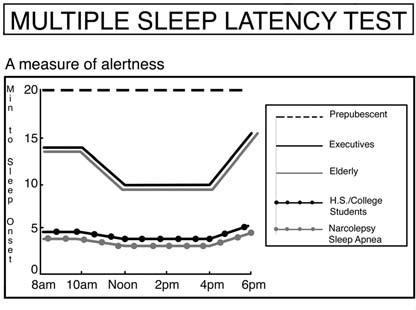
Most of us are moderately sleep-deprived; not just tired, but deprived of the very rest that is integral to health and competency in waking life. Pilots, doctors, nurses, teachers, students, politicians, executives, truck drivers, store clerks…all are veritable zombies. In general, high school and college students are the most pathologically sleep-deprived segment of the population. Their alertness during the day is on par with that of untreated narcoleptics and those with untreated sleep apnea. Not surprisingly, teens are also 71 percent more likely to drive drowsy and/or fall asleep at the wheel compared to other age groups. (Males under the age of twenty-six are particularly at risk.)
Senior citizens and those in business and government are the next biggest group of yawners, with huge dips in alertness between 2:00 and 4:00 pm. Many of them brag about needing only five hours of sleep per night. Little do they know that it’s undermining their job performance, putting them at risk for health problems, and even shortening their lives.
WHAT ARE THE SIGNS OF SLEEP DEPRIVATION?
Predictably, the most common symptom is fatigue. But as obvious as that seems, many people become so accustomed to feeling chronically tired that they accept it as normal. This same attitude is often applied to other symptoms such as mood swings, irritability, anxiety, and difficulty concentrating, remembering, learning, and interacting socially. You may feel you’re a loner, a slow-learner, or just not a vibrant or ambitious person, when in fact your fatigue has created a shell around your true personality and abilities. People don’t recognize that sleepiness is not “normal,” and something must be done to break the cycle.
Signs of chronic sleep deprivation can also include frequent infections/illnesses, blurred vision, changes in appetite, and depression. While these symptoms may be relatively minor and seem unrelated at first, they can be the precursors of lifeshortening afflictions. Without proper treatment, they can grow to negatively impact your health and quality of life.
HOW DO I KNOW IF I’M SLEEP-DEPRIVED?
The most thorough and reliable way to determine if you have a problem is to take a Multiple Sleep Latency Test (MSLT). The theory behind this test is that the faster you can fall asleep (when given the opportunity to do so in a quiet, dark, cool bedroom at specified intervals throughout the day), the more sleep-deprived you are. This test should be administered at an accredited sleep disorder center. You can visit www. sleepcenters.org to find the sleep lab nearest you.
Fig. 1 Indicates how quickly each group fell asleep when asked to try to fall asleep at six different time intervals throughout the day. It should take twenty minutes to fall asleep when fully rested.
WHAT ARE THE MOST COMMON CAUSES OF SLEEP DEPRIVATION?
The biggest and most prevalent cause is our society’s persistent belief that sleep is a luxury rather than a necessity. When it seems there just aren’t enough hours in the day, sleep is the first thing we cut, though ironically if we slept more, we’d be more efficient and productive. The advent of the Internet, buzzing Blackberrys, and 24/7 entertainment has compounded the problem. Abusing sleep with blissful machismo is now deeply ingrained in our global society.
Beyond this general notion, there are many specific contributing factors to sleep deprivation. Temporary sleep loss, for instance, is often triggered by passing stressors, such as a headache, toothache, indigestion, back problems, cold, flu, or jetlag. While these causes are certainly real and frustrating, they’re relatively easy to treat.
Anxiety is the most common cause of short-term sleep loss, and it can last for weeks. Nervousness about money, your marriage or relationship, losing or finding a job, your weight or other health concerns, and even boredom can all make you toss and turn.
Long-term sleep loss is occasionally caused by environmental factors—your job, if you’re a night-shift worker; where you live, if it’s in a noisy area—but it more commonly stems from medical conditions such as arthritis, diabetes, epilepsy, ulcers, and heart disease (among others), as well as consistent drug (including caffeine) or alcohol use. There are also a number of sleepspecific medical conditions that can severely impact and disrupt rest. These include sleep apnea, narcolepsy, restless leg syndrome, and upwards of eighty-six other distinguishable disorders.
More than a third of people who suffer from chronic insomnia also have psychiatric conditions such as depression and schizophrenia,
as well as obsessive- compulsive disorder, anxieties, or phobias. Sleep and psychiatric problems tend to go hand-in-hand—when you’re not sleeping well, life appears grimmer; when life appears grim, it’s harder to rest. Trouble sleeping can even be an early sign of forthcoming psychiatric problems, so it’s important to talk to a doctor if symptoms arise or persist. For most patients, when an underlying mental condition is treated, sleep habits improve.
DOES SLEEP DEPRIVATION AFFECT ME
PHYSICALLY OR BEHAVIORALLY?
It affects you both ways. There’s no escaping the debilitating effects of insidious sleepiness, no matter how motivated, responsible, or strong you are. Even in risky or potentially dangerous situations, nothing can override the powerful and inevitable results of extensive or cumulative sleep loss. If you think you’re in good shape but aren’t sleeping well, you’re cheating yourself out of an even better sense of well- being, little to no extra effort required.
PHYSICAL EFFECTS
Not sleeping makes you prone to:
Daytime drowsiness. This usually manifests itself as a temporary drop in energy and alertness around midafternoon. It’s accompanied by feelings of inattentiveness and grogginess, particularly when doing dull or repetitive tasks. It’s more likely to occur after a heavy meal or a low dose of alcohol, or while sitting in a warm room, listening to a boring lecture, or participating in a dull meeting. These factors do not cause sleepiness; they simply unmask the physiological fatigue that’s already present.
Microsleeps. These are brief episodes of sleep that you’re unaware of and that occur during waking hours. Lasting only a few seconds, microsleeps can produce inattention, resulting in accidents and injury.
Sleep seizures. These are unintended longer episodes of sleep that come on as rapidly as a seizure, occurring without warning in a severely sleep- deprived person.
Colds and flu. Dr. Jan Born at the University of Luebeck in Germany found that people who sleep less than six hours per night have 50 percent less resistance to viral infection than those getting eight hours of sleep. In addition, Dr. Sheldon Cohen of Carnegie Mellon University found that those sleeping less than seven hours per night are three times more likely to get a cold than longer- sleepers.
Weight gain. You might think that spending more time in bed makes you lazy, but not spending enough time in bed can also make you fat. Lack of sleep lowers leptin levels in the brain and
raises ghrelin levels in the stomach. These hormones are responsible for appetite regulation. So when you’re sleepdeprived, you’re more likely to overeat—craving carbs, sugars, and junk food.
Researchers at Columbia University as well as the University of Chicago have found people who sleep five hours per night have a 50 percent higher chance of being obese, while those who sleep six hours have a 23 percent greater risk.
Professor Francesco Cappuccio at the University of Warwick Medical School found that less sleep is associated with an almost two-fold increase in obesity—a trend that he says is detectable in children as young as five. The research also linked short sleep with a higher body-mass index (BMI) and waist circumference over time. Diabetes. A study at the University of Chicago involving healthy young men with no risk factor for diabetes found that after just one week of inadequate sleep, they were in a pre-diabetic state. Researchers attributed the result to overactive central nervous systems (caused by not sleeping), which affected the ability of the pancreas to produce enough insulin to adequately regulate glucose levels. The current epidemic in diabetes may be connected to the epidemic in sleep deprivation. wwWe now have an epidemic of early onset childhood diabetes, and it appears to be linked to obesity and lack of sleep.
Heart disease. Not sleeping often causes the body to produce more stress hormones. Such an imbalance can lead to arteriosclerosis, which can cause heart attacks and strokes, in addition to hypertension, muscle loss, increased fat storage, loss of bone mass, and lower production of growth hormone and testosterone.
In addition, short-sleepers miss out on REM sleep (predominant between the seventh and eighth hours of the night), during which time the heart pumps more blood to the muscles. This helps it relax as blood pressure falls. So, by cutting back on sleep, we’re preventing this innate regulating system from doing its job. Additionally, sleep apnea, if undiagnosed and/ or untreated, significantly raises the risk of cardiovascular disease because the heart must work harder to oxygenate the blood.
Cancer. Women who exercise regularly and were generally healthy had a 47 percent higher risk of cancer if they were sleeping fewer than seven hours. Researchers at Stanford University also found that good sleep habits can be a valuable weapon in fighting cancers, citing melatonin (released during sleep) and cortisol production (involved in regulating immune system activity) as vital players in patient recovery.
Night-shift workers (both male and female) have a 35 percent higher risk of colorectal cancer. Why? According to the International Agency for Research on Cancer, shiftwork is not a “possible” but a “probable” carcinogen, due to too much light exposure and lack of melatonin secretion in your brain because you are not sleeping. Blind women have 50 percent less chance of breast cancer than sighted women. Why? Active, sighted women often stay up late, spending too much time in the light. Again, exposure to light and lack of sleep block the release of cancer-fighting melatonin and raise estrogen levels, which can cause breast cancer.
People who sleep well and are less stressed during traumatic times in their life due to illnesses like cancer live longer and are less affected by their illness than those who get easily stressed by these big life changes. Additionally, therapies like yoga have been proven to help cancer patients (who are often affected with chronic insomnia) sleep better and therefore feel better.
Skin. Sleep is essential for rebuilding tissues and cells, including the skin. Sufficient sleep is required to maintain good skin texture and a healthy glow. The first area of skin to be affected by a lack of sleep is the eyelids. The skin is very thin here so lack of sleep causes puff y eye bags, fine lines, and dark circles. In the long term, lack of sleep causes skin to age faster leading to wrinkles, poor texture, and discoloration much earlier in life than in the well-rested individual. During sleep, the body metabolizes free radicals, which accelerate aging and cancerous growths. Without sufficient sleep, there are more free radicals present in the skin leading to poor skin quality and even skin cancer. Sustained sleep deprivation impairs host defense so if the skin is exposed to bacteria or is healing from a lesion, lack of sleep will increase the amount of healing time required and may result in more severe bacterial skin infections.
BIGGEST SLEEP THIEVES:
• Alcohol or caffeine after 2 pm
• Tobacco
• Strenuous exercise within three hours of bedtime
• A heavy meal within three hours of bedtime
• A poor bedroom environment
• Stress
Poor athletic performance. Since sleepiness impairs reaction time, awareness, and motor skills, it should come as no surprise that well- rested athletes enjoy the best performance.
During sleep, the brain moves short-term muscle memory (of a tennis serve, a basketball shot, or a golf swing that you’ve been practicing) into long-term muscle memory, where you can more easily retrieve it later. So the adage “practice makes perfect” only works if it’s followed by adequate rest, meaning we should really be saying “practice with sleep makes perfect.”
In fact, research shows that athletes who forego early morning workouts to sleep in and train only in the afternoon are likely to perform better than those who do double sessions.
As you can see, if you thought that a little fatigue was the worst outcome of sleep deprivation, you were wrong.
BEHAVIORAL EFFECTS
Not sleeping makes you prone to:
Mood shifts, including depression and irritability. Mood is one of the first traits to be affected by sleep loss. Miss even one night of sound rest and your threshold for anger lowers. You can quickly lose friends, upset loved ones, foil negotiations, and make enemies.
Stress, anxiety, and loss of coping skills. Sleep loss leads to amygdala activation, the area of your brain involved in rage and aggression. There’s also decreased activity in your limbic system, which regulates anxiety. Feelings of not being able to cope, even with simple problems or moderate workloads, can become overwhelming and result in increased worry, frustration, and nervousness. You can lose your perspective and be unable to relax under even moderate pressure. Stress produces sleep loss, and sleep loss produces stress. It’s a very vicious cycle. While the sleep-deprived are shuffling through life and have less control over emotions, the well-rested are more alert and less stressed.
Socializing less. In short, you’d rather stay home than go out. It’s not because you’re anti-social; it’s just that you’re too tired.
Sub-par mental functioning/perception. Whether you realize it or not, losing sleep makes you less efficient at just about every task and, in general, creates a dulled-down version of yourself, with a duller reaction to negative events, and even a drop in your taste sensitivity.
Concentration problems. Since your mental faculties are not alert, sleep loss affects focus.
Difficulties with memory. (especially short-term). Functional magnetic resonance imagery (FMRI) scans of brain activity in sleep-deprived individuals trying to perform even simple tasks
show momentary lapses of functioning in several important regions. During sleep, the brain moves short-term muscle memory into long-term muscle memory, where you can more easily retrieve it later. It also affects your ability to think logically and critically, making it difficult to assimilate and analyze new information. When you’re sleepy, your brain works in a completely different way from when it’s well rested. In fact, some parts don’t work much at all. FMRI images show that sleep-deprived brains have much less activity in the right hippocampus. Thus, losing sleep means losing memory, and not just for tomorrow- but for months afterwards.
Failing to analyze and assimilate new information.
Reduced ability to communicate. Speaking and writing skills deteriorate with sleep loss.
Lower creativity. Lack of sleep severely disrupts many duties of the hippocampus, which means you’ll have less ability to conceptualize.
Impaired motor skills and coordination.
Would you hire a person with these characteristics? Next time you interview someone for a job, ask how many hours of sleep he or she gets per night. If it’s six or less, call in the next candidate.
Attending the AHR Expo earns 4 CEUs towards your certification. Volunteering at the NAFA booth earns an additional 2 CEUs towards your certification.
VISIT NAFA AT BOOTH C901
Contact NAFA to volunteer at the NAFA Booth C901, or to reserve your hotel room at: Park MGM Las Vegas 3770 Las Vegas Blvd S Las Vegas, NV 89109
EDUCATIONAL SESSIONS:
Unlock Better System Performance: The NAFA Guide for Contractors & Engineers
Roberta MacGillivray, CAFS, NCT, NAFA Past President, CEO, BGE Indoor Air Quality Solutions Ltd.
Join us for NAFA’s Guide to Optimized System Performance — an expert-led session designed for contractors and engineers who want to provide smarter filtration strategies that improve indoor air quality (IAQ), lower energy costs, and protect mechanical systems.
Desbloquee un Mejor Rendimiento del Sistema: La Guía de NAFA para Contratistas e Ingenieros
Marisa Jimenez De Segovia, CAFS, NCT, NAFA Past President, ASHRAE Fellow, Owner, Air-Care de Mexico
No haga concesiones: cómo alcanzar los objetivos de calidad del aire interior sin sacrificar el rendimiento del sistema
Únase a nosotros en la Guía de NAFA para un Rendimiento Optimizado del Sistema: una sesión dirigida por expertos y diseñada para contratistas e ingenieros que desean ofrecer estrategias de filtración más inteligentes que mejoren la calidad del aire interior (CAI), reduzcan los costos de energía y protejan los sistemas mecánicos.
NAFA MEMBER
Alkegen
AMERICAN METAL FILTER COMPANY
Applied Photonix LLC
Bestorq
CFM Global
Clean and Science Co., Ltd.
Duraflow Industries Inc.
Dynamic Air Quality Solutions
Excelair International Inc. (CMS Global)
Fresh-Aire UV
Glasfloss Industries
Hangzhou Srilan Filtration Technology Co., Ltd.
Hot Melt Technologies, Inc.
Hydrosil International Limited
Koch Filter
MANN+HUMMEL - Air Filtration Americas
Mikropor
National Air Filtration Association (NAFA)
Parker Hannifin- HVAC Filtration Division
Prime A/C Industries LLC
Sanuvox Technologies Inc.
SMART - Sheet Metal, Air, Rail and Transportation Workers
Ulpatek Filtre Tic San A.S.
Zehnder
ZFT GROUP DEVELOPMENT PTE. LTD.
INDUSTRY CALENDAR
2026
BOMA Winter Business Meeting & National Issues Conference
January 25 – 28
Washington, DC
2026 AHR Expo
February 2 – 4
Las Vegas, Nevada
ACCA 2026
March 15 – 18
Las Vegas, Nevada
NADCA 37th Annual Meeting & Exposition
March 23 – 25
Colorado Springs, Colorado
NAFA Technical Seminar
April 9 – 10
Louisville, Kentucky
12th International Conference on Indoor Air Quality, Ventilation, and Energy Conservation in Buildings
May 18 – 22
Los Angeles, California
BOMA International Conference & Expo
June 27 – 30
Long Beach, California
BOOTH
C8116
C1905
SU3332
SU165
SL3406
SL757
SL3504
C6510
SL1169
C3642, C4044
C7704
SU1175
SL3600
C7018
C2911
C7310
SU1278
C901
C2930
SU1065
SL312
C3118
SL1964
C7135
SU1959
ASHRAE Annual Conference
June 27 - July 1
Austin, TX
NADCA Fall Technical Conference
September 10 – 12
Norfolk, Virginia
AHR Expo Mexico
VOLUNTEER OR REGISTER TODAY
September 29 - October 1
Guadalajara, Mexico
NAFA Annual Convention October 13 – 15
Palm Springs, California
NAFA 2025
CLEAN AIR AWARDS
National Air Filtration Association Honors 33 Facilities with Fall 2025 Clean Air Award
The National Air Filtration Association (NAFA) has announced 33 recipients of its Fall 2025 Clean Air Award, a distinguished commendation recognizing facilities that demonstrate excellence in improving indoor air quality through advanced air filtration practices.
Presented twice each year, the Clean Air Award honors building owners and managers who go above and beyond industry standards to create cleaner, healthier, and more sustainable indoor environments. The award is one of the highest recognitions in the air filtration industry, providing an opportunity for NAFA members to celebrate the champions of clean air within their communities.
NAFA’s Executive Director, Emily Bardach, CAE, CNAP, congratulated the award winners, saying: “This year’s Clean Air Award submissions highlight the incredible strides being made in indoor air quality. The nominated facilities exemplify how dedication to cleaner spaces and innovative filtration practices can make a lasting impact. Their forward-thinking efforts reflect the industry’s ongoing commitment to creating healthier, more sustainable environments.”
Facilities are nominated by NAFA members and evaluated by the NAFA Clean Air Award Committee. Each nominee must provide detailed documentation of the steps taken to improve the quality of their indoor environment, including the implementation of high-efficiency filtration products, rigorous system maintenance, and adherence to best air filtration practices. Award judges also consider each facility’s ability to enhance indoor air quality (IAQ) while balancing energy efficiency and operating costs—a hallmark of sustainable building management.
Recipients receive a custom-designed award, building signage, and recognition within NAFA’s communications and industry networks. To maintain this distinction, award-winning facilities must continue demonstrating IAQ diligence by submitting annual inspection data and sustaining compliance with NAFA’s Clean Air Award standards. Nominations for the program are accepted year-round, with major recognition cycles held each spring and fall. Beyond honoring facility achievements, the award also strengthens professional relationships between NAFA members, facility managers, and service providers, reinforcing a shared commitment to cleaner, healthier indoor environments.
Fall 2025 Clean Air Award Recipients:
11th Avenue Place
Calgary, AB, Canada
Sammy Isawode, CAFS, NCT, BGE Indoor Air Quality Solutions Ltd.
800 Burrard, Warrington PCI Vancouver, BC, Canada
Shayne McCaskill, CAFS, NCT, B. C. Air Filter, Ltd.
ADAMS EDU CAMPUS, 2020 19th St NW Washington, DC
Josh Howell, CAFS, Dynamic Air Quality Solutions
Applied Optoelectronic Sugarland, TX
Stephanie Romero, Joe W. Fly Co., Inc.
Canada Life, 60,80,100 Osborne St N Winnipeg, MB Canada
Mike Weber, BGE Indoor Air Quality Solutions Ltd.
CANADA TRUST TOWER CEC EATON CENTRE Calgary, AB, Canada
Sammy Isawode, CAFS, NCT, BGE Indoor Air Quality Solutions Ltd.
CentraState Medical Center, Facilities Freehold, NJ
Christina Calhoun, CAFS, Calhoun Associates, Inc.
CF Pacific Centre
Vancouver, BC, Canada
Thomas Leary, CAFS, Camfil Canada, Inc.
Chariton CSD
Chariton, IA
Tracey Ruhlow, CAFS, The Filter Shop
Children's Health
Dallas, TX
Lori Gutierrez, CAFS, NCT, Joe W. Fly Co., Inc.
Children's Hospital LA, 4650 Sunset Blvd. Los Angeles, CA
Carlos Lemus, CAFS, NCT II, Advanced Filtration Concepts, Inc.
Childrens Museum, Indianapolis Indianapolis, IN
Kasey Harpold, NCT II, Filter Services of Indiana, Inc.
City of Hope Hospital, 1500 East Duarte Road Duarte, CA
Carlos Lemus, CAFS, NCT II, Advanced Filtration Concepts, Inc.
Columbus Regional Health Columbus, IN
Nick Scoville, CAFS, NCT, Filter Services of Indiana, Inc.
Edmonton Convention Centre Edmonton, AB, Canada
Doug Edwards, CAFS, BGE Indoor Air Quality Solutions Ltd.
Eisenhower Health, 39000 Bob Hope Drive Rancho Mirage, CA
Carlos Lemus, CAFS, NCT II, Advanced Filtration Concepts, Inc.
Enbridge Centre
Edmonton, AB, Canada
Doug Edwards, CAFS, BGE Indoor Air Quality Solutions Ltd.
Fallsview Casino Resort
Niagara Falls, ON, Canada
Joshua Guthrie, CAFS, Camfil Canada, Inc.
FORVIA-HELLA PL7, Mexico 110
Irapuato, Guanajuato, Mexico
Carlos Torres, NCT FILTECH, S.A. DE C.V.
Hines - 811 Louisiana Houston, TX
Nicole Hodina, CAFS, NCT, The Filter Man, LLC
Hines - 910 Louisiana Houston, TX
Nicole Hodina, CAFS, NCT, The Filter Man, LLC
Hospital Santa María Chapalita Zapopan, Mexico
Carlos Torres, NCT FILTECH, S.A. DE C.V.
Huntington Health, 100 W California Blvd Pasadena, CA
Carlos Lemus, CAFS, NCT II, Advanced Filtration Concepts, Inc.
Iowa Clinic - WDM, IA, 5950 University Avenue West Des Moines, IA
Dave Perry, CAFS, The Filter Shop
Keyera (AEF) Control Building
Edmonton, AB, Canada
Robert Shepherd, CAFS, BGE Indoor Air Quality Solutions Ltd.
Papillion La Vista HS
Papillion, NE
Dave Cherrington, CAFS, NCT, The Filter Shop
Peabody Essex Museum Salem, MA
Paul Paonessa, CAFS, Air Filter Sales, Inc.
POP Westridge I, 15955 La Cantera Pkwy San Antonio, TX
Shannon Allmer, CAFS, NCT, The Filter Man, LLC
SSC Services, Univ. of South Florida Tampa, FL
Trey Fly, CAFS, NCT II, Joe W. Fly Co., Inc.
Southern Ocean Medical Center, HMH Manahawkin, NJ
Christina Calhoun, CAFS, Calhoun Associates, Inc.
Trinity Western University
Langley, BC, Canada
Thomas Leary, CAFS, Camfil Canada, Inc.
University of Notre Dame
South Bend, IN
Kasey Harpold, NCT II, Filter Services of Indiana, Inc.
Vermeer Manufacturing Pella, IA
Troy Miller, CAFS, The Filter Shop
The National Air Filtration Association (NAFA) is a nonprofit trade association whose members include air filter and component manufacturers, sales and service companies, and HVAC and indoor air quality professionals across the United States and in several foreign countries. NAFA is comprised of individuals and companies engaged in the sale, service, and manufacture of the air filtration products.
NEW CERTIFIED PERSONNEL
CAFS
Ryan Arnold, CAFS
Camfil USA, Inc Riverdale, NJ
Josh Gedminas, CAFS
Camfil USA, Inc. Riverdale, NJ
Thomas Giamei, CAFS
Camfil USA, Inc. Milwaukie, OR
Connor Gorham, CAFS Filters For Industry, Inc. (GA) Jasper, GA
Russell Jacobson, CAFS Preferred Filtration Tempe, AZ
Josh Johnston, CAFS
Camfil USA, Inc. Riverdale, NJ
Kim Maceira, CAFS
ATL Filtration (Abatement Technologies) Fort Erie, ON Canada
Luis Marquez, CAFS Blade Air Scarborough, ON Canada
Chad Peay, CAFS
Camfil USA, Inc. West Valley City, UT
Dan Prather, CAFS DualDraw, LLC Denver, CO
Colby Richardson, CAFS FilterPro USA LLC Florence, AL
Michael Shelton, CAFS Yoor Air Duluth, MN
KJ Sinclair, CAFS
ATL Filtration (Abatement Technologies) Fort Erie, ON Canada
James Soldner, CAFS
Camfil USA, Inc. Riverdale, NJ
Branden Sparks, CAFS Preferred Filtration Tempe, AZ
Brad Walley, CAFS Brookaire Company, LLC East Rutherford, NJ
Lance Warren, CAFS Filters For Industry, Inc. (GA), Filters For Industry, Inc. Mobile, AL
NCT
Zachary Harding, NCT Aero Filter, Inc. Macomb, MI
Tanner Coors, NCT DualDraw, LLC Wilmington, NC
Kristie Garn, NCT Air Filter Superstore, LLC. Meridian, ID
Roberto Andres Camargo Arauja, NCT Refricesar SAS Cesar Colombia
Robert Gonzalez, NCT Camfil USA, Inc. Riverdale, NJ
Ryan Compau, NCT Aero Filter, Inc. Madison Heights, MI
Manuel Cordovez Greene, NCT Aire Puro Panama
Cesar Ivan Altamirano Toledo, NCT Alta Tecnologia en Filtracion de Aire
Alvaro Gomez Trejo, NCT Ingenieros Consultores en Ventilacion Mexico, Mexico
Camfil USA, Inc. Sacramento, CA
Ana Milena Inampues Vallejo, NCT Iteco S.A. Cali, Valle del Cauca Colombia
Francia Elena Romero Loaiza, NCT Iteco S.A. Bogota, DC Colombia