architecture + urban design portfolio
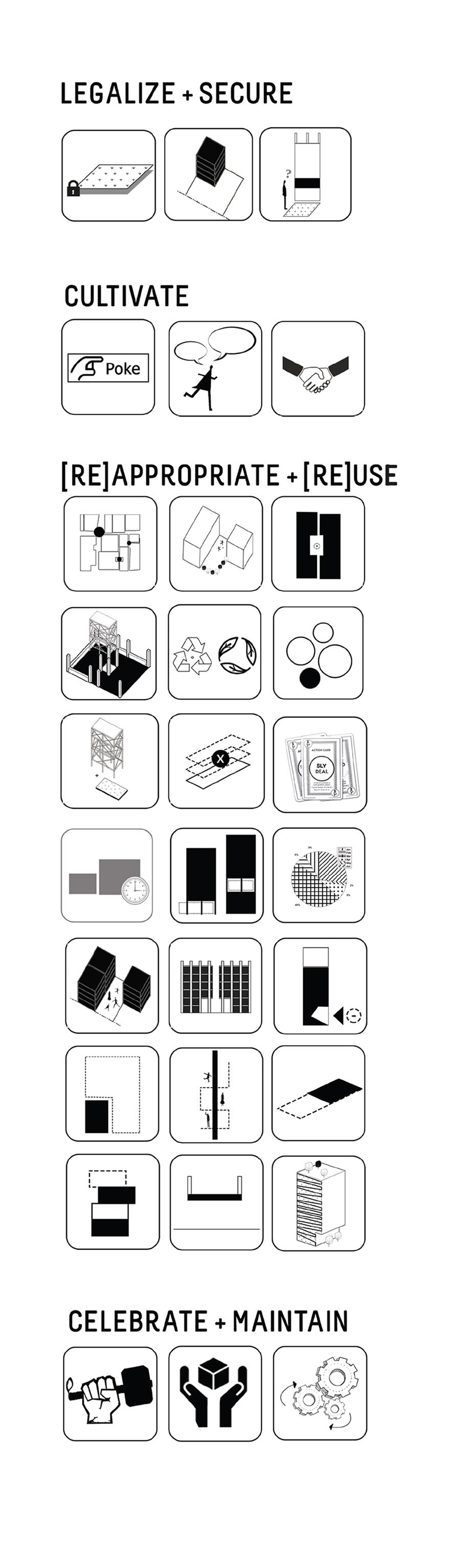
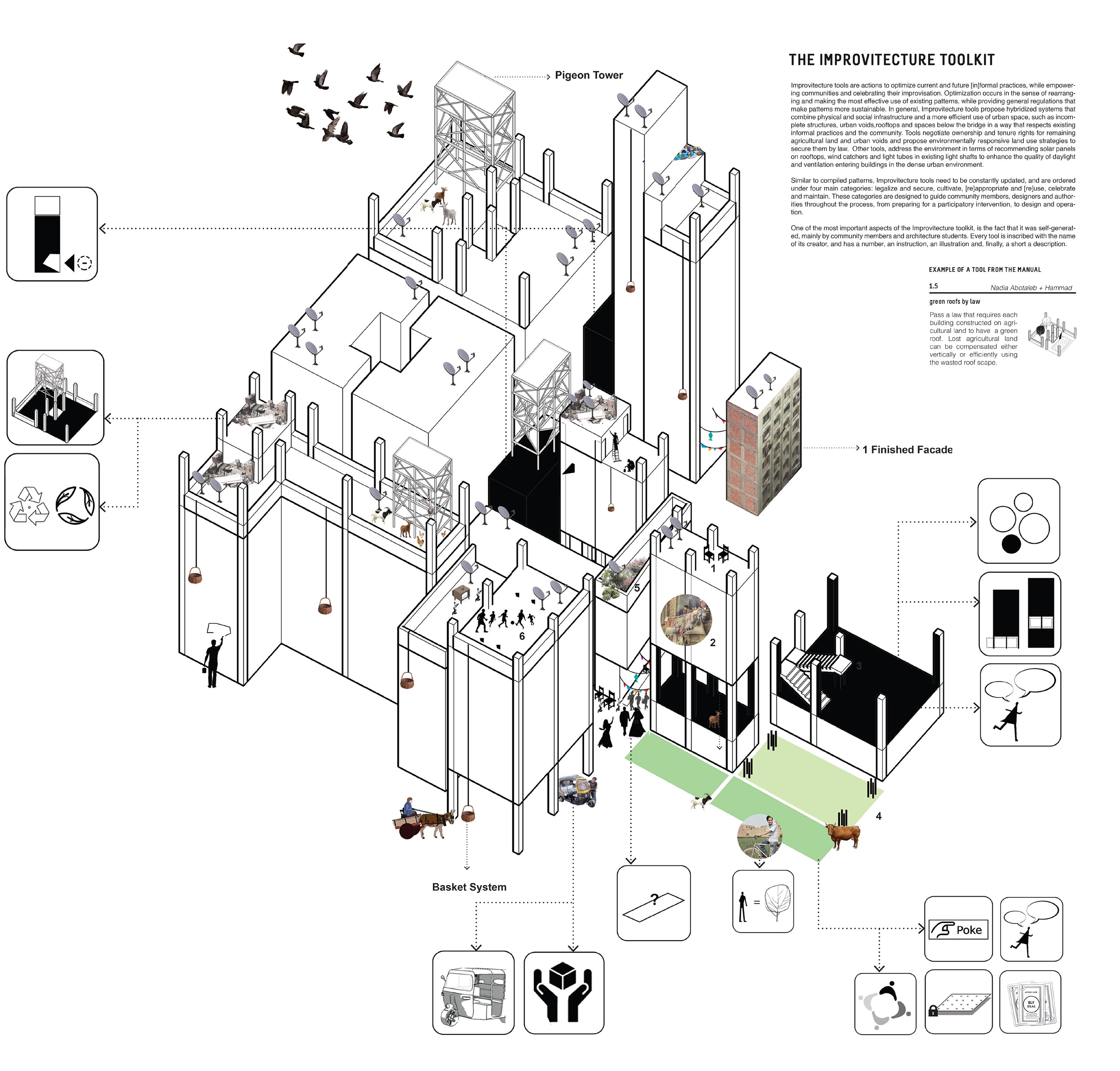
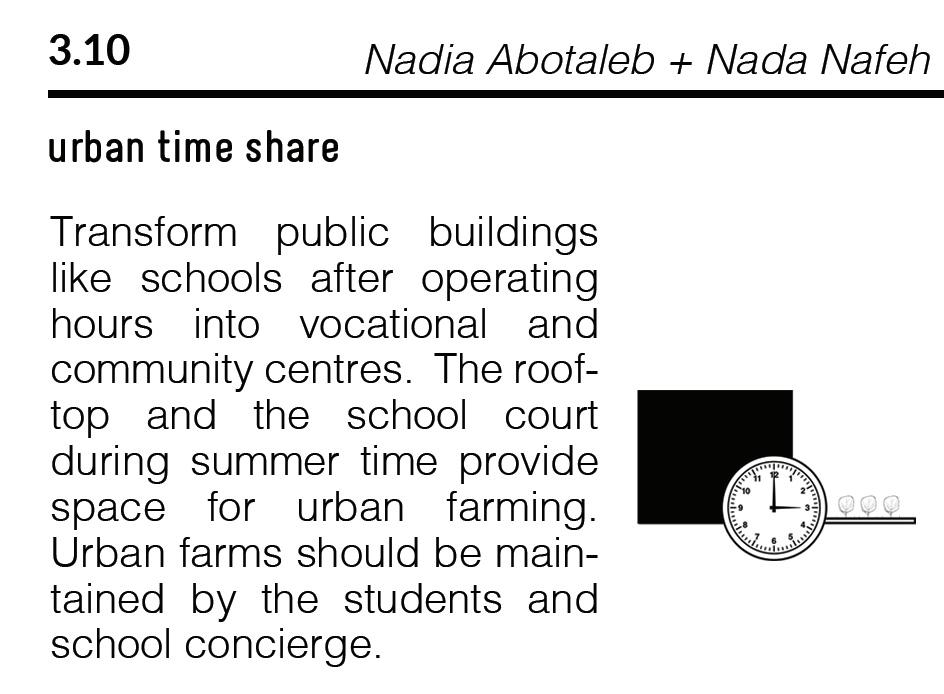
Improvitecture tools are actions to optimize current and future [in]formal practices using informal design vocabulary. Optimization occurs in the sense of rearranging and making the most effective use of existing patterns and typologies, while providing general regulations that make patterns more sustainable. Similar to compiled patterns, Improvitecture tools need to be constantly updated. Learning from informality and its positive design tactics such as compactness, [in]completeness, hyper-functionality, urban timeshare, and other dynamics, the toolkit is designed to guide community members, designers and planners during the whole process, from preparing for an intervention to design and operation. One of the most important aspects is the fact, that the toolkit was not imposed but self-generated by participants. Every tool is inscribed with the name of its creator.
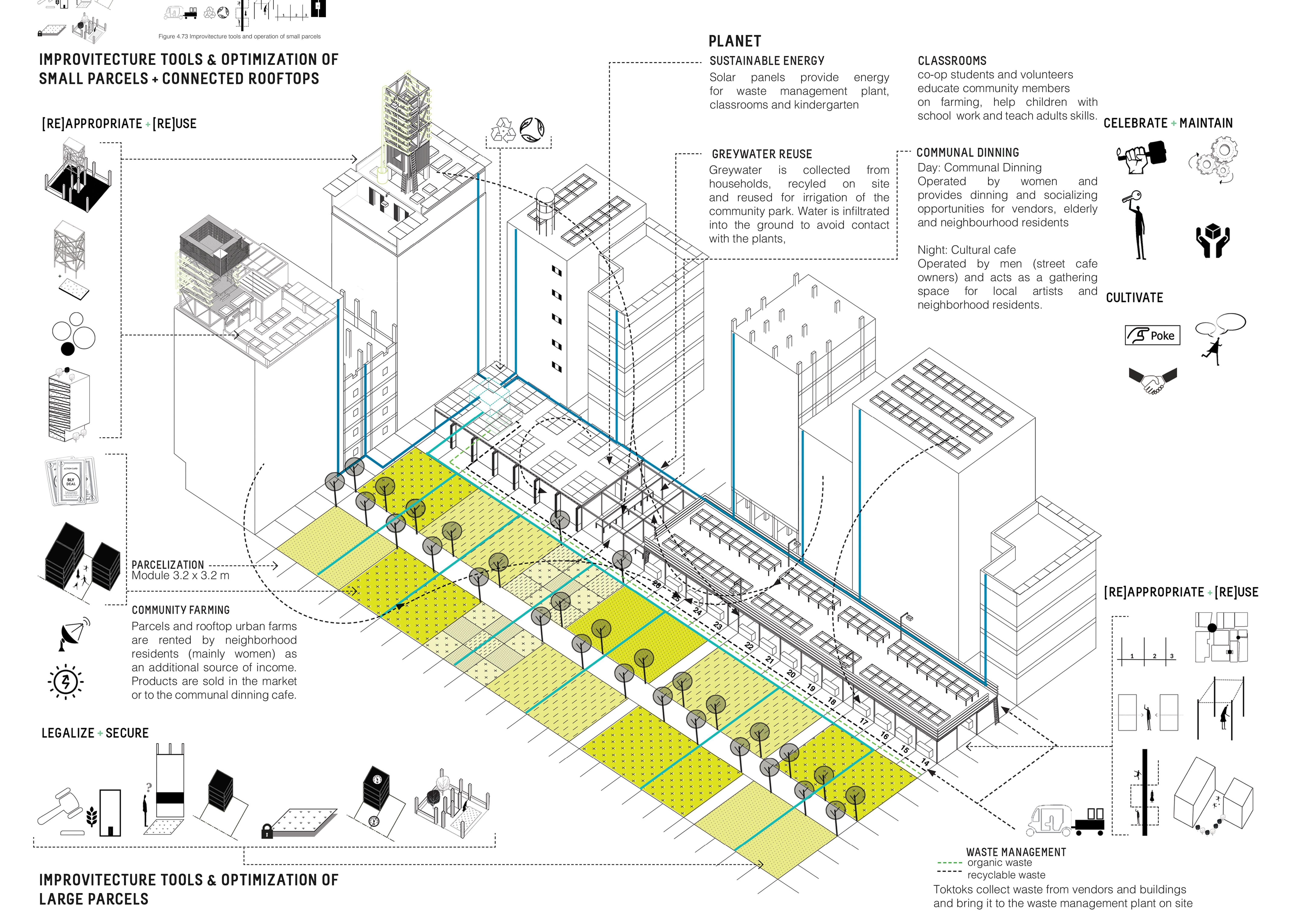
pigeon droppings used as a fertilizer for fower boxes
hanging herbs to dry
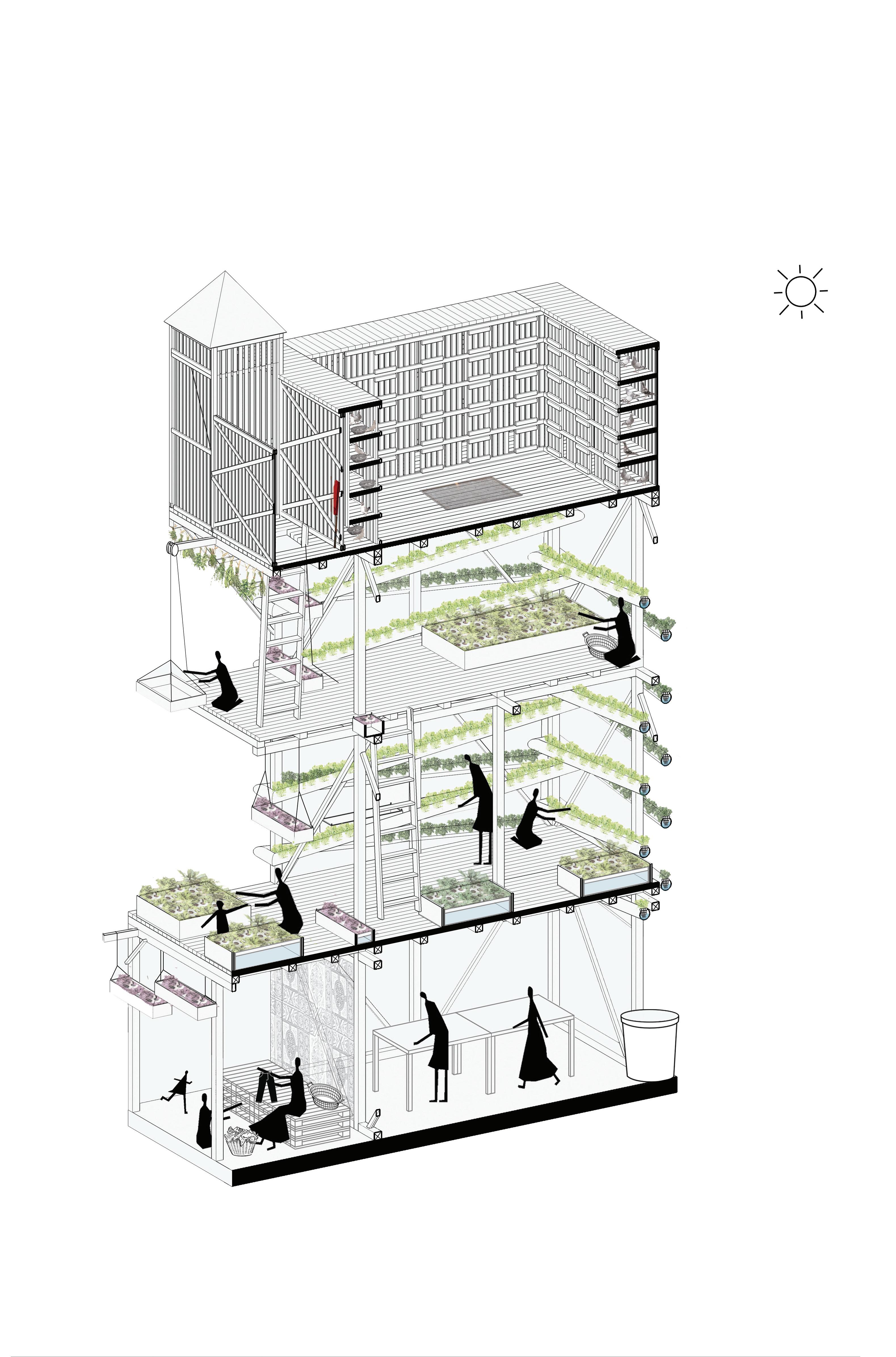
facilitates harvest and delivery of tools
PIGEON BREEDING
male dominated activity entry restricted to owners
women educate their children on urban farming
Edible plants are either consumed or sold in the market
SITTING AREA
an extension for microeconomies + socializing (optional light weight space divider: fabric / wood)
HYDROPONIC SYSTEM
Used PVC pipes are attached to the pigeon tower structure. Plants absorb nutrition through their roots from constant fowing water. Water runs in a closed cycle
WATER CULTURE
Edible plants sit on a platform made of styrofoam and foat on the nutrient solution. Water is flled manually with a hose to reduce costs and energy
WASTE COLLECTION organic waste recyclable waste
waste collected by toktok twice a week
SPACE FOR MICRO-ECONOMIES
income generating opportunities for women in close proximity to their homes and children.
OPTIMIZED PIGEON TOWER DURING EVENINGS + NIGHT
FEMALE PIGEONS + SQUABS
Breeding female pigeon is only for consumption and reproduction.
WATCH TOWER
Hiding place for breeders to observe foreign incoming pigeons without scaring them. The tower is provided with a small pulley system to control closing and opening of the nets.
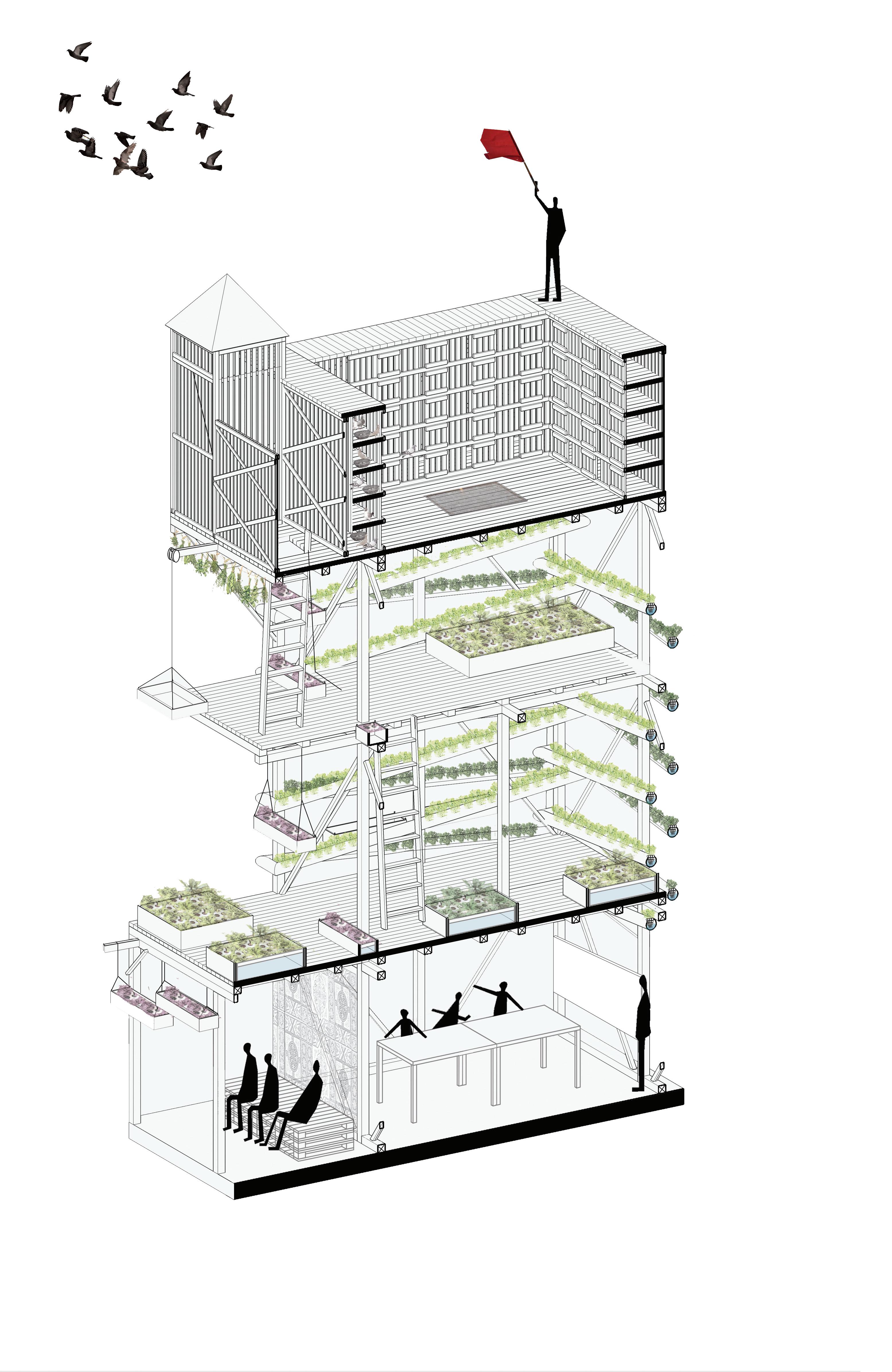
SITTING AREA
outdoor informal classroom or sitting area
OPERABLE NET
Operable net at the 4 corners and on top to catch foreign incoming pigeons
Every pigeon breeder trains his pigeons at a negotiated time every day. Making circular motions with a red fag, male pigeons are trained to navigate, circle the neighbourhood then come back. Part of the training is to keep male pigeons away from females until a certain age.
FEEDING AREA
STRUCTURE top: reused door frames base: reused scaffolding and decking wood members
EVENING CLASSROOM
young adults and co-op students help children with their school work or teach adults about urban farming and income generating skills.
coordinator
co-instructors
Magda Mostafa, PhD
Zeinab Shafk, PhD
Karim Kesseiba, PhD
Nada Nafeh, MArch
TA Team
Pattern Template + Booklet Design
Mahinour Awad senior co-ordinating TA
Menna Mansour
Doha Ewis
Nouran Begermy
Sara Karama
Youssef Elassaly
Lara Mahmoud
Rana Desouky
Ruba Azzam
Rana Ali
Nada Nafeh
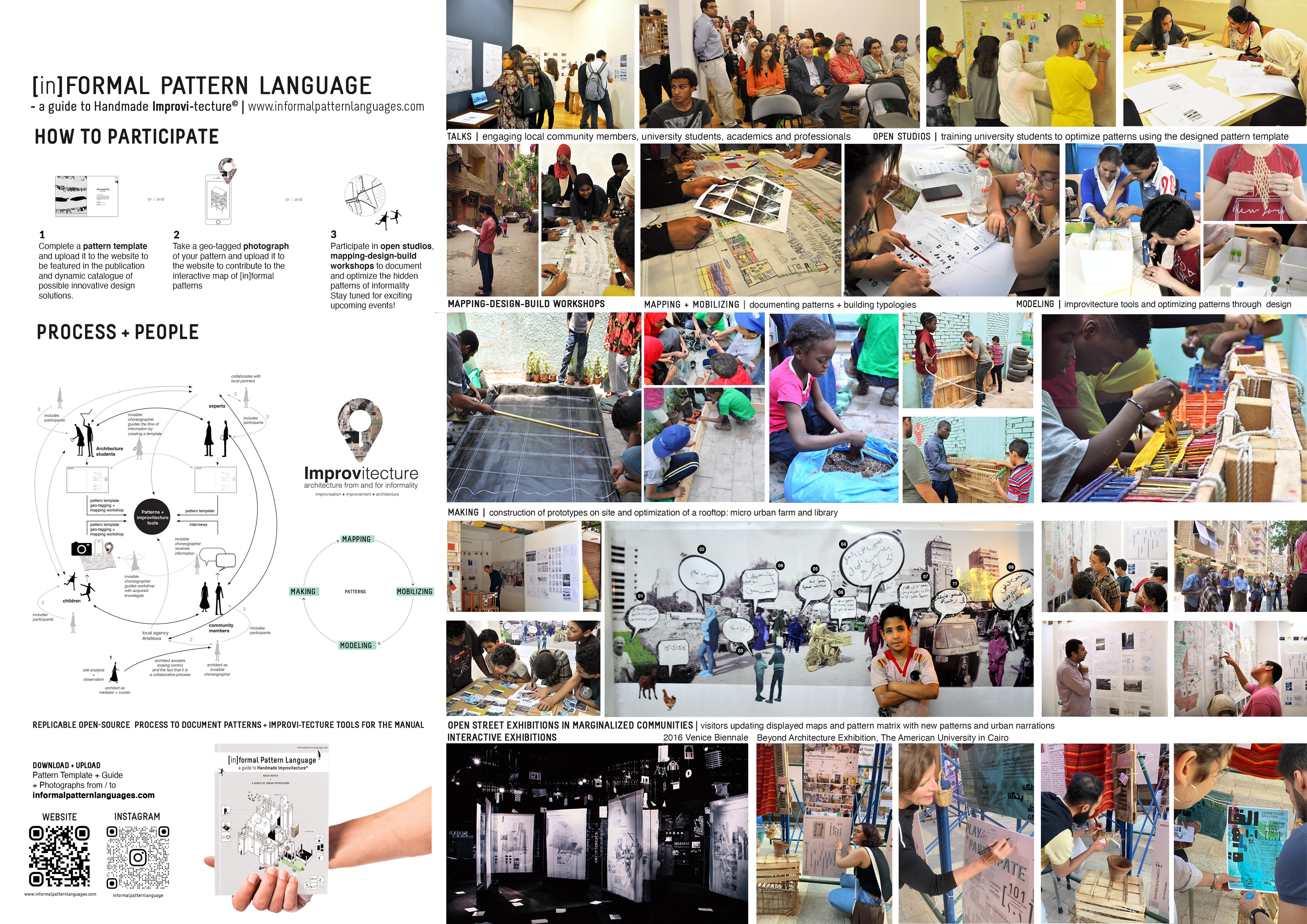
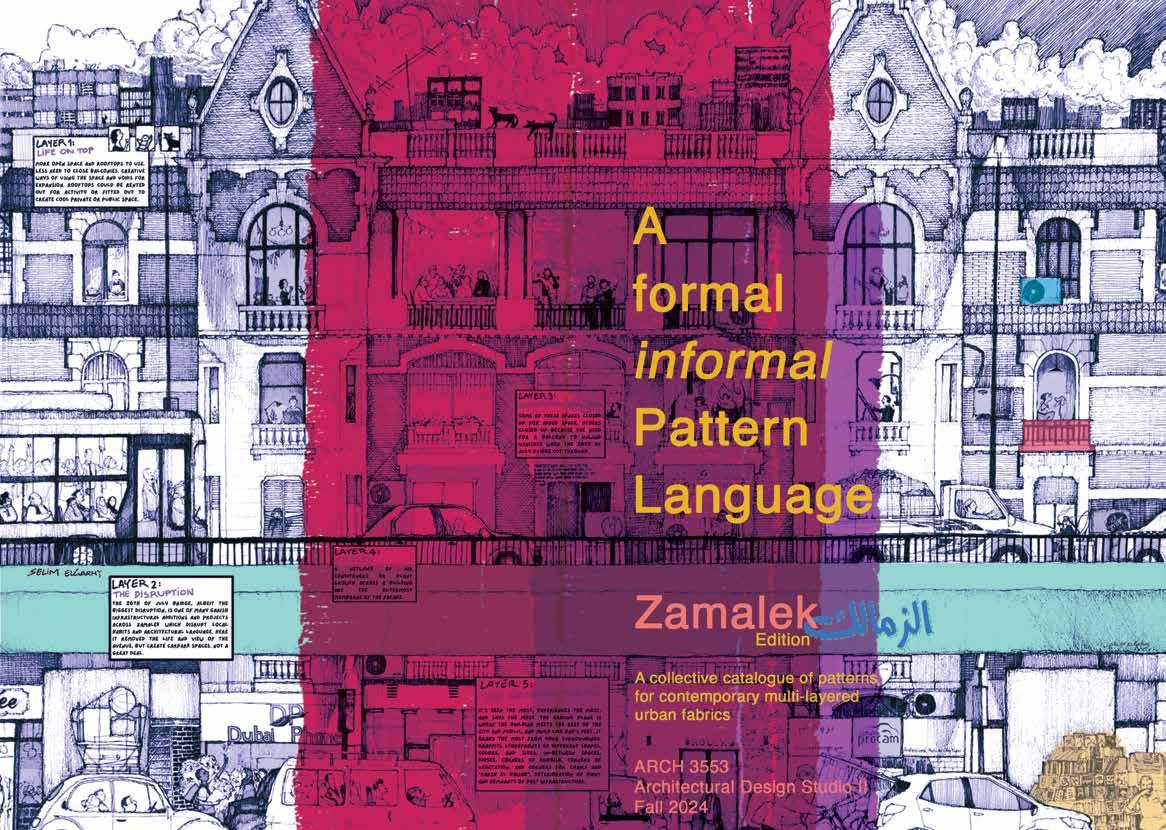
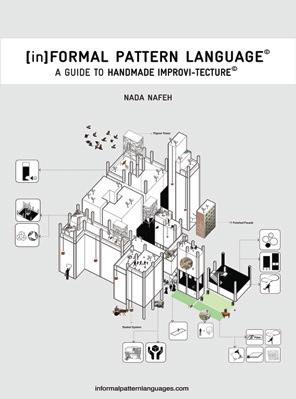
The content of the publication was developed by the students of ARCH 3553: Architectural Design Studio II (Fall 2024) at The American University in Cairo (AUC). Paired with their comprehensive site mapping exercise, students engaged in an in-depth pattern analysis module. This module is based on an adaptation of Nada Nafeh’s [in]formal Pattern Language© (2015), inspired by the foundational work of Christopher Alexander. It is designed to explore and navigate the multi-layered intersections between formal and informal urban systems within Cairo’s unique urban fabric, from a micro to macro lens.
For more information, please visit:
[in]formal Pattern Language© interactive design guide + database for patterns: www.informalpatternlanguages.com
https://issuu.com/nnafeh/docs/_in_formal_pattern_language_e-book
A formal informal Pattern Language© - Zamalek Edition
https://issuu.com/nadanafeh/docs/a_formal_informal_pattern_ language_-zamalek_editio
Sensitecture +
https://issuu.com/magdamostafa/docs/sensitecture_spring_2022
This work is subject to copyright. All rights are reserved.
No part of this publication may be reproduced, distributed, or transmitted in any form or by any means, including translation, photocopying, reprinting, reuse of illustrations, recitation, recording, broadcasting, reproduction on microflms or in other electronic or mechanical methods, and storage in data banks, without the prior written permission of the author.

©
2
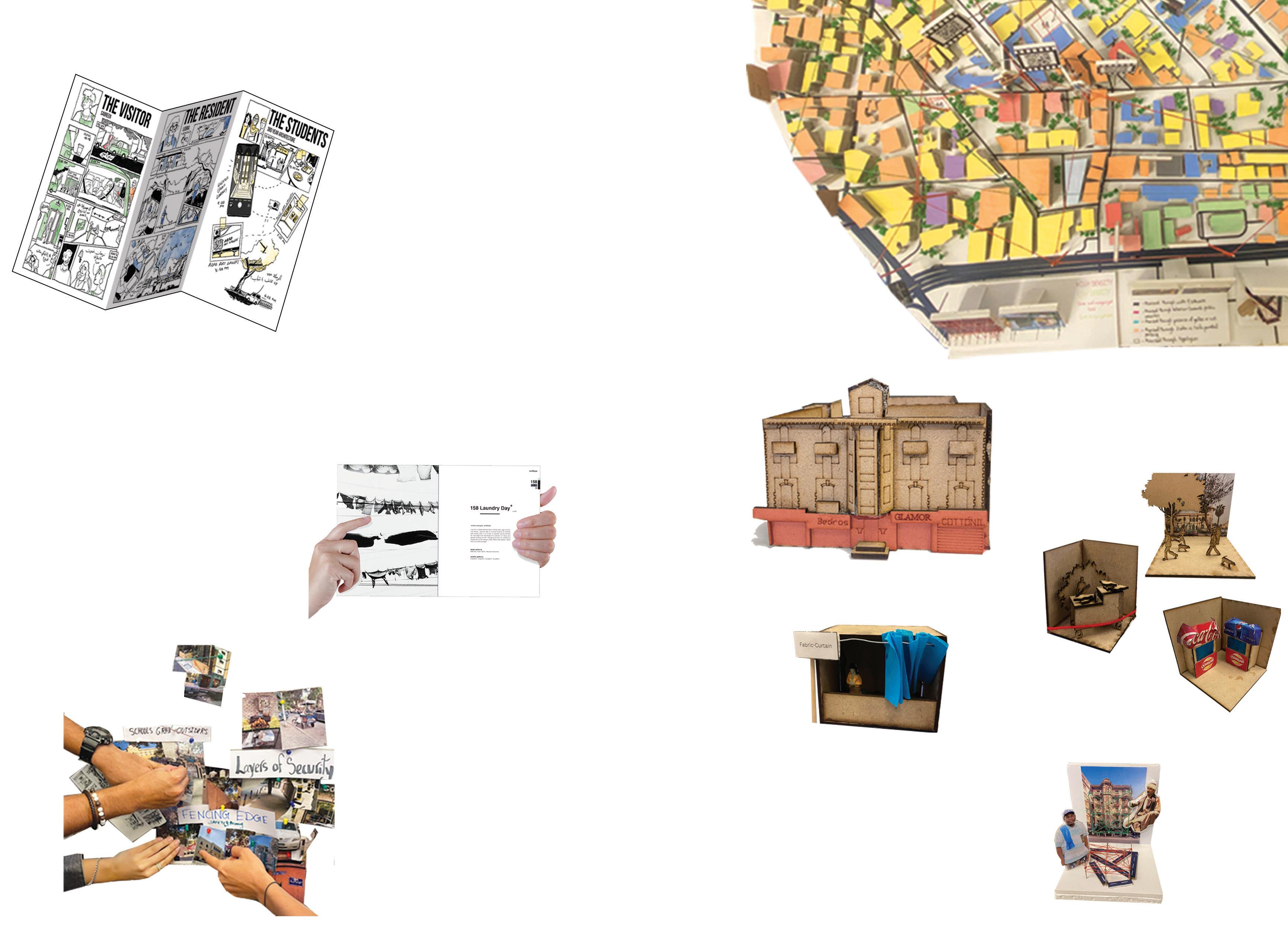
Framed by the methodology outlined in [in]formal Pattern Language©, students engage in a comprehensive bottom-up mapping and modeling that starts at the micro and extends to the macro scale. This approach fosters a holistic understanding of the multilayered built environment, exploring the intricate intersections between formal and informal patterns on site.
1 documenting patterns through urban narratives, story boarding, video and photography a collective pattern matrix mapping interconnections between formal + informal patterns
3
4 micro-to-macro mapping using innovative multi-sensory mapping techniques and 3D pattern mock-ups pattern template senso-spatial pattern analysis
+ mapping existing typologies, networks behavioral choreographies and dynamics on site embedded in patterns
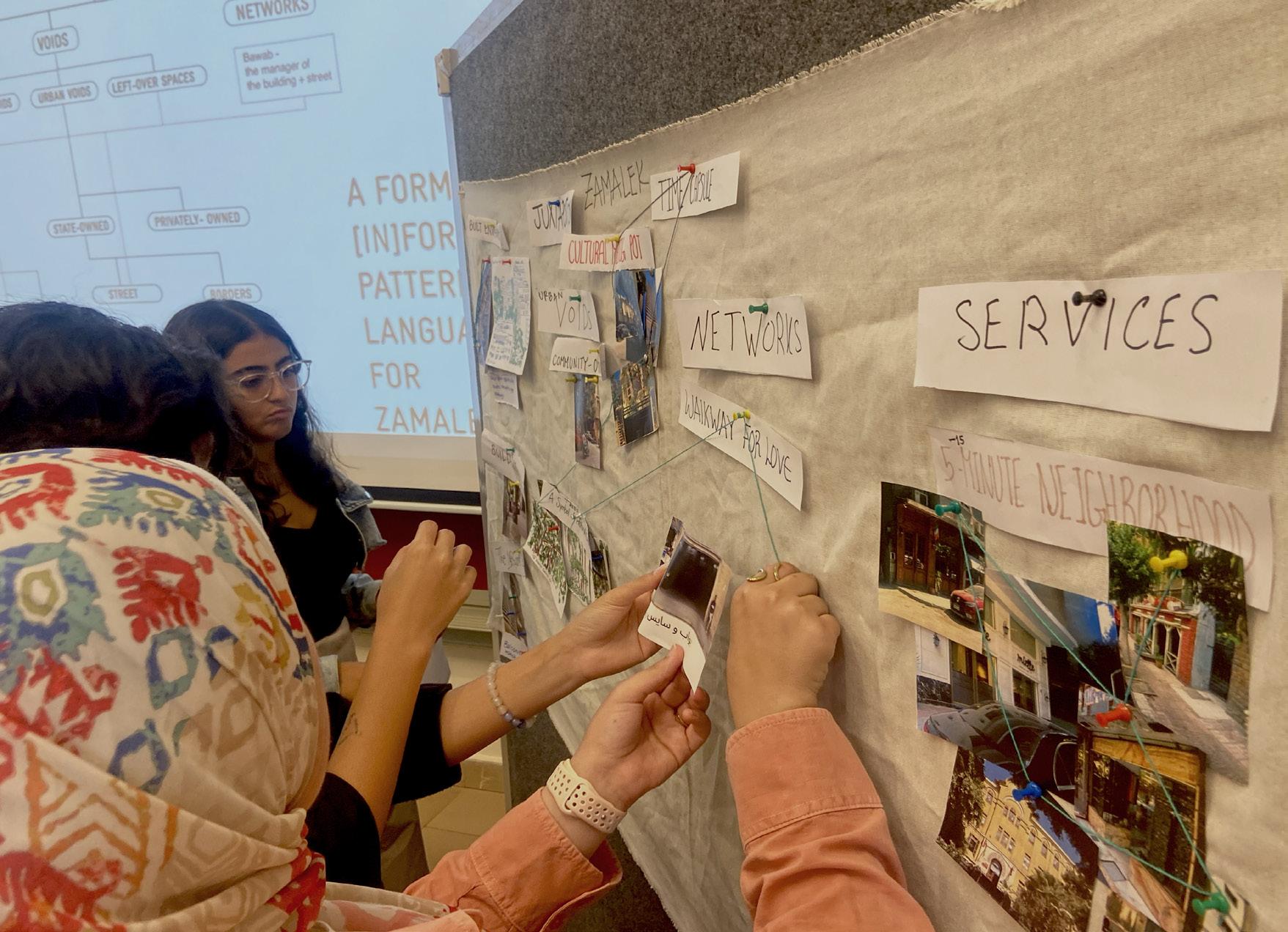
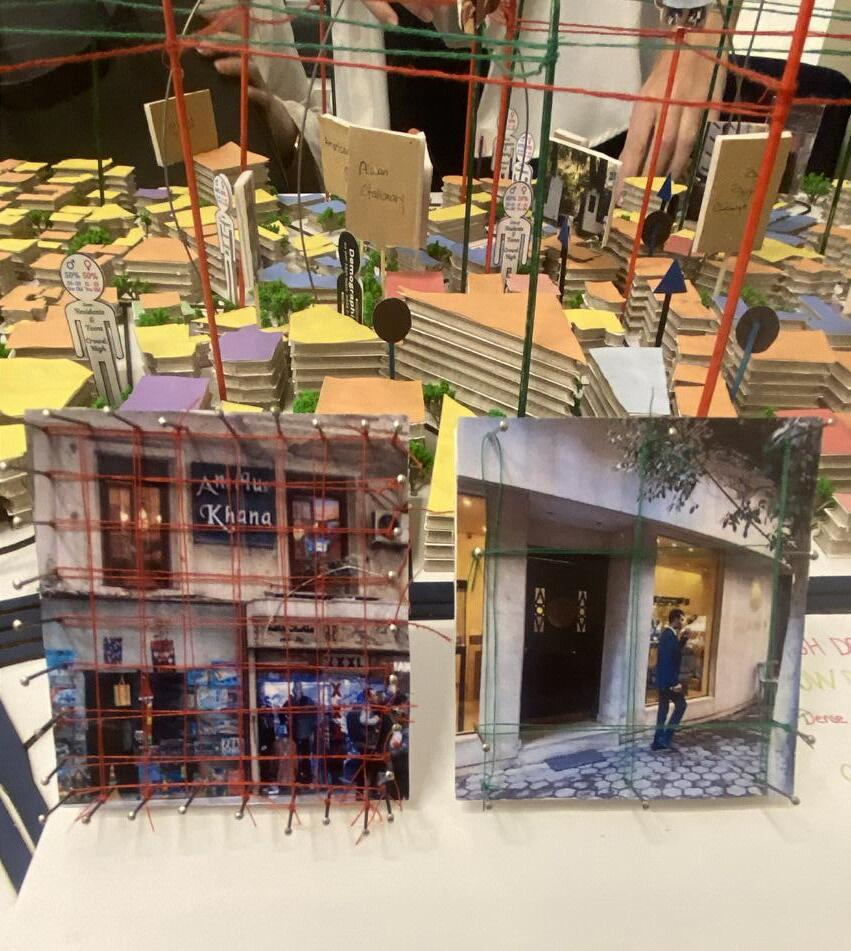
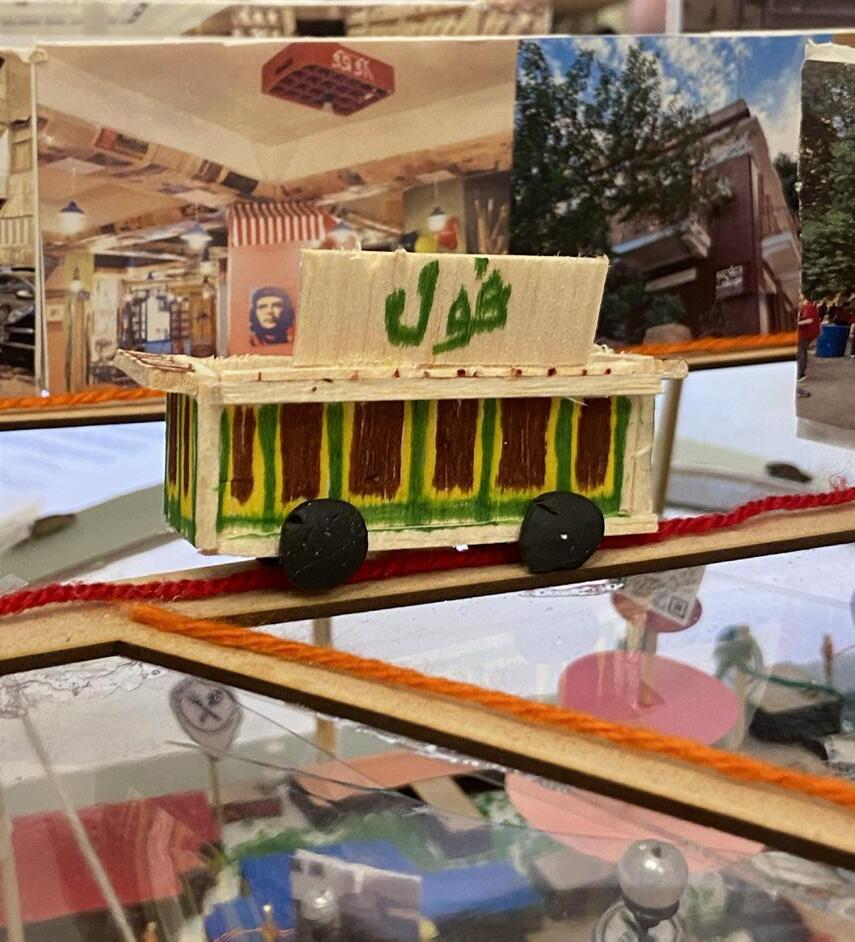

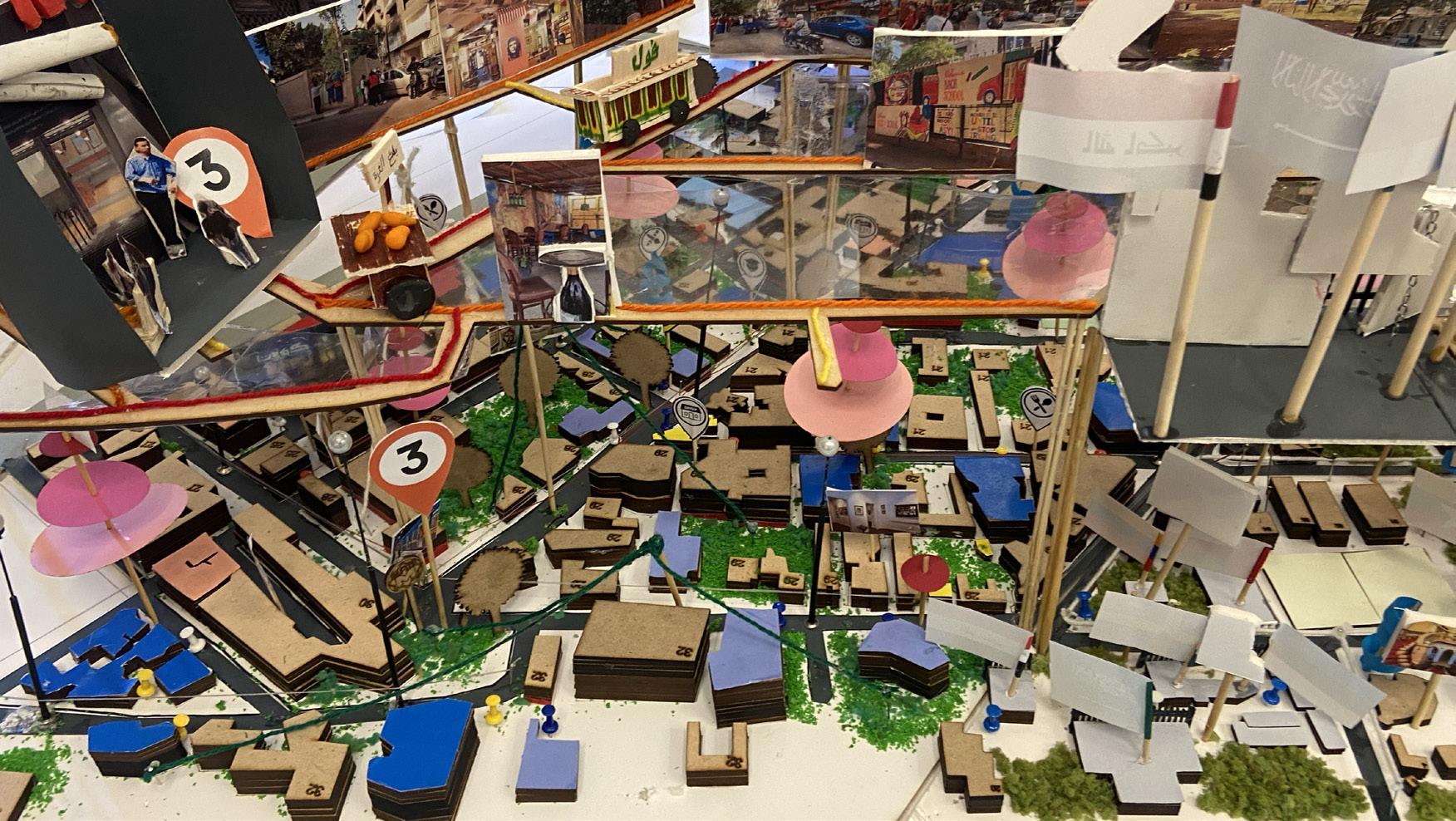
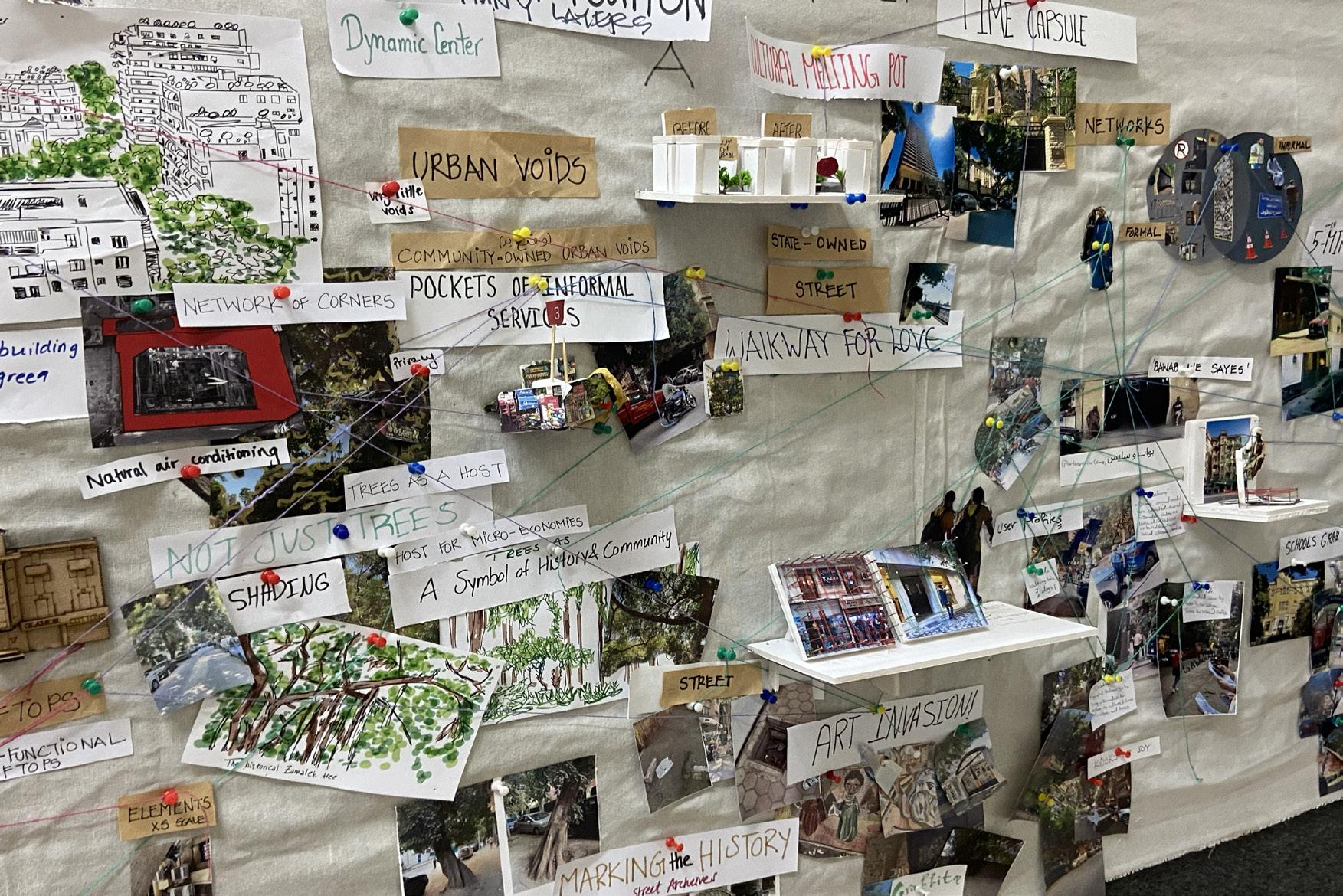
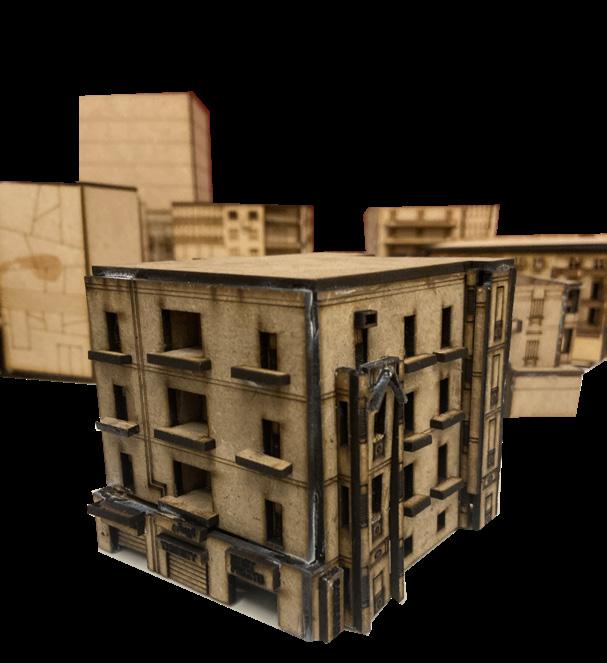
A collective pattern matrix and site models with infuential patterns
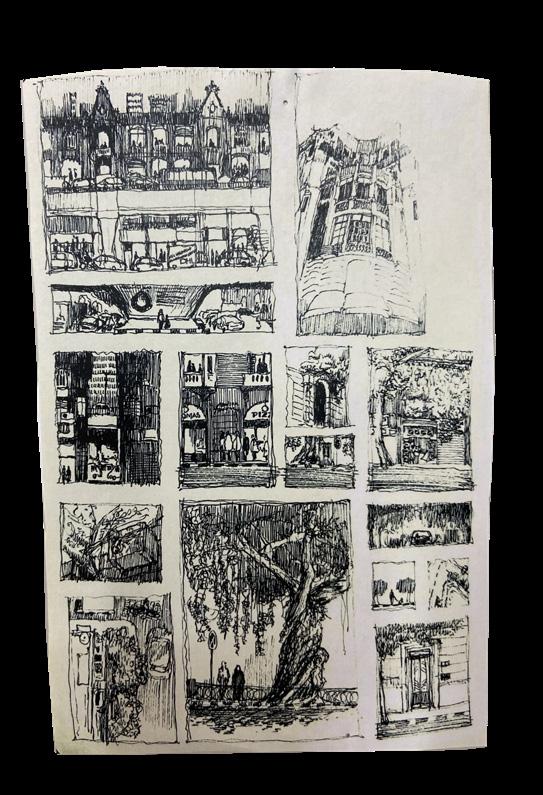
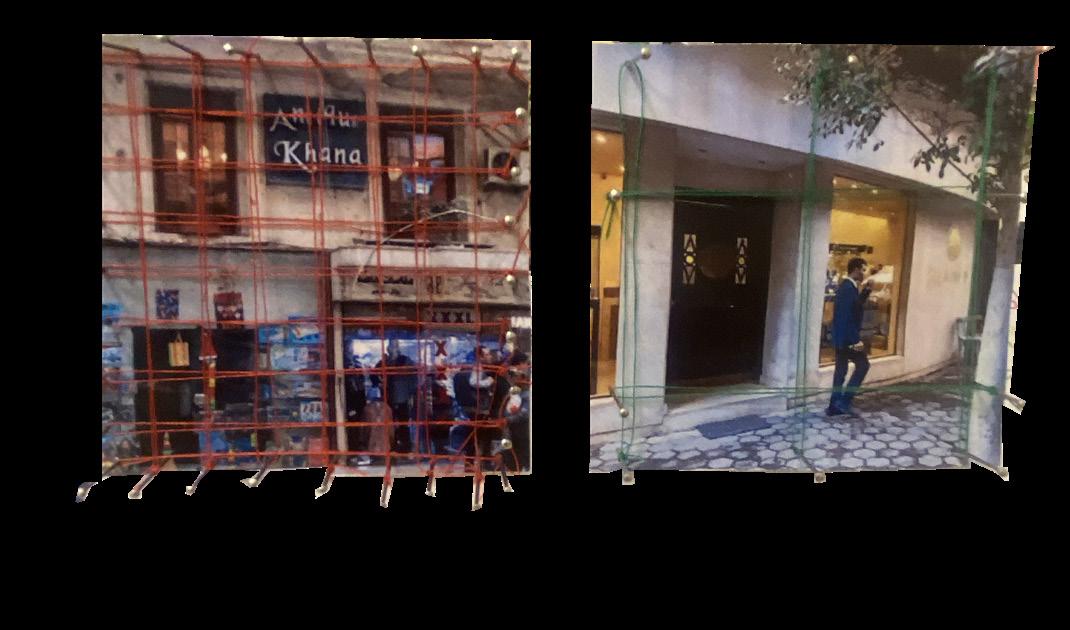
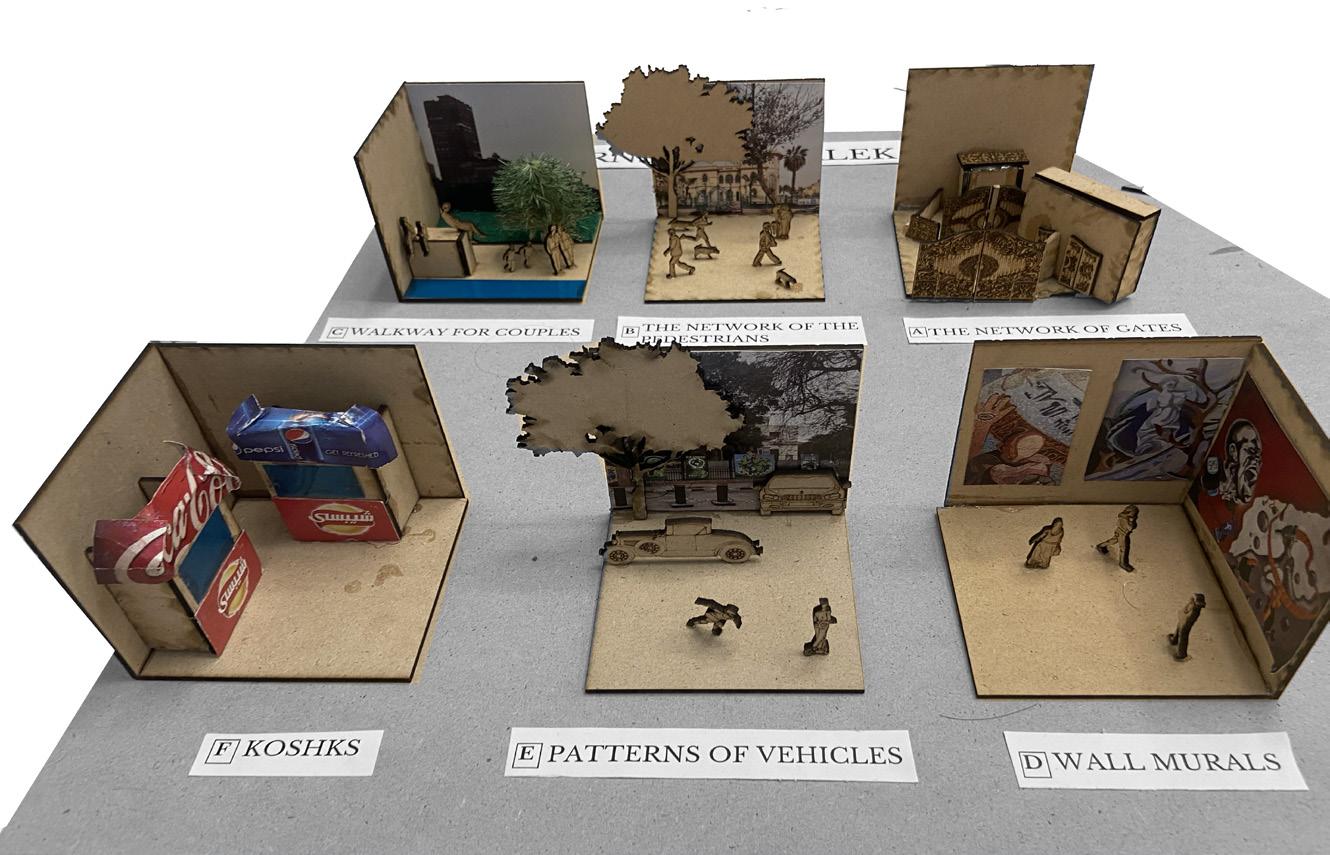
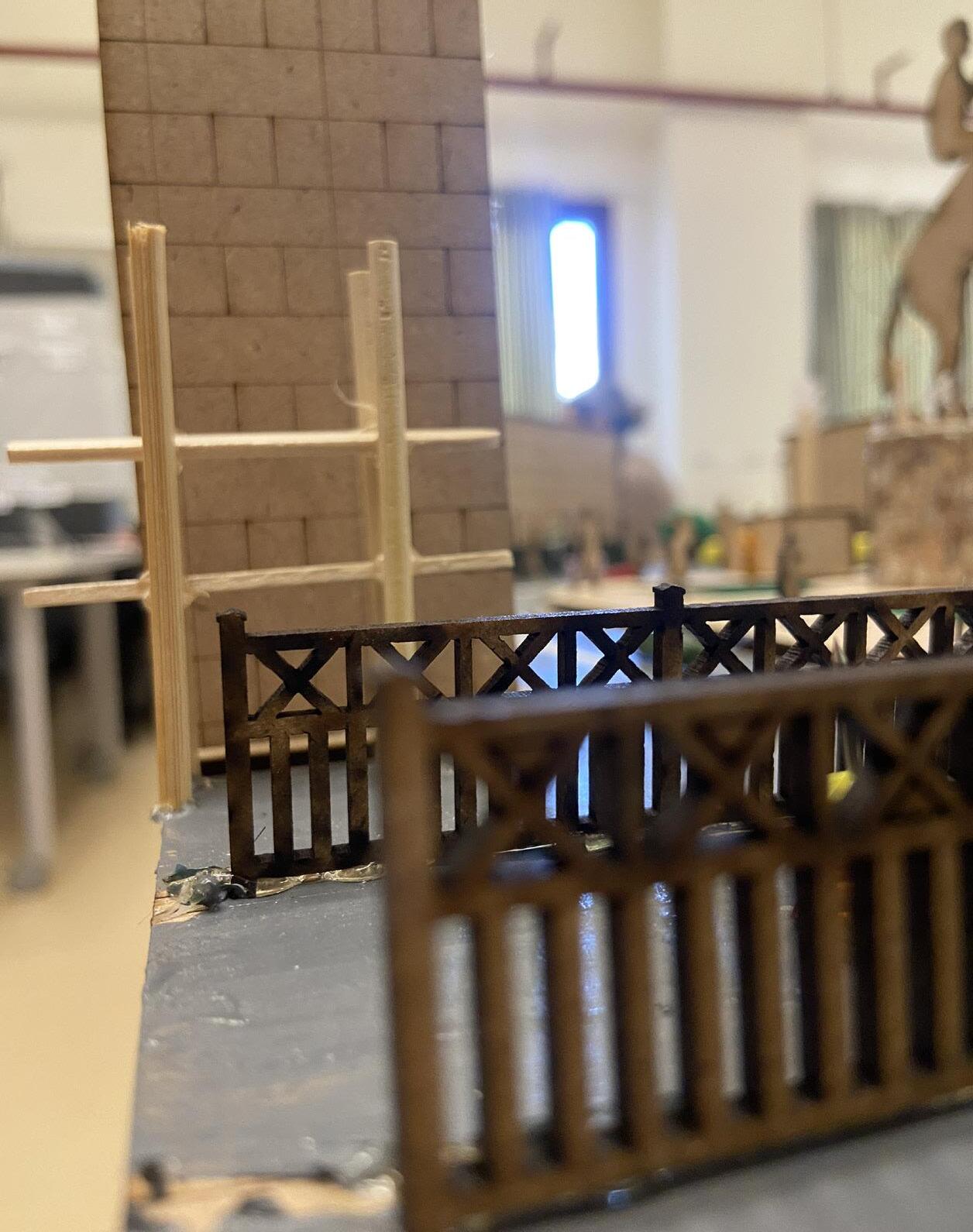
students’ work: patterns and senso-spatial mapping models
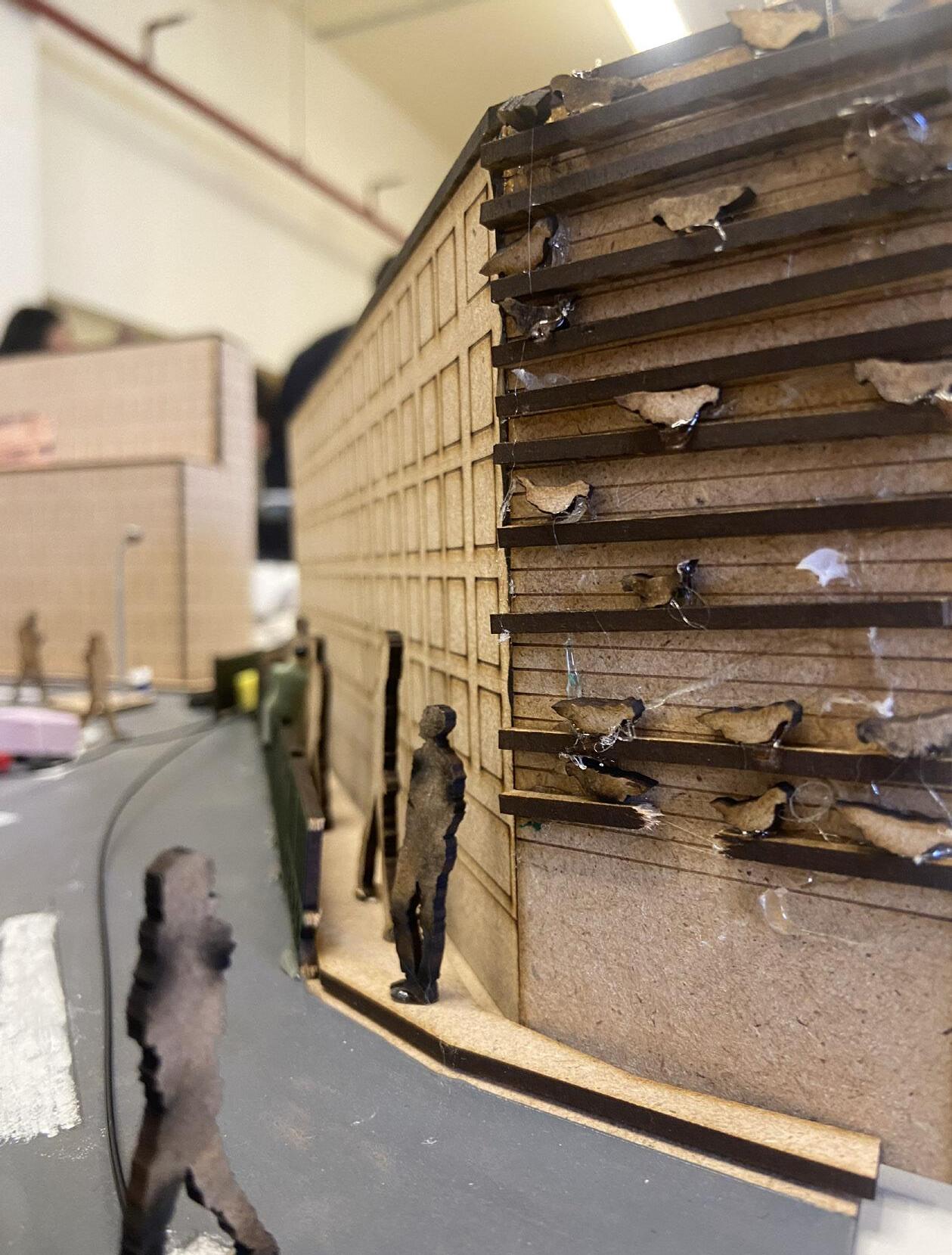
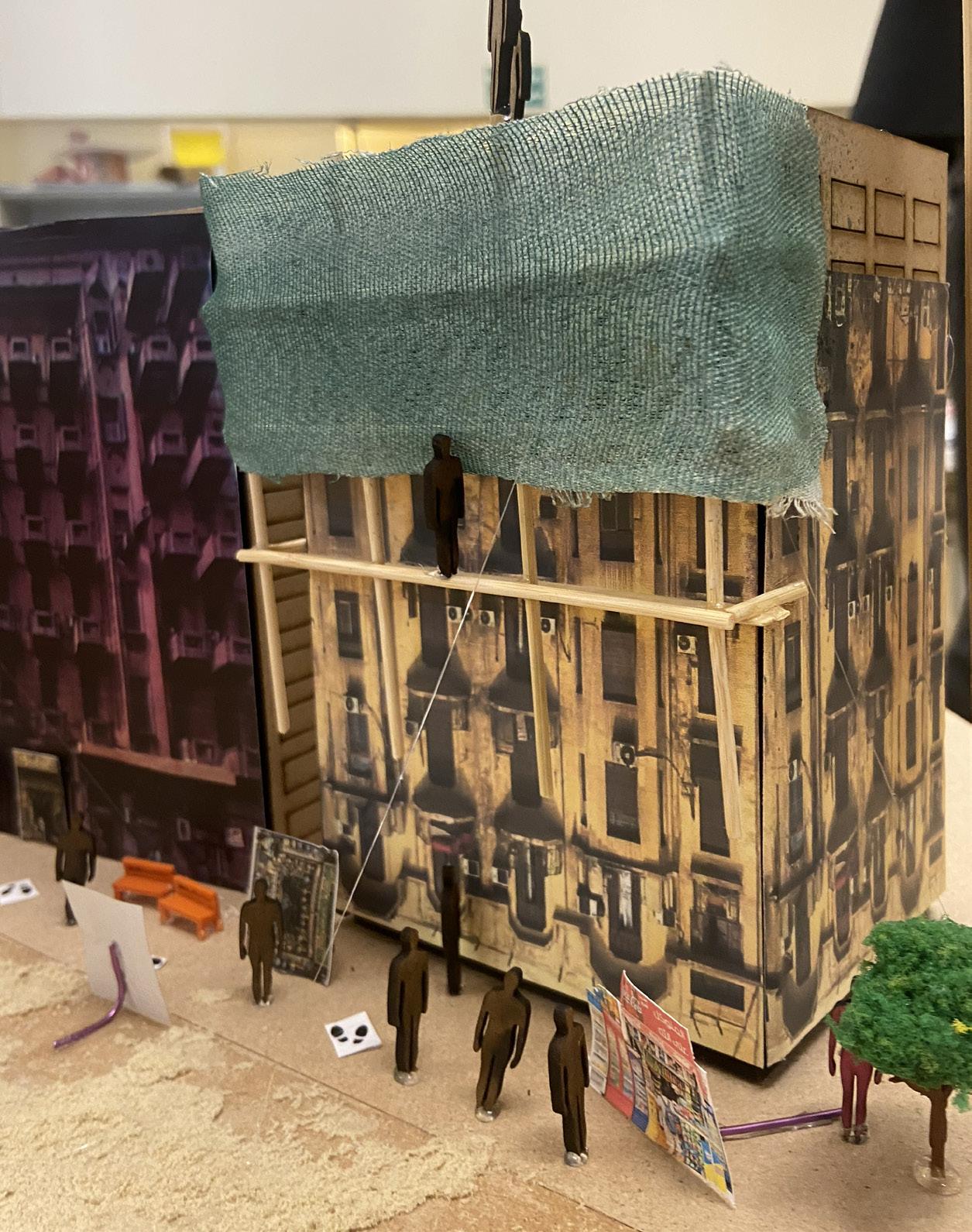
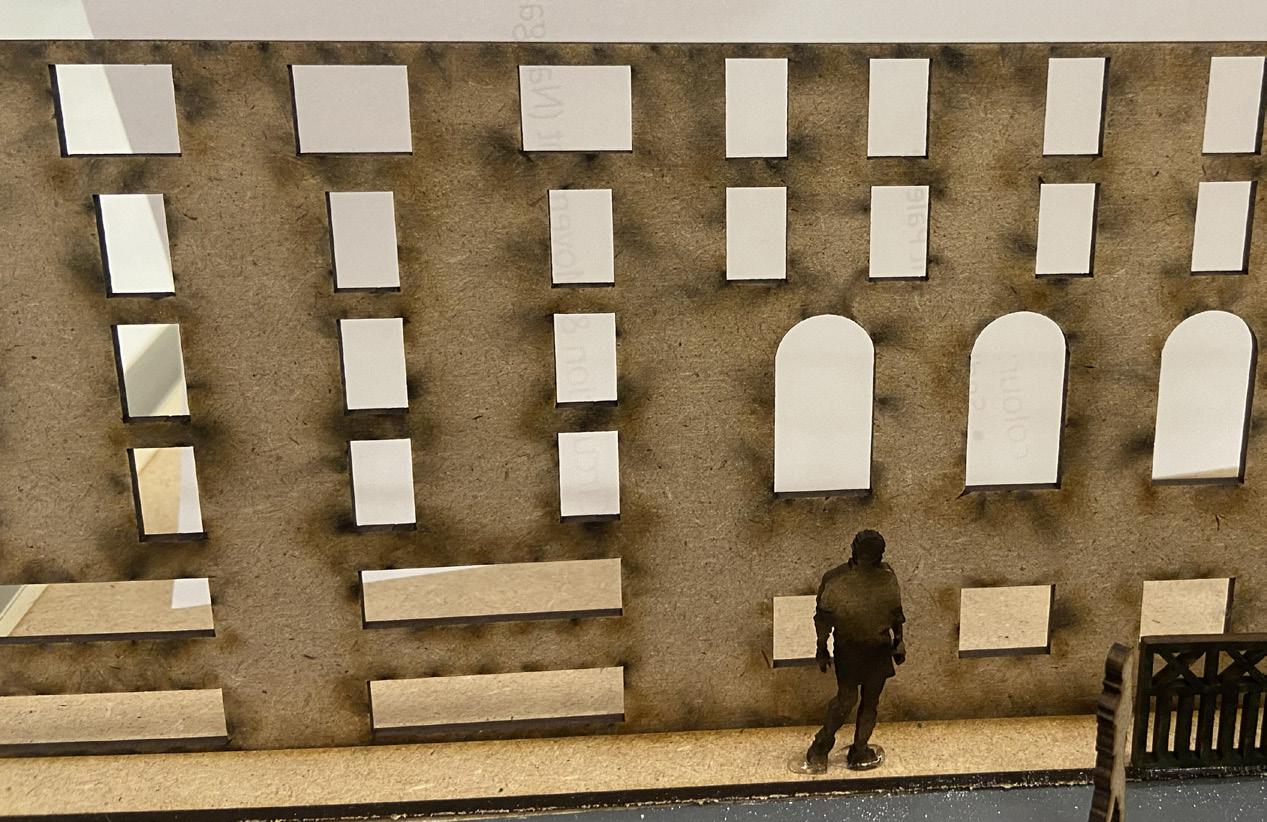
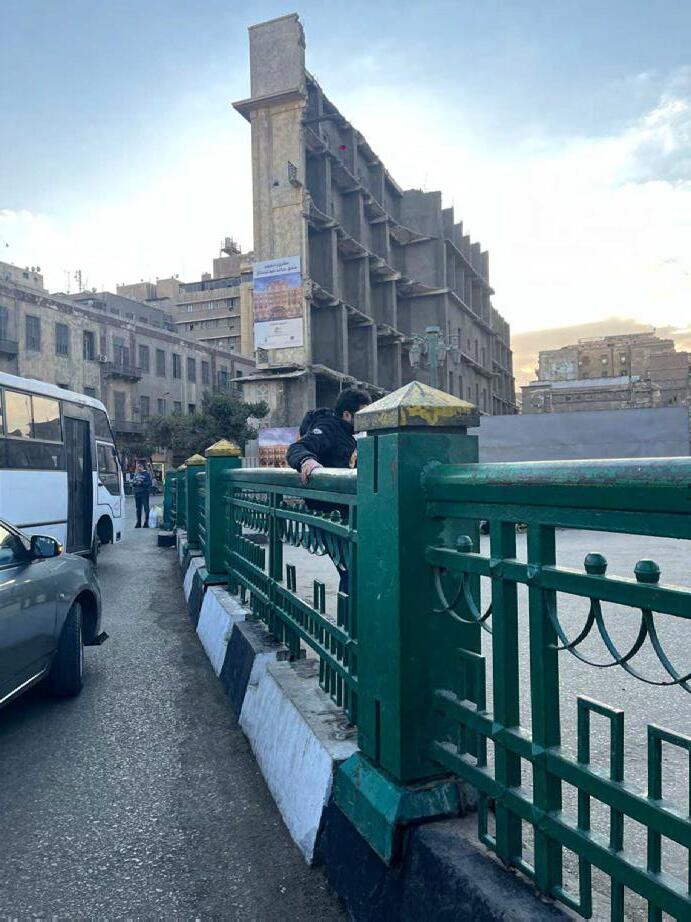
students’ work: patterns analysis using the pattern template

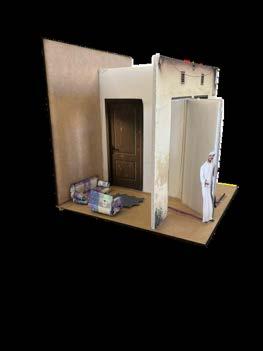
Very interesting studies and analysis and good representation of concept and physical model they are clearly displaying the idea. Some suggestions are could have made the scale bigger so things would be seen more clearly and could have further developed the design with partner
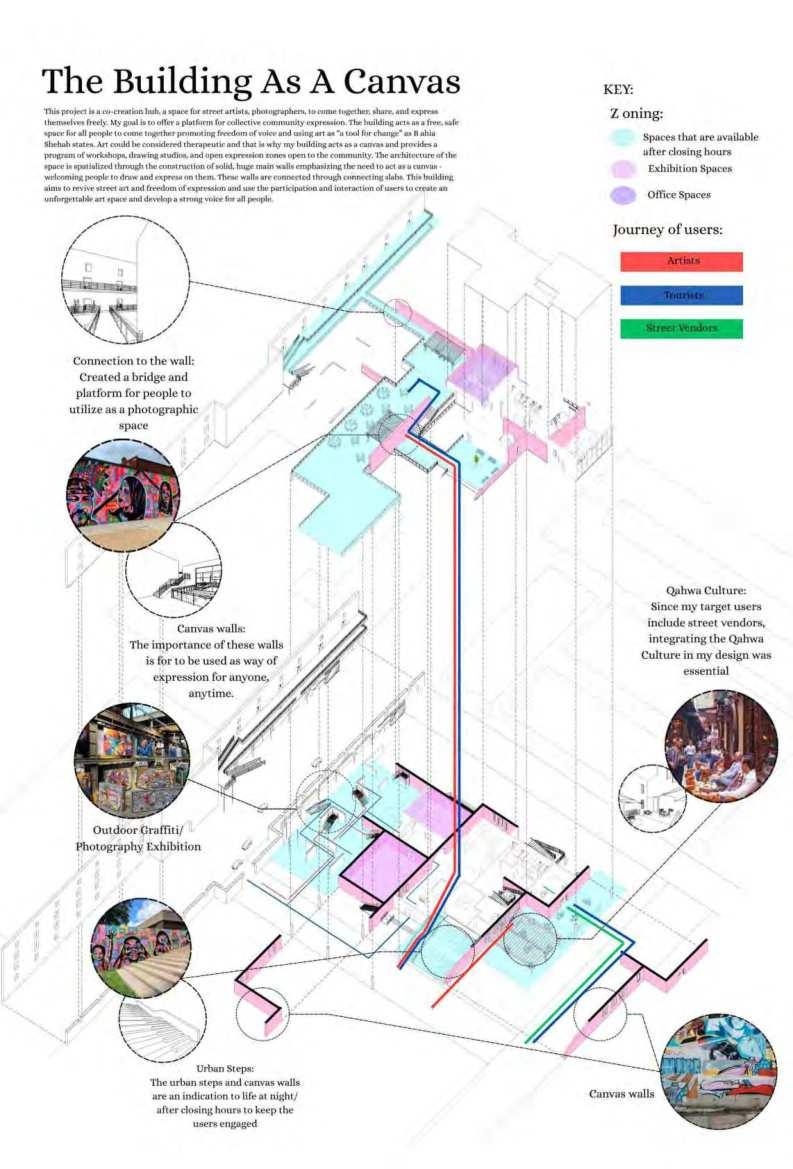
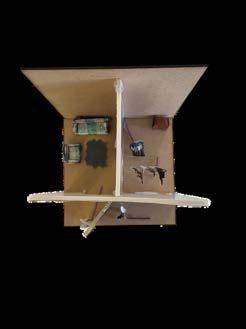
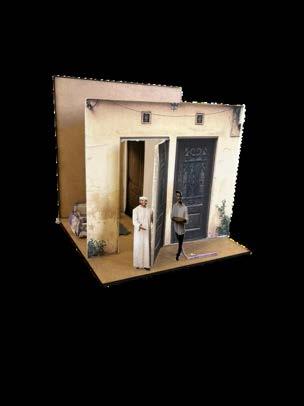
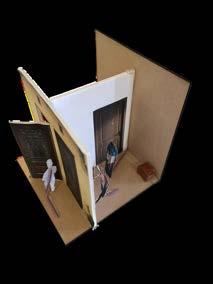
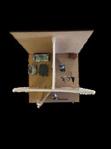
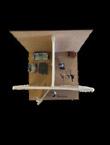
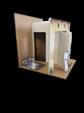
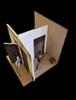

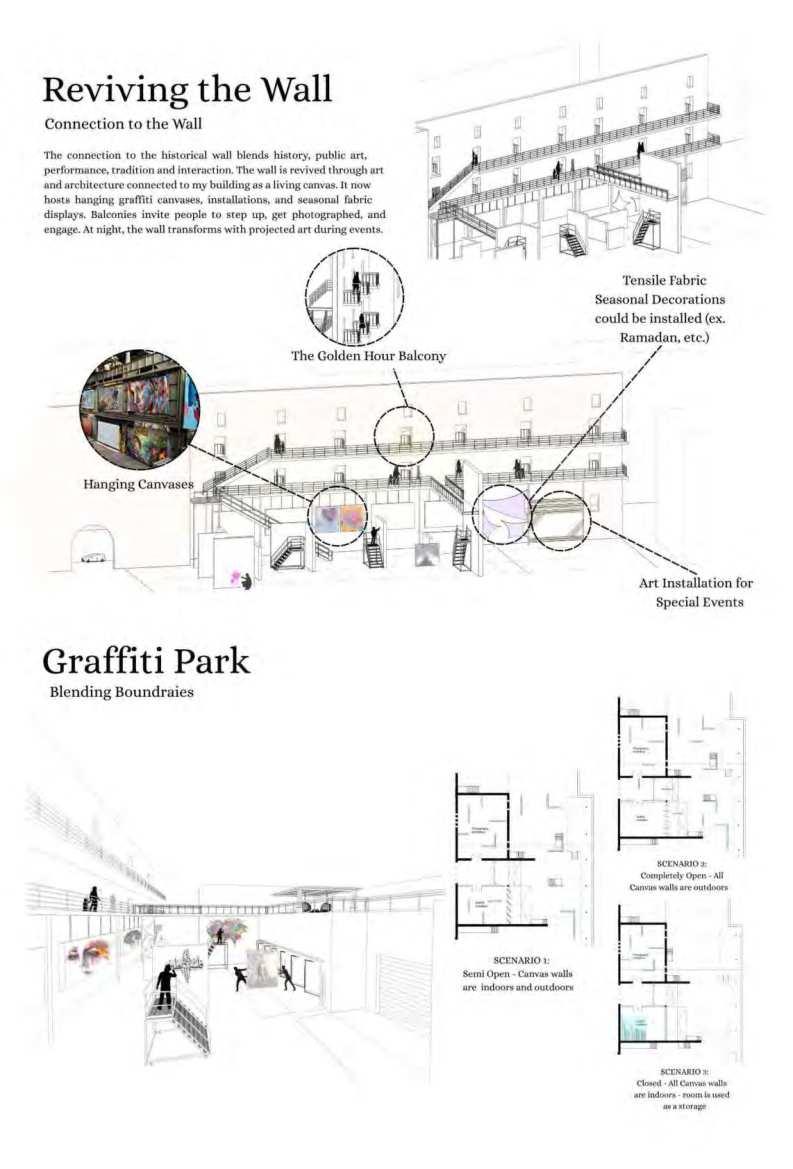
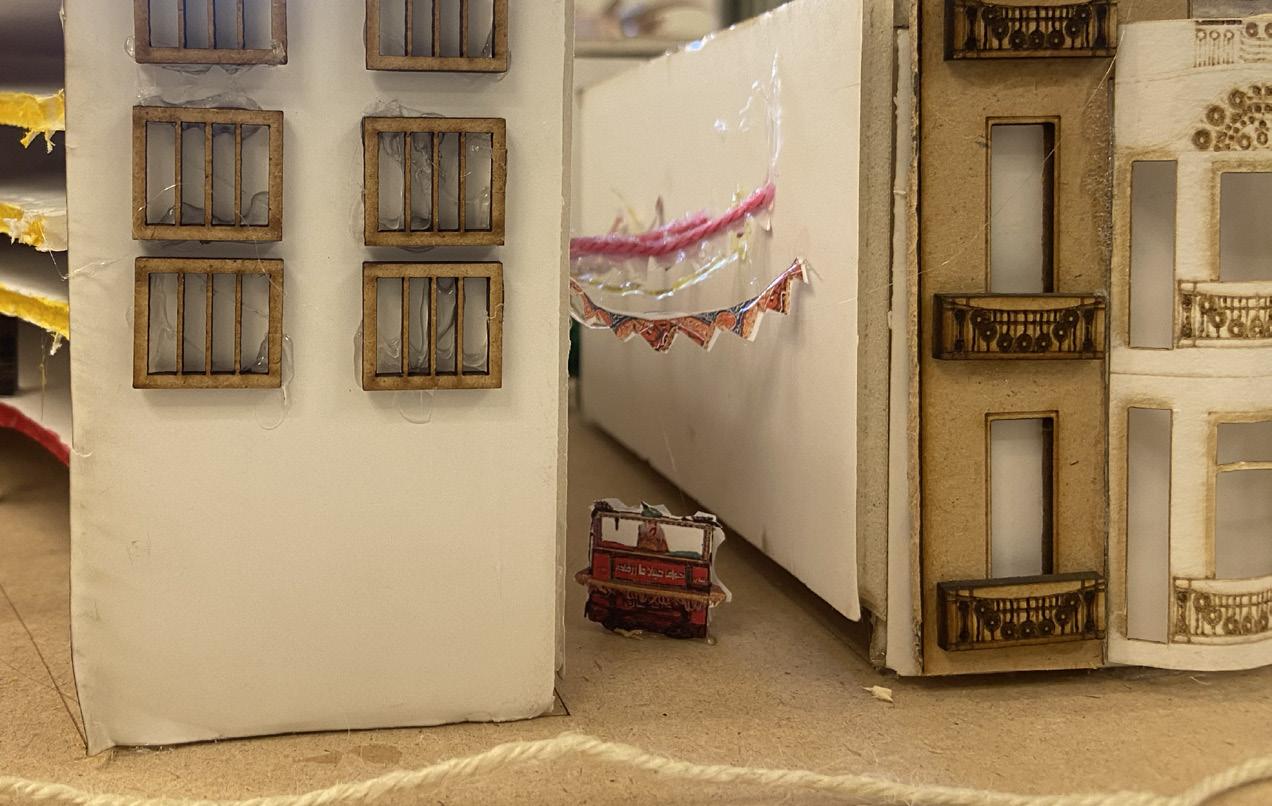

Overall, I have received great comments from everyone and am proud of what I have achieved and learned throughout the semester. The activities we have done at the