While the publishers have made every effort to ensure the accuracy of all information in this magazine, they will not be held responsible for any errors herein. cpimediagroup.com
EDITOR’S LETTER
Hello Mum!
October always feels like a turning point, doesn’t it? Term time is in full swing, life is a little more settled and the mid-term break is just around the corner. Now that little ones have relaxed into the rhythm of school, on page 26, we explore how to support children as they learn to navigate new friendships and expand their social circles. For older kids, connections may be almost as likely to form online as they are in the classroom, so on page 30, we look at the positives, the pitfalls and the ways you can guide your child to keep their digital friendships safe and balanced.
For any tired parents out there, our article on page 14 is full of small, realistic tweaks to improve your own sleep hygiene. We often focus on our kids, but this month, I hope these tips help you rest a little more deeply and wake with better energy for the day! Elsewhere, we’ve carried a great piece on creative ways to get little ones moving. It offers playful, low-pressure ideas to get children off the sofa and into action, in ways that slot naturally into family life. Check it out on page 20!
October is Breast Cancer Awareness Month and this year’s initiatives in support of this worthy cause are especially inspiring. On page 10, we round up the IGNITE Pink is Punk events - from moonlit yoga to the much-loved Swim:Run - while page 38 takes you inside Four Seasons Abu Dhabi, where pink-tinted teas and spa rituals celebrate the cause in thoughtful style. Both are a lovely reminder that supporting this cause, which impacts so many families, can be done in lots of different ways!
If you’re feeling the pull towards gentler living with the turn of the season, page 42 is a great place to start. We look at the easy, eco-friendly swaps you can make at home as a beginner. These simple, sustainable changes don’t just help the planet - they save money and feel great too!
There’s lots more for you to discover in this issue, including details of my October beauty recommendations, which include a powerhouse ‘cure-all’ cream, a gorgeous floral signature scent and an indulgent body oil - as well as plenty of health and family wellbeing articles.
As always, I won’t spoil everything here. Instead, I hope you’ll take a quiet momentmaybe once the house is finally still - to enjoy discovering this edition for yourself!
Happy reading!
Ella Editor
Mother, Baby & Child Magazine
even more
visit! The award-winning Lebanese restaurant has introduced a brand-new kids menu across all Dubai branches, bringing home-style flavours and child-friendly favourites to the table.
Thoughtfully priced at just AED 29, the menu is designed to delight young diners while keeping mealtime simple for parents. Each dish comes with fries, a ketchup dip and a choice of apple or orange juice - ideal for little ones! Options include crispy chicken tenders, creamy mac and cheese, and a variety of delicious burgers.
Made with the same high-quality ingredients that define Allo Beirut’s signature flavours, the menu ensures kids enjoy wholesome, delicious meals while adults can continue to savour the restaurant’s authentic Lebanese dishes. From quick midweek dinners to relaxed weekend family outings, the new kids menu means you can have a truly familyfriendly experience without compromise!
Available now at all six Allo Beirut locations.
Creativity for every Milestone.
Cricut™ makes smart cutting machines that work with an easy-to-use app to help you design and personalize almost anything — from custom Baby announcements, cards, unique apparel, everyday items to nursery decor and so much more.
With Cricut, you can make personalized baby apparel in just three easy steps.
1. Get Inspired Design your idea from scratch or find inspiration in the Cricut Design library.
2. Cut your design
Let your Cricut machine work its magic, cutting every piece of your project with intricacy and precision.
3. Put it all together
Assemble the pieces or apply your design to almost anything - from notebooks to night lights, onesies to nappy bags.
TRANSFORM AT SOHUM WELLNESS SANCTUARY
For a rare and deeply personal wellness experience this October, SOHUM Wellness Sanctuary invites thirty women to spend a day with world-renowned therapist, best-selling author and motivational speaker, Marisa Peer. Taking place on October 11th, this intimate retreat promises a profound journey of healing, self-discovery and empowerment.
Founder of Rapid Transformational Therapy® (RTT®), Marisa has spent over 30 years transforming lives, guiding everyone from Olympic athletes to CEOs in uncovering the root causes of emotional and physical challenges. Her methods, now part of global initiatives like the ‘I Am Enough’ campaign and the ‘One Billion Lives Initiative’, aim to help people release limiting beliefs and step into their fullest potential.
Set within SOHUM’s serene sanctuary, the day blends gentle grounding rituals, a sound healing session and access to wellness facilities, as well as two guided RTT® sessions led by Marisa. Priced at AED 1,950 per person, it’s a unique opportunity to pause, reset and awaken a more empowered version of yourself!
Visit https://marisapeer.sohumwellness.ae to learn more.
Creative workshops for kids; Pinktober events you don’t want to miss; a late-night French dining concept and more!
THINGS TO DO DISCOVER THE 5PM CLUB AT ORANGE WHEELS
Parents looking for meaningful after-school activities will love Orange Wheels’ latest initiative. IdeaCrate Edutainment Company, the team behind Orange Wheels, Orange Hub and Orange Seeds nursery, has launched the 5PM Club - a free, structured programme for children aged three and above.
Running Monday to Friday from 5 to 6 pm, the 5PM Club offers families a purposeful, screen-free way to fill that tricky after-school slot. It’s included at no extra cost for all Orange Wheels visitors, making it an easy and affordable way to add a little enrichment to your weekday routine.
With no booking required, children can simply join in at any of the nine Orange Wheels centres across the UAE - five in Dubai (Circle Mall JVC, Palm Jumeirah Mall, Town Centre Jumeirah, Nad Al Sheba Mall, Dubai
Mall - Zabeel Extension) and four in Abu Dhabi (Al Raha Mall, Al Wahda Mall, Reem Mall, Al Ain Tower Khalidiya).
The programme rotates through five themed activity zones across a five-week cycle. Kids can dive into hands-on building in the Creator’s Nest, explore sensory play in the Sensory Lab, lose themselves in imaginative storytelling at Dotted Stories, express themselves in drama and movement sessions On Stage, and get curious with science-based fun in the STEM Lab. Each experience is designed to boost their cognitive, sensory and creative development, while keeping little ones thoroughly entertained!
Shifa Yusuffali, CEO of IdeaCrate Edutainment Company, sums it up perfectly: “The 5PM Club is a natural extension of our promise to families. We’re proud to offer a structured experience that nurtures creativity, academics and social development, setting a new standard for after-school enrichment in the UAE.”
Location: Orange Wheels centres in Dubai and Abu Dhabi
Timings: 5 pm - 6 pm, Monday to Friday
Price: Free with Orange Wheels admission
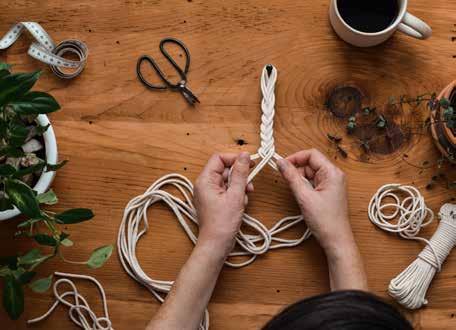
MAKE YOUR OWN MACRAMÉ PLANT HANGAR
If you’ve been craving a creative escape, LEVA Hotels has just the thing! On Sunday, 5th of October, Baker’s Kitchen Café at LEVA Hotel will host a Macramé Plant Hanger Workshop that blends mindful making with a relaxed afternoon vibe.
From 1:30 pm to 3:30 pm, participants will be guided through the basics of macramé, learning simple knotting techniques to craft their very own plant hanger. The best bit is that you’ll walk away with not just your handmade creation but also a lush plant to showcase in it. With all materials provided, all you need to bring is yourself and a little curiosity.
Perfect for first-timers and craft enthusiasts alike, the session offers a chance to slow down, get hands-on and enjoy the satisfaction of making something beautiful by hand.
Location: Baker’s Kitchen Café, LEVA Hotel
Timings: Sunday 5th October, 1:30 - 3:30 pm
Pricing: AED 110 per person
For bookings and more information, contact +971 54 400 2223 or visit @craftopia_uae on Instagram.
THINK PINK WITH IGNITE THIS OCTOBER
This October, Dubai once again turns pink as the much-loved IGNITE Pink is Punk fundraising series returns for its 17th year. Set during Breast Cancer Awareness Month, these vibrant, family-friendly events are about more than fitness - they’re about solidarity, community and support. Every dirham raised will go directly to the Al Jalila Foundation, funding research, treatment and patient care for breast cancer patients and their families.
IGNITE Pink is Punk Swim:Run
Kicking things off is the high-energy Swim:Run at the gorgeous Anantara The Palm Dubai Resort. With categories for adults, juniors and teams, plus a 3 km Fun Run open to all ages, it’s a fantastic way to stay active while supporting a vital cause. Everyone is encouraged to dress in their finest pink attire and fancy dress and will receive a singlet and goody bag. Entry fees are AED 157.50 for adults and juniors, AED 315 for teams and AED 157.50 for supporters who want to take part too.
IGNITE Pink is Punk Moonlit Yoga
Next, unwind under the stars at Moonlit Yoga, held on October 13th at RIVA Beach Dubai. Open to those aged 16 and up, this calming candlelit flow incorporates gentle movement, breathwork and meditation techniques. It’s the perfect balance of relaxation and awareness, priced at AED 105 with mats and towels provided.
IGNITE Pink is Punk Pink Paddle
Finally, join the Pink Paddle on October 18th at RIVA Beach Dubai. This stand-up paddleboarding session is open to participants aged 10 and above, with distances from 1 km to 4 km. Entry is AED 157.50 and includes a vest and goody bag, with paddleboards available for rent.
Since its launch in 2008, IGNITE Pink is Punk has raised over AED 860,000. As Guillaume Mariole, Co-Founder and CEO of IGNITE Group, explains, “Pink is Punk is about more than just sport - it’s about solidarity, awareness and action.”
For more information and to register, visit ignite.ae/ignite-pink-is-punk.
CREATE YOUR JEWEL WORKSHOP FOR KIDS
Bring out your child’s creativity with L’ÉCOLE’s Create Your Jewel workshop, made especially for little designers aged 6 to 8 years old. Taking place on October 18th between 3 and 5 pm at L’ÉCOLE in Dubai Design District, this hands-on session is the perfect way to introduce children to the world of jewellery arts.
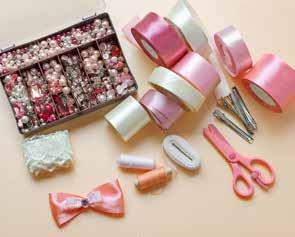
Guided by a team of experts - including an art historian, designer and multimedia artist - children will choose a template, then cut, decorate and design using rhinestones, mosaics, ribbons and feathers. With every creation reflecting their unique imagination, the workshop offers a fun and authentic introduction to artistic expression.
The cost is AED 150 per child, with adult accompaniment required. While advance registration is recommended to secure a slot, walk-ins are welcome subject to availability.
As part of L’ÉCOLE’s wider Creative Workshops programme, the session not only nurtures imagination but also inspires curiosity about creative professions - all in a playful, supportive environment.
For bookings and more information, visit www.lecolevancleefarpels.com/me/en/ create-your-jewel-course-me.
THINGS
HALLOWEEN
MOVIE MARATHON AT CINEMACITY
This Halloween, Cinemacity invites thrill-seekers to a spine-chilling cinematic experience with wickedly fun surprises. Guests will dive into a horror movie marathon featuring two terrifying films. Step into the dark legend of Dracula, where the original vampire myth comes alive and shadows creep with every
LATE-NIGHT DINING IN DOWNTOWN DUBAI
For those who believe the best evenings are the ones that linger long after dark, Bisou has unveiled an elegant new concept - Le Grand Bisou, a refined late-night dinner designed for Dubai’s night owls.
Available daily from 9 pm until late, this indulgent four-course tasting menu (AED 300) blends French sophistication with Middle Eastern flair, offering bold flavours, seasonal produce and a touch of theatre. You will be welcomed with a drink and a platter of signature bites before moving on to refined starters such as Grande Salade Verte with homemade pistachio sauce, Bisou’s beloved Artichoke Carpaccio, or classic Beef Tartare with golden fries.
The main courses showcase the restaurant’s culinary range - from slow-cooked lamb shoulder with parsnip mash to fresh salmon with broccolini and Bisou’s signature green sauce, alongside comforting favourites like Rigatoni Cacio e Pepe elevated with rich Comté cheese. To finish, desserts take centre stage, with choices including opera cake, baked Alaska, chocolate cake or delicate honey cake, each served with tea or coffee.
Set within Bisou’s striking interiors, designed by acclaimed architect Tristan Du Plessis, the experience is as much about atmosphere as it is about cuisine. With French-romantic details, art-filled walls and a
heartbeat. Then, feel your pulse quicken with The Black Phone 2, a chilling tale of supernatural terror, where every echo in the dark could be your last and the line between reality and nightmare blurs.
For little ghouls and goblins, the kids’ package offers a fun-filled cinematic adventure with Tron: Ares and Gabby’s Dollhouse or Princess - guaranteeing a fun, festive Halloween experience for little movie fans.
No Halloween night is complete without treats and Cinemacity has you covered. Savour a wickedly brewed Halloween mocktail, sink your teeth into cursed candies and dare to open the Trick-orTreat Mystery Box - who knows what sinister prizes await inside, from free movie tickets to snack upgrades that will make your skin crawl with delight!
Available on Fri 31st October and Sat 1st November at all locations.
Visit www.cinemacity.ae for more information.
celebrations or post-work gatherings.
Location: Bisou, Dubai Opera Plaza, Downtown Dubai
Timings: Daily from 9 pm
Pricing: AED 300 per person
sweeping staircase, the restaurant feels effortlessly chic - the perfect backdrop for late-night
Novel ways to help kids stay active; all about early puberty; managing fussy eaters and more!
TEN BRAINBOOSTING FOODS FOR YOUNG LEARNERS
We all want our children to walk into the classroom feeling focused, energised and ready to take on new challenges. Here are ten brainfriendly foods worth adding to your weekly menu.
What kids eat can make a real difference to how their brains perform. Certain foods are packed with nutrients that support memory, concentration and mood, giving little learners the best possible start to their day. Let’s take a look!
BERRIES
Blueberries, strawberries and raspberries may look small, but they’re bursting with antioxidants that help protect the brain and sharpen memory. A handful stirred into porridge or blitzed into a smoothie makes a colourful breakfast that feels like a treat.
OATS
Oats are a wonderful slow-release carbohydrate, meaning they keep energy levels steady throughout the morning. Instead of the midlesson slump, kids stay fuelled and focused. A warm bowl of oatmeal topped with sliced fruit is a cosy way to start the day.
NUTS AND SEEDS
Rich in vitamin E, zinc and healthy fats, nuts and seeds are ideal for brain health. A small handful of almonds, walnuts or pumpkin seeds
makes a nourishing snack. For younger children, try sprinkling ground seeds into yoghurt or blending nut butters into smoothies.
LEAFY GREENS
Spinach, kale and broccoli are nutrient powerhouses, filled with vitamins and minerals that support cognition, learning and growth. If greens are a tough sell, tuck them into sauces, soups or even a cheesy pasta bake, where they blend in seamlessly.
EGGS
Eggs deliver protein and choline, a nutrient essential for memory and brain development. Scrambled eggs at breakfast, or a vegetable omelette for dinner, provide a simple but effective brain boost. Boiled eggs also make handy lunchbox snacks.
FISH
Oily fish such as salmon, sardines and mackerel are rich in omega-3 fatty acids, which support concentration and memory. If fish isn’t a family favourite, plant-based sources like chia seeds or flaxseeds offer a great alternative stirred into cereals or smoothies.
YOGHURT
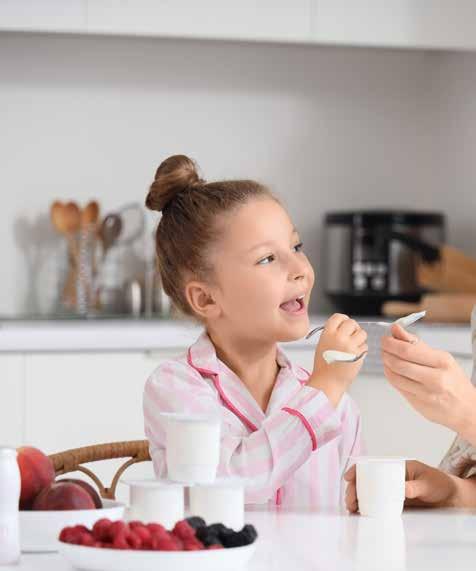
Full-fat yoghurt provides healthy fats that nourish the brain, and its probiotics support gut health, now known to be closely linked to mood and focus. Serve it with fruit or drizzle over a little honey for a balanced snack.
APPLES
Crunchy, sweet and portable, apples are packed with fibre and antioxidants. They help regulate blood sugar, preventing the dips that can leave children restless or distracted. Pop one into your child’s school bag for a simple pick-me-up.
BEANS AND LENTILS
Full of protein, iron and fibre, beans and lentils release energy slowly and steadily. They’re easy to add into soups, stews, or even wraps, making them a versatile choice for family meals.
DARK CHOCOLATE
Dark chocolate can be a brain-friendly treat! Its flavonoids improve blood flow to the brain and support memory. Opt for small squares of good-quality dark chocolate rather than sugary milk chocolate.
BRINGING IT ALL TOGETHER
Supporting your child’s brain health doesn’t have to mean complicated recipes. Small swaps, like adding berries to breakfast or swapping crisps for nuts, can have a lasting impact. By nourishing children from the inside out, we give them the best chance to flourish both in and out of the classroom!
SLEEP HYGIENE FOR PARENTS
Struggling to switch off at night? Here’s how busy parents can improve their sleep hygiene, restore energy and wake up refreshed, ready to take on the challenges of family life.
For many parents, sleep feels like a rare luxury rather than a daily necessity. Between late-night feeds, last-minute school projects, work commitments and the constant whirl of household life, rest often slides to the bottom of the to-do list. Yet quality sleep is not just about avoiding yawns the next morning - it’s the foundation of our mental, physical and emotional wellbeing. Without it, patience wears thin, stress mounts quickly and even small challenges can feel overwhelming.
Luckily, small, consistent tweaks to daily routines can transform the way you sleep. This is where sleep hygiene comes in - the habits and practices that support healthy, restorative rest. Much like teaching children the value of a bedtime routine, adults can also benefit from creating the right conditions for restorative rest. Here are some practical steps parents can take to improve their sleep hygiene and wake up feeling genuinely recharged.
A CONSISTENT ROUTINE
Our bodies thrive on rhythm. Going to bed and waking up at the same time each day - even at weekends - helps regulate the body’s internal clock. This consistency makes it easier to drift off at night and wake up naturally in the morning. For parents juggling unpredictable schedules, this might sound unrealistic, but even aiming for a regular bedtime window can make a difference.
WIND-DOWN PROPERLY
Falling into bed straight after loading the dishwasher or answering latenight emails rarely results in quality rest. Instead, do your best to build in a gentle wind-down period that signals to your body it’s time to switch
off. This could be a warm shower, stretching, listening to calming music or reading a few pages of a novel. Relaxation techniques such as deep breathing or progressive muscle relaxation can also work wonders. The key is to choose activities that soothe rather than stimulate - so leave intense workouts or heavy conversations for earlier in the day.
A DIGITAL SUNSET
Scrolling through your phone might feel like winding down, but the blue light from screens suppresses melatonin, the hormone that helps regulate sleep. Add in the mental stimulation of emails, social media or late-night news, and your brain stays switched on long past bedtime. A practical compromise is to set a ‘digital sunset’ - ideally one hour before sleep. If you must use a device, enable a blue-light filter or night mode to reduce the impact. Many parents find charging phones outside the bedroom removes temptation altogether.
A RESTFUL ROOM
The bedroom should be a sanctuary for rest. Ideally, it should be cool, quiet and dark. Blackout curtains, earplugs or a white-noise machine can help if you’re sensitive to outside disturbances. Comfortable bedding also matters more than we realise. A supportive mattress and quality pillows are not indulgences but investments in your health. Keep clutter to a minimum too - research shows that messy, overfilled rooms can increase stress and make it harder to relax.
EAT MINDFULLY
What you eat and drink in the afternoon and evening has a direct impact on sleep. Caffeine lingers in the system for hours, so aim to avoid coffee and energy drinks after midday. Heavy or spicy meals close to bedtime may also lead to discomfort or indigestion. A light, balanced dinner two to three hours before bed works best. If you’re hungry later, opt for something small and sleep-friendly, like a banana or yoghurt.
MOVE YOUR BODY
Daytime physical activity is strongly linked to better-quality sleep. Exercise helps regulate mood, relieve stress and tire the body in a healthy way. The timing matters - vigorous workouts late in the evening can be stimulating, so aim to be active earlier in the day. That said,
don’t underestimate lighter activities - a brisk walk, family cycle, or playing tag in the garden can all help. Even gentle yoga stretches before bed can prepare your body to rest.
EMPTY YOUR HEAD
For many parents, the biggest barrier to sleep isn’t a noisy household but a noisy mind. To-do lists, work deadlines and worries about our children often follow us to bed. Stress management tools can make so much difference! Journalling for five minutes, noting down tomorrow’s priorities or practising mindfulness meditation are practical ways to clear that mental clutter. If anxious thoughts persist, try consciously tensing and releasing each muscle group, shifting focus from your mind to your body.
AVOID PRESSING SNOOZE
As tempting as it is, repeatedly hitting snooze can leave you feeling groggier. Each time you drift back to sleep, your body enters a new cycle that it doesn’t have time to complete. Instead, place your alarm across the room so you have to physically get out of bed. Pair this with letting in natural light as soon as possible to help your body fully wake up.
WHEN SLEEP WON’T COME
Despite our best efforts, there may be times when sleep remains elusive - particularly
for parents of babies and young children. If sleepless nights are becoming the norm, it’s worth speaking to a healthcare professional. Underlying conditions such as sleep apnoea, thyroid issues or anxiety disorders may be contributing to poor sleep and can often be treated.
REST IS BEST
It’s important to remember that even if you can’t get a full eight hours, rest still matters. Simply lying in bed with your eyes closed, breathing slowly, allows your body to recharge. Short naps of 20-30 minutes can also help if you’re feeling particularly sleep-deprived, as long as they don’t interfere with your ability to sleep at night.
PUTTING IT INTO PRACTICE
Improving sleep hygiene isn’t about perfection - it’s about making small, sustainable changes. Start with one or two tweaks, like reducing screen time or bringing bedtime forward by fifteen minutes, and build from there. Over time, these adjustments compound, helping you feel calmer, clearer and better equipped for the demands of parenting.
Good sleep won’t make the challenges of family life vanish, but it will make them easier to face. By investing in your own rest, you’re not only protecting your health but also showing up as the best version of yourself for your children.
WHAT TO DO WHEN YOUR CHILD WON’T EAT
Fussy eating is a challenge most parents face at some point. Here’s how to handle mealtimes with confidence, reduce stress and help your child build a positive relationship with food.
Few things test a parent’s patience quite like a child who refuses to eat. Whether it’s pushing away vegetables, rejecting new foods or simply refusing to sit at the table, picky eating can quickly turn family mealtimes into battlegrounds. Rest assured - you’re not alone. Many children go through phases of fussiness, and in most cases it’s a normal, temporary part of development. The key is to approach the situation calmly, with strategies that encourage healthy habits without turning food into a fight.
WHY KIDS REFUSE FOOD
Understanding the reasons behind your child’s eating habits is the first step. For toddlers, picky eating is often linked to asserting independence - food becomes one of the few areas where they feel in control. For older children, texture, taste or even presentation can be off-putting. Growth spurts and fluctuating appetites also play a role, meaning some days they’ll eat very little and on others, they’ll surprise you by clearing their plate.
In rarer cases, underlying issues such as sensory sensitivities, reflux or food allergies may be contributing to mealtime struggles. If you’re concerned your child isn’t growing or is showing signs of nutritional deficiency, it’s always wise to check in with your paediatrician.
POSITIVE MEALTIMES
It’s natural to feel frustrated when your child rejects food you’ve spent time preparing, but pressure, bribery or punishment usually backfire. Forcing a child to eat can create lasting resistance and negative associations. Instead, focus on making mealtimes enjoyable occasions. Chat about your day, encourage conversation and treat food as just one part of the experience. When the table is a place of connection rather than conflict, children are more open to trying new things.
KEEP IT VARIED
Children need repeated exposure to new foods before they accept them. In fact, research suggests it can take ten to fifteen tries before a child willingly eats something new! It’s wise to keep offering small portions of new foods alongside familiar favourites, without drawing too much attention to them. A single carrot stick or a spoonful of lentils next to their usual pasta is often more effective than piling on a full portion.
LEAD THE WAY
Children copy what they see. If they watch parents and siblings eating and enjoying a variety of foods as a norm, they’re more likely to follow suit. So, make a point of eating vegetables, fruits and whole grains in front of them and try to avoid voicing strong dislikes, as children pick up on attitudes quickly. When they see you enjoying colourful salads or happily tucking into fish, they’ll often grow curious enough to join in.
EAT AT SIMILAR TIMES
Predictability helps kids feel secure. Serving meals and snacks at roughly the same times each day regulates their appetite and prevents grazing, which can leave children too full to eat at mealtimes. On that
note, it’s best to keep snacks small and balanced, and encourage water as the default drink. Overall, a steady rhythm reduces food-related power struggles and builds trust.
INVOLVE THEM
Children are far more interested in eating something they’ve helped to prepare. So, why not involve them in age-appropriate ways? This could look like washing vegetables, stirring ingredients or even choosing a fruit at the supermarket. Even simple tasks give them a sense of ownership! Growing herbs on a windowsill or planting a tomato plant in the garden can also make children proud to taste the results of their efforts.
PRESENTATION MATTERS
Presentation goes a long way towards encouraging kids to try new things. Using colourful plates, cutting food into fun shapes or arranging items into smiley faces can genuinely help tempt reluctant eaters. Small touches, like offering dips such as hummus or yoghurt, might make vegetables more appealing. It doesn’t need to be elaborate - just playful enough to grab kids’ interest.
RESPECT APPETITE
Worrying when a child eats very little at a meal is natural, but forcing them to finish everything undermines their ability to recognise hunger and fullness cues. Instead, encourage children to eat until they feel satisfied. Trusting their appetite helps them develop a healthy relationship with food that will serve them well later in life.
CHOOSE YOUR BATTLES
If your child is eating from most food groups across a week, it’s usually nothing to worry about. Rather than stressing over every individual meal, take a step back and look at the bigger picture. Growth charts, energy levels and overall health are better indicators of whether they’re getting enough nutrition than one skipped dinner.
GETTING SUPPORT
While most picky eating is harmless and temporary, there are times when it’s worth seeking professional advice. If your child is consistently losing weight, refusing entire food groups, gagging frequently or showing strong sensory aversions, speak to your paediatrician.
A LONG-TERM VIEW
Fussy eating phases rarely last forever. Food refusal can be challenging, but it’s important to remember that picky eating is usually a normal part of childhood. Many children who once turned up their noses at vegetables grow into adventurous eaters! Patience, persistence and a relaxed approach are the key here and generally form the foundations for a healthy relationship with food for your little ones.
EARLY PUBERTYWHAT SHOULD YOU KNOW?
Noticing signs of puberty earlier than expected can be worrying for parents. Here’s what early puberty means, what to look out for and how to support your child through this transition.
Puberty is a natural stage of development, usually beginning around ages 8-13 in girls and 9-14 in boys. However, what if the signs show up sooner? Early puberty, also called precocious puberty, happens when these changes start before the age of 8 in girls and before 9 in boys. Understandably, this can raise concerns for parents, not only about physical health but also about emotional wellbeing and social pressures.
Early puberty is relatively rare, but when it does occur, there are clear ways to support your child. Let’s look at what causes it, what signs to watch for and how to guide your child through this sensitive time.
WHAT CAUSES EARLY PUBERTY?
In many cases, there is no obvious reason why puberty begins earlier than expected. Sometimes it’s linked to the brain releasing hormones sooner than usual, while in other cases medical conditions or hormonal imbalances
might be involved. Family history also plays a role - if you or your partner developed early, your child may follow a similar pattern.
Environmental factors are thought to contribute as well. Nutrition, body weight and exposure to certain chemicals may influence the timing of puberty. Research is still developing, but one thing is clear: early puberty is not anyone’s “fault.” Parents should not carry guilt or blame themselves.
WHY DOES IT MATTER?
You might wonder whether early puberty is simply a case of “growing up faster.” However, there are several reasons why it’s important to take note. Physically, children are more likely to stop growing sooner than expected, leaving them shorter as adults. Emotionally, it can be difficult for young children to cope with changes their classmates haven’t yet experienced. They may feel self-conscious, isolated or even teased.
There are also longer-term considerations. Early exposure to certain hormones has been linked to increased risks of anxiety, depression and, in some cases, reproductive health concerns later in life. Recognising and supporting children at this stage can reduce those risks.
GETTING PROFESSIONAL ADVICE
If you notice early signs of puberty, the best step is to consult your child’s paediatrician. They may recommend further tests, such as blood work or scans, to determine whether it’s a normal variation or linked to an underlying cause. Having medical guidance can bring clarity and reassurance, helping families make the best decisions.
SUPPORTING KIDS EMOTIONALLY
For many children, the biggest challenge of early puberty is not the physical changes but the emotional and social effects. They may feel “out of sync” with classmates or struggle to make sense of what is happening. Parents can help by creating a safe, supportive space.
• Open conversations: Talk honestly but gently. Use language your child understands and invite questions.
• Normalise the experience: Remind them that everyone goes through puberty, just on their own timeline.
• Address teasing: If bullying arises, speak with teachers and let your child know they can always confide in you
The message that “you are not alone, and nothing is wrong with you” is incredibly powerful at this stage.
THE ROLE OF HEALTHY LIFESTYLE
A strong foundation of health supports children through any stage of development, but is especially helpful at this time of unexpected change. A balanced diet, regular activity and good sleep all help kids’ bodies adjust. Encouraging hobbies and a strong social life, as well as making time for family fun are also brilliant ways to strengthen your child’s self-esteem. The more secure and capable a child feels, the better they can handle change.
PREPARE YOUR CHILD
For girls who start menstruating early, the experience can feel daunting. Parents can help by giving practical support - explain how pads or period products work, pack supplies for school and normalise periods as a healthy, natural process. These kinds of conversations reduce your daughter’s embarrassment and help girls feel prepared rather than caught off guard.
LOOK AFTER YOURSELF
Parents often feel a mix of worry, sadness and even guilt when early puberty arises. Remember, it’s natural to feel unprepared. Looking for support from healthcare professionals, friends or parenting groups can be invaluable. When you feel confident and calm, your child is more likely to feel the same.
THE BOTTOM LINE
Most children who go through early puberty continue to lead happy, healthy lives. With the right mix of medical support and emotional guidance, the challenges are manageable. What matters most is that children feel loved, accepted and supported as they adjust to changes that may have arrived sooner than expected.
Puberty can be a confusing time for any child, but when it begins earlier than expected it can feel especially overwhelming. Staying informed, looking for medical advice and offering a supportive home will help your child face these changes with confidence. You’ve got this!
CREATIVE WAYS TO GET KIDS MOVING
Here are fun and imaginative ways to get kids active, build healthy habits and make movement a happy part of everyday family life.
Struggling to peel your children away from screens? You’re not alone. In today’s digital world, young people are surrounded by opportunities to sit still - from online lessons to gaming and endless scrolling on social media. While there’s no denying the benefits of technology, too much sedentary time can leave kids restless, tired and even more reluctant to move.
That’s where a little creativity can make all the difference. Movement doesn’t have to mean laps around the track or rigid sports drills. It can be playful, light-hearted and woven naturally into your family’s routine. In fact, children are far more likely to build lasting good habits if activity feels like fun rather than a chore.
The World Health Organisation recommends that children aged 5 to 17 get at least an hour of moderate to vigorous activity every day. That may sound like a lot, especially if your child isn’t naturally drawn to sport, but remember, it all adds up. A ten-minute dance party here, a walk to the park there - before you know it, you’ve hit their daily goal without it ever feeling forced. Here are some simple yet imaginative ways to get your kids moving and smiling along the way.
TURN CHORES INTO GAMES
Household jobs may not sound thrilling, but with the right spin they can become active challenges. Blast some music and see who can tidy up the fastest, fold laundry the neatest or sweep the floor without missing a beat. Racing against the clock or competing in silly “chore Olympics” sneaks in exercise while making daily tasks feel less like drudgery.
OBSTACLE COURSES
Whether indoors or outside in the garden, obstacle courses are a brilliant way to encourage running, crawling, balancing and jumping. You don’t need expensive equipment - think cushions to leap over, chairs to crawl under or ropes to hop across. Add a timer and watch your children try to beat their own records again and again!
ADVENTURE WALKS
Instead of a standard stroll, turn walks into adventures. Create a scavenger hunt list - things like “find a leaf bigger than your hand” or
“spot three different birds.” For younger children, try storytelling walks, where you invent a tale together based on what you see around you.
DANCE IT OUT
Few activities bring as much instant joy as dancing. So, clear some space in the living room, put on your children’s favourite playlist and let them move however they like. Try freeze-dance, have a family dance-off or even learn a simple routine together. Not only does dancing get hearts pumping, it also lifts little spirits and encourages some easy self-expression.
PLAYGROUND CLASSICS
From hopscotch to skipping ropes, hide-and-seek to “stuck in the mud,” traditional playground games are timeless for a reason. They’re free, require little to no equipment and guarantee giggles alongside exercise. Revisiting the games you loved as a child is also a lovely and nostalgic way to connect as a family.
WATER PLAY
If you have access to a pool, swimming is one of the best all-round workouts for kids. But even without one, water balloons, sprinklers or simply running through the hose on a hot day can create hours of active fun. Just be prepared for squeals of laughter - and perhaps a bit of a splash yourself!
ACTIVE SCREEN TIME
Not all screen time has to mean sitting still. Interactive video games that involve dancing, fitness challenges or sports simulations can get kids moving while tapping into their love of technology. Used in moderation, these can be a clever compromise that blends entertainment with exercise.
JOIN FORCES WITH FRIENDS
Children are often more motivated to move when they’re with other kids. So, do your best to arrange playdates at the park, set up a mini football match or design a treasure hunt in the garden for their friends. After all, when movement is disguised as play, it rarely feels like effort.
JOURNEY TIME
Short journeys are an easy opportunity for activity. Try walking, scooting or cycling instead of driving. If you’re walking to school, turn it into a challenge - perhaps a scooter race or a competition to spot the most yellow cars. You’d be surprised - small changes like this add up quickly.
IMAGINATION GAMES
Imaginative play can be surprisingly physical. Pretending to be superheroes, wild animals or explorers in the jungle involves running, leaping and crawling without it ever feeling like exercise. Simple props such as cardboard swords or blankets for capes can make the game even more engaging.
FAMILY CHALLENGES
Kids love a bit of competition, especially when parents join in. Try a “10-minute movement challenge” with star jumps, planks or skipping. Keep a family chart to track progress and celebrate milestones with fun rewardsperhaps choosing the next weekend outing or a family film night.
EVERYDAY TWEAKS
Sometimes the simplest changes are the most effective! Movement doesn’t always require special planning - take the stairs instead of the lift, park a little further from the shop entrance or play active games in the garden before dinner. These small adjustments help weave activity naturally into daily life.
LISTEN TO THEIR INTERESTS
Not every child is destined for football or ballet, and that’s okay. They might light up at martial arts, rock climbing, gymnastics or even circus skills. Explore different options until you find something that excites thembecause enthusiasm is the best motivator.
SET THE TONE
Like sponges, kids soak up what’s around them. If they witness you enjoying walks, yoga or silly kitchen dance-offs, they’ll be much more likely to join in. Showing that movement is a joyful, shared experience helps to build positive habits that last.
Getting kids moving doesn’t have to involve structured sports or expensive classes. By weaving movement into everyday norms, you can nurture a long-term taste for activity. After all, the goal isn’t just exercise - it’s building confidence, resilience and a love of movement that lasts a lifetime.
PARENTING
Balancing flexible work and family time; supporting your child to make new friends; why saying “no” helps kids and more!
WHY SAYING “NO” CAN BE GOOD FOR YOU AND YOUR FAMILY
Many parents feel pressure to say “yes” to everything - but learning to say “no” can actually lead to so many positives.
As parents, we’re used to being pulled in every direction. The school needs helpers for a fundraiser, work wants one more late-night email, grandparents are hoping for a weekend visit, and of course the children have an endless stream of requests - from “Can I have more screen time?” to “Can we stay up just a bit longer?” On their own, each request feels manageable. But stack them together, and suddenly life feels like a treadmill set just a little too fast. It’s no wonder so many mums and dads find themselves stretched thin, worn out, and quietly resentful despite their best intentions.
The truth is that constantly saying “yes” doesn’t make us better parents. It makes us tired ones. And tired parents struggle to give their best energy to the very people they care about most. That’s why learning to say “no” - kindly, clearly and without guilt - can be one of the most loving things we do for our families.
BOUNDARIES AS REASSURANCE
For many of us, the word “no” carries negative associations. It can feel harsh or even unkind, especially when directed at kids. However, when we step back, we see that “no” is often a good thing. We often think of “no” as negative, but children don’t experience it that way when it comes from a place of care. In fact, boundaries make kids feel secure. Knowing there are limits reassures them that someone capable is in charge and that the world around them is structured rather than chaotic.
Think of bedtime, for example. It’s tempting to give in to pleas for “just one more show” or “ten more minutes.” But we know an overtired child is rarely at their best the next day - and the household often pays the price too. Saying “No, it’s bedtime now” isn’t about being strict. It’s about protecting everyone’s peace of mind. Far from being unkind, boundaries are one of the most loving gifts we can give.
SMALL STEPS TO RESILIENCE
It is natural to want to protect our children from sadness or frustration, but life is full of moments when things don’t go our way. Allowing kids to hear “no” in safe, everyday situations – from “No, we’re not buying that toy” to “No, ice cream isn’t breakfast” - helps them practise dealing with disappointment. These small lessons accumulate into something powerfulresilience When children hear “no” in a safe, supportive context, they gradually learn that disappointment is survivable. They discover they can feel upset, adapt and move forward.
This lesson extends far beyond childhood. Adults who struggle to cope with rejection or unmet expectations often find relationships and careers more difficult. By letting children experience manageable “nos” early on, we help them develop the coping skills they will need throughout life.
A THOUGHTFUL “NO”
A “no” barked in frustration can hurt, but a calm and empathetic “no” lands very differently. Imagine saying, “No biscuits before dinner, they’ll spoil your appetite. I know it’s hard to wait, but dessert will be even nicer together afterwards.” The message is firm, yet it respects a child’s feelings. Kids absolutely notice the difference. They see that boundaries can be delivered with kindness, which in turn shapes how they will express limits with others one day.
PROTECTING PARENTS TOO
There’s another side to this. Saying “no” doesn’t only serve children; it safeguards parents’ wellbeing as well. When we overstretch - another committee, another favour, another rushed errand - we run on fumes. Stress rises, patience dwindles and
our temper flares more easily at home. By contrast, a parent who declines what doesn’t fit has more energy to say “yes” wholeheartedly when it really matters. Protecting our own energy is not selfish. It’s the foundation of a steadier household.
SPACE TO BREATHE
Modern family life is often overscheduled, with weekends resembling military operations rather than restorative downtime. Sports clubs, birthday parties, tutoring and endless errands can leave everyone exhausted. Learning to say “no” to some invitations or activities creates breathing space. It allows for unstructured time - the kind where families can bake together, go for a walk, or simply rest side by side.
Children do not need a packed timetable to thrive. In fact, research shows that
downtime is vital for their creativity, self-reflection and emotional regulation. By saying “no” to constant busyness, parents allow children to experience the joy of simply “being,” rather than always “doing.”
HEALTHY BOUNDARIES
Perhaps one of the most overlooked benefits of saying “no” is the example it sets. Children absorb not just what we tell them, but how we live. If they watch us run ourselves ragged, agreeing to everything out of guilt, they may come to believe this is what adult life requires. However, if they see us politely declining, choosing balance and self-respect, they learn a healthier model.
When their own boundaries inevitably get pushed later in life, that early example can be the anchor they need. A child who grows up watching a parent manage boundaries with kindness and clarity is more likely to say “no” themselves in situations that matter - whether that’s resisting peer pressure as a teenager or setting healthy limits in adult relationships.
SAYING “NO” WITH CONFIDENCE
Learning to say “no” comfortably takes practice. Here are a few strategies that can help:
• Pause before answering: If you feel pressured to agree, take a moment to consider whether you genuinely want or are able to say yes.
• Offer alternatives: Instead of an outright refusal, sometimes a compromise works. “No, we can’t go to the park right now, but we can go after lunch.”
• Be consistent: Children thrive on predictability. If bedtime is 8 pm, sticking to it makes your “no” easier to accept over time.
• Keep explanations simple: A calm, straightforward reason is often enough. Long justifications can invite debate or guilt.
• Practise self-kindness: Remind yourself that boundaries are healthy, not selfish.
VALUING BALANCE
Ultimately, learning to say “no” is about cultivating balance. It is about creating a family life that prioritises better connection, good health and emotional wellbeing over busyness, people-pleasing or shortterm avoidance of conflict. When parents embrace “no” with love and consistency, they give their families the gift of clarity, learning and peace.
Of course, many of us feel guilty when we say no. We worry we’re letting someone down or being unfair - but reframing helps. Each boundary you set is an act of care that protects your own energy, teaches your child resilience and shows your family that balance matters. Children don’t need parents who always say yes. They need parents who are present, emotionally available and consistent. Sometimes that means saying no - and meaning it.
FROM GUILT TO EMPOWERMENT
Children may not always like hearing “no” in the moment. However, over time, they come to understand that boundaries provide security, that disappointment can be managed, and that saying “no” can coexist with deep love.
So next time you hesitate before saying “no”, pause. Remember that you may actually be saying yes - yes to calmer evenings, yes to a family life that feels sustainable, yes to children who grow up knowing that boundaries can coexist with love. Saying “no” is not a rejection. It is a gift - to yourself, to your children and to the harmony of your home.
HELPING KIDS NAVIGATE NEW FRIENDSHIPS
A new school year always brings fresh beginnings - new teachers, new routines and, perhaps most importantly, new friendships. Here’s how you can support your child in building new connections in the classroom and beyond.
Friendships in childhood are more than playdates and giggles at breaktime. They are the first connections children form outside the family bubble, giving them a sense of belonging and teaching them how to share, listen and compromise. Research consistently shows that strong friendships help children feel more confident, improve their social skills and even make them more motivated learners. For a shy child, just knowing there’s a friendly face waiting at the classroom door can transform their whole day.
But making friends isn’t always easy. Some children dive straight in, introducing themselves without a second thought, while others hang back, unsure how to take that first step. Add in the upheaval of a move to a new school or the nerves that come with joining an unfamiliar class, and the whole process can feel overwhelming. As parents, our
instinct might be to smooth the way, but our true role is to gently equip our children with the tools and confidence to navigate these new social landscapes for themselves.
BUILDING SOCIAL CONFIDENCE
Confidence is the foundation of every new friendship. Children who believe they have something to offer are more likely to take the risk of saying hello or joining a game. At home, this can be encouraged in simple ways - practising conversation starters, role-playing classroom scenarios or talking through how to introduce themselves. Even small rehearsals like, “Hi, do you want to play tag?” can make those first encounters feel less daunting.
It’s also worth celebrating your child’s strengths. Maybe they’re brilliant at drawing superheroes, fantastic at football or have a knack for making up silly jokes. These talents become natural entry points for connection. Remind your child that not everyone has to like them - they just need to find a few people who do.
CULTIVATING KINDNESS AND EMPATHY
While confidence opens doors, kindness keeps them open. Children who show empathy and care for others are the ones who build meaningful, lasting friendships. Parents can nurture this by showcasing it at home - pausing to listen properly, apologising when wrong or talking openly about feelings. If your child has a playground disagreement, you might gently ask, “How do you think your friend felt when that happened?” Helping them reflect develops the muscle of perspective-taking, which is at the heart of empathy.
Stories are also wonderful teachers. Books where characters face friendship dilemmas allow children to explore social challenges in a safe and imaginative way. A bedtime chat about what a character could have done differently can lead to surprisingly thoughtful insights!
REJECTION AND SETBACKS
It’s inevitable that not every friendship attempt will succeed, and rejection can hurt deeply for kids. No matter how kind or confident a child is, not every friendship attempt will go to plan. Perhaps they aren’t invited to a party, or a classmate chooses another partner in PE. These moments can sting. Instead of rushing to fix it, start with empathy - “That must have felt tough.” Validating the disappointment helps children feel seen and from there you can gently steer towards resilience.
Role-playing can be especially effective here. Practising calm responses like, “That’s OK, maybe another time,” gives children scripts to fall back on in real life. Over time, they learn that rejection doesn’t mean failure - it’s just a normal part of navigating relationships.
SUPPORTING WITHOUT TAKING OVER
It’s tempting as parents to step in - to arrange playdates, solve spats or engineer friendships that we think will be “good” for our child. While some gentle facilitation can be very helpful, the real growth comes when children manage these moments themselves. If we do too much, we risk sending the message that they aren’t capable.
A better approach is to be curious and focus on being a solid sounding board. Ask open-ended questions like, “Who did you enjoy spending time with today?” or “What games looked fun at break?” These prompts encourage reflection and give us a window into their social world, without us directing the narrative.
AN INCLUSIVE WAY
School friendships can sometimes slip into cliques, with some children left out on the sidelines. Talking with your child about inclusion can help them understand the value of small, welcoming gestures. Planting the seeds of empathy in your child is one of the best gifts you can give them. With that in mind, it’s good to encourage kids to notice the child who might be alone at playtime and invite them into a game. Not only does this help others feel included, but it also reinforces kindness and broadens your own child’s circle.
It’s important to normalise having different types of friends - the best friend they confide in, the classmate they play football with or the partner they team up with in art. When children understand that one person doesn’t need to meet every social need, they can enjoy their friendships with less pressure and more ease.
WHEN TO STEP IN
Most bumps in the road are just part of learning. However, sometimes, friendship struggles signal something deeper. While most friendship issues are part of normal development, there are times when parental support is absolutely essential. If your child seems consistently excluded, is dealing with bullying, or shows sudden changes in mood or confidence linked to social issues, it’s time to step in. Partnering with teachers can provide valuable perspective and ensure your child feels supported both at home and in the classroom.
THE BIGGER PICTURE
Friendships are one of the great joys of childhood. They bring laughter, belonging and the thrill of being understood. But they also bring challenges - moments of rejection, misunderstandings and the work of compromise. By supporting your children with empathy, encouragement and space to grow, you’ll give them the tools to navigate both the joys and the bumps.
You can’t choose their friends for them, but you can help your child discover how to be a good friend themselves - kind, resilient, open and confident - traits that will serve them not just in the playground, but in every stage of life to come.
BALANCING FLEXIBLE WORK AND FAMILY LIFE
Freelancing and working for yourself offer flexibility that many parents dream of - but how do you balance the freedom with the pressures of family life?
Over the past decade, the gig economy has transformed how many of us work. From freelance consulting and online teaching to ride-hailing and delivery apps, gig work offers something traditional employment often doesn’t - flexibility. For parents, this flexibility can feel like a lifeline - the chance to be more present, to shape a schedule around school runs, assemblies and family time, rather than squeezing those precious moments into the margins.
As freeing as it can be, this kind of work comes with its own pressures. Flexibility doesn’t always mean balance. Without the predictability of a monthly pay cheque or the structure of set hours, parents can find themselves pulled in opposite directionstrying to meet deadlines while also making sure there’s milk in the fridge, homework done, and a bedtime story read. The very thing that promises freedom can, if left unchecked, start to feel overwhelming. For
parents trying to juggle household demands, childcare and career goals, this balance can feel precarious.
THE HIDDEN CHALLENGES
One of the biggest hurdles gig-working parents face is the unpredictability of income. A busy month can feel encouraging, but a quiet one can trigger stress about bills and family expenses. That uncertainty can weigh heavily, even if you try to shield the children from it. Kids may not know the numbers, but they sense the atmosphere when grown-ups are stressed. It takes careful planning - and often a lot of creativity - to keep things steady when income ebbs and flows.
Time management is another challenge. While traditional jobs usually have clear boundaries, gig work can stretch into evenings, weekends or family holidays. A quick job in the evening, a phone call over dinner, an email answered at the playground - suddenly, the boundaries between work and family blur. Children may notice that even though you’re present, your attention is somewhere else, and that’s when resentment can creep in on both sides.
STRUCTURAL ISSUES
The irony of gig work is that its greatest strength - flexibility - can also be its downfall if not managed carefully. Building structure into an unstructured career is essential. Some parents set clear hoursmornings for work, afternoons for family - even if the details shift week by week. Others carve out a corner of the living room or a desk in the bedroom that signals “work zone,” leaving the rest of the home
for family time. These little boundaries can work wonders. They let children know what to expect, and they remind parents when to switch off, helping the whole household adjust more easily.
QUALITY OVER QUANTITY
Presence is about quality more than quantity. You can be in the same room all day, but if your mind is on emails and deadlines, children will feel it. A half-hour spent reading together, cooking dinner side by side, or simply chatting about their day can mean far more than hours spent distracted. What children crave is undivided attention - those moments when they know they matter more than anything else. Setting aside these pockets of focused time reassure children that you’re there and that you care.
MANAGING YOUR NEEDS
The pressures of juggling gig work and parenting can take a toll on wellbeing. Latenight deadlines, irregular income and the constant switching of roles can leave parents exhausted! Without careful pauses, burnout creeps in quickly. The best defence to this is small rituals of self-care - a quiet cup of tea before the house wakes, a short walk after school drop-off, even a few minutes of stretching or breathing between tasks. It sounds simple, but these resets protect your energy and by extension, your whole family’s wellbeing.
Support is another key piece of the puzzle. Whether it’s sharing duties with a partner, leaning on grandparents for an afternoon or joining online groups of other freelance parents, knowing you’re not carrying it all alone
makes an enormous difference. There’s comfort in swapping stories, tips and tricks with others who understand the odd mix of freedom and pressure that comes with this lifestyle!
VALUABLE LESSONS
While gig work can be challenging, it also offers children valuable lessons. They see how you adapt, how you work hard, how you make space for family and through this, kids learn resilience, creativity and the idea that careers don’t have to follow one straight path. It’s a powerful lesson so long as they’re not exposed to the grown-up worries behind it. Be honest about the fact that freelance work can sometimes be unpredictable, but avoid burdening children with financial stress. Keep the conversations honest but light - yes, freelance work can be unpredictable, but it also means you get to share so much more of everyday life with them!
REDEFINING SUCCESS
Perhaps the most important shift for parents in the gig economy is redefining what success looks like. Traditional jobs often measure achievement in promotions or titles, but gig work is more personal. Success might mean being able to attend every school performance, making money from a passion, or it might simply be carving out a lifestyle that feels sustainable and connected.
It’s easy to compare yourself to parents with steady nine-to-five jobs or seemingly perfect schedules, but every family’s balance is unique. By focusing on what truly matters to you - whether that’s financial stability, flexibility or time - you can create a version of success that fits your household.
THE GIFT OF FLEXIBILITY
Parenting in the gig economy is both a challenge and an opportunity. The flexibility can be liberating, allowing parents to weave work around family rather than the other way round. It lets parents put family at the heart of their day rather than fitting it around the edges. It creates space for being present, for staying close, for those little moments that children remember long after projects are finished. Yes, it takes boundaries, routines and a healthy dose of self-care, but done well, this way of working can shape a family life that feels less like a compromise and more like a choice.
ARE ONLINE FRIENDSHIPS HEALTHY FOR CHILDREN?
From gaming buddies to social media chats, kids often form friendships in digital spaces. However, are these connections supportive and safe - or do they come with hidden risks?
For many of today’s kids, friendships don’t just take place in classrooms, playgrounds or sports clubs. Increasingly, they are built and maintained online. From shared gaming sessions to group chats and video calls, digital spaces have become a core part of how young people connect.
For parents who grew up before the digital age, this shift can feel unsettling. The idea that your child may share their thoughts, time and laughter with someone they’ve never met in person raises questions. Are these relationships real? Are they healthy? And perhaps most importantly - are they safe?
WHY ONLINE FRIENDSHIPS MATTER
Despite the doubts, research suggests that online friendships can be just as meaningful as offline ones. They often provide the same sense of belonging, companionship and emotional support that traditional friendships do. For children who feel shy, anxious, or find face-to-face interactions overwhelming, digital connections can be a lifeline. They offer a chance to practise social skills, share interests and discover likeminded peers.
Gaming communities are a good example. Collaborating on quests or challenges often builds teamwork, problem-solving and a real sense of camaraderie. Group chats and video calls allow kids to stay in touch after school hours, deepening any connections that may have begun in the classroom. In a world where technology is woven into almost every aspect of life, these digital relationships help children feel they are part of something bigger.
RISKS TO BE AWARE OF
While online friendships can be positive, they do come with risks. Chief among these is safety. Unlike school or neighbourhood friendships, digital relationships can expose children to people with hidden identities. Catfishing, grooming and cyberbullying are very real dangers and children may not always recognise red flags.
There are also concerns about balance. Spending hours online can interfere with young people’s sleep and schoolwork, as well as their in-person social confidence and opportunities. If digital connections replace, rather than complement, offline ones, kids risk becoming socially isolated. And because online interactions can lack the nuances of face-to-face communication - like tone of voice or body language - misunderstandings may escalate more quickly.
BUILDING DIGITAL LITERACY
The key isn’t to ban online friendships outright, but to help children approach them with awareness and confidence. Teaching digital literacy - the ability to understand and manage online interactions - is essential. This includes:
Privacy skills
This means teaching children not to overshare personal details, such as addresses, school names or family information.
Critical thinking
This involves helping kids question who they’re talking to and whether someone’s behaviour feels genuine and authentic.
Boundaries
This could look like setting clear limits on when and how long your child can be online, and reinforcing that mealtimes or late nights are screen-free zones.
When these skills are underlined at home, children learn to treat online friendships with the same care and caution they would use in face-to-face relationships.
THE ROLE OF PARENTS
Parental involvement is incredibly important when it comes to your child’s online activity. Take time to talk to your son or daughter about who they’re chatting with, and show interest in their digital world without judgement. If your child feels you’re curious rather than critical, they’ll be far more likely to share both the fun and the challenges of their digital lives.
It’s also worth setting family agreements around technology use. These might include rules about where devices can be used (such as in communal spaces rather than behind closed doors), limits on late-night messaging, and agreements about what kinds of friendships are safe to pursue.
Monitoring doesn’t have to mean snooping. Instead, it’s about creating an atmosphere where your child knows they can come to you if something feels uncomfortable. Remind them that their safety always outweighs embarrassment or secrecy.
ENCOURAGING BALANCE
Like all forms of socialising, online friendships are healthiest when balanced with other experiences. It’s wise to nudge your child to nurture their offline relationships through playdates, clubs, sports or hobbies. These in-person interactions help develop essential life skills, like reading social cues, resolving disagreements or showing empathy, that can be harder to practise online.
If your child seems to lean heavily on digital connections, gently encourage them to widen their circle without dismissing the friendships they already value. The aim isn’t to replace one type of relationship with another, but to ensure their social world feels varied and fulfilling.
SPOTTING WHEN SOMETHING’S WRONG
There are warning signs that an online friendship may be unhealthy. These include secrecy about who they’re talking to, withdrawing from family activities, becoming anxious without internet access or changes in their mood linked to online interactions. If you notice these behaviours, open a calm, non-judgemental conversation and, if necessary, look for support from teachers or online safety organisations.
A GUIDING LIGHT
Online friendships are now a normal part of growing up. For many kids, they bring genuine joy, community and comfort. The risks are real, but banning them altogether isn’t realistic, or necessarily helpful. What children need most is guidance - parents who teach digital literacy, encourage real life friendships and create an open, supportive environment where kids feel safe to share their online experiences.
Handled thoughtfully, online friendships can become one strand of a rich, connected social life, one that spans both screens and playgrounds. By giving kids the tools to navigate this world with confidence, we equip them not just to stay safe, but to build relationships that nurture and sustain them well into the future.
EDUCATION
The steps you can take to turn homework into a smooth and streamlined experience for your child.
HOW TO CREATE A POSITIVE AFTER-SCHOOL ROUTINE
Homework doesn’t need to be a battle. Here’s how to establish a calm, structured afterschool routine that encourages independence and a happy attitude towards learning.
After-school homework can be the hardest part of the day for many families. While some children sit down and work calmly, others resist, procrastinate or find themselves quickly overwhelmed. For parents, the result can feel like a tug of war, nagging, coaxing and eventually clashing, leaving everyone frustrated. It doesn’t have to be this way. By putting thoughtful routines in place, parents can create an environment where homework feels natural, manageable and even rewarding. With consistency, patience and a few practical strategies, homework can become a productive, even enjoyable, part of the day.
DESIGNATED SPACE
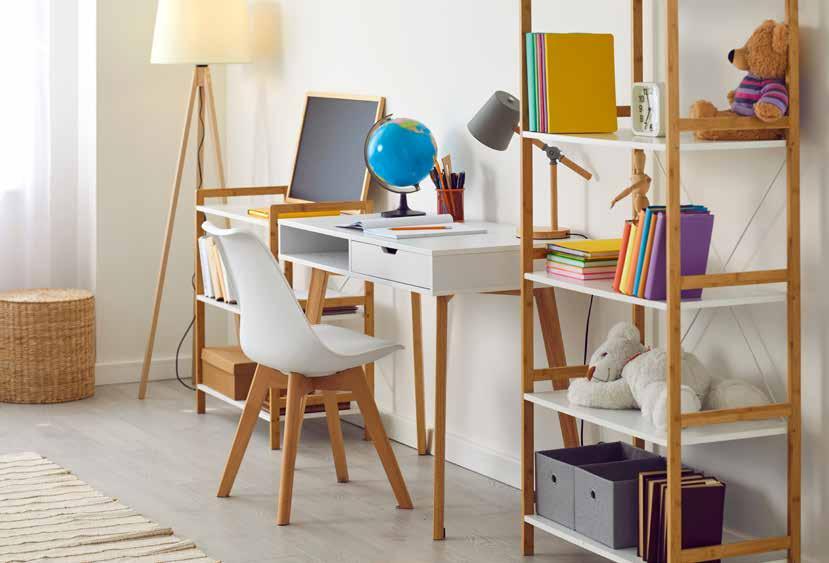
Children benefit from a consistent place to work, free from distractions. This doesn’t need to be a dedicated study room; a small table in a quiet corner works just as well.
Keep the space simple and well-stocked. Pens, pencils, erasers, paper and a tidy surface reduce the number of interruptions and help children stay focused. Clutter tends to distract us all, while a clear, organised desk signals that it’s time to concentrate. It’s best to make sure the area is well-lit and comfortable, and in hotter months, air conditioning or a fan makes a big difference as high temperatures can quickly impact energy and mood, especially after a long school day.
MAKE IT PERSONAL
Even small touches can enhance your child’s focus. A plant, a calming picture or a special container for supplies can make the spot feel welcoming and personal. The goal is to create a little nook that children associate with “study mode” rather than with play.
Some families also find success in letting children decorate their own workspace. Choosing their favourite stationery, adding a motivational quote, or keeping a small fidget toy nearby can give kids a sense of themselves. When the space feels personal, children are more likely to sit down willingly and view it
as a place where they can succeed, rather than a spot where they’re sent to “get homework over with.”
CONSISTENT ROUTINE
Routine is what transforms homework from a dreaded chore into a predictable part of daily life. So, establish a set time each afternoon or evening for tackling schoolwork, ideally after a short snack and some free play. A quick run around the garden or a break for a bite to eat allows children to release pent-up energy before shifting gears.
Younger children often focus best in short bursts of 20–30 minutes with a brief pause in between, while older children may be ready for longer stretches of study time. Short breaks to stretch, refill water bottles or walk around the room help prevent any fatigue. A small ritual at the start of homework time, like three deep breaths or a two-minute recap of the school day, can also smooth the
transition from relaxation to focus. Over time, routine makes homework less of a negotiation and more of an expected rhythm, reducing the likelihood of pushback or arguments.
INVOLVE YOUR CHILD
Children are more motivated when they feel they have a voice in how things are done. Involving them in decisions about their homework routine encourages a sense of responsibility and ownership. Together, sit down and decide which subjects or tasks to tackle first. Some children prefer to “get the hard stuff out of the way,” while others like starting with something easier to build confidence.
Older children can use planners or apps to keep track of their assignments, while younger ones often respond well to visual charts, stickers or whiteboards that let them mark off completed tasks. These little markers of progress are surprisingly powerful motivators.
When children set their own small goals, like finishing spelling words before dinner or completing maths problems by a set time, they practise time management and learn that they are capable of steering their workload. This sense of autonomy will slowly help to reduce stress and build up their resilience.
SHORT BREAKS
As many of us know, regular breaks prevent frustration and improve attention - kids are no different. Therefore, it’s good to let your child stand, stretch, or move around for a few minutes every so often.
For younger children, a quick game of “Simon Says,” some stretching or a healthy snack works well. Older children may appreciate stepping outside for fresh air, listening to music for a few minutes, or simply lying down with their eyes closed.
What matters is that breaks restore energy and reset concentration. A five-minute stretch can be enough to avoid the slump that often leads to meltdowns or tears.
LIMIT DISTRACTIONS
In a world buzzing with devices, distractions are everywhere. During homework time, televisions, toys and unnecessary electronics should be set aside. If a laptop or tablet is required for assignments, try to use parental controls or distraction-blocking apps so that schoolwork doesn’t turn into screen time.
If technology is needed for your little one’s schoolwork, set strong boundaries and make sure the device is used strictly for learning. This helps kids build focus and understand that homework is a dedicated activity, separate from playtime. Encouraging a “homework mode” - such as putting phones in another room or setting a timer - reinforces these boundaries.
LINK IN WITH TEACHERS
Maintaining communication with teachers will mean you’re aware of your child’s workload, their progress, and areas of difficulty. Teachers can clarify expectations, suggest strategies and recommend resources, or suggest ways to support learning at home.
This is especially valuable in a place like the UAE, where schools follow a mix
of British, American and IB curricula. Homework loads and expectations vary, and staying informed prevents any confusion. A quick email or chat at pickup can prevent small challenges from snowballing into bigger issues.
BALANCE AND WELLBEING
Homework is just one piece of the afterschool puzzle. Kids need more than worksheets and spelling drills to thrive. Balance those academic to-dos with play, connection, and movement. A wellrounded routine doesn’t just keep stress at bay, it boosts your child’s mood, builds resilience and keeps kids excited about learning.
Think of it as sprinkling a bit of joy into the schedule - time for hobbies, unstructured play or creative projects that let imaginations run wild. This might mean a dance break in the living room on a hot afternoon, time for painting or Lego after homework, or a walk with the dog before dinner. These moments of joy help relieve stress and keep kids motivated. Importantly, a balanced routine teaches children that learning is part of life but not the whole of life.
Parents sometimes underestimate the power of downtime, but unstructured moments are often when children recharge most effectively. Whether it’s reading for pleasure, doodling in a notebook, or simply daydreaming, these quiet activities play a vital role in emotional wellbeing. Protecting this space alongside homework and structured play ensures children feel energised rather than overscheduled.
STEP BY STEP
Homework doesn’t have to end in tears or battles. With a consistent routine, a calm environment, and opportunities for children to have input into their schedule, after-school hours can shift from stressful to something surprisingly positive.
Consistency and patience are the magic ingredients here. Over time, kids will learn how to manage their workload, build their independence, and - maybe best of all - believe in their ability to get it done. A steady, well-balanced approach to homework doesn’t just support better academic results. It also plants the seeds of confidence and lays the groundwork for a healthy relationship with learning that lasts well beyond the school years.
SCHOOL & FAMILY BREAKS
How vacations in nature benefit children and a gorgeous Pinktober staycation in Abu Dhabi!
WHY HOLIDAYS IN NATURE ARE GREAT FOR KIDS
Fresh air, open spaces and endless adventures - spending family time in nature offers more than just a break. It helps children grow, thrive and create wholesome memories.
For families living in a bustling city like Dubai, holidays are often seen as a chance to escape busy schedules and reconnect. While beach resorts and theme parks are tempting options, there’s something uniquely beneficial about choosing a holiday that places nature at its heart. From camping trips to forest walks and mountain escapes, these experiences give kids far more than a change of scenery - they nurture little ones' bodies, emotional wellbeing and curiosity about the wider world.
BOOSTING HEALTH AND ENERGY
Time outdoors is a natural energiser. Research consistently shows that children who spend time in nature are more active, which supports healthy growth, stronger bones and better fitness. Climbing, running, swimming or simply exploring new terrain gives children the freedom to be active in ways that screens and indoor spaces can’t compete with. For children in the region, where hot summers often limit outdoor play, time spent in cooler climates surrounded by greenery provides a refreshing balance and a much-needed chance to burn off energy in wide, open spaces.
NATURE AS A CLASSROOM
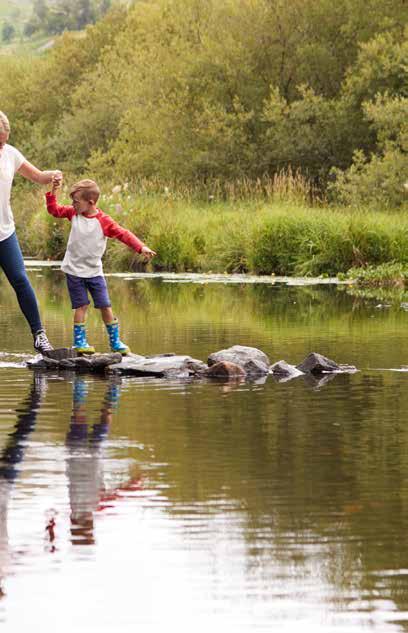
Holidays that place children in natural settings also open the door to discovery. A forest trail prompts questions about plants, insects and birds, while a rockpool might spark an impromptu lesson in marine life. When children see and touch the things they’ve learned about in school, it deepens their understanding in a way no textbook can. Parents who pause to explore and wonder aloud alongside their children help turn each small find - a shell, a pinecone, a birdcall - into a shared learning experience. These experiences slowly grow into a love of discovery that lingers long after the bags are unpacked.
CALMING DOWN
Just as adults feel calmer in natural settings, children also benefit emotionally from outdoor environments. Studies show that time in nature reduces stress, improves mood and boosts concentration. Whether it’s listening to birdsong or gazing at starry skies, these sensory experiences calm busy minds. Nature also encourages resilience - when children try a new hike, face unpredictable weather or help set up camp, they learn problem-solving skills that build confidence. These lessons in patience and adaptability are often easier to absorb when the learning comes through play and experience.
STRONGER FAMILY CONNECTIONS
Nature holidays often involve teamwork, from pitching tents to navigating a trail together. These shared tasks create laughter, conversation and a sense of togetherness that everyday routines don’t always allow. With fewer digital distractions, families find time to slow down, listen and actually be together. Even something as simple as eating sandwiches by a lake can become a day to remember!
A LASTING LEGACY
Perhaps the greatest gift of all is the perspective nature holidays give children. Time spent in forests, mountains or by the sea encourages a respect for the environment that they’ll carry into adulthood. For city-based families, it’s a reminder that life is bigger than schedules and skyscrapers. Slowing down, breathing deeply and finding joy in simple outdoor moments is a habit worth passing on.
CELEBRATE PINKTOBER AT FOUR SEASONS ABU DHABI
This October, Four Seasons Abu Dhabi is turning pink. With rose-inspired afternoon teas and restorative spa rituals, the hotel invites you to honour Breast Cancer Awareness Month in style.
Set on Al Maryah Island with sweeping Arabian Gulf views, the hotel has long been known as a sanctuary where luxury meets great hospitality. From celebratory dinners and spa escapes to afternoons spent lingering over coffee, it’s a place that blends sophistication with warmth. With its welcoming atmosphere and thoughtful attention to detail, the Four Seasons has become a favourite for locals as well as visitors from other emirates looking to for a fantastic getaway that isn’t too far from home. This month, that ethos takes on new meaning as the hotel channels its artistry in support of Breast Cancer Awareness Month, offering deliciously indulgent treats and gorgeous wellness experiences - all for an important cause!
TURNING TEA TIME PINK
Few traditions feel as timeless as afternoon tea, and during Pinktober, Four Seasons Abu Dhabi makes it something even more special. From October 1st to
15th, the elegant Al Meylas lounge will host a limited-edition Pinktober Afternoon Tea, designed to be shared and savoured!
The menu begins with playful savoury bites like strawberry gazpacho with thyme tuile and a strawberry tartar macaron paired with wagyu bresaola and provolone. Classics are given thoughtful twists, from Caesar chicken with bacon butter to cucumber dill with cream cheese. These familiar flavours, reframed with elegance, are sure to go down a treat with the whole family!
The sweet treats are just as good! Highlights include strawberry lavender panna cotta, the iconic Ispahan macaron layered with raspberry, lychee and rose, and dainty confections full of rosy flourishes. Freshly baked scones, premium tea and expertly brewed coffee round out the spread. . Presented with the grace and care the hotel is known for, this afternoon tea feels like an experience rather than just a meal. At AED 270 per person, it’s a chance to pause, relax and enjoy a ritual that doubles as a gesture of solidarity.
CAKES À LA CARTE
For those who prefer a single sweet indulgence, Al Meylas presents an elegant
selection of Pinktober cakes available daily throughout October. Standouts include the strawberry-infused Fraisier, a silky cheesecake, and a rose-raspberry tart. Each slice is crafted to reflect the venue’s sophistication, best enjoyed at your own pace alongside a freshly brewed coffee and conversation. By offering these treats à la carte, the hotel makes it easy for guests to participate in Pinktober in a way that suits their own rhythm, whether they are dropping by for a mid-afternoon pick-me-up or enjoying a celebratory night away with friends or family.
ROSY RITUALS
Wellbeing is at the heart of this year’s October programme. At the award-winning Pearl Spa, you can book a bespoke 75-minute Pinktober ritual (AED 750), offered daily throughout the month.
The journey begins with a mineral-rich Pink Himalayan Salt exfoliation to purify and revitalise your body. Next, allow yourself to be enveloped in a velvety rose body cream, created from two rare rose varieties, leaving your skin deeply nourished and soft as can be!
The ritual concludes with a rose quartz crystal face massage, using rose water to calm your complexion and leave you looking refreshed.
More than just pampering, rose quartz has long been associated with healing and love, and here it adds a symbolic layer that resonates with the month’s theme. The spa’s expert therapists bring a mindful touch to every stage of the ritual, ensuring you feel cared for in a way that goes beyond the physical. You and your loved ones will emerge restored in both body and mind, reminded that caring for oneself with kindness is just as important as supporting others.
MORE THAN LUXURY
What elevates these experiences is not only their craftsmanship but also their message. Breast cancer awareness is a global cause, and gestures of solidarity - whether as simple as sharing cake or dedicating time to wellnessremind us of the power of community. At Four Seasons Abu Dhabi, every detail has been designed to transform familiar luxuries into meaningful rituals, offering your family a way to participate with intention.
SETTING THE SCENE
The hotel’s location on Al Maryah Island makes it ideal for combining Pinktober experiences with broader explorations of the city. After enjoying afternoon tea, you might stroll the waterfront promenade, browse The Galleria’s boutiques or enjoy dinner at one of the island’s stylish restaurants. For those staying over, the hotel itself feels like a retreat - a serene spa for couples, an elegant lounge for friends or a welcoming space for families to gather and reconnect.
A MONTH OF MEANING
Pinktober at Four Seasons Abu Dhabi is more than a series of events. It is an invitation to get away for a break, indulge thoughtfully and to show support for an important cause. Whether you gather your family for tea, treat yourself to a pink-tinted dessert or dedicate time to your wellbeing, each moment becomes part of a collective gesture of compassion, allowing you and your loved ones to enjoy a lovely getaway while honouring a cause that touches families everywhere.
Visit www.fourseasons.com/abudhabi for more information.
HOME & GARDEN
Staying safe in an apartment and the easy household swaps that support the environment!
FAMILY SAFETY ESSENTIALS: HIGH-RISE LIVING
Raising children in a high-rise apartment offers convenience and modern comfort, but it also comes with unique safety considerations. Here’s how to keep your family secure at every stage.
For many families in Dubai, high-rise living is the norm. Tower apartments often offer excellent amenities, stunning views, and a central location - but when you’re raising children, it’s natural to think about safety. Unlike houses with gardens, high-rise homes require families to be extra mindful about windows, balconies, and shared spaces. The good news? With a few thoughtful precautions, you can enjoy the benefits of city living while ensuring your home remains a safe haven.
WINDOW AND BALCONY SAFETY
One of the most pressing concerns for families in high-rise apartments is fall prevention. Always install childproof window locks and ensure balcony doors have secure latches that little hands cannot easily open. Safety netting or balcony shields are another worthwhile investment, offering peace of mind while still allowing fresh air and natural light into your home.
Children should be taught from an early age that balconies and windows are not play areas. Reinforcing this message regularly helps them understand boundaries in the same way they learn about road safety.
SAFE INTERIORS
Inside your apartment, the basics still apply: secure furniture to walls, use outlet covers, and keep cleaning products and medicines locked away. In smaller high-rise homes, where space is limited, it’s easy for curious children to find cupboards and drawers - so sturdy child locks are a must.
It’s also worth being mindful of balcony-facing rooms. Avoid placing beds, sofas, or tables near windows where children might be tempted to climb. Small layout changes can make a big difference to safety.
LIFTS, LOBBIES AND SHARED SPACES
High-rise living means children often use lifts, corridors, and communal areas. Encourage older kids to wait for you before entering a lift and remind younger ones to keep fingers away from doors. In shared play areas, always check equipment for safety, and set clear rules about staying within sight.
Getting to know your building’s security staff can also be reassuring. Many parents find comfort in the extra set of eyes watching out for residents, especially as children become more independent.
FIRE SAFETY AWARENESS
High-rise buildings are equipped with fire safety systems, but it’s still vital to make a family plan. Show your children where the fire exits are, practise walking to the nearest staircase, and explain why lifts should never be used in an emergency. Keep a small emergency bag by the door with essentials like bottled water, torches, and basic first aid.
SAFE AND SECURE FAMILY LIFE
High-rise apartments can absolutely be safe, happy homes for children - they just require a little extra awareness. By securing windows and balconies, creating safe interiors, and teaching children how to navigate shared spaces responsibly, families can embrace city living with confidence. Safety becomes less about restriction and more about empowerment, helping children grow up securely in the vibrant heart of the city.
ECO-FRIENDLY HOME SWAPS FOR FAMILIES
Making sustainable choices at home doesn’t have to be overwhelming. With a few simple swaps, families can reduce waste, save money and teach children the value of protecting the planet.
In today’s world, many families want to live more sustainably but don’t always know where to start. The idea of “going green” can feel daunting, conjuring up images of costly solar panels or dramatic lifestyle overhauls. Yet eco-friendly living doesn’t have to mean big sacrifices. Often, the most powerful changes come from small, everyday decisions that add up over time.
What’s more, choosing eco-friendly alternatives at home is about more than reducing carbon footprints. It’s about creating healthier living spaces, cutting down on waste and showing children that sustainability is part of daily family life. These practical swaps are a great place to begin.
RETHINKING THE KITCHEN
The kitchen is one of the easiest places to make sustainable changes. A great place to begin is with food storage - instead of plastic containers, cling film or single-use sandwich bags, opt for reusable silicone pouches, glass containers or beeswax wraps. They’re durable, easy to clean and much kinder to the environment.
Families can also rethink how they deal with leftovers. Compost bins or countertop composters are excellent for reducing food waste and can even help nourish a home garden. If composting isn’t possible for you, simply being mindful of portion sizes and repurposing leftovers into soups, stir-fries or packed lunches can make a big difference.
Another simple swap is to move away from disposable paper towels. Microfibre cloths or washable cotton towels work just as well for spills and cleaning, but without the waste! Children can be part of this toogiving them their own “clean-up cloths” is a fun way to get them involved.
SMARTER BATHROOM CHOICES
Bathrooms are often filled with single-use plastics. Shampoo bottles, toothpaste tubes and cotton pads can quickly pile up in the bin. Switching to shampoo bars, bamboo toothbrushes and refillable soap dispensers is a truly straightforward way to cut your family’s waste.
For parents of younger children, nappies and wipes are another big contributor to landfill. Cloth nappies have come a long way in recent years, with designs that are easier to use and wash than many parents expect. Biodegradable wipes are also widely available, offering a convenient yet eco-friendlier alternative.
Even small habits - like turning off the tap while brushing your teeth - saves surprising amounts of water over time. These are easy messages to share with little ones, who often enjoy being part of “eco missions” at home.
GREENER LAUNDRY HABITS
Laundry is another area where families can make meaningful swaps. Liquid detergents often come in heavy plastic bottles, but eco alternatives like detergent sheets or refill pouches cut down on that packaging. Many are also formulated to be gentler on our skin, which is helpful for families with young children.
Washing clothes in cooler water and linedrying where it’s possible are simple ways to save energy. Also, adding a microfibrecatching ball or filter to your wash helps to reduce the release of microplastics into waterways. It’s a small purchase but it has such a significant environmental impact!
EVERYDAY HOUSEHOLD SWAPS
Beyond the kitchen, bathroom and laundry, there are countless other home swaps that reduce our waste. A trusty reusable water bottle or coffee cup can quickly replace single-use plastics and soon pays for itself, while rechargeable batteries keep everyday gadgets running without adding to the landfill.
In playrooms, think about sharing rather than accumulating. Toy libraries, second-hand exchanges with friends, or simply passing on toys your children have outgrown can save money and reduce unnecessary production. The same goes for clothing - second-hand finds or swaps with other parents give garments a longer life and add a sense of fun to wardrobe refreshes.
At the same time, quality matters. Investing in a few durable, well-made items often beats buying many disposables. From sturdy lunchboxes and stainless steel cutlery to furniture built to last, choosing “buy once, buy well” keeps your household running smoothly while also being kinder to the planet.
TEACHING CHILDREN THROUGH ACTION
One of the most powerful aspects of ecofriendly swaps is the chance to involve children. Kids are naturally curious and often eager to help when they see that their actions have a real impact. Explaining that using a beeswax wrap instead of cling film helps protect turtles, or that composting food waste nourishes plants, turns sustainability into something tangible and meaningful. These
small lessons show that caring for the planet isn’t an abstract idea - it’s part of everyday life.
Families might even turn eco-friendly habits into playful challenges. Who can use the fewest paper towels in a week? Who remembers to switch off the lights most often? Making these swaps fun transforms sustainability into a shared family activity rather than a chore, and children respond best when they feel included and empowered.
A LIFESTYLE CHANGE
Creating a greener home doesn’t mean achieving perfection overnight. It’s about taking small, manageable steps that fit naturally into your family’s routine. Even one or two thoughtful changes can ripple out, saving resources, cutting costs and building healthier habits over time.
Most importantly, every choice sends a message to children that protecting the environment is a shared responsibility. By adopting more sustainable habits, parents show that eco-conscious living isn’t just a trend - it’s a lifestyle woven into the rhythms of daily life. Over time, these habits become second nature, shaping children’s awareness, values and decisions as they grow.
In the end, sustainable living is as much about connection as it is about conservation. Families who make even small changes together not only reduce waste and nurture the planet, they also create meaningful rituals, new skills and memories that stick. Every eco-friendly swap, every playful challenge and every mindful purchase becomes part of a bigger story - a family making choices today that will benefit tomorrow’s generations.
PET CORNER
Ways kids of all ages can take part in caring for pets and how one man is revolutionising animal welfare in the region!
AGEAPPROPRIATE PET CARE FOR CHILDREN
Sharing the responsibility of pet care teaches children empathy, responsibility and respect. Here’s how to involve kids in looking after family pets in safe, age-appropriate ways.
Pets quickly become beloved members of the family, but looking after them is a big commitment. Involving children in pet care not only lightens the day-to-day load for parents, but also teaches youngsters empathy, patience and respect for living creatures - qualities that benefit them in all areas of life. The key is ensuring tasks are matched to a child’s age and ability so that both your little one and your furry friend stay safe and happy.
PRESCHOOLERS (AGES 3–5)
At this age, children are too young for unsupervised responsibility, but they can still take part in small, safe tasks. Even at this early stage, children are able to feel involved in meaningful ways. Preschoolers might help refill a water bowl, gently brush a cat or dog, or carry food to the feeding area. Small tasks like these let little ones contribute and develop awareness of a pet’s needs. It’s less about responsibility and more about sowing the seeds of empathy and building early awareness of an animal’s needs.
PRIMARY SCHOOL CHILDREN (AGES 6–9)
By the time children are in primary school, they are ready for more structured responsibilities. Feeding pets, measuring food portions and helping to clean food bowls can be excellent daily tasks. They might also enjoy taking part in simple grooming, like brushing, or joining in on short dog walks under adult supervision. Encouraging consistency at this stage helps children understand the importance of routine in an animal’s wellbeing.
TWEENS (AGES 10–12)
Tweens are capable of taking on bigger roles and often relish the independence. Walking dogs (with parents nearby for safety), cleaning small animal cages or helping with litter trays can all be appropriate. They may also enjoy training sessions - teaching pets simple tricks or commands under guidance. Tweens start to appreciate that pet care isn’t just fun - it’s a commitment that requires focus, patience and follow-through.
TEENAGERS (AGES 13+)
By adolescence, children can handle most aspects of pet care. Teenagers can walk dogs independently, take responsibility for grooming and help monitor a pet’s health by noticing changes in their behaviour or appetite. They may also be capable of scheduling vet appointments or managing reminders. These responsibilities not only support the family but also prepare teens for future independence, showing them that caring for others is a meaningful and rewarding responsibility.
FAMILY EFFORT
While assigning age-appropriate tasks is important, pet care should still be a shared family responsibility. Parents provide the ultimate safety net, ensuring pets are cared for consistently and correctly. By working together, children learn that looking after an animal is a team effort - one that brings joy, companionship and countless life lessons. It also teaches kids important skills such as communication, planning and problem-solving, as they negotiate responsibilities, adapt to unexpected situations and celebrate successes together. Involving children in pet care is about more than chores -it’s about shaping responsible, caring individuals while building stronger family bonds, all while giving pets the love and attention they deserve.
DAVID APPLEBY: PIONEERING COMPASSIONATE ANIMAL WELFARE IN THE UAE
This month, we spotlight David Appleby and his work on animal welfare in the region.
In a city of urban skyscrapers and bustling streets, one man is quietly changing the way we care for animals. David Appleby, the visionary behind www.microchipped.ae and The ARC (Animal Respite Center), has spent years building a network of initiatives that are as compassionate as they are practicalproving that humane solutions don’t have to be complicated.
HOW IT ALL BEGAN
For David, this journey began in the most heartbreaking of ways. In 2022, three of his cats went missing in Khalifa City, Abu Dhabi - mistakenly rounded up by pest controllers. Only one returned home. The loss was devastating, but instead of giving up, David
turned that grief into a mission. He couldn’t accept that our animals could be lost or mistreated just because there was no proper system.
From that moment, www.microchipped.ae was born. The platform is free and user-friendly, allowing pet owners to register their animals, ensuring they can be easily identified and reunited if lost. More than a database, it’s a lifeline - bridging gaps in the UAE’s animal welfare landscape and creating a new standard for responsible pet ownership.
A VISIONARY APPROACH
While www.microchipped.ae laid the groundwork, David's aspirations haven’t stopped there. He imagined a model that went
beyond shelters and temporary fixes - a place where animals could truly recover, thrive and live with dignity. That vision became The ARC, a comprehensive, sustainable model for animal welfare in the UAE.
Unlike traditional shelters, The ARC offers more than just a roof and food. The ARC wants to focus on rehabilitating sick and injured strays, providing low-cost treatments and offering free Trap-Neuter-Return (TNR) services. It also aims to house a veterinary clinic and a rescue boarding facility. For animals that cannot return to their colonies, The ARC serves as a permanent refuge, ensuring they receive lifelong care.
David's ambition is to expand The ARC's model across all Emirates, aiming to establish a network of facilities that embody a humane and sustainable approach to animal welfare. While this goal is ambitious, David's track record and dedication suggest that it's not
just a dream but a forthcoming reality. You can support The ARC by purchasing your pet food and accessories at www.mcpet.ae, where profits go towards helping animals in need.
EDUCATING ANIMAL LOVERS
David knows that true transformation requires more than buildings and databases - it requires people. That’s why he launched the Community Animal Training course (which can be found at www.catraining.ae).
Understanding that long-term change needs community involvement, this free, online program equips residents with the knowledge and skills to care for stray cats responsibly. It includes nine modules, spanning a total of three hours of expert-led training, based on best practice and lessons learnt. Covering topics like TNR, colony management and post-surgery monitoring, the course empowers
people to make a tangible impact in their neighborhoods.
The training emphasises a holistic approach, encouraging residents to view their efforts as part of a broader ecosystem. The course’s culture of empathy and hands-on involvement means volunteers, veterinarians and everyday animal lovers can now take real steps to make a difference! By bringing out this sense of shared responsibility, David aims to shift the perception of stray cats from being someone else's problem to a collective concern for us all.
ADVOCACY AND COLLABORATION
David’s impact extends well beyond direct action to include advocacy and collaboration. He’s been working closely with government entities to help promote responsible pet
ownership and better animal welfare, including the introduction of mandatory pet microchipping and registration in Abu Dhabi. This initiative helps reunite lost pets with their owners and also helps curb the stray population responsibly. He continues to advocate for a federal system.
Partnerships have been key to scaling this impact. Collaborations with Animal Welfare Abu Dhabi (AWAD), the Department of Municipalities and Transport (DMT), Ma’an - The Authority of Social Contribution and private veterinary clinics have created a framework for coordinated, ethical animal care. His efforts have garnered support from both the public and private sectors, reflecting a growing commitment to animal welfare in the UAE in general. Through strategic alliances, David has helped integrate animal welfare into civic policy while engaging the community - proving that collaboration, not just charity, drives sustainable change.
To understand the bigger picture, both in the field of animal welfare and the pet industry as a whole, David completed his Animal Control Officer course earlier this year and has nearly completed his certified Veterinary Practice Managers qualification (NSCert VPM).
A LEGACY OF COMPASSION
David Appleby's journey is a testament to the power of one individual's vision to inspire systemic change. His work has not only improved the lives of countless animals but has also fostered a culture of compassion and responsibility within our communities.
As he continues to expand his initiatives, David remains steadfast in his mission to build a system where stray animals are not just managed, but protected, and where communities are not just informed, but empowered. One where the government, civil society and volunteers work in harmony to create a compassionate urban ecosystem. Through this vision, he is paving the way for a future where animal welfare is a cornerstone of societal values in the region. David is currently seeking funding and investment to realise his ultimate aim of establishing The ARC.
For more information on David's initiatives and to get involved, visit www.microchipped. ae, www.mcpet.ae and www.thearc.ae.
GOOD LIVING
Your beauty must-haves for October!
From indulgent oils and hardworking creams to hair saviours and fragrances that linger long after you’ve left the room, here are the October picks I can’t stop reaching for.
A FRESH AND FLORAL FACIAL MIST
Few things feel as instantly refreshing as a facial mist, and Omorovicza’s Queen of Hungary is one I’ve kept on my desk and in my handbag for the past number of weeks. Inspired by the world’s first recorded perfume, it’s delicately fragranced with neroli and rose, delivering a cooling spritz that feels indulgent and practical in equal measure. Use it as a toner post-cleanse, to prep your skin before makeup or as a midday reset if your complexion feels parched. With Healing Concentrate™ for balance, apple pectin for hydration and mineral-rich thermal waters for that unmistakable glow, it’s a classic I’ll always repurchase.
Priced at AED 311, it’s available at AREEJ Mall of the Emirates, www.goldapple.ae and online at www.letoile.ae
THE ULTIMATE CURE CREAM
If your skin is craving serious support, Babor’s The Cure Cream is a powerhouse. This rich but surprisingly lightweight formula works overtime to strengthen the skin barrier, protect against environmental stress and restore vitality. Powered by Dr. Michael Babor’s famous Biogen Plant Extract, it’s a daily dose of resilience that leaves your skin radiant and youthful. It’s one of those creams that makes a visible difference within days - perfect for anyone wanting to future-proof their skin with a dose of sciencebacked nourishment.
Priced at AED 609, you’ll find it at Bloomingdale’s, Harvey Nichols, www.goldapple.ae and www.ounass.com
HAIR THAT TURNS HEADS
Does your hair ever feel tired, brittle or lacklustre? Philip Kingsley’s Elasticizer is my secret weapon! The world’s first-ever preshampoo treatment, it delivers a supercharged boost of hydration, bounce and shine without weighing your strands down. Just smooth it on before washing, let it work its magic and rinse for hair that feels softer, stronger and so much more manageable. It’s the kind of product that earns permanent status in your bathroom because, frankly, nothing else does the job quite as well.
Priced at AED 419, it’s available at www.goldapple.ae and www.lookfantastic.ae and at other outlets.
A TOUCH OF RADIANCE WITH KOS
If I could bottle up happiness, it would smell exactly like KOS Paris’ Sun Garden Body Oil. With notes of vanilla, musk and a gentle floral bouquet, this golden oil not only nourishes deeply but also leaves your skin with a gorgeous sheen that makes you feel beautiful! Enriched with apricot, hazelnut, macadamia, grape seed and sweet almond oils, it’s equal parts skincare and self-care - a mini-escape that makes daily moisturising feel decadent.
Priced at AED 331, you’ll find it at www.etoile.ae and www.goldapple.ae.
A SCENT TO REMEMBER FROM FLORIS LONDON
There’s something timeless about Floris London, and Golden Amber Eau de Parfum embodies that heritage with sophistication and charm. Opening with bergamot and cassis, softened by fig and aquatic notes, it drifts into a heart of English rose, geranium and neroli before resting on a base of patchouli, sandalwood, and almond blossom. This makes for such a lovely treat to yourself, one that lasts you a long time too! It feels like a perfectly tailored suit in fragrance form - polished, elegant, but never overpowering. A true classic!
Priced at AED 1,084, shop Golden Amber at www.lookfantastic.ae.
RECHARGE YOUR SKIN WITH BABOR
For those moments when your skin needs a serious moisture boost, BABOR’s 10D Hyaluronic Acid Ampoules are the answer. Priced at AED 284, these seven potent doses of multi-molecular hyaluronic acid work hard to plump, firm and replenish your skin. I love using these as a weekly ritual - they feel luxurious, targeted, and most importantly, effective. Trust me, your complexion will emerge resilient, radiant and ready to face any seasonal swings.
Available to buy at Bloomingdale’s.
SEASONAL HYDRATION FROM MARUDERM
Hydration, hydration, hydration! Maruderm’s Hyaluronic Acid Moisturizer Cream is my go-to for keeping skin plump and soft throughout the shifting season. Lightweight but seriously nourishing, it absorbs in seconds, leaving your complexion dewy without a hint of greasiness. It’s ideal for daily use - a quick morning layer before makeup or a comforting night-time finish - and gives your skin that “I woke up like this” glow.
Priced at AED 70, it’s available exclusively at Watsons.
ROMANCE IN A BOTTLE WITH GRITTI VENETIA
Created as a love letter to perfumer Luca Gritti’s lifelong muse, Monica is romantic, modern and unforgettable. Think soft peonies kissed by sunshine, sweet lychee, creamy jasmine and a whisper of vanilla and white musk in the background. Priced at AED 1,104, it’s the kind of fragrance that lingers like a memory, delicate yet distinct, perfect for anyone who loves floral scents with a twist.
Available for purchase at www.letoile.ae and V60 Café.
RESET YOURSELF WITH CIRCADIA
Sometimes, your skin just needs a little reboot. That’s exactly what Circadia’s Cocoa Enzyme Mask delivers. Packed with natural enzymes from papaya and pineapple, it gently buffs away dead skin cells while antioxidant-rich cocoa soothes and calms any inflammation. The result is skin that’s soft, clear and positively radiant. Priced at AED 131.25, it’s the perfect reset as your complexion adjusts to seasonal changes. I love using this after a long week or whenever my skin is feeling dull - it’s like a mini spa treatment at home!
Circadia products are available exclusively in select skincare clinics and facial bars, including The Palace Spa downtown, Florence Medical Centre, Ivory Aesthetic, Maison de Beauté, Skin UAE, The Luxe Lift and Blended Wellness.