THE POSTPARTUM BALANCING ACT
HOW TO IMPROVE YOUR CHILD’S ATTENTION SPAN
RESOLVING DIFFERENT PARENTING STYLES
SUPPORTING NON-ACADEMIC KIDS
SIMPLE SUGAR SWAPS FOR FAMILIES

THE POSTPARTUM BALANCING ACT
HOW TO IMPROVE YOUR CHILD’S ATTENTION SPAN
RESOLVING DIFFERENT PARENTING STYLES
SUPPORTING NON-ACADEMIC KIDS
SIMPLE SUGAR SWAPS FOR FAMILIES




EDITORIAL
Editor: Ella Naseeb Ryan ella.ryan@cpimediagroup.com
Online Editor: Daniel Shepherd daniel.shepherd@cpimediagroup.com
ADVERTISING
Group Sales Director: Liz Smyth liz.smyth@cpimediagroup.com
Sales Director: Mathew Tharakan mathew.tharakan@cpimediagroup.com
Sales Director: Gill Fairclough gill.fairclough@cpimediagroup.com
Sales Director: Carol Owen carol.owen@cpimediagroup.com
Sales Manager: Yash Gehlot yash.gehlot@cpimediagroup.com
Consultant: Ivan Grbic ivan.grbic@cpimediagroup.com
MARKETING, DISTRIBUTION & SUBSCRIPTIONS info@cpimediagroup.com
DESIGN
Froilan A. Cosgafa IV
FOUNDER
Dominic De Sousa (1959 - 2015)
PRINTED BY Wellpack Printing Press LLC
FOR OTHER ENQUIRIES, PLEASE VISIT: mbcmag.co
MBCMagazine
PUBLISHED BY HEAD OFFICE: Office 1307, DSC Tower, Dubai Studio City, Dubai, UAE P.O. Box 13700 Tel: +971 4 568 2993
Email: info@cpimediagroup.com
A publication licensed by Dubai Production City, DCCA © Copyright 2025 CPI Media Group FZ LLC. All rights reserved.
While the publishers have made every effort to ensure the accuracy of all information in this magazine, they will not be held responsible for any errors herein. cpimediagroup.com
Hello Mum!
On the cover of this month’s issue, you’ll see a topic every parent knows all too well - sibling rivalry. I remember when I was a little girl, the tiniest things could become a full-blown argument between myself and my sister, but what I didn’t realise at the time, was that somehow through all that bickering, we were forming a bond for life!
Our feature on page 28 explores how those small childhood clashes can actually grow your children’s empathy and self-advocacy skills, while creating the foundation of a genuine and lasting friendship. Sometimes, it’s less about stopping the arguments and more about guiding kids towards understanding each other.

Over on page 14 we’re also shining a spotlight on the postpartum journey. They say a mother is reborn with her baby, and it’s very true. Between unpredictable hormones, sleeplessness and a deep emotional transformation, this feature gently unpacks what’s happening beneath the surface, helping mums approach the “fourth trimester” with greater confidence and self-compassion.
As the festive season draws closer, we’ve carried a handy article on easy sugar swaps for families, packed with realistic ways to make healthier choices without losing out on the flavour or the fun. Flip to page 18 to have a read! It’s all about small changes that make a big difference, which is perfect for this time of year when treats start to creep in.
In our Education Section, we’re tackling the tricky topic of supporting kids who find academic work challenging. You’ll find some useful pointers on page 34 to guide your little learner to feel their most confident, even when it’s difficult. And on page 33, where looking at one of modern parenting’s biggest challenges - helping children build a healthy attention span in an age of constant distraction. It’s a deep dive into exactly how screens affect focus and what we can do to help little ones train their concentration.
With the weather cooling down and UAE National Day coming up, I’ve been thinking about taking a break for the long weekend. With families in mind, on page 38 we look at a special offer for an exotic trip to the Four Seasons Maldives, where turquoise seas, coral reefs and island living await!
November is when the Dubai Fitness Challenge gets into full swing, so make sure to check out our ‘Things To Do’ on page 9 to find out about She Runs 2025. It’s the region’s biggest female running event, and a day that celebrates resilience and sisterhood. Taking place at Expo City Dubai, whether you’re a first-timer or a seasoned champion, this inclusive event offers distances for every kind of woman.
Lastly, on page 49 and 50, I’ve picked out my favourite fashion and beauty picks for you this month, from playful new makeup looks to Babyshop’s gorgeous Parisinspired Eligo collection.
As usual, I’m not going to spill all the beans here and hope you’ll enjoy discovering this edition for yourself!
Happy reading!
Editor
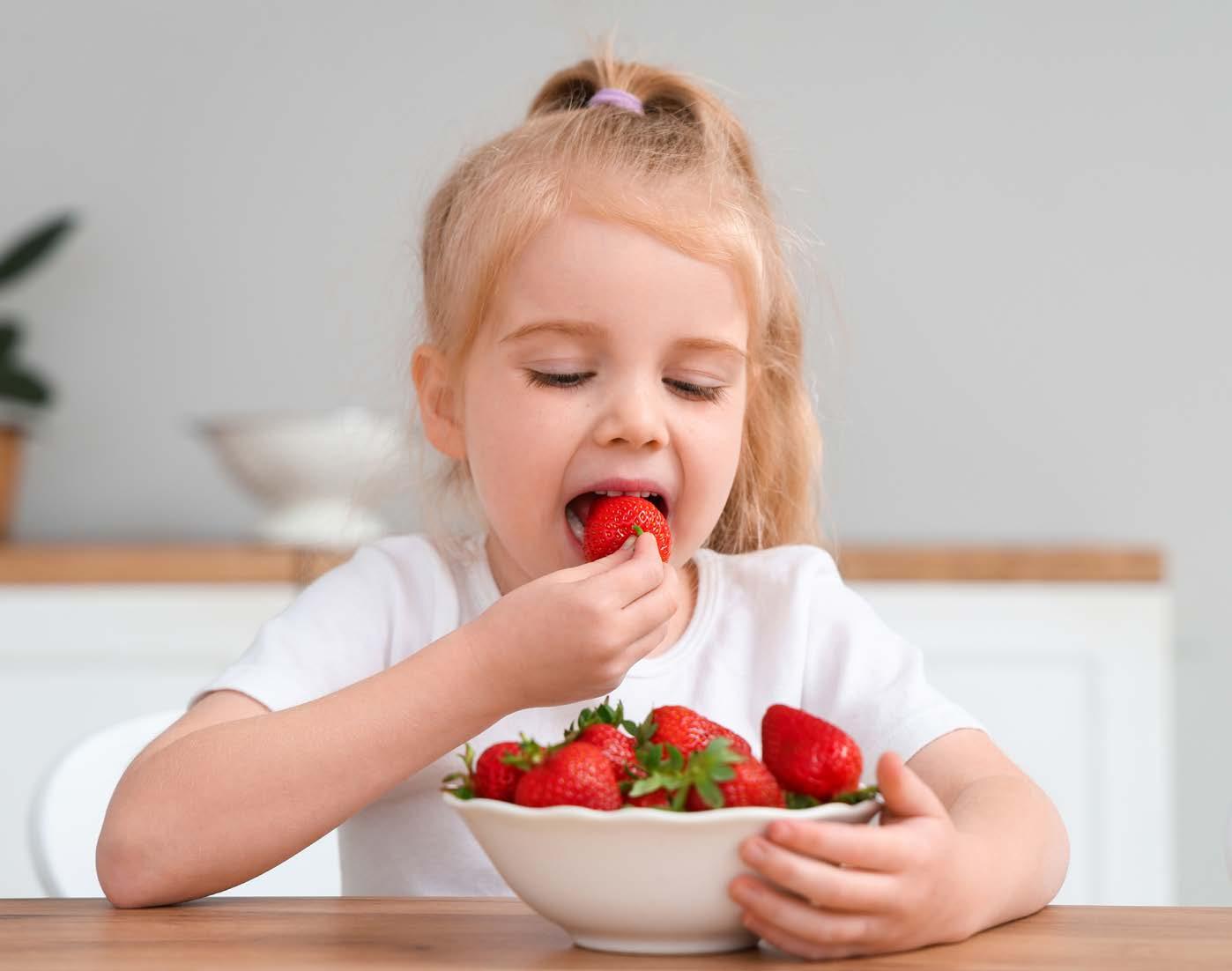
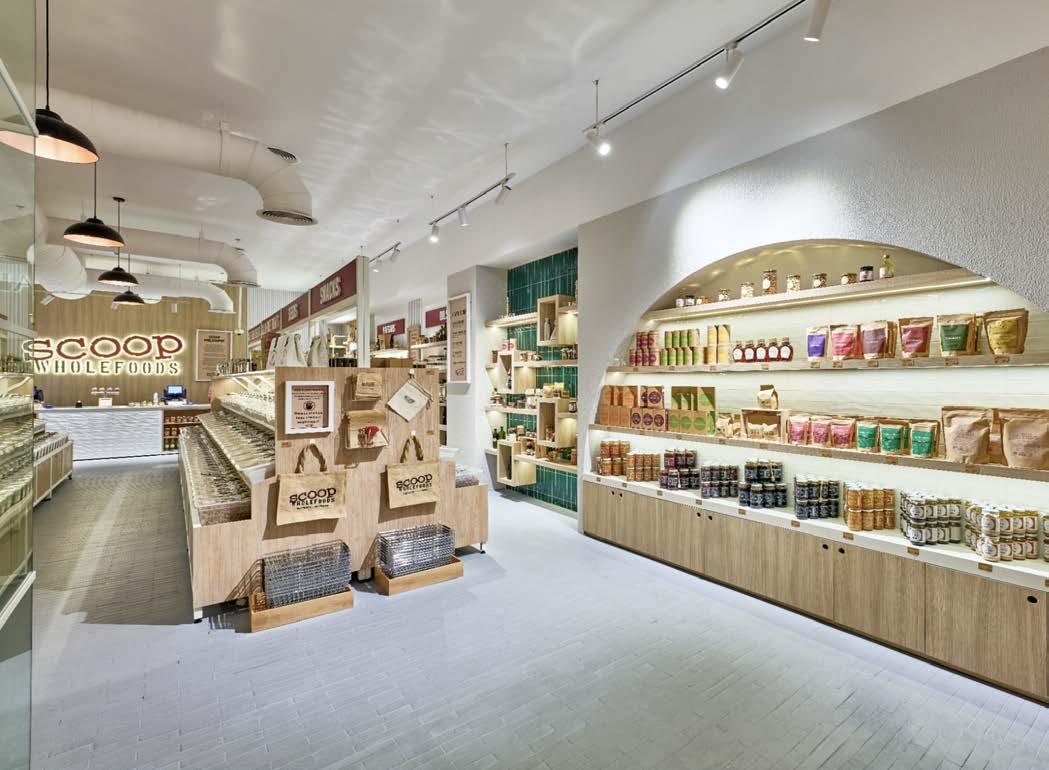
In a world where convenience often outweighs nutrition, Scoop Wholefoods is putting the joy back into healthy snacking with ‘Snack MamaTop 5 Snacks You and Your Kids Will Love’. Filled with colour, flavour and feel-good energy, the short film is a playful reminder to families that nutritious eating can actually be both easy and delicious.
Featuring a mix of wholesome favourites, from crunchy roasted chickpeas with garlic and rosemary, to sweet, antioxidant-rich, freeze-dried strawberries coated with dark chocolate, ‘Snack Mama’ showcases real food made fun! There’s also Australian dried mango, naturally chewy and vitamin-packed, and vibrant veggie chips that add colour and crunch to any lunchbox.
Founded in 2013, Scoop Wholefoods is the region’s leading zero-waste, single-use-plasticfree wholefoods retailer. With over 1,000 organic products - 70% sourced from Australia - I find Scoop’s scoop-your-own concept makes sustainability really simple and accessible. From pantry staples to home essentials, every element of the brand is built around one purposenourishing people and protecting the planet. How good does that sound?
Discover the full range in-store at Springs Souk or shop online at www.scoopwholefoods.ae.























Keto Kartel brings sophistication to sugar-free indulgence with its handcrafted luxury chocolate boxes. Each piece is made from premium French and Belgian dark chocolate and filled with rich, flavourful centres, combining craftsmanship with a mindful approach to sweetness.
Available in a tempting variety of flavours, from fruity raspberry and coconut, to nutty almond and hazelnut, every chocolate is 100% sugar-free and gluten-free, making them a refined treat for anyone who values both taste and wellness.
Perfect for gifting or a well-deserved personal treat, the boxes come in three sizes: 7 pieces (AED 70), 21 pieces (AED 190) and 45 pieces (AED 360).
Find Keto Kartel at the Al Murooj Complex, Trade Centre, Dubai, open daily from 8 am to 10 pm, or order via Deliveroo, Talabat or on their website.

New Bio-Oil® Skincare Oil (Natural) is made entirely from natural ingredients. By harnessing the power of science and nature, Skincare Oil (Natural) matches the efficacy of the original Skincare Oilthe world’s leading scar and stretch mark product.


An all-female running event; high-end vegetarian dining; a family-friendly desert adventure and more!
Prepare to enter Hawkins, Indiana as Stranger Things: The Experience lands on Yas Island this November 14th, bringing the world of the hit series to life for the first time in the Middle East. This immersive adventure lets fans and families explore iconic scenes - from the eerie corridors of Hawkins Lab to the shadowy tunnels of the Upside Downcomplete with live actors, interactive sets, immersive soundscapes and mind-blowing special effects! The attention to detail makes you feel like you’ve stepped directly into the series itself, whether you’re a die-hard fan or new to Hawkins.
Kids and adults alike will love the journey through the narrative, encountering familiar characters, thrilling surprises, hidden clues and unexpected challenges along the way, before arriving at the vibrant ‘MixTape’ area. Here, 80s nostalgia comes alive with themed food, exclusive merchandise and playful installations that pay homage to the show’s most unforgettable moments! The timing is ideal, coinciding with the global release of the fifth season, giving visitors a chance to fully immerse themselves in Hawkins’ supernatural universe in a brand new way.


More than a walkthrough, this is a fully interactive cinematic adventure. Whether you’re solving mysteries, discovering hidden secrets or taking in the atmosphere, don’t miss the ultimate Stranger Things experience!
Visit https://strangerthings-experience.com/ abu-dhabi/ for more details or to join the waitlist.
With the Dubai Fitness Challenge upon us, there’s no better way to start your day than with a breakfast that keeps you energised long after your morning workout. Roasters Specialty Coffee House offers a menu thoughtfully designed to satisfy both taste and wellness, from hearty avocado toasts and creamy oatmeal bowls to vibrant acai creations. For those after a protein boost, the king crab omelette and the savoury oatmeal parmesan are standout choices - especially when paired with a refreshing green detox juice or zesty ginger shot!
What sets Roasters apart is their approach to coffee - caffeine lovers will be delighted by their meticulous approach to roasting and brewing. Their beans are roasted in-house and brought to life using a variety of methods, from V60 and Chemex pour-overs to siphon coffee, ensuring each cup is rich and aromatic. Whether you want a post-workout pick-me-up or a leisurely brunch spot, Roasters is the place to be. With a relaxed, stylish atmosphere and healthy choices, every visit feels like a treat.
Visit https://www.roasterscoffee.ae/ for more.


This month, discover the flavour, elegance and mindful dining at The Vegetarian Room, the first purely vegetarian restaurant by Address Hotels and Resorts, tucked inside the sophisticated Address Dubai Mall. This intimate space, designed for up to 22 guests, offers a dining experience where India’s rich culinary heritage comes to life in a novel way.
The menu is a celebration of texture, colour and taste. Signature dishes include Punjabi Paneer Tikka, Malai Kofta and Dum Biryani, alongside vibrant street-inspired chaats like Papdi Chaat and Dahi Puri. Desserts, including Kesari Rasmalai and Malai Kulfi, add a sweet finale that is both indulgent and not too heavy. Every dish is made intentionally, with mindfulness at its heart, so that even the simplest bite feels thoughtfully designed.
Beyond its menu, The Vegetarian Room offers a serene retreat from the city’s bustle. With soft lighting gliding over polished marble and plush seating, the space is defined by quiet luxury.
Whether you’re a dedicated vegetarian or simply curious to explore elevated plant-based cuisine, The Vegetarian Room transforms a meal into a journey. It’s where Indian tradition meets modernity and where mindful eating is turned into a fun, unique experience.
Visit www.addresshotels.com for further details.

Empowerment, movement and connection take centre stage at She Runs 2025, the UAE’s largest women-focused running event. Taking place on the 9th of November at Expo City Dubai, this iconic race, supported by Dubai Sports Council and organised by Plan b Group, celebrates women of all ages, abilities and backgrounds, uniting participants through fitness, community and confidence.
Now in its 12th year, She Runs has grown into more than a race. It’s a celebration of resilience and camaraderie. Distances range from 1 km to 10 km, including a Girls’ Run and specially adapted routes for People of Determination, making the event inclusive for every participant. Whether you’re stepping onto the course for the first time or returning as a seasoned runner, She Runs offers a supportive and motivating atmosphere, where your personal achievement and collective empowerment go hand in hand.
Registration starts from AED 26.25 up to AED 105, depending on distance, and all participants receive carefully curated race kits to mark the occasion. Set against the dynamic backdrop of Expo City Dubai and serving as one of the headline events during the Dubai Fitness Challenge, the race unites women from all walks of life, who are pushing past limits and rewriting their story.
Register: https://sheruns.me/#join
Date: 9 November 2025
Location: Expo City Dubai
On November 15th, Abu Dhabi’s stunning Jebel Hafit Desert Park will become the backdrop for Peak, a daylong celebration of outdoor adventure, wellness and family fun. Curated by Pura Eco Retreats, a pioneering Emirati ecotourism company, Peak mixes the natural beauty of the UAE’s only mountainous environment with experiences designed to energise, inspire and reconnect you with nature. Whether you’re seeking heart-pumping activity, mindful wellness or immersive family-friendly experiences, Peak promises a full day of excitement.
Peak offers thrilling adventures alongside gorgeous wellness events, so everyone is sure to find something to enjoy. Perhaps you’d like to navigate scenic desert trails during orienteering challenges, with just a map and compass, or maybe you’d prefer to tackle adrenaline-pumping trail runs. For those who like calm, expert-led yoga sessions could be just the thing for you,
offering a laid back way to rejuvenate both your body and mind. For any mountain biking enthusiasts in your family, there are multi-category races across the dramatic desert terrain, while guided hikes promise to reveal the breathtaking views that make this landscape so special.
The event also features interactive workshops, including Jesmonite and mindful clay creations, for both adults and children. Live music, from ethereal Glass Harp melodies to soulful jazz and African drumming, promise a fun and lively atmosphere.
Peak is especially designed for families to explore and play together. Life-sized Snakes and Ladders, Twister and Jenga bring classic fun to the open air, making it easy to have a good time with your kids, while enjoying the unique landscape.
A UNESCO-recognised site and Abu Dhabi’s only mountainous environment, Jebel Hafit Desert Park offers visitors the chance to step back in time while enjoying the present. From ancient archaeological finds dating back 8,000 years, to its unique biodiversity, the park serves as the perfect setting for this oneof-a-kind event.
For those wanting to make a weekend of it, Peak offers discounted hotel rates and camping options, including rustic camping, heritage-style serviced tents with breakfast or luxurious starry domes with air-conditioning and private plunge pools. These thoughtfully designed accommodations give families plenty of choice to immerse themselves fully in the desert environment, while still enjoying comfort and convenience. Don’t miss this unique opportunity to explore, unwind, and challenge yourself in one of the UAE’s most inspiring landscapes.
Tickets for Peak start at AED 75 and are available at www.peakbypura.com.

Cutting down sugar as a family; why some kids are extra flexible; all about the “fourth trimester” and more!

We look at why November’s campaign matters for the whole family.

November marks Men’s Health Awareness Month, a time that often brings to mind playful moustaches grown for a good cause. Yet behind the light-hearted fundraising lies a deeper message about health, vulnerability and emotional openness - one that families everywhere can learn from.
Men’s health issues have long been surrounded by silence. From mental wellbeing to physical check-ups, men are statistically less likely to look for help when something feels wrong. This month’s campaign aims to change that narrative, encouraging men to talk openly about their health, get regular screenings and take care of both their body and mind.
Men’s Health Awareness Month is a great reminder that looking after ourselves isn’t a solo effort. It nudges families to look at the bigger picture - at the way we think about wellbeing, and the messages we pass on to our children about strength, vulnerability and care.
Discussing health, especially mental health, doesn’t always come naturally. Yet the way we communicate at home sets the tone for how children will one day care for themselves and others. If there’s one thing families can take from this month, it’s the importance of
talking - really talking. Health isn’t always an easy topic to broach, especially when emotions or worries are involved, but children learn from what they see. When parents make space for honest conversations, asking “How are you really?” and meaning it, it teaches that checking in on each other isn’t awkward or dramatic. In fact, it’s normal. The more kids see calm, open dialogue around stress, sadness or even a GP visit, the more they understand that care isn’t a secret, it’s a shared value.
Many fathers, and mothers too, tend to put their own wellbeing at the bottom of the list. However, Men’s Health Awareness Month reminds us that caring for yourself is part of caring for your family. When dads book a long-postponed check-up, take time to rest or admit to feeling tired, they teach their children that real strength includes awareness and action.
The same goes for mums, who often shoulder invisible emotional labour. A home where both parents set examples of balance and self-respect is one where everyone benefits.
Perhaps the biggest shift this month encourages is a rethinking of what it means to be “strong.” True resilience isn’t about stoicism or pushing through pain. It’s about being self-aware, compassionate and willing to ask for help when needed. When children see that, they learn that courage can look like a conversation or a doctor’s appointment too.
Men’s Health Awareness Month isn’t just about the men in our lives presently - it’s also about helping the next generation to move away from harmful stereotypes and feel encouraged to look after themselves!


From elation to exhaustion, the postpartum period brings a whirlwind of emotions. Understanding your hormones after birth can help you protect your mood and your mind.

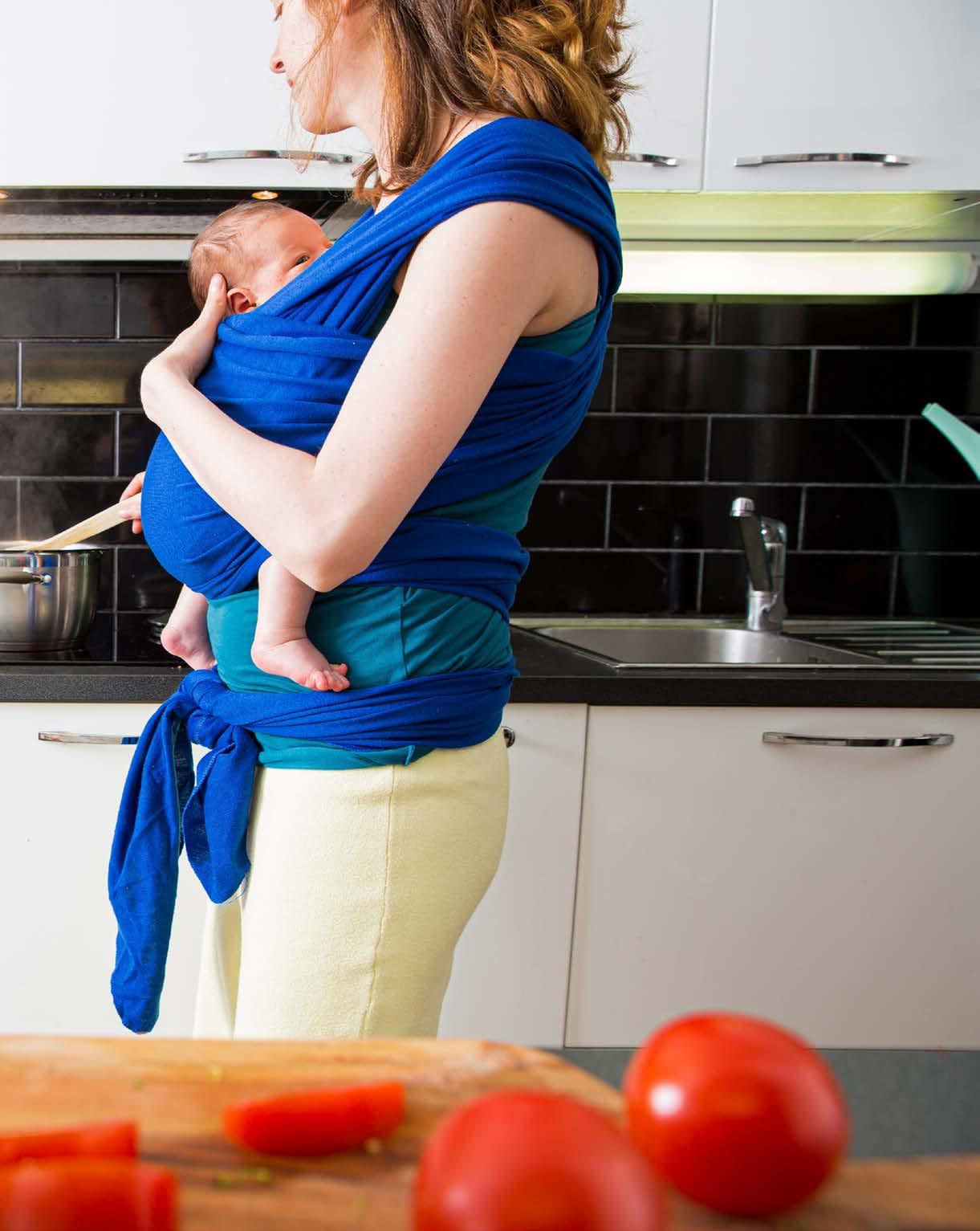
The weeks and months after giving birth are often described as a blur - a patchwork of joy, sleeplessness, recovery and constant adjustment. Yet for many new mothers, that period also brings a wave of feelings that can be bewildering. The truth is that many mothers find themselves feeling emotionally off-balance - a reality that’s completely normal and deeply rooted in biology. Beneath the surface, your hormones are working hard, shifting and recalibrating in ways that influence everything, from your mood and appetite to how deeply you sleep.
In many ways, the postpartum phase is a second transformation, one that’s just as powerful as pregnancy itself. Your body is learning to support not only your baby’s life but also your new rhythm as a mother. These hormonal changes can affect how you think, feel and connect, and while it can be disorienting, it’s also part of how your body protects and strengthens you for the journey ahead.
Understanding what’s happening inside your body can make a big difference to how you experience this time. By recognising that these changes are physiological - not personal failings - mothers can approach the postpartum journey with more compassion and confidence.
During pregnancy, hormones such as oestrogen and progesterone rise to extraordinary levels to support your growing baby. They’re partly responsible for that radiant skin, fuller hair and deep sense of calm some women experience. Then, almost immediately after birth, those same hormones drop - sometimes by as much as ninety percent within 48 hours. It’s one of the most dramatic hormonal shifts the body ever goes through.
That sudden plunge helps to explain the “baby blues” many mothers experience a few days postpartum, which can look like mood swings, tearfulness, anxiety or irritability that seems to appear from nowhere. For most, these feelings fade within a week or two as hormones settle and stabilise. However, for around one in eight women, the low mood lingers or intensifies, becoming postpartum depression or anxiety - conditions that deserve recognition and support, rather than silence.
At the same time, other hormones rise to prominence. Prolactin fuels milk production but can also lower energy levels. Oxytocin, the “love” hormone, helps with bonding, breastfeeding and uterine healing. Every time you hold your baby close or breathe in that unmistakable newborn scent, oxytocin is quietly reinforcing your connection. Meanwhile, cortisol, the body’s stress hormone, tends to stay elevated when sleep is fragmented - which, for most new parents,
is an unavoidable reality. Unfortunately, elevated cortisol can make it harder to relax, contributing to mood swings and irritability. These chemical fluctuations create a fragile but fascinating ecosystem, one that gradually steadies with care and time.
It’s worth noting that these changes affect each woman differently. Some feel their emotions come in gentle waves; for others, they crash and swell unpredictably. Both are normal. Paying attention to your own unique patterns can help you identify when you’re just tired, and when you might need extra care or professional support.
Hormones don’t act in isolation. They interact with neurotransmitters like serotonin and dopamine - chemicals that regulate mood, motivation and pleasure. When hormone levels fluctuate, these feel-good chemicals can be affected too, making mothers more emotionally sensitive.
This means the emotional highs and lows you experience postpartum aren’t just about sleeplessness or new responsibilities - they’re also about your body finding a new equilibrium and the process can feel like emotional whiplash: you cry at an advert, laugh at something silly, then find yourself inexplicably anxious moments later. It’s easy to label these shifts as over-sensitivity or to feel that you’re somehow not coping, but this volatility is a normal part of your body’s rebalancing act. Your brain and hormones are adjusting to a new reality - one that includes disrupted sleep, physical recovery and the mental load of caring for a tiny human.
Physical factors add another layer. Blood loss at birth can affect iron levels, thyroid function may fluctuate and your body’s nutrient stores are often depleted. All of these factors can affect mood and energy. Gentle nutrition - regular, balanced meals with plenty of protein, healthy fats and whole grains - will help stabilise your blood sugar and support your hormone recovery. Hydration matters too; even mild dehydration can mimic symptoms of anxiety or fatigue.
It can help to think of this stage as your body’s reset, not a setback. Every nourishing meal, every nap, every moment you spend breathing deeply or walking outdoors contributes to that reset. Small acts of care done often have a far greater impact than grand gestures done rarely.
Sleep deprivation is one of the most powerful disruptors of hormonal balance and it’s no secret that it can unravel even the calmest mind. When rest is scarce, cortisol levels rise, while serotonin and melatonin - key mood and sleep regulators - drop. This can leave mothers feeling foggy, anxious or low.
While uninterrupted rest might feel like a fantasy, small adjustments can make a real difference. Napping when your baby naps, sharing night duties when possible, or accepting offers of help from family and friends can all ease the burden. Sometimes it’s about reframing priorities: the dishes can wait, but your wellbeing can’t. Sleep is medicine and rest is the quiet space where your hormones recover and your body repairs itself.
The postpartum body has immense healing to do, and nutrition is its raw material. Think of food as your ally, not as an afterthought. Omega-3 fatty acids from chia seeds, walnuts and oily fish support brain and hormone health. Iron-rich foods like spinach, lentils and red meat help combat fatigue. B vitamins and magnesium will stabilise your mood and energy.
Eating regularly helps keep your blood sugar steady, preventing those sharp dips that can worsen anxiety or low mood. Batch-cooking simple, wholesome meals, or asking for help from loved ones or meal delivery services can ease the load and ensure your body has what it needs to recover and thrive. And don’t underestimate the mood-lifting power of hydration!
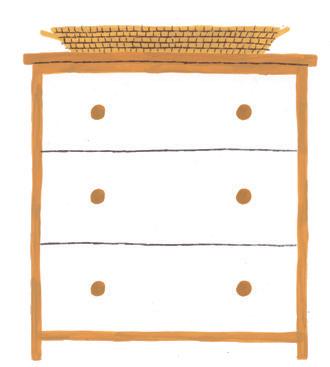
If cooking feels overwhelming, try creating a ‘nourishment basket’, a small stash of snacks, nuts, trail mix and water you can reach for while feeding or resting. It’s a simple way to remind yourself that you deserve fuel, even on days when everything else feels out of control.
While hormonal shifts are normal, there’s a world of difference between the baby blues and more persistent postpartum depression or anxiety. If sadness, panic, hopelessness or detachment continue beyond two weeks, or if you feel unable to connect with your baby or struggle to cope day-to-day, it’s important to seek support.
Postpartum depression and anxiety are common and treatable. Start with your GP, midwife or a mental health professional. They can guide you toward therapy options, support groups or, when appropriate, medical treatments that fit your situation and support your recovery
safely. In some cases, counselling, lifestyle adjustments and nutritional support can make a significant difference.
It’s worth remembering that asking for help isn’t a sign of failure. It’s an act of strength and self-awareness. By taking care of yourself, you’re also caring for your baby.
Human connection has a powerful impact on hormones. When you feel supported and understood, oxytocin rises and cortisol drops, creating a natural sense of calm. Even short conversations, gentle hugs or shared laughter can trigger that hormonal reset.
Mother-and-baby groups, postpartum yoga, or simply confiding in a trusted friend or your partner can bring a sense of belonging when everything feels uncertain. Talking about your experience is a very important form of processing. It’s how we move through the messy, miraculous early months without losing ourselves entirely in the fog.
Many mothers find that sharing their experiences opens up a space for honesty and reassurance - a reminder that no one has it all together and that fluctuating emotions are part of the journey.
Hormonal recovery unfolds differently for everyone. Some mothers feel like themselves again within weeks; others take months to reach equilibrium. There’s no finish line and no fixed timeline. Supporting your hormones through consistent sleep, good nutrition, movement and emotional support helps the process along.
Gentle exercise, such as walking, yoga or postnatal Pilates, is great for some helpful endorphin release and improved circulation, both of which aid hormonal balance. Spending time outdoors also boosts our vitamin D levels, which play a huge role in mood regulation and keeping our immunity strong.
Small rituals - a cup of tea in silence, some fresh air each morning, a few deep breaths before sleep - can help calm the nervous system and remind you that this phase, while intense, is temporary.
Try to mark your small wins too. Managed a shower or ate breakfast sitting down? That’s progress. Each act of care is evidence of healing in motion, even if it doesn’t feel glamorous or “productive.” Over time, these quiet victories become the starting blocks of developing your confidence in these new roles as a mother and a woman rediscovering herself.
The postpartum period is as much about emotional growth as physical recovery. They say you leave the hospital having given birth to two new people - the new baby and the new mother. This is a time of immense change, learning and self-discovery. The postpartum phase is often painted as a season of sleepless nights and endless nappies, but it’s also a profound period of renewal. Your hormones may fluctuate wildly, but they’re doing exactly what nature intended, helping your body and mind adapt to motherhood. Hormonal shifts can make you feel vulnerable, but they also reflect your body’s incredible adaptability and strength.
By understanding what’s happening within, perhaps you can meet it with kindness instead of criticism. There’s no single formula for happiness after birth, it’s about balance, awareness and support. When you care for your hormones, you’re really caring for your whole self, mind, body and spirit.
So, take it one day at a time, breathe deeply and remember that stability will return. Accept every bit of help, feed yourself well and rest when you can. Hormones may shape the journey, but your happiness is nurtured by the compassion you have - for yourself and for the new life you’ve brought into the world.

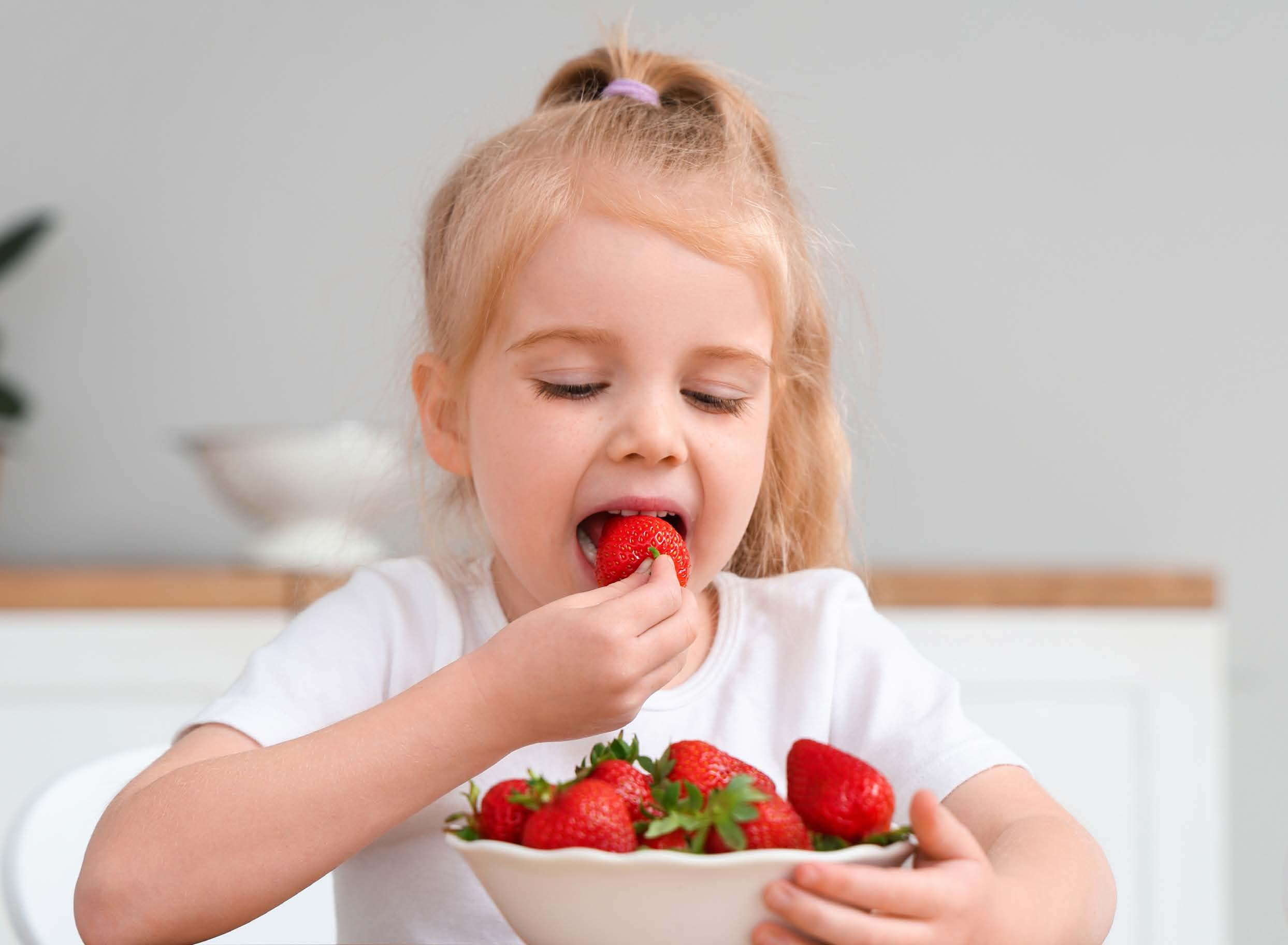
While the occasional treat is part of the joy of childhood, too much added sugar can affect kids’ energy, mood and longterm health.
Sugar gives us quick energy - that familiar rush that powers through the school run or an afternoon slump. However, what goes up must come down. Those energy spikes and crashes, the crankiness or sudden tiredness, are the signs of a blood sugar ‘rollercoaster’.
However, when blood glucose rises sharply after a sugary snack, the body releases insulin to bring it back down. This drop can leave children feeling irritable, tired, foggy or craving more sweets. Over time, that cycle leads to weight gain, tooth decay and insulin resistance - the early pathway to type 2 diabetes.
In contrast, natural sugars found in fruit, milk and some vegetables come with fibre, vitamins and minerals that help slow its absorption. It’s the added or “free” sugars - those in sweetened drinks, sauces, yoghurts and processed snacks - that are best kept in check. Because when sugar quietly seeps into every breakfast, snack and drink, it begins to take more than it gives.
Medical professionals recommend that children aged 4 to 6 have no more than 19 grams (about five teaspoons) of added sugar a day, and those aged 7 to 10, no more than 24 grams. For adults, the limit is 30 grams. Yet studies suggest most of us exceed those limits without realising it!
Sugar wears many disguises on food labels: glucose, sucrose, fructose, maltose, syrup, honey, molasses and even fruit juice concentrate. If several of these appear near the top of an ingredients list, the product likely contains more sugar than you think.
Once you start checking labels, the picture changes. That “healthy” cereal might contain more sugar than a doughnut, and the “natural” fruit drink might hold as much as a fizzy cola. Awareness is the first and most powerful swap.
Here are some realistic, family-friendly ways to gently reset your household’s sugar habits, without losing any of the joy.
Morning meals set the tone for the day. Many children’s cereals are surprisingly sugary, even the ones wrapped in wholesome packaging. Swap those flakes and chocolate puffs for oats topped with fresh fruit, cinnamon and a drizzle of honey if needed. Porridge, overnight oats or low-sugar muesli offer slow-release energy that keeps little stomachs full until lunch.
If toast is a staple in your home, try wholegrain bread with nut butter and sliced banana instead of jam or chocolate spread. The healthy fats and fibre balance blood sugar and fuel steady energy without a mid-morning crash in sight.
Snacks can be both sweet and clever. Instead of biscuits or cereal bars, reach for foods that pair protein with natural sweetness, such as apple slices and peanut butter, plain popcorn or yoghurt with berries. Homemade energy balls made from oats, dates and seeds are another great grab-and-go option!
On warmer days, why not make frozen fruit lollies from blended mango, strawberries or bananas? They satisfy the craving for something cold and sweet, but with vitamins and fibre rather than additives.
Sugary drinks are one of the biggest contributors to excess sugar in children’s

diets. A single can of fizzy drink can hold up to nine teaspoons of sugar. Even fruit juices and smoothies, though natural, contain “free sugars” once the fibre is broken down.
Do your best to encourage water as the main drink at home and school. For extra flavour, infuse it with sliced cucumber, berries or a splash of fresh lemon or orange. Diluted fruit juice - one part juice to three parts water - can be a gentle transition for children who are used to sweeter tastes.
It’s not just sweet foods that hide sugar. Many savoury staples like pasta sauces, salad dressings and ready-made soups contain added sugars for flavour. Reading labels helps - or better yet, try making simple homemade versions. A basic tomato sauce made from tinned tomatoes, garlic and herbs takes minutes and freezes beautifully.
For condiments, swap ketchup for tomato purée mixed with a little olive oil and seasoning, or try salsa for a naturally sweet, tangy alternative.
Home baking is a wonderful family activity, and an opportunity to reduce sugar while still enjoying a treat. In many recipes, you can cut sugar by a third without affecting taste. Natural sweetness from mashed banana, applesauce or dates can replace some of the sugar too.
Using wholegrain flour or oats adds fibre and helps balance blood sugar. Children love helping to stir, pour and taste - learning along the way that sweet doesn’t have to mean sugary.
When a family cuts back on sugar, taste buds adapt surprisingly fast. Within weeks, foods that once tasted normal can seem overly sweet. This reset allows everyone to rediscover the natural flavours of fruit, grains and nuts - and makes the occasional dessert feel genuinely special again.
Turning this into a game helps. You might like to try taste tests with your children, like fresh versus dried fruit, plain versus flavoured yoghurt etc. and ask which one tastes real. When kids lead in the discovery, change feels exciting rather than restrictive.
Sugar doesn’t only affect the body, it influences mood and concentration too. After a sugary snack, blood sugar spikes and then plummets, leading to irritability or brain fog. Choosing foods that offer steady energy, such as whole grains, nuts, fruit or yoghurt helps keep moods even and focus sharp.
For parents juggling work, childcare and endless to-do lists, that steadiness can make the day feel much more manageable. For kids, it supports calmness, attention and better learning.
By deciding to make these swaps to food choices, parents give little ones an enormous gift and advantage in life: a healthy, balanced relationship with food. Reducing sugar isn’t about perfection. What matters most is the everyday pattern - the eighty percent of meals and snacks that make up the rhythm of family life. So, make the first good swap and keep building…You’ve got this!
If your child can twist their body in ways that make you wince, it might seem like a party trick - but sometimes, there’s more behind that bendiness than meets the eye.
Every parent has seen children stretch and tumble in ways adults can only dream of. Their joints are looser, their ligaments stretch further and they recover from tumbles with enviable ease. But in some children, this extreme flexibility goes beyond what’s typical.
Ehlers-Danlos syndrome is a group of genetic connective tissue disorders that affect collagen, the protein that gives structure and strength to our skin, joints and ligaments. When collagen doesn’t form properly, the body’s connective tissue becomes unusually stretchy and fragile. This means that joints that move beyond their limits, skin that feels unusually soft, and sometimes, discomfort or injury that’s hard to explain.
There are several types of EDS, ranging from very mild to more complex. The most common is the hypermobility type (hEDS), often diagnosed in children who seem double-jointed or are prone to sprains and strains that take longer to heal.
Many parents first notice EDS when their child can do the splits effortlessly, bend their thumb back to touch their wrist or hyperextend their knees or elbows. While a bit of flexibility is perfectly normal in young children, especially girls, extreme or persistent hypermobility can indicate something more.
Common signs include:
• Joints that move far beyond normal range (double-jointed elbows or knees that “bend backwards”)
• Frequent sprains or dislocations, even from mild activity
• Muscle fatigue or pain after sports or play
• Soft, velvety or unusually stretchy skin
• Easy bruising or slow wound healing
It’s important to remember that EDS exists on a spectrum. Some children experience only mild flexibility and occasional pain, while others face daily challenges with movement, fatigue or coordination.

For children with hypermobility or EDS, activities that seem simple - like writing, jumping or carrying a backpack - can take extra effort. Because their joints don’t always stay stable, muscles have to work harder to compensate and keep everything in place. Over time, this can lead to aches, fatigue or even digestive issues linked to weaker connective tissue.
Many children also struggle with proprioception - the body’s sense of where it is in space - which can make coordination tricky. This might show up as clumsiness, frequent falls or slower learning of physical skills like cycling or skipping.
Emotionally, it can be confusing too. A child who looks healthy on the outside may still be in pain, leading others to underestimate how much they’re coping with.
If you suspect your child’s flexibility might be causing pain or injury, it’s wise to speak to your GP or paediatrician. They may perform a simple Beighton score test, which assesses joint flexibility in areas such as the elbows, knees, fingers and spine.

It’s worth noting that not all children with hypermobility have EDS - some are just naturally more flexible. The key is whether that flexibility comes with symptoms like pain, fatigue or instability.
While there’s no single test for EDS, your doctor may refer you to a geneticist, rheumatologist or physiotherapist for further assessment. A professional diagnosis can help guide you towards the best treatment and support.
There’s no cure for Ehlers-Danlos syndrome, but there’s much that can be done to support children and strengthen their bodies. The goal is not to limit movement but to build stability, awareness and confidence.
Physiotherapy is often the cornerstone of support. Specialised exercises help strengthen the muscles that stabilise joints, reduce pain and improve posture. Activities like swimming
and Pilates are particularly effective because they build endurance and strength without overloading the joints.
At home, small adjustments can make a big difference. Supportive shoes, lightweight school bags and regular rest breaks can help prevent strain. Also, encourage your child to pace themselves, to listen to their body and take breaks when needed. Learning when to rest is just as important as learning when to push forward, and nailing this balance early helps prevent fatigue and injury later on.
A balanced diet plays a quiet but vital role in supporting joint and muscle health. Foods rich in vitamin C, protein and omega-3 fatty acids help maintain collagen and reduce inflammation. Staying well-hydrated is equally important, as connective tissue depends on water for flexibility and resilience.
Because some children with EDS experience digestive sensitivity, a balanced, whole-food diet that avoids overly processed ingredients is best. Consulting a paediatric dietitian can be helpful if your child struggles with appetite, bloating or fatigue.
Living with an invisible condition can be emotionally challenging for both children and parents. It’s common for kids with EDS to feel frustrated or isolated, especially if they have to sit out certain activities or tire more easily than their peers. Gentle reassurance helps them understand that needing rest or moving differently doesn’t mean they’re weak - it means their body simply works in a unique way.
With the right care, children with EDS can lead active, fulfilling lives. Many go on to enjoy sports, dance or music, simply adapting how they move. Understanding their limits - and celebrating what their bodies can do - is brilliant for their confidence and selfawareness as they navigate the world. Open communication with teachers and coaches is essential. A few thoughtful accommodations, like rest breaks, reduced load-bearing and flexible seating, can make all the difference between participation and pain.
When you see your child’s double-jointed tricks, it’s natural to feel a mix of pride and worry. But understanding Ehlers-Danlos syndrome brings that mystery into focus. These children may be more flexible in body, but they’re also remarkably strong in spirit. With the right mix of care, knowledge and encouragement, what once felt like a challenge can become a source of strength and your little one can get the support they need to reach their potential.

The power of teaching proper manners; handling your kids’ rivalry wisely; why you should consider digital minimalism and more!
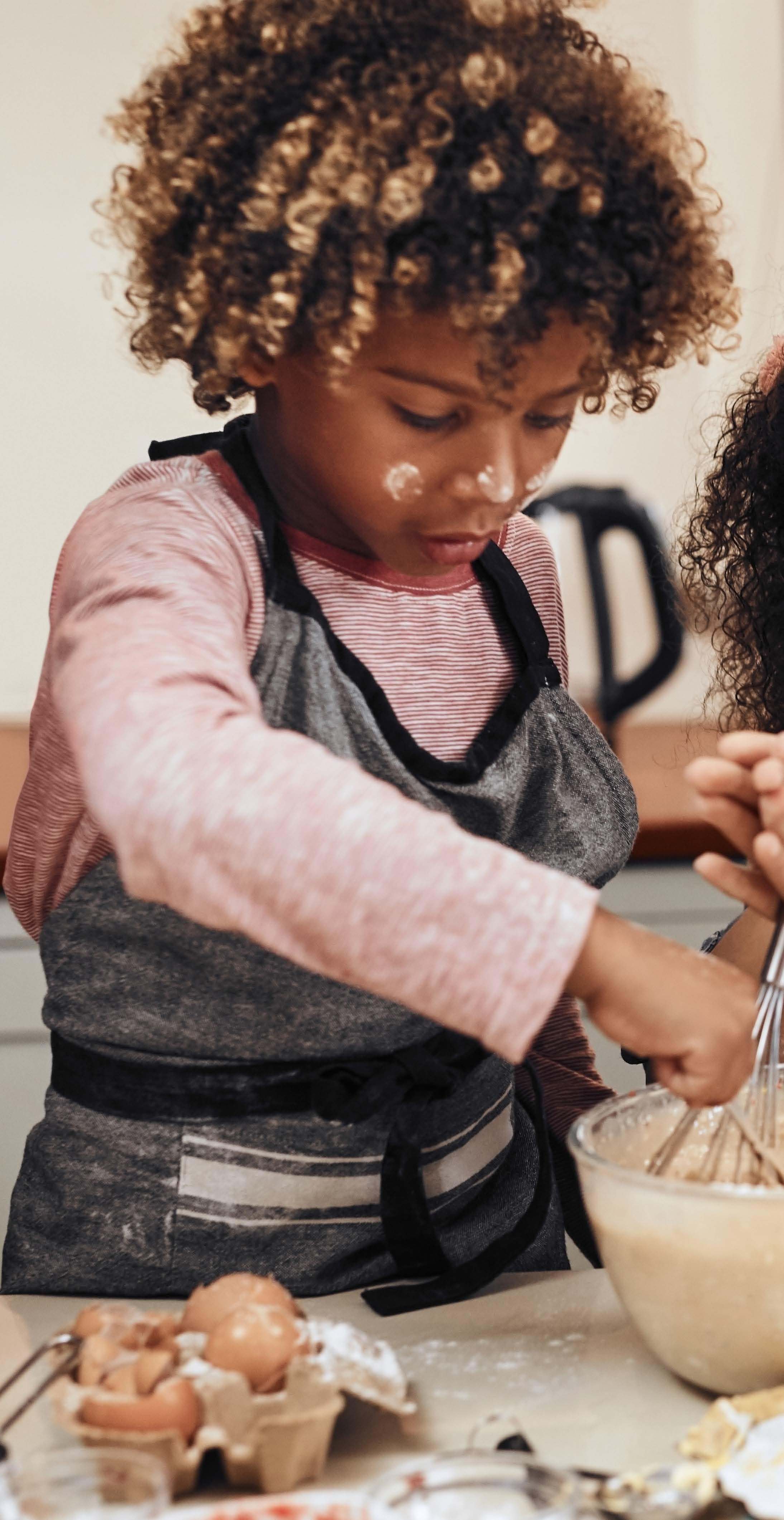
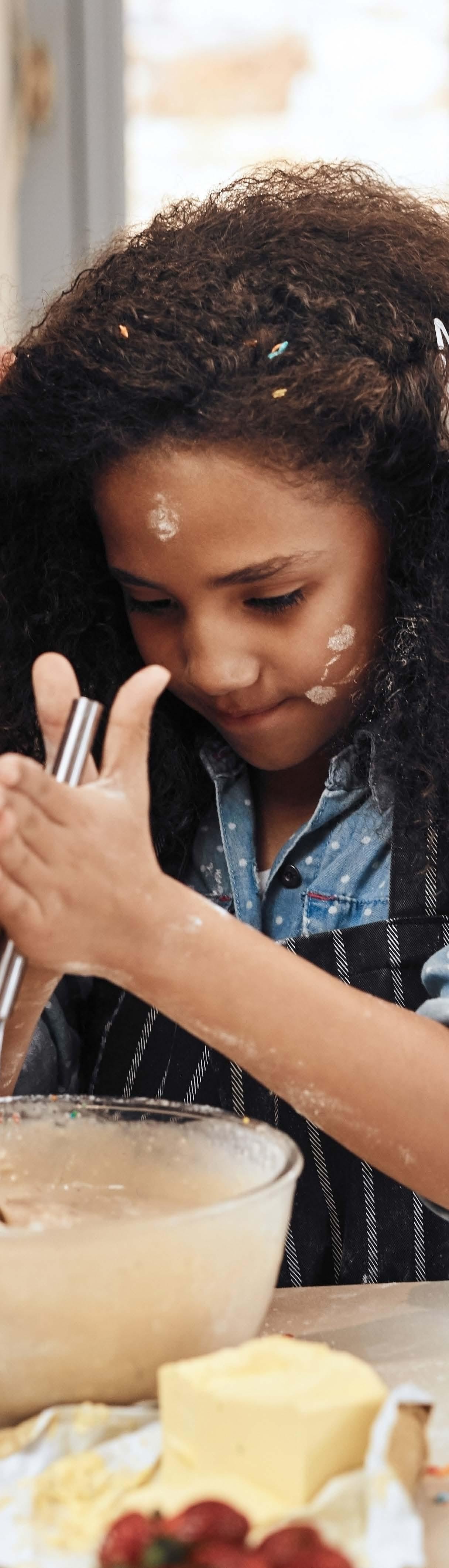
Here’s why letting kids get messy and explore can be a good thing!
Children learn best when they’re free to experiment, discover and interact with the world around them, and that often means getting gloriously messy. Whether it’s digging in the garden, finger painting at the kitchen table or building elaborate sandcastles, messy play is more than just fun. It’s one of the richest ways for children to learn about cause and effect, develop confidence and connect with their own creativity.
When children mix colours, squish clay or pour water from one container to another, they’re exploring how things work. These hands-on experiments build spatial awareness, problem-solving skills and imagination. Kids begin to understand that experimenting can lead to surprises, mistakes and new discoveries, which is where real learning happens.
This kind of open-ended play also encourages persistence. When a sandcastle collapses or a paint colour turns muddy, children naturally try again, adjusting their approach. That process of trial and error teaches flexibility and resilience, qualities that help them solve problems far beyond the playroom.
Messy play is also quietly powerful for physical development. Every scoop of sand, splash of paint or knead of dough strengthens small hand muscles and improves coordination. These fine motor skills form the foundation for later tasks like writing, dressing and using tools.
Outdoors, running, balancing, carrying buckets of water or climbing to collect materials all engage the body’s larger muscle groups, supporting balance and spatial awareness. Unlike structured exercise, messy play gives little ones freedom to move
in creative, self-directed ways, and that movement helps them develop a confident relationship with their bodies.
Messy play nurtures emotional wellbeing as much as physical or cognitive development. Sensory-rich experiences can calm any anxiety, release pent up energy and provide a lovely sense of achievement.
Moreover, messy play often becomes a safe way for children to express feelings they can’t yet articulate. For example, mixing colours or splashing water can be a way to express frustration or joy, making this a great activity for emotional regulation!
Allowing kids to make choices during play, like which materials to use, how to create or what to explore, shows them that their ideas have value and that they can take ownership of their choices. This is great for teaching children to feel capable of tackling challenges both in and out of the home, helping them approach new situations with curiosity rather than hesitation.
For parents, the trick is keeping it manageable. Setting up a designated area, using washable materials and keeping towels or aprons nearby will turn potential chaos into carefree creativity. The goal isn’t to eliminate the mess but to make space for it, and for the learning that comes with it.
In a world filled with screens and schedules, messy play offers something refreshingly simple and deeply enriching. It invites kids to connect with nature, with materials and with their own imagination. So next time your child wants to dig, splash or squish, take a deep breath and let them!
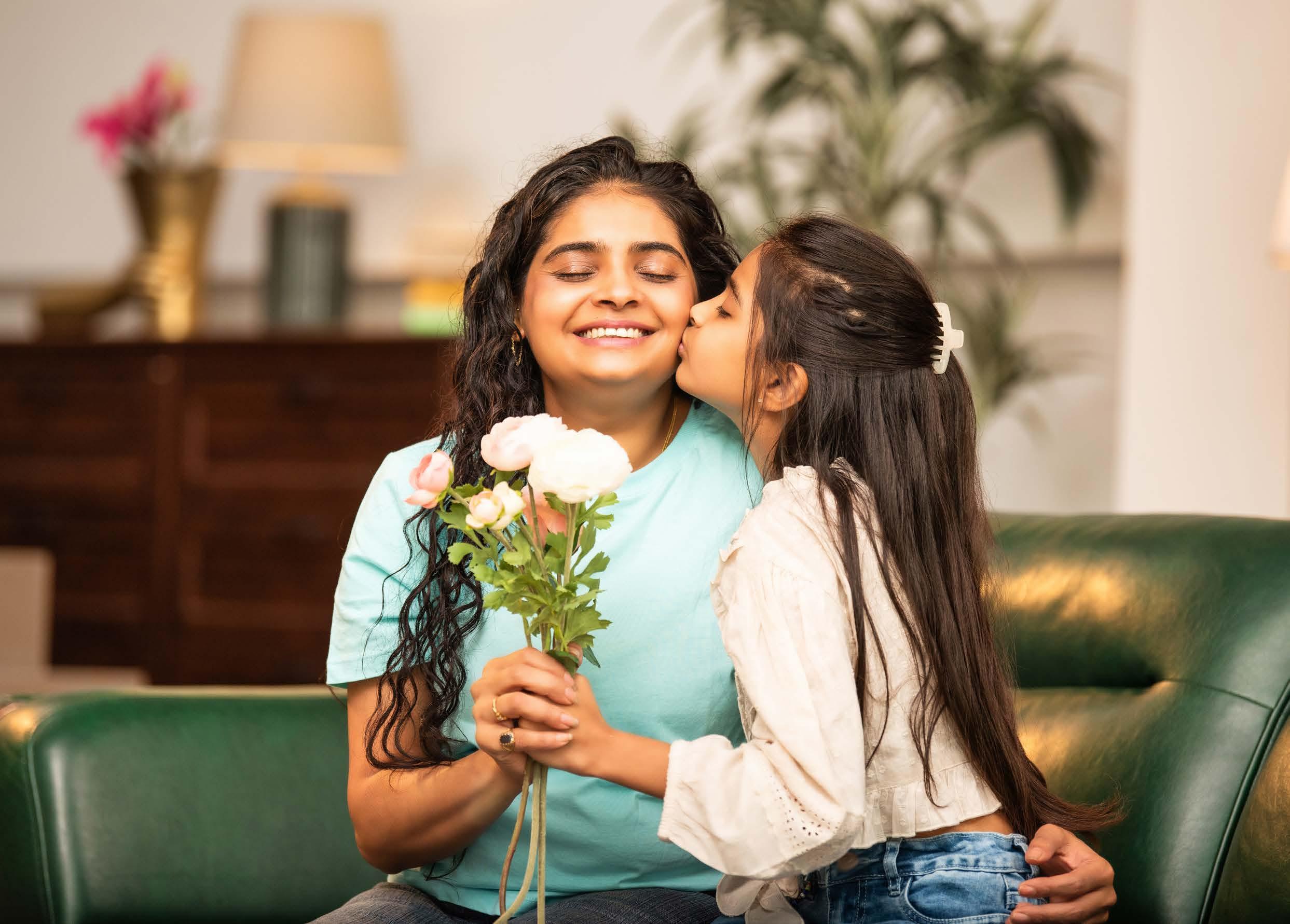
Here’s how to guide kids in cultivating the lifelong skill of being courteous and aware.
Good manners are about more than “please” and “thank you.” They’re about empathy, confidence and learning to move through the world with respect for others - and for oneself. As children grow older, it’s tempting to assume they already know how to behave politely. But like most skills, good manners need practice, context and the occasional gentle reminder.
Teaching manners builds social confidence and emotional intelligence. Put simply, when children understand how their behaviour affects others, they become better communicators,
problem-solvers and friends. These small acts of respect also reduce friction at home and school. A child who knows how to apologise or disagree kindly is more likely to handle conflict with maturity and ease, shaping interactions at school, with friends and through life. Developing these skills early helps older children feel empowered in social situations rather than intimidated or frustrated.
And it’s not about being old-fashioned or overly formal – it’s about kindness. When children see that their good manners make others smile, conversations flow more easily and situations feel calmer, they begin to understand the true value of empathy in action. That’s what turns simple politeness into genuine social confidence.
Children learn manners first and foremost by observing adults. When they see adults saying hello to neighbours, holding doors or thanking shop assistants, they absorb what kindness looks like in action. It’s important to verbalise your thought process too. For instance, “I’m saying thank you because it shows I appreciate the help.” It’s these tiny explanations that make the invisible rules of social life click.
Consistency is what matters here. When manners are praised one day and ignored the next, the message blurs. So, keep your expectations clear and corrections gentle. Even the smallest courtesies, like saying “excuse me” or offering a chair, help children see how small gestures can make someone’s day.
If you notice your child being especially thoughtful or considerate, mention it aloud. Positive reinforcement helps manners stick far more effectively than scolding ever could. Kids love to feel seen for their kindness, and recognising it helps shape their sense of identity as caring, respectful individuals.
Older children might understand nuanced aspects of etiquette better through practical exercises rather than abstract rules. Family mealtimes, for example, are great opportunities to teach table manners and conversation etiquette. Even small practices, such as saying “excuse me” when leaving the table or helping to clear dishes, reinforce respect for others.
Similarly, thank-you notes after birthdays or events teach older children to acknowledge the effort and thought of others. This not only builds courtesy but also reflection and appreciation - skills that contribute to their sense of empathy.
As social circles grow, so does complexity. Older children and teens face group dynamics, disagreements and peer pressure that test their empathy. You might like to try to use these real-life moments to explore options - such as “What could you say if your friend was left out?” or “How might you respond if someone hurt your feelings?”

Handling disappointment gracefully is another underrated skill. Whether it’s losing a game or getting tough feedback, phrases like “Good game” or “Thanks for your advice” teach teenagers resilience and self-control.
Manners aren’t just about outward behaviour, they’re also about taking ownership. A sincere apology repairs more than words can, so always encourage children to notice when they’ve hurt someone, take responsibility and make amends.
Accountability extends to respecting property, following rules and considering the needs of others. Praise these efforts when they happen naturally or spontaneously, rather than only correcting missteps. This encourages plenty of intrinsic motivation to behave courteously!
Teaching manners doesn’t have to feel like a lecture. Older children often respond well to interactive and reflective activities. Games, storytelling and family discussions about
etiquette can make the process enjoyable and easier to engage with.
Challenge children to notice polite behaviours in others or reflect on how a simple act of kindness - holding a door, offering a seat, complimenting someone - can change a situation. Praise the curiosity they show and their awareness, rather than constantly chasing perfection. After all, developing social skills is a gradual process and it takes practice!
Consistency, patience and gentle guidance are key to helping older children internalise manners. Remember, teaching manners is about creating empathy and consideration, not compliance or fear of criticism. Kids who understand the purpose behind politeness are more likely to form healthy relationships, enjoy happy social lives and contribute positively to their social circles and communities.
Ultimately, teaching manners is about raising children who are kind, confident and emotionally attuned. When older kids understand that politeness isn’t about performance, but rather, connection, they carry those lessons for life.

Every parent comes with their own instincts, shaped by personality, upbringing, culture and experience. So it’s only natural that two people might have distinct ideas about how to guide their child. One parent may prioritise structure and routines, while the other encourages flexibility and independence. One might respond quickly to every tear or complaint, while the other believes in letting children solve small problems themselves.
We discuss ways to find balance when you and your partner don’t always see eye to eye.
Parenting styles don’t appear out of thin air. They’re woven from our personal histories, how we were raised, what we valued as children, what we promised ourselves we’d do differently. Cultural expectations, professional backgrounds and even stress levels can play a role too. These differences don’t mean anyone is wrong. In fact, they’re often what makes a family dynamic rich and layered. Sometimes, these differences actually complement each other beautifully - one parent brings calm, the other energy; one sets boundaries, the other brings softness. But when the gap feels too wide and your approaches clash, it can cause friction. While each way may be valid on its own, mismatched styles often create tension and mixed messaging for children, and stress for parents.
Finding a shared rhythm takes understanding, compromise and teamwork, but it is absolutely possible. The first step is recognising that both perspectives likely hold value. Rather than competing to
be right, think of it as bringing different tools to the same toolbox. Differences aren’t a sign of failure; when managed with respect, they’re an opportunity to balance strengths and teach kids adaptability.
Children thrive on consistency and predictability. When parents send mixed signals, kids may struggle to understand boundaries or what behaviour is expected. If one parent allows late-night screen time while the other insists on lights out at nine, kids may begin testing limits - or playing one parent off the other.
However, children can also benefit from seeing different approaches in action. When handled with unity and respect, it can teach little ones flexibility, negotiation and critical thinking. The key is ensuring your differences don’t undermine each other.
Children are also incredibly sensitive to parental tension. They can sense when disagreement turns into resentment or criticism. When parents argue about discipline or routines in front of kids, it can make them anxious or teach them to use conflict as leverage. Presenting a united front, even when you disagree privately, gives kids a sense of safety and stability.
Open, honest communication is the foundation for navigating mismatched parenting styles. It’s about having regular check-ins - not just when there’s a problem. Start by identifying your shared values, such as kindness, safety, learning, respect or independence. Even if your methods differ, shared values create a framework for decision-making. Once those core principles are agreed upon, it becomes easier to compromise on the “how.”
Active listening is equally important. Rather than debating who’s right, reframe conversations around your child’s best interests. Ask, “What outcome are we both hoping for?” These small shifts in language bring the discussion away from tension and towards working as a team.

Compromise doesn’t mean abandoning your values; it’s about finding middle ground that honours both perspectives. You might agree to alternate approaches for certain situations or incorporate both ideas. For instance, if one parent prioritises independence and the other values structure, you might agree on giving your child choice within set boundaries, such as, “Would you like to do your homework before or after dinner?”
Consistency doesn’t require identical actions, but it does mean children receive coherent messages. For example, if one parent encourages problem-solving and the other provides guidance, ensure both approaches lead to the same overall lesson rather than conflicting rules.
Practical strategies include:
• Create shared rules for recurring scenarios like bedtime, screen time or chores.
• Plan routines together, so both parents know what to expect.
• Develop subtle cues for redirecting a child’s behaviour in the moment without undermining each other.
Even small adjustments, like a shared bedtime ritual or a consistent morning routine, can reduce friction and make daily life smoother for everyone.
It’s natural to feel frustrated when your parenting philosophy clashes with your partner’s. The key is managing those feelings constructively. Avoid correcting or contradicting your partner in front of the children, as it can weaken both your authority and your child’s sense of security. Instead, have private conversations where you both feel heard.
Remember that each parent brings strengths to the partnership. One may excel at calm conflict resolution, while the other is great at encouraging creativity and curiosity. By recognising and valuing these differences, parents can provide a richer environment than either could alone.
Sometimes, even with the best intentions, parenting differences feel insurmountable. In those cases, getting some support from a parenting coach, therapist or counsellor can make all the difference. A neutral perspective helps couples recognise patterns, rebuild communication and maybe find practical compromises. This isn’t about “fixing” anyone’s approach, it’s about creating harmony. Parenting coaches and family therapists often provide useful tools for resolving conflict, setting joint boundaries and becoming aware of emotional needs in a way that strengthens the whole family unit.
Differences are inevitable, but they don’t have to divide you. Ultimately, parenting is about bringing up happy, resilient children, not about winning arguments or adhering to rigid methods. Remember, no mother or father is perfect and children benefit most when their parents respect each other’s perspectives, show unity and treat one another with empathy. The goal isn’t to eliminate your differences but to manage them thoughtfully, so you can raise confident, secure children, even when your parenting styles don’t match perfectly.
Sibling conflict is a common and often stressful part of family life, but it’s also a natural way for children to develop life skills. Here’s how parents can navigate it with grace.
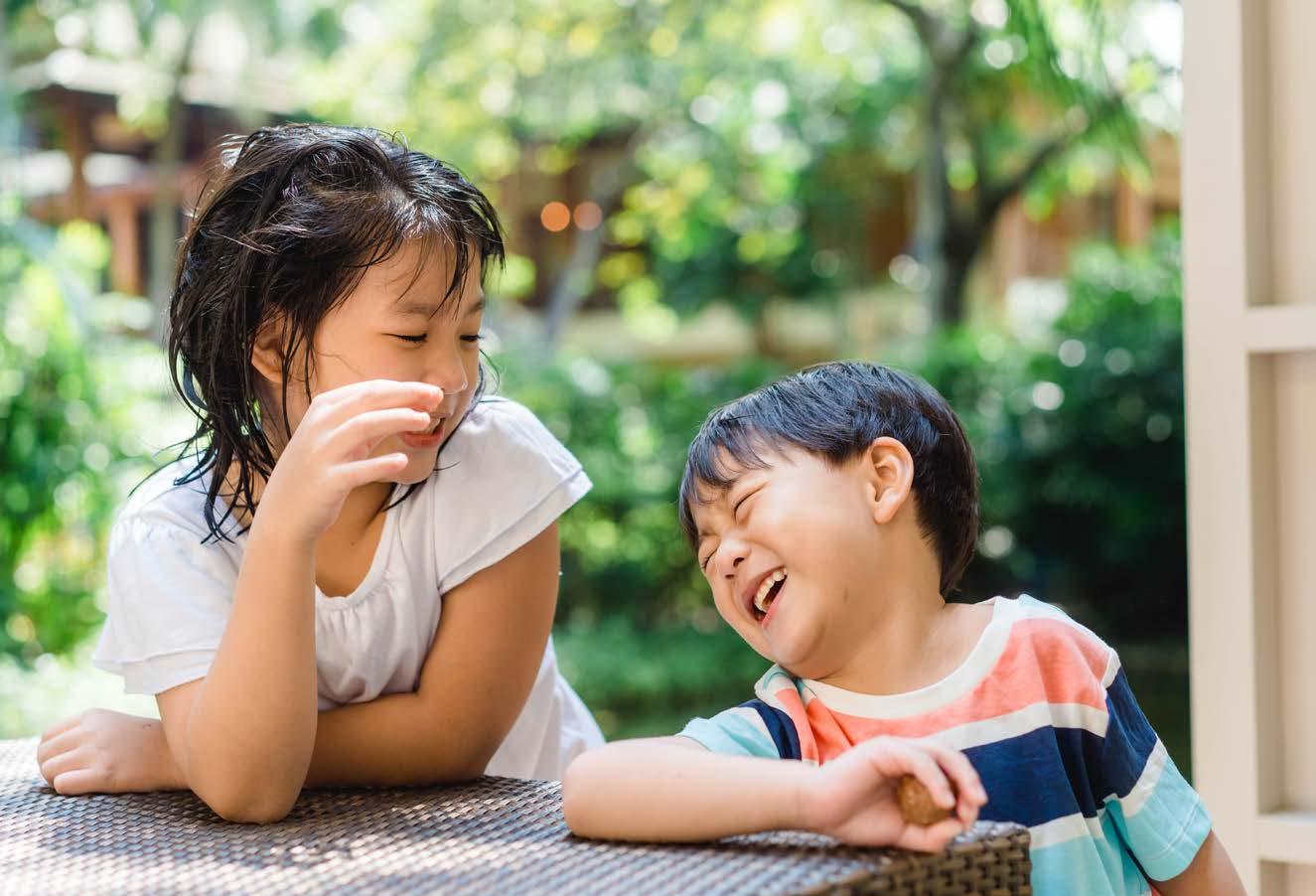
Sibling rivalry is something every parent faces at some point. It can test your patience, stretch your diplomacy skills and occasionally make you wonder if you’ll ever have a peaceful dinner again. Although it may not always feel like it, rivalry between brothers and sisters is actually one of the ways children learn empathy, negotiation and problem-solving. As a parent, the aim isn’t to eliminate it entirely, but to guide it gently into something more constructive.
Rivalry usually starts early and can flare up through the teenage years. It often stems from kids competing for attention, space or a sense of importance within the family. Personality plays a part too - a sensitive child might feel overshadowed by a more assertive sibling, or vice versa.
It helps to remember that conflict isn’t always a sign of trouble. It’s a natural part of learning to live with others. When managed calmly, those squabbles over toys or turns on the iPad can teach patience, fairness and emotional intelligence. Your job as a parent isn’t to referee every argument, but to help your children learn how to navigate them.
Every family has its flashpoints. Arguments tend to erupt around fairness, shared spaces or perceived favouritism. Maybe one child feels they’re doing more chores, or that their sibling gets away with more.
Noticing when and where tension builds can make a big difference! Fights are more likely when children are tired, hungry or transitioning from one activity to another - like coming home from a long day at

school. Once you see the patterns, you can step in before tempers flare. Setting small boundaries, like rotating turns for screens or toys, can help prevent the same conflicts from repeating.
The more kids learn to express what they feel, the less they’ll need to shout it. Encourage calm, clear communication with phrases like “I feel upset when…” or “I’d like a turn next,” which will slowly build your kids abilities to articulate their needs respectfully. Your own tone sets the example here, so try to stay neutral when disputes happen, guiding your children to work out solutions rather

than choosing sides. When they see you staying calm and fair, they’re more likely to mirror that behaviour themselves.
Think of every argument as practice for adulthood. Conflict resolution is a skill, and it’s learned through guidance, not punishment. Encourage:
• Negotiation: Let them suggest compromises or take turns
• Problem-solving: Ask, “What could we do so both of you are happy?”
• Empathy: Help them see the other’s perspective
After things cool down, talk through what happened and discuss how you could handle this differently next time. It helps kids learn from their emotions rather than just reacting to them.
They say “Comparison is the thief of joy” and in a family context, comparison often fuels rivalry - so avoid comparing your kids where you can. Every child has their own strengths, rhythms and quirks, which should be recognised and celebrated. When little ones feel seen for who they are, they’re less likely to compete for your approval.
At the same time, it’s also good to encourage teamwork through joint projects, cooking
together or shared games. Another great tip is to praise cooperation, even when it’s imperfect. A simple “I love how you worked that out together” goes a long way!
Clear expectations help children feel safe, and that sense of safety keeps rivalry in check. Agree on family rules around behaviour, sharing and respect, as well as consequences for crossing these boundaries. It’s important that your children understand these expectations and that consequences are fair and predictable. When tensions rise, do your best to stay calm and consistent. Sometimes, simply giving siblings space to cool off is enough to reset the energy. For example, separating kids during highintensity arguments or providing a quiet space to cool down can prevent situations from spiralling unnecessarily.
Many rivalries are really about belonging and perceived inequality in attention. A little one-on-one time can do wonders for this. Even ten minutes a day of focused attention, whether that’s reading together, chatting at bedtime or running errands, reassures each child that they’re valued in their own right.
Praise is powerful too, so try to catch them being kind. “I noticed you shared your snack” or “Thanks for helping your sister” reinforces the behaviour you want to see, which is a very simple but powerful technique to create a happy dynamic.
Sibling rivalry will never vanish completely and that’s okay. What matters most is how you guide it. Through your calm, consistency and understanding, your children learn how to argue fairly, forgive easily and show each other a base level of empathy, skills they’ll carry into every relationship in their lives.
At its best, rivalry becomes a training ground for self-advocating respectfully and learning to be cooperative and resilient, all while helping children build strong, lifelong relationships with each other.
In an age dominated by screens, finding balance between technology use and family life is increasingly important.

Screens are everywhere, at the breakfast table, in the car, even during bedtime stories. Technology connects us, entertains us and helps us learn, but it also has a sneaky way of crowding out the quieter moments that make family life rich and real. Many experts have labelled this a “crisis of connection,” and more and more families are pushing back. Digital minimalism is a gentler, more intentional approach to tech use that helps households cut back on screen time without missing out on what matters most.
It’s not about going off-grid or banning
screens entirely. It’s about being deliberate in choosing how, when and why technology earns your attention. It’s about swapping endless scrolling for purposeful use and mindless consumption for mindfully spending time on something you want more of in your life.
Whether it’s enjoying a shared meal, reading together or having more fun outdoors, digital minimalism helps families reconnect in a meaningful way. The first step is to embrace this mindset yourself - after all, children copy what you role model and can only ever meet an expectation they can see.
Too much screen time can quietly chip away at wellbeing. For kids, it can mean disrupted sleep, reduced focus and less time outside. For parents, constant notifications and digital multitasking can heighten stress and make family time feel fractured. By scaling back on distractions, families gain something far more valuable - attention. Conversations feel richer, imaginative games become easier and your shared time regains its warmth. Children begin to understand that not every spare moment needs to be filled with
a video or a scroll, which helps them build up their self-regulation in a way that is not possible when screens are always within reach.
Before setting new boundaries, observe your current habits. How much time does each family member spend online and doing what? Ask your family which screen activities genuinely add value to their lives and which ones just fill time. Having this discussion together helps children feel involved, not dictated to.
Boundaries are a form of freedom. When everyone knows what’s expected, there’s less arguing and more consistency. With that in mind, consider setting up:
• Device-free zones: Kitchens, dining rooms and bedrooms can be screen-free to encourage conversation and relaxation
• Scheduled screen time: Allocate specific windows for gaming, social media or shows, instead of all-day access
• Purpose-driven use: Encourage children to use devices for learning, creativity or connecting with friends, rather than purely for passive consumption.
Consistency is the foundation as rules are more effective when the whole family participates and understands the reasoning behind them. When parents also switch off during dinner or bedtime, kids eventually understand that it’s about balance, not punishment.
Children pay attention to how parents engage with technology. Kids notice when you check your phone mid-conversation. They also notice when you don’t. Putting your devices away during meals, conversations, bedtime or family outings sends a powerful message about what, and who, deserves your attention.
So be intentional with your own screen use: read a meaningful article, send a thoughtful message or enjoy a creative activity. However, be really careful to avoid multitasking with screens when spending time with your children, as your divided attention diminishes the quality of interactions and children are more likely to reflect this disengagement back to you as a habit.
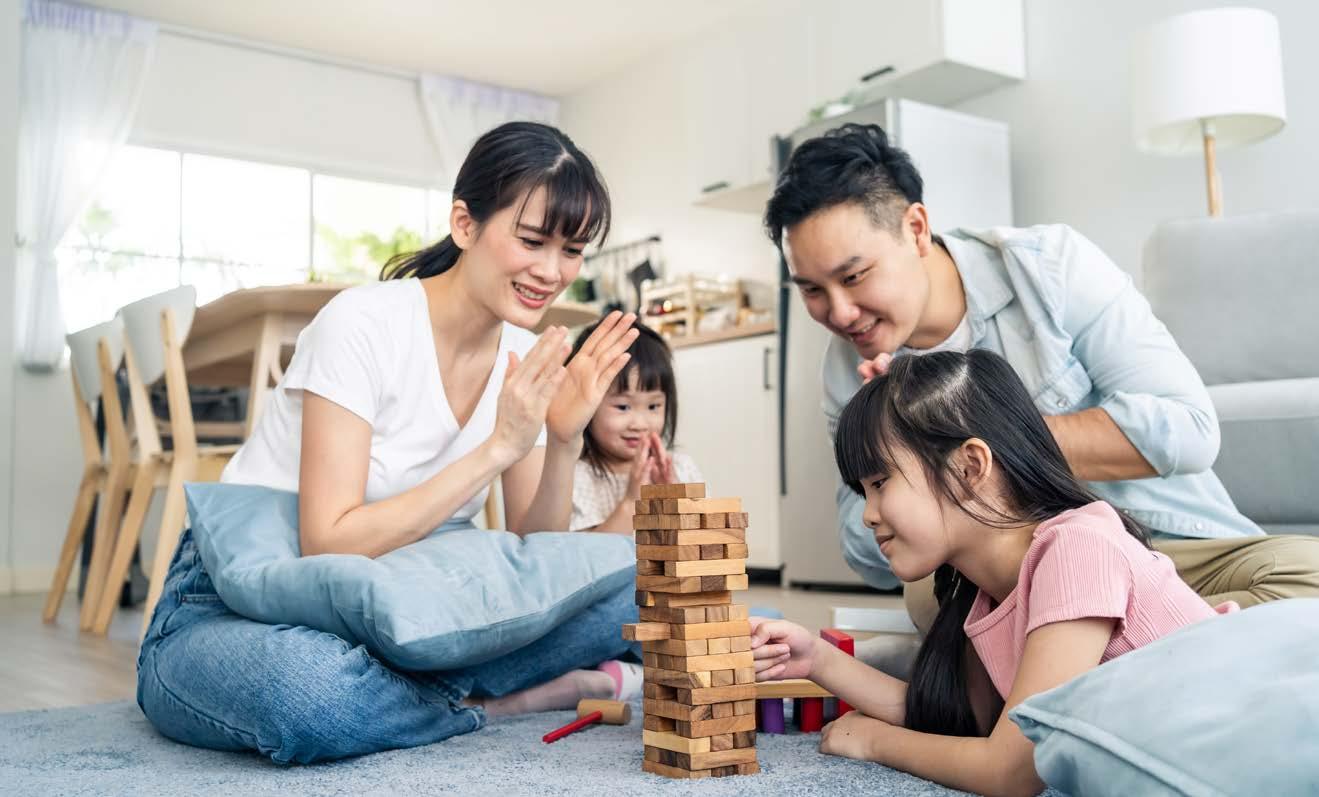
Little daily actions, like setting aside phones during family walks or storytime, are easy to build upon and over time, these small, consistent choices create a home culture of mindful tech use.
It’s easier to cut screen time when there’s something better to do. So, fill your family calendar with screen-free pleasures like baking, crafts, outdoor games, puzzles, hikes or storytime. It’s also a great idea to create rituals that naturally keep devices away, like Friday board game night or Saturday morning walks. When children experience the satisfaction of creativity, movement, presence or laughter, screens start to lose their grip.
One of the challenges of cutting back on screens is children feeling left out socially, particularly with friends who spend time online. You might hear “Everyone else is online” and it’s true that many kids feel left out when their digital time is limited. But digital minimalism doesn’t mean isolating children; it’s about balance. That’s why framing matters. Discuss with children why limits exist and instead of focusing on restriction, talk about what your family gains - better sleep, more focus, deeper connection.
It’s also important to organise or encourage socialising through activities that don’t require screens, like sports clubs, creative workshops or playdates. When kids experience friendship beyond devices, the fear of missing out starts to fade.
Several practical tools can make digital minimalism easier:
• Screen-time tracking apps: To make usage visible
• Parental controls: For guiding younger children
• Scheduled notifications: To prevent constant interruptions
Check-ins together regularly to review your progress and always celebrate your wins, like a weekend spent mostly offline or an evening of phone-free fun. You can even try a “tech-free challenge” once a month to remind everyone what real connection feels like and keep the motivation high.
Digital minimalism is not about strict rules or deprivation; it’s about reclaiming time for what truly nourishes family life - conversation, laughter, creativity and actual rest. Families that adopt this approach often report improved communication, less stress and a greater sense of meaning. There are many other benefits, with studies indicating that this practice gives us a better attention span and a more regulated nervous system too.
It’s important to remember that perfection isn’t the goal - what matters is awareness and intention. The aim is to create an environment where technology serves the family, rather than the family serving technology. In a world dominated by devices, digital minimalism allows you and your loved ones to focus on what truly matters - each other.
Boosting your child’s ability to concentrate and building confidence in kids who find school challenging.

In a world filled with screens, notifications and endless distractions, helping children build a healthy attention span has become one of parenting’s biggest modern challenges.
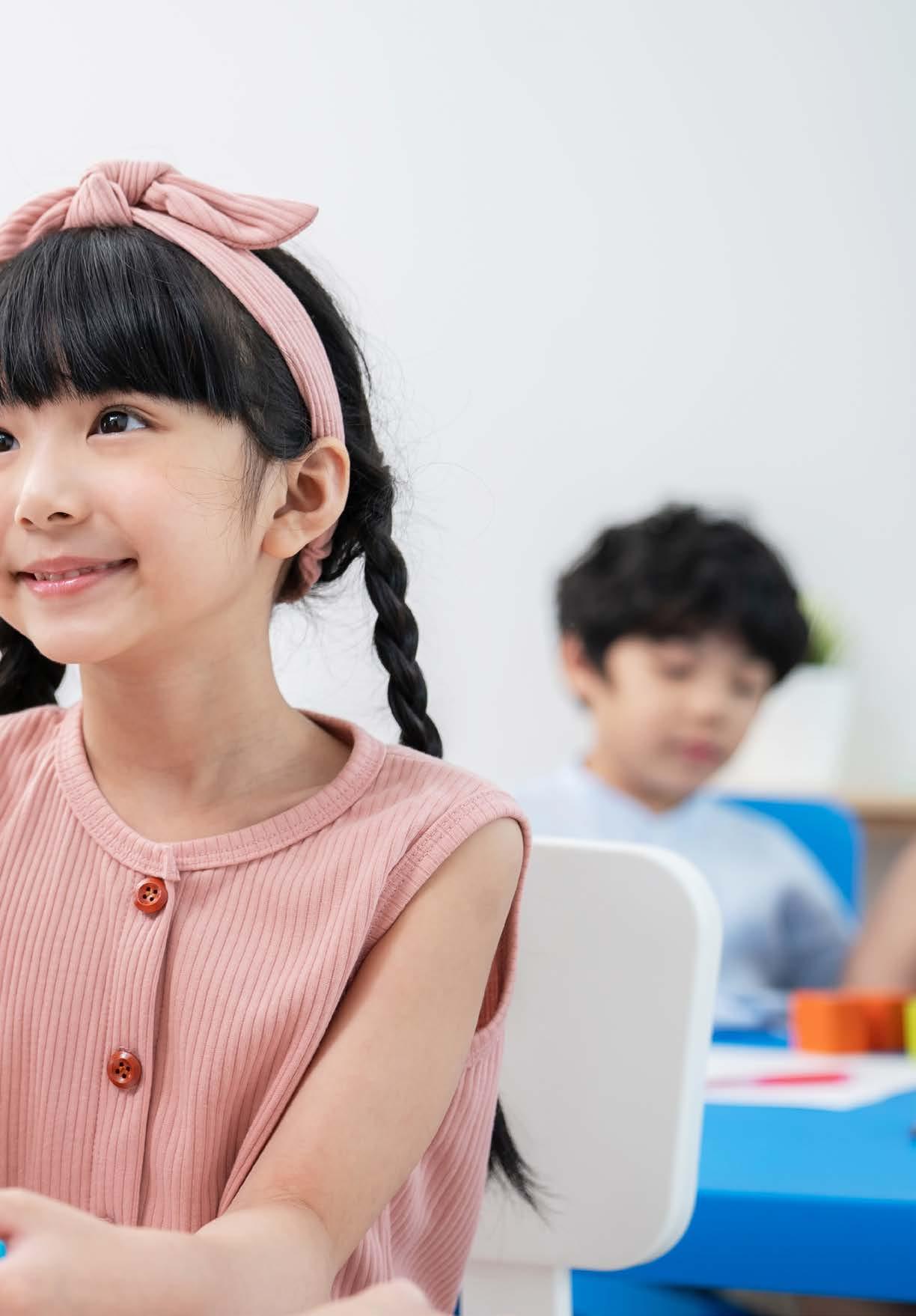
Attention is a skill, not an innate trait, that’s shaped by environment and habit. From YouTube shorts to constant notifications, today’s children are bombarded with rapid-fire stimulation that conditions their brains to crave novelty. Social media platforms design the scrolling experience on real-life slot machines, using gambling psychology to keep users hooked. It’s tough out there, but recognising that attention needs nurturing helps parents approach this challenge with awareness.
Children’s brains are still wiring the pathways that control concentration, planning and self-regulation. High-stimulus experiences like fast-paced games or quick-cut videos light up their reward centres but make slower tasks appear dull in comparison, even if the delayed gratification feels better. A parent’s role is to teach routines that help kids build focus gradually, giving them space to slow down, think deeply and experience the healthy dopamine reward of completing a task.
Small changes at home can make a big difference! A quiet area for focused work with minimal background noise is best. Don’t forget to always limit little ones’ access to screens during focused work.
Routines support attention as well. A predictable schedule helps children know when it’s time to concentrate and when it’s acceptable to relax or play. Short, structured sessions should gradually increase in length as your child’s stamina grows, and visual timers or checklists can help them stay on task.
Attention thrives through play and feeling present. Activities that require patience, such as puzzles, building with blocks, painting or gardening, teach children to stay with one thing for longer stretches. Games that involve memory, strategy or pattern recognition, like chess or cards, also support focus development. Tasks that include multiple steps or require planning - like baking or following craft instructions - are particularly helpful for training sustained attention.
Children learn more from what we do than what we say. When parents read without checking their phone, or finish a task before starting another, they’re modelling how to prioritise attention.
Saying sentences like, “I’m putting my phone away so I can concentrate on this” turn our invisible concentration habits into digestible lessons that teach children to be aware of their attention and take steps to protect it.
Overloading children with constant tasks or activities can backfire. Focus needs rest to thrive, which is, in part, why the constant stimulation of screens is so destructive. Breaks for movement, play or quiet downtime are brilliant tools to refresh kids’ attention spans and outdoor time, in particular, helps reset the mind and relieve fogginess or fatigue. Quality sleep is equally important - a well-rested child can pay attention and learn for longer periods. In practice, this means healthy bedtime routines and no screen use for at least an hour before sleep as the blue light interrupts sleep quality.
There’s no doubt that building attention spans requires effort! However, if you can equip your child with good concentration, they will have a life-long superpower in this age of distraction.


For learners who find schoolwork challenging, academic struggles can quickly erode their selfesteem. Here’s how you can help.
When schoolwork feels like an uphill climb, it’s easy for a child’s confidence to take a hit. The sight of red marks on a page, a classmate finishing faster or yet another reminder to “put in more effort” can quietly chip away at self-belief. But academic difficulty isn’t a sign of laziness or lack of intelligence, potential or worth. It’s a call for understanding and the right kind of support.
Every child learns differently. Some need more time to absorb new ideas; others thrive when they can move, see or touch what they’re learning. Learning differences, gaps in early skills, or even social worries can all play a role. What matters most is how we respond when a child begins to doubt themselves.
Children who find academics hard often start believing the problem lies within them. Thoughts like “I’m not smart” or “I can’t do this” can spiral into avoidance and frustration, especially when effort doesn’t seem to pay off right away. That’s why the first step isn’t about study plans or tutoring. It's about reassurance.
Be clear in separating your child’s school performance from their worth. Let them know that struggling doesn’t mean failing and that intelligence has many forms. School only measures a few of them. A child who struggles with reading might have a brilliant imagination. Another who finds maths tricky might excel at empathy or storytelling. The goal is to rebuild the sense that they can succeed - in their own time and in their own way.
Every child has something that makes them light up. Maybe it’s painting, solving puzzles, dancing, sports or being great with people. By underlining those things, you remind them that they are capable, competent and talented, even when a school subject feels daunting. Success in music, sport or arts can strengthen self-esteem and create a ripple effect - confidence in one area often fuels motivation in others.
Studies suggest it’s also wise to praise effort, not results. Instead of saying “You got great results,” try “You worked really hard on that tricky bit.” This shifts the focus from innate ability to persistence, something psychologists call a growth mindset. Kids who believe they can improve with effort are more likely to keep trying, even when things get tough.
Large assignments can overwhelm even the most confident learner. Breaking tasks into smaller, visible steps helps provide a sense of accessibility and momentum.
For example, rather than expecting your child to complete an entire homework assignment in one sitting, divide it into sections with brief breaks. Create visual progress trackers or checklists so they can literally see how far they’ve come - each tick builds motivation and reduces their anxiety.
And when progress happens, no matter how minor, celebrate it. Improving handwriting, reading a few more words, or understanding a previously confusing concept all deserve genuine recognition. Success, in these moments, is less about grades and more about growth.
Home environments can have a significant impact on confidence. If you can be patient with mistakes and curious with questions, a child might feel safe to say, “I don’t get it.” In this way, learning becomes less threatening. Avoid criticism or comparisons too, as both can quietly erode self-worth.
Consider partnering with teachers to understand your child’s specific struggles. Understanding what’s happening in class can help you tailor support at home. When
school and home work in sync, it can make a tangible difference in a child’s progress and confidence.
Children benefit from learning how to advocate for themselves in the classroom. Encouraging them to ask questions in class or tell a teacher when they’re confused can reduce the scale of the issue significantly.
When setbacks happen - and they will - focus on problem-solving. You might ask, “What helped last time something felt hard?” or “What’s one thing you could try differently?” This simple practice helps kids approach learning with less fear and more agency.
Confidence is also built through routine. Consistent study habits, good sleep, nourishing meals and fresh air all contribute to a child’s ability to focus and approach challenges with willingness.
Keep homework sessions short and structured, with clear start and finish times. A predictable rhythm tells the brain, “I know what’s coming and I can do this.” Adding in small rituals of encouragement, like a favourite snack break or a quick stretch between tasks, is also a good idea.
Sometimes children benefit from extra help. Tutoring, learning apps, or educational
programmes can fill skill gaps and rebuild lost confidence. For kids with specific learning needs, tools like text-to-speech software or graphic organisers can make lessons more accessible and less stressful.
Parents’ attitudes toward learning profoundly influence children. A parent’s attitude toward learning sets the tone at home, so when you show curiosity, patience and optimism, your child absorbs it. Avoid comparisons with others, which can undermine confidence, and simply focus on each child’s unique progress and achievements.
Your regular reassurance (“I’m proud of how hard you worked”), listening to your child’s feelings about school, acknowledging any frustrations and validating their emotions will help them feel understood and supported.
Children who struggle academically need what all kids need most - love, patience and belief in their potential. Confidence grows slowly, through small wins, consistent support and the steady message that effort matters more than results.
When a child begins to see themselves as capable, they start meeting challenges with curiosity instead of fear. They persist a little longer, ask one more question, try again after failing and slowly develop the quiet courage to keep going.

A beautiful family getaway to the red cliffs of Hegra and a slice of pure relaxation in the Maldives!

Set within Saudi Arabia’s first UNESCO World Heritage Site, The Chedi Hegra offers a truly unique stay in AlUla.

Set against the striking red cliffs of Hegra and surrounded by more than a hundred monumental Nabataean tombs, The Chedi Hegra is a resort that reimagines heritage through understated elegance. Thirtyfive rooms, suites and villas are carved within restored structures that look out across a protected wildlife reserve, for a setting that feels both intimate and expansive. The result is a true connection to nature, without ever compromising on comfort or style. What’s more, you can wander through AlUla’s Old Town, admire the mirrored marvel of Maraya or meander through the colourful AlJadidah Arts District - all moments away from the resort.
Your family will love hiking through the ancient landscapes, exploring Hegra’s heritage sites, or sinking into desert-inspired spa rituals drawn from Arabian wellness traditions. And when the night sky takes over, it’s perfect for stargazing or simply being still in the silence of the dunes.
For those who love a little adventure, the resort team can arrange sunrise balloon rides or private photography excursions, giving families and couples a chance to see AlUla’s natural drama from a new perspective.
Even better, the GCC Residents’ Offer, available until December 22nd, makes these experiences even more accessible for families in the region, offering you a complimentary guided Hegra Wildlife Tour, Saudi coffee upon arrival, a guided art tour within the resort and a complimentary upgrade to a 90-minute spa treatment when booking a 60-minute session.
Culinary experiences at The Chedi Hegra are a celebration of place. Prima Classe, housed in a lovingly restored train station, serves Mediterranean cuisine crafted from locally sourced ingredients, while the Golden Hour Lounge is the perfect spot to watch the sun slip behind the cliffs beside the beautifully restored 1906 Locomotive 964. You can also savour authentic Saudi coffee at the Coffee House or look forward to special themed dining events under AlUla’s glittering night sky.
For families, couples and travellers alike, AlUla offers a rare kind of character for your next vacation. And with its unique combination of culture, nature and luxury, The Chedi Hegra might just be the perfect place to take it in from, especially with the GCC Residents’ Offer available until December 22nd!
Beyond its luxurious suites and spa treatments, The Chedi Hegra invites guests to reconnect with nature, with history and with themselves. From guided UNESCO tours to quiet encounters with Arabian oryx and gazelles, or simply strolling through desert gardens and soaking in the quiet magic of the landscape, every experience offers something timeless.
Visit https://www.ghmhotels.com/en/the-chedi-hegra for reservations and more information.


Mark the UAE National Day holidays with an island escape that mixes barefoot luxury, ocean adventures and family-friendly indulgence at Four Seasons Resorts Maldives.
With the long weekend around the corner, there’s no better time to plan a sun-soaked getaway. Four Seasons Resorts Maldives - at Kuda Huraa and Landaa Giraavaru - are rolling out specially curated offers designed for UAE residents looking to celebrate in style. Think oceanfront villas, private spa rituals, family adventures on turquoise lagoons and a level of service that feels effortless.
Whether you’re travelling as a couple, with friends or as a family, these island sanctuaries offer something for every kind of holidaymaker, from surf-seekers and spa lovers to little marine explorers eager to discover life under the waves.
To mark UAE National Day, the ‘Blue Skies Ahead’ package invites you to embrace the Maldives’ signature brand of serenity. The offer includes 20% off Bed & Breakfast rates, daily breakfast for two, and a complimentary fifth night when staying four consecutive nights.
It’s the perfect way to sink into vacation time - waking up to endless horizons, enjoying leisurely breakfasts overlooking the ocean and slipping into the rhythm of island life. Days can be spent snorkelling among technicolour reefs, reading by your private pool, or enjoying sunset yoga by the water. This is a place to genuinely slow down.
For families who enjoy some adventure with their relaxation, Kuda Huraa’s ‘Surf & Spa Escape’ could be just right for you. In collaboration with the experts at Tropicsurf, the resort offers four days of guided surf coaching, complete with boat transfers to local breaks and complimentary use of boards and paddleboards.
Beginners can build their confidence in gentle waves while seasoned surfers can chase the perfect break, all under expert guidance! Afterward, you might like to restore balance at the Island Spa with

signature Islander or Surfer Massages, followed by group yoga classes to stretch and unwind.
And for those who love simple pleasures, you can end your day with a dip in your villa pool, enjoying the sound of the sea just beyond.
Families travelling with children will love the Junior Marine Savers programme at Kuda Huraa, a hands-on initiative that introduces young explorers (ages 8–12) to marine conservation. Under the guidance of resident marine biologists, kids learn to care for sea turtles, plant coral fragments and even join dolphin research trips.
It’s a brilliant experience for environmental awareness, turning beach holiday fun into something a little more purposeful. And while little ones are busy with discovery, parents can enjoy a moment of calm - perhaps a spa treatment, a sailing excursion or simply a quiet coffee with a view.
Dining at Baraabaru, the resort’s award-winning Indian restaurant, is a real treat. Inspired by the architecture of Kerala, it’s set dramatically above the lagoon. Think flickering candles, a sea breeze and the gorgeous flavours of India.

You and your family will love the rich, homestyle curries, fragrant biryanis and inventive vegetarian dishes. Whether it’s a romantic dinner for two or a family celebration, every meal here feels like a special occasion.
For something extra memorable, the resort also offers themed dining nights, from Maldivian seafood barbecues to private candlelit dinners on the beach - how lovely does that sound?
If you’re marking the long weekend with someone special, the ‘Romance in Paradise’ package is a dreamy way to celebrate UAE National Day. Available at both Kuda Huraa and Landaa Giraavaru, the experience includes bubbly and chocolates on arrival, a 90-minute couples’ massage, a private beach dinner and a 30-minute photoshoot to capture it all.
It’s the kind of escape that melts away the daily grind, where every whim is taken care of, leaving you to simply enjoy each other’s company.
Just a 25-minute speedboat ride from Malé, Four Seasons Resort Maldives at Kuda Huraa



is an island retreat framed by tropical gardens and turquoise waters. Its charm lies in the perfect balance between tradition and luxury, with coral-fringed bungalows that combine Maldivian craftsmanship and modern comfort.
The new Beach Villas are a standout, offering twice the outdoor space, private pools and airy, sunlit interiors. For families or groups wanting something truly special, the Three-Bedroom Kuda Estate promises ultimate privacy, with three standalone villas surrounding a shimmering infinity pool and a dedicated personal assistant to handle every detail.
Beyond the accommodation, Kuda Huraa’s activities list reads like a dream. Dolphin cruises, sunset fishing, paddleboarding, scuba diving and snorkelling with turtles - all delivered with the resort’s signature warmth and precision.
Further north, set within the Baa Atoll UNESCO Biosphere Reserve, Four Seasons Resort Maldives at Landaa Giraavaru focuses
on natural beauty and holistic wellbeing. Accommodation ranges from thatched beach villas shaded by palms to overwater retreats suspended above the lagoon. Here, vibrant coral reefs and white sandy beaches form the backdrop, where you can try diving and windsurfing, or simply floating in the shallows under a Maldivian sun.
The resort’s AyurMa wellness centre is not to be missed, blending Ayurveda, yoga and planetary wellbeing into a menu of relaxing rituals. Guests can also unwind at Blu Beach Club, a vibrant, sun-drenched spot for mocktails and Mediterranean bites, or retreat to the privacy of their villa to watch the tide roll in.
Whether you choose Kuda Huraa’s lively village charm or Landaa Giraavaru’s biosphere tranquillity, celebrating UAE National Day at Four Seasons Resorts Maldives is guaranteed to be a beautiful holiday for all the family!
Visit fourseasons.com/maldives for details and reservations.
The best floors for family life and the secrets to a welcoming home!

Durable, safe and easy to clean - family flooring needs to tick a lot of boxes. Here’s how to choose a surface that looks stylish while standing up to everyday life.
When it comes to family homes, flooring is one of the hardest-working features. It endures muddy footprints, spilled juice, dropped toys and endless activity, so choosing wisely can save you lots of upkeep and money in the long run. Luckily, today’s flooring options combine durability with design, so it’s easier for families to find the sweet spot between practicality and style.
Start by considering your household’s needs. Do you have little ones learning to walk, older children racing around, or pets padding in and out? Each scenario calls for different priorities - from softness and warmth underfoot to scratch resistance or easy cleaning. The key is to think about how each room is used daily and then match the surface to your family’s habits.
Vinyl and laminate flooring are among the most popular choices for busy families, and for good reason! Both mimic the look of natural wood or stone at a fraction of the price, while holding their own against spills, scratches and general wear and tear.
Luxury vinyl tiles (LVT) are particularly suited to family living. They’re cushioned underfoot and simple to maintain with a quick mop. They also provide excellent sound insulation - ideal for noisy playrooms or openplan living areas.
If you prefer a more natural finish, engineered wood is a great compromise between real wood’s beauty and familyfriendly practicality. It’s more stable than solid timber, less prone to warping and handles temperature changes with ease. It lends a beautiful warmth to your home and, with regular care, it will last you for years.
Carpet may not be the obvious choice for every room, but in bedrooms and living areas, it can be a great choice for a relaxed and comfortable feel. Modern options are far more resilient than their predecessors, with stain-resistant fibres and easy-clean finishes designed for family life. It’s wise to opt for medium to short pile carpets, which are easier to vacuum and less likely to trap allergens and dust. Wool blends offer softness and resilience, while synthetic fibres like nylon hold their colour and shape through heavy use.
For families with allergy concerns, consider washable rugs or carpet tiles that can be removed and cleaned individually - a practical touch for high-traffic areas. Adding an underlay also helps absorb noise and makes flooring safer for little feet.
When kids and pets are part of the picture, safety matters just as much as style. It’s best to look for non-slip finishes, cushioned underlays and low-VOC or toxin-free materials to keep your air fresh and chemical-free. Many manufacturers now offer eco-friendly options made from recycled or sustainable materials, such as cork or bamboo, which are both resilient and renewable.
Flooring plays a huge role in how your home feels and functions. By choosing materials that balance aesthetics with your everyday needs, you’ll create a space that’s not only beautiful but truly built for family life - a foundation that can handle every step, spill and adventure to come.
Here’s how to make your space feel friendly, cosy and effortlessly inviting!
The moment someone steps into your home, the tone is set. A welcoming house doesn’t need to be grand or spotless; it needs to feel lived in, loved and open. Think of the entrance as your home’s handshake - it should give off an immediate warmth and a sense of ease.
Start with the senses. A tidy hallway, soft lighting and a pleasant scent instantly make guests feel welcome. Fresh flowers or a leafy indoor plant breathe life into the space, while a small rug underfoot softens the look. Hooks for coats and a neat shoe rack keep things functional yet relaxed.
Even the simplest touches, like a woven basket for keys, a framed family photo or a welcoming mat, create a sense of belonging. The entrance doesn’t just greet visitors - it sets the mood for the rest of the house.
Lighting can completely change the energy of a room. Harsh overhead bulbs can make a room feel stark, while layered lighting - think table lamps, wall sconces and floor lamps - adds a sense of cosiness and some dimension to the space.
Opt for warm white bulbs instead of cool ones; they cast a gentler, more flattering glow. Reserve white light for task areas like kitchens or studies where they work much better. In the evenings, dimmers or strings of fairy lights create a magical, intimate atmosphere that invites people to stay longer.
Natural light, of course, is the best mood-booster. Keep your curtains light and airy during the day to let sunshine pour in. If privacy is a concern, sheer curtains are a great option. They filter the light beautifully without leaving you on display.
Colour has a huge influence on how a room feels. Soft neutrals and warm creams tend to calm the senses, while earthy tones bring a certain elegance to your walls. Pops of colour, like a burnt orange cushion, a blush throw or a sea-green vase, keep things lively and personal.
When choosing your palette, ask yourself how you want people to feel in the space. Blues and greens are soothing and grounding, while yellows and soft pinks add cheerfulness. Don’t be afraid to mix textures and materials too - a knitted throw, velvet cushions or a woven basket can make a room feel more tactile and lived-in.
For family homes, washable paint or easyclean finishes are a smart choice. They allow you to keep walls looking fresh without worrying about little fingerprints or the occasional artistic crayon moment.
A welcoming home works for everyone who lives there - not just guests. Creating communal spaces where people naturally gather helps to shape the focal point of the home. The kitchen, for instance, can often become the heart of the space. Keep it functional yet friendly with open shelves, a bowl of fruit, or a cookbook waiting to be opened.
In living areas, position furniture to encourage connection. Sofas facing each other invite conversation far more than those pressed to the walls. Cushions and throws not only soften the look, but they also signal comfort and a ‘lived-in’, inviting vibe.
Children feel more at home when they have a space that’s theirs. A reading nook, a corner for crafts or a small play zone gives them ownership and pride - and reminds your guests that they’re stepping into a home, not a showroom.
Sometimes it’s the smallest gestures that make the biggest difference. Lighting a candle before guests arrive, having a cosy blanket at hand or offering a warm drink are the quiet acts of hospitality that people remember.
Freshly baked bread, herbs in a vase or a diffuser with notes of citrus or cedar can instantly set the mood. Avoid overpowering fragrances - the best scents are barely there, just adding a small layer of welcome.
Also, don’t be afraid to be personal! Display your family’s photos, your children’s drawings or your souvenirs from holidays gone by. These details make your space distinctly yours and give guests a glimpse of your story.
A welcoming home doesn’t have to be spotless, but clutter can disrupt its sense of calm. Decluttering doesn’t mean stripping away personality - it’s about giving the things you love the best space to shine. Ultimately, your home feels lighter and more intentional when there aren't too many things lying around.
Start small and tackle one drawer or one corner at a time so the job isn’t overwhelming! Lots of families like to use aesthetic baskets or boxes to store everyday items away neatly, without making them inaccessible. In shared spaces, multifunctional furniture like ottomans or storage benches can keep things like blankets or even tech organised without sacrificing on style.
Remember, a welcoming home isn’t a showroom. A few toys on the floor or books by the sofa don’t ruin the mood - that’s real life!
At its heart, a welcoming home reflects the people who live there. Don’t feel pressured to follow trends or chase perfection. Instead, focus on creating spaces that express your family’s story - places where you can relax, laugh and be yourselves.
So go ahead and mix old and new pieces, pair sleek furniture with handmade ceramics or let your child’s latest painting hang proudly beside a framed print. These are the personal touches that no shopbought décor can match!
A home’s warmth comes from its people and from the sense of a life lived well. When ease, laughter and care fill a space, your guests feel it instantly. So light that candle, plump those cushions and open the door with a smilebecause the most welcoming homes are the ones where everyone feels they belong.
Reasons you should consider getting your family pet from a shelter and how animals can support neurodivergent kids!

Here’s why opening your home to a rescue companion can be such a rewarding and positive decision. SHOULD YOU ADOPT

Countless animals wait patiently in shelters for a second chance. Many have been abandoned or surrendered through no fault of their own. They’re healthy, affectionate and able to become loyal family members - they simply need a chance! By adopting, you give that animal a fresh start, transforming their life and teaching your family kindness and responsibility in the most beautiful way.
Animals in shelters frequently face uncertain futures. Adoption provides them with a stable, loving home where they can recover from what they’ve experienced, regaining their trust and confidence. Each rescue pet adopted is one less animal left in a shelter and that ripple effect benefits countless others.
Many families find that adopted pets form deep, enduring bonds. Knowing that you’ve provided a home for an animal in need is a beautiful foundation, and these furry friends often seem to sense that
they’ve been chosen, responding with a loyalty and affection that feels deeply special.
For children, this relationship can be huge. Caring for a rescue animal teaches us empathy, patience and the importance of showing up for another living being. Watching a once-nervous cat curl up beside you or a shy dog wag its tail with joy can be such a rewarding experience. It also creates a real sense of accomplishment, helping kids feel proud of the positive difference they’ve made.
One of the most wonderful things about adopting is the sheer variety of animals waiting to be loved. From playful puppies to gentle senior cats, shelters are full of personalities waiting to be discovered. Whether your family wants an energetic buddy for beach walks or an independent feline companion, you’re likely to find a pet that fits your family’s lifestyle.
Rescue organisations also take great care to help families make informed choices. They can tell you about each pet’s personality, needs and background, helping ensure the match feels right. Many even offer meet-and-greet sessions, giving you the chance to see the animal before making a commitment.
Welcoming a rescue animal into your home can bring such happiness and companionship to your family. Pets are brilliant emotional supports, they lower stress and are great encouragement to make healthy routines like walks or playtime.
Additionally, adopting rather than purchasing supports animal welfare organisations. Every adoption also opens space in a shelter for another animal in need, supporting the dedicated volunteers who work tirelessly to care for them. It’s a socially responsible choice, one that promotes compassion over consumerism and helps reduce unethical breeding practices.
Adopting a rescue animal is about more than providing a home - it’s about making a lasting difference in a life that needs care. So, why not take a leap and discover the gratitude, affection and loyalty that rescue pets bring, as you watch your new friend discover the quiet joy of realising that they’re finally home.

Animals have a remarkable ability to comfort and support children with autism and be powerful companions in their developmental journey.
Children with autism often experience challenges with communication, social interaction and sensory processing. For some, navigating human relationships can feel overwhelming. Animals, by contrast, offer a calm, consistent presence free from judgement or pressure.
Whether it’s a loyal dog, a gentle cat or a quiet guinea pig, pets can provide a dependable source of reassurance. Their routines, such as mealtime, walks or play, offer structure in a world that can sometimes feel chaotic. For a child who craves predictability, the presence of a pet can bring a sense of security and comfort, providing stability in the unpredictability of daily life.
The tactile and sensory experiences of interacting with pets - petting fur, brushing a
coat or holding a small animal - can also be soothing. Gentle, repetitive motions often help kids regulate emotions and cope with sensory sensitivities, offering a calming routine that supports improved emotional wellbeing.
The emotional effects of pets aren’t just anecdotal; they’re physiological. Research shows that interacting with animals can lower levels of cortisol, the body’s primary stress hormone, while boosting oxytocin, often called the “bonding hormone.” Together, these changes help the body relax, regulate mood and reduce anxiety.
For little ones with autism, who may experience heightened stress or sensory overload, pets can

act as a buffer. Simply being in the presence of a calm animal can help reduce agitation and provide a focus away from overwhelming stimuli. Activities like walking a dog, grooming a pet or observing an aquarium can become reliable, soothing routines that give children a sense of control over their environment.
Parents often notice that kids who may struggle to express emotions verbally can communicate more effectively with a pet. Animals respond to tone, body language and activities rather than complex language, creating a space for connection where children feel understood without words.
Beyond comfort, pets can become gentle facilitators of social growth. Caring for an animal takes a measure of responsibility, empathy and patience. Daily tasks like feeding,

grooming or walking give little ones structured opportunities to engage in nurturing behaviour and experience the satisfaction of being needed.
Autistic children sometimes find human social cues confusing, but animals offer predictable responses. A dog’s wagging tail, a cat’s purr or a rabbit’s stillness provide clear feedback. Interacting with a pet helps practise reading body language and facial expressions in a lowpressure setting.
Pets can also act as social bridges in the wider world in some cases. Shared curiosity about the animal can become a safe topic, reducing social pressure and giving kids a reason, and some confidence, to engage.
Not all pets are suitable for every child. Families should consider a son or daughter’s
preferences, sensory sensitivities and energy levels when selecting a companion.
Dogs and cats are popular choices, but not every household suits these animals. Rabbits, guinea pigs or even aquarium fish can offer meaningful companionship without overwhelming sensory input.
Dogs with calm temperaments often make wonderful companions for children with autism. Breeds known for their gentleness, such as Golden Retrievers, Labradors or Cavapoos, can provide consistent affection and respond positively to routines and commands.
Before adopting, spend time observing how your little one responds to different animals. Notice whether they’re drawn to certain textures or movements, or whether particular sounds (like barking or purring) cause discomfort. This initial period of gentle exposure helps ensure the match feels safe and positive.

Creating routines around pet care can help kids with autism thrive. Simple, predictable schedules for feeding, walking or playtime, like feeding in the morning, grooming after school or playtime before bed, provide an accessible structure. Parents can use visual aids or checklists to help children remember pet care tasks and understand expectations. Over time, these routines become confidencebuilding habits, reinforcing a child’s sense of responsibility and competence.
Supervised interactions are essential, particularly when introducing a pet to a young child. Parents can guide safe handling, encourage gentleness and demonstrate happy responses to the animal. Positive reinforcement, such as praising children for calm, kind behaviour, is best, especially early on.
Pets can also be incorporated into therapeutic activities. Many schools and therapy centres now incorporate animals directly into sessions or learning programmes to help kids practise communication, focus and emotional regulation in a more relaxed, enjoyable setting.
The emotional impact of pets on children with autism is profound. Many children experience fewer emotional outbursts, greater selfregulation and improved mood when they have a trusted animal companion.
Pets offer true acceptance. For children who feel misunderstood or socially isolated, this non-judgemental relationship is incredibly reassuring. For those who struggle to express themselves or who deal with loneliness, animals can often become an unconditional listener and an important, affectionate and accepting presence.
At its heart, welcoming a pet isn’t just about companionship, it’s about opening a new channel for love and growth. For a child with autism, that love can be a powerful anchor, one that helps them feel calmer, more confident and more connected to the world around them.

French-inspired children’s clothes and my top makeup looks for November!
Parisian charm meets childhood wonder in Babyshop's latest campaign - a stylish celebration of family, craftsmanship and the beauty of everyday moments.
Babyshop Arabia is bringing a touch of Parisian enchantment to family wardrobes this season with its latest campaign, beautifully captured across the City of Light. From cobblestone streets and glowing cafés to elegant boulevards, the Autumn/Winter 2025 collection celebrates childhood with warmth, sophistication and a little Parisian flair.

At the heart of this season lies Eligo, Babyshop’s signature label, known for refined craftsmanship and timeless silhouettes, now reimagined through the effortless allure of Paris. From the corners of Montmartre to the festive glow of the Champs-Élysées, Eligo’s latest edit captures how comfort meets couture through tailored cuts, soft layering and timeless textures designed for real family life.
Infused with rich fabrics, tactile layering and versatile designs, this season’s collection for boys, girls and babies celebrates everyday moments - from crisp morning walks to cosy family gatherings and festive celebrations. Each piece is crafted to ensure that kids step into the season in style, dressed for every moment from dawn to dusk.
For girls, the Paris-inspired collection pairs tweed skirts, faux-fur accents, glittered buttons and delicate bows, balancing warmth with a touch of whimsy. Designed for young trendsetters who love to express themselves, these looks blend classic silhouettes with playful details, capturing the spirit of demure dressing that defines French style.
For boys, the story continues with plush knits, soft flannel and brushed cotton, bridging classic cool with the practical comfort that little adventurers need. Babywear, meanwhile, features gentle fabrics and thoughtful construction - proof that even the tiniest wardrobes deserve timeless design.
Shot against the dreamy backdrop of the Eiffel Tower, the campaign captures the spirit of movement, curiosity and creativity that defines childhood. Each frame speaks to the art of dressing with confidence that the French are famous for - playful yet polished, refined yet real.
“This collection is more than fashion - it’s a reflection of what we stand for as a brand,” says Ruban Shanmugarajah, CEO of Babyshop. “Paris symbolises elegance and emotion, and that’s what our edit celebrates - thoughtful design, quality craftsmanship and the little moments that make family life beautiful.”
The colour palette draws from autumn’s natural richness - think deep burgundies, forest greens, warm caramels, and winter whites - softened by subtle metallics that nod to the festive season.

Led by Eligo, the Paris Edit champions understated luxury and the warmth of childhood. True to Babyshop’s commitment to quality, the collection blends enduring craftsmanship with contemporary design, creating pieces that are beautiful, practical and made to last.
Just as Paris Fashion Week celebrates creativity and individuality, Babyshop’s campaign invites families to rediscover the joy of dressing well - for moments big and small.
The Autumn/Winter 2025 collection is now available across Babyshop stores in the GCC.
Discover the full range at https://www.babyshopstores.com or follow @babyshoparabia for more.



Glow, sculpt and shine this November - here are the signature makeup looks and products that I’ve been loving this month.

hydrates and brightens your complexion, creating a radiant, smooth canvas that keeps your makeup fresh for hours. I pair it with the Mega Stay Extreme Hold Brow Gel (clear) to tame and define my brows, for a soft, natural finish.
As the festive season approaches, I’m drawn to makeup that balances fresh, everyday wear with polished glamour. Whether you’re after a soft, lit-from-within glow, striking eyes or subtle, refined contours, here are three seasonal looks from wet n wild that I’ve tested out and loved. From luminous primers and shimmering liners, to delicate blushes and bold lip colours, these products feel playful, fun and easy to wear - perfect for the transitional season!
If ever there was a look to carry you from morning coffee to an impromptu brunch, this is it. The Prime Focus Clingy Serum Primer

For lips, I’ve been reaching for the Tinted Lip Oil, enriched with cherry, marula and jojoba oils. It gives me a sheer, delicate wash of colour that feels natural yet elevated, while keeping my pout hydrated simultaneously. It’s the kind of everyday product that leaves me feeling puttogether without overthinking my routine.
For times when a touch of drama is needed, this look is my go-to. The Breakup Proof Wing Out Waterproof Liquid Eyeliner creates a lovely, precise, long-lasting flick that I can’t get enough of, while the Chameleon Chrome Eyeliner adds this gorgeous multidimensional shimmer that is perfect for any upcoming festive events.

I’m also obsessed with the Mega Glitter Shimmer Liquid Lipstick, which morphs from a refined matte to high-impact sparkle - ideal for evenings, celebrations or occasions that demand a statement. Paired with the Perfect Pout Lip Liner Stain, it always keeps my lips beautifully defined and perfectly pigmented.
For those of you who prefer refined elegance, Sculpted Perfection elevates subtle definition to an art form. The Photo Focus Loose Setting Powder softens imperfections for a flawless, airbrushed finish, while the Mega Glo Vitamin E Makeup Stick Blush delivers a lovely flushCurrant Jam is my personal favourite this season.
Last but not least is the Mega Glo Vitamin E Sticks which are great for sculpting and highlighting to a soft, blendable finish. I love them because they enhance your natural contours without ever looking too heavy, which is a personal pet peeve! It’s a look that’s refined, versatile and perfectly suited to workdays, dinner dates, or any occasion where elegance matters.
Wet n wild proves that high-quality, versatile products don’t need to be complicated. From radiant everyday glow to more dramatic occasions, these three signature looks make my makeup feel effortless, expressive and fun!
Available across leading UAE stores, including Carrefour, Lulu, Lifestyle and Geant, as well as online at Amazon.ae, Noon, GlamBeaute and Namshi.



Round 2 voting is currently open, giving you the chance to celebrate the region’s top dining destinations, hotels, and food brands. Every vote makes a difference, and by taking part, you’ll also enter our prize draw to win a twonight escape at the stunning Al Baleed Resort Salalah by Anantara.