“Whenever you see a woman on a job site, you know that project will benefit from that different perspective.”
“Having CWI on my business card changed the trajectory of my entire career.”
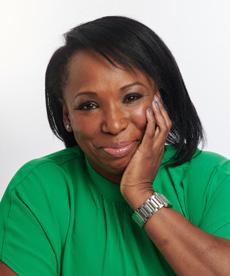
Jasmine Roth, Host, HGTV’s “Help! I Wrecked My House”
Karen Gilgenbach, American Welding
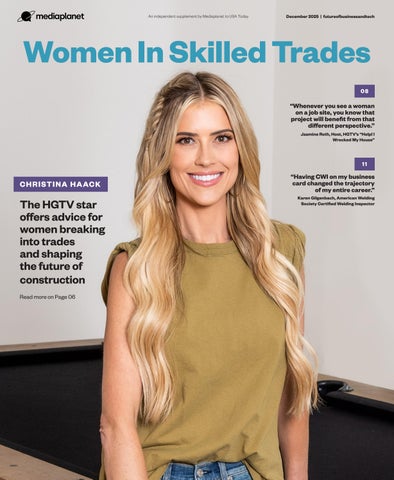
CHRISTINA HAACK
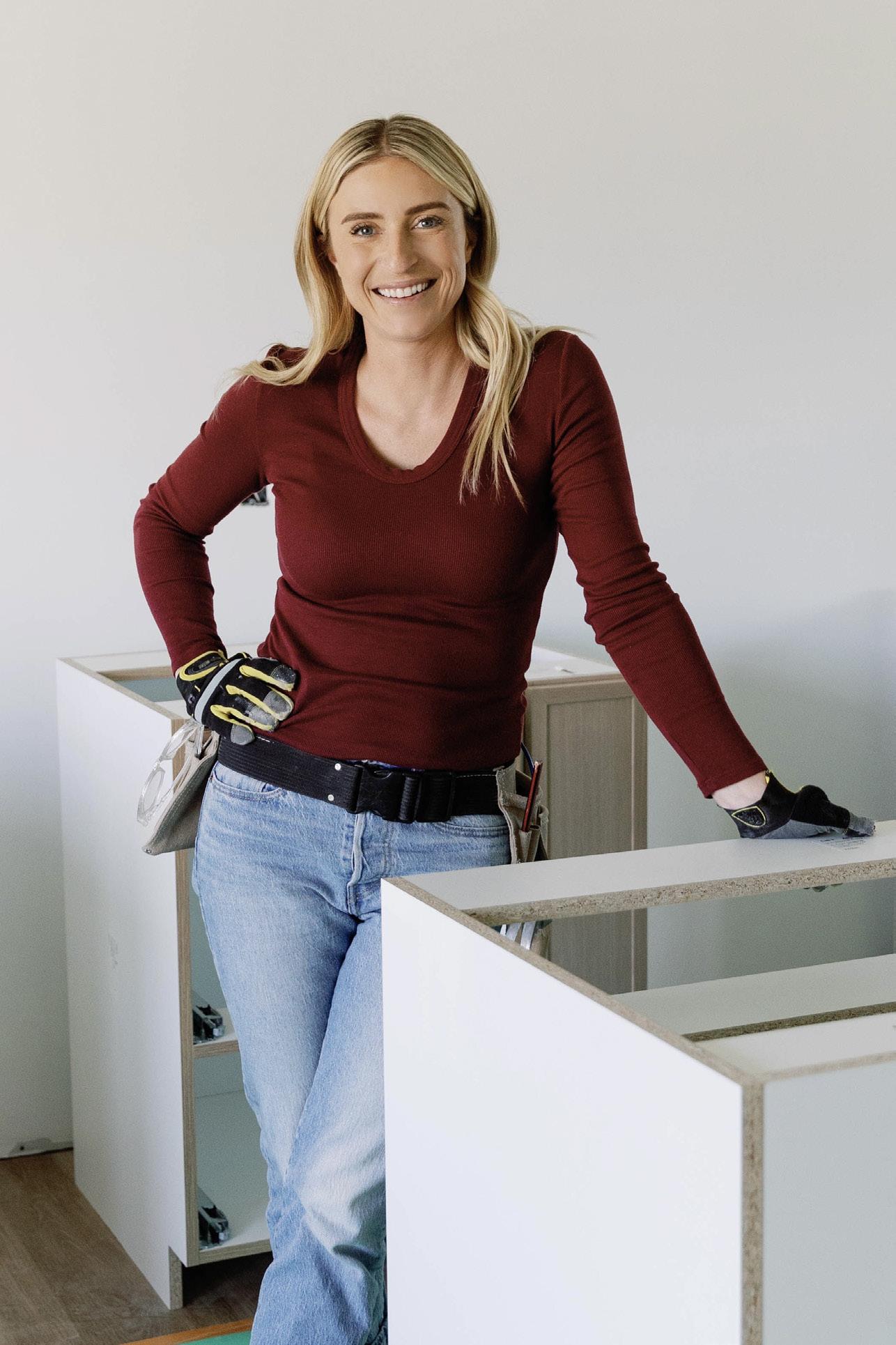
Building Confidence: Mina Starsiak Hawk on Gear, Grit, and Growth
HGTV star Mina Starsiak Hawk discusses staying safe, navigating bias, and carving out space for women to thrive in the construction industry.
What workwear or safety gear do you rely on most, and how important is comfort when you’re on the job?
I would say eyewear and gloves are the most crucial, as they can protect against the most common workplace injuries. Comfort is a critical, and often underrated, factor for workwear because it directly influences whether a worker will consistently wear the equipment and wear it correctly. When personal protective equipment is uncomfortable, workers are less likely to use it, which significantly increases their risk of injury.
What has been the most challenging part of stepping into construction projects as a woman, and how have you overcome it?
Not being taken seriously, being underestimated, and being jerked around because people think I won’t know enough to know any better, or I won’t be aggressive enough to challenge them. To be quite honest, I don’t think I have overcome it, as that would require the other half of the equation to make changes, which I have yet to see happen. I am able to deal with it; I am clear, considerate, reasonable, and do what I say I am going to do, and I expect the same of anyone I am working with. Oftentimes, I have had to end contractor relationships due to not being given these simple behaviors in return.
As someone balancing TV projects, construction work, and family, how do
you take care of yourself on and off the job site?
Again, not so well. I try to create balance in my life, but with the pace it has run over the last decade, that has been challenging. I am a hard worker and place much of my value as a human on what I am able to accomplish. As I have gotten older, I have been able to adjust that viewpoint and recognize the value in spending more time with my family, more time on myself, and less time in the hustle. On the job site, I try to keep the outlook that, while I want everything done now, the world won’t stop spinning if something interferes with that.
What changes or innovations in tools, safety gear, or training would make the biggest difference for women in construction today?
Honestly, just things scaled to fit smaller bodies. I have yet to find a tool belt that doesn’t hang to my knees with the hammer hook so low that the hammer hits my shins.
What message would you share with young women who may not see themselves represented in the skilled trades?
No one is going to do the work for you. You have to want it badly enough to put yourself out there and educate yourself in a way that you feel confident every time you set foot onto a job site, so no amount of misogyny can affect your resolution or work.
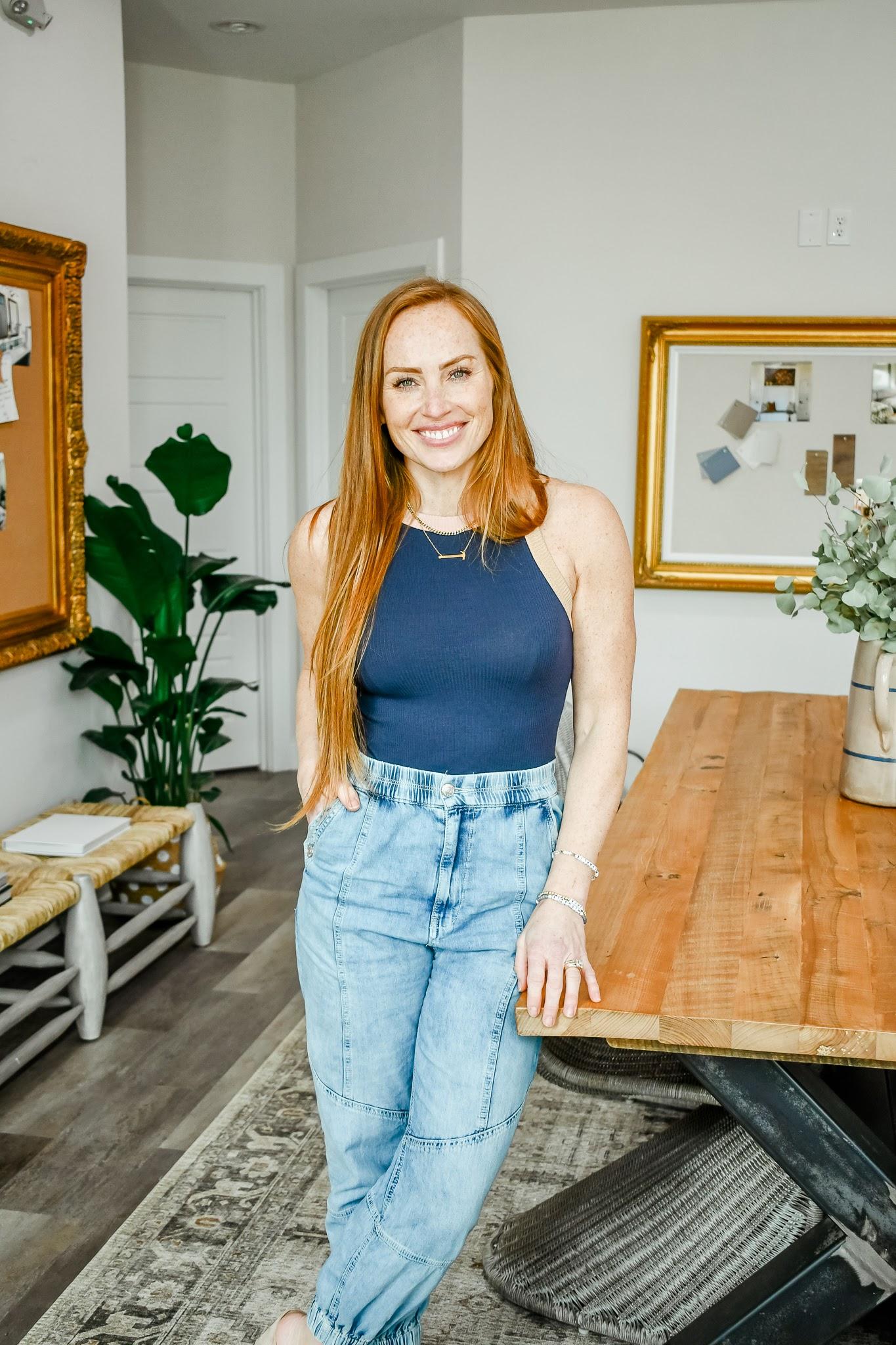
Mina Starsiak-Hawk | Photo courtesy of Two Chicks and a Hammer
What Do Tradeswomen Want in Their PPE? Nothing Special.
But a failure to listen is putting their safety, psyche and productivity at risk.
They call personal protective equipment (PPE) the last line of defense. For many — especially women in the trades — it too often defects to the other side, with poor fit causing as many issues as it’s meant to prevent.
Momentum to fix the problem is building, yet the fastest-growing group in the trades still sees the issue treated as an afterthought — by employers forcing a choice between comfort and compliance, and by manufacturers checking a marketing box.
The result: damage that’s physical, psychological, and financial.
“Women are not small men”
Women remain a smaller share of the construction workforce in the United States, but their numbers — about 1 million, per the Center for Construction Research and Training — are far from negligible. Still, many are handed “unisex” gear built for male proportions, sized by weight and height, not shape or movement.
And when their needs are addressed, women are often condescended to with PPE grounded in lazy considerations — like shrinking existing men’s gear and adding pink accents.
“The practice of ‘shrinking and pinking’ must stop,” said longtime safety professional and advocate Abby Ferri in an interview with the American Society of Safety Professionals. “Women are not small men.”
Ill-fitting PPE puts women at a real disadvantage. Loose gear means more snags, tangles, and trip hazards. Seventy-four percent of tradeswomen face unnecessary hazards due to poor fit according to the International Safety Equipment Association (ISEA), citing CPWR data.
“And you want to look the part, too,” said Greg Schrab, Ergodyne President and ISEA Trustee, on the Radio Free Tenacity podcast. “You don’t want to look sloppy or unprofessional.”
Ergodyne — a safety work gear manufacturer and ISEA member — is among several companies working directly with frontline workers and policymakers to advance women’s PPE standards.
Beyond morale, the numbers don’t lie. A National Institutes of Health analysis found 88% of studies on PPE fit showed measurable performance hits — slower reaction times, limited range of motion, reduced endurance, and decreased pulmonary function. In short: bad fit means bad safety and worse productivity.
“We want to look just like everyone else” Of all PPE categories, high-visibility apparel may be the biggest offender. Through dozens of jobsite visits and hands-on fit trials, Ergodyne product manager Kris Wolle-Wayne did something radical: She listened.
“We just want to look like everyone else — but have it fit us better,” one worker told her.
Women weren’t asking for fashion statements. They wanted gear that worked. Period.
“Nothing special, really,” said Wolle-Wayne. “They just wanted it to do what it’s supposed to do. Because when it doesn’t, it fails the whole idea of safety itself.”
Ergodyne’s journey wasn’t a rush to the finish line. Years of data collecting and conversation
resulted in its latest line of 27 hi-vis models delivering thoughtful solutions that will not only fit, but will feel good, look good, and perform better. Wins across the board.
Equity in the workplace takes thought and time. It shouldn’t have to be a special ask — it’s simply part of creating an inclusive, safe, and productive environment.
WRITTEN BY Al Buczkowski QSSP/OSHA 30 Ergodyne
Workwear built by women who spoke up. Now it’s your turn.
Scan to see Ergodyne’s new women’s collection and add your voice to what’s next.
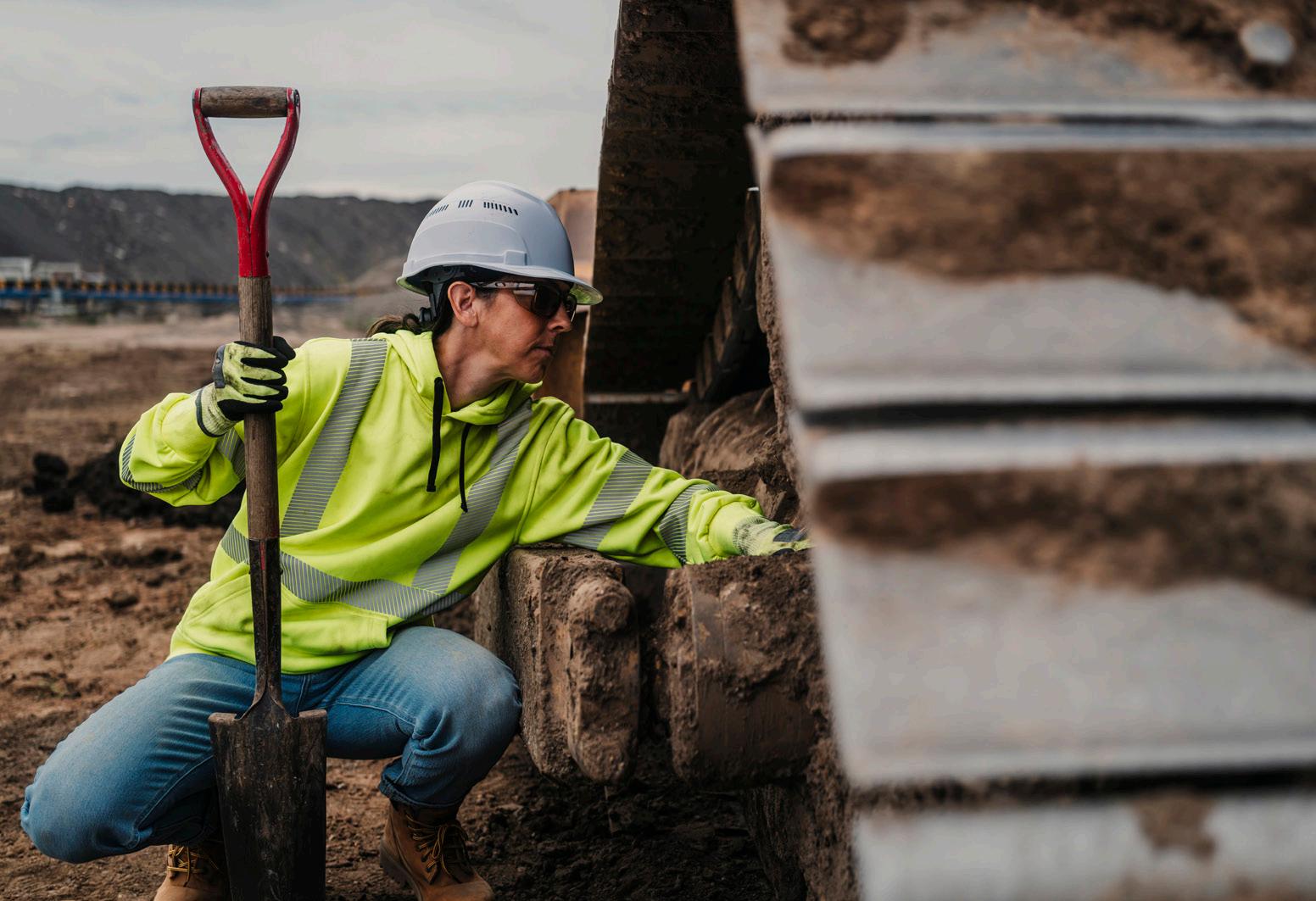
Ergodyne’s women’s hi-vis line came from intense collaboration with the fastest growing group in the trades | Photo courtesy of Ergodyne
Building Futures in the Skilled Trades
The skilled trades face a critical labor shortage. By embracing a diverse workforce and growing awareness of career paths available in the profession, we can inspire new generations and strengthen our essential workforce.
Across the United States, the professional trades are facing a dilemma. Electricians, plumbers, HVAC technicians, and other skilled tradespeople are the backbone of communities, yet the industry faces a widening labor gap as seasoned workers retire and fewer new entrants join the field. Simultaneously, demand for their services continues to grow. To bridge the gap, the trades must focus on both recruitment and creating well-defined career paths with competitive compensation. For decades, the skilled trades have been a male-dominated career path, leaving women and underrepresented groups on the margins. According to the U.S. Census Bureau, women currently make up less than 11.5% of the construction workforce. Gradually, the numbers are shifting, but there is more work to do. Increasing representation means creating opportunities, providing mentorship, and ensuring the trade community welcomes diverse voices and talents.
Opportunities abound
A dynamic future for the trades starts with awareness and education. Many students, particularly young women, are not introduced to the opportunities and rewards of trade careers. Expanding outreach in schools, offering apprenticeships, and showcasing success stories of diverse professionals helps break down stereotypes. When people see someone like themselves thriving in the field, they are more likely to imagine a similar future. Support systems are also important. Programs that connect apprentices with mentors, whether through unions, trade schools, or organizations like Tools & Tiaras and Women in HVACR, provide guidance and encouragement to those entering what may feel like unfamiliar territory. Beyond technical training, these programs create networks of support that make careers sustainable. Raising awareness of skilled labor as a rewarding profession also means rethinking how the trades are presented in culture and media. Instead of focusing solely on the physical labor involved, highlighting the
problem-solving, innovation, and creativity behind these careers can change perceptions. The trades are not just jobs; they are highly skilled professions that offer stability, growth, and pride.
Despite common misconceptions, many trade professionals earn salaries that rival or surpass those of college-educated peers.
A study by NCCER shows that craft professionals begin earning full-time wages much earlier and, often without student debt, their long-term earnings outpace those of four-year college graduates after debt payments.
A stronger, more diverse industry Companies have a role to play, too. SupplyHouse, a leading online distributor of plumbing, heating, and HVAC supplies since 2004, has seen firsthand how championing awareness of careers in the trades benefits both the industry and the communities it serves. By partnering with organizations focused on diversity in the trades, like Tools and Tiaras, and by telling the stories of trade professionals from all walks of life,
like SupplyHouse’s “Trade Life” series on YouTube, companies can help amplify the message that there is a place for everyone in these vital careers.
The path forward is clear: The more diverse the trades become, the stronger and more resilient the industry will be. Welcoming a broader pool of talent brings fresh perspectives, creativity, and innovation to the essential services that power our communities. The skilled trades have always been about building, and now the challenge is to build a future that reflects the diversity of the communities they serve.
Written by SupplyHouse
How Do You Support Future Tradespeople?
You start with the right team.
You carry over a quarter million plumbing, HVAC, and electrical products.
You provide cutting-edge tools like in-depth 3D schematics and job calculators.
You become a reliable partner tradespeople can count on for any job.
Supporting the tradespeople of the future starts with supporting their work today.
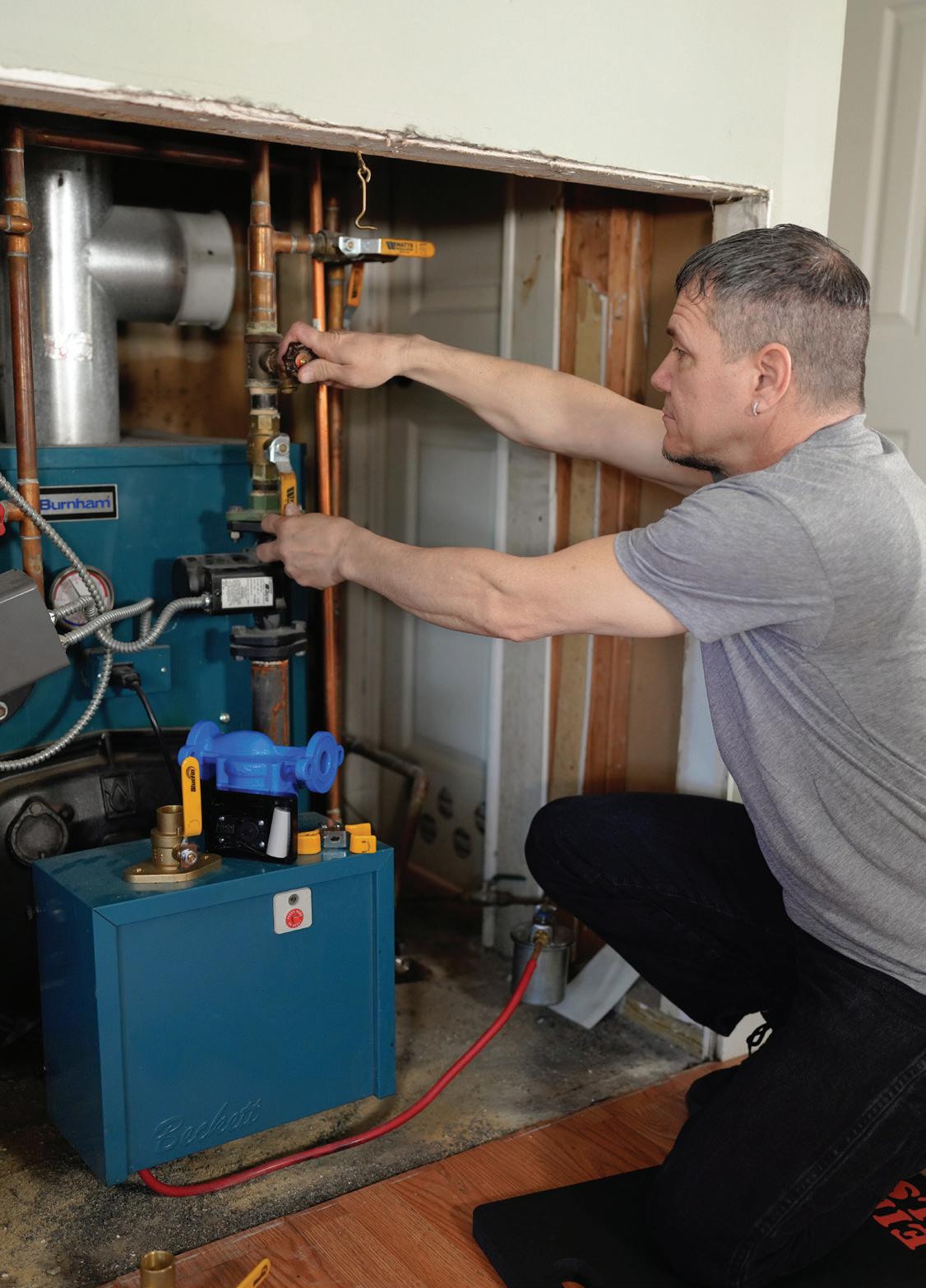
FEATURED TRADEMASTER: Chris, Heating Tech
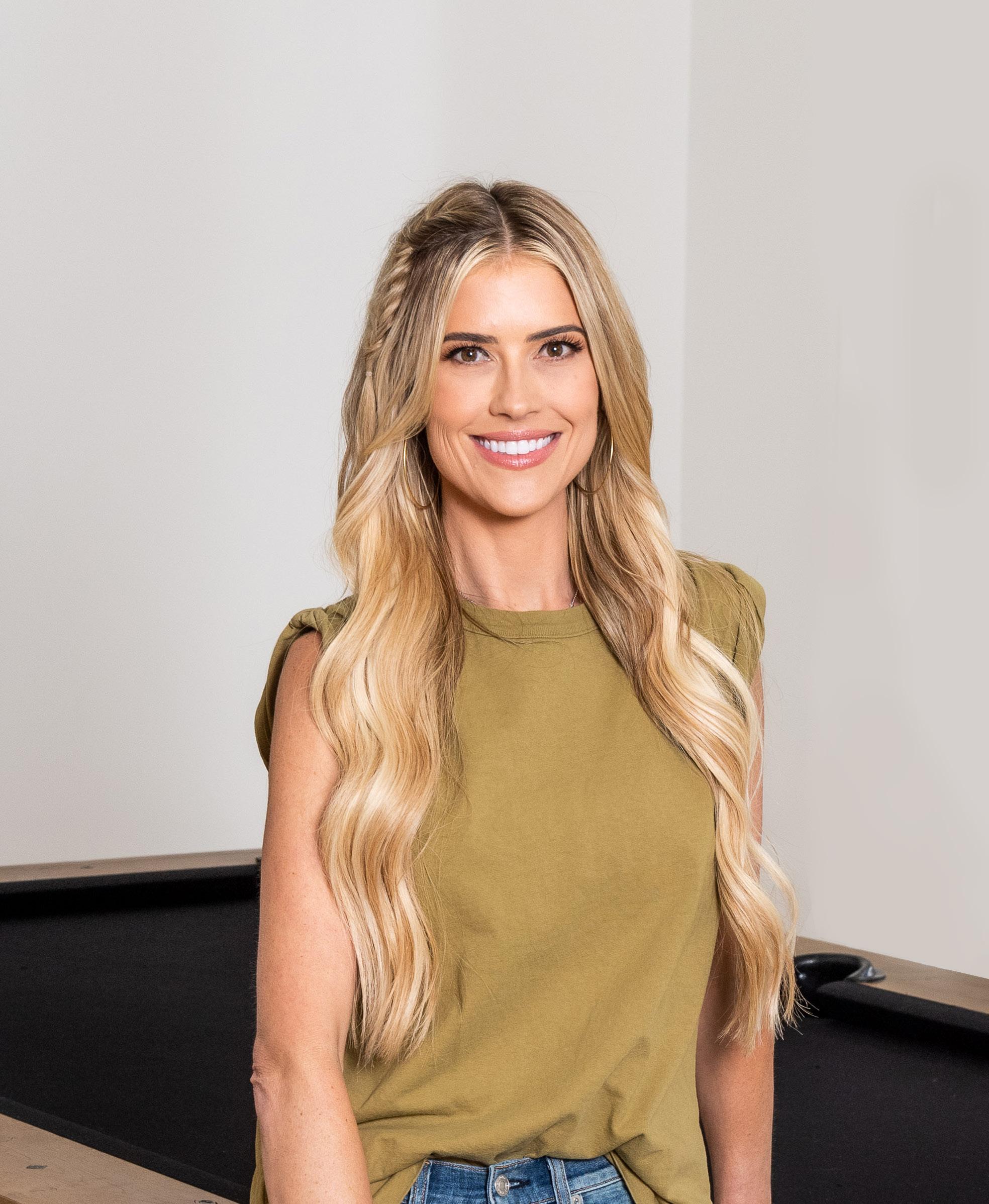
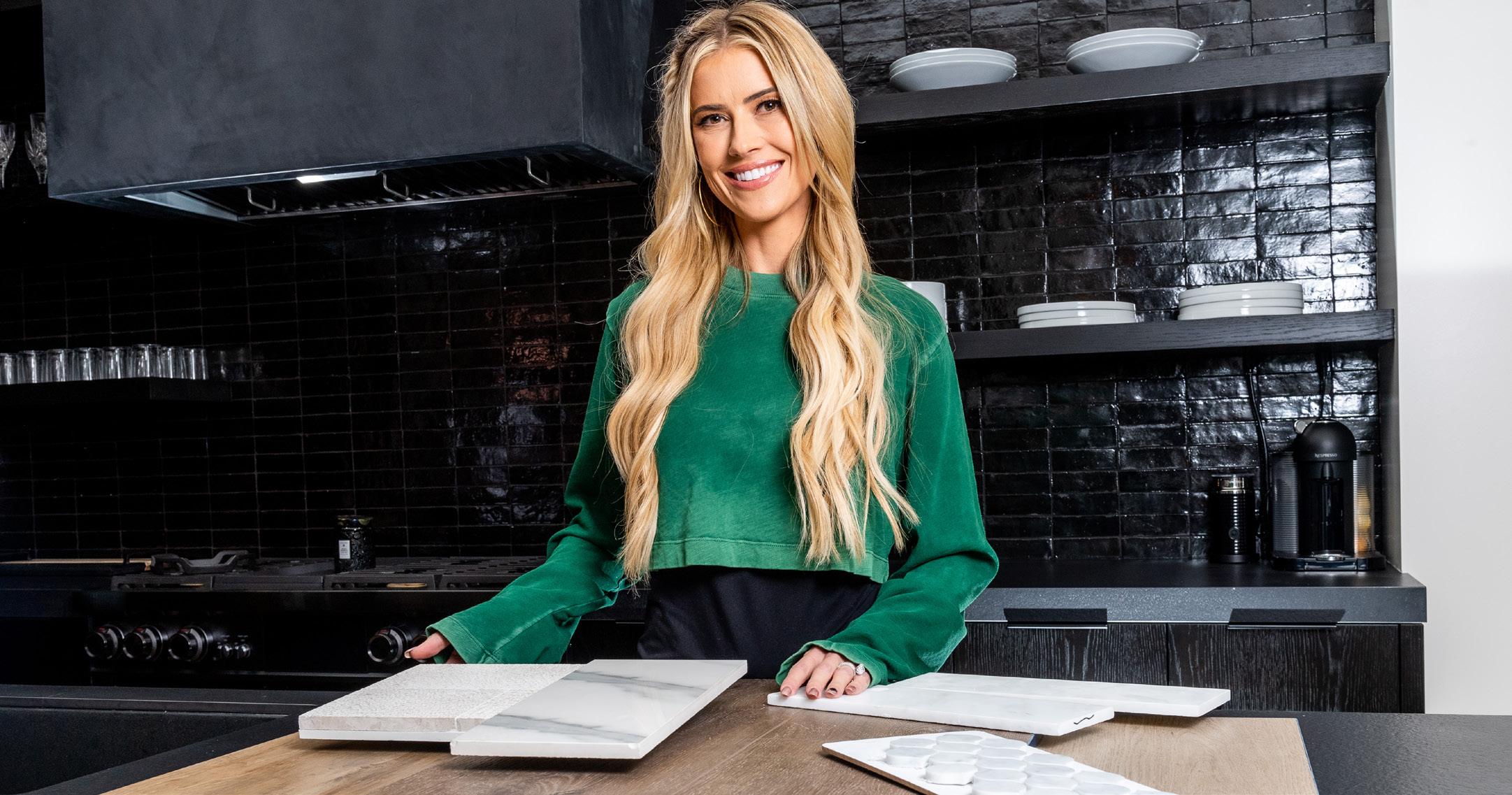
Christina Haack on Empowering Women in Construction
HGTV star Christina Haack — who recently launched her own luxury champagne brand, Clé Cachée — shares her advice for women seeking a career in the trades and her hopes for the future of the industry.
Your work often blends design with construction. What have you learned about the value of women being hands-on in trades?
Being hands-on has given me such a deep appreciation for the skill and precision that goes into every build. For women especially, it’s empowering to not just design something but also understand how it’s executed. It proves that women can bring just as much strength, creativity, and problem-solving to the job site as anyone else. I think when women are involved at every level, the end result is more thoughtful and innovative.
Many job sites lack gear designed for women. What changes would you like to see in tools, apparel, or safety equipment?
The biggest change I’d like to see is gear that actually fits. So many tools, gloves, and safety vests are made with men in mind, which can make them uncomfortable or even unsafe for
women. I’d love to see more companies invest in designing equipment that acknowledges different body types, whether that’s lighter tools, boots with better sizing options, or safety gear that isn’t oversized. When gear fits properly, women can focus on the work instead of fighting their equipment.
What advice would you give to women who want to step onto a job site for the first time but feel intimidated?
The best advice is: Don’t let fear hold you back. Everyone starts somewhere, and no one expects you to know it all on Day 1. Ask questions, observe, and trust that your perspective adds value. Confidence grows the more you do the work, and every woman belongs on that job site just as much as anyone else.
How do you think visibility from shows like yours can inspire more women to see trades as a career option? Representation is so powerful. When women
see other women on-screen designing, demoing, and building, it shows them that they can do it too. I’ve had so many viewers reach out and say they picked up tools for the first time because they watched one of my shows. The more women see themselves reflected in these spaces, the more likely they are to step into those roles in real life.
What part of your career are you most proud of, and how has it influenced the way you approach your work today?
I’m most proud of the longevity of my career and the ability to keep evolving with each project. From my very first flip over 15 years ago on “Flip or Flop,” to the shows I’m working on now, I’ve stayed true to my passion for creating homes that families love. That consistency has taught me to trust my instincts, stay curious, and always keep learning. It influences everything I do. I love how trends change, and I never want to stop growing in this industry.
Christina Haack | Photo by Aaron Poole
Celebrating Skilled Trades as a Pathway to Empowerment for Young Girls
Founder Judaline Cassidy shares how Tools and Tiaras helps young girls hold onto their early confidence through hands-on trade experiences.
What inspired you to start Tools and Tiaras?
The reason why I started Tools and Tiaras was really not so much to empower girls, but to make them never lose the empowerment that girls inherently have. When we were little girls, we had dreams of being pilots, astronauts, engineers, and presidents, and then the world smothers that. I wanted to harness that and make sure girls never lose that warrior spirit.
There’s often a perception that trades are male-dominated or off-limits to girls. How does Tools and Tiaras work to shift these perceptions and make hands-on careers feel accessible and exciting?
We start as young as 6 years old, showing
people that girls can use chop saws, miter saws, or soldering guns. Girls love masonry, welding, and other trades when given the opportunity. Positive reinforcement from peers helps those who may hesitate at first. At the end of camp, girls always highlight sisterhood, learning with peers, and encouraging each other.
Looking ahead, what are some initiatives or projects you’re most excited about that will continue to open doors for young girls in skilled trades?
We’re pushing to bring more technology into programs. Construction increasingly uses technology, and we started virtual reality programming so girls can practice welding
virtually before doing it in real life. Our dream is to have Tools and Tiaras chapters across the United States. We’re moving to a bigger space to expand programming beyond monthly workshops and two summer camps, including after-school programs.
Sponsored
Building a Stronger Future for Women in the Trades, Together
Ferguson believes a stronger tomorrow begins today — by championing women in the trades, we’re helping to shape a more resilient and thriving industry.
With women making up less than 10% of the construction industry, we see more than a gap — we see a profound opportunity. By empowering women to pursue careers in the trades, we are helping to build a more resilient workforce and a stronger future for our industry.
Our commitment to this vision begins by igniting the passion in the next generation. Through our Women’s Business Resource Group, EmpowHER, and our partnership with organizations like Tools & Tiaras, we support the introduction of young girls to the trades, showcasing a viable and rewarding career path, and planting the seeds for a stronger skilled-trade workforce. Simultaneously, we are dedicated
to fostering leadership and elevating today’s innovators. For women already shaping the future of the trades, we proudly sponsor female customers through a Leadership Accelerator Program made specifically for women in the trades, equipping them with the skills to lead and inspire.
Ferguson is committed to being more than a supplier — we’re a partner in progress. We invite you to join us in championing women in the trades, and building an industry that is strong and ready for what’s next. Let’s build something great, together.
About Ferguson Ferguson (NYSE: FERG; LSE: FERG) is the largest value-added distributor serving the water and air specialized professional in
our $340B residential and non-residential North American construction market. We help make our customers’ complex projects simple, successful and sustainable by providing expertise and a wide range of products and services from plumbing, HVAC, appliances, and lighting to PVF, water and wastewater solutions, and more. Headquartered in Newport News, Va., Ferguson has sales of $30.8 billion (FY’25) and approximately 35,000 associates in over 1,700 locations. For more information, please visit corporate.ferguson.com.
Visit us online at ferguson.com to explore more about our capabilities.
WRITTEN BY Mary Jensen Director of Marketing, Ferguson
INTERVIEW WITH Judaline Cassidy Founder and President, Tools and Tiaras
Jasmine Roth on How Women’s Voices Are Shaping Construction’s Future
From job site safety to shaping future builders, HGTV’s Jasmine Roth explores how women bring fresh perspective and leadership to trades.
What excites you most about women leading in the construction space?
I think it’s good to have as many different types of input as possible when it comes to a creative project. A custom build is a creative project, and having women as another source of input makes the build that much better. We see things differently from men; we have different experiences, and that perspective has always been missing in what was traditionally a man’s world. Whenever you see a woman on a job site, you know that project will benefit from that different perspective.
Many women juggle careers and family. How do you see flexibility evolving in trades-related work?
It’s a challenge across the board, but especially in the trades. In corporate America, you have HR and other advocates pushing for progress. In construction, that doesn’t really exist. There’s nobody saying, “That’s not fair,” or “We need to allow time off for childcare.”
The only way it’s going to change is if women advocate for themselves. We have to be confident enough to say, “I need maternity leave,” or “I need to be with my baby.”
Construction sites can still feel maledominated. How do you build confidence and respect in that environment?
You have to look internally for recognition. On a job site, people aren’t going to come up and tell you, “Great job today.” You have to be confident enough to know you’re doing your best, and that’s good enough.
I also think professionalism is critical. I hold myself and everyone else to a standard — no cursing, no derogatory comments, no inappropriate behavior. If somebody steps out of line, I shut it down immediately. It might be awkward, but once people know that’s my expectation, they rise to it. As women, we can’t let our professionalism dip, because the minute you do, it’s very hard to recover that respect.
Looking ahead, how do you see women shaping the next generation of construction and design?
There’s a huge opportunity in the skilled trades. In high school, I never once heard someone present carpentry or electrical work as a career path. That needs to change.
I love that there are more women in trades now and that people get to see that on HGTV — not just as designers, but as carpenters, electricians, and builders. Women are also breaking into areas like architecture, engineering, and city planning, which traditionally weren’t seen as career paths for us.
For me, the most powerful part is what it shows the next generation. My 5-year-old daughter comes with me to job sites, and to her it’s normal that women drive trucks, wear tool belts, and run crews. She wouldn’t think twice about going into construction because that’s what she’s always seen. The more girls who grow up with that example, the faster we’ll see progress.
Jasmine Roth | Photo by Shannon Elizabeth Photography
Sustaining Women in Construction Through Community and Representation
Retaining women in construction requires inclusive communities, strong representation, and industry-wide support to close gaps and ensure long-term growth.
With over two decades dedicated to advancing women in the built environment, I have observed notable progress alongside ongoing challenges within the construction industry. The skilled labor shortage amplifies the urgency of attracting and retaining women. However, true sustainability depends on more than recruitment; it requires cultivating inclusive communities that span all sectors of the industry. Addressing these issues calls for collective advocacy rooted in representation and inclusion, emphasizing that women are essential to the sector’s longterm success.
Organizations like the National Association of Women in Construction (NAWIC) excel at fostering a vibrant, diverse community that includes tradeswomen, general contractors, tool and equipment providers, technology
firms, electrical contractors, and other stakeholders. This interconnected ecosystem is crucial for retaining women and creating a supportive environment that promotes growth across industry segments.
Building inclusive construction communities
While progress in retaining women has been steady, it remains insufficient. Increased representation and deeper community support are critical. Industry associations must provide platforms to address physical and psychological safety concerns and barriers that impede success. When women see their peers thriving, particularly in leadership positions, they envision attainable, long-term careers in the construction industry.
Representation is more than just numbers; it’s about fostering a culture that values
Sponsored
Empowering Women in Trades Starts From the Ground Up
Women in trades deserve gear made for them, not adapted to them. When it comes to footwear, real support can’t be an afterthought.
Women in skilled trades are rewriting the playbook on what a successful and fulfilling career looks like. But while the tools, training, and talent are evolving, the gear often isn’t. Too many women are stuck choosing between men’s boots in smaller sizes or footwear that simply doesn’t fit the demands of the job.
At OrthoFeet, we have spent decades designing footwear that addresses this exact problem: how to keep people moving, pain-free, and protected through long, physically demanding days. For
women in trades, that means more than just crush-proof toes or water resistance (although, rest assured, our women’s work boot provides these basics). It means all-day arch support, cushioned soles that reduce fatigue, and a fit designed for women.
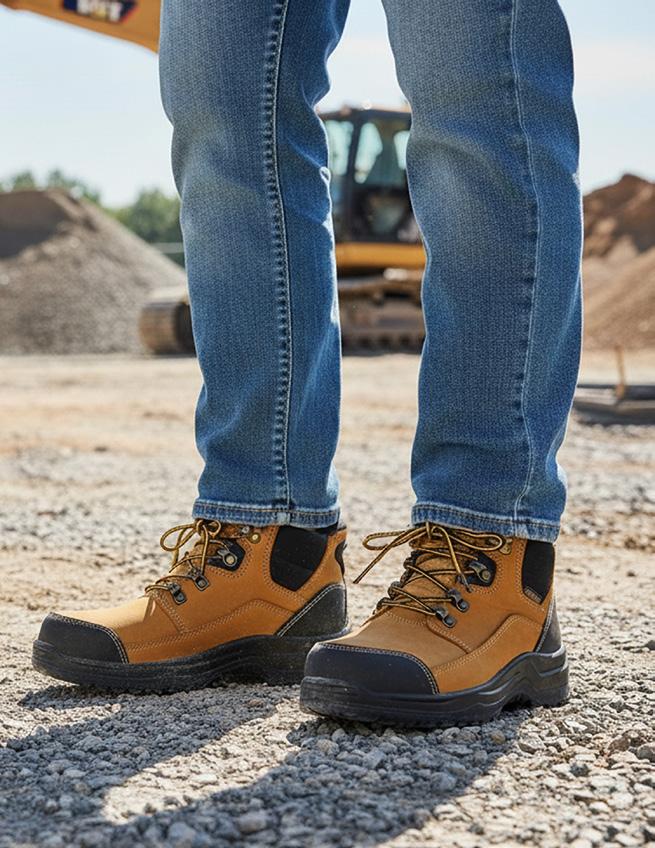
That’s why we created the Quartz Hands-Free Work Boot — a safety boot engineered for women who spend their workday on their feet and can’t afford to sacrifice comfort for protection. This shoe combines orthopedic support; a hands-free, slip-on design; and jobsite-ready durability. With three different widths, and
diverse perspectives. When women observe others like themselves succeeding, engagement and loyalty strengthen.
This effort is vital to safeguarding our infrastructure, economy, and national future. Without increased retention of women in the construction industry, the talent and skills gap will threaten our capacity to build safely, efficiently, and innovatively. Supporting women through community and representation is not only a matter of fairness but also essential for sustaining economic resilience.
our complete Ortho-Cushion™️ System, you are sure to find your perfect fit without compromise. With the number of women in skilled trades growing rapidly, so is the need for gear that keeps up. The right footwear should do more than meet safety codes. It should reduce fatigue, support mobility, and help prevent long-term injury. That’s why OrthoFeet builds every pair with orthopedic support backed and recommended by podiatrists. With the right foundation, there’s no limit to what you can accomplish.
Written by OrthoFeet
Scan the QR code to shop OrthoFeet’s Quartz Hands-Free Work Boot:
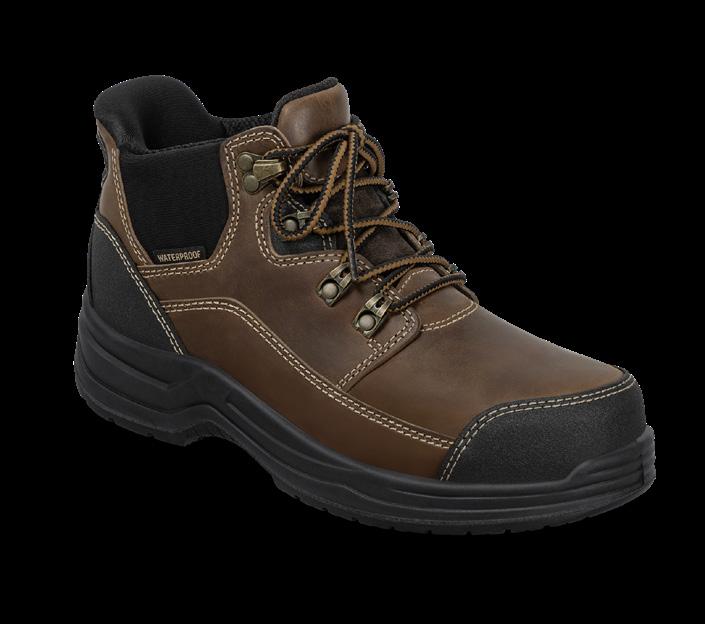
The Quartz Hands-Free Work Boot
Photo courtesy of OrthoFeet
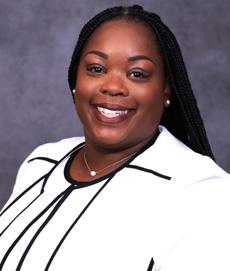
WRITTEN BY Sheronda L. Carr
CEO, National Association of Women in Construction
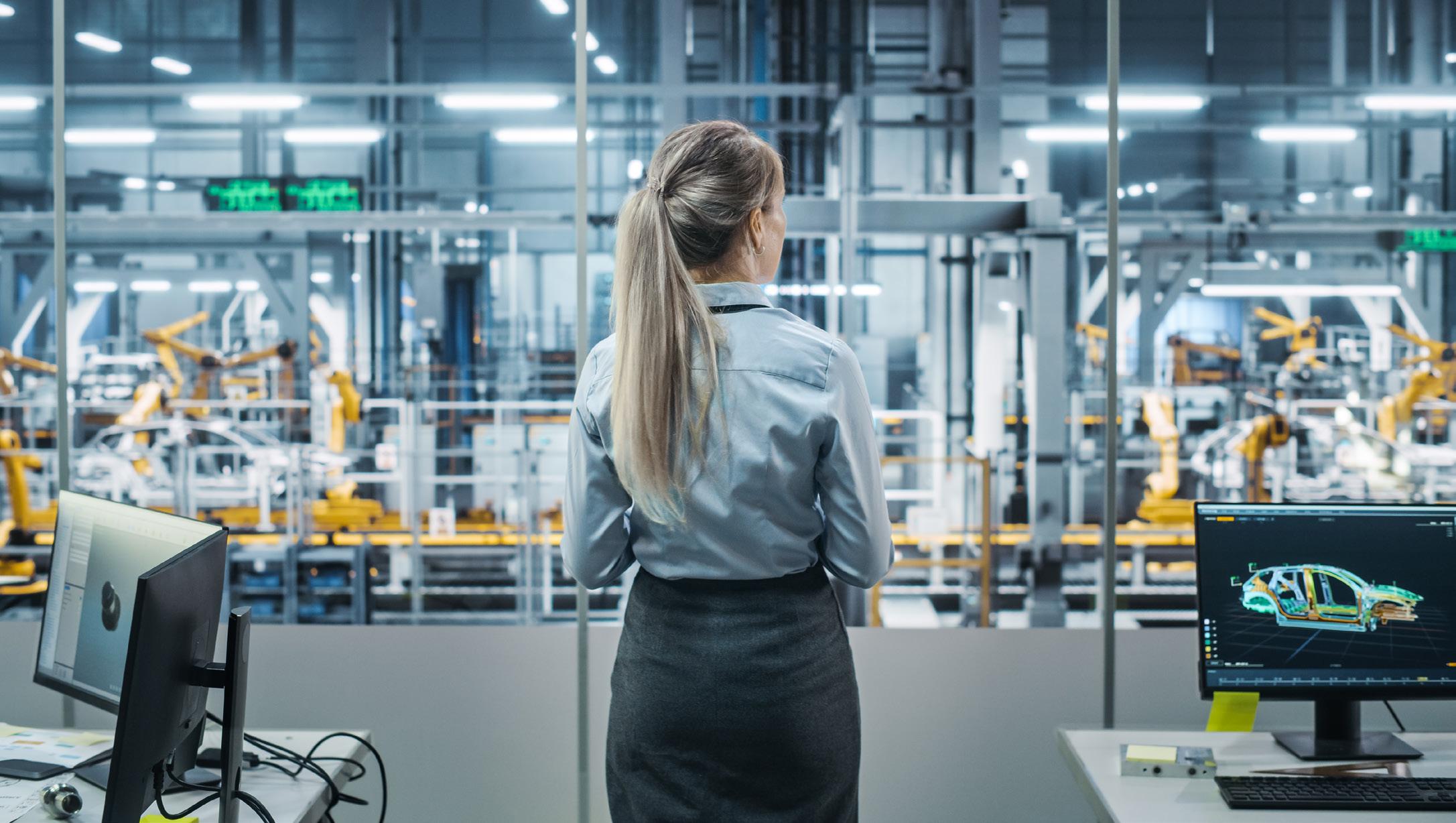
How Women Are Shaping the Future of Manufacturing
Women are reshaping manufacturing, proving that leadership, inclusion, and mentorship — not machinery — drive lasting progress in the industry.
Talk to most people about manufacturing, and they’ll picture equipment before they picture people. However, after 25 years in this field, I’ve seen that the opposite is true. Progress doesn’t start with machinery; it starts with leadership. Women are stepping into those roles in ways that are changing the face of the industry.
Historically, manufacturing has been, and in many ways still is, a male-dominated space. Yet, in just the past two decades, I’ve witnessed a remarkable shift. Women have stepped into roles across operations, plant leadership, engineering, supply chain, and executive management, and with them came new ways of thinking. They didn’t just enter the industry; they helped evolve it.
The impact of women
One of the greatest impacts women have had is on workplace culture. By bringing their lived
experiences as leaders, parents, innovators, and problem-solvers, women have helped companies recognize that long-term success demands inclusion. Policies that once ignored caregiver responsibilities have been rewritten. Flexibility, once considered a special accommodation, is now recognized as a business advantage. Twenty years ago, lactation rooms were almost unheard of on the plant floor. Today, they’re becoming standard — not because compliance required it, but because women in leadership championed it.
The pandemic accelerated this shift, forcing companies to confront the reality that flexibility isn’t a women’s issue; it’s a workforce issue. When caregiving responsibilities peaked, it was often women in leadership who pushed for policies that supported not just themselves, but everyone balancing work and life. They didn’t just advocate for themselves; they advocated
for systems that enabled entire teams to thrive.
At Women in Manufacturing Association (WiM), we often say, “You can’t be what you can’t see.” That visibility is finally growing. More women are ascending into senior-level roles, serving on leadership teams, and modeling what is possible for the next generation. Our WiM Hall of Fame now includes dozens of trailblazers. This year alone, we are recognizing 12 new inductees. Many of these honorees have built global operations, launched women’s affinity groups within their companies, reimagined workforce training, and, most importantly, lifted others as they climbed.
That, perhaps, is the defining characteristic of women in manufacturing: They don’t rise alone; they bring others with them.
The real future of manufacturing
Are we where we need to be? Not yet. Women still make up
less than a third of the manufacturing workforce. However, there is enormous momentum ahead. More women than ever are graduating with advanced degrees, and their skill sets align seamlessly with today’s manufacturing needs.
When people ask me about the future of manufacturing, I don’t point to robots or AI. I point to the women leading plant turnarounds, launching new technologies, redesigning culture, and making space for those who will follow.
The industry is changing — not just in how we make things, but in who is shaping what comes next. Women are at the forefront of that change.
WRITTEN BY Allison Roberts Grealis President and Founder, Women in Manufacturing Association
Education Accelerates Career Options for Women in Welding
Because welding traditionally invoked an image of physically demanding work in harsh environments, it held less appeal for women. However, as women explore welding education and associated career options, they realize there are more jobs in welding than they imagined.
“When I started as a freshman, I had no idea what I was going into, because my experience in welding in terms of careers was being a welder or operator,” said Cici Miller. As a sophomore, she started interning at Miller Electric Mfg. Co., one of the world’s premier welding companies, and spent her first year among engineers to learn about industrial welding systems.
“I realized I want to go into a product specialist role, but within automation,” Miller said. “It was a moment of ‘Oh wow, I found the path I want to follow.’”
What could Miller’s future look like? Possibly a lot like that of Karen Gilgenbach, who is now the senior vice president of marketing at MATHESON, a leading gas and welding supply company.
When Gilgenbach started her career, many industry professionals
PRODUCT SPOTLIGHT:
underestimated her welding abilities and technical interest. To eliminate the disconnect, Gilgenbach became an American Welding Society (AWS) Certified Welding Inspector (CWI), a credential that commands instant respect.
“Having CWI on my business card changed the trajectory of my entire career,” Gilgenbach said. Her other credentials include becoming the first female AWS Certified Robotic Arc Welding Technician, three advanced degrees, and becoming a member of the AWS Board of Directors.
Inspection career
Tori Hay started welding in high school and won the Illinois State SkillsUSA welding fabrication team competition. When looking at college paths, she “didn’t even realize welding engineering was an option,” but her mom discovered Ferris State University. A campus tour sealed the
Sponsored
deal, both with Mom and Hay.
For financial support, Hay applied for and was awarded the William A. Rice Family, Women in Welding Scholarship, an AWS Foundation National Scholarship, which allowed her to focus her attention on coursework as she earns a degree in welding engineering technology.
In addition to classwork, Hay also passed the CWI exam. Upon graduation, she intends to work for her father, a Senior CWI, who owns an inspection firm called Construction Services of Illinois. On the job, Hay will perform inspections using a variety of techniques and evaluate how companies comply with welding codes.
When you think about the safe construction of structural steel buildings, bridges, boilers, and pipelines, consider that the accomplishments of women ike Hay, Miller, and Gilgenbach make it all possible.
Quartz Hands-Free Work Boots by OrthoFeet
Quartz Hands-Free Work Boots by OrthoFeet is a rugged, slip-on safety boot designed for women who work on their feet all day and refuse to compromise on comfort or protection.
Built with waterproof leather, a crushproof composite safety toe, reinforced shank and slip-resistant tread, it delivers job-ready
durability. Inside, a roomy, padded interior and advanced ergonomic support offload foot-pressure and reduce fatigue, letting you focus on the job, not your feet.
With our complete Ortho-Cushion™️ System and tailored width options, it’s not only engineered for long hours, but customizable to your body.
Scan here to purchase:
WRITTEN BY Trish Fliss Senior Media Specialist, American Welding Society (AWS)
INTERVIEW WITH Tori Hay Welding Engineering Technology Student, Ferris State University
INTERVIEW WITH Karen Gilgenbach Senior Vice President of Marketing, MATHESON; AWS Certified Welding Inspector
INTERVIEW WITH Cici Miller Welding Engineering Technology Student, Pennsylvania College of Technology