
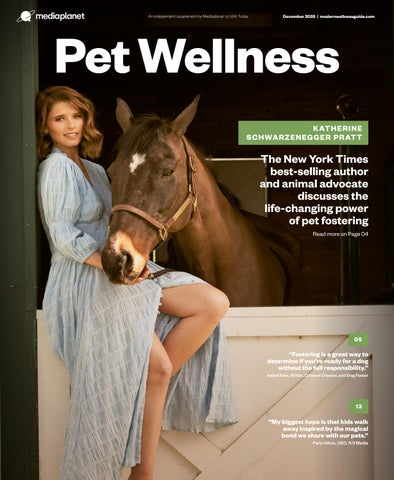
“Fostering is a great way to determine if you’re ready for a dog without the full responsibility.” Isabel Klee, Writer, Content Creator, and Dog Foster
“My biggest hope is that kids walk away inspired by the magical bond we share with our pets.”
One of the most common questions I hear as a veterinarian is, “What kind of food should I feed my dog?” Unfortunately, there’s no one-size-fits-all answer. Just as people have different needs and lifestyles, so do dogs.
The best foods are those labeled by the Association of American Feed Control Officials as “complete and balanced” for your dog’s life stage. This designation means the formula meets specific nutrient standards. This is especially important for large and giant breed puppies, whose rapid growth puts unique stress on their developing skeletons. Overfeeding can encourage bone problems and excess weight, so these dogs should be fed growth diets designed specifically for their size until they’ve fully matured, which can take 18–24 months.
For any dog, the right food is the one that maintains a lean, healthy weight, produces well-formed stool, and supports good energy and health. It does not need to be the most expensive brand, nor a boutique formula. The best food is the one your dog does well on and one your veterinarian supports.
Before starting any new diet, always have your dog evaluated by a veterinarian. With proper nutrition, weight management, and regular activity, you’ll be giving your dog the foundation for a longer, healthier, and happier life.

WRITTEN
BY
Dr. Jerry Klein Chief Veterinarian, American Kennel Club
by Mediaplanet and did not involve USA Today.
Many pet owners today find they benefit from taking supplements, and they want their dogs and cats to experience these benefits as well.
If adding supplements to your furry friend’s regimen has been on your mind but the pet supplement aisle feels overwhelming, here’s a simple rundown of the most common categories of supplements that can support your pet’s health throughout their life:
Even if you’re feeding your dog or cat the best pet food on the market, chances are they could still benefit from a multivitamin. Commercial pet foods are formulated to be complete and balanced, but a multivitamin can help ensure your pet is getting the best possible nutrition. Pets on home-prepared diets may especially benefit, since even high-quality whole foods sometimes miss key micronutrients.
The time to start a daily joint supplement is now, no matter the age of your pet. Ingredients like glucosamine, chondroitin, and hyaluronic acid help maintain cartilage and lubricate joints. Ingredients such as MSM, turmeric, Boswellia, and yucca can help ease age-related discomfort and keep your pet active longer.
Fatty acids are required for good health but are not produced by the body and therefore must be ingested. EFAs may help to support a healthy inflammatory response, promote normal circulation and blood flow, and support pets’ heart health, cognitive function, vision, and skin and coat health.
Antioxidants play an important role in helping to neutralize the damaging effects of free radicals, which are unstable molecules produced by the body during normal metabolic and immune system activity, as well as by external factors, such as stress, dietary deficiencies, and environmental exposures. Free radicals constantly seek to stabilize themselves by bonding to and damaging healthy cells. Antioxidants like vitamins A, C, and E; folic acid; zinc; and CoQ10 may help to neutralize the damaging effects of free radicals by protecting cells and supporting long-term health.
The digestive tract is the largest immune-supporting organ in the body, and a healthy gut microbiome is possibly the greatest key to a long, healthy life. Probiotics contain good bacteria that can help support normal gut health when given daily, or get your pet’s gut health back on track after an illness, changes to diet, or stressful events.
It’s important to understand that pet supplements are not magic bullets, but they can be a valuable part of a comprehensive approach to pet health, which also includes a high-quality diet, regular exercise, routine veterinary care, and a loving home.
Written by Bill Bookout, President, National Animal Supplement Council
When winter sets in, you’re not the only one feeling a little stiff. As temperatures drop, joint pain can flare up for dogs as much as humans. Here’s how to support your pup’s joint health year-round with smart lifestyle choices and proven supplements like Antinol Plus.
As cooler weather arrives, you may notice your dog moving a little slower — hesitating on stairs, struggling to jump into the car, or seeming stiff after naps. Just like people, dogs can experience more joint pain when temperatures drop. And joint issues are surprisingly common: 1 in 5 dogs overall — and 4 in 5 senior dogs — experience joint discomfort. Joint health is essential to your pet’s quality of life, affecting everything from mobility to mood. Fortunately, there’s a lot you can do to help your pup of any age stay active, happy, and manage pain effectively.
Keep them moving (gently)
Exercise keeps joints flexible and muscles strong, but the key is consistency and moderation. Replace long, high-impact sessions with shorter walks or gentle play spread throughout the day. Slippery indoor floors can also aggravate joint pain, so consider rugs or mats for extra traction — a small change that can make a big difference.

Maintain a healthy weight
Even a few extra pounds can put significant stress on your dog’s joints. Regular weigh-ins and portion control make a big difference in ease and quality of movement. Your veterinarian can help determine your pet’s ideal weight and develop a feeding plan to achieve it safely. Maintaining lean muscle mass is one of the simplest, most effective ways to prevent long-term joint strain.
Support from the inside out
While lifestyle changes can go a long way, many vets recommend adding a joint supplement for extra protection. That’s where Antinol Plus from Pet HealthWorks stands out.
“Antinol Plus is a natural and effective way to relieve joint pain and support overall joint health,” shared Dr. Lisa Lippman, veterinarian and Antinol Plus ambassador. “I recommend it for dogs of all ages, whether they are young and active and need proactive joint support, or for older dogs experiencing stiffness and mobility issues.”
Backed by 40 years of research and 4 clinical studies, Antinol Plus
naturally improves mobility and supports joint health with a powerhouse blend of green-lipped mussel oil and krill oil. The potent combination of over 90 fatty acids and antioxidants helps support a healthy inflammatory response, which is essential for joint health. Plus, it is proven to work better and faster than typical glucosamine and chondroitin supplements.
A proven, proactive choice
Antinol Plus has been clinically shown to improve mobility in as little as four weeks, which is two weeks faster than the leading competitor in the market, making it a trusted choice among veterinarians. As part of a holistic joint-care routine — combining movement, weight management, and high-quality nutrition — it helps keep your dog active, mobile, and better protected from joint pain through every season.
Dr. Lippman concluded, “With its clinically proven benefits and the results I see in my own patients, I feel confident when incorporating it into my practice, and I fully recommend it.”

To learn more about Antinol Plus and how it can help your dog stay happy and active, visit antinolplus.com

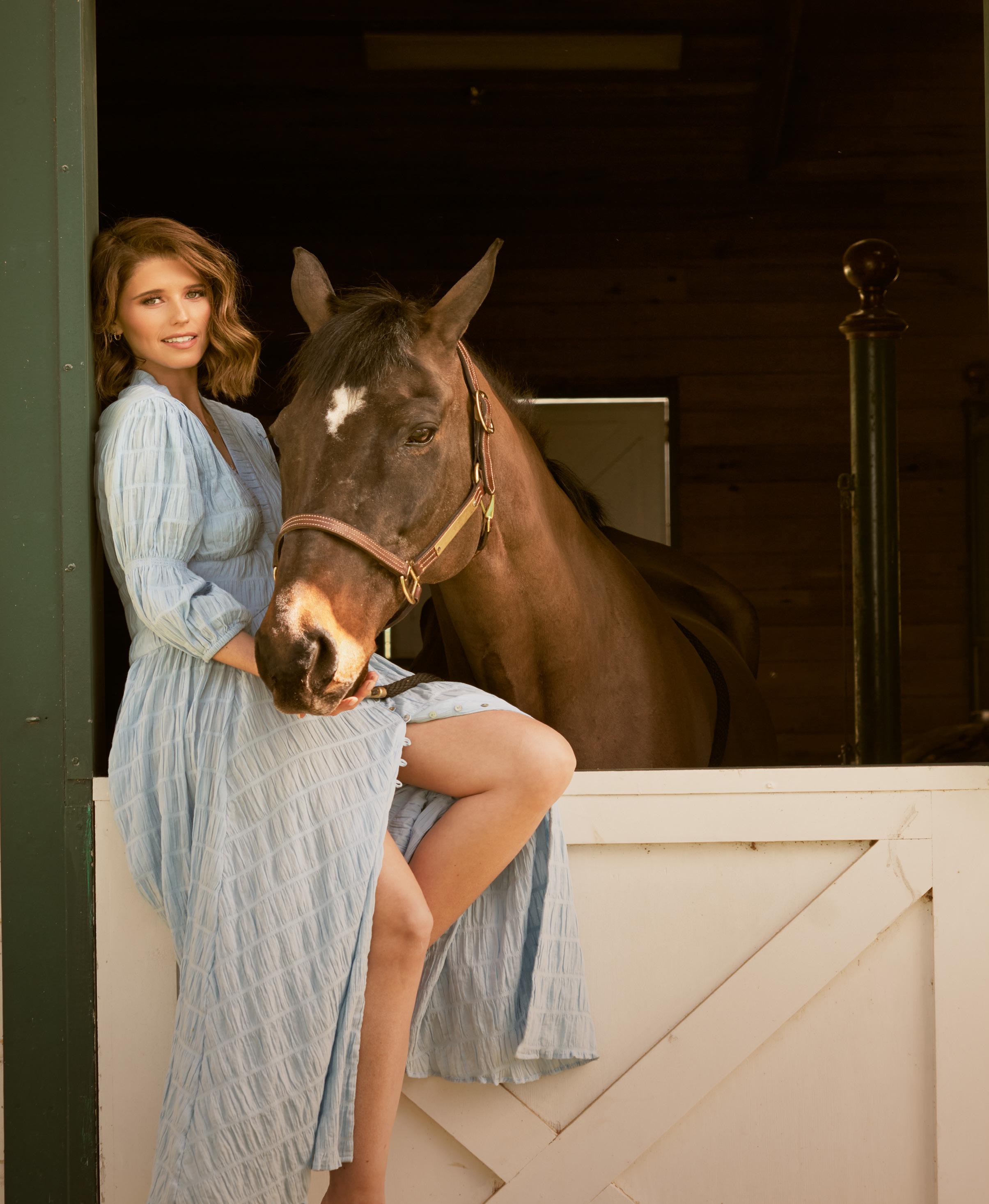
New York Times best-selling author, animal advocate, mother, and host of the “BDA Baby” podcast
Katherine Schwarzenegger Pratt reflects on how rescue work, from fostering puppies to gaining the confidence to ride horses again, strengthened her commitment to speaking up for animals in need.
What advice do you have for someone considering fostering an animal?
Whenever I hear somebody thinks that their family might be ready to fully welcome an animal into their home, I always tell them to foster first. Fostering really teaches you the responsibility and the changes you’re going to have to make in your life to care for an animal. It might seem like an easy thing to do, but the reality is that it changes everything. You can’t just leave your home or go on vacation. You really have to keep another creature’s well-being in mind.
At what point did you know your dog Maverick was meant to be more than just a foster?
When I got Maverick, we were feeding him through a syringe, and he almost didn’t make it several times because he was so sick. The amount of time and care that I was giving to him specifically felt different. There was a bond that developed right away because of how much focused care he needed from the beginning, so I developed this connection with him.
How did your experience with Maverick inspire you to start writing children’s books?
I really wanted to teach children about the healing power of animals and how important that can be in a child’s life. Animals are such a gift and can teach us about things like unconditional love, responsibility, routine, discipline, and caring for someone other than yourself. Having that presence in a child’s life is such a huge gift, and it also teaches you things like overcoming your fears, which is ultimately what “Maverick and Me” and my new book, “Kat and Brandy,” are about.


Through creating those bonds that last a lifetime, you’re able to do things like overcome your fears, because the bond you create with animals gives you confidence.
What is the most important thing you want readers to take away from your books and work in pet advocacy?
My goal with my books is to always write something that will allow a child or caregiver to feel seen in their journey and see themselves in that story. I hope they’ll feel inspired to have a conversation about fears, learn how to work through those fears, and feel like they can gain the confidence to work through things.
With my advocacy, I want readers to know that you don’t have to have a big platform or even a connection to an organization to make a difference in an animal’s life. If it’s not fostering or adopting, it could be spending an hour or a day taking a dog for a walk, or sitting in a cat sanctuary at a local animal rescue. There are so many ways to make a difference to give animals a second chance. Be a voice for the voiceless.
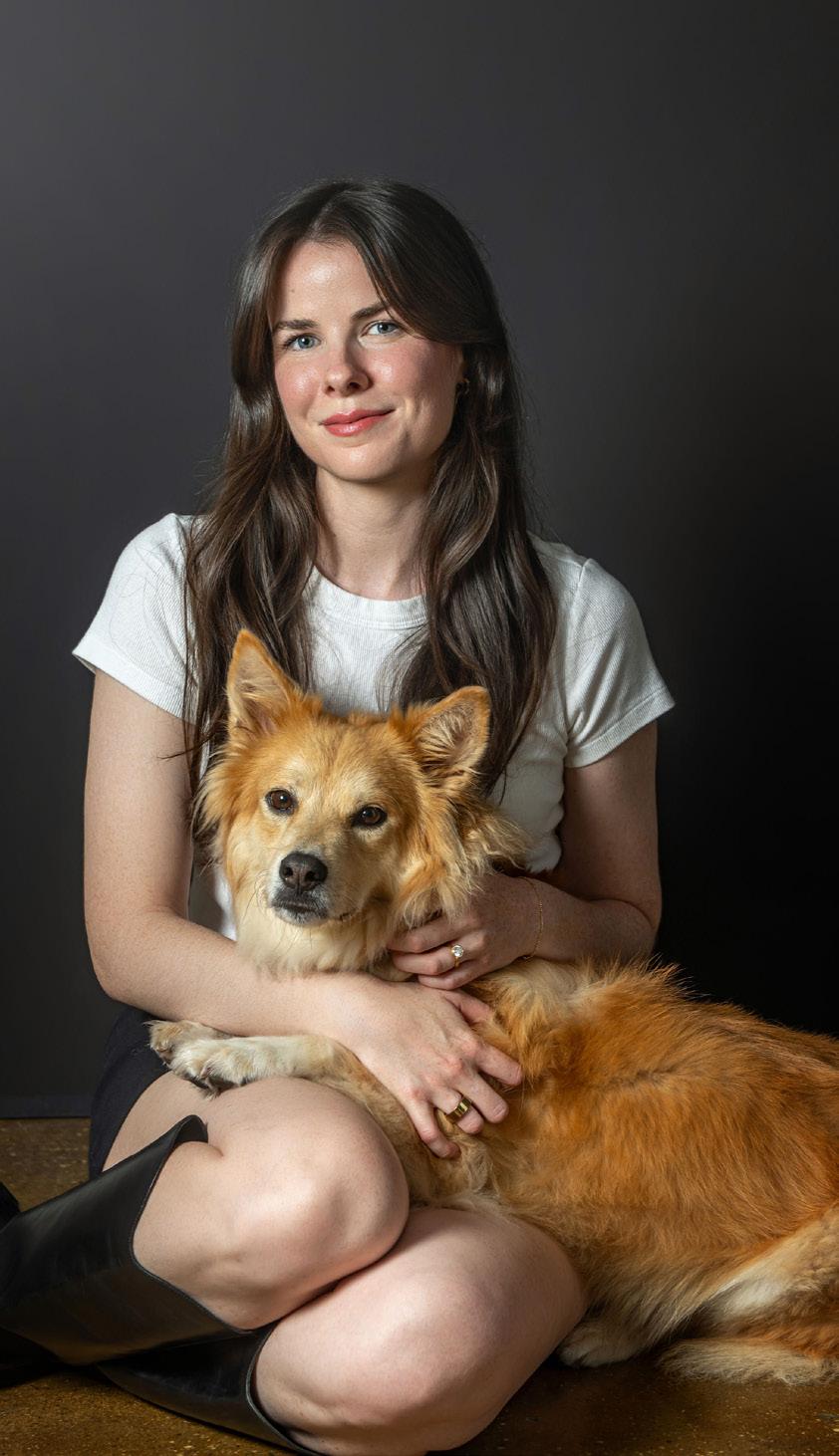
Isabel Klee, whose @simonsits Instagram and TikTok accounts showcase her journey with fostering, shares her tips for others looking to foster or adopt.
What inspired you to start fostering dogs?
I came out of the womb obsessed with dogs. I begged my parents for a dog, and they got me my childhood dog and best friend, Ruby, who completely changed my life. When I went to college, I missed that companionship, so I started volunteering at a local shelter.
You gravitate towards dogs that can be seen as a little challenging. Why is that?
When I adopted Simon, he had a lot of health problems. It was something that I wasn’t expecting, and I felt so overwhelmed by it. However, through my experience with him, I realized that it’s not as scary as I thought it would be, and adopting him only changed my life for the better.
What are some of the biggest challenges you’ve faced as a foster dog parent?
The obvious and sometimes hardest challenge is when you fall in love with a foster dog and have to give it up. Even though you’re doing the right thing by having the dog get adopted, it doesn’t stop that heartbreak from coming, and it doesn’t stop those feelings from happening.
What advice do you have for someone choosing between adopting and fostering?
If you’re curious about adopting, I always recommend fostering first. Fostering is a great way to determine if you’re ready for a dog without the full responsibility. Plus, if you foster a dog and fall in love with them, you typically get first choice on adoption.
Adding a pet to your family through adoption saves a life, brings joy, and opens space for another in need.
The holidays are a season of full hearts and joy as we gather together with those we love. However, for too many dogs and cats across the country, it’s just another day spent waiting in a shelter kennel. Every 90 seconds in the United States, a pet loses their life in a shelter simply because they don’t have a safe place to call home. It’s a heartbreaking fact, but it’s also a problem with a solution.
The good news is that about 7 million households in America will get a new dog or cat in the next year. If just 6% more of those families chose
to adopt instead of purchase, that tragic 90-second countdown would disappear. That’s how close we are to ensuring no pet spends another holiday — or any day — alone. That’s how close we are to making sure every pet leaves a shelter alive.
Making a difference this holiday
This holiday season, we have the chance to be a hero to a shelter pet. Adopting a pet isn’t just an act of kindness; it’s a gift of life. It’s wagging tails, purring companions, laughter, comfort, and love that multiplies with every day you share together.
So, while we’re celebrating love and generosity this time of year, let’s not forget the pets still waiting. Imagine if just a fraction of those 7 million new pet families this year chose adoption. Shelters would empty, and countless dogs and cats would discover what it means to finally be home.
This holiday season, let’s give the greatest gift of all — a family. Adopt, foster, or even share the story of a homeless pet on your social feed. Every action matters. Every life counts. Together, we can make this the last holiday season where any pet waits alone.

Walk down any grocery aisle and you’ll see it: snacks, drinks, bars, even boxes of macaroni and cheese loaded with protein, all promising wellness from the inside out. The human health movement has evolved — and now, it’s influencing how we care for our pets, too.
“Pet parents,” who make up nearly two-thirds of the U.S. population, have for generations focused on whether the bowl was full. Today, the question is a bit more nuanced: Is my pet thriving?
At Mars and its Waltham Petcare Science Institute, scientists have spent decades studying what helps dogs and cats live active, healthy lives. Four in five pet parents in the United States consider pet food to be the most important health and wellness product for their pets — showing that small, daily choices can make a meaningful difference in helping pets stay active and thrive as they age. So, what does everyday wellness look like, and what should pet parents watch for? Science highlights several key nutritional factors that can help support pets’ overall health:
1. Skin and coat health
A shiny coat isn’t just cosmetic — it reflects overall well-being. Dull fur, flaking, or itching can indicate a nutritional imbalance. Diets rich in essential omega-6 and -3 fatty, help support skin and coat health, keeping fur soft and healthy-looking. While the optimal omega 6:3 ratio contributes significantly to these benefits, our recipes deliver skin and coat health support across all products featuring essential omega-6 fatty acids.
2. Digestive well-being
Just like people, pets benefit from a balanced gut. Consistent stools and a regular appetite are signs of digestive health. Prebiotics help nourish beneficial gut bacteria and promote healthy digestion. Tools like IAMS Poopscan, a digital stool analyzer, give pet parents insight into
Photo courtesy of MARS
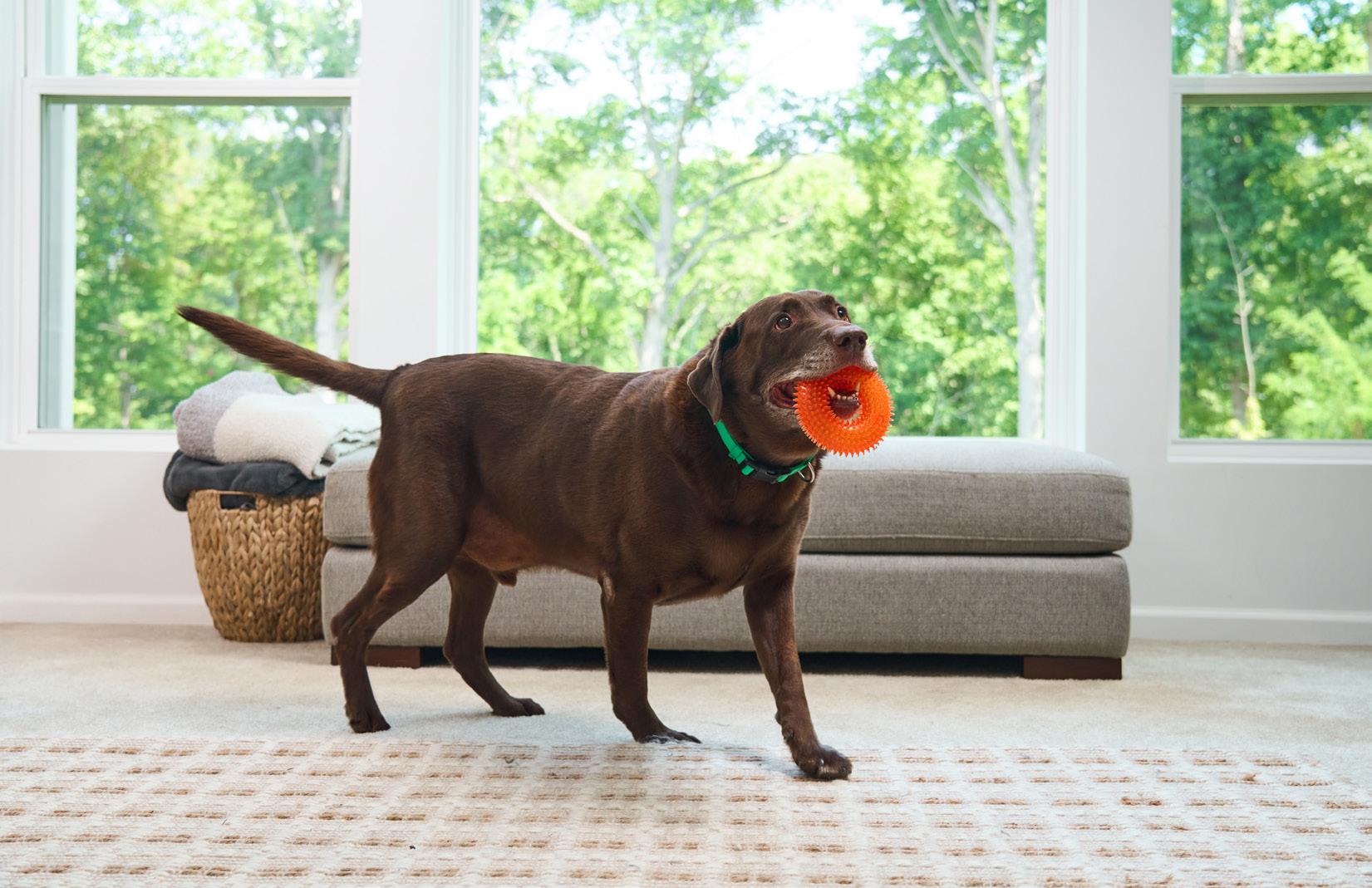
the visual indicators of their pets’ poop consistency — helping them know when to check in with their veterinarian.
3. Healthy activity levels
Muscle tone and strength are key to pets’ natural energy. When pets slow down, it can be a sign that their nutritional needs are changing. Nutrients such as L-carnitine, found in select recipes, help support metabolism and maintain lean muscle mass during weight loss, while natural sources of glucosamine and chondroitin help nourish healthy joints — so pets can stay active and playful.
4. Fuel for play
Active pets use a lot of energy. Pairing regular exercise with a diet that includes healthy grains and high-quality animal protein helps maintain energy and endurance, supporting a healthy, active lifestyle.
5. Immune support
A strong immune system helps protect pets from everyday challenges.
Nutrients like vitamins, minerals, and antioxidants help support a healthy immune system — and contribute to overall vitality throughout life.
Pet parents are increasingly shifting from reactive care to proactive nutrition, helping dogs and cats stay healthy at every age. This science-led approach has long guided the work at the IAMS brand, which has been dedicated to advancing pet nutrition for nearly 80 years.
Because well-being isn’t about adding years — it’s about making every moment count. By understanding the science behind nutrition and health, pet parents can take small, informed steps each day to help their companions live full, healthy lives.
Our pets give us their best years; they deserve the same from us.

To learn more about the science of pet wellness and how nutrition supports lifelong health, visit IAMS.com








































Whether your pet is an outdoorsy adventure-seeker or more of a cuddly couch potato, there are certain vaccines that your veterinarian is likely to recommend.
The American Animal Hospital Association’s vaccination guidelines are widely regarded as the most accurate and timely reference for vaccine recommendations.
By vaccinating our pets against preventable diseases, we create a safer, healthier world for everyone
Here’s what you need to know about vaccinating your pet, straight from the guidelines.
Core vaccines
While some vaccines are only essential for pets with certain lifestyles and risk factors, others are considered core, meaning every dog or cat should receive them.
For dogs, the following vaccines are considered core:
• Canine distemper virus (CDV)
• Canine adenovirus (CAV)
• Canine parvovirus (CPV)
• Leptospirosis
• Rabies
For cats, the core vaccines are:
• Feline herpesvirus-1 (FHV-1)
• Feline calicivirus (FCV)
• Feline panleukopenia (FPV)
• Rabies
• Feline leukemia (FeLV) for cats younger than 1 year old
Noncore vaccines
Noncore vaccines may be recommended based on your pet’s lifestyle, location, and other risk
factors, and could be just as essential as core vaccines for your pet. Your veterinarian can advise you on which noncore vaccines your pet may need, including:
For dogs:
• Lyme disease
• Bordetella
• Parainfluenza
• Canine influenza
For cats:
• Feline leukemia (FeLV) for cats older than one year
• Chlamydia felis
• Bordetella bronchiseptica
What to expect
You love your pet, and it’s understandable that you might have concerns about the risks of
Sponsored
vaccination, especially with all the misinformation around vaccines. If you have specific concerns, please discuss them with your veterinarian.
The bottom line is that vaccines have a high degree of proven safety with a low incidence of complications, and they can save your pet’s life! Working with your veterinarian to create a personalized health plan for your pet, including the right vaccines for their lifestyle, is the best way to ensure your pet remains healthy and happy.

Holiday sparkle, tasty treats, extra noise and guests can spell trouble for pets. Here’s how to celebrate safely without an emergency vet visit.
The sparkle of the holidays can tempt even the best-behaved pets into trouble. A few precautions can keep your celebrations merry and your veterinarian off speed dial.
Deck the halls, safely:
• Secure the tree: Cats see Christmas trees as climbing challenges. Anchor the tree and use shatterproof ornaments. Skip the tinsel because it can cause severe intestinal damage if swallowed.
• Choose pet-friendly plants: Poinsettias, mistletoe, and holly are toxic. Try rosemary or a Christmas cactus instead.
• Avoid open flames: Swap candles for flameless ones to prevent burns or fires.
• Store potpourri and scented oils: These can cause chemical burns or poisoning, especially for cats.
The holiday food “naughty” list:
• Chocolate (especially dark or baking)
• Turkey bones (especially cooked), skin, or fatty trimmings
• Alcohol or rum-soaked desserts
• Grapes, raisins, and currants
• Onions and garlic
• Xylitol (a common sugar replacement in baked goods, gum, and candy)
Ask guests not to feed your pets. Even well-meaning treats can lead to stomach upset and an unexpected vet visit. Instead, offer plain, cooked turkey (no bones), pumpkin (not pie filling), sweet potatoes, green beans, or their usual treats.
Plan, watch, and act fast: Give pets space to relax away from the guests and music.
Traveling? Before you go, know where emergency vet clinics are located. Boarding or hiring a sitter may be the safer option.
Recognize pet danger signs: vomiting, drooling, shaking, wobbling, lethargy or refusing food can signal poisoning or illness. Don’t wait! Call your veterinarian or Pet Poison Helpline at (855) 764-7661 immediately.
Get peace of mind this holiday: Starting 11/22/25 through 1/4/26 — get 50% off one pet emergency exam at Thrive Pet Healthcare!* Find a pet ER near you and mention code ER50 at check-in.



Brodie the Goldendoodle’s owner, Cliff Brush Jr., reveals the grooming, wellness habits, and adventures that make Brodie a happy, healthy dog.
What does a day in Brodie’s life look like?
Our days always depend on what we have going on, whether it’s an event, an adventure, or travel. On a normal day, Brodie and his mom, Luna, play in the yard first thing in the morning, then come in for breakfast. He’ll watch lizards and squirrels from the window while I edit, and later we’ll do something fun for a video, like a bike ride or food challenge. Before dinner, I brush him out and then take him on a long walk. At night, he curls up next to me in bed to end the day.
As an avid traveler, what advice do you have for pet parents who are traveling around the holidays?
The biggest thing is to plan ahead, but stay flexible. I try to keep Brodie’s routine as close to normal as possible when we travel, especially his feeding schedule, and I try not to rush the trip. Let your dog enjoy it, too, because those little stops along the way usually end up being the best memories.
With winter festivities upon us, the ASPCA® has key reminders for pet owners during the holiday season.
If it’s too cold for you, it’s probably too cold for your pet! During inclement weather, keep your pets inside, and consider giving shorthaired or smaller dogs a coat and booties to wear during walks. After each walk, make sure to towel-dry your pet and clean their paws and stomach.
If you’ll be hitting the road for the holidays, ensure your pet is microchipped and wears a collar and tag with your name and phone number. In the car, keep your pets secure in a well-ventilated crate or carrier. The crate should be large enough for your pet to stand, sit, lie down, and turn around in. If you decide to forgo the crate, don't allow your pet
to ride with their head outside the window, and always keep them in a harness attached to a seat buckle.
If there are other dogs at your final destination, be sure to introduce the dogs on neutral territory first, like outside on a walk. Always feed them in separate rooms, and avoid giving chew toys or other high-value treats when they are together.
Be sure to place any alcoholic drinks where pets cannot get to them. Alcohol, in addition to fatty, sweet, and spicy foods, as well as turkey and chicken bones, can all be dangerous to our pets. While a small piece of boneless turkey is a fine treat, be mindful of foods with toxic spices or ingredients.
Be cautious of pets around decorations, including tinsel, mistletoe, holly, poinsettias, and Christmas tree water. These can all pose dangers — mainly gastrointestinal — to our beloved pets.
Big gatherings can be scary and stressful for some pets. If so, set your cat or dog up away from the chaos. Give your pup a frozen toy filled with something delicious. It will keep them busy and mentally stimulated, which can soothe energetic pets and those who are anxious around crowds of people.
Written by The American Society for the Prevention of Cruelty to Animals (ASPCA)
Anyone who owns a cat knows how particular they can be about their litter boxes — and Catit Go Natural! Cat Litter just might be the answer.
Designed with the cat, human, and environment in mind, Catit Go Natural! Cat Litter will make everyone happy.
“It is important that a litter meets a cat’s needs and the owner’s expectations,” said Sandra Grossmann, Catit nutritionist and cat behaviorist. “Catit Go Natural! is finally a litter that both cat and cat parent love.”
Catit’s pellets are changing the litter game Not only will this litter get your cat purring, it’s all-natural, too. The pellets are made from natural materials and are derived from recycled pea husks. That means Catit Go Natural! is sustainable and better for the environment.
The pellets are 99% dust-free so your cat won’t kick up dust while doing their business. Plus, it’s low tracking so the pellets won’t stick to your cat’s paws or be found around the house.
The litter can also absorb 300% of its weight and locks in moisture, so cleanup is a breeze.
If you’re tired of dusty, loose clumping cat litter tracking through your house and want a more sustainable solution, then grab Catit Go Natural!
Written by Frank James

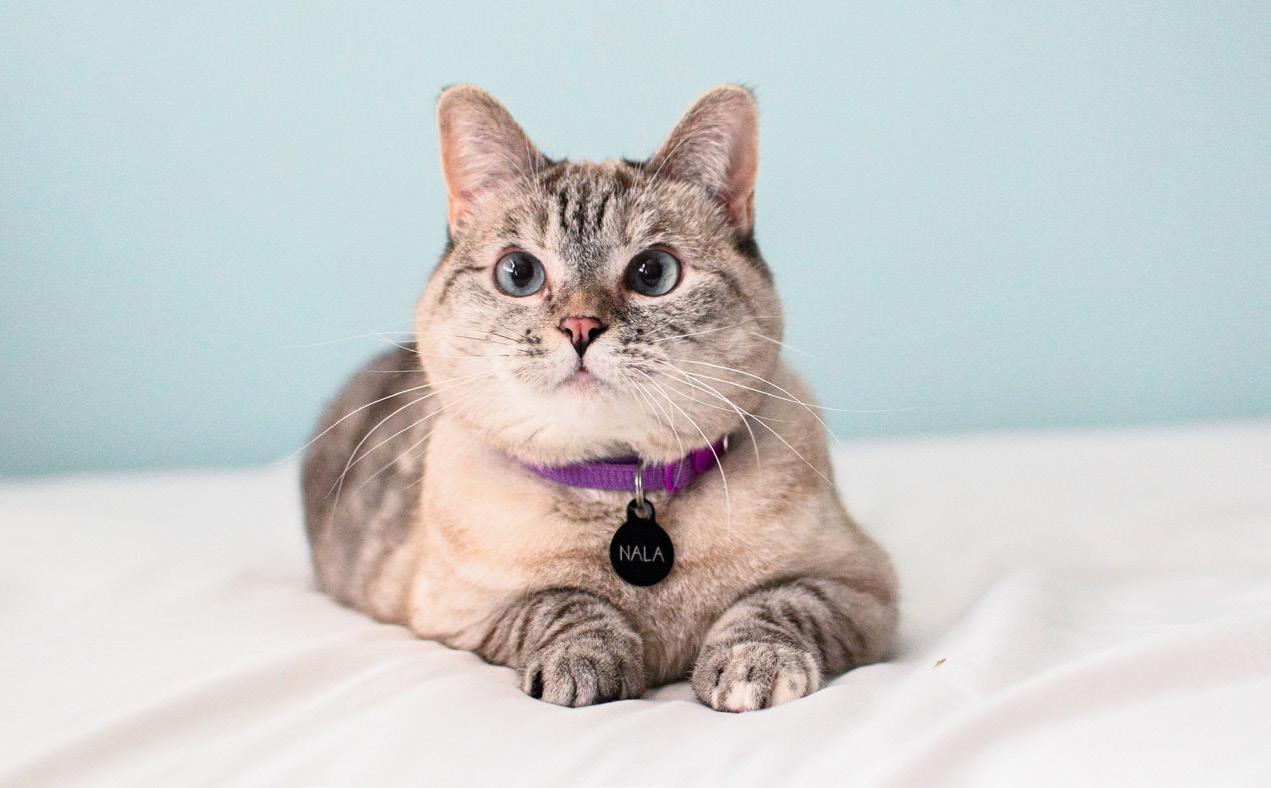
Pookie Varisiri shares how adopting Nala inspired a passion for cat wellness, from nutritious meals to bonding routines that keep Nala happy.
Nala started her life in the shelter. What made you decide to adopt a cat from the shelter instead of purchasing one?
I’ve always believed that every animal deserves a chance at a loving home. When I met Nala at the shelter, she reached her little paw out to me, and that was it. She chose me. There are so many amazing cats in shelters, and adopting felt like the right thing to do. Nala changed my life, and she’s the reason I’m so passionate about giving other cats the best care through Love, Nala.

What are some early signs to look out for when it comes to cat health?
Cats hide things well, so even small changes
matter. I look out for shifts in appetite, energy level, litter box habits, and their coat or skin. If something feels off for more than a day or two, I check in with the vet. Early action goes a long way in keeping them healthy.
What food routine do you use to keep Nala healthy?
Hydration and quality ingredients are everything! Nala eats mostly high-quality wet food with real animal protein and clean ingredients. I also rotate flavors and textures to keep her excited for mealtime. This philosophy is what inspired Love, Nala — to create cat food that’s healthy, simple, and made with love.
Do you have any grooming tips for cat owners who have cats who might be resistant to routine maintenance?
Start small and make it positive! Short sessions, treats, and doing it when your cat is relaxed really help. Some cats prefer grooming gloves over brushes, so it’s all about finding what works for them and making it a bonding moment, not a chore.
What is the most important daily habit you have for keeping Nala at her happiest?
Quality time, undivided attention, cuddles, playtime, and brushing make such a difference. Cats just want to feel safe, loved, and connected.
For many families, the holiday season can feel like the perfect moment to welcome a new furry friend. It’s also a commitment for that pet’s lifetime, so it’s essential to be prepared.
American Humane Society is proud to share expert guidance to help families create a safe, nurturing, and healthy environment for every new pet.
• Pick out a veterinarian ahead of time and schedule a visit within the first few days following the adoption.
• Make sure your pet can be easily identified if they ever get lost. Microchipping is a simple, safe procedure that provides permanent identification linked to your contact information.
• Pet-proof your home. Research the house plants and flowers that may be poisonous to your pet, and be cautious when bringing your pet around decorations.
• Budget for the short- and long-term costs of a new pet, such as veterinary care, food, pet sitters, and more.
• Stock up on supplies before the new family member arrives. Your new pet will need a collar, food and water bowls, species-specific food, a brush for grooming, a toothbrush, and nail clippers. A cat will also need a scratching post, litter box,
Sponsored
and cat litter. A dog will need dog toys, a leash, and dog shampoo.
• As your new furry friend adapts to this unfamiliar environment, make sure you show them around, play with them, pet them, and give them a whole lot of love.
• If you’re considering giving a pet as a gift, make sure the recipient is an active participant in the adoption process.
By preparing your home with care and committing to your pet’s well-being, you’re investing in a bond that will transform both your lives.
Younger pet owners are taking wellness beyond the vet’s office — and good gut health is increasingly the focus. Not just for humans, research shows our pets need it, too.
Millennial and Gen Z pet owners are creating daily routines for their cats and dogs: tailored meals, smart feeders, and functional treats and supplements formulated with gut-focused probiotics to keep digestion, immunity, and overall health thriving.
The shift is practical and heartfelt. With veterinary costs on the rise, pet parents want to stay ahead of health issues while helping their furry friends live longer, happier lives. Pets are family, and how owners can take proactive care for them now mirrors how they care for themselves, prioritizing a gut-first mindset.
Science is on their side, too. Probiotics in pet foods do more than
just aid digestion — they help maintain a strong gut barrier, boost immunity, and make sure nutrients get where they’re needed. Researchers now see the gut as the control center for pets’ top-to-tail well-being, supporting digestion, immunity, and even behavior. Daily nutrition and consistent routines are the key to keeping that balance.
The gut-first approach is picking up pace. Ninety-five percent of pet owners consider their pets family, and many are bringing the same wellness thinking — and products — to their pets that they apply to themselves. Products carefully blending pre-, pro-, and postbiotics for animal needs are gaining traction because they turn well-being
into a simple, daily ritual rather than a reactive fix.
Brands are taking notice, like WellJoy’s new-to-market dual-benefit formula with GutBoost™ innovation, designed to support gut health while boosting joints, coat condition, immunity, and other common pet needs. For Millennials and Gen Z, gut-first care isn’t just science — it’s shared self-care, a daily ritual, and a recipe for longer, happier lives with the pets we adore.

To learn more about WellJoy™ dual-benefit treats and supplements, scan the QR code:


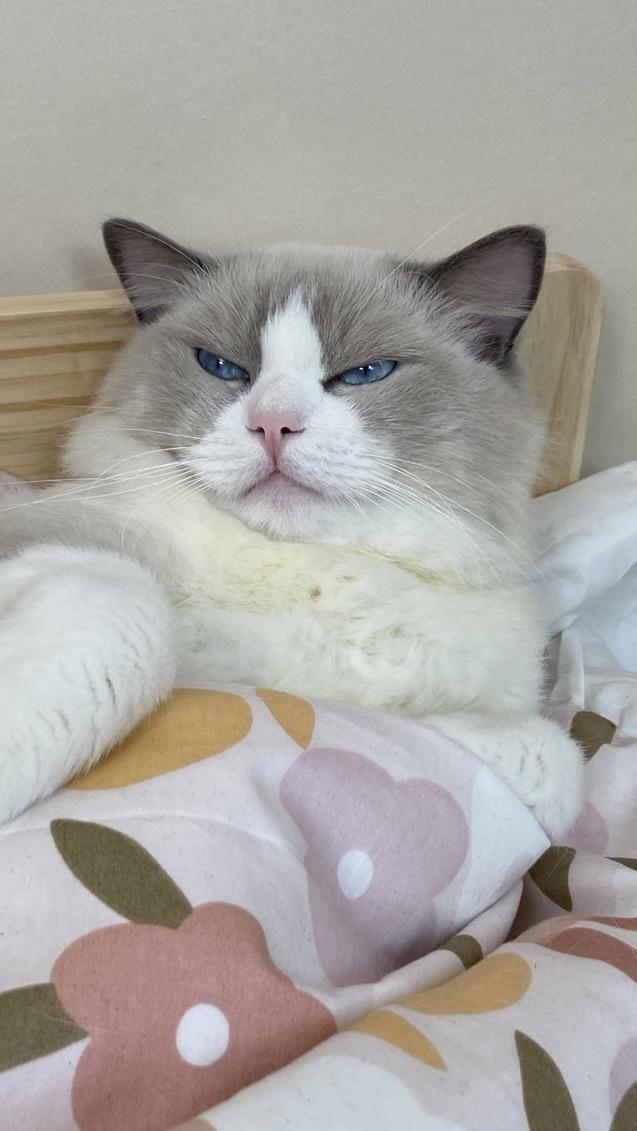
The owner of YouTube-famous cat Puff, Lynch Zhang, shares insight into Puff’s day-to-day life and how they navigate the holidays.
What does a typical day in the life of Puff look like?
He usually starts his day with a big stretch and some cuddles before breakfast. After that, he’ll play a little, nap a little, and then join me while I am working. Puff loves being part of the action, and even when he’s not “cooking,” he’s usually supervising nearby. By the evening, he’s ready to curl up and snuggle in for the night.
Puff loves to cook. Does he have a special diet or favorite foods to keep him
healthy and energized? Even though he makes all sorts of dishes online, Puff sticks to a healthy diet that our vet has approved. Eggs are his absolute favorite treat. They’re not only delicious to him but also great for keeping his coat shiny and giving him the energy he needs to keep up with his playful personality.
The holidays are coming up. What is the most useful product you’ve invested in for Puff?
An automatic litterbox has been
Sponsored
Get the scoop on why natural, sustainable litters offer a safe, clean, and eco-friendly alternative for your home and your cat.
The litter box is one of the most important parts of your cat’s home environment. Think about it — it’s a space they use every single day and rely on to do some of their most important business.
But when’s the last time you really dug into what your cat’s litter is made of?
While litters made of clay and crystals may appear natural, it’s important to look deeper at how each one is produced — especially where the litter is sourced.
For instance, is clay litter really natural if it’s made from material that is strip-mined and drilled
from the earth? You can be the judge of that.
Today’s health-conscious pet owners are catching on to this clay conundrum and are turning instead to litter choices that are natural, safe, and sustainable.
As the No. 1-selling natural and sustainable cat litter, World’s Best Cat Litter® is made from U.S.-grown whole-kernel corn — a renewable ingredient that’s gentler on the planet and safe for your home.
Even better, there are no harmful chemicals, zero artificial perfumes, and absolutely no clay dust. You can even flush it down the toilet after scooping,
because it’s proven flushable and septic safe.
Lastly, as if pet owners needed another reason to say “see ya” to clay, only World’s Best Cat Litter® offers long-lasting performance — our super-absorbent granules allow you to absorb more using less litter.
And that performance translates to nearly twice that of clay litter, meaning fewer trips to the store and more value in every scoop.

WRITTEN BY Jean Broders Director of Marketing,
a game-changer. With guests coming and schedules getting hectic, it takes one more task off my plate and keeps Puff’s space clean and stress-free.
What advice do you have about keeping the holidays stress-free for pets?
Try to keep their daily routines as consistent as possible. Pets feel more secure when they know what to expect. It also helps to create a quiet space for them to retreat to if things get overwhelming with guests or holiday activities.
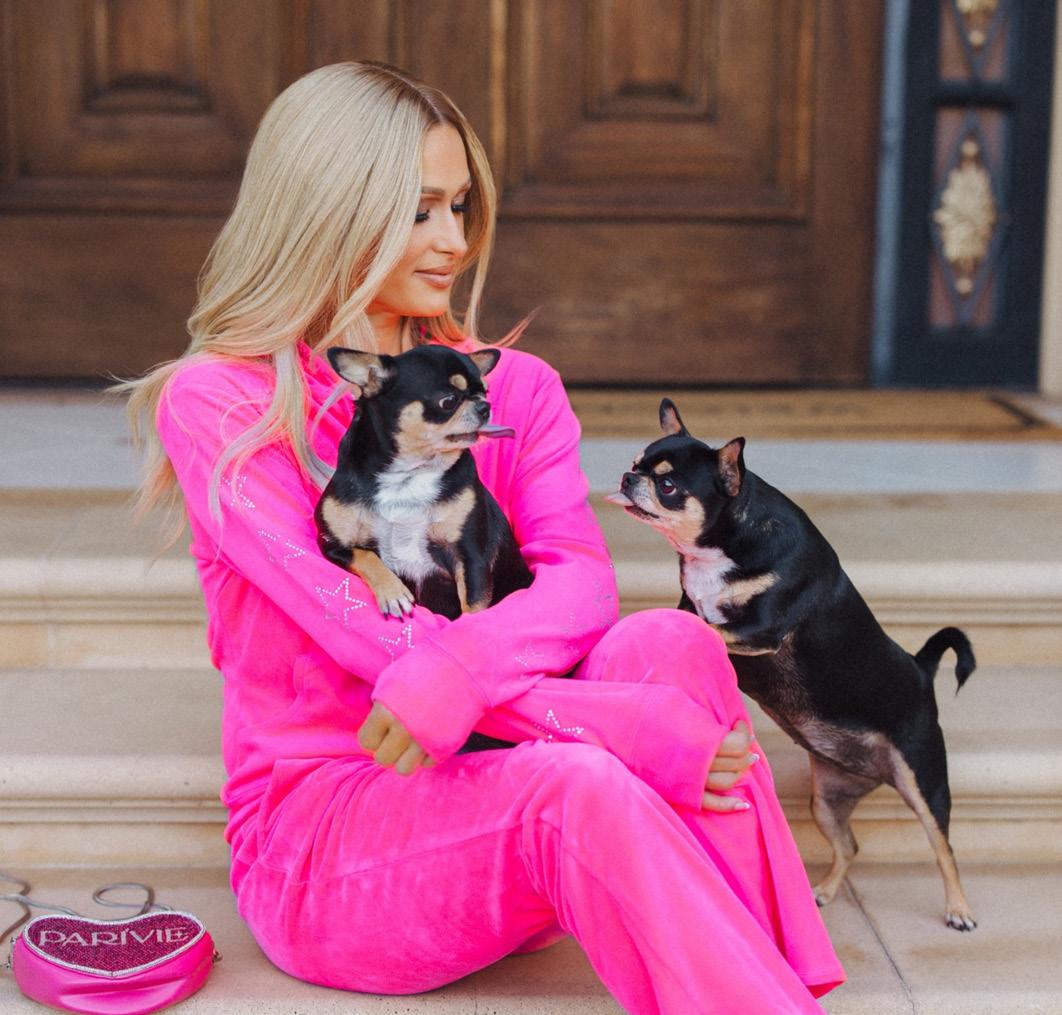
Entrepreneur Paris Hilton talks about her new animated series and how pets inspire kids to dream big, stay kind, and celebrate their sparkle.
What inspired you to create your animated kids’ show, “Paris & Pups”?
I’ve always had such a deep love for animals, and my pets have been my family through every stage of my life. Now, being a mom myself, I wanted to create something that captures those magical memories and celebrates the bond we share with our pets. “Paris & Pups” is all about that connection. It’s sweet, playful, and of course, full of sparkle. It’s about kindness, imagination, and sparkle, but it’s also about showing kids that pets aren’t just cute; they’re teachers and friends who help us learn patience, empathy, and joy. I wanted to give my kids, and kids everywhere, positive and fun stories that reflect those values in a world that feels
whimsical, full of heart, and “glitterally glamazing” (as Star would say!).
How have your pets shaped your life personally, especially as someone who is always in the spotlight?
Animals have pure hearts. They’re full of love and loyalty. They’ve always brightened my day without even trying. They don’t care who you are or what you do; they just want love and connection. To me, that energy is healing and brings me so much happiness.
What advice do you have for pet parents who are looking to strike a balance between pampering their pets and keeping them healthy?
My pets are my family; they

deserve the best. I pamper my pets by using the best products for them. I actually created my own pet clothing line (METAPINK), pet food (Pamper Like Paris), and pet grooming products (Kira Labs). They all use the highest quality ingredients. I also built them their own “sliving,” two-story doggy mansion!
How do you incorporate your own wellness routines into keeping your pets healthy, whether it be nutrition, exercise, or even mental health?
I treat my pets like my family. When I think about caring for my own skin, I also think about caring for my pet’s fur. When I go for a walk and spend time outside, we do so as a family. It keeps us connected and healthy.
What do you hope younger children take away from “Paris & Pups,” especially pertaining to pets?
My biggest hope is that kids walk away inspired by the magical bond we share with our pets. Animals bring so much love and comfort, but they also teach us about responsibility, teamwork, and celebrating who we are. Through Star and her pups, I want kids to know it’s okay to be themselves, to dream big, and to get creative when facing challenges. Whether it’s problem-solving together, learning to “calmcentrate” like Baby, or celebrating little wins with a “puppy charm,” the show is all about embracing your sparkle — or your Starkle! — while appreciating everything our pets bring into our lives.

Chris Lindamood, who shares his adventures with dog Nala online, discusses his pet-friendly travel tips.
What are some key things you keep in your travel bag for Nala?
I always keep a first aid kit with me. There are specific ones made for dogs, with instructions for how to treat common dog injuries. I also bring extra dog food just in case anything ever happens.
How do you maintain Nala’s health while adventuring?
The most important advice I can share is to feed your dog the highest quality food you can afford. With how active Nala is, I also started her on a joint supplement pretty early in her life.
Sponsored
What’s your advice for people who want to explore the world with their pets?
Do your research beforehand so you know what your dog can and can’t do, and have a plan before you go. I always make sure that Nala is able to do everything with me so that the time that she has to spend alone is limited. Traveling with your dog and giving them new experiences is such a beautiful thing to be able to do. Their lives are short; bring them with you if you can.
An award-winning luxury dog hotel offers a resort-style experience, combining comfort with recreational fun.
Traveling for the holidays can be stressful. From transportation hassles to dealing with unruly crowds, there are countless things to worry about. Your beloved pet, however, shouldn’t be one of them.
K9 Resorts Luxury Pet Hotel is designed for pet parents who want to ensure their four-legged loved ones receive the best care possible while they’re away.
“When we started K9 Resorts over 20 years ago, we wondered why there were high-end hotels for humans but not for their beloved pets,” said K9 Resorts Co-CEO Steven Parker, who co-founded the company with his brother, Jason. “We ended up creating a whole new category, luxury pet care, with a facility and experience like none other. Our
clients take a lot of comfort knowing their furry family member is healthy, happy, and loved when they are under our care.”
K9 Resorts caters to your pet’s every need, including group activities or private playtime throughout the day, depending on your dog’s comfort level with other dogs. Of note, they offer fun socialization and mental stimulation through their new enrichment programming, K9 Playtime Activity Series. For an example of this feature in action, check out their latest “Winter Wonderland” program, which is happening in January and February.
Helping your dog relax
For a first-time booking with K9 Resorts (or any pet daycare or boarding place), consider a pre-boarding visit.
According to a survey by Talker Research, roughly 40% of dog owners “constantly” worry about their pet’s well-being while traveling. Knowing your pet is in good hands helps you enjoy your getaway and look forward to picking up your precious cargo upon your return. This is why turning to a trusted organization like K9 Resorts is critical for dog owners while traveling during the holidays or any time of year.
Written by Cindy Riley

Receive a free day of daycare and learn more about Winter Wonderland by scanning the QR Code.
(Terms & conditions apply.)

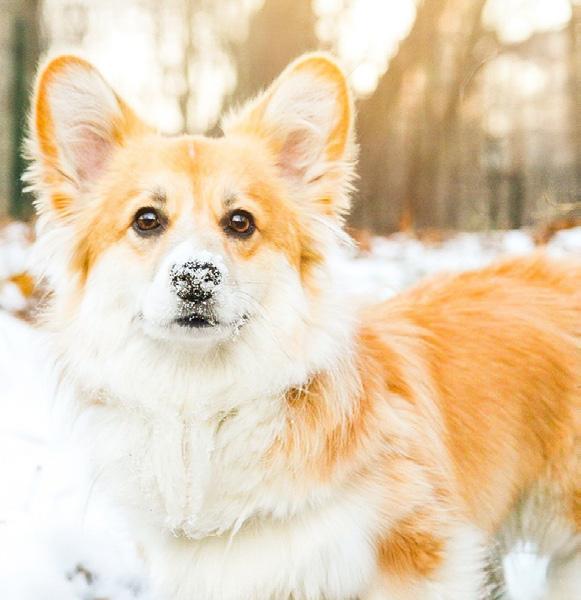
Courtney Budzyn shares how proper diet, fun activities, and daily care keep Tucker healthy, happy, and thriving.
What are some of the top ingredients that you look for when selecting Tucker’s food?
Meat. If the first ingredient on a pet’s food label isn’t meat, it’s more than likely not a good option for them. I personally look for high-quality animal protein and just a small amount of added vegetables for extra nutrients. Tucker does really well on a raw diet, as it’s packed to the brim with beneficial nutrients, but I also love gently cooked meals that focus on speciesappropriate ingredients.
What role do physical activity and exercise play in keeping Tucker healthy?
Even though Tucker loves a good couch potato session, staying active is what keeps him young. His favorite activities are swimming and jogging alongside
my husband while he rollerblades. It lets him move at his own pace and really get his energy out. We also love heading to the nearby forest for off-leash hikes, where he can sniff, explore, and on occasion, take a mud puddle bath.
Does Tucker have any enrichment activities to keep him mentally stimulated?
Absolutely! Tucker’s sniffaris in the forest are by far his favorite form of mental stimulation. All that sniffing wears a dog out fast. But on days we can’t make it out there, we bring the fun indoors with lick mats filled with frozen goodies like yogurt, pumpkin, and a few beef liver treats smashed in. We also love playing hide and seek with treats around the house. It gets his nose and brain working overtime,
and he has the best time finding each one. I highly recommend having a drool towel handy for that one.
How has your life changed since getting Tucker?
I’d probably need a thousand-page book to fully answer that question. I truly believe anyone who’s found their heart dog would say the same thing. Tucker has changed not only my world on the outside, but my world on the inside. Without words, he has taught me how to be myself unapologetically and has given me the courage to do so. He has held my hand through chronic illness for the past 6 years, giving me the strength I needed to continue to fight for my own health. I honestly owe this dog my life, because he truly has saved mine.
Maxine’s owner, Bryan Reisberg, shares how life with Maxine has inspired smarter pet wellness.
What does a typical day in Maxine’s life look like?
Most days, Maxine’s with us at the Little Chonk office. She’s the boss: snacks, naps, and quality control. She’s also the daily reminder of why we’re breaking our backs to make the pet health space better for every dog out there.
How do you keep Maxine feeling her best?
My No. 1 job, besides running Little Chonk, is keeping Maxine in top shape. She’s had arthritis since she was four, so I basically moonlight as her personal trainer, nutritionist, and chauffeur.
What do you think is the most important thing to remember as a pet parent?
Your dog doesn’t know how long they’re here for, but you do. They only know today, so it’s on us to make those todays as good as possible. That means more than just love and belly rubs; it means paying attention to their health, because that’s what gives you more good days together.
