

“Some patients come in and think that more surgery is better treatment. That’s really not the case most of the time.”
“Dense breasts increase the risk for breast cancer and make it harder to see cancer on a mammogram.”

This year, more than 319,000 people in the United States will be diagnosed with breast cancer, and nearly 43,000 will die. Every two minutes, a woman is told she has breast cancer. Every 12 minutes, one loses her life. Far too many of those deaths could be prevented.
Despite decades of medical progress, troubling trends demand our attention. Rates of breast cancer are rising among women under 50, even as screening guidelines typically don’t begin until age 40. Younger patients are more likely to face late-stage diagnoses, aggressive treatment, and devastating financial strain. The burden is even greater for women of color
and those in under-resourced communities. Black women, for example, remain 40% more likely to die of breast cancer than white women.
Yet even today, after everything we’ve learned, about 50% of women aren’t getting their yearly mammograms. Too many delay screening because of fear, cost, or simply not knowing their risk. With sweeping policy changes threatening to cut off access to lifesaving care for millions, these gaps will only widen. The result? More late diagnoses, preventable deaths, and setbacks that could erase decades of progress.
The path forward
We cannot allow that to happen.
Despite decades of medical progress, troubling trends demand our attention. Rates of breast cancer are rising among women under 50, even as screening guidelines typically don’t begin until age
We know what saves lives: timely, high-quality screening and care for every woman, regardless of age, race, or income. We know that patient navigation — connecting people with guidance, resources, and support — improves survival and quality of life. We know that groundbreaking research has already proven that many women can safely avoid chemotherapy, sparing them harsh side effects while living longer, healthier lives.
But we also know, for women with metastatic breast cancer (MBC) — when the disease has spread beyond the breast — there is still no cure. The majority of those 43,000 breast cancer deaths are caused by MBC. We desperately need continued, focused research to turn MBC from a terminal diagnosis into a treatable condition.
The path forward is clear: protect and expand access to care, invest in research that answers why breast cancer is rising in younger women, and ensure that every woman has the chance to catch this disease early, when survival is most likely.
Breast cancer moves fast, but together, we can move faster. Lives depend on it.


Breast cancer comes with many variables. A pair of powerful genomic tests can help women and their care teams make personalized care decisions.
For the more than 300,000 women diagnosed with breast cancer each year, one of the biggest challenges is uncertainty around treatment options. Treatment isn’t one-size-fits-all and often comes with steep costs in terms of side effects and deteriorating quality of life. Knowing what will work best for a specific patient requires accurate, personalized information about whether a cancer is likely to return after surgery and what treatments may be effective.
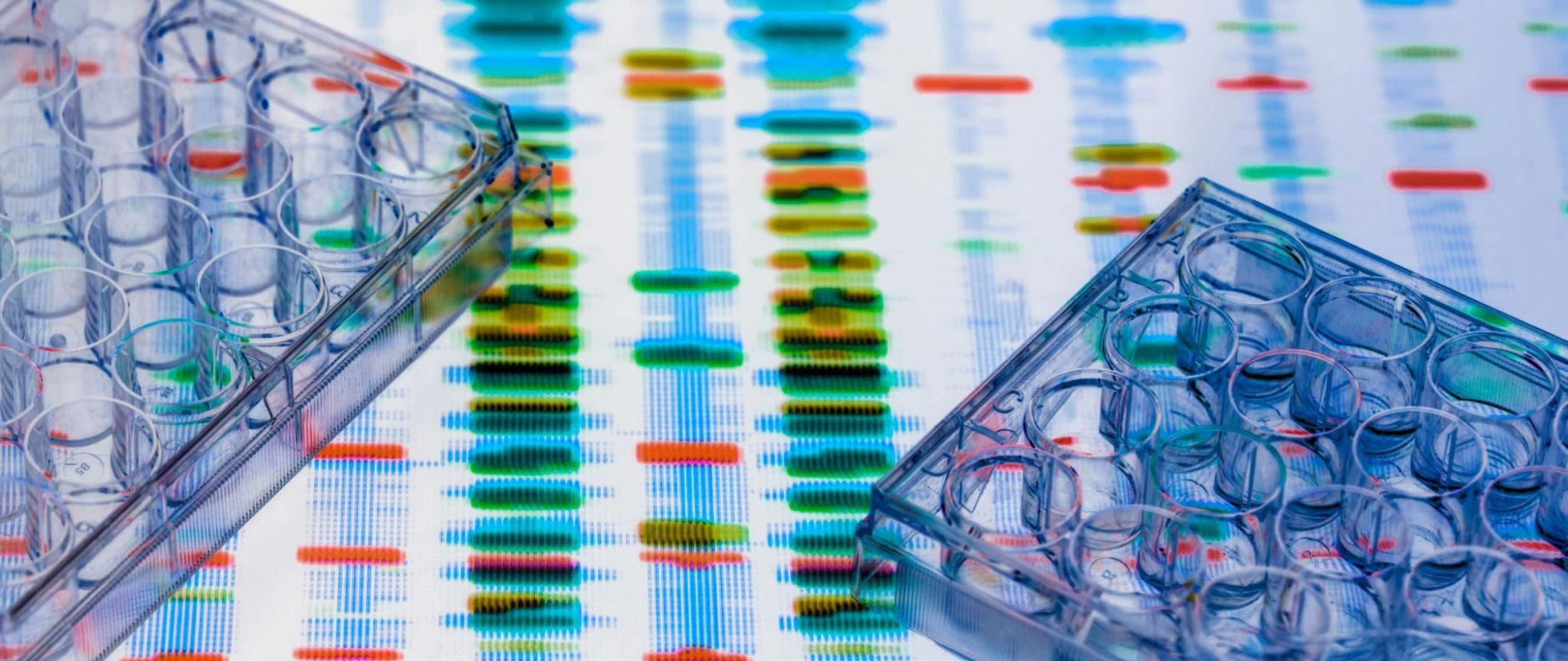
Breast cancer genomic testing, which examines gene activity inside a tumor, can provide that information by going beyond traditional clinical features to reveal underlying tumor biology. For instance, a precision oncology company, Agendia, offers two genomic tests for early breast cancer: MammaPrint® examines 70 genes to assess whether a cancer is likely to come back after surgery, and BluePrint® analyzes 80 genes to determine what biological pathways are driving the cancer to grow.
Illuminating pathways to better breast cancer care
Initially, genomic testing was developed to help clinicians determine whether patients who have hormone-driven breast cancer would benefit from chemotherapy. Now, through an
accumulation of clinical evidence, we know that a tumor’s intrinsic biology can answer many questions over the course of diagnosis, treatment, and follow-up.
“It [early genomic tests] really only answered one question,” said Jaime Alberty, M.D., FACS, director of breast surgery, Comprehensive Breast Center, Kings County Hospital in New York. “Is a patient going to respond to chemotherapy or not? Now we can have a more nuanced discussion of how the tumor’s intrinsic biology helps guide patient care.”
For instance, information on what is driving a tumor’s growth can help clinicians identify which treatments will be most effective. This is crucial to ensuring that patients have the best possible chance of recovery.
As an example, many breast cancers grow in response to hormones and can be treated with hormone therapy. Others do not — requiring different interventions to prevent recurrence after surgery. Genomic testing, like BluePrint, can help clinicians identify patients whose cancer type is not hormone-driven, and ensure they receive the treatment best suited to their type of breast cancer.
Meanwhile, information on whether a cancer is likely to return after surgery can help clinicians better tailor the intensity of a
treatment approach to the patient’s needs. For many women, hormone therapy effectively lowers the risk that breast cancer will come back, but it comes with challenging side effects. By identifying patients’ MammaPrint Risk Group, genomic testing can aid clinicians in determining who can safely avoid a full five years of hormone therapy, which is the current standard for care.
“When a patient is having a tough time with endocrine therapy, the test allows us to tell them, ‘Your tumor’s data tells us it’s OK to stop,’” Dr. Alberty explained.
To be an optimally useful tool, genomic testing must be comprehensive across breast cancer types and patient populations. When it is, the tests are game-changing. “We are trying to understand how a tumor behaves intrinsically,” Dr. Alberty said, “to treat people individually.”
Written by Jeff Somers
For more information on how MammaPrint and BluePrint can help personalize and improve breast cancer treatment outcomes, visit agendia.com

Breast cancer treatment is evolving, with genomic testing and collaborative care allowing therapies to be tailored to each patient’s unique tumor. Michael Berry, M.D., president of the American Society of Breast Surgeons, weighed in on how these innovations are helping to deliver more personalized care.
How would you define personalized care in breast surgery?
Historically, breast cancer has been treated as one entity. As time has gone on, we’ve realized that you can target certain therapies or even omit certain therapies based on the actual tumor that the patient has. So, instead of generally treating breast cancer, we’re now focused on treating the subtype of breast cancer, and there are ways of determining subtype that are modern, using genomic tests and molecular tests that can help us identify how these tumors are going to respond.
Which emerging technologies are making the biggest difference in that personalized approach?
Currently, the ones that are the most impactful are genomic and molecular studies that look
beyond what our traditional estrogen receptors or HER2 receptors will show us. They indicate how these cancers are predicted to respond to therapy and how aggressive they are. These studies are utilized in a large number of our patients every single day.
What strategies have you found most effective in empowering patients to actively participate in decisions about their breast health and treatment options?
The patient really needs to familiarize themselves with the basics of their cancer type and the generalities of how it is treated, and then ask questions. If they’re not getting responses that show their physician is aware of different treatment choices for their specific tumor type, they often need to find another physician or get a second opinion.
Looking ahead, what developments or innovations are you most excited about that could further advance personalized, patientcentered care in breast cancer treatment?
For our less aggressive cancers, there are office-based procedures that allow treatment with cryoablation that will make an operation unnecessary. What may be the most exciting are current studies of our most aggressive cancers. The patient is given chemotherapy first, and if there is no evidence of cancer by imaging and biopsy following chemotherapy, they may never have to step foot in the operating room. We’re not there yet, but these studies are showing great promise.
Some patients believe more surgery is better. How do you address that?
Most of the time, more surgery is
not necessarily better treatment. We’ll see patients who want both breasts removed. That is historical thinking. There are sometimes reasons to do a whole breast removal. However, more surgery does not equal more cure, and we’ve known that for years.
People will come in and say, “My mother had this,” and we’ll say, “You’re not your mother.” Your situation is different. Maybe that was appropriate for them, but that doesn’t mean it’s appropriate for you. That gets to the heart of personalized care. We want to treat your cancer in you, at this time in your life, with the current therapies we have available. That’s where we want to go with personalized care.


More people today are beating breast cancer, but surviving is no longer the finish line; thriving is.
Healing means reclaiming a sense of wholeness. For many women, breast reconstruction can play a vital role in regaining that well-being. It is not a cosmetic procedure, but restores the body, as much as possible, to its pre-cancer state.
“Partnership between breast surgeons and plastic surgeons, with the patient at the center of decision-making, is important to ensure patients considering reconstruction understand all their options,” said Dr. Judy Boughey, a breast surgical oncologist at Mayo Clinic Rochester and past-president of the American Society of Breast Surgeons.
Early consultation is critical The best results happen when breast and plastic surgeons are part of the care team from the beginning. A breast surgeon will discuss removal of the tumor, breast surgery, and lymph node surgery, and initiate a discussion regarding options for reconstruction. Breast surgeons should discuss the option of reconstruction with all patients planning a mastectomy. Then, for patients interested in reconstruction, refer to a plastic surgeon who will then ensure reconstruction is integrated into the overall treatment plan. This collaboration gives patients the most options from the outset.
“The important interplay between
quality of life and cancer safety is part of what makes breast care so unique,” said Dr. Geoffroy Sisk, a member of the American Society of Plastic Surgeons and faculty member at Duke University. “Ultimately, the best outcomes and the most patient-centered care are achieved through collaborative partnerships between breast surgical oncologists and plastic surgeons who understand and value the importance of each other’s roles.”
More options, better outcomes
A discussion with your care team is the best way to learn about your options, because there is no standard breast reconstruction. Patients face several decisions. First is choosing either breast-conserving surgery (lumpectomy) or removal of the whole breast (mastectomy). Another is removing one breast or both. Then there is the question of reconstruction. Options include implant-based, flap (using the patient’s own tissue), or tissue rearrangement procedures. Yet, not all patients will choose reconstruction. Aesthetic flat closure refers to mastectomy without preserving skin for reconstruction and involves removing redundant skin with flat closure.
“Every person facing breast cancer deserves the chance to not only survive but to feel complete in their own body,”
said Dr. Michael P. Berry, president of the American Society of Breast Surgeons and breast surgical oncologist at West Cancer Institute. “Reconstruction is a vital part of the recovery process, and understanding all surgical options empowers patients to move forward with confidence and hope.”
Two surgeons, one team Breast surgeons and plastic surgeons help patients make the best decisions that align with their goals.
“Understanding all the options available for breast reconstruction and what each choice entails is incredibly important,” said Dr. Meredith Collins, chief of plastic surgery at Ochsner MD Anderson Cancer Center in New Orleans and member of the American Society of Plastic Surgeons. “Ensuring patients know all the facts and what to expect with each surgical option will allow them to make an informed decision and choose the right procedure for their aesthetic goals and lifestyle.”
Breast and plastic surgeons are working together to close the gaps in access to care and awareness so every patient is informed and supported, so they not only recover but are also empowered.
Written by The American Society of Plastic Surgeons and the American Society of Breast Surgeons
INTERVIEW WITH Judy C. Boughey, M.D., FACS Breast Surgical Oncologist at Mayo Clinic Rochester; Past-President, American Society of Breast Surgeons
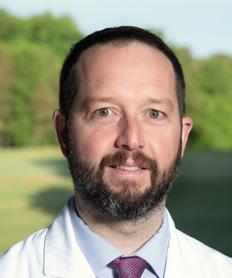
INTERVIEW WITH Geoffroy Sisk, M.D., FACS Faculty Member, Duke University; Member, American Society of Plastic Surgeons

INTERVIEW WITH Michael P. Berry, M.D., FACS Breast Surgical Oncologist, West Cancer Institute, Memphis, Tennessee; President, American Society of Breast Surgeons
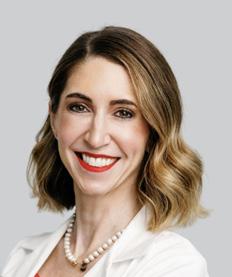
INTERVIEW WITH Meredith Collins, M.D., FACS Chief of Plastic Surgery, Ochsner MD Anderson Cancer Center in New Orleans
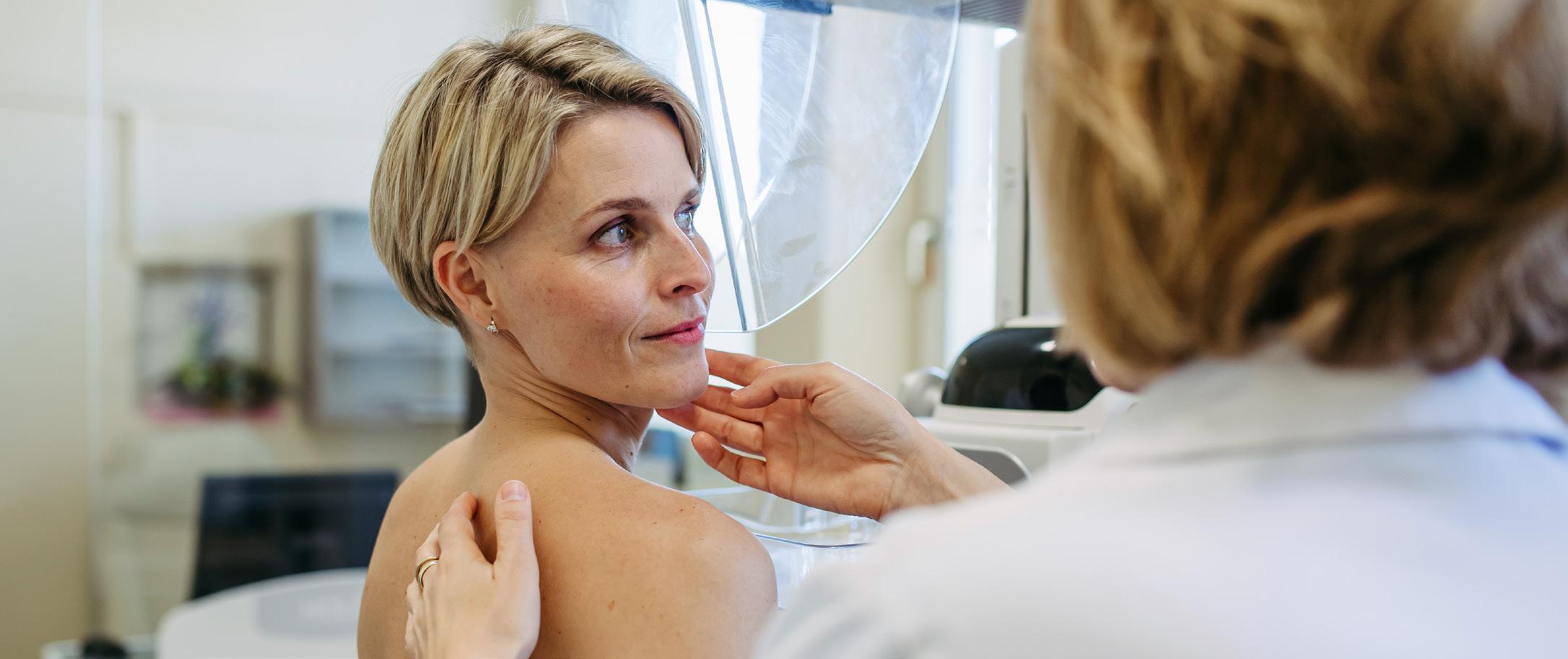
Yearly mammograms and advanced imaging techniques help detect breast cancer early, leading to better treatment options and survival rates.
In the United States, breast cancer remains the most common cancer in women and the second most common cause of cancer death in women. According to the National Cancer Institute, in 2025, approximately 316,950 people will be diagnosed, and 42,170 will die from breast cancer in the United States.
Early detection with screening mammograms remains the most widely studied and most definitively proven method to decrease the risk of dying from breast cancer. Yearly screening mammograms reduce the risk of dying from breast cancer by up to 40%. Plus, when breast cancers are diagnosed early by screening, they are less likely to require aggressive surgeries and chemotherapy than when breast cancers are detected clinically, i.e., by feeling a breast lump or other symptom.
What questions should I ask before my mammogram?
It’s important to have your questions answered. Knowledge of expectations will help you to feel more comfortable with the mammogram appointment. Common questions include:
• What types of clothes should I wear to
my appointment? (Answer: Typically, a two-piece outfit that will allow you to easily remove the top for the mammogram.)
• Is it okay to wear lotions or creams? (Answer: Avoid deodorant, lotions, and other skin products on your chest and underarm areas.)
• Will it hurt? (Answer: There may be discomfort with breast compression during the mammogram. However, most women state that the discomfort is mild and does not persist after the exam.)
• When will I receive the results? (Answer: It varies by institution. Typically, it may take up to a week, though some facilities may provide your results on the same day as your appointment.)
Overview of advanced imaging techniques
In addition to screening mammograms, there are other imaging techniques used to detect breast cancer, such as tomosynthesis, MRI, and ultrasound.
Yearly screening mammograms are recommended for all women over age 40. In certain situations, these other imaging tools may be recommended to supplement breast cancer screening in addition to yearly mammograms. These advanced imaging techniques may be used to further evaluate a finding identified on screening mammograms. The tools provide
additional information that can help the radiologist determine if the finding is concerning.
How does patient-provider communication pair with advanced imaging to improve outcomes or provide personalized care?
Advanced imaging is most helpful when used appropriately. There is no single breast imaging technique that is best for all people in all situations.
National guidelines typically categorize the optimal breast imaging recommendations based on individuals’ clinical symptoms, age, and breast cancer risk status. If you notice a new breast problem or have questions about your recommended breast cancer screening schedule, please discuss these questions with your healthcare provider as soon as possible. Based on your symptoms, personal health history, age, and other risk factors, you and your healthcare provider can create a breast imaging plan that is best suited to your personal situation.
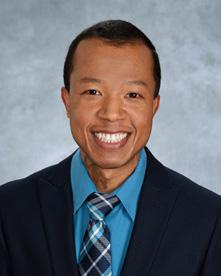
WRITTEN BY Vilert Loving, M.D. Society of Breast Imaging
Lumpectomy has been the standard of care for low-risk, early-stage breast cancer, but now cryoablation — freezing cancer tumors to kill them — is emerging as a new option.
The FDA recently granted marketing authorization for ProSense® cryoablation, a minimally invasive local treatment for women aged 70 and over who have early-stage, low-risk breast cancer with biologically low-risk tumors less than 1.5 cm in size. The treatment must be followed with endocrine (hormone) therapy.
The ProSense® Cryoablation System, developed by IceCure Medical Ltd., is the first and only medical device that’s been granted FDA marketing authorization for the local treatment of breast cancer. Doctors call it a game-changer.
“Cryoablation gives the opportunity for women to have their breast cancer treated in the office and not in a surgical suite,” said Nathalie McDowell Johnson, M.D., FACS, senior medical director of the Legacy Cancer Institute.
How it works
Breast cancer cryoablation uses liquid nitrogen to kill tumors by freezing them. The doctor uses ultrasound to guide the ProSense® System’s needle-like cryoprobe into the tumor. Next, liquid nitrogen freezes the tumor at sub-zero temperatures, resulting in an ice ball around the tumor.
“The ice ball is so cold that it kills the tissue in a very targeted manner,” said Robert C. Ward, M.D., associate professor of radiology at Brown University, who specializes in breast imaging and intervention, and has been using cryoablation for 10 years.
A freeze-thaw-freeze cycle kills the targeted tissue immediately. The ice ball melts, and the body absorbs the tumor

over time. No breast tissue is removed, maintaining the shape of the breast.
Patient outcomes
The goal is de-esclation of care: to do less invasive procedures while still maintaining similar outcomes. While lumpectomy has been the standard of care for decades, it’s a lengthy, surgical procedure in the hospital usually done under anesthesia, and requires cutting into and removing breast tissue. Healing can take weeks.
But ProSense® is effective, minimally invasive, and can be done in the office in about an hour. “Patients feel relaxed, some of them actually fall asleep during the procedure, and the ice has a numbing effect,” said Dr. Johnson, who has been using the tech for the past five years.
Patients can drive themselves to and from the appointment, leaving with a small bandage and resuming normal activities usually within 24 hours.
Follow-up imaging after cryotherapy ablation is the same as with a lumpectomy: a mammogram at six months, 12 months, and then annually after that.
The future
“A significant proportion of breast
cancers that we diagnose nationwide would potentially benefit from this procedure instead of a lumpectomy,” said Dr. Ward, who estimates that the 150 patients who got lumpectomies at his hospital last year could have had ProSense® instead.
Now that the procedure is FDAcleared, Dr. Johnson, a past president of the American Society of Breast Surgeons, is hopeful that more patients can utilize it and receive insurance coverage. As a breast cancer survivor, she says ProSense® gives patients more options.
“Cryoablation is wonderful, and I think it enriches patient-informed decision-making,” she said. “You explain to patients the pros and cons of different options and allow them to make choices.”
Written by Kristen Castillo
here to learn

Breast cancer patients still face outdated insurance barriers, and new legislation aims to align coverage with today’s reconstructive standards.

The Women’s Health and Cancer Rights Act (WHCRA) was groundbreaking when it became law in 1998 because it guaranteed insurance coverage for breast reconstruction after cancer treatment. Yet, like other items from the ‘90s — think VHS tapes, floppy disks, and pagers — it hasn’t kept pace with technology.
A lot has changed in 27 years. The internet connected us, smartphones moved information from our desktops into our pockets, and social media transformed how we engage with the world. Yet, WHCRA remained the same, stuck in time, leaving breast cancer patients with uneven access to necessary care.
“I had multiple patients having issues and getting denials,” said Dr. Alicia Billington, a board-certified plastic surgeon in St. Petersburg, Fla., and federal chair of the American Society of Plastic Surgeons (ASPS) Legislative Advocacy Committee. “These women come to me in tears because they are being denied coverage or frustrated with trying to navigate the system. They’re not crying about breast cancer. That’s just not how this is supposed to work.”
The ASPS is championing the update to the law because ASPS Member Surgeons have an unrelenting commitment to every patient’s right to the best reconstruction and recovery resources available. They should not be limited only to the level of care that was available in the 1990s.
The Advancing Women’s Health Coverage Act (AWHCA) updates the original legislation by closing gaps in coverage so patients have access to a full range of recovery options. It focuses on patient-centered care because every patient is unique and deserves access to the medical approach that will best support their health and quality of life. It also removes barriers to care during a vulnerable time. Patients often face insurer denials, delays, or significant out-of-pocket expenses that make necessary care inaccessible.
“I want the insurance companies to be on our team,” Billington said. “I don’t want this to be adversarial. I would like to extend the invitation to come work with us and make changes to help patients.”
It’s time the letter of the law matches its spirit. Breast reconstruction has advanced significantly during the past 30 years, but coverage hasn’t. Coverage should correlate to today’s standards of care, including new options such as breast-conserving surgery, implant-based reconstruction, complex revisional surgery, and custom prostheses. Modernizing the Act ensures insurers can’t deny or delay coverage for the full reconstructive journey, protecting patients’ rights so they can experience better well-being, autonomy, and quality of life.
It’s time for a reboot to take this law from the ‘90s into the 21st century. These updates ensure no breast cancer patient is left in the past with outdated insurance coverage. The AWHCA will allow breast cancer patients to receive the best possible reconstructive care.
Written by The American Society of Plastic Surgeons (ASPS)
INTERVIEW WITH Dr. Alicia Billington Board-Certified Plastic Surgeon; Federal Chair, ASPS Legislative Committee
Roughly 1 in 8 women will be diagnosed with breast cancer, and while the five-year survival rate now exceeds 90%, navigating life after treatment presents its own set of hurdles. Powerful discussions between survivors explore these realities.
SurvivorNet’s “The Breast Cancer Dialogues” is a candid conversation series that provides a space for survivors and leading clinicians to come together to explore life after treatment ends with unflinching honesty and hard-won optimism.
“What becomes so apparent over and over again is that when women with breast cancer can come together to connect, there is an extraordinary impact,” said SurvivorNet CEO Steve
Alperin. “Sharing dreams and hopes and pain is a real part of healing.”
Across the couch, survivors speak with a candor that’s both bracing and hopeful. Creative marketing specialist and mom Anna Crollman reflects on a decade of survivorship and the power of being seen: “Speaking with all these women today, I think it really does bring back so many of those memories.

To realize that, while our lived experiences with cancer might be unique, we have a shared common experience, it’s really special to be here in this space with everyone today.”
Fitness instructor Amanda Butler reframes body image after treatment: “Now at the end of this entire journey, when my body’s been through so much, I’m just so proud of her and I never talk badly about her… I’m
Sponsored
For well over 100,000 U.S. women who undergo a mastectomy annually, breast reconstruction is still widely considered the standard of care.i A growing chorus of survivors’ voices show that “going flat” can offer just as much comfort and confidence following a mastectomy, and prosthetics provide a flexible middle ground. Empowering patients begins with ensuring they understand every option available.
Amid the avalanche of emotions and medical appointments that follow a breast cancer diagnosis or news of elevated breast cancer risk, one of the most difficult decisions women face is what to do after their breast tissue removal.
Confronting the lack of choice
Too often, their choice is limited by incomplete information. About half of U.S. women are unsure whether surgical options beyond breast implants exist, according to a survey by the American Society of Plastic Surgeons.ii Kelsie Barnhart, diagnosed with stage 2 invasive ductal carcinoma just after her 27th
birthday, “quickly picked up on the assumption by various doctors that I would pursue reconstruction.”
She began her own online research and discovered the “Going Flat” movement, a community of women who – each for her own deeply personal reason – made the choice not to have breast reconstruction.
Finding a middle ground
It was only once Kelsie declared to her care team that she was refusing breast reconstruction that her surgeon brought up prosthetics. Kelsie was hesitant that prosthetics would fit her active lifestyle until she found Amoena, a
so grateful for fitness as the tool, and I’m so grateful for just where I’m at today — healthier and probably in better shape than I was before.”
Irene Hong captures the mindset shift that so often comes with survivorship: “Life will never be the same. I am now Irene 2.0 instead of the old Irene, and that’s OK.”
Written by SurvivorNet
brand that has been listening to and designing prosthetics for women for 50 years.
A call to action for cancer care providers “It is my hope that each breast cancer patient can look in the mirror and be so proud of what their body has endured and the treatment decisions they have made,” Kelsie shared.
“But in order to make decisions you are proud of, you need to know all of the options,” she explained. “That is where the responsibility lies with our medical community. Prosthetics need to be discussed just as early as plastic surgery and with full transparency.”
i Brigham and Women’s Hospital. (n.d.). Mastectomy. Brigham and Women’s Hospital. https://www.brighamandwomens.org/surgery/ surgical-oncology/resources/mastectomy.
ii American Society of Plastic Surgeons. (2022, October 24). Survey: Many U.S. women lack basic information on life after mastectomy. https://www.plasticsurgery.org/news/press-releases/survey-manyus-women-lack-basic-information-on-life-after-mastectomy.
To learn more and shop Amoena’s full line of prosthetics, visit amoena.com

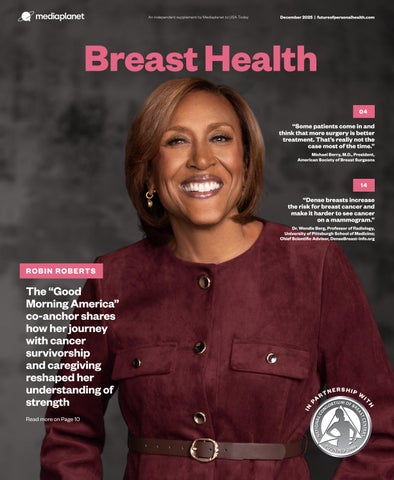
Co-anchor of ABC’s “Good Morning America,” Robin Roberts discusses her journey with breast cancer and the lessons she’s learned as a survivor and a caregiver.
Looking back, how has your relationship with your own health evolved since your breast cancer diagnosis in 2007?
That’s a really good way to start, because it has evolved. I always thought prior to 2007 that I was doing the right things, and in many ways, I was. I was always very active, an athlete at heart, and cancer wasn’t something I ever thought of. I never had any real serious health issues. However, sleep wasn’t a priority, and I ate a lot of processed food and red meat. I’ve taken the time to understand what I’m eating now. Everything is placed in our path for a reason — to learn from it. I’ve learned there are no guarantees, even if you do everything “right.”
Emotionally and spiritually, what stands out most about that time?
What really got me is realizing that it’s more mental than physical. I always thought cancer would be physically taxing — what it would do to my body and my hair. I never thought about the emotional side, and it threw me for a loop. Everyone thinks you’re supposed to throw a party when treatment ends, but I went into a real depression. I got therapy,
and I had medication for a time. No one really talks about after cancer. They talk about prevention and treatment, but not what comes after.
How can women take more ownership of their breast health?
I detected my own lump. My mother used to say, “We’re lumpy people,” and it was true, but I knew this lump was different because I checked myself so often. I moved up my doctor’s appointment, and I’m glad I did.
Our bodies are incredible. They get us through the hardest times. Respect your body by getting to know it. Nobody will know it better than you.
You’ve also been open about supporting your wife, Amber, through her breast cancer. How did being a caregiver compare to being a patient? It was more difficult being a caregiver than being a patient. I cried more when Amber went through it than I ever did for myself.
Caregivers need support, too. They need a team around them. They need rest and understanding just as much as the patient does. My hat is off to every caregiver out there.

What really got me is realizing that it’s more mental than physical. I always thought cancer would be physically taxing — what it would do to my body and my hair. I never thought about the emotional side, and it threw me for a loop.
You’ve said optimism is a choice. What gives you optimism today?
Optimism is like a muscle; it gets stronger with use. The way I can see light in darkness is because I’ve practiced doing it. You have to change how you think to change how you feel. Those of us blessed with good mental and physical health, shame on us if we don’t use it to choose light, to help those who can’t see it yet.
Advances in personalized medicine are helping women and their doctors move beyond one-size-fits-most treatment. PreludeDxTM is leading the way with tools that bring clarity and confidence to breast cancer decisions.

Following a breast cancer diagnosis, women face a maze of choices. For women with ductal carcinoma in situ (DCIS), also known as Stage 0 breast cancer, one of the most urgent questions is whether to undergo radiation after breast-conserving surgery (BCS).
To guide this decision, doctors have historically relied on clinical-pathology checklists that group patients into low or high risk based on population data. “These are soft tools,” explained Troy Bremer, Ph.D., chief scientific officer of PreludeDx. “They don’t give you the precise information needed for a better treatment decision.”
As a result, many women opt for radiation “just in case.” Today as many as 4 in 5 women with DCIS receive radiation after BCS — even though prospective randomized studies show that only about 1 in 7 will benefit.
From pathology checklists to personalized assessments of a woman’s biology
PreludeDx’s DCISionRT® is changing the conversation as the first and only test validated to predict a patient’s individual
benefit from radiation therapy after BCS. By leveraging the power of tumor biology, the test provides an individual score ranging from 0 – 10, corresponding to each woman’s risk of recurrence and benefit from radiation therapy.
This clarity has proven transformative: In a large multicenter study, DCISionRT results changed physicians’ recommendations in nearly 40% of cases. The RT treatment decision was changed for 2 in 5 women after receiving their personalized test results.
The test is now ordered by breast surgeons or radiation oncologists in more than 85% of the top 50 U.S. cancer centers.
“DCISionRT is becoming the standard of care for physicians and patients throughout the US to properly assess recurrence risk and benefit from RT,” noted Dan Forche, CEO of PreludeDx.
Introducing AidaBreast™: The next generation of insight Building on that foundation, PreludeDx is launching AidaBreast™, a next-generation test for women with stage I and IIa breast cancer. AidaBreast uses multi-omic technology — analyzing RNA and Protein expression along with Spatial
Biology — providing a more complete assessment of a patient’s tumor biology.
“Earlier tests in this space are 20 years old and based solely on RNA,” Bremer explained. “AidaBreast also includes functional proteins that drive the tumor biology as well as the immune response, giving patients and their clinicians the first tool for assessing risk and predicting RT benefit in early-stage invasive breast cancer.”
The first test in the AidaBreast portfolio provides a radiation therapy assessment for early-stage breast cancer, offering the same kind of individualized radiation insight that DCISionRT provides for DCIS. Future modules will expand the platform to include endocrine therapy and chemotherapy assessments, creating a single, integrated tool that helps physicians and patients understand the likely benefit of each therapy option.
Putting knowledge in patients’ hands Forche emphasized that these advances in personalized diagnostics are about giving patients an informed choice: “Radiation, endocrine therapy, and chemotherapy each come with benefits and side effects. We want to ensure that women have the most comprehensive information available to make a better choice in treatment.”
With DCISionRT already transforming DCIS care and AidaBreast poised to do the same for early invasive breast cancer, PreludeDx is ushering in a new era of precision medicine — one where every woman can feel informed, empowered, and truly seen in her treatment plan.
“Five years from now,” Forche added, “we want to be the one-stop shop by providing women the most comprehensive decision support tools for early-stage breast cancer.”
Written by Emily Rose

To learn more, visit preludedx.com

Knowing whether your breasts are dense can guide smarter screening decisions and help catch cancer earlier when it’s most treatable.
After a mammogram, all patients are now told whether their breasts are “dense” or “not dense.” Patients with dense breasts are also informed that dense tissue makes it harder to find breast cancer on a mammogram, raises their risk of developing breast cancer, and that other imaging tests after a mammogram can help find cancers.
Facts to know:
• Dense breast tissue is normal and common. 40% of women aged 40 and over have dense breasts.
• Dense breast tissue increases risk. Cancer is 4 to 6 times more likely to develop in extremely dense breasts than in the least dense (fatty) breasts.
• Dense breast tissue hides cancers. Although mammograms find some cancers not seen on other screening tests, in extremely dense breasts, about 40% of cancers present will be hidden.
• In dense breasts, after a mammogram, other screening tests, such as breast MRI (or ultrasound if breast MRI is not possible), substantially increase the detection of early-stage breast cancers.
Can I tell if I have dense breasts by the way my breasts look or feel?
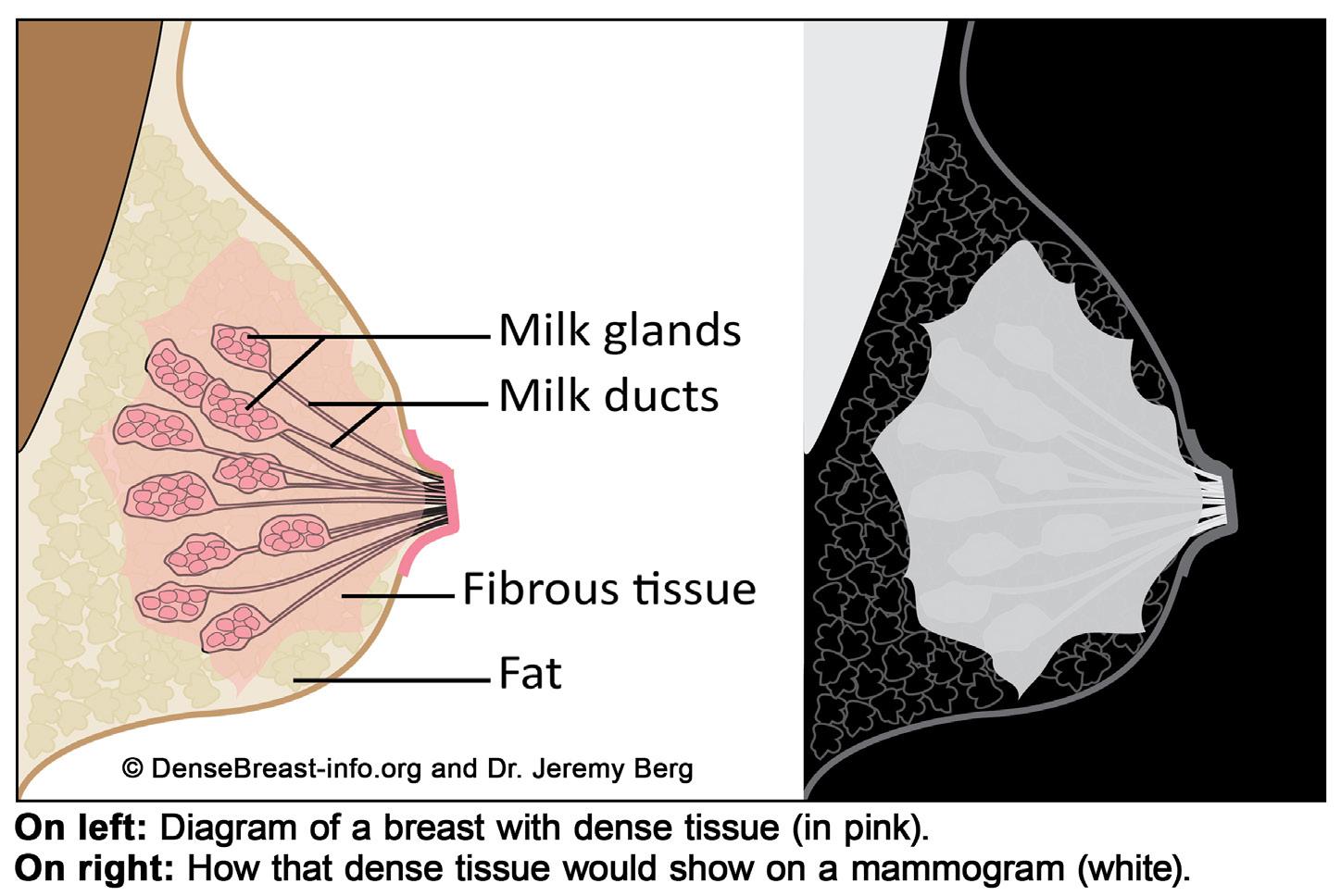
No. Breast density is determined by the doctor who reviews the images from your mammogram. The more glands and fibrous tissue compared to fatty tissue that a woman has, the “denser” her breast tissue is.
How do I know if I have dense breasts?
When you have your mammogram, your breast density is rated as one of four categories in the mammogram report:
• Fatty
• Scattered areas of fibroglandular density
• Heterogeneously dense
• Extremely dense
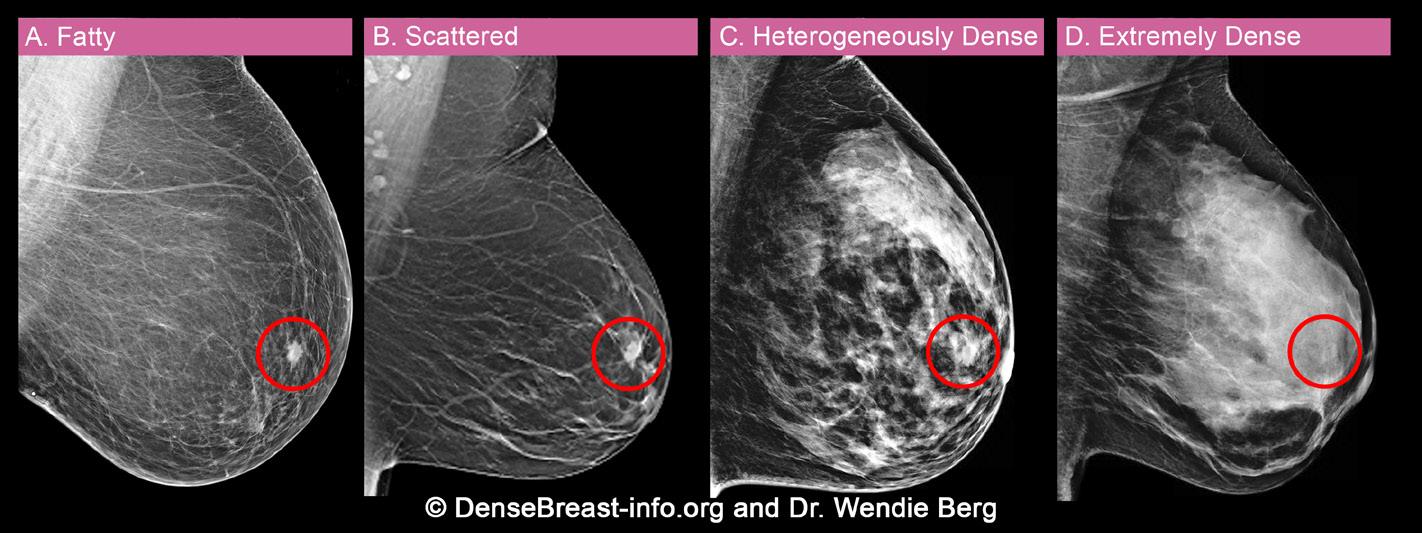
Breasts that are heterogeneously or extremely dense are considered “dense” breasts.
How does dense tissue affect my mammogram?
Dense breast tissue is white on a mammogram, and fatty tissue appears dark gray. Unfortunately, cancers are also white on a mammogram, and a cancer can be “hidden” by the dense tissue, even if the mammogram is done with 3D/tomosynthesis. For women with dense breasts, a “normal” or “negative” mammogram does not necessarily mean cancer is not present.
What about insurance coverage for additional screening tests?
Generally, if your health provider feels additional screening is medically necessary, it will be covered, although copays and deductibles may apply. Currently, 36 states plus Washington, D.C. have passed insurance laws to cover some level of additional screening after a mammogram. However, state laws vary, coverage is not
assured, testing may still be subject to out-ofpocket costs, and many types of insurance plans are exempt from state insurance laws.
Now that all women are told if they have dense breasts, all women should have access to the additional screening their doctor determines necessary. A federal insurance bill, the Find It Early Act, has been introduced that would ensure that all insurance plans cover screening and diagnostic breast imaging with no out-of-pocket costs for women with dense breasts or at higher risk for breast cancer, see FindItEarlyAct.org.
Early detection matters. Be an informed self-advocate and ask the question, “Is my mammogram enough?”
WRITTEN BY JoAnn Pushkin Executive Director, DenseBreast-info.org;
2025 Honorary Fellow, Society of Breast Imaging
As a health technology leader, I build tools to save lives — but learning I have dense breasts made my work personal.
As a longtime MedTech executive, I’ve spent my career building technologies that help detect and treat disease to save lives. But like so many working women, I often put my own health last. Between work, travel, and family, scheduling something like a mammogram can easily slip to the bottom of the list.
When I stepped into my new role leading Women’s Health at GE HealthCare, I was caring for a parent battling cancer in another country, navigating the demands of a new position, and was well overdue for my first screening mammogram. To better understand first-hand the technology my team helps bring to life, I took the opportunity to have my mammogram during my first customer visit. That’s when I learned something I didn’t expect: I have dense breasts.
Like nearly half of women in the United States, my breast tissue is made up of more fibroglandular tissue than fat — and that can make it harder to detect cancer, since both dense tissue and tumors appear white on a standard mammogram. When I asked about next steps, I was told we could do additional exams, but they weren’t necessary, and I should first check whether my insurance would cover them.
Women with extremely dense breasts face a four-to-six times higher risk of developing breast cancer than those with fatty tissue. Through my work, I‘ve heard countless stories of women whose cancers went undetected until it was too late, simply because their breast density was overlooked.
At GE HealthCare, I’m intimately aware how advanced technologies are transforming what’s possible for early detection. Automated Breast Ultrasound (ABUS), a non-invasive,

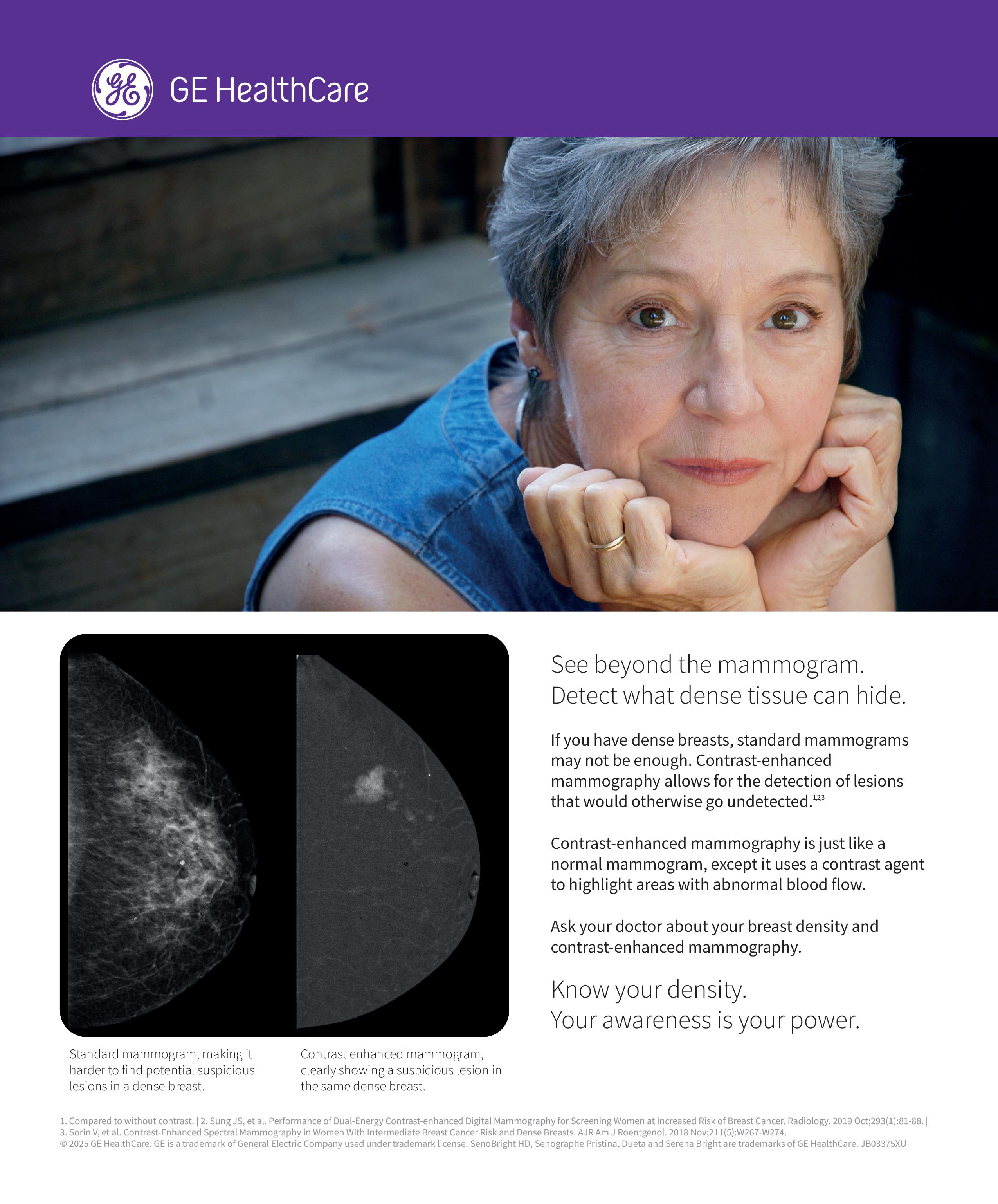
radiation-free screening technology, is designed to identify cancers in dense breasts that may otherwise be missed by mammography. Contrast-Enhanced Mammography (CEM), which combines digital mammography with an iodinebased contrast agent to highlight areas of increased blood flow, a characteristic of cancer, offers an affordable option for problem-solving inconclusive results, using the same mammography machine. For women at higher risk, MRI screening provides a detailed look of the breast tissue.
With all the innovations we’ve achieved in breast imaging — and knowing that dense breast tissue can both hide cancer and heighten risk — I was frustrated to learn that supplemental screening is still often treated as optional and may not be fully covered by insurance.
Shortly after losing my own parent to cancer, I sought to find deeper purpose in my work and decided to use my voice to advocate for women
— pushing for stronger policies and better coverage at both the state and federal level for those with dense breasts and at higher risk.
As a healthcare executive, my work is no longer about just advancing technology — it’s about ensuring awareness, access, and advocating for an ecosystem that truly supports women.
With 30 states having passed laws that eliminate patient cost-sharing for diagnostic and/or supplemental breast imaging, and our continued advocacy toward federal coverage, I envision a future where every woman has access to comprehensive screening.
Knowing you have dense breasts shouldn’t be a source of fear; it should be a source of empowerment. Schedule your mammogram and know your risk factors — your family history, your genetics, and your density — and don’t be afraid to ask your provider about supplemental screening. Because awareness, after all, is its own form of early detection.


For many women, a mammogram at 40 is essential, but certain risk factors may make it insufficient on its own.
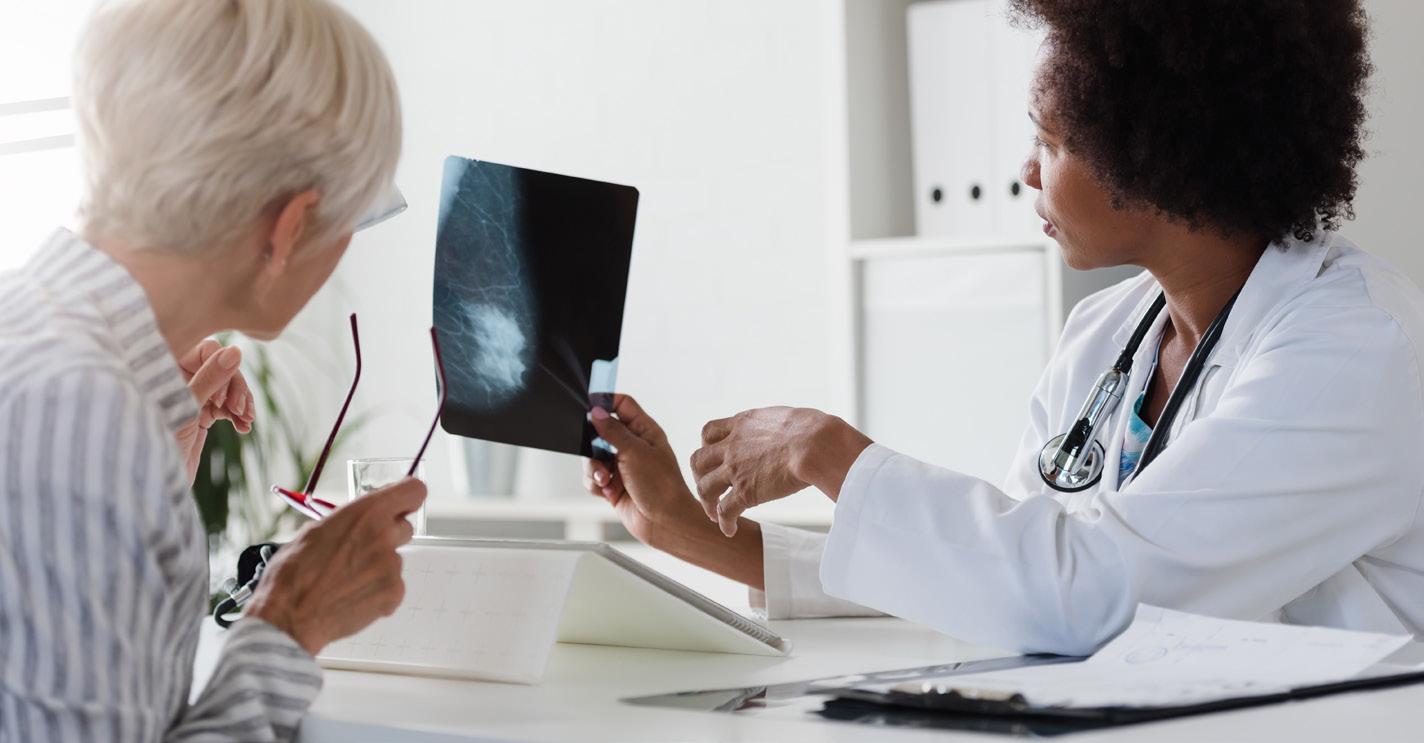
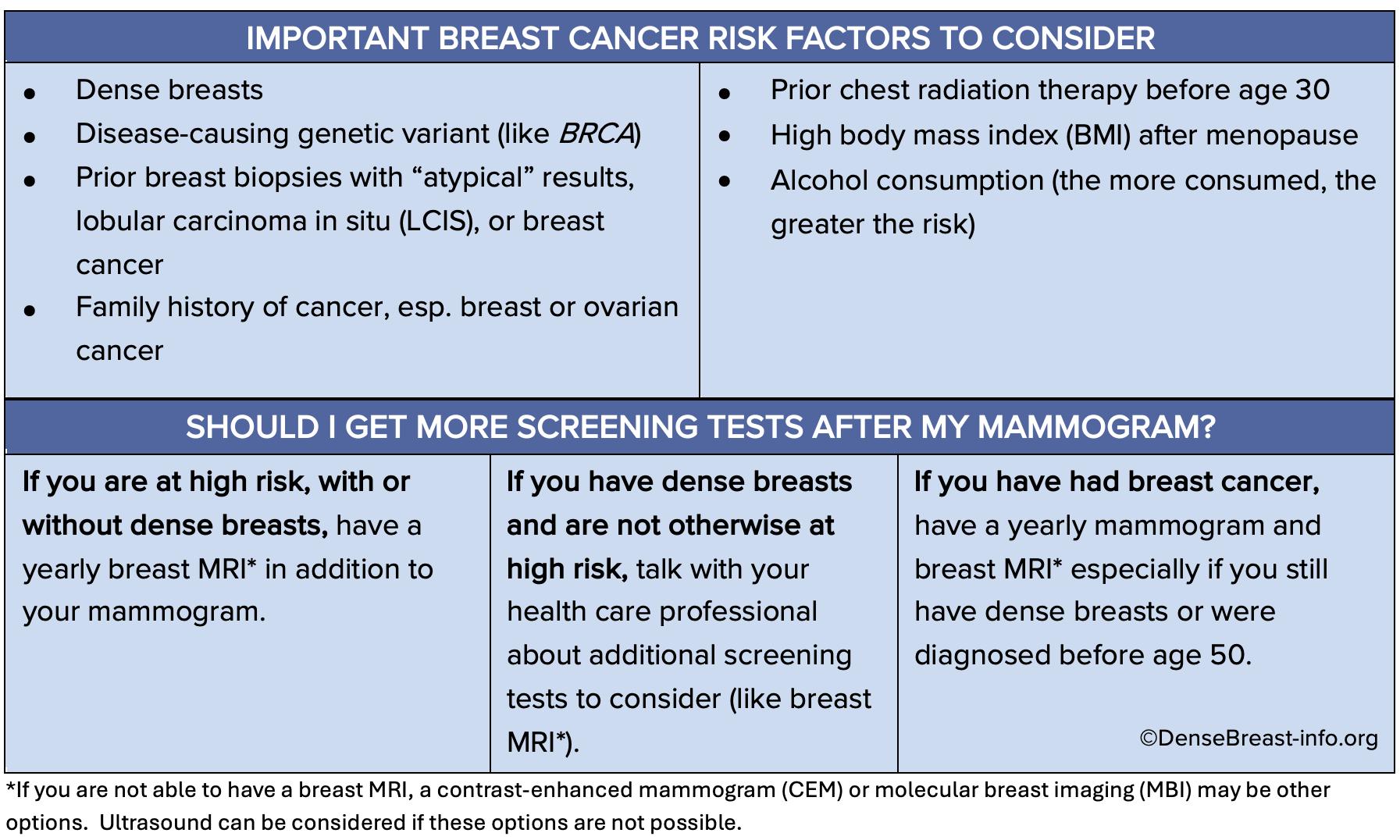
Most patients who develop breast cancer do not have any risk factors other than being a woman and getting older. For most women, screening for breast cancer should start with mammography at age 40 and continue yearly. Annual mammograms reduce the chance of dying from breast cancer by about 40%.
However, some women are at high risk and should start screening earlier and with an MRI. This may be because of a disease-causing mutation, most commonly in BRCA1 or BRCA2. Such mutations are more common in Ashkenazi Jewish and Black women. Women at high risk because of such mutations are recommended to start annual screening with MRI by age 25 and to add mammography after age 30. Prior chest radiation therapy before age 30 (and at least eight years earlier) also creates a high risk for breast cancer, as does a personal history of breast cancer.
Combinations of other risk factors, including dense breasts, may also put a woman at high risk, and prompt recommendation for screening MRI in addition to mammography. Screening MRI can be performed as a “fast” or “abbreviated” MRI in some centers, and can be billed to insurance (often with copay). Some centers direct bill to patients.
All women should have a formal risk assessment by age 25 and then every few years if there is new family history, a new breast biopsy, or if other risks develop. A lifetime risk of 20% or more is considered “high risk.” Over 20% of women in their 40s are at high risk, but fewer
than 1% of women in their 70s are at high risk, and screening MRI is not usually recommended beyond age 70.
When MRI screening is needed
Because of both a higher risk of developing cancer and of cancer being missed on a mammogram alone, the following women should consider having a screening MRI in addition to a mammogram:
• Women with extremely dense breasts
• Women with heterogeneously dense breasts and either or both of:
• a family history of breast cancer, especially if the diagnosis was before age 50 in the mother or sister, or in
two or more relatives on the same side of the family
• prior breast cancer, atypical biopsy, or lobular carcinoma in situ
• Prior breast cancer diagnosed before age 50, even if the breasts are not dense
Other risk factors to consider include:
• High body mass index (BMI over 25) after menopause
• Consuming alcohol, even as little as one glass of wine per day; risk increases with increasing alcohol consumption.
Contrast-enhanced mammography (CEM) may be an option instead of MRI, and it includes images that are like a routine mammogram. CEM requires intravenous iodinated contrast (as in CT scans) and uses the same positioning (and compression) as a regular mammogram, but CEM is not yet FDA-approved for screening. A few centers offer molecular breast imaging using radioactive material to screen women with dense breasts, but this is not widely recommended. When these options are not possible, ultrasound should be considered.
WRITTEN BY Wendie Berg, M.D., Ph.D., FACR
Professor of Radiology, University of Pittsburgh School of Medicine; Chief Scientific Advisor, DenseBreast-info.org
Completing breast cancer treatment is a milestone filled with both relief and uncertainty, highlighting the need for personalized survivorship care.

Completing breast cancer treatment marks a profound milestone, one that deserves celebration. Yet, for many survivors, the moment the final treatment ends can also bring new uncertainty. Questions arise: What now? Who helps me manage the next phase? Survivorship is not simply the absence of disease; it’s a lifelong process of healing, monitoring, and rediscovering confidence.
As the nation’s leading voice in breast health, the National Consortium of Breast Centers (NCBC) emphasizes that survivorship care must be as individualized and intentional as treatment itself.
No two breast cancer journeys are the same. Survivors educated about their ongoing care plan experience enhancement in their outcomes based on their medical history, genetic risk, treatment type, and personal goals for recovery. A comprehensive survivorship plan can include guidance for follow-up visits, surveillance for recurrence, and proactive management of long-term side effects, such as fatigue, neuropathy, or lymphedema.
Equally important is coordination — ensuring that primary care providers, oncologists, navigators, and specialists communicate seamlessly. Survivors should maintain open communication with their providers to seek support. Empowerment begins when survivors understand their roadmap forward.
Information is one of the most powerful tools in recovery. When patients understand their treatment history and risk factors, they can take an active role in managing their health. Survivorship education — through trusted healthcare teams, certified accredited navigators, and evidence-based resources — helps reduce fear and foster confidence.
At NCBC, we see every day how open communication and patient education transform outcomes. Survivors who ask questions, voice concerns, and stay engaged with their care teams experience fewer complications and more peace of mind. Knowledge truly is healing.
Whole-person wellness
Cancer changes a person far beyond the physical. Emotional well-being, social connection,
and self-image are equally essential to full recovery. It’s common to feel anxious about recurrence or unsure how to return to “normal life.” Whole-person wellness acknowledges these realities and offers compassionate, practical support.
Integrative approaches, such as exercise, nutrition, mindfulness, and counseling, help survivors rebuild strength and purpose. Community programs and survivor networks create safe spaces to share experiences and find encouragement. Many survivors discover new meaning through advocacy and giving back, inspiring others who are still in treatment.
Survivorship is not a final chapter; it’s a continuation of your story, one guided by resilience, self-awareness, and hope. With the right plan, education, and support, every survivor can move forward with confidence, knowing they are not alone.

WRITTEN BY Kimberly Samuels Executive Director, National Consortium of Breast Centers
What happens after breast cancer treatment ends? For the more than 4 million American women living as survivors of breast cancer right now, finishing their initial treatment actually just starts a new phase of care: survivorship.
Cancer survivorship goes past treatment to focus on rebuilding strength, protecting function, and preventing complications that can appear months or even years later. Managing quality of life isn’t secondary, but is often forgotten or can feel secondary to just focusing on survival.
Lymphedema is one of the most feared complications that can follow cancer treatment. It often begins subtly, as small shifts in fluid or tissue composition are not always visible or painful at first. Up to 1 in 5 breast cancer patients and survivors experience breast cancer-related lymphedema. At the same time, many undergo subtle but significant shifts in body composition. Screening reveals that roughly 40% of breast cancer survivors have low muscle mass, while others experience persistent fatigue or unexplained weight changes, all of which can negatively impact quality of life. These shifts often occur long before noticeable symptoms emerge or between follow-up visits with a physician.
Survivorship care works best as a measurable journey that combines clinical expertise with consistent, objective data. A pre-treatment baseline helps clinicians understand what a patient’s norm looks like before cancer treatment begins. Routine follow-up measurements for each individual patient offer a clear picture of what’s happening inside their body, even if they don’t look or feel different. This enables clinicians to introduce
conservative therapies, prescribe exercise and nutrition plans, and connect patients with support before early issues become bigger problems.
A tool for real-time, personalized care
Bioimpedance spectroscopy (BIS) is one tool that makes this possible. ImpediMed’s SOZO®
Digital Health Platform is the only FDA-cleared BIS technology that non-invasively measures fluid status and tissue composition, and is cleared for use in both healthy and unhealthy populations. Because fluid shifts can be one of the first and most sensitive signs of change, BIS enables clinicians to monitor for subclinical lymphedema and other key health indicators, such as changes in skeletal muscle mass and fat mass, providing them with the whole-body insights for realtime, personalized care.
Seeing progress, even in one small measurement, can turn uncertainty into action, build confidence, and encourage adherence to treatment plans.
For patients, BIS data combined with clinical assessments can provide clarity and empowerment. Seeing progress, even in one small measurement, can turn uncertainty into action, build confidence, and encourage adherence to treatment plans. For clinicians, it creates a shared language across the care continuum. Everyone, including the patient, sees the same trends, and care decisions become more timely, coordinated, and meaningful. BIS doesn’t only provide a baseline

assessment, but an anchor for the regular check-ins, defined thresholds, and consistent care upon which strong survivorship programs are built.
Survivorship is about more than finishing treatment. It’s about protecting and thriving in the life ahead. When we combine meaningful data with compassionate and thoughtful care, survivors gain more than reassurance. They gain control, strength, and the ability to move confidently through survivorship.


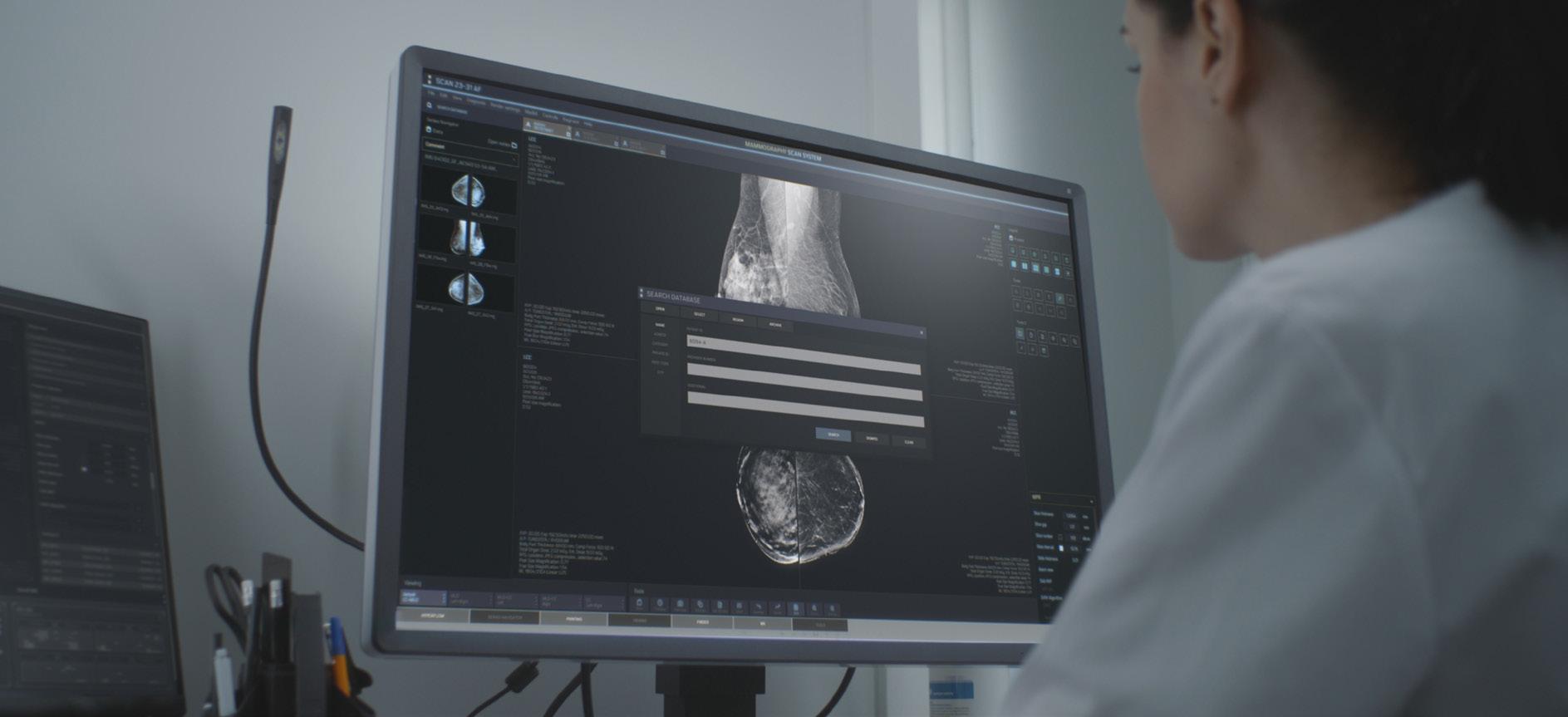
For decades, mammography has been a tool for detecting breast cancer after it appears. Now, artificial intelligence (AI) is poised to reshape that paradigm by helping doctors predict which women are most at risk for developing breast cancer in the first place, long before it appears.
To better understand this transformation, I sat down with Dr. Constance Lehman, a leading expert in breast imaging and professor of radiology at Harvard Medical School, whose pioneering research is redefining early detection and prevention. Dr. Lehman is also the founder of Clairity, Inc., which received the first FDA approval for the AI platform Clairity Breast, to predict a woman’s risk of developing breast cancer within five years from a single mammogram.
How is AI changing the way we understand breast cancer risk?
For the first time, we’re able to use mammography not just to find cancer, but to predict who is likely to develop it. AI algorithms can analyze millions of mammogram images, detecting subtle patterns that even the most experienced radiologists might miss. These insights allow us to identify women at higher risk years before the disease develops. It’s a complete shift from diagnosing cancer to preventing it.
Traditional risk models have existed for years. What’s different about AI-driven ones?
Traditional models rely on factors like family history, age, or reproductive history — information that’s often incomplete or subjective. They also tend to underrepresent women from diverse racial and ethnic backgrounds.
AI changes that by looking directly at the imaging data. It uses objective, imagebased signals that are specific to each woman, providing a far more accurate and equitable risk prediction.
Why is this particularly important for younger women?
Most young women diagnosed with breast cancer don’t have a family history or genetic mutations. They typically wouldn’t be flagged as “high risk” under traditional models. However, AI can detect biological patterns in breast tissue that reveal early susceptibility, even when everything else looks normal. This means we can tailor screening and prevention for women who might otherwise slip through the cracks.
How might predictive imaging change how doctors and patients make decisions?
Predictive imaging allows for true
personalization of care. If we know a woman’s risk level early, we can recommend screening at the right frequency, introduce preventive interventions if appropriate, and help her make informed lifestyle or clinical choices. It’s about replacing one-size-fits-all medicine with data-driven precision and, ultimately, giving women more control over their health.
What do you see as the biggest opportunity for the future of AI in healthcare?
The potential is enormous. AI can help us move from a world where we react to disease to one where we anticipate and prevent it. For breast cancer, that means fewer diagnoses, less suffering, and more lives saved. However, it also requires trust, ensuring these tools are validated, transparent, and used equitably for all women.





There’s a lot you can’t control right now.
This is something you can.


From diagnosis to reconstruction, get to know the technology that may assist in your breast cancer journey.
Connect with a surgeon near you.